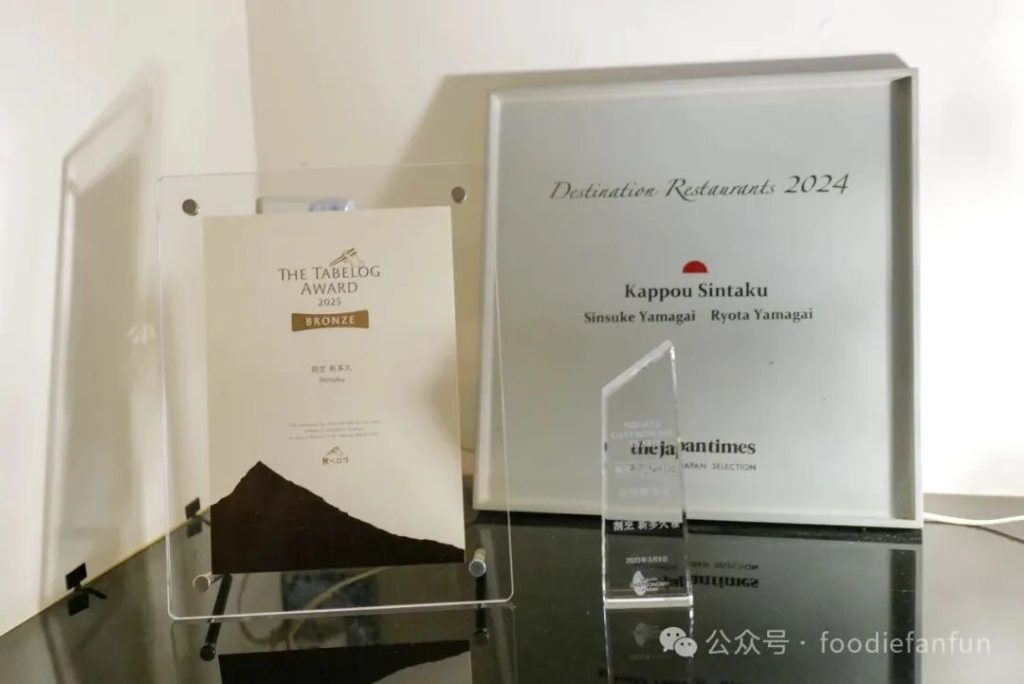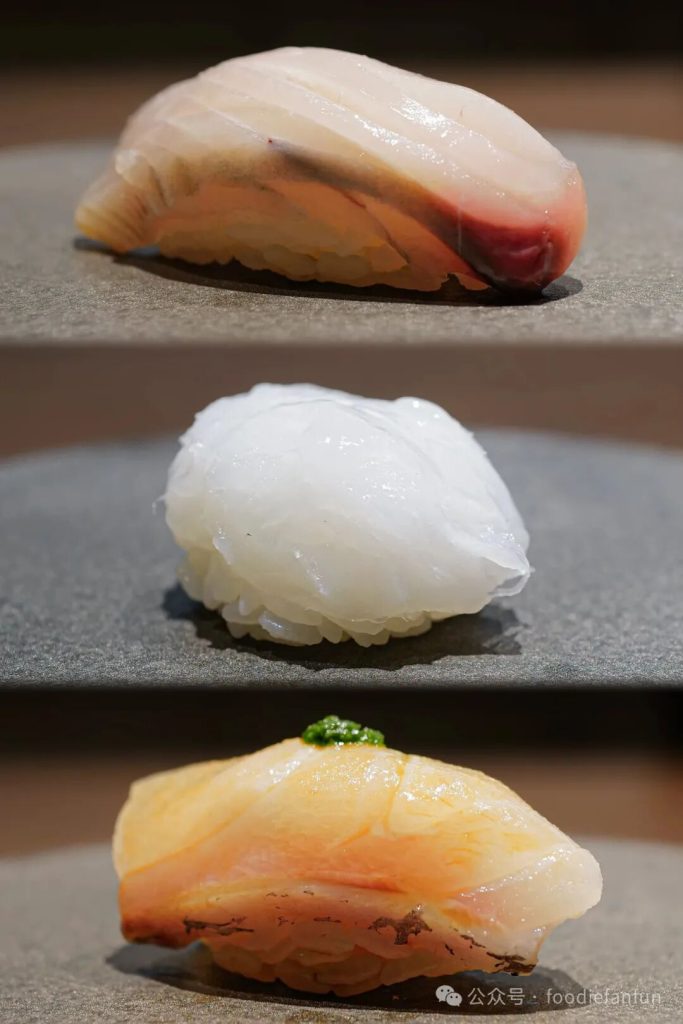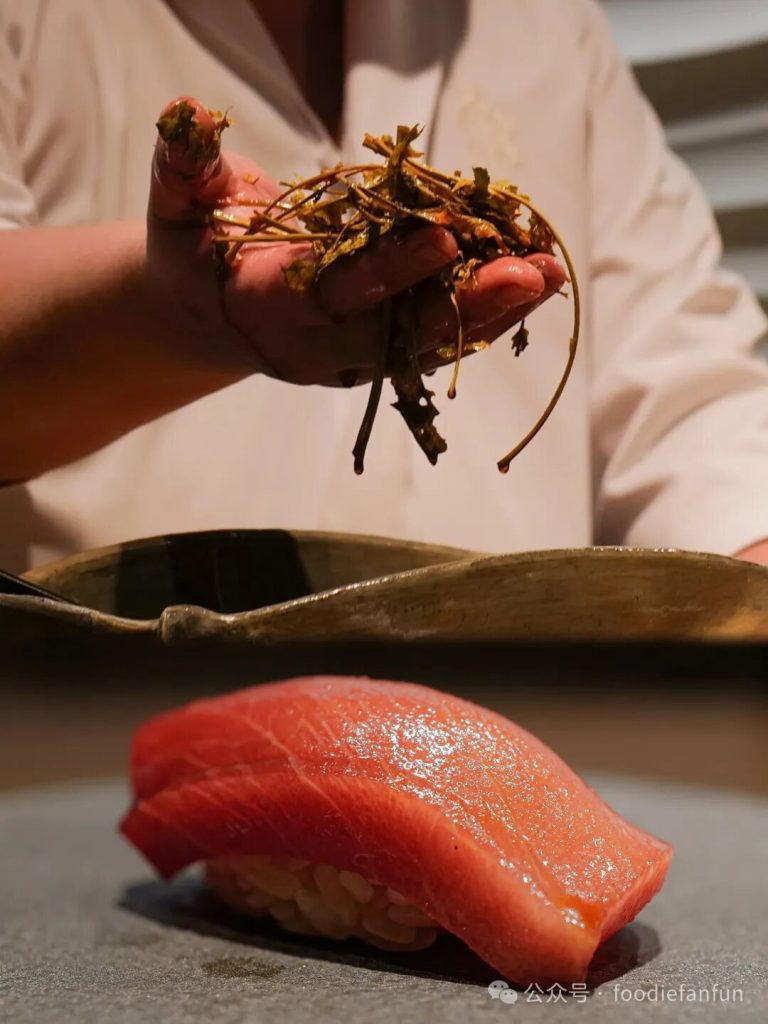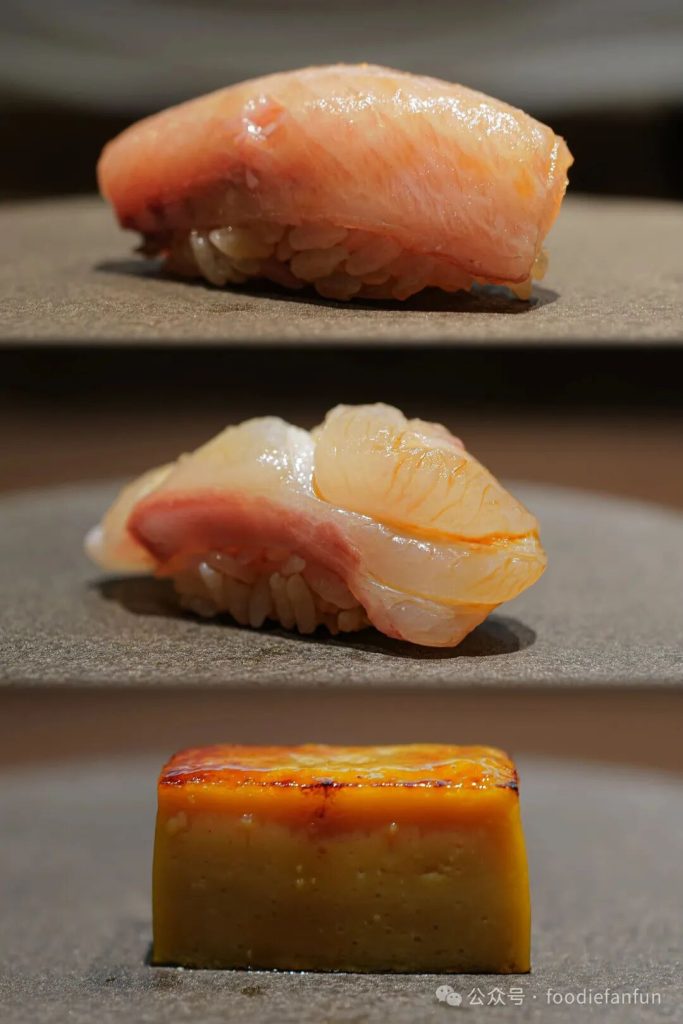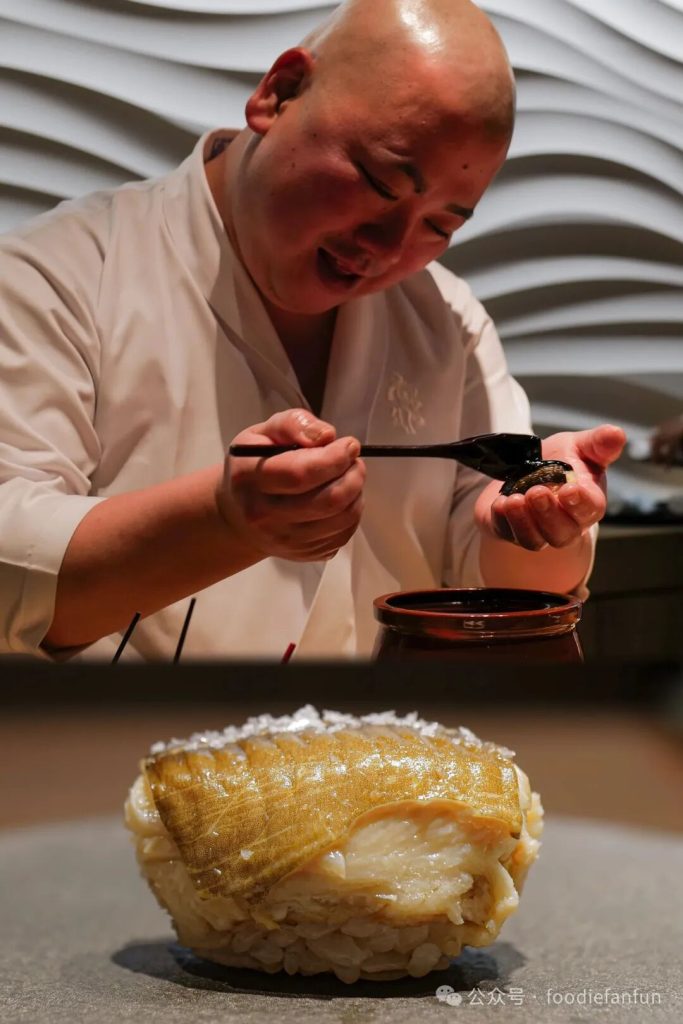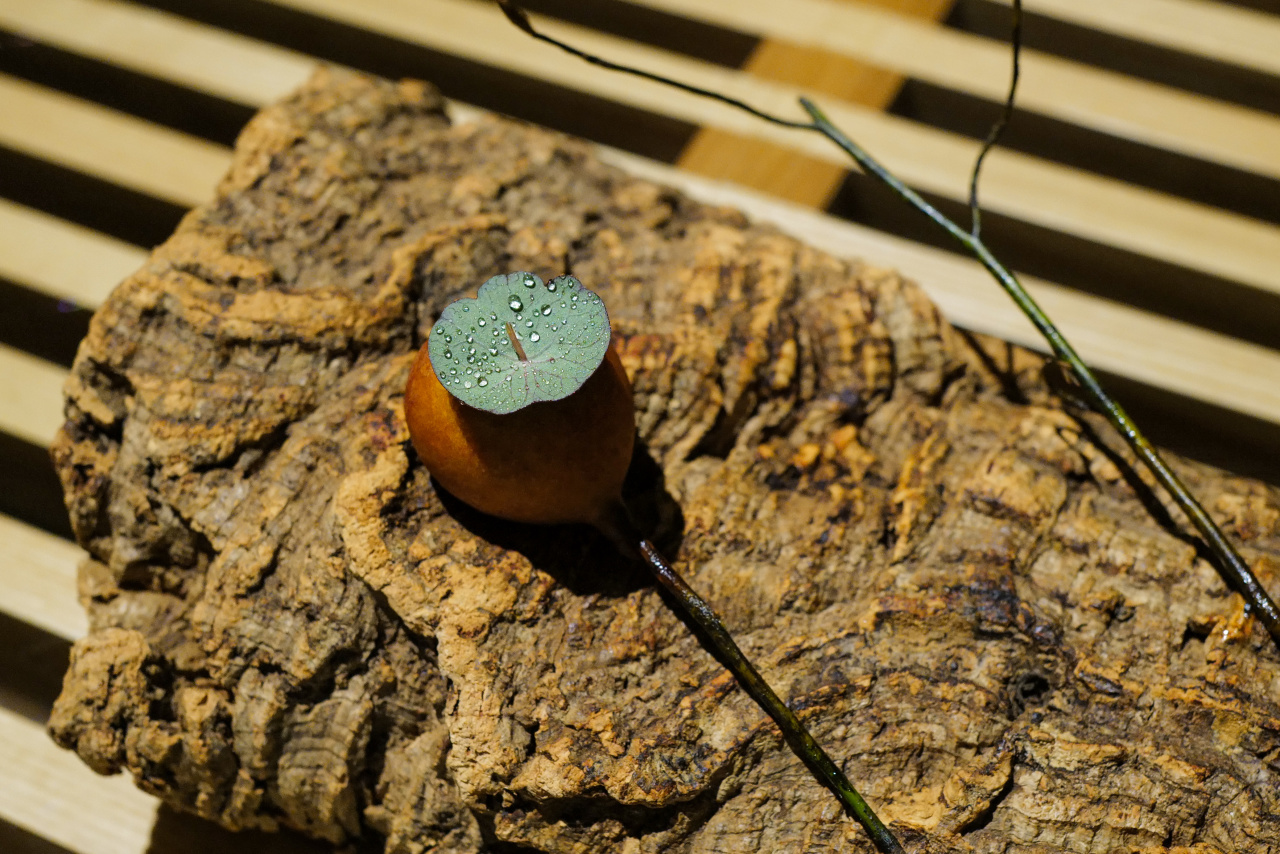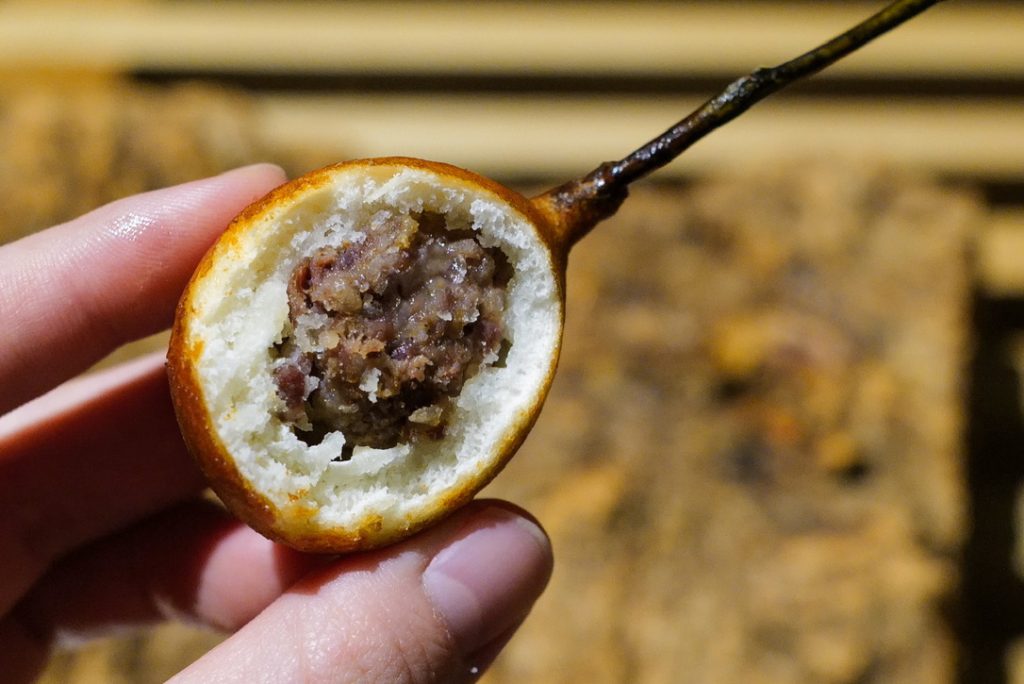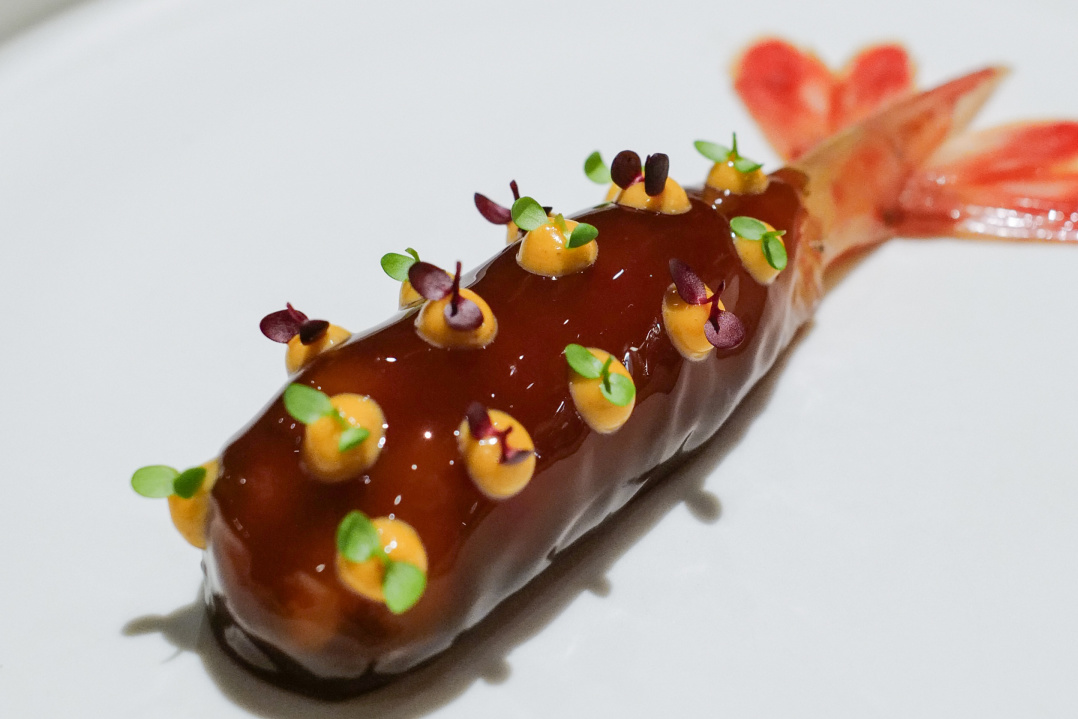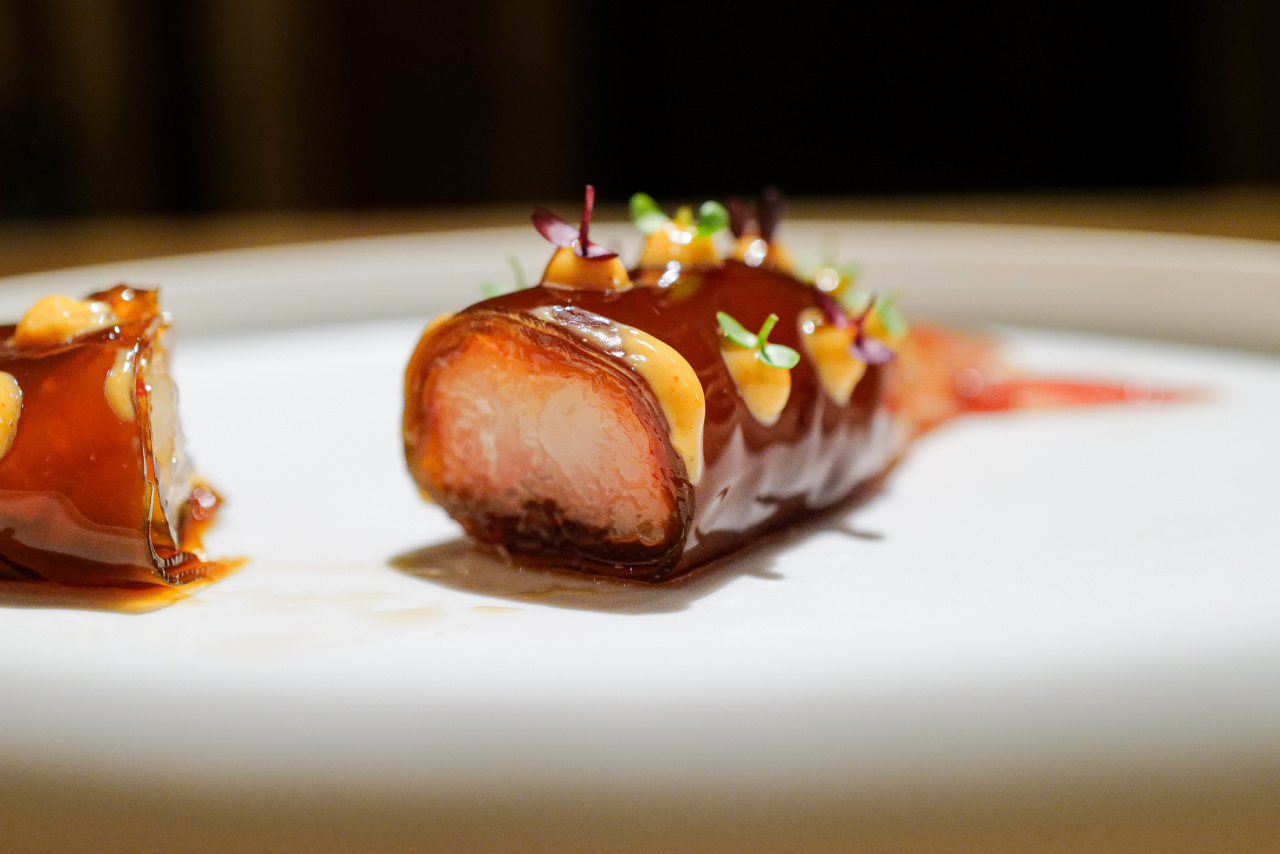
• Kappo Shintaku | Seeing the Bigger World in a Small Place

    Compared to the hassle of booking and high prices in big cities, Japan’s countryside has a lot more to offer people who love to eat.

    The first stop on the Niigata trip was an “expedition” to Murakami (really just a 30-minute train ride). This old castle town, which grew up as the northernmost jokamachi of the former Echigo Province, has historic ruins and samurai residences, the famous Senami Onsen, and a 150-year-old restaurant: Kappo Shintaku.
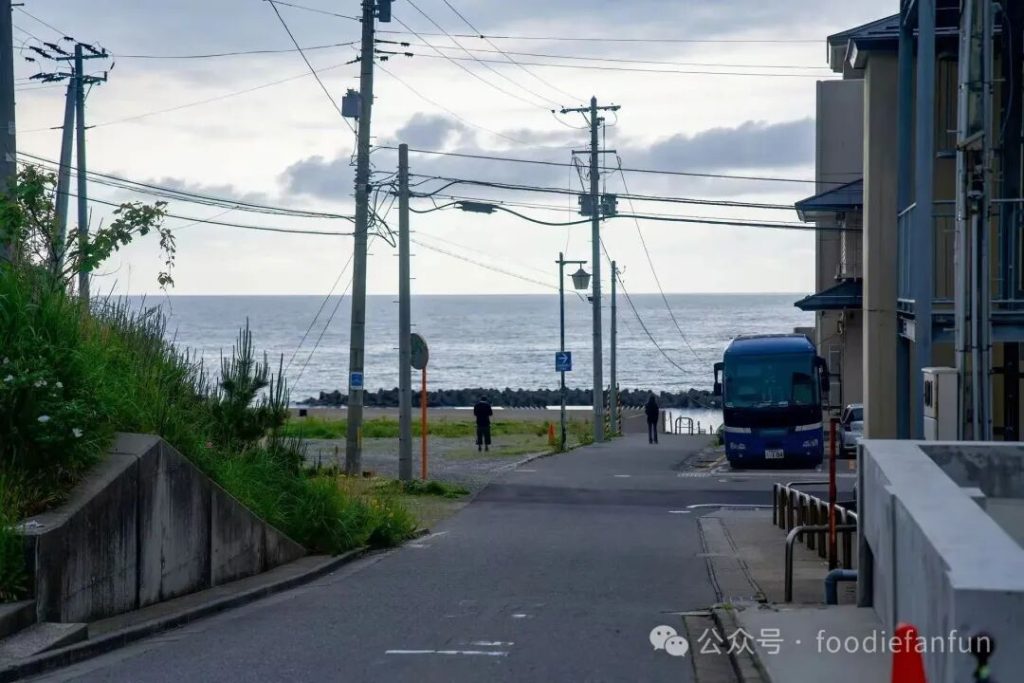
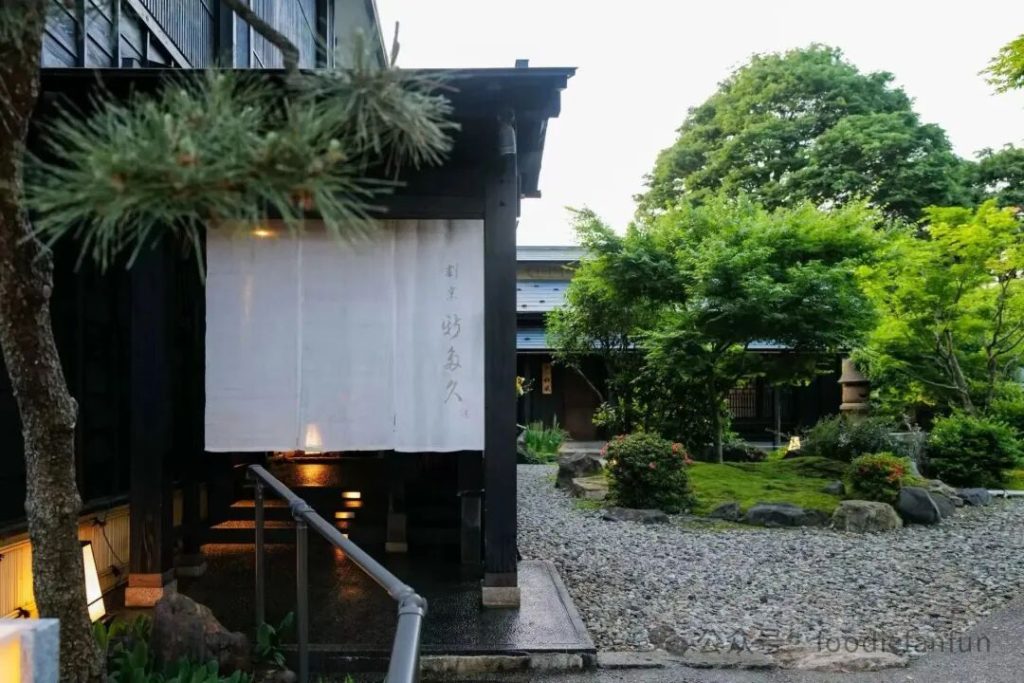
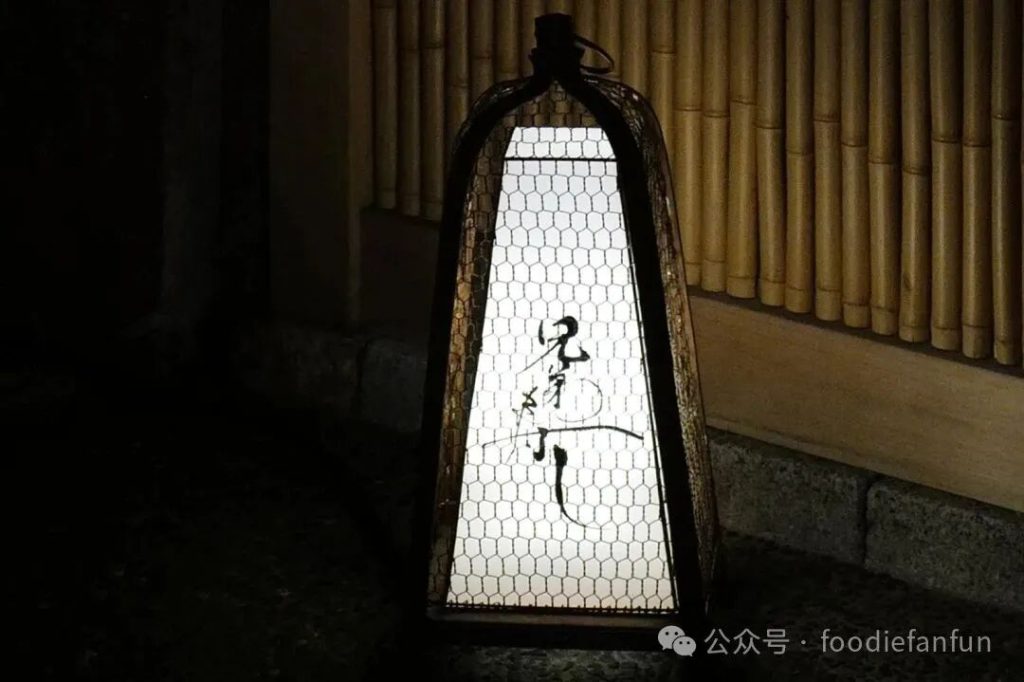
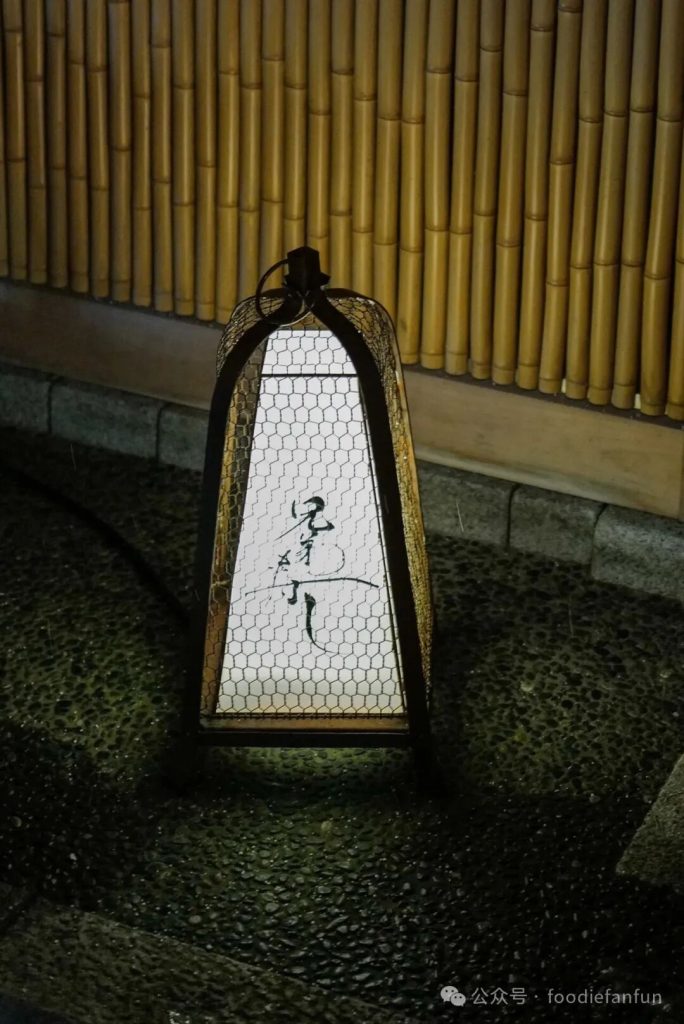
    The restaurant opened in 1867 and was rebuilt after a fire in 2006; today’s façade combines a modern feel with the beauty of a traditional garden.

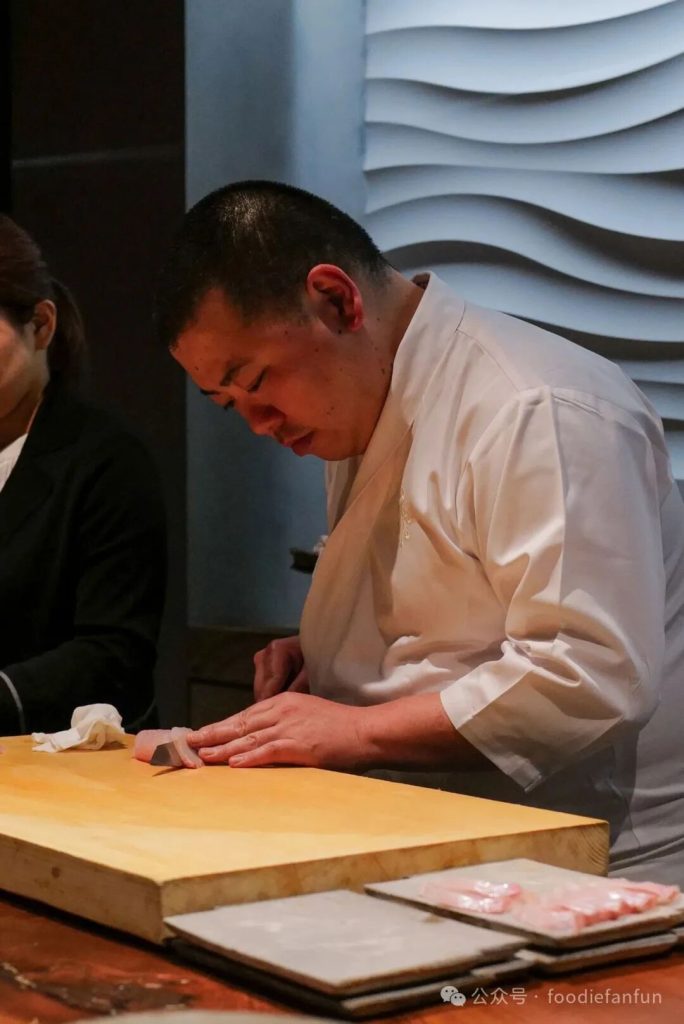
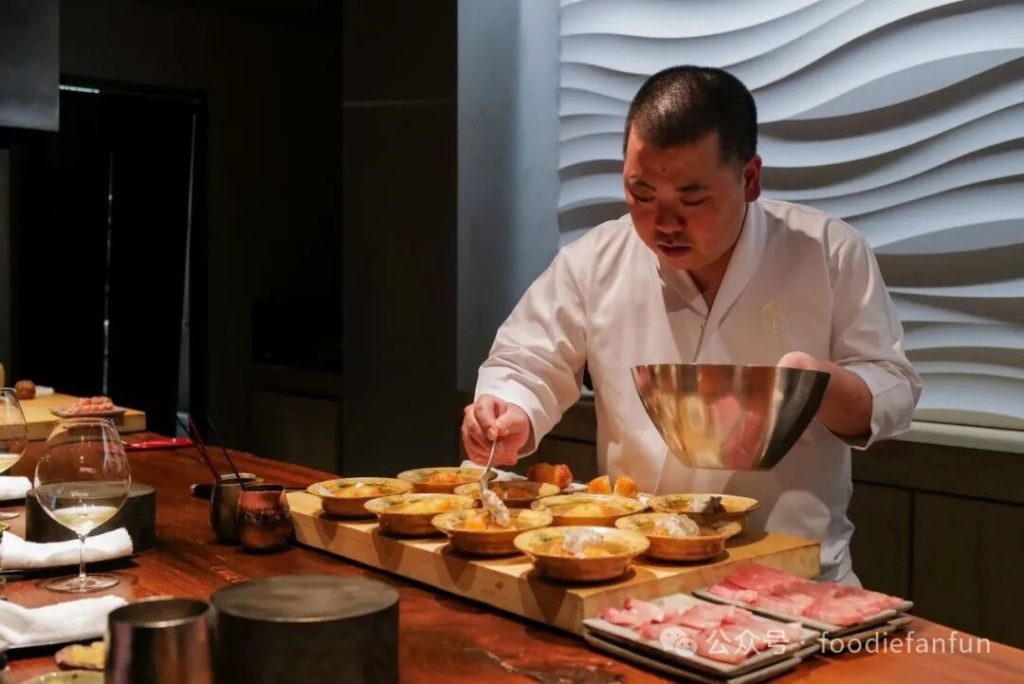
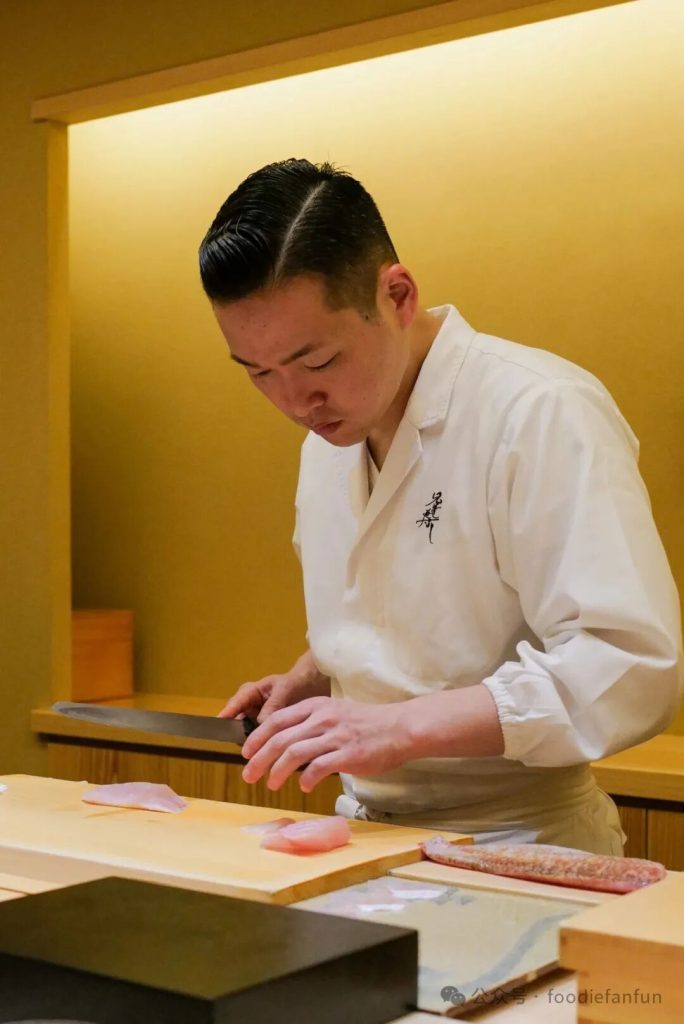
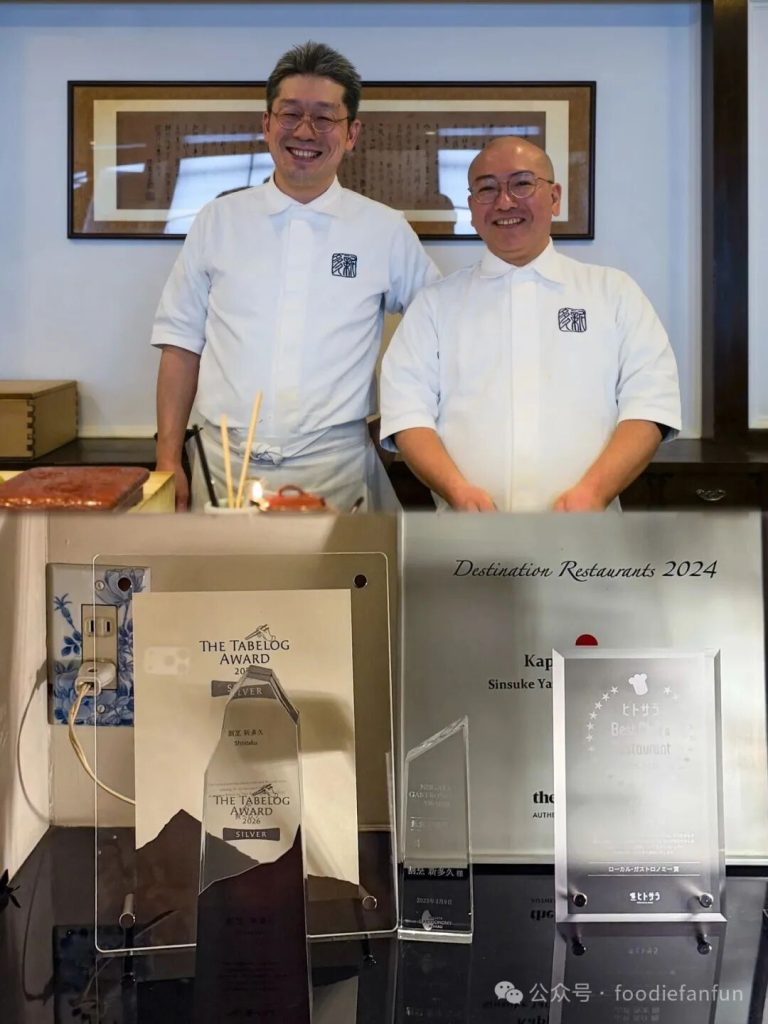
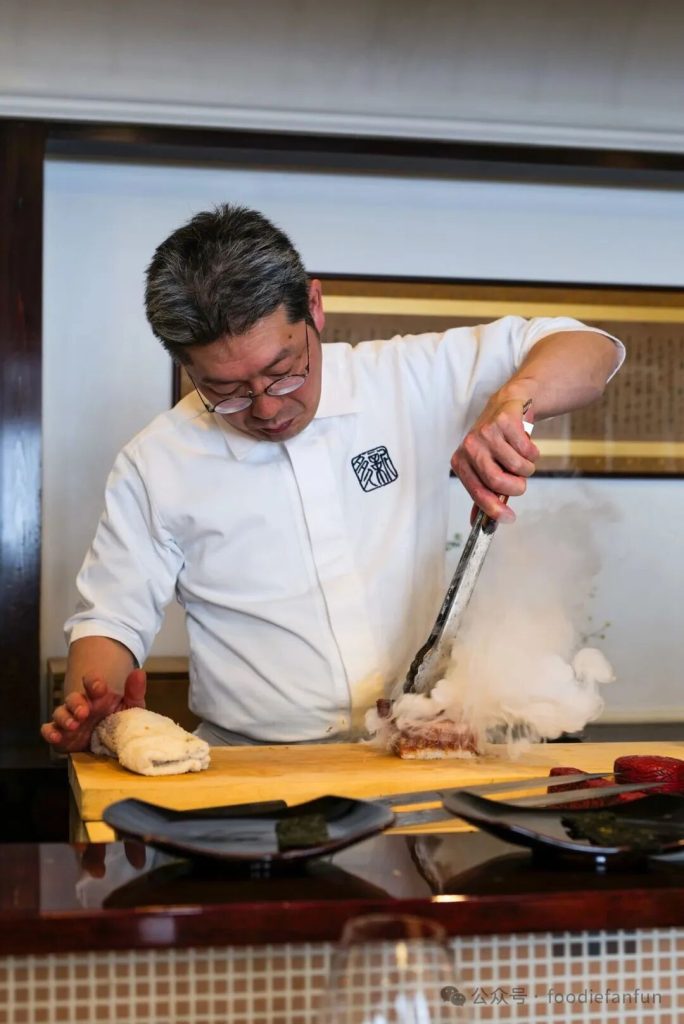
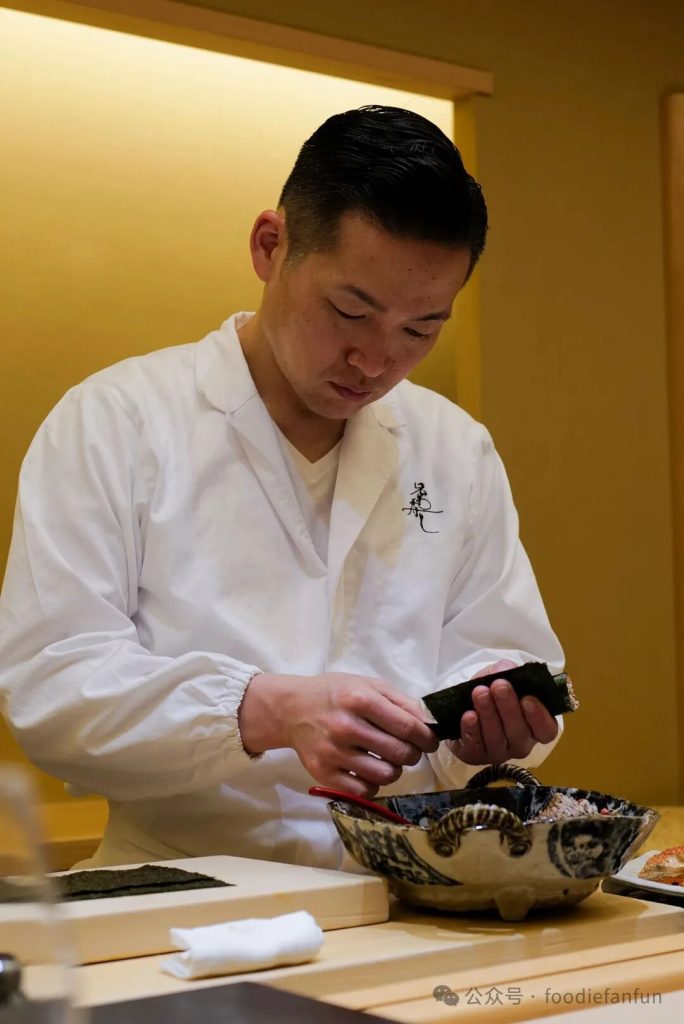
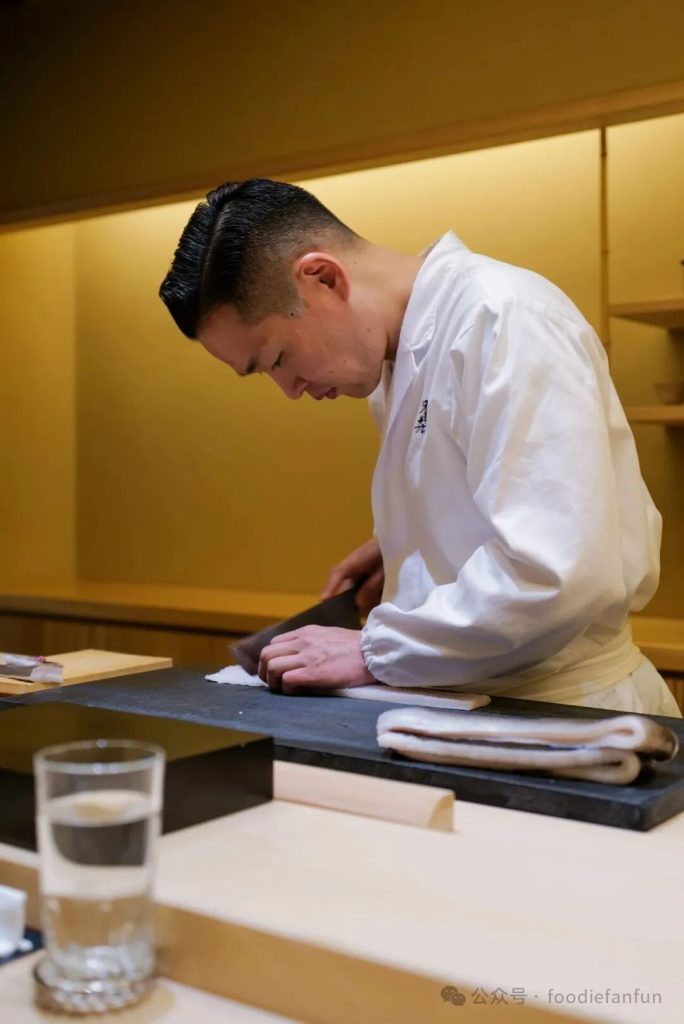
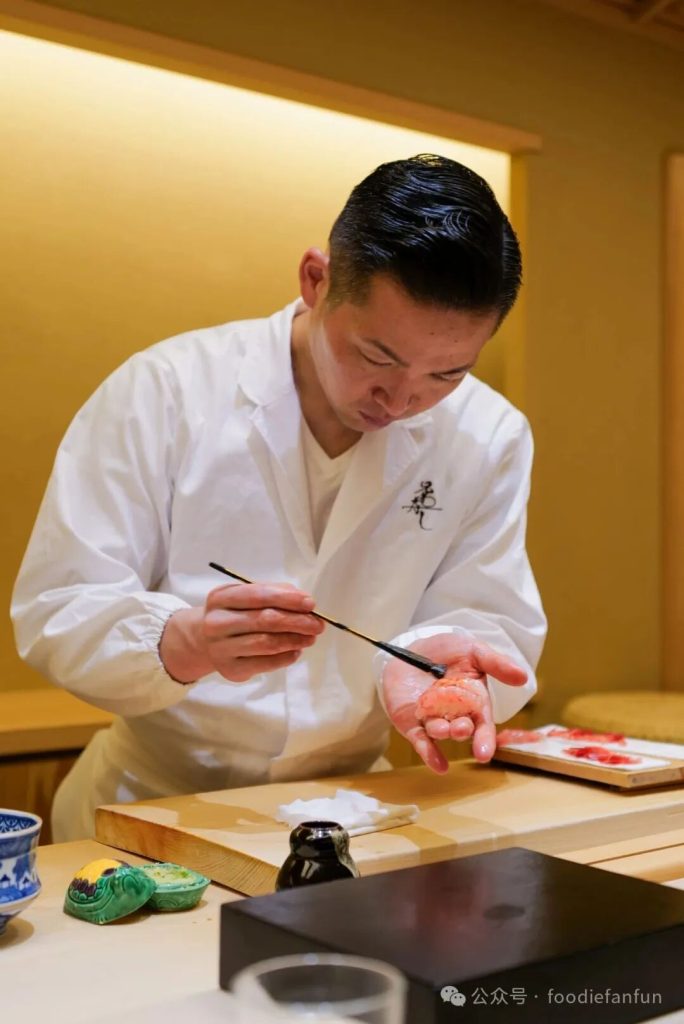
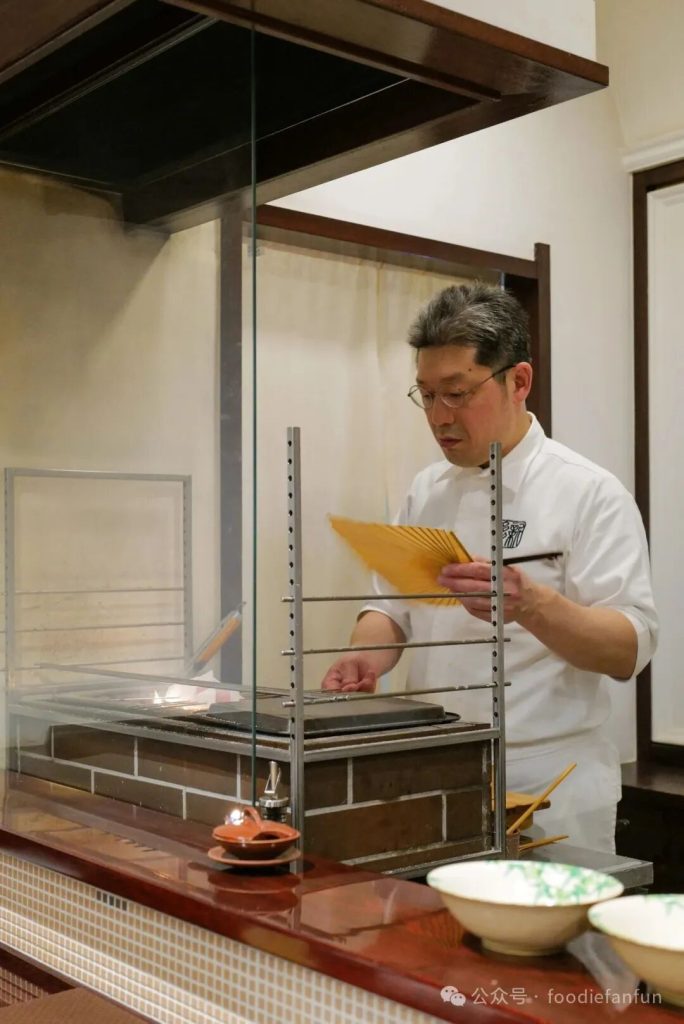
    It’s now run by the fifth-generation brothers, Shinsuke Yamagai and Ryota Yamagai. The older brother handles the cooking at the counter, while the younger brother works in the back kitchen on seasoning and simmering.
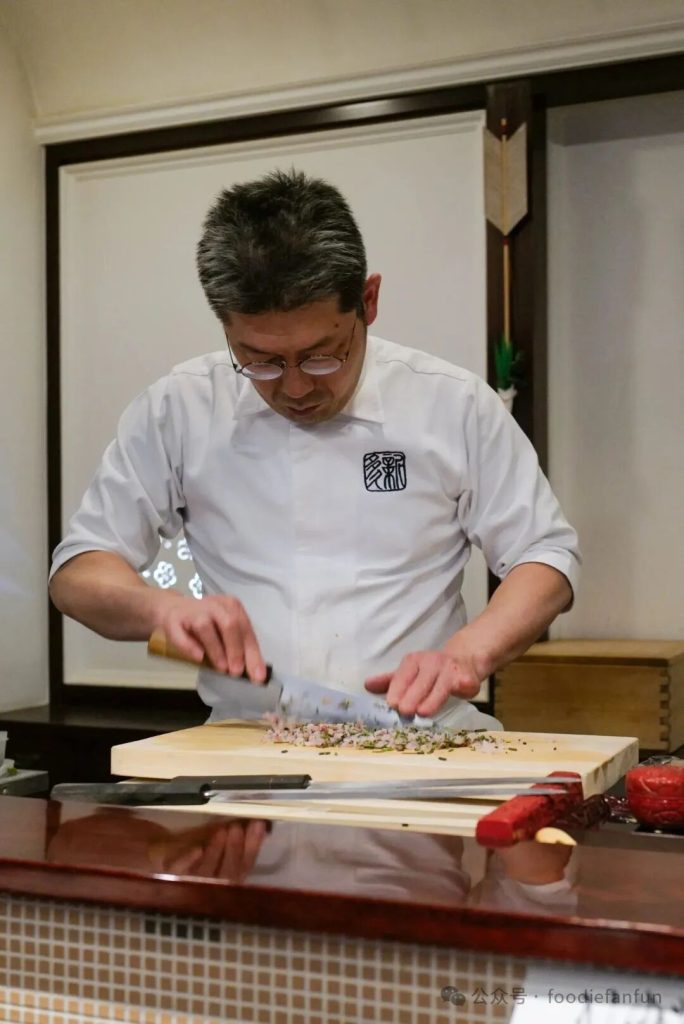
    Over 90% of the restaurant’s ingredients come from right here in Murakami. Nestled between mountains and sea, this city is basically a treasure trove of ingredients — seafood, vegetables, sake, rice, and seasonings are all outstanding, and the local beef and Iwafune rice rank among the very best in all of Japan.

    The two brothers are also deeply committed to promoting local culture: “Since guests have traveled all this way to Murakami, we want them to really feel the appeal of Murakami’s ingredients.”

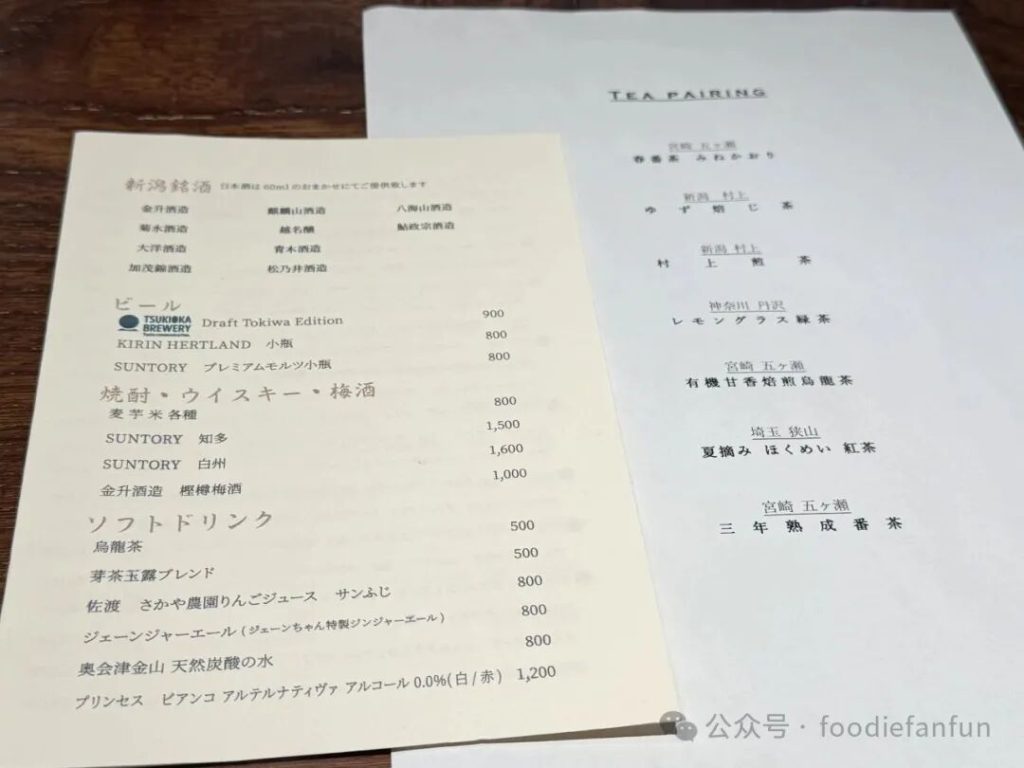
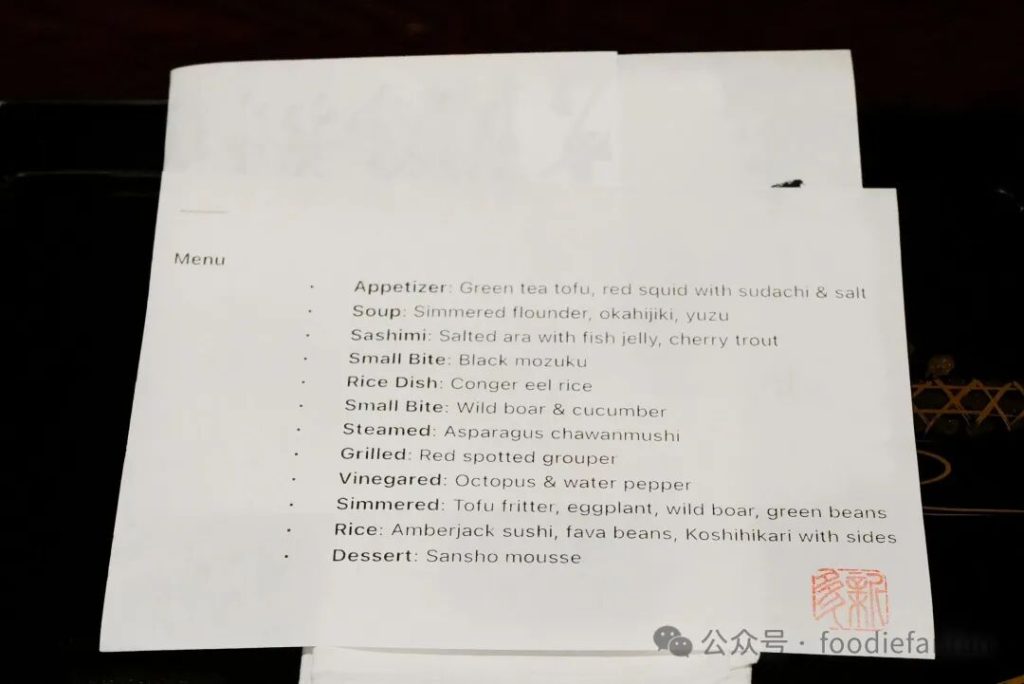
    On the day we visited, there were six seats at the counter, and we happened to have the whole place to ourselves. Even the priciest set course was only 22,000 yen, and the restaurant thoughtfully prepared an English menu for us (though about 20% of it didn’t quite match up) — the hospitality was genuinely warm and attentive.
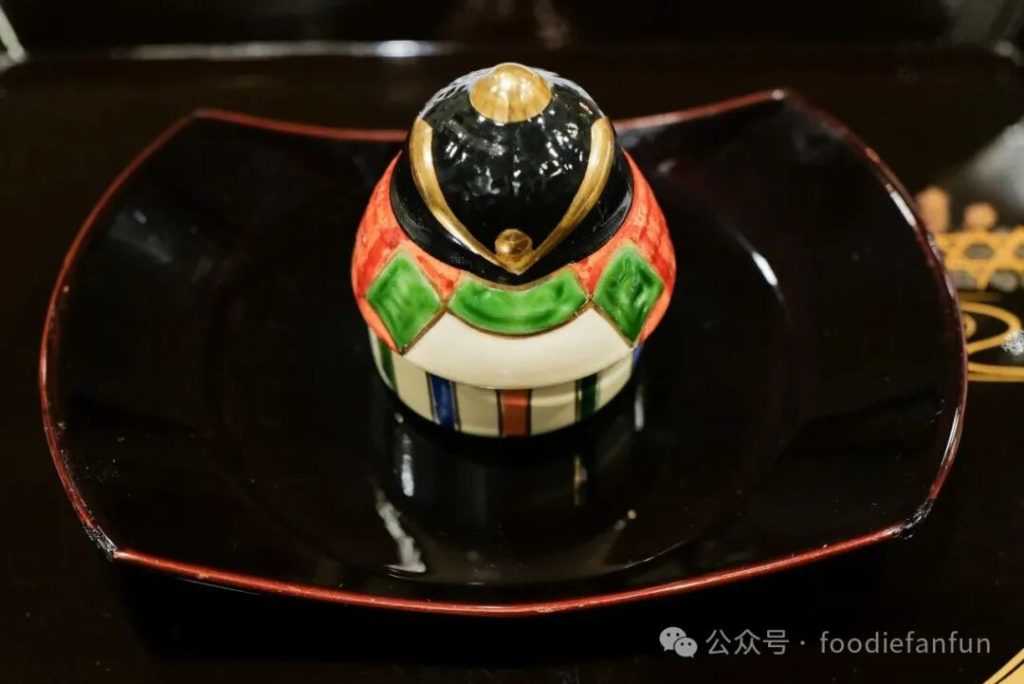
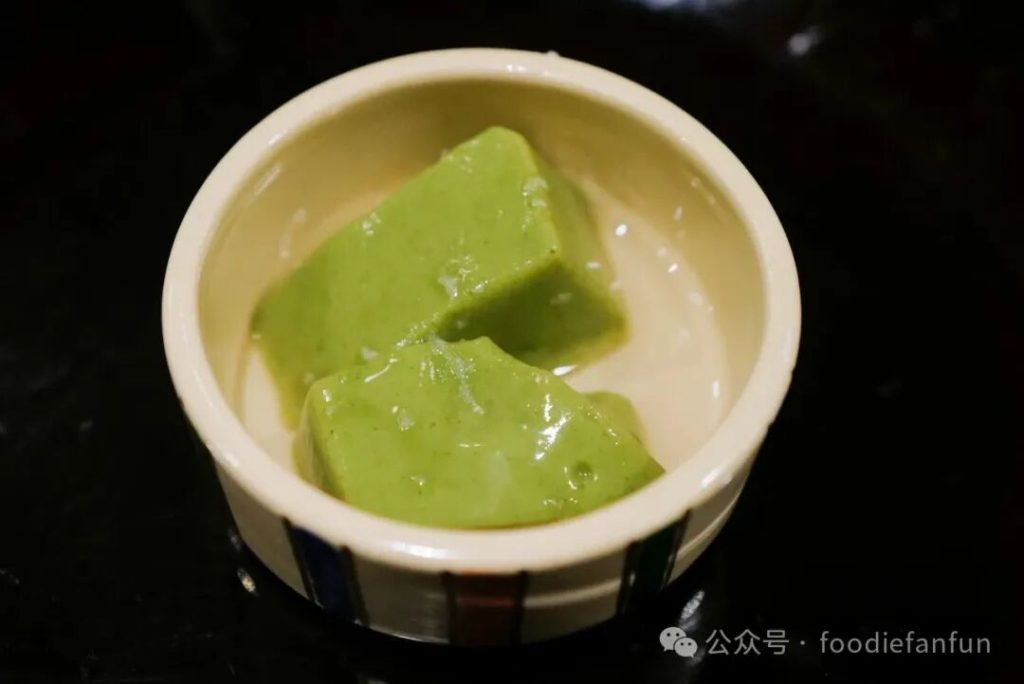
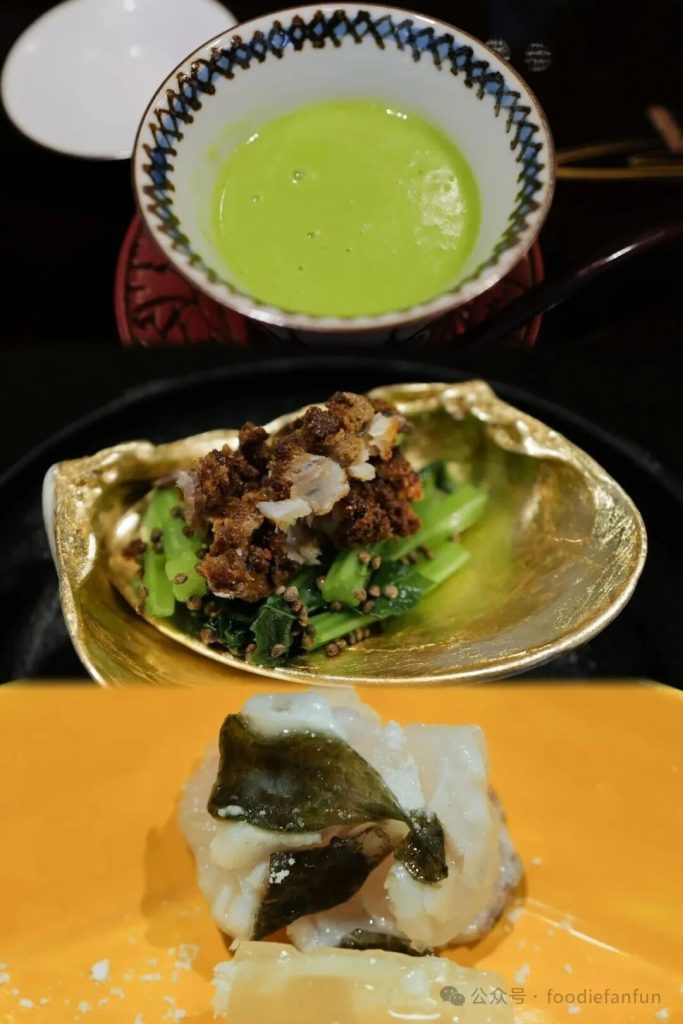
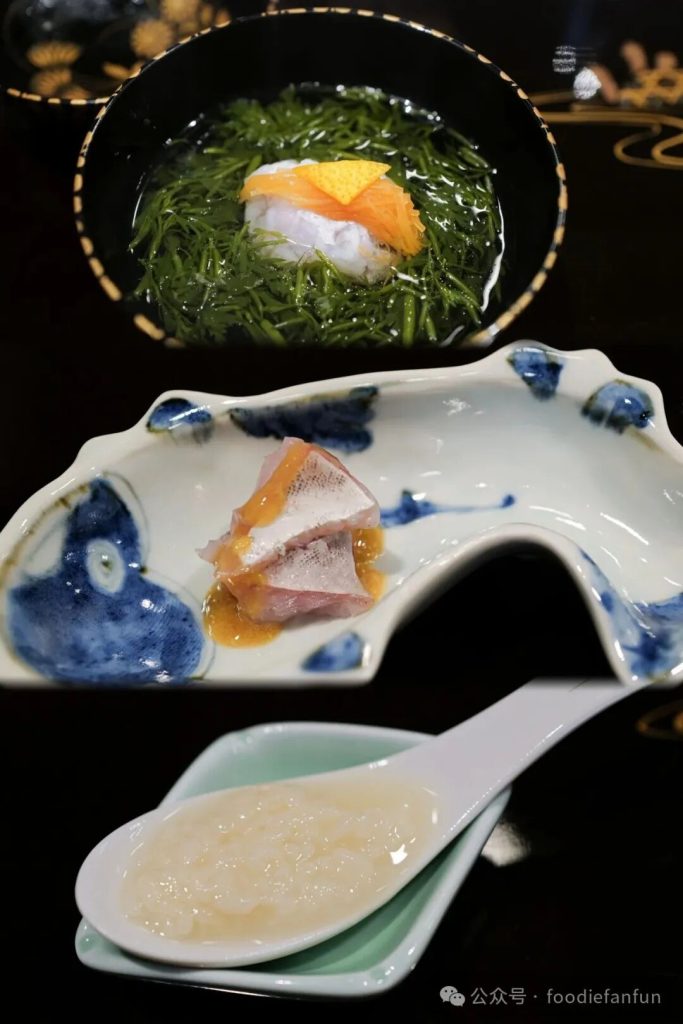
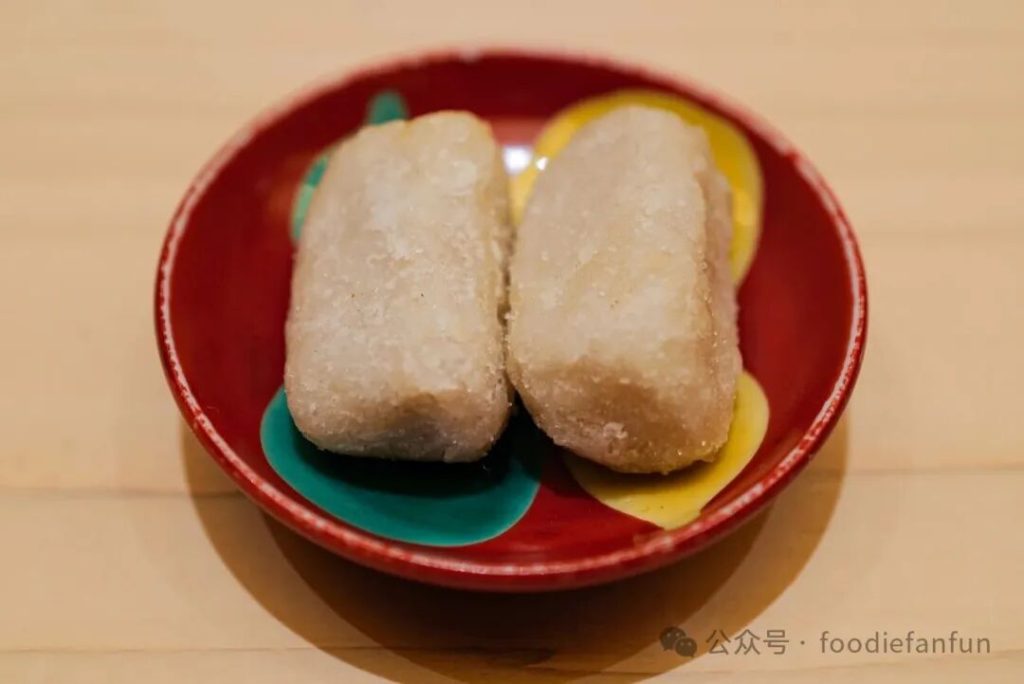
    Matcha Tofu

    It happened to be the season for new tea, and the very first course was matcha tofu, served in a small samurai-style bowl.

    The texture was surprisingly like pounded mochi — sticky, soft, elastic, and refined. A gentle tea flavor unfolded slowly in the mouth, a faint saltiness drawing out umami, with just a touch of elegant bitterness settling into the aftertaste.

    P.S. Murakami is the northernmost region in Japan for commercial tea production, earning it the title “Hokugen no Chadokoro” (the northernmost tea-producing area). If you make the trip out here, it’s worth stopping by a local tea shop too.
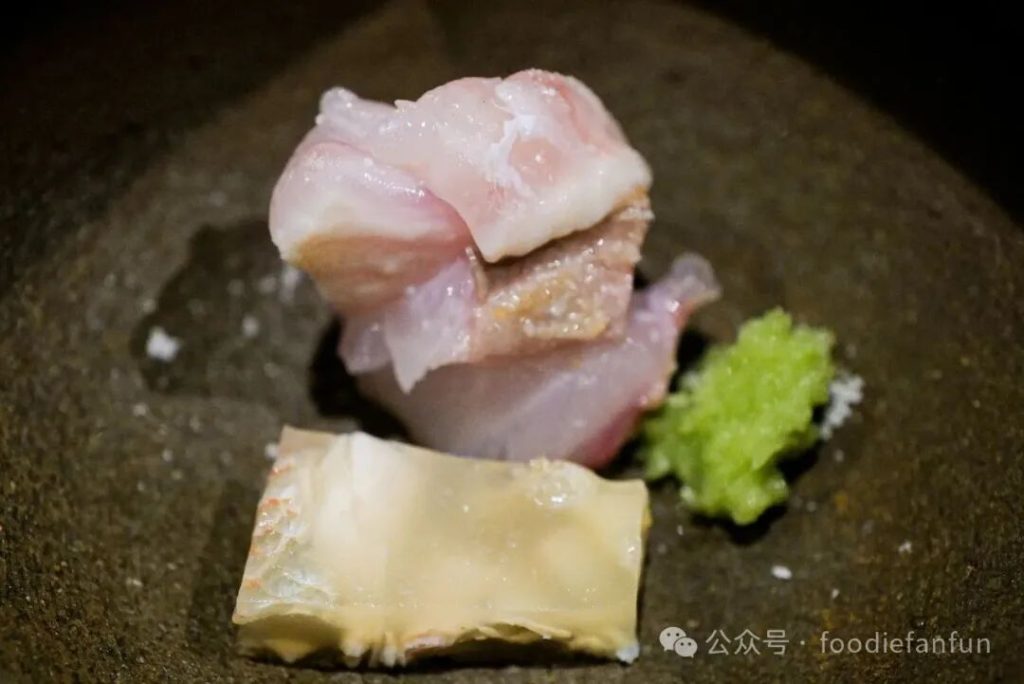
    Flounder, Fish Jelly

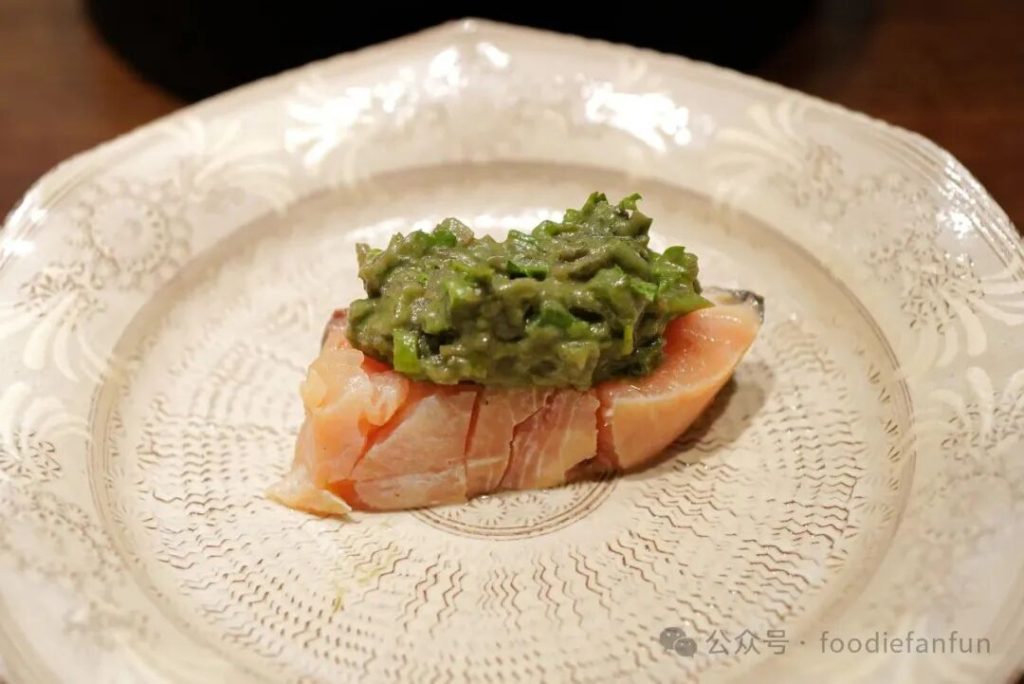
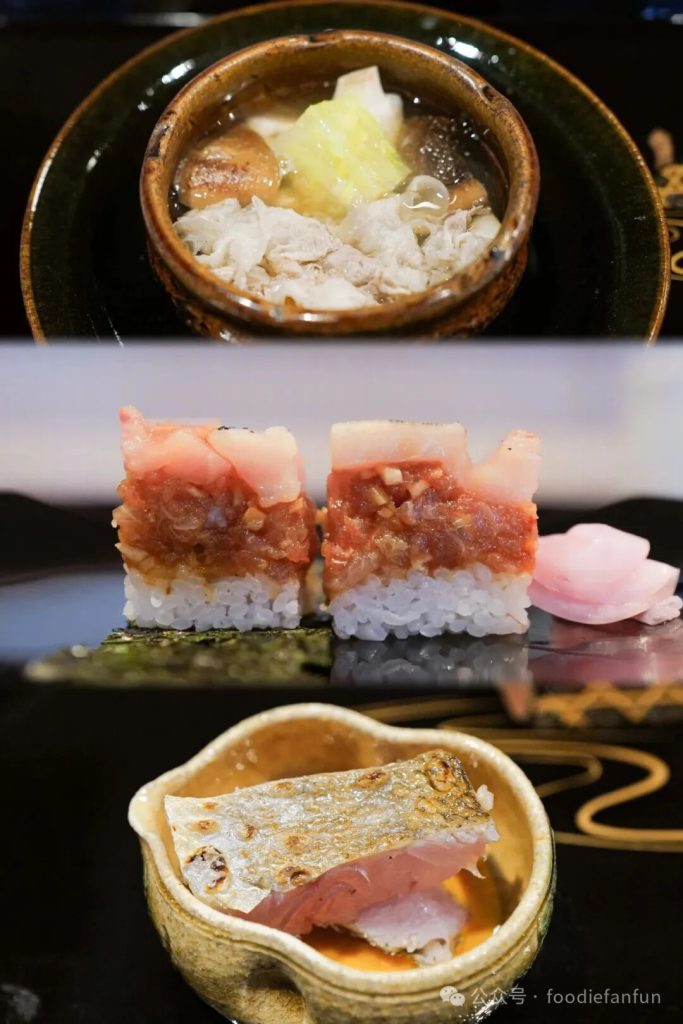
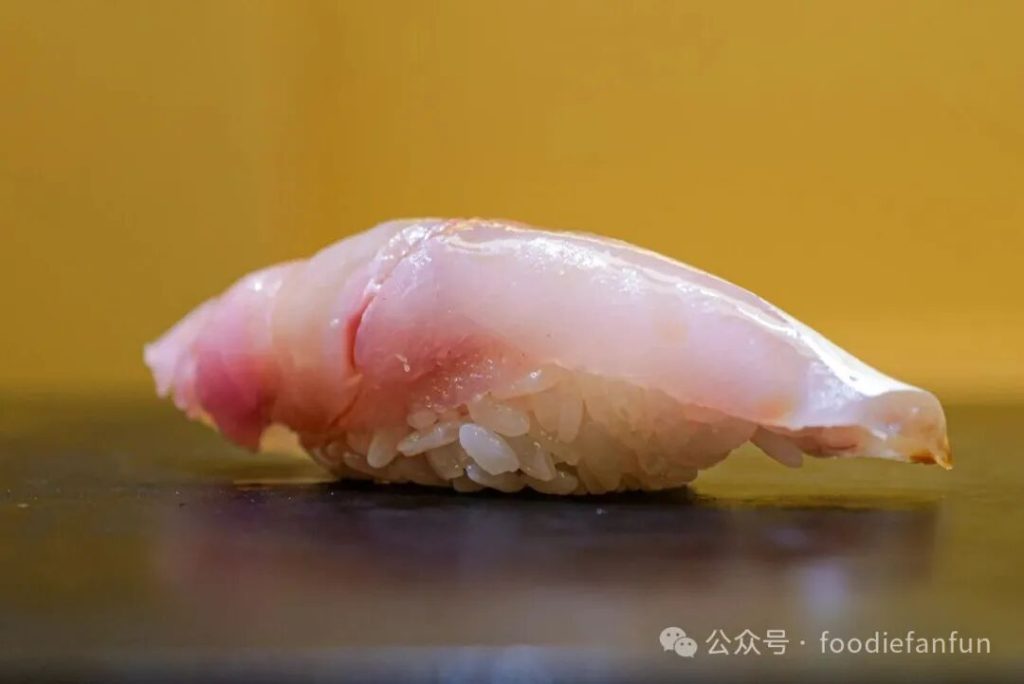
    Unlike the typical sashimi presentation seen at Japanese ryotei, Shintaku’s flounder came in two parts. Eat the fish jelly first, then quickly follow with a bite of sashimi while the umami still lingers on the tongue. The former showed off a highly concentrated umami, while the latter — lightly worked and briefly seared — revealed the crisp, springy texture of the flesh itself.

    As older brother Shinsuke Yamagai put it, rather than saying “this sashimi is delicious,” it’s more accurate to say “this fish is delicious” — the ingredient is presented as a whole.
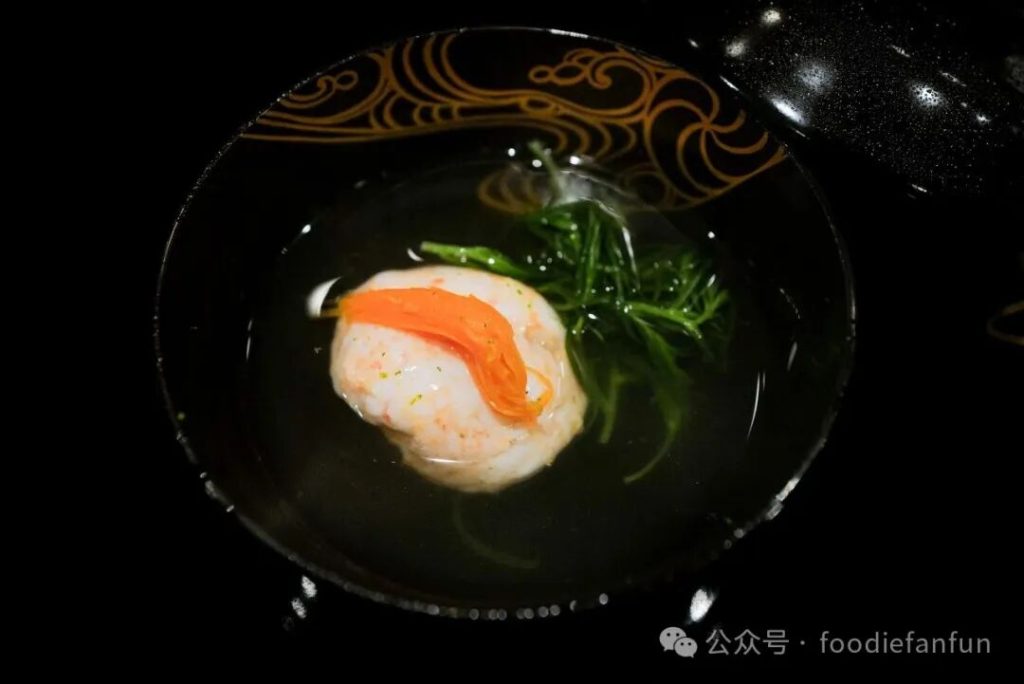
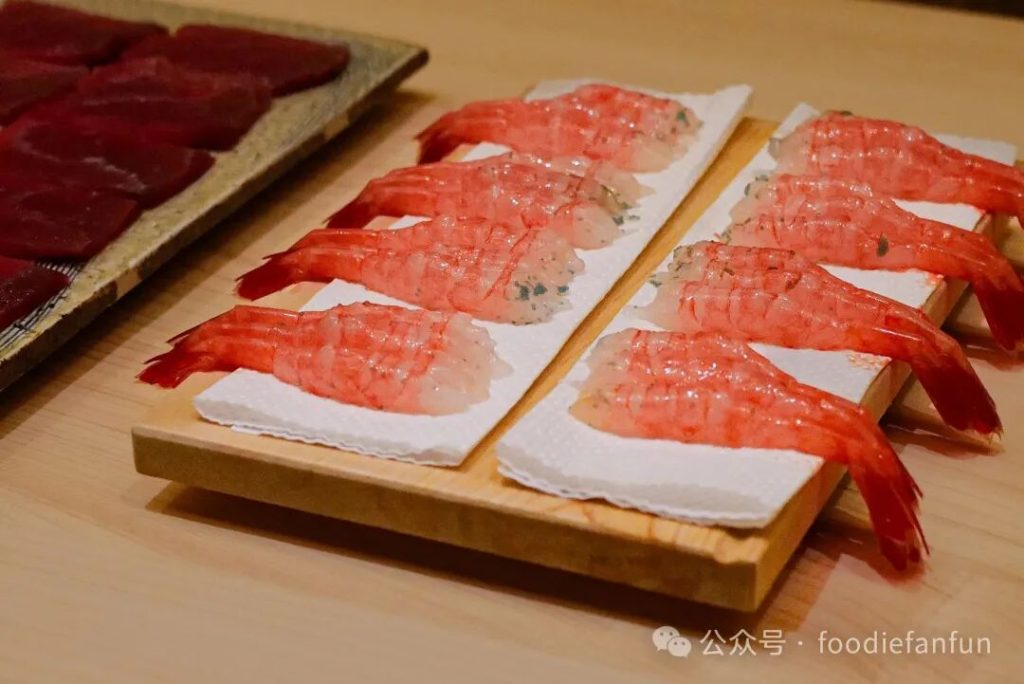
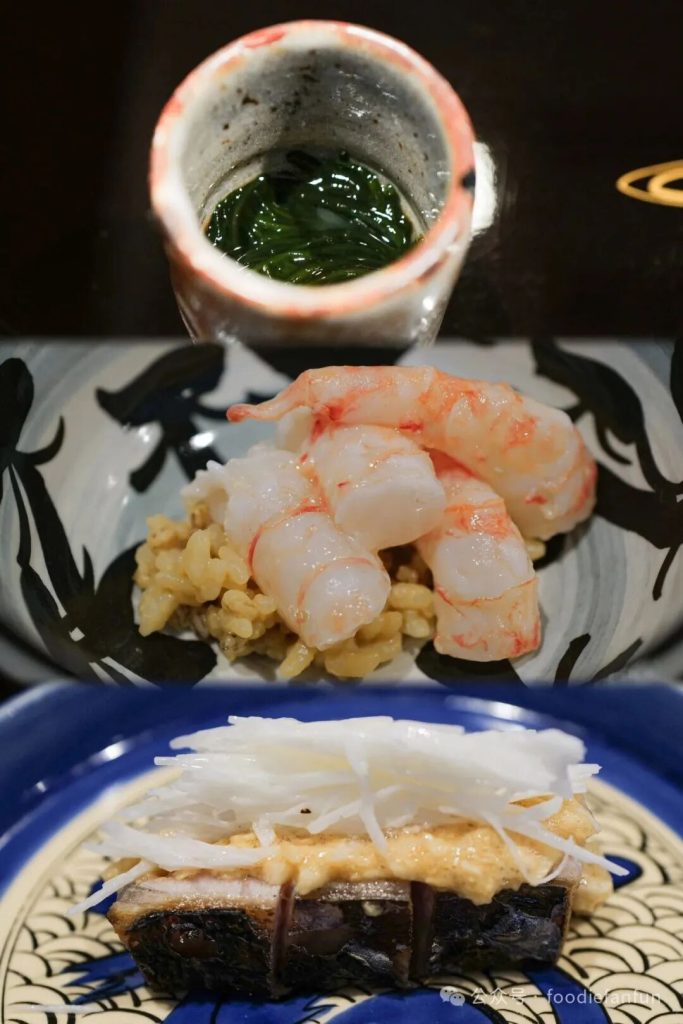
    Botan Shrimp, Hijiki, Yuzu

    The moment it landed on the table, we were told not to look at it too long — just eat it, quick.

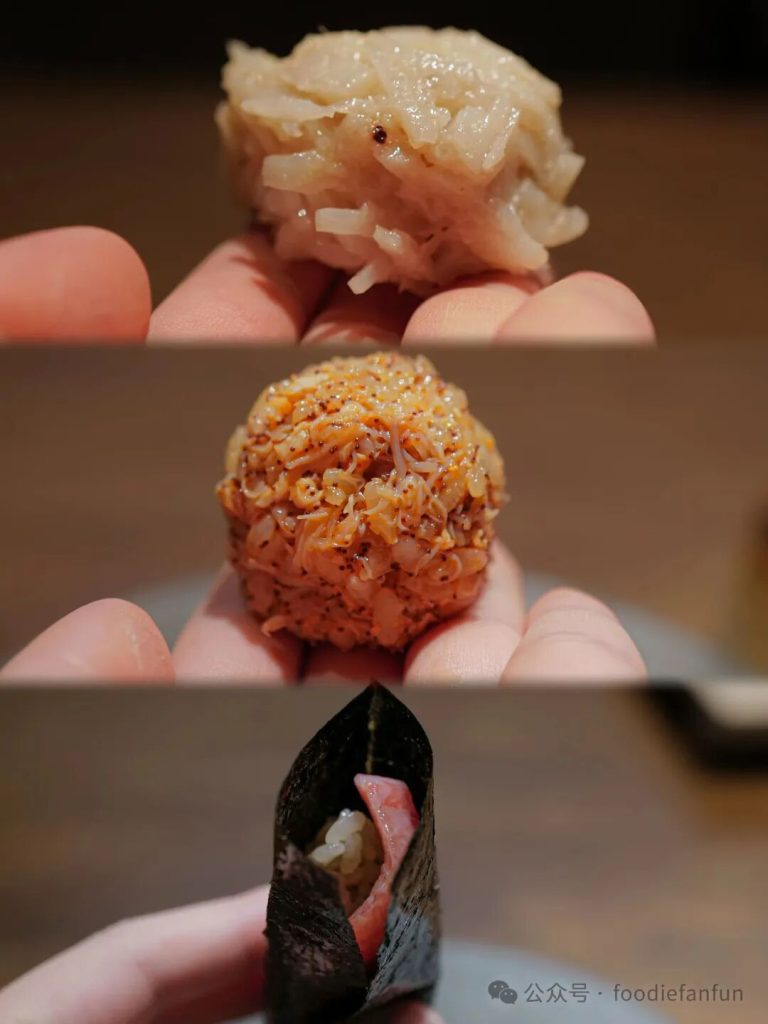
    The shrimp shinjo looked plain on the outside, but it was wrapped around a whole botan shrimp, nearly raw. The cooked shrimp paste was rich and fragrant, while the raw shrimp was sweet, crisp, and tender — the two textures mixed together for a flavor that was rich yet gentle to eat, fragrant and silky, the kind that keeps you thinking about it.
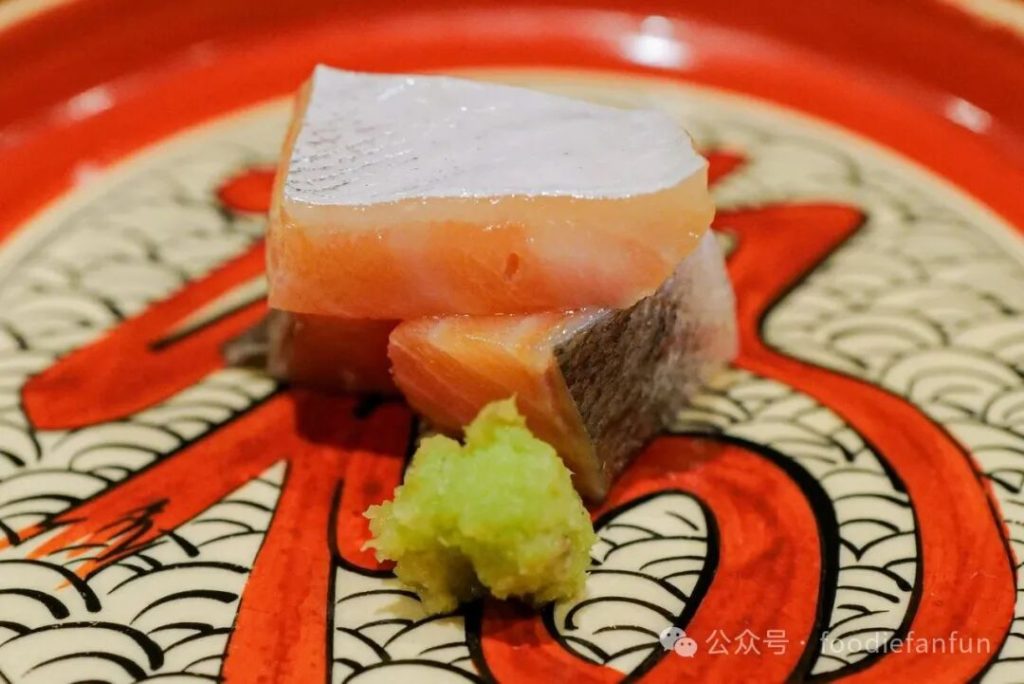
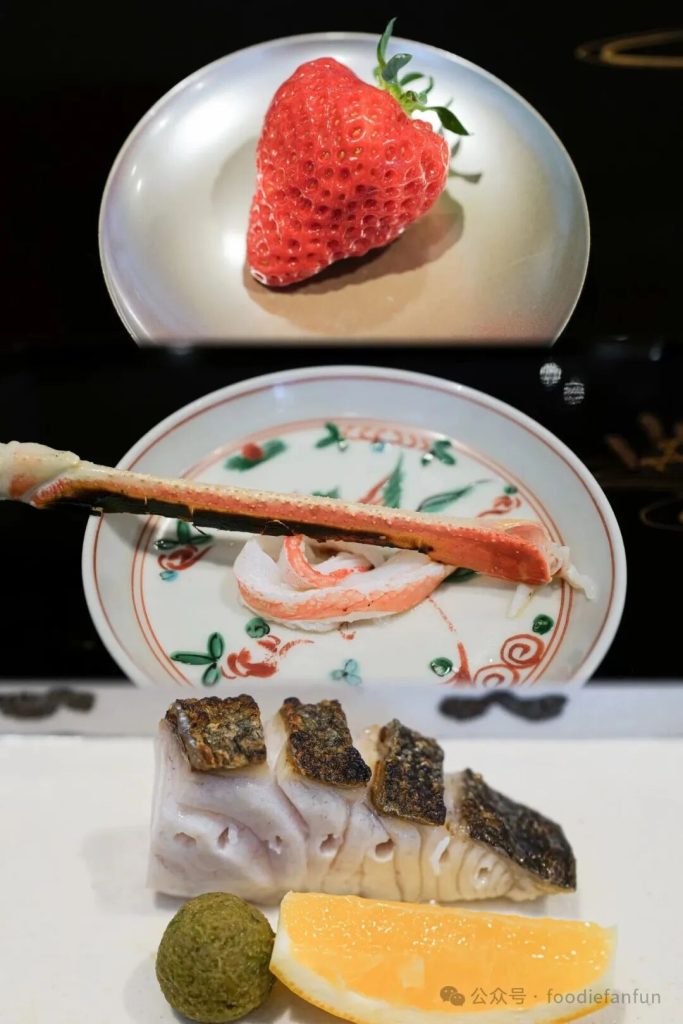
    Sakura Trout
    Sakura trout was right in season — the Miomote River area of Murakami is especially famous for it (if you’re curious, you can see an exhibit about it at the aquarium in Niigata).

    The grilling process was interesting too — the fish was first wrapped in foil, its skin briefly scalded with kombu dashi, then quickly passed over charcoal to bring back the skin’s springiness and tension.

    The skin was thin but rich in collagen, chewy and springy on the bite — forming just the right contrast, taut against loose, with the rich, oily flesh underneath.
    Beans, Green Bamboo Shoot
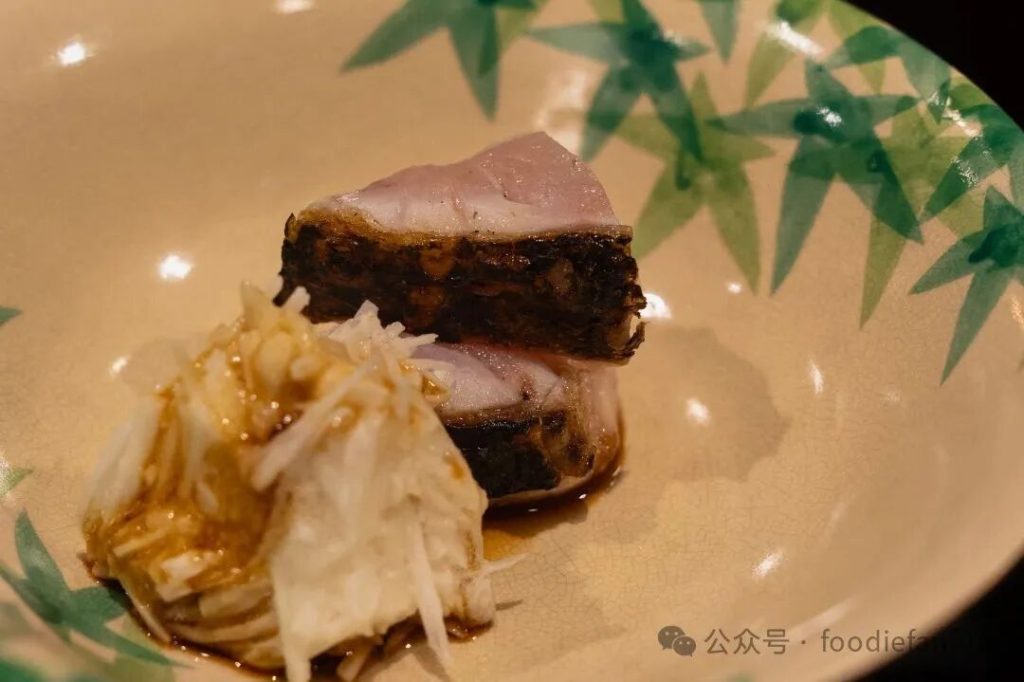
    Nodoguro, Grated Yam

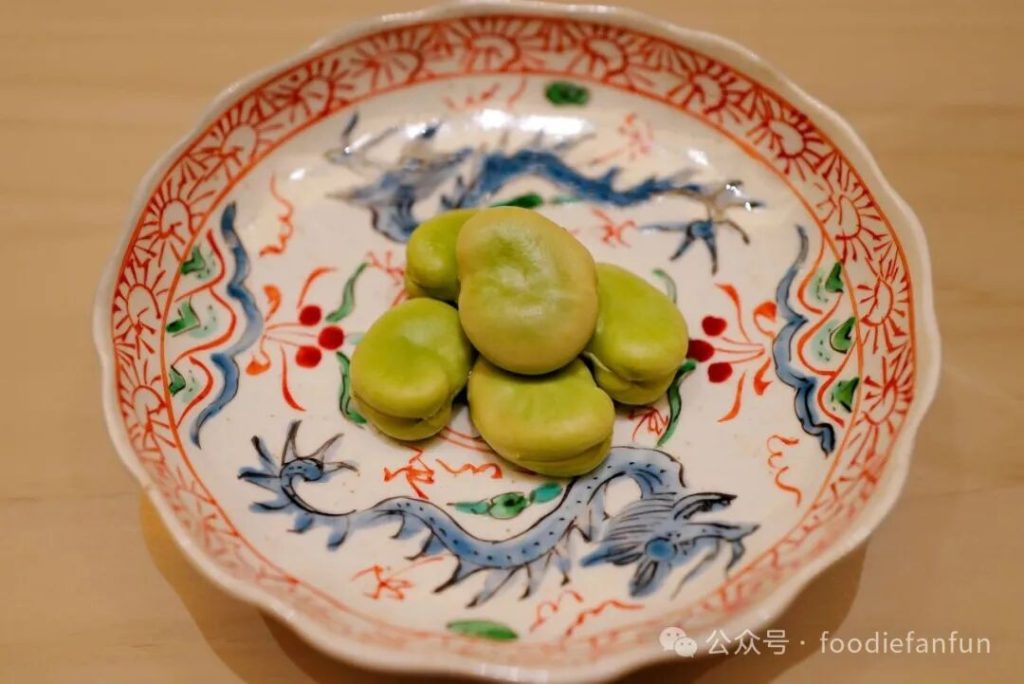
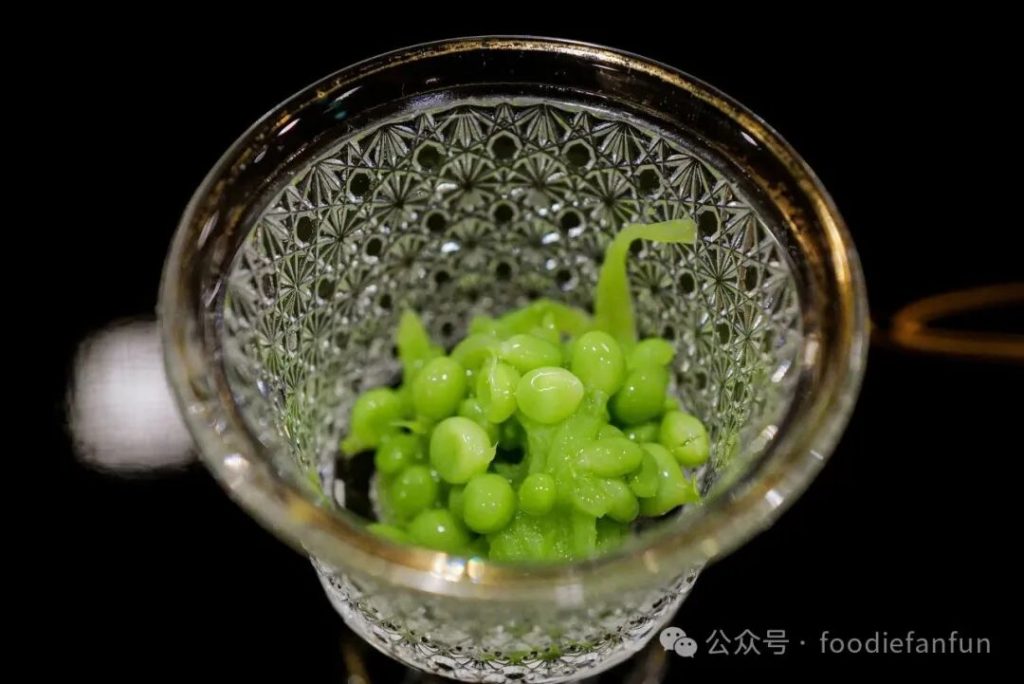
    Local sweet beans, prepared in different forms, served as a palate cleanser — their sweetness bringing out the vegetal aroma.

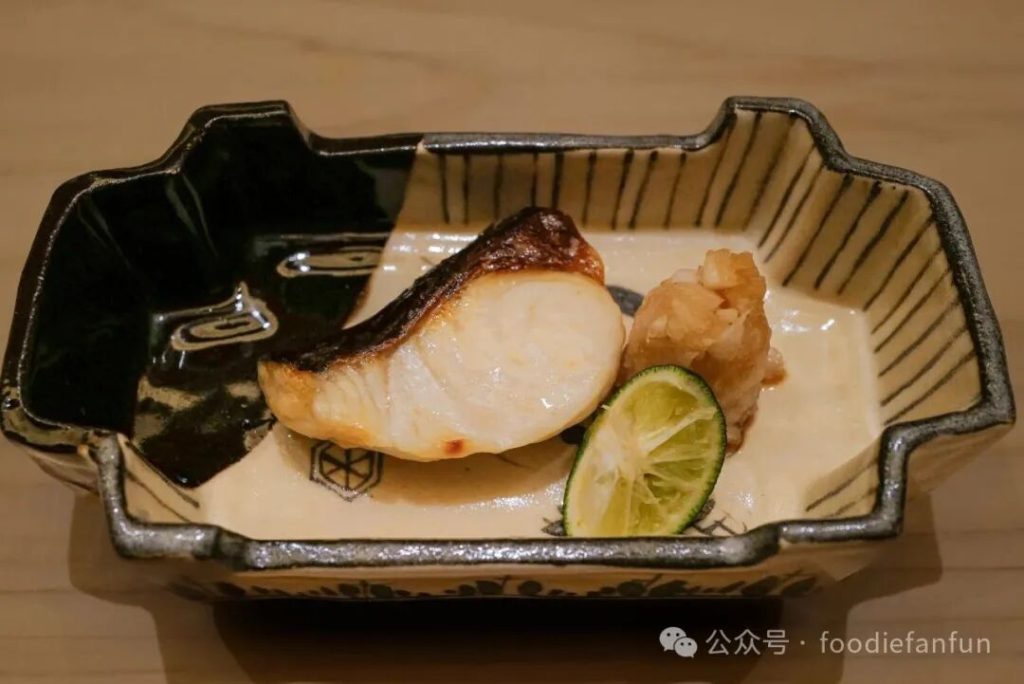
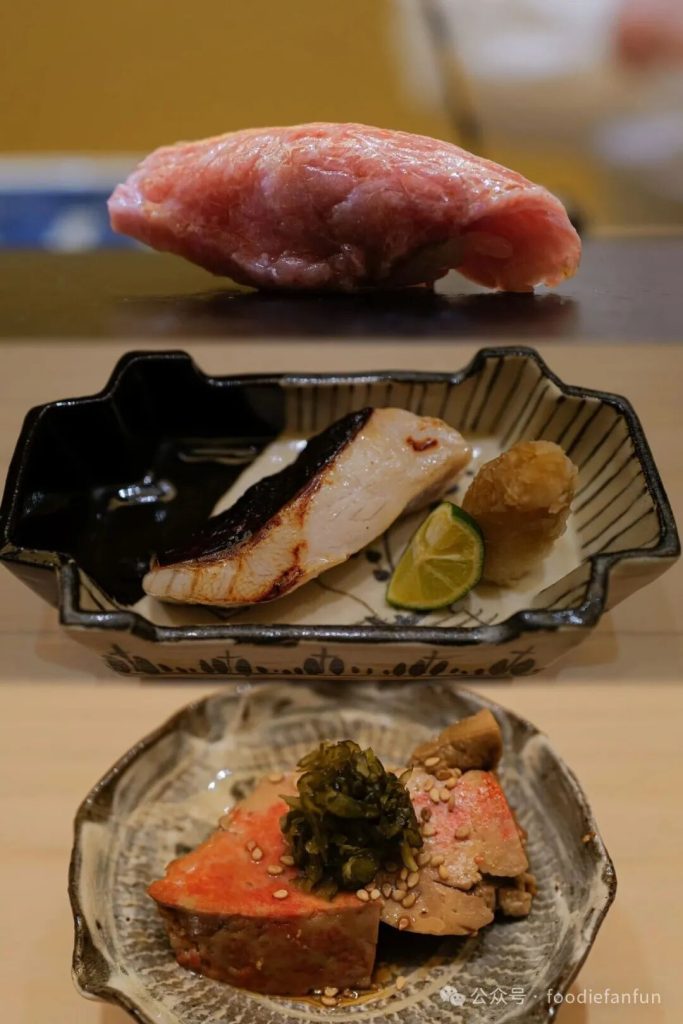
    The nodoguro (blackthroat seaperch) won us over with its tantalizingly charred, almost-black skin, seared over high heat to contrast beautifully with the delicate pink flesh underneath. But the real surprise on the plate was the yam — none of that oxidized tang, just a crisp, fresh bite. The produce in this small town always manages to steal the show.
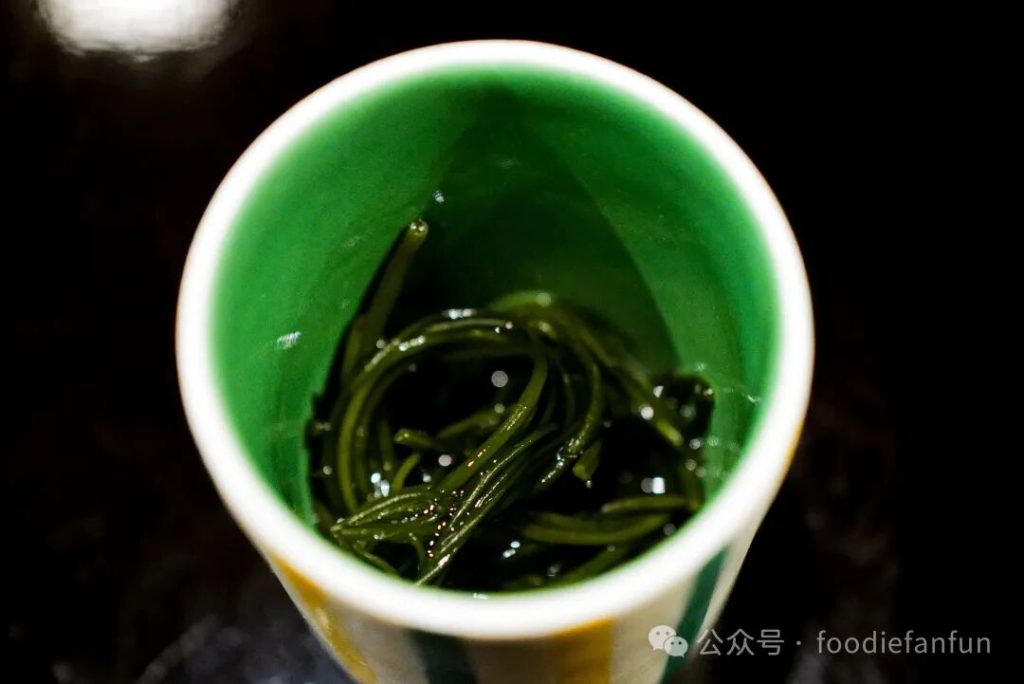
    Seaweed
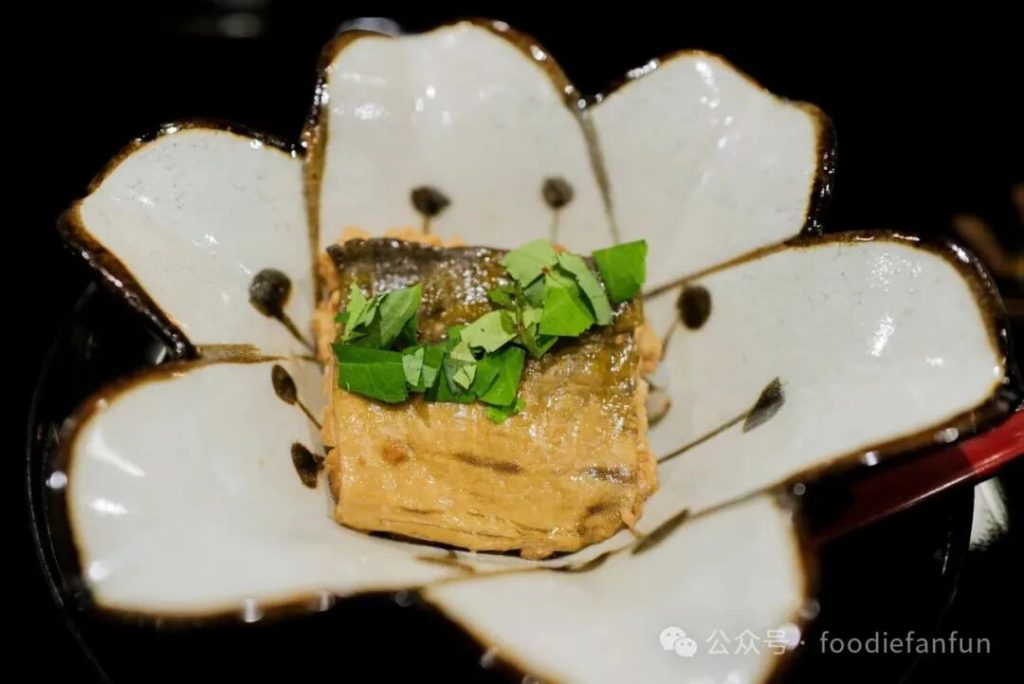
    Conger Eel Rice
    Photos can’t really convey the true size of the conger eel — Shinsuke-san gestured across the counter to show it was about a meter long, one of the most representative ingredients of this season in Murakami.

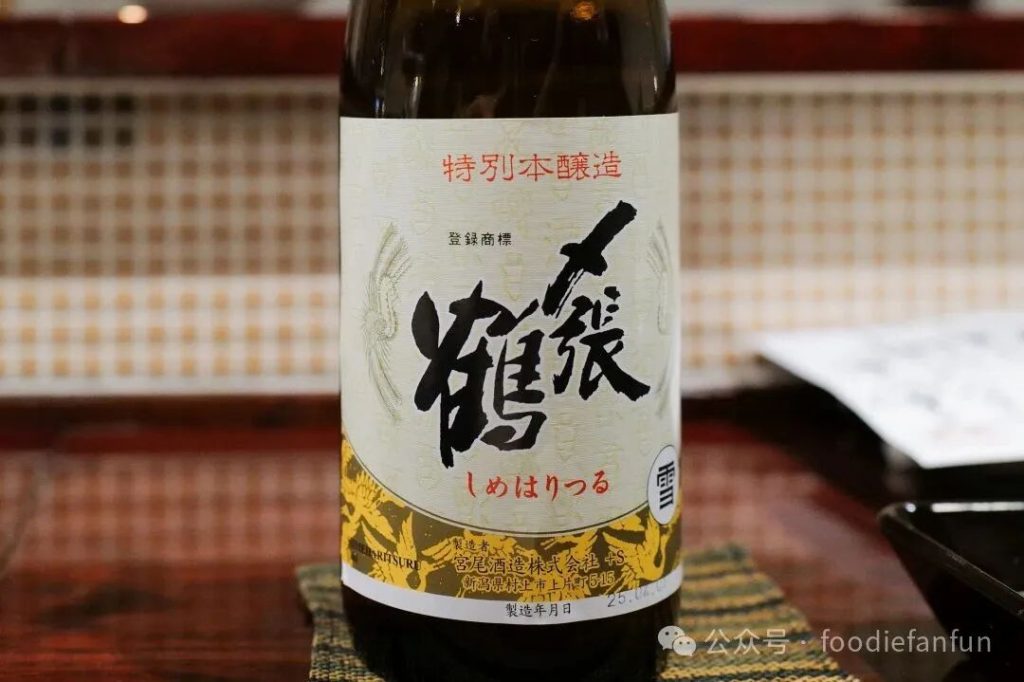
    The eel’s skin was thin and never greasy, the flesh rich and full. Paired with a well-aged sake the restaurant served alongside, the eel’s originally bold flavor was folded into a warm, mellow umami.
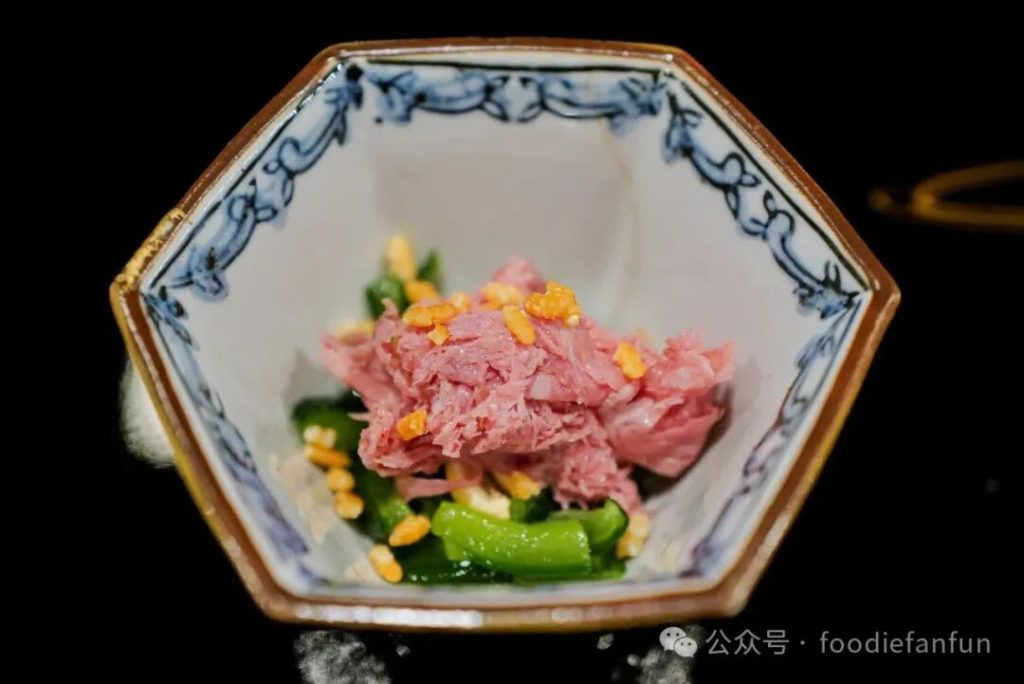
    Wild Boar, Cucumber
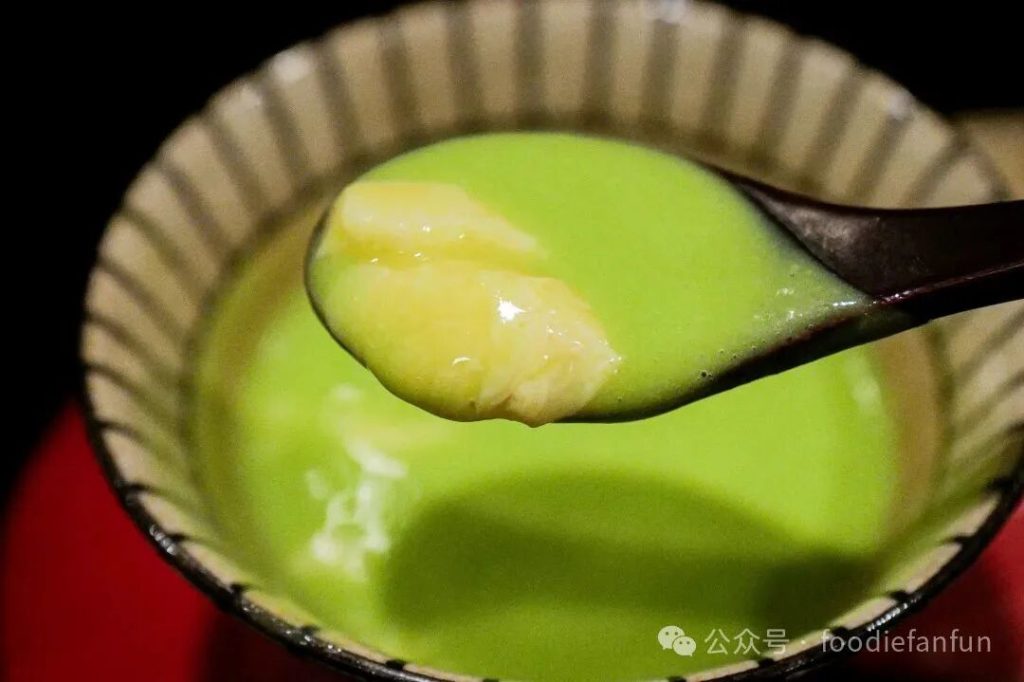
    Asparagus Chawanmushi

    Younger brother Ryota earned his hunting license a few years back, so the menu occasionally features seasonal game. This time it was wild boar hunted just the day before, served with small cucumbers and kaki no tane (rice crackers). It was a bit lacking in flavor, but novel enough — a small meat-based palate cleanser of sorts.

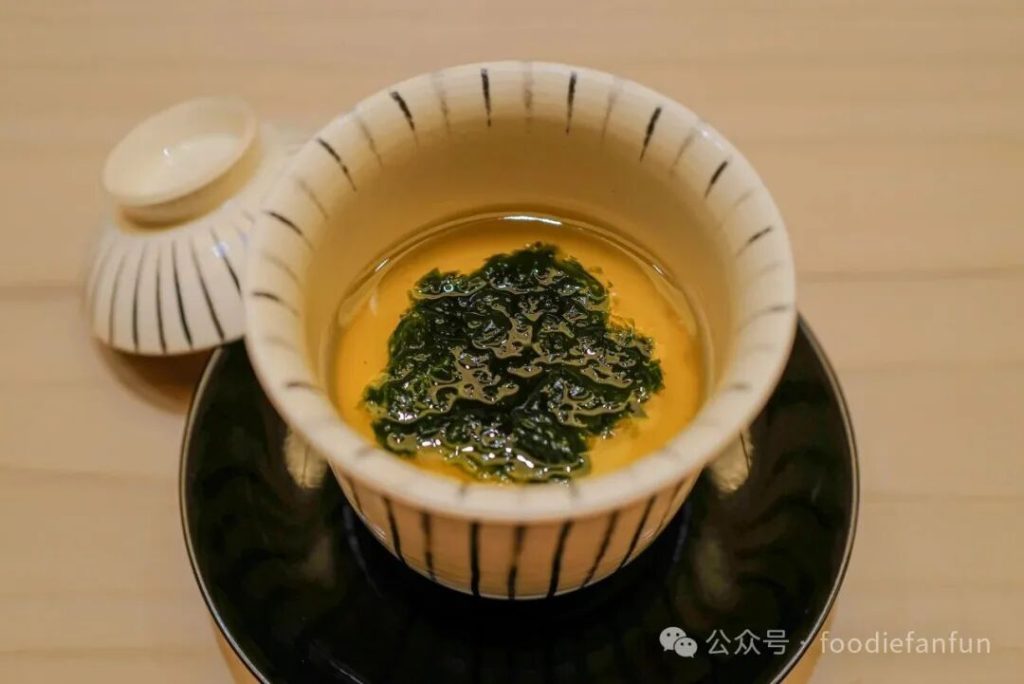
    What came next, surprisingly, was a bowl of green — asparagus purée chawanmushi. It felt like it borrowed techniques from a Western-style velouté, silky and fine with no fibrous bits, brimming with asparagus’s fresh vegetal aroma — smooth, with a hint of spring.
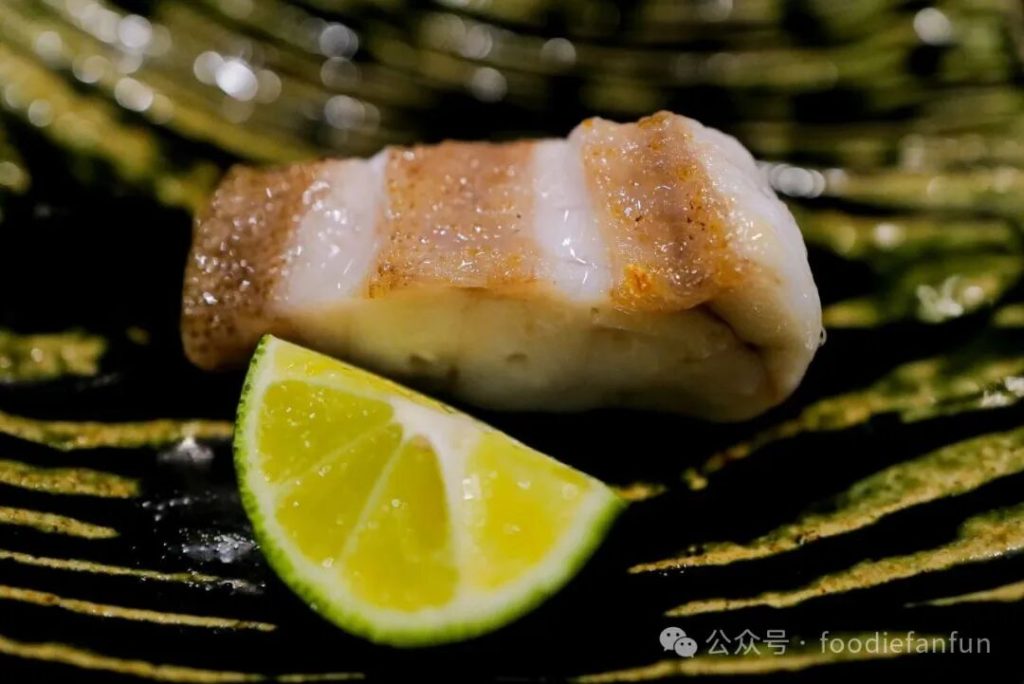
    Grilled Red-Spotted Grouper
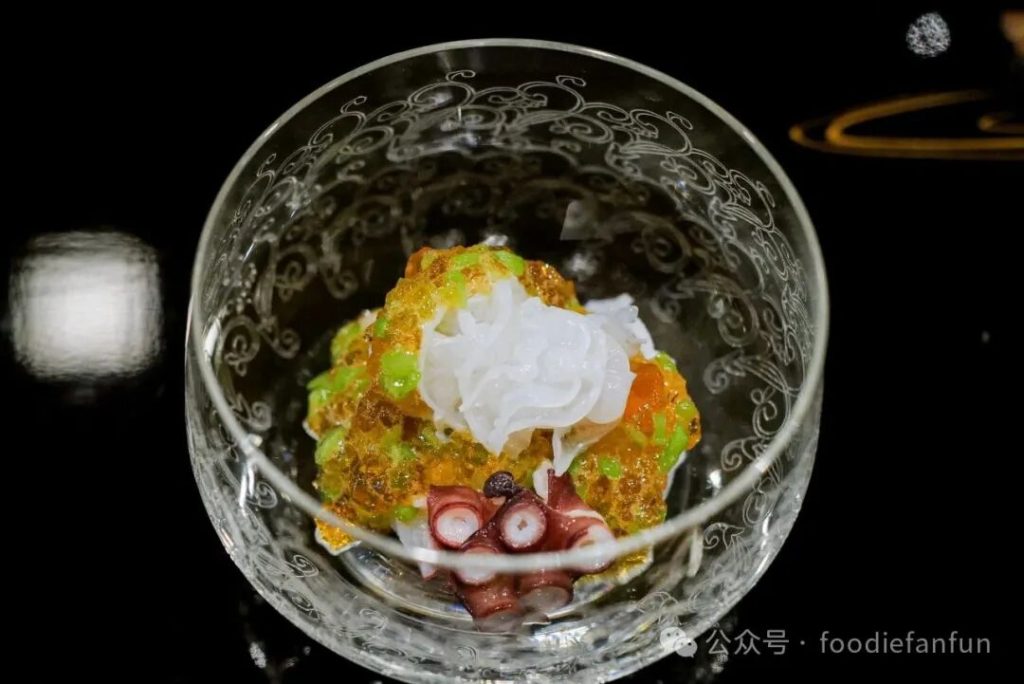
    Octopus with Peppercorn Water

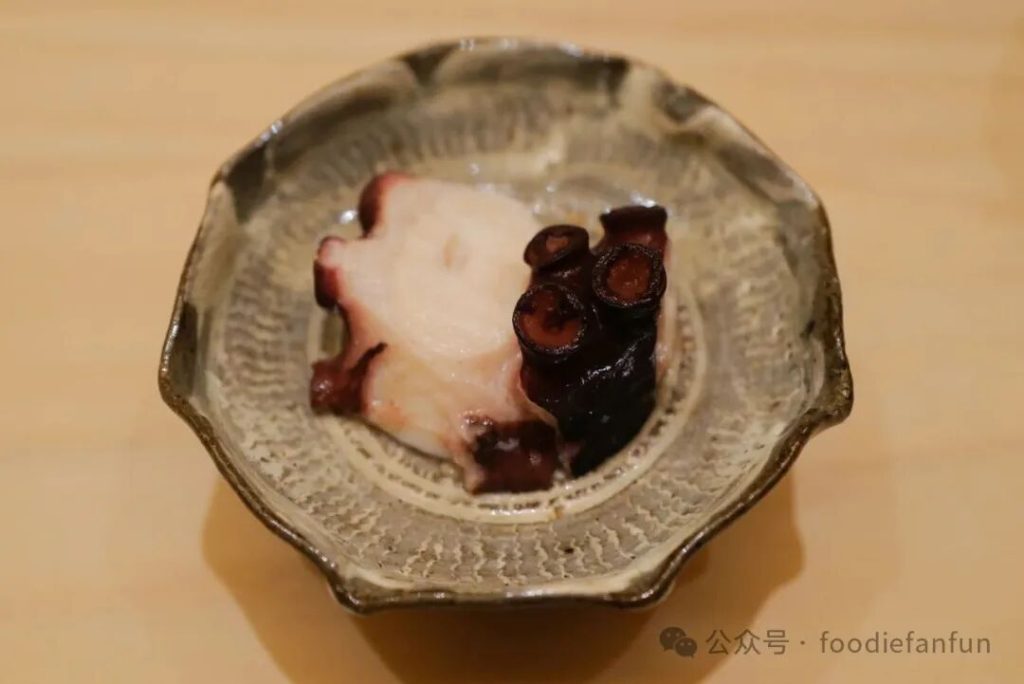
    The red and white in the bowl actually both came from the same octopus, clearly showing the textural difference between its various parts, and demonstrating the strength of live octopus caught right near Murakami.

    The white part was the body, sliced into thin strips, a bit chewy with a hint of crispness; the red part was the tentacles, juicier with a more pronounced crunch. A small bowl, gone too soon.
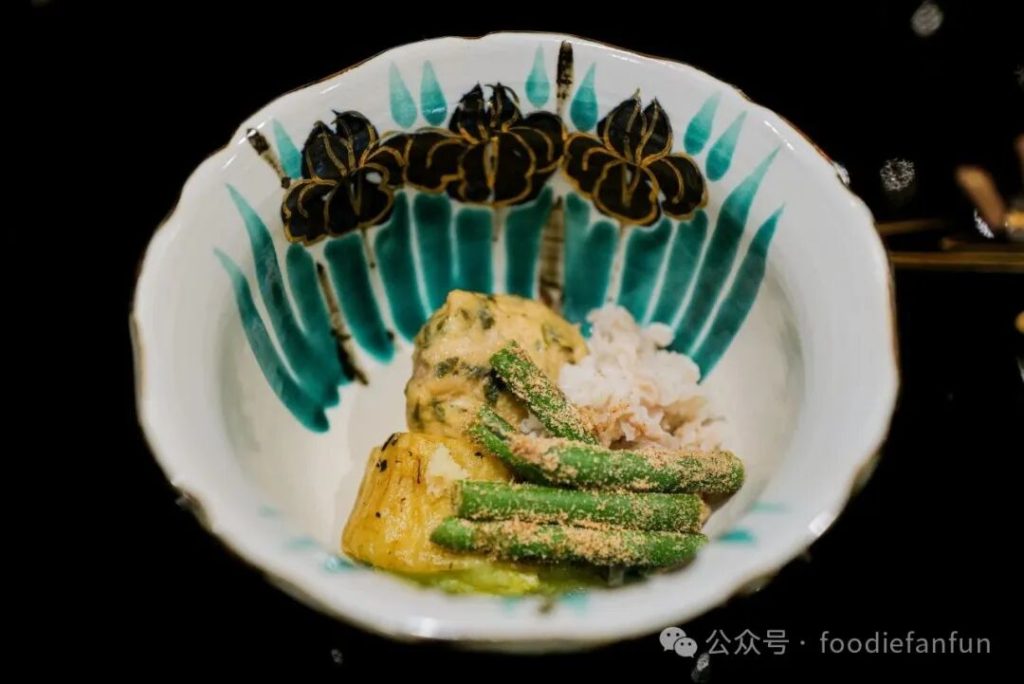
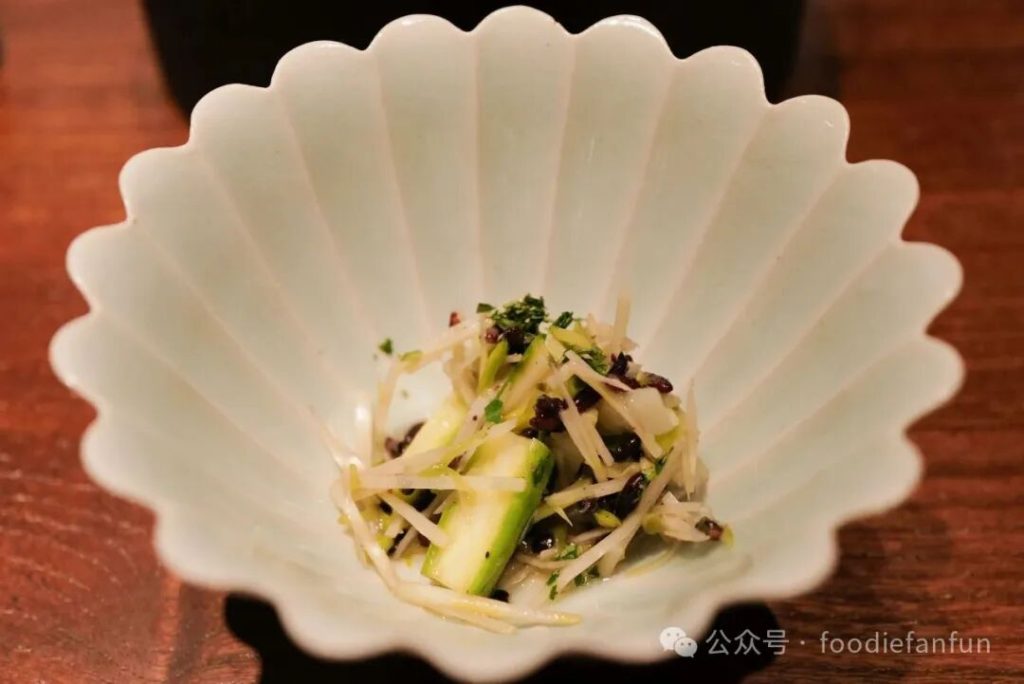
    Wild Vegetable & Tofu Cake, Eggplant, Wild Boar, Green Beans

    Beyond showcasing the strength of Murakami’s seafood, Shintaku puts just as much care into its vegetable dishes.

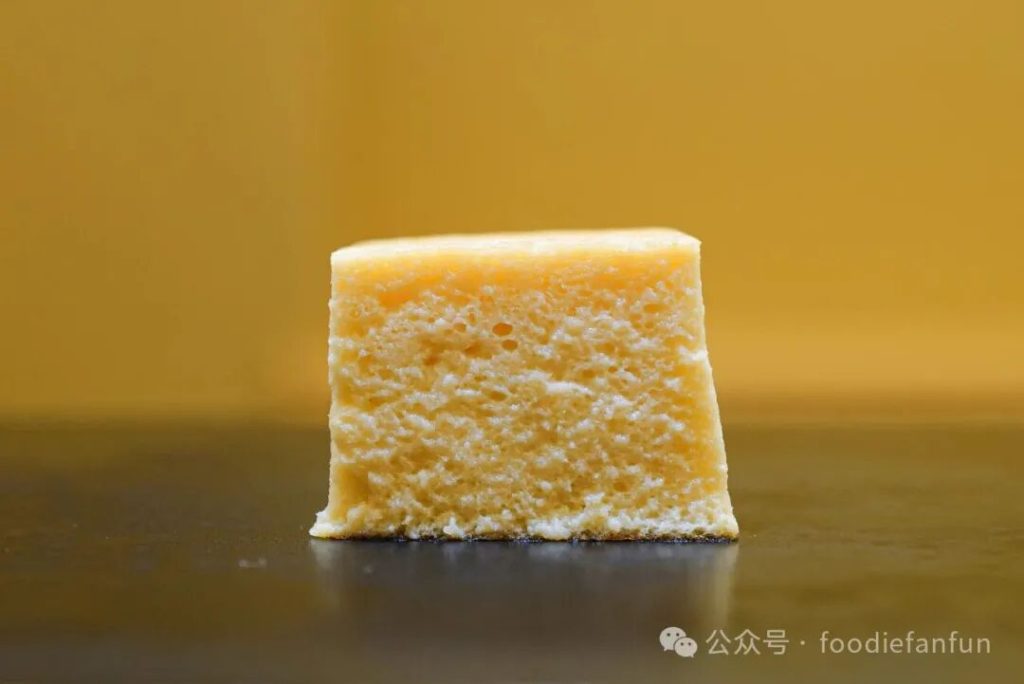
    The little cake made of wild mountain vegetables and tofu, reminiscent of Murakami’s own “fennel cake,” brought out the aroma of wild greens to the fullest — the more you ate, the more addictive it got. The grilled eggplant was soft and well-seasoned, carrying a deep charcoal aroma. The green beans were crisp and sweet, refreshing, each bite bursting with freshness.

    The only slight disappointment was the wild boar on the side, which had a fairly strong gamey smell — the sole misstep of the entire meal.
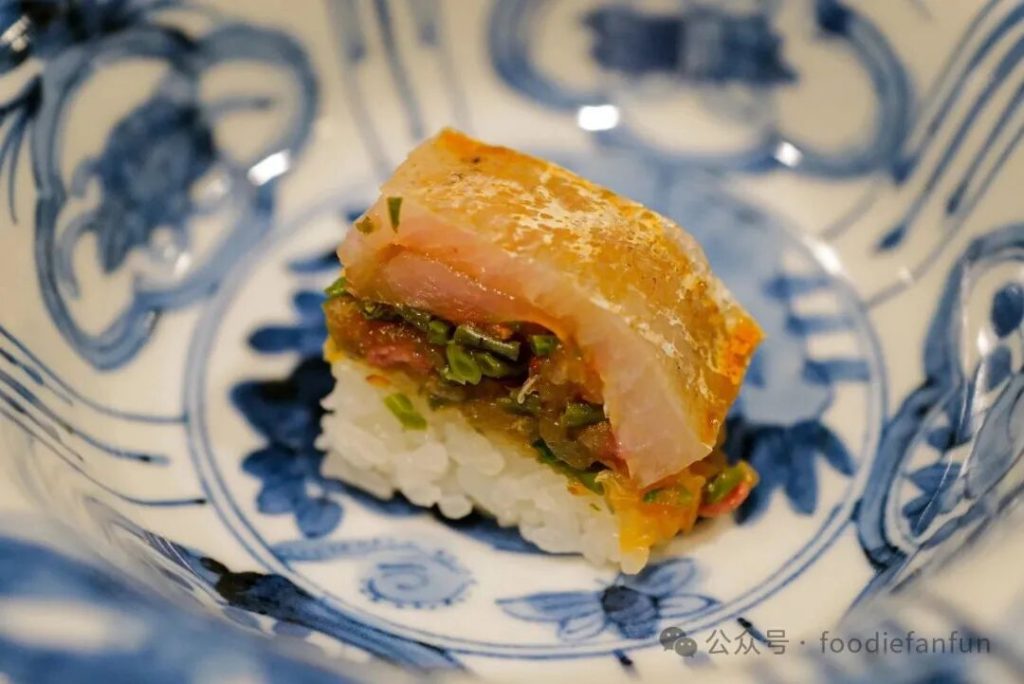
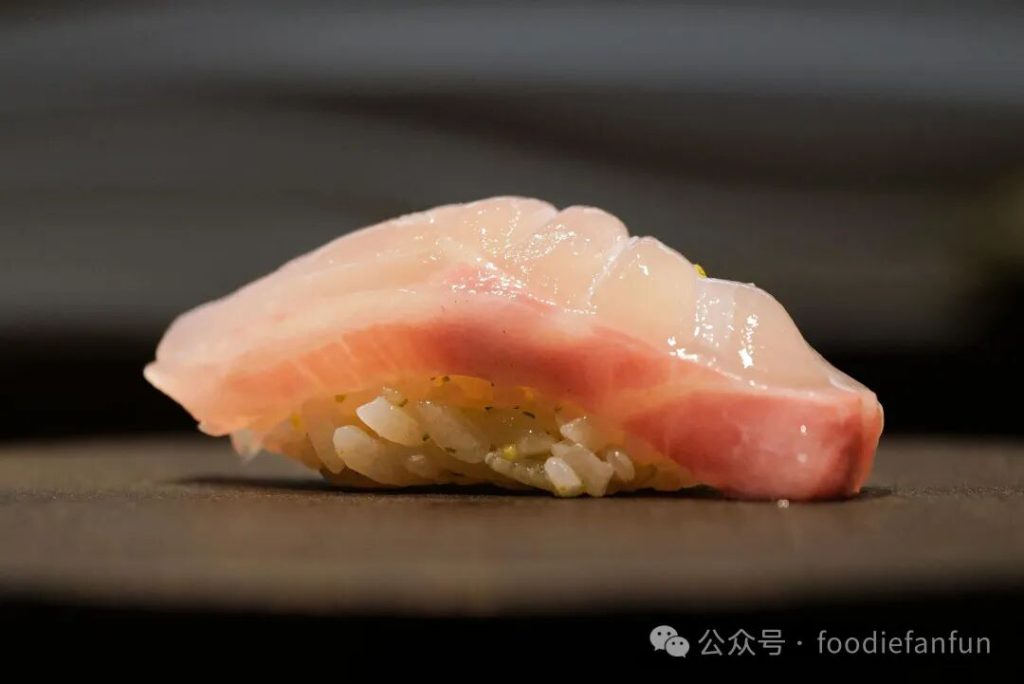
    Kanpachi Sushi
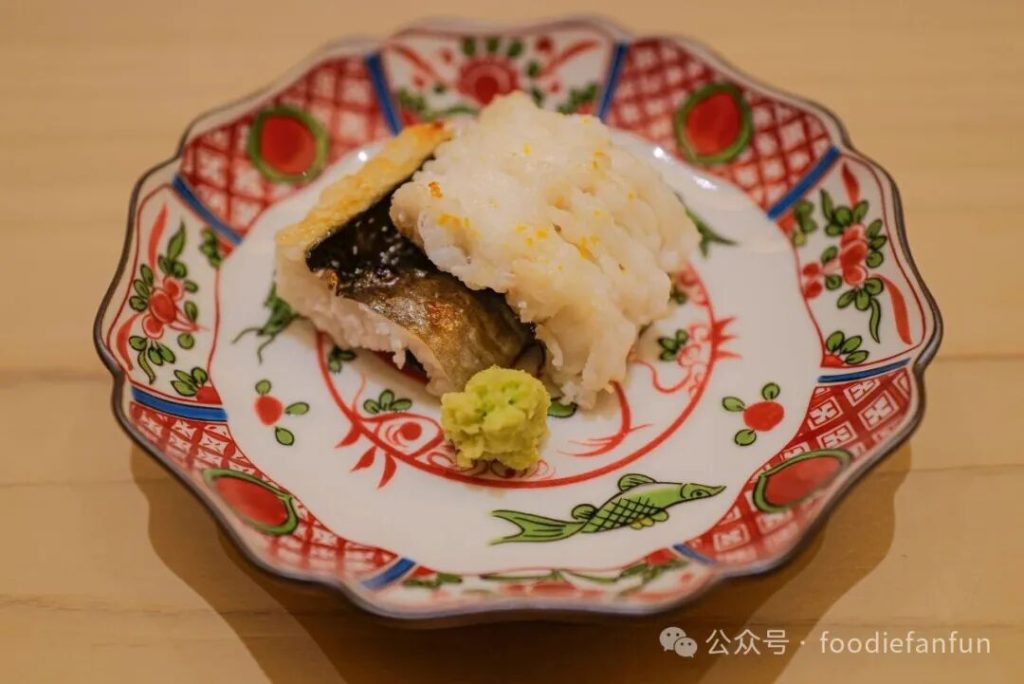
    The first half of the rice course was a piece of pressed kanpachi sushi. It combined the pressed-sushi form typical of the Hokuriku region with the fermented flavor of Murakami’s own izushi (fermented rice sushi) — you could see the formal borrowing, and taste something distinctly Murakami.

    Shintaku swapped the dried, air-cured salmon typically used in izushi for fresh kanpachi. The acidity and faint spiciness from fermentation blended perfectly with the fish’s richness, with clear, distinct layers. Every bite tasted a little different, continually pulling out our curiosity as visiting diners.
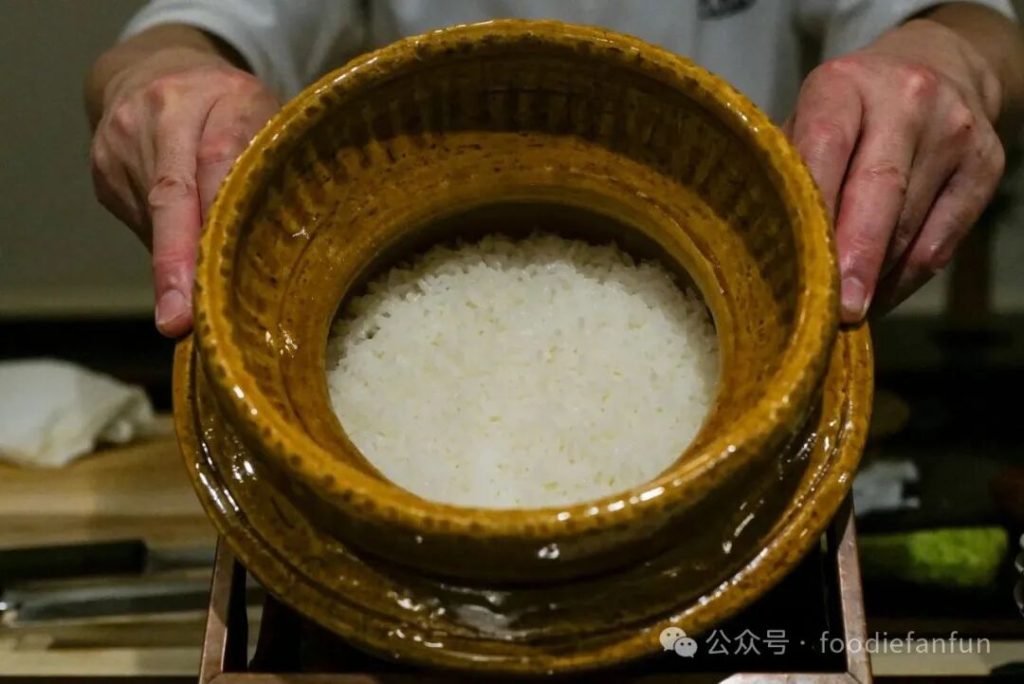
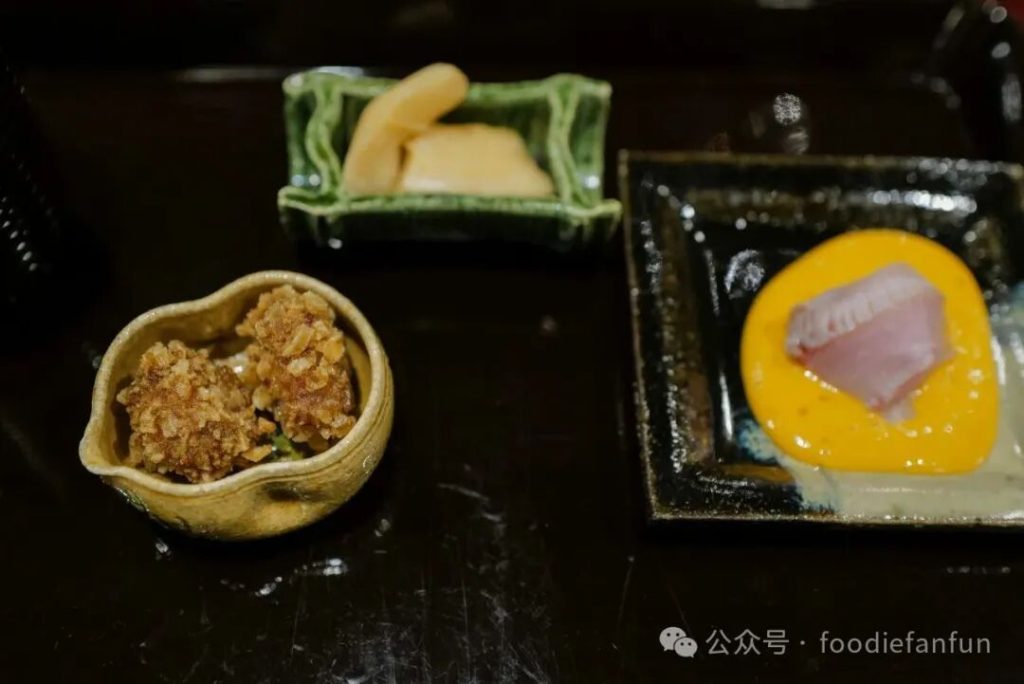
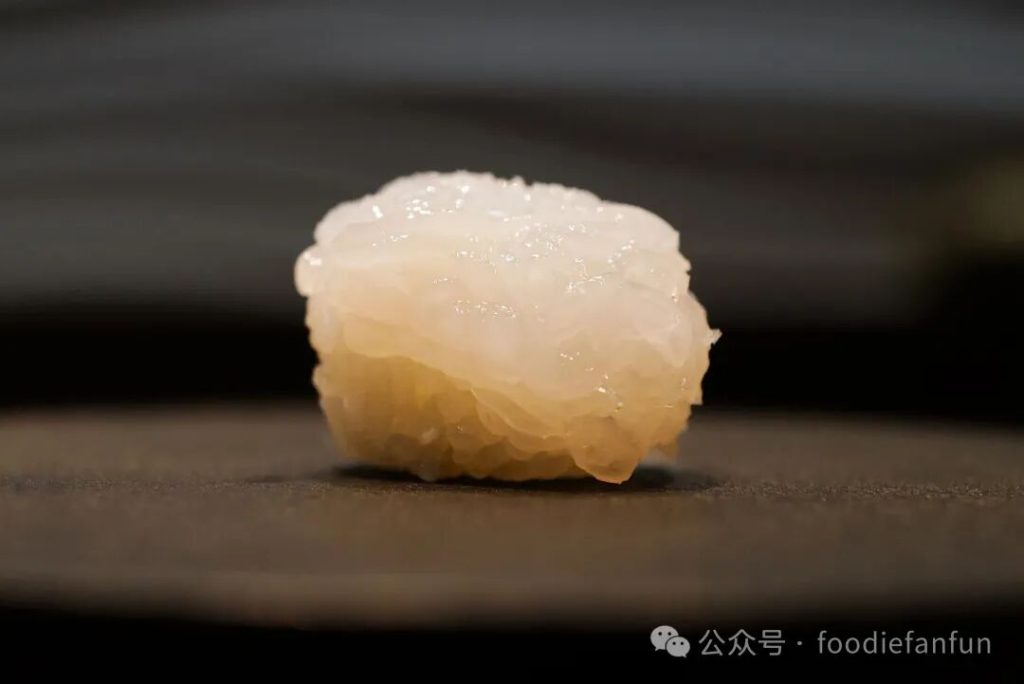
    The other rice dish was, of course, Shintaku’s famous plain white rice. Niigata’s Uonuma rice, steamed in an old ceramic hagama pot using local Murakami spring water. The aroma was hard to describe — plump grains, soft and sweet, with a clarity like fresh spring water.

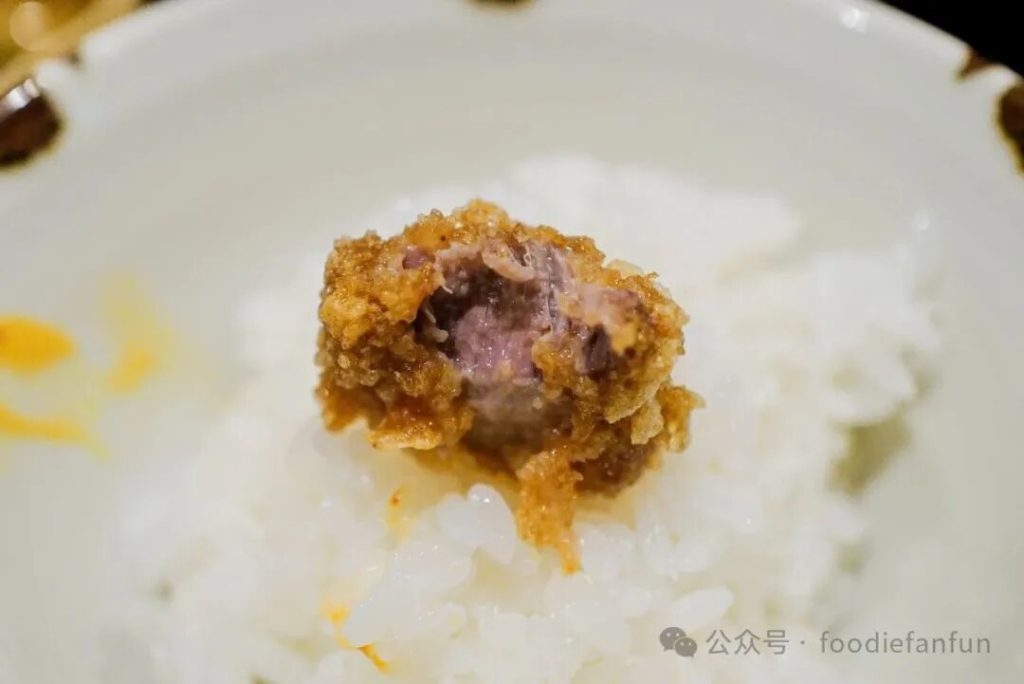
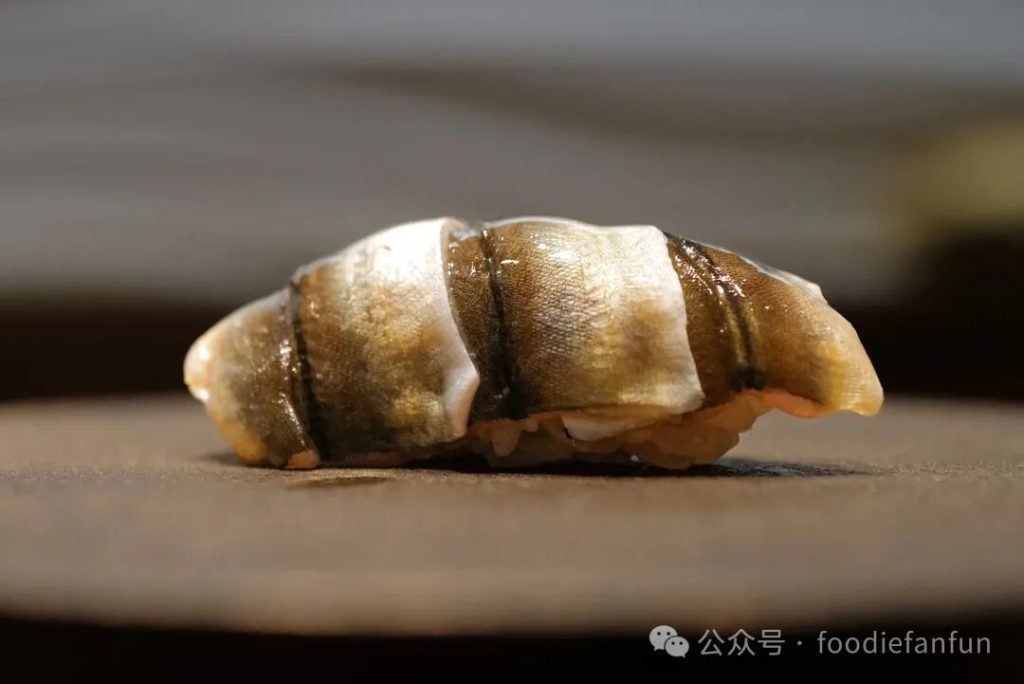
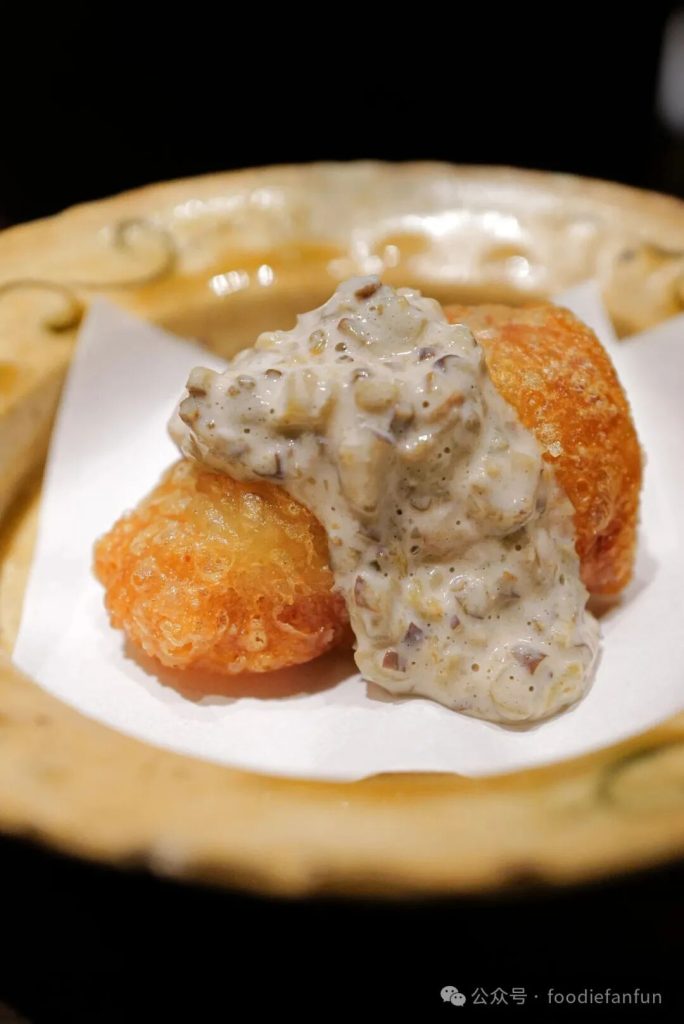
    The side dishes were interesting too — the mildly spicy house-made mayo paired with striped knifejaw, and the wild boar croquette, both went perfectly with rice, so much so that one of my companions had four bowls.
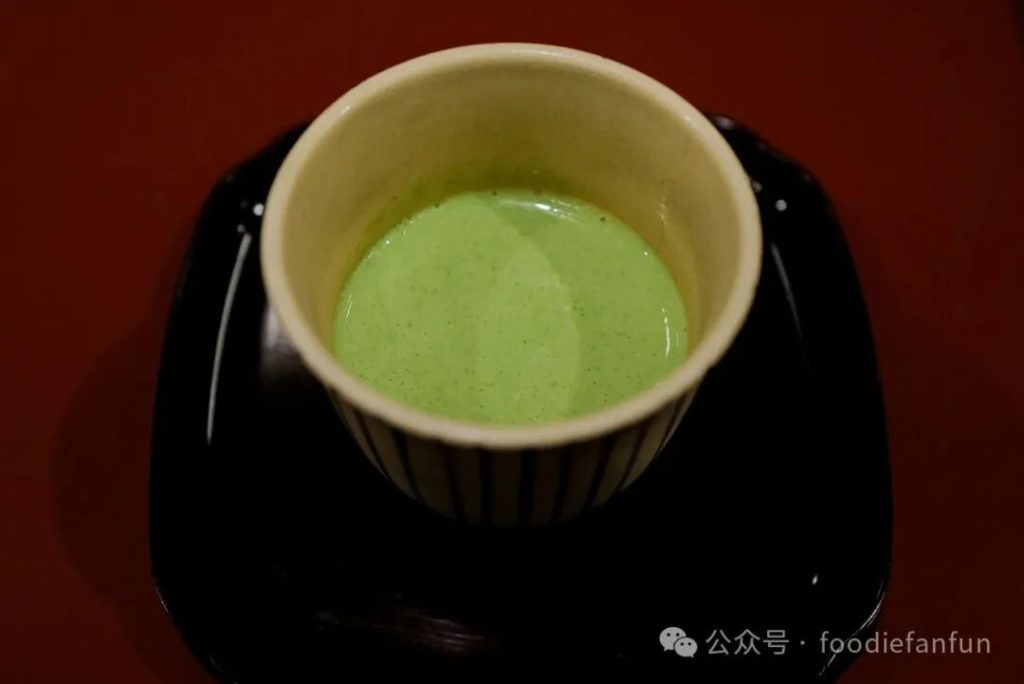
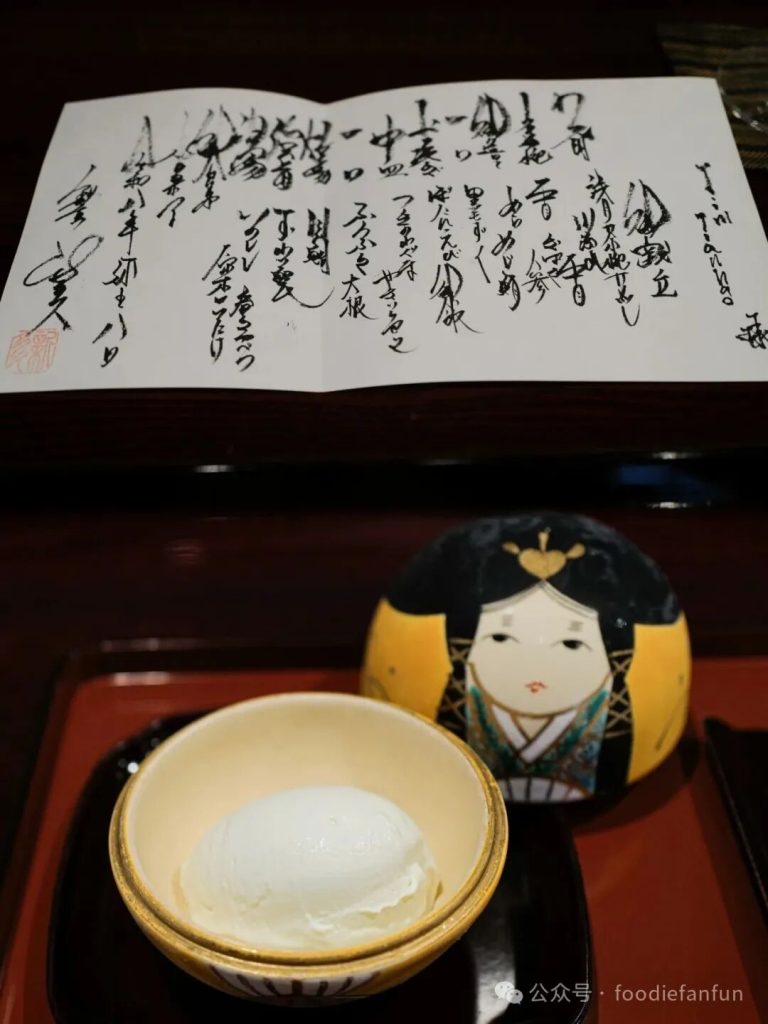
    Sansho Mousse

    Another surprising bowl of green appeared — this time, sansho pepper mousse.

    It sounds like a questionable dish on paper, but the restrained numbing sensation was genuinely appealing, and the sweetness came through straightforwardly. Plain-looking, but nothing ordinary about the taste.
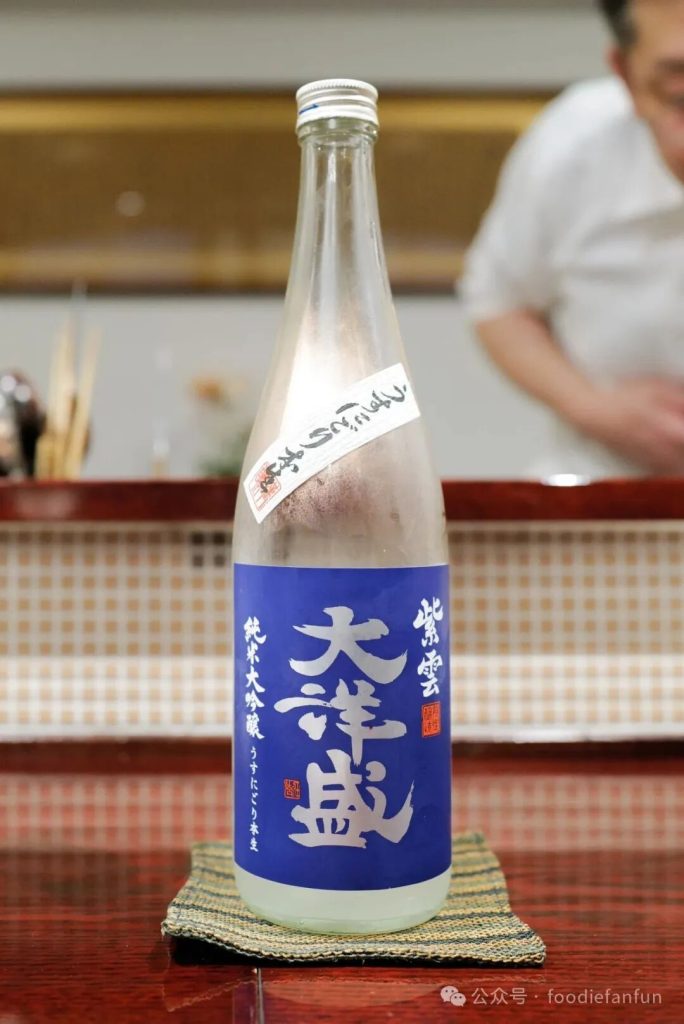
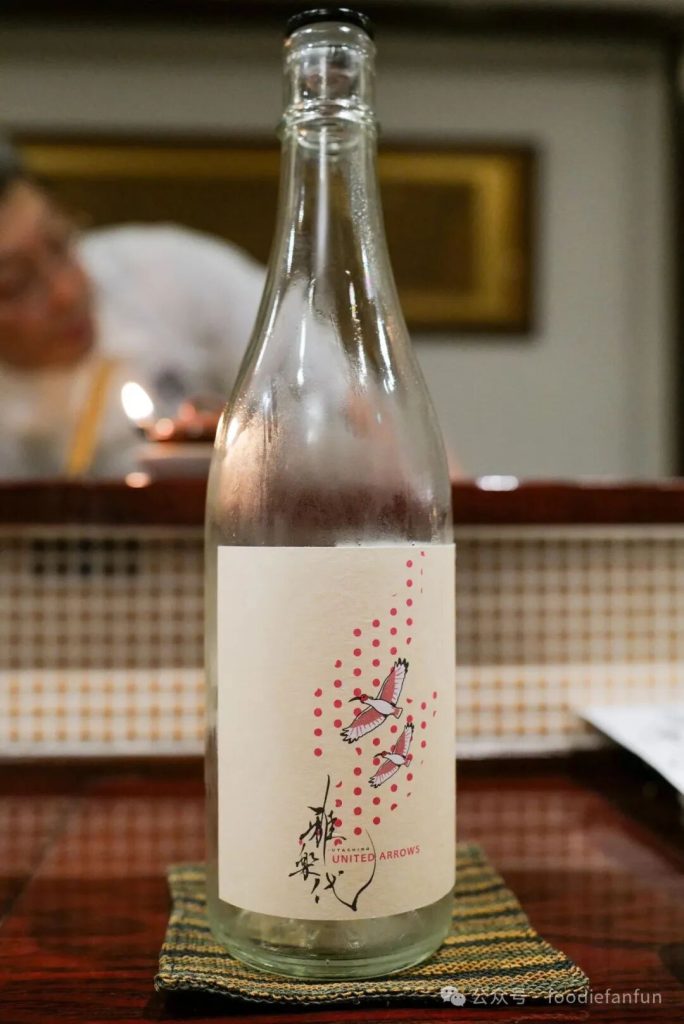
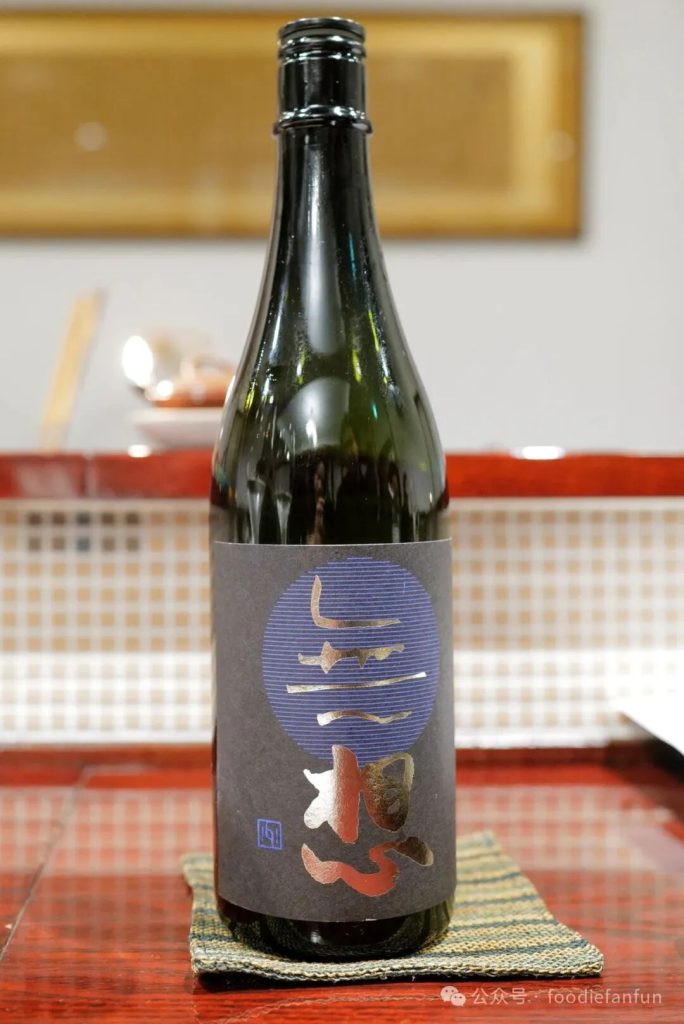
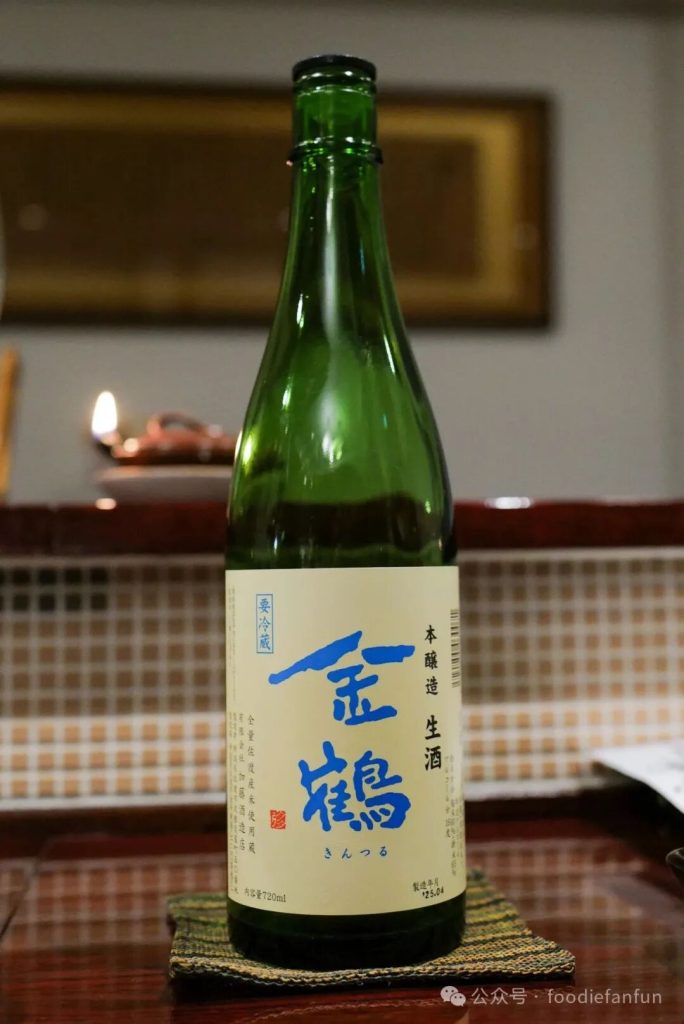
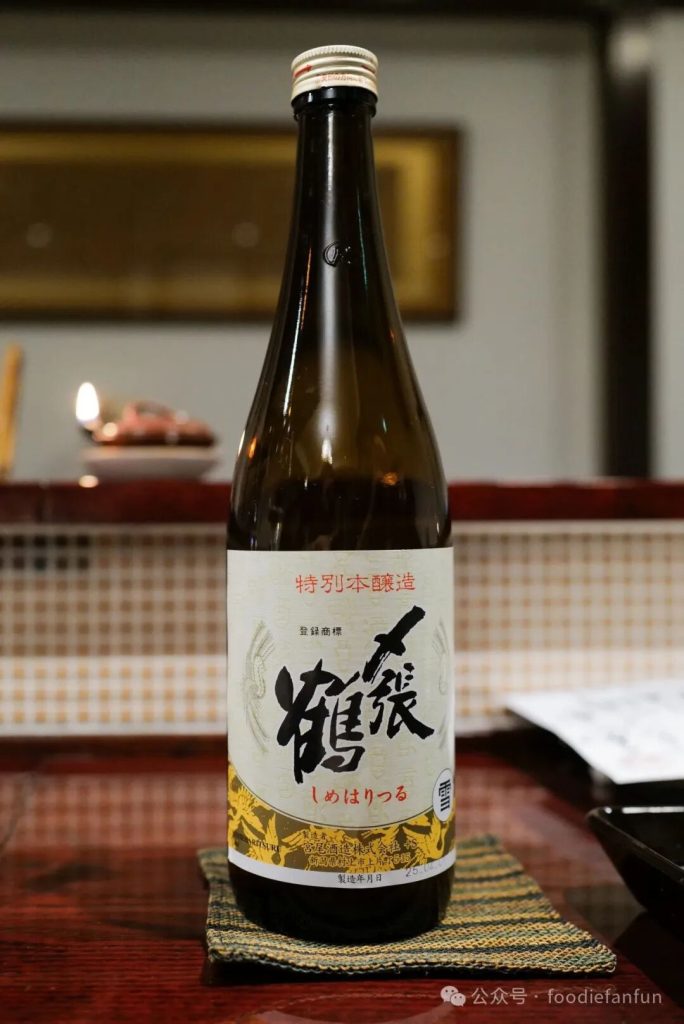
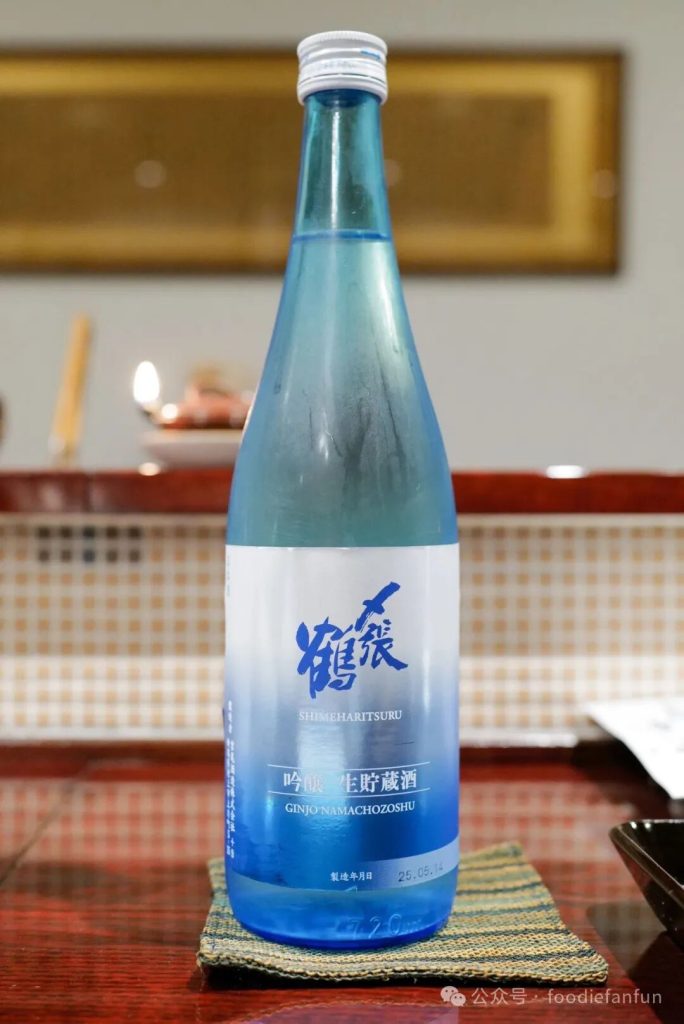
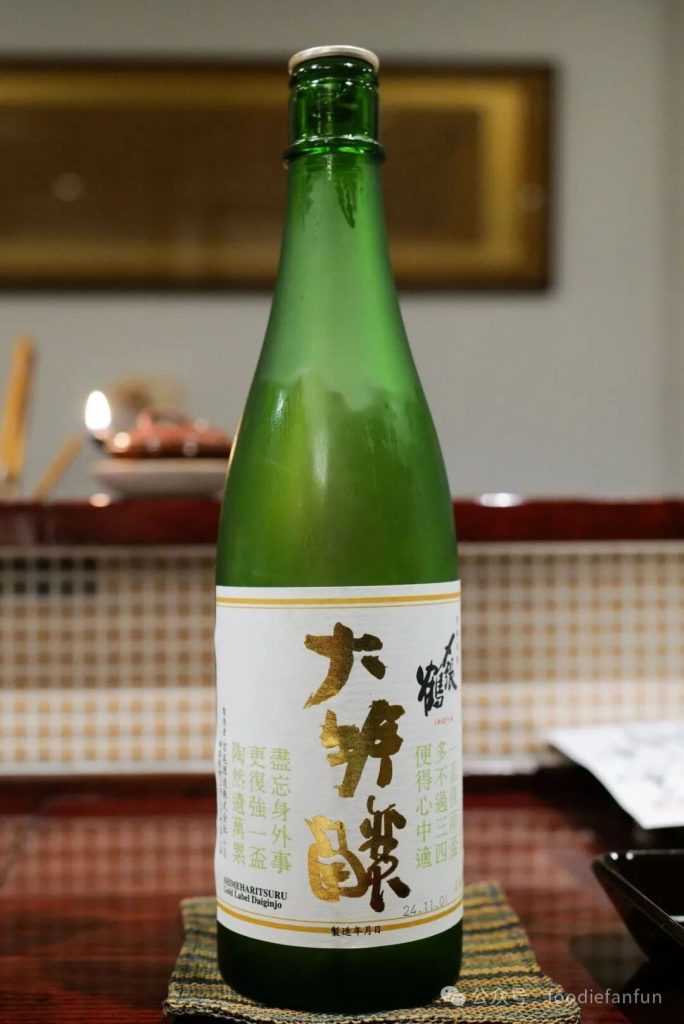
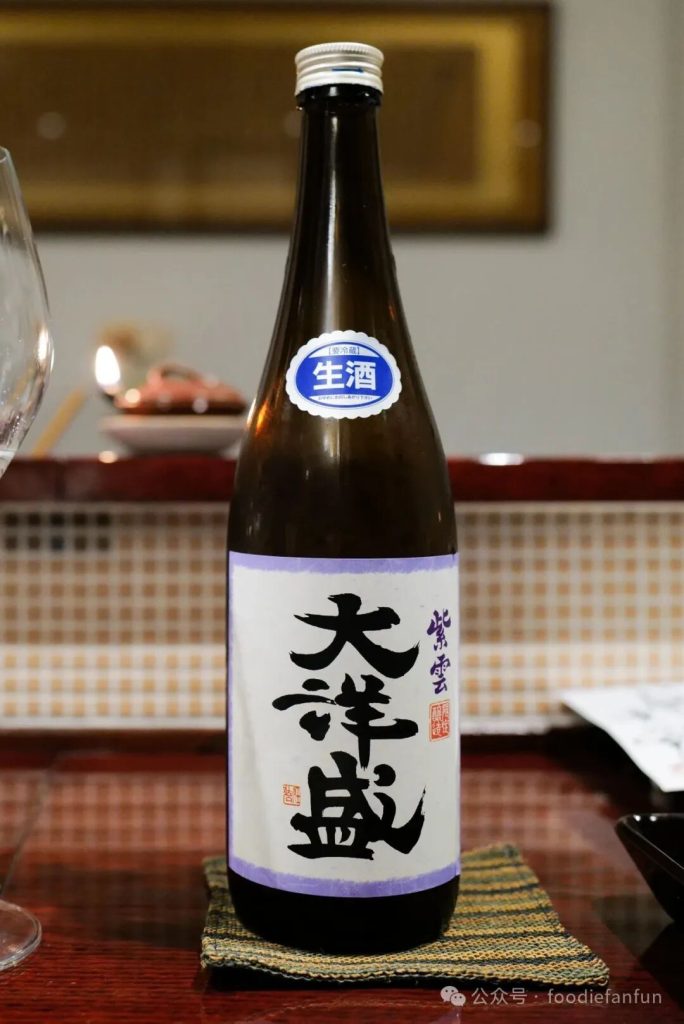
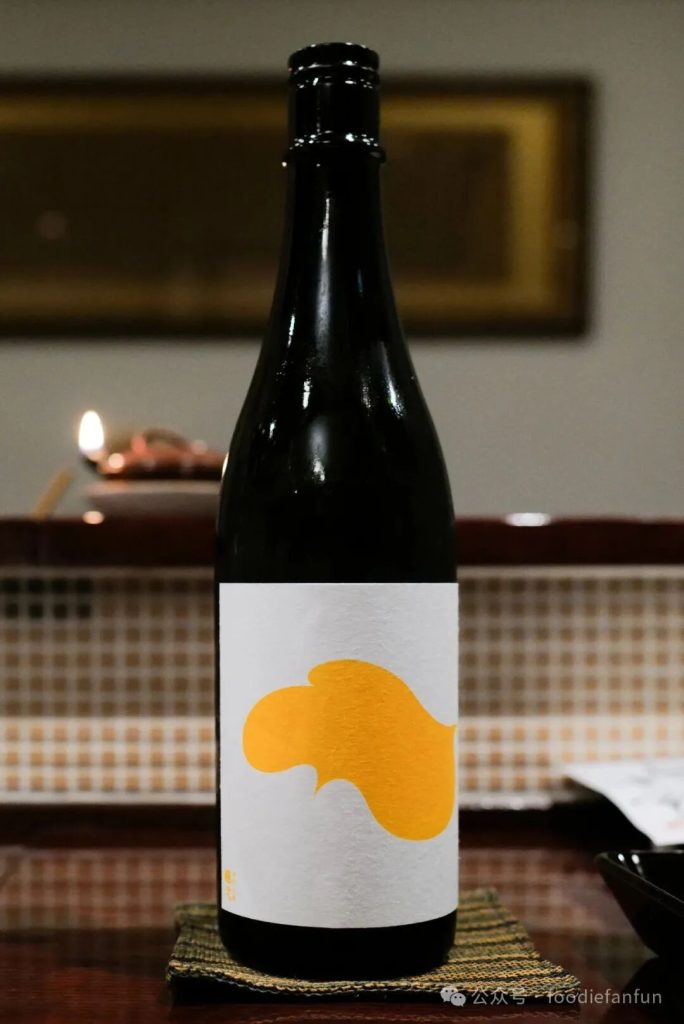
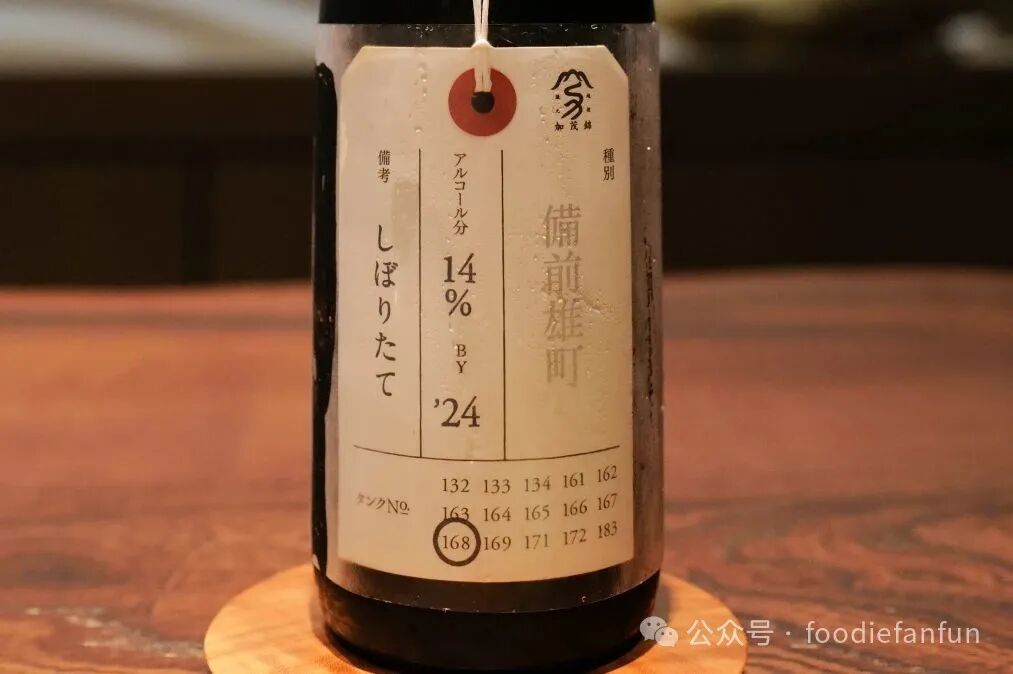
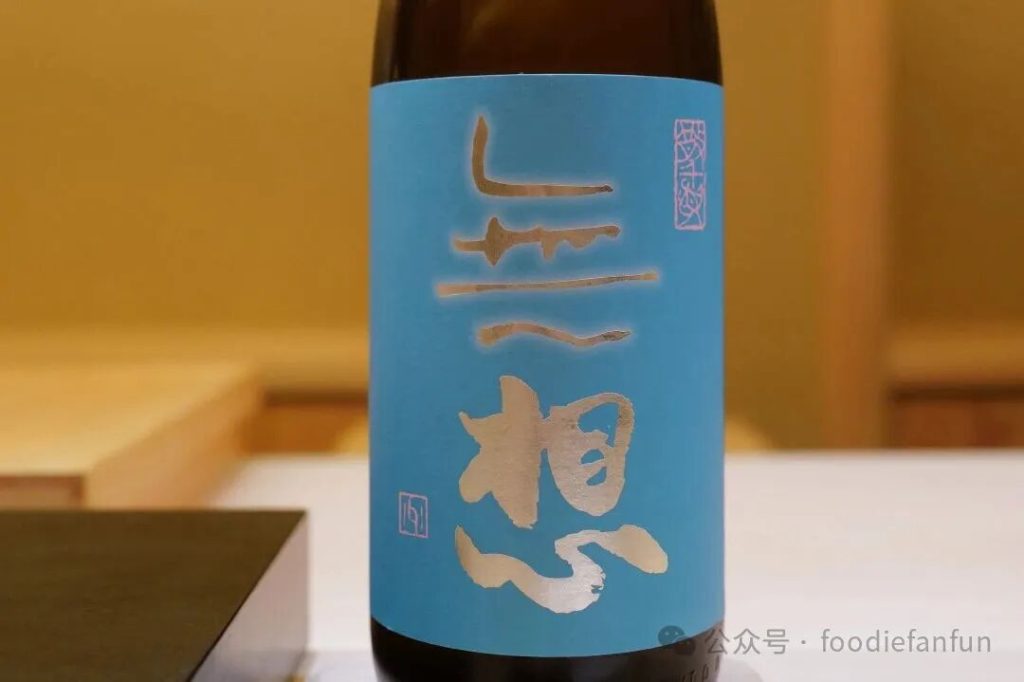
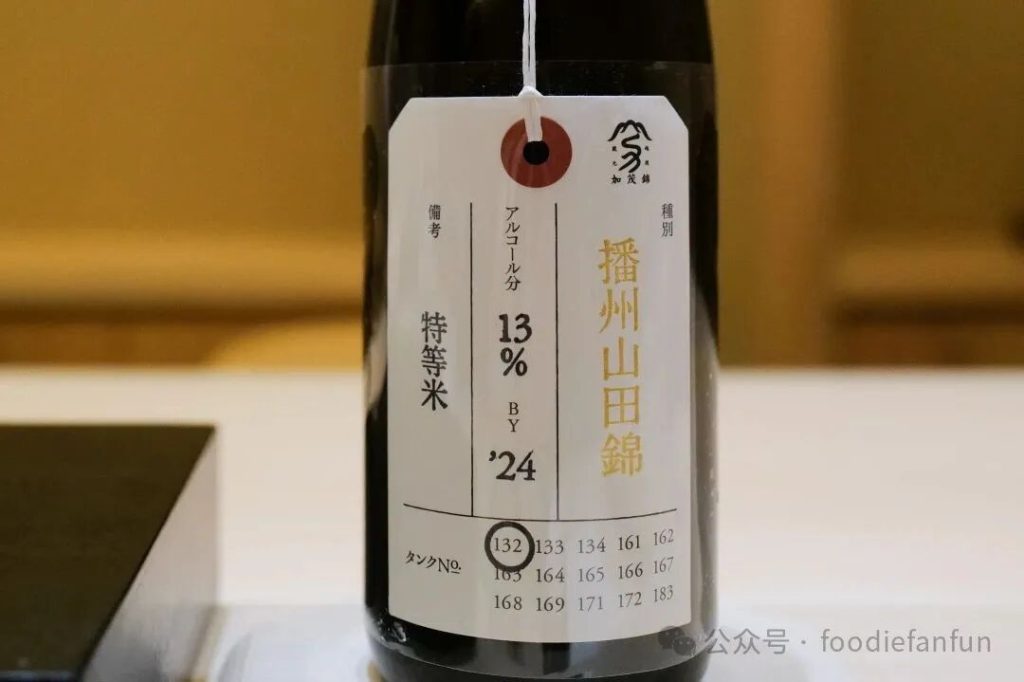
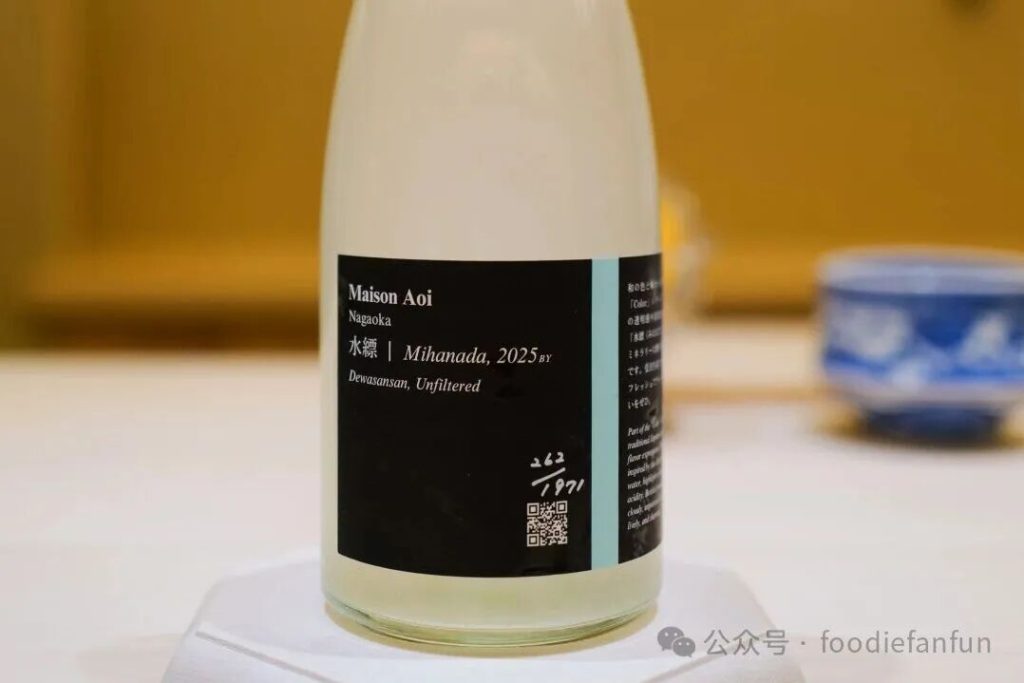
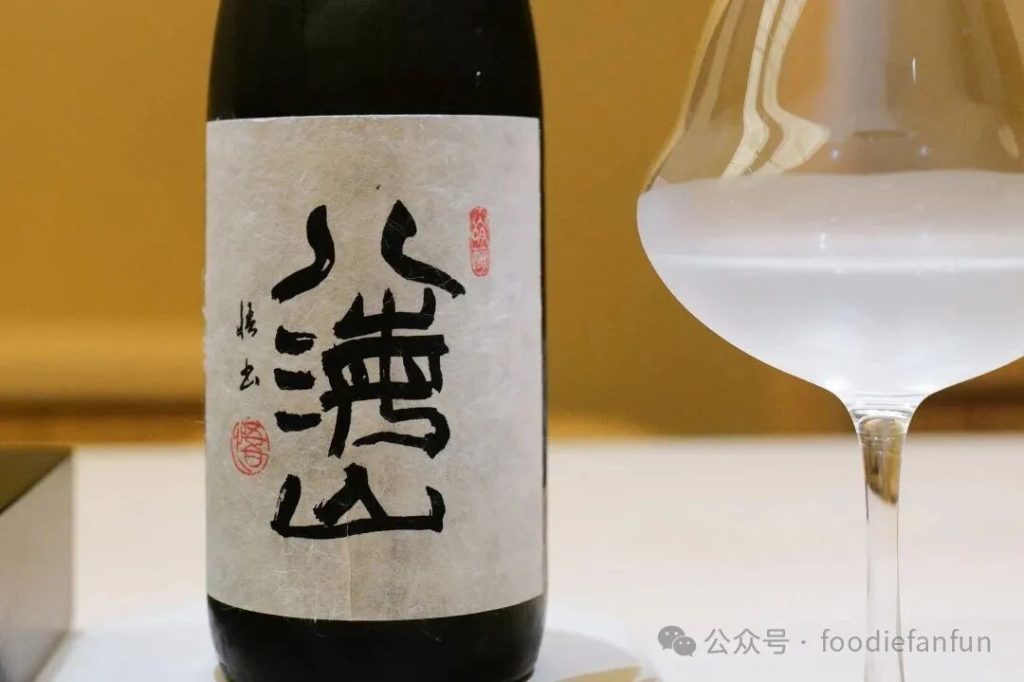
    The pairing was all local sake like Taiyozakari and Shimeharitsuru, but the match with the food was excellent — a real embodiment of the Japanese idea that each region’s ingredients pair best with that same region’s sake.

    There was an interesting little detail in the service, too — most restaurants show a single bottle to all the guests at the counter, but Shintaku had extra bottles on hand, one for roughly every two guests, so everyone could easily check the label.

    It’s always the thoughtful little details that leave the deepest impression.
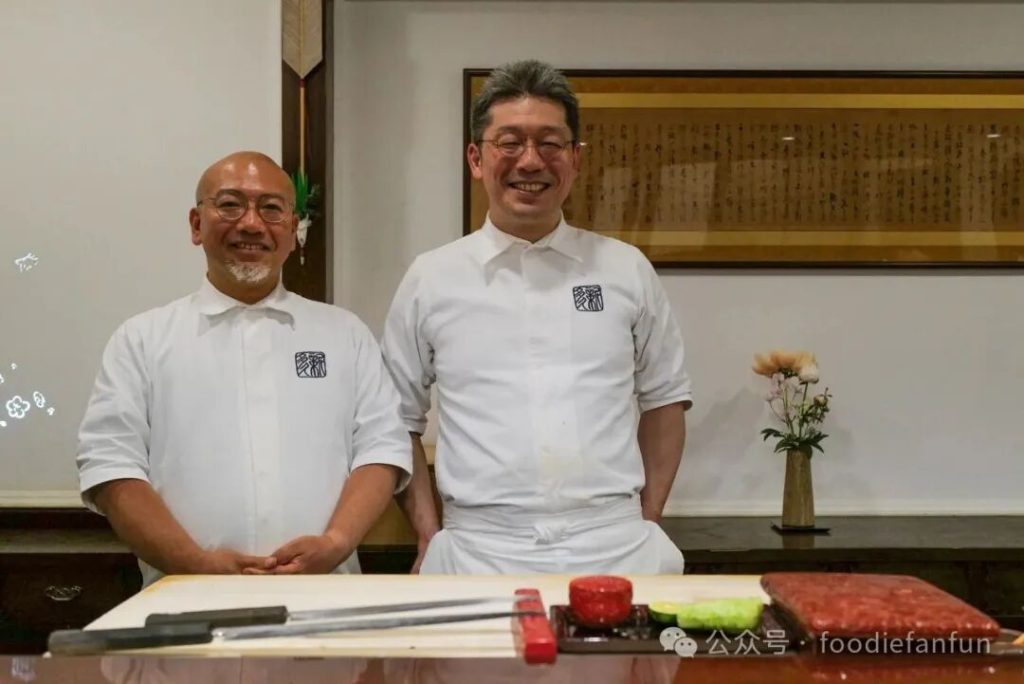
    Across the whole meal, almost every dish could be described as thoughtful and memorable — and it’s the kind of flavor that would be nearly impossible to replicate outside of Murakami.

    The menu at Shintaku doesn’t follow the fixed rules of a traditional ryotei for cooking fish or vegetables — instead, the brothers focus more on drawing out each ingredient’s potential, then considering the flow and balance of the whole meal as one.

    As older brother Shinsuke Yamagai said in an interview, when facing excellent ingredients, it’s better to draw out the flavor already there through technique than to pile on more seasoning.

    Kappo Shintaku

    3-38 Komachi, Murakami, Niigata

    Thursday – Tuesday

    11:30-14:30 17:00-21:30

    https://murakami-sintaku.com/menu.html

    Tasting Menu 11,000 / 16,500 / 22,000 JPY

    Whether it’s the brothers’ precise command of kappo cooking or the richness of Murakami’s local produce, the food and experience at Shintaku are the kind you want to remember and write down. It’s genuinely a restaurant worth a three-hour expedition from Tokyo.

    Looking forward to the next season!
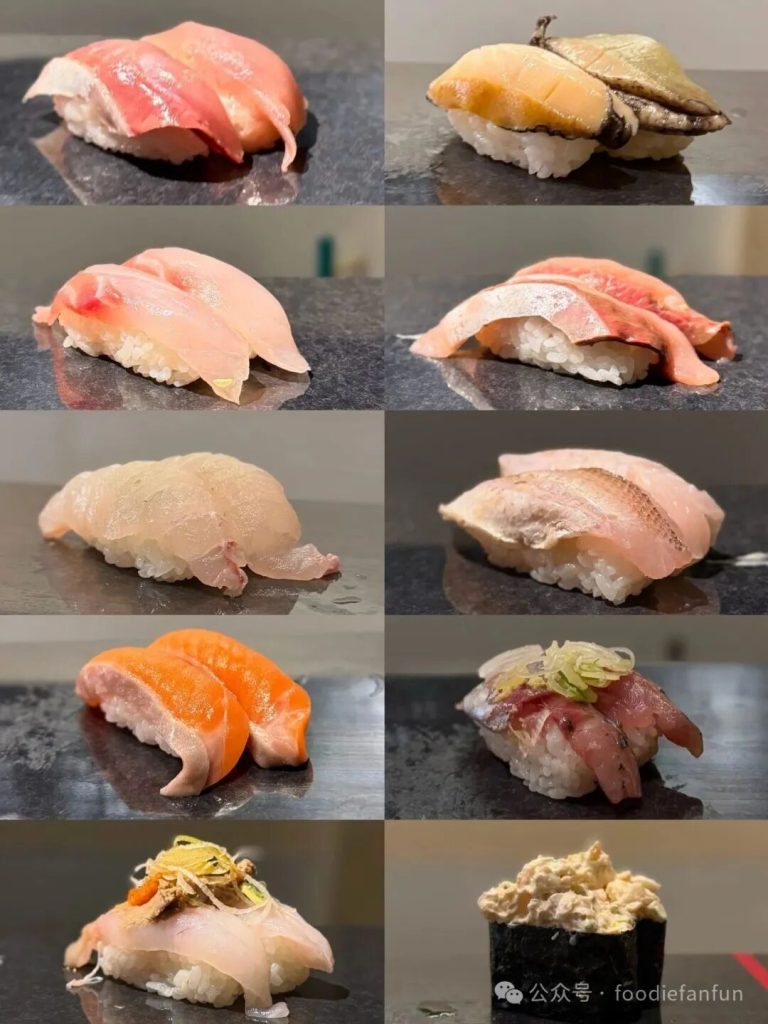
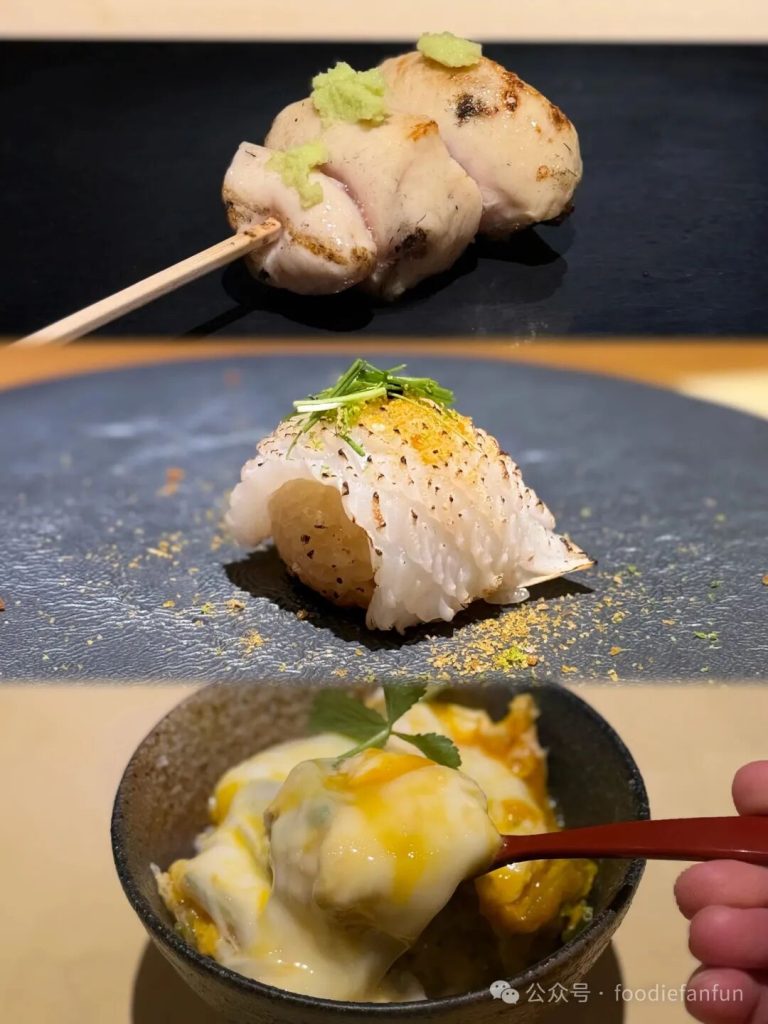
  • Niigata’s Twin Sushi Masters: Craftsmanship Straight from the Source

    Niigata is a city that gets sushi-obsessed people hooked the moment they arrive. It combines premium Koshihikari rice, ultra-soft snowmelt water, and abundant seafood where mountains meet sea. On top of that, the value is exceptional — even the priciest course at the top restaurants here costs less than a lunch omakase in Tokyo.

    After visiting Kappo Shintaku in Murakami, I spent two straight days in Niigata visiting the two highest-ranked sushi restaurants in the area, Tokiwa-zushi and Kyodai Sushi. Both are over fifty years old, yet neither plays it conventional — the former is a little inventor who works tomato into his shari, the latter is a deep-V-collar, host-club-cool sushi savant.

    Let me highlight the appealing points up front: ① Tokyo to Niigata is just 2 hours, ② both restaurants are English-friendly!
    ✦ • ✦

    Tokiwa-zushi

    👨‍🍳 The Wildly Inventive Sushi Inventor

    💰 25,300++

    📍 3-7-8 Chuo-cho, Shibata City, Niigata (Shibata main store) / 1F Daiichi Credit Building, Honcho-dori 7-bancho 1151, Chuo Ward, Niigata City, Niigata (Niigata branch)

    Founded in 1954, Tokiwa’s main store is in Shibata City, Niigata Prefecture, now run by third-generation chef Kosuke Kobayashi. Last year, marking the restaurant’s 70th anniversary, Kobayashi-san opened a new branch in central Niigata City. The two locations now operate on an alternating schedule — Monday through Friday he’s shaping sushi at the new central-Niigata branch, and on weekends he returns to the original Shibata store to host guests.

    Tokiwa has a few defining traits: first, 99% Niigata-sourced ingredients; second, a wide range of seafood techniques — aging, cooking with heat, kaki-zu (persimmon vinegar), special seasoning — unbound by tradition, always choosing whatever method best highlights a fish’s strengths; third, shari that changes almost piece by piece, adjusted according to ingredient and season with red vinegar, fish-stock vinegar, persimmon vinegar, tomato vinegar, even shrimp-shell powder and shrimp brain. The rice itself is Shibata-grown ‘Hojo Koshihikari,’ which gives each grain more presence.

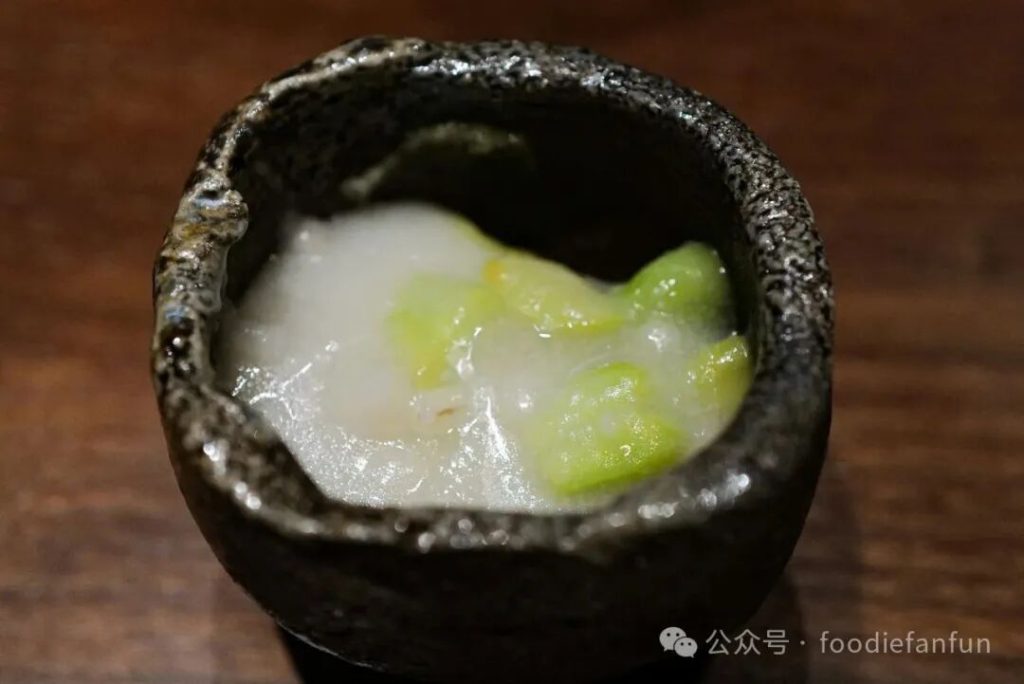
    Fava Bean, Yam

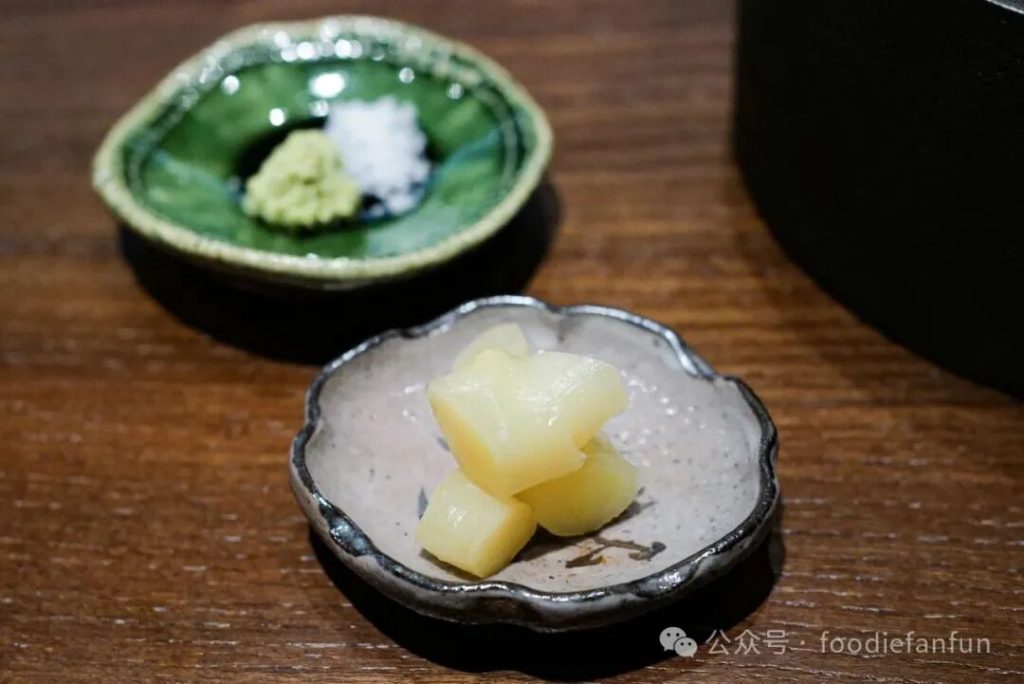
    Salt, Wasabi

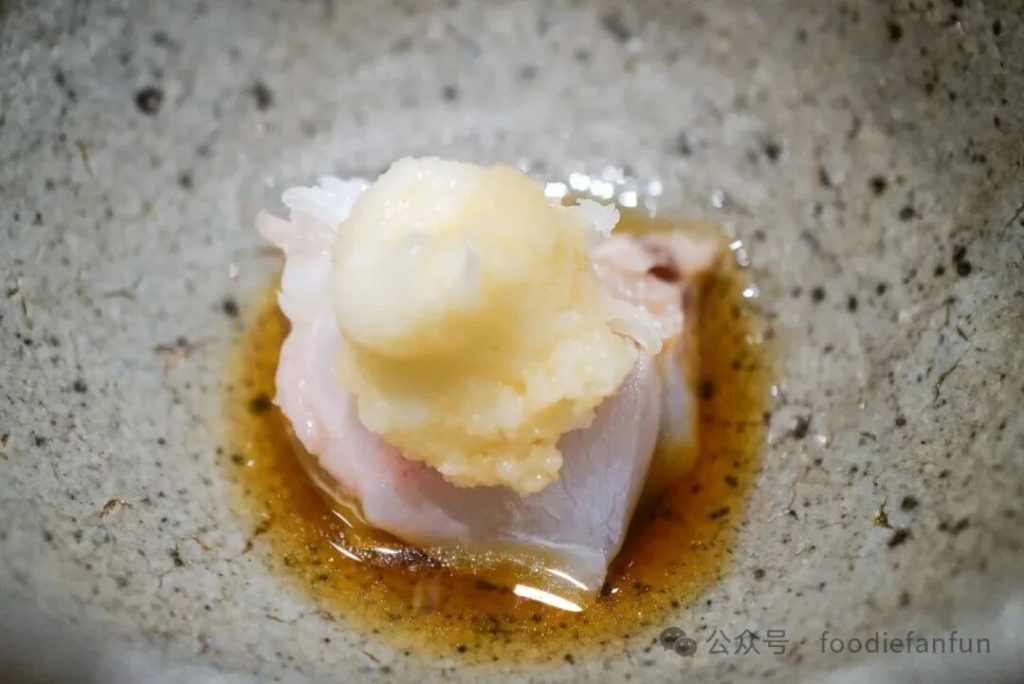
    Japanese Seabass

    Right after sitting down came a small surprise — Tokiwa had prepared a detailed English menu that explained ingredients and preparation methods with real clarity. The restaurant even had a tea list; tea pairing is genuinely rare at a sushi restaurant.

    Yam whipped into a purée with fava beans and pearl barley — a warm opener, unapologetically rich in texture. Fresh Japanese seabass, lightly blanched, crisp and firm, showing off the strength of local seafood. The grated daikon on top was emulsified with rice oil, lifted with sweetness. Salt and wasabi were no mere sides either — eaten on their own, without sashimi, they held up as a drinking snack in their own right.

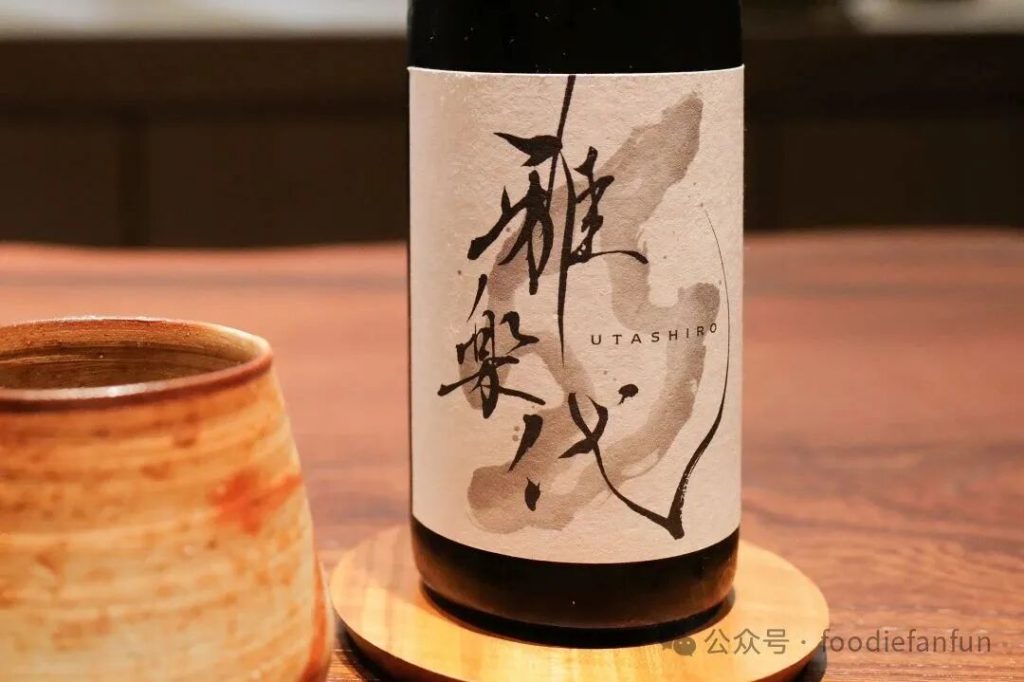
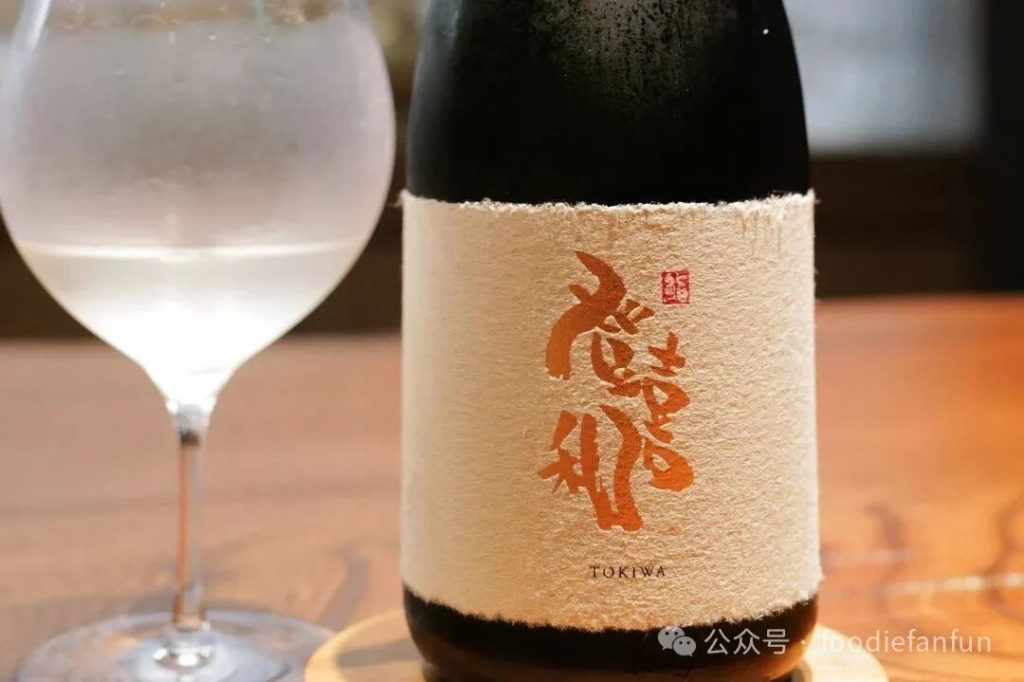
    The wine/sake pairing didn’t hold back either — a prefecture-exclusive Uragasumi, its strong smokiness matching the dish perfectly.

    Bamboo Shoot, Asparagus, Sea Grapes, Fish Sauce, Kinome Leaf

    Flounder

    Cuttlefish

    Baby Ayu (Sweetfish)

    Before the sushi began, there was also a ‘vegetable salad’ among the otsumami — the asparagus’s charcoal aroma, various seasonal vegetables offering freshness, and a secret weapon in the sauce: gyoshou (fish sauce) made from a year-aged fermented sardine. No fish in sight, but the umami it delivers might as well be fish itself.

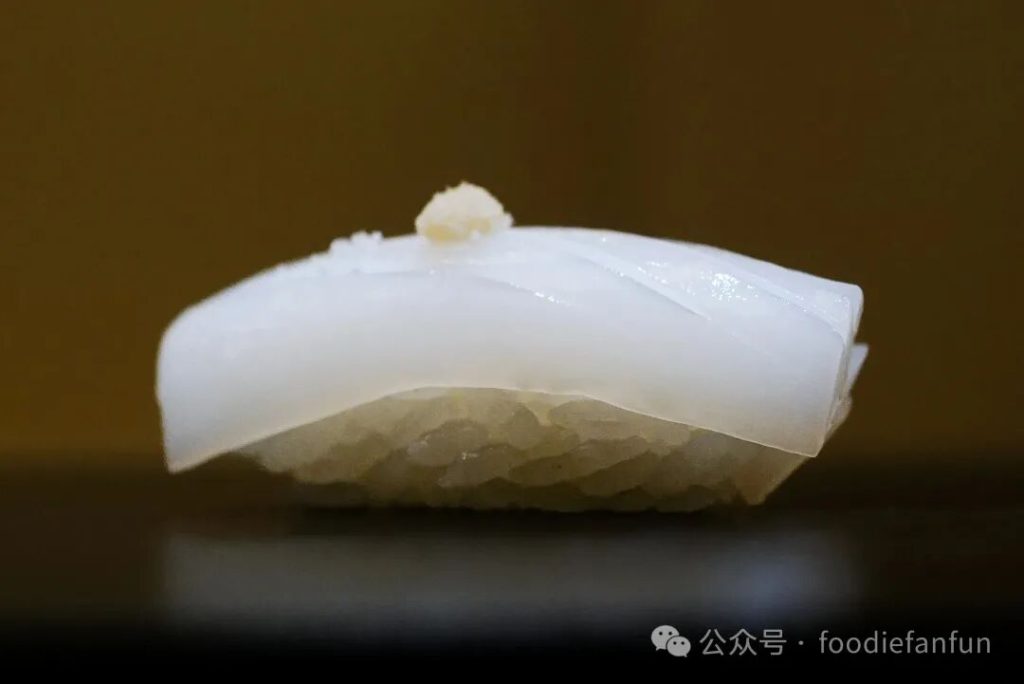
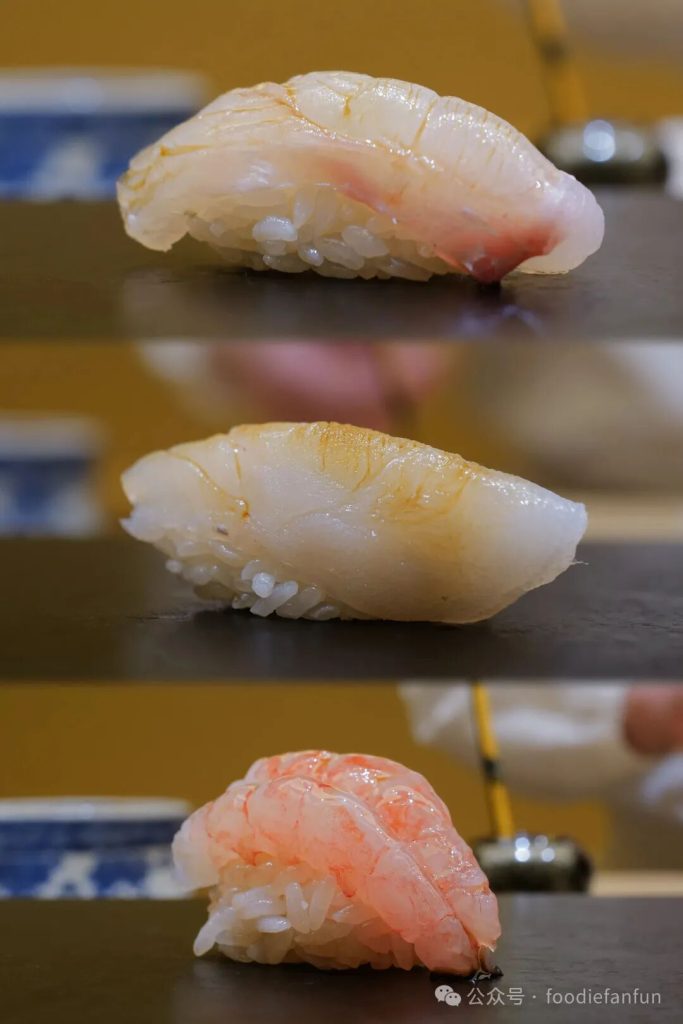
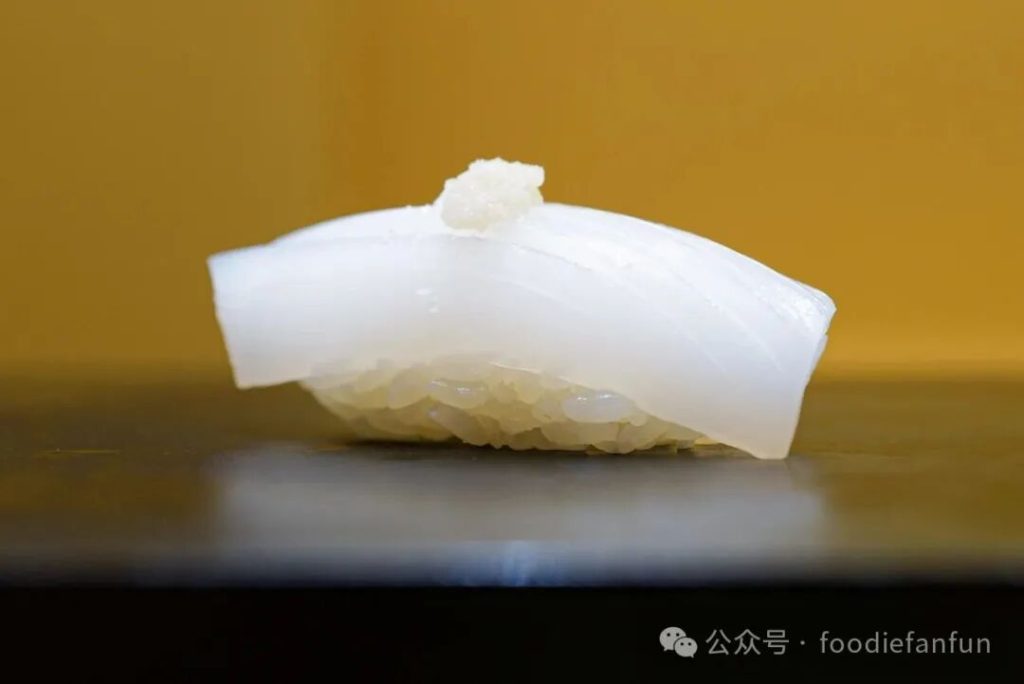
    Local flounder cured in kombu dashi and salt water, paired with high-acid yuzu shari — balanced, refreshing, distinctive, yet gentle to chew. Sado cuttlefish, which we watched Kobayashi-san finely score with flashy knife work right from the moment we sat down, then chilled in the fridge to soften — it unfolded in the mouth soft like mochi. The shinko (baby sweetfish) came from Murakami ayu.

    Tokiwa’s shari uses Yutaka Koshihikari, an improved Koshihikari varietal — each grain distinct with a strong presence, currently used by only two sushi restaurants in all of Japan. It’s also cooked over direct fire in a traditional hagama pot, tucking a subtle smoky note into the gaps between the grains.

    Sakura Trout, Water Dropwort, Mountain Udo

    Fried Blowfish, Cod Milt + Pickled Plum + Red Peppercorn Tartar Sauce

    Right at eye level across the counter, we watched Kobayashi-san give a crisp “snap” as he sliced through a lightly seared sakura trout. On the plate, the trout’s soft flesh made a clear contrast against the fresh, green crunch of the water dropwort.

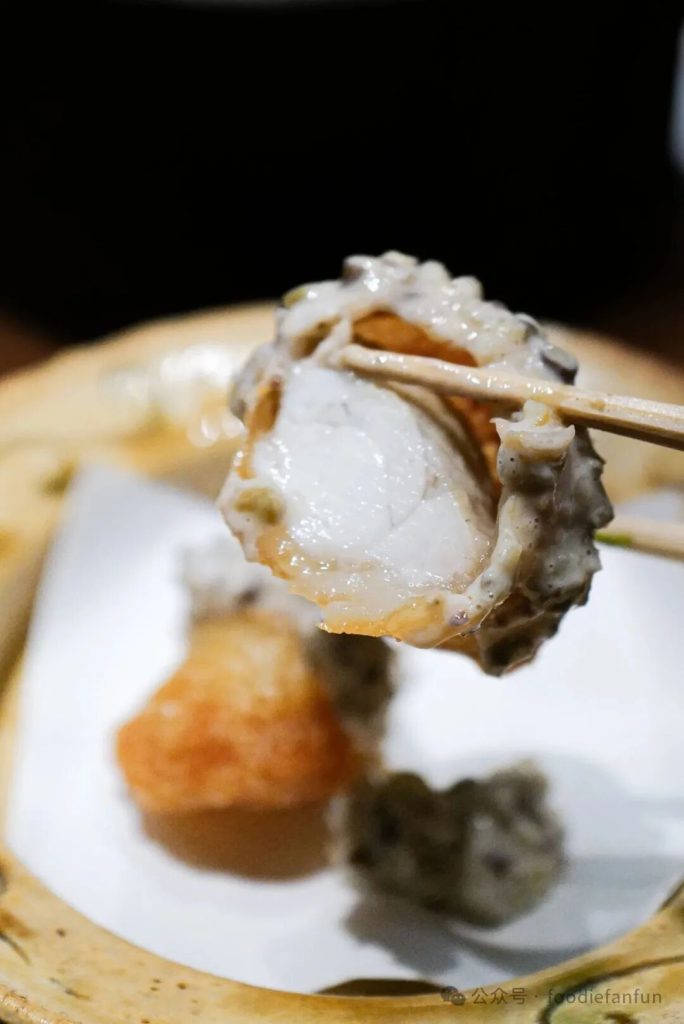
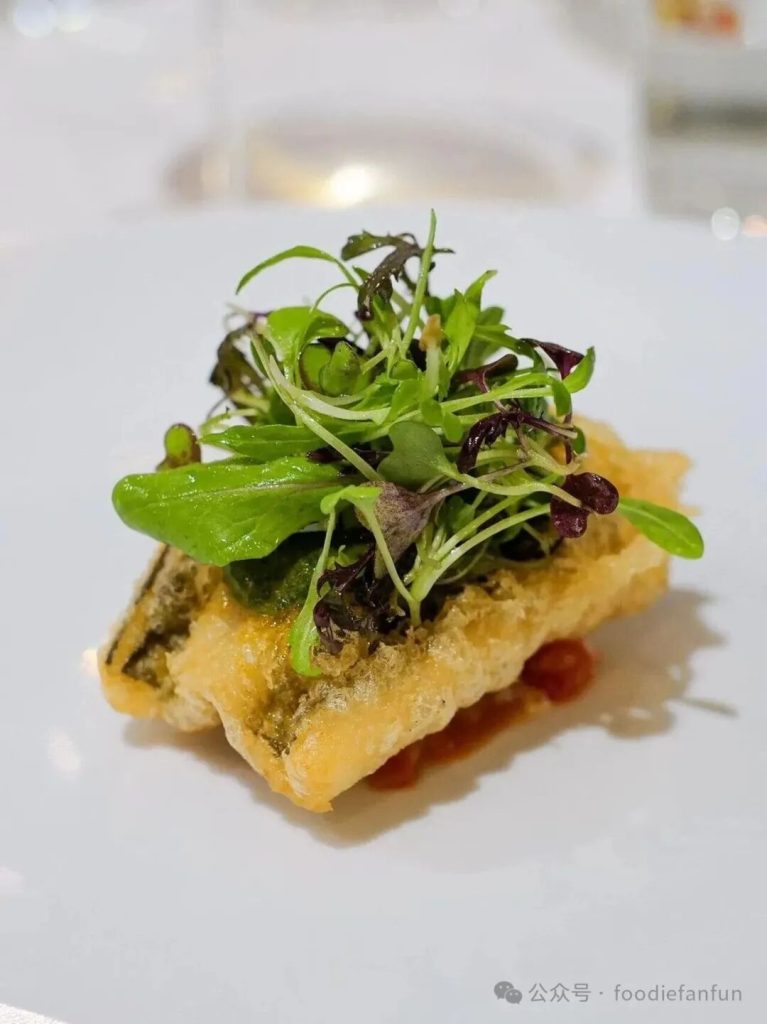
    The blowfish that followed was fried to a golden crisp on the outside, the flesh firm, with cod milt and soy milk propping up the dish’s richness — this upgraded version of fish and chips was genuinely fun.

    Chutoro, Wild Chive Soy Sauce

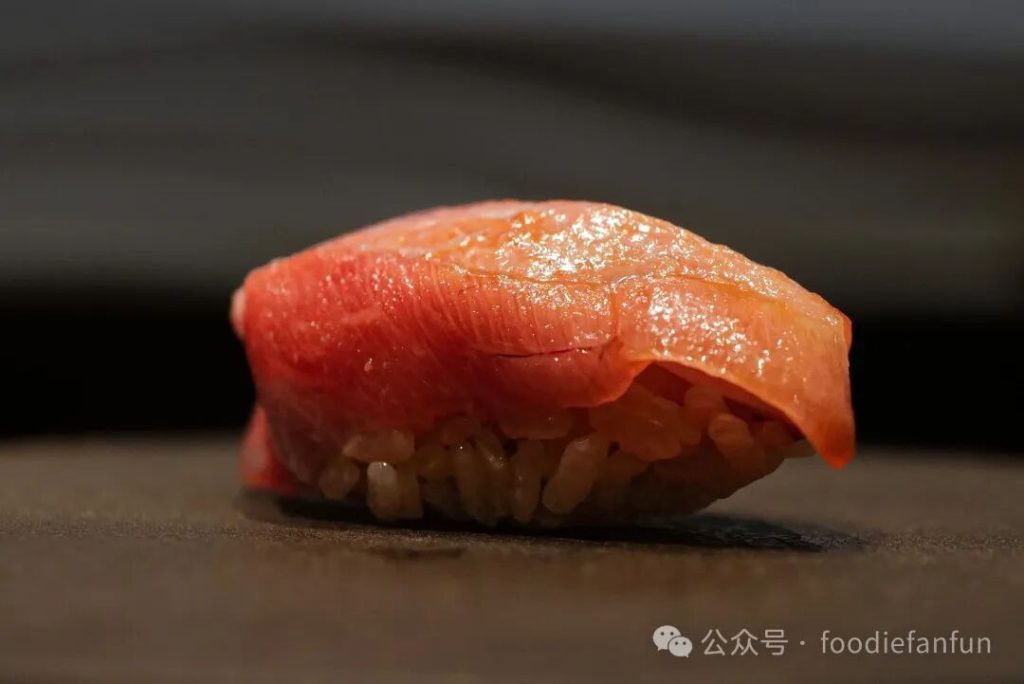
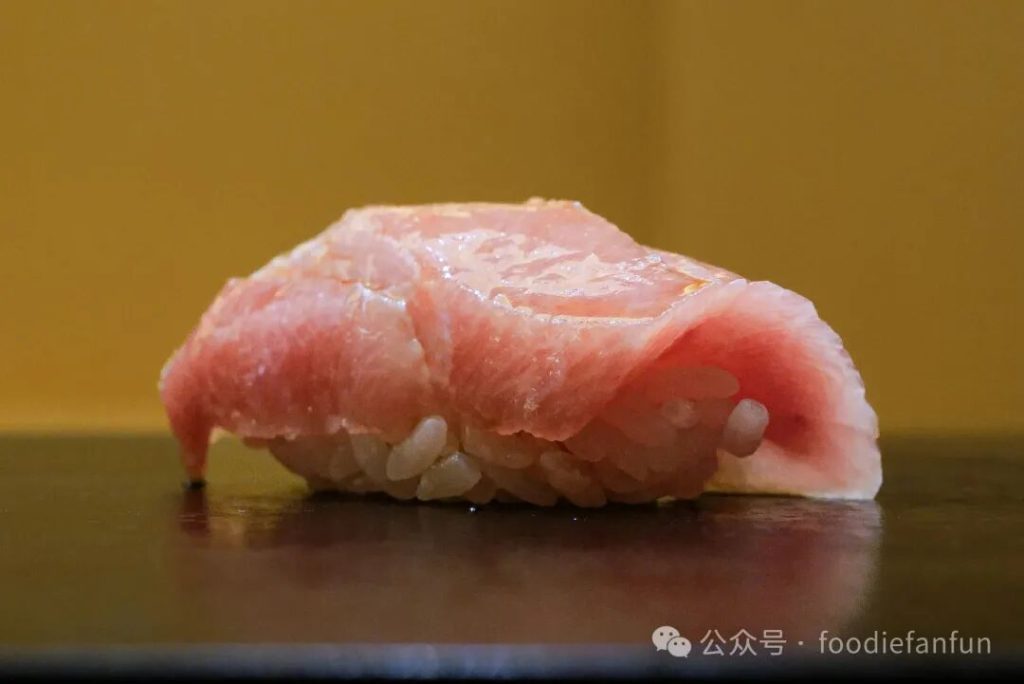
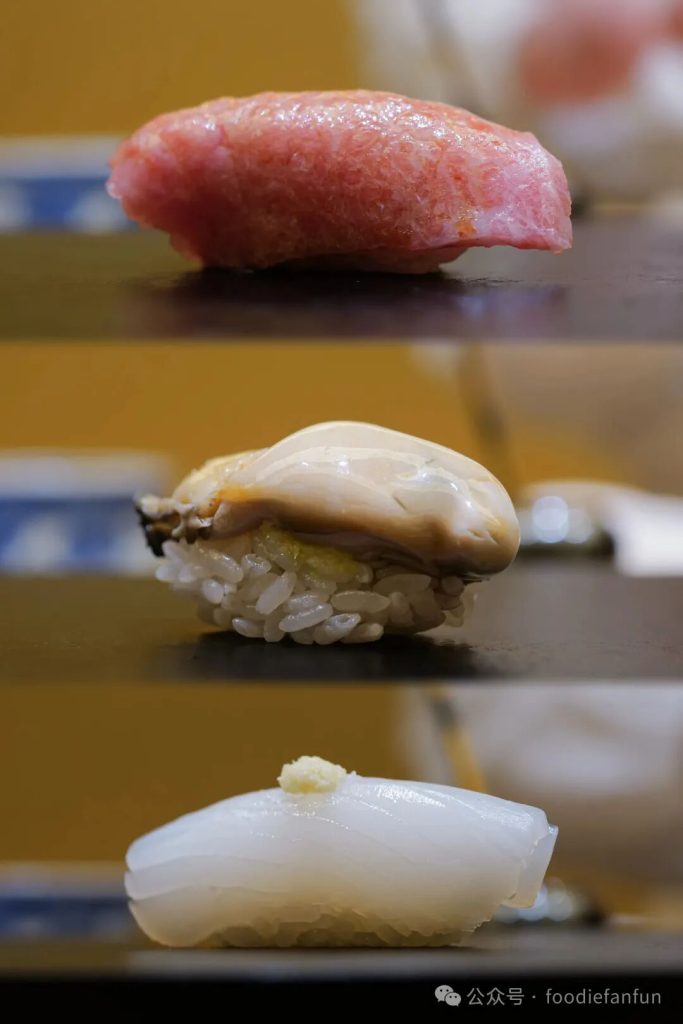
    Otoro

    Tuna Jaw, Koshi-me (Niigata Wild Herb Sprout)

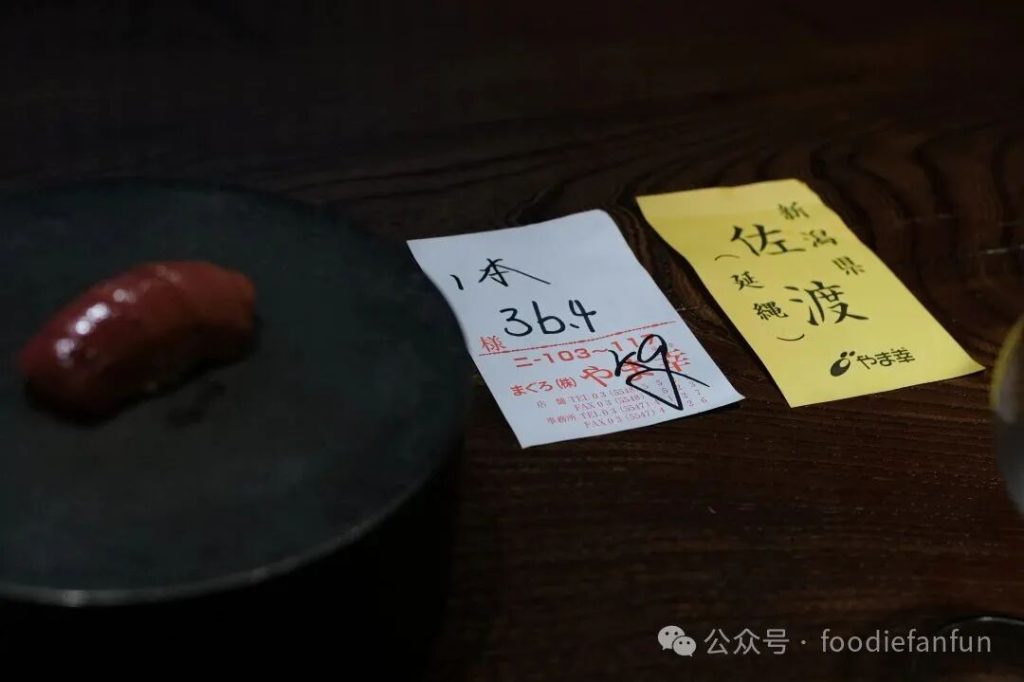
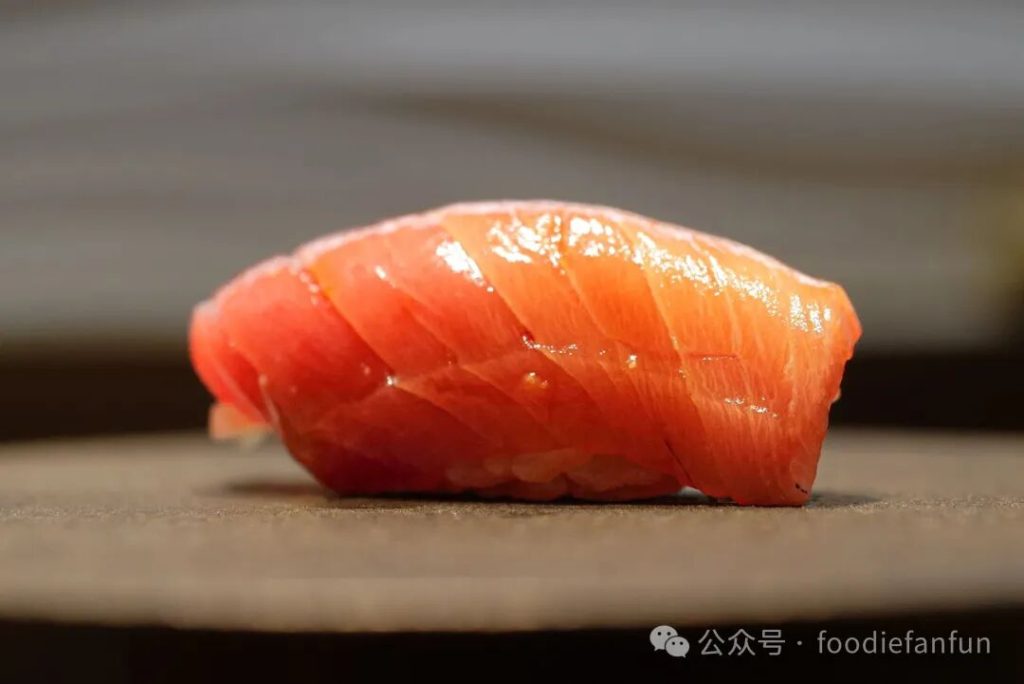
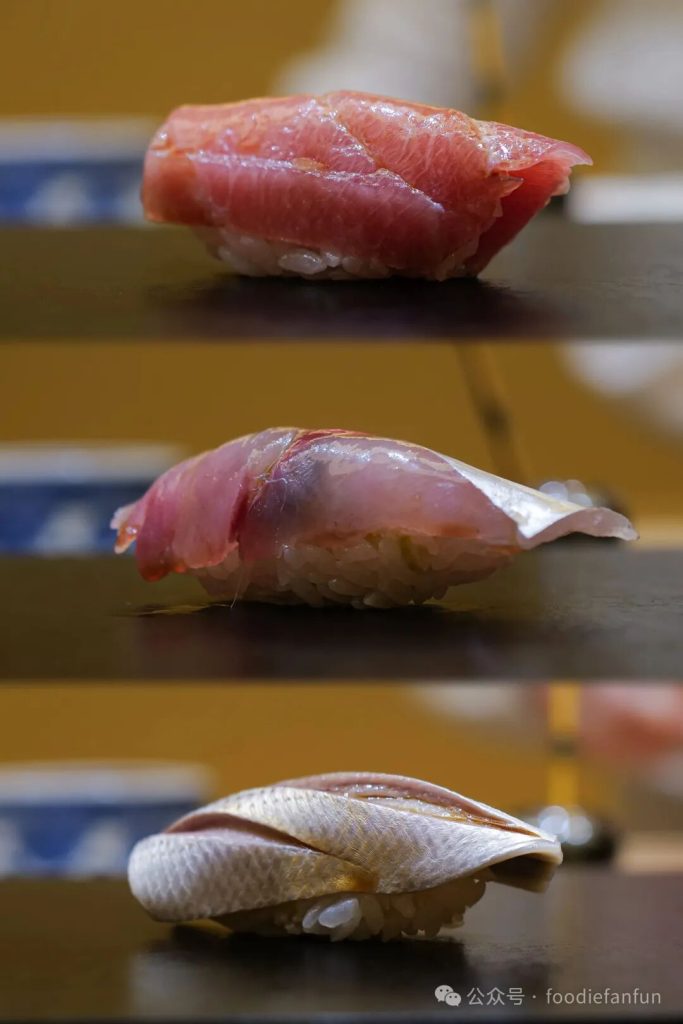
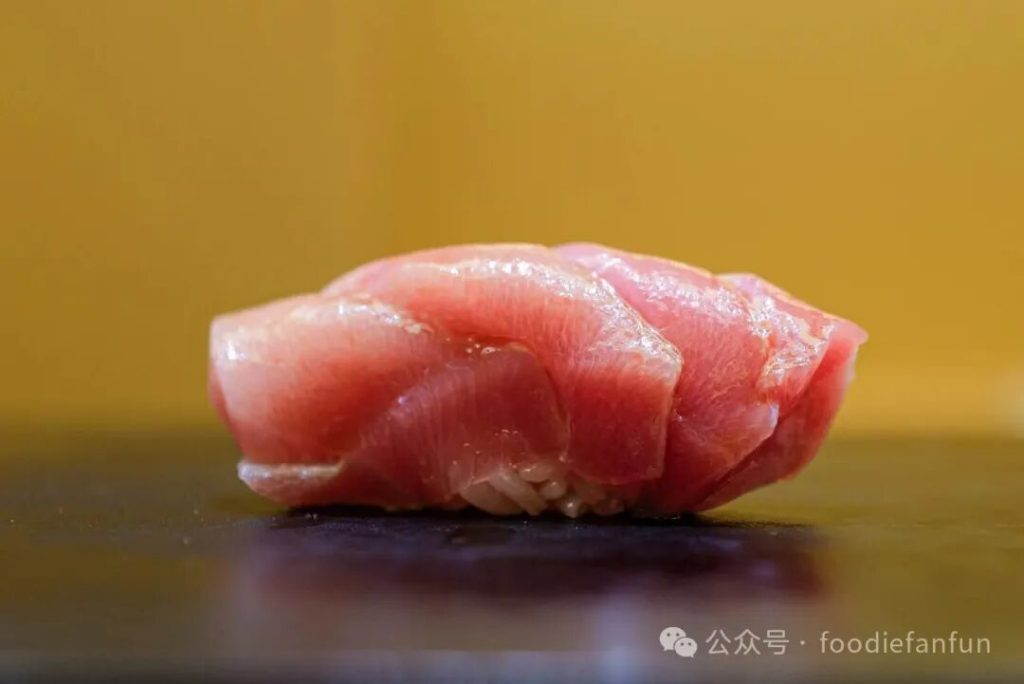
    The chutoro came from a 36.4kg bluefin caught near Sado Island, while the otoro came from a fish weighing a hefty 104kg — Niigata really is home turf for serious catches.

    Both pieces used shari switched to red vinegar, noticeably bolder in flavor — not overpowering at all, and the fish and rice worked together beautifully.

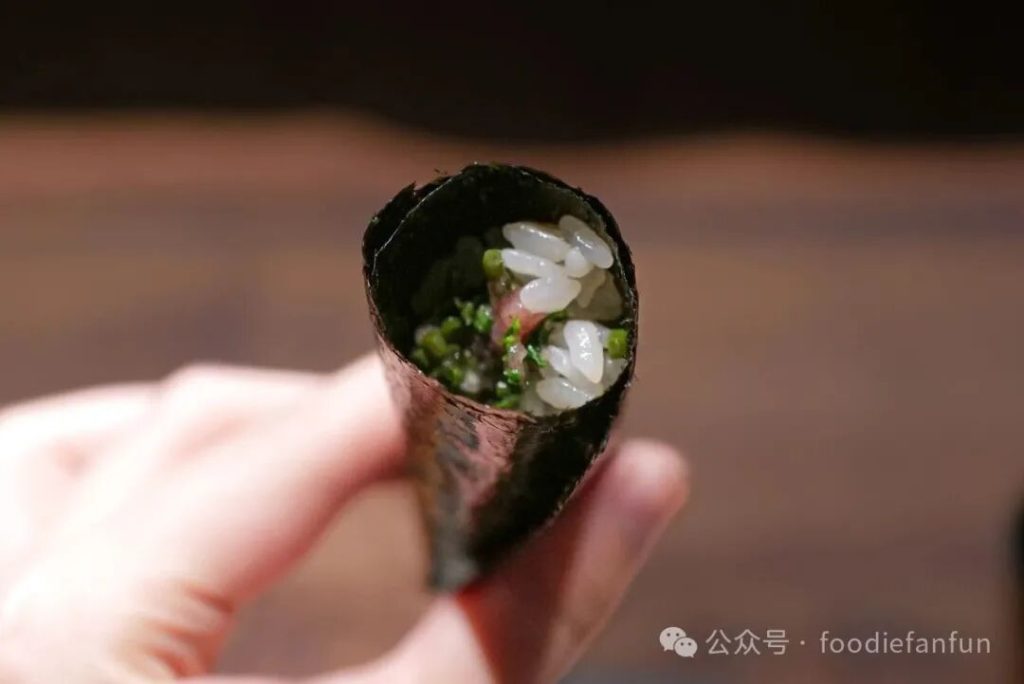
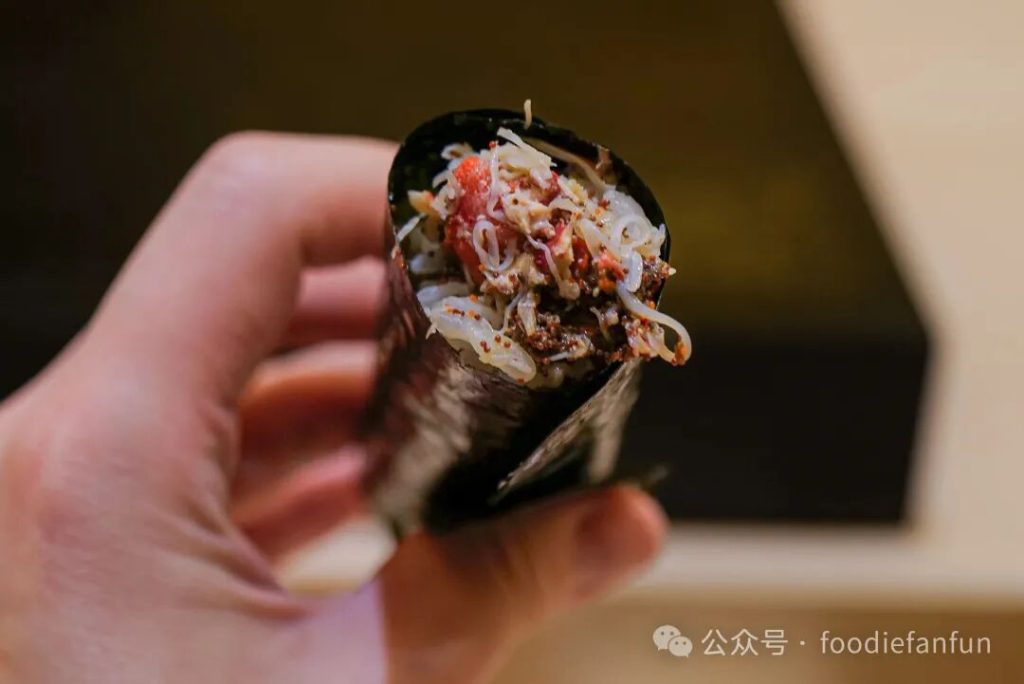
    The hand roll went back to the 36.4kg tuna, this time using the tail cut, paired with koshi-me, a springtime specialty herb sprout in Japan. Beautiful fish, textured shari, and greens with a faint bitterness — thoroughly satisfying.

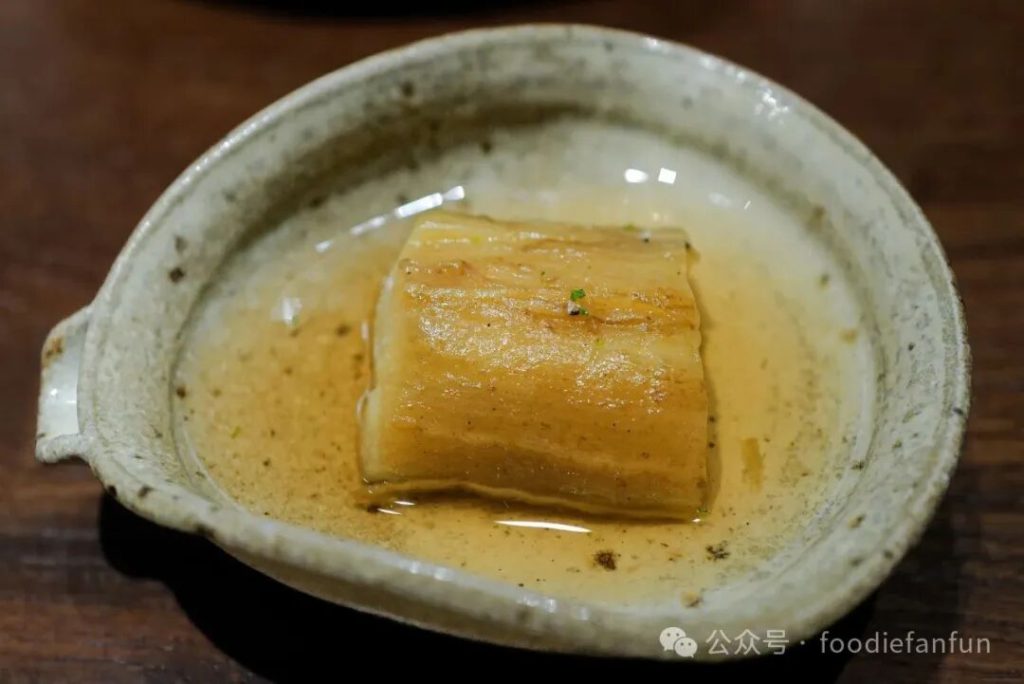
    Dashi-Simmered Eggplant

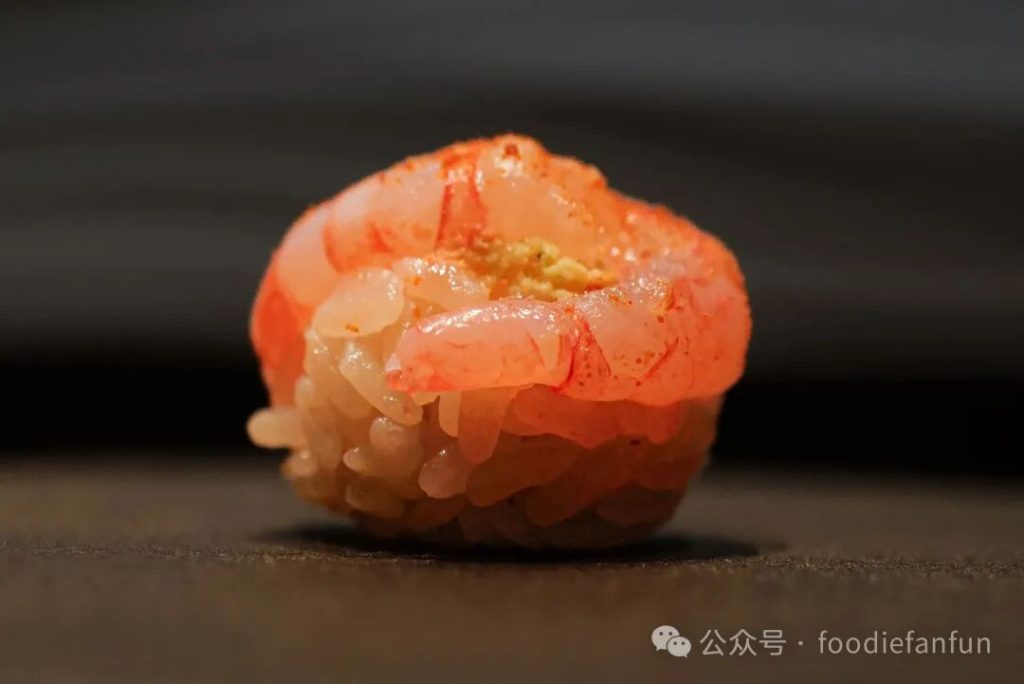
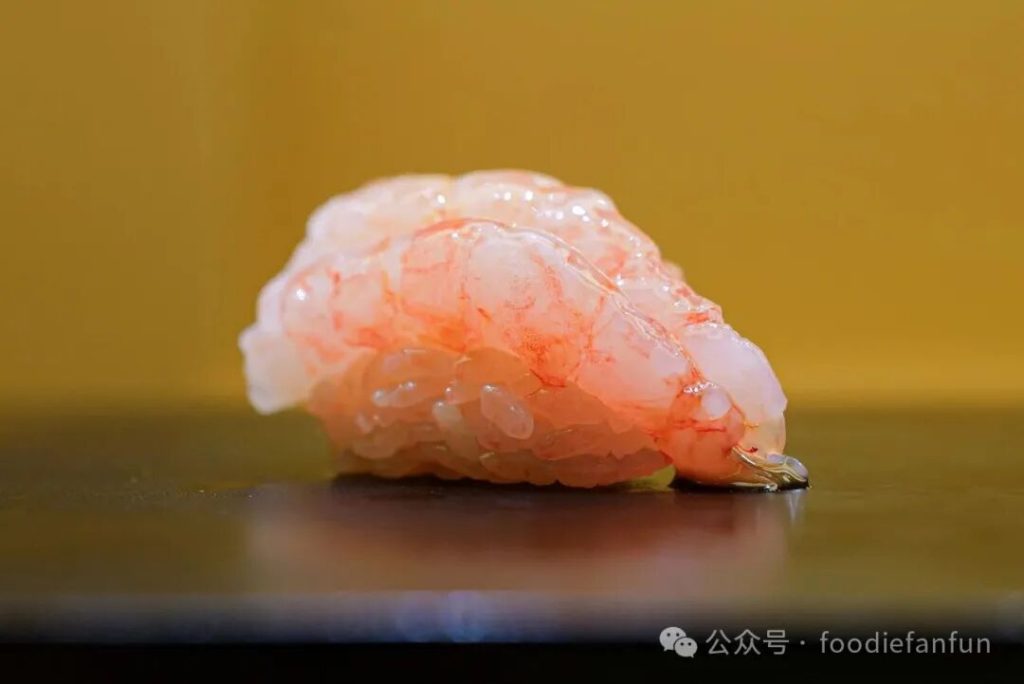
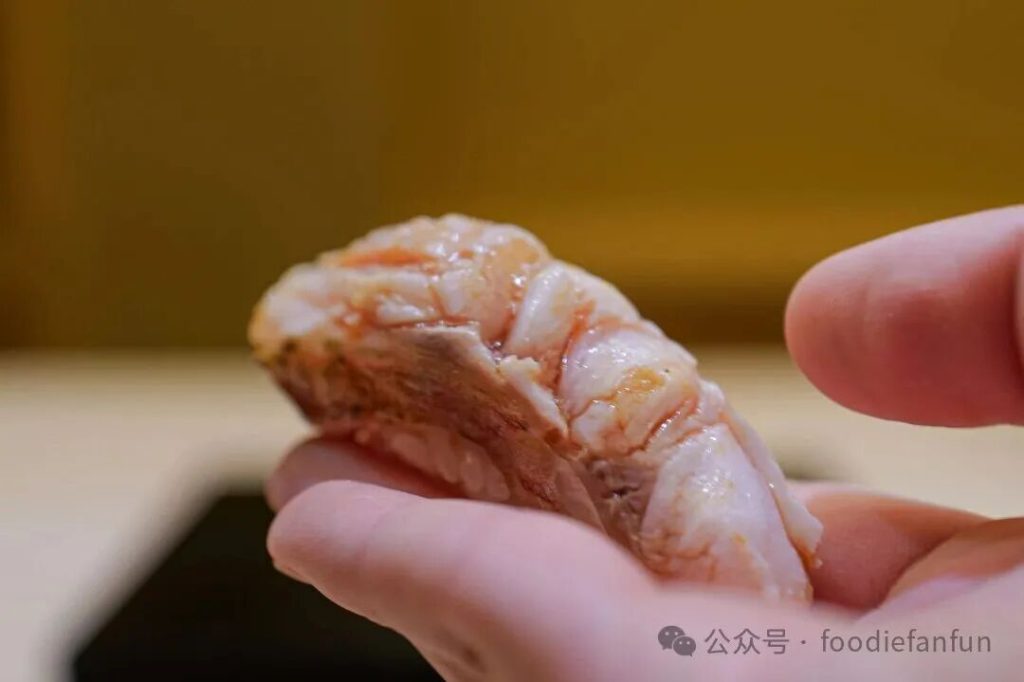
    Sweet Shrimp with House-Made Nanban Shrimp Soy Powder

    Surf Clam

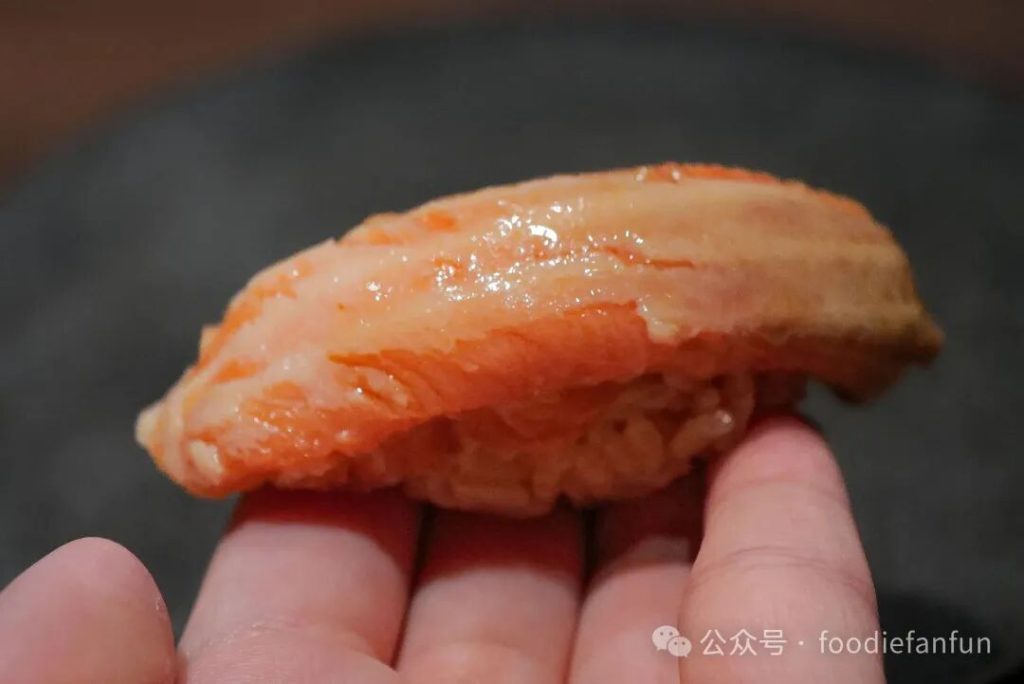
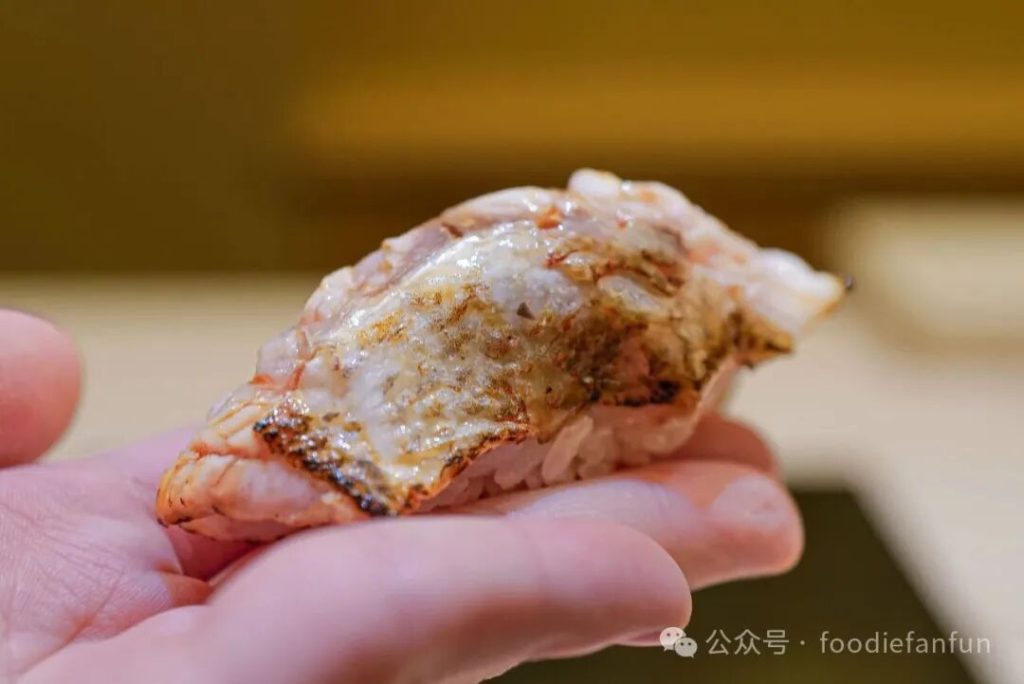
    Sakura Trout Belly

    At Tokiwa, every ingredient feels familiar, but no pairing ever repeats. The shari’s ‘add-ins’ change almost piece by piece — bold, novel, one eye-opener after another, all without losing balance.

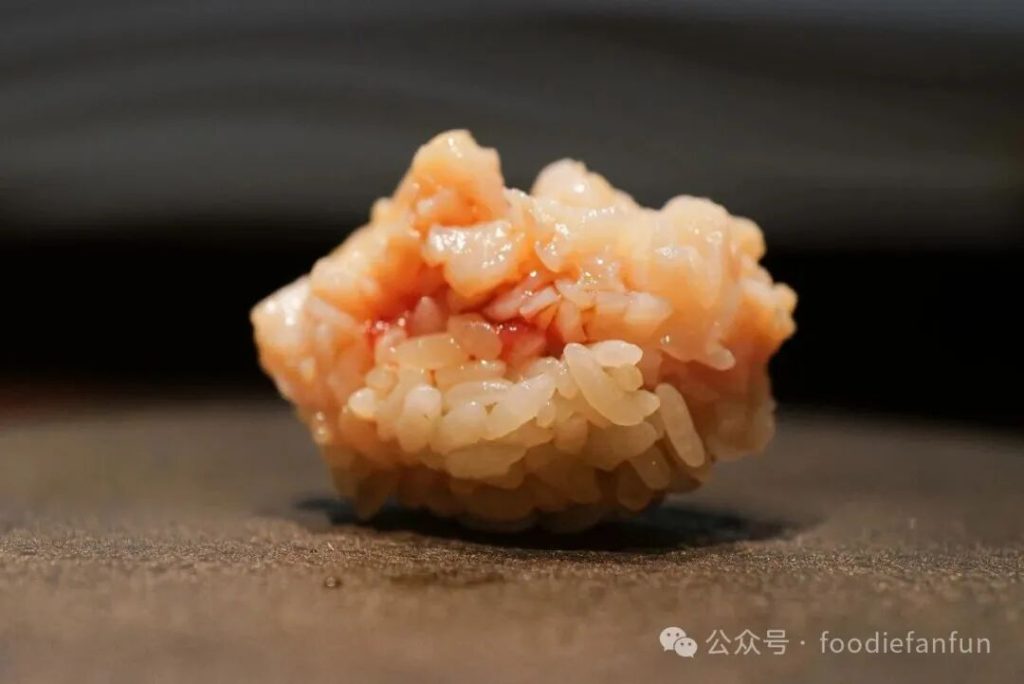
    The final sakura trout belly, surprisingly, came with tomato-seasoned shari — the moment it hit the mouth, umami burst out, delivering a small, thrilling shock; the tender fish then wrapped that unfamiliar combination’s sharp edge just right. It left a deep impression.

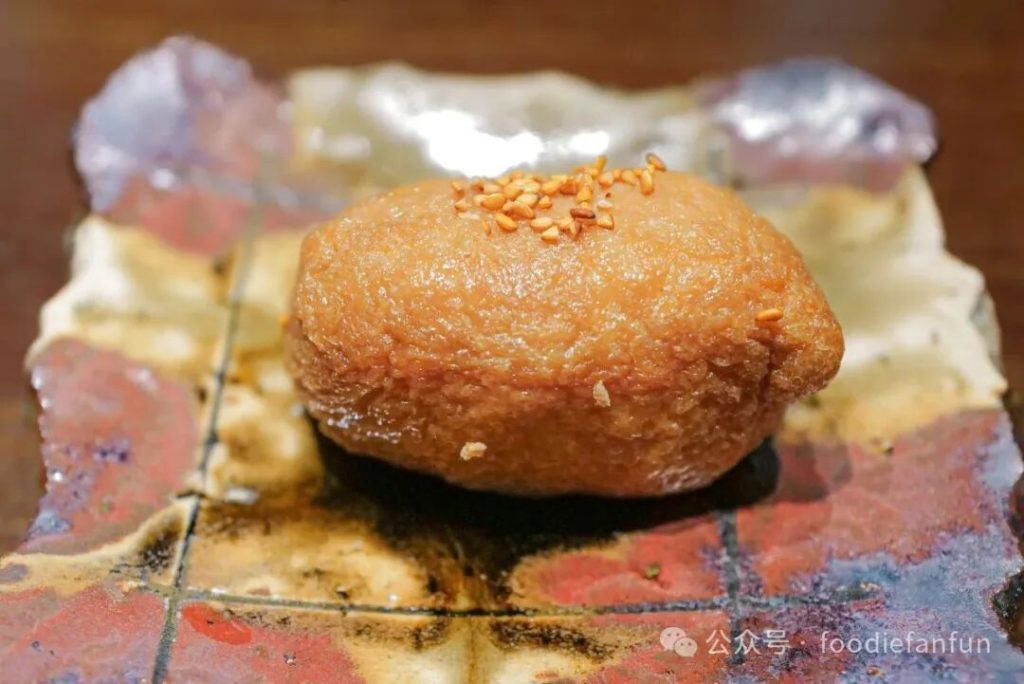
    Inari Roll

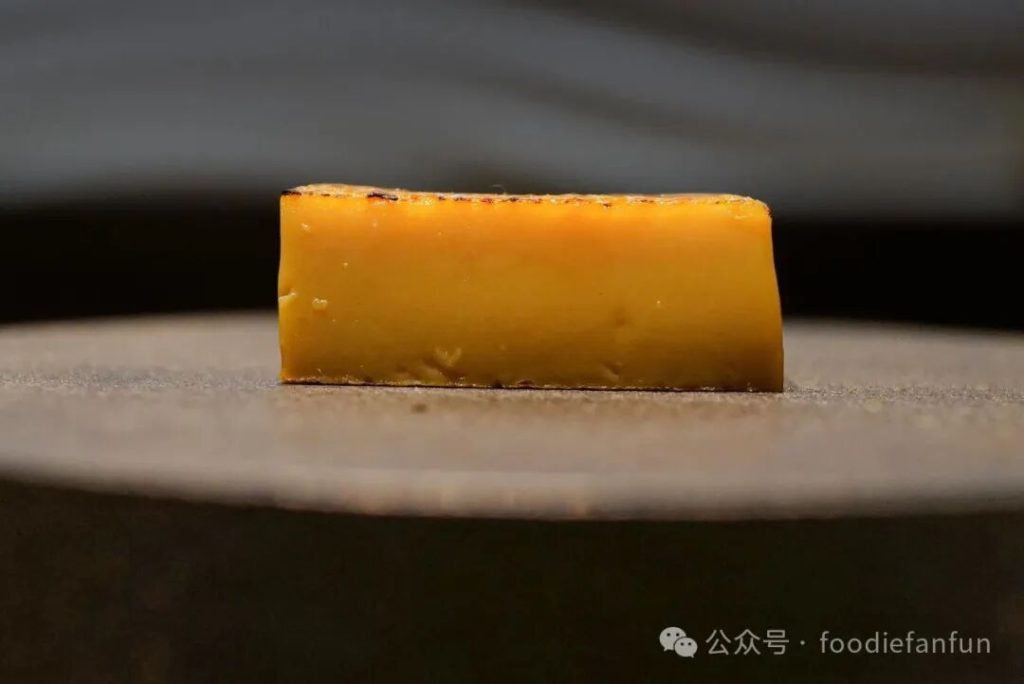
    Caramelized Tamago

    Truly worthy of the name ‘inventor Kobayashi’ — next time, I’ll have to visit the original store.

    ✦ • ✦

    Kyodai Sushi

    👨‍🍳 A Boy-Band-Cool Crew, Effortlessly Fun to Dine With

    💰 25,000++

    📍 8-1427-2 Higashibori-dori, Chuo Ward, Niigata City, Niigata

    Kyodai and Tokiwa’s new branch are close by — practically neighbors, yet these two top Niigata sushi spots take completely different approaches. Kyodai is the kind of place where you get to enjoy beautiful ingredients and top-tier sushi with a relaxed, easygoing mood.

    Opened in 1960, Kyodai started out as a typical streetside ‘waiting sushi’ shop, once staying open as late as 1am. In 2016, it was completely renovated by second-generation chef Ryuji Homma, who returned after training in Tokyo, and turned into the current omakase format.

    Niigata Fava Bean (Tenmame)

    This was my second visit to Kyodai, right before the price increase — though the so-called ‘price hike’ was really just from 22,000 to 25,000 yen, more of a token gesture than anything drastic.

    Homma-san trained previously at Shimbashi’s Sushidokoro Jun and Hiroo’s Zoroku-zushi Sanshichimi — grounded in Edomae technique, but open to innovation in how he applies it. For example, using sake-lees vinegar, and folding recrystallized salt infused with kombu and shiitake into the sushi.

    Japanese Seabass

    200kg Fish, Akami, 8-Day Aged

    Kyodai’s course alternates between cooked dishes and sushi, keeping the pacing and texture rising and falling throughout.

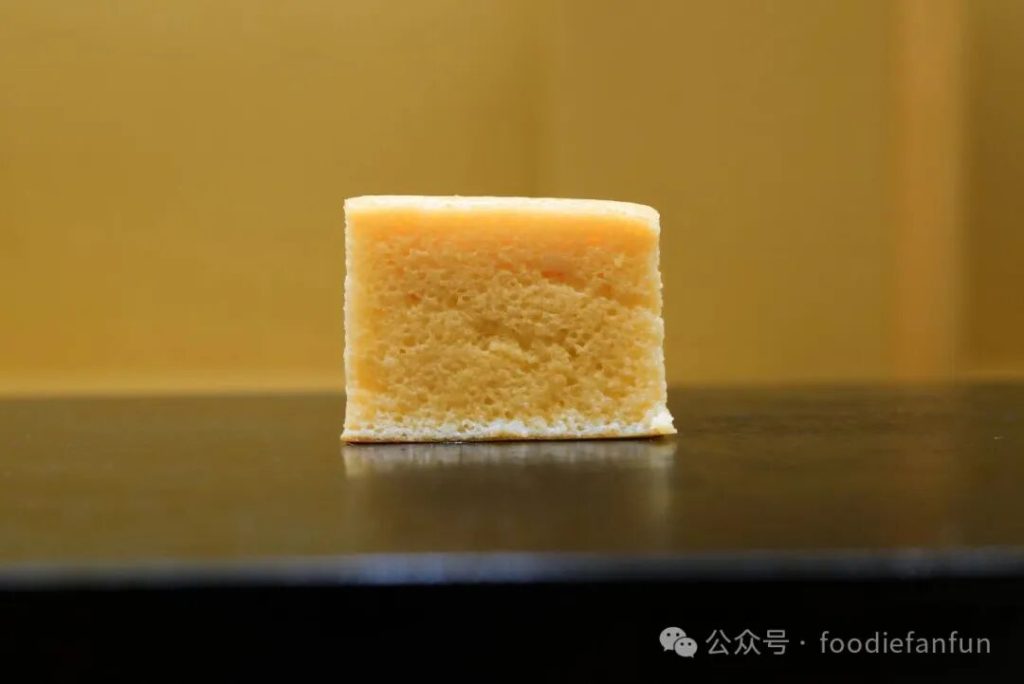
    The opener was longtooth grouper, dehydrated for 4 days — the condition of the fish was visibly excellent, clean flesh carrying both freshness and crunch. The shari had a clear lactic tang, almost like an appetizer sushi. The 8-day-aged akami was beautiful too, its restrained summer fattiness meeting the fish’s softness just right.

    ミズタコ 水蛸

    Nanban Shrimp

    Nodoguro (Blackthroat Seaperch)

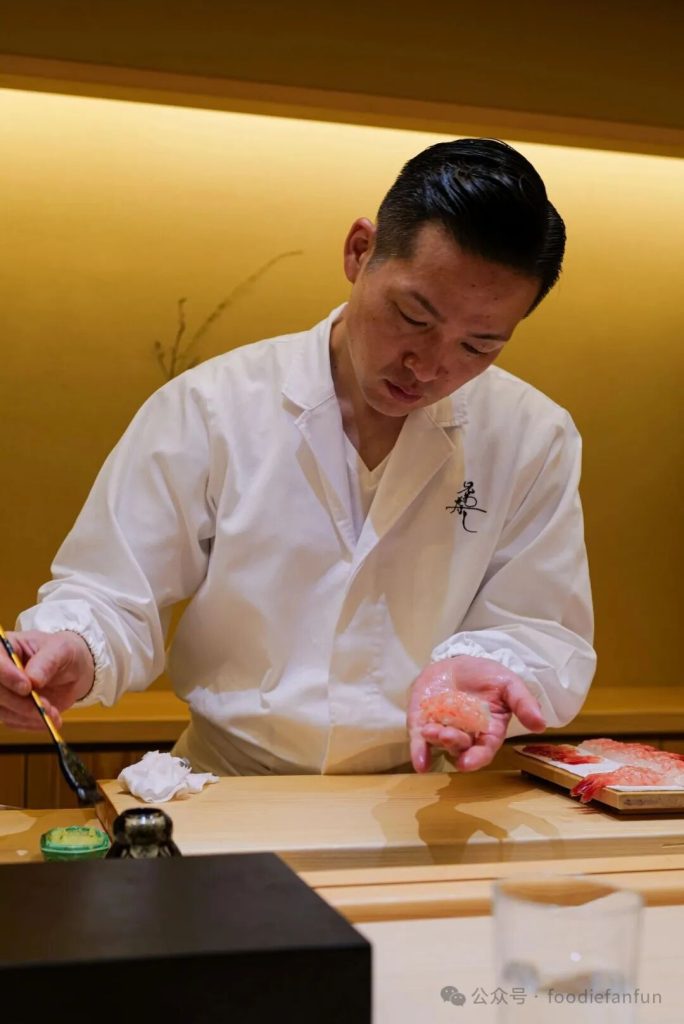
    The octopus used is the giant Pacific octopus, which can grow up to three meters long — the largest octopus species in the world. Homma-san worked it right at the counter, while a handsome young sushi chef pulled up reference images on an iPad, switching fluidly between English and Japanese.

    It was cooked using Murakami tea, resulting in a texture that’s soft yet resilient, with the saltiness and umami hitting just the right balance.

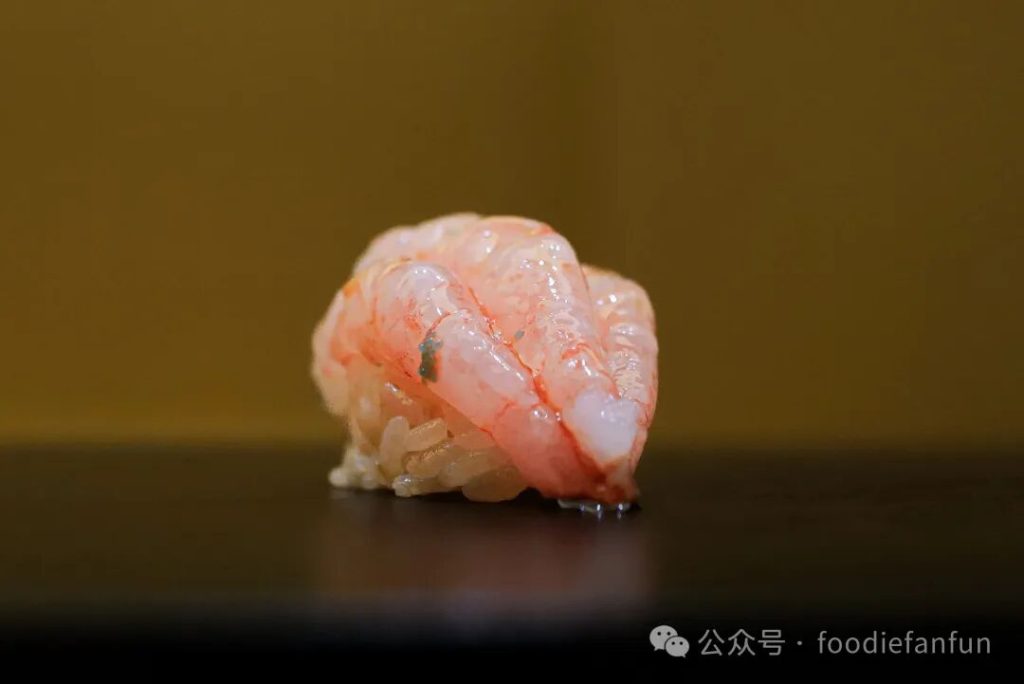
    The nanban shrimp that followed is a Kyodai signature — three little shrimp brothers lined up neatly on the shari. The flesh was glistening and moist, silky and sweet on the tongue, with umami unfurling in the mouth.

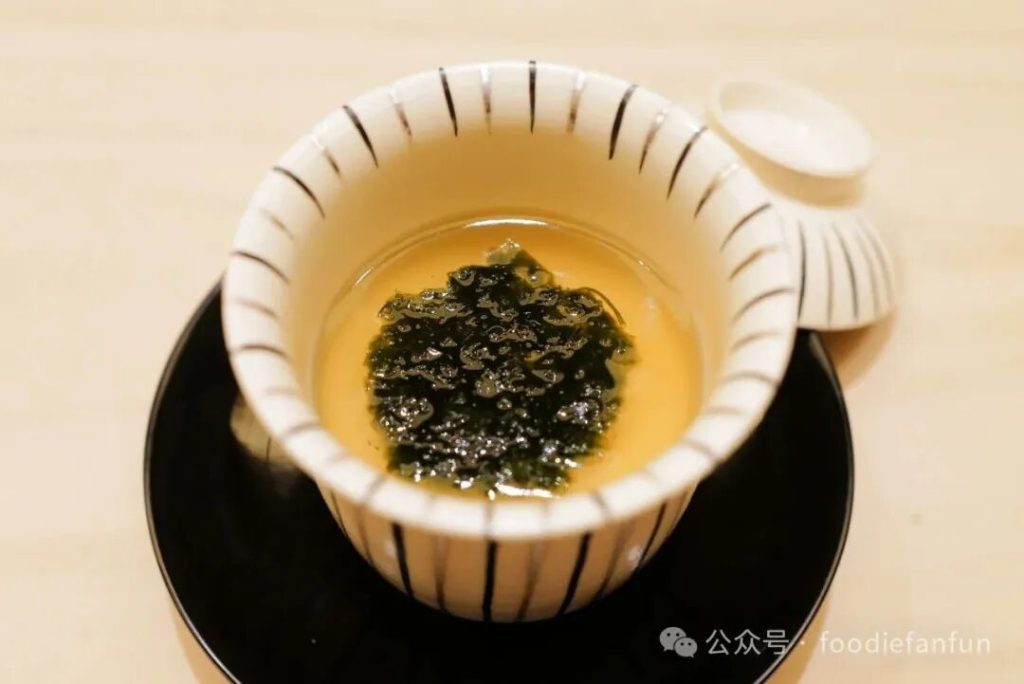
    Nori Chawanmushi

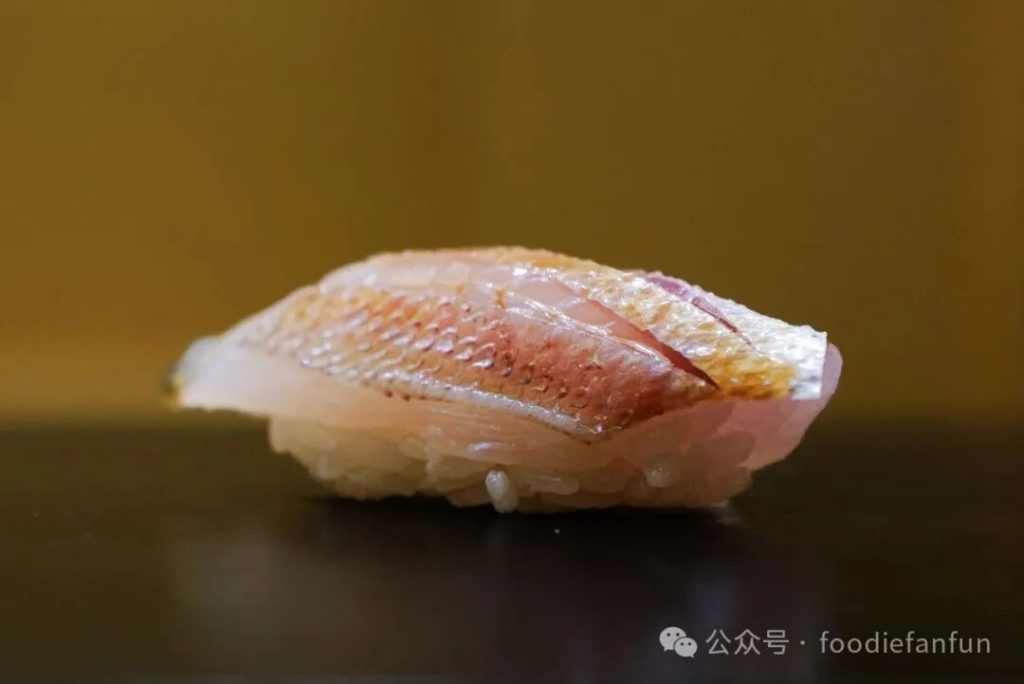
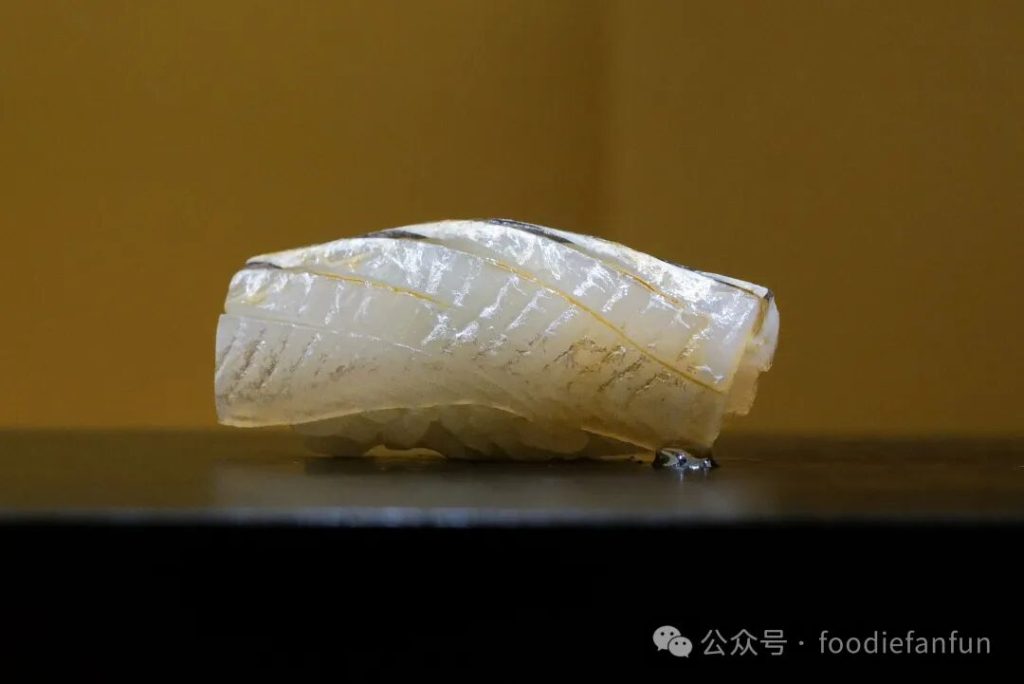
    Red Sea Bream

    Sakura Trout

    Whelk

    Homma-san’s cooking stays rooted in tradition, backed by confidence in his ingredients. The restaurant still keeps the old-school ‘ice box’ cooling method, choosing to preserve fish using ice-block refrigeration to protect its original flavor and texture.

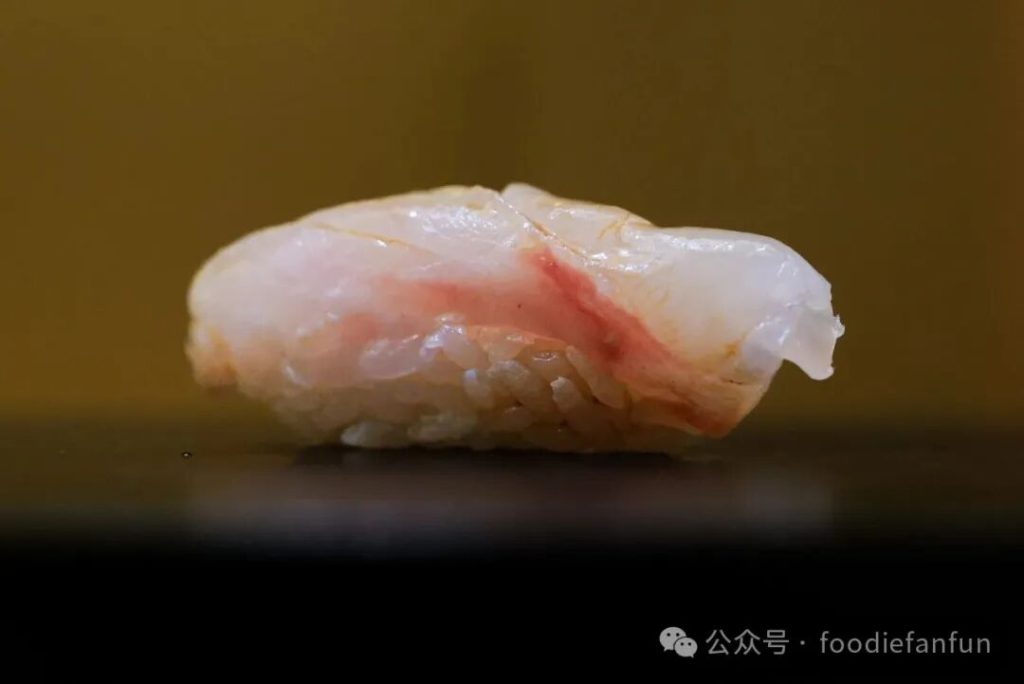
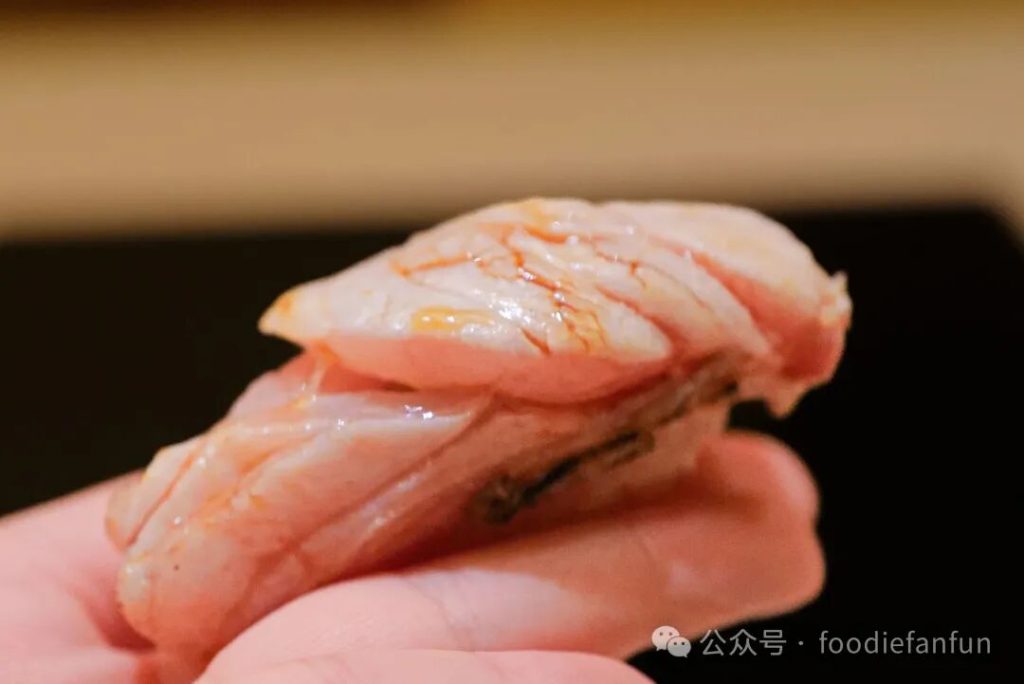
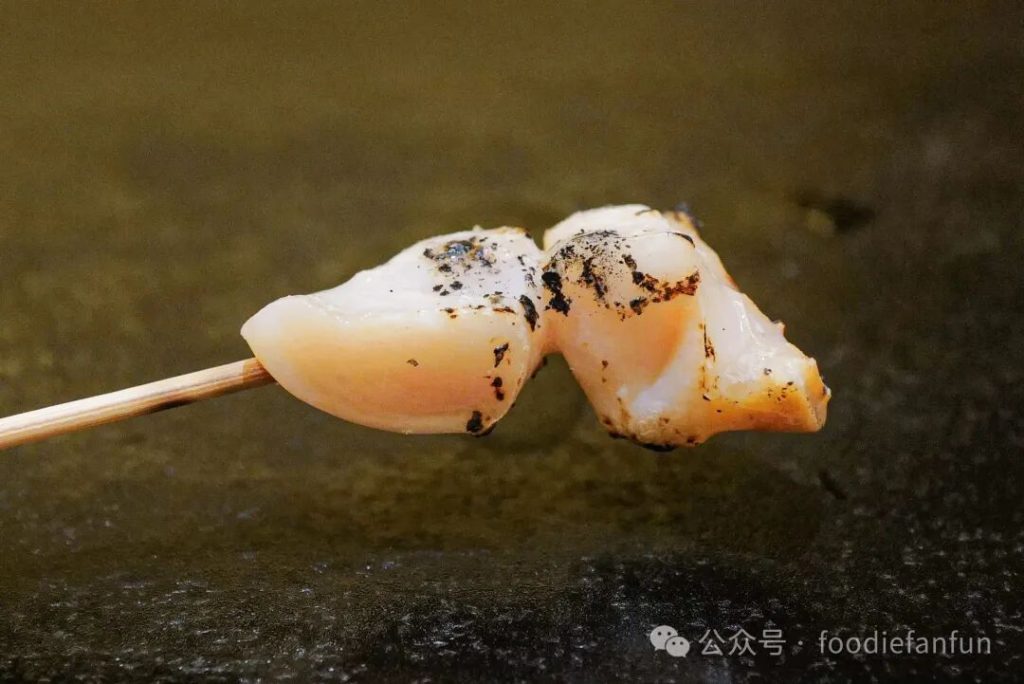
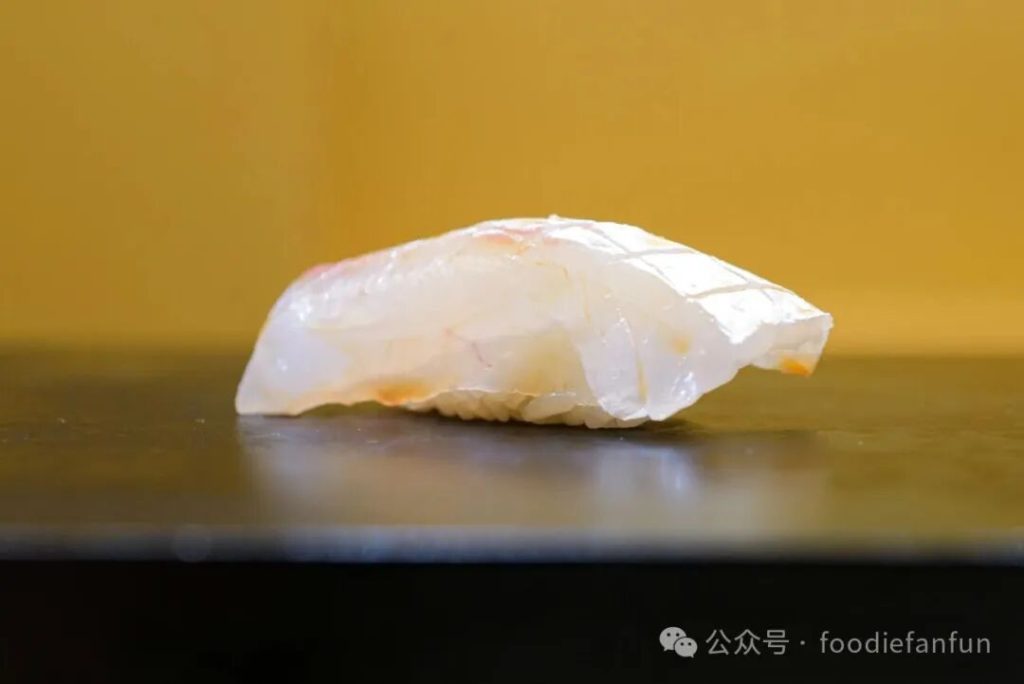
    The red sea bream was glassy and translucent, soft and delicate; set off by lemon’s light acidity, its fresh, sweet fish flavor was pushed to the extreme — a standout example of this season’s kasugo (young sea bream). Charcoal-grilled baby whelk was slipped in between the sushi, so fresh it bounced back with each bite, its aftertaste distinctly sweet. It’s hard not to sigh — the ingredients here really are that good.

    Squid

    Chutoro

    Sado Splendid Alfonsino

    Otoro

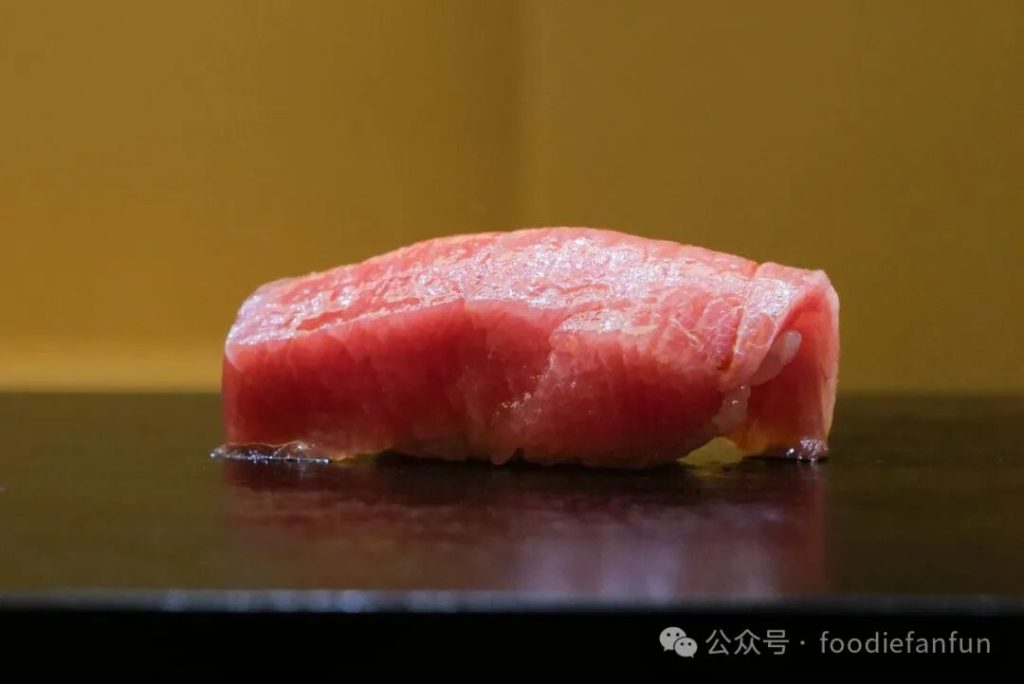
    The otoro played with the idea of ‘an ingredient and its own food’ — folding squid, something tuna loves to eat, into the marinating soy sauce. There’s a common belief that tuna raised on a diet of squid tastes even better.

    Compared to my visit a few months earlier, the otsumami were largely unchanged — but they’re the kind of dishes you keep loving no matter how many times you have them, and they pair especially well with Niigata’s tanrei-karakuchi (light, dry) sake. Take the grilled Sado splendid alfonsino, for instance — the pale, tender flesh was firm, with lemon drawing out a lovely creamy note.

    As for the sushi itself, Homma-san doesn’t really emphasize elaborate, complicated structures — he leans more into showing off the strength of the ingredients’ origin, staying close to their true, natural freshness. It’s bright, straightforward deliciousness, with a sweetness lingering on the tongue afterward. And of course, you can’t overlook the visual treat of Homma-san quietly flexing his knife skills, slicing clean through an entire cucumber in one stroke while making the eel roll.

    Needlefish

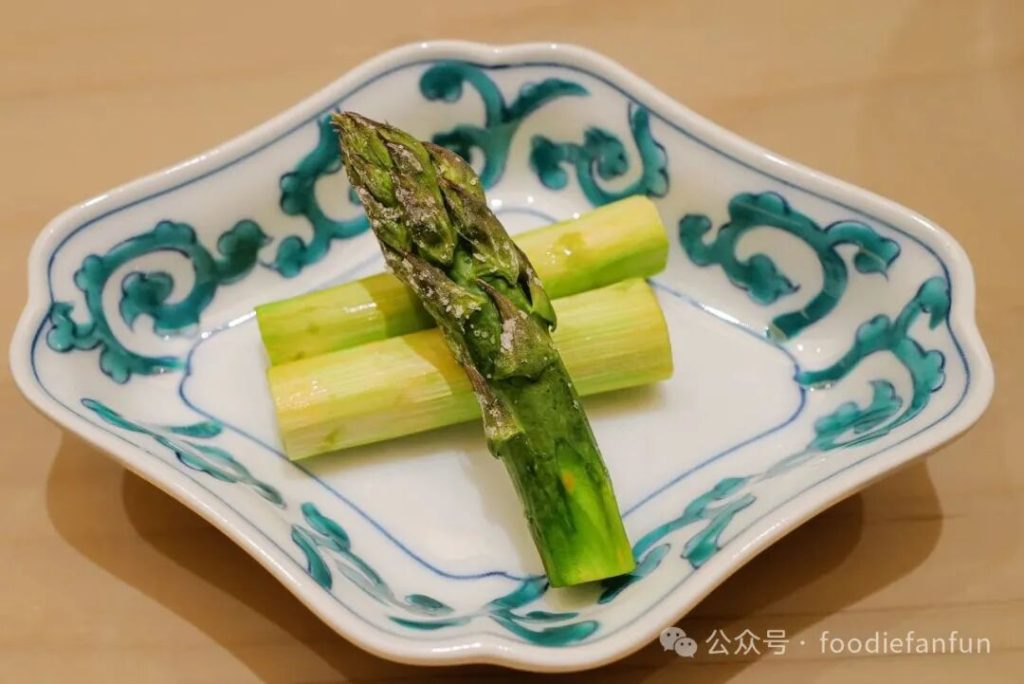
    Asparagus

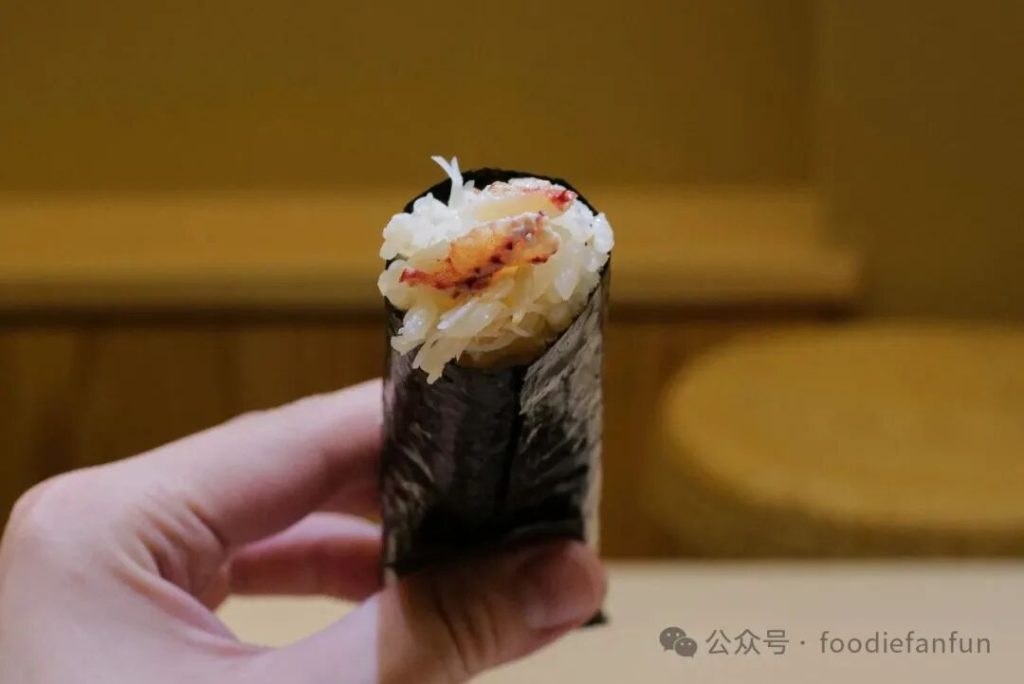
    Hairy Crab Hand Roll

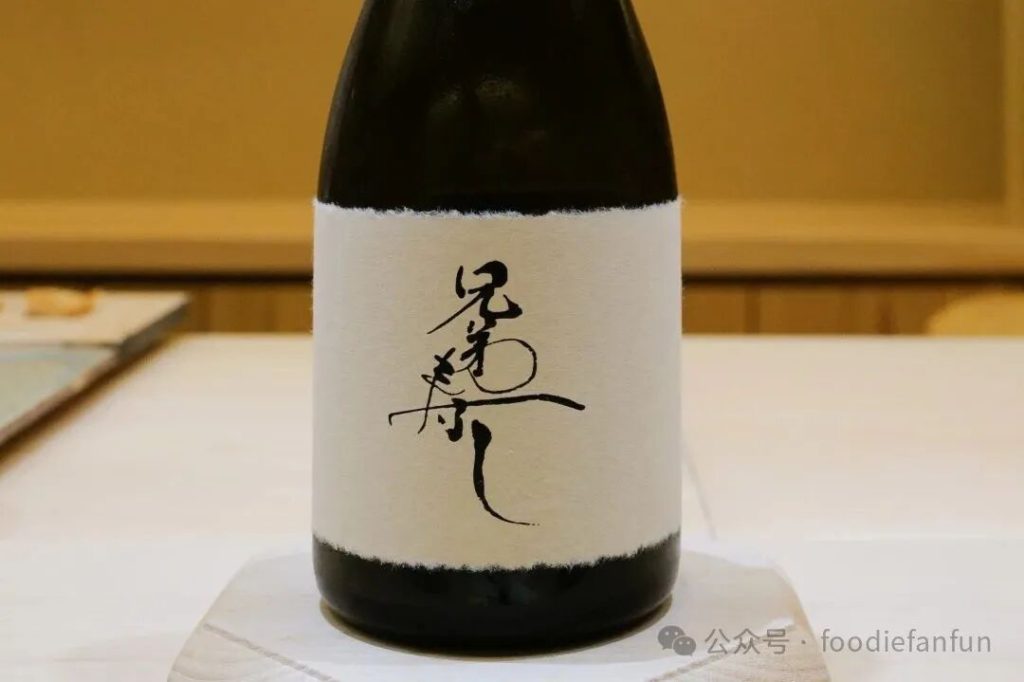
    Kamonishiki x Kyodai Sushi HONMA EDITION

    Kamonishiki has done collaboration sake with Sugita, Kyodai, and Tokiwa alike, each subtly adjusted to match the character of the respective restaurant — personally, my favorite is Kyodai’s, fresh and lively, with a clean finish and clear-cut freshness that suits Kyodai’s sushi style perfectly. Across two visits, Homma-san never said much, but every word counted. When everyone went quiet at the start of the meal, he said, “I’m not that mean, you’re allowed to talk at this counter.” When a guest took his photo, he joked, “A photo of me will cost you 500 yen.” And when an apprentice made a mistake, he didn’t get angry, just asked, “Feeling like heading over to Tokiwa, are you?” (Cold.)

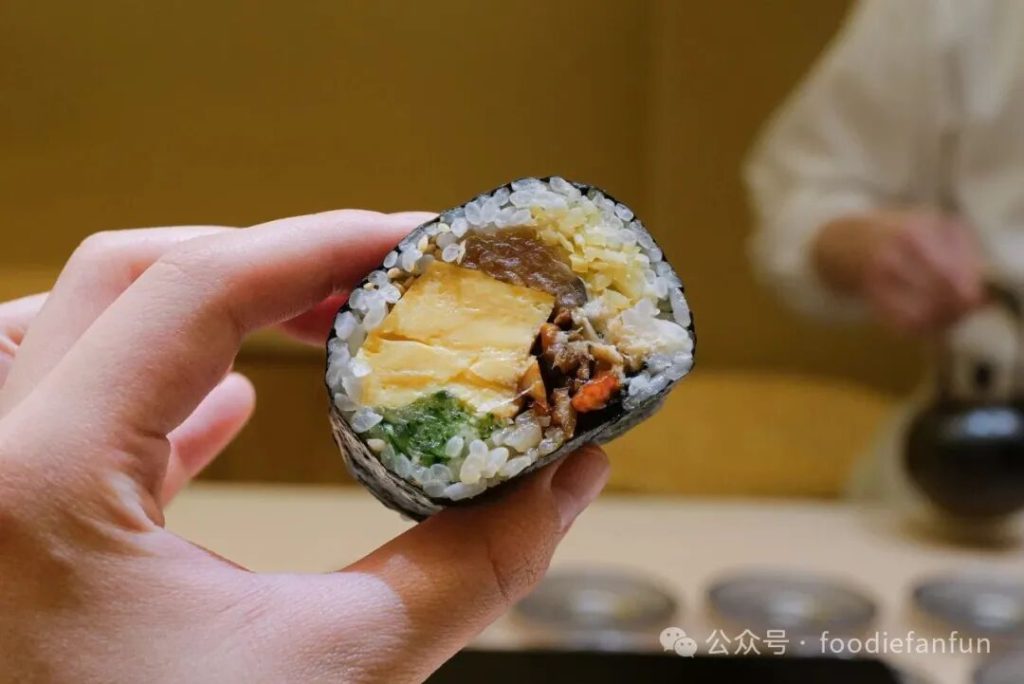
    Anago (Sea Eel) Roll

    Tamago

    ✦ • ✦

    If Kyodai Sushi is about folding an understanding of Niigata’s ingredients into traditional Edomae technique, then Tokiwa is the creative revolutionary who basically refuses to follow the playbook at all. The two are entirely different creatures.

    But both restaurants share the same underlying intention: showing the world what Niigata’s ingredients can do. The wildly imaginative Kobayashi-san, the slicked-back-hair Homma-san shaping Edomae sushi, and the two chefs at Shintaku in Murakami — all of them are craftsmen worth visiting Niigata for every single season.

    Niigata really is a wonderful place!
  • How to Hit Ten of Japan’s Best Restaurants in One Niigata Trip

    A: Go to Niigata.

    It’s a city with real personality. It has no grand must-see landmarks, but once you’ve truly eaten your way through it, you’ll keep thinking about it.

    When this year’s Tabelog rankings came out, three Niigata restaurants got upgraded from 🥉 bronze to 🥈 silver at the same time. Outside of Tokyo, that almost never happens.

    What’s even more remarkable: these restaurants are all fairly easy to book, some even a day ahead. So with a little planning, a Niigata trip can net you a whole run of celebrated restaurants.

    Genuinely delicious, and genuinely low-barrier to access.

    Niigata didn’t just “suddenly get strong.”

    It has fish from the Sea of Japan and Sado Island, sake carried by top-tier Koshihikari rice and premium brewing rice, a solid lineup of restaurants that take their cooking seriously, and even the country’s best conveyor-belt sushi.

    This piece brings together four visits to Niigata over the past year — from the city’s top five flagship restaurants to Japan’s #1 conveyor-belt sushi, plus outstanding Western cuisine and izakaya. Ten great places to eat and drink in Niigata, enough to fill out any travel list.

    Save it now, then start planning your trip 1-2 months out.

    🍣 Kyoudai Sushi

    👨‍🍳 The elegant sushi of a dryly funny chef

    ⌛️ Booking difficulty: ⭐️⭐️ — 2-4 weeks ahead

    On every Niigata trip, Kyoudai Sushi is a restaurant that always has to be visited.

    One of only two two-star restaurants in the Niigata Michelin Guide, a Tabelog 🥉 bronze for four straight years — and this year, promoted right up to 🥈 silver.

    Kyoudai’s defining trait is how fine-lined and concentrated its sushi is — you can clearly feel each fish’s individual character in your mouth. It’s sushi you could describe as precise, restrained, elegant.

    The kind of delicious that keeps refreshing your memory of what delicious even is, visit after visit.

    Visiting once a season, you can feel both the continuity of style at Honma’s counter and the subtle shifts in the fish itself.

    Unlike the rich, fat-and-thickness-driven intensity of a winter visit, early-spring ingredients were already showing more crispness and lightness.

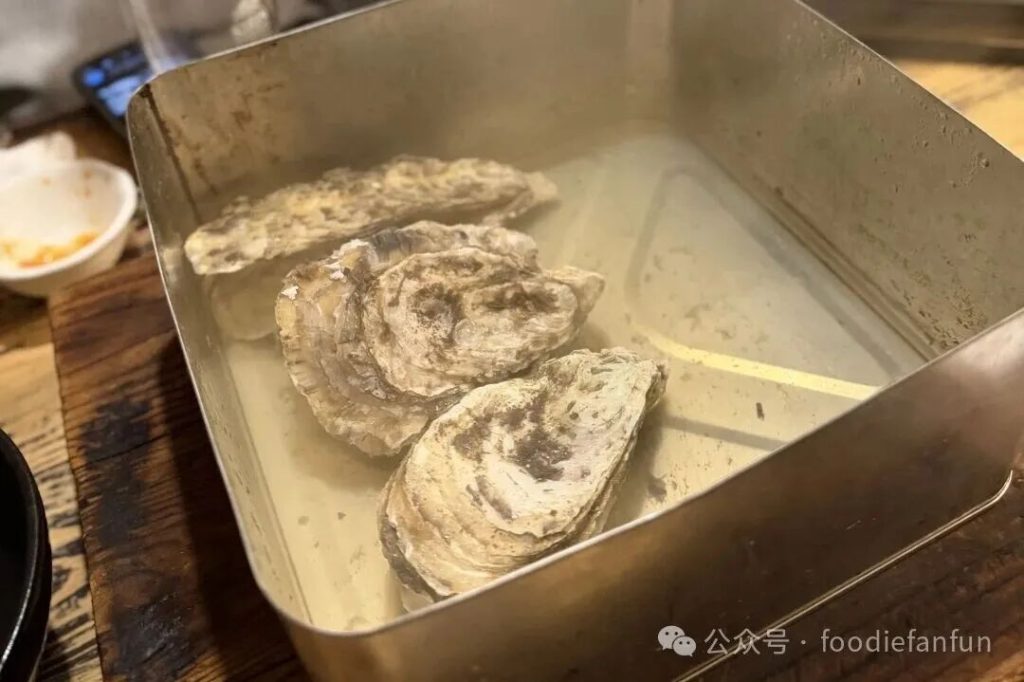
    Oysters and white-fleshed fish were coming into their own. The octopus leg in the sake pairing had been slowly simmered in Murakami’s new tea, the tea’s aroma pulling the sea flavor cleaner.

    Kue (longtooth grouper) had that crisp “crack” sweetness on the bite; cod belly, after being kelp-cured, gained a tighter, more concentrated umami. Nodoguro remains Niigata’s trump card, its soft fat carrying a kind of warm sweetness. Otoro from the fixed nets off Sado showed a different expression — clean fat unfurling slowly in the mouth.

    Kamo’s oysters were nearly melt-in-the-mouth fresh, medai carried that self-luminous, milky sweetness, and the small shima-aji found just the right balance between fat and crunch, finishing with a faint silver-skin savoriness.

    You always start looking forward to the next visit the moment you step out the door.

    See the full write-up 👉 Kyoudai Sushi | The Elegant Sushi of a Dryly Funny Chef

    🍣 Sushi Tokiwa

    👨‍🍳 The ceiling of unconventional sushi

    ⌛️ Booking difficulty: ⭐️⭐️⭐️ — 2 months ahead

    Among Niigata’s many celebrated restaurants, Tokiwa was the first to earn 🥈 silver. It’s also the boldest in style.

    It’s a sushi restaurant, but it doesn’t play by the usual rules.

    At Tokiwa’s counter, you’ll come to understand: he pounds squid into mochi, makes sushi with charcoal-grilled lotus root, shabu-cures akami belly in angelica, tops tomato-flavored rice with kohako crab, cures kue in aged citrus vinegar, turns kan-buri into mille-feuille… truly, anything can become nigiri here.

    Looking at it purely as sushi, this restaurant is absolutely one of a kind in Niigata — nearly every single piece carries its own small idea. But more importantly, these ideas are grounded in real craft and real taste. Whether it’s knife work on the ingredients or precision control over seasoning, this is genuine vision backed by genuine skill. Here, sushi isn’t limited to just fish plus rice — a heavy use of citrus and plant aromas opens up new dimensions, using technique to shape the ingredient’s texture. I’d rather describe it as: the dining experience created when ingredients and rice are layered together.

    As a restaurant good enough in its own right, Tokiwa also lets guests watch it grow, visit after visit, building ever more anticipation for the next one — because there’s always going to be some new invention from this little inventor waiting for you.

    About Sushi Tokiwa 👉 Pure hand-formed sushi at lunch | Sake pairing included at dinner

    🍣 Kappou Shintaku

    👨‍🍳 150 years of a craft passed down

    ⌛️ Booking difficulty: ⭐️ — Bookable within the week

    Thirty minutes by train from central Niigata is Murakami, a castle town that grew up at the northernmost edge of old Echigo Province. Besides its historic castle ruins, samurai residences, and the famous Sewa Onsen, it’s also home to Kappou Shintaku, open since 1867.

    It’s currently run by two brothers, the fifth generation to carry it on — Yamagai Shinsuke and Yamagai Ryota. The elder handles the cooking at the counter; the younger handles seasoning and simmering in the back kitchen.

    It looks like a very traditional kappou restaurant, but the way the food is expressed isn’t bound by tradition at all.

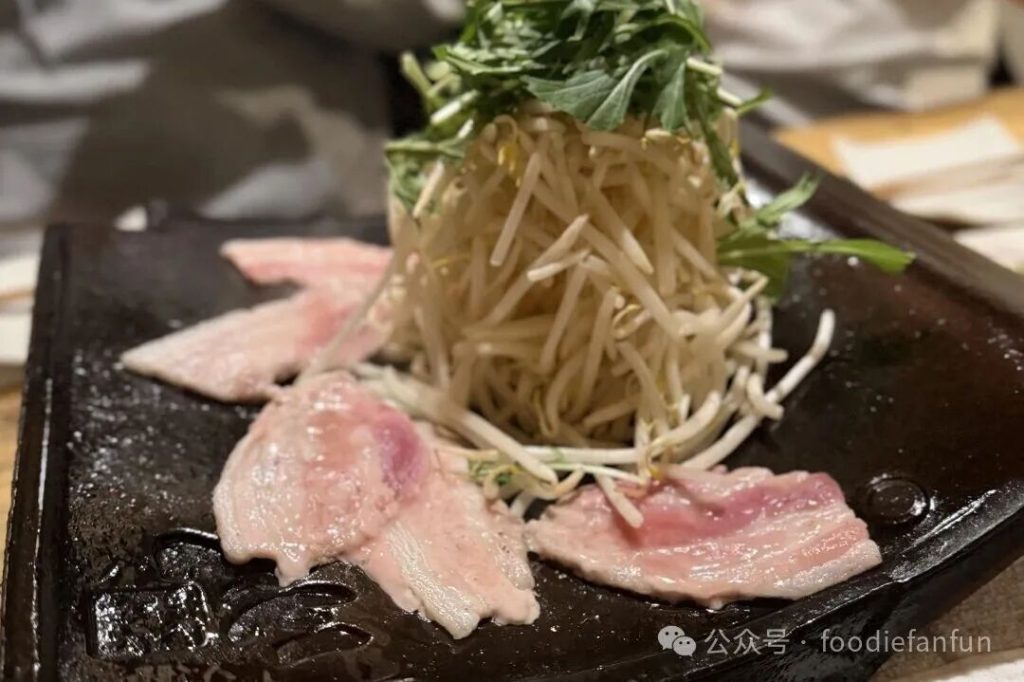
    Scallion sauce with chawanmushi, sake-lees-fermented croaker tossed with shiso, grouper paired with plum sauce, half-cooked sweet shrimp with quinoa, bear-meat ham, paper-thin wild boar shabu-shabu — the ingredients all look like things you’d find around the countryside, yet the way they’re combined and handled carries a touch of contemporary thinking, leaving unexpectedly memorable impressions.

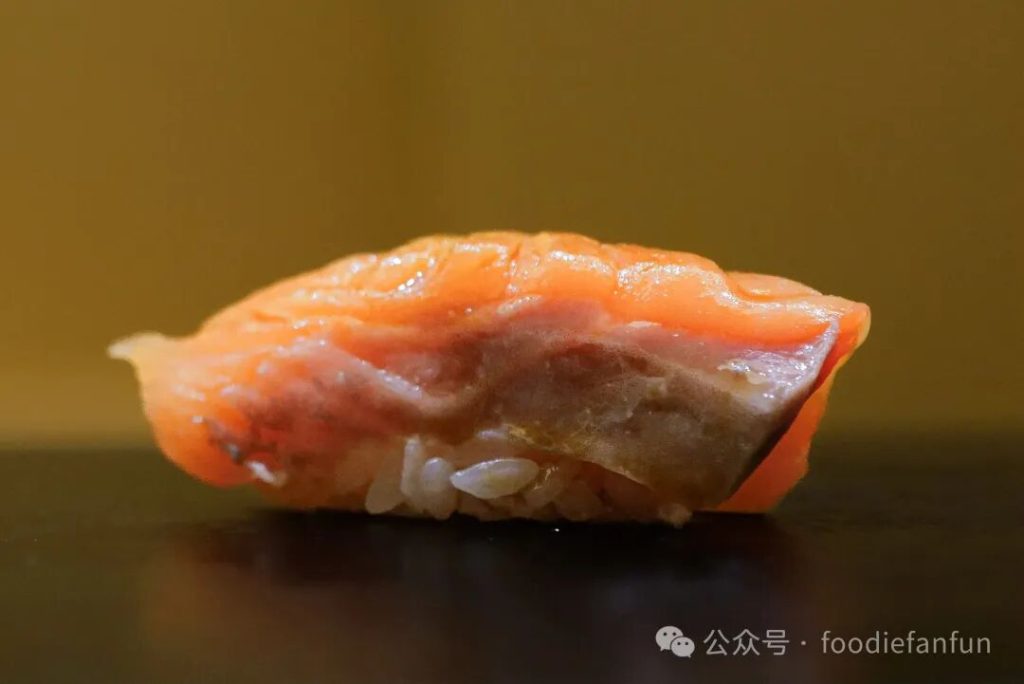
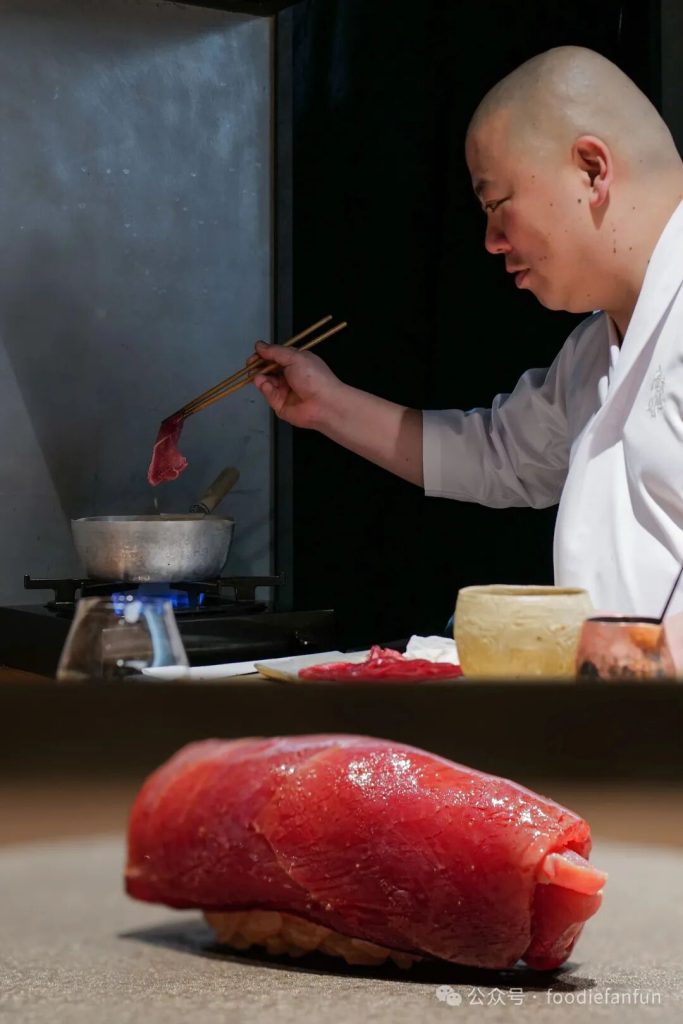
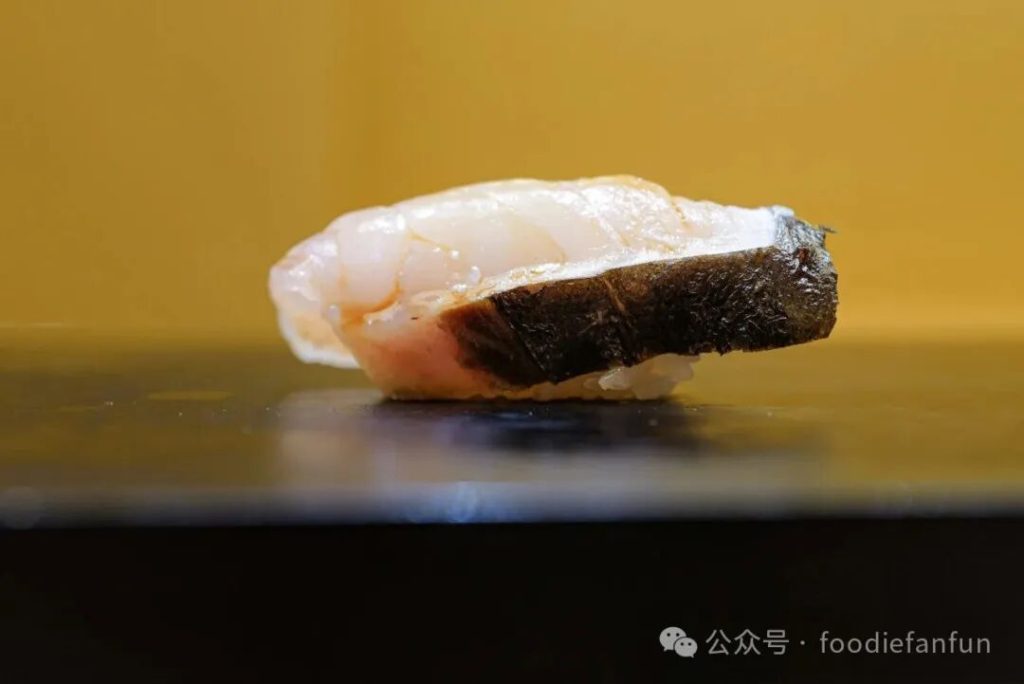
    Charcoal is of course a major part of Shintaku’s cooking too. The flounder is only lightly singed with charcoal on the skin side, adding tension to what’s already excellent springiness. Nagai tuna is seared to about 30% doneness on one side, seaweed and wasabi pulling the aroma into a fuller shape. The real standout grilled dish is the sea bream — the heat control is exquisite, tenderness and fat forming a beautiful balance, and a light flick of the chopsticks reveals flesh still tinged pink.

    The final oshizushi adds a bit of showmanship — the surface is given a sharp charcoal sear right at the table, releasing the aroma of the fish and the flavor of the pickles at the same time, the kind of moment that’s relaxing just to watch.

    Exactly a year since my last visit here, and I could see how Shintaku’s style has evolved — richer content, a bigger overall “volume” to the meal, yet without it feeling any heavier.

    A dining experience that keeps refining itself, and one that already has me looking forward to the next visit. 👉 Kappou Shintaku | Seeing the Bigger World in a Small Town

    🍴 UOZEN

    👨‍🍳 A complete Western expression of Niigata ingredients

    ⌛️ Booking difficulty: ⭐️ — Bookable within the week, whenever open

    Also thirty minutes from central Niigata, UOZEN feels more like someone who’s seen the world coming back to the mountains to return to something simpler.

    This quiet, almost mysterious “countryside” restaurant is already a Tabelog 🥈 silver holder plus two Michelin stars, and the chef is an internationally recognized The Best Chef Award winner.

    The chef’s respect for nature comes down to the most basic goal — make every ingredient delicious, don’t let its life go to waste.

    You can clearly feel chef Inoue’s devotion in every dish at UOZEN. Every single ingredient is presented at its absolute best under his hand, even something as ordinary as a napa cabbage.

    Flavor-wise, UOZEN’s cooking isn’t light — the flavors often carry real force. But what’s impressive is that every note comes from the plant or ingredient itself: clean, natural, none of them stepping on each other, so even richness never feels heavy.

    Full write-up 👉 UOZEN

    🍣 Osteria BACCO

    👨‍🍳 Just three people running a Michelin-starred Japanese-Italian kitchen

    ⌛️ Booking difficulty: ⭐️ — Bookable within the week

    Osteria BACCO is one of Niigata’s more under-the-radar hidden gems.

    The entire restaurant runs on just a head chef, a sous chef, and a sommelier — three people — yet it holds a Michelin star and ranks among Niigata city’s top five on Tabelog, with a full tasting menu costing around 500 RMB.

    The menu runs on Italian seasoning as its throughline, but leans heavily on local seasonal seafood, fruit, and vegetables. There’s no over-stacking of ingredients for effect — it confidently grabs your memory purely through flavor.

    Full write-up 👉 Osteria BACCO

    🍣&🐓&🍶

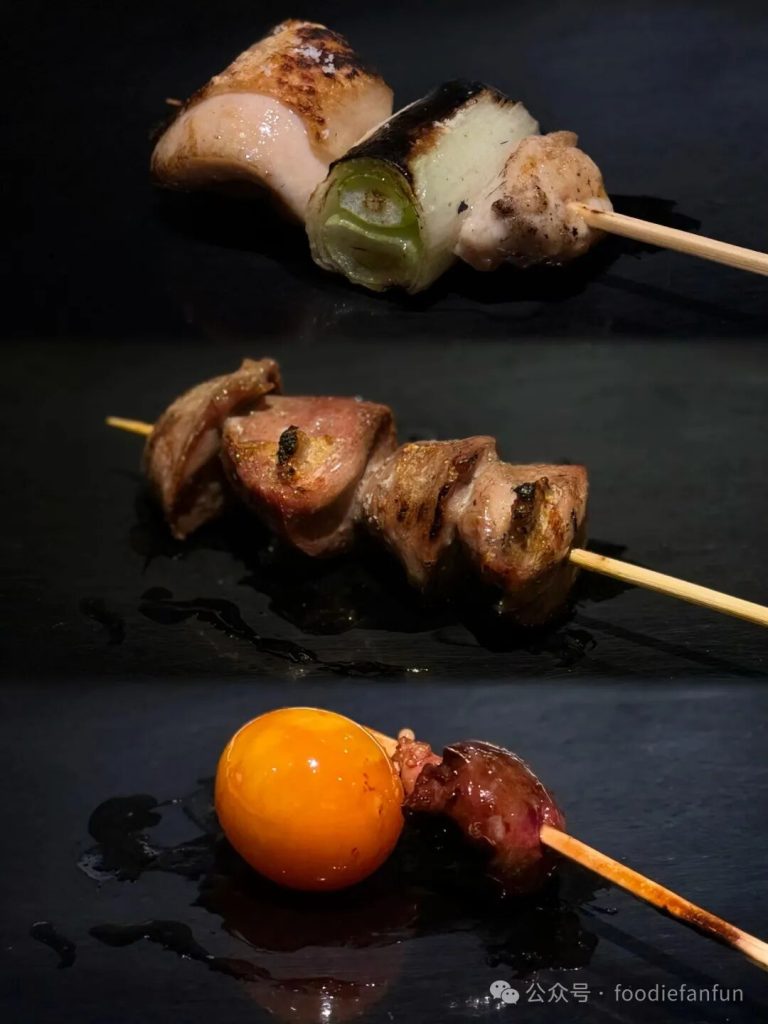
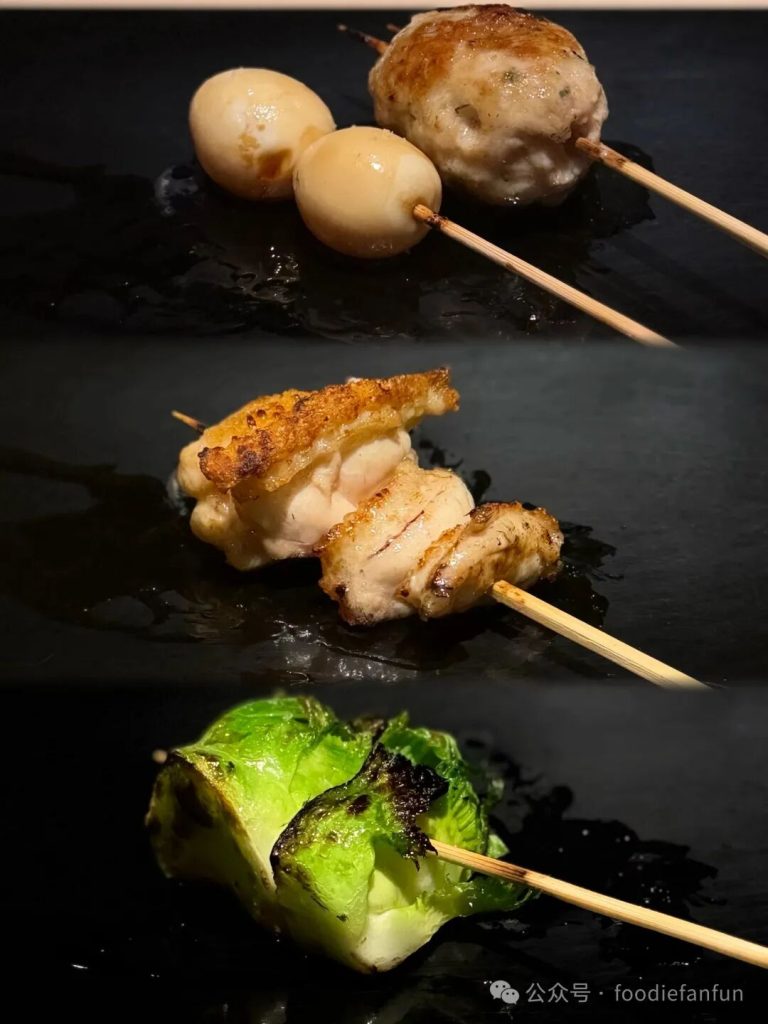
    🥢 Conveyor-belt sushi, Niigata’s best yakitori, and izakayas

    ⌛️ Same-day booking friendly / 🉑 Walk-in

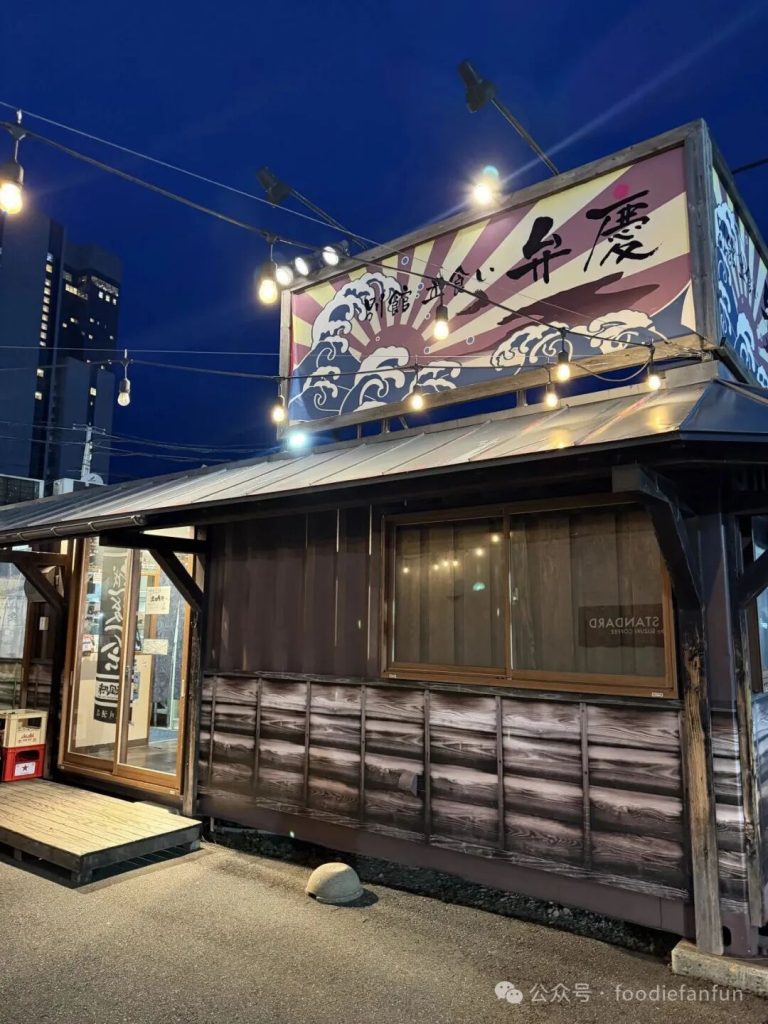
    Benkei, which once took the national #1 spot for conveyor-belt sushi on Tabelog and got its start on Sado Island, now has several branches and is the first-stop sushi restaurant for many people arriving in Niigata.

    The strength of local seafood is naturally what backs up this restaurant. Most of Benkei’s fish comes straight from Sado’s fixed-net fisheries and same-day catches from the Sea of Japan, paired with rice made from local Koshihikari — the overall effect is direct, fresh, high in sweetness, and unfussy.

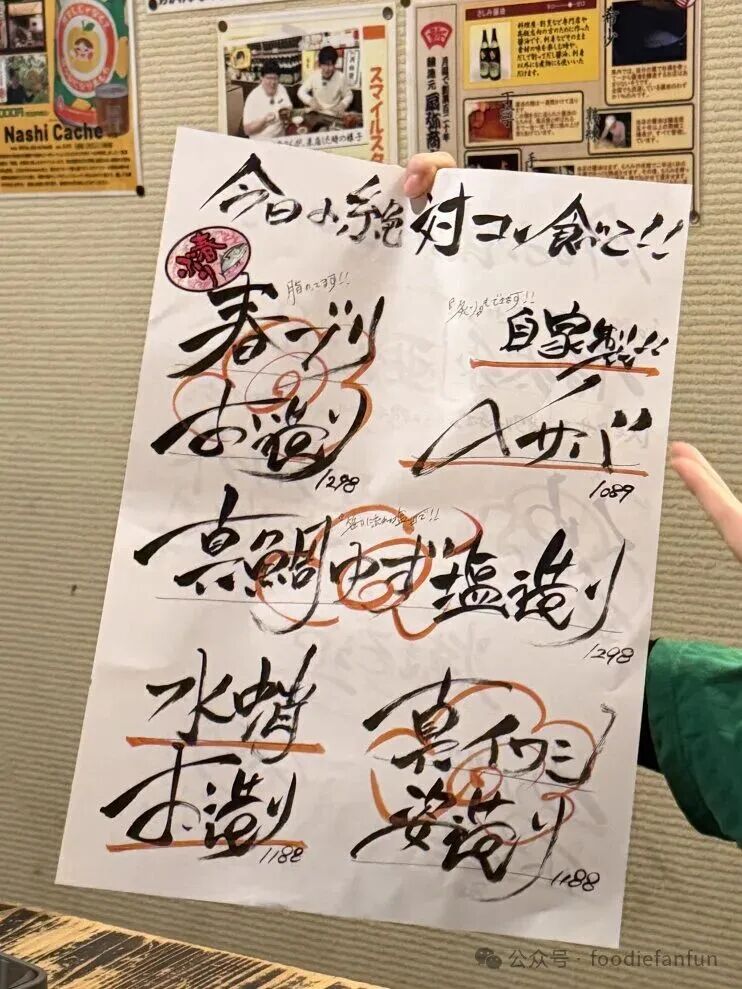
    Ordering is simple: the chalkboard lists the day’s recommendations or limited fish. You can go for a curated set, or take it one fish, one drink at a time, choosing piece by piece.

    One thing to note — lines are the norm at conveyor-belt sushi spots, especially the Pia Bandai location. It’s best to go in the afternoon lull, or arrive a bit before opening.

    This is the place to feel the true strength of Niigata’s seafood — don’t skip it.

    Tago is one of the most locally beloved yakitori spots among Niigata natives, with a straightforward style, no flashy technique — just old-school yakitori that nails the heat, the fat, and the plain satisfaction of chicken done right.

    The skin and fat are executed beautifully — take the chicken wing tips, for instance: plenty of fat, skin grilled to a crisp fragrance, the kind of thing you keep eating while shouting about how guilty you feel.

    The gizzards are crisp and clean, getting more fragrant the more you chew. Quail egg with chicken meatballs offers an interesting textural contrast — one soft-yolked, one firm. The oyakodon is a real standout: the egg is first gently “steamed” at low temperature, so the yolk is rich and the white is light, laid over full-bodied Koshihikari rice alongside tender chicken — deeply satisfying to eat.

    The overall impression: delicious, solid, reasonably priced. It sits in a price range close to a good izakaya, but delivers well above that level.

    One thing worth noting — the drinks selection here is limited. It’s better suited as a first stop to line your stomach with good food before heading out to drink elsewhere.

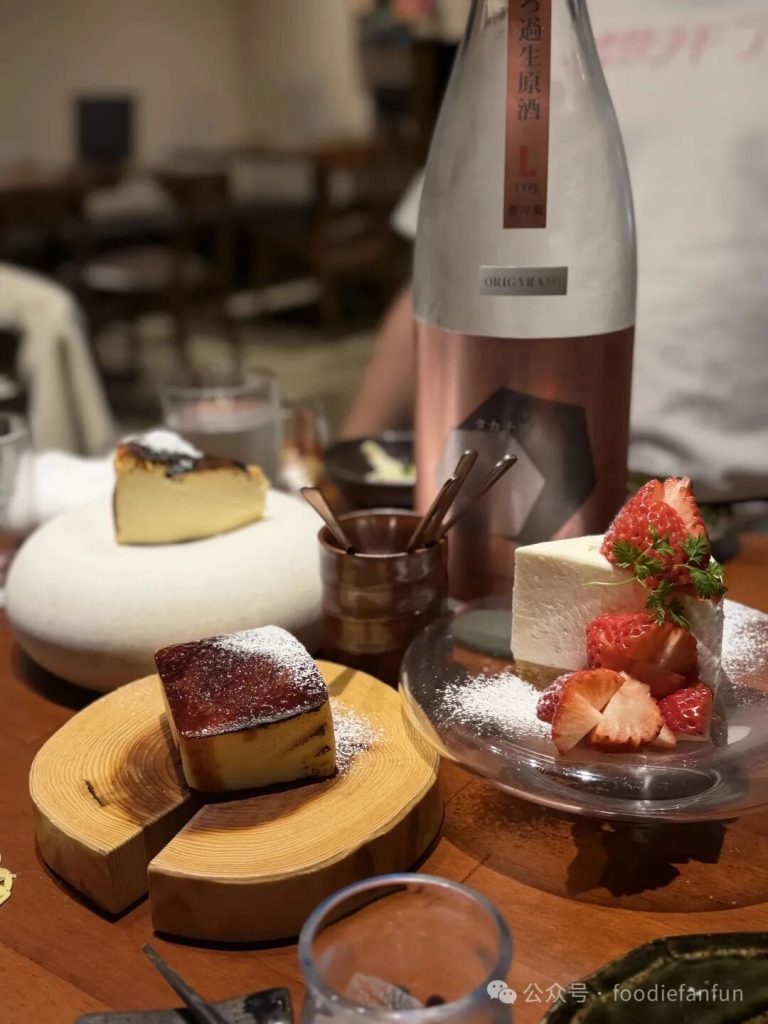
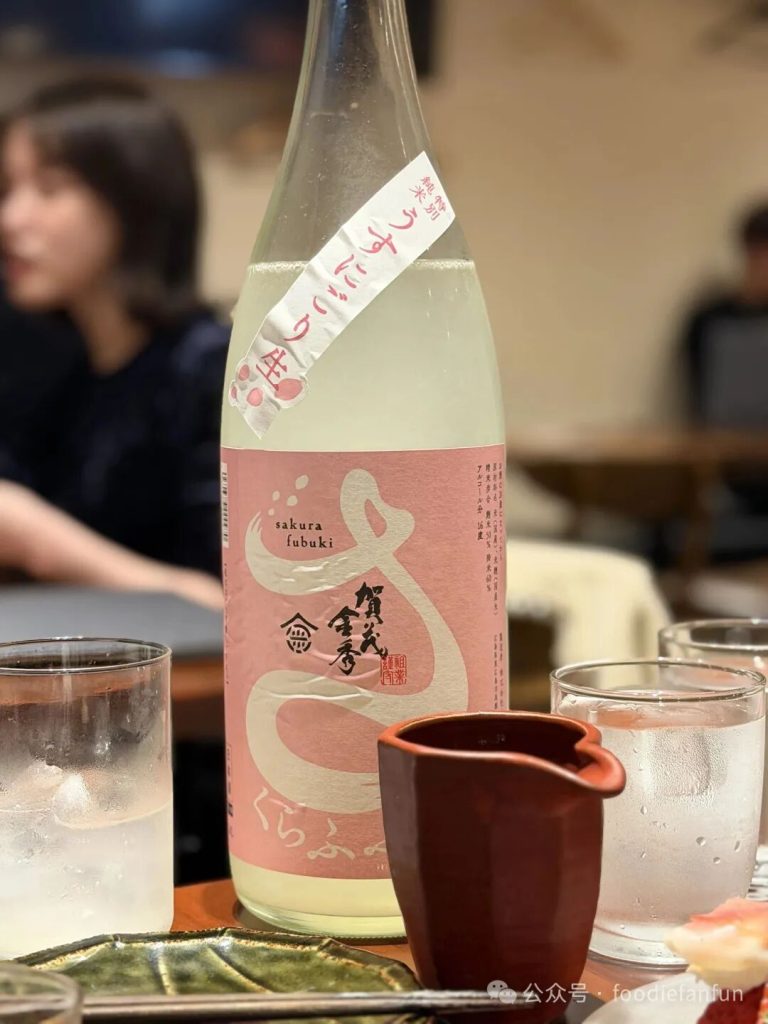
    SAKE恋JAPAN, a sake × cheesecake specialty spot, basically says everything about itself right in the name. It’s a sake bar clearly skewed toward a younger crowd, with a super relaxed atmosphere, tasty food, and good prices too.

    The sake list isn’t especially hardcore, but the selection is playful — some easy-drinking seasonal bottles alongside buzzy breweries like Abe. Compared to a more serious sake bar, this feels more like a place to drink and chat.

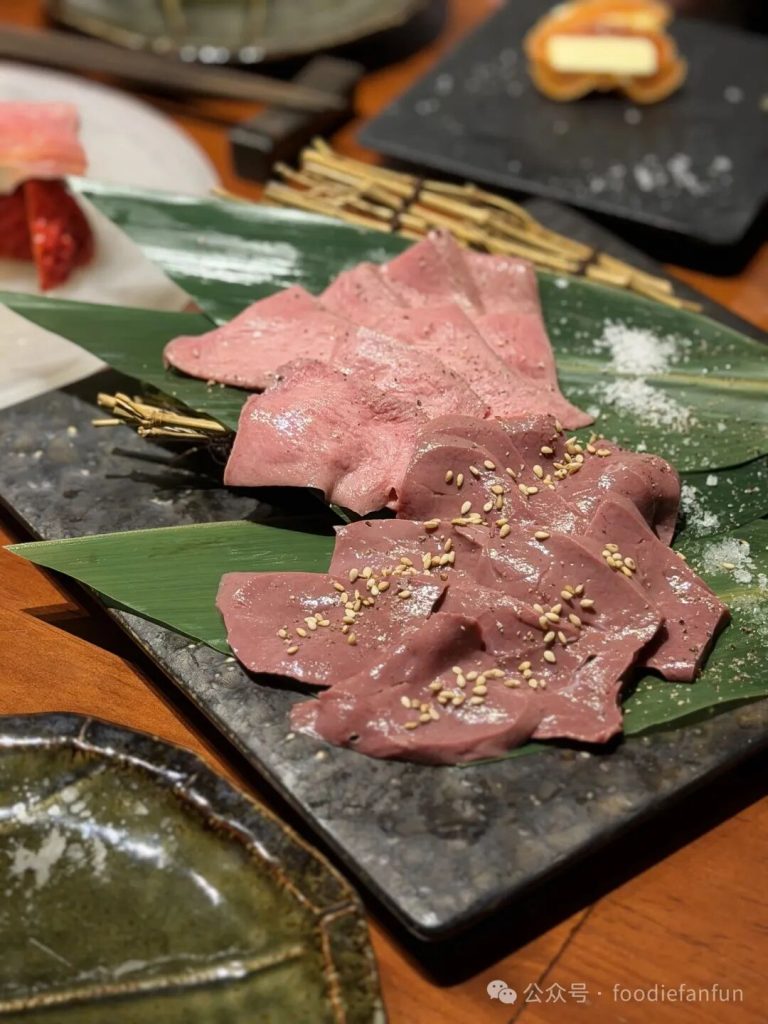
    The surprisingly delicious dish here is the beef liver — cleanly prepared, no gaminess at all, soft texture with a touch of sweetness. For dessert, the cheesecake is the signature, and after trying it, the Basque version turned out to be the most consistently good, with the best balance of milky richness and bittersweetness.

    Gojuhachi, by comparison, feels much more old-school and hardcore. It’s a truly classic local Niigata izakaya, serving solid, down-home drinking food alongside a full wall of Niigata local sake.

    The food isn’t fussy — it’s the kind of grounded, homey, drink-friendly flavor that shifts with the seasons and comes in generous portions. The sake list is noticeably deeper, spanning familiar names to some local-only bottles — the kind of place where you can seriously work your way through a proper Niigata sake lineup.

    Most of the customers here are locals unwinding after work — the atmosphere is easygoing and lived-in, well suited as the main base for a slow-talking, wide-open night of drinking.

    TABI BAR & CAFE SUZUVEL is a well-loved little bar right by Niigata Station, and often the first stop for sake lovers arriving in Niigata, or the last one before heading home.

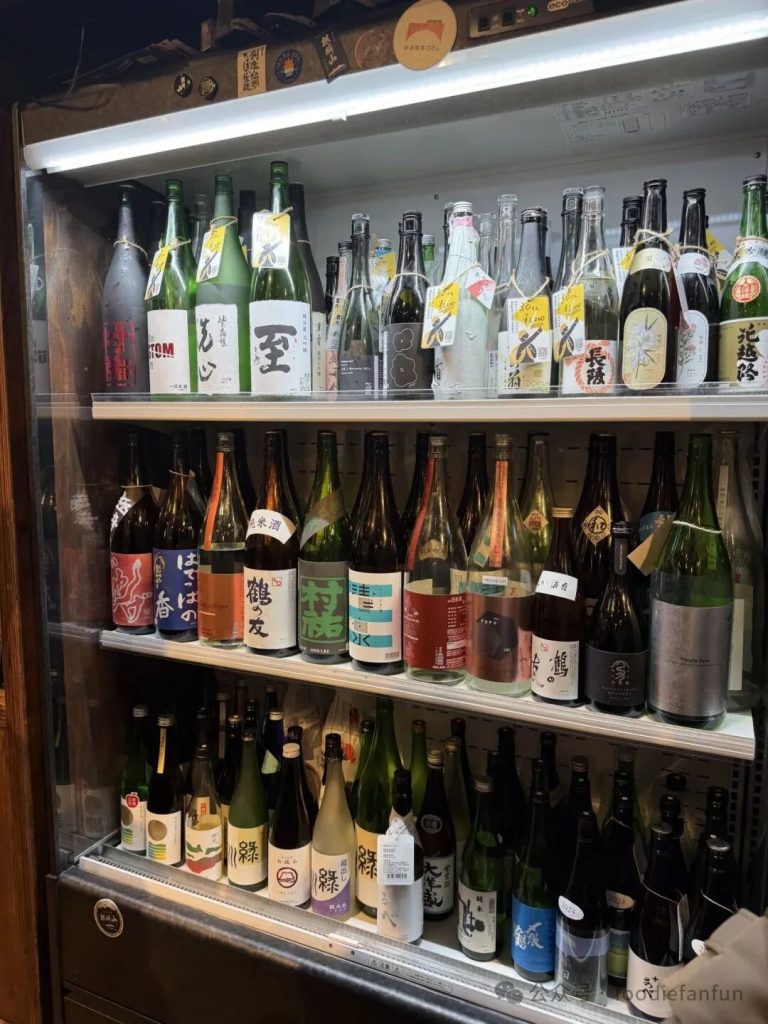
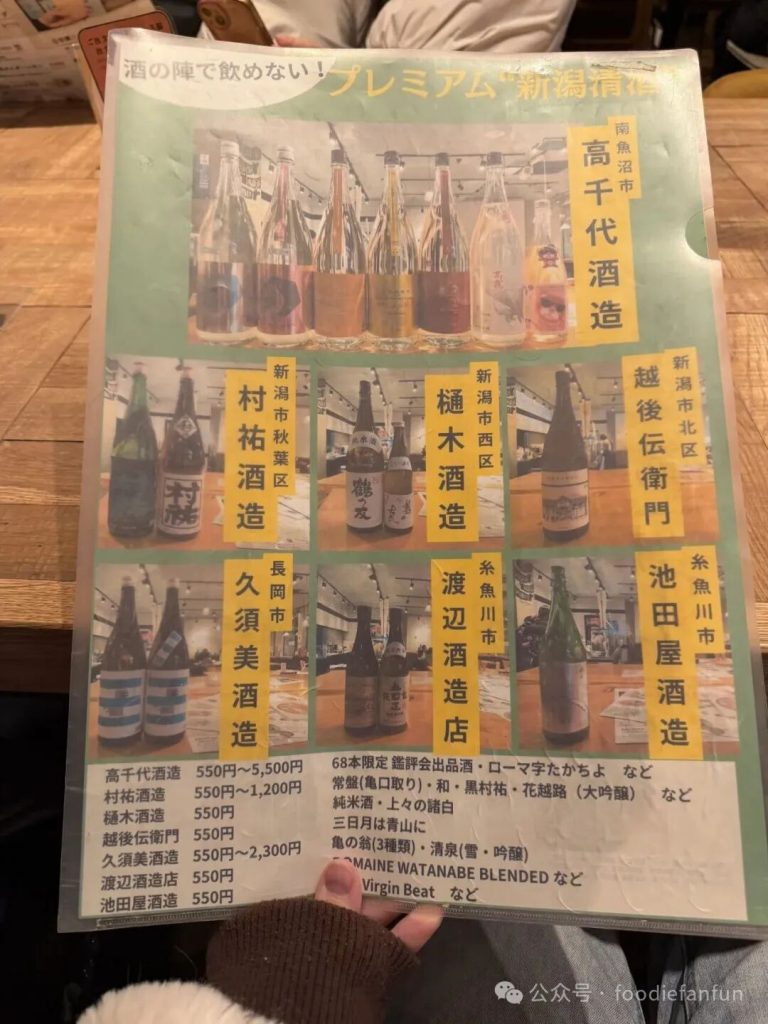
    Its biggest advantage is, without question, the drinks list — a strong collection of by-the-glass options from local Niigata breweries, spanning classic names to some harder-to-find bottles. It even ran a page of “non-Sakadojo” sake during sake-festival season, filling the gap for travelers who missed out. Great for anyone wanting to taste a wide horizontal spread of Niigata sake in one go.

    The food leans café-bar light bites — easy, low-pressure small plates with a Western-leaning feel. It runs a bit pricier than the previous two spots, but since you’re already here, you might as well drink your way through everything — no point leaving with regrets, right?

    So, any guesses where the next stop will be?

  • Amaranthus | A Ferocious Ham Tasting

    What does it feel like when a city still surprises you on your fifth visit?

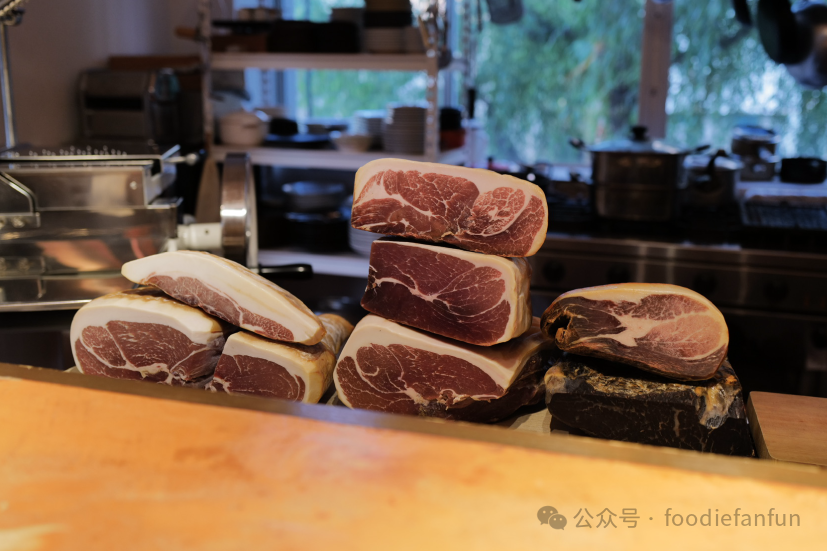
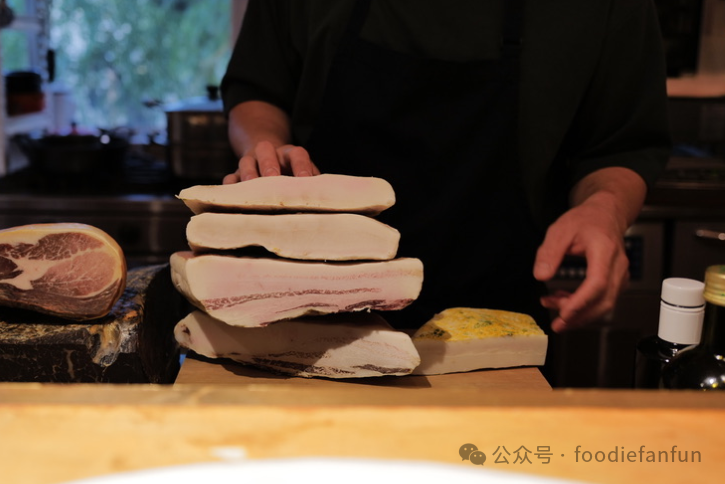
    That’s Niigata for me. At a five-seat restaurant, I somehow ended up at an all-you-can-eat tasting of a dozen-plus cured hams.

    My curiosity got fully harvested, and the satisfaction was next-level.

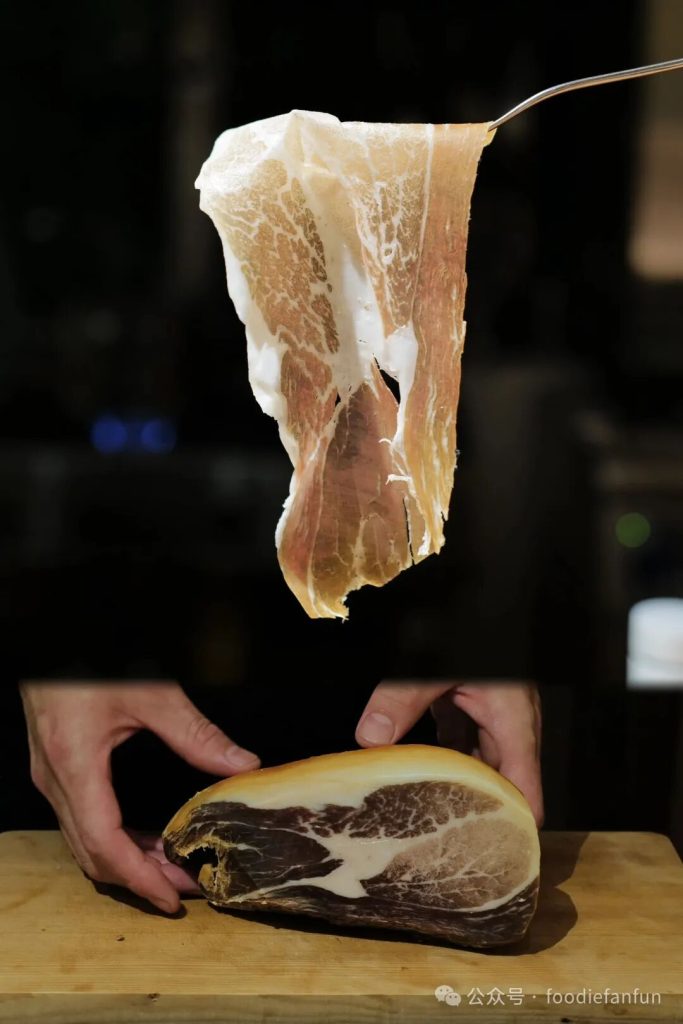
    The knife comes down, and the fat wakes up first. That kind of fat, carrying complex aromas, is nearly impossible to refuse. In a city built on harbors and sake, it rewrote what “cured ham” means to me.

    Amaranthus really has its own kind of formidable. It puts ham unapologetically at the center of the menu, boldly playing with fat, cuts, curing time, and slicing technique, slowly teaching guests to find the flavor they truly love. And dish by dish, it keeps combining ham with other ingredients so the result is greater than the sum of its parts.

    The restaurant alternates, per dates posted on Instagram, between à la carte days and course days. On our first visit, our stubbornly ambitious group went straight for the full course.

    The menu is short. But before it officially began, chef Amano set up a comparison tasting of more than ten hams. Differences in cut, temperature, thickness, and pairing — practically a mini masterclass, breaking down where ham’s aroma and flavor come from and how they combine, laid bare in front of us.

    The restaurant mainly uses local Niigata pork aged two years, alongside versions flavor-cured with miso, sansho pepper, and yuzu, Hokkaido pork back fat, pancetta, and cured bull meat. Most impressively, nearly all of it is made and cured by the chef himself, aging anywhere from six months to three years, with huge variation.

    In short, this whole tasting is really a presentation of the chef’s own personal understanding.

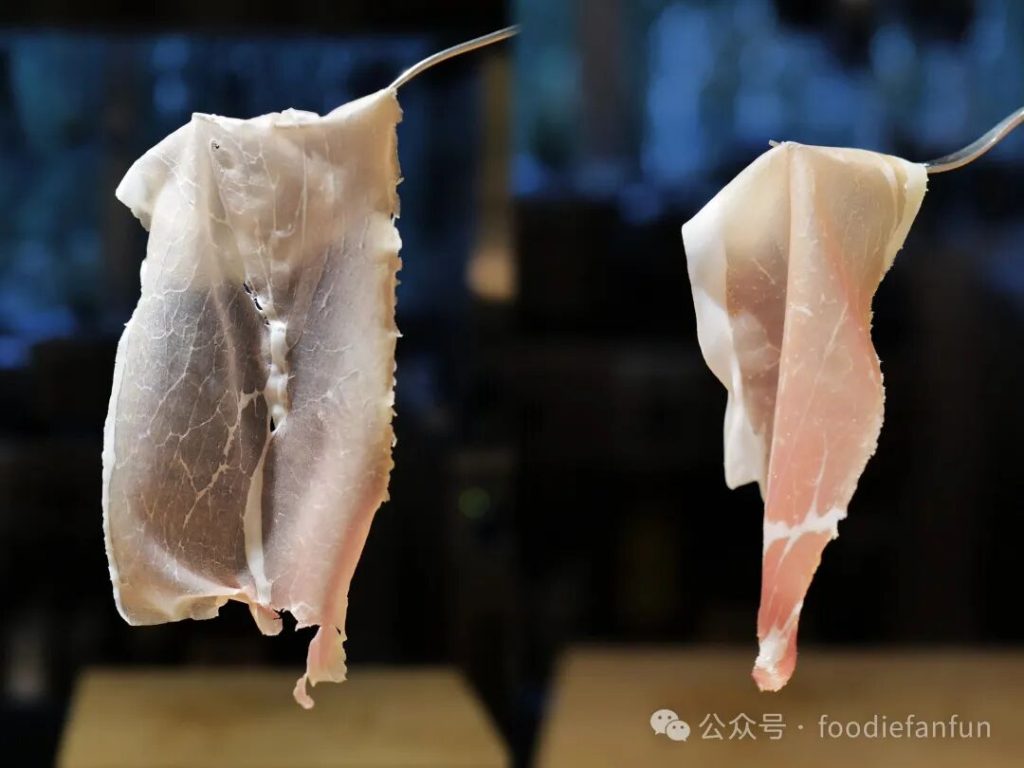
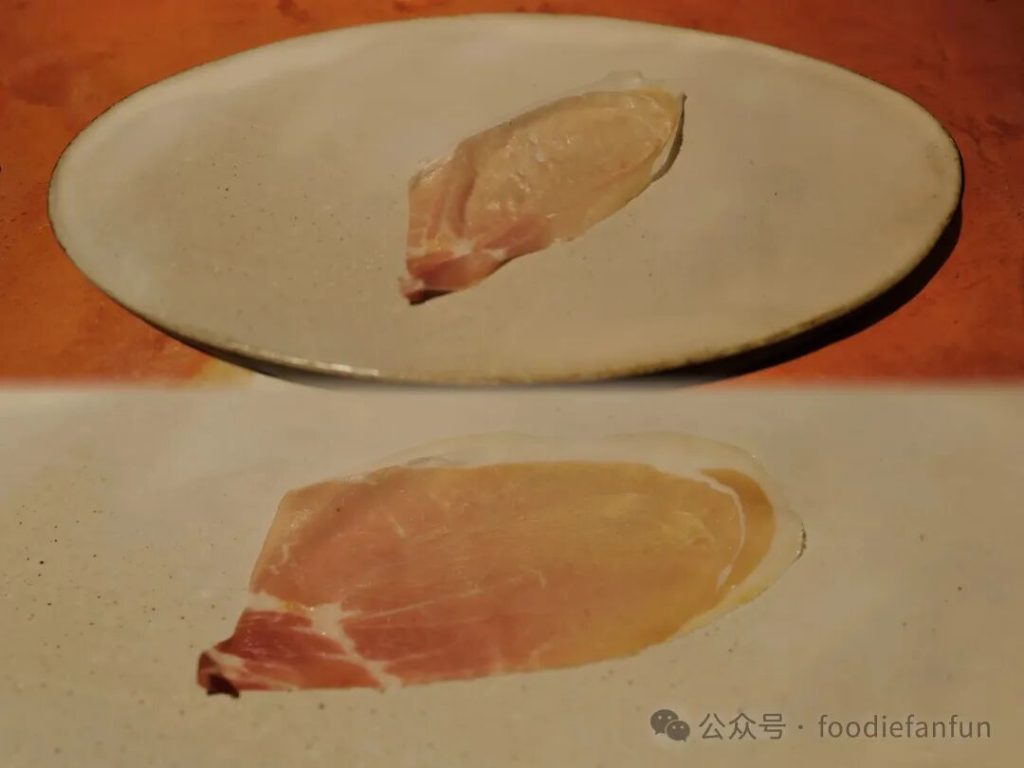
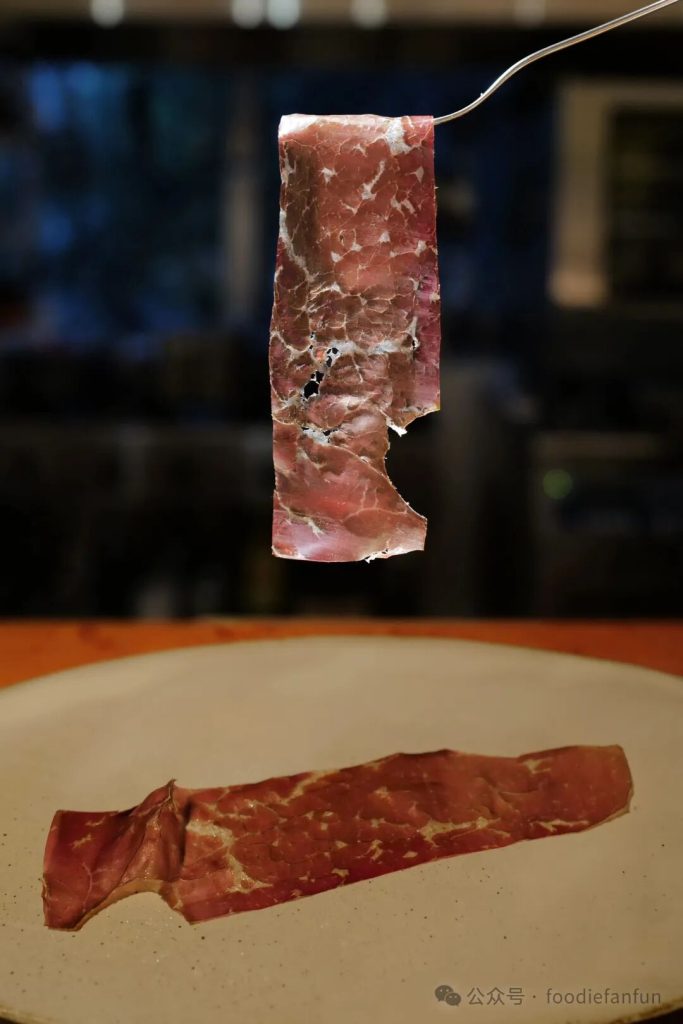
    Two slices of hind leg per person, served two minutes apart so you can feel the temperature change.

    “You really have to pick it up and eat it with your hands!”

    The first bite has to be aromatic. The scent of meat and fat is direct, almost fierce. And meat sliced this thin has enough time, even in that short window, to be slowly “changed” by air and warmth. The bite after two minutes is noticeably more fragrant, saltier, and more tender.

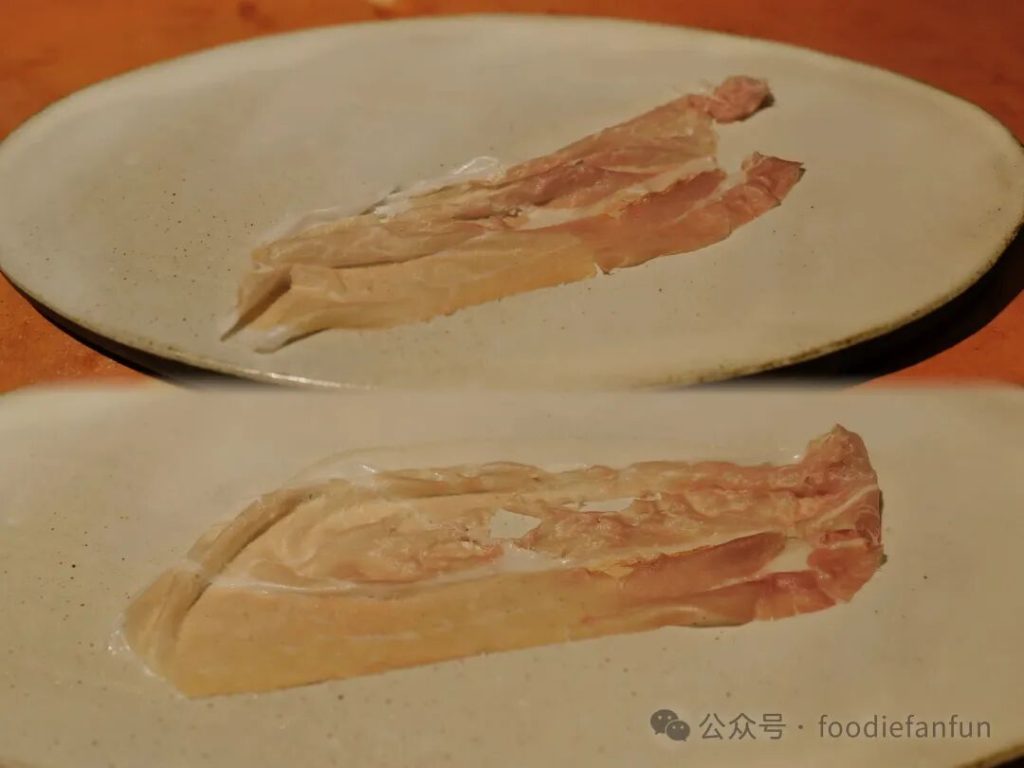
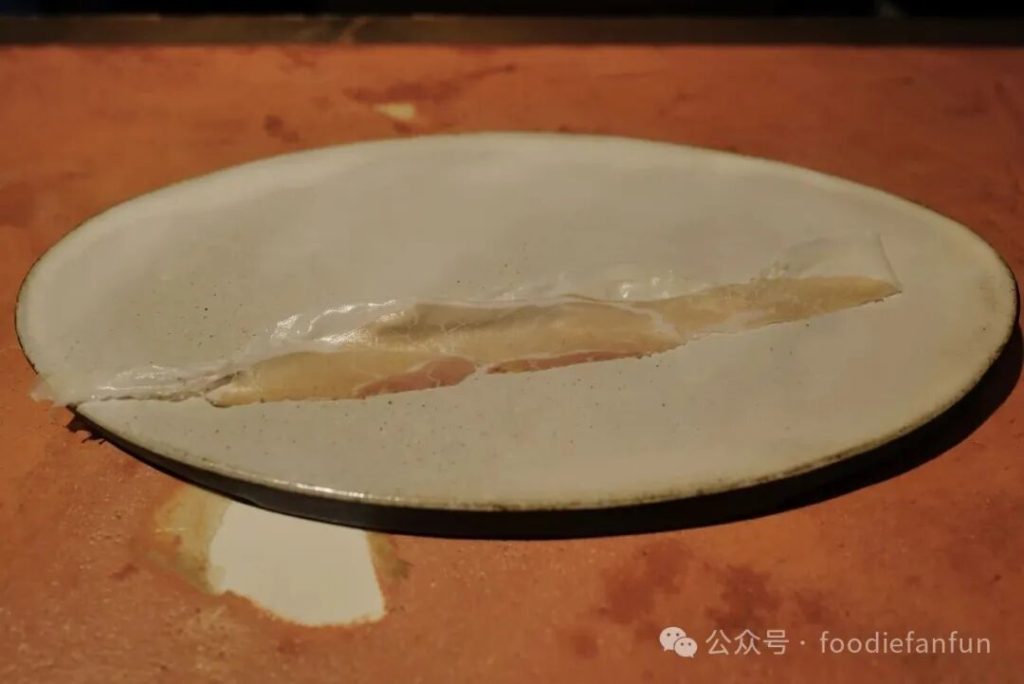
    Second up was the front section still attached to muscle, with the fatty part more restrained. Thin and thick cuts were used to release the difference in texture.

    The thin slice had a soft, gentle aroma with more stretch to it, as if it unfurled slowly against the roof of the mouth. The thick one brought out more fiber, making the presence of the meat itself more obvious with each chew. There was a touch of soft minerality, and a rush of umami. Same cut, completely different expression.

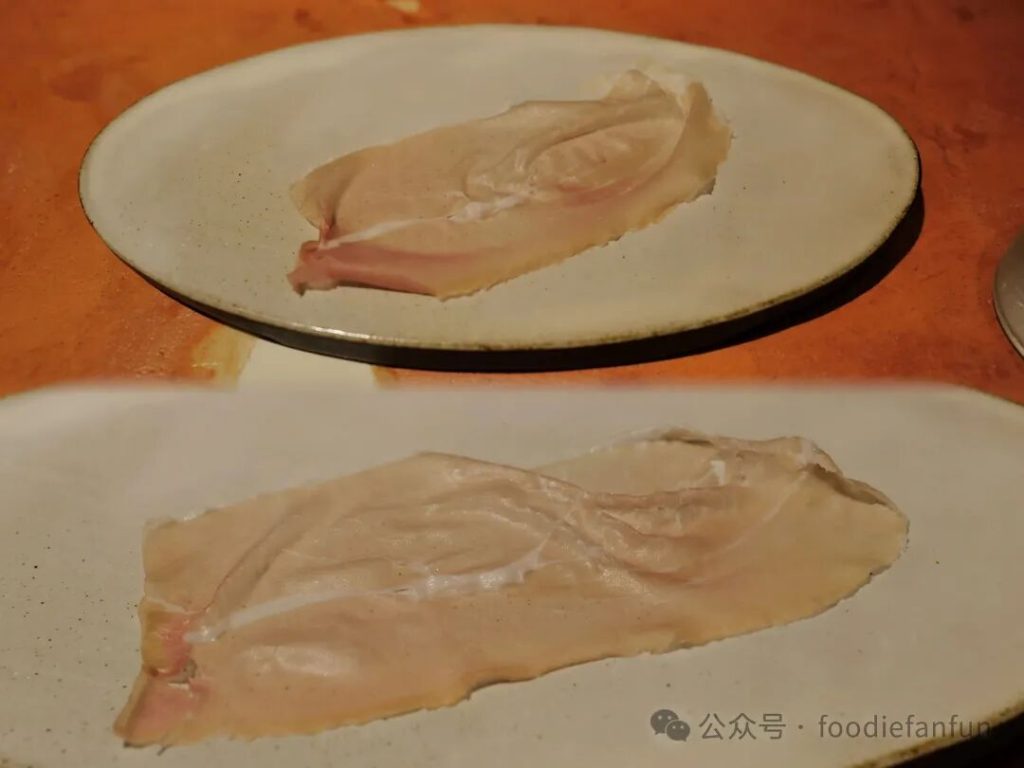
    Then came the rear section, with beautiful fat just as expected. Beyond the fatty aroma there was a lovely hint of dairy sweetness, and a very long finish. Both direct and elegant.

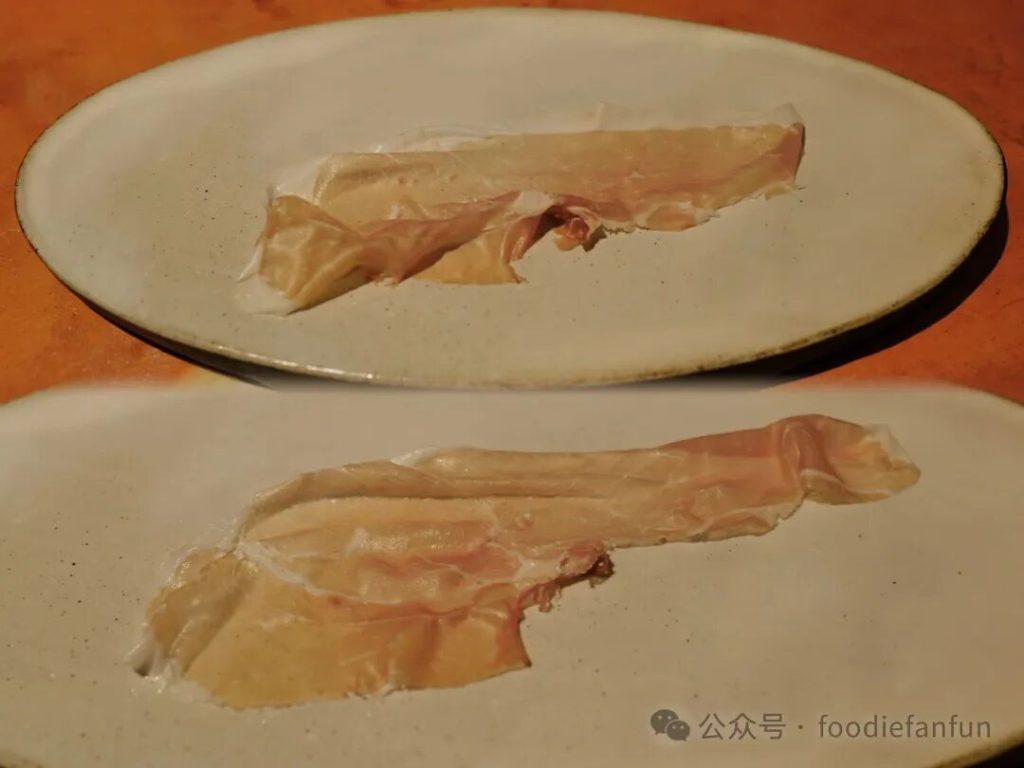
    For the flavor-cured portion, we started by comparing the sake-lees version. It uses summer muscle pork, a bit less fatty, but because the muscle retains more water in summer, it was first dehydrated with salt.

    The first thing that jumps out is salt, followed by a nuttiness that’s clearer than expected, with a thread of mold-like funk making the whole flavor more three-dimensional. Once it warms up, the presence of the meat itself and its saltiness become even more pronounced.

    The rice-bran-cured piece was fascinating too. There was a lot of umami depth, almost surprisingly so. But by the end, a lot of nutty aroma slowly emerged in the mouth, shifting the whole flavor onto a different track.

    After nine straight pieces of ham, the real fight was just getting started.

    Next up was bull meat aged two and a half years. Since there’s no skin, the outer layer — the part most prone to drying out — had to be trimmed off first. It comes from a grass-fed bull, and this year there’s only been the one. The beefiness hits hard, practically announcing its identity in a single bite. Mixed in was a fine hint of spice, even a faint whisper of cinnamon.

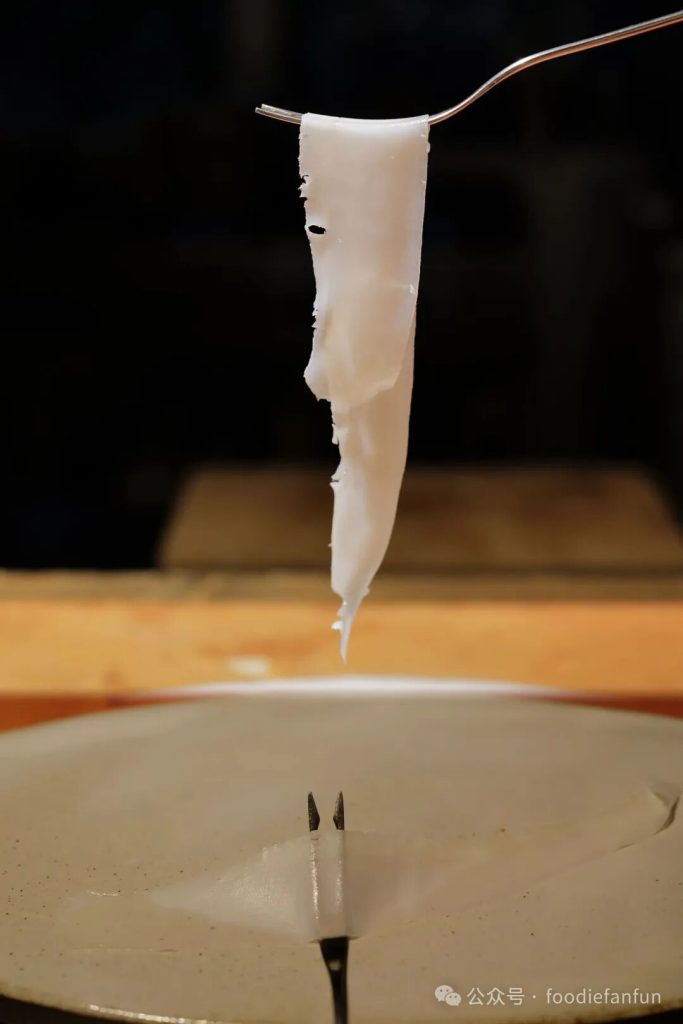
    Then back to pork. A piece of pure fat, from Hokkaido pork back, rice-bran cured. Fat as clean as snow — genuinely impressive.

    Further along came the 1+1>2 stage.

    First, two pieces rolled together. The fat wrapped in the middle gave an almost-melting sensation on entry, followed by the presence of the lean meat standing back up — a sharp contrast, yet living together in harmony.

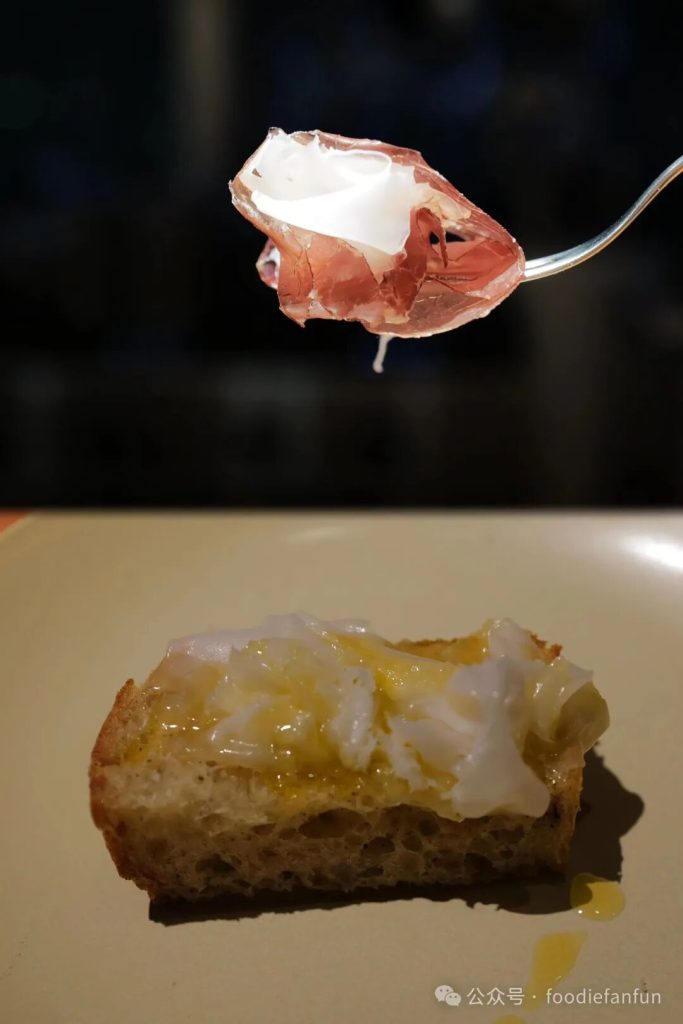
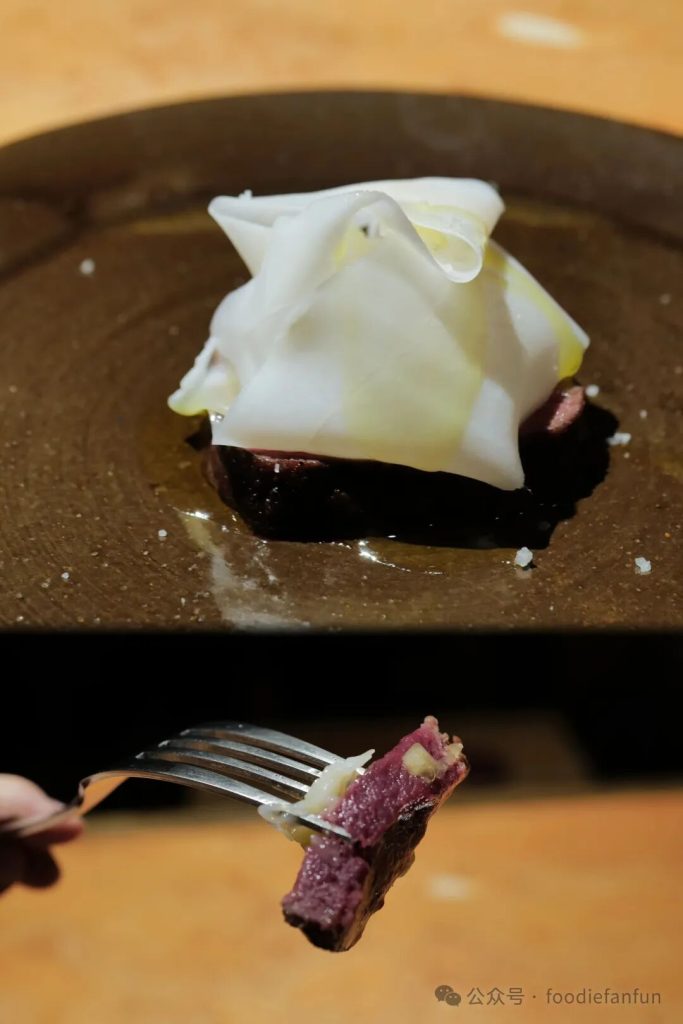
    Then back once more to that pure fat, this time paired with olive oil, bread, and salt. A delicate, almost frictionless melting sensation instantly won everyone over. The olive oil and bread offered a little support, so the fat wasn’t just “melting away” but had somewhere to land. What lingered in the mouth afterward were notes of nuts and something botanical.

    After going back and forth through a few rounds of these fat bombs, it was genuinely flamboyant, bold, and truly delicious.

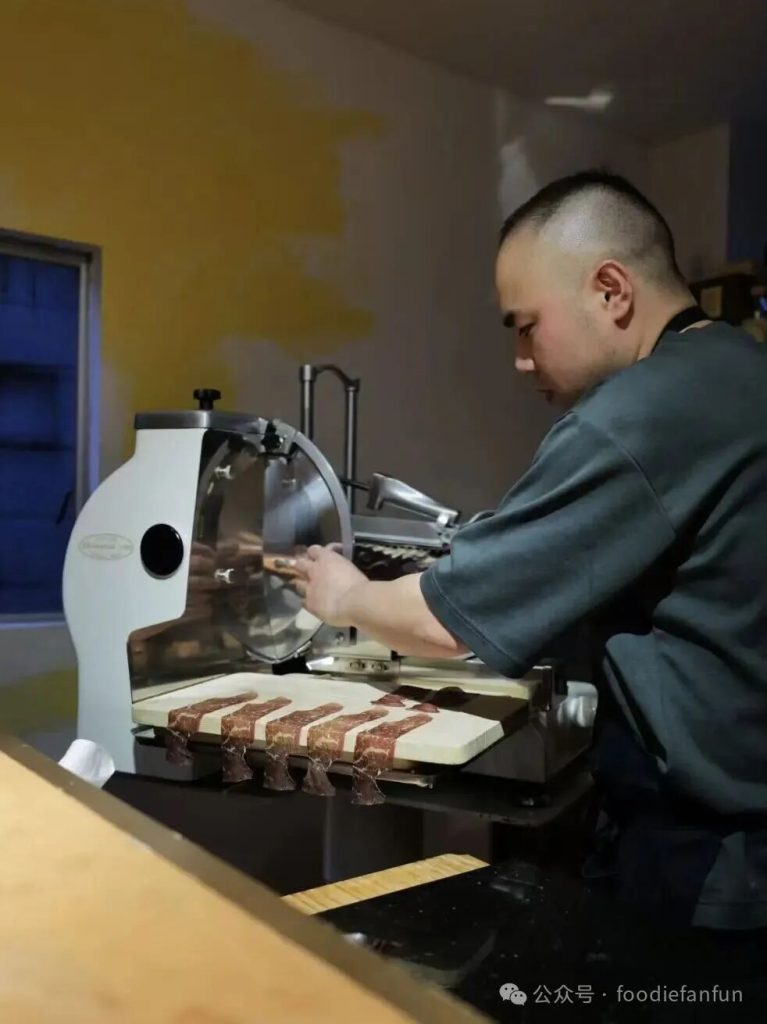
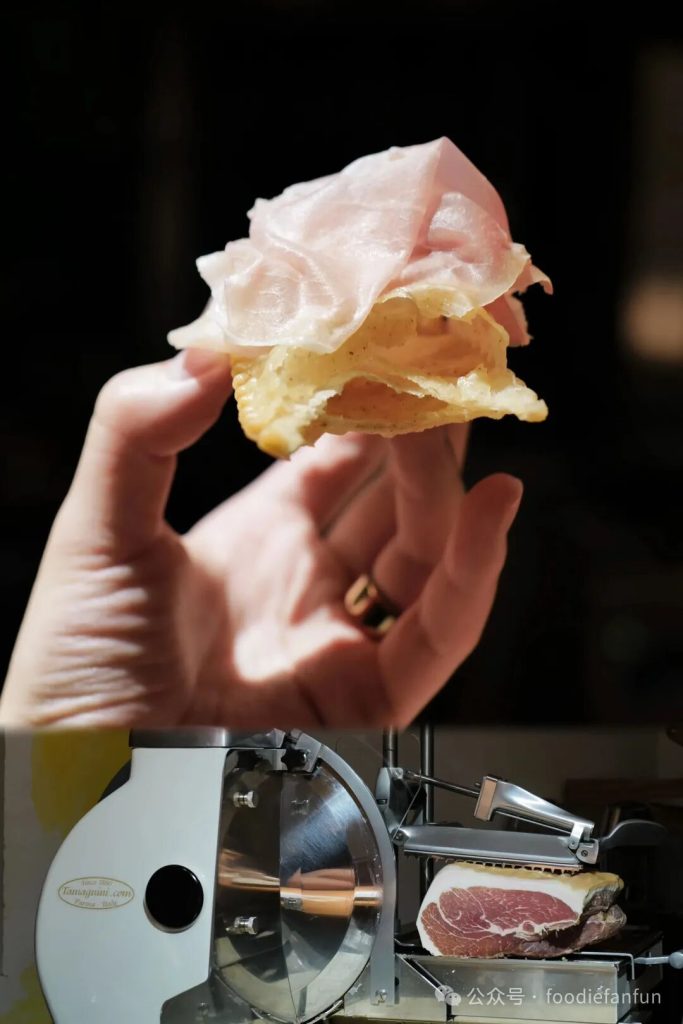
    Oh, and — anyone who eats a lot of ham probably knows most people’s ham slicers are black. He had his custom-made in white.

    Hokkaido pork sake-lees-cured pancetta. You can clearly taste the sweetness of rice imparted onto the meat. The stickiness the fat leaves on the plate feels like it could peel the plate itself right up. Genuinely sweet, and genuinely thick. But eventually a layer emerges like glassy nori, brightening the memory left in your mouth.

    Then came the one — the bomb of the entire meal that hit me hardest.

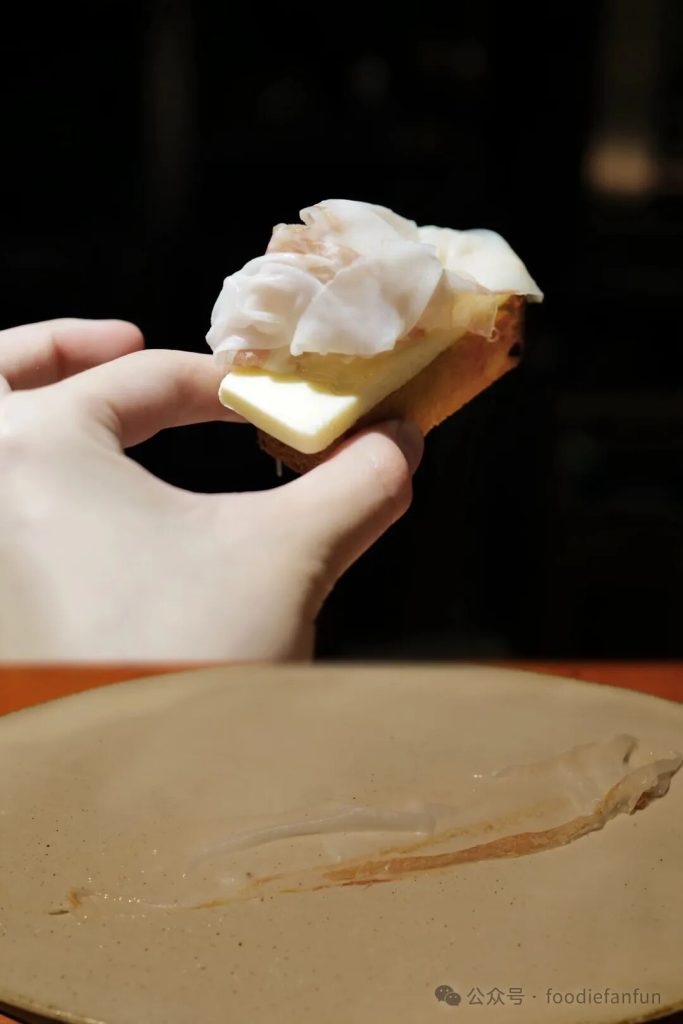
    💣 Brioche + olive oil + a whole unmelted block of butter + pancetta + honey.

    From hot, to cold, to soft — every layer connects tightly, and yet somehow none of it feels heavy. First the crispness and airiness of the bread and its fine texture, then the aroma of fat, and deeper still, the honey emerges, followed right after by the vegetal presence of olive oil stepping in to bring order.

    It was truly incredible. Sinful, and impossible to refuse.

    Ridiculously delicious. Basically an information asymmetry play using texture and aroma alone…

    By this point, the whole “tasting” finally reached its close (the overture before the official menu even began?).

    A slice of 15-year-aged old-pig ham. The flavor is already intense — eat it in one bite and it reads as salty, so the chef suggested taking it slowly, savoring it bit by bit.

    Truly fragrant, full of dairy notes and rich cream, with plenty of wildness too, and a clear sense of maturity. It practically painted an “adult” flavor portrait of an entire pig.

    As the full menu began, things suddenly turned refreshing.

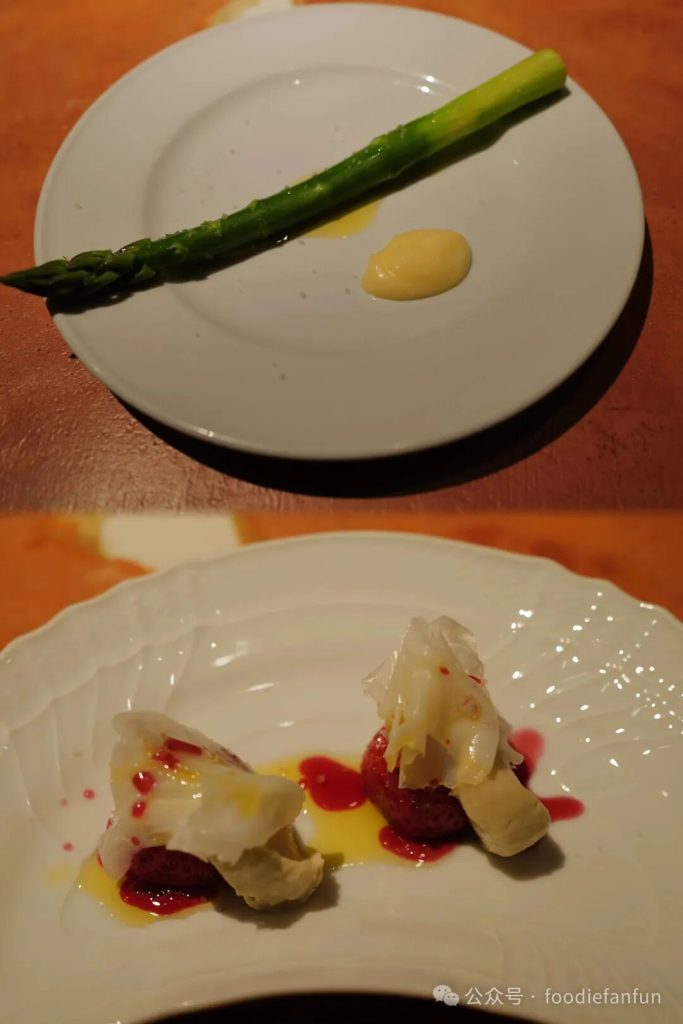
    First, fresh, seasonal asparagus from neighboring Shibata. Just olive oil and coarse salt, crisp and full of moisture, as if the cleanest side of this stalk had been steamed straight out. The lemon mayo alongside it was lovely too, brightening the freshness once again.

    Then a magical combination appeared. House-made lard — actually pork fat cured in yuzu and sansho — paired with Echigo-hime strawberries from Shironezu, plus a touch of olive oil and beetroot.

    The texture was nothing like I imagined; the middle piece even had a slightly sticky, mochi-like softness, topped with a clean, delicious saltiness.

    The one shortfall: by early summer, these strawberries were already a touch past season, and the fruit aroma was noticeably lacking, feeling a bit thin compared to the complexity shown earlier.

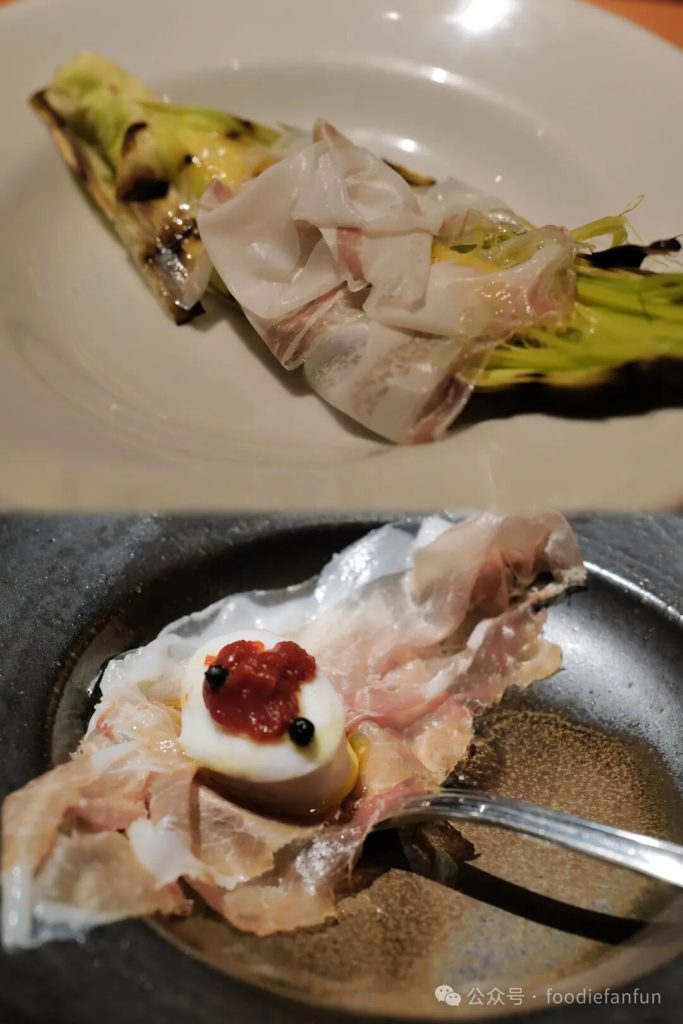
    House-made pancetta with small corn from Echizenhama — the trick is that the corn’s heat is what “melts” the fat open. The fat, which would otherwise feel a bit heavy, gets lifted by the corn’s sweetness and moisture, while the pancetta’s saltiness in turn makes the corn taste even sweeter, with that crisp, fresh bite.

    — The whole dish felt genuinely warm, and also simple and direct.

    Of course, at Amaranthus, the classic Japanese-Italian mashup of youtiao (fried dough) with cured meat wasn’t skipped either. This one used the sake-lees summer pork mentioned earlier — plenty crisp and salty, just with a slightly wide temperature gap. Eating it almost gave a sense of “cold pork knuckle over hot rice.”

    But the pufferfish milt roll with ham felt a bit out of season. Summer milt is inherently light, and can’t really carry too complex a pairing. The tomato tucked inside was lovely — color, acidity, aroma all on point — but the overall bite still landed as… bitter. Genuinely bitter.

    You always see rice combined a dozen ways at Japanese kaiseki restaurants, but I didn’t expect to see it at a ham restaurant too. Miso-ham rice roll, miso-ham rice roll with nori and ginger, pancetta rice roll.

    Lard-mixed rice, sushi, smoked-meat donburi.

    Bite after bite… each really did have its own personality.

    The main was medium-rare venison, cool and clean in feel, forming a complement with the fat alongside it. It worked, but was a combination that was hard to leave a lasting impression.

    But unexpectedly, beyond the printed menu, the chef had one more surprise up his sleeve: pasta.

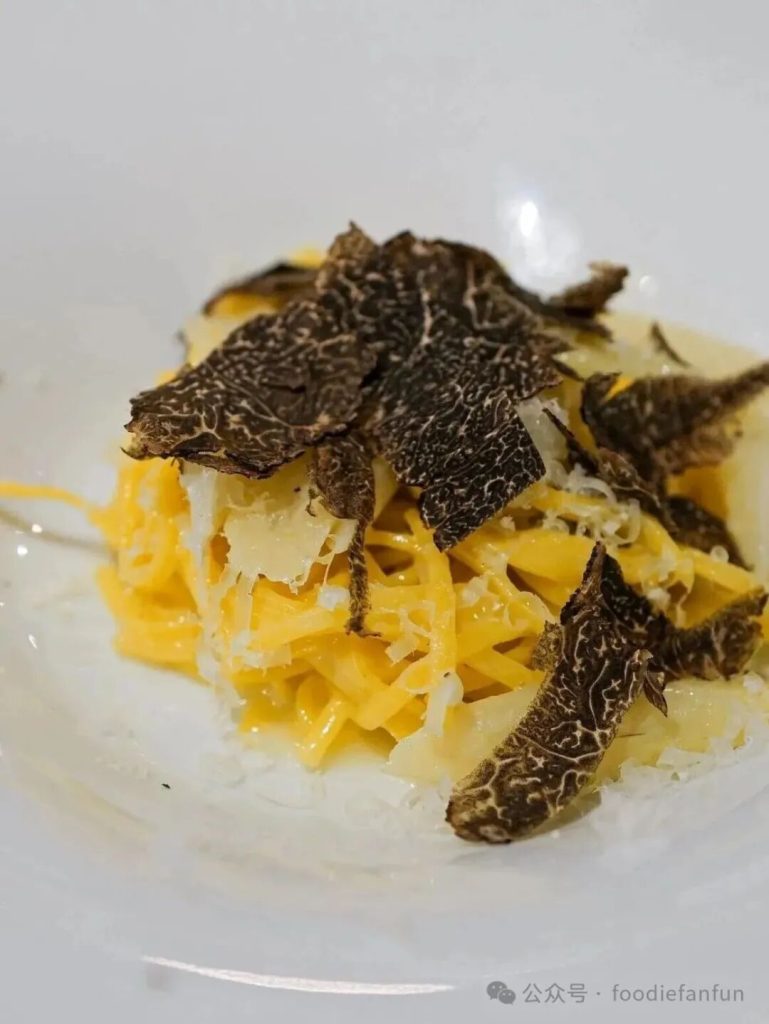
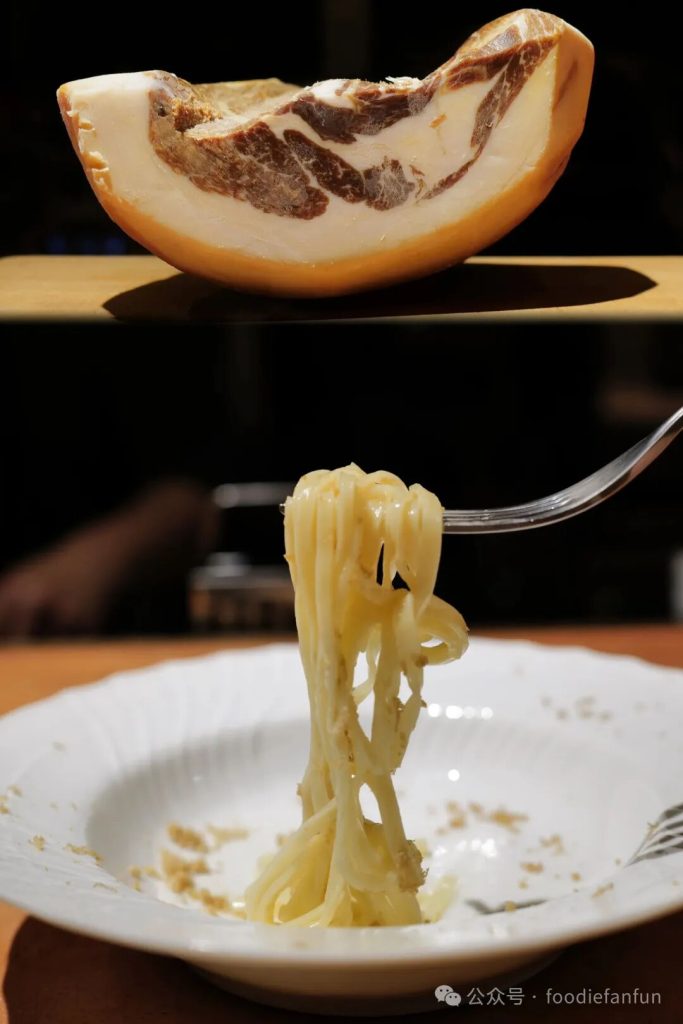
    It used freshly grated lean meat from beautifully aged ham on the inner side, seasoned right into the dish. The noodles and savory aroma felt almost fused together. The dairy note was especially good, and with a bit of bite still in the noodles themselves, the whole experience in the mouth suddenly perked up.

    A small dish, but it still managed to dazzle.

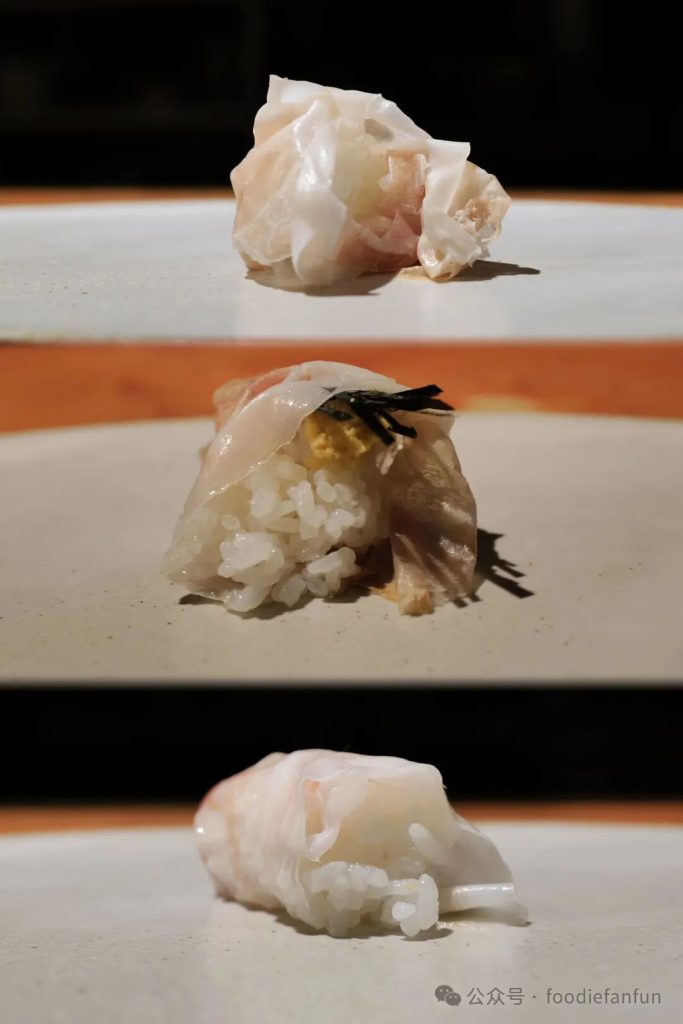
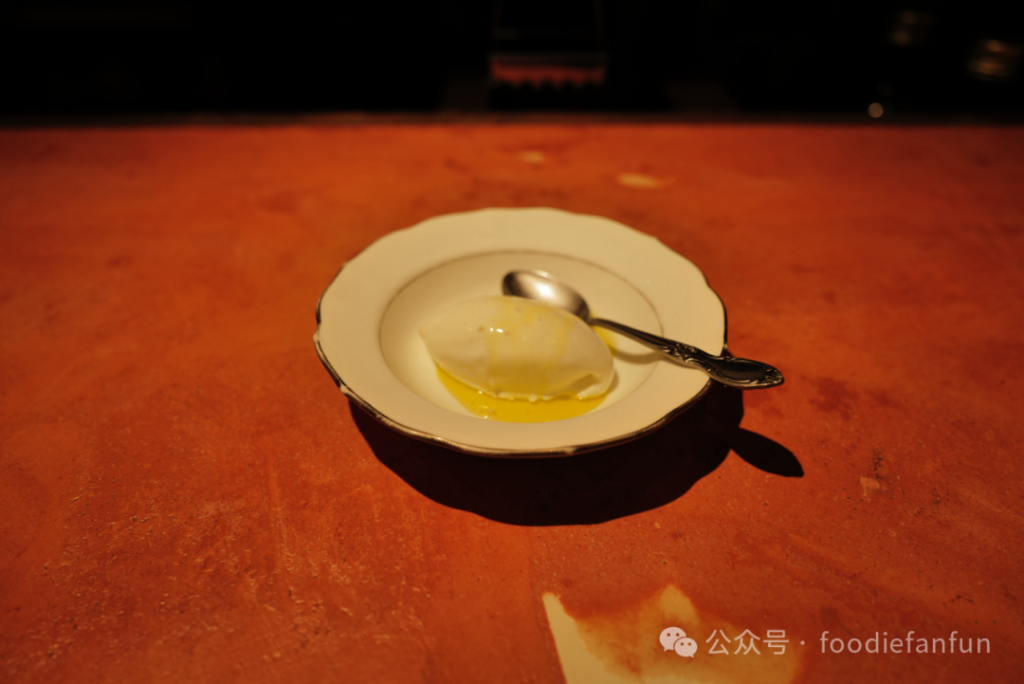
    Finally, closing with a condensed-milk ice cream. Full of aroma, with olive oil drizzled on top and distinctly grained salt, once more underlining the whole meal’s theme of fat, salinity, and aroma.

    This restaurant really is one where the kitchen is almost austerely simple, and precisely because of that, the chef’s personal vision comes through with unusual clarity. The ham tasting section had clear, deliberate swings in flavor with a strong internal logic connecting each piece. The main menu section, meanwhile, cleverly folded itself into the familiar path of Japanese-Italian cuisine.

    Compared with Tokyo’s equally themed, notoriously hard-to-book restaurant (yes, I’m talking about you, nacol), this one arguably wins by a landslide.

    The one shortfall is probably that the chef’s expression is almost too intense — by the second half of the full menu, most guests will likely feel a bit overloaded. Fat, aroma, and richness keep stacking up, and by the end it can feel like a bit much.

    Looking forward to trying à la carte next time!

    — If the joy could just be dialed back to exactly the right amount, this place would probably stay on my mind even longer.

    Amaranthus

    332-61 Yorii-cho, Chuo-ku, Niigata City, Niigata Prefecture

    *Please check Instagram for exact operating format and open dates.

    AVG Price ¥20,000 – 30,000 (JPY)

  • Kyodai Sushi | The Elegant Sushi of a Sly, Aloof Guy

    Every time I’m in Niigata, there’s one restaurant I have to visit: Kyodai Sushi.

    He’s the kind of chef who looks aloof behind the counter — V-neck vest, slicked-back hair — reposting thank-you messages on his Instagram stories every day while marking a ❌ to correct guests: “It’s Kyodai Sushi with the kanji, not the hiragana.” A calculating softie underneath it all.

    But he’s also behind one of only two 2-star restaurants in the Niigata Michelin Guide (the other being UOZEN), and a sushi restaurant that’s won the 🥉 Tabelog Award Bronze four years running.

    Delicious. Genuinely delicious — the kind that keeps resetting your bar for what delicious means, visit after visit.

    His sushi has a fine, focused line — every fish’s character comes through clearly in the mouth. It’s sushi you could describe as precise, restrained, elegant.

    Kyodai Sushi opened in 1960, and is now run by second-generation chef Ryuji Honma. After high school he went to Tokyo, spent about a decade training within the Edomae sushi lineage, and came back to Niigata around 2011 to take the family business in hand.

    What he wanted, he says, wasn’t to replicate Tokyo, but to build a “Niigata-mae” sushi: Edomae technique applied to fish from Niigata’s own coastal waters, with the rice, water, vinegar and sake all kept within the prefecture as much as possible.

    Six months had passed since my last visit. I’d even booked under a different name this time — but from the moment I walked in, nearly everyone, in front of and behind the counter, came over one by one to say hello with real energy. “お久しぶりです!お土産ありがとうございます。” Being remembered like that felt direct, and warm.

    As always, a small fried dish arrives first, something to sip alongside while it wakes up the palate. Then, without much talk, the sushi begins.

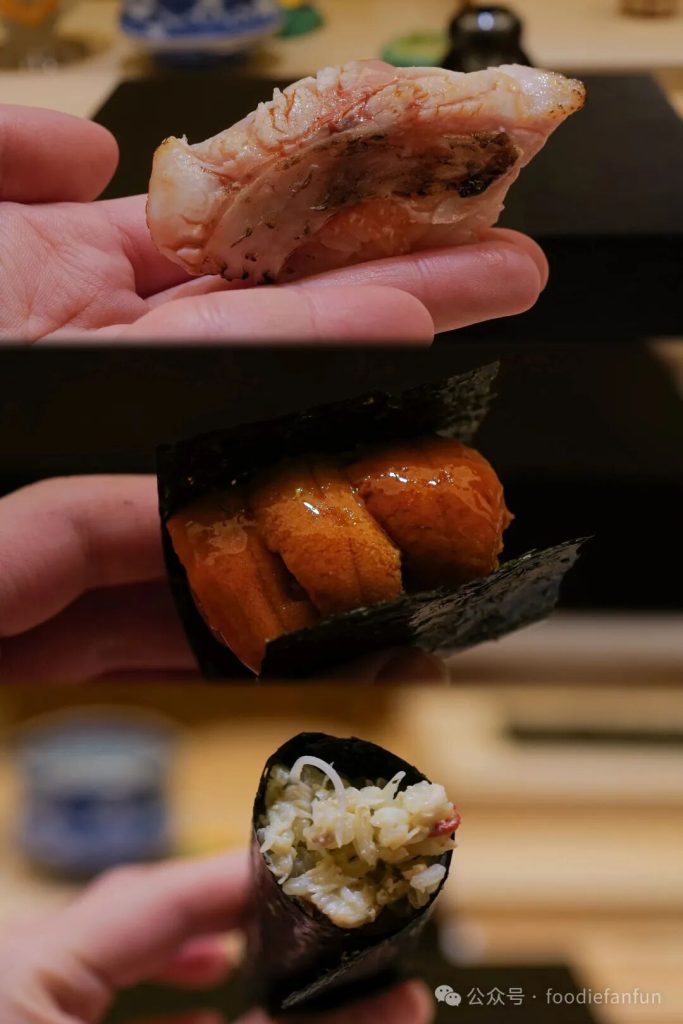
    Madai from Sado Island, a beautifully fresh white fish. The flesh carries a crisp springiness, and as you chew, the flavor draws out long and thin, a slow sweetness unfurling — clean, with real lingering resonance.

    The Spanish mackerel carried a faint trace of smoke, the flesh soft in just the right measure, its fatty sweetness gently lifted by that smoky note — balanced, smooth.

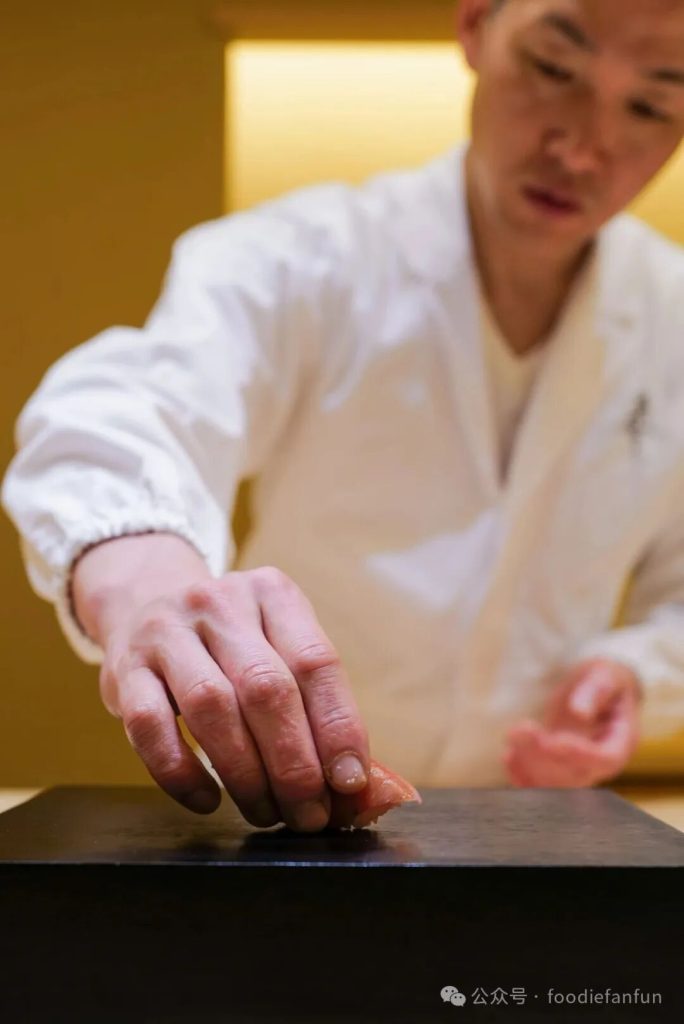
    A big part of the pleasure of sitting at the counter comes from watching how the chef handles the ingredients. Today it was an eel, broken down bone and all right there at the counter. Amid the sound of the knife — chua, chua — Honma’s cuts were clean and decisive. Within minutes it was sent back to the kitchen.

    Both the flavor and texture were pushed to their fullest. The cooking showed off the fiber of the flesh just right, even leaving a faint “raw” texture near the bone, the aftertaste sweetness more direct for it. The skin stayed firm and crisp, its crackle holding up in the mouth. The saltiness, the wasabi’s clean aroma — both dialed in precisely, lifting the flavor without overpowering it, like the whole eel’s outline had been drawn more sharply into focus.

    From prep to the moment it lands in your mouth — everything a diner hears, smells, sees, tastes — there wasn’t a single wasted moment. All of it, entirely in Honma’s control.

    Sweet shrimp is Kyodai’s signature dish. Three shelled shrimp stacked together, and in the moment right before it’s set on the counter, a single pull strips away the shell.

    The nanban shrimp were, as always, creamy and rich, but this season’s flesh came across firmer than usual. Beyond the sweet crunch, even the shell itself carried a hint of umami.

    Then came nodoguro. Beyond the softness and dense freshness of its half-cooked texture, there was also, in the aftertaste, a sense of connection carried over from how it grows. Nodoguro spend their lives preying on nanban shrimp — so at Honma’s counter, the shrimp is always served just before the nodoguro. That rule of nature gets carried straight through to the counter.

    “You didn’t mess up the photo, did you?”

    I’d raised my camera the instant the sushi landed, and got teased for it immediately.

    Today’s tuna had its own story too — 80kg, caught in a set net off Sado Island, a fish that never even made it to Toyosu Market before landing straight on the table.

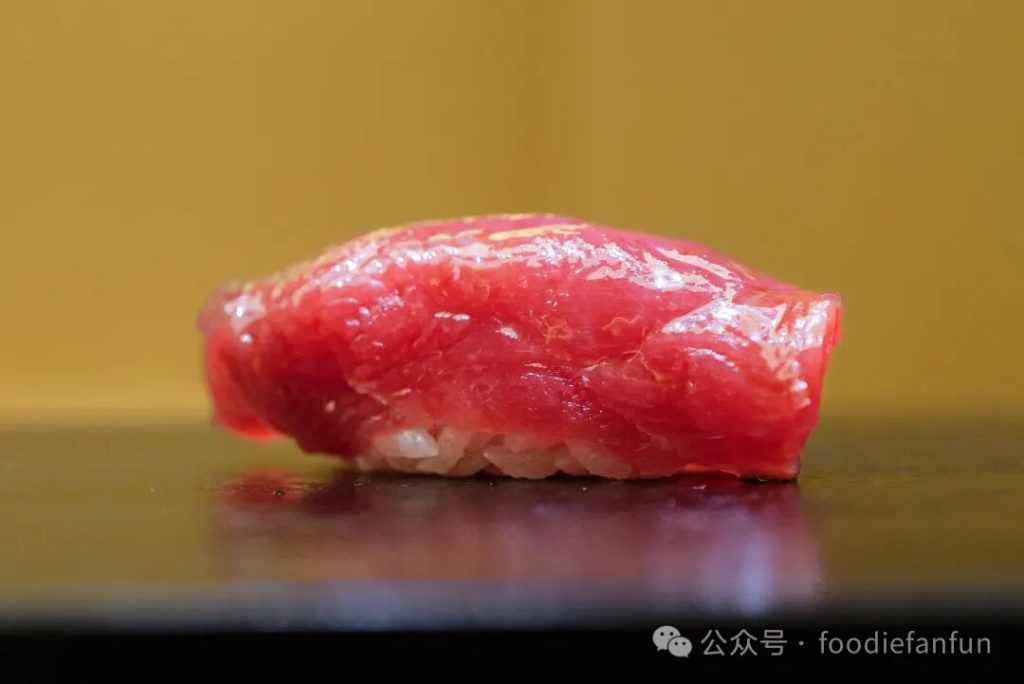
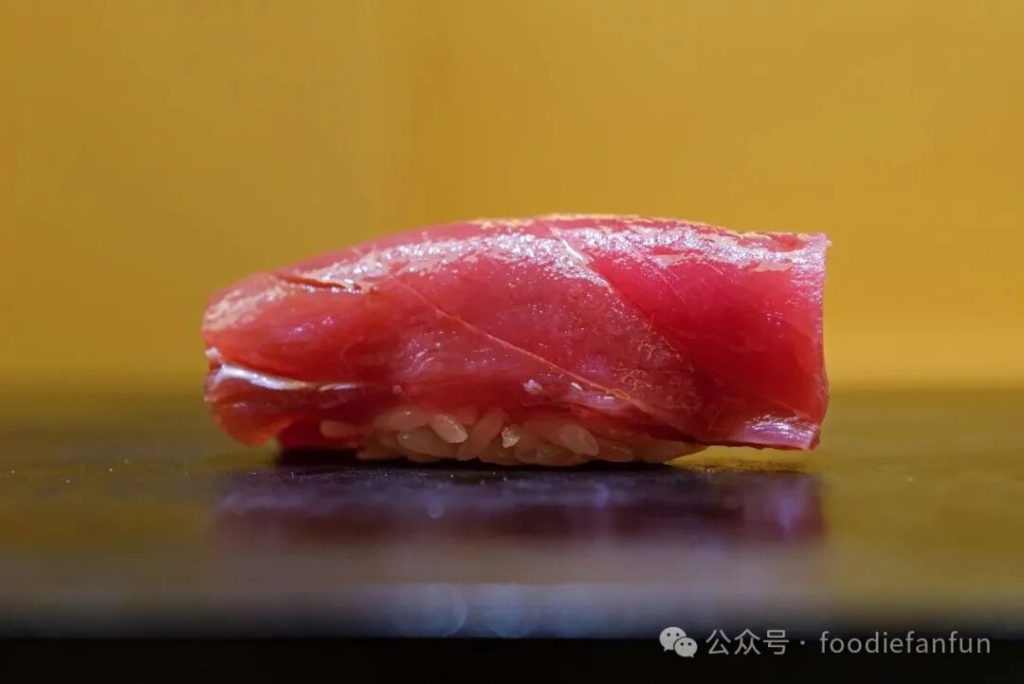
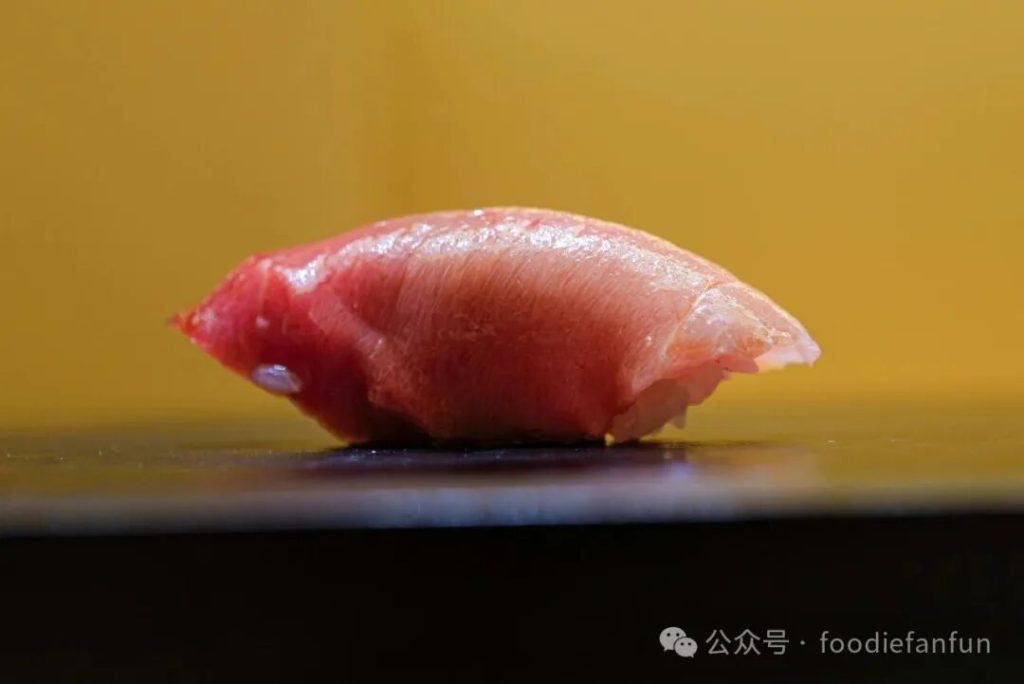
    The akami was firm, with a hint of that iron-blood tang and a protein-forward crispness, the flavor direct and clean as you chew. The chutoro, on the other hand, was more sweet, its texture softer amid rich fat.

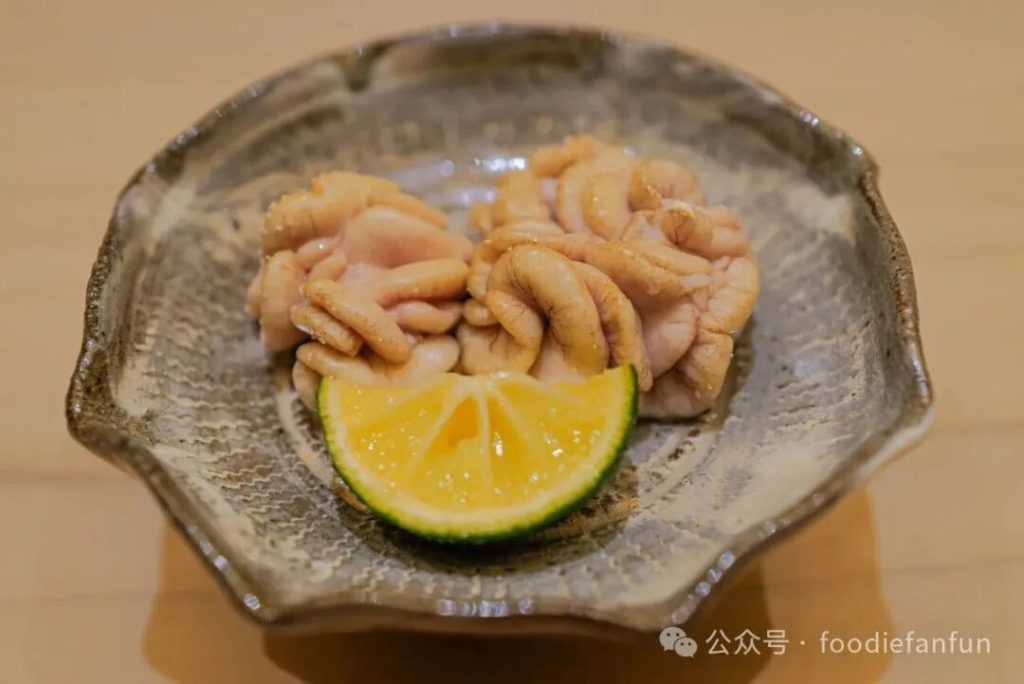
    After two highly concentrated tuna courses, the rhythm suddenly shifted — out came a creamy bomb from the drinking-food side of the menu: grilled cod shirako.

    It’s hard to imagine shirako being made this “elegant.” The exterior wasn’t just charred and smoky — it was grilled to a slight chewiness, a bit of resistance as you bite in. The texture transitions from that chewy skin all the way through to a nearly overflowing creamy interior inside, the layers extremely clear, almost perfect. And the shirako’s umami lingered long in the mouth, its milky richness full without ever turning heavy.

    Finally, just the right amount of salt reined in that concentrated umami, cleanly and decisively — high intensity, high concentration, but without a trace of excess greasiness.

    Turns out shirako doesn’t have to be just creamy — it can be this meticulous too.

    And then came a stretch where things really hit their stride.

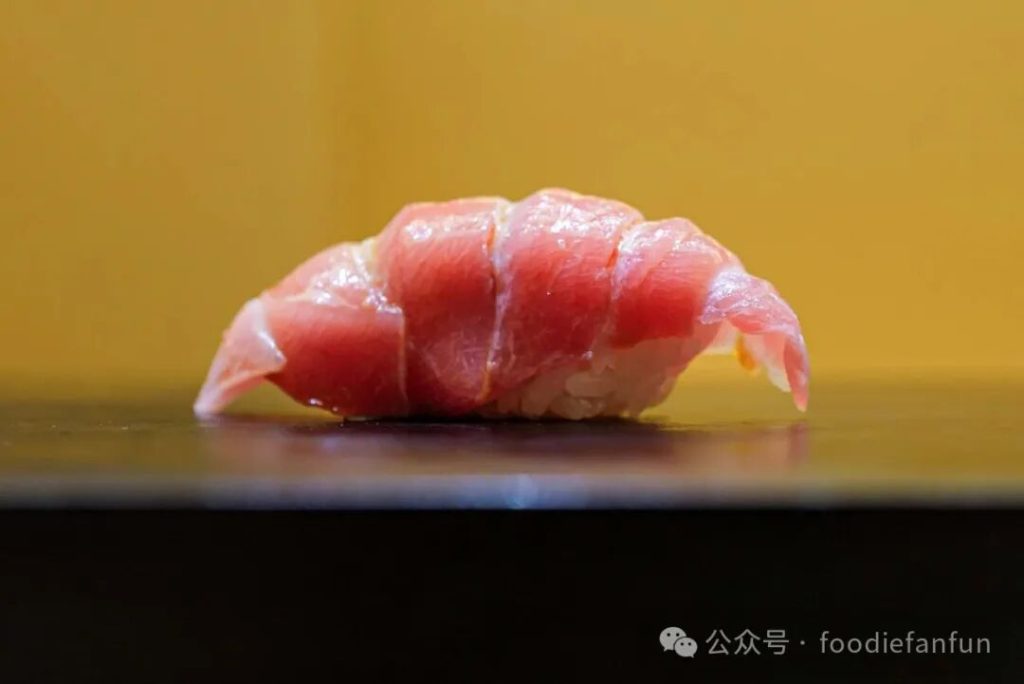
    The contrast between soy-cured squid and otoro was captivating. The otoro’s fat carried an extremely soft freshness, nearly melting on contact, with just a faint thread of texture and a slight chewed-out aroma running through it. It felt like a fine thread pulled through the fat — giving the mouth something to do, while stretching the aroma out further.

    The horse mackerel was scored with a single cross-cut, scallion paste tucked inside the fish beforehand. First the crisp skin on entry, then the bright, clean flavor typical of a fresh blue-back fish, then the scallion aroma slowly spreading out, with the umami unique to the silver skin sitting over it all like a thin sheet of light. The shari closed it out gently, catching the aroma of the whole piece.

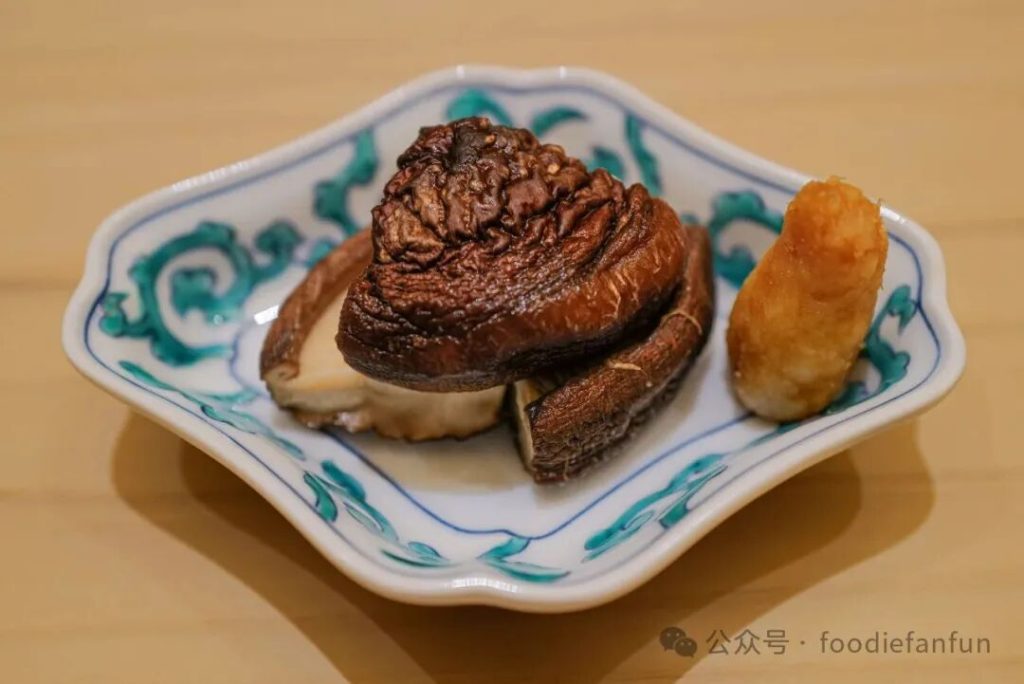
    A bite of charcoal-grilled shiitake was slipped in between, like a breath of fresh air for the palate. The most unexpected part was the stem — fresh, crisp, as if the texture of the forest itself had been brought to the table.

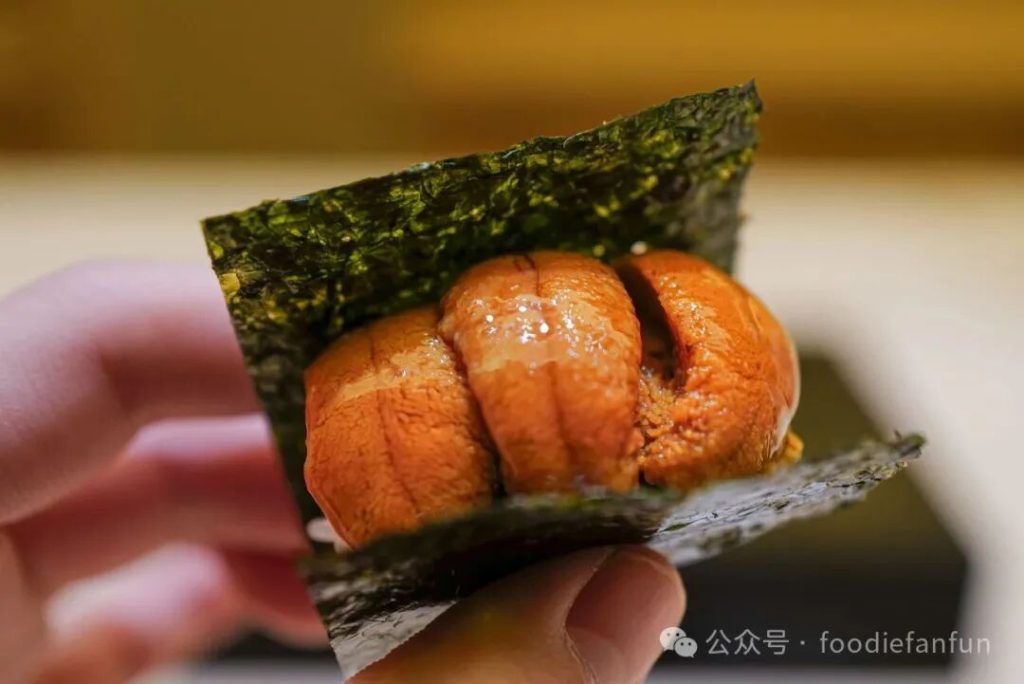
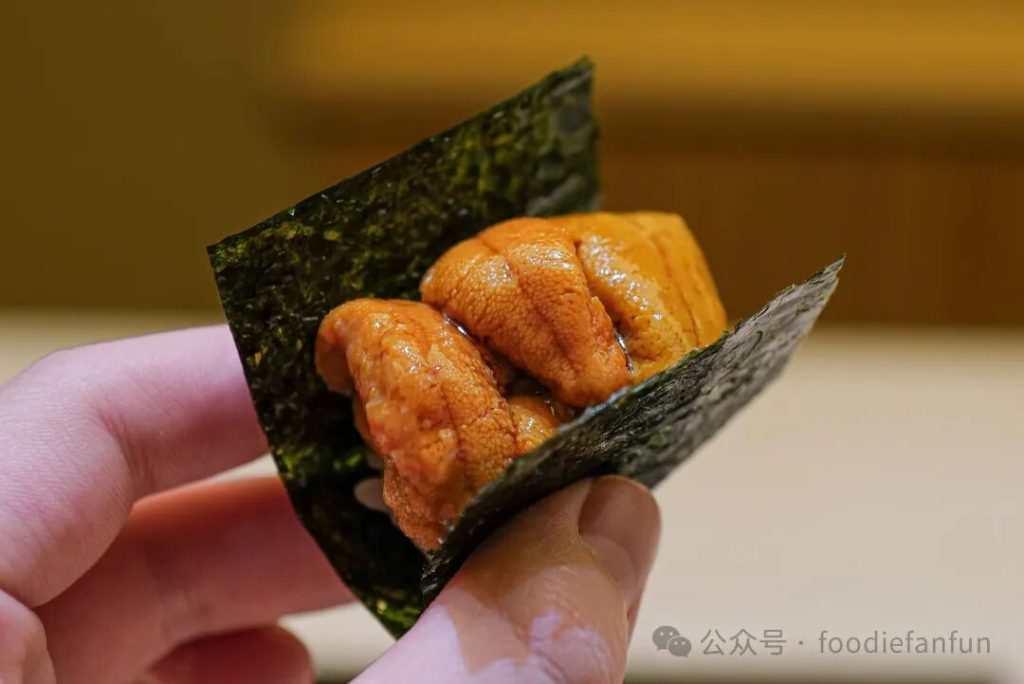
    Then came the heavyweight crab roll. The richness of the crab roe, the aroma and burst of the roe sacs — both given generously. Worth noting: the nori here was swapped for something noticeably thinner than the one used with the uni earlier, keeping all the attention on that bursting freshness.

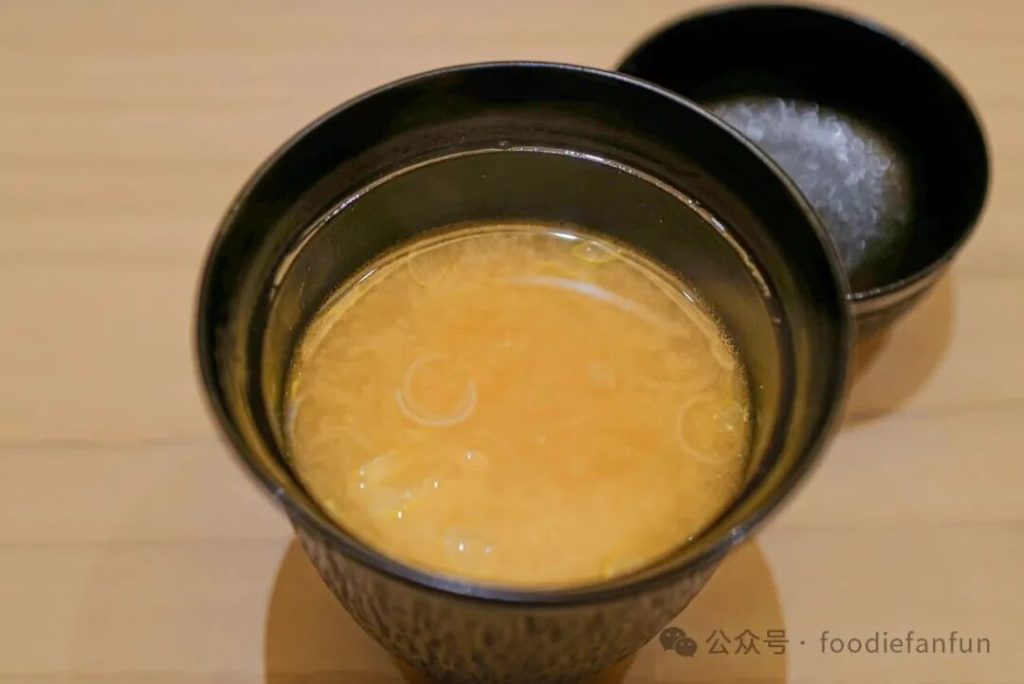
    The meal closed with a fish-bone miso soup.

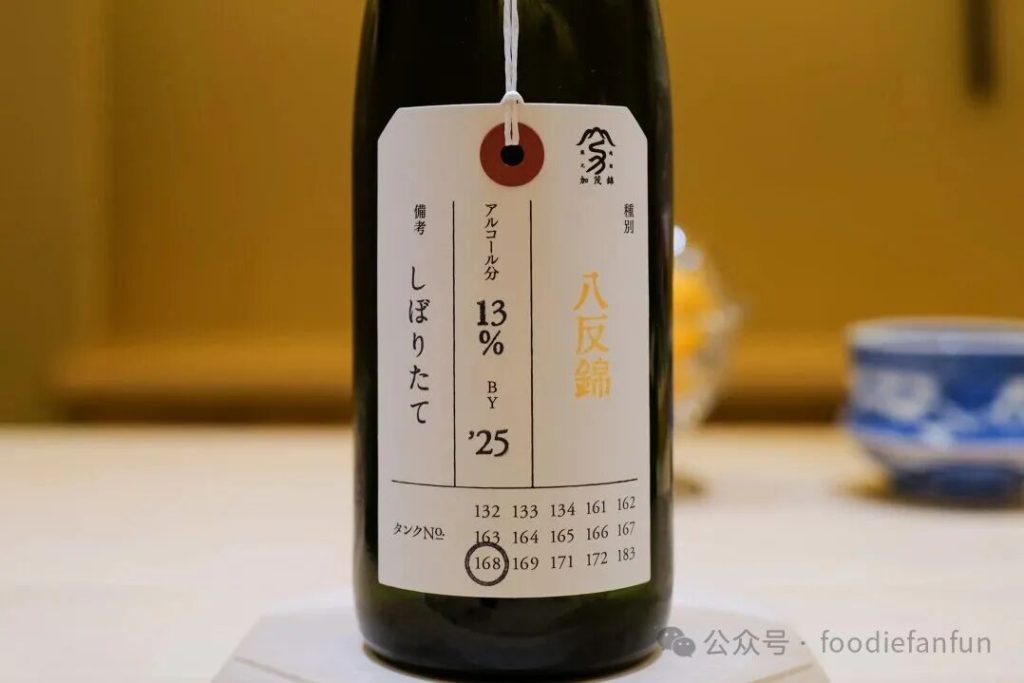
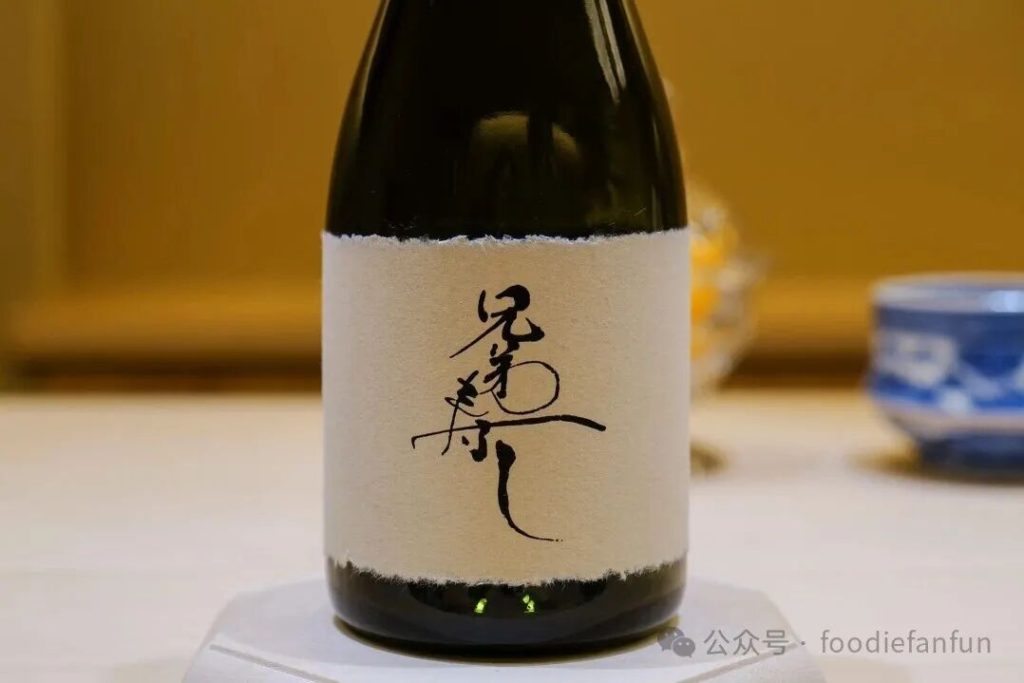
    And the last drink of the night is always the Kamonishiki sake made exclusively for Kyodai Sushi.

    Plenty of sushi craftsmen carry an air of elegance about them, but when it comes down to the sushi itself, restaurants whose flavor genuinely makes you reach for the word “elegant” are rare — and Kyodai is one of the few. The Kamonishiki custom sake happens to match Honma-san’s sushi perfectly, made delicate yet full of strength.

    As someone who’s usually stuffed to tears after a standard “6+10” sushi course, I actually ordered three extra pieces that day at the counter. That feeling of being completely full and still looking forward to the next bite — painfully real…

    After my third visit, I booked the next one right away, again. Every single time, starting from a place of already loving it, I still come away with an experience that exceeds expectations.

    It’s hard to find any deliberately flaunted “secret recipe” in Honma-san’s cooking. What makes him formidable is more about ingredient selection and the sense of control over every single dish — pushing the freshness, aroma, fat and sweetness of Niigata’s catch to a perfect balance.

    And, at the same time, giving guests a genuinely comfortable dining experience.

    “Early March? The weekend of the sake festival is already fully booked, actually…”

    “Guess I’ll just stay an extra day, then!”

    “I really do like strong spirits — whisky, shochu, love them both.” “What about baijiu?” “Isn’t baijiu the one you can’t cut with water or soda…? Doing shots of that seems way too intense…”

    Kyodai Sushi

    新潟県新潟市中央区東堀通8番1427-2

    Monday – Saturday

    17:00~、20:00~

    Chef’s Menu ¥25,000++

    The stinky attitude is just the surface — underneath, pure calculated softie…

  • UOZEN | A Countryside Gem in Niigata, Grateful for Nature’s Gifts

    There’s arestaurant in the mountains of Niigata that I’d tried—and failed—to visit several times. Either the chef was out hunting, or he was away learning. This time, I finally made it… in the middle of a blizzard.

    This laid-back, almost mysterious “countryside” restaurant is, in reality, a Tabelog Silver and two-Michelin-star spot. The chef has also been recognized internationally on The Best Chef Awards. It’s a bit like discovering a world-famous French restaurant hidden in a tiny village out in Beijing’s Pinggu district.

    UUOZEN’s chef, Kazuhiro Inoue, is originally from Kagawa. He trained in Japanese–French cuisine and at izakaya, and in 2013 moved to his wife’s hometown of Sanjo, Niigata. There, he transformed her family’s former ryotei, “Uozen”, into what is now RESTAURANT UOZEN, while keeping the old signage and name.

    Their philosophy is written in three words:
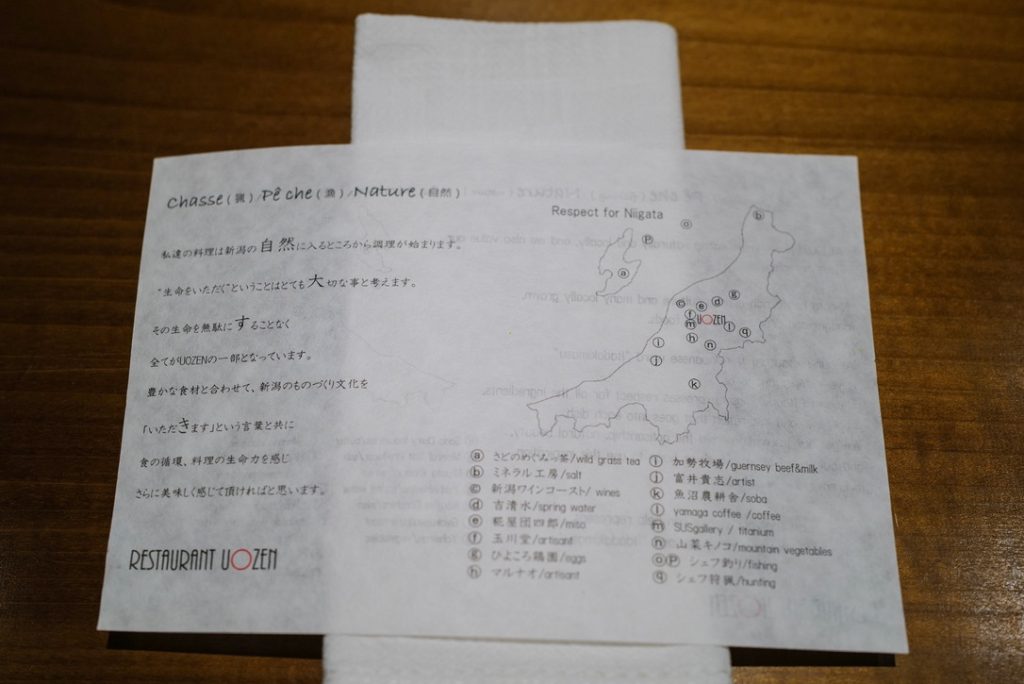
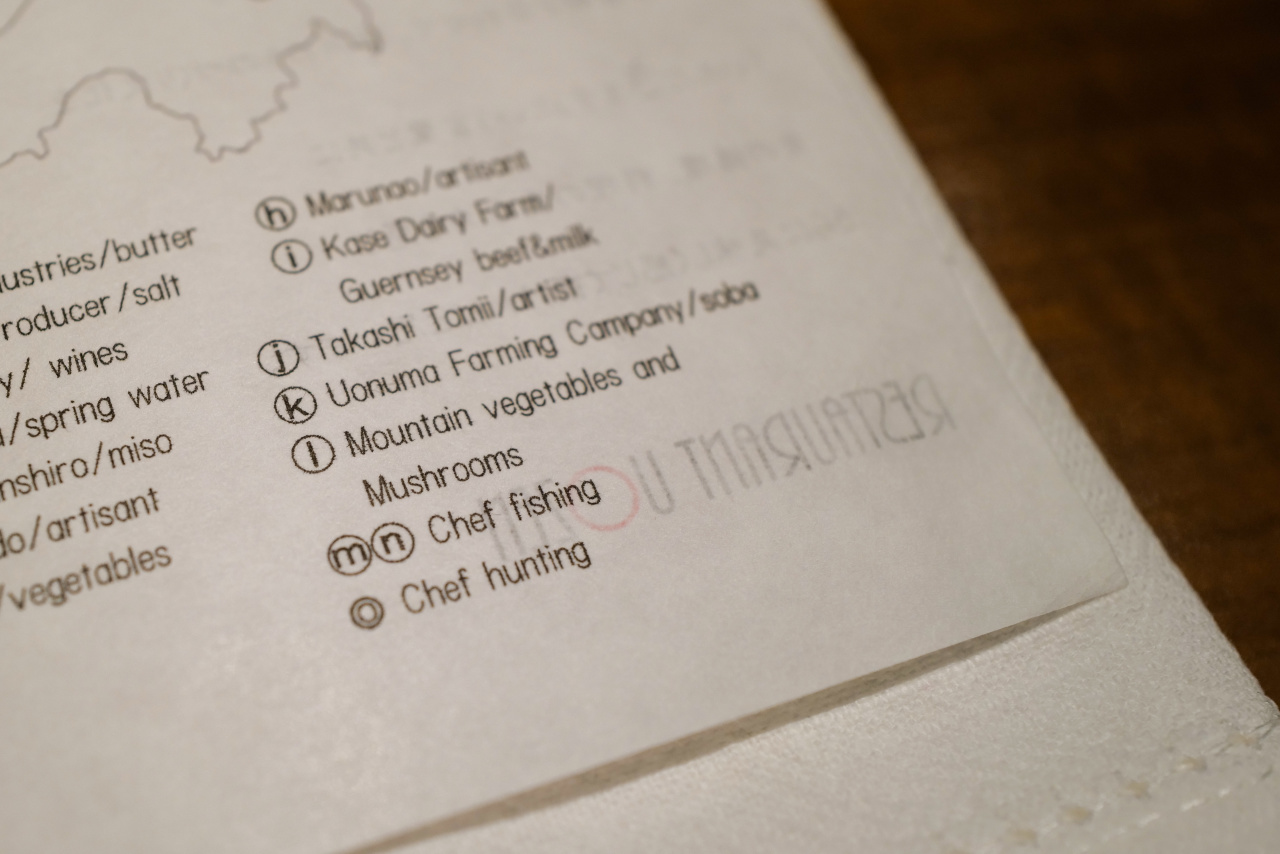
    Chasse / Pêche / Nature

    The chef grows vegetables, fishes, hunts—treating these forays into nature as the starting point of his cooking. “Receiving life, and wasting as little as possible.” If you look closely at the Japanese menu, you’ll find a quietly hidden line: “自然大好き” – “We love nature.”

    Cooking every ingredient from nature deliciously is his way of honoring that promise not to waste. 

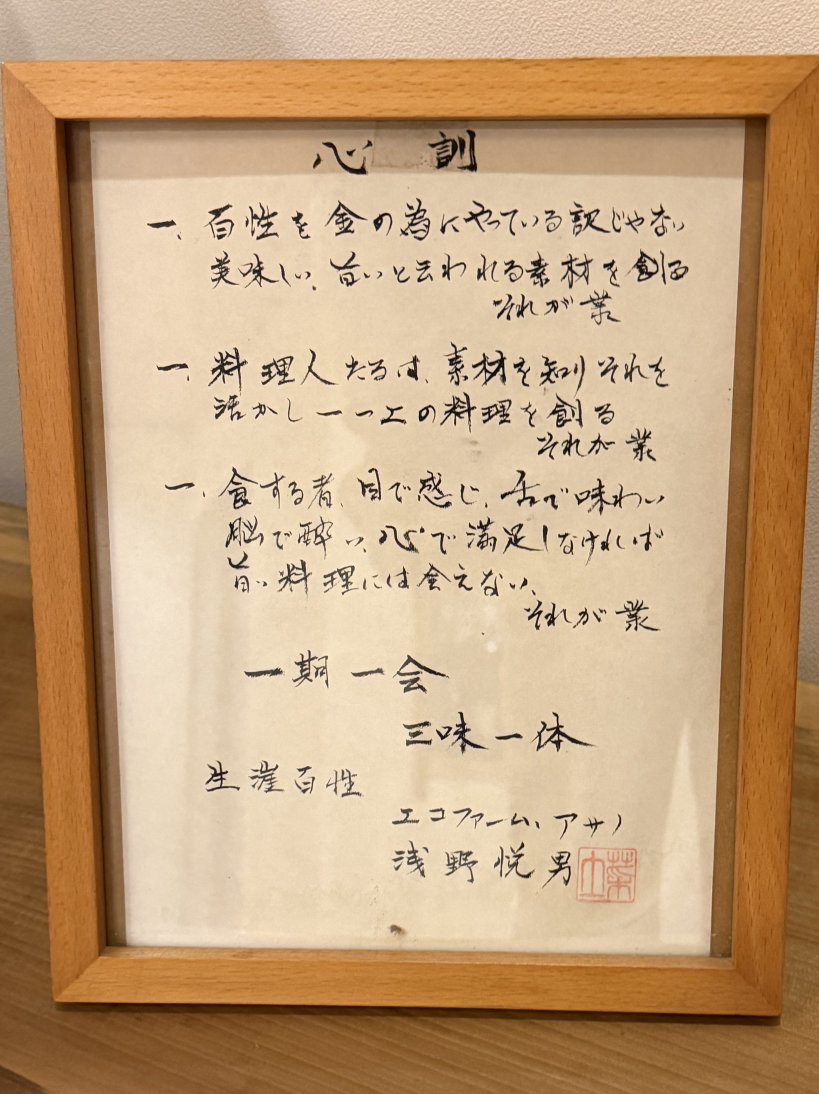
    By the entrance, there’s a small framed motto that sums it up:

    We don’t become “hyakushō” (old word for people who work with their hands and with nature) for the money.
    Our role is to create ingredients people will call “delicious, truly fragrant.”

    As cooks, our duty is to understand ingredients, use them well, and turn them into dishes.

    As guests, your role is to see, taste, let your mind sink into it and your heart be satisfied—otherwise you’ll never really meet what “delicious” is.

    You can feel this conviction in Inoue’s cooking. Under his hands, every ingredient arrives in its best possible state—even something as simple as a head of Chinese cabbage.

    Swordtip squid with bell pepper sauce

    Wild boar rillettes with celery

    The first few bites aren’t served at the table, but by the fireplace on a sofa. Outside, the snow is still falling heavily, making the room feel even warmer and more intimate—almost like visiting a friend’s home. The food that appears, though, is intense and high-saturation in flavor; the most comfortable setting used to snap your palate awake.

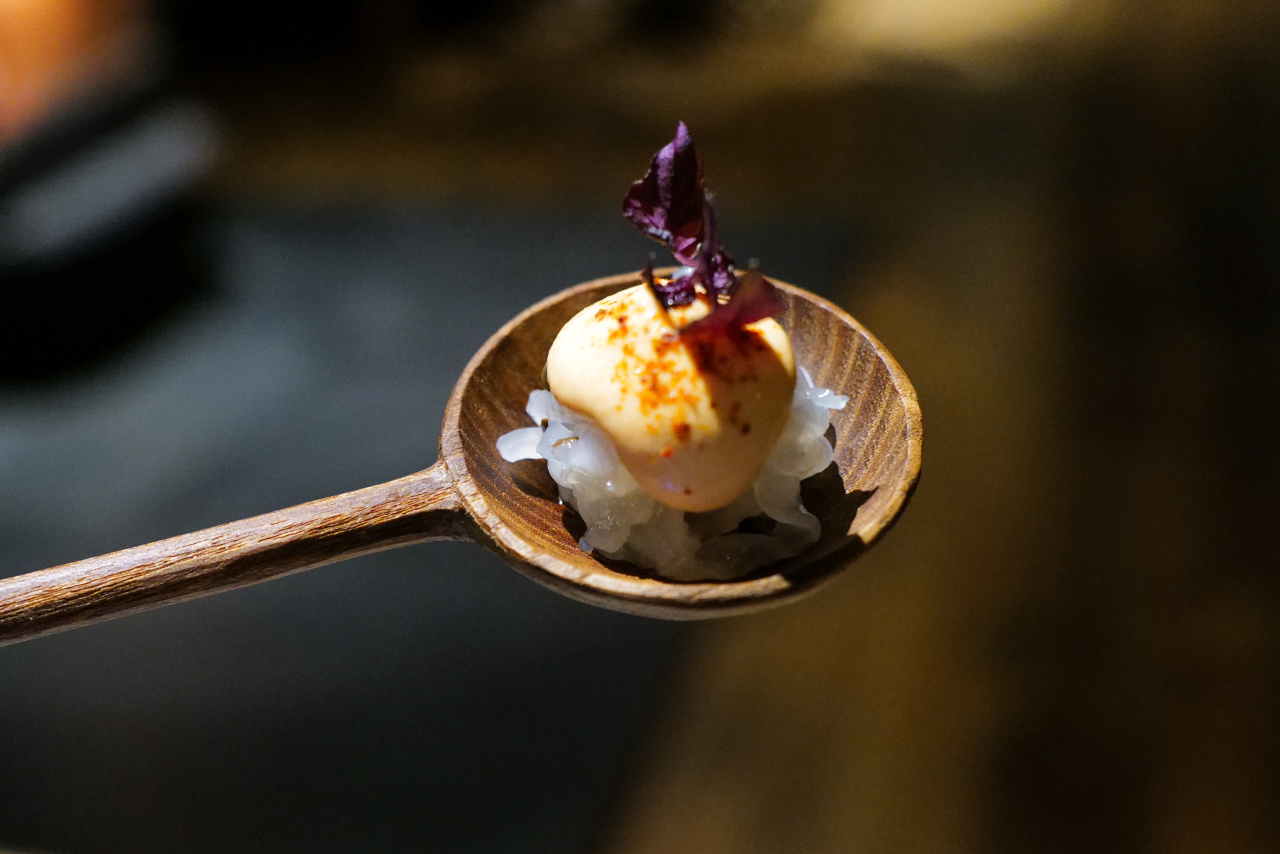
    The swordtip squid comes with a bell pepper sauce. One round spoonful goes straight into your mouth: rich, nutty, almost creamy sauce hits first, then the squid—fresh enough to be both soft and pleasantly elastic. It’s a surprising “sea flavor with warmth and depth” kind of dish.

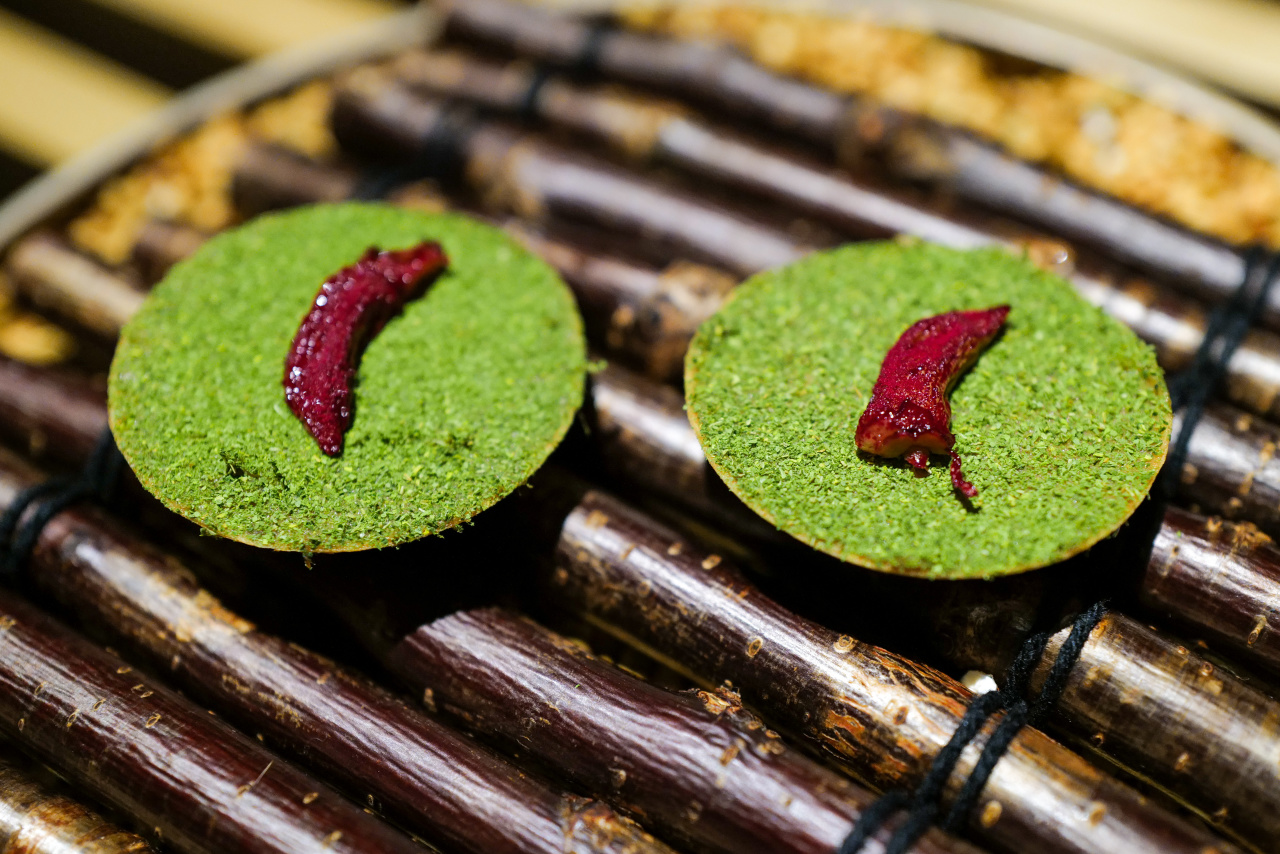
    On the other side is a wild boar meat tartlet. Under its healthy green exterior is smoked wild boar, straightforward and powerful. A little acidic, crunchy pickled garnish cuts right through the richness.

    One from the mountains, one from the sea—two opening bites with wildly different directions, both carrying a real sense of impact. They flip on that feeling of, “Okay, dinner has truly begun.”

    House-cured game salami

    Wild-game hot dog

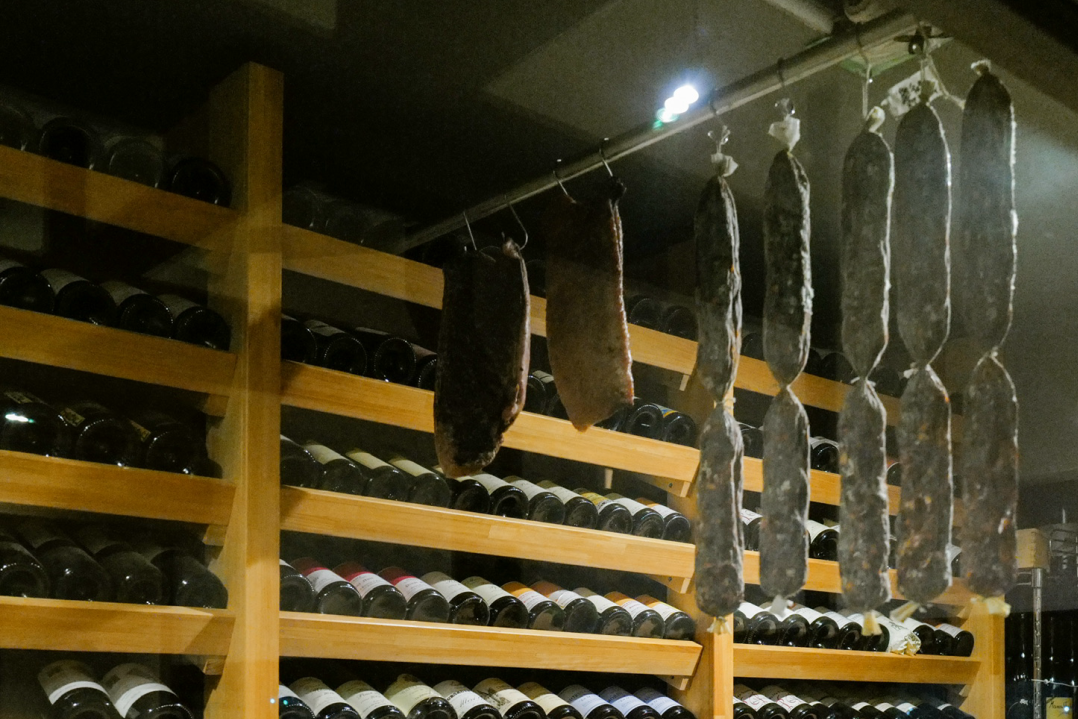
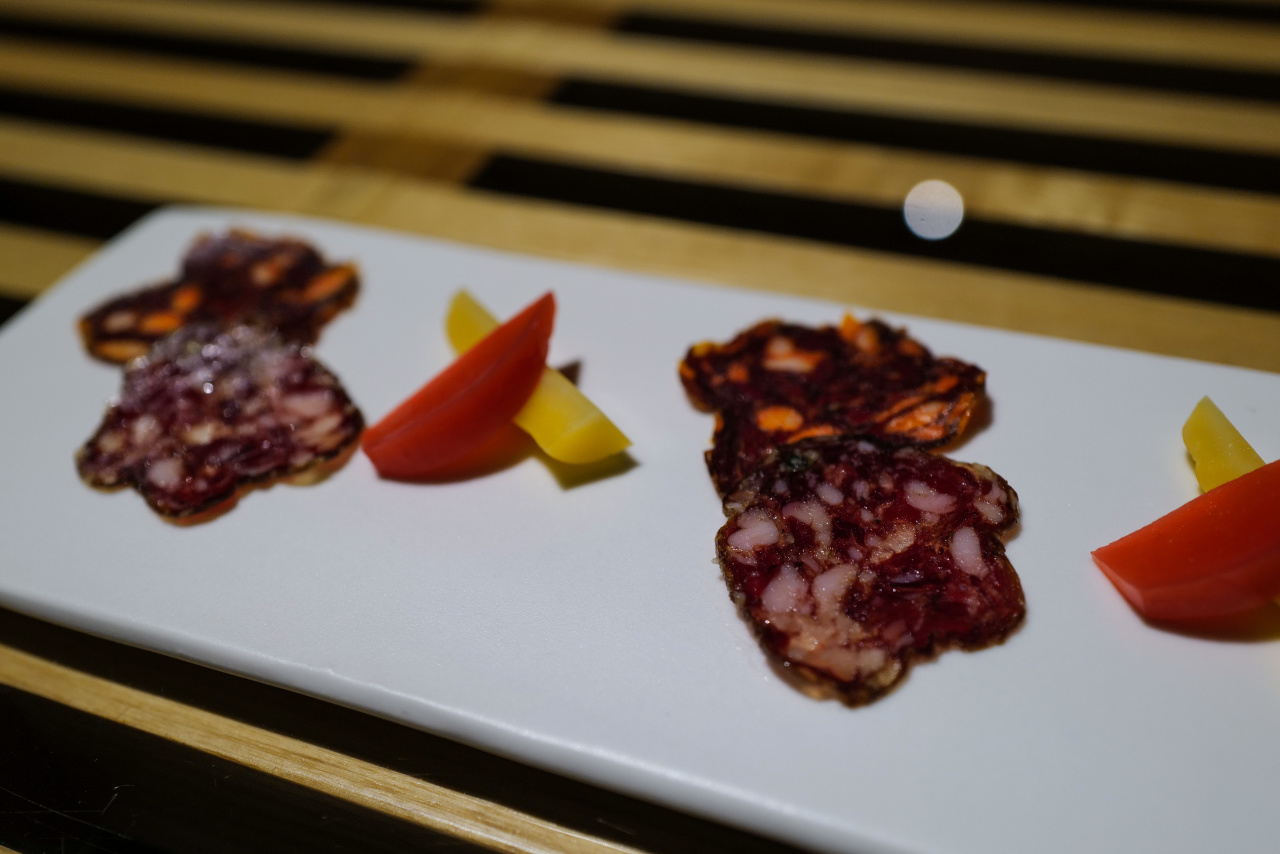
    Hanging in a cellar lined with wines worth millions of yen are their house-made salami, in sanshō and lightly spicy versions—great with pre-dinner Champagne.

    The last bite in the sofa area is a wild-game corn dog.

    The frying is perfect: an ultra-crisp shell, and just inside it, a thin layer of soft, fluffy batter. The line between crisp and soft is drawn very cleanly.

    The filling is curious—it somehow evokes Yunnan ham mooncakes: a touch of sweetness, fat, and meatiness, but more layered. You get fine shreds of meat, little bursts of crispier bits, and a hint of gamey aroma, with a faint numbing tingle at the end. The tiny leaves and “dew-drop” dressing on top add just enough salinity and freshness to brighten all that fried richness.

    It’s one of those “this really shouldn’t be this good” moments.

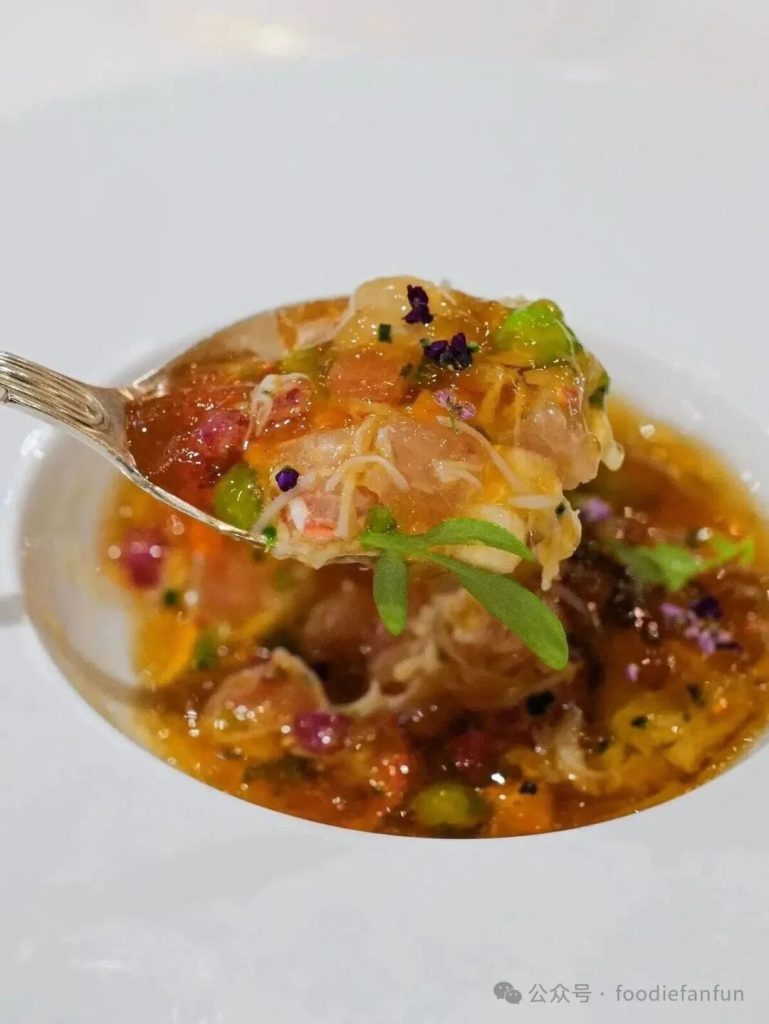
    Botan shrimp in bouillabaisse jelly

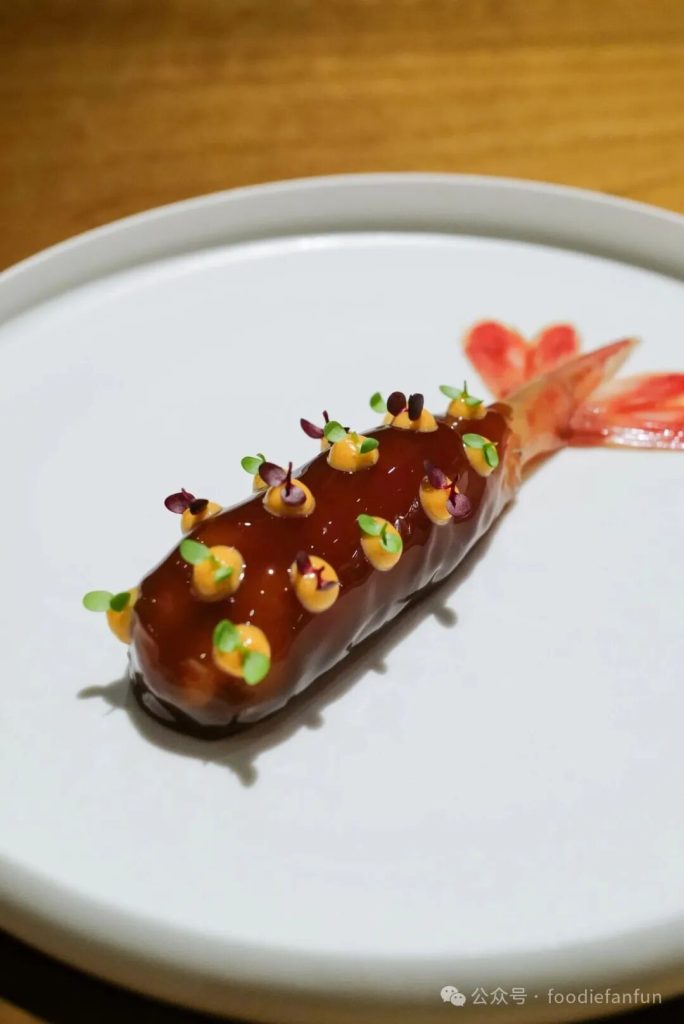
    At the counter, the first “formal” plate appears: a stunning botan shrimp dish.

    Niigata is a fishing region facing the Sea of Japan; beyond the famous Sado tuna, the general level of seafood is excellent. This is one of Niigata’s natural advantages over big cities.

    The jelly encasing the shrimp is a consommé made from shrimp shells, sealing in all the umami. Inside, the botan shrimp is firm yet softly sticky, so fresh it feels like it bursts in your mouth.

    On top is a tiny dab of rouille, the classic bouillabaisse accompaniment: an egg yolk emulsion with garlic, spice, and herbs, all in just the right abundance.

    It feels like:

    “A shrimp with a PhD.”

    A dish of perfect time, place, and people. So rich and so good that you instinctively slow down to savor it, not wanting to eat the last bite too quickly.

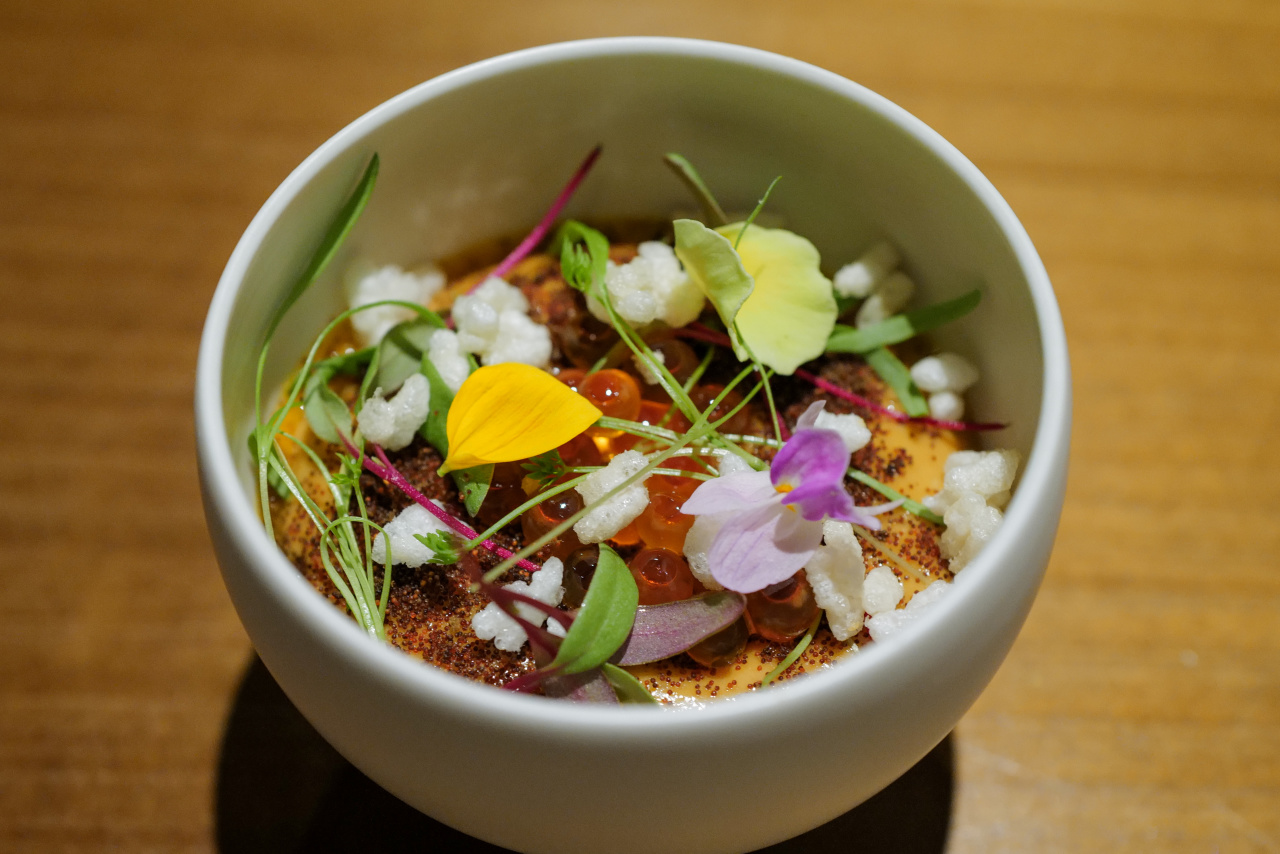
    Kobako crab, ikura, and a Koshihikari crisp

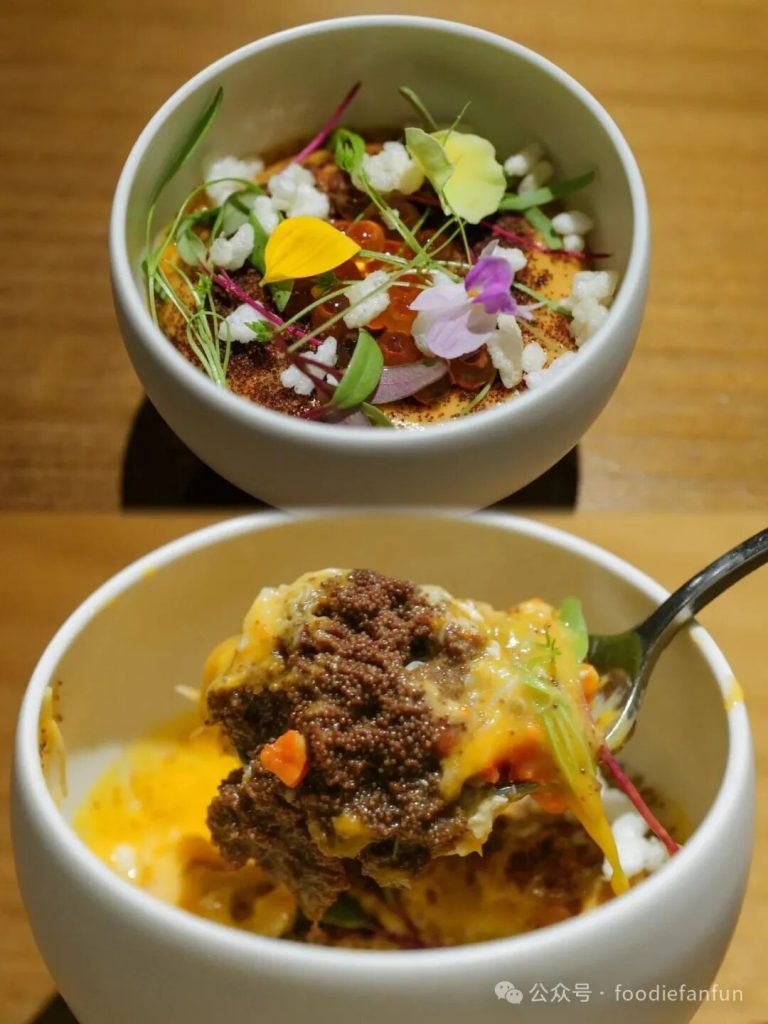
    Kobako crab, a staple of winter fine dining in Japan, is given a very memorable treatment here—running at full speed down the “high-umami” lane.

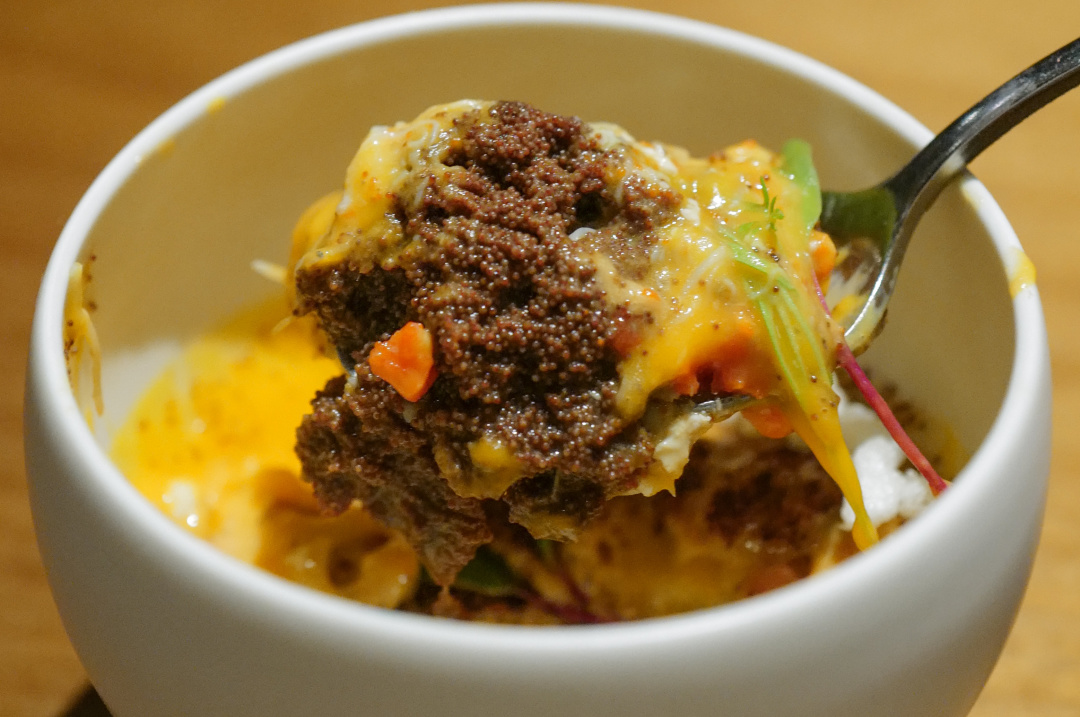
    The bowl is packed with information: thick, fatty kani miso; herbal notes; popping roe; sweetness from sweet potato; and that shellfish aroma that seems to rise straight into your nose. The “umami” isn’t one-note—every bite has a different mix.

    At the same time, the balance is spot on. Rich but not heavy. Deeply savory but never harsh. Sweetness and salinity both held precisely at the edge. It feels like a process of unlocking layer after layer, until you hit the bottom and dig up a final pocket of crab roe—a little treasure moment.

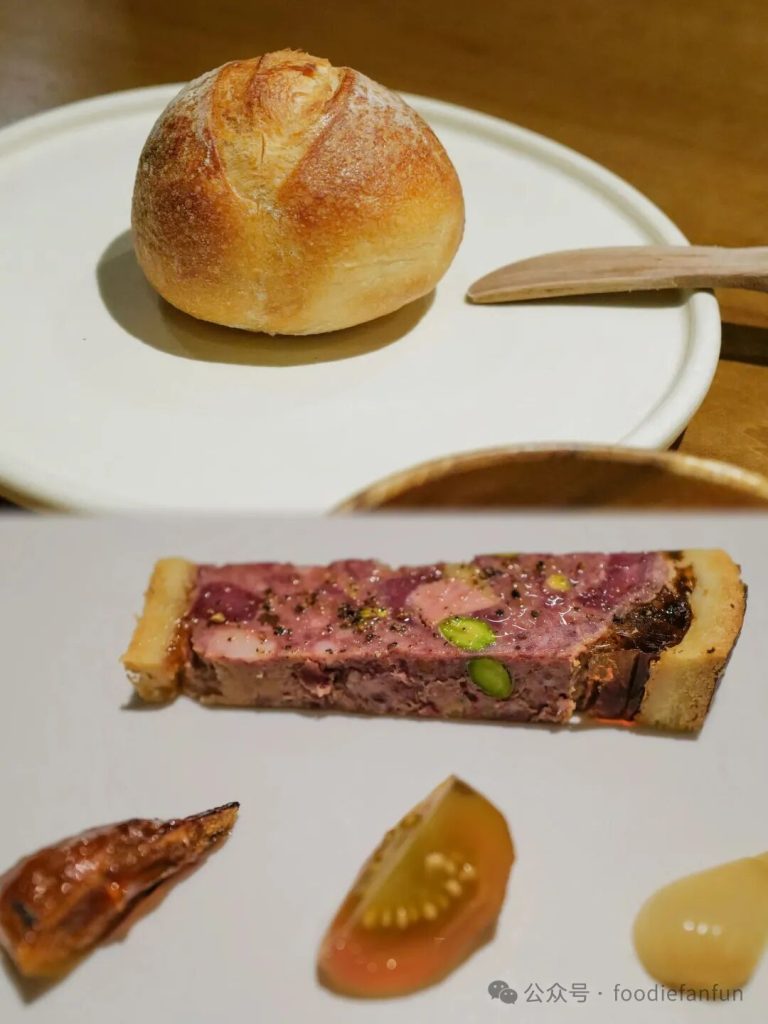
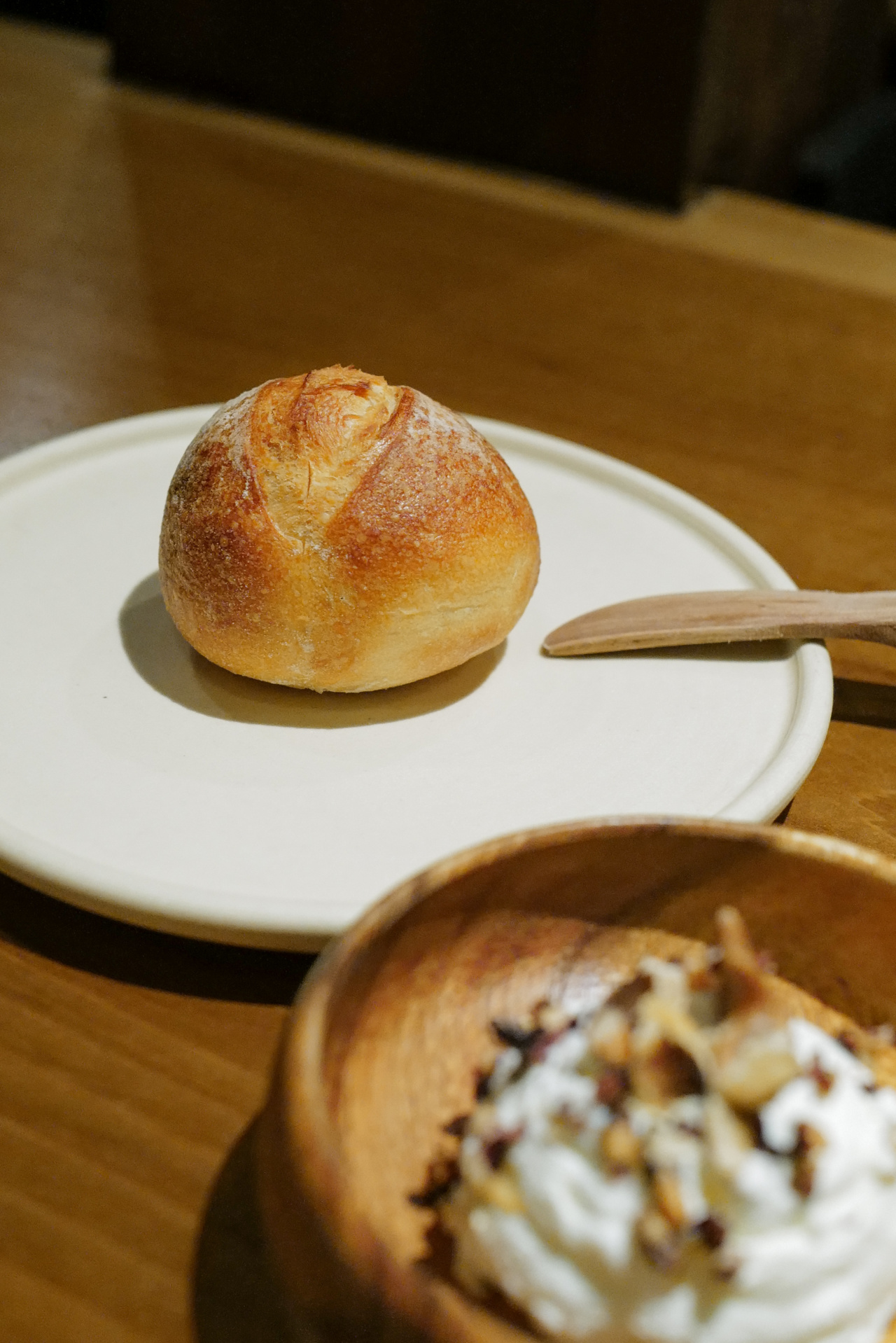
    Small bread rolls arrive right then, and it’s impossible not to drag them across every last streak of sauce. The crust is firm, the inside extremely soft, with a slight alkaline note that matches the sauce beautifully.

    “Would you like a second one?”
    “But do save some room for what’s coming.”

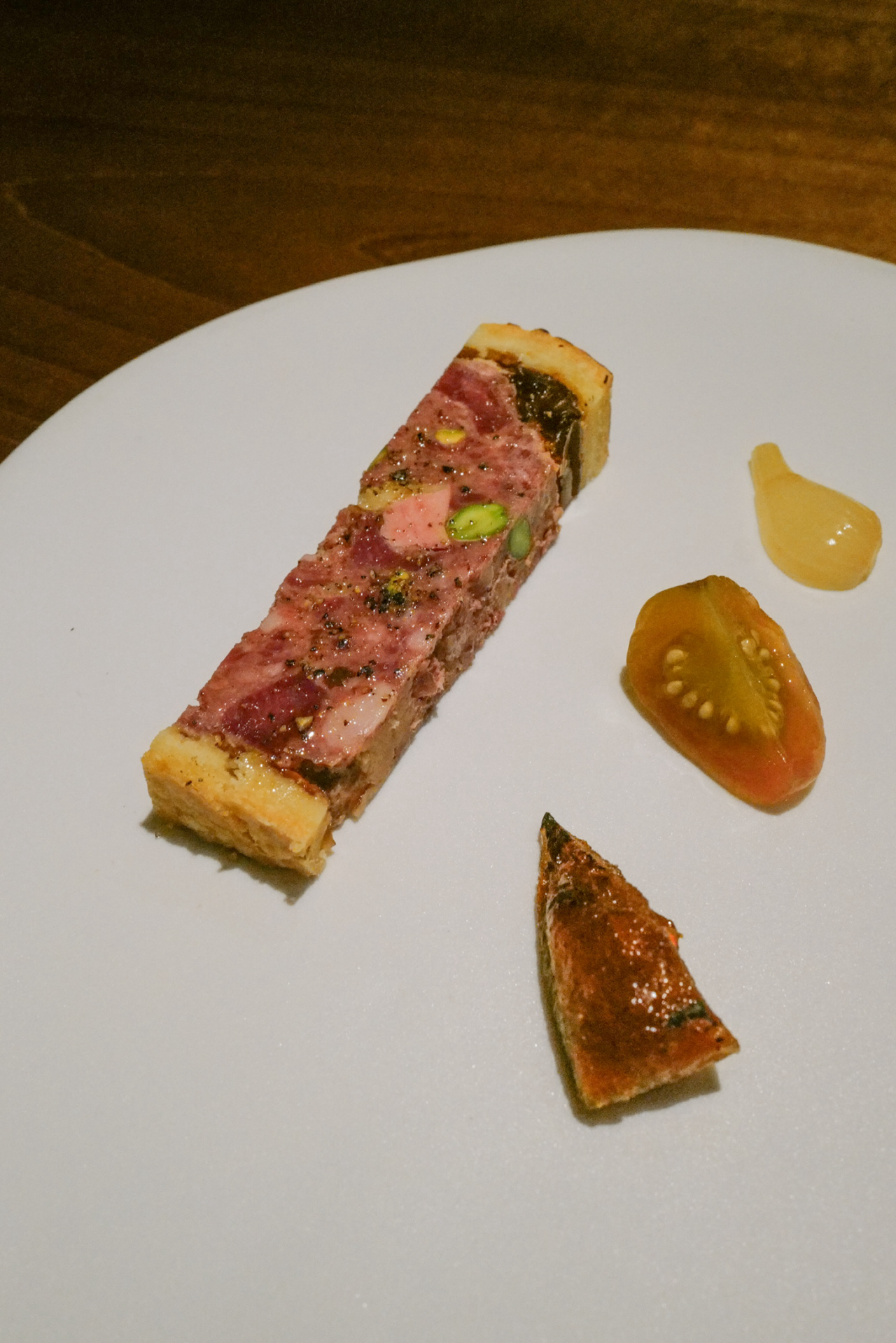
    Game pâté

    The game pâté en croûte feels like a pause before the heavier mains.

    On this visit, venison took the lead—full of flavor, the kind of dish that makes you slow down and chew. It’s delicious and very wine-friendly.

    The pickles on the side are fun: garlic, tomato, persimmon, corresponding to tangy saltiness, richness, and gentle sweetness. After each bite of pickles, the pâté seems to reveal something slightly new.

    Cabbage, black garlic, Comté

    A “life-changing cabbage”

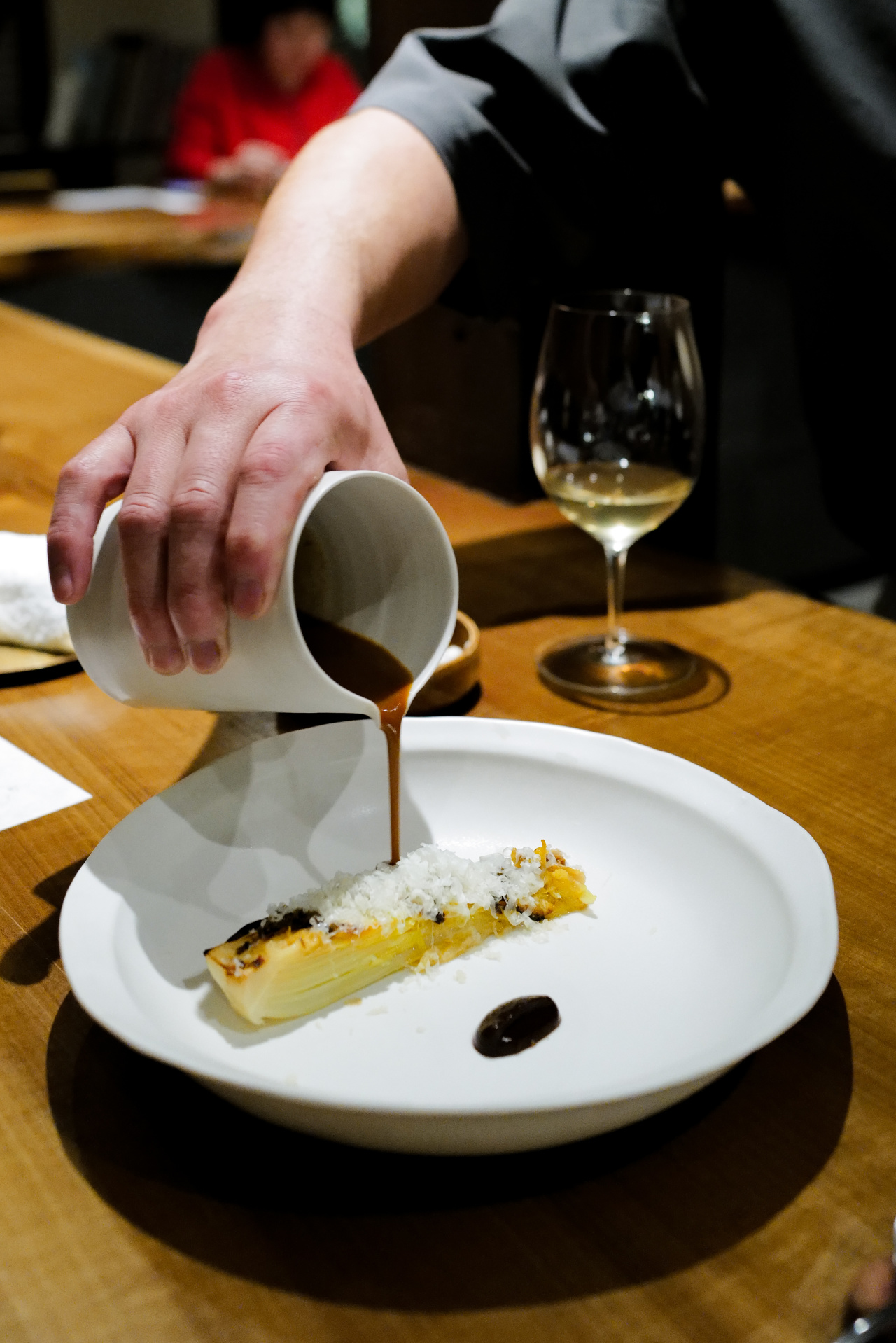
    Between starters and mains comes something that looks humble but is one of UOZEN’s signature dishes: roast “snow-aged” cabbage.

    The whole cabbage is stored under snow outdoors, concentrating its sweetness. It starts roasting in the oven as soon as guests arrive. The sauce is built with Jura vin jaune, plus house-made black garlic paste and paper-thin Comté.

    One bite, and it blows far past anything you expect from “just a cabbage.” The vin jaune sauce presents the vegetable’s sweetness in its purest, clearest form. The black garlic adds a fermented depth. The Comté, set off by the sauce, splits into clean layers of dairy richness and nuttiness, opening up all those second- and third-level aromas that only time creates.

    Everything is balanced: clean sweetness, nuttiness, fermentation, and creaminess all checking and completing each other.

    Honestly? A life-changing cabbage.

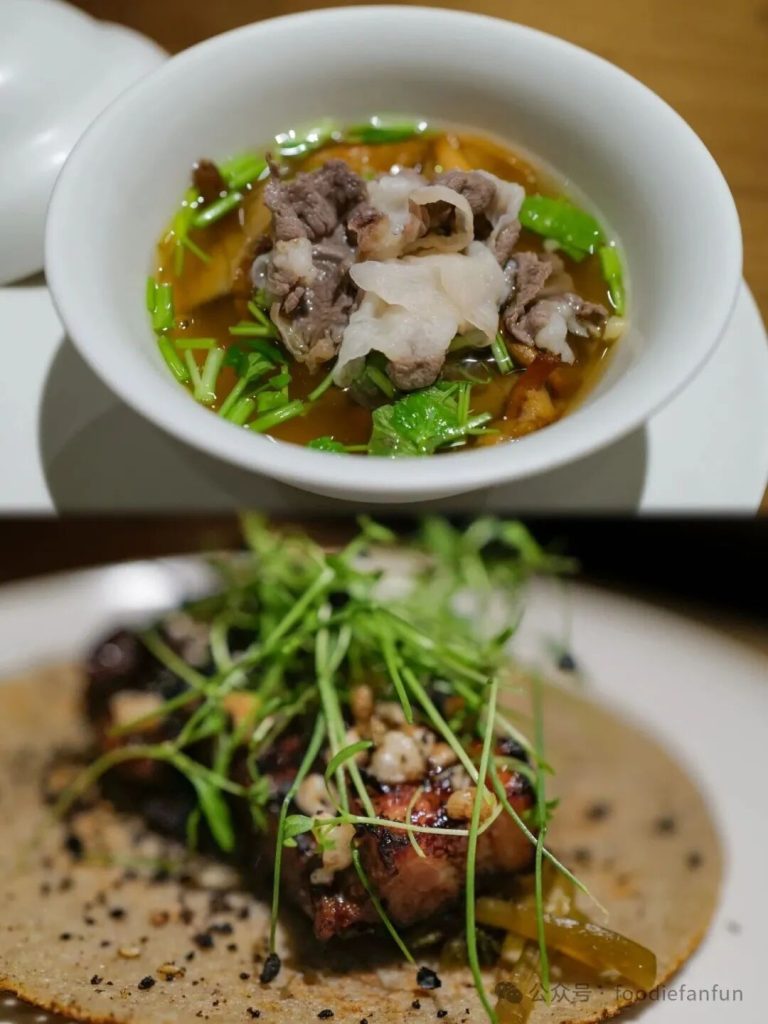
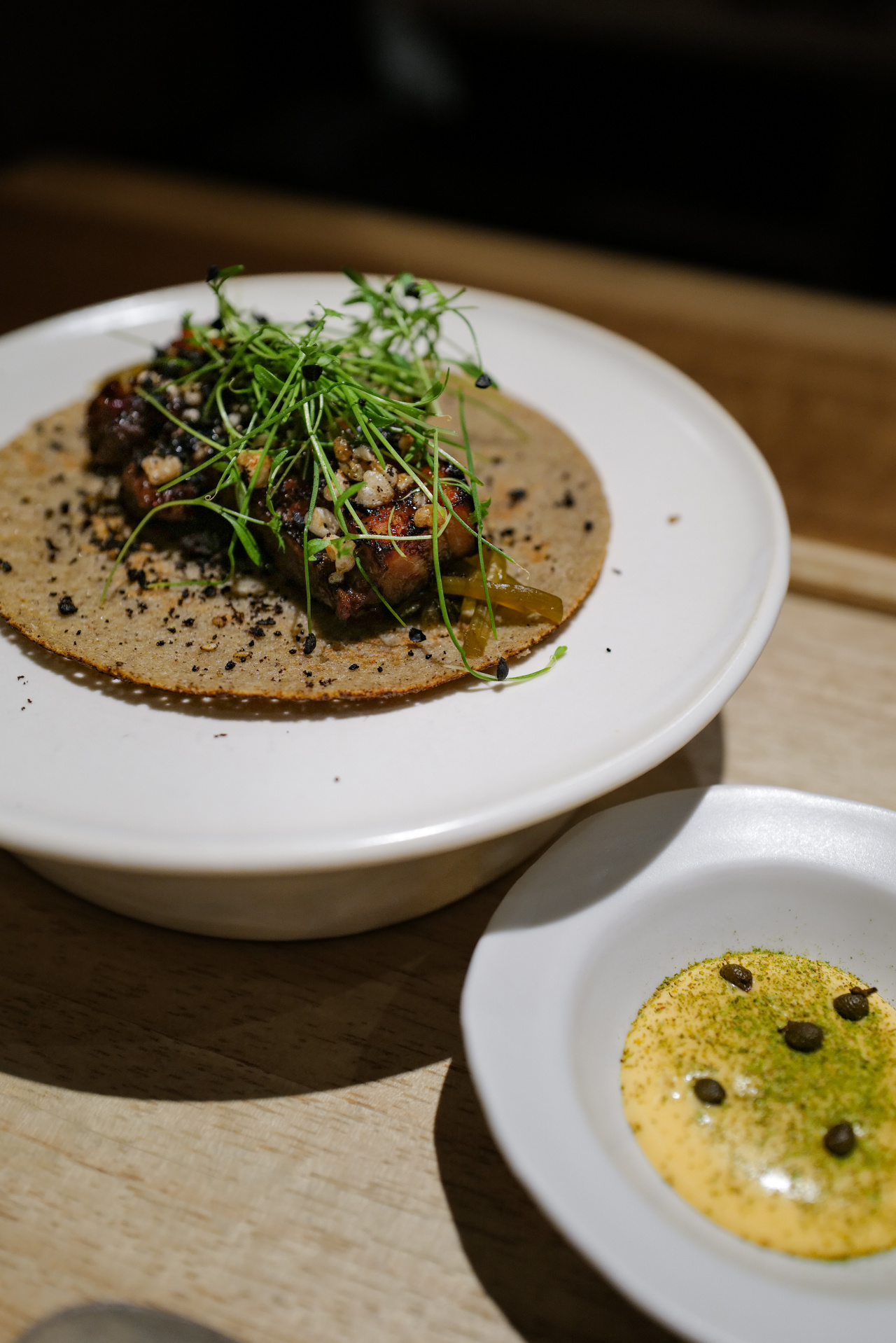
    Wild boar and buckwheat tortilla

    A few days before the meal, I saw Inoue post a fresh wild boar on Instagram. It felt like a quiet promise that something special might show up.

    The boar did appear—but wrapped in a buckwheat tortilla.

    Wild boar is thick, primal, with a gentle sweetness in its fat. Buckwheat is dry, cool-grain aroma. The sanshō sabayon on the side is airy and light, organizing the spice and tingling into fine, detailed lines.

    There’s fragrance, freshness, softness, fluffiness—it’s like transforming rough mountain flavors into something finely sifted. For a second, it even reminded me of Northeastern Chinese egg sauce rolled in flatbread.

    It’s one of those, “Don’t overthink it. It’s just ridiculously good.” dishes.

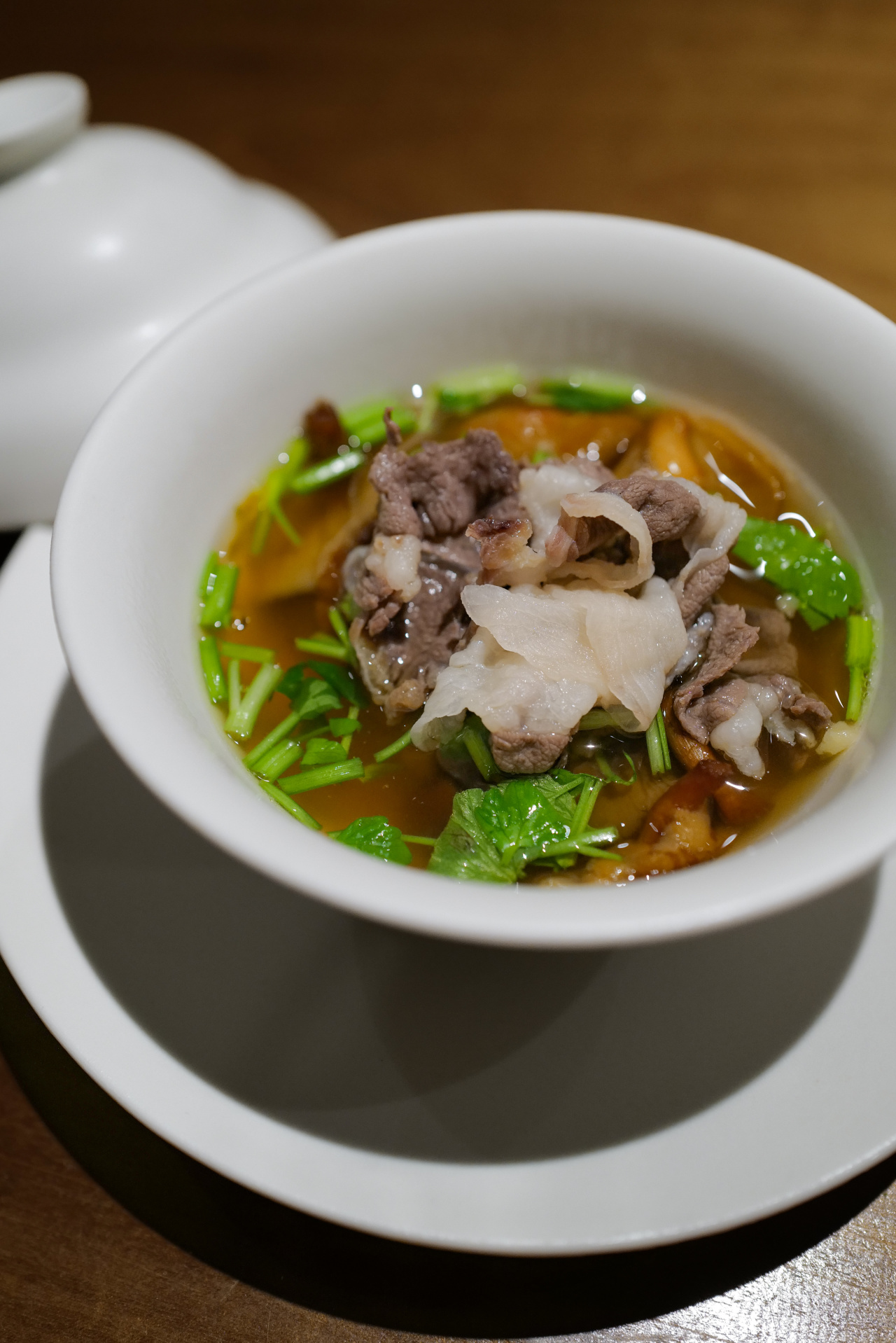
    Wild mushrooms, Asian black bear, and turtle consommé

    In a restaurant that works so much with game, bear is something you shouldn’t skip. But here, it’s presented with surprising clarity.

    A clear fish turtle (甲鱼) broth holds nameko and oyster mushrooms, plus a touch of celery leaf for green brightness. Even just smelling it, the aroma feels layered.

    On the palate, each component shines on its own. Nameko is juicy and sweet, with bounce and moisture. Moon bear carries balanced fat and game aroma. Hidden at the bottom are bits of turtle skin—soft and slightly sticky, tightening the umami even further.

    Clarity, savoriness, fat, and fungal depth all appear in distinct layers, then gather back into one warm bowl.

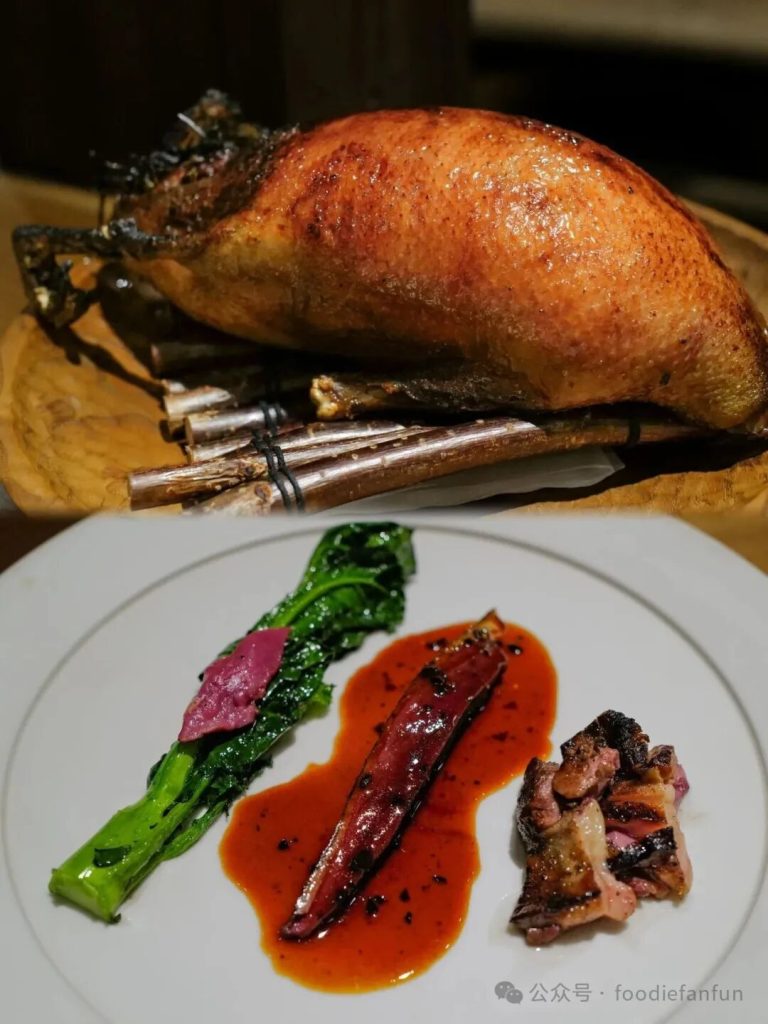
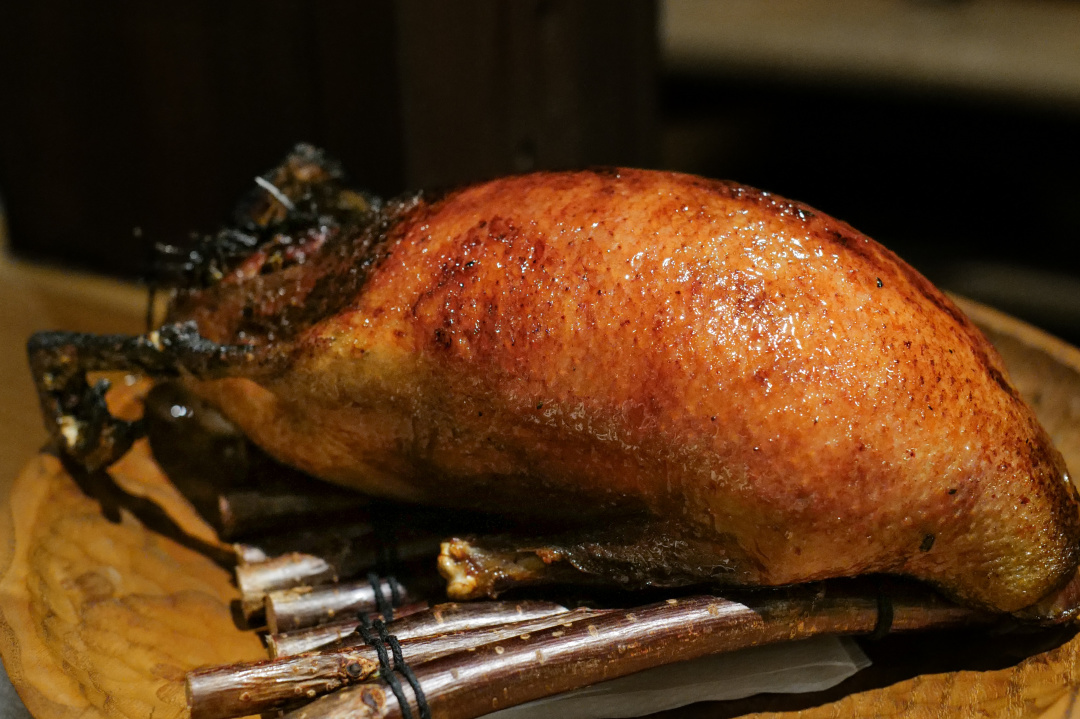
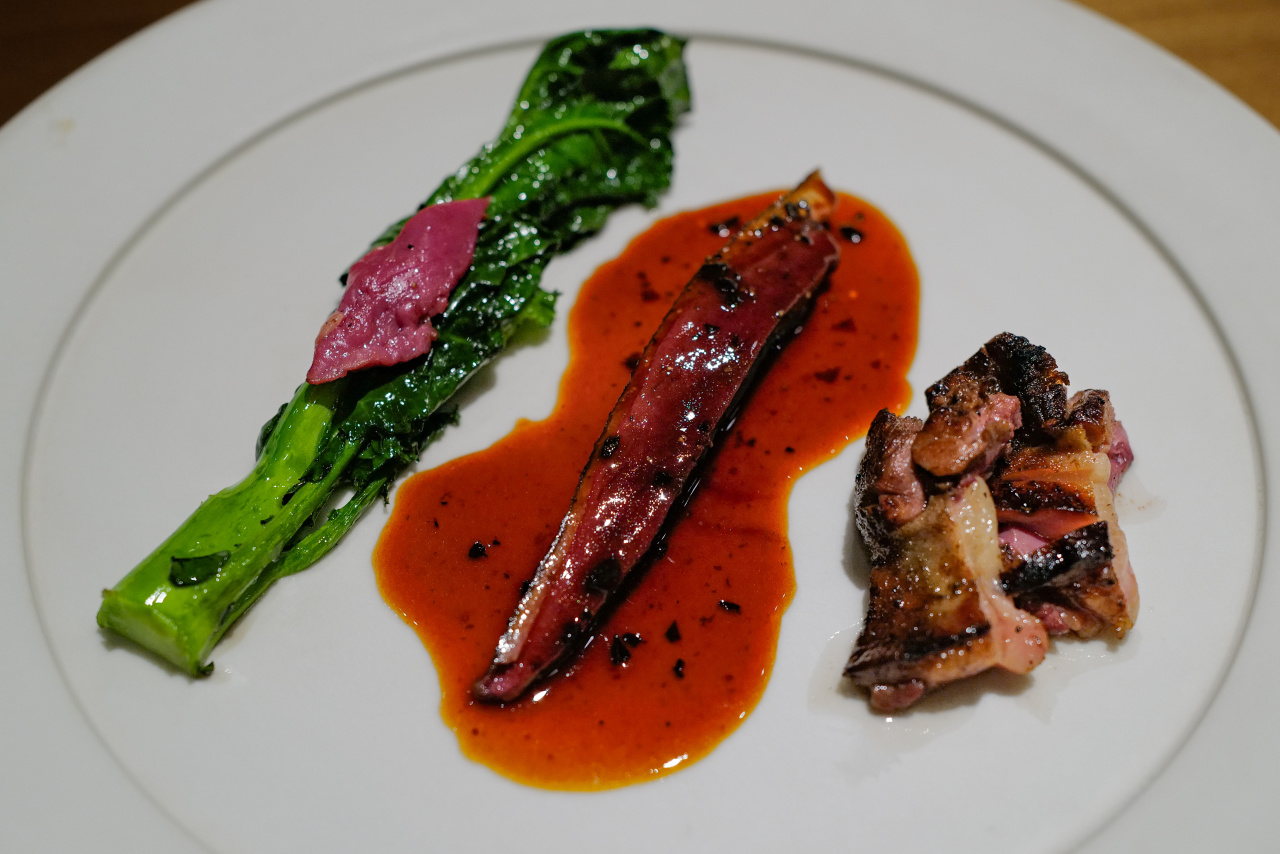
    Niigata wild duck

    The last main is wild Niigata duck roasted with wild honey. Three cuts are presented on the plate: skin-on breast, leg, and tenderloin.

    The seasoning is bold. The sauce has clear alcohol and acidity, the breast carries distinct liver notes, and the small tenderloin piece is beautifully soft.

    It’s very correct and well-executed, but in a lineup of dishes that kept climbing in surprise and dimension, this ending felt a touch more conventional by comparison.

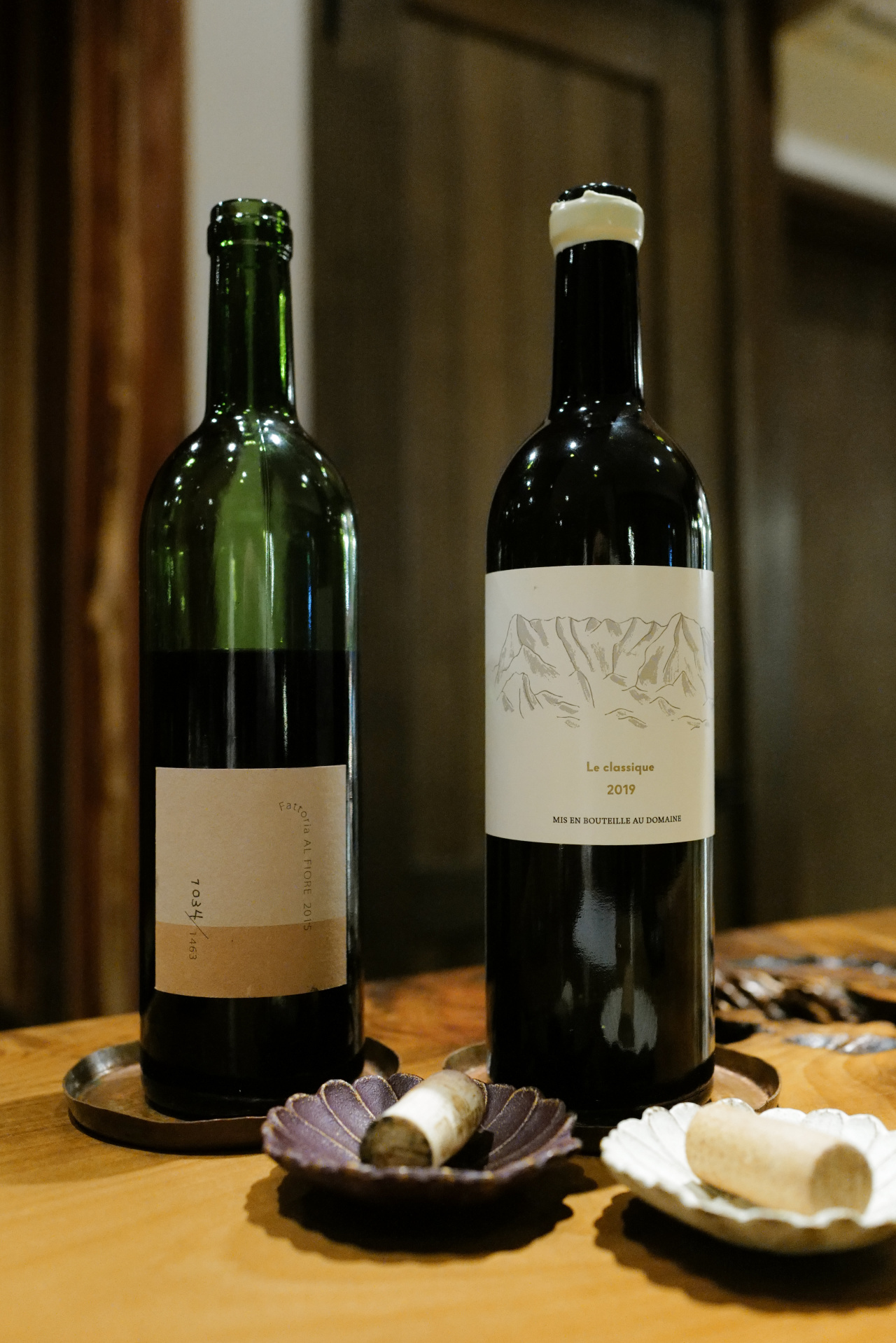
    t’s worth saying a bit more about UOZEN’s wine selection.

    The chef is a serious wine lover. For a restaurant that only seats six guests per service, having two full wine cellars is… quite something.

    The pairing is good, of course, but personally I’d lean toward ordering by the bottle—there are some rare vintages and exciting finds hiding in there.

    If you’re curious and open-minded, Japanese wine can be a fantastic option here. Many of the bottles you’ll see are hard to find anywhere else, and the food pairings are thoughtful and on point.

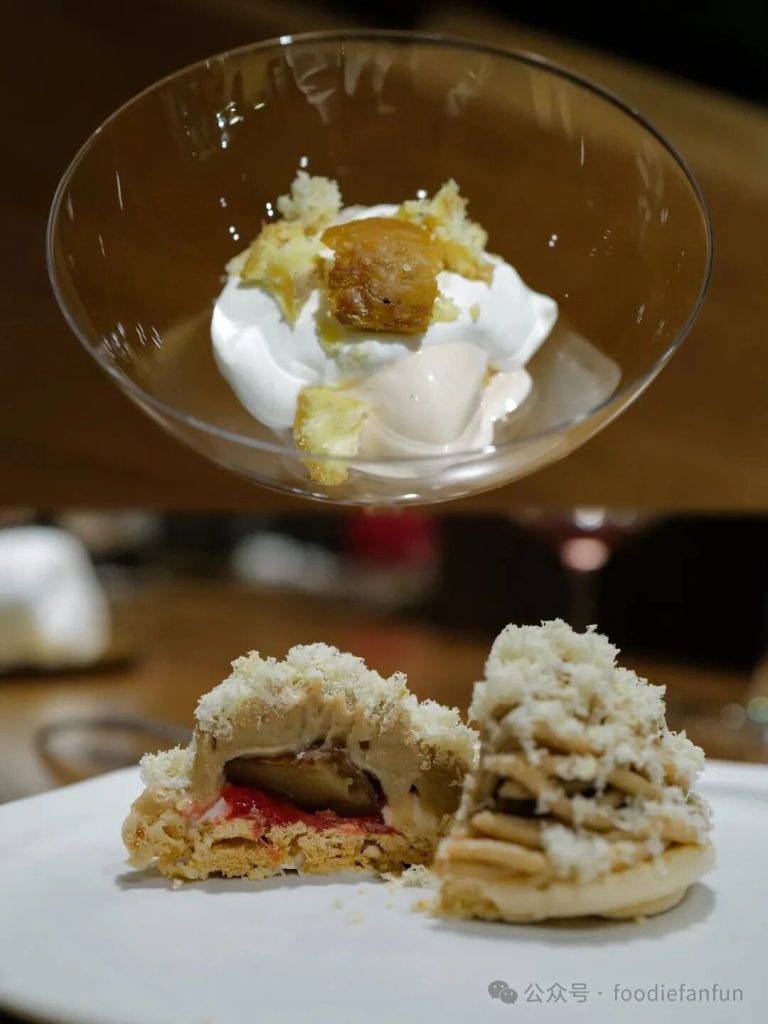
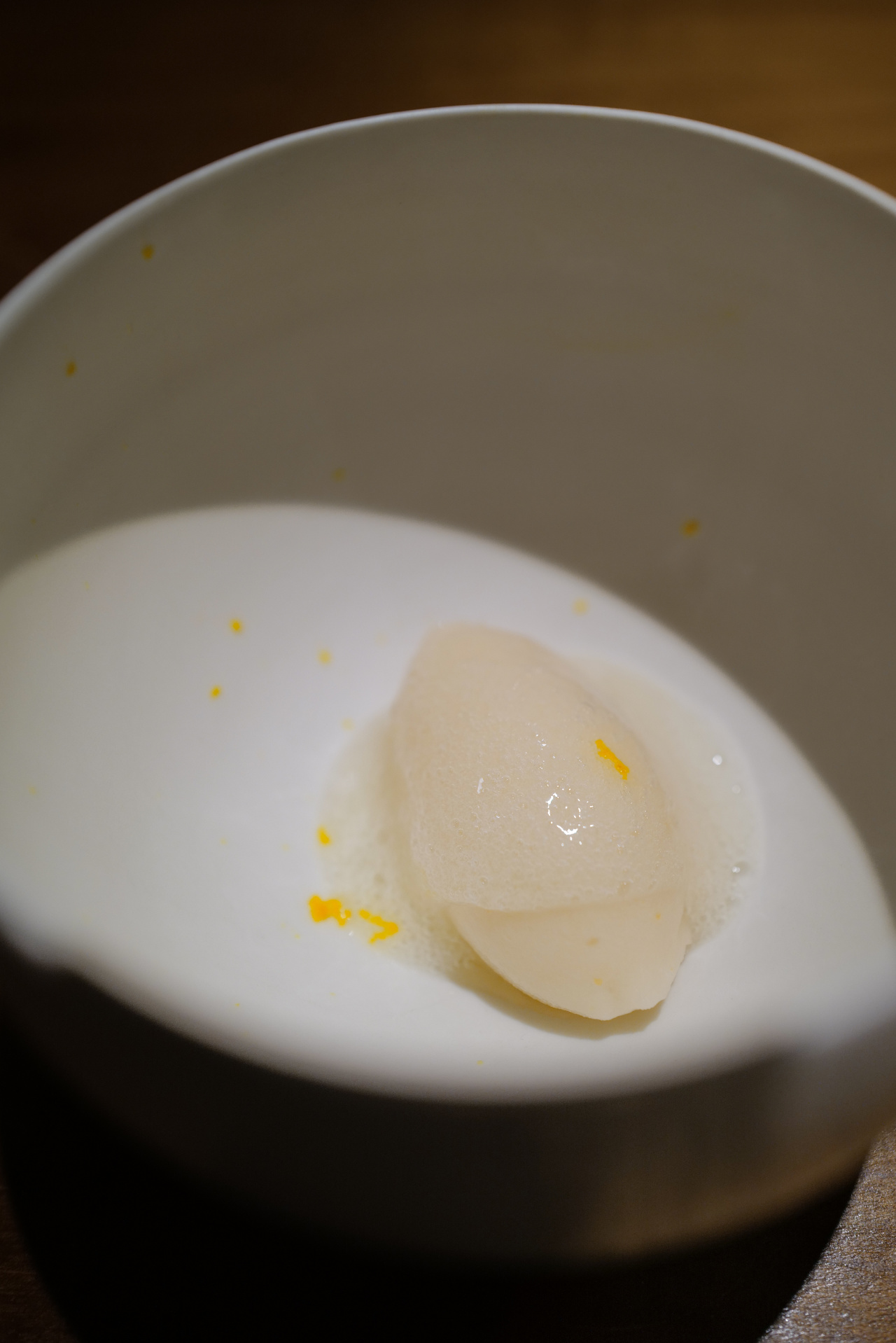
    Pear sorbet

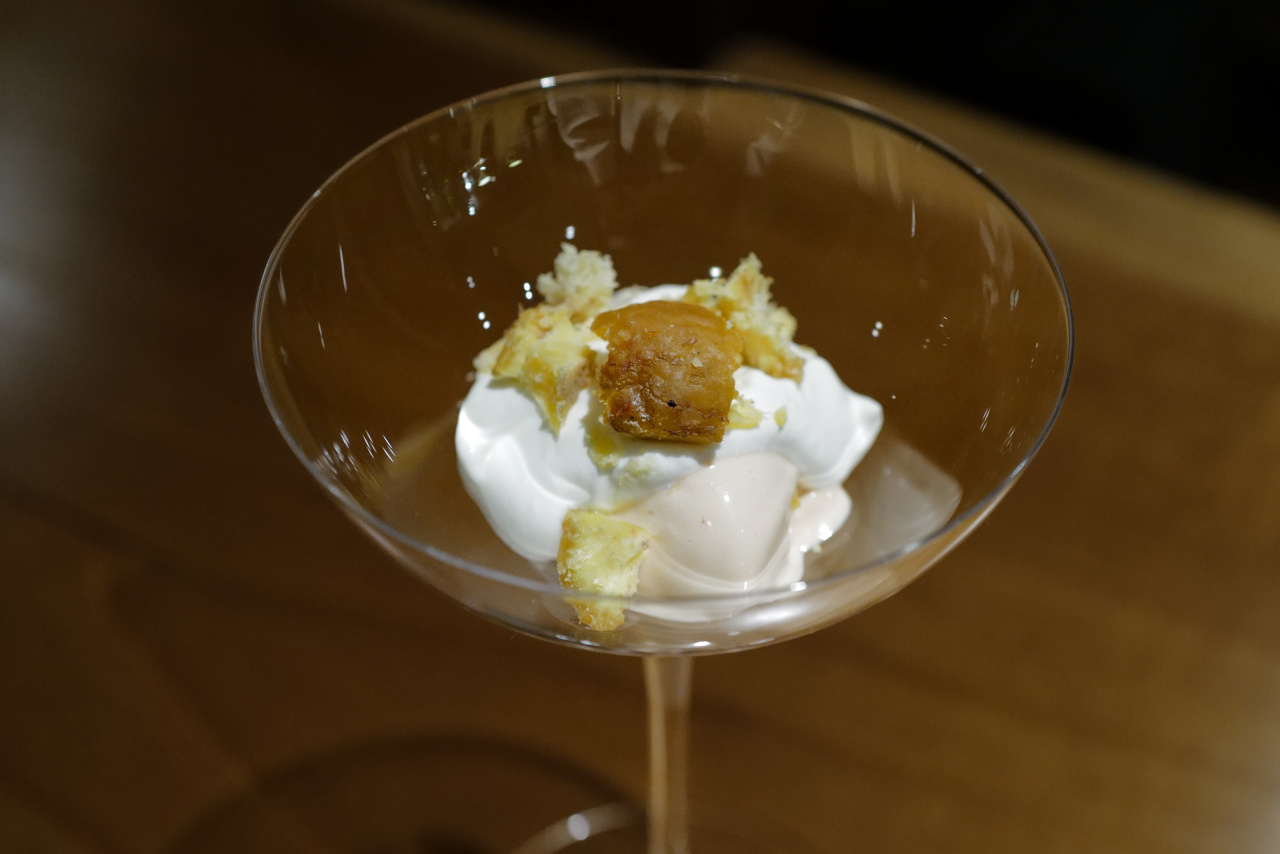
    Chestnut ice cream

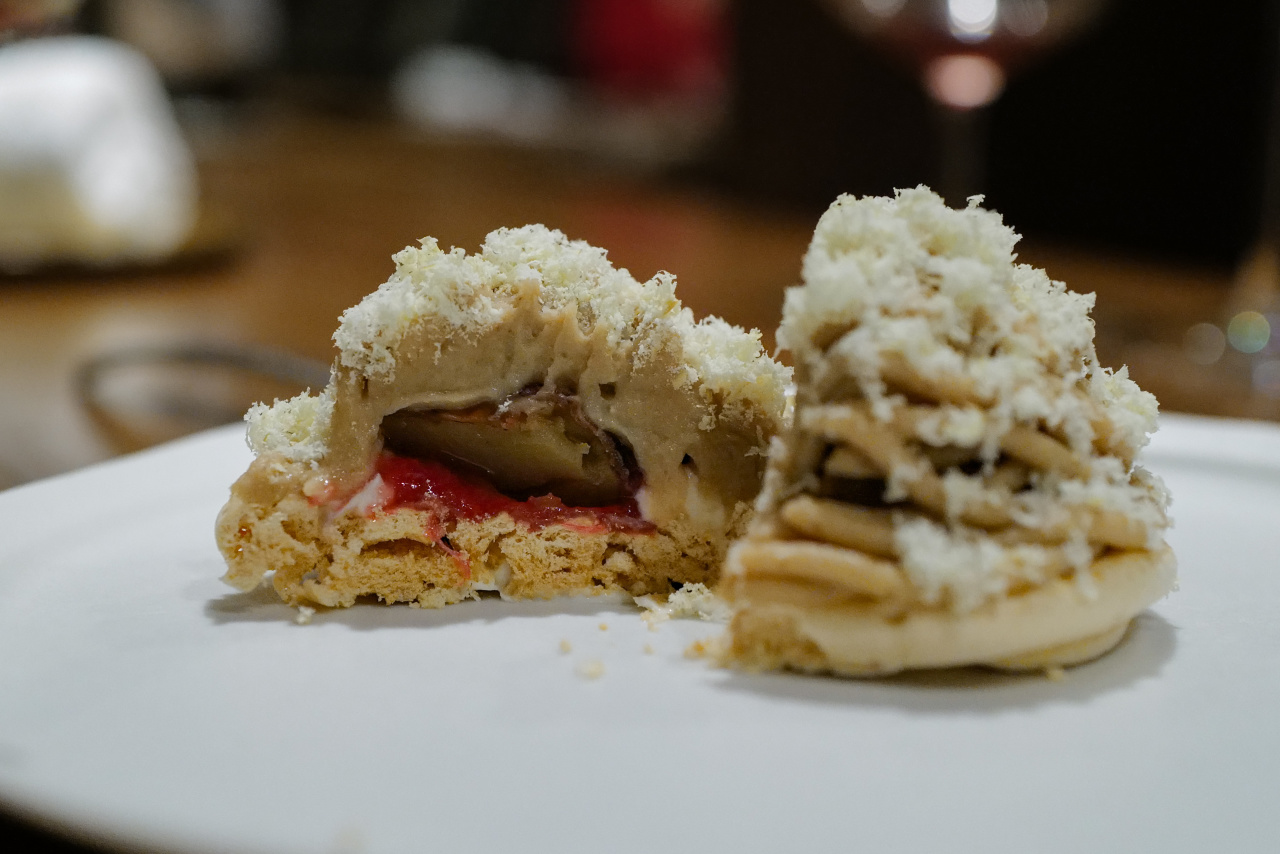
    Aged chestnut Mont Blanc

    Niigata is in peak pear season; the train station is full of pear snacks and sweets. The pre-dessert is a Japanese pear sorbet dusted with little flecks of yuzu zest. The combination of pear and yuzu scrubs your palate clean to “blue sky” clarity—intense aroma, very clean finish.

    The main dessert returns fully to winter: chestnut, two ways.

    On one side, chestnut ice cream served at a surprisingly “near-room” temperature—soft enough to feel more like gently opening up the scent of dairy and chestnut than eating something frozen.

    On the other side, a low-temperature aged chestnut Mont Blanc. The chestnut cream is light and soft, hiding a whole chestnut inside. The base is meringue, giving airy crispness, and the sweetness is carefully restrained. The most brilliant detail is the touch of rhubarb acidity, tightening and prolonging the chestnut’s sweetness.

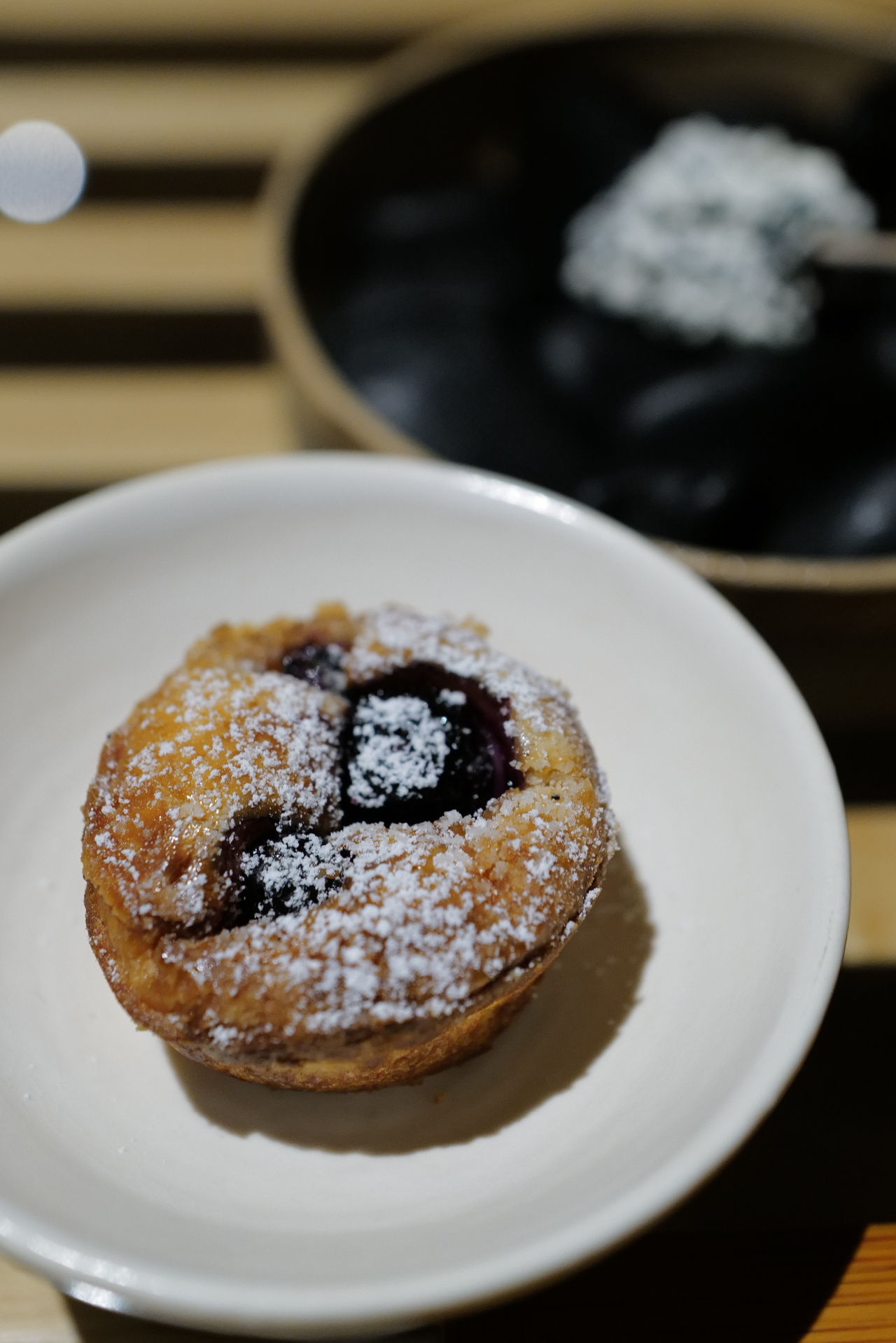
    To close, there’s a soft-set blueberry tart and a white chocolate–yomogi warabi mochi.

    A blizzard, a train, and a very worth-it detour

    In the middle of Niigata’s heavy snow, this meal felt especially complete and special. In a gentle, cozy space, the flavors were vivid and high-saturation—like translating the harsh, snowy landscape into something you can feel on the plate.

    Every dish took full advantage of Niigata’s local ingredients, wrote seasonality in bold, and still felt modern in structure and aesthetic.

    A chef who’s seen the wider world has returned to the mountains to strip things back down.
    His respect for nature is carried out through the simplest goal:

    Make everything delicious. Don’t waste the lives behind the ingredients.

    In terms of seasoning, his food isn’t “light” at all; the flavors often have real force. But what’s impressive is that every note comes from the ingredients themselves—plants, game, fermentation. Clean, natural, no one voice shouting over another. The richness never feels burdensome.

    It’s a kind of extreme mountain balance: game can be deep, herbs can be bright, fermentation can be serious—but in the end, everything is pulled back to that shared line of “just right.”

    The snow was so heavy that the buses stopped running. After dinner, I got back to the station a little after nine, just in time to catch an express train that had been delayed by an hour—37 minutes later I was back in the city.

    For such a short trip into the mountains, it felt more than worth it.
    Mountain ingredients change fast with the seasons; the menu will likely shift just as quickly.

    I’m already rubbing my hands, waiting for the next chance to go back.

    RESTAURANT UOZEN

    新潟県三条市東大崎1-10-69-8

    Chef’s Menu  ¥19,360++