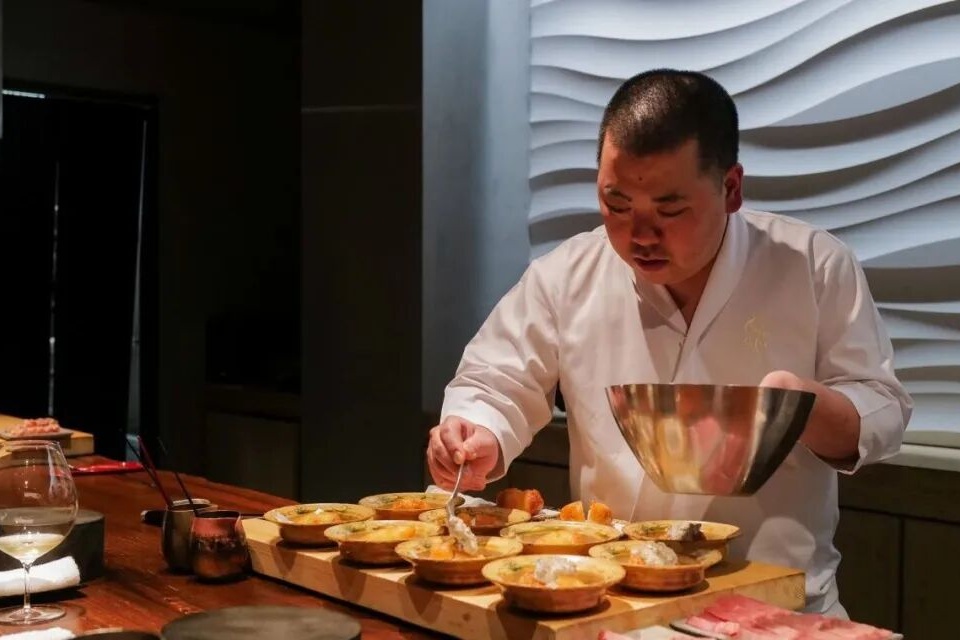
Niigata is a city that gets sushi-obsessed people hooked the moment they arrive. It combines premium Koshihikari rice, ultra-soft snowmelt water, and abundant seafood where mountains meet sea. On top of that, the value is exceptional — even the priciest course at the top restaurants here costs less than a lunch omakase in Tokyo.
After visiting Kappo Shintaku in Murakami, I spent two straight days in Niigata visiting the two highest-ranked sushi restaurants in the area, Tokiwa-zushi and Kyodai Sushi. Both are over fifty years old, yet neither plays it conventional — the former is a little inventor who works tomato into his shari, the latter is a deep-V-collar, host-club-cool sushi savant.
Let me highlight the appealing points up front: ① Tokyo to Niigata is just 2 hours, ② both restaurants are English-friendly!
✦ • ✦
Tokiwa-zushi
👨🍳 The Wildly Inventive Sushi Inventor
💰 25,300++
📍 3-7-8 Chuo-cho, Shibata City, Niigata (Shibata main store) / 1F Daiichi Credit Building, Honcho-dori 7-bancho 1151, Chuo Ward, Niigata City, Niigata (Niigata branch)
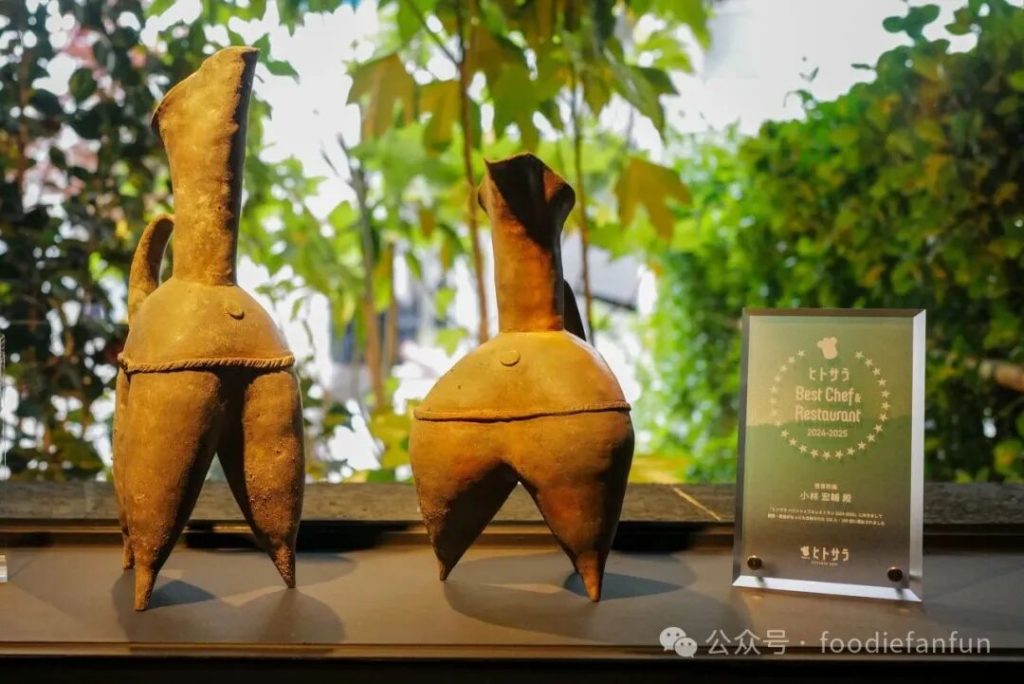
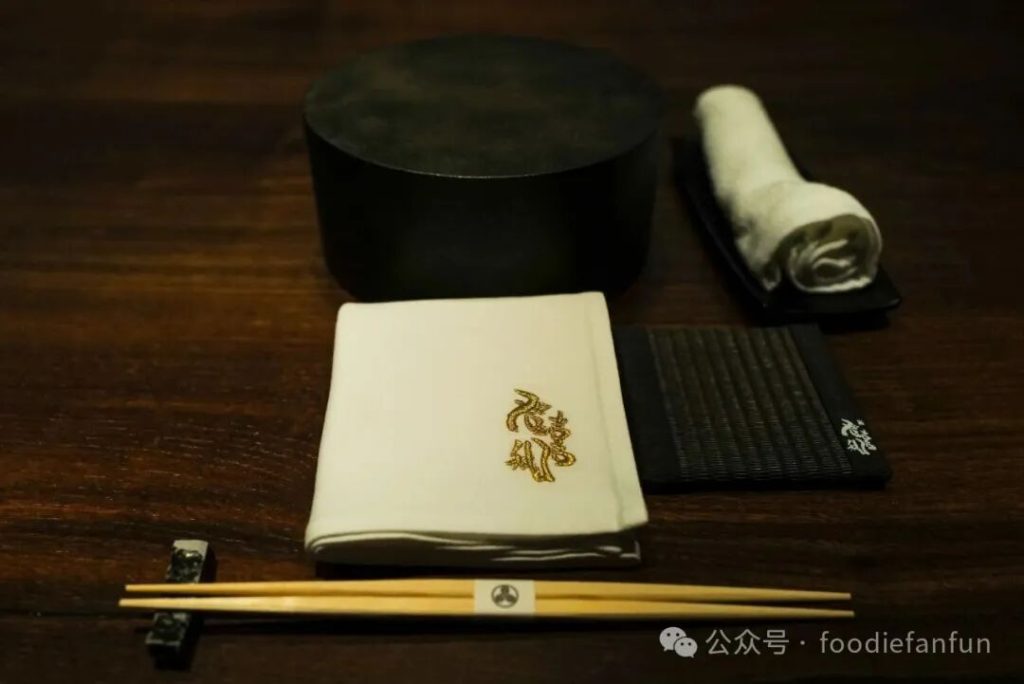
Founded in 1954, Tokiwa’s main store is in Shibata City, Niigata Prefecture, now run by third-generation chef Kosuke Kobayashi. Last year, marking the restaurant’s 70th anniversary, Kobayashi-san opened a new branch in central Niigata City. The two locations now operate on an alternating schedule — Monday through Friday he’s shaping sushi at the new central-Niigata branch, and on weekends he returns to the original Shibata store to host guests.
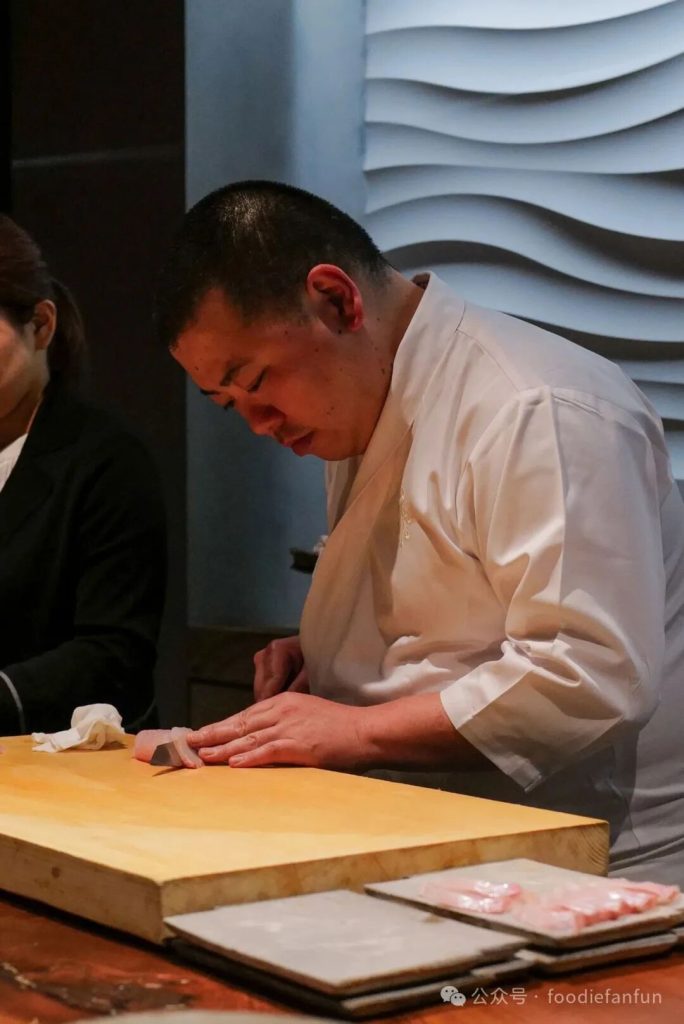
Tokiwa has a few defining traits: first, 99% Niigata-sourced ingredients; second, a wide range of seafood techniques — aging, cooking with heat, kaki-zu (persimmon vinegar), special seasoning — unbound by tradition, always choosing whatever method best highlights a fish’s strengths; third, shari that changes almost piece by piece, adjusted according to ingredient and season with red vinegar, fish-stock vinegar, persimmon vinegar, tomato vinegar, even shrimp-shell powder and shrimp brain. The rice itself is Shibata-grown ‘Hojo Koshihikari,’ which gives each grain more presence.
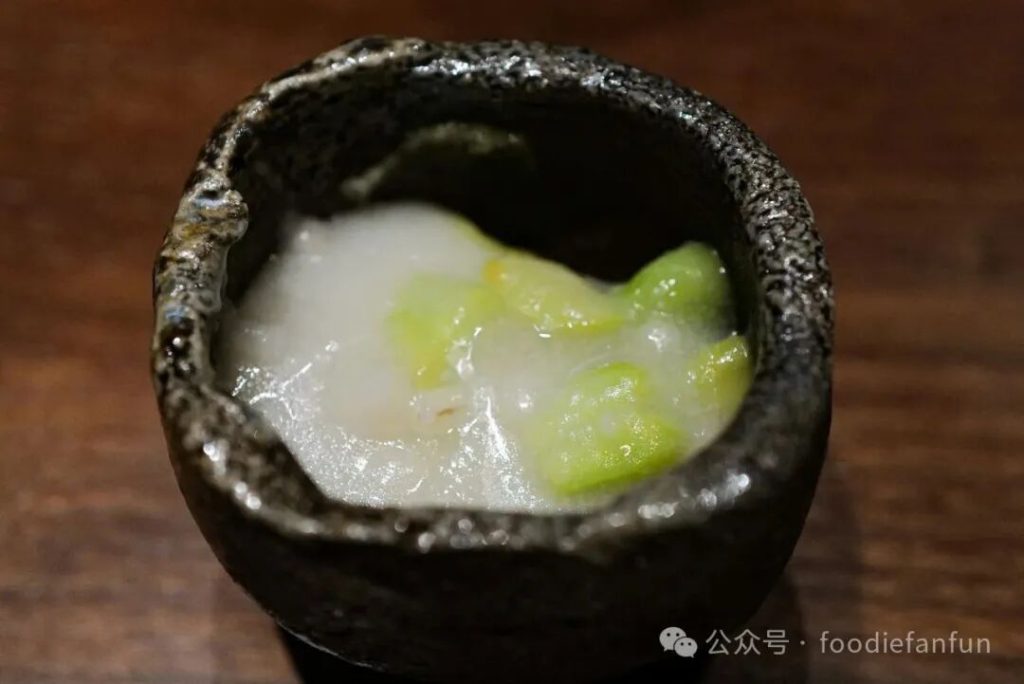
Fava Bean, Yam
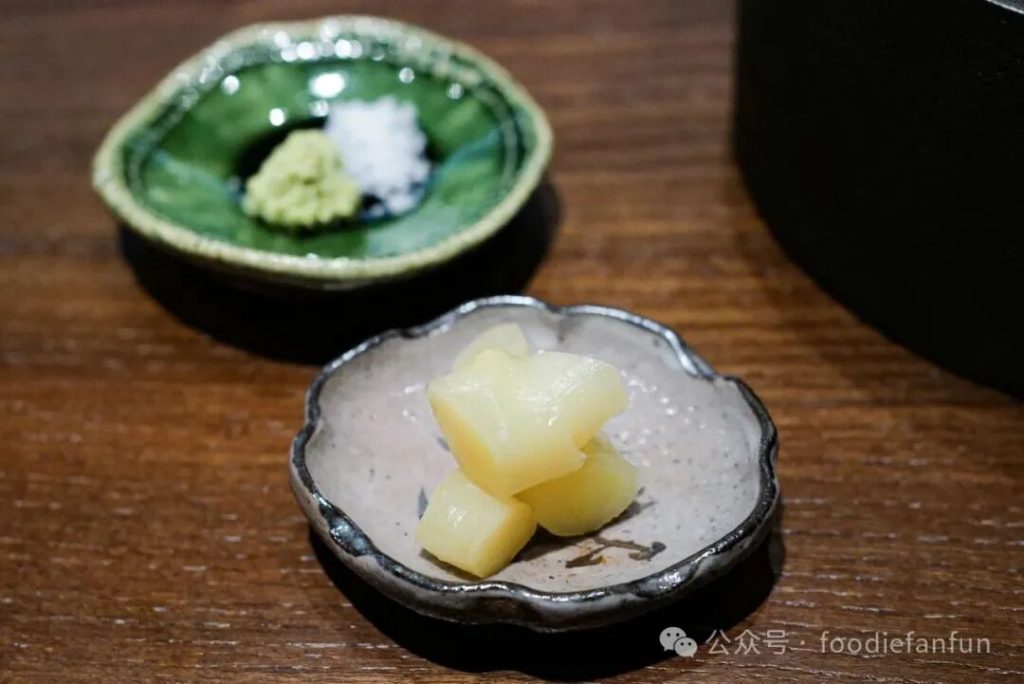
Salt, Wasabi
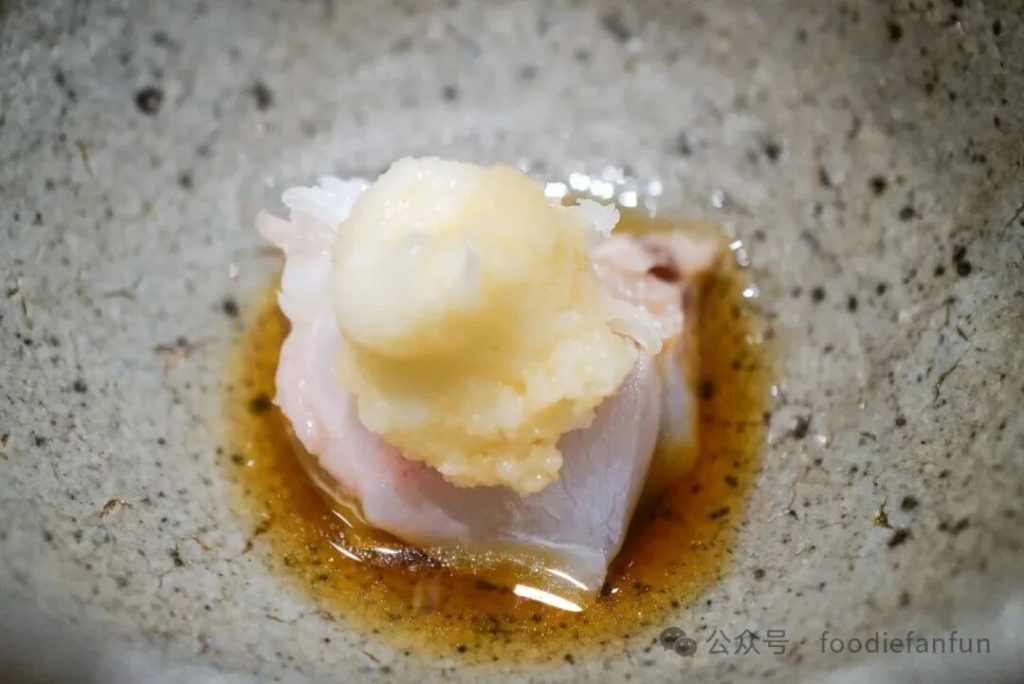
Japanese Seabass
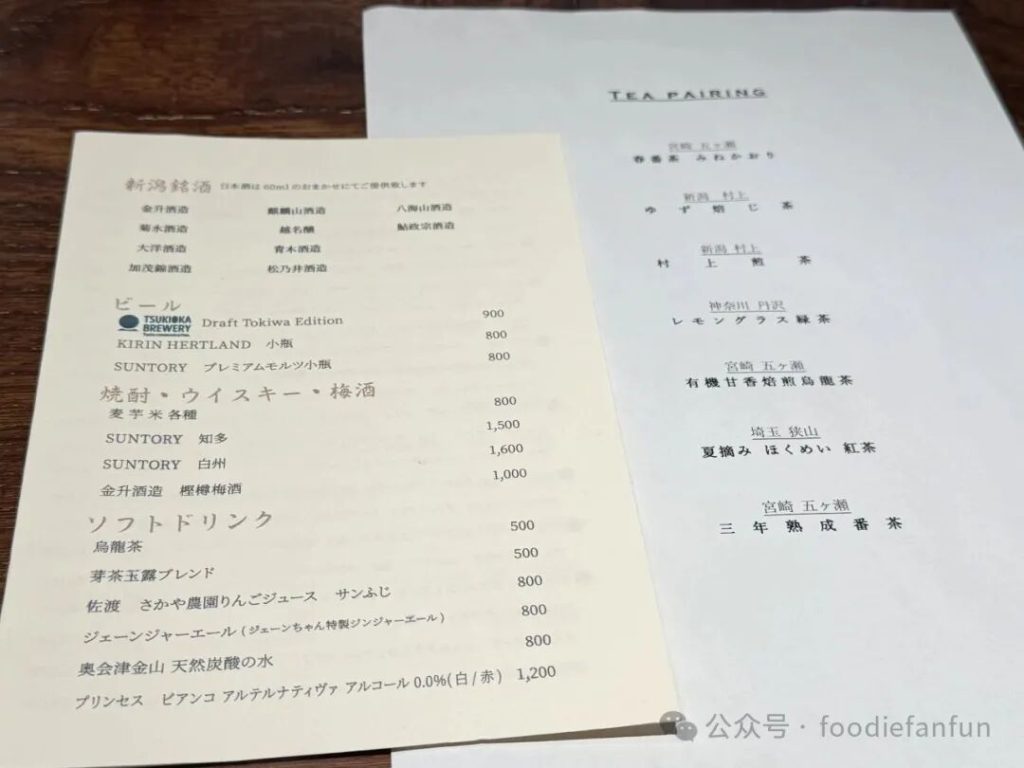
Right after sitting down came a small surprise — Tokiwa had prepared a detailed English menu that explained ingredients and preparation methods with real clarity. The restaurant even had a tea list; tea pairing is genuinely rare at a sushi restaurant.
Yam whipped into a purée with fava beans and pearl barley — a warm opener, unapologetically rich in texture. Fresh Japanese seabass, lightly blanched, crisp and firm, showing off the strength of local seafood. The grated daikon on top was emulsified with rice oil, lifted with sweetness. Salt and wasabi were no mere sides either — eaten on their own, without sashimi, they held up as a drinking snack in their own right.
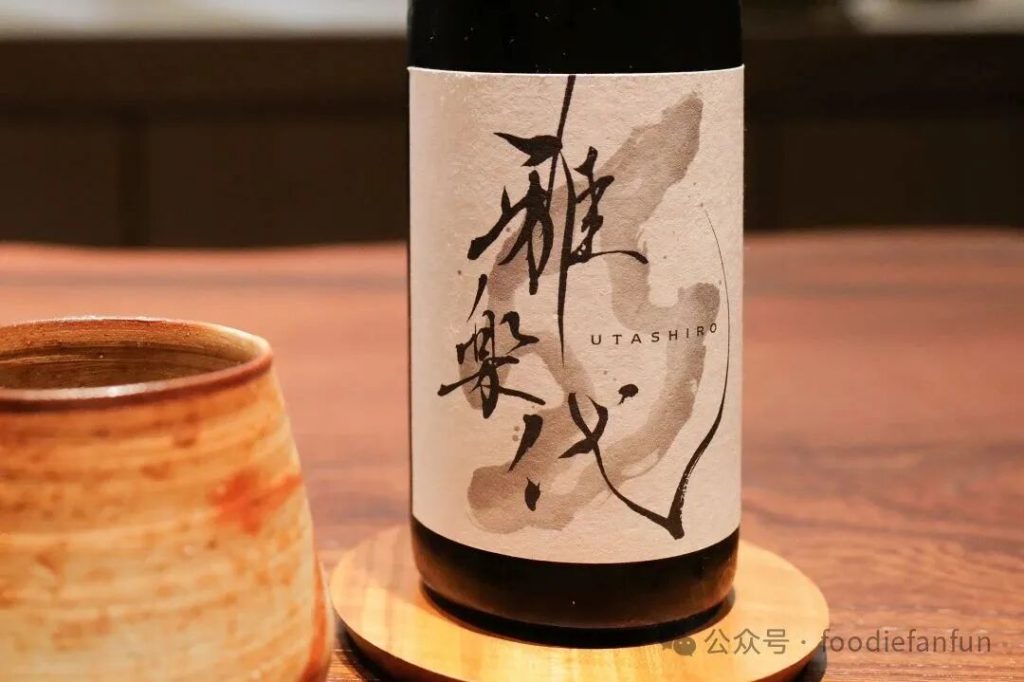
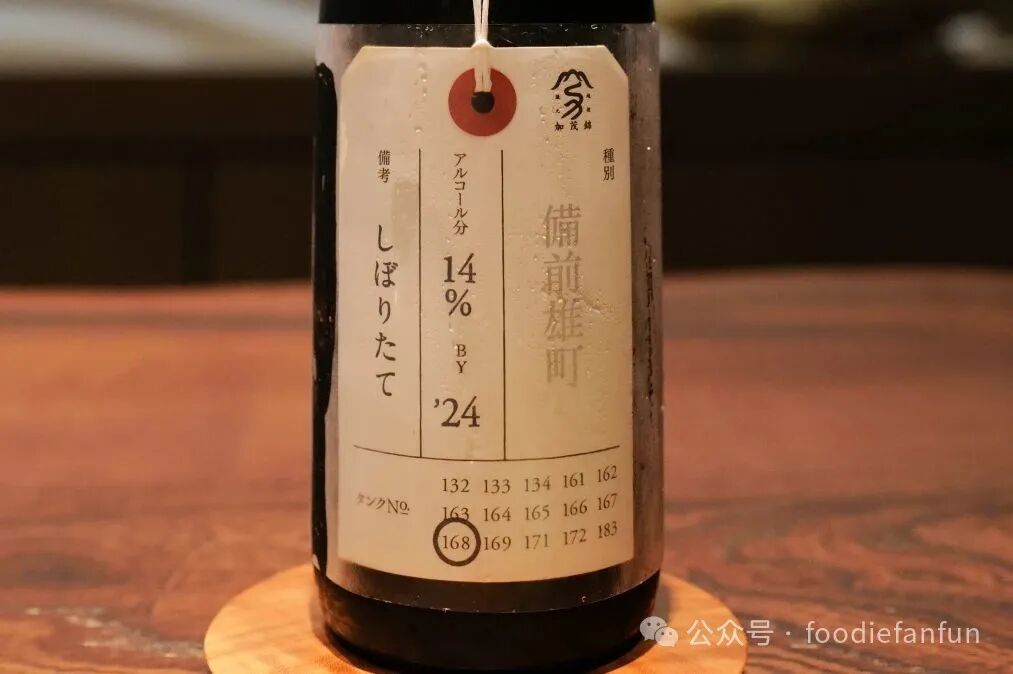
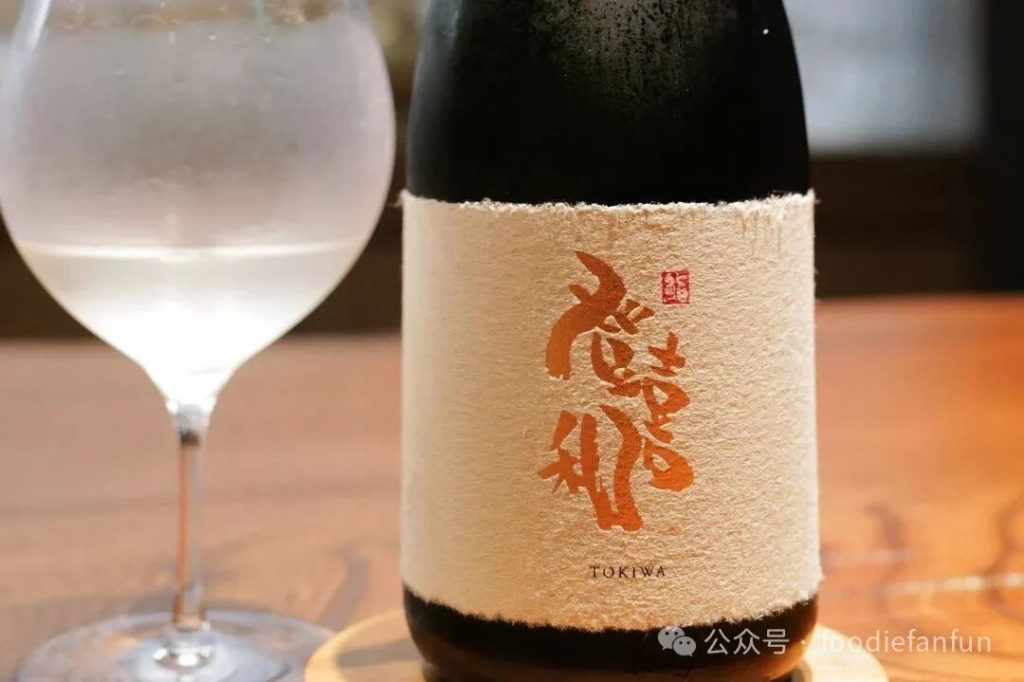
The wine/sake pairing didn’t hold back either — a prefecture-exclusive Uragasumi, its strong smokiness matching the dish perfectly.
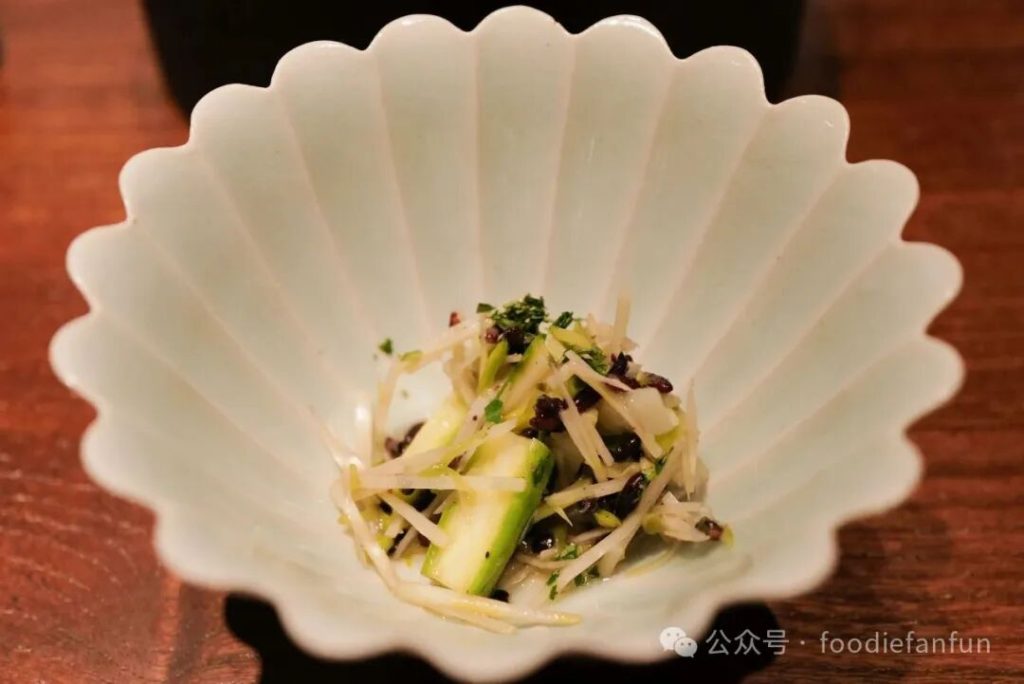
Bamboo Shoot, Asparagus, Sea Grapes, Fish Sauce, Kinome Leaf
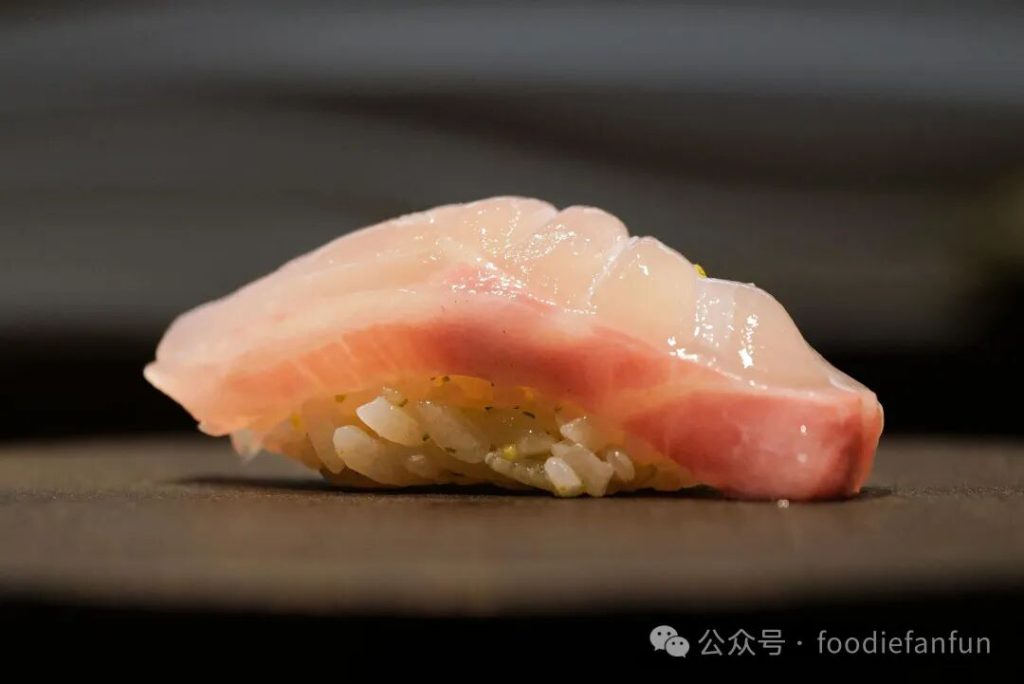
Flounder
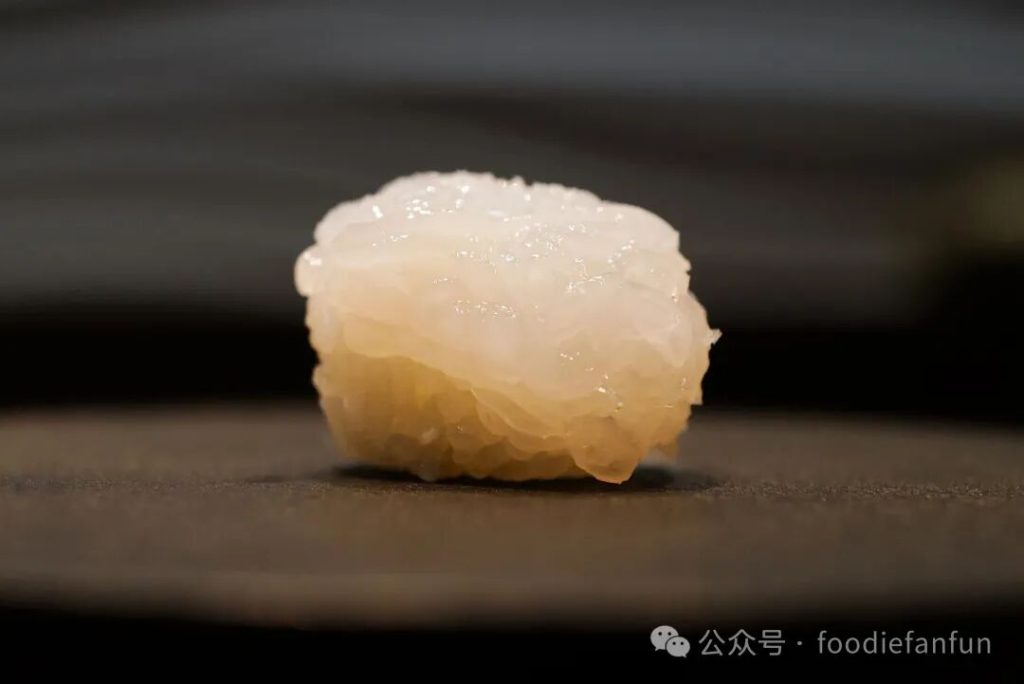
Cuttlefish
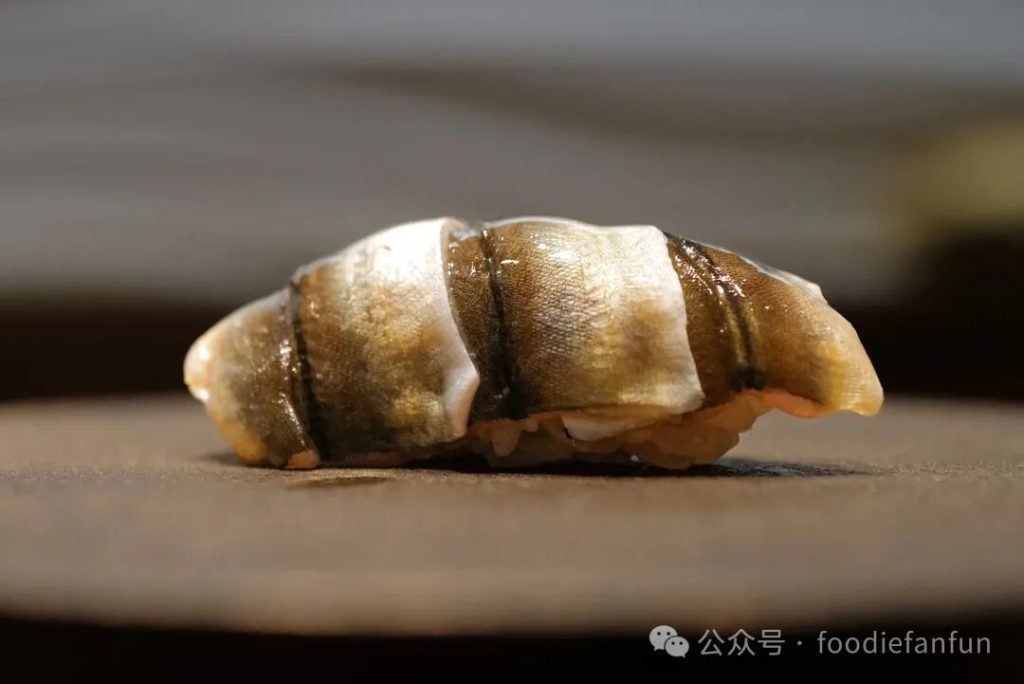
Baby Ayu (Sweetfish)
Before the sushi began, there was also a ‘vegetable salad’ among the otsumami — the asparagus’s charcoal aroma, various seasonal vegetables offering freshness, and a secret weapon in the sauce: gyoshou (fish sauce) made from a year-aged fermented sardine. No fish in sight, but the umami it delivers might as well be fish itself.
Local flounder cured in kombu dashi and salt water, paired with high-acid yuzu shari — balanced, refreshing, distinctive, yet gentle to chew. Sado cuttlefish, which we watched Kobayashi-san finely score with flashy knife work right from the moment we sat down, then chilled in the fridge to soften — it unfolded in the mouth soft like mochi. The shinko (baby sweetfish) came from Murakami ayu.
Tokiwa’s shari uses Yutaka Koshihikari, an improved Koshihikari varietal — each grain distinct with a strong presence, currently used by only two sushi restaurants in all of Japan. It’s also cooked over direct fire in a traditional hagama pot, tucking a subtle smoky note into the gaps between the grains.
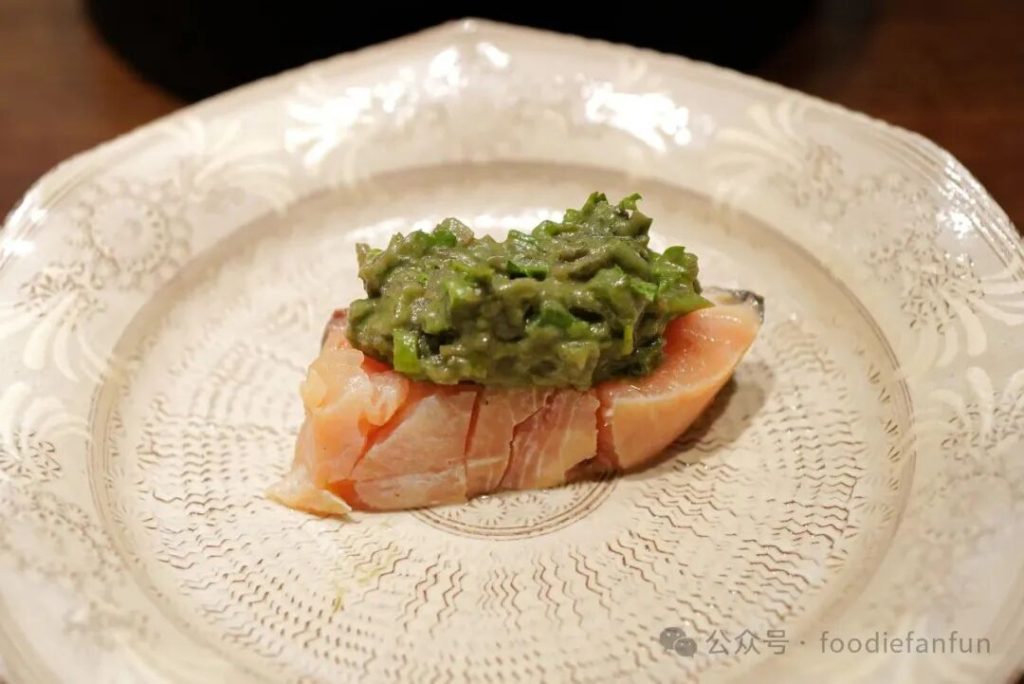
Sakura Trout, Water Dropwort, Mountain Udo
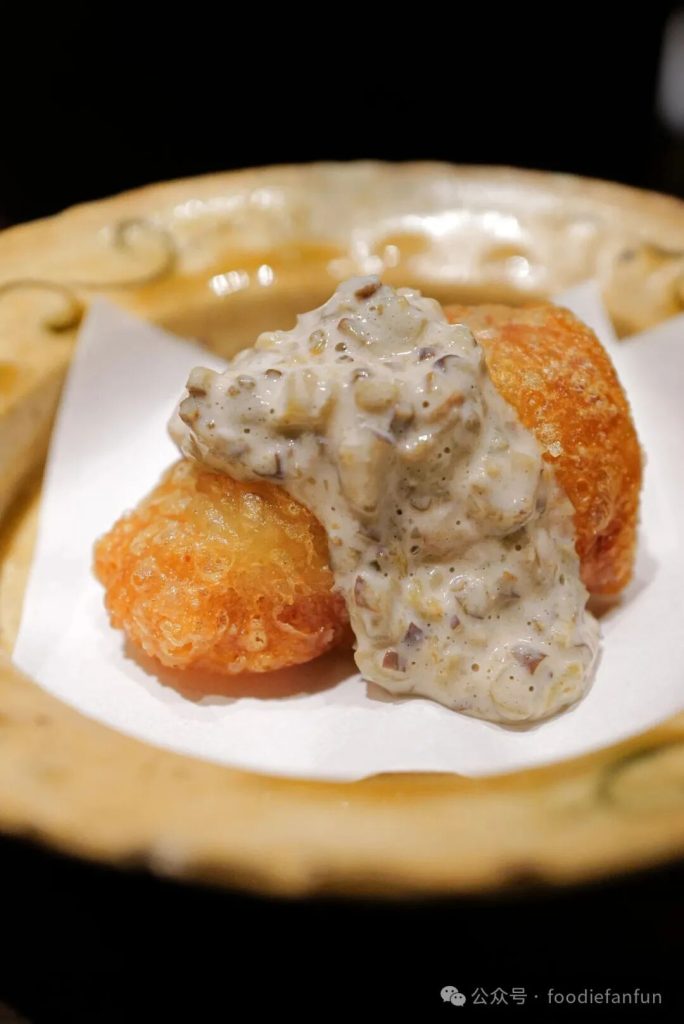
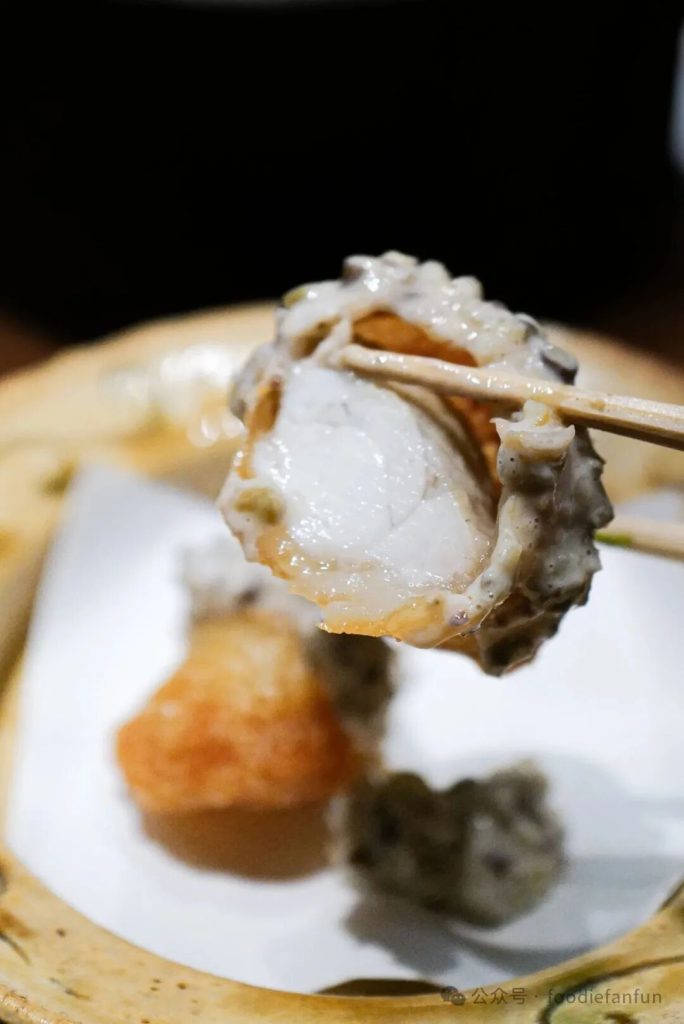
Fried Blowfish, Cod Milt + Pickled Plum + Red Peppercorn Tartar Sauce
Right at eye level across the counter, we watched Kobayashi-san give a crisp “snap” as he sliced through a lightly seared sakura trout. On the plate, the trout’s soft flesh made a clear contrast against the fresh, green crunch of the water dropwort.
The blowfish that followed was fried to a golden crisp on the outside, the flesh firm, with cod milt and soy milk propping up the dish’s richness — this upgraded version of fish and chips was genuinely fun.
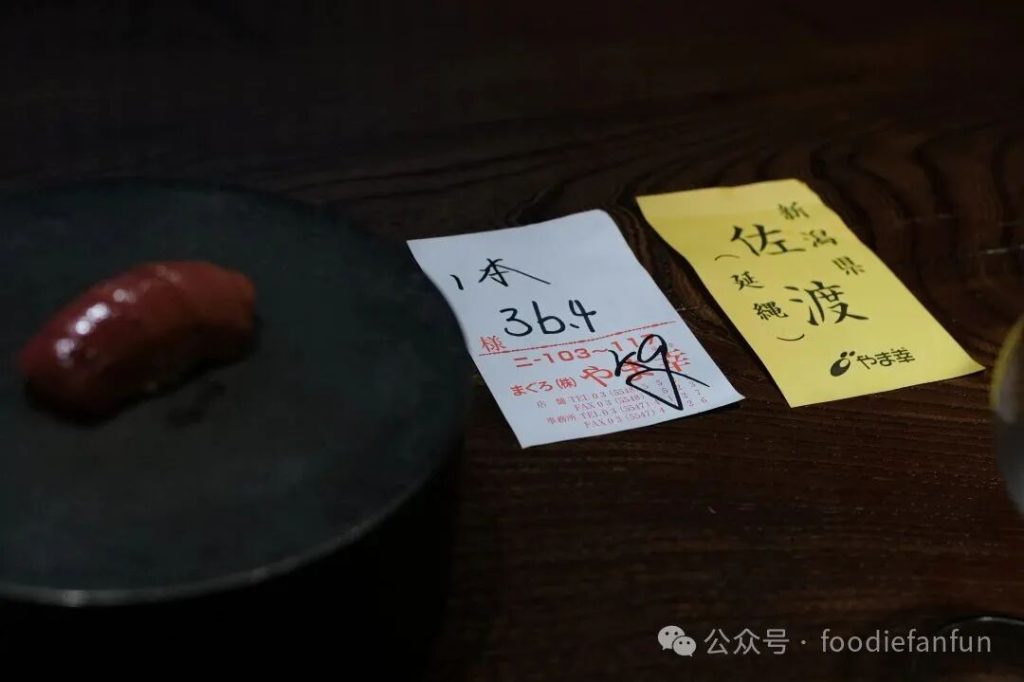
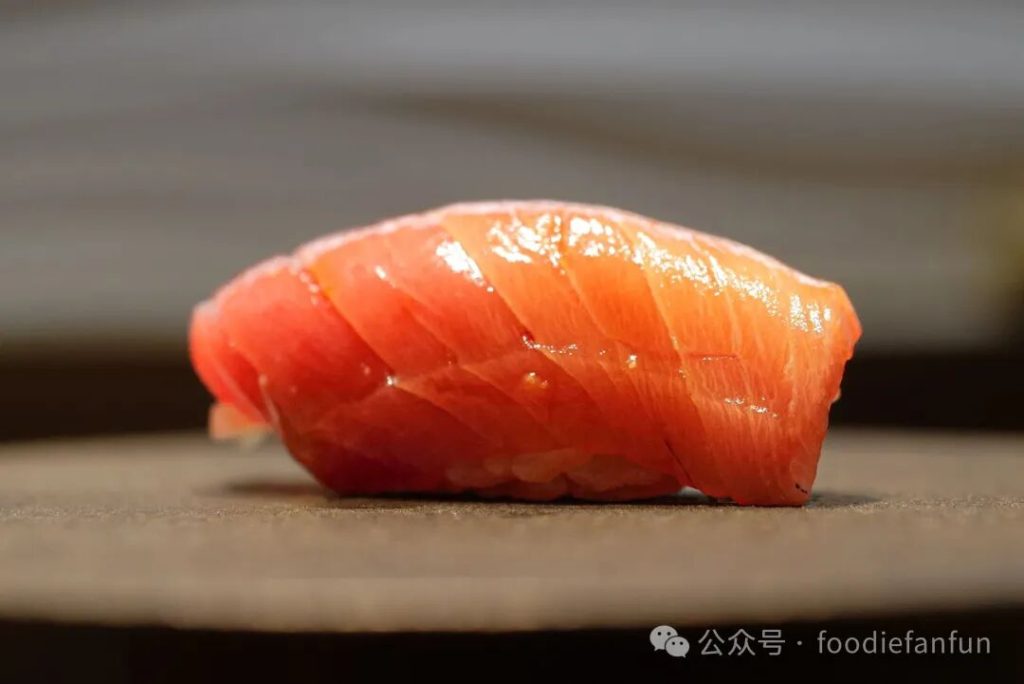
Chutoro, Wild Chive Soy Sauce
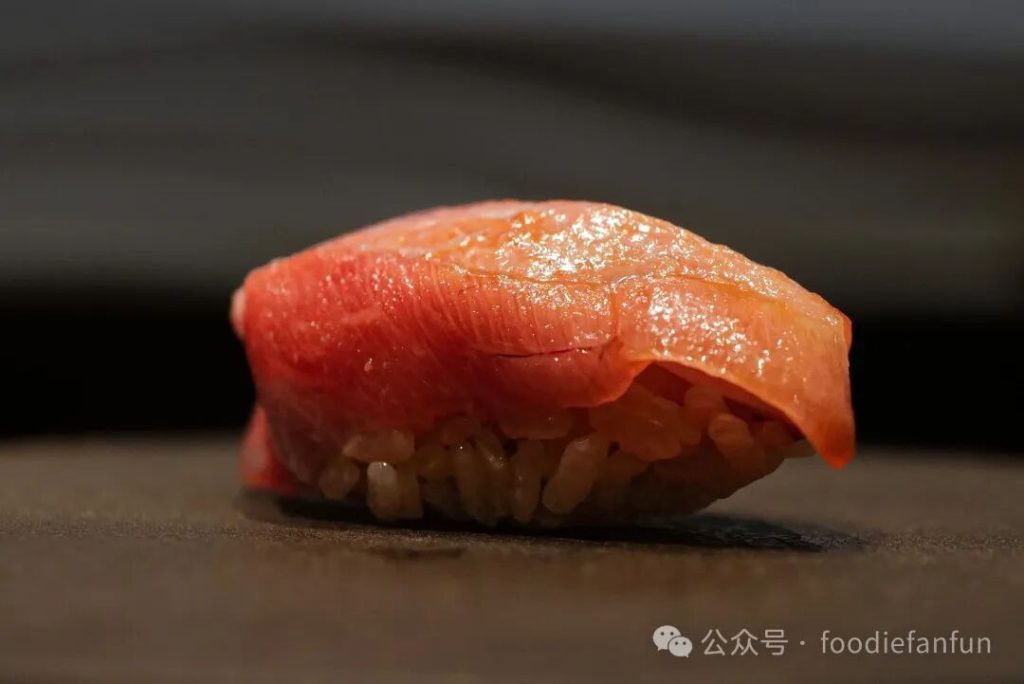
Otoro
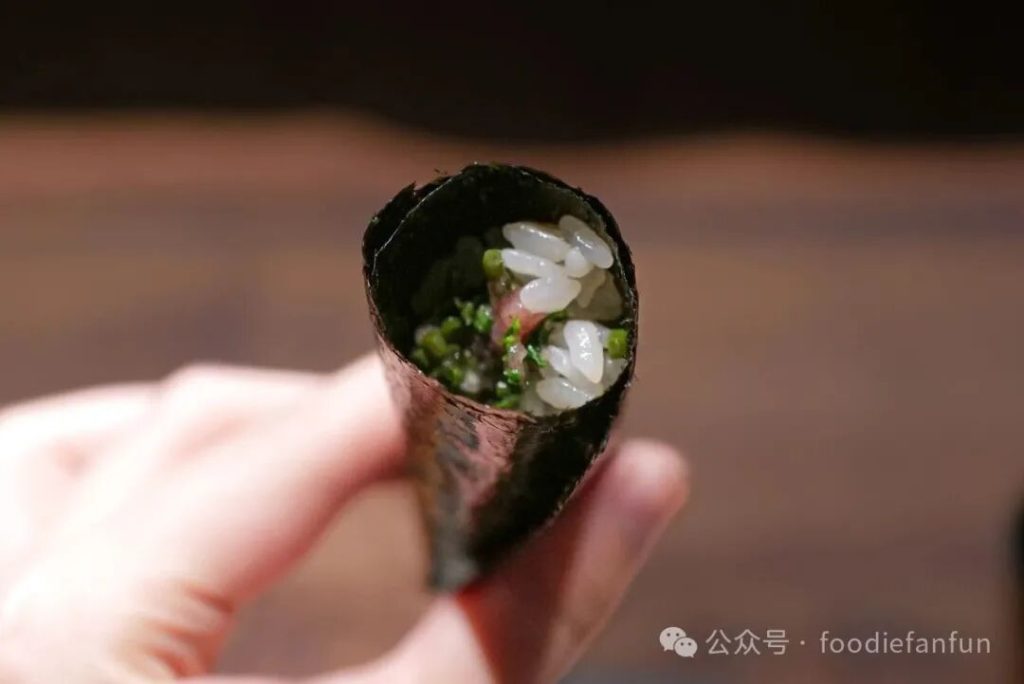
Tuna Jaw, Koshi-me (Niigata Wild Herb Sprout)
The chutoro came from a 36.4kg bluefin caught near Sado Island, while the otoro came from a fish weighing a hefty 104kg — Niigata really is home turf for serious catches.
Both pieces used shari switched to red vinegar, noticeably bolder in flavor — not overpowering at all, and the fish and rice worked together beautifully.
The hand roll went back to the 36.4kg tuna, this time using the tail cut, paired with koshi-me, a springtime specialty herb sprout in Japan. Beautiful fish, textured shari, and greens with a faint bitterness — thoroughly satisfying.
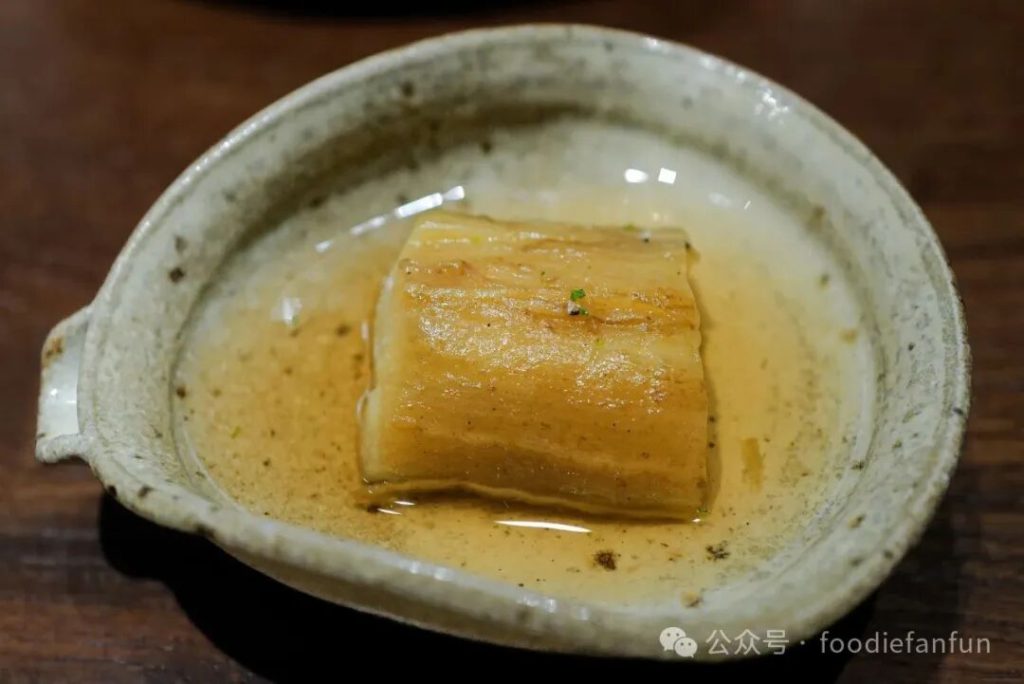
Dashi-Simmered Eggplant
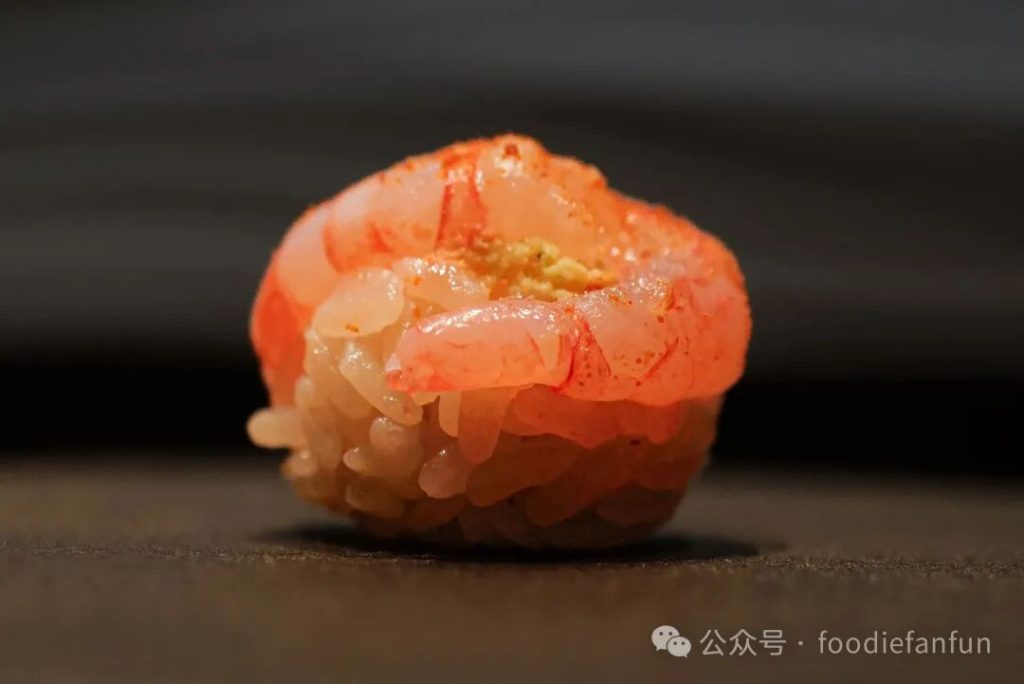
Sweet Shrimp with House-Made Nanban Shrimp Soy Powder
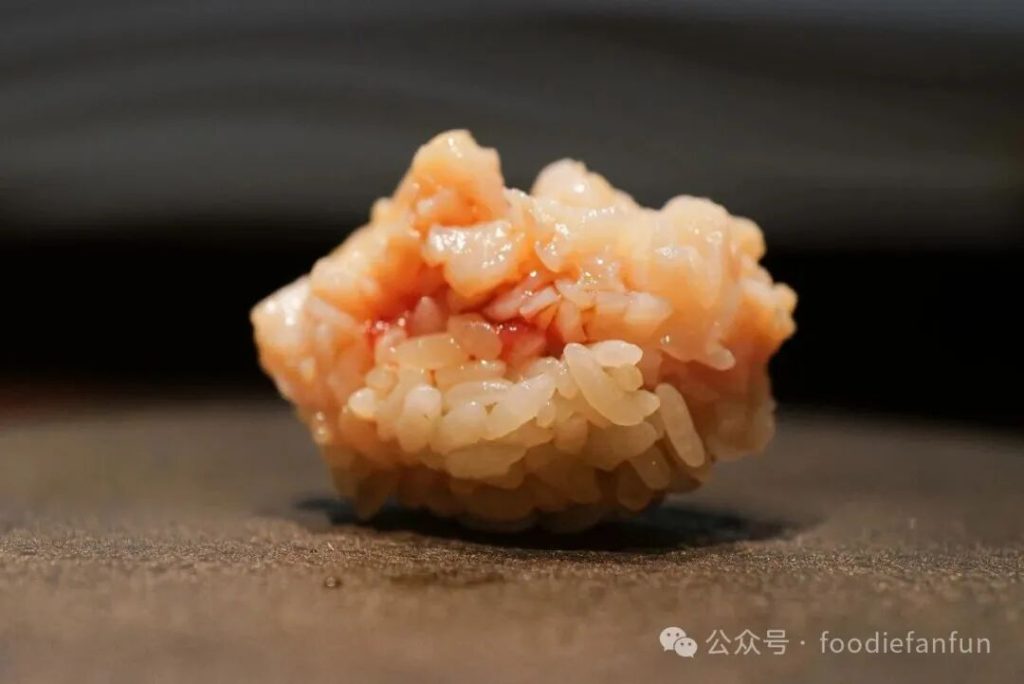
Surf Clam
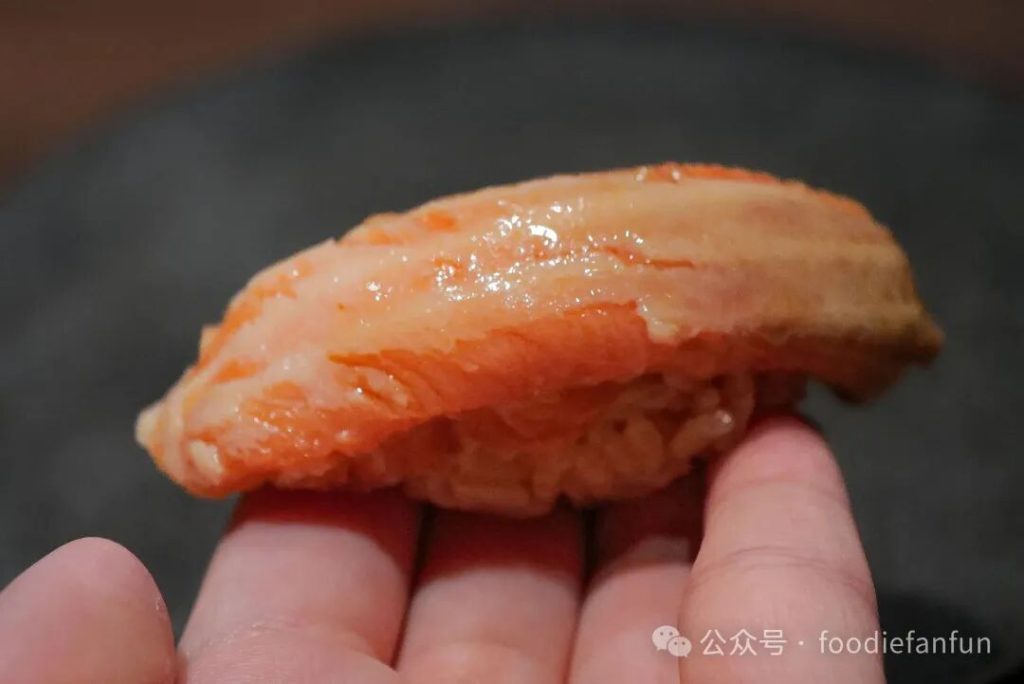
Sakura Trout Belly
At Tokiwa, every ingredient feels familiar, but no pairing ever repeats. The shari’s ‘add-ins’ change almost piece by piece — bold, novel, one eye-opener after another, all without losing balance.
The final sakura trout belly, surprisingly, came with tomato-seasoned shari — the moment it hit the mouth, umami burst out, delivering a small, thrilling shock; the tender fish then wrapped that unfamiliar combination’s sharp edge just right. It left a deep impression.
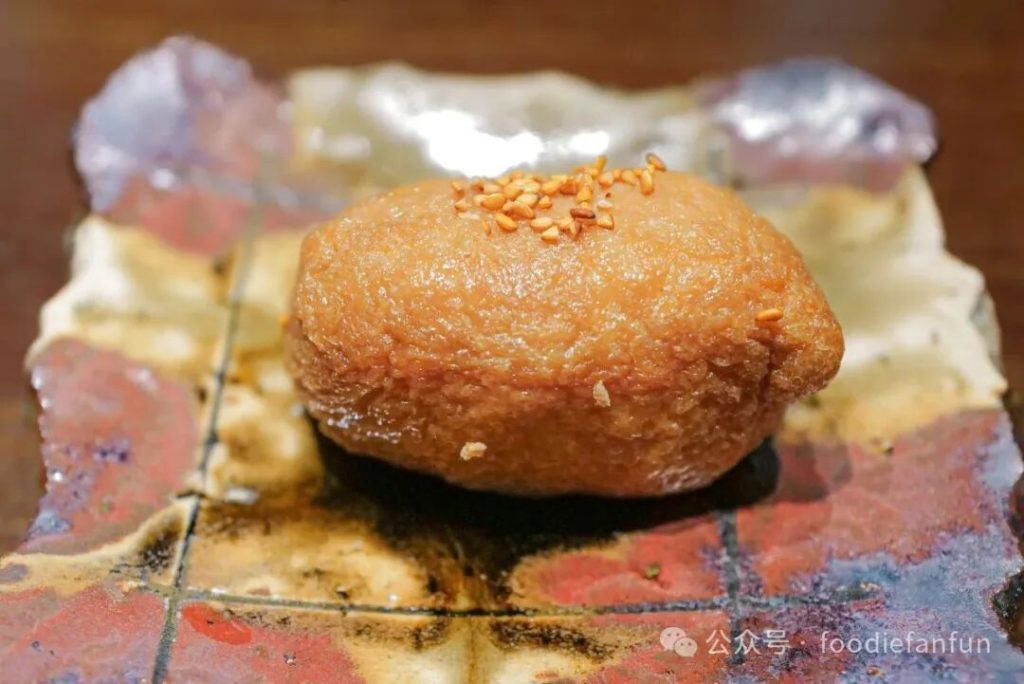
Inari Roll
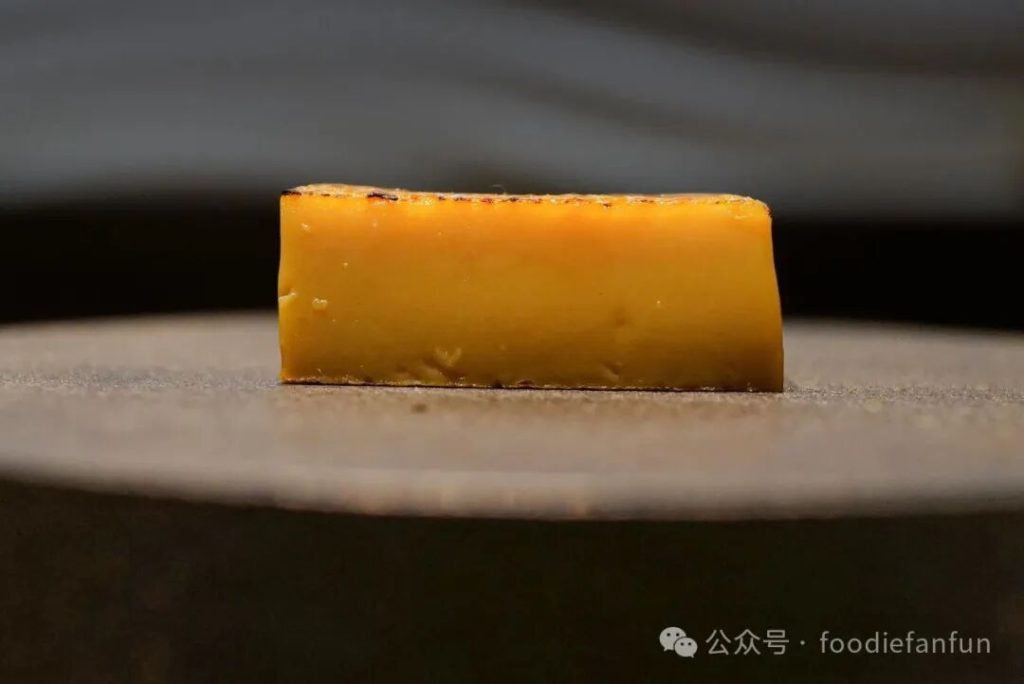
Caramelized Tamago
Truly worthy of the name ‘inventor Kobayashi’ — next time, I’ll have to visit the original store.
✦ • ✦
Kyodai Sushi
👨🍳 A Boy-Band-Cool Crew, Effortlessly Fun to Dine With
💰 25,000++
📍 8-1427-2 Higashibori-dori, Chuo Ward, Niigata City, Niigata
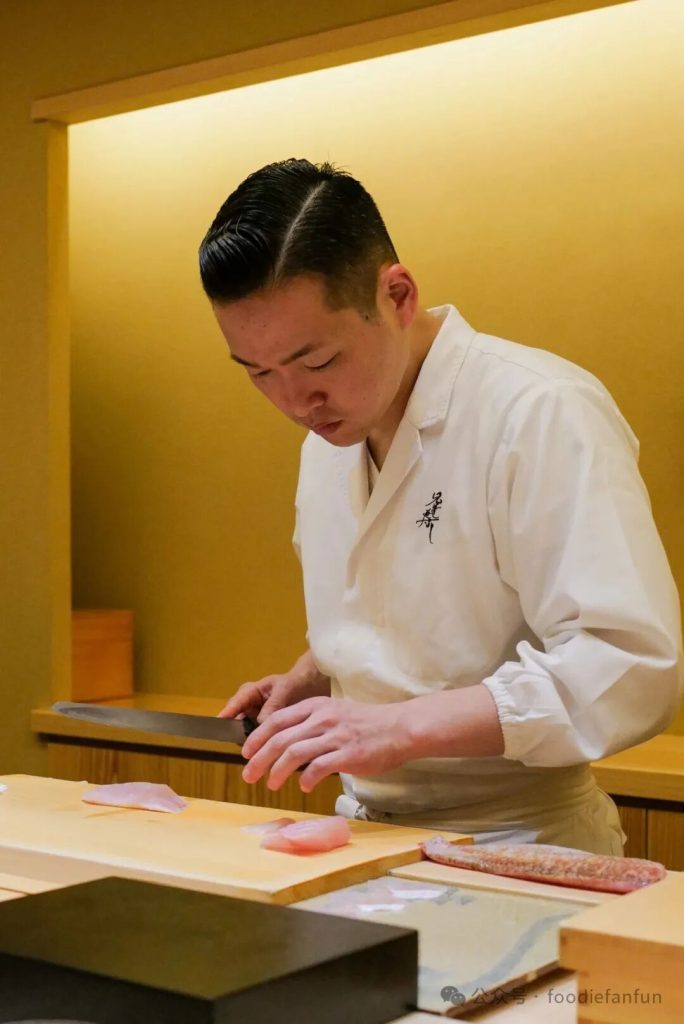
Kyodai and Tokiwa’s new branch are close by — practically neighbors, yet these two top Niigata sushi spots take completely different approaches. Kyodai is the kind of place where you get to enjoy beautiful ingredients and top-tier sushi with a relaxed, easygoing mood.
Opened in 1960, Kyodai started out as a typical streetside ‘waiting sushi’ shop, once staying open as late as 1am. In 2016, it was completely renovated by second-generation chef Ryuji Homma, who returned after training in Tokyo, and turned into the current omakase format.
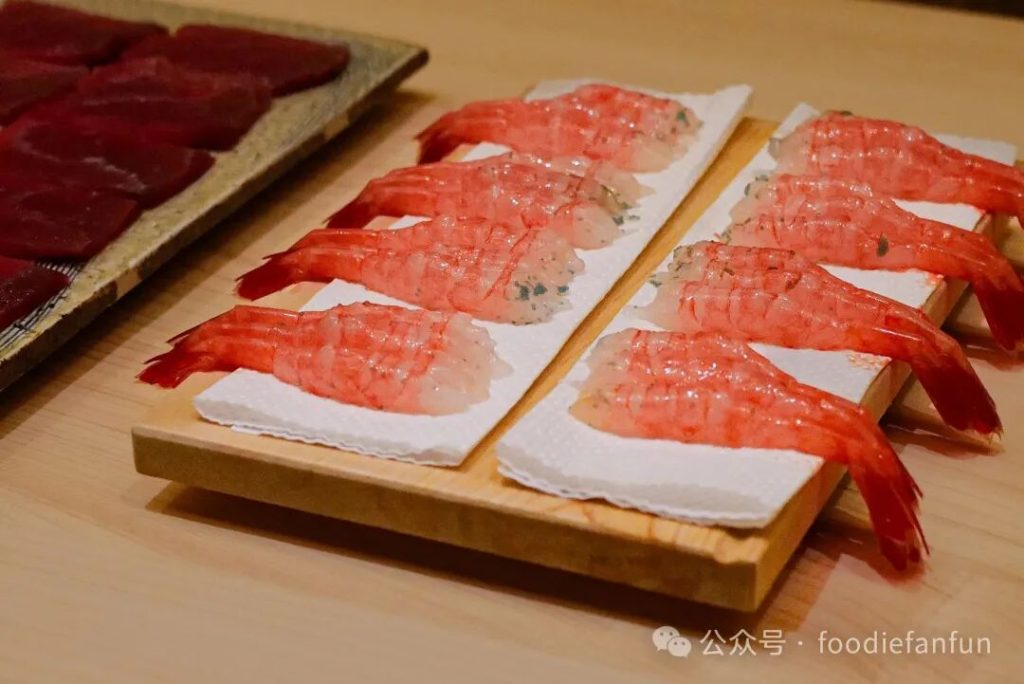
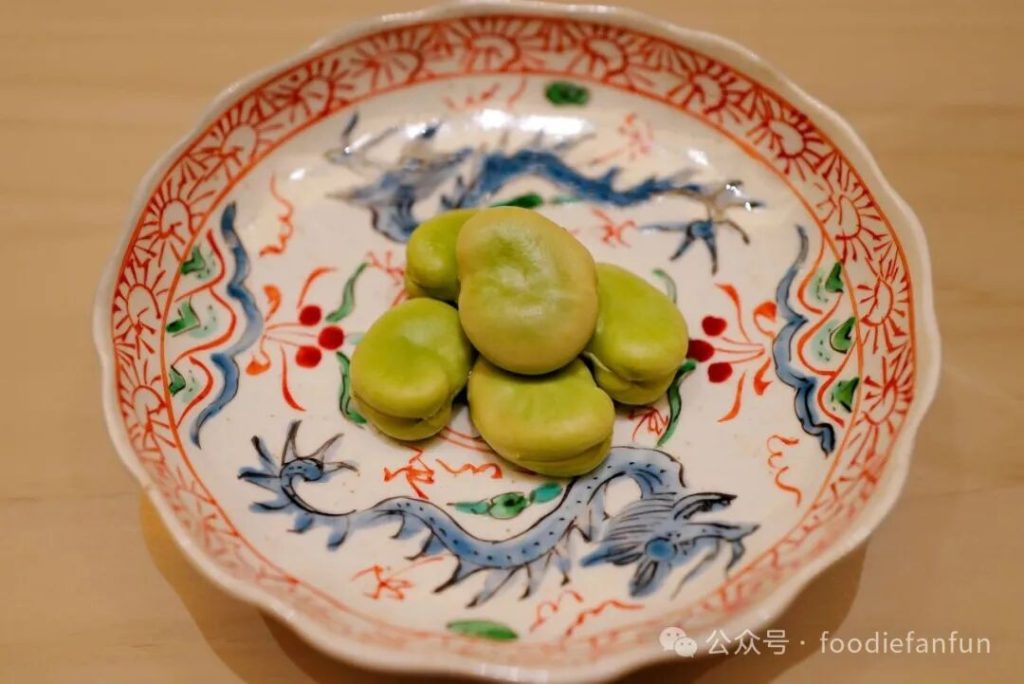
Niigata Fava Bean (Tenmame)
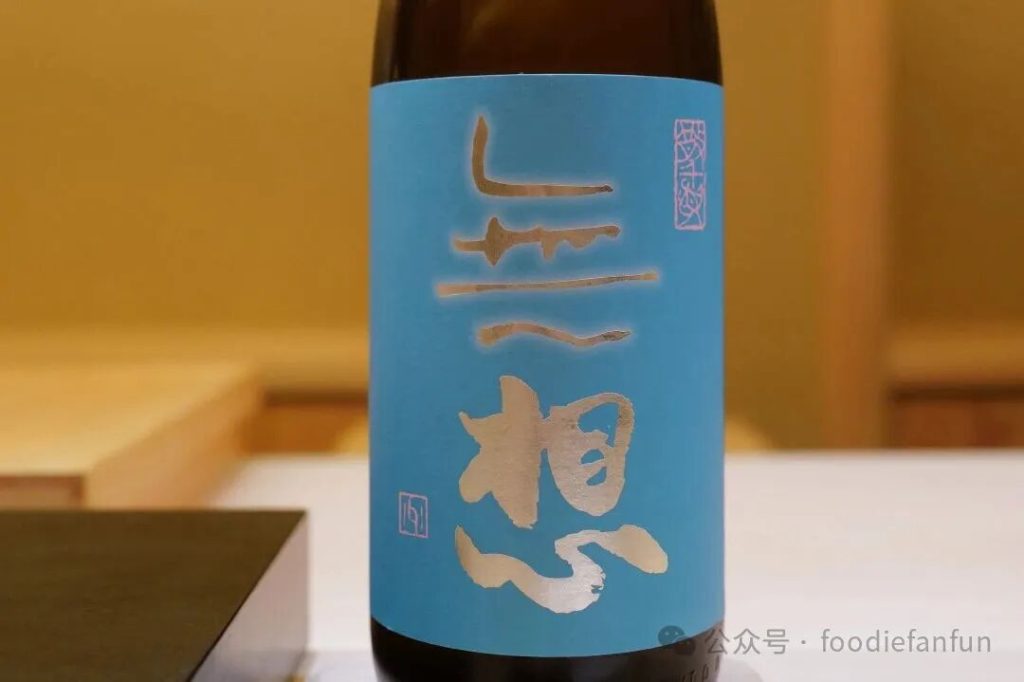
This was my second visit to Kyodai, right before the price increase — though the so-called ‘price hike’ was really just from 22,000 to 25,000 yen, more of a token gesture than anything drastic.
Homma-san trained previously at Shimbashi’s Sushidokoro Jun and Hiroo’s Zoroku-zushi Sanshichimi — grounded in Edomae technique, but open to innovation in how he applies it. For example, using sake-lees vinegar, and folding recrystallized salt infused with kombu and shiitake into the sushi.
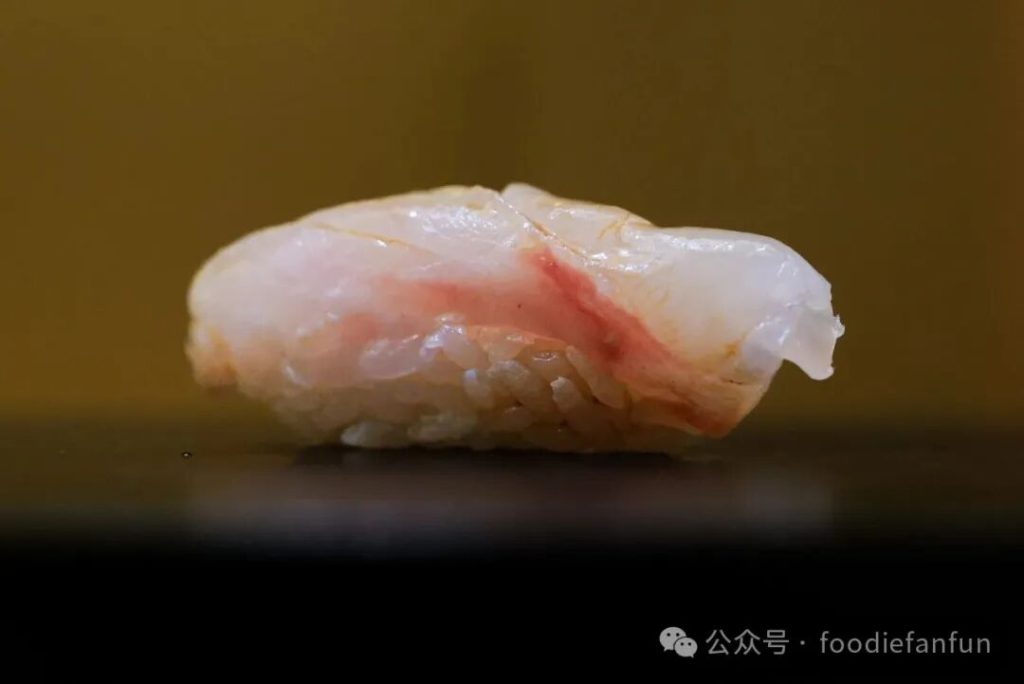
Japanese Seabass
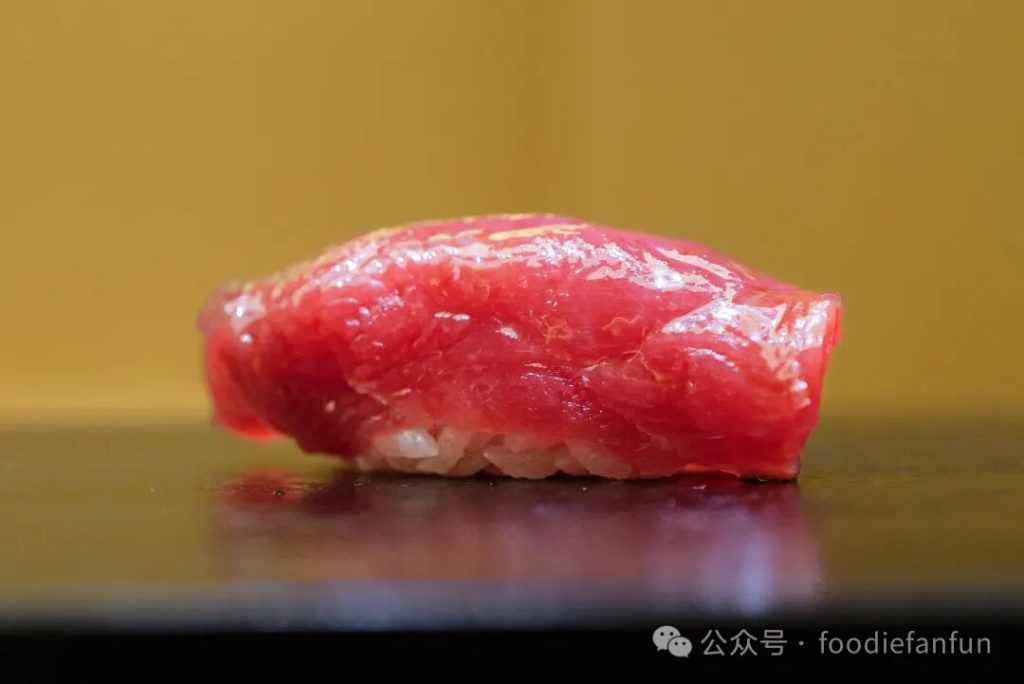
200kg Fish, Akami, 8-Day Aged
Kyodai’s course alternates between cooked dishes and sushi, keeping the pacing and texture rising and falling throughout.
The opener was longtooth grouper, dehydrated for 4 days — the condition of the fish was visibly excellent, clean flesh carrying both freshness and crunch. The shari had a clear lactic tang, almost like an appetizer sushi. The 8-day-aged akami was beautiful too, its restrained summer fattiness meeting the fish’s softness just right.
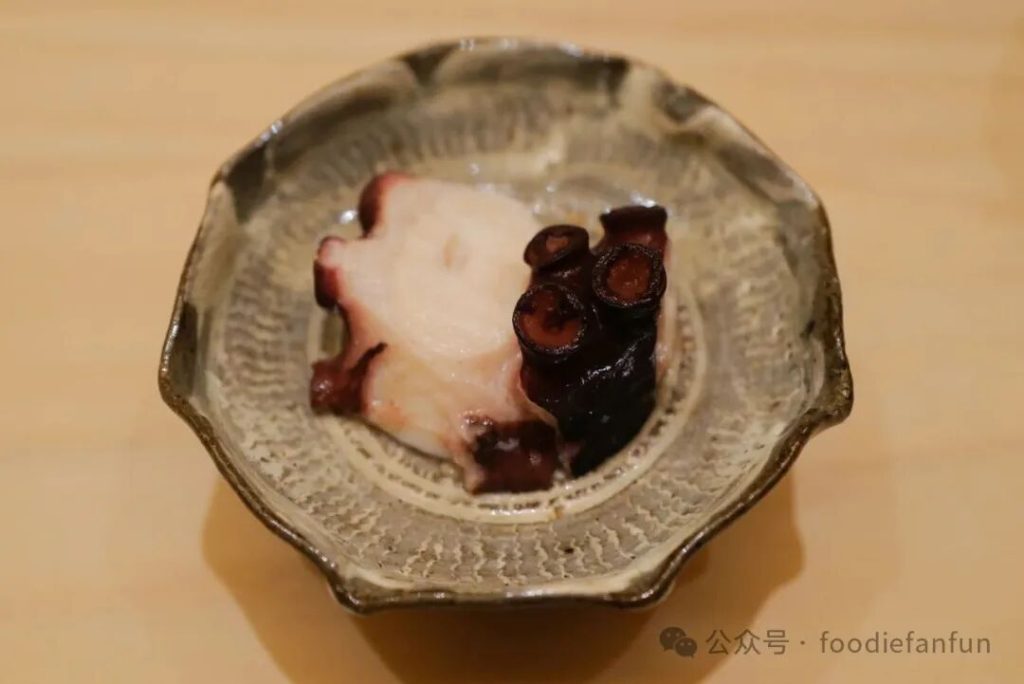
ミズタコ 水蛸
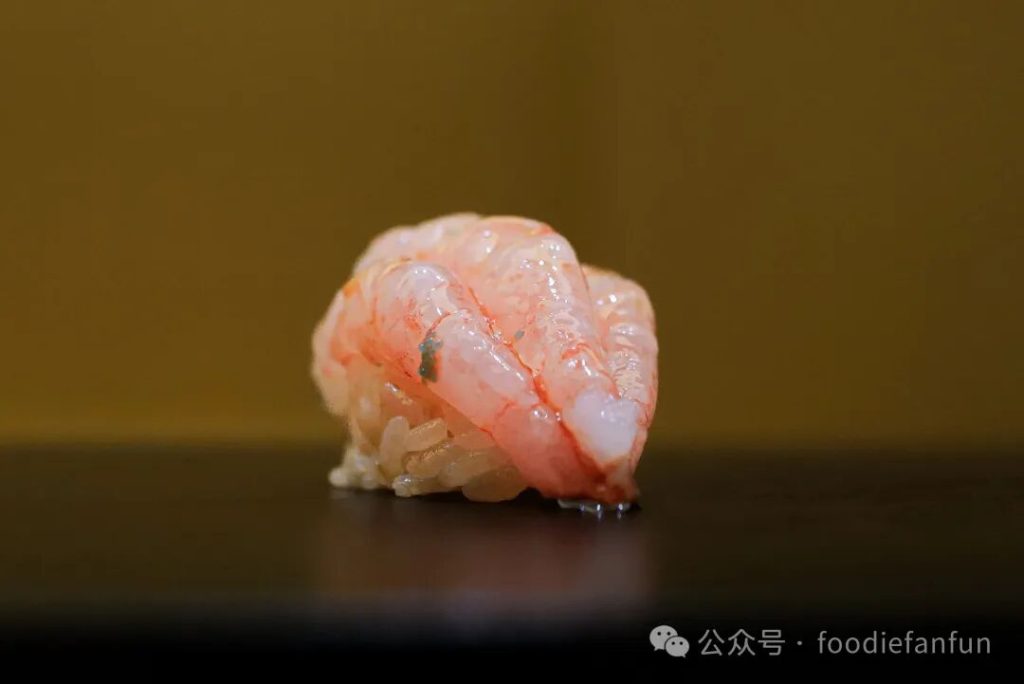
Nanban Shrimp
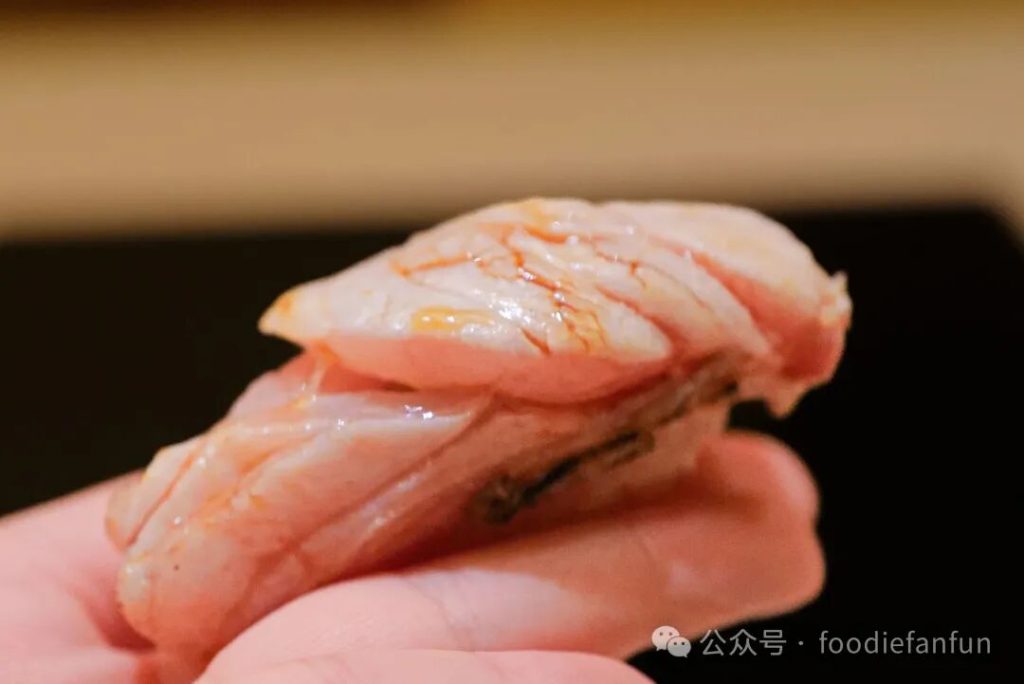
Nodoguro (Blackthroat Seaperch)
The octopus used is the giant Pacific octopus, which can grow up to three meters long — the largest octopus species in the world. Homma-san worked it right at the counter, while a handsome young sushi chef pulled up reference images on an iPad, switching fluidly between English and Japanese.
It was cooked using Murakami tea, resulting in a texture that’s soft yet resilient, with the saltiness and umami hitting just the right balance.
The nanban shrimp that followed is a Kyodai signature — three little shrimp brothers lined up neatly on the shari. The flesh was glistening and moist, silky and sweet on the tongue, with umami unfurling in the mouth.
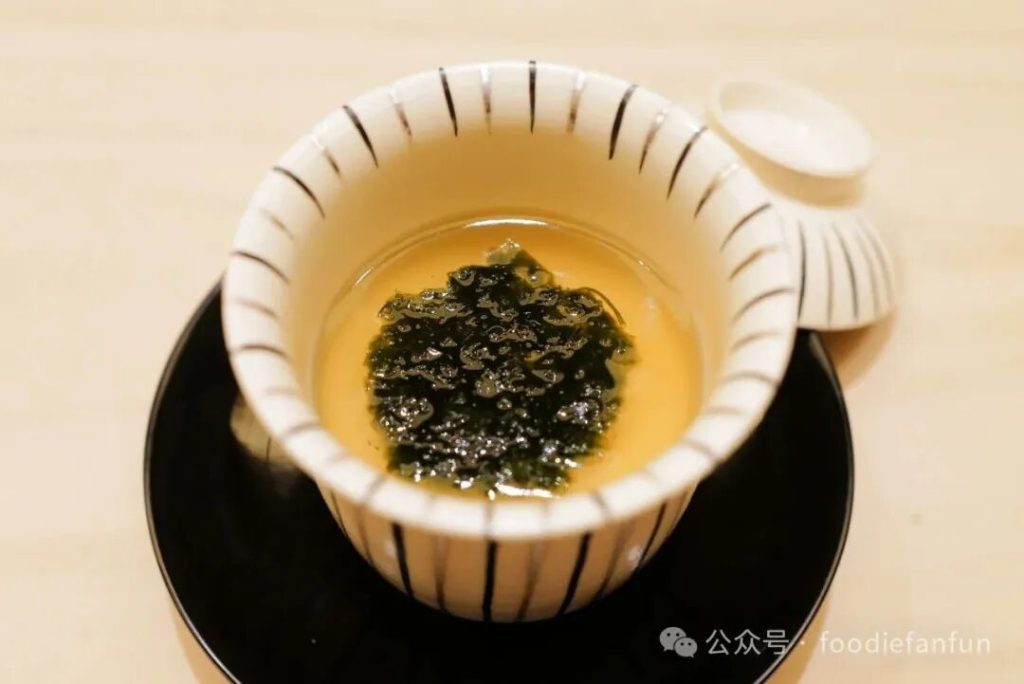
Nori Chawanmushi
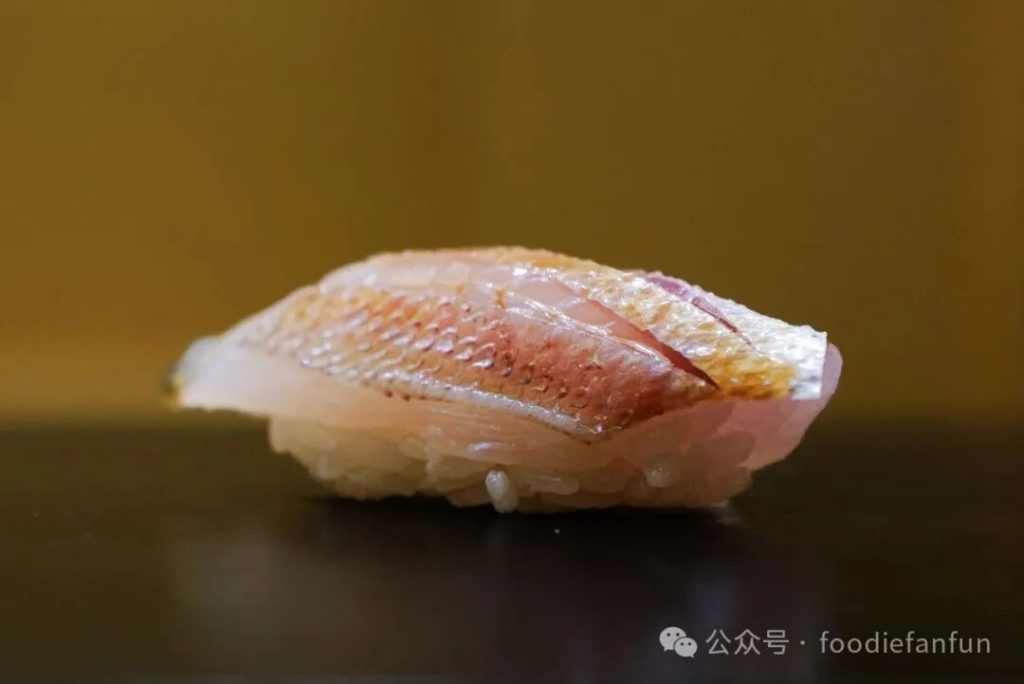
Red Sea Bream
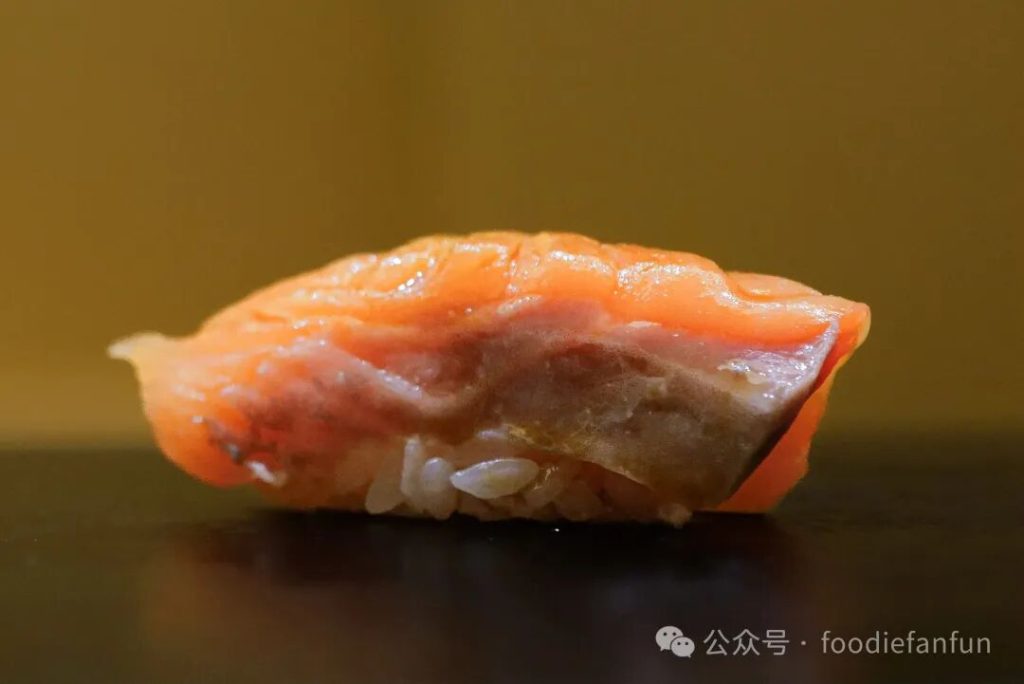
Sakura Trout
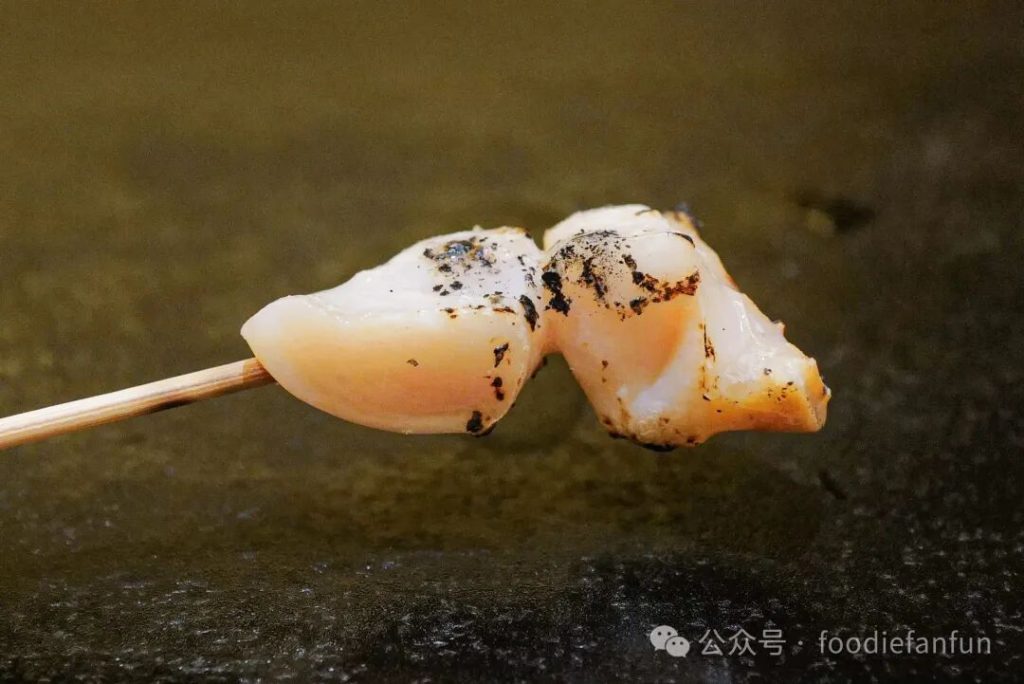
Whelk
Homma-san’s cooking stays rooted in tradition, backed by confidence in his ingredients. The restaurant still keeps the old-school ‘ice box’ cooling method, choosing to preserve fish using ice-block refrigeration to protect its original flavor and texture.
The red sea bream was glassy and translucent, soft and delicate; set off by lemon’s light acidity, its fresh, sweet fish flavor was pushed to the extreme — a standout example of this season’s kasugo (young sea bream). Charcoal-grilled baby whelk was slipped in between the sushi, so fresh it bounced back with each bite, its aftertaste distinctly sweet. It’s hard not to sigh — the ingredients here really are that good.
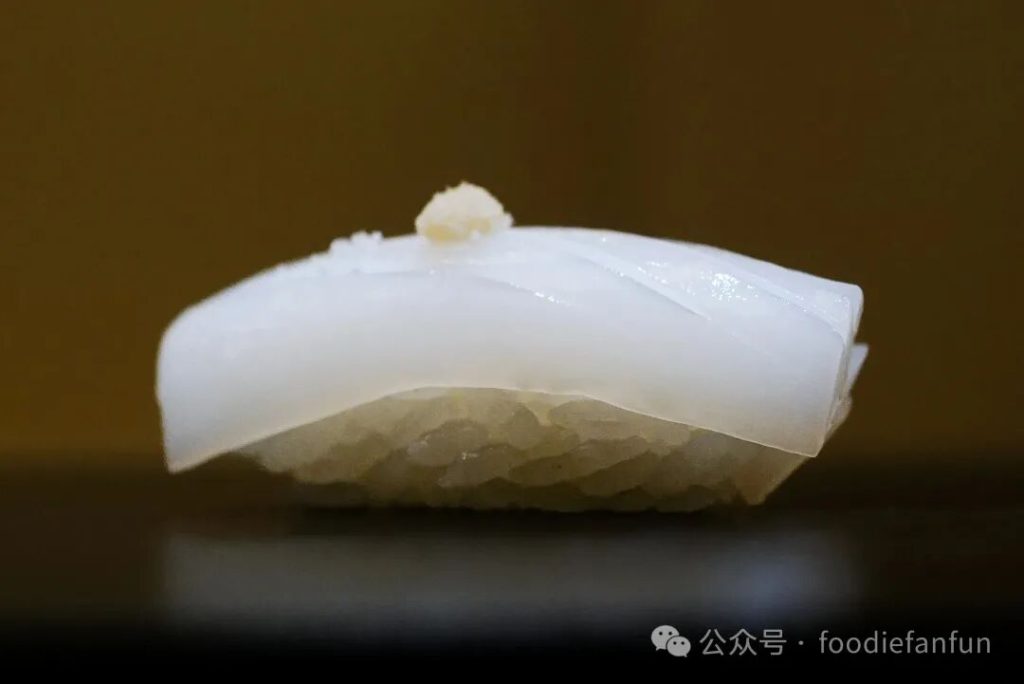
Squid
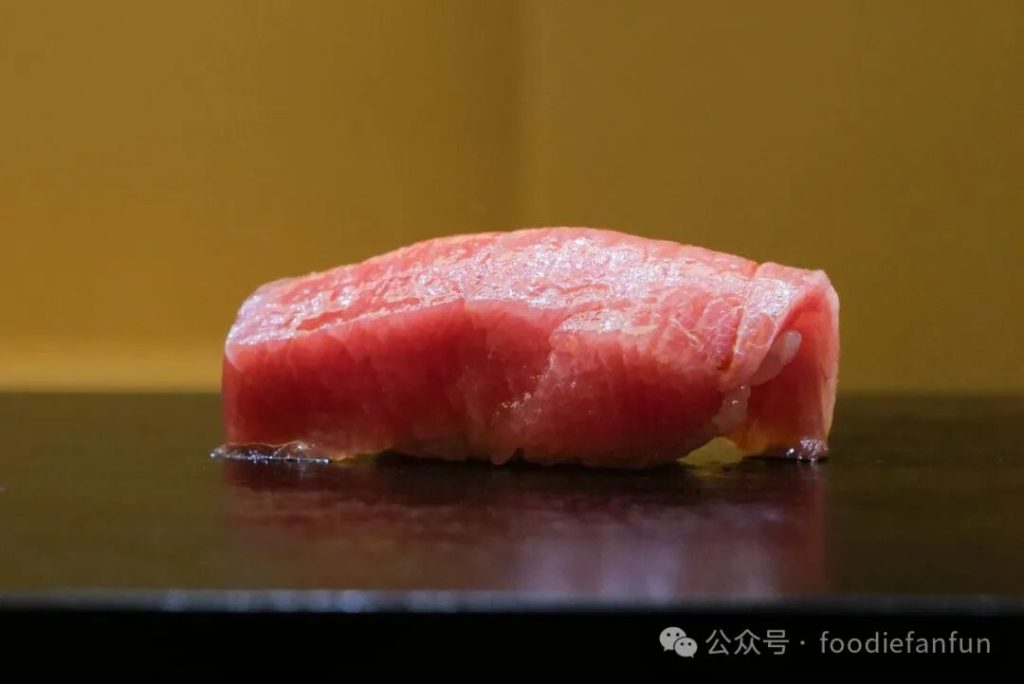
Chutoro
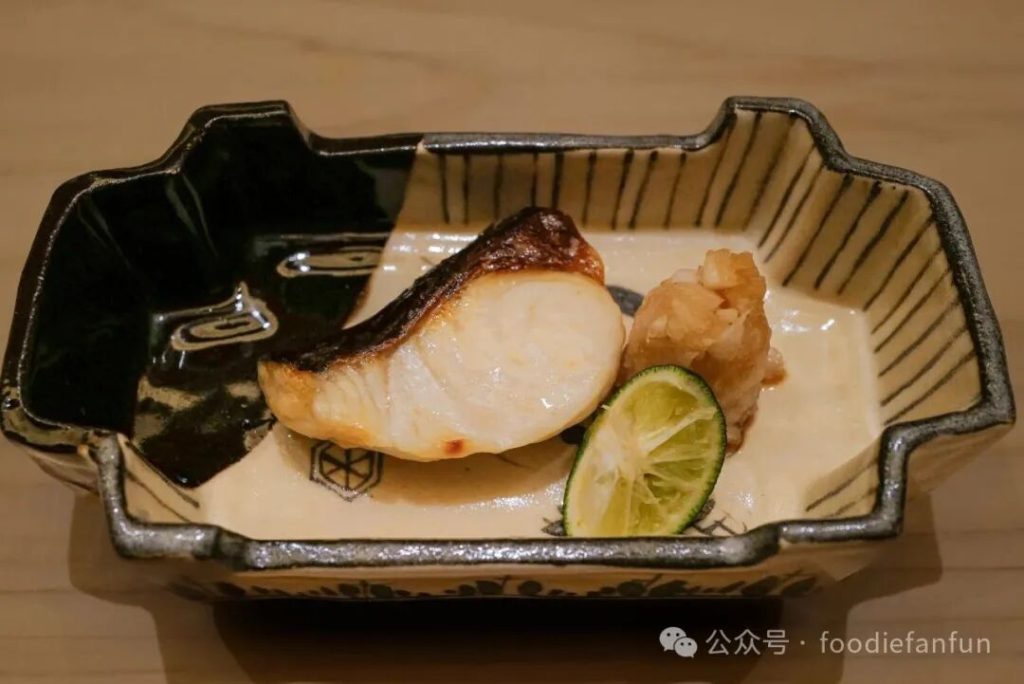
Sado Splendid Alfonsino
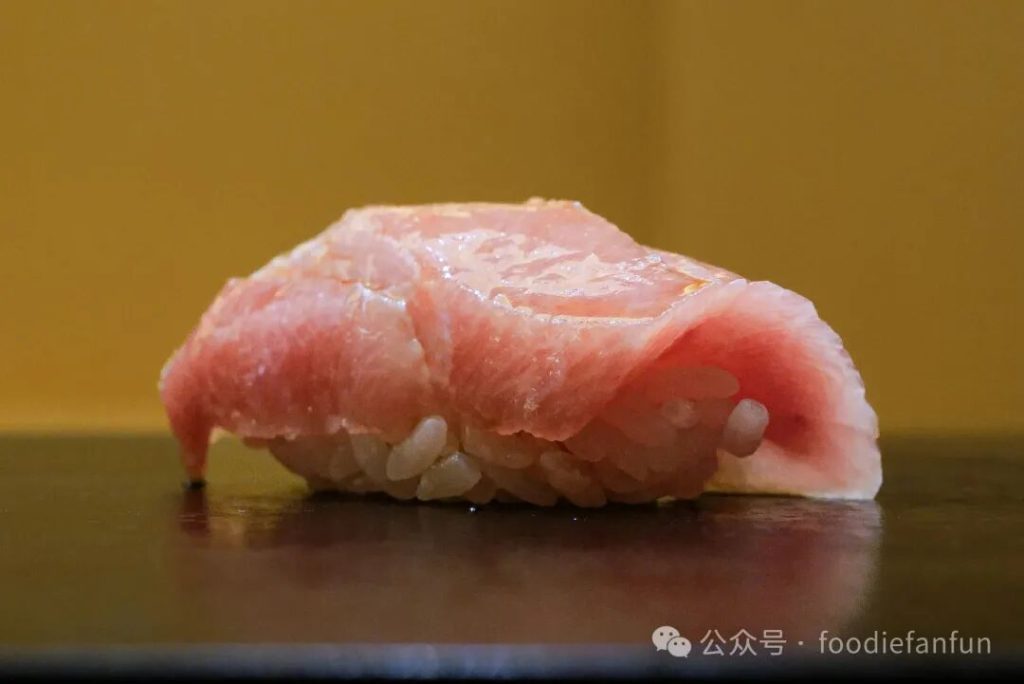
Otoro
The otoro played with the idea of ‘an ingredient and its own food’ — folding squid, something tuna loves to eat, into the marinating soy sauce. There’s a common belief that tuna raised on a diet of squid tastes even better.
Compared to my visit a few months earlier, the otsumami were largely unchanged — but they’re the kind of dishes you keep loving no matter how many times you have them, and they pair especially well with Niigata’s tanrei-karakuchi (light, dry) sake. Take the grilled Sado splendid alfonsino, for instance — the pale, tender flesh was firm, with lemon drawing out a lovely creamy note.
As for the sushi itself, Homma-san doesn’t really emphasize elaborate, complicated structures — he leans more into showing off the strength of the ingredients’ origin, staying close to their true, natural freshness. It’s bright, straightforward deliciousness, with a sweetness lingering on the tongue afterward. And of course, you can’t overlook the visual treat of Homma-san quietly flexing his knife skills, slicing clean through an entire cucumber in one stroke while making the eel roll.
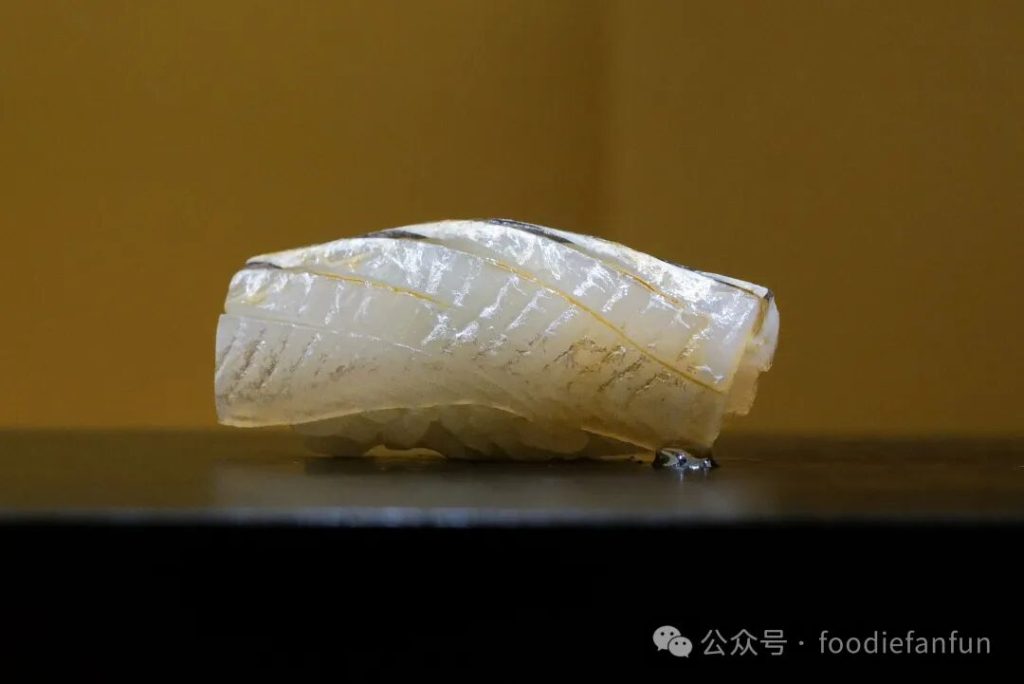
Needlefish
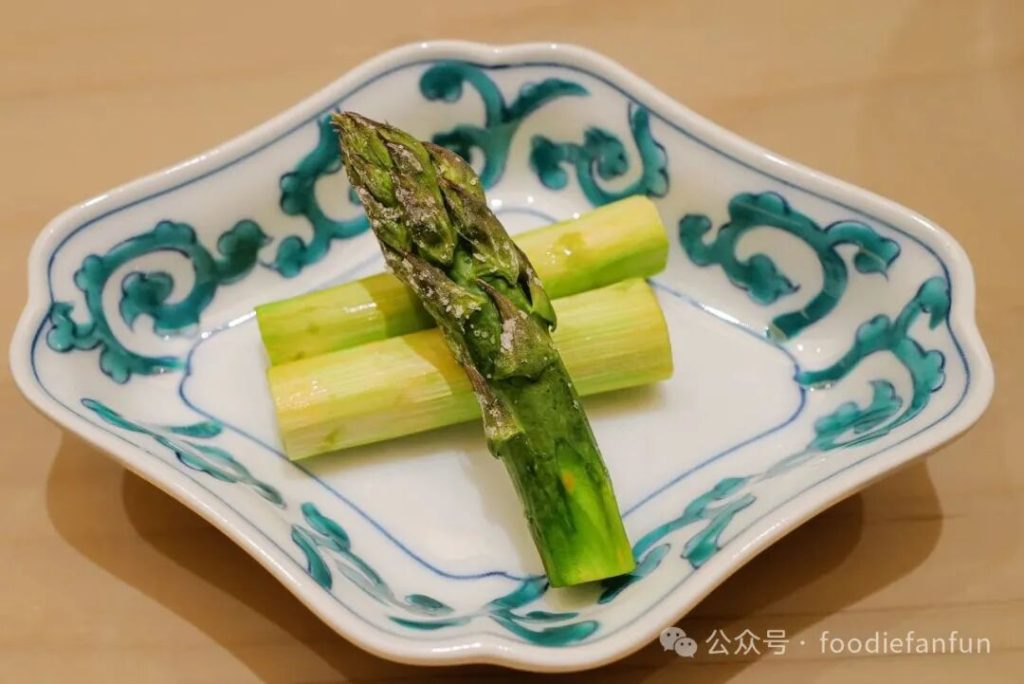
Asparagus
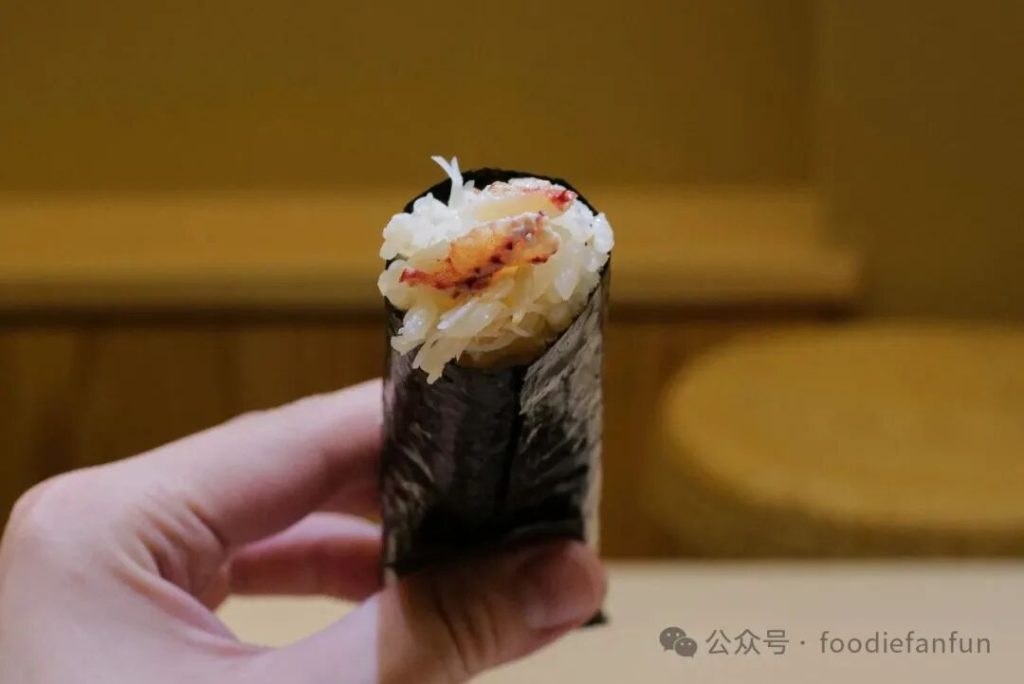
Hairy Crab Hand Roll
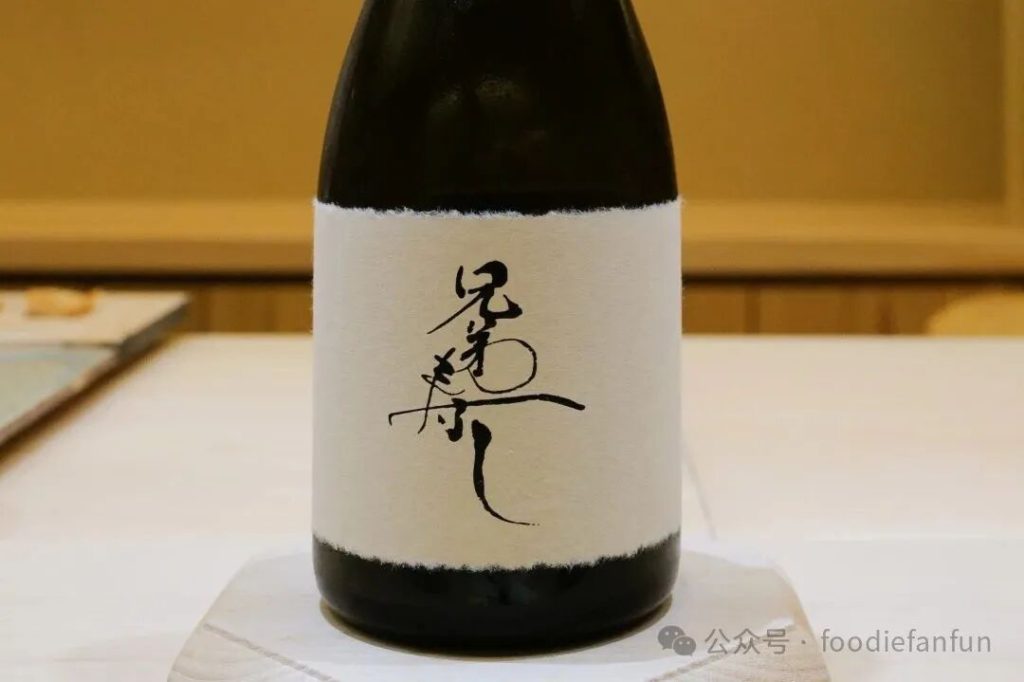
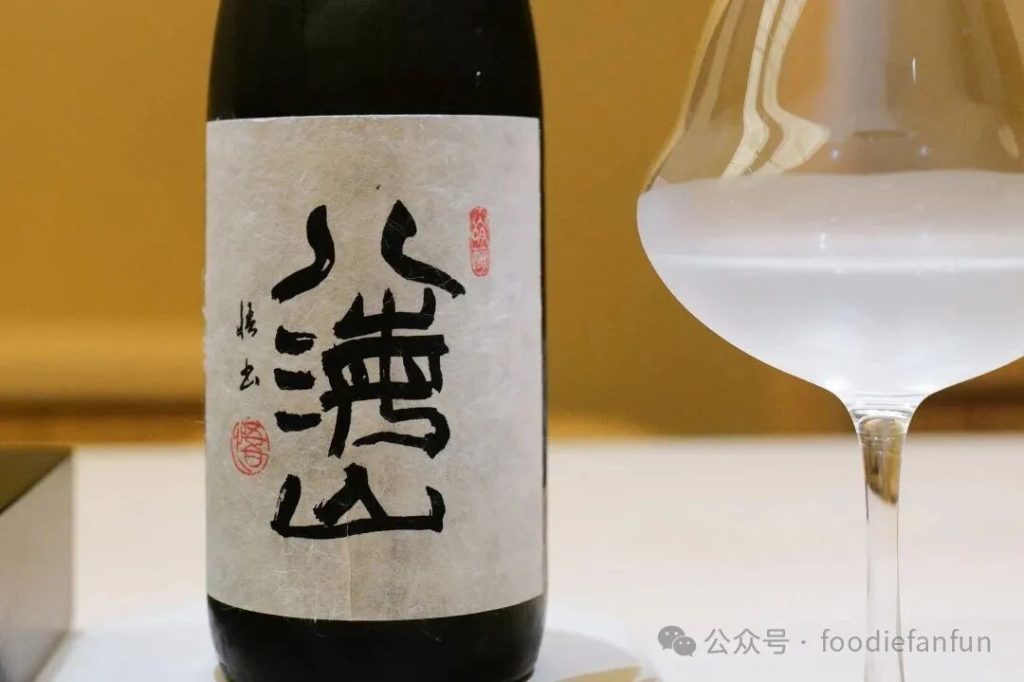
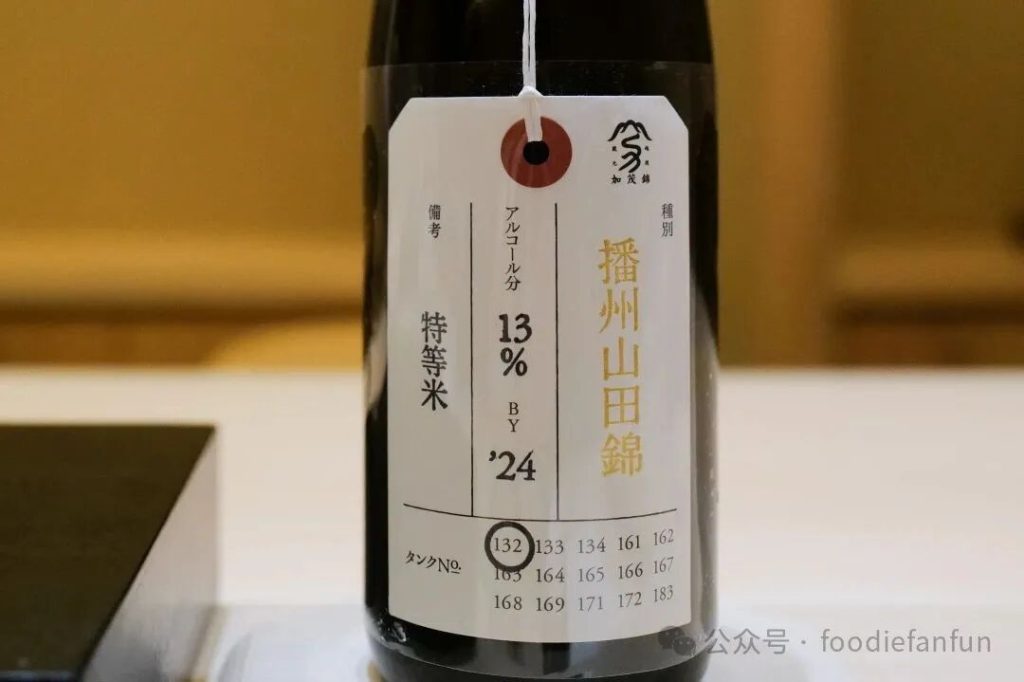
Kamonishiki x Kyodai Sushi HONMA EDITION
Kamonishiki has done collaboration sake with Sugita, Kyodai, and Tokiwa alike, each subtly adjusted to match the character of the respective restaurant — personally, my favorite is Kyodai’s, fresh and lively, with a clean finish and clear-cut freshness that suits Kyodai’s sushi style perfectly. Across two visits, Homma-san never said much, but every word counted. When everyone went quiet at the start of the meal, he said, “I’m not that mean, you’re allowed to talk at this counter.” When a guest took his photo, he joked, “A photo of me will cost you 500 yen.” And when an apprentice made a mistake, he didn’t get angry, just asked, “Feeling like heading over to Tokiwa, are you?” (Cold.)
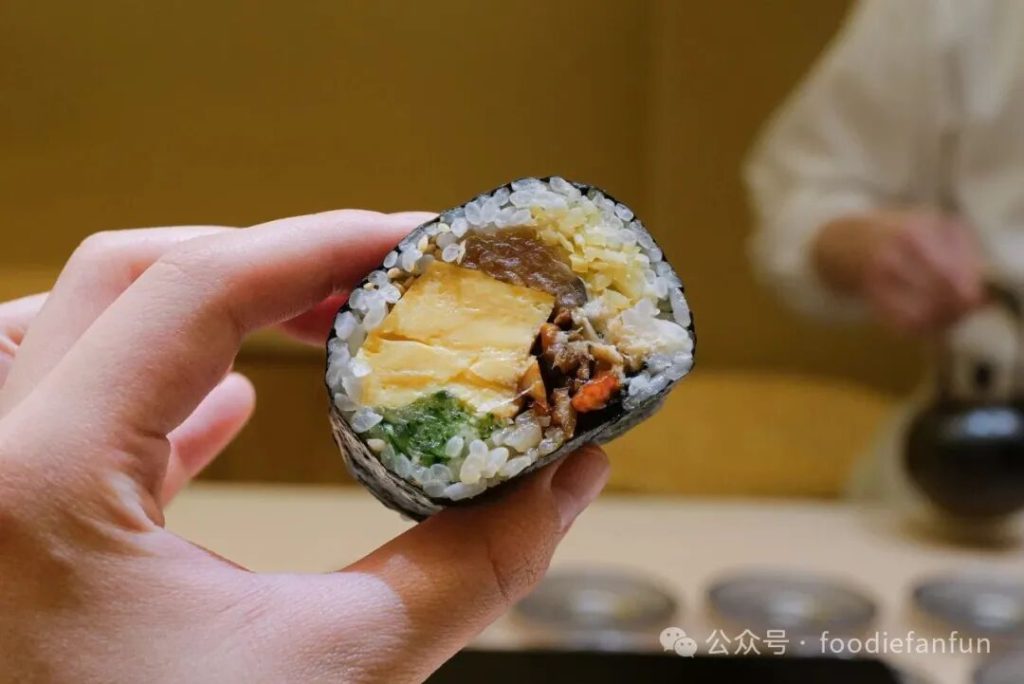
Anago (Sea Eel) Roll
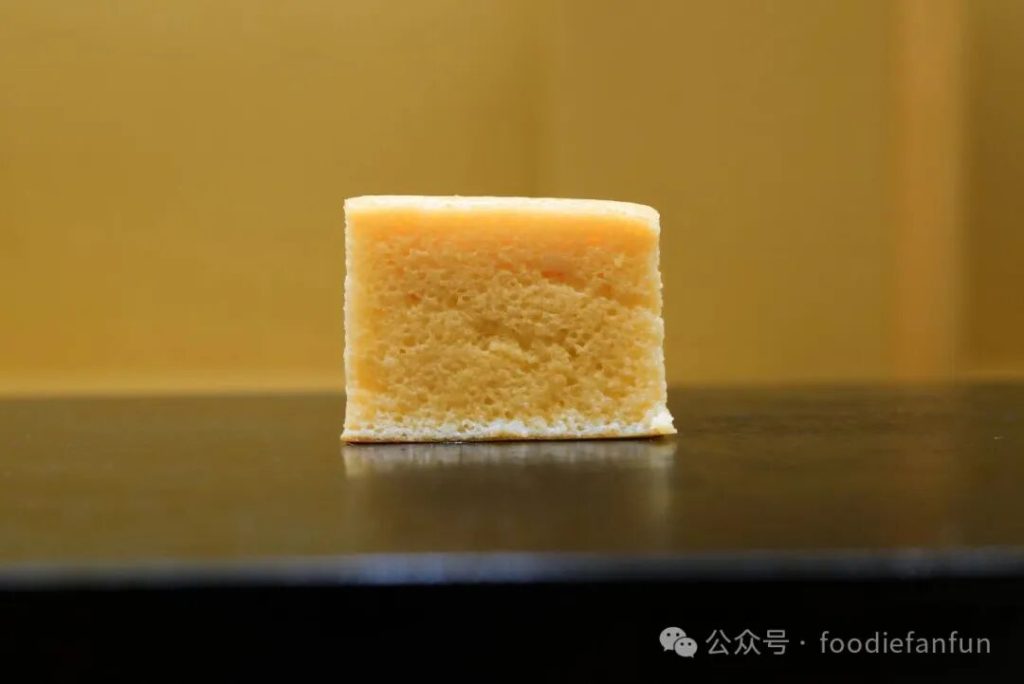
Tamago
✦ • ✦
If Kyodai Sushi is about folding an understanding of Niigata’s ingredients into traditional Edomae technique, then Tokiwa is the creative revolutionary who basically refuses to follow the playbook at all. The two are entirely different creatures.
But both restaurants share the same underlying intention: showing the world what Niigata’s ingredients can do. The wildly imaginative Kobayashi-san, the slicked-back-hair Homma-san shaping Edomae sushi, and the two chefs at Shintaku in Murakami — all of them are craftsmen worth visiting Niigata for every single season.
Niigata really is a wonderful place!
Leave a Reply