Every time I’m in Niigata, there’s one restaurant I have to visit: Kyodai Sushi.
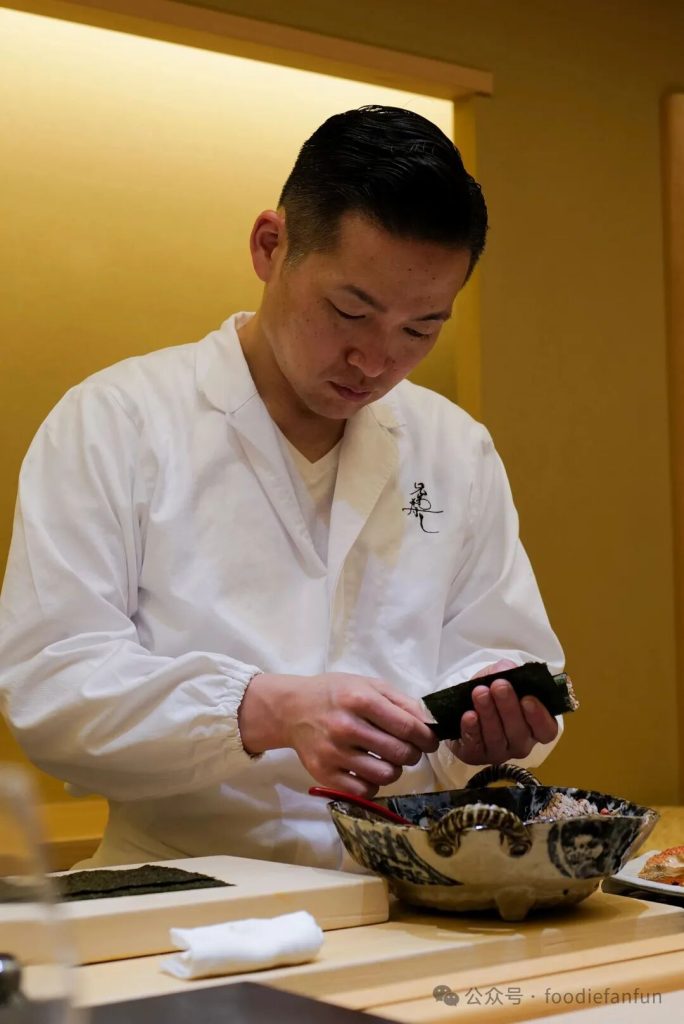
He’s the kind of chef who looks aloof behind the counter — V-neck vest, slicked-back hair — reposting thank-you messages on his Instagram stories every day while marking a ❌ to correct guests: “It’s Kyodai Sushi with the kanji, not the hiragana.” A calculating softie underneath it all.
But he’s also behind one of only two 2-star restaurants in the Niigata Michelin Guide (the other being UOZEN), and a sushi restaurant that’s won the 🥉 Tabelog Award Bronze four years running.
Delicious. Genuinely delicious — the kind that keeps resetting your bar for what delicious means, visit after visit.
His sushi has a fine, focused line — every fish’s character comes through clearly in the mouth. It’s sushi you could describe as precise, restrained, elegant.
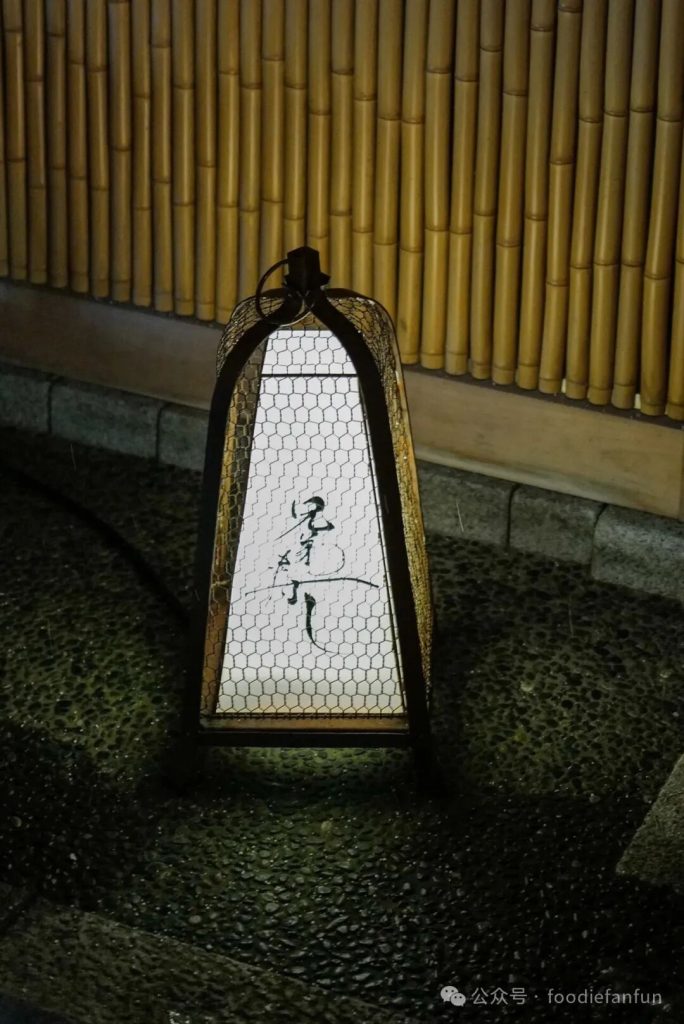
Kyodai Sushi opened in 1960, and is now run by second-generation chef Ryuji Honma. After high school he went to Tokyo, spent about a decade training within the Edomae sushi lineage, and came back to Niigata around 2011 to take the family business in hand.
What he wanted, he says, wasn’t to replicate Tokyo, but to build a “Niigata-mae” sushi: Edomae technique applied to fish from Niigata’s own coastal waters, with the rice, water, vinegar and sake all kept within the prefecture as much as possible.
Six months had passed since my last visit. I’d even booked under a different name this time — but from the moment I walked in, nearly everyone, in front of and behind the counter, came over one by one to say hello with real energy. “お久しぶりです!お土産ありがとうございます。” Being remembered like that felt direct, and warm.
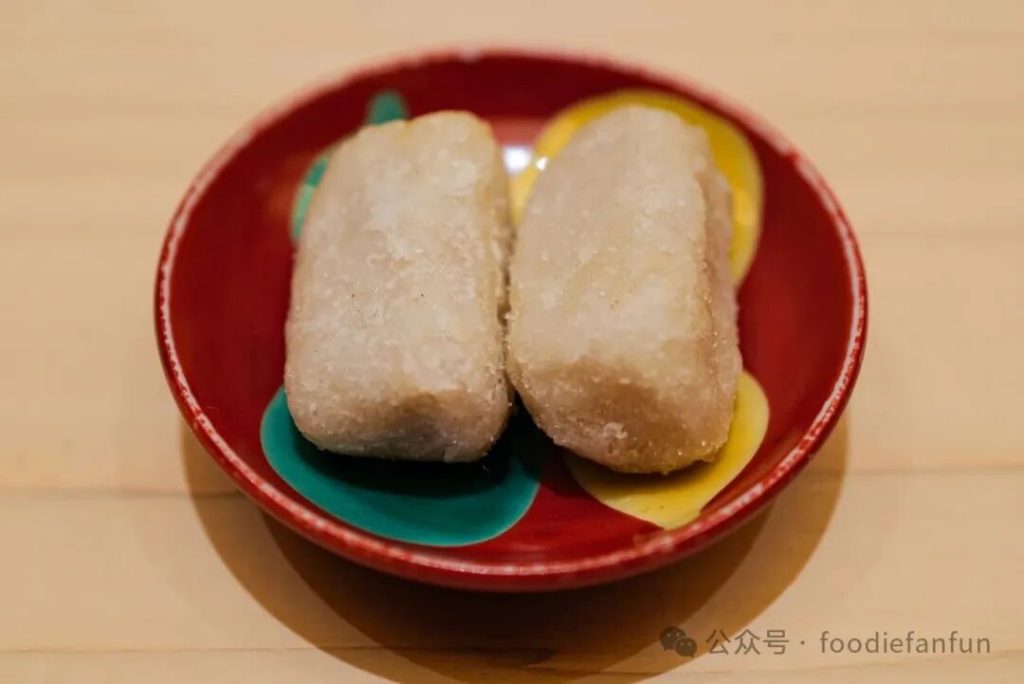
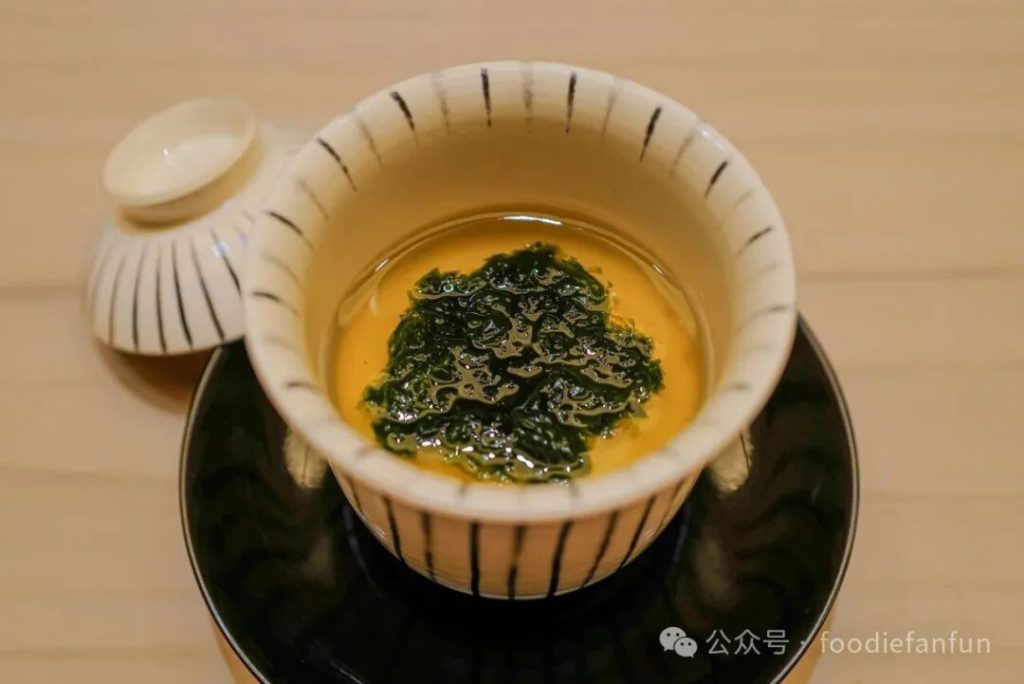
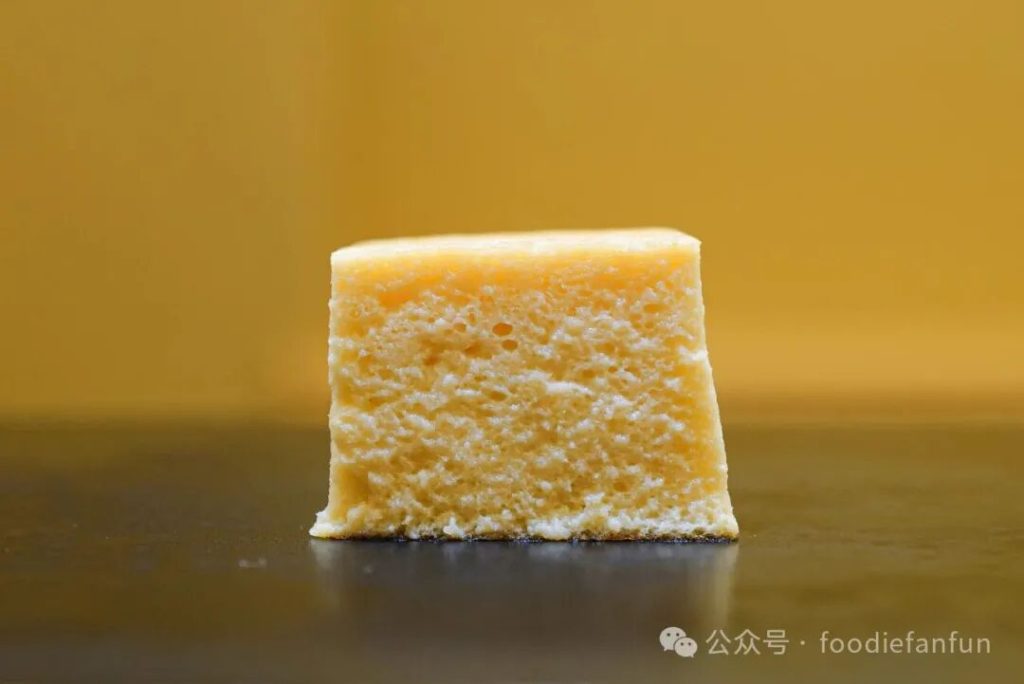
As always, a small fried dish arrives first, something to sip alongside while it wakes up the palate. Then, without much talk, the sushi begins.
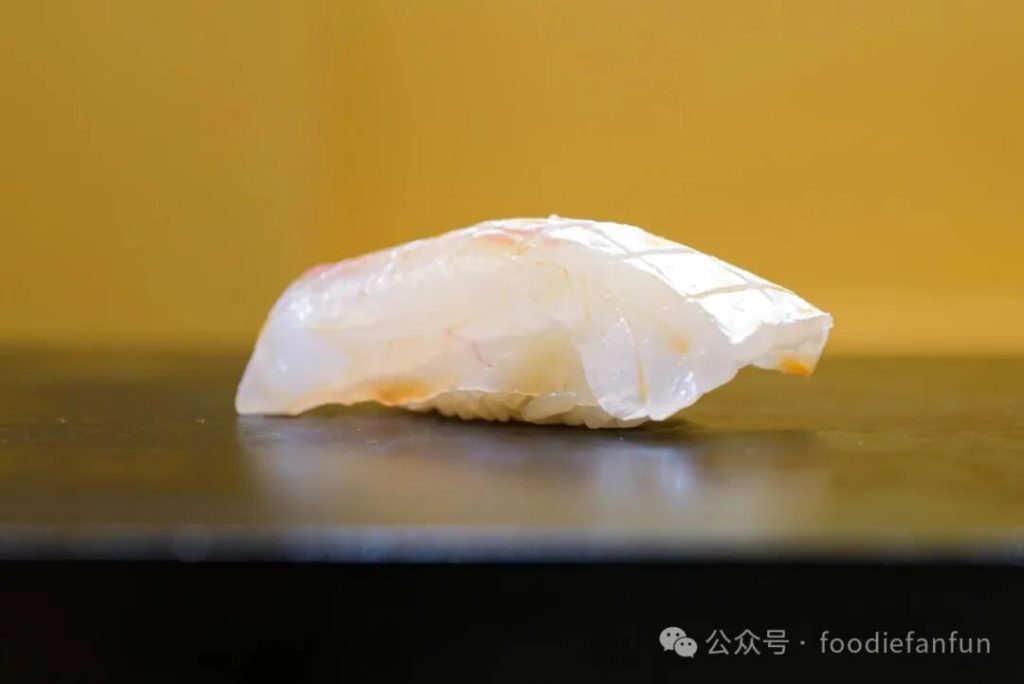
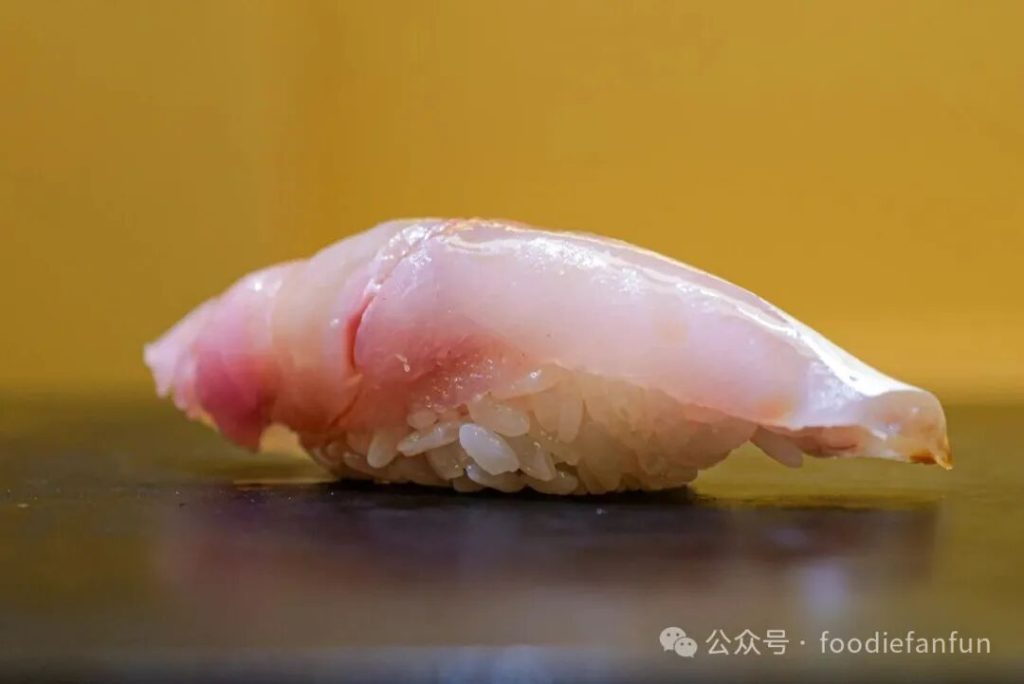
Madai from Sado Island, a beautifully fresh white fish. The flesh carries a crisp springiness, and as you chew, the flavor draws out long and thin, a slow sweetness unfurling — clean, with real lingering resonance.
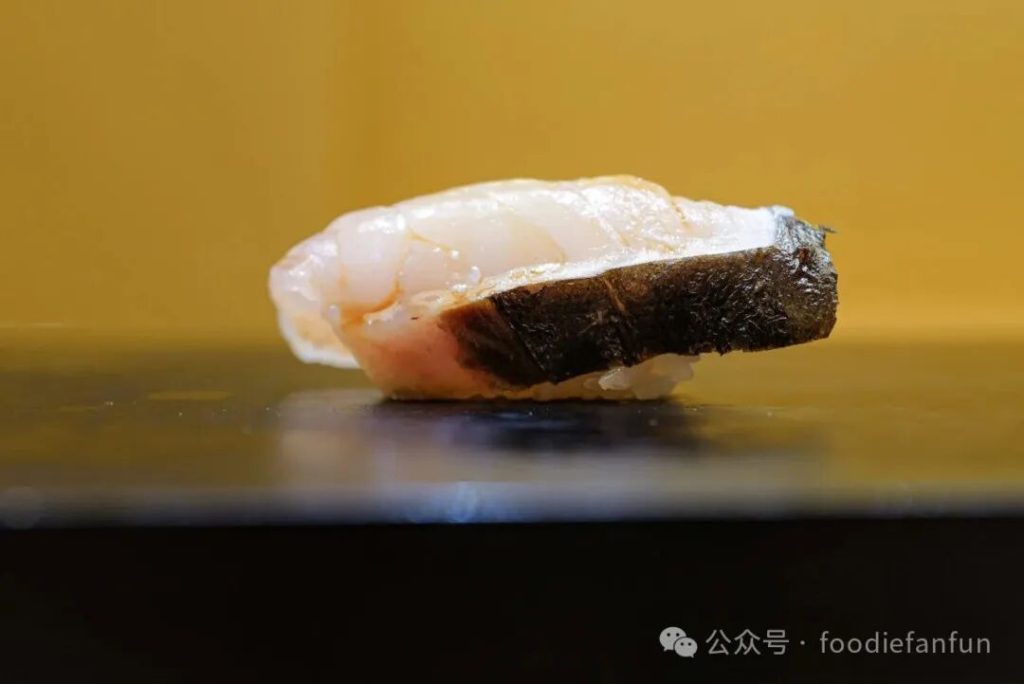
The Spanish mackerel carried a faint trace of smoke, the flesh soft in just the right measure, its fatty sweetness gently lifted by that smoky note — balanced, smooth.
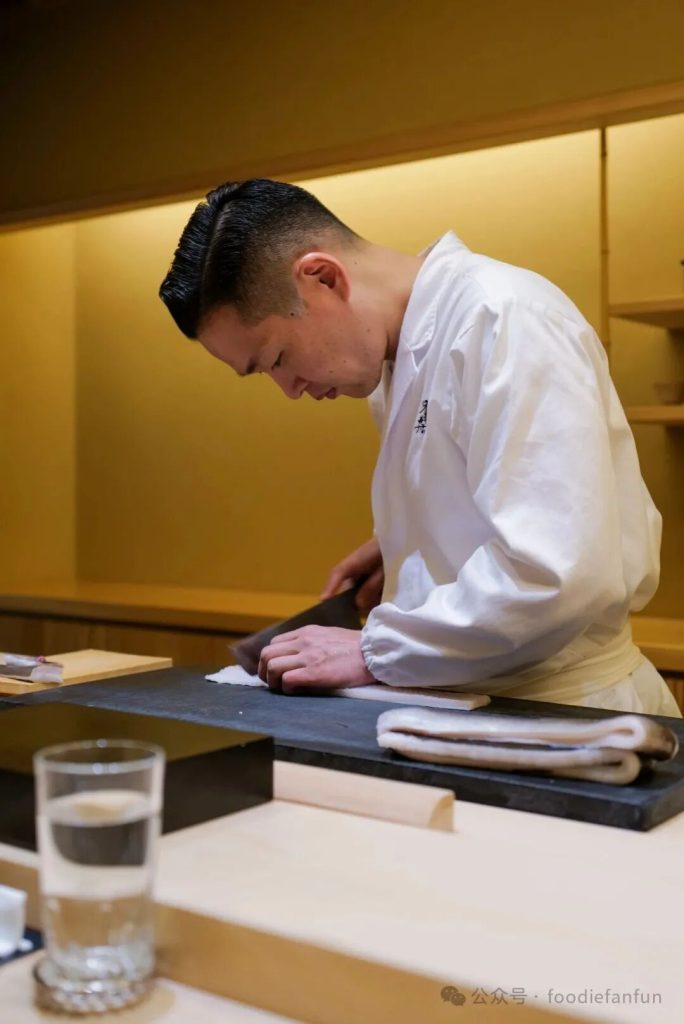
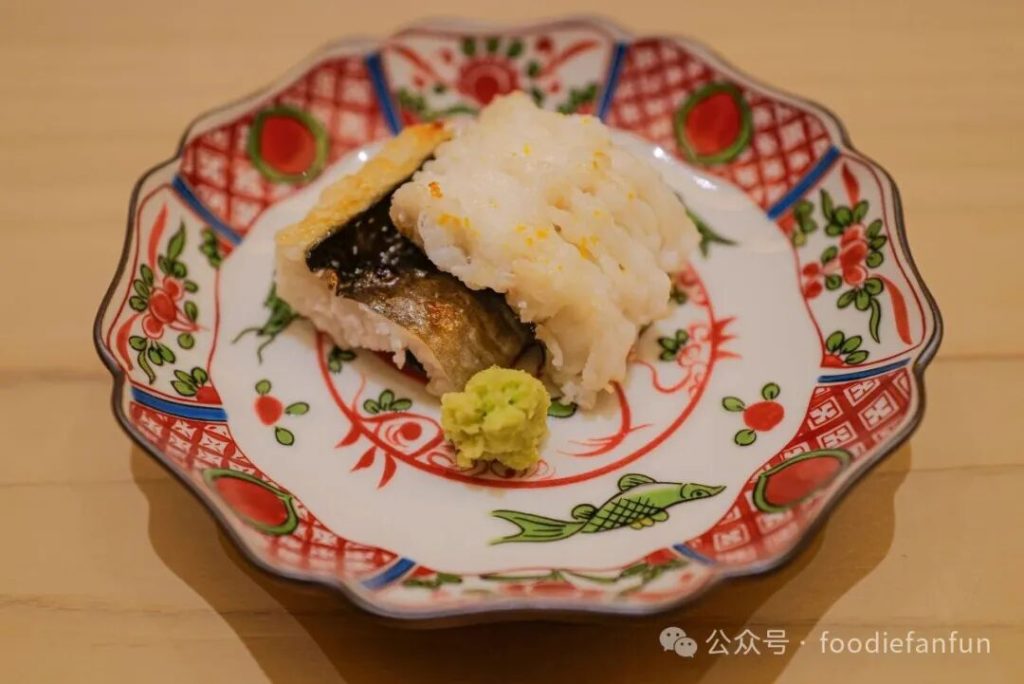
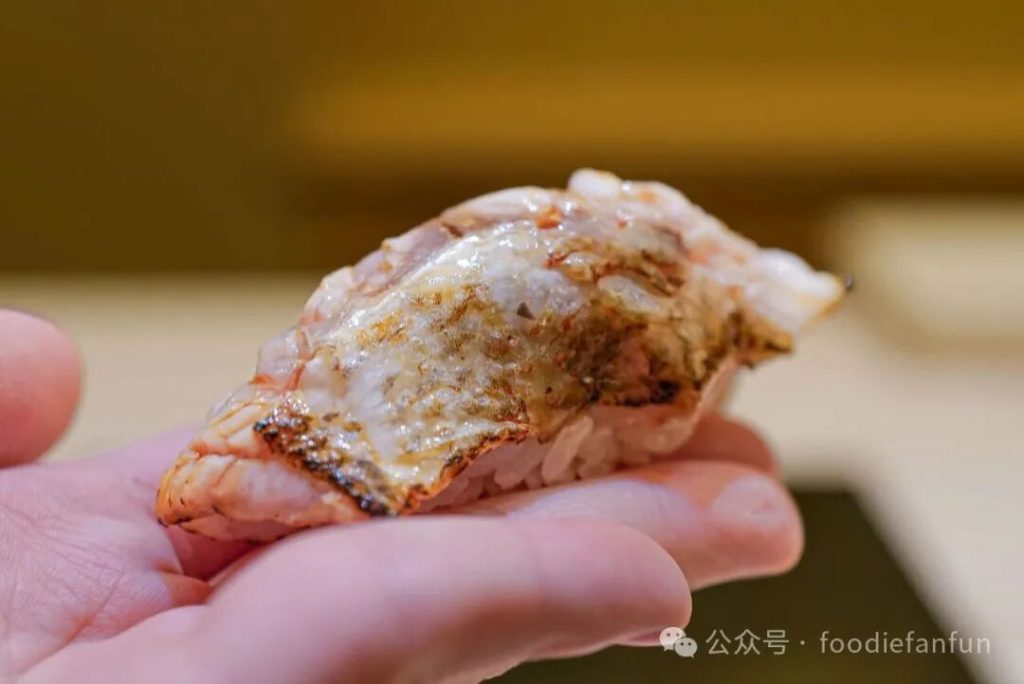
A big part of the pleasure of sitting at the counter comes from watching how the chef handles the ingredients. Today it was an eel, broken down bone and all right there at the counter. Amid the sound of the knife — chua, chua — Honma’s cuts were clean and decisive. Within minutes it was sent back to the kitchen.
Both the flavor and texture were pushed to their fullest. The cooking showed off the fiber of the flesh just right, even leaving a faint “raw” texture near the bone, the aftertaste sweetness more direct for it. The skin stayed firm and crisp, its crackle holding up in the mouth. The saltiness, the wasabi’s clean aroma — both dialed in precisely, lifting the flavor without overpowering it, like the whole eel’s outline had been drawn more sharply into focus.
From prep to the moment it lands in your mouth — everything a diner hears, smells, sees, tastes — there wasn’t a single wasted moment. All of it, entirely in Honma’s control.
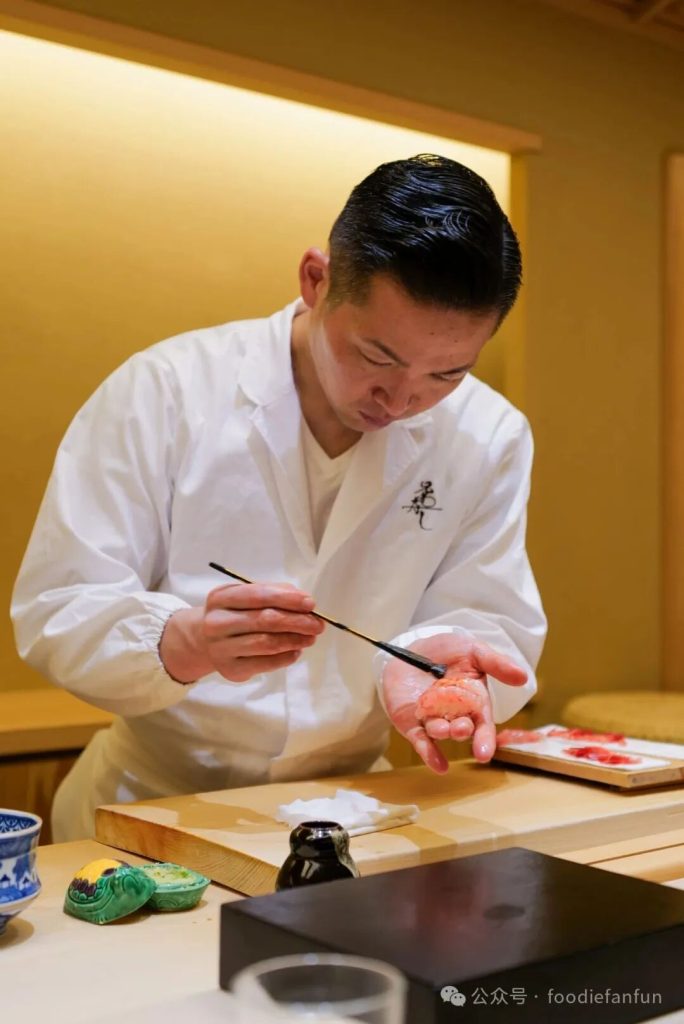
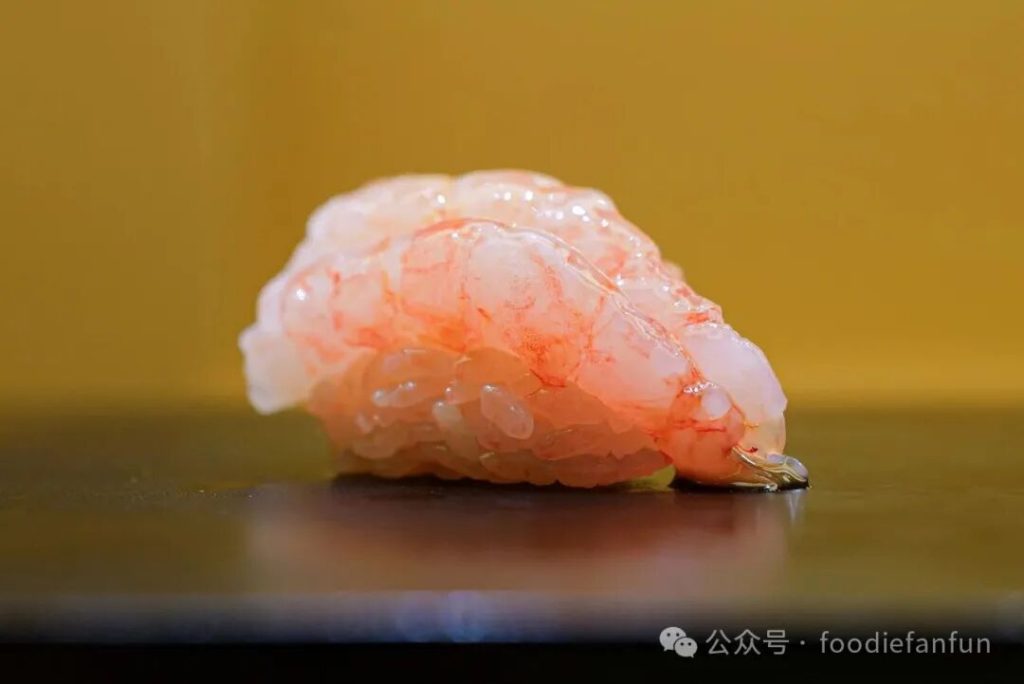
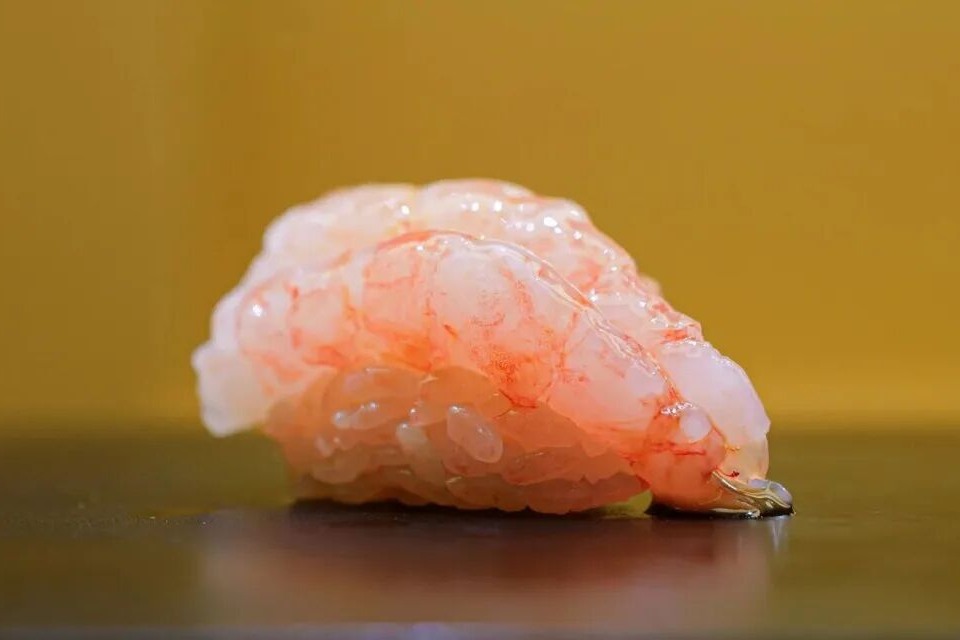
Sweet shrimp is Kyodai’s signature dish. Three shelled shrimp stacked together, and in the moment right before it’s set on the counter, a single pull strips away the shell.
The nanban shrimp were, as always, creamy and rich, but this season’s flesh came across firmer than usual. Beyond the sweet crunch, even the shell itself carried a hint of umami.
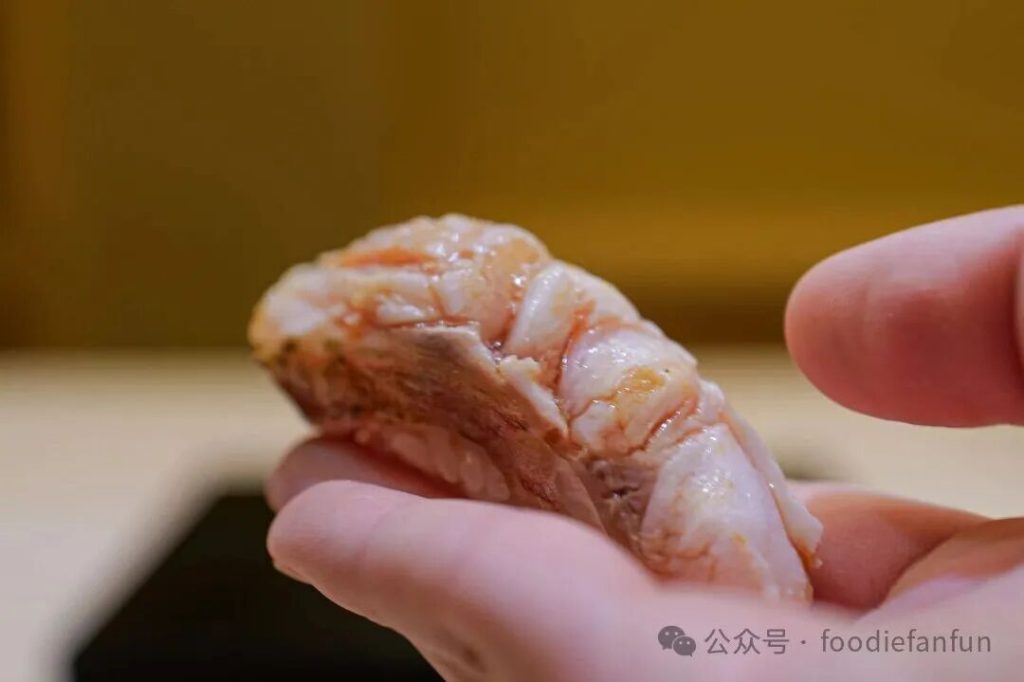
Then came nodoguro. Beyond the softness and dense freshness of its half-cooked texture, there was also, in the aftertaste, a sense of connection carried over from how it grows. Nodoguro spend their lives preying on nanban shrimp — so at Honma’s counter, the shrimp is always served just before the nodoguro. That rule of nature gets carried straight through to the counter.
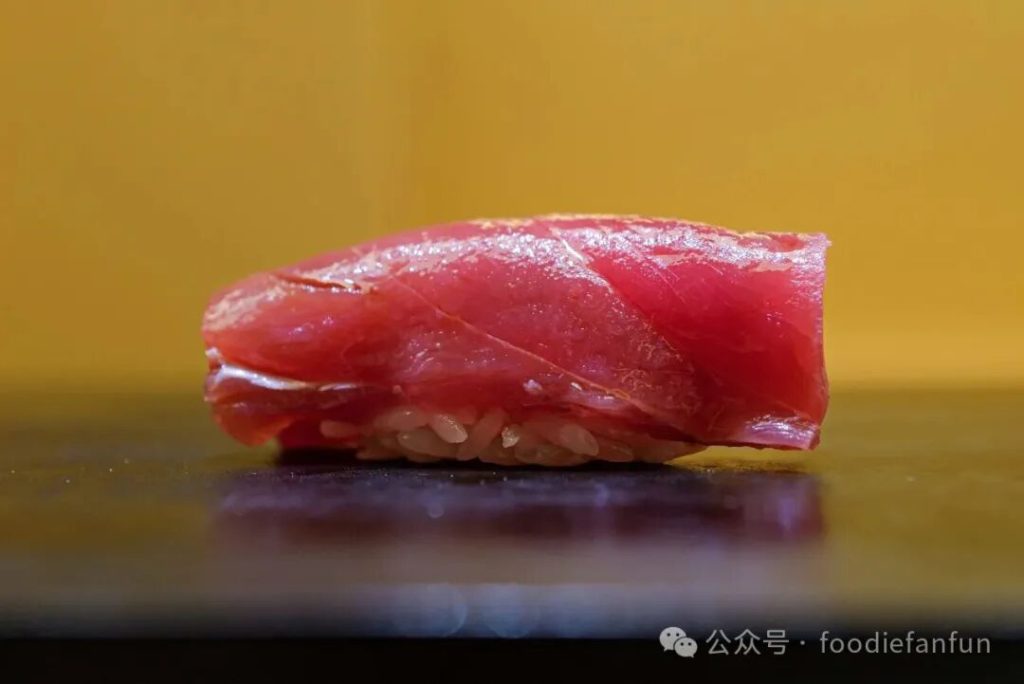
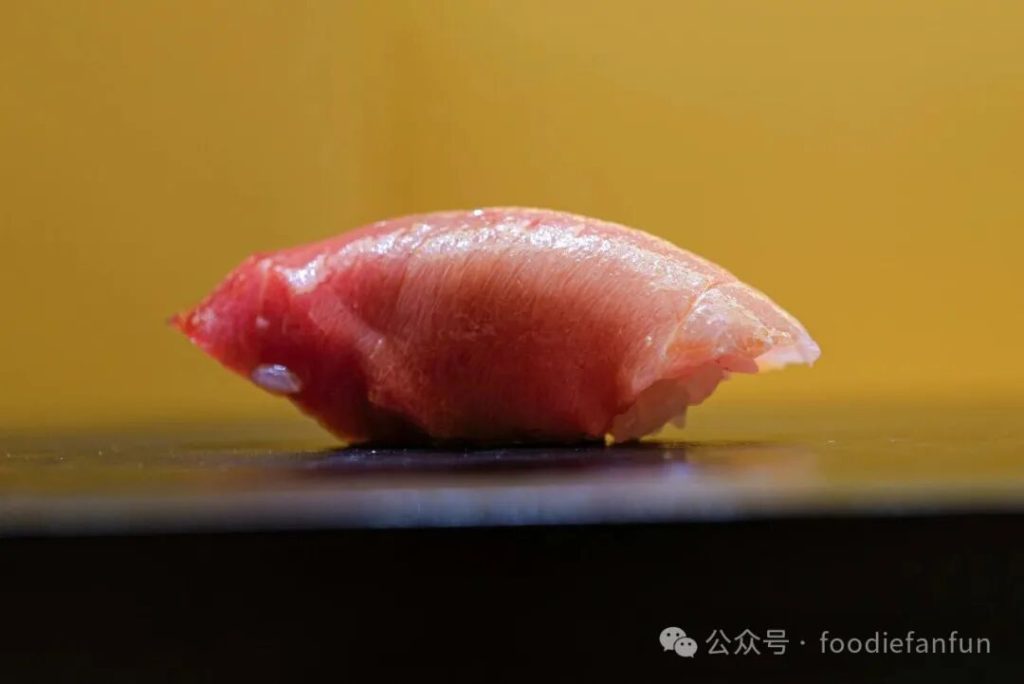
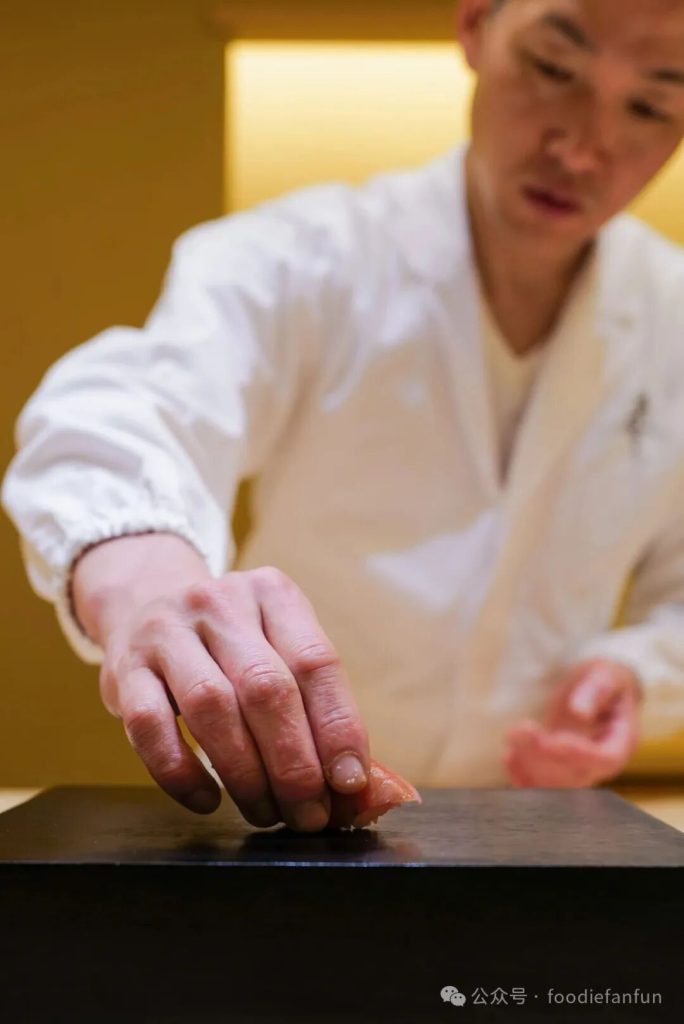
“You didn’t mess up the photo, did you?”
I’d raised my camera the instant the sushi landed, and got teased for it immediately.
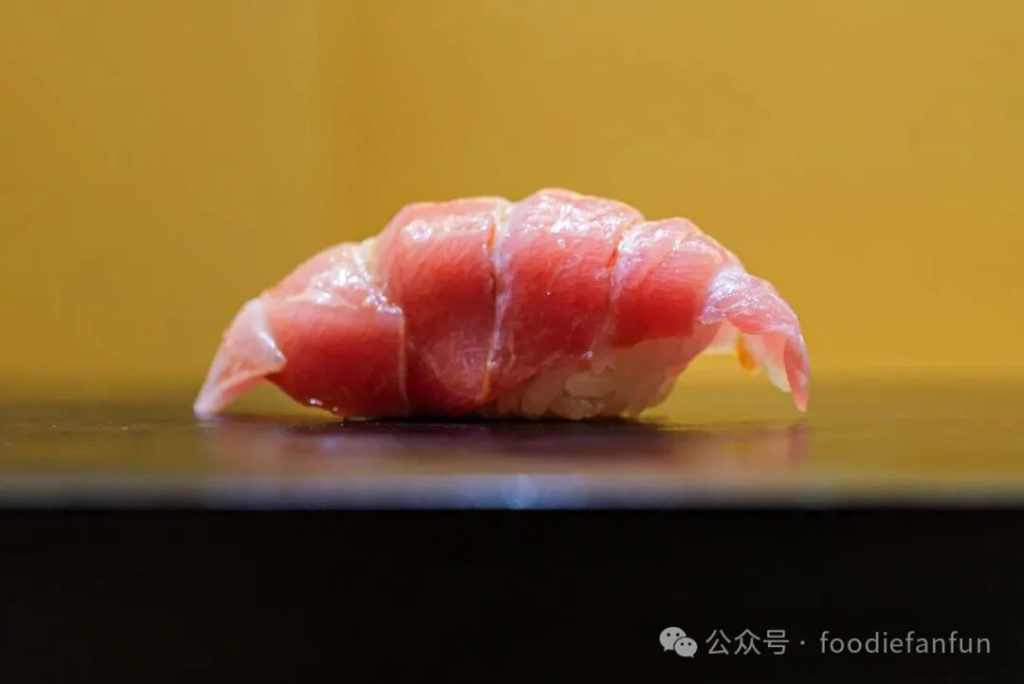
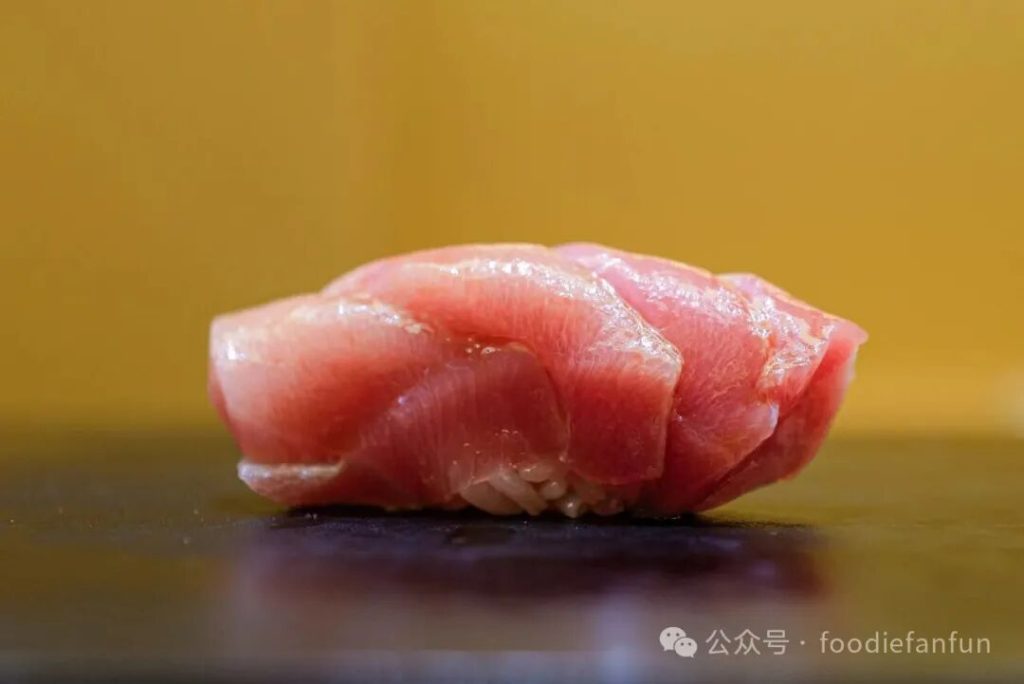
Today’s tuna had its own story too — 80kg, caught in a set net off Sado Island, a fish that never even made it to Toyosu Market before landing straight on the table.
The akami was firm, with a hint of that iron-blood tang and a protein-forward crispness, the flavor direct and clean as you chew. The chutoro, on the other hand, was more sweet, its texture softer amid rich fat.
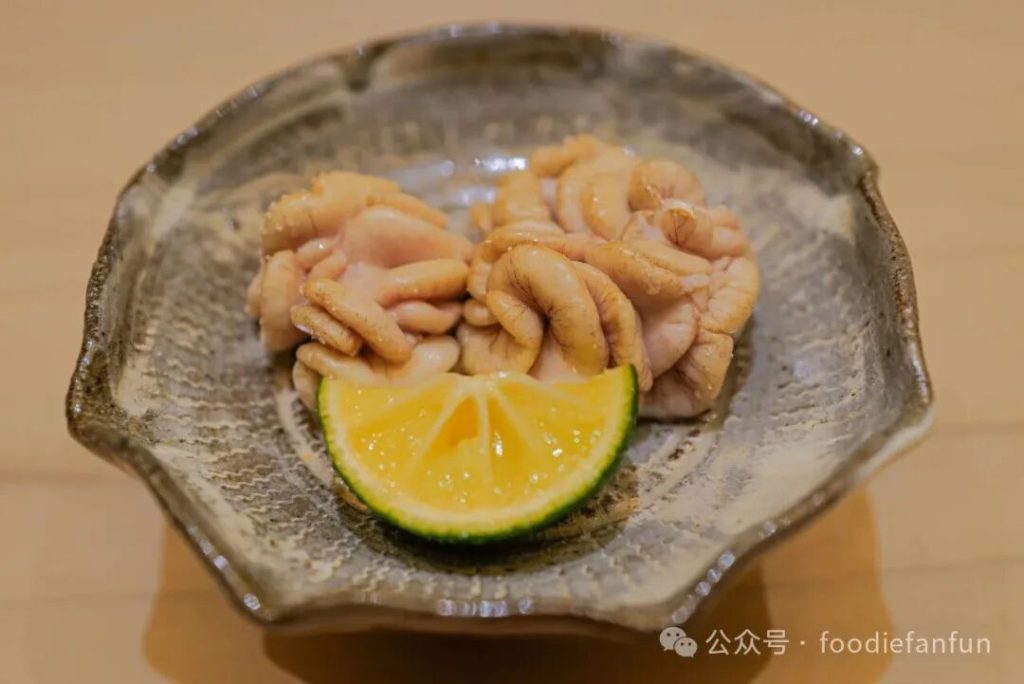
After two highly concentrated tuna courses, the rhythm suddenly shifted — out came a creamy bomb from the drinking-food side of the menu: grilled cod shirako.
It’s hard to imagine shirako being made this “elegant.” The exterior wasn’t just charred and smoky — it was grilled to a slight chewiness, a bit of resistance as you bite in. The texture transitions from that chewy skin all the way through to a nearly overflowing creamy interior inside, the layers extremely clear, almost perfect. And the shirako’s umami lingered long in the mouth, its milky richness full without ever turning heavy.
Finally, just the right amount of salt reined in that concentrated umami, cleanly and decisively — high intensity, high concentration, but without a trace of excess greasiness.
Turns out shirako doesn’t have to be just creamy — it can be this meticulous too.
And then came a stretch where things really hit their stride.
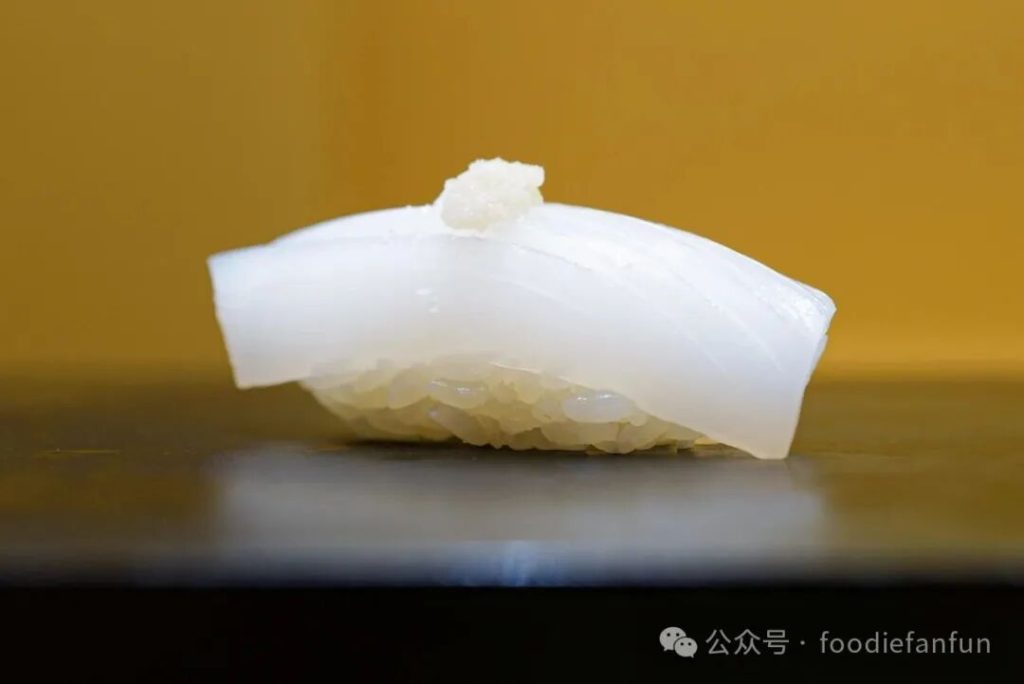
The contrast between soy-cured squid and otoro was captivating. The otoro’s fat carried an extremely soft freshness, nearly melting on contact, with just a faint thread of texture and a slight chewed-out aroma running through it. It felt like a fine thread pulled through the fat — giving the mouth something to do, while stretching the aroma out further.
The horse mackerel was scored with a single cross-cut, scallion paste tucked inside the fish beforehand. First the crisp skin on entry, then the bright, clean flavor typical of a fresh blue-back fish, then the scallion aroma slowly spreading out, with the umami unique to the silver skin sitting over it all like a thin sheet of light. The shari closed it out gently, catching the aroma of the whole piece.
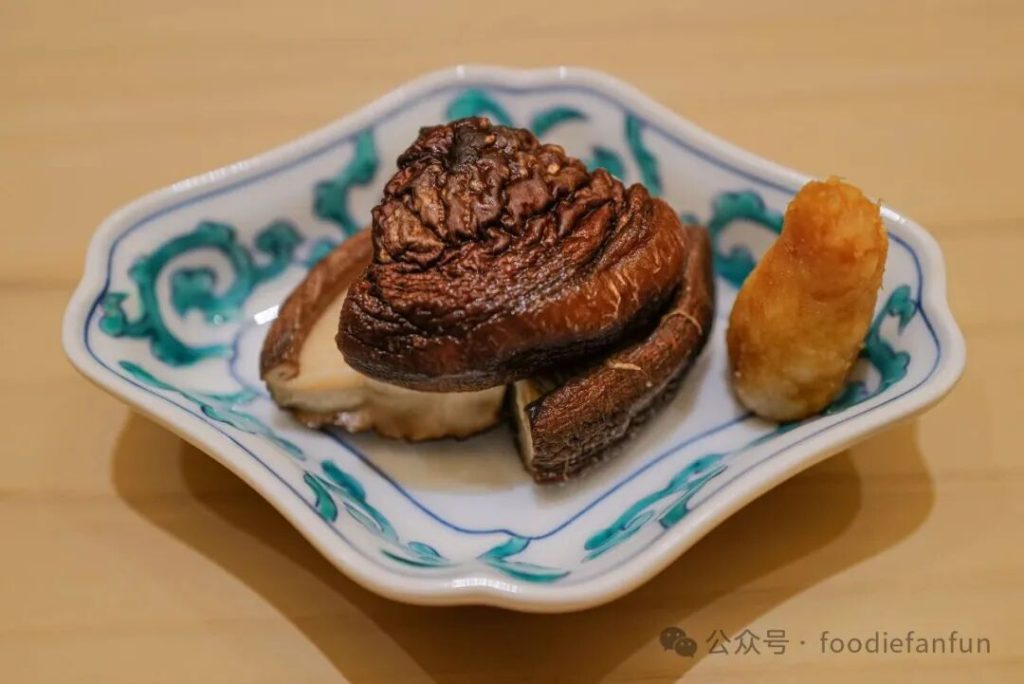
A bite of charcoal-grilled shiitake was slipped in between, like a breath of fresh air for the palate. The most unexpected part was the stem — fresh, crisp, as if the texture of the forest itself had been brought to the table.
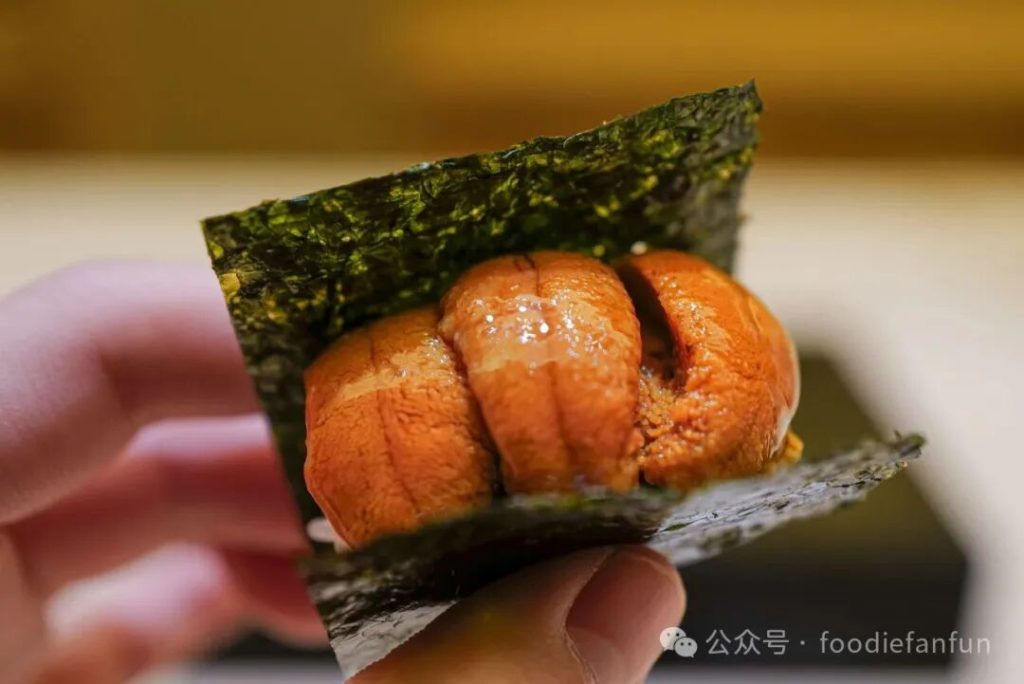
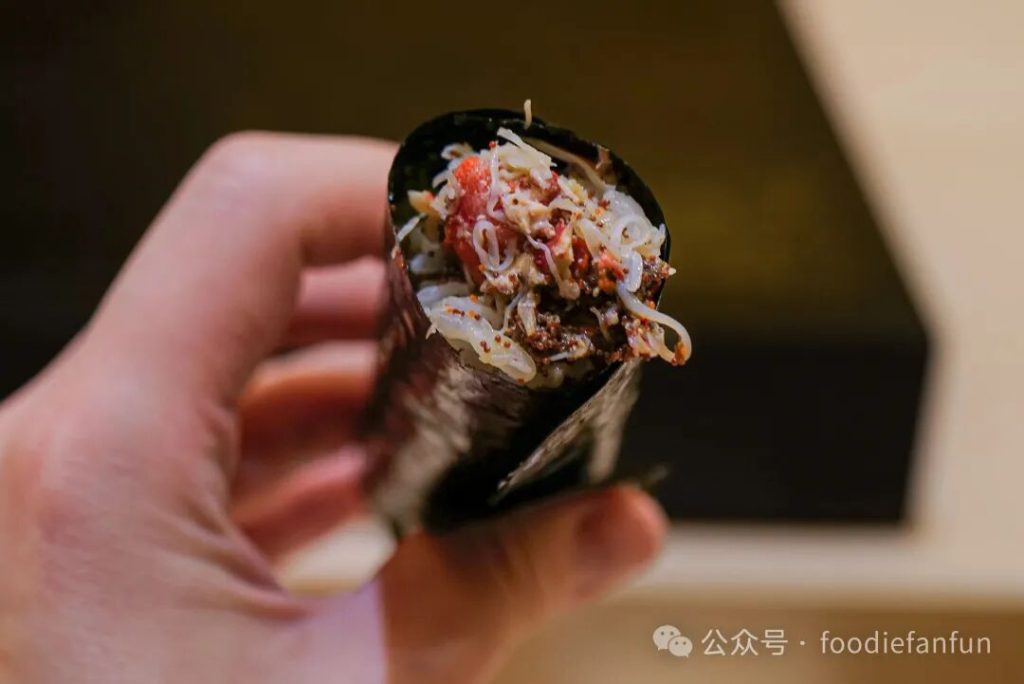
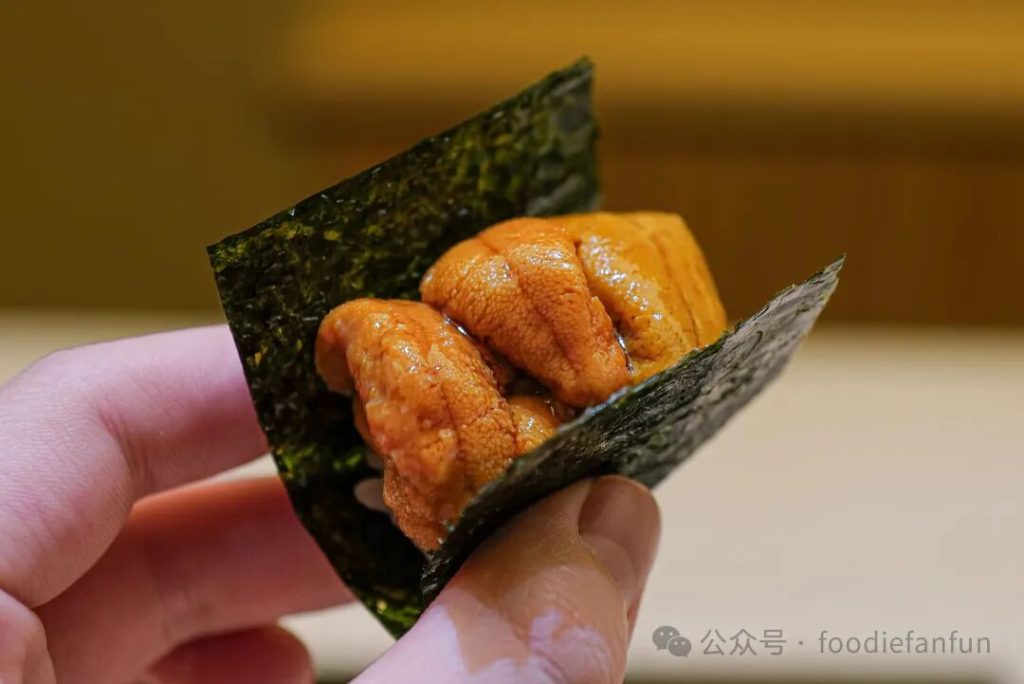
Then came the heavyweight crab roll. The richness of the crab roe, the aroma and burst of the roe sacs — both given generously. Worth noting: the nori here was swapped for something noticeably thinner than the one used with the uni earlier, keeping all the attention on that bursting freshness.
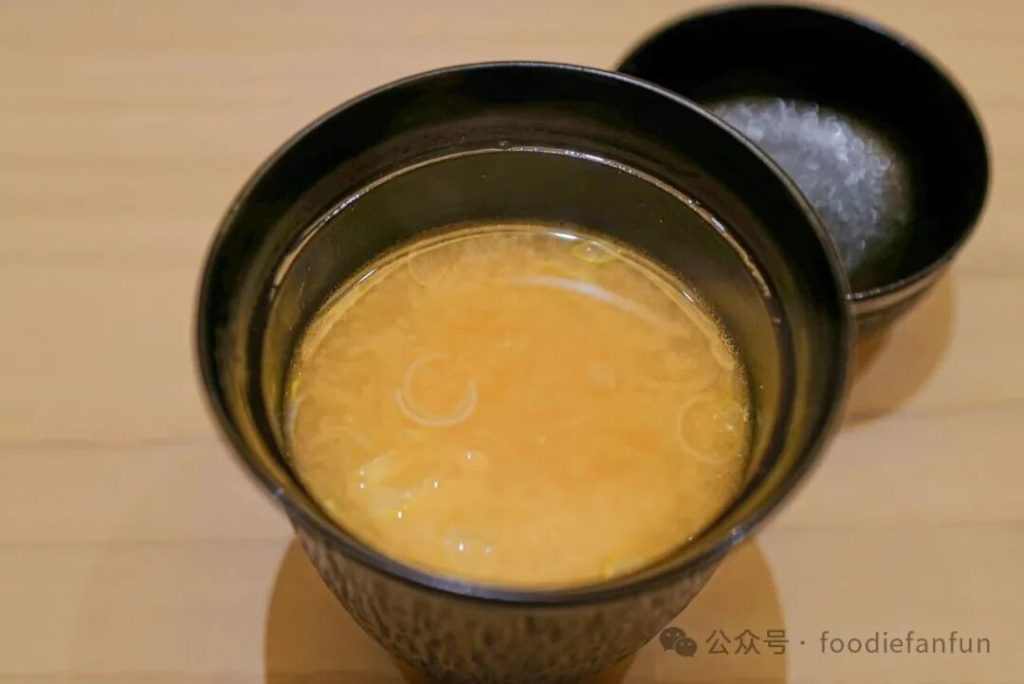
The meal closed with a fish-bone miso soup.
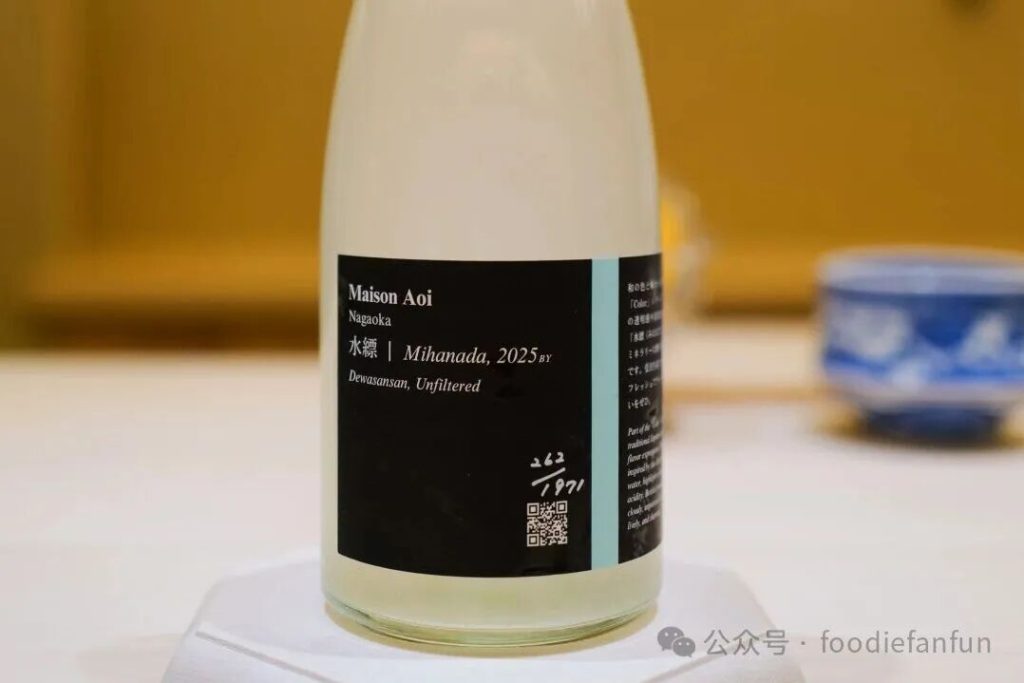
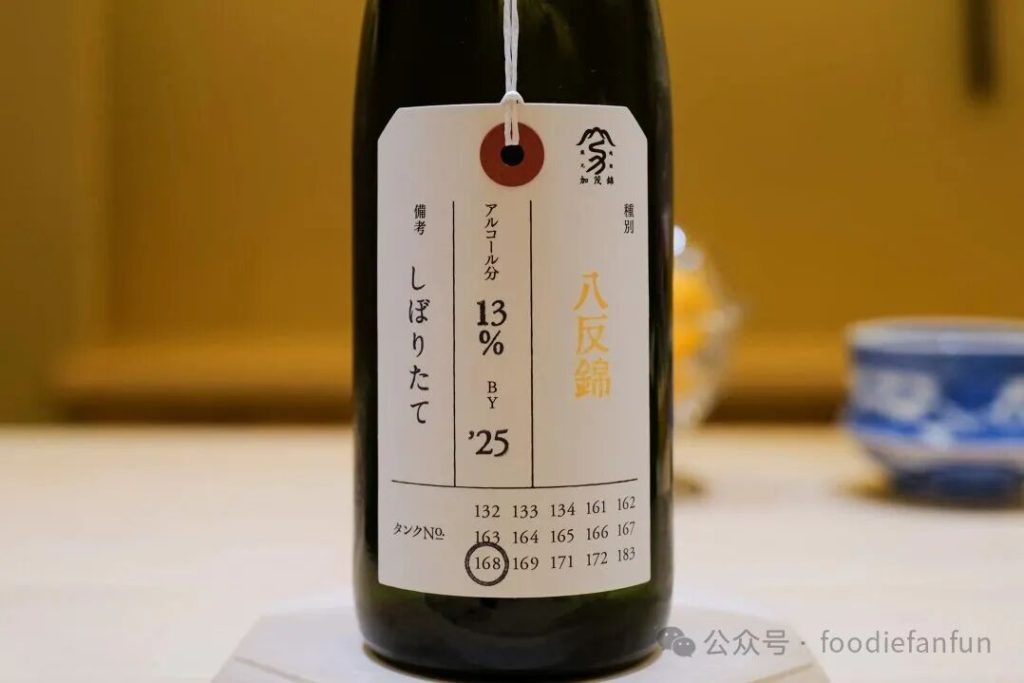
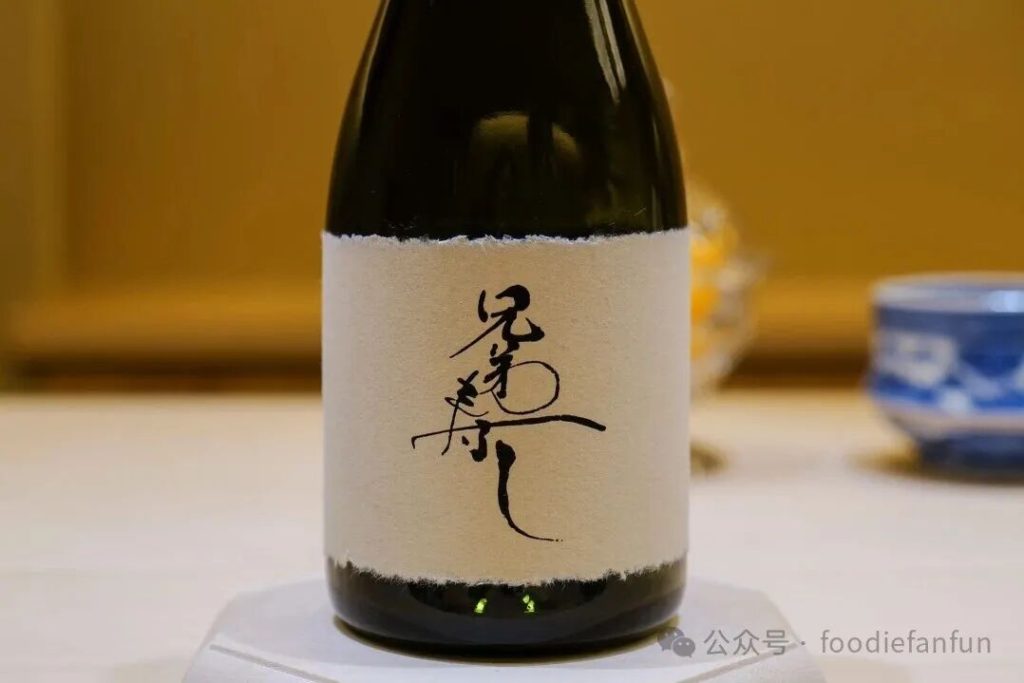
And the last drink of the night is always the Kamonishiki sake made exclusively for Kyodai Sushi.
Plenty of sushi craftsmen carry an air of elegance about them, but when it comes down to the sushi itself, restaurants whose flavor genuinely makes you reach for the word “elegant” are rare — and Kyodai is one of the few. The Kamonishiki custom sake happens to match Honma-san’s sushi perfectly, made delicate yet full of strength.
As someone who’s usually stuffed to tears after a standard “6+10” sushi course, I actually ordered three extra pieces that day at the counter. That feeling of being completely full and still looking forward to the next bite — painfully real…
After my third visit, I booked the next one right away, again. Every single time, starting from a place of already loving it, I still come away with an experience that exceeds expectations.
It’s hard to find any deliberately flaunted “secret recipe” in Honma-san’s cooking. What makes him formidable is more about ingredient selection and the sense of control over every single dish — pushing the freshness, aroma, fat and sweetness of Niigata’s catch to a perfect balance.
And, at the same time, giving guests a genuinely comfortable dining experience.
“Early March? The weekend of the sake festival is already fully booked, actually…”
“Guess I’ll just stay an extra day, then!”
“I really do like strong spirits — whisky, shochu, love them both.” “What about baijiu?” “Isn’t baijiu the one you can’t cut with water or soda…? Doing shots of that seems way too intense…”
Kyodai Sushi
新潟県新潟市中央区東堀通8番1427-2
Monday – Saturday
17:00~、20:00~
Chef’s Menu ¥25,000++
The stinky attitude is just the surface — underneath, pure calculated softie…