January in Japan carries the festive atmosphere of a new year. In many familiar restaurants, you hear the same line: 「明けましておめでとうございます」, a simple but formal greeting.
But if we are talking about places that truly weave “New Year feeling” into both cuisine and dining experience, kaiseki restaurants are still the real specialists.
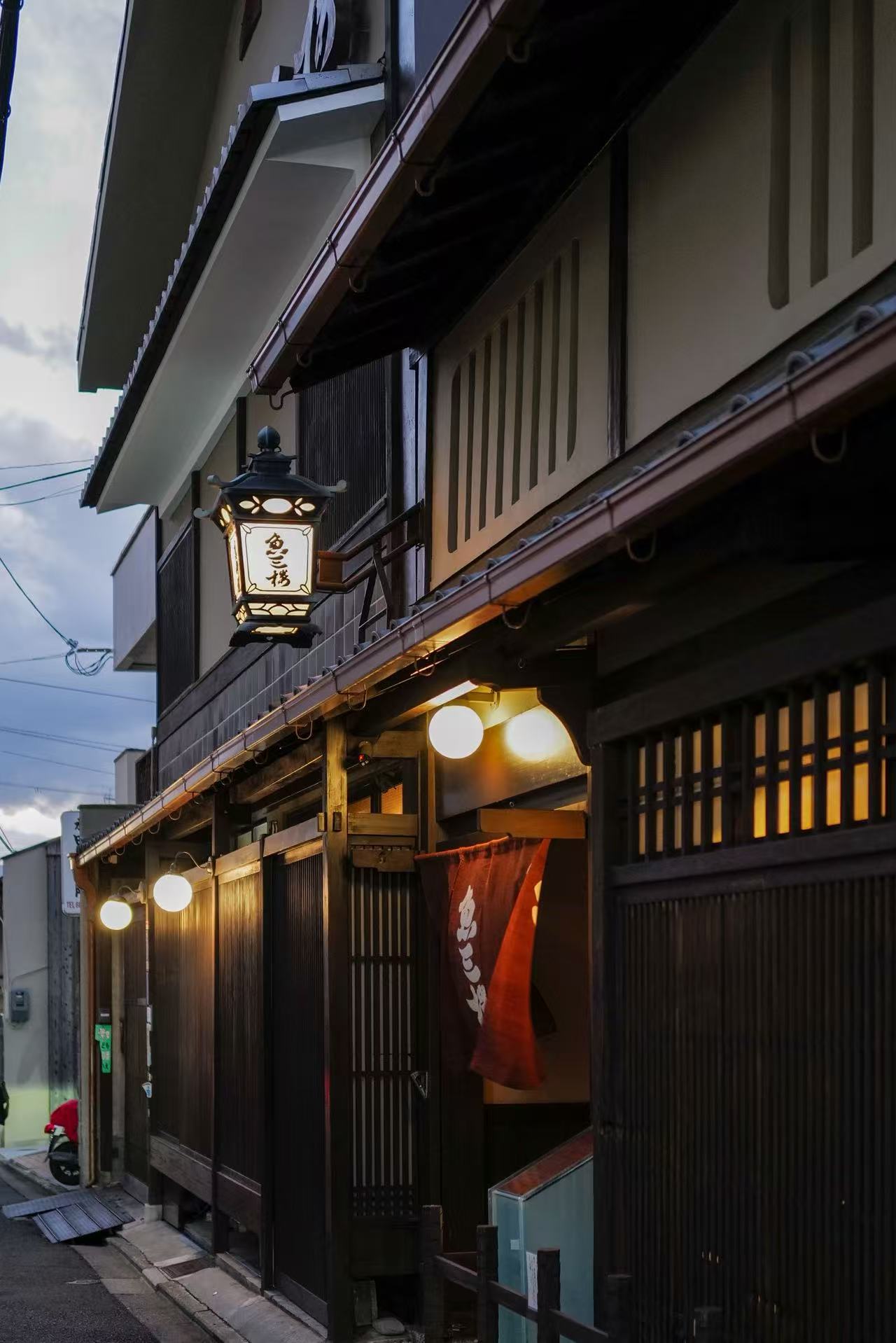
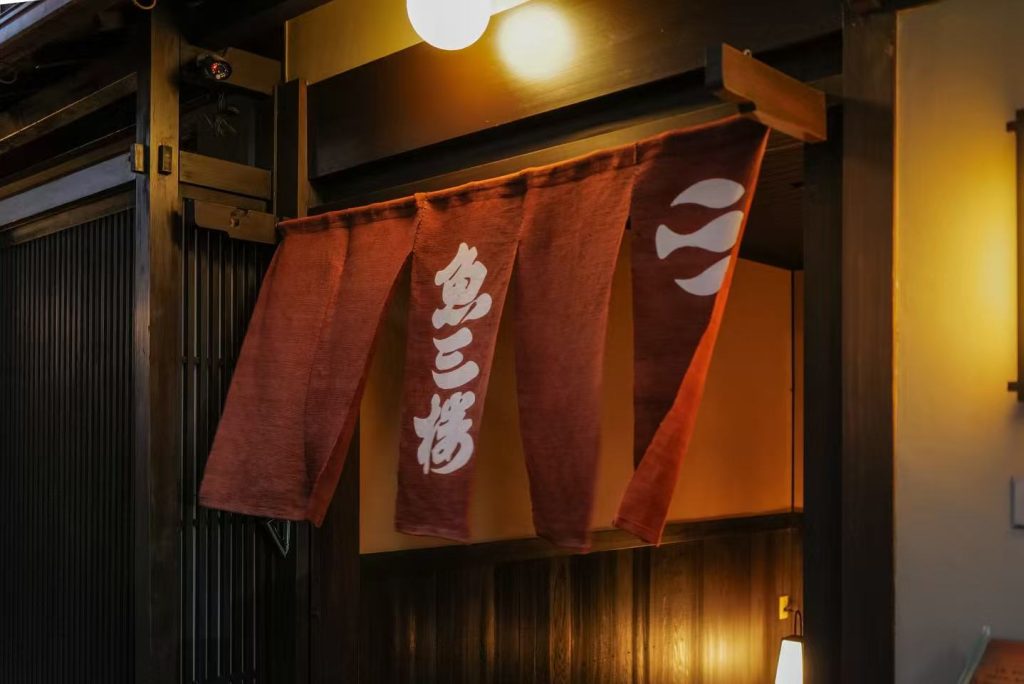
I visited Akasaka Ogino at the end of the New Year season. Opened in 2020, it won The Tabelog Award Best New Entry in 2023, and has stayed at a stable Silver level for the past three years.

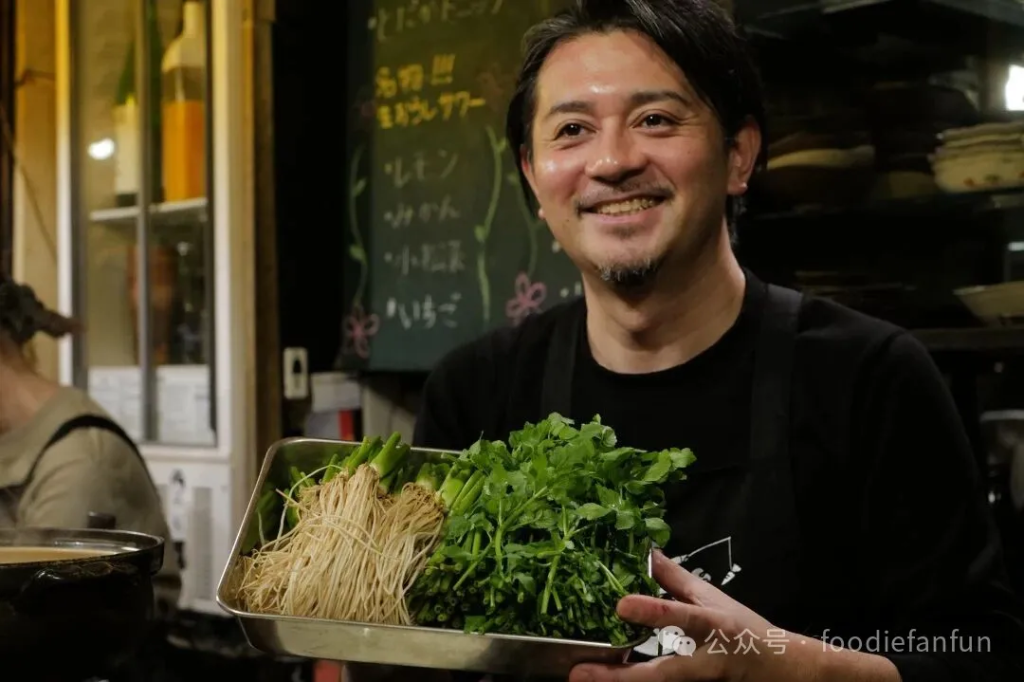
Compared with many contemporary Tokyo chefs who followed diverse, cross-disciplinary paths, Chef Ogino’s trajectory feels unusually pure.
From Kyoto’s Arashiyama Kitcho, to two restaurants from the Ginza Koju lineage, then to his own counter, he has deepened vertically within orthodox Japanese cuisine the whole way. That pedigree produces a classical authority that needs no explanation.


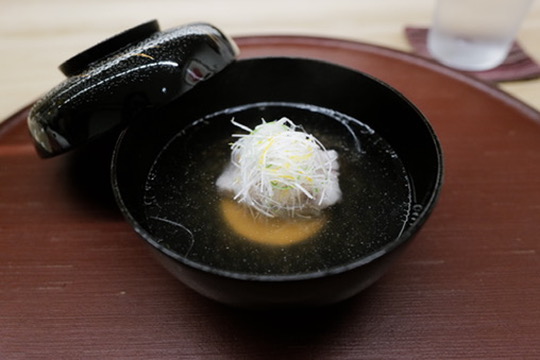
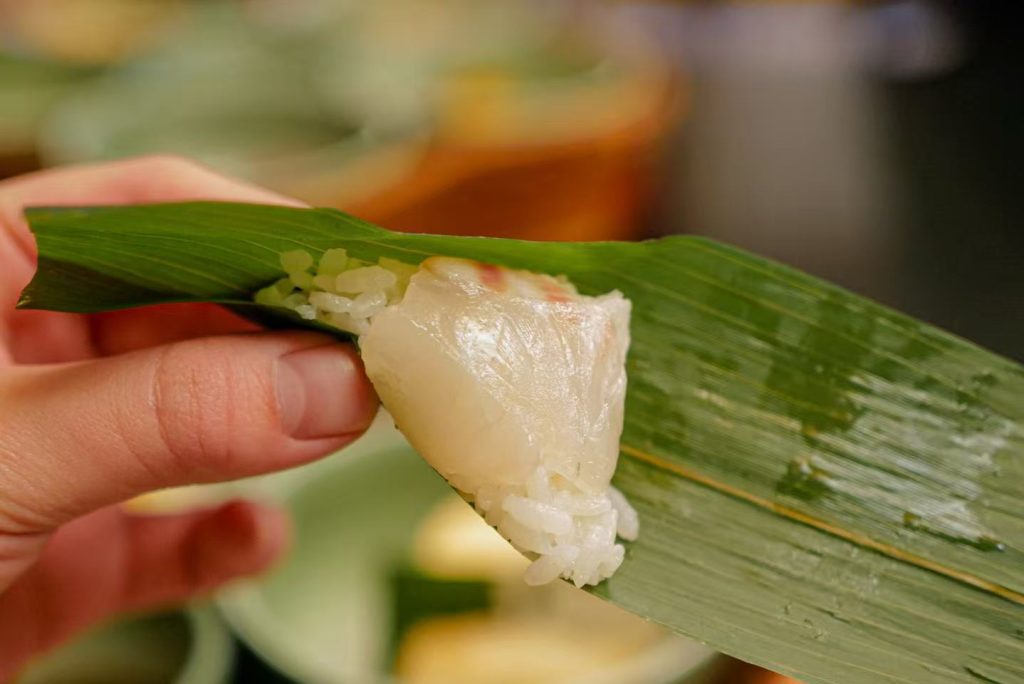
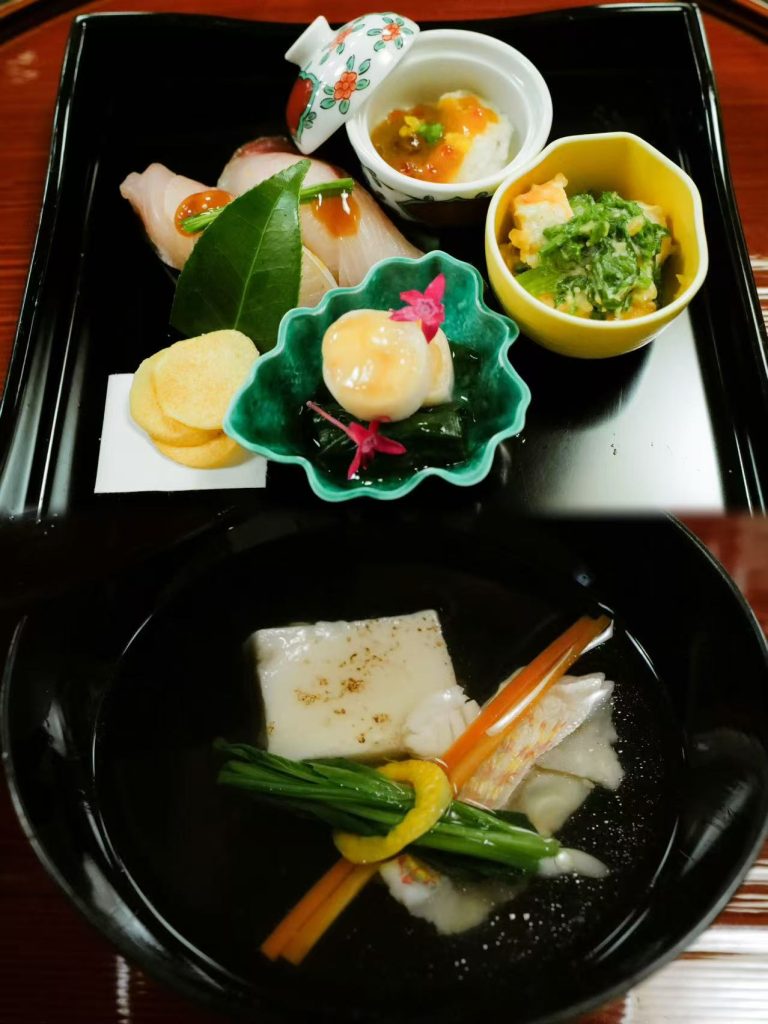
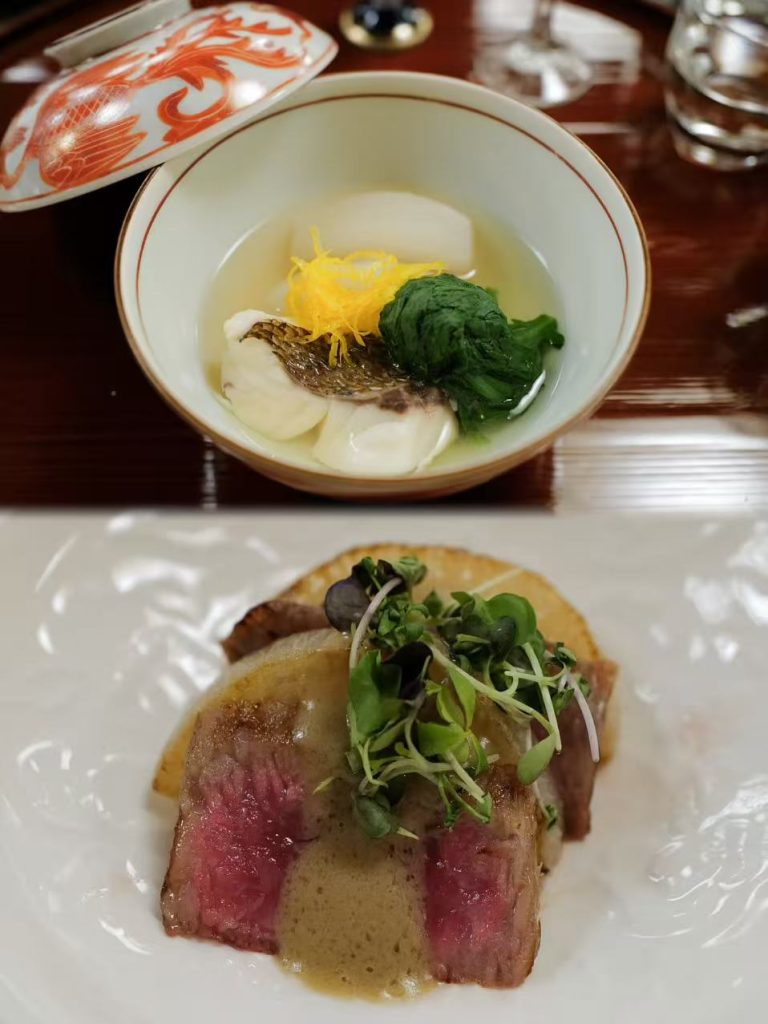
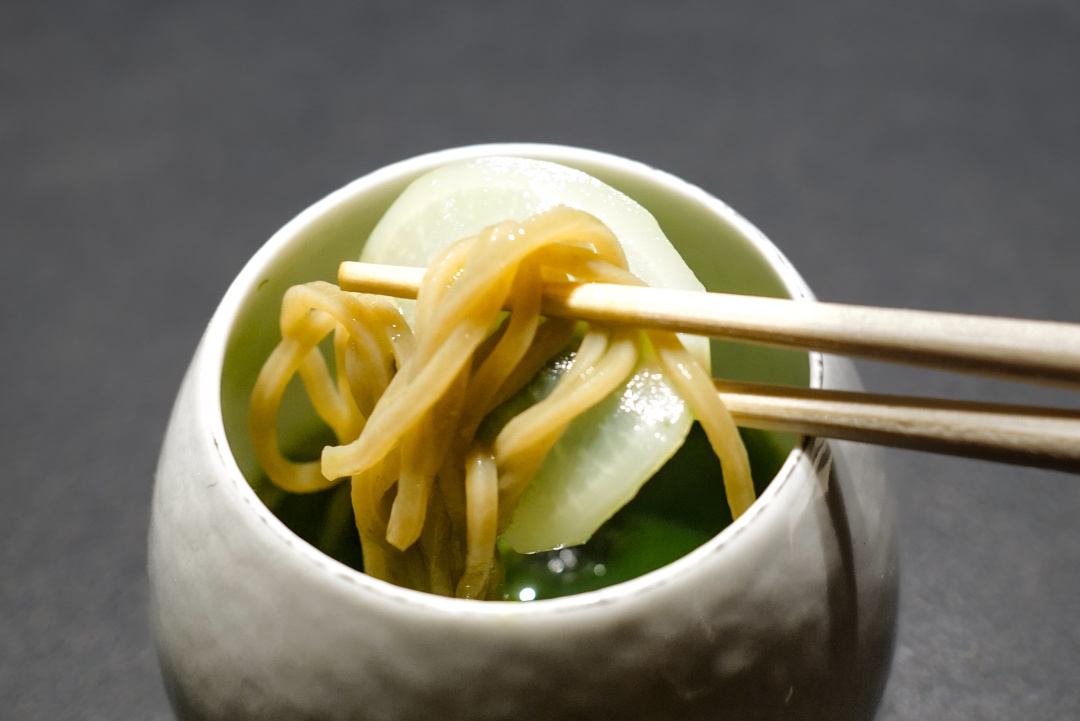
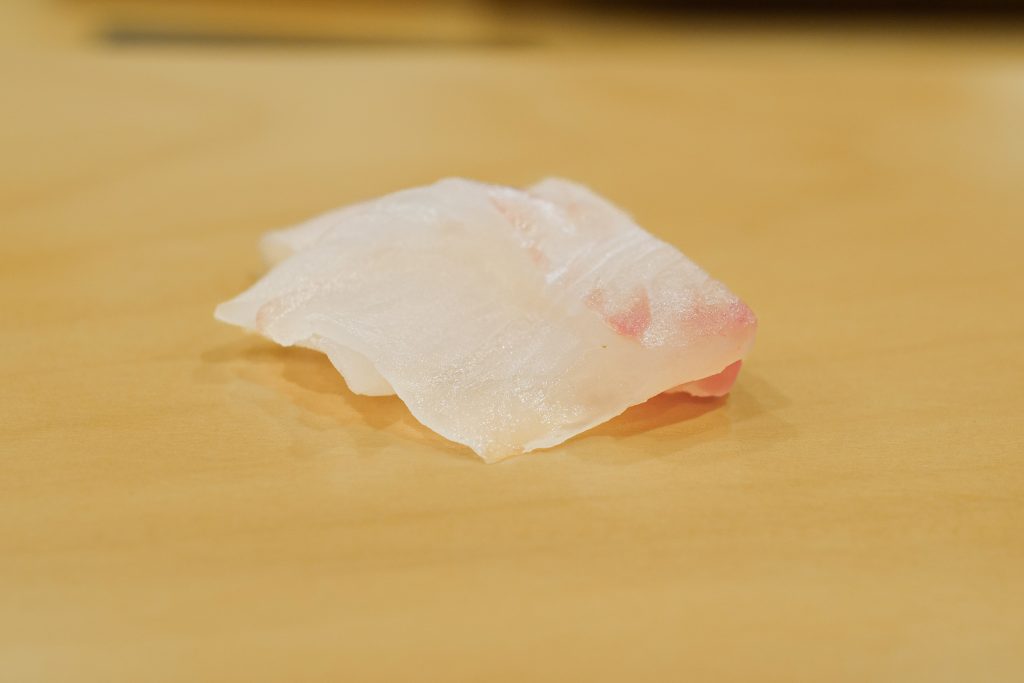
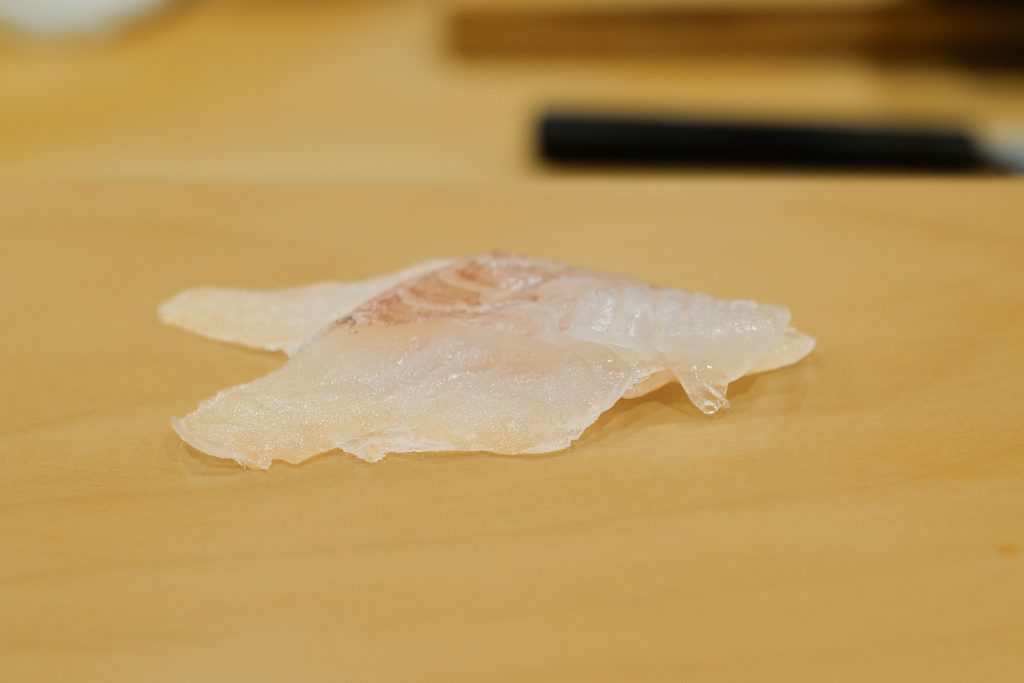
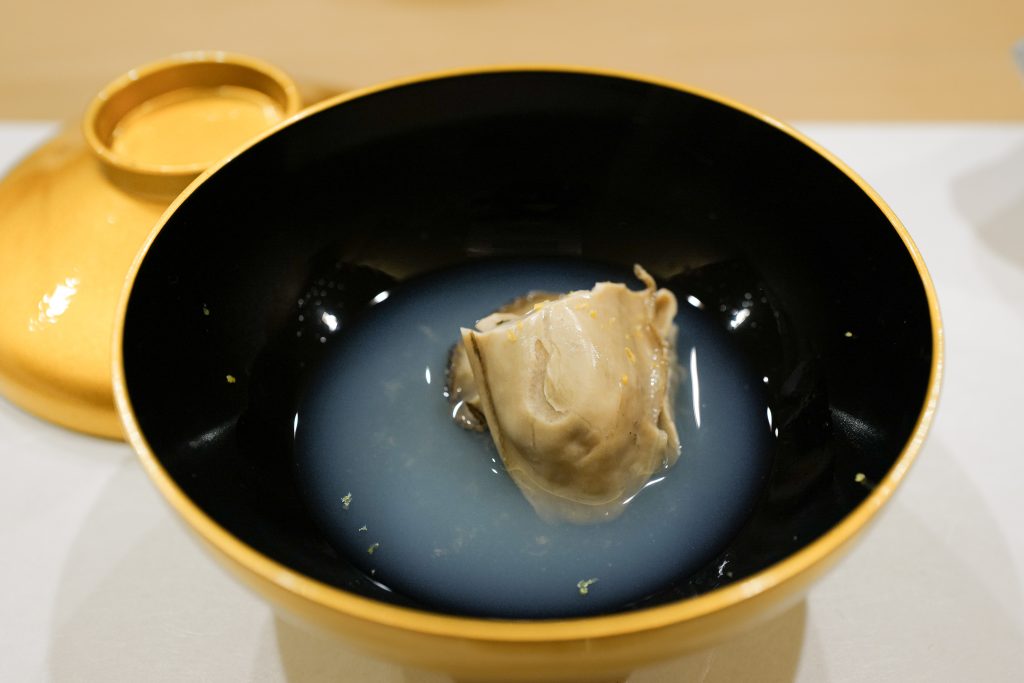
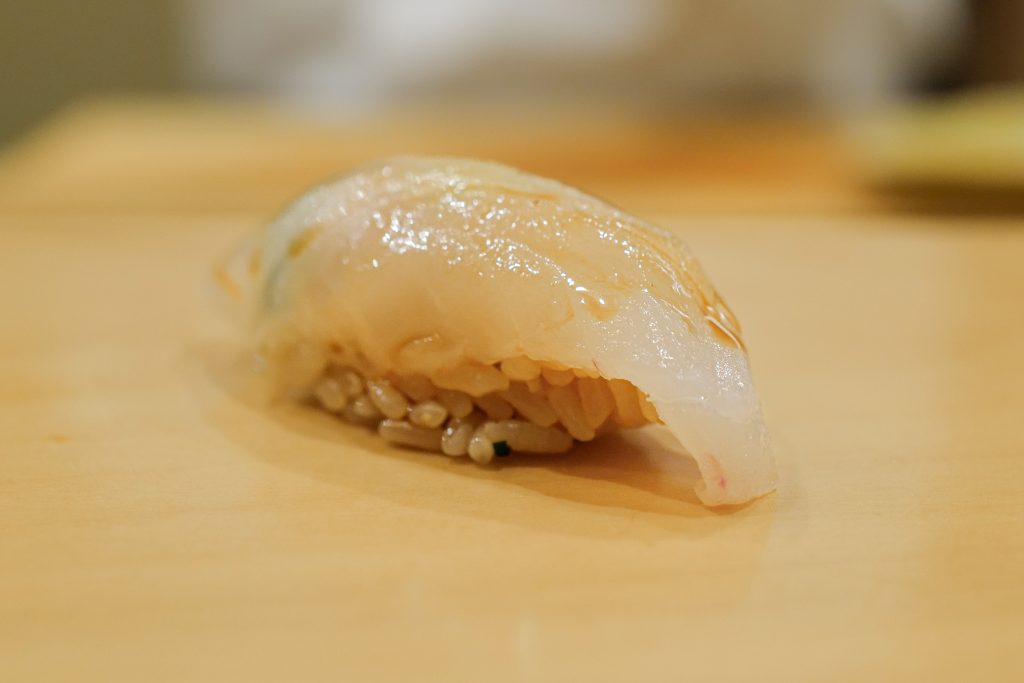
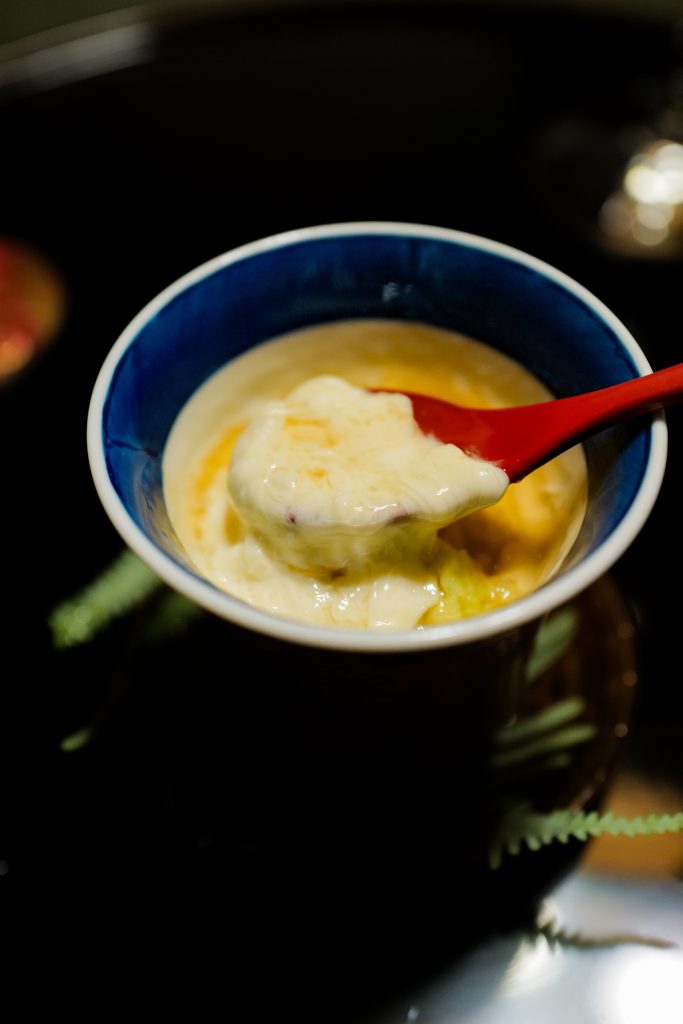
Turnip broth | White tilefish | Lily bulb
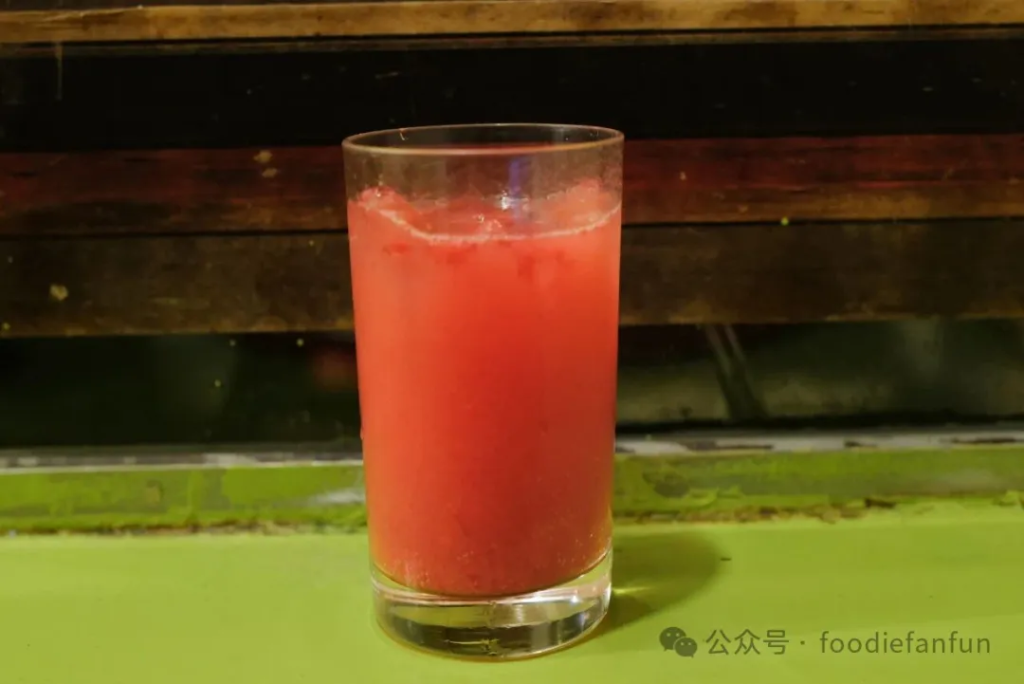
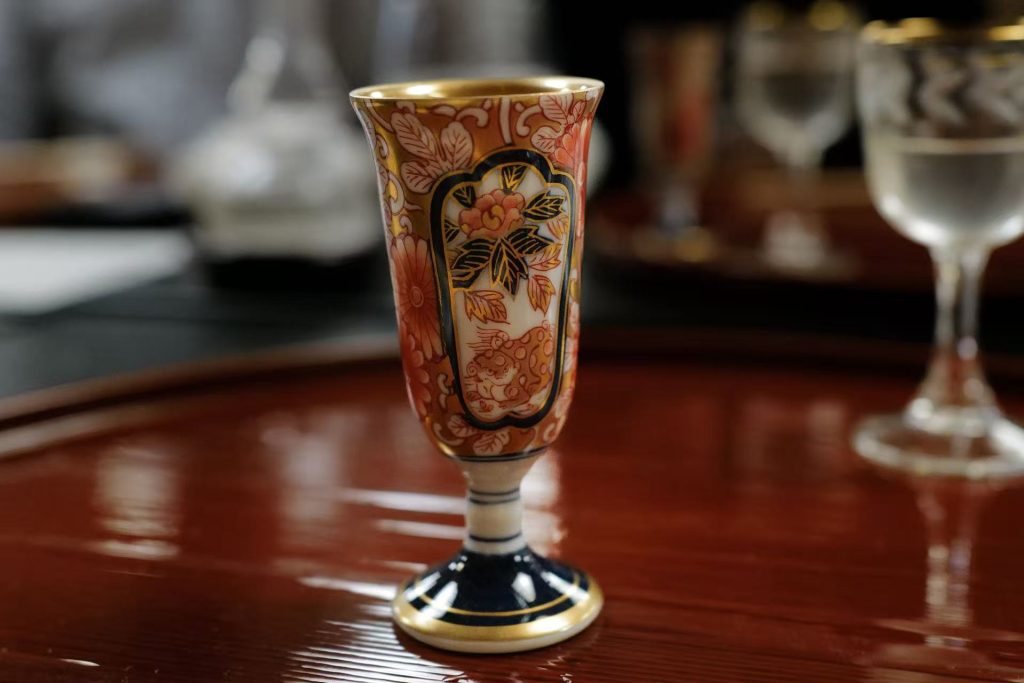
Dinner opened with Chef Ogino pouring each guest a small cup of nigori sake from a crane-shaped vessel. It felt like “pouring blessings into sake,” perfectly matching the New Year theme of celebration.
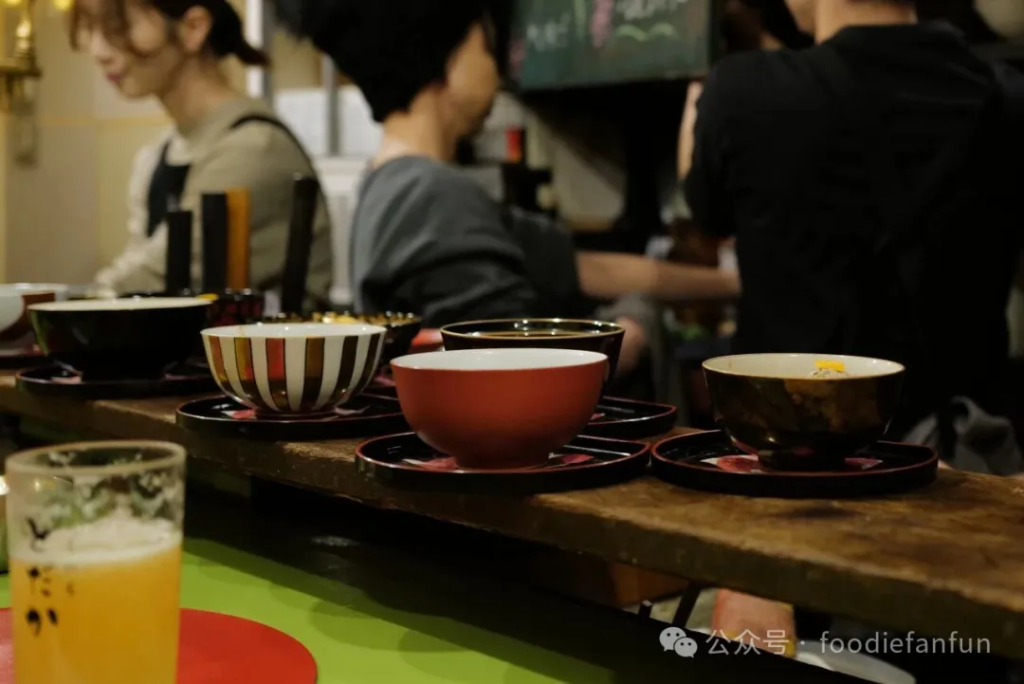
The first course followed in a treasure-ship vessel, adding to the festive mood.
Turnip, white tilefish, and lily bulb were seasoned with great restraint, yet flavor and texture unfolded layer by layer: gentle, refined, and quietly changing. One bite carried both tradition and understated elegance.


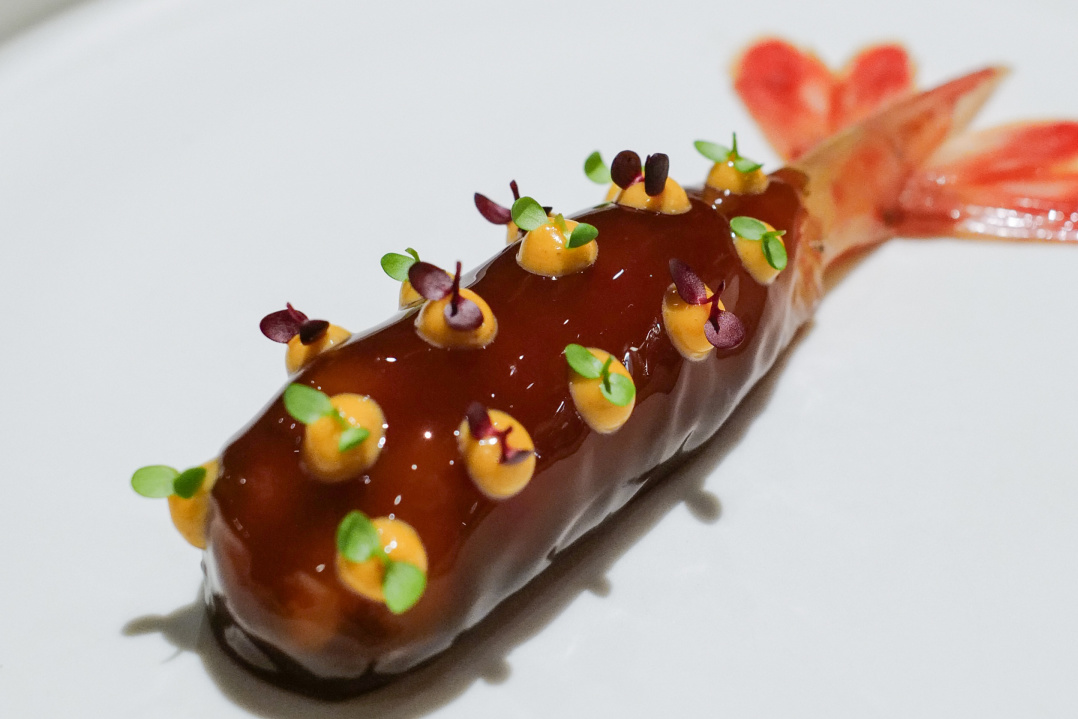
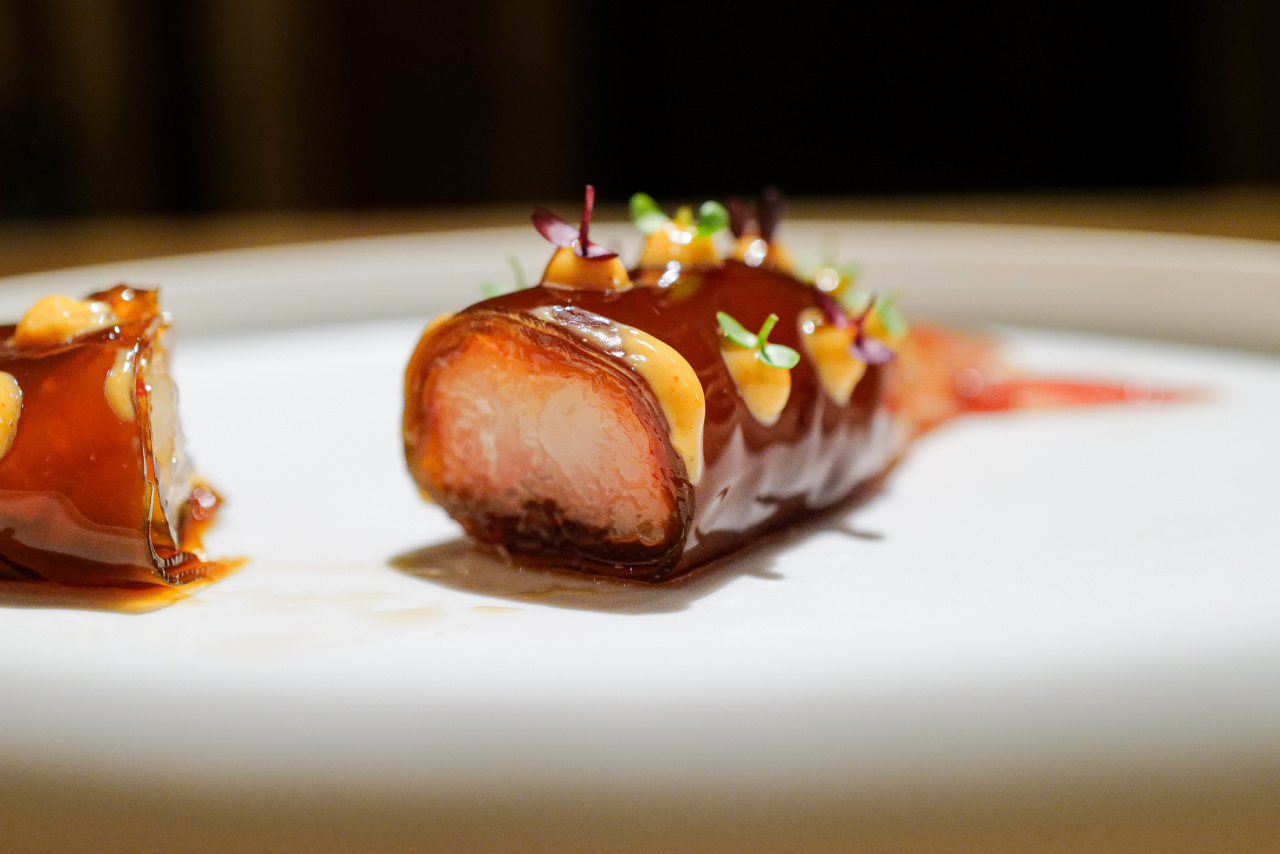
Ise lobster | Broccoli | Apple jelly

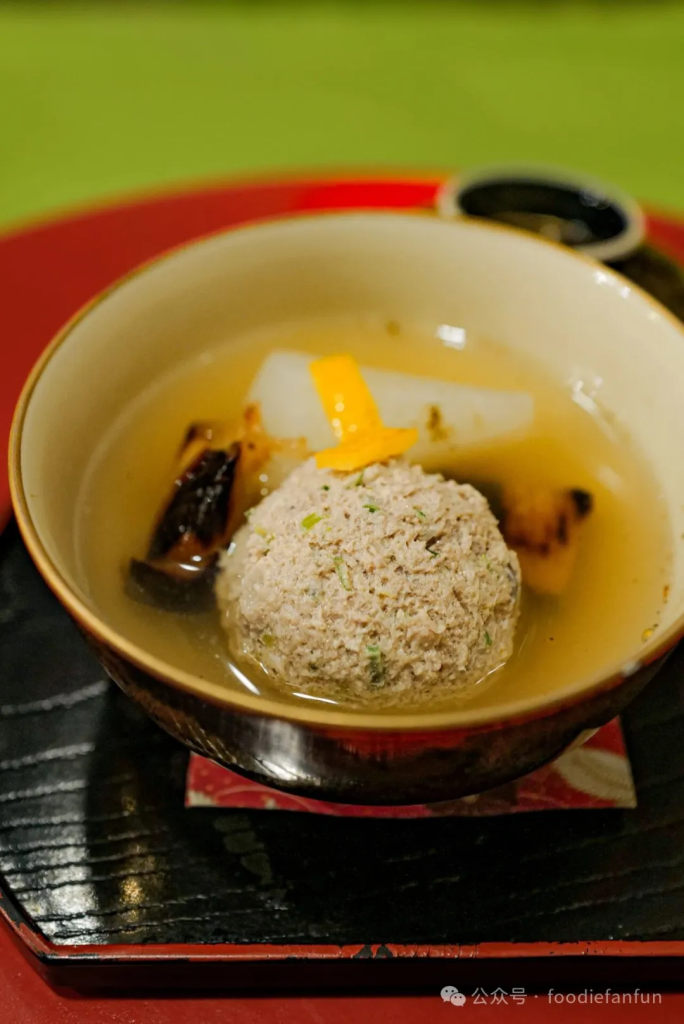
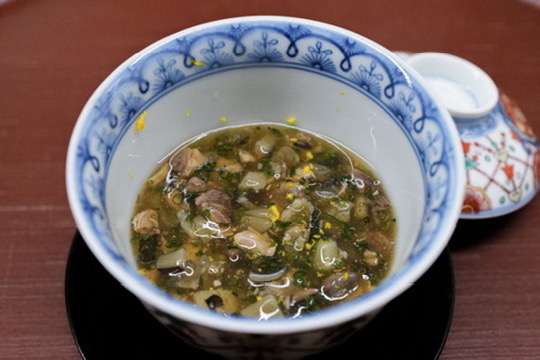
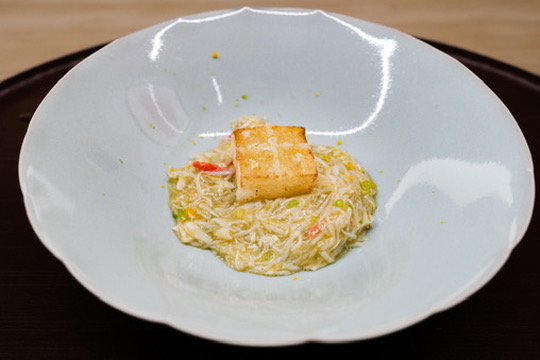
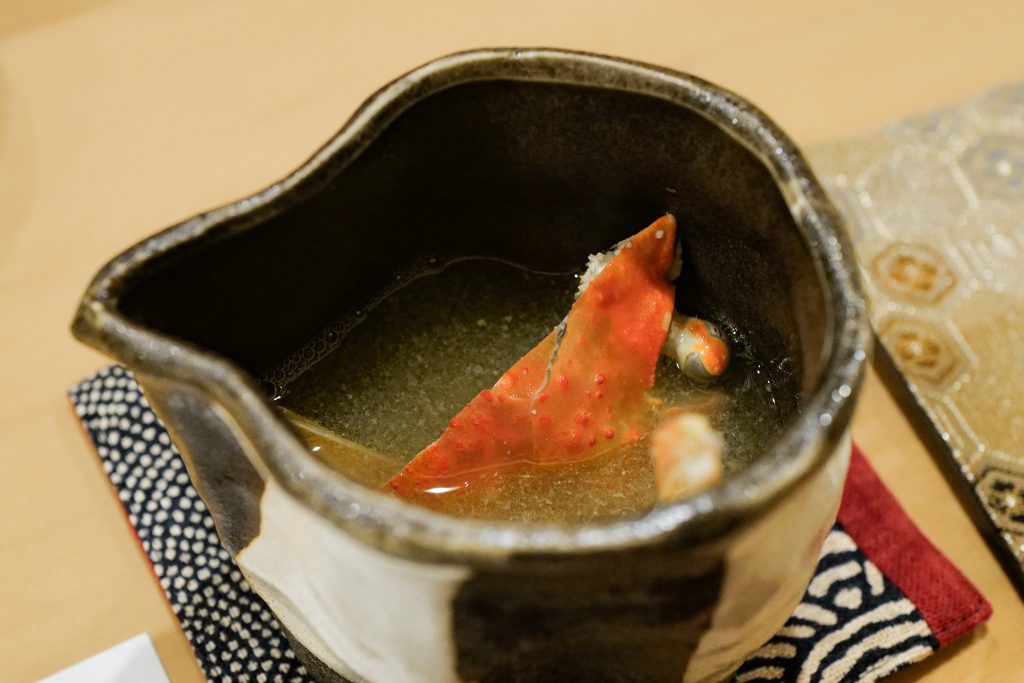
Matsuba crab mochi soup
The New Year visual language continued in the tableware, and the next course arrived with a crane motif.
The Ise lobster, cooked to around 20% doneness, was tender with sweet depth. Wrapped in lobster-roe and apple-vinegar gel, it balanced penetrating umami and bright acidity beautifully. Pickled accents added spikes of crisp texture and acidity. Excellent.
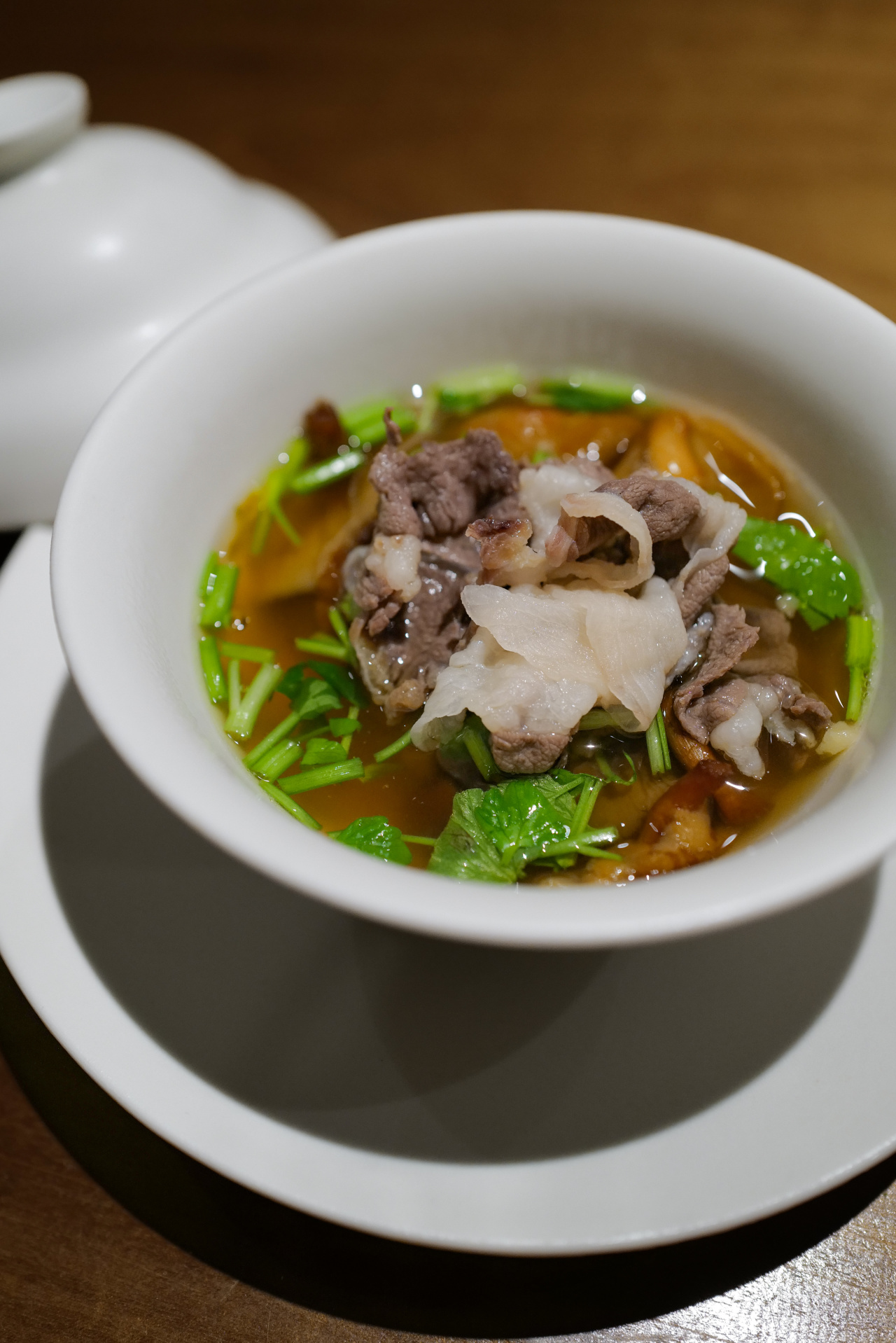
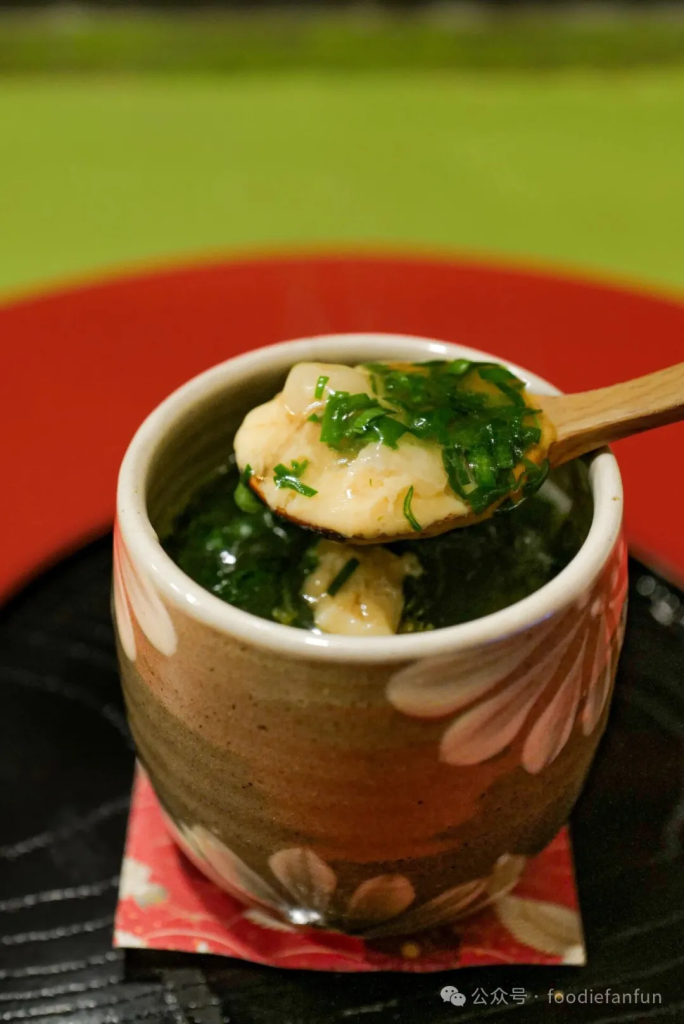
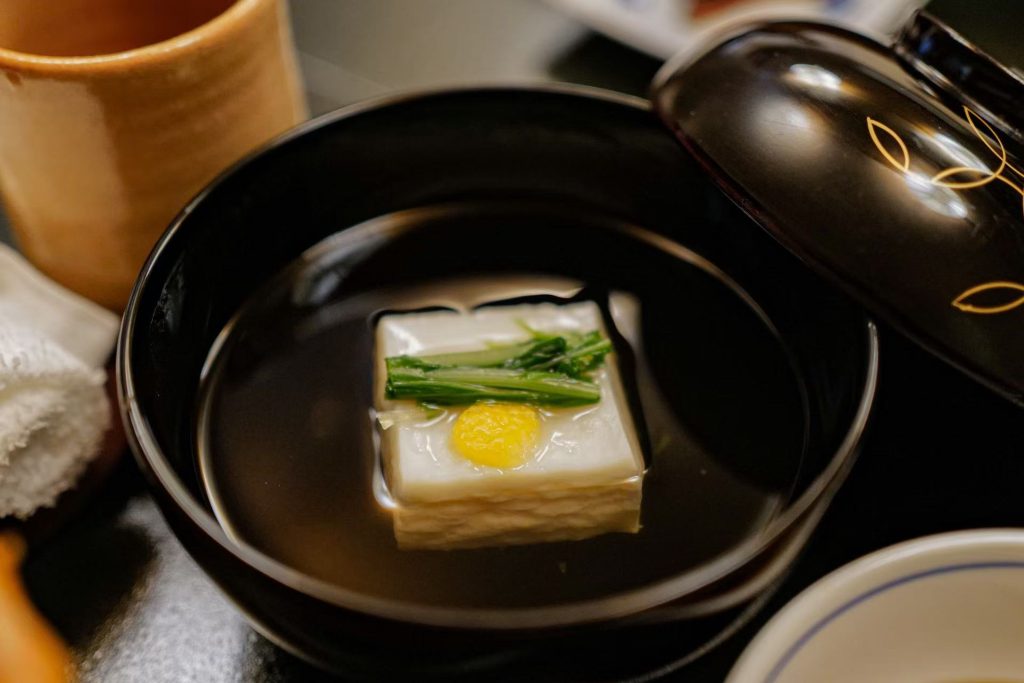
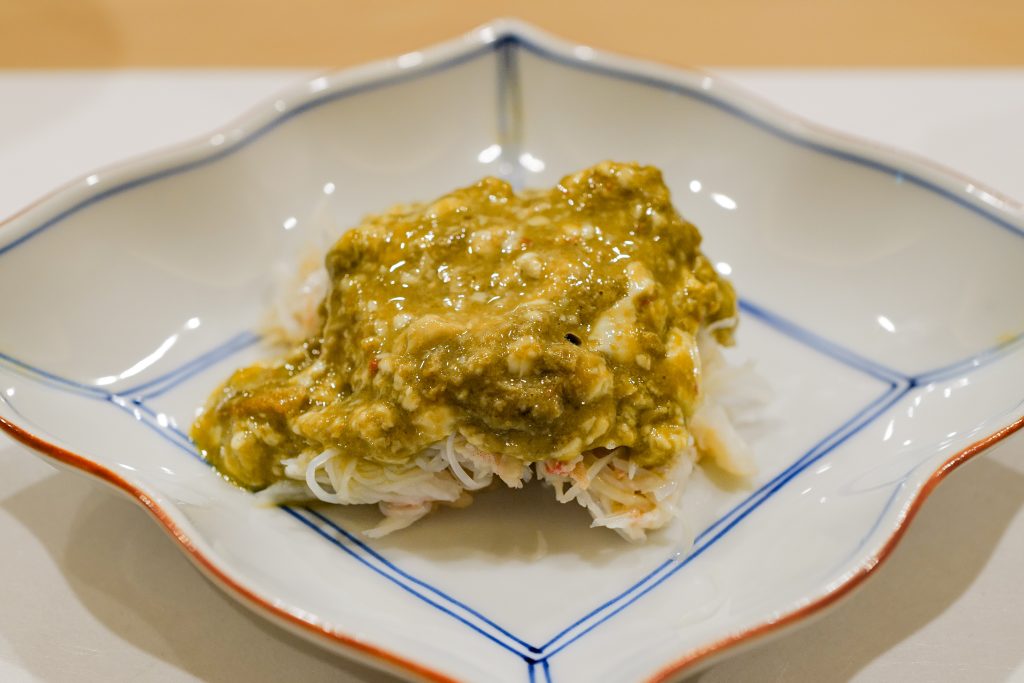
The soup course used Matsuba crab shinjo, with mochi layered on top, reinforcing New Year symbolism through both texture and imagery. Unexpectedly, the mochi’s silky softness paired perfectly with the fluffy, springy, rounded crab flavor of the shinjo. Clean on entry, full on finish.


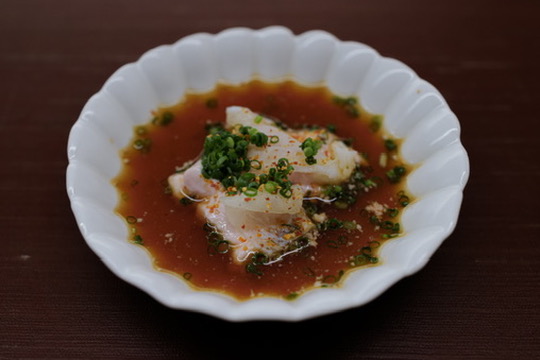
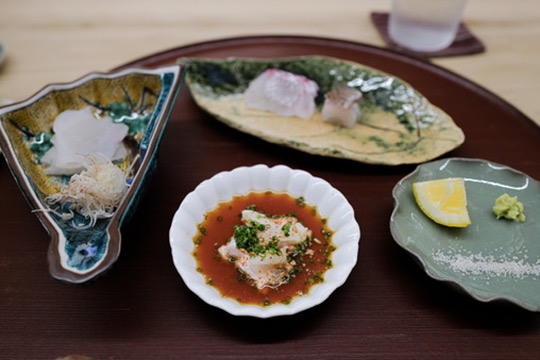
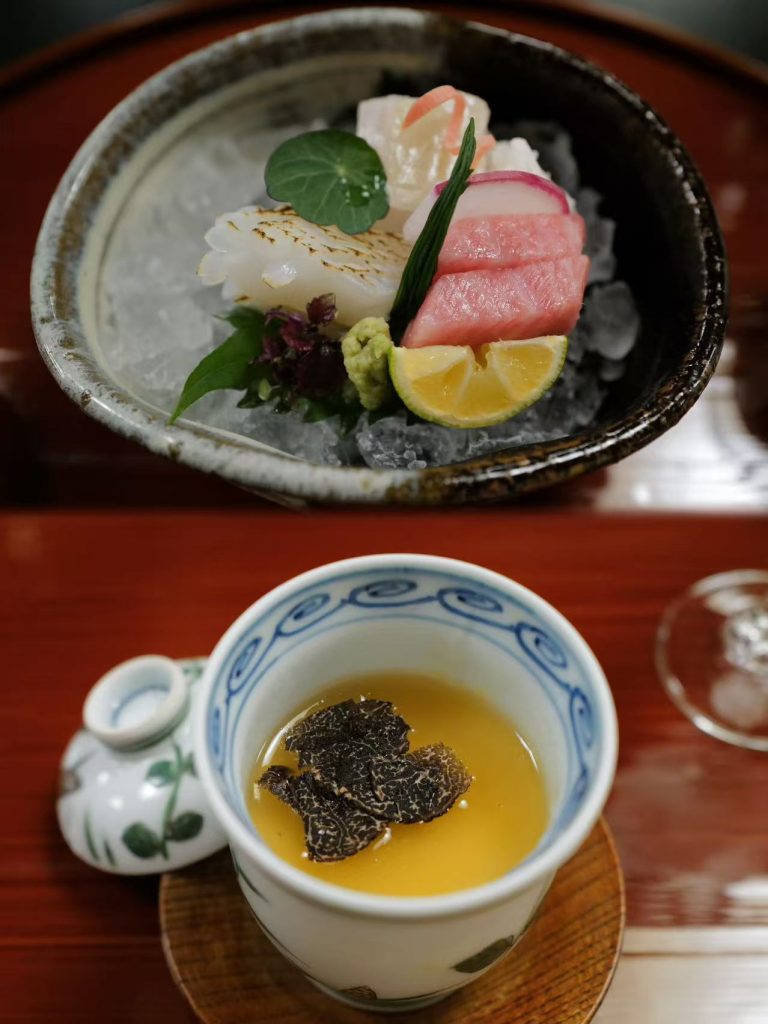
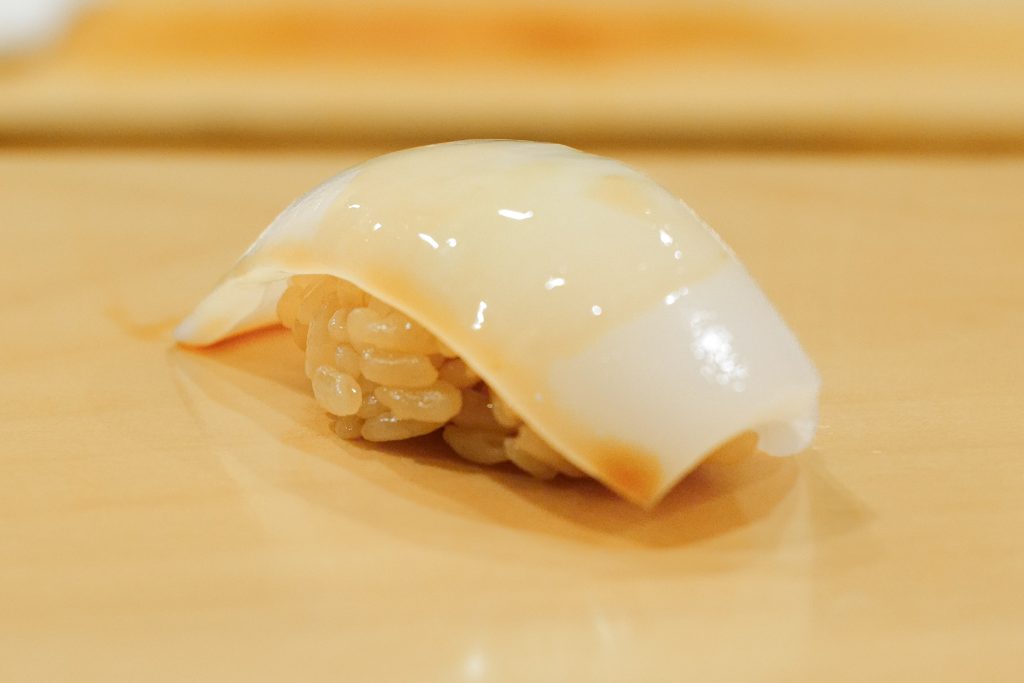
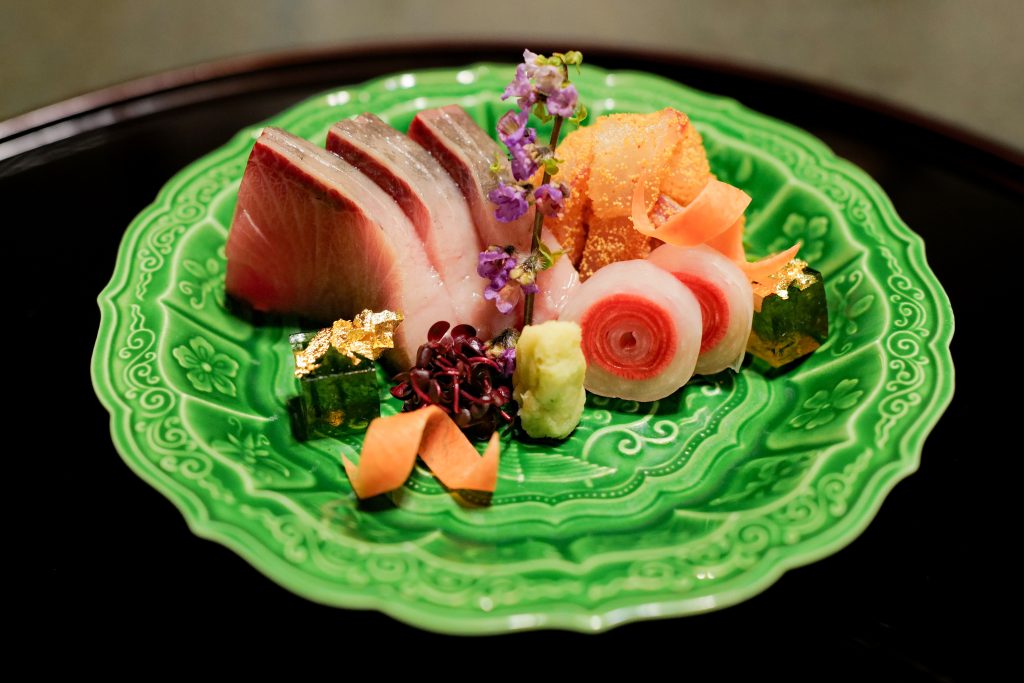
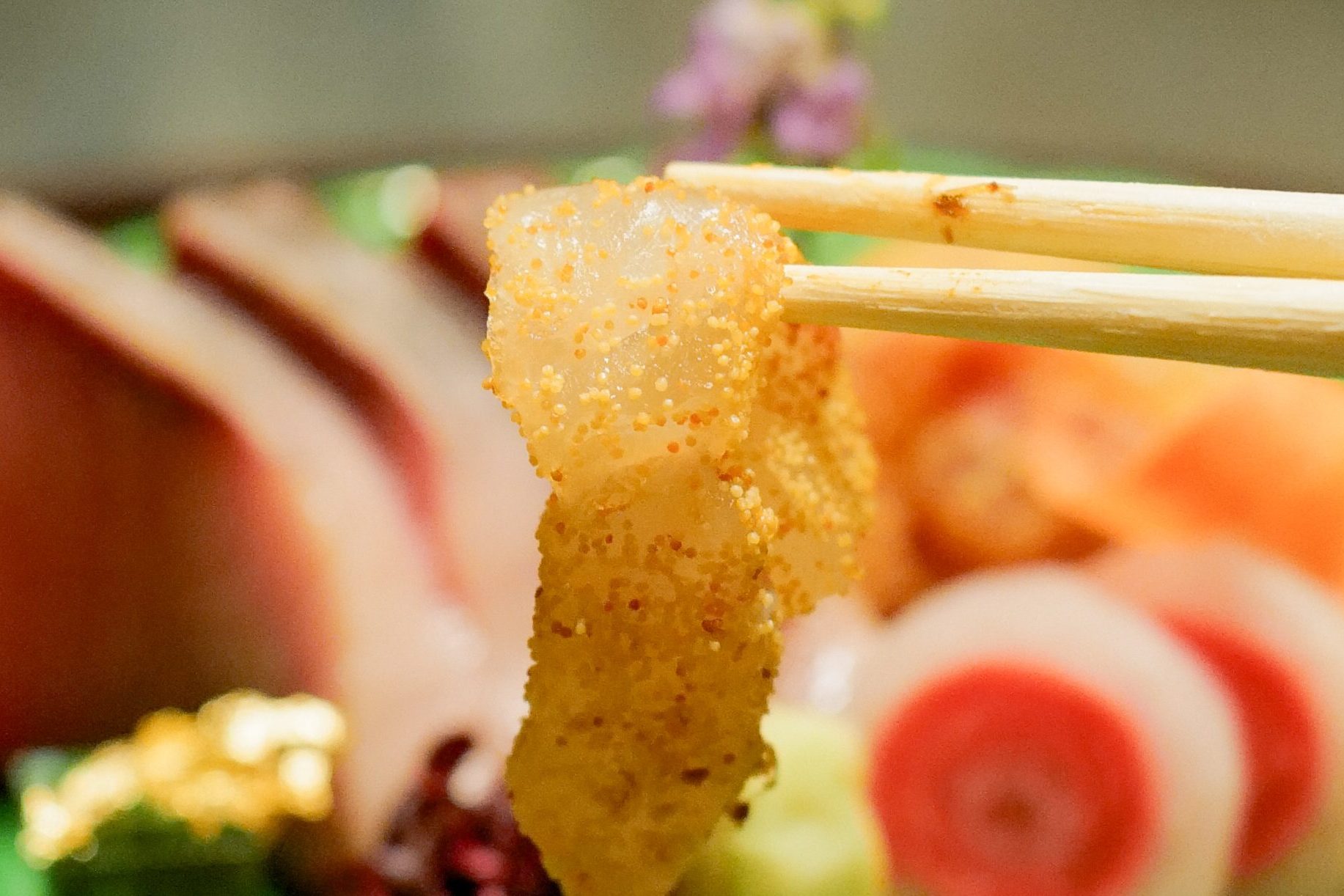
Straw-smoked Spanish mackerel | Oki Islands squid
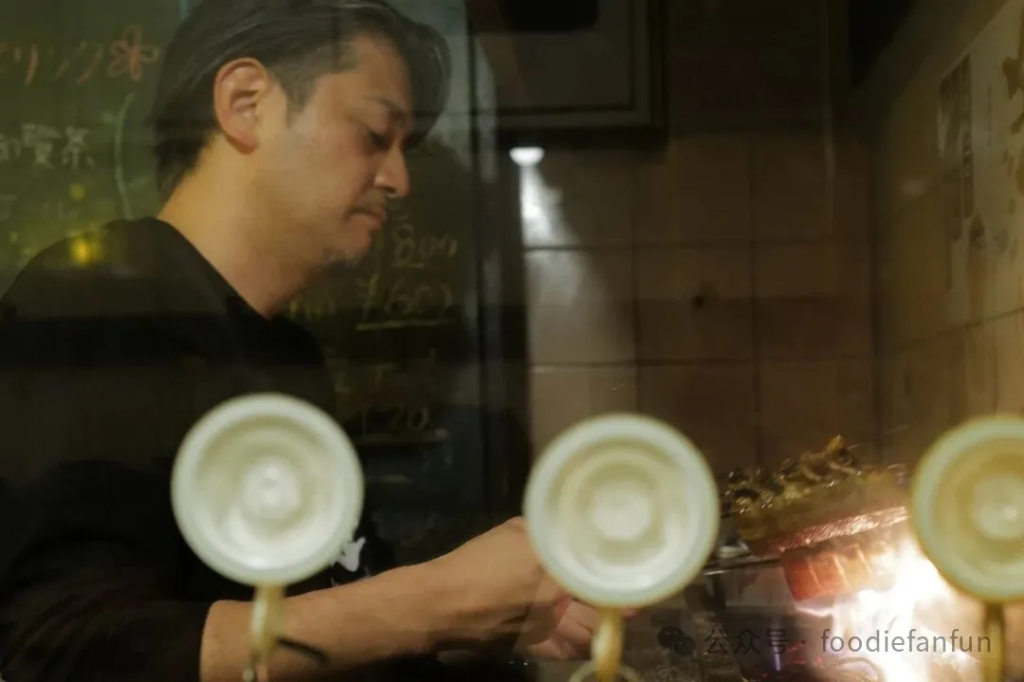
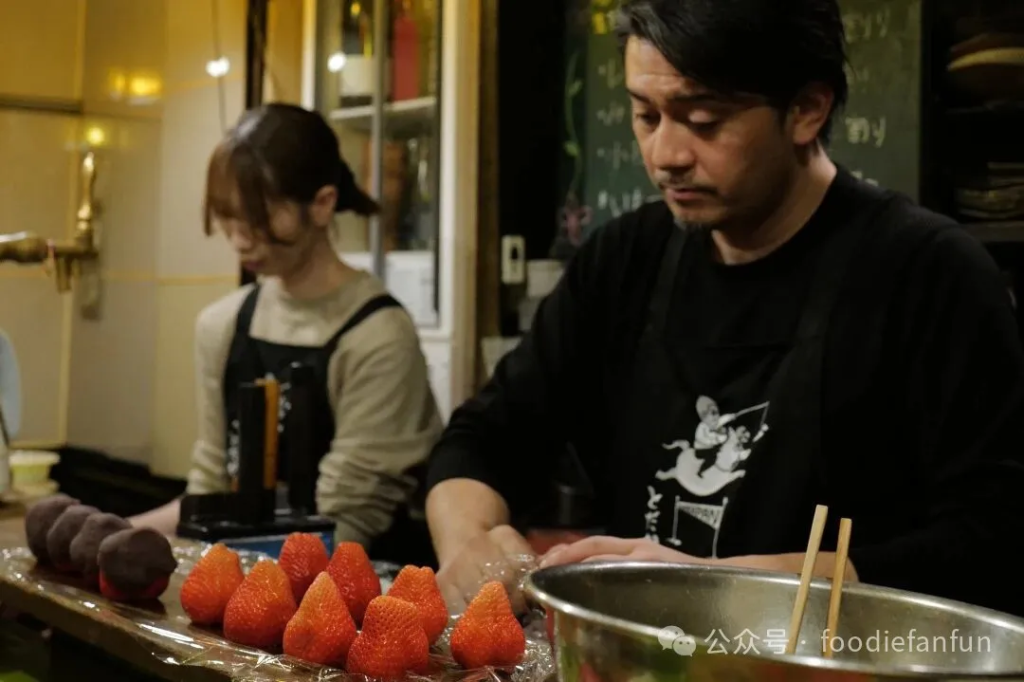
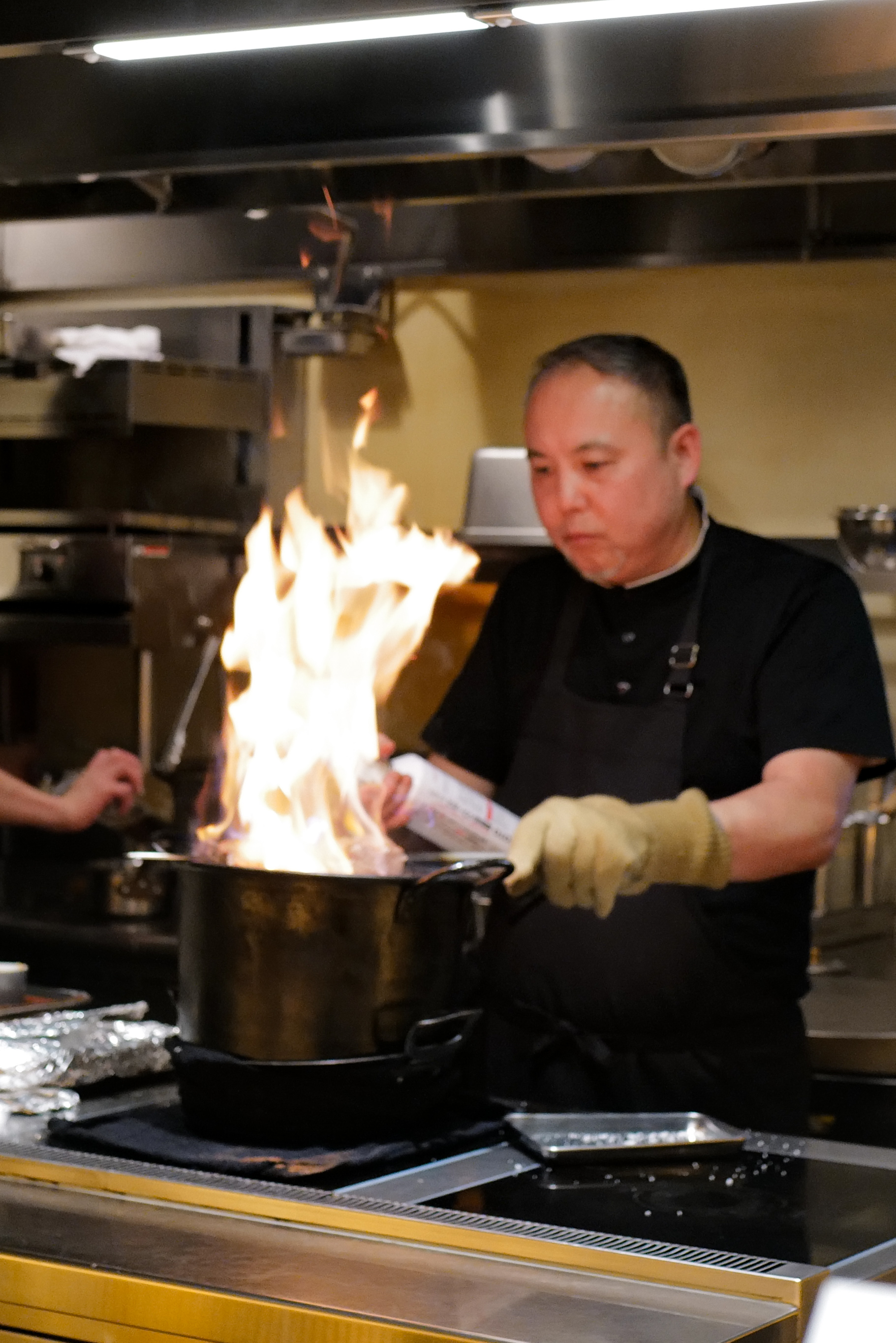
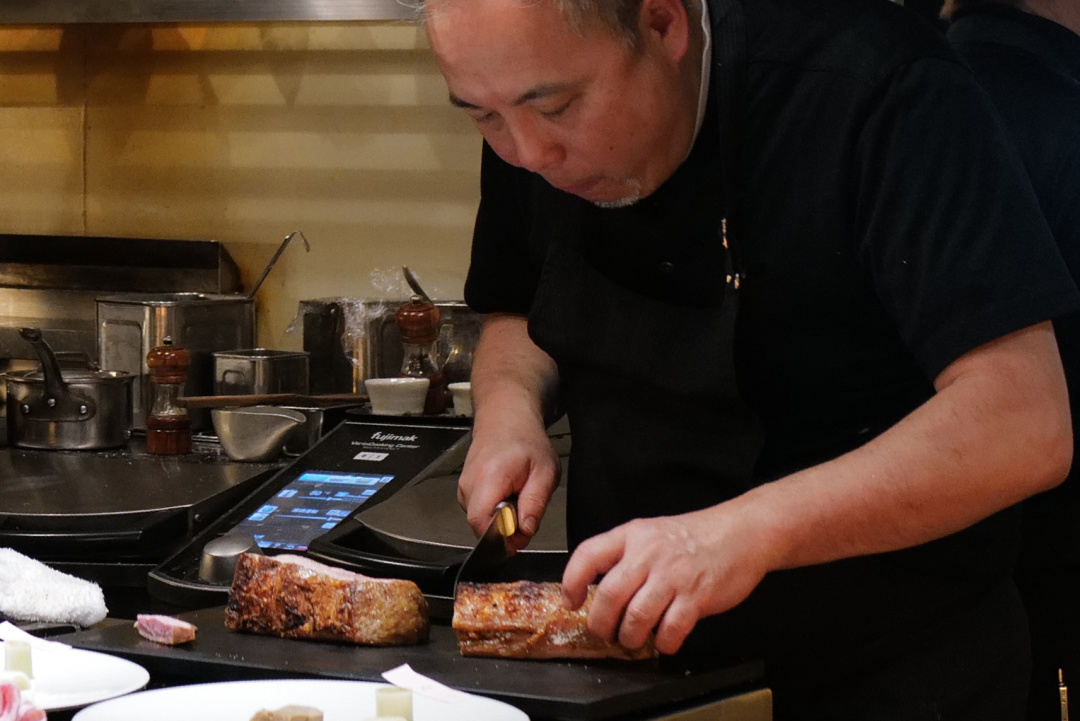
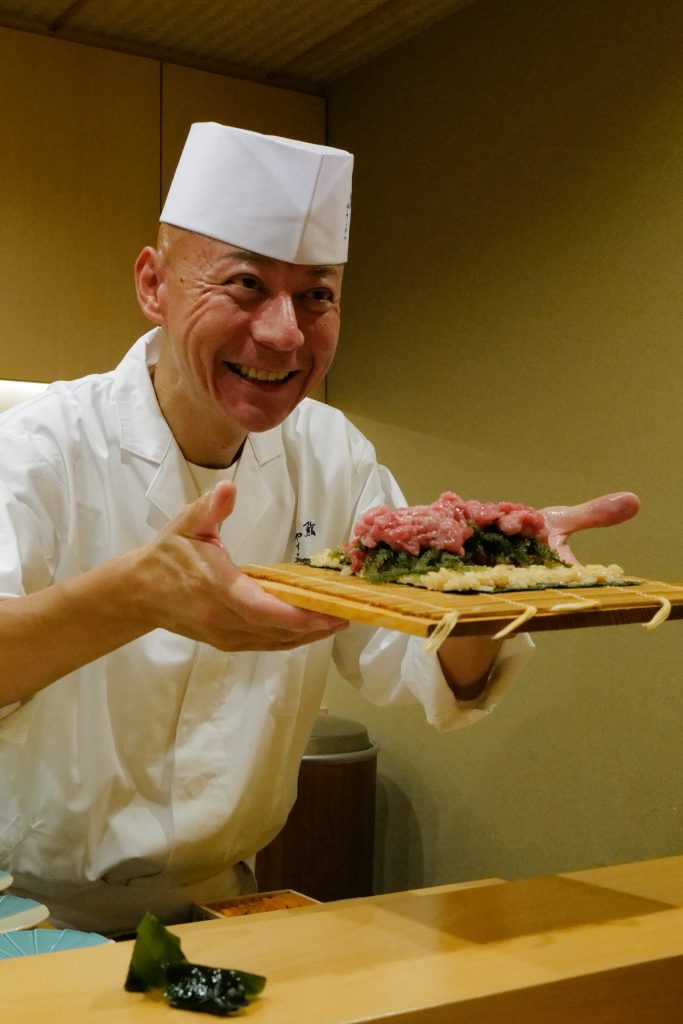
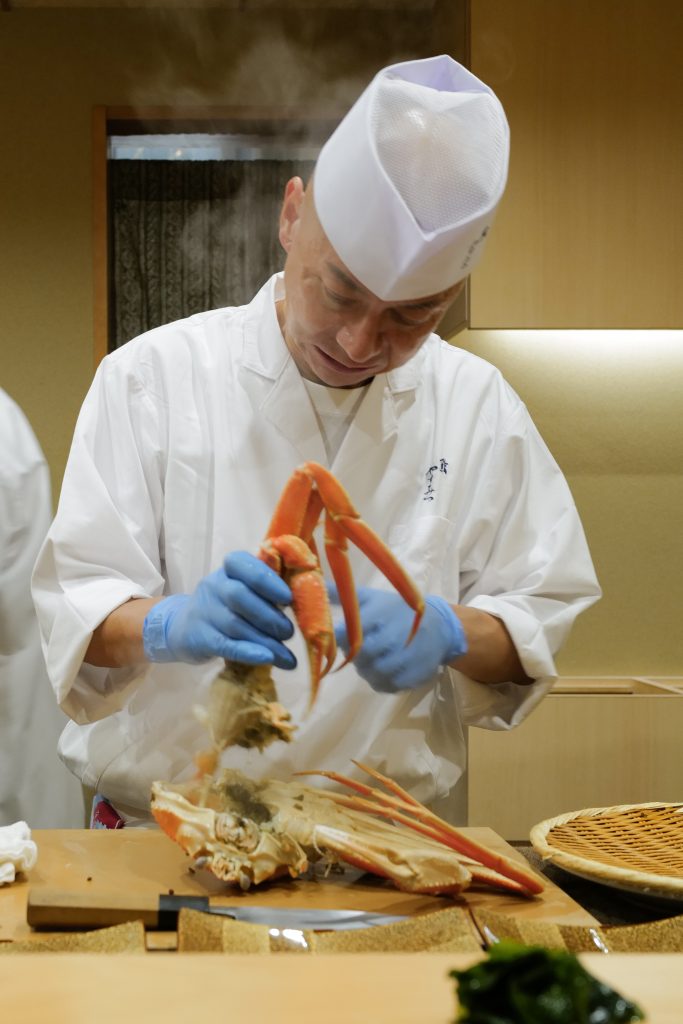
At Ogino’s counter, the distance between guests and kitchen feels unusually close, which makes each flash of technique feel immediate: a brief spark of theatre with real heat.
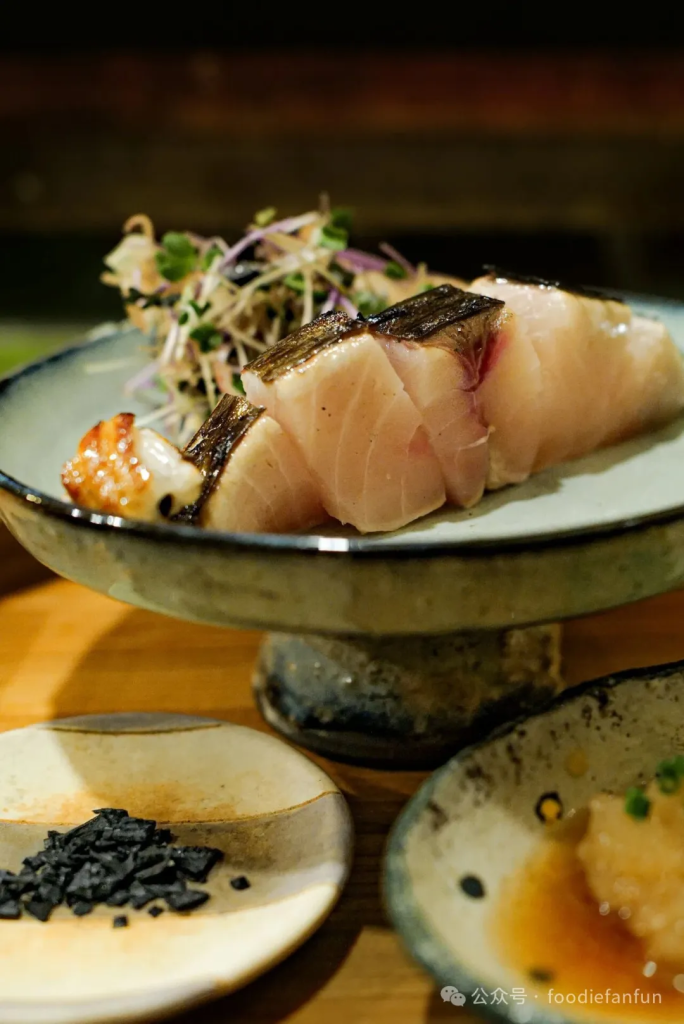
Straw was lit at the counter to char the mackerel skin while keeping the flesh soft. Lightly torched fish is common, but seeing the flame hit in front of you, then tasting smoke turn into balance and a long finish, creates a distinct memory.

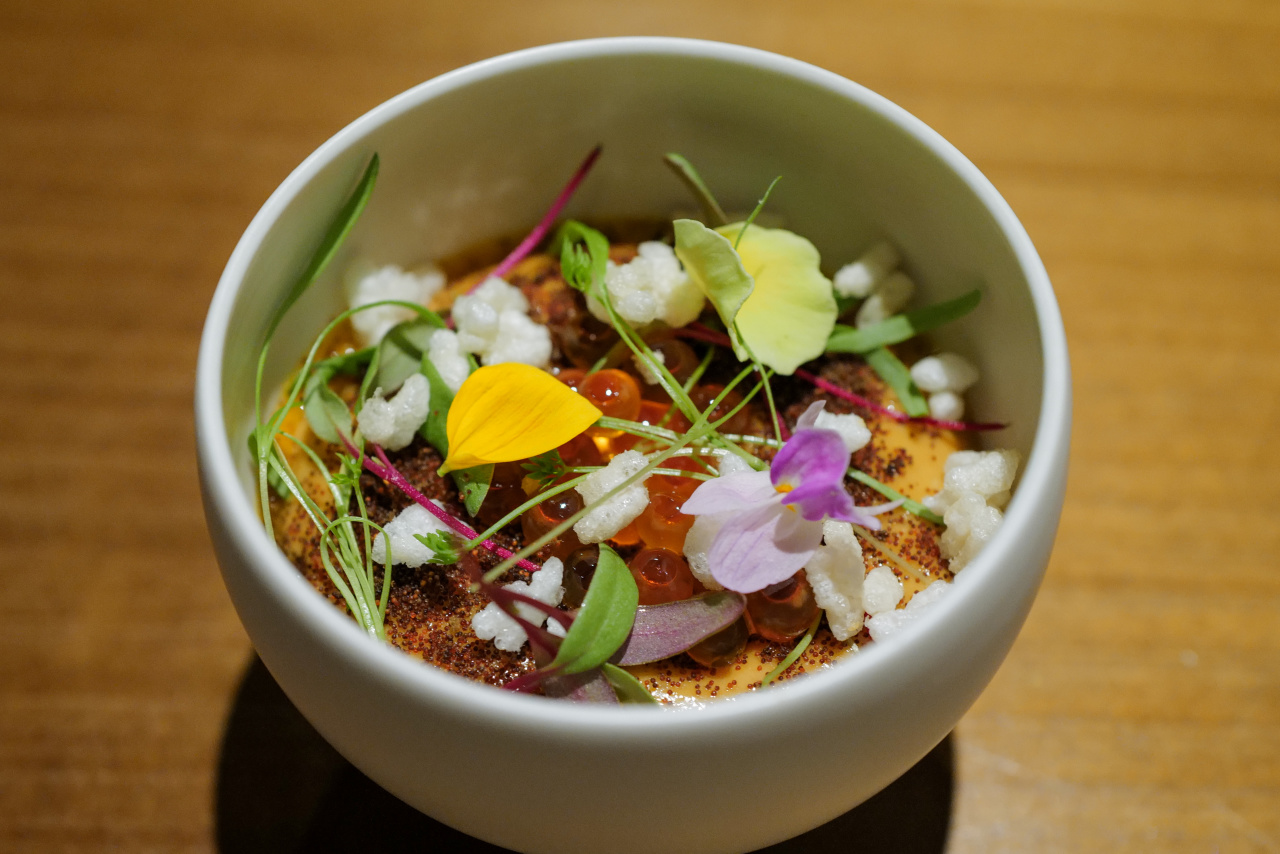
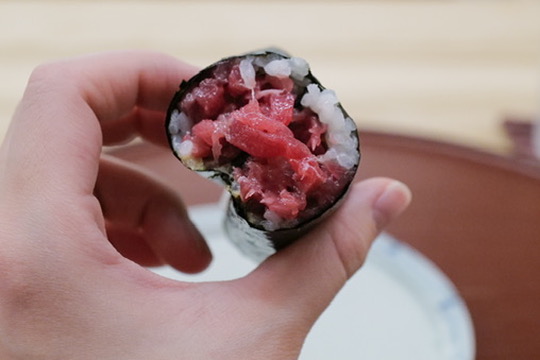
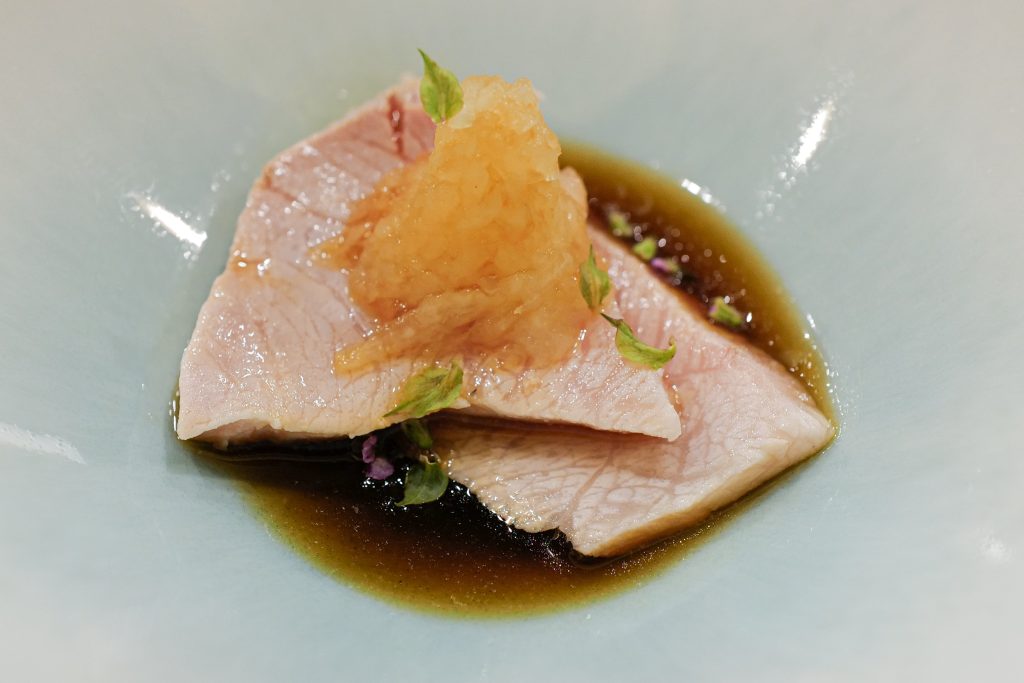
Seared tuna | Egg-yolk soy | Nori tsukudani
Next came tuna with yam puree and egg-yolk soy, with direct searing at the edge of the fish. Think of the pleasure logic of wagyu sukiyaki dipped in raw egg: rich and deeply satisfying.
The restaurant is very good at making guests say “satisfying” in a straightforward way. Yet it never loses kaiseki restraint, detail, and balance. You see this in vessels, counter performance, and the food itself.

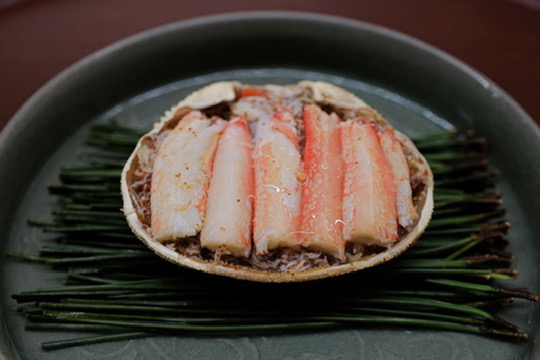
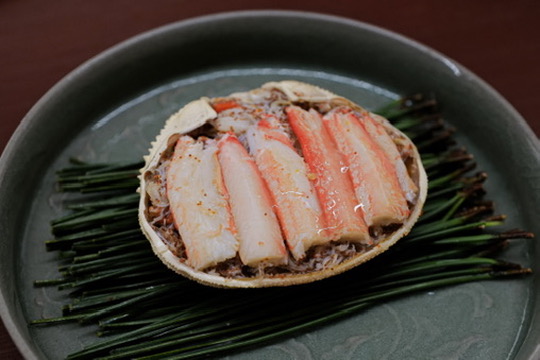
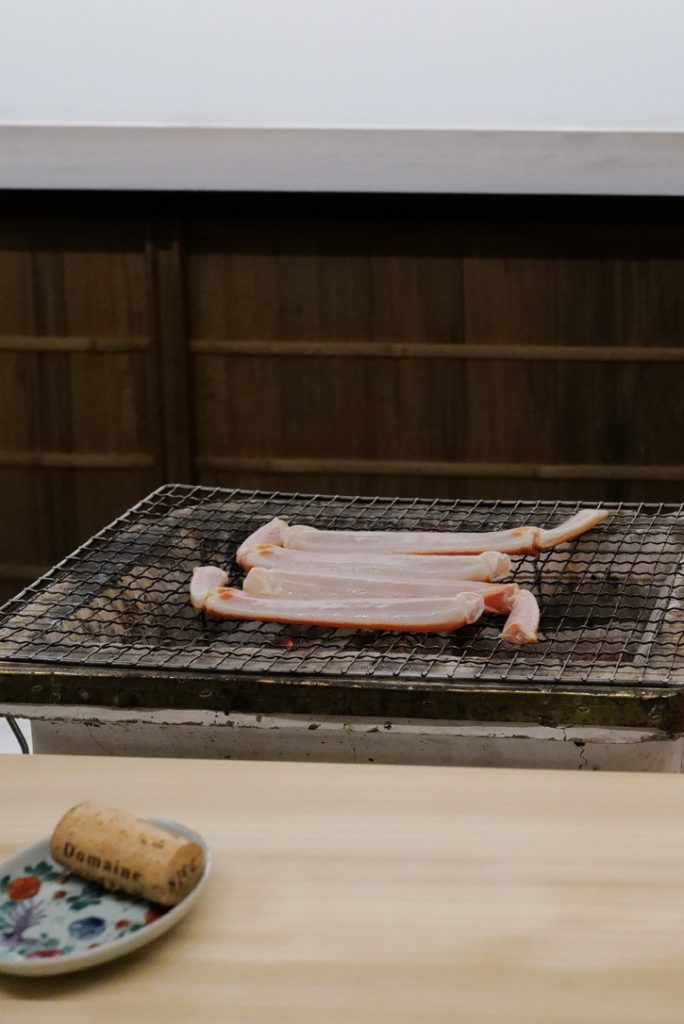
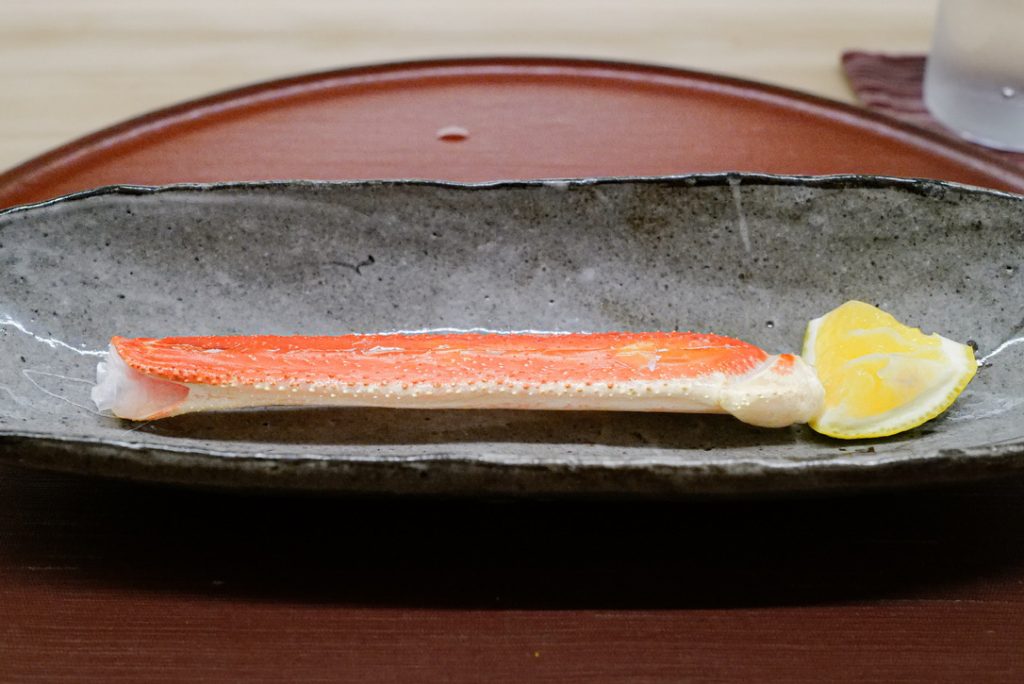
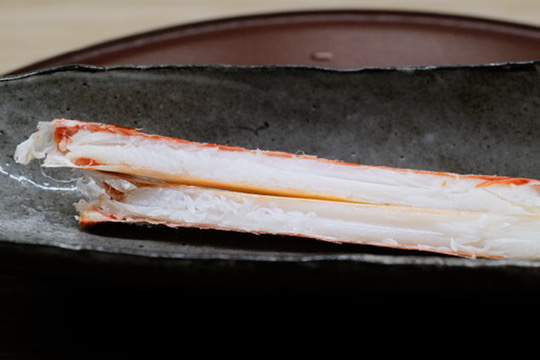
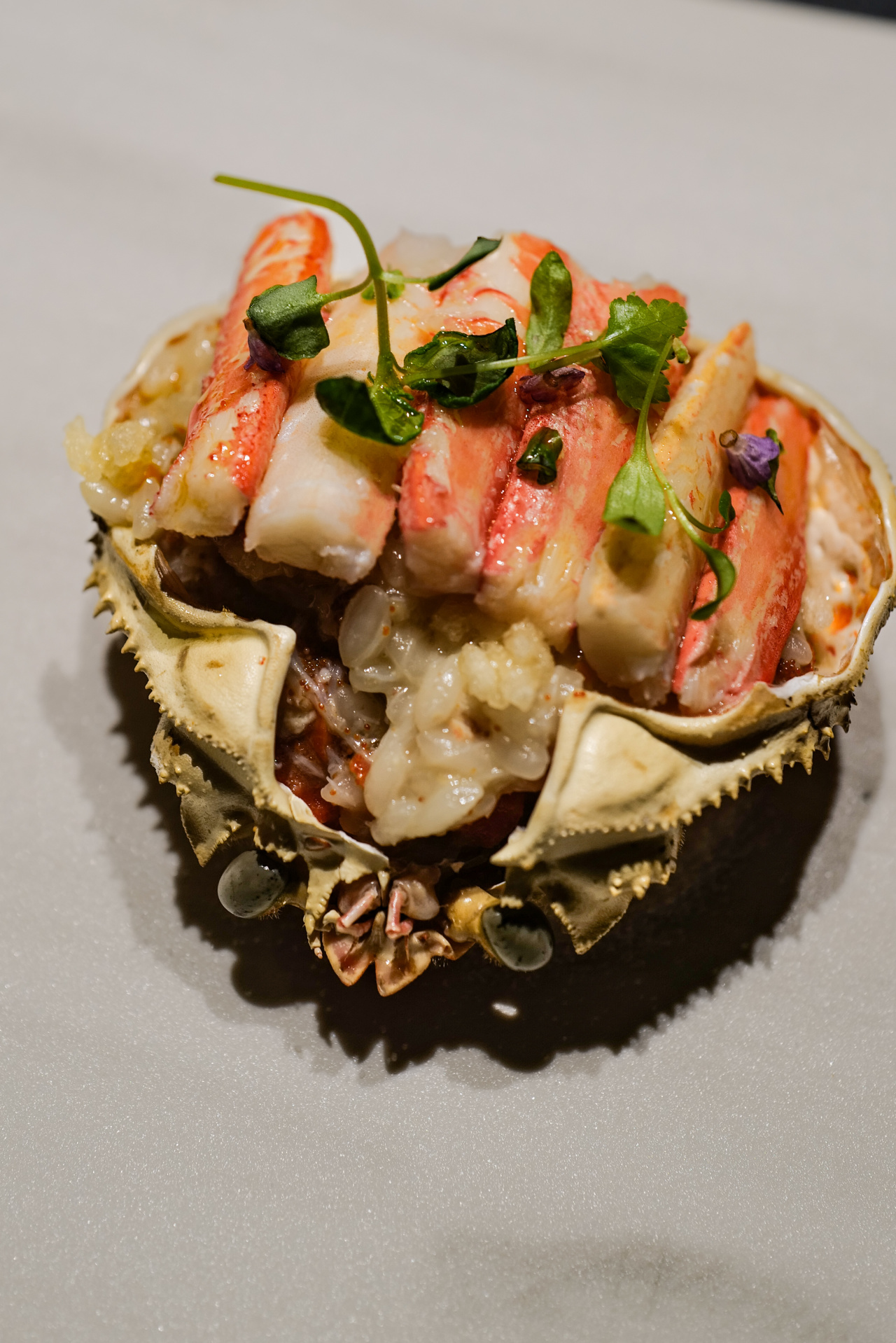
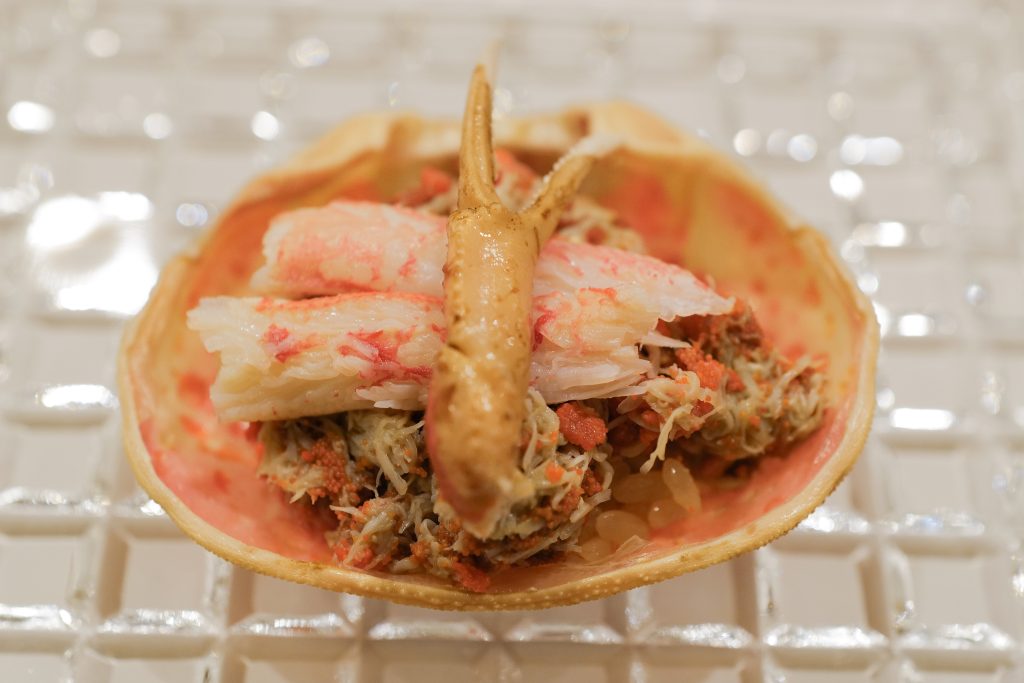
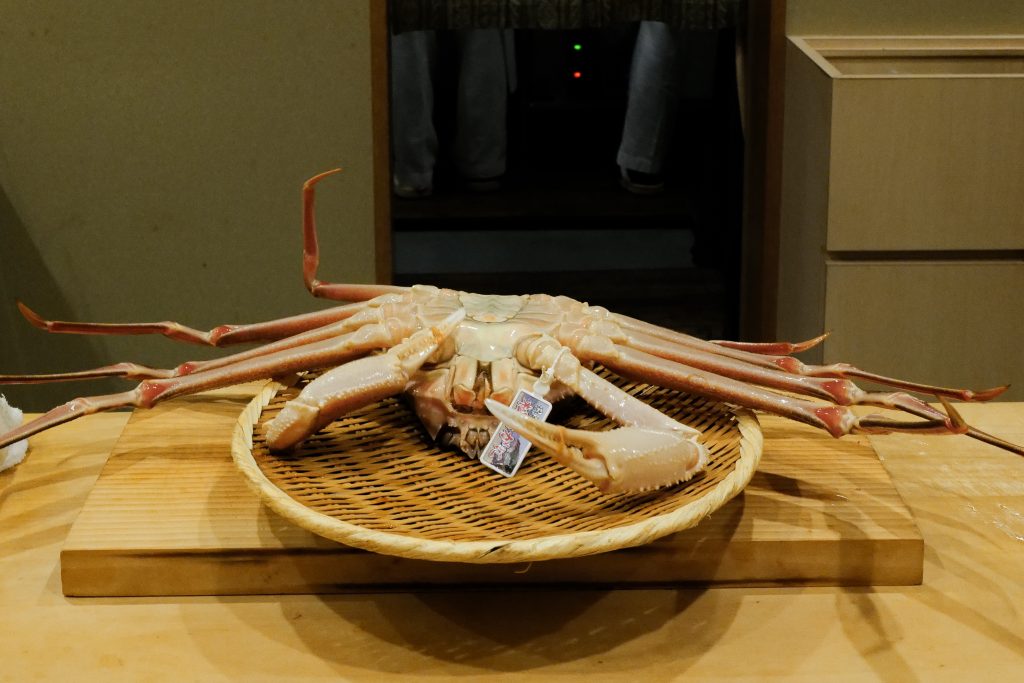
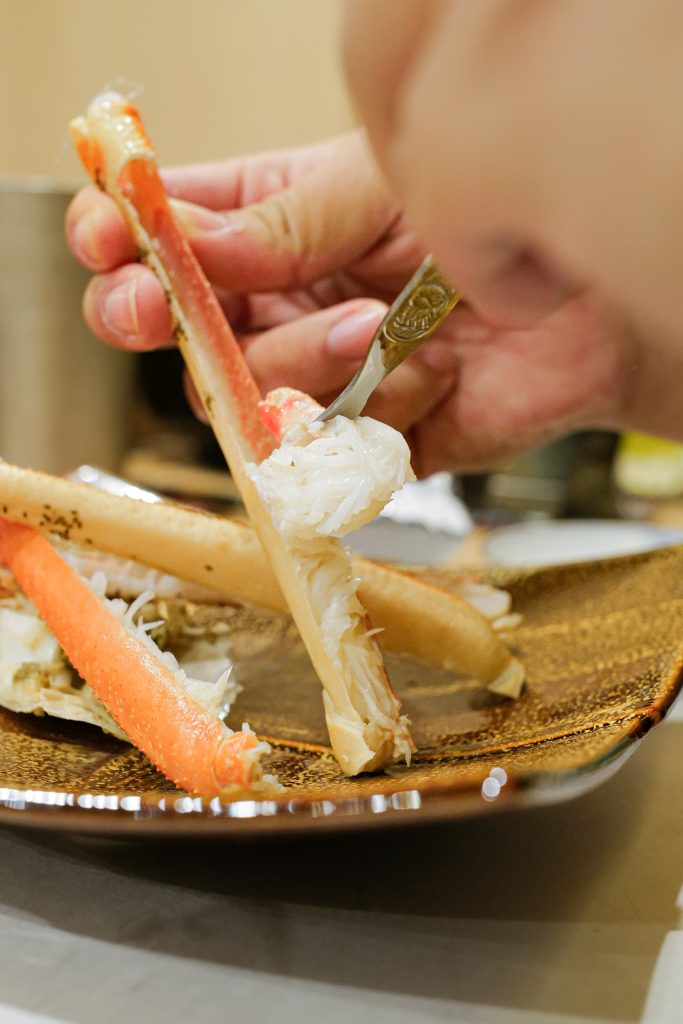
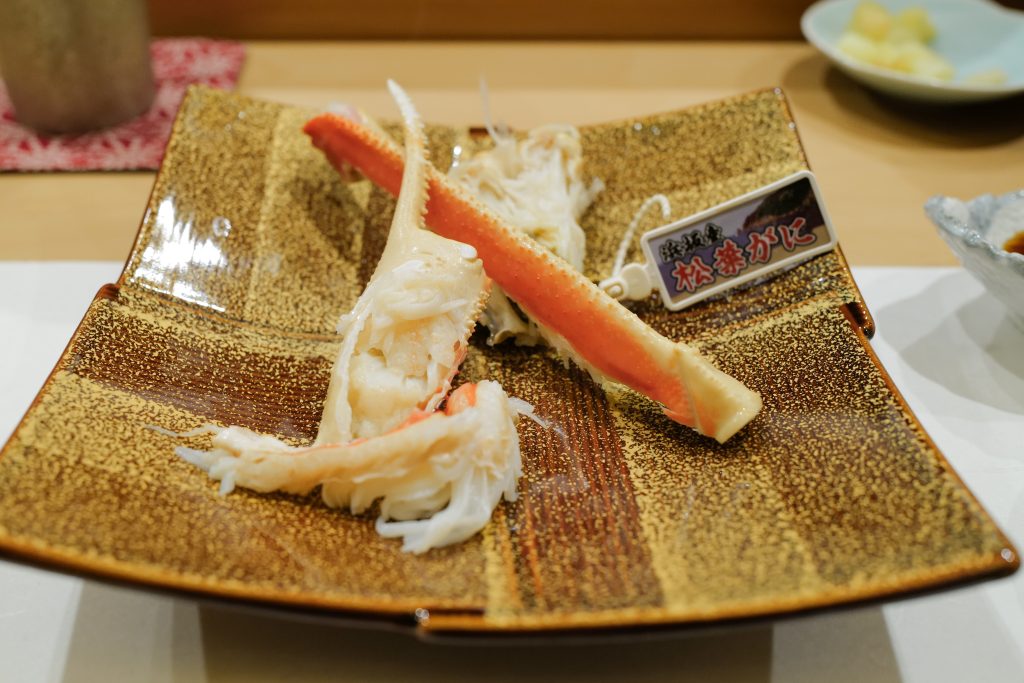
Shell-grilled Matsuba crab
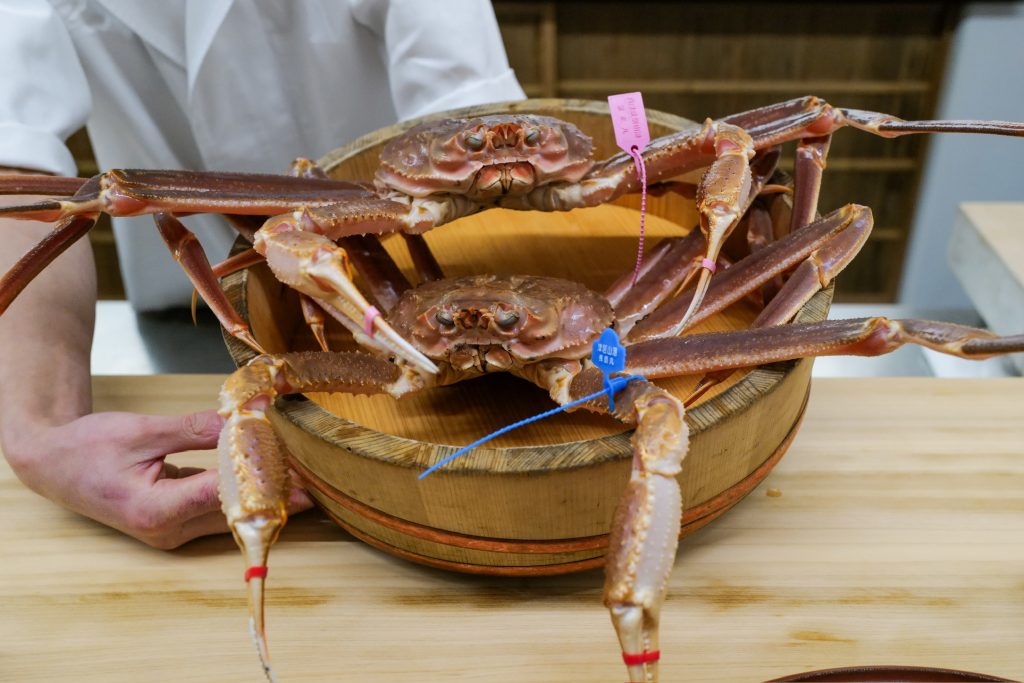
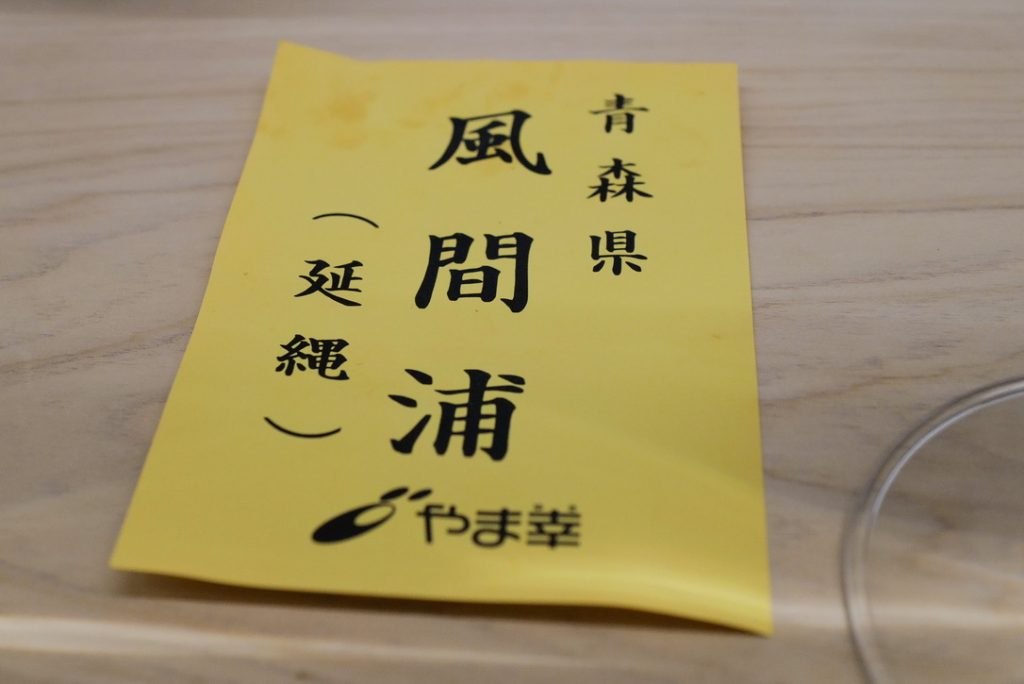
Late January is already near the end of crab season, and with this month’s menu pricing being relatively off-peak, I still didn’t expect such a deeply satisfying shell-grilled Matsuba crab.
There was a slight thickened glaze; that gentle viscosity fused crab-roe aroma and crab-meat sweetness. Fresh scallion jumped in with aromatic lift. Crab legs, coated in rice crackers, stood upright on the plate: pure joy.

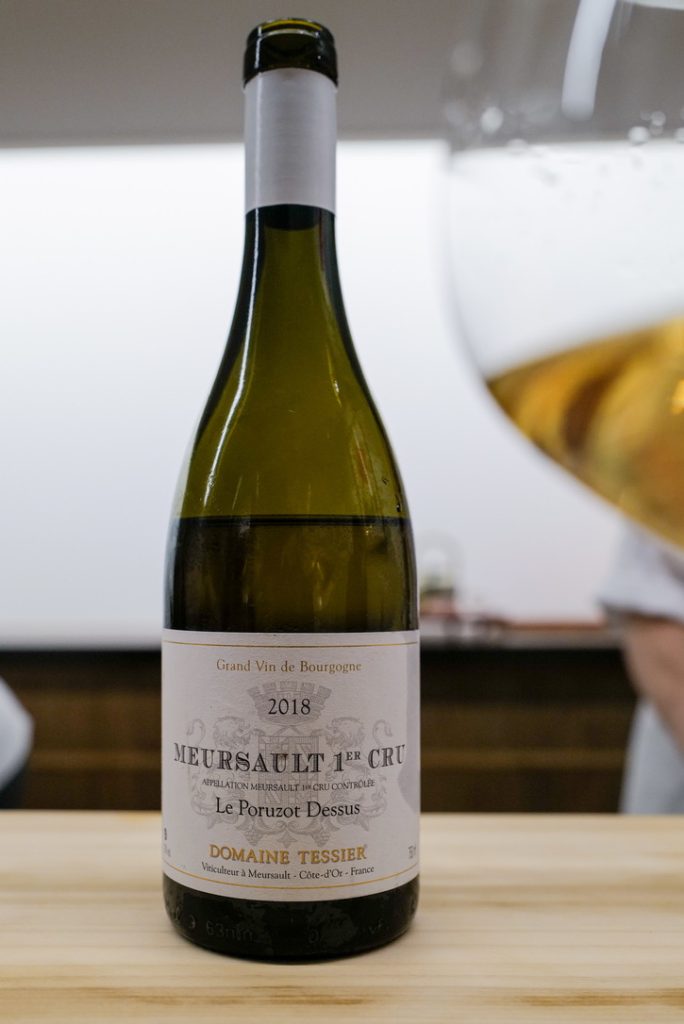
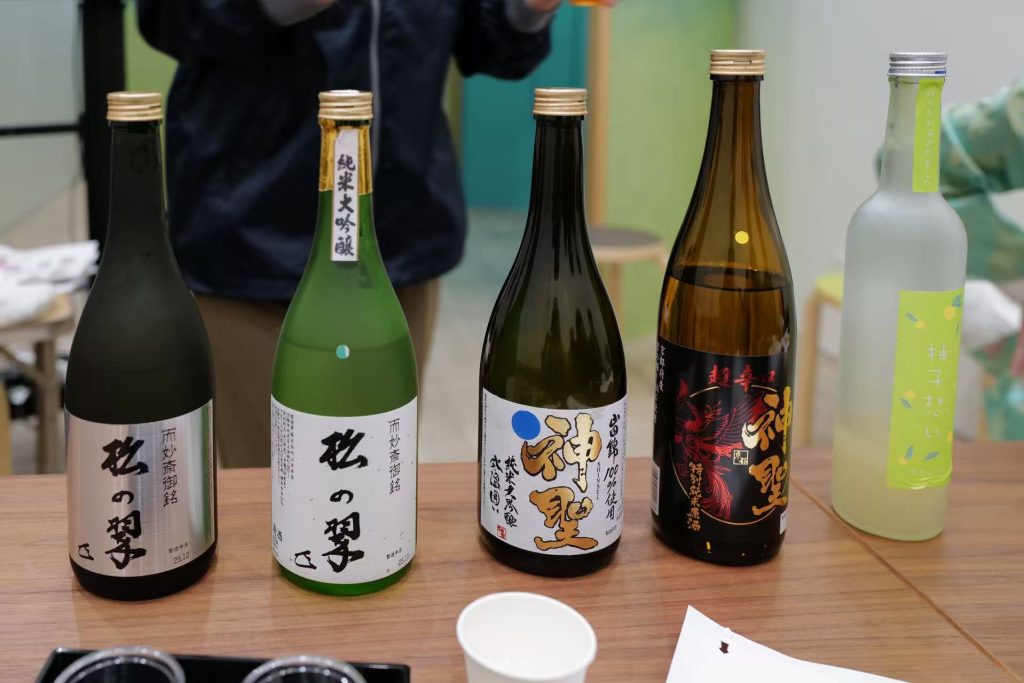
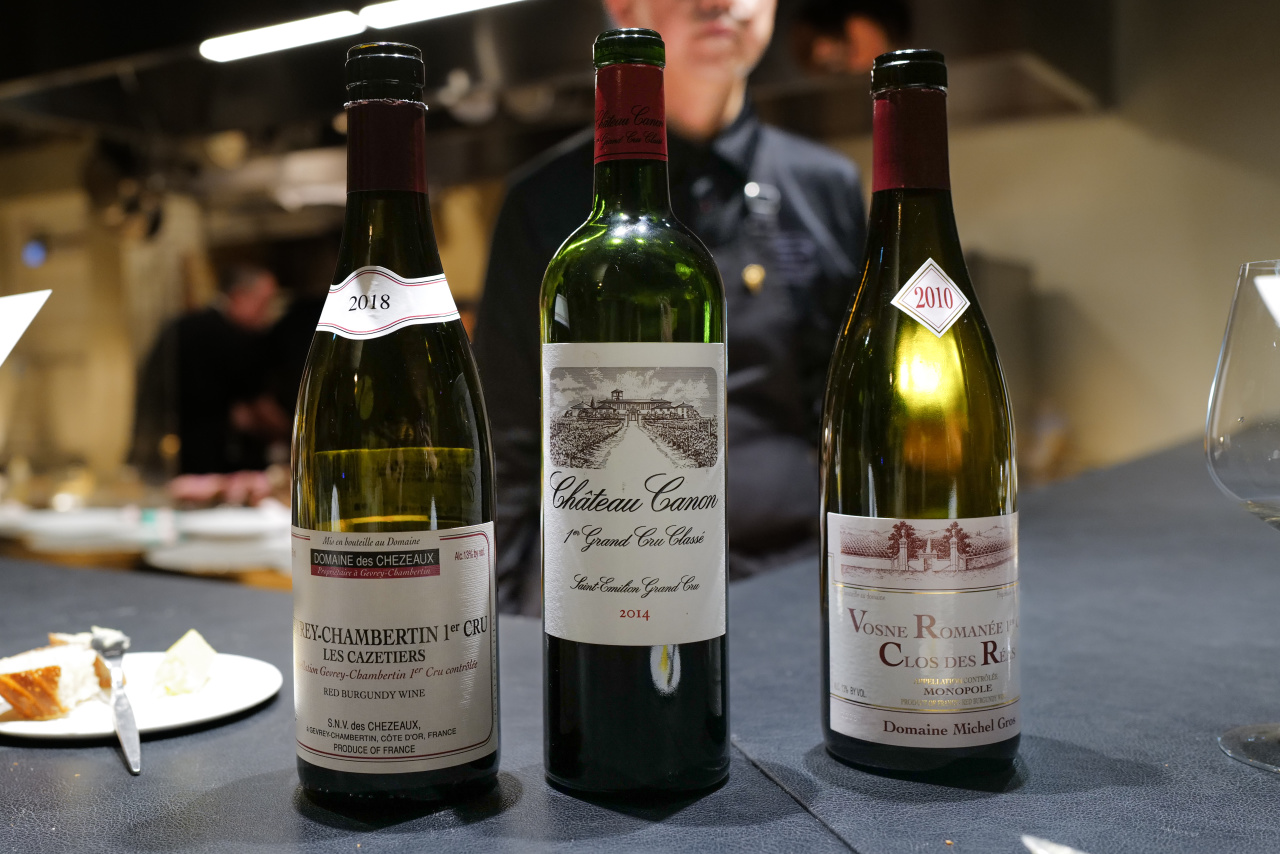
Kamo Nishiki x Ogino custom sake
“次のオススメの日本酒お願いします〜”
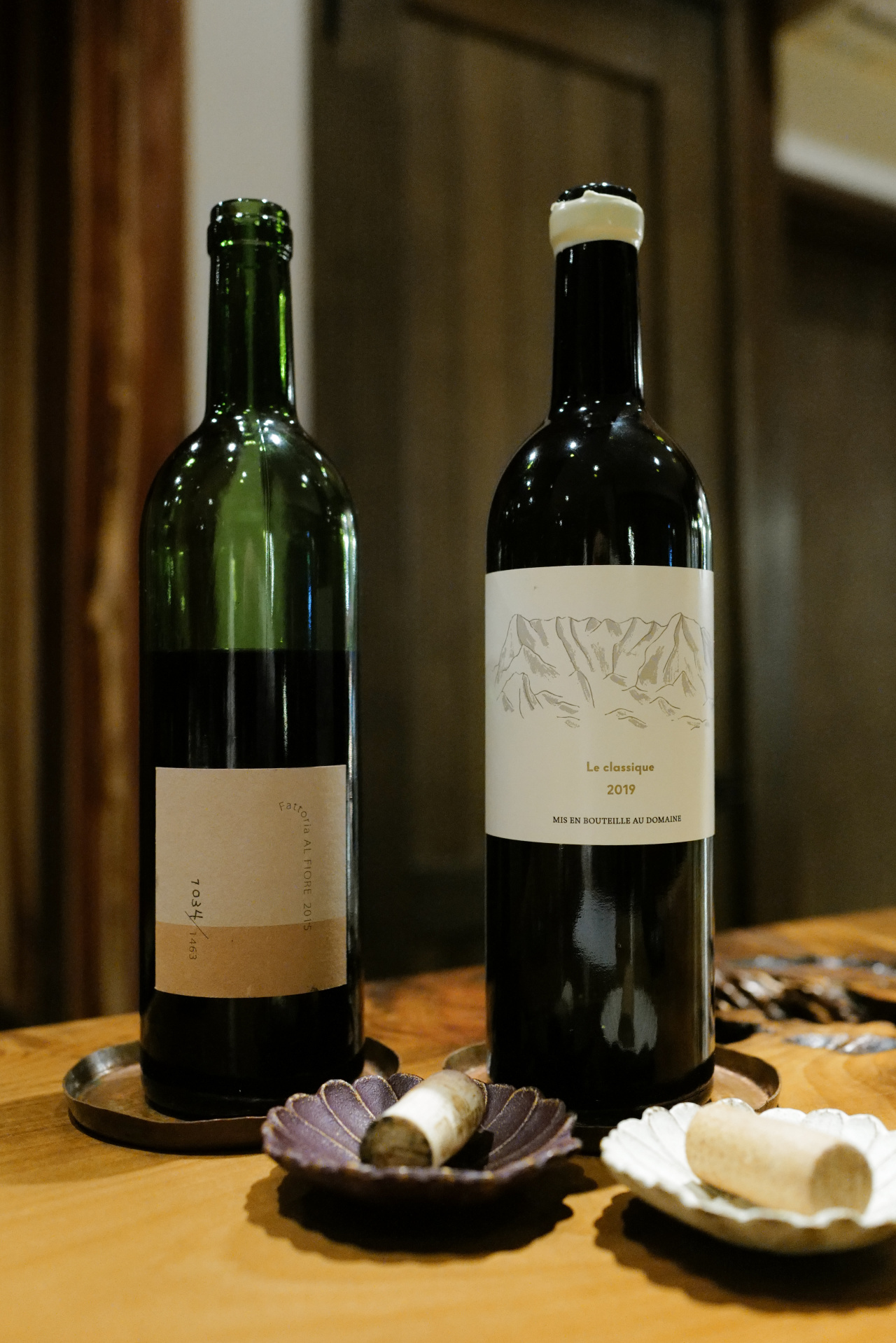
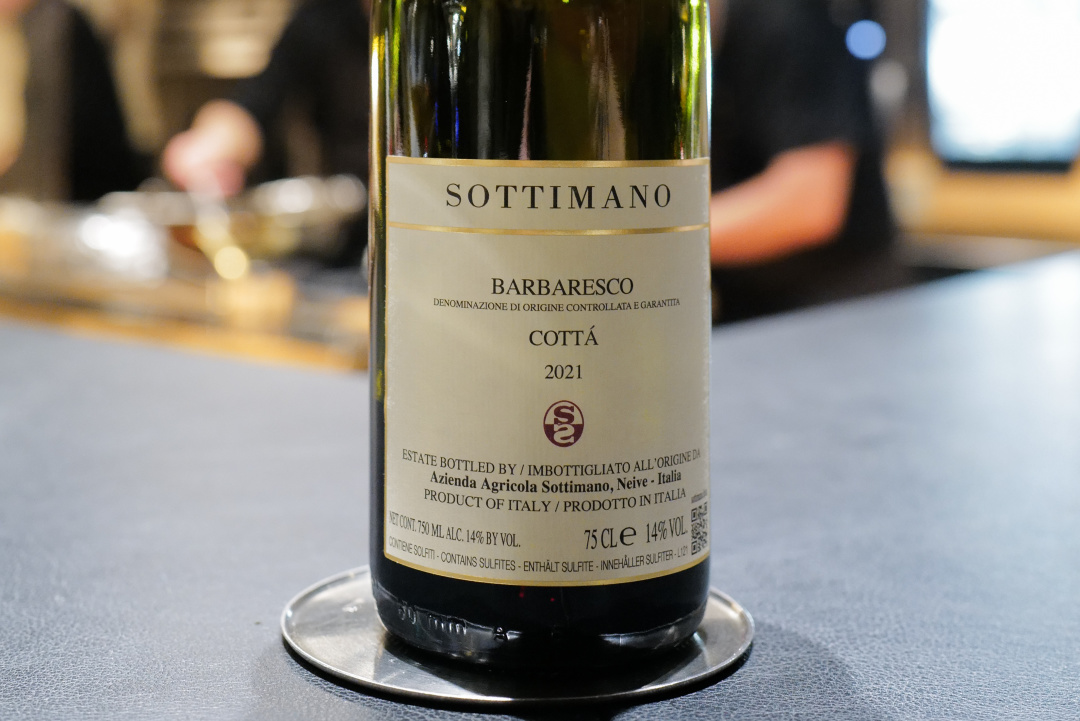
Just before hassun, we were served Kamo Nishiki’s custom bottling for Ogino: more dimensional, with umami-aroma unfolding in the back palate and a very long finish.
After trying many custom Kamo Nishiki labels for different restaurants, I now feel this more concretely: label ceremony is one part, but more importantly, they really do create sake that matches each partner restaurant’s cuisine style.
Every sip becomes an actual score boost for the meal.


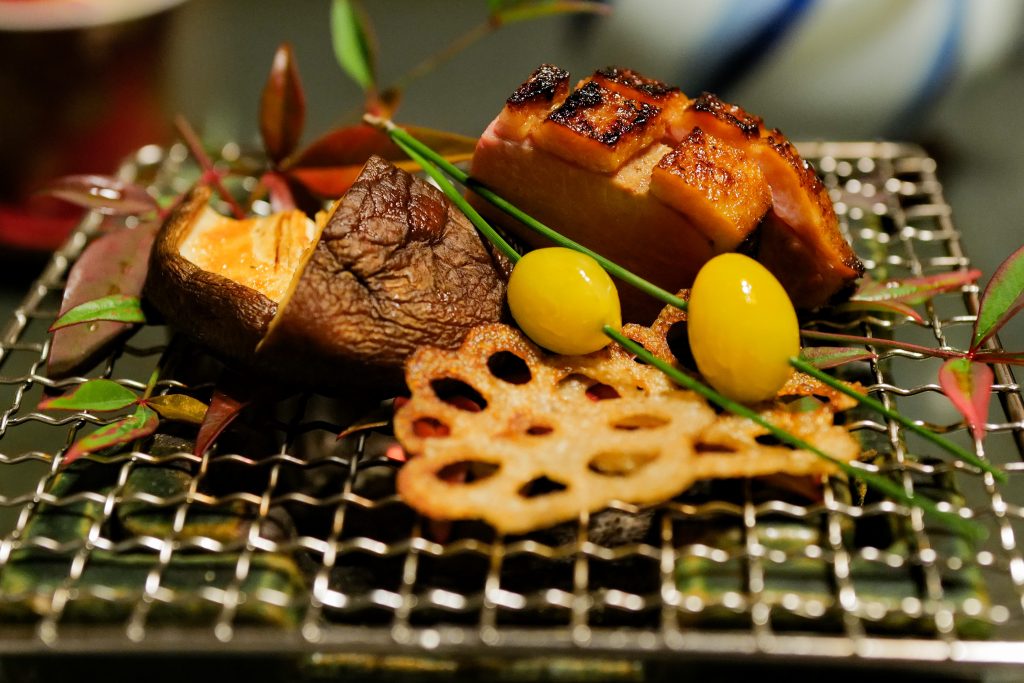
Duck jibuni
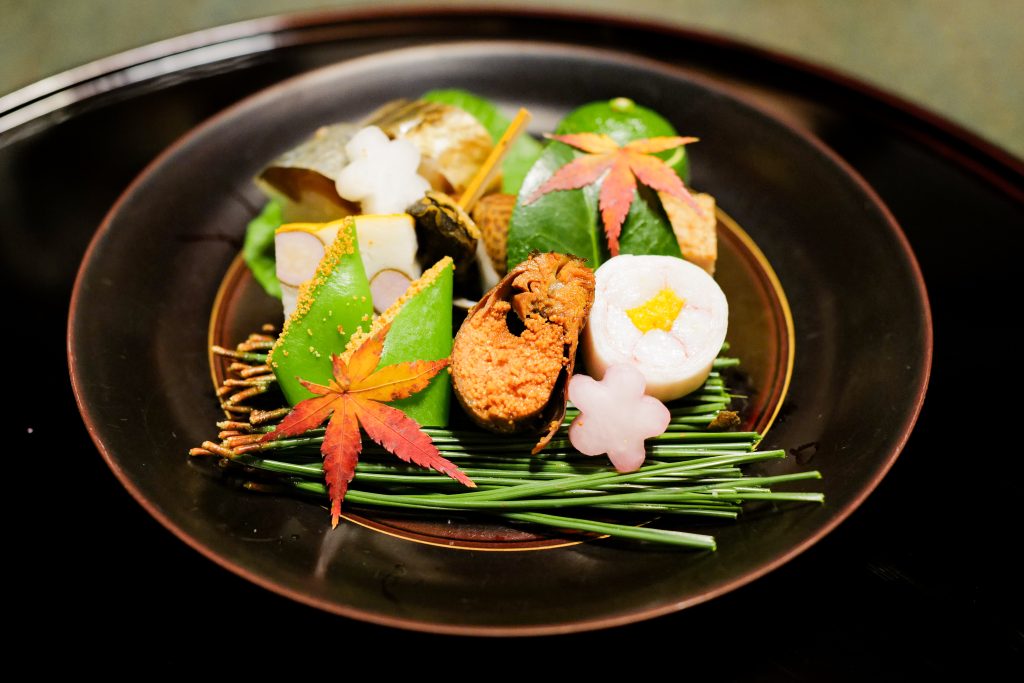
With Ebisu and crane motifs arriving in hassun, the celebratory atmosphere returned.
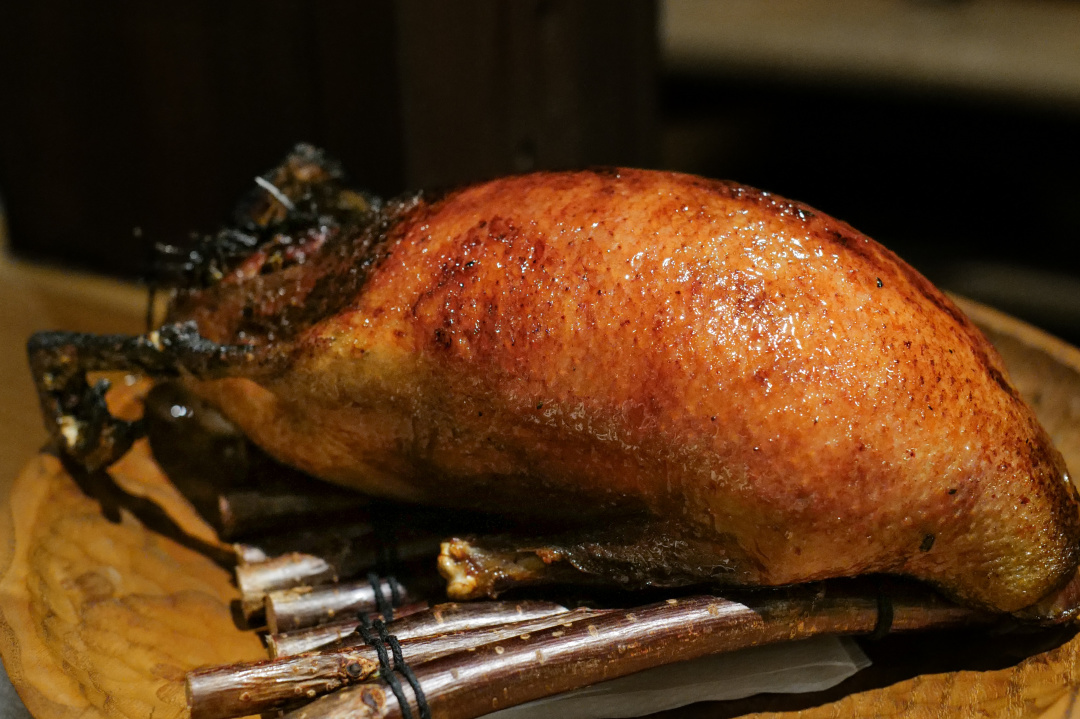
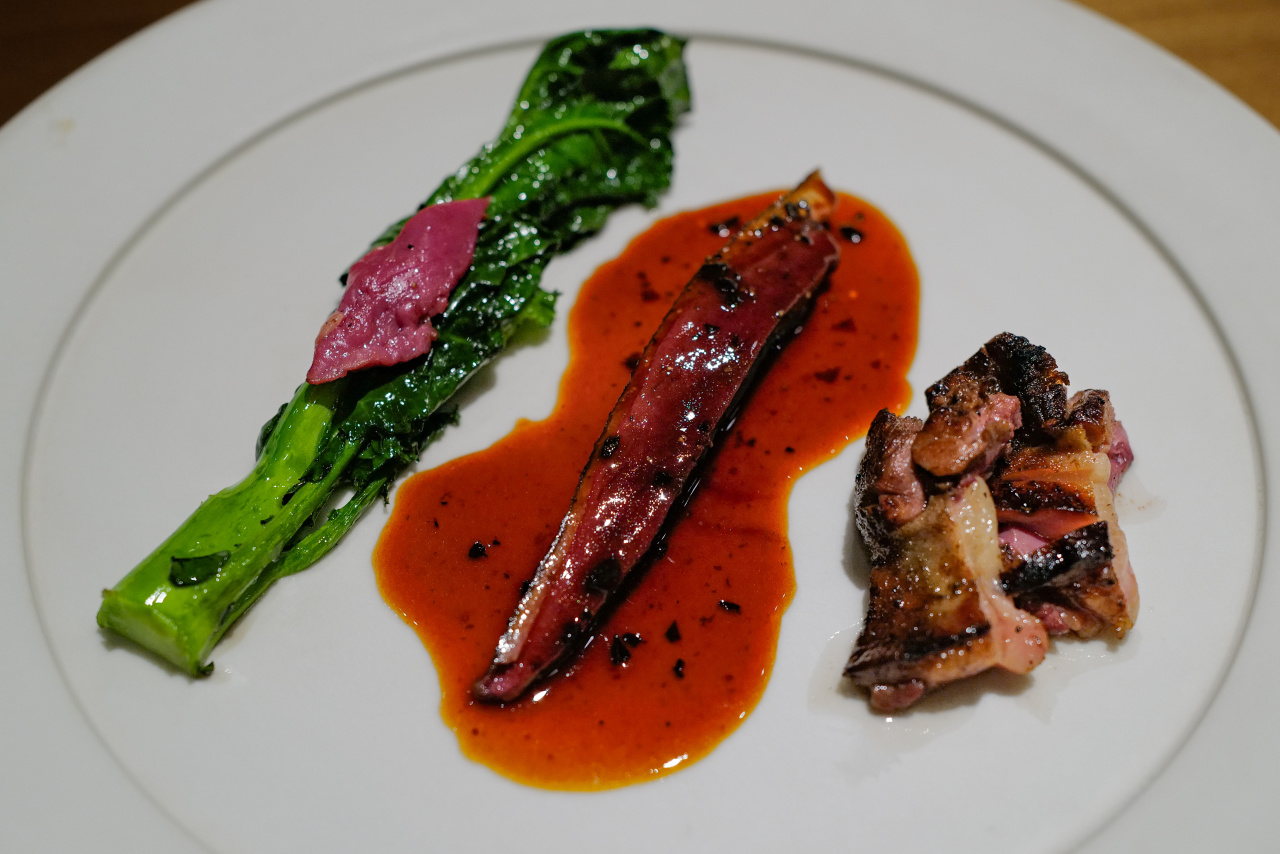
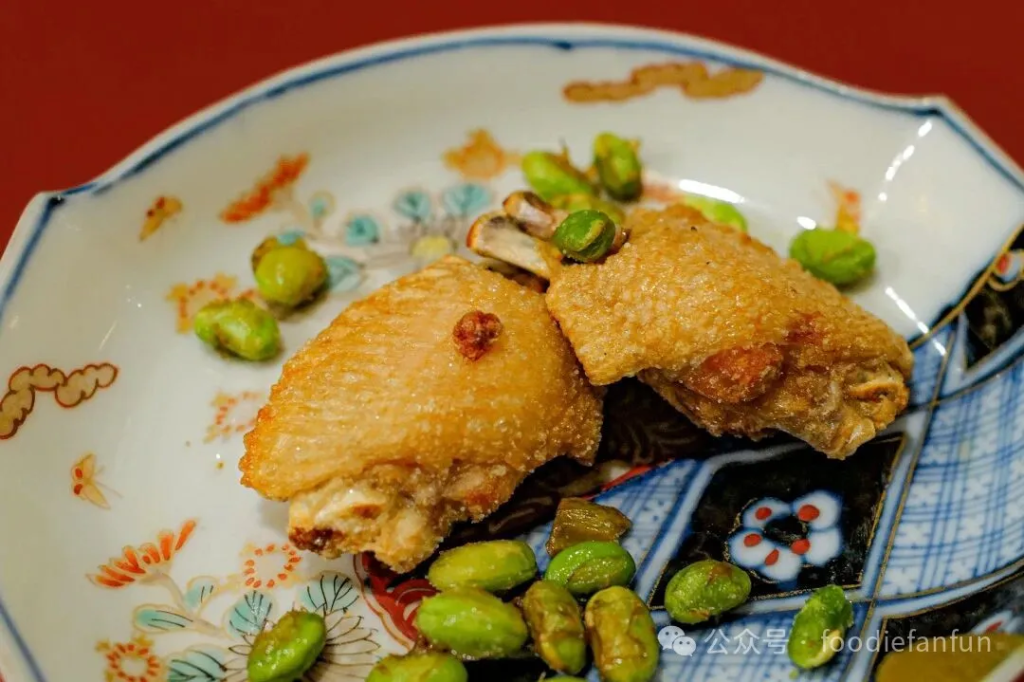
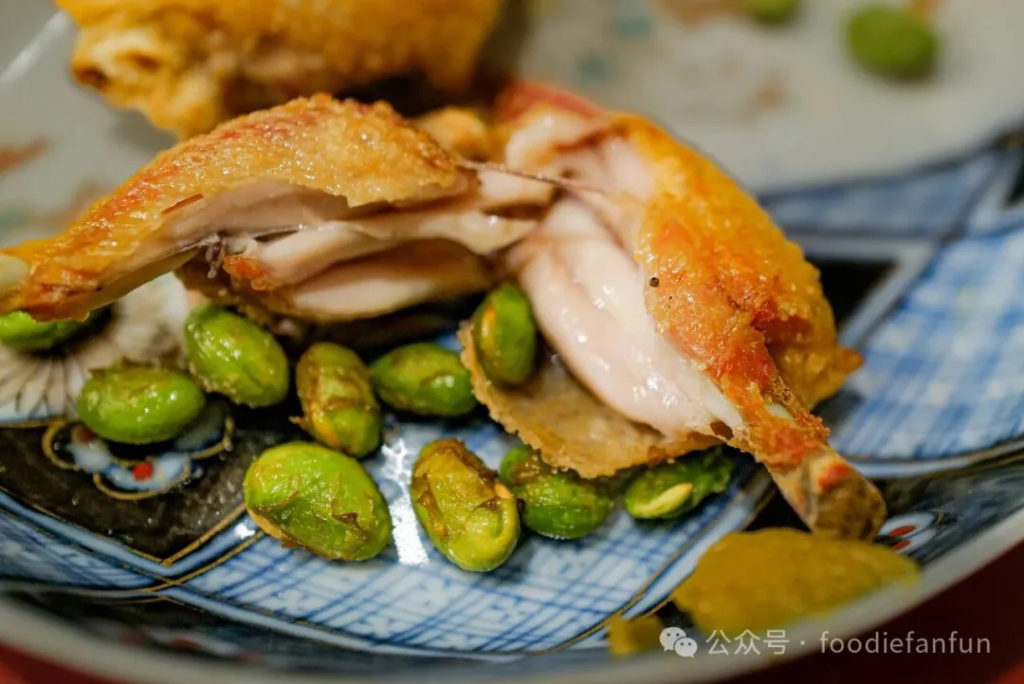
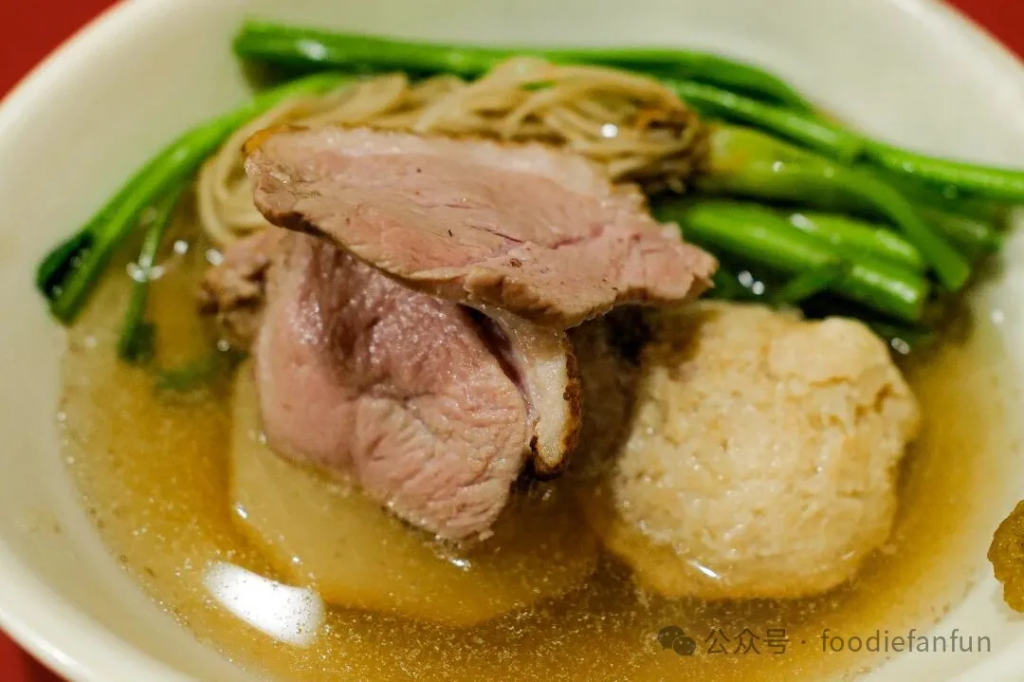
“Eat the duck while hot.” Prepared in the Ishikawa-style jibuni method, the duck was firm, aromatic, and carried a touch of wildness while staying completely clean, with zero gamey odor. Sansho and scallion lifted a second aromatic-sweet layer.
Japanese duck really suits washoku treatment.
The sea bream-shaped vessel was also a playful linguistic symbol: “madai” (sea bream) sounds close to “medetai” (auspicious/congratulatory), so it is commonly used as a motif of celebration.

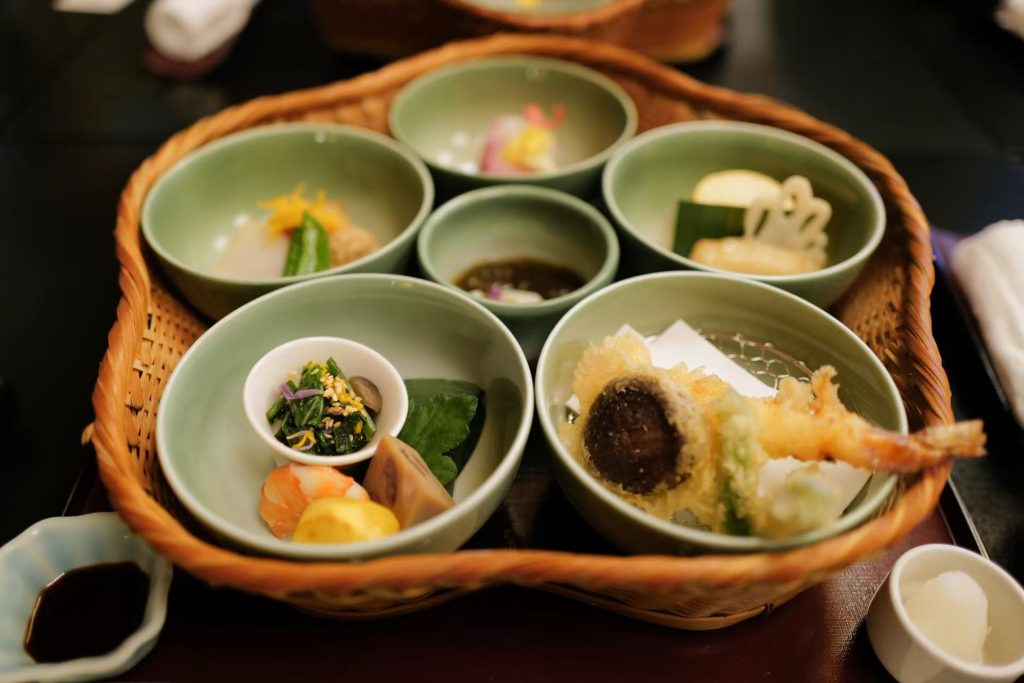
Kumquat | Shira-ae | Kazunoko | Simmered Tanba black beans

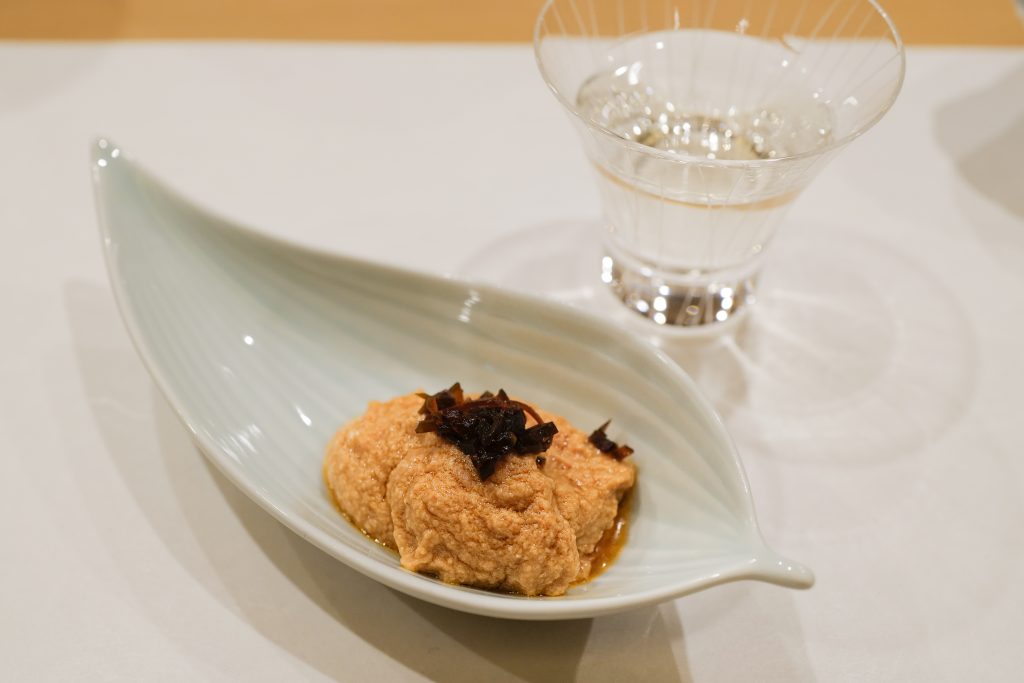
Sea cucumber tendon + daikon + salmon roe | Monkfish liver | Persimmon + sesame
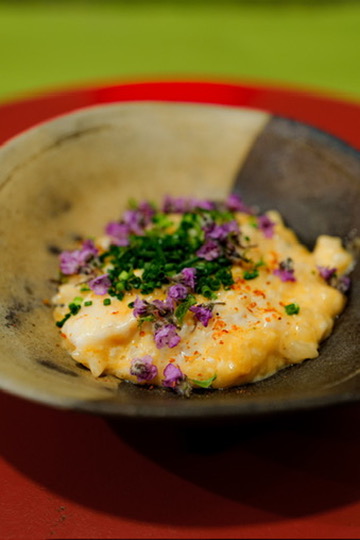
Almost every hassun item triggered a spontaneous “wow, delicious,” but with no redundancy. Soft black bean sweetness, layered kumquat and shira-ae sweetness, sea-cucumber tendon and salmon roe in tension and release, and monkfish liver pushing umami in waves while nutty and creamy notes melted slowly.
And the sesame under dried persimmon. The freshly roasted sesame Chef Ogino had been grinding at the counter with crackling fragrance was exactly for this moment.

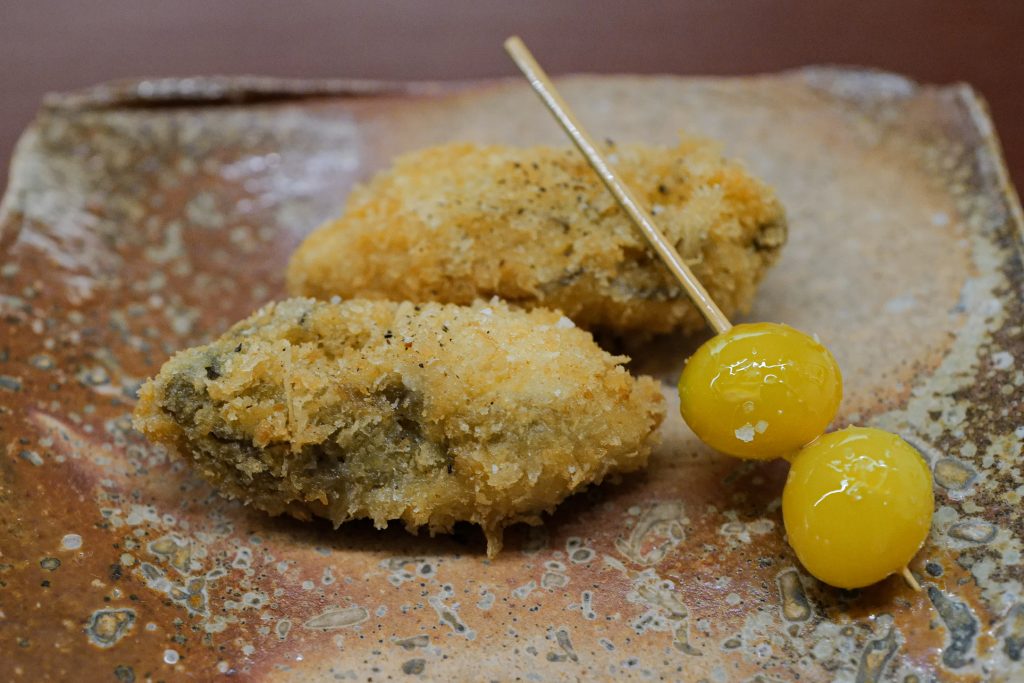
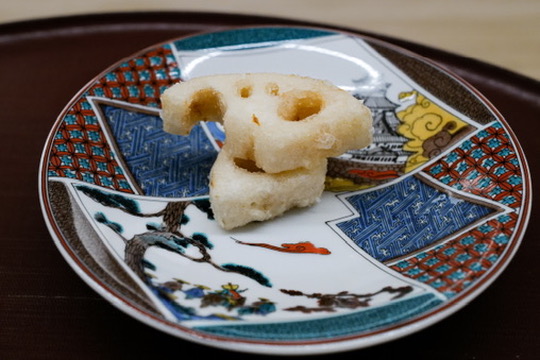
Silk sweet potato tempura


Karasumi mochi
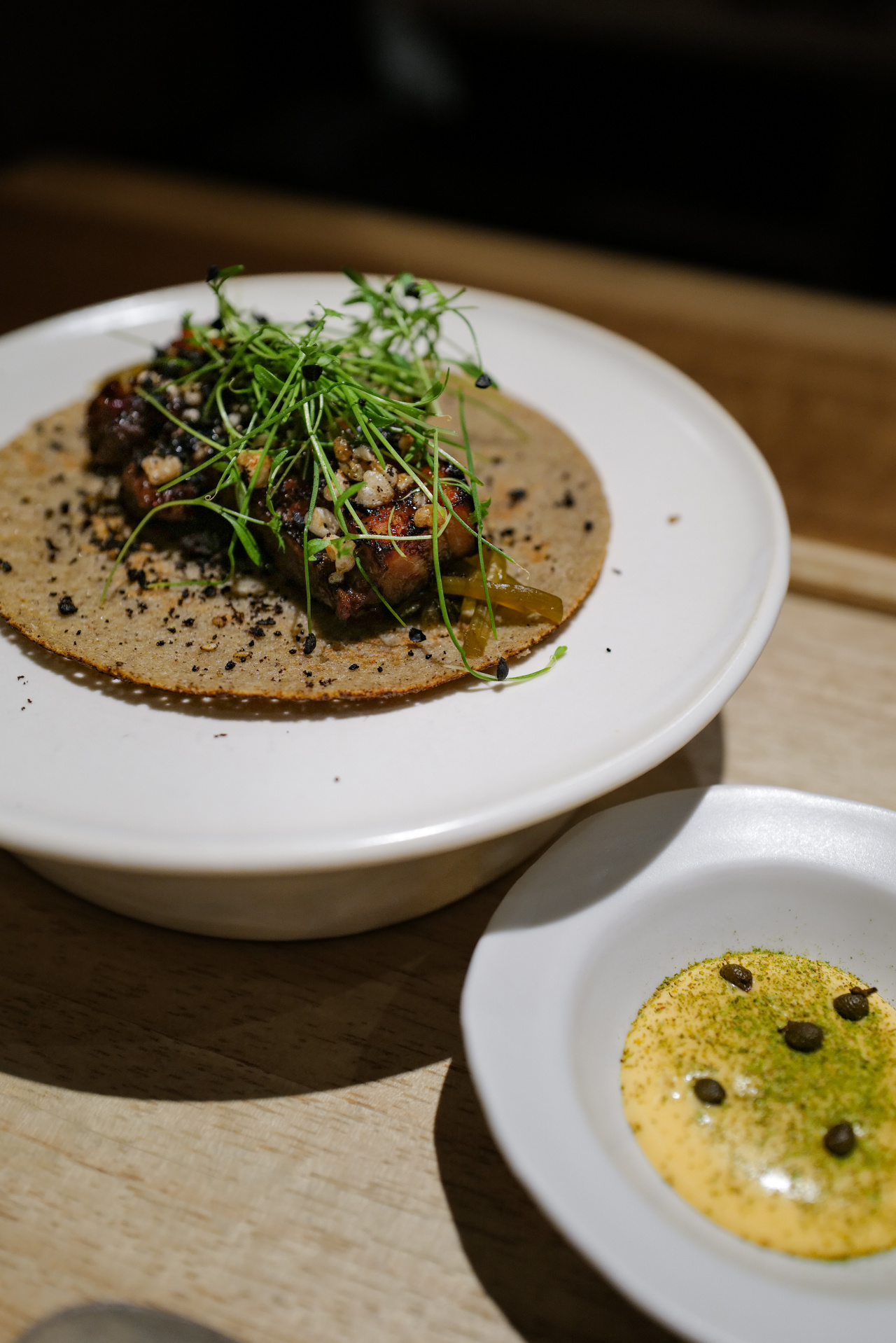
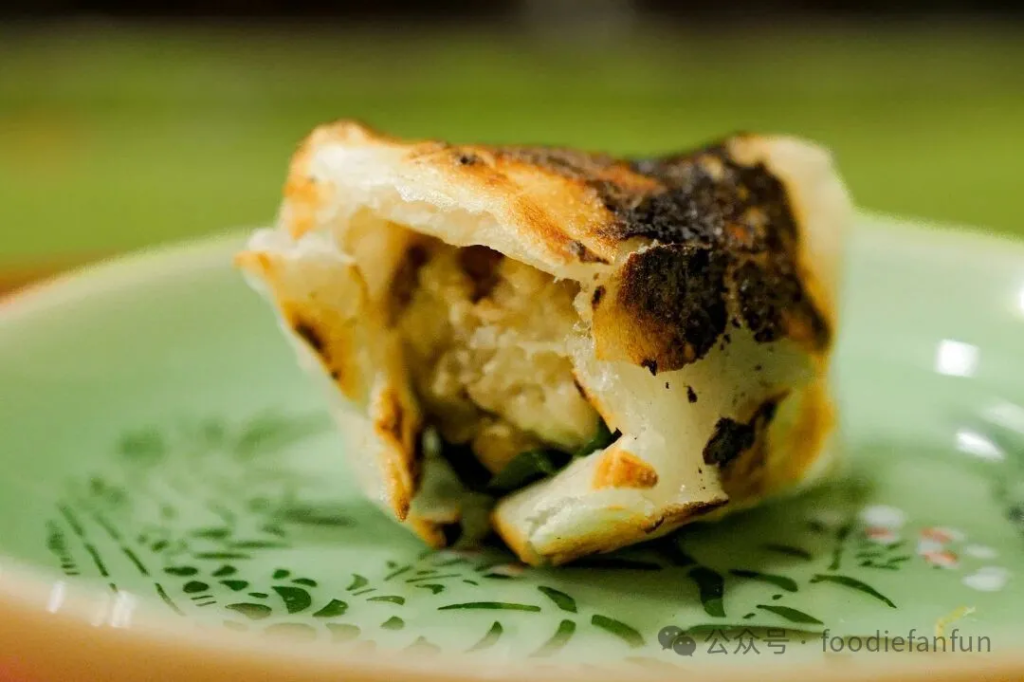
Grilled mochi arrived with a whole slab of karasumi inside.
Instead of the usual heavily chewy karasumi often served with drinks, they used a slightly softer style so it sat naturally in mochi. Salinity remained high and satisfying.
Besides being superb with sake, the restaurant served white miso soup alongside, which unexpectedly highlighted the miso’s sweetness.
Traditional elements, but assembled into a genuinely new experience.

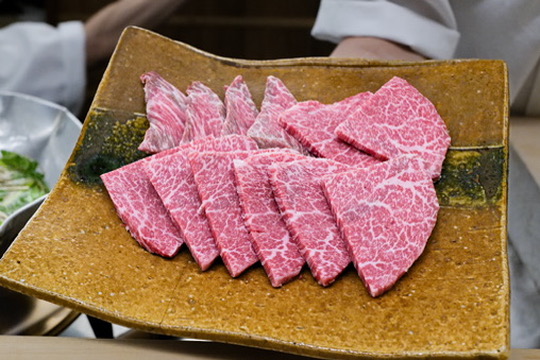
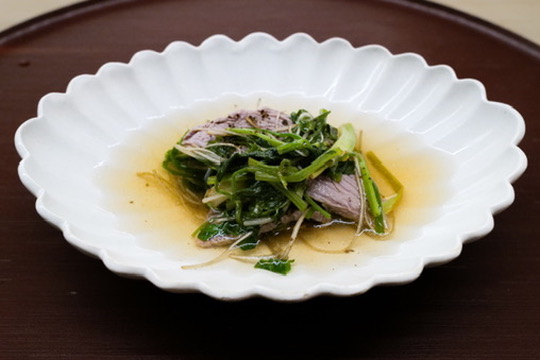
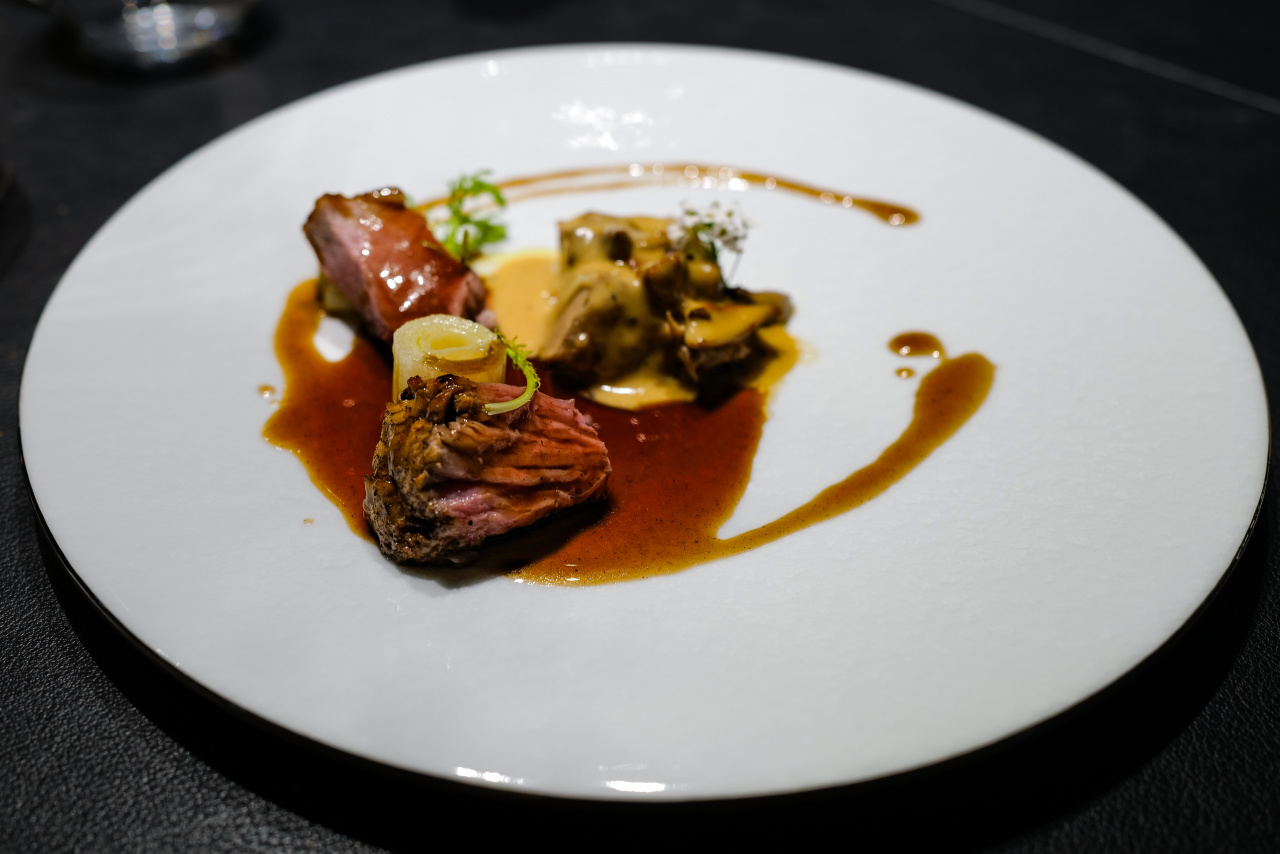
Boar | Kujo leek | Celery | Burdock | Kinome simmered dish

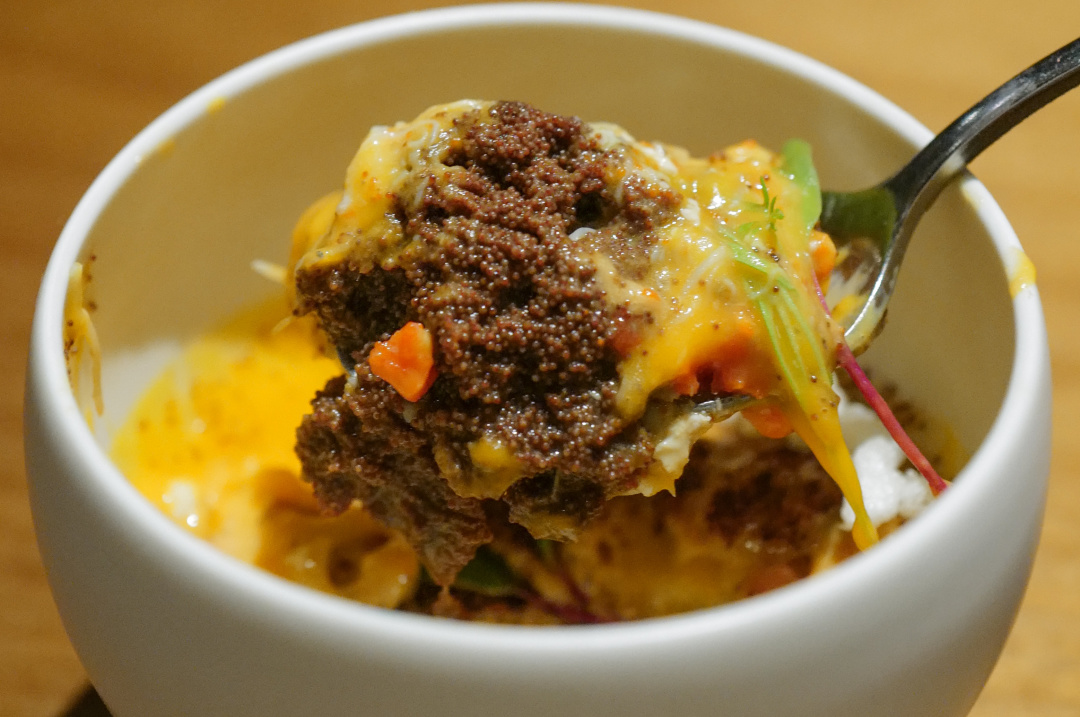
Grilled yuzu shirako
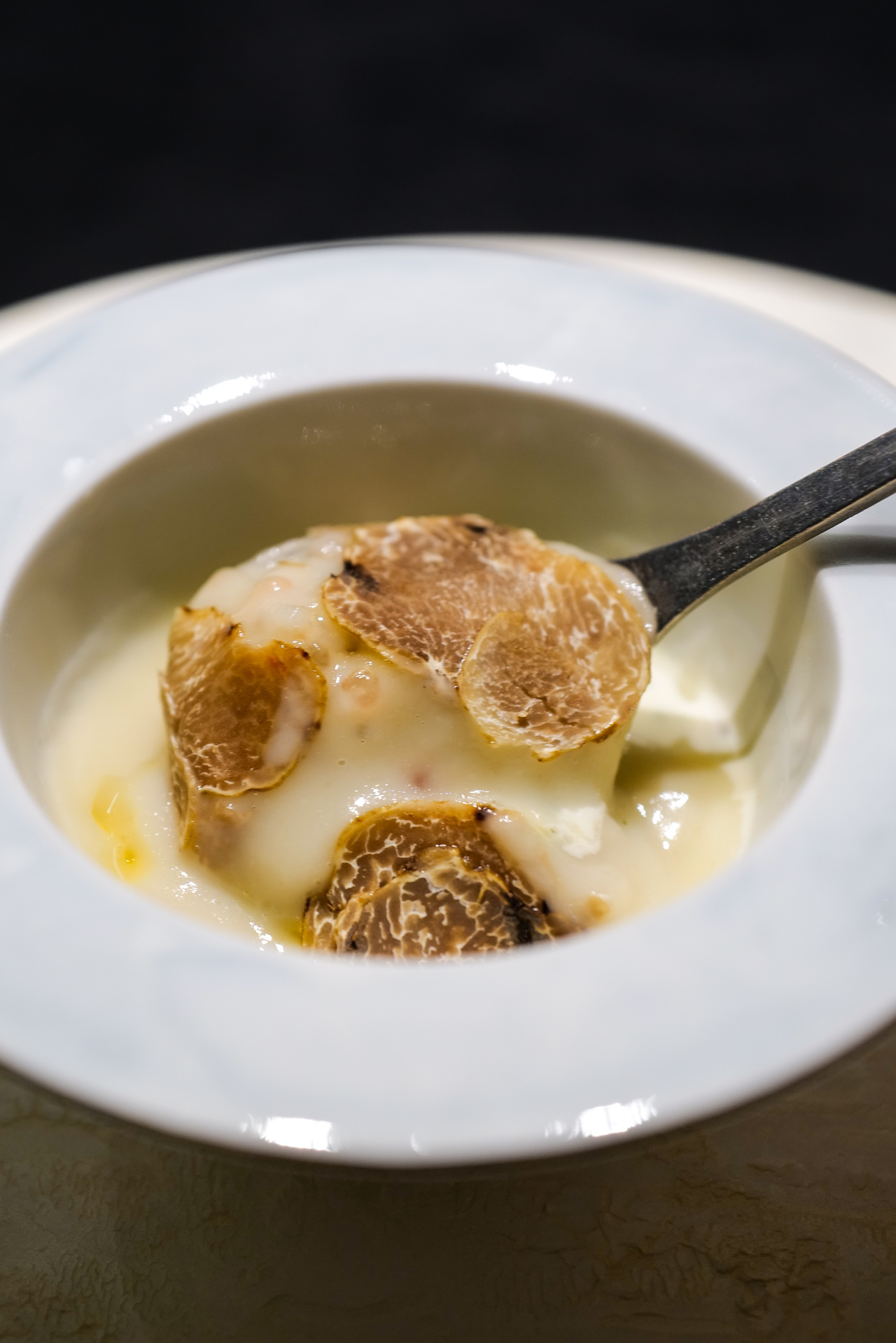
“Eat it like a cream stew.”
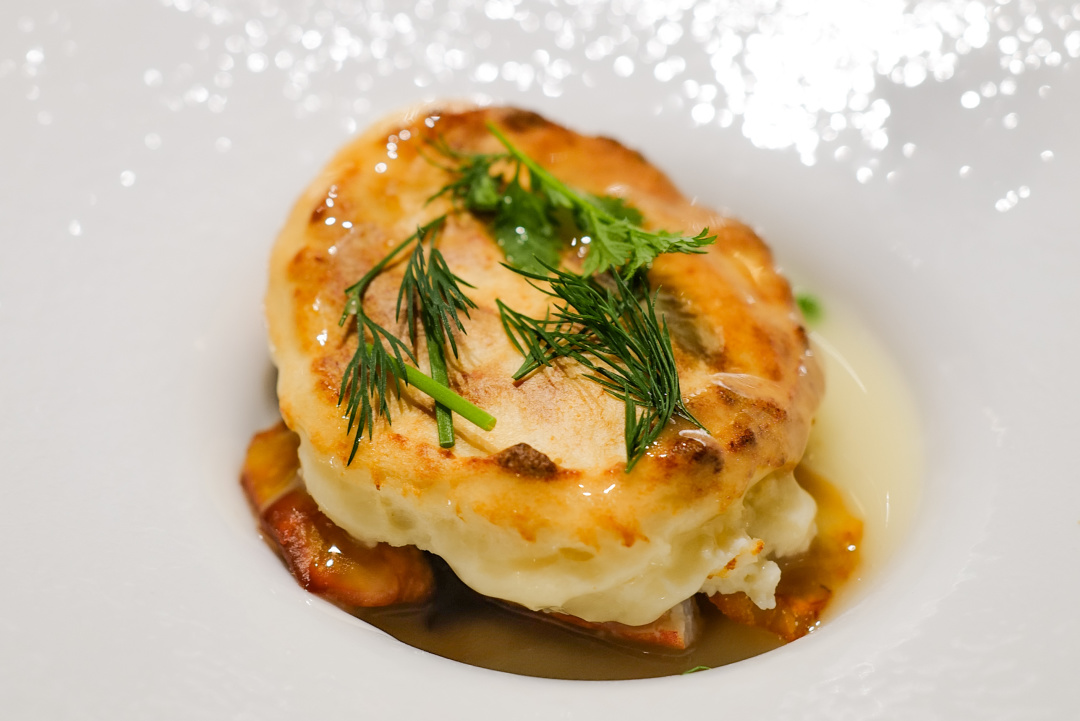
The soft aroma started from the shell: a mushroom-like cap grilled golden on top, hiding large shirako inside; digging deeper revealed Matsuba crab, nodoguro, and vegetables. Layer upon layer opened in a small vessel packed with intent.
Another example of classic technique played into new form.


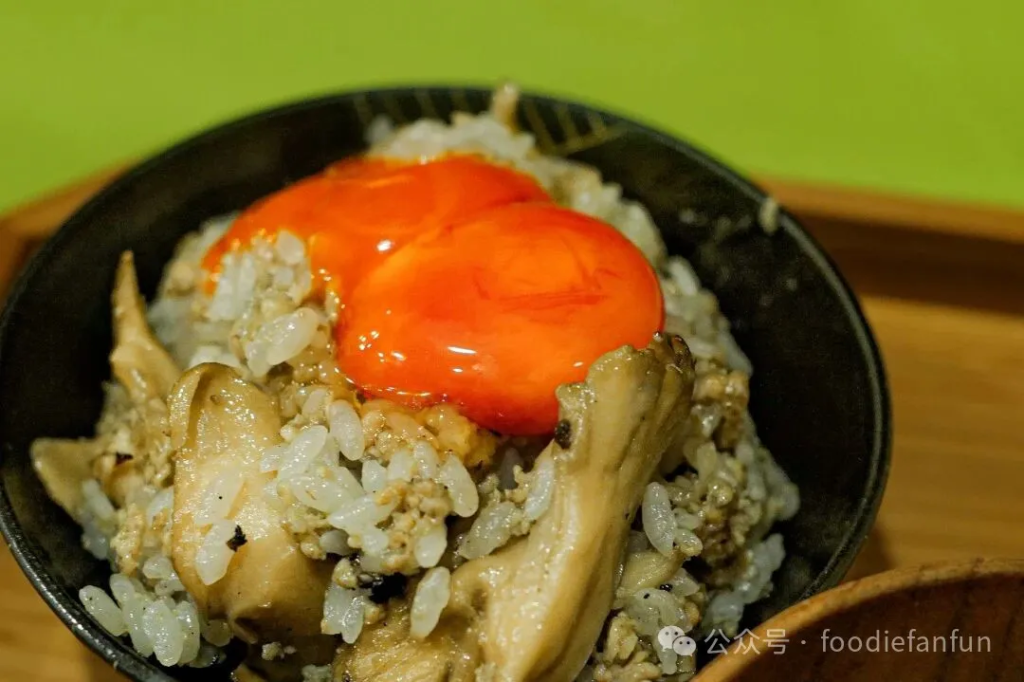
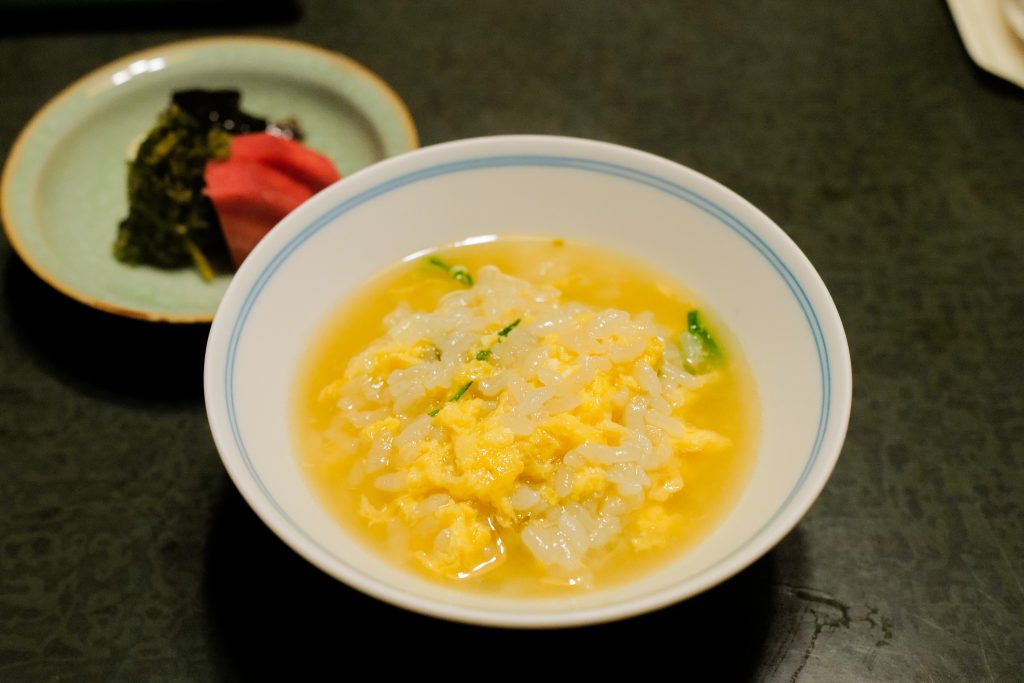
Eel rice bowl


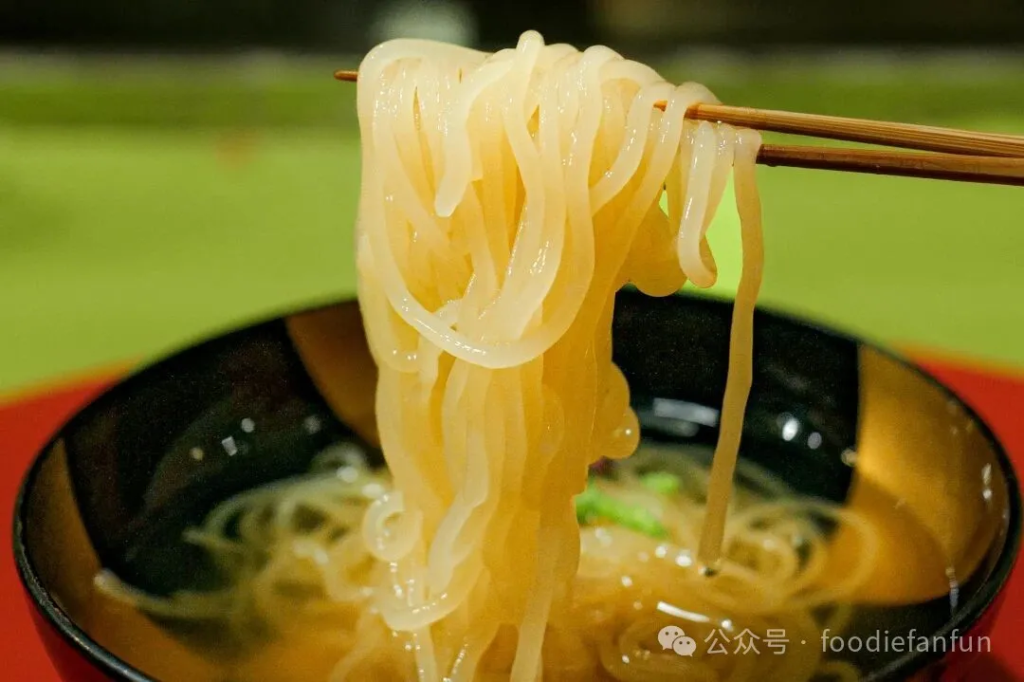
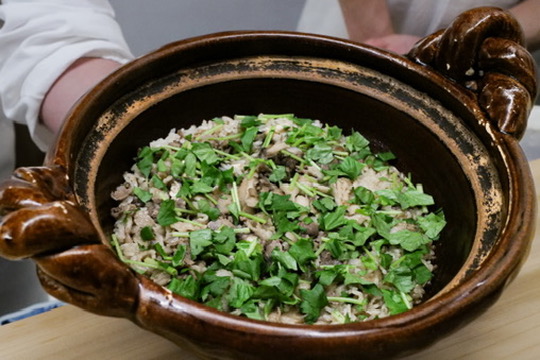
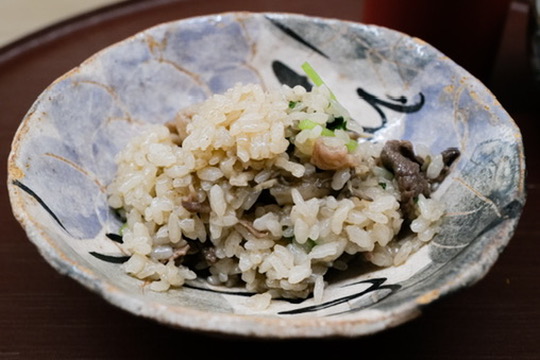
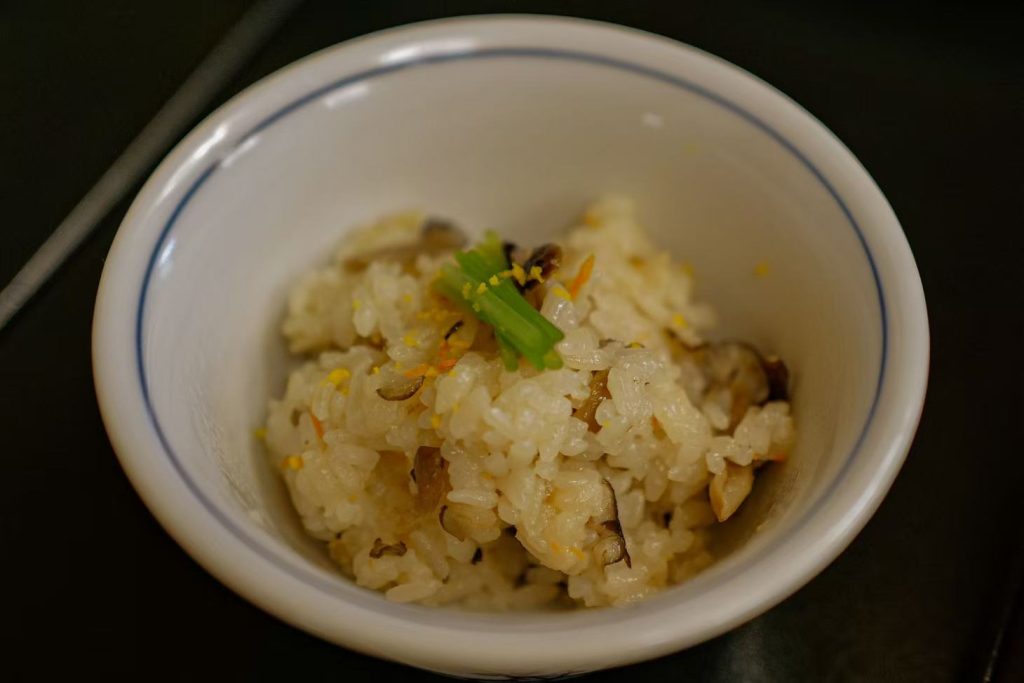
Fugu and napa-cabbage rice
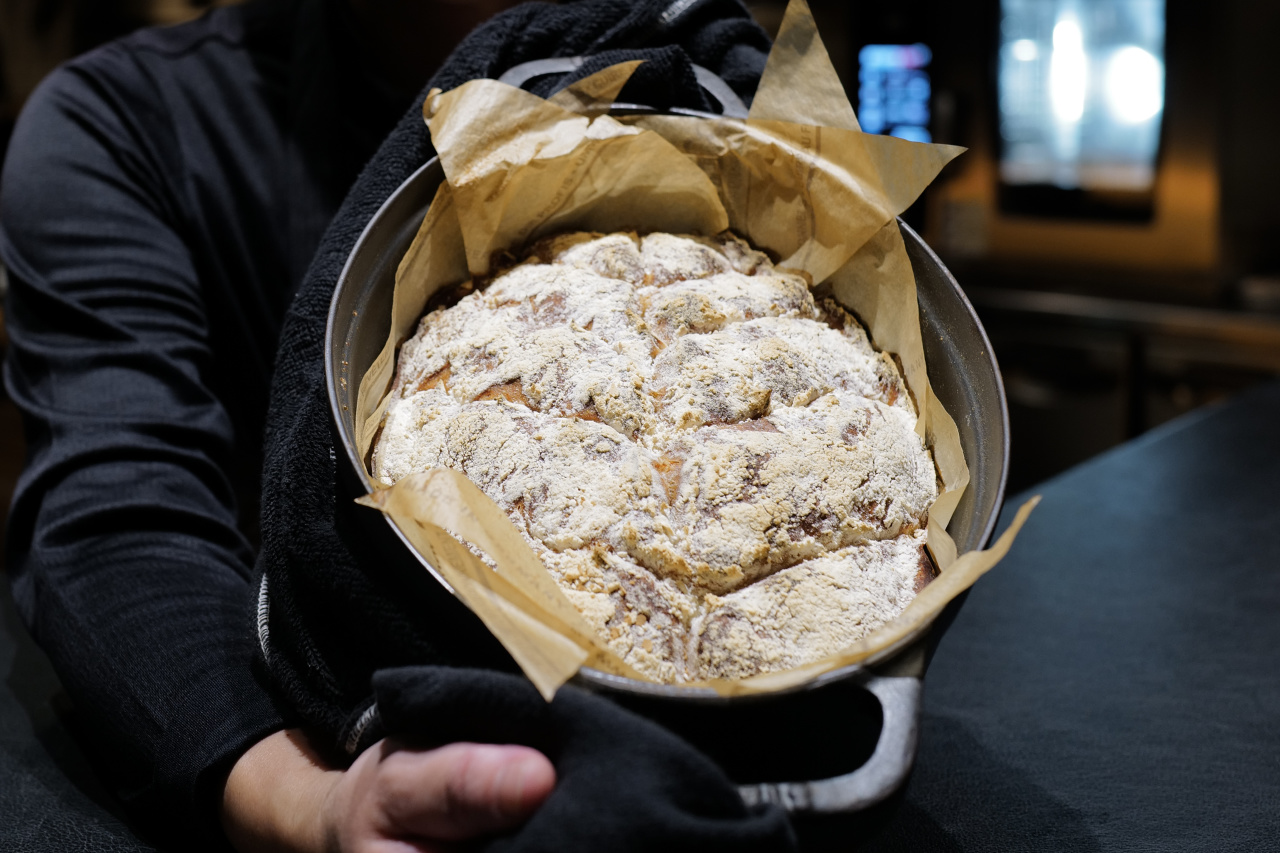
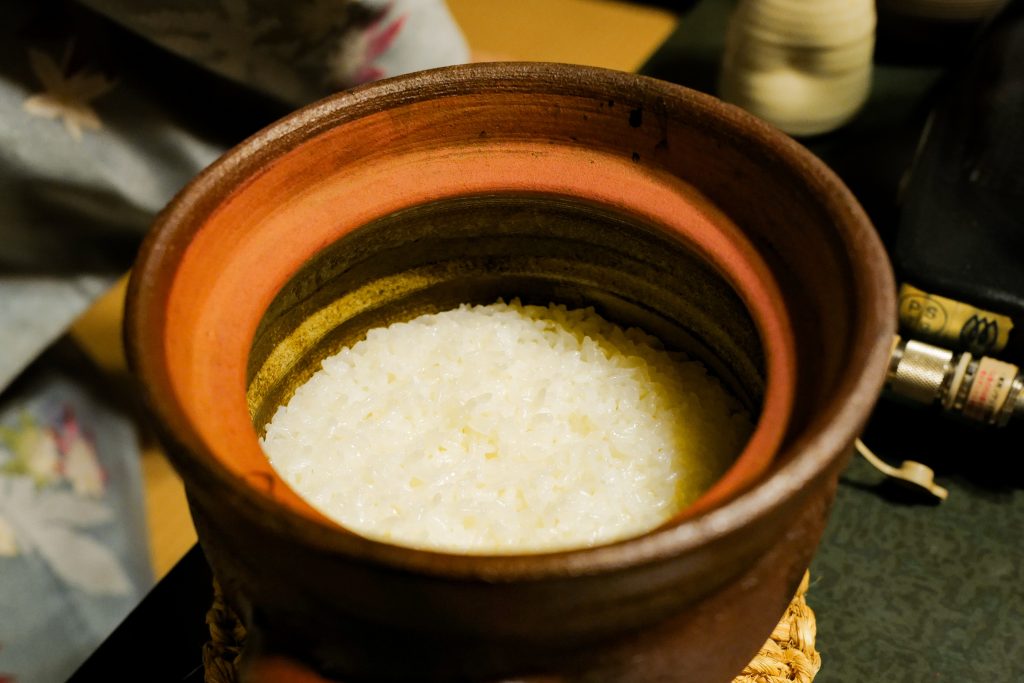
Ogino is also famous for multiple carbohydrate finishes.
“Would you like a smaller portion and we’ll pack the rest?”
At that point, this sounded exceptionally thoughtful.
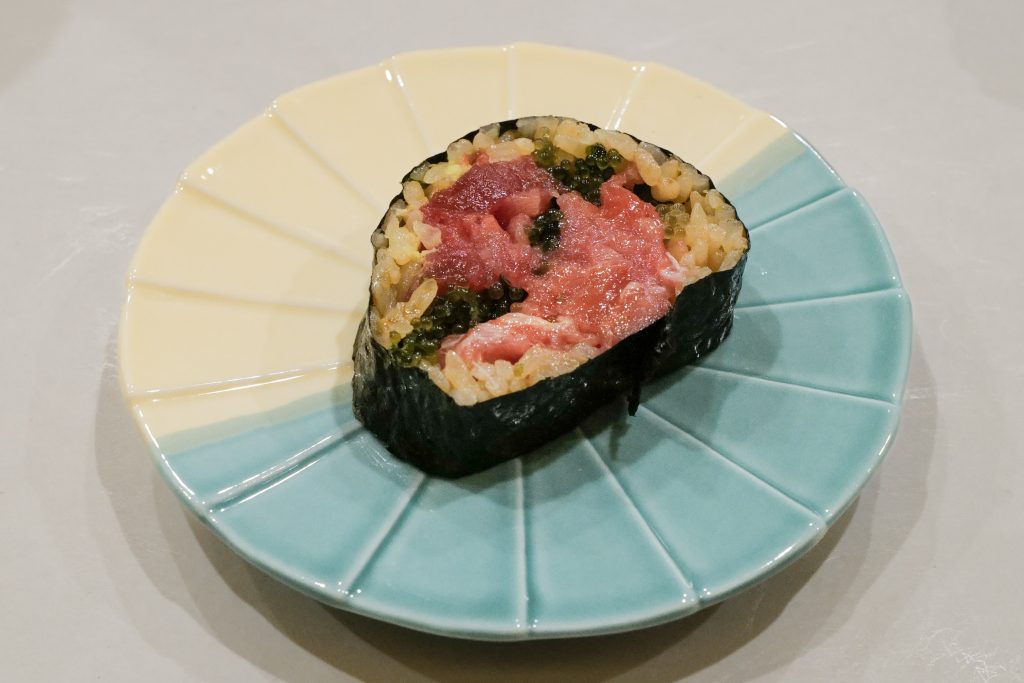
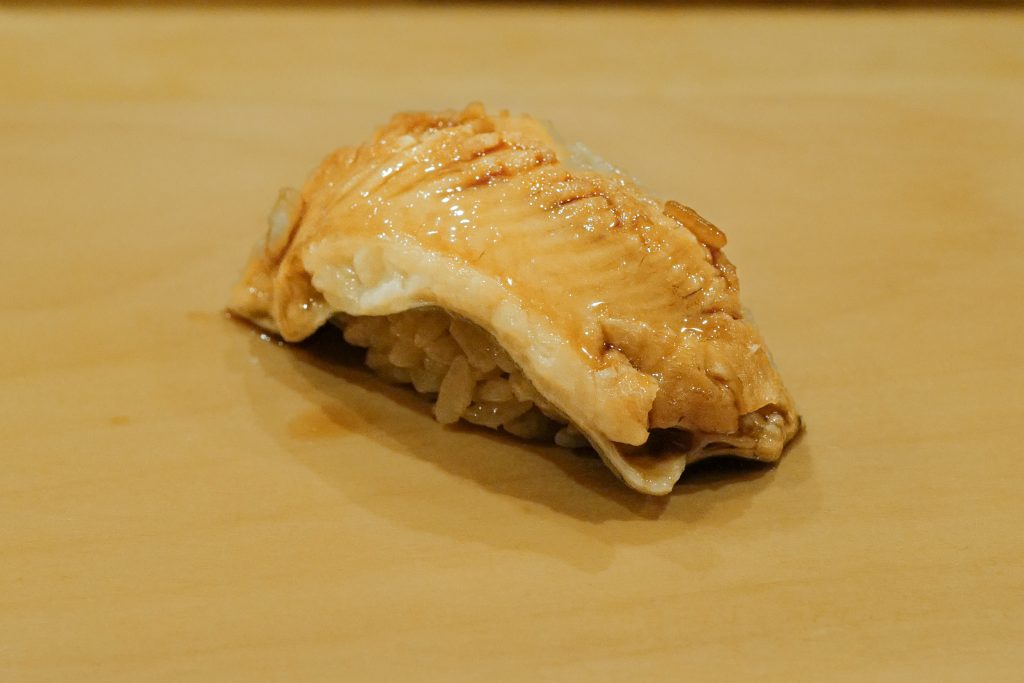
The eel skin crackled with sharp crispness while the flesh stayed rich and fatty, two opposite textures in one bite.
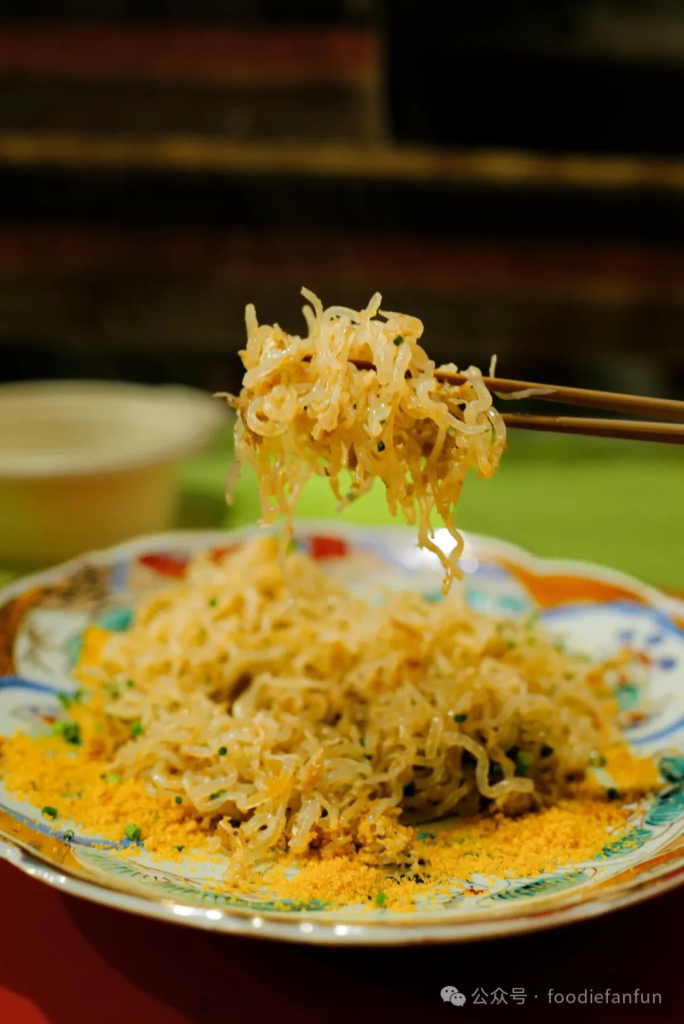
The fugu-cabbage pot rice was lively and clean: crisp fish flesh popping through grains, napa cabbage lifting freshness, with scattered charcoal notes and faint numbing spice completing the profile.

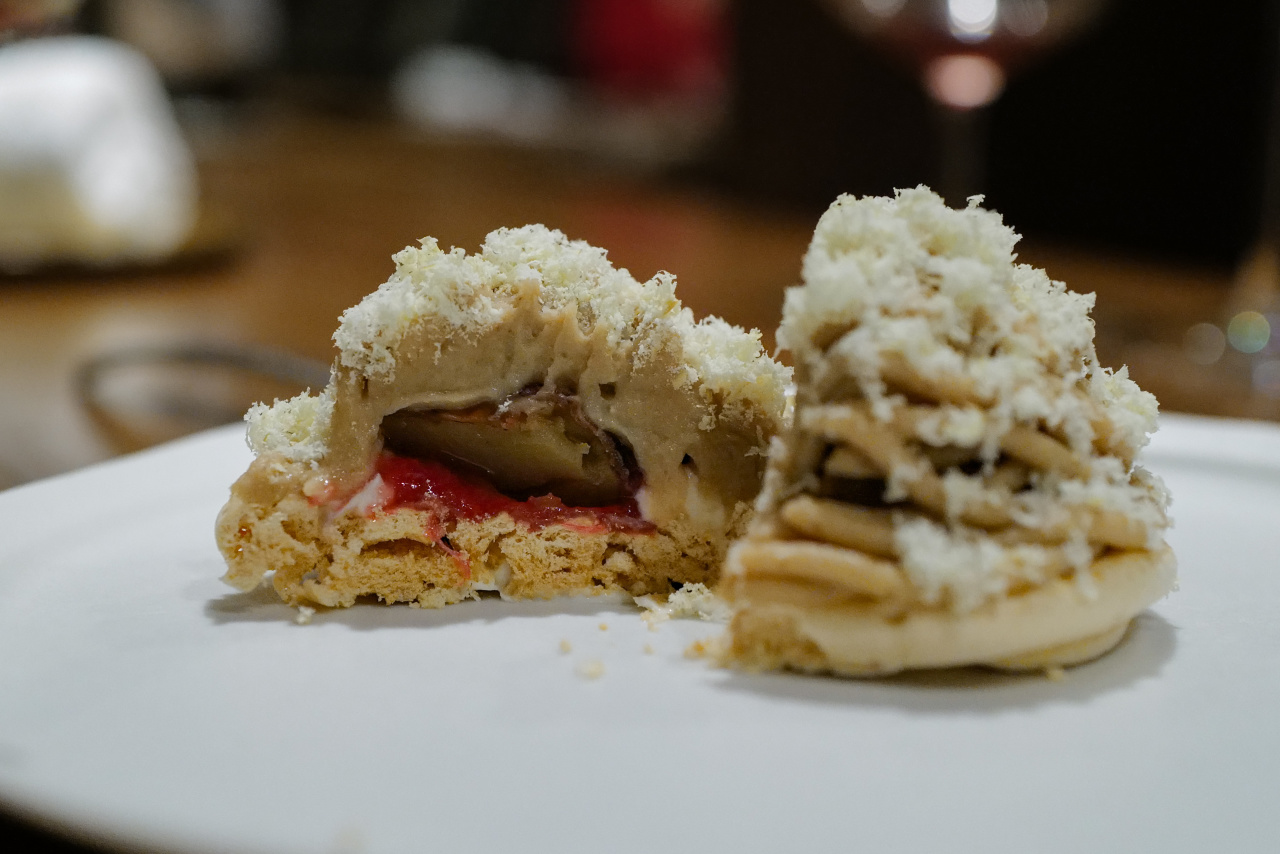
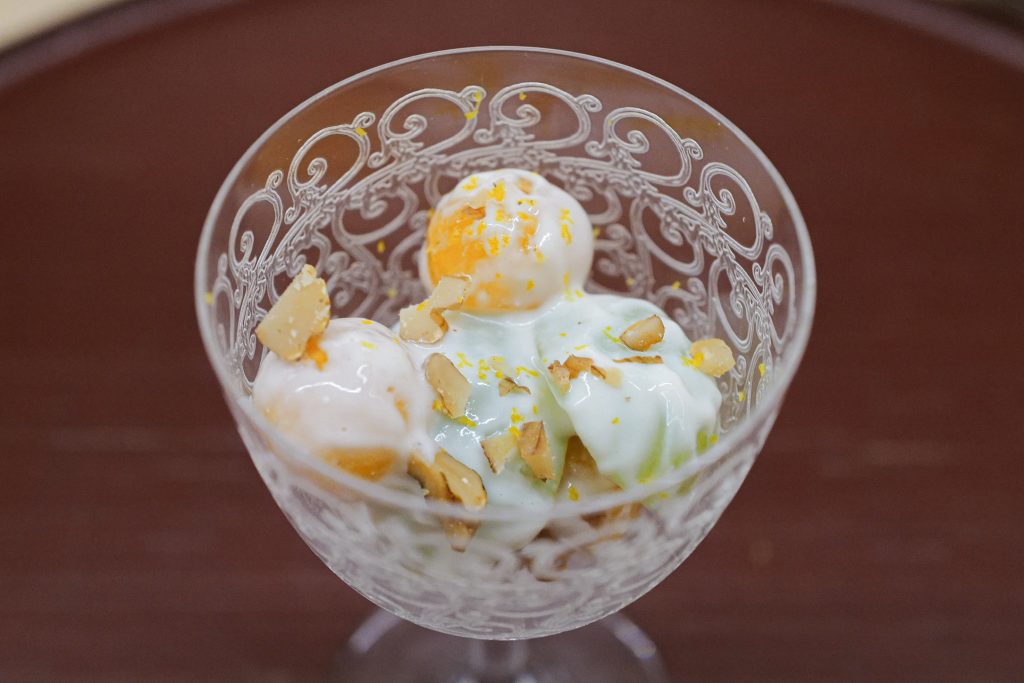
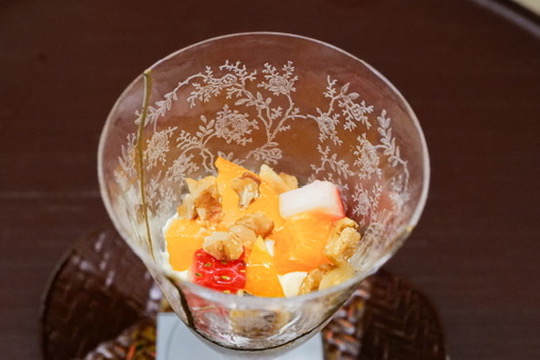
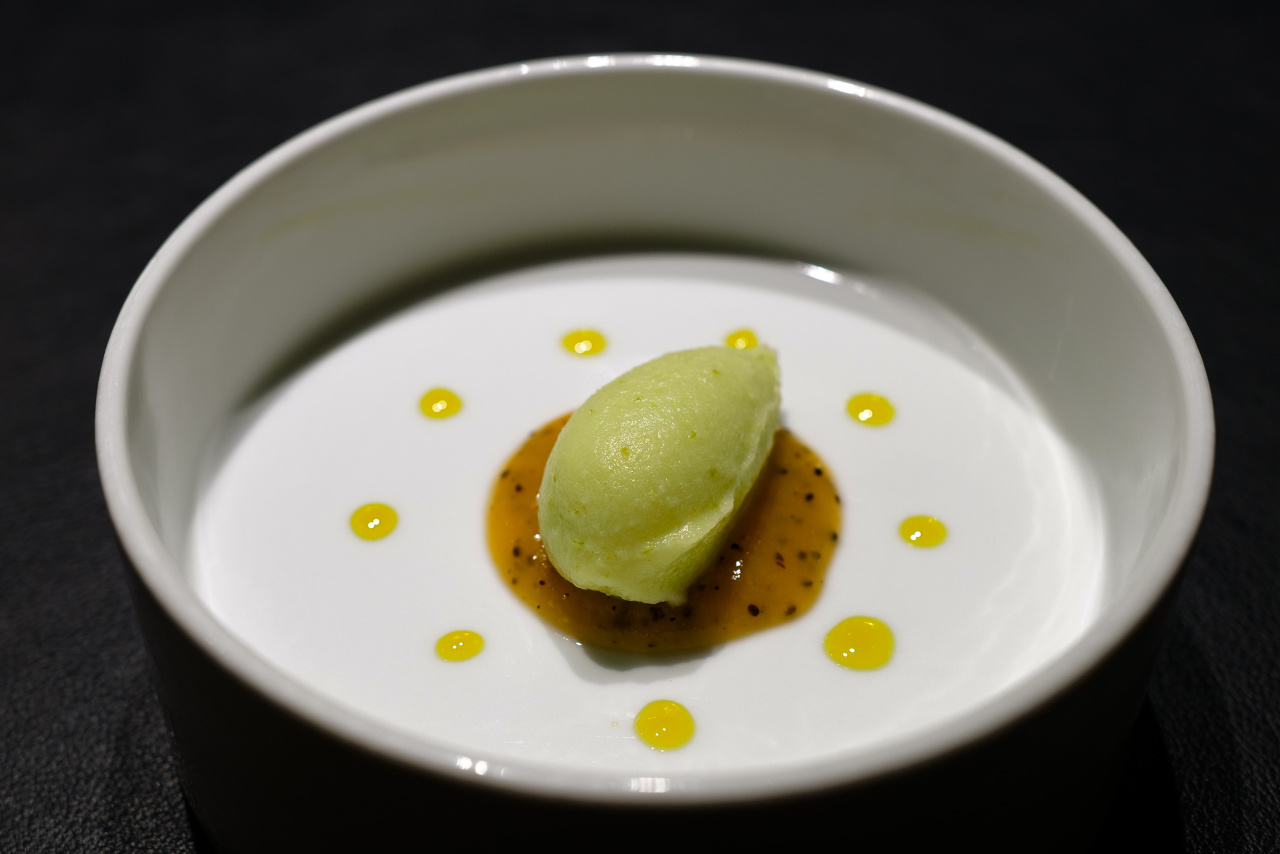
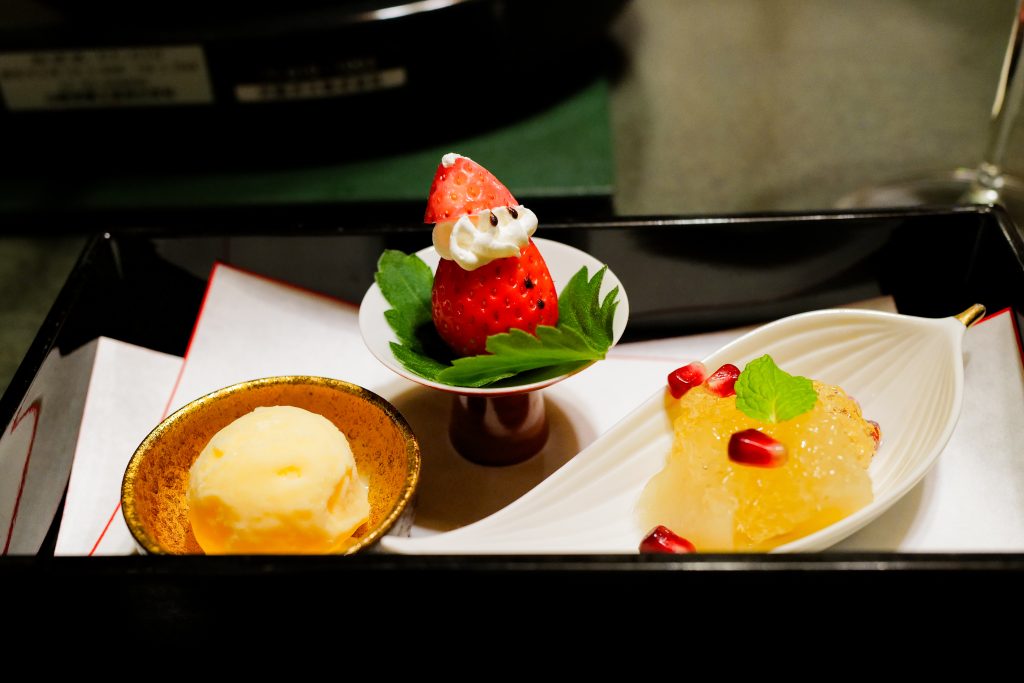
Setoka citrus daifuku

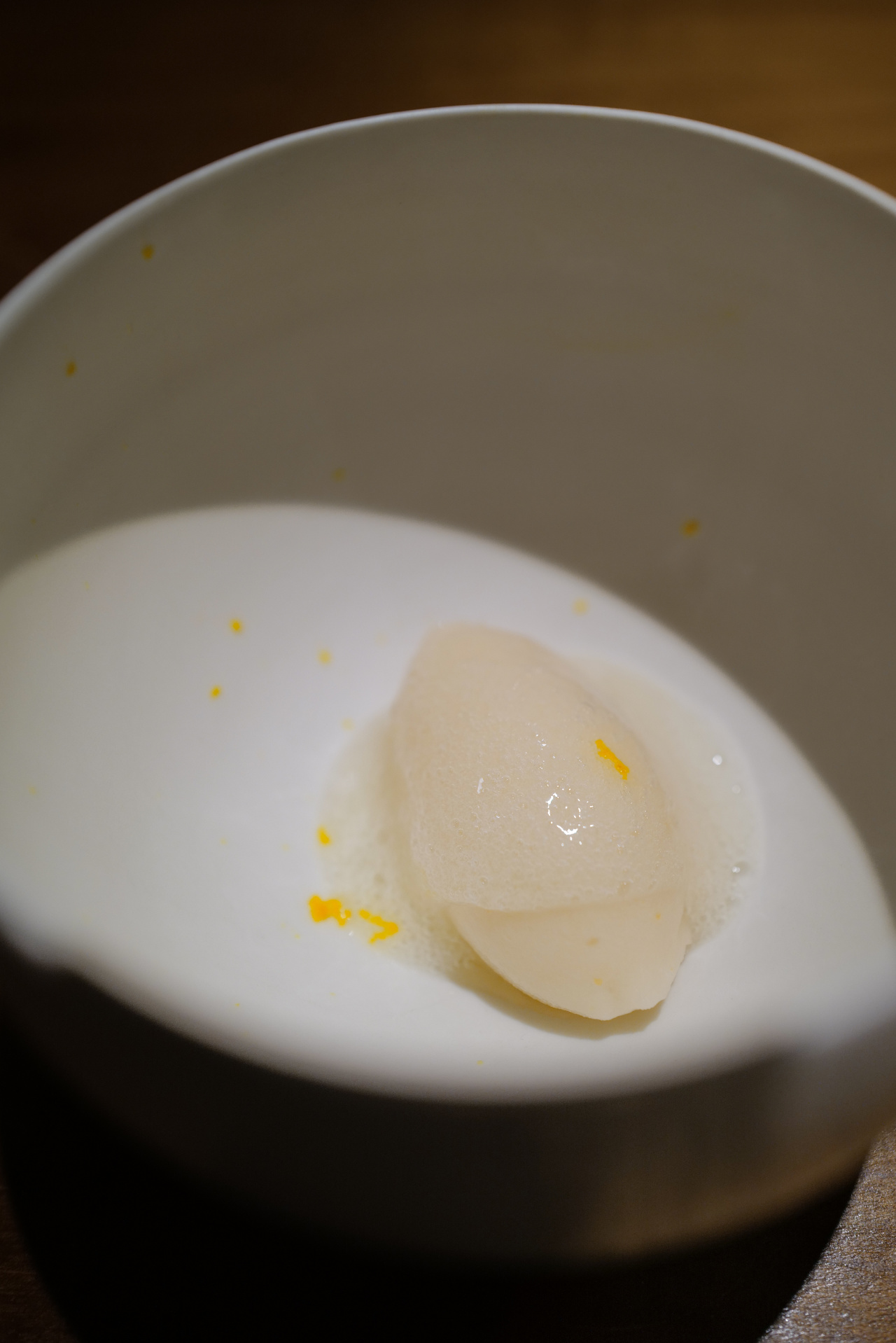
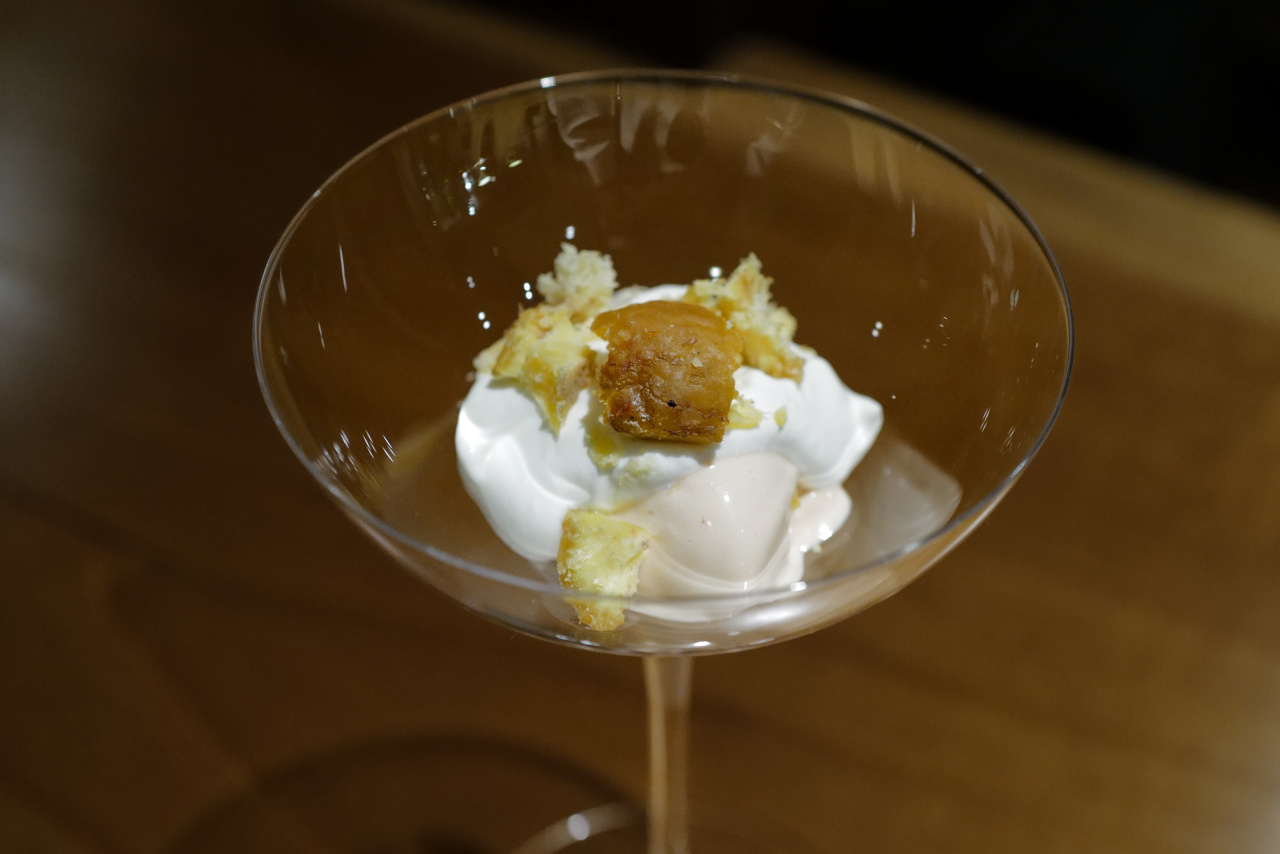
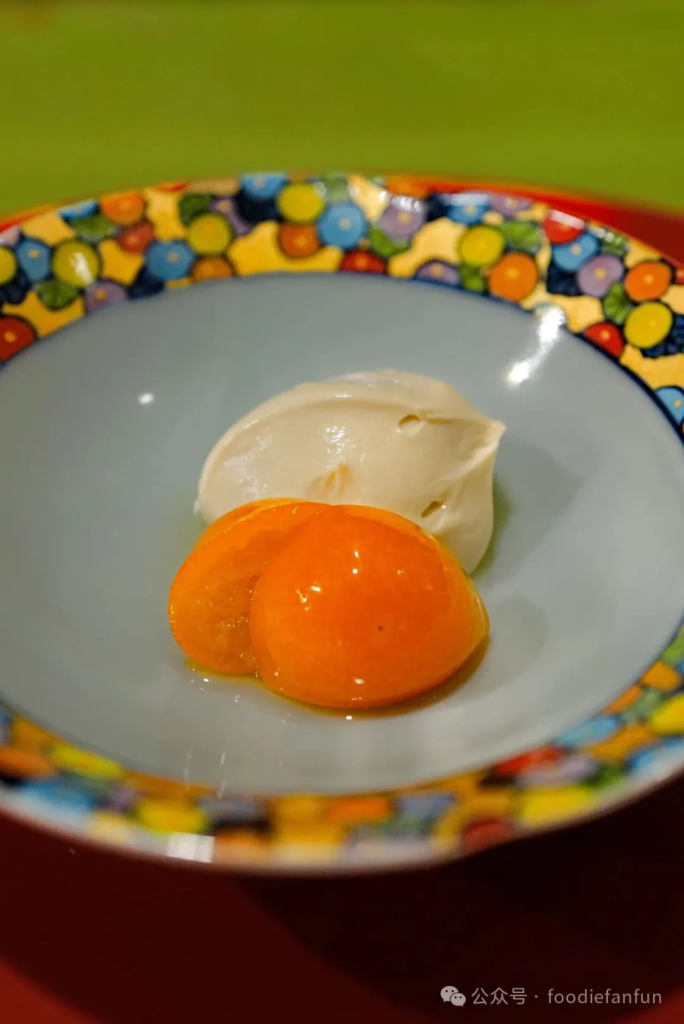
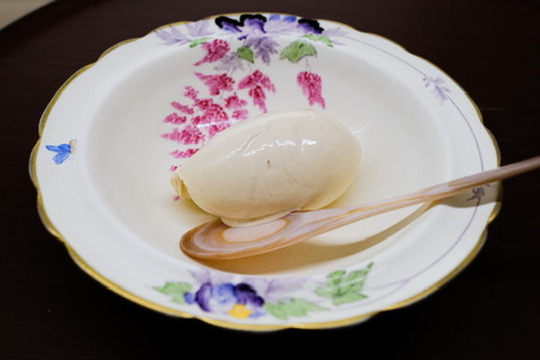
Sake-kasu ice cream
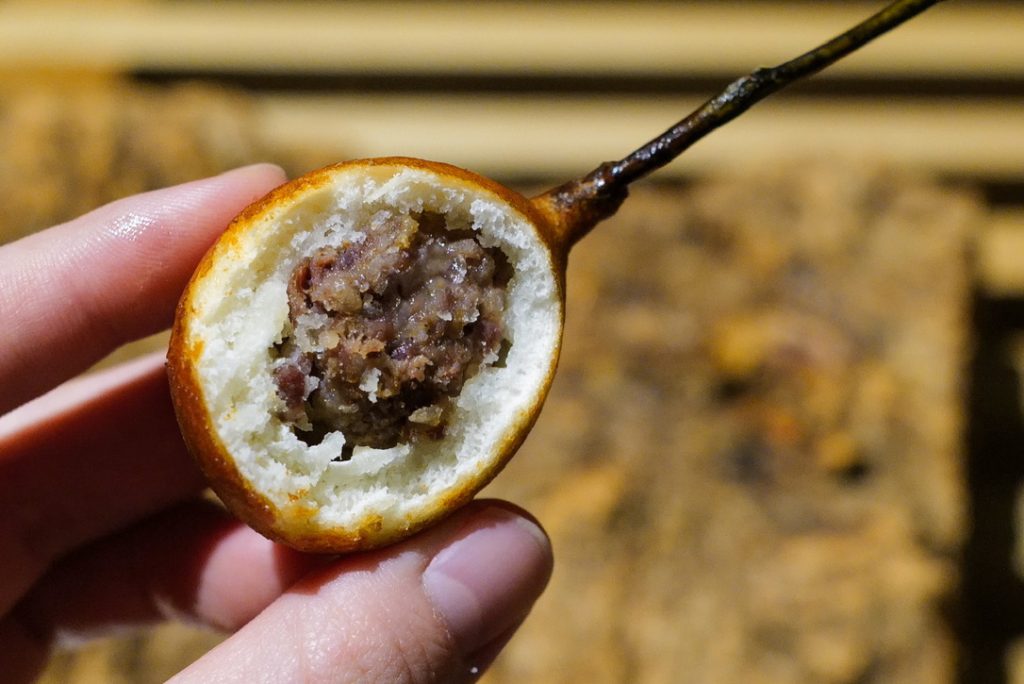
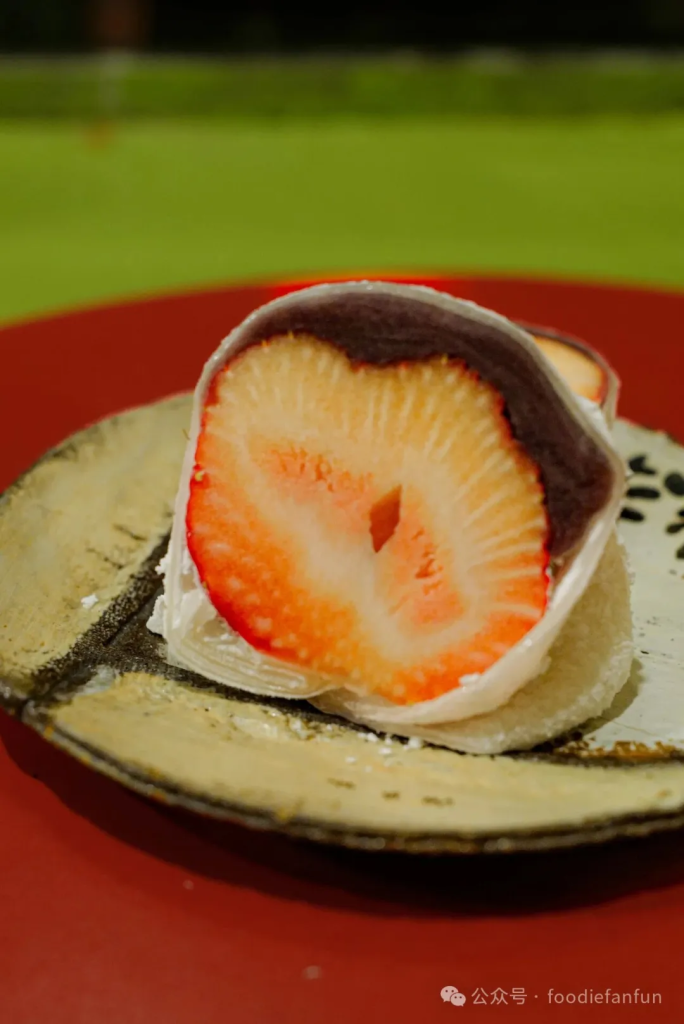
The final daifuku was equally individual. Not presented in familiar form, yet richer in detail.
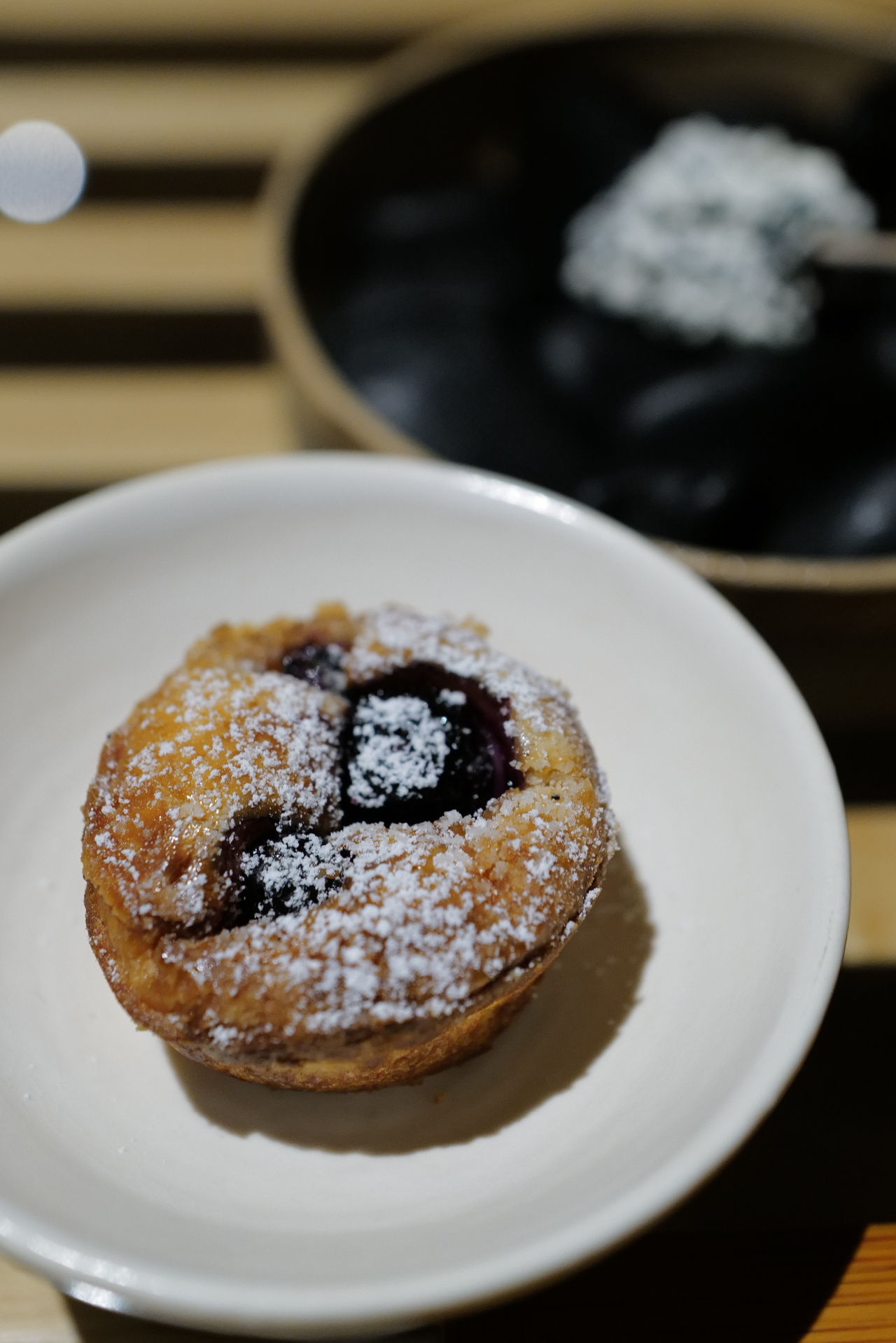
Beneath soft mochi sat crunchy walnut pieces for textural contrast. Fine bean paste and juicy citrus echoed each other in precise balance, neither overpowering the other.

Cuisine this delicious, sincere, and complete, rooted in tradition yet never old-fashioned in tone, is hard not to love.
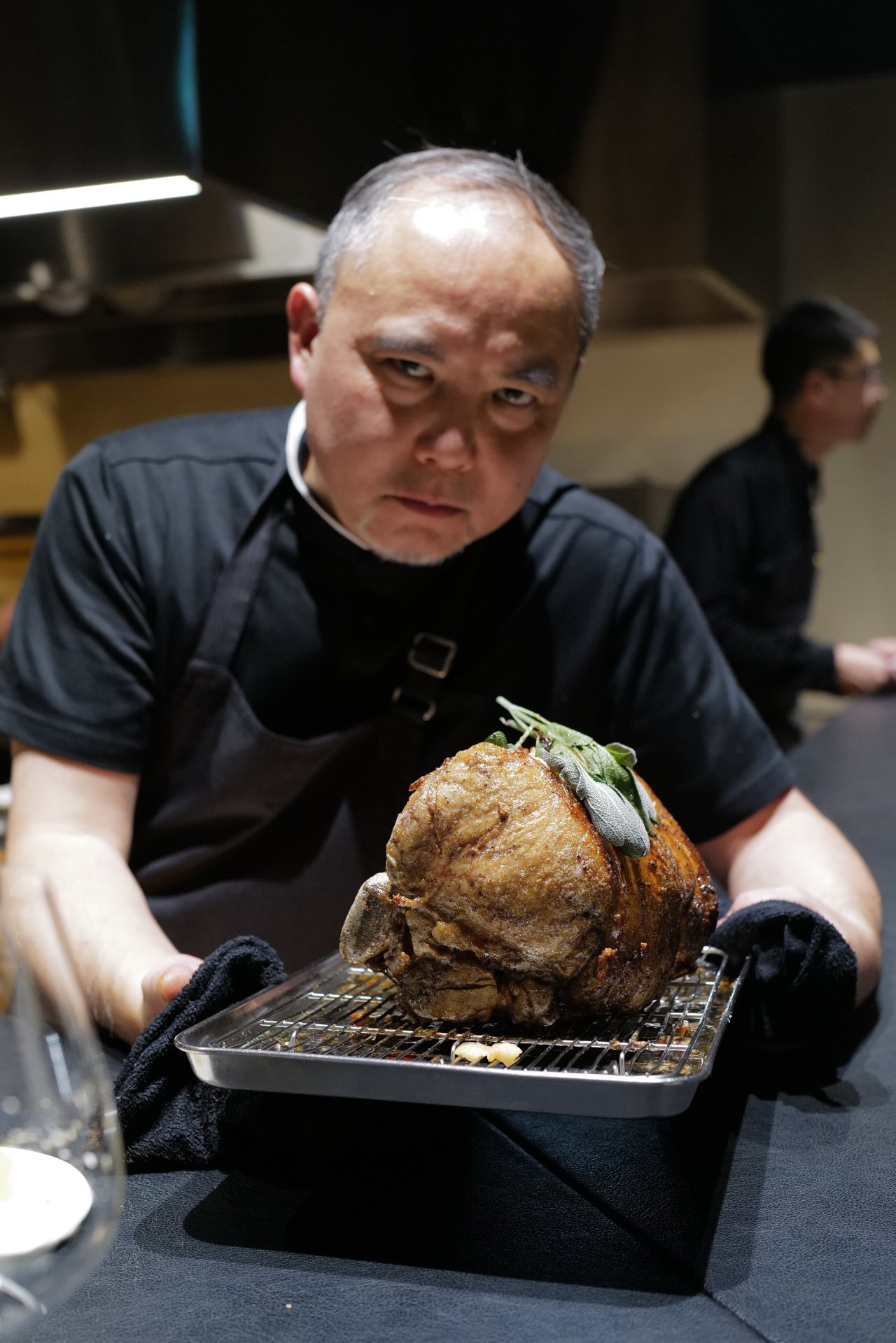
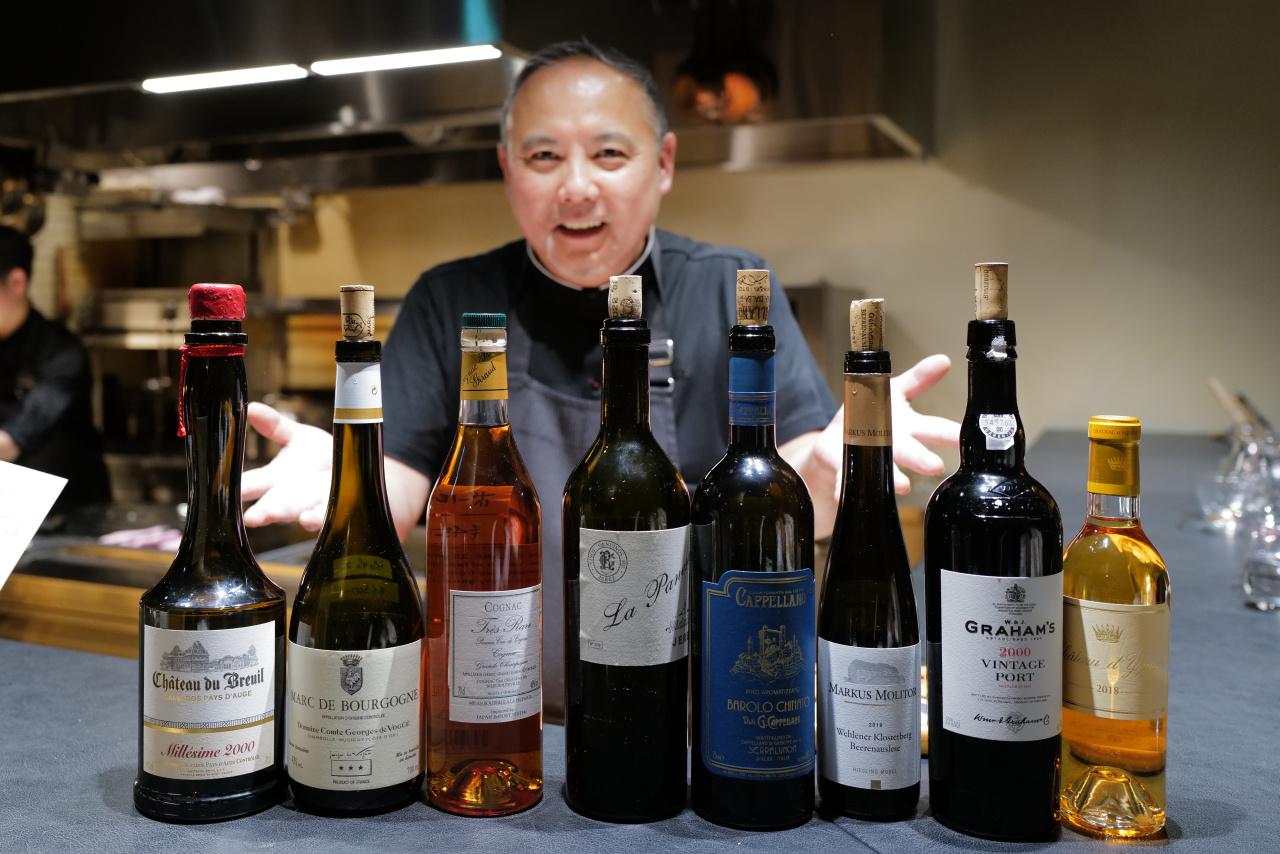
The chef preserves strict standards without stiffness. With international guests, he actively shows warmth, using limited English plus body language to communicate, which naturally lowers distance.
Even in presentation there is an almost “exposed” honesty: charcoal, sesame, fish, and crab aromas are shown without hiding, speaking through details at every stage.
It is truly a restaurant that balances ceremony and comfort, elegance and ideas.
When I asked about the next reservation, the wait was already into mid-2027. Something to look forward to slowly.
Akasaka Ogino
Tuesday – Saturday 5:30 PM –
Jan: Winter Course ¥40,000 (tax incl.) / person
Feb-Apr: Omakase Course ¥36,300 (tax incl.) / person
May-Aug: Omakase Course ¥38,000 (tax incl.) / person
Sep-Oct: Matsutake Course ¥43,000 (tax incl.) / person
Nov-Dec: Matsuba Crab Course ¥43,000 (tax incl.) / person