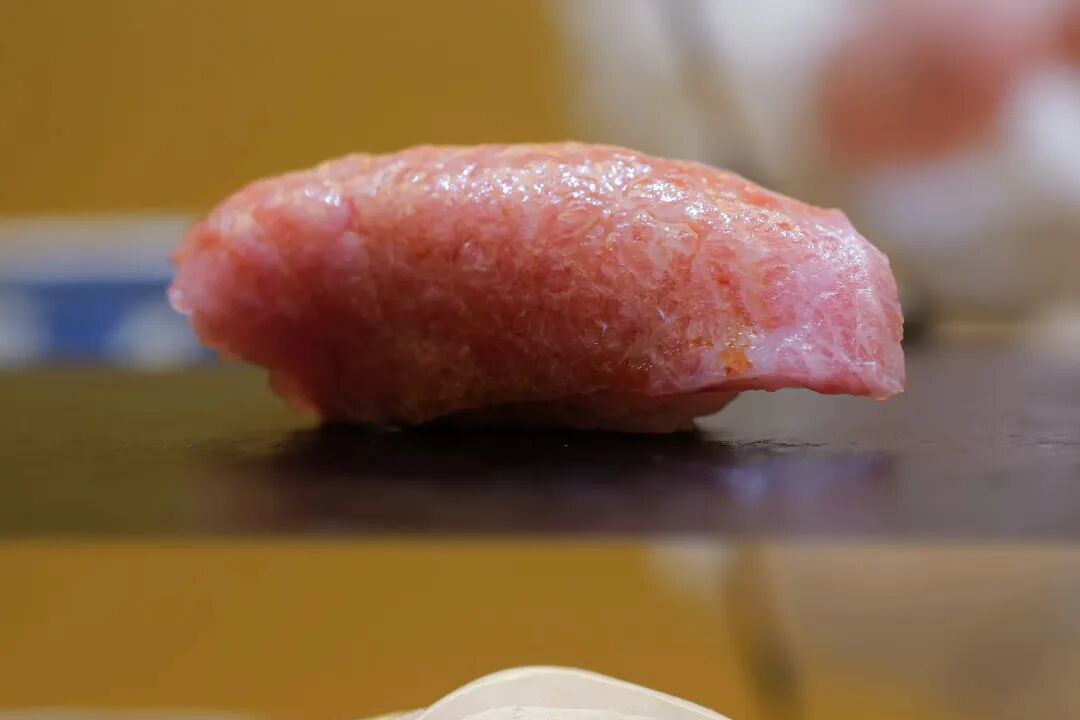
A: Go to Niigata.
It’s a city with real personality. It has no grand must-see landmarks, but once you’ve truly eaten your way through it, you’ll keep thinking about it.
When this year’s Tabelog rankings came out, three Niigata restaurants got upgraded from 🥉 bronze to 🥈 silver at the same time. Outside of Tokyo, that almost never happens.
What’s even more remarkable: these restaurants are all fairly easy to book, some even a day ahead. So with a little planning, a Niigata trip can net you a whole run of celebrated restaurants.
Genuinely delicious, and genuinely low-barrier to access.
Niigata didn’t just “suddenly get strong.”
It has fish from the Sea of Japan and Sado Island, sake carried by top-tier Koshihikari rice and premium brewing rice, a solid lineup of restaurants that take their cooking seriously, and even the country’s best conveyor-belt sushi.
This piece brings together four visits to Niigata over the past year — from the city’s top five flagship restaurants to Japan’s #1 conveyor-belt sushi, plus outstanding Western cuisine and izakaya. Ten great places to eat and drink in Niigata, enough to fill out any travel list.
Save it now, then start planning your trip 1-2 months out.
✦
•
✦
🍣 Kyoudai Sushi
👨🍳 The elegant sushi of a dryly funny chef
⌛️ Booking difficulty: ⭐️⭐️ — 2-4 weeks ahead
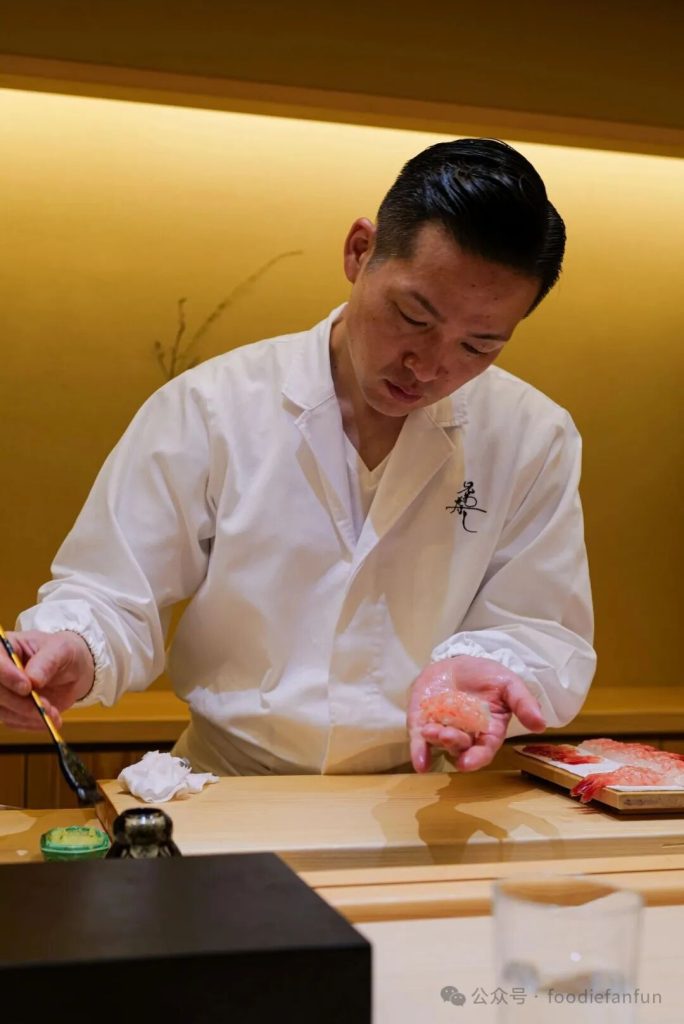
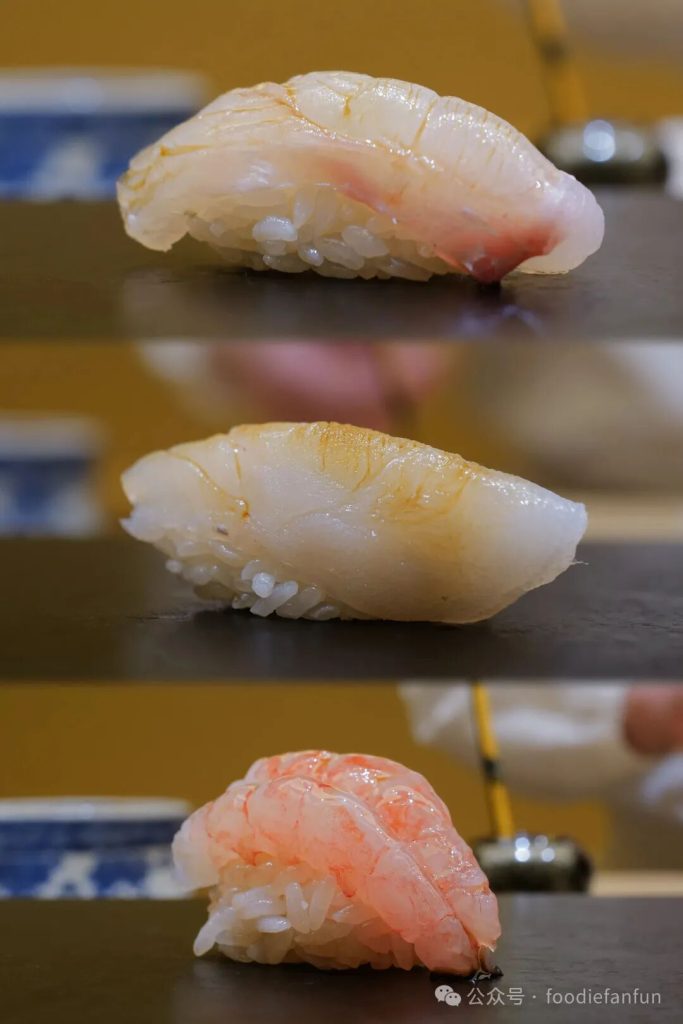
On every Niigata trip, Kyoudai Sushi is a restaurant that always has to be visited.
One of only two two-star restaurants in the Niigata Michelin Guide, a Tabelog 🥉 bronze for four straight years — and this year, promoted right up to 🥈 silver.
Kyoudai’s defining trait is how fine-lined and concentrated its sushi is — you can clearly feel each fish’s individual character in your mouth. It’s sushi you could describe as precise, restrained, elegant.
The kind of delicious that keeps refreshing your memory of what delicious even is, visit after visit.
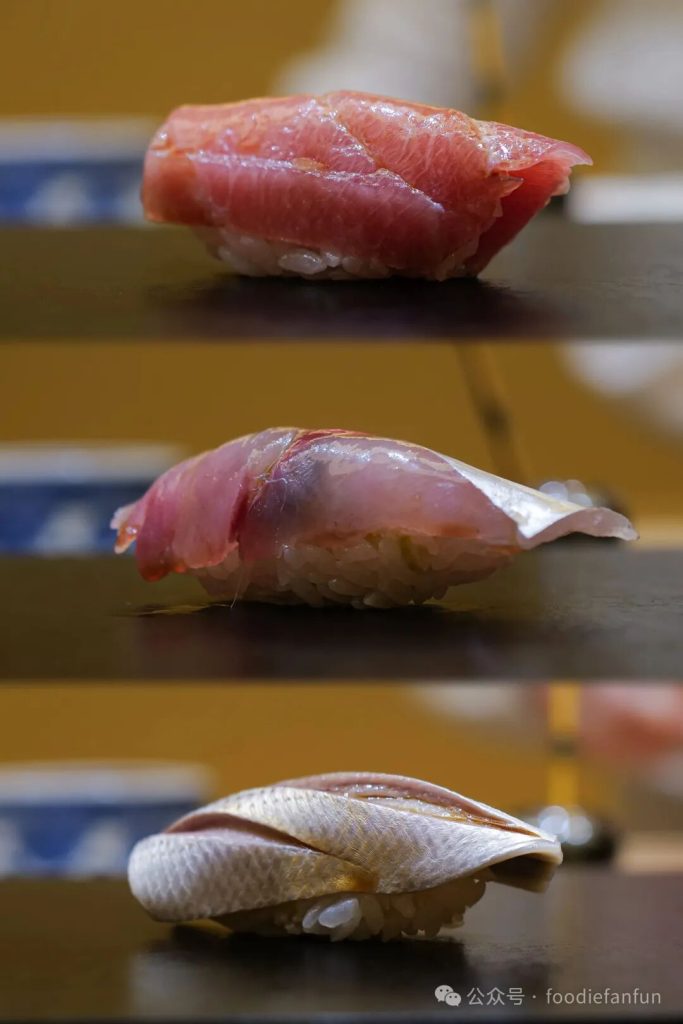
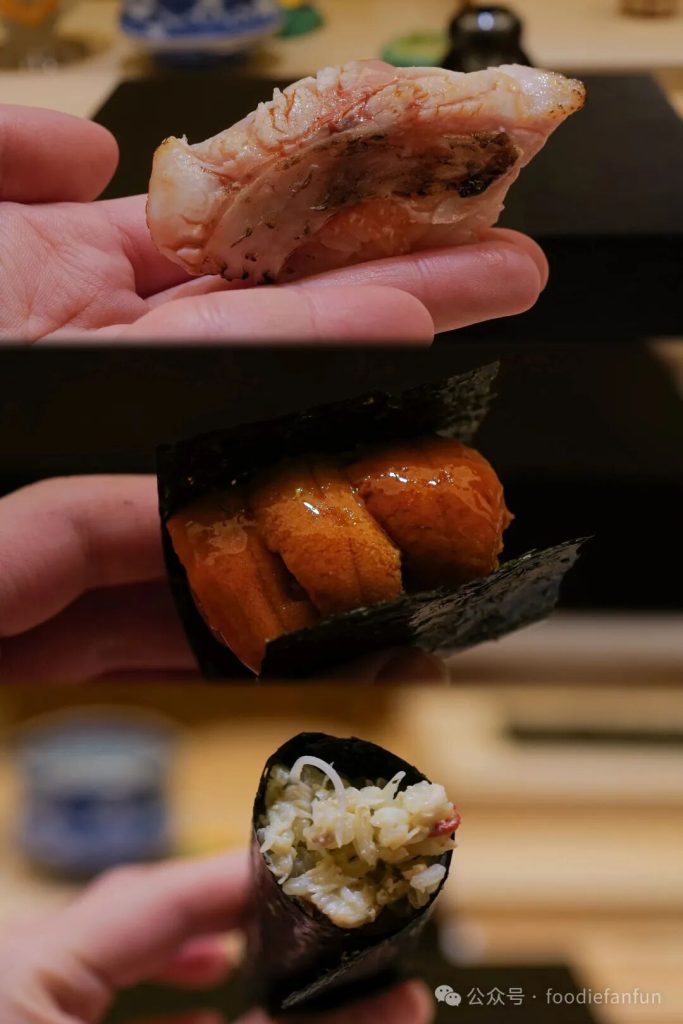
Visiting once a season, you can feel both the continuity of style at Honma’s counter and the subtle shifts in the fish itself.
Unlike the rich, fat-and-thickness-driven intensity of a winter visit, early-spring ingredients were already showing more crispness and lightness.
Oysters and white-fleshed fish were coming into their own. The octopus leg in the sake pairing had been slowly simmered in Murakami’s new tea, the tea’s aroma pulling the sea flavor cleaner.
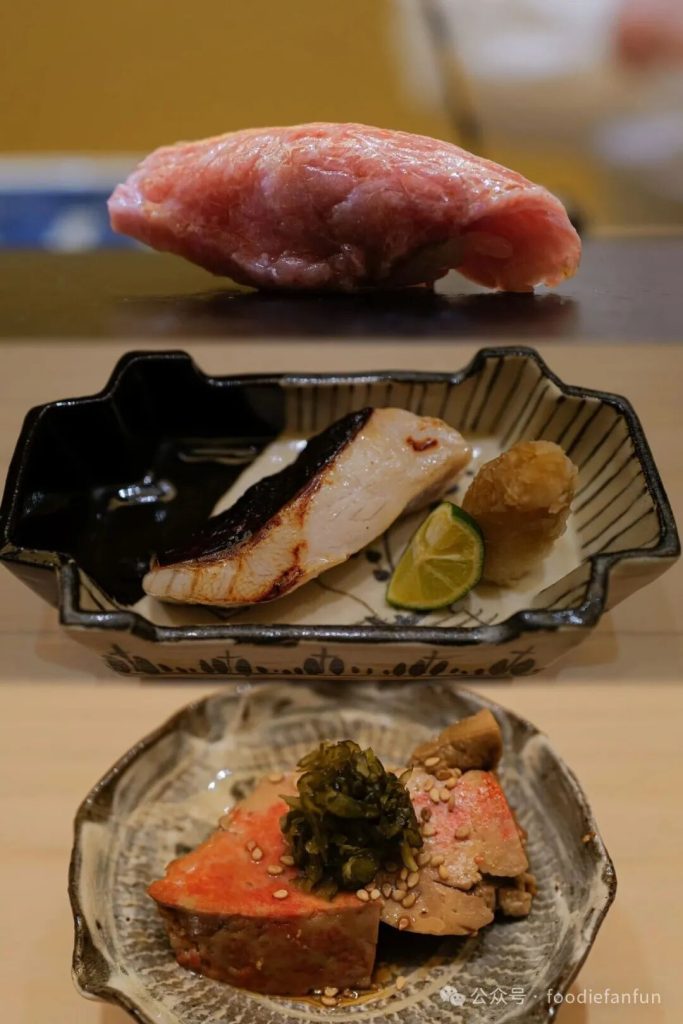
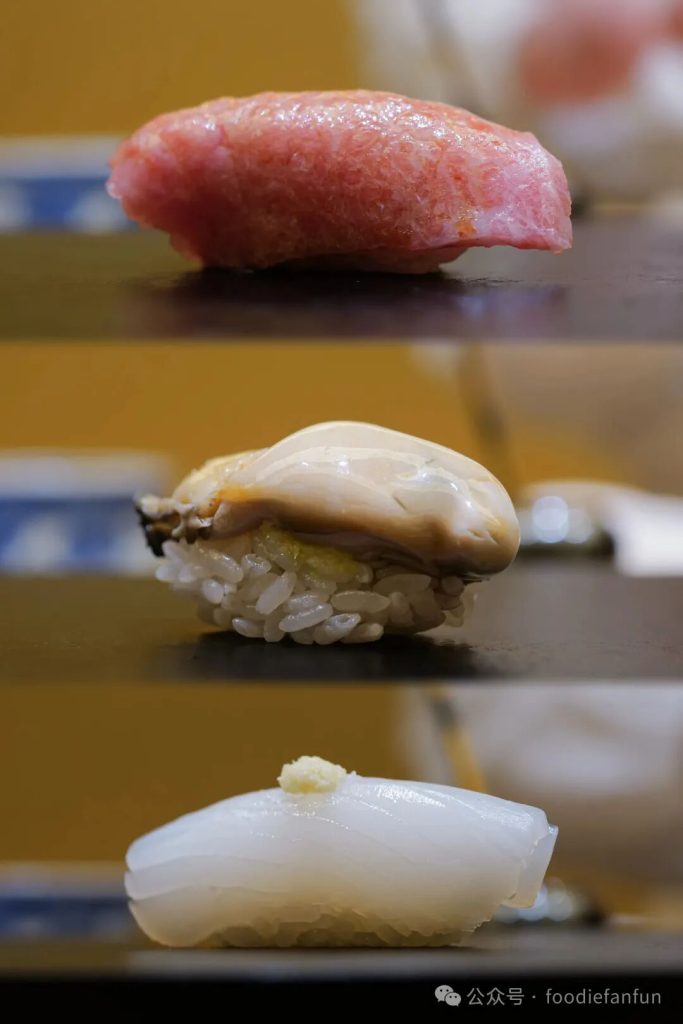
Kue (longtooth grouper) had that crisp “crack” sweetness on the bite; cod belly, after being kelp-cured, gained a tighter, more concentrated umami. Nodoguro remains Niigata’s trump card, its soft fat carrying a kind of warm sweetness. Otoro from the fixed nets off Sado showed a different expression — clean fat unfurling slowly in the mouth.
Kamo’s oysters were nearly melt-in-the-mouth fresh, medai carried that self-luminous, milky sweetness, and the small shima-aji found just the right balance between fat and crunch, finishing with a faint silver-skin savoriness.
You always start looking forward to the next visit the moment you step out the door.
See the full write-up 👉 Kyoudai Sushi | The Elegant Sushi of a Dryly Funny Chef
✦
•
✦
🍣 Sushi Tokiwa
👨🍳 The ceiling of unconventional sushi
⌛️ Booking difficulty: ⭐️⭐️⭐️ — 2 months ahead
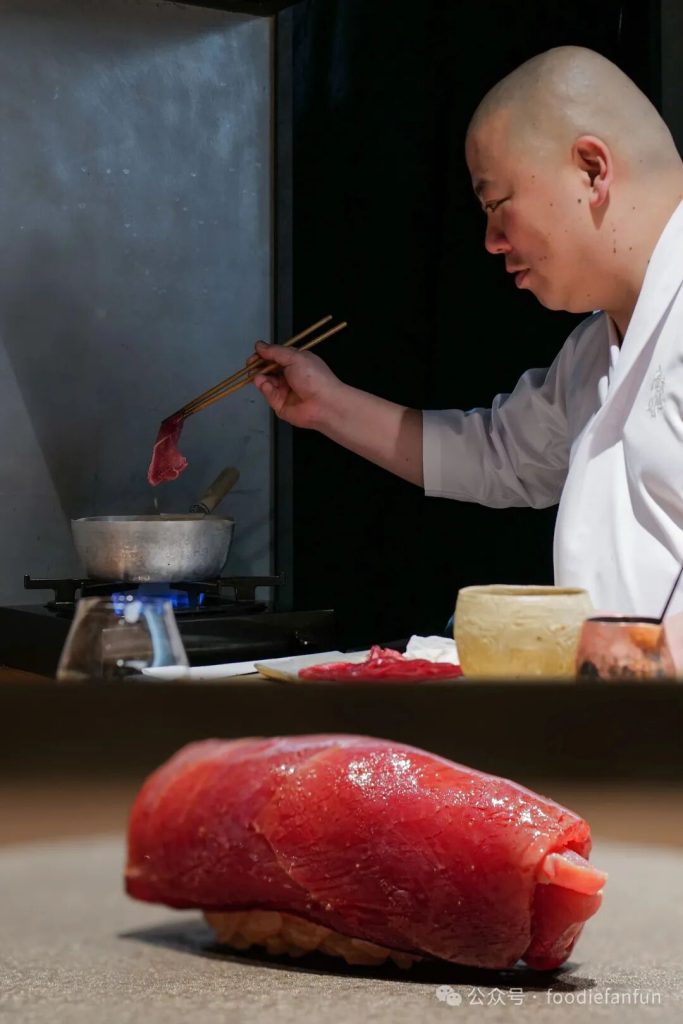
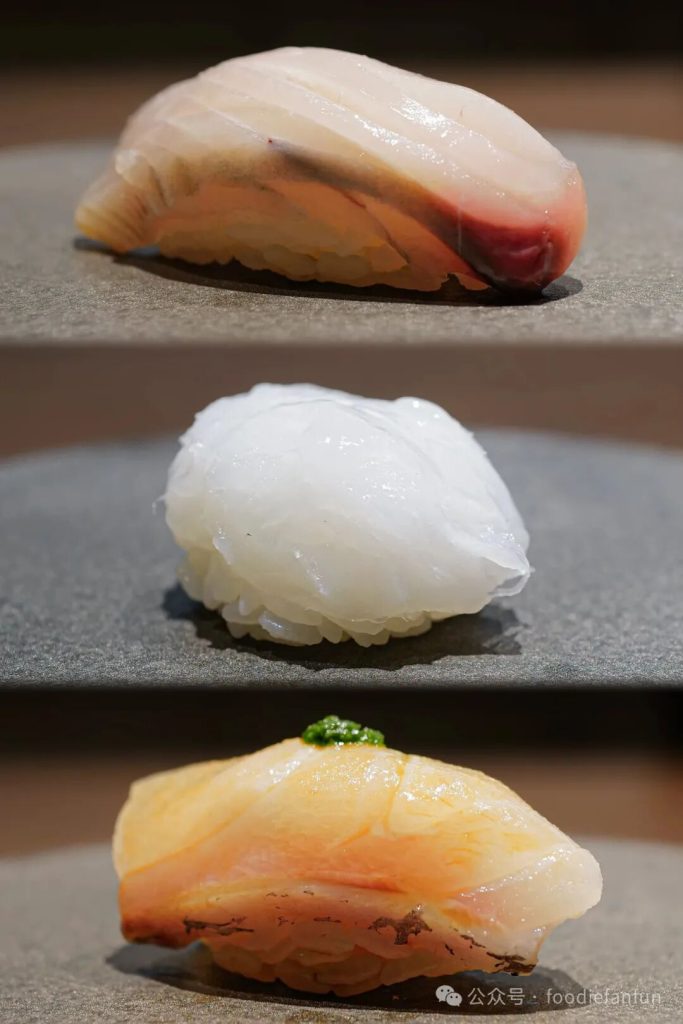
Among Niigata’s many celebrated restaurants, Tokiwa was the first to earn 🥈 silver. It’s also the boldest in style.
It’s a sushi restaurant, but it doesn’t play by the usual rules.
At Tokiwa’s counter, you’ll come to understand: he pounds squid into mochi, makes sushi with charcoal-grilled lotus root, shabu-cures akami belly in angelica, tops tomato-flavored rice with kohako crab, cures kue in aged citrus vinegar, turns kan-buri into mille-feuille… truly, anything can become nigiri here.
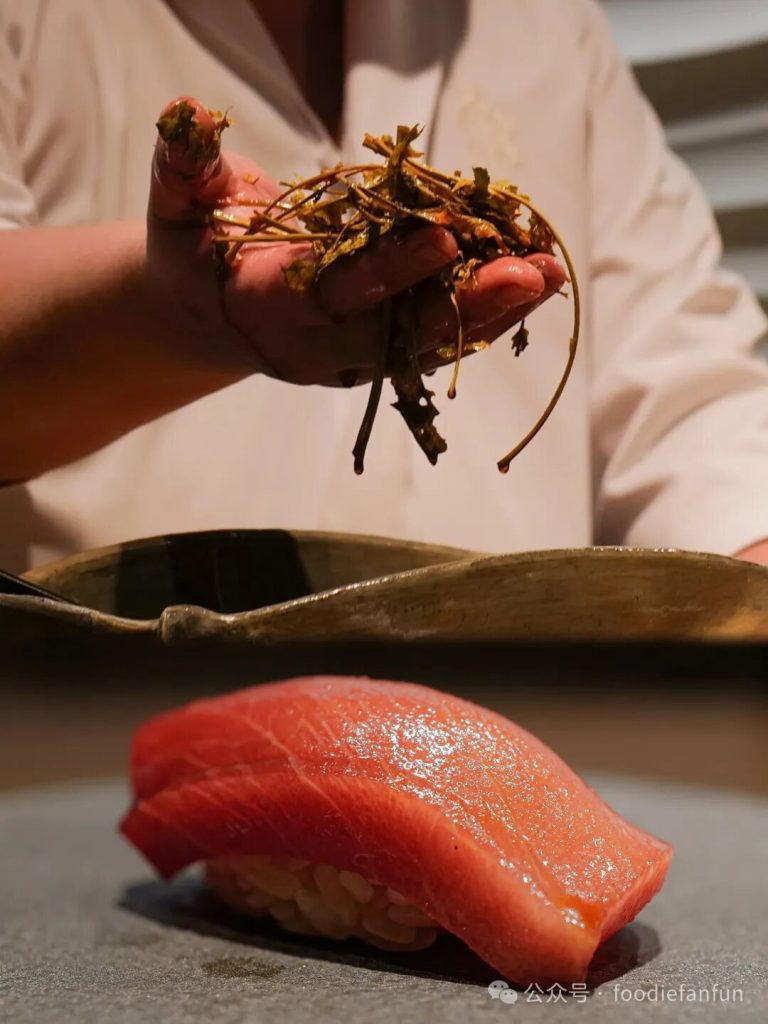
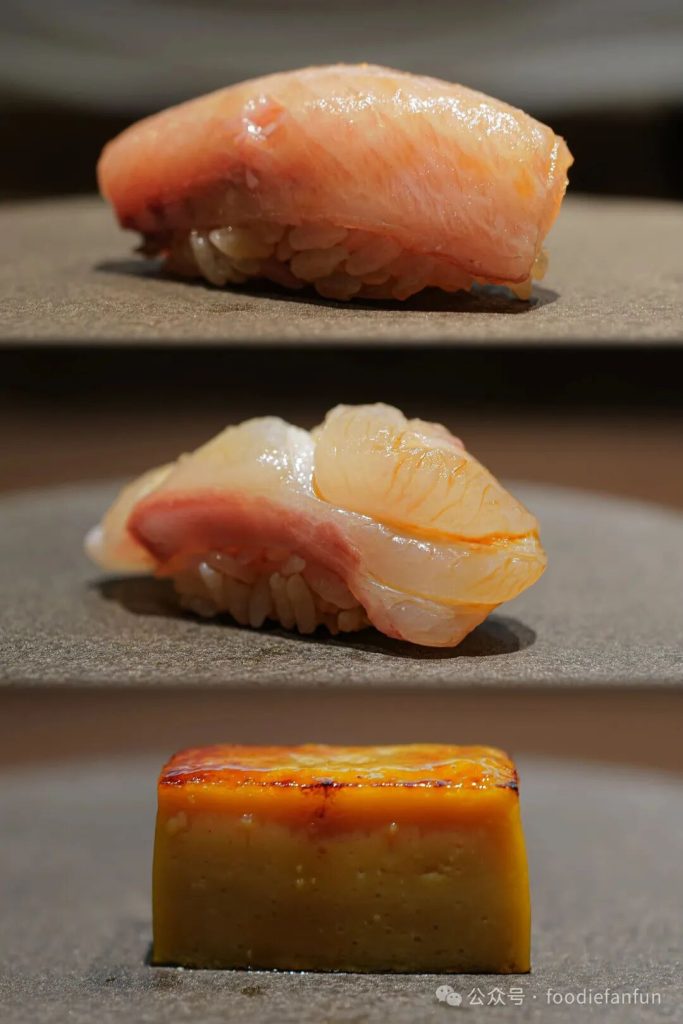
Looking at it purely as sushi, this restaurant is absolutely one of a kind in Niigata — nearly every single piece carries its own small idea. But more importantly, these ideas are grounded in real craft and real taste. Whether it’s knife work on the ingredients or precision control over seasoning, this is genuine vision backed by genuine skill. Here, sushi isn’t limited to just fish plus rice — a heavy use of citrus and plant aromas opens up new dimensions, using technique to shape the ingredient’s texture. I’d rather describe it as: the dining experience created when ingredients and rice are layered together.
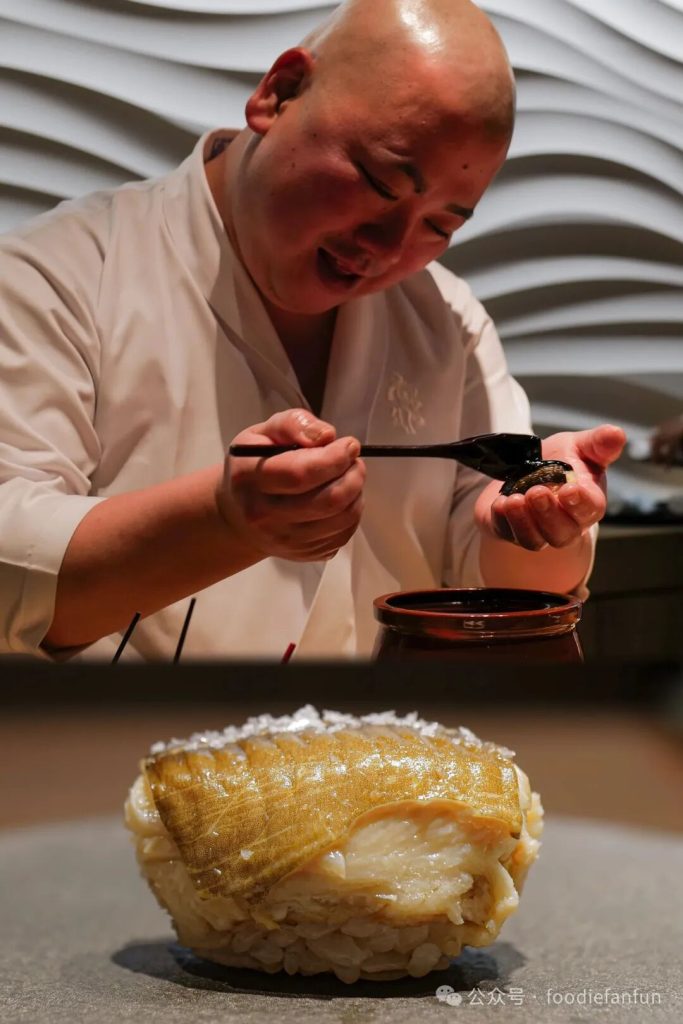
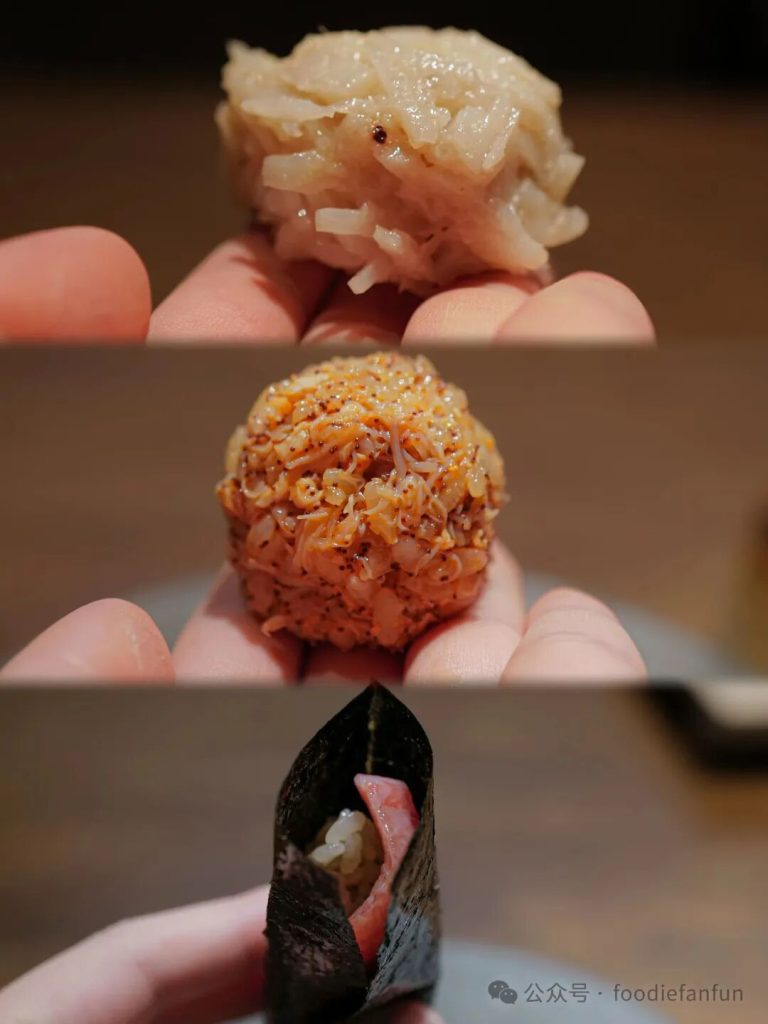
As a restaurant good enough in its own right, Tokiwa also lets guests watch it grow, visit after visit, building ever more anticipation for the next one — because there’s always going to be some new invention from this little inventor waiting for you.
About Sushi Tokiwa 👉 Pure hand-formed sushi at lunch | Sake pairing included at dinner
✦
•
✦
🍣 Kappou Shintaku
👨🍳 150 years of a craft passed down
⌛️ Booking difficulty: ⭐️ — Bookable within the week
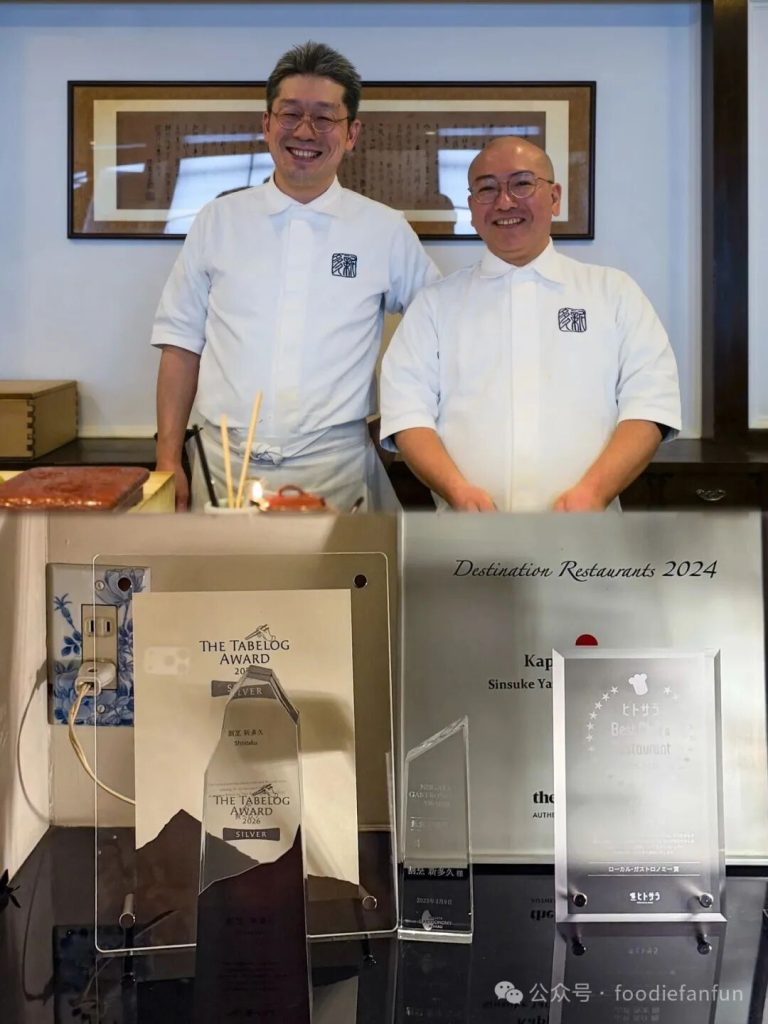
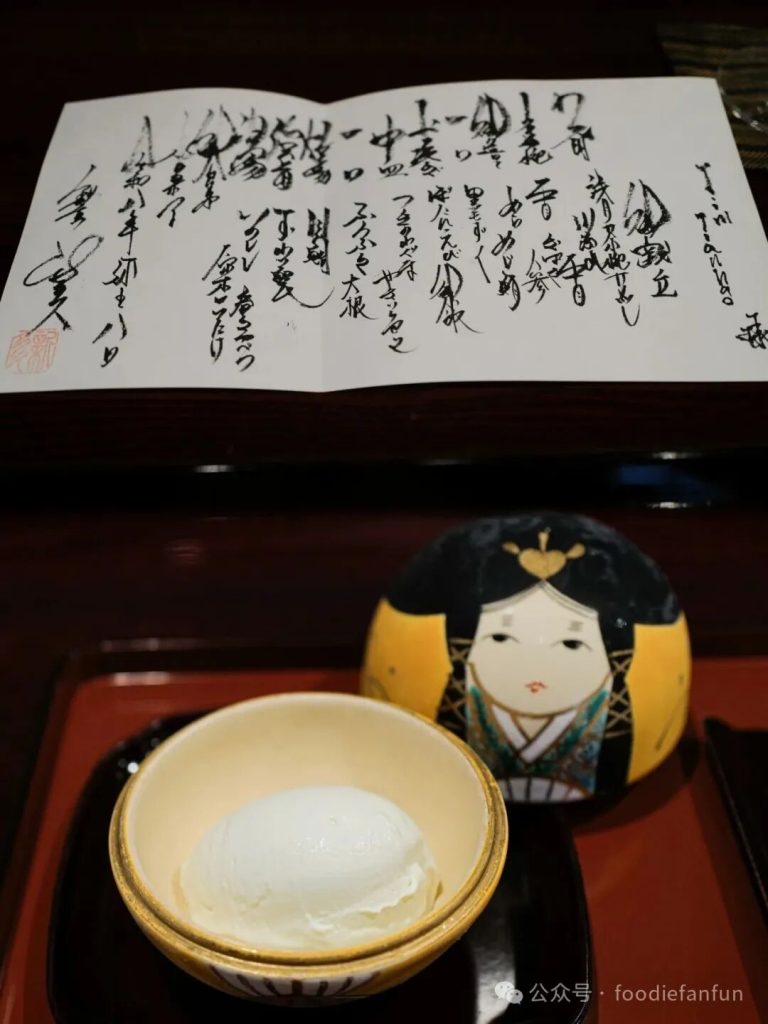
Thirty minutes by train from central Niigata is Murakami, a castle town that grew up at the northernmost edge of old Echigo Province. Besides its historic castle ruins, samurai residences, and the famous Sewa Onsen, it’s also home to Kappou Shintaku, open since 1867.
It’s currently run by two brothers, the fifth generation to carry it on — Yamagai Shinsuke and Yamagai Ryota. The elder handles the cooking at the counter; the younger handles seasoning and simmering in the back kitchen.
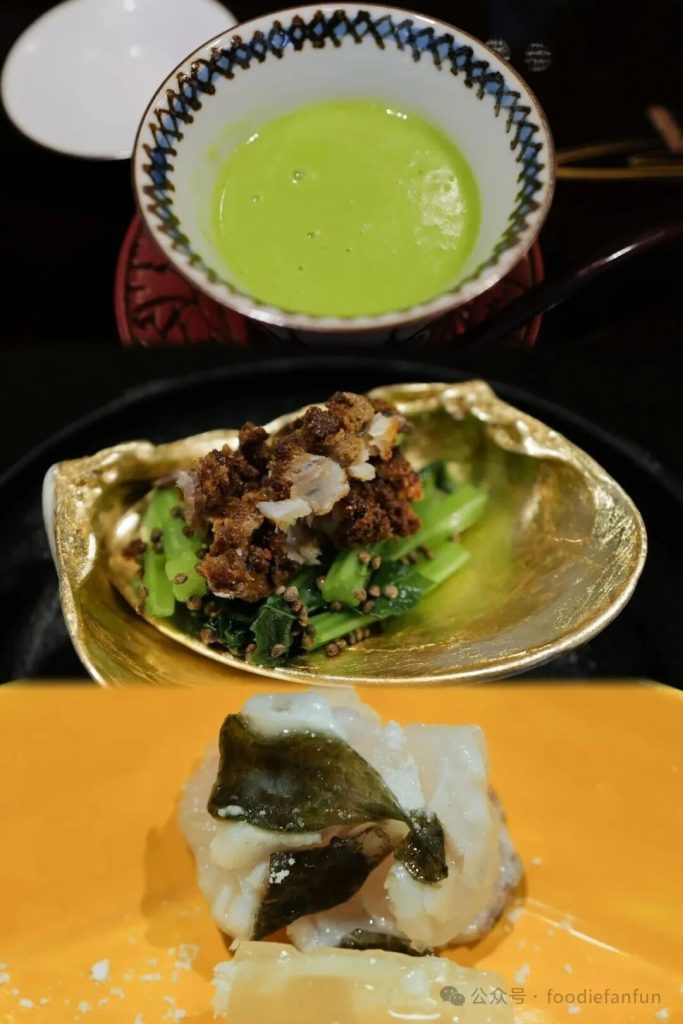
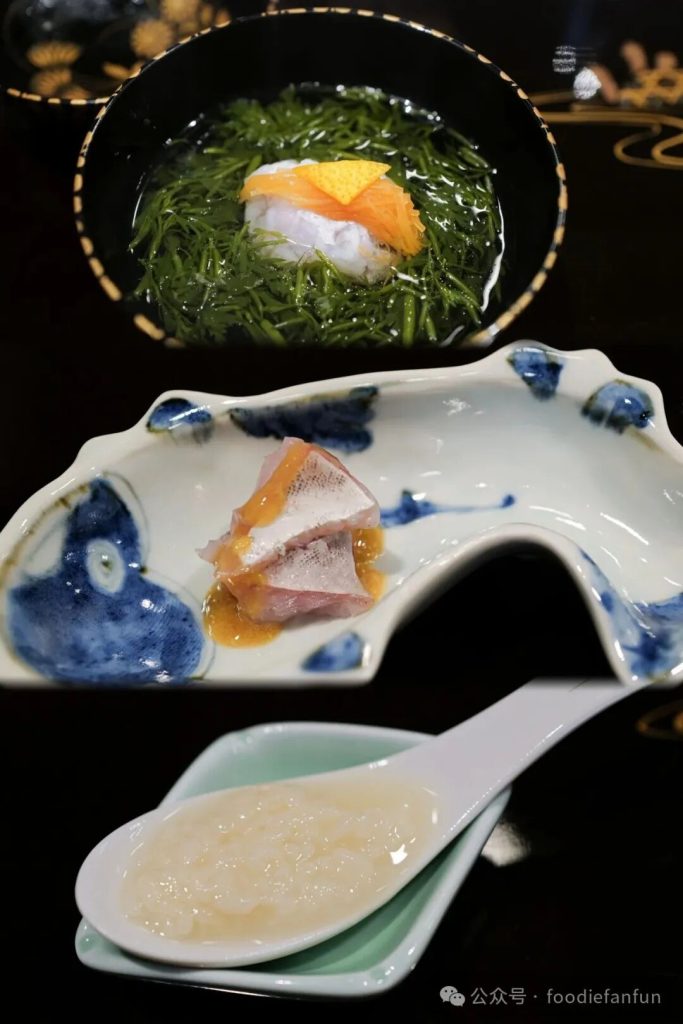
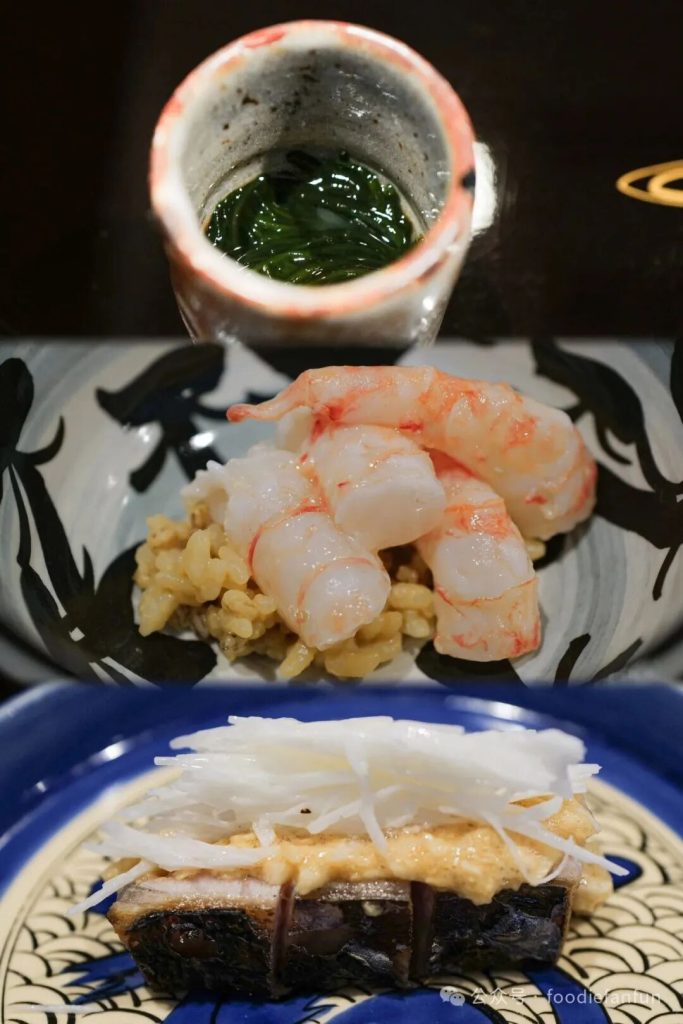
It looks like a very traditional kappou restaurant, but the way the food is expressed isn’t bound by tradition at all.
Scallion sauce with chawanmushi, sake-lees-fermented croaker tossed with shiso, grouper paired with plum sauce, half-cooked sweet shrimp with quinoa, bear-meat ham, paper-thin wild boar shabu-shabu — the ingredients all look like things you’d find around the countryside, yet the way they’re combined and handled carries a touch of contemporary thinking, leaving unexpectedly memorable impressions.
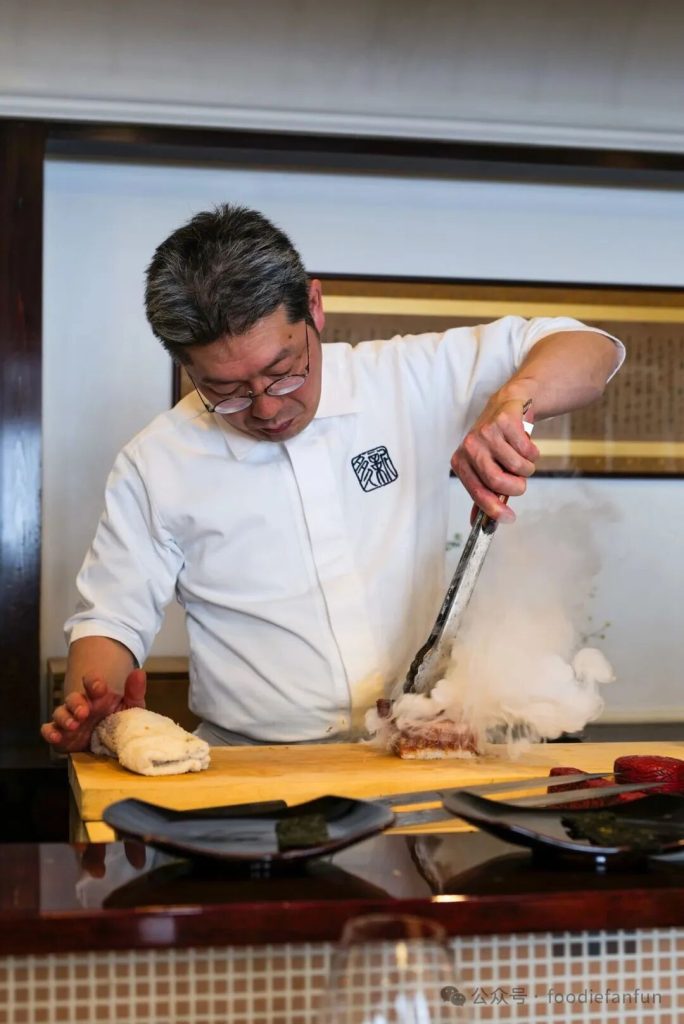
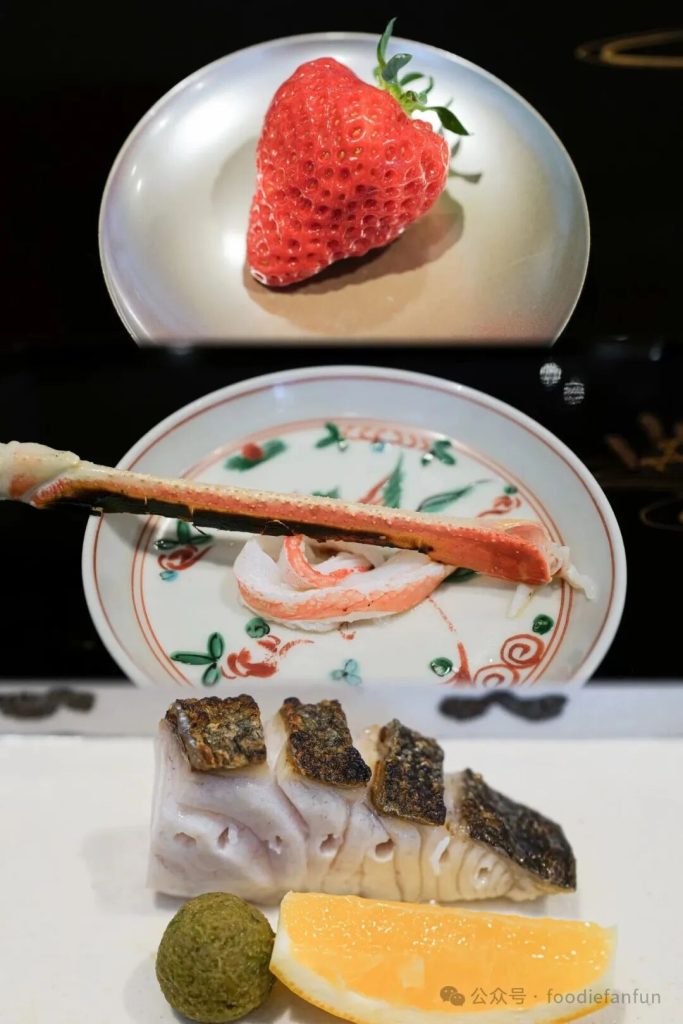
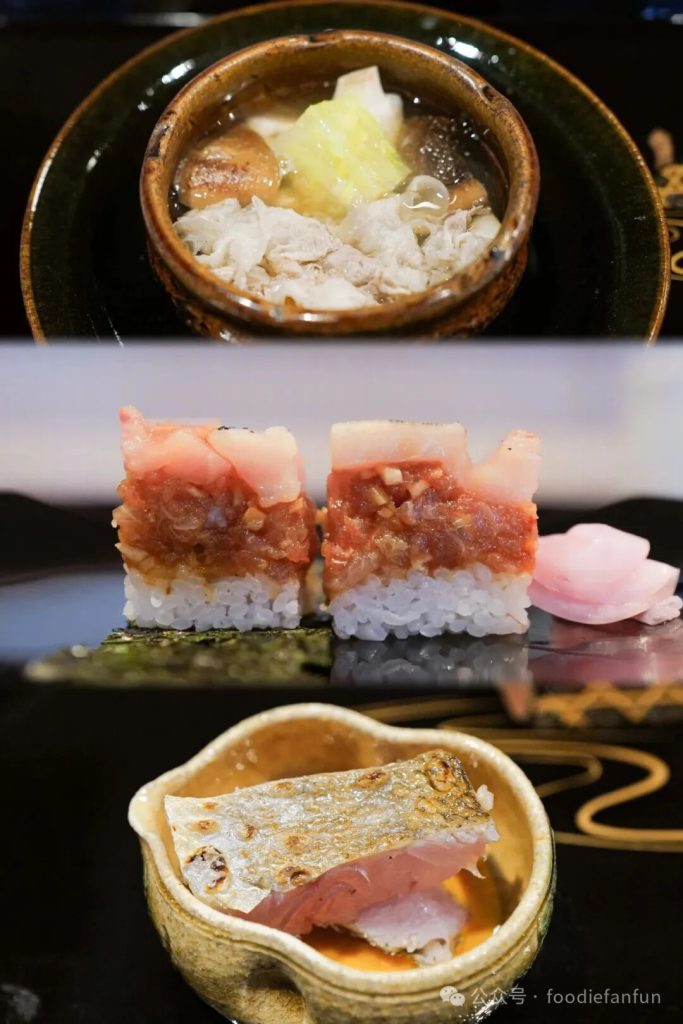
Charcoal is of course a major part of Shintaku’s cooking too. The flounder is only lightly singed with charcoal on the skin side, adding tension to what’s already excellent springiness. Nagai tuna is seared to about 30% doneness on one side, seaweed and wasabi pulling the aroma into a fuller shape. The real standout grilled dish is the sea bream — the heat control is exquisite, tenderness and fat forming a beautiful balance, and a light flick of the chopsticks reveals flesh still tinged pink.
The final oshizushi adds a bit of showmanship — the surface is given a sharp charcoal sear right at the table, releasing the aroma of the fish and the flavor of the pickles at the same time, the kind of moment that’s relaxing just to watch.
Exactly a year since my last visit here, and I could see how Shintaku’s style has evolved — richer content, a bigger overall “volume” to the meal, yet without it feeling any heavier.
A dining experience that keeps refining itself, and one that already has me looking forward to the next visit. 👉 Kappou Shintaku | Seeing the Bigger World in a Small Town
✦
•
✦
🍴 UOZEN
👨🍳 A complete Western expression of Niigata ingredients
⌛️ Booking difficulty: ⭐️ — Bookable within the week, whenever open
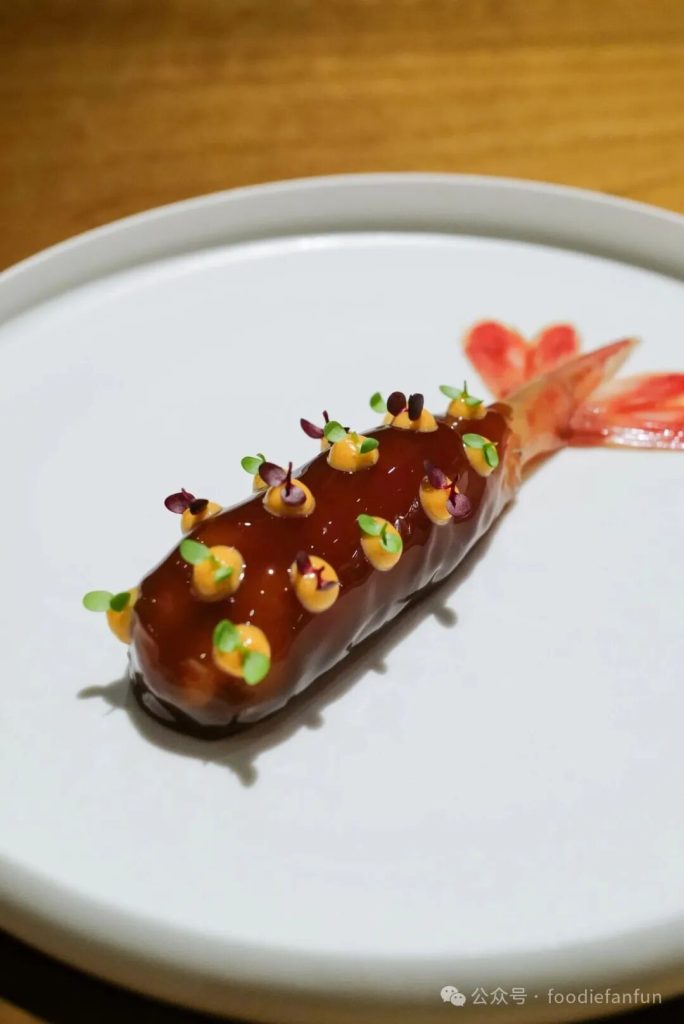
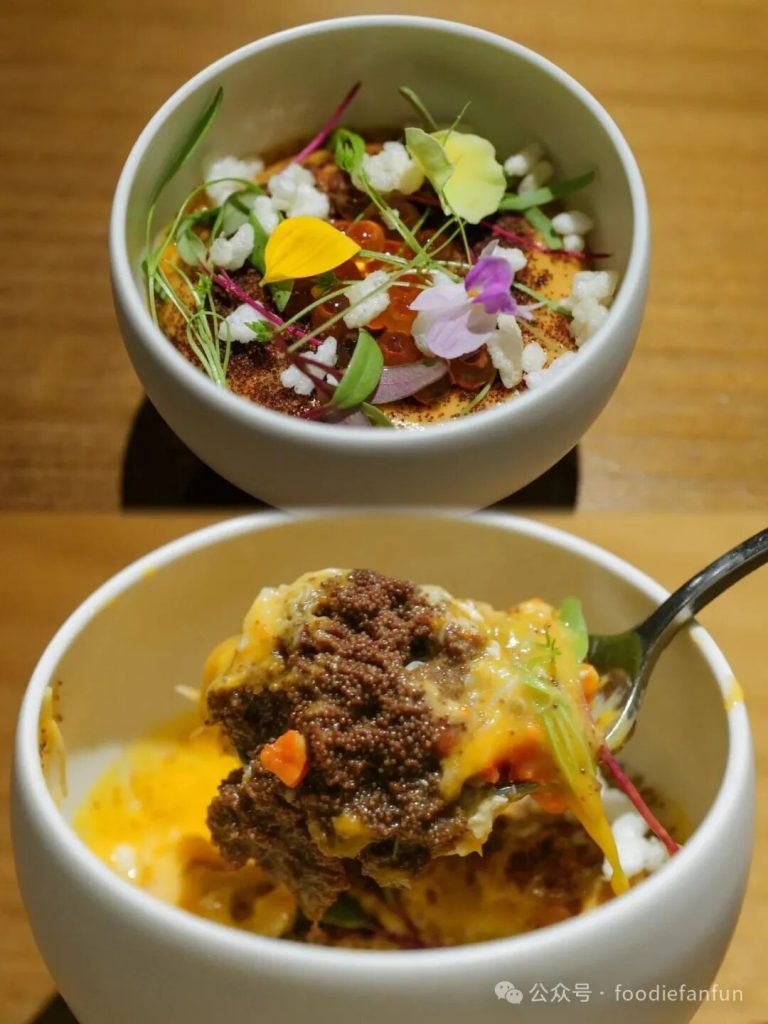
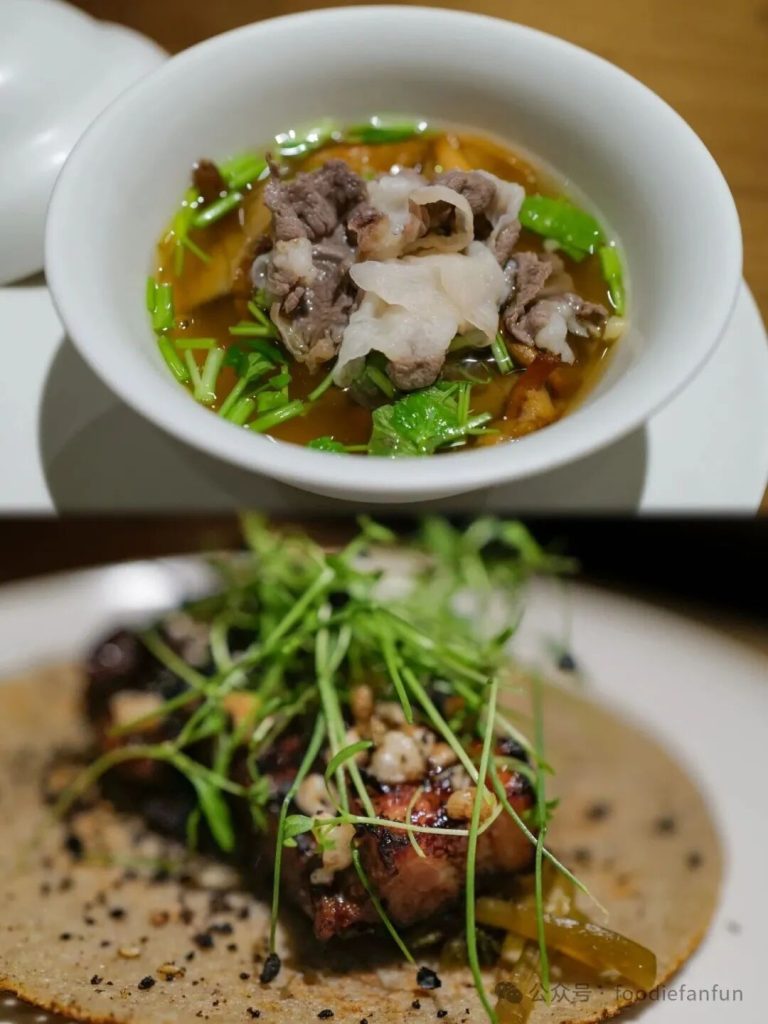
Also thirty minutes from central Niigata, UOZEN feels more like someone who’s seen the world coming back to the mountains to return to something simpler.
This quiet, almost mysterious “countryside” restaurant is already a Tabelog 🥈 silver holder plus two Michelin stars, and the chef is an internationally recognized The Best Chef Award winner.
The chef’s respect for nature comes down to the most basic goal — make every ingredient delicious, don’t let its life go to waste.
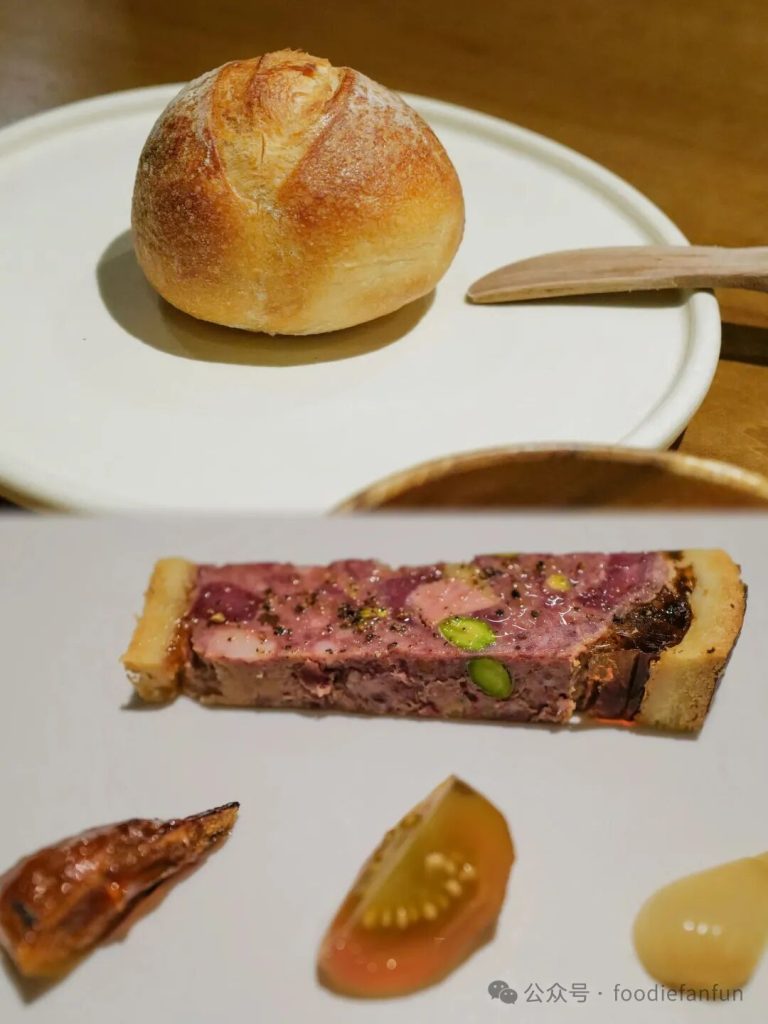
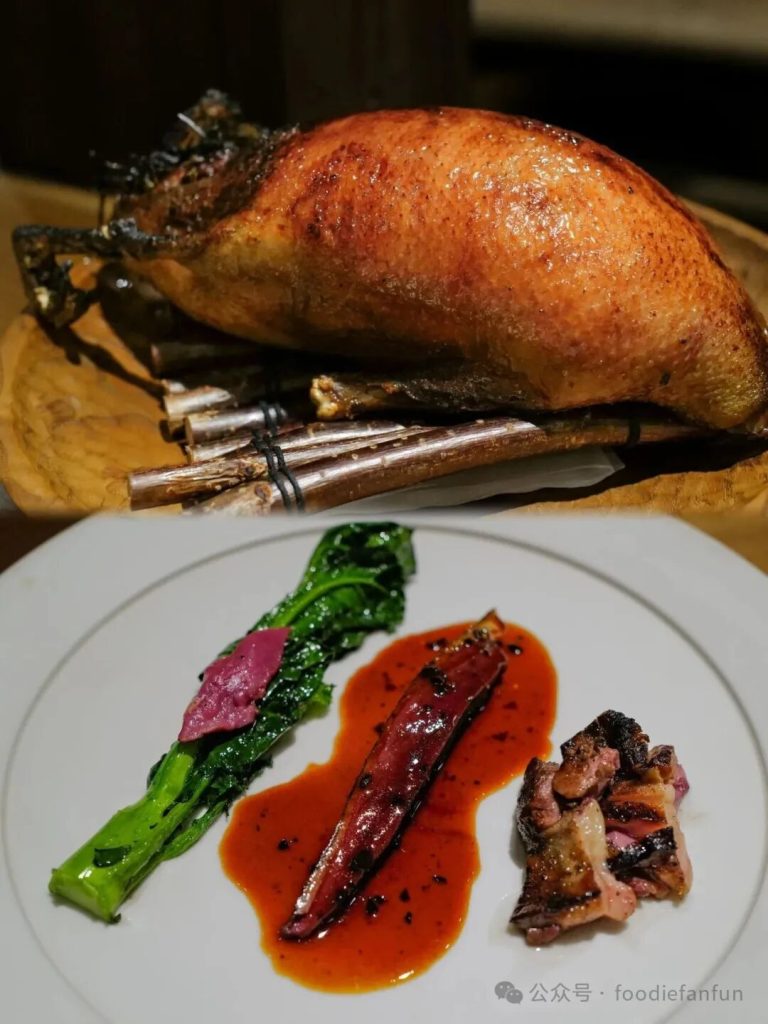
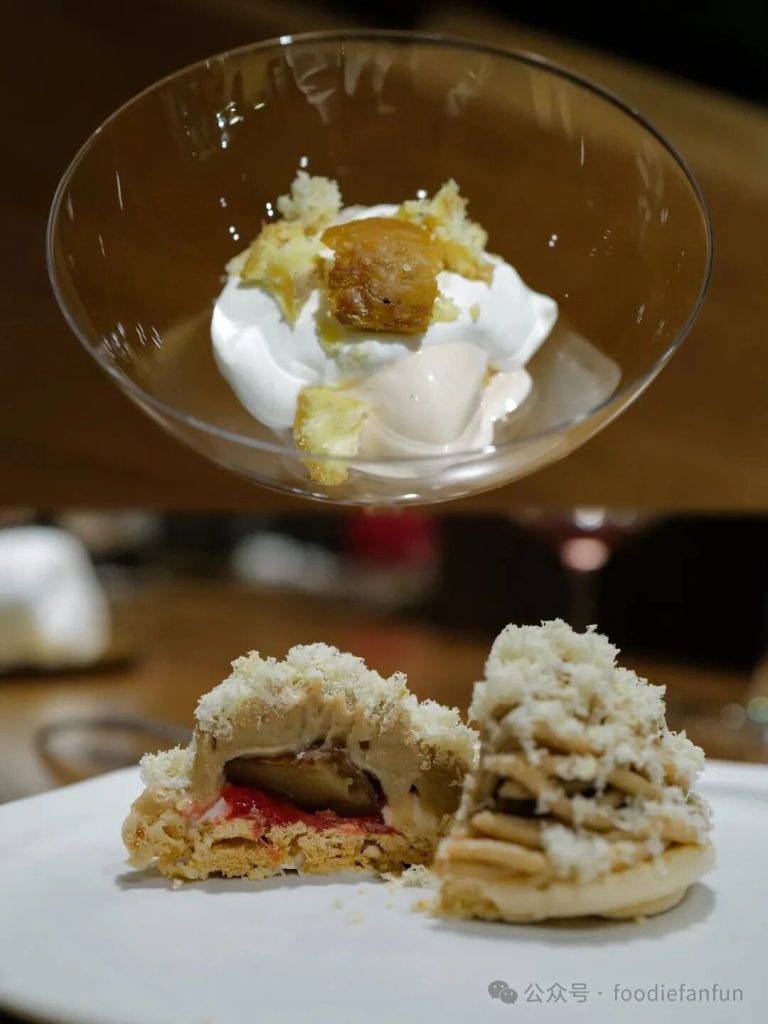
You can clearly feel chef Inoue’s devotion in every dish at UOZEN. Every single ingredient is presented at its absolute best under his hand, even something as ordinary as a napa cabbage.
Flavor-wise, UOZEN’s cooking isn’t light — the flavors often carry real force. But what’s impressive is that every note comes from the plant or ingredient itself: clean, natural, none of them stepping on each other, so even richness never feels heavy.
Full write-up 👉 UOZEN
✦
•
✦
🍣 Osteria BACCO
👨🍳 Just three people running a Michelin-starred Japanese-Italian kitchen
⌛️ Booking difficulty: ⭐️ — Bookable within the week
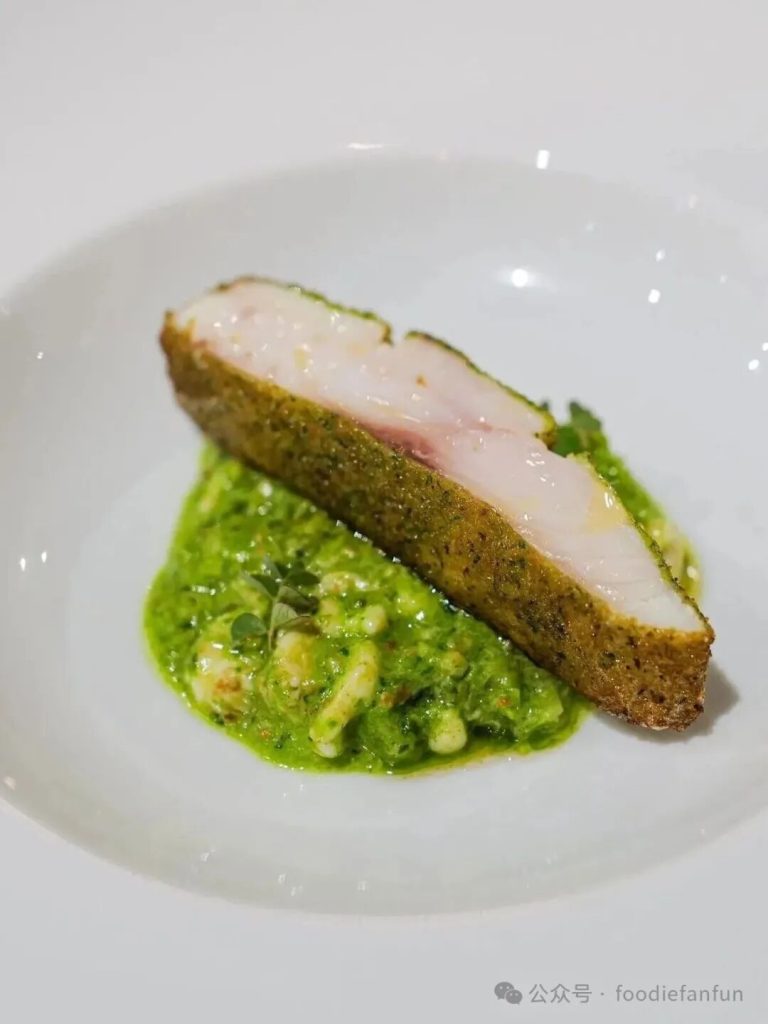
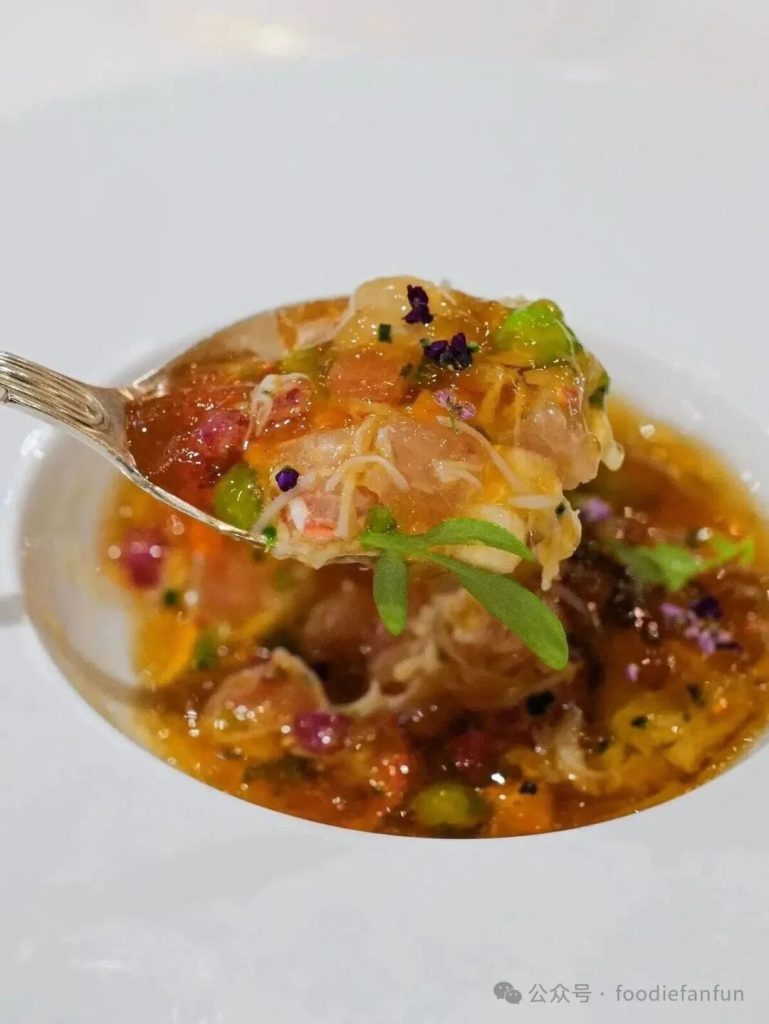
Osteria BACCO is one of Niigata’s more under-the-radar hidden gems.
The entire restaurant runs on just a head chef, a sous chef, and a sommelier — three people — yet it holds a Michelin star and ranks among Niigata city’s top five on Tabelog, with a full tasting menu costing around 500 RMB.
The menu runs on Italian seasoning as its throughline, but leans heavily on local seasonal seafood, fruit, and vegetables. There’s no over-stacking of ingredients for effect — it confidently grabs your memory purely through flavor.
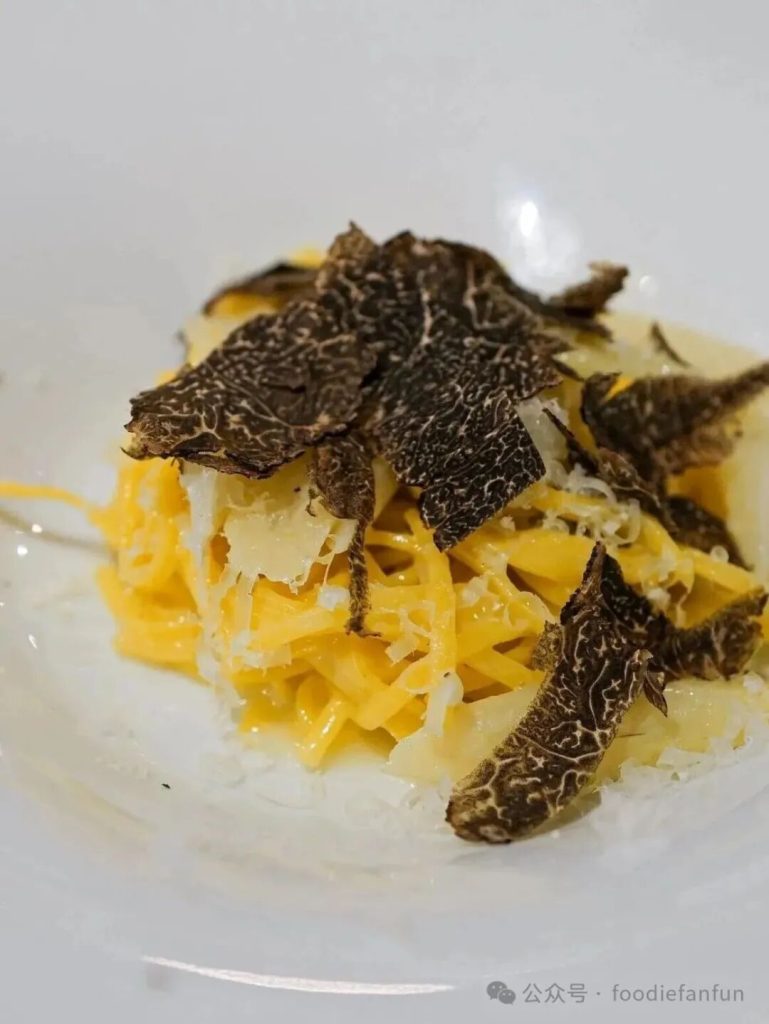
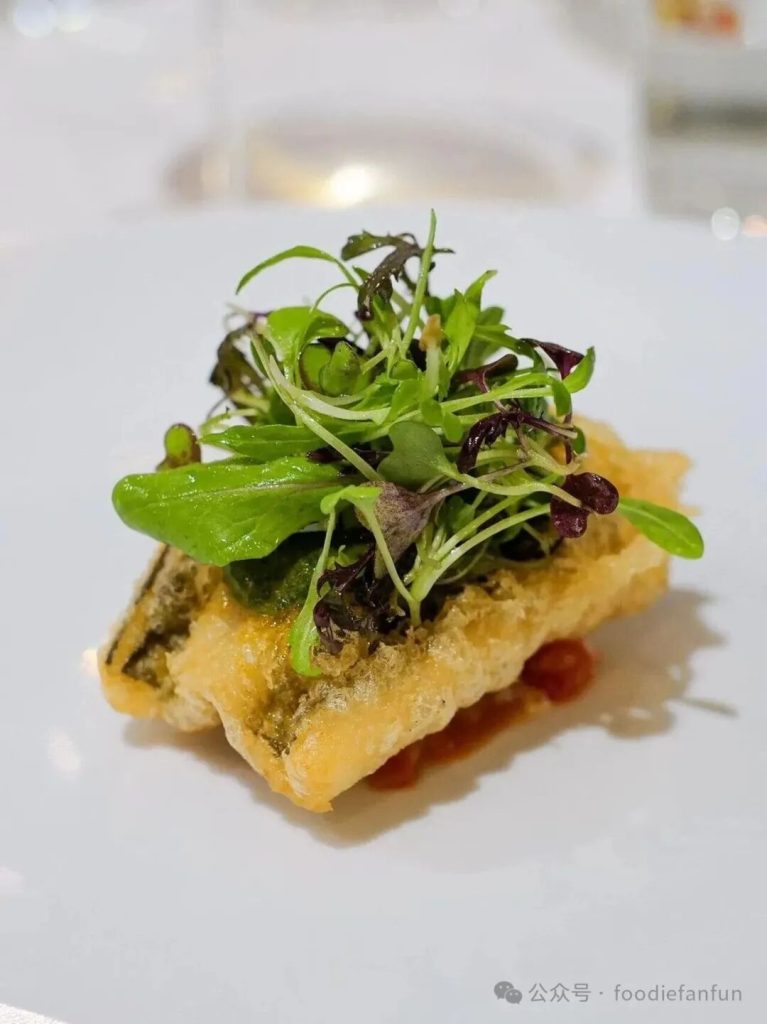
Full write-up 👉 Osteria BACCO
✦
•
✦
🍣&🐓&🍶
🥢 Conveyor-belt sushi, Niigata’s best yakitori, and izakayas
⌛️ Same-day booking friendly / 🉑 Walk-in
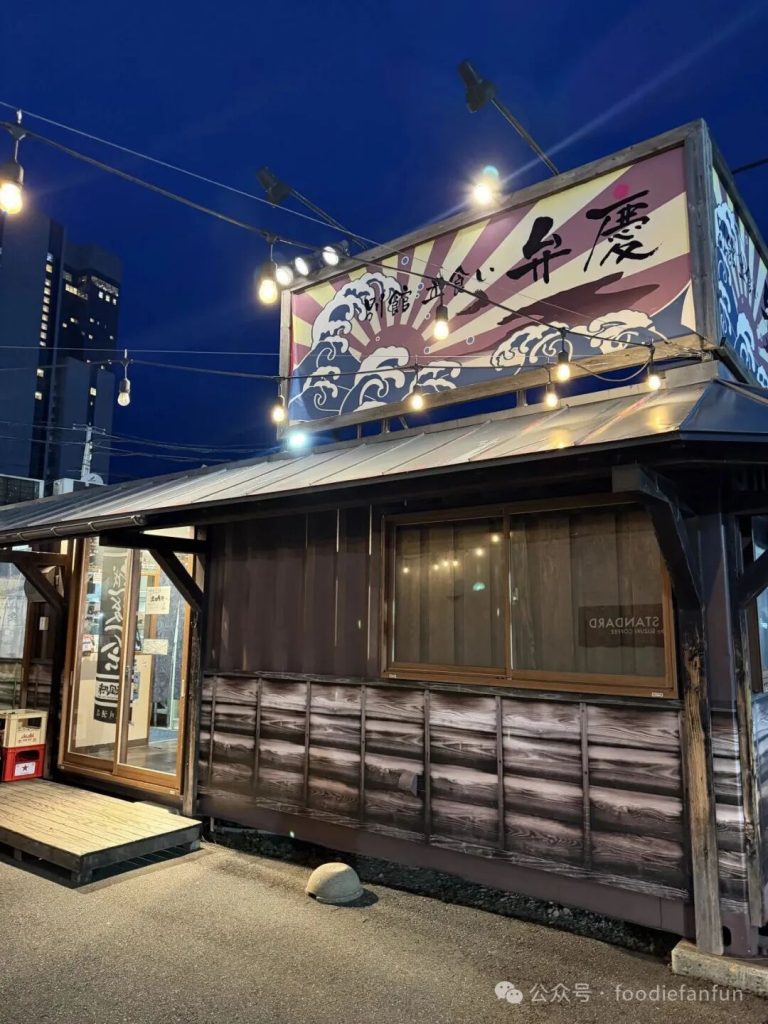
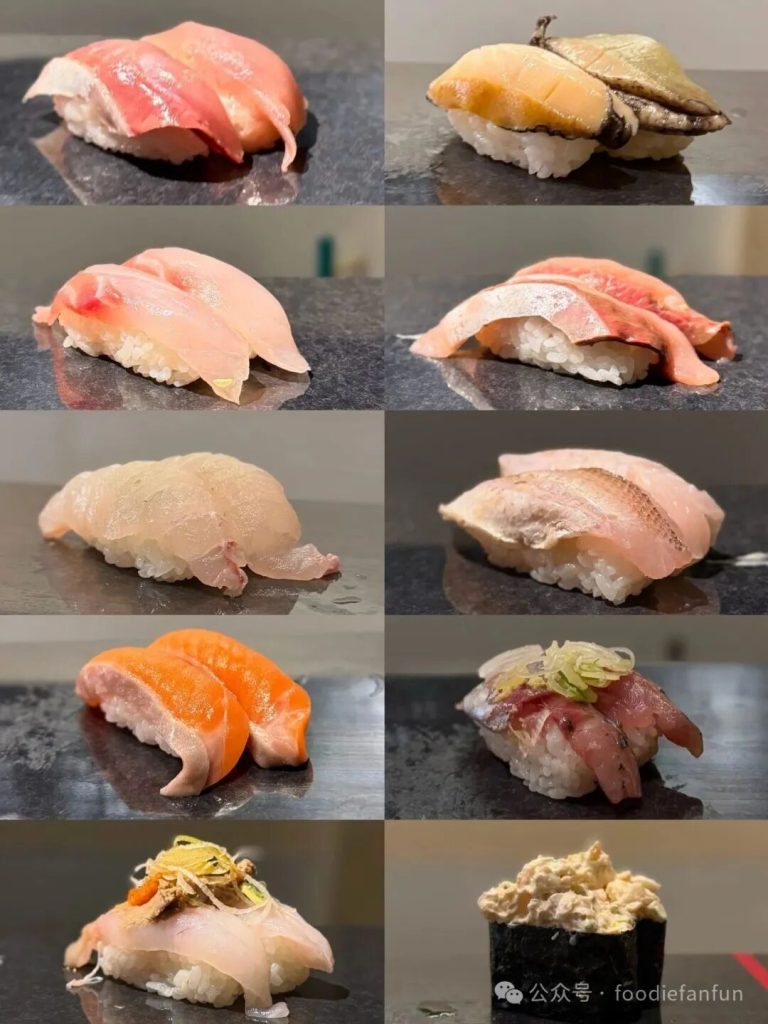
Benkei, which once took the national #1 spot for conveyor-belt sushi on Tabelog and got its start on Sado Island, now has several branches and is the first-stop sushi restaurant for many people arriving in Niigata.
The strength of local seafood is naturally what backs up this restaurant. Most of Benkei’s fish comes straight from Sado’s fixed-net fisheries and same-day catches from the Sea of Japan, paired with rice made from local Koshihikari — the overall effect is direct, fresh, high in sweetness, and unfussy.
Ordering is simple: the chalkboard lists the day’s recommendations or limited fish. You can go for a curated set, or take it one fish, one drink at a time, choosing piece by piece.
One thing to note — lines are the norm at conveyor-belt sushi spots, especially the Pia Bandai location. It’s best to go in the afternoon lull, or arrive a bit before opening.
This is the place to feel the true strength of Niigata’s seafood — don’t skip it.
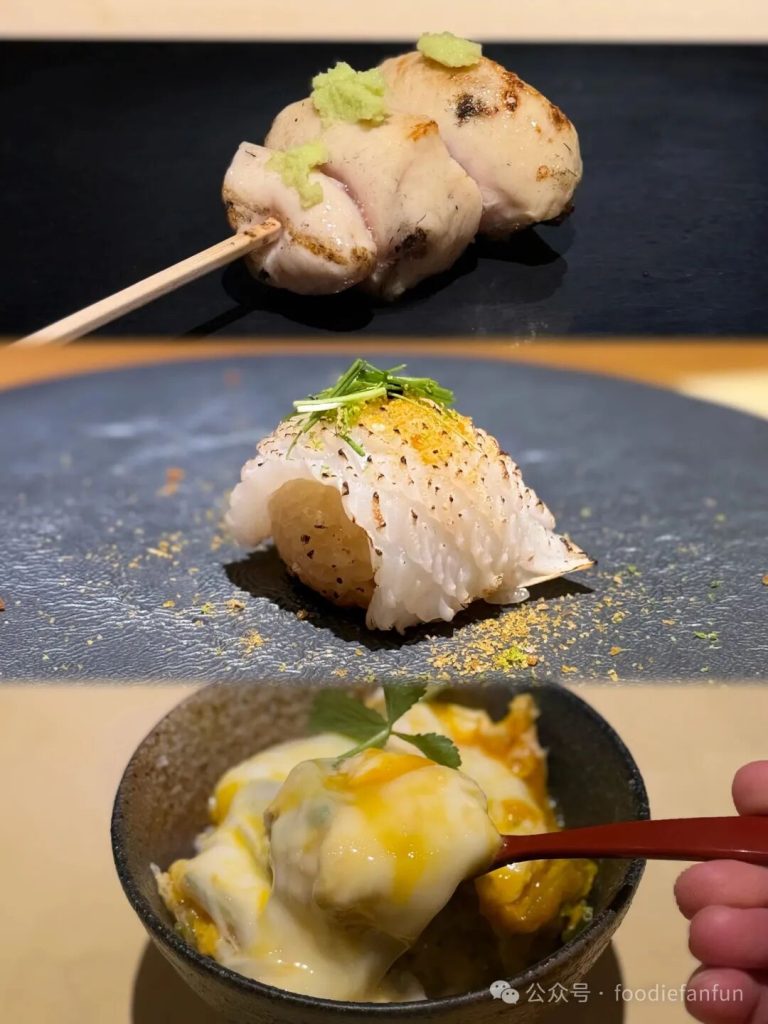
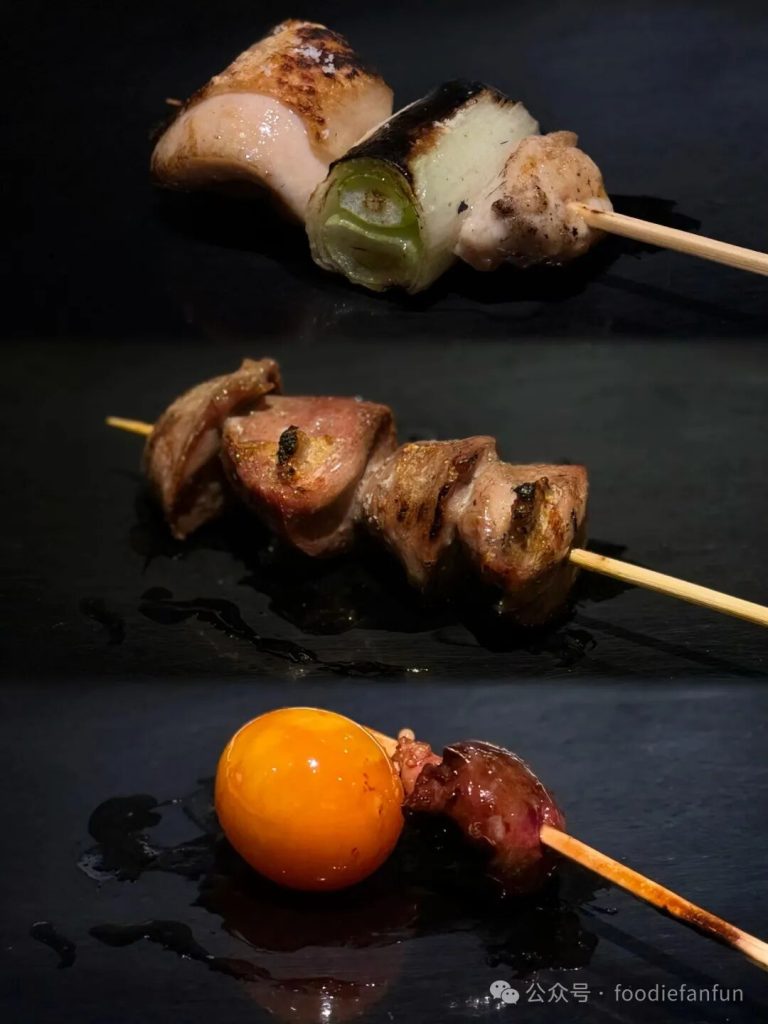
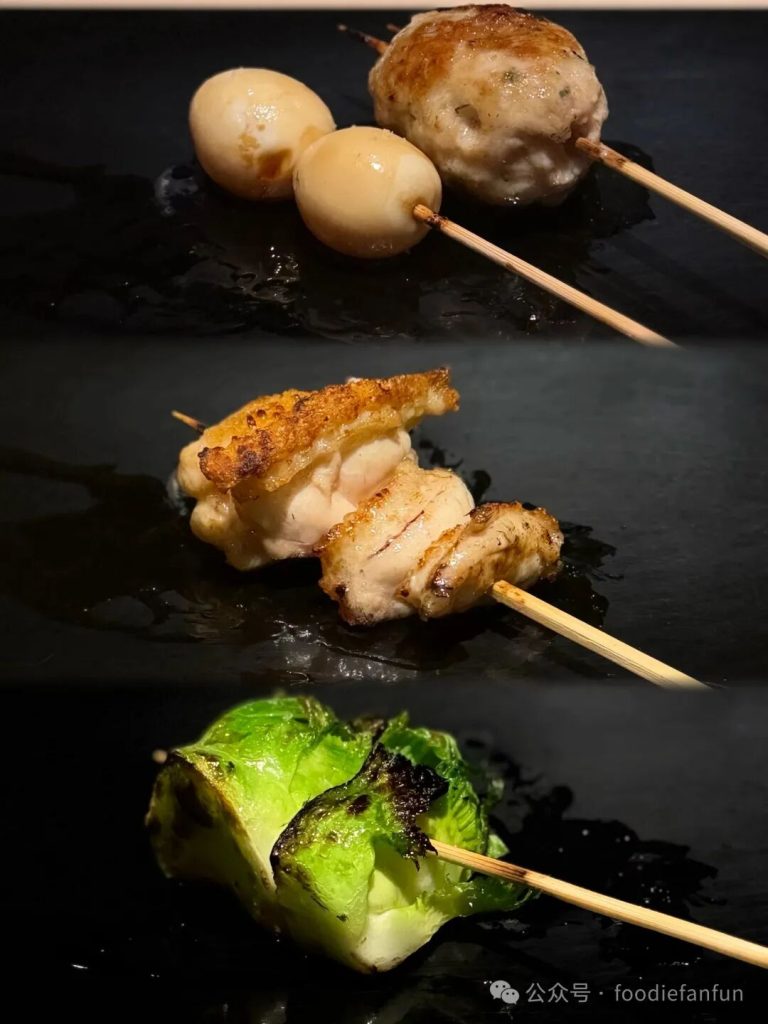
Tago is one of the most locally beloved yakitori spots among Niigata natives, with a straightforward style, no flashy technique — just old-school yakitori that nails the heat, the fat, and the plain satisfaction of chicken done right.
The skin and fat are executed beautifully — take the chicken wing tips, for instance: plenty of fat, skin grilled to a crisp fragrance, the kind of thing you keep eating while shouting about how guilty you feel.
The gizzards are crisp and clean, getting more fragrant the more you chew. Quail egg with chicken meatballs offers an interesting textural contrast — one soft-yolked, one firm. The oyakodon is a real standout: the egg is first gently “steamed” at low temperature, so the yolk is rich and the white is light, laid over full-bodied Koshihikari rice alongside tender chicken — deeply satisfying to eat.
The overall impression: delicious, solid, reasonably priced. It sits in a price range close to a good izakaya, but delivers well above that level.
One thing worth noting — the drinks selection here is limited. It’s better suited as a first stop to line your stomach with good food before heading out to drink elsewhere.
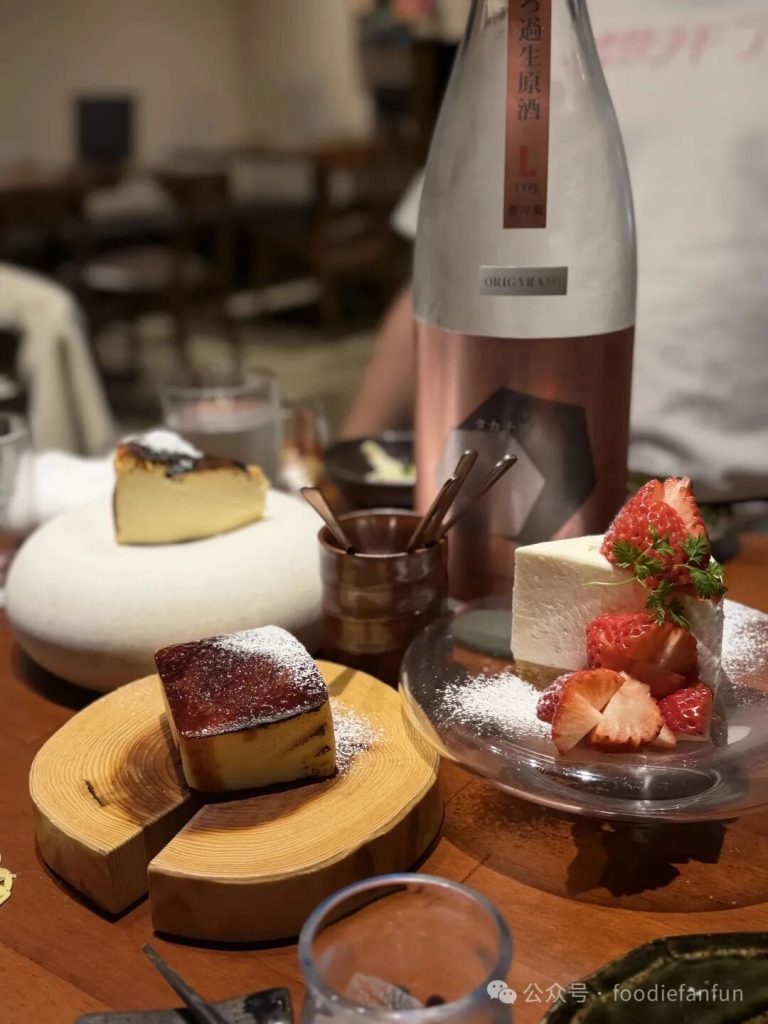
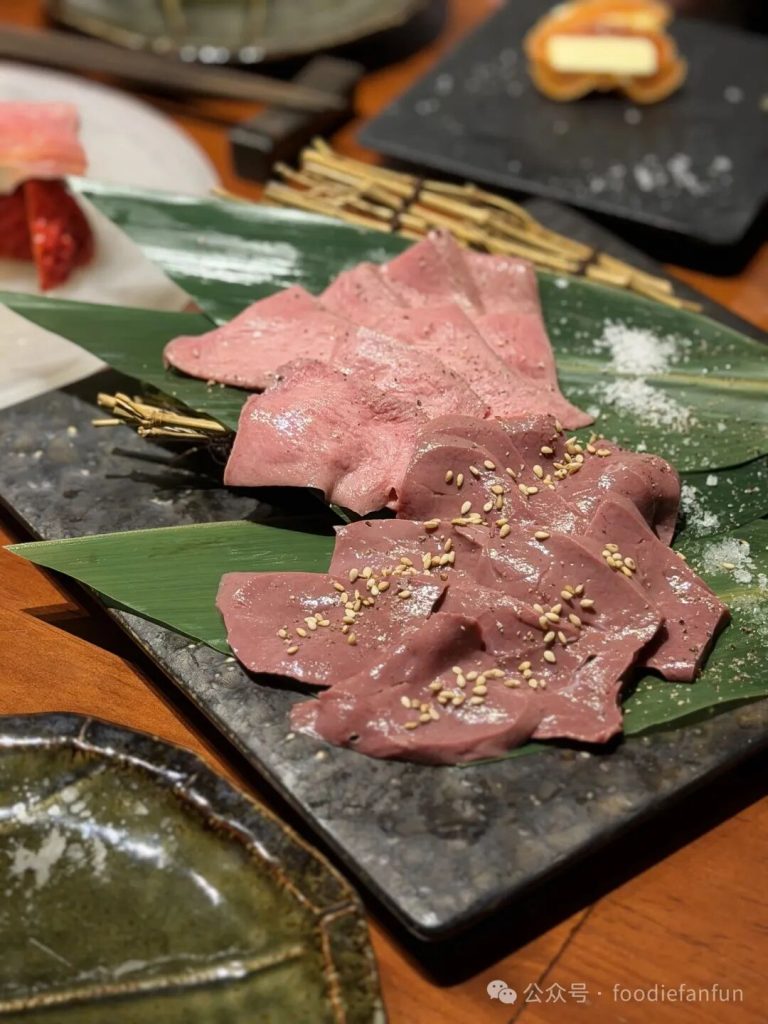
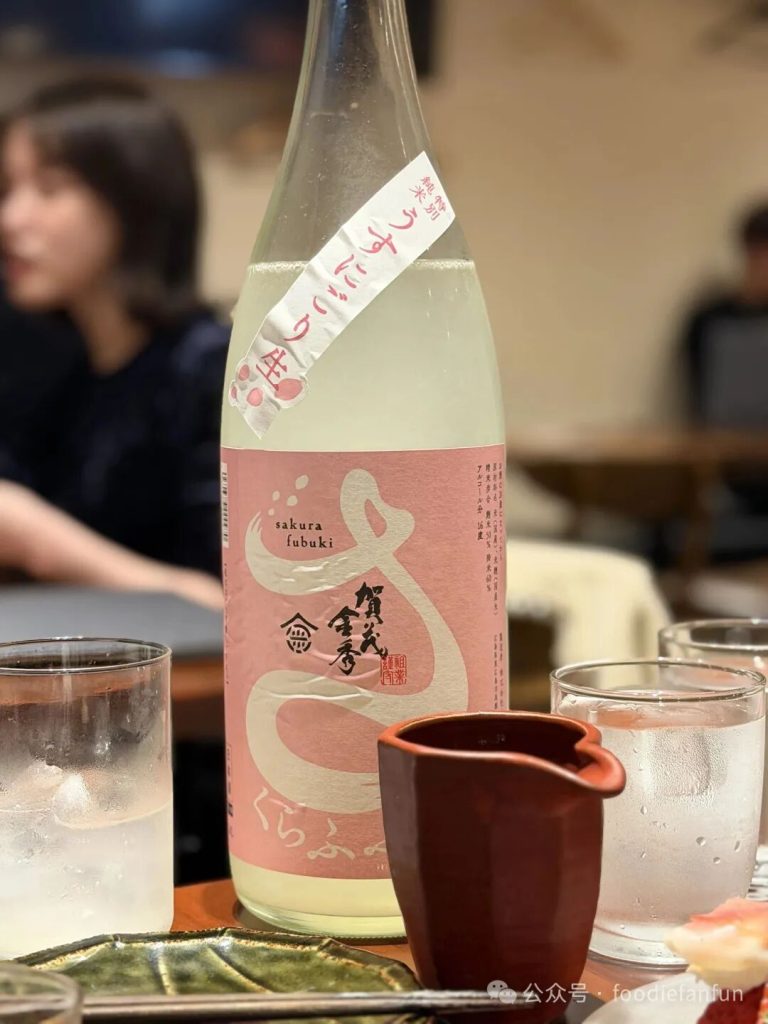
SAKE恋JAPAN, a sake × cheesecake specialty spot, basically says everything about itself right in the name. It’s a sake bar clearly skewed toward a younger crowd, with a super relaxed atmosphere, tasty food, and good prices too.
The sake list isn’t especially hardcore, but the selection is playful — some easy-drinking seasonal bottles alongside buzzy breweries like Abe. Compared to a more serious sake bar, this feels more like a place to drink and chat.
The surprisingly delicious dish here is the beef liver — cleanly prepared, no gaminess at all, soft texture with a touch of sweetness. For dessert, the cheesecake is the signature, and after trying it, the Basque version turned out to be the most consistently good, with the best balance of milky richness and bittersweetness.
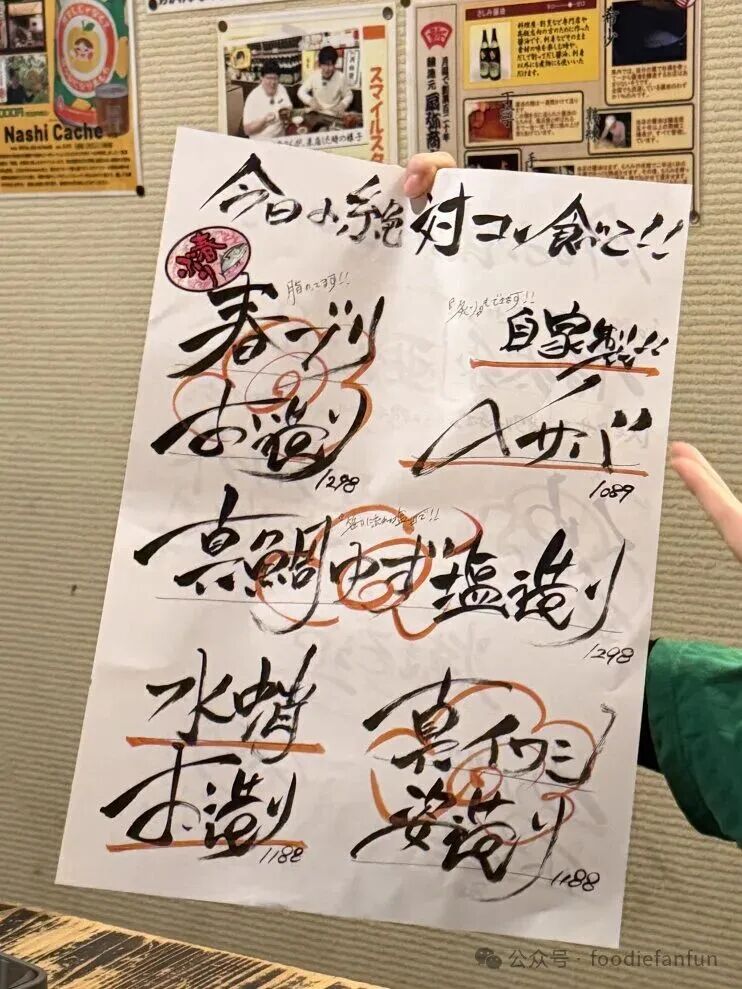
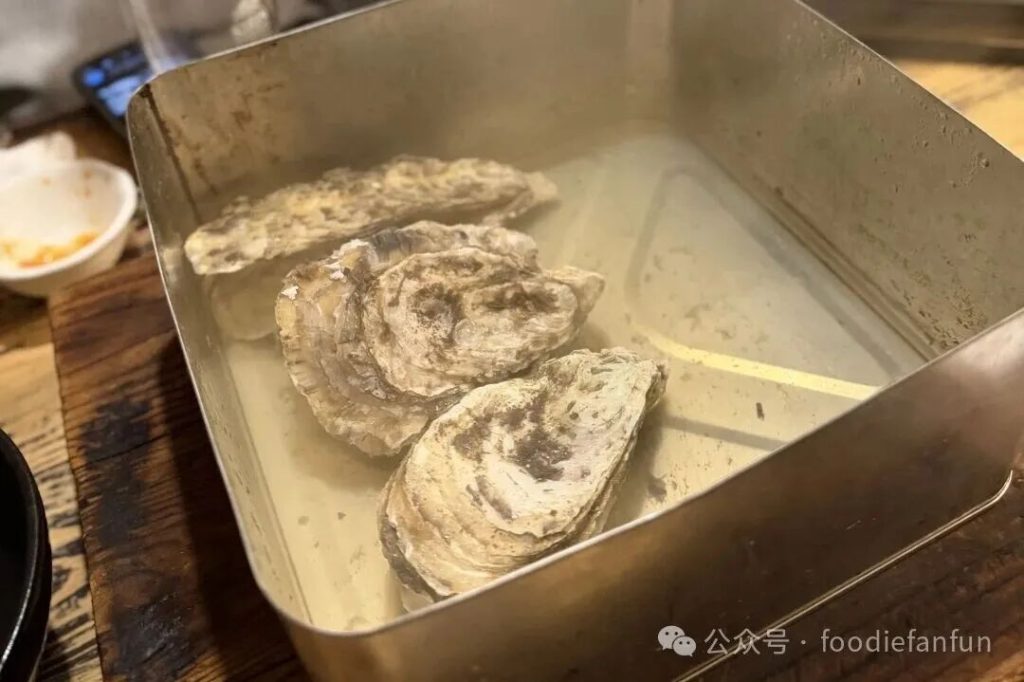
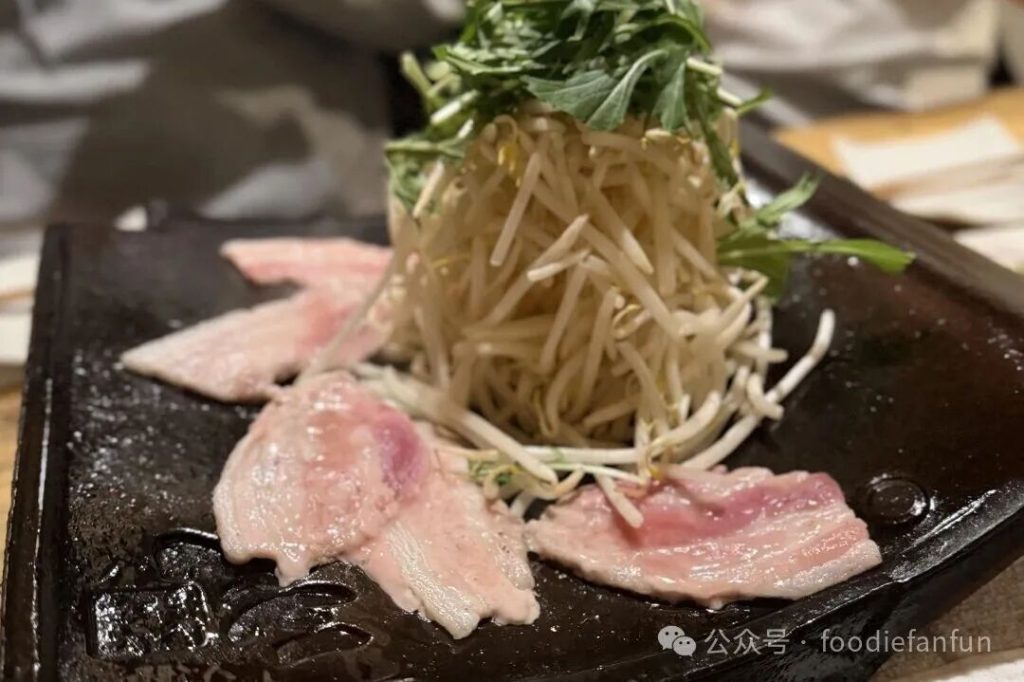
Gojuhachi, by comparison, feels much more old-school and hardcore. It’s a truly classic local Niigata izakaya, serving solid, down-home drinking food alongside a full wall of Niigata local sake.
The food isn’t fussy — it’s the kind of grounded, homey, drink-friendly flavor that shifts with the seasons and comes in generous portions. The sake list is noticeably deeper, spanning familiar names to some local-only bottles — the kind of place where you can seriously work your way through a proper Niigata sake lineup.
Most of the customers here are locals unwinding after work — the atmosphere is easygoing and lived-in, well suited as the main base for a slow-talking, wide-open night of drinking.
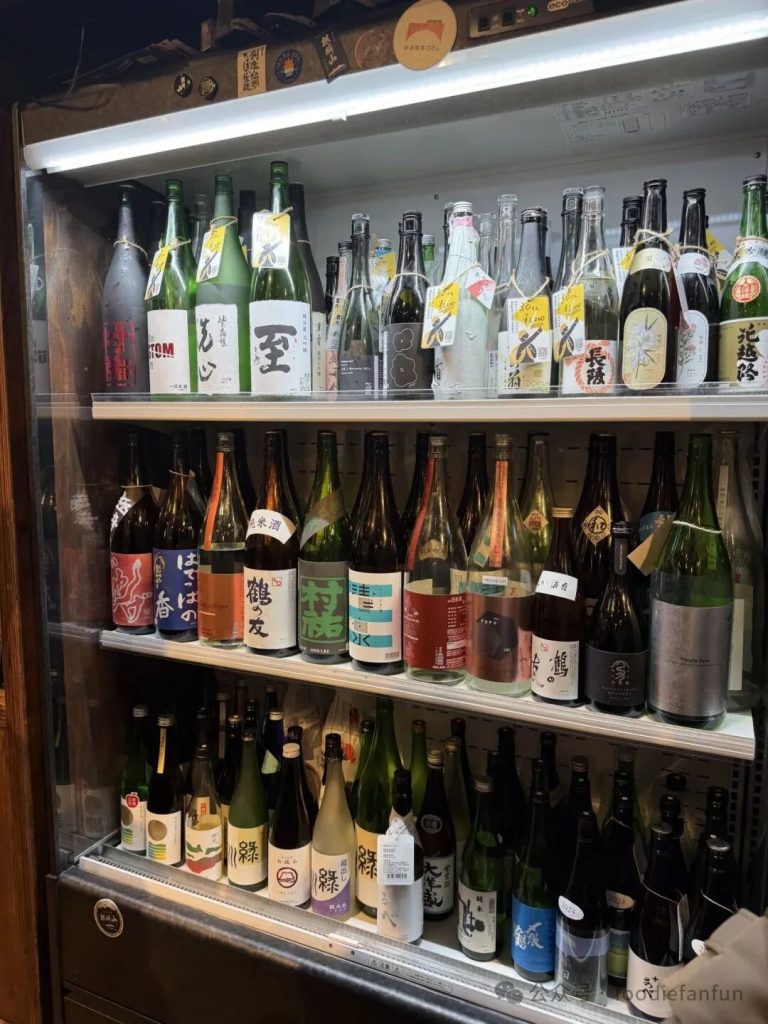
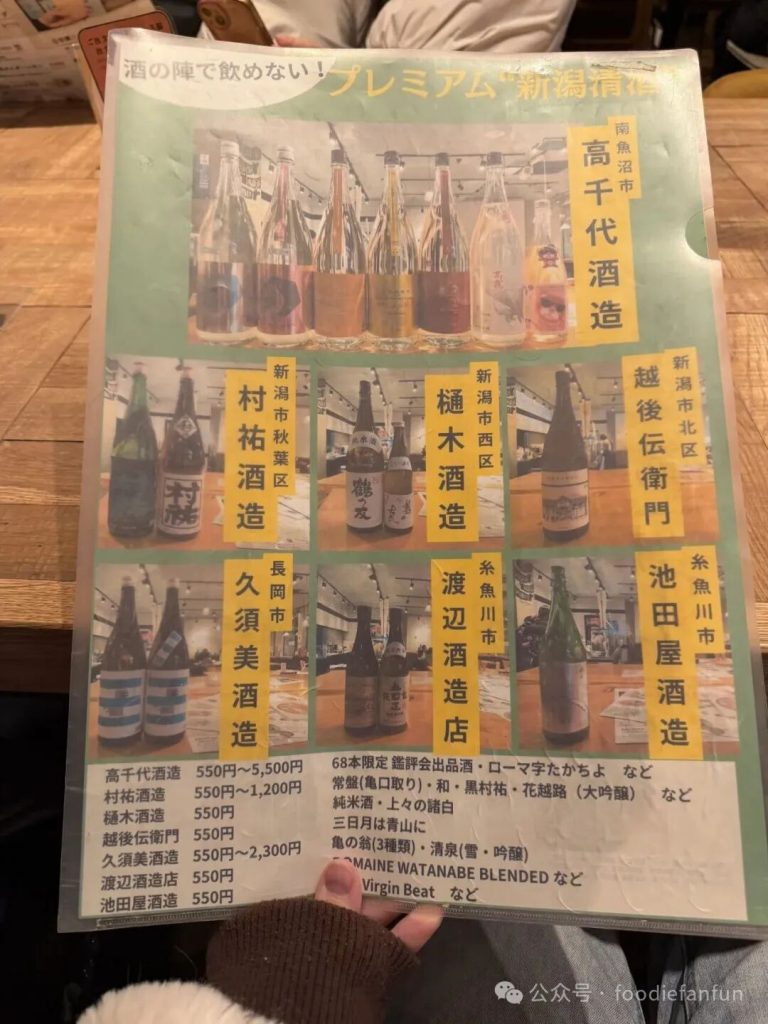
TABI BAR & CAFE SUZUVEL is a well-loved little bar right by Niigata Station, and often the first stop for sake lovers arriving in Niigata, or the last one before heading home.
Its biggest advantage is, without question, the drinks list — a strong collection of by-the-glass options from local Niigata breweries, spanning classic names to some harder-to-find bottles. It even ran a page of “non-Sakadojo” sake during sake-festival season, filling the gap for travelers who missed out. Great for anyone wanting to taste a wide horizontal spread of Niigata sake in one go.
The food leans café-bar light bites — easy, low-pressure small plates with a Western-leaning feel. It runs a bit pricier than the previous two spots, but since you’re already here, you might as well drink your way through everything — no point leaving with regrets, right?
✦
•
✦
So, any guesses where the next stop will be?
Leave a Reply