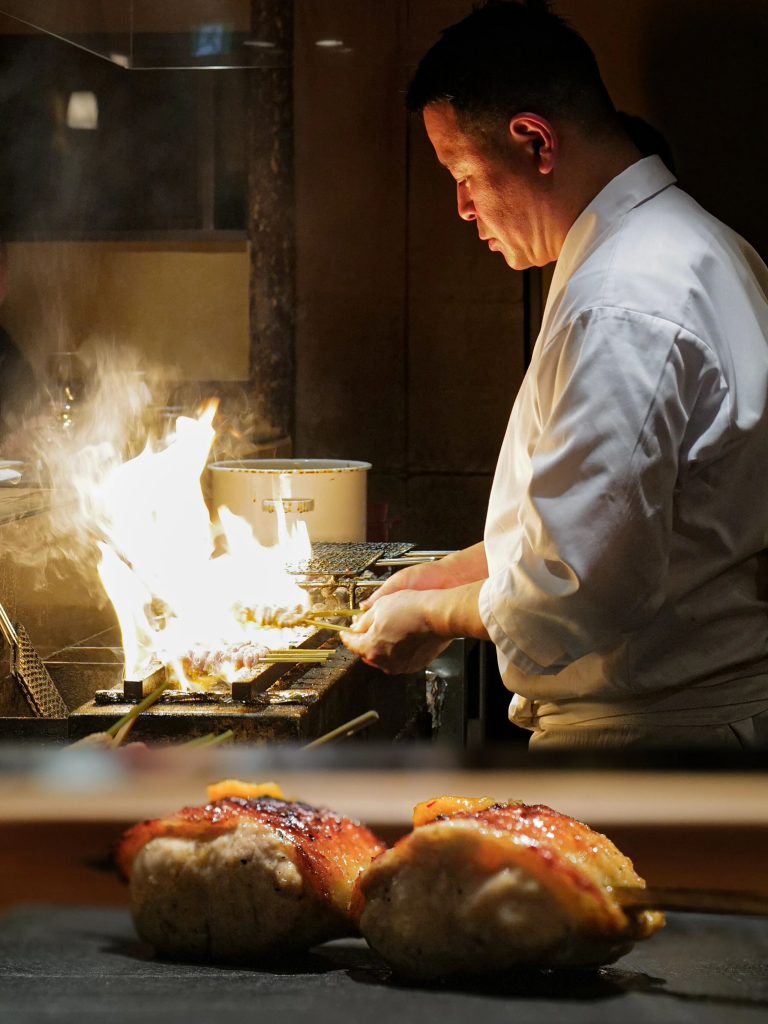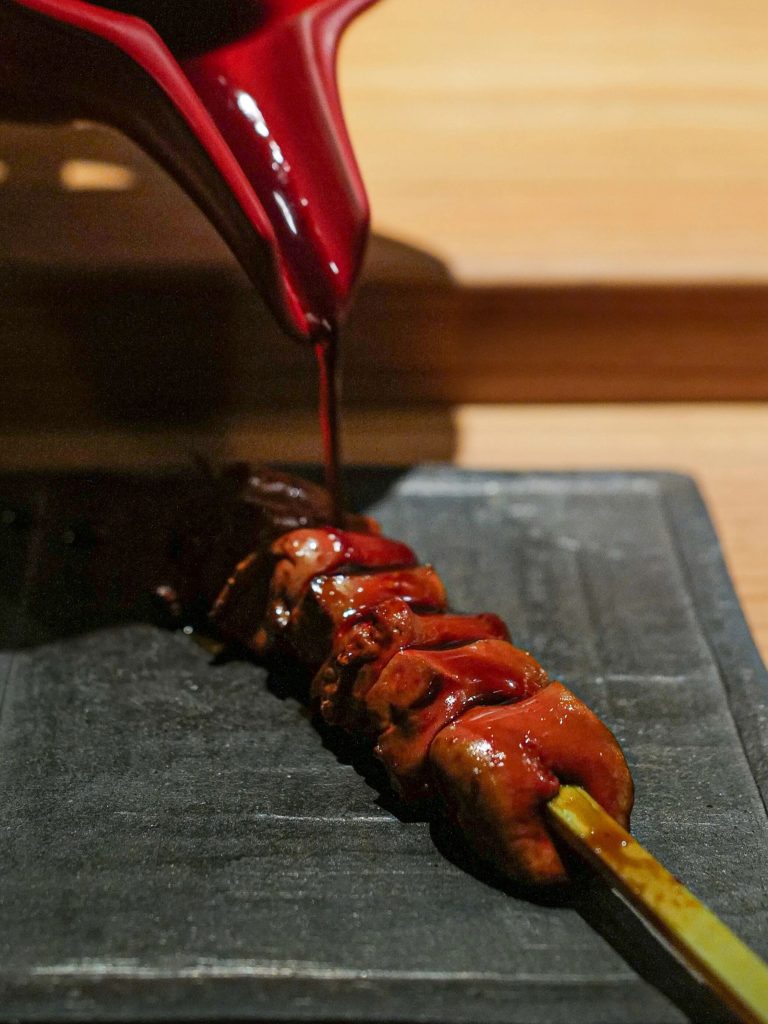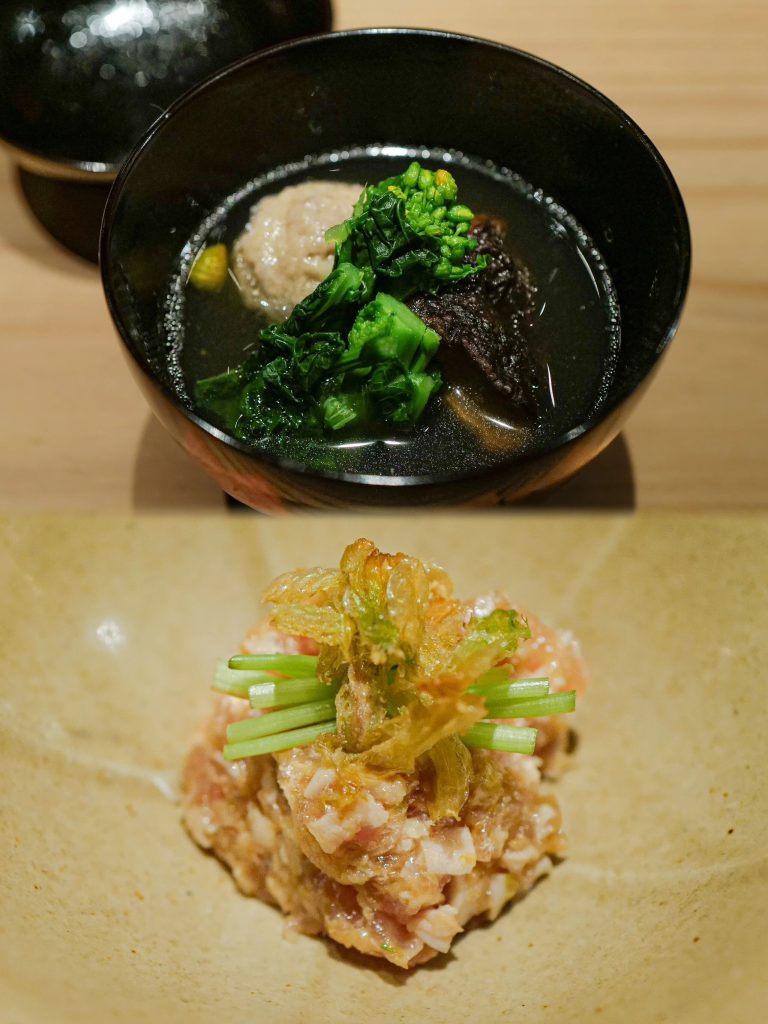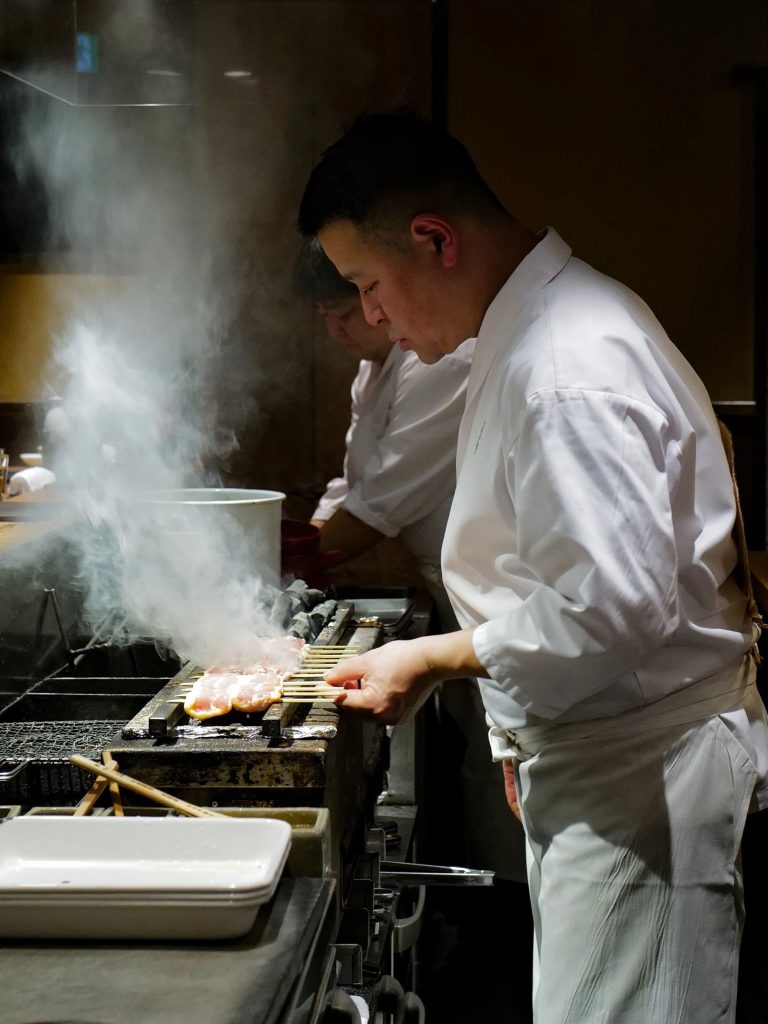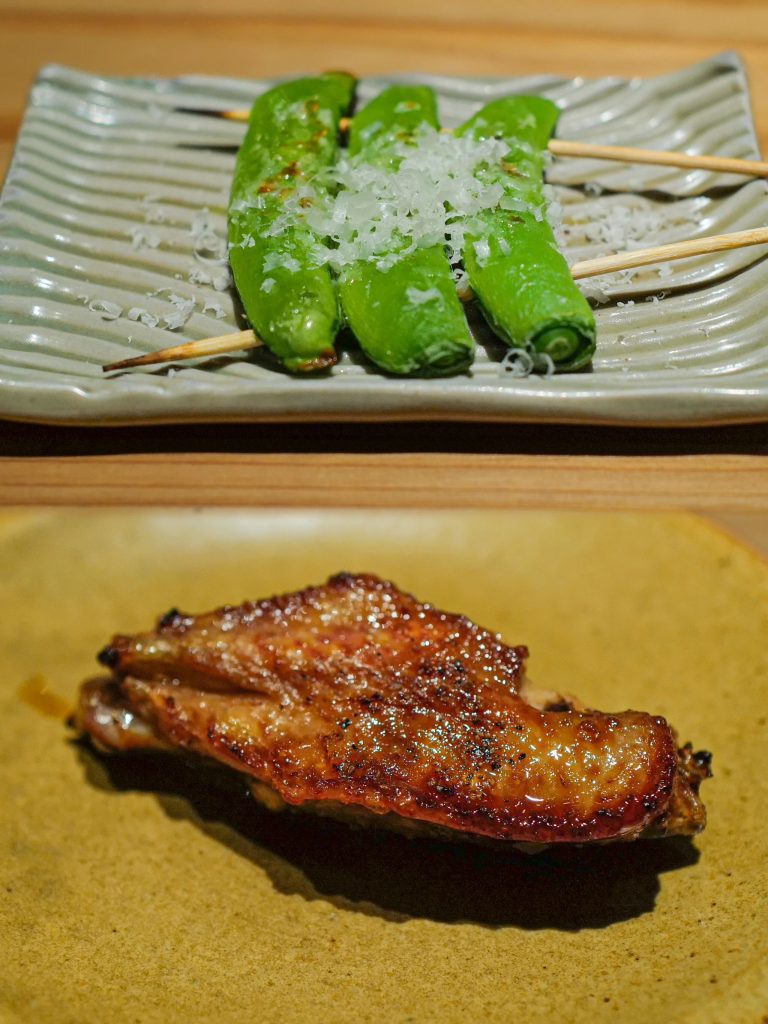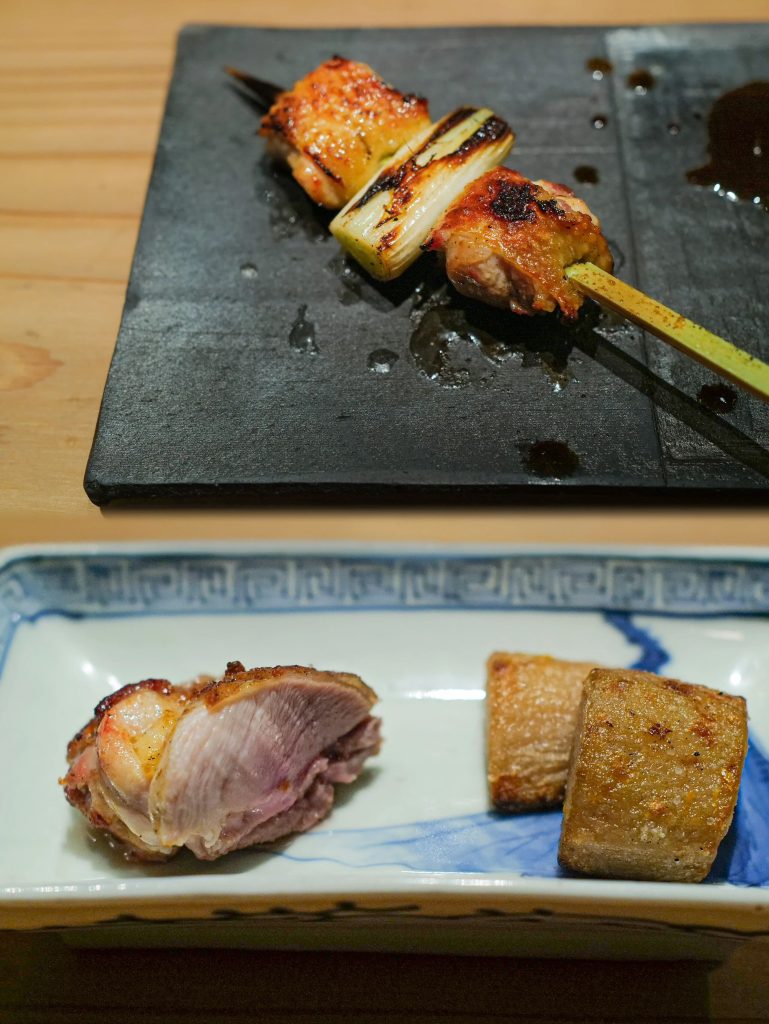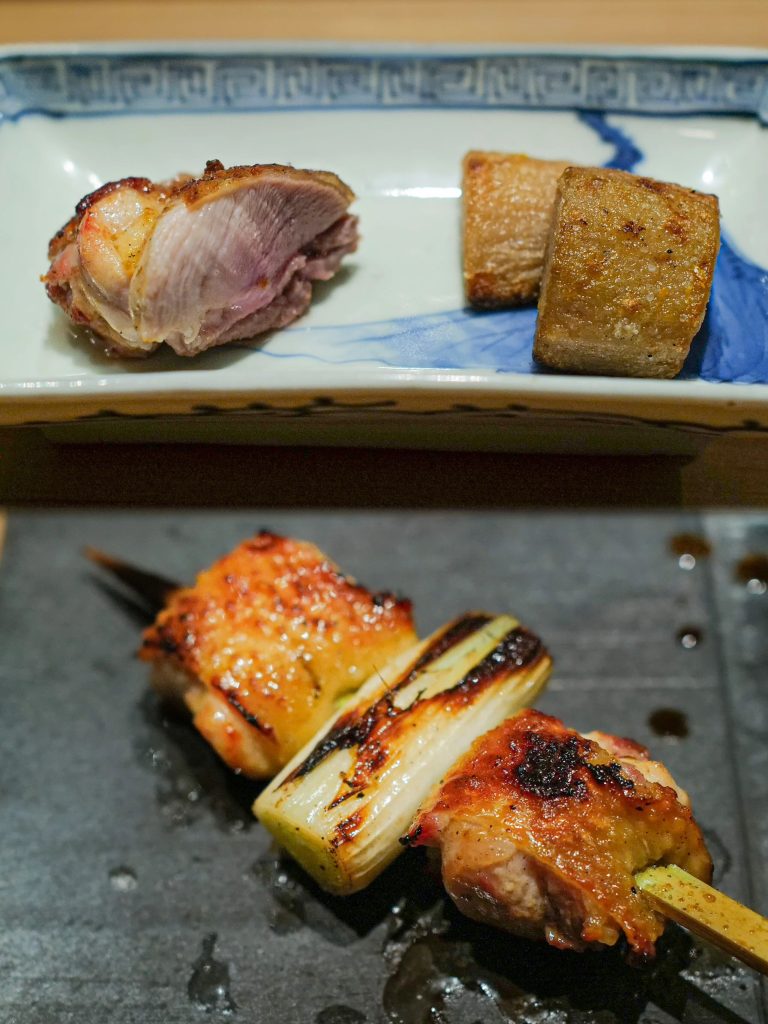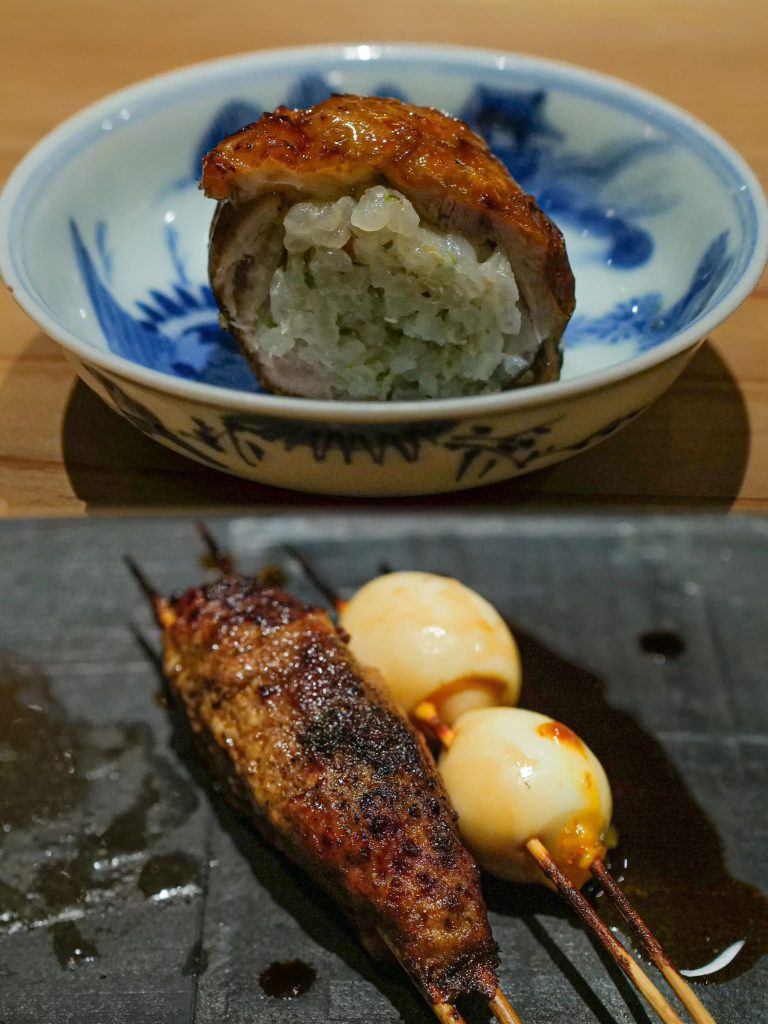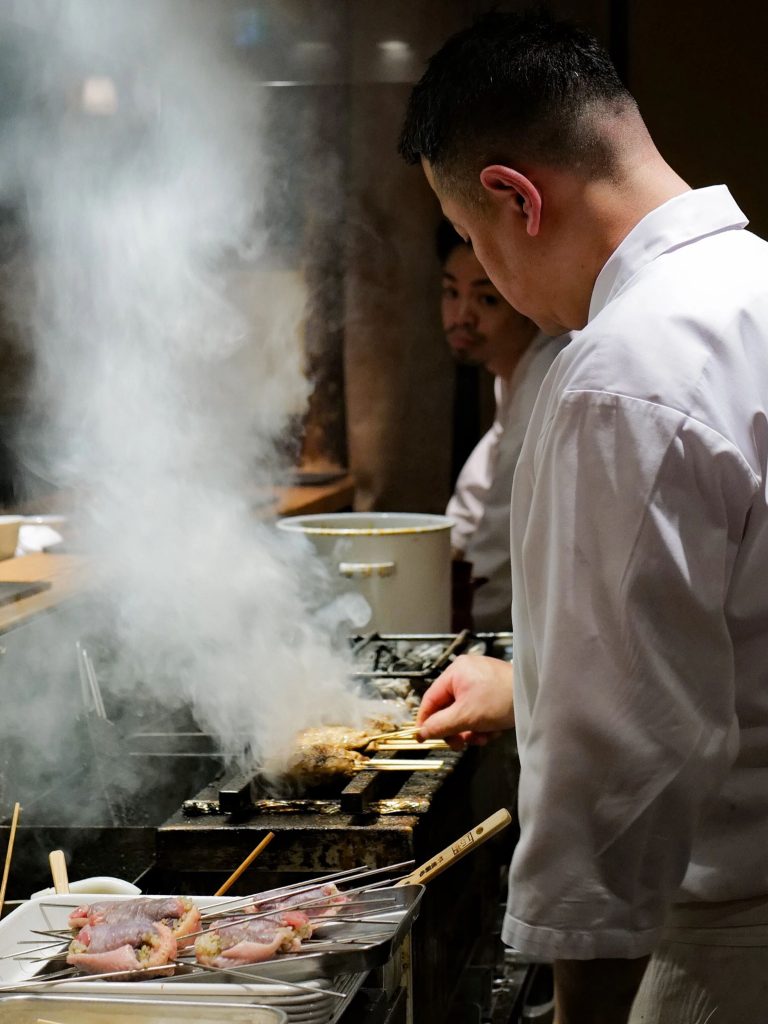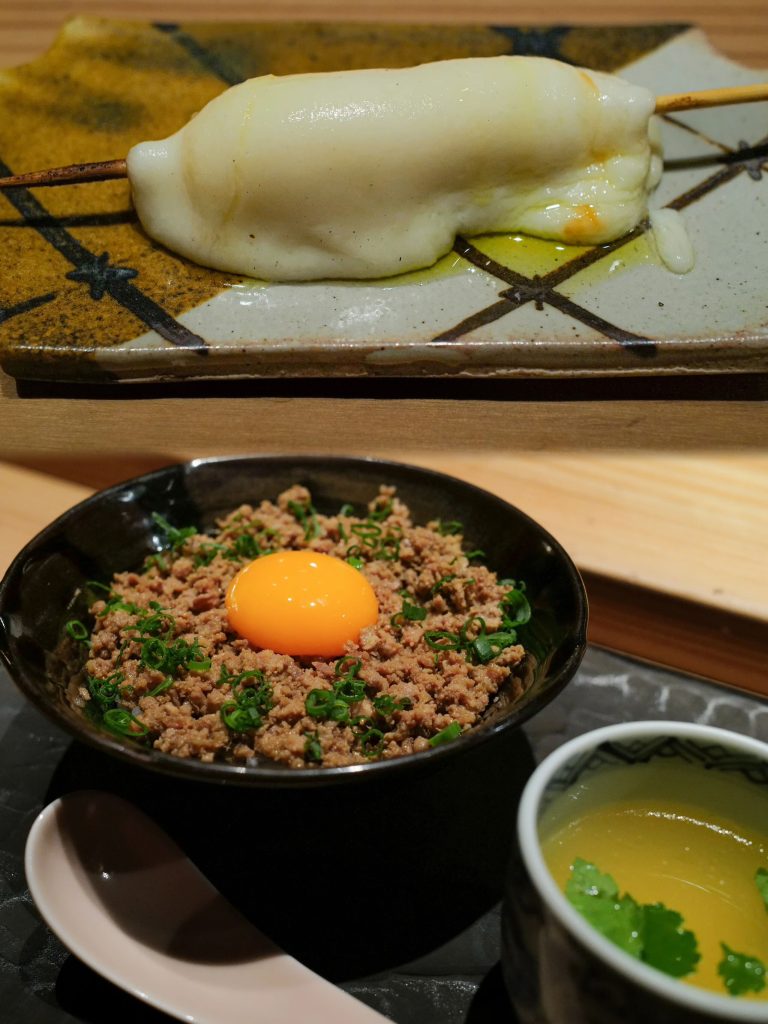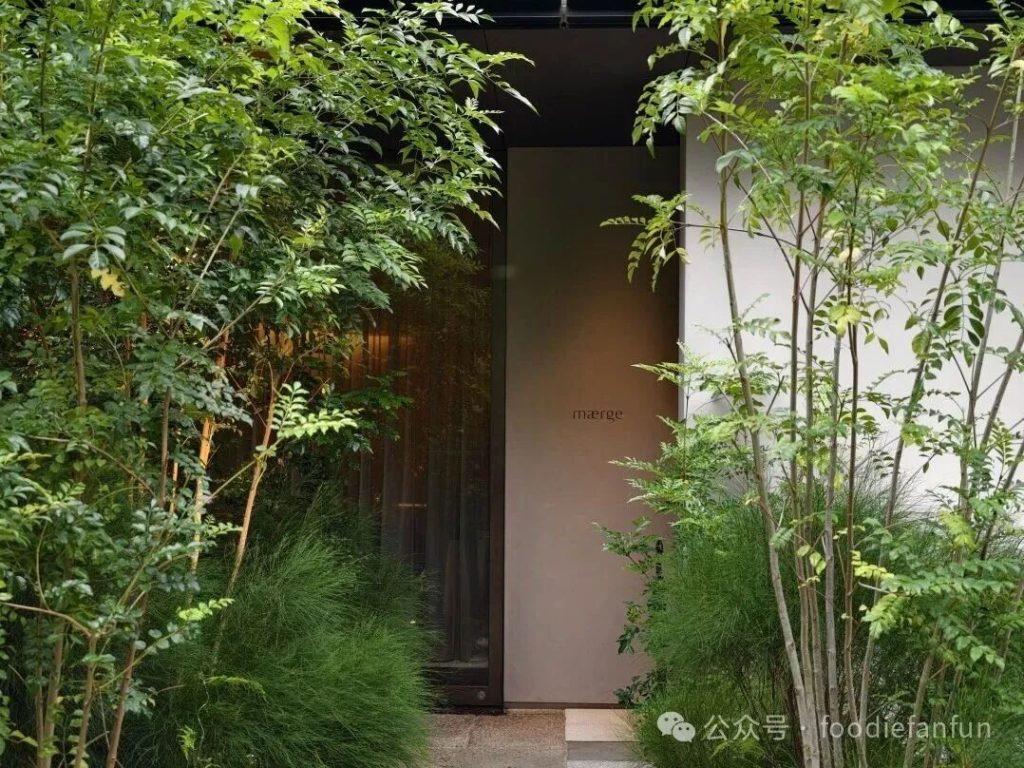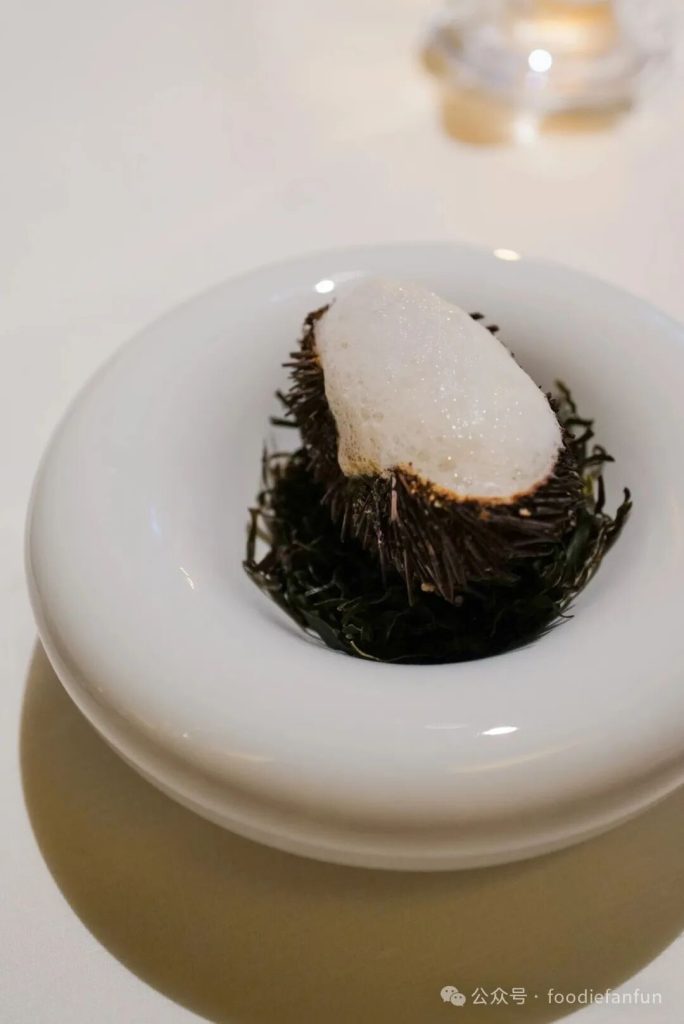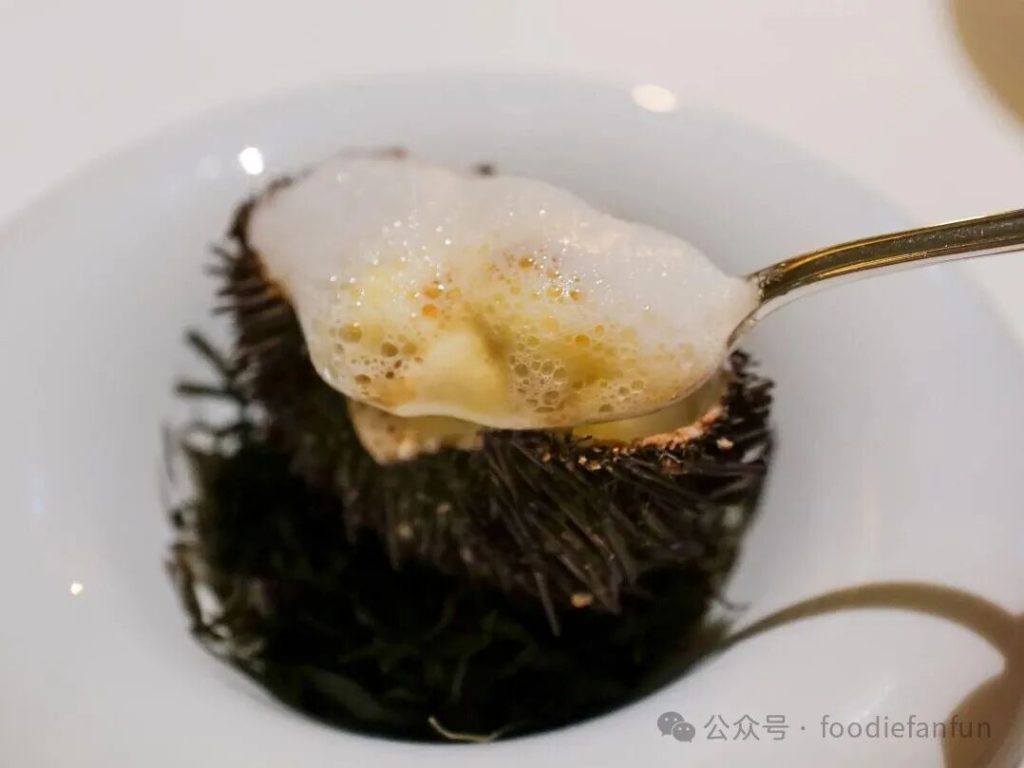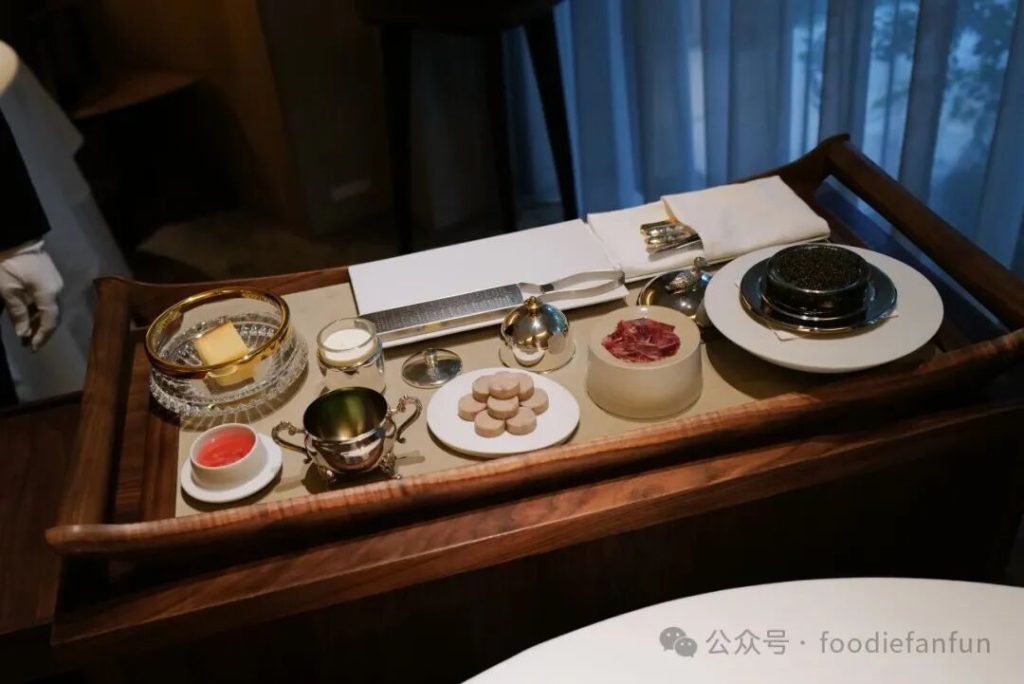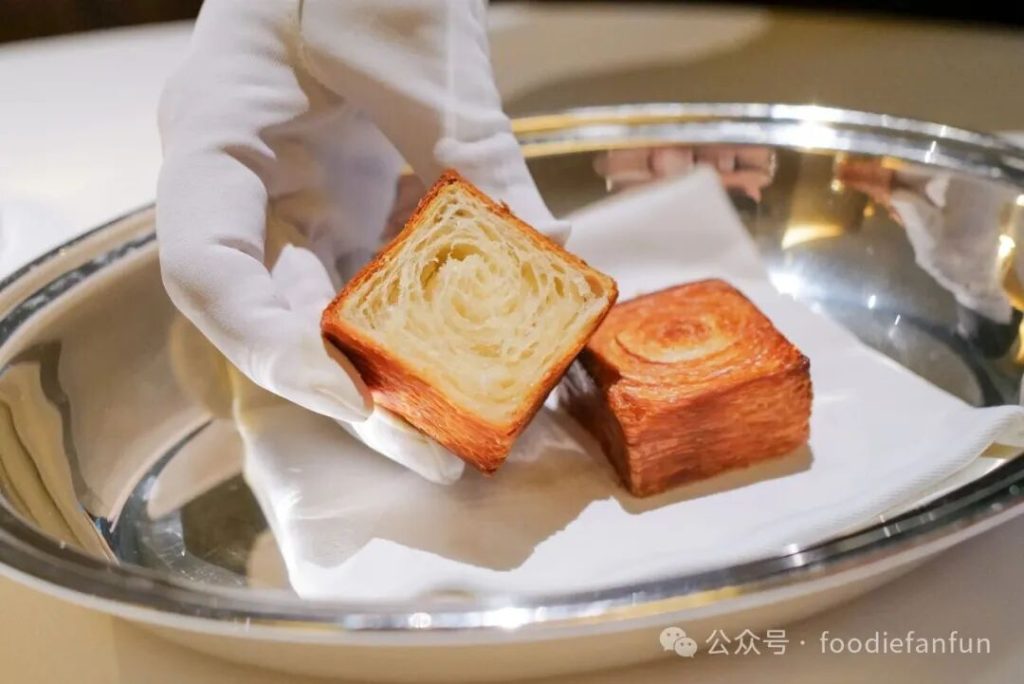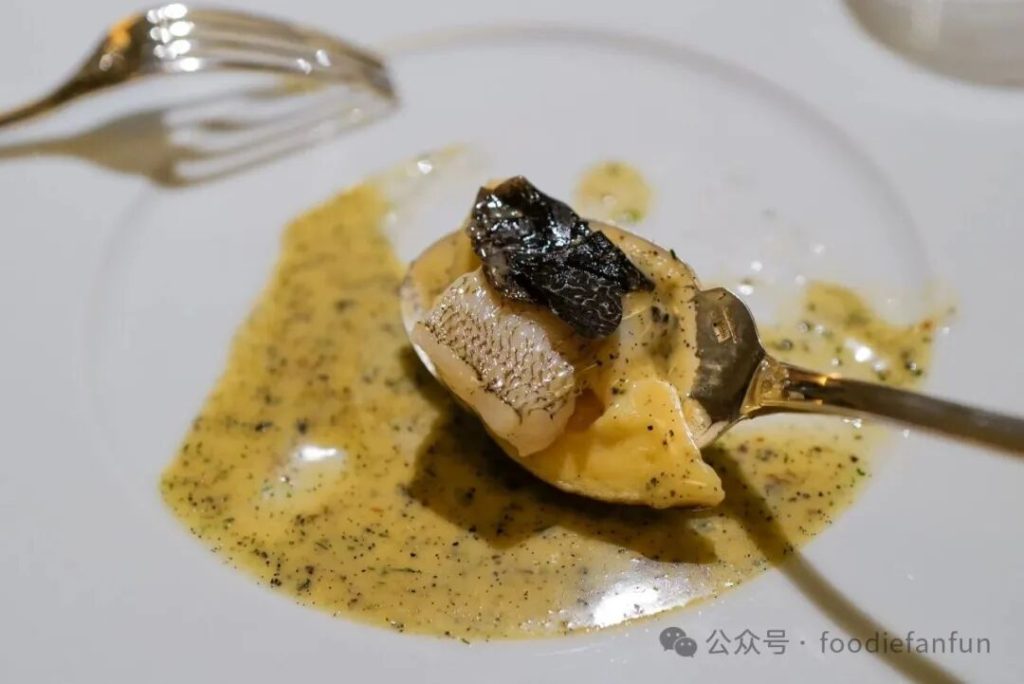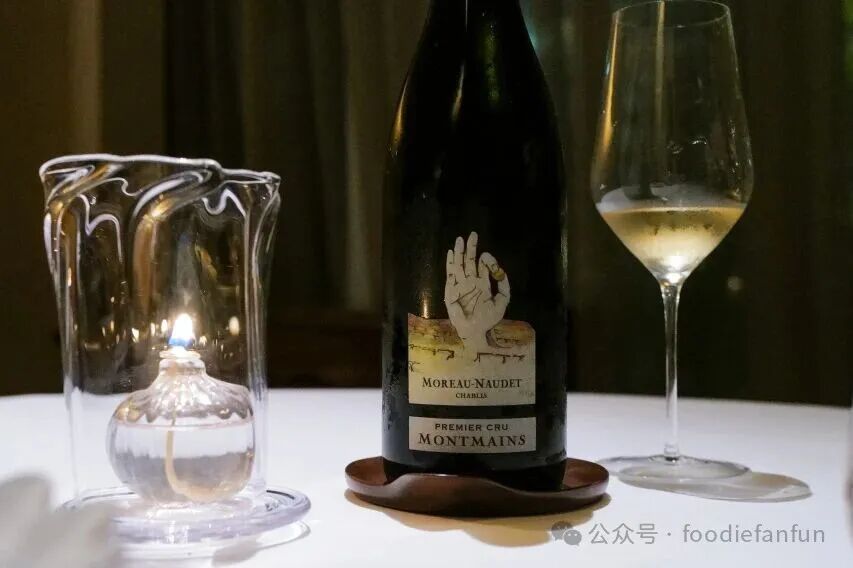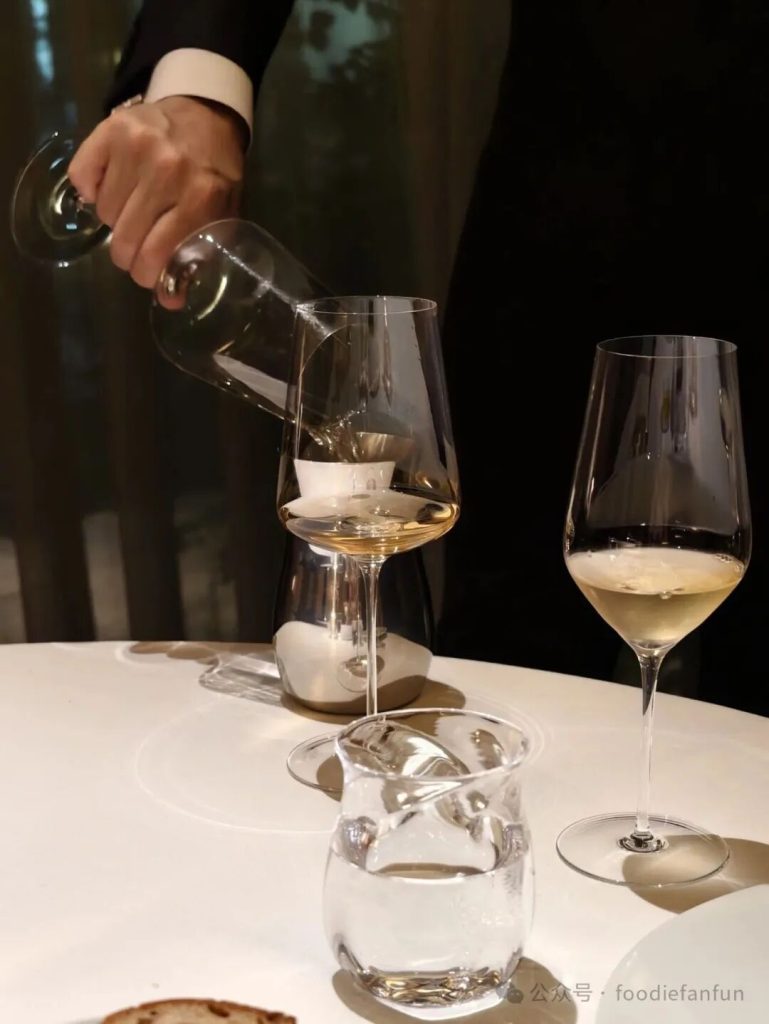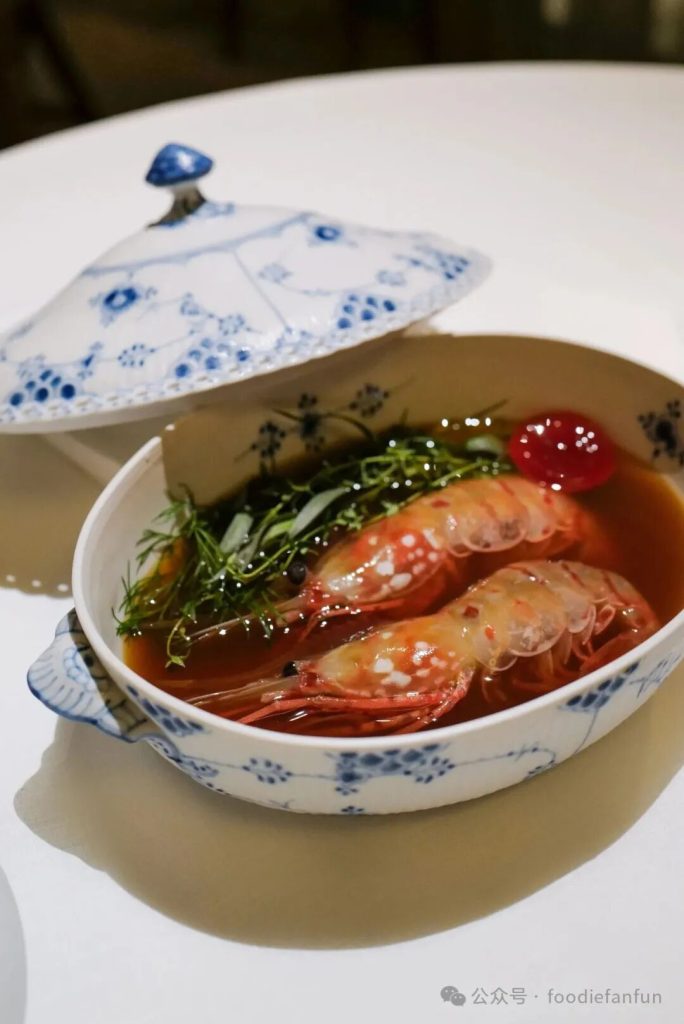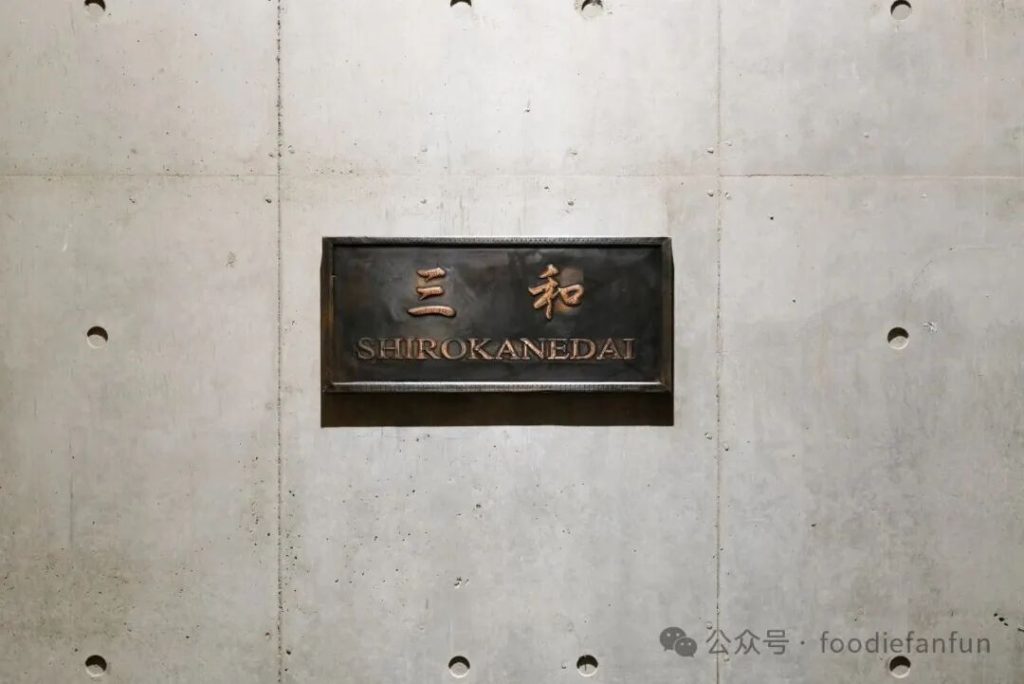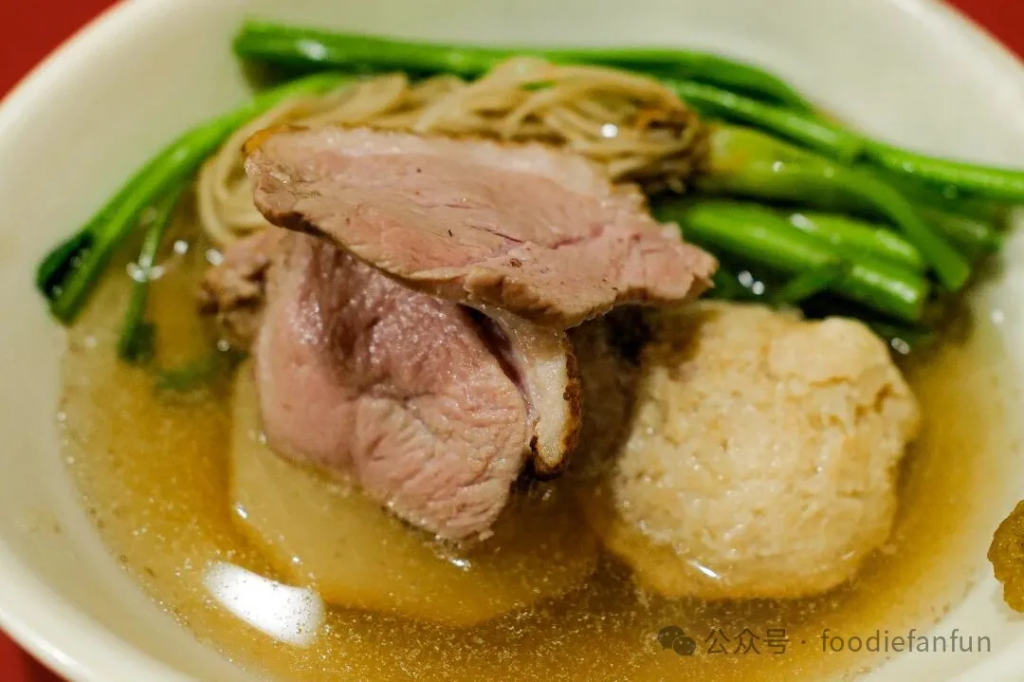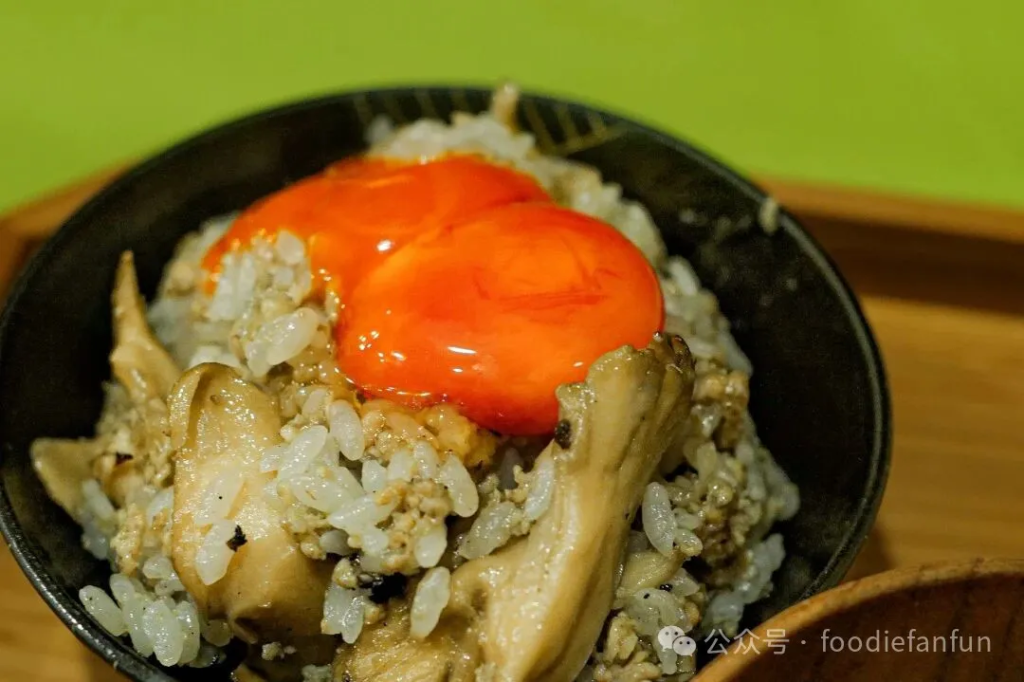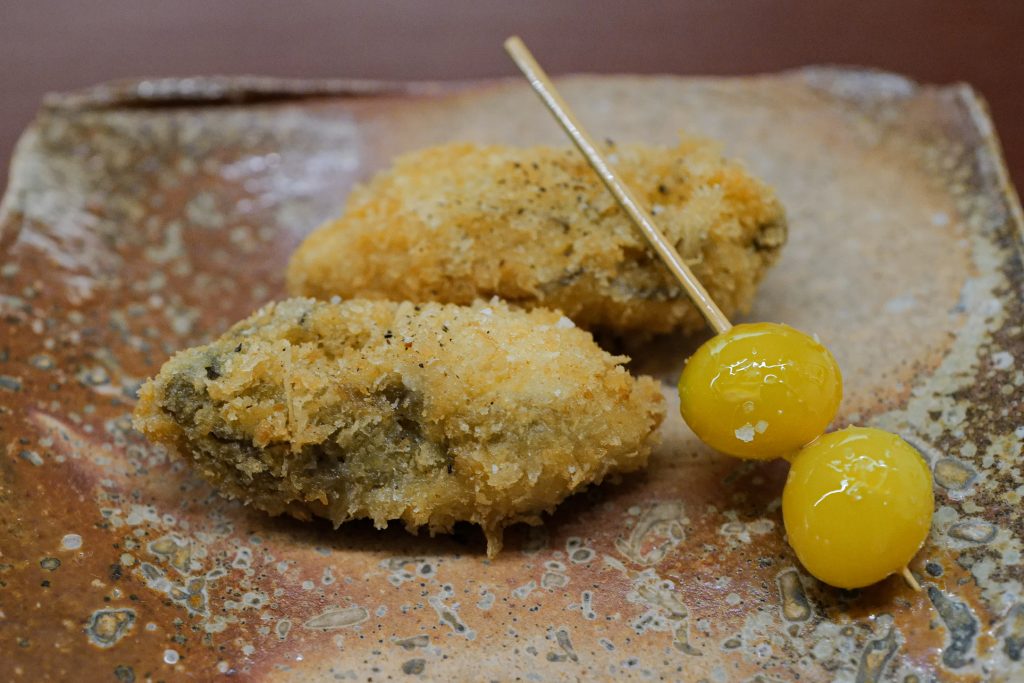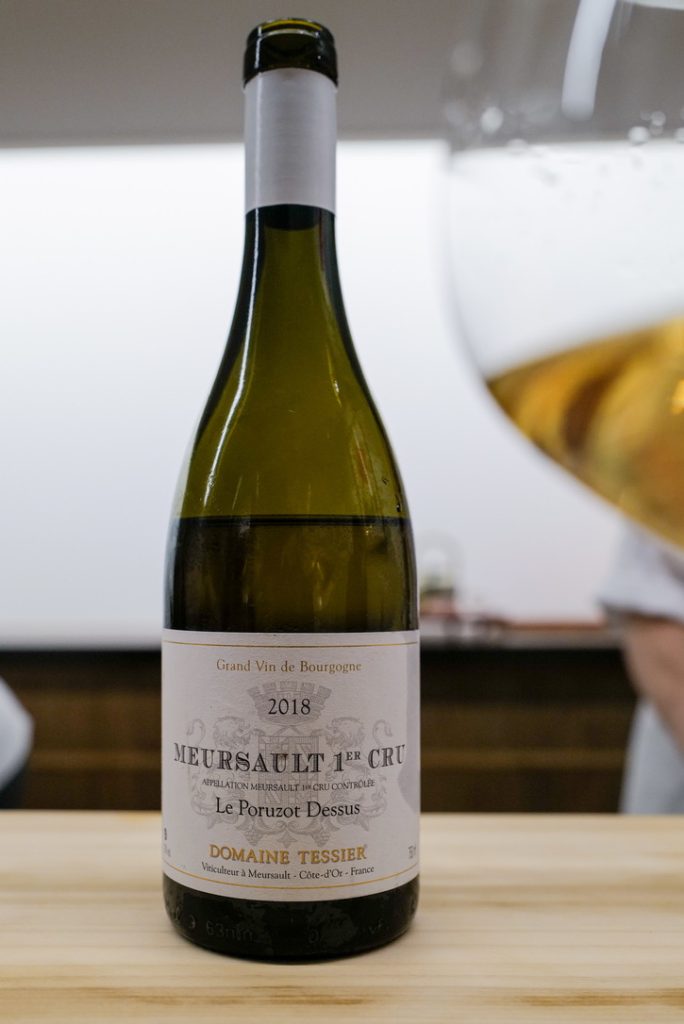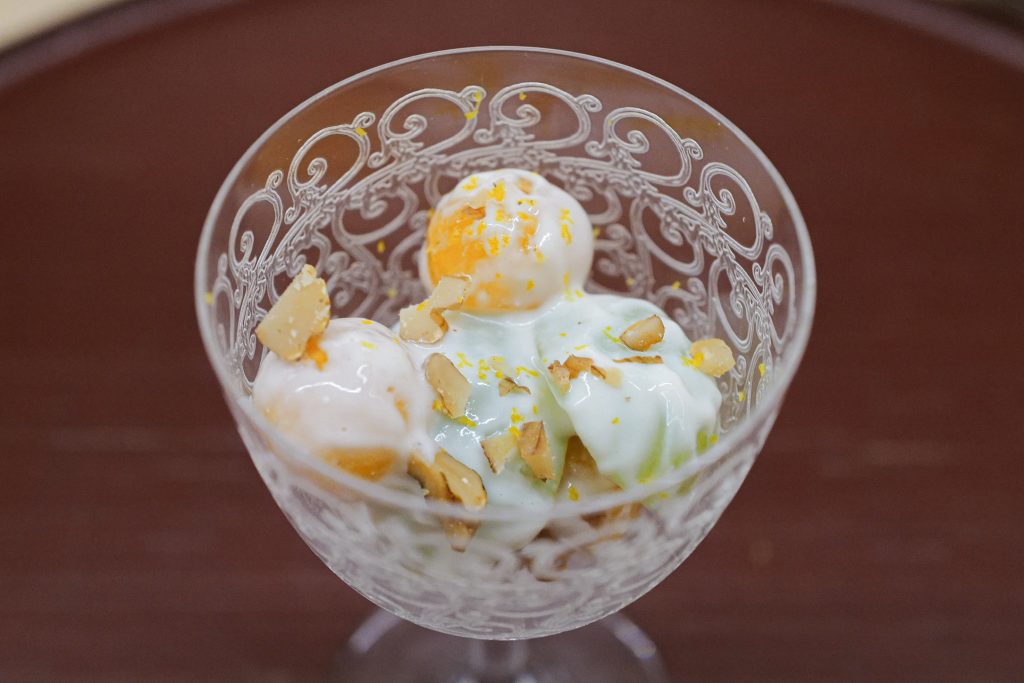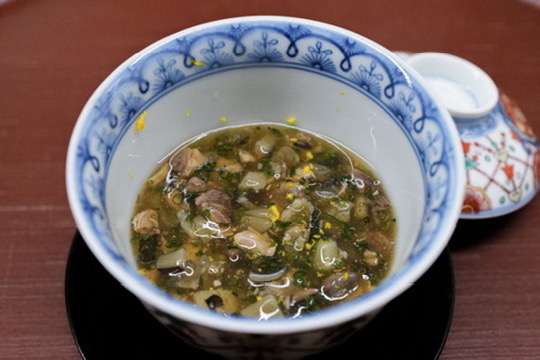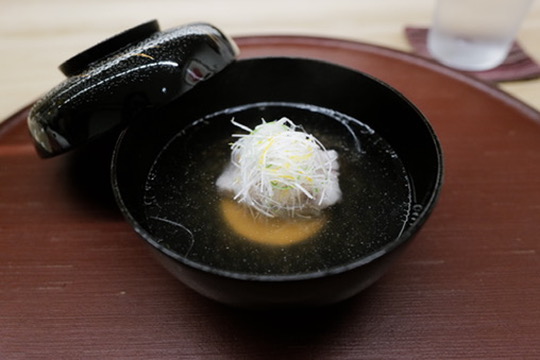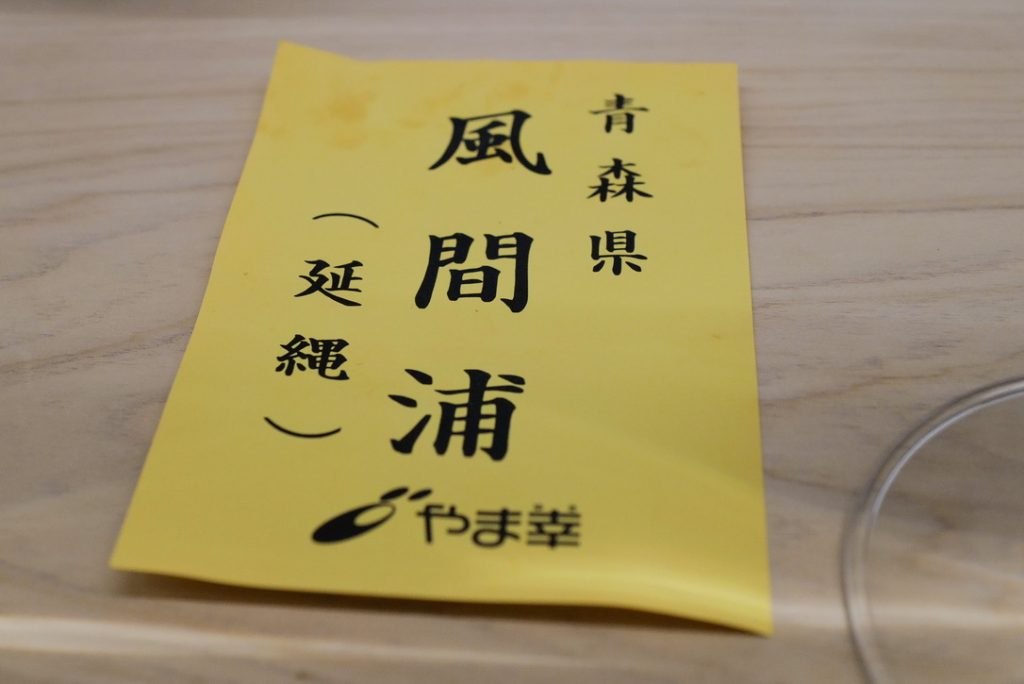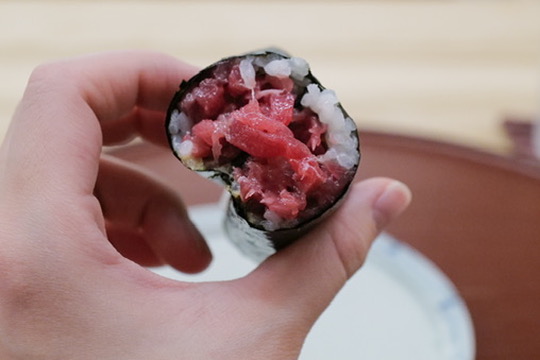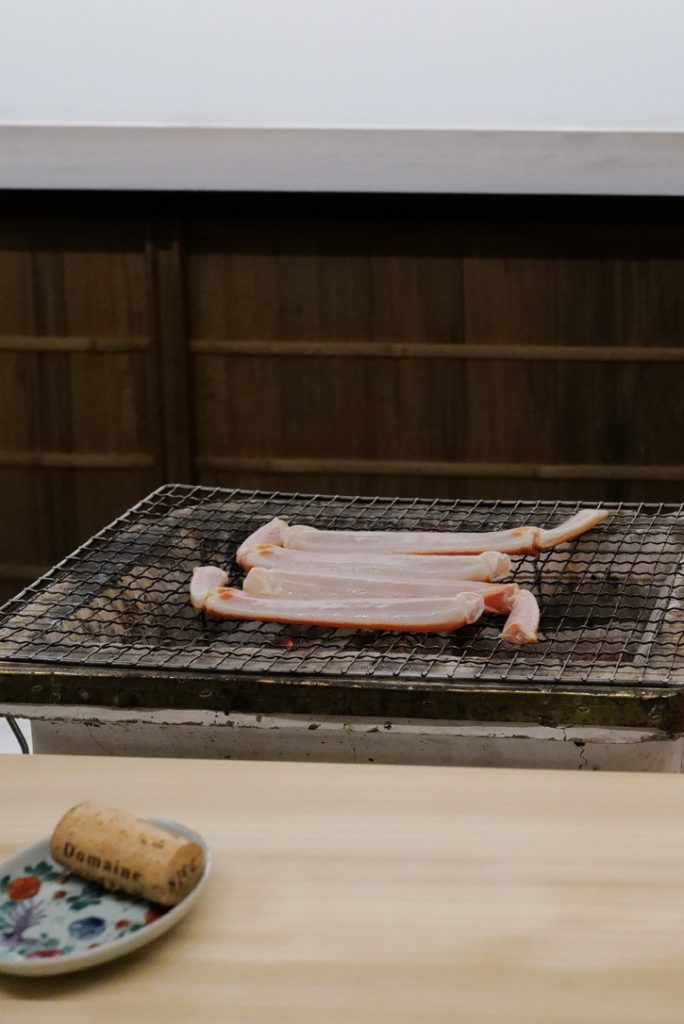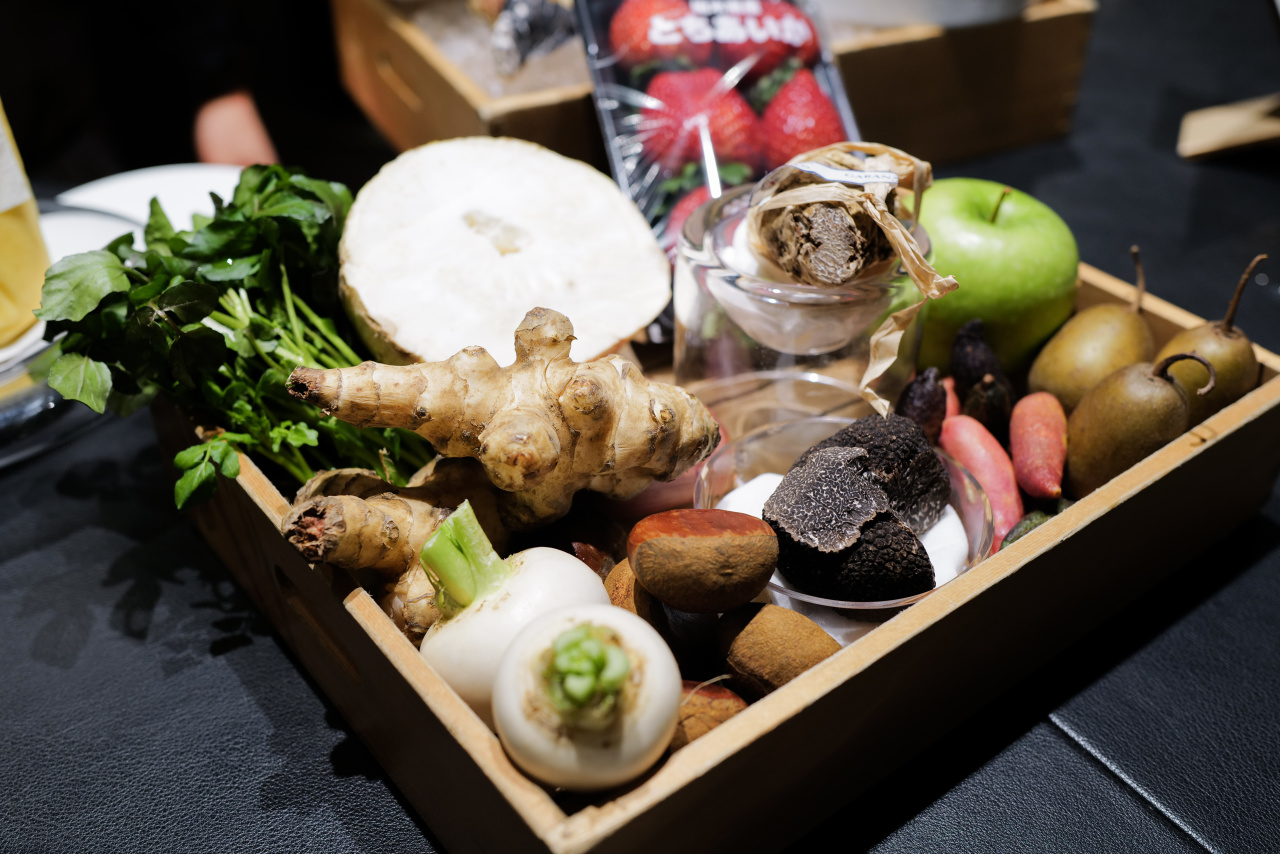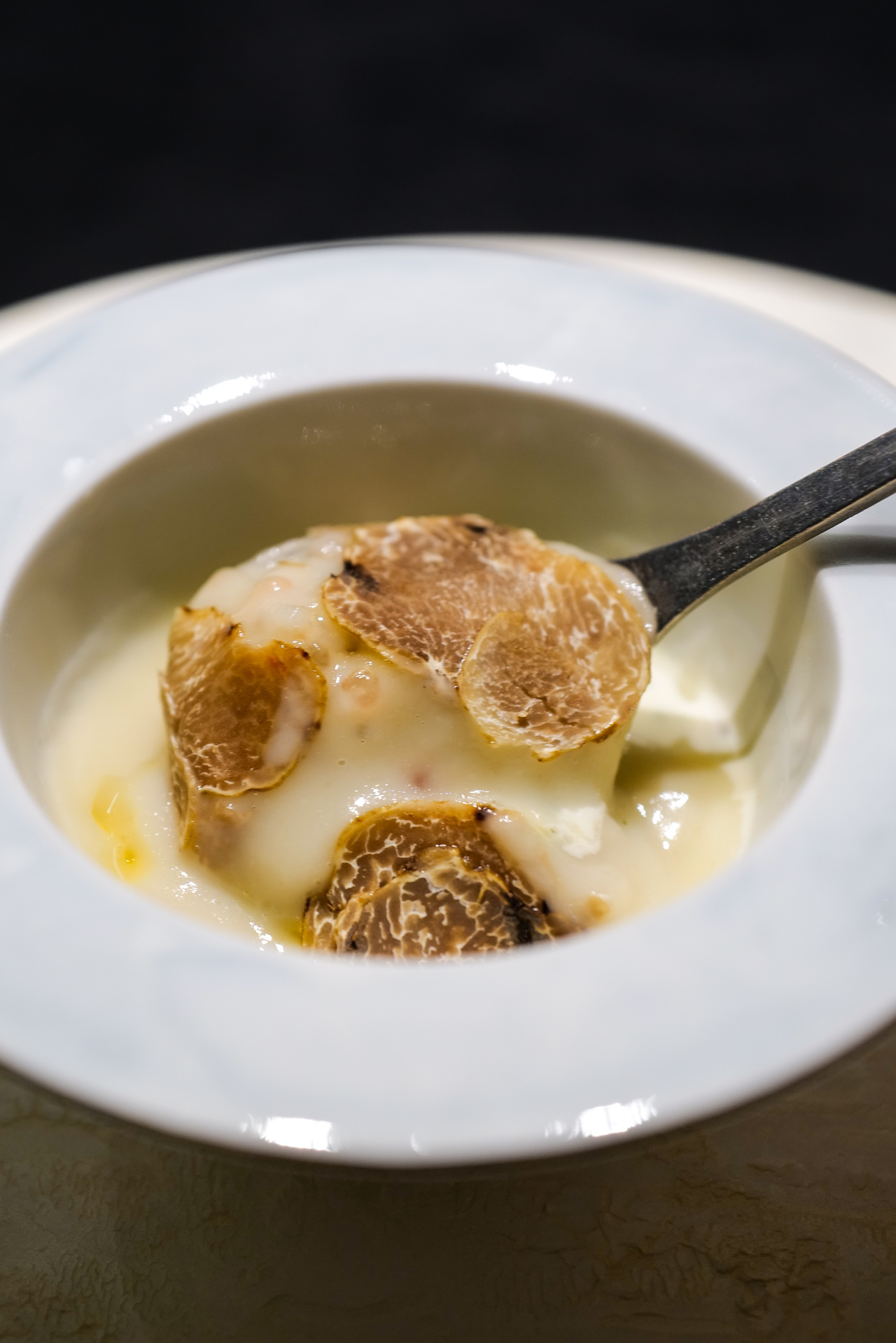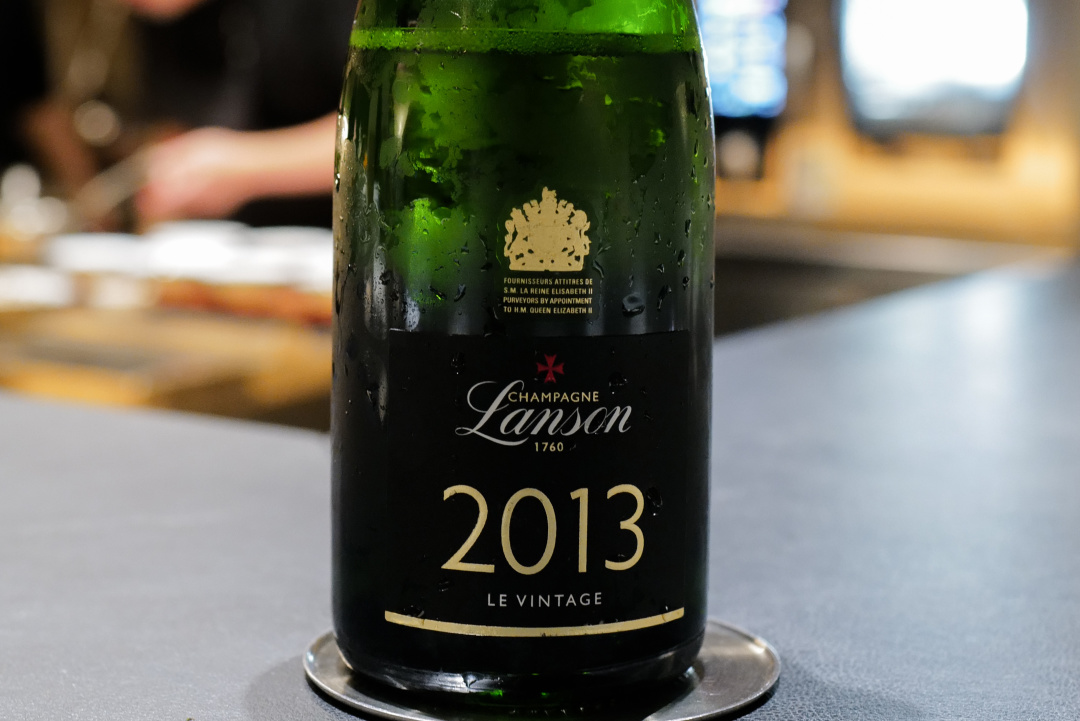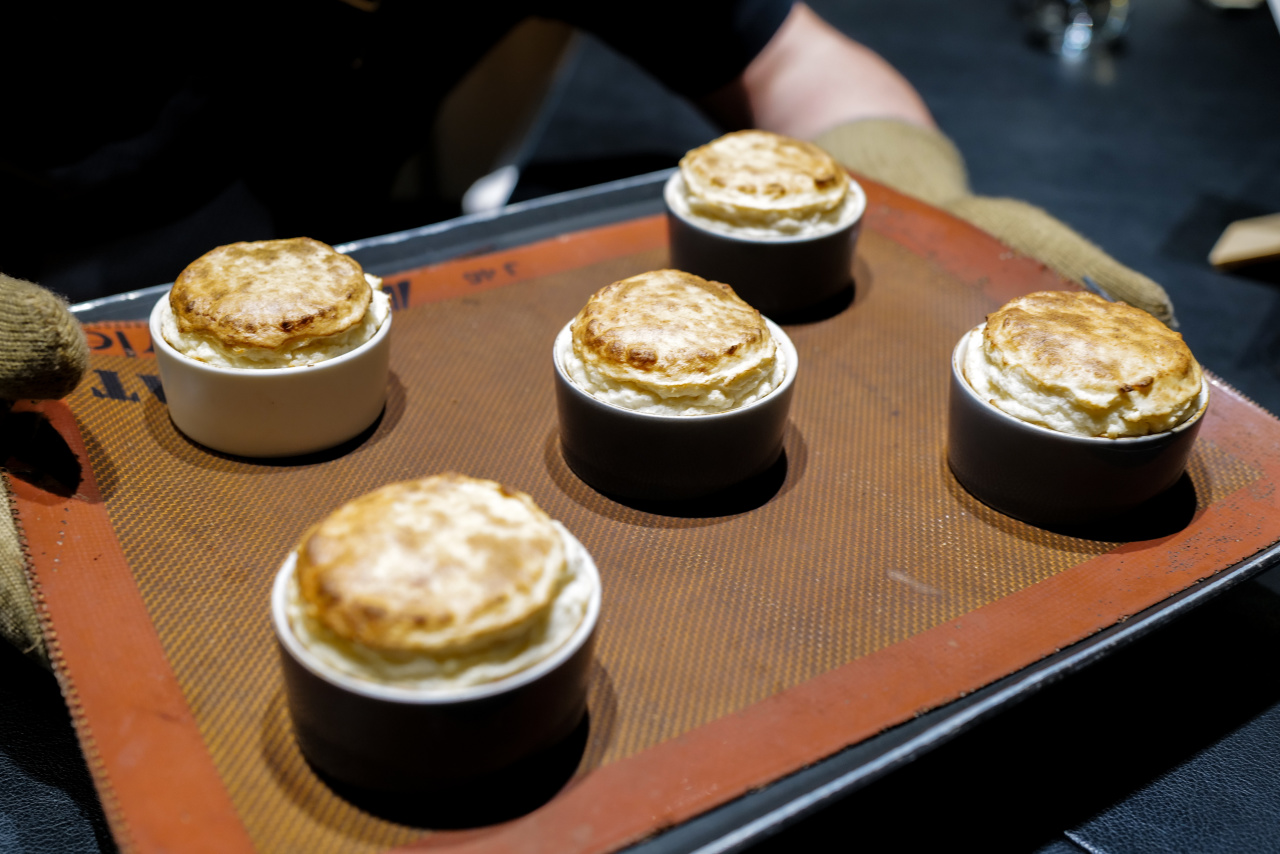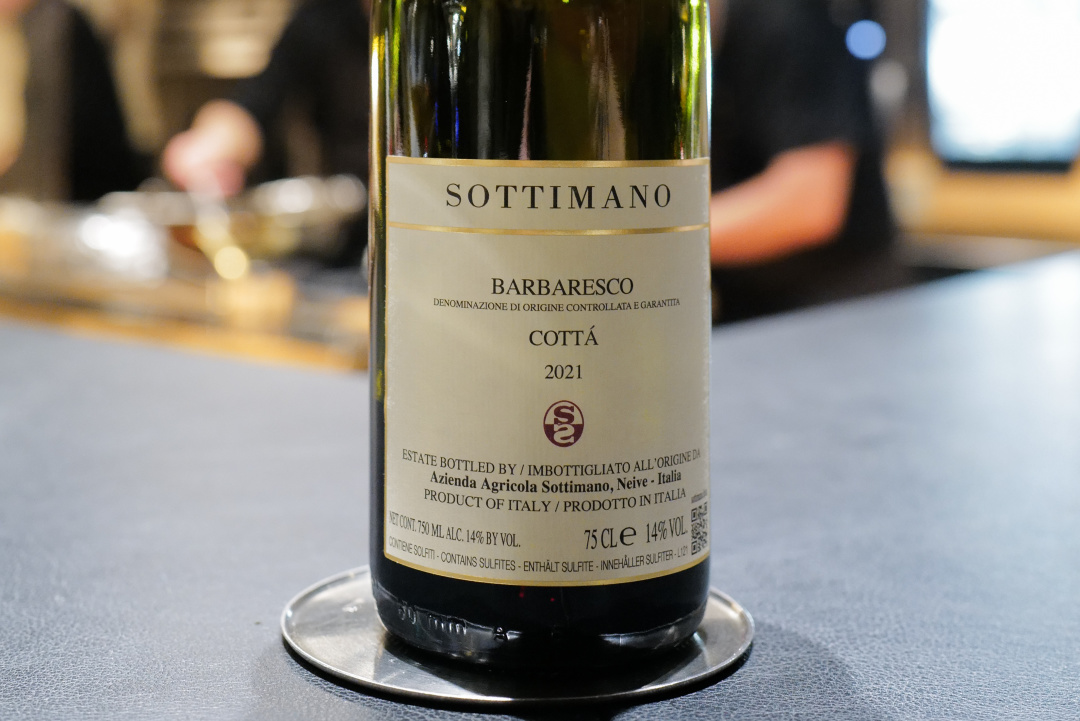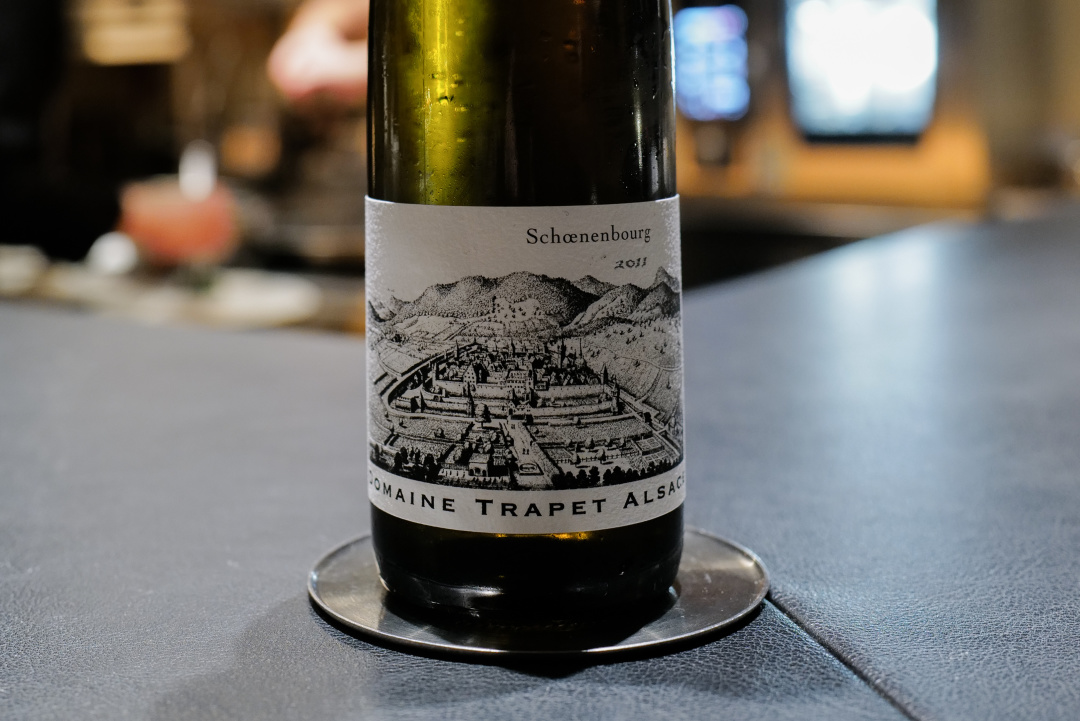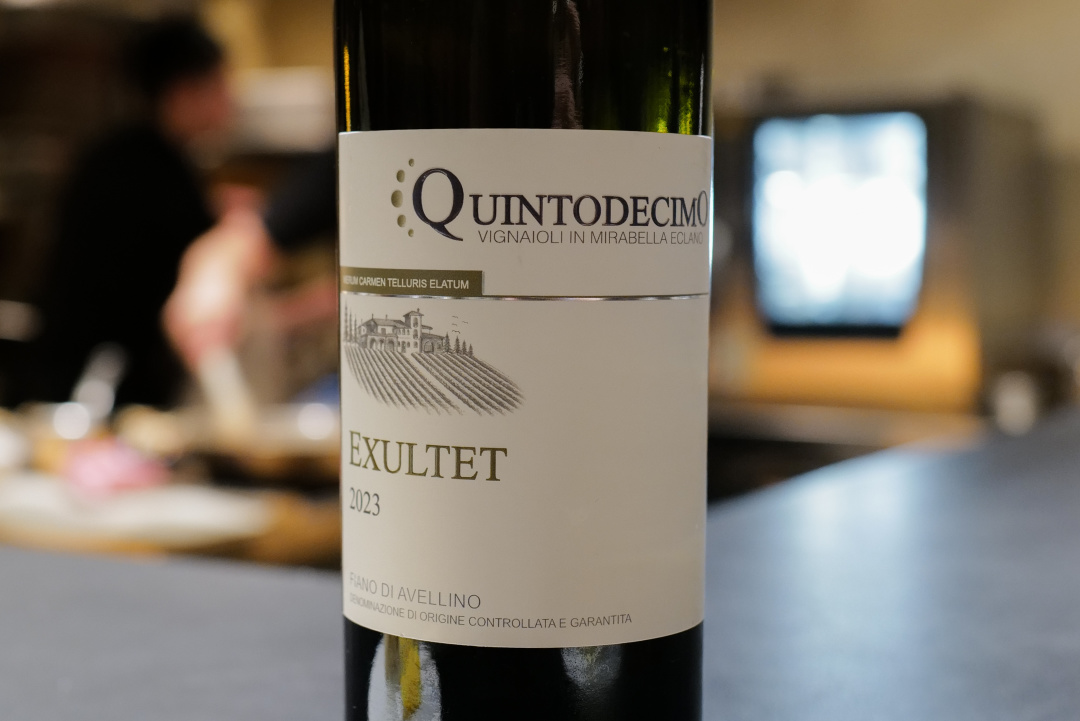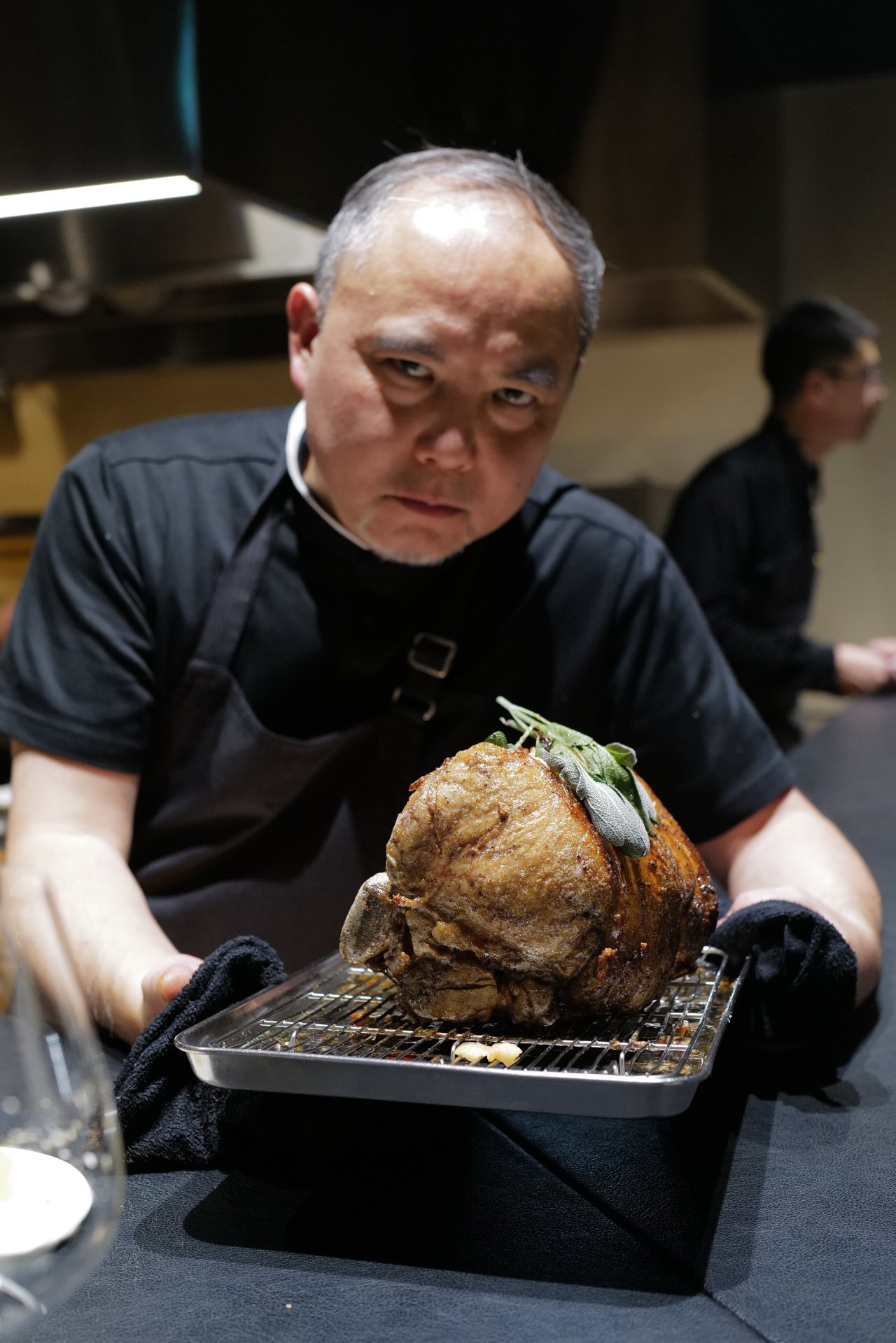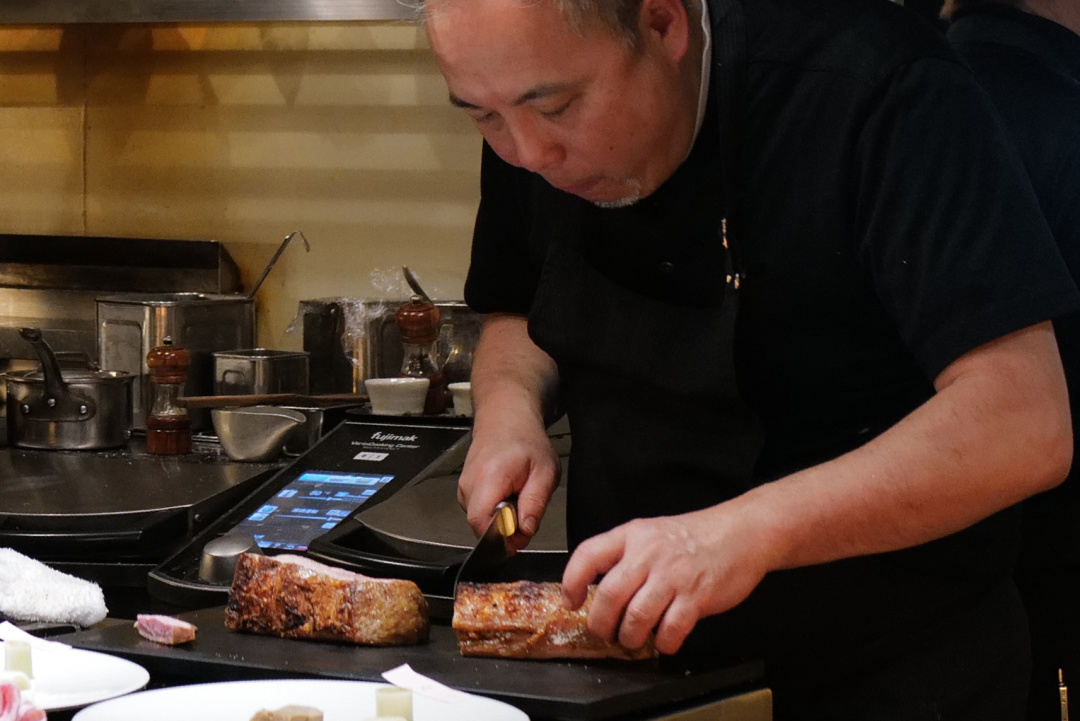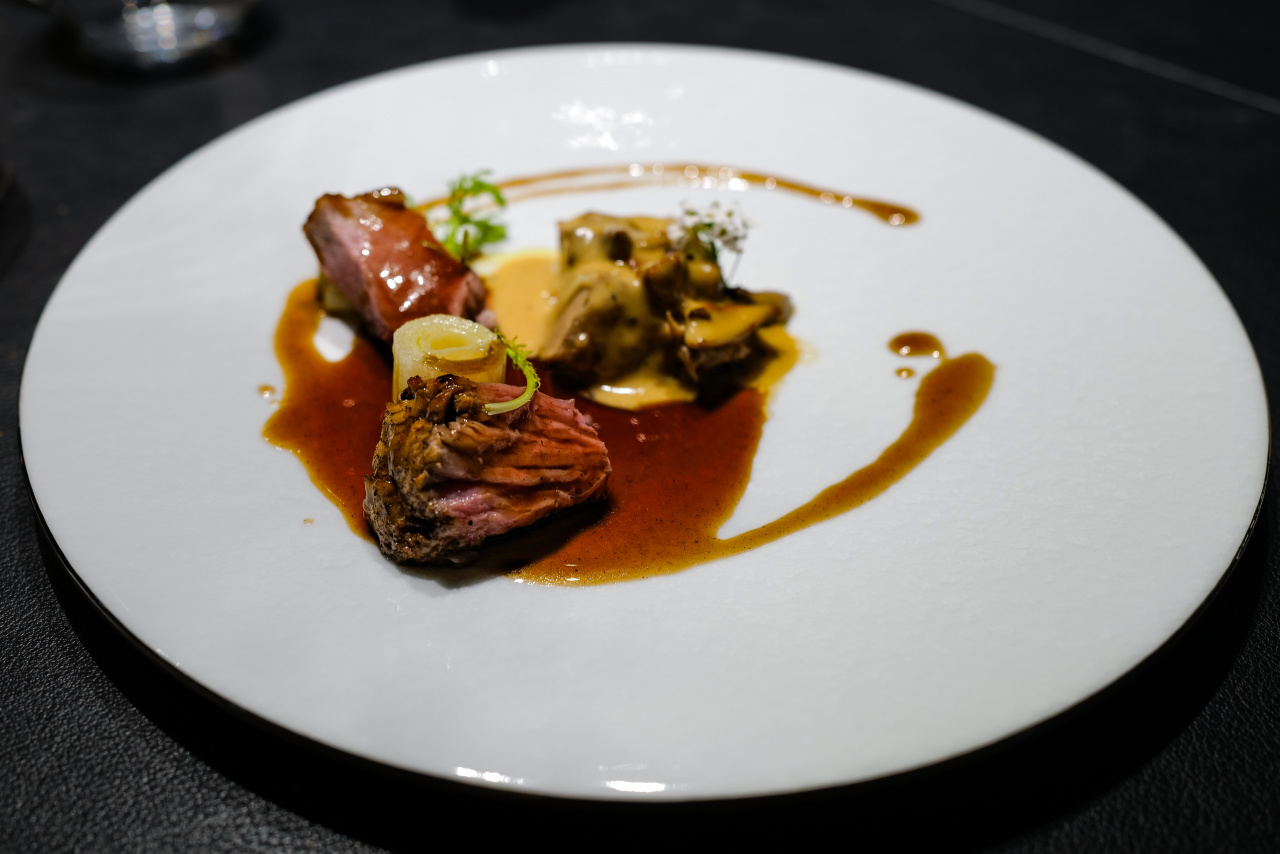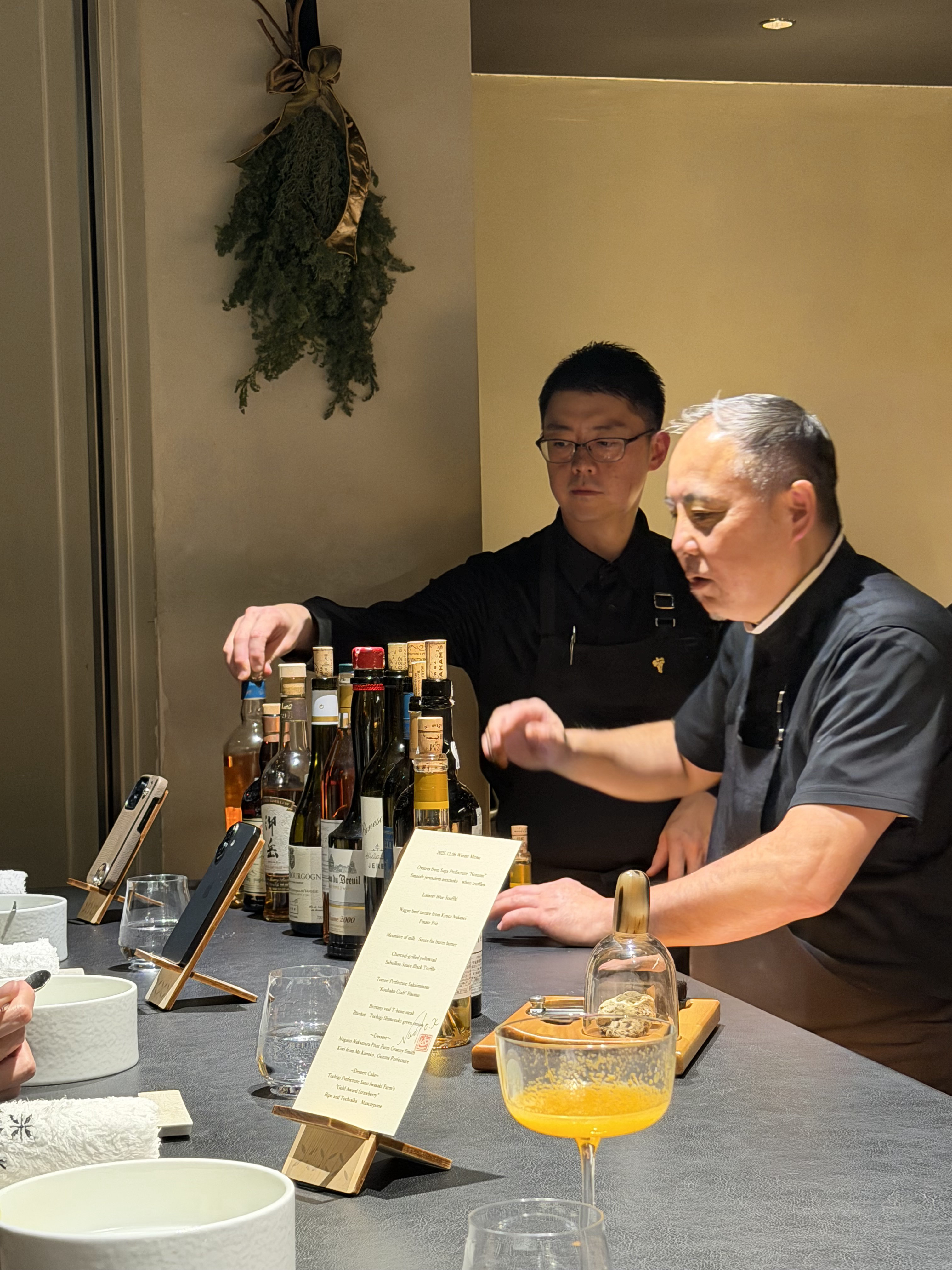
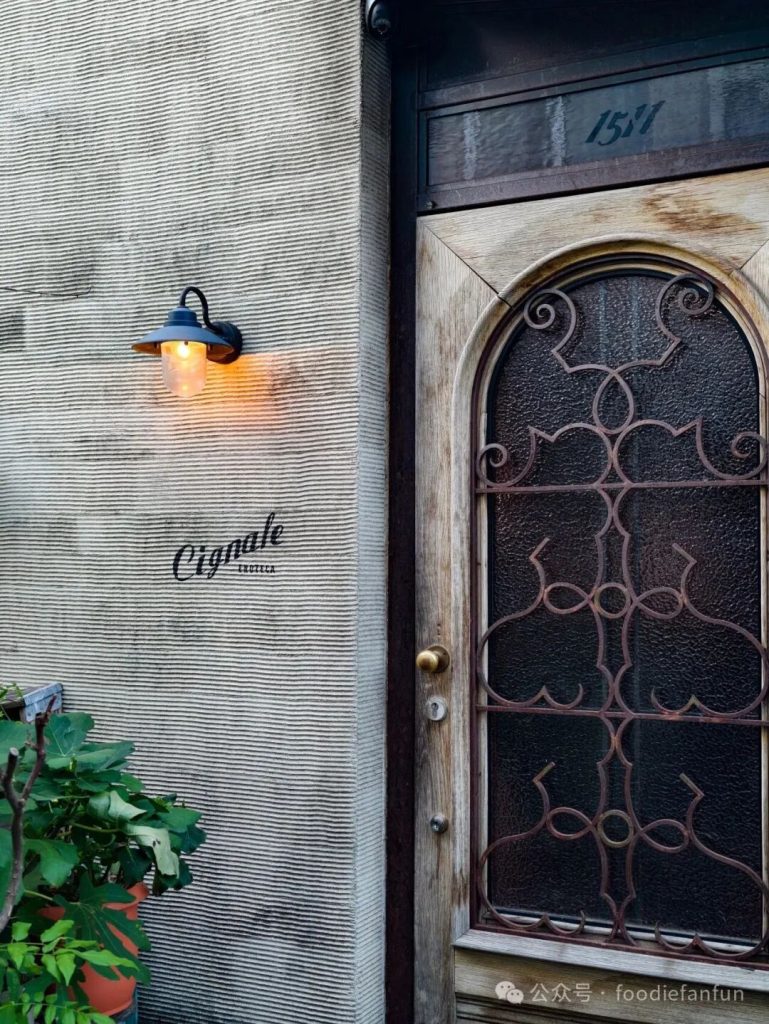
Justin Bieber’s favorite, Cignale ENOTECA, is one of Tokyo’s most representative Italian-meets-Japanese restaurants. The chef-owner is always on the floor, ingredients are top-tier, and a full meal with wine runs about ¥50,000 — reservations routinely book out six months in advance.
But don’t let the wait scare you off. What many people don’t know is that Cignale also runs two sister restaurants: PANEVIA and VINO & PANE. Both are considerably more affordable, and the cooking is every bit as good as the flagship everyone’s chasing.
This piece is built on a month of consecutive visits to all three, sorting out what actually separates them, how to book, and how to order.
Bottom line up front!
For a proper sit-down meal, I’d choose PANEVIA — the one with the strongest cooking presence. For a spontaneous drink-and-eat-well night with friends, VINO & PANE is the easy, high-capability pick.
As for Cignale ENOTECA, the ingredients are the best of the three and it’s absolutely worth experiencing — you’ll just need to keep an eye on last-minute openings via Instagram, and the price runs roughly triple the other two.
Ranking the flagship last in my personal recommendation isn’t only about price and difficulty booking.
All three Cignale restaurants actually share the same team — chefs and service staff rotate between locations, and the menus shift together with the seasons. What really separates them is space, price, and how you order — the positioning of each is, frankly, very clearly drawn.
All three restaurants share one clear throughline: cooking Japan’s seasonal fish, meat, and vegetables the Italian way, honestly and deliciously. Ingredients piled generously into their dishes, freshly baked dough, hand-cut pasta — that sense of cooking happening right in front of you, tuned to the season, is the throughline the whole Cignale group has built together.
✦
•
✦
🤵 Cignale ENOTECA
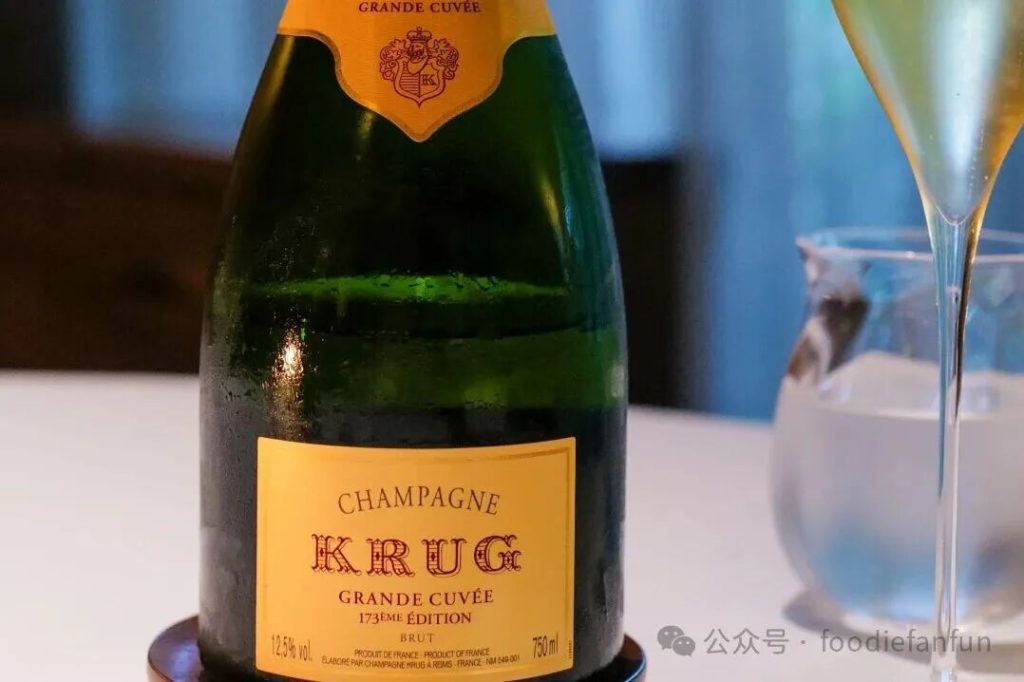
💰 Course ¥35,000 +10% +🥂
🍷 ★★★★☆
🍴 ★★★☆☆
Reservations: fully booked through end of 2026; easiest route is DMing on Instagram for last-minute cancellations.
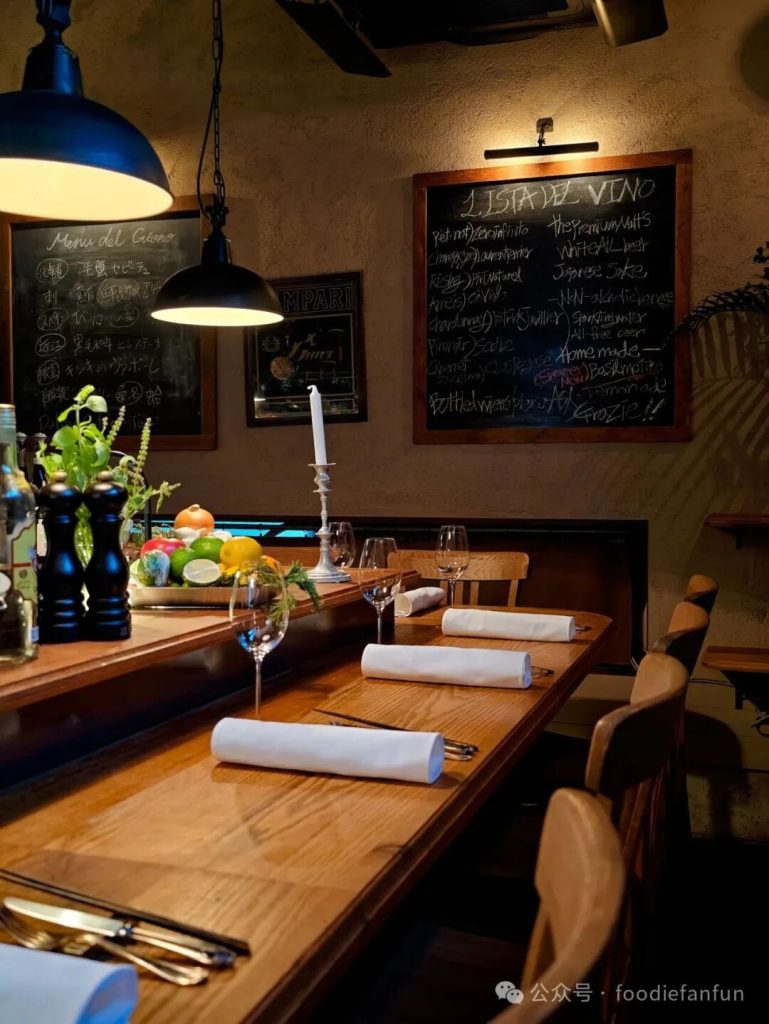
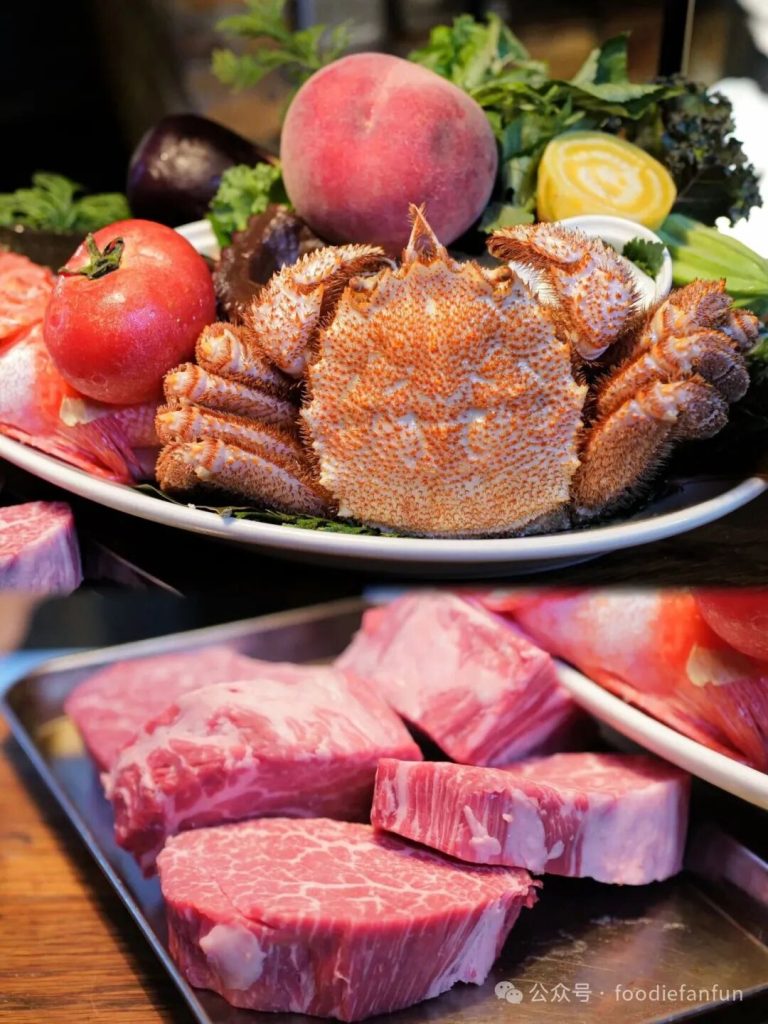
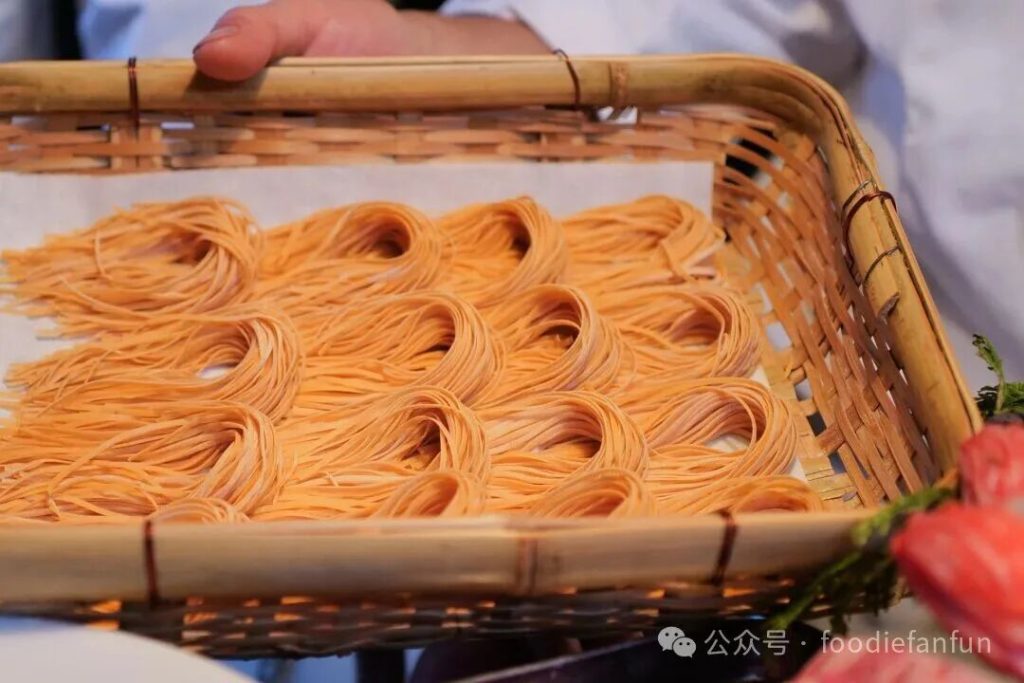
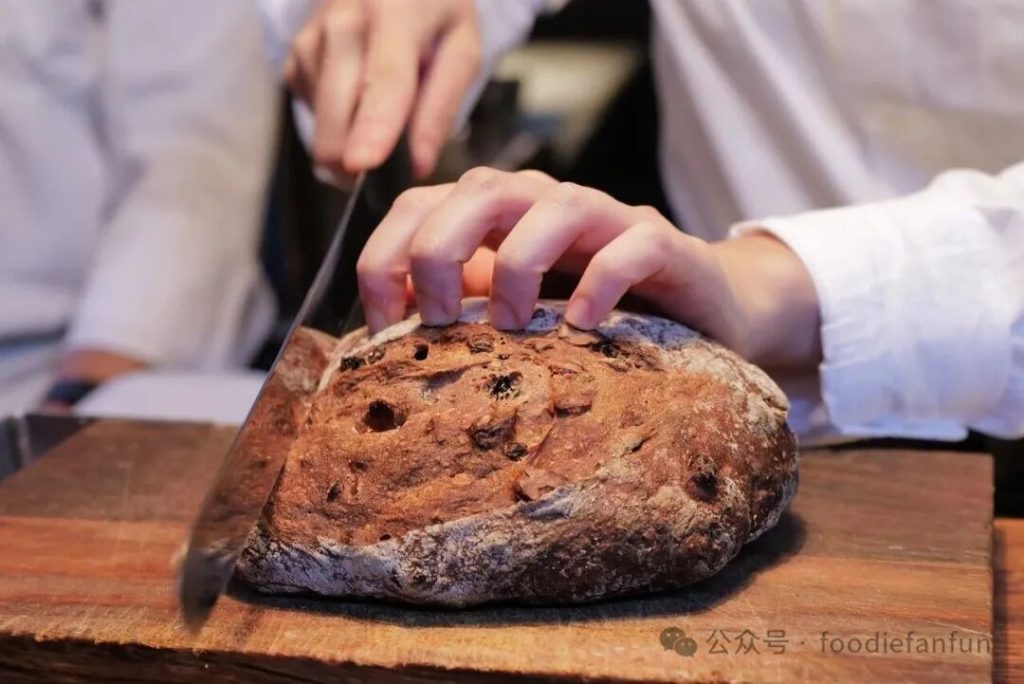
This is the real deal — the one Bieber name-drops.
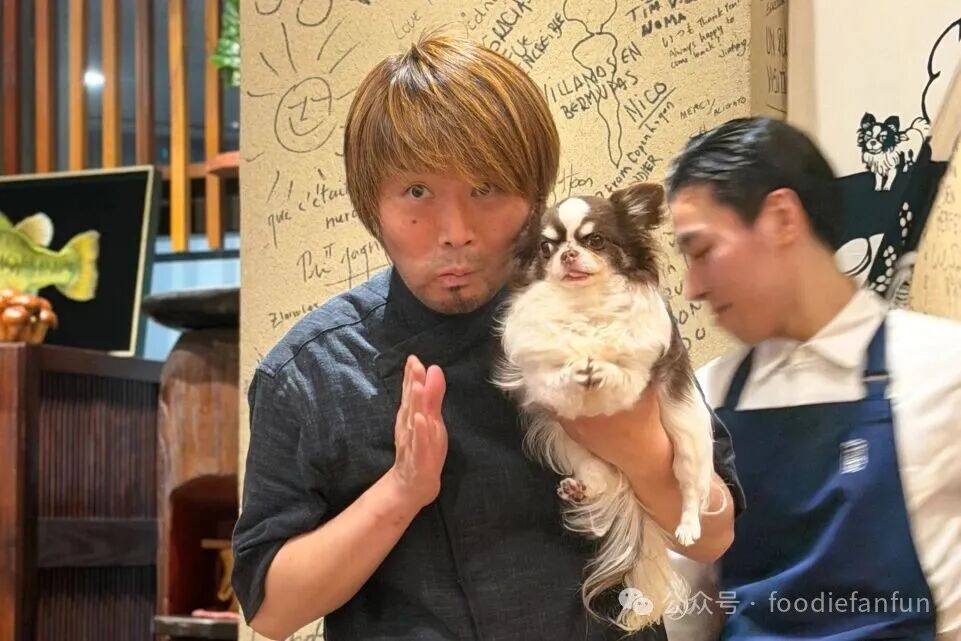
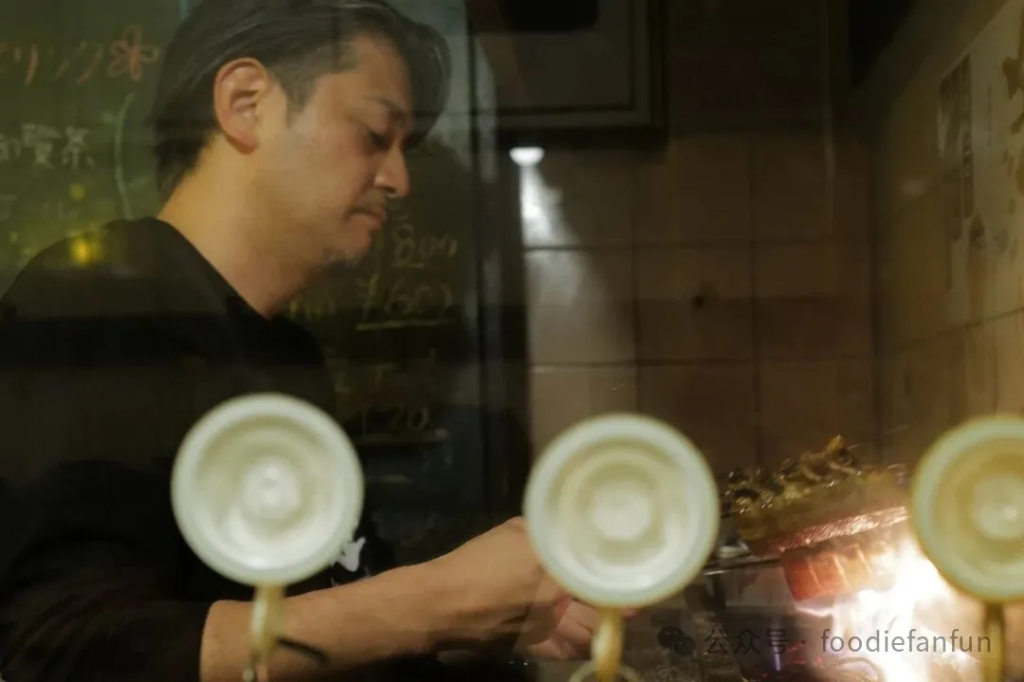
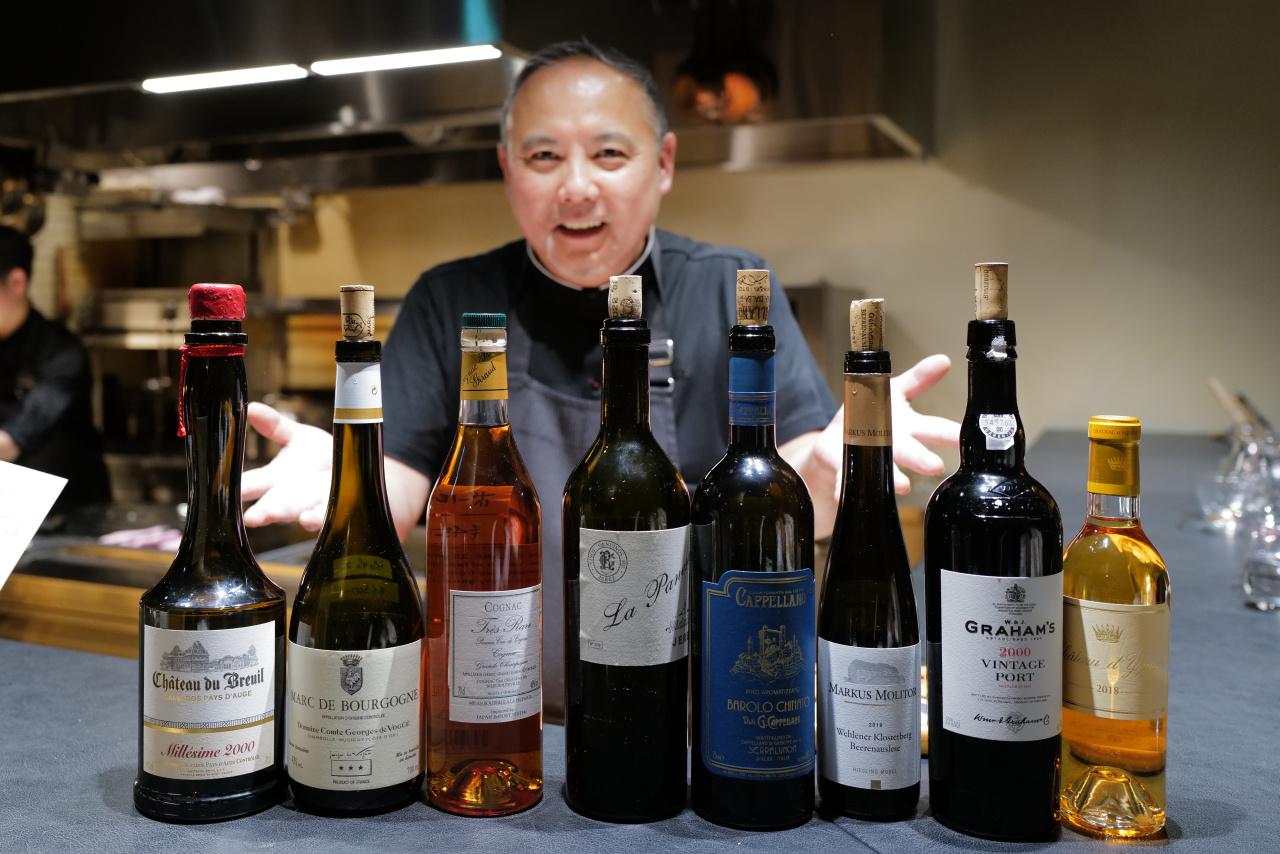
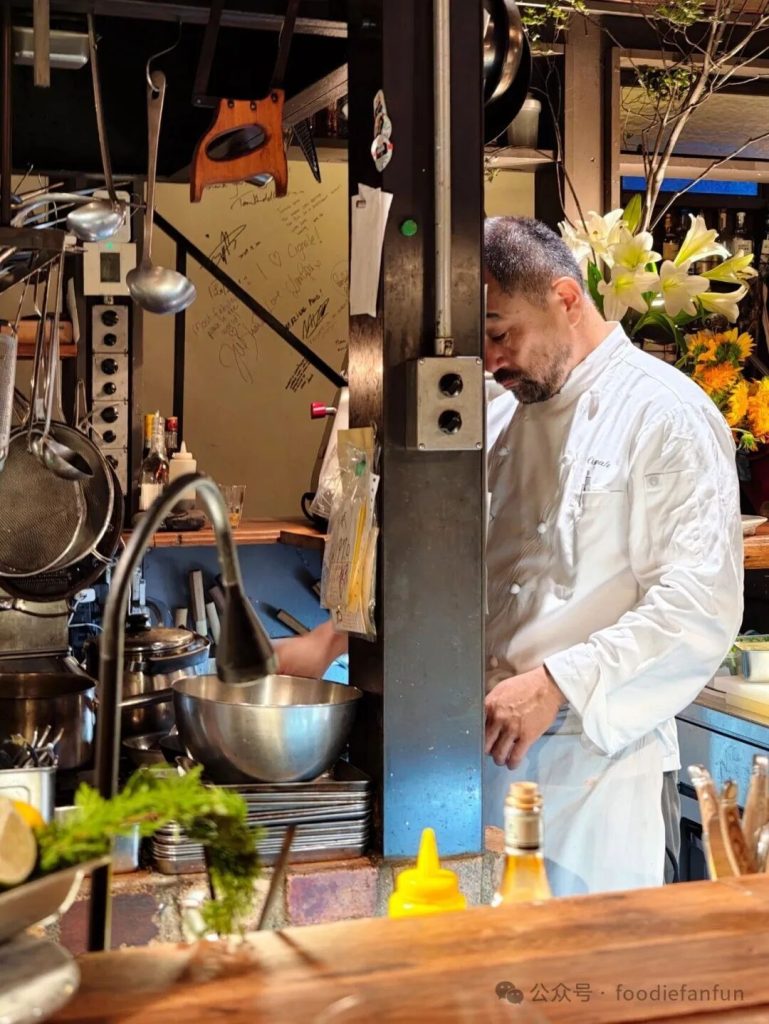
The chef-owner is on the floor in person, ingredients are top-shelf, technique is solid, and the cellar is deep enough. The chef himself has described his style as “putting an Italian filter over Japanese ingredients.” At the flagship, that translates into a mature, fully-realized answer to Japanese-Italian cooking.
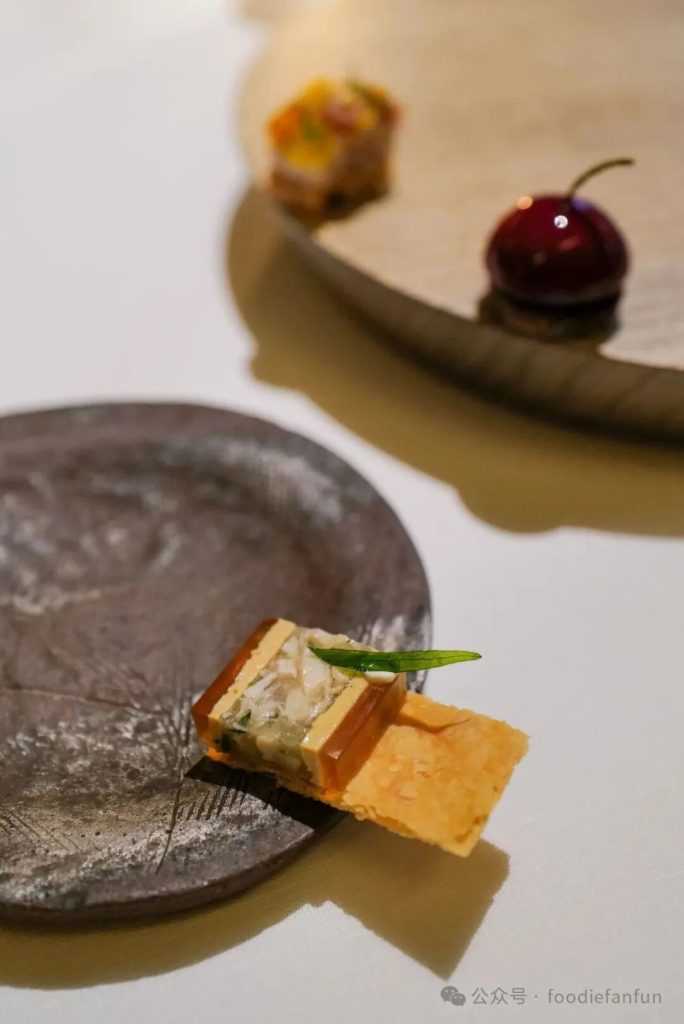
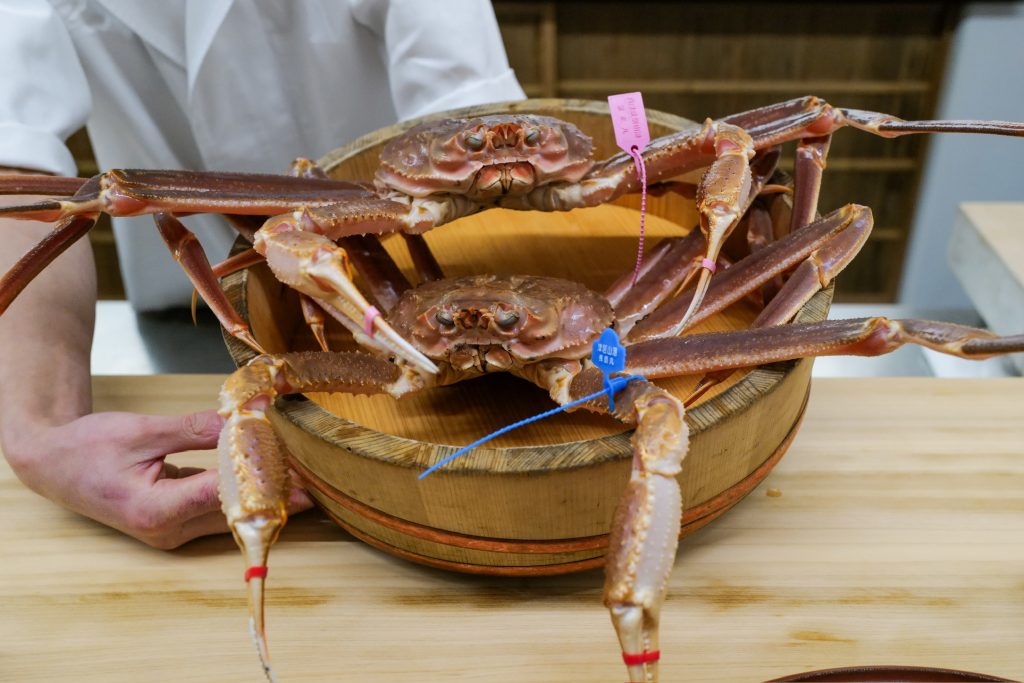
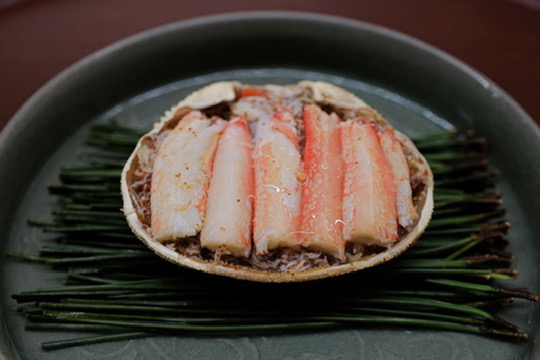
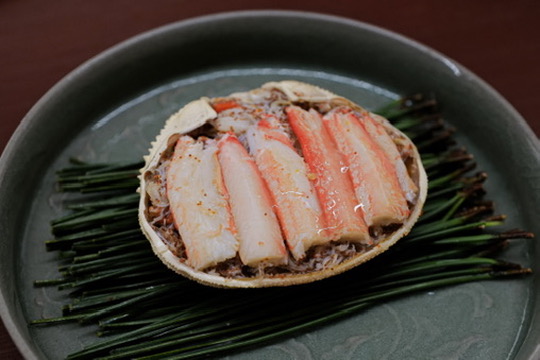
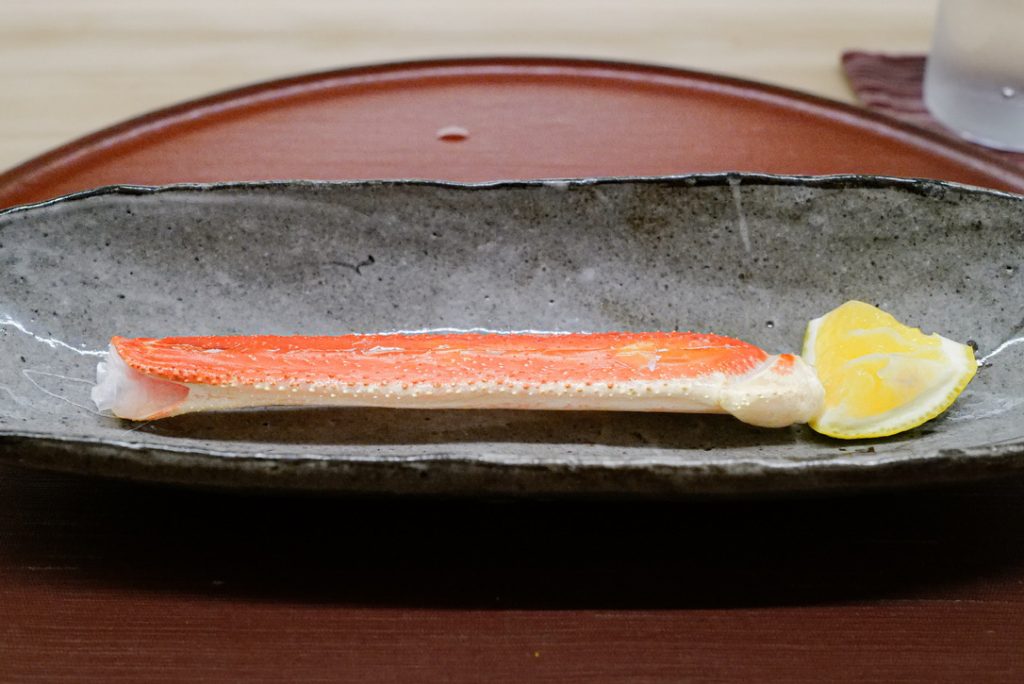
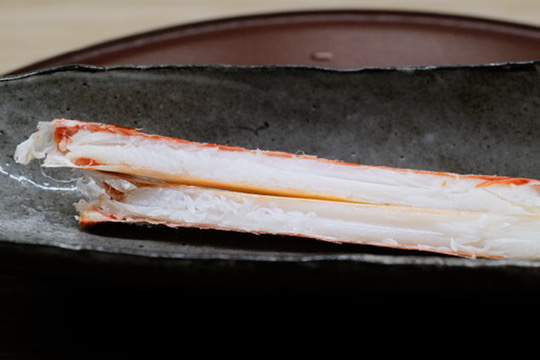
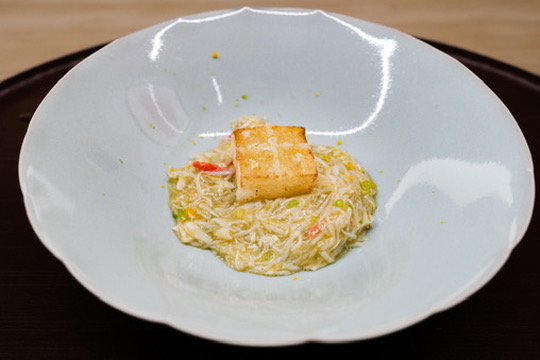
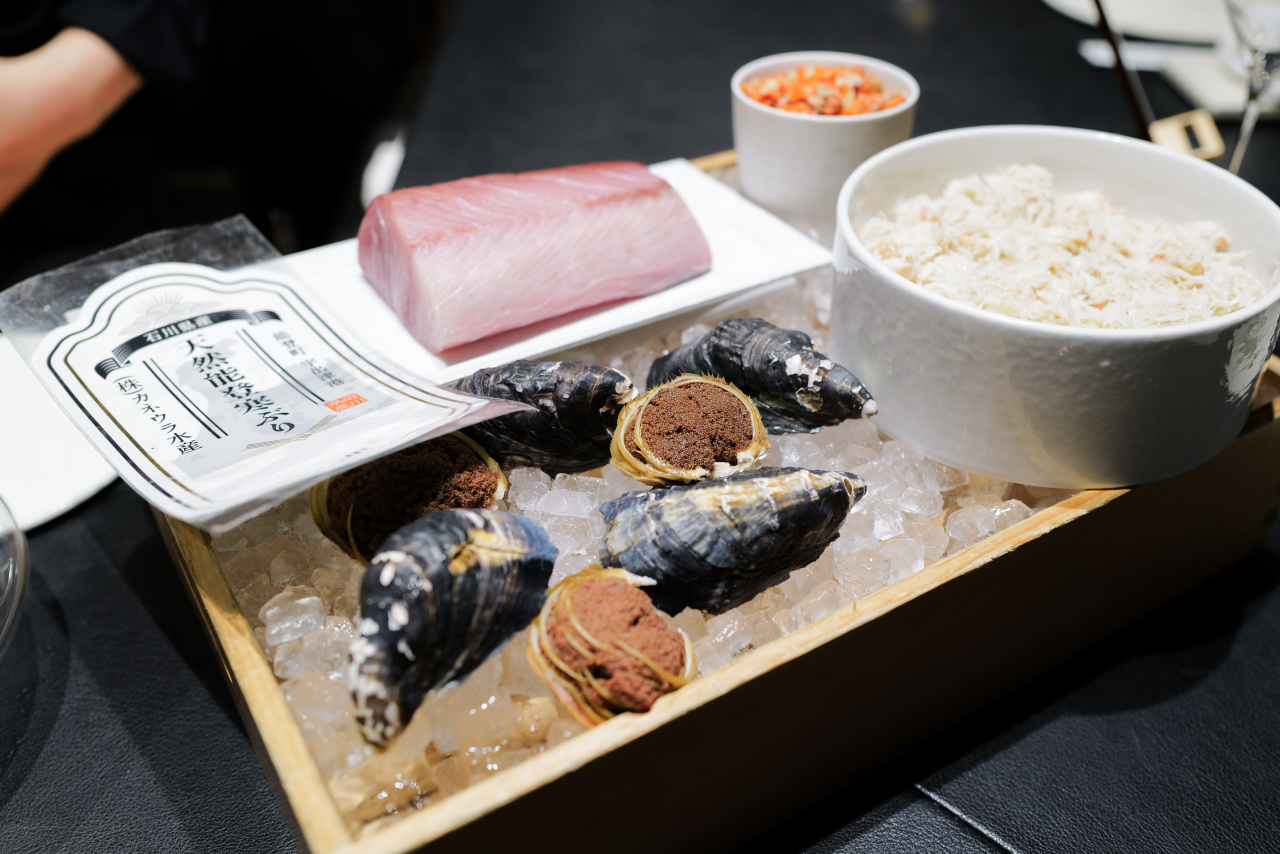
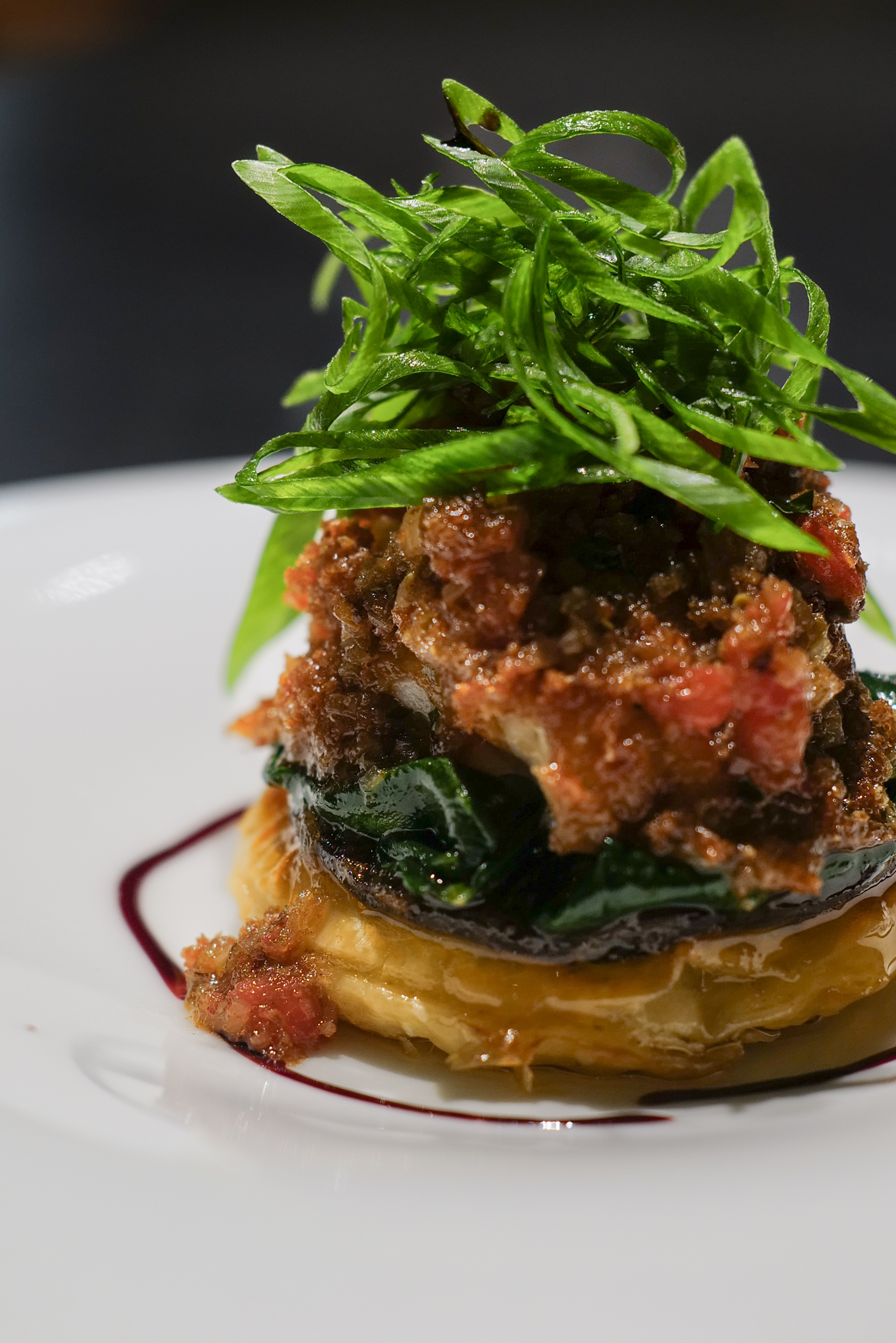
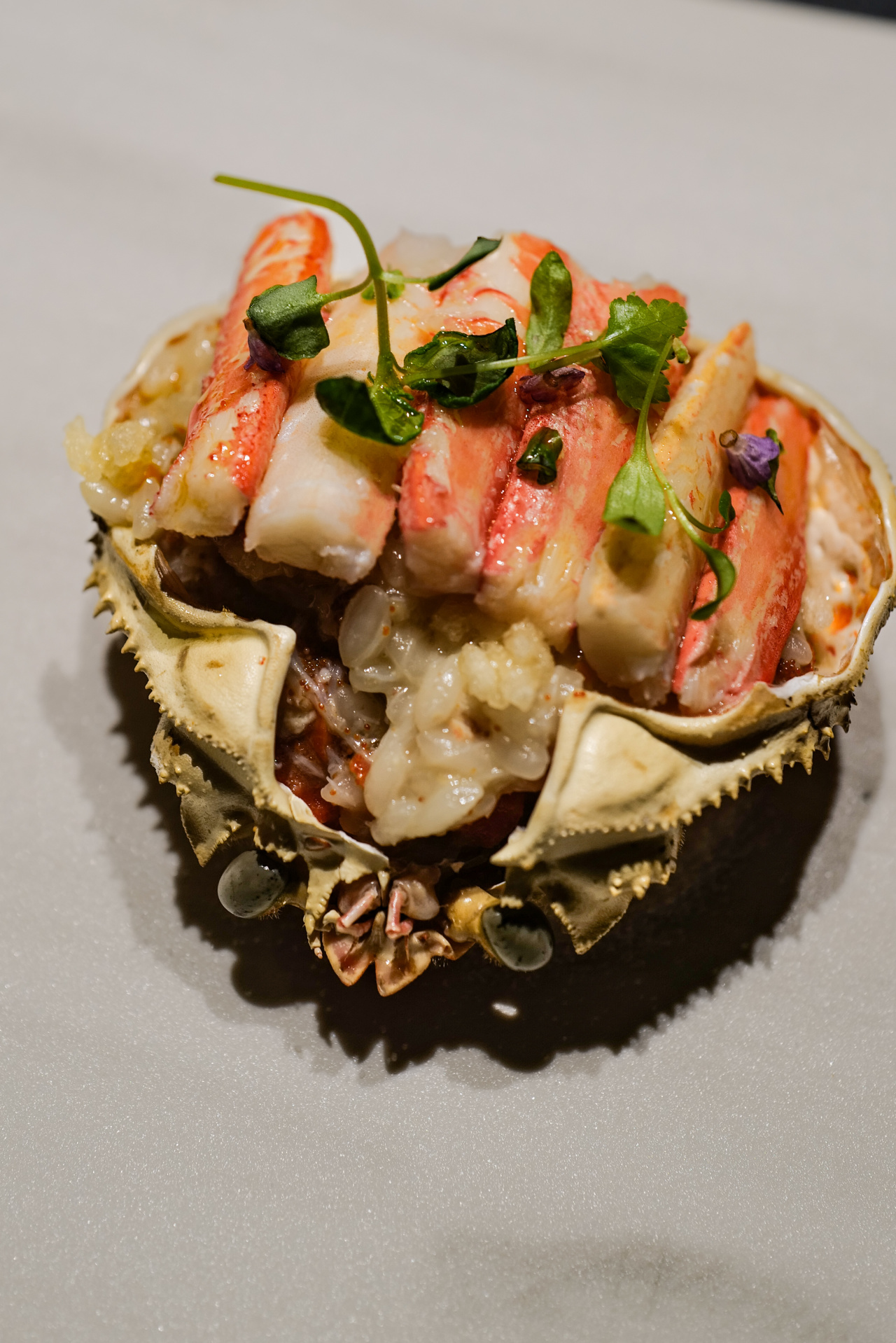
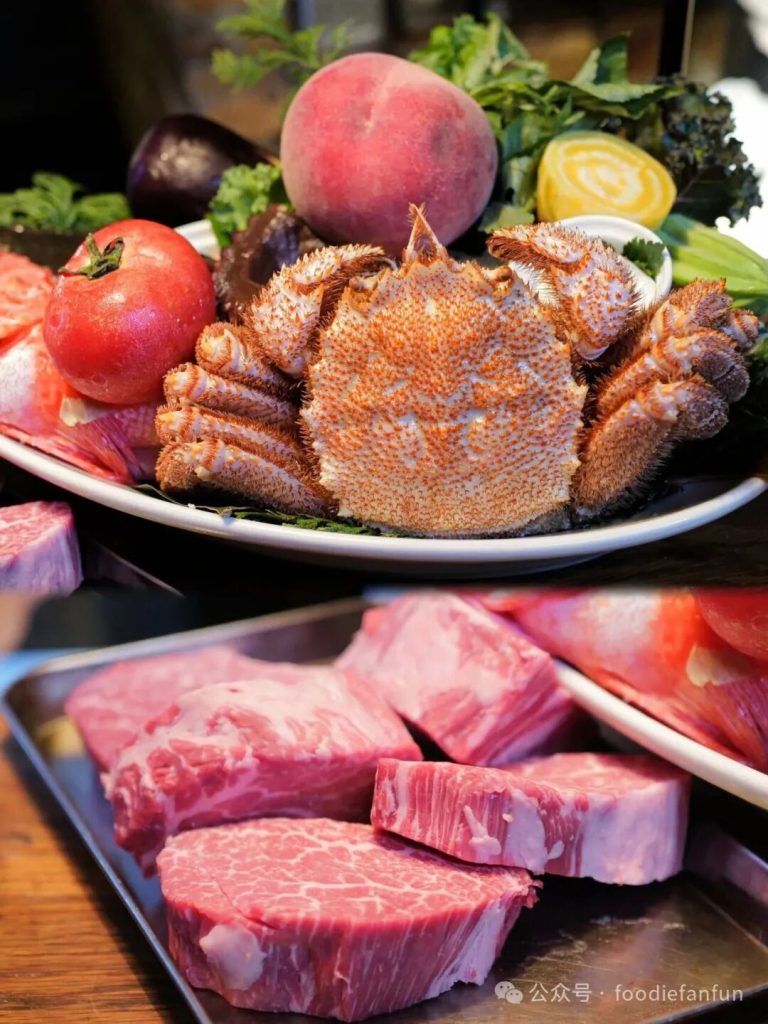
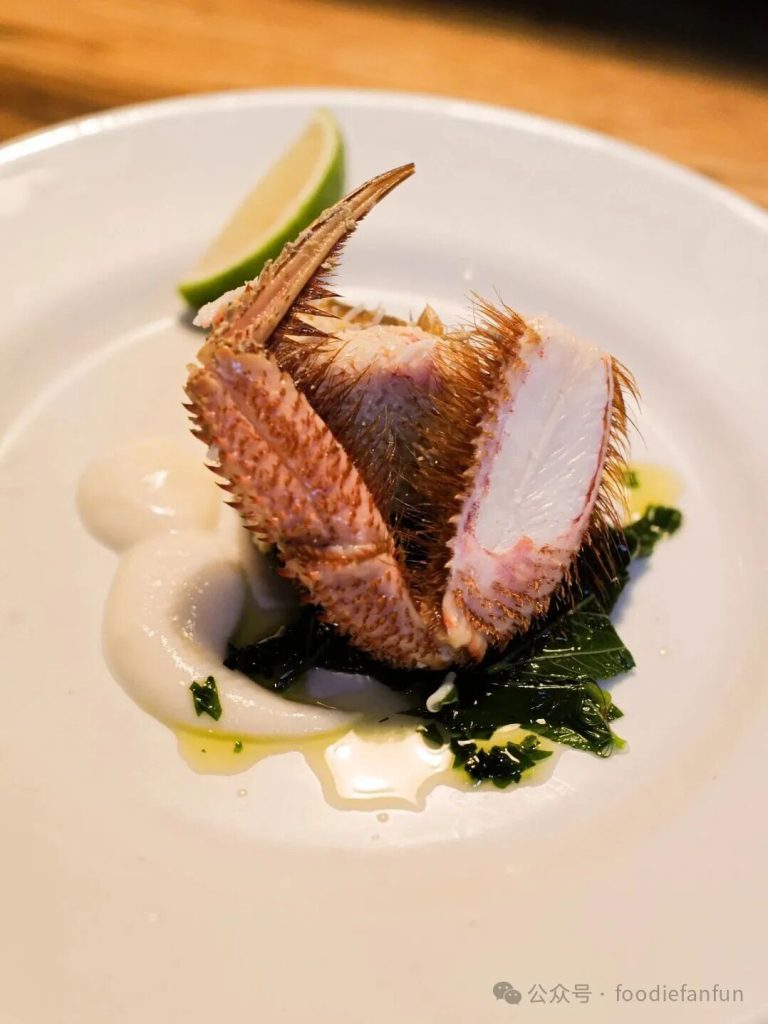
It’s the generous, direct kind of cooking. Take the Hokkaido snow crab starter — a whole leg pressed on top of picked crab meat, and eating it really does deliver that big, happy mouthful of crab. The tomalley is silky and richly aromatic, and the vegetables underneath carry a clean bitterness with a touch of viscosity that opens up all that sweetness.
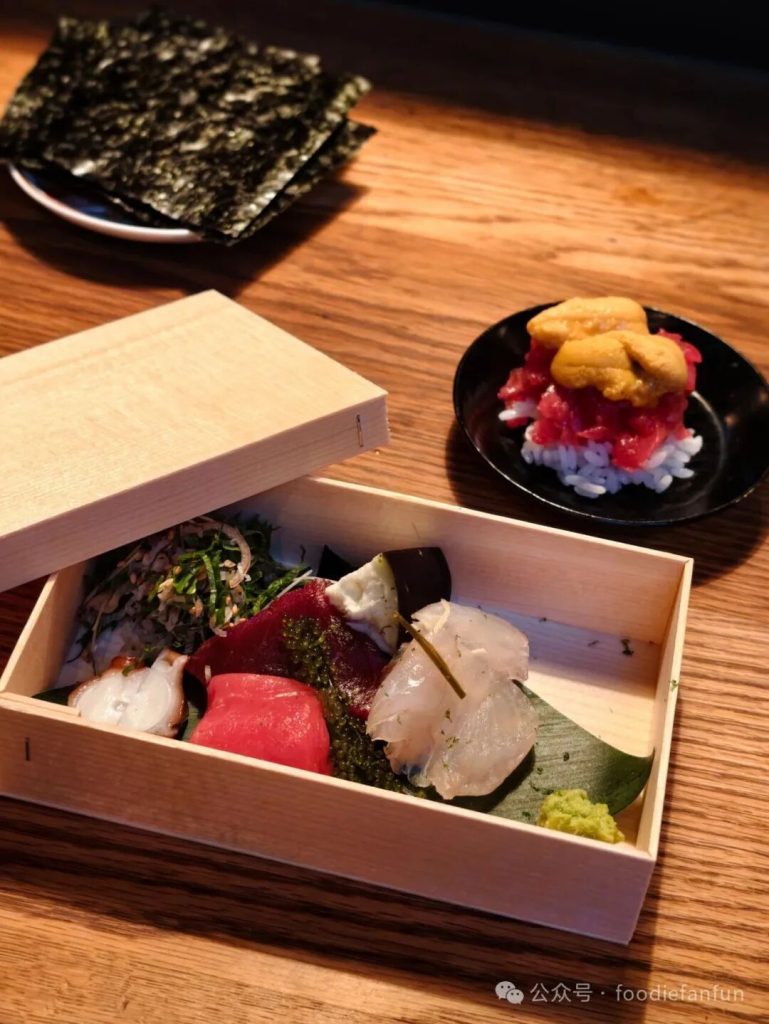
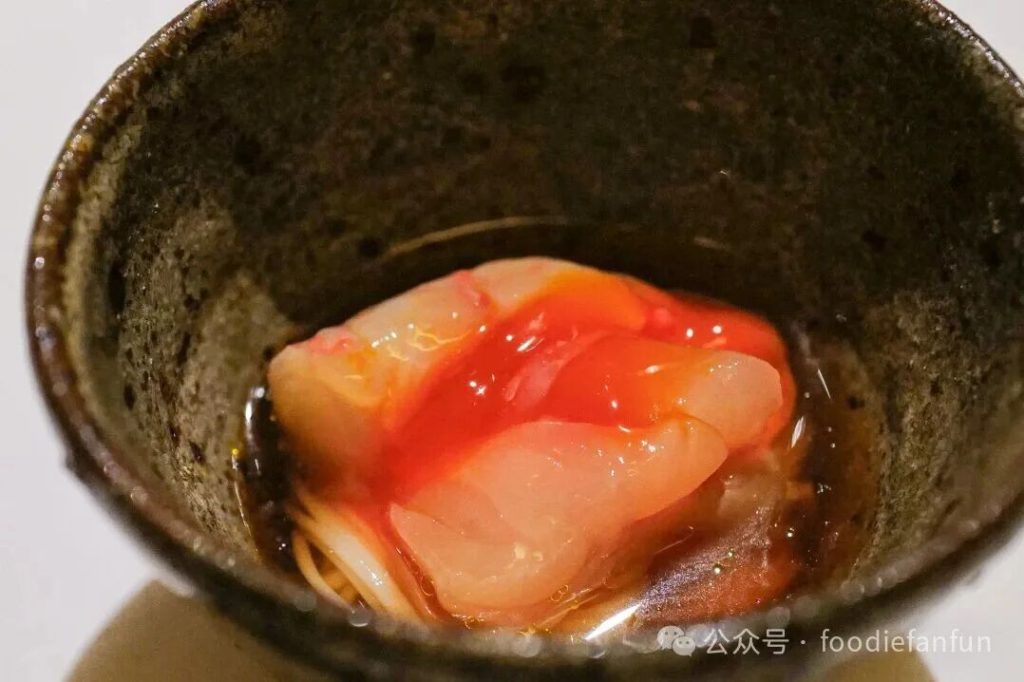
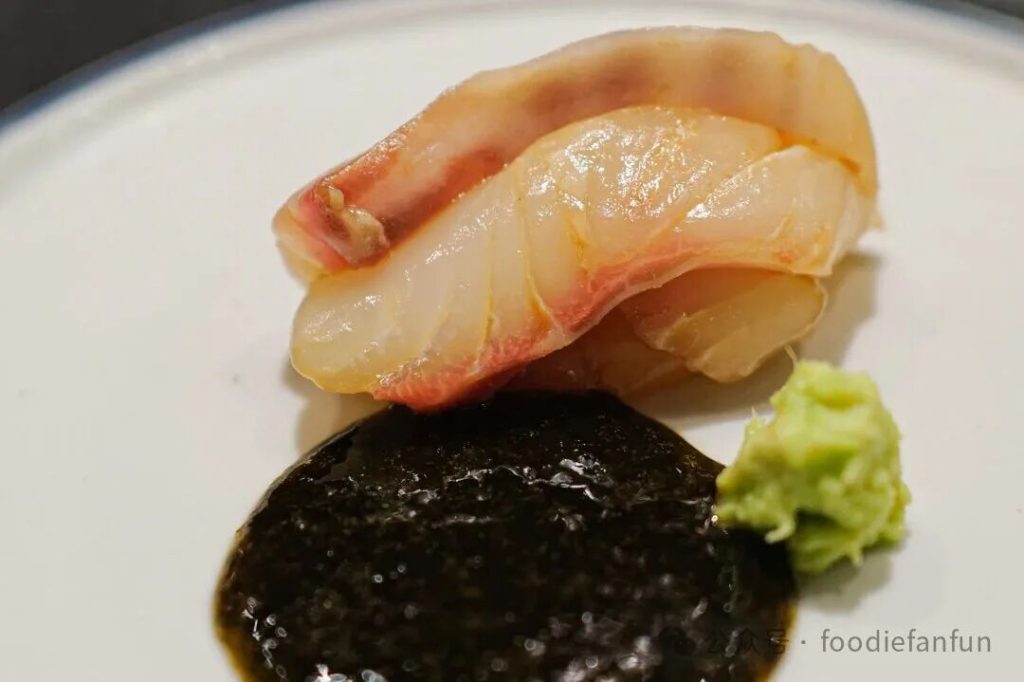
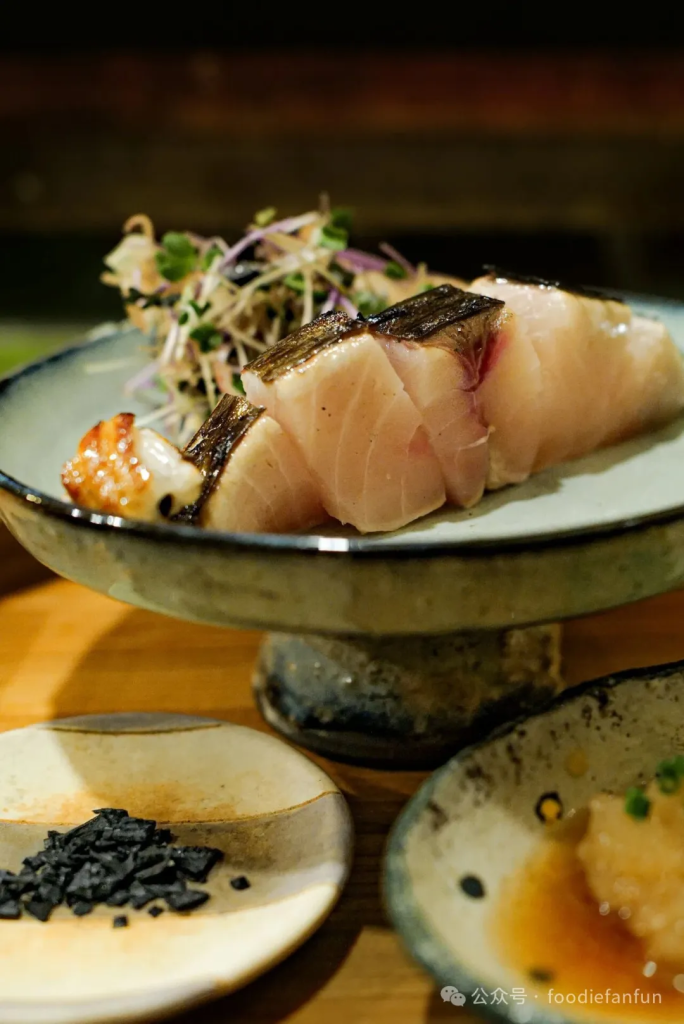
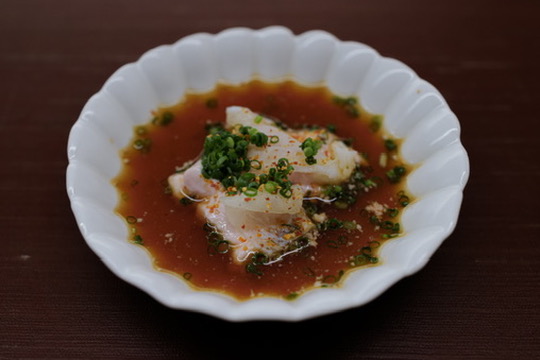
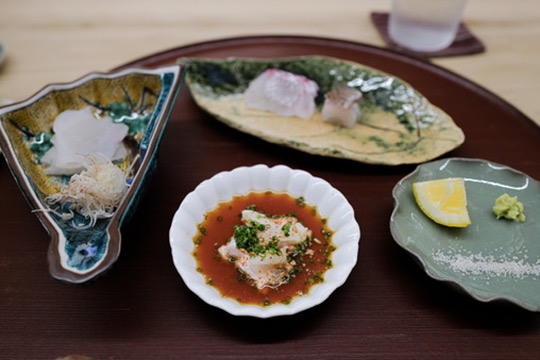
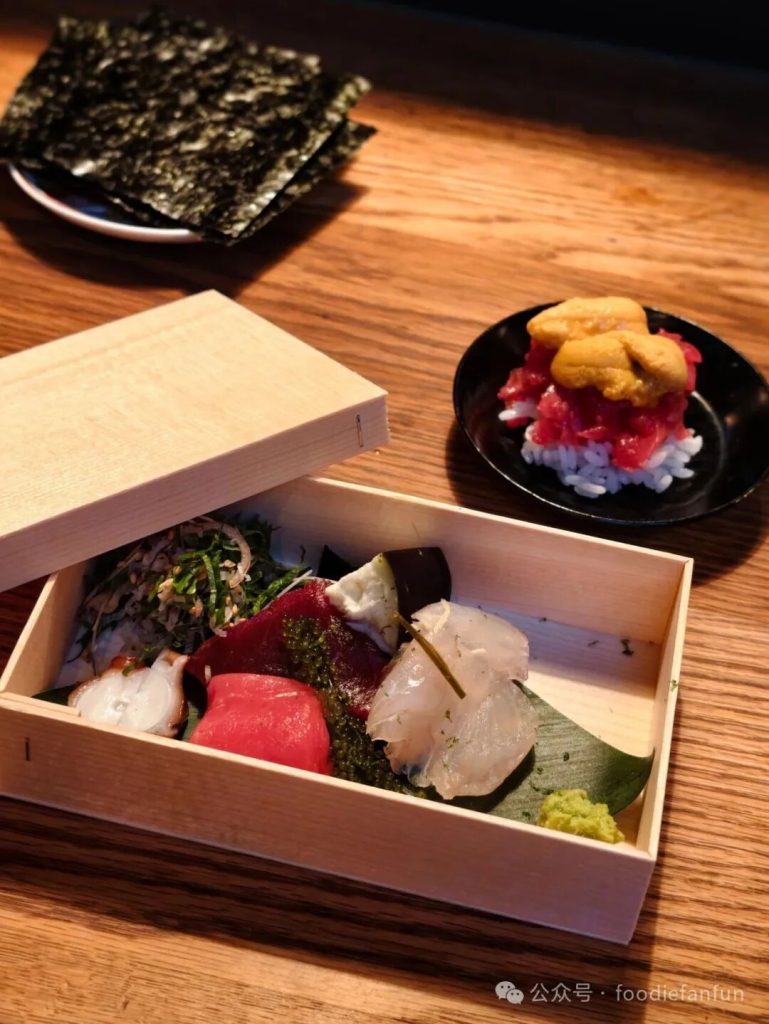
A sashimi platter is the last thing you’d expect at an Italian restaurant. Strong presentation, but the fish itself was fairly ordinary.
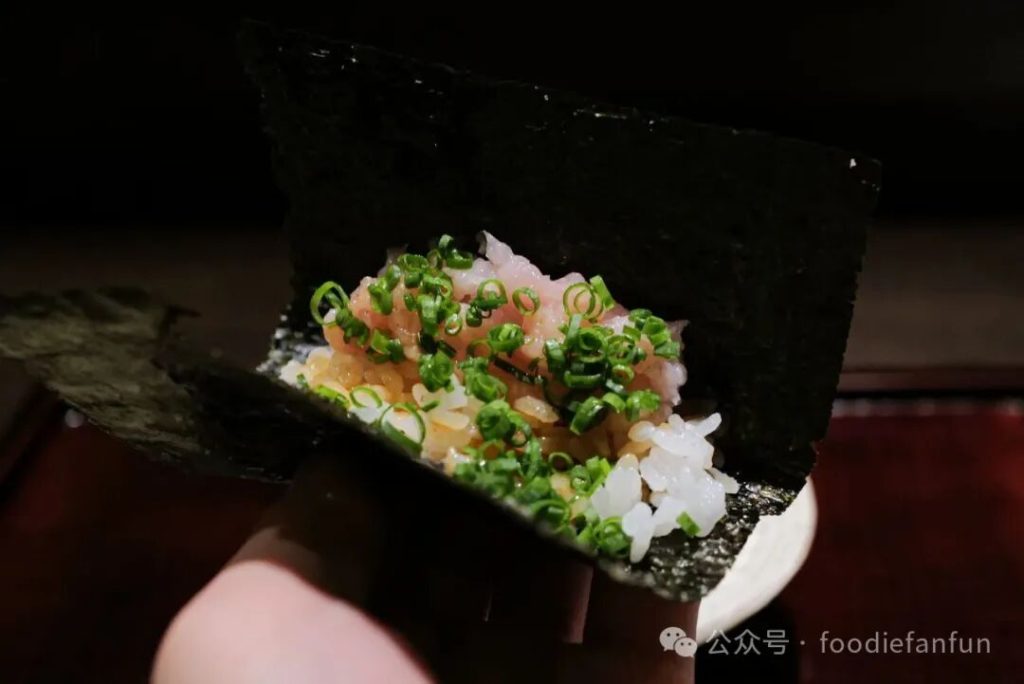
Eggplant was clean and sweet, octopus beautifully crisp, but the belly cut was soft and fatty without much aroma — and the flounder… topped with shredded ginger, the aging read as a bit past its prime. The uni-and-tuna hand-roll that follows is an instant crowd-pleaser, but it falls apart quickly once assembled.
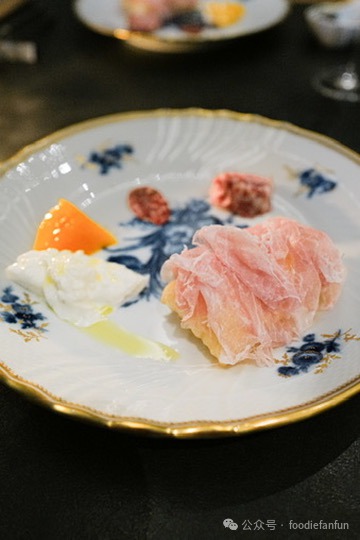
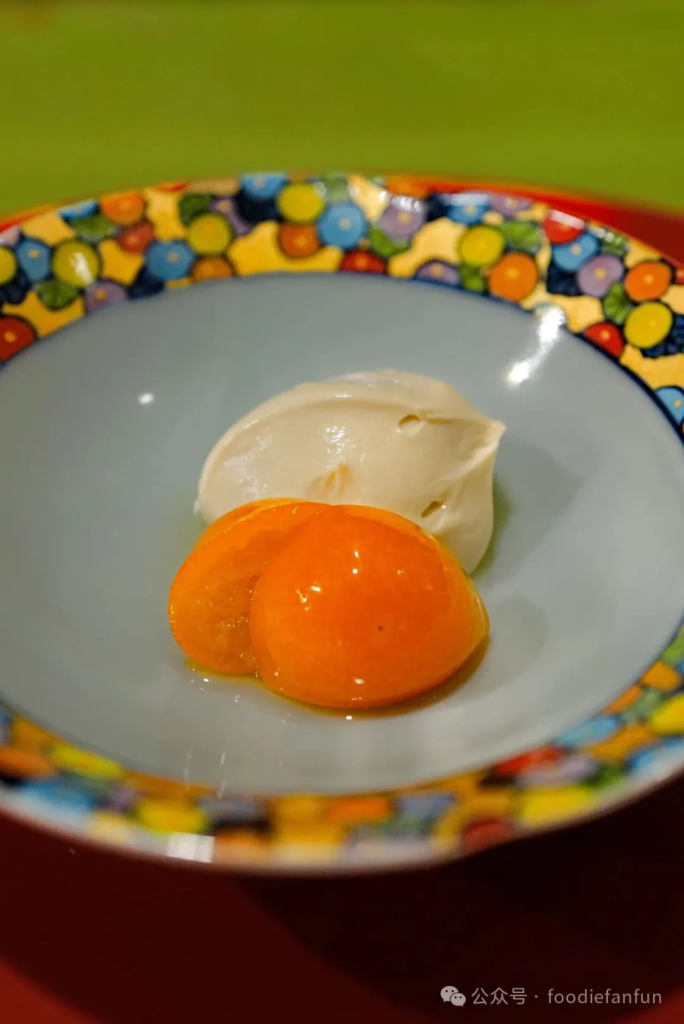
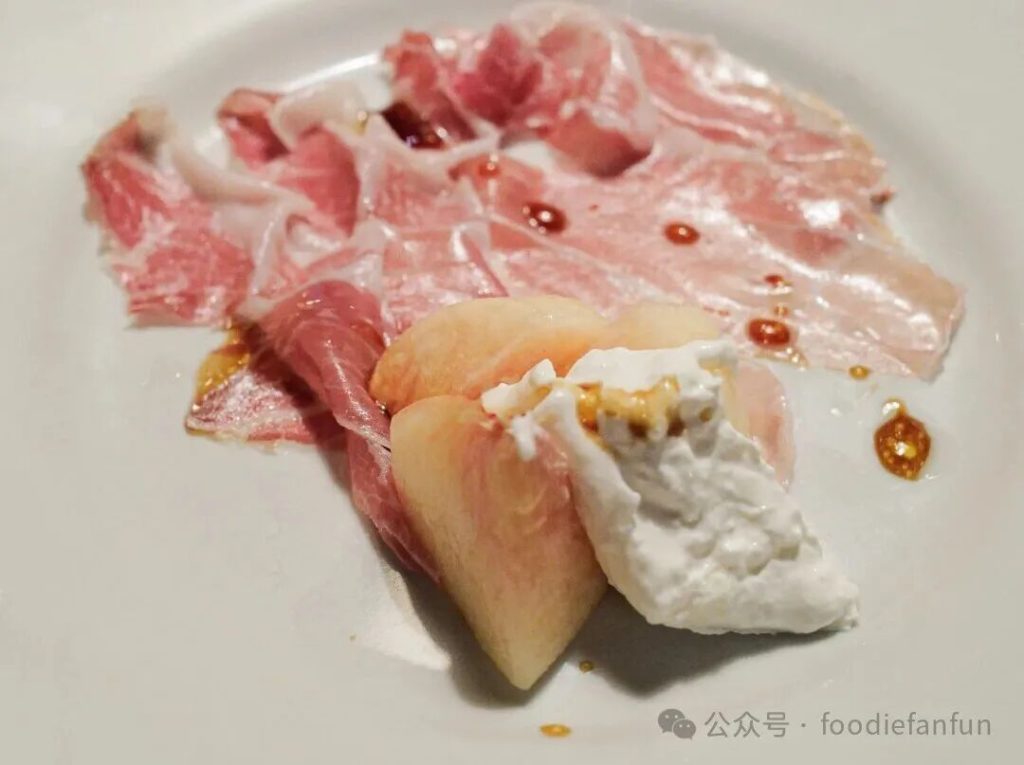
Burrata was paired with peach this season — fresh, soft, and savory all at once. That first bite into a big chunk of cheese is undeniably the happiest moment: milky richness meeting juicy peach, all sweetness, all satisfaction.
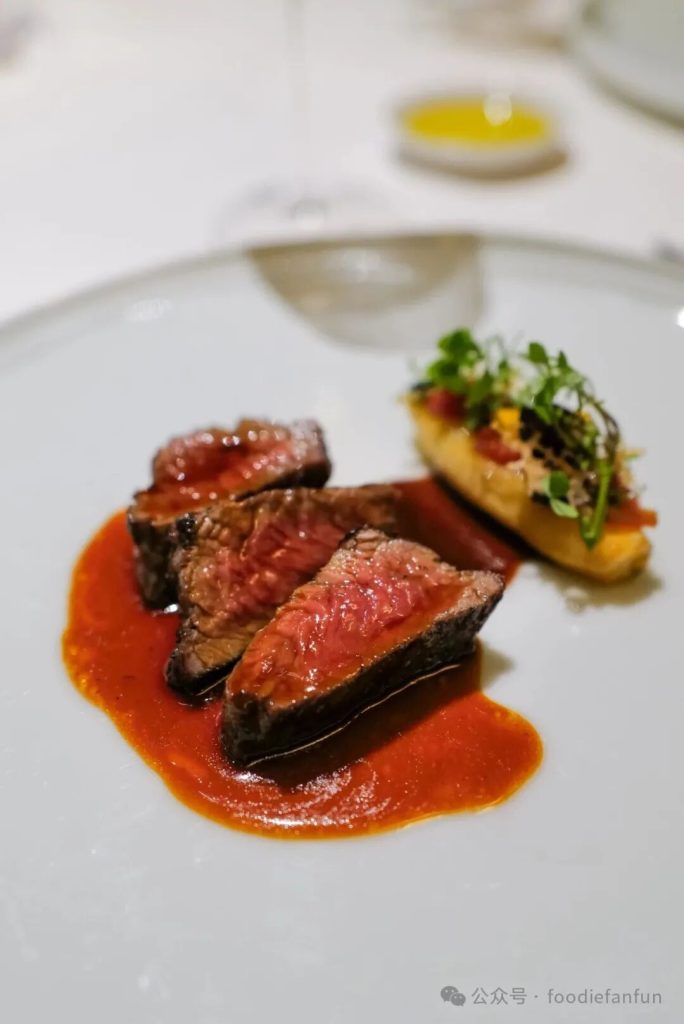
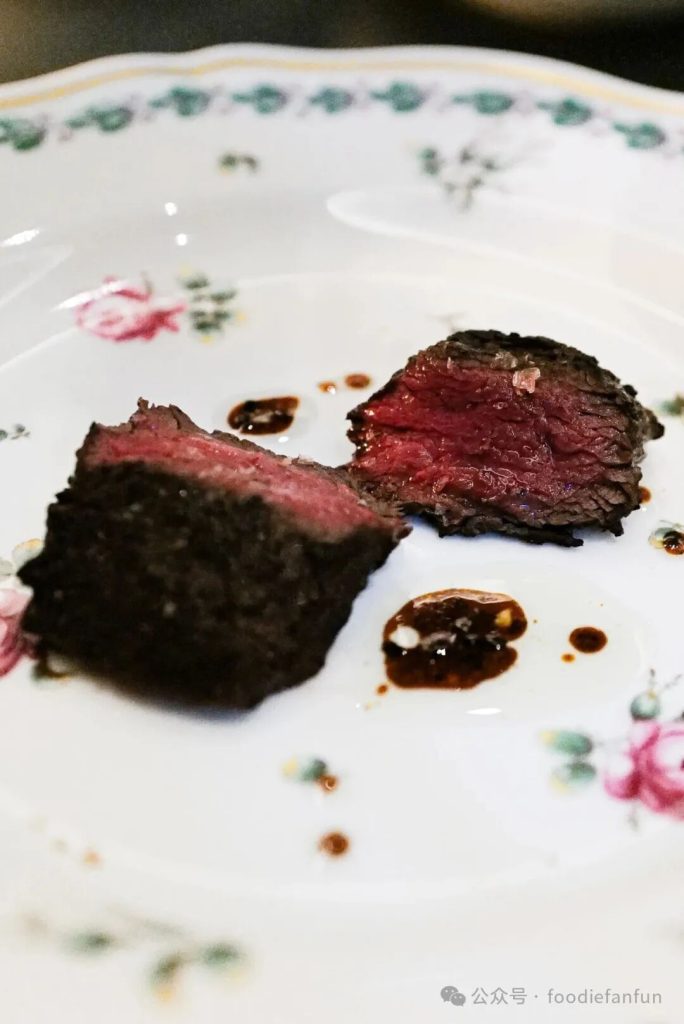
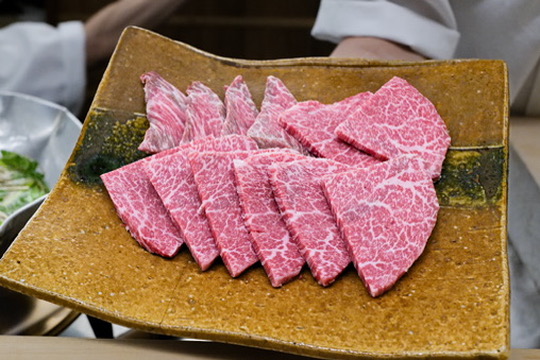
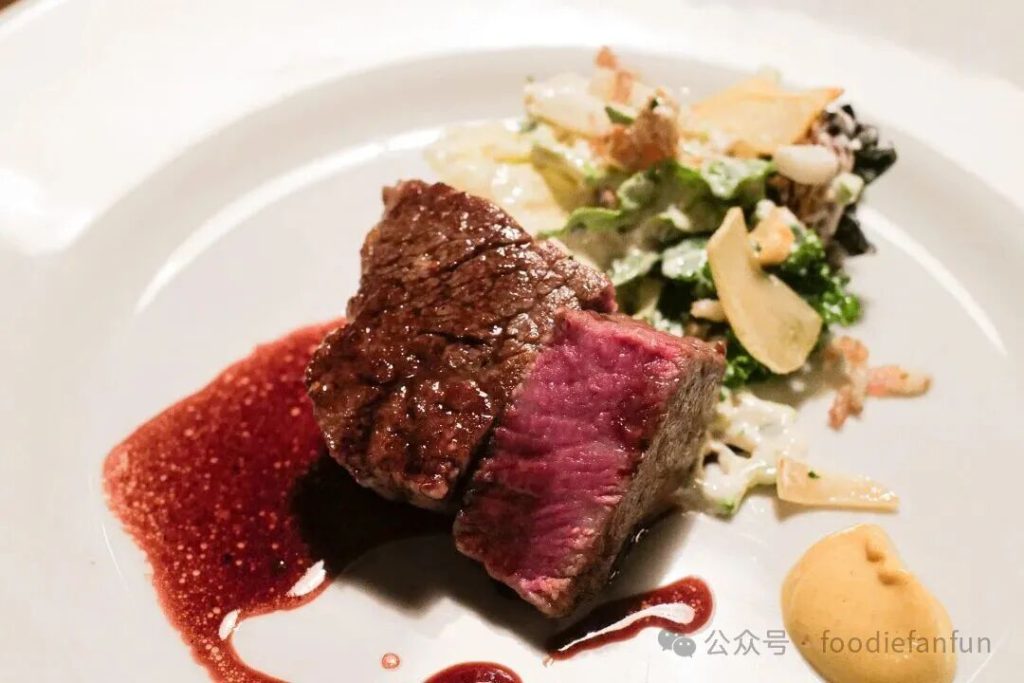
The beef was good too. Wagyu, for all its aroma, is also precisely because of that richness one of the hardest things to balance within a Western-style plate.
Here they used Kuroge Wagyu, tender to the point of almost no fiber left. The richness is there, but without the chewing effort. A raspberry-adjacent sweet sauce rounds out the meaty flavor, and a bit of crispy fried something hidden in the side salad adds a small but welcome textural break from all that silkiness.
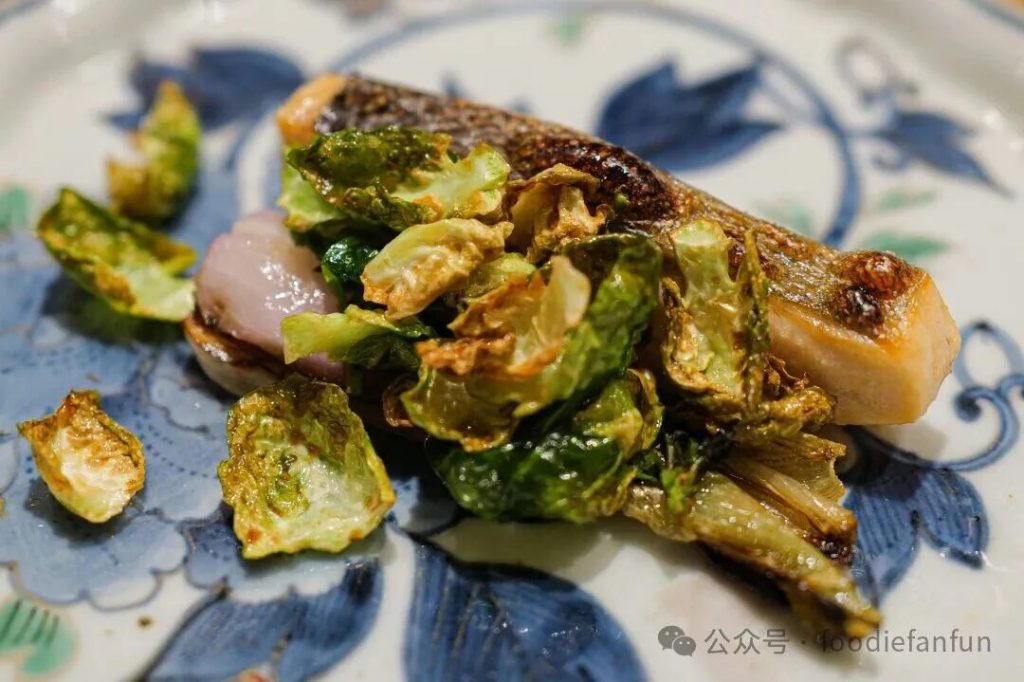
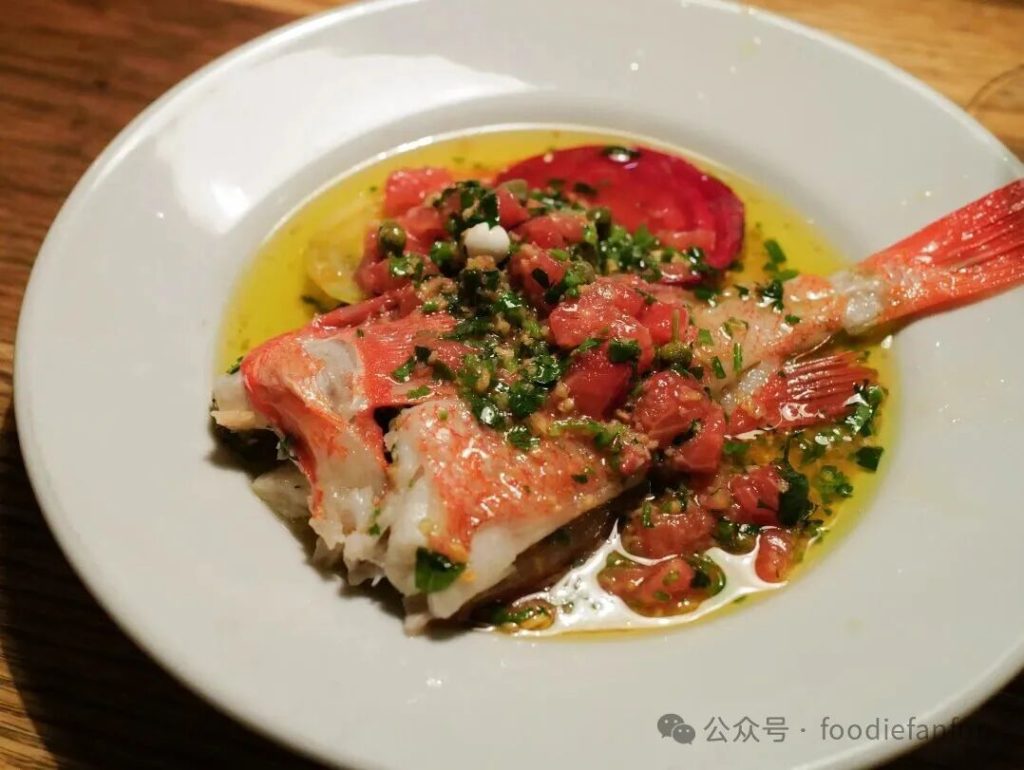
A whole splendid alfonsino, grilled then pan-seared, finished with a hot pour of scallion-infused oil. The aroma and smoke genuinely filled the whole room at once. The scallion oil coats it in a thick layer of fragrance; the fish underneath stays clean, sweet, tender, its gelatin practically melting in the mouth. The fish itself is beautiful — a touch less oil would have made it even better, since the back half did start to feel a bit heavy.
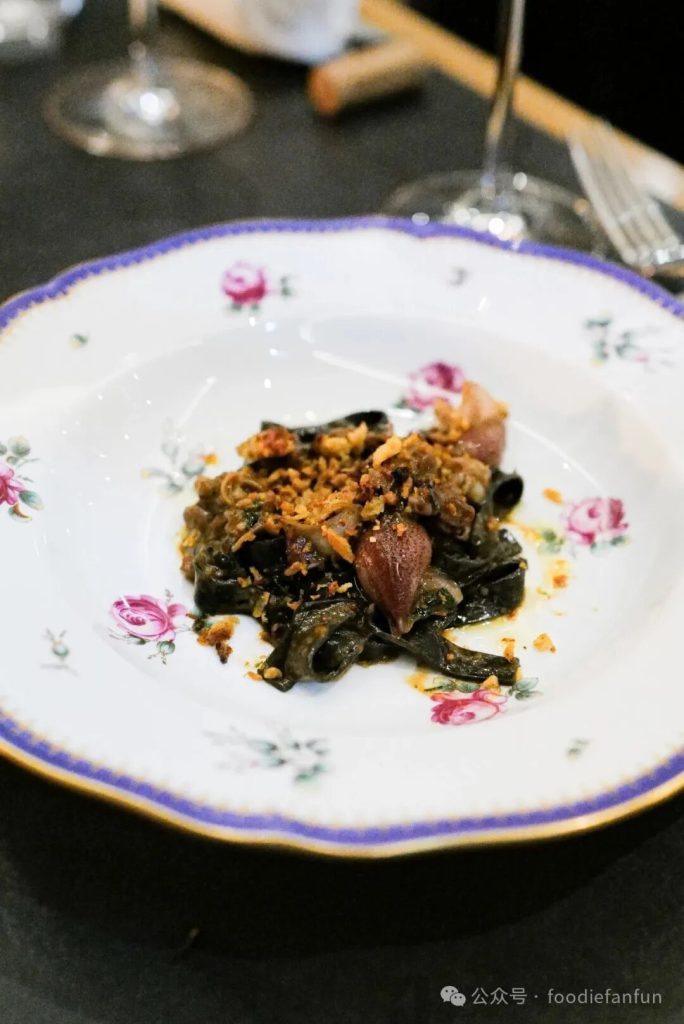
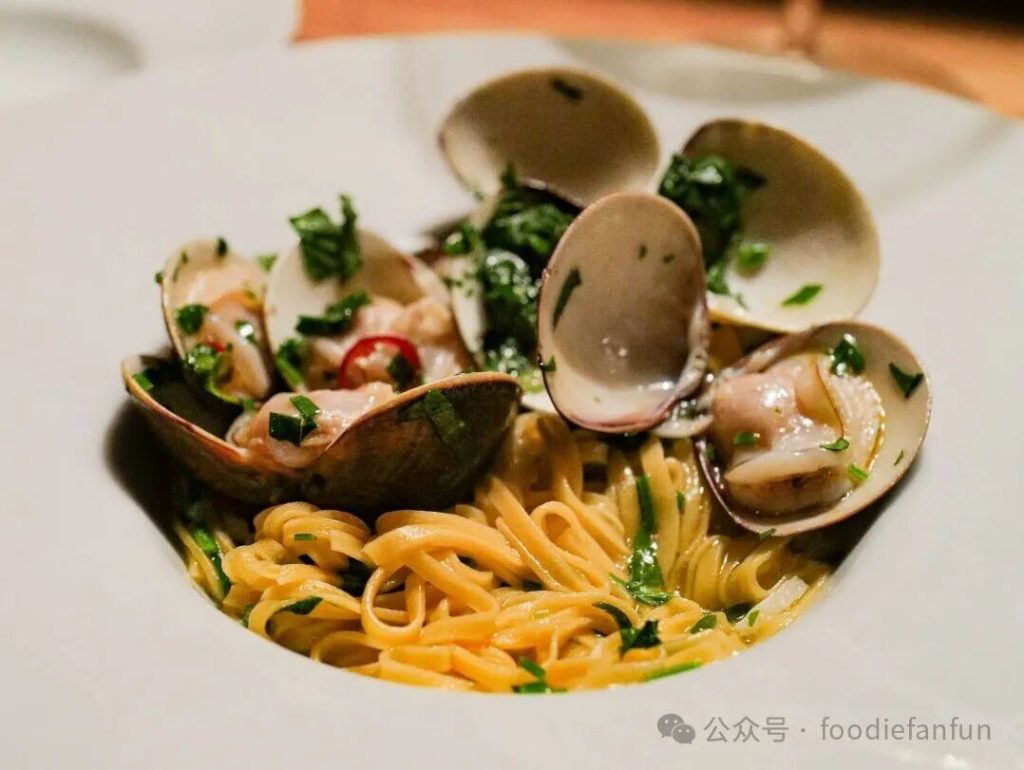
Clam and egg pasta was well-timed for the season — noodles had a nice springy bite, parsley was fragrant, but overall it read as fairly ordinary. The bitterness lingers a touch longer than expected; a bit of chili helps, but it’s still hard for this to become a standout memory in a fine-dining Italian tasting menu.
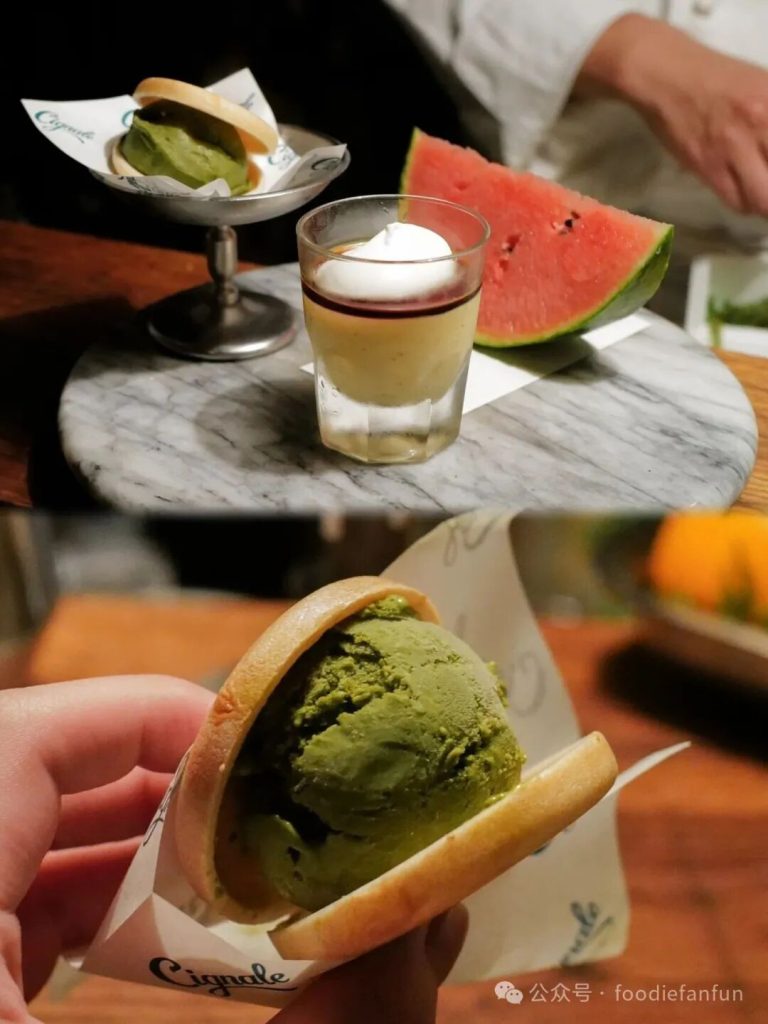
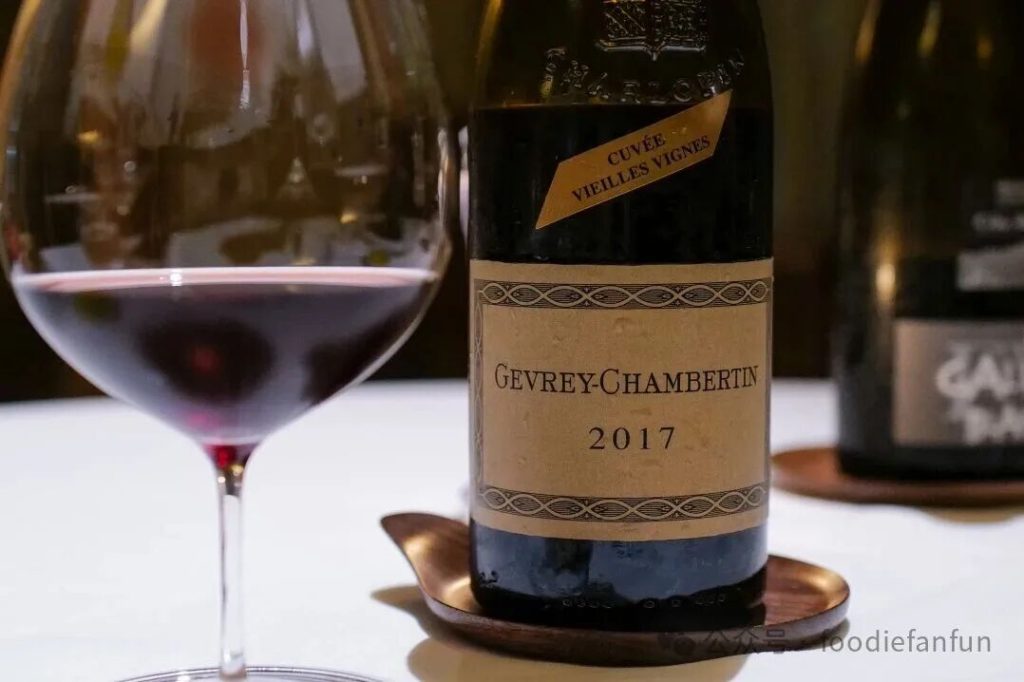
ENOTECA is genuinely a restaurant with both clear strengths and clear weaknesses. The wine (we’ll leave that aside) is good, the chef-owner is present, and both the emotional and ingredient-driven value are high.
But the problems are equally clear. Seasonal fish, crab, fruit, hand-cut pasta, good meat — all present — yet somehow missing a bit of personality. And the ventilation is genuinely poor: the moment the kitchen fires up, visible smoke drifts through the whole room. Hair freshly washed before a happy night out, thoroughly smoked by the time you leave.
Catching a last-minute Instagram opening is still worth doing.
But waiting a year and a half specifically for this one? That’s not something I’d do.
✦
•
✦
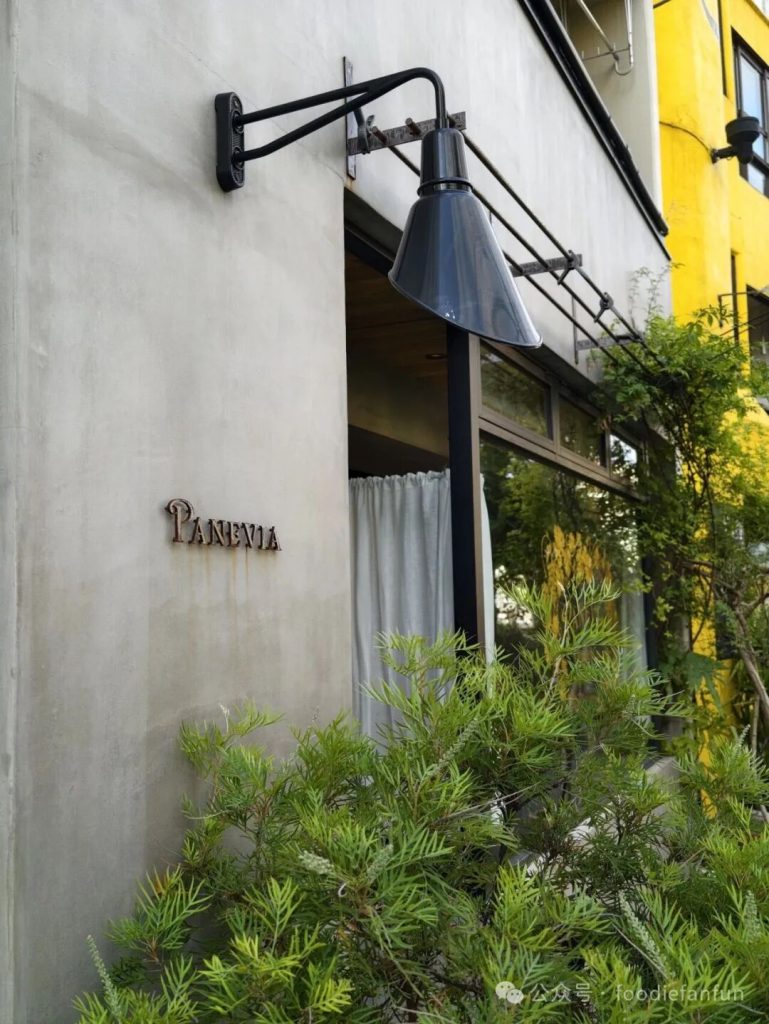
🔥 PANEVIA
💰 Course ¥14,000; à la carte roughly ¥10,000+ per person
🍷 ★★★☆☆
🍴 ★★★★★
Reservations: a looser two-seating system — a spot with a week’s notice is realistic.
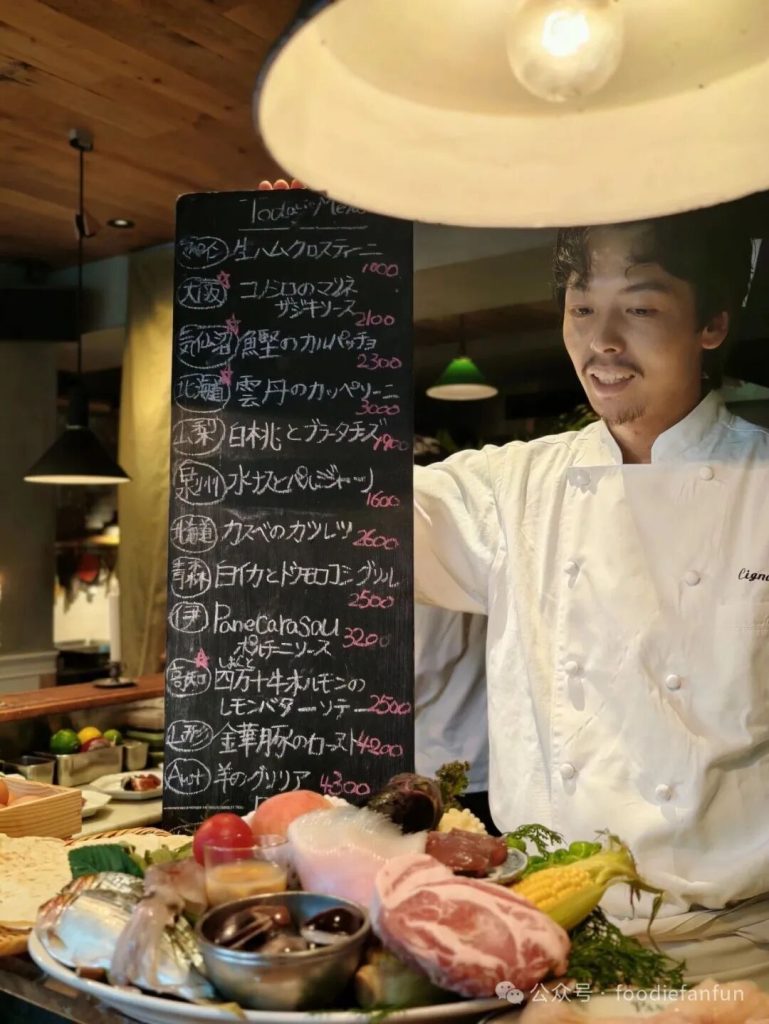
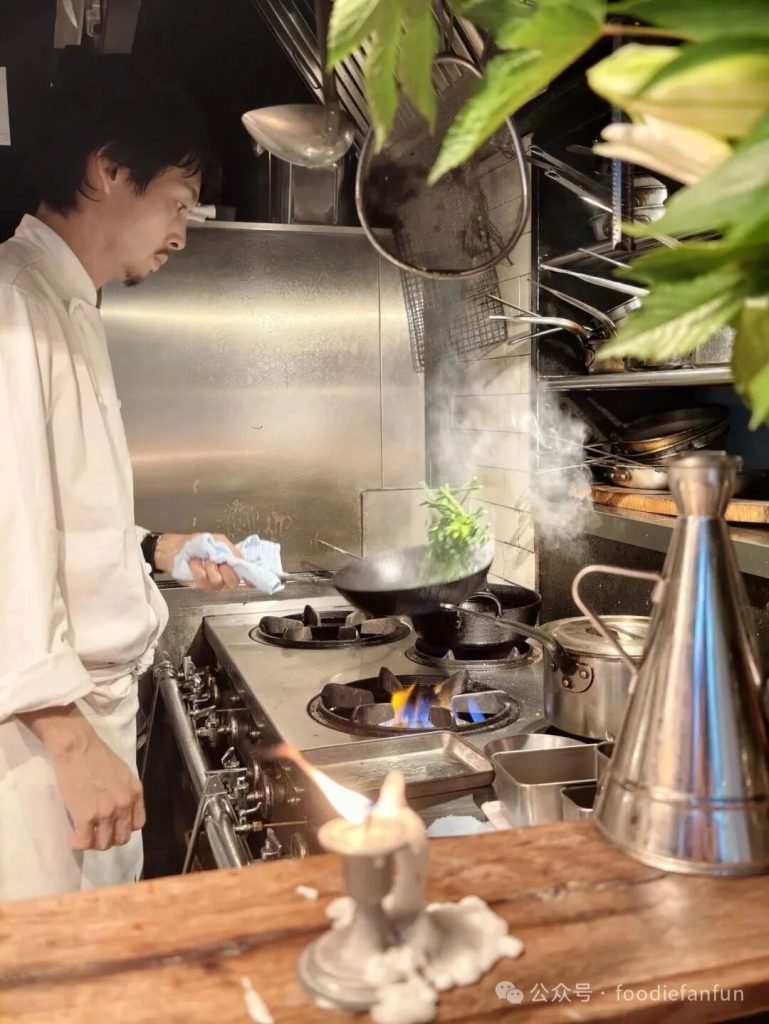
PANEVIA is the kind of place that keeps stoking your appetite the whole meal.
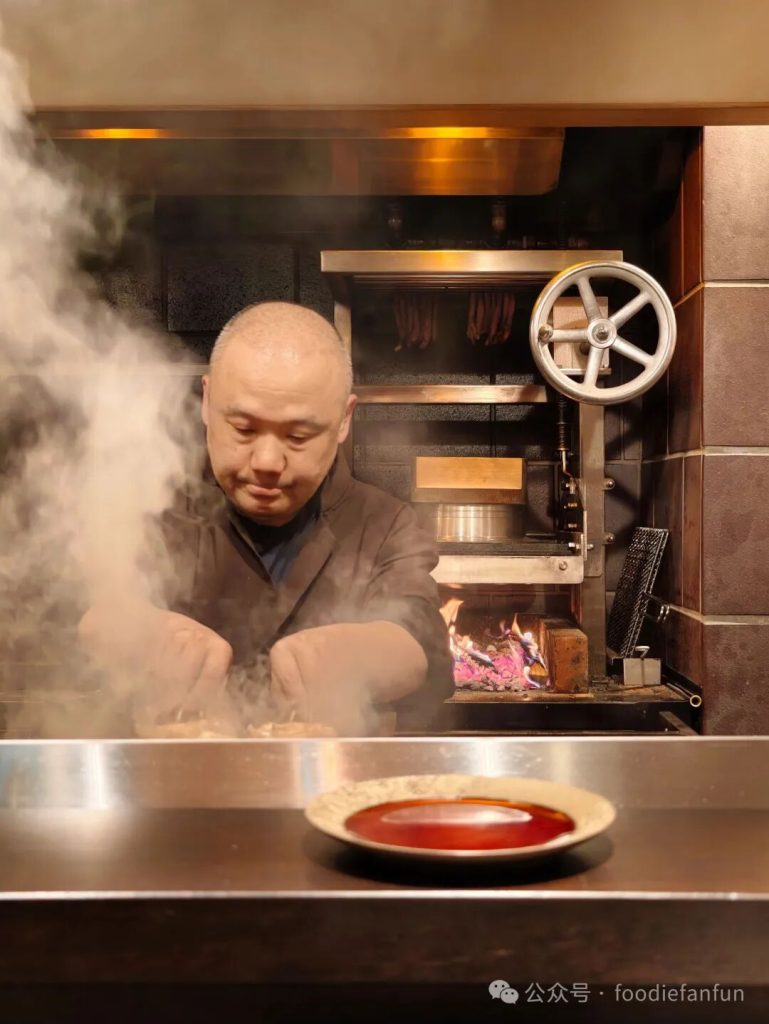
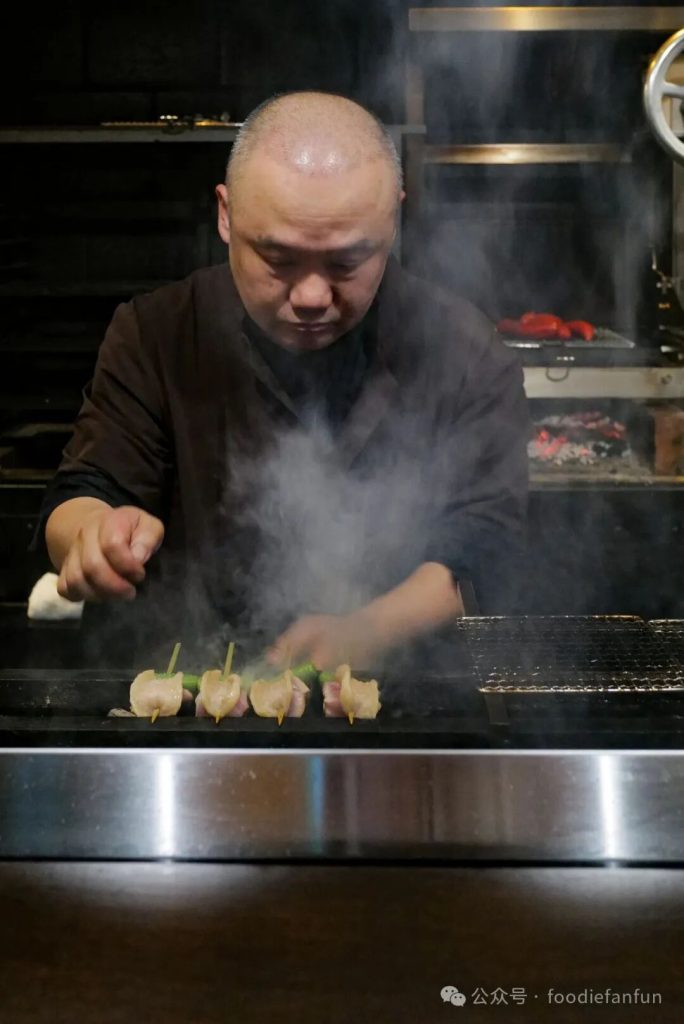
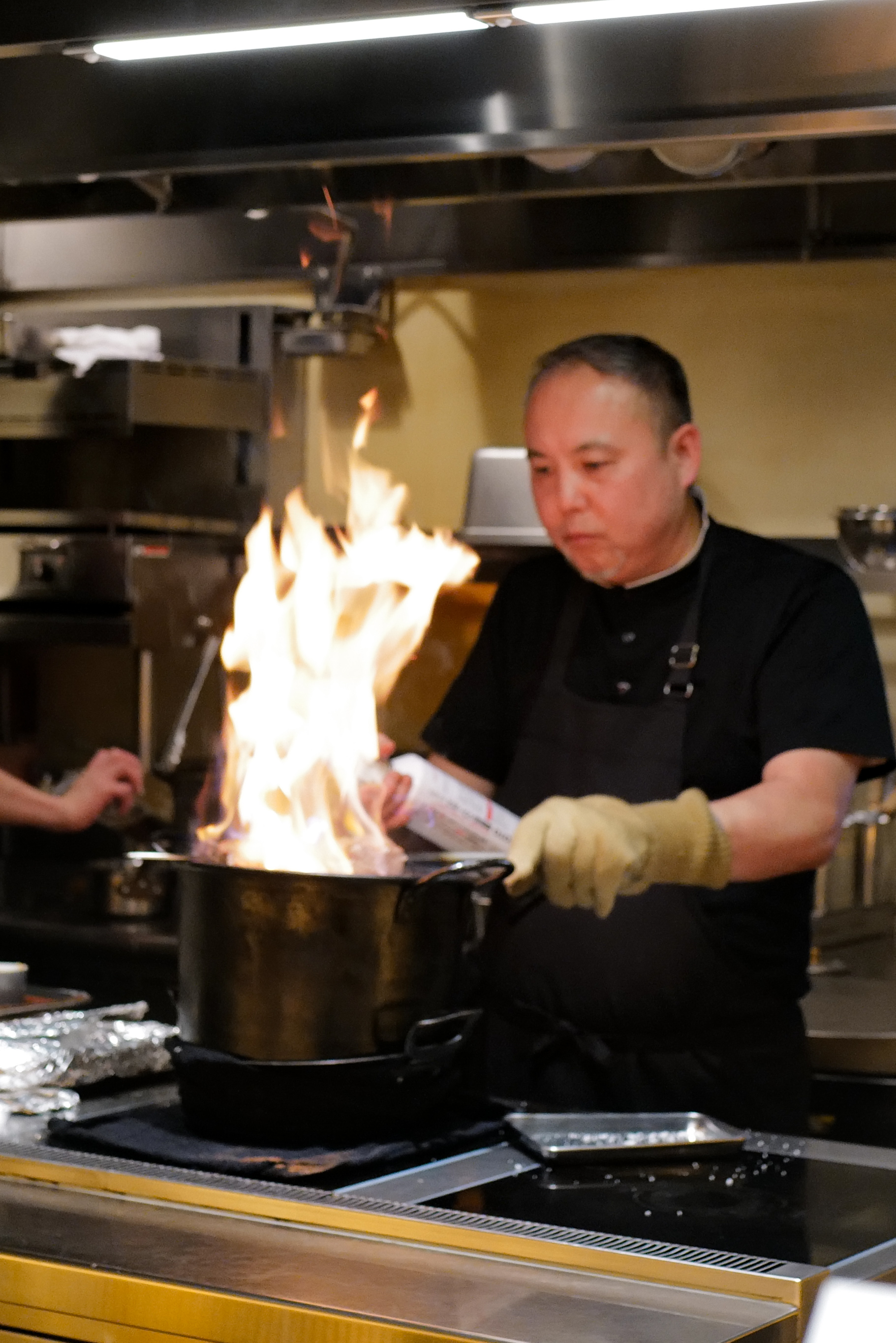
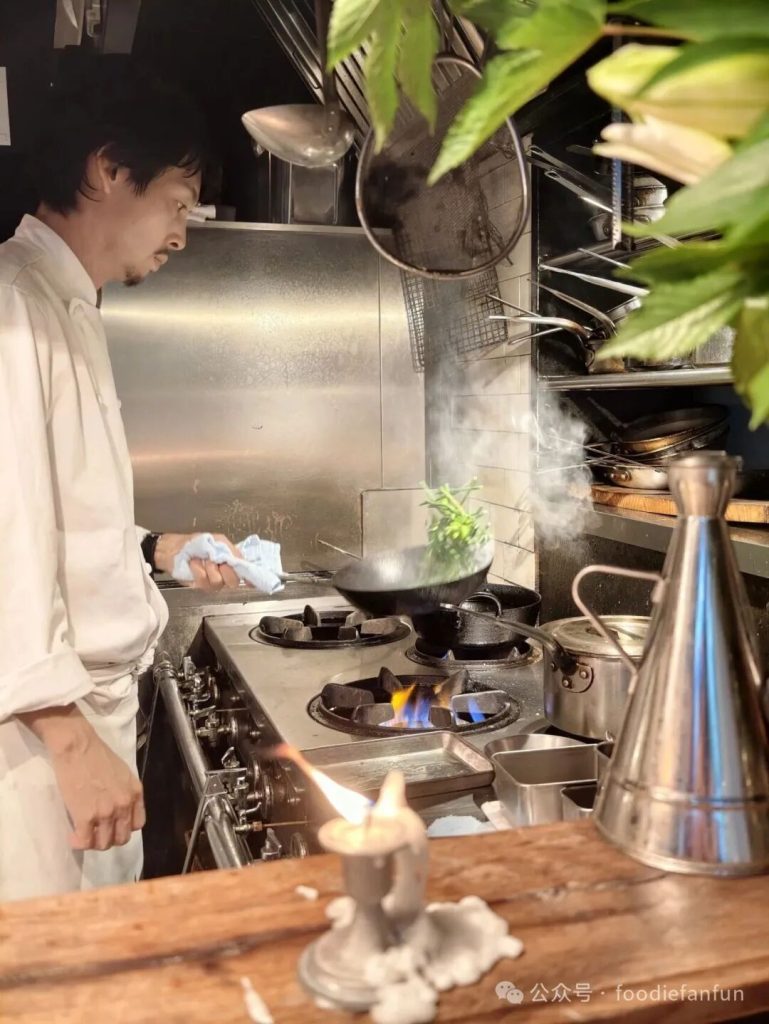
Every sightline at the counter converges on the ingredient prep and cooking itself.
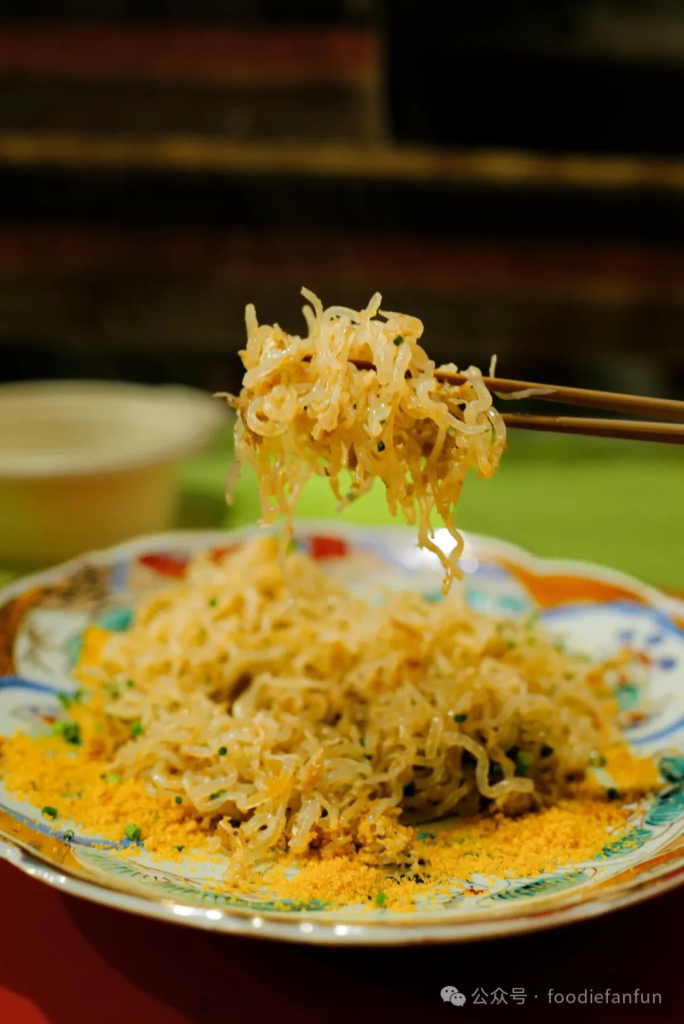
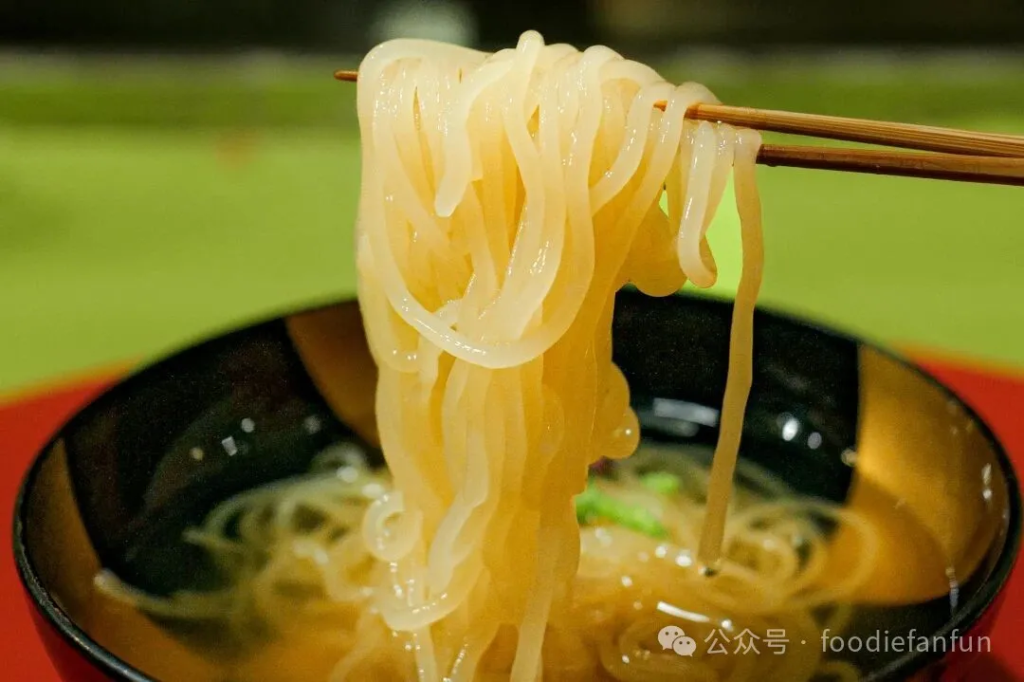
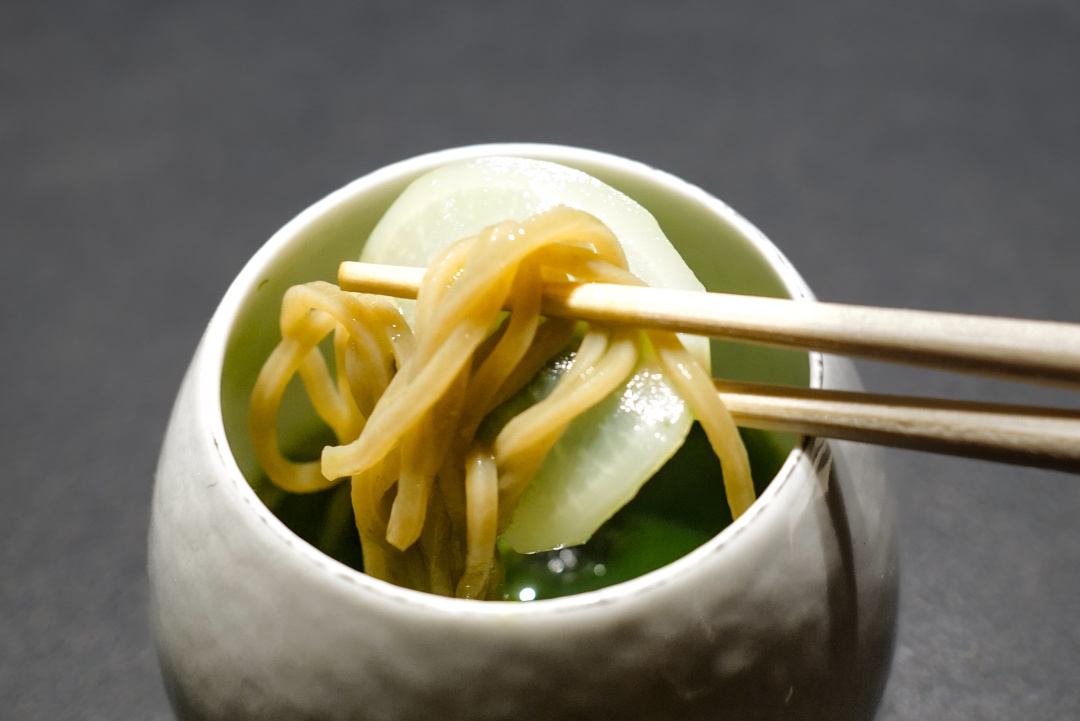
Green peppers crackling in a pan over high heat. Skate fin pulled half-fried, propped golden by the stove to drain before going back in for a second fry. Cold noodles tumbling through ice, looking bouncy before you’ve even tasted them. Uni turned into a sauce and draped over the top — irresistible even when you’re already full.
It really is a case of a tiny counter laying ingredients, heat, and aroma all out in front of the guest. The tone and the kitchen energy are both fully switched on.
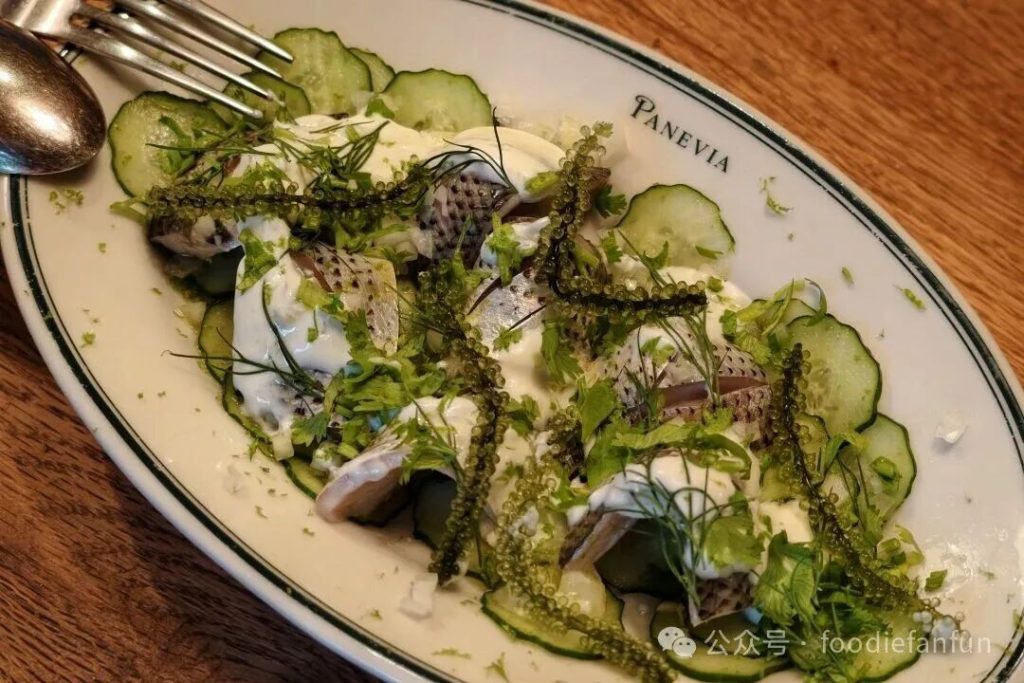
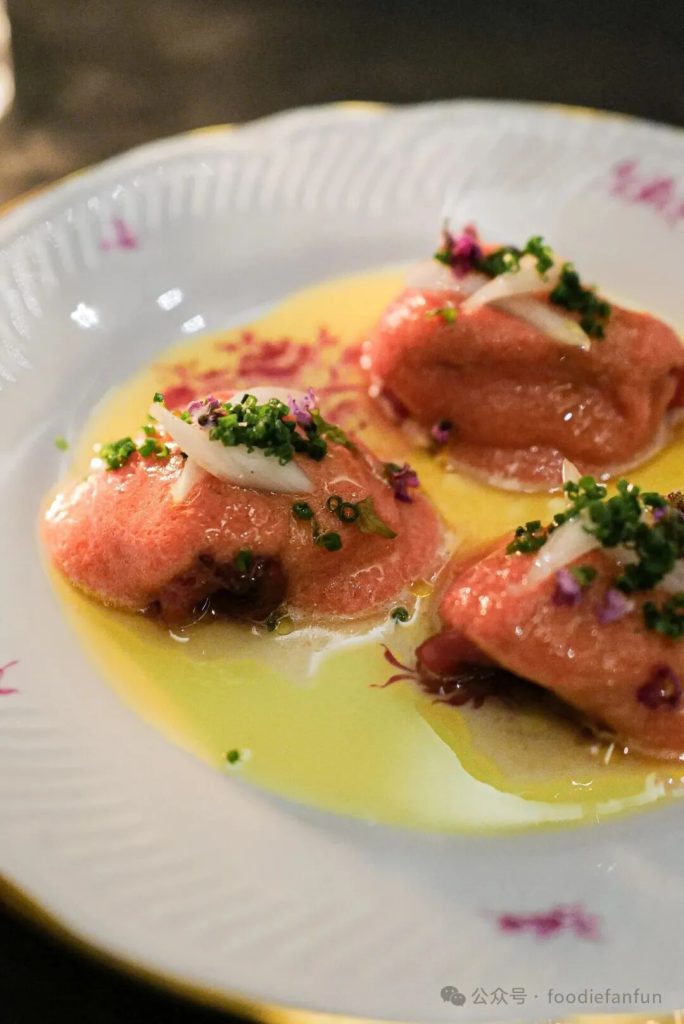
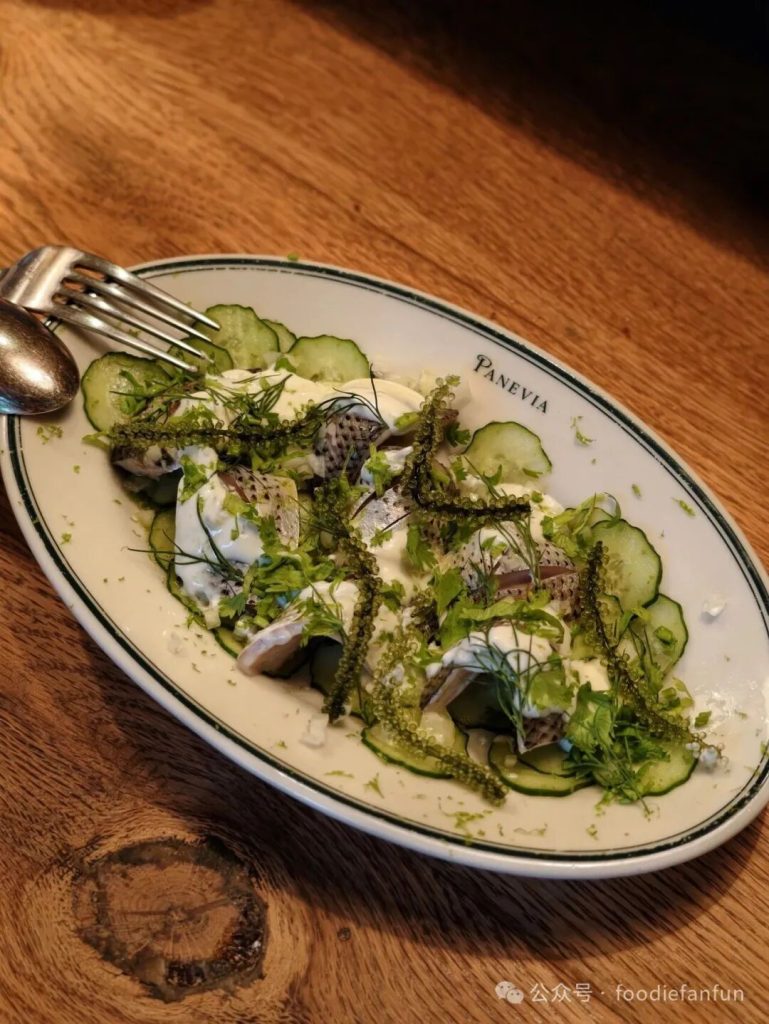
August’s young konoshiro (past the kohada stage) was cured, then paired with sour cream and fennel. The acidity felt just right, the aromatics worked their way through, refreshing yet with a bit of depth. The freshness of Japanese seasonal fish meeting Western cream and herbal notes — it looks casual, but every bite is a careful exercise in balance.
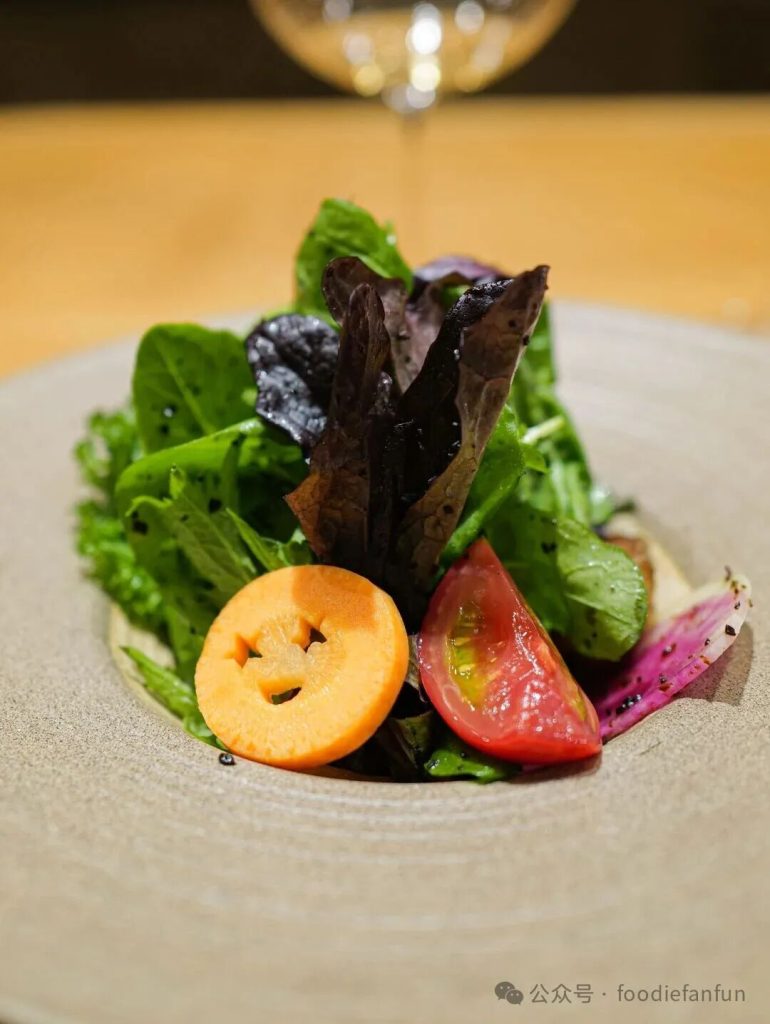
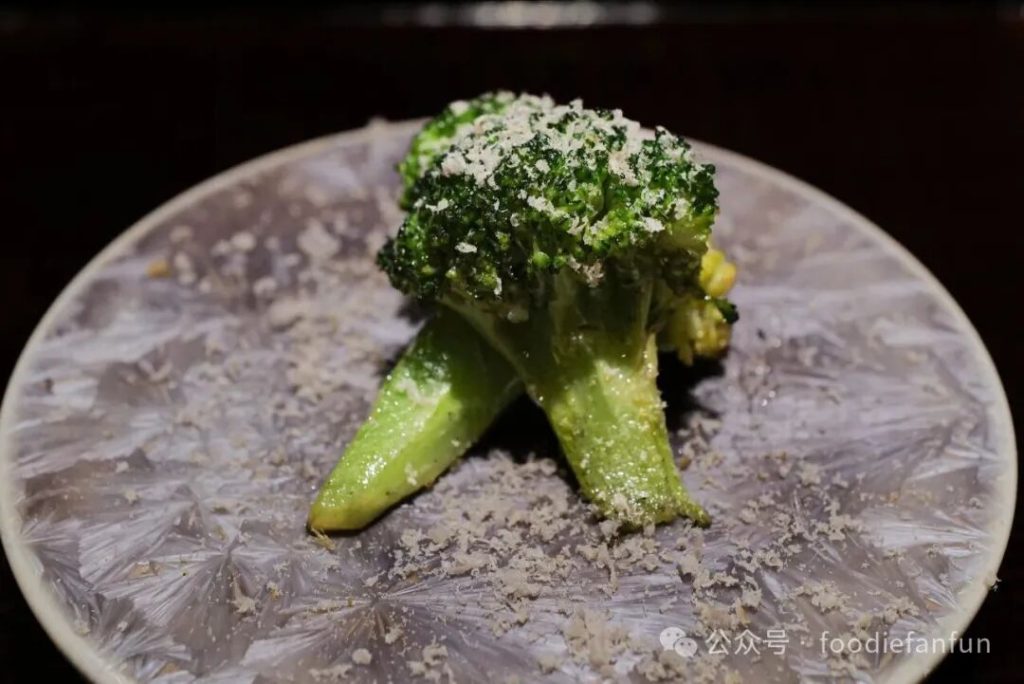
August’s Nagano mizunasu eggplant leaned even fresher this season — this variety is already juicy and crisp on its own, and here it’s dressed lightly sour with basil and parmesan added for aroma. Simple, delicious, and great with a drink.
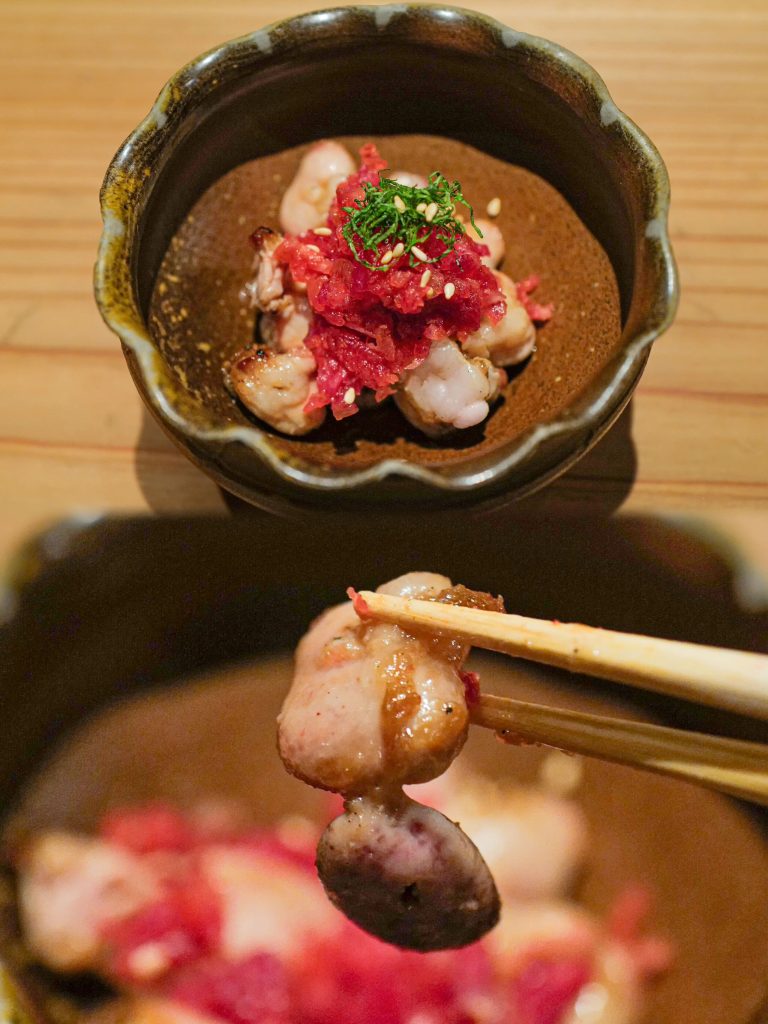
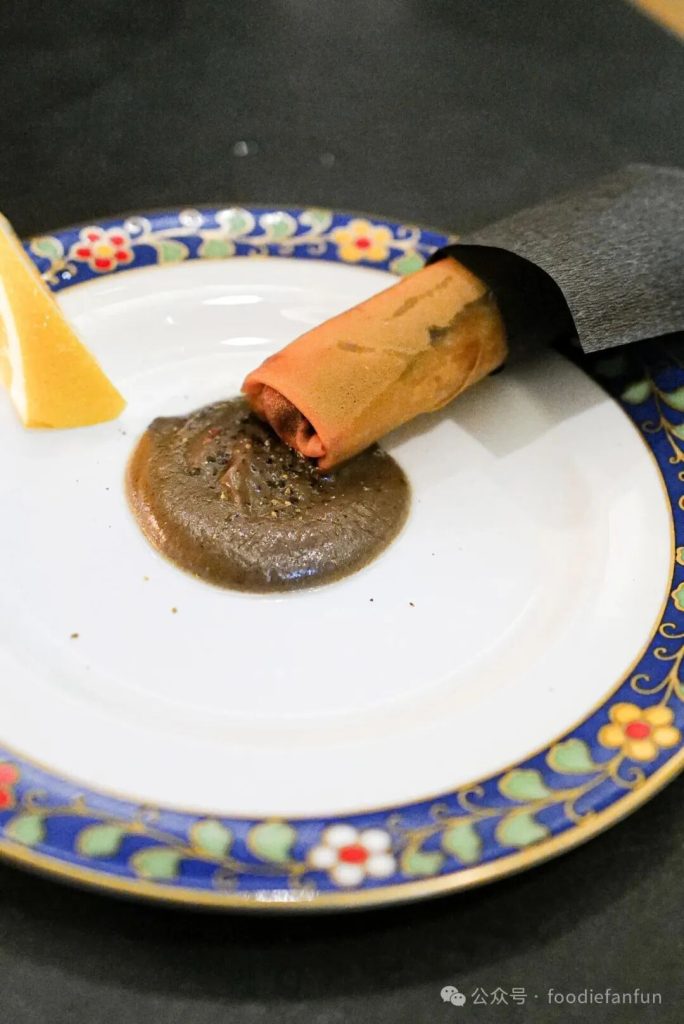
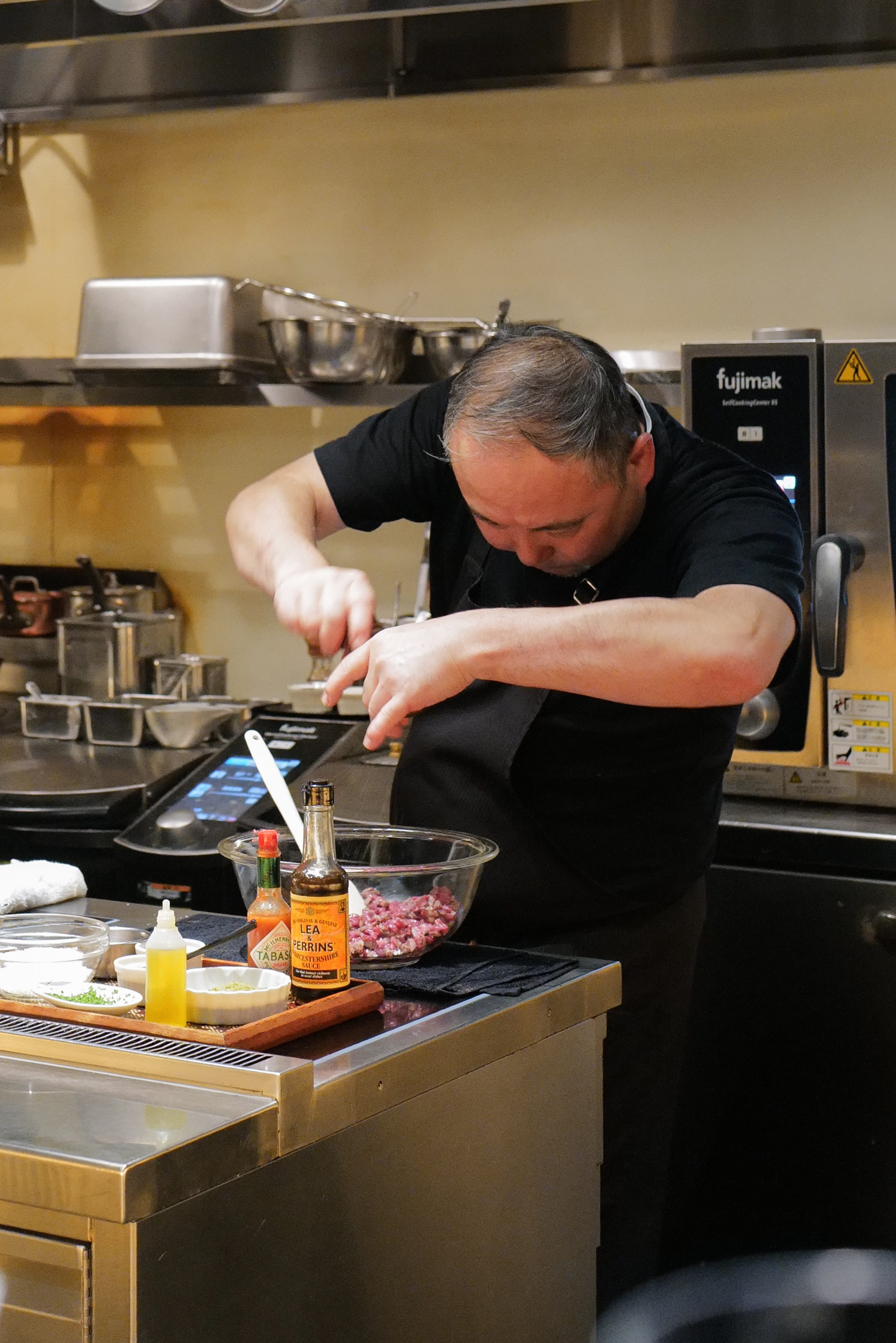
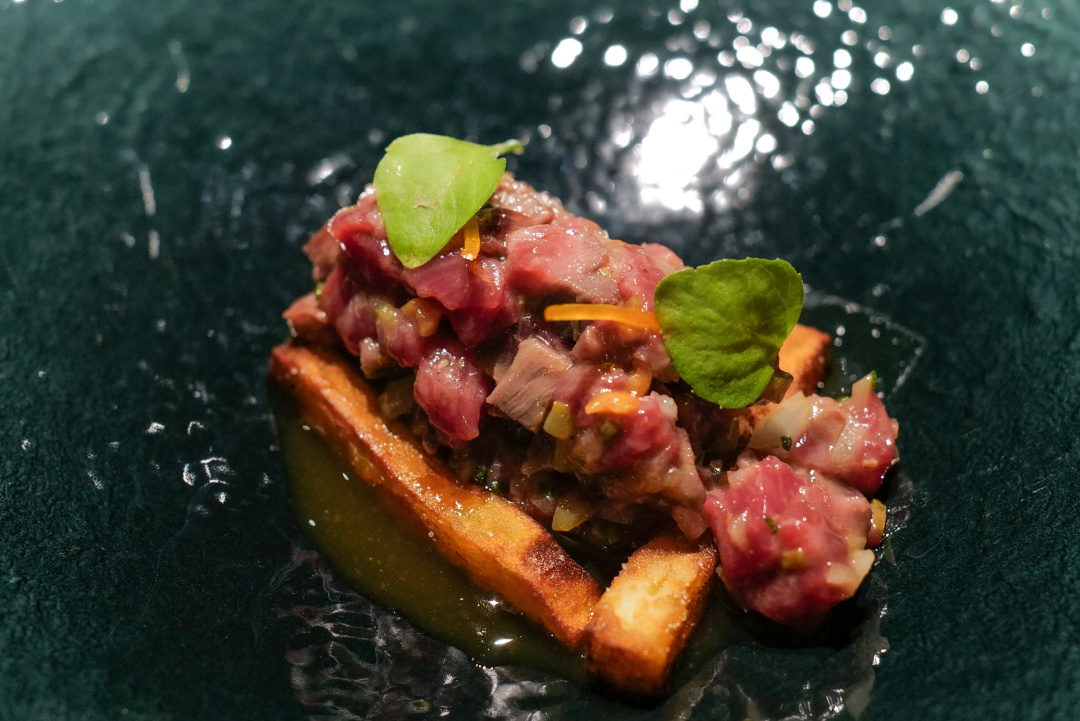
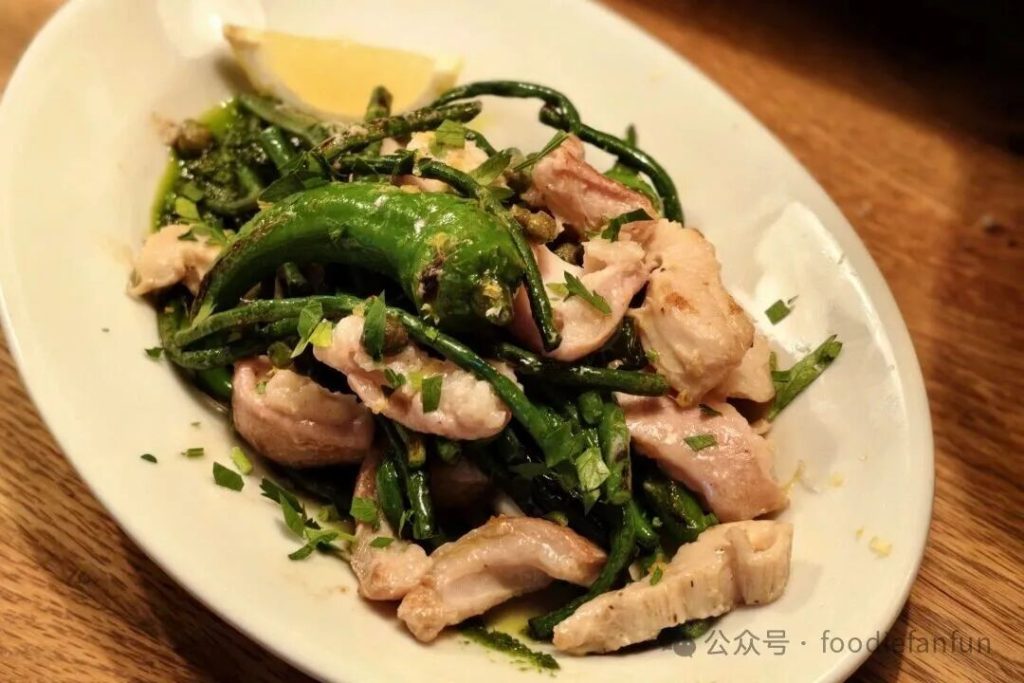
Raw beef offal is a real test of a restaurant’s sourcing, and it was surprising to see it done this beautifully at an Italian restaurant.
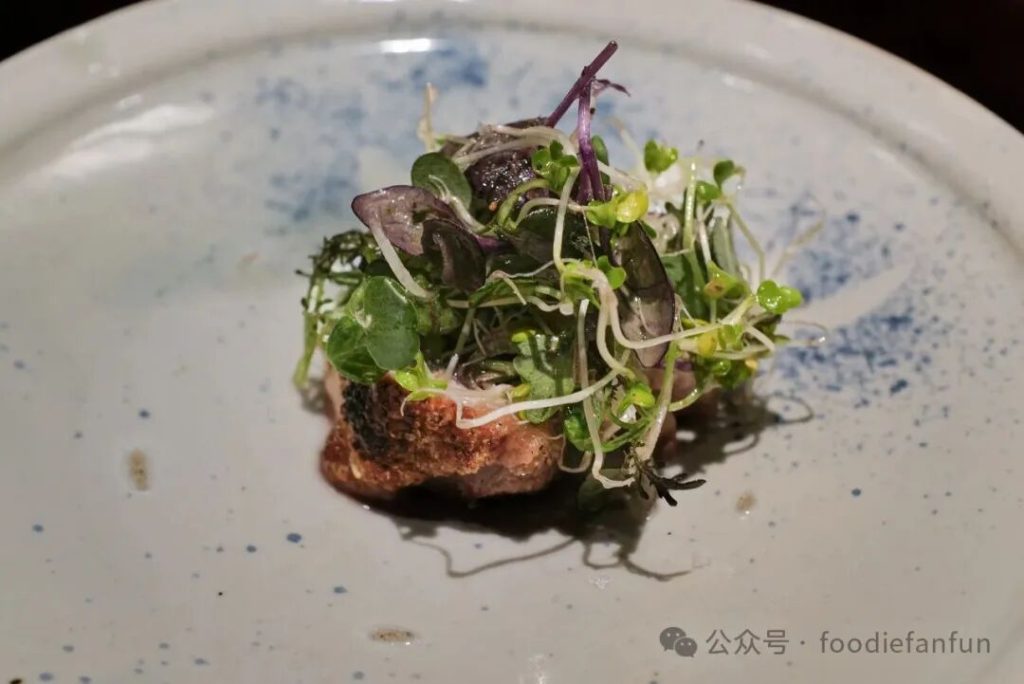
Green pepper just seared over the flame and pulled, while the offal colors quickly in the pan. Plated still rosy, crisp with a touch of richness, salted exactly right. A layer of pesto hidden at the bottom of the plate — dip halfway through and it amplifies the sweetness in the offal’s juices even further.
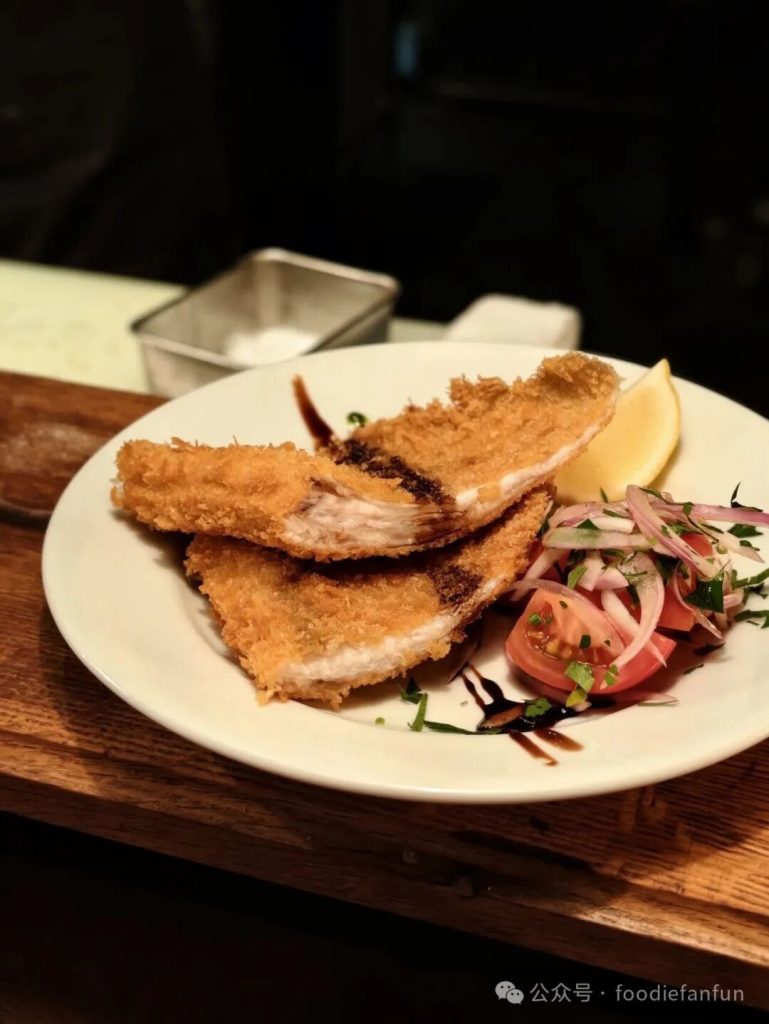
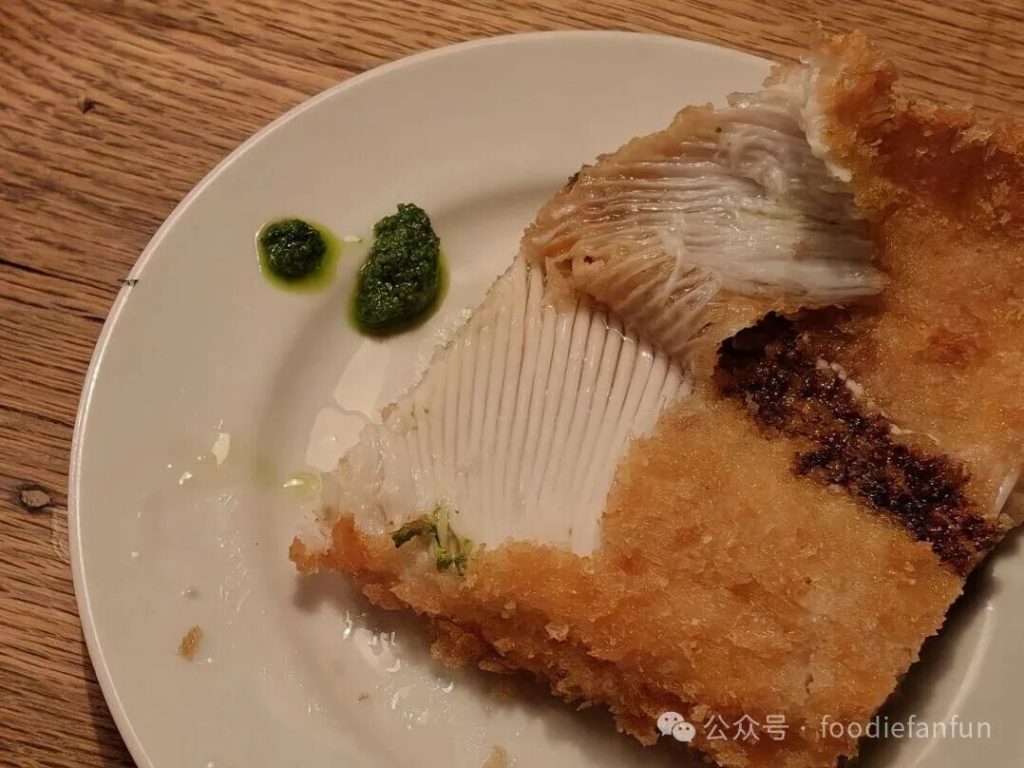
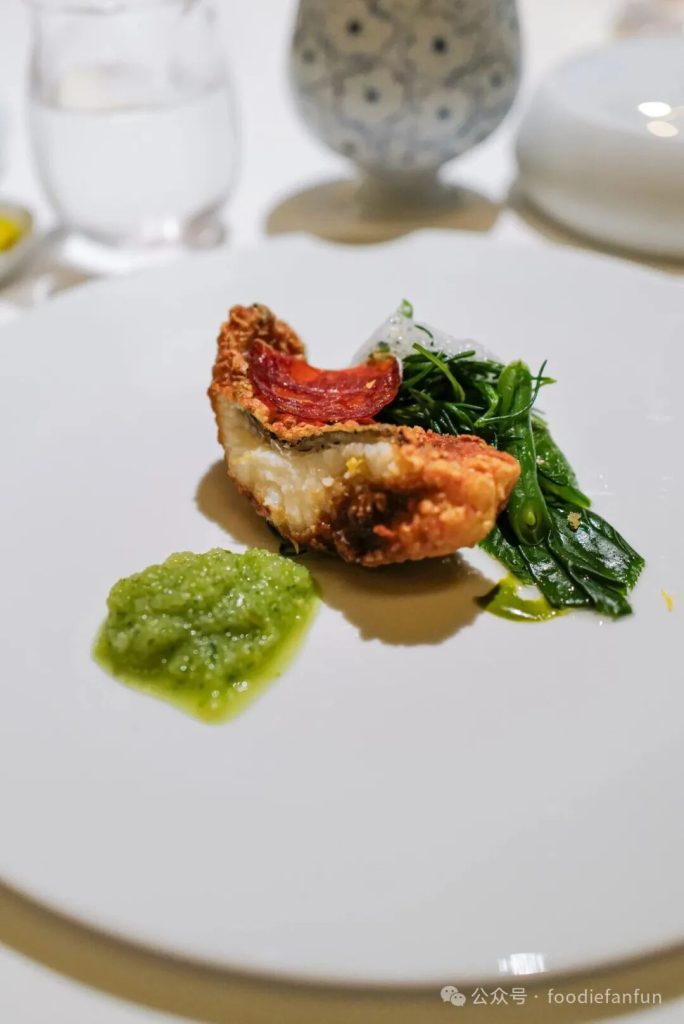
The most drinkable, most memorable dish has to be the fried skate cutlet.
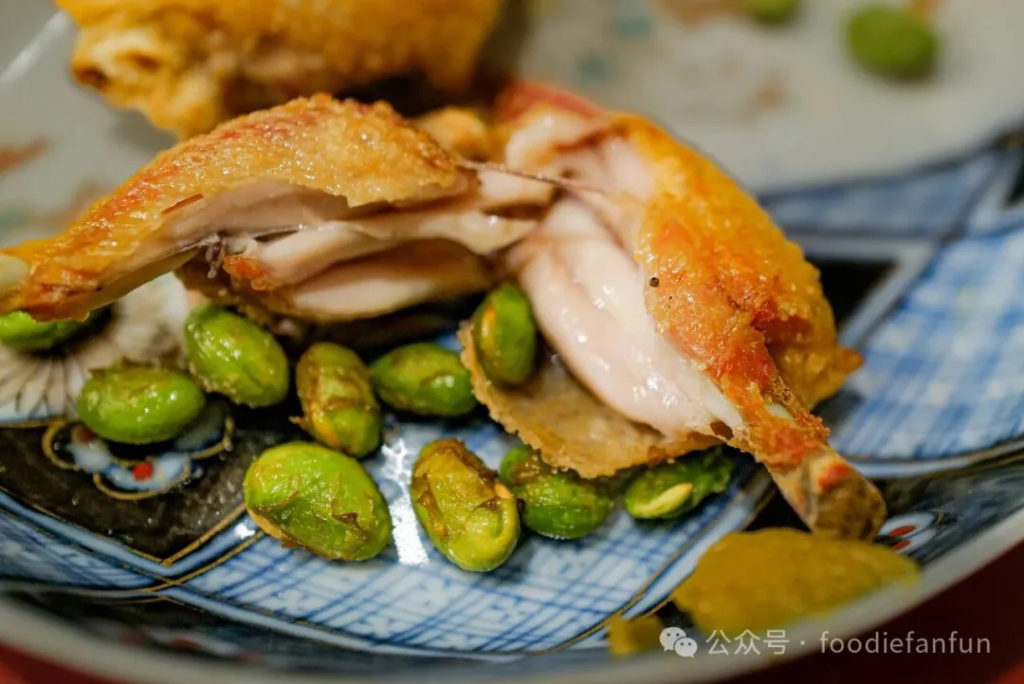
Under the crisp shell, one light cut of the knife and the meat along the bone falls open along its grain. The fish is soft and delicate, almost exaggeratedly tender, with a piece of cartilage tucked in the middle that gives the bite just enough structure — a bit like the happiest little cartilage bite in a rack of ribs, except crisper, more delicate, genuinely both fragrant and satisfying to chew.
That crisp shell on the outside is thoroughly sinful too, layered with a sweet sauce, pesto, and chili oil taking turns lifting the aroma. This kind of small creative touch is just brilliant.
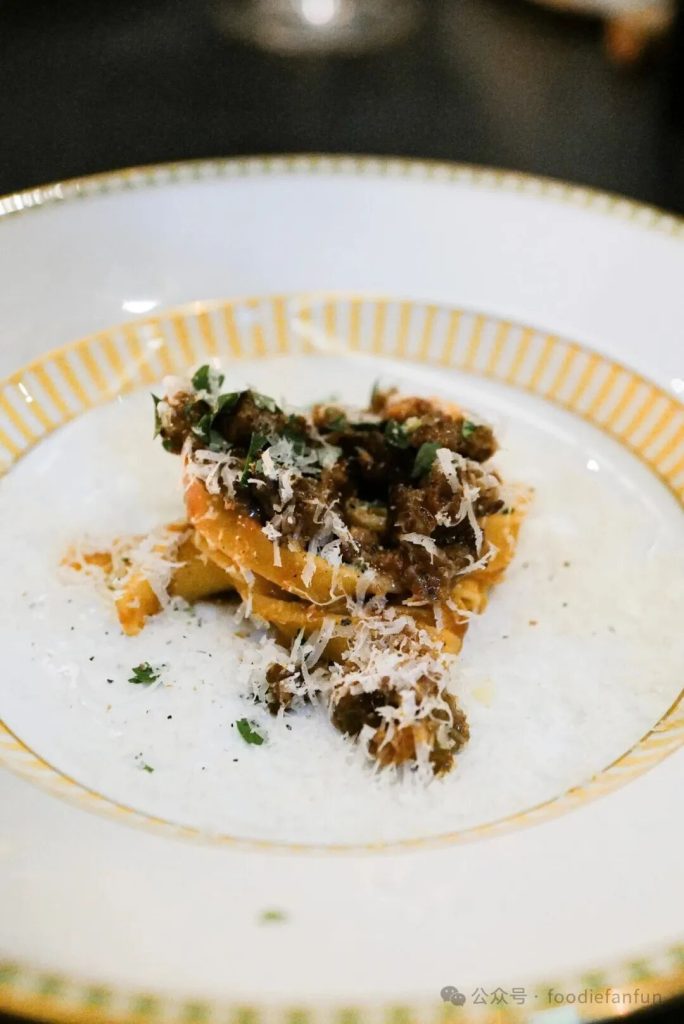
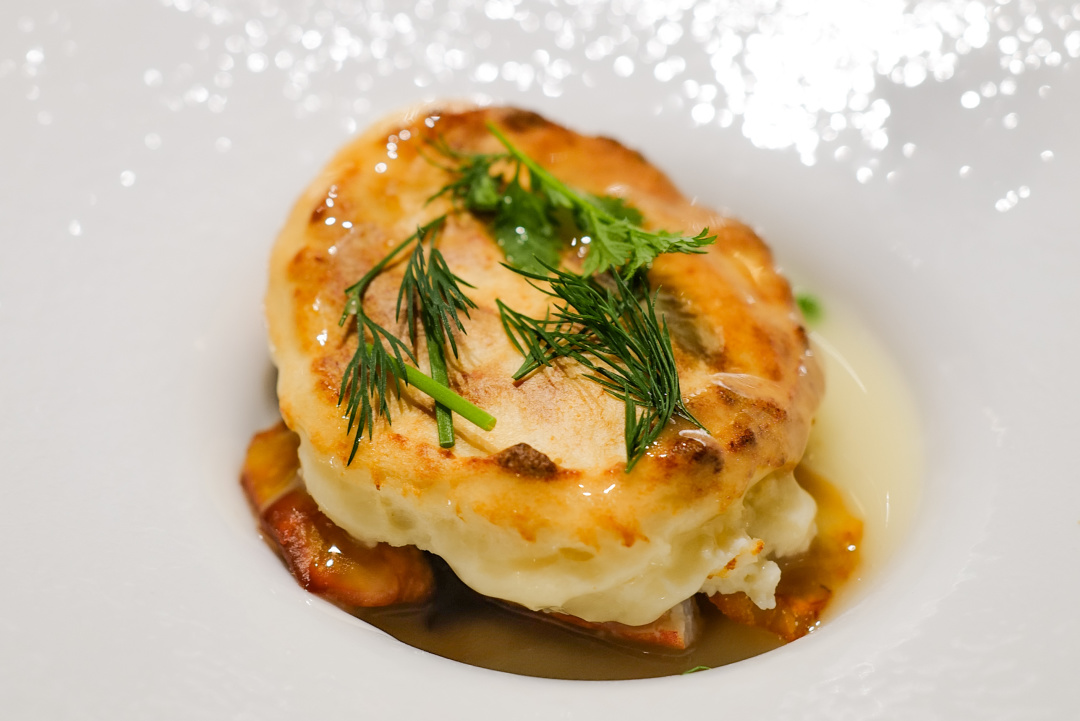
The clam pasta is a dish ENOTECA also runs this season — small tweaks here make the result noticeably better, several levels up.
The pasta is hand-cut on the spot, bouncy with real bite, tossed straight in clam liquor. The clams themselves are used more generously too — genuinely plump. Doneness is judged with real precision: tender, sweet, savory, with all that liquor-soaked juiciness fully present.
How could anyone not love this!!
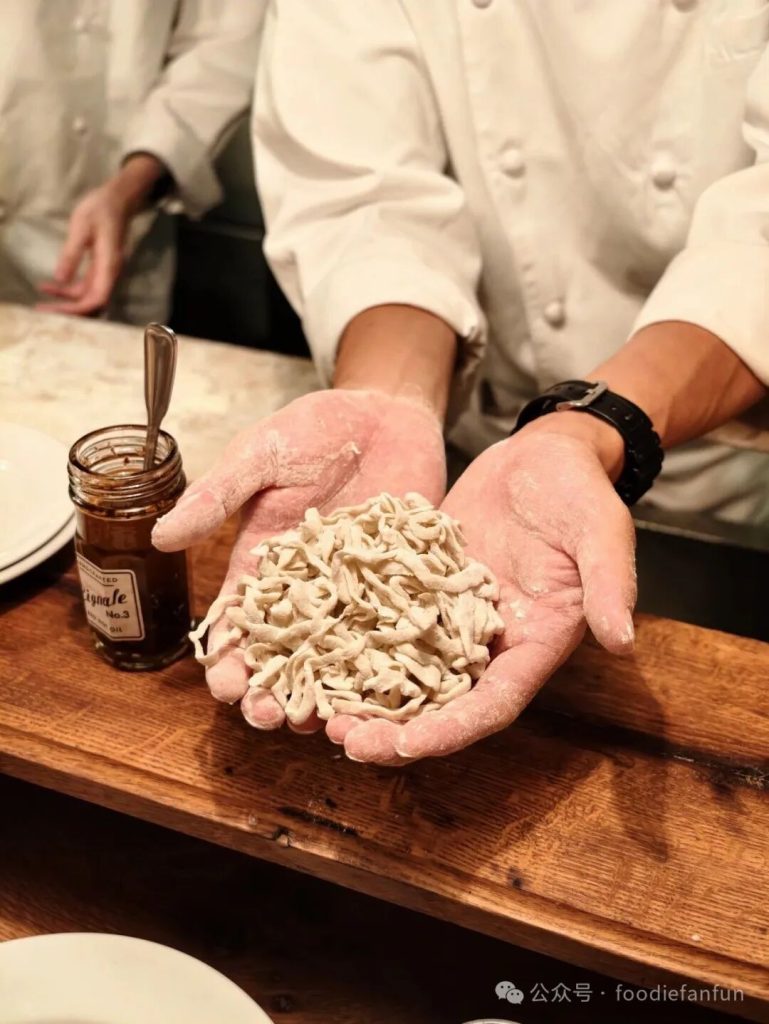
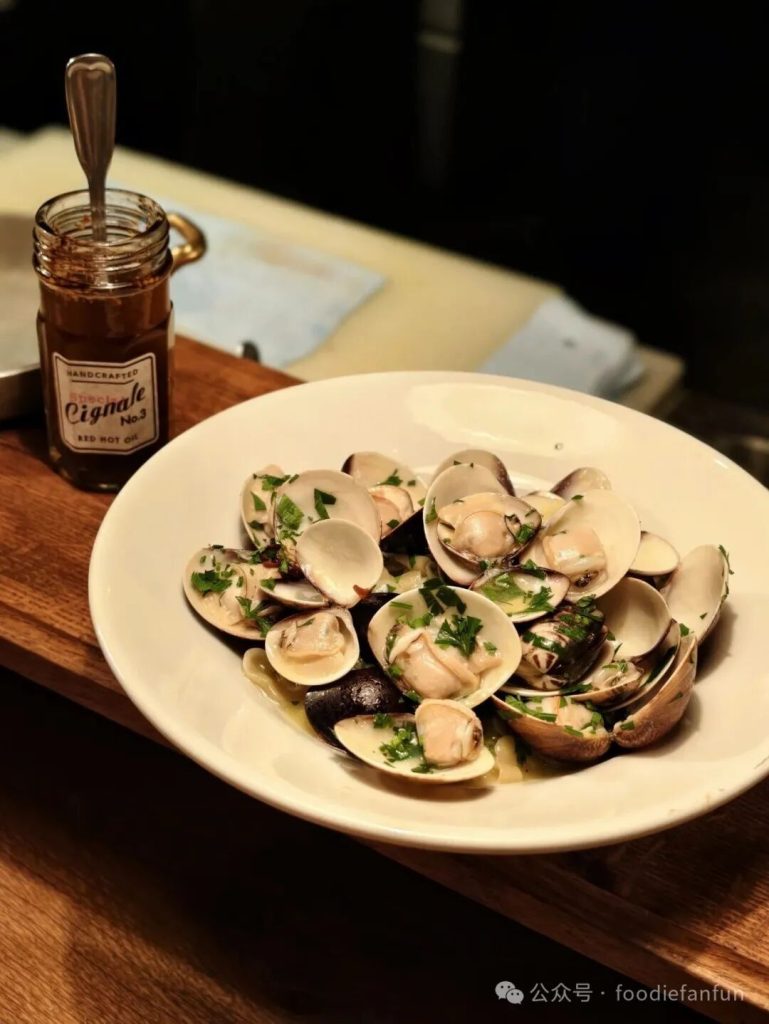
Of the three, PANEVIA is the one I personally think is best for just eating well. It may not use ingredients as expensive as ENOTECA’s, but in terms of how delicious the food actually is, and the experience the kitchen’s energy gives you, it’s well beyond ENOTECA.
À la carte is the way to go — for two people, 4-5 dishes is plenty.
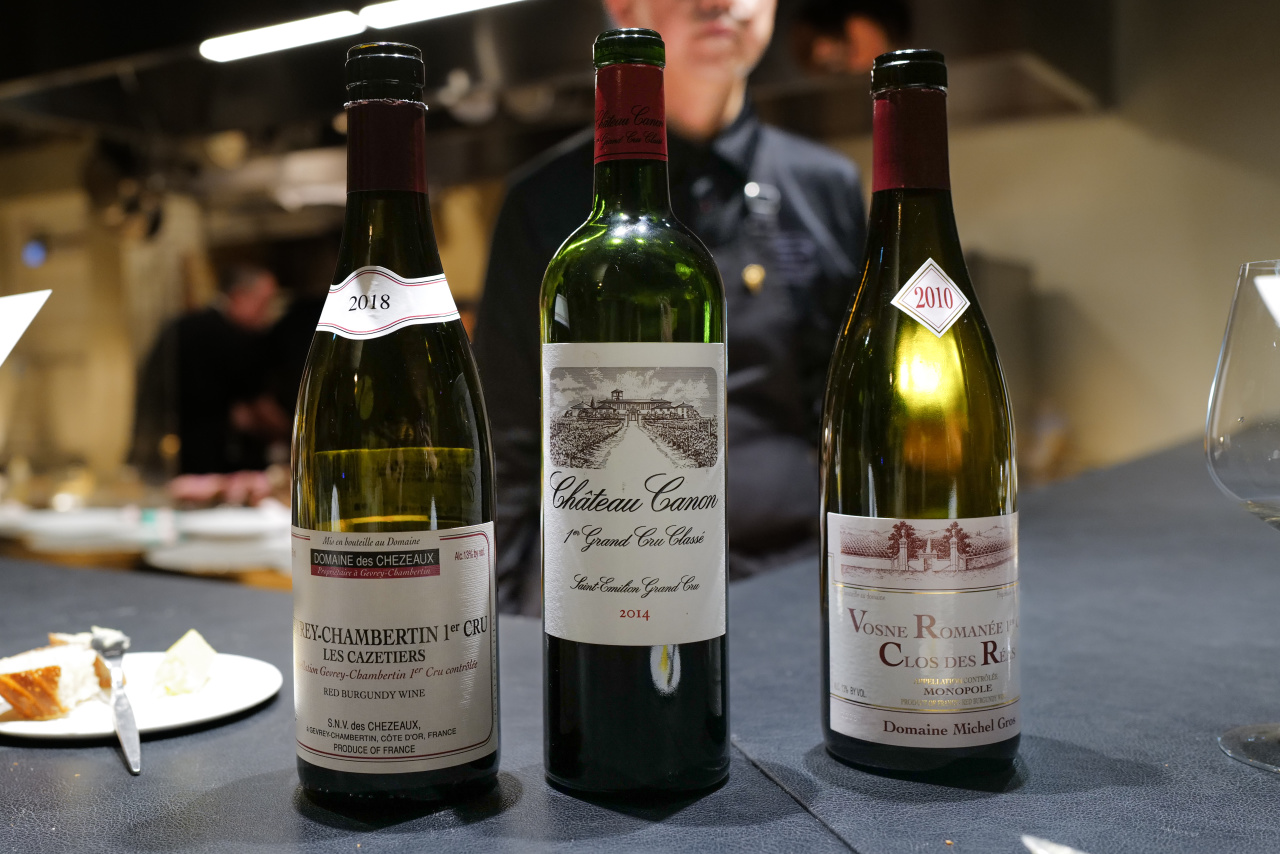
And if you want to drink a bit better, you can ask the chef directly — they’ll pull a good full bottle over from ENOTECA next door.
✦
•
✦
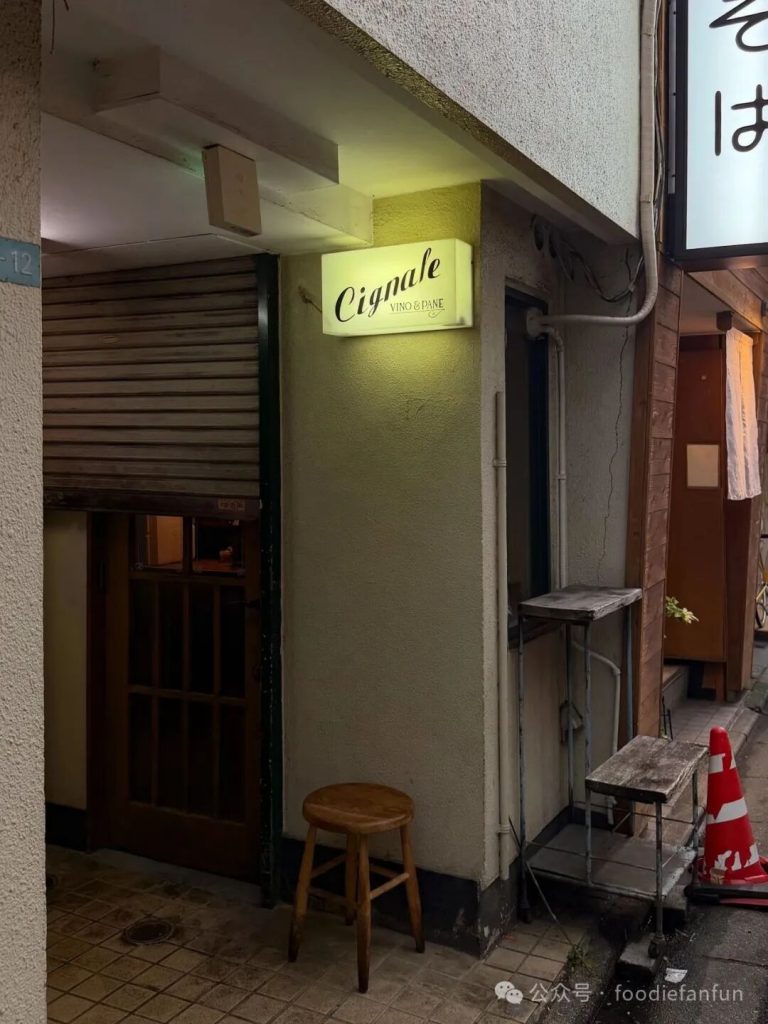
🥂 Cignale VINO & PANE
💰 à la carte, roughly ¥10,000+ per person
🍷 ★★★★★
🍴 ★★★★☆
Reservations: strict two-seating system, bookable within the same week.
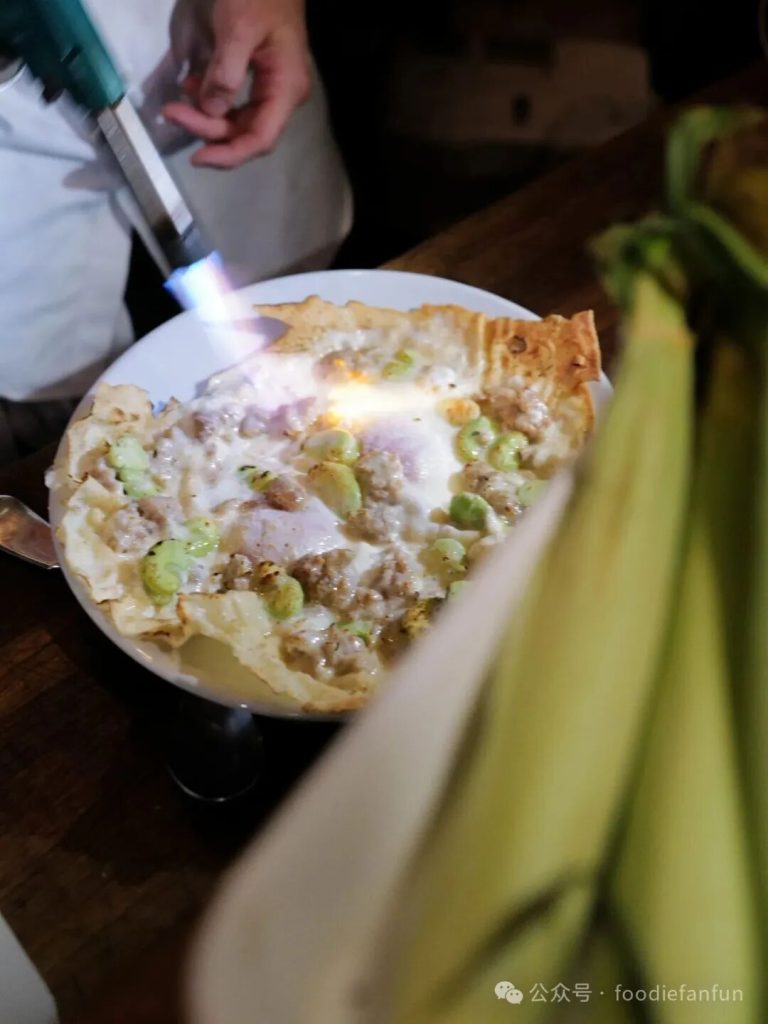
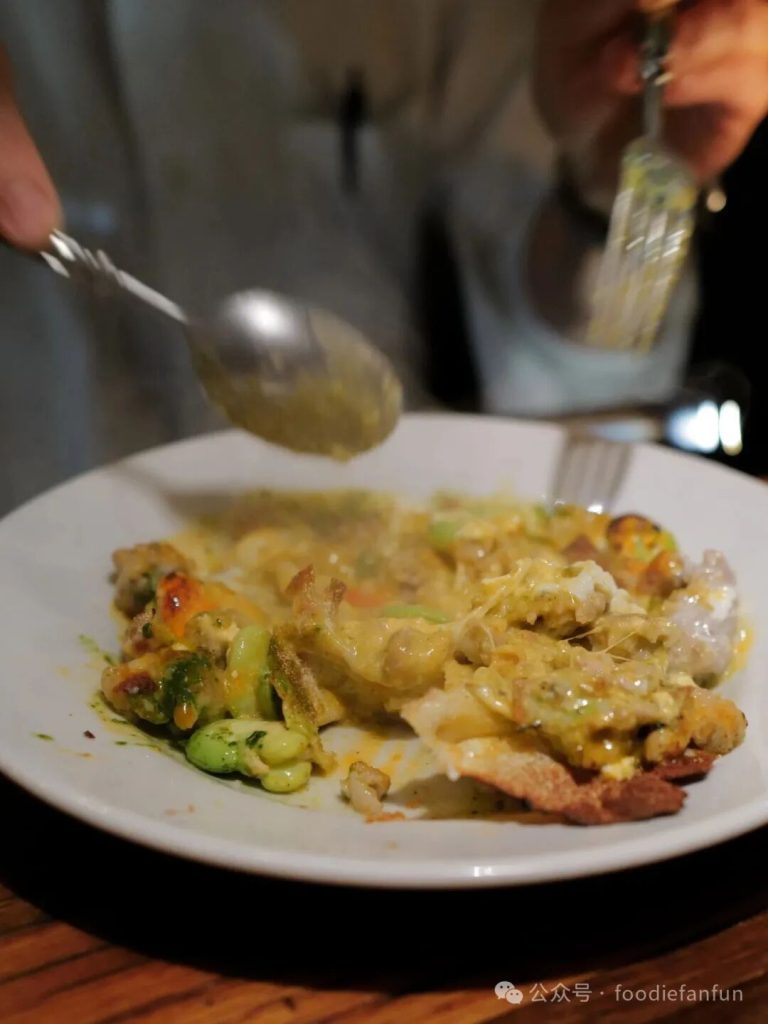
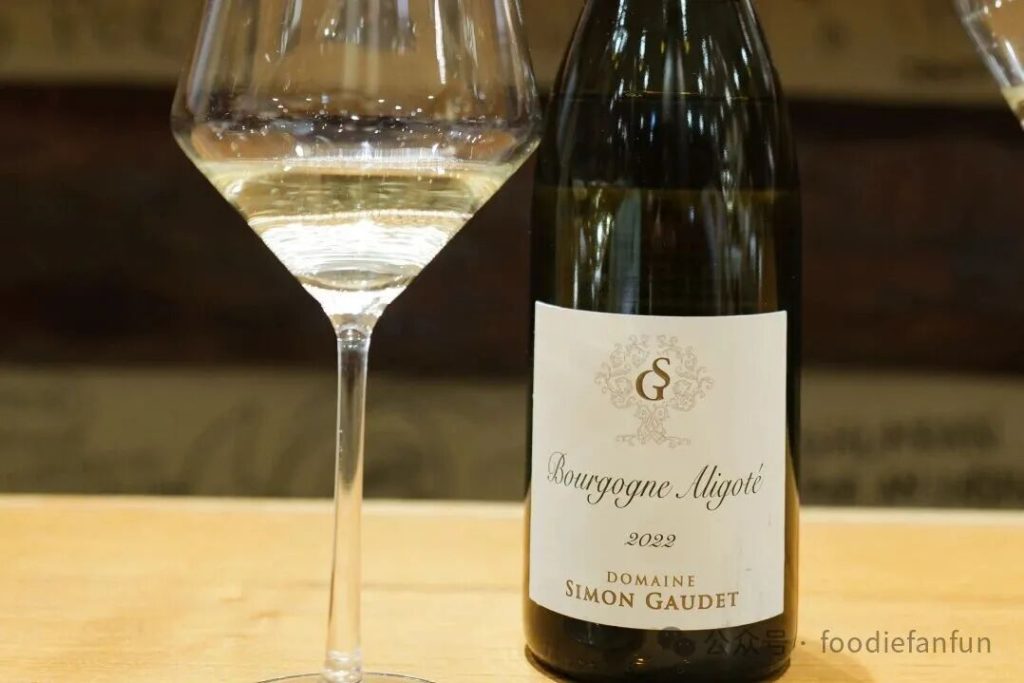
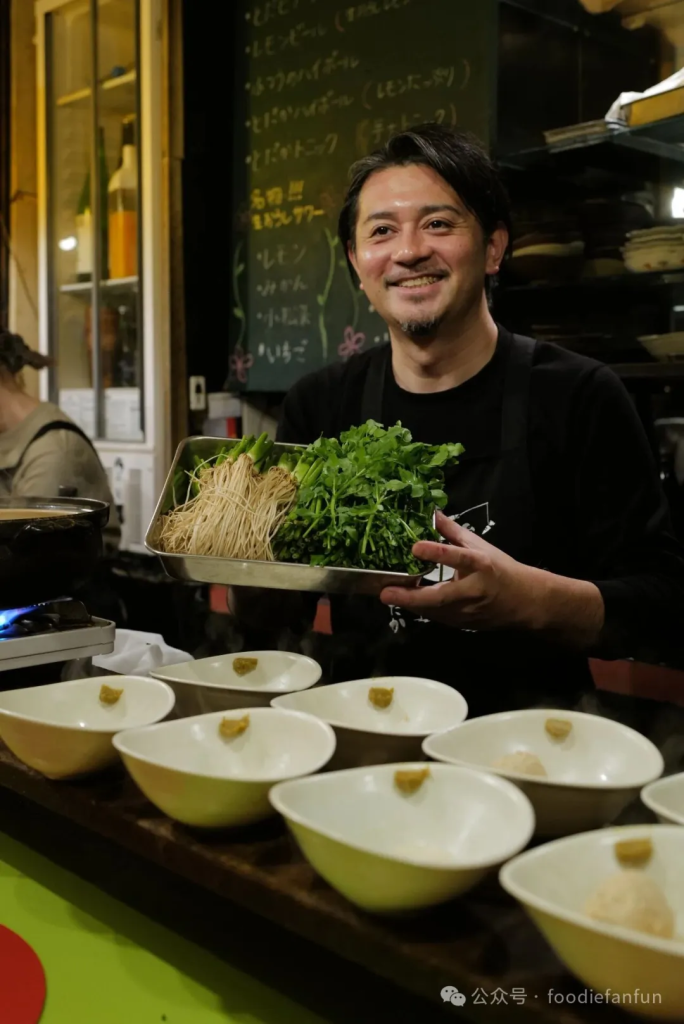
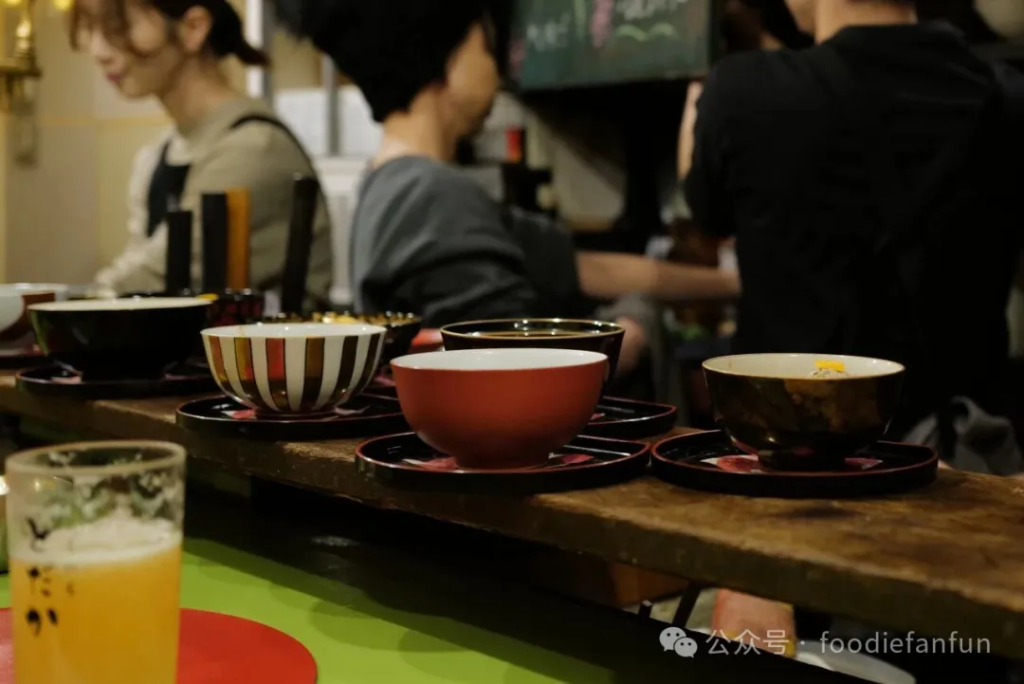
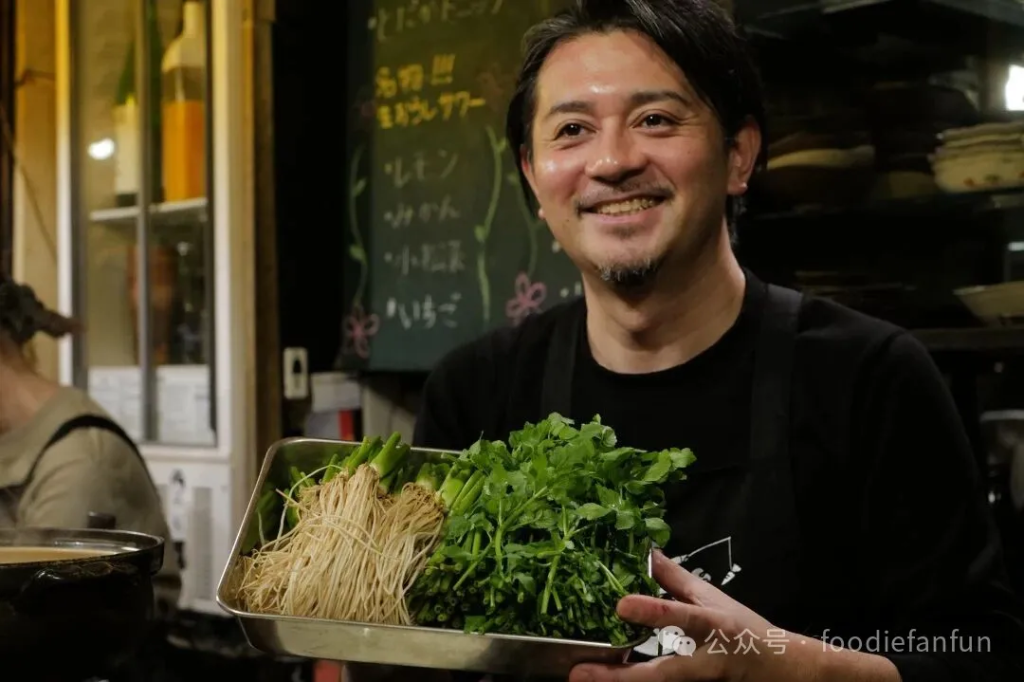
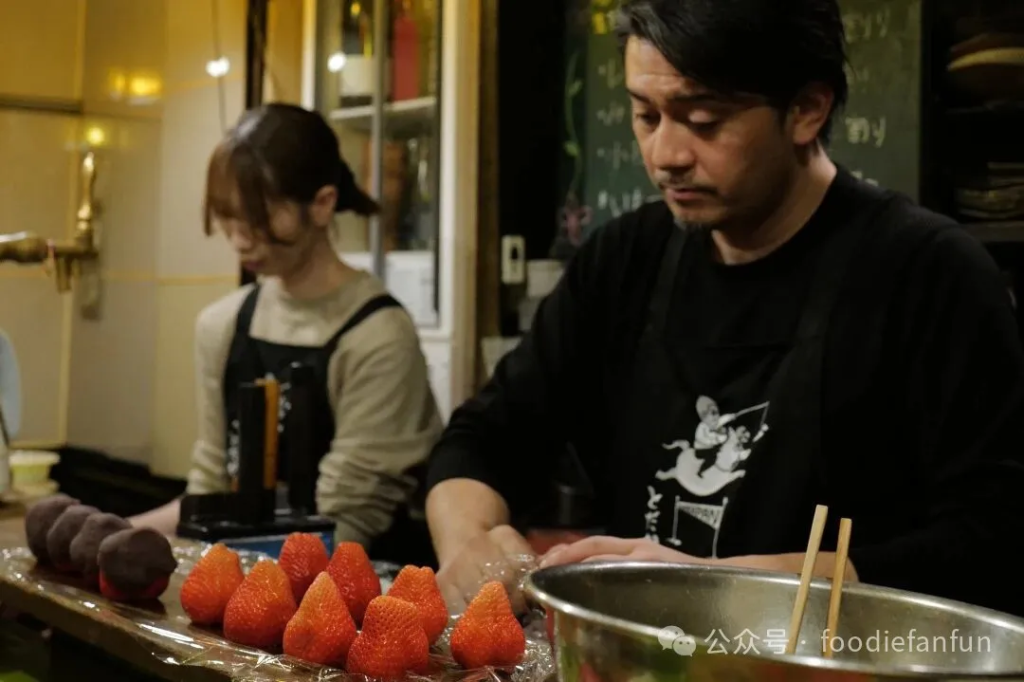
VINO & PANE is where Cignale actually began — a tiny counter left over from an old oden shop, seating only six. The day’s meat, fish, vegetables, and hand-cut pasta are laid out in front of you, dish names scrawled simply on a chalkboard, and the fridge can produce endless glasses of wildly different by-the-glass wine.
The first thing you’re always asked after sitting down is
“What do you feel like drinking today?”
This is also where I first got to know this restaurant group.
My first impression at the time was simply: how can a neighborhood wine bar be this good.
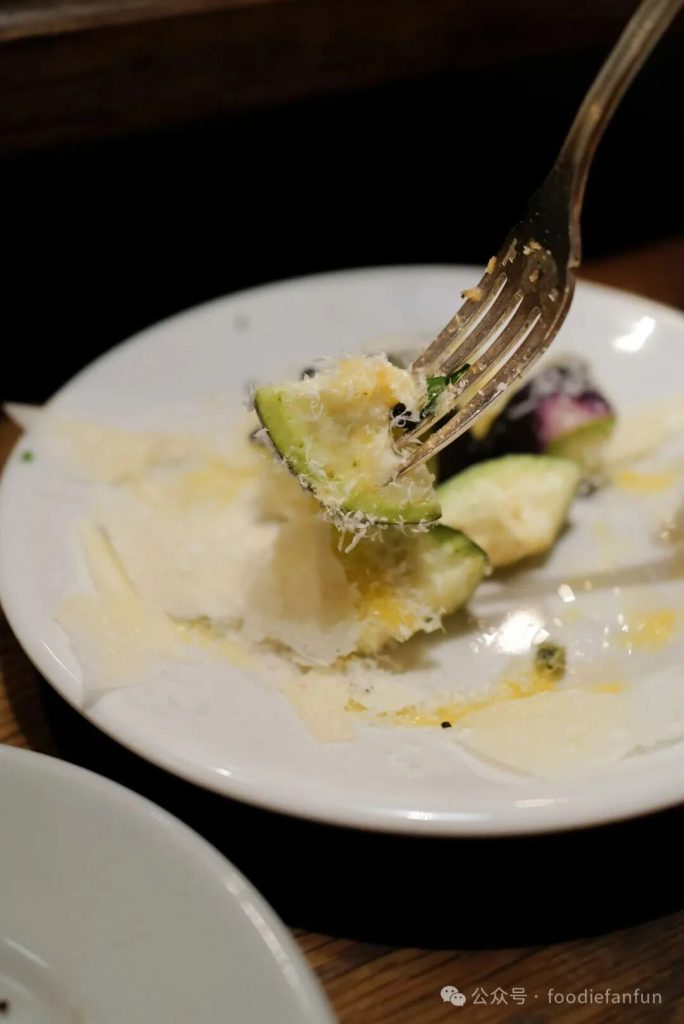
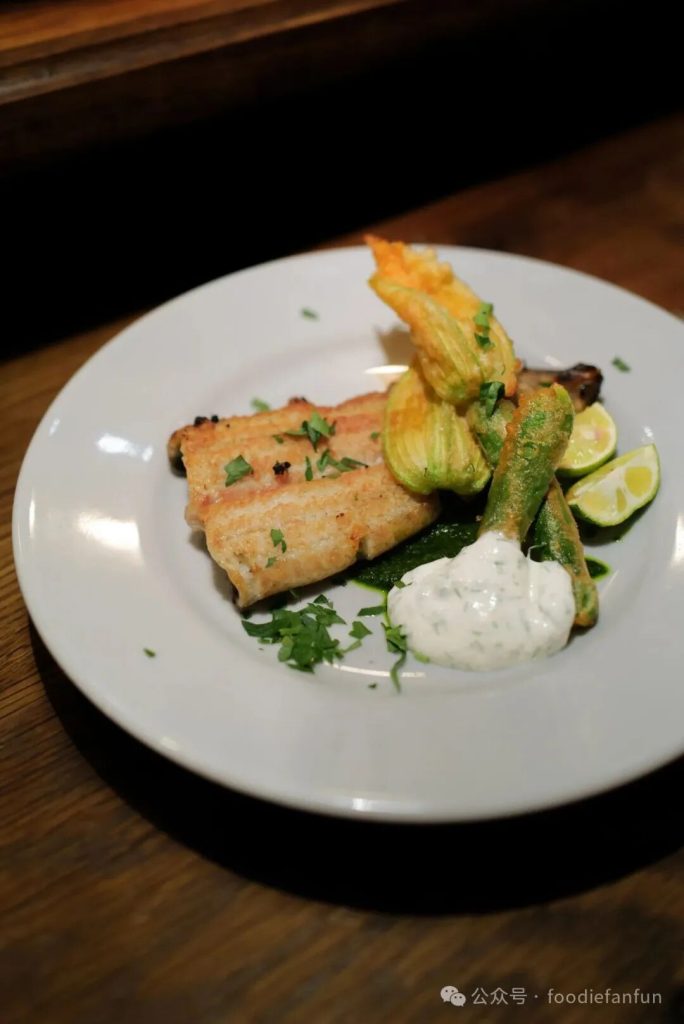
For the detailed menu, I already wrote a dedicated piece on this one before 👇🏻
In a Tokyo where reservations are brutal, finding a small, relaxed, and genuinely capable place
Definitely order what’s in season — the seasonal vegetables and fish here always deliver their own answer.
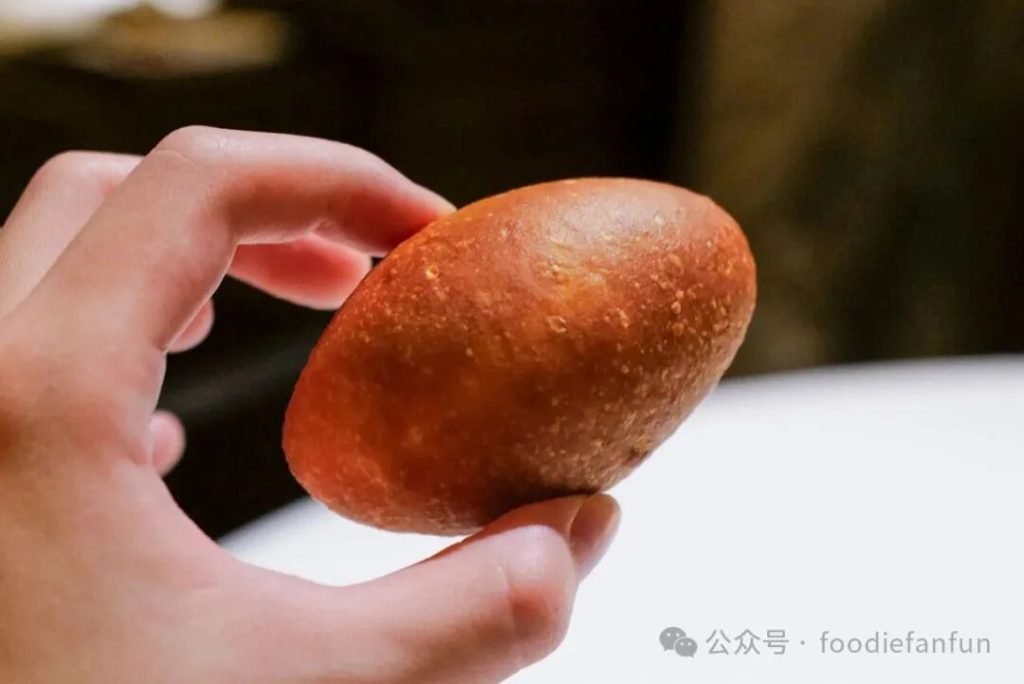
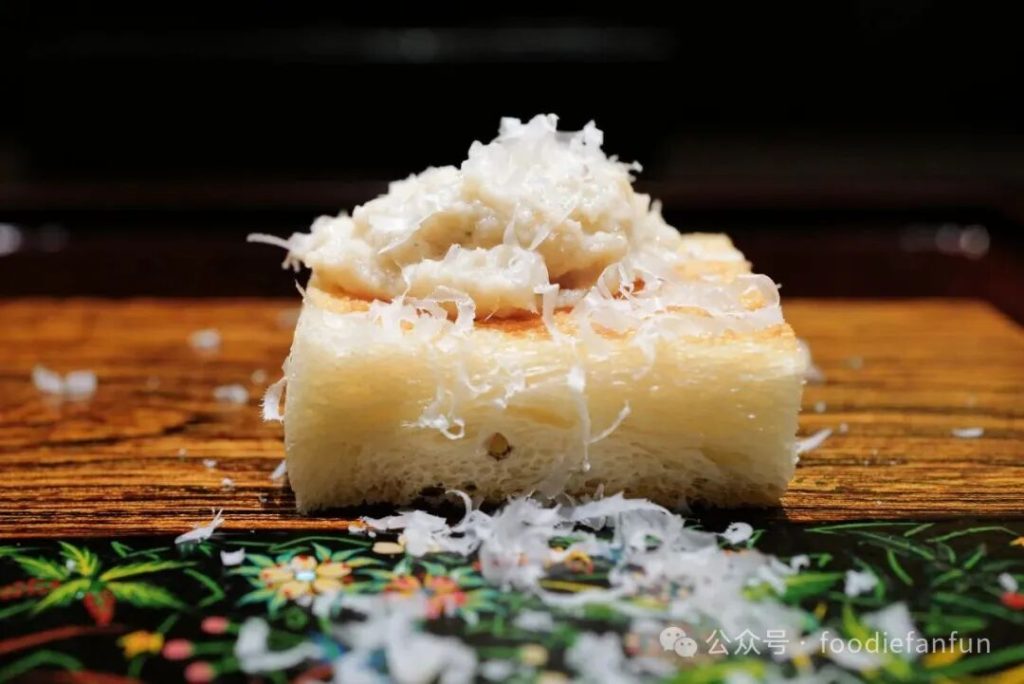
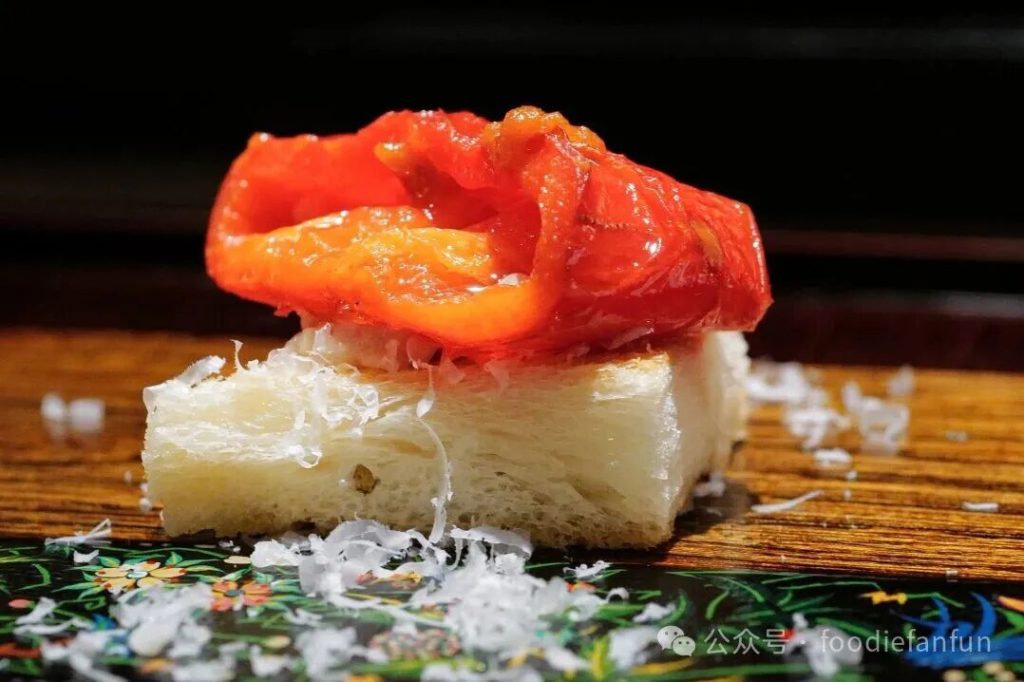
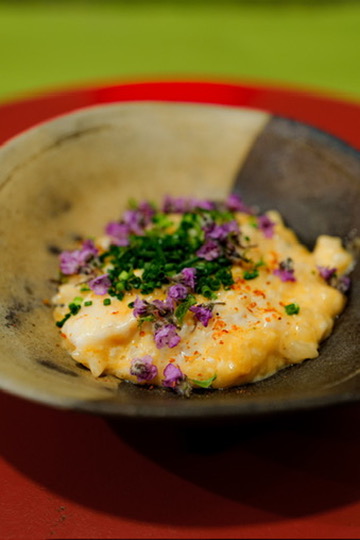
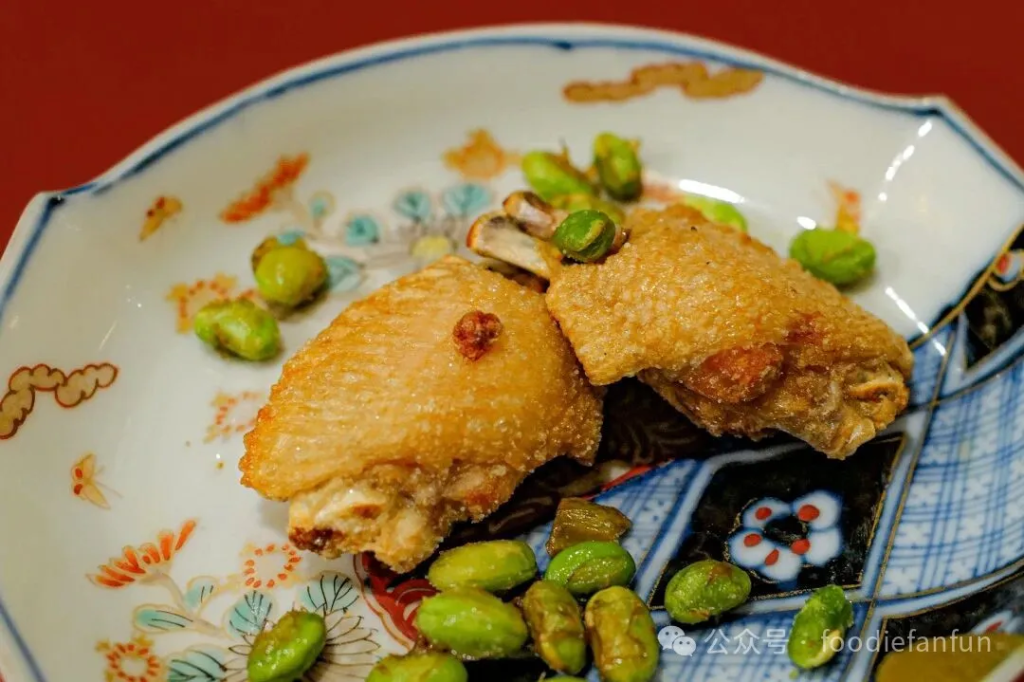
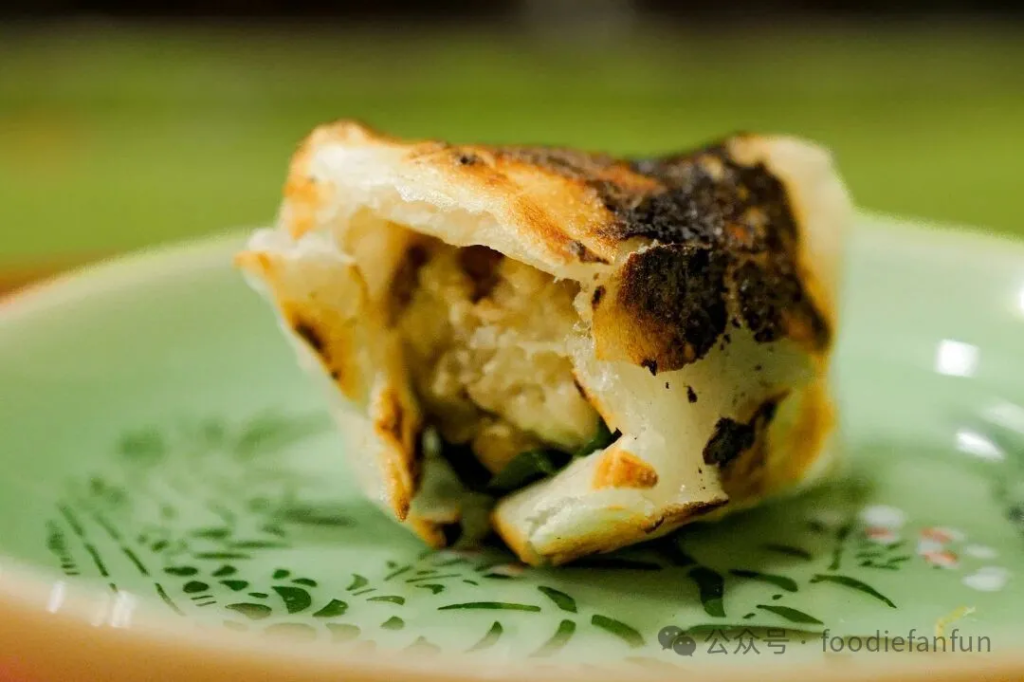
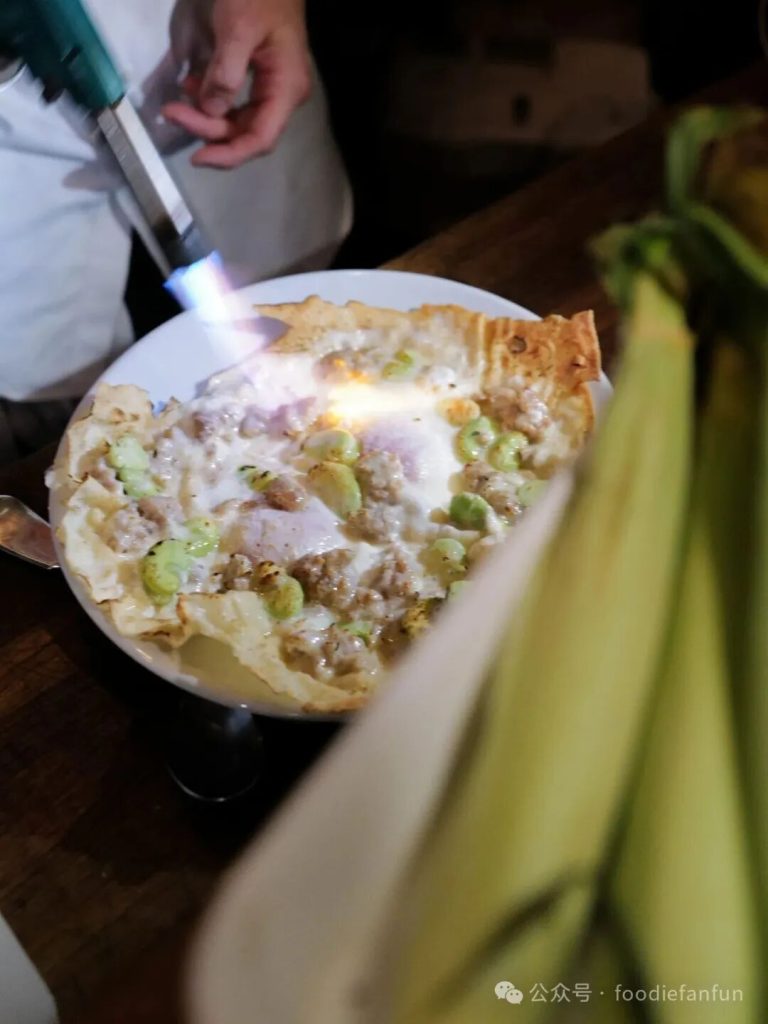
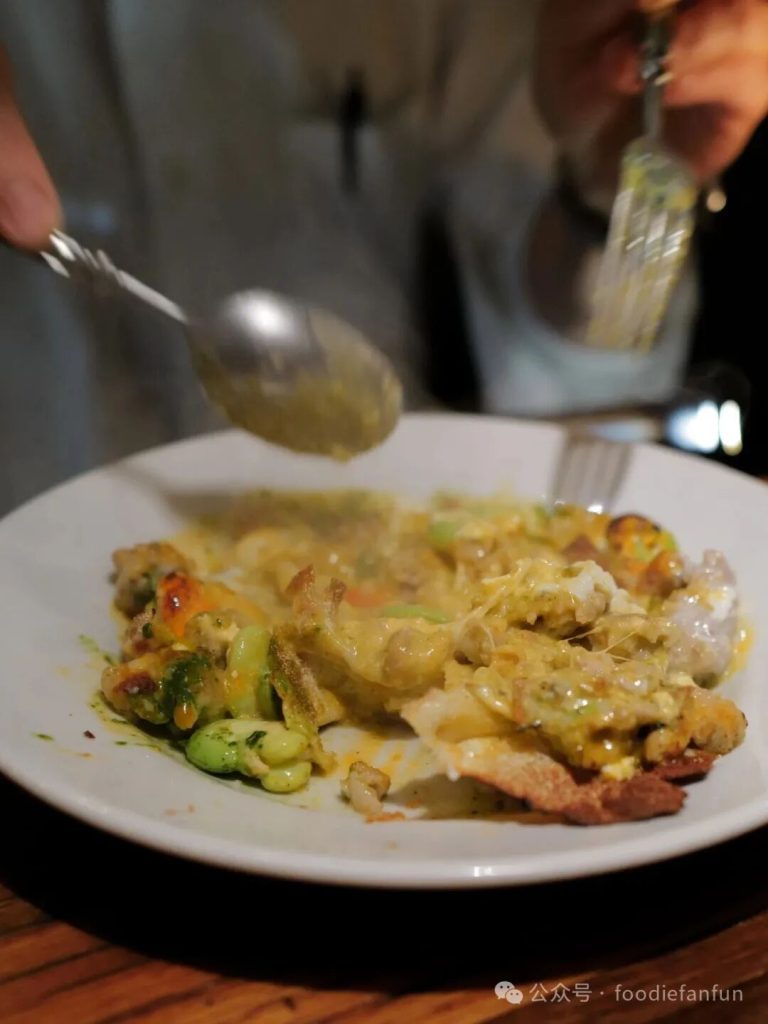
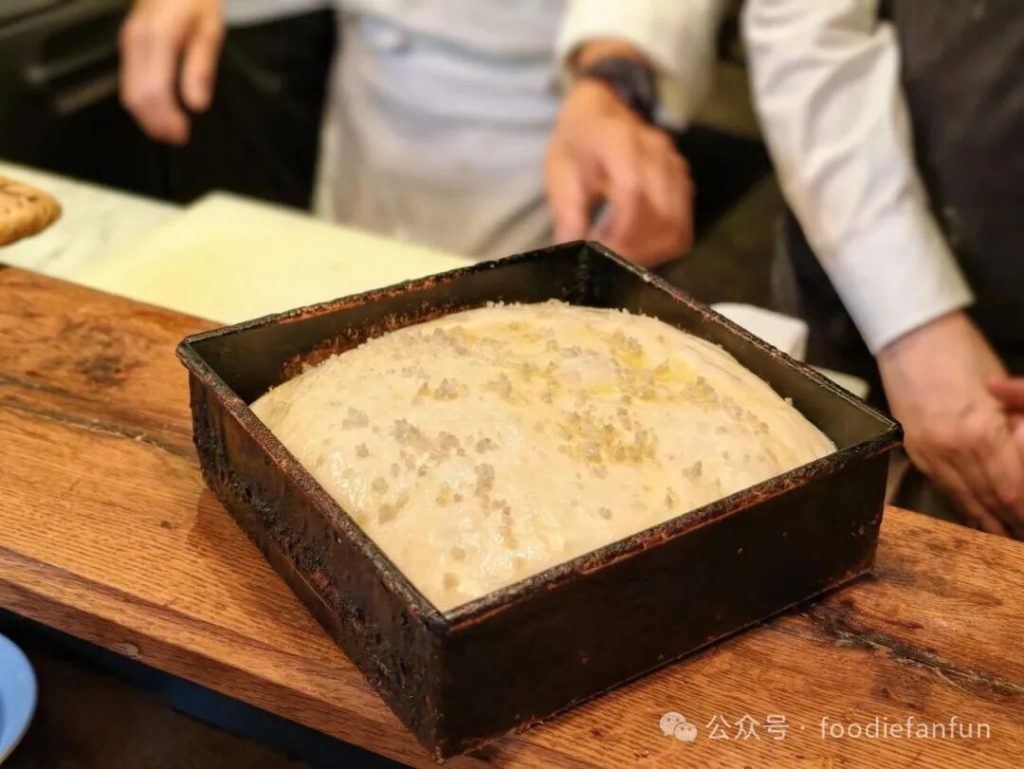
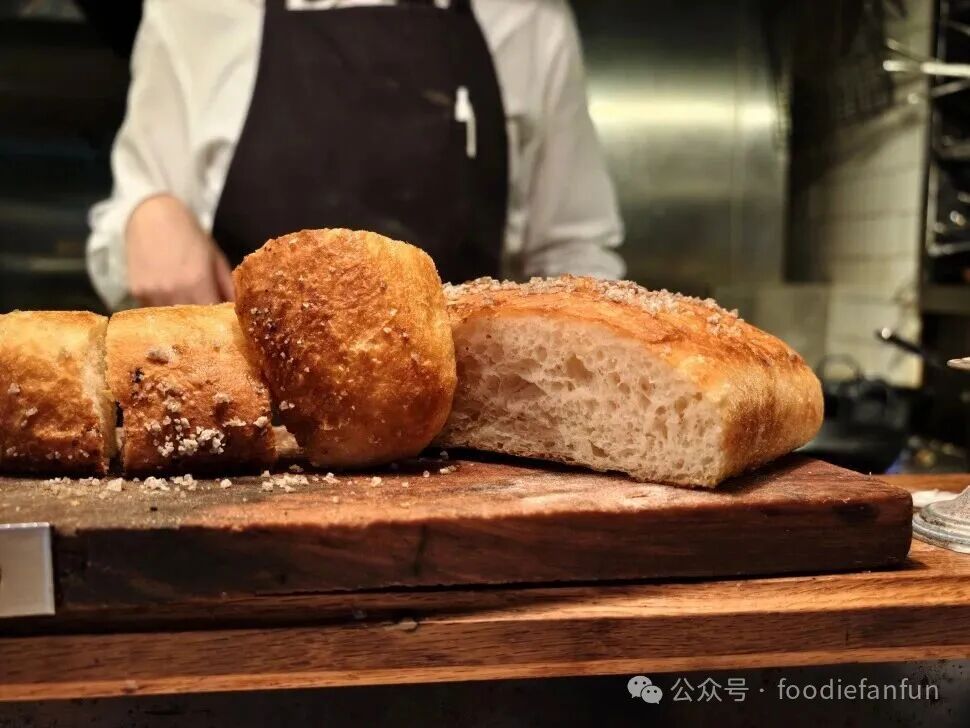
The flatbread is a pleasure you can’t get at ENOTECA, and the filling changes every few days. Egg scrambled in the heat wrapped in the dough — crisp on the first bite, then soaked through with sauce and yolk after a few more, and suddenly you notice the crunch of chicken cartilage in there too, adding a little extra joy to the crispness.
VINO & PANE’s food isn’t as flashy as PANEVIA’s — it leans toward a simpler, more straightforward style of flavor, but every dish is still simply, happily delicious.
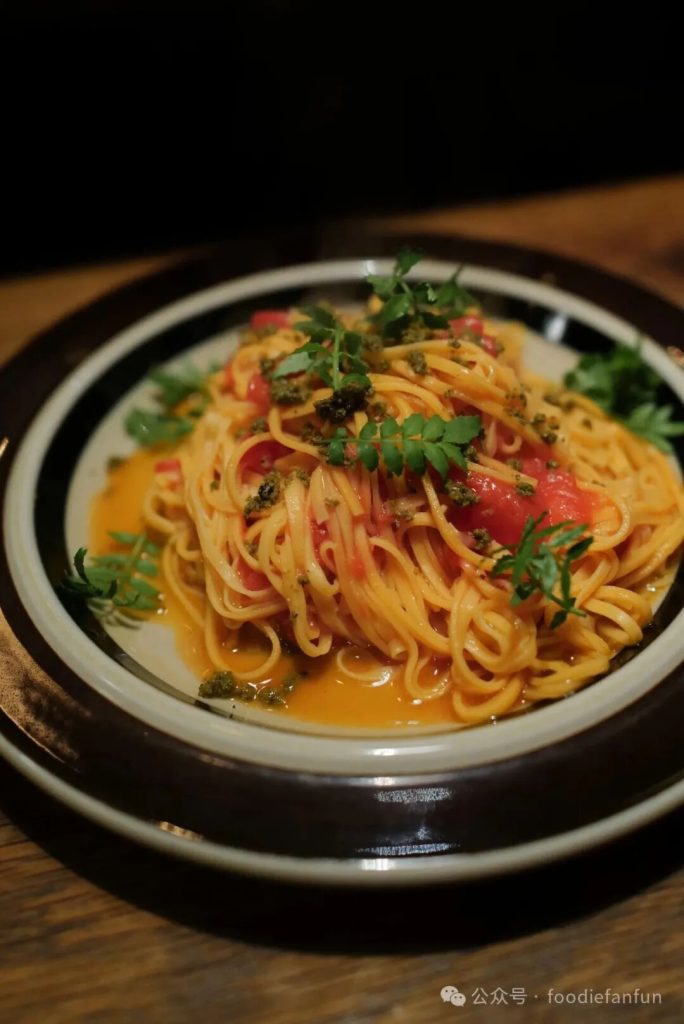
The wine here also best fits the neighborhood-bar identity.
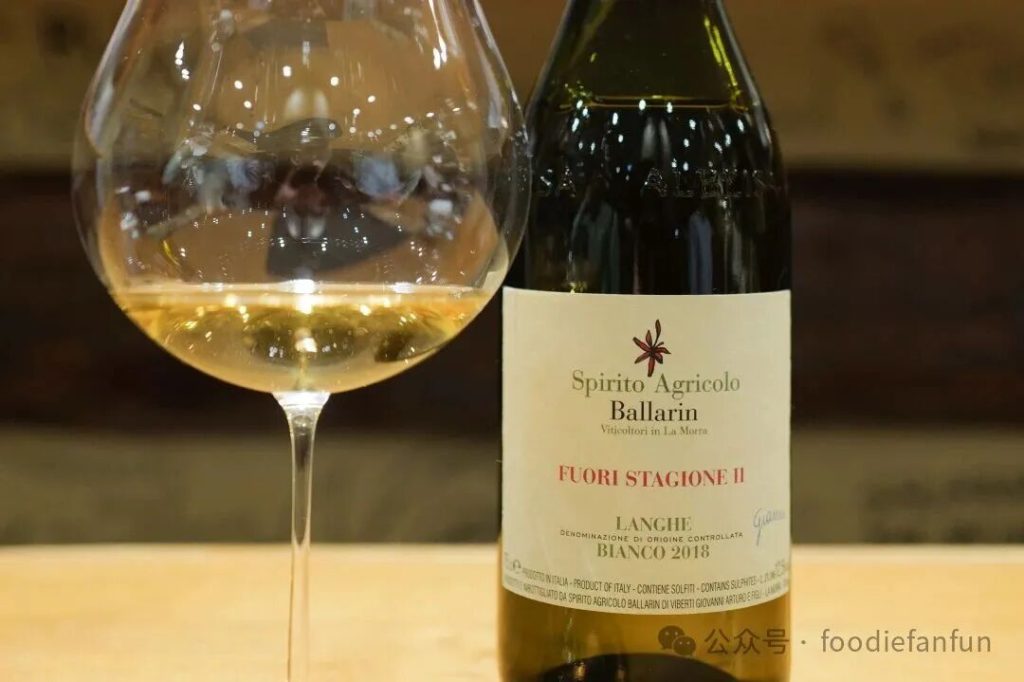
By-the-glass selection is richer than PANEVIA’s, prices are gentler, but quality stays right on point. The sommelier behind the counter has a naturally bright, energetic presence too, happy to chat you through to something you’ll actually like.
In Tokyo, having a place you can still book with just a few days’ notice, where the ingredients are handled seriously, the cooking has real thought behind it, and the wine list is genuinely interesting — that’s already something worth treasuring.
✦
•
✦
All three, of course, have their own strengths.
ENOTECA has the chef-owner himself on the floor, the highest-spec ingredients, and all the reputation and completeness you’d expect from a flagship. If you’re going specifically for the original Cignale, the Justin Bieber experience, the most luxurious course — that’s still the one to go for.
But set that halo aside for a moment, and I’d recommend PANEVIA and VINO & PANE instead.
Both are genuinely rare types of restaurants for Tokyo.
PANEVIA is the kind of Italian restaurant with absurdly high output quality that still stays relaxed. Great seasonal ingredients, thoughtful dishes, real presence in the heat control, and the visual theater of frying, sautéing, searing, and tossing right at the counter. As more and more good restaurants in Tokyo move toward fixed tasting menus, being able to sit at a counter and order whatever you’re craving is genuinely a small kind of happiness.
VINO & PANE has more appeal for people who love to drink.
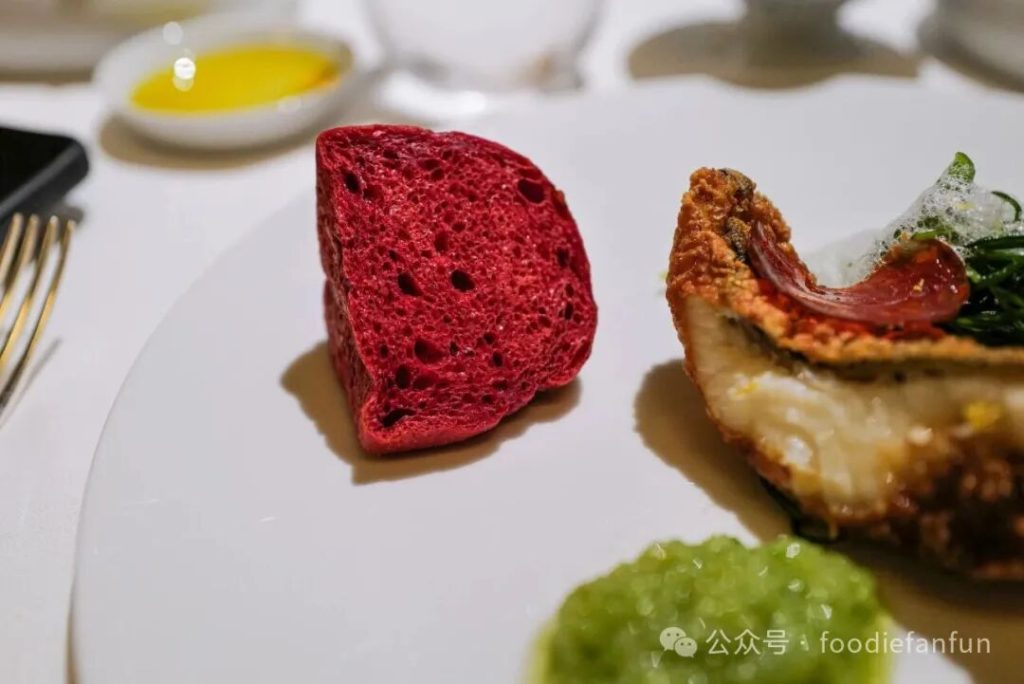
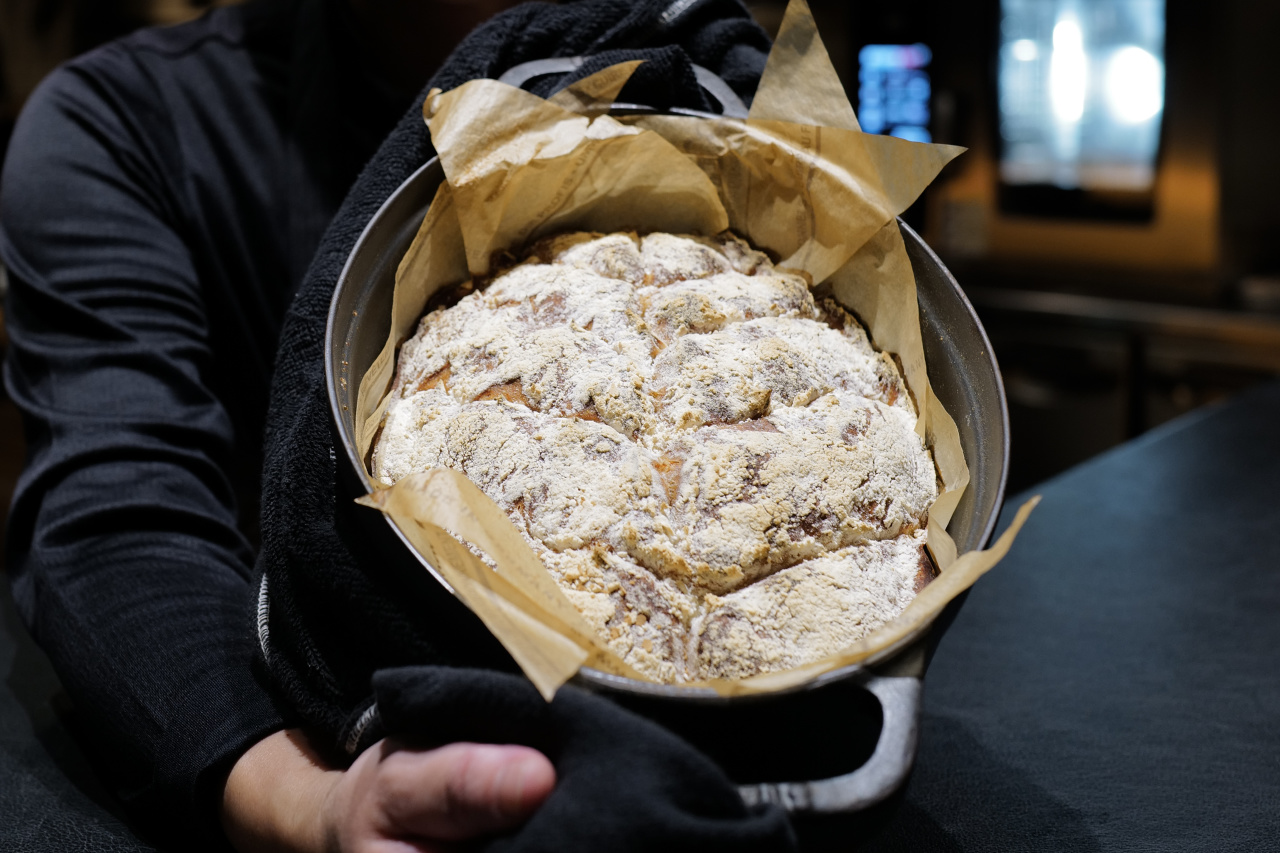
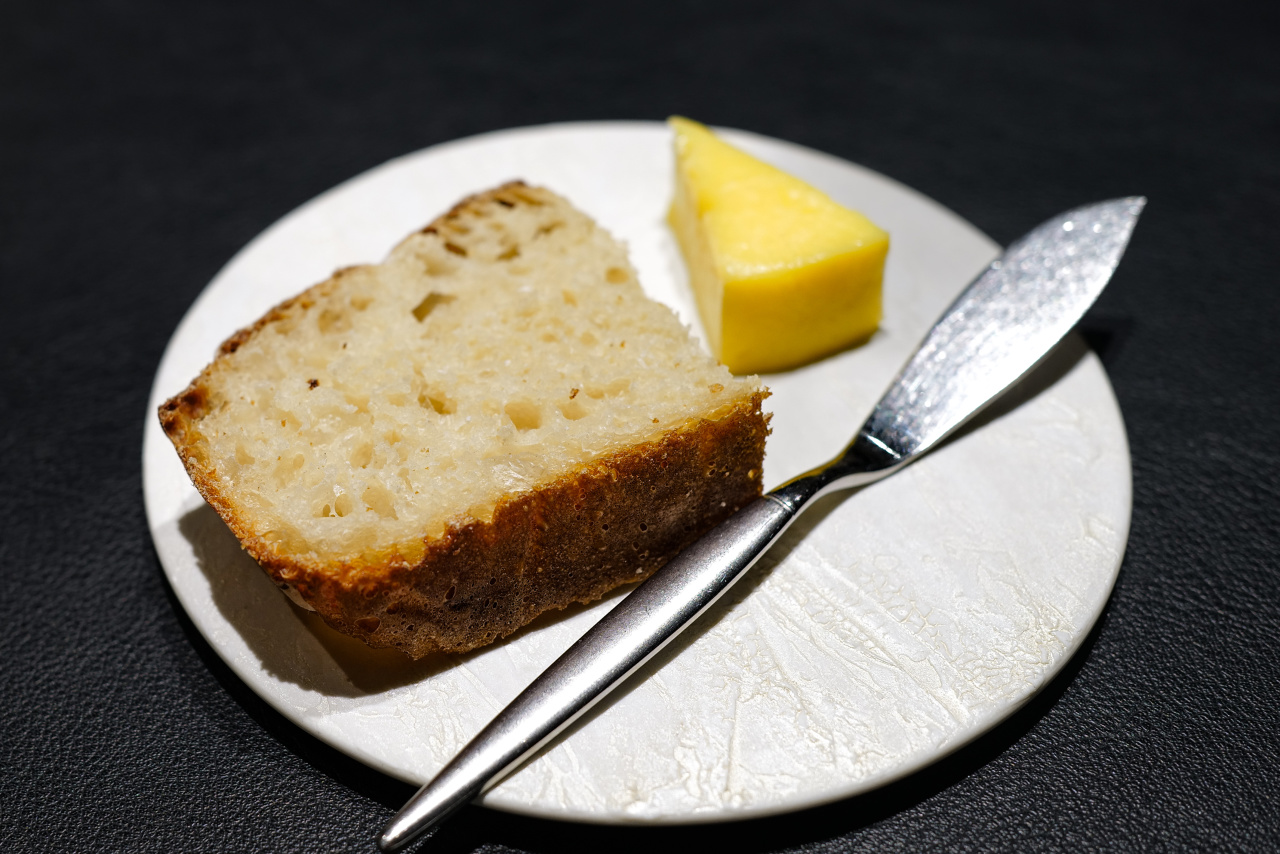
Small and lovely, and still easy to book. You can drink seriously here, and the food never feels discounted just because of the “neighborhood bar” positioning. Bread baked in-house, pasta, vegetables, fish dishes — all executed to a high standard across the board. Easy to book, delicious, well-stocked, and affordable — a place like this counts as a hidden gem in Tokyo.
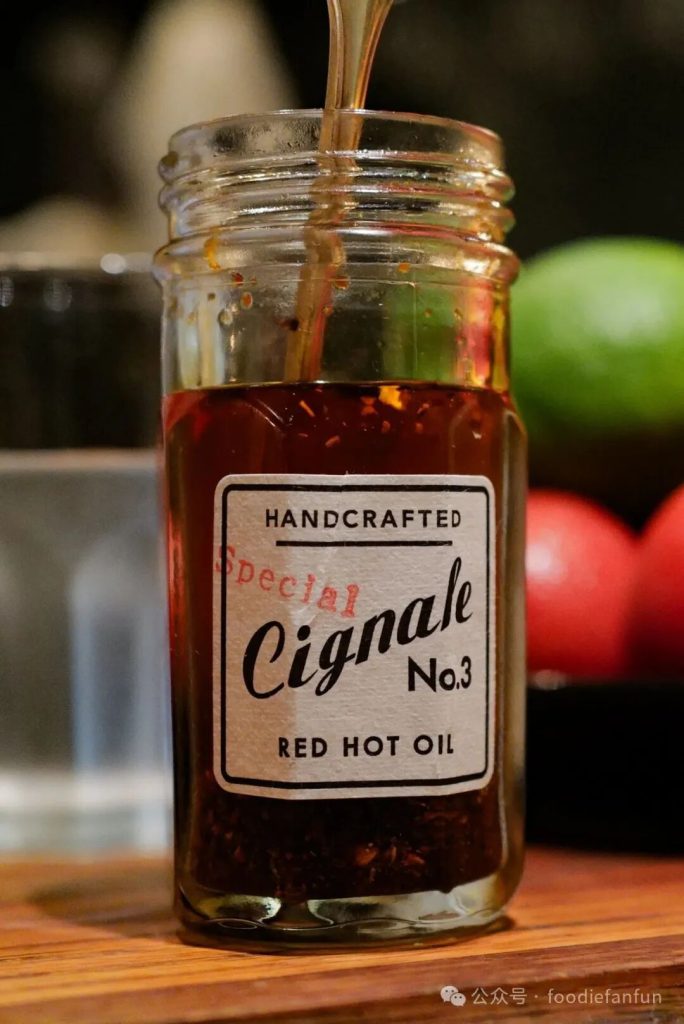
One last bonus tip for anyone who’s read this far: the restaurant’s excellent, deeply China-palate-friendly chili oil is always in stock and sold on their website long-term! There’s also Smoke Chili Paste and a green-chili-garlic soy sauce, among others. If you love it at the table, you can just buy a bottle to take home.
So yes — this is how easily you too can get your hands on the same chili oil Bieber loves 🫢
Cignale ENOTECA
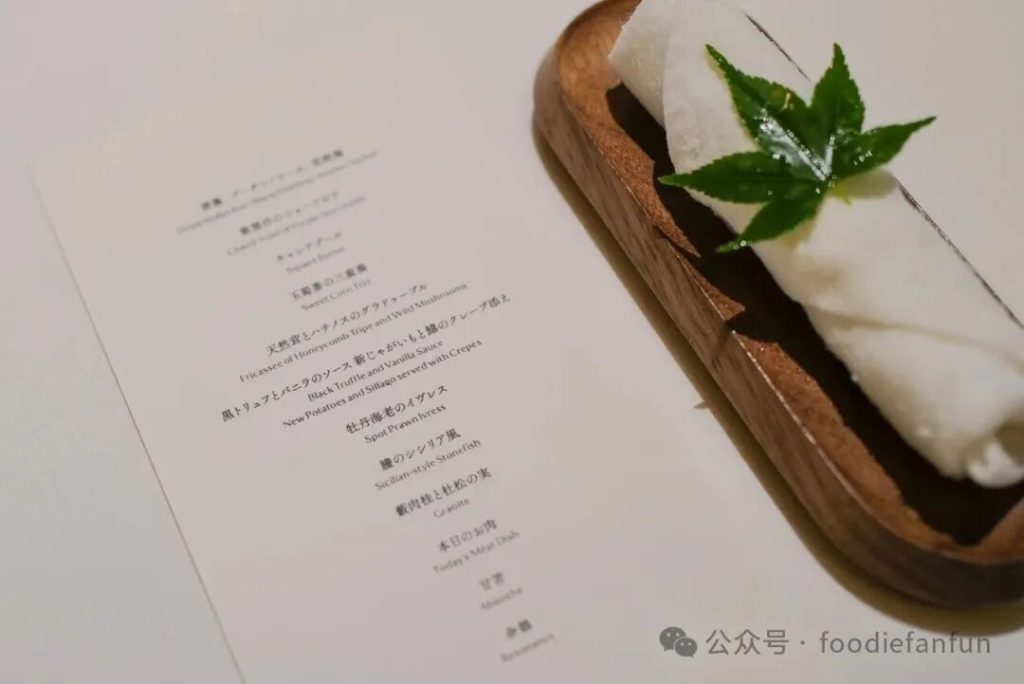
Chef’s Course ¥35,000
10% Service Charge
PANEVIA
Course ¥14,000
A la Carte Available / 10% Service Charge
Cignale VINO & PANE
A la Carte
10% Service Charge / Cash Only