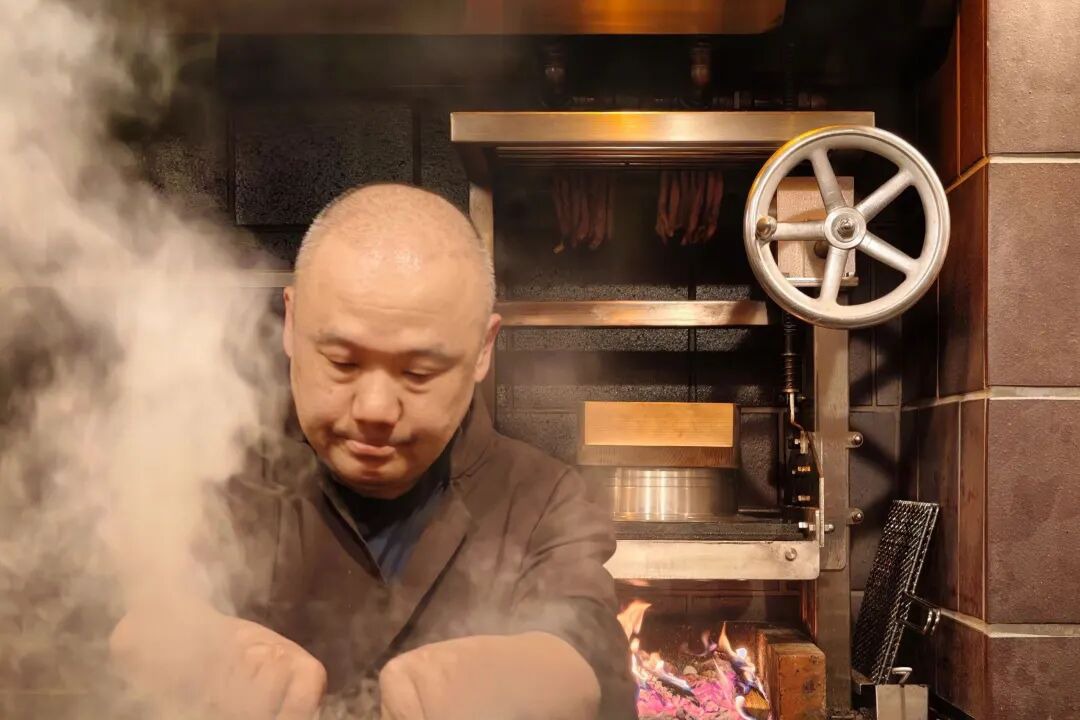
We caught the opening month — Chef Hikita Toyoki’s new restaurant, born from his independence after leaving the legendarily hard-to-book yakitori restaurant “Makidori Shin-Kobe.”
A storied past 👉 Makidori Shin-Kobe | Tokyo’s hardest-to-book yakitori restaurant, with no true equal
After roughly half a year of preparation, this really does feel like the return of a king.
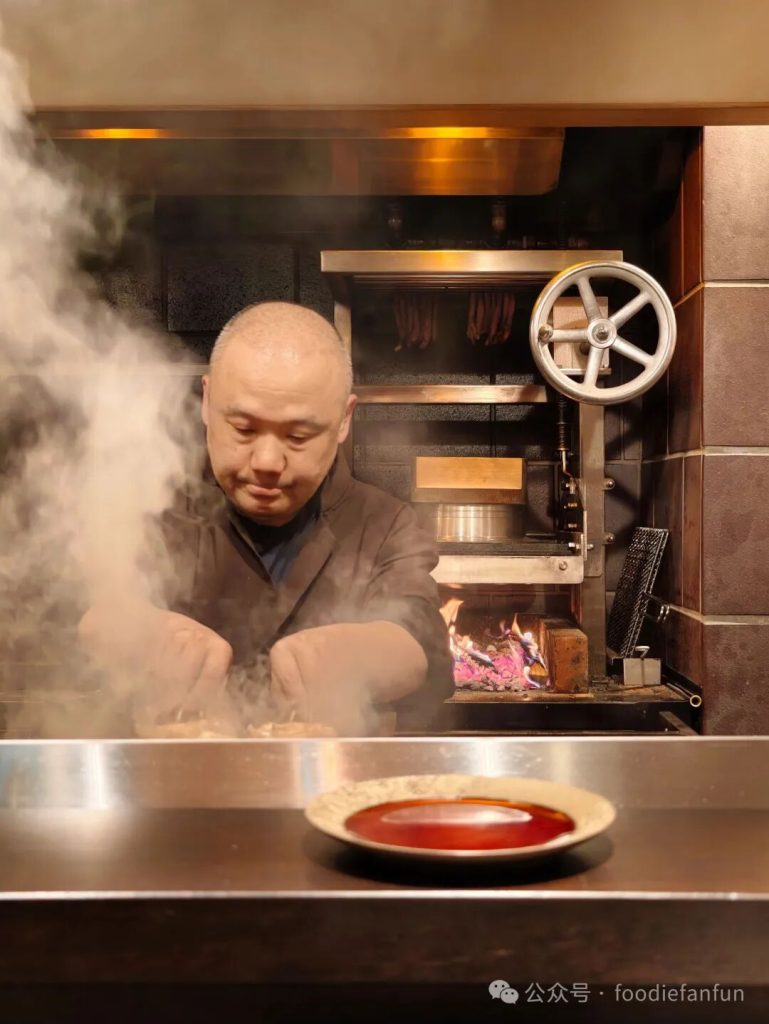
The old restaurant was famous for its wood fire, but here at the new one, he refuses to be bound by that alone. Alongside the interplay of near and far wood flames and smoke, he’s left room for charcoal and glowing embers too — a clever demonstration of multiple ways to bring heat to the food.
Wood fire brings woody aroma and a smoky edge, charcoal gives a more direct char and tightening effect, while embers let heat slowly seep into the ingredient’s core. Different chicken breeds, different cuts, different thicknesses and fat content — each shows off its own character and charm at Hikita’s counter.
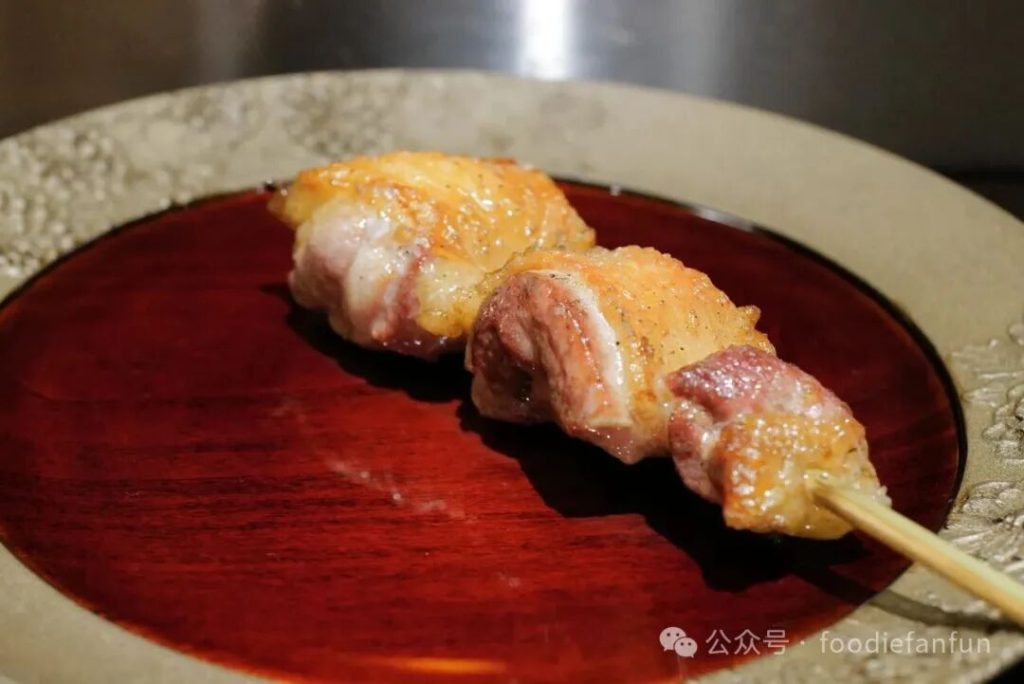
Hinai-jidori chicken thigh | wood-fire grilled
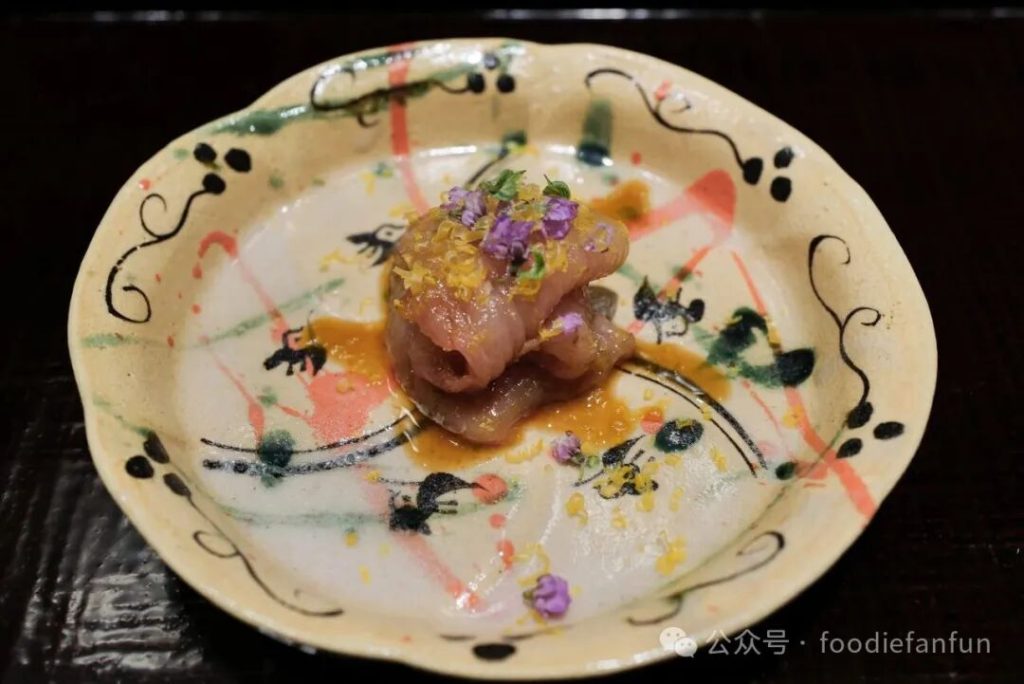
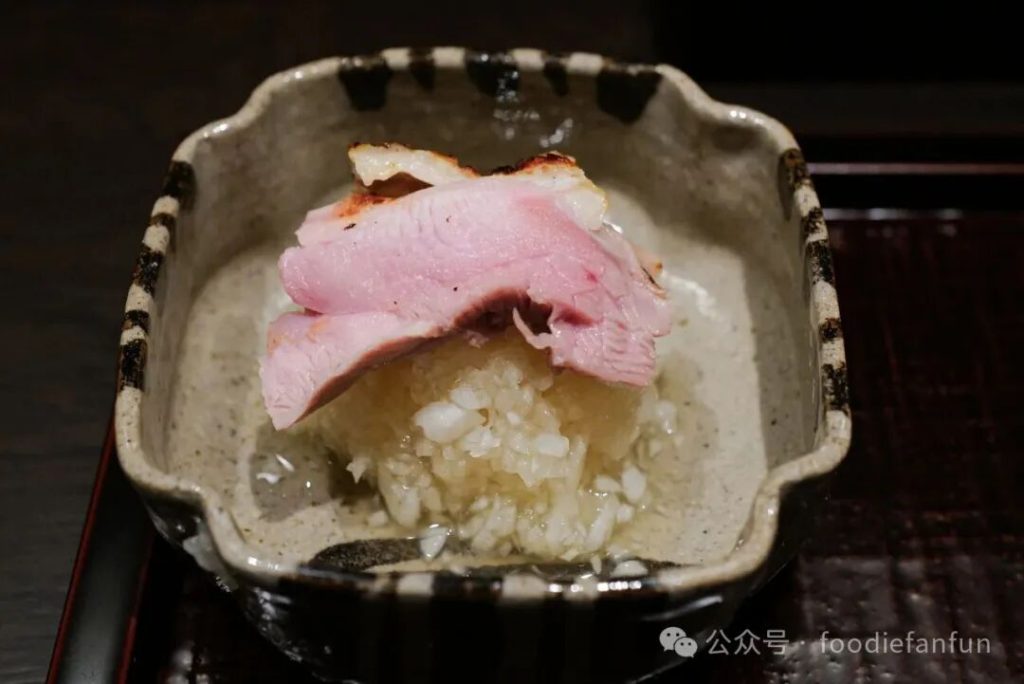
Kagoshima Kisaki jidori chicken breast
As always, the meal opens straight into yakitori right after being seated.
The wood-fired Hinai-jidori thigh arrives with a hard-to-describe aroma right away — smoky wood and char wrap gently around the meat while it keeps every drop of its juices intact. The Hinai-jidori has a clear muscular structure, the meat feels sturdy, and the fat’s fragrance seeps out slowly with each bite.
The rare, sashimi-grade Kagoshima Kisaki jidori chicken breast is served raw, dusted with a powder of dried chicken. The breast is prepared so tender and delicate it almost has the silkiness of white-fleshed fish sashimi. The seasoning runs slightly salty though — by the second half of the bite, the saltiness stands out a touch more than ideal.
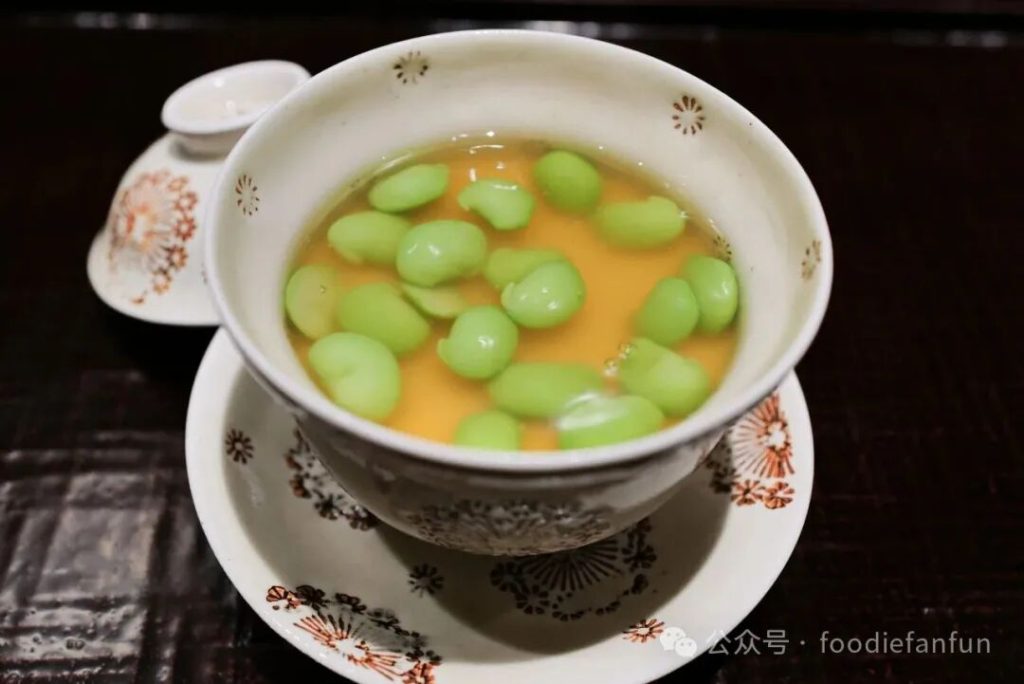
Edamame chawanmushi in chicken broth
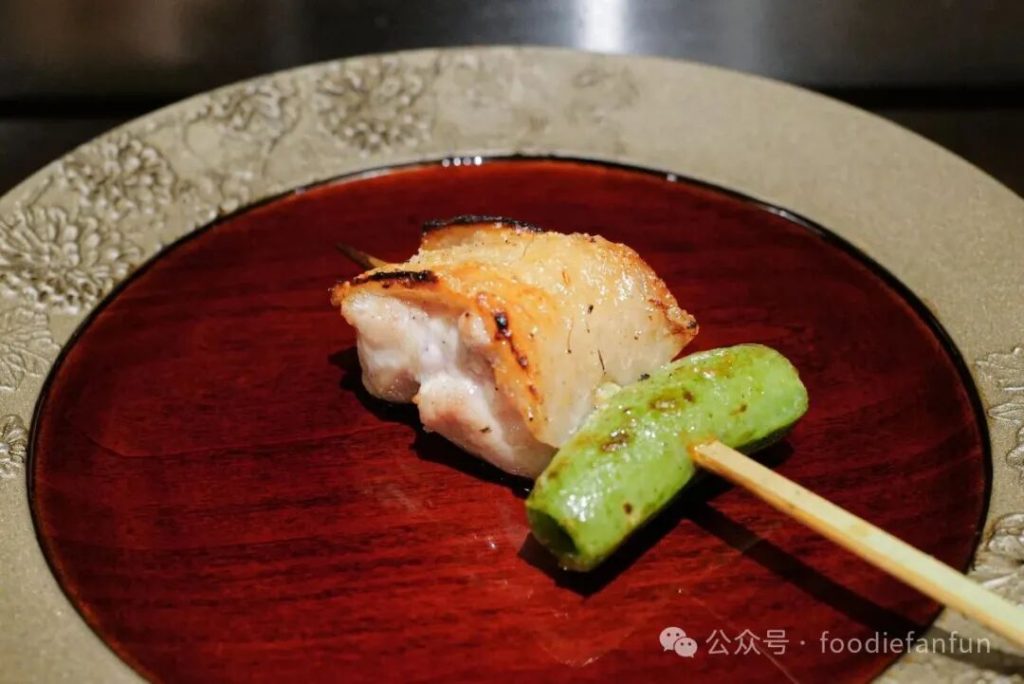
Kagoshima Kisaki jidori chicken thigh | charcoal-grilled
The steaming chawanmushi arrives carrying a clear, savory aroma from the chicken broth. The edamame’s clean sweetness softens the egg custard even further — a comfortable transition between courses.
The same Kagoshima Kisaki jidori breed as the earlier sashimi returns here, this time as thigh meat over charcoal — a direct contrast to the wood-fired Hinai-jidori thigh before it.
The char aroma runs deeper, and the meat is tighter. This charcoal skewer is more direct in how it tightens the surface — the aroma is crisp and clean, the texture more concentrated.
It’s a clear demonstration of how chicken and grilling method shape character against each other — something you’d rarely encounter at other restaurants.
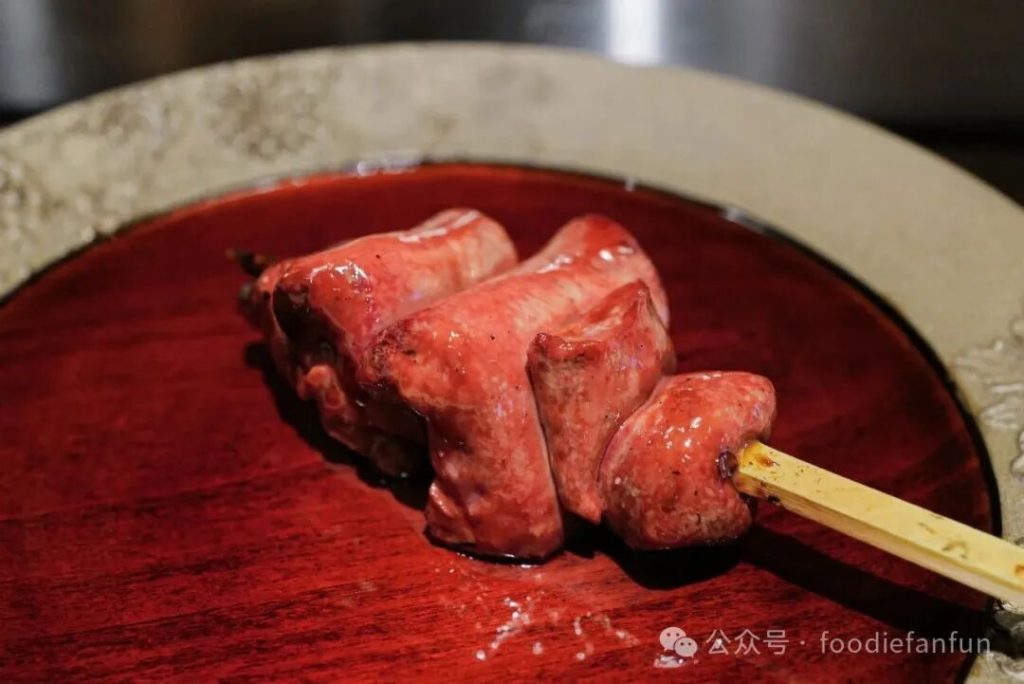
Choshu chicken liver | wood-fire grilled
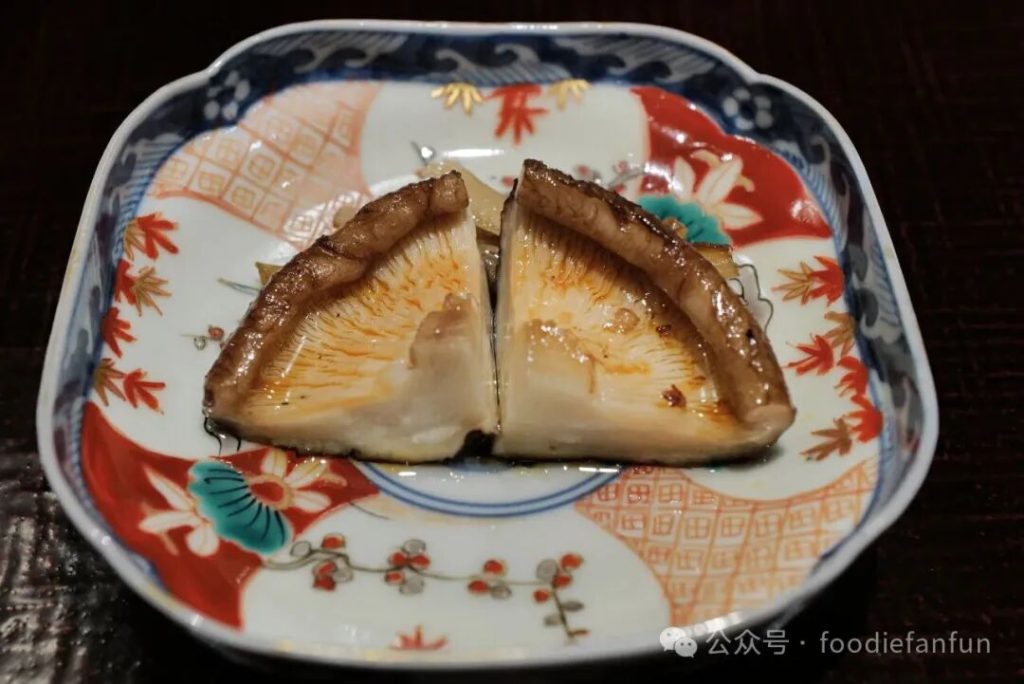
Shiitake mushroom | wood-fire grilled
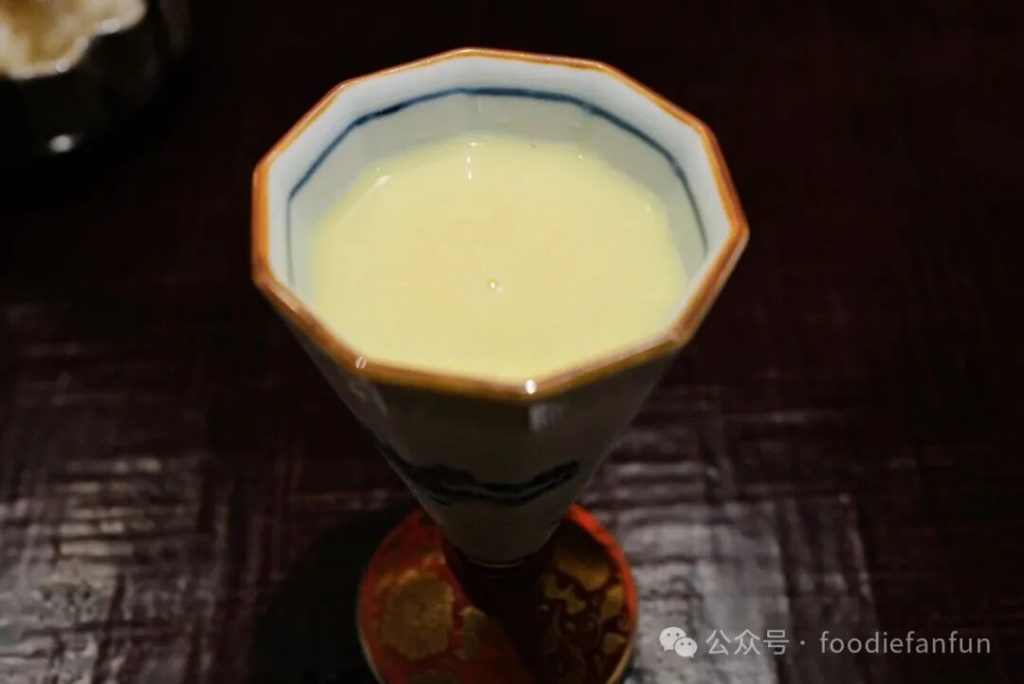
Corn soup
A perfect-score chicken liver.
Brushed lightly with sauce a few times while grilling, it comes out with a faintly crisp exterior that still gives way to softness once the teeth break through. The liver’s aroma is clean, with not a hint of gaminess, and the sweetness is judged just right. Rather than chasing pure silkiness, it leaves room for layers between the crisp outside and tender inside, giving the aroma space to unfold.
The shiitake carries a pure, fresh mushroom aroma. The smoke only lingers lightly on the surface, never masking the ingredient’s own clean fragrance.
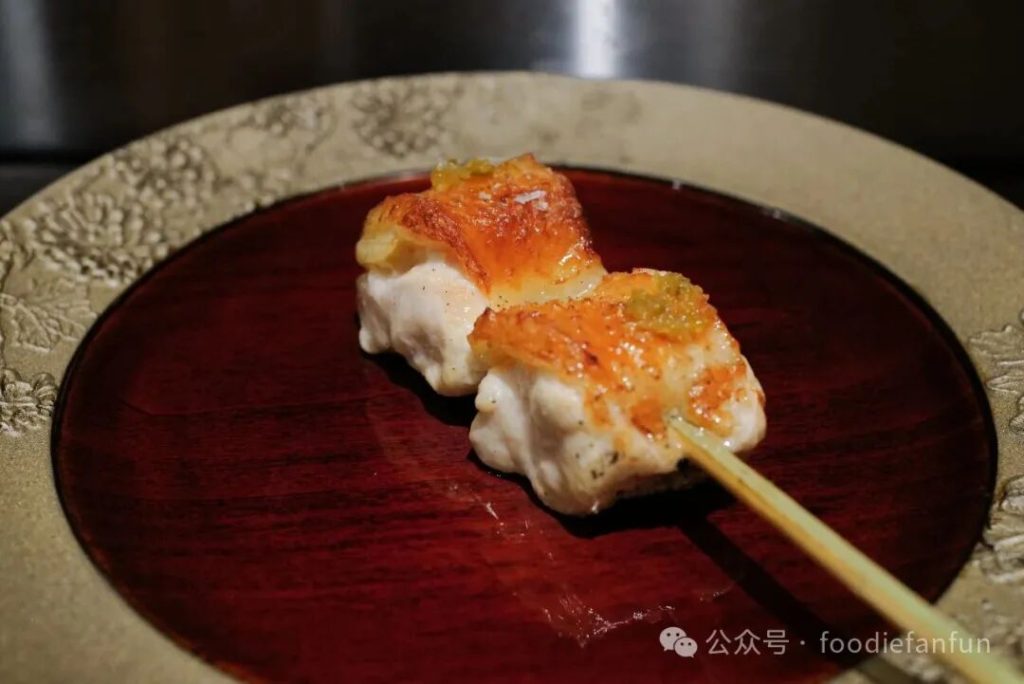
Hinai-jidori chicken breast | charcoal-grilled
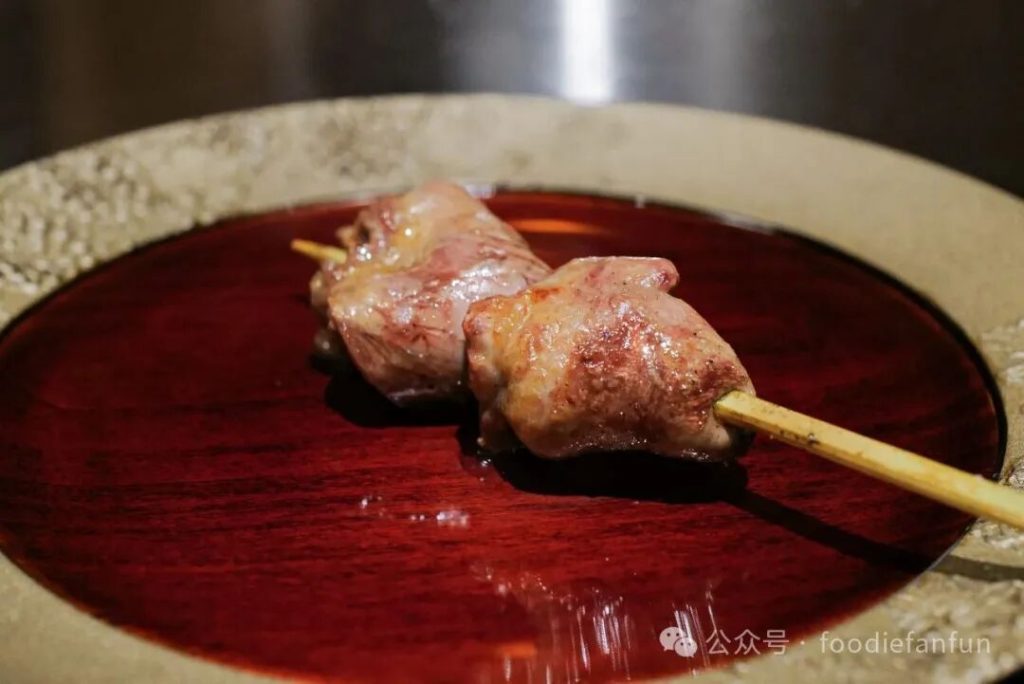
Choshu chicken heart | wood fire
Compared to the happiness of that chicken liver, these next two skewers offer a different kind of surprise.
The skin-on chicken breast is grilled over charcoal until golden and crisp, while the meat inside stays remarkably tender. A dab of yuzu kosho on top instantly brightens the aroma, lifting the breast’s otherwise flat flavor into something spirited.
The Choshu chicken heart is wood-fire grilled, keeping a wonderfully crisp snap. The thin membrane outside is tightened by the fire, and the burst of juice on the first bite feels bright and clean. Both the sweetness and the heart’s natural crunch come through even better, with a bit of bounce and juice — the more you chew, the more fragrant it gets.
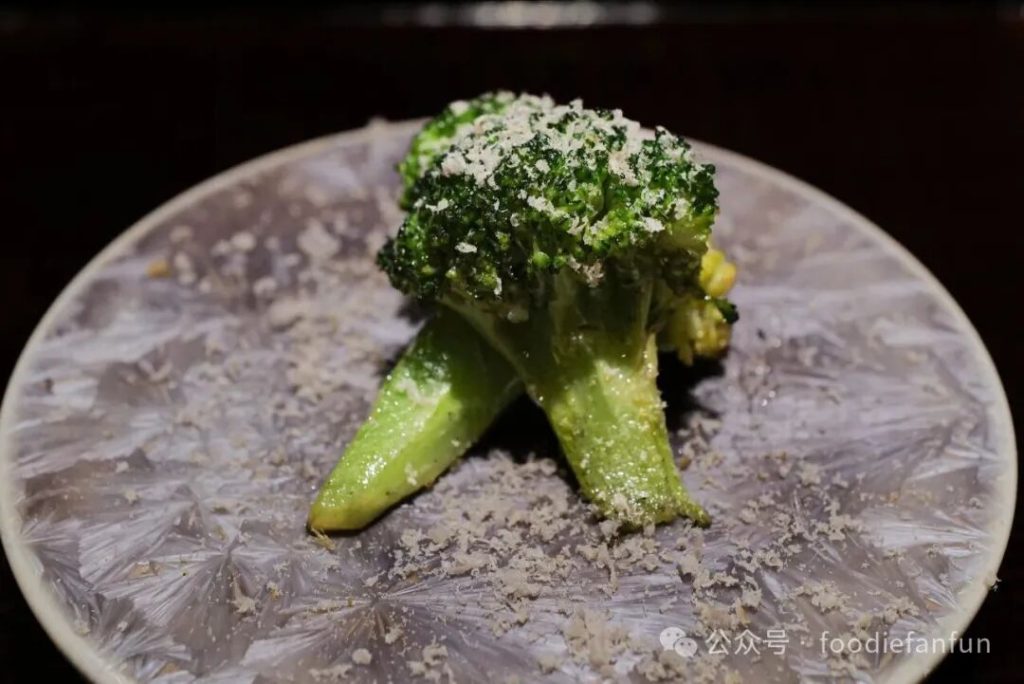
Broccoli | wood-fire grilled
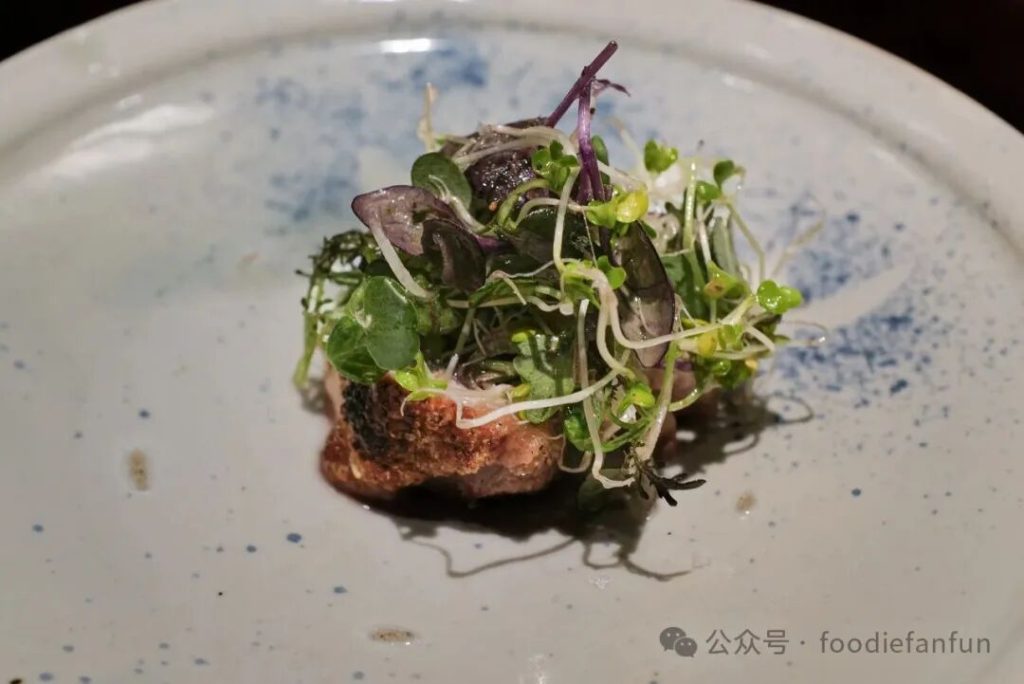
Hinai-jidori drumstick meat | charcoal-grilled, with pea shoots
The grilled broccoli looks simple enough, yet it’s exactly this familiar ingredient, reimagined in a new dimension of deliciousness, that leaves the deepest impression.
The surface carries a touch of char from the wood fire, while moisture is still held inside — it eats with a milky sweetness and a bit of crunch. Heat control is everything here.
Tucked beneath the pea shoots is charcoal-grilled Hinai-jidori drumstick meat. This piece is notably firm, asking for repeated chewing — but it’s exactly that chew that coaxes out the fat’s fragrance from beneath the skin, bit by bit. The pea shoots’ freshness and the vinegar’s tang are judged just right too, so every bite only grows more fragrant, never tiring the palate.
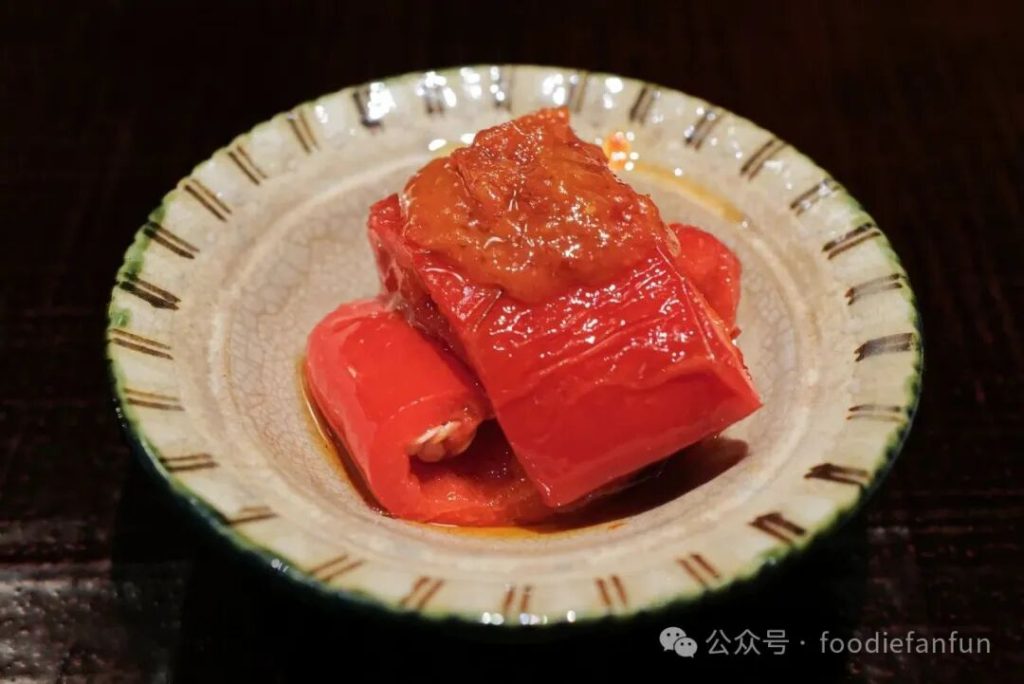
Bell pepper | wood fire
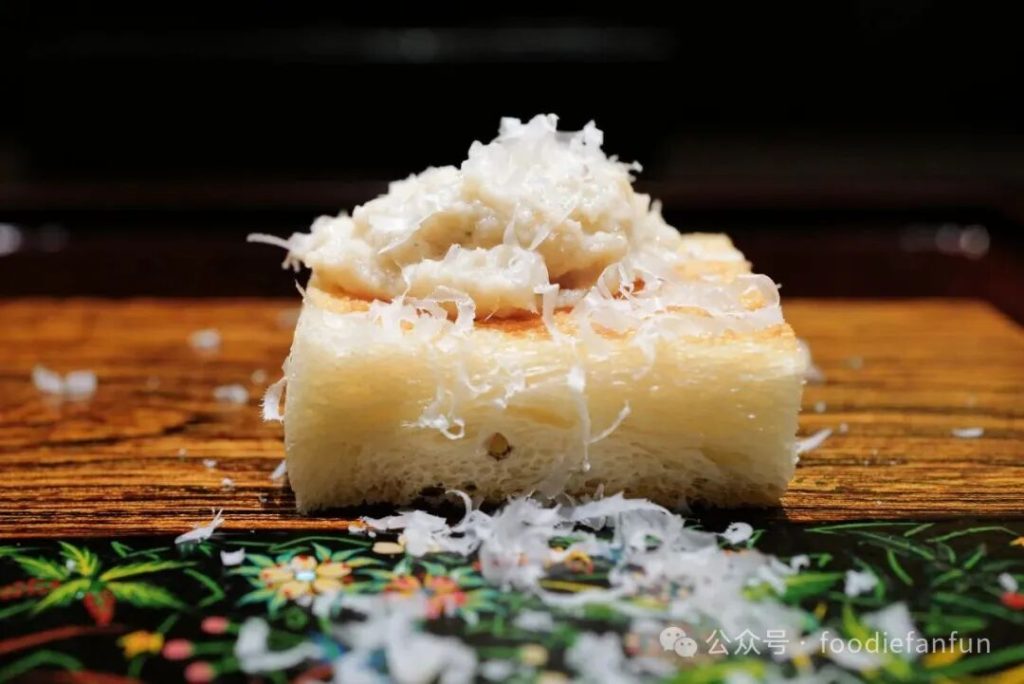
Chicken breast paste | charcoal-grilled toast
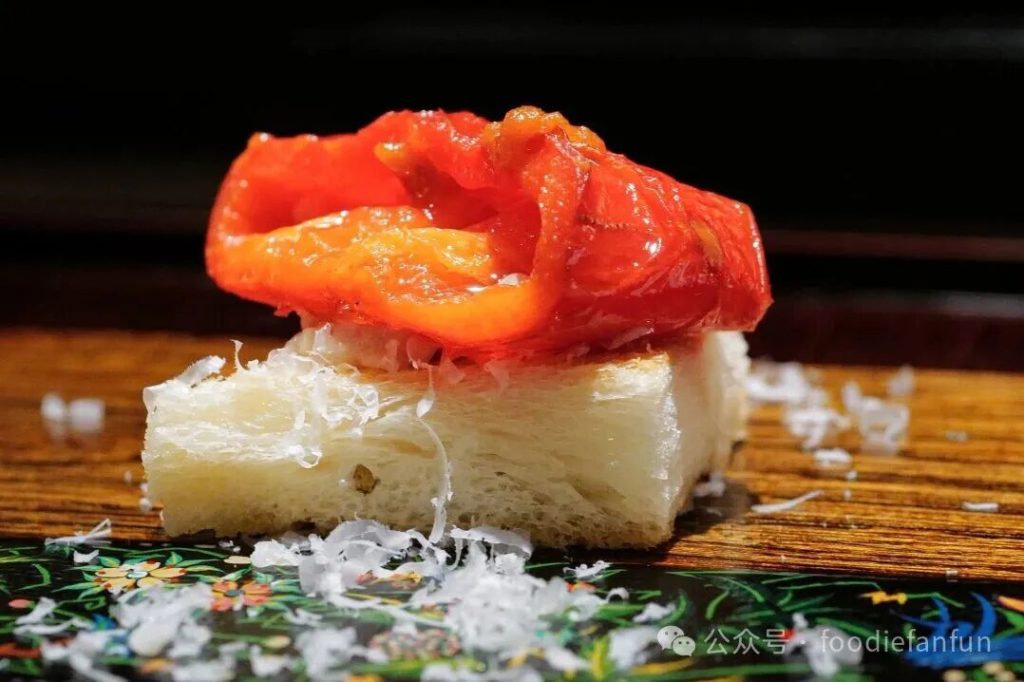
We’d been watching it sit over the fire since we were seated, shifting between far flame, near flame, and smoke — the bell pepper finally arrives at the table.
The sweetness is pure and concentrated, with no complicated seasoning — only the fragrant sweetness that time and heat slowly draw out of the pepper itself. It brings to mind the memorable bell pepper sauce from Hikita-san’s days at Makidori Shin-Kobe. Here at the new restaurant, the method has changed, but it’s every bit as brilliant.
Chicken breast paste with charcoal-grilled toast is an old regular on Hikita-san’s counter. The toast’s crispness, the paste’s fine texture, and the cheese’s aroma are compressed into one supremely satisfying bite.
It’s already brilliant on its own, but adding the bell pepper brings sweetness, savoriness, and fresh vegetal notes together — richer layers, and somehow an even lighter texture.
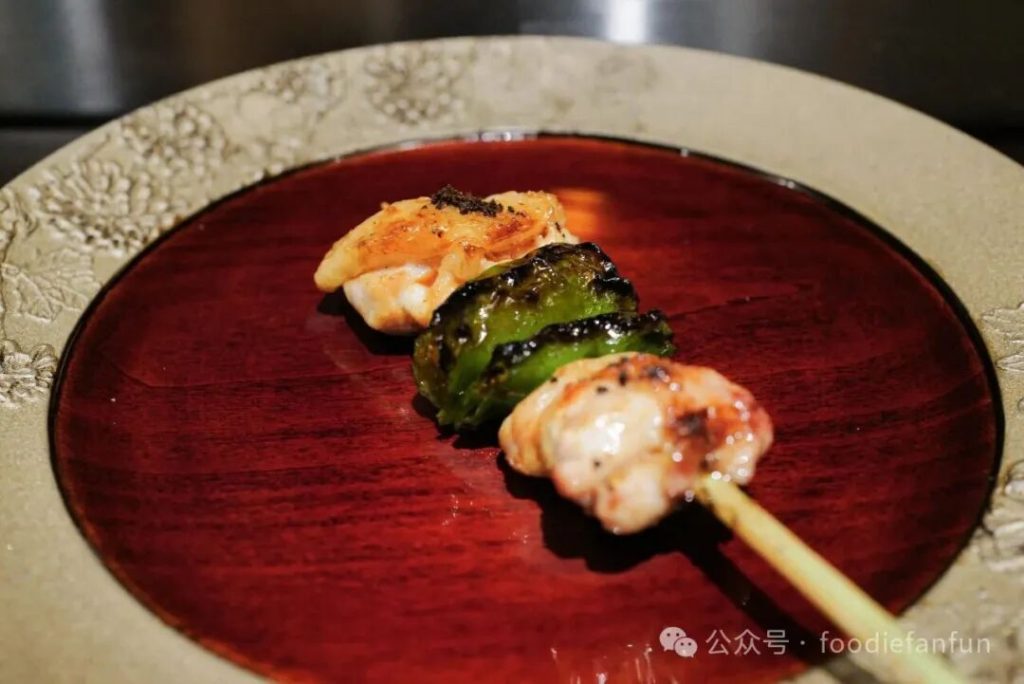
Chicken shoulder | wood-fire grilled
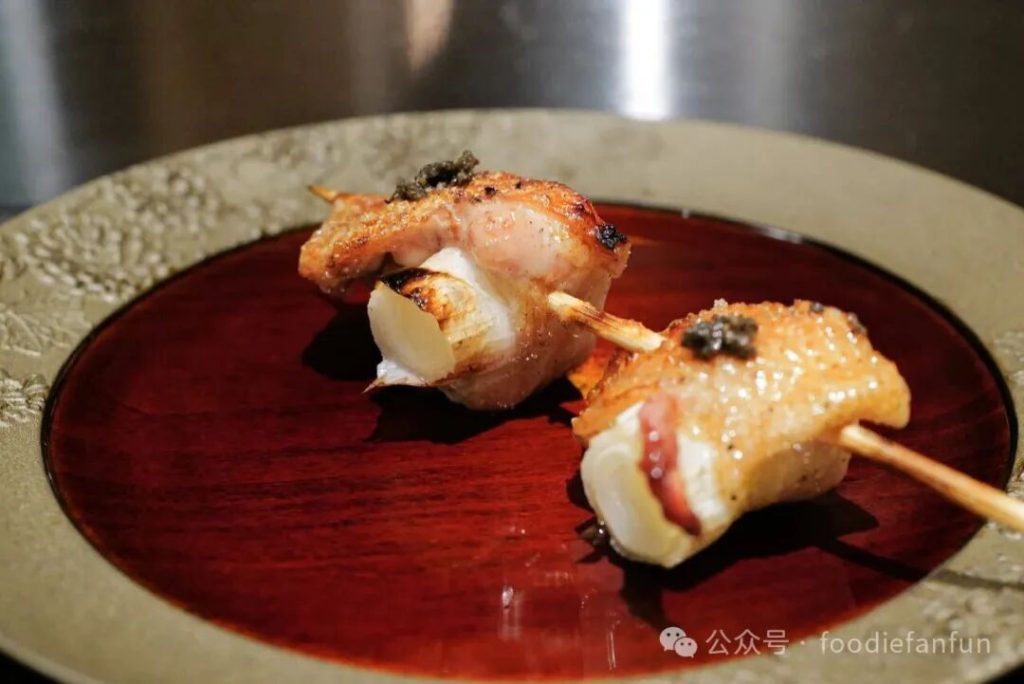
Hinai-jidori wing tip with scallion | charcoal-grilled
The chicken shoulder, wood-fire grilled, is paired with a green pepper that isn’t normally spicy — yet a surprising hint of heat pulls out even more memorable notes.
The meat is firm with plenty of flavor, and a sweetness lingers afterward. The skin is grilled tight, and chewing through to the end slowly releases a bit of fat’s fragrance — delicious, and it holds up over repeated bites.
The Hinai-jidori wing tip shifts to charcoal here — the bone is pulled out and replaced with tender white scallion. The skin is springy with a bit of crunch, and the meat near the bone carries plenty of aroma. The scallion’s sweetness sits on top, propping up both the charcoal’s char and the chicken’s fattiness. There isn’t much meat, really, but it makes for a happy bite all the same.
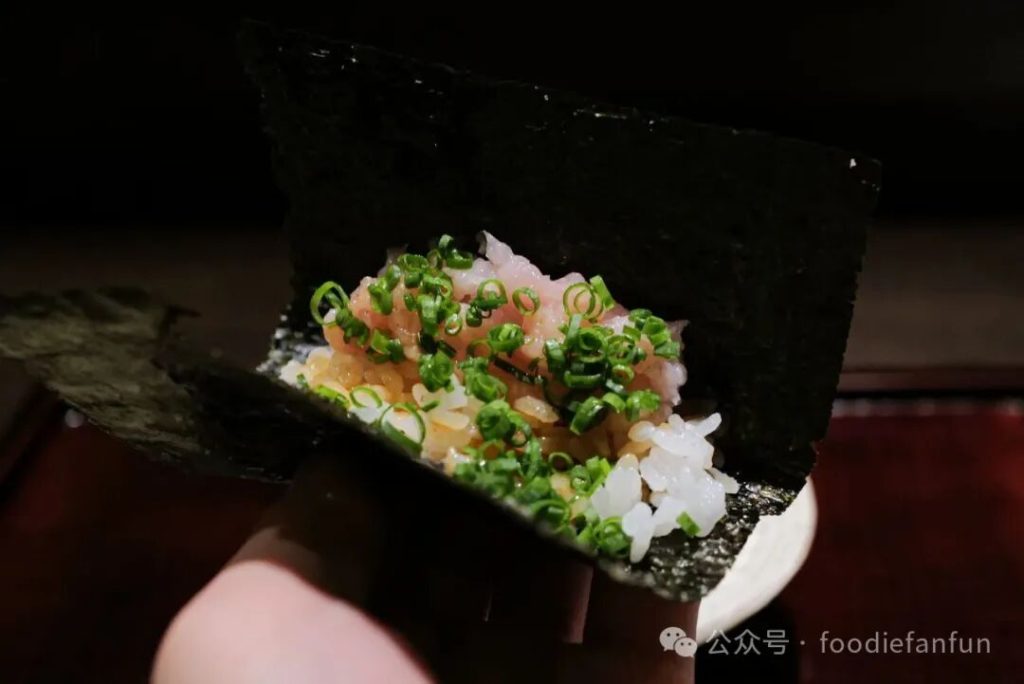
Kisaki jidori chicken and scallion temaki
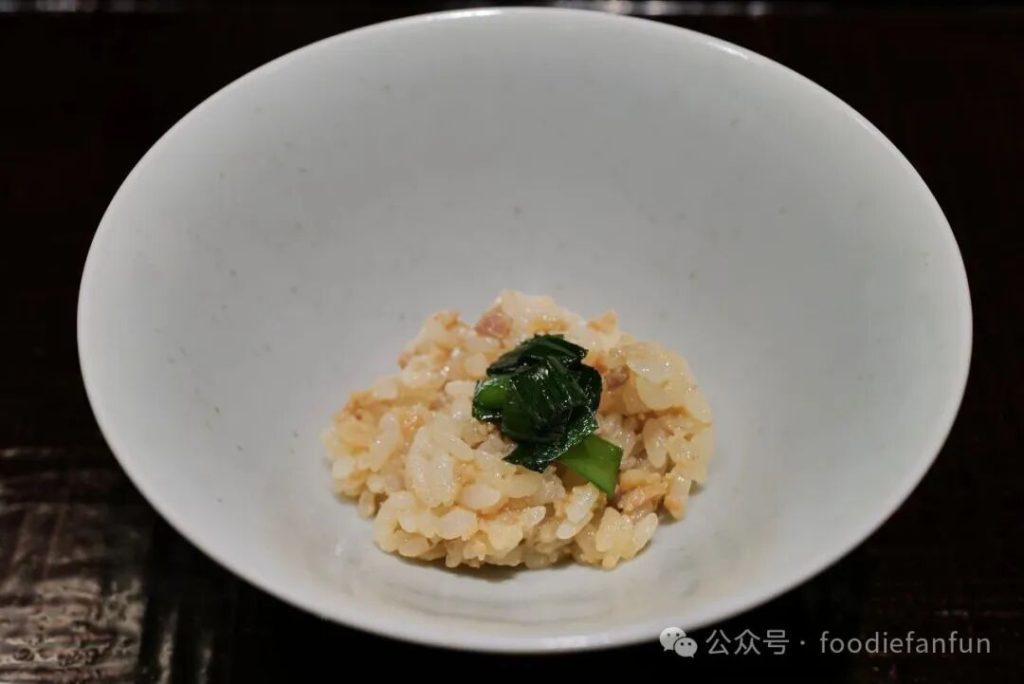
Fluffy chicken rice (mini size)
By this point we were feeling thoroughly satisfied, thinking a rice dish would be the finale — but as it turns out,
after all those skewers, Hikita-san still had three separate rice and noodle dishes waiting for us.
The Kagoshima Kisaki jidori chicken from earlier returns here, rolled with scallion into a temaki. The moment it’s handed over, the steaming heat off the fresh rice gives a little jolt. Wrapped in nori, the chicken’s delicacy, the rice’s savory sweetness, and a bit of crispness come together — for a hazy moment it genuinely feels like biting into toro. The Yagyō scallion quietly widens the aroma, adding a clean, sharp edge to the softness of the umami.
The fluffy chicken rice departs from the old restaurant’s drier, heavy-wood-fire style entirely. It’s built instead around moisture, a light sweetness, and the fragrance of scallion and chives. With a bit of soft juice running through it, it settles the stomach beautifully.
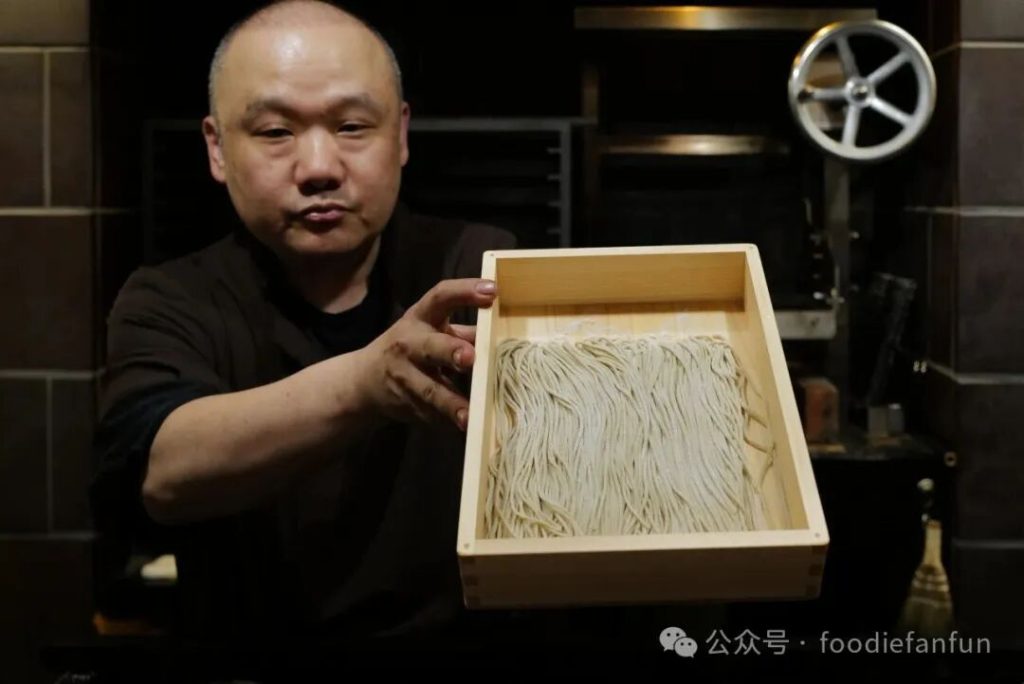
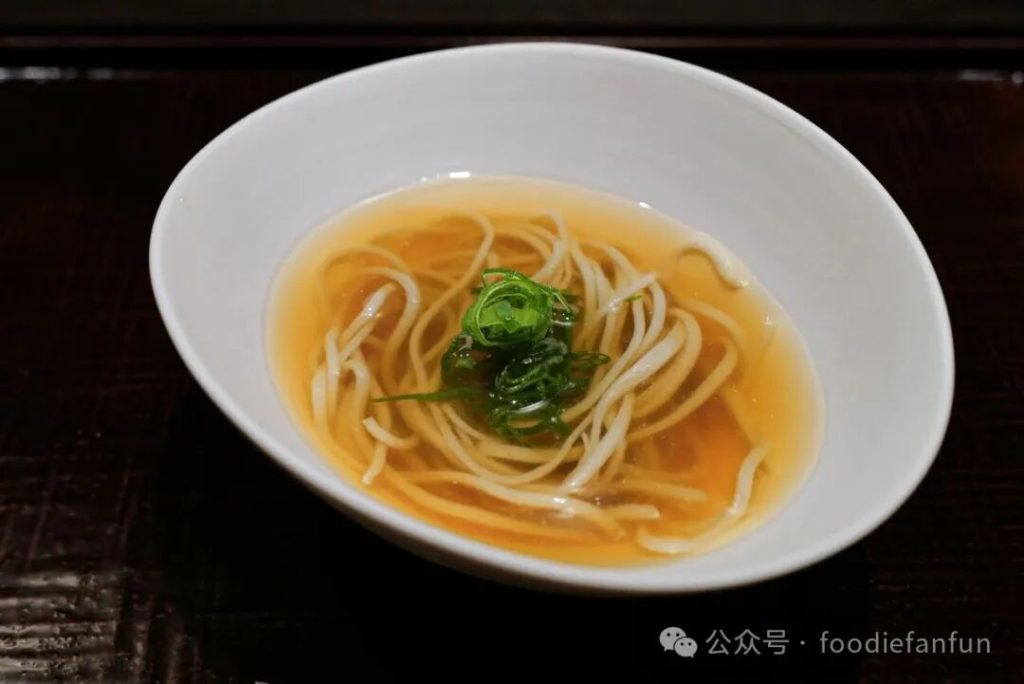
Hand-cut ni-hachi soba (mini size)
Hikita-san has past experience hand-cutting soba, so at the close of the menu in this restaurant that’s finally his own, he’s added in a piece of his own life story.
A genuinely accomplished bowl of soba.
The soba’s aroma is clean, and the cold chicken broth is restrained, letting the whole meal ease gently down from the yakitori’s rich fragrance.
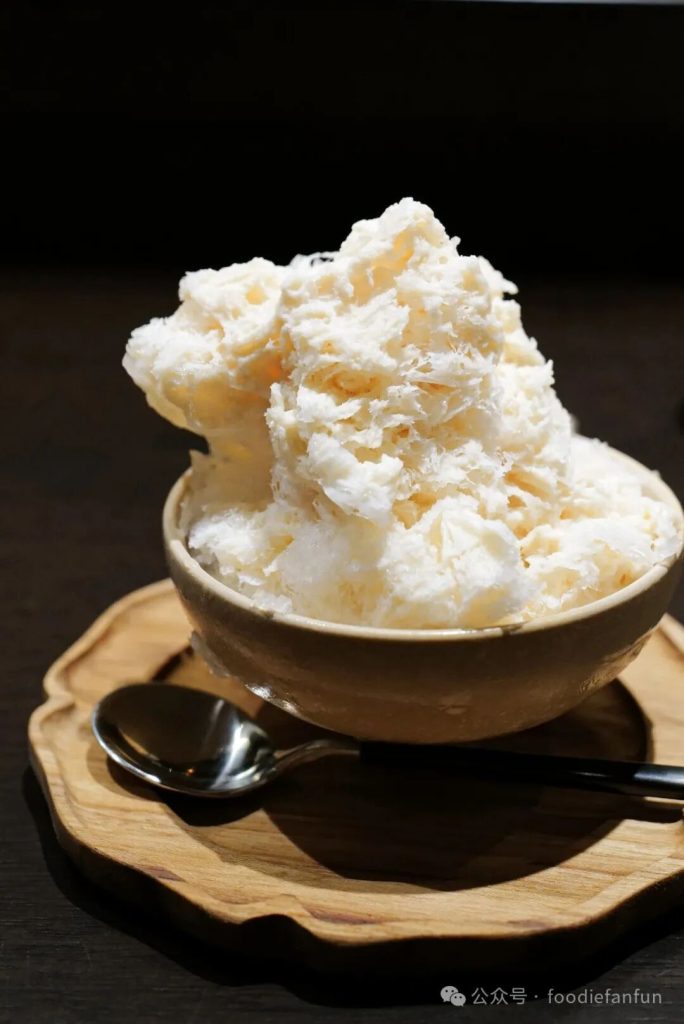
Milk and brown sugar shaved ice
A bowl of shaved ice for dessert follows, a bit of his own indulgence too. As a longtime shaved ice enthusiast, he chooses to step away from the grill at the end of the meal and close it out with shaved ice made by his own hand.
The ice is light, with milk and sea salt carrying the aroma; dig down to the bottom and brown sugar adds a soft sweetness. It really does taste like sea-salt milk tea with a whole brown sugar boba dropped in — happiness leveling up once again.
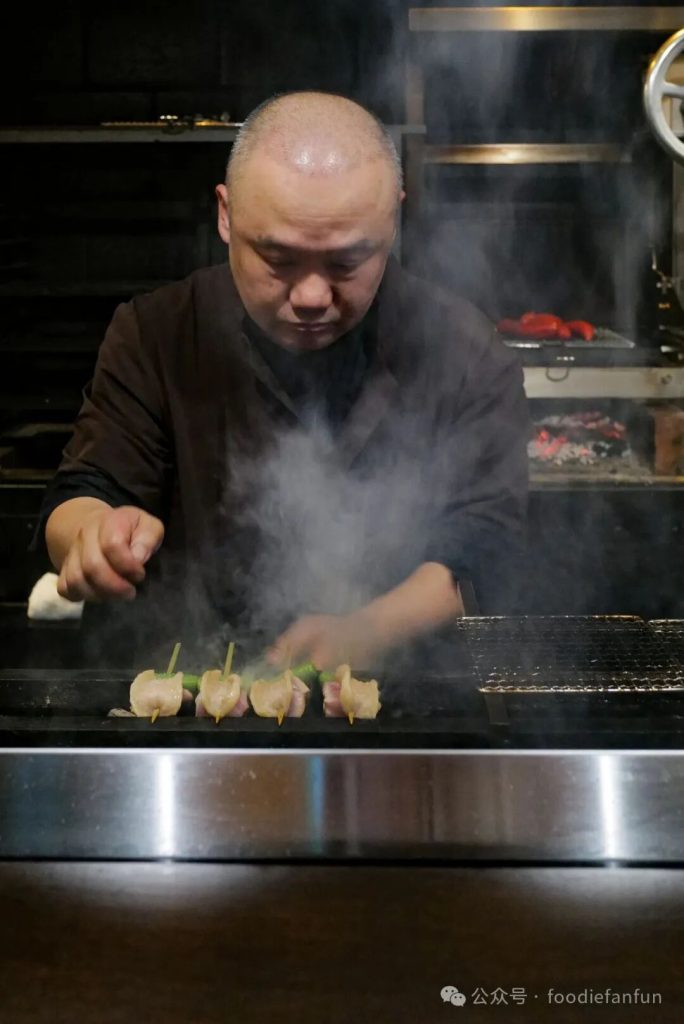
It really had been a long while — tasting it again, it’s just as god-tier as ever.
During the months Hikita-san’s restaurant was closed, I visited a fair number of other yakitori places around Tokyo. Some were good, some were satisfying — but it wasn’t until tasting his food again that “god-tier” felt like the right word.
Every degree of doneness and aroma given by the fire is judged precisely, and he holds his own view on the fat and texture of every type of chicken. Hikita-san’s yakitori truly is irreplaceable — meticulous, precise, one of a kind.
Even in summer, when chicken tends to run leaner and firmer, pulling off output like this is genuinely surprising.
If there’s one small imperfection at the new restaurant, it’s that the sake pairings still have room to grow — which only makes me look forward all the more to the next visit, once “Hikita” has fully settled in.
Hikita
Thursday – Monday
17:30 – 23:00
Omakase Menu ¥20,000
Leave a Reply