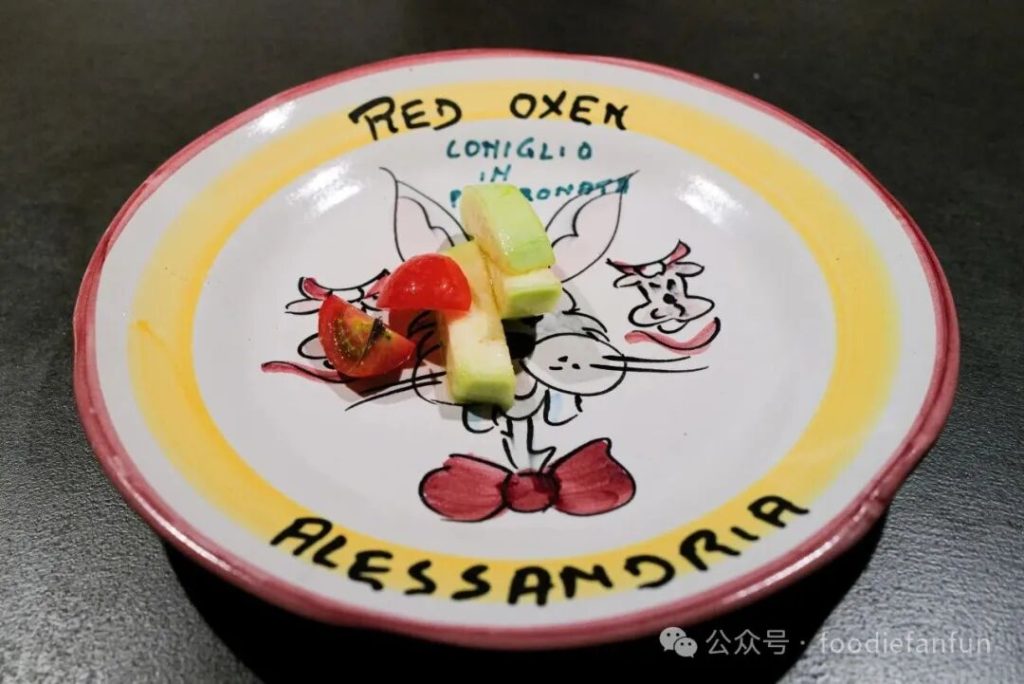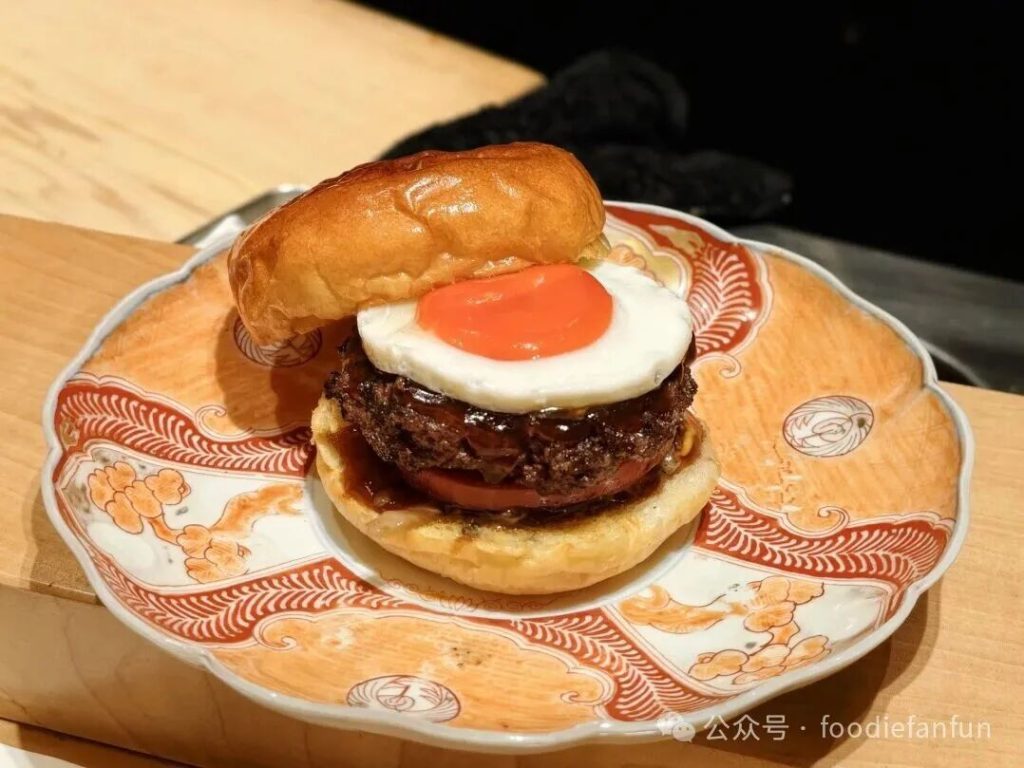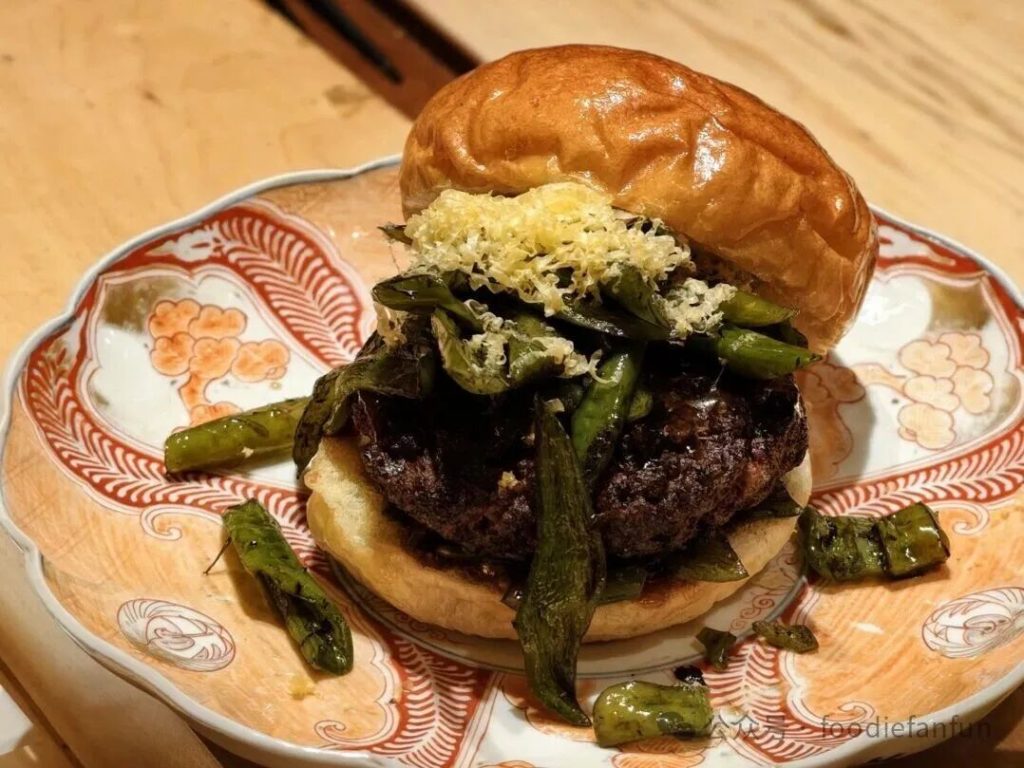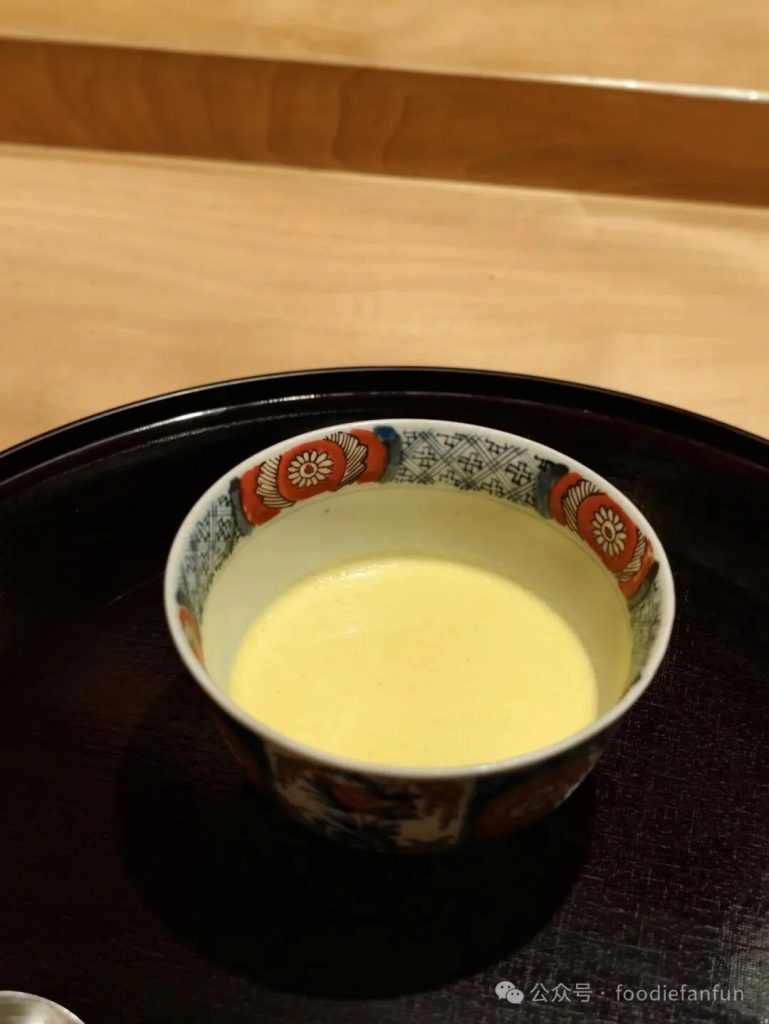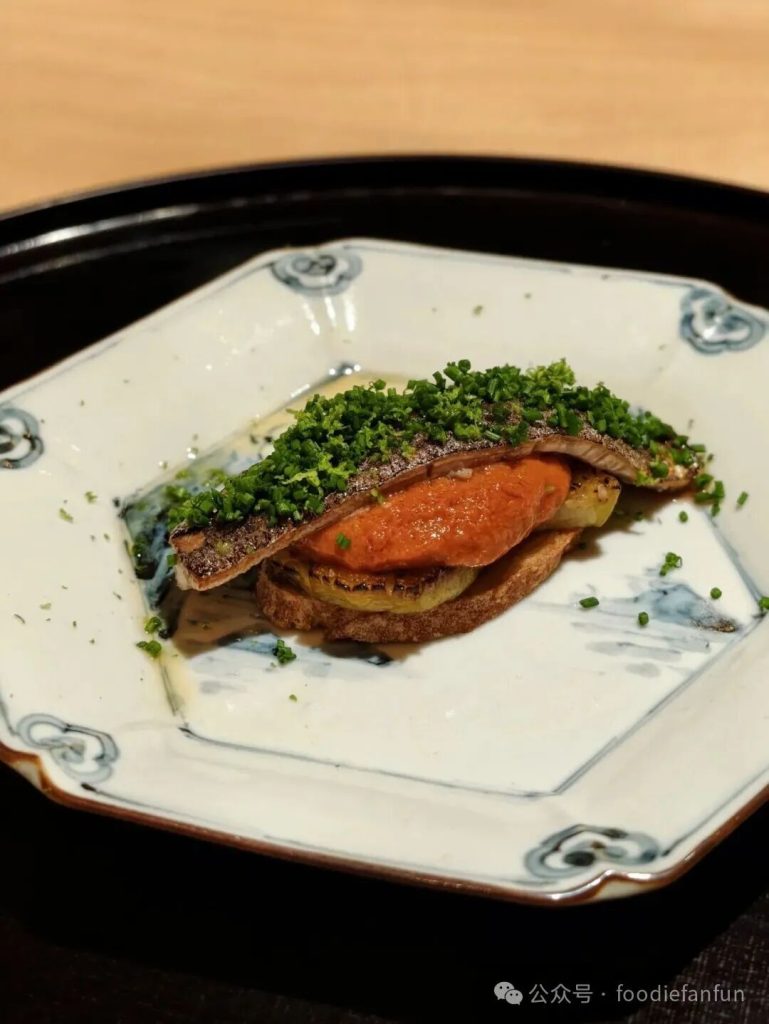
• Akasaka Ogino | Composed Silver-Award Kaiseki

    January in Japan carries the festive atmosphere of a new year. In many familiar restaurants, you hear the same line: 「明けましておめでとうございます」, a simple but formal greeting.

    But if we are talking about places that truly weave “New Year feeling” into both cuisine and dining experience, kaiseki restaurants are still the real specialists.

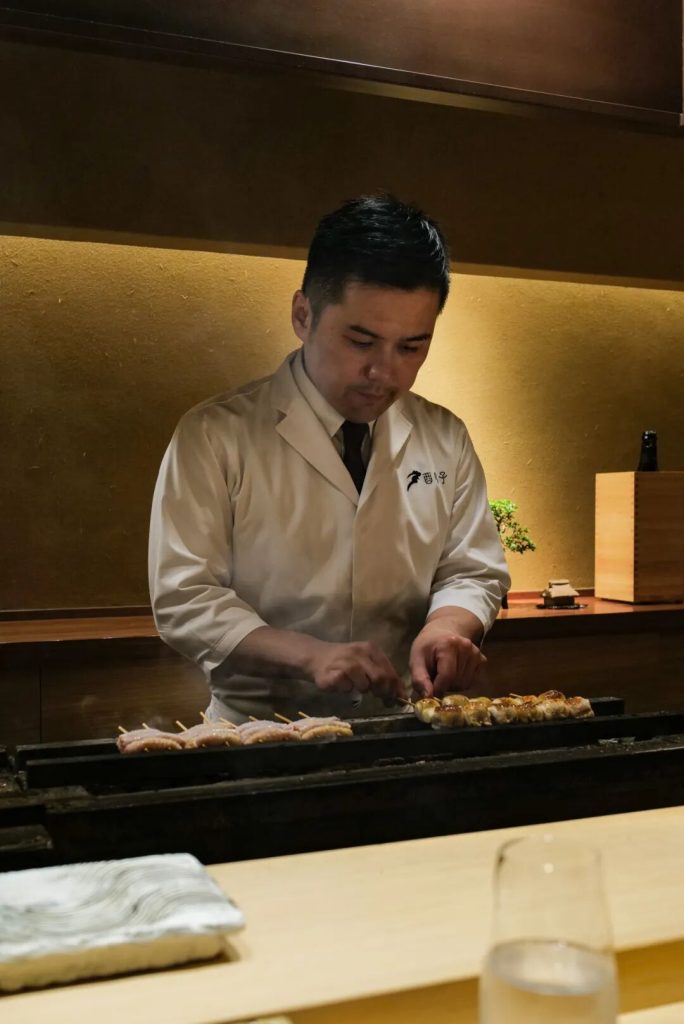
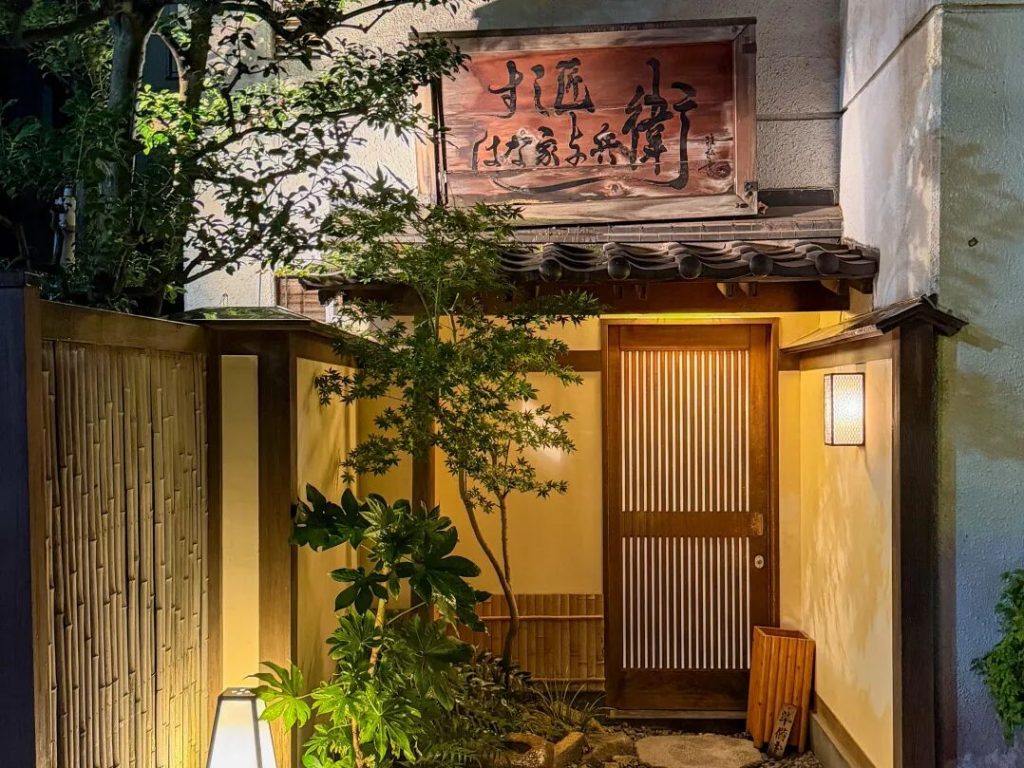
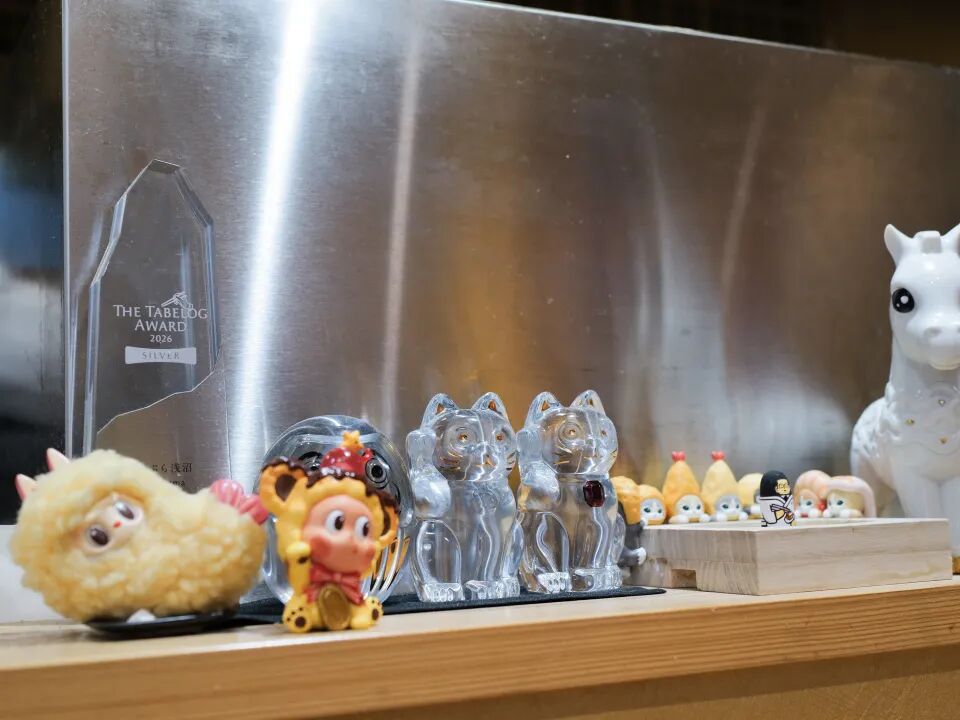
    I visited Akasaka Ogino at the end of the New Year season. Opened in 2020, it won The Tabelog Award Best New Entry in 2023, and has stayed at a stable Silver level for the past three years.

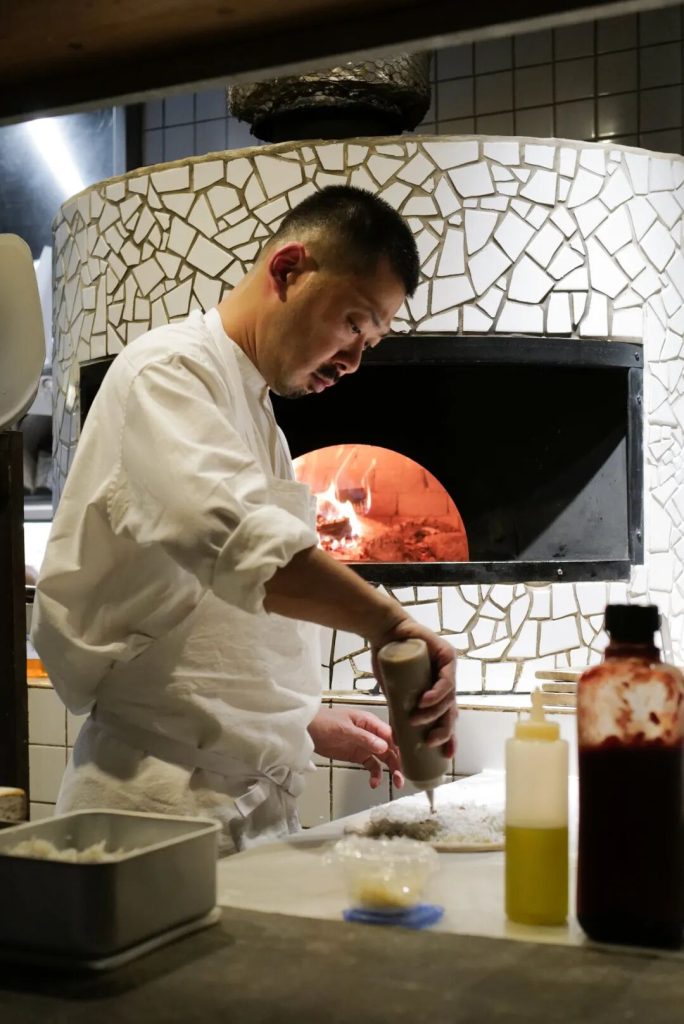
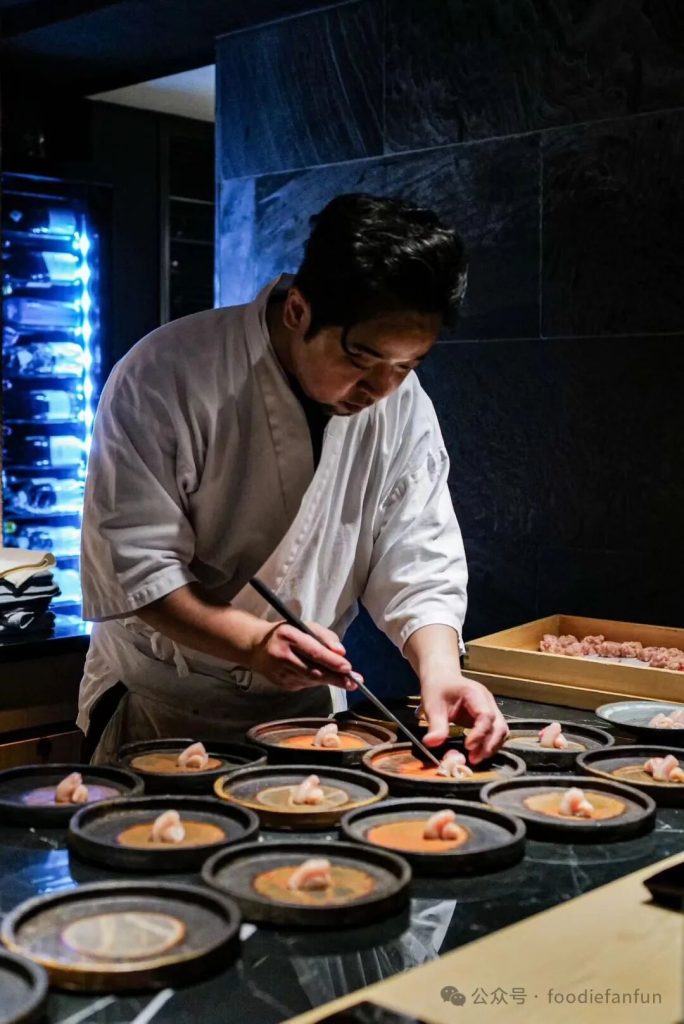
    Ogino

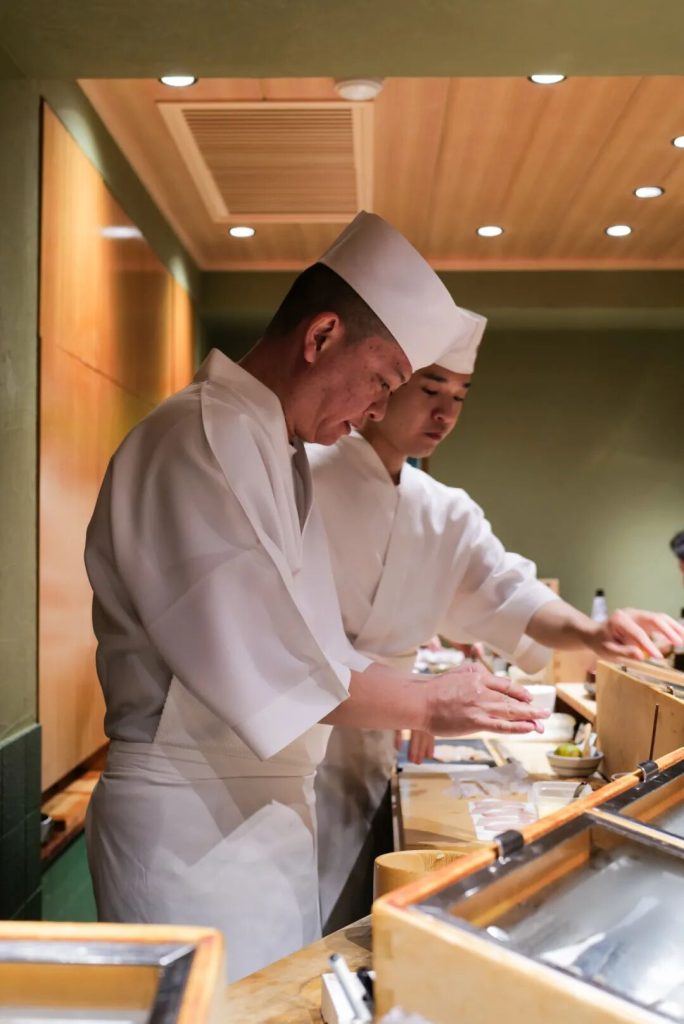
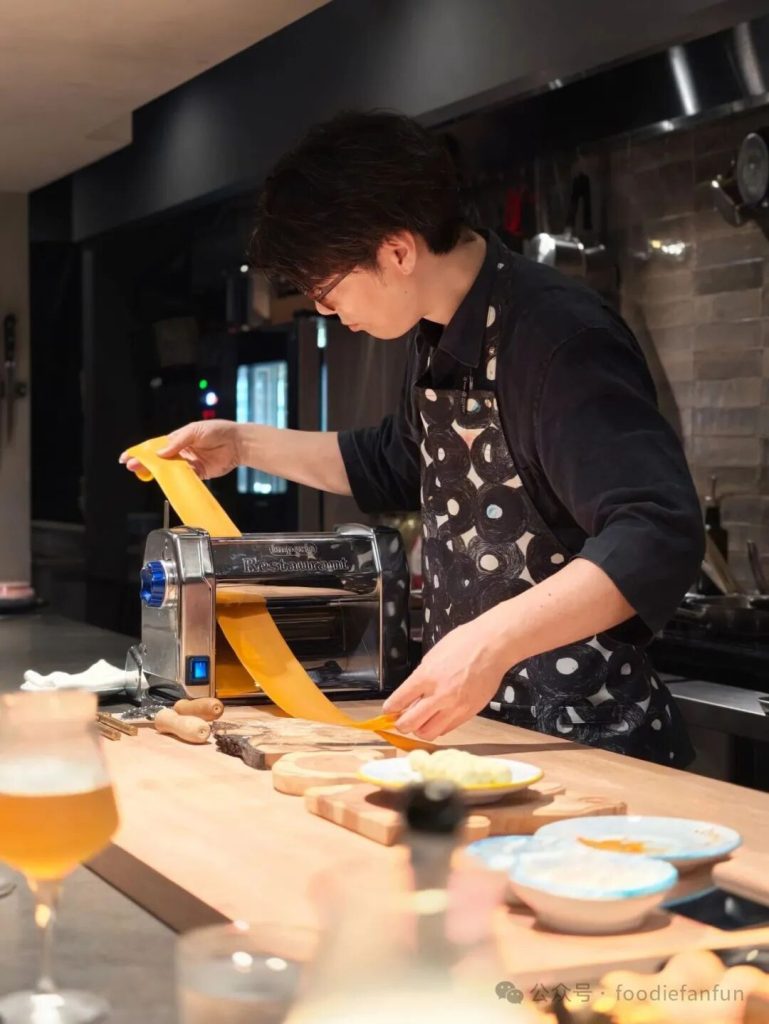
    Compared with many contemporary Tokyo chefs who followed diverse, cross-disciplinary paths, Chef Ogino’s trajectory feels unusually pure.

    From Kyoto’s Arashiyama Kitcho, to two restaurants from the Ginza Koju lineage, then to his own counter, he has deepened vertically within orthodox Japanese cuisine the whole way. That pedigree produces a classical authority that needs no explanation.

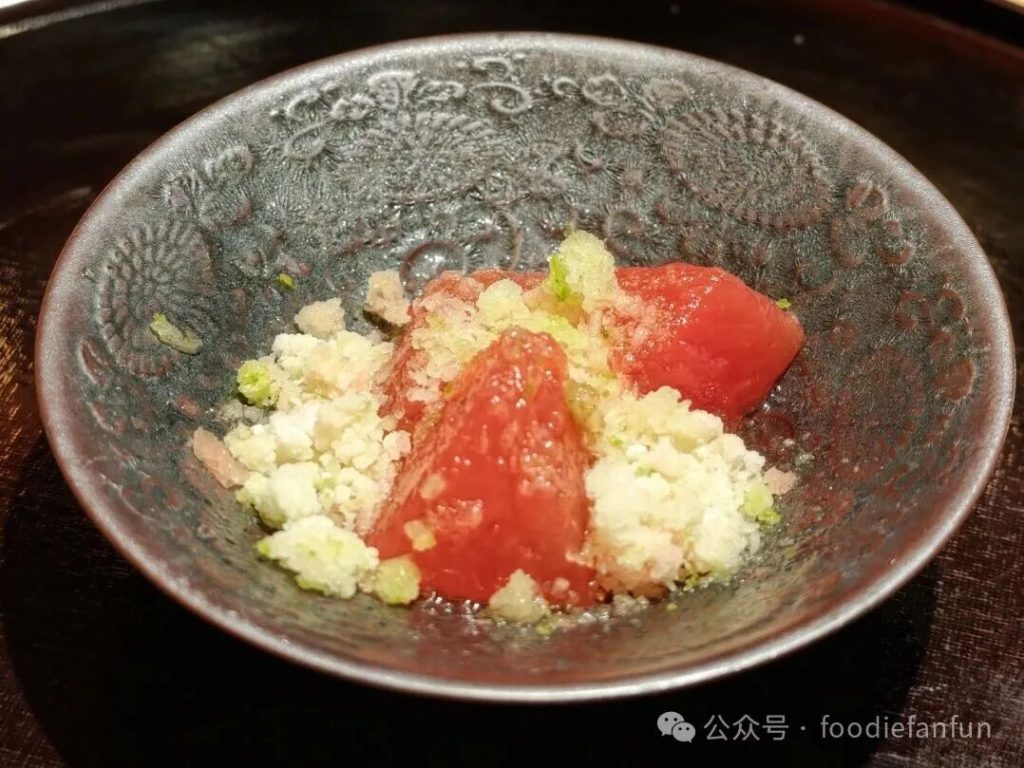
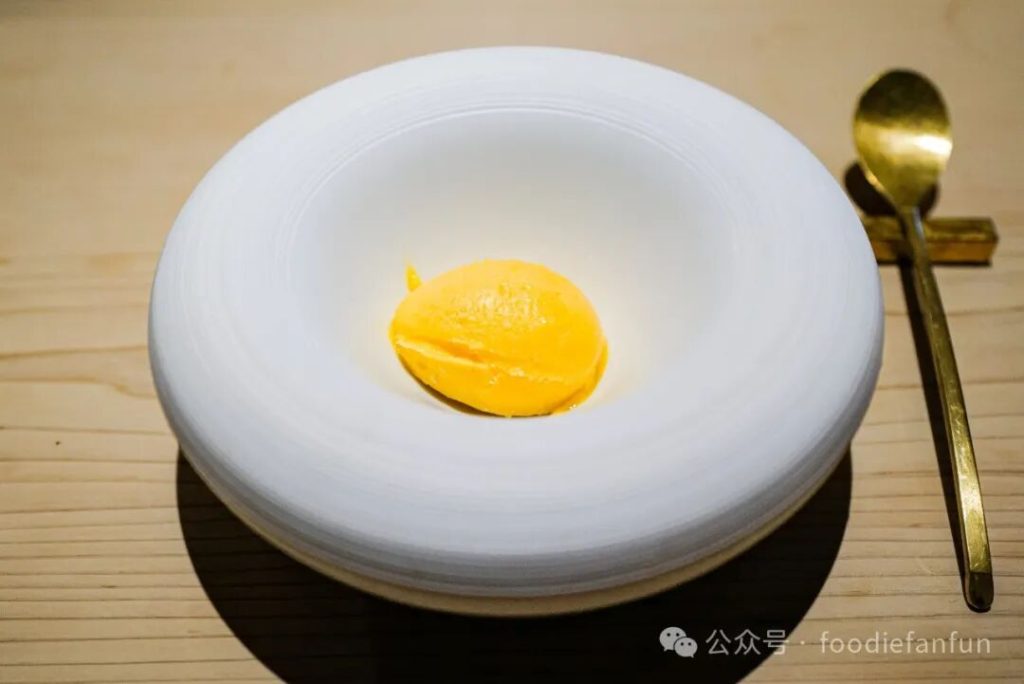
    counterdessert

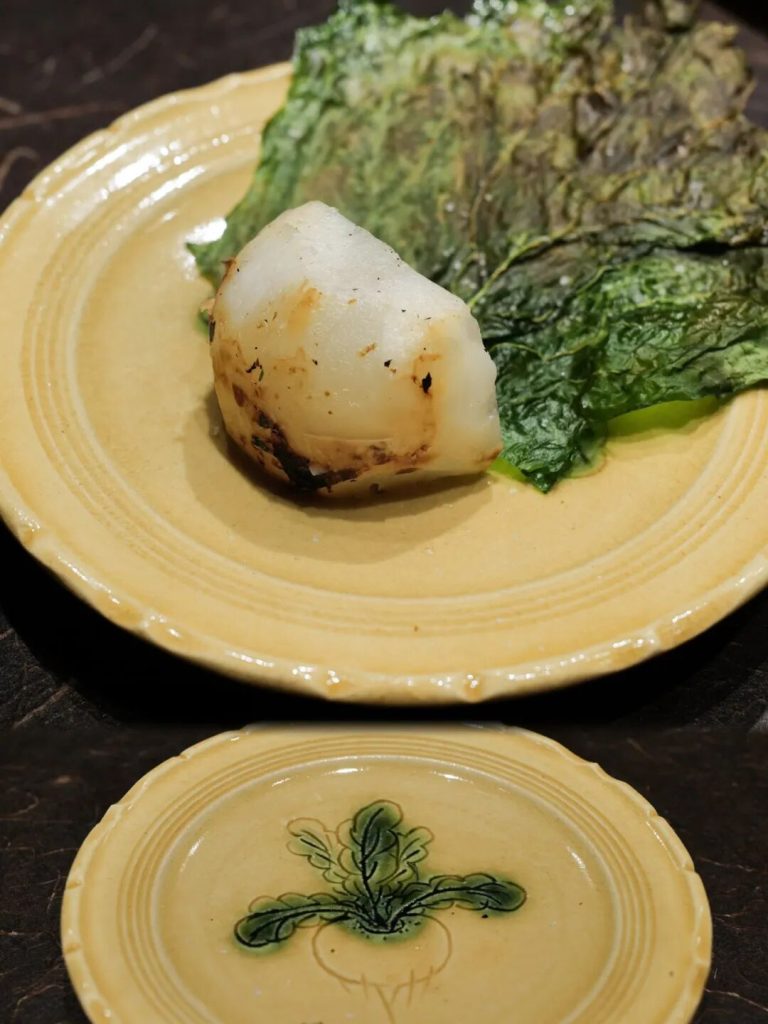
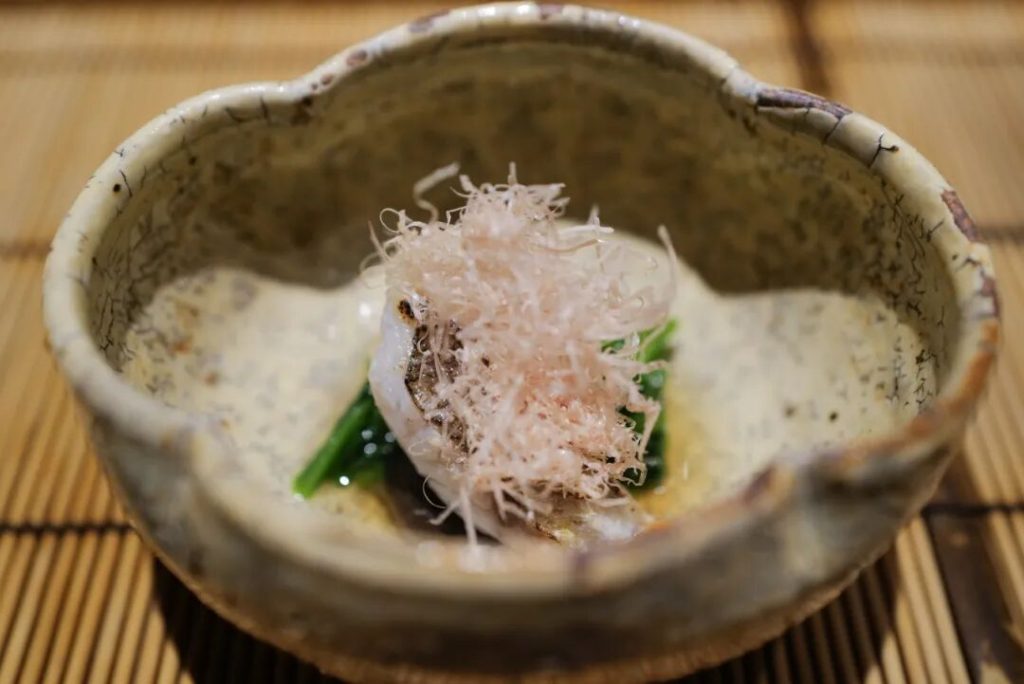
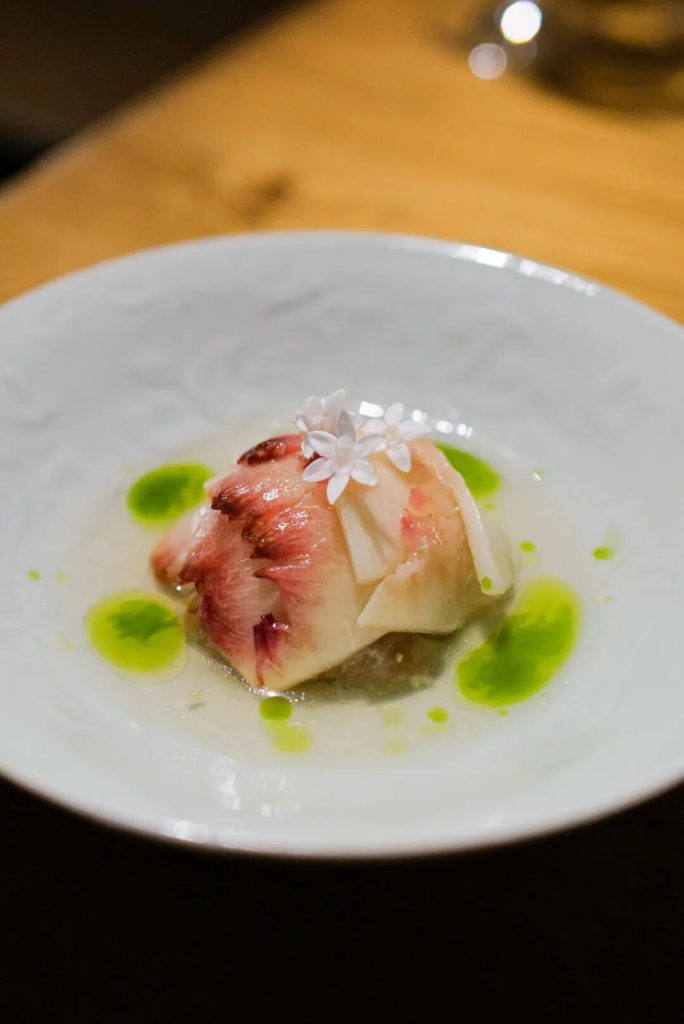
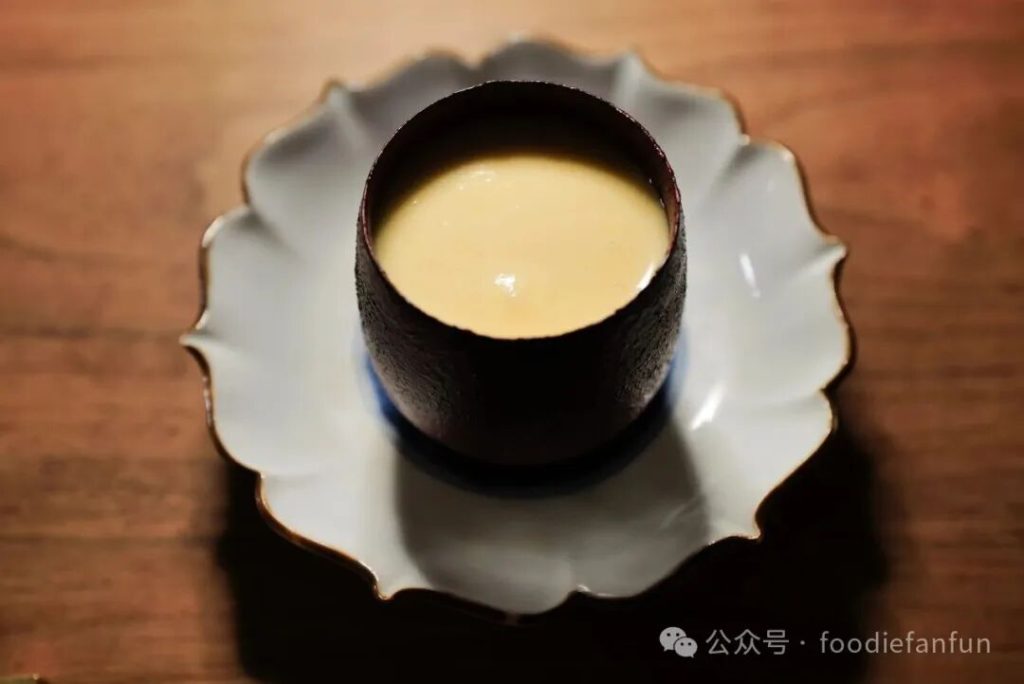
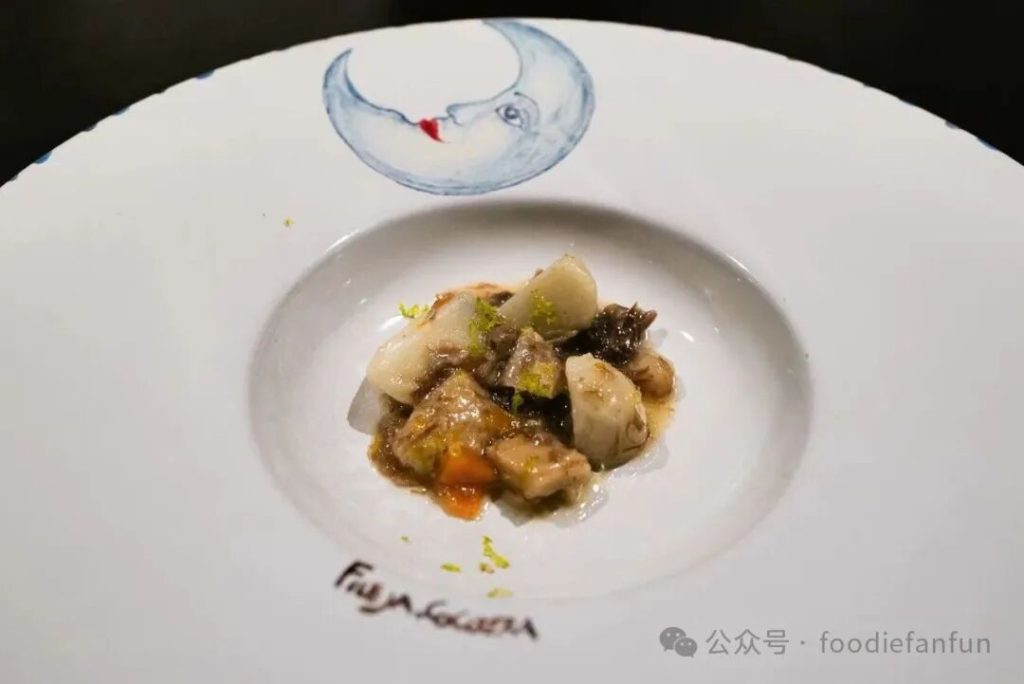
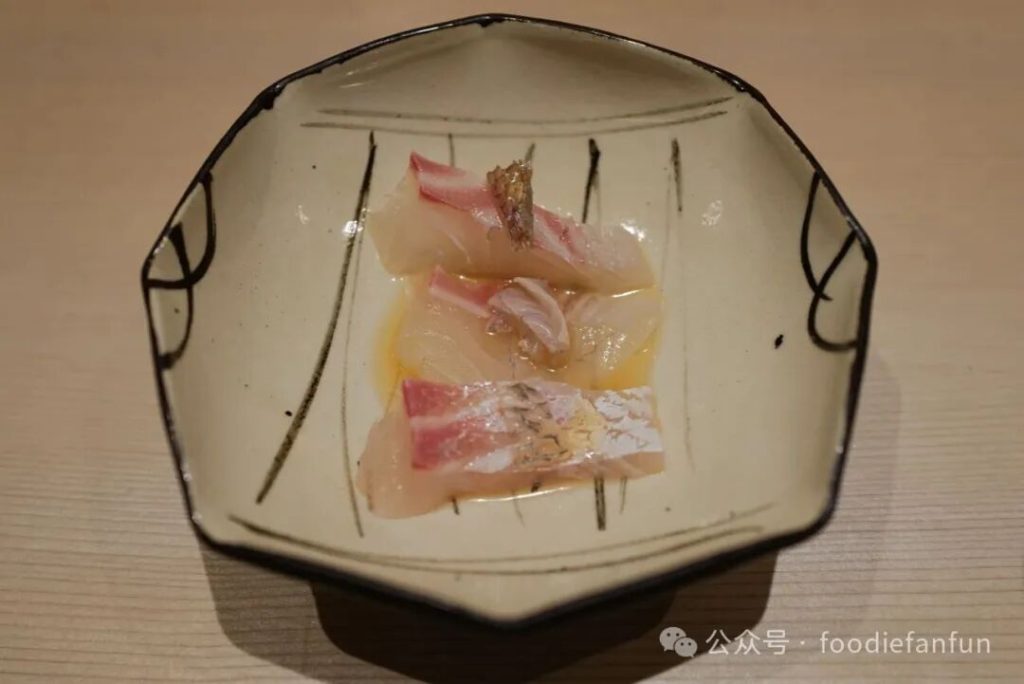
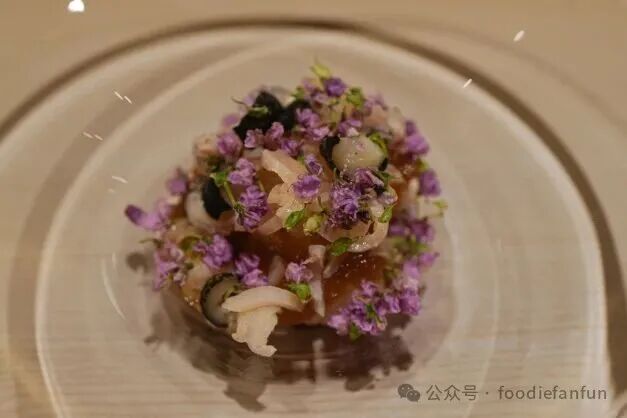
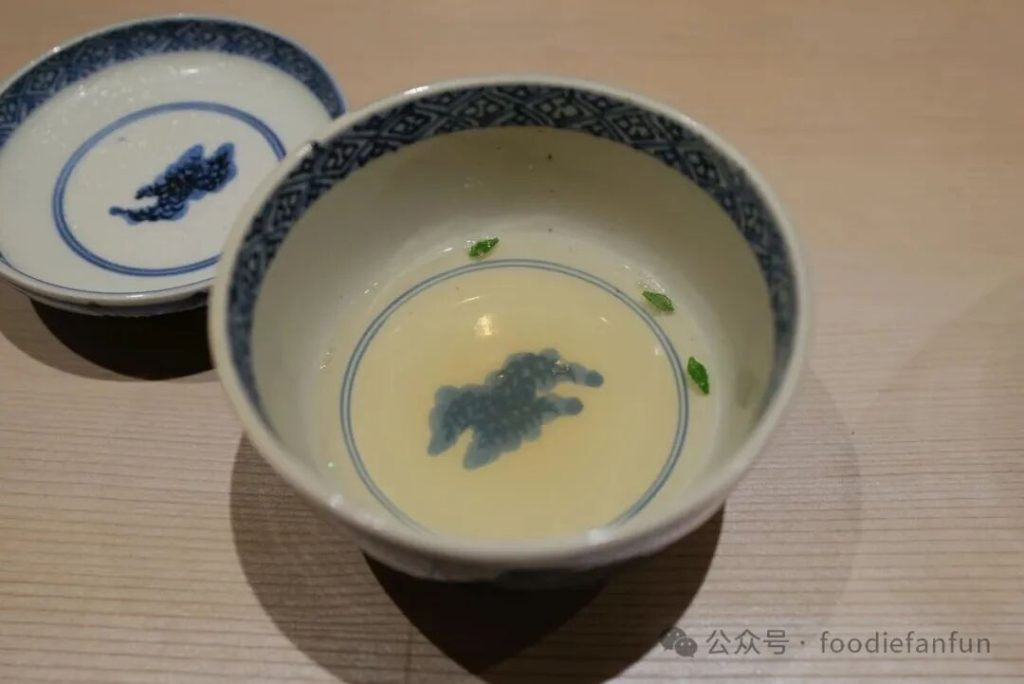
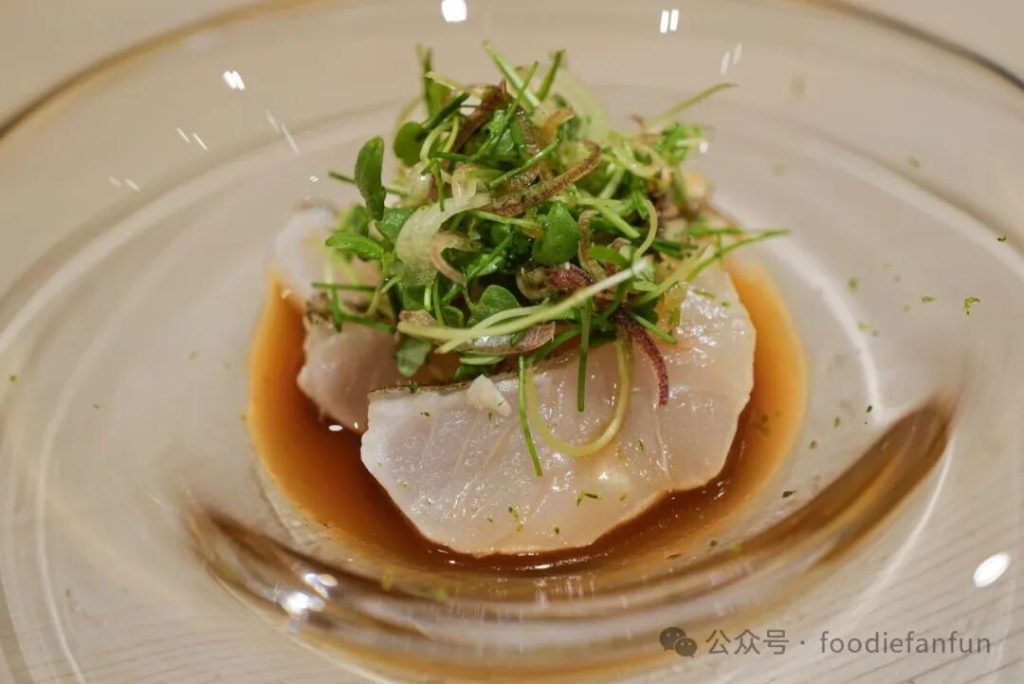
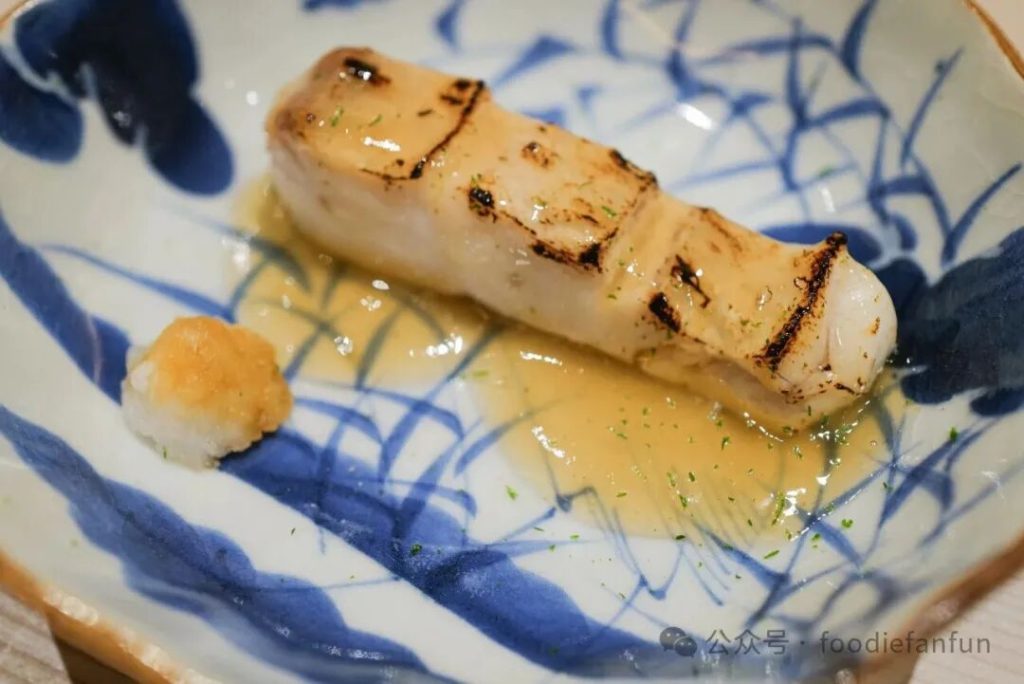
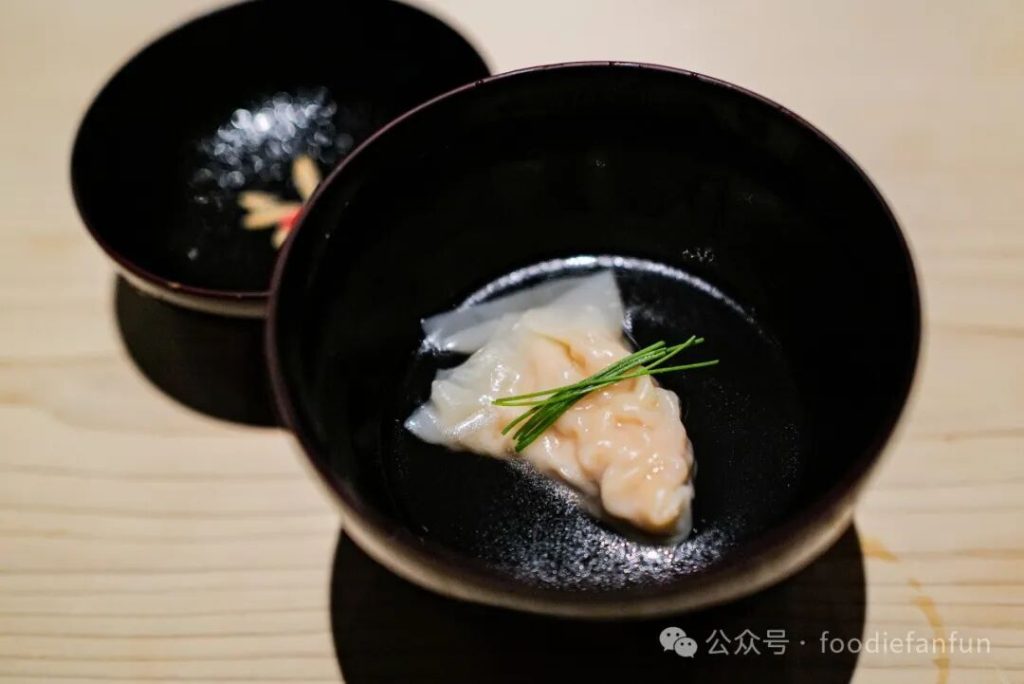
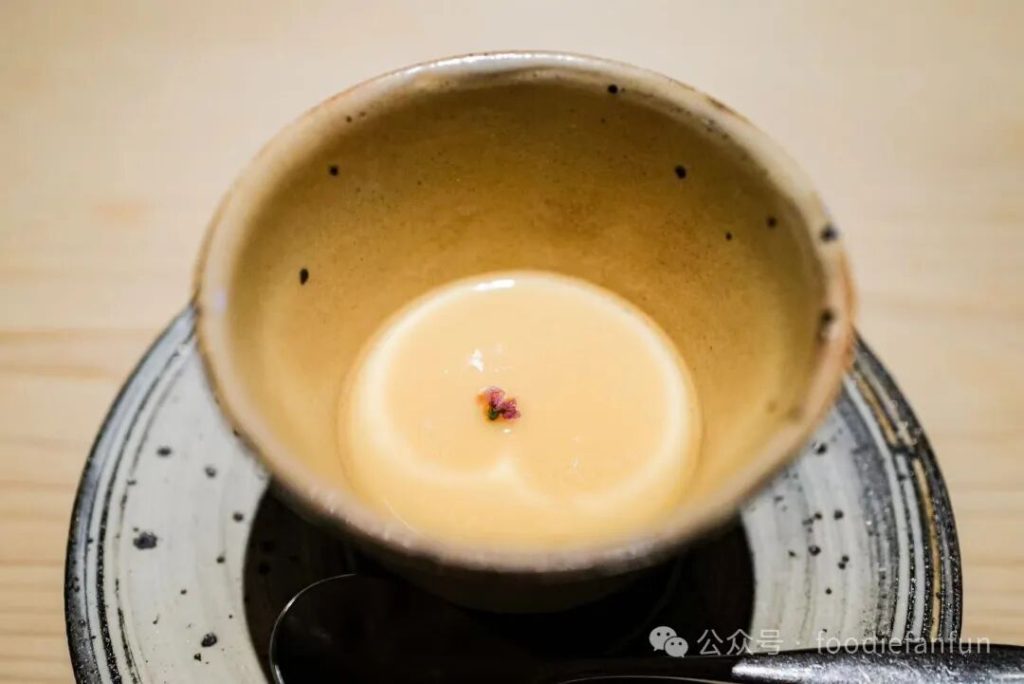
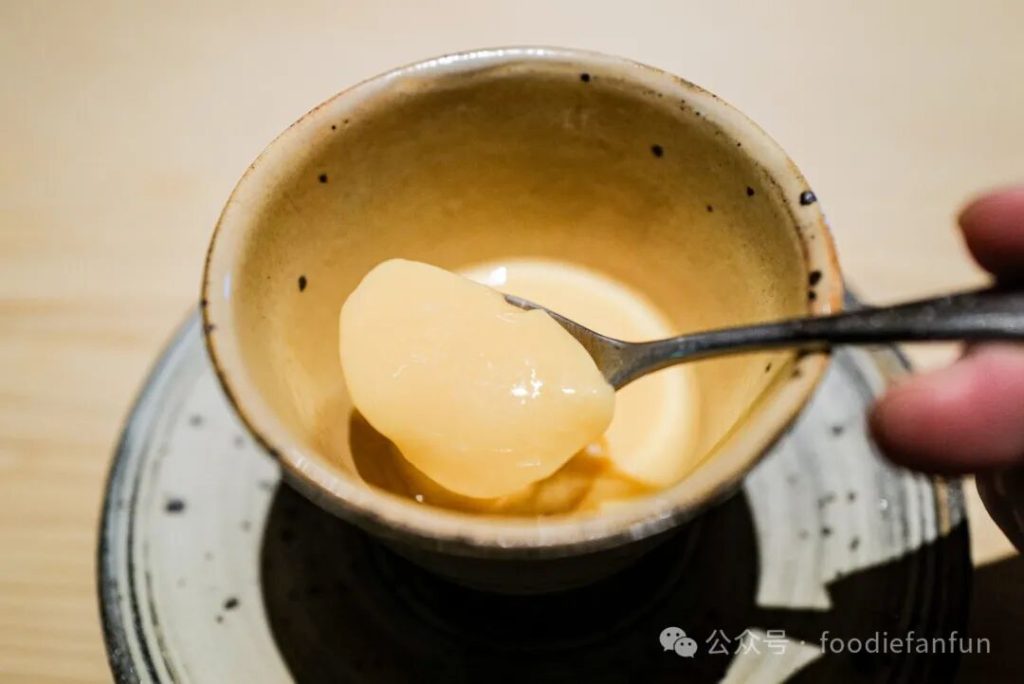
    Turnip broth | White tilefish | Lily bulb

    Dinner opened with Chef Ogino pouring each guest a small cup of nigori sake from a crane-shaped vessel. It felt like “pouring blessings into sake,” perfectly matching the New Year theme of celebration.

    The first course followed in a treasure-ship vessel, adding to the festive mood.

    Turnip, white tilefish, and lily bulb were seasoned with great restraint, yet flavor and texture unfolded layer by layer: gentle, refined, and quietly changing. One bite carried both tradition and understated elegance.

    coursecourse

    Ise lobster | Broccoli | Apple jelly

    ise lobster

    Matsuba crab mochi soup

    The New Year visual language continued in the tableware, and the next course arrived with a crane motif.

    The Ise lobster, cooked to around 20% doneness, was tender with sweet depth. Wrapped in lobster-roe and apple-vinegar gel, it balanced penetrating umami and bright acidity beautifully. Pickled accents added spikes of crisp texture and acidity. Excellent.

    The soup course used Matsuba crab shinjo, with mochi layered on top, reinforcing New Year symbolism through both texture and imagery. Unexpectedly, the mochi’s silky softness paired perfectly with the fluffy, springy, rounded crab flavor of the shinjo. Clean on entry, full on finish.

    soupsoup

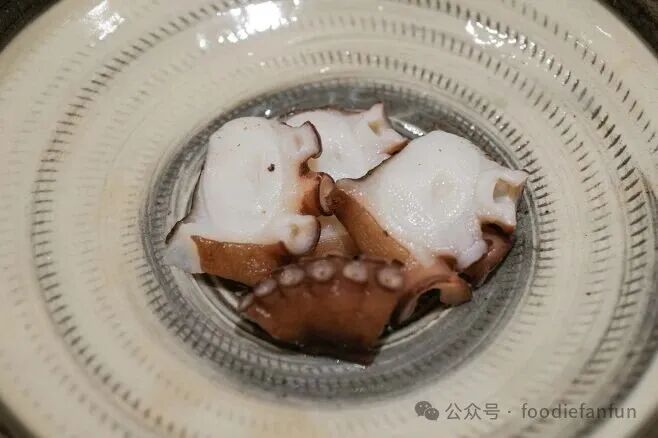
    Straw-smoked Spanish mackerel | Oki Islands squid

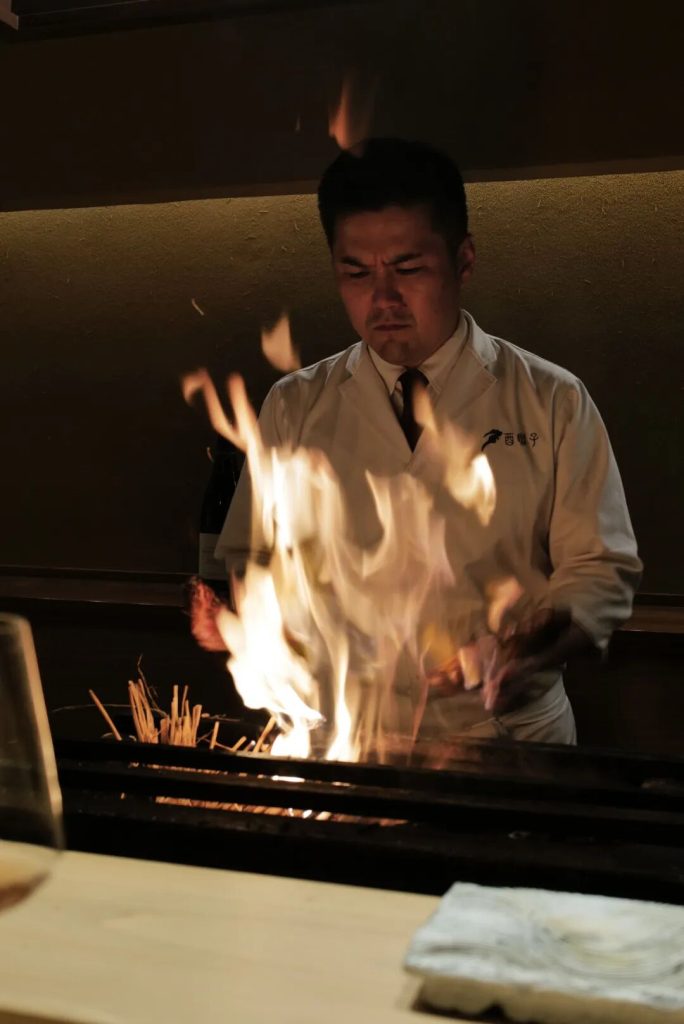
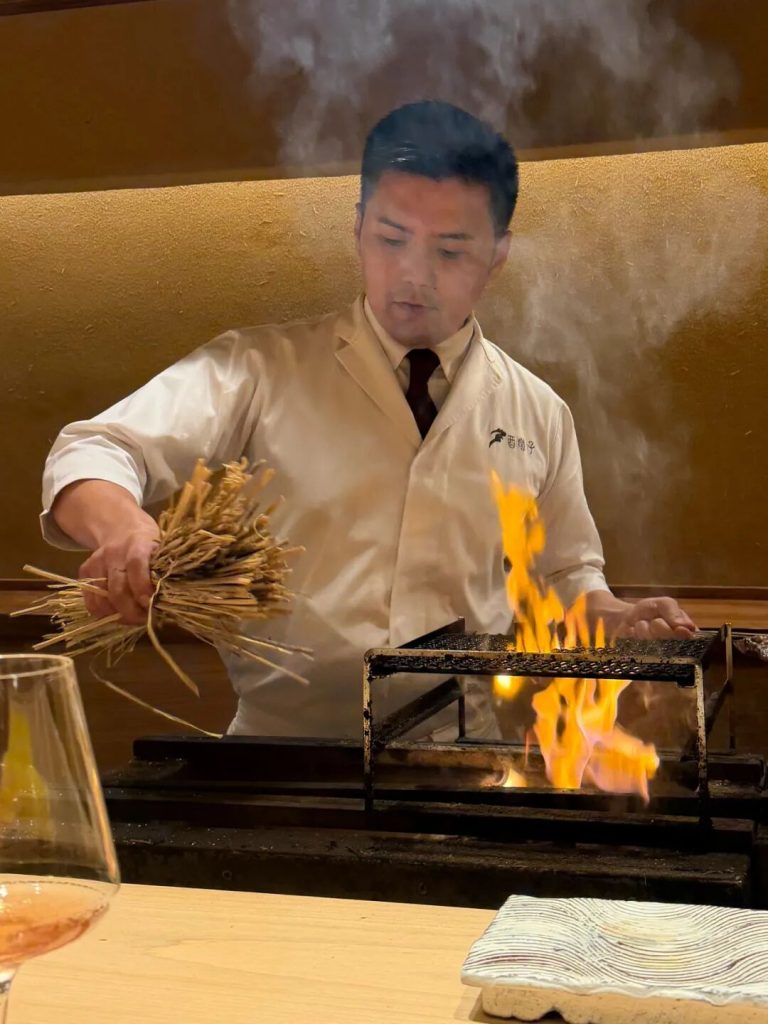
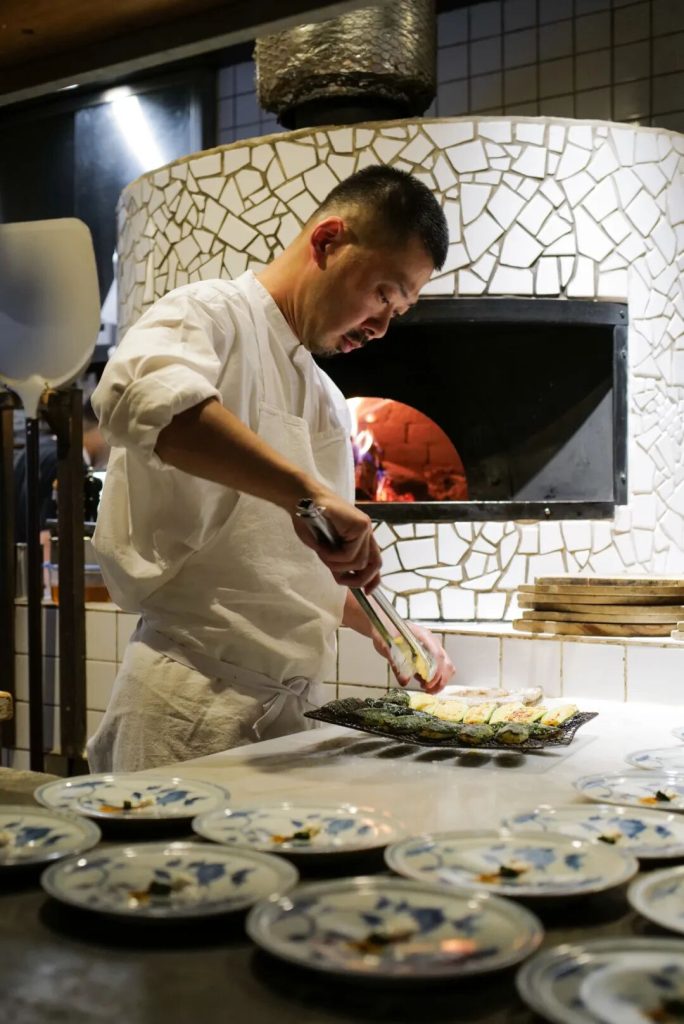
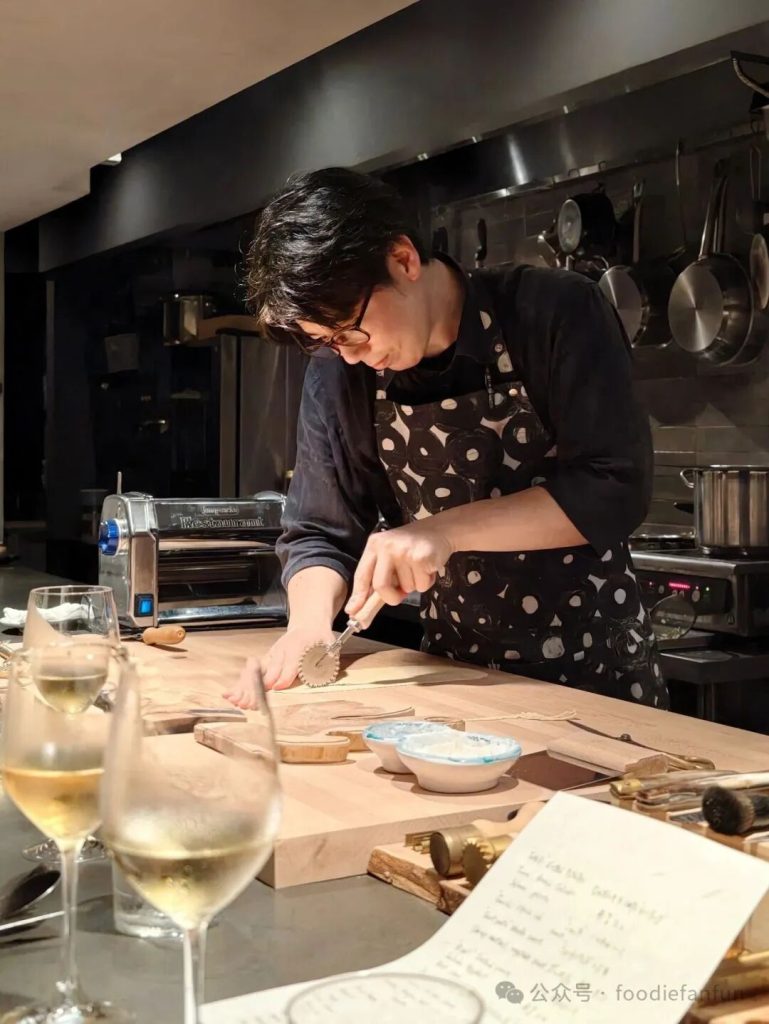
    At Ogino’s counter, the distance between guests and kitchen feels unusually close, which makes each flash of technique feel immediate: a brief spark of theatre with real heat.

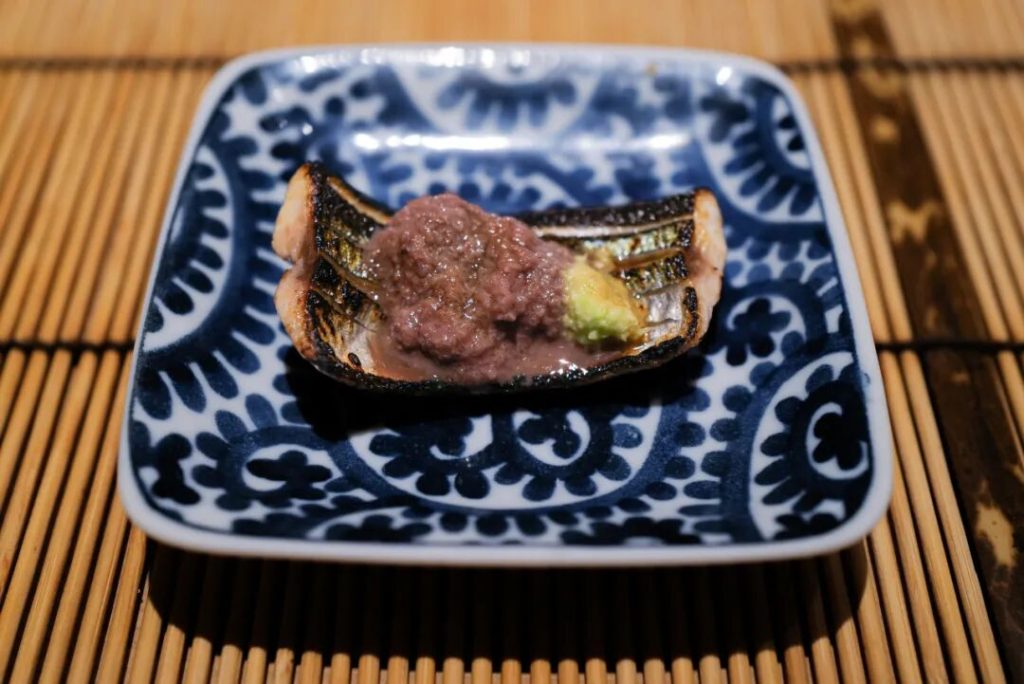
    Straw was lit at the counter to char the mackerel skin while keeping the flesh soft. Lightly torched fish is common, but seeing the flame hit in front of you, then tasting smoke turn into balance and a long finish, creates a distinct memory.

    mackerel

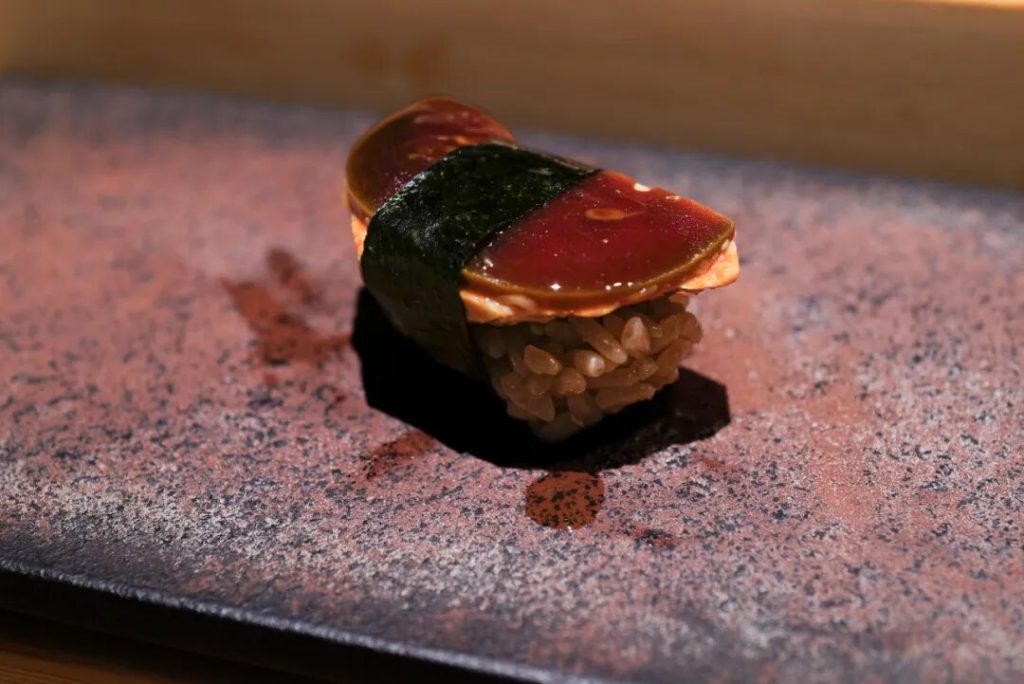
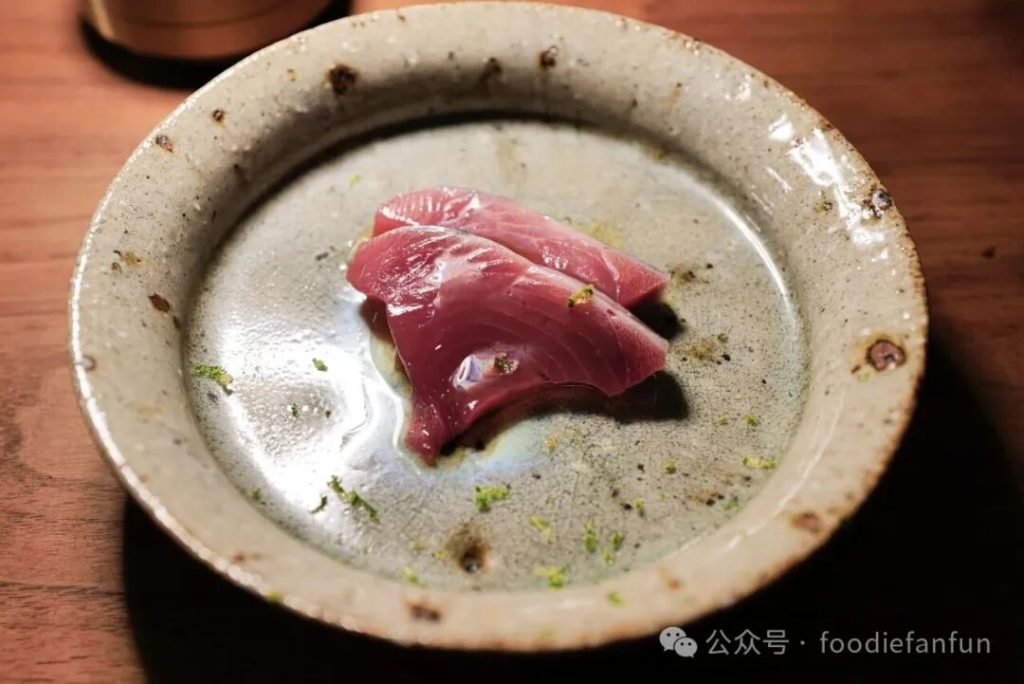
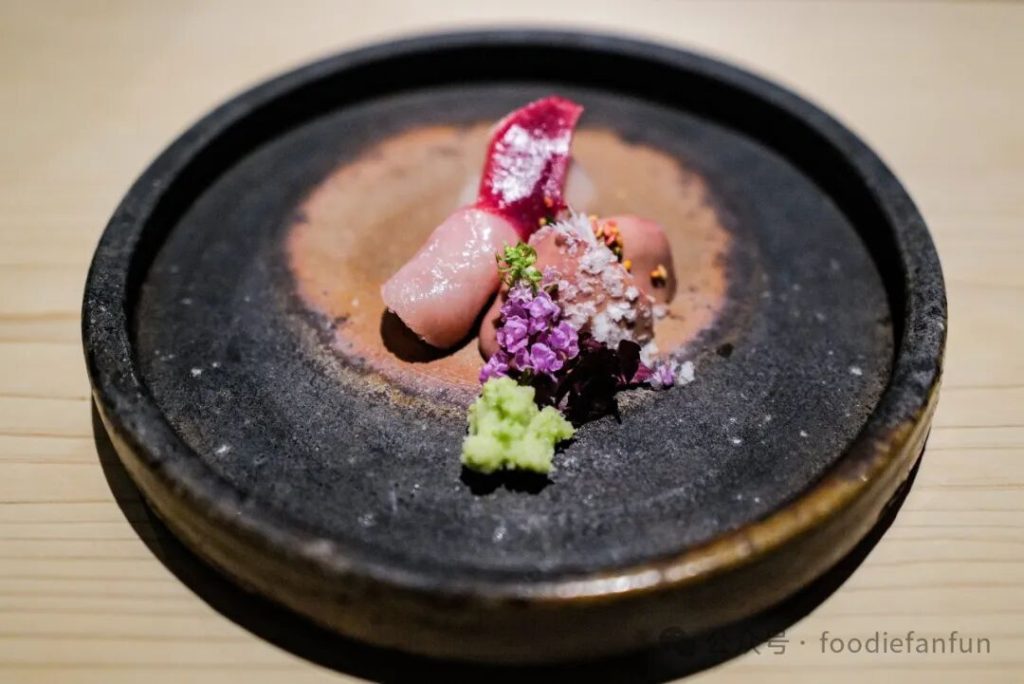
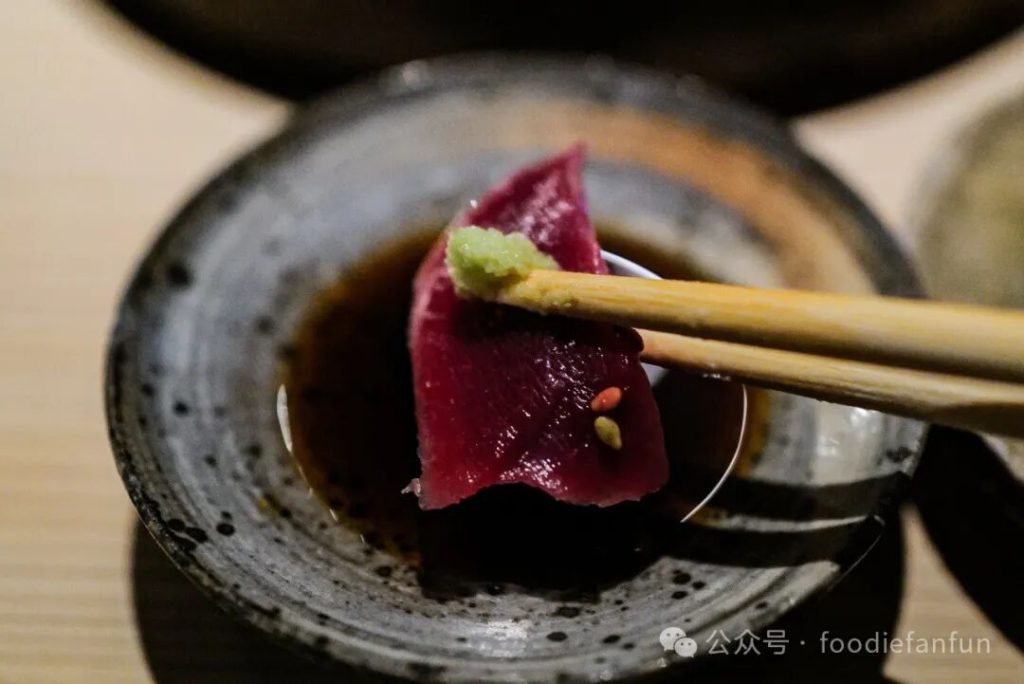
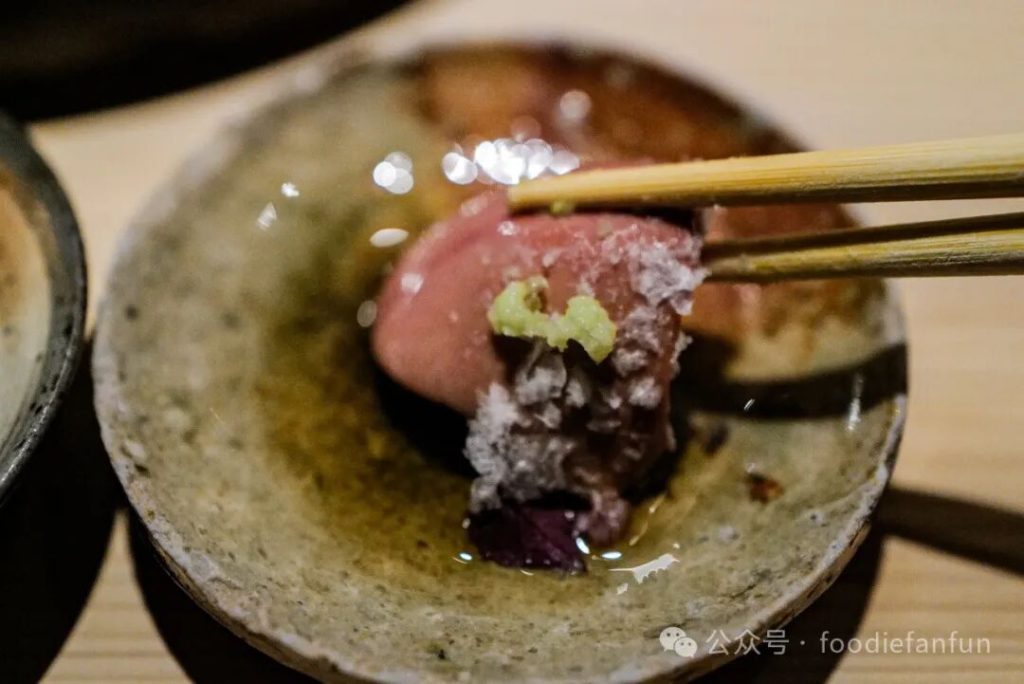
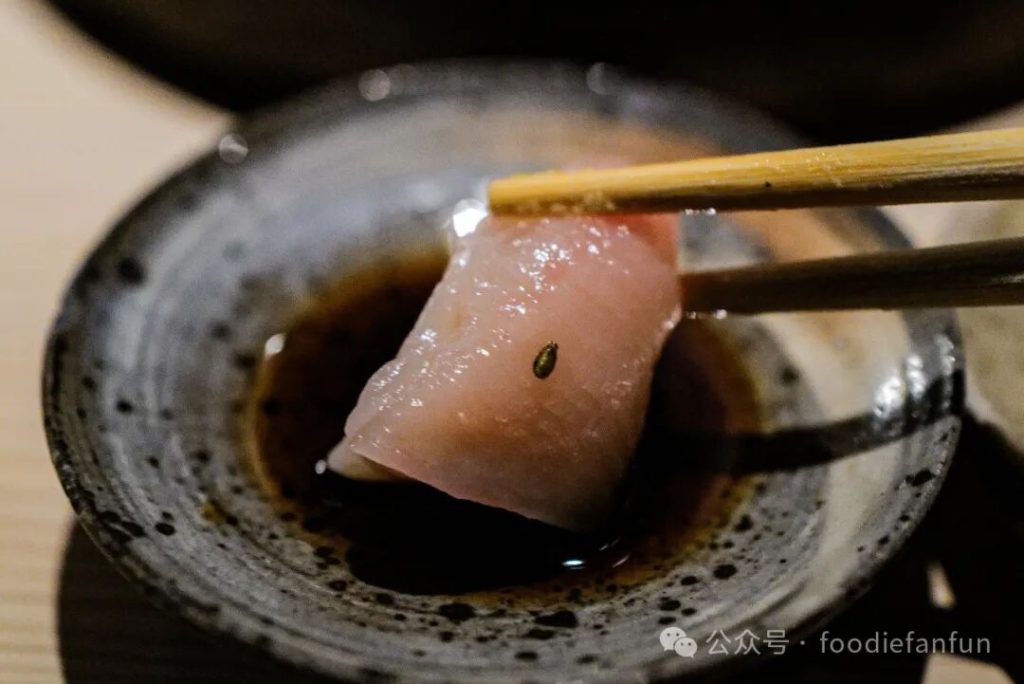
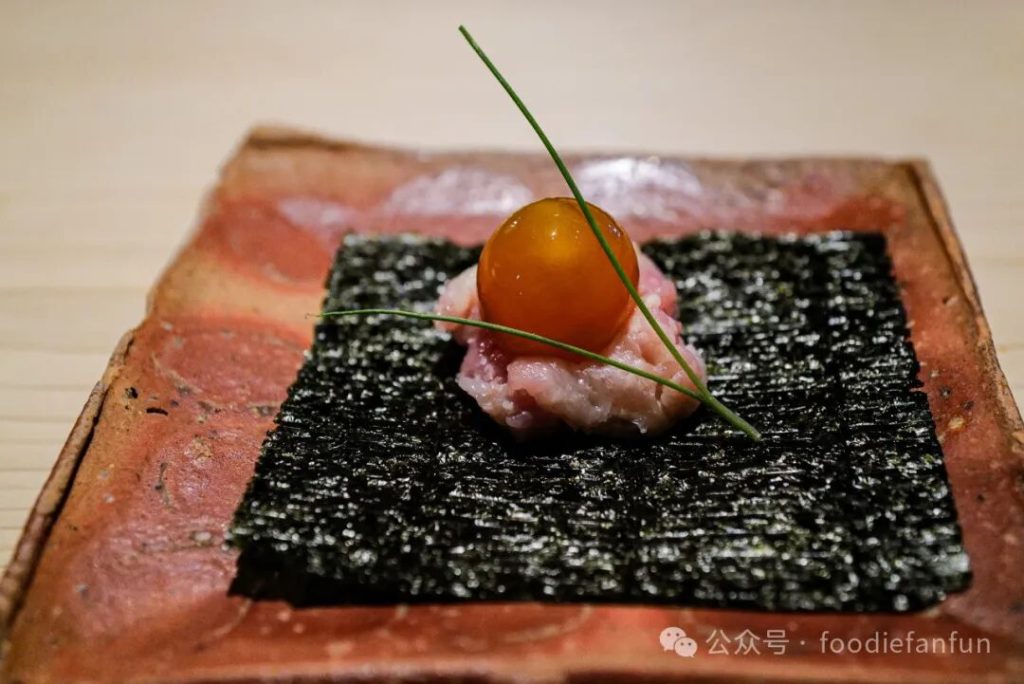
    Seared tuna | Egg-yolk soy | Nori tsukudani

    Next came tuna with yam puree and egg-yolk soy, with direct searing at the edge of the fish. Think of the pleasure logic of wagyu sukiyaki dipped in raw egg: rich and deeply satisfying.

    The restaurant is very good at making guests say “satisfying” in a straightforward way. Yet it never loses kaiseki restraint, detail, and balance. You see this in vessels, counter performance, and the food itself.

    tuna

    Shell-grilled Matsuba crab

    Late January is already near the end of crab season, and with this month’s menu pricing being relatively off-peak, I still didn’t expect such a deeply satisfying shell-grilled Matsuba crab.

    There was a slight thickened glaze; that gentle viscosity fused crab-roe aroma and crab-meat sweetness. Fresh scallion jumped in with aromatic lift. Crab legs, coated in rice crackers, stood upright on the plate: pure joy.

    crab

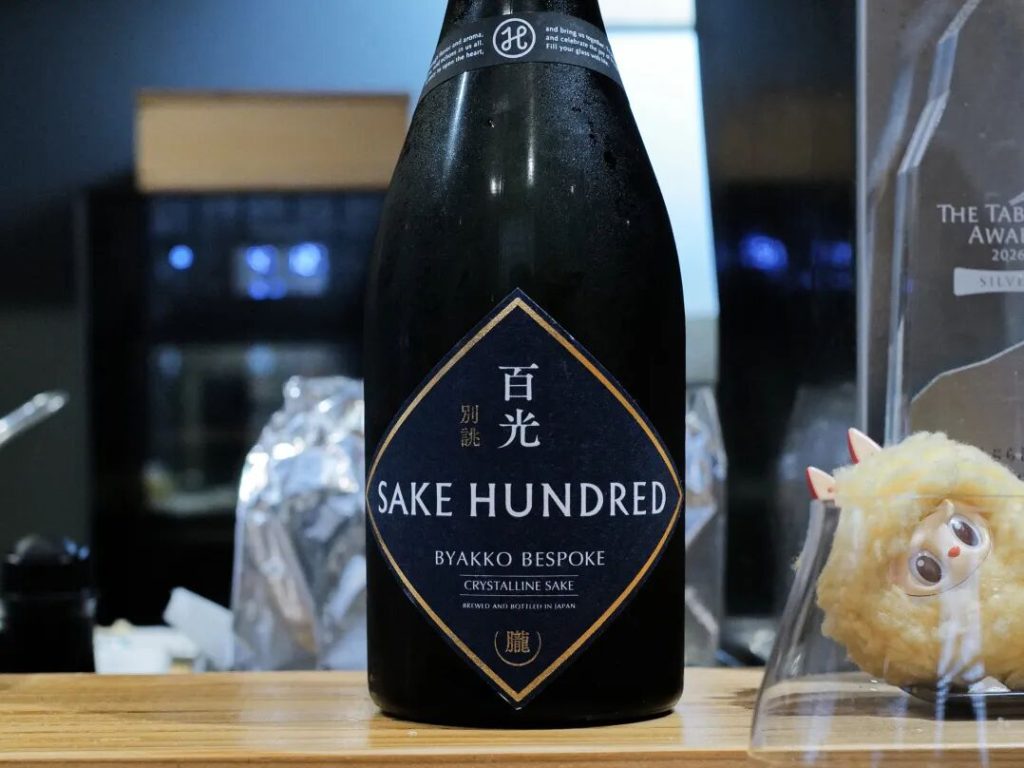
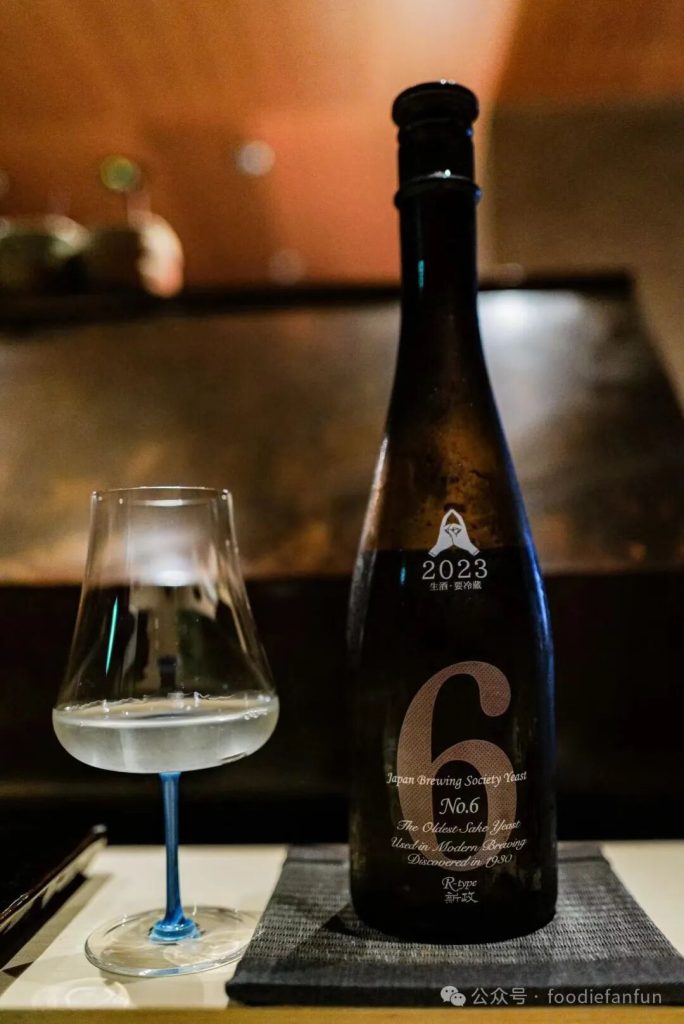
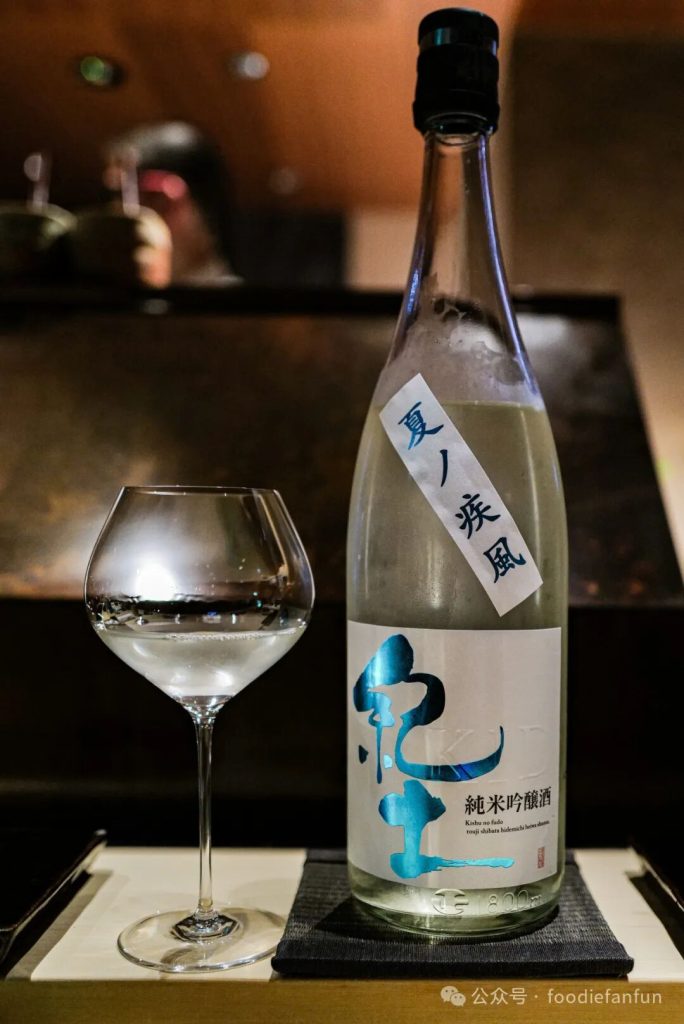
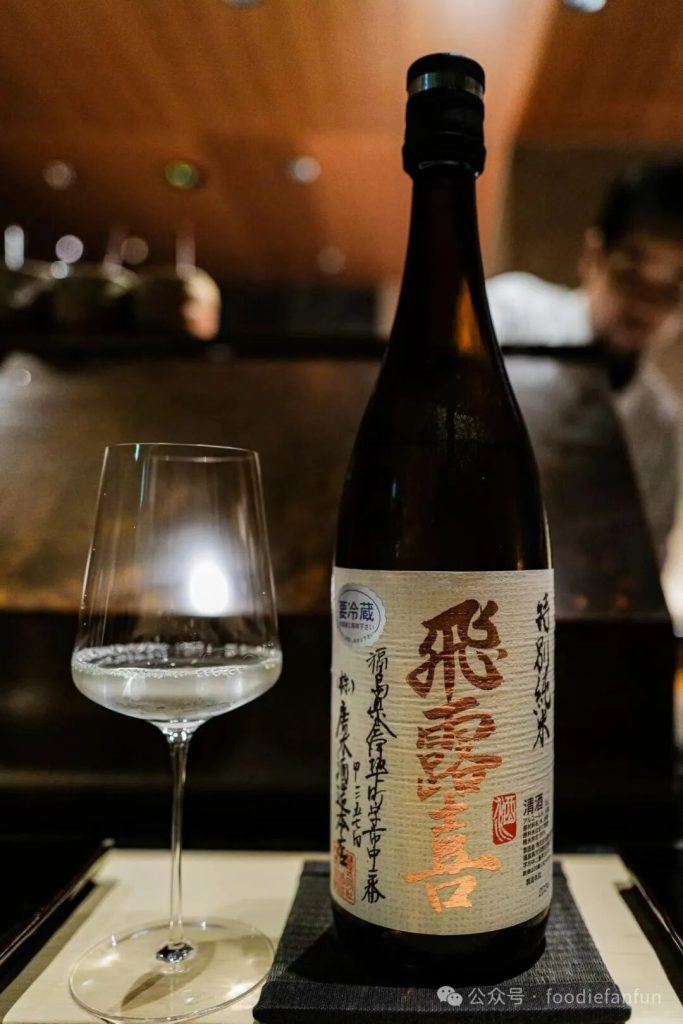
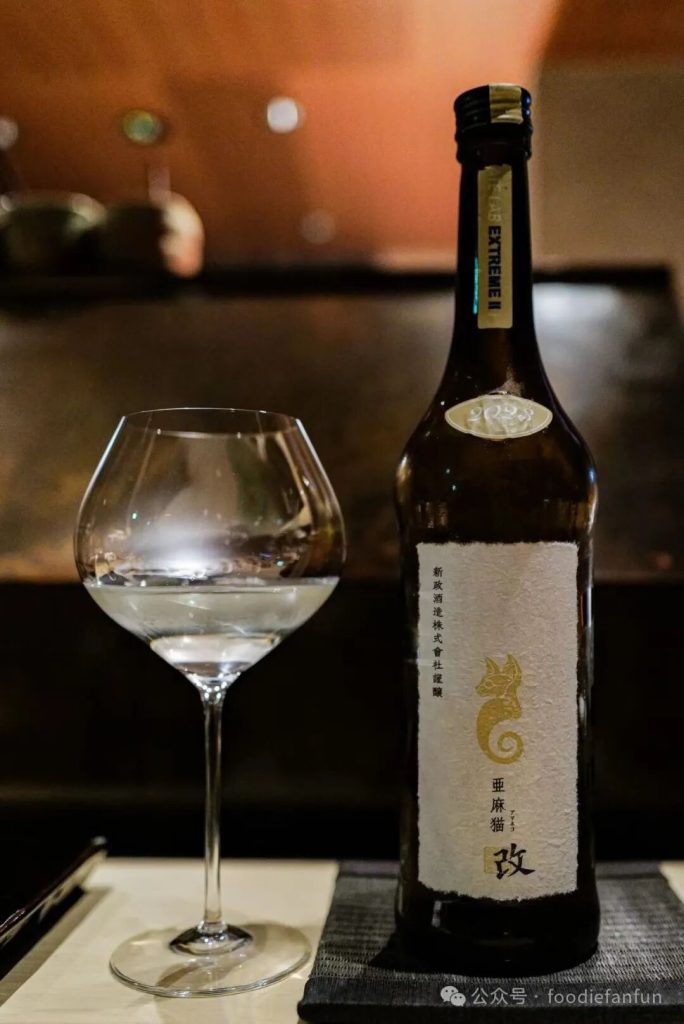
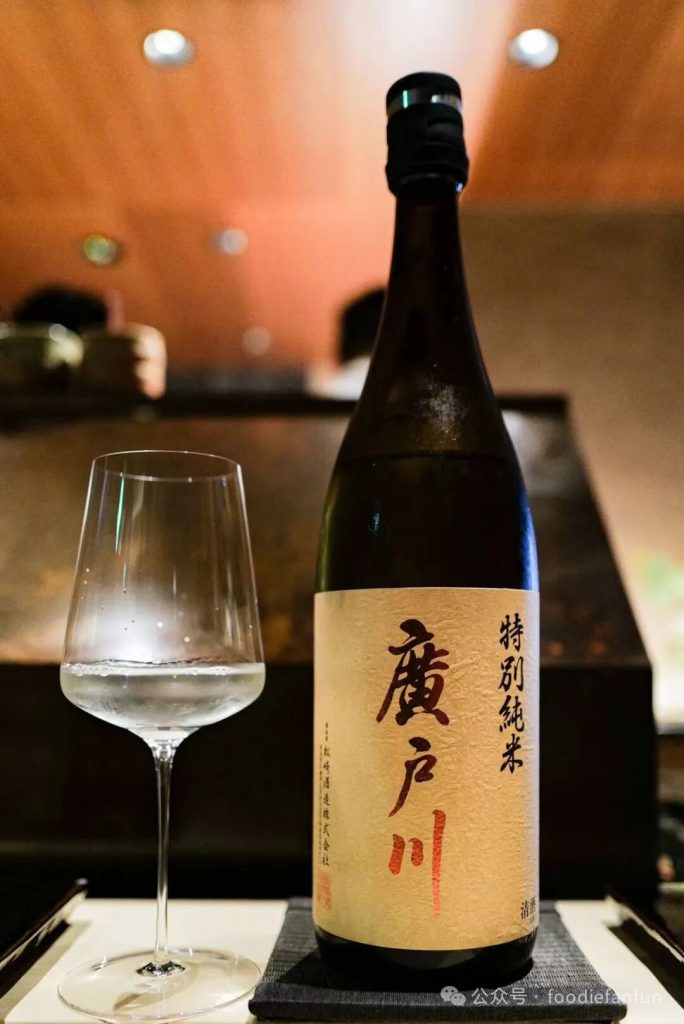
    Kamo Nishiki x Ogino custom sake

    “次のオススメの日本酒お願いします〜”

    Just before hassun, we were served Kamo Nishiki’s custom bottling for Ogino: more dimensional, with umami-aroma unfolding in the back palate and a very long finish.

    After trying many custom Kamo Nishiki labels for different restaurants, I now feel this more concretely: label ceremony is one part, but more importantly, they really do create sake that matches each partner restaurant’s cuisine style.

    Every sip becomes an actual score boost for the meal.

    sakesake

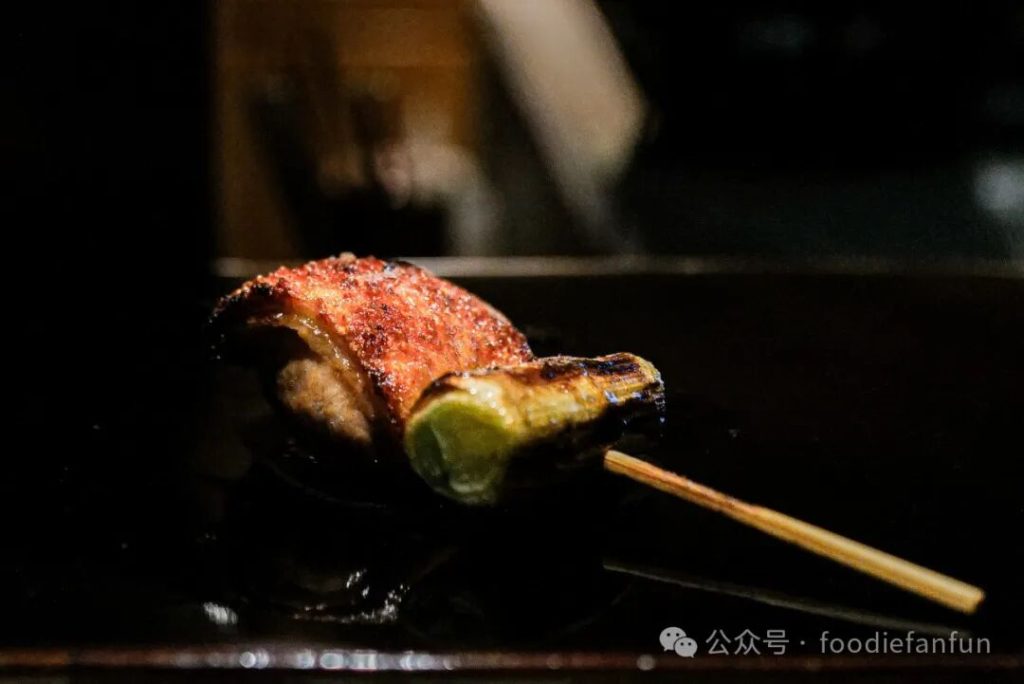
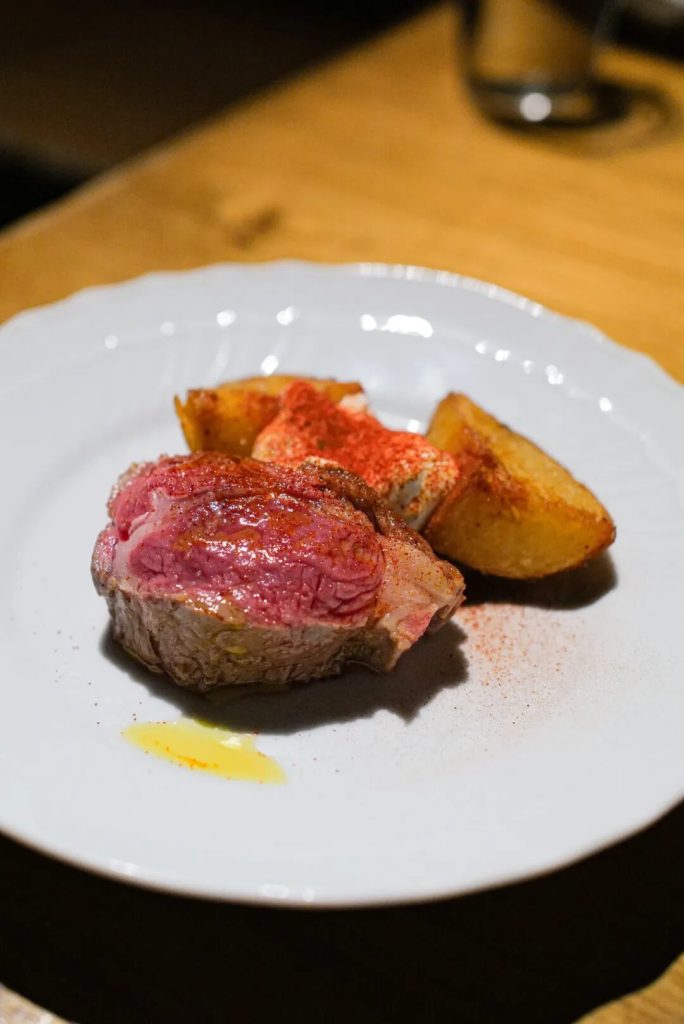
    Duck jibuni

    With Ebisu and crane motifs arriving in hassun, the celebratory atmosphere returned.

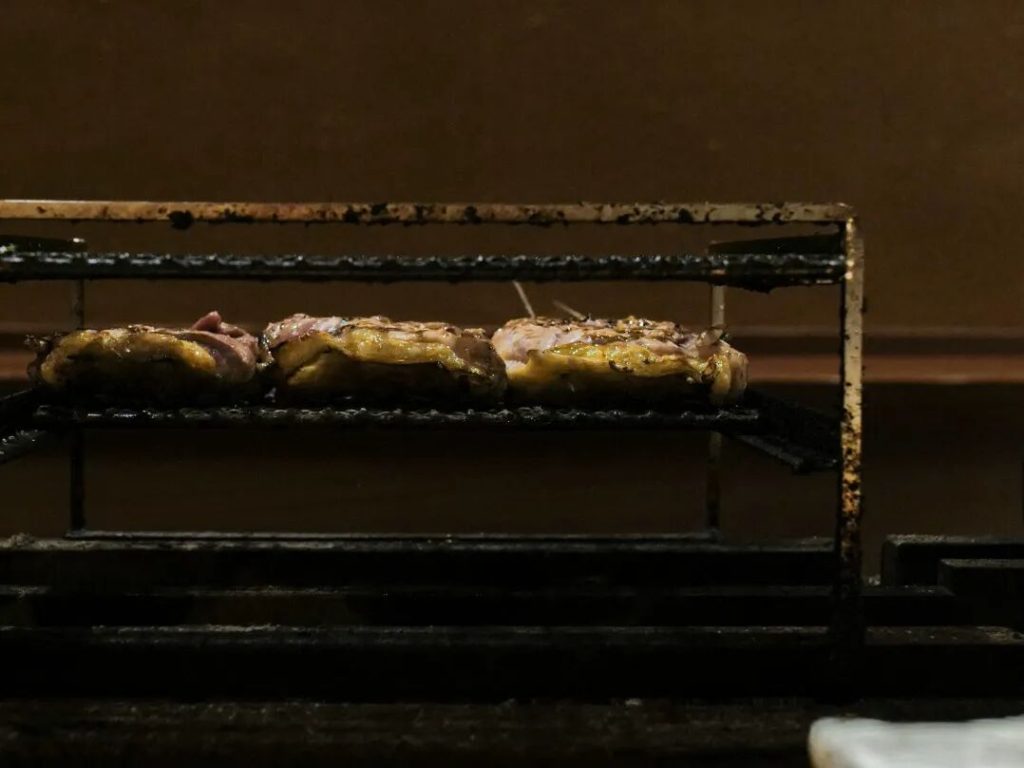
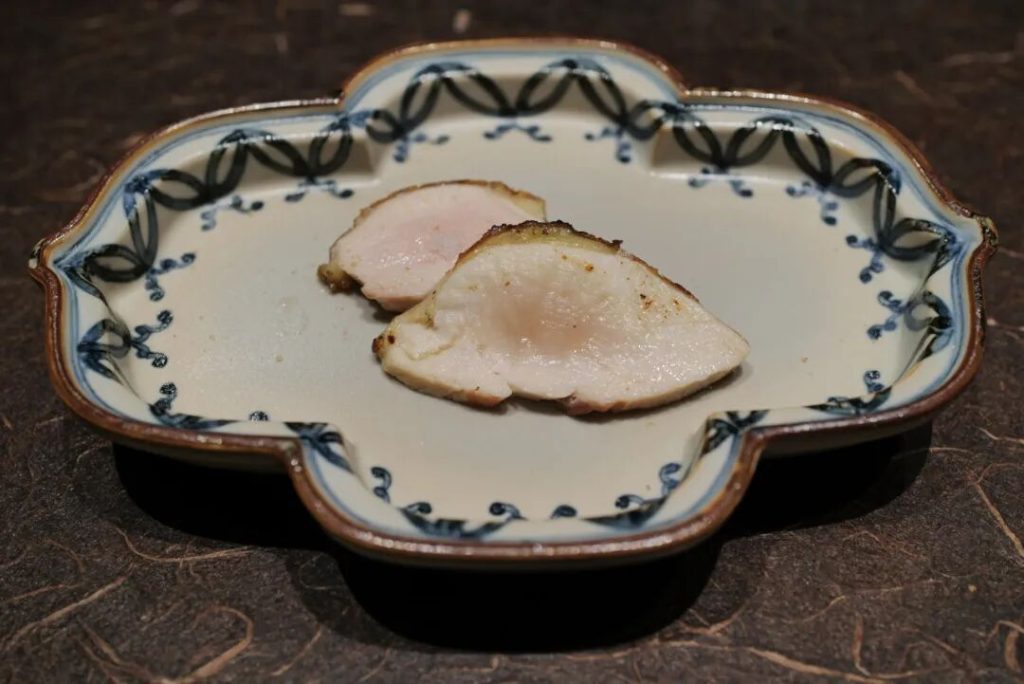
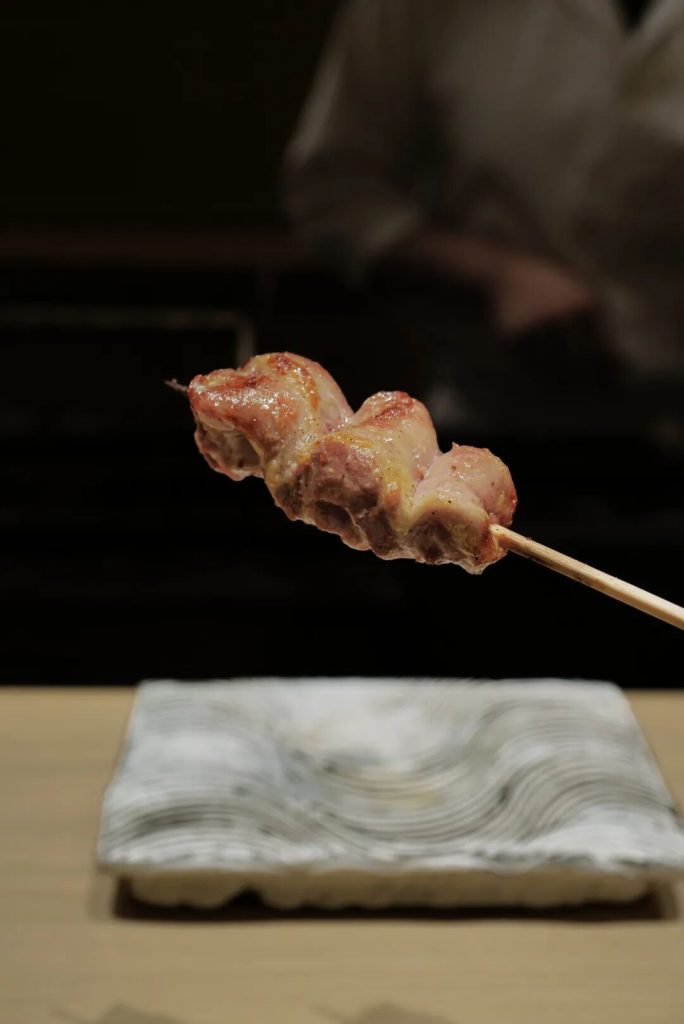
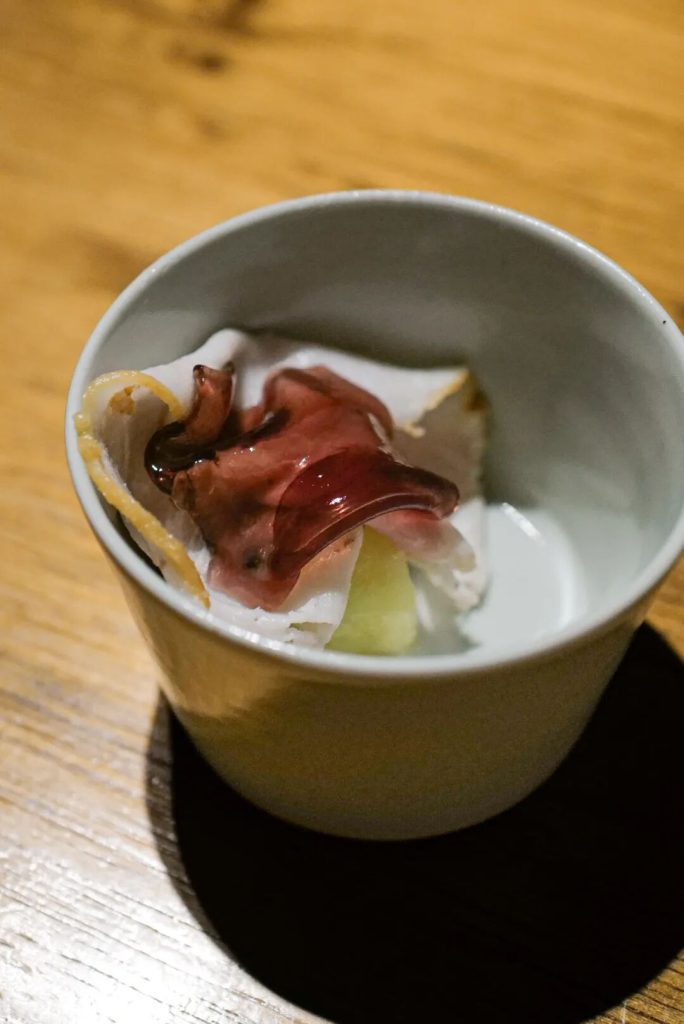
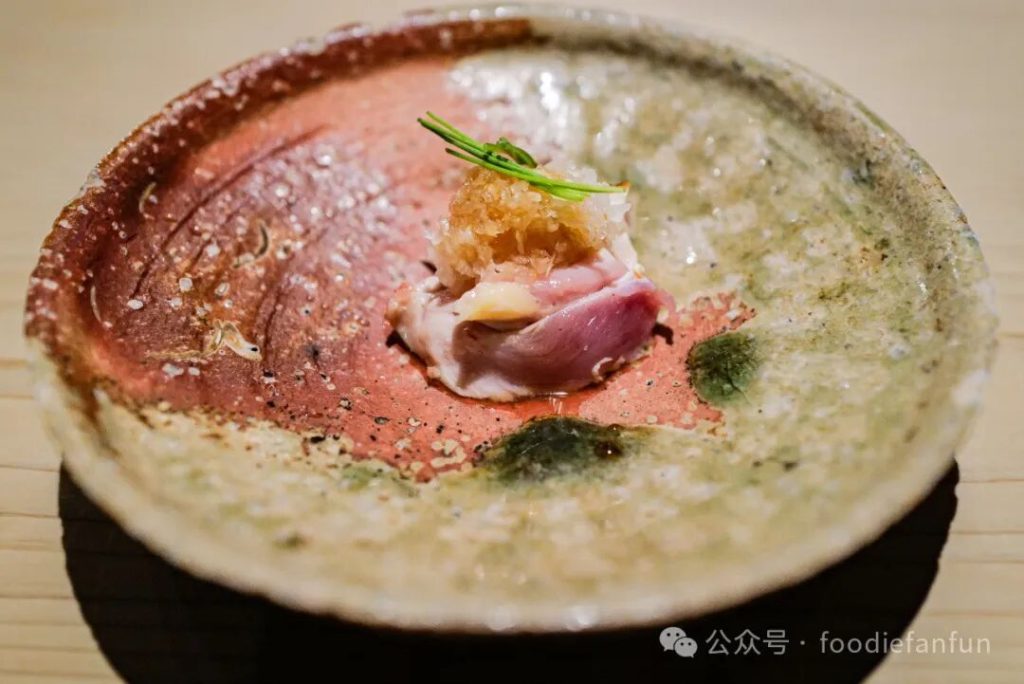
    “Eat the duck while hot.” Prepared in the Ishikawa-style jibuni method, the duck was firm, aromatic, and carried a touch of wildness while staying completely clean, with zero gamey odor. Sansho and scallion lifted a second aromatic-sweet layer.

    Japanese duck really suits washoku treatment.

    The sea bream-shaped vessel was also a playful linguistic symbol: “madai” (sea bream) sounds close to “medetai” (auspicious/congratulatory), so it is commonly used as a motif of celebration.
    hassun

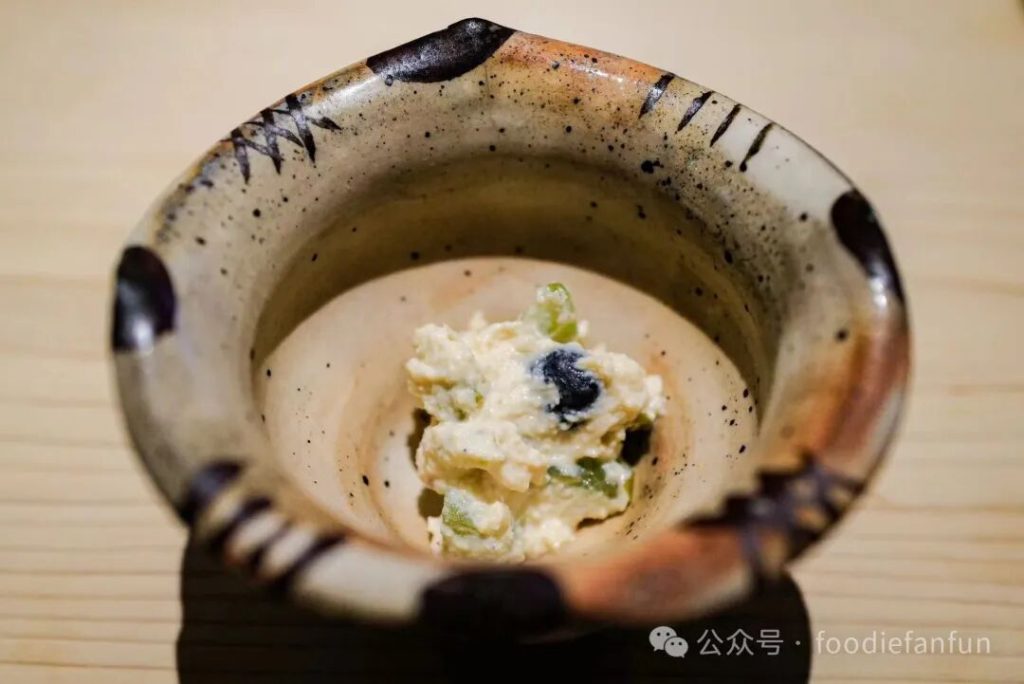
    Kumquat | Shira-ae | Kazunoko | Simmered Tanba black beans

    hassun

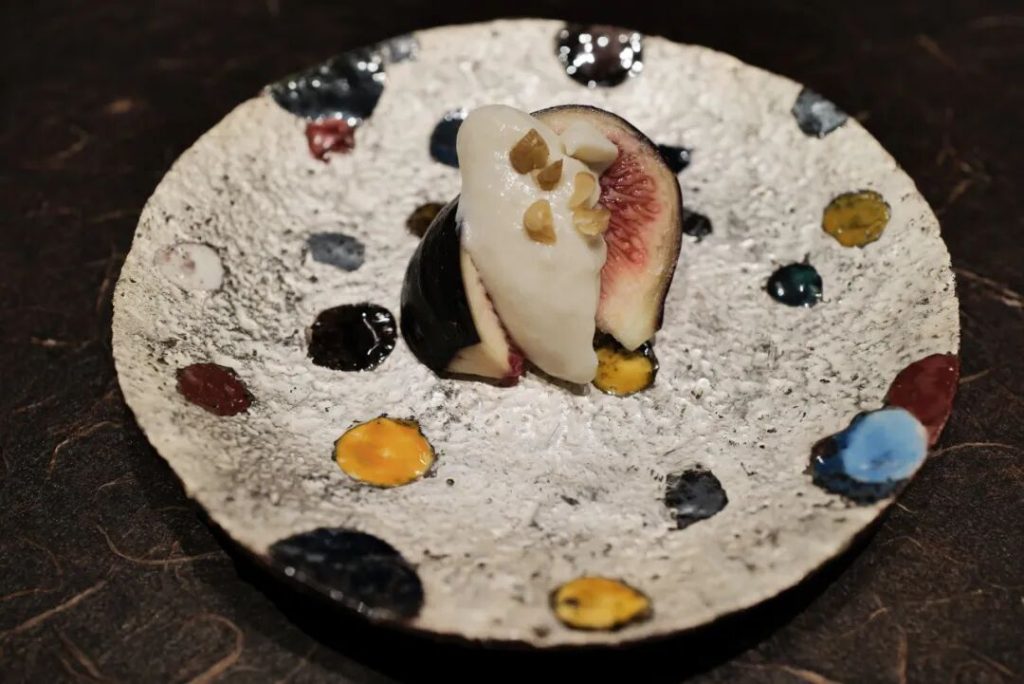
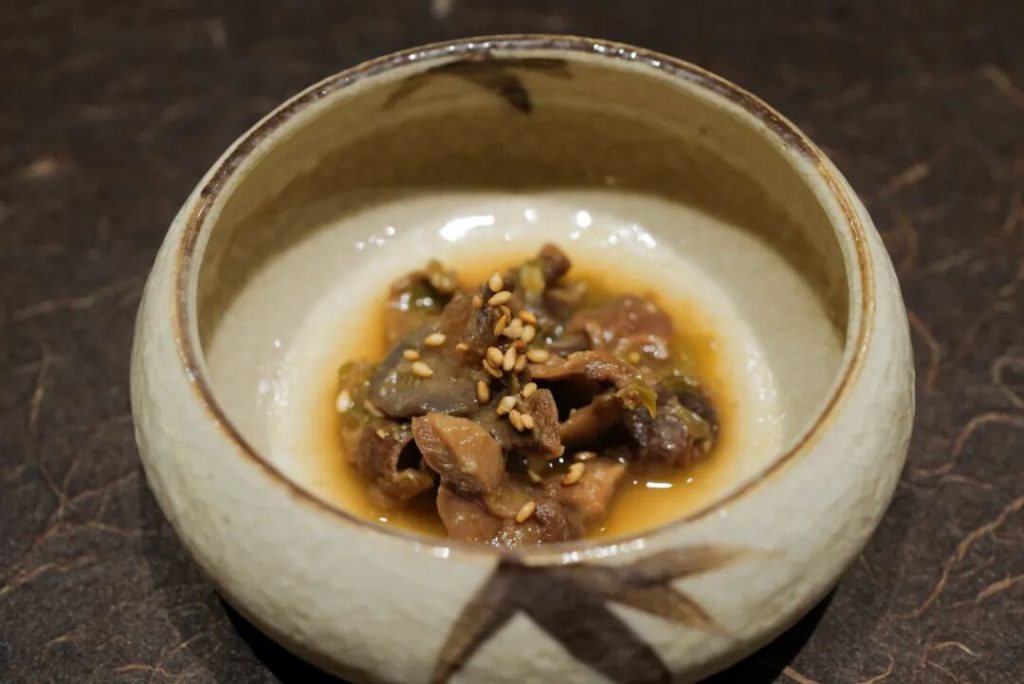
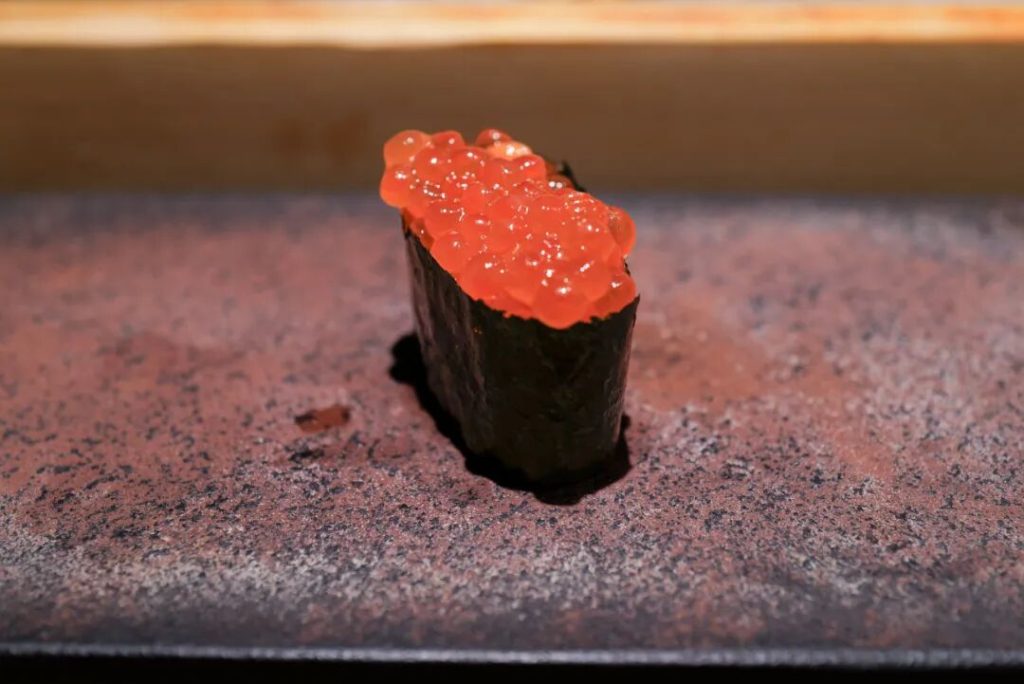
    Sea cucumber tendon + daikon + salmon roe | Monkfish liver | Persimmon + sesame

    Almost every hassun item triggered a spontaneous “wow, delicious,” but with no redundancy. Soft black bean sweetness, layered kumquat and shira-ae sweetness, sea-cucumber tendon and salmon roe in tension and release, and monkfish liver pushing umami in waves while nutty and creamy notes melted slowly.

    And the sesame under dried persimmon. The freshly roasted sesame Chef Ogino had been grinding at the counter with crackling fragrance was exactly for this moment.

    hassun

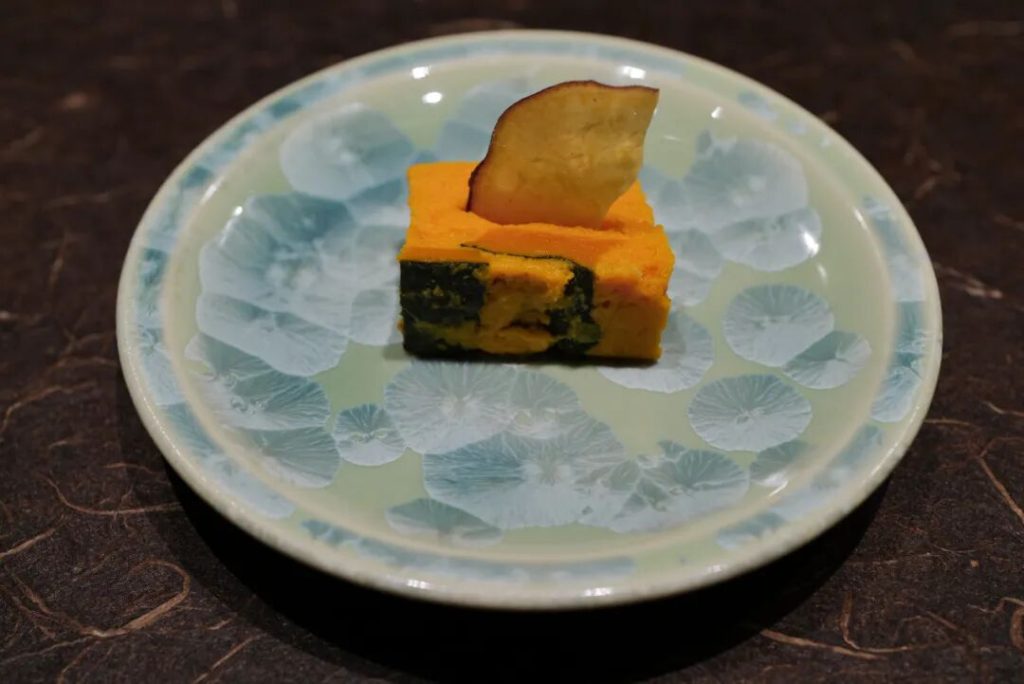
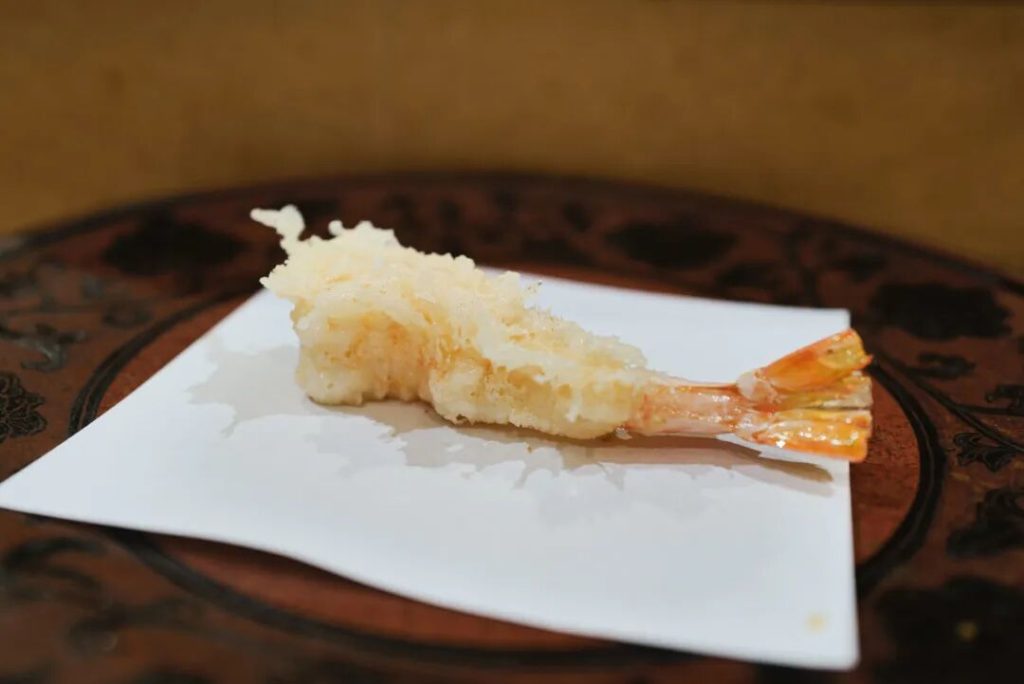
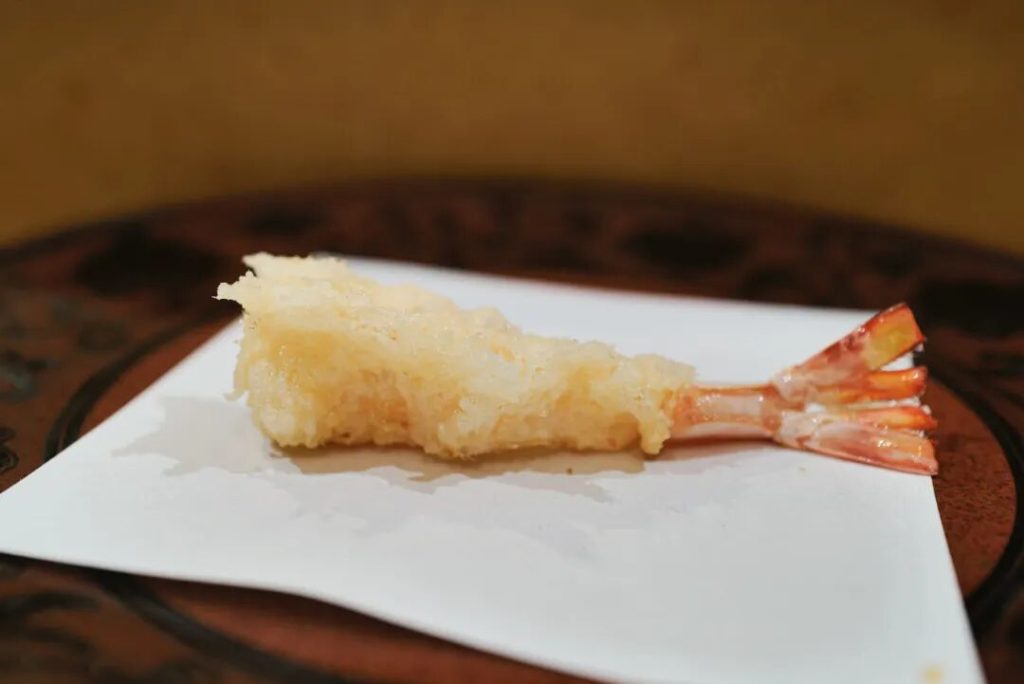
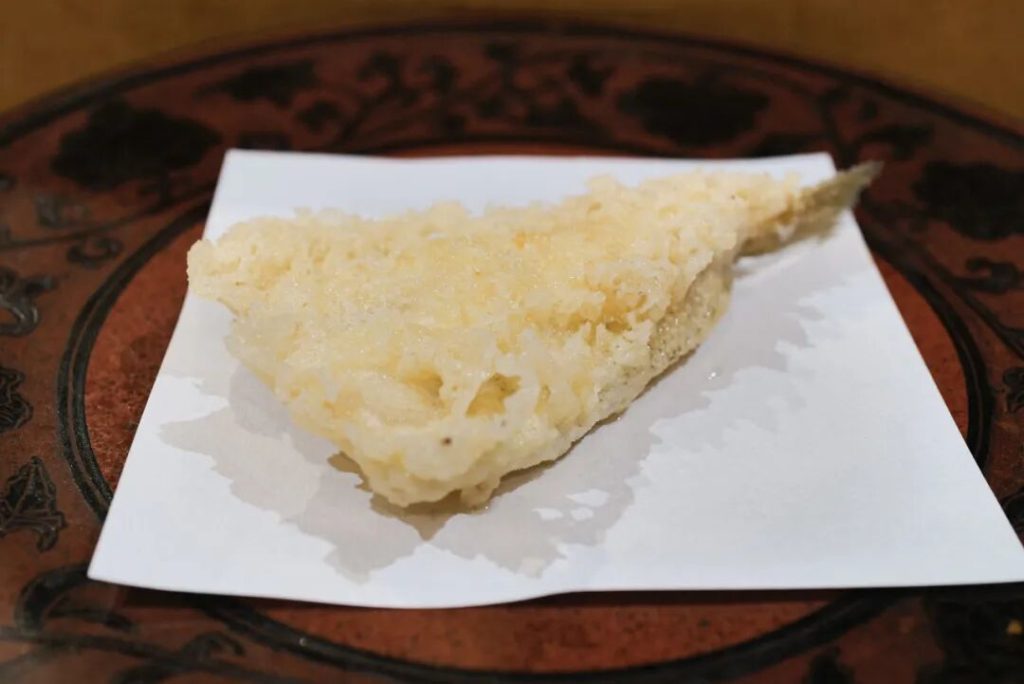
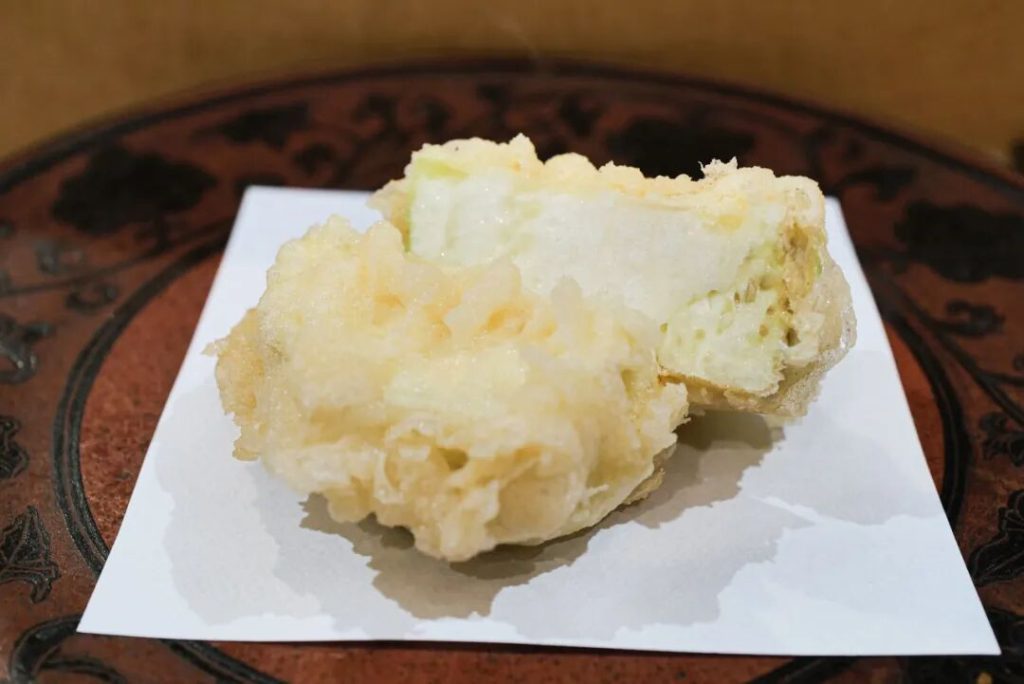
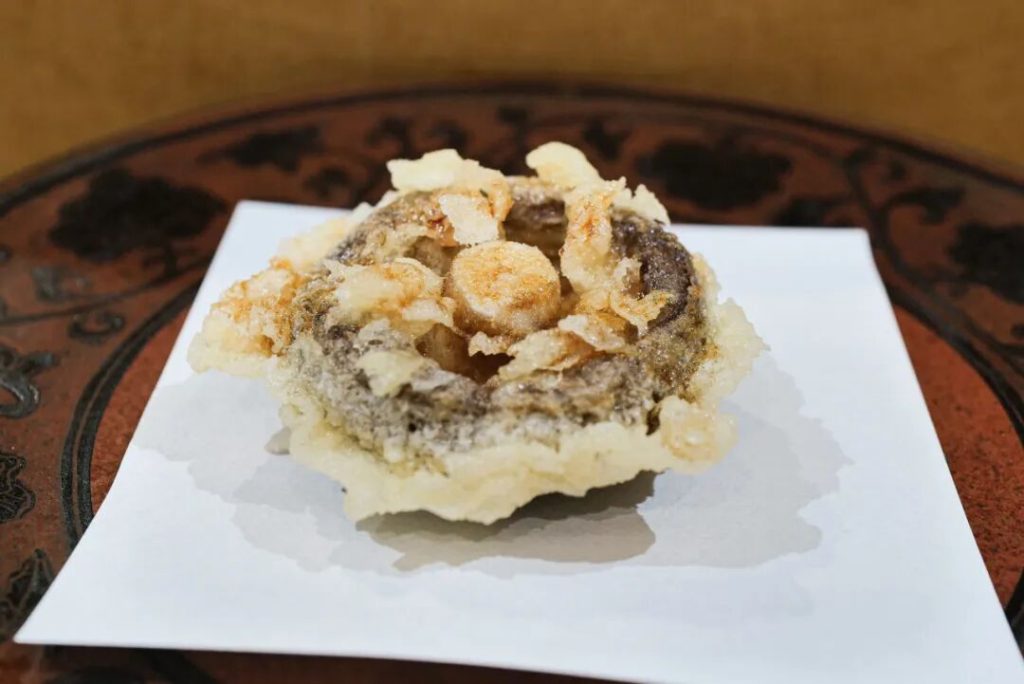
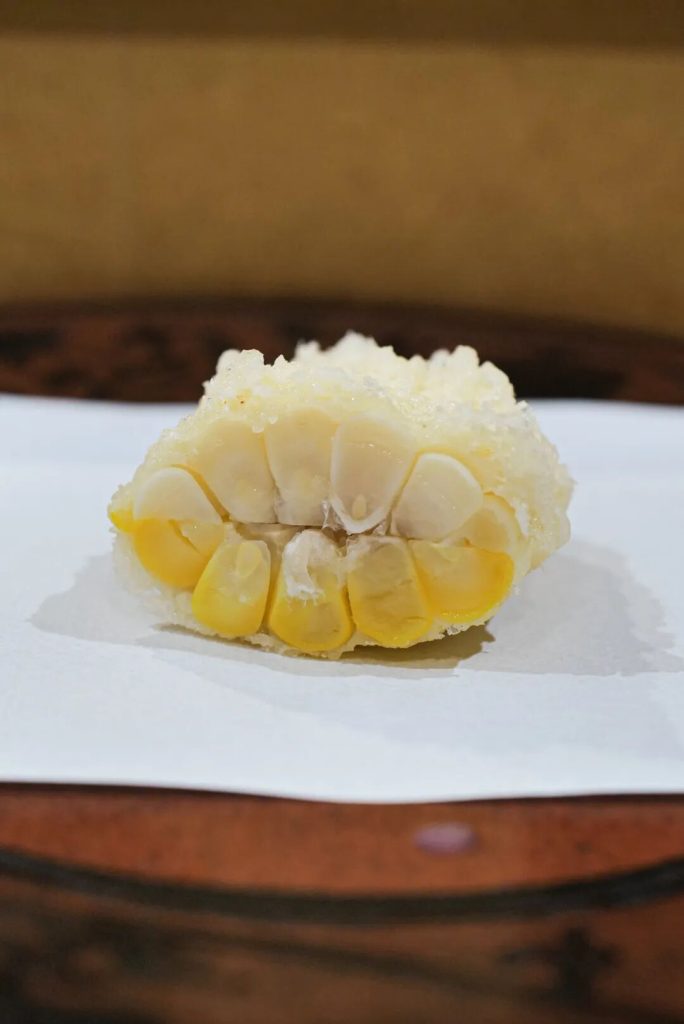
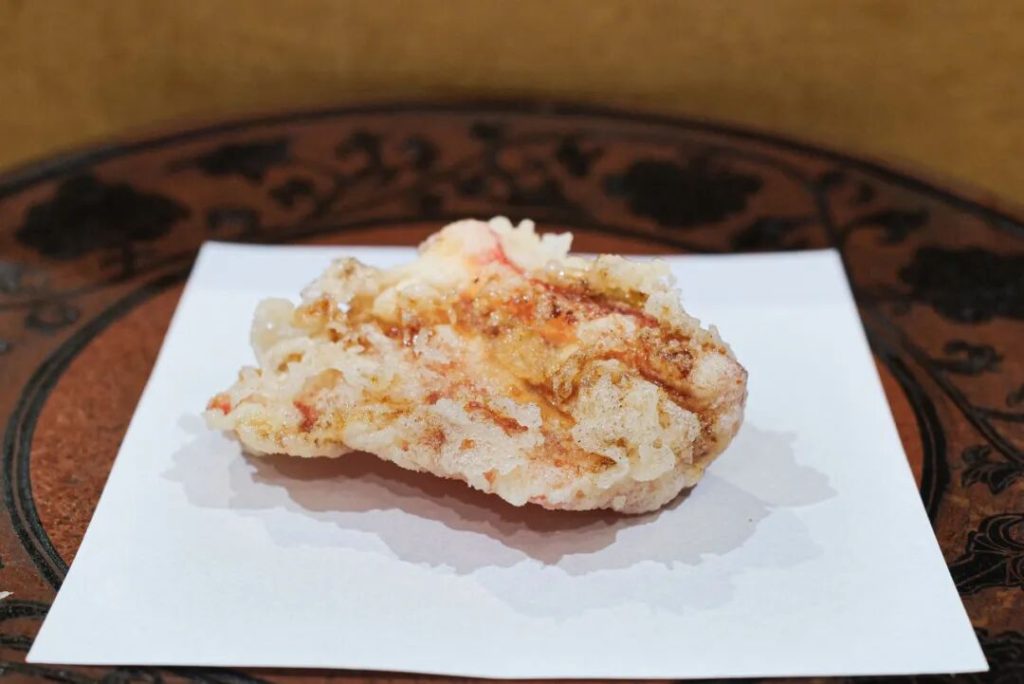
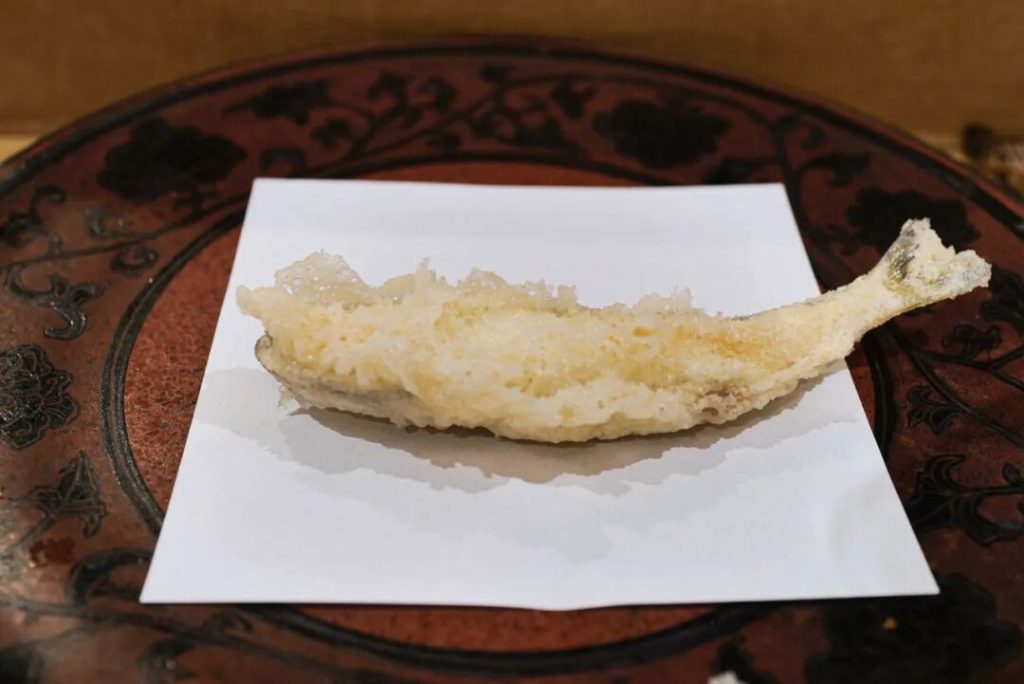
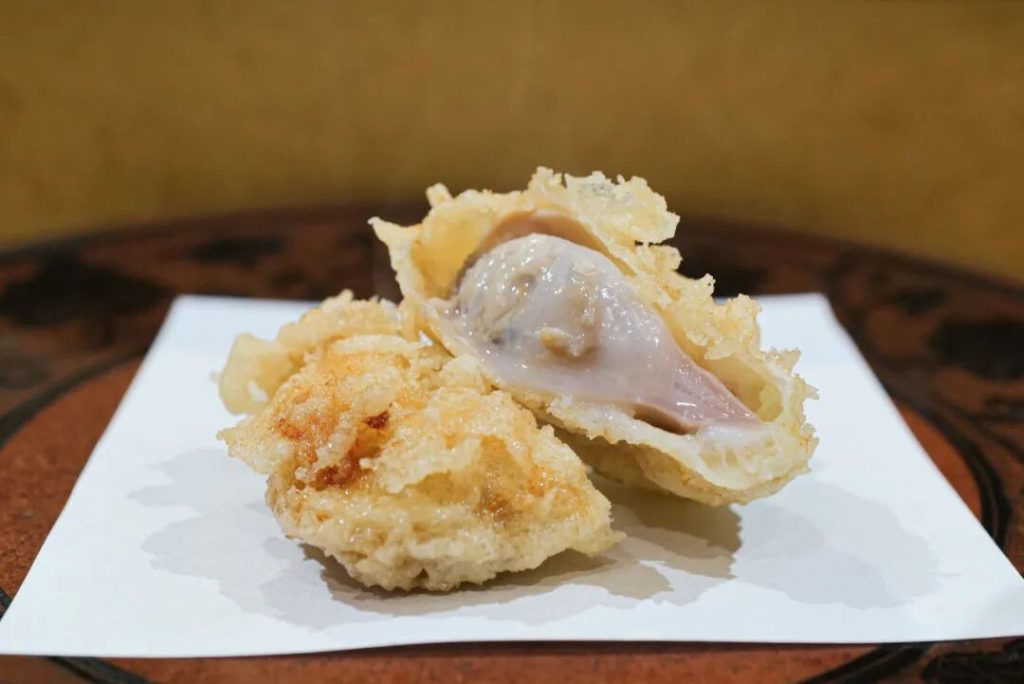
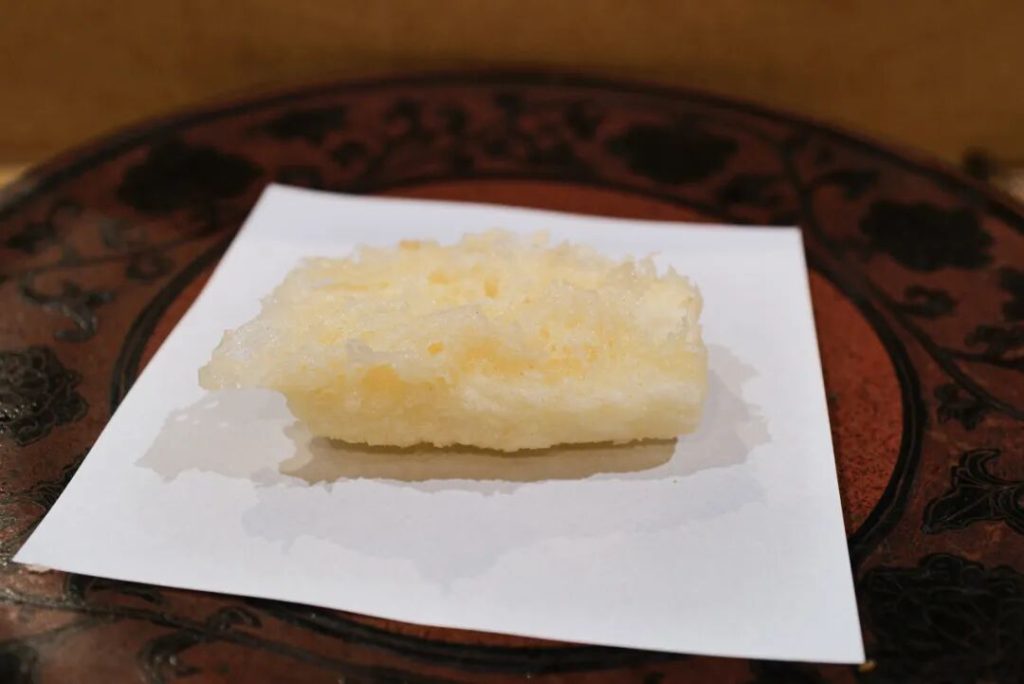
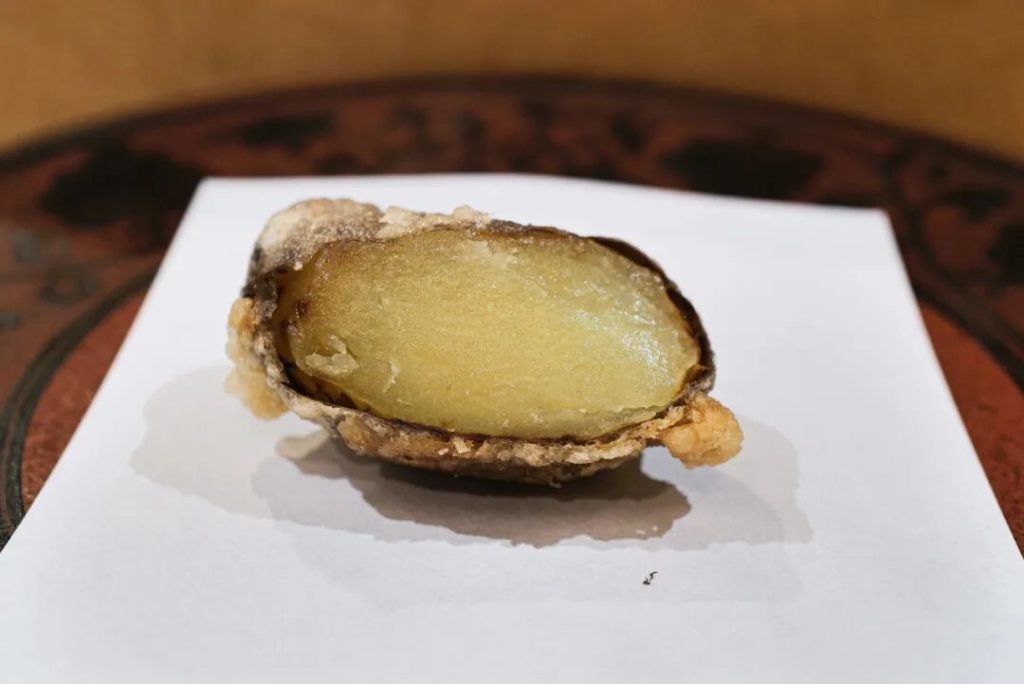
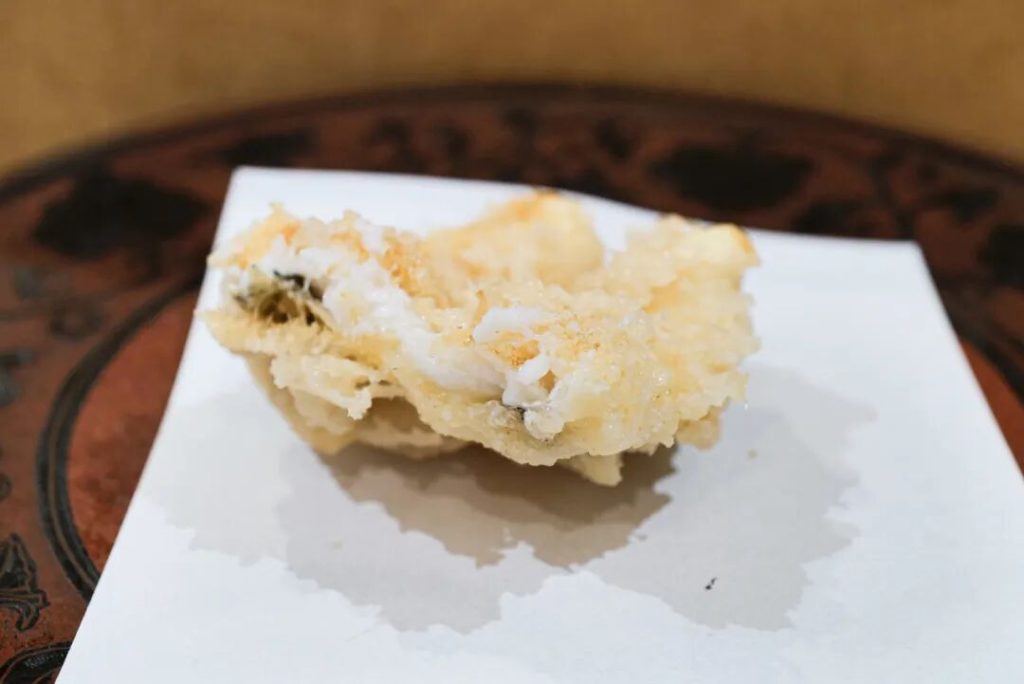
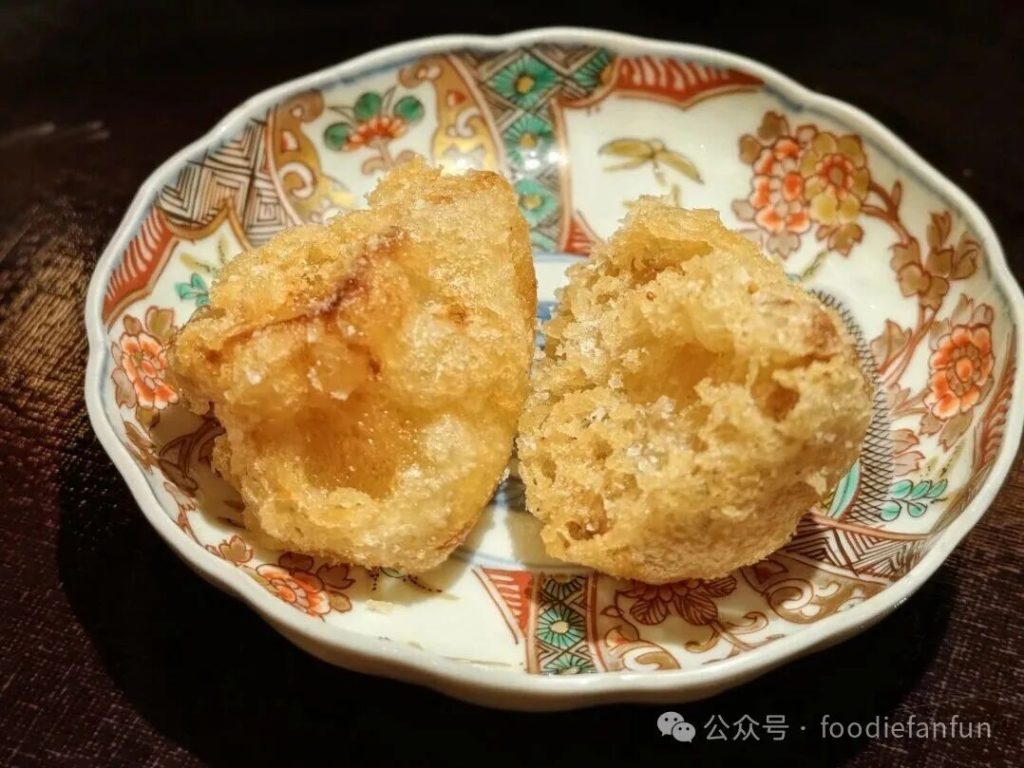
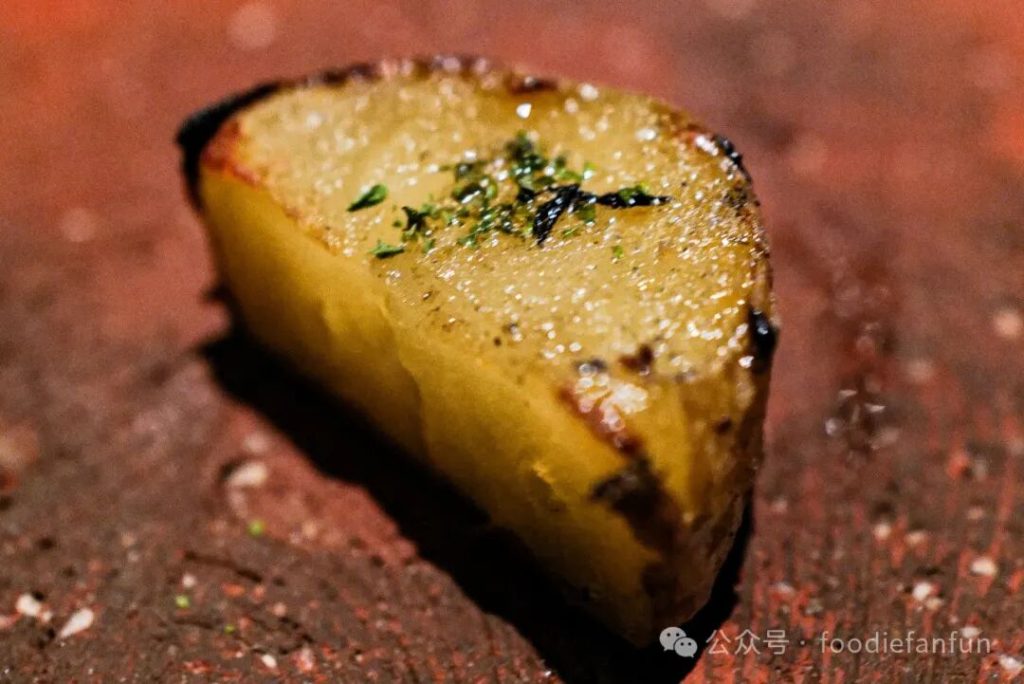
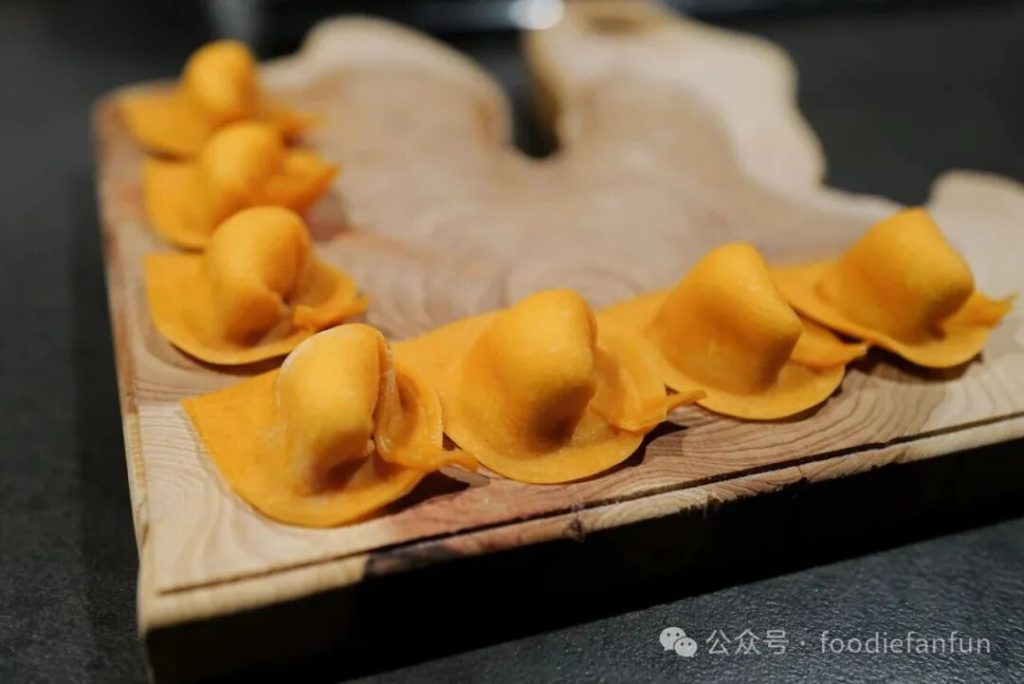
    Silk sweet potato tempura

    tempuratempura

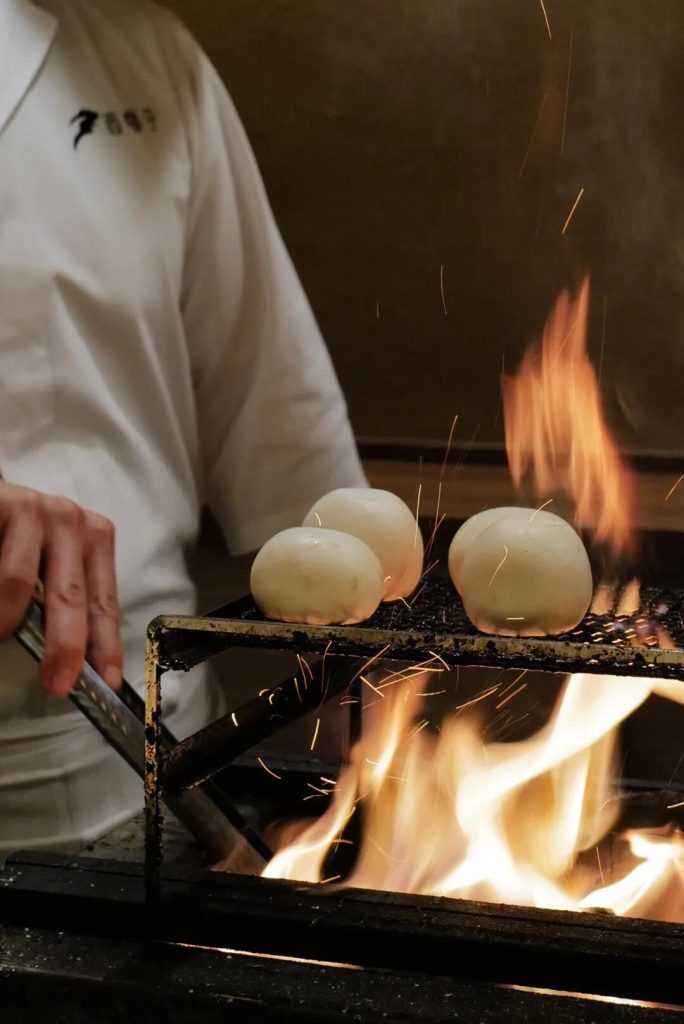
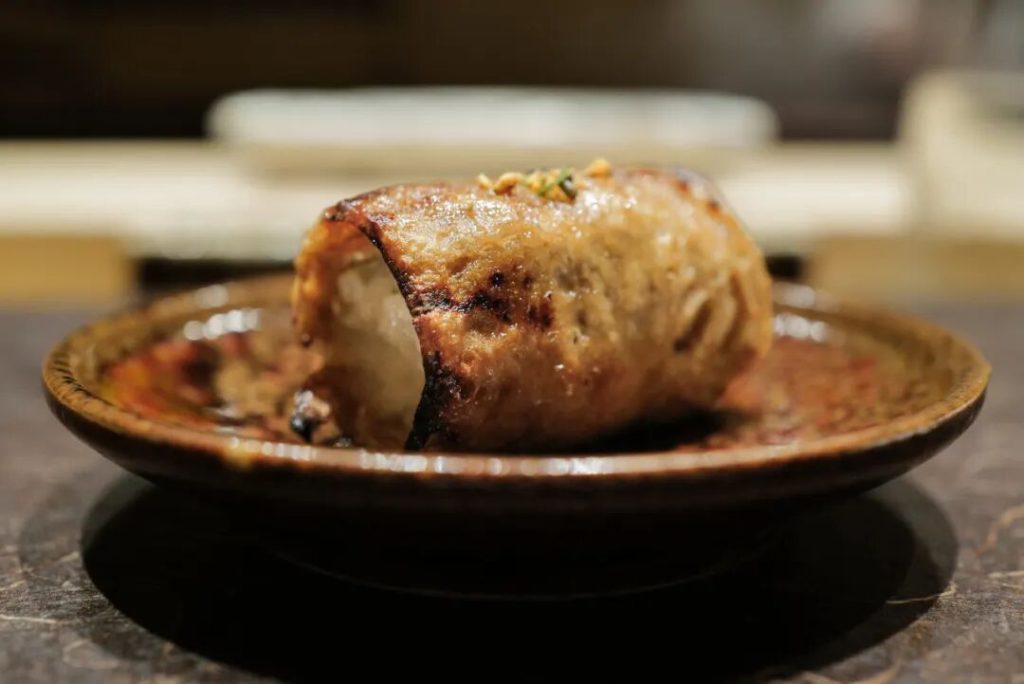
    Karasumi mochi

    Grilled mochi arrived with a whole slab of karasumi inside.

    Instead of the usual heavily chewy karasumi often served with drinks, they used a slightly softer style so it sat naturally in mochi. Salinity remained high and satisfying.

    Besides being superb with sake, the restaurant served white miso soup alongside, which unexpectedly highlighted the miso’s sweetness.

    Traditional elements, but assembled into a genuinely new experience.

    karasumi mochi

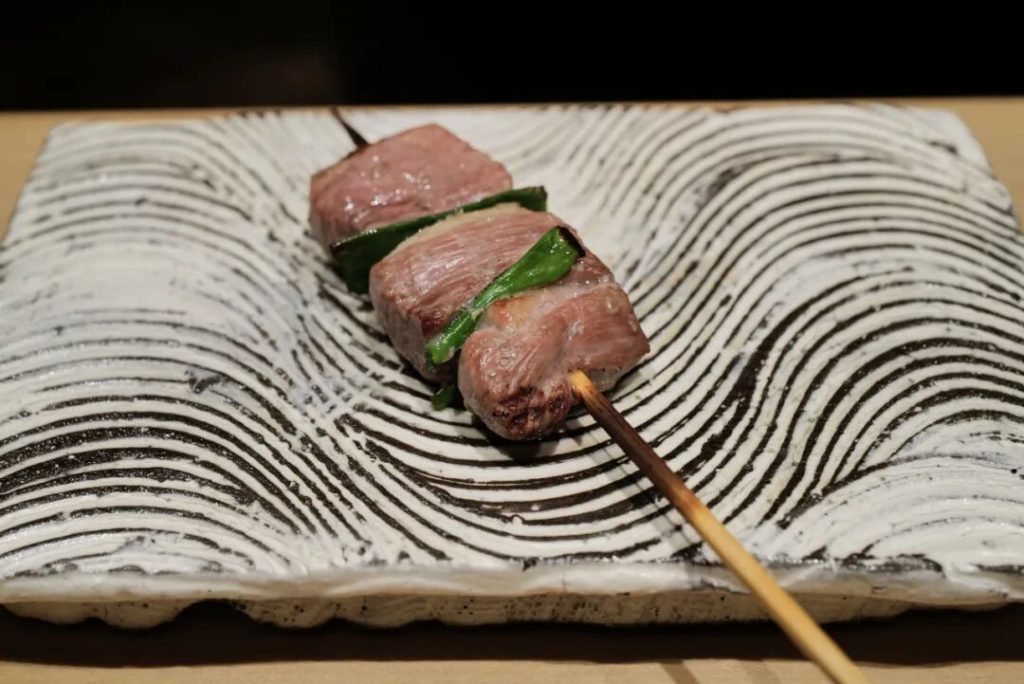
    Boar | Kujo leek | Celery | Burdock | Kinome simmered dish

    boar

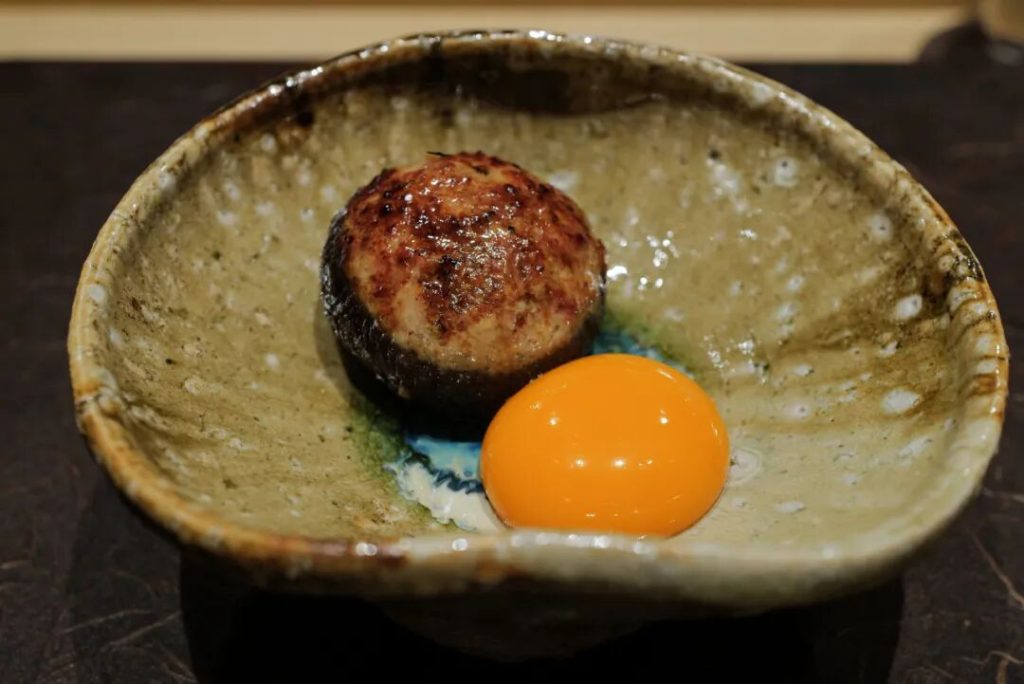
    Grilled yuzu shirako

    “Eat it like a cream stew.”

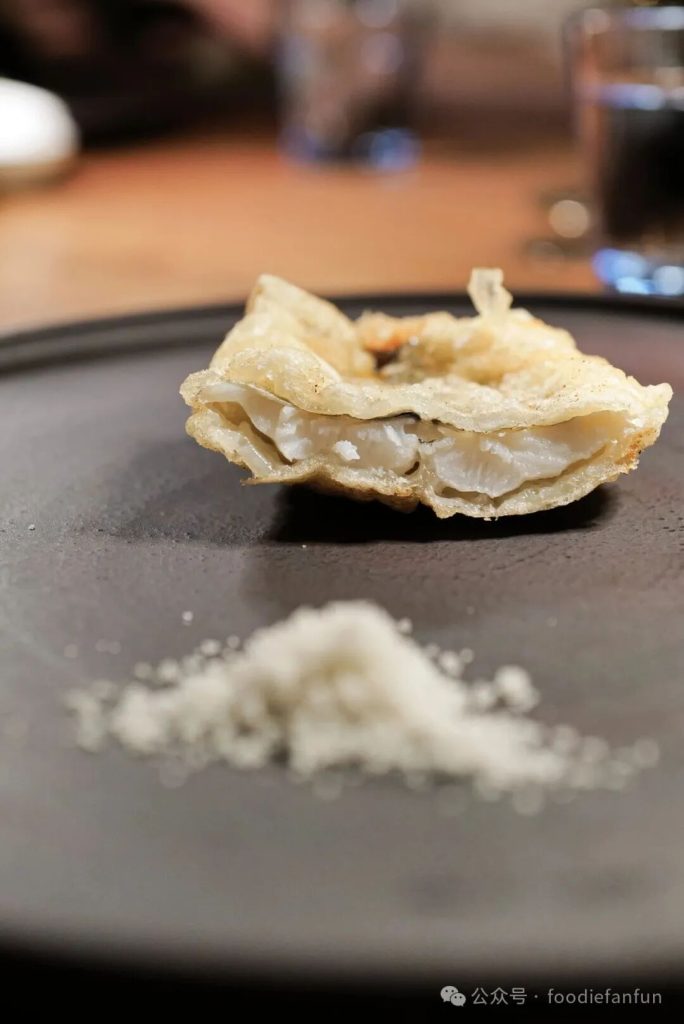
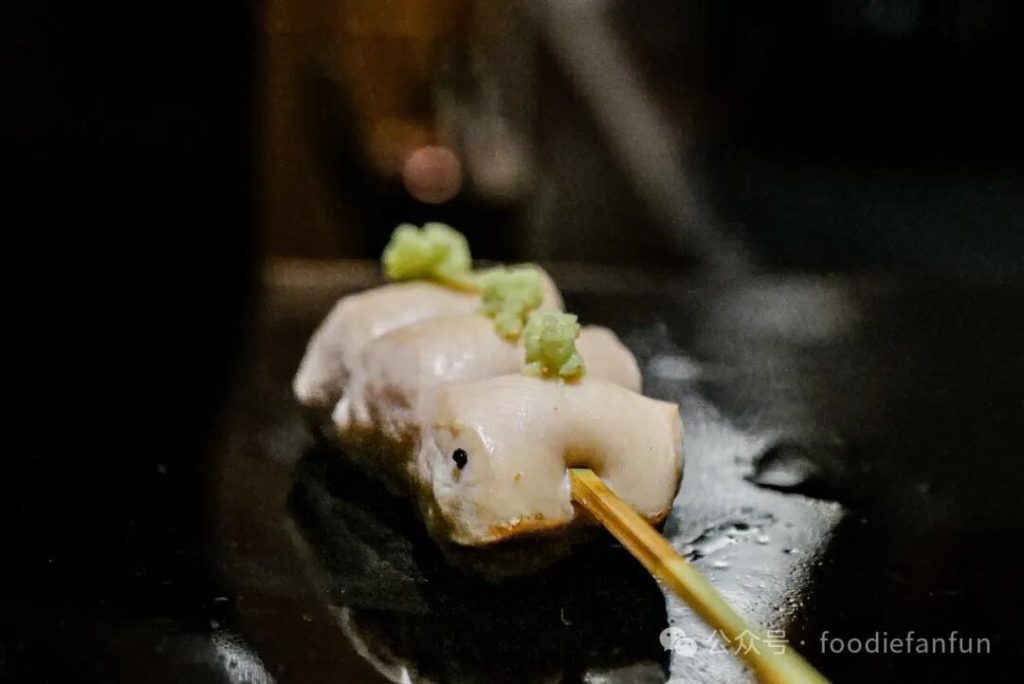
    The soft aroma started from the shell: a mushroom-like cap grilled golden on top, hiding large shirako inside; digging deeper revealed Matsuba crab, nodoguro, and vegetables. Layer upon layer opened in a small vessel packed with intent.

    Another example of classic technique played into new form.

    shirakoshirako

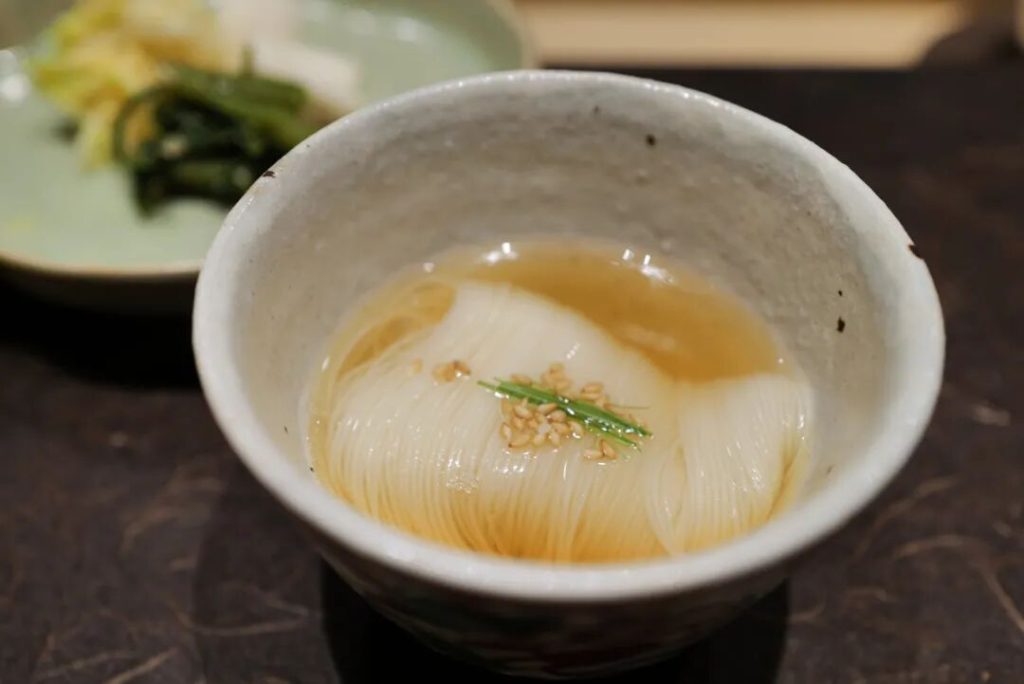
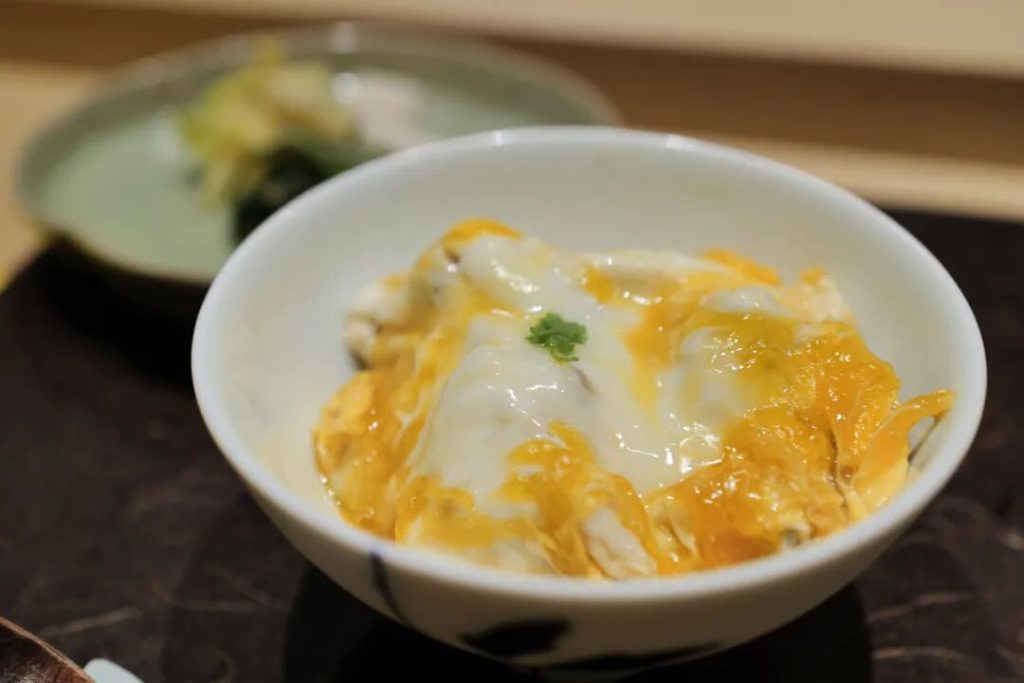
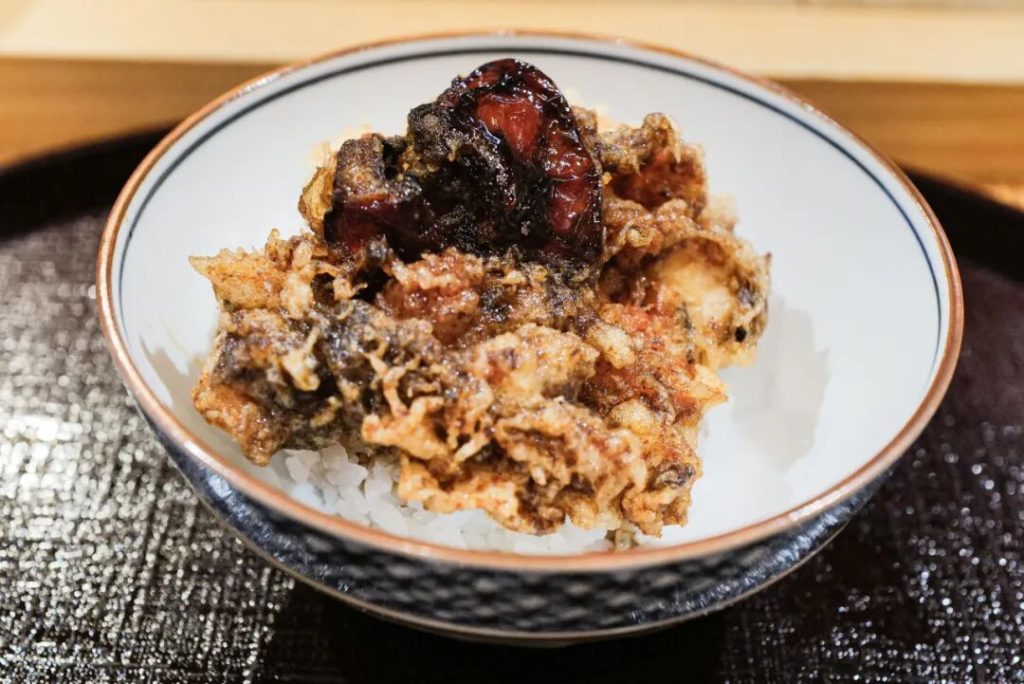
    Eel rice bowl

    eel riceeel rice

    Fugu and napa-cabbage rice

    Ogino is also famous for multiple carbohydrate finishes.

    “Would you like a smaller portion and we’ll pack the rest?”

    At that point, this sounded exceptionally thoughtful.

    The eel skin crackled with sharp crispness while the flesh stayed rich and fatty, two opposite textures in one bite.

    The fugu-cabbage pot rice was lively and clean: crisp fish flesh popping through grains, napa cabbage lifting freshness, with scattered charcoal notes and faint numbing spice completing the profile.

    rice

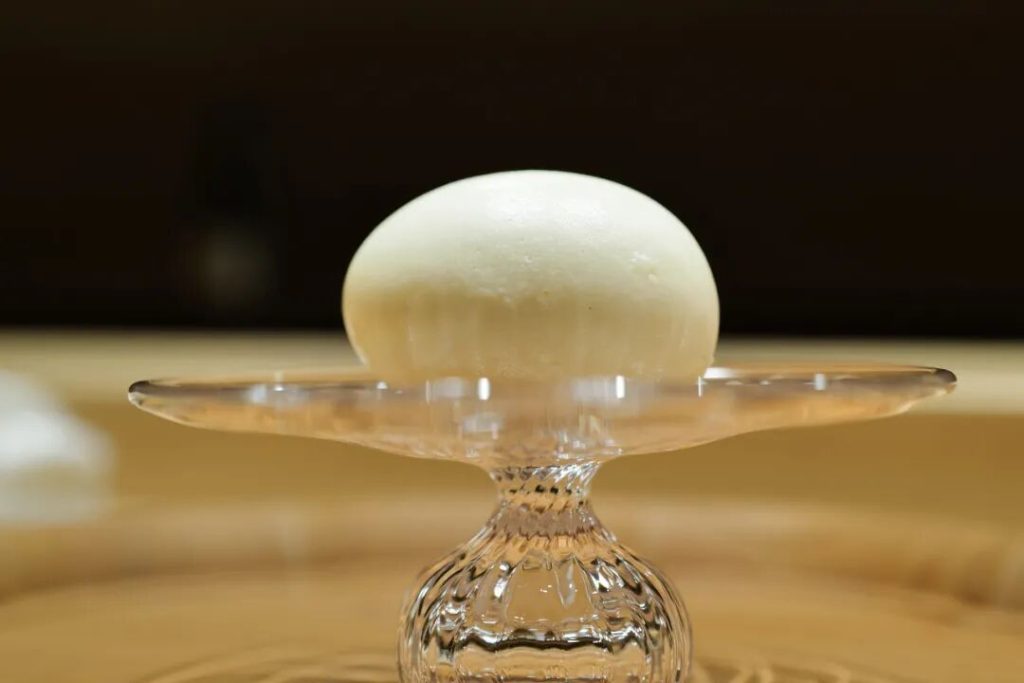
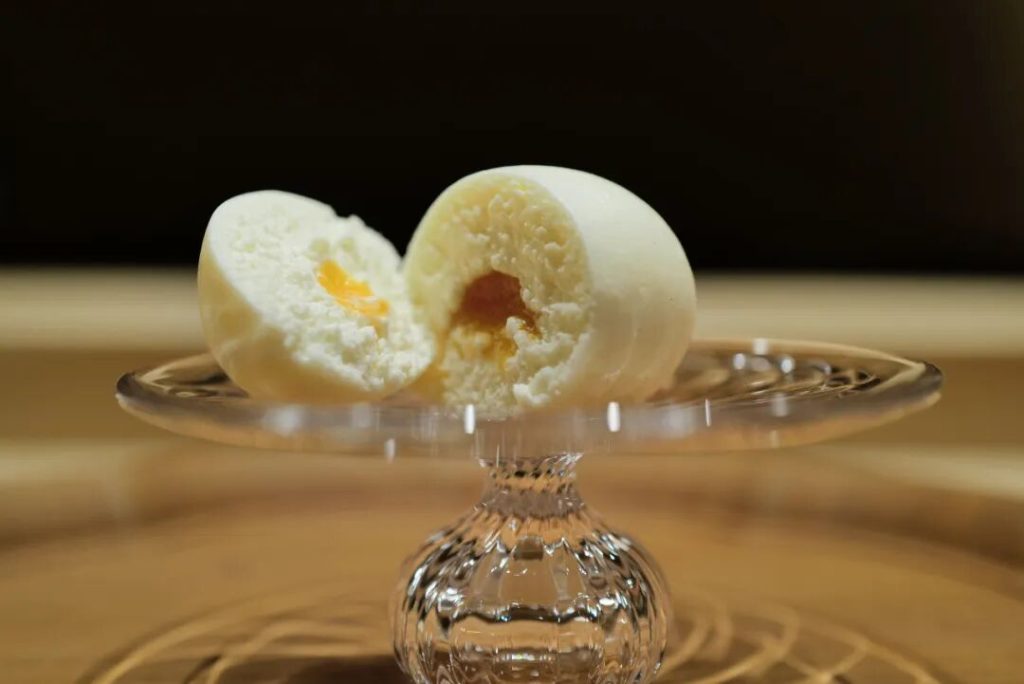
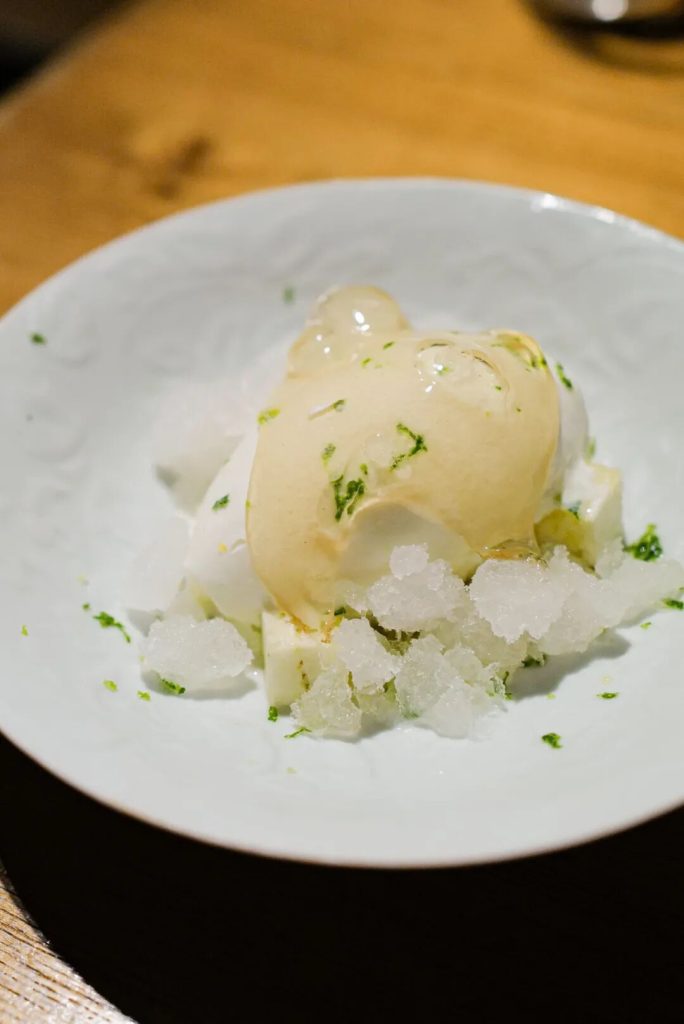
    Setoka citrus daifuku

    daifuku

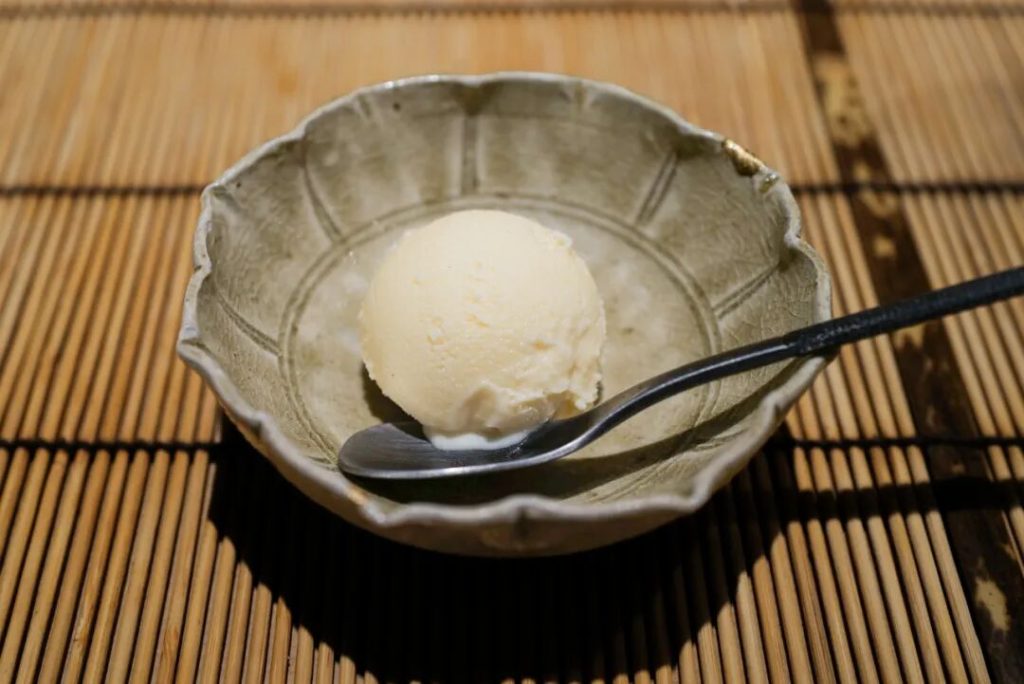
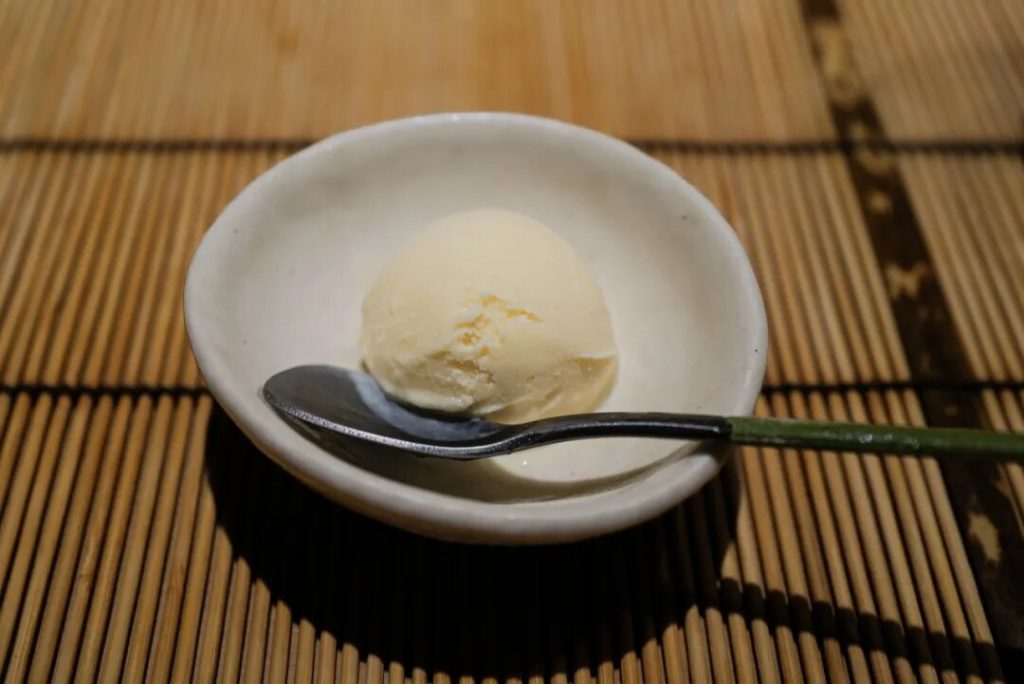
    Sake-kasu ice cream

    The final daifuku was equally individual. Not presented in familiar form, yet richer in detail.

    Beneath soft mochi sat crunchy walnut pieces for textural contrast. Fine bean paste and juicy citrus echoed each other in precise balance, neither overpowering the other.

    final

    Cuisine this delicious, sincere, and complete, rooted in tradition yet never old-fashioned in tone, is hard not to love.

    The chef preserves strict standards without stiffness. With international guests, he actively shows warmth, using limited English plus body language to communicate, which naturally lowers distance.

    Even in presentation there is an almost “exposed” honesty: charcoal, sesame, fish, and crab aromas are shown without hiding, speaking through details at every stage.

    It is truly a restaurant that balances ceremony and comfort, elegance and ideas.

    When I asked about the next reservation, the wait was already into mid-2027. Something to look forward to slowly.

    Akasaka Ogino

    Tuesday – Saturday 5:30 PM –

    www.akasakaogino.com

    Jan: Winter Course ¥40,000 (tax incl.) / person
    Feb-Apr: Omakase Course ¥36,300 (tax incl.) / person

    May-Aug: Omakase Course ¥38,000 (tax incl.) / person

    Sep-Oct: Matsutake Course ¥43,000 (tax incl.) / person

    Nov-Dec: Matsuba Crab Course ¥43,000 (tax incl.) / person

  • Shokudo Todaka|A Restaurant Straight Out of The Solitary Gourmet, Tokyo’s top “Shokudo”

    Tokyo has plenty of hard-to-book restaurants, but a place that’s fully booked out to 2030? Even in Tokyo—actually, even in all of Japan—that’s rare.

    In Gotanda, there’s Shokudo Todaka (食堂とだか), the little izakaya that once appeared in Season 6 of Kodoku no Gurume. It’s exactly that kind of impossible-to-book, somehow magical place.

    Chef Kohei Todaka is from Kagoshima. He was supposed to inherit the family business, but with his parents’ blessing, he went into the restaurant world that had captured his heart instead.

    In 2015, at 31, he opened his first restaurant in a semi-basement in Gotanda, using 3.5 million yen of his savings (less than 200,000 RMB at the time).

    The restaurant’s concept is simple and wild at the same time:

    “Create combinations no one expected, using everyday ingredients.”

    Sea Urchin Soft-Boiled Egg

    The meal kicks off with the dish that’s now basically the Tabelog cover star of Shokudo Todaka: sea urchin soft-boiled egg with ikura.

    At first glance, it’s nothing but the most everyday Japanese ingredients: egg, salmon roe, uni.

    “Eat it all in one bite, okay? If any ikura falls into the dish, you can mix it into the next course.”

    It’s honestly hard not to fall for it. Familiar flavors, rearranged into something new.

    Slightly bouncy egg white wraps around a thick, sticky, sweet yolk. The salmon roe pops one by one, lighting up the whole bite with briny umami. The sea urchin lies across the top like a soft, salty-sweet blanket—rich but not cloying. Happiness arrives fast, but the layers keep unfolding.

    It feels like the chef is telling you very seriously, “Dinner starts now.”

    Shirako Rice Bowl

    For somewhere that calls itself a “shokudo” (diner/canteen), this shirako rice bowl is anything but casual. Using tiger puffer shirako on rice is basically cheating.

    The shirako melts the second it hits your tongue—rich, fine, creamy, with an almost milky salinity. Scallions and shiso stack aroma on top of aroma. Mix in the leftover ikura from the first dish, and the rice soaks up both sea and fat, while somehow staying lightly chewy. Right at the end, there’s a tiny, late-arriving prickle of heat.

    Compared to the “one bite and it’s gone” sea urchin egg, this is a bowl you want to eat slowly, spoonful by spoonful. The more you chew, the more satisfying it gets.

    Two opening dishes, back-to-back, both instant stunners.

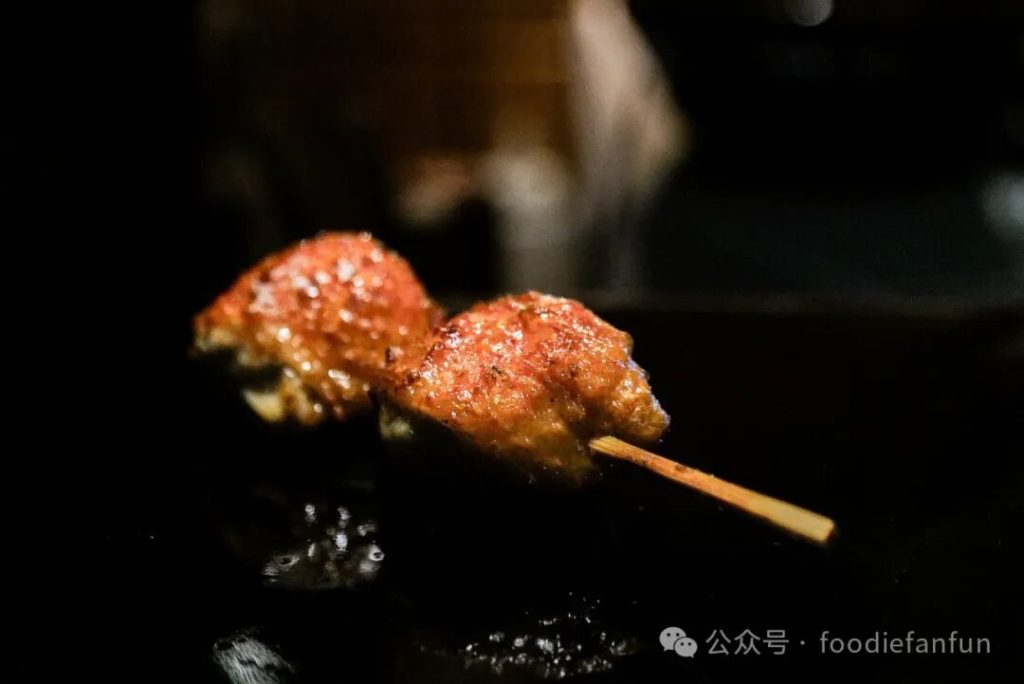
    Grilled Leek, Tuna-Bone Broth, Chicken Meatballs

    Charred, sweet leeks. A broth made from tuna bones. Chicken meatballs nestled among juicy leek pieces.

    Clean, focused, warm, and full of flavor.

    For such a tiny izakaya, the tableware is surprisingly thoughtful—there’s a quiet sense of counter-style beauty in the details.

    The drink program is just as carefully considered, maybe something baked into Todaka’s Kagoshima roots.

    The menu leans heavily on bubbles. Draft beer has a whole lineup of options. Then come highballs, and all kinds of vodka-based mixes with fresh ginger. But the most eye-catching line is definitely the series of “nama-oroshi sour” drinks: house lemon sour, mikan sour, vegetable sour, and even fresh strawberry sour. 🍓

    The strawberry version is bright and fresh, with gentle acidity and a clean finish. Pink and cute in the glass, but seriously good—and seriously drinkable.

    Straw-Seared Mackerel with Charcoal Salt and Daikon Oroshi Ponzu

    The mackerel’s skin is charred pitch-black, like a thin layer of burnished shell. Underneath, the flesh is still half-translucent and blushing.

    The smoke is intense and three-dimensional, pulled into line by the charcoal salt. The smokiness and salinity are both held in a neat frame. As you chew, a buttery richness slowly surfaces—this is the season when mackerel carries more fat, and the lightly seared doneness lifts both sweetness of the fat and delicacy of the flesh.

    Layer after layer of flavor stacks upward. It’s beautiful.

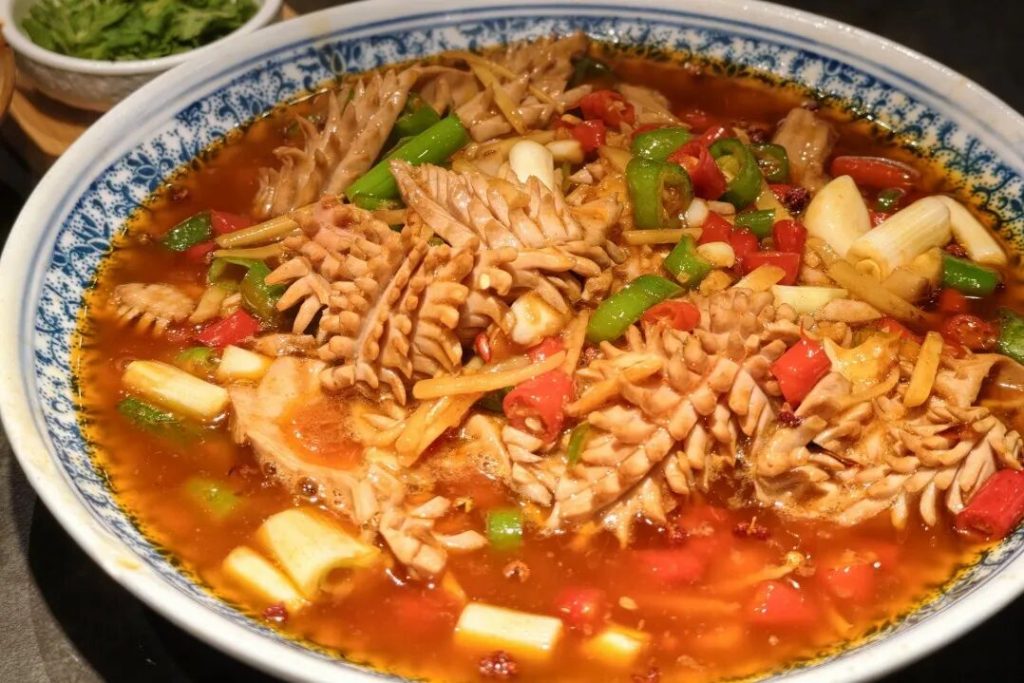
    Offal Hotpot Chawanmushi

    I’d read before that the dish that first led Todaka into the kitchen was a bowl of chawanmushi. What I absolutely did not expect was for him to put a motsu-nabe-style chawanmushi on the counter.

    “Please eat this like an offal hotpot.”

    And yes—it really does taste like one. Softly simmered garlic chives, rich offal carrying the aroma of fat; the flavors are direct and honest. The egg itself is soft and silky, wrapping the intensity of the offal and rounding its edges. Wood ear mushrooms bring a little crunch into the mix, so it’s not all just one smooth texture.

    Spoon after spoon, you get this weird, wonderful illusion: it feels like you’ve slipped into some cozy Kyushu izakaya, sharing hot food and drinks with friends. A very grounded, very real sort of happiness.

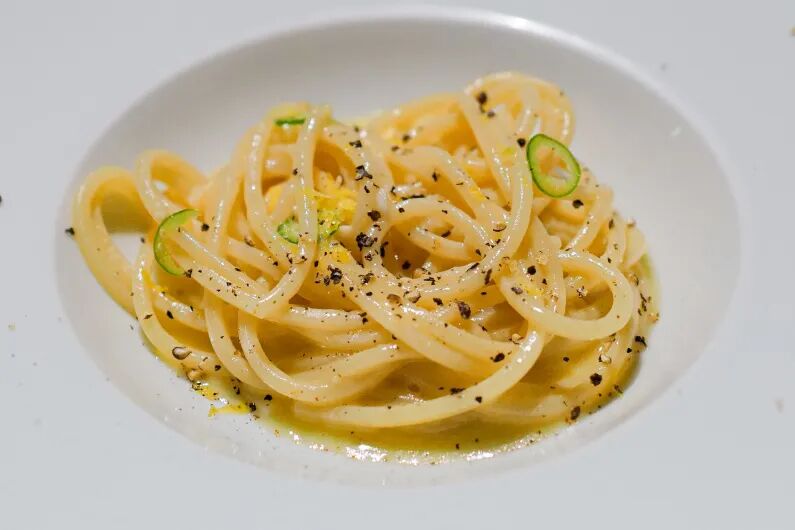
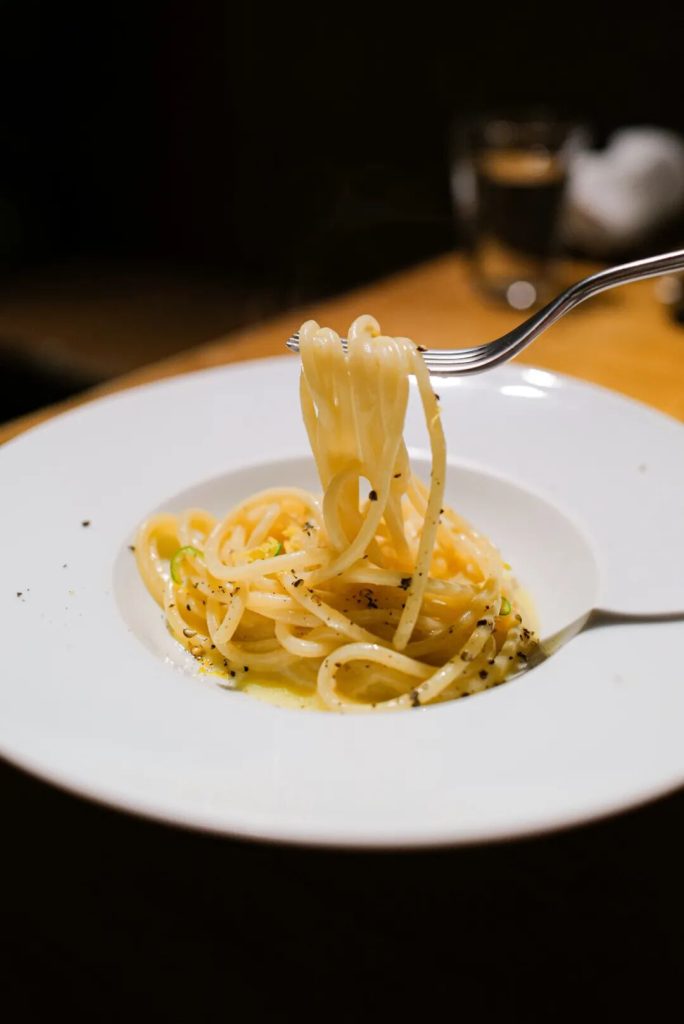
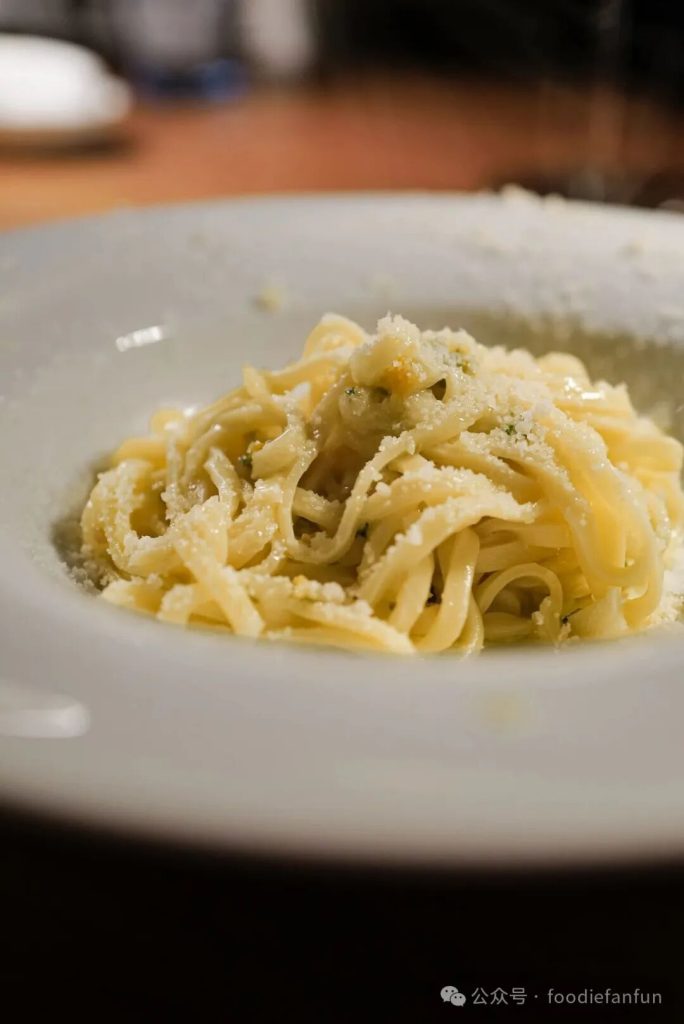
    Spaghetti Bottarga al Peperoncino

    Lift it with your chopsticks and—you can actually feel wok hei.

    This bottarga “spaghetti” is one of Todaka’s signature East-meets-West creations. On paper it’s bottarga peperoncino, but in the pan it’s pure Chinese-style dryness and heat. He uses glass noodles instead of pasta; they cling to the bottarga’s intense ocean umami and salinity, staying slick but never heavy or tiring. It goes perfectly with drinks—and with rice.

    Fragrant. Delicious.
    Honestly, those two words are already enough.

    Then comes a plate of karaage so good it almost deserves its own show: the crust is light and crisp, the meat bouncy and juicy, the seasoning precise, the skin tender but not greasy. This is the kind of fried chicken that absolutely has to be eaten hot; the coating holds the aroma, the meat stays springy. It’s a classic izakaya dish, but with a distinct “chef’s touch.” Even the little edamame on the side are full of aroma.

    Right then, the shop’s speakers start playing the FamilyMart entrance jingle:

    6 4 1 4 |5 1′ — |1′ 5 6 5 |1′ 4 —

    This is what I’d call a “fried-chicken culture reference”—pure local life. During FamilyMart’s brand refresh, their counter fried chicken was one of the big heroes.

    So when that simple, bright, slightly silly melody kicks in at the exact moment you’re eating hot fried chicken, the association is instant: convenience store, after work, late night, fried chicken, good mood.

    It’s almost Pavlovian.

    Shira-ae with Kumquat

    This is “just” shira-ae, the classic tofu dressed salad—but here it’s made with an almost dairy-like smoothness. There’s a faint yogurt note, a dense, silky texture, and then the kumquat comes in with fresh acidity that lifts all the flavors. Soft, but not bland at all.

    The pairing is brilliant: Fukunishiki low-alcohol junmai, with a sake meter value of -53. On the palate it’s lightly sweet-tart, with a little umami and gentle bitterness on the finish. Put together with the kumquat shira-ae and it feels like both ends lock perfectly into place.

    This is not the type of sake I’d normally order on its own—but with this dish, it’s perfect.

    Duck and Celery Hotpot

    Next drink: the shop’s signature imo-shōchū gin. It’s the first time I’ve tasted the “sweetness of sweet potato” expressed in such a restrained, transparent way in a gin—nothing sticky or cloying, just a clear, bright vegetal sweetness.

    The hotpot that night is duck and celery. The duck is fatty yet slightly chewy, with flavor that deepens as you chew, and the aroma from the skin is very clear. The celery root is the unexpected star—fresh and aromatic, but with a gentle, almost starchy sweetness. The broth ties everything together, like a soft mattress you fall into after all the earlier action.

    Lightness and richness run in parallel; both warmth and flavor are handled with real care.

    Sweet Natto Cheese Mochi

    Maitake & Chicken Rice

    Cold Noodles

    It’s hard to believe there are still three carb dishes at this point. Just then, “Makenaide” starts playing:

    「負けないで ほらそこに ゴールは近づいてる」
    Don’t give up, look— the finish line is just ahead.

    For the first time, I felt motivated by pure deadpan humor.
    Okay then. One more bite.

    First up is sweet natto cheese mochi. Toasted rice cake with sweet natto tucked inside—two small bites, fragrant, crisp, soft, and genuinely delicious.

    Then a maitake and minced chicken rice. It arrives with a wave of charcoal aroma, and once you mix in the egg yolk on top, everything becomes even smoother and richer. The maitake is fried crisp, the chicken carries obvious smoke and fire.

    Finally, cold noodles in beef broth. Based on the chef’s judgment, everyone gets a different portion size—very “those who can eat more get more” energy. The noodles are firm and bouncy, the beef flavor clings in thin layers. It’s both delicious and perfectly refreshing to finish with.

    Strawberry Daifuku

    Once everyone has cleared their plates, Todaka-san starts calmly wrapping the shop’s famous strawberry daifuku.

    “Will you eat this now or take it to go? Do you need extra to bring home?”

    We see the fist-sized daifuku and answer,
    “Let’s split one here and pack the other with the takeaway.”

    Winter really is the best season for strawberries. Juicy, fresh, a little sticky. One bite in and you get the bright, pure flavor of the fruit, followed by the sweetness of the bean paste and the soft, chewy mochi spreading through your mouth. People keep saying this year’s strawberries in Japan aren’t great, but this daifuku at Shokudo Todaka beats what you get at a lot of high-end restaurants.

    The bill comes to ¥16,000 per person—including 14 dishes with almost nothing to criticize, plus all the drinks.

    The value is honestly ridiculous.

    This is a seriously interesting restaurant.

    On paper it’s an izakaya, but it keeps the interaction of a counter restaurant and the aesthetic of plated dishes. The seats are close together, lively but not chaotic. The rhythm is relaxed, and you always feel included. Add in the background music and those perfectly timed, slightly evil jokes, and the mood of the whole evening is controlled with precision. Whatever stress you brought in from the day just… loosens.

    The cooking is, of course, delicious. But its strength isn’t about rare ingredients or flashy technique. The ingredients and methods are actually very everyday and easy to imagine—what’s special is how every bit of heat, seasoning, and pairing feels exactly right. Things are not only fragrant; some dishes even carry real wok hei.

    Todaka takes flavor profiles we all know and pushes them to a new level.
    That’s his real power, and his charm.

    The drinks are also a highlight. The highballs and sours may technically be pre-batched, but every glass is shockingly good. And whenever a dish really needs sake behind it, someone just casually asks, “Want a glass with this?” Eating and drinking become light and effortless. No heavy decisions, no getting knocked off rhythm by alcohol.

    Gotanda really does produce monster shops.

    With reservations already full through 2030, whether I’ll ever make it back is up to luck.

    Shokudo Todaka(食堂とだか)
    東京都品川区西五反田1-9-3 リバーライトビル B1F

    Tuesday – Saturday
    18:00 – 0:00

    Omakase Menu ¥16,000

    I walked home slowly, already thinking about when I’d finally finish that strawberry daifuku sitting in my fridge. 🍓

  • Kudan|A Two-Star, Tabelog Bronze Kaiseki with Unforgettable Lard Rice

    Kudan|A Two-Star, I actually haven’t done that many “proper” kaiseki meals in Tokyo (Yamazaki doesn’t count), so when a friend came to visit, we picked Kudan as our meetup spot. With two Michelin stars, a Tabelog Bronze and a spot on the Top 100 list, the overall experience ended up exceeding expectations.

    🧑‍🍳 The chef spent his early years training overseas, then came back to Tokyo and worked over ten years at a three-star restaurant, with time in sushi houses as well.
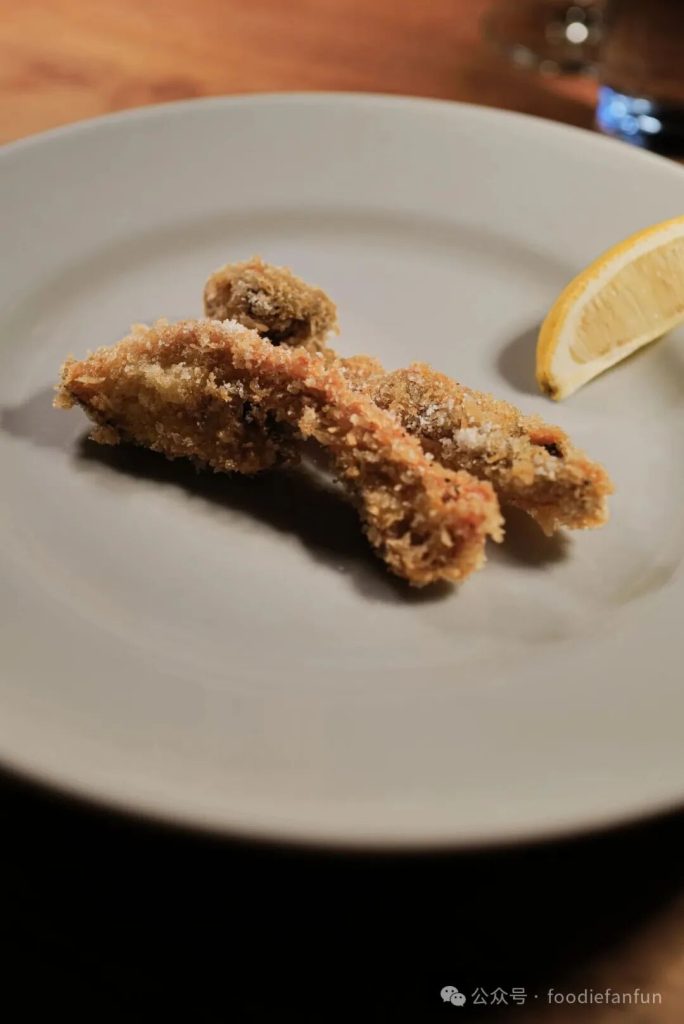
    🥢 The overall style is calm and understated. The techniques feel textbook-perfect, but the dish choices are surprisingly open-minded. For example, oyster and lotus root are both fried, but in completely different ways that highlight the essence of each ingredient. There’s even a tuna roll worked into the menu, using the “head side” cut of the fish—rich and satisfying without being over the top.

    ⭐️ A few favorites:

    • 🐢 Soft-shell turtle chawanmushi – the dashi was incredibly aromatic and concentrated, with pieces of gelatinous skin and meat woven in. All tender, nothing dry.
    • 🐠 Filefish with liver sauce – the liver sauce had fish skin mixed in, making it just right to eat on its own.
    • 🦀 Kobako crab and matsuba crab – both done beautifully; the grilled crab legs at the counter were so fragrant they practically cut through the air.
    • 🐮 Yamagata fillet shabu-shabu – crisp, clean beef fat aroma, but once cooked together with the vegetables it stayed light and never greasy. Absolutely outstanding.
    • 🍚 And the finale: kama-meshi made with pork lard—insanely fragrant and comforting.

    💰 The crab-season menu was ¥44,000 per person + 10%. Portions were generous, and the level of satisfaction hit just right. The sake list isn’t huge, but there’s enough to drink and enjoy.

    ➕ There’s even a staff member at the counter who speaks Chinese, which feels very welcoming.
    For a kaiseki that’s relatively easy to book, it’s a great option to keep on the shortlist for those “I don’t know what to eat” days.Tabelog Bronze Kaiseki with Unforgettable Lard Rice

  • Tokyo’s Top Strawberry Cake & an Immersive Japanese-French Dining Experience | Naoto.K

    With so many restaurants in Tokyo, Naoto.K may not be the single jewel at the very tip of the pyramid, but it’s definitely one of those places that feel special, stay on your mind, and make you want to go back again and again. And the best part: it’s actually bookable—you can often get a seat just a week in advance.

    Dining at Naoto.K feels like watching a live show. It’s been a long time since I’ve sat at a counter and watched a chef personally sauté every sauce from start to finish. And the presence of a top-tier pastry chef pretty much holds up the “soul” of the restaurant as a French kitchen.

    Unlike many chefs who come to Tokyo to chase their dreams, Chef Naoto Kishimoto is actually from Tokyo. He fell in love with French cuisine through TV dramas, then went to train in Paris, the Loire Valley, and Burgundy before returning to Tokyo to build his own path.

    From Ostral in Ginza, to L’Embellir in Minami-Aoyama, to his current restaurant Naoto.K, this is already his third place as head chef. Rather than just a job, it feels more like the culmination of his 40-year career—a personal “greatest hits” in restaurant form.

    Reading past interviews with Kishimoto-san, you can tell his brain works a bit differently. At L’Embellir in Minami-Aoyama, he realized his dream of running a grand maison—but gradually felt out of sync with the layers of formality and distance created by the space and service.

    So in Kanda, the new restaurant was completely reimagined. Everything was stripped back to counter seats and an open kitchen, putting all the heat, smoke, and ingredient transformations right in front of the guests.

    Naoto.K doesn’t open with a flashy, show-stopping beginning (though thankfully, as the meal proves, this is very much a slow-burn, rising curve).

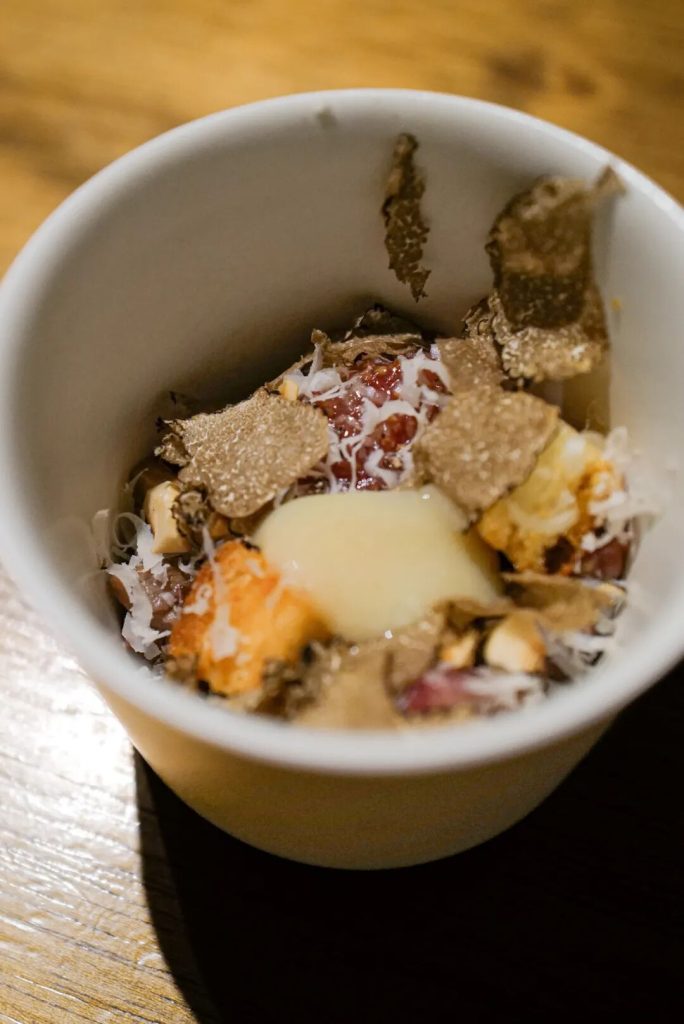
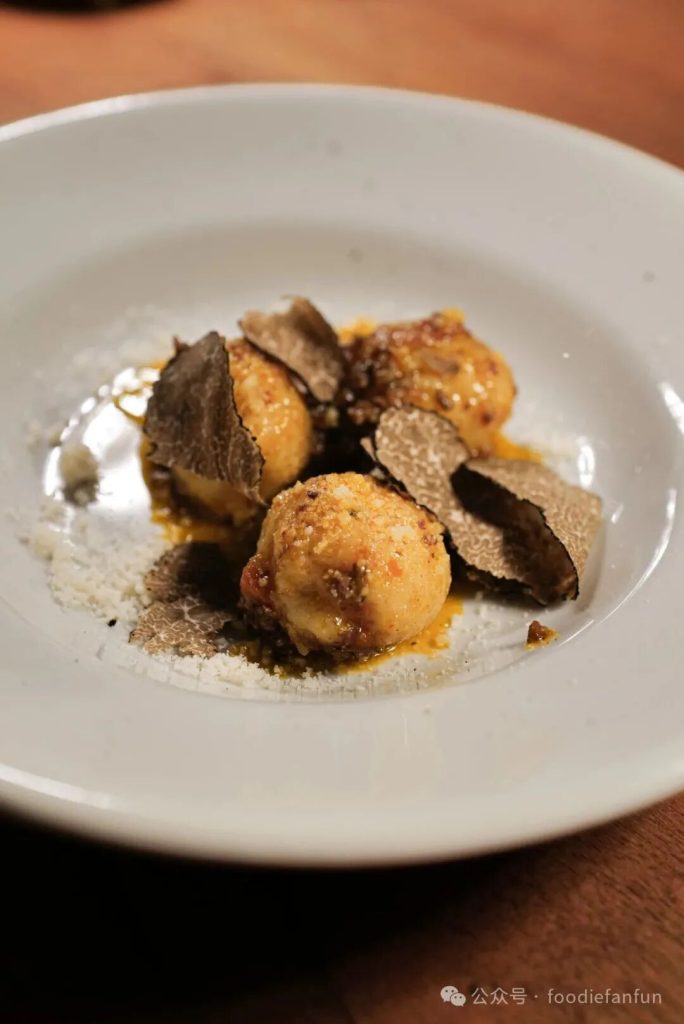
    The oyster with white truffle arrived first. The oyster was cooked to not even a third done—bright, tender, with a sharp freshness and acidity that really stood out. The truffle, however, despite being a seasonal luxury, showed mostly looks and almost no aroma.

    The lobster soufflé was baked to incredible volume and softness, carrying just the right amount of sweetness and umami. The potato beneath was crisp on the outside and fluffy inside, aromatic and comforting. The only misstep was the lobster itself, which was a bit too salty.

    You could feel the quality of the ingredients and the skill—but it still felt like the kitchen hadn’t fully settled into its stride yet.

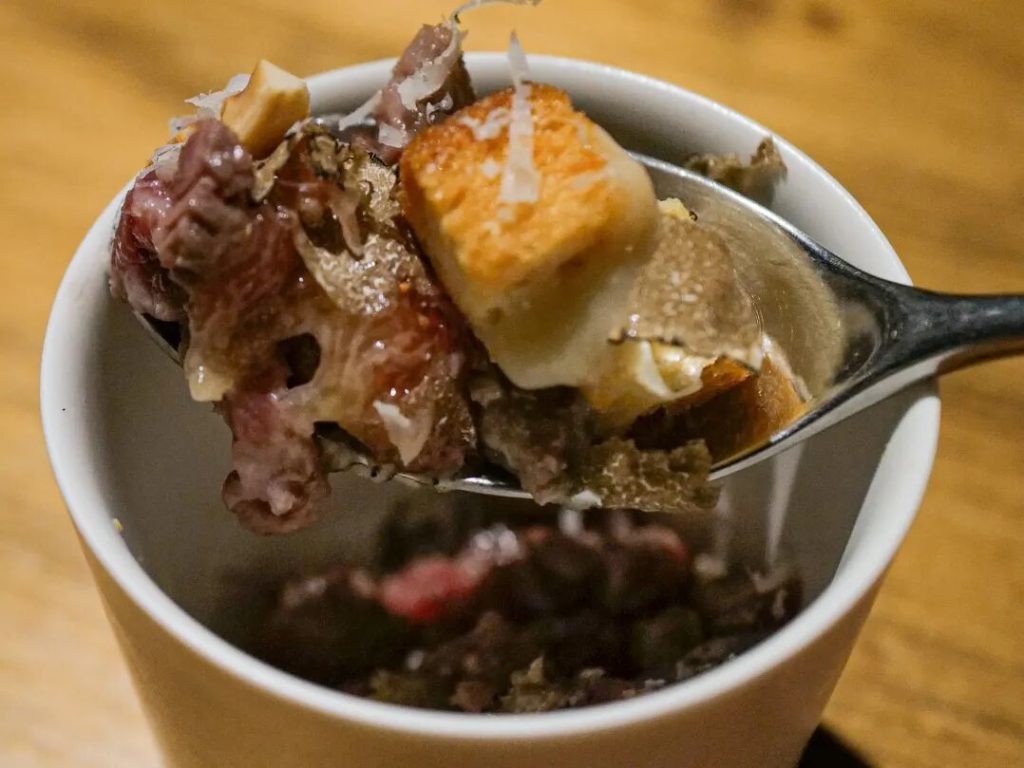
    The wagyu came from Nakasei in Kyoto, Tajima beef aged for 45 days, lightly seared and then turned into a tartare—tender with a slight crunch.

    From the moment the beef hit the pan, every step was done directly by the chef: seasoning, adding each ingredient, mixing again and again. Even the fries on the side felt like they had a clear idea behind them.

    Before this dish, I honestly couldn’t remember the last time I’d seen a head chef in a well-staffed kitchen keep this much of the work in his own hands.

    Winter is unmistakably shirako season, but this was my first time having shirako meunière.

    Large, snow-white lobes of shirako were pan-fried until golden. The acidity and fragrance from herbs and lemon balanced the richness perfectly. Cutting through the layered green onion and crisp tart shell was a bit messy, but the satisfaction on the palate made it easy to forget everything else.

    Rich yet fresh, assertive acidity, beautiful balance.

    I’d already heard from several friends that Naoto.K has a seriously talented pastry chef, and sure enough, the bread course already made that clear.

    Baked in a large cast-iron pot, the bread wasn’t trying to be a pure, aggressive sourdough like many restaurants aim for. Instead, some butter is worked into the dough, giving it a softer, more delicate texture that fits much better with Kishimoto-san’s high-satisfaction style of cooking.

    The buri that followed was a touch overcooked, and the black truffle on top again didn’t really show much character.

    Kobako crab is one of those non-negotiable ingredients in a Japanese autumn–winter season. In more traditional settings, you usually see every part of the crab carefully picked and arranged so you can enjoy both meat and roe without lifting a finger.

    Kishimoto-san, however, turned it into a kobako crab risotto. Every bite was packed with deep umami, dairy richness, and a lingering sweetness. Soft crab meat, crunchy roe, rice that was firm outside and tender within—it was a full-on happiness combo.

    The only caveat: the seasoning leaned quite heavy.

    The true main course of this seasonal menu was a veal T-bone from Brittany. From the very beginning of service, it had been going in and out of the oven three times. Every step—from seasoning to carving—was done personally by Kishimoto-san. Even when he introduced the dish at the counter, his explanation came with animated gestures.

    Super classic. Super tender.

    The extra course that followed was something I didn’t expect to see at Naoto.K: a very plant-forward burdock noodle dish. It wasn’t out of place, but it didn’t leave a particularly strong impression either.

    Dessert came with more than ten different pairing options, and this was when Kishimoto-san finally seemed to relax, going around the counter to introduce each one.

    If using Château d’Yquem-style sweet wine to shave fresh white truffle was the surprise move in the dessert lineup, then the seemingly simple strawberry cake was what truly blew the night open.

    The pink slice on top used award-winning strawberries from Iwasaki Farm in Sano, Tochigi—bright, sweet-tart, and somehow “cute” in personality, making the first impression especially light and charming. The mascarpone in the middle was close to ice cream temperature: silky, but not insubstantial—it brought a grounded richness and depth of dairy. The base was almost brownie-like: dense, high in cocoa, with a faint bitterness on the finish.

    The satisfaction from that slice of strawberry cake felt “just right”—sweetness, acidity, creaminess, and bitterness all held in a perfectly balanced line.

    Honestly? Absolutely brilliant.

    Looking back on the meal, I realized I was genuinely moved. It’s been a long time since I’ve seen a chef at a counter be this hands-on: making sauces, checking temperatures before sending plates, carving, sometimes even stepping in to mix drinks. In a big-city French restaurant, this kind of experience is still surprisingly rare.

    Beyond his interaction with ingredients at the counter, there was also a strong sense of care in how he spoke with foreign guests. You felt looked after, in a very real way.

    Compared to very modern French restaurants in Tokyo—like Sézanne—Naoto.K feels closer to “traditional × pure”, with a more immersive experience.

    From the food side, the techniques are rooted in classic French cuisine, but the flavors and composition feel distinctly Japanese—layered in texture and taste, with a strong emphasis on the character of the ingredients themselves. The one thing that occasionally nudges the balance is the tendency toward heavier seasoning.

    Another thing that’s impossible to ignore is the exceptional baking and pastry program. This part of the menu is led by Natsuko Takahashi, former head pastry chef at Pierre Gagnaire Tokyo. The desserts and cakes currently on the menu would stand out even among Tokyo’s top restaurants. Their cakes alone are reason enough to come back for the next seasonal menu.

    Naoto.K

    東京都千代田区神田錦町2-1-1

    Irregular rest | 18:30 Cooking starts simultaneously 

    Chef’s Menu  ¥38,500++

    As I was leaving, Kishimoto-san handed me a business card—with a small note scribbled on it, marking the date of the next menu change.

    So now I’m just counting down to seeing him again in two months.

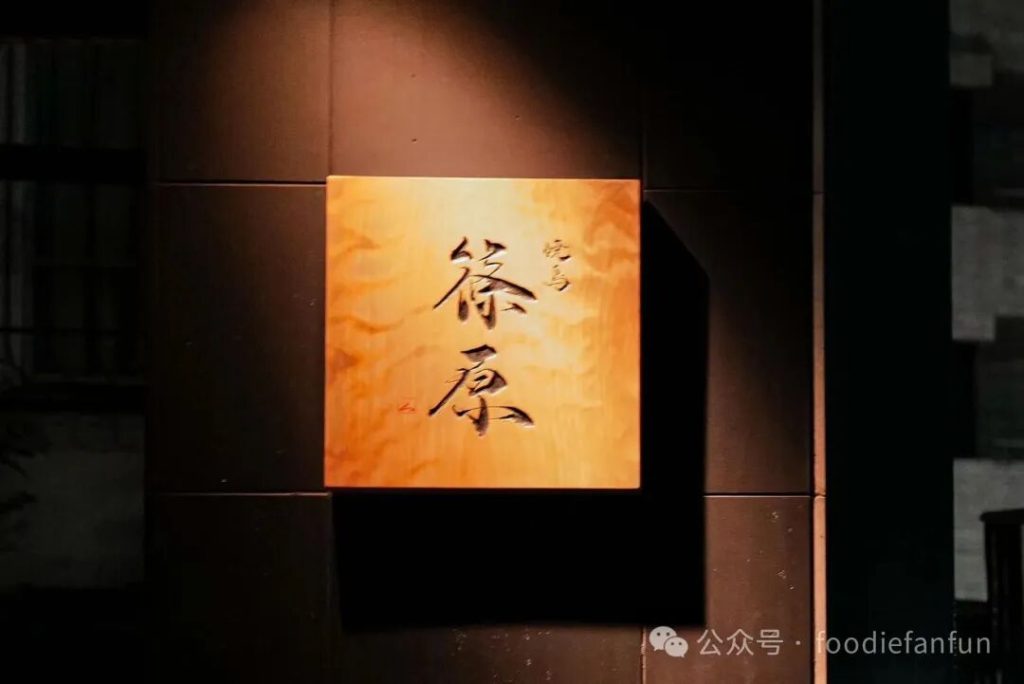
  • Sushi Yasumitsu(鮨 やすみつ)|An Irreplaceable Sushi Counter

    Tokyo has no shortage of excellent sushi. The baseline is high, and once you start grouping shops by style and lineage, you begin to notice shared logic across many of them. So even if you can’t get into one place, you can usually find another that feels “close enough.”

    But if we’re talking about something truly special—somewhere you visit once and immediately start craving a return—Sushi Yasumitsu is one of those rare exceptions.

    This is a real-deal, extremely difficult reservation in Tokyo. They’ve basically stopped taking new bookings, and even trying to reserve on-site now can mean waiting a year or more.

    Their weekday course is usually around ¥20,000–¥30,000, but depending on the season, they also offer limited-time special menus just over ¥40,000—winter matsuba crab, summer shellfish, autumn matsutake. At that price point in Tokyo, it almost feels like charity.

    Don’t be fooled by Chef Watanuki-san’s modest, friendly presence—he’s something of a minor celebrity. In recent years, he has appeared as a judge on the well-known Japanese variety show Job Tune (there are even Chinese-subtitled clips floating around online).

    Unlike many Tokyo sushi chefs who emphasize hierarchy and lineage—where the shop you trained at becomes a cornerstone of your independent reputation—Watanuki-san originally stepped in simply to inherit the family business and continue his father’s sushi restaurant. But through years of traveling and researching catches across regions, he gradually built a style that’s unmistakably his own.

    November is peak crab season. The very first dish was an umami bomb from “Kōkō crab”—crispy crab roe paired with high-acidity vinegared rice. Pure crunch, pure satisfaction.

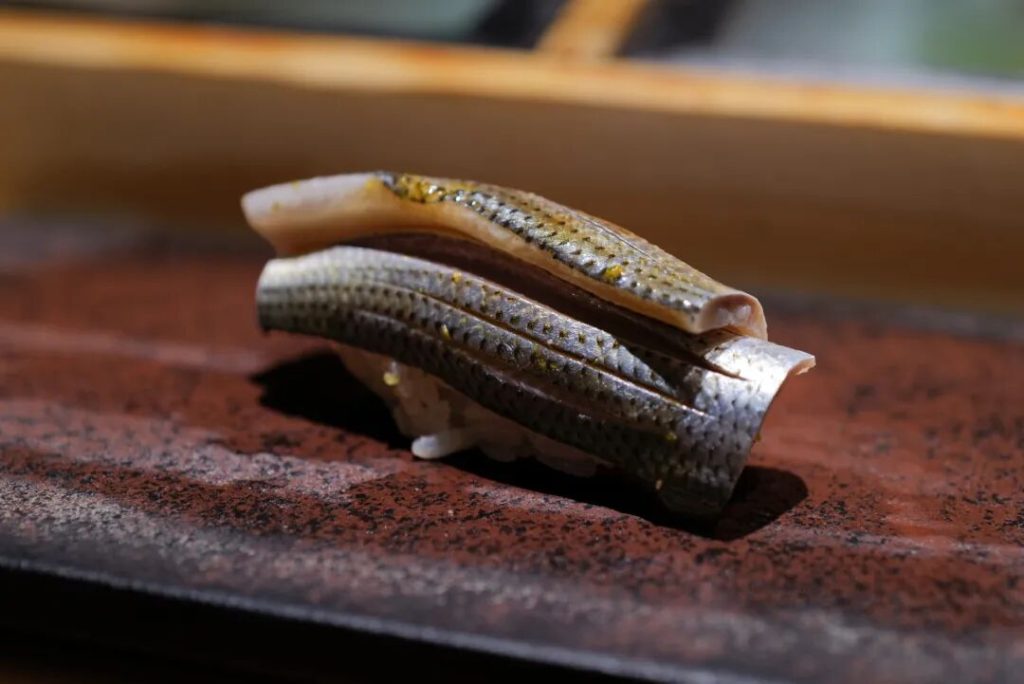
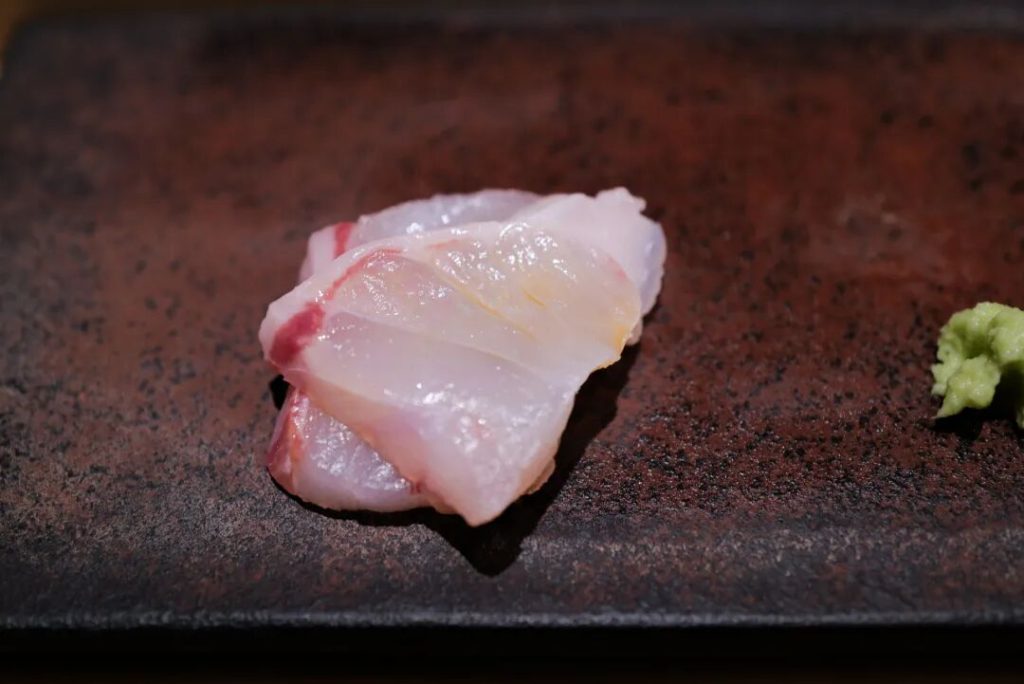
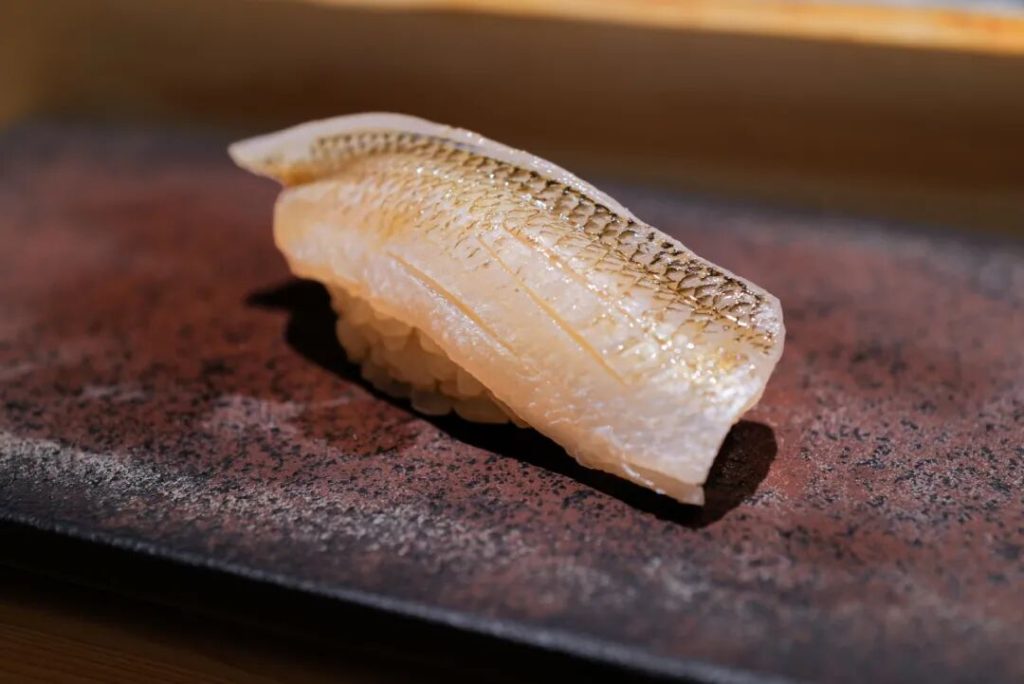
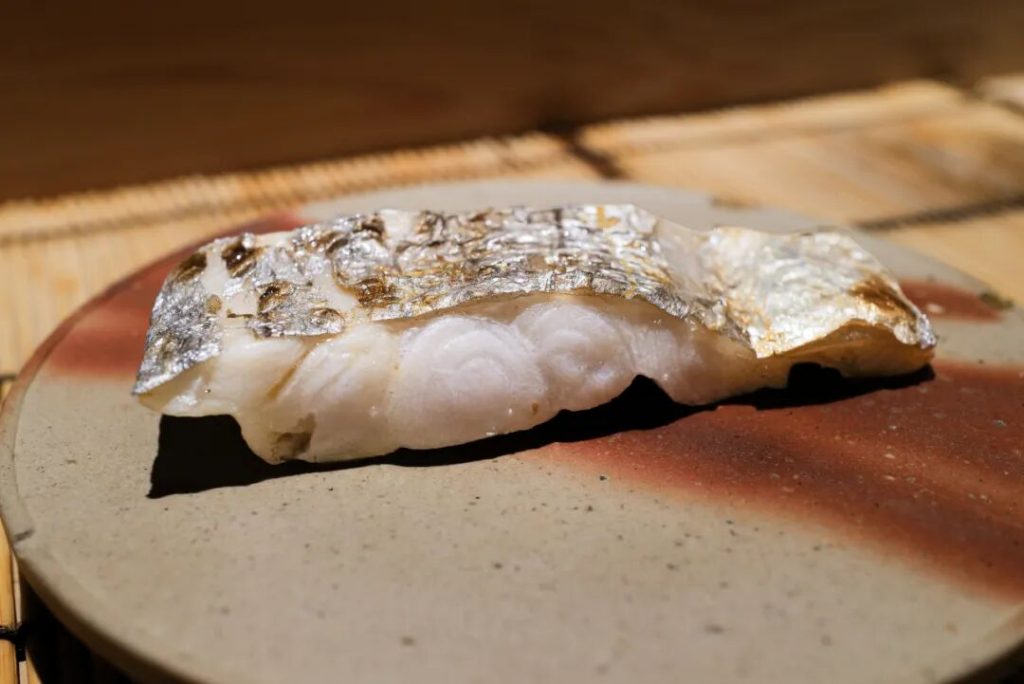
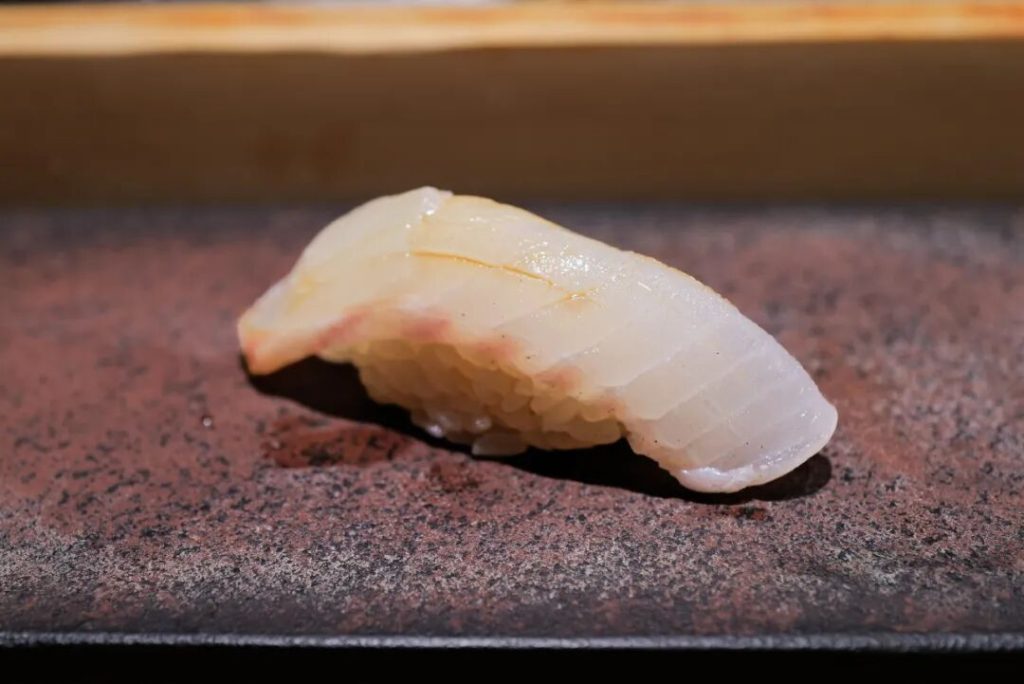
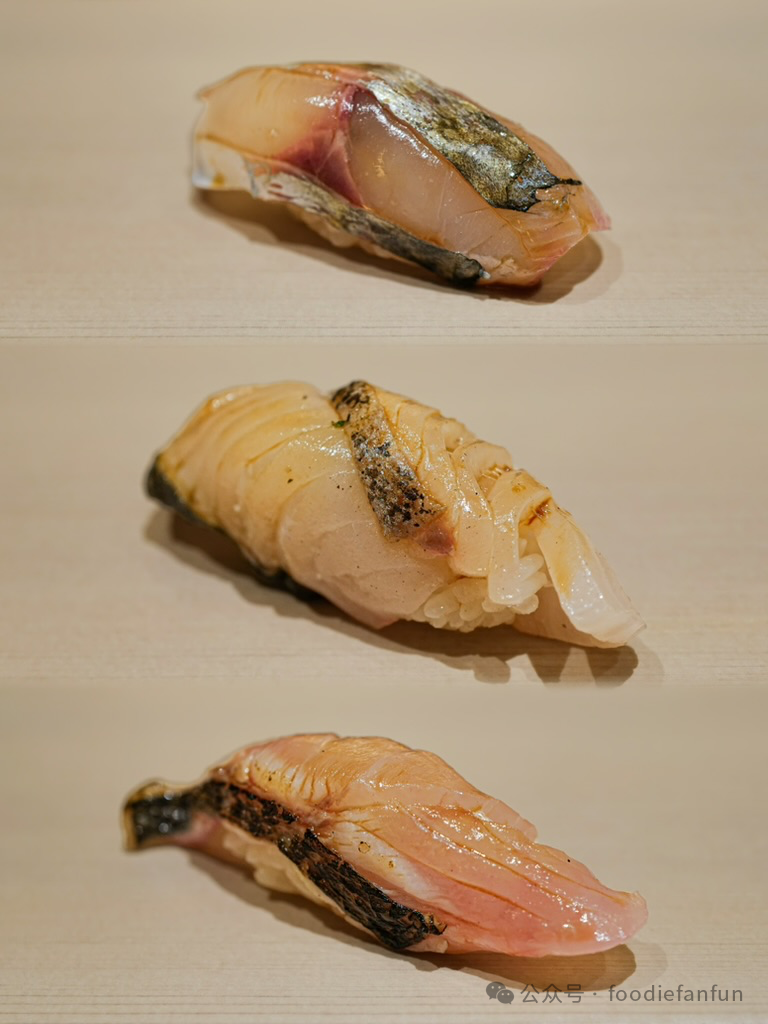
    Two white fish were presented in contrast, with different aging times to sharpen the textural difference. The oyster, meanwhile, won you over instantly with its fullness and presence.

    It was a straightforward opening: no excessive decoration, just clean, honest deliciousness—with impeccable control over texture and balance.

    The winter buri had just come into season. Instead of serving it as sashimi, it was lightly seared to about three-tenths doneness. You got that gorgeous fat aroma, plus a faint crispness in the bite. The seasoning was restrained but sharply acidic—simple, pure, deeply satisfying.

    The ankimo was mashed into a paste with zero graininess, landing somewhere between foie gras and thick cream. Like Sugita, Yasumitsu also proactively paired this with a glass of Aramasa “Hinotori”—a perfect match for the rich, rounded liver.

    For an eight-seat counter, they prepared two 1.1kg matsuba crabs from Hamaizumi Fishing Port in Hyogo. Once boiled and brought out, the crab fragrance practically overflowed the counter. Watanuki-san dismantled the crab with stunning efficiency, narrating as he worked:

    On a winter menu, the most heavyweight ingredient is of course crab.

    “In Fukui it’s called Echizen crab; in Kyoto it’s Taiza crab… and if it lands in Toyama, it’s Kano crab.”

    Suddenly, the counter gained an extra layer of performance charm.

    Each guest received a quarter of a large crab, served in three ways.

    The legs and body were cooked in crab dashi and eaten with no extra seasoning. The legs were tender; the body more firm and dense. As simple as it was, the layered sweetness and umami were incredibly seductive.

    The okami carefully picked the remaining meat from the edges and combined it with crab miso into a generous, overflowing crab-meat sushi. It was jelly-like in texture yet packed with umami, richness, and delicate fibers—pure happiness.

    Finally came a cup of crab sake, where bold umami and savory depth were softened into a gentle sweetness.

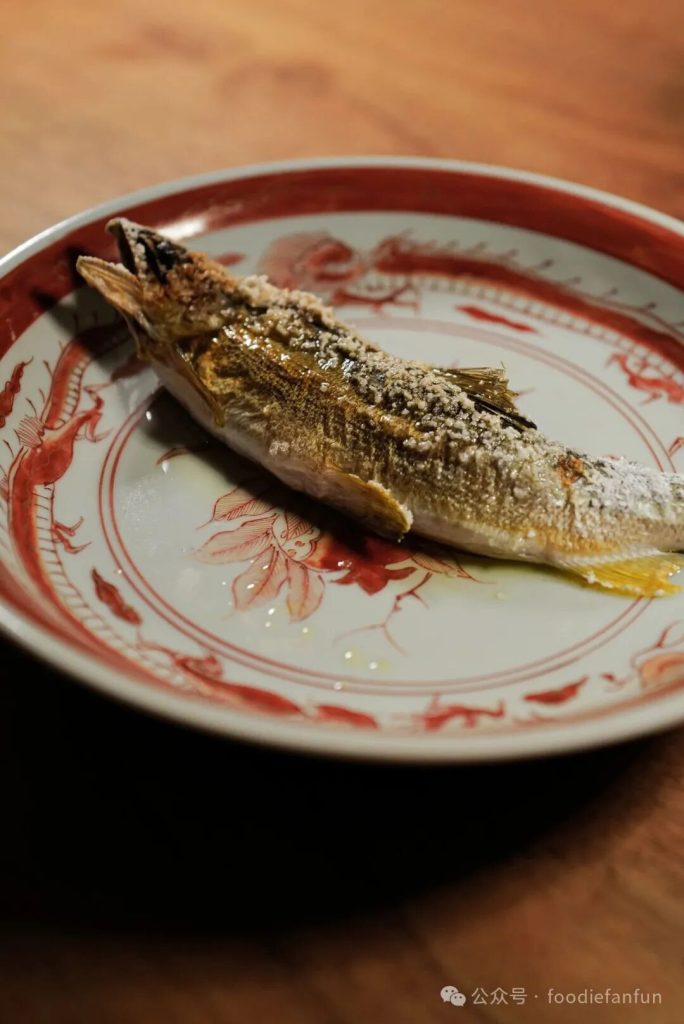
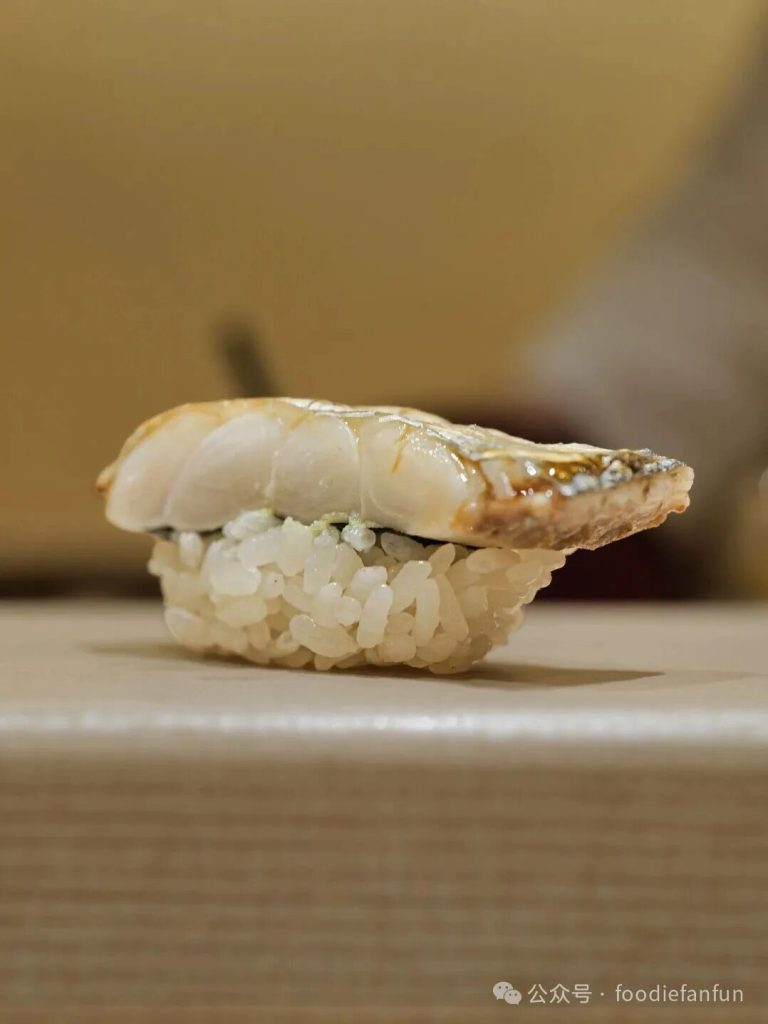
    The sakana course ended with a whole grilled shishamo. Its season is extremely short—starting around mid-October and lasting less than a month. It’s a niche indulgence, and getting to eat it is partly luck.

    It shares the same grilled + faintly bitter charm as summer ayu, but with slightly more fat. The fish is smaller, the skin thinner, and the experience is more about quick, explosive aroma and a soft, compact richness in the flesh.

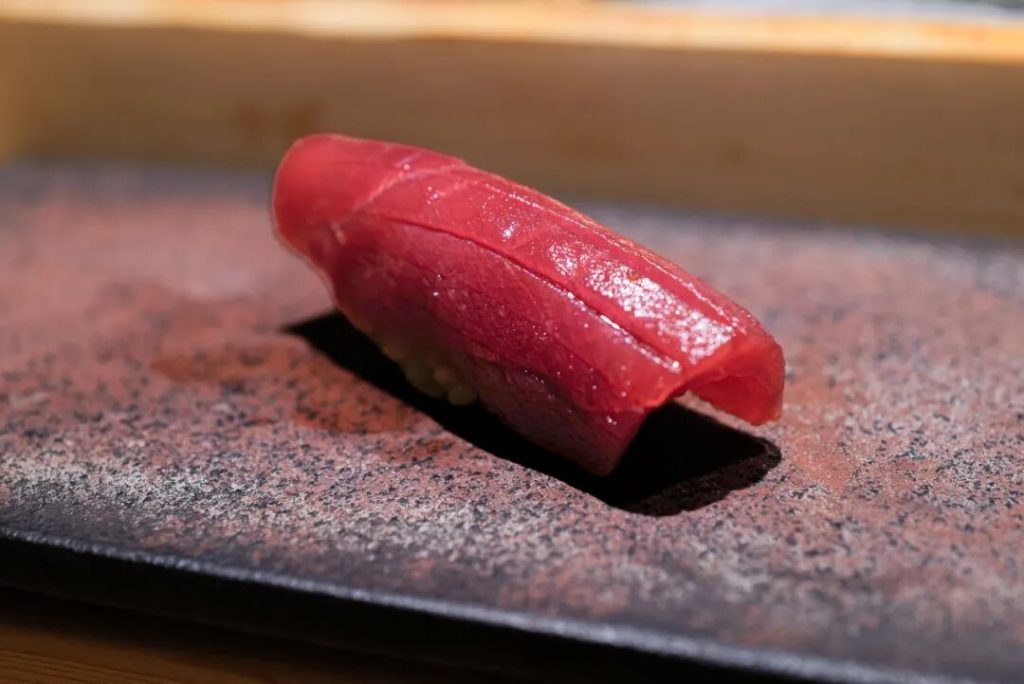
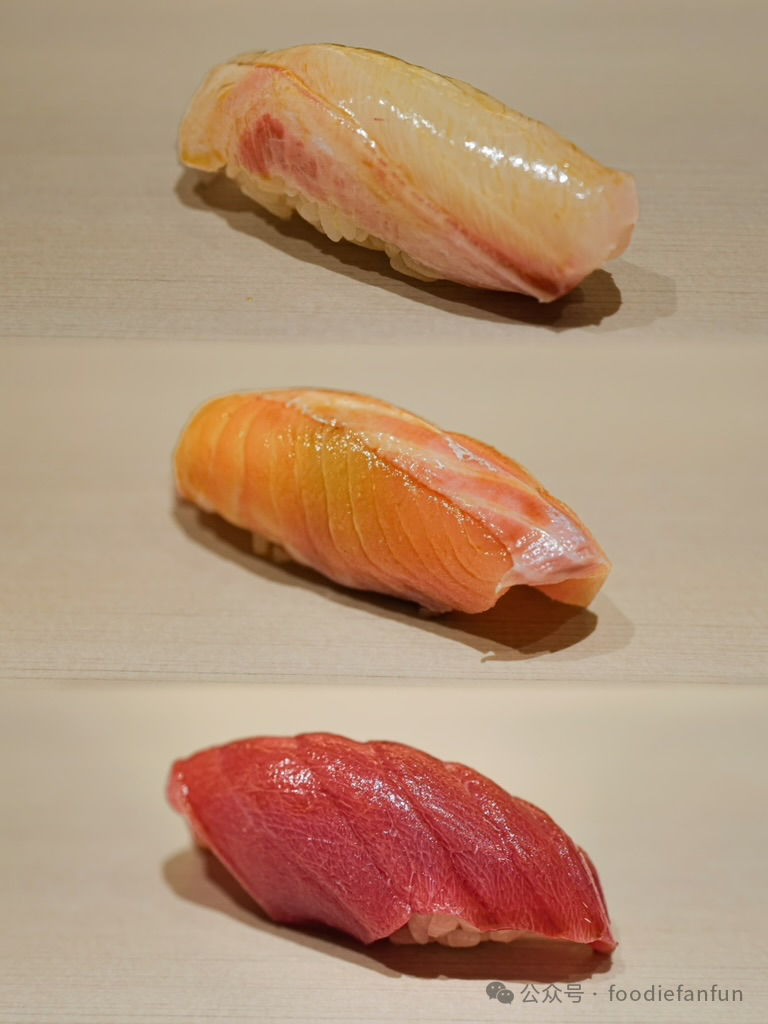
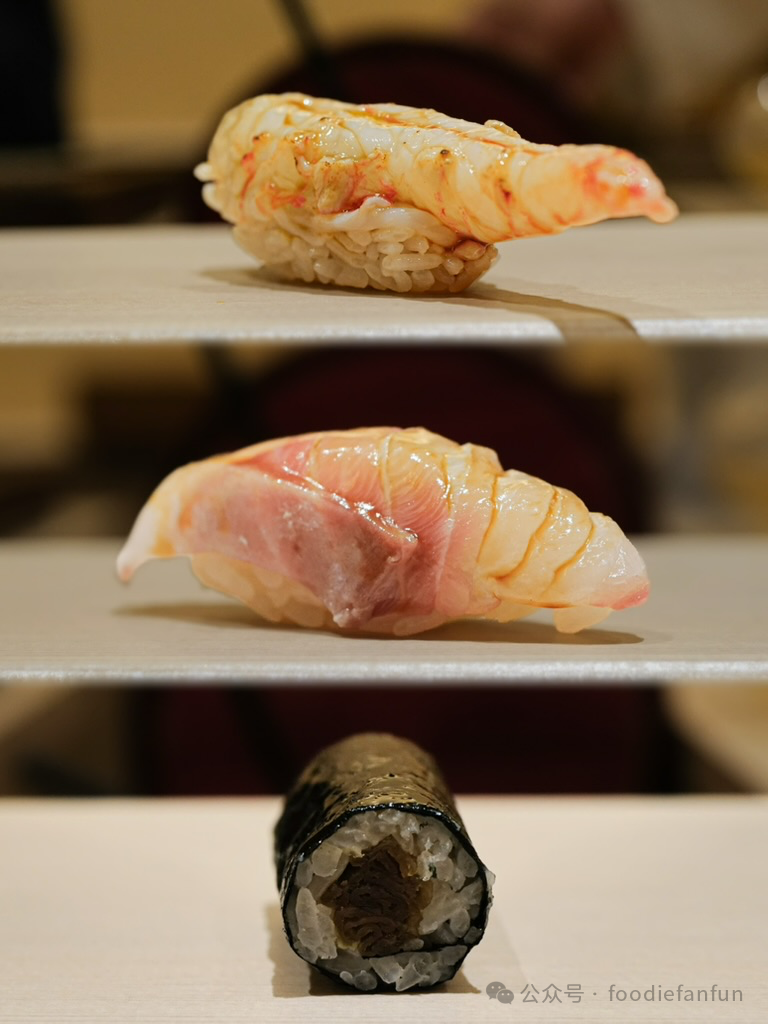
    Then came a three-hit tuna sequence:

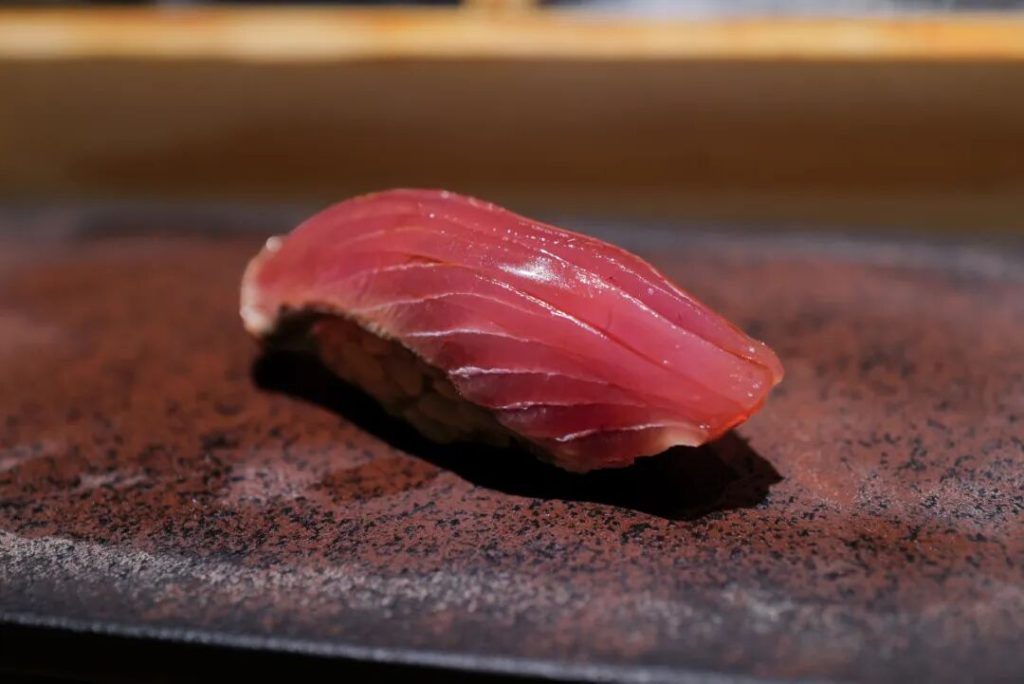
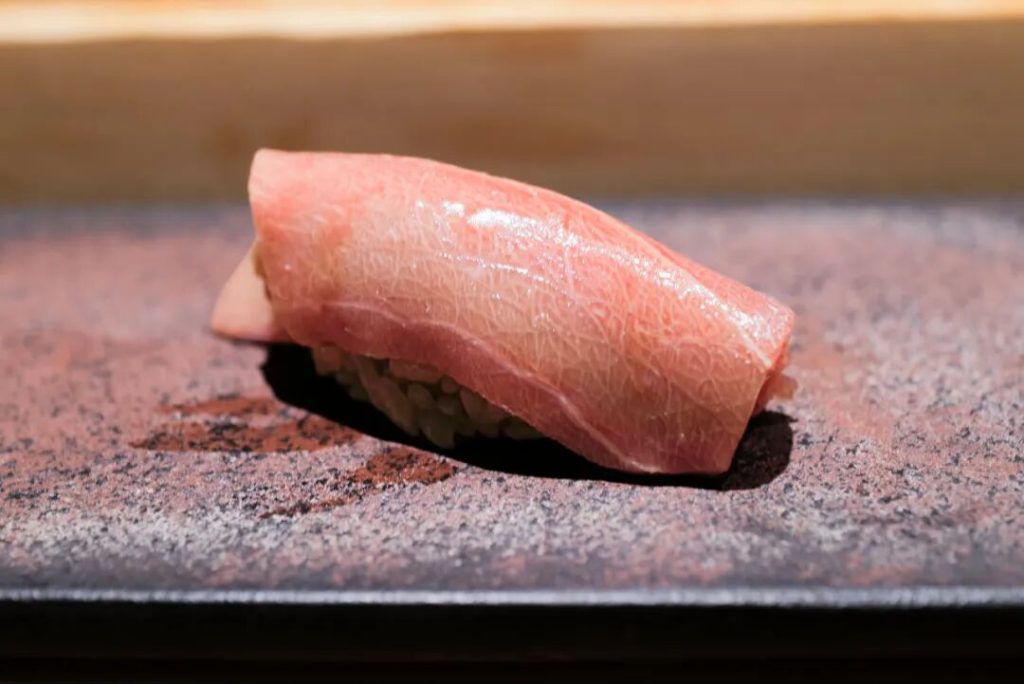
    • Akami emphasized softness.
    • Chūtoro balanced fat and structure.
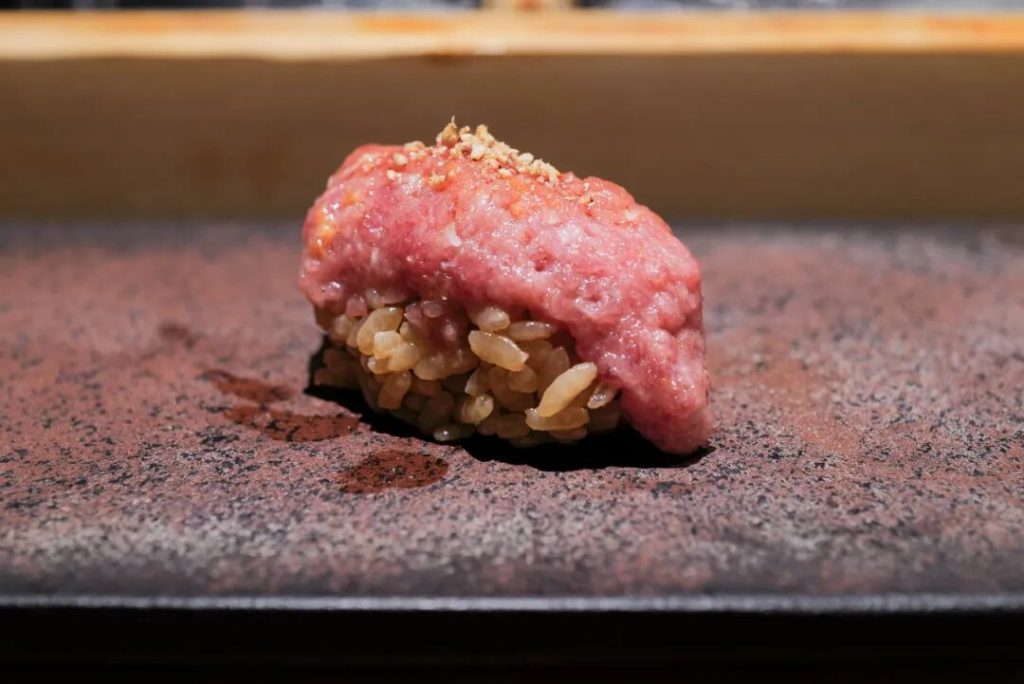
    • Ōtoro was served with cooler shari, boosting the lingering sweetness and aftertaste of the fat.

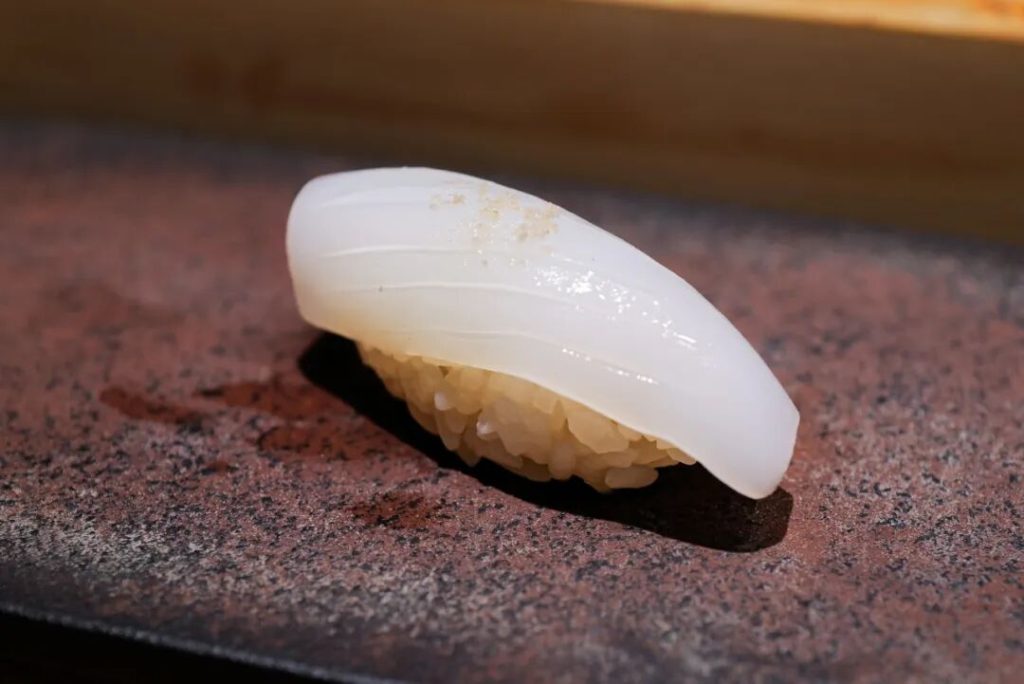
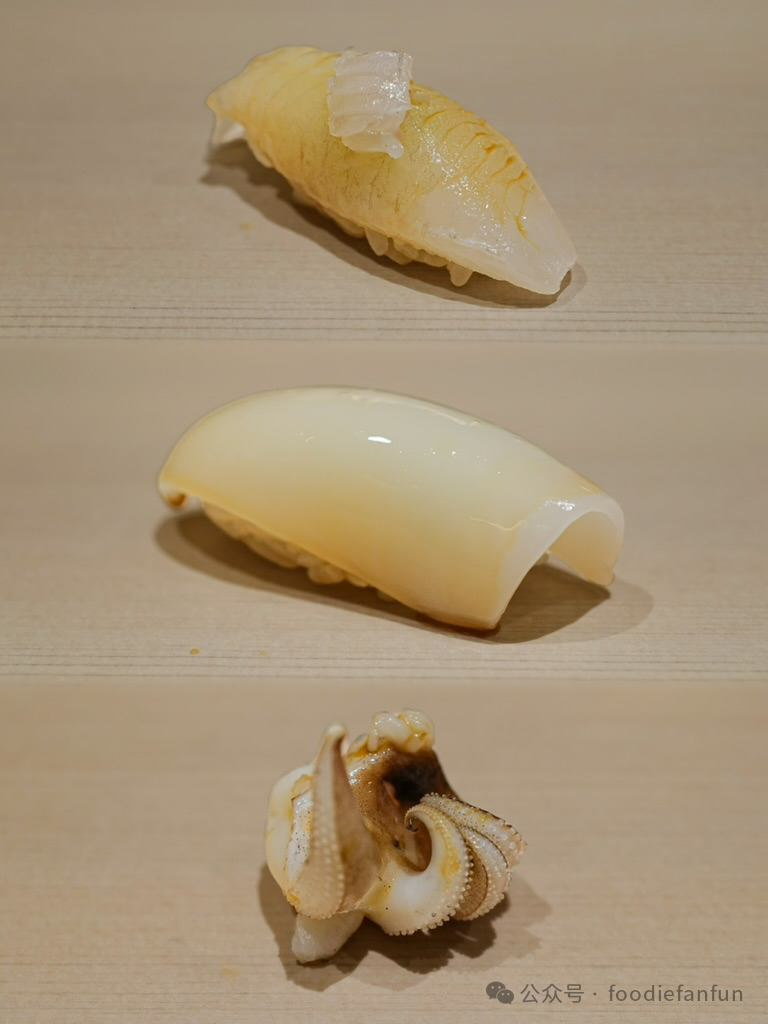
    Yasumitsu’s sushi progression also breaks convention. Kawahagi and squid had already appeared in the earlier sakana segment, but only as light, elegant punctuation—showing off texture more than anything.

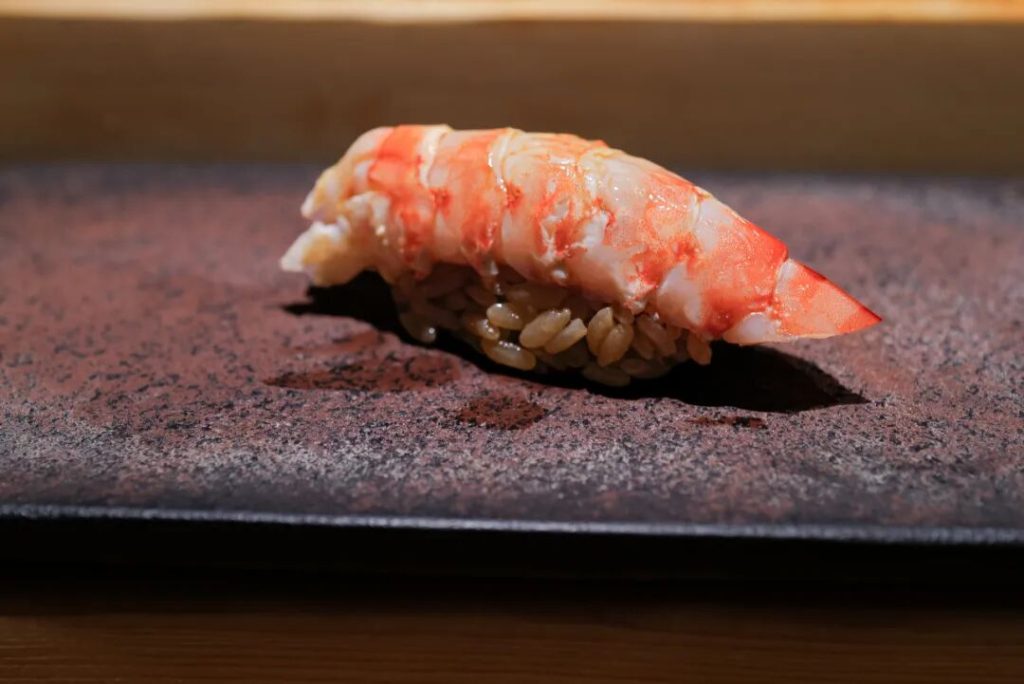
    The shrimp sequence moved from cooked to raw. The kuruma ebi looked ordinary at first glance, but surprised with shrimp roe tucked into its soft tenderness. The glass shrimp, aged for a day, arrived in a milky white tone with a faint translucence—super crunchy.

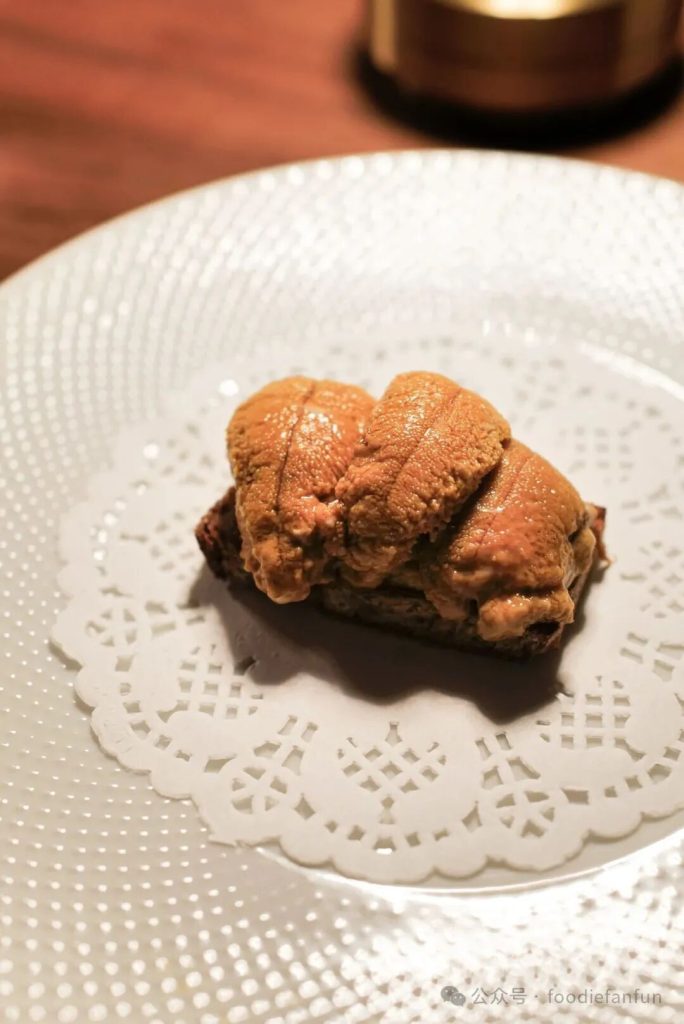
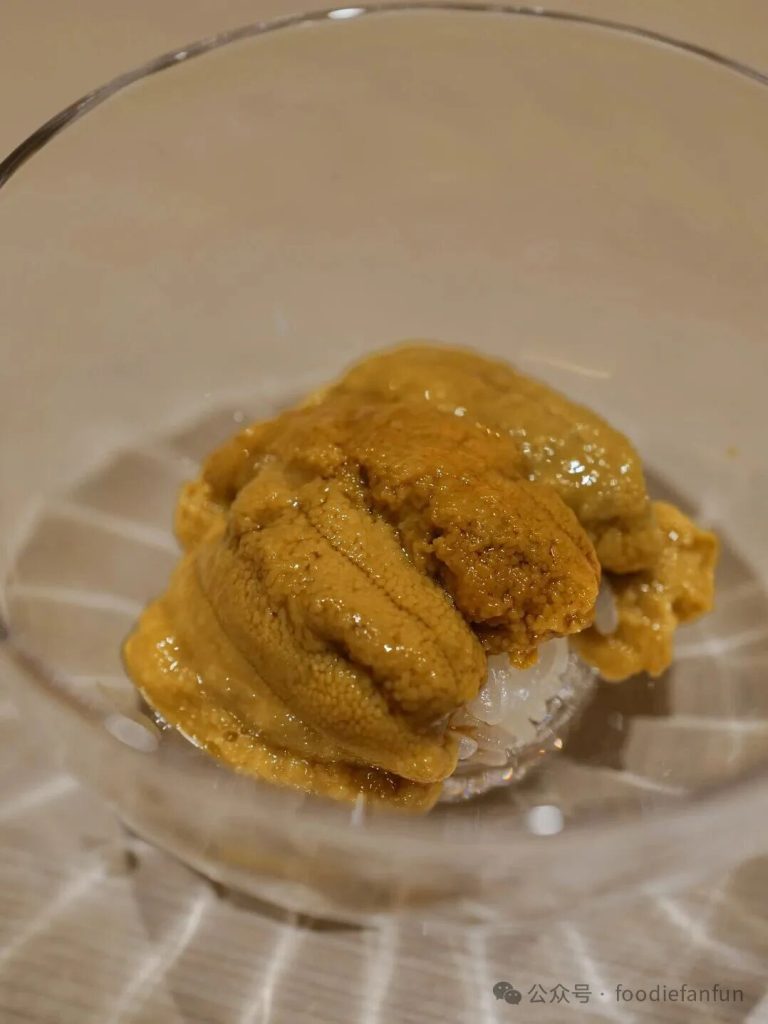
    It was surprising to find such satisfying uni even in November. A full row of sea urchin was scooped generously over the rice—an explosion of sweetness and fresh umami.

    However, the restaurant’s famous otoro futomaki was a slight disappointment this time. Watanuki-san added sea grapes for a salty crunch, but paired with the stronger-aged tuna they currently use, it didn’t quite deliver the bright, fragrant freshness I was hoping for.

    The final tamagoyaki was unexpectedly Basque-cheesecake-like: a caramelized crisp exterior with a cool, molten center. This might be the softest, most harmoniously balanced tamago I’ve had in Tokyo—where texture, sweetness, and freshness all meet in perfect unity.

    If I were sitting even closer to the counter, I might have been tempted to steal the whole thing.

    Watanuki-san’s expression is distinctive. Every dish—whether sakana, cooked items, or sushi—seems to carry two contrasting textures and two to three layers of flavor. Not too much, not too little—just enough to exceed expectations and leave you quietly thrilled.

    The comfort of the hospitality is another powerful point. Unlike the more stern, traditional style of many Japanese sushi counters, Watanuki-san openly thanks his kitchen staff aloud. You often see gestures at the counter, but here I heard clear, spoken gratitude directed to the back of house—an unusually sincere, modern kind of authenticity. And of course, he’s equally polite and attentive to guests at the counter.

    A self-effacing chef like this is always moving.

    鮨 やすみつ (Sushi Yasumitsu)

    東京都新宿区四谷三栄町5-2

    Monday – Saturday
    17:30 – 20:00 / 20:30 – 23:00

    Chef’s Menu ¥31,900++
    Seasonal Menu ¥51,900++

    When I asked about reservations at the end, the earliest availability was already next September. So all I can do is wish the chef great health—and hope I might get lucky with a cancellation before then.

    Because honestly?
    If I could, I’d come every month.