Lianshan is hard to pin down to any single regional Chinese cuisine.
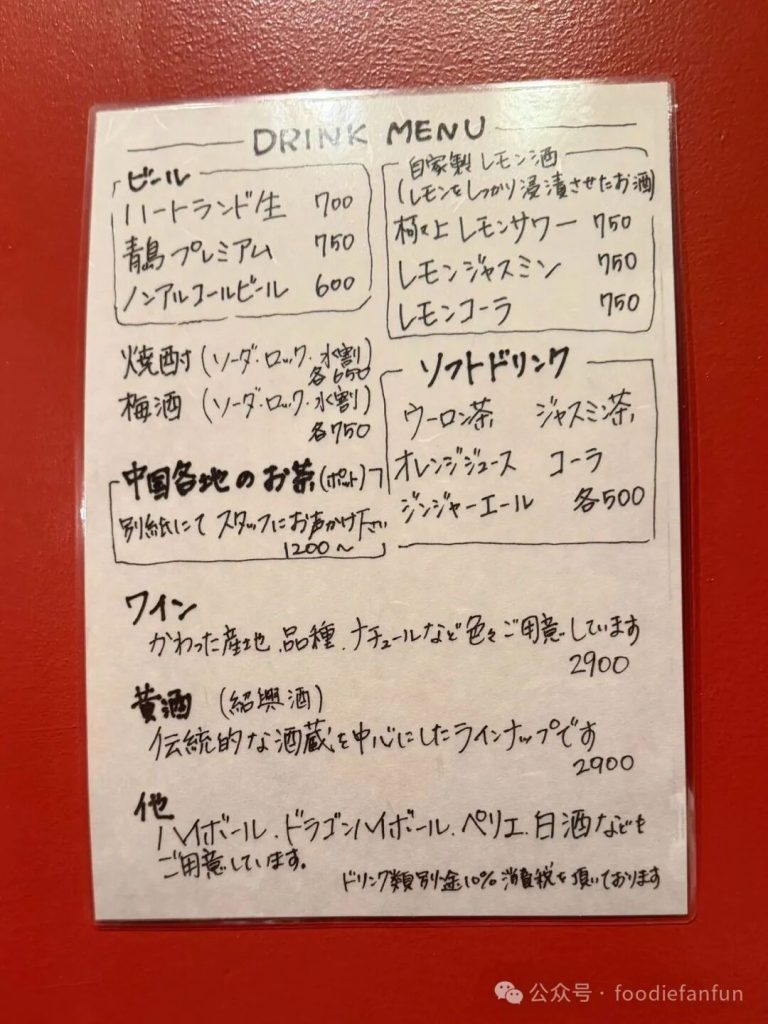
Tucked into Shirokanedai, one of Tokyo’s most old-money, real-estate-expensive neighborhoods, a Japanese chef cooks Chinese food here, with a course running just ¥7,500 per person. Help yourself to whole bottles of wine from the fridge, or order baijiu and Qingdao beer.
It genuinely redefines what a “Chinese-fusion” bistro at its finest can be.
Behind a low-key, simple curtain, the wok fire roars over a few burners. Japanese ingredients, cooked into Chinese flavor.
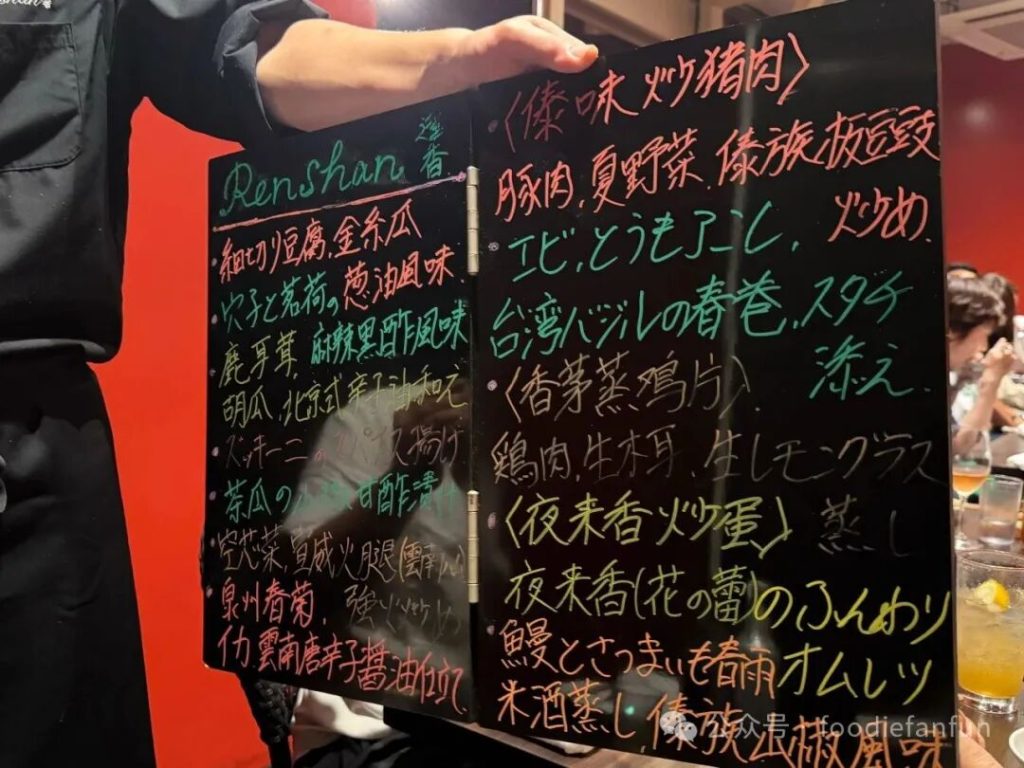
The restaurant’s entrance is marked with bold characters reading “Chinese Cuisine · Rural Home-style · Vegetables,” and the food really does deliver — delicious and unpretentious.
The owner, Koya Oyamauchi, was born into a farming family in Aomori. He began learning Chinese cooking at Ginza Aster, later ran the kitchen at a Yunnan ethnic-minority restaurant, and afterward made repeated trips deep into Jiangxi, Guizhou, Yunnan and beyond to study local rural cooking, home-style dishes, and fermentation and seasoning techniques — building his own style from there.
It’s won the 🥉 Tabelog Bronze award six years running, and this year made it onto Tokyo’s 2026 Top 100 list. The reputation is no longer small, yet the room still feels like a bistro with real personality.
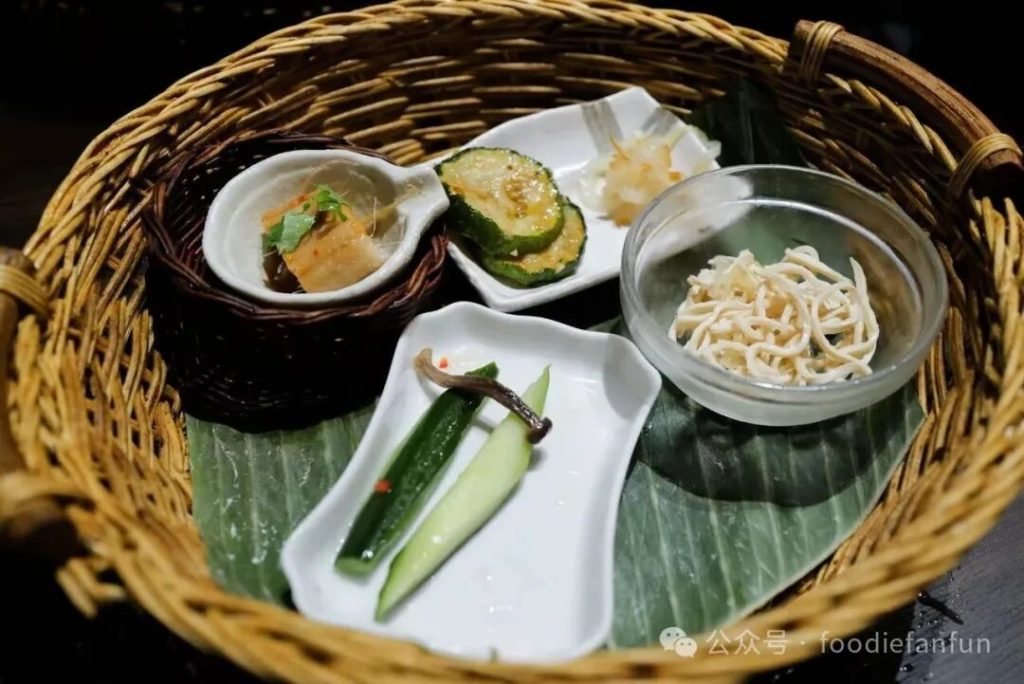
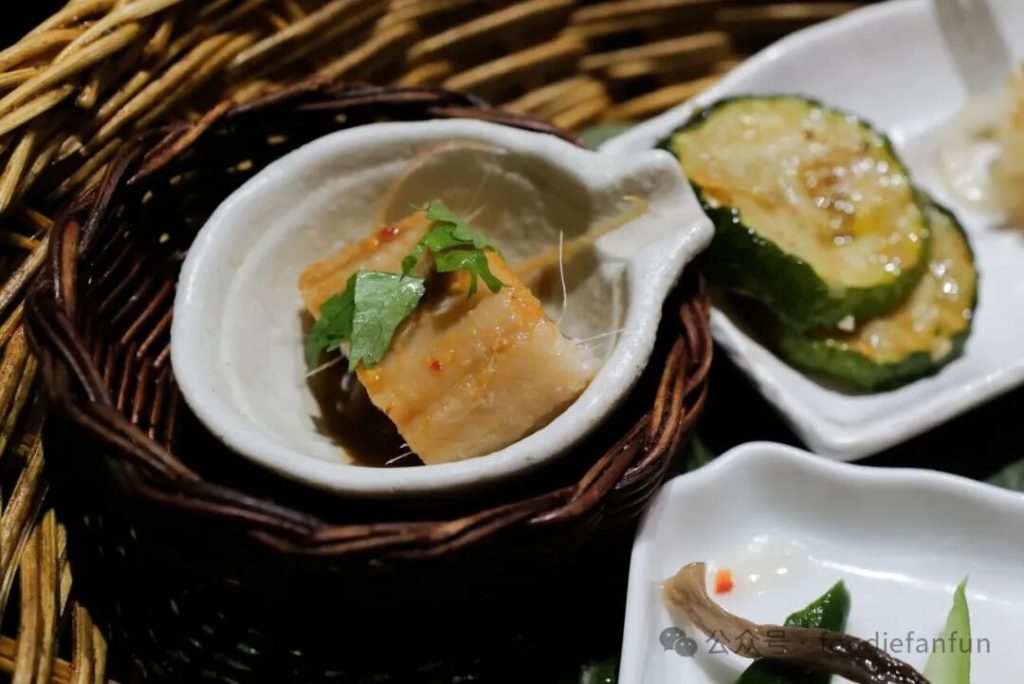
A simple basket of small dishes, brimming with home-style comfort.
Finely shredded tofu and julienned squash dressed in scallion oil; deer-antler mushroom and pickled cucumber tossed in mustard oil; crispy fried zucchini as a drinking snack.
The eel and myoga left a particularly strong impression — an ingredient combination that would rarely appear in Chinese cooking, especially not in Yunnan-Guizhou style. The wind-dried eel meat was firm, coated in a numbing, dark-vinegar tang; the myoga was fresh and sharp with real punch, and the scallion and sesame alongside carried plenty of aroma too.
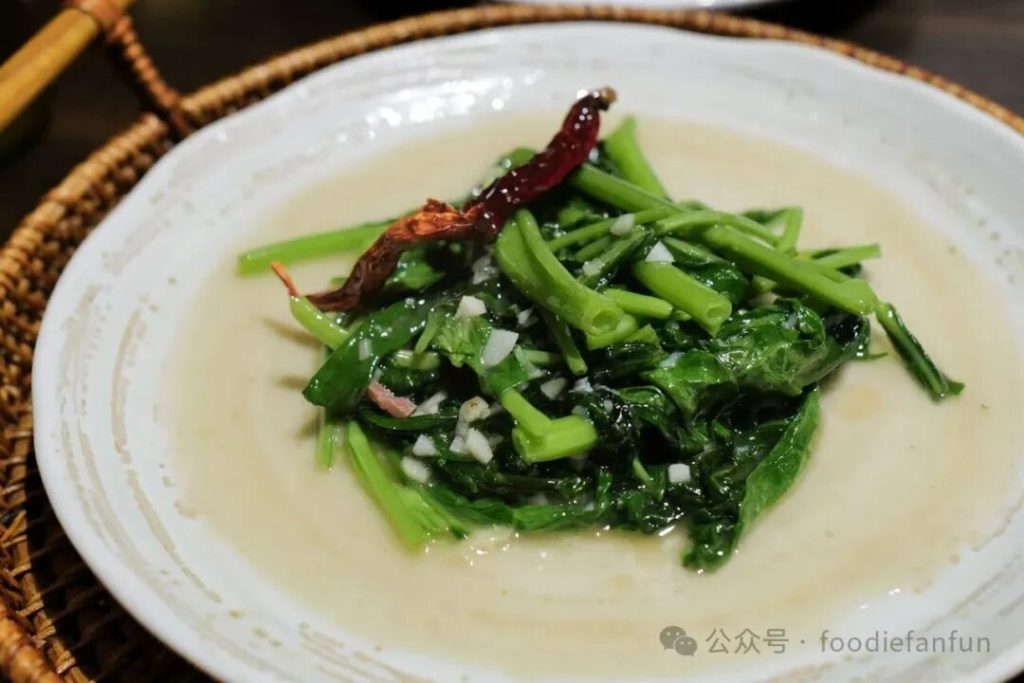
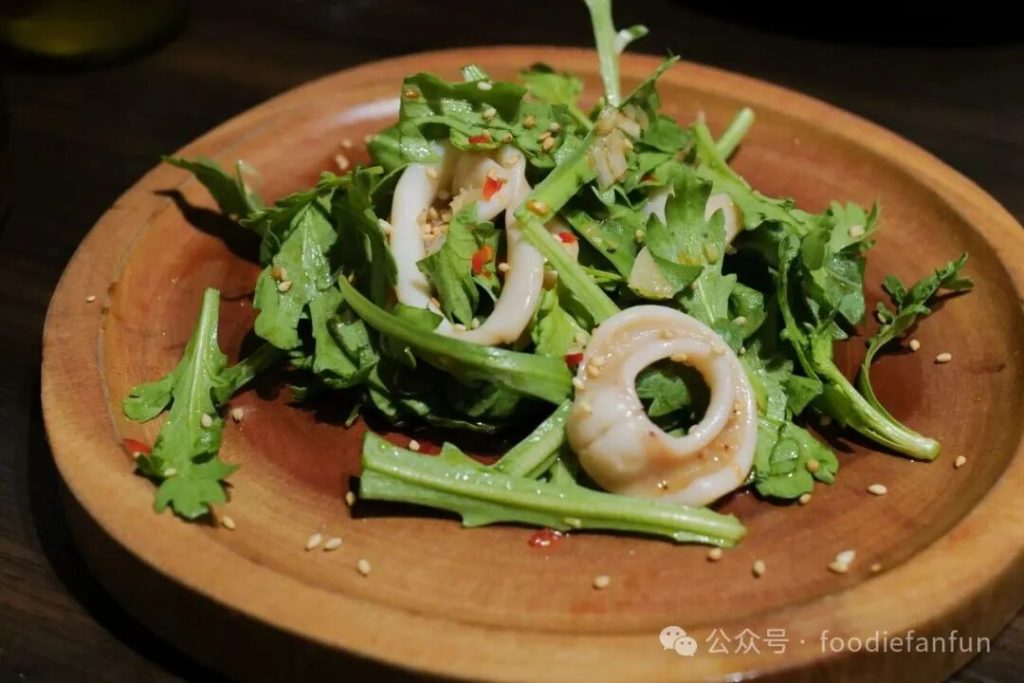
Straight into the stir-fries next, the menu written almost carelessly, but what arrives at the table feels genuinely thought-through.
A simple stir-fried water spinach with garlic. The ham’s salty savoriness and the vegetable’s own juices get driven out together over high heat — the oil isn’t light, but neither is the sweetness, and it’s real.
The squid tossed with quanzhou chrysanthemum greens was a real standout. Half the greens’ usual bitterness and sharpness has been tucked away, leaving the plant’s own character intact but far more approachable. The squid is cooked just barely through — soft, springy, with a lovely sweetness. A touch of Yunnan chili soy sauce doesn’t cover the ingredients, but rather…
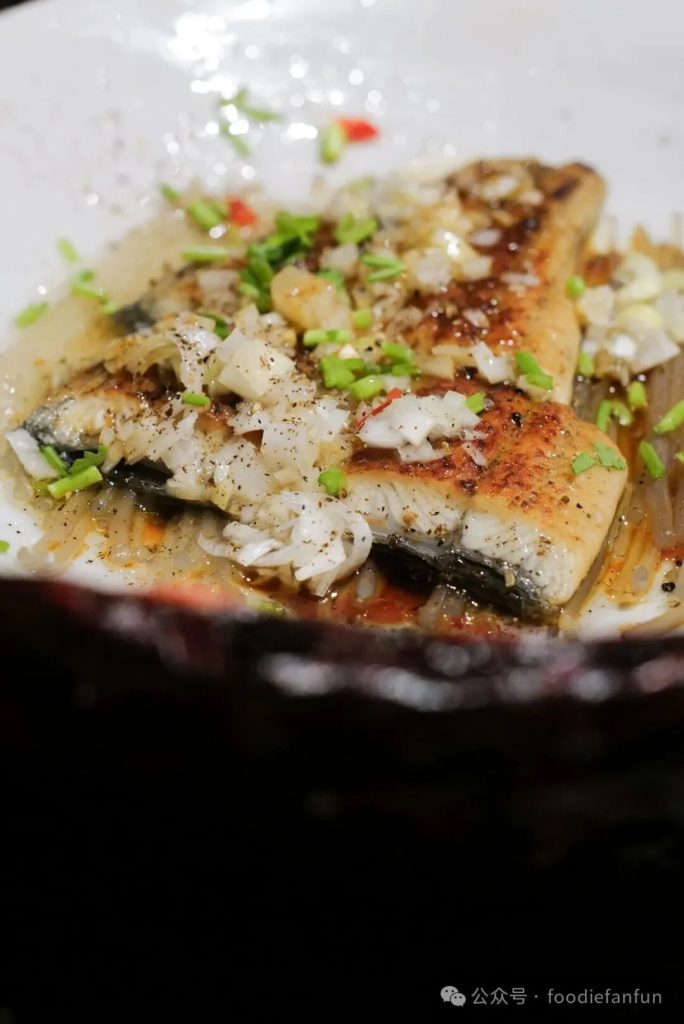
The eel, grilled, then paired with steamed sweet-potato noodles made with koji, plus Dai-style mountain pepper.
The fish’s skin and fat melt away in the mouth; cilantro and the mountain pepper set off that richness cleanly and fully — purely, simply delicious. The sweet-potato vermicelli underneath is a surprise too, carrying a slight stickiness that catches the gelatinous residue the eel skin leaves in the mouth, soft yet springy, soaked through with sauce…
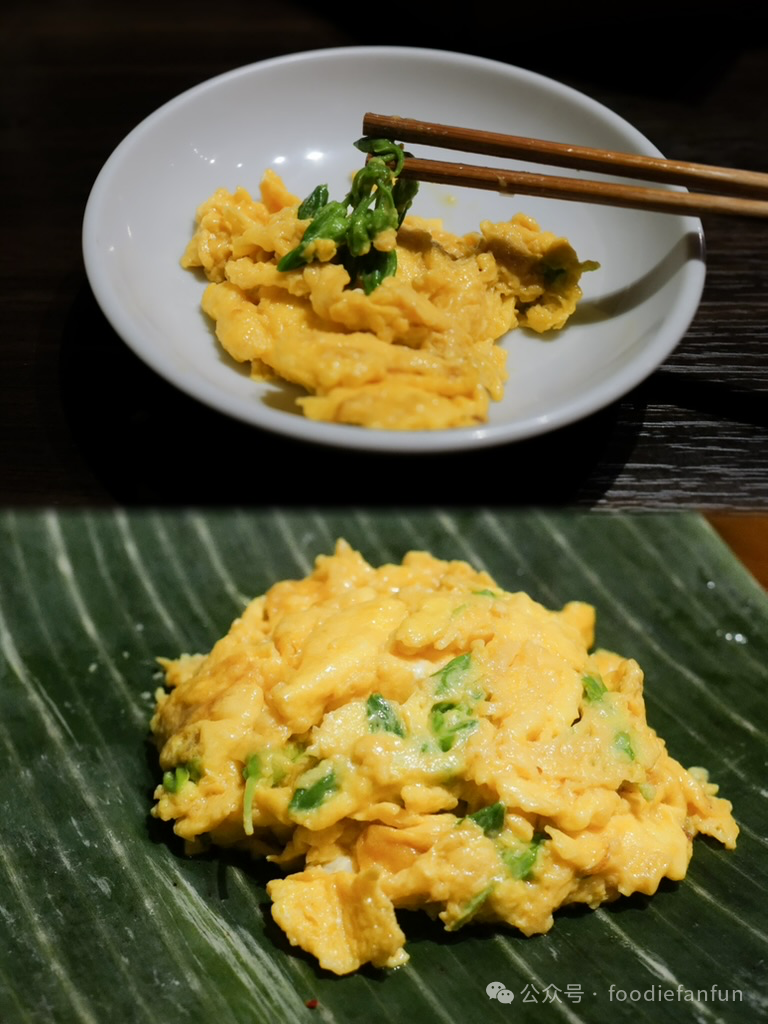
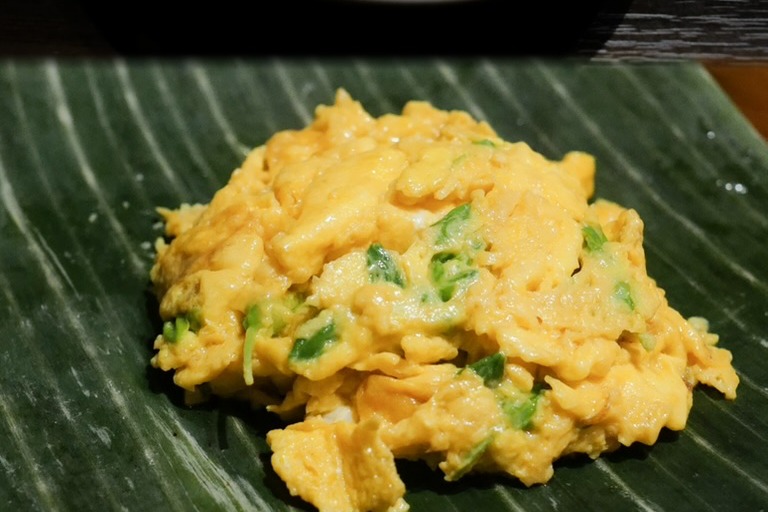
Scrambled eggs with night-blooming jasmine flowers are genuinely humble, and genuinely lovable.
Only the jasmine buds are used, their fragrance intensely concentrated, and the eggs are scrambled extremely tender. No complicated structure at all — just fresh flowers and good eggs, combined directly.
Japanese eggs have their own advantage here — understated, yet wonderful.
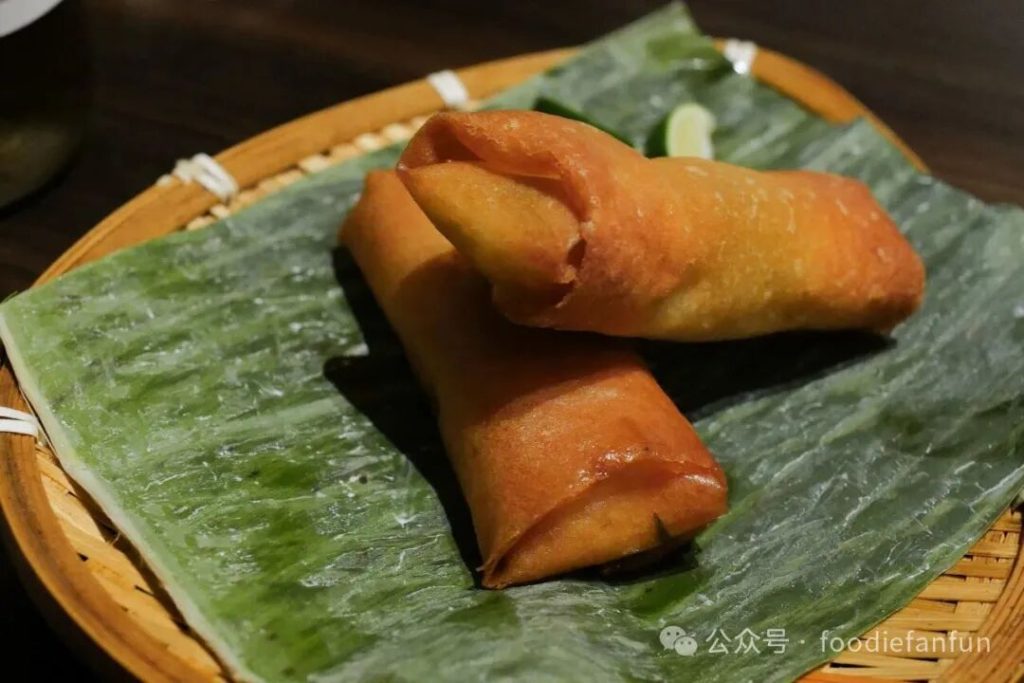
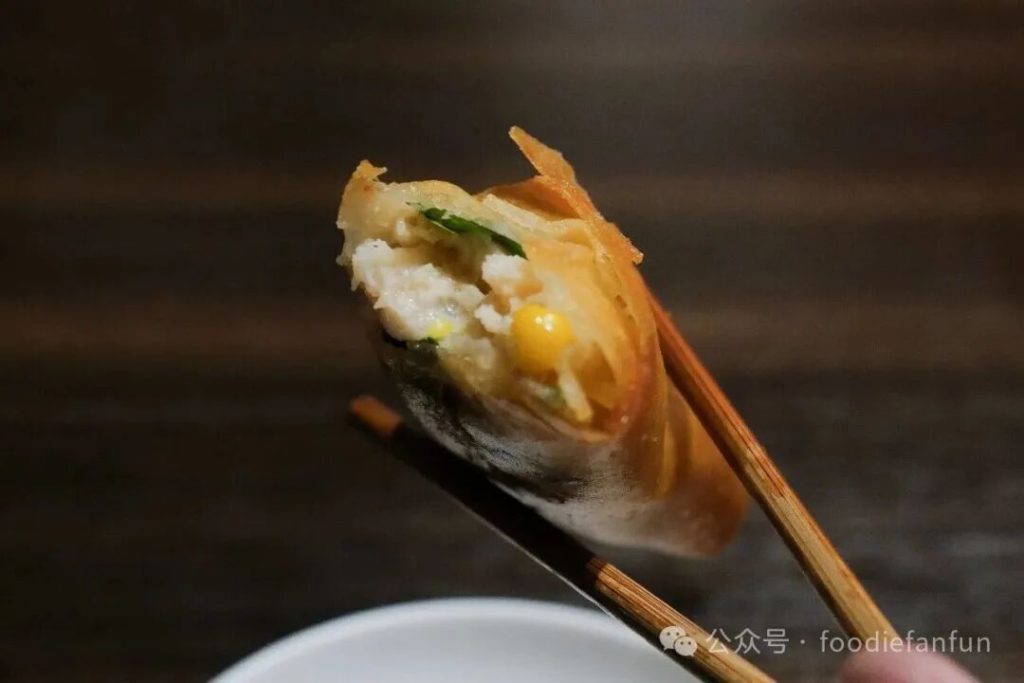
Spring rolls, crisp outside and springy within, filled with shrimp and corn, with a whole basil leaf rolled inside.
That whole basil leaf hidden inside hits with fierce aroma the moment you bite through — yet it never buries the shrimp’s tender sweetness, which keeps a bit of spring to it. A squeeze of sudachi citrus afterward cuts right through the richness.
A little oily, a little sinful — but impossible not to love.
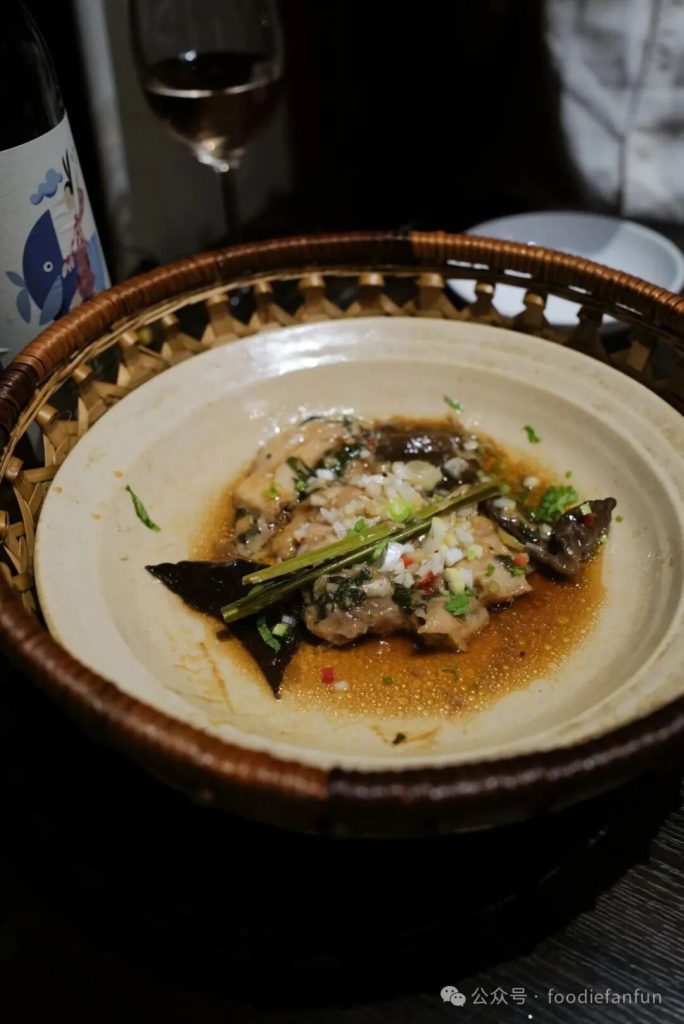
The lotus-leaf steamed chicken slices were completely unexpected.
Chicken, fresh wood-ear mushroom, and lemongrass steamed together somehow arrive with a gentle sweetness and freshness. Lotus leaf and lemongrass — two very distinct personalities of flavor — have fully worked their way into the chicken.
The richness is still strongly there, but it never stops you from reaching for a second bite.
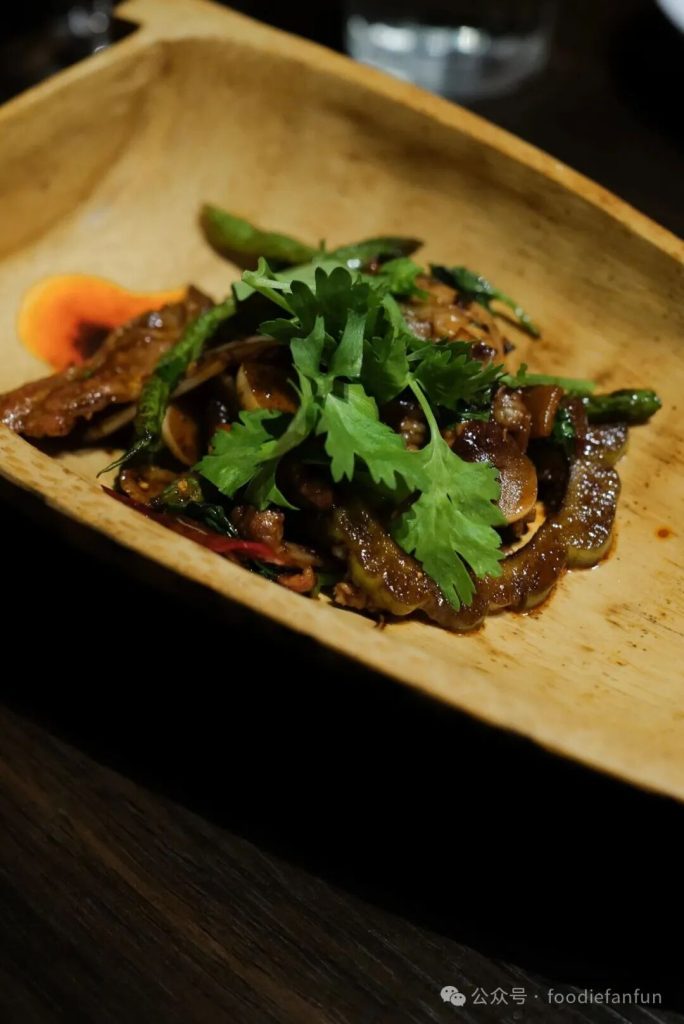
As the meal nears its end, the flavors start turning toward things that demand a bowl of rice.
Dai-style stir-fried pork used summer vegetables and Dai-style plank-fermented douchi. The whole focus is aroma — douchi, pork, and vegetables layered together, straightforwardly delicious.
And of course, the saltiness is equally honest. The kind of dish that makes you want a bowl of rice immediately.
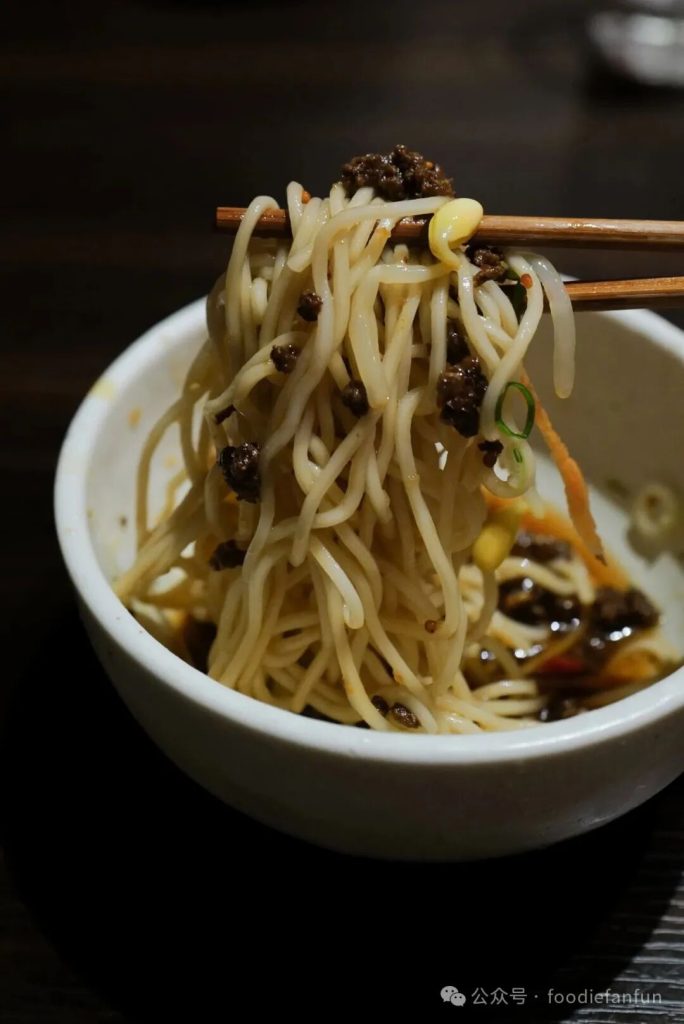
Last came a bowl of egg noodles, springing beautifully.
Seasoned mainly sweet-and-sour with a light kick of chili, the meat sauce carrying plenty of spice aroma. The chilled, slippery, springy noodles arrive clinging to the sauce — pure summer feeling.
Lianshan’s cooking genuinely feels singular, start to finish.
It never leans on expensive ingredients to dazzle you; the whole meal is full of a kind of unbothered, easygoing spirit. Xuanwei ham, plank-fermented douchi, Dai-style mountain pepper, mustard oil, basil, lemongrass, night-jasmine — each one leads you, layer by layer, into Chinese aromatics resting inside the soft, clean sweetness of Japanese ingredients.
Both oil and salt have a clear, confident presence throughout this meal. Pull out almost any single dish and it would demand rice on its own. It looks casual on the surface, but eat through the whole sequence and you’ll notice how precisely the vegetables, fermentation, acidity, and herbal aromas are paced against each other.
Take another look at the half-open kitchen, the stove fire roaring away.
This is genuinely a hard-to-replicate kind of “Chinese fusion.”
The kind of treasure restaurant you just want to share endlessly with friends.
Lianshan Renshan
Dinner only 18:30–23:00
Omakase Course ¥8,000++
Reservations from 2 guests.
Leave a Reply