If it weren’t for a friend organizing the trip, I probably wouldn’t have thought to make a stop in Nagoya just to give a dinner to Ruyun. But dish after dish, it becomes clear this is a restaurant full of clever ideas, obsessive detail, and a touch of real swagger.
The menu weaves natural aromatics into substantial meat cooking with real cleverness.
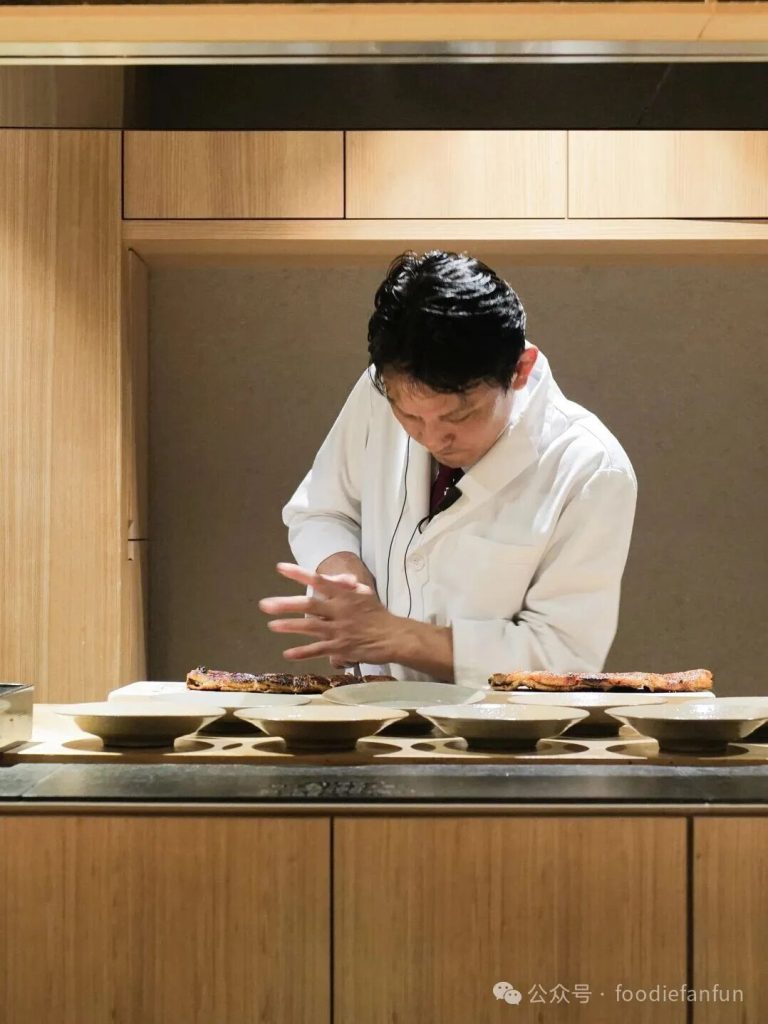
Akiyuki Yamauchi is a genuinely fascinating chef.
Start with his year-round, unwavering preference: beef. His philosophy is to minimize salt and other seasonings, letting the beef’s own flavor, technique, aging, and a certain hard-to-describe sensibility come through instead. What results is a kappo built around beef that somehow never feels heavy.
He trained at the Kyoto Kitcho Arashiyama flagship, and his previous restaurant, “Awa Ruyun,” won the Tabelog 🥉 Bronze award and repeatedly made the Top 100 list. After relocating to a new address in 2024, he dropped the “Awa” and it became today’s ten-seat counter, simply “Ruyun.”
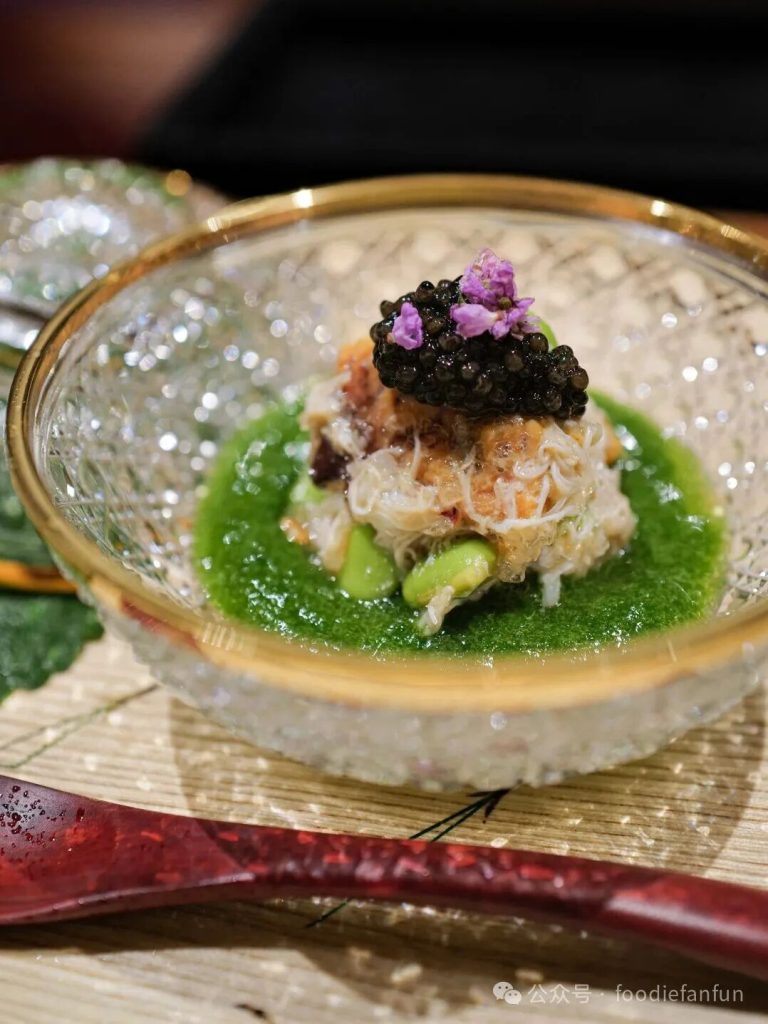
Winter melon purée, crab, edamame
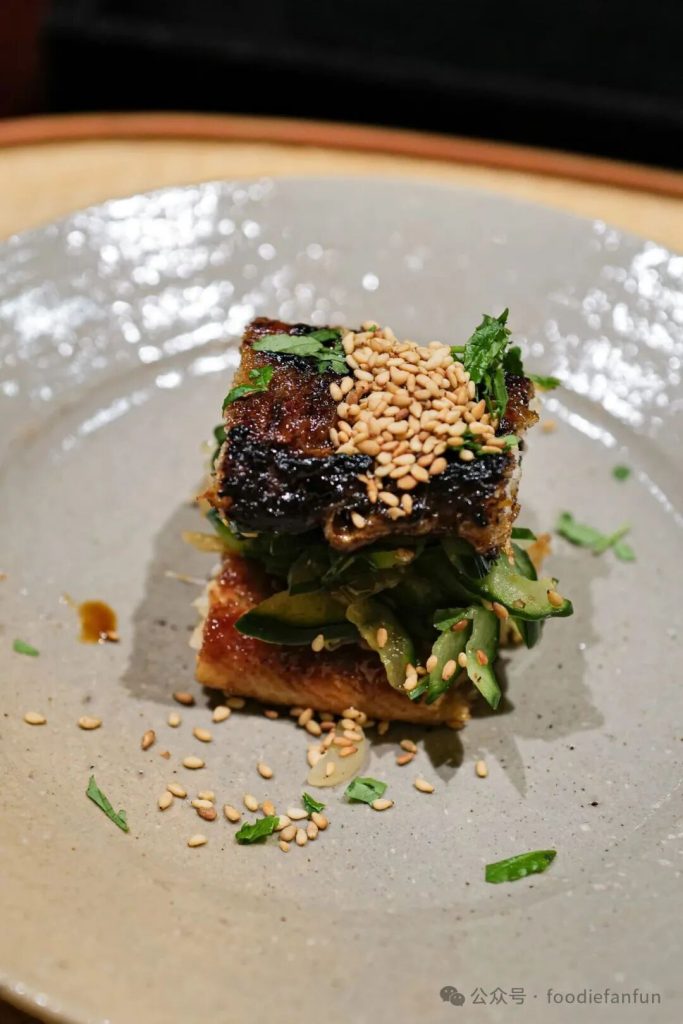
Eel, cucumber
The opening is restrained, clean freshness.
Soft, juicy winter melon purée; crab meat, June crab tomalley, edamame, and caviar gathered in the bowl — all excellent ingredients, expressed politely. The crab tomalley in particular has a clear firmness, releasing a solid savoriness as you chew. Cool, yet forceful.
Grilled eel, Nagoya’s signature specialty, of course had to make an appearance — paired here with dressed cucumber into a crisp, aromatic, refreshing grilled-eel “burger.”
The eel’s outer layer is grilled crisp, sauce clinging tightly to the surface to form a slightly sweet, charred shell. The cucumber in the middle breaks up the texture, while sesame and sansho leaf keep building the aroma. Pure, distinctive deliciousness.
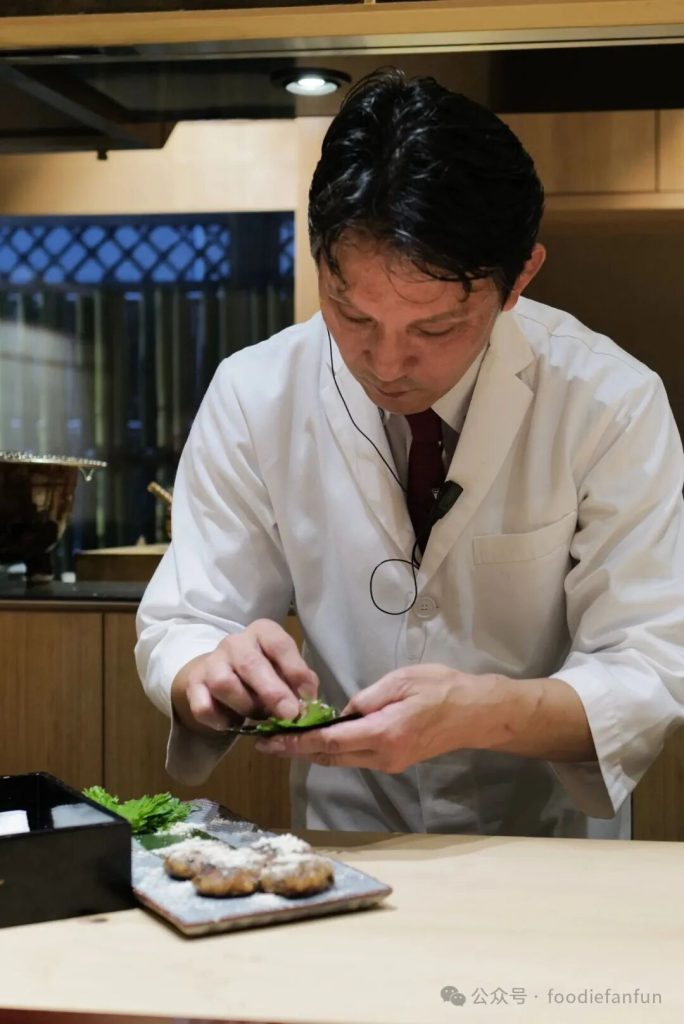
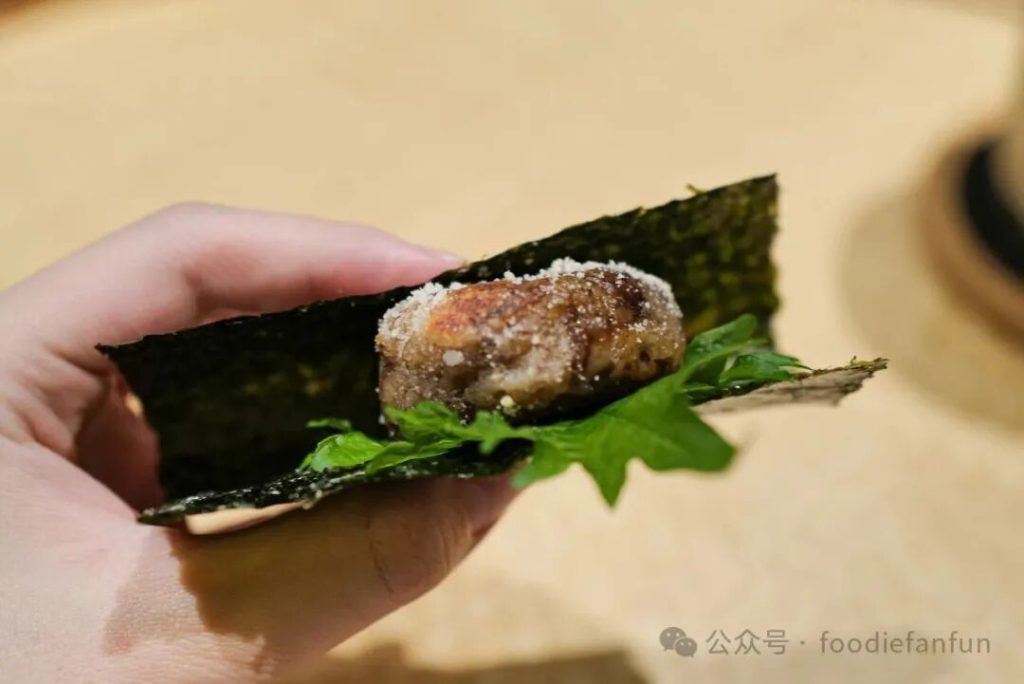
It looks like a simple nori-wrapped mochi — bite in, and you discover shiso, sticky rice, and fragrant oxtail hidden inside.
The mochi’s soft, sticky texture smooths out the beef’s fibrousness considerably, while the meaty aroma still comes through clearly. A completely unexpected pairing that somehow eats clean and pure.
A gentle, almost magical dish.
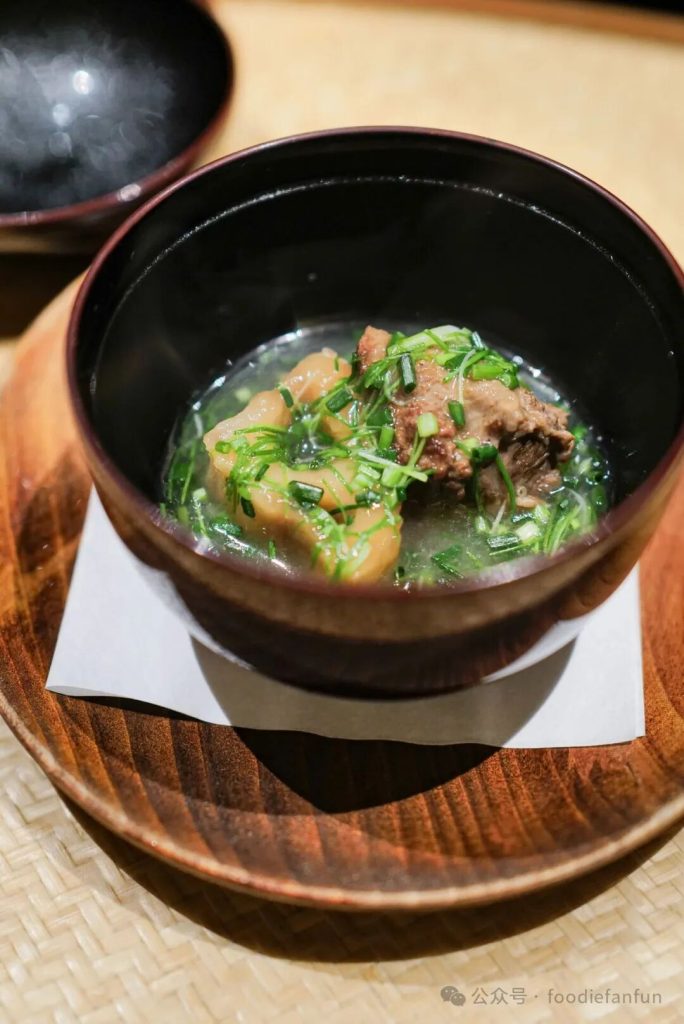
Braised beef tongue root, lotus root, scallion-ginger thickened sauce
The tongue cut used here is near the throat — after braising and grilling, the tender texture and aroma come together beautifully.
Around it, a ring of translucent white broth holds summer lotus root, new onion, and scallion-ginger; a gentle, warm acidity glides across the tongue, opening up just enough space against the tongue’s richness. Rich yet fragrant, with nothing heavy or sticky about it.
The aesthetic sense here is genuinely excellent.
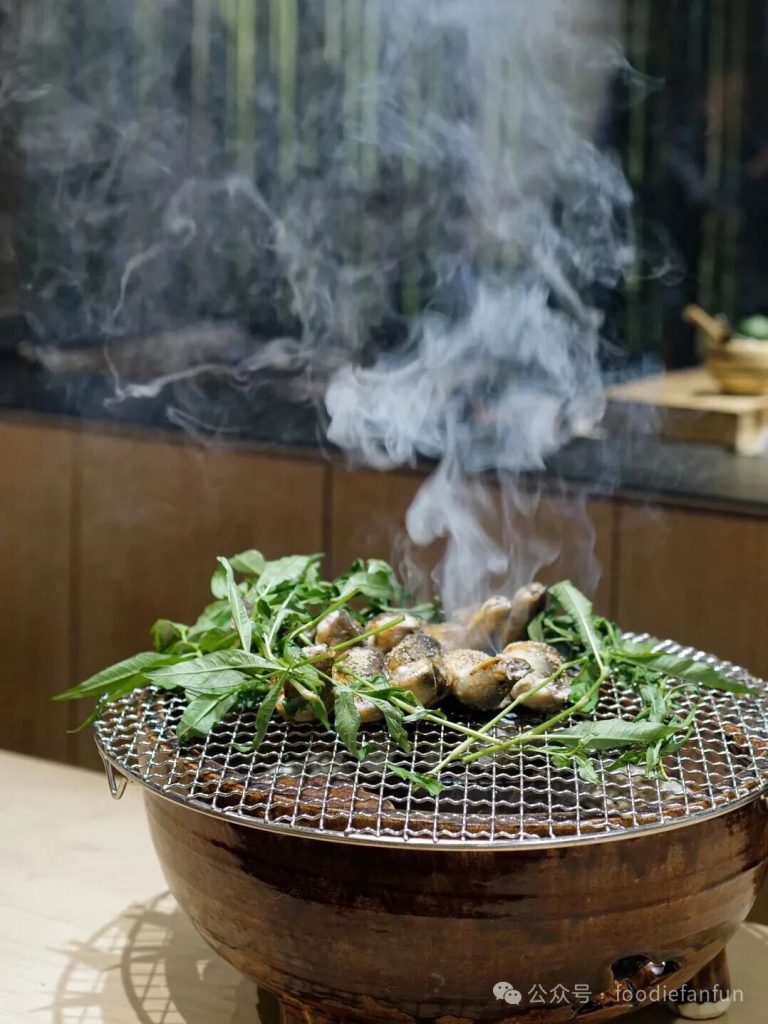
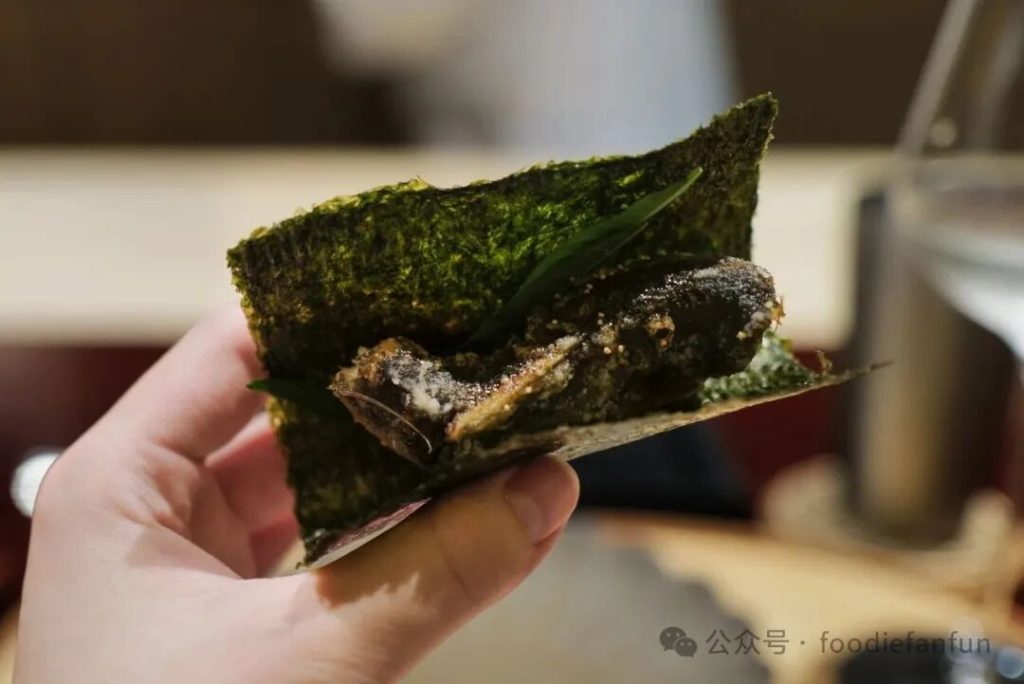
Ayu (sweetfish)
July at the counter, of course, can’t go without ayu.
Only the most concentrated cut from the belly is used — crisp outside, tender inside, fat content just right. First a beautiful sweetness, then a touch of clean bitterness threading through as you chew.
A tiny portion, yet the sense of season is already expressed with total clarity.
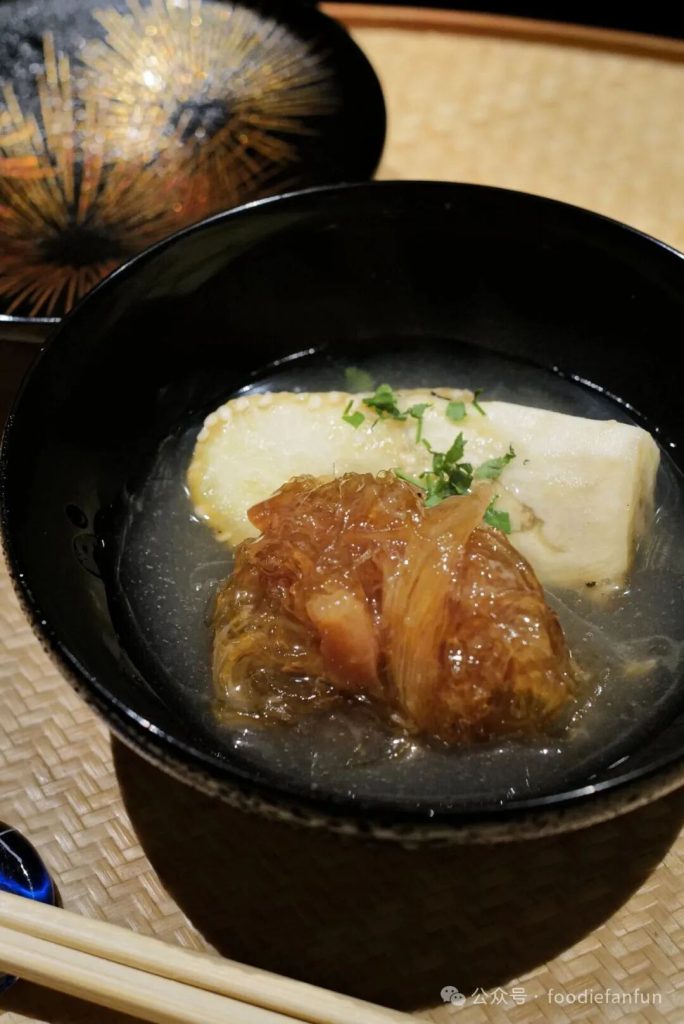
Smoked eggplant with shark fin shinjo
Fried shark fin shinjo has become increasingly common in counter-style cooking in recent years, but Ruyun’s version feels unusually clear and precise.
After frying, the shinjo doesn’t let crispness dominate throughout. The thickened sauce on the surface slowly seeps in, giving a slight starchy softness on entry while still holding onto fine crunch and delicate savoriness — both sweetness and umami land exactly right.
The smoked eggplant alongside is charcoal-grilled until completely soft, keeping only its sweetest, most essential core. Plenty of smokiness, and both aroma and juice come through generously.
This dish, I can only call it exquisite.
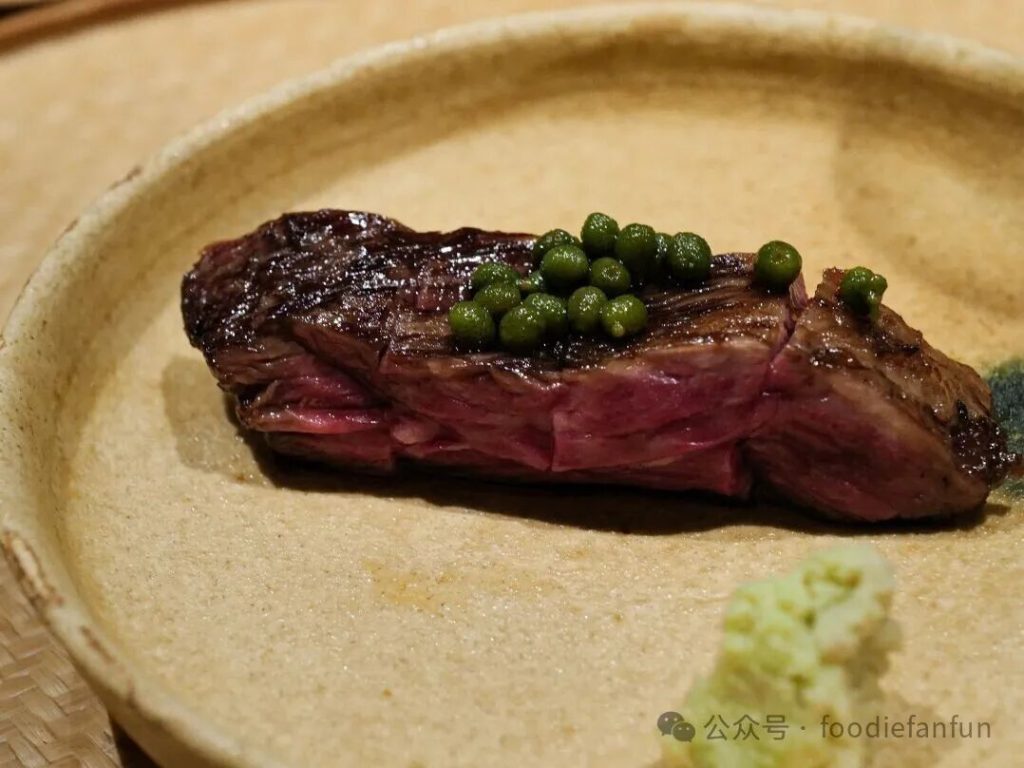
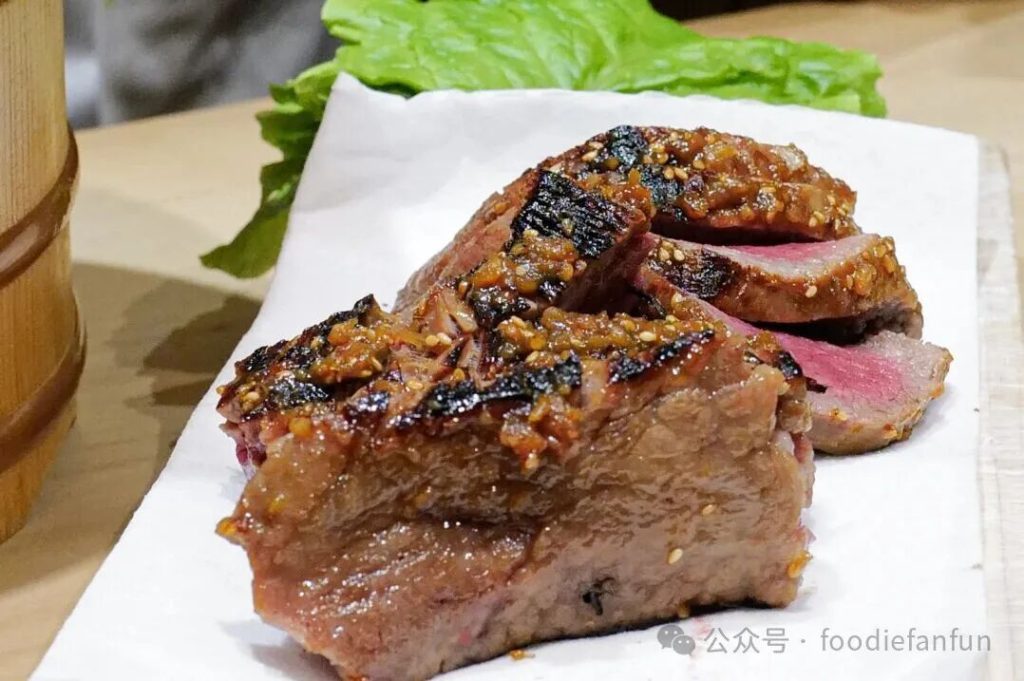
Amazake-cured skirt steak
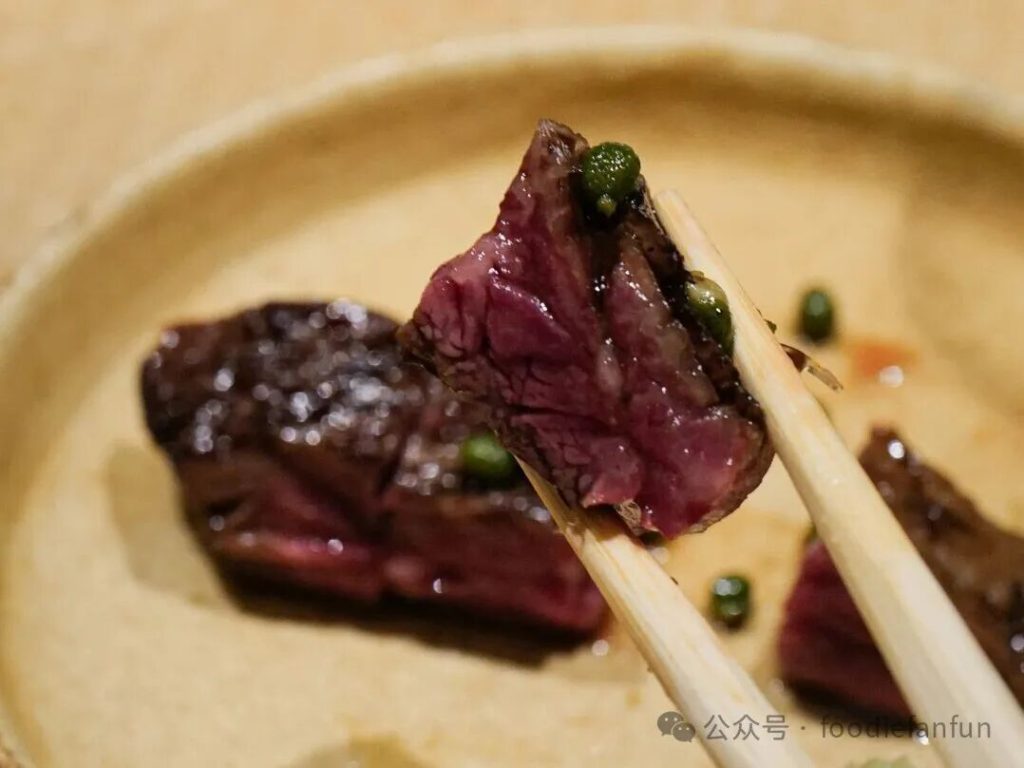
The amazake-cured skirt steak flavor came somewhat beyond expectation.
I expected heavy sweetness, but what actually lingers is the meat’s tenderness, softness, and a very clear, precisely delineated umami. There’s a bit of crisp juiciness within the meat, making each chew feel unusually refined.
The cured sansho pepper on top is also brilliant. I assumed it was purely a palate cleanser, but it ends up echoing the meat’s softness from a distinctly different angle, carrying a faint sweetness. The whole dish sits between softness and light sweetness, yet somehow arrives at a solution beyond what you’d expect.
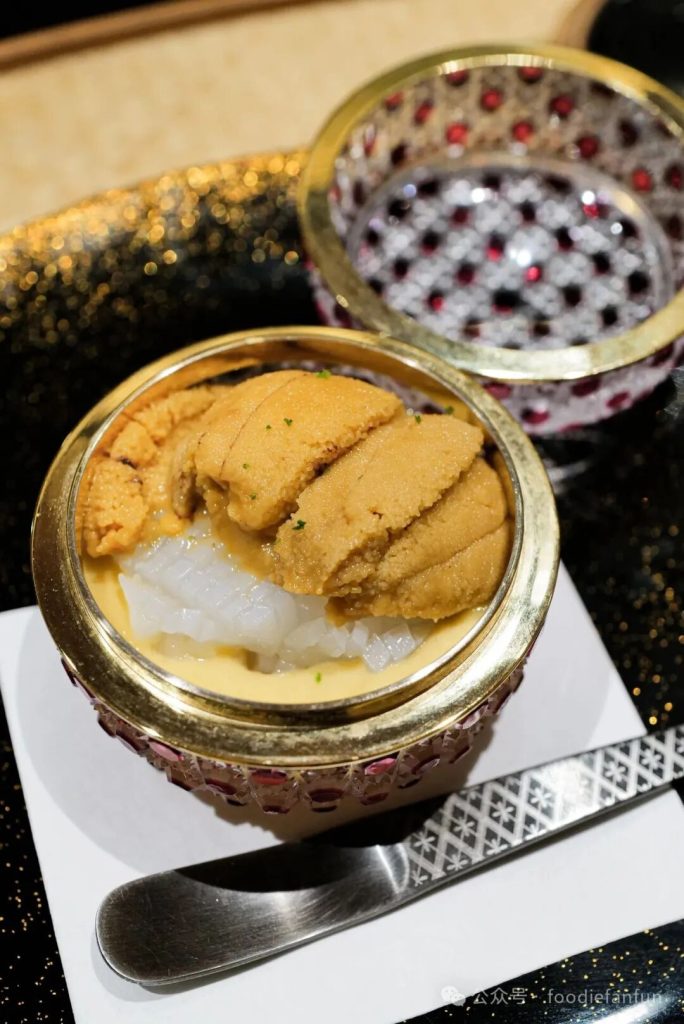
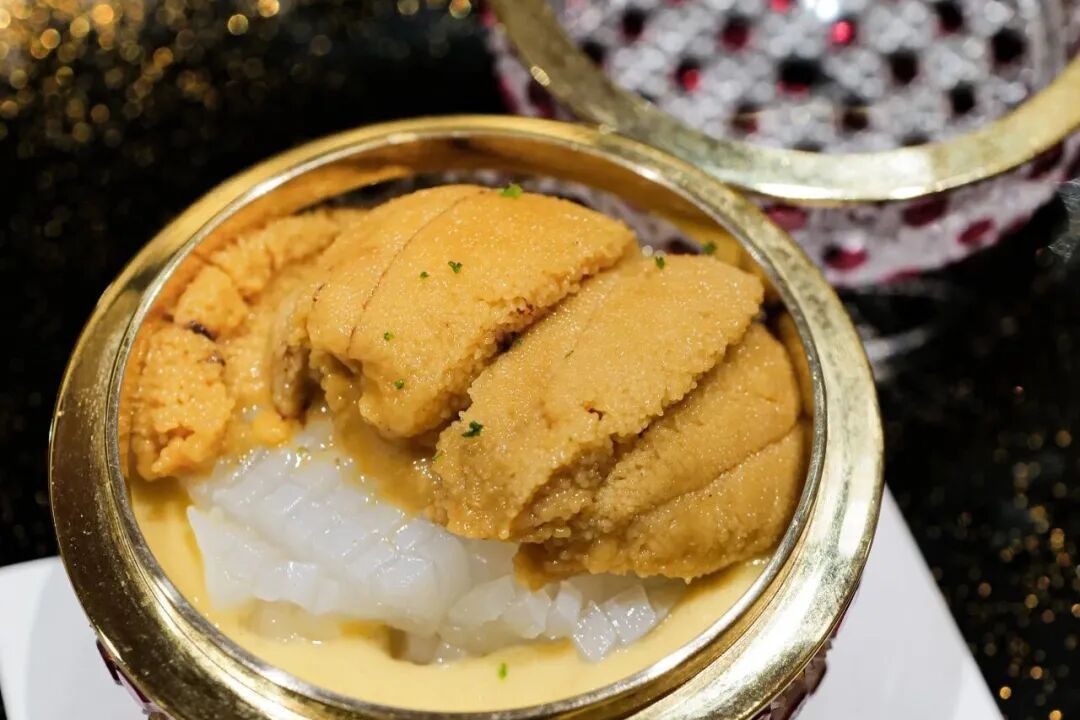
Rebun Island uni, golden cuttlefish, fresh corn purée
What kind of decent restaurant makes you dip uni into corn purée?!
Another completely unexpected combination.
Uni, cuttlefish, and corn — all high-sweetness ingredients this season, yet each with an entirely distinct character. The cuttlefish is firm yet soft, the uni delicate enough to nearly dissolve in the mouth, and the corn purée wraps the seafood in something gentler still.
“Dig all the way to the bottom, get more corn sauce on it.”
Eating it that way, you realize the corn’s aroma here outshines its sweetness. All three ingredients never cover each other up — an unexpectedly perfect match.
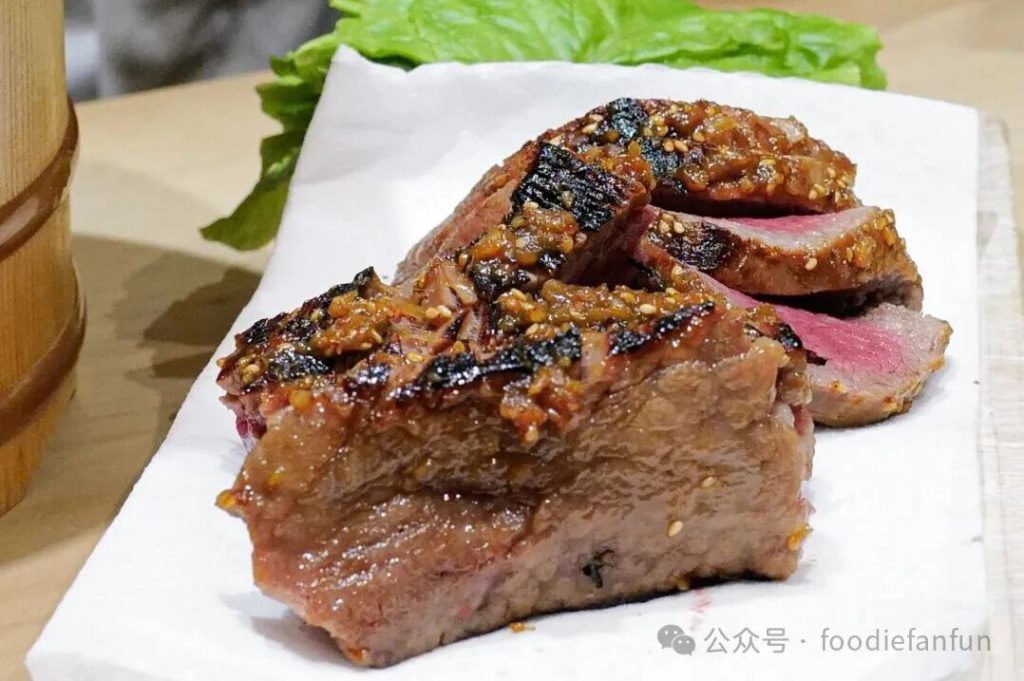
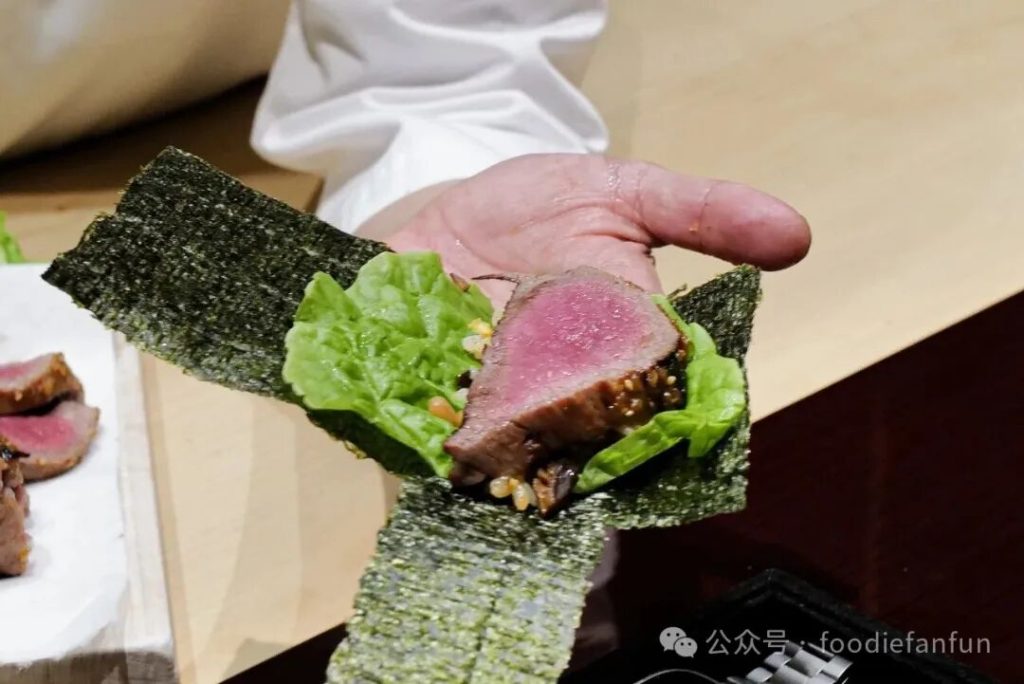
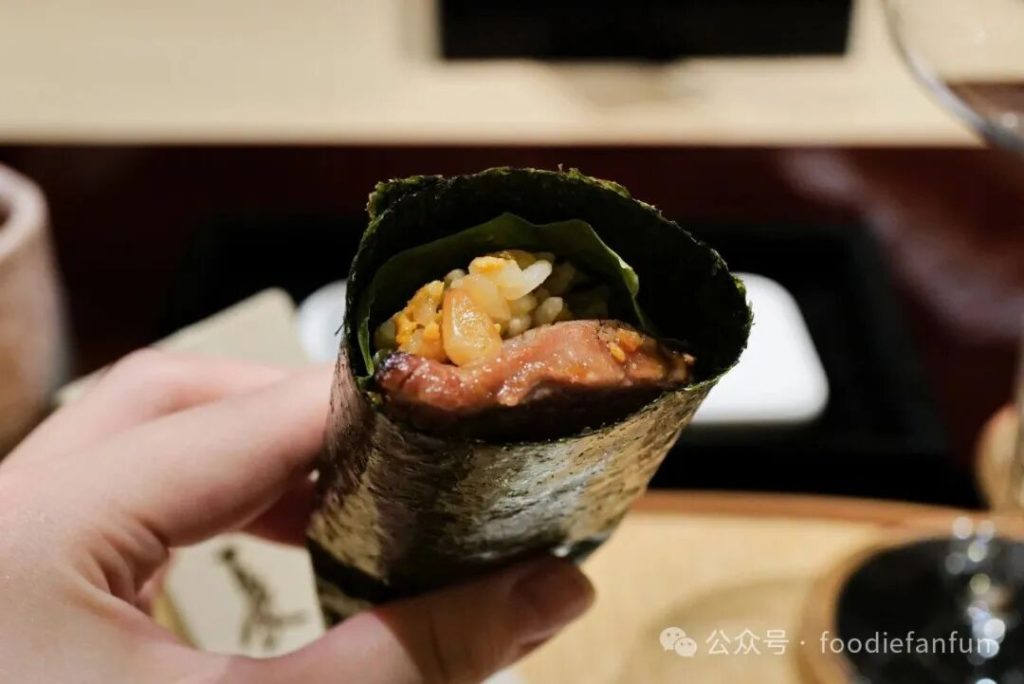
Grilled meat hand roll
Halfway through the meal, out comes an extremely solid, wonderfully over-the-top hand roll.
Aged beef short rib is grilled to keep a bright pink center, sliced into large pieces, carrying a slight sweetness from a wine cure, tender enough that you barely register any gaminess. Inside the rice, different ingredients each contribute their own texture — crisp shiitake, soft pine nuts, egg holding the whole flavor together.
Salt is controlled beautifully, leaving nothing but the pure savor of the meat and its companions.
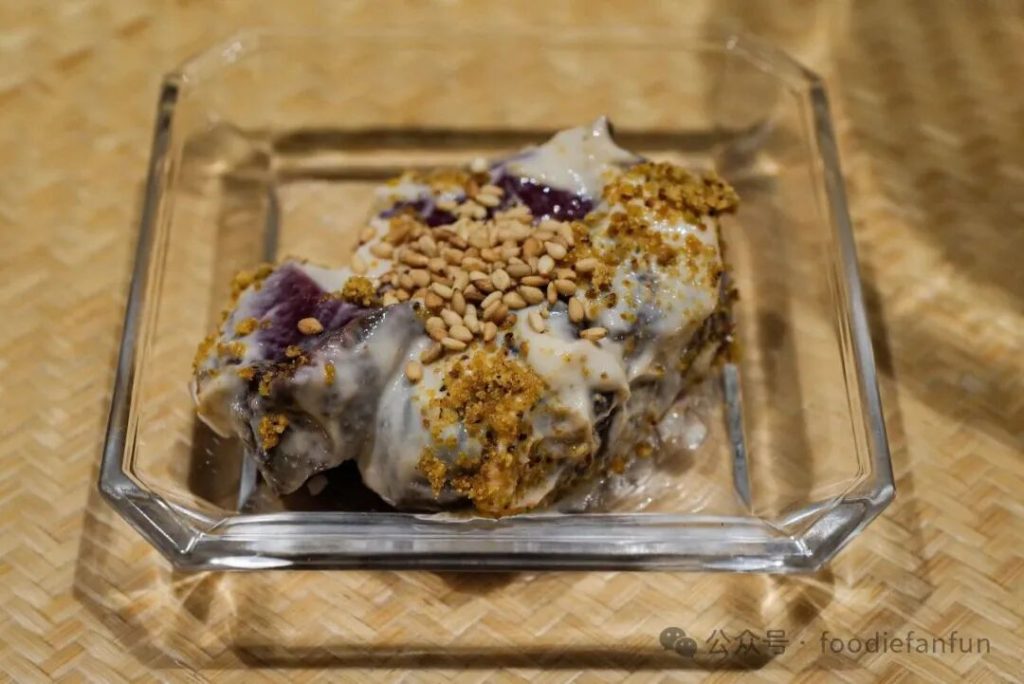
Sudachi-and-vinegar-cured raw liver with shira-ae dressing
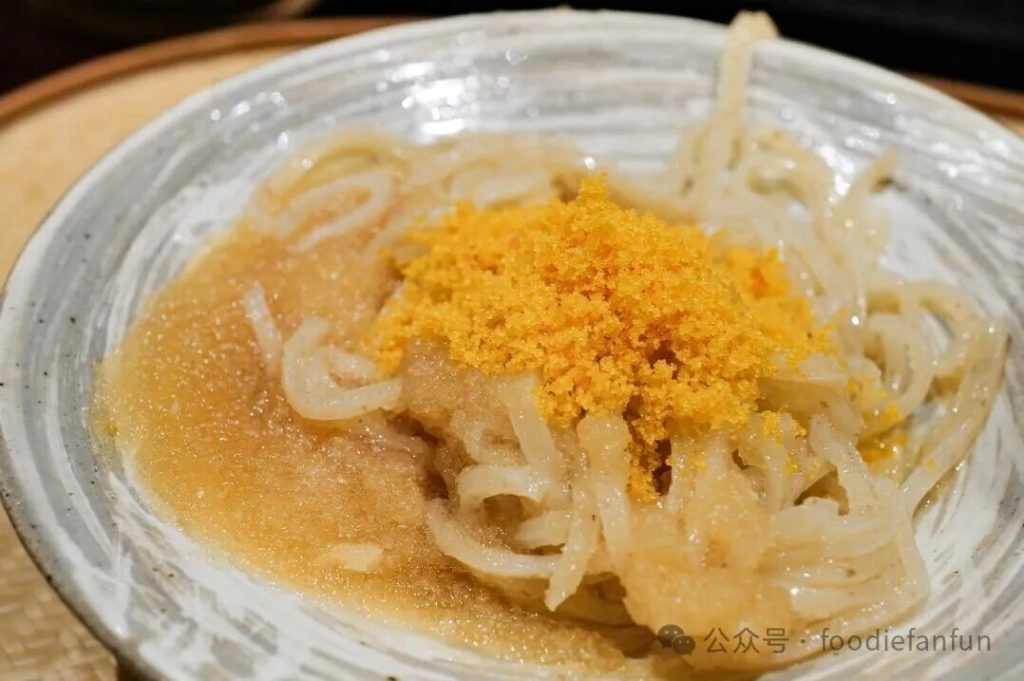
Hand-cut cold udon made from three types of wheat flour, grated daikon, karasumi
After a run of heavy, substantial dishes, raw beef liver — inherently a challenging dish in its own right — somehow ends up feeling almost “refreshing.”
Wrapped in shira-ae dressing and sudachi vinegar, the first thing you notice is softness and tenderness. Only afterward does the liver’s characteristic delicate texture and sweetness slowly unfold, leaving behind a very full umami. There’s a bit of “showing off” great ingredients here, laced with real cleverness.
The starch course opened with a bowl of cold noodles.
House-made udon, noodles firm with clear wheat aroma, topped with a thick layer of grated karasumi mixed with grated daikon — the savoriness is instantly topped up, saltiness beautifully controlled.
There’s a bit of a summer sea breeze feeling to it.
By this point I was already eleven-tenths full, yet still couldn’t help but admire the chef’s genius.
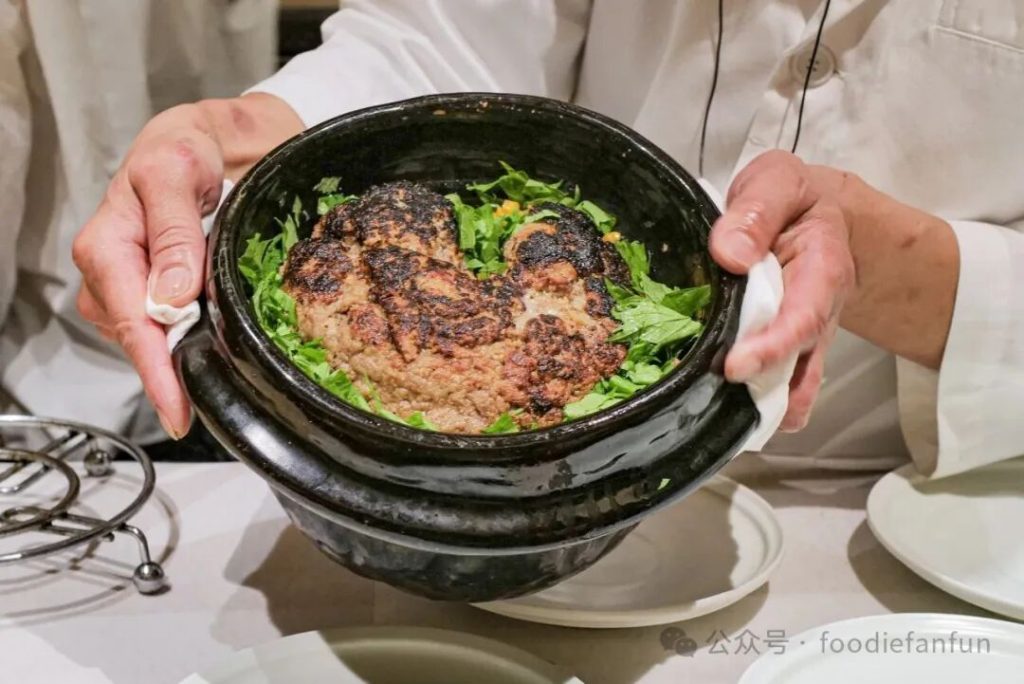
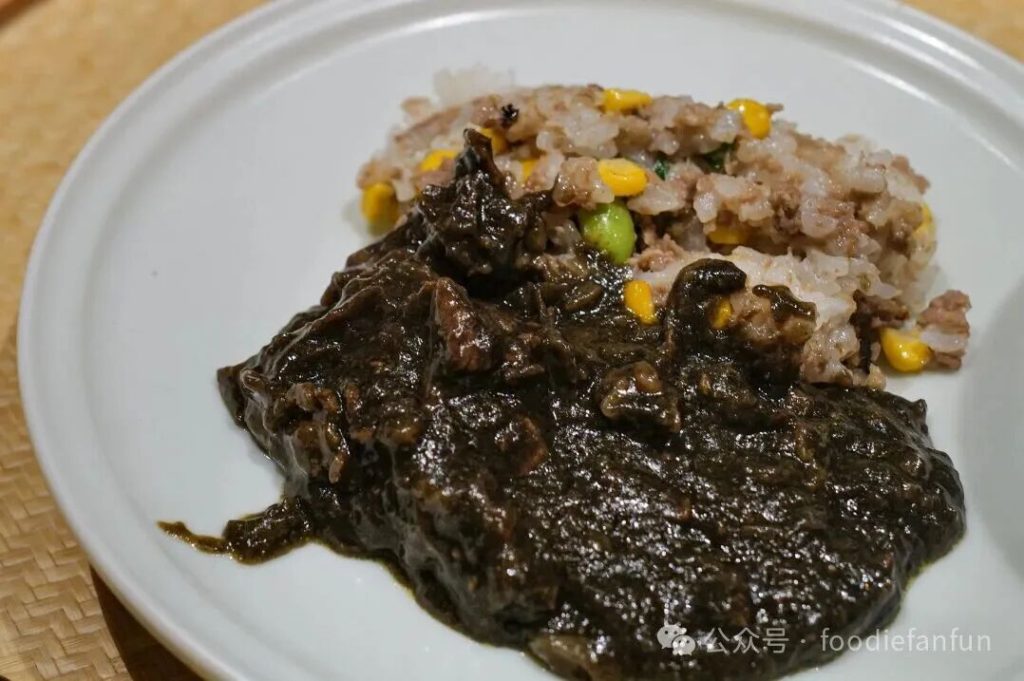
Squid-ink beef hamburger steak curry
The last bowl, beef curry — the shock the moment it hit the table was: there’s still… more…?!
“How big a portion would you like?”
“I’d like a small one.”
“Then just have one kernel of corn — practically no calories.”
“How big is a regular size, exactly?”
“Do you mean the pot, or the bowl?”
Just eat it!!!
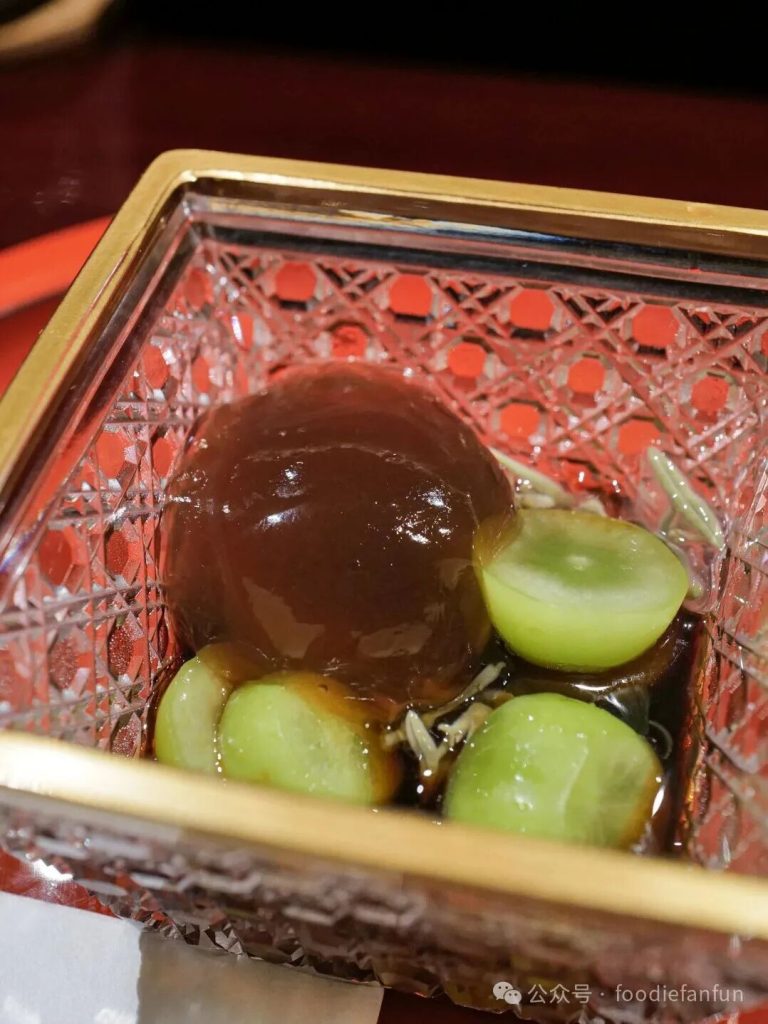
Junsai water shield direct from Daisen, Shine Muscat, brown-sugar-syrup warabi mochi
Ruyun is a very special beef kappo.
Before this, I’d long been afraid to eat meat-focused kappo in Japan — the portions and richness are genuinely intimidating. But Ruyun really does open up a different world.
The cooking has real depth, with a clear sense of restraint, yet the portions are given with total confidence. It’s especially skilled at letting plants work directly into the flavor of the meat: cucumber, shiso, sansho leaf, corn, lotus root, even catching a carb like mochi — each taking on aroma, acidity, or texture, and continuously opening new directions for the beef.
Even though the entire menu revolves around meat throughout, by the end you rarely feel the fatigue of “oh, this is beef again.”
Of course, this menu also carries clear personal preferences. Overall sweetness runs on the higher side, and corn, nori, and sansho leaf appear especially often. If those elements aren’t to your taste, the whole evening will probably remind you of it repeatedly.
A restaurant with a genuinely distinct personal style — the kind that makes you want to return just for that singularity.
Ruyun
Monday – Saturday
18:00 — simultaneous start
Omakase Course ¥33,000++
Leave a Reply