For many people, the first time they ever heard of Sendai was probably in a Chinese textbook — in Lu Xun’s essay “Mr. Fujino.”
“Why not go somewhere else?”
“I’ll go to the medical school in Sendai.”
Contrary to the cold, distant image many hold of it, Sendai turns out to be modern and convenient, with an easy, warm rhythm of its own. About 90 minutes from Tokyo by shinkansen, what greeted us in Sendai was relaxed, delicious food and small restaurants that took their hospitality seriously.
This is home to the best pizzeria in Tōhoku, and the shopping arcades are packed with famous charcoal-grilled beef tongue shops. Izakaya here lean into Chinese-inflected flavors — a fried pork cutlet that tastes uncannily like sweet-and-sour pork. The local sake and cocktail bars are excellent too, along with sushi shops serving fish straight off the Sanriku coast, and an edamame milkshake that looks alarming but tastes genuinely great.
Food-wise, this city is relaxed, approachable, and unmistakably itself.
This piece rounds up the restaurants in Sendai most worth eating at — almost none of them hard to book, and quite a few you can decide on the same day. Hope this shares a bit of the joy of unlocking a new destination.
✦
•
✦
🐮 Umami Tasuke
👨🍳 The most traditional, purest root of Sendai’s beef tongue
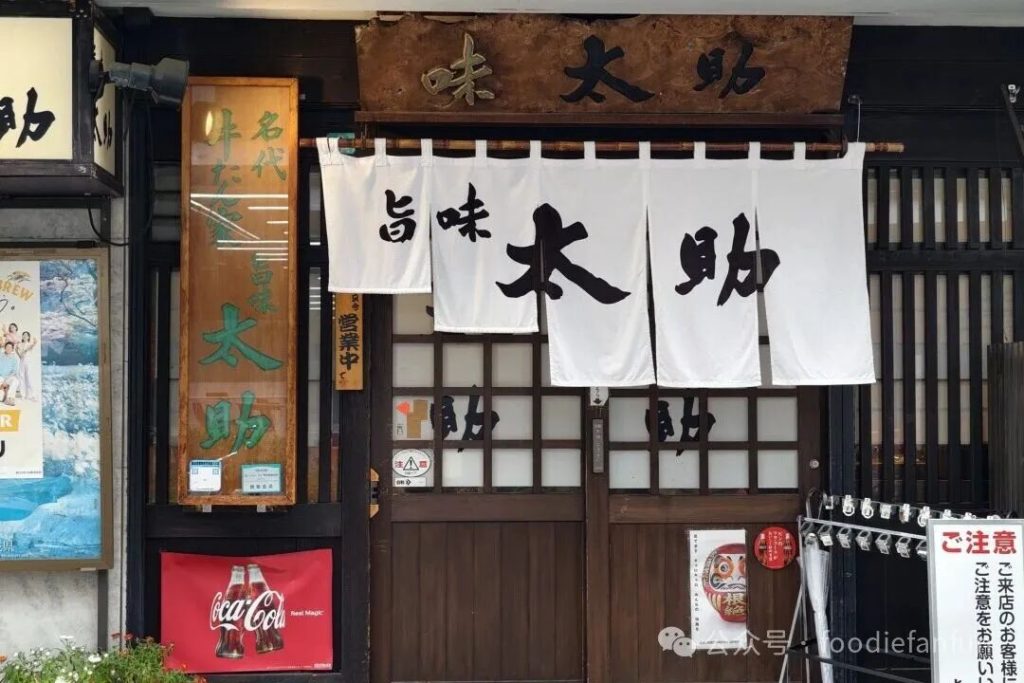
You can’t come to Sendai and not eat beef tongue.
From the most famous chains to the old local shops scattered everywhere, after a few rounds of asking Sendai locals for recommendations, I still ended up at Umami Tasuke.
Strictly speaking, Sendai’s beef tongue tradition traces back to around 1948, when Keishiro Sano, the founding owner of “Tasuke,” turned salt-grilled beef tongue into a dish of its own. Umami Tasuke was opened by his son-in-law Hachiyu Sano, who inherited his craft — making it the shop closest to the original “Tasuke” lineage.
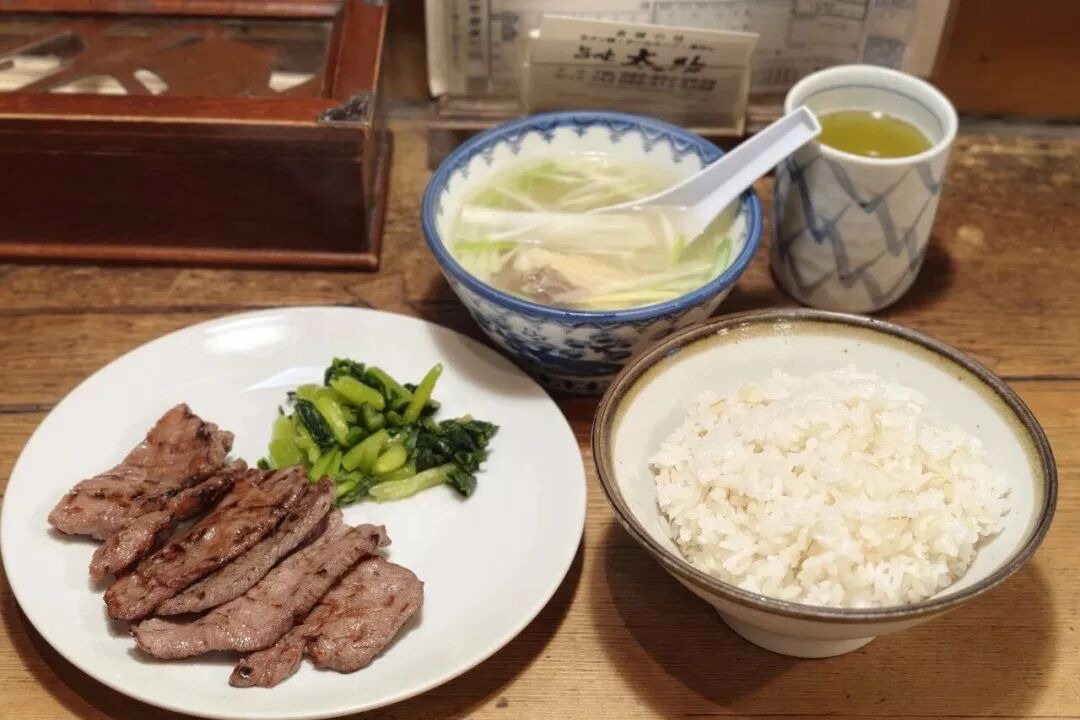
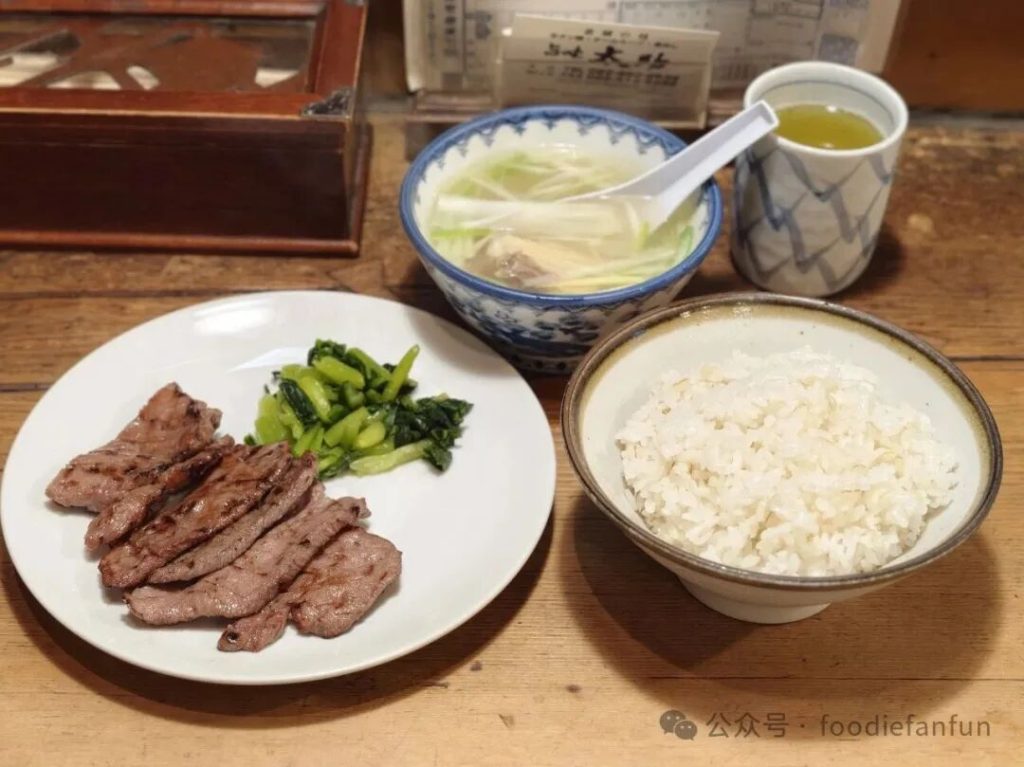
The menu is so simple it’s barely a decision — charcoal-grilled beef tongue, oxtail soup, and eel rice, with the tongue set meal only split by portion size. No cuts to choose from, no aging methods, no sauces — decades on, the focus is still squarely on salt, charcoal, and the tongue itself.
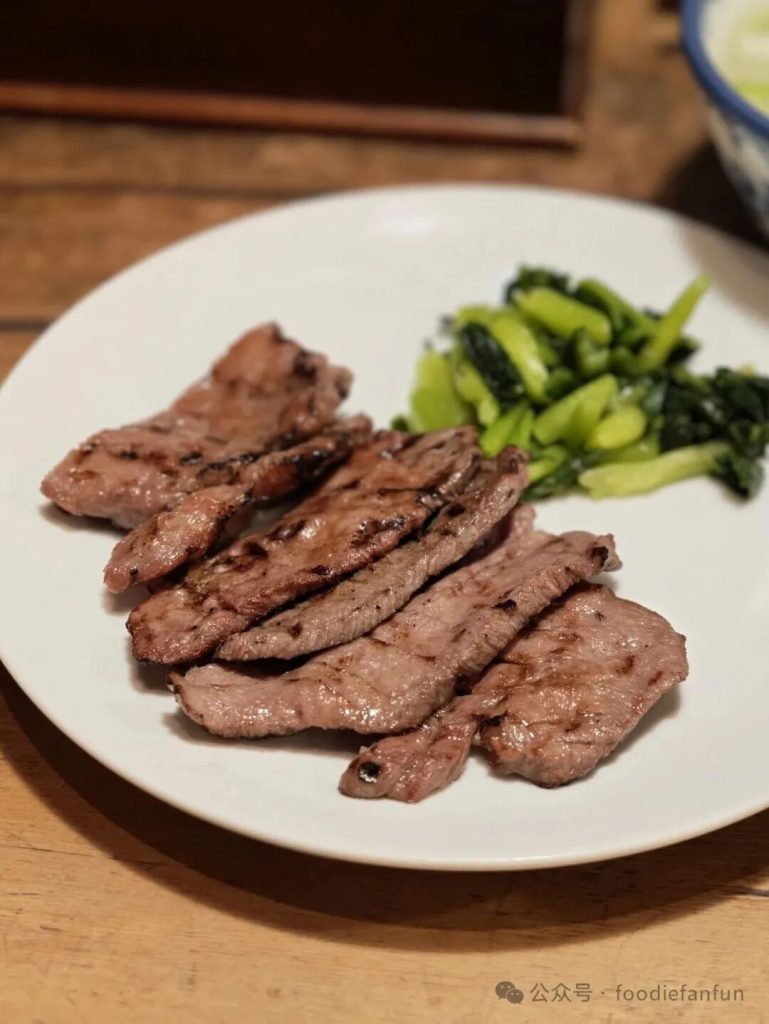
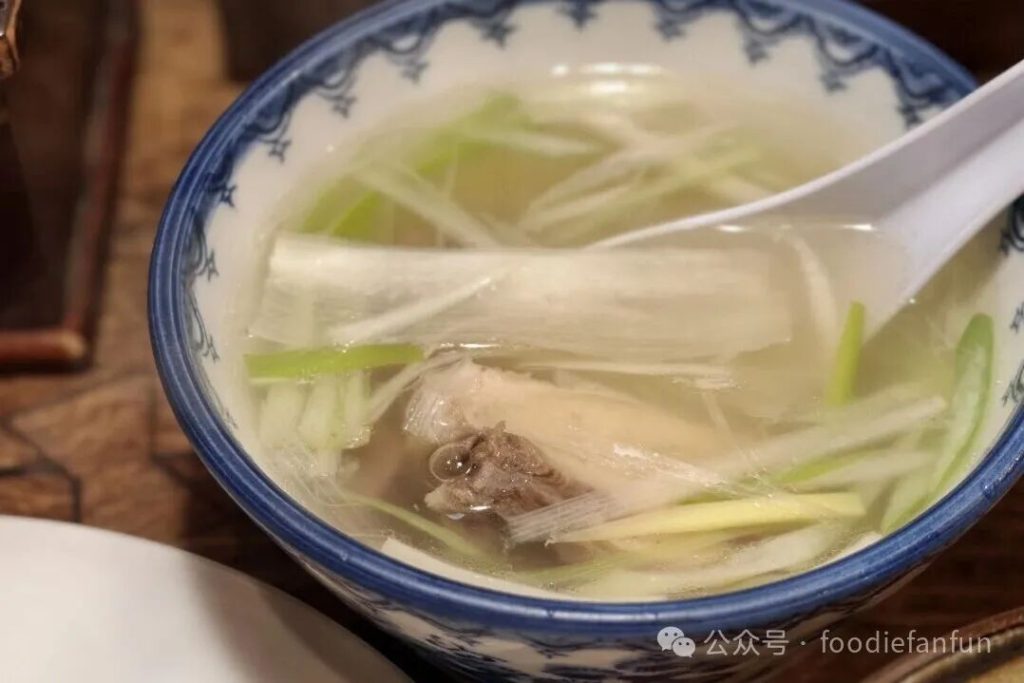
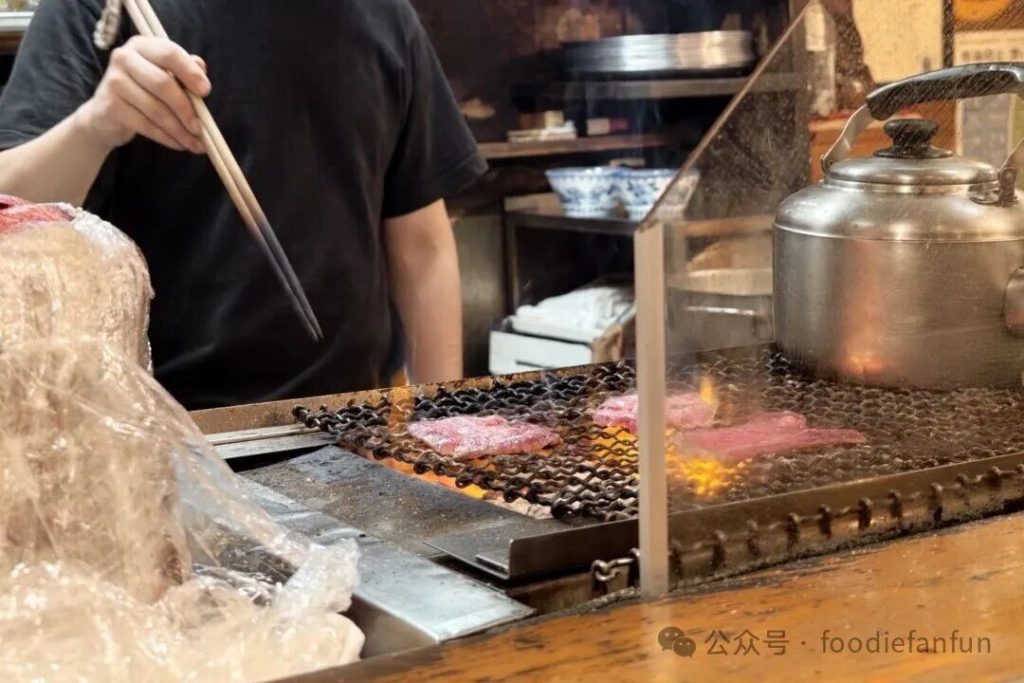
I thought 2pm would count as off-peak, but the place was still full when I walked in. Sat down, ordered, and watched the chef lay the tongue over the charcoal right in front of me — from being seated to the dish landing on the table took maybe three minutes.
The tongue is pure charcoal flavor. The surface carries a direct, smoky char, but bite in and it’s crisp — the meat tight and springy, asking to be chewed properly. The salt is exactly right; the more you chew, the more the juices and umami come through, until your whole mouth is quietly covered in it.
A bite of barley-scented rice alongside, and everything comes together just right between the teeth.
The oxtail soup doesn’t try too hard either — just scallion and a touch of salt in a clear broth. It drinks clean, while the oxtail itself is soft, carrying a quiet comfort.
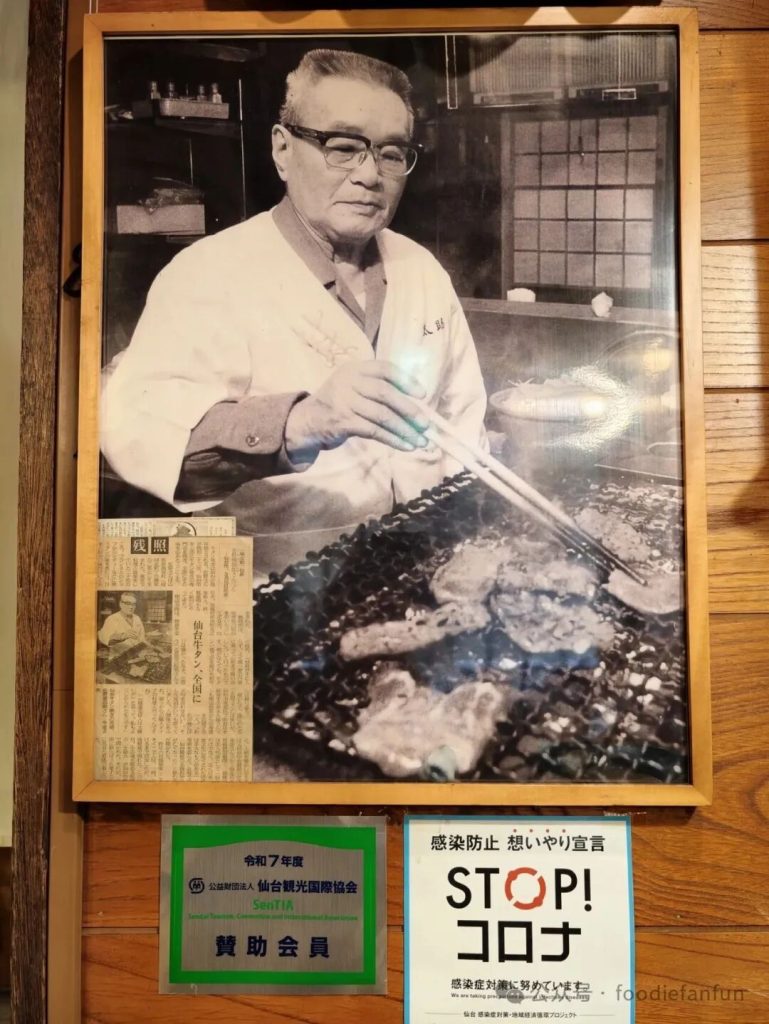
No complicated flavors, nothing engineered to be memorable. Charcoal, salt, meat, barley rice, and a bowl of hot soup — by the end, all that’s left is a very direct kind of satisfaction.
This is exactly what Sendai beef tongue is supposed to be. Pure happiness.
✦
•
✦
🍣 Sushi Toku
👨🍳 A purely delicious “Sendai-mae” sushi restaurant
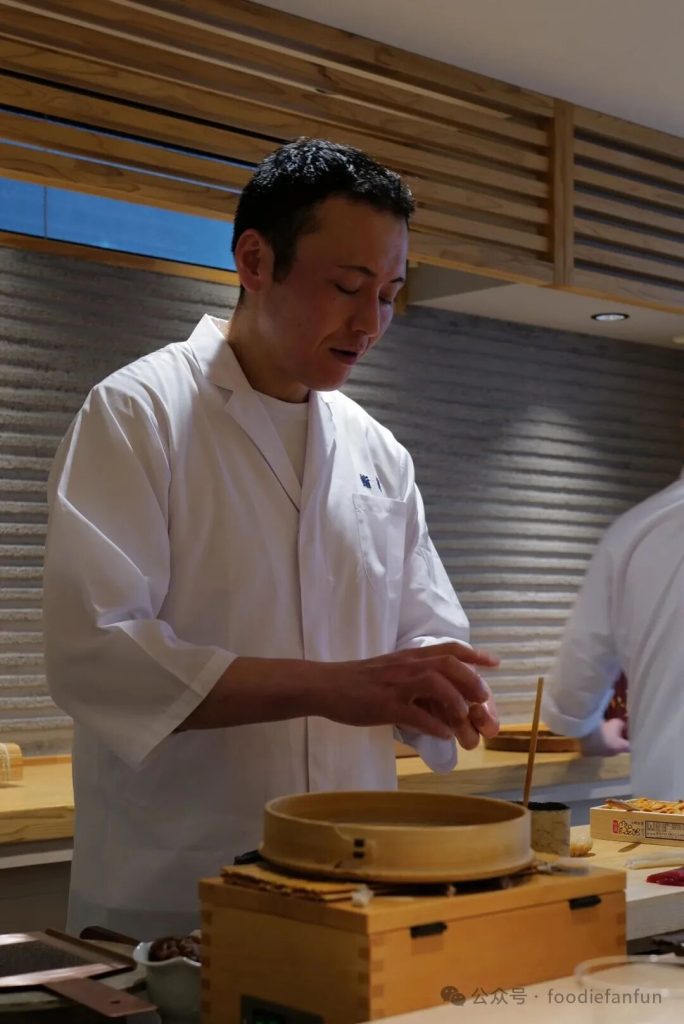
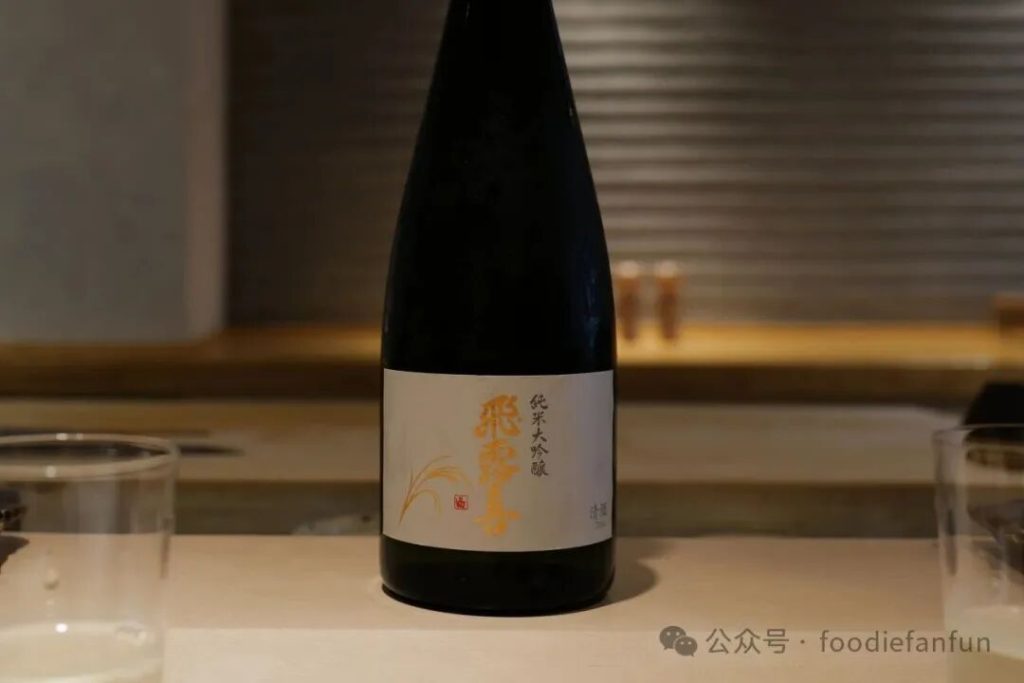
This is currently one of the top-ranked, most talked-about sushi restaurants in Sendai. Head chef Tokutaro Iwanuma trained for over a decade at Ginza’s “Sushi Taichi” and “Sushi Take,” before returning to his hometown of Sendai to open Sushi Toku in 2022. His cooking follows an orthodox Edomae line, built around fish from Miyagi and Sanriku, while also drawing on connections built during his Tokyo years to source the best seasonal ingredients from across the country.
This place is genuinely comfortable, and it hit my taste in ways I didn’t expect.
Starting with the sakana, there’s almost no unnecessary flourish. Traditional salt, vinegar, soy sauce, simmering and grilling are already enough — most of the small dishes rely on sashimi and the fish itself, yet nothing feels monotonous.
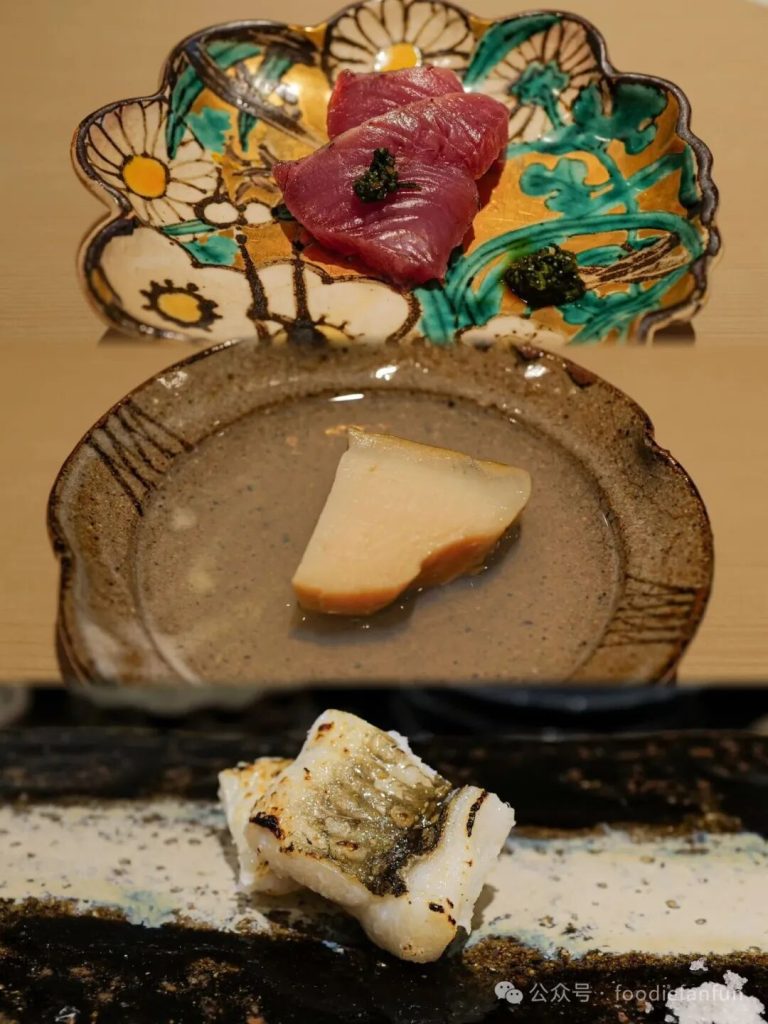
The marbled flounder had a lovely stickiness, its white-fish aroma carrying a faint green, herbal note. The botan shrimp was sweet, unmistakably so. The bonito came with dried shallot, ginger and soy sauce, its blood line clean and striking, the sauce layering on a rich, spicy depth. The simmered abalone, in season, arrived smelling wonderful — fresh and crisp on first bite, softening slowly as you chewed, its umami unfolding little by little.
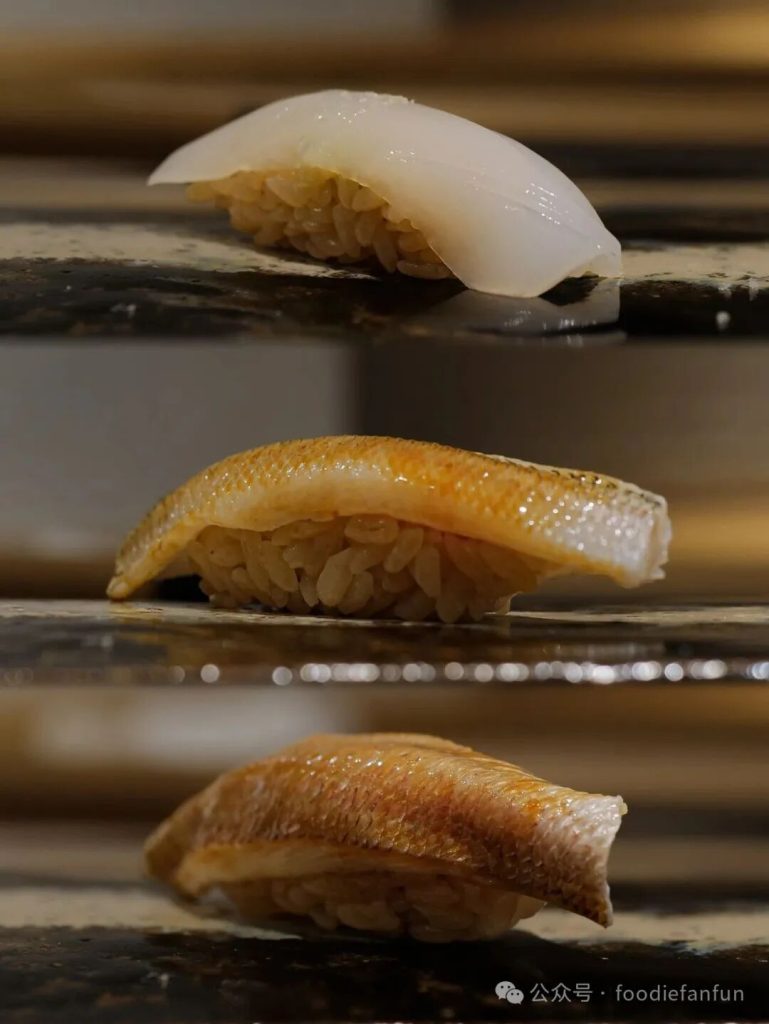
For the sushi itself, both the fish and the shari felt clean, almost translucent. The rice, made with red vinegar, had a clear acidity, the grains still loose, melting quickly into the fish once in the mouth.
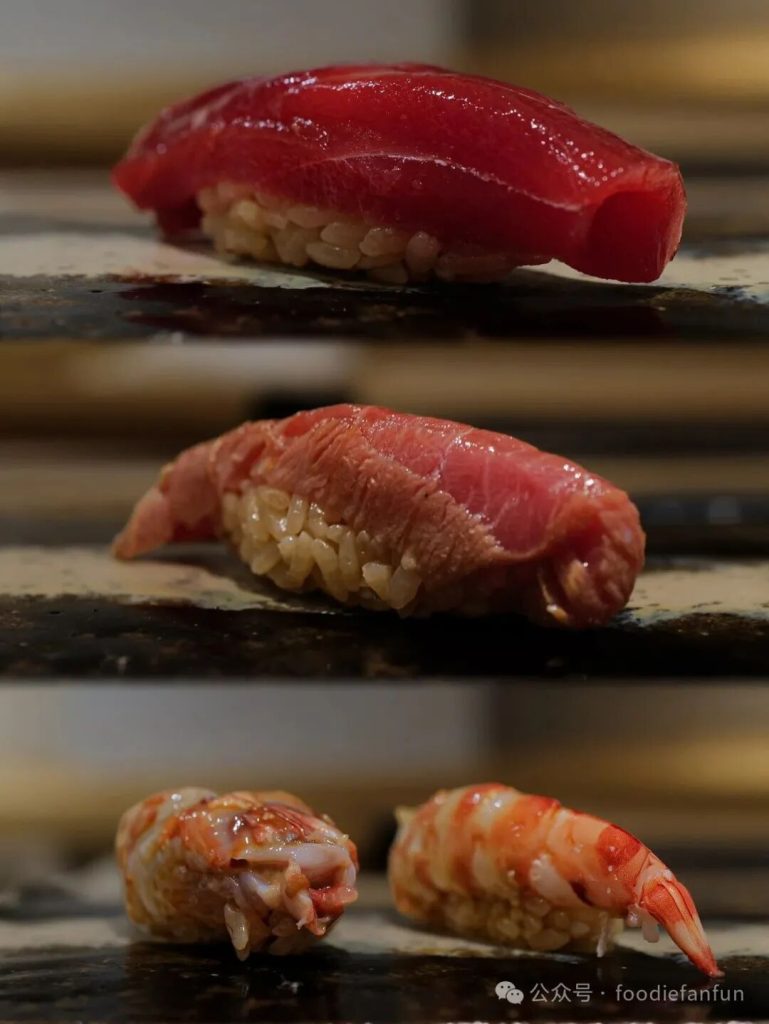
The cuttlefish’s sweetness balanced especially well against the rice’s acidity — I loved it from the first bite. The sillago carried the same feeling, the fish’s sweetness and the rice’s tartness both distinct. Even tuna, usually a weak point in summer, had its own character here — the akami soft with a noticeable stickiness. The chutoro’s fat, fish flavor and acidity all stopped exactly where they should, with nothing overpowering the rest.
The kuruma prawn was left medium-rare, very sweet, while the uni was pared down to just nori, rice and sea urchin — three flavors stacked cleanly, in exactly the right balance.
I don’t normally like anago, but the last two pieces that day left an unexpectedly deep impression. The salted anago was soft and delicate — summer fish, not fatty, just a gentle warmth of fat. The soy-glazed piece had a stronger umami, its sauce carrying a clear fermented aroma that stretched the anago’s aftertaste out long.
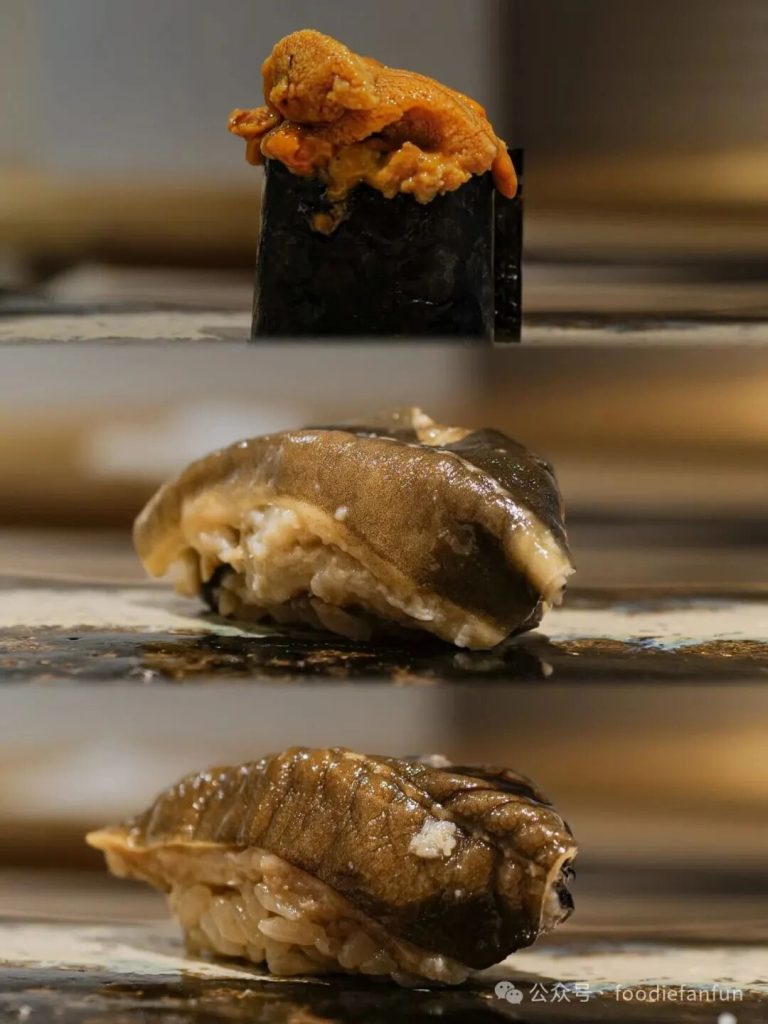
One small detail stuck with me — even the junior chef in the back, when pouring drinks, naturally gave the cup a quick sniff first. A tiny gesture, but it says a lot about how high this restaurant sets its bar.
Nothing about the meal tried to show off — the fish, the rice, the drinks, the service, all held to the same clean, careful standard. This is a genuinely comfortable sushi restaurant: pure, meticulous, delicious. (And — easy to book, and reasonably priced!)
✦
•
✦
🍕 IL PIZZAIOLO
👨🍳 One of Japan’s top five pizzerias
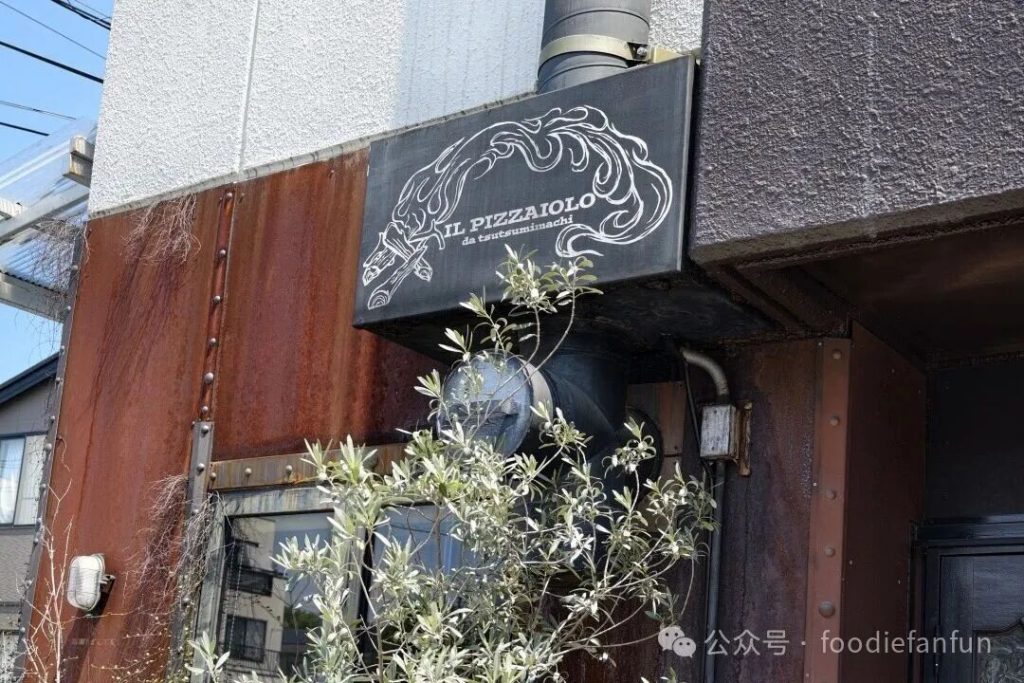
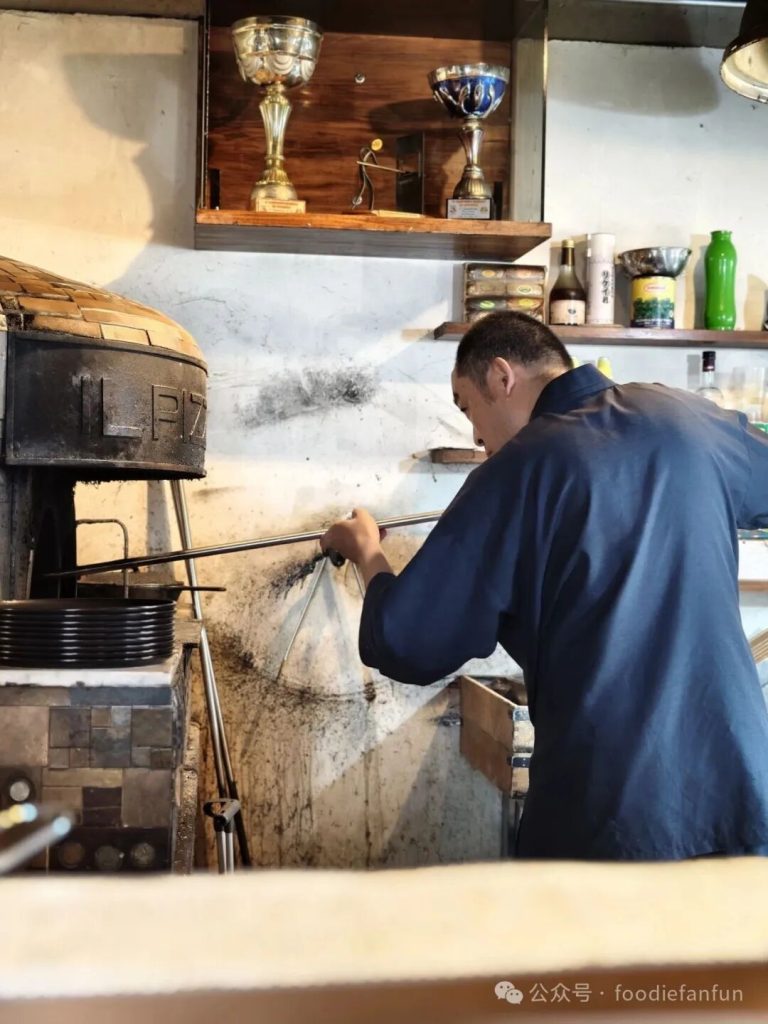
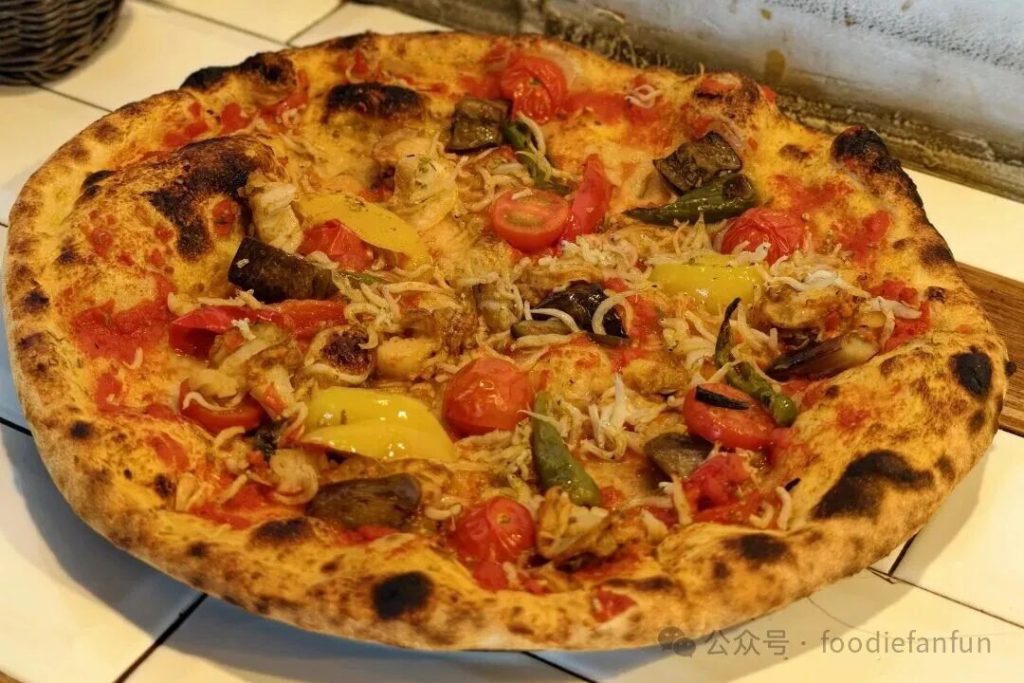
IL PIZZAIOLO — the pizzeria even Japan’s billionaires rave about.
This was actually the original reason we came to Sendai — currently ranked top five in Japan and the highest-ranked pizzeria in Tōhoku. Owner Takehiko Chiba trained in Naples and placed third in the world (first among foreign entrants) at the Caputo Cup. A small place averaging around ¥3,000 a head, it’s made it onto Tabelog’s Top 100 Pizza list and won 🥉 The Tabelog Award Bronze.
A high-hydration dough goes through a long fermentation before hitting a wood-fired oven at around 400°C. Every few seconds, every turn, changes how moist, soft or crisp the final crust turns out. The chef watches six pizzas in the oven at once, moving fast but never rushed — the whole process as quiet as a silent play.
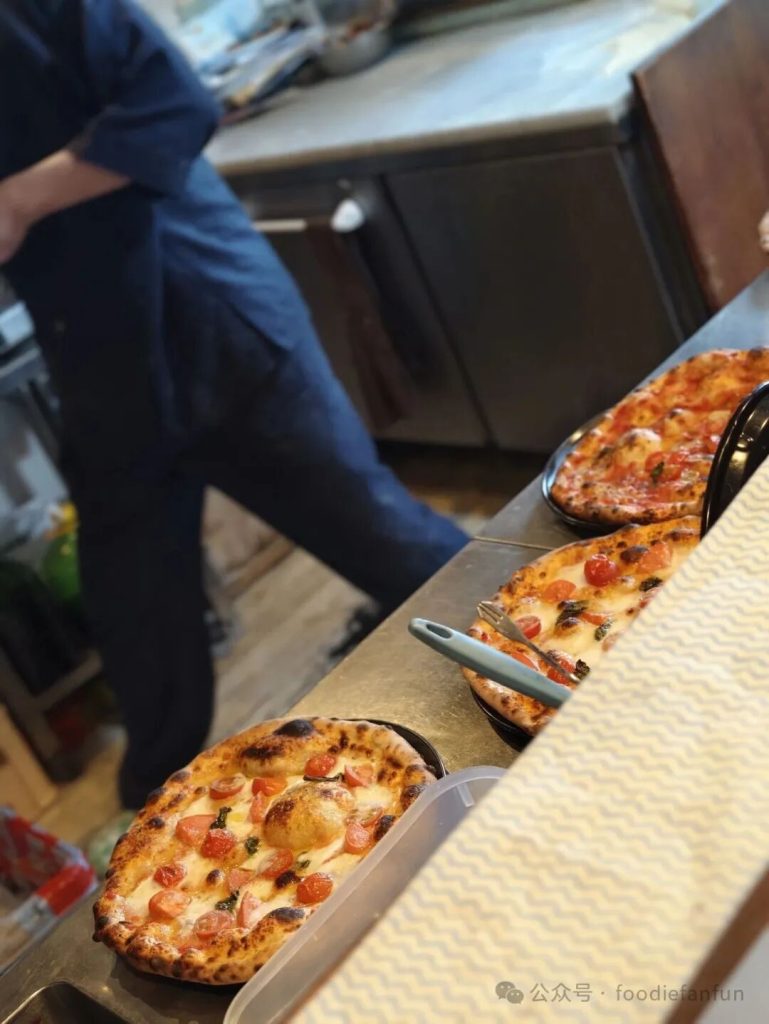
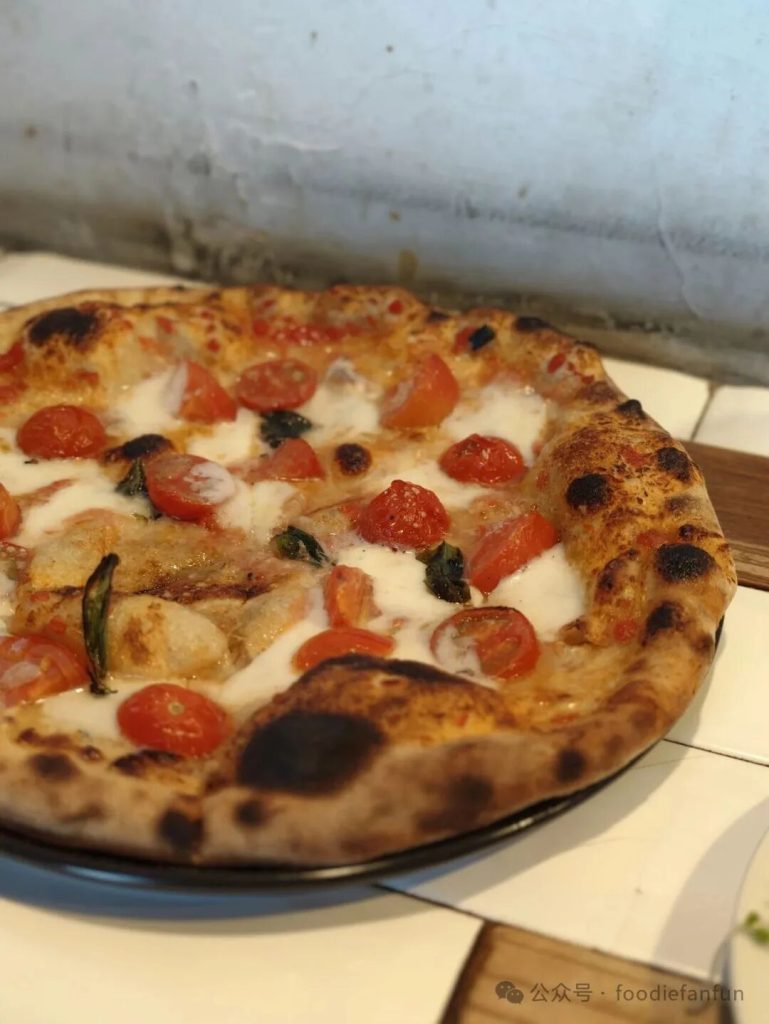
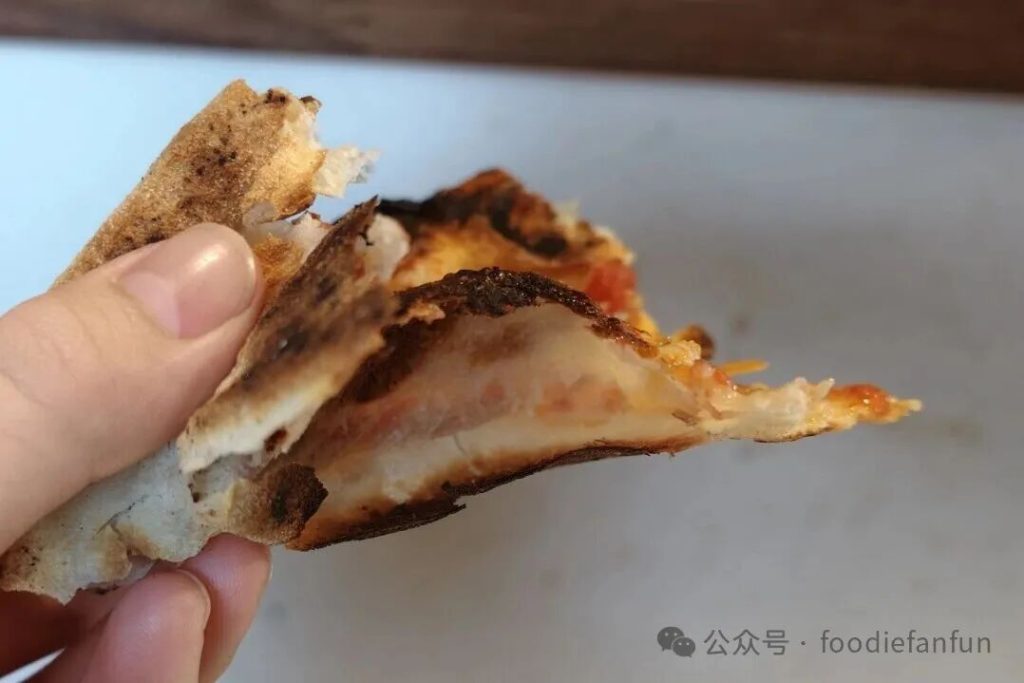
The Margherita is classic, and unapologetically straightforward.
Tomato juices spread across the surface, bright and sharp; the cheese gently ties tomato, herbs and crust together. The base is thin, the crust giving a light crackle on the bite, its fermented wheat aroma, savoriness and faint minerality all concentrated at the edge. It looks like the simplest pizza, yet it had me hooked from the first bite to the last.
The seasonal summer vegetable, scallop and whitebait pizza was a completely different animal. The crust drier and crisper, bell pepper, eggplant and rosemary roasted by the wood fire into a deep vegetable aroma, while the scallop and whitebait — laid on thin — left a sea flavor that lingered far longer than expected.
The same oven, giving completely different answers depending on the pizza.
Aroma, moisture, softness and crispness — all held in exactly the right combination. From the first bite, I understood why people make a special trip to Sendai for this, and by the end, it had quietly carved out its own memory in my mind.

Next time, I’d still make the extra stop just for this.
✦
•
✦
🏮 Izakaya Igokochi
👨🍳 An izakaya in Sendai that turns out to serve Chinese food?
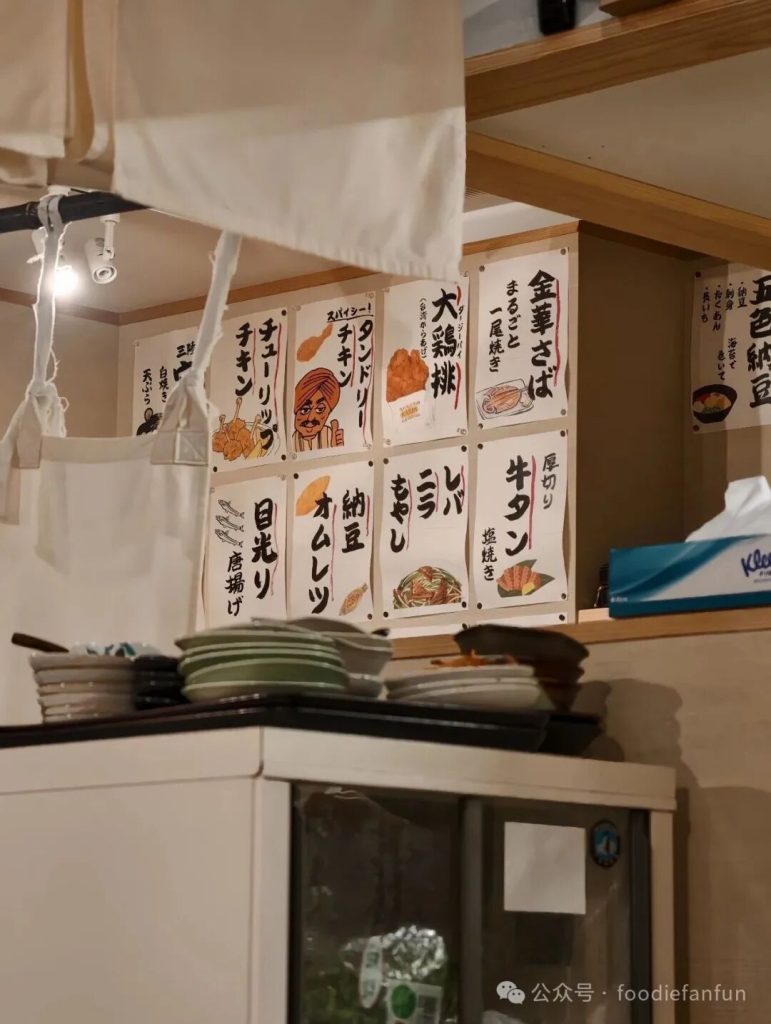
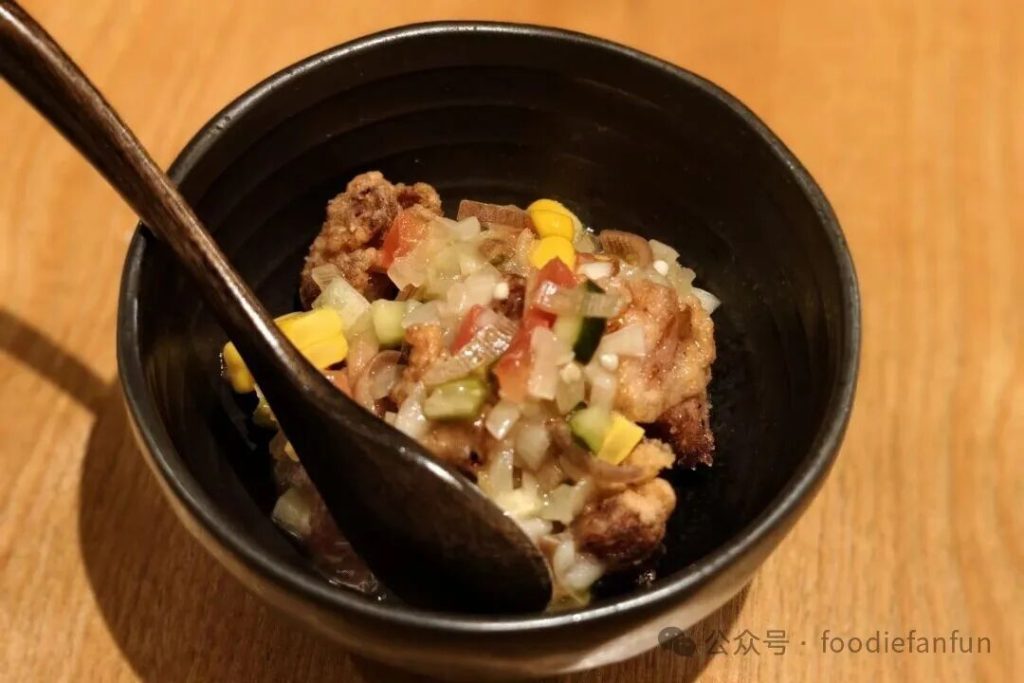
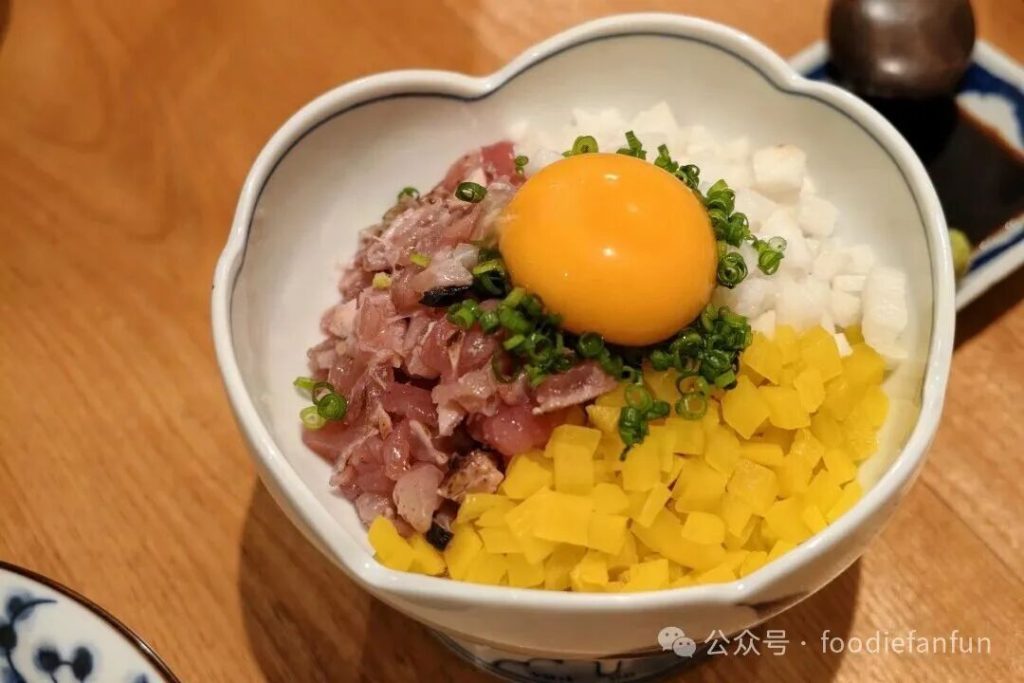
This Sendai izakaya, surprisingly, feels full of Chinese cooking.
A friend pointed us toward this small place — not far from the main strip, but with an unusually relaxed feel. It describes itself as “just an ordinary izakaya with sake and ordinary food” (peak Japanese understatement).
It sounds like it has zero ambition, which is exactly what’s so charming about it — walk in, look at the menu, and every dish feels like an old friend. Not bound by traditional washoku, alongside the sashimi and sake there’s plenty of Chinese-style seasoning and familiar home cooking mixed in.
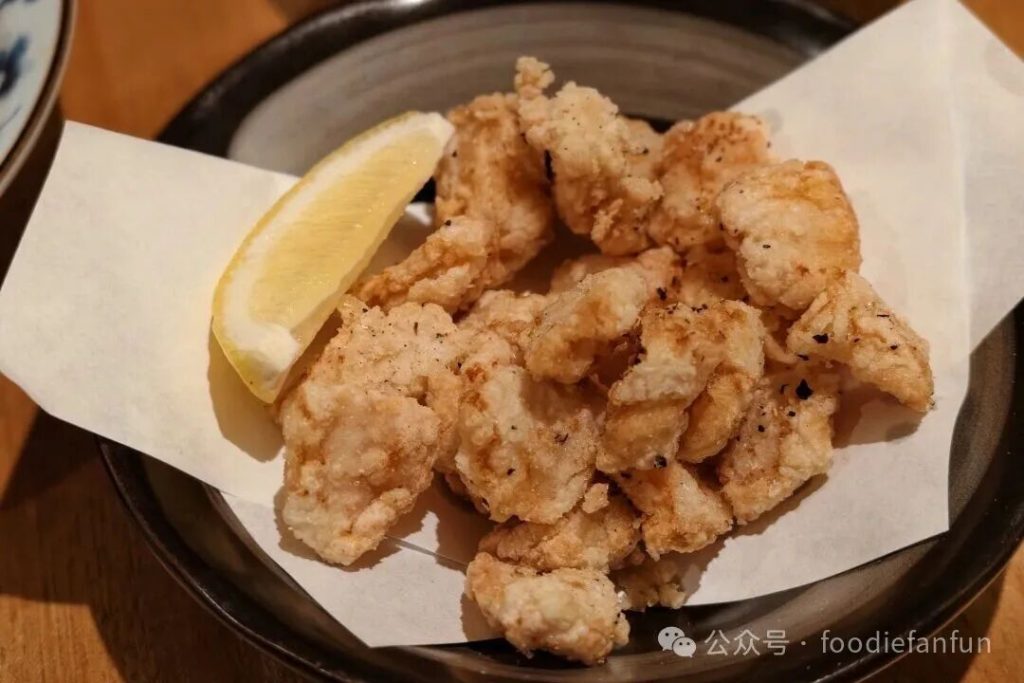
The complimentary starter snack was a pleasant surprise. Fried pork cutlet, cut into strips — crisp shell, the meat’s own sweetness kept inside. It’s exactly the flavor of fried pork loin fresh out of the wok at a Chinese restaurant.
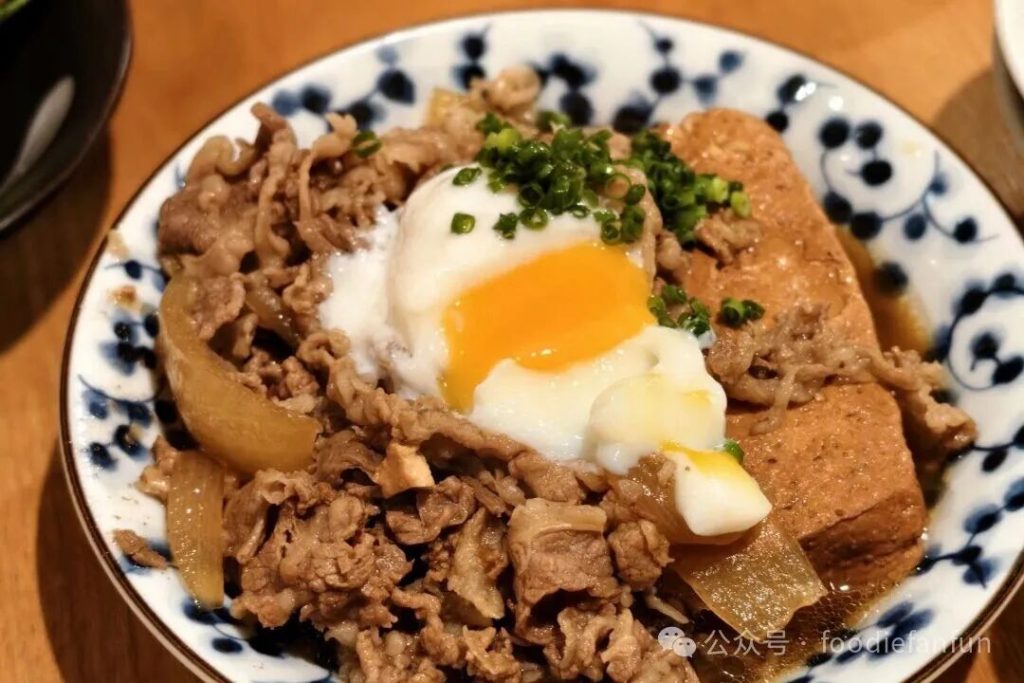
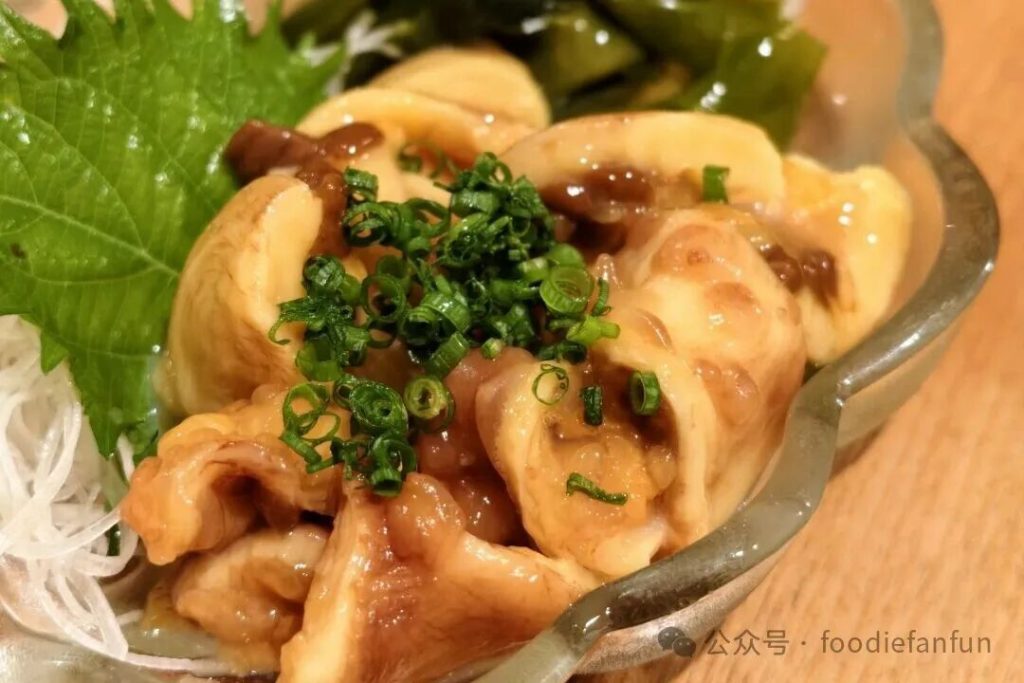
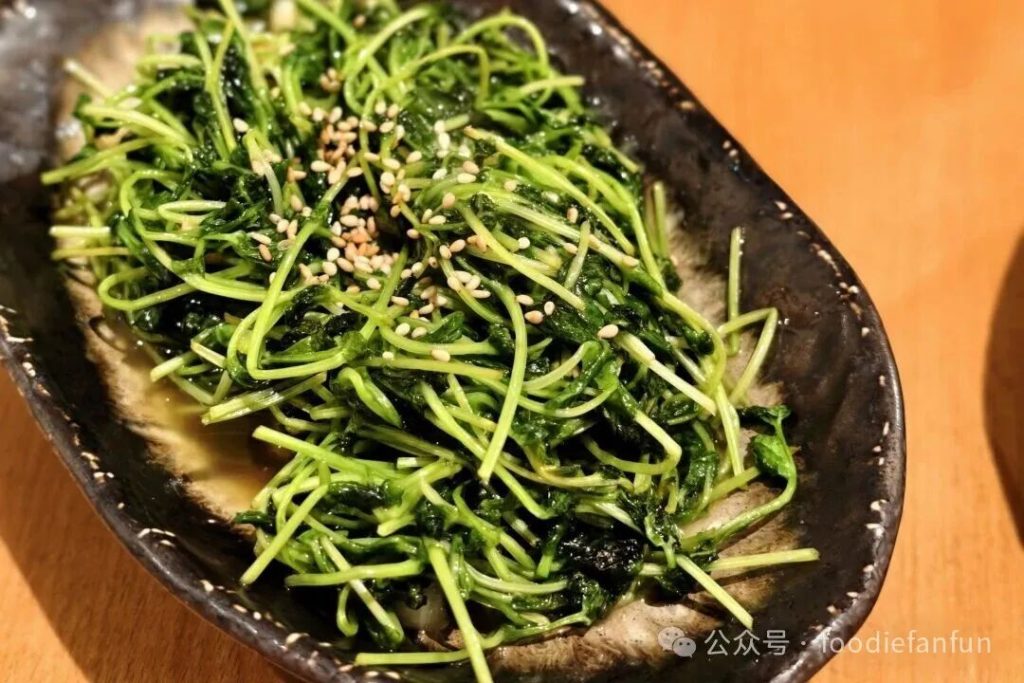
The silky egg with beef and tofu commits fully to “soft.” Egg, beef and tofu piled together, steaming — soft, tender, saucy — exactly the kind of dish you want landing on the table halfway through a night of drinking, there purely to warm the stomach.
Nothing here needs much explaining, but every Sendai specialty is on the menu, folded in lightly with familiar touches of Chinese cooking. Drink prices are lovely too, and there’s a limited Aramasa sake series you can order by the bottle.
A hidden-gem izakaya — good food, comfortable, the kind of place that makes you want to linger a little longer.
P.S. Don’t order the beef tongue or the stir-fried seasonal vegetables!
✦
•
✦
🍻 Taishu Sakaba BEETLE Sendai
👨🍳 The noise and charm of a genuine “Japanese izakaya.”
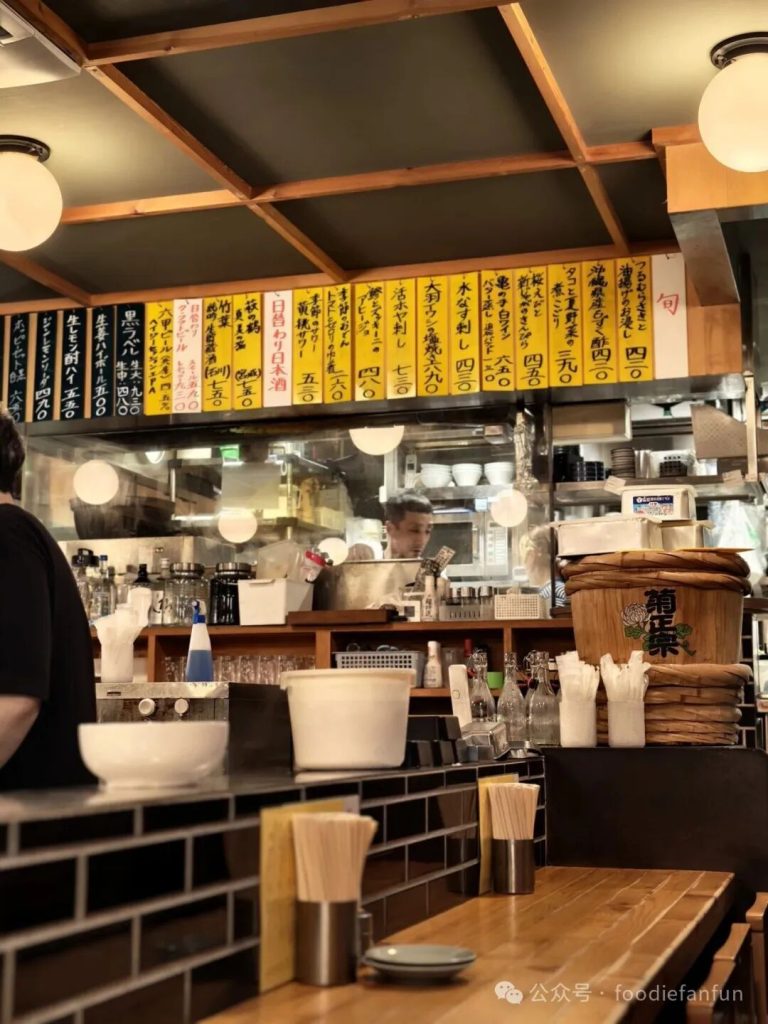
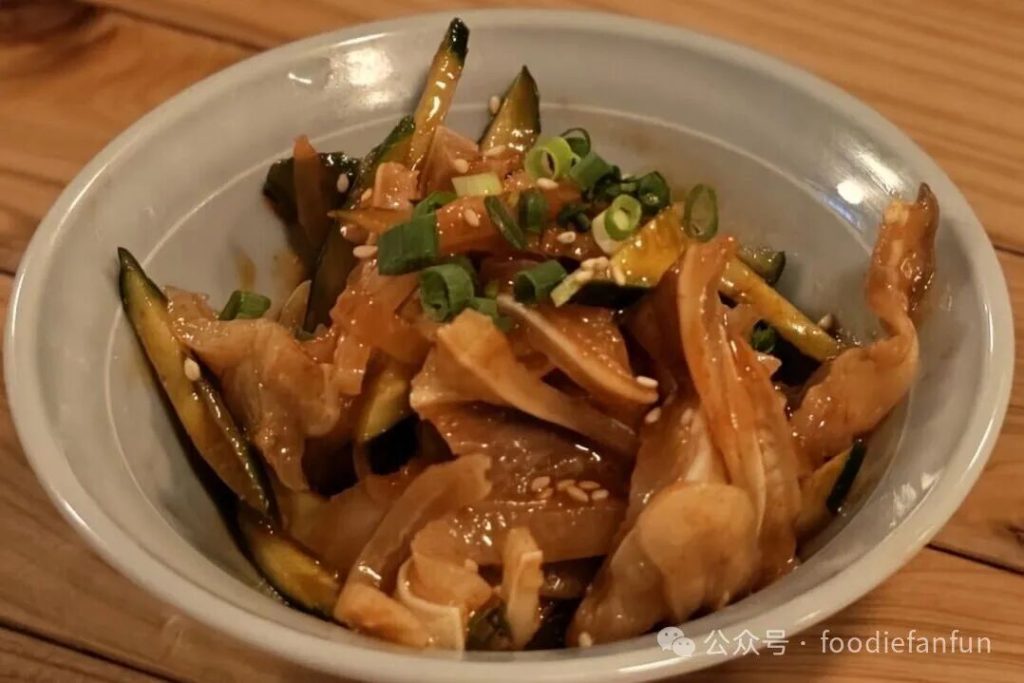
Late at night, when you want somewhere you don’t have to think too hard about, somewhere to keep drinking and talking — BEETLE is exactly that.
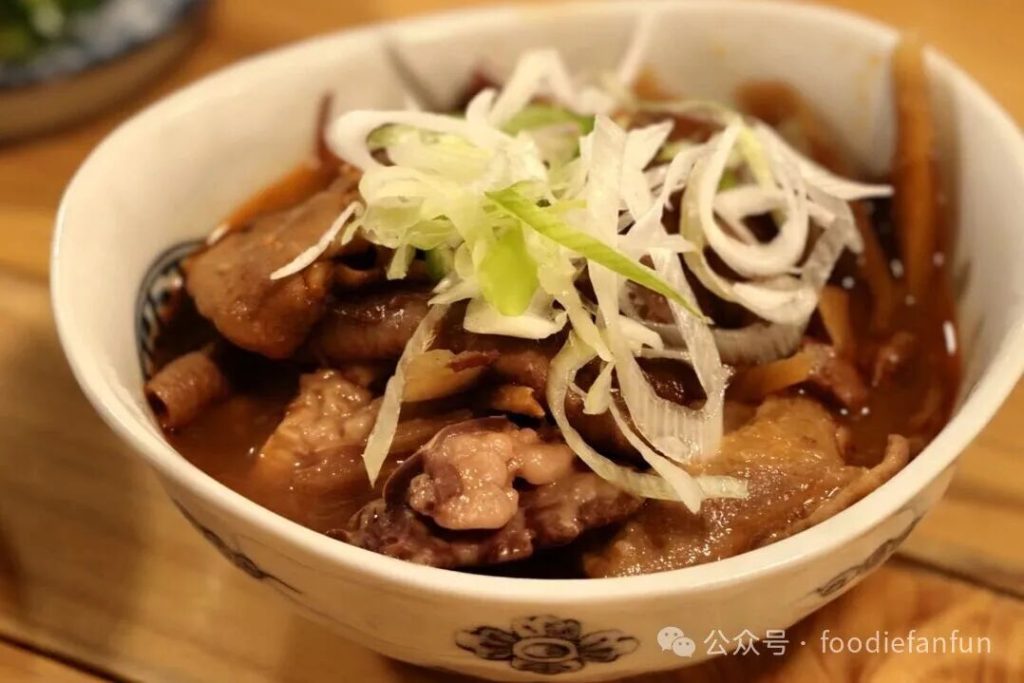
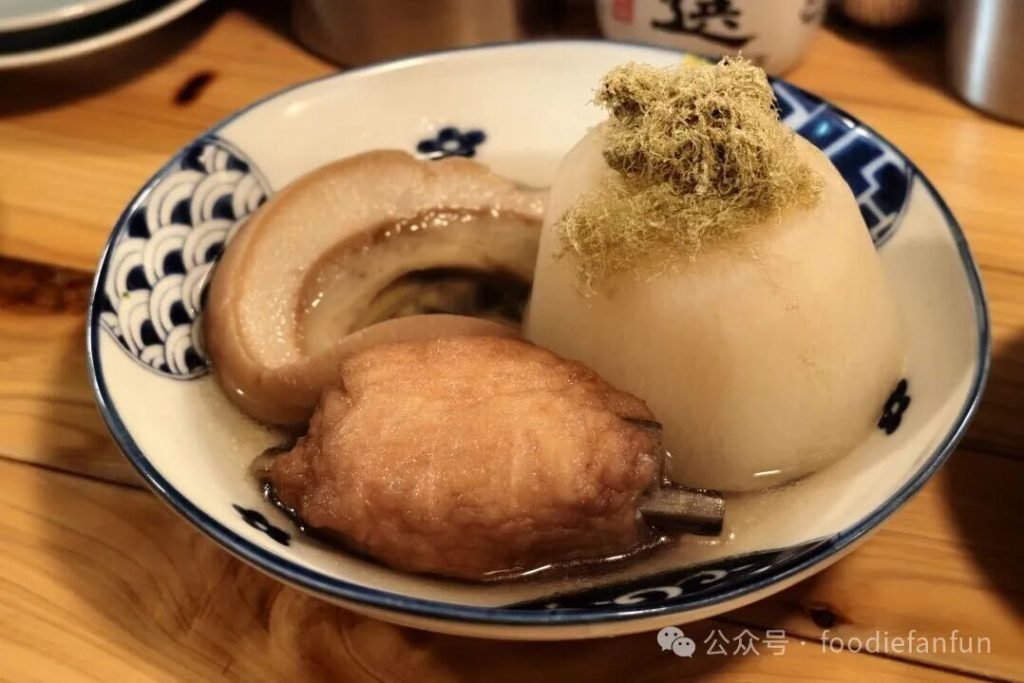
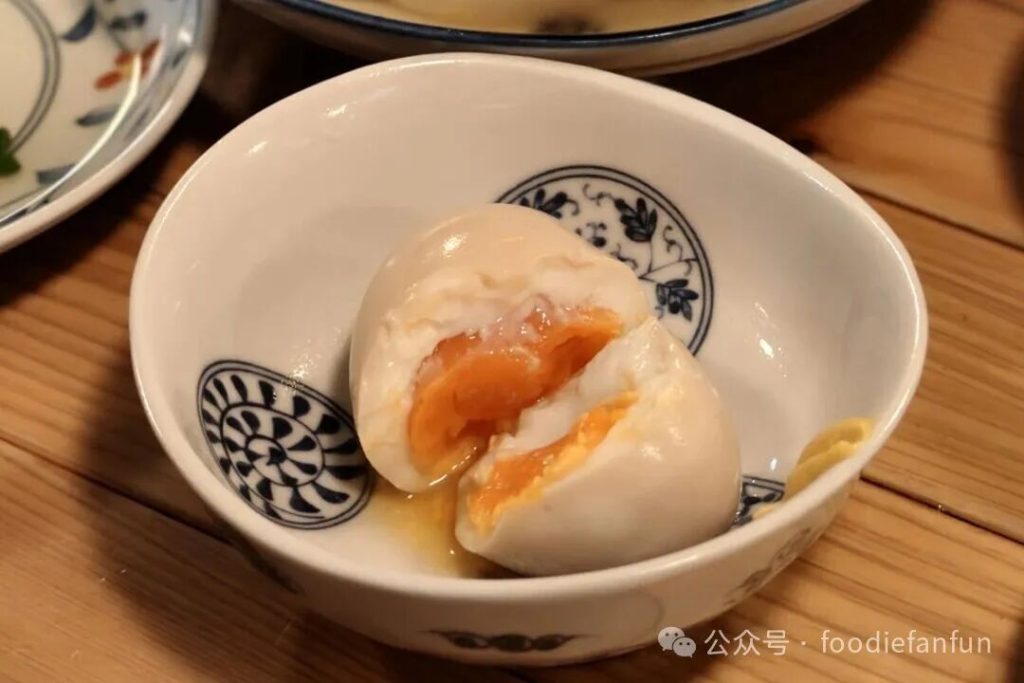
This is an izakaya that lives up to “public drinking hall” down to the bone. The counter turns over constantly, still packed at 11:30pm, small TVs around the room playing baseball. The menu runs through the most familiar drinking snacks — simmered offal, ham steak, thick rolled egg, oden, chilled tofu — all easy on the wallet, whether you want a quick drink or to actually fill up.
But of course, what makes it special is its unapologetic little personality.
The size of your highball gets decided by a dice roll, and the menu even has a “real men order this” option. Drinking here is just one part of the play.
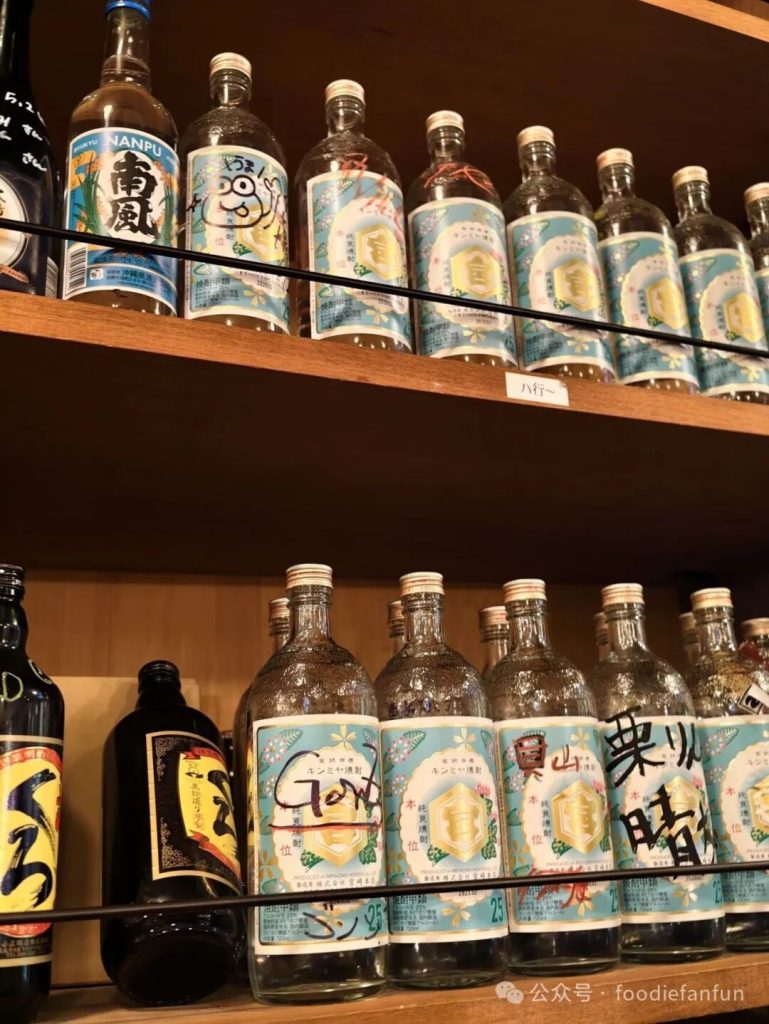
The walls are covered in customers’ bottle keeps. No neat names written on the labels — instead, tipsy patrons have doodled all over them with their own inner child. Someone drew a face, someone wrote a message, someone left behind a code no one can read anymore. The whole wall is a lovable mess, like the residue of many nights layered on top of each other.
This kind of looseness isn’t actually that common in Japan.
This is probably exactly what late nights need — hot snacks, simple drinks, jokes that don’t need to be taken seriously, and a noise you can relax completely into.
A neighborhood izakaya that takes the whole night in — and adds one more reason to love Sendai.
✦
•
✦
🍸 BAR ANDANTE
👨🍳 How many cocktail bars manage to be cool, cute, and hand out sharp little critiques on the side?
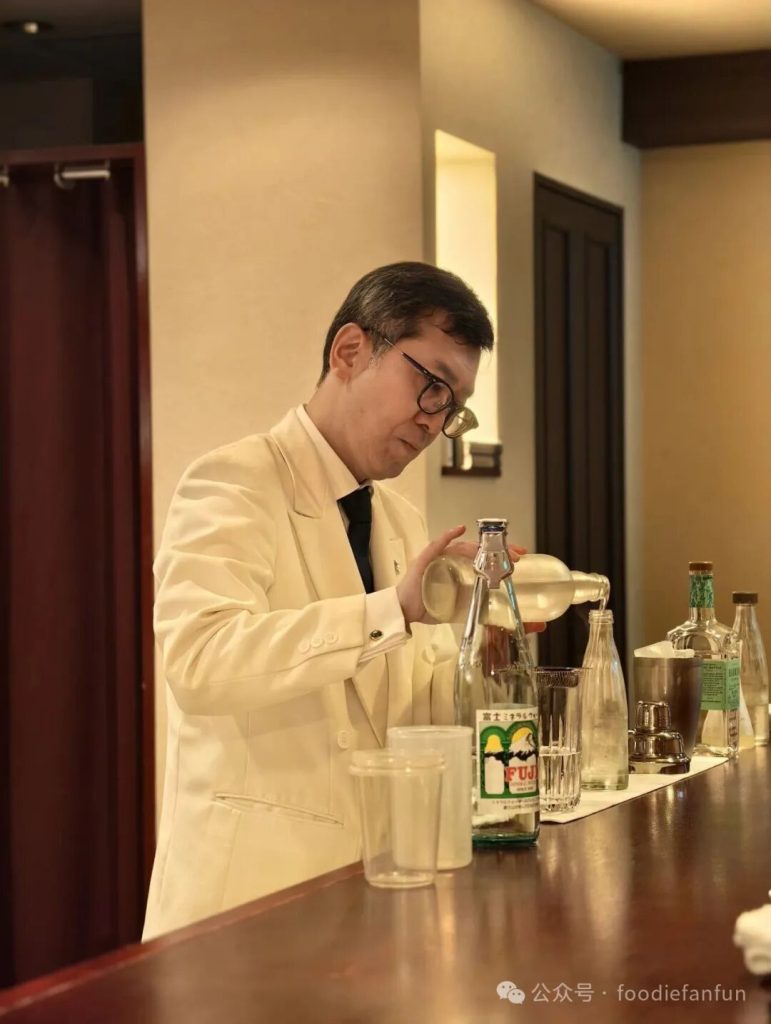
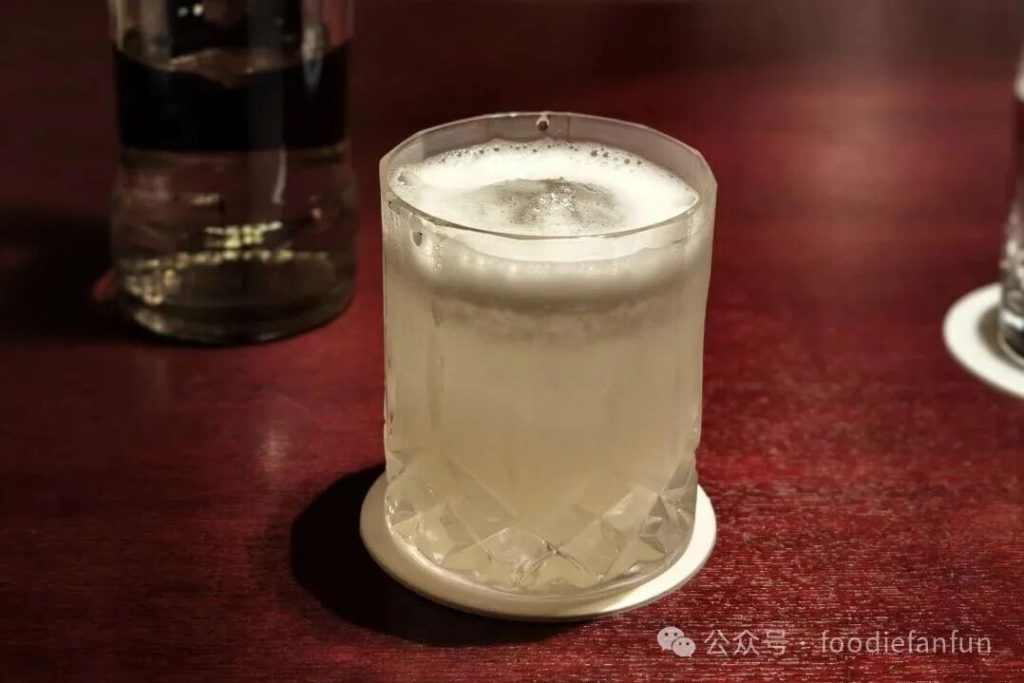
Open up Sendai’s Tabelog rankings, and sitting at number six is, of all things, a cocktail bar.
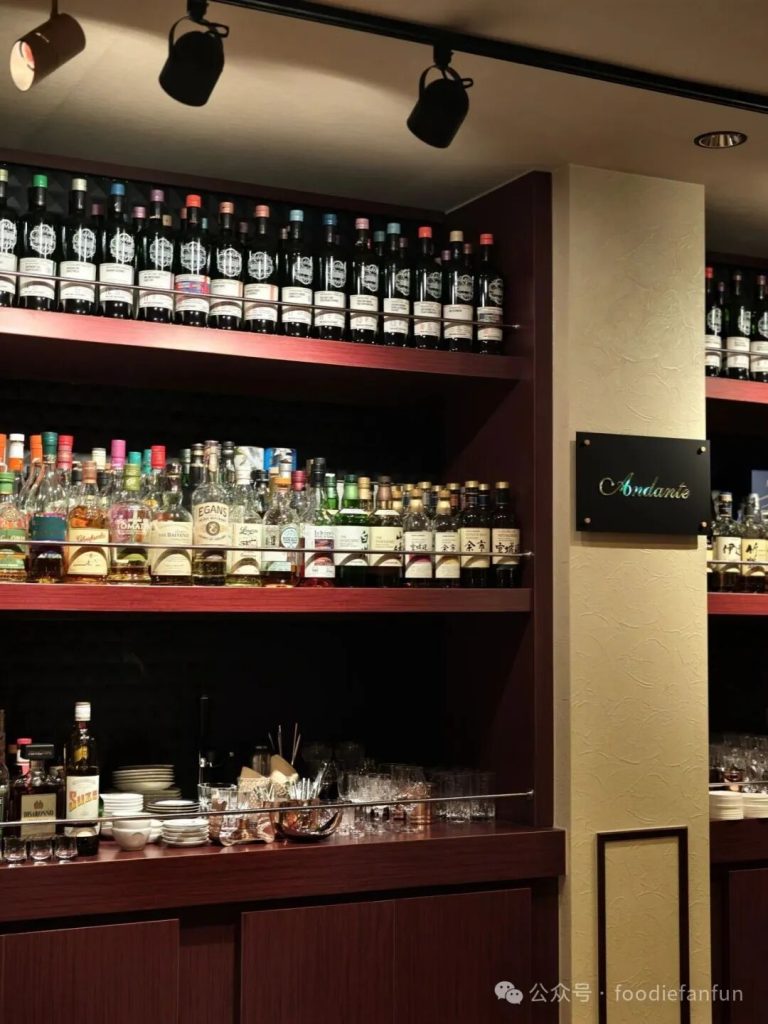
Just nine seats at the counter, no background music, no unnecessary decoration. A textbook authentic bar, all its attention reserved for the drinks and the conversation between people.
The older gentleman behind the counter speaks softly, gently. But the moment he picks up the shaker, he seems like a different person entirely — clean movements, unhurried pace, and a kind of cool you can’t look away from.
He can make almost any classic cocktail, and the Today’s Recommendation board is filled with seasonal fruit. The seat next to us ordered a watermelon cocktail, and the smell of freshly cut watermelon drifted over from across the bar.
By my third drink, I decided to hand the choice over to the bartender.
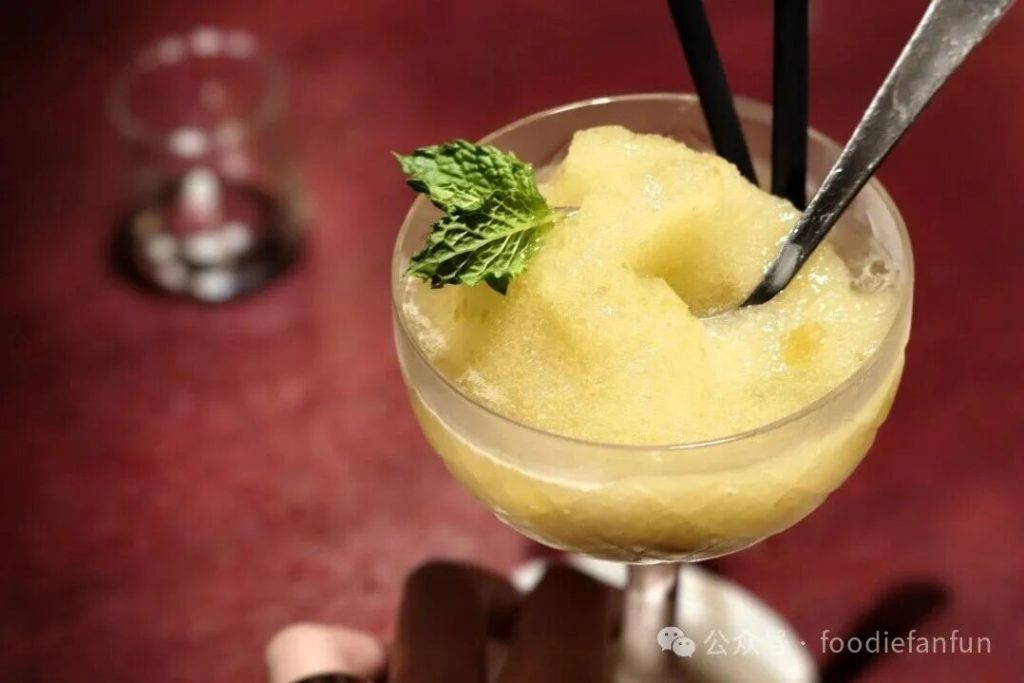
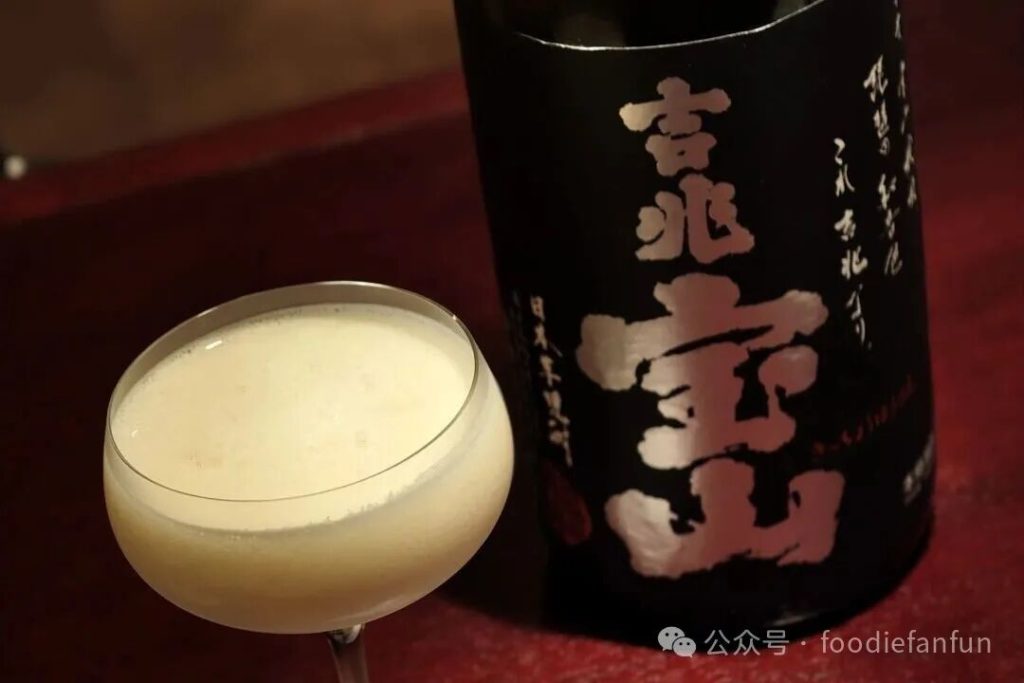
What arrived was a white peach frappé with a shot of plum wine on the side, to pour in myself at my own pace. I expected it to taste sweeter than it did — instead, it amplified the freshness. The first sip was like biting into a ripe little peach, its bright acidity drawing the peach aroma out into something worth lingering over.
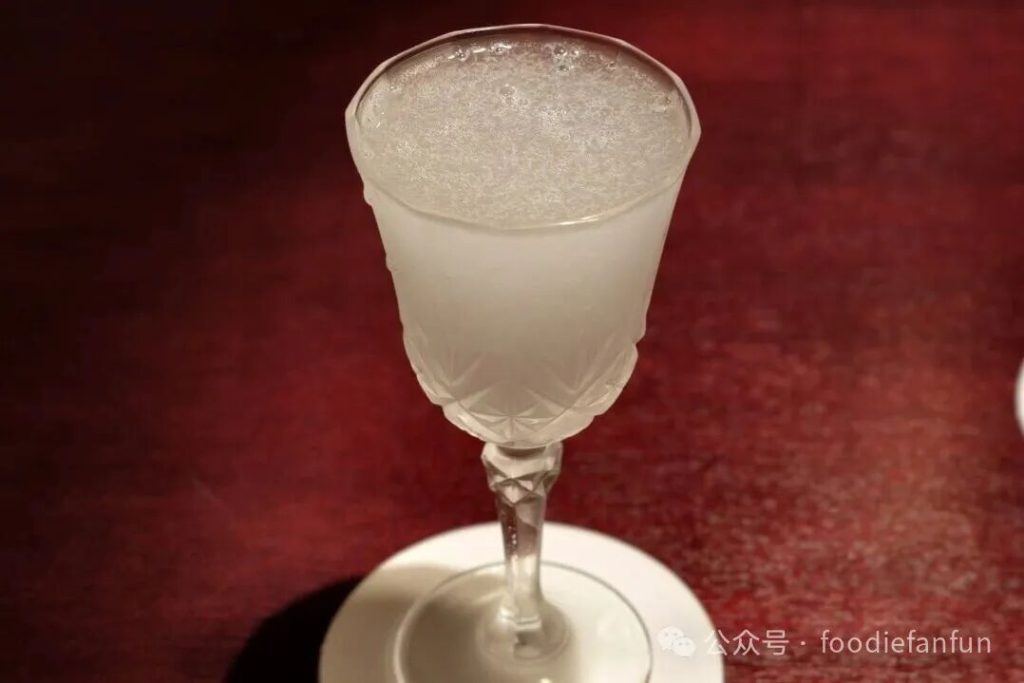
Later I wanted a Pisco Sour.
“No pisco today.”
He thought for a moment, then pulled out a bottle of Singani Los Parrales. “Try this instead — it’s Bolivia’s signature grape spirit.”
He didn’t force me back within the bounds of the menu — just found, simply and quickly, the drink closest to what I actually wanted.
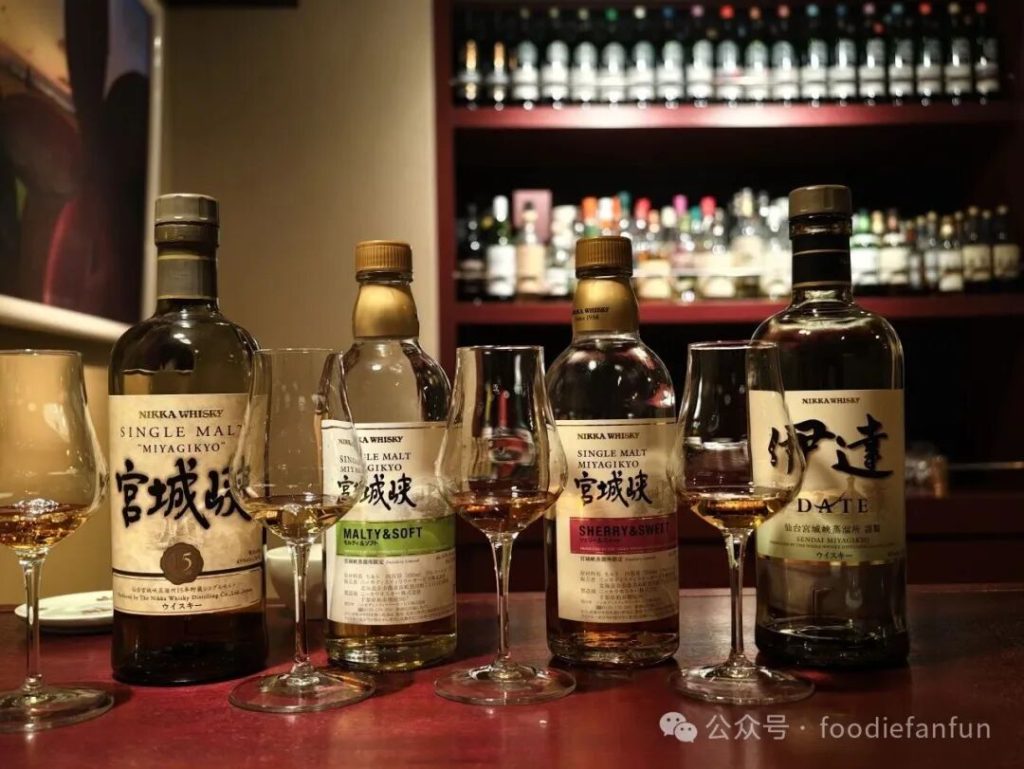
When we got onto Japanese whisky, he pulled out several bottles at once, and we compared them slowly, one by one.
“Try this one too.” “This one’s hard to find outside these days.”
Later, talk turned to shochu cocktails. He didn’t explain much, just quietly cut up a peach and set it in front of me. “Try this peach first.”
A single ripe little peach, beautifully acidic, full of aroma — and by the end, it had become a frappé cocktail too.
Three hours passed without me noticing — the real conversation only started when it was time to pay.
“First time in Sendai, right? Have you had the beef tongue, the sushi, the yakitori yet?”
When I mentioned going to IL PIZZAIOLO, he laughed a little.
“It’s very good.” “Though a few of the moves there, I think, are a bit much.”
Then the owner and his wife started rattling off their own favorite restaurants, one after another. I left with an entire hidden food map of Sendai, straight from the locals.
Sendai really is a wonderful place.
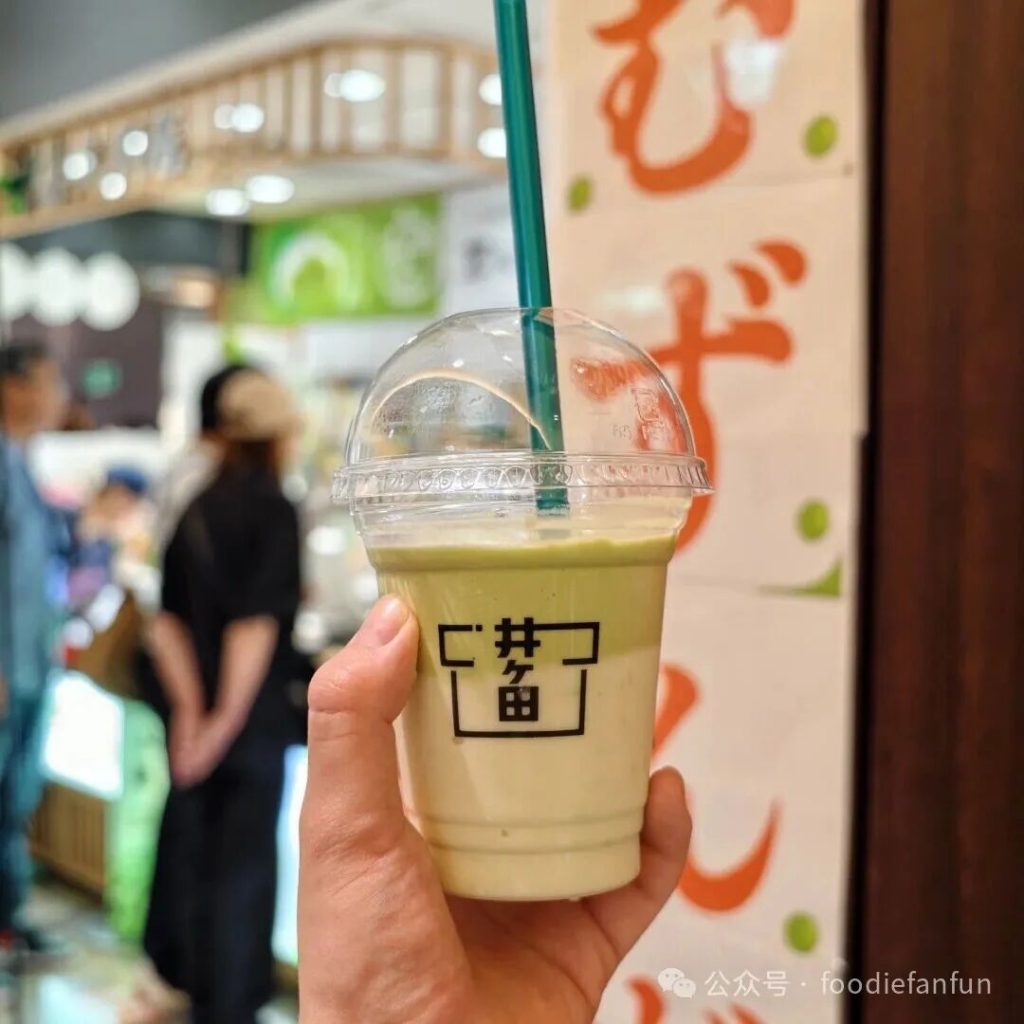
Oh, and before you leave — don’t forget to grab that deviously good edamame milkshake at the station~
Leave a Reply