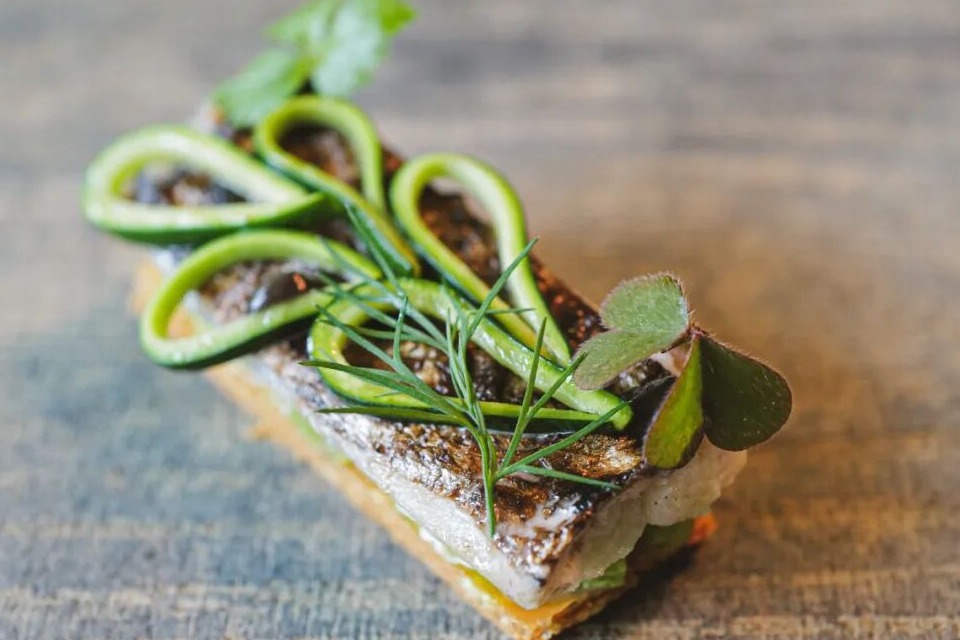
Funnily enough, the #1-ranked restaurant in Toyama Prefecture on Tabelog is a farmhouse restaurant.
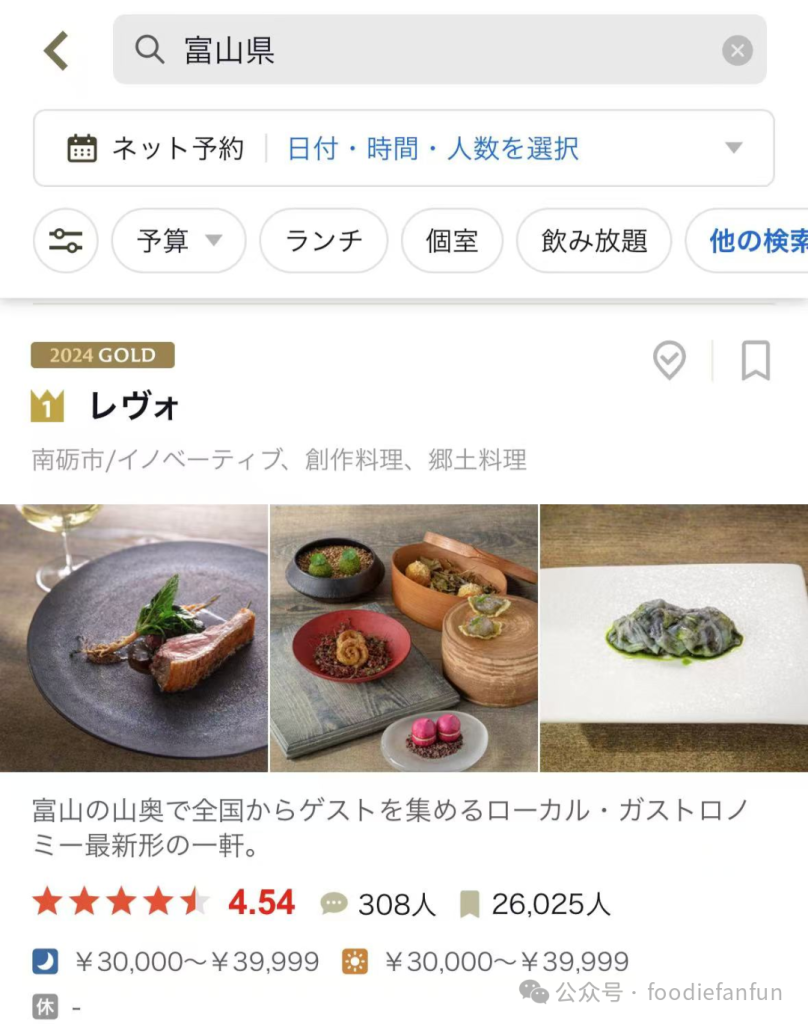
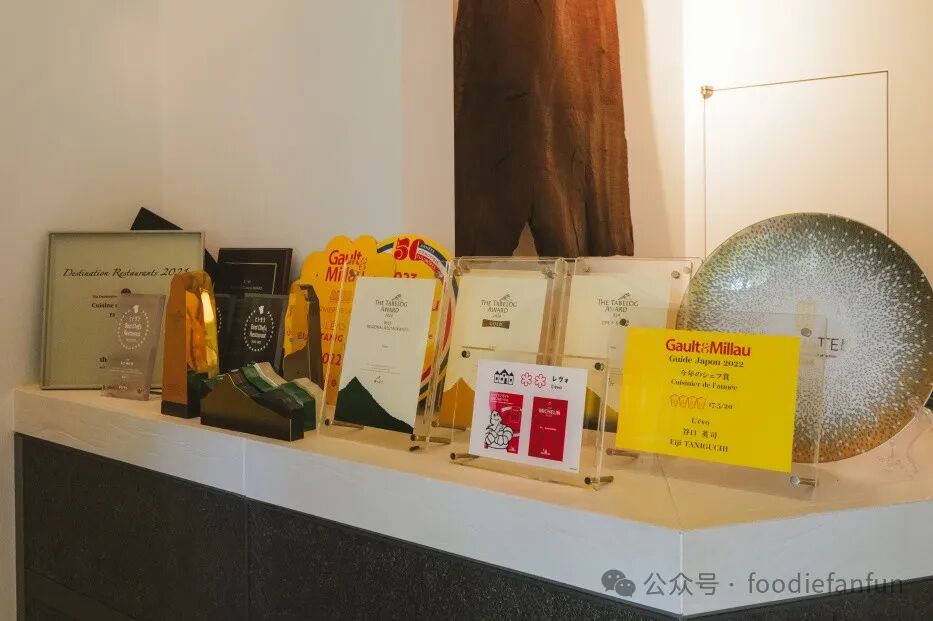
And of course, it’s also a Tabelog Gold Award restaurant, two Michelin stars, #69 on Asia’s 50 Best, and — as you can see in the photo below — the recipient of a whole pile of other accolades.
レヴォ — L’ évo
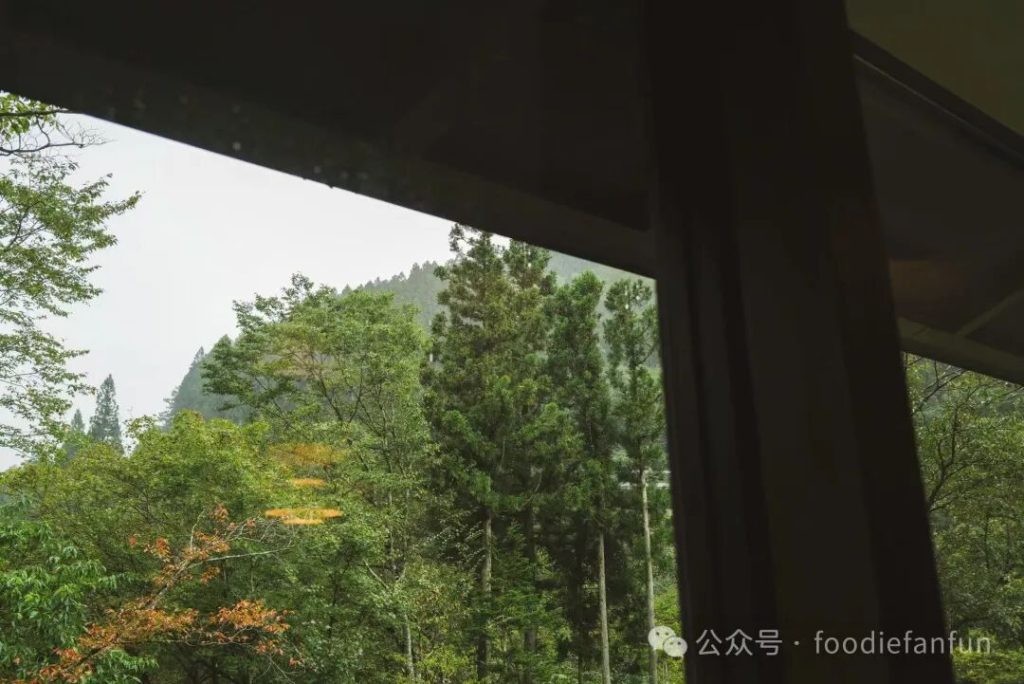
If you draw a triangle connecting Kanazawa, Toyama, and Takayama, L’ évo sits pretty much dead center. It stands entirely on its own, deep in the mountain forest, with no train access — reachable only by bus or taxi.
Yet diners from all over the world consider it a must-visit restaurant in Hokuriku.
The restaurant’s own website even has a line about it —
わざわざ脚を運んでいただくだけの価値をご実感ください。Once you arrive you will realize that the journey was worth it.
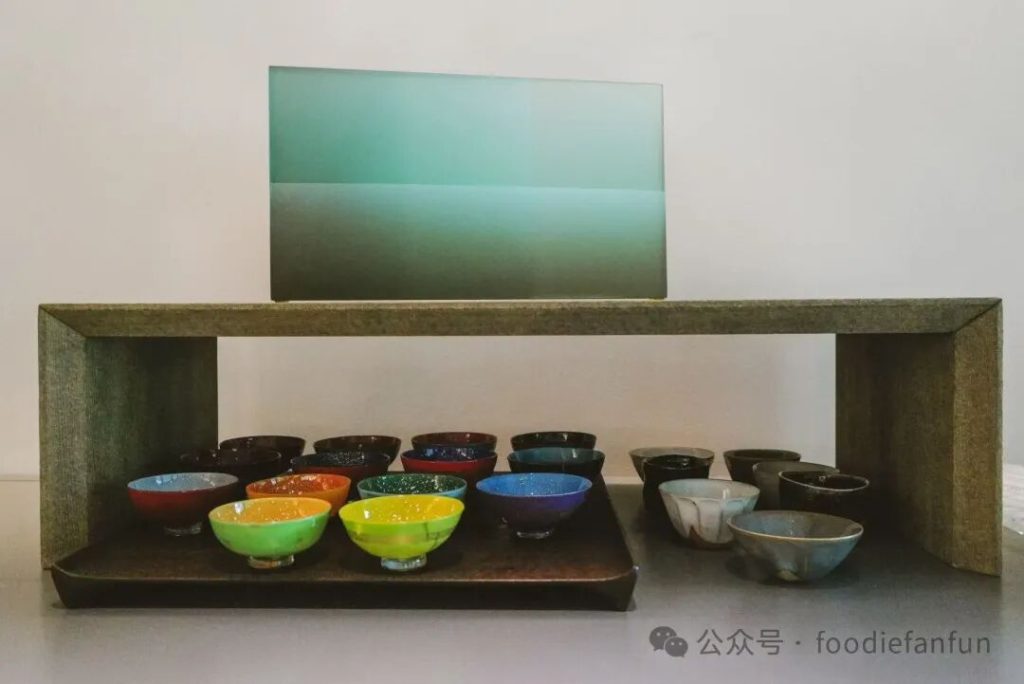
Compared to a restaurant, this feels more like a food-exploration base tucked in the mountains, doubling as a museum of modern Toyama craft.
Every ingredient and every piece of tableware the restaurant uses comes from within Toyama itself (scroll to the end for more).
The chef, Eiji Taniguchi, is from Osaka. After finishing high school, he fell in love with cooking while working at a hotel part-time. After training both in Japan and in France, he struck out on his own in 2014 to open L’ évo, and moved to its current location in Toga Village in 2020.
As an outsider chef without formal local training, every ‘product of Toyama’ used at the restaurant was something Chef Taniguchi worked out bit by bit on his own.
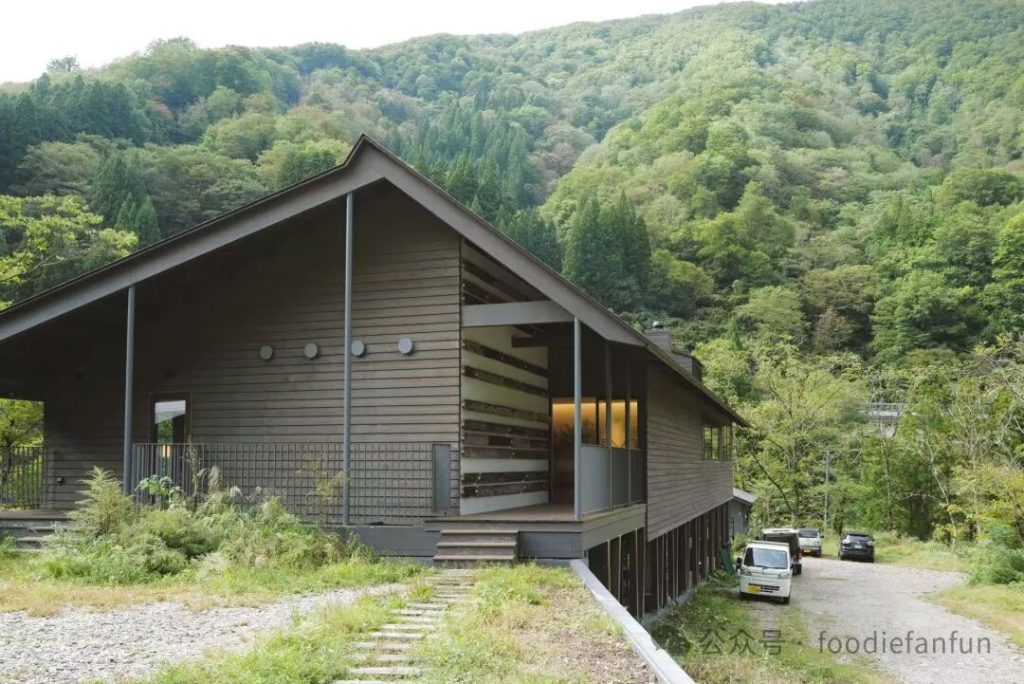
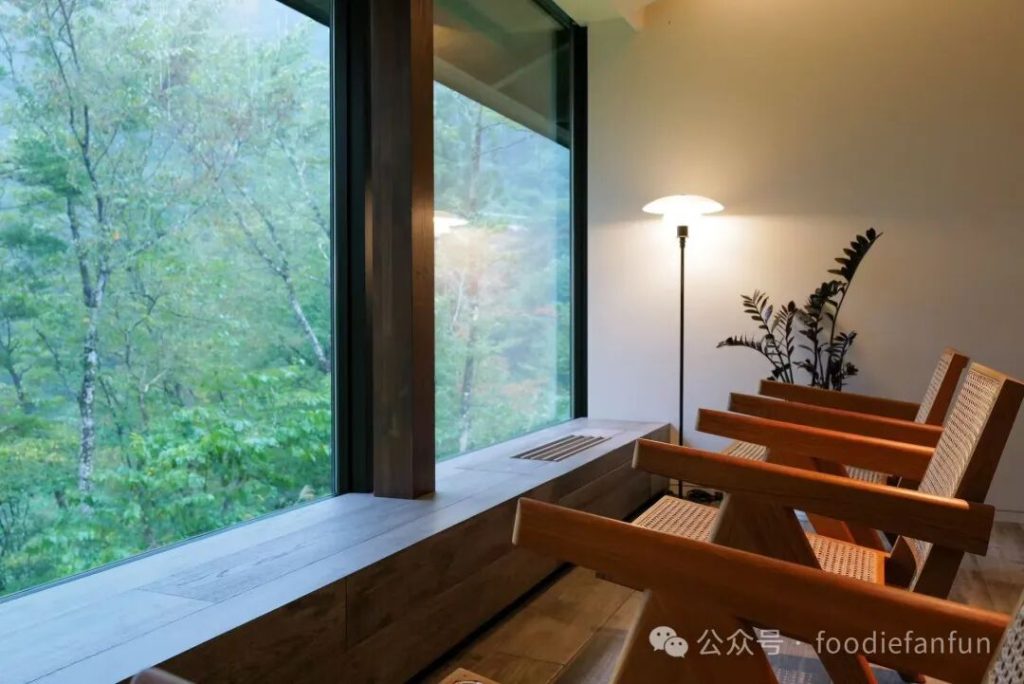
No need to worry about getting there — the restaurant can help arrange a taxi, about 1hr20min from Toyama, with Takayama and Kanazawa roughly the same distance away.
A tip here: for the route, we’d recommend taking the national highway rather than the expressway — the time is about the same, the route is just as winding, it’s about ¥5,000 cheaper, and most importantly, the scenery is better.
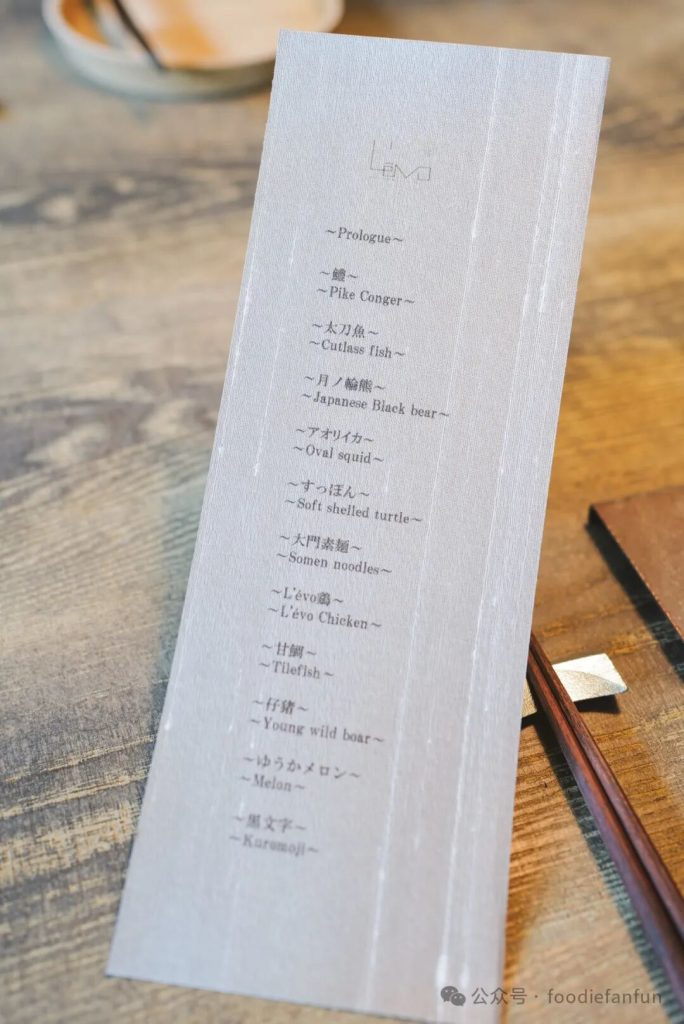
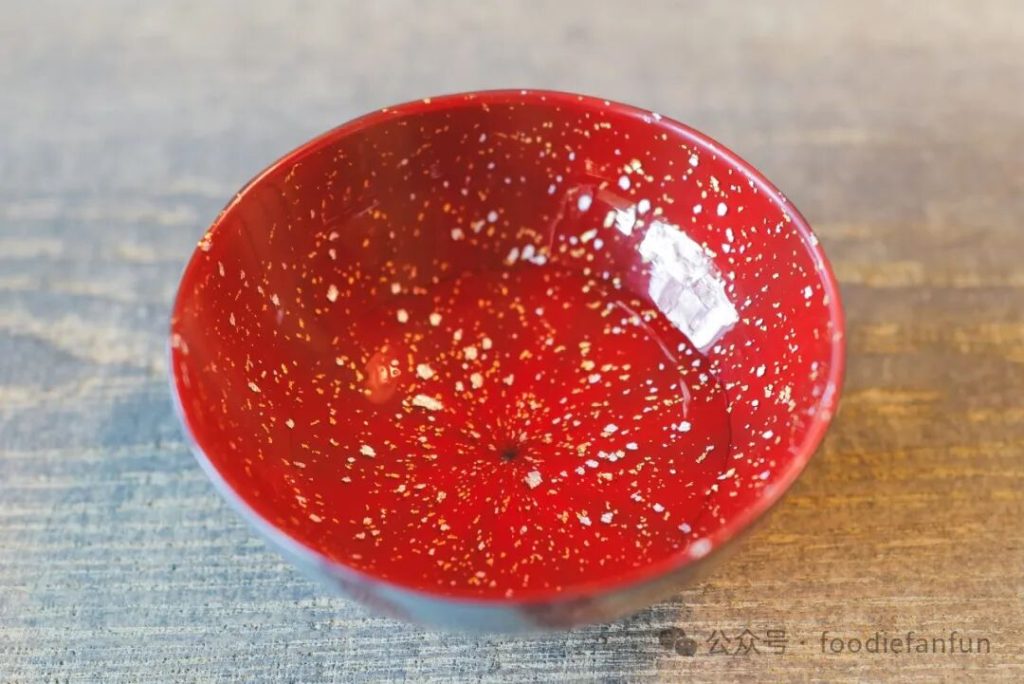
The farmhouse restaurant’s menu naturally changes with the seasons.
Sat down to a Maple Sour — the leaves outside were still green, but it’s hard to argue against leaning into an autumn theme in October.
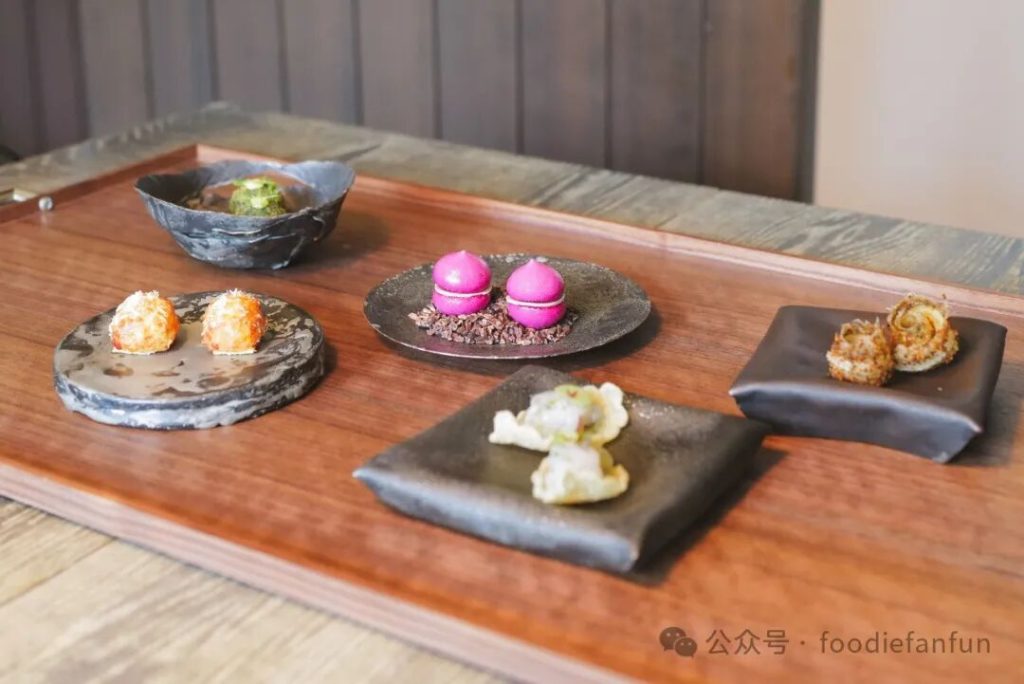
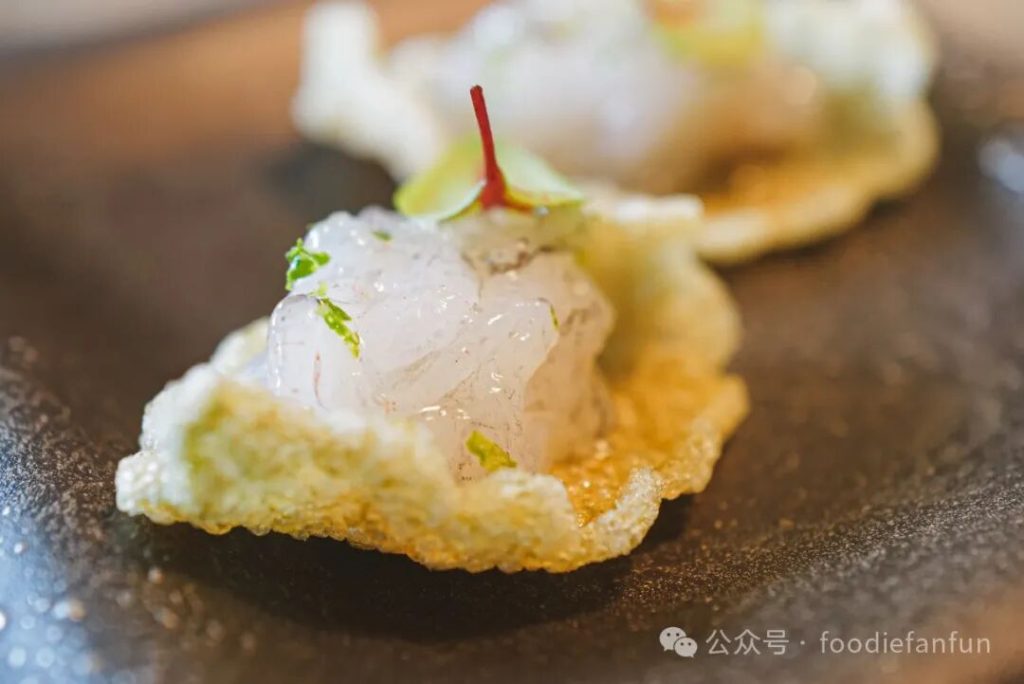
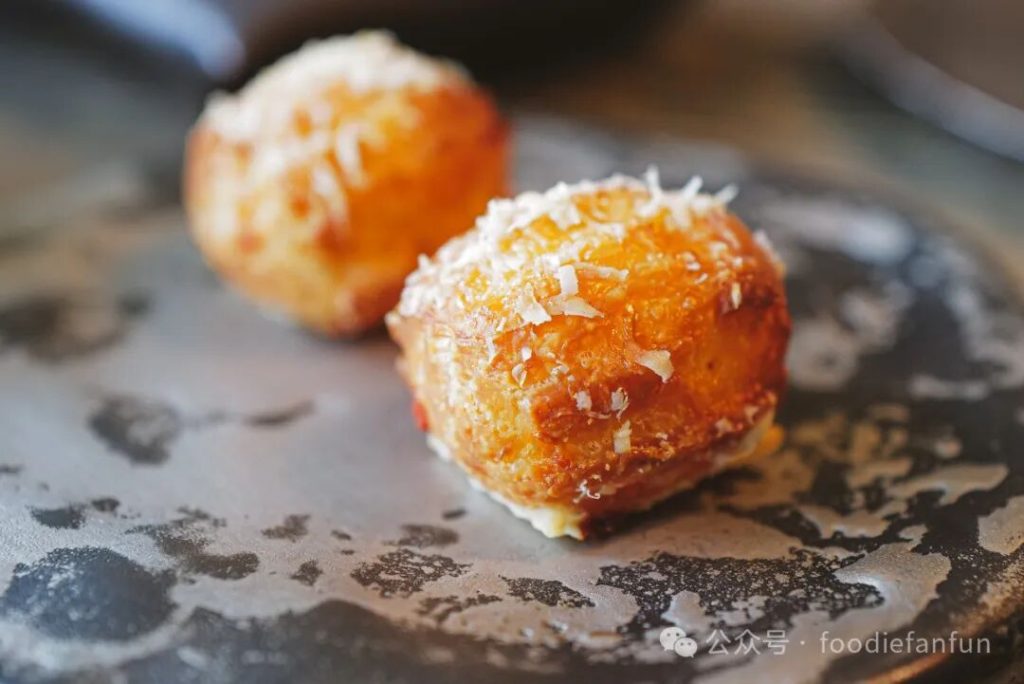
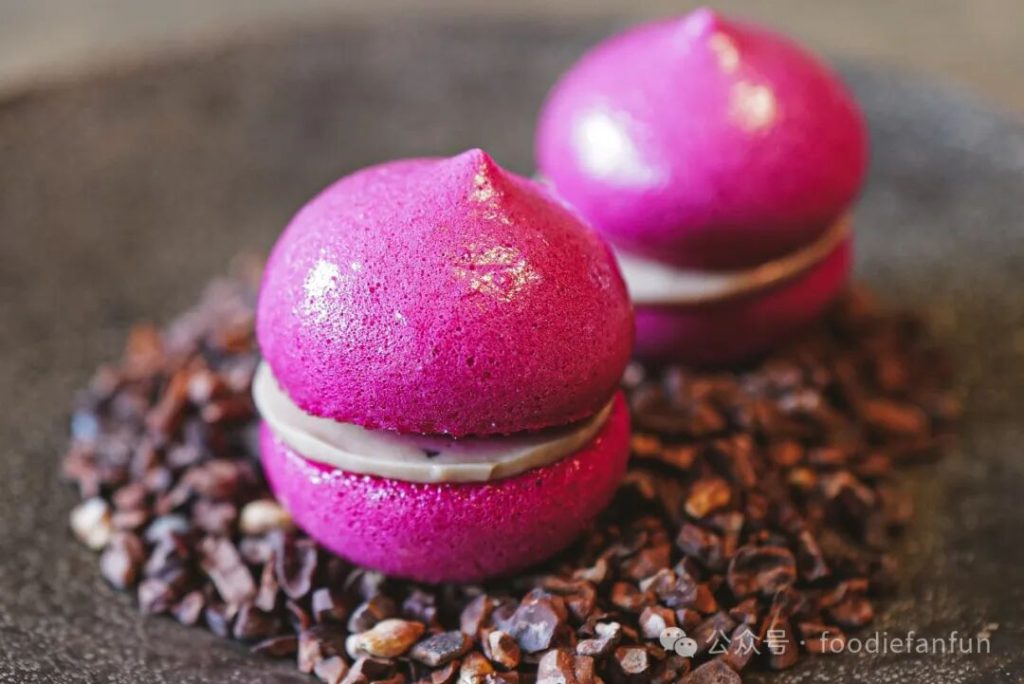
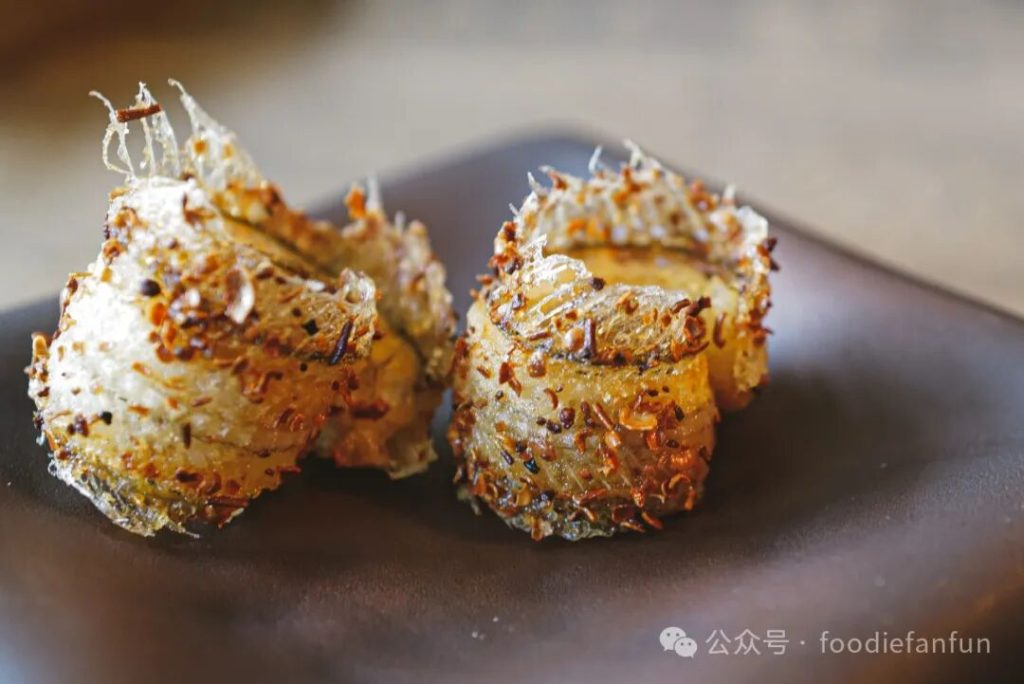
The five welcome snacks were packed with Toyama ingredients and a rustic character.
Toyama white shrimp made into a little tart — fresh, sweet, and a bit of a wink.
Local goat cheese (we later learned it’s from an internationally gold-award-winning studio, and the salt used on the cheese is extracted from Toyama Bay’s deep sea water) paired with sake lees — a gorgeously balanced mix of savory and briny.
There was also a macaron made with red beet and chicken liver mousse, its earthiness tucked neatly away — the combination of sweet and delicate made for a happy bite every time.
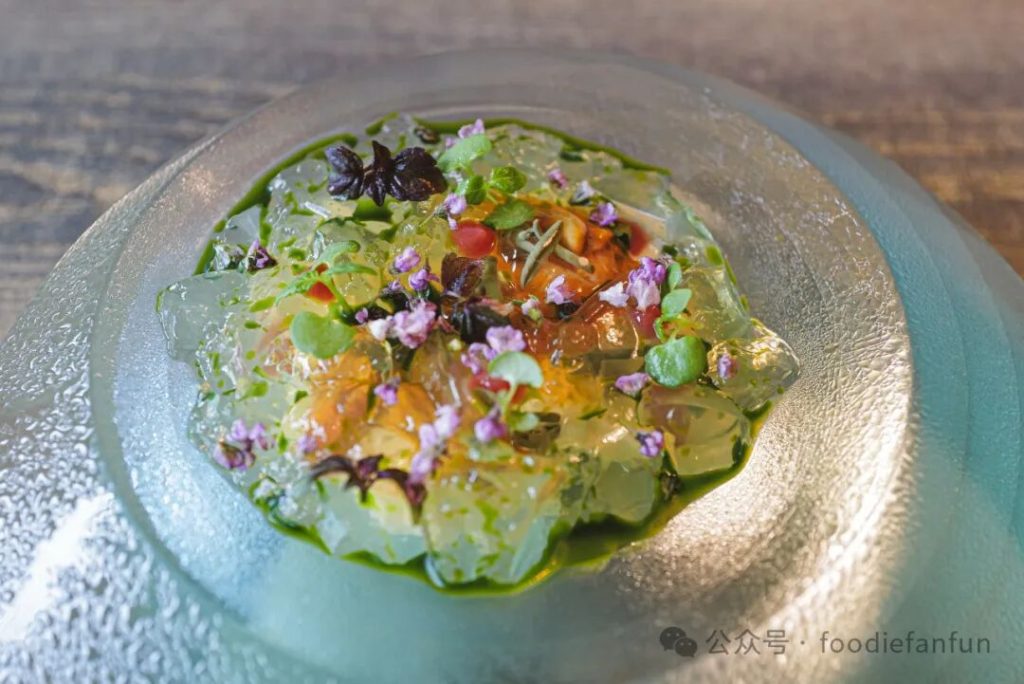
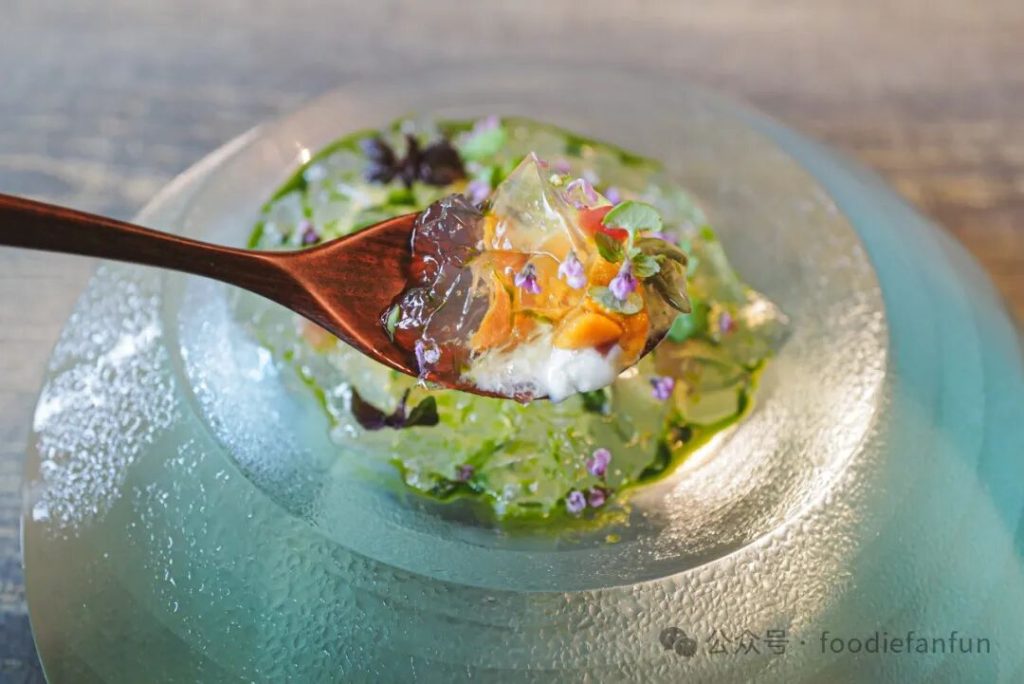
Conger eel
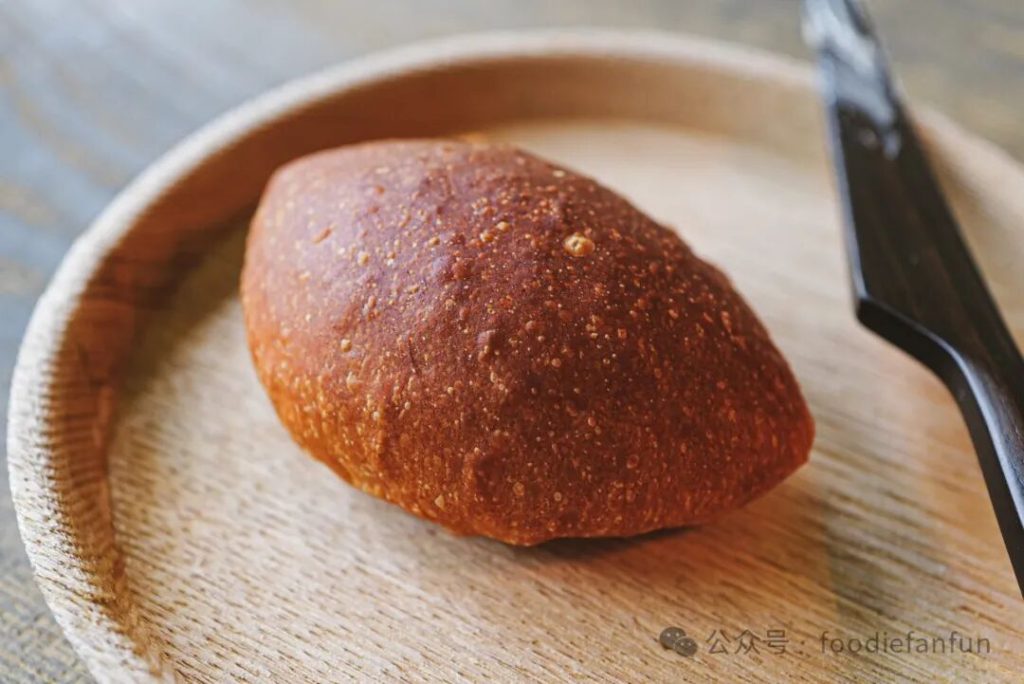
Rice bread
The official start of the menu: Toyama Bay conger eel. You could taste the umami but couldn’t find the fish itself.
It turns out all the conger eel here goes into making a stock that becomes a jelly. Hidden underneath, sea urchin opened up the sweetness, with potato purée adding a delicate creaminess. Layered with bright acidity and the freshness of shiso, the opening dish was strikingly luminous.
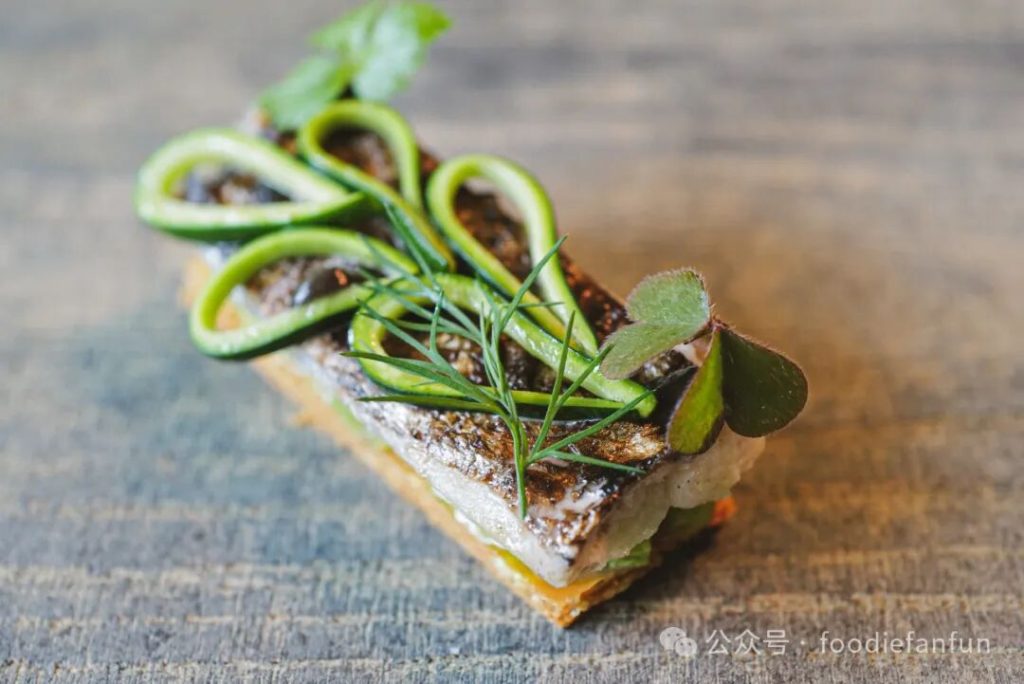
Ribbonfish (beltfish)
Toyama Bay ribbonfish, charcoal-grilled — how can it smell this good.
Paired with zucchini, cucumber, and a rice cracker. A familiar structure, but with the freshness and texture of local ingredients, it was savory, crisp, and thoroughly satisfying in one bite.
Most of L’ évo’s seafood comes from a local, fourth-generation fishmonger, Kurosakiya — Japan’s first fish shop to bring online seafood selection to life, letting customers pick out exactly the catch they want from photos uploaded that same day, without ever visiting in person. The shop even won a Minister’s Award from the Fisheries Agency for it.
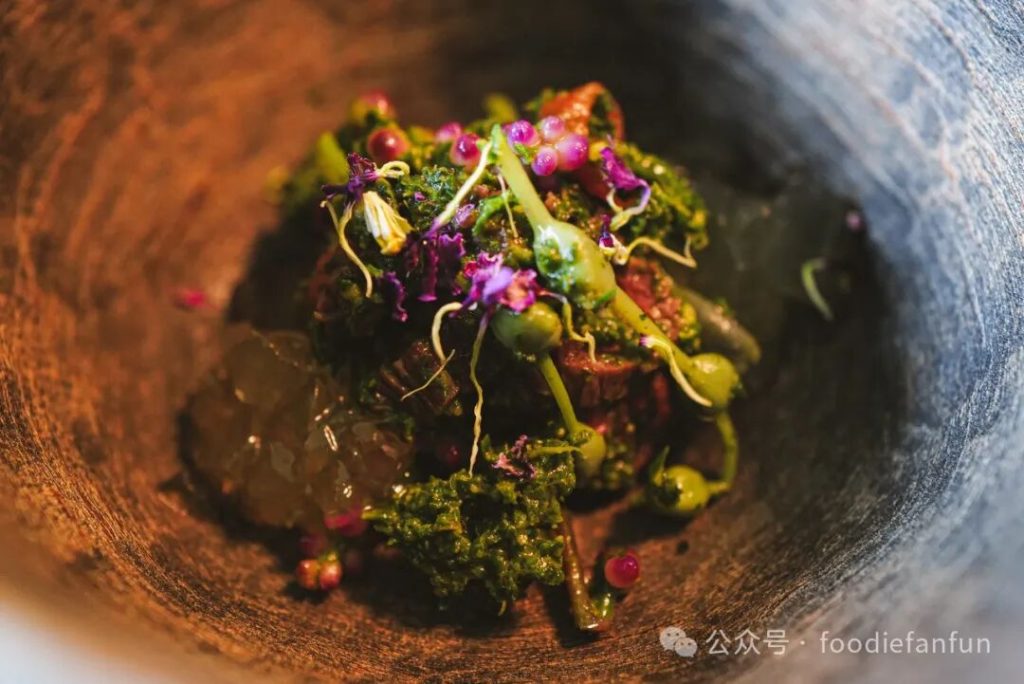
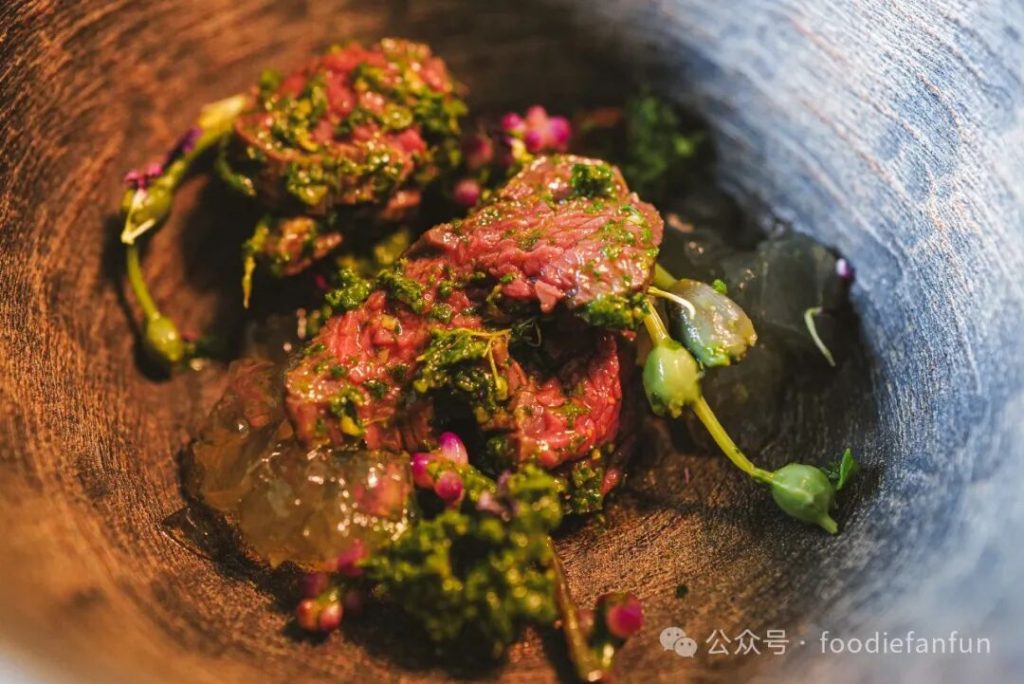
Asiatic black bear
Asiatic black bear is a common ingredient on L’ évo’s summer-autumn menu — imagine the fully-grown look of Pokémon’s Ursaring for reference.
This season’s bear had been aged for a month, then charcoal-grilled — plenty of smokiness combined with gaminess, plus wild Malabar spinach, making for a thoroughly rustic drinking snack.
I’d call this an introverted bear — hard to chew through, but the longer you chew, the more aroma keeps revealing itself.
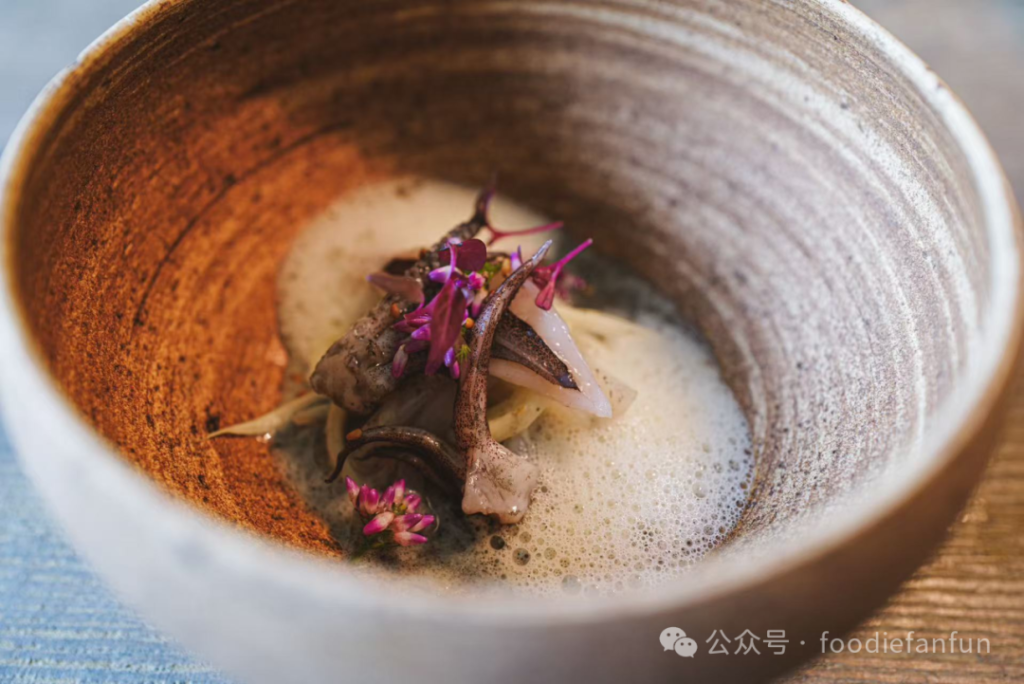
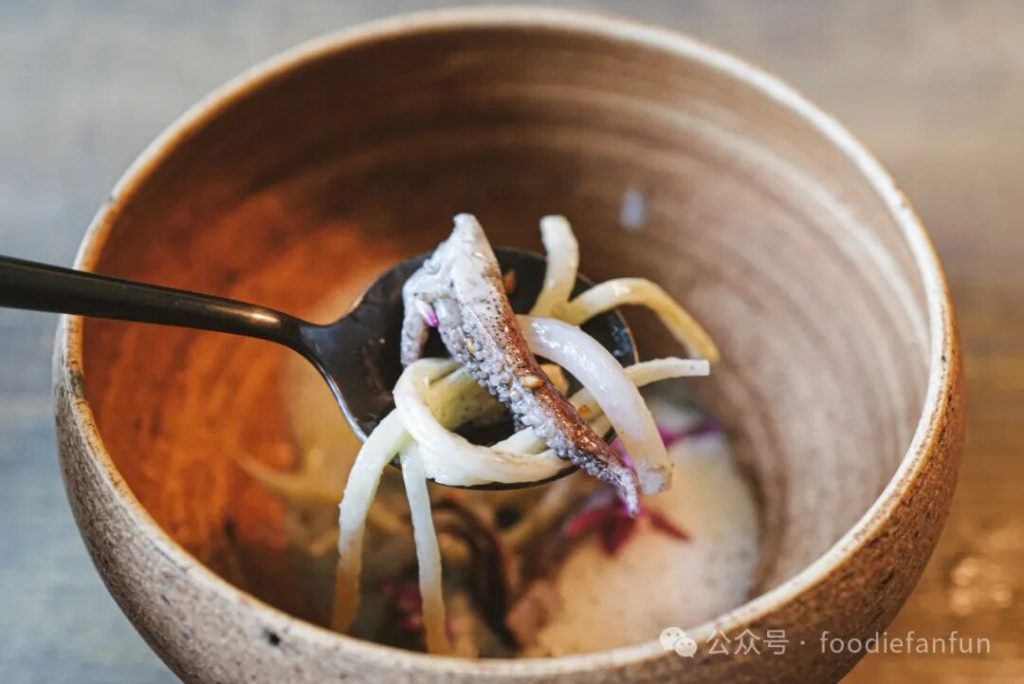
Firefly squid
The hot dishes opened with something from the sea.
Firefly squid, in season and charcoal-grilled, showing off the wild, unconstrained character of a countryside restaurant. A broth made from bamboo leaf and shellfish instantly blended freshness with umami.
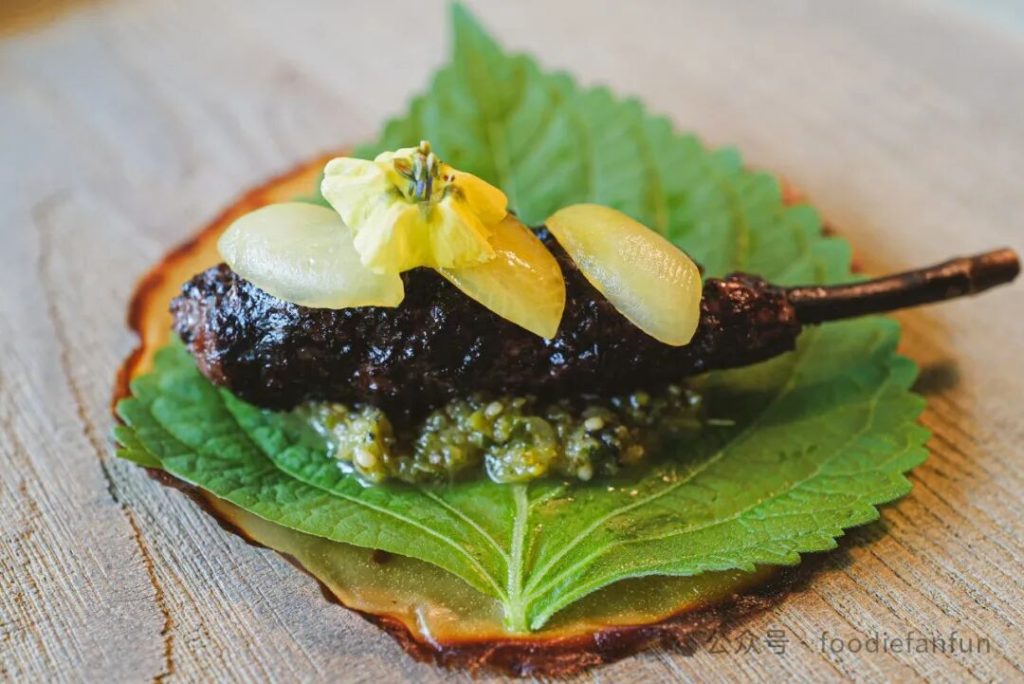
Soft-shell turtle
Soft-shell turtle caught from a nearby stream, shaped like a yakitori skewer.
Wrapped in sesame leaf and paired with a corn-and-tomato salsa.
A bit of an ocean-flavored shawarma vibe?
There’s the satisfaction of eating meat, plus a thoroughly refreshing quality.
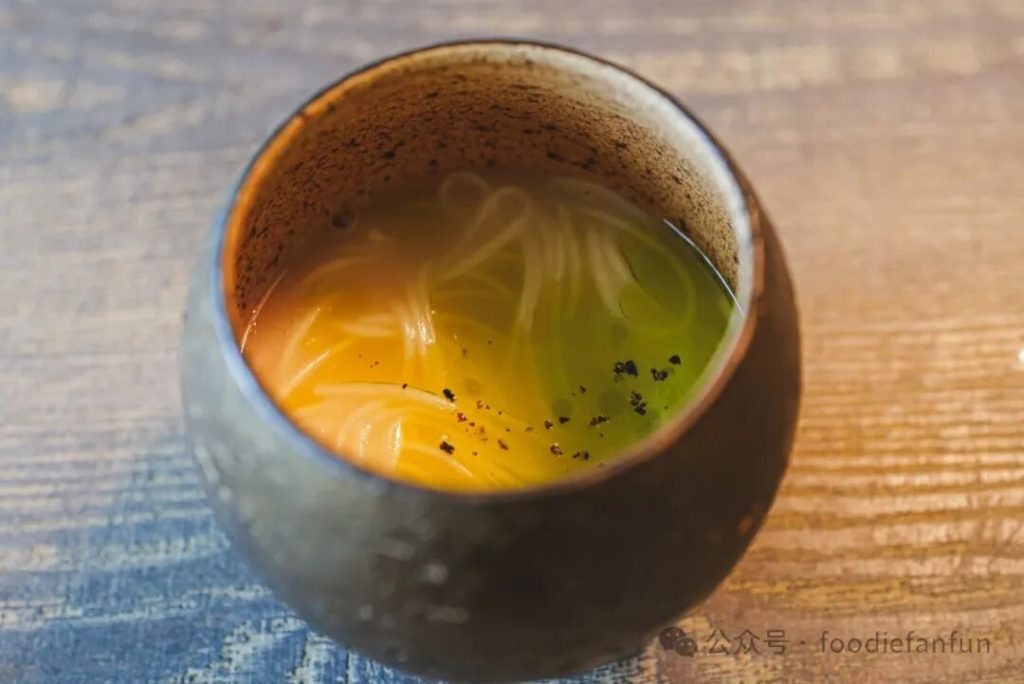
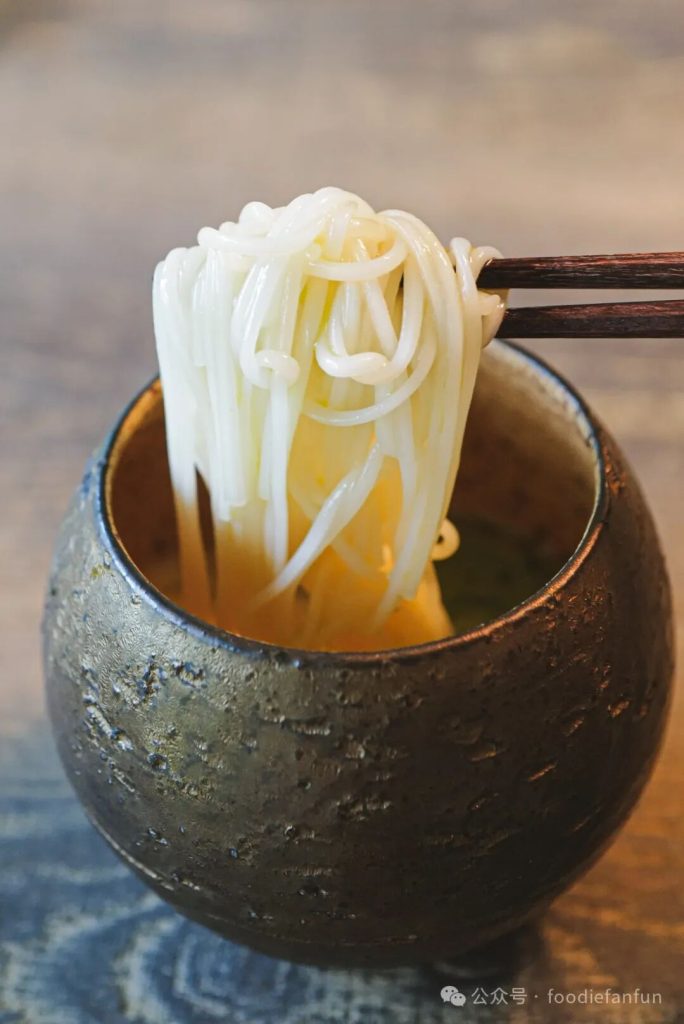
Daimon somen noodles
After all that meat, a bowl of heavenly little noodles came right after.
It smelled overwhelmingly of goat cheese, but eating it filled the mouth with complex aromas instead.
Made with locally-grown fukinoto wild herb tea and a goat cheese-based broth — savory, rich, and aromatic, yet warm and gentle going down.
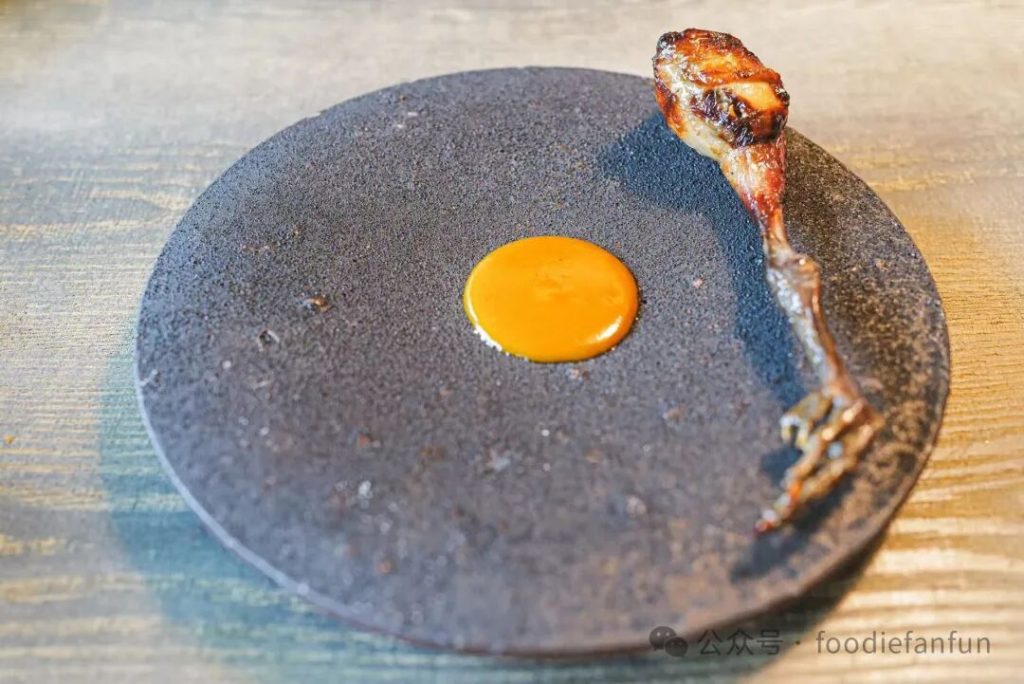
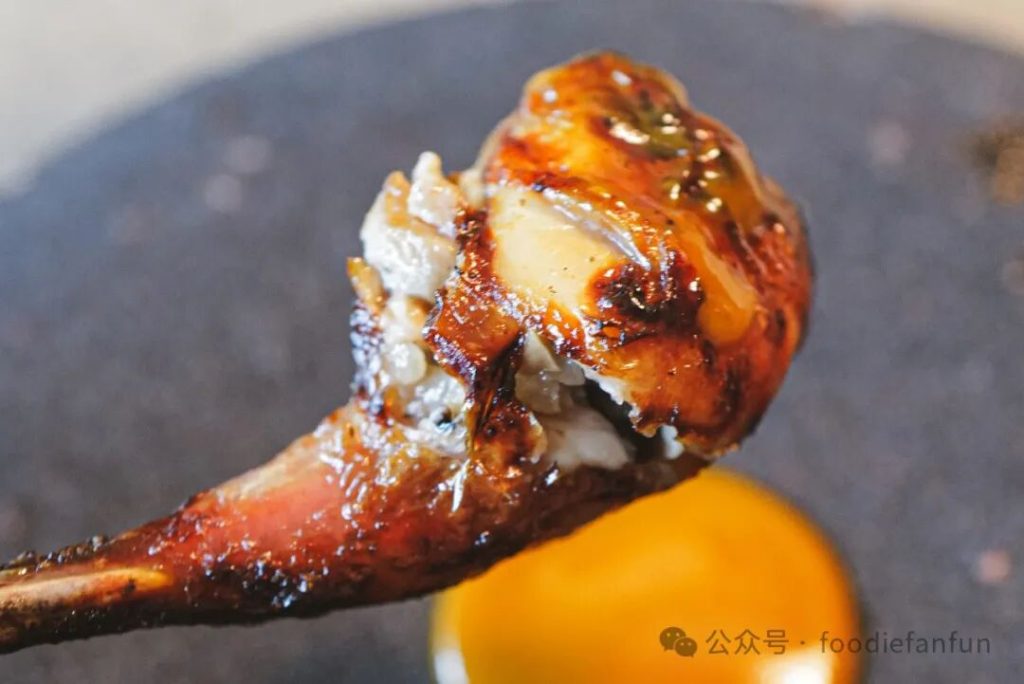
L’ évo Chicken
The mains opened with a dish that’s been on the menu since the restaurant first opened — a small chicken leg wrapped around rice and offal, propped up at the edge of the plate.
It looks completely ordinary, but the moment you bite in, you get a crisp skin, a burst of scalding hot juice, and a mouthful of chicken fat aroma. The charcoal finish makes both the tenderness and the richness come through even more thoroughly.
The legendary L’ évo chicken, said to be free-range and fed on organic feed in the mountains, was indeed lean, agile, and juicy.
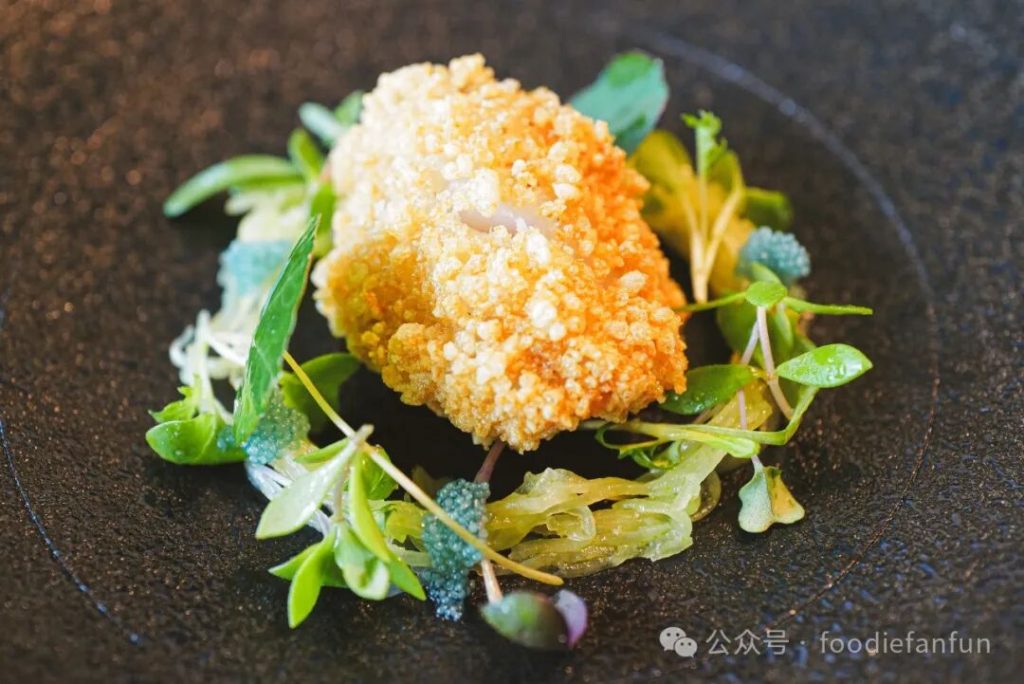
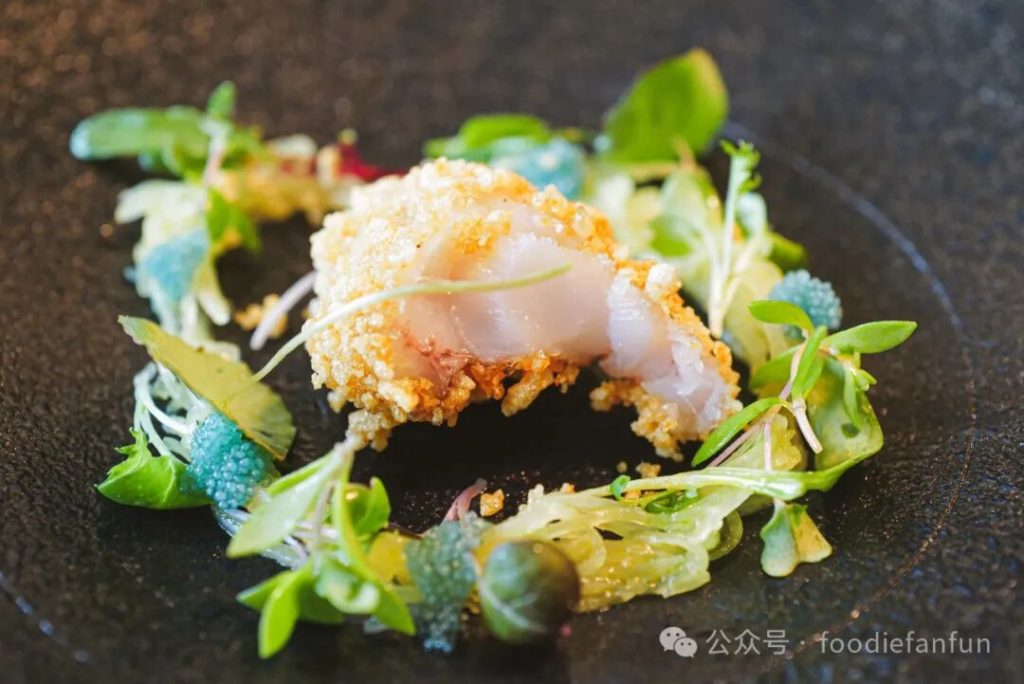
Tilefish
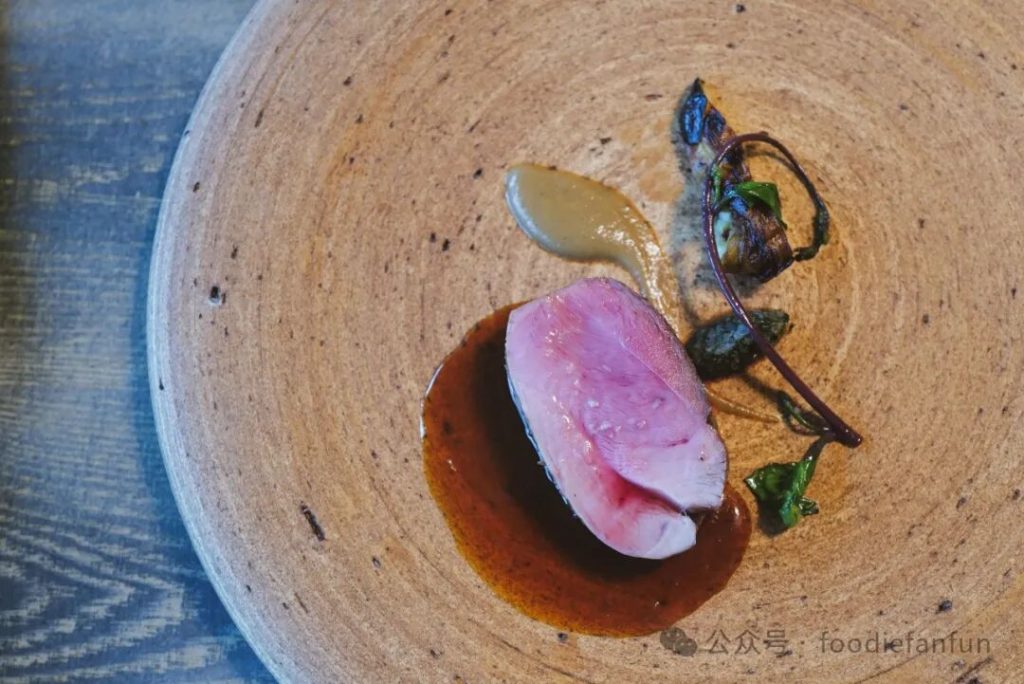
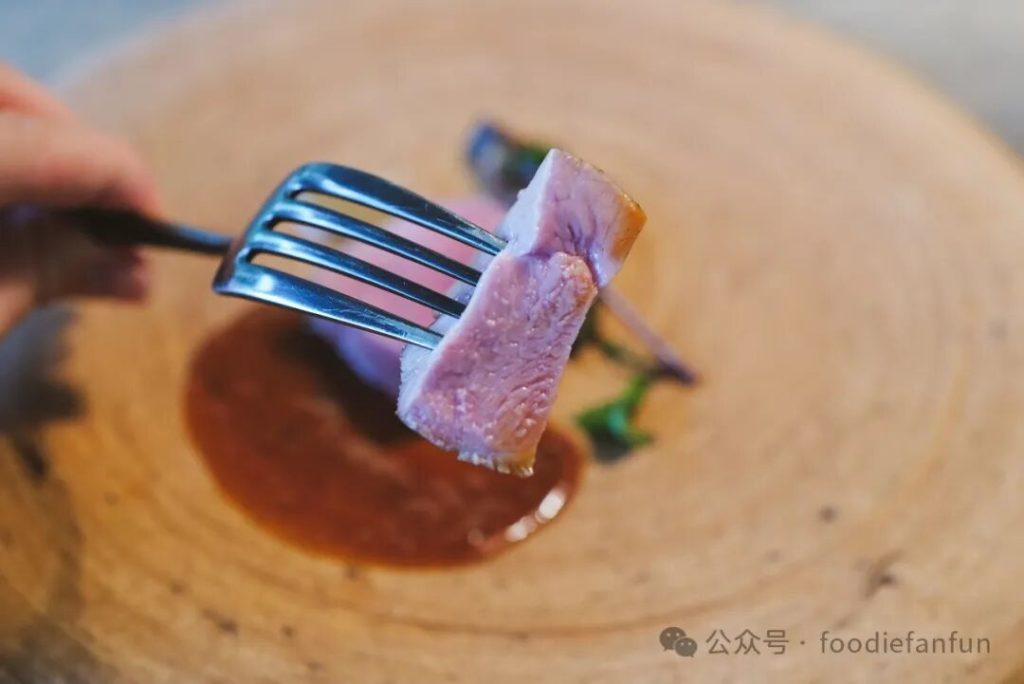
Suckling pig
In the Western-food dining experiences we’ve had in Japan, main courses stumbling on meat or fish is basically par for the course by now. After a few past disasters, L’ évo’s mains held up reasonably well in comparison.
To put it simply: not dazzling, not a disaster, just… a bit puzzling.
Tilefish paired with shrimp bran and shrimp roe — an elevated take on fried fish, though the skin’s freshness and firmness were slightly on the tougher side.
The adorable little wild boar had been aged for a week, then charcoal-grilled to excellent tenderness, but it was flavorless the more you chewed it.
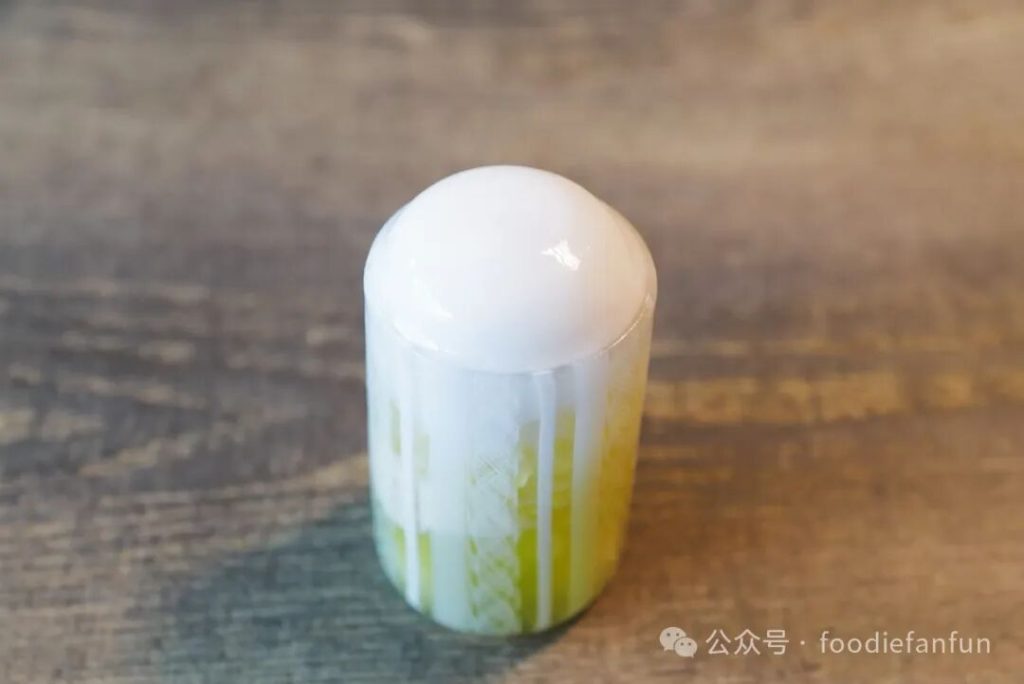
Baby watermelon
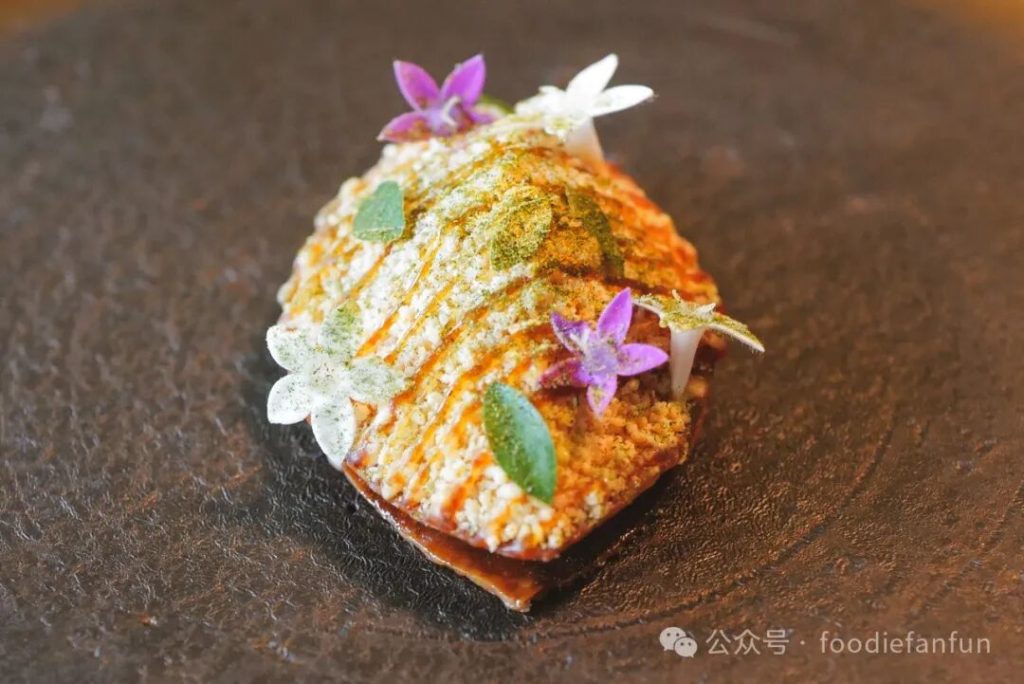
Kuromoji (spicebush) skewer
Taken as a whole meal, compared to city restaurants’ intense, insistent way of expressing the chef’s own philosophy, L’ évo turns its gaze more gently toward ‘the gifts of Toyama’s nature’ — every dish’s star ingredient and seasoning carries something distinctly local.
The cooking doesn’t look particularly showy on the surface, but charcoal grilling alone is already a serious test of a kitchen’s skill level.
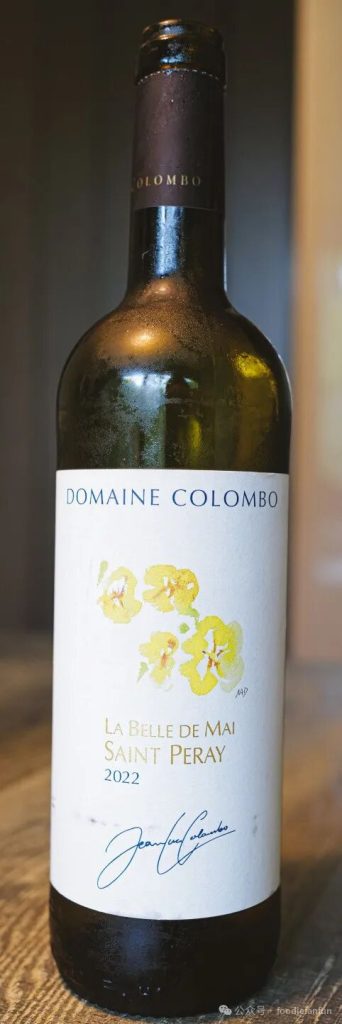
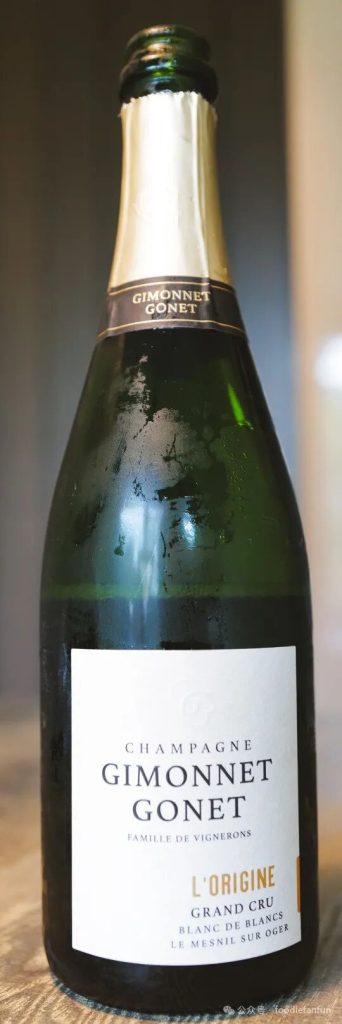
Not all the pairing wines got photographed
A wine pairing was also offered — though Toyama’s wine output is a drop in the bucket globally, the restaurant still managed to find bottles that matched the food well. Genuinely not a corner cut.
This meal left a strong impression —
This is a flavor you can only get in Toyama Prefecture, at L’ évo.
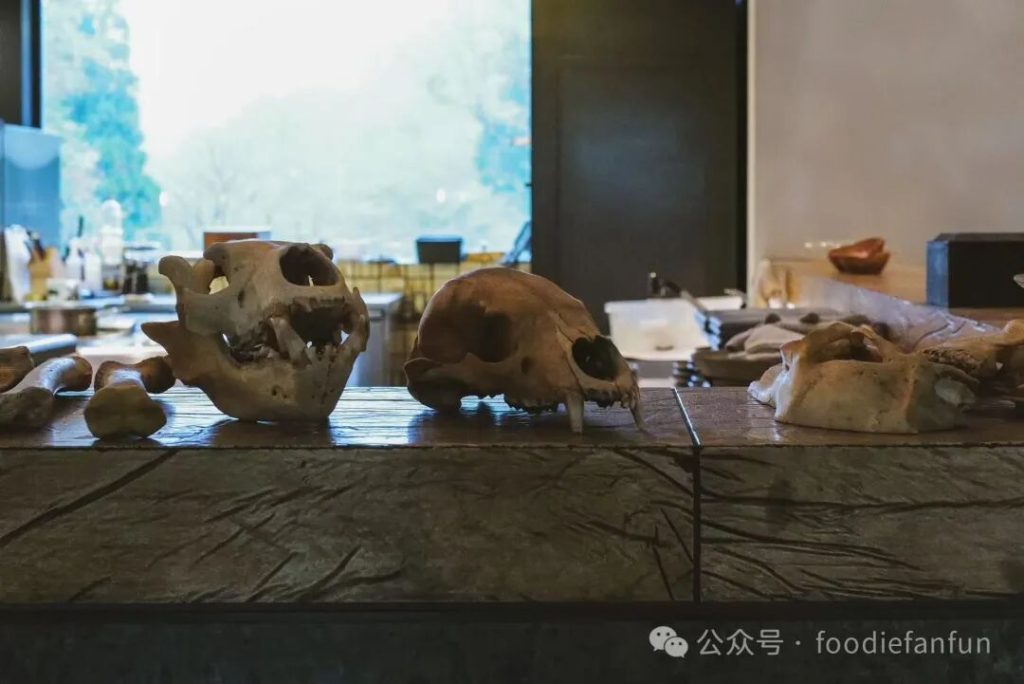
Later, on the restaurant’s website, I found a page dedicated entirely to introducing all their suppliers — to put it simply, L’ évo uses:
Daikon and cabbage grown by a farm behind Toyama with its own Swan Lake;
Vegetables and cage-free poultry from an organic farm in the Toyama satoyama hills;
Beef exclusively supplied by a Toyama meat farm that’s won awards in Germany;
Fish from a fourth-generation Toyama fishmonger;
A well-known goat cheese farm in Toyama that’s won an international gold award;
Plants supplied by a flower-seedling farm on Toyama’s Tateyama mountain range;
And Toyama’s own natural wine label, SAYS FARM;
On top of that —
Wood carvings made by the heir to a renowned Toyama Buddhist-statue sculptor;
Copperware from Takaoka, Toyama’s famous casting town;
Works by a leading figure in modern Etchū Seto ware from Toyama;
Drinkware by Toyama’s gifted glass artist TAIZO GLASS;
Tableware made by multiple Toyama ceramic artists…
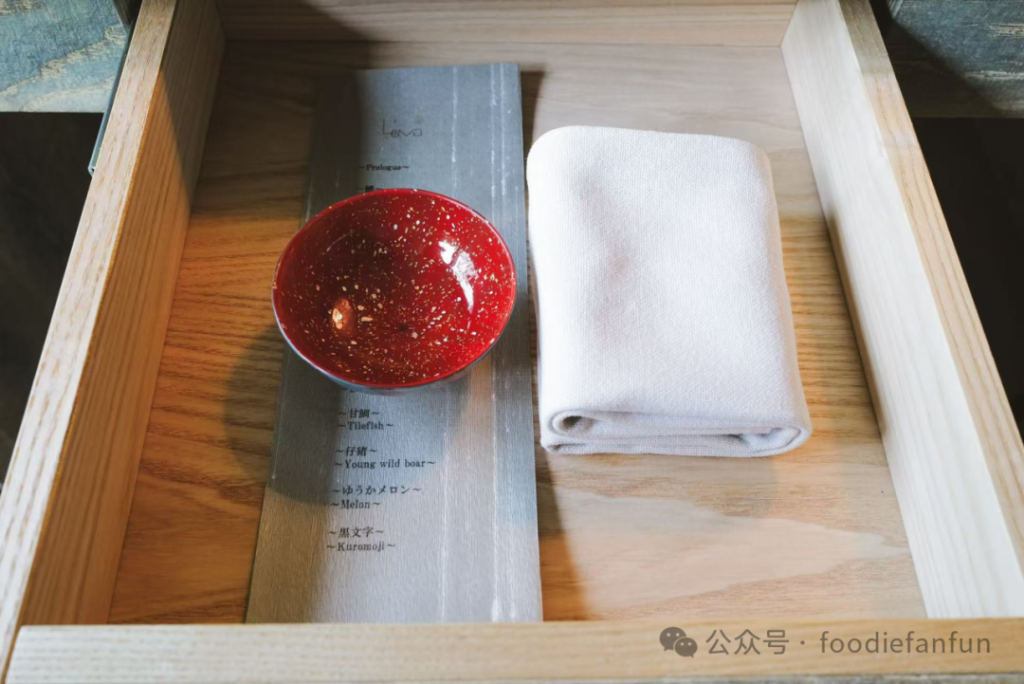
Even the napkins are sourced through a partnership with a local Toyama brand.
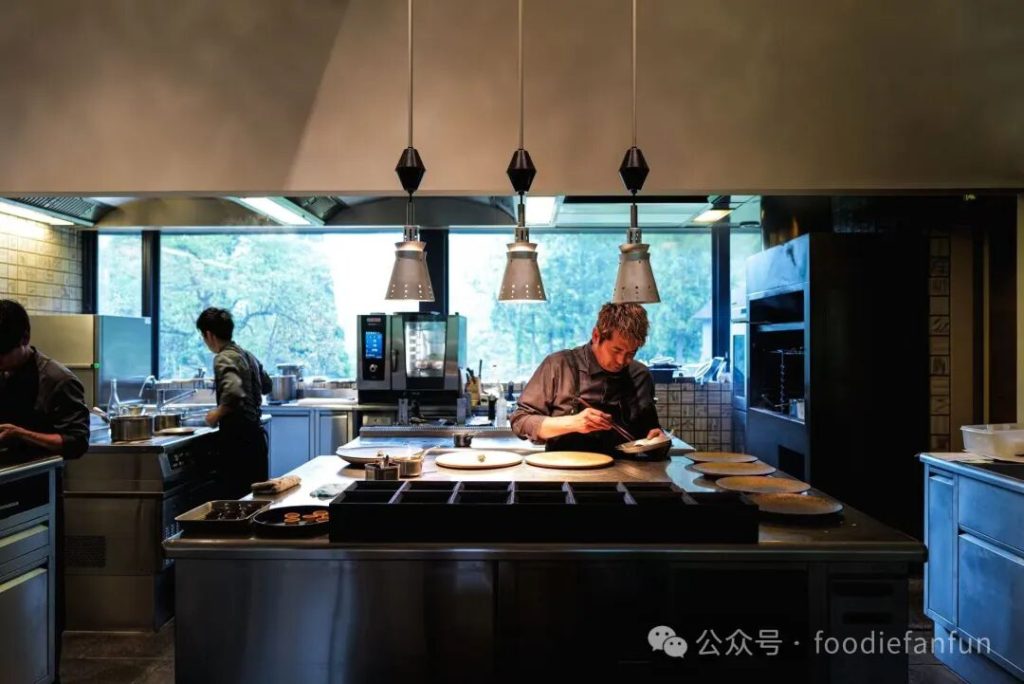
Wow, just how deep does this Osaka native’s Toyama soul actually run~

L’ évo
100 Daikanba Tashima, Togamura, Nanto, Toyama Prefecture
Thursday – Tuesday
Lunch 12:00 / 12:30
Dinner 18:00 / 19:00
https://levo.toyama.jp/
¥30,000 – ¥39,999
Leave a Reply