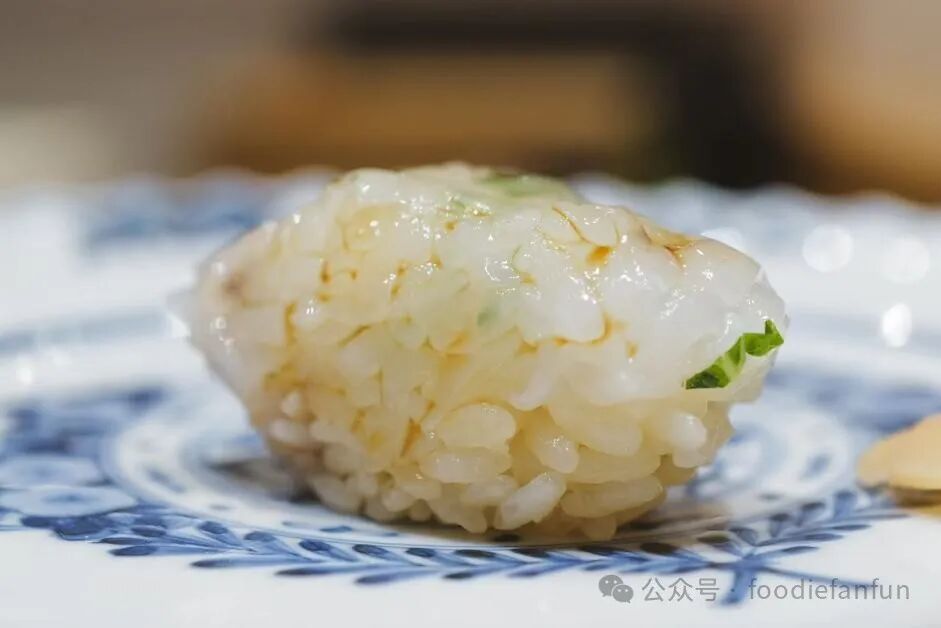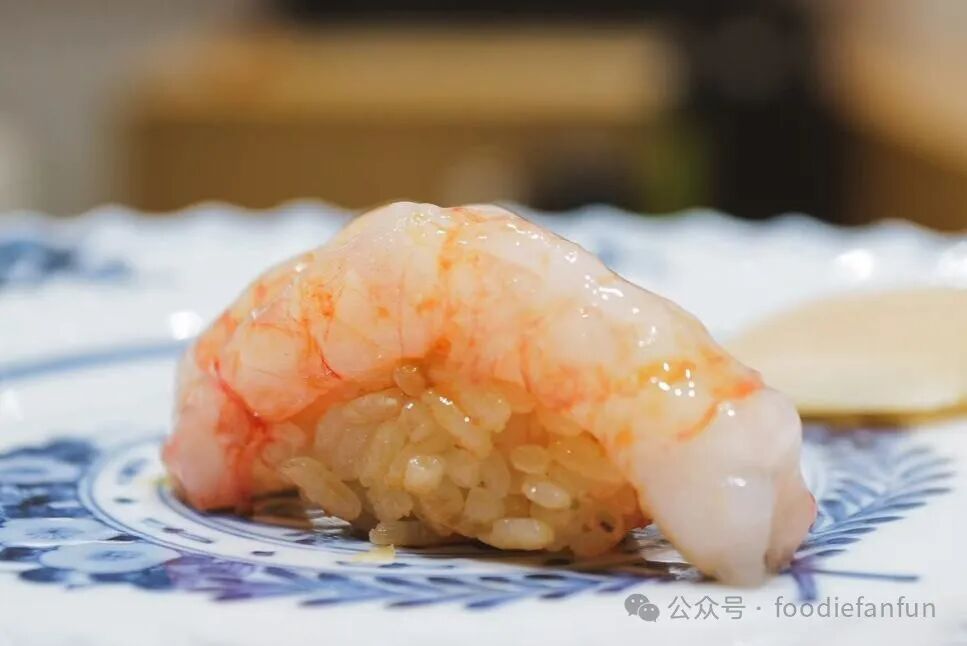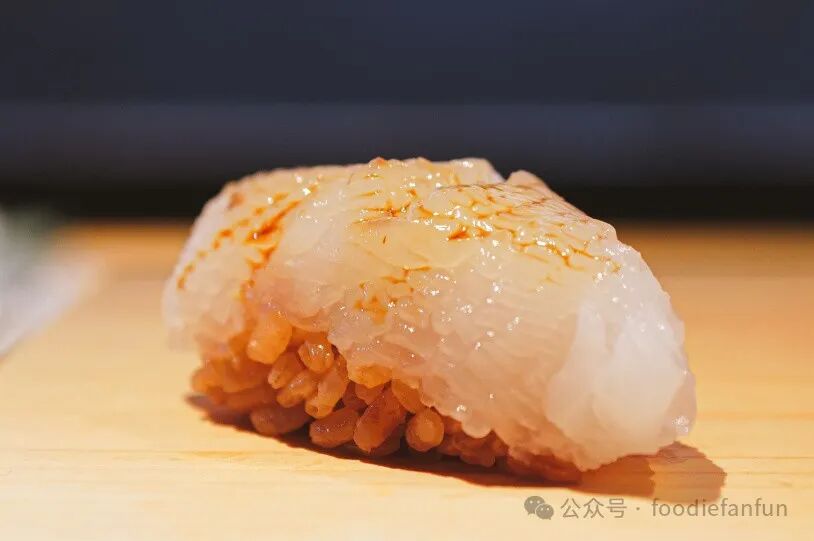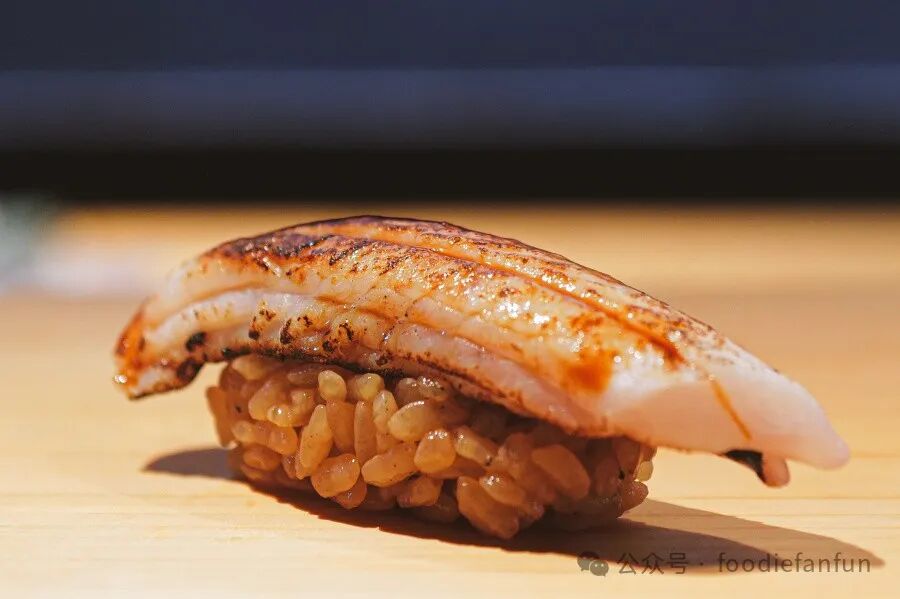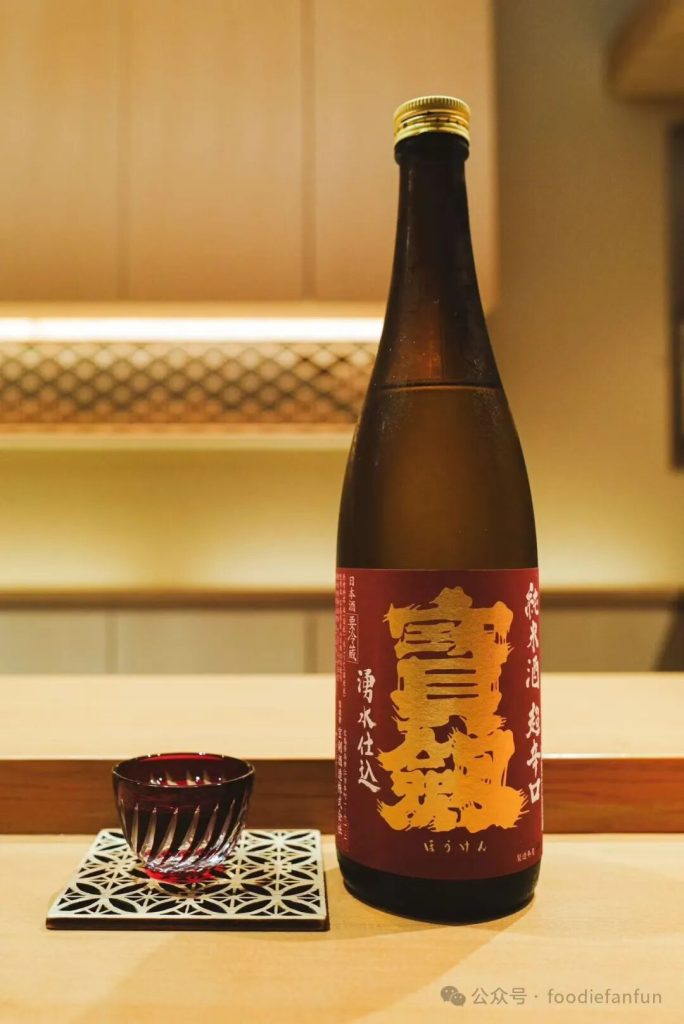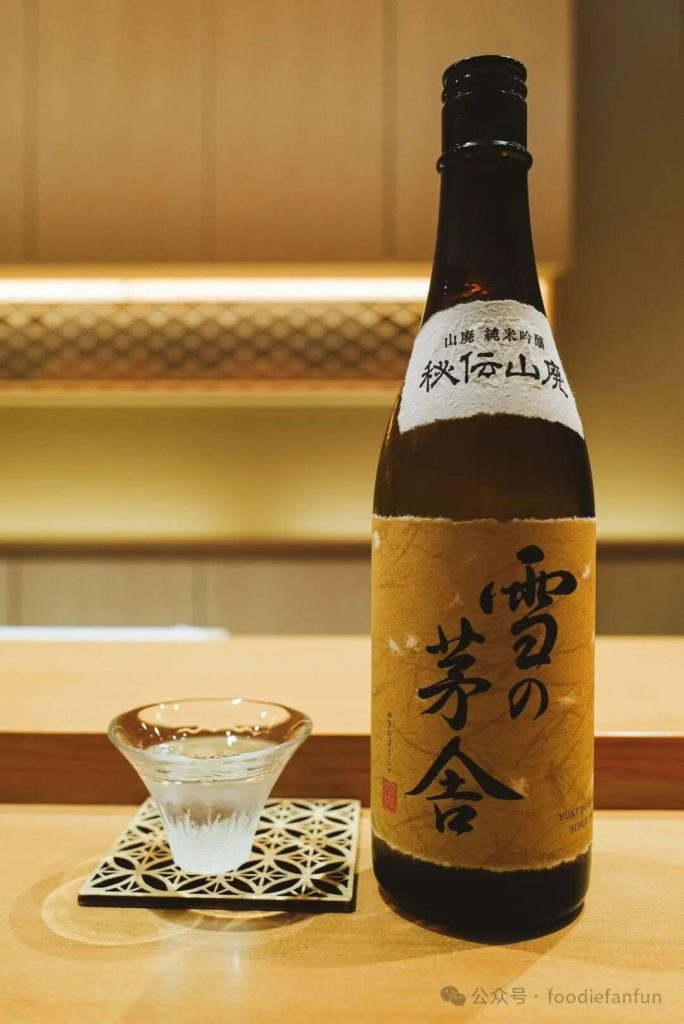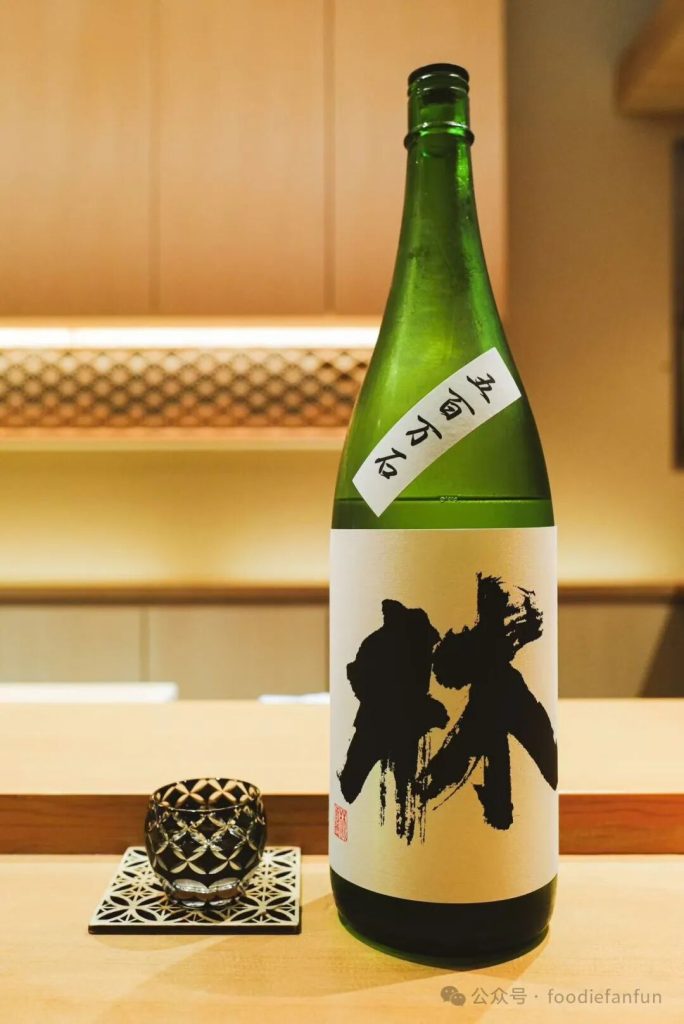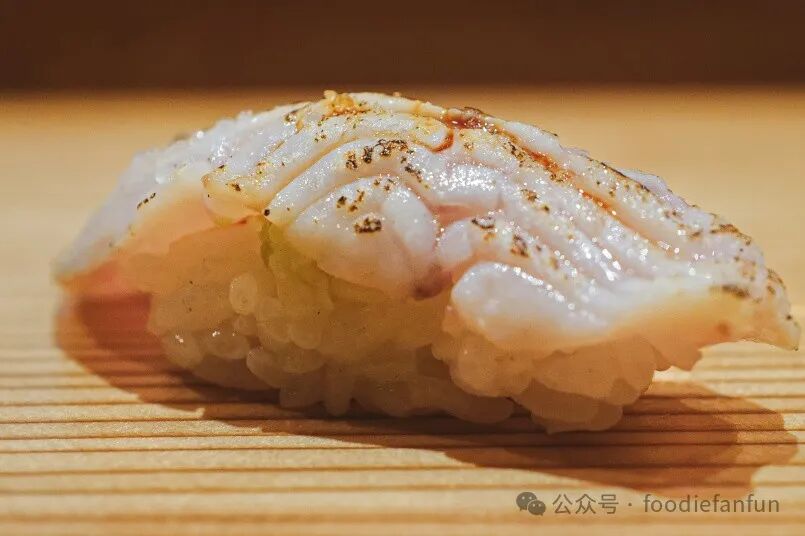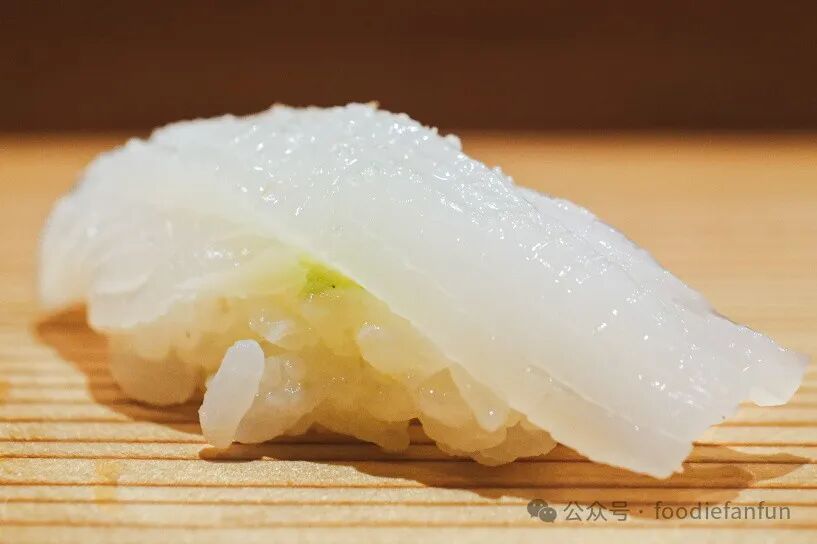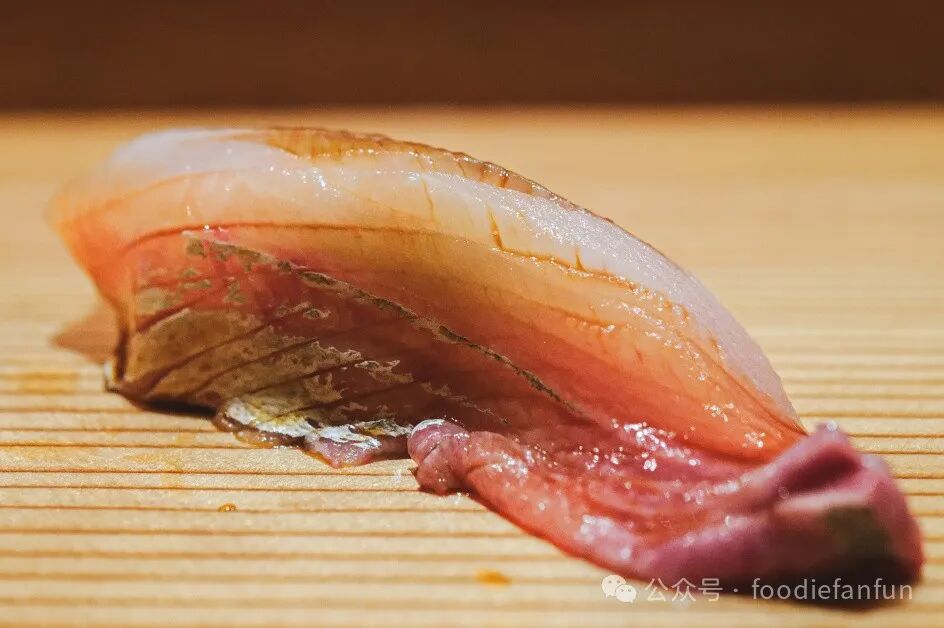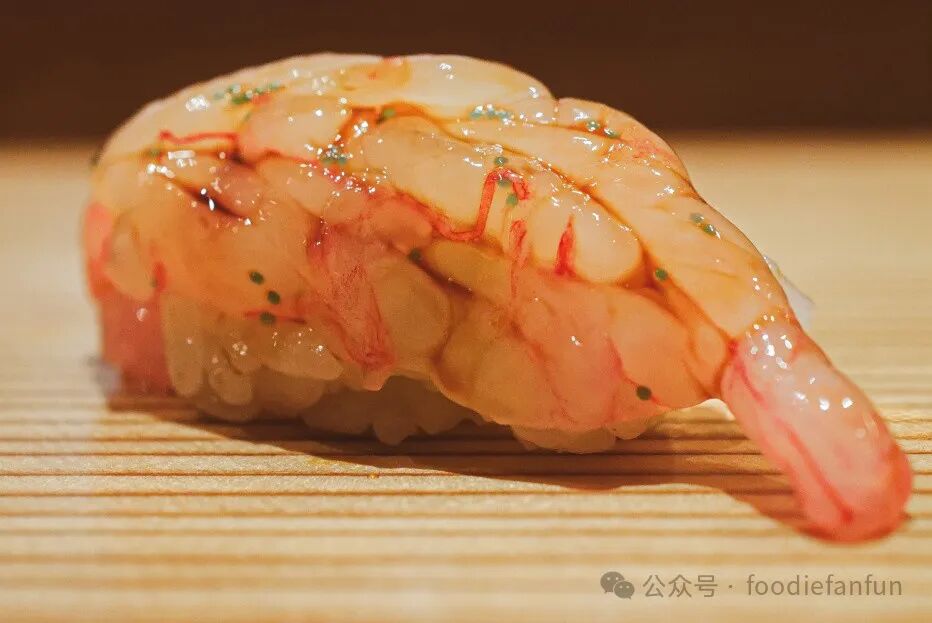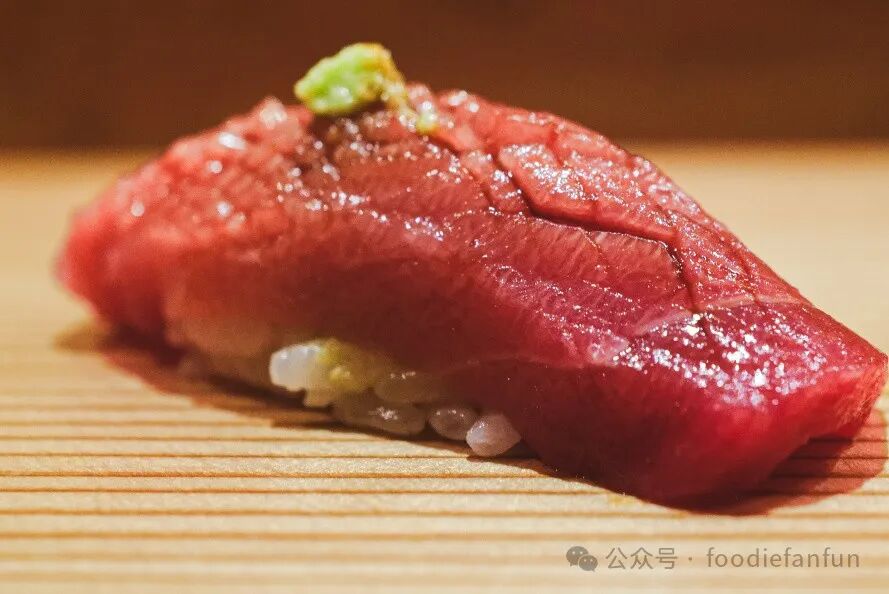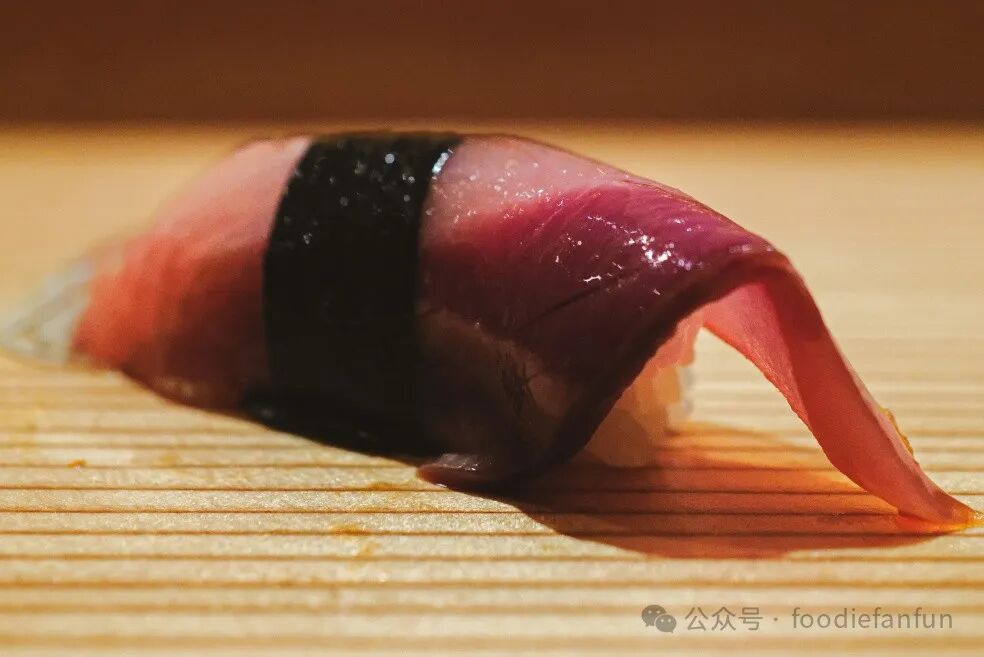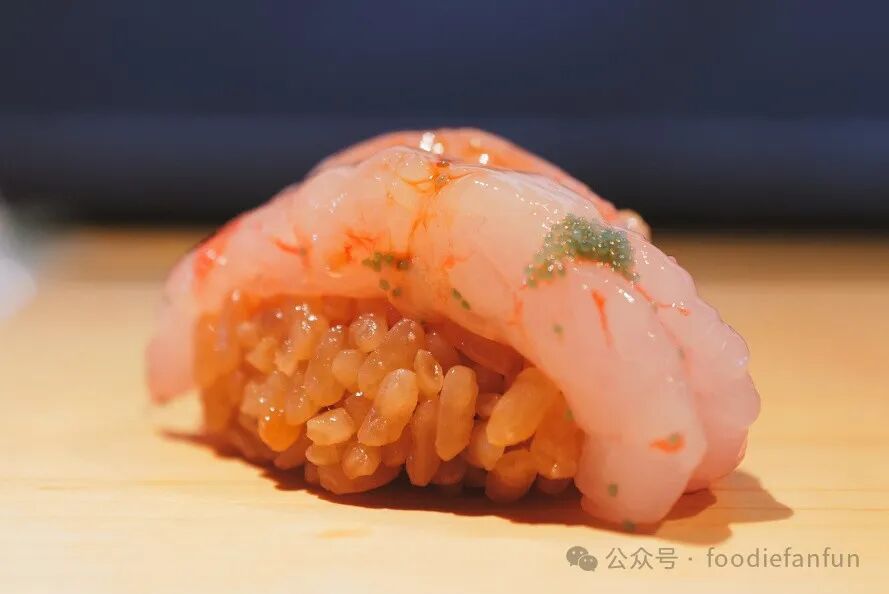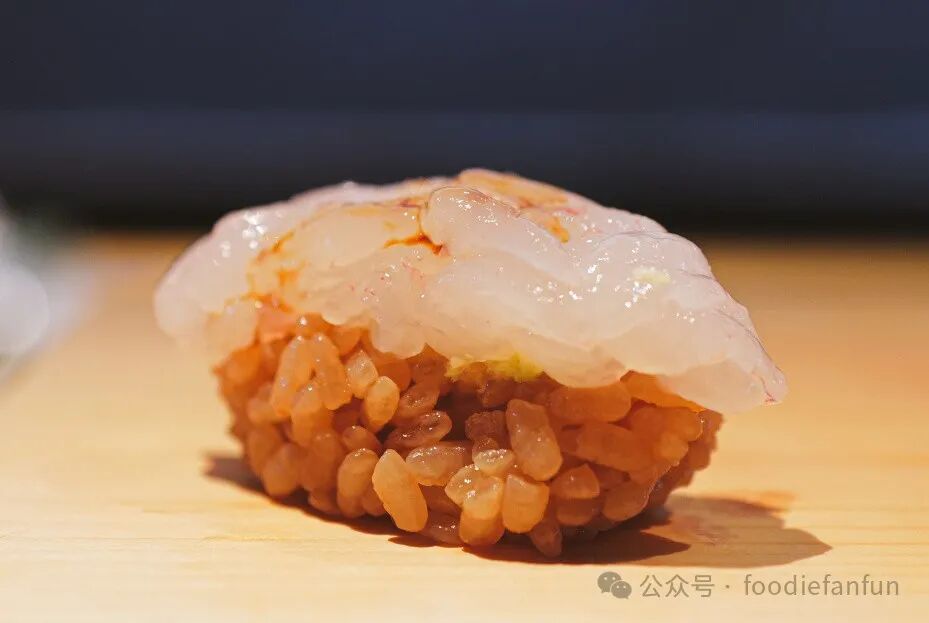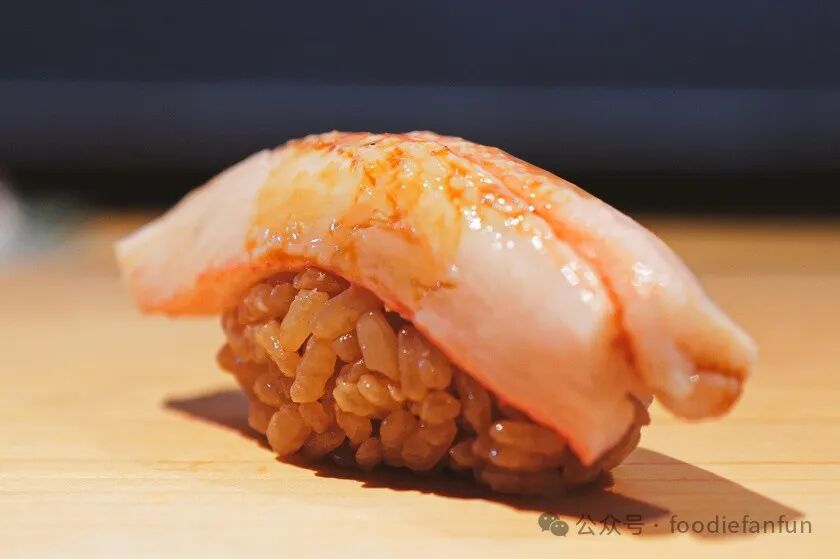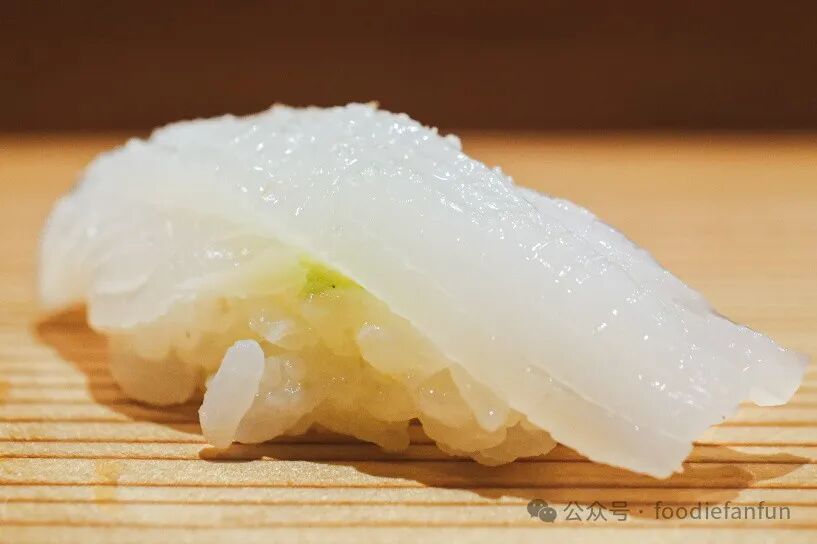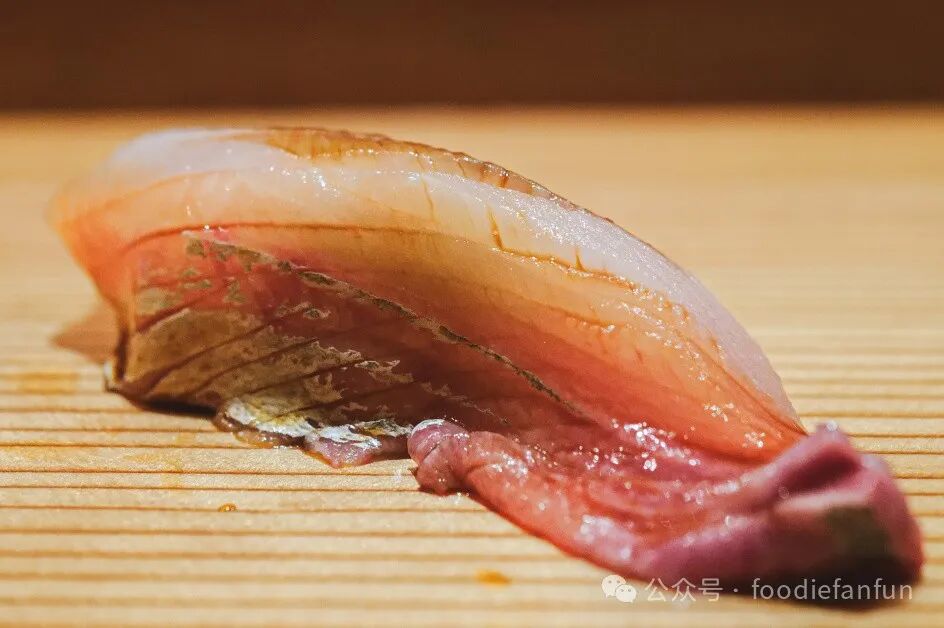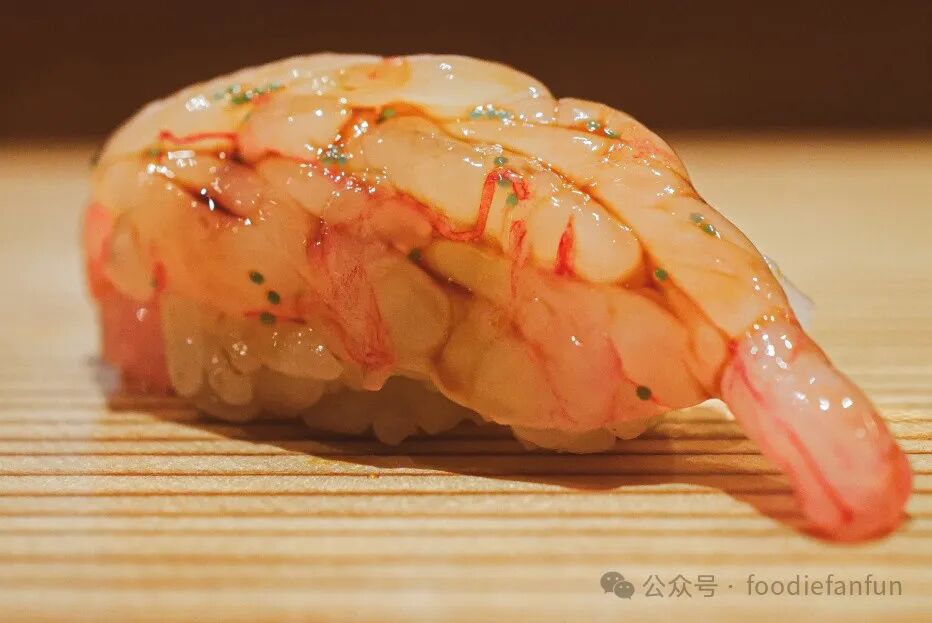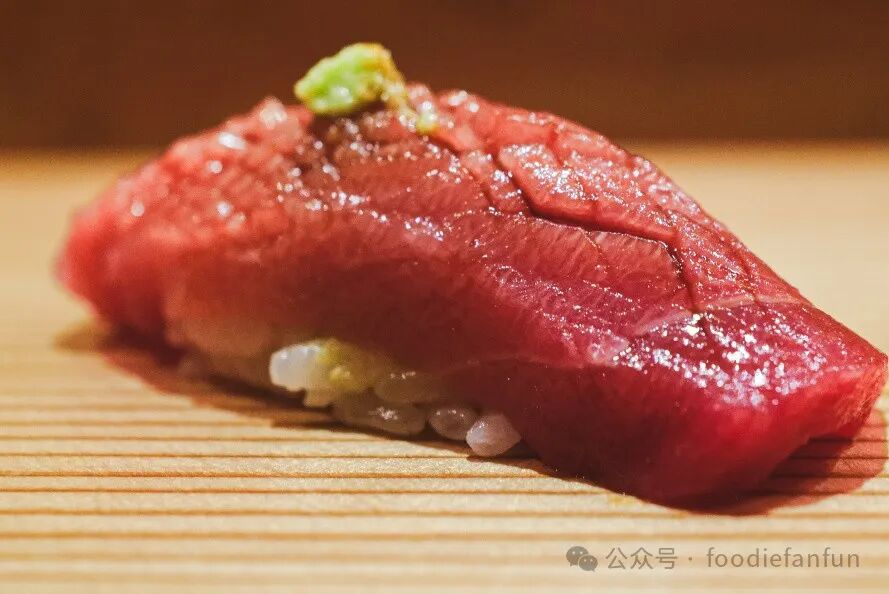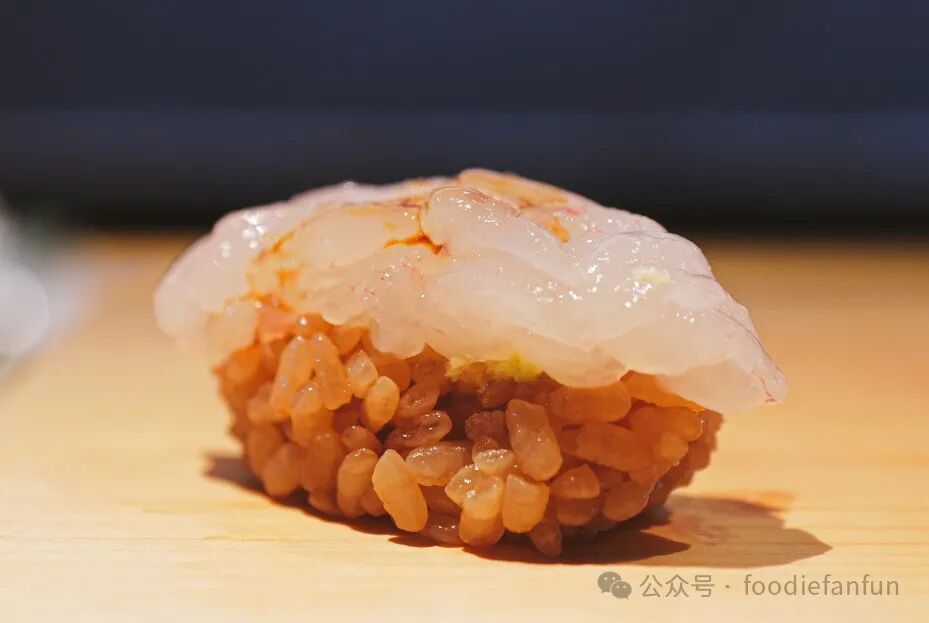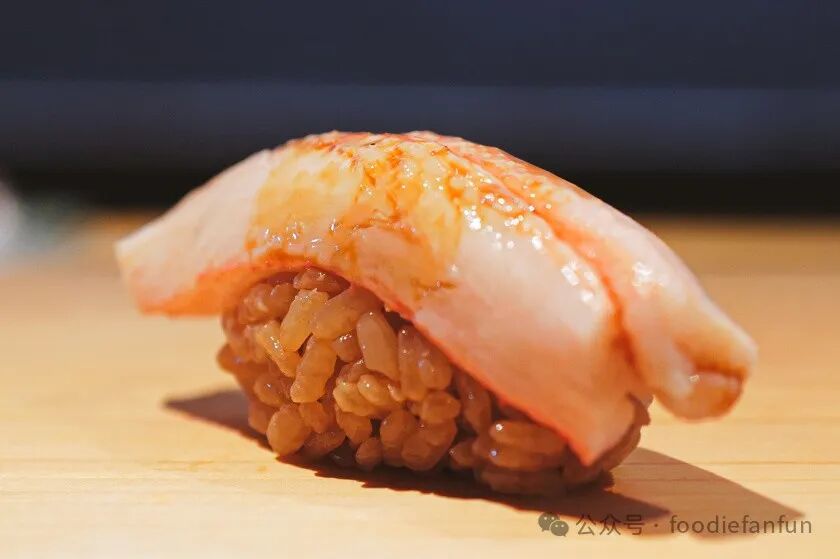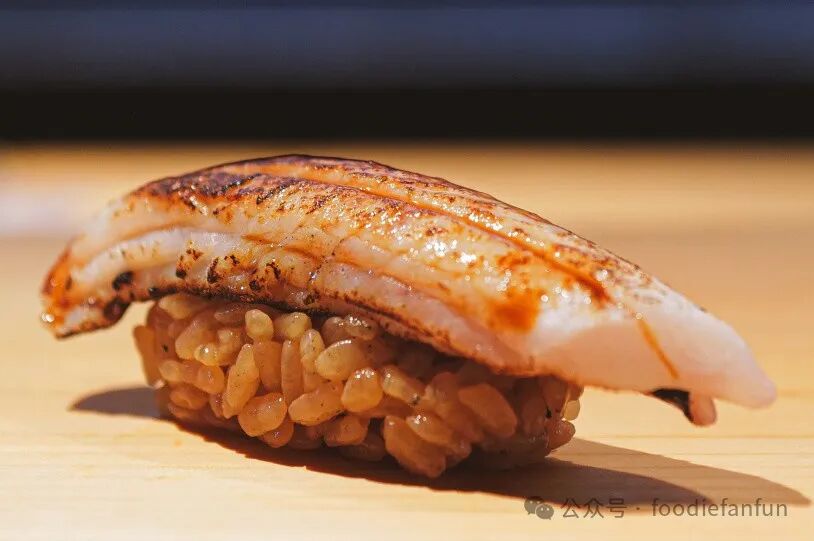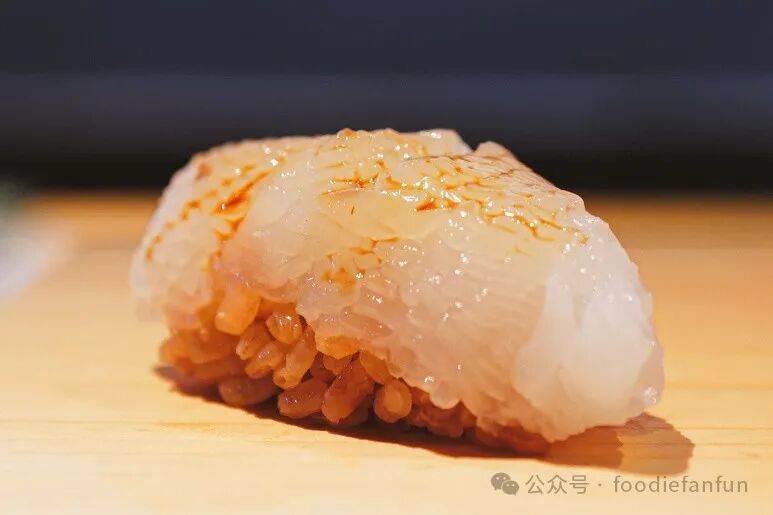
• In Toyama, a Michelin Sushi Experience for Under 200 RMB a Person

    On a trip through Japan’s Hokuriku, whether in Toyama or Kanazawa, sushi is an essential part of the experience.
    We’d previously visited a rising-star sushi spot in Kanazawa, Sushi Ikuta, ranked #2 in Kanazawa, benefiting from its proximity to the source — most of its ingredients are locally sourced. There’s also Hokuriku’s largest seafood market, Ōmichō Market, where a 600-meter arcade holds nearly 200 small stalls, about half of them dealing in seafood.

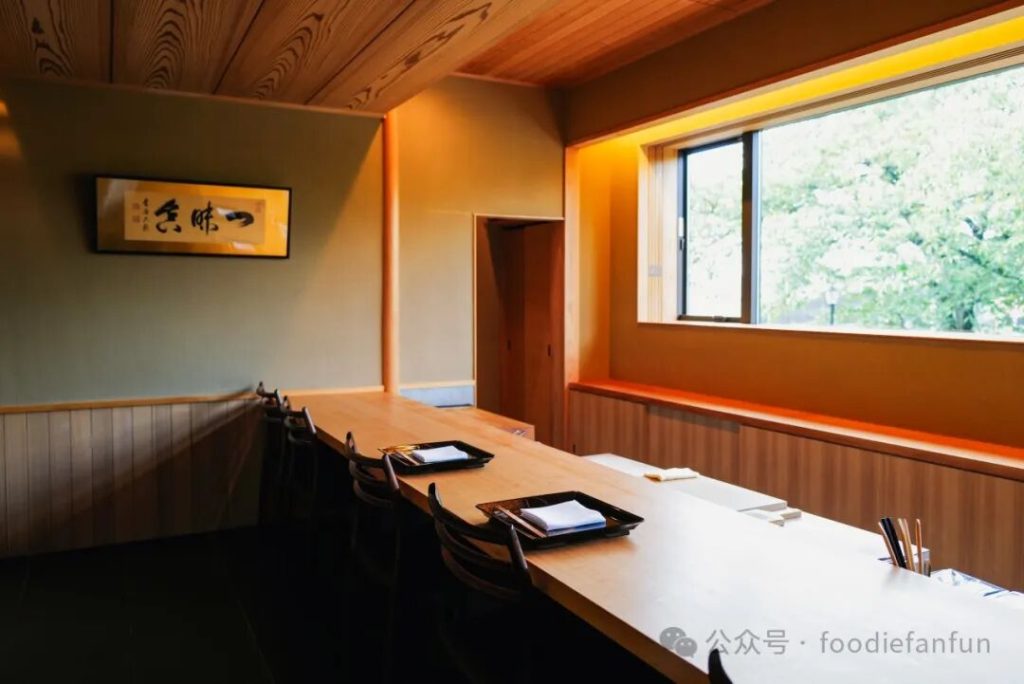
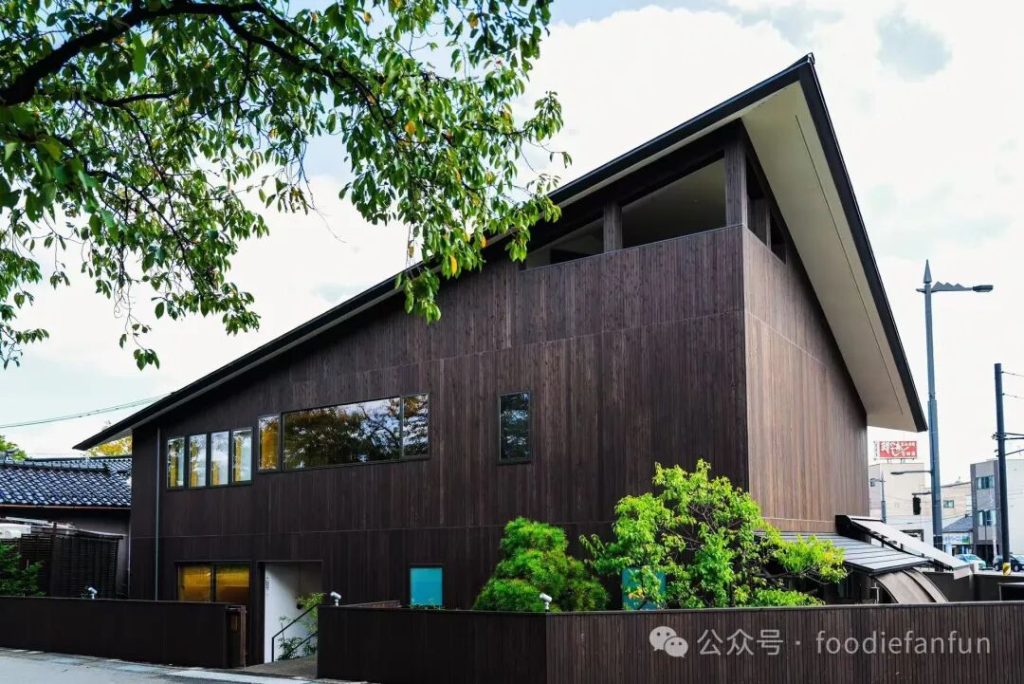
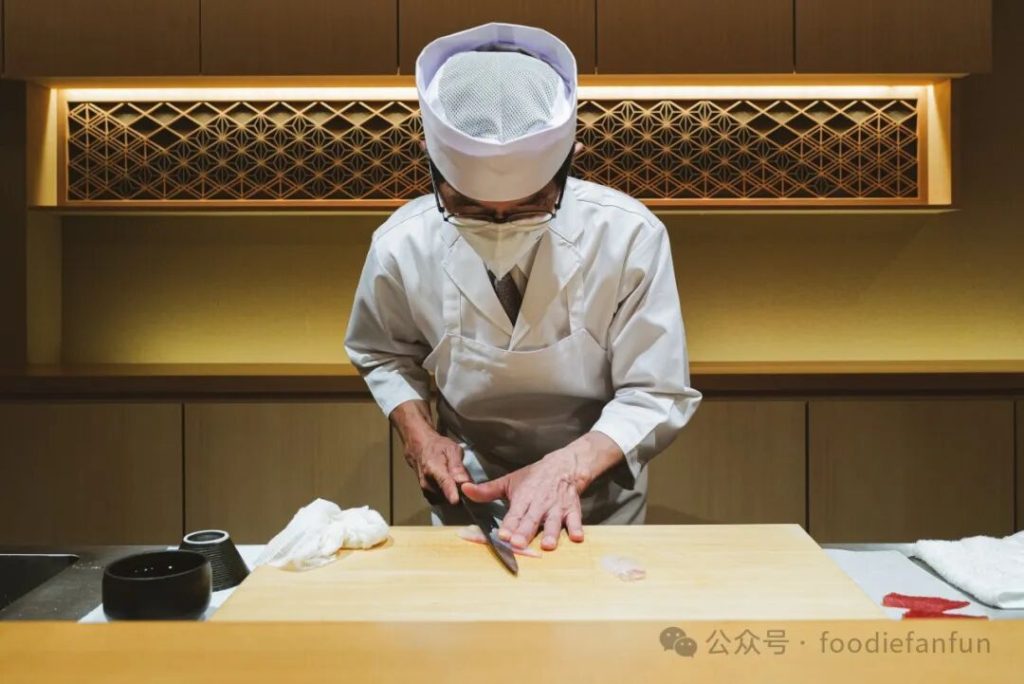
    As for Toyama sushi, SOTO had been on our radar for a long time. Chef Sotohiro Kosugi, now 63, comes from a sushi family, with 32 years of overseas experience in New York and Houston before ‘re-launching’ back in his hometown. Having earned Michelin two stars in both New York and Toyama, he came with a halo of respect and high expectations.

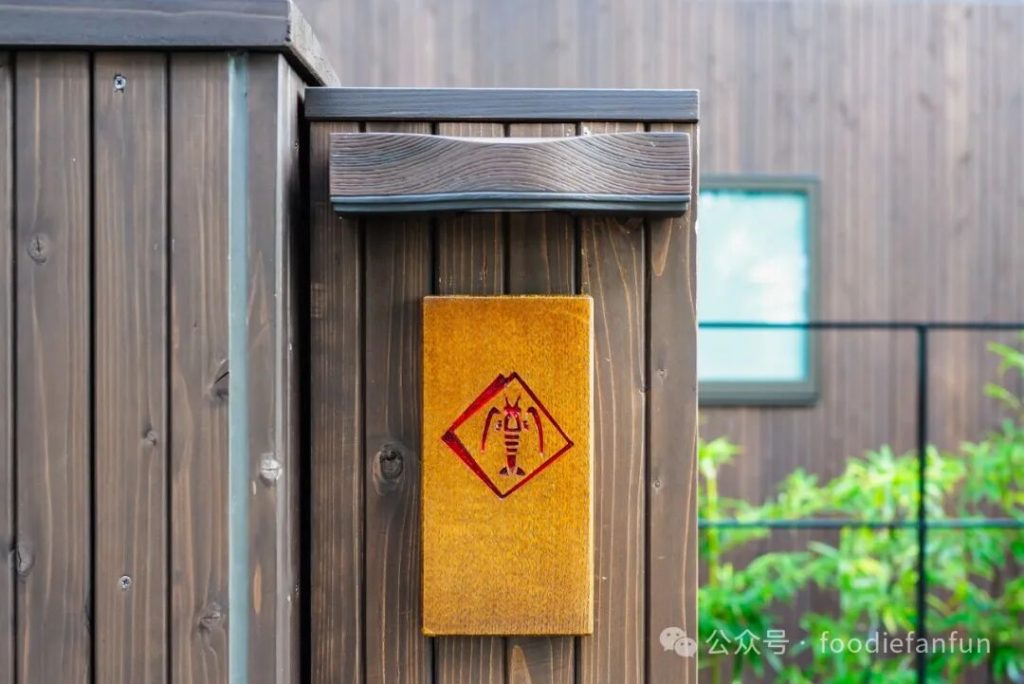
    The other restaurant tells a completely opposite story — 立ち喰い鮨 人人 (Tachigui-zushi Jinjin), priced at just a fifth of SOTO (about 200 RMB for 10 pieces of nigiri), a standing ‘fast food’ sushi bar. Head chef Izumi Kimura was once an architect before switching careers midway to become a sushi chef, running Hokuriku’s #1-ranked sushi restaurant on Tabelog, Sushi Shibito. But last year, he boldly closed it down to open this accessible sushi spot instead — a 30-minute meal, open until midnight.

    SOTO

    Tabelog 3.82

    🍣22,000 + 🍶4,000
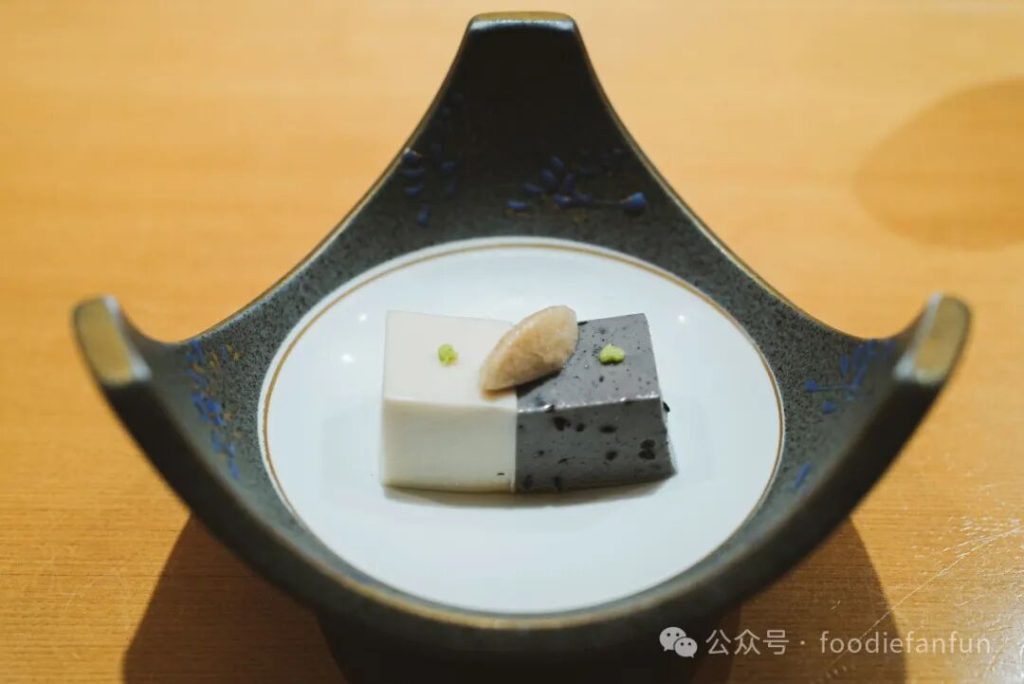
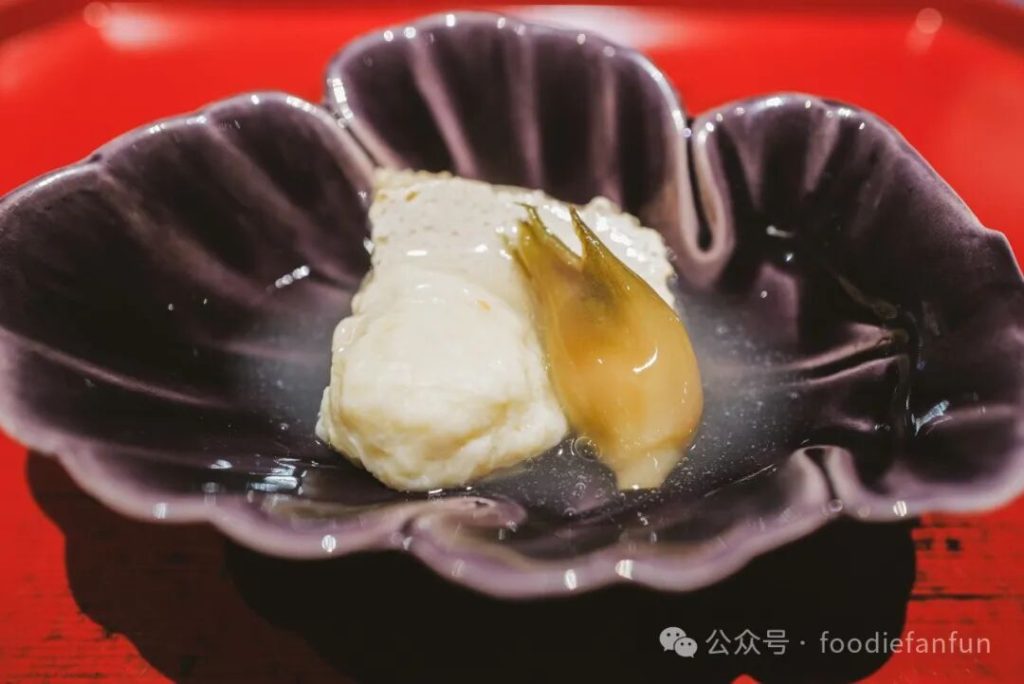
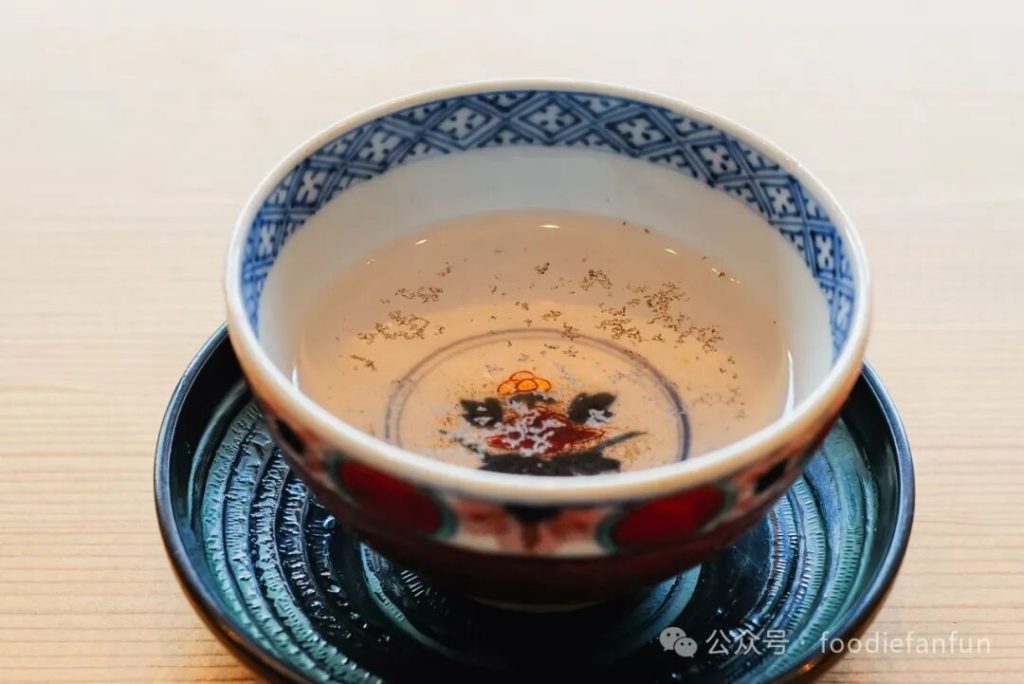
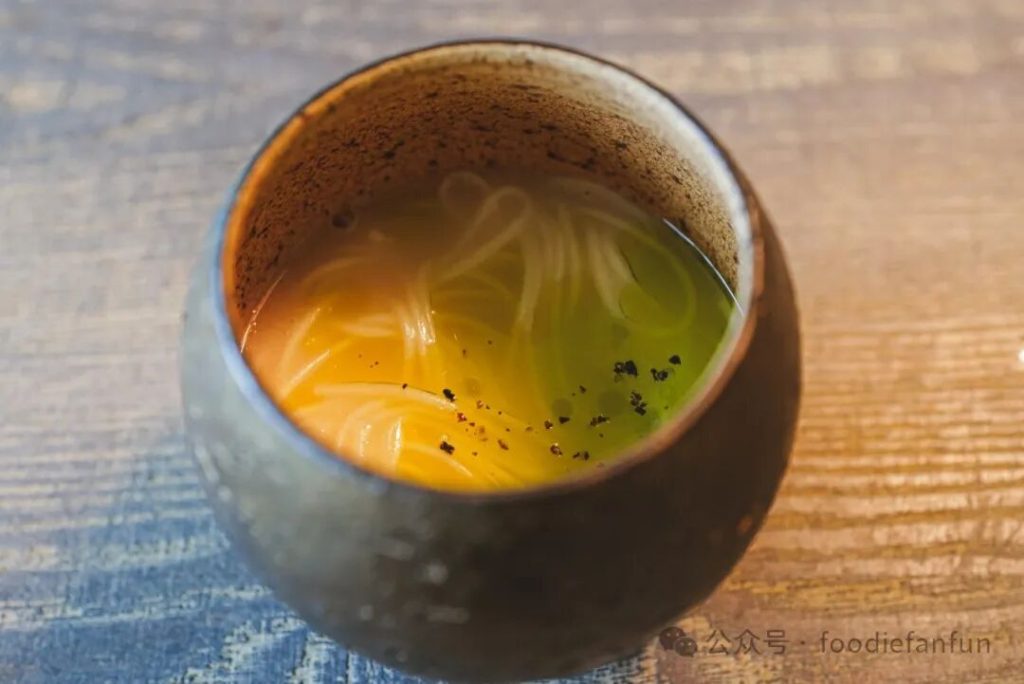
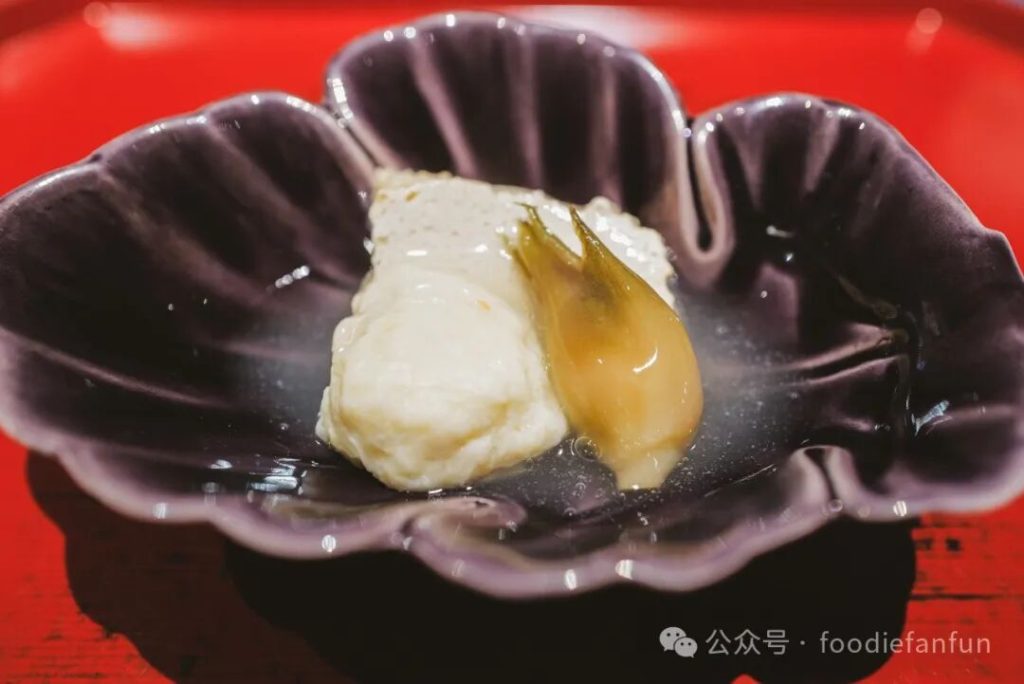
    Sesame tofu
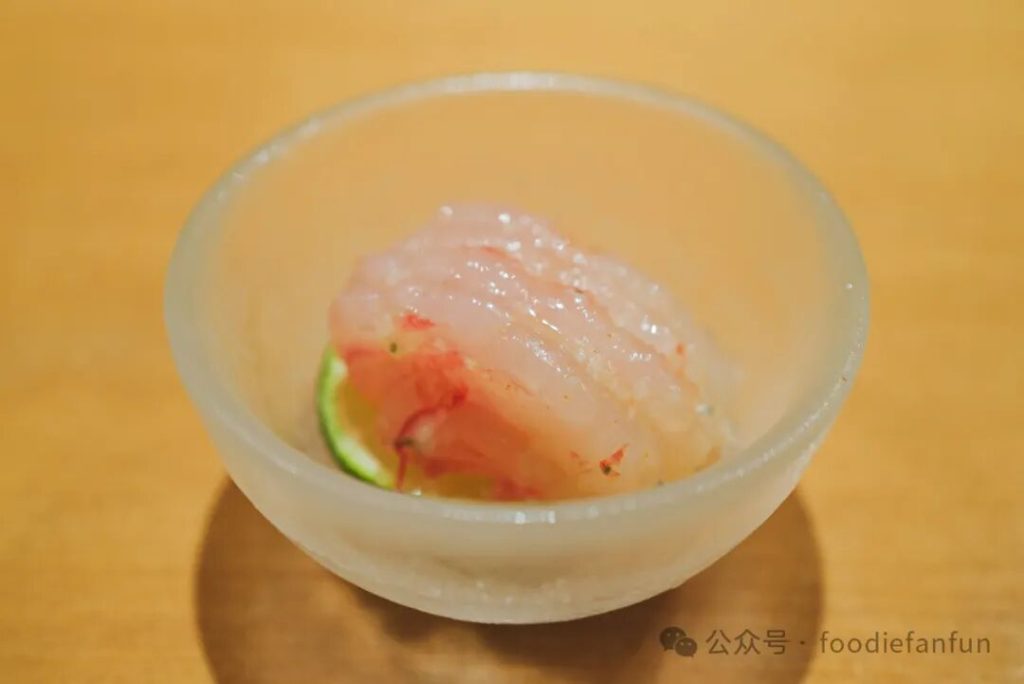
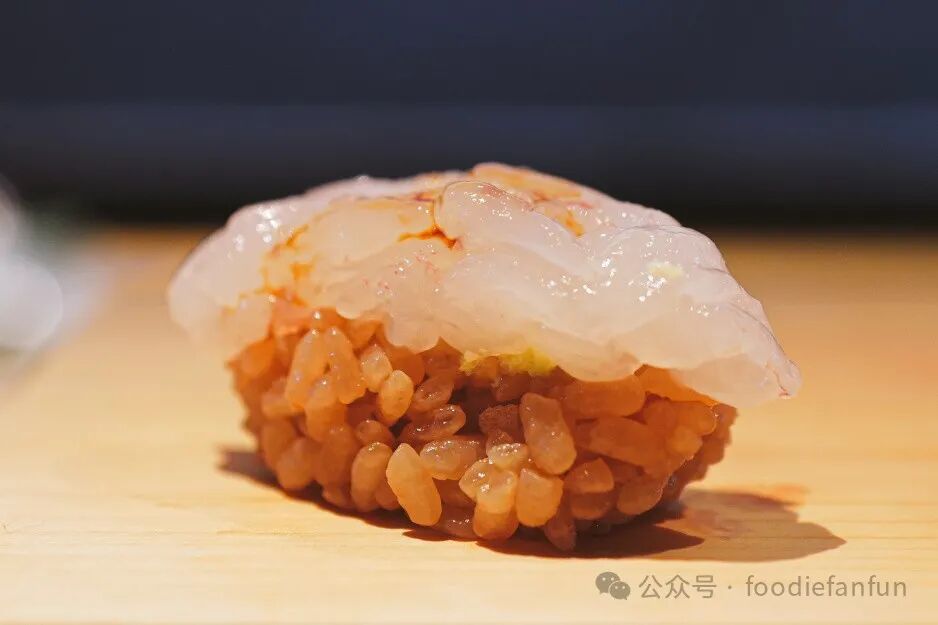
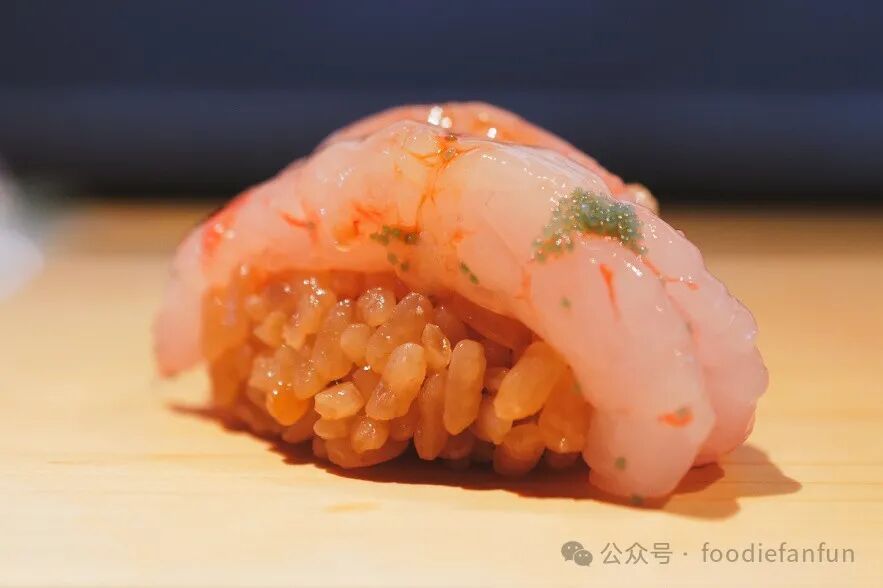
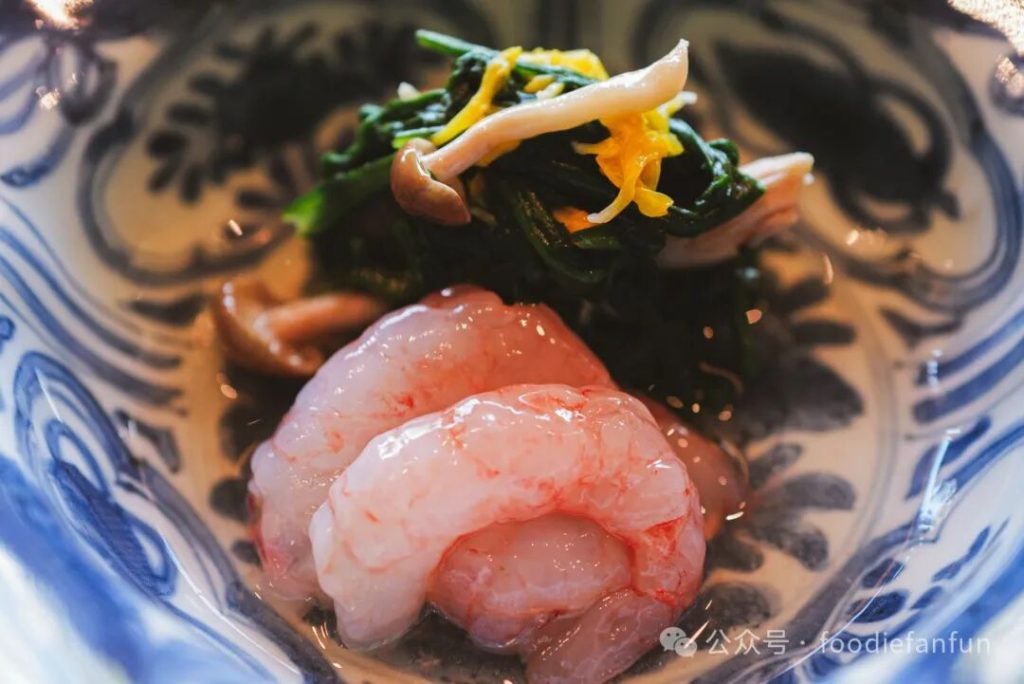
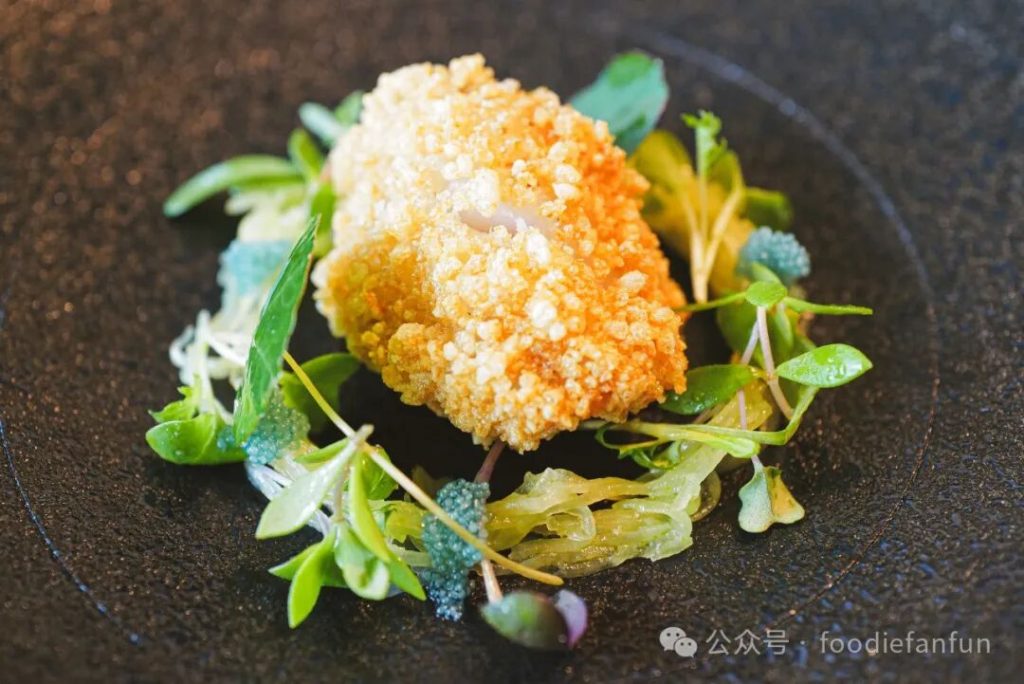
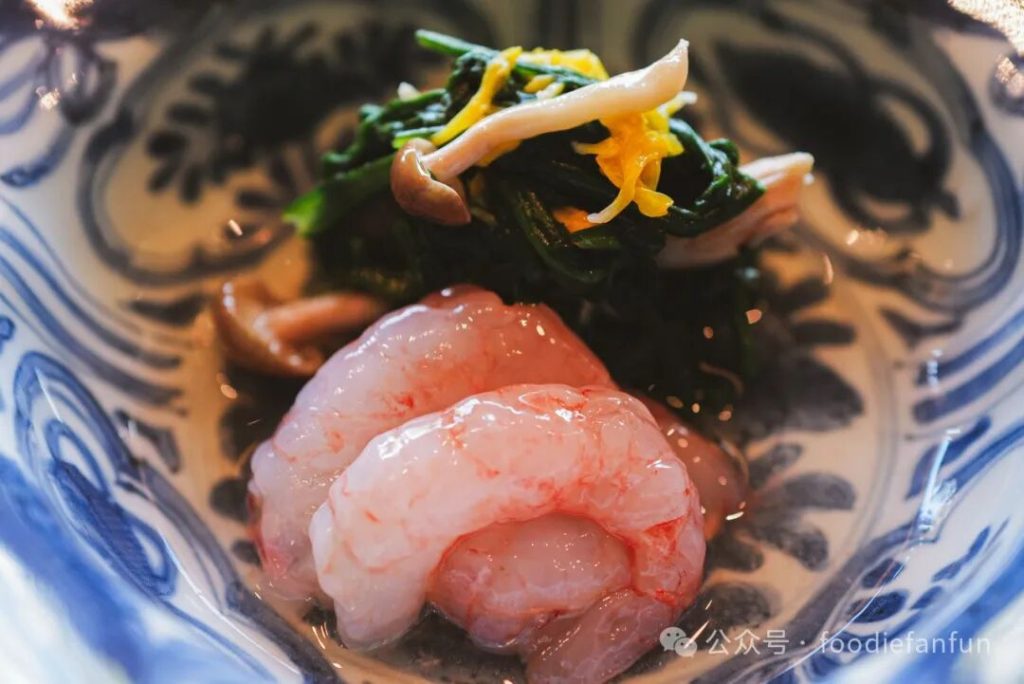
    Sweet shrimp
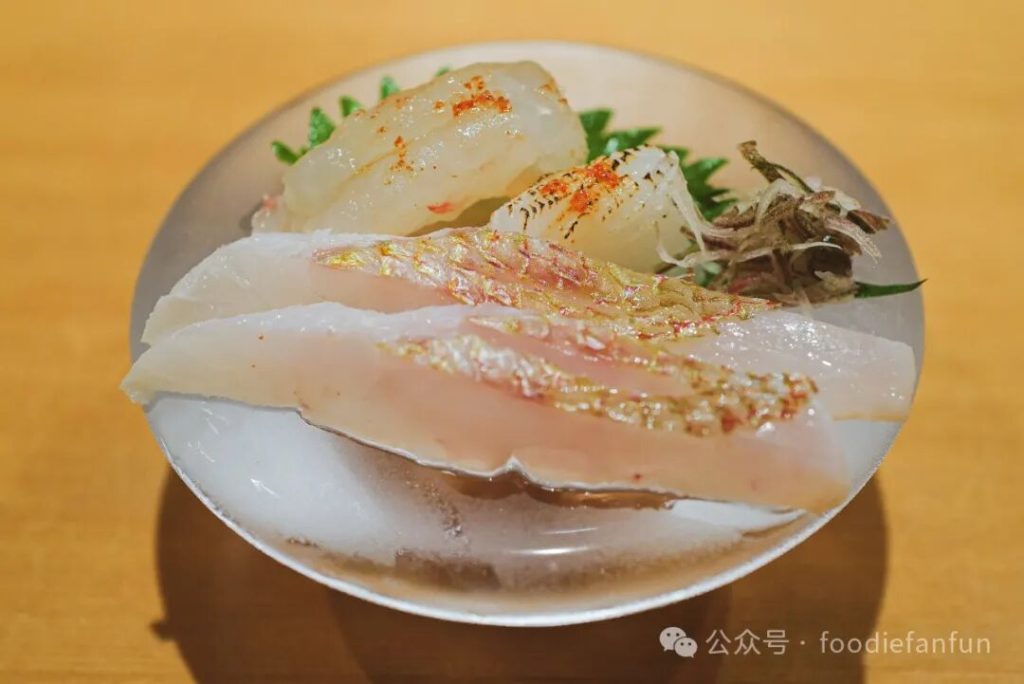
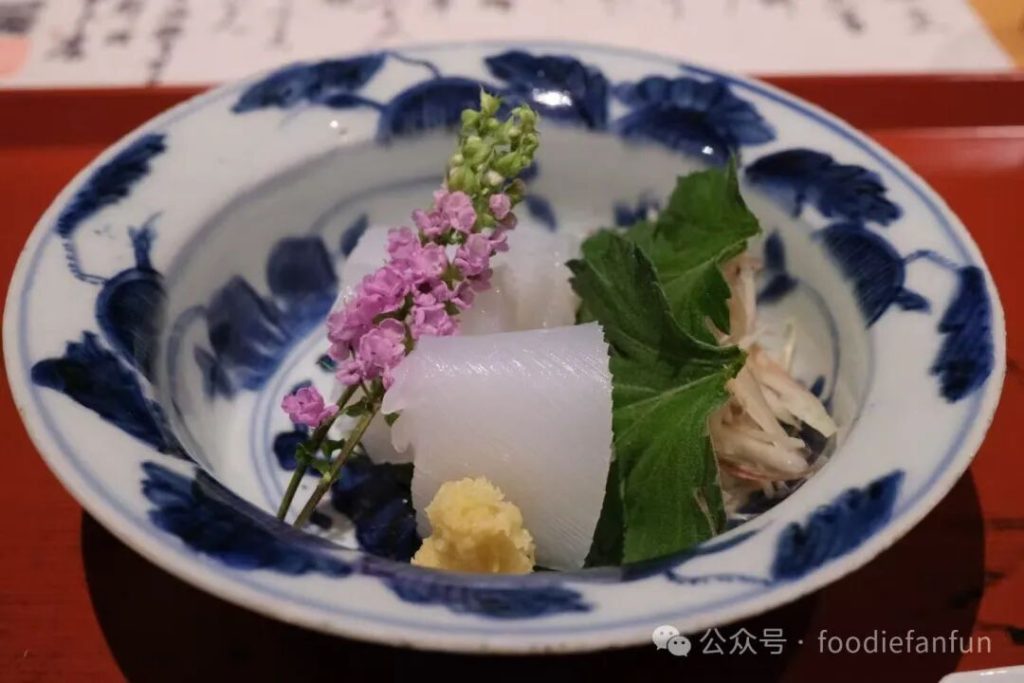
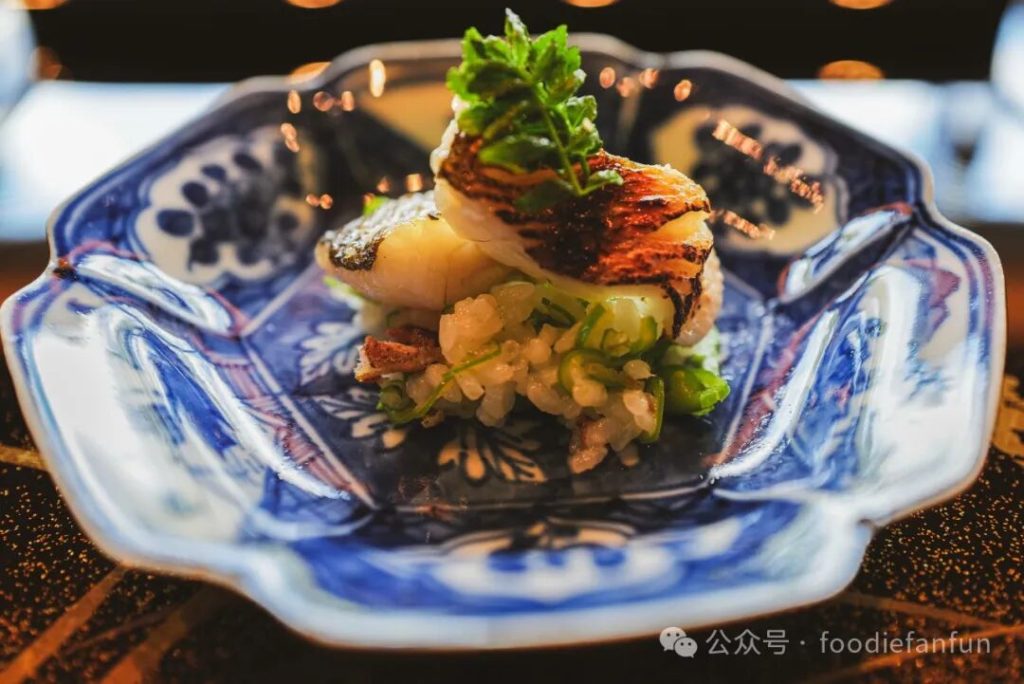
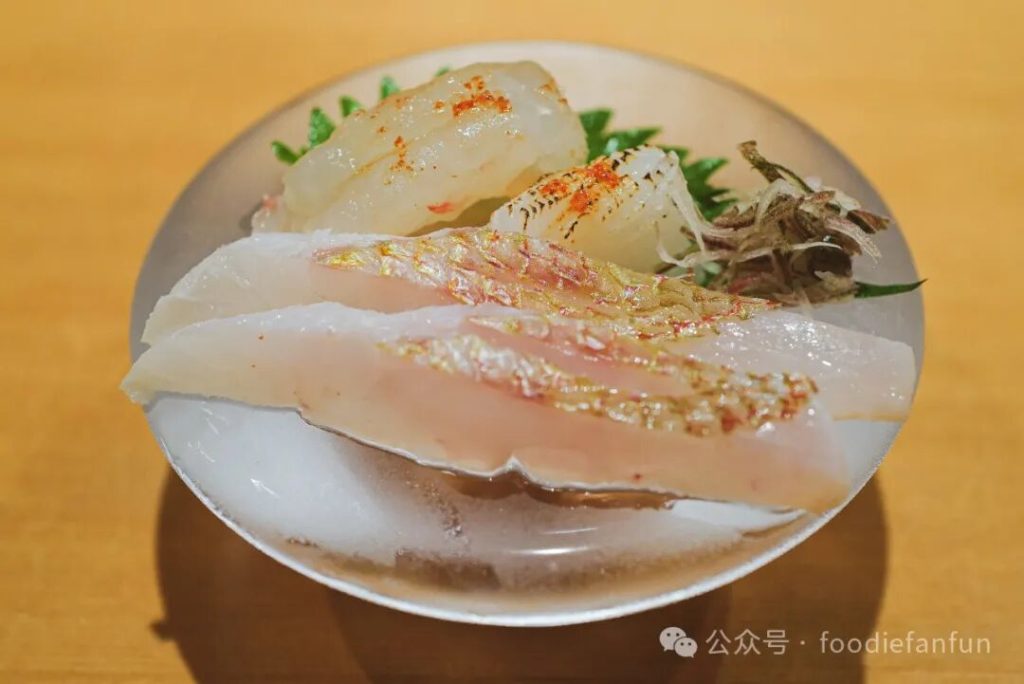
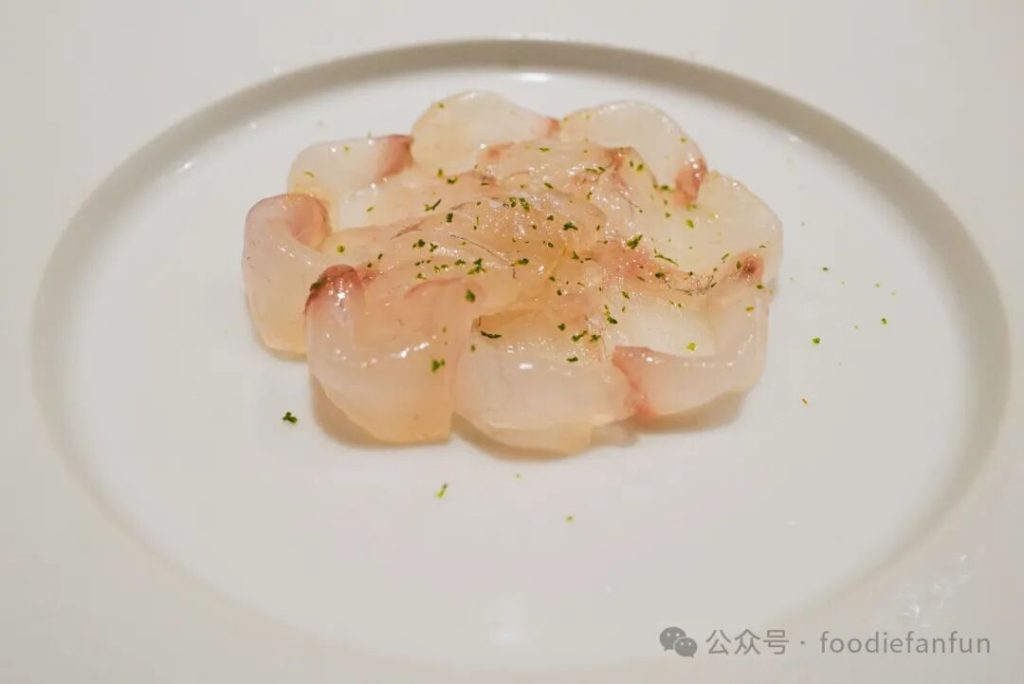
    Ceviche | red sea bream, squid, botan shrimp

    SOTO’s dinner reservation times are quite flexible, without a strict first/second seating — you can book anywhere from 4:30pm to 8:30pm. We booked the 8:30pm slot, and when we arrived there was still a table that hadn’t left yet, so Kosugi worked on our sakana dishes in between preparing sushi for the other table.

    That night’s dinner was 12 sakana dishes + 10 pieces of sushi, with an optional 10-item drink pairing for an extra ¥4,000. For a high-end Japanese restaurant, the value on food and drink together was exceptionally high.
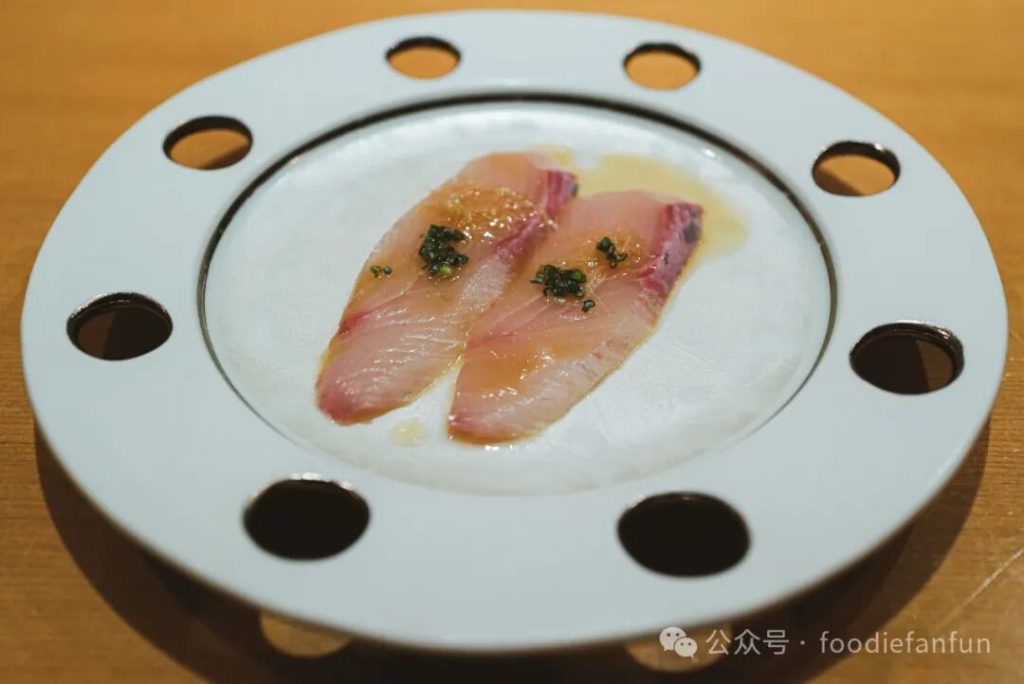
    Yellowtail amberjack
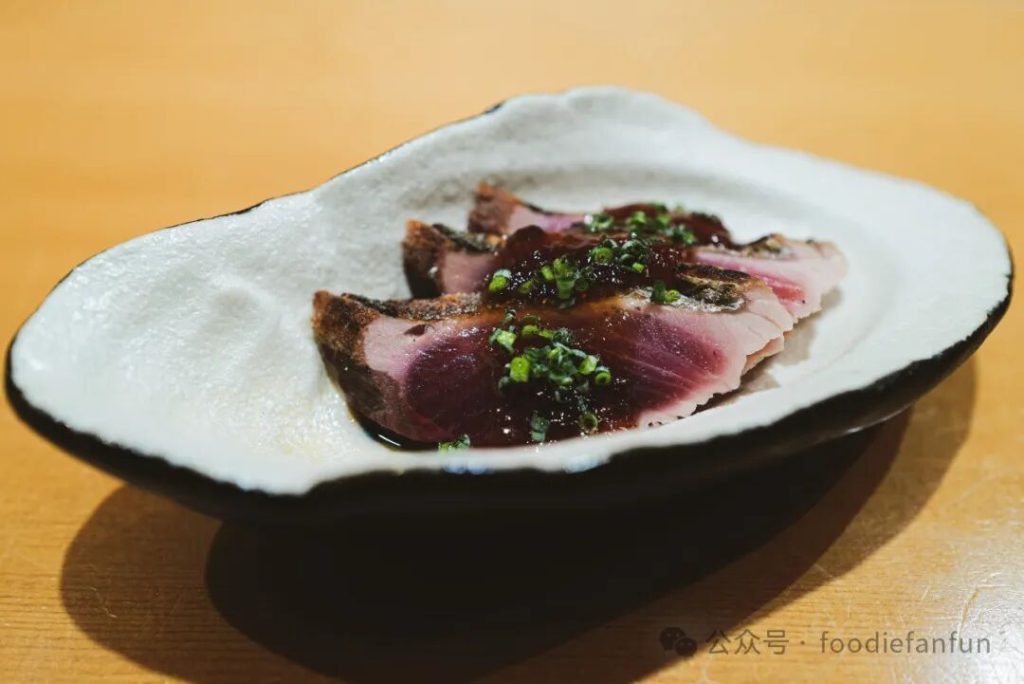
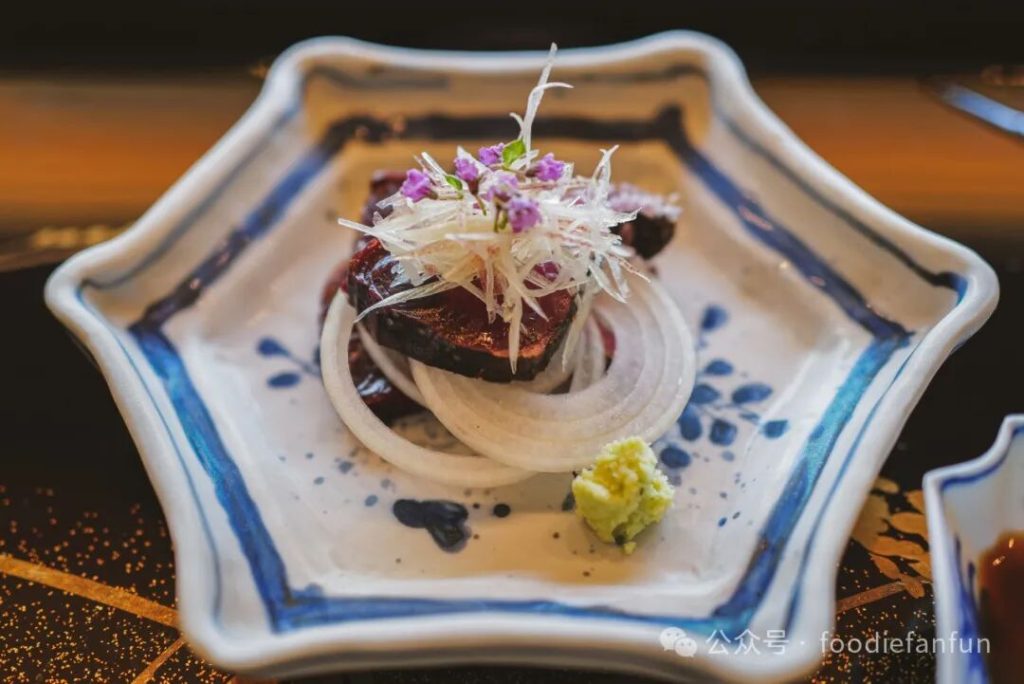
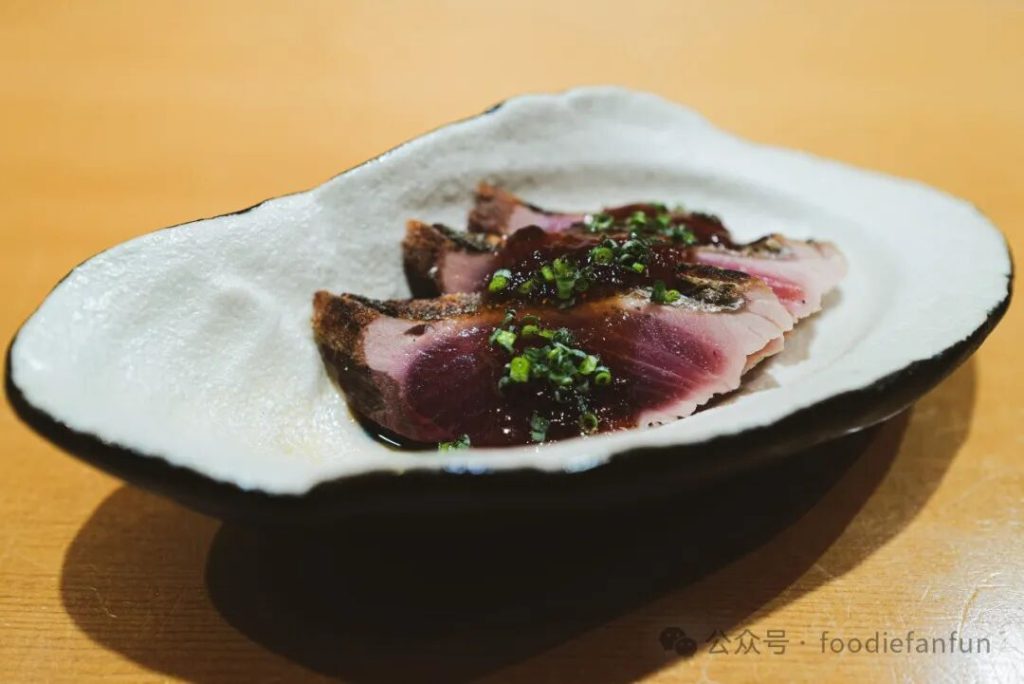
    Bonito
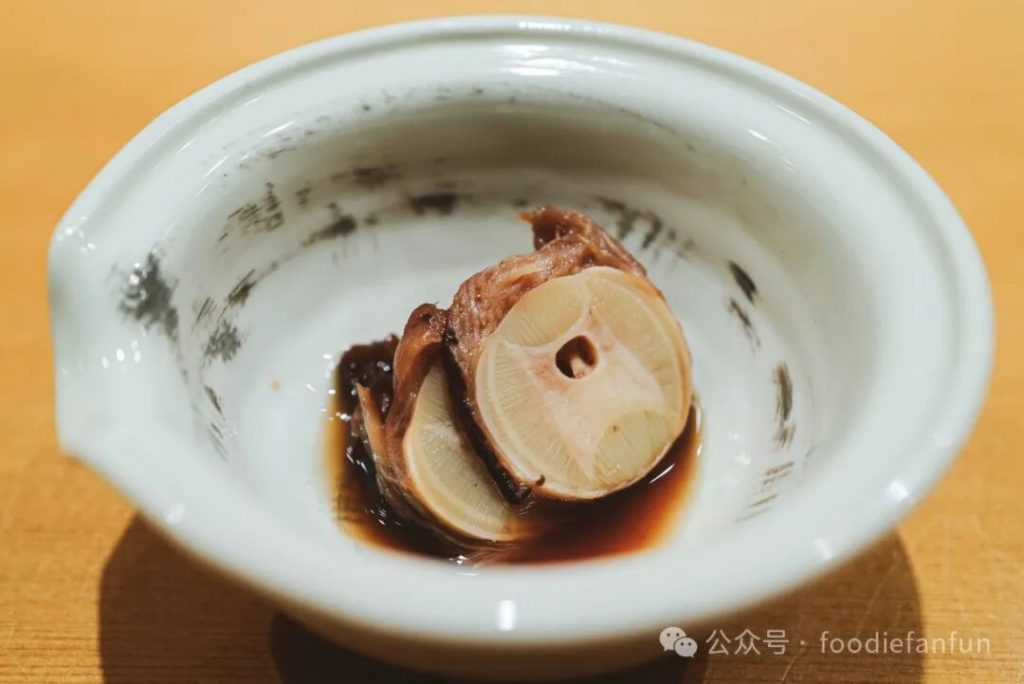
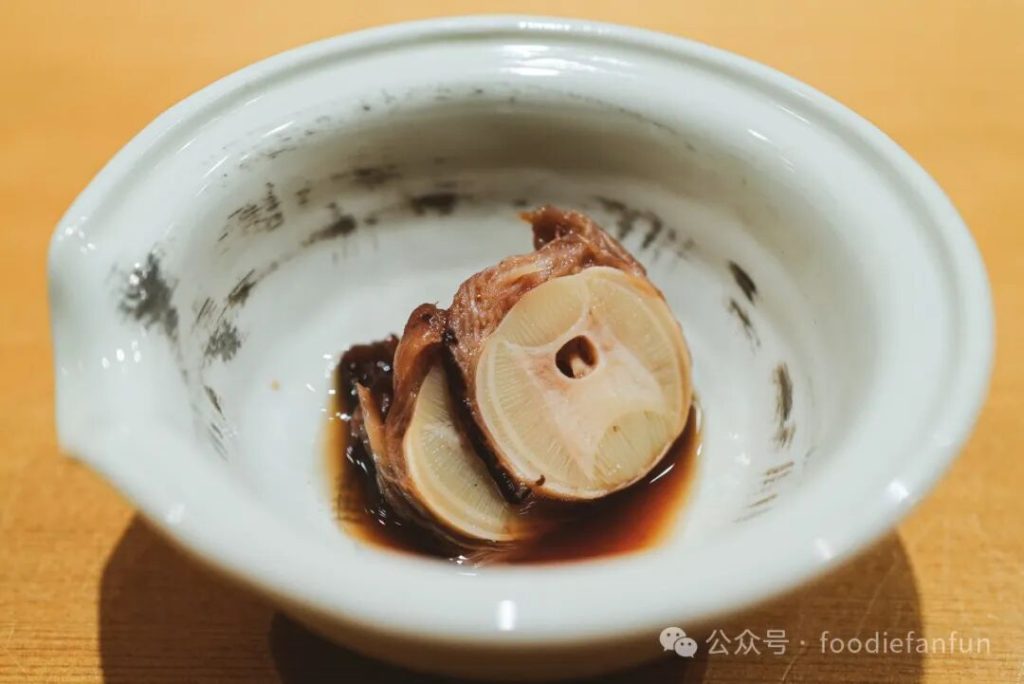
    Octopus leg
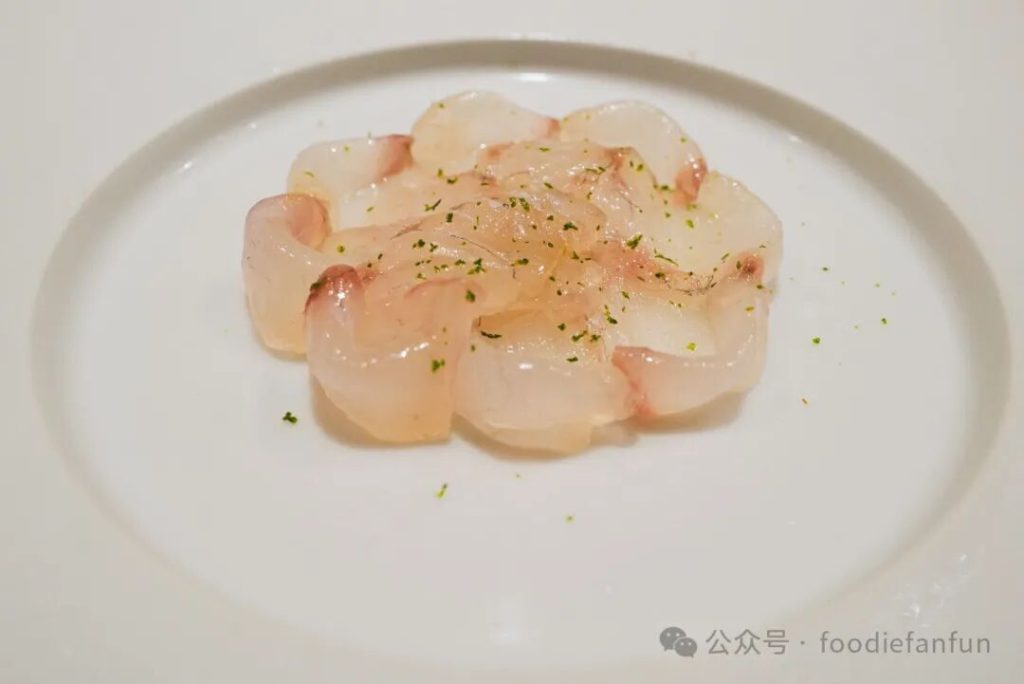
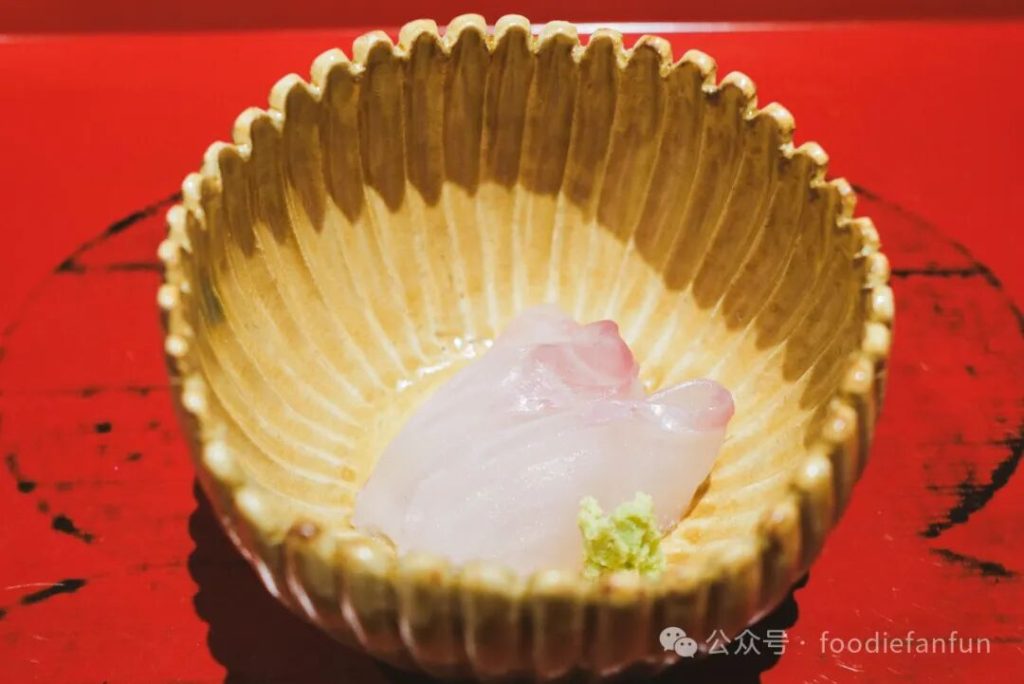
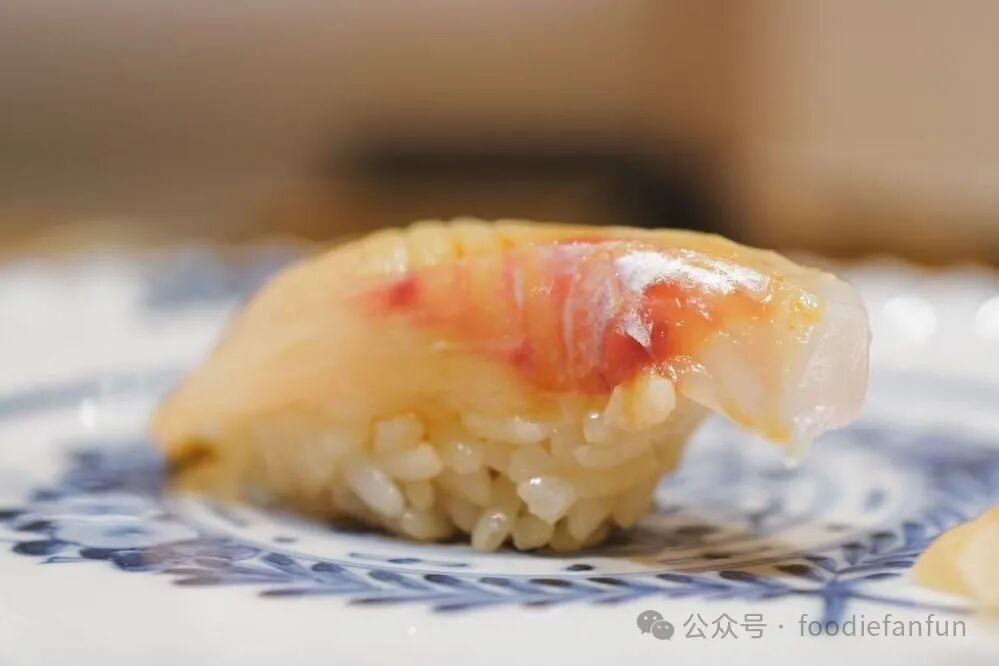
    Flounder

    In the first half of the sakana course, sweet shrimp was paired with shio koji and olive oil, and the sashimi platter focused on local Toyama seafood, presented ceviche-style — yellowtail amberjack with truffle oil, octopus leg with red beans. You could clearly tell Kosugi’s sakana dishes weren’t traditionalist, blending seafood preparation and pairing styles from different countries’ cuisines.

    The creativity was there, but the overall seasoning was noticeably heavy, with salt dominating — the freshness and sweetness of the fish and shrimp got buried under it. The temperature control of the dishes also left something to be desired; several dishes in a row arrived ice-cold, instantly dampening the joy of the meal.
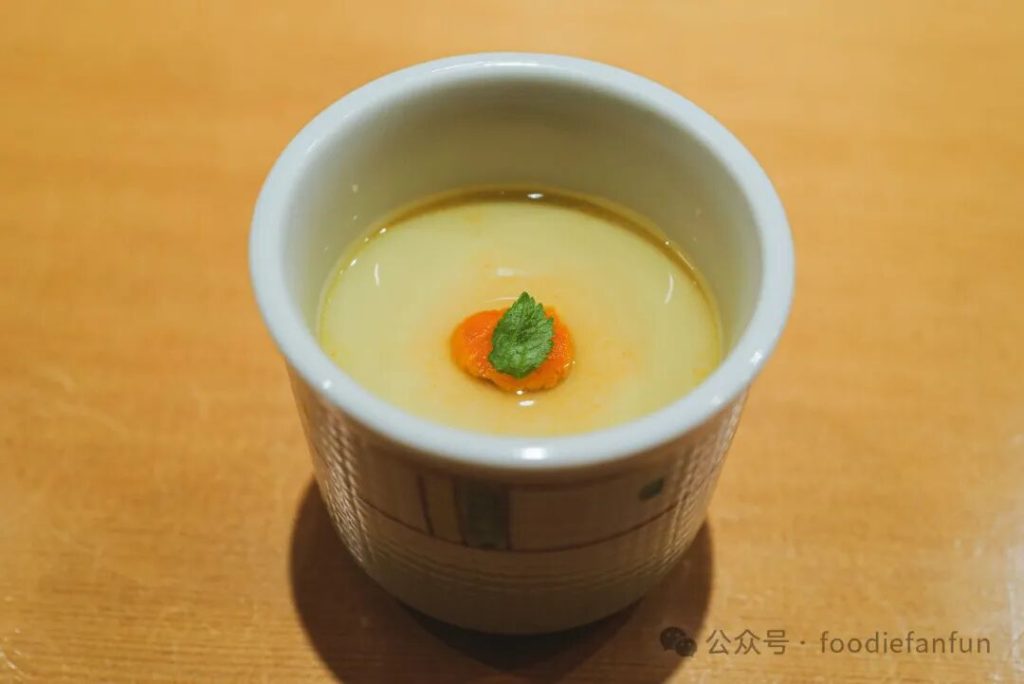
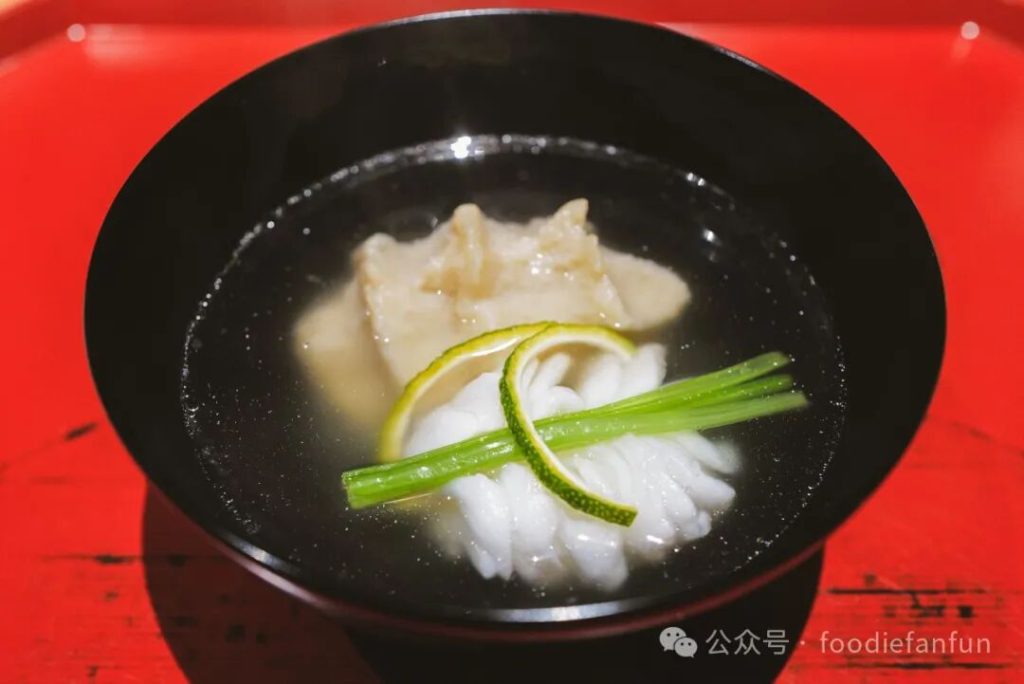
    Chawanmushi | Toyama shrimp + sweet shrimp roe
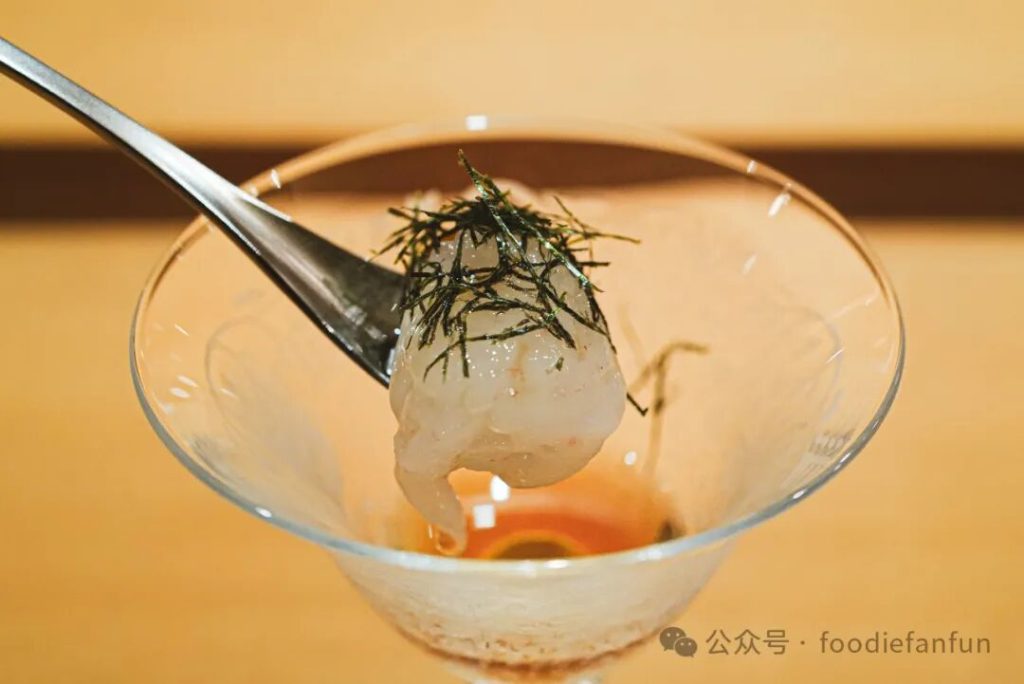
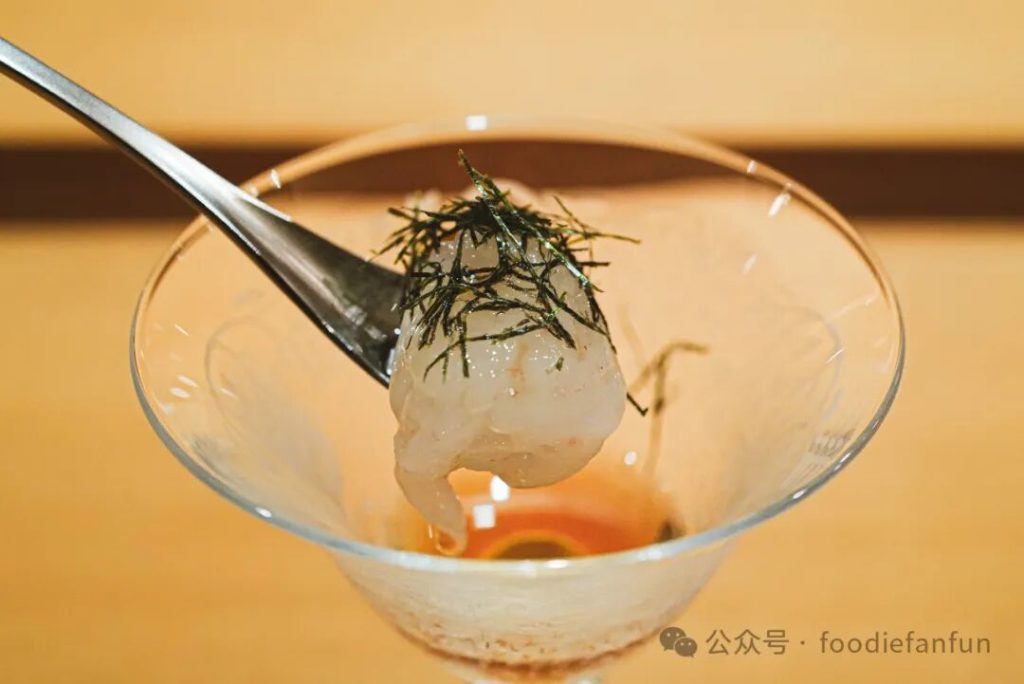
    White shrimp, sea urchin, seaweed
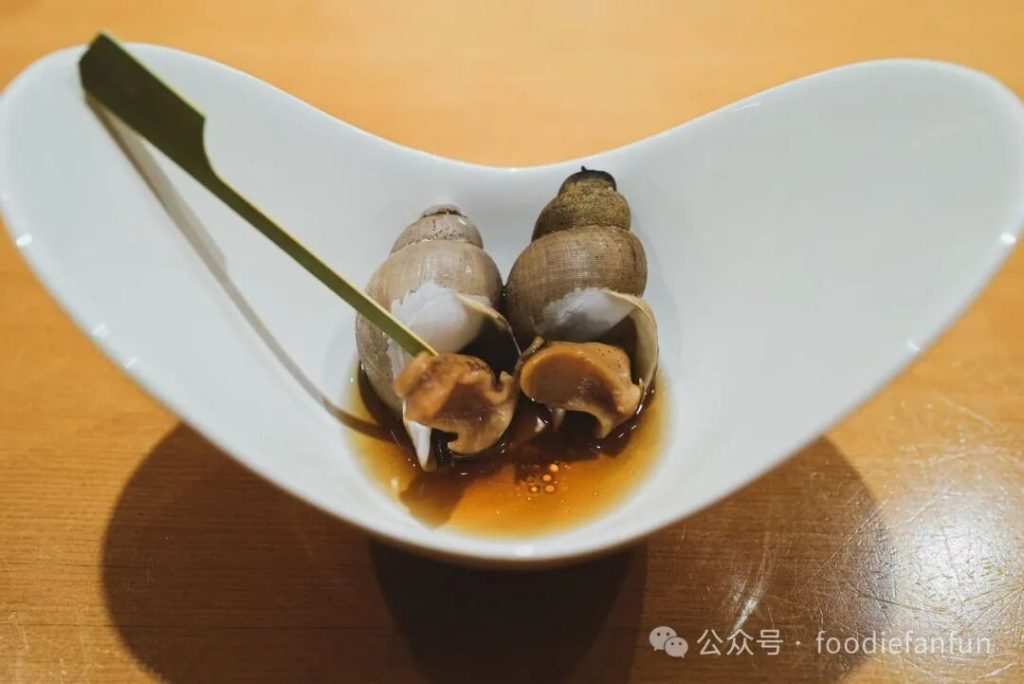
    Sea snail
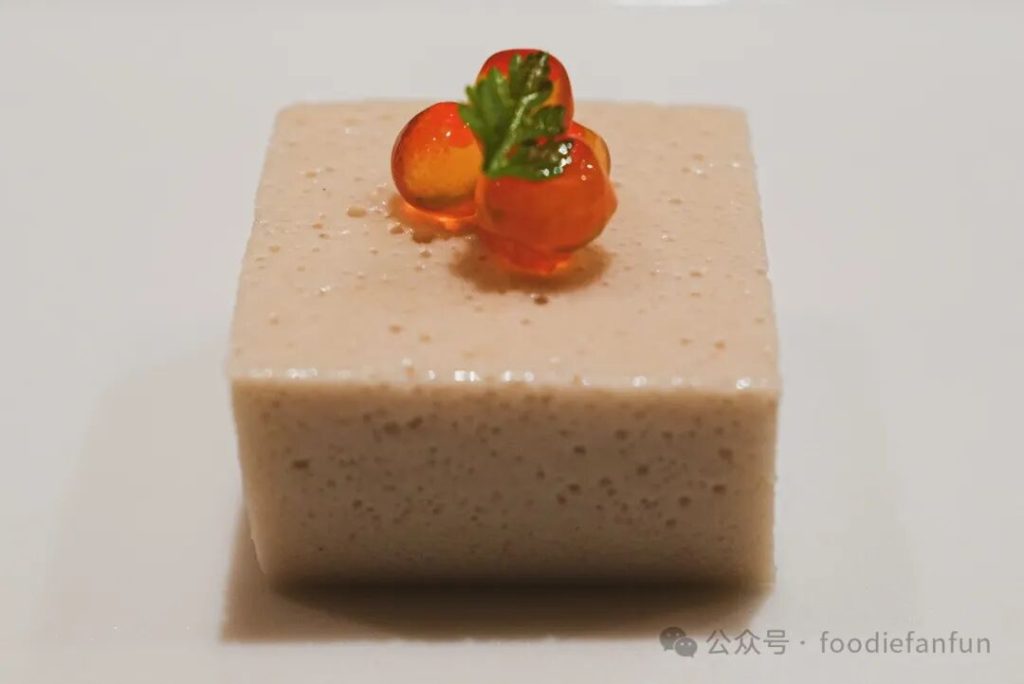
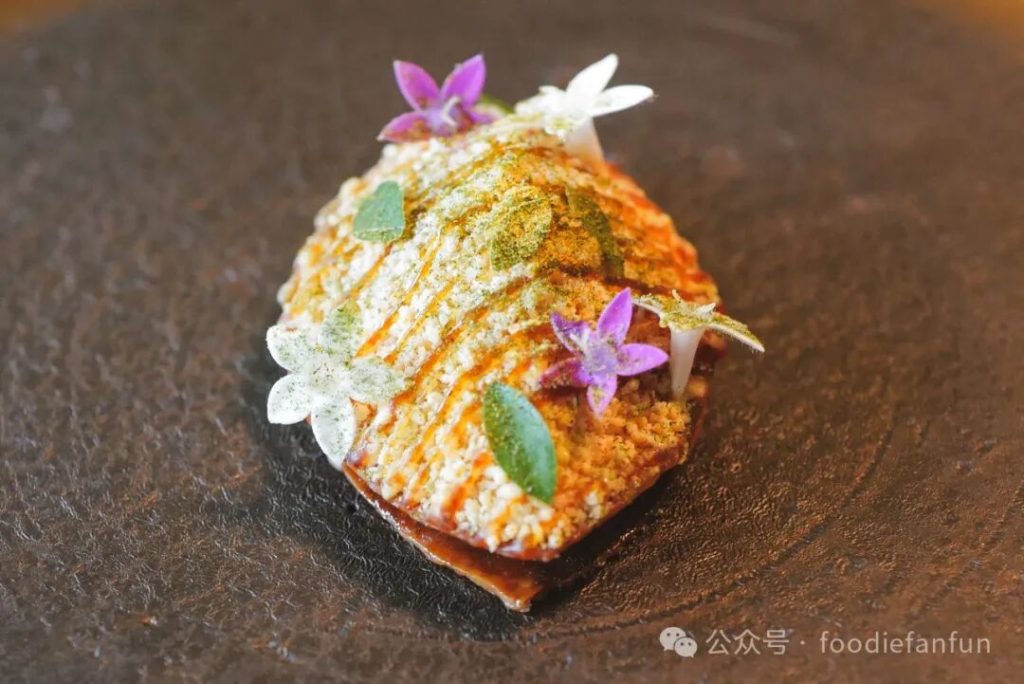
    Yellowtail and mackerel mousse

    The second half of the sakana course gradually moved into hot dishes. The chawanmushi looked unassuming, but the bright freshness of the shrimp roe was genuinely eye-opening. The pairing of white shrimp and sea urchin delivered a real punch of natural sweetness.

    But the sake-simmered sea snail that followed was a real letdown, with zero spring to its texture. The yellowtail-and-mackerel mousse had its saltiness overwhelming the sweetness, tipping badly out of balance. And the grilled dish proved its own shortcomings with a thick layer of oil pooled at the bottom of the plate.
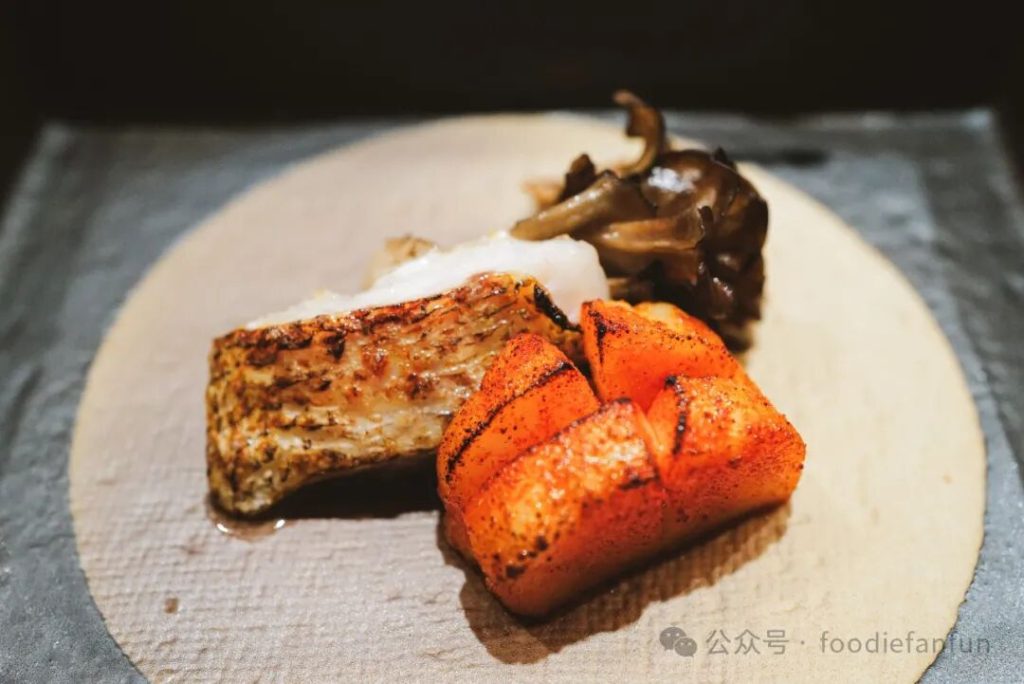
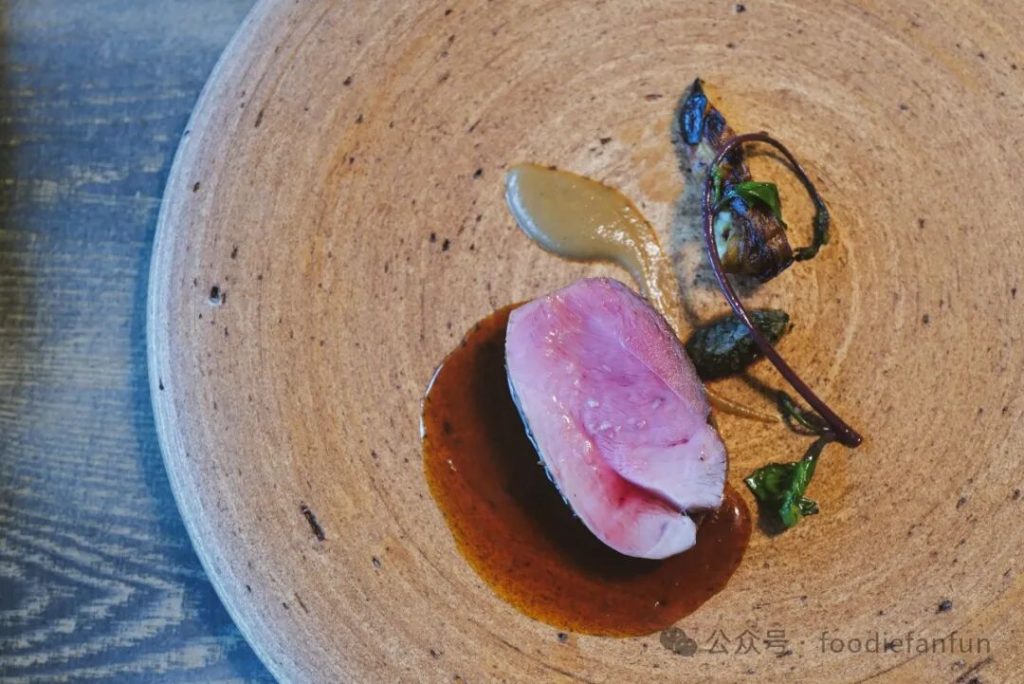
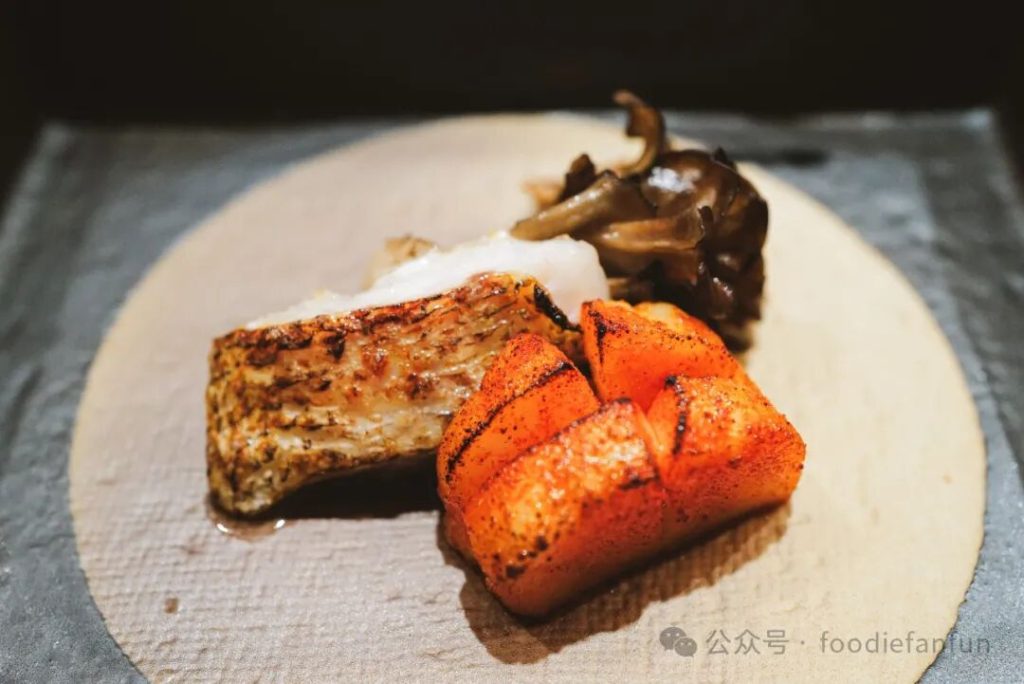
    Rosy seabass, scallop, maitake mushroom
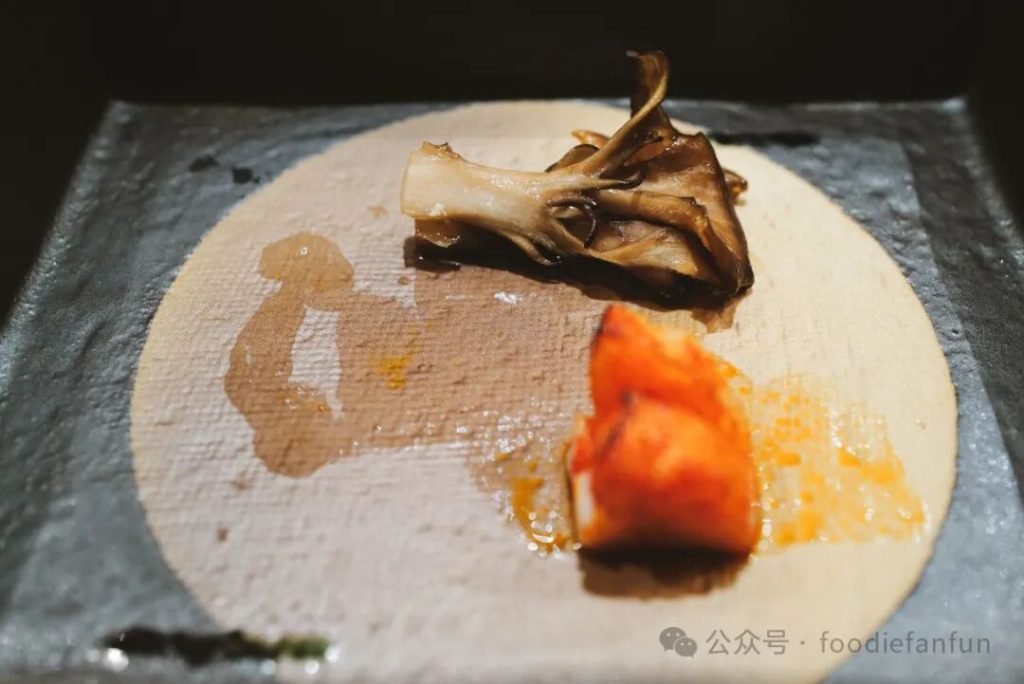
    And their own oils

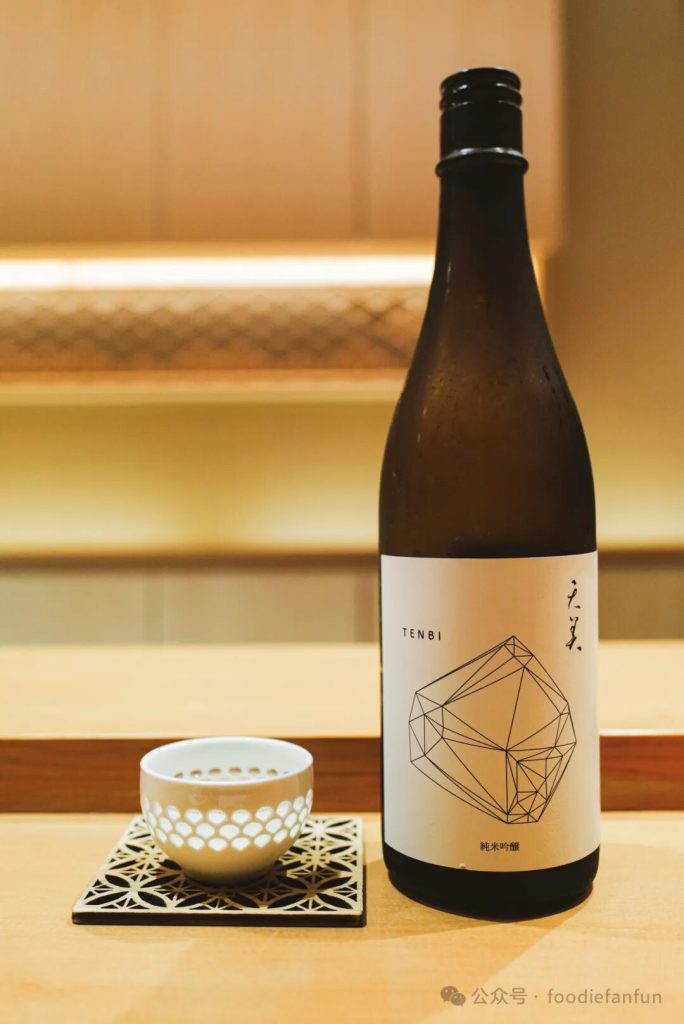
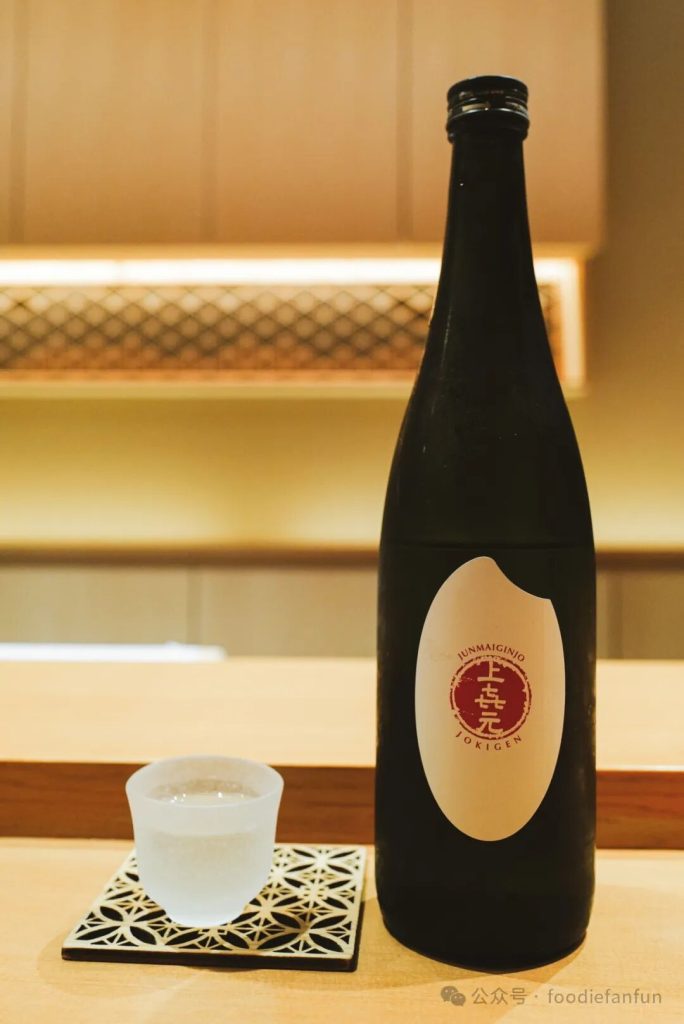
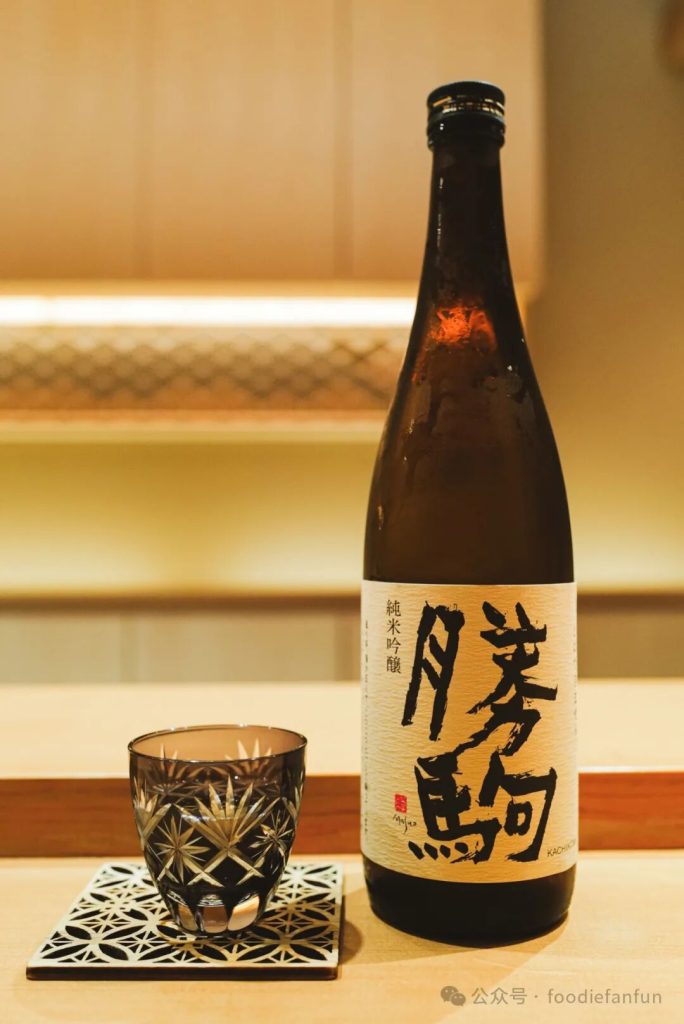
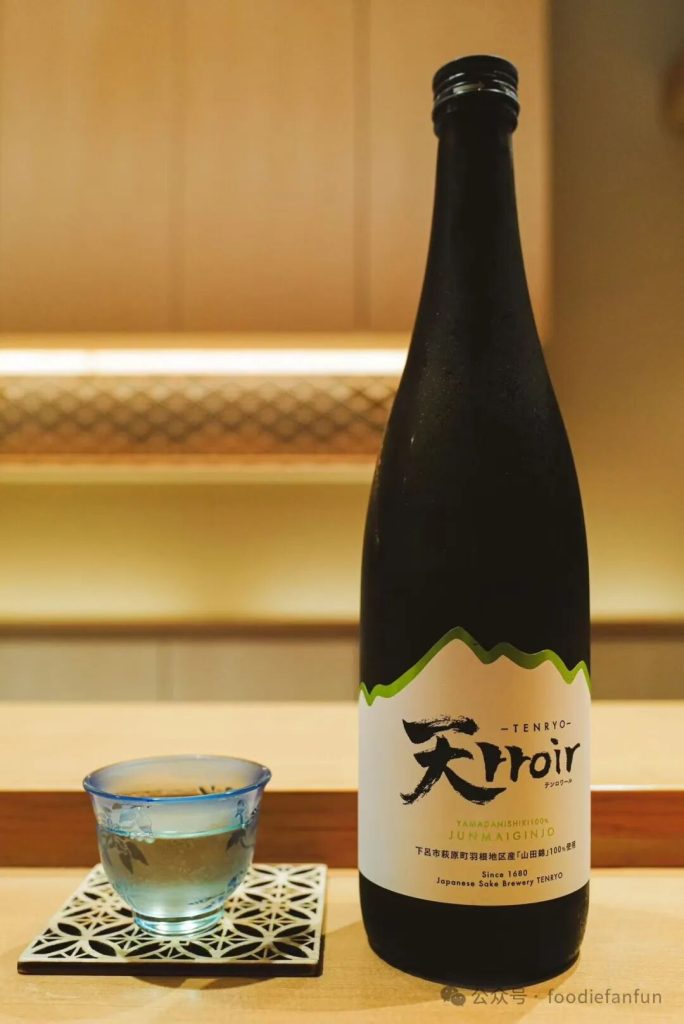
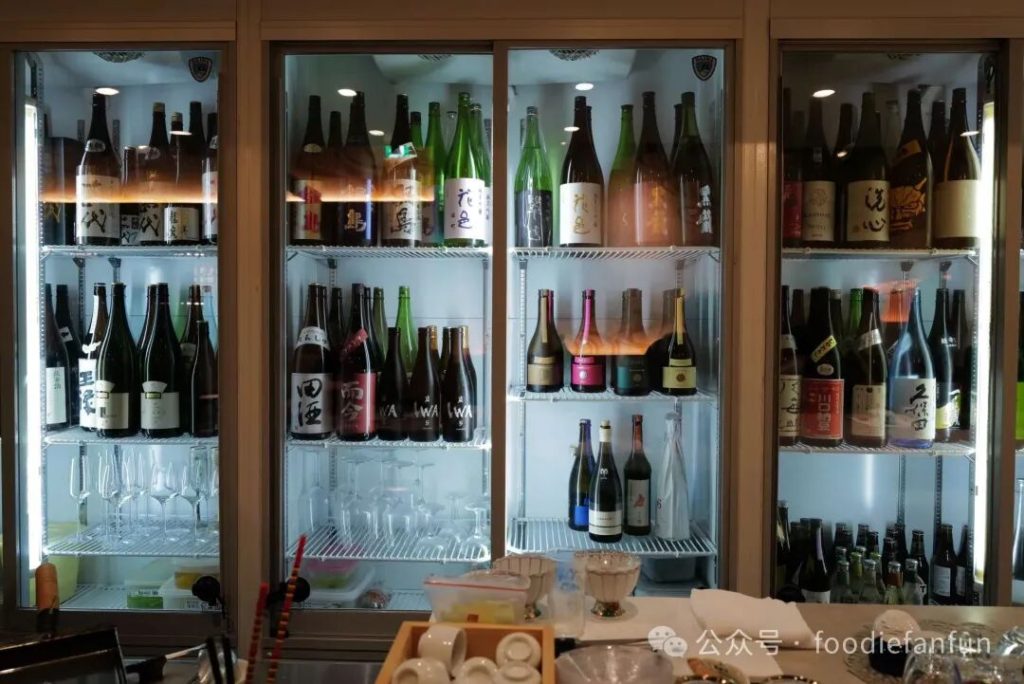
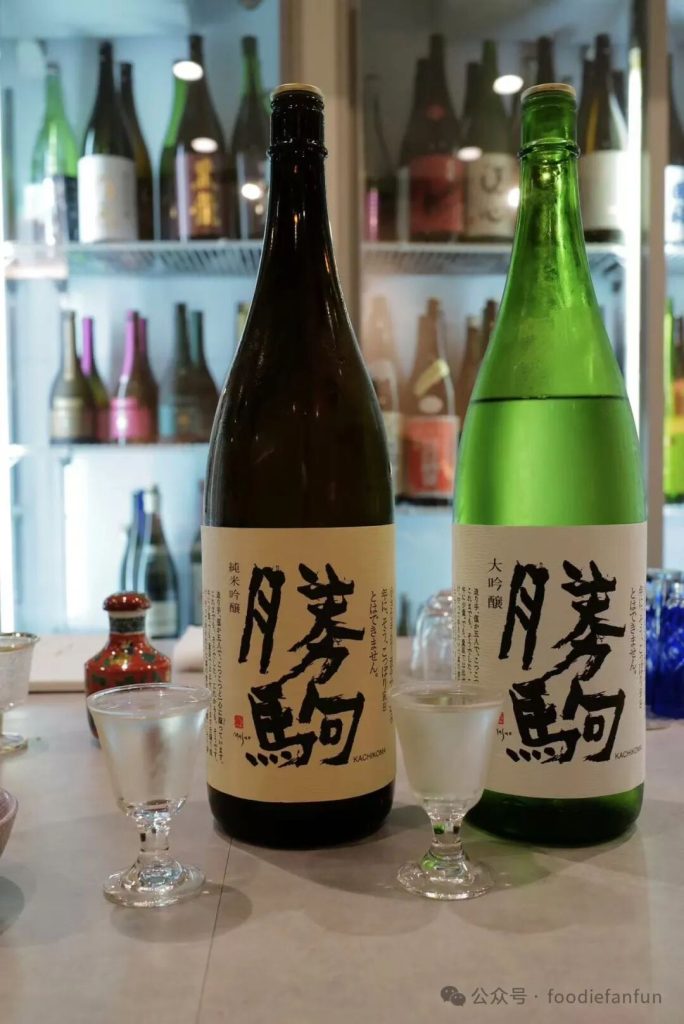
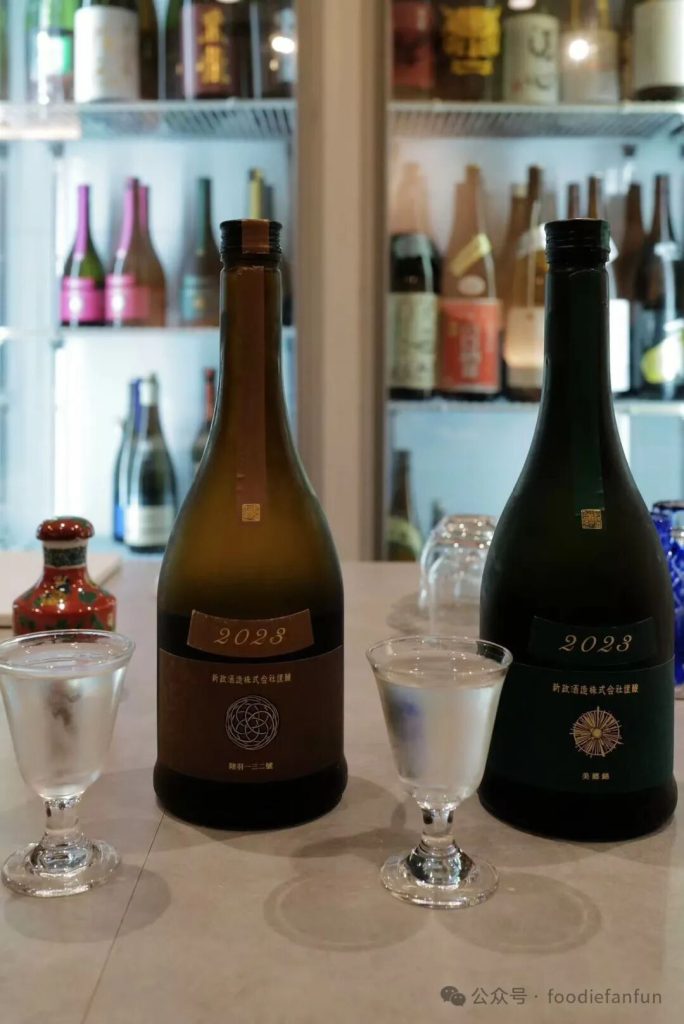
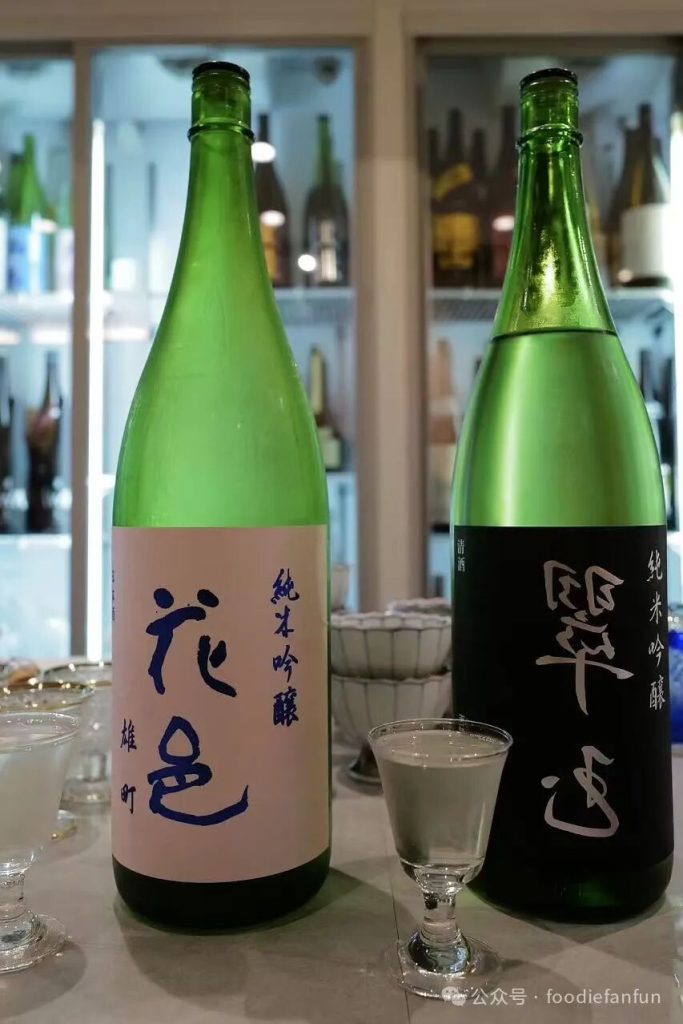
    As for the drink pairing, there were plenty of options, but they didn’t really lean into showcasing local character, and no real match with the food could be found either. The best way to describe it is: they simply poured us a glass of something.

    If there’s one thing to point to as a positive, it’s that the value was decent.
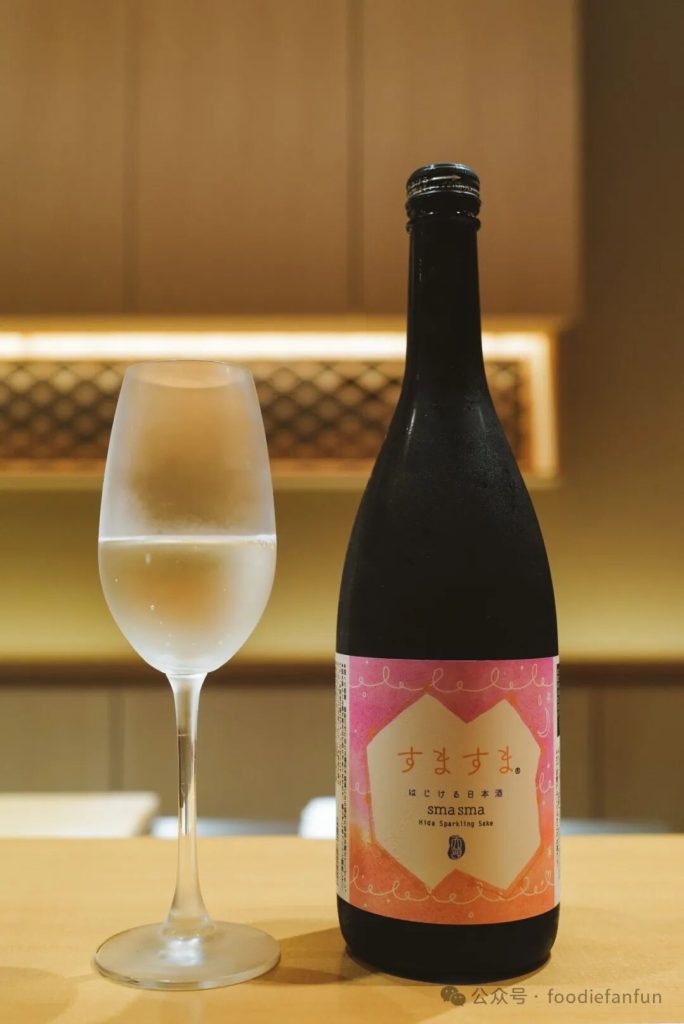
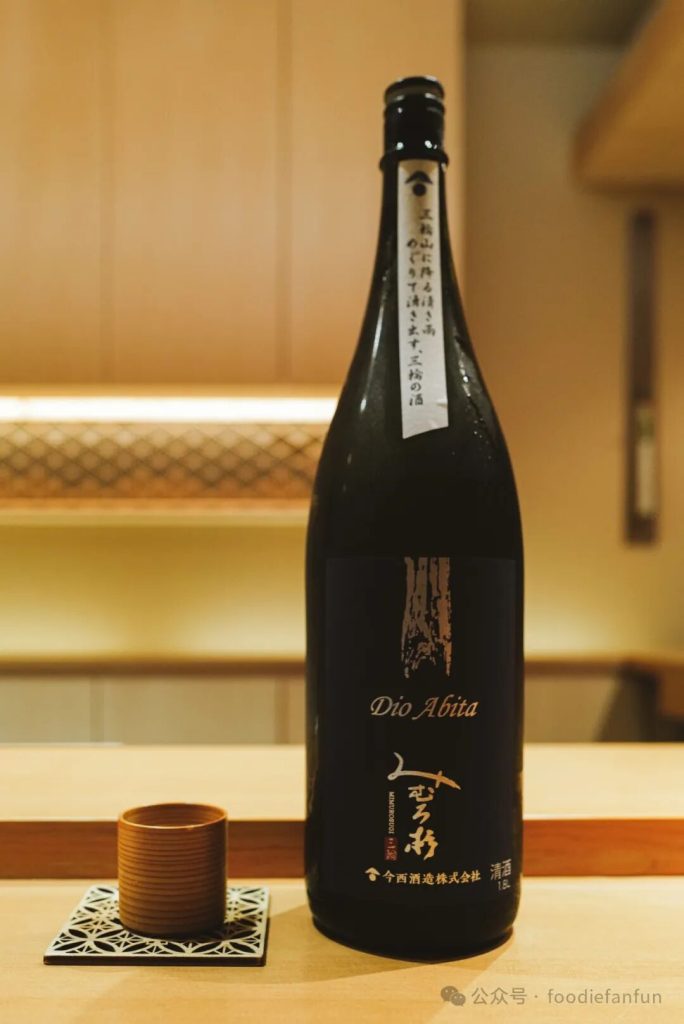
    That night’s pairing included Sonorin and Katsukoma, both local sakes

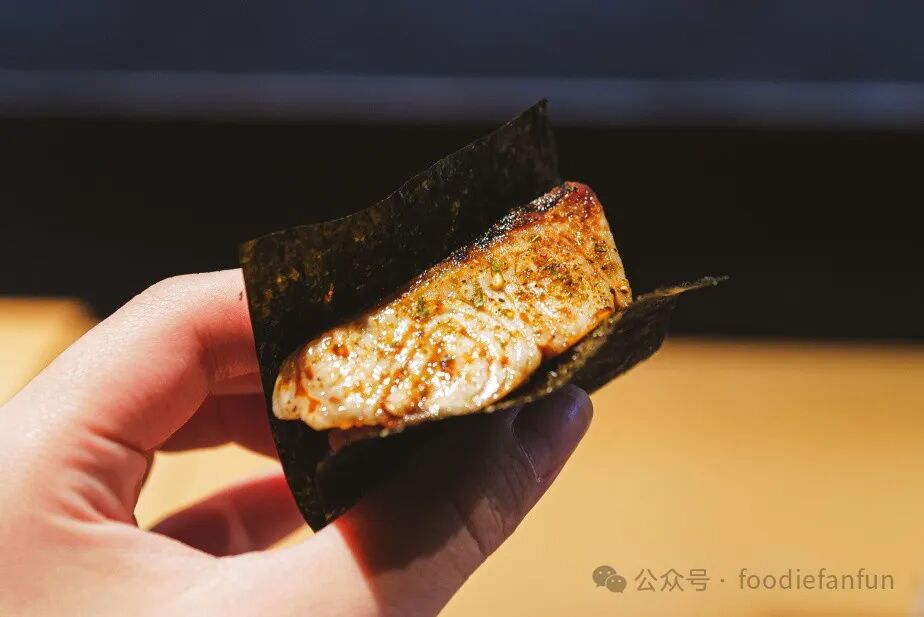
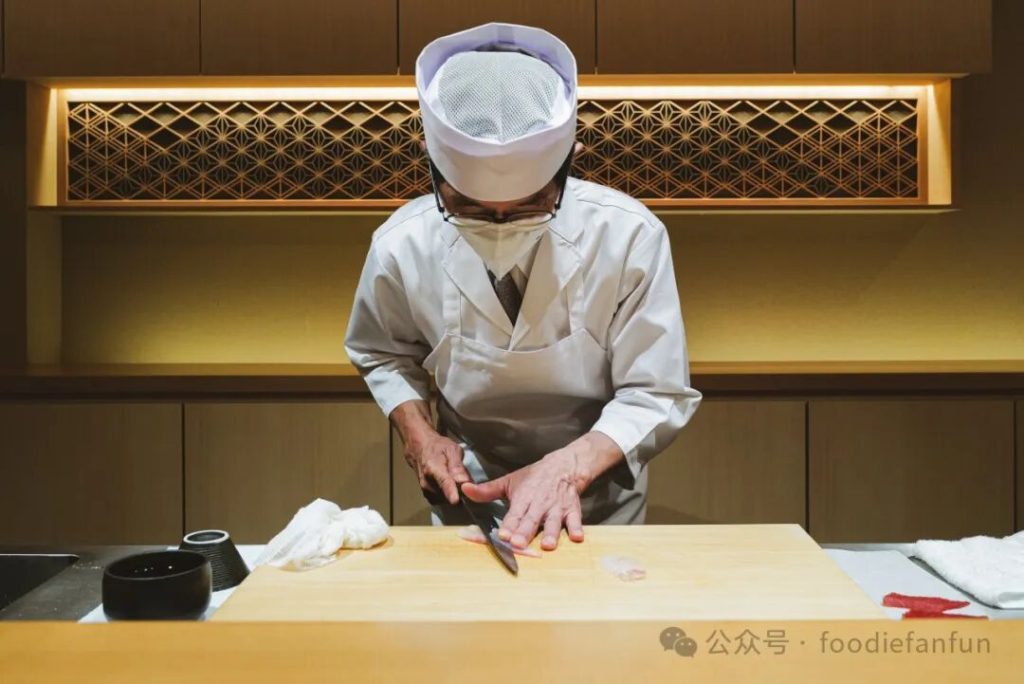
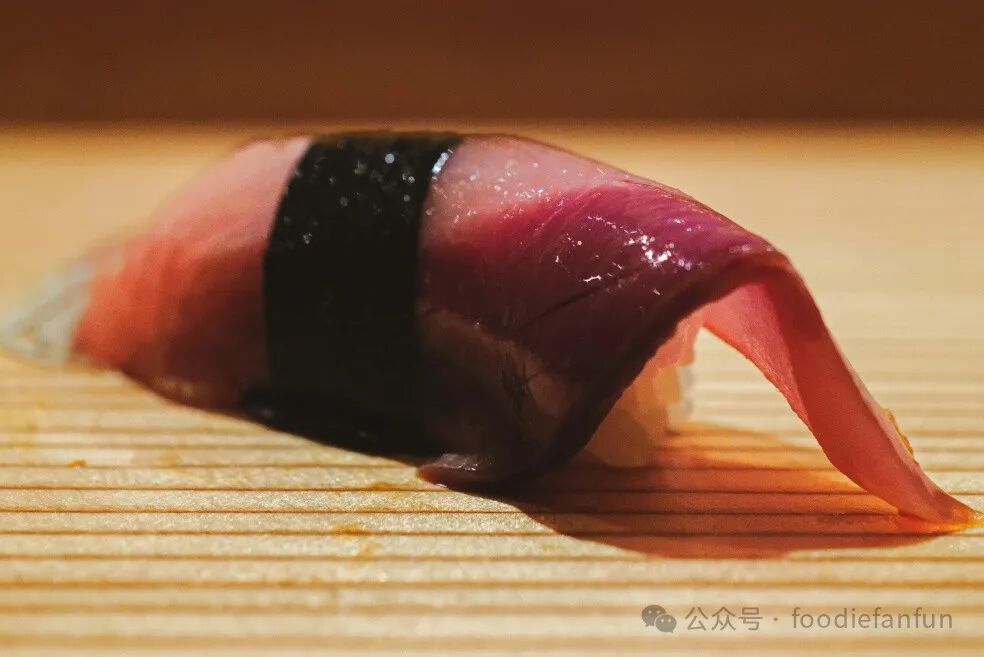
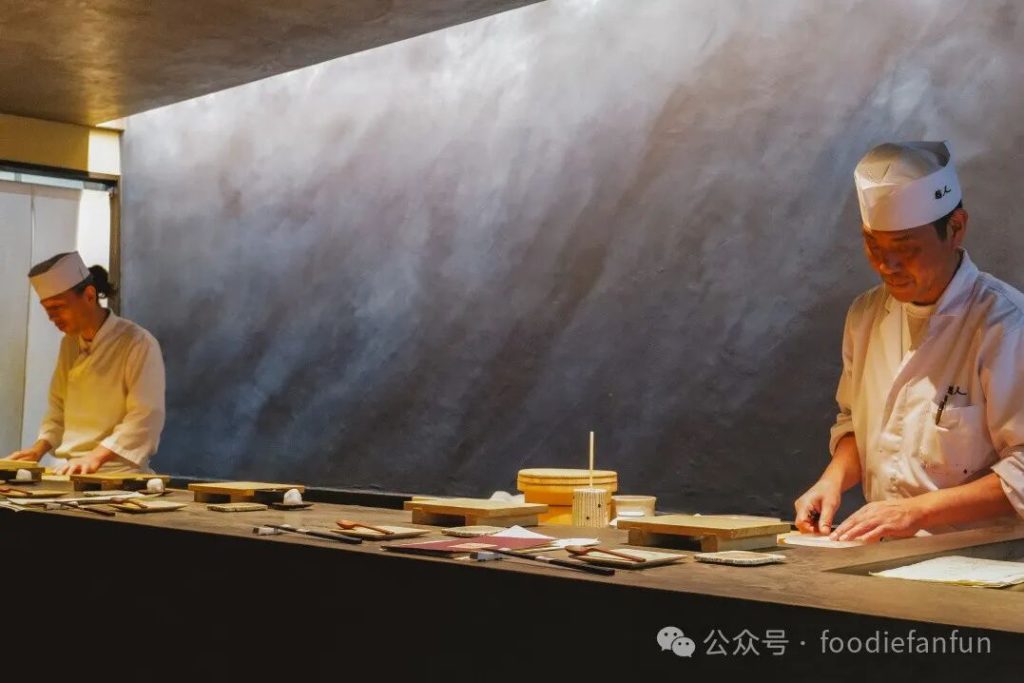
    By the time we got to the sushi course, it was already past 10pm, and ours was the only table left in the restaurant. Kosugi didn’t rush to close up — he still handled the ingredients carefully, keeping a steady pace as he shaped one piece of nigiri after another.
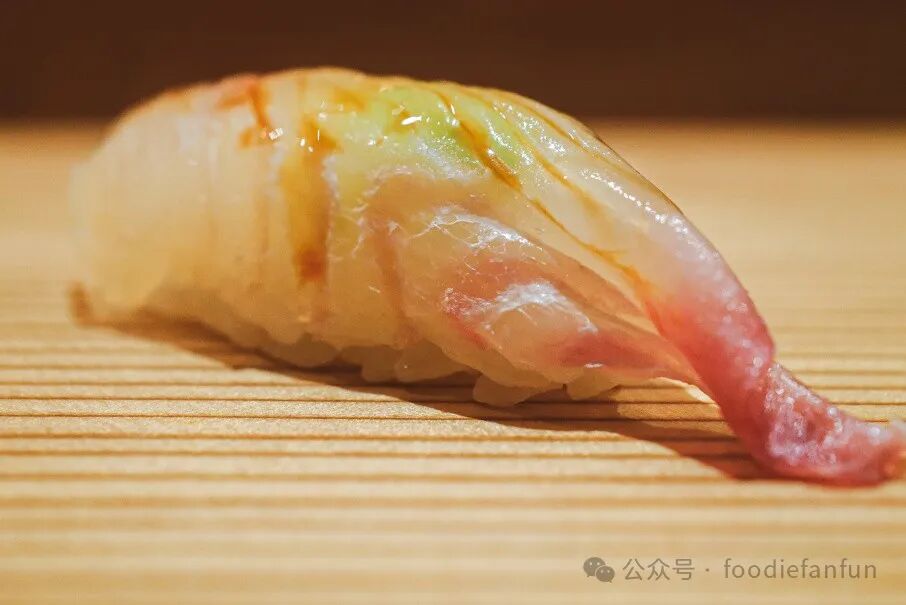
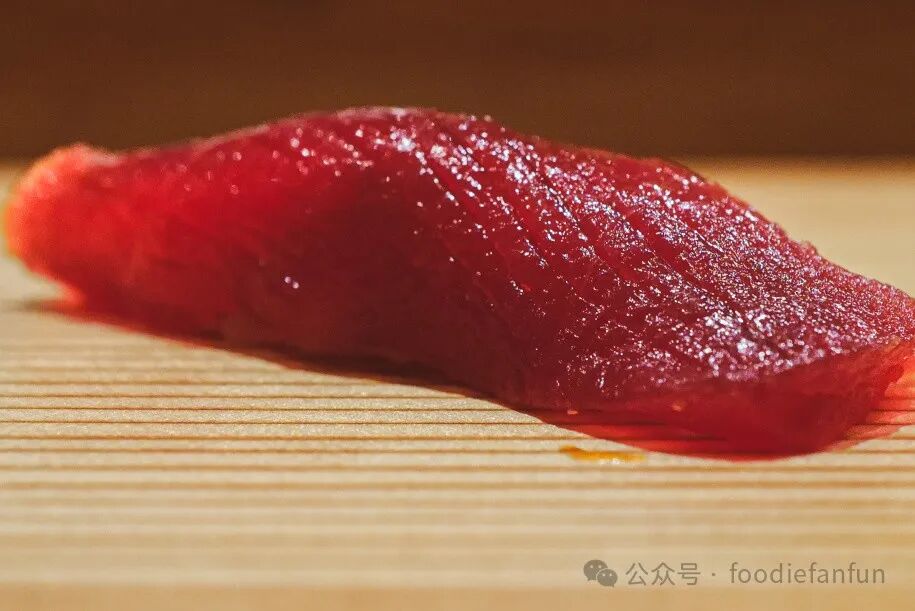
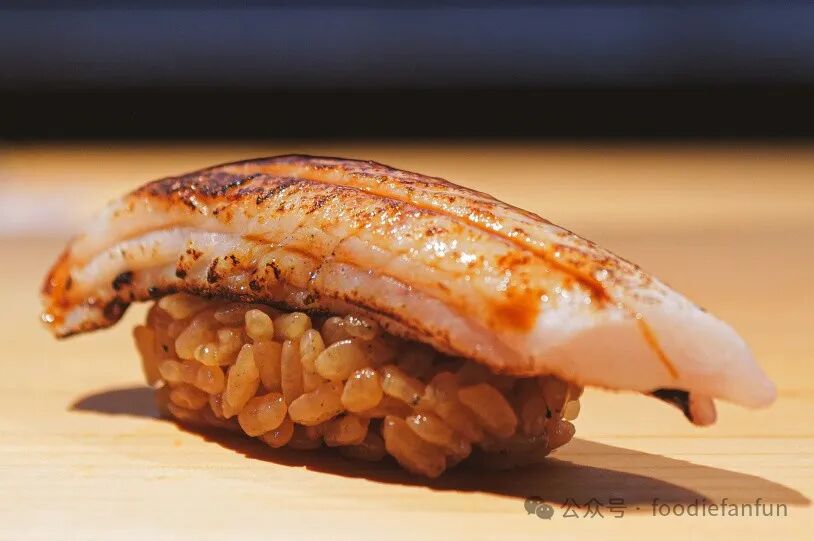
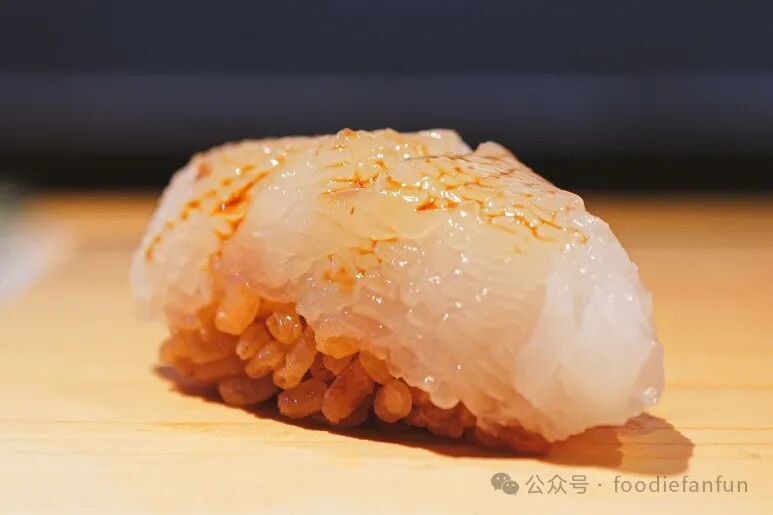
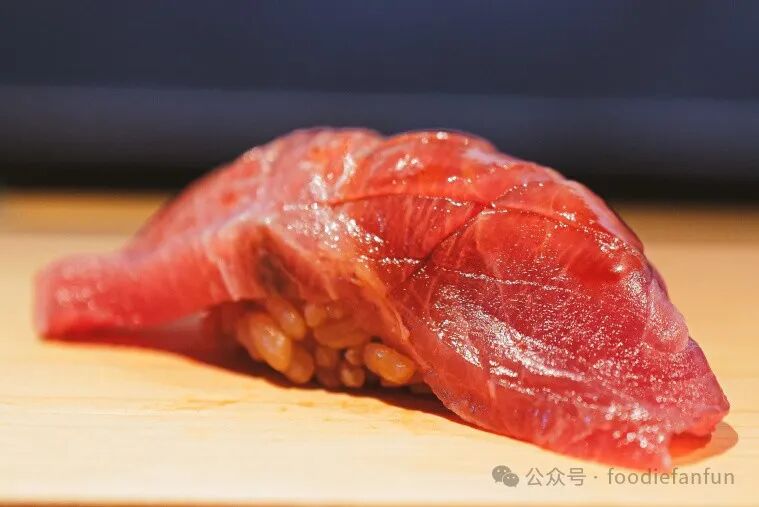
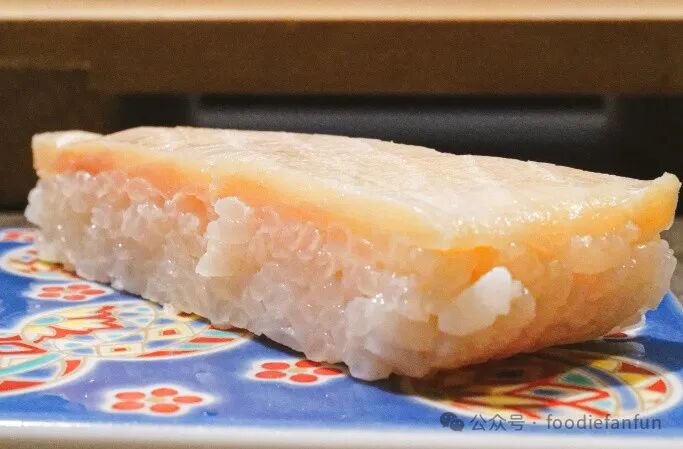
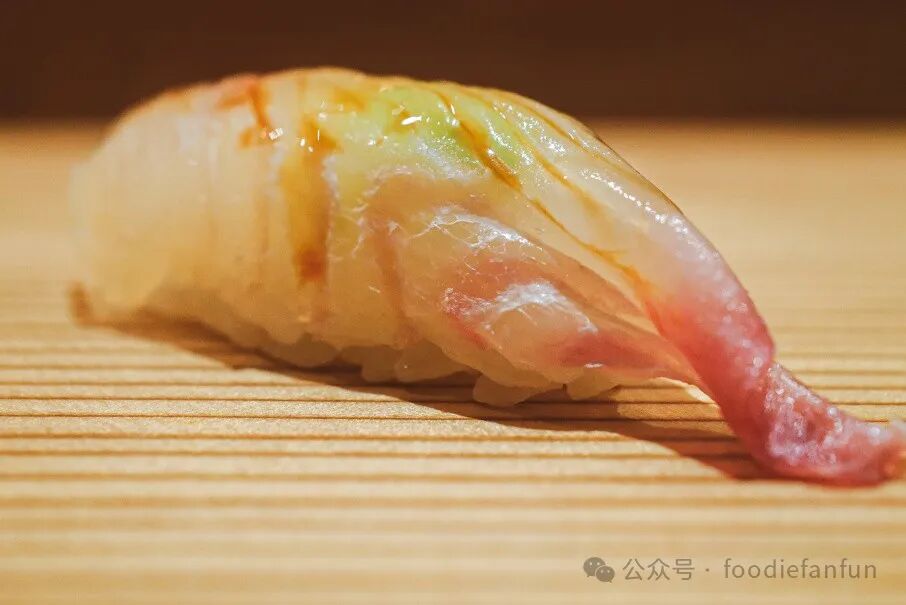
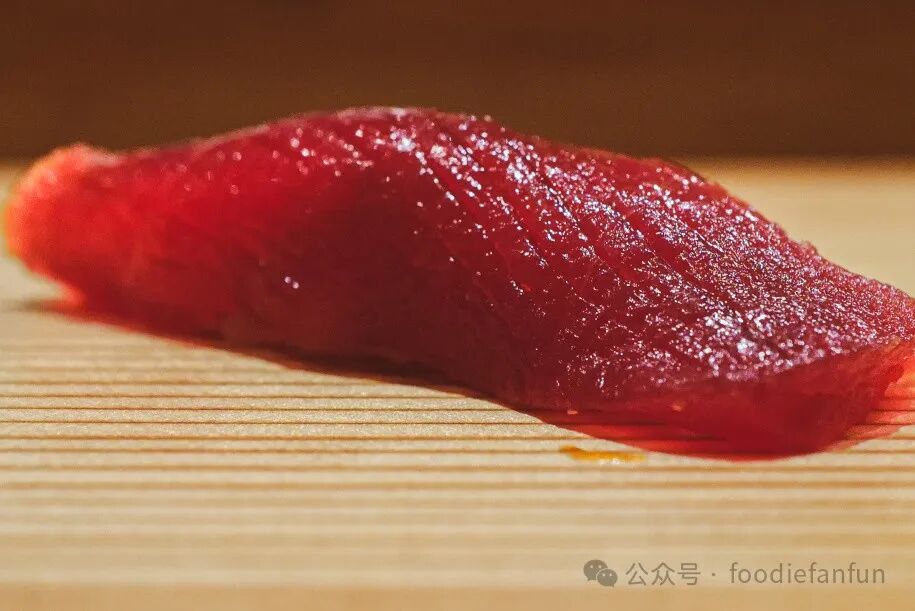
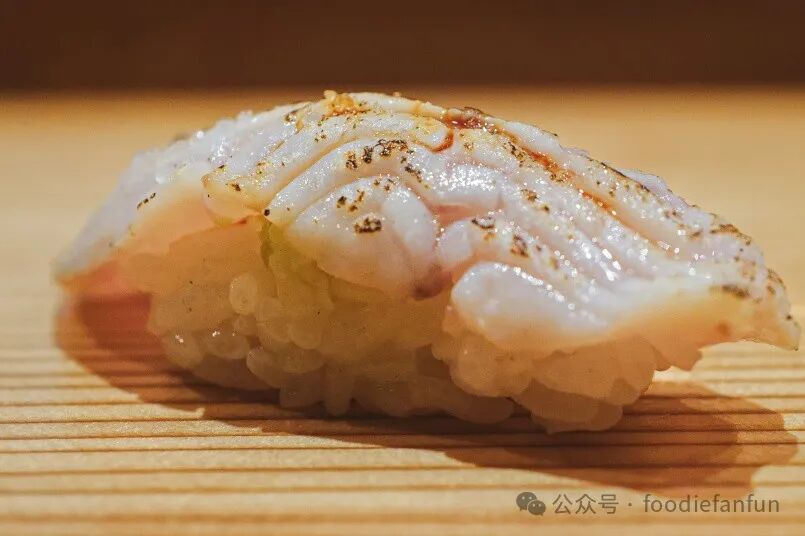
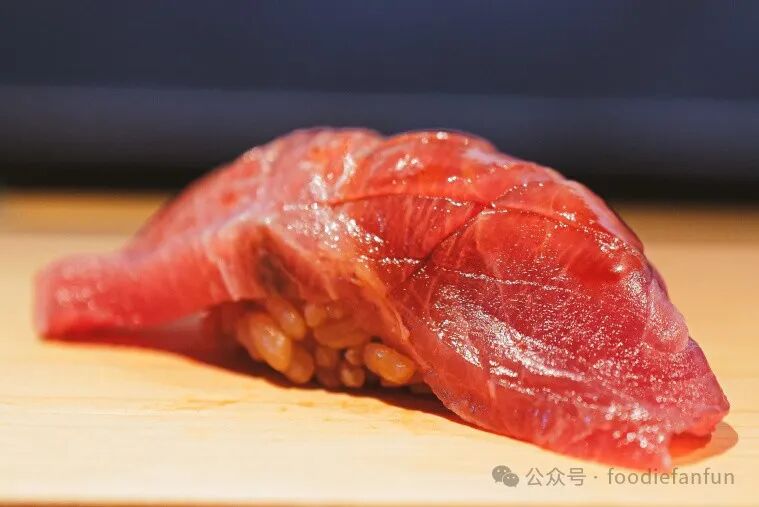
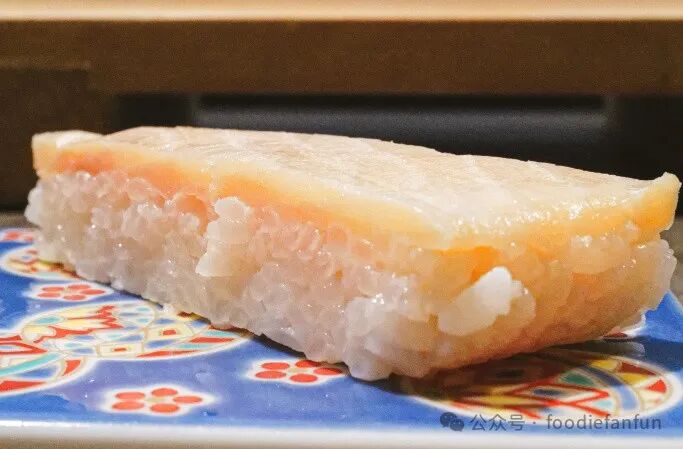
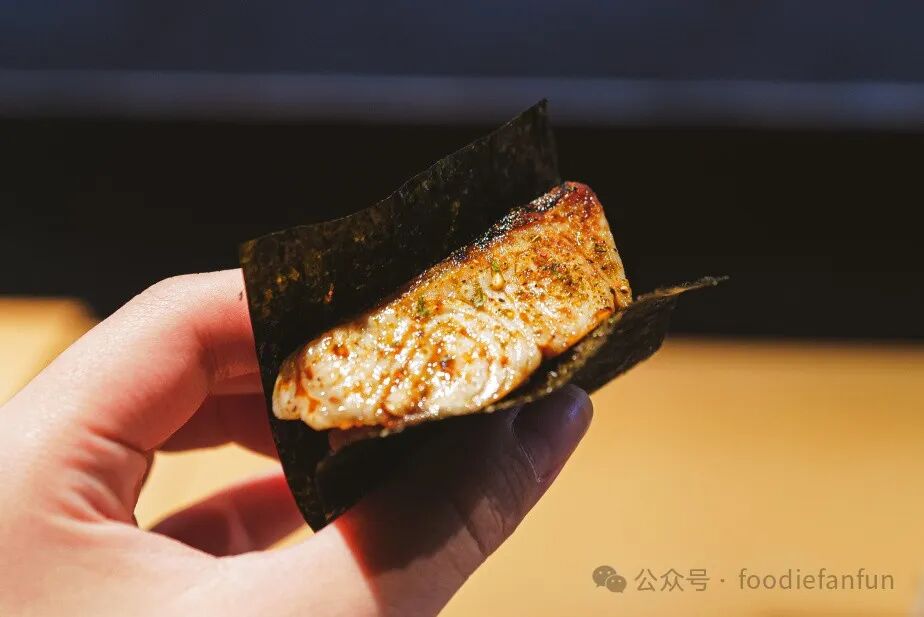
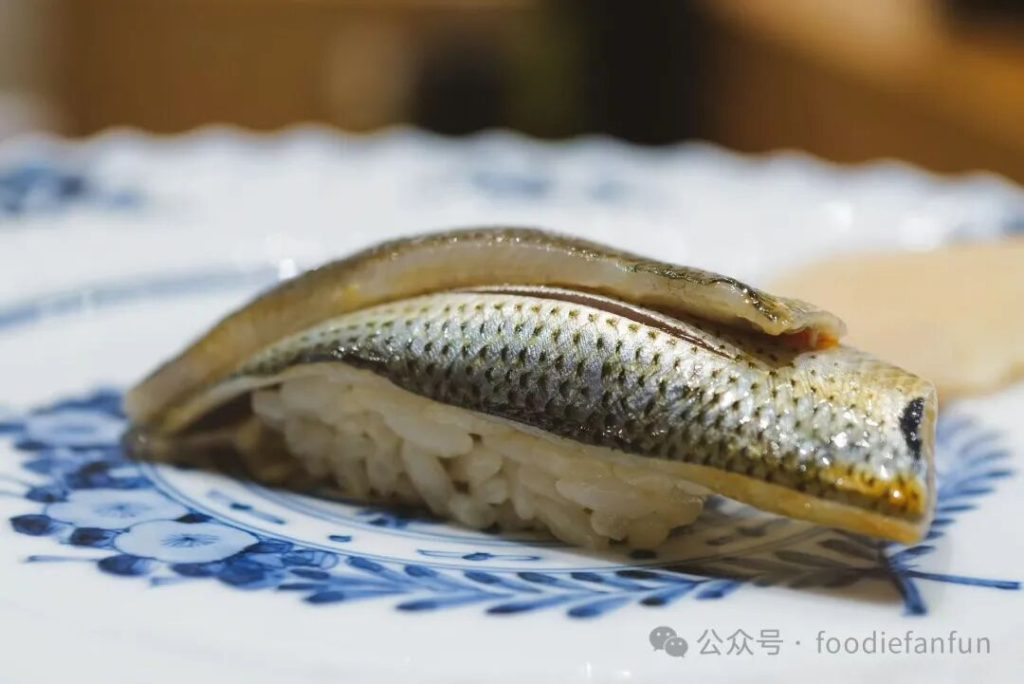
    The menu lists a dozen or so ingredients prepared that day, and Kosugi selects from among them based on how the evening is going. Flounder, tuna, horse mackerel, yellowtail, sweet shrimp — all appetizingly bright and aromatic.

    The rice was sweetened, and while it didn’t look as pretty as the shari at Tokyo sushi restaurants, it had a distinct personal style when eaten. The freshness of the ingredients and the overall balance pulled the dinner experience back — this was, in the end, a genuinely serious sushi chef.

    立ち喰い鮨 人人 (Tachigui-zushi Jinjin)

    Tabelog 3.75

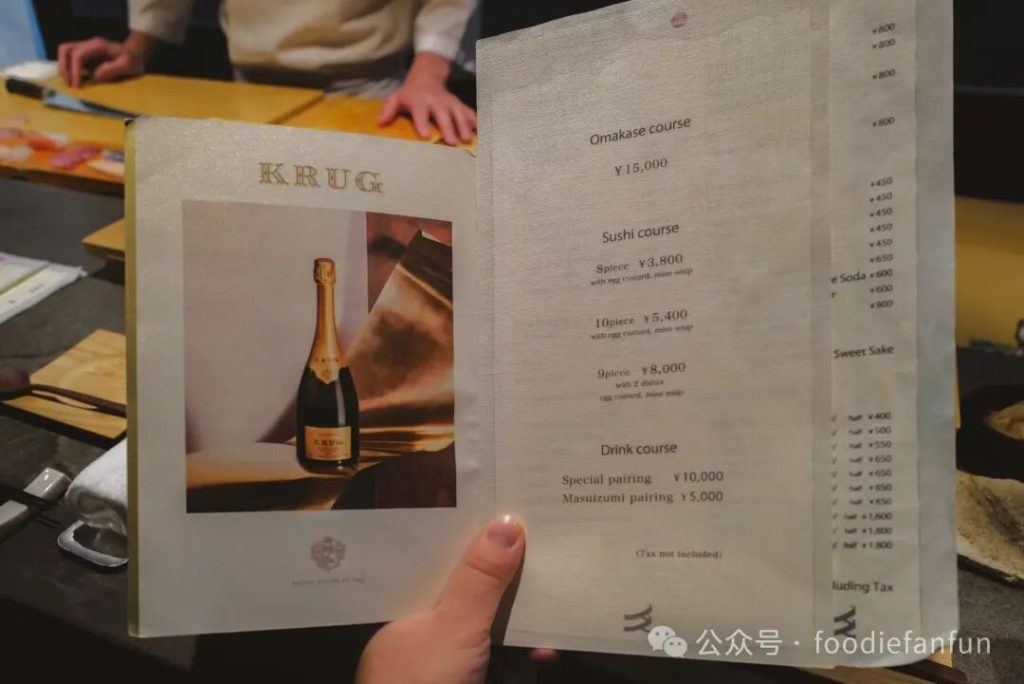
    🍣3,800 / 5,400 / 8,000 / 15,000

    (Editor’s note: According to Toyama City’s official tourism website, 立ち喰い鮨 人人 permanently closed at the end of June 2025. The following is kept as a travel record.)

    “I want sushi for lunch.” “Want to try the #4-ranked standing sushi bar in Toyama?” “Let’s go!”

    The reservation for Jinjin was a spur-of-the-moment decision made that very morning. There was still a seat available — a stroke of luck you wouldn’t dare expect while traveling in Japan. We later found out this restaurant only takes about 30 minutes per meal, turns tables fast, and is genuinely easy to book.
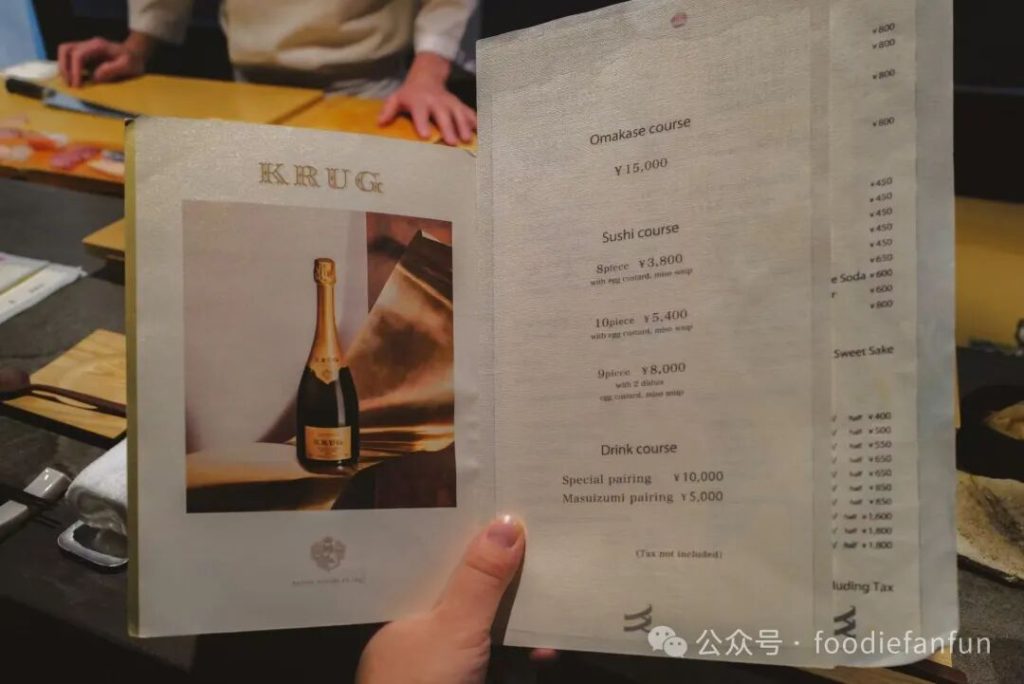
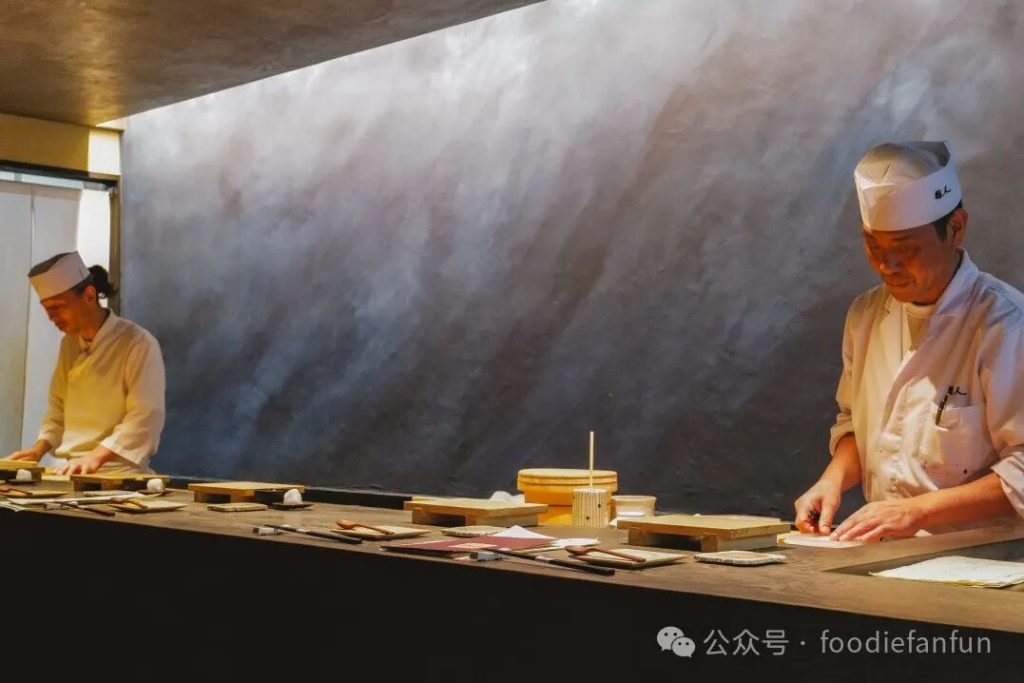
    The set menus come in ¥3,800 and ¥5,400 tiers (8 or 10 pieces of nigiri), plus an ¥8,000 mini-Omakase (2 sakana dishes + 9 pieces of sushi), and a full ¥15,000 course.

    The price range is wide, but even the top-tier course isn’t too pricey — anywhere from under 200 RMB to a max of around 750 gets you a complete sushi experience. You could call it ‘omakase that regular people can actually afford.’
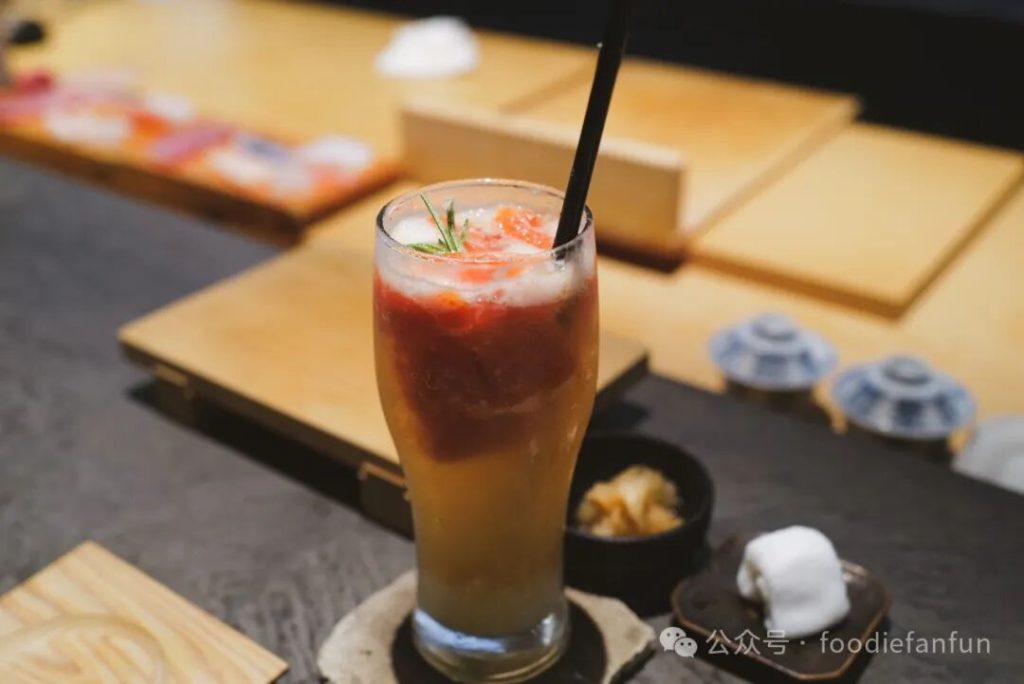
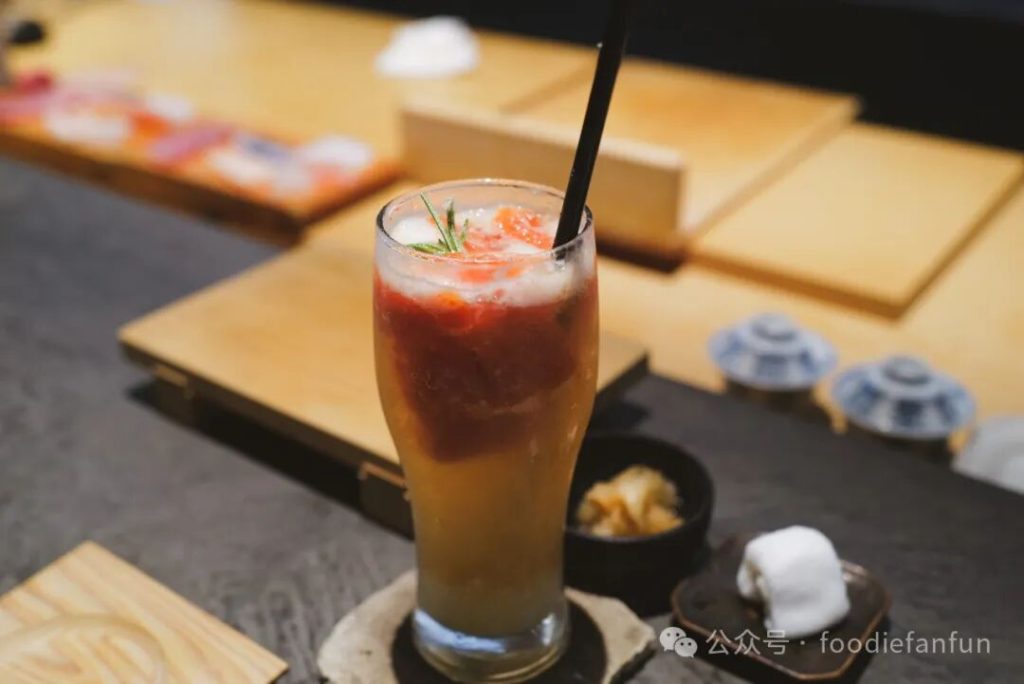
    The tomato lemon sour is freshly shaved from ice right at the counter — a nice touch

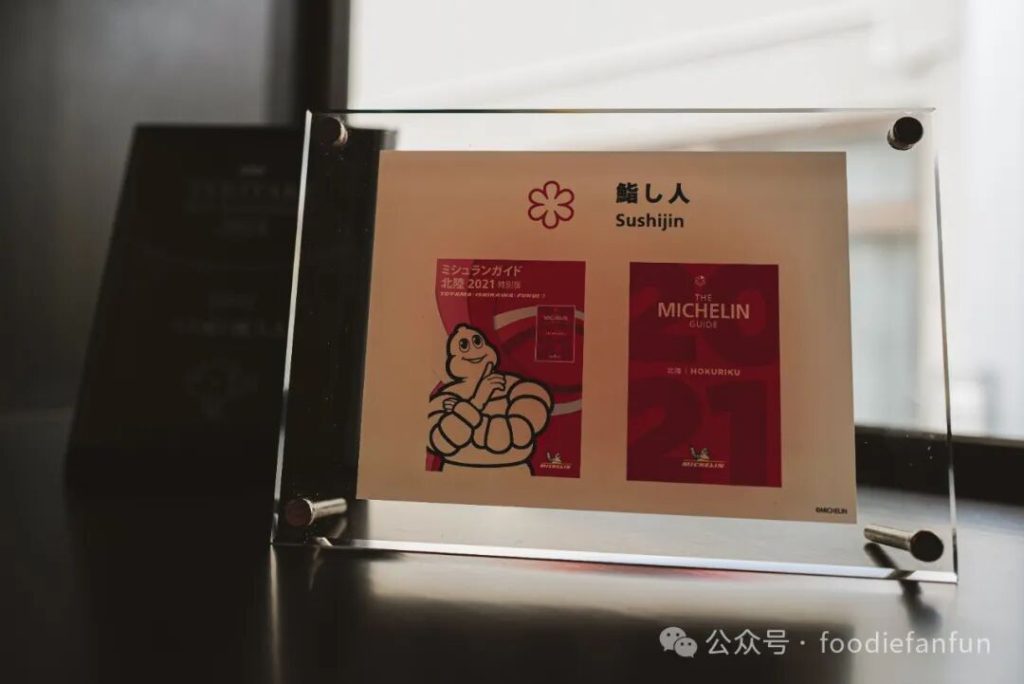
    Don’t let the accessible pricing fool you — this restaurant’s chops speak for themselves. Head chef Izumi Kimura’s previous restaurant, Sushi Shibito, was Hokuriku’s #1-ranked sushi restaurant on Tabelog (score 4.20), and also held one star in the previous edition of the Toyama Michelin Guide (Toyama’s Michelin Guide is published once every 5 years).

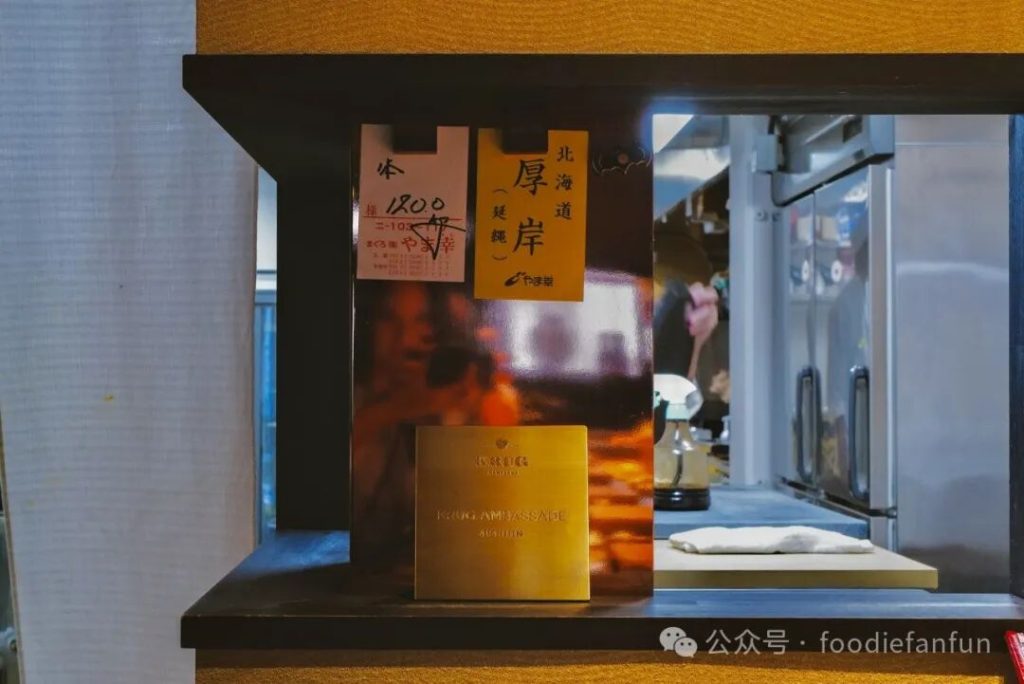
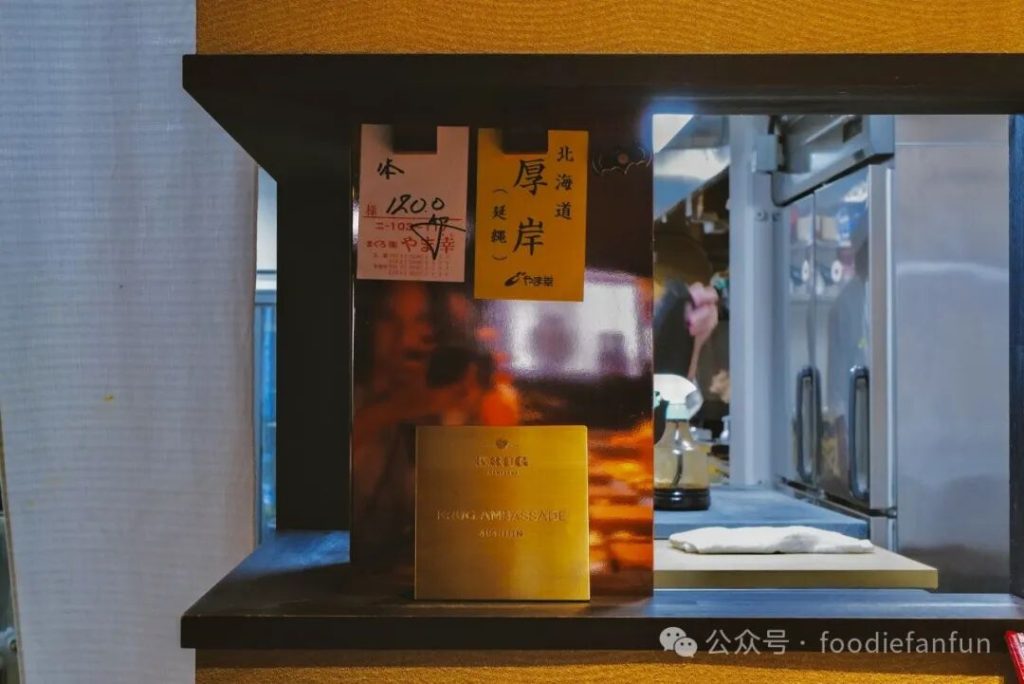
    It’s also been recognized by a top champagne brand — there’s a shiny KRUG AMBASSADE placard displayed in the restaurant.

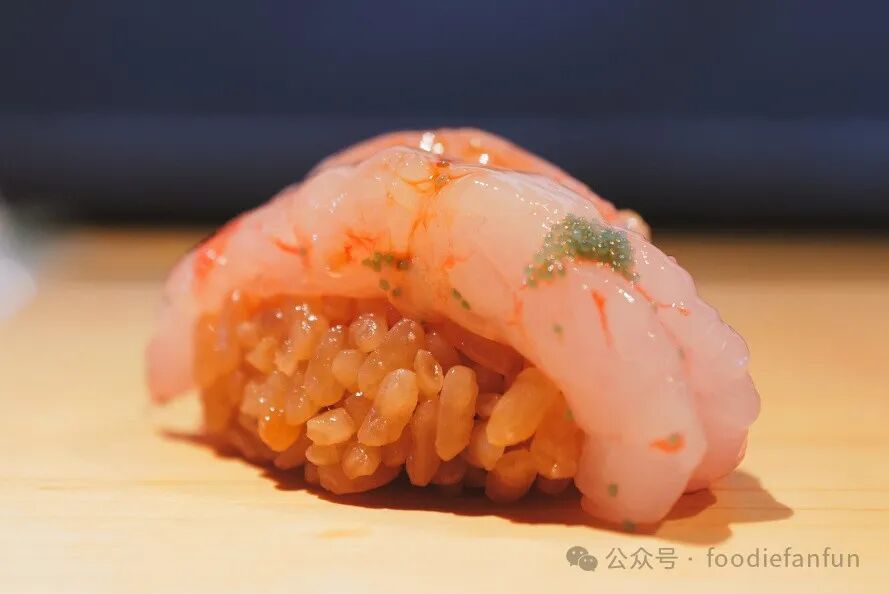
    Over the whole meal, the fish quality is naturally a step down from top-tier sushi restaurants, but the satisfaction factor absolutely exceeds what you’d expect at this price point.

    You could call it a sushi experience built on a purely commercial mindset — the rice is gentle, the pacing well-judged, and a handful of small creative touches keep the excitement of the meal running high throughout. A thirty-minute lunch, priced under 200 RMB, delivering a hit of dopamine through sheer speed and value.

    *****

    Looking back on these two restaurants, they show two completely different attitudes toward sushi. SOTO takes the mindset of a traditional craftsman, offering a more refined dining experience, while Sushi Jinjin makes no secret of its fast-turnover, late-night business model, delivering satisfaction with precision and efficiency.

    Personally, given how the sakana course performed that night — the temperature and seasoning imbalance, and the poor match of the sake pairing — I’ve clearly decided SOTO won’t get a return visit from me.

    Sushi Jinjin, on the other hand, is the kind of place I’ll keep thinking about — if there were a spot like this in Beijing, I’d genuinely want to go every day for lunch. Next time I’m in Toyama, I’ll definitely swing by again on a whim — not as a fine-dining experience, but for that pure, unfiltered satisfaction that only comes from a place rooted in rice and fish.

  • Two Kaiseki Restaurants I Will Absolutely Revisit

    In October, in Suzhou, mitten crabs hit the table.

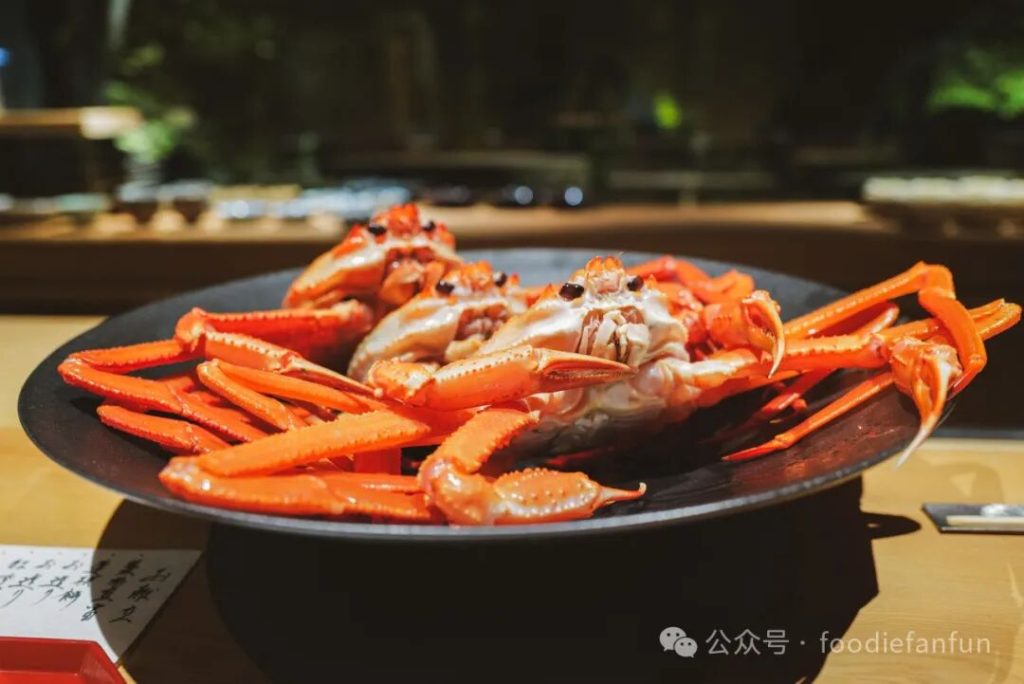
    In October, in Japan’s Hokuriku — the Sea of Japan side of central Honshu — crab season had just started to peak.

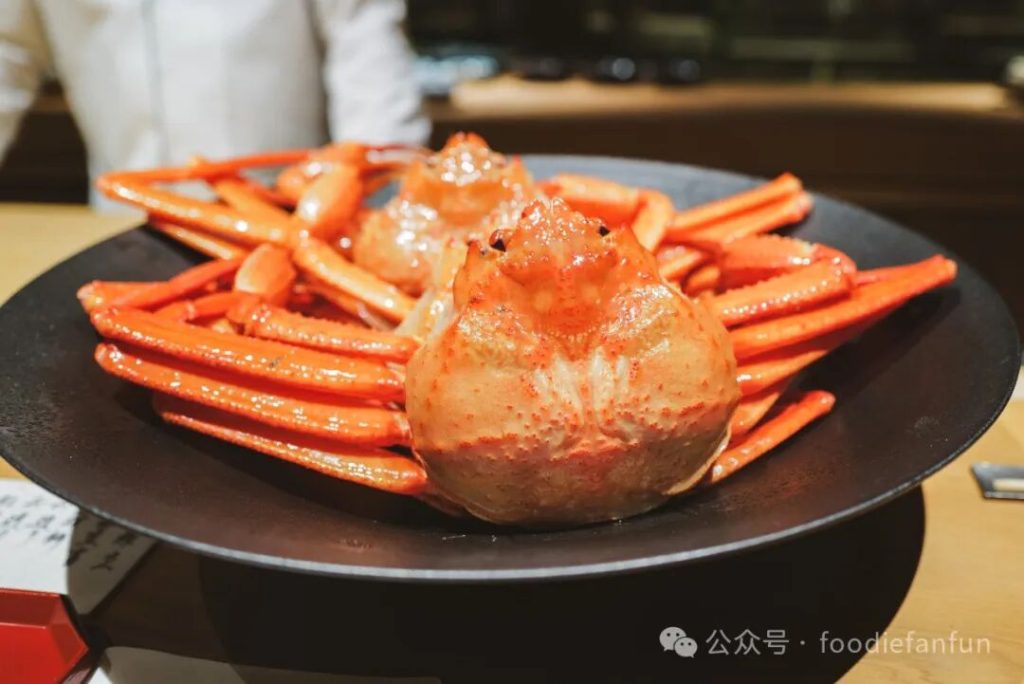
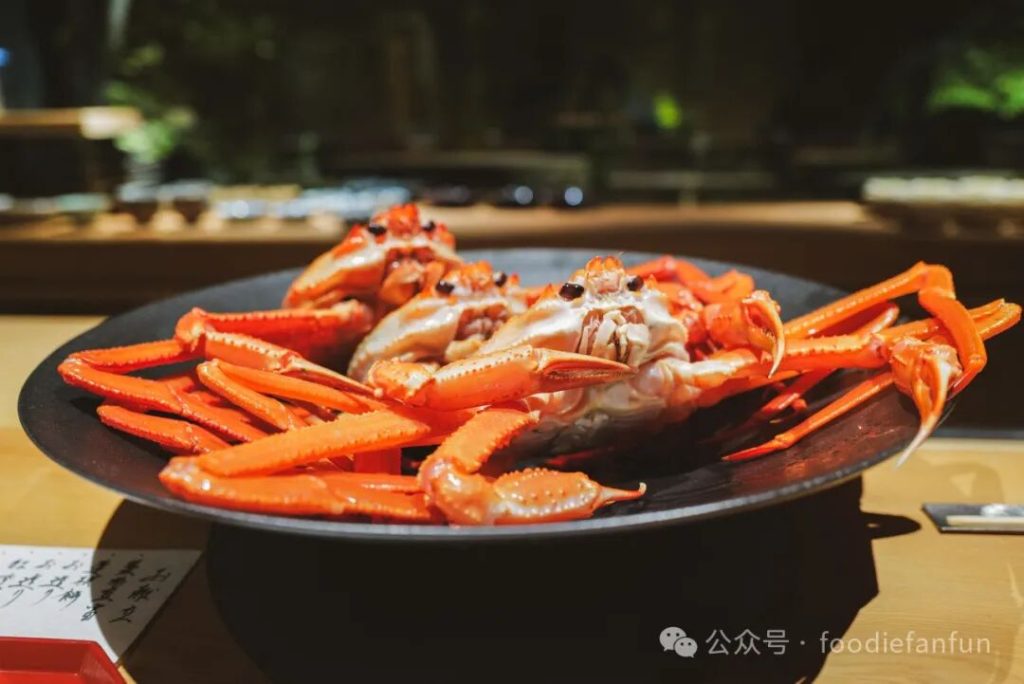
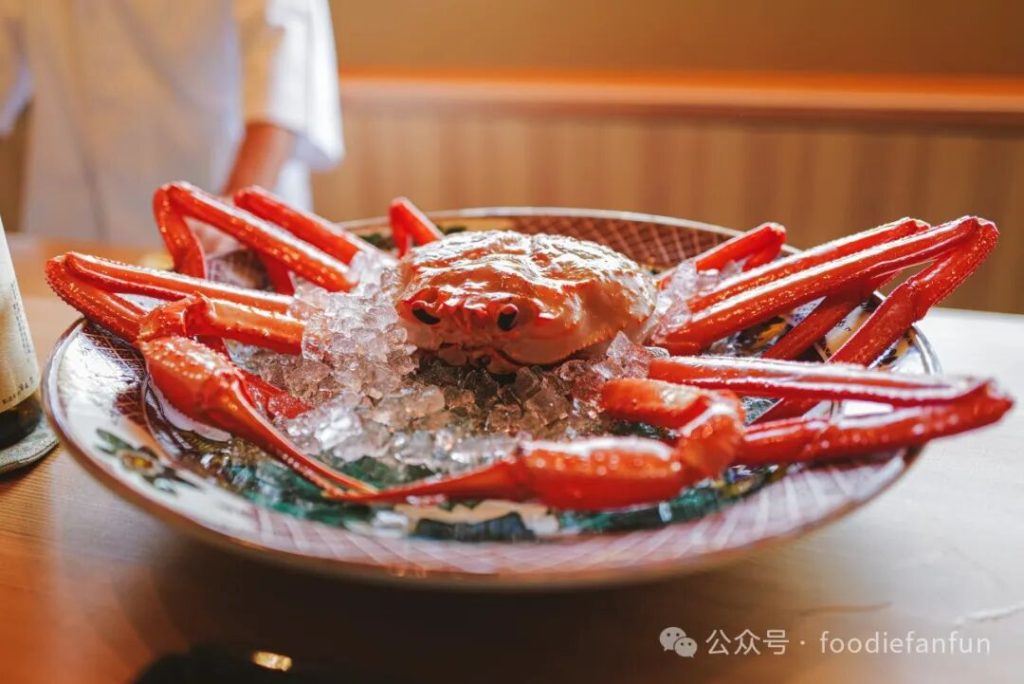
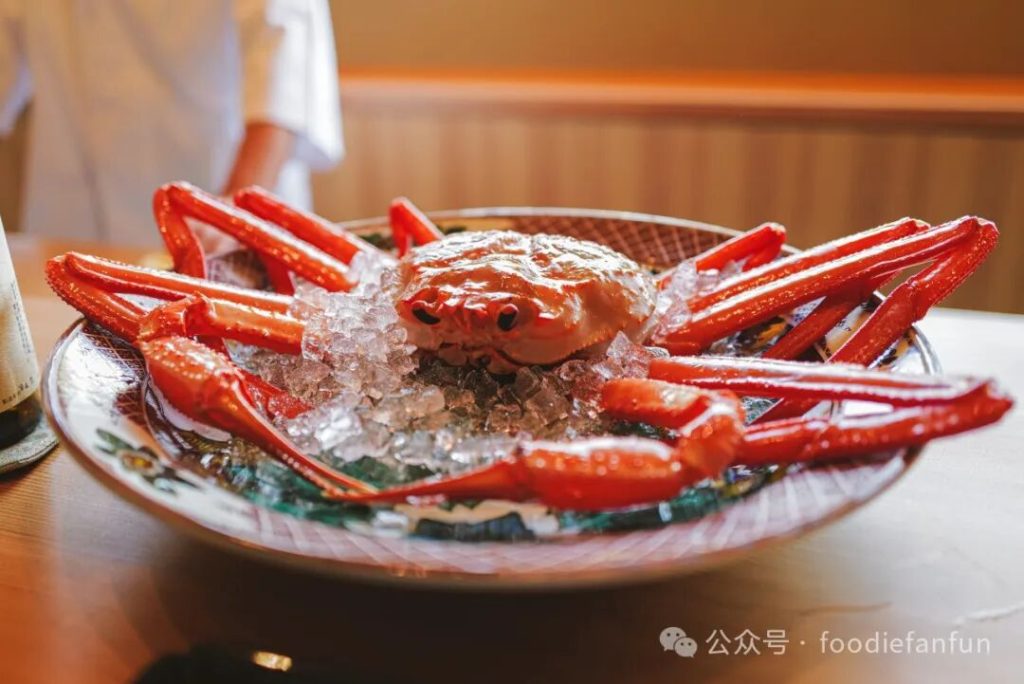
    We visited two kaiseki restaurants back to back, and both brought out freshly-arrived red snow crab to ‘welcome’ us. To be honest, the more prized crab varieties aren’t in season yet, but this alone was enough to scratch an itch that had been building for half a year.

    During our Toyama trip, we set aside a day to ride a clanking little local train out to the coast to unwind —

    Only for October in Toyama to bring nothing but overcast skies and drizzle every single day. What ocean view?

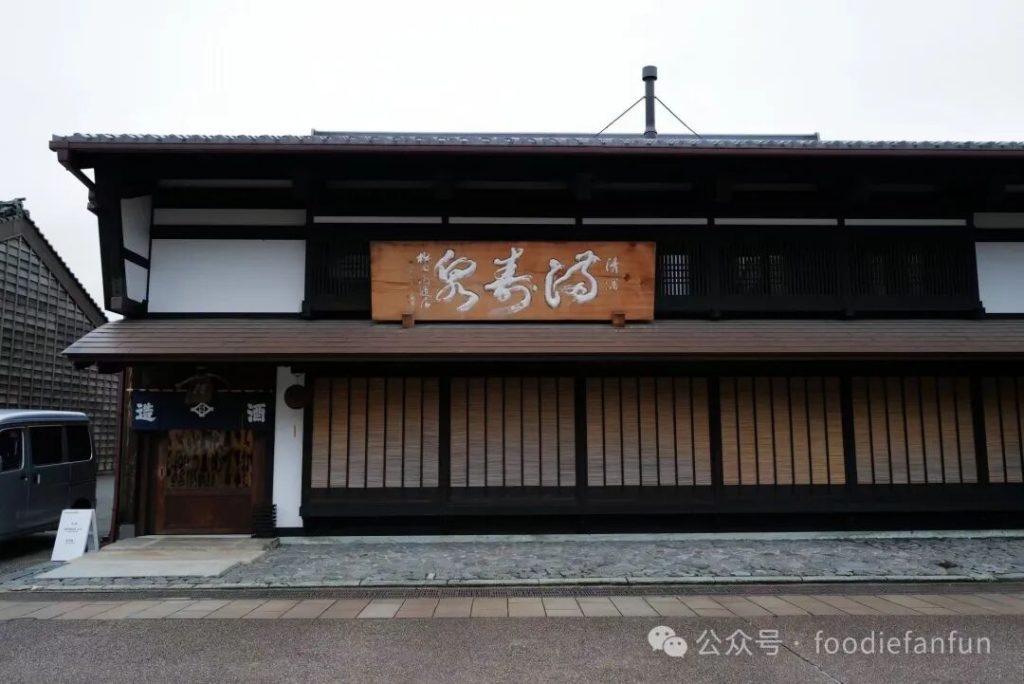
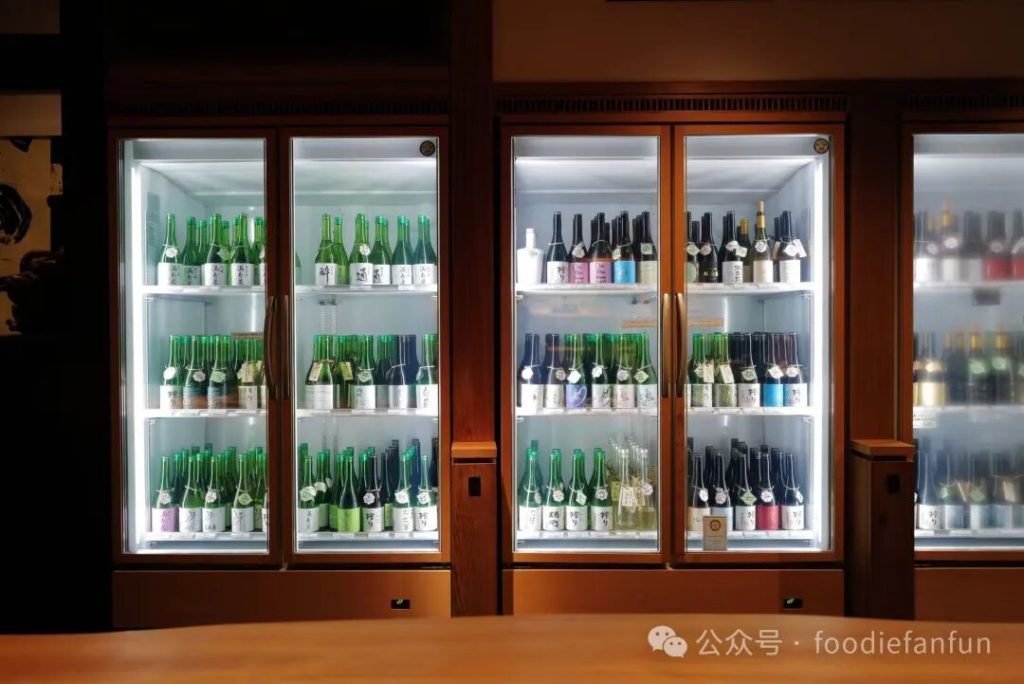
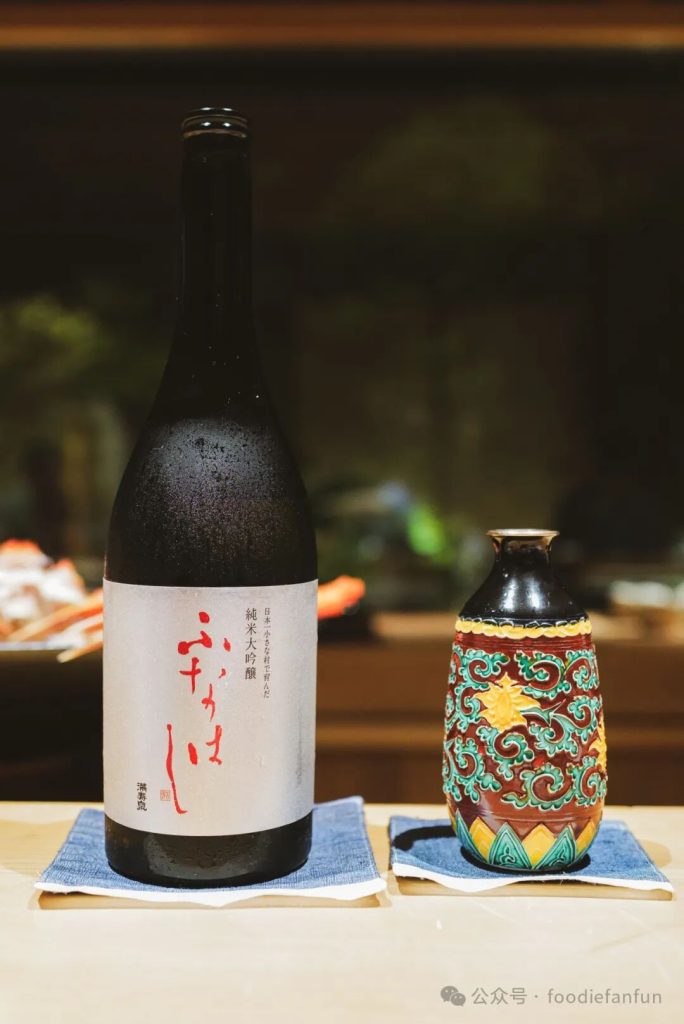
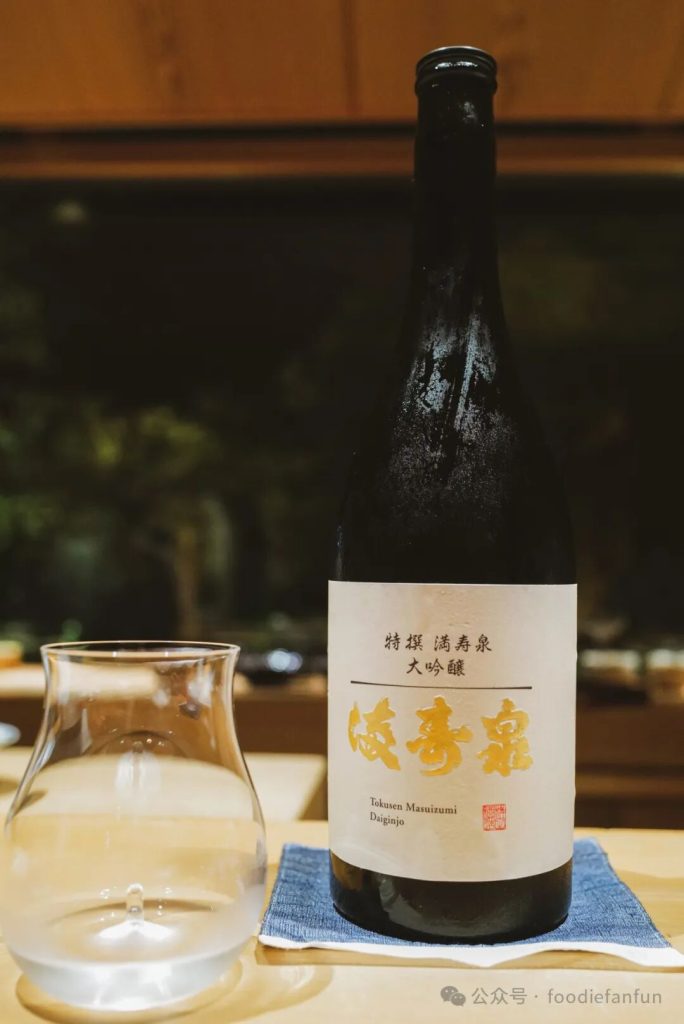
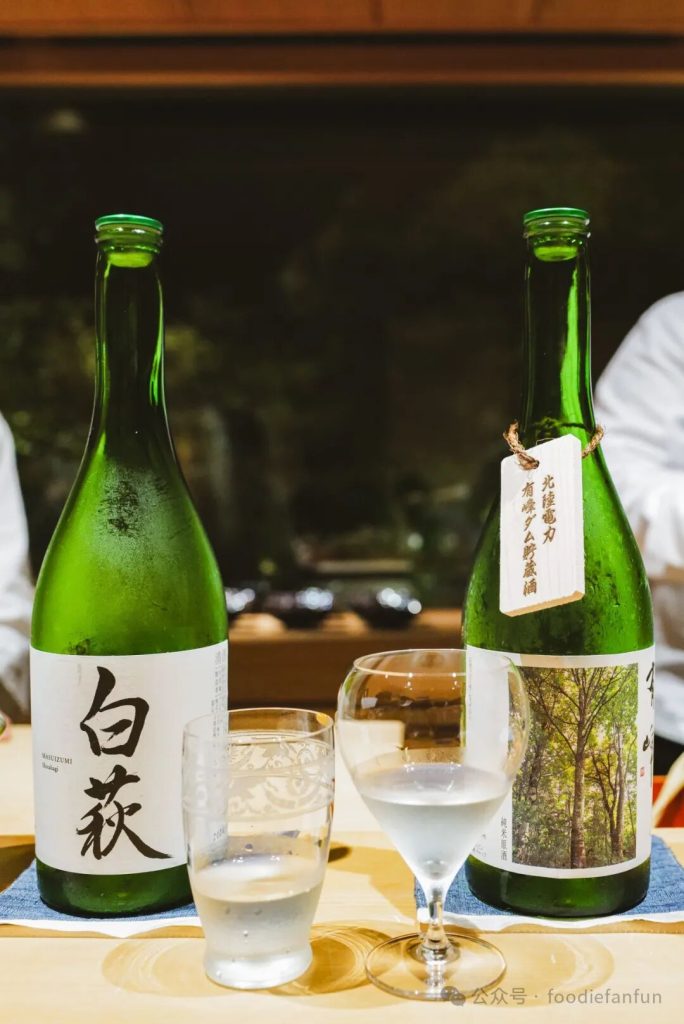
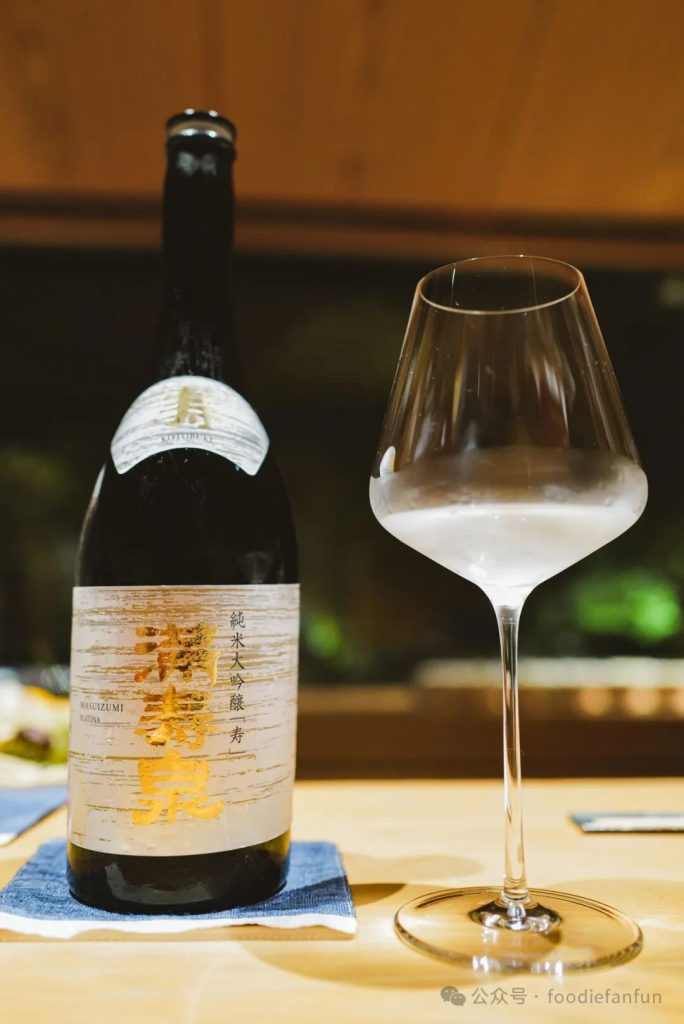
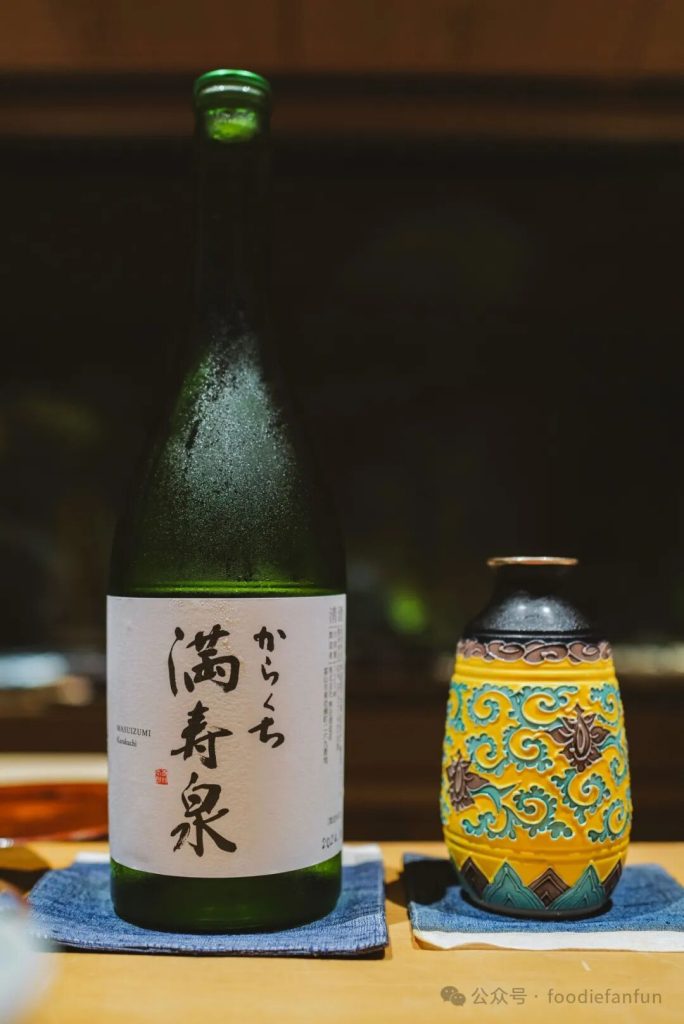
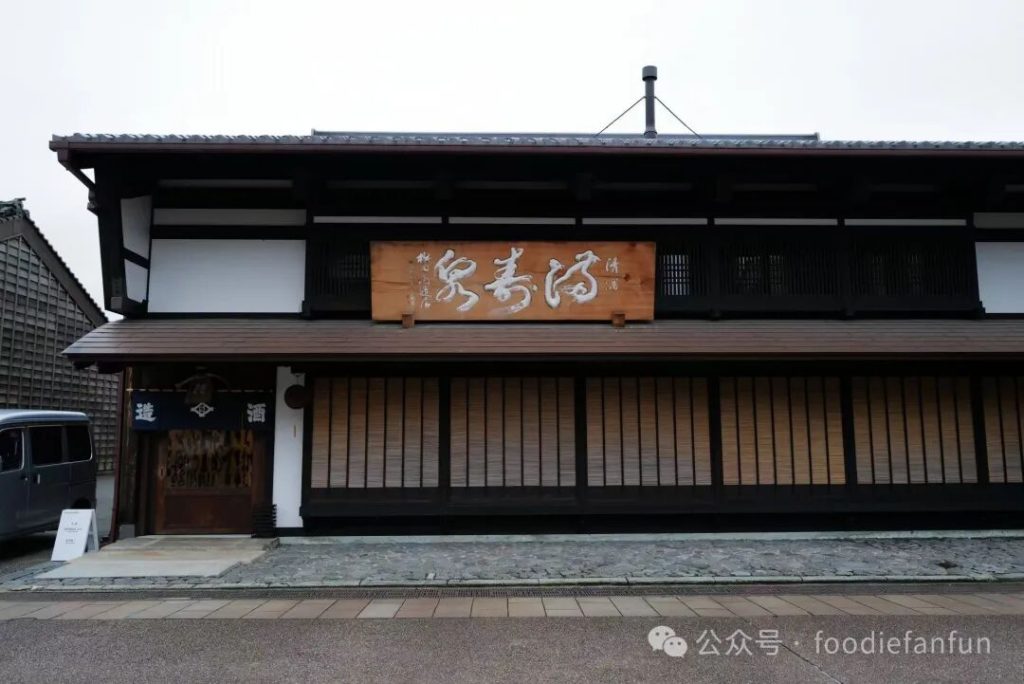
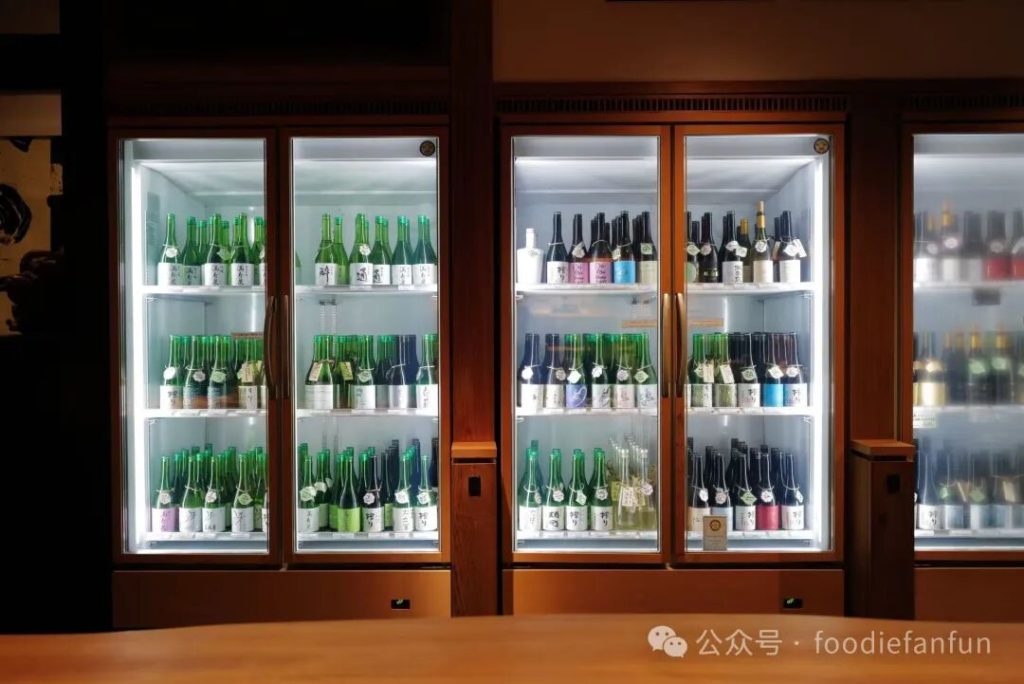
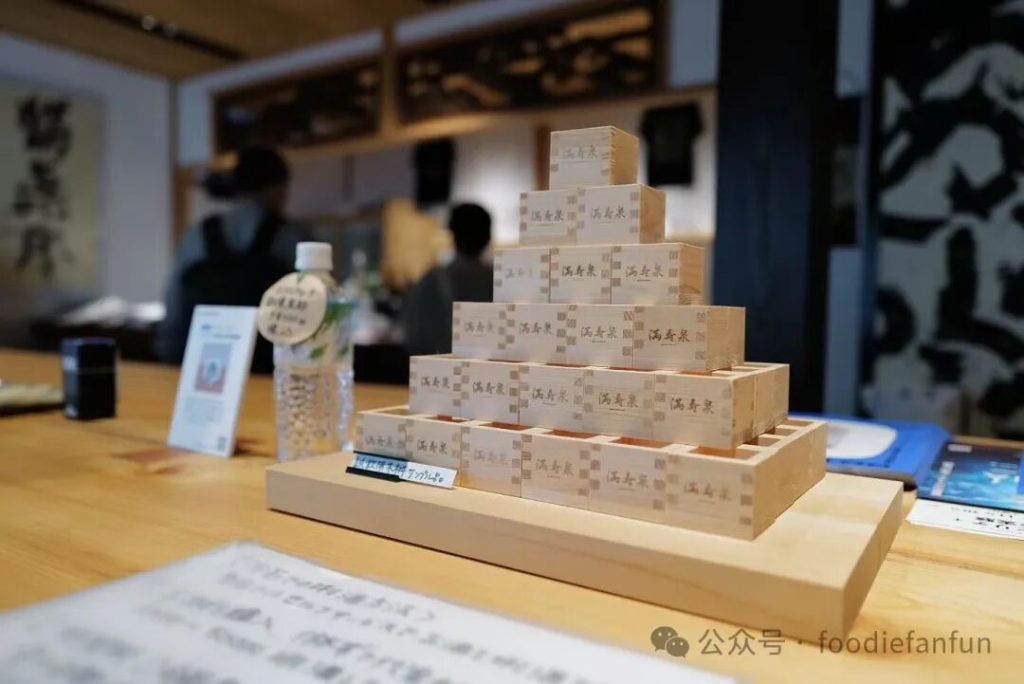
    To be honest, the real purpose was to visit Masuda Sake Brewery’s Sazareishi, the home base of Masuizumi sake, where you can do a 15-minute all-you-can-taste session covering Masuizumi’s lineup, with three fridges essentially holding every bottle you’d ever find on the market.

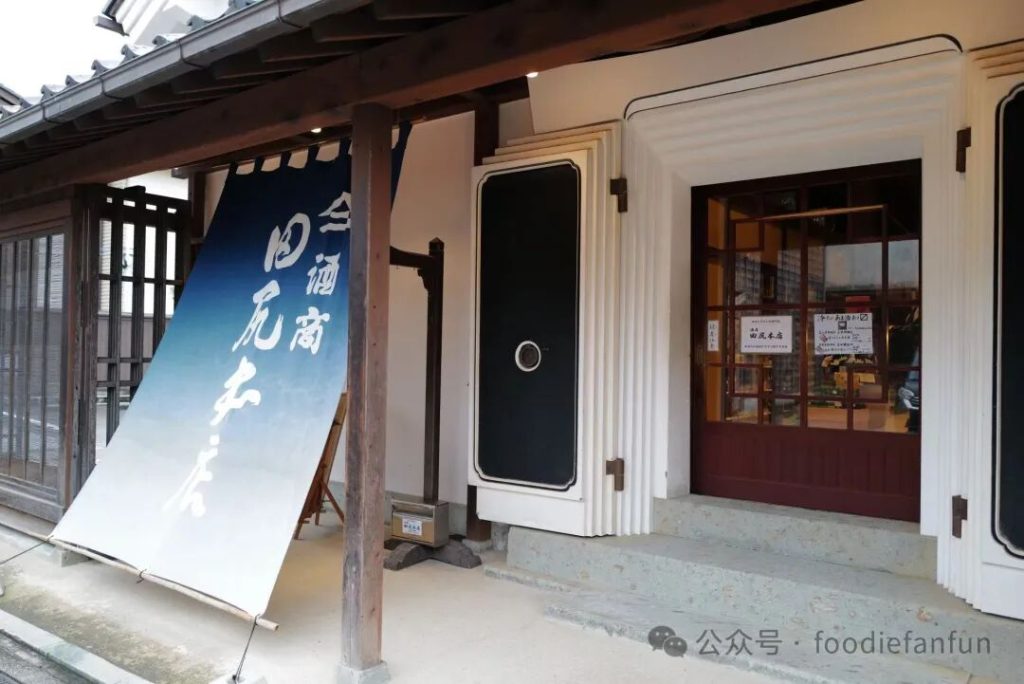
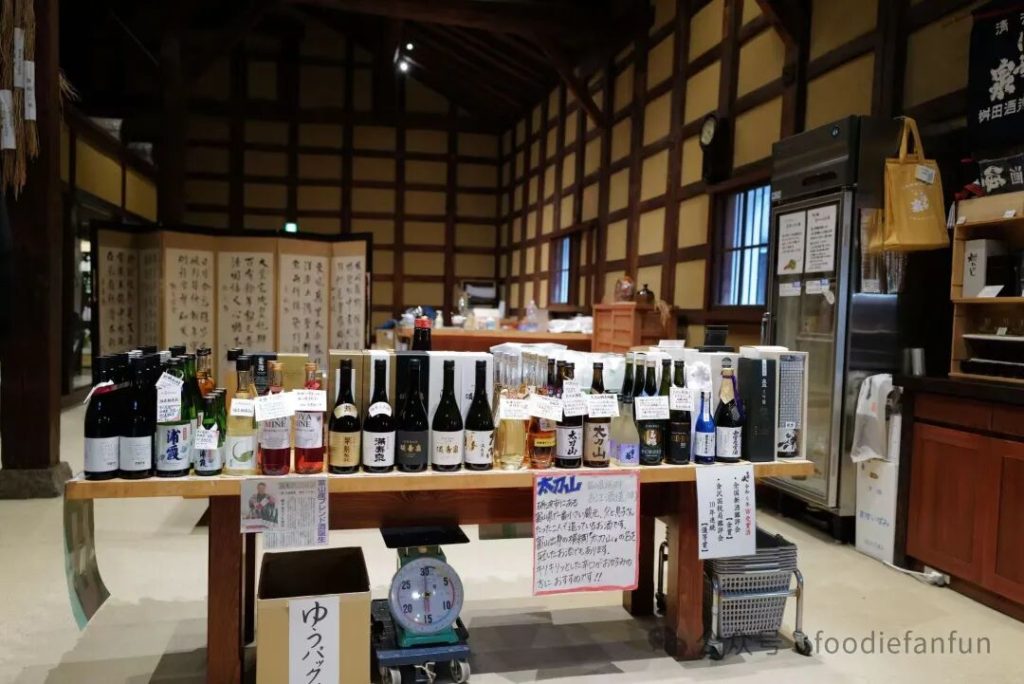
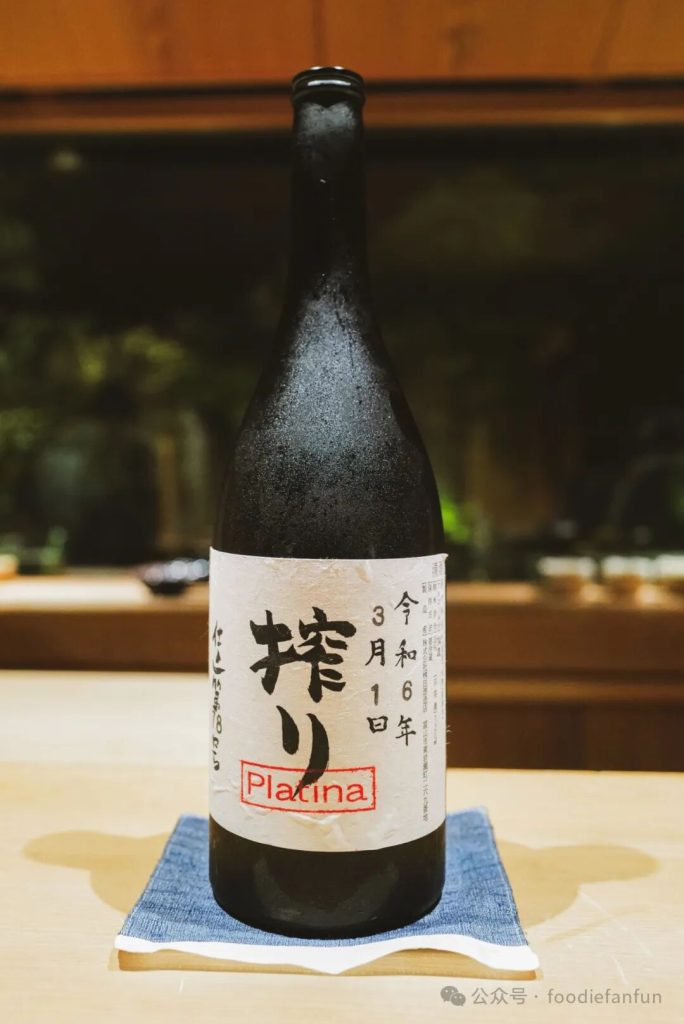
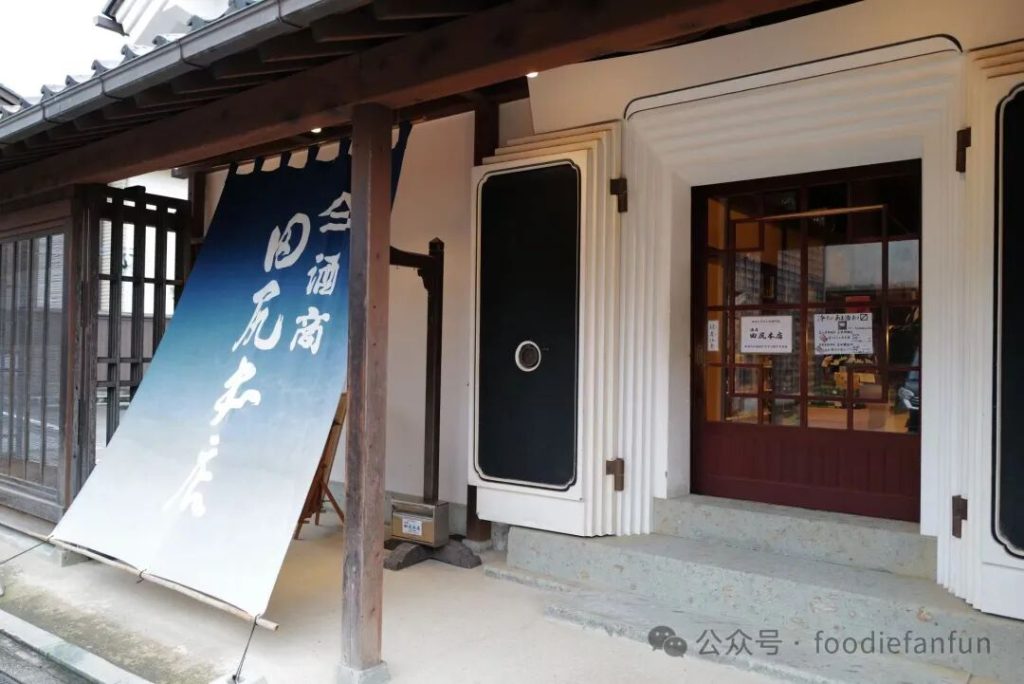
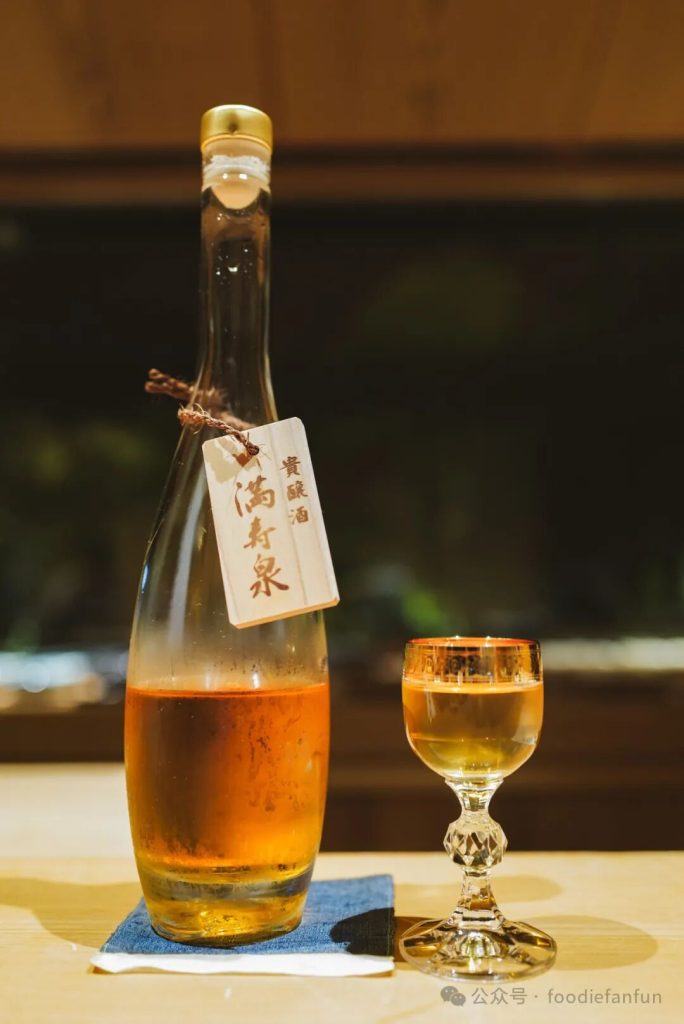
    Then we went next door to the sake shop Tajiri Honten to pick out a few local Toyama sakes. We were surprised to find bottles that are basically only sold to restaurants, as well as some the shop ages in-house, like Katsukoma and a 20-year Masuizumi Hakugin.

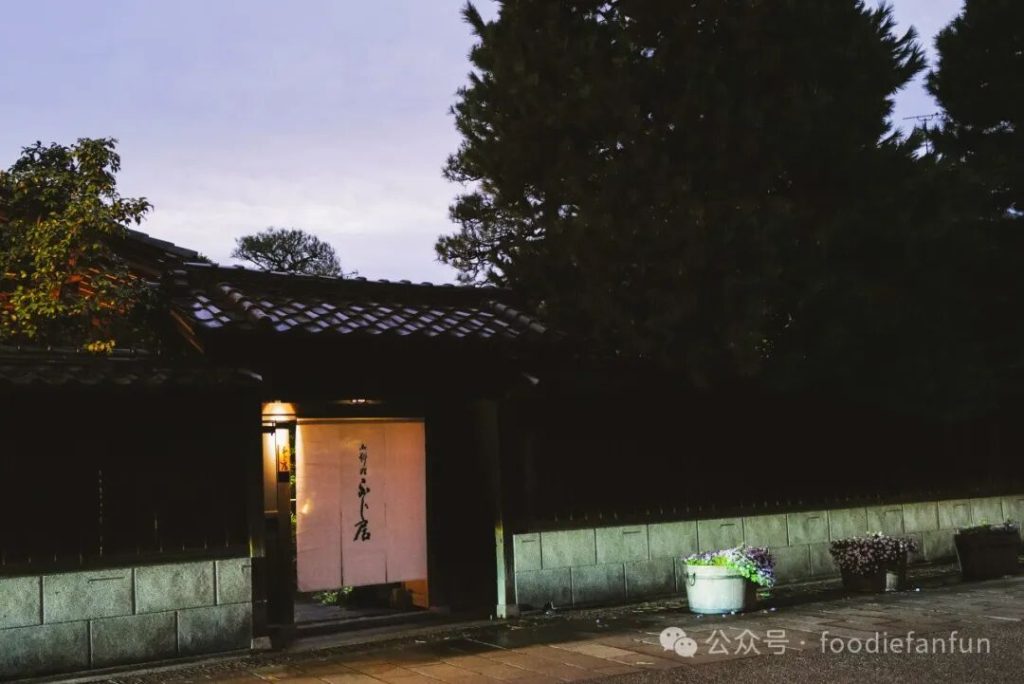
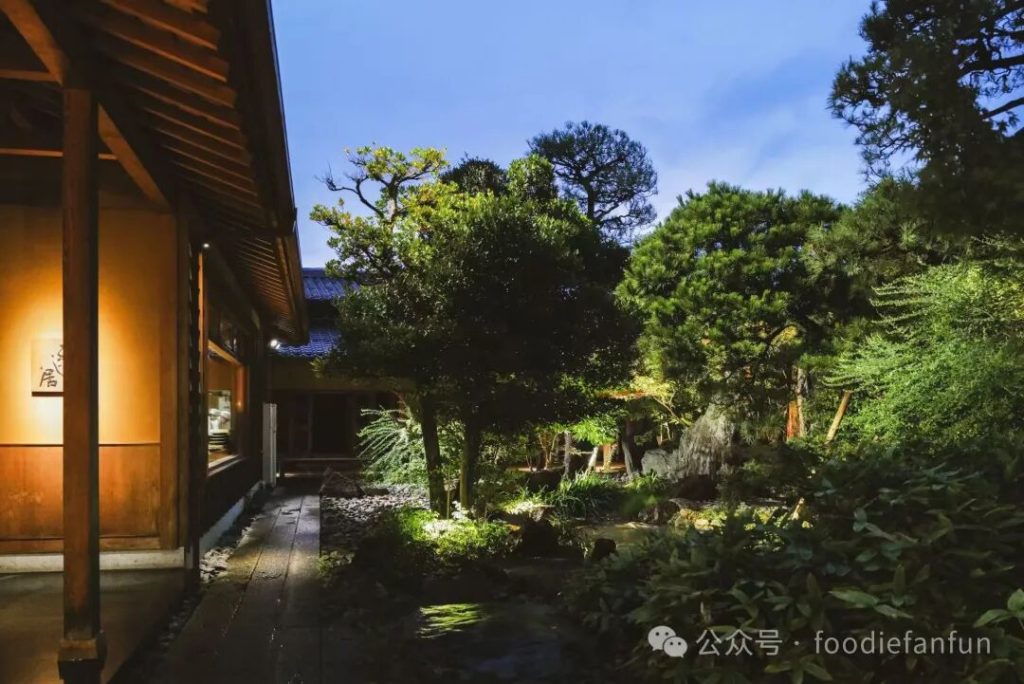
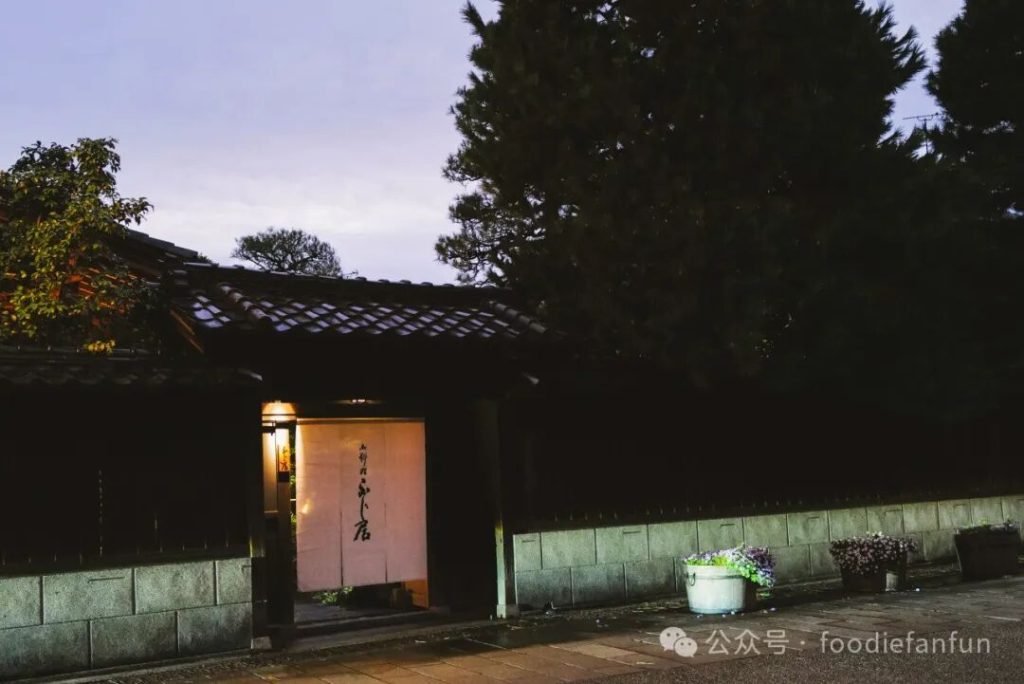
    The final stop was dinner: 御料理 ふじ居, famously Toyama’s eternal runner-up.

    Two Michelin stars, Tabelog Silver Award, formerly #2 in Hokuriku, currently #2 in Toyama. But when it comes to kaiseki specifically, it’s unquestionably Toyama’s number one.

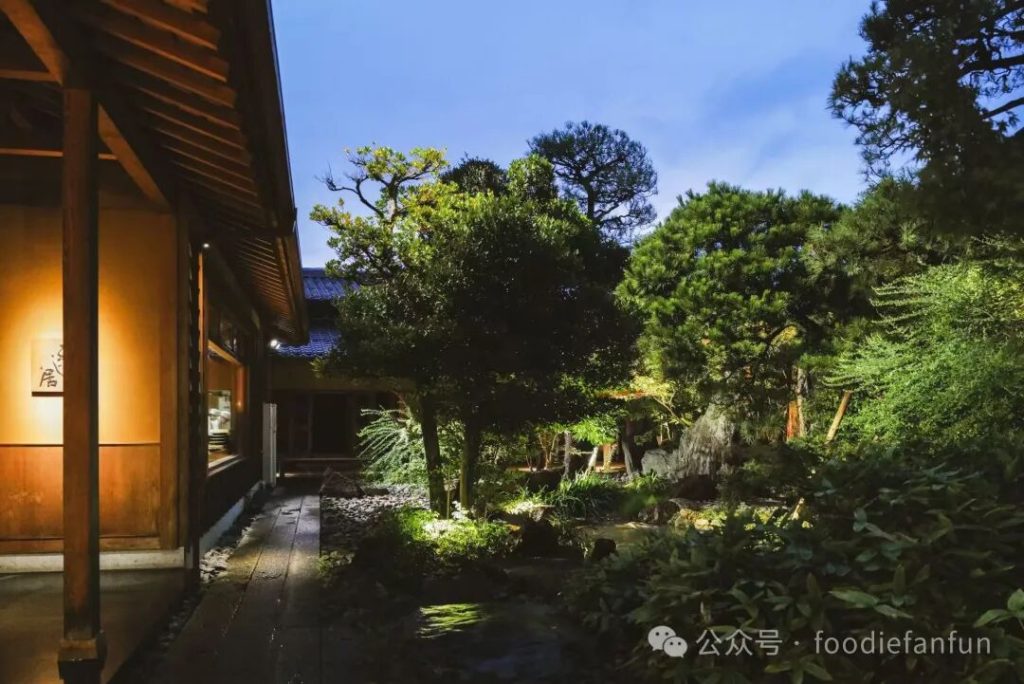
    Head chef Fujii trained at a culinary school in Tokyo, then spent 11 years training at ‘Nihon Ryori Zeniya’ in Kanazawa and ‘Ajishita’ in Kyoto’s Gion district. He struck out on his own in 2011 to found 御料理 ふじ居, and in 2019 moved into its current location — a historic building right next to Masuizumi’s brewery.

    Using water from Masuizumi’s own brewery cellar to make Toyama’s seasonal cuisine.

    Whew — pure Toyama pride and luxury, through and through.

    The menu changes with the season. In early October, right as red snow crab first arrived, the restaurant only offered a ‘value set’ at ¥30,000 per person.

    By late October into mid-November, prices peak with a ¥120,000-per-person matsutake set, and then from there until early spring, the restaurant also offers a ¥60,000-per-person local Toyama crab set.

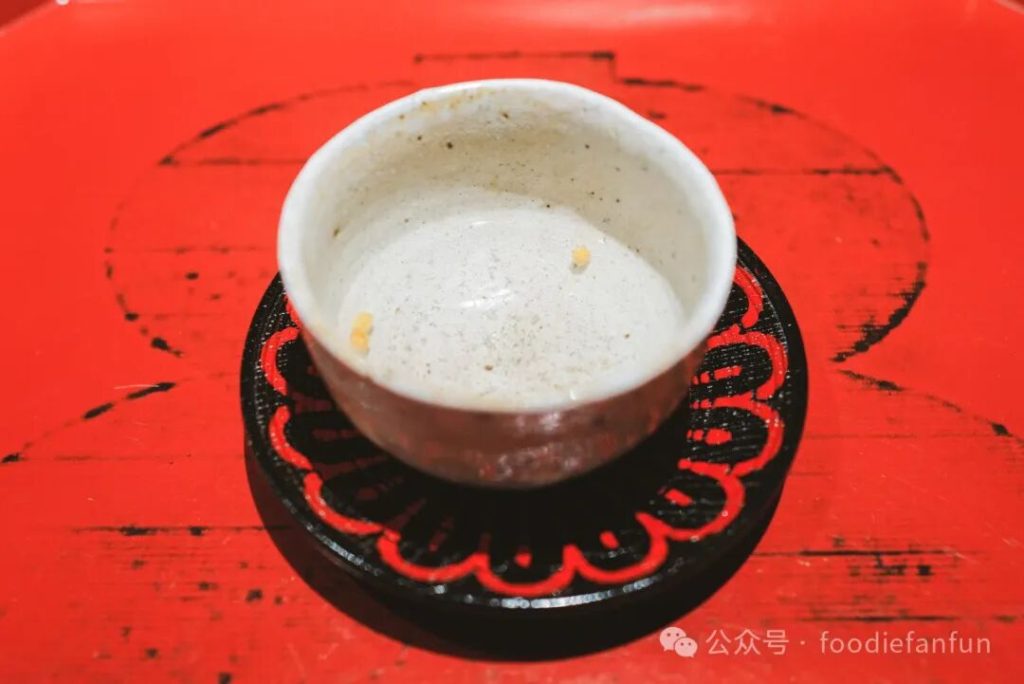
    Fried rice-tea

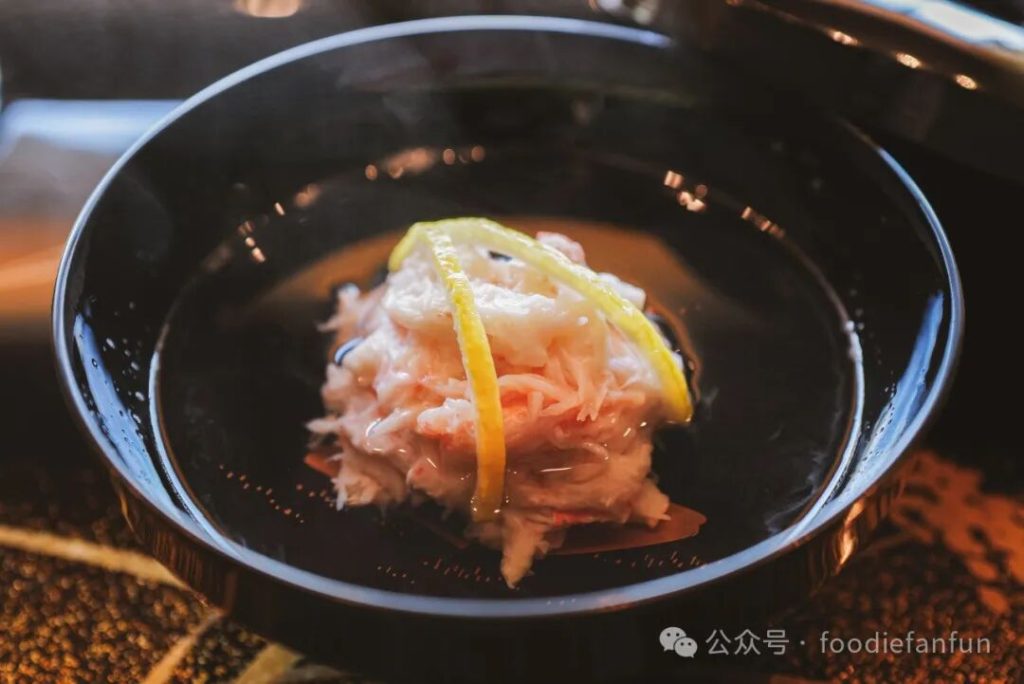
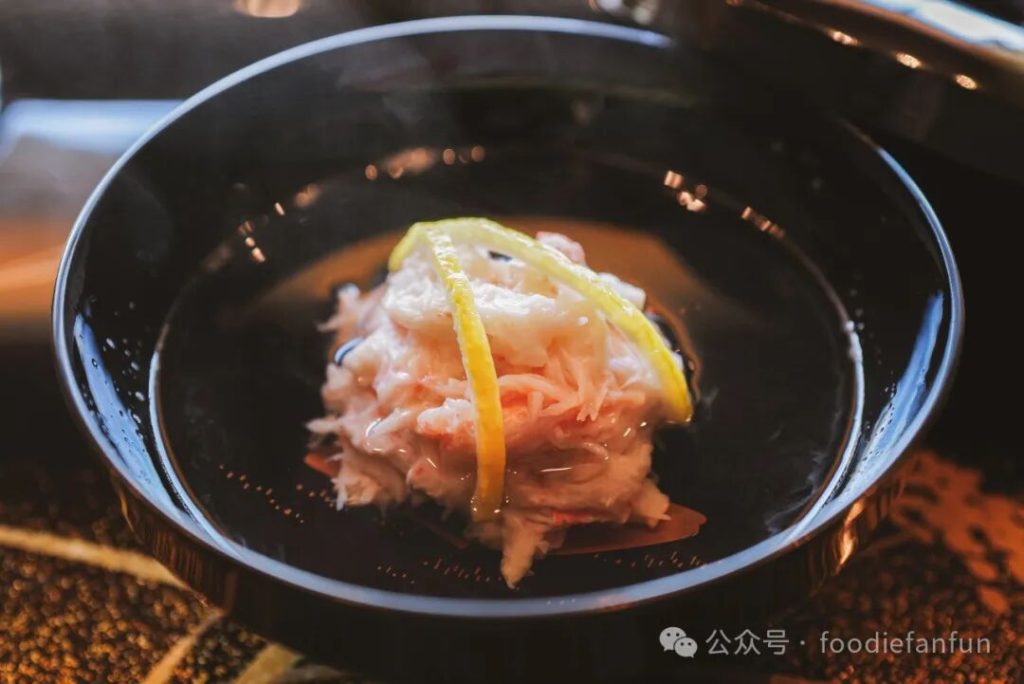
    Red snow crab meatball, tofu, myoga ginger

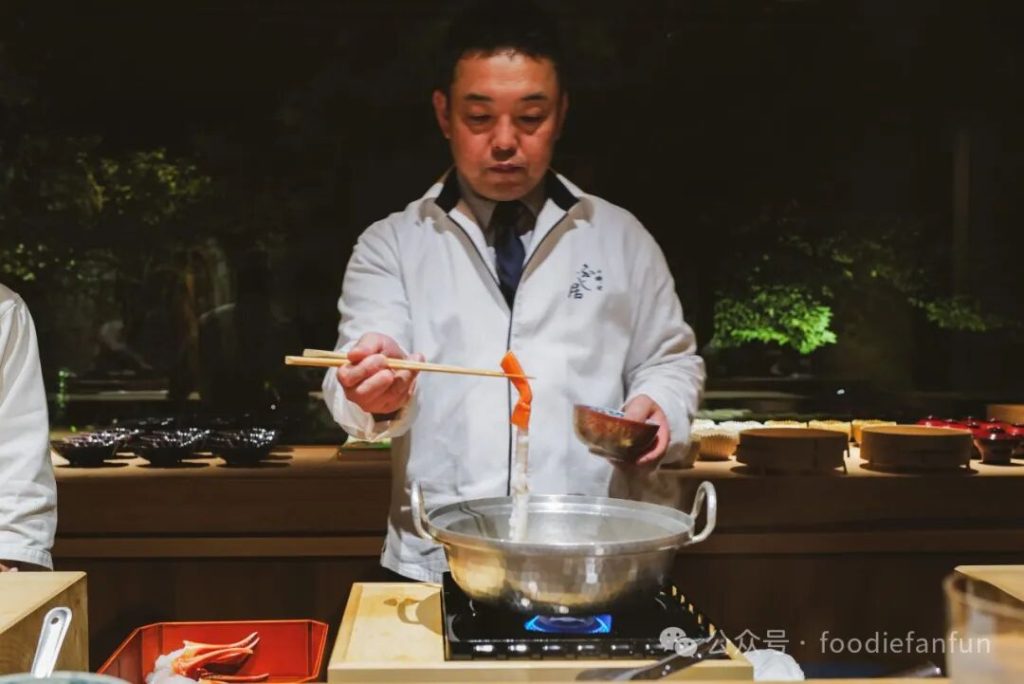
    After showing off an arm-length crab before the meal started, Fujii went straight to work at the counter, cracking the shell open and snapping off the legs.

    Twenty minutes later, it reappeared as the first dish on the table — a crab ball simmered to intense freshness, packed full of nothing but crab meat, every delicate thread of it distinguishable. Paired with tofu and myoga ginger, it set the tone for the meal’s freshness right from the start.

    Lotus root, flounder

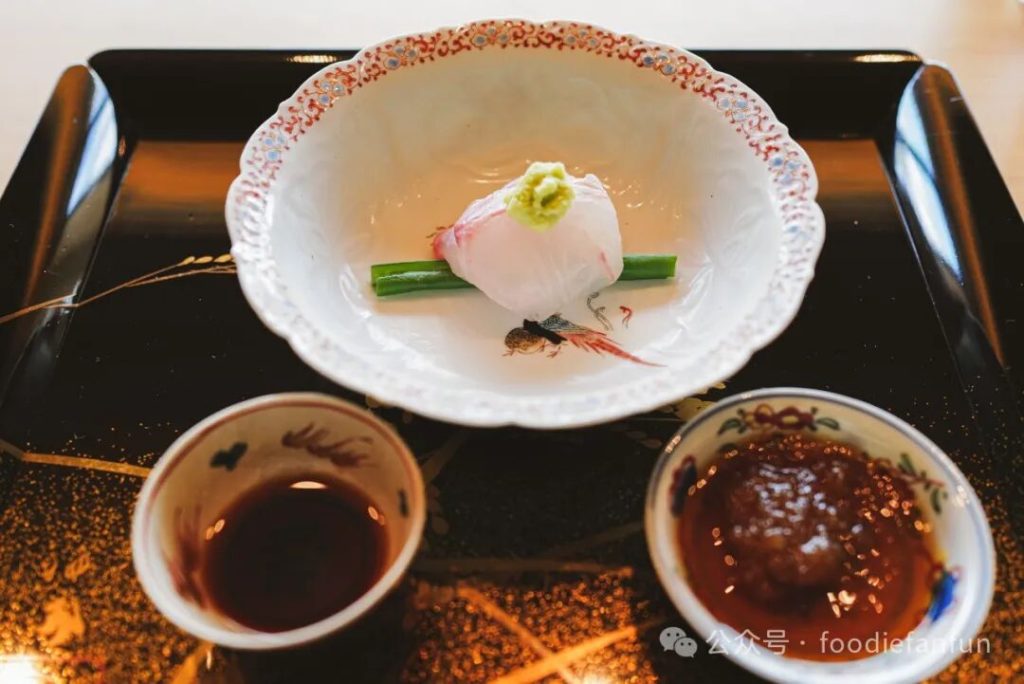
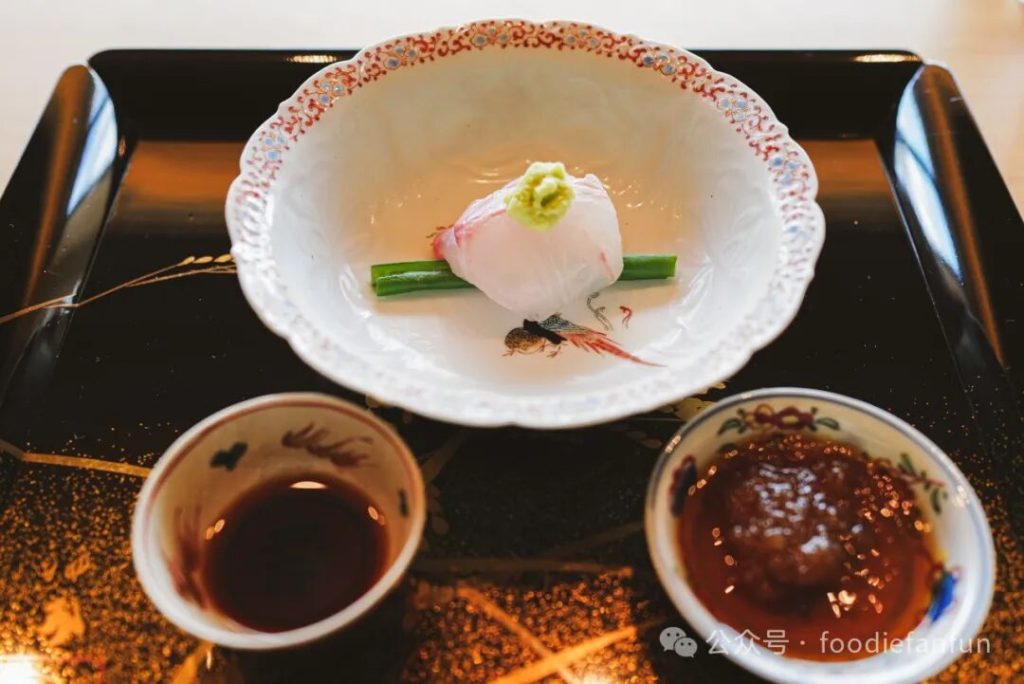
    Young grouper, wasabi soy sauce

    Firefly squid, ginger soy sauce

    The lotus root was made into a little cake — sticky to eat, but its aroma was remarkably fresh. The flounder here was more than happy to play a supporting role, evening out the dish’s freshness and setting up the sashimi to come.

    Both the grouper and the squid come straight from Toyama Bay’s local port, seasoned simply with just wasabi and ginger. But the springy bite alone was proof enough of how good the local seafood is.

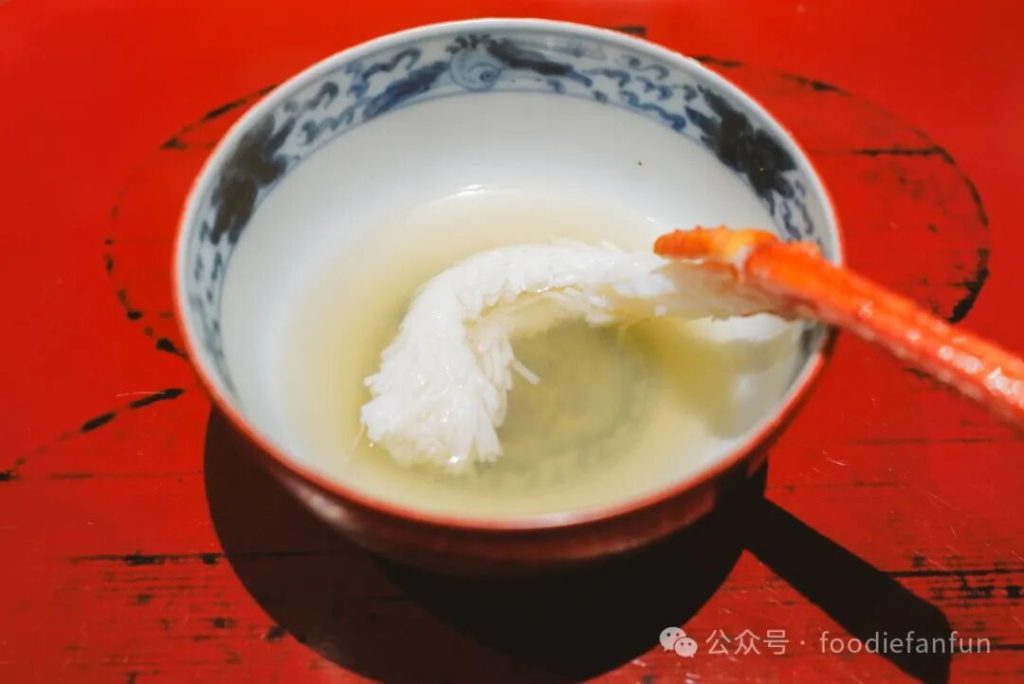
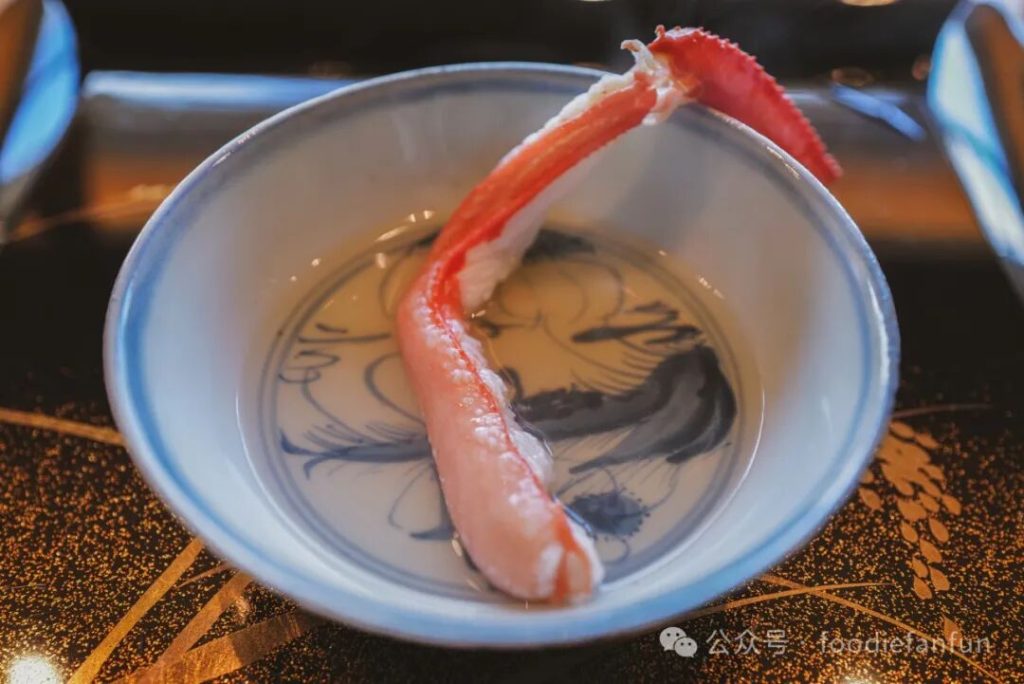
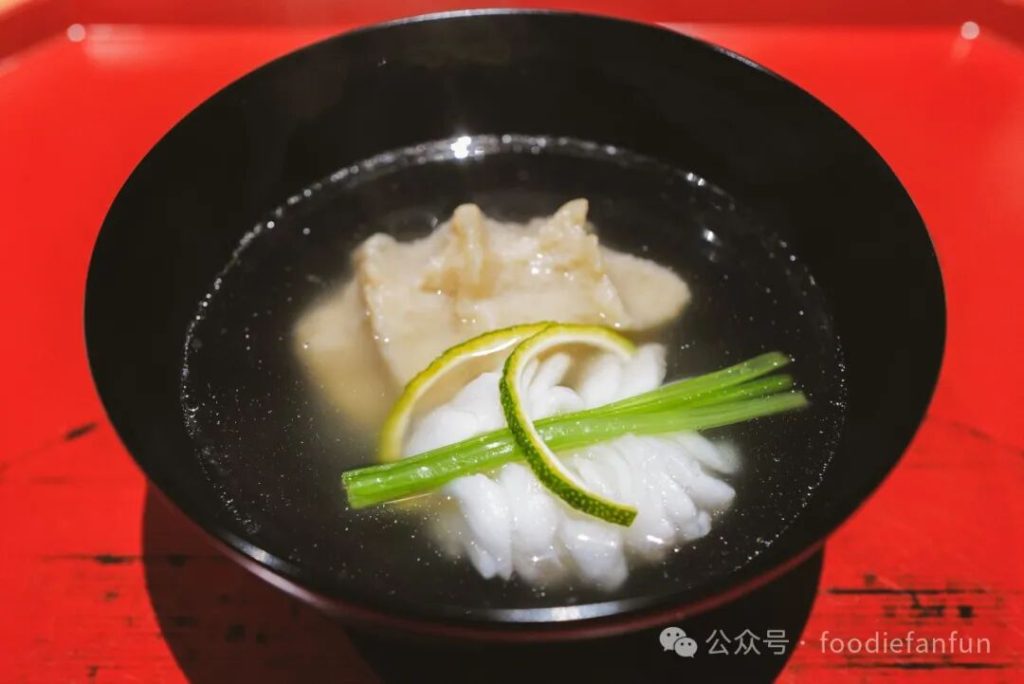
    Red snow crab leg

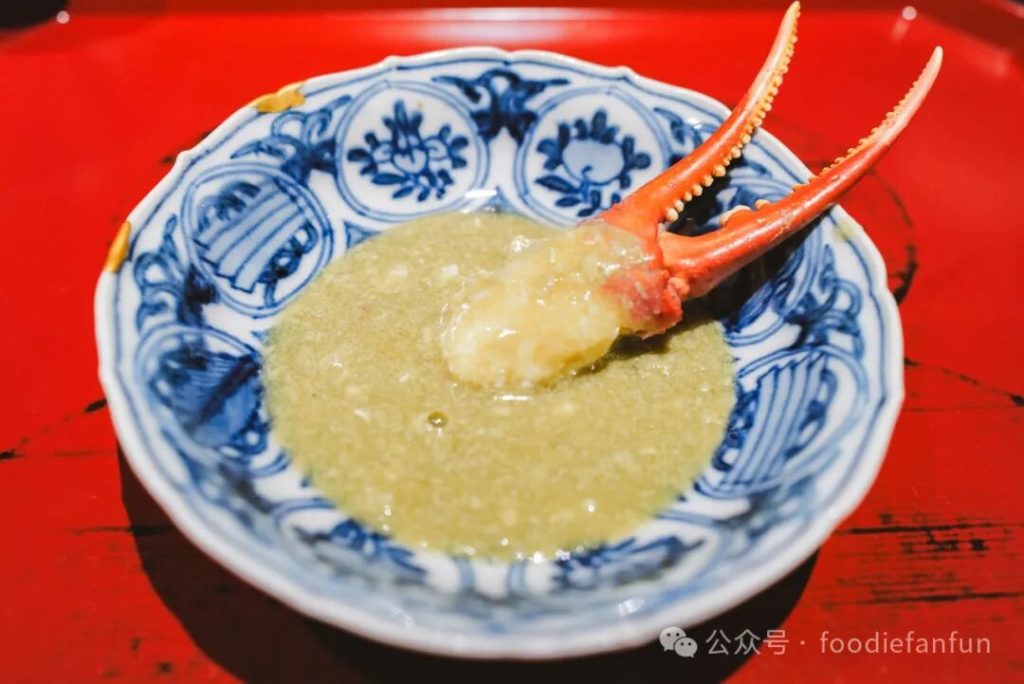
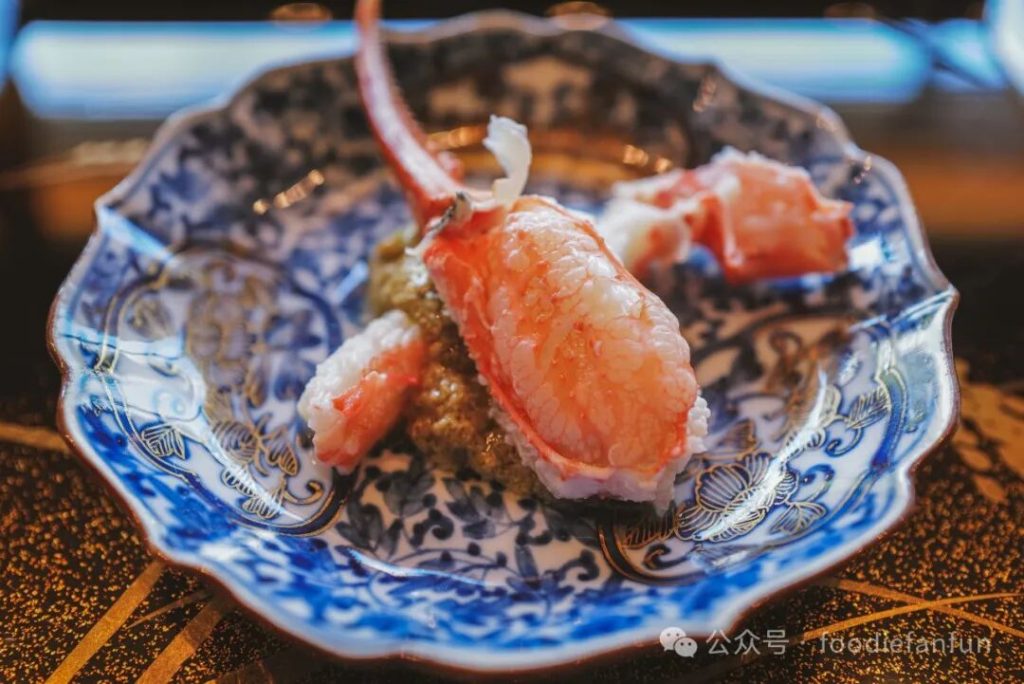
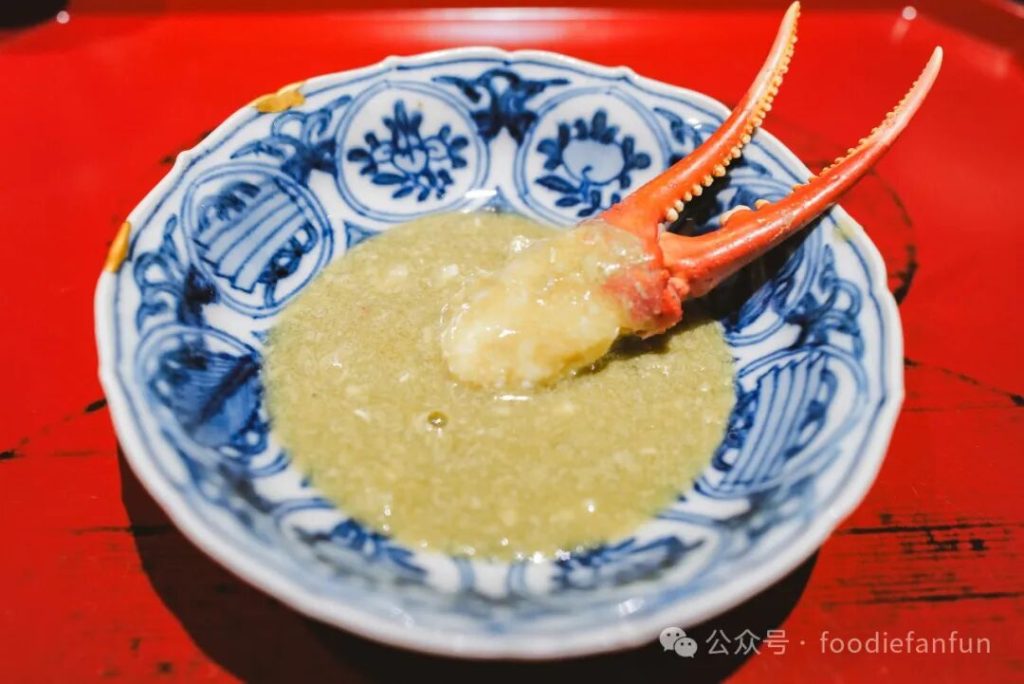
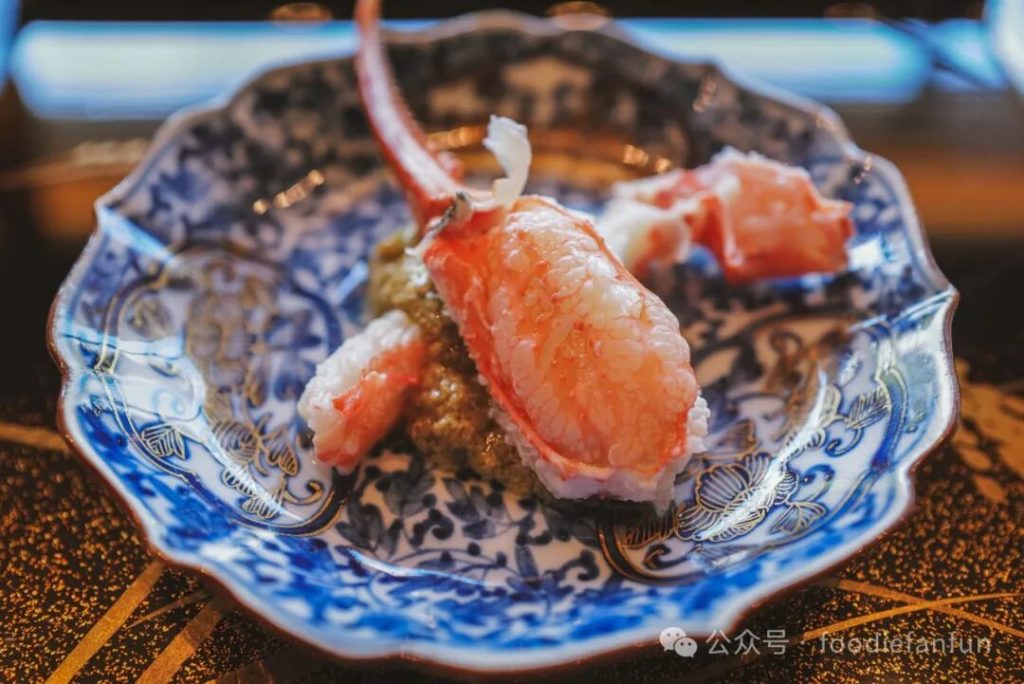
    Red snow crab claw, crab miso

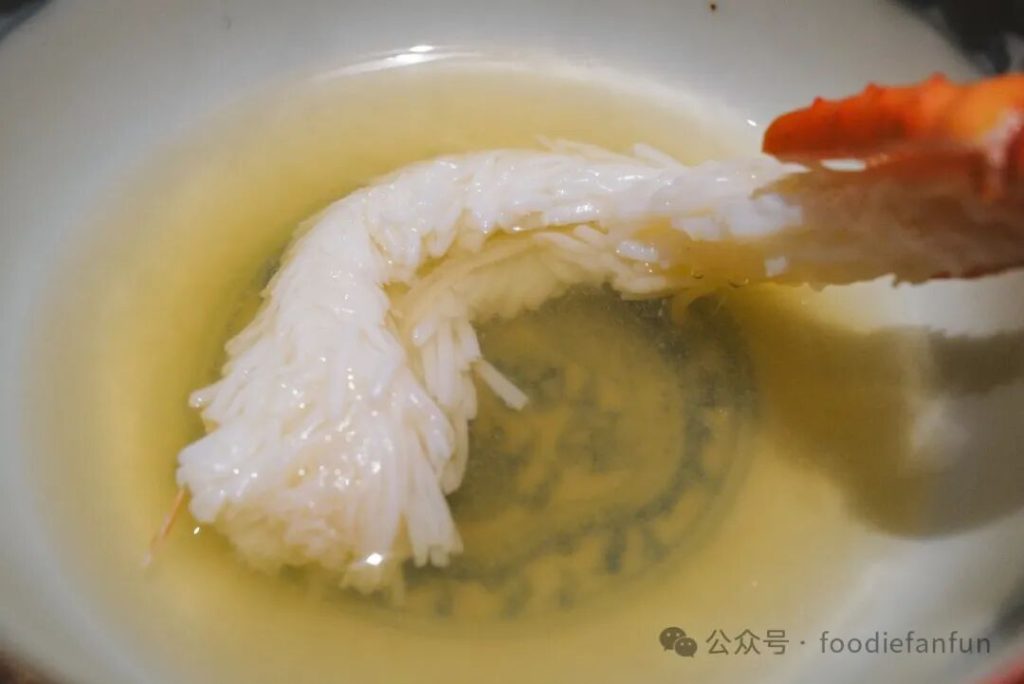
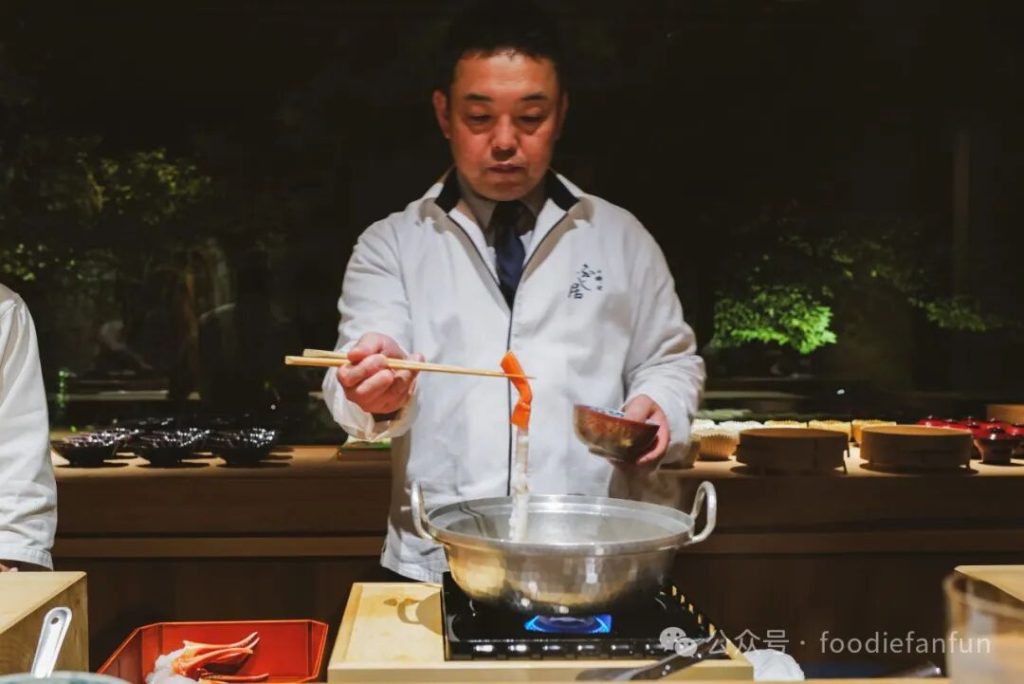
    The kitchen brought out a large pot, shelled crab leg, and gave it a quick hot-pot-style swirl. Fujii handled it himself, swishing it in the pot for a few seconds before pulling it out — exactly like a Beijinger swirling tripe in hot pot.

    The crab meat unfurled in the broth like beautiful petals, and just watching it drift around the bowl told you how tender it would be. The broth itself was made from the crab shells — one bowl and the umami hit straight to the top of your head.

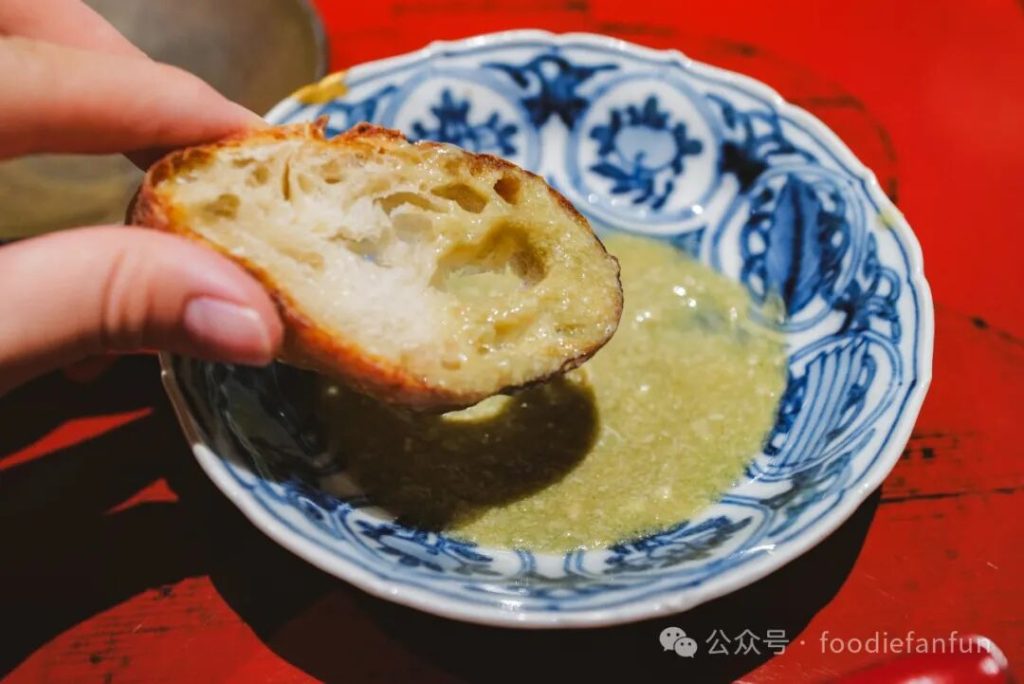
    The crab claw meat, on the other side, was much firmer, dipped in a crab-roe-based miso that amplified both the umami and aroma. Worried we’d hate to leave anything behind in the bowl, they even provided a small piece of baguette to mop up every last bit of the crab’s essence.

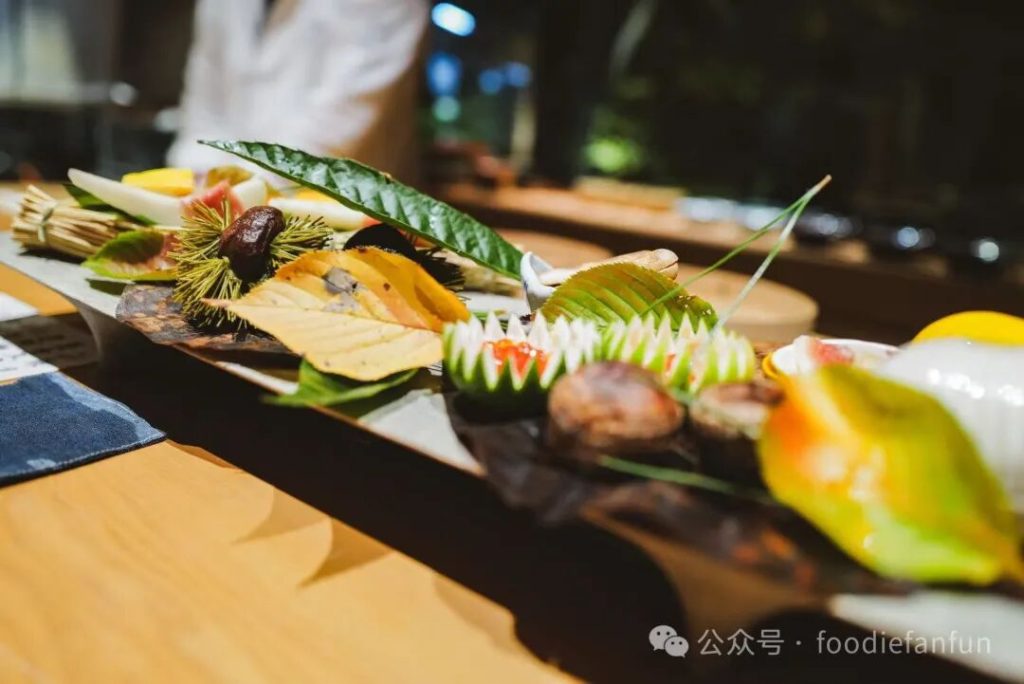
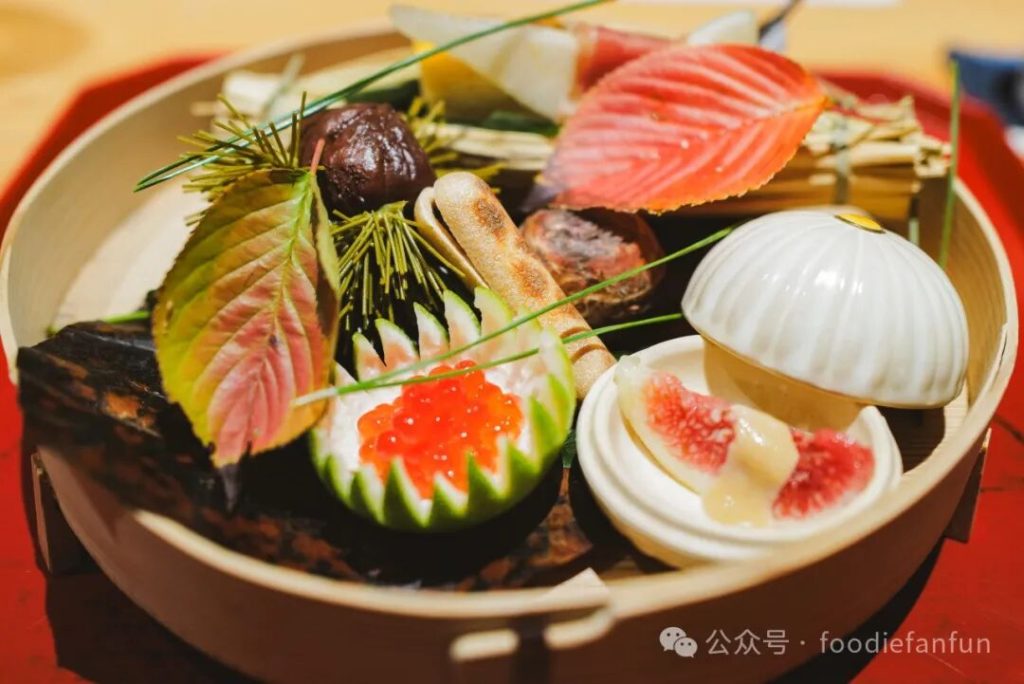
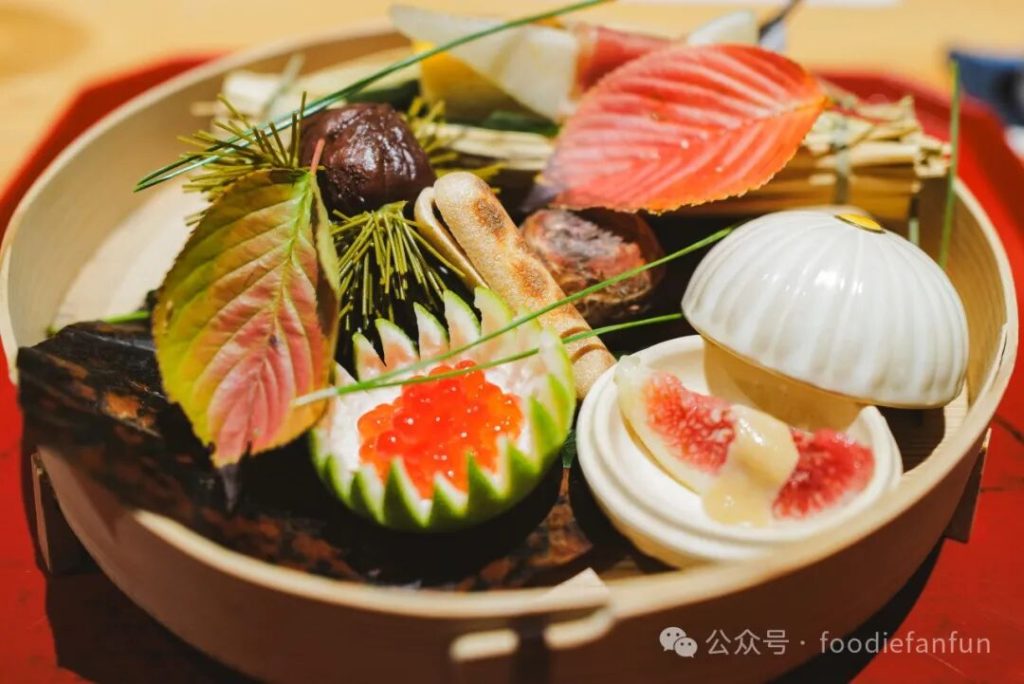
    Hassun | fig with sesame oil, pear-wrapped ham, kochia seed puff

    Salmon roe, chestnut, rolled egg, taro

    As the kingdom of Hokuriku produce, crab can only ever be one star among several in a kaiseki meal — the hassun course is where the ingredients truly get their stage.

    Chestnut, pear, black fig, salmon roe, kochia seed, taro… almost none of it was seasoned heavily — the ingredients’ own flavor alone was fragrant and delicious enough, showing off the freshness, variety, and seasonality of local produce.

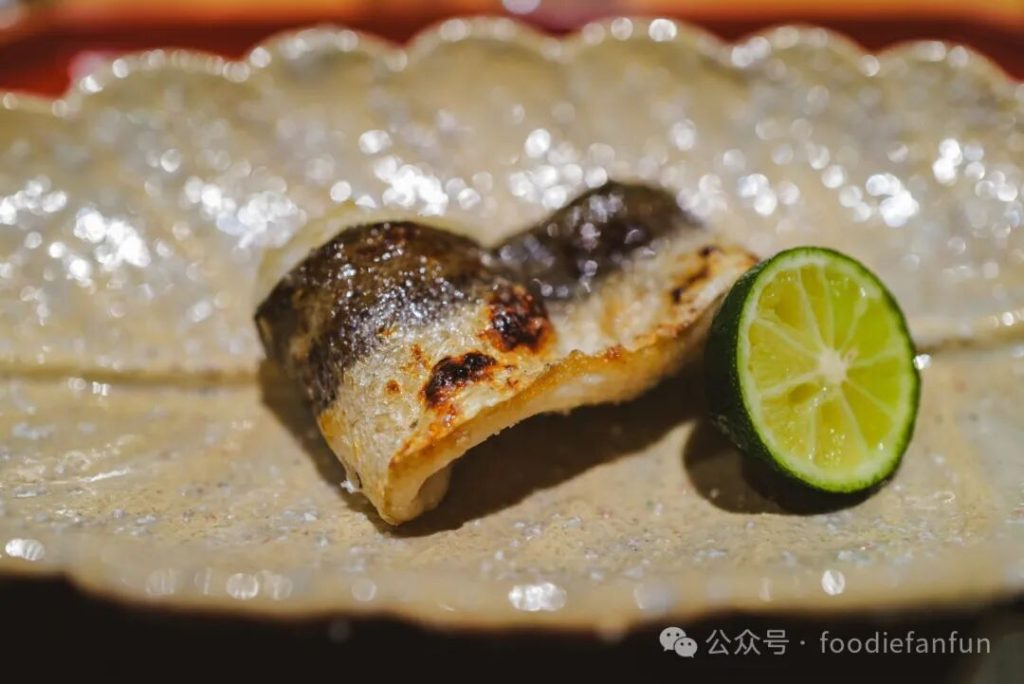
    Grilled Japanese sea bass (suzuki)

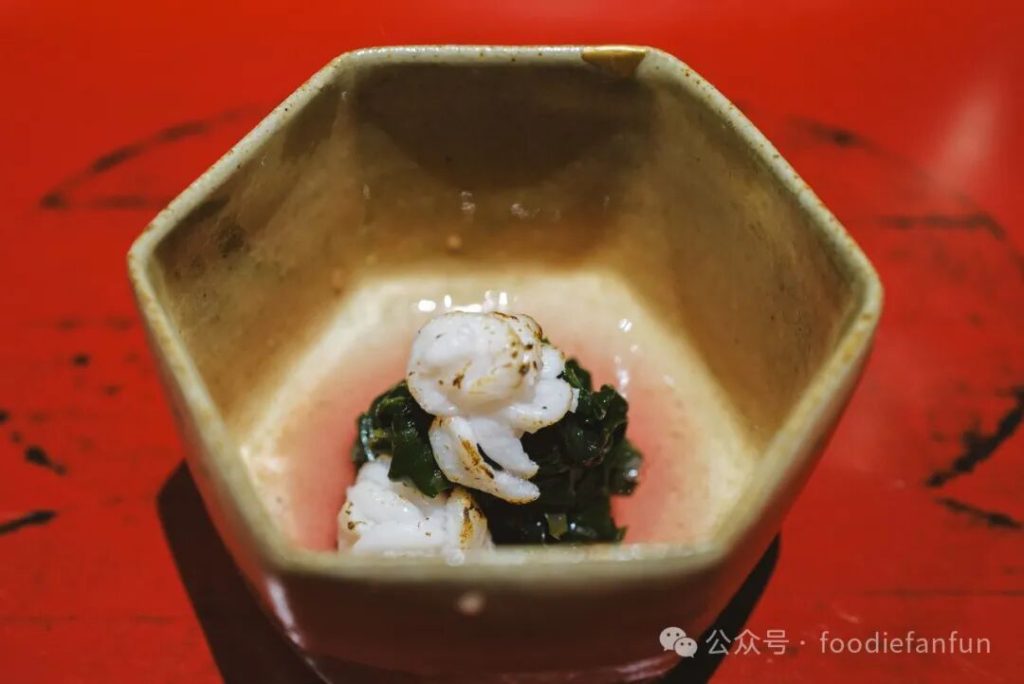
    White shrimp, kombu, Kintoki-so

    Moon-viewing tofu, softshell turtle, ginger

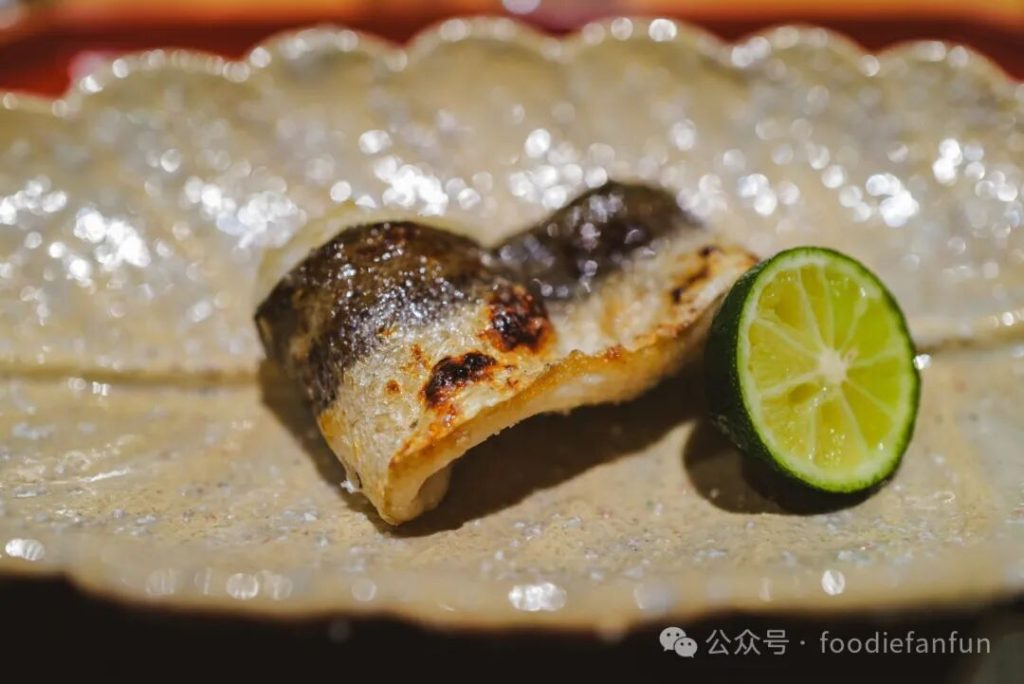
    Next up was the sea bass — the flesh was still a bit thin for the season, but the charcoal-grilled skin was full of aroma.

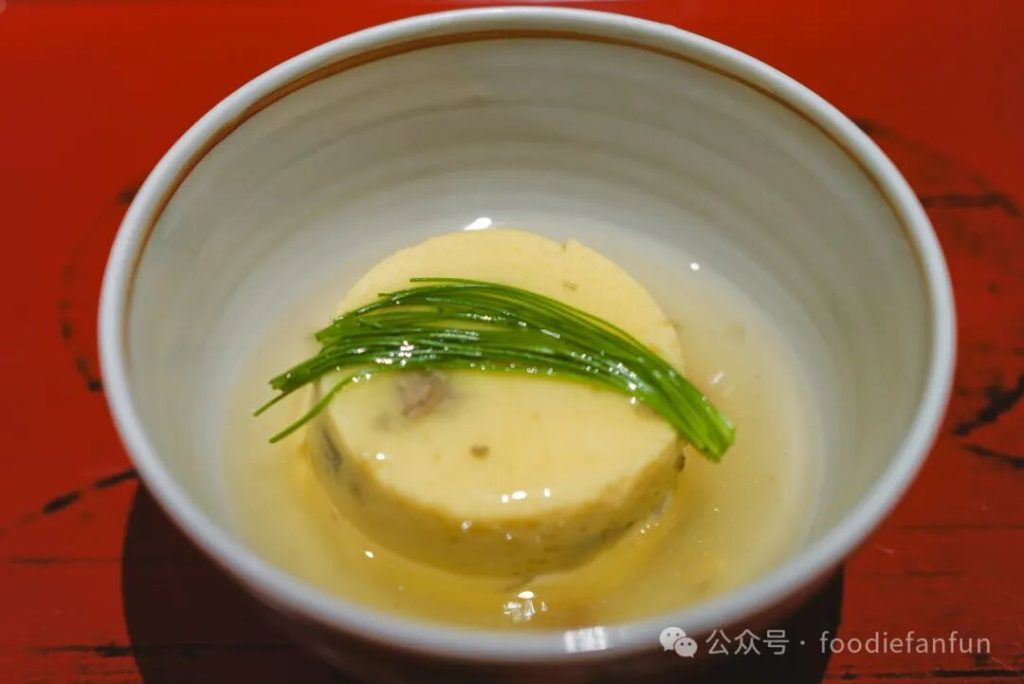
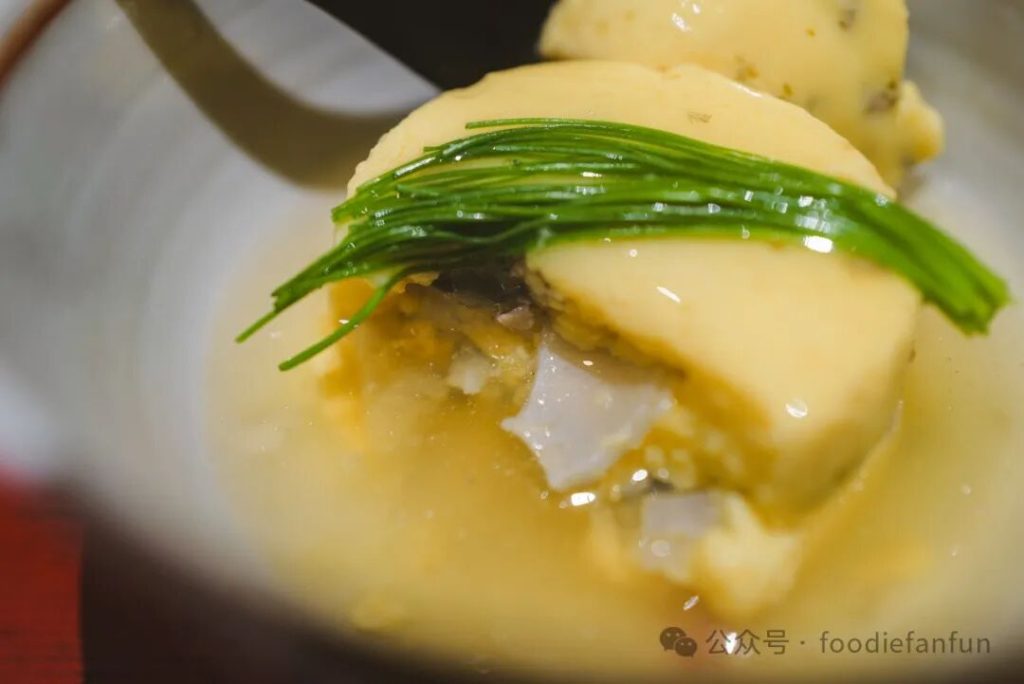
    Softshell turtle had just come into season, paired with a relatively firm steamed egg custard called ‘moon-viewing tofu’ — soft, gelatinous texture and solid umami. It looked humble, but was actually a complex umami bomb.

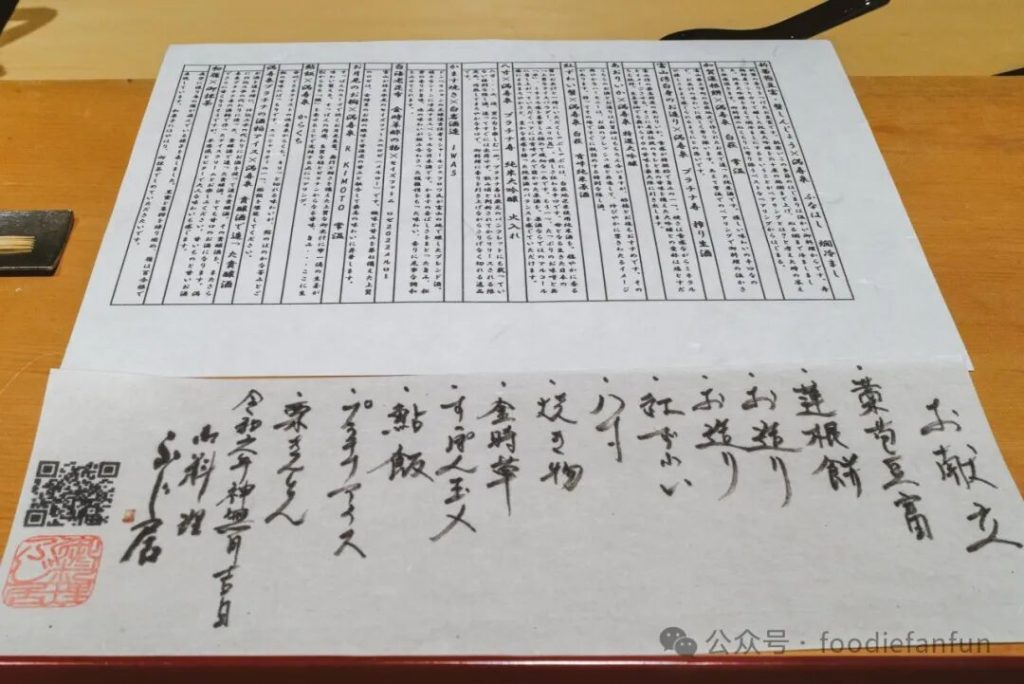
    Between the two side dishes, vinegared Kintoki-so gave the palate a reset — this vegetable is a somewhat distinctive Hokuriku summer specialty that’s not widely known, so the restaurant even brought out an ingredient guide to explain it in detail. Toyama white shrimp on top, every small detail showing off the diversity of local ingredients.

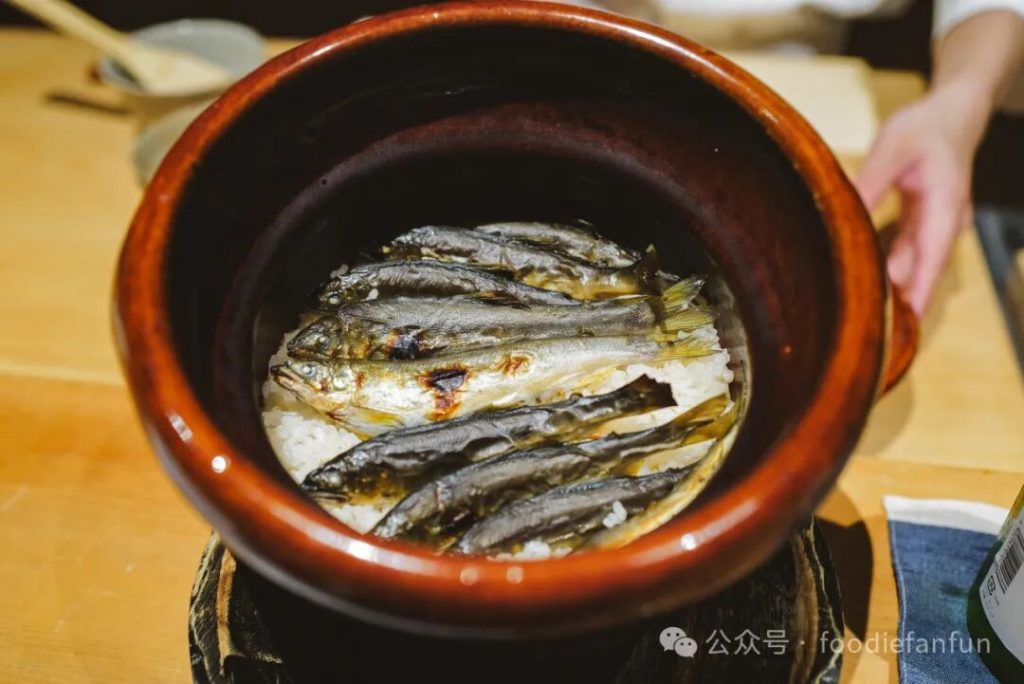
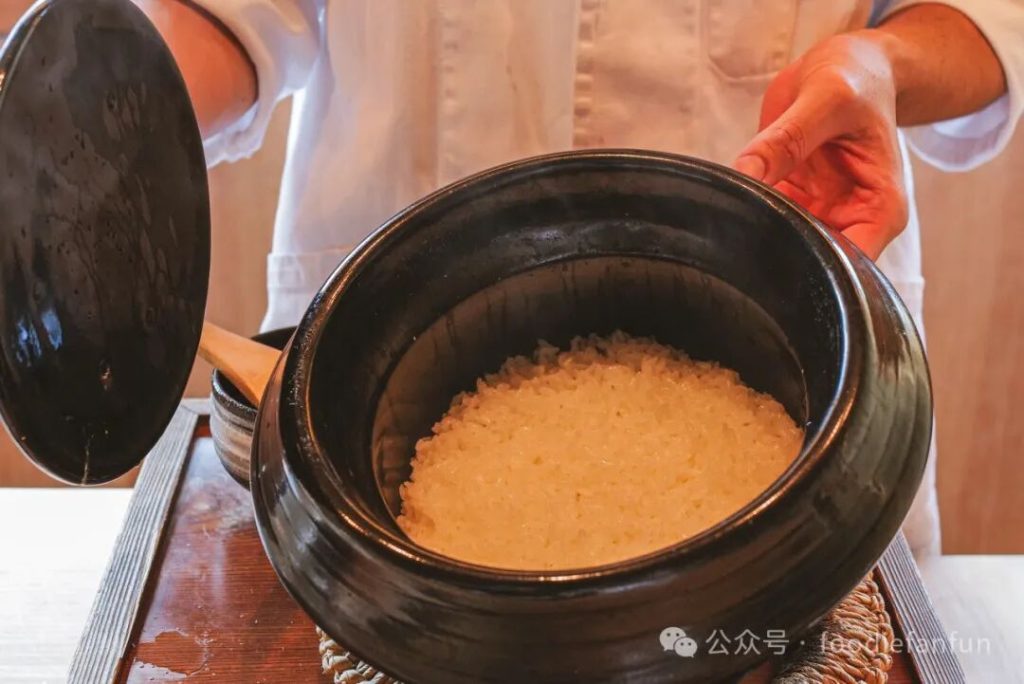
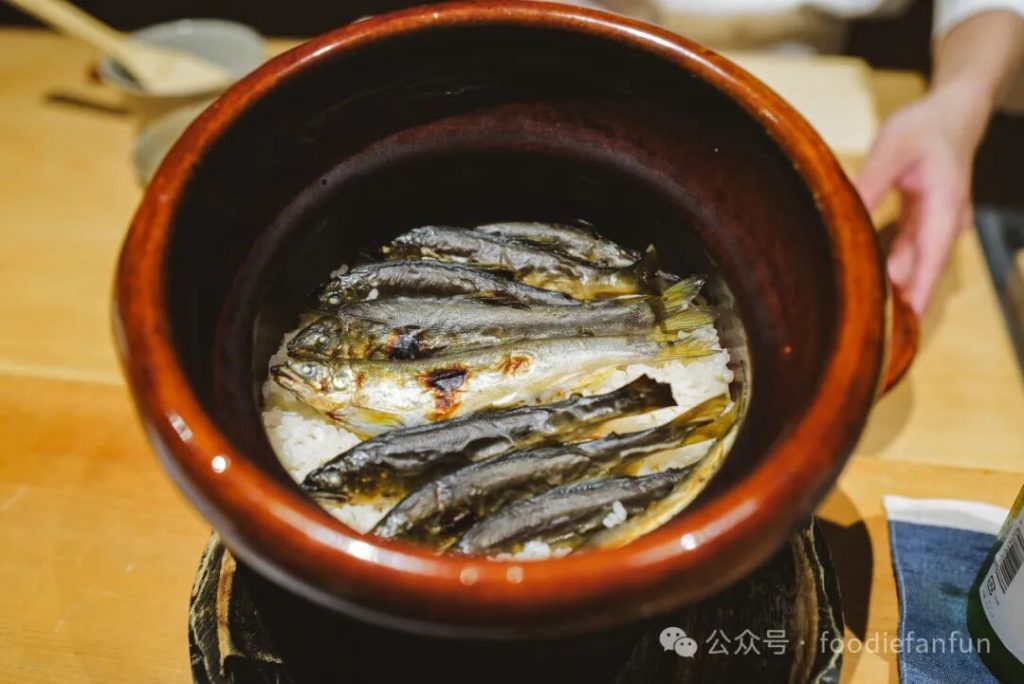
    Ayu sweetfish rice pot

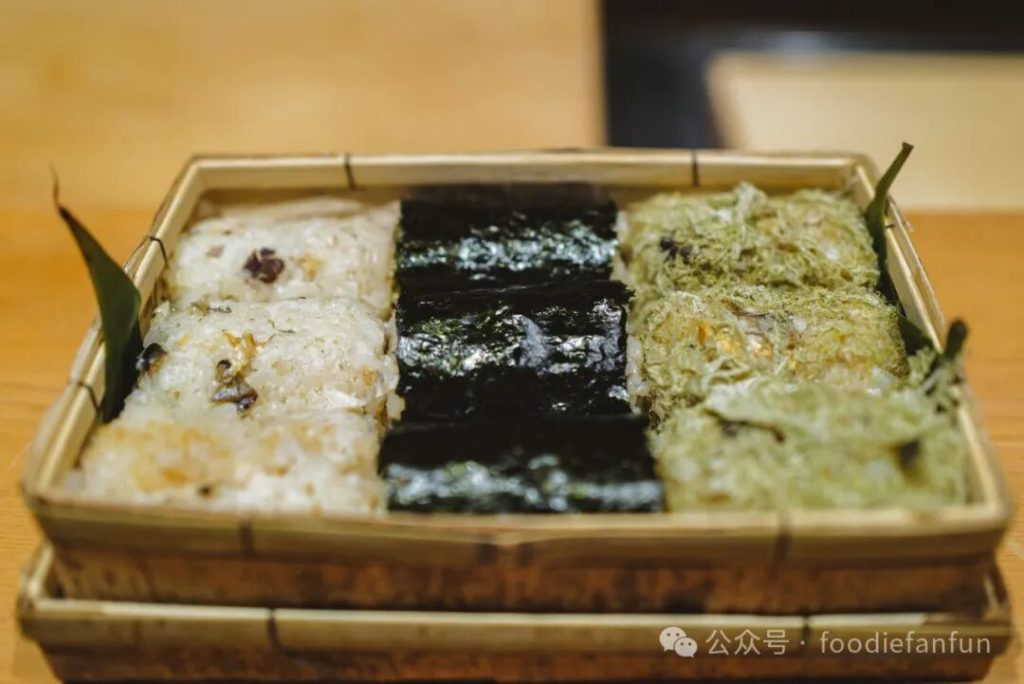
    For the rice course, still following the theme of freshness hitting all the way to the top of your skull, they caught the tail end of ayu season with a pot of ayu sweetfish rice.

    By this point in the season, the fish were already big enough to blanket the entire clay pot — the aroma was incredible.

    Even though we were already about 120% full, we still finished off the entire bowl of rice. The staff politely asked if we wanted a refill — we shook our heads immediately.

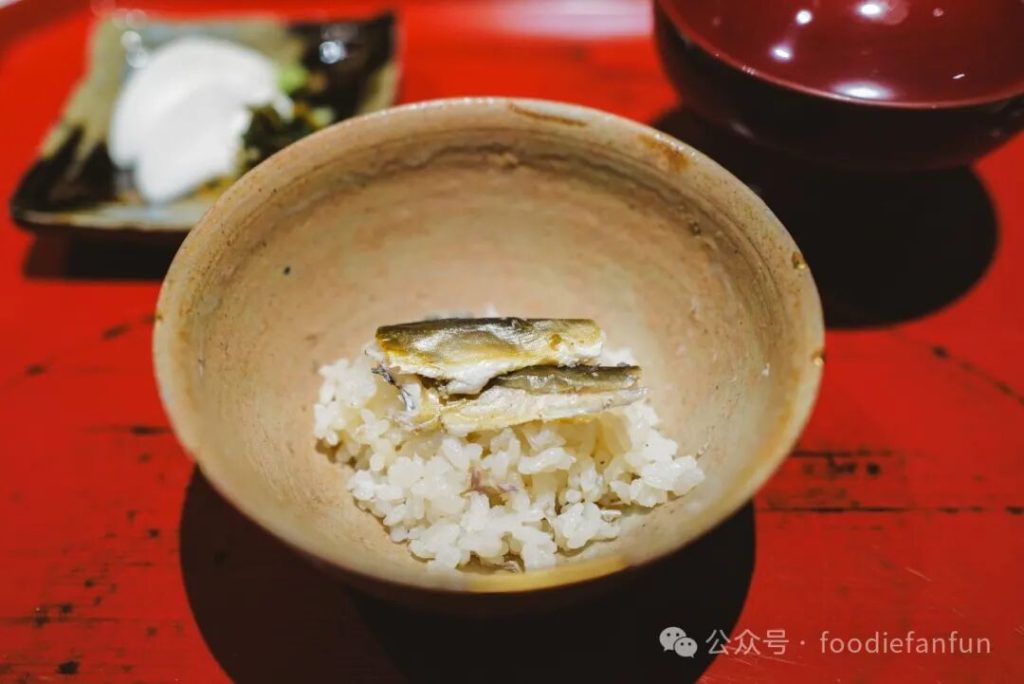
    Not long after, a neatly-shaped rice ball made from the ayu rice was brought out — perfect for enjoying the same flavor again at lunch the next day.

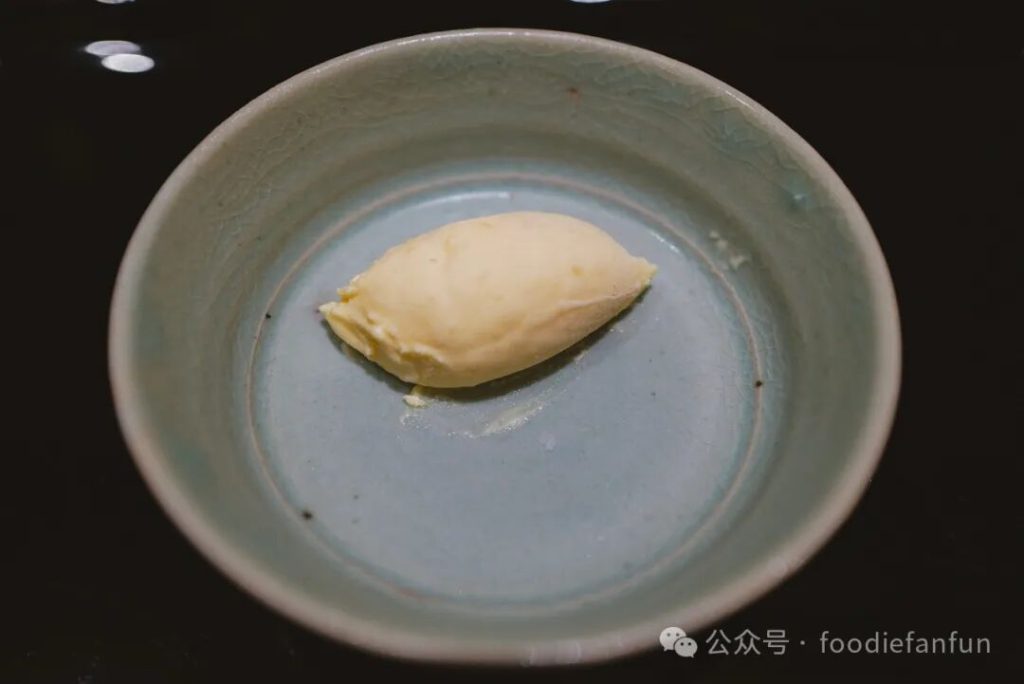
    Masuizumi sake lees ice cream

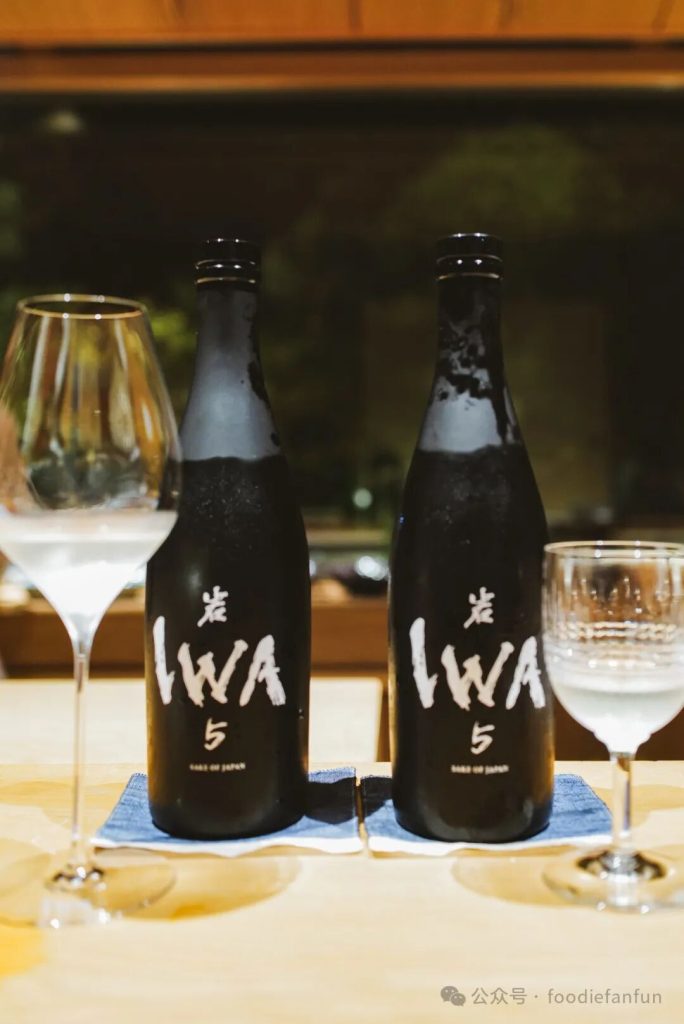
    The pairing at ふじ居 was almost entirely Masuizumi sake, with two Iwago bottles thrown in for comparison. From the vessels to the serving temperature, each bottle was matched with careful, differentiated attention — full of the refinement that only a traditional ryotei can offer.

    That said, the match with the food itself left something to be desired — food and wine each went their own way, without clashing, but without truly complementing each other either.

    If you’re into Masuizumi, go for the full pairing; personally, on a return visit I’d order by the glass instead 100% of the time.

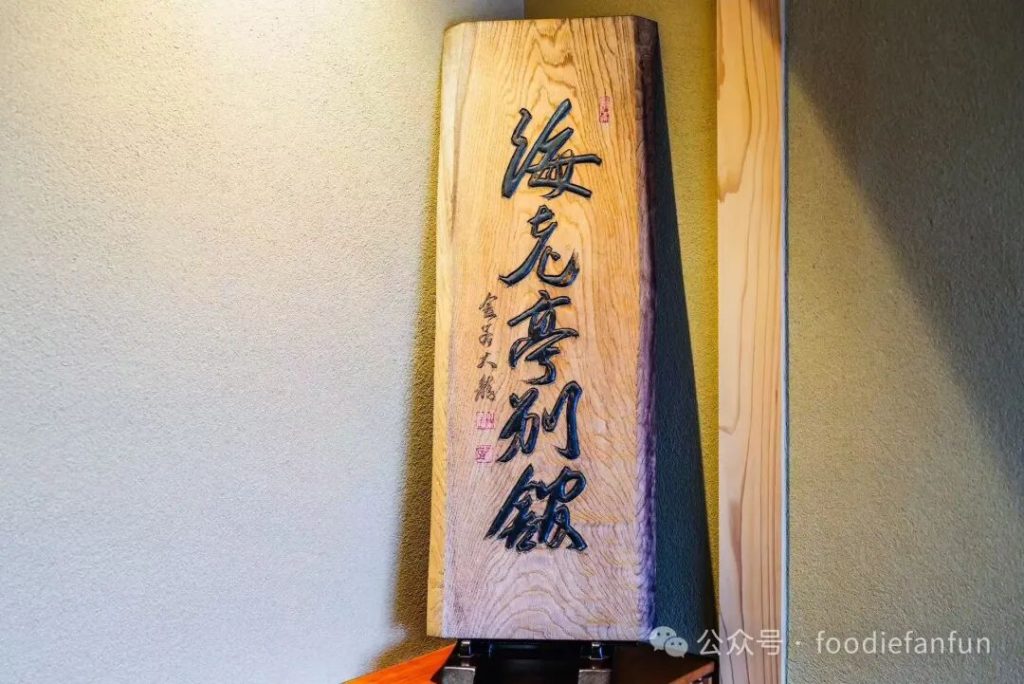
    The other kaiseki meal on the itinerary was a visit to the low-key, fourth-generation ryotei Ebitei Bekkan.

    Awarded two stars in the 2016 Toyama-Ishikawa special edition Michelin Guide (this special edition currently comes out once every 5 years; in 2021 Ebitei Bekkan happened to be temporarily closed, so its most recent rating dates back to 2016). In 2018, the restaurant boldly closed up shop to go train at the famous Tokyo restaurant ‘Matsukawa.’

    Four years later, it made its comeback, opening the current Ebitei Bekkan along the river near Toyama Castle Park.

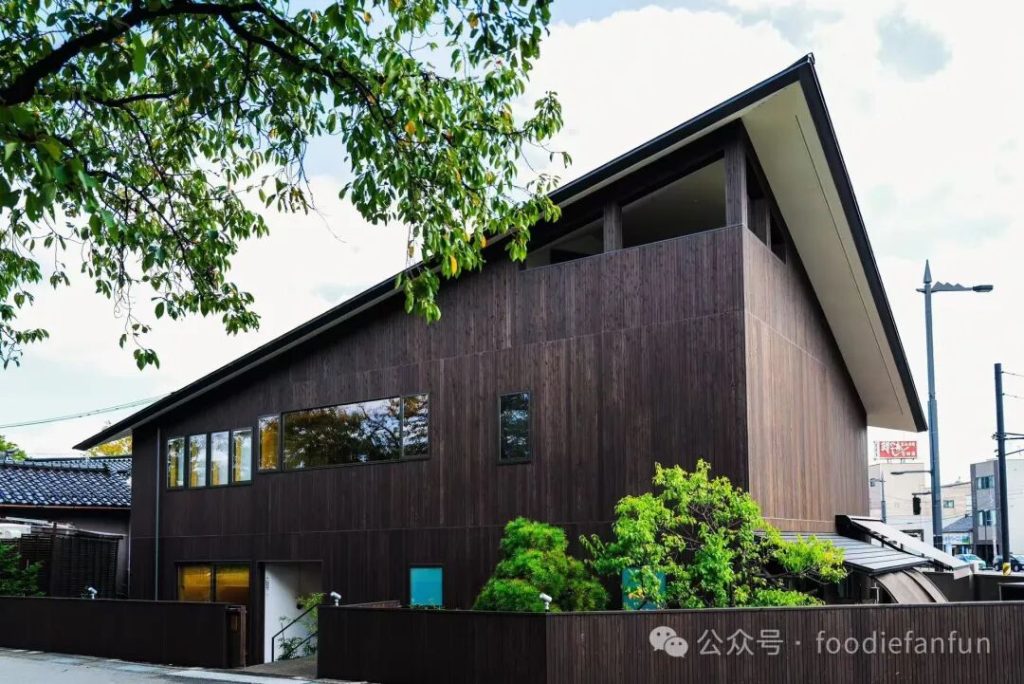
    We visited for lunch. It’s a modern two-story building — unlike ふじ居’s kneeling service, the proprietress waved to us right from the window, warm yet appropriately reserved. Soft incense drifted by as we walked up the steps — a genuinely comfortable space.

    There were no other guests, so we ended up with the entire counter to ourselves, plus a full view of cherry blossom trees right outside the window.

    Sweet shrimp cured in kelp

    The meal opened with sweet shrimp — a bright, crisp little bomb of a first bite.

    An incredibly clean, luminous freshness opened up in the mouth, instantly derailing our plan not to drink at lunch — for shrimp this good, one drink was in order.

    Seared ribbonfish, chili pepper, Toyama sticky rice

    Ribbonfish, onion, daikon

    Unexpectedly, the second course was a bowl of sticky rice — soft and dense while still keeping a bit of grain texture, with wild chili pepper mixed in giving off plenty of aroma. The ribbonfish had little fat but carried the freshness well, with a hint of sansho leaf drifting through.

    That small bowl left us instantly settled, happy and satisfied.

    That’s when we heard the head chef mention, in his unhurried way, that whether the chili pepper turns out spicy is entirely down to luck — apparently one young guest once ended up in tears at the counter from it.

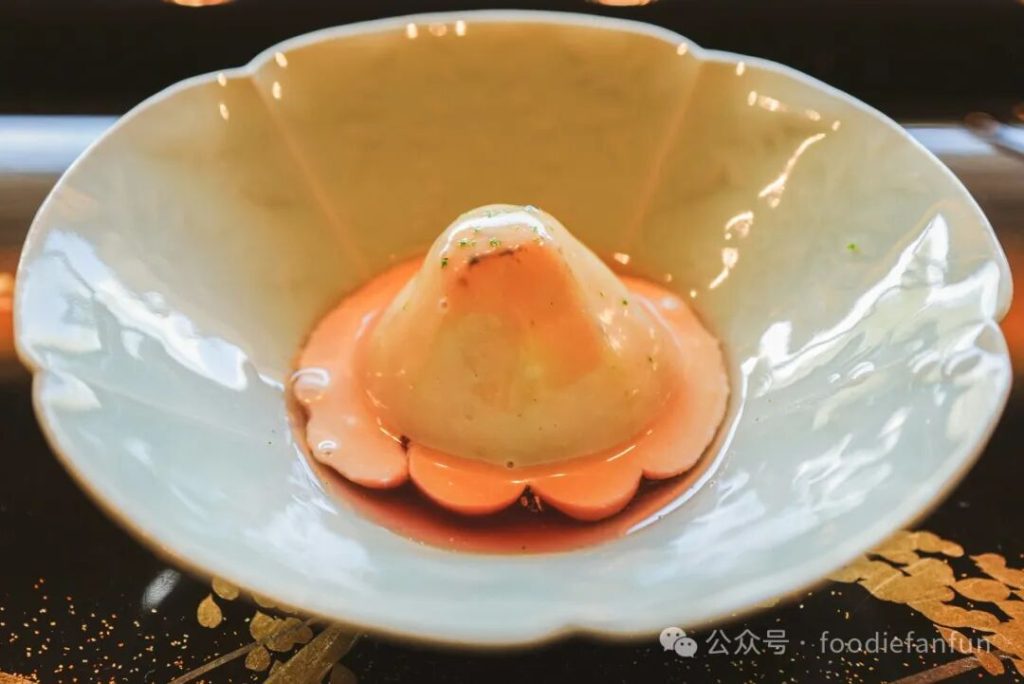
    Red snow crab shinjo

    Red snow crab, served three ways once again.

    The crab meat shinjo was substantial, with slightly higher saltiness. The broth was genuinely memorable — restrained yet complex umami that made you slow down and savor it sip by sip.

    Crab leg, crab claw, crab miso

    Crab leg swirled in clear broth, crab claw paired with crab roe.

    This looked like the same approach as ふじ居 on the surface, but revealed its own distinct character once tasted.

    In comparison, Ebitei’s crab was handled to be smoother and more tender, with a stronger broth flavor. The crab roe, meanwhile, wasn’t heavily seasoned, letting its own concentrated aroma stand out even more.

    Bonito, myoga ginger, onion, plum-flavored soy sauce

    Fig sesame sauce

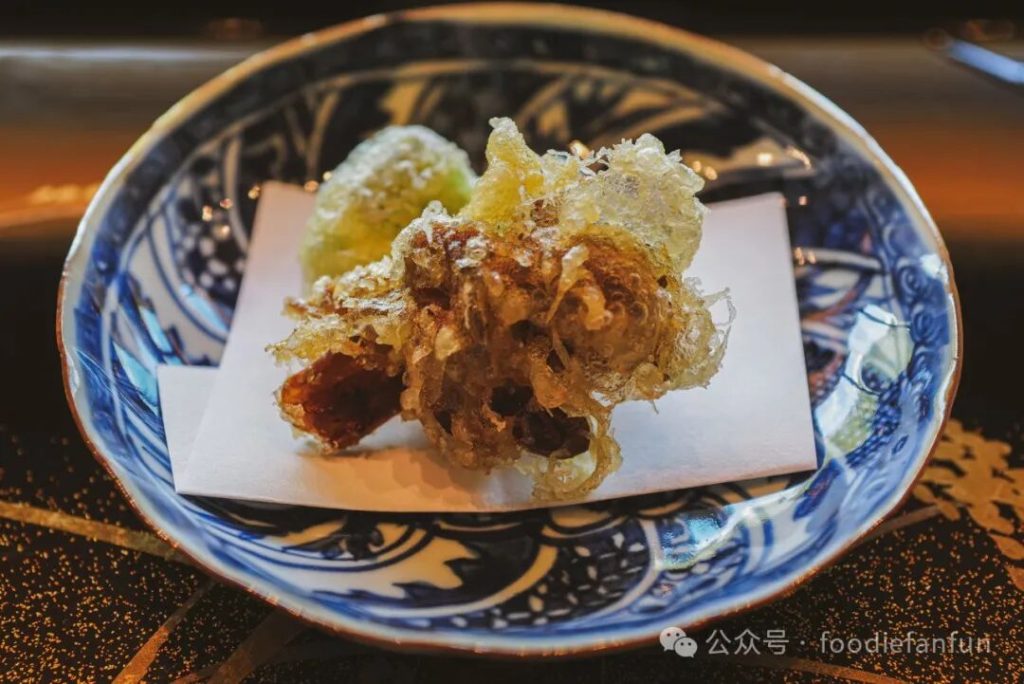
    Okra, maitake mushroom, tempura

    The bonito paired with plum-flavored soy sauce, its crisp exterior and fishy flavor balanced out by salt and sweetness. Shiso, onion, and myoga ginger brought seasoning distinctly characteristic of Toyama’s season.

    The thin-battered tempura had maitake that was fried in slightly too much oil, but the okra was a standout — keeping its freshness and crunch, with the part closest to the core in a barely-cooked, jammy state; biting into it was a genuine surprise that left everyone smiling.

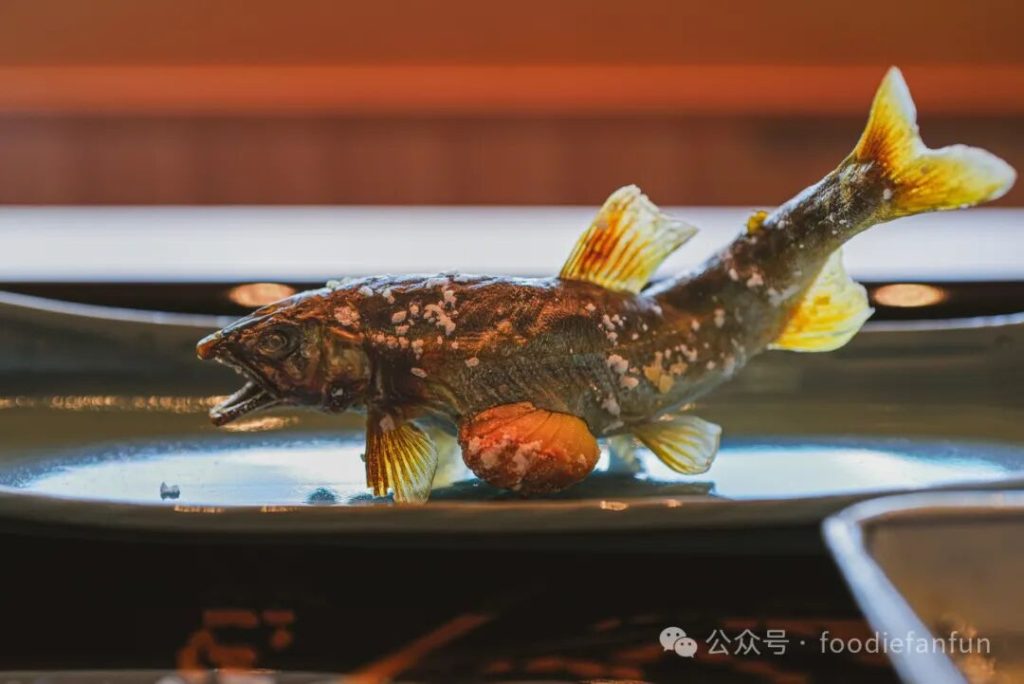
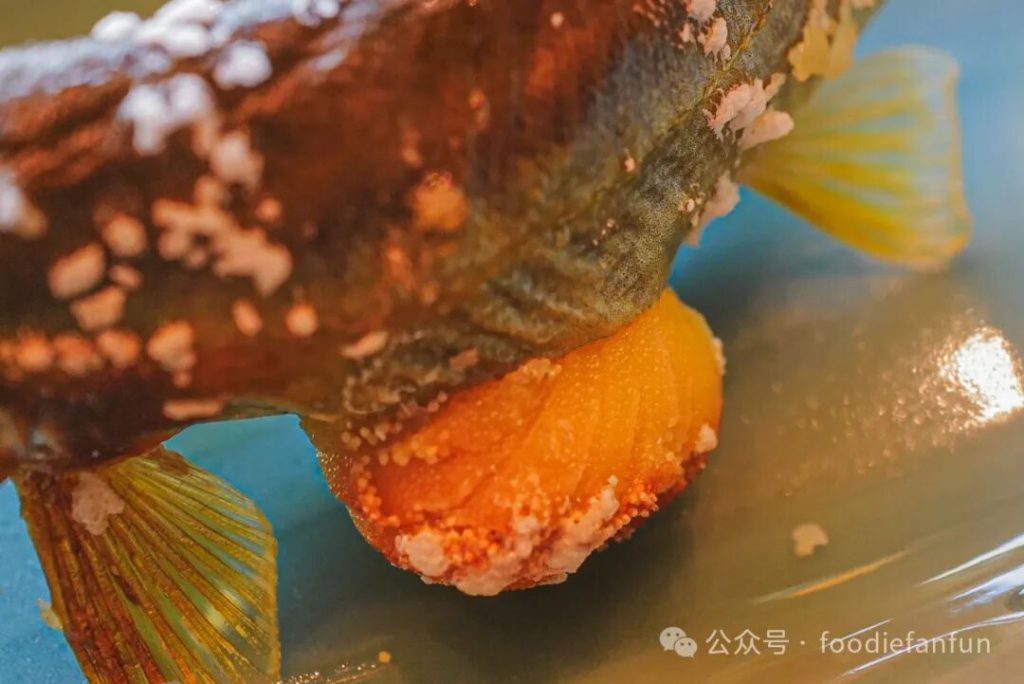
    Scallop and ayu sweetfish, water pepper

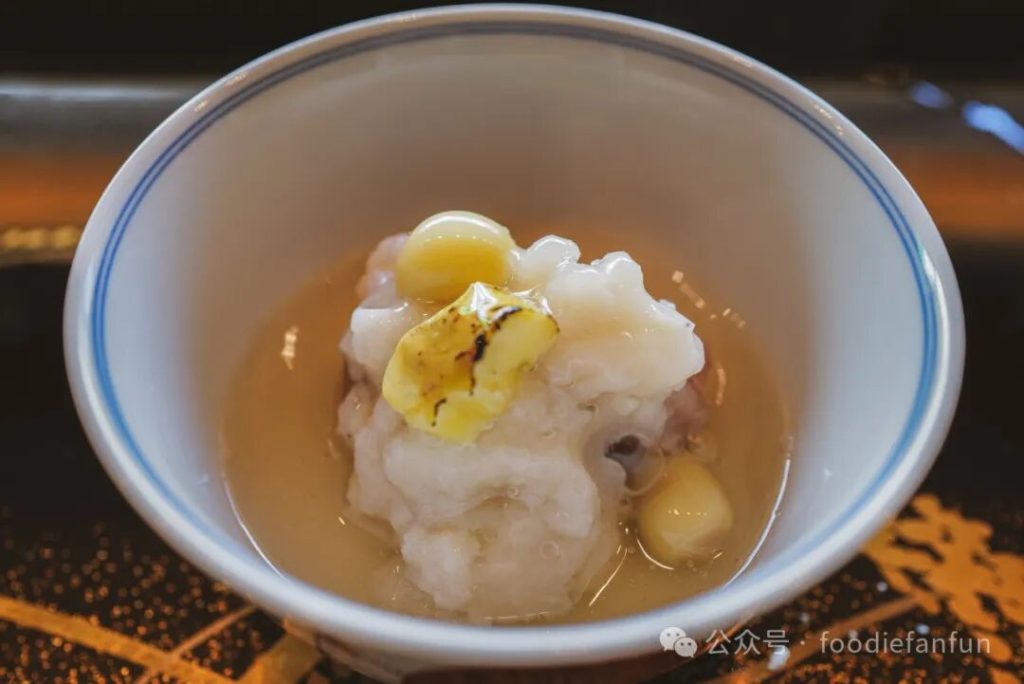
    Tilefish, lotus root

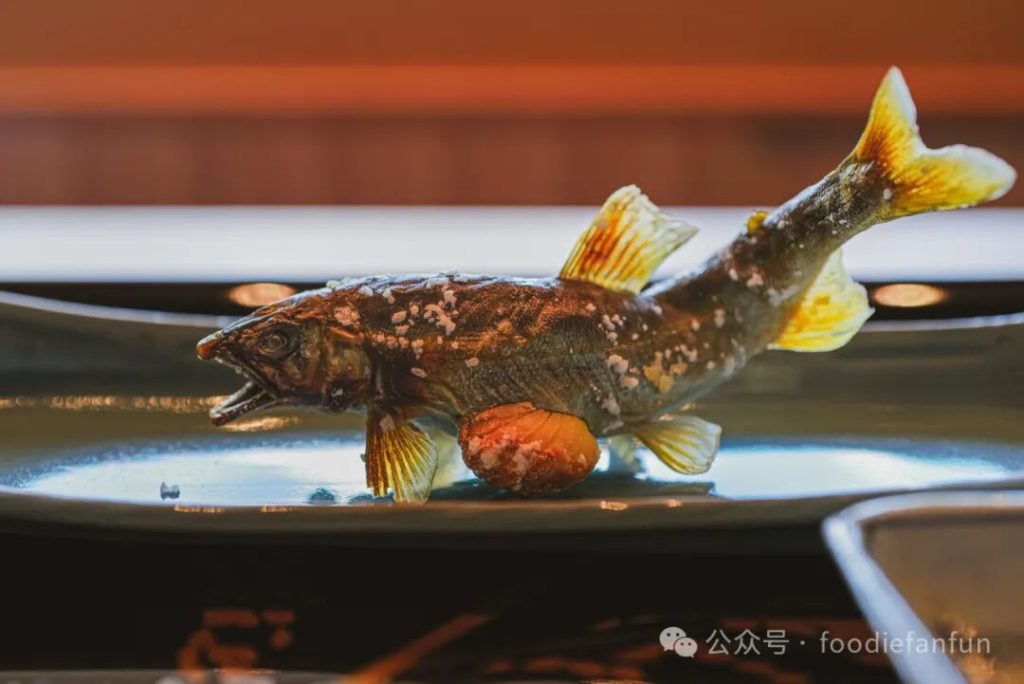
    Scallop-and-ayu is a dish that only exists in September and October. The skin was grilled crisp, delivering an explosive aroma the moment you bit in, with plump roe bursting out from the belly. Ugh, that particular kind of goodness only a small ayu’s body can give — I still think about it fondly.

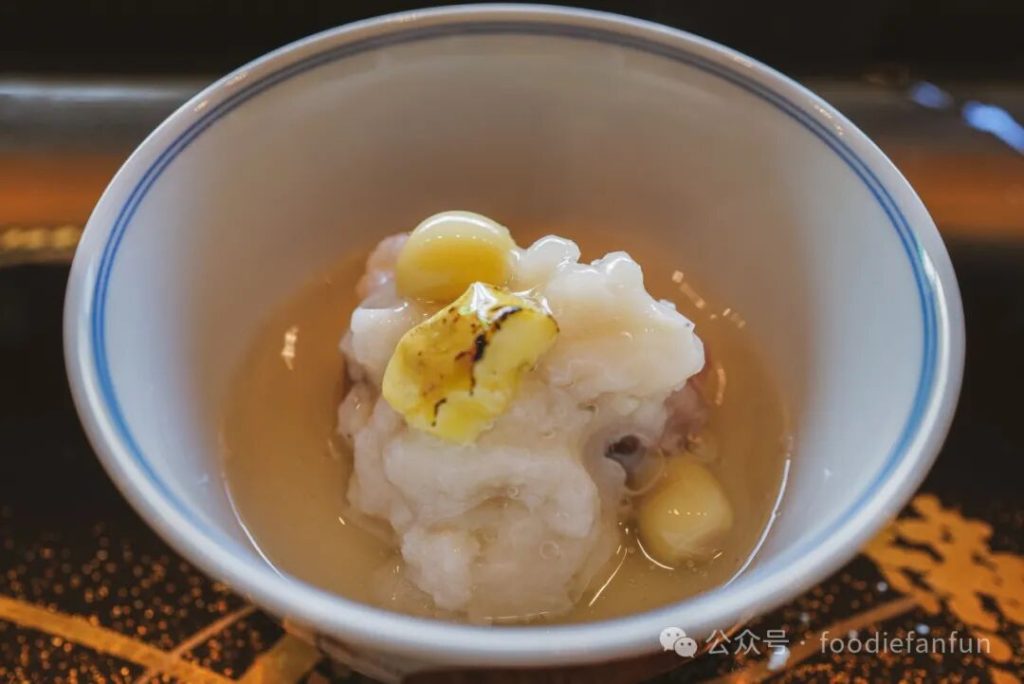
    Next came a soup-bowl dish made from tilefish and lotus root blended into a ball, with in-season lotus seeds and chestnuts added — returning to a gentle, fragrant, tender register while still keeping that alluring freshness.

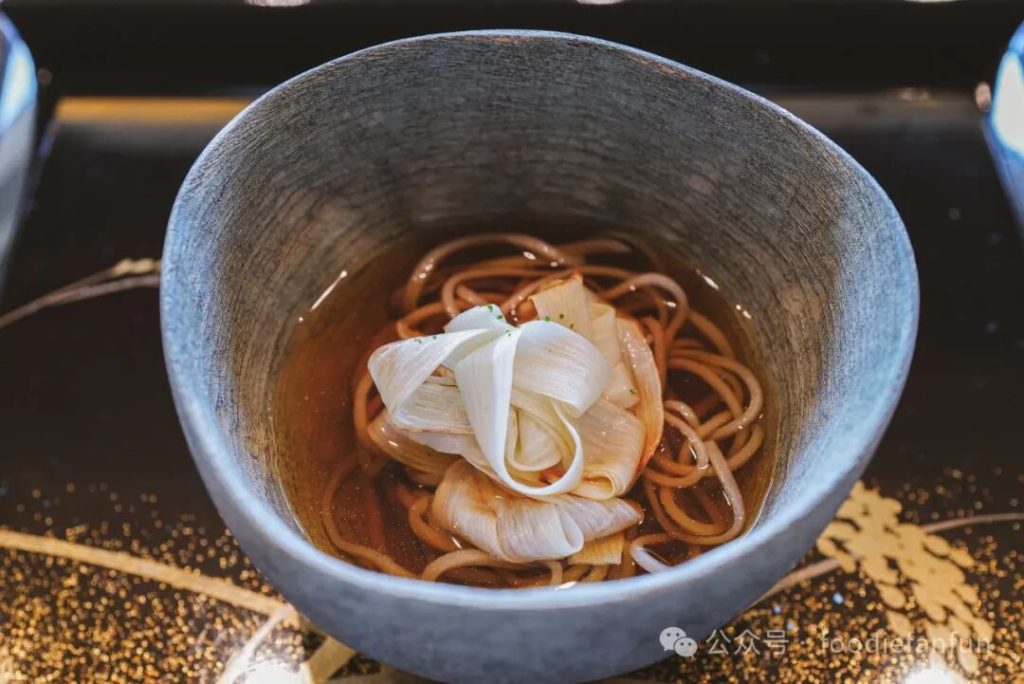
    Toyama bamboo shoot, soba noodles

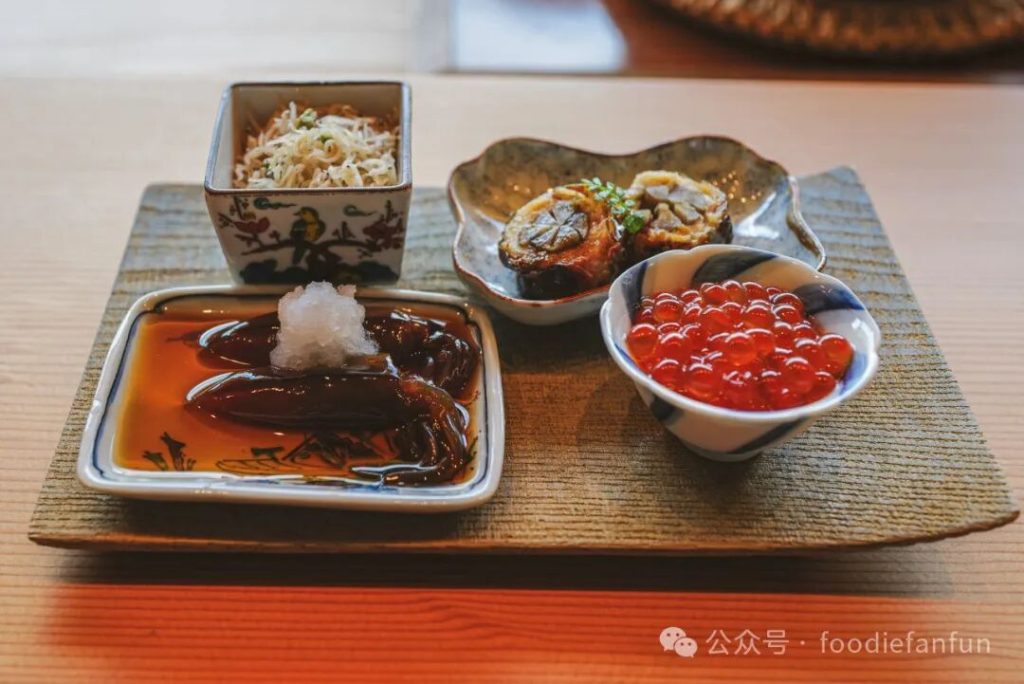
    Small sardine, roe-bearing firefly squid, salmon roe, conger eel with burdock, new-crop rice

    The two closing rice courses started with soba noodles, a Hokuriku specialty, paired with Toyama bamboo shoot — wonderfully chewy.

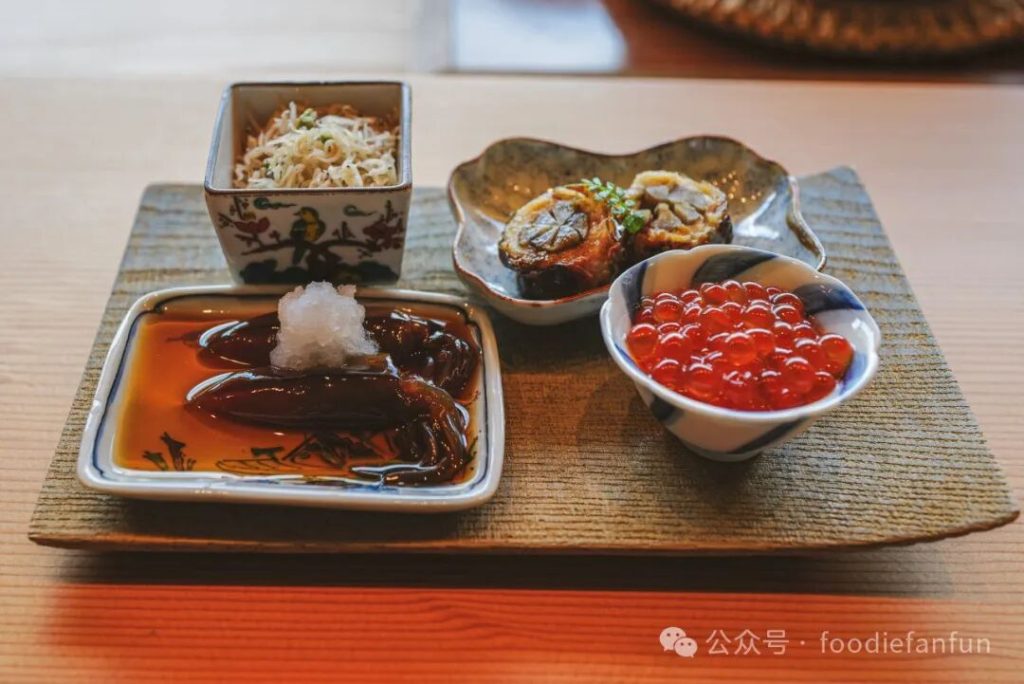
    Then, surprisingly, came a bowl of plain white rice — freshly-harvested new-crop Toyama rice. Paired with four carefully prepared little side dishes, including crisply-grilled conger eel with burdock and roe-bursting firefly squid, it instantly reopened our appetite all over again.

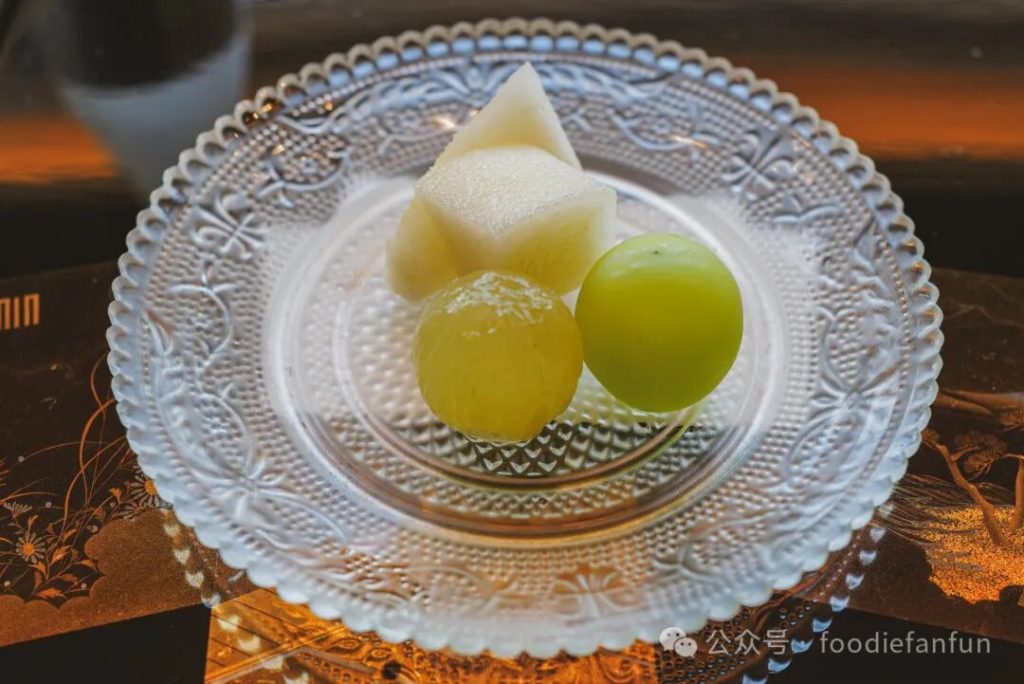
    Pear, grape

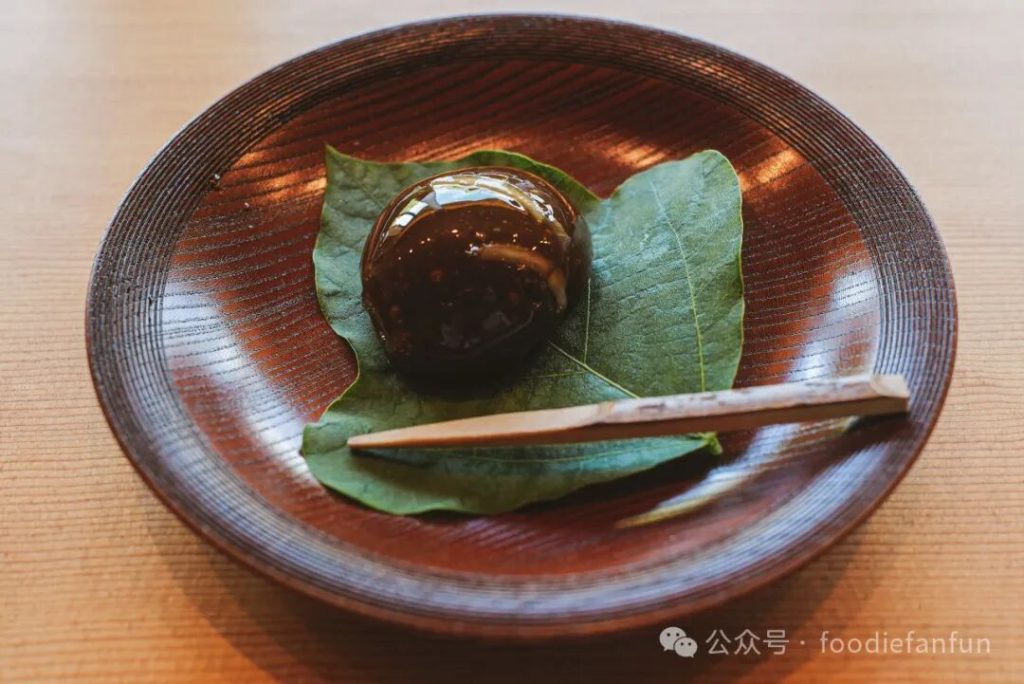
    Brown sugar candy

    If we go back to Toyama, both of these restaurants are absolutely getting a return visit.

    御料理 ふじ居 leans more toward tradition and specialization. Every detail carries the chef’s dedication and focus, and the entire meal is strung together by a high concentration of umami — absolutely worth experiencing with full attention.

    海老亭別館 is gentler, more relaxed. Looking up to see the cherry blossom trees and blue sky was particularly soothing. The dishes carry more personal character — there might be small imperfections in the details, but the next moment always brings some other surprise to make up for it.

    御料理 ふじ居

    Tabelog 4.32

    ☀️¥30,250 – ¥121,000 🌙¥30,250 – ¥121,000

    93 Higashi-Iwase-machi, Toyama City, Toyama Prefecture

    海老亭別館

    Tabelog 3.72

    ☀️¥24,200 – ¥96,800 🌙¥24,200 – ¥96,800

    2-4-10 Anno-ya-machi, Toyama City, Toyama Prefecture

  • A One-Hour Drive to a Beautiful Meal Hidden Inside a Farmhouse Restaurant

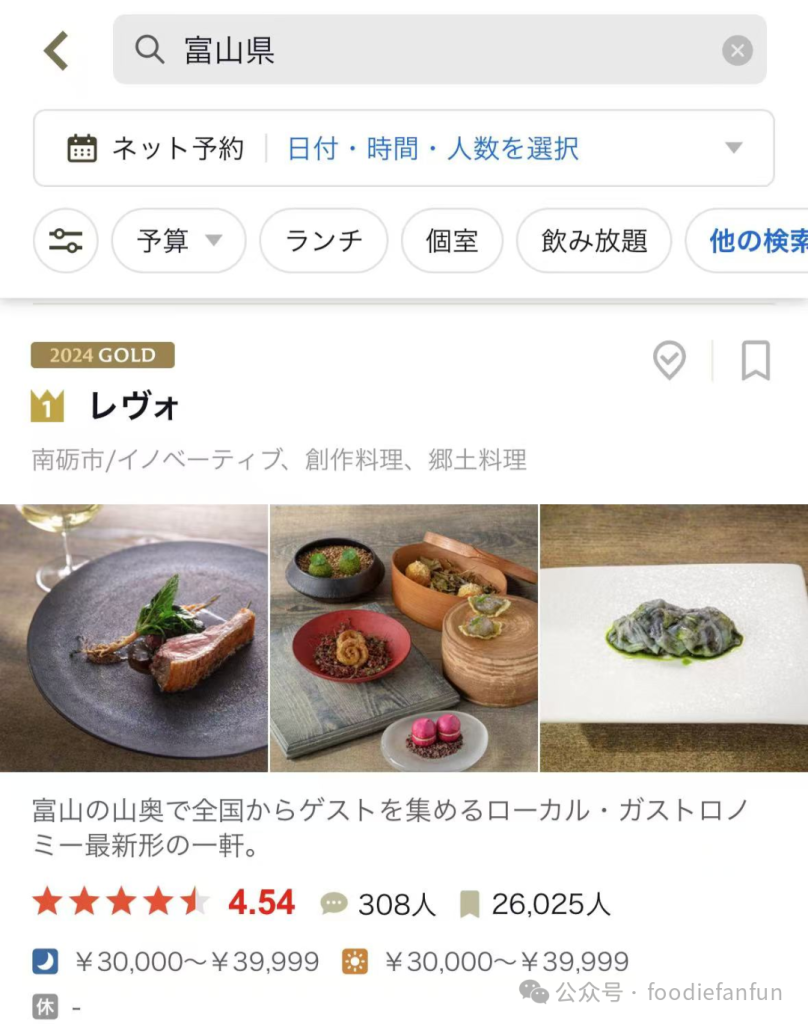
    Funnily enough, the #1-ranked restaurant in Toyama Prefecture on Tabelog is a farmhouse restaurant.

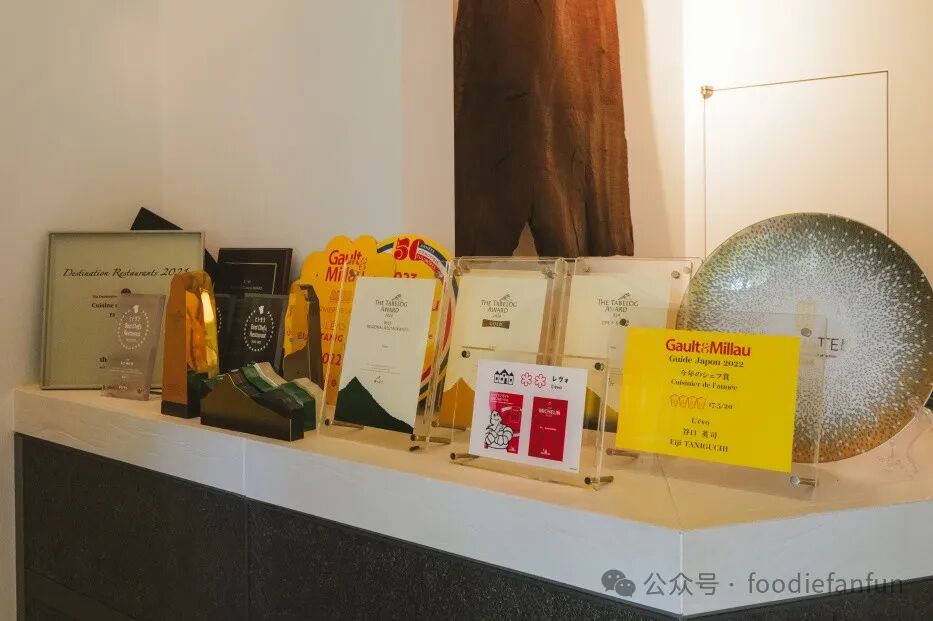
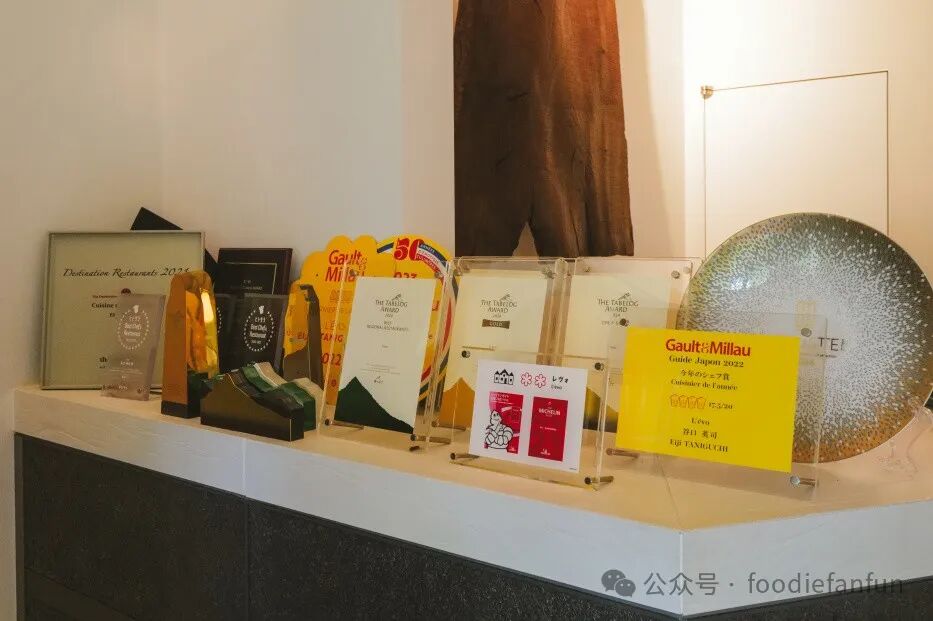
    And of course, it’s also a Tabelog Gold Award restaurant, two Michelin stars, #69 on Asia’s 50 Best, and — as you can see in the photo below — the recipient of a whole pile of other accolades.

    レヴォ — L’ évo

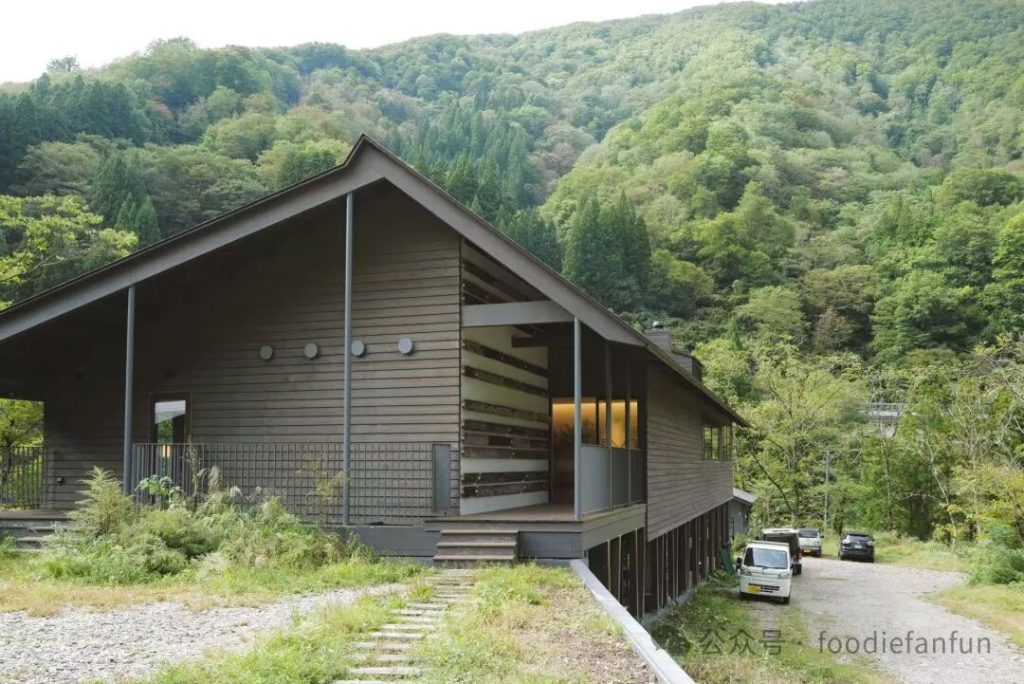
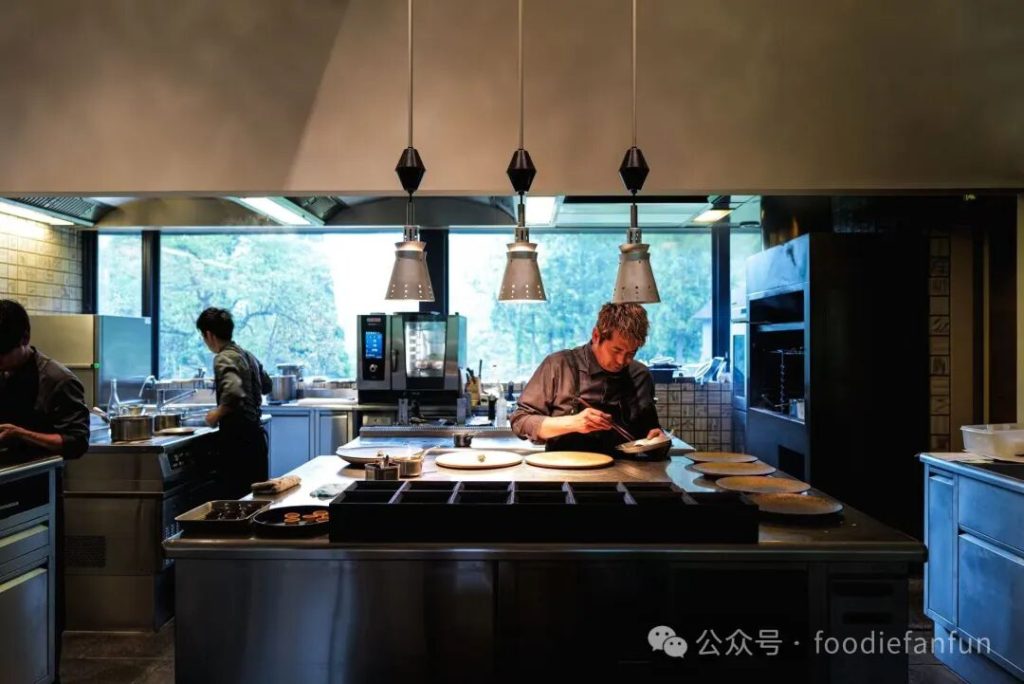
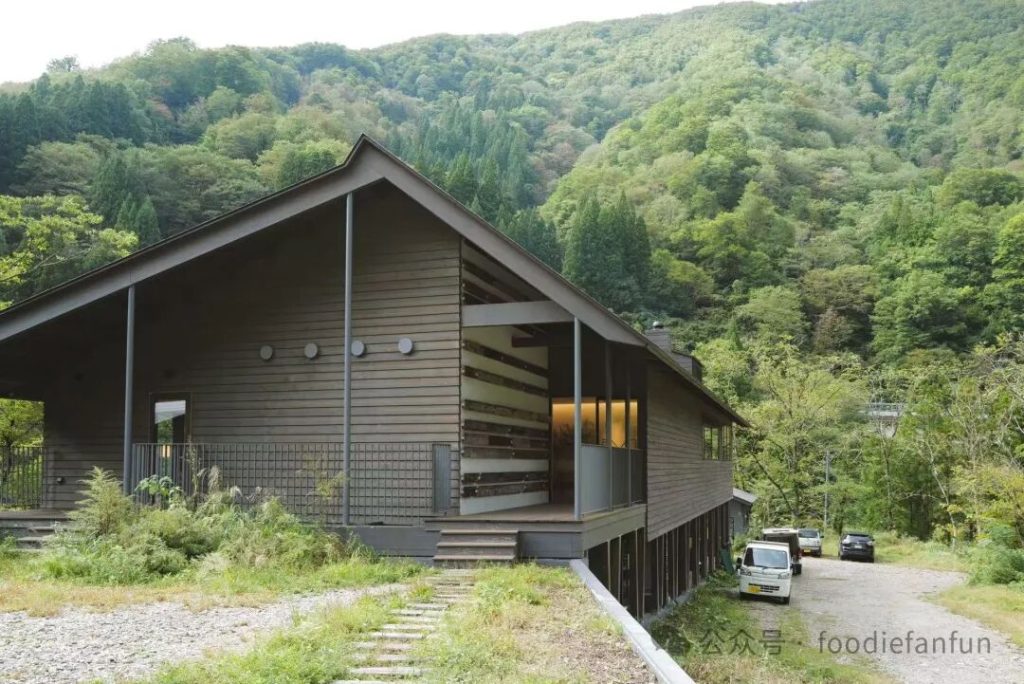
    If you draw a triangle connecting Kanazawa, Toyama, and Takayama, L’ évo sits pretty much dead center. It stands entirely on its own, deep in the mountain forest, with no train access — reachable only by bus or taxi.

    Yet diners from all over the world consider it a must-visit restaurant in Hokuriku.

    The restaurant’s own website even has a line about it —

    わざわざ脚を運んでいただくだけの価値をご実感ください。Once you arrive you will realize that the journey was worth it.

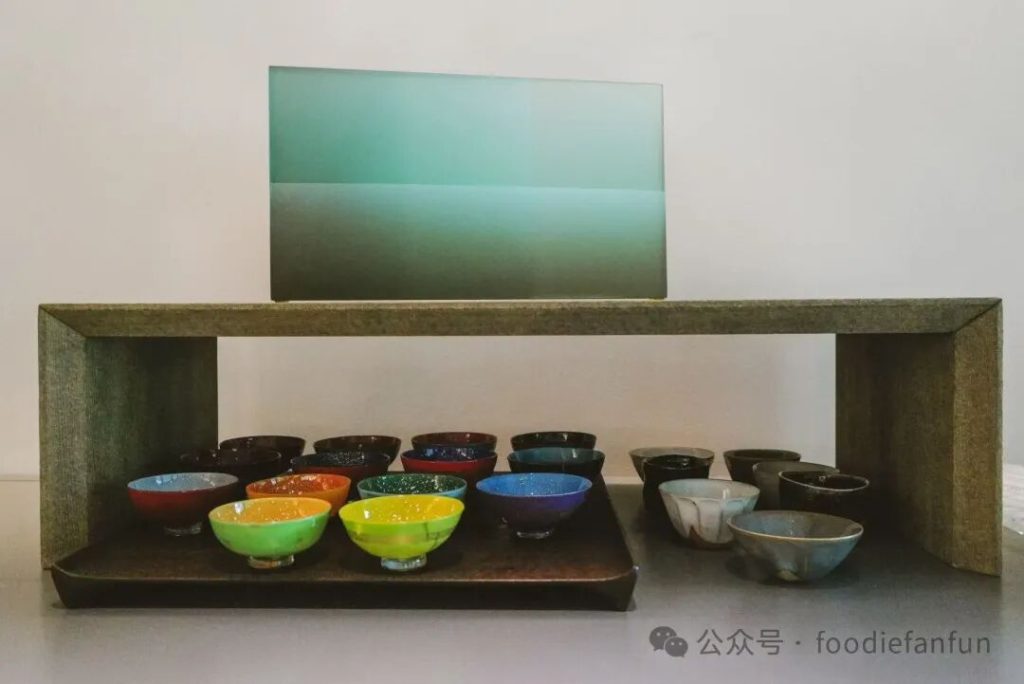
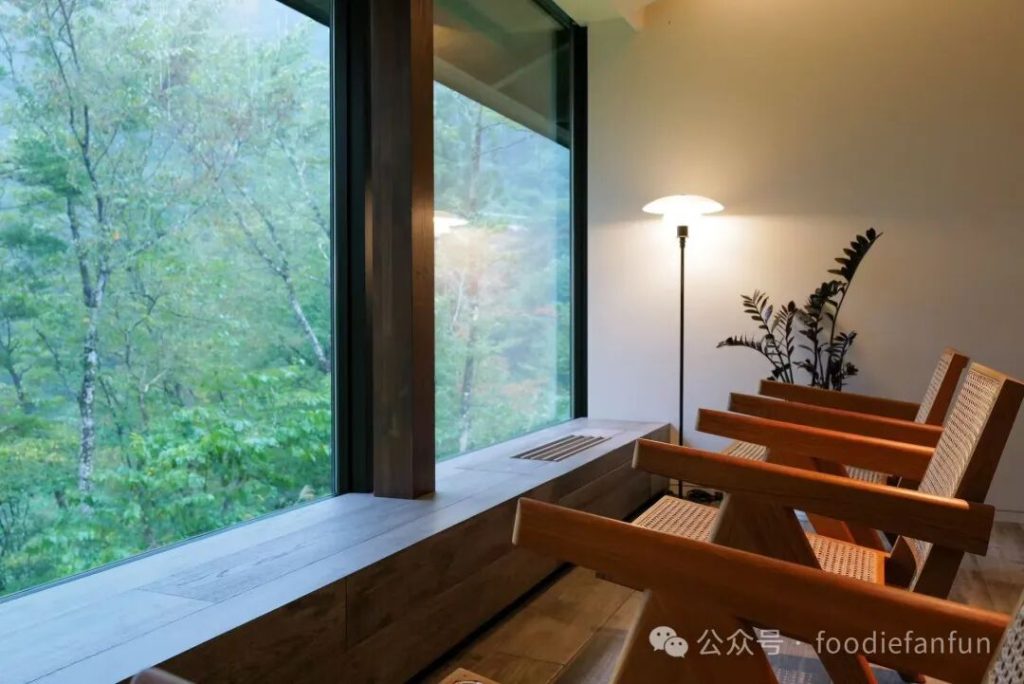
    Compared to a restaurant, this feels more like a food-exploration base tucked in the mountains, doubling as a museum of modern Toyama craft.

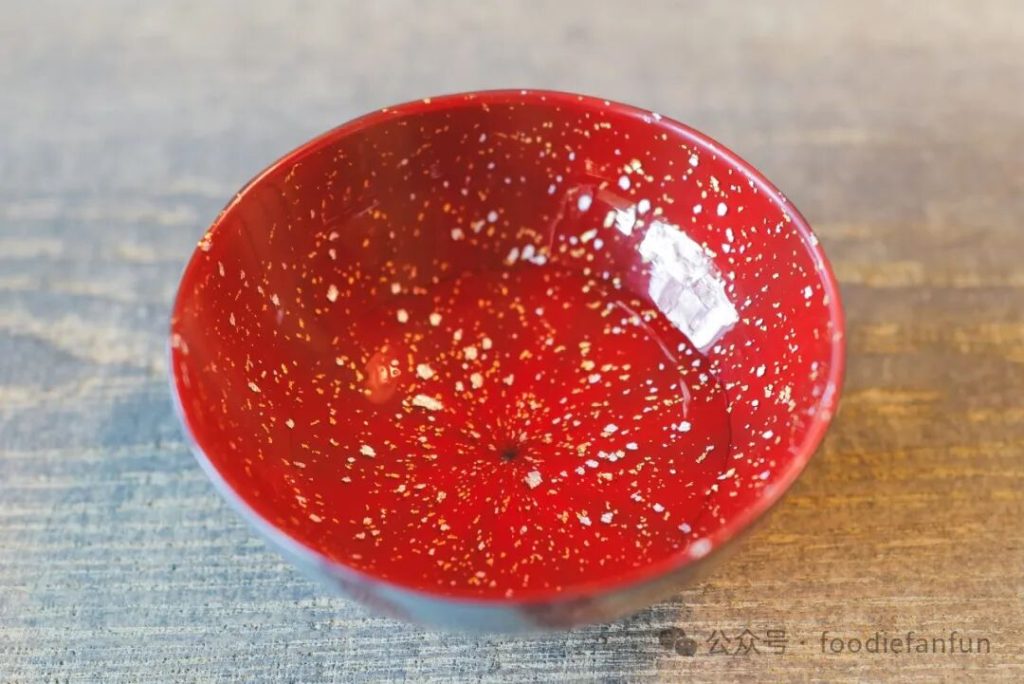
    Every ingredient and every piece of tableware the restaurant uses comes from within Toyama itself (scroll to the end for more).

    The chef, Eiji Taniguchi, is from Osaka. After finishing high school, he fell in love with cooking while working at a hotel part-time. After training both in Japan and in France, he struck out on his own in 2014 to open L’ évo, and moved to its current location in Toga Village in 2020.

    As an outsider chef without formal local training, every ‘product of Toyama’ used at the restaurant was something Chef Taniguchi worked out bit by bit on his own.

    No need to worry about getting there — the restaurant can help arrange a taxi, about 1hr20min from Toyama, with Takayama and Kanazawa roughly the same distance away.

    A tip here: for the route, we’d recommend taking the national highway rather than the expressway — the time is about the same, the route is just as winding, it’s about ¥5,000 cheaper, and most importantly, the scenery is better.

    The farmhouse restaurant’s menu naturally changes with the seasons.

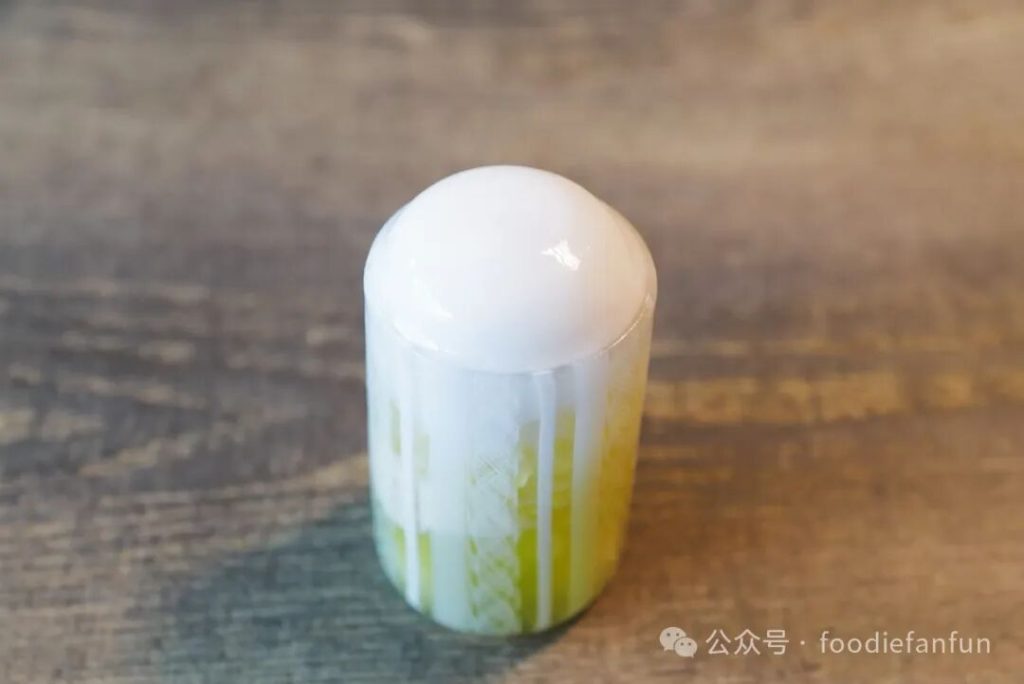
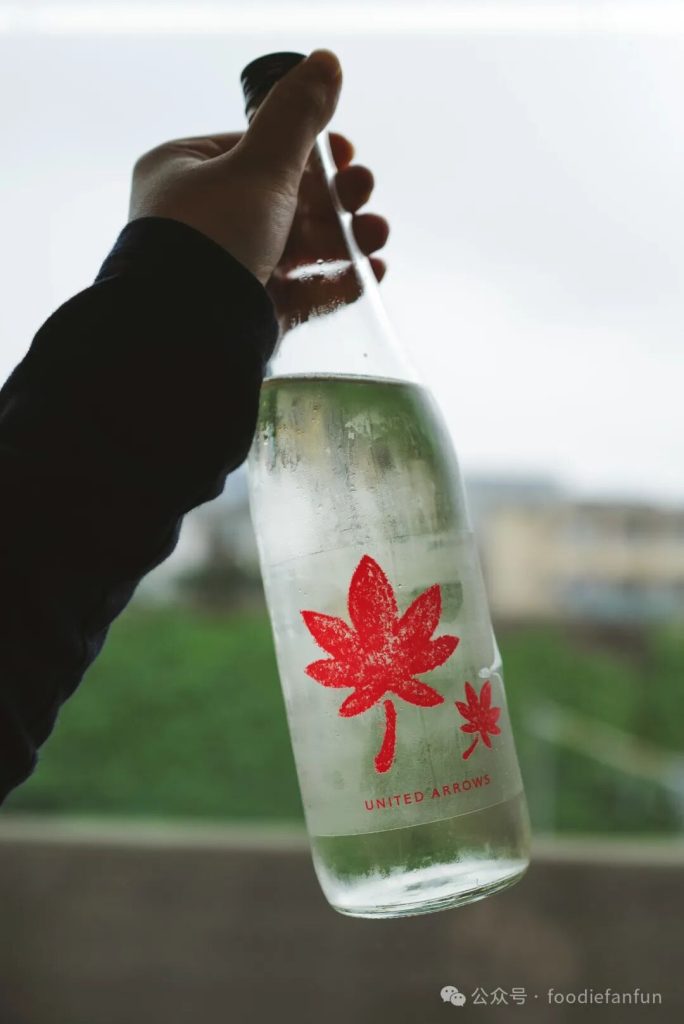
    Sat down to a Maple Sour — the leaves outside were still green, but it’s hard to argue against leaning into an autumn theme in October.

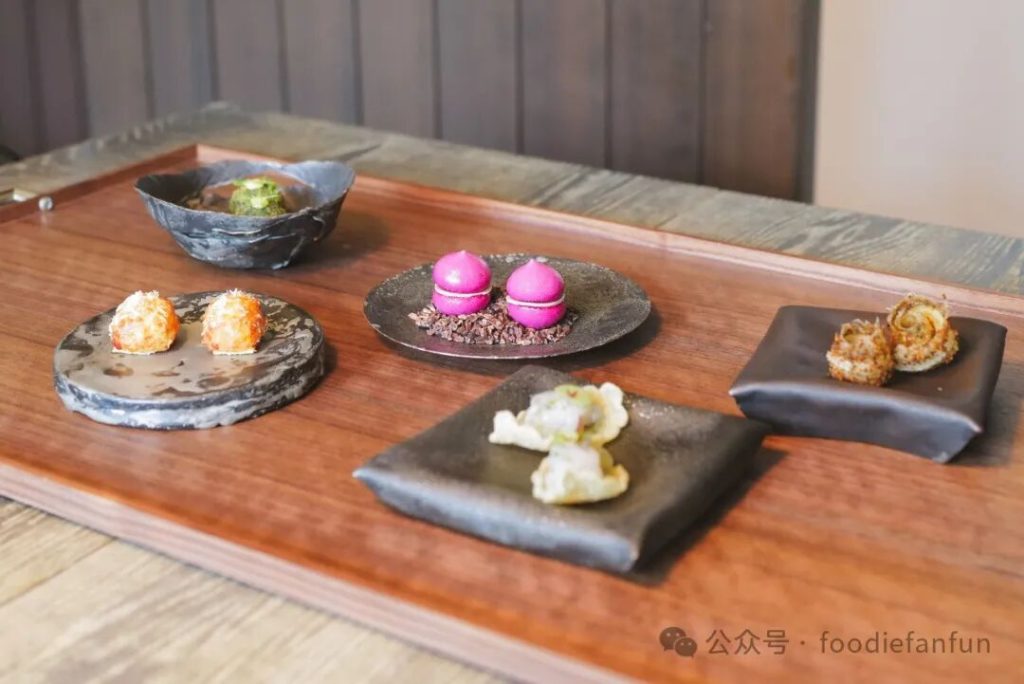
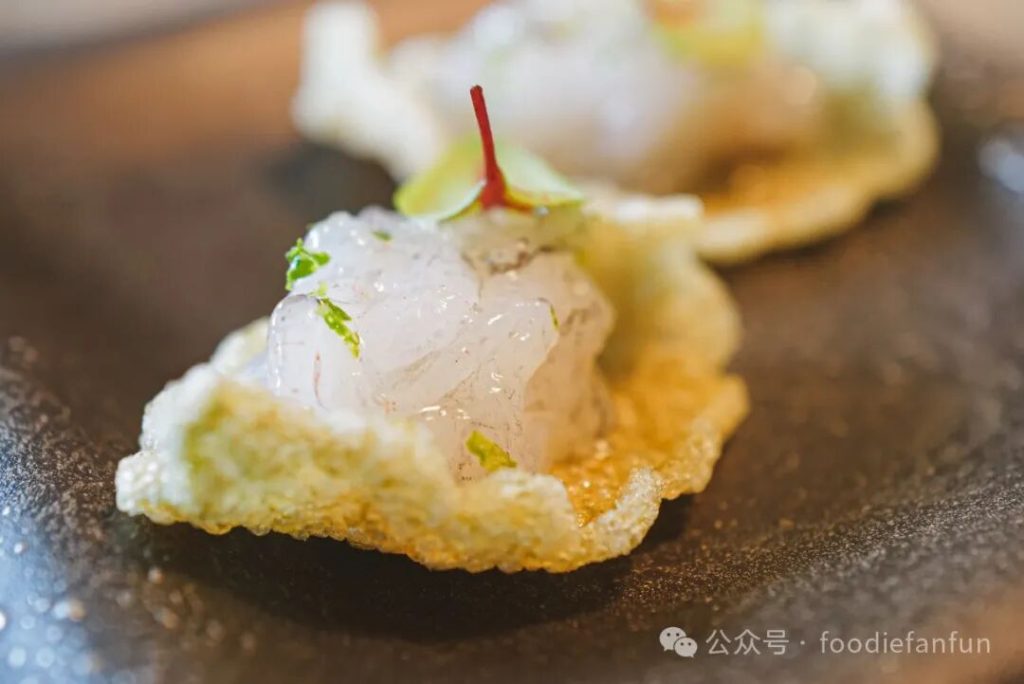
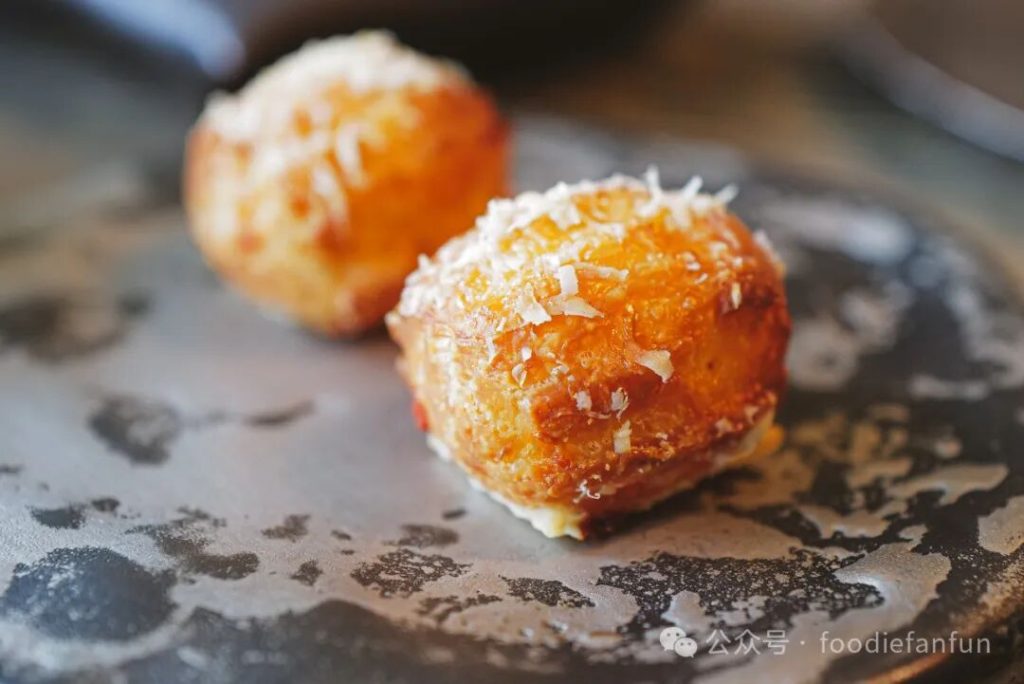
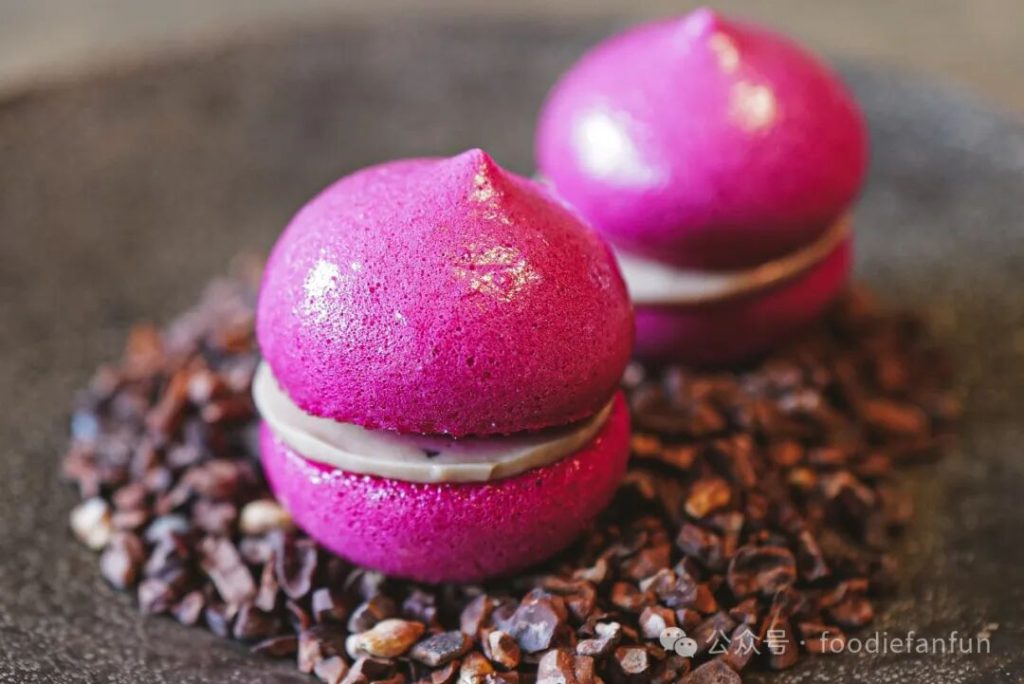
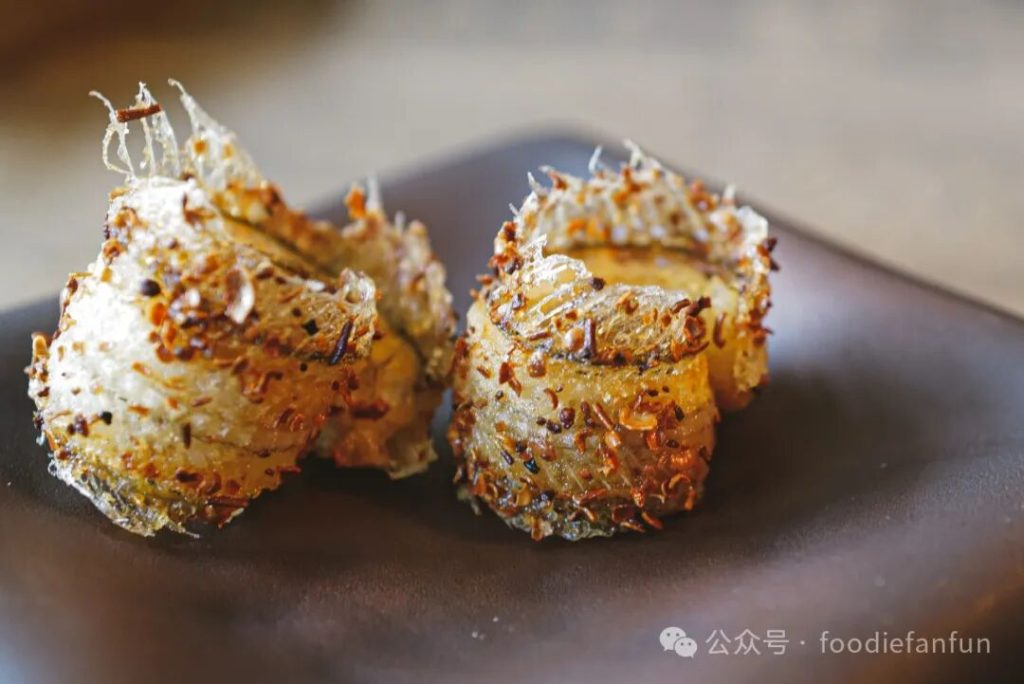
    The five welcome snacks were packed with Toyama ingredients and a rustic character.

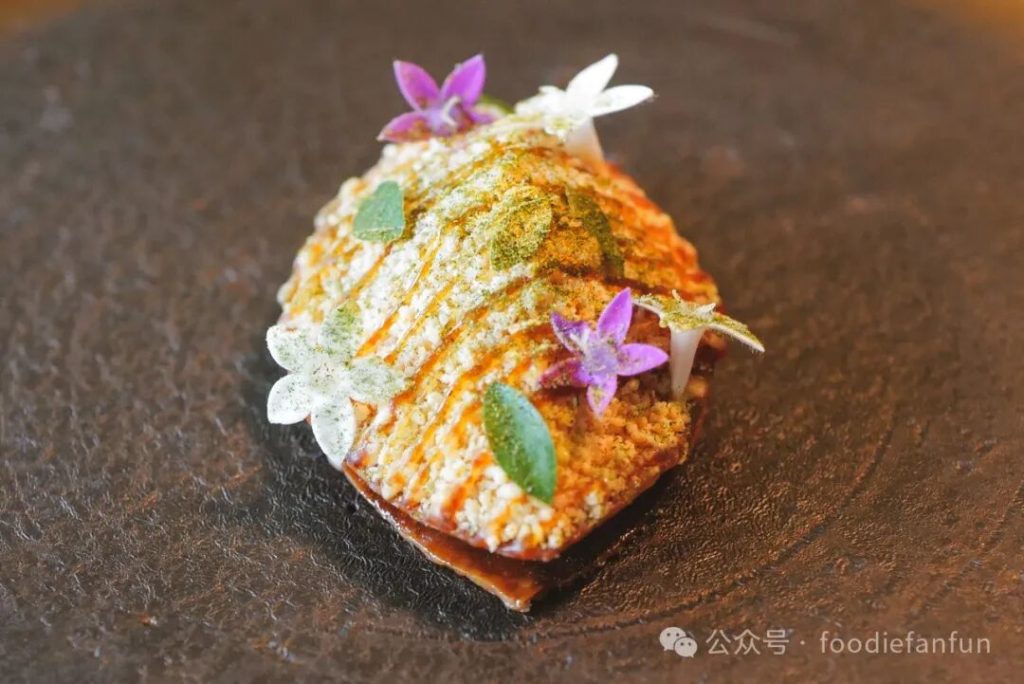
    Toyama white shrimp made into a little tart — fresh, sweet, and a bit of a wink.

    Local goat cheese (we later learned it’s from an internationally gold-award-winning studio, and the salt used on the cheese is extracted from Toyama Bay’s deep sea water) paired with sake lees — a gorgeously balanced mix of savory and briny.

    There was also a macaron made with red beet and chicken liver mousse, its earthiness tucked neatly away — the combination of sweet and delicate made for a happy bite every time.

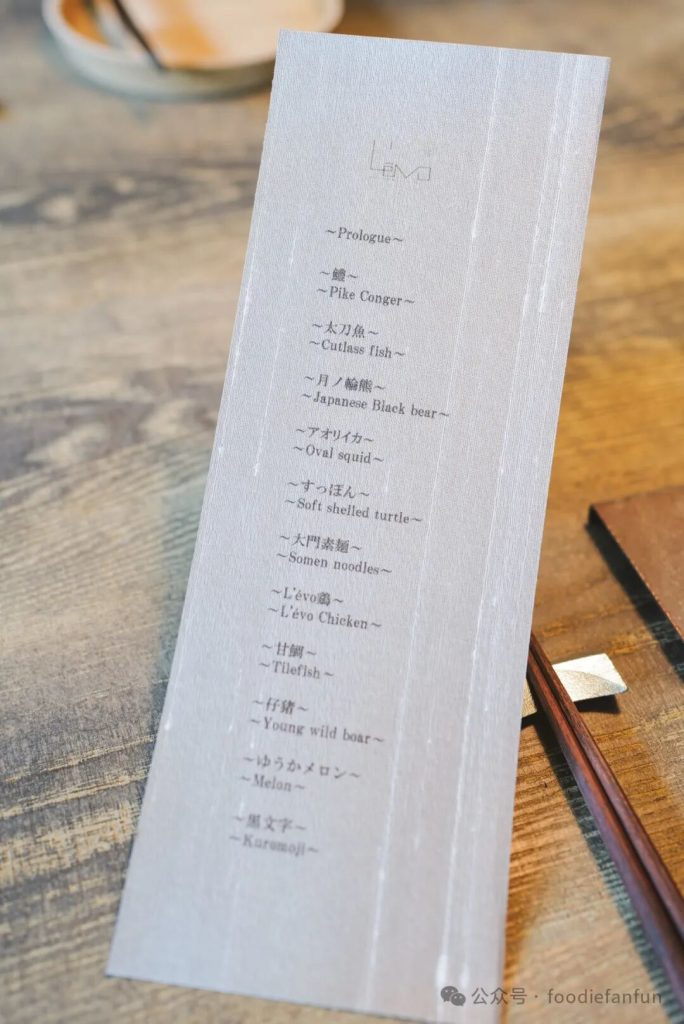
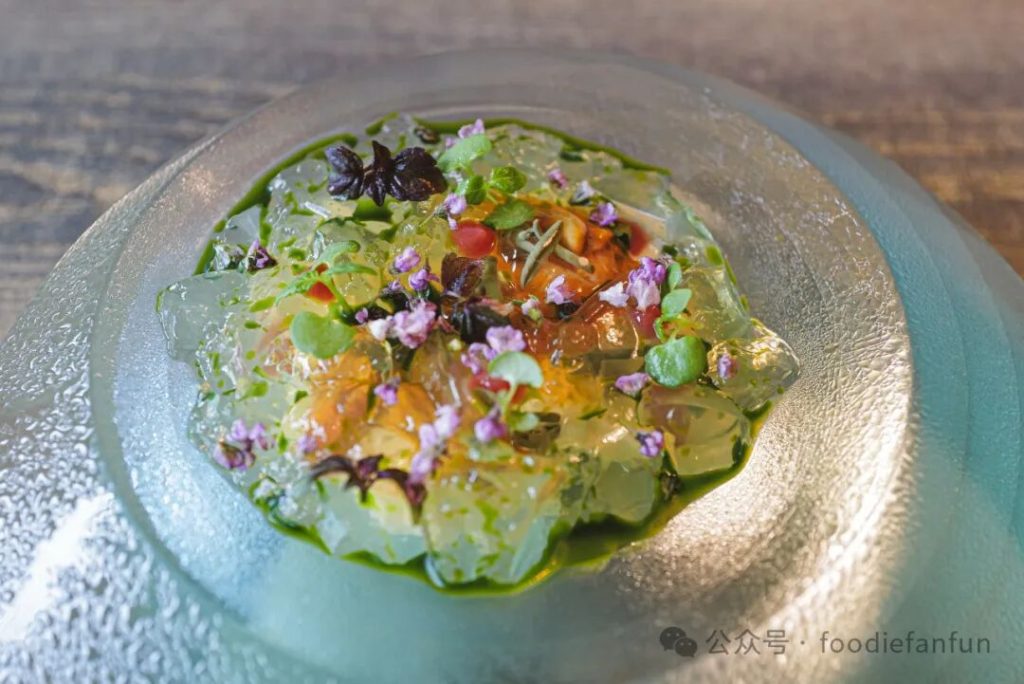
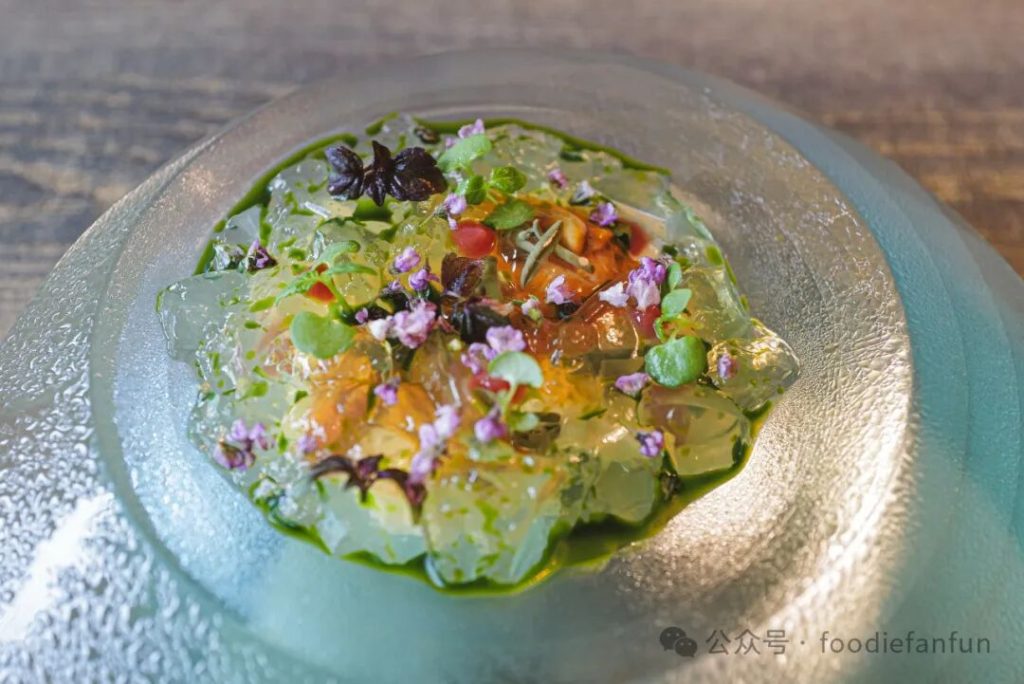
    Conger eel

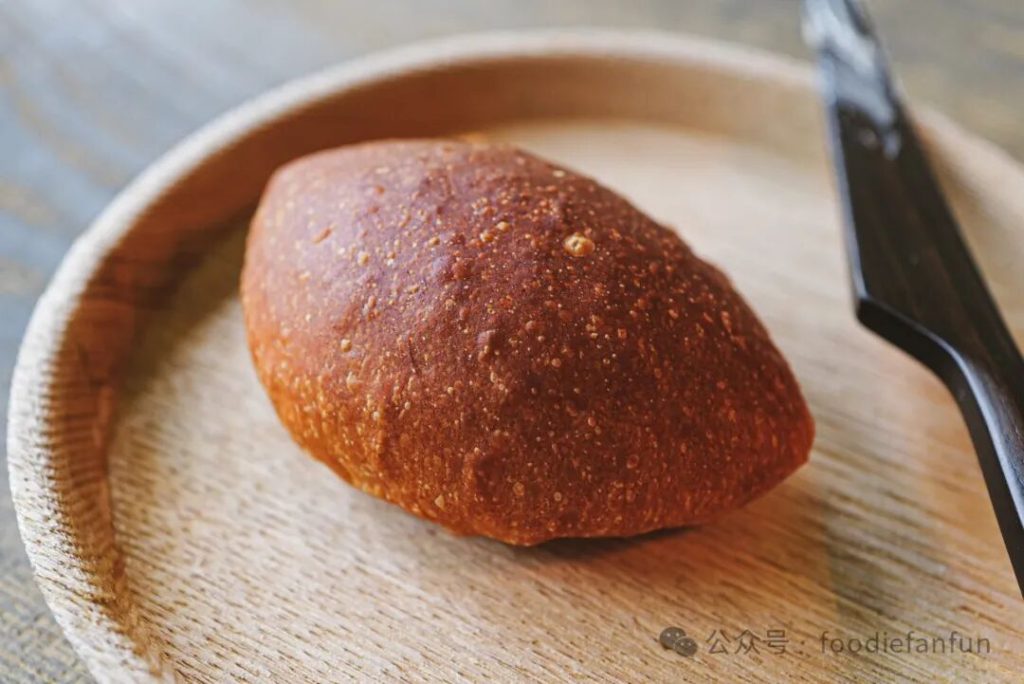
    Rice bread

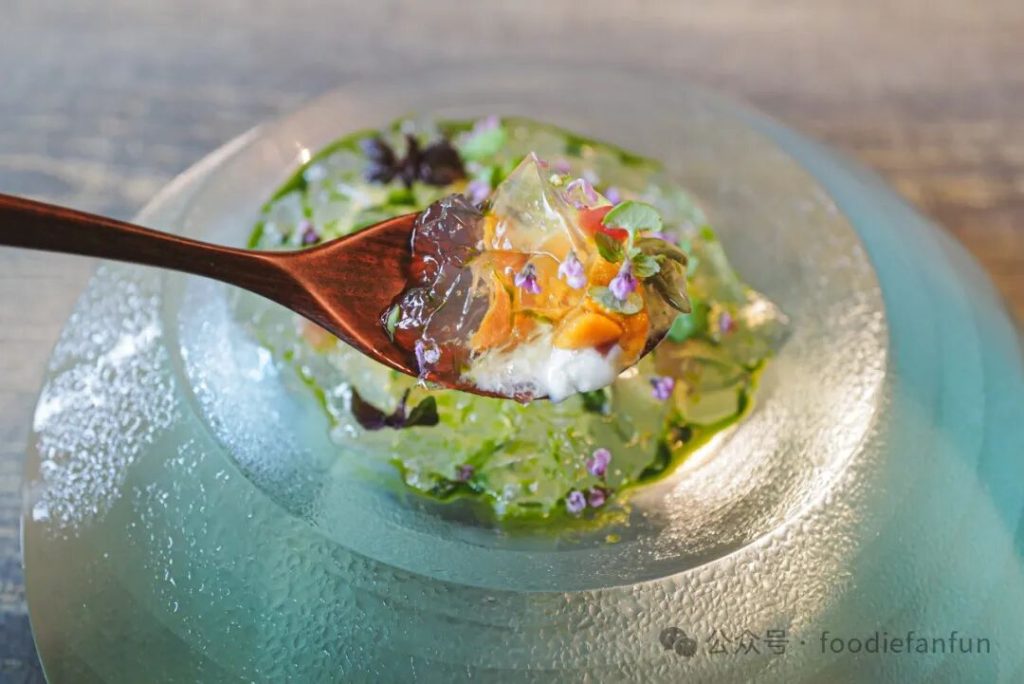
    The official start of the menu: Toyama Bay conger eel. You could taste the umami but couldn’t find the fish itself.

    It turns out all the conger eel here goes into making a stock that becomes a jelly. Hidden underneath, sea urchin opened up the sweetness, with potato purée adding a delicate creaminess. Layered with bright acidity and the freshness of shiso, the opening dish was strikingly luminous.

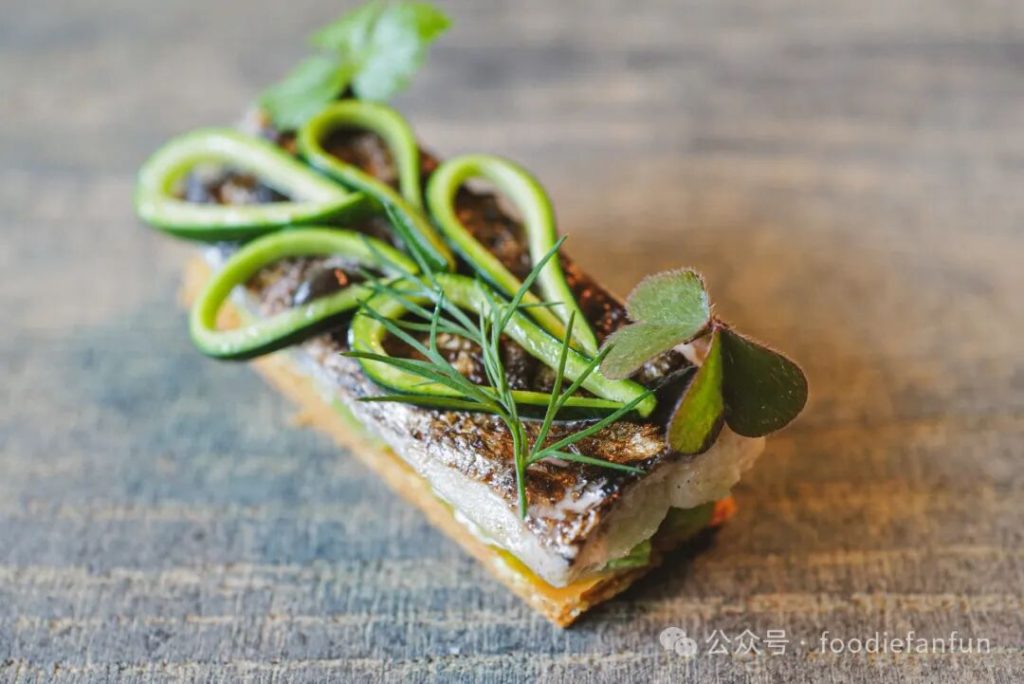
    Ribbonfish (beltfish)

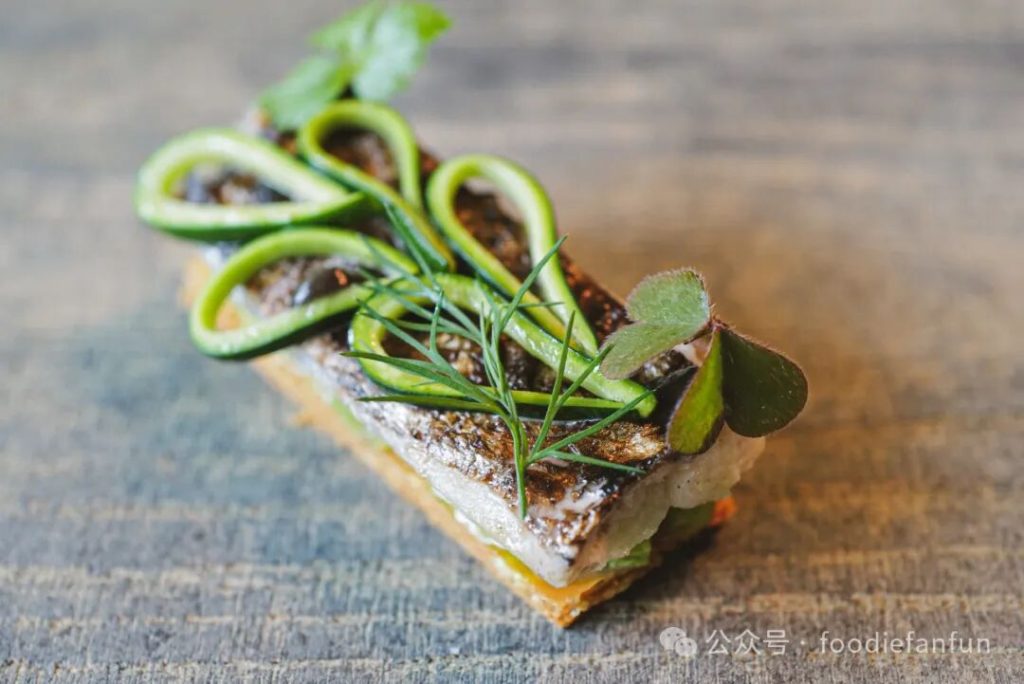
    Toyama Bay ribbonfish, charcoal-grilled — how can it smell this good.

    Paired with zucchini, cucumber, and a rice cracker. A familiar structure, but with the freshness and texture of local ingredients, it was savory, crisp, and thoroughly satisfying in one bite.

    Most of L’ évo’s seafood comes from a local, fourth-generation fishmonger, Kurosakiya — Japan’s first fish shop to bring online seafood selection to life, letting customers pick out exactly the catch they want from photos uploaded that same day, without ever visiting in person. The shop even won a Minister’s Award from the Fisheries Agency for it.

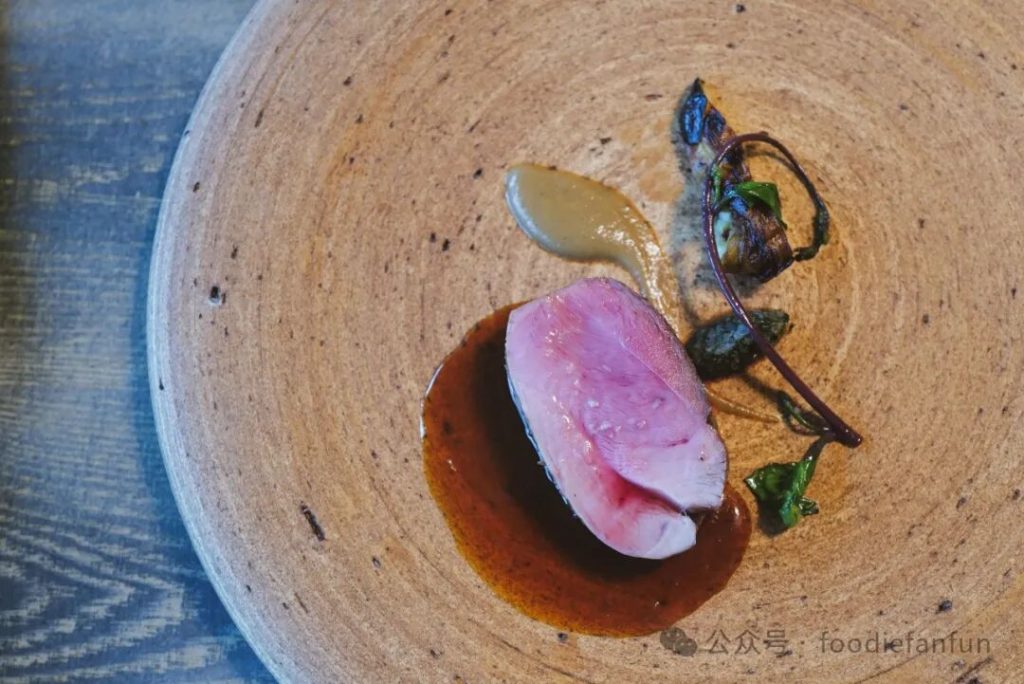
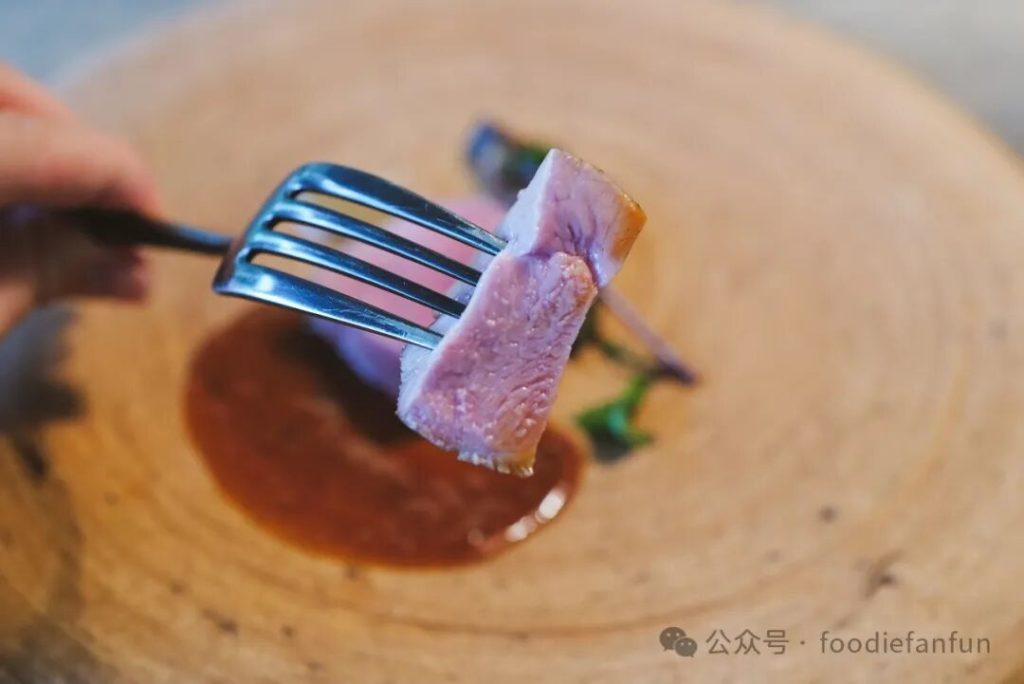
    Asiatic black bear

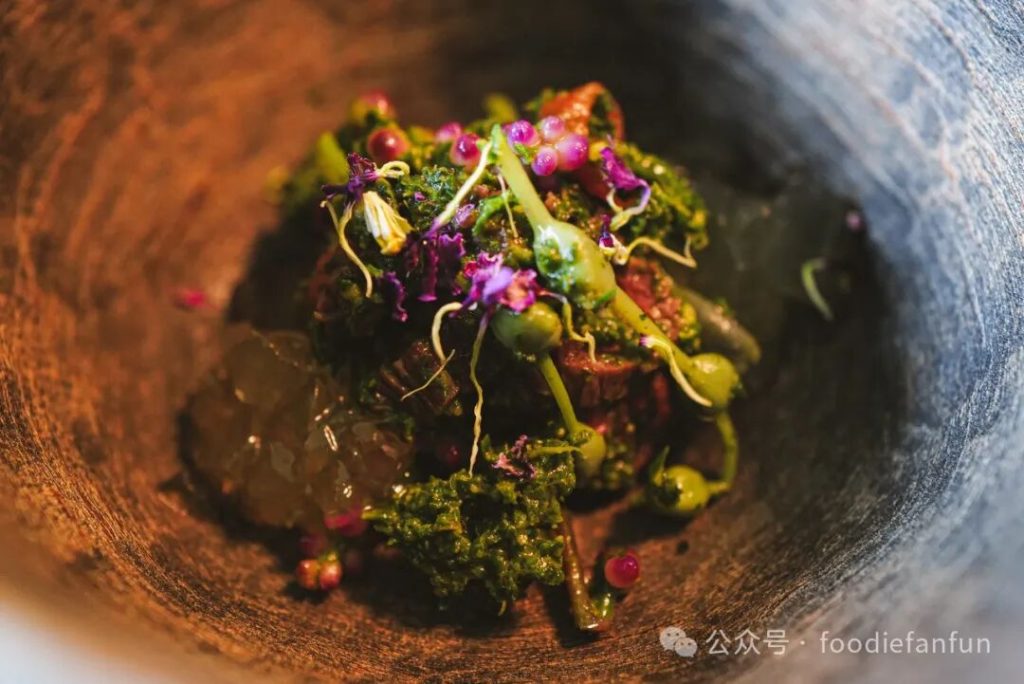
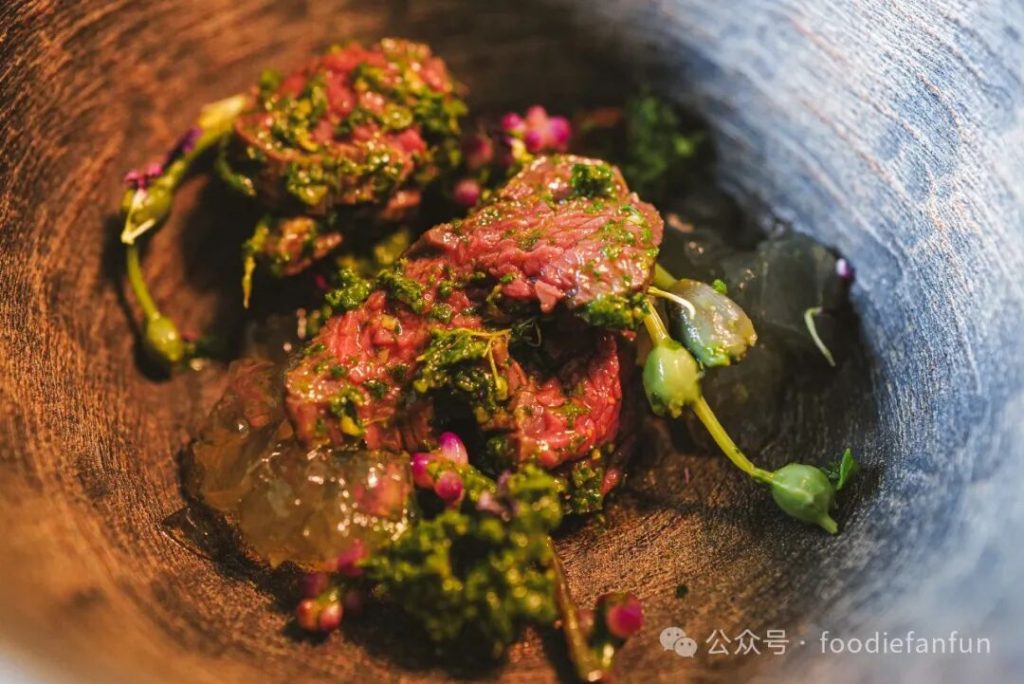
    Asiatic black bear is a common ingredient on L’ évo’s summer-autumn menu — imagine the fully-grown look of Pokémon’s Ursaring for reference.

    This season’s bear had been aged for a month, then charcoal-grilled — plenty of smokiness combined with gaminess, plus wild Malabar spinach, making for a thoroughly rustic drinking snack.

    I’d call this an introverted bear — hard to chew through, but the longer you chew, the more aroma keeps revealing itself.

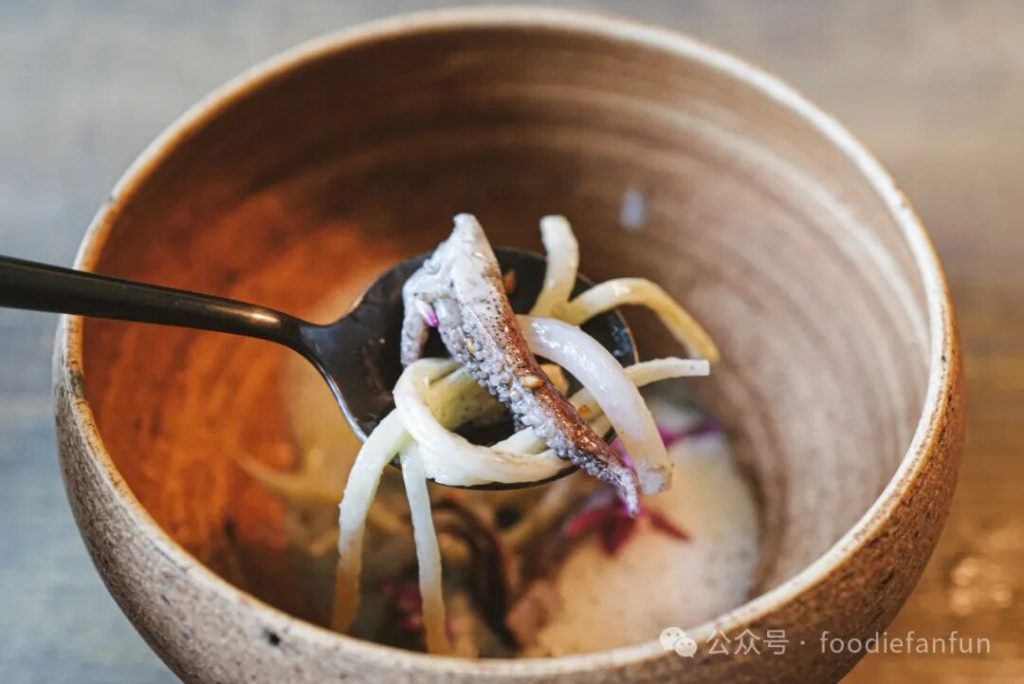
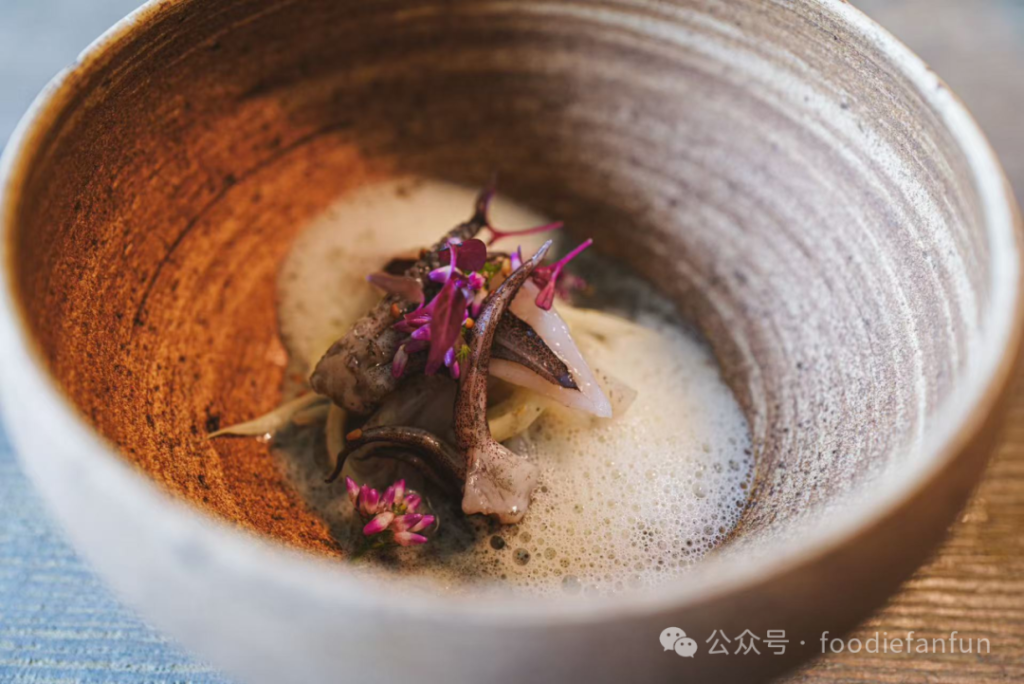
    Firefly squid

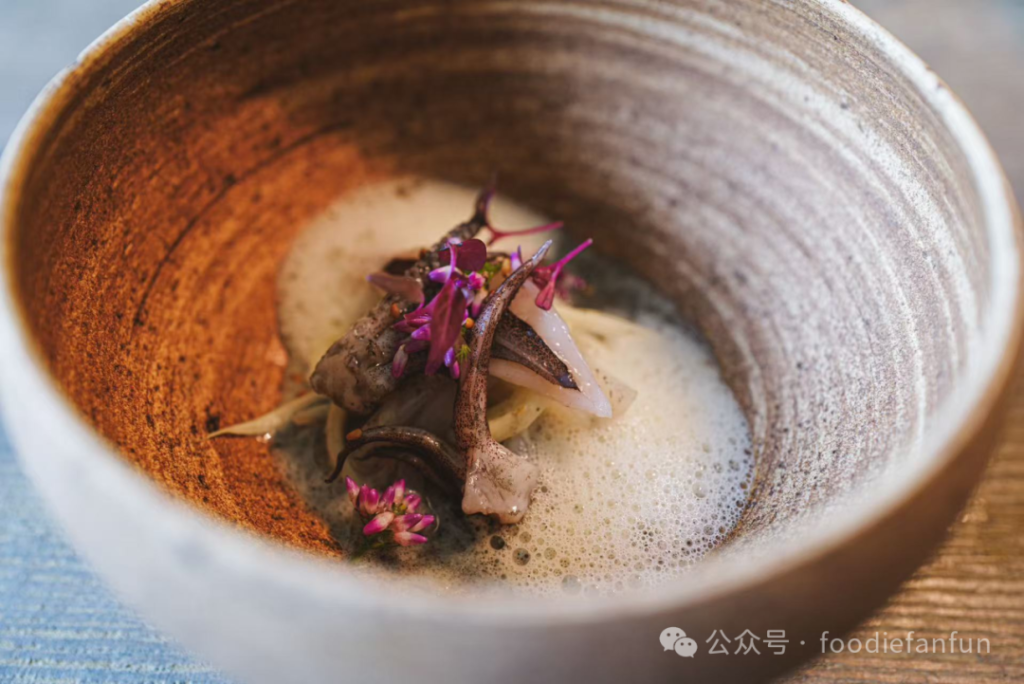
    The hot dishes opened with something from the sea.

    Firefly squid, in season and charcoal-grilled, showing off the wild, unconstrained character of a countryside restaurant. A broth made from bamboo leaf and shellfish instantly blended freshness with umami.

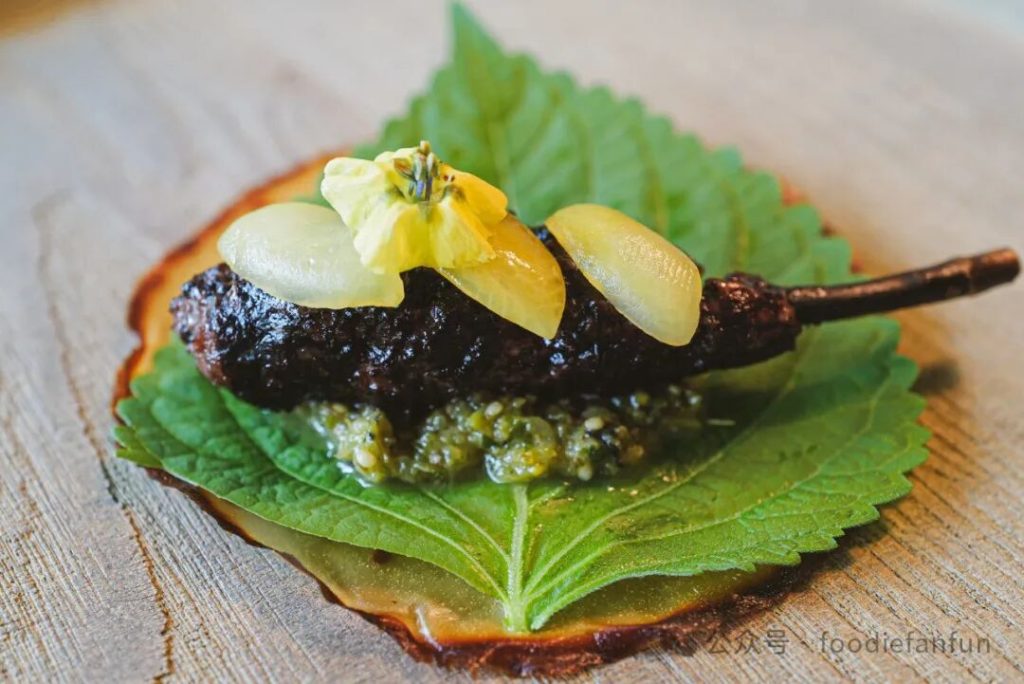
    Soft-shell turtle

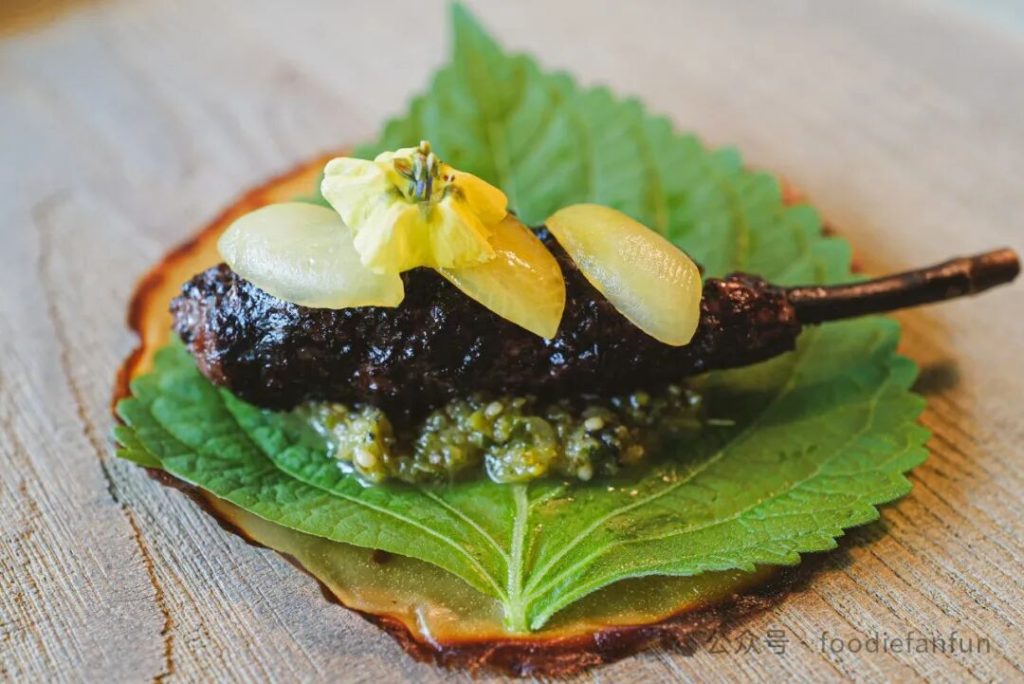
    Soft-shell turtle caught from a nearby stream, shaped like a yakitori skewer.

    Wrapped in sesame leaf and paired with a corn-and-tomato salsa.

    A bit of an ocean-flavored shawarma vibe?

    There’s the satisfaction of eating meat, plus a thoroughly refreshing quality.

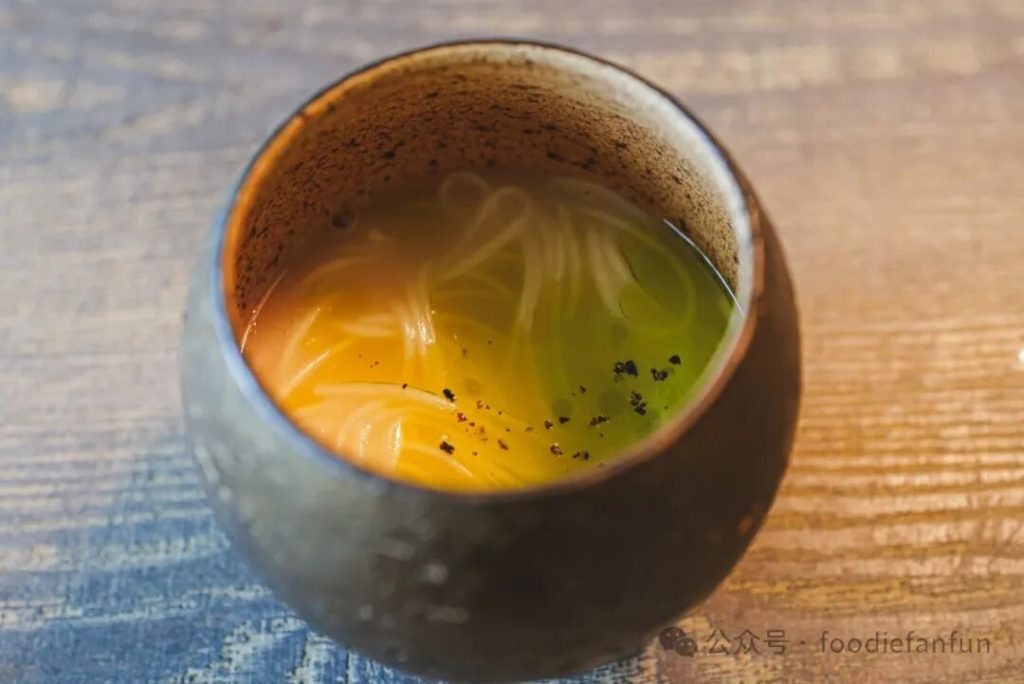
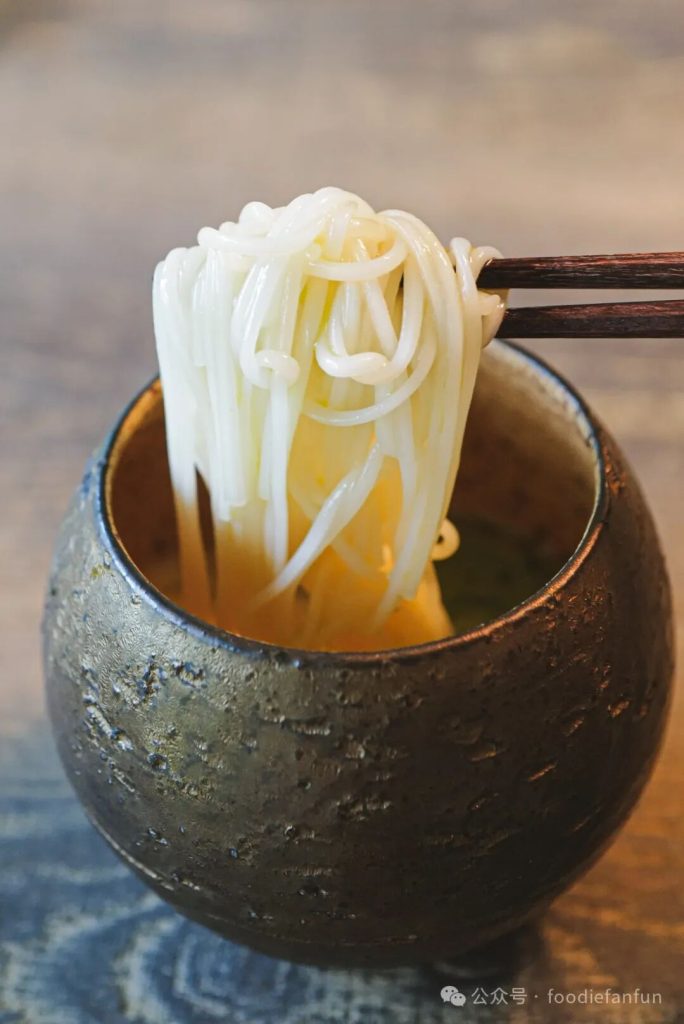
    Daimon somen noodles

    After all that meat, a bowl of heavenly little noodles came right after.

    It smelled overwhelmingly of goat cheese, but eating it filled the mouth with complex aromas instead.

    Made with locally-grown fukinoto wild herb tea and a goat cheese-based broth — savory, rich, and aromatic, yet warm and gentle going down.

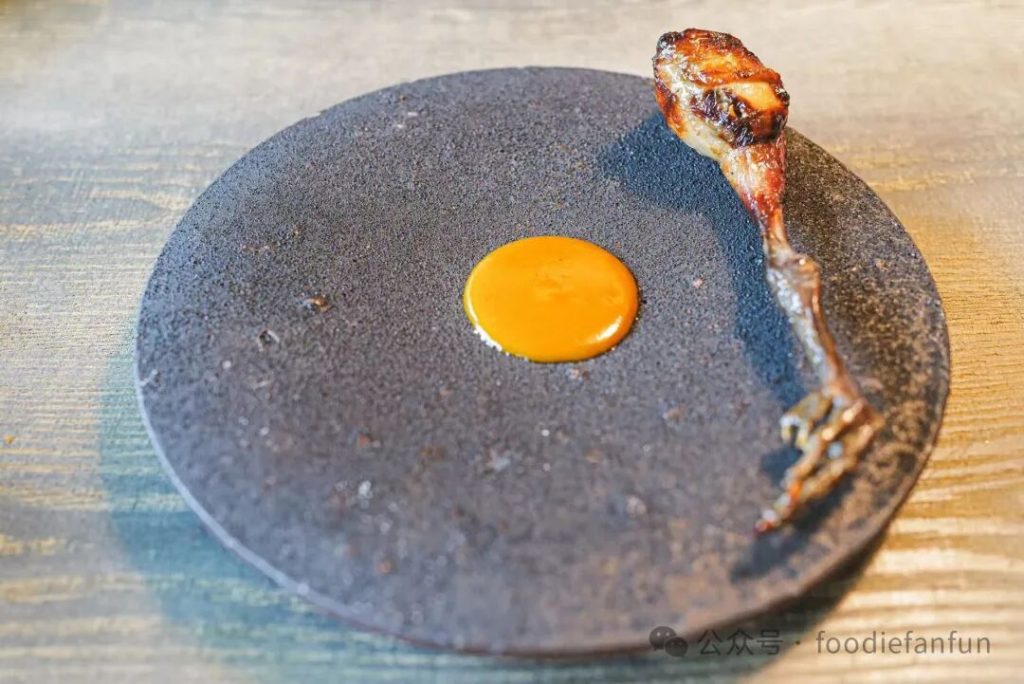
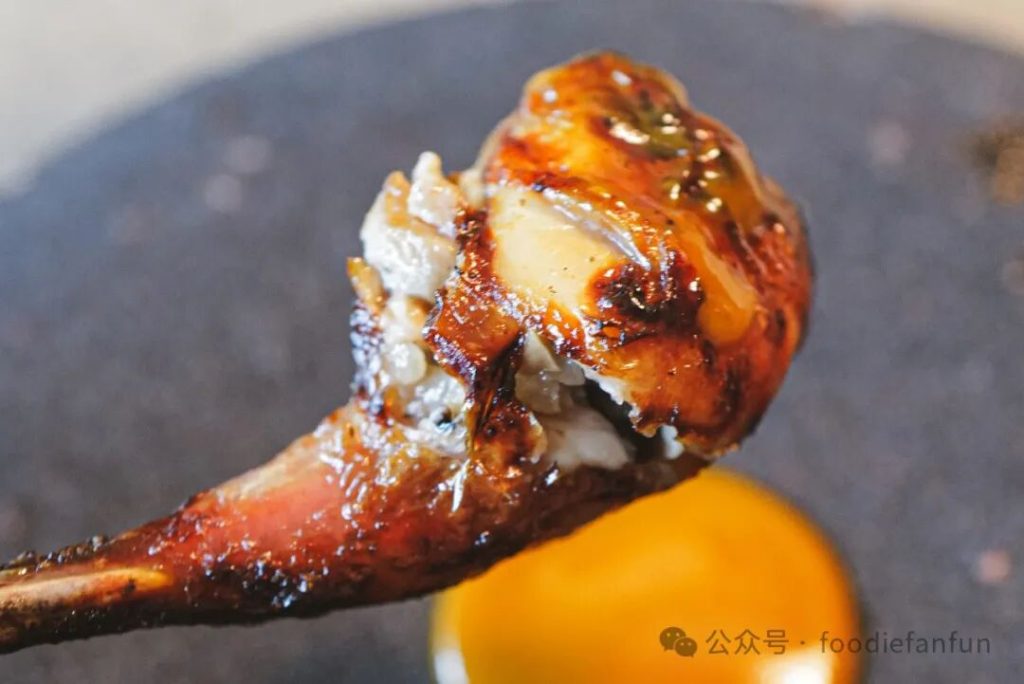
    L’ évo Chicken

    The mains opened with a dish that’s been on the menu since the restaurant first opened — a small chicken leg wrapped around rice and offal, propped up at the edge of the plate.

    It looks completely ordinary, but the moment you bite in, you get a crisp skin, a burst of scalding hot juice, and a mouthful of chicken fat aroma. The charcoal finish makes both the tenderness and the richness come through even more thoroughly.

    The legendary L’ évo chicken, said to be free-range and fed on organic feed in the mountains, was indeed lean, agile, and juicy.

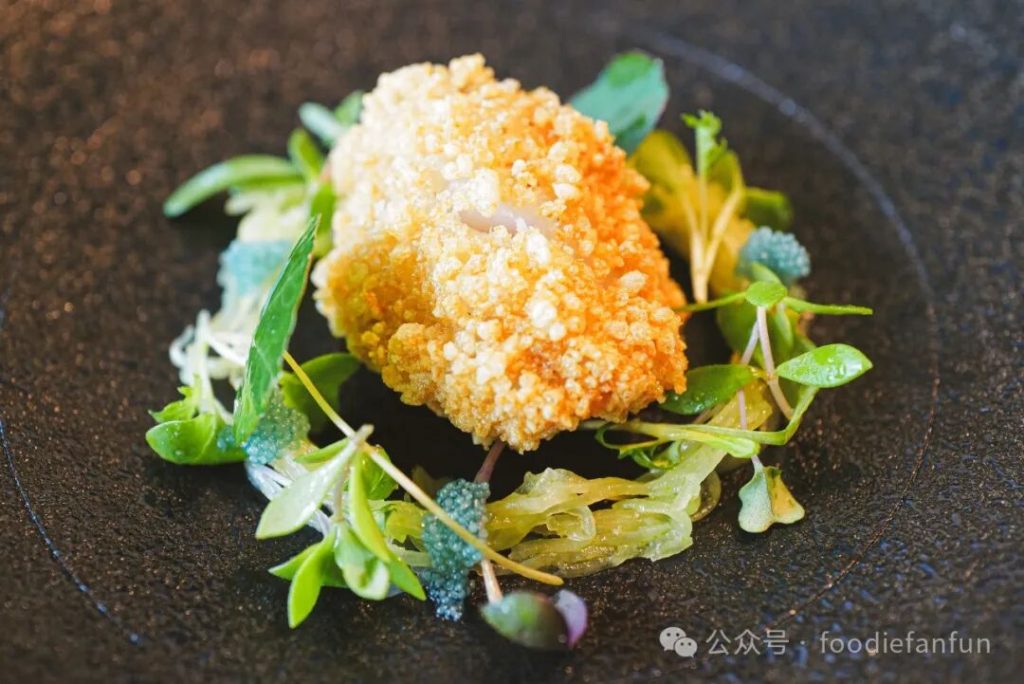
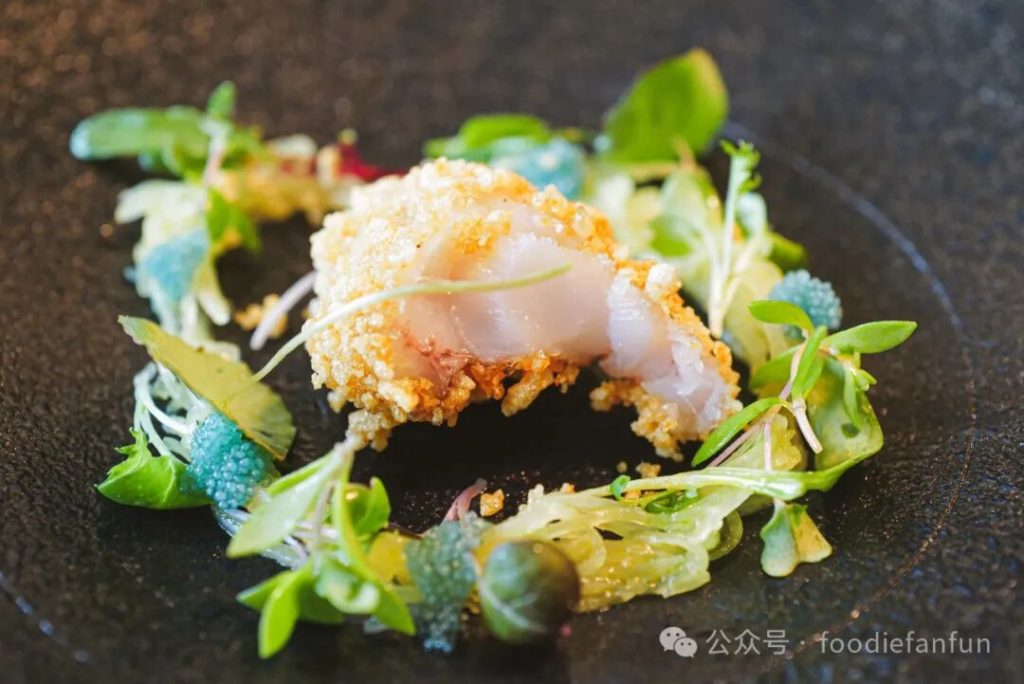
    Tilefish

    Suckling pig

    In the Western-food dining experiences we’ve had in Japan, main courses stumbling on meat or fish is basically par for the course by now. After a few past disasters, L’ évo’s mains held up reasonably well in comparison.

    To put it simply: not dazzling, not a disaster, just… a bit puzzling.

    Tilefish paired with shrimp bran and shrimp roe — an elevated take on fried fish, though the skin’s freshness and firmness were slightly on the tougher side.

    The adorable little wild boar had been aged for a week, then charcoal-grilled to excellent tenderness, but it was flavorless the more you chewed it.

    Baby watermelon

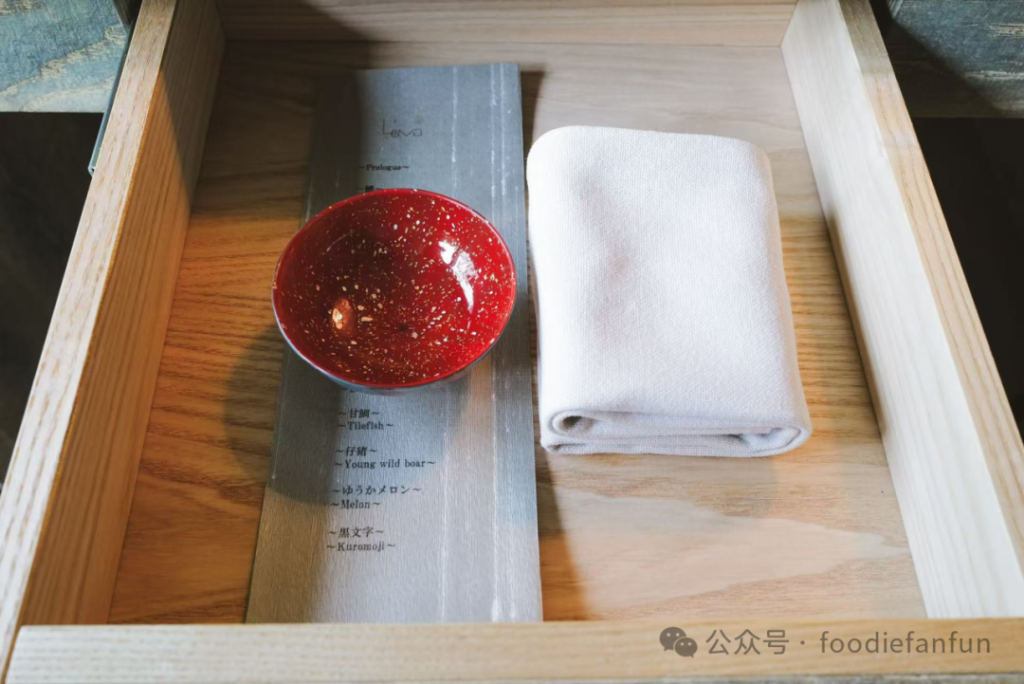
    Kuromoji (spicebush) skewer

    Taken as a whole meal, compared to city restaurants’ intense, insistent way of expressing the chef’s own philosophy, L’ évo turns its gaze more gently toward ‘the gifts of Toyama’s nature’ — every dish’s star ingredient and seasoning carries something distinctly local.

    The cooking doesn’t look particularly showy on the surface, but charcoal grilling alone is already a serious test of a kitchen’s skill level.

    Not all the pairing wines got photographed

    A wine pairing was also offered — though Toyama’s wine output is a drop in the bucket globally, the restaurant still managed to find bottles that matched the food well. Genuinely not a corner cut.

    This meal left a strong impression —

    This is a flavor you can only get in Toyama Prefecture, at L’ évo.

    Later, on the restaurant’s website, I found a page dedicated entirely to introducing all their suppliers — to put it simply, L’ évo uses:

    Daikon and cabbage grown by a farm behind Toyama with its own Swan Lake;

    Vegetables and cage-free poultry from an organic farm in the Toyama satoyama hills;

    Beef exclusively supplied by a Toyama meat farm that’s won awards in Germany;

    Fish from a fourth-generation Toyama fishmonger;

    A well-known goat cheese farm in Toyama that’s won an international gold award;

    Plants supplied by a flower-seedling farm on Toyama’s Tateyama mountain range;

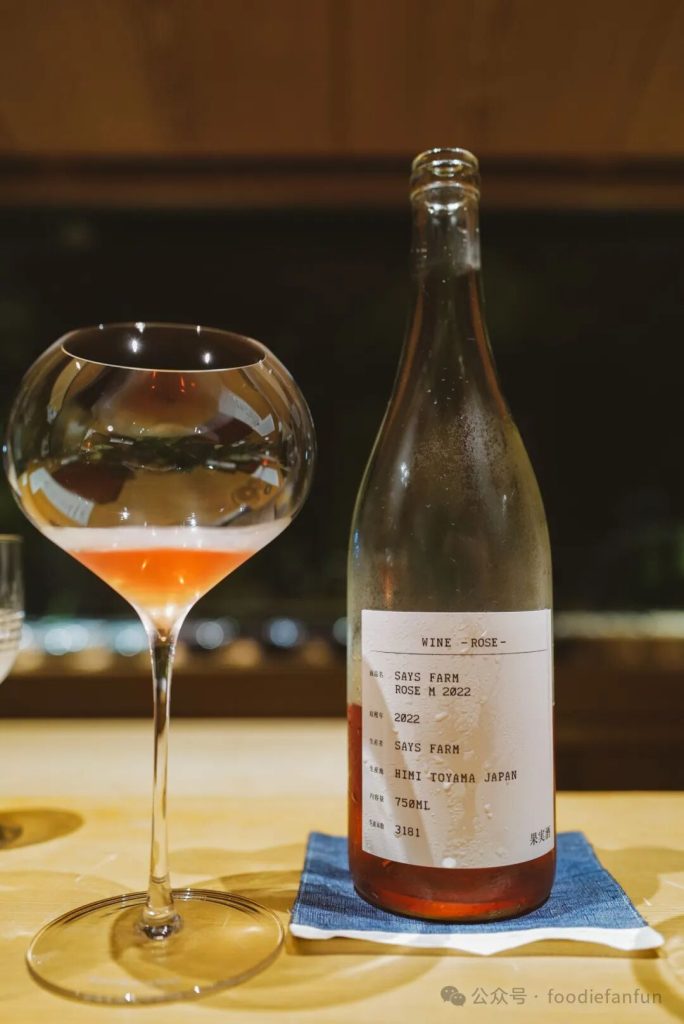
    And Toyama’s own natural wine label, SAYS FARM;

    On top of that —

    Wood carvings made by the heir to a renowned Toyama Buddhist-statue sculptor;

    Copperware from Takaoka, Toyama’s famous casting town;

    Works by a leading figure in modern Etchū Seto ware from Toyama;

    Drinkware by Toyama’s gifted glass artist TAIZO GLASS;

    Tableware made by multiple Toyama ceramic artists…

    Even the napkins are sourced through a partnership with a local Toyama brand.

    Wow, just how deep does this Osaka native’s Toyama soul actually run~

    L’ évo

    100 Daikanba Tashima, Togamura, Nanto, Toyama Prefecture

    Thursday – Tuesday

    Lunch 12:00 / 12:30

    Dinner 18:00 / 19:00

    https://levo.toyama.jp/

    ¥30,000 – ¥39,999

  • Toyama Travel Guide: Budget Sushi, Top-Tier Kaiseki, and All-You-Can-Drink Sake in a Deliciously Underrated City

    If this helped you, tap ‘Like’ in the corner~

    Japan’s Hokuriku region really is a foodie paradise most tourists haven’t caught onto yet.

    Close to the Sea of Japan, rich in produce, and best of all, delicious without being expensive. Go to Takayama for meat, go to Toyama for seafood.

    Toyama is genuinely a fascinating place — slow-paced, unhurried. Conveyor-belt sushi and izakayas are everywhere; walk into any random spot and you’ll find sashimi platters, seafood rice bowls, or robatayaki on the menu.

    It’s also a paradise for sake lovers — top sake brands Masuizumi and IWA 5 are both based in Toyama Prefecture.

    Don’t assume a city is far just because there’s no direct flight.

    Here’s an example — say your home is near Beijing’s 3rd Ring Road.

    Leaving from home in Beijing, it takes roughly 8 hours to reach a hotel in central Tokyo.

    Reaching a hotel in central Toyama only adds about 2.5 hours on top of that. If everything goes smoothly, you’d even have an hour to spare — enough to grab an ekiben boxed lunch at Tokyo Station, then have a drink at the in-station sake bar, Hasegawa Sake Shop. You could even bring a bottle onto the train and pass the two-hour Shinkansen ride with it.

    Eat and drink your way there, and you’ve arrived.

    Sounds like you could leave right now, doesn’t it?

    This piece covers a Toyama trip, roughly 4-5 days including travel there and back.

    2 kaiseki restaurants, 2 sushi restaurants (including 1 to avoid), 1 Western-style restaurant, 1 dessert shop, and 2 drinking spots.

    Listed in order of Tabelog rating within the article. Scroll to the end for the full list.

    Hope everyone has a great time with this guide in hand — eat well without gaining weight.

    ✦ • ✦

    L’ évo (レヴォ) | Western-style

    Tabelog 4.55 ¥22,000 ++

    Reservations via Tablecheck

    Every city’s restaurants have a bit of their own character — the top-ranked restaurant in Toyama Prefecture on Tabelog is, of all things, a farmhouse restaurant.

    And of course, it’s also: a Tabelog Gold Award restaurant, two Michelin stars, and #69 on Asia’s 50 Best… etc.

    Conger eel

    Ribbonfish (beltfish)

    The restaurant stands entirely on its own, built deep in the mountain forest, reachable only by bus or taxi. Yet diners from around the world consider it a must-visit restaurant in Hokuriku.

    No need to worry about getting there though — the restaurant can help arrange a taxi, about 1hr20min from Toyama.

    Firefly squid

    Soft-shell turtle

    Compared to a restaurant, this feels more like a food-exploration base tucked in the mountains, doubling as a museum of modern Toyama craft.

    All the restaurant’s ingredients and tableware come from within Toyama itself.

    Yet the chef is actually from Osaka — so as an outsider chef without formal local training, every ‘product of Toyama’ used in the restaurant was something Chef Taniguchi worked out bit by bit on his own. It says a lot about his love for Toyama.

    Daimon somen noodles

    Tilefish

    Taken as a whole meal, compared to city restaurants’ intense, insistent way of expressing the chef’s own philosophy, L’ évo turns its gaze more gently toward ‘the gifts of Toyama’s nature’ — every dish’s star ingredient and seasoning carries something distinctly local.

    The cooking doesn’t look particularly showy on the surface, but the wood-fire cooking alone is already a serious test of a kitchen’s skill level.

    Suckling pig

    Kuromoji (spicebush) skewer

    This meal left a strong impression —

    This is a flavor you can only get in Toyama Prefecture, at L’ évo.

    Full dining record here → L’ évo

    ✦ • ✦

    御料理 ふじ居 | Kaiseki

    Tabelog 4.32 ¥30,250 ++

    Reservations via Pocket Concierge

    On the north side of Toyama city near the sea, right next to Masuizumi’s sake brewery — famously Toyama’s eternal runner-up.

    Two Michelin stars, Tabelog Silver Award, formerly #2 in Hokuriku, currently #2 within Toyama Prefecture.

    But speaking seriously about kaiseki, ふじ居 is unquestionably Toyama’s best.

    Snow crab meatball, tofu, myoga ginger

    Head chef Fujii trained at a culinary school in Tokyo, then spent 11 years training at ‘Nihon Ryori Zeniya’ in Kanazawa and ‘Ajishita’ in Kyoto’s Gion district — a résumé that spells out ‘excellence’ in bold letters.

    The restaurant’s whole concept is also steeped in Toyama pride and a sense of luxury —

    using water from Masuizumi’s own brewery cellar to make Toyama’s seasonal cuisine.

    Lotus root, flounder

    Red snow crab claw, crab miso

    Hassun | fig with sesame oil, pear-wrapped ham, kochia seed puff

    Salmon roe, chestnut, rolled egg, taro

    The menu changes with the season, priced anywhere from ¥30,000 to ¥120,000, with Masuizumi + IWA5 offered as a full pairing throughout the meal.

    Overall, 御料理 ふじ居 radiates tradition and specialization through and through. Every detail carries the chef’s dedication and focus, and the entire meal is strung together by a high concentration of umami — absolutely worth experiencing with full attention.

    Grilled Japanese sea bass (suzuki)

    Ayu sweetfish rice pot

    Full dining record here → Toyama Kaiseki chapter

    ✦ • ✦

    SOTO | Sushi

    Tabelog 3.82 🍣22,000 + 🍶4,000

    Reservations via Pocket Concierge

    Ceviche | red sea bream, squid, botan shrimp

    Bonito

    Flagging this up front — this is the ‘avoid’ place mentioned at the start.

    Not recommended, and I personally won’t be going back.

    As far as Toyama sushi goes, SOTO was actually on our radar for a long time before this trip.

    A background rooted in a sushi family, 32 years of overseas experience in New York and Houston — chef Sotohiro Kosugi, already 63 years old. With Michelin two stars earned in both New York and Toyama, this meal came with high expectations.

    Octopus leg

    Flounder

    Dinner was 12 sakana (drink-pairing dishes) + 10 sushi pieces, with an optional 10-dish drink pairing for an extra ¥4,000.

    The value for money on the food-and-drink combo is exceptionally high.

    White shrimp, sea urchin, seaweed

    Rosy seabass, scallop, maitake mushroom

    But the overall dining experience can only be described as underwhelming.

    The sakana dishes were creative in concept, but the overall seasoning was noticeably heavy — salt buried any trace of the sweet umami we’d expected from the ingredients. Worse, several of the dishes clearly felt like they’d been prepped ahead of time and kept in the fridge — ice-cold with every bite.

    I understand this approach exists to accommodate guests’ arrival times, but for an Omakase, a choice like this is a real letdown.

    As for the drink pairings, there were plenty of options, but no real logic connecting them to the food, and none of them showcased the character of local sake — the best way to describe it is ‘pairings paired just for the sake of pairing.’

    Full dining record here → Toyama Sushi chapter

    ✦ • ✦

    海老亭別館 | Kaiseki

    Tabelog 3.72 ¥24,000 ++

    Reservations via Pocket Concierge

    Compared to the more famous ふじ居, this fourth-generation ryotei keeps a fairly low profile —

    but don’t underestimate its skill.

    It held two stars in the 2016 Toyama-Ishikawa special edition Michelin Guide (the Toyama-Ishikawa special edition currently comes out once every 5 years; in 2021 Ebitei Bekkan happened to be temporarily closed, so its last rating dates back to 2016), then in 2018 boldly closed up shop to go train at the famous Tokyo restaurant ‘Matsukawa.’

    Sweet shrimp cured in kelp

    Ribbonfish, onion, daikon

    Four years later, the current Ebitei Bekkan opened along the river near Toyama Castle Park.

    No old-fashioned manor or kneeling service here. The restaurant is set in a modern two-story building, with a warm yet appropriately reserved feel to both the space and the service. Sit at the counter and look up, and outside the window are beautiful cherry blossom trees.

    Red snow crab shinjo

    Crab leg, crab claw, crab miso

    The dining experience felt noticeably lighter and livelier. The head chef chats with you now and then, even joking about how spicy the chili pepper turns out to be — pure luck of the draw.

    His hands never stop working, the skill is solid, and the dishes that come out carry real personal character — gentle yet full of tension.

    There might be small imperfections here and there, but the next moment always brings some other surprise to make up for it.

    Scallop and ayu sweetfish, water pepper

    Dried tilefish, lotus root

    Small sardine, roe-bearing firefly squid, salmon roe, conger eel with burdock (served over rice)

    Full dining record here → Toyama Kaiseki chapter (second half)

    ✦ • ✦

    立ち喰い鮨 人人 | Sushi

    Tabelog 3.75 ¥3,800 ++

    Reservations via phone or Instagram

    The tomato lemon sour is freshly shaved from ice right at the counter — a nice touch

    This sushi restaurant, ranked #4 in Toyama city, is friendly to last-minute reservations and hits hard on price.

    Booking Jinjin during the trip was a spur-of-the-moment decision made after waking up early.

    Getting a same-day sushi reservation is honestly a stroke of luck you wouldn’t normally expect on a Japan trip. We later found out this restaurant only takes about 30 minutes per meal, turns tables fast, and basically always has a seat available.

    The basic sushi sets come in ¥3,800 and ¥5,400 tiers, 8 or 10 pieces respectively, with a full Omakase option also available — and even the top course isn’t too pricey. All in, you’re looking at anywhere from under 200 RMB to a max of around 750 for a complete sushi experience.

    You could call it ‘omakase that regular people can actually afford.’
    The restaurant’s chops speak for themselves too. Head chef Izumi Kimura’s previous restaurant, Sushi Shibito, was Hokuriku’s #1-ranked sushi restaurant on Tabelog (score 4.20), and also held one star in the previous edition of the Toyama Michelin Guide.

    In terms of the overall meal, the fish quality is naturally a step down from top-tier sushi restaurants, but the satisfaction factor absolutely exceeds what you’d expect at this price point. The rice is gentle, the pacing is well-judged, and a handful of small creative touches keep the excitement of the meal running high throughout.

    A thirty-minute lunch, priced under 200 RMB, delivering a hit of dopamine through sheer speed and value.

    Full dining record here → Toyama Sushi chapter (second half)

    ✦ • ✦

    沙石 | Drinking spot

    Tabelog 4.69 ¥2,000 ++

    As mentioned above, Toyama’s top kaiseki restaurant, 御料理 ふじ居, sits right next to Masuizumi’s sake brewery. And 沙石 is exactly Masuizumi’s own Tasting Room.

    Masuizumi truly lives up to its reputation as one of the greats. The tasting here is ¥2,000 (about 100 RMB) for 15 minutes, with free choice from three large refrigerated cases of bottles.

    The brewery’s full flagship lineup is all on display, but you’d hardly expect the tasting to also include a sake aged in a former Henri Jayer wine barrel, or a bottle personally brewed by the late Koichi Sanpai — once one of Noto’s ‘Four Heavenly Kings’ of sake brewing.

    The shop also sells a lot of Masuizumi merchandise, plus some local snacks to go with your drink.

    A tip here: 沙石 closes at 5:00pm, while 御料理 ふじ居’s single dinner seating starts at 6:30pm. If you’re planning to pair the two together, you can wander next door in between to Tajiri Honten, a sake shop that carries Toyama’s popular local sake Katsukoma — a brand that’s basically only sold through restaurant channels.

    ✦ • ✦

    醍醐Premium | Drinking spot

    Tabelog 3.61 ¥3,000 ++

    Toyama produces excellent fish and sake, and most izakayas here carry solid local sake.

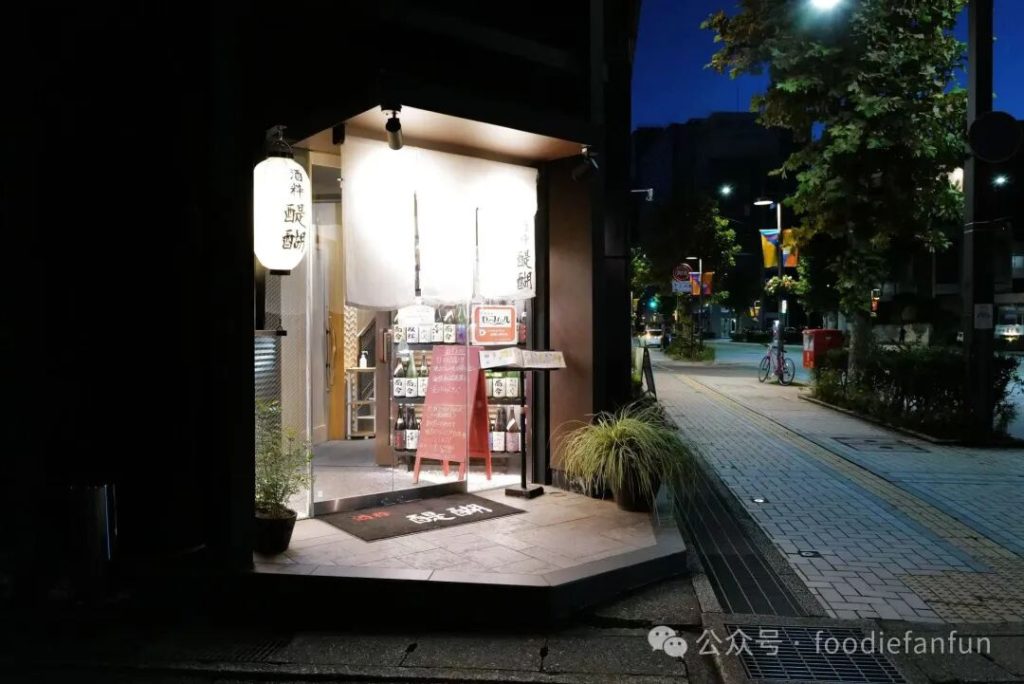
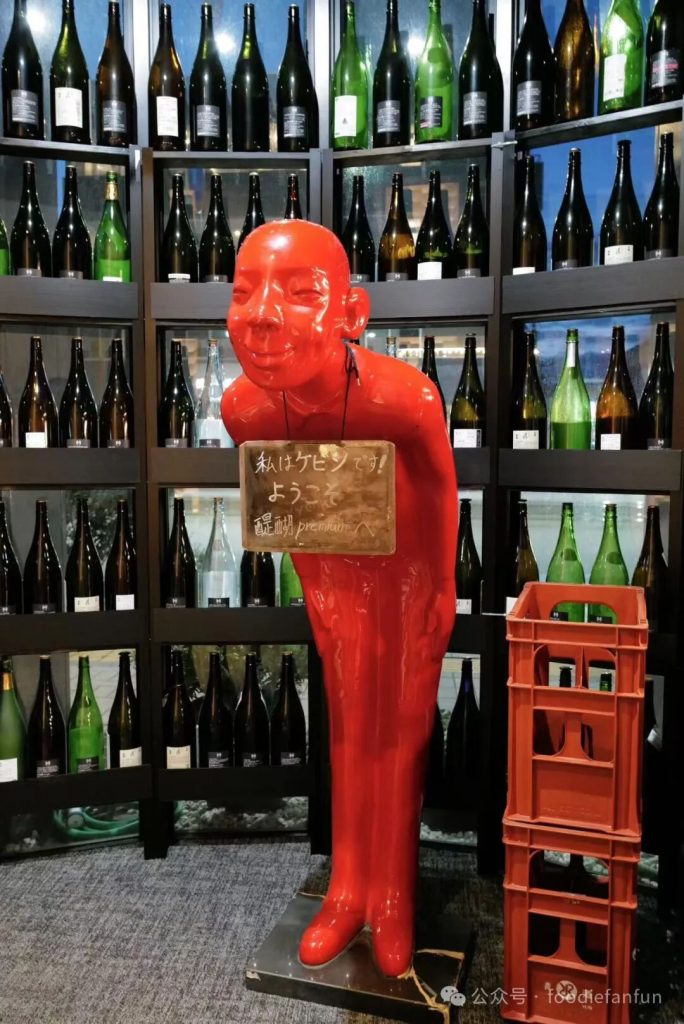
    But if you’re a sake lover visiting Toyama, you absolutely cannot miss Daigo’s all-you-can-drink deal.

    The shop stocks over 400 sake brands from across Japan, with a 2-hour all-you-can-drink option split into two tiers: ¥3,000 for sake up to ¥800/glass, or ¥3,500 for sake up to ¥1,000/glass.

    Basically, for about 200 RMB, you can drink pretty much anything short of Juyondai.

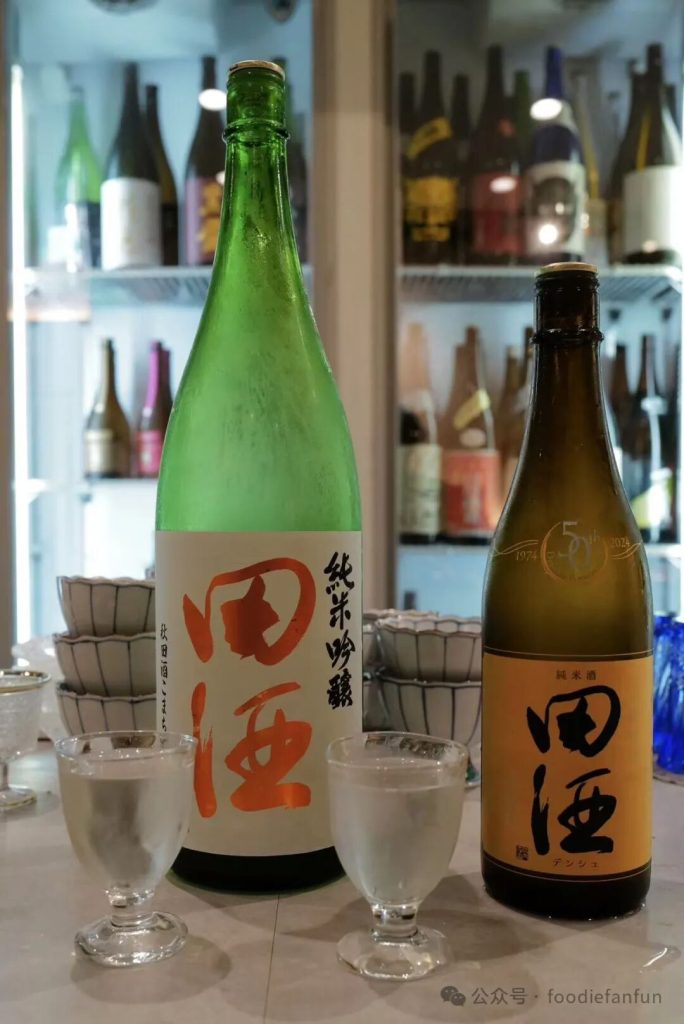
    This includes flagship local sake bottles from Masuizumi and Katsukoma, as well as multiple limited-release bottles from currently trending breweries like Aramasa, Senkin, and Denshu.

    For beginners, it’s a chance to open up the world of sake from multiple angles, while for enthusiasts, it’s a great opportunity to freely enjoy hard-to-find bottles.

    Just be careful not to overdo it~

    AND Daigo’s bar snacks are mediocre at best, so make sure you’re full before you go.

    ✦ • ✦

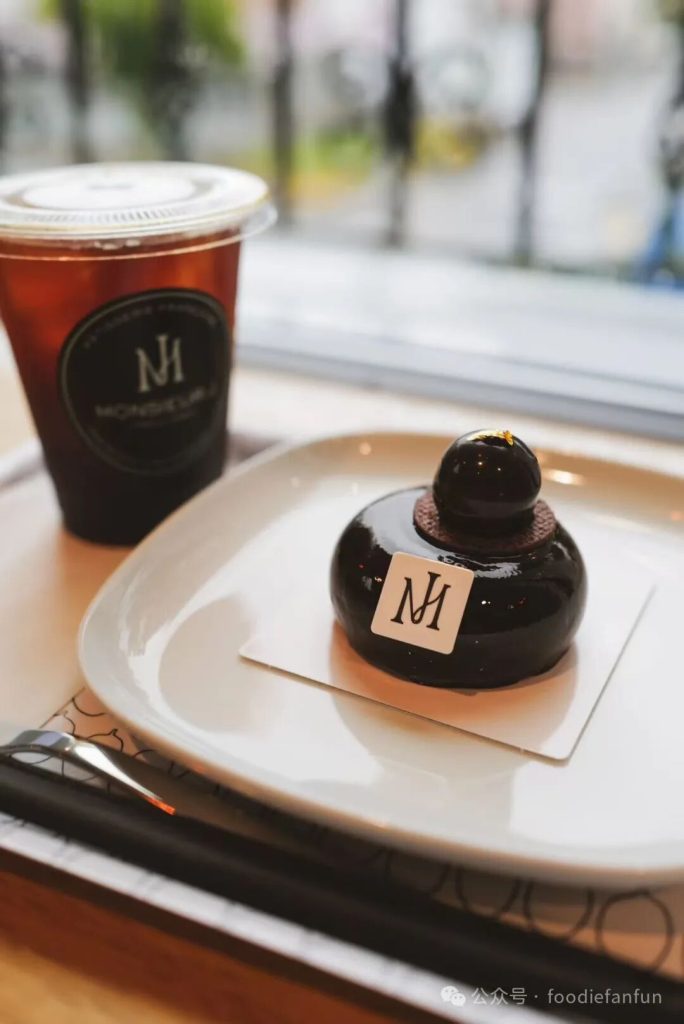
    ムッシュージー Monsieur J | Dessert

    Tabelog 3.44 🍰2,000 ++

    Even though every day in Toyama is stuffed to the brim —

    there’s still always room for one bite of a beautiful dessert.

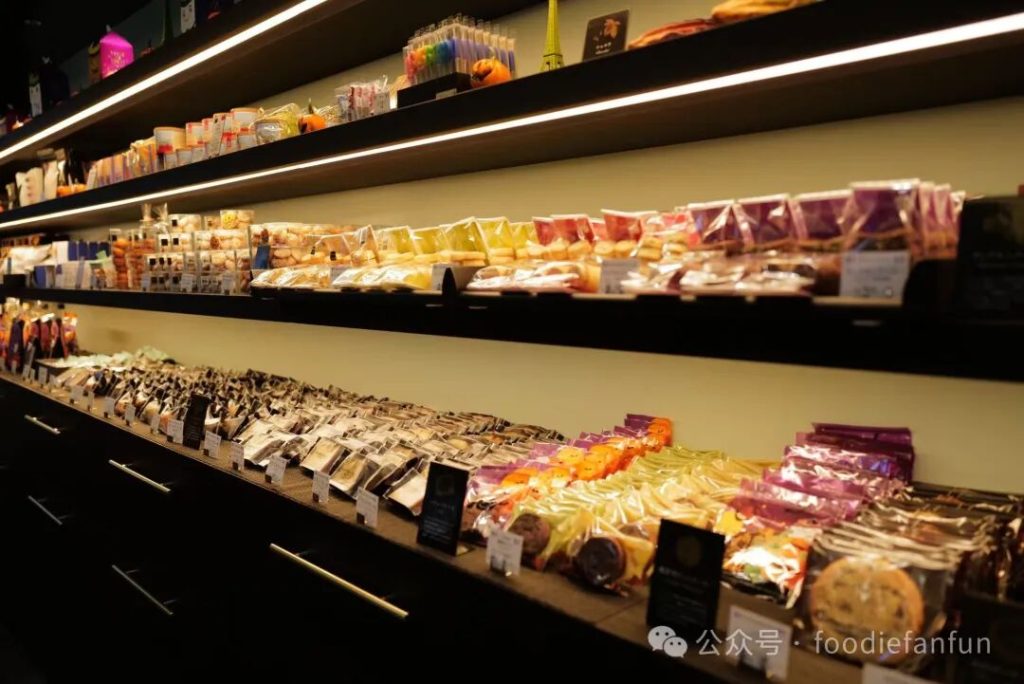
    Sitting in our bookmarks, and recommended by a few local chefs we chatted with, was this shop, Monsieur J.

    A handsome French pastry chef and his wife settled down and opened this shop in Toyama, now running for over a decade. To this day, the shop still sells candies made with vanilla from Tahiti — the place where the couple first met. Ugh, what a wholesome bit of relationship trivia.

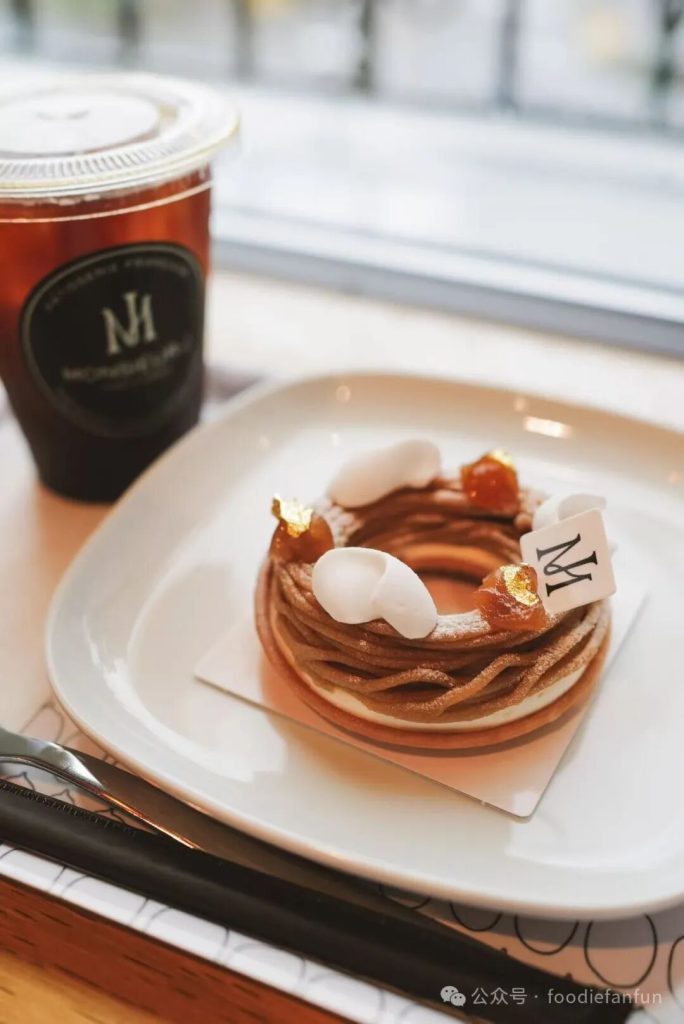
    Judging by the desserts themselves, they sit somewhere between Japanese and French, unexpectedly leaning a touch more toward the French side. Japanese seasonal ingredients are used throughout, but the visual flair of the shapes is preserved, with plenty of complexity in texture and flavor, delivered in an unrestrained, straightforward style.

    For example, the two options available that day: a chestnut tart with a sweet, crisp, substantial shell, its light chestnut fragrance carried through by Japanese pear. The chocolate dessert, meanwhile, was silky on entry with an endless finish.
    An absolute hidden gem of a dessert shop, well worth savoring.
    ↓ Full restaurant information ↓

    レヴォ — L’ évo

    100 Daikanba Tashima, Togamura, Nanto, Toyama Prefecture

    https://levo.toyama.jp/

    御料理 ふじ居

    93 Higashi-Iwase-machi, Toyama City, Toyama Prefecture

    https://www.oryouri-fujii.jp/

    SOTO

    2-8-21 Izumi-machi, Toyama City, Toyama Prefecture

    https://www.soto-toyama.com

    海老亭別館

    2-4-10 Anno-ya-machi, Toyama City, Toyama Prefecture

    https://ebitei-bekkan.com/

    立ち喰い鮨 人人

    3-8 Ichiban-cho, Toyama City, Toyama Prefecture

    https://sushi-jinjin.com/

    沙石

    93 Iwase-omachi, Toyama City, Toyama Prefecture

    醍醐Premium

    2-1 Uchisachi-machi, Toyama City, Toyama Prefecture, A Building 1F

    https://syusuidaigo.com/premium/

    ムッシュージー Monsieur J

    2-7-22 Isobe-machi, Toyama City, Toyama Prefecture

    https://www.monsieurj-patisserie.com/