In October, in Suzhou, mitten crabs hit the table.
In October, in Japan’s Hokuriku — the Sea of Japan side of central Honshu — crab season had just started to peak.
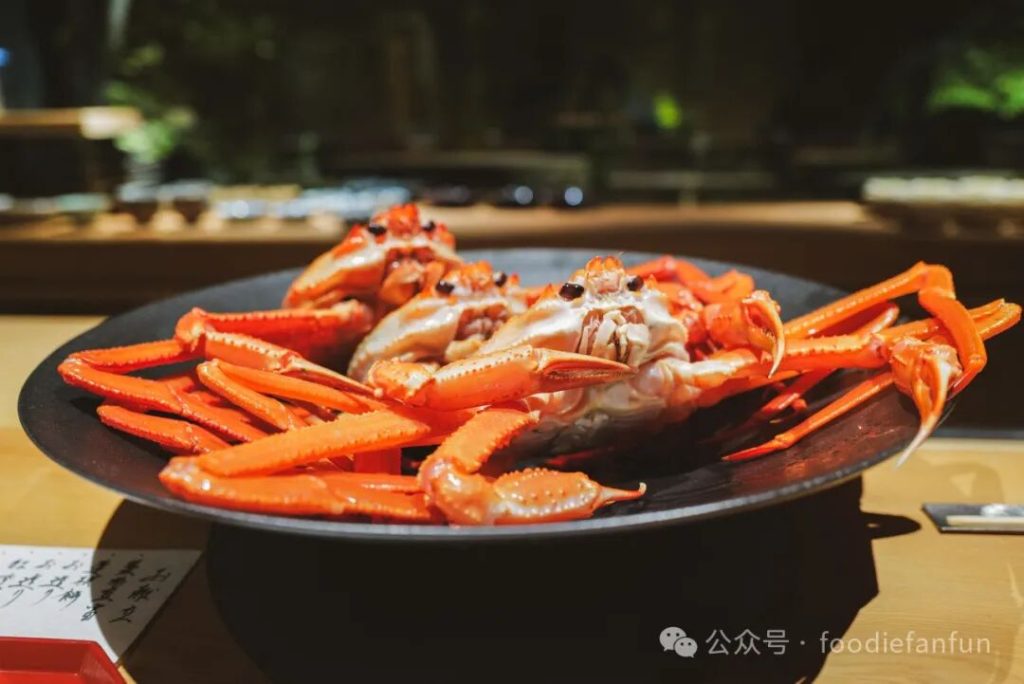
We visited two kaiseki restaurants back to back, and both brought out freshly-arrived red snow crab to ‘welcome’ us. To be honest, the more prized crab varieties aren’t in season yet, but this alone was enough to scratch an itch that had been building for half a year.
During our Toyama trip, we set aside a day to ride a clanking little local train out to the coast to unwind —
Only for October in Toyama to bring nothing but overcast skies and drizzle every single day. What ocean view?
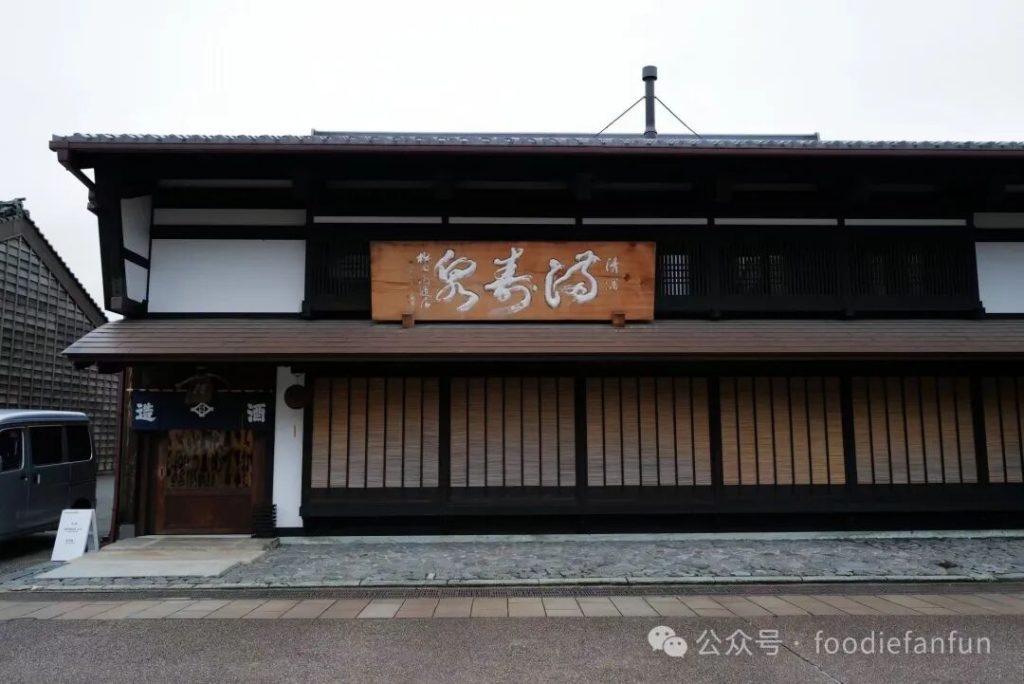
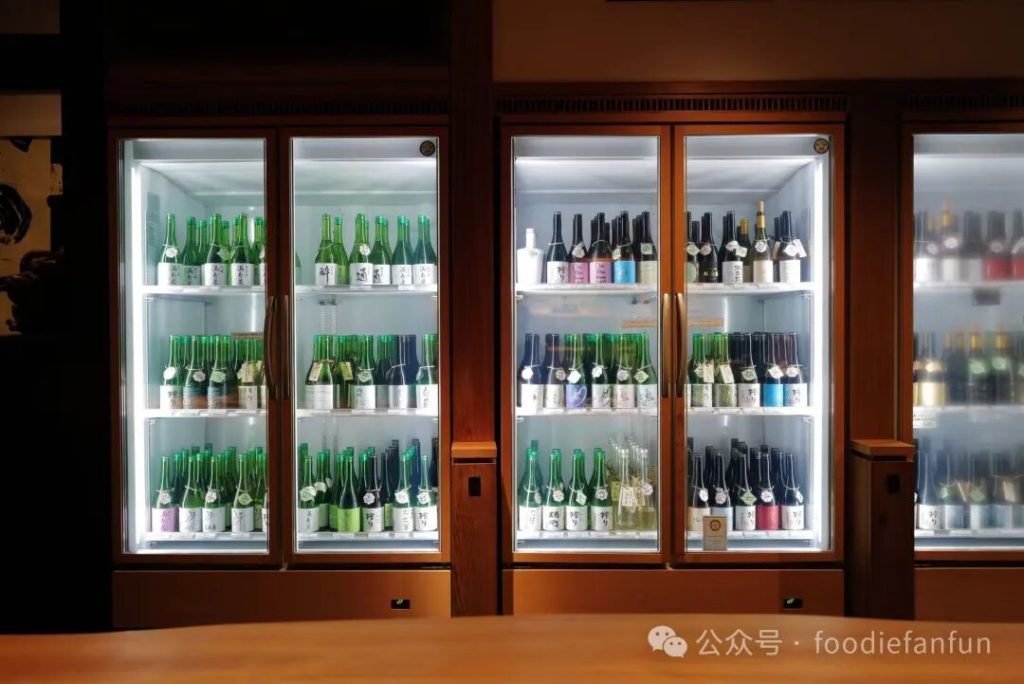
To be honest, the real purpose was to visit Masuda Sake Brewery’s Sazareishi, the home base of Masuizumi sake, where you can do a 15-minute all-you-can-taste session covering Masuizumi’s lineup, with three fridges essentially holding every bottle you’d ever find on the market.
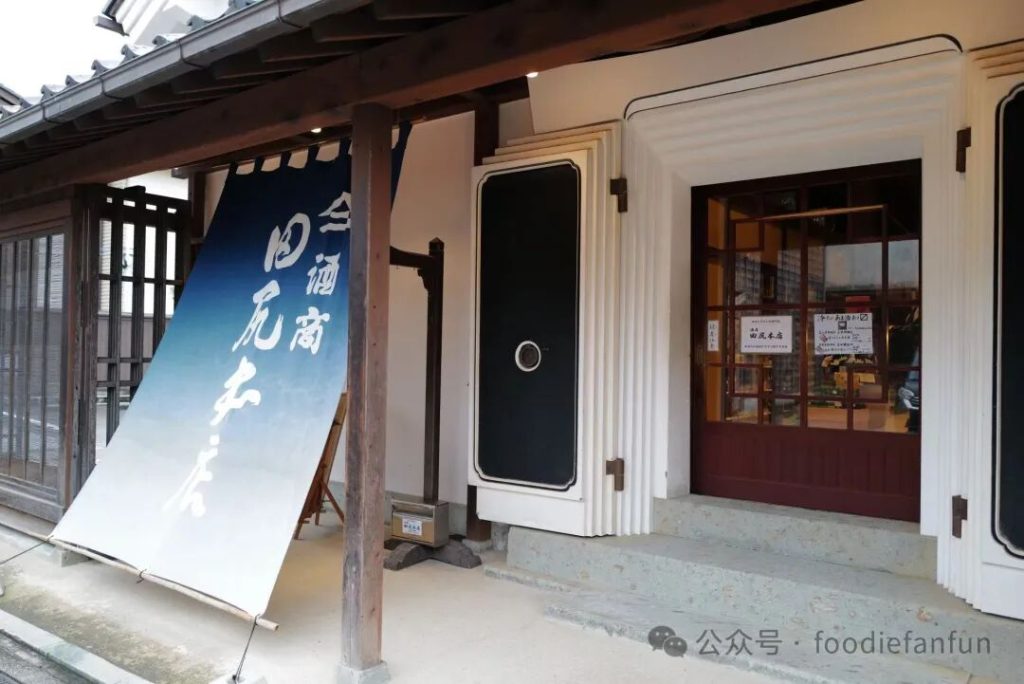
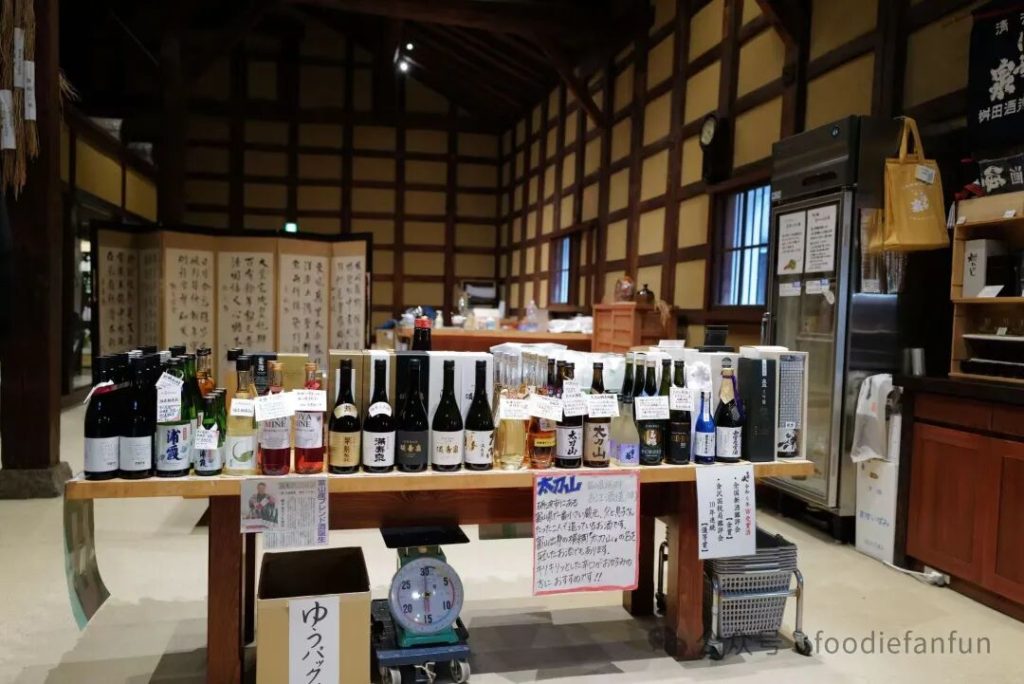
Then we went next door to the sake shop Tajiri Honten to pick out a few local Toyama sakes. We were surprised to find bottles that are basically only sold to restaurants, as well as some the shop ages in-house, like Katsukoma and a 20-year Masuizumi Hakugin.
The final stop was dinner: 御料理 ふじ居, famously Toyama’s eternal runner-up.
Two Michelin stars, Tabelog Silver Award, formerly #2 in Hokuriku, currently #2 in Toyama. But when it comes to kaiseki specifically, it’s unquestionably Toyama’s number one.
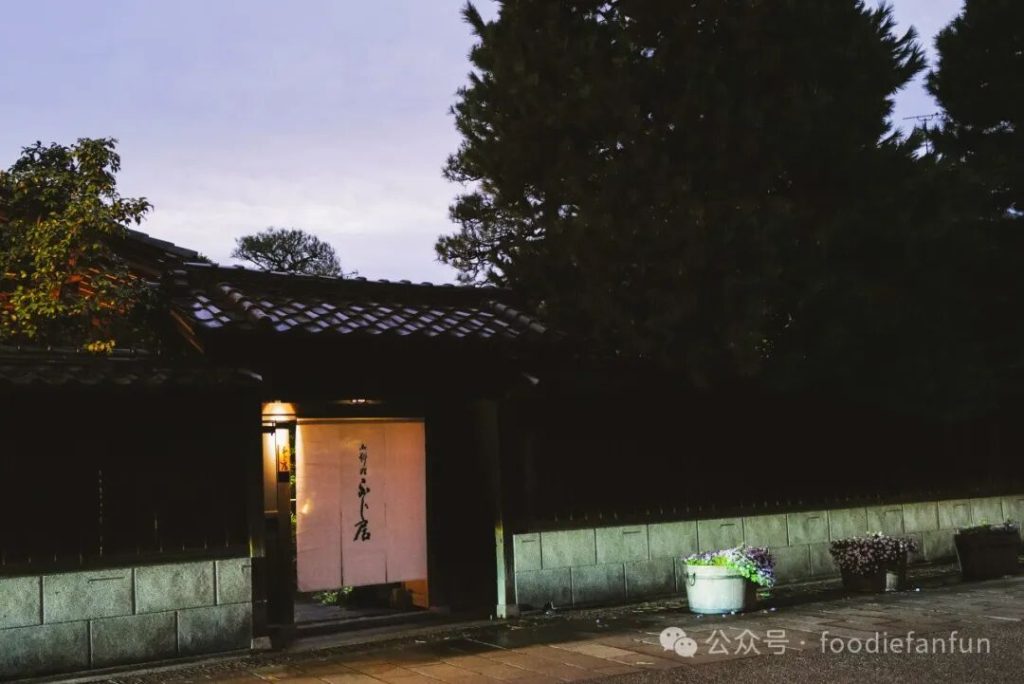
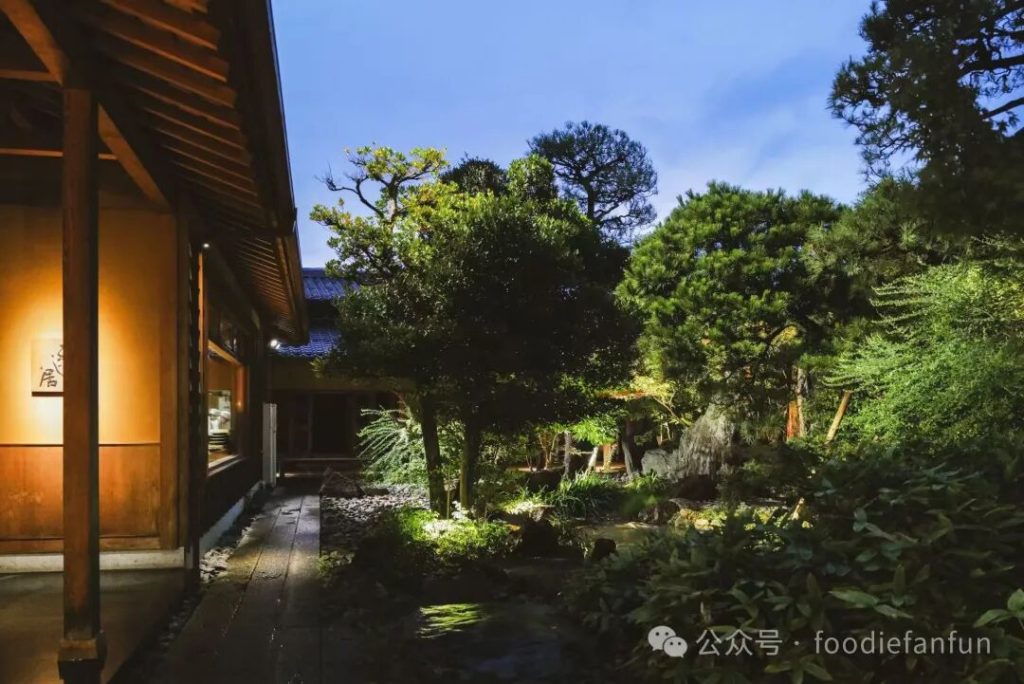
Head chef Fujii trained at a culinary school in Tokyo, then spent 11 years training at ‘Nihon Ryori Zeniya’ in Kanazawa and ‘Ajishita’ in Kyoto’s Gion district. He struck out on his own in 2011 to found 御料理 ふじ居, and in 2019 moved into its current location — a historic building right next to Masuizumi’s brewery.
Using water from Masuizumi’s own brewery cellar to make Toyama’s seasonal cuisine.
Whew — pure Toyama pride and luxury, through and through.
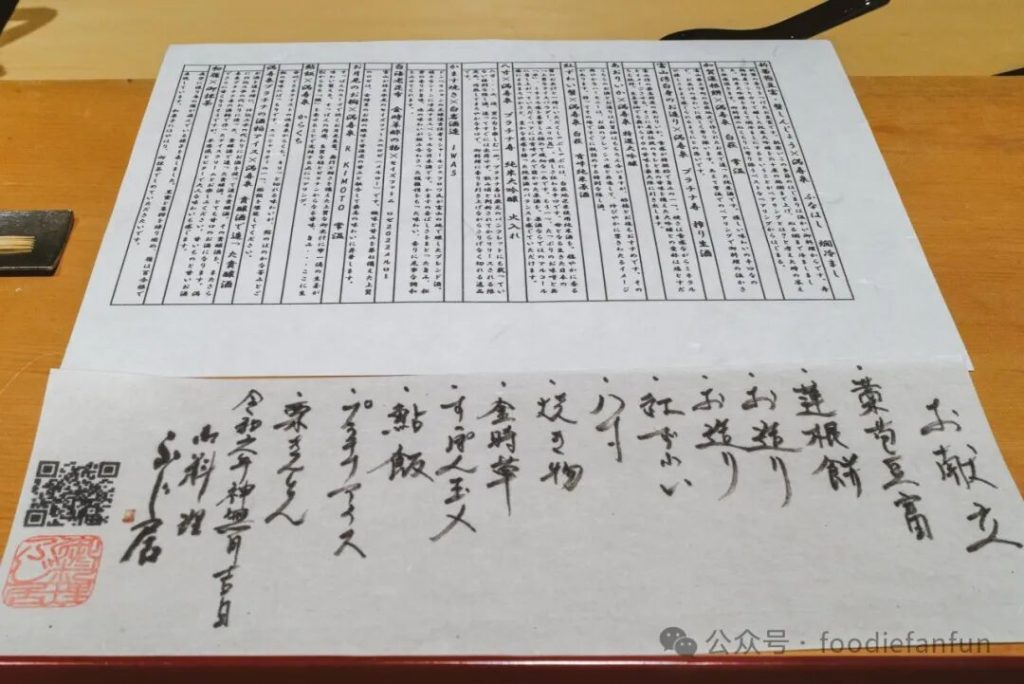
The menu changes with the season. In early October, right as red snow crab first arrived, the restaurant only offered a ‘value set’ at ¥30,000 per person.
By late October into mid-November, prices peak with a ¥120,000-per-person matsutake set, and then from there until early spring, the restaurant also offers a ¥60,000-per-person local Toyama crab set.
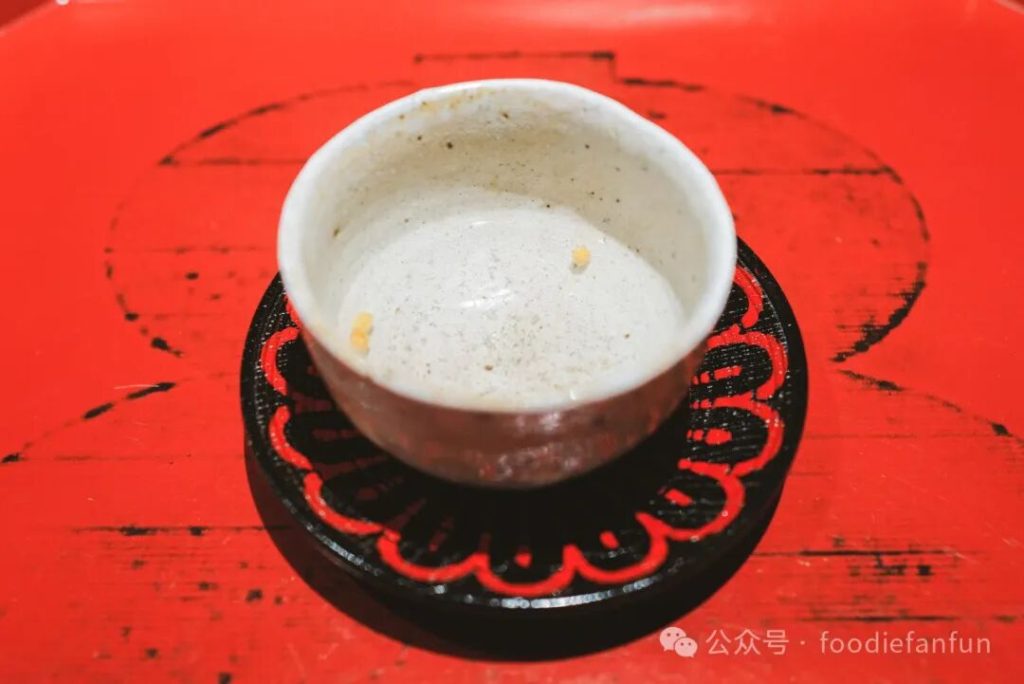
Fried rice-tea
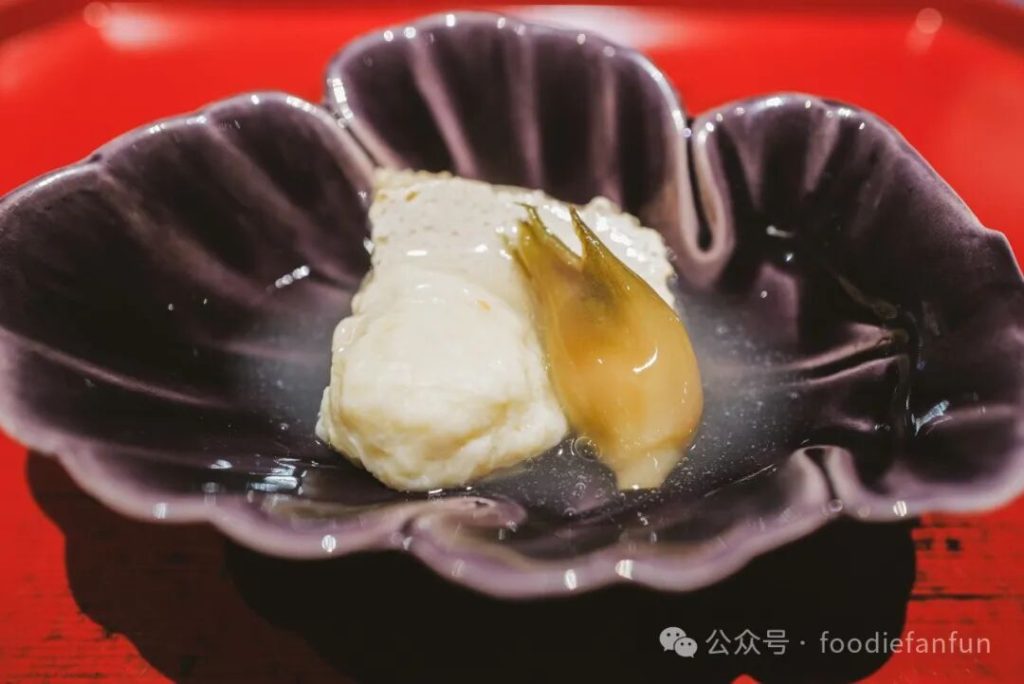
Red snow crab meatball, tofu, myoga ginger
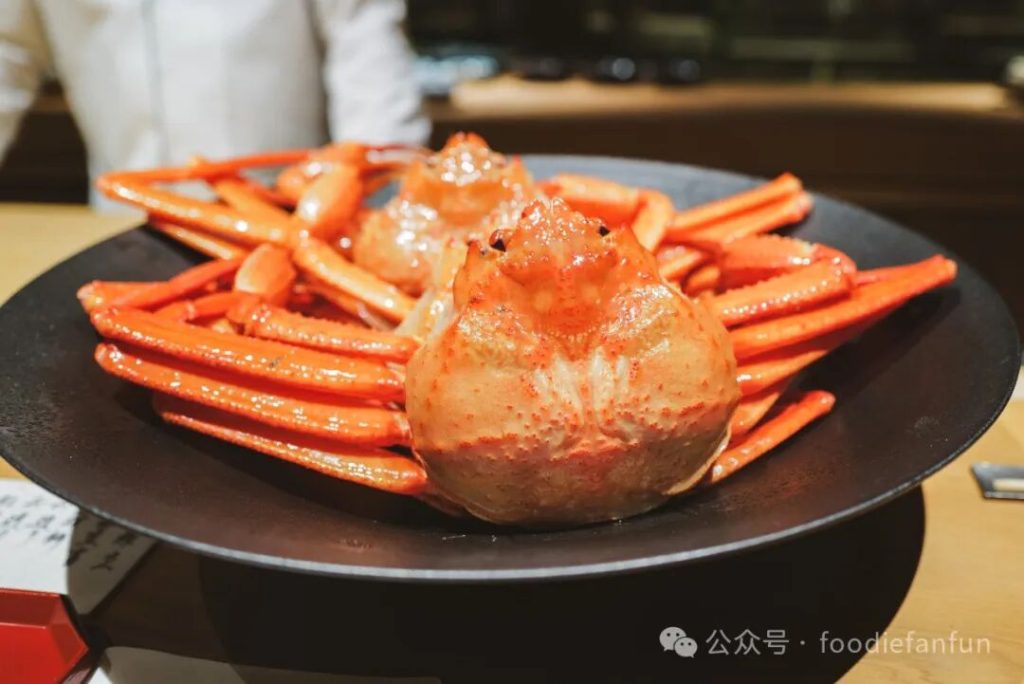
After showing off an arm-length crab before the meal started, Fujii went straight to work at the counter, cracking the shell open and snapping off the legs.
Twenty minutes later, it reappeared as the first dish on the table — a crab ball simmered to intense freshness, packed full of nothing but crab meat, every delicate thread of it distinguishable. Paired with tofu and myoga ginger, it set the tone for the meal’s freshness right from the start.
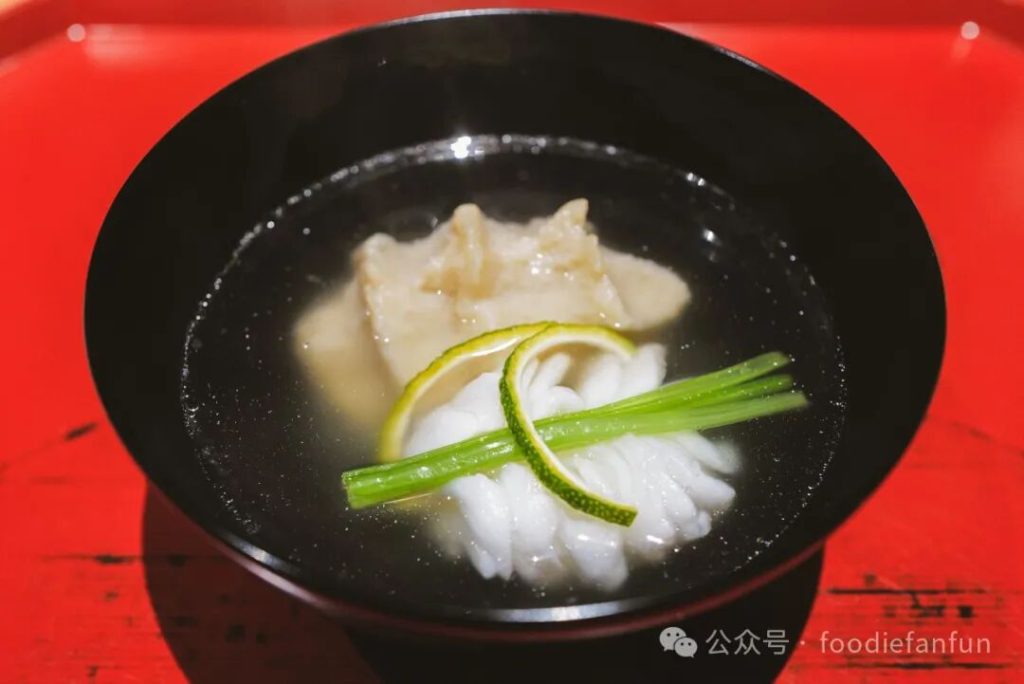
Lotus root, flounder
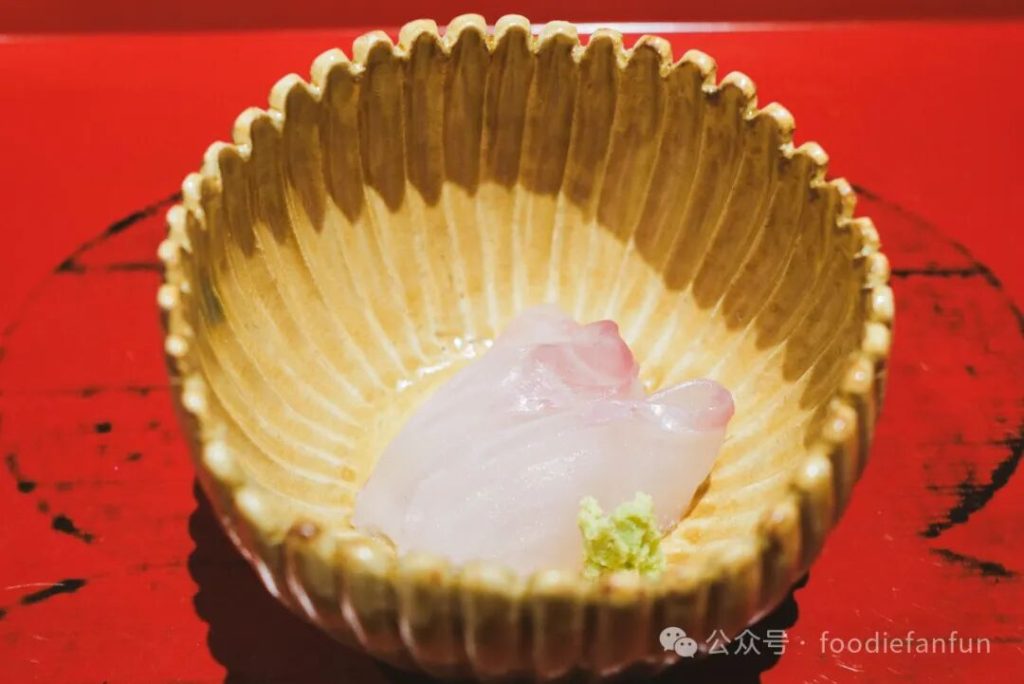
Young grouper, wasabi soy sauce
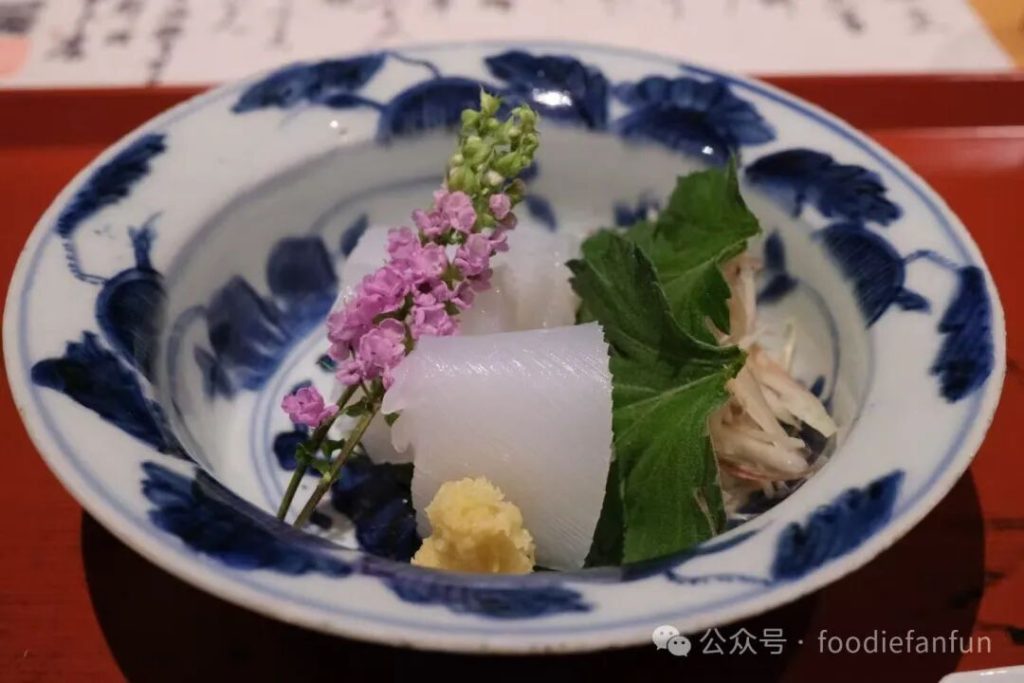
Firefly squid, ginger soy sauce
The lotus root was made into a little cake — sticky to eat, but its aroma was remarkably fresh. The flounder here was more than happy to play a supporting role, evening out the dish’s freshness and setting up the sashimi to come.
Both the grouper and the squid come straight from Toyama Bay’s local port, seasoned simply with just wasabi and ginger. But the springy bite alone was proof enough of how good the local seafood is.
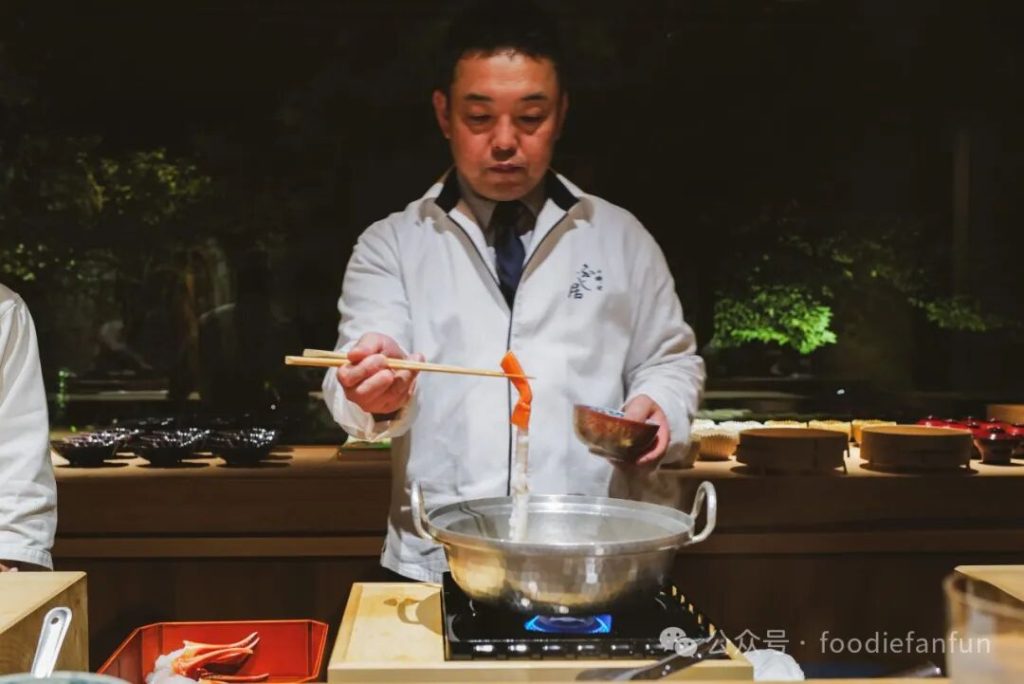
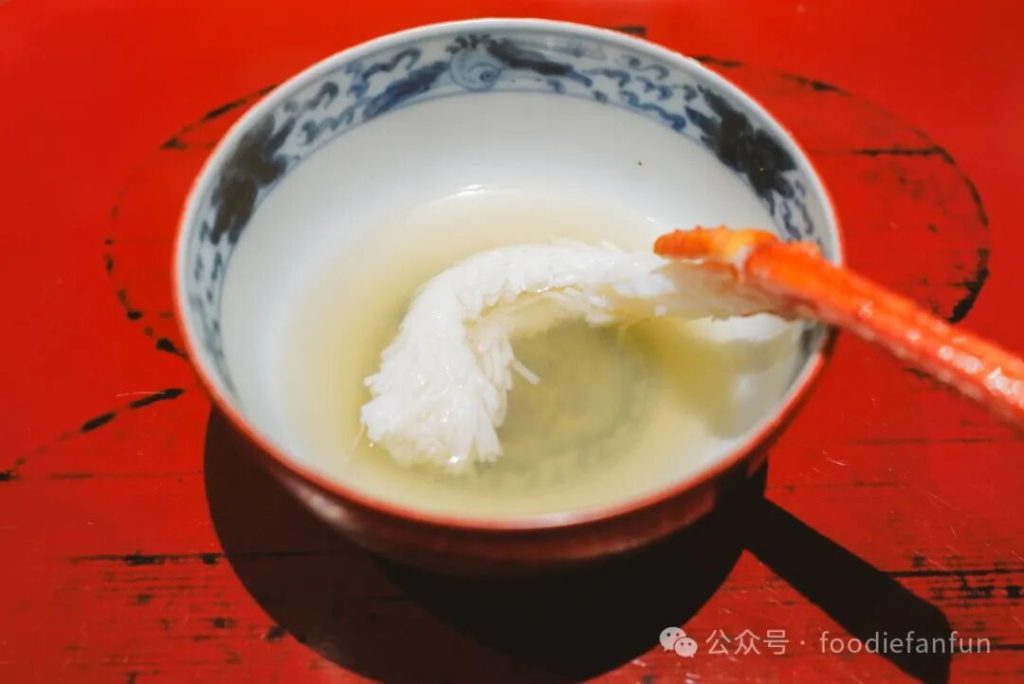
Red snow crab leg
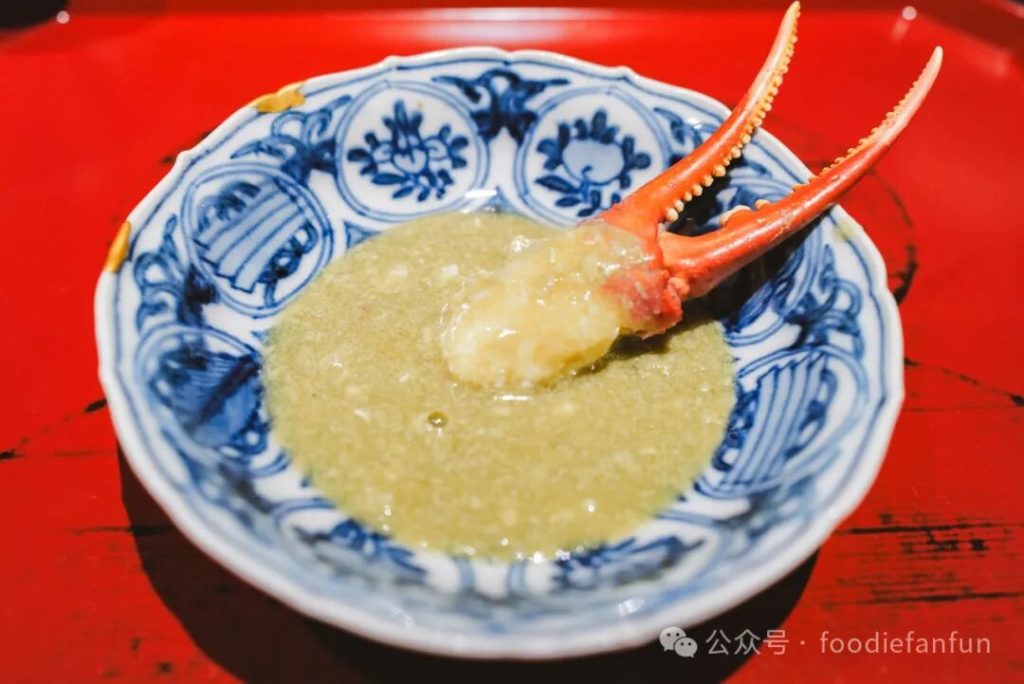
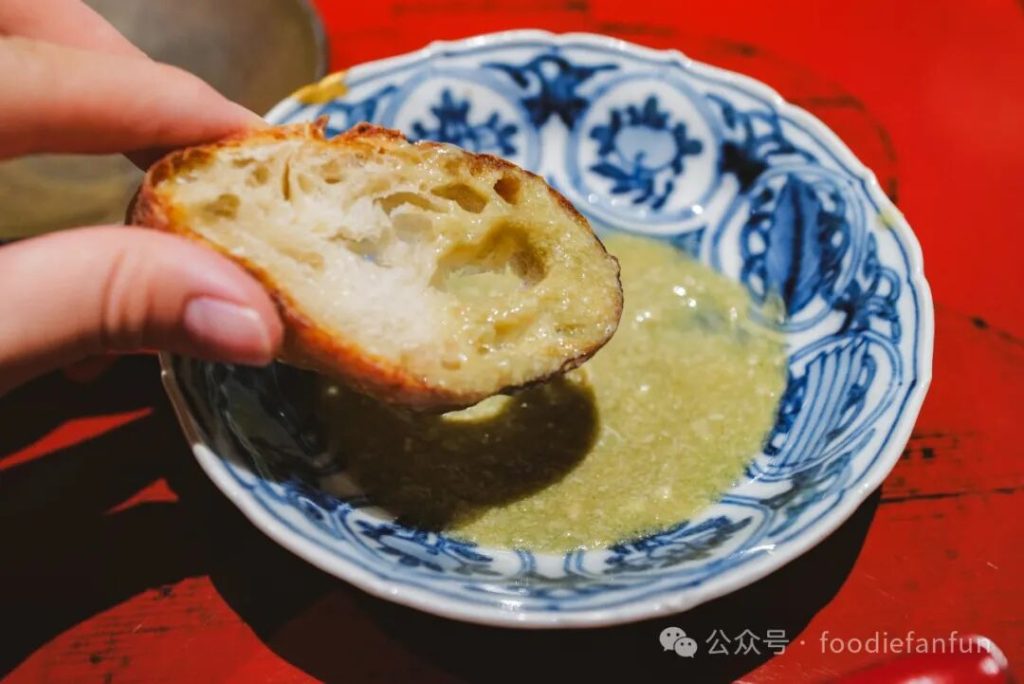
Red snow crab claw, crab miso
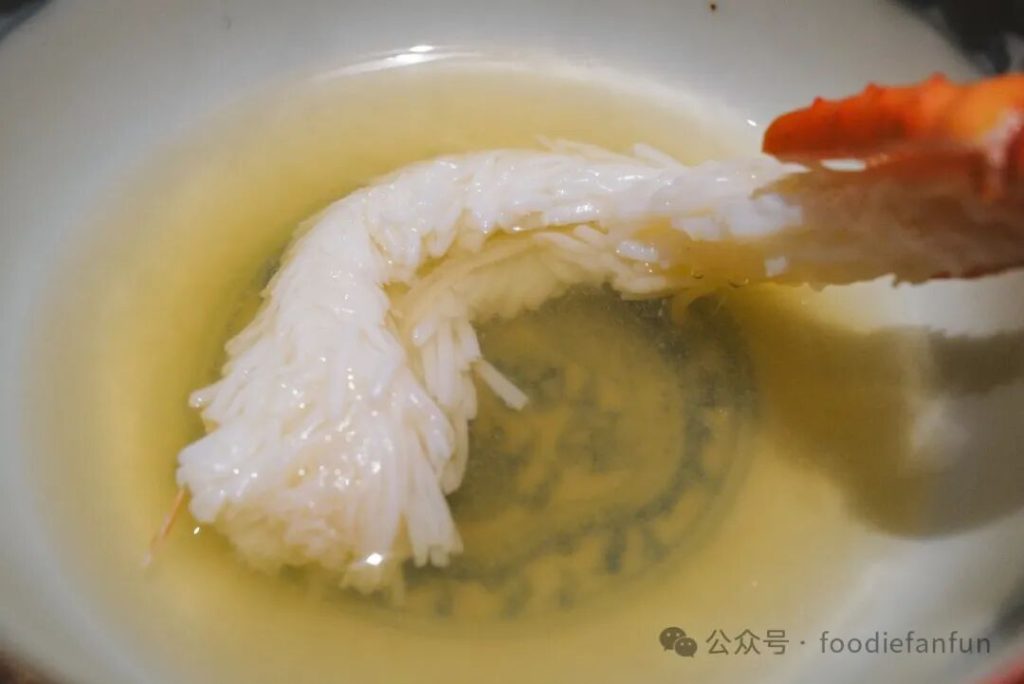
The kitchen brought out a large pot, shelled crab leg, and gave it a quick hot-pot-style swirl. Fujii handled it himself, swishing it in the pot for a few seconds before pulling it out — exactly like a Beijinger swirling tripe in hot pot.
The crab meat unfurled in the broth like beautiful petals, and just watching it drift around the bowl told you how tender it would be. The broth itself was made from the crab shells — one bowl and the umami hit straight to the top of your head.
The crab claw meat, on the other side, was much firmer, dipped in a crab-roe-based miso that amplified both the umami and aroma. Worried we’d hate to leave anything behind in the bowl, they even provided a small piece of baguette to mop up every last bit of the crab’s essence.
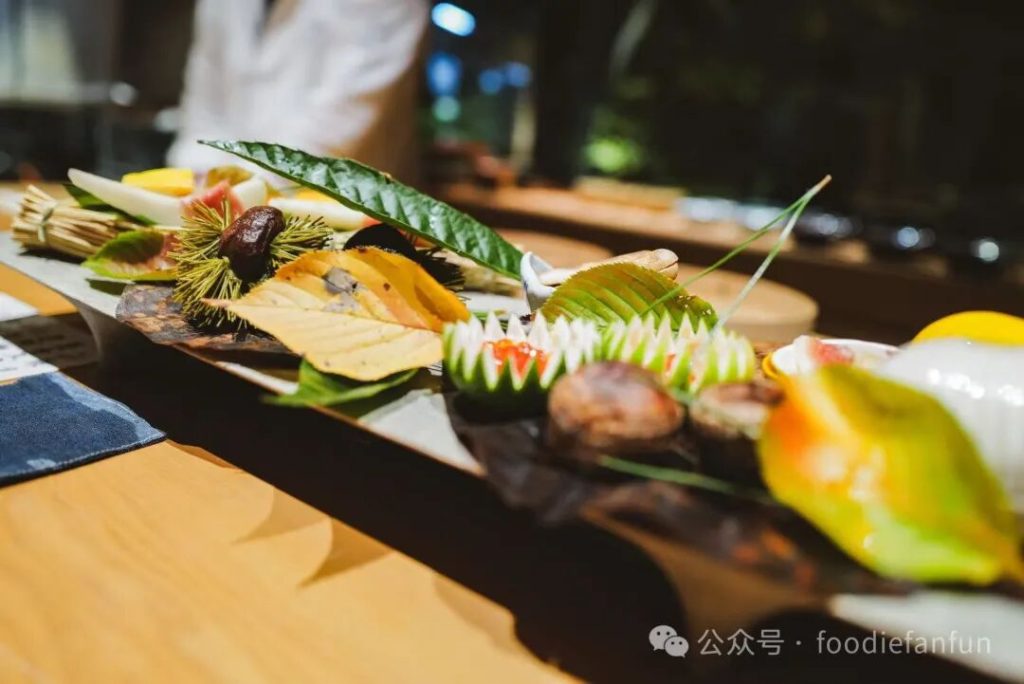
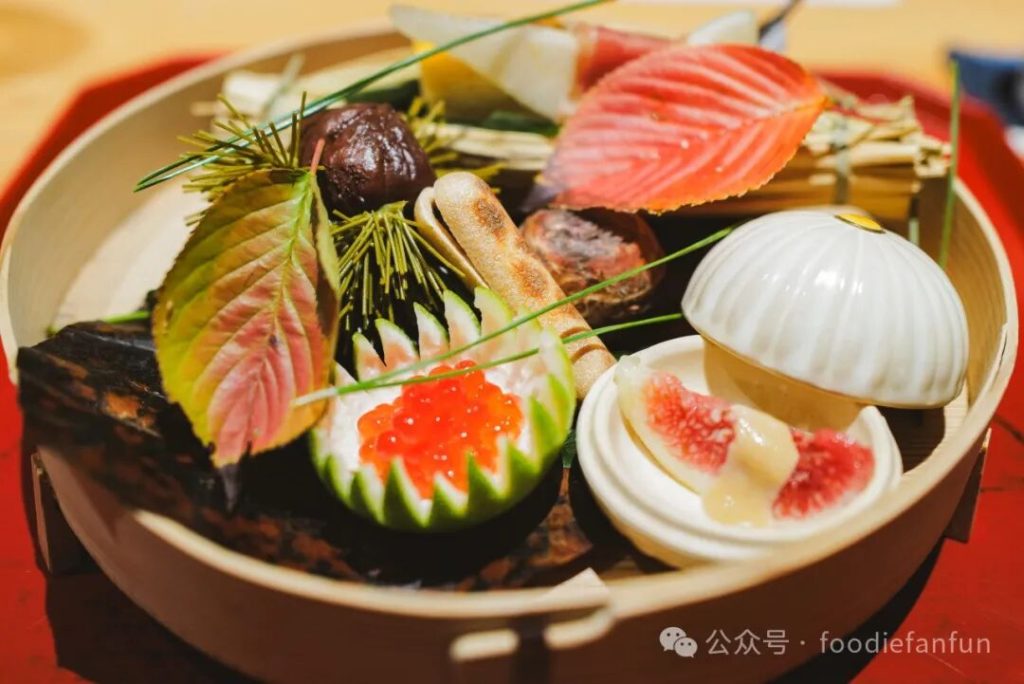
Hassun | fig with sesame oil, pear-wrapped ham, kochia seed puff
Salmon roe, chestnut, rolled egg, taro
As the kingdom of Hokuriku produce, crab can only ever be one star among several in a kaiseki meal — the hassun course is where the ingredients truly get their stage.
Chestnut, pear, black fig, salmon roe, kochia seed, taro… almost none of it was seasoned heavily — the ingredients’ own flavor alone was fragrant and delicious enough, showing off the freshness, variety, and seasonality of local produce.
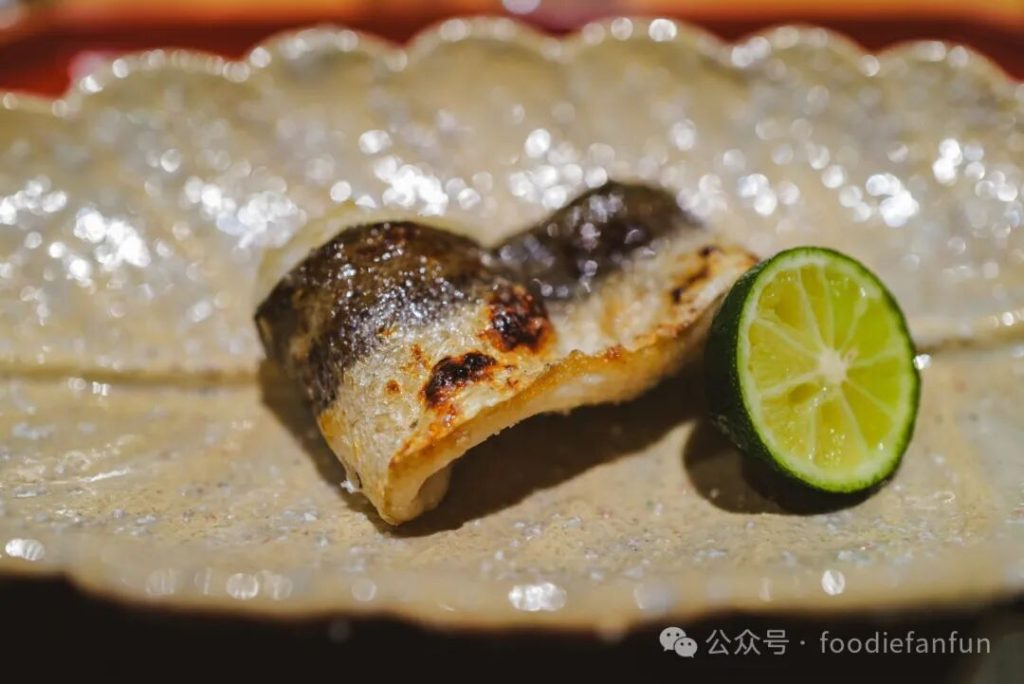
Grilled Japanese sea bass (suzuki)
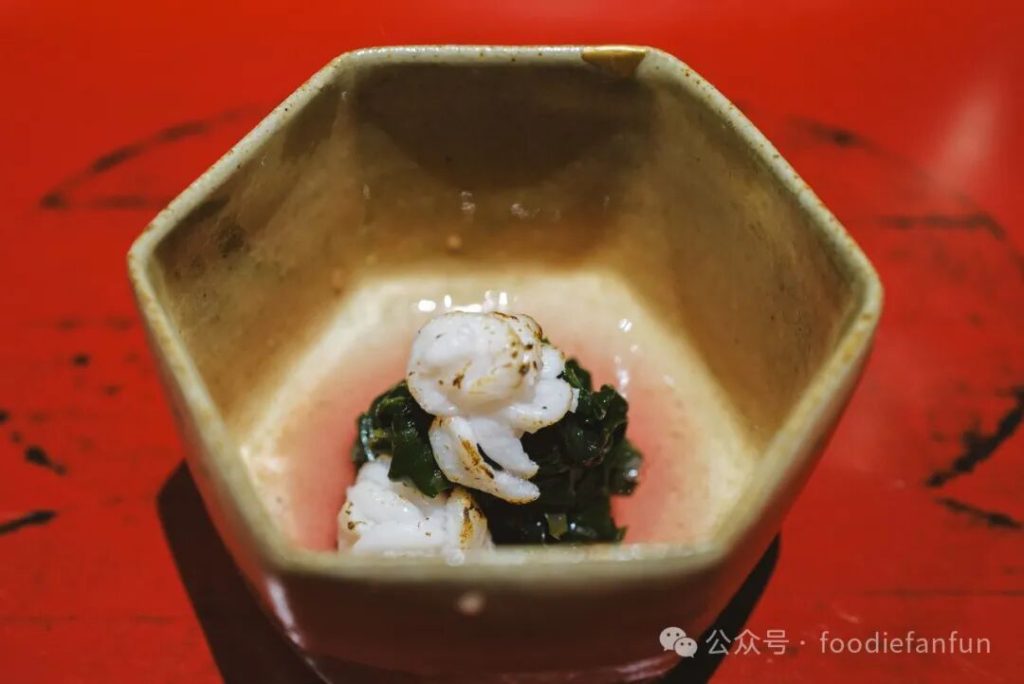
White shrimp, kombu, Kintoki-so
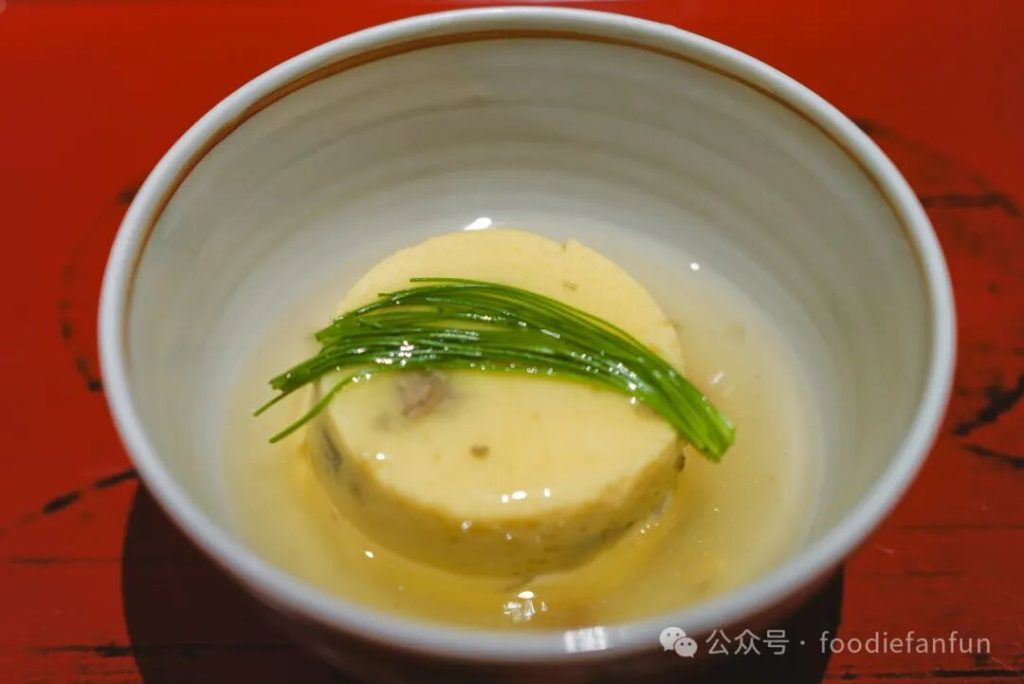
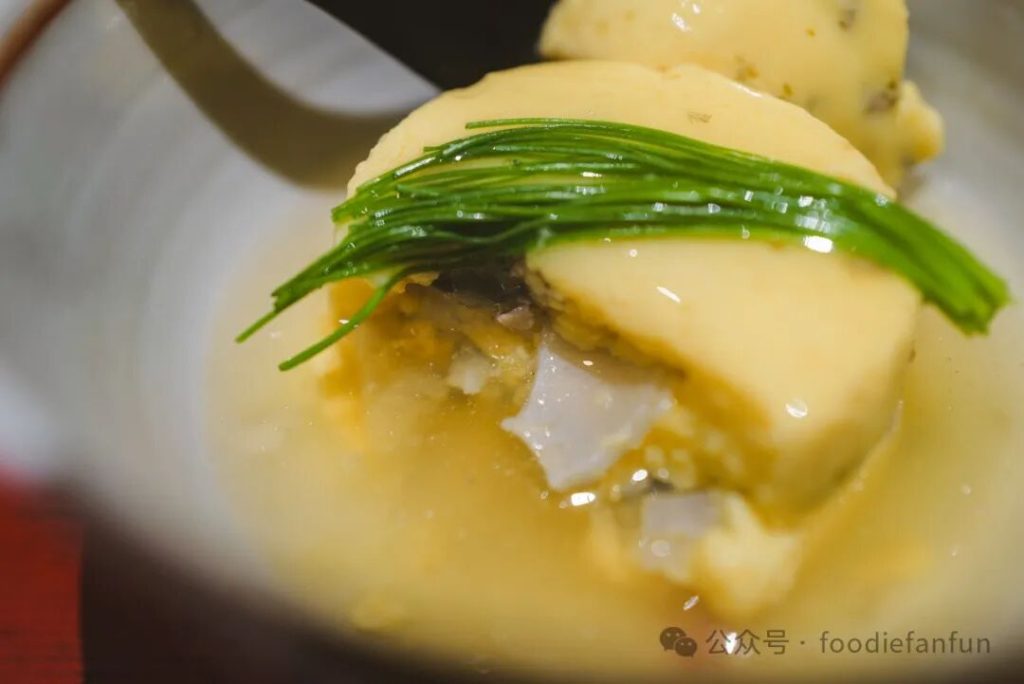
Moon-viewing tofu, softshell turtle, ginger
Next up was the sea bass — the flesh was still a bit thin for the season, but the charcoal-grilled skin was full of aroma.
Softshell turtle had just come into season, paired with a relatively firm steamed egg custard called ‘moon-viewing tofu’ — soft, gelatinous texture and solid umami. It looked humble, but was actually a complex umami bomb.
Between the two side dishes, vinegared Kintoki-so gave the palate a reset — this vegetable is a somewhat distinctive Hokuriku summer specialty that’s not widely known, so the restaurant even brought out an ingredient guide to explain it in detail. Toyama white shrimp on top, every small detail showing off the diversity of local ingredients.
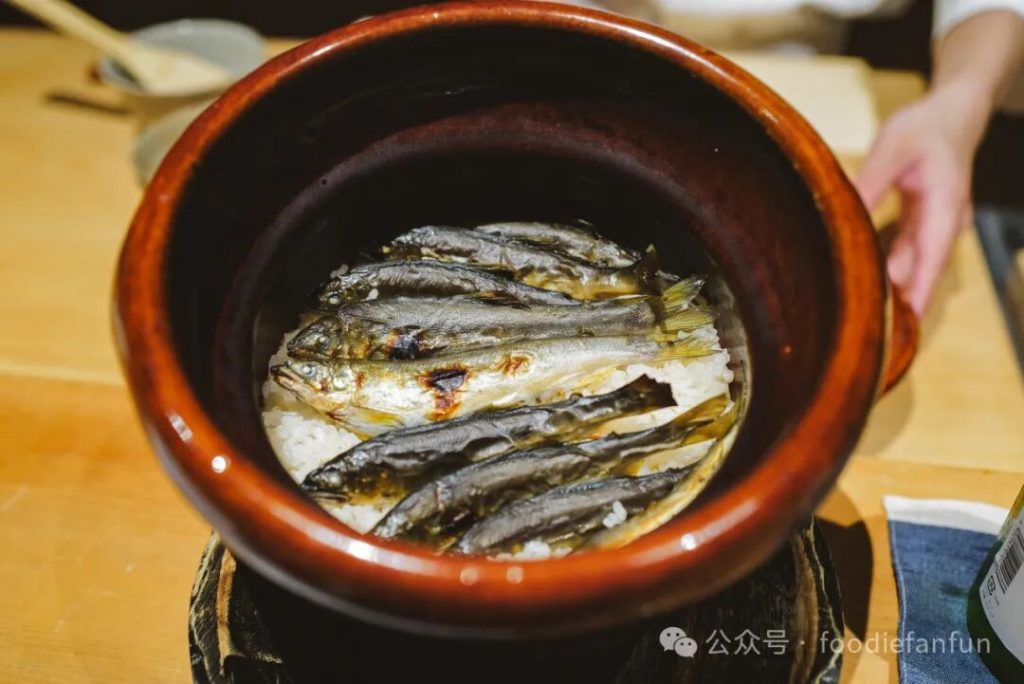
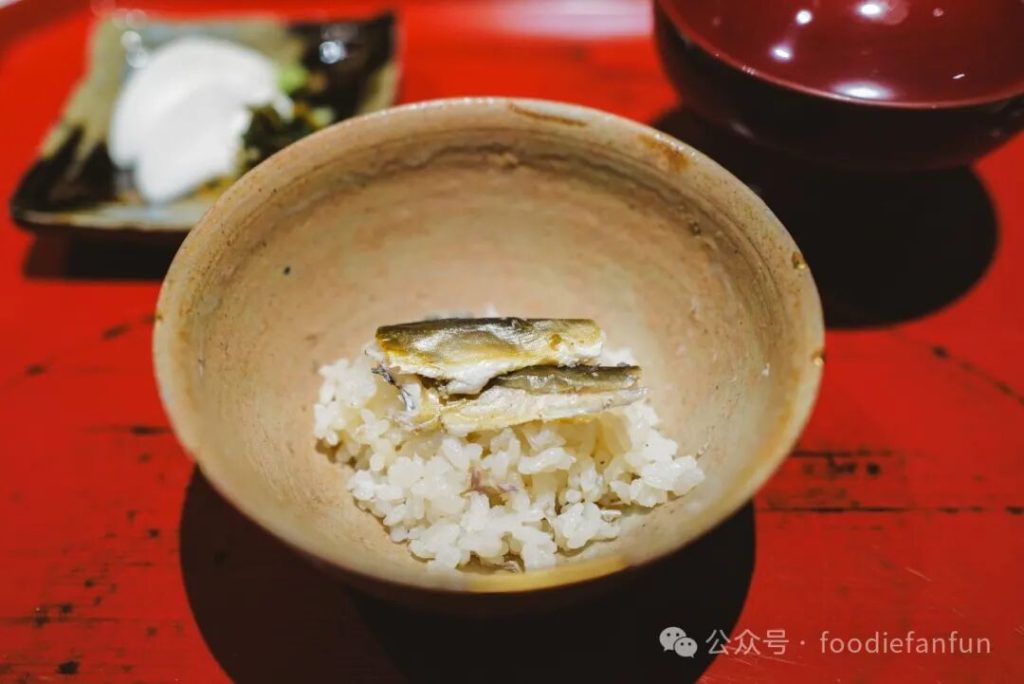
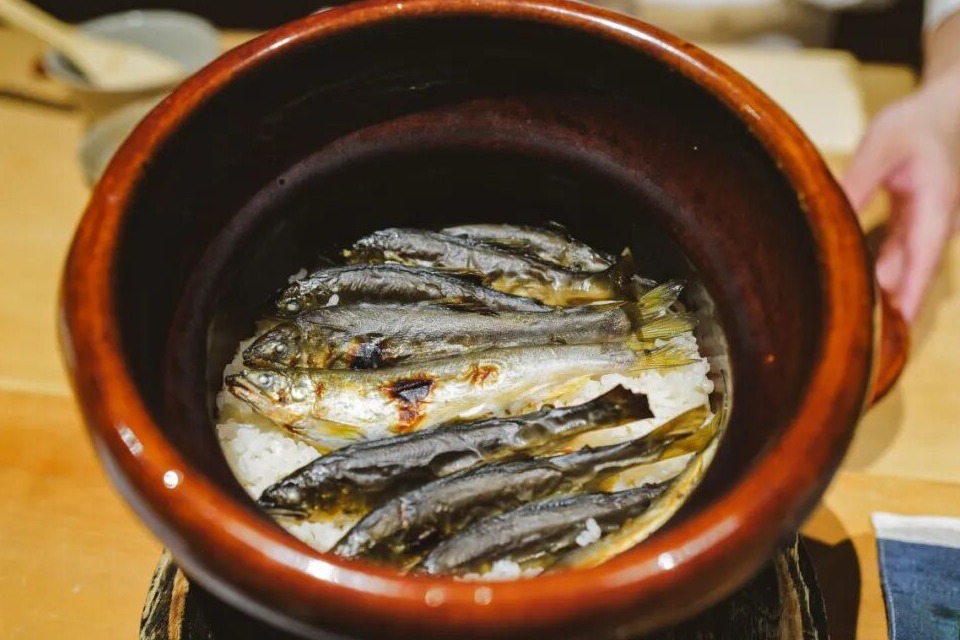
Ayu sweetfish rice pot
For the rice course, still following the theme of freshness hitting all the way to the top of your skull, they caught the tail end of ayu season with a pot of ayu sweetfish rice.
By this point in the season, the fish were already big enough to blanket the entire clay pot — the aroma was incredible.
Even though we were already about 120% full, we still finished off the entire bowl of rice. The staff politely asked if we wanted a refill — we shook our heads immediately.
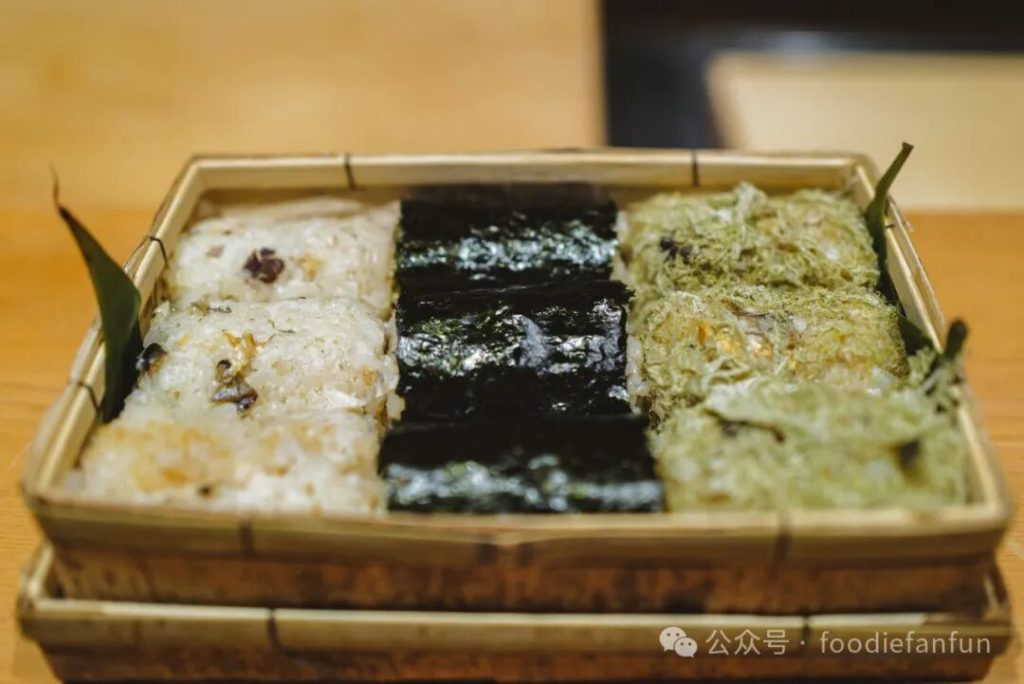
Not long after, a neatly-shaped rice ball made from the ayu rice was brought out — perfect for enjoying the same flavor again at lunch the next day.
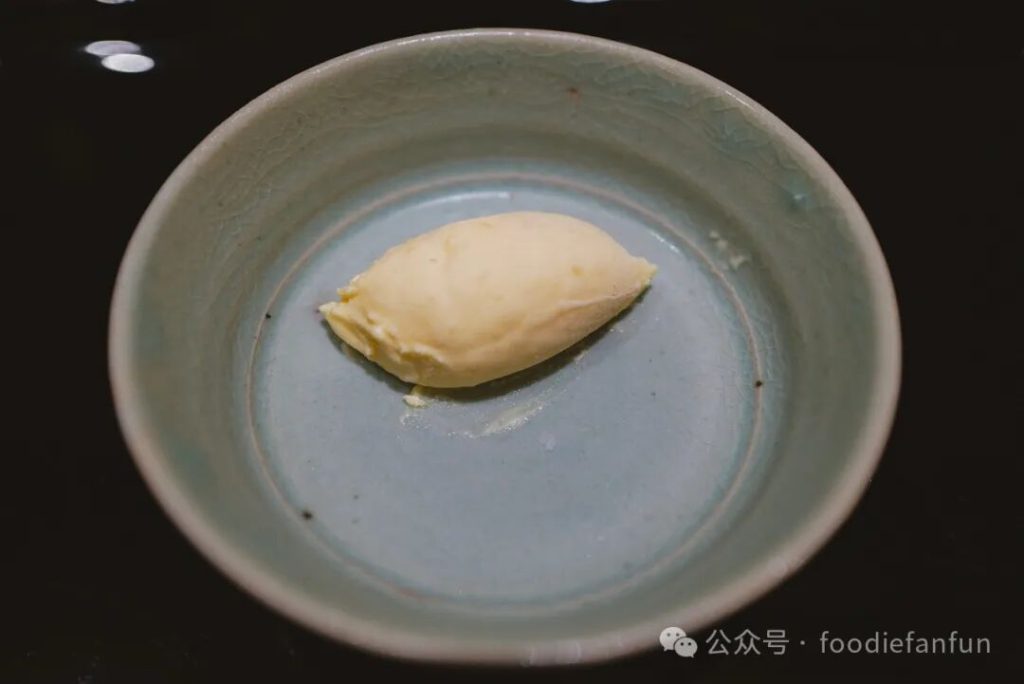
Masuizumi sake lees ice cream
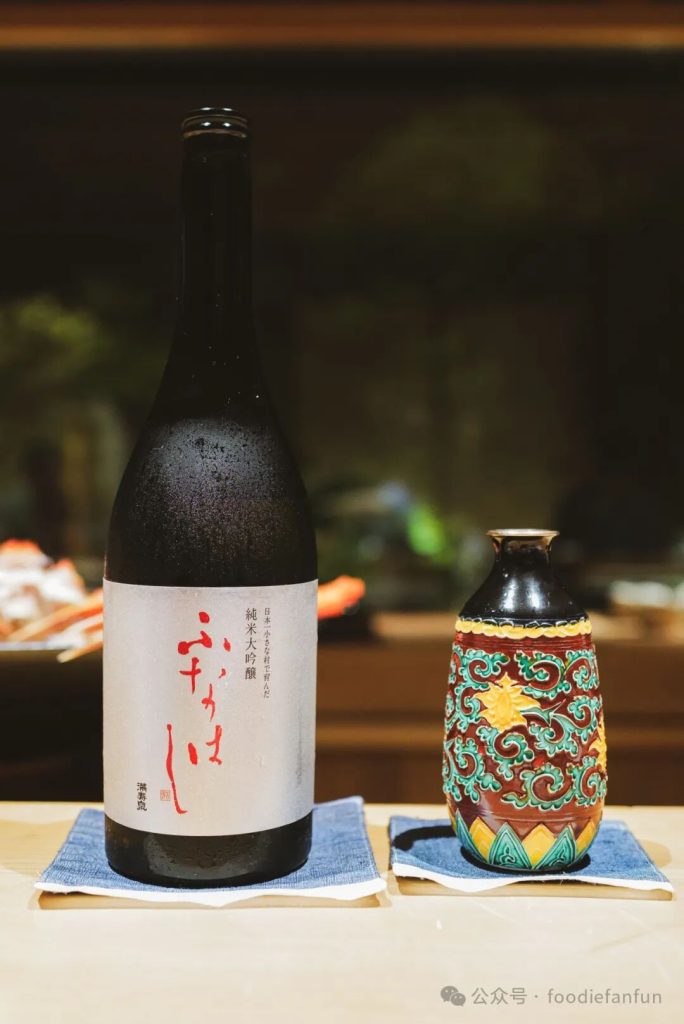
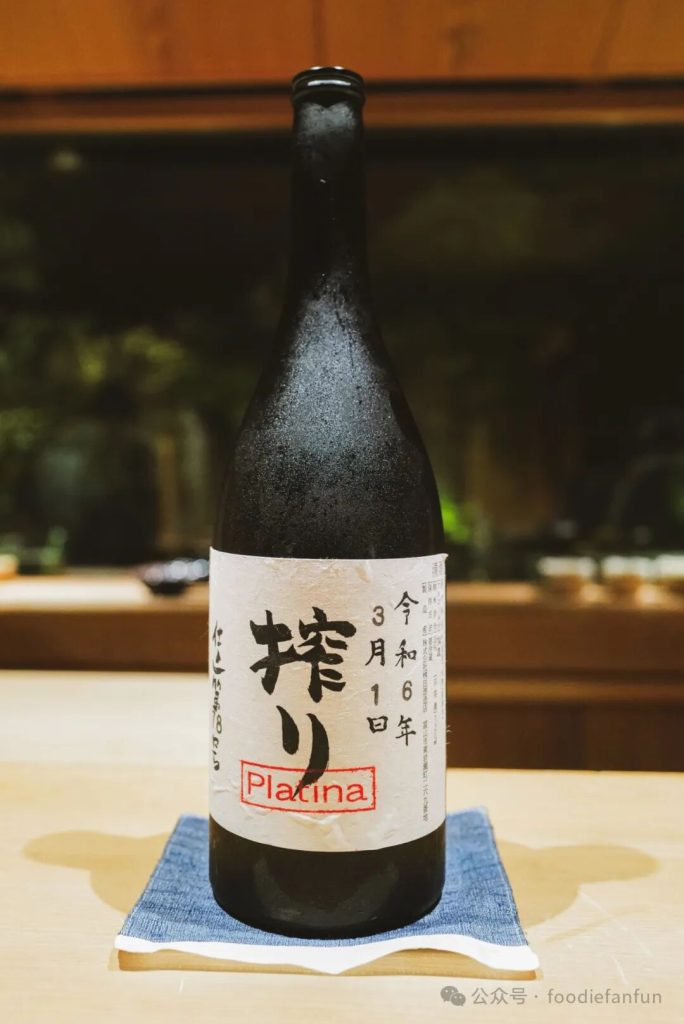
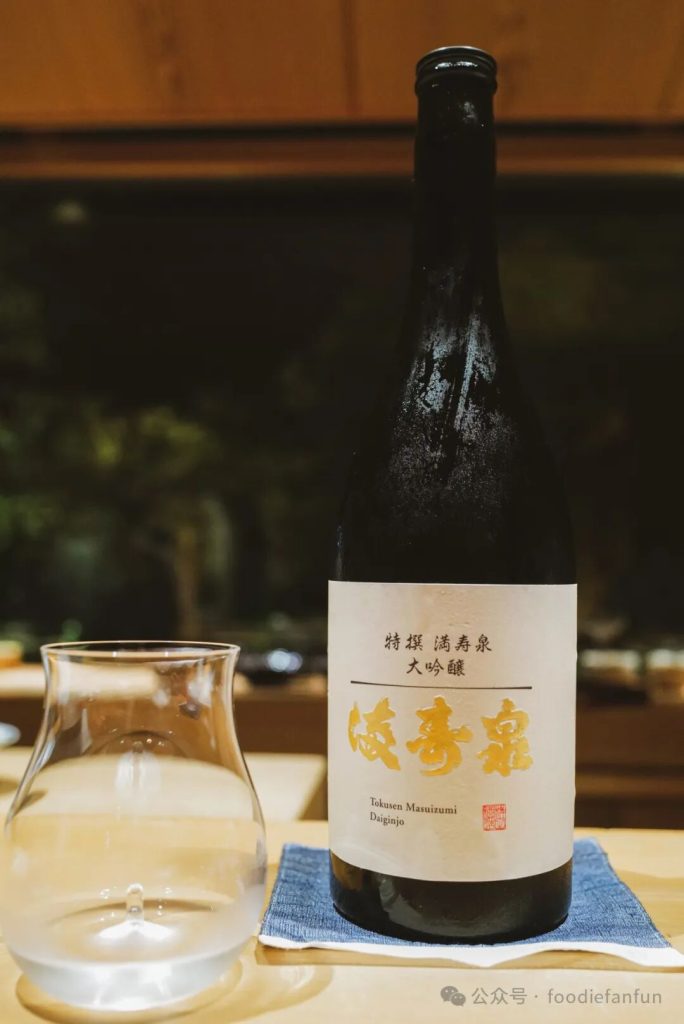
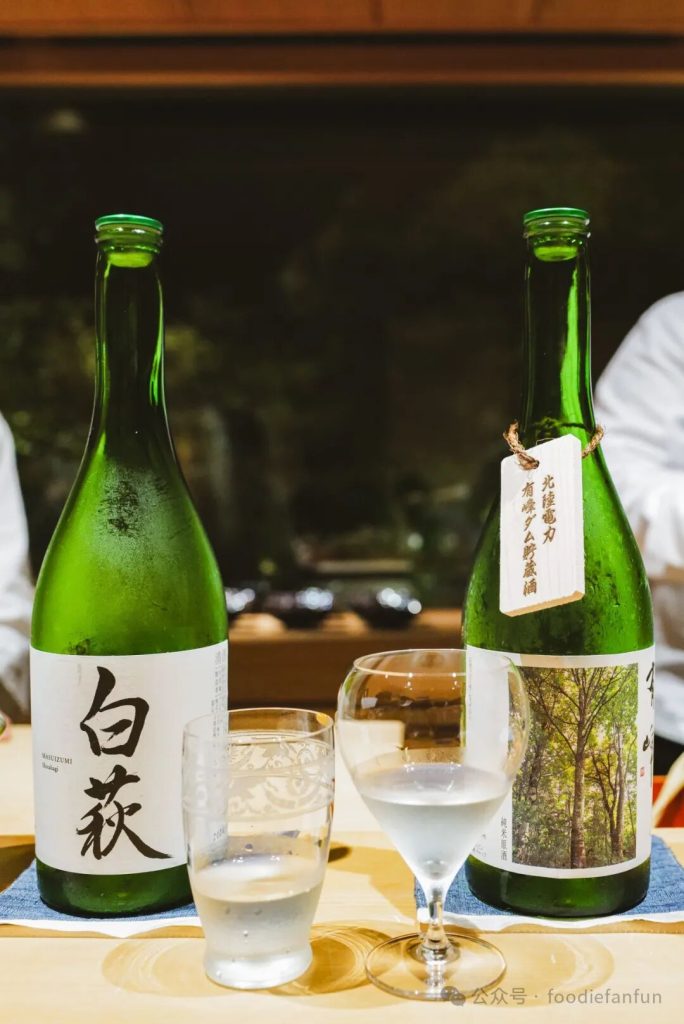
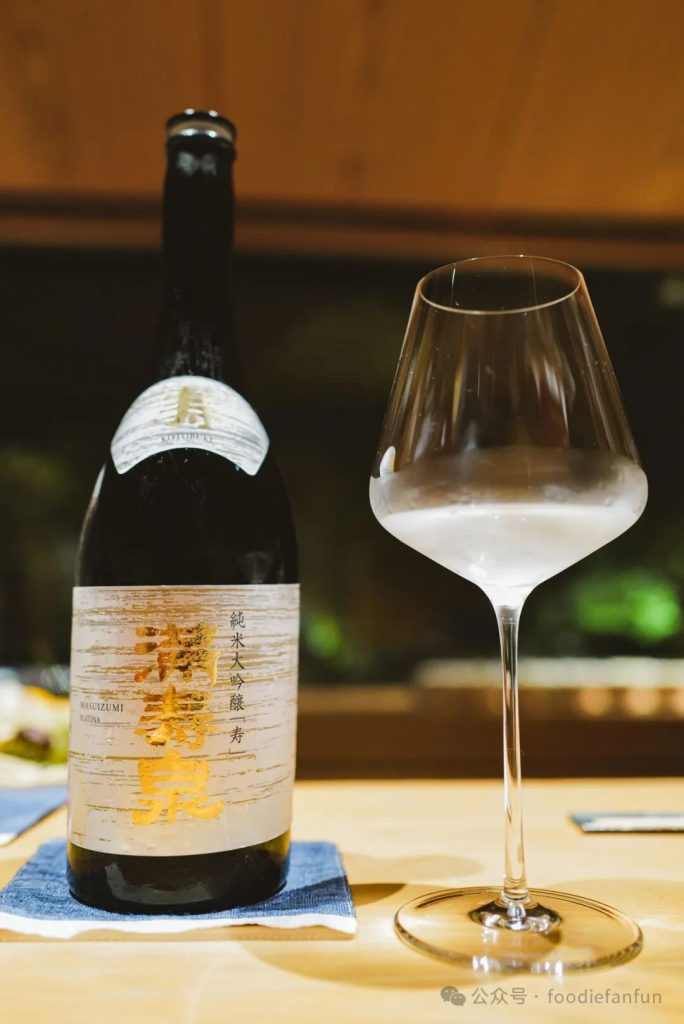
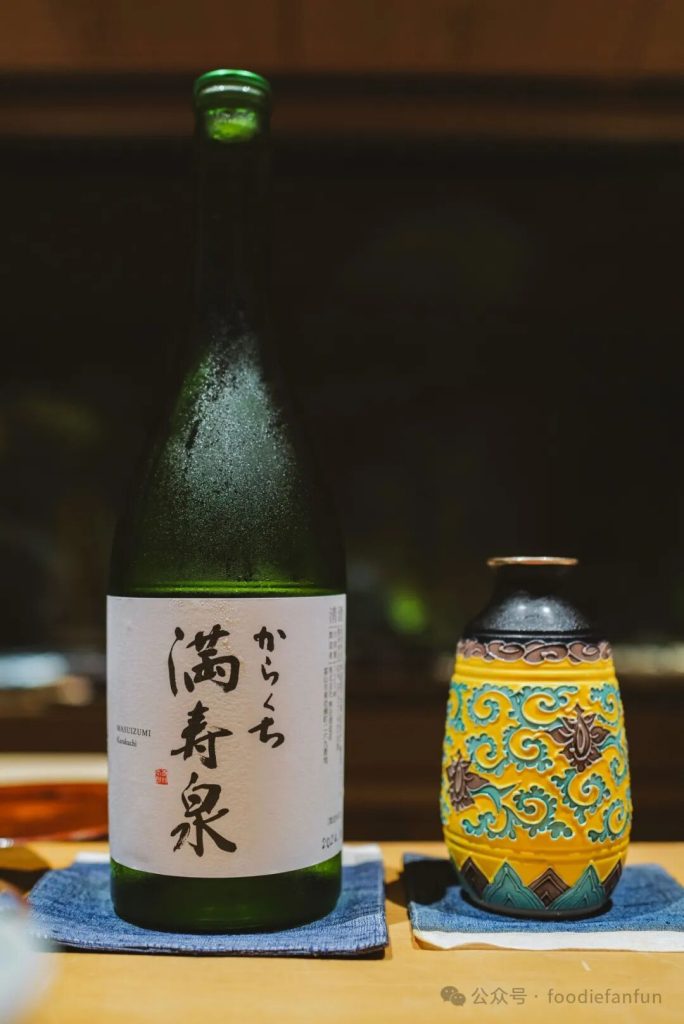
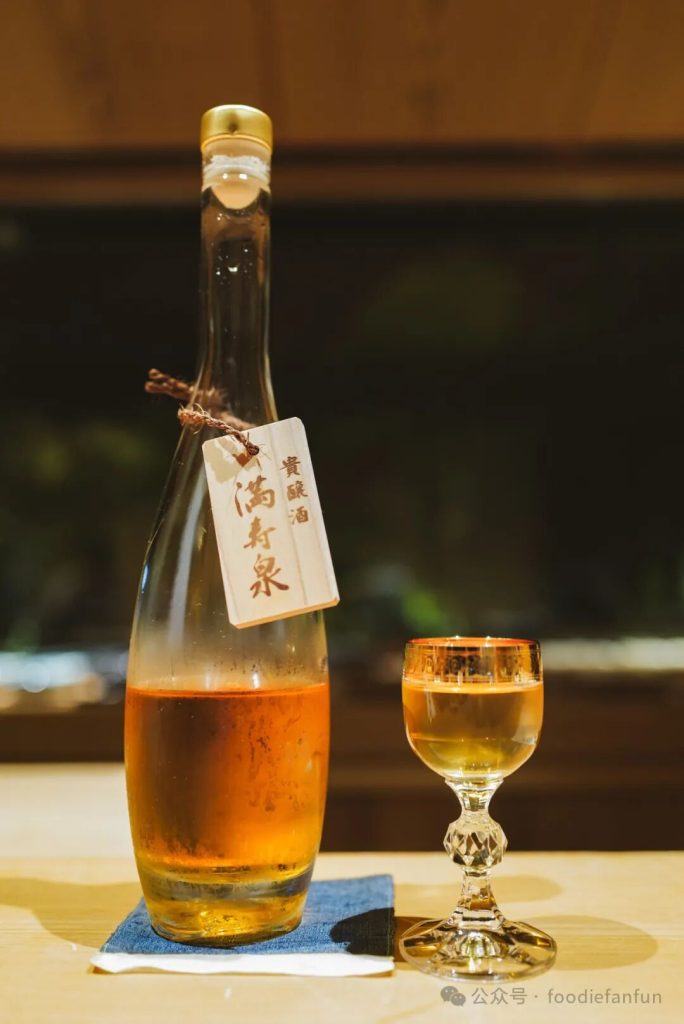
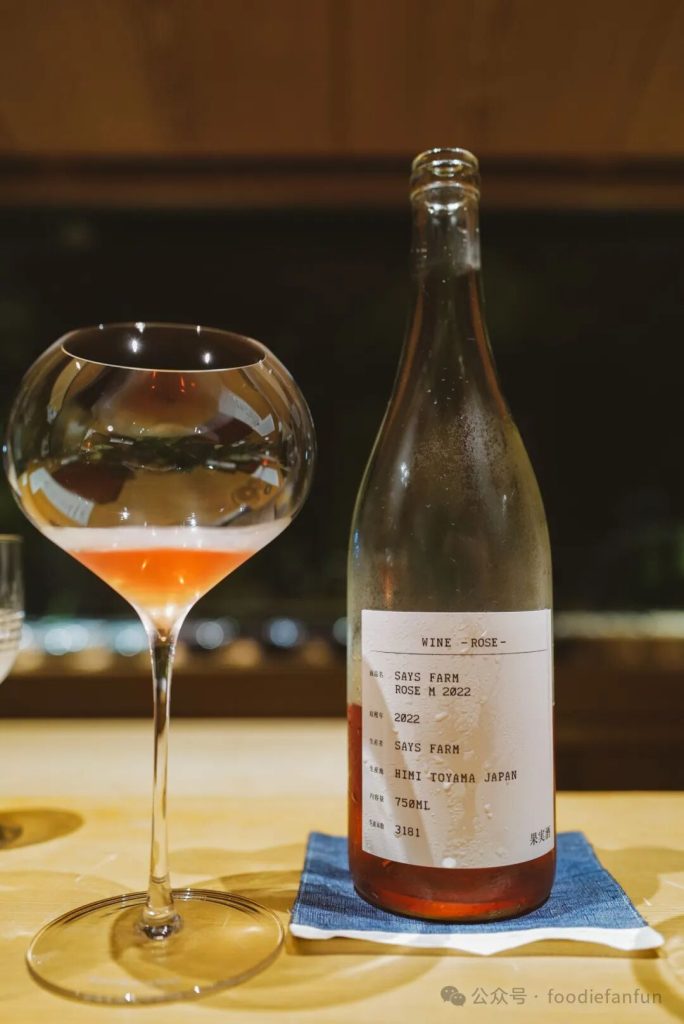
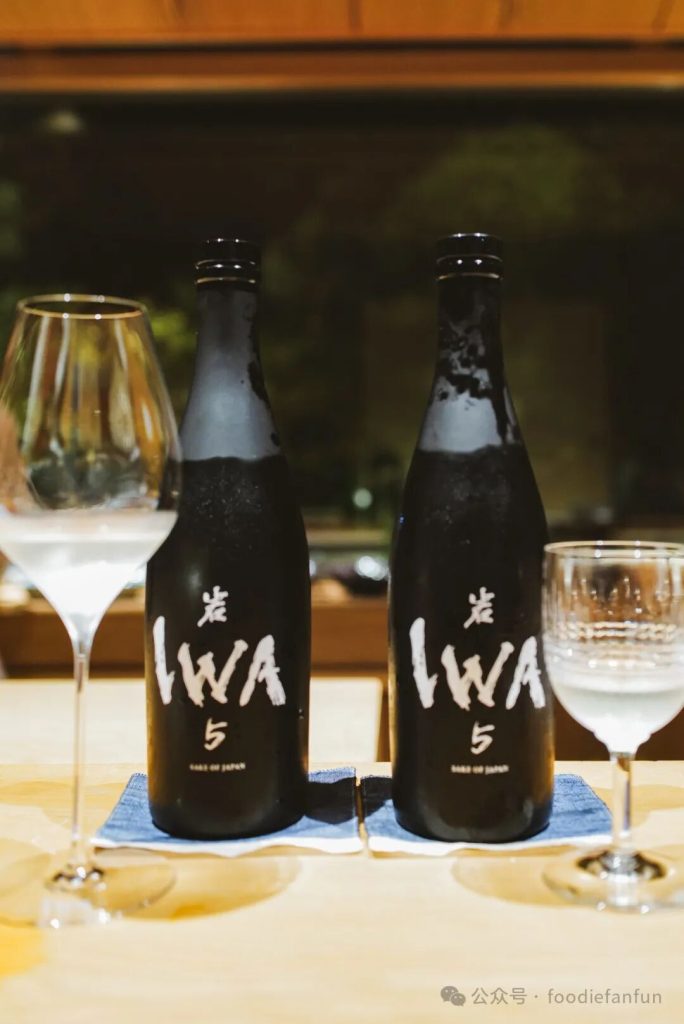
The pairing at ふじ居 was almost entirely Masuizumi sake, with two Iwago bottles thrown in for comparison. From the vessels to the serving temperature, each bottle was matched with careful, differentiated attention — full of the refinement that only a traditional ryotei can offer.
That said, the match with the food itself left something to be desired — food and wine each went their own way, without clashing, but without truly complementing each other either.
If you’re into Masuizumi, go for the full pairing; personally, on a return visit I’d order by the glass instead 100% of the time.
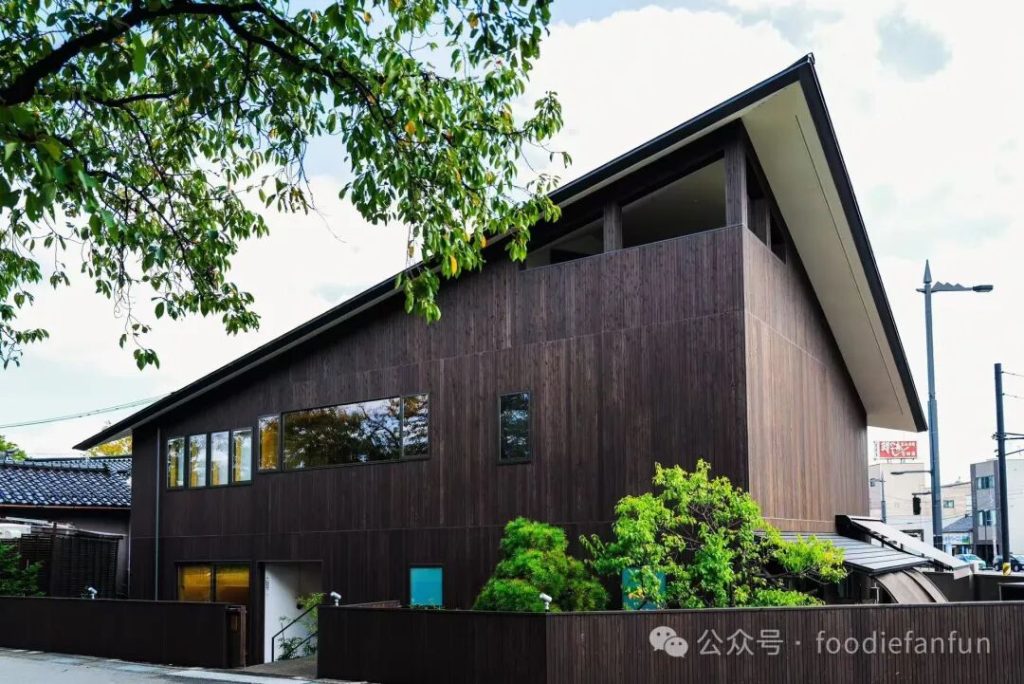
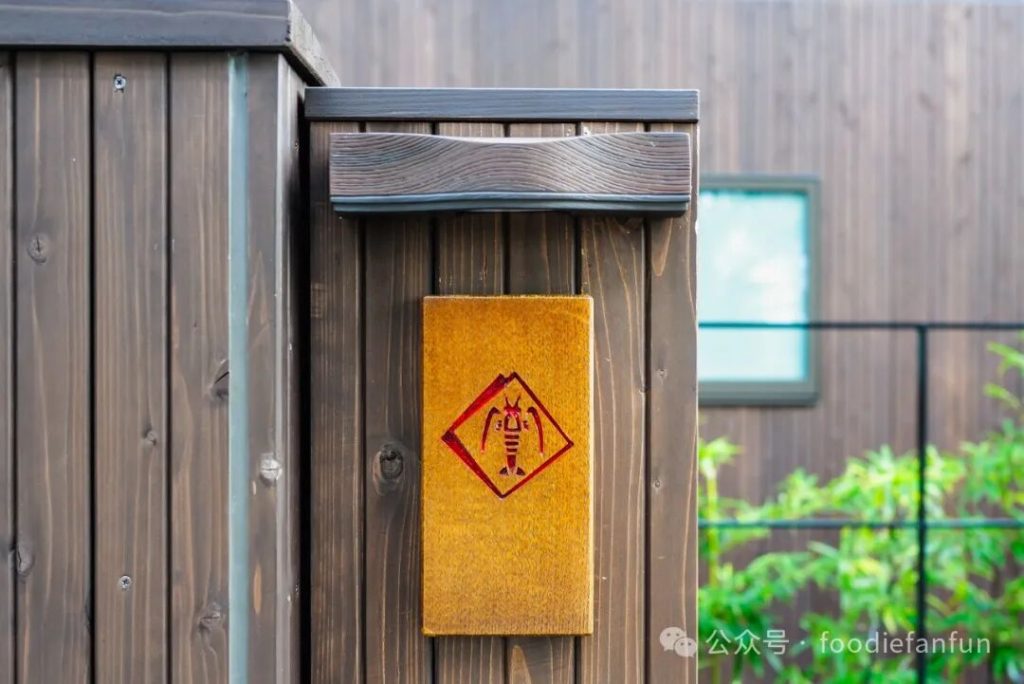
The other kaiseki meal on the itinerary was a visit to the low-key, fourth-generation ryotei Ebitei Bekkan.
Awarded two stars in the 2016 Toyama-Ishikawa special edition Michelin Guide (this special edition currently comes out once every 5 years; in 2021 Ebitei Bekkan happened to be temporarily closed, so its most recent rating dates back to 2016). In 2018, the restaurant boldly closed up shop to go train at the famous Tokyo restaurant ‘Matsukawa.’
Four years later, it made its comeback, opening the current Ebitei Bekkan along the river near Toyama Castle Park.
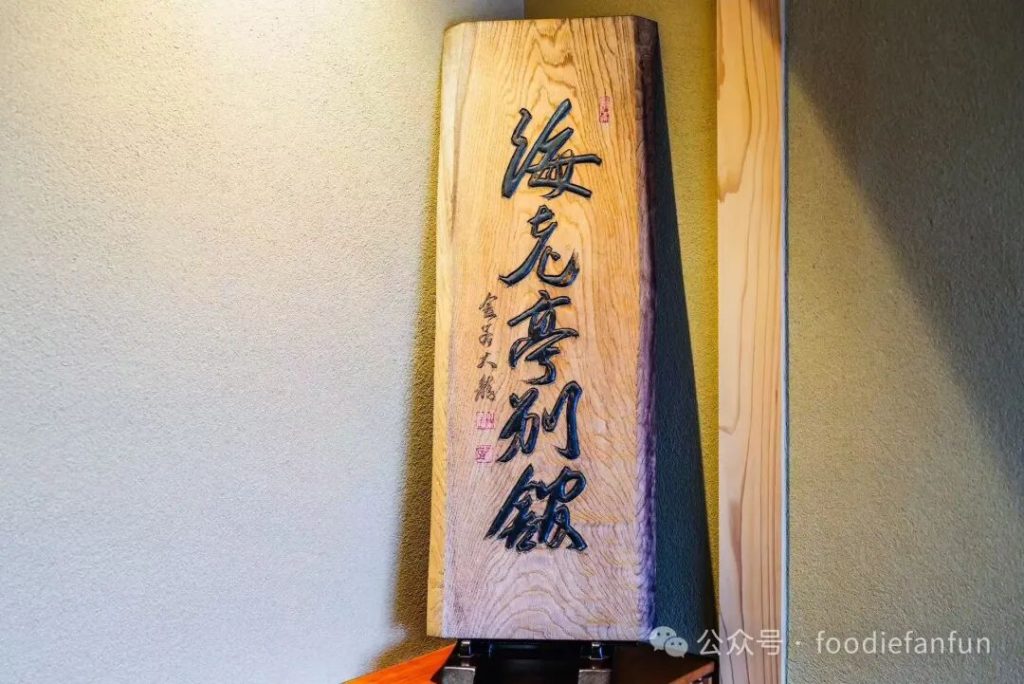
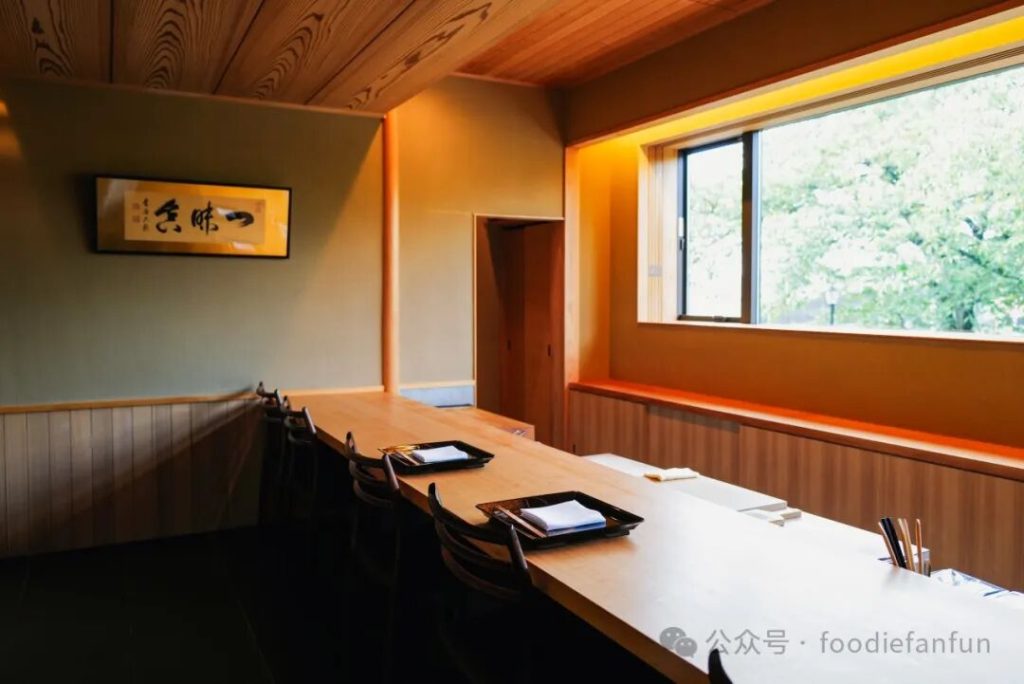
We visited for lunch. It’s a modern two-story building — unlike ふじ居’s kneeling service, the proprietress waved to us right from the window, warm yet appropriately reserved. Soft incense drifted by as we walked up the steps — a genuinely comfortable space.
There were no other guests, so we ended up with the entire counter to ourselves, plus a full view of cherry blossom trees right outside the window.
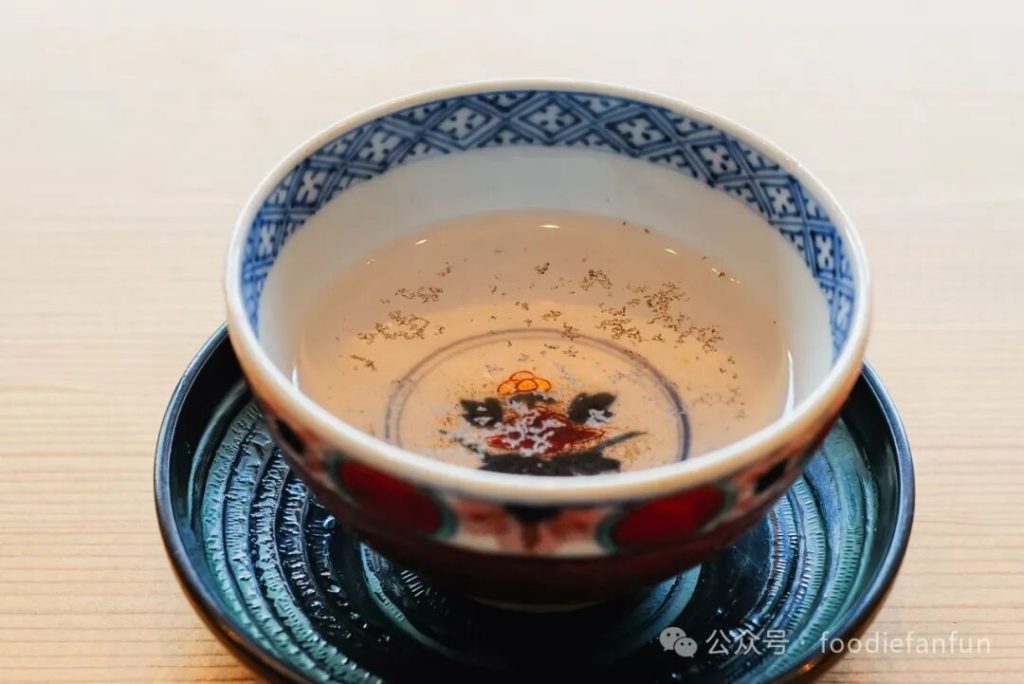
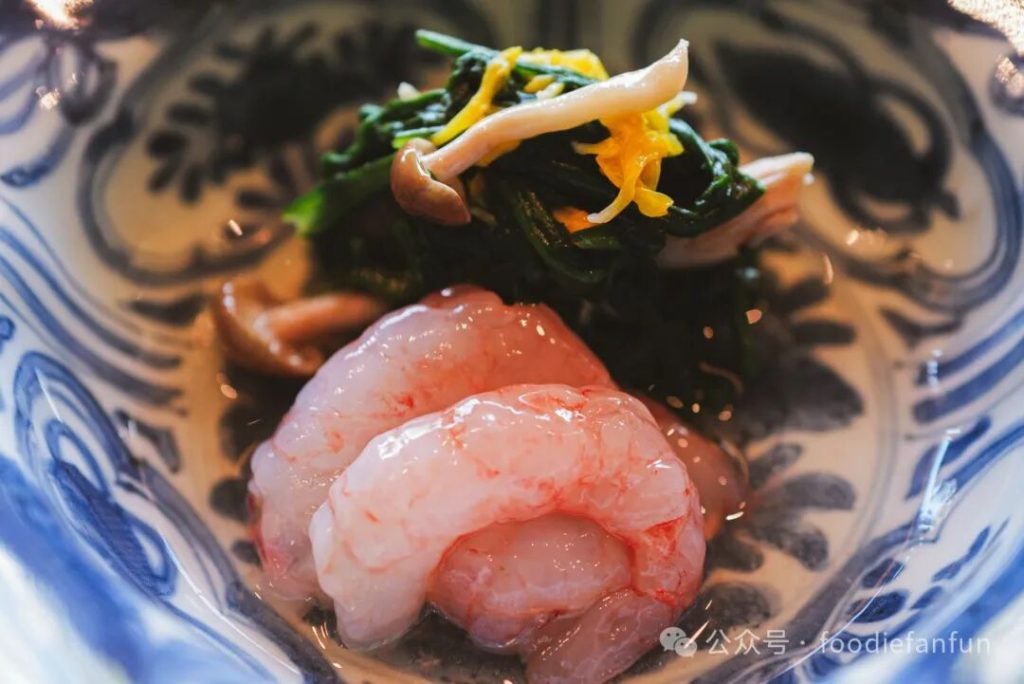
Sweet shrimp cured in kelp
The meal opened with sweet shrimp — a bright, crisp little bomb of a first bite.
An incredibly clean, luminous freshness opened up in the mouth, instantly derailing our plan not to drink at lunch — for shrimp this good, one drink was in order.
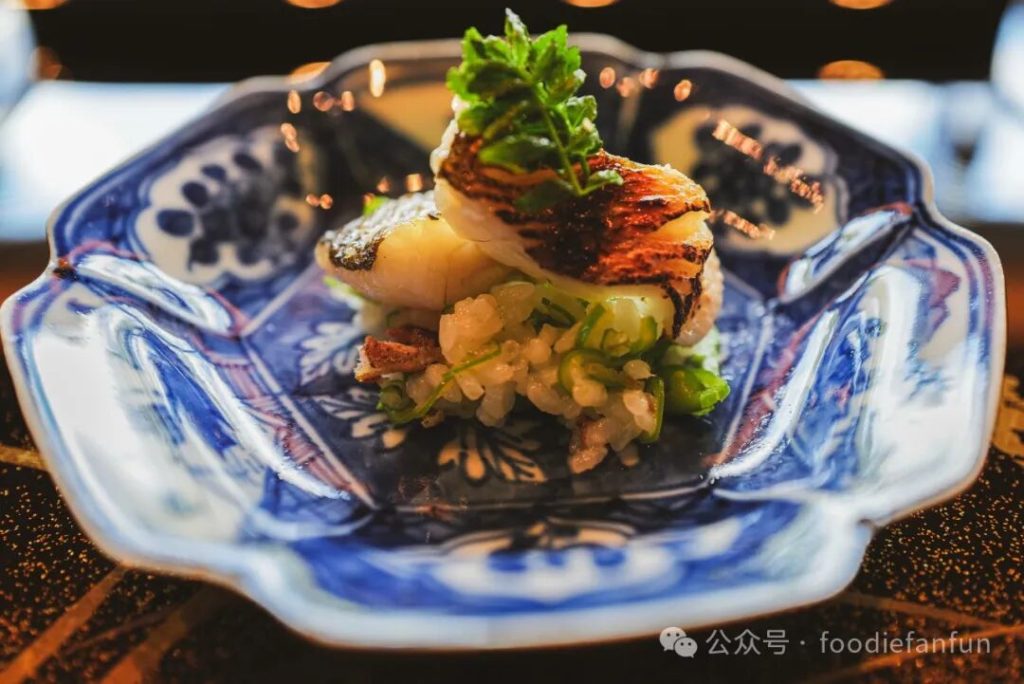
Seared ribbonfish, chili pepper, Toyama sticky rice
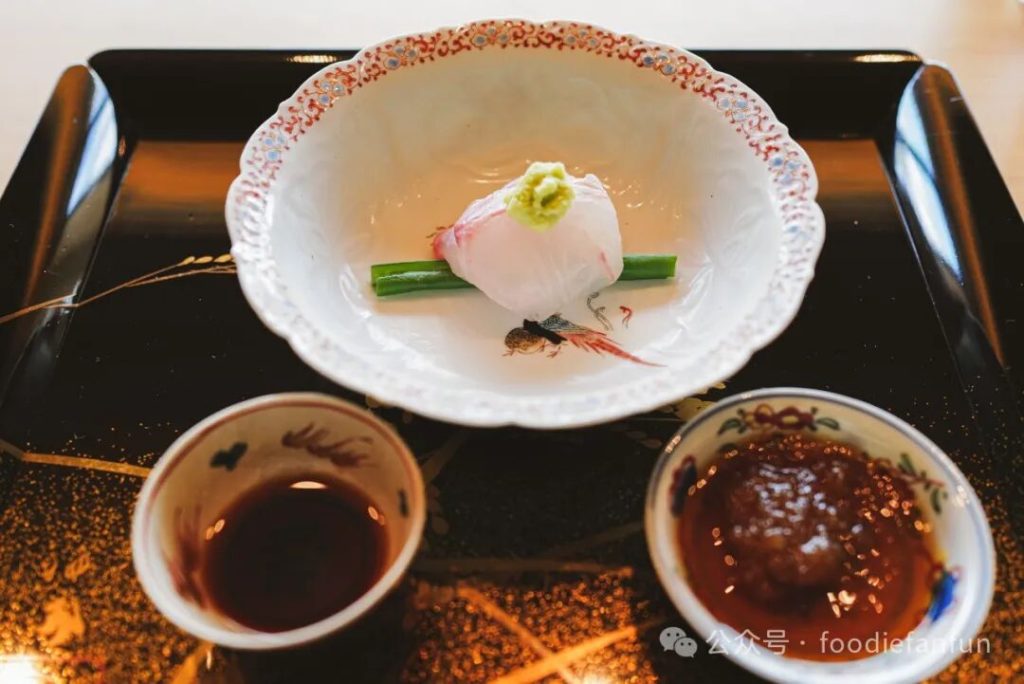
Ribbonfish, onion, daikon
Unexpectedly, the second course was a bowl of sticky rice — soft and dense while still keeping a bit of grain texture, with wild chili pepper mixed in giving off plenty of aroma. The ribbonfish had little fat but carried the freshness well, with a hint of sansho leaf drifting through.
That small bowl left us instantly settled, happy and satisfied.
That’s when we heard the head chef mention, in his unhurried way, that whether the chili pepper turns out spicy is entirely down to luck — apparently one young guest once ended up in tears at the counter from it.
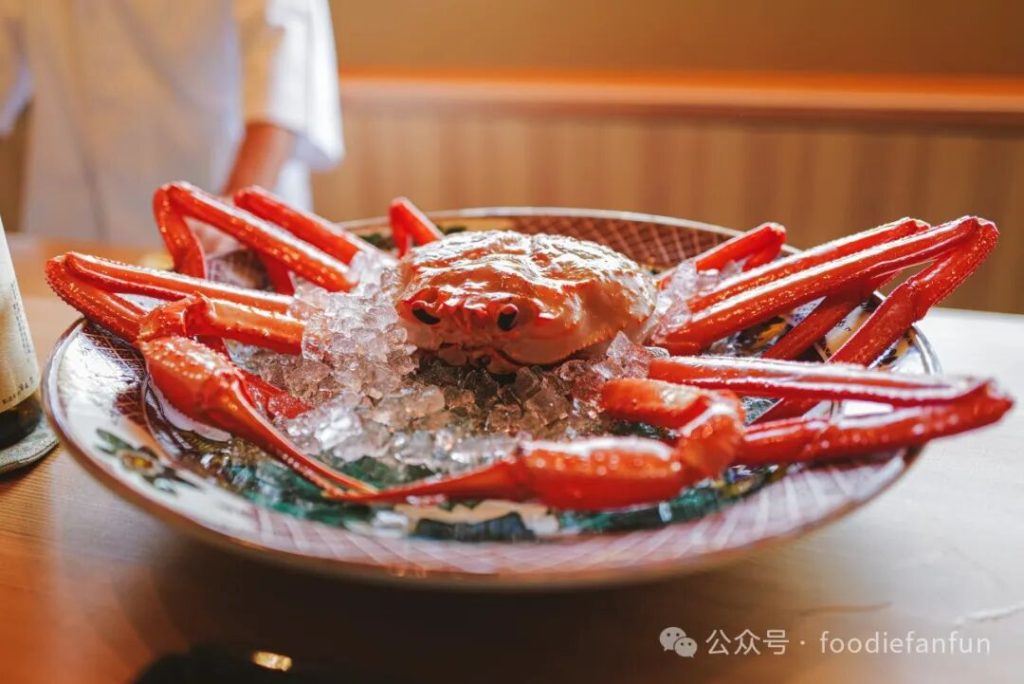
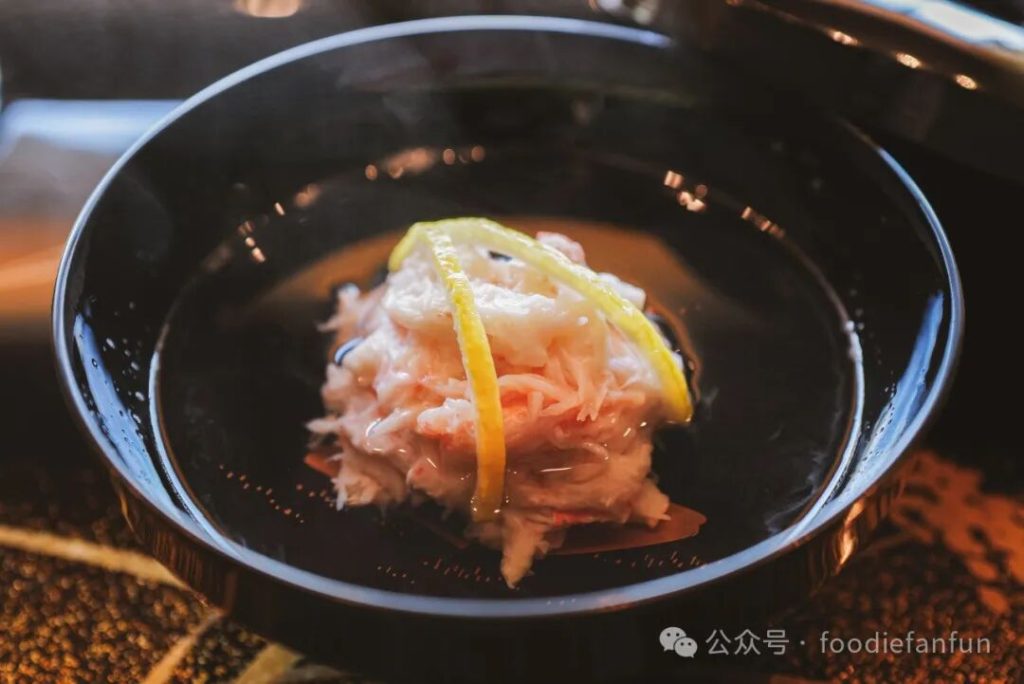
Red snow crab shinjo
Red snow crab, served three ways once again.
The crab meat shinjo was substantial, with slightly higher saltiness. The broth was genuinely memorable — restrained yet complex umami that made you slow down and savor it sip by sip.
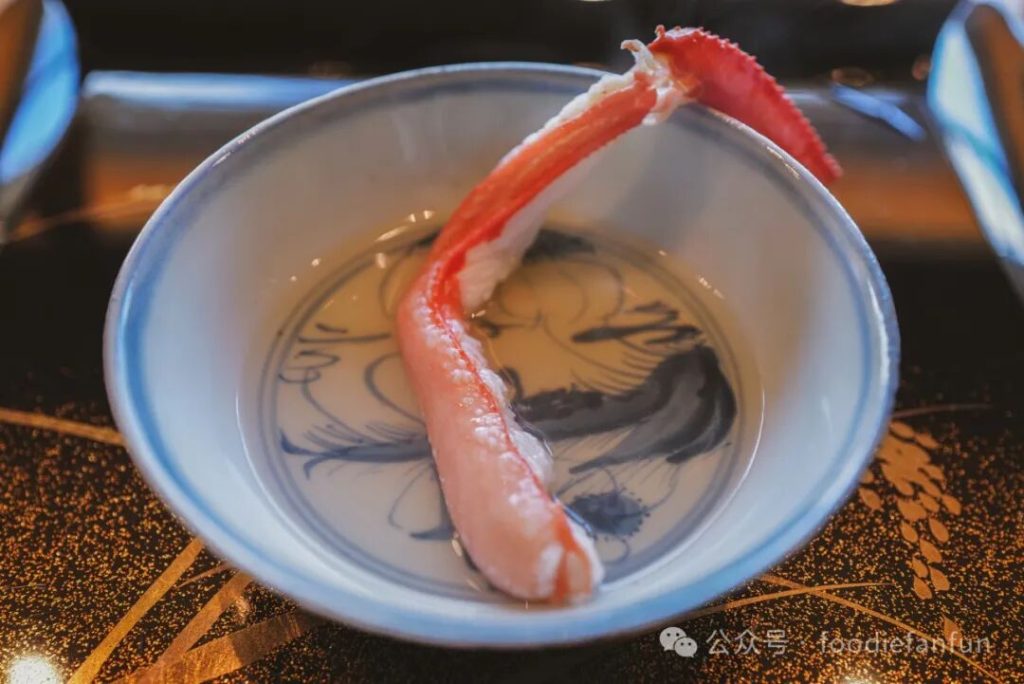
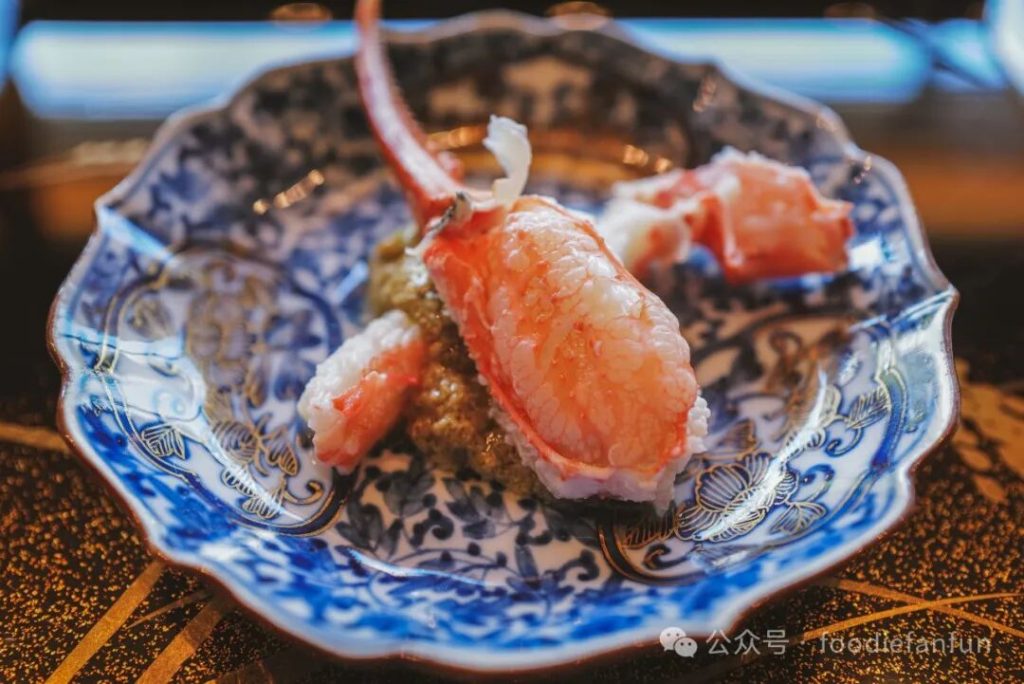
Crab leg, crab claw, crab miso
Crab leg swirled in clear broth, crab claw paired with crab roe.
This looked like the same approach as ふじ居 on the surface, but revealed its own distinct character once tasted.
In comparison, Ebitei’s crab was handled to be smoother and more tender, with a stronger broth flavor. The crab roe, meanwhile, wasn’t heavily seasoned, letting its own concentrated aroma stand out even more.
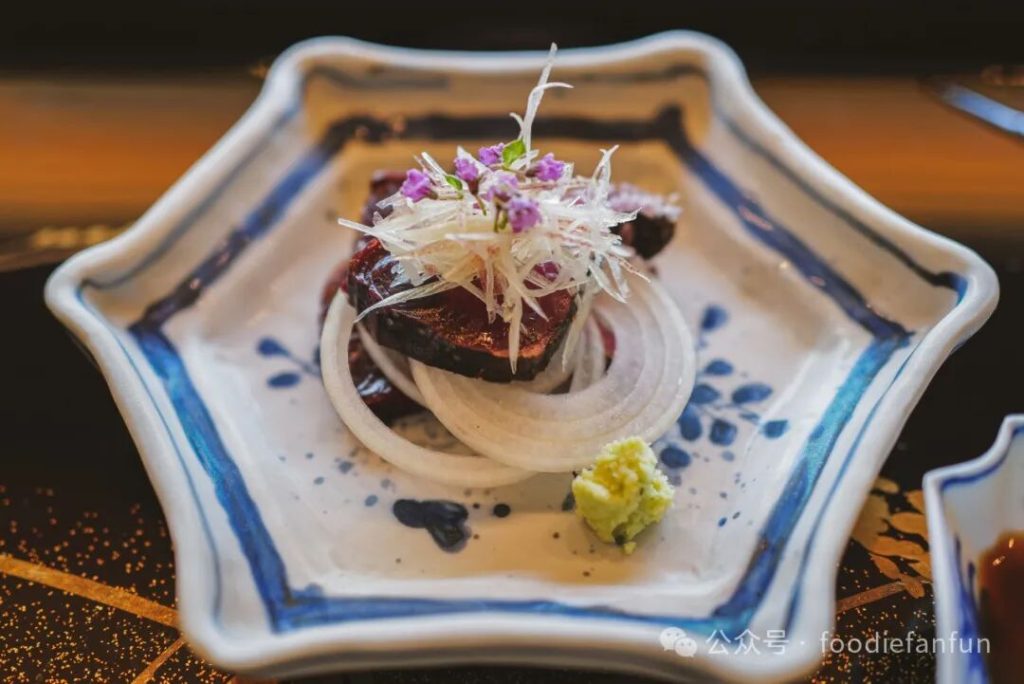
Bonito, myoga ginger, onion, plum-flavored soy sauce
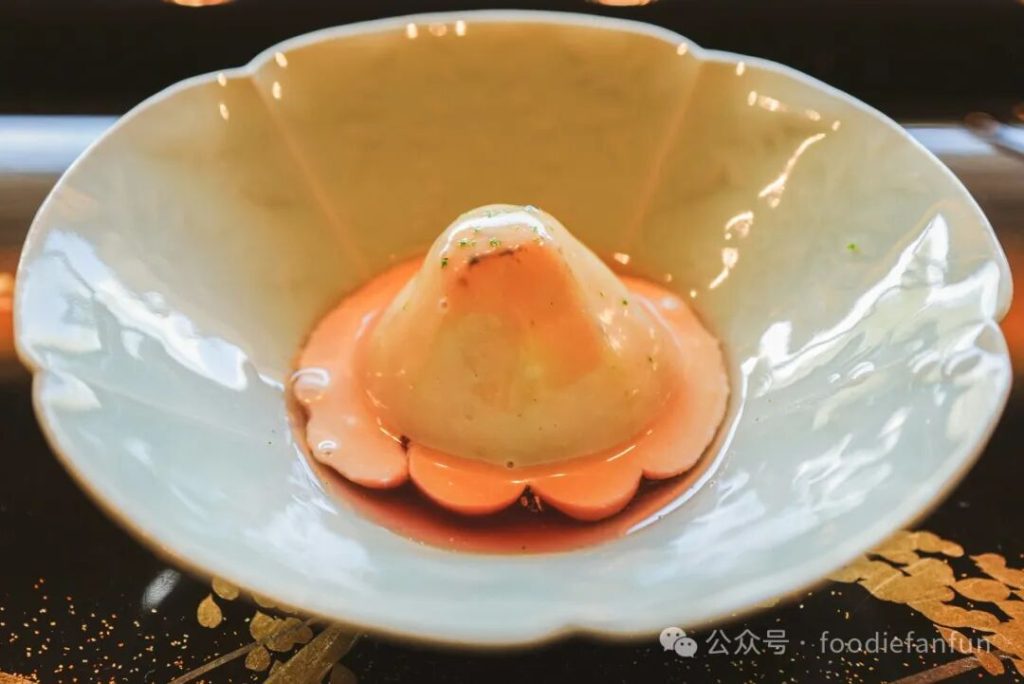
Fig sesame sauce
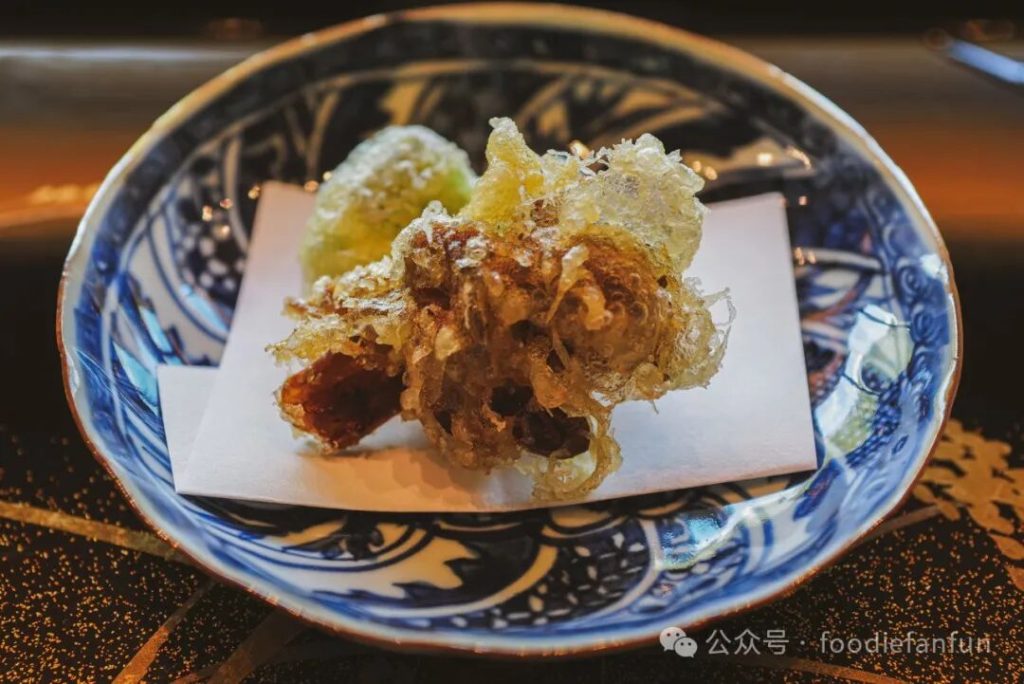
Okra, maitake mushroom, tempura
The bonito paired with plum-flavored soy sauce, its crisp exterior and fishy flavor balanced out by salt and sweetness. Shiso, onion, and myoga ginger brought seasoning distinctly characteristic of Toyama’s season.
The thin-battered tempura had maitake that was fried in slightly too much oil, but the okra was a standout — keeping its freshness and crunch, with the part closest to the core in a barely-cooked, jammy state; biting into it was a genuine surprise that left everyone smiling.
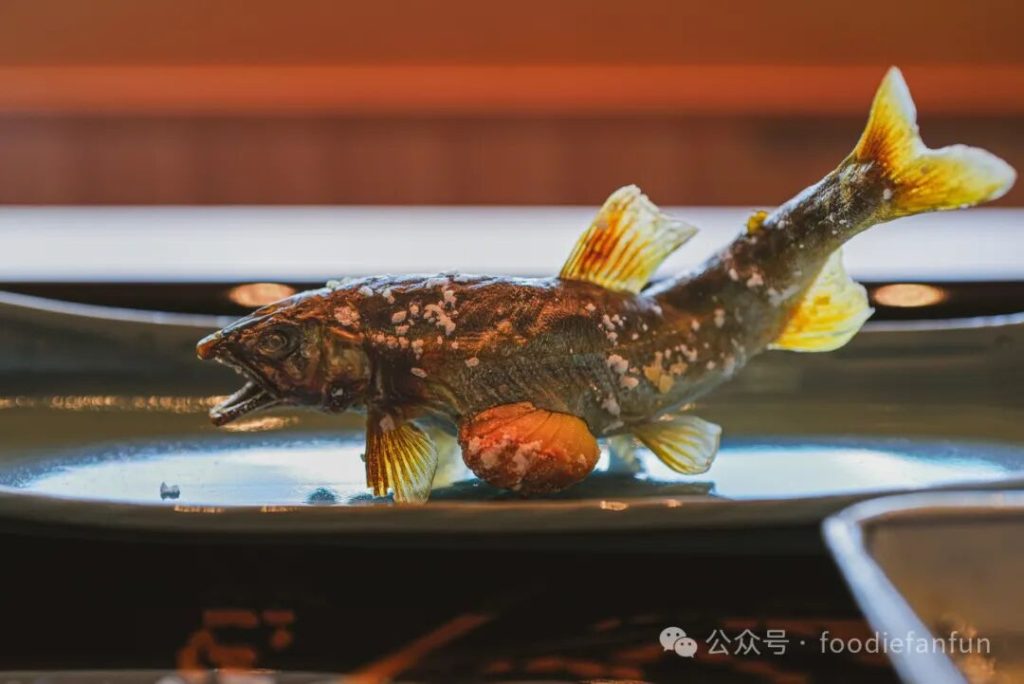
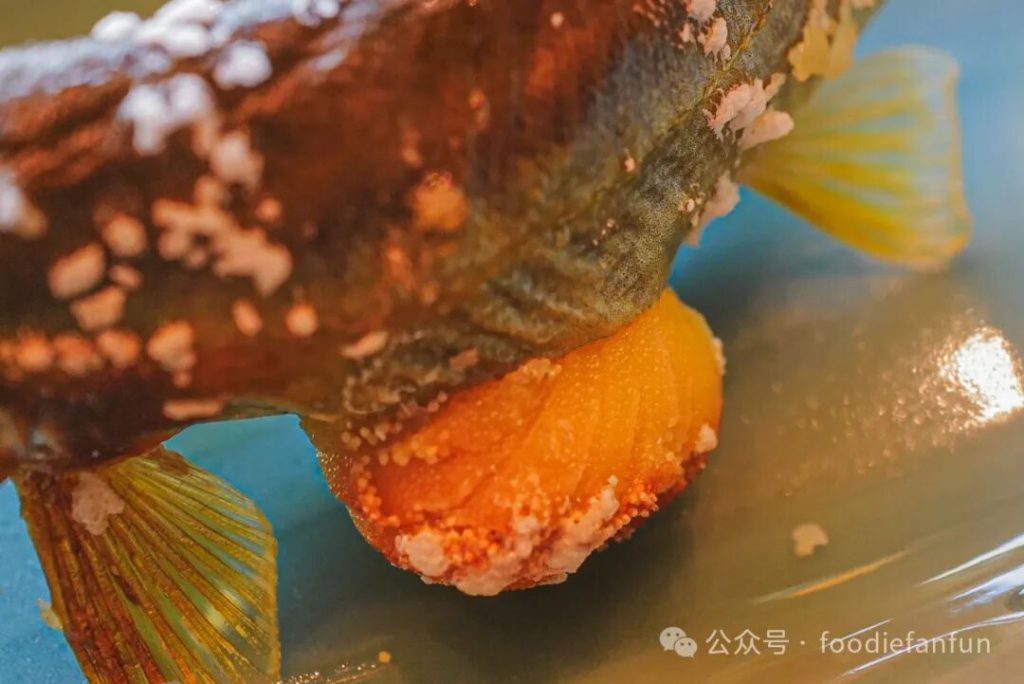
Scallop and ayu sweetfish, water pepper
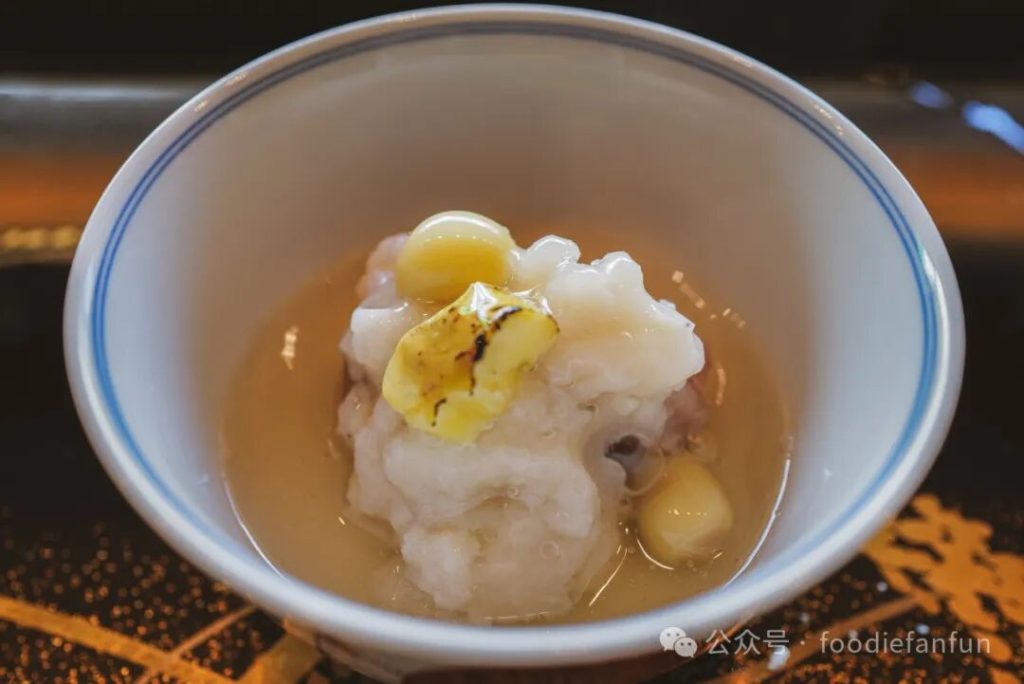
Tilefish, lotus root
Scallop-and-ayu is a dish that only exists in September and October. The skin was grilled crisp, delivering an explosive aroma the moment you bit in, with plump roe bursting out from the belly. Ugh, that particular kind of goodness only a small ayu’s body can give — I still think about it fondly.
Next came a soup-bowl dish made from tilefish and lotus root blended into a ball, with in-season lotus seeds and chestnuts added — returning to a gentle, fragrant, tender register while still keeping that alluring freshness.
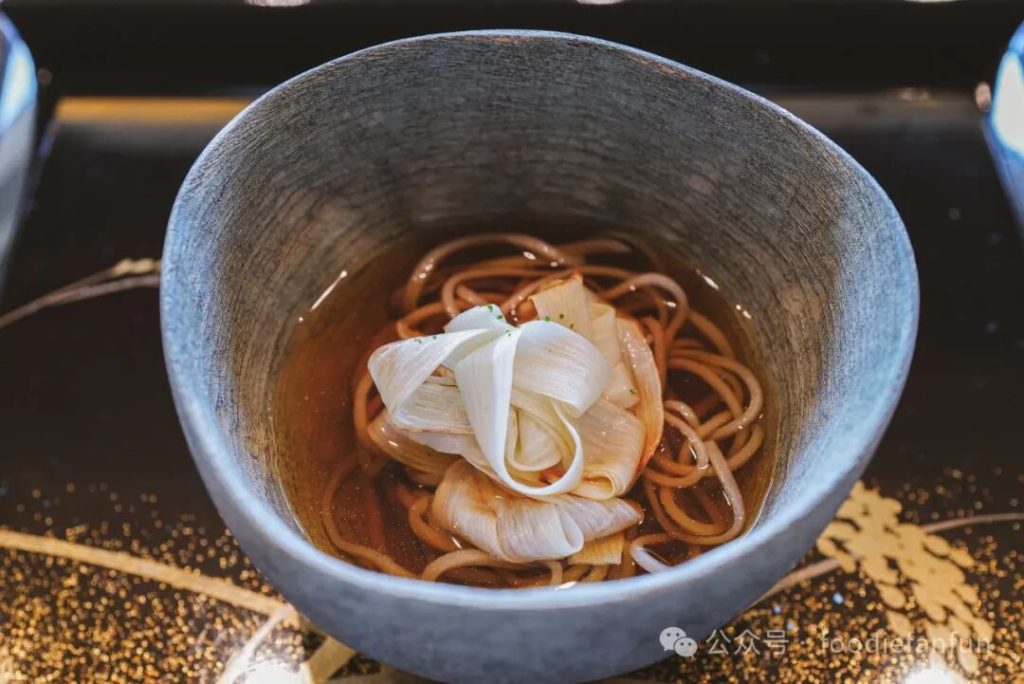
Toyama bamboo shoot, soba noodles
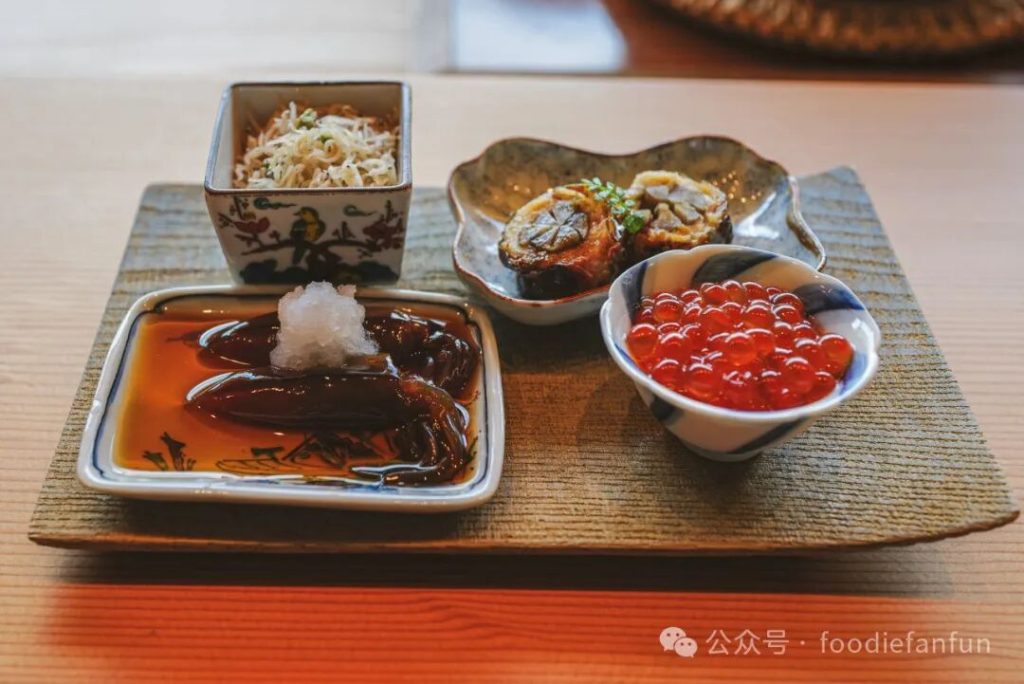
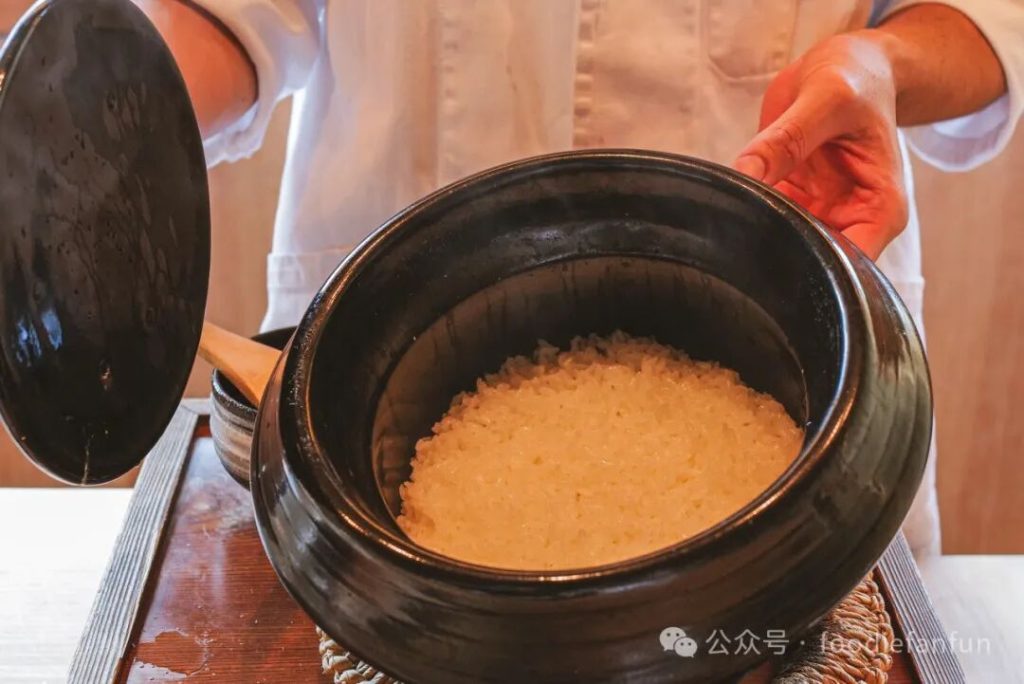
Small sardine, roe-bearing firefly squid, salmon roe, conger eel with burdock, new-crop rice
The two closing rice courses started with soba noodles, a Hokuriku specialty, paired with Toyama bamboo shoot — wonderfully chewy.
Then, surprisingly, came a bowl of plain white rice — freshly-harvested new-crop Toyama rice. Paired with four carefully prepared little side dishes, including crisply-grilled conger eel with burdock and roe-bursting firefly squid, it instantly reopened our appetite all over again.
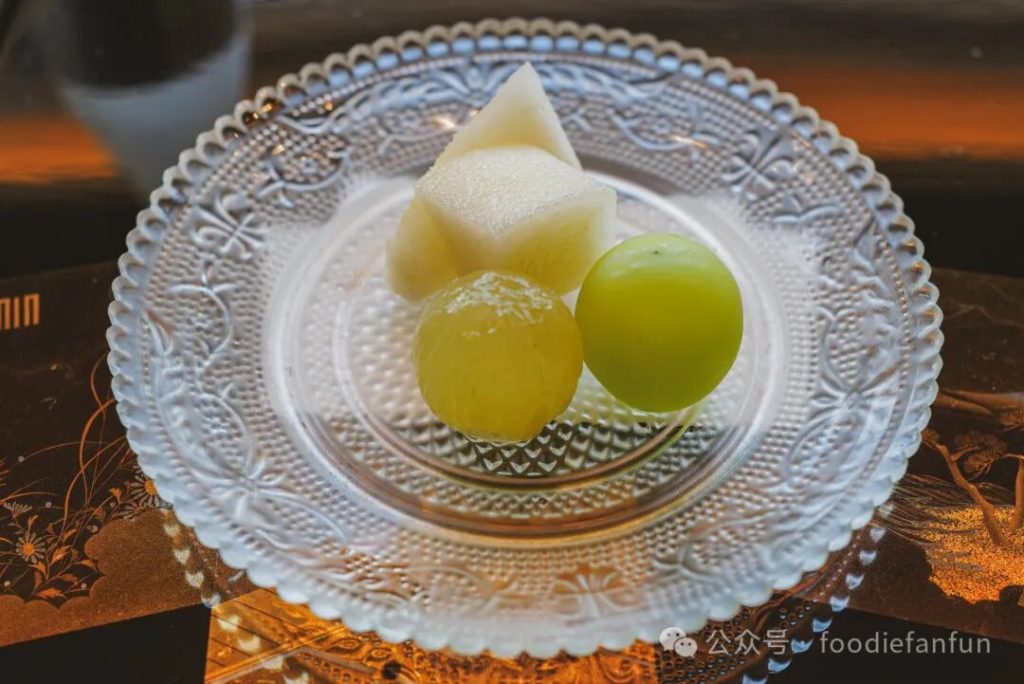
Pear, grape
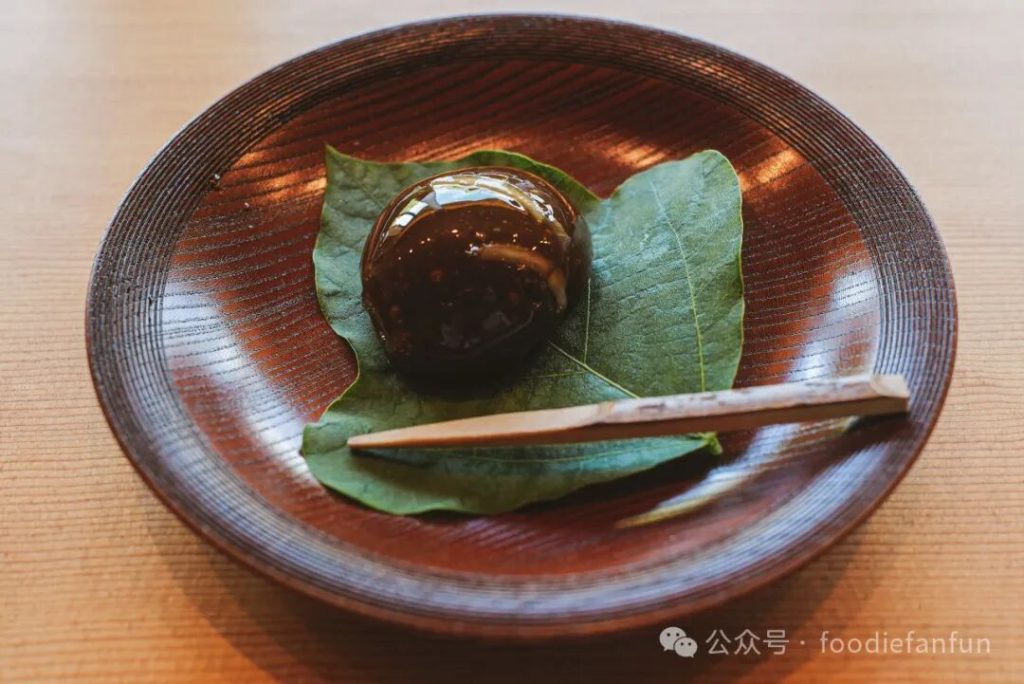
Brown sugar candy
If we go back to Toyama, both of these restaurants are absolutely getting a return visit.
御料理 ふじ居 leans more toward tradition and specialization. Every detail carries the chef’s dedication and focus, and the entire meal is strung together by a high concentration of umami — absolutely worth experiencing with full attention.
海老亭別館 is gentler, more relaxed. Looking up to see the cherry blossom trees and blue sky was particularly soothing. The dishes carry more personal character — there might be small imperfections in the details, but the next moment always brings some other surprise to make up for it.
御料理 ふじ居
Tabelog 4.32
☀️¥30,250 – ¥121,000 🌙¥30,250 – ¥121,000
93 Higashi-Iwase-machi, Toyama City, Toyama Prefecture
海老亭別館
Tabelog 3.72
☀️¥24,200 – ¥96,800 🌙¥24,200 – ¥96,800
2-4-10 Anno-ya-machi, Toyama City, Toyama Prefecture
Leave a Reply