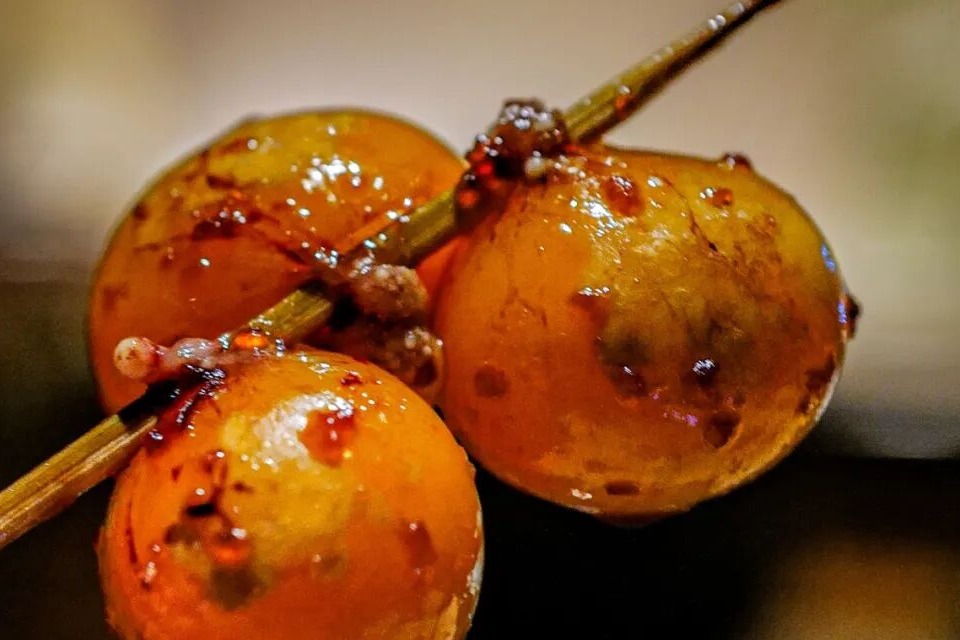
During a previous trip to Tokyo, I was taken to a yakitori restaurant, ‘Yakitori Shinohara.’
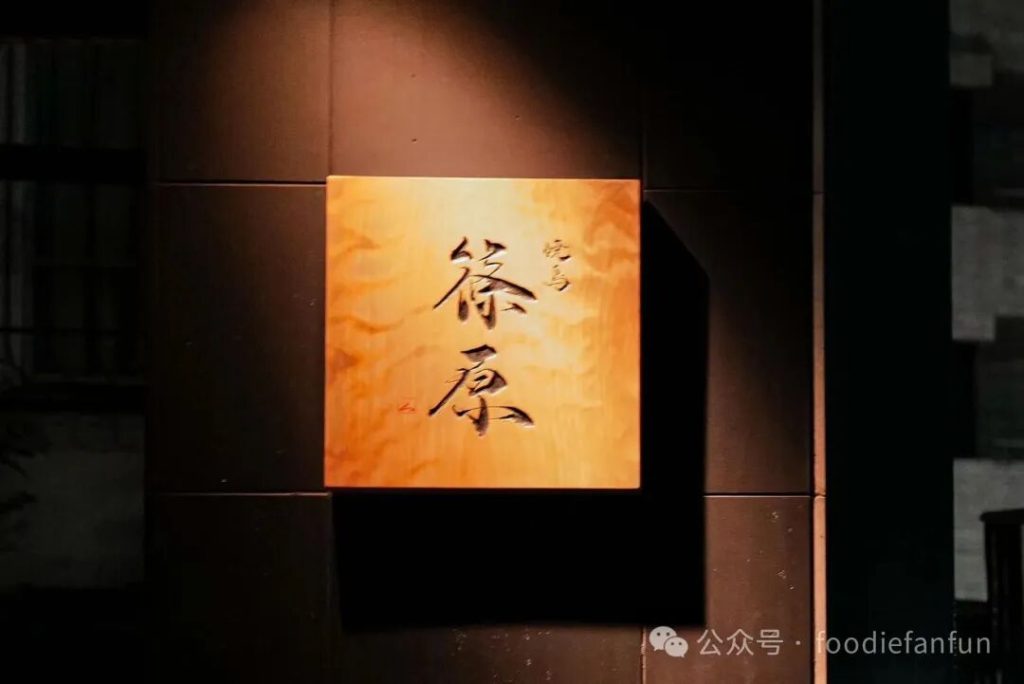
The restaurant sits in Nishi-Azabu, an area packed with famous restaurants. It was Saturday night, and we’d booked the second seating at 8:30pm — arriving five minutes early, we already found more than ten people waiting outside. Business was clearly good — fully booked.
This restaurant is known for using a rare pathogen-free chicken — ‘Kyoto Koshihikari chicken.’ It’s the world’s only chicken breed that’s safe and pathogen-free enough to still meet raw-consumption standards even after a month of aging. Known for its buttery texture, it’s been described in write-ups as comparable to prime tuna belly.
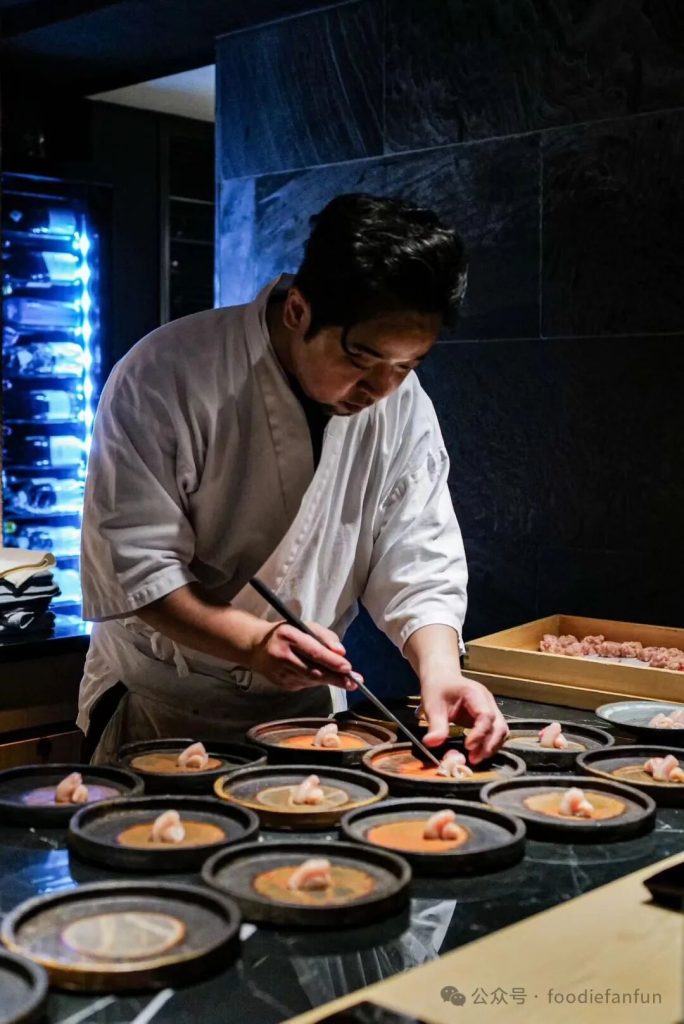
Since Hideki Kosaka, the developer of Koshihikari chicken, only supplies it to chefs he trusts, it’s genuinely hard to come by, earning it the nickname ‘phantom chicken.’
The restaurant’s own website positions itself as yakitori kaiseki, set-menu style — mainly sashimi and yakitori grilled over Kishu binchotan charcoal, with various sakana dishes and a rice pot made from Koshihikari chicken woven throughout, priced at ¥16,000.
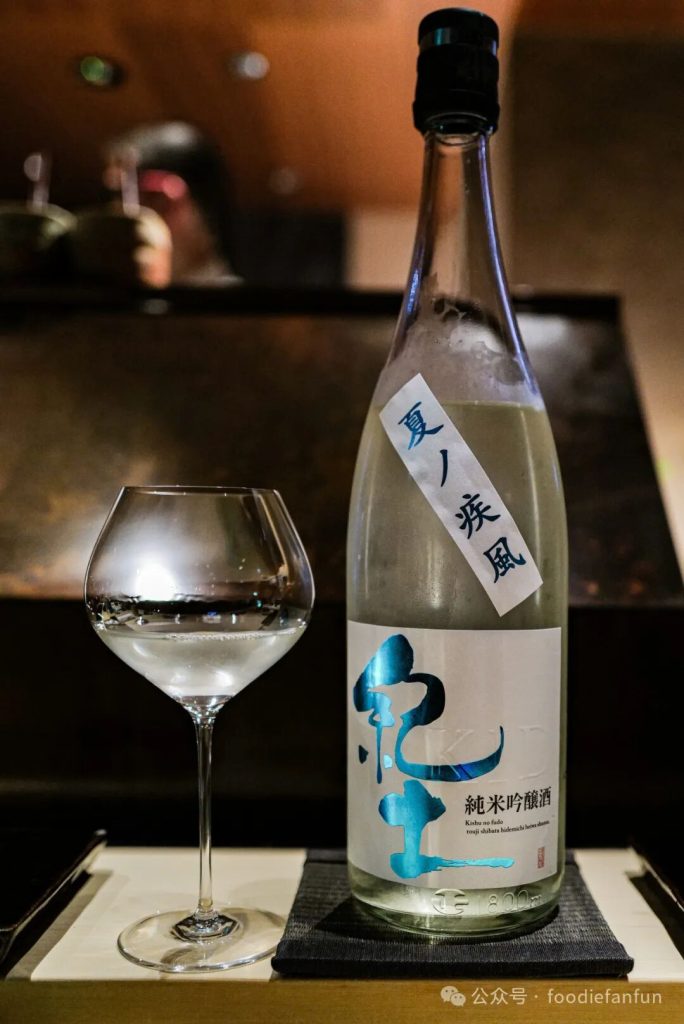
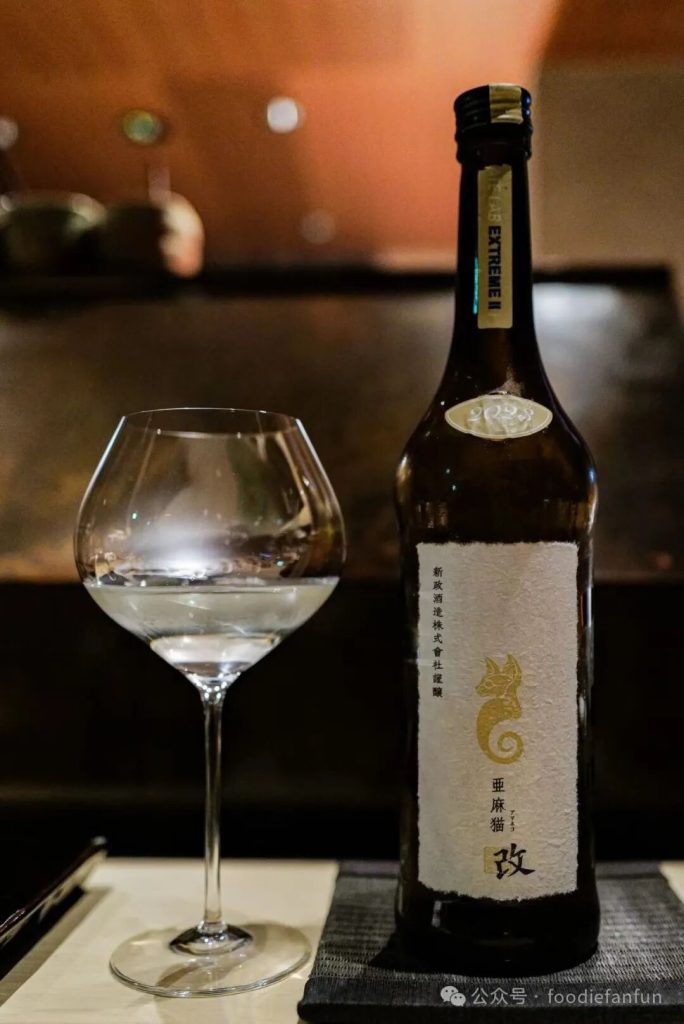
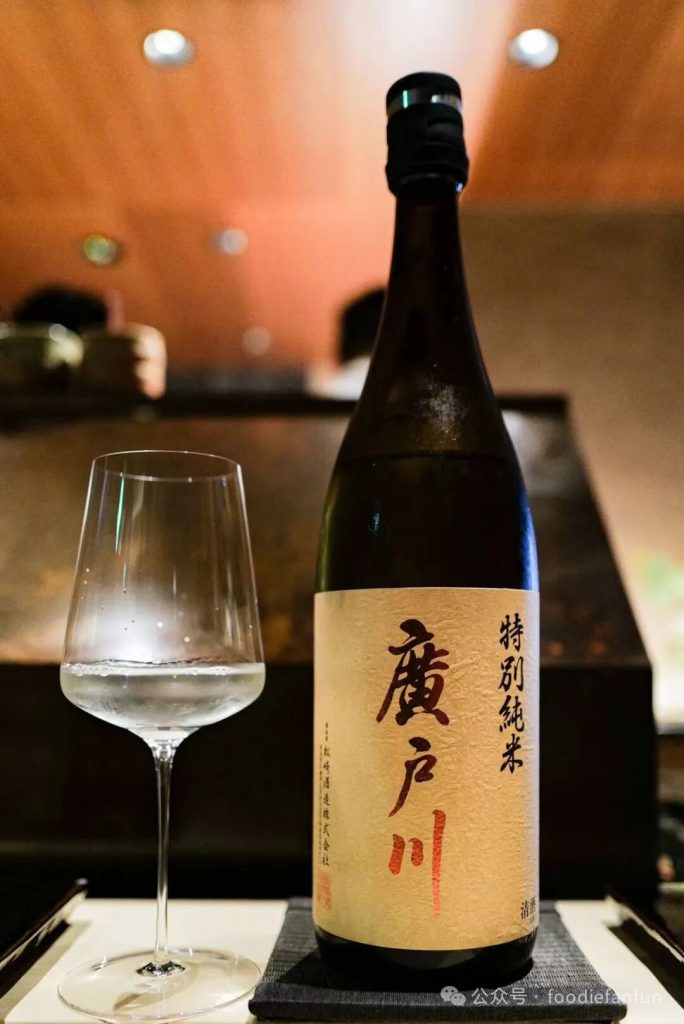
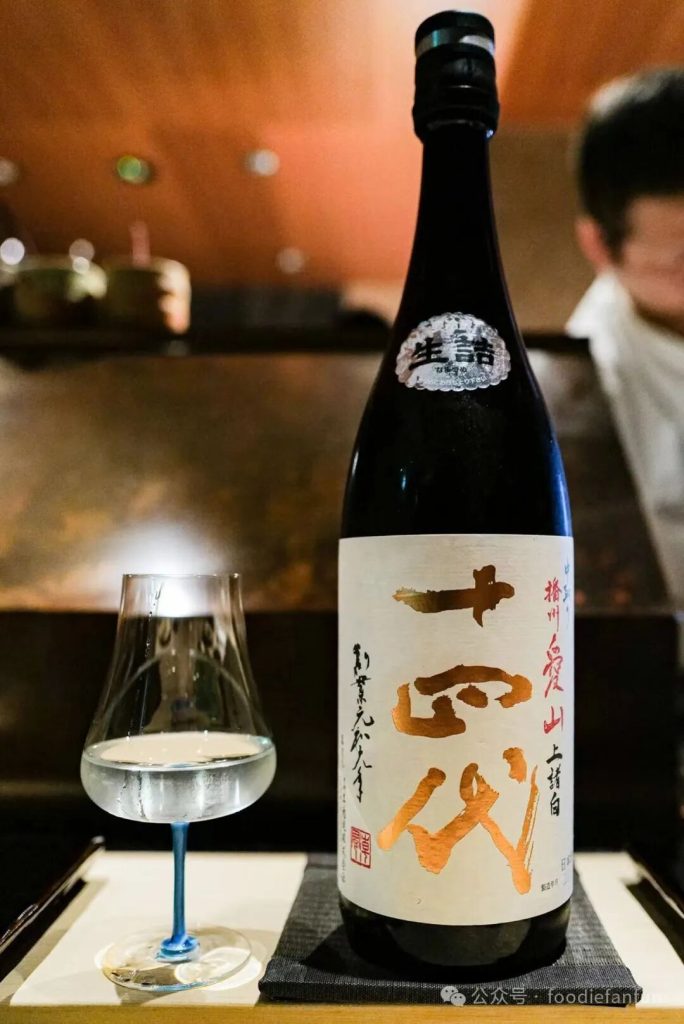
Adding the pairing — 7 different sakes — was also ¥16,000.
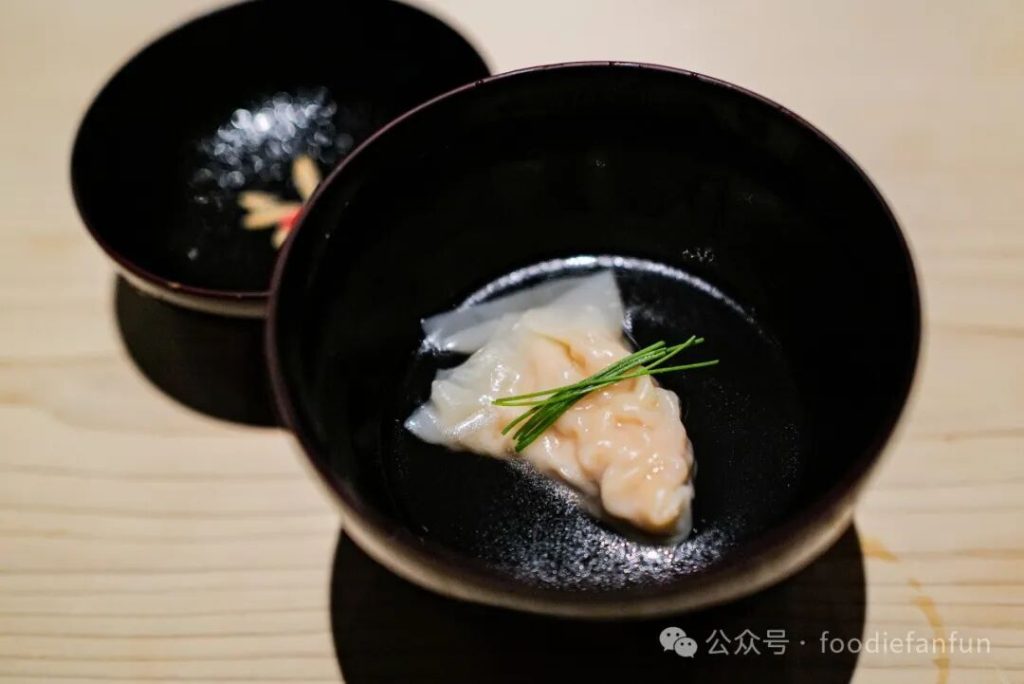
Kyoto Koshihikari chicken wonton soup
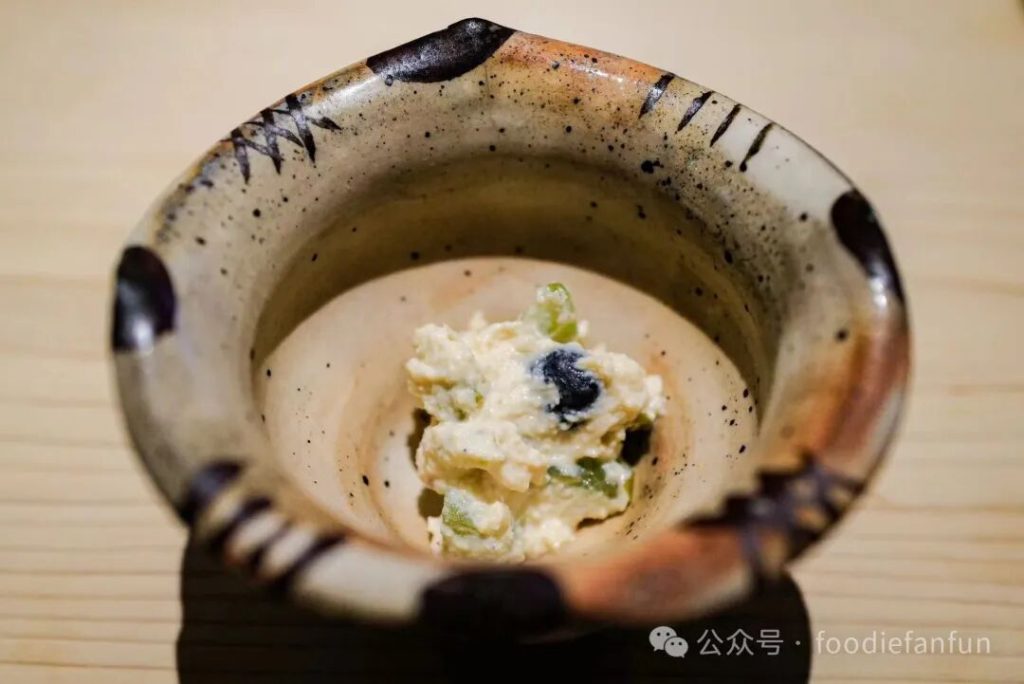
Shira-ae | Shine Muscat, blueberry
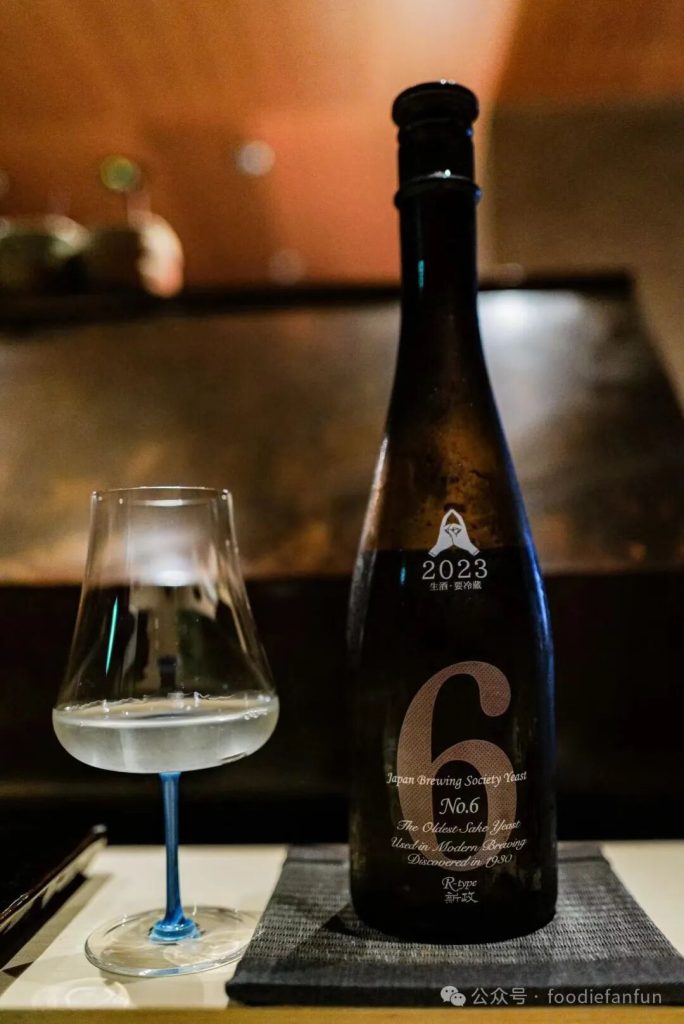
After being seated, a bowl of clear wonton soup arrived — chicken that’s great to eat isn’t necessarily great for stock, and the flavor here was quite thin, with the wonton wrapper on the thicker side.
But right after, a tiny portion of shira-ae was a pleasant surprise. The fruit’s clean sweetness was genuinely lovely, and the tofu’s milky, slightly sweet flavor combined with a slightly gauzy texture made for a bright, well-balanced whole.
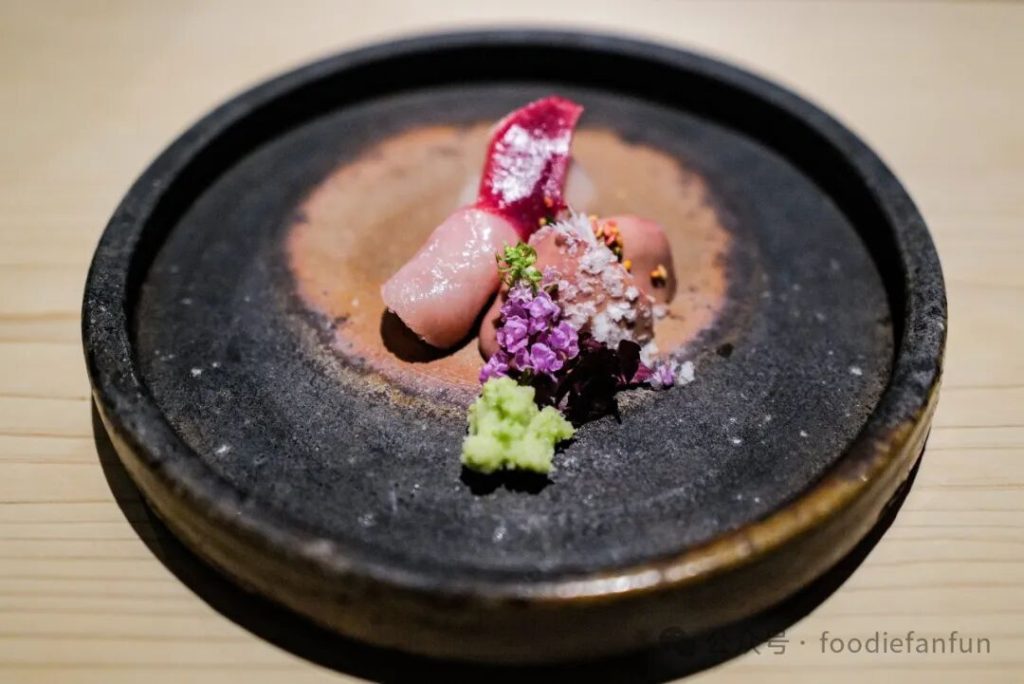
Koshihikari chicken sashimi
The chicken sashimi platter included gizzard, liver, thigh, and breast. Never mind the latter two — this was genuinely the first time I’d seen raw-edible chicken offal.
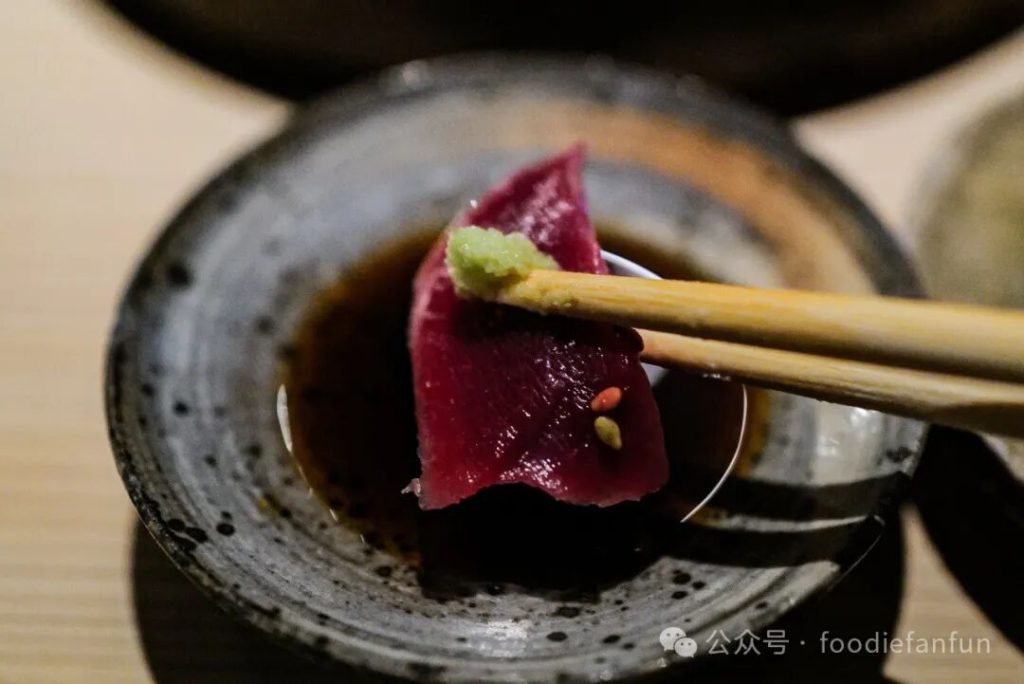
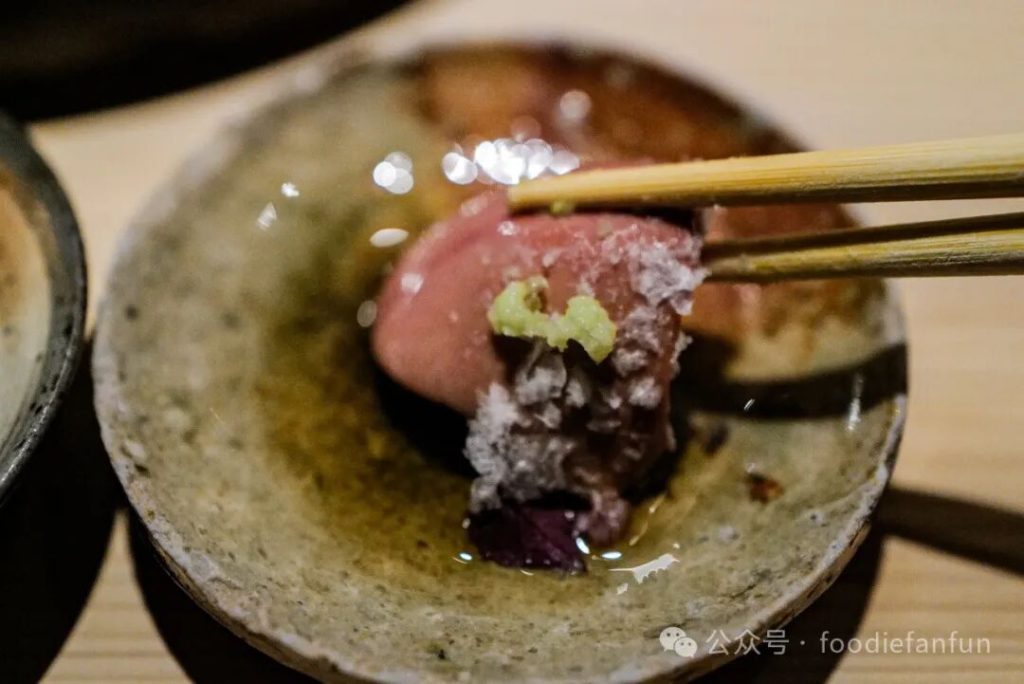
The gizzard, though deep red, couldn’t hide its bright freshness at the edges — a genuinely memorable crunch. The liver was visibly rosy pink, cleanly prepared, and paired with sesame oil that amplified its delicate texture.
Both pieces of offal were genuinely memorable, and instantly proved the quality of the chicken.
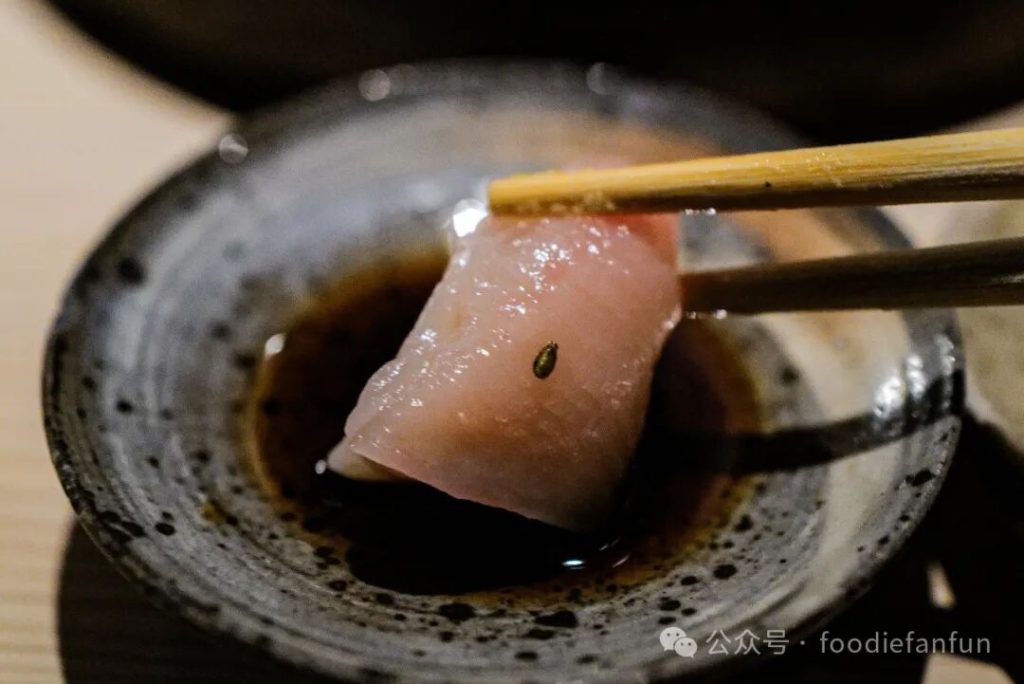
The thigh meat was fairly standard, but the breast — which I’d expected to show more obvious muscle fiber — turned out surprisingly tight, with an almost cottony texture.
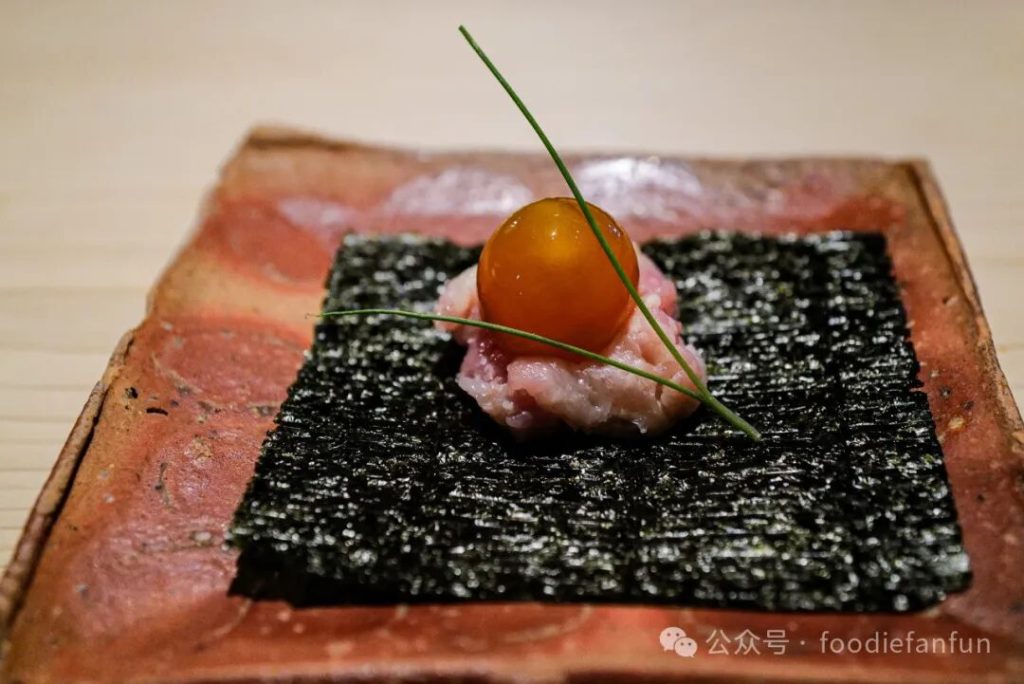
Minced chicken thigh, soy-cured ground cherry
A twist on the classic beef tartare pairing, with the egg yolk upgraded to a juicy ground cherry. But the promising-sounding combination didn’t leave much of an impression when eaten.
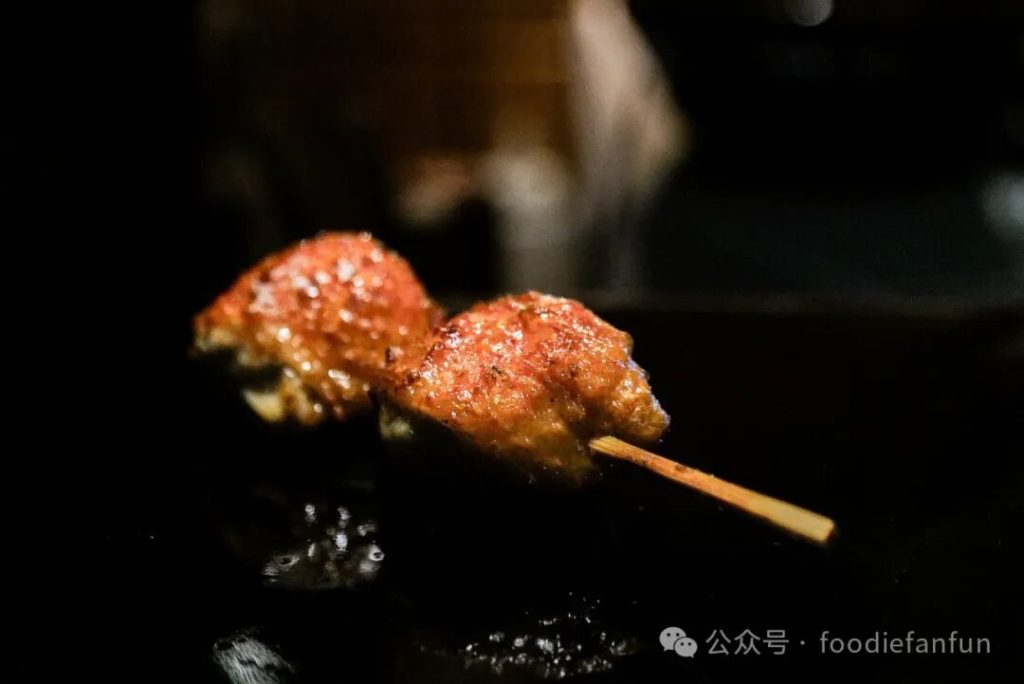
Yakitori | Shoulder
The yakitori started with chicken shoulder. The charcoal flavor and fat were beautifully balanced, the thin skin was perfectly crisp, and the meat’s juices burst in the mouth.
It instantly sparked a craving for good grilled food.
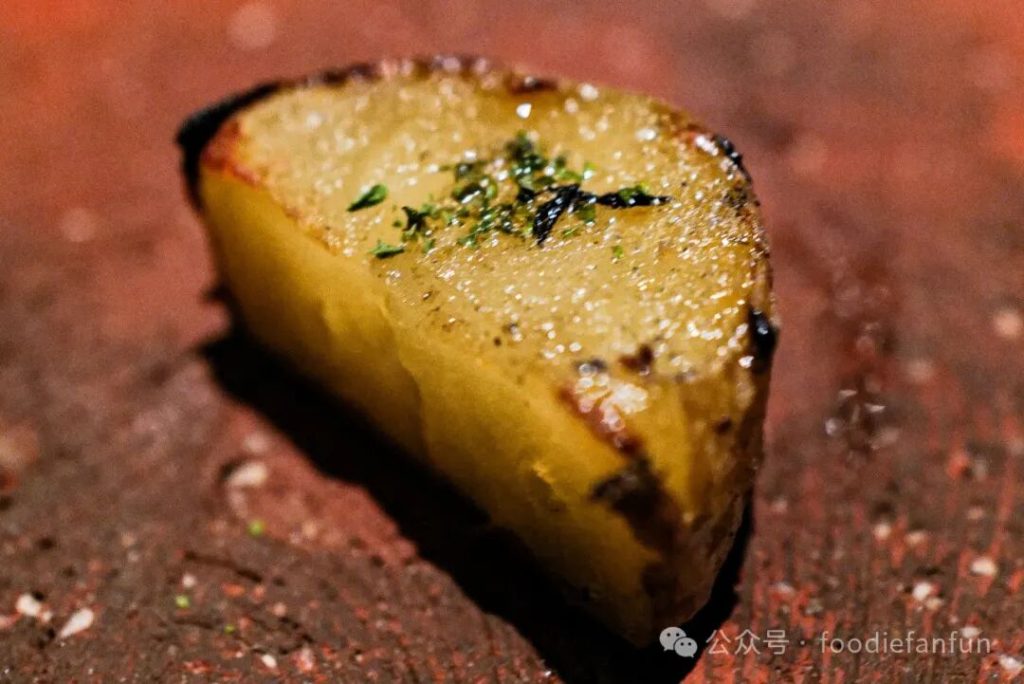
Two-year snow-aged potato
It had both a potato’s fluffy, starchy quality and a sweet potato’s faint sweetness, with a very subtle fermented tang lingering at the finish. A modest-looking little potato that was anything but ordinary.
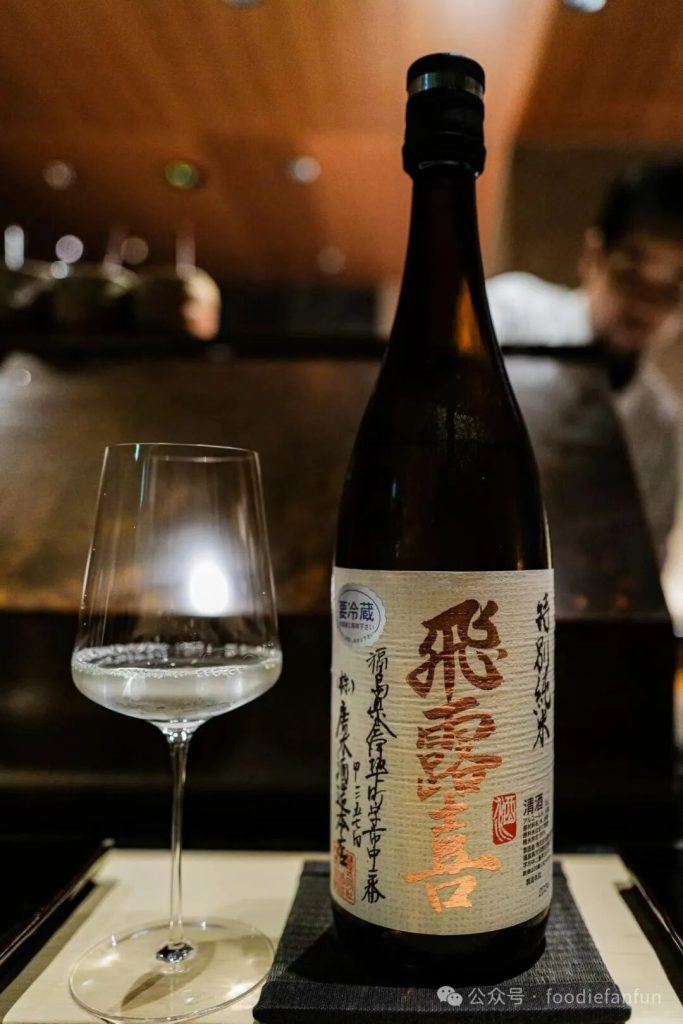
Paired with a special Junmai from Hiryu-ki, which brought out some spice notes — genuinely interesting.
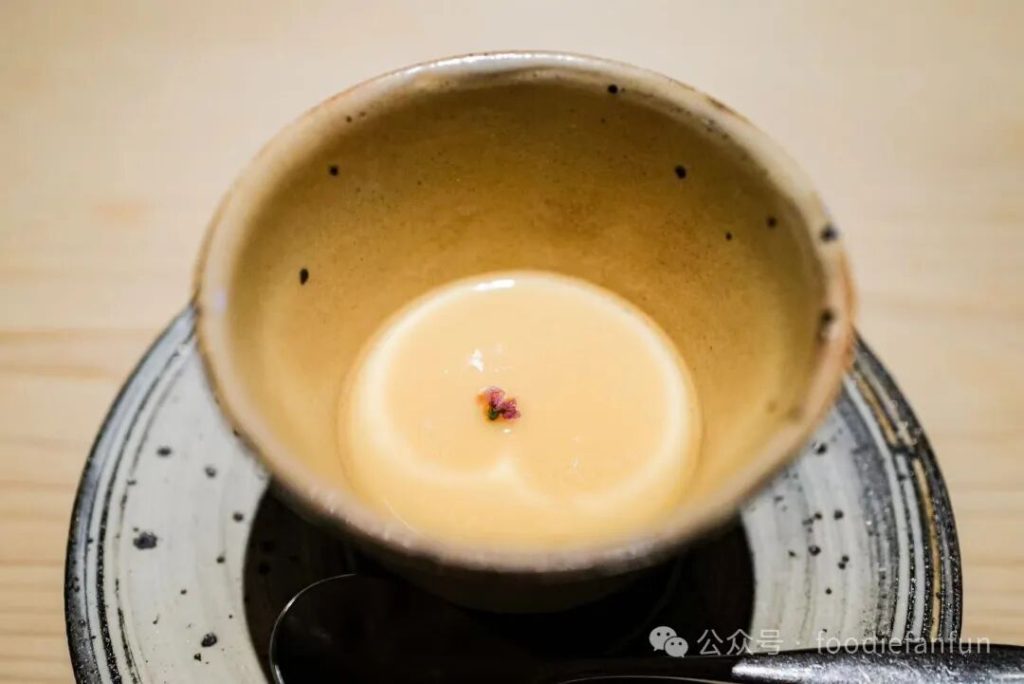
Chawanmushi
The eggs in the chawanmushi come from Tanaka Farm in Saitama Prefecture, just north of Tokyo — a concept not unlike ‘we use giant watermelons from a farm on the outskirts of the city.’
Worth mentioning here, though — chef Shinohara genuinely puts a lot of effort into personally visiting producers, checking the production and quality of ingredients himself.
He’s traveled to Hokkaido in search of quality cheese, and to Kajitani Farm in Hiroshima in search of quality herbs. By communicating directly with producers, he brings out the true character of each ingredient.
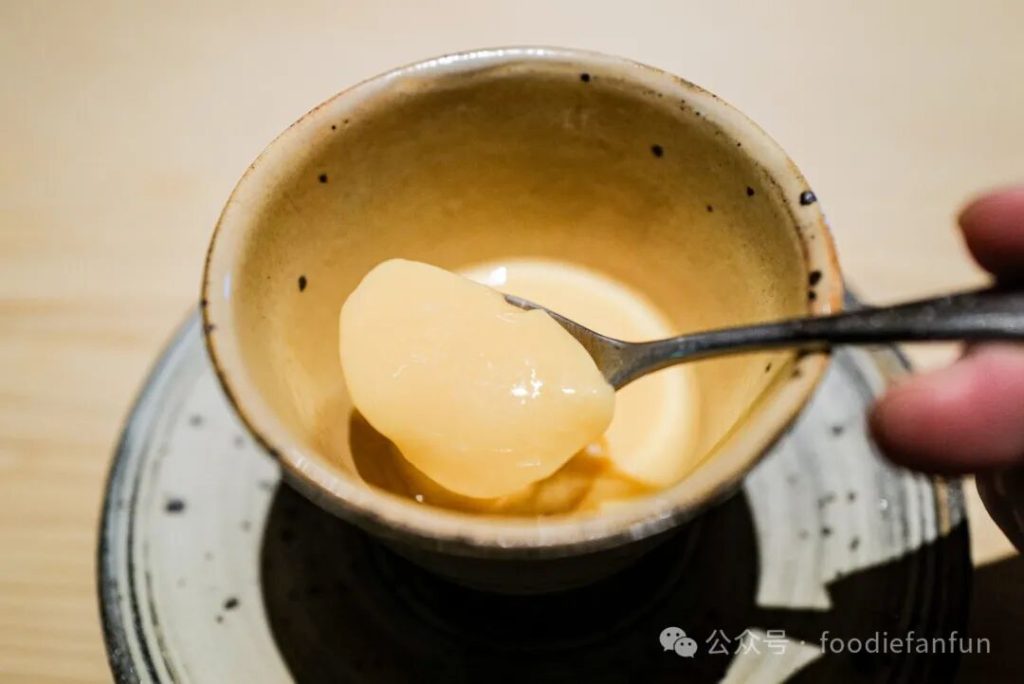
The chawanmushi’s surface, smooth and glossy, looked simple, clean, and genuinely inviting. Surprisingly, alongside the fragrant tenderness, there was also a faint milky flavor.
Scooping up the last spoonful revealed mozzarella hidden at the bottom of the bowl. A tiny bowl of chawanmushi, with a thoughtful touch in every bite.
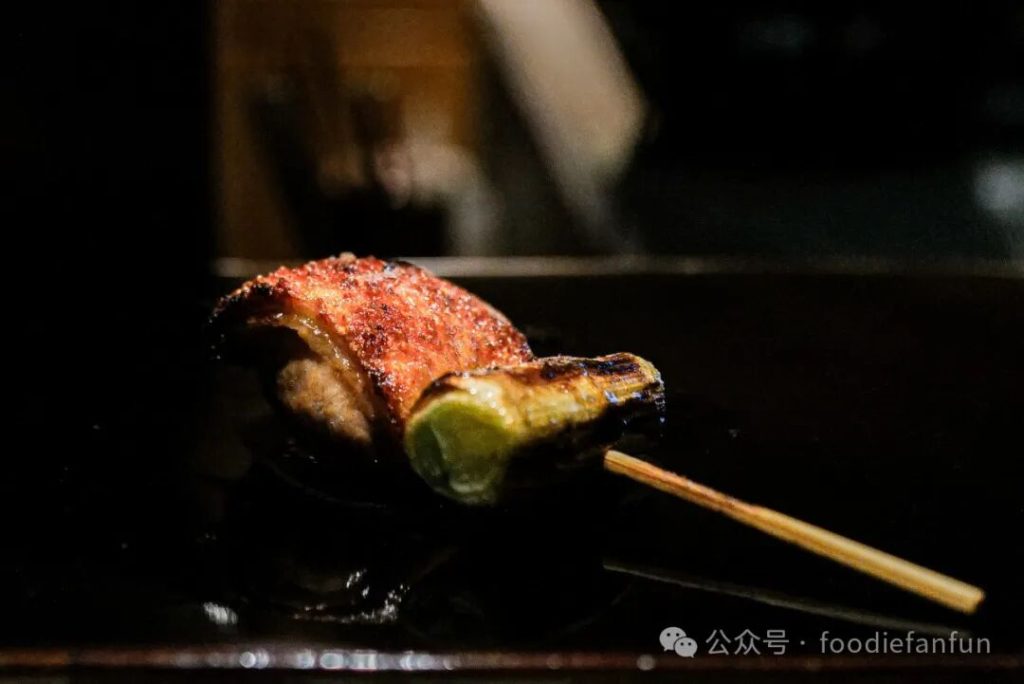
Yakitori | Akami (lean thigh)
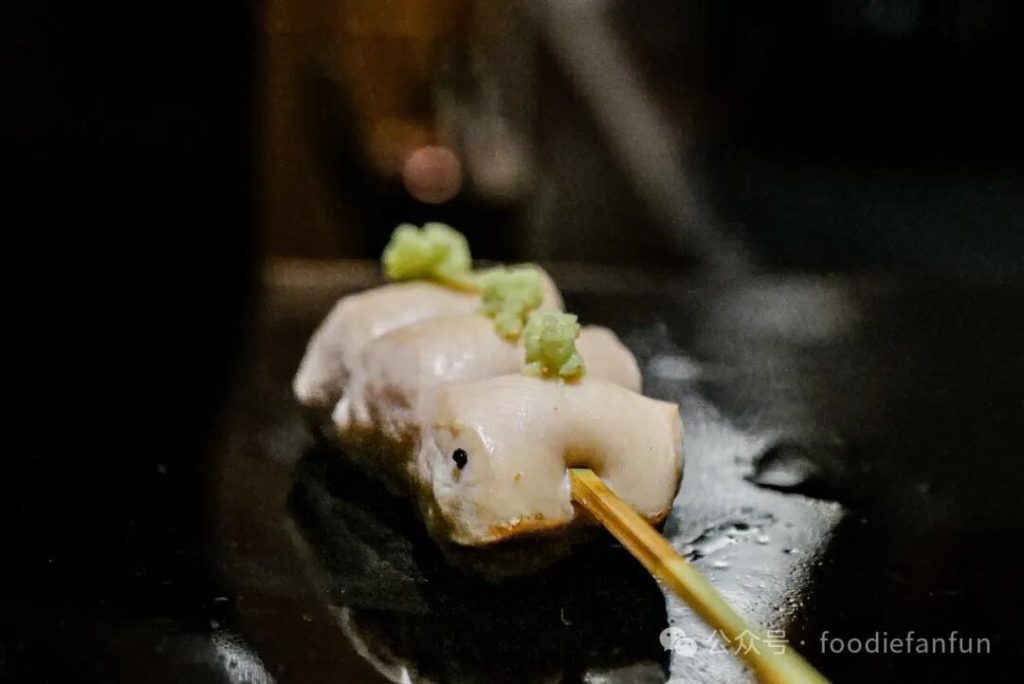
Yakitori | Chicken breast
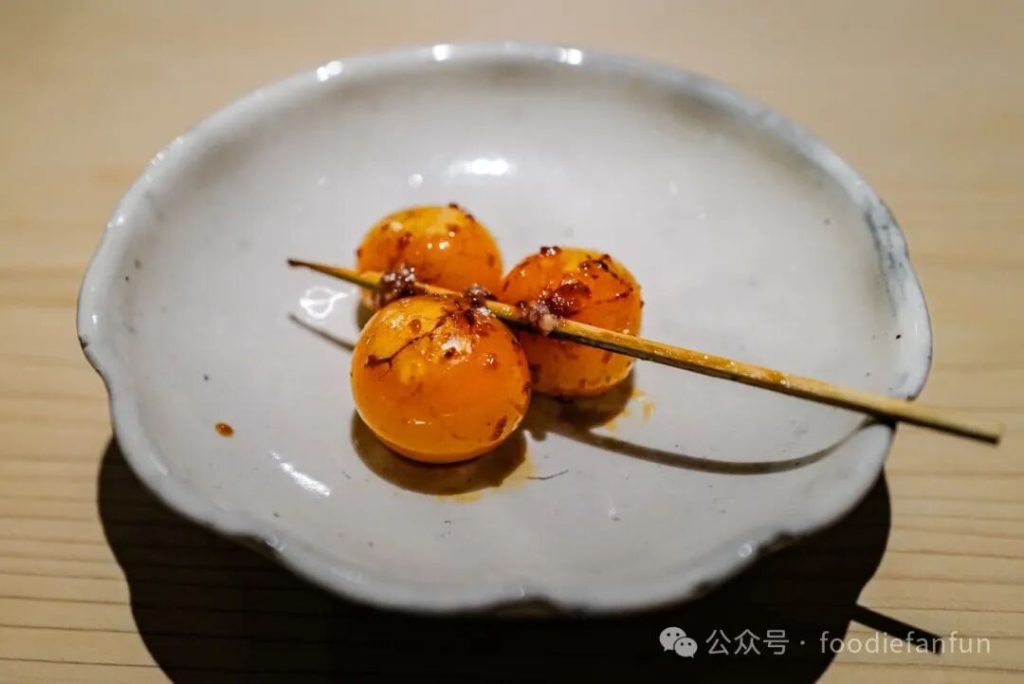
Yakitori | Ground cherry (chochin)
After the chawanmushi, the yakitori course officially began.
Akami is the low-yield cut from the inner thigh, tighter in texture than the shoulder. The breast was rosy pink, paired with wasabi, wonderfully tender.
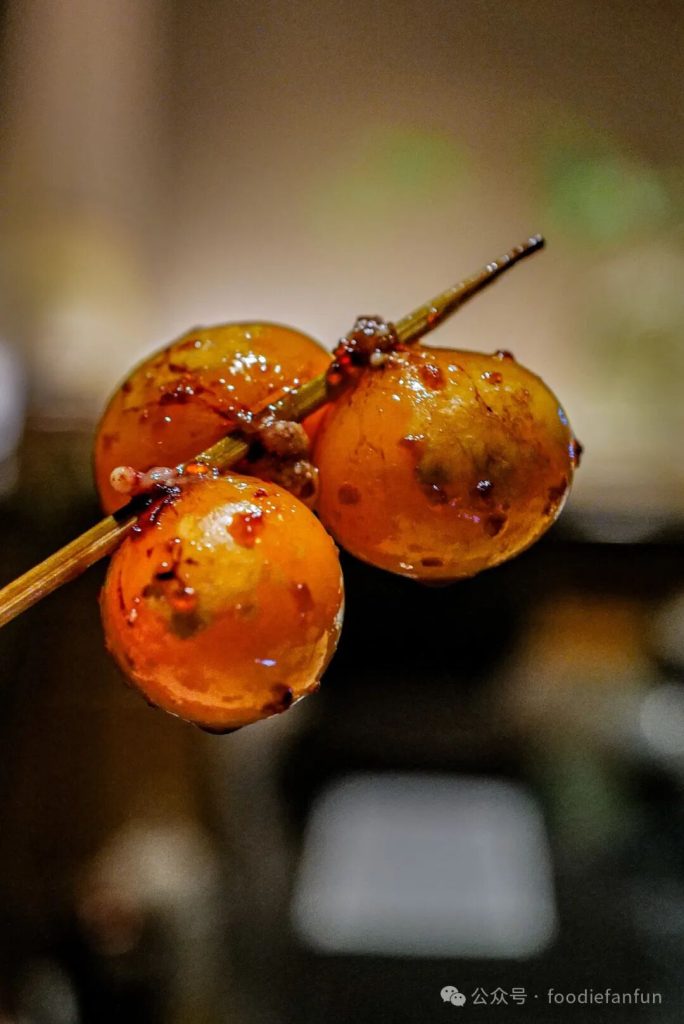
The chochin (ground cherry-style egg-topped skewer) was genuinely gorgeous — lightly cooked on the outside, with a perfectly gooey, rich, mellow center inside.
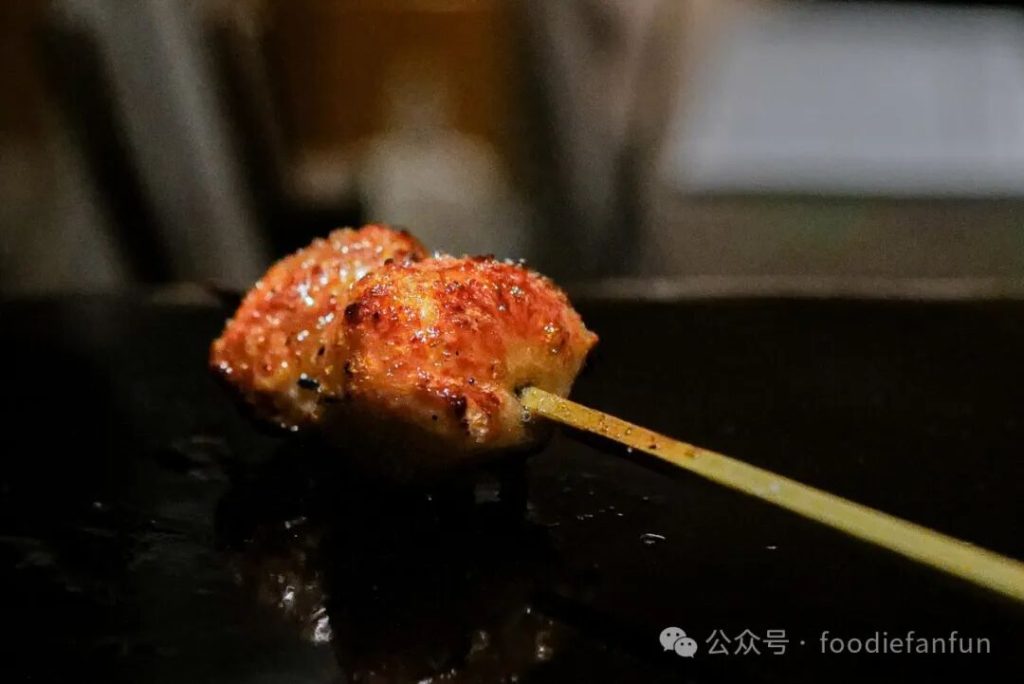
Yakitori | Chicken tail
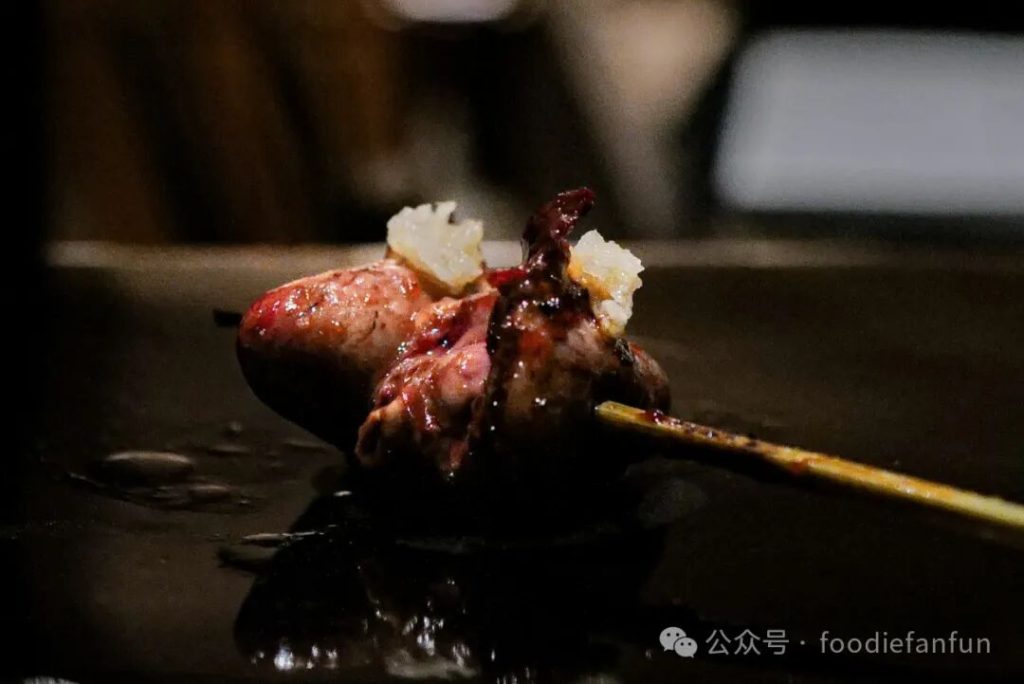
Yakitori | Chicken heart
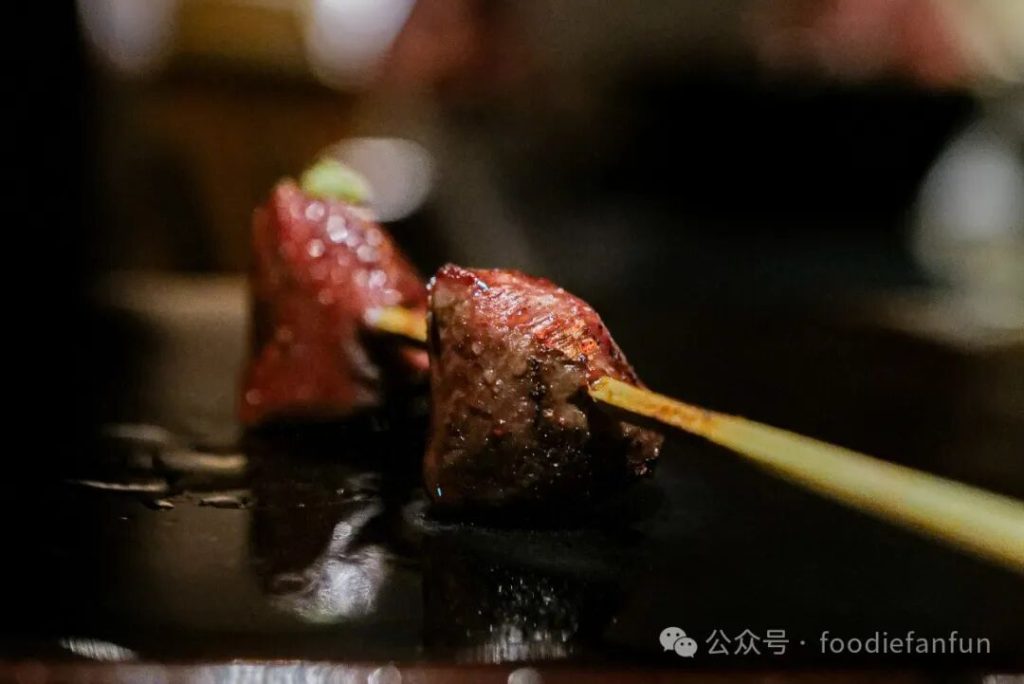
Yakitori | Gizzard
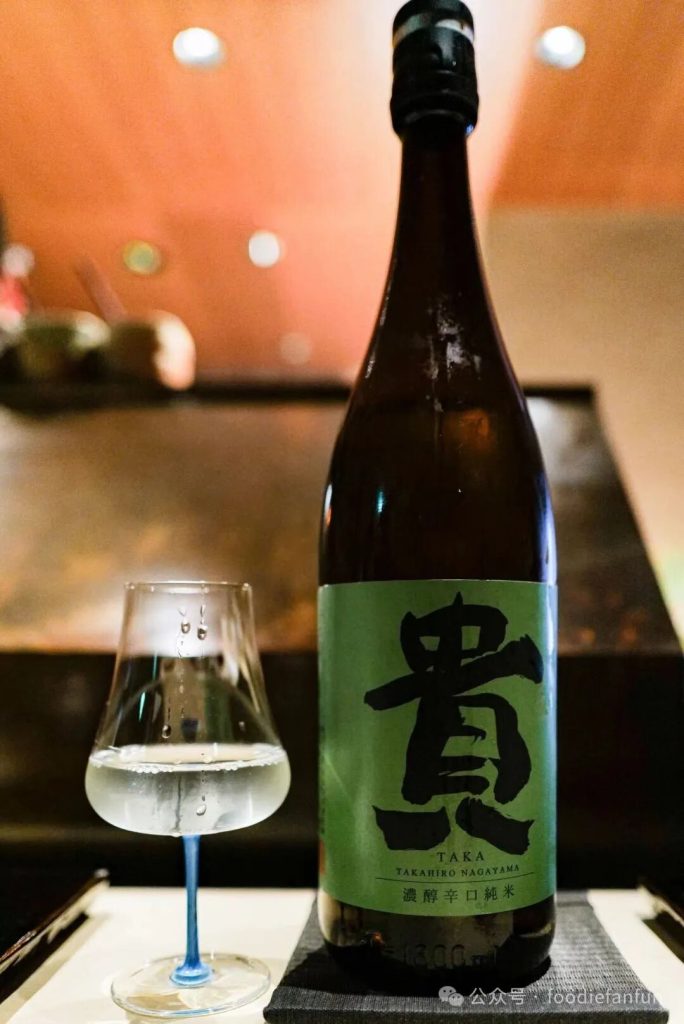
Three courses followed in quick succession — the tail was crisp in one bite, bursting with fatty aroma; the heart amplified the charcoal smokiness; and the gizzard was so crisp you could hear it crunch as you bit into it.
Shinohara’s use of salt on the yakitori was genuinely restrained — wasabi and grated ginger alternated to just barely set off the meat’s texture and flavor.
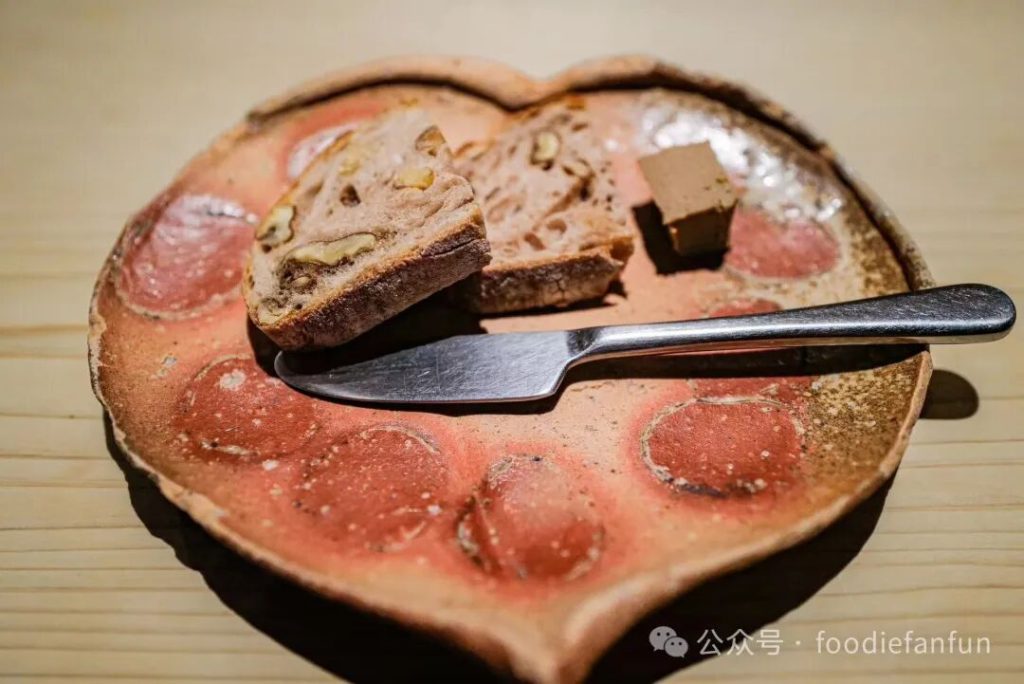
Chicken liver pâté, walnut bread
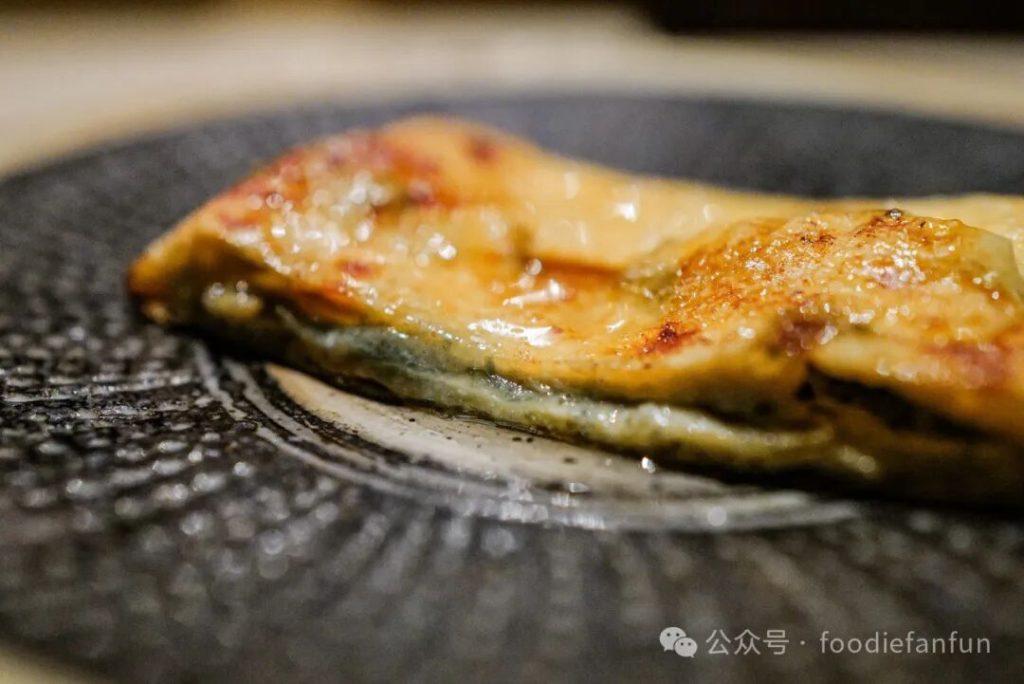
Tofu skin, blue cheese, honey
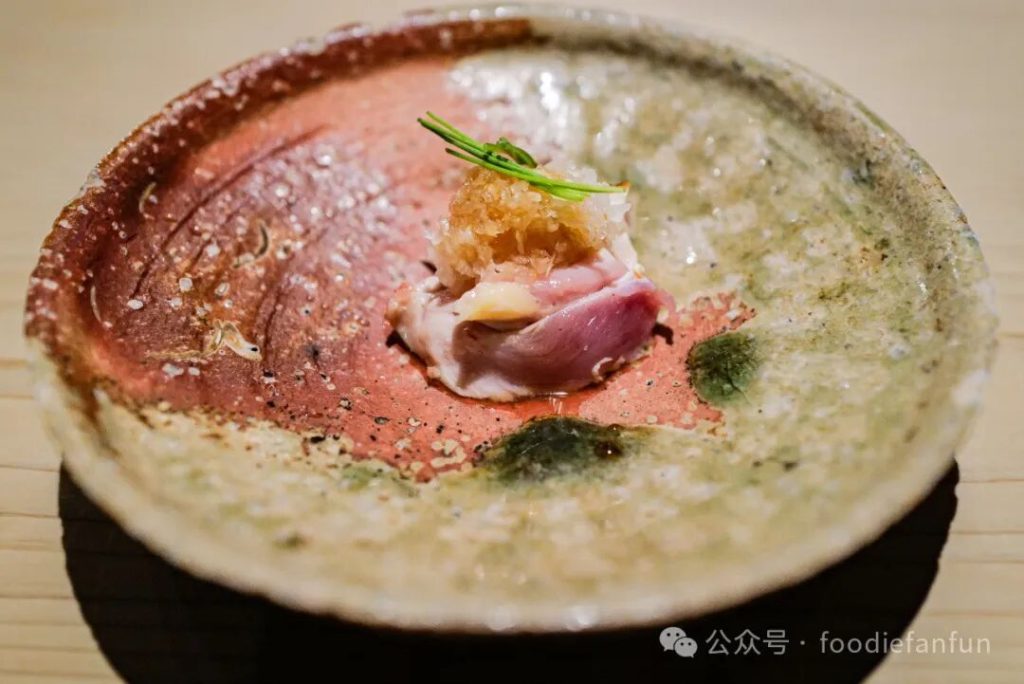
Chicken tataki
A few dishes were woven in between the yakitori courses.
The chicken liver pâté was maximally milky and delicate, with a faint sweetness lingering afterward. The grilled blue cheese, oozy at the center, paired with honey as expected — but the cheese’s quality dragged the whole dish down. The thigh-and-breast tataki, still slightly pink and raw in the middle, was extremely tender and great with drinks.
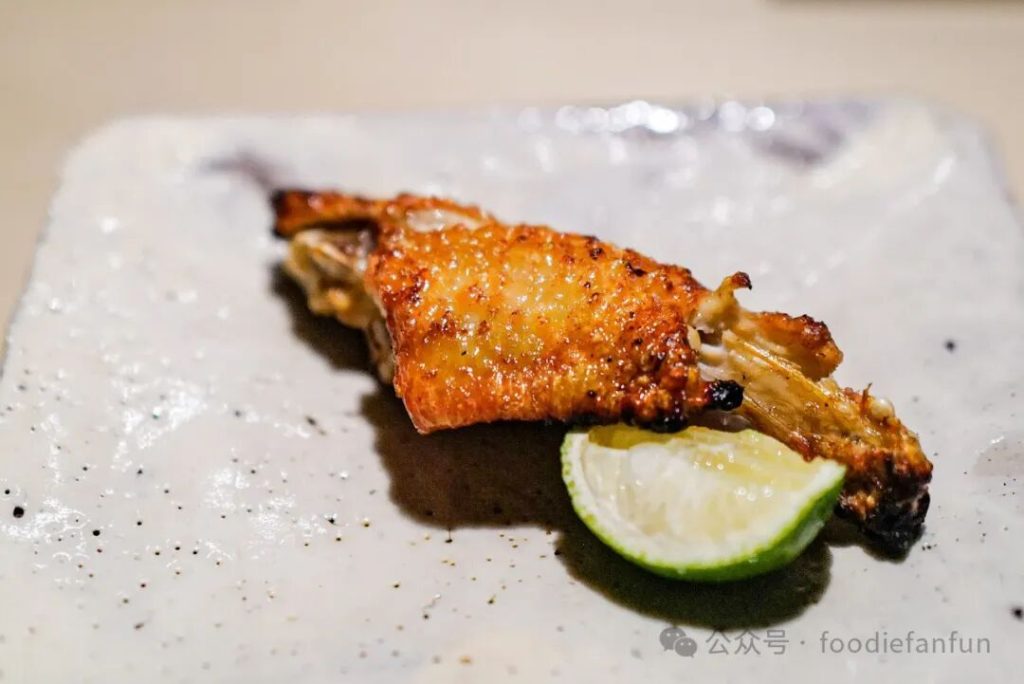
Chicken wings
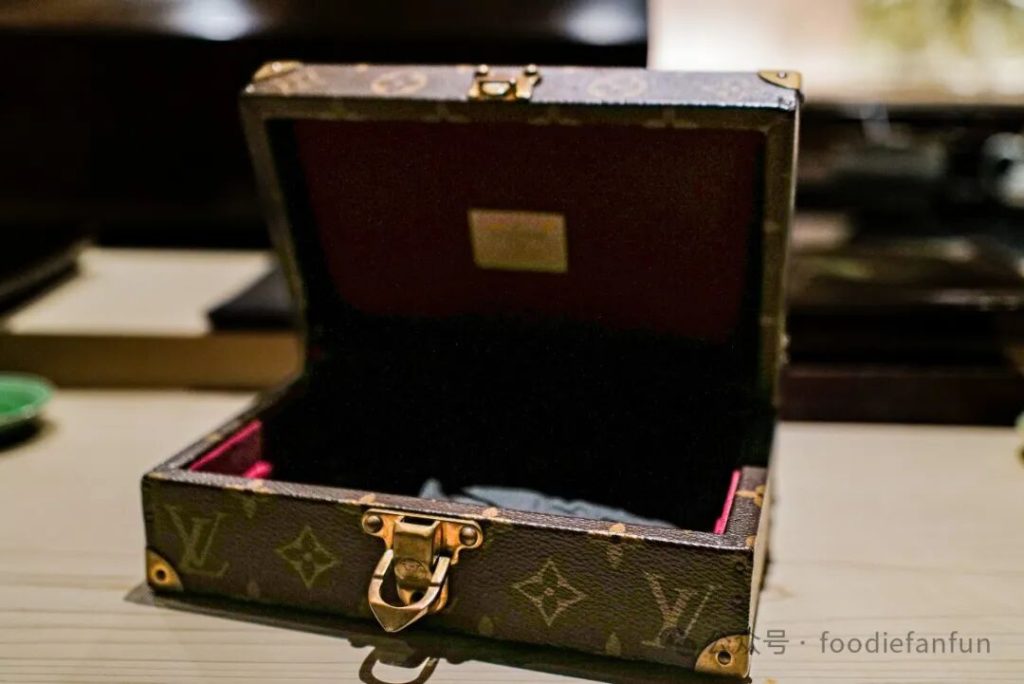
I’d already thought using LV coasters at a small yakitori joint was a bit much, but then the server brought over a little LV box, containing black gloves meant for the next course — the chicken wings.
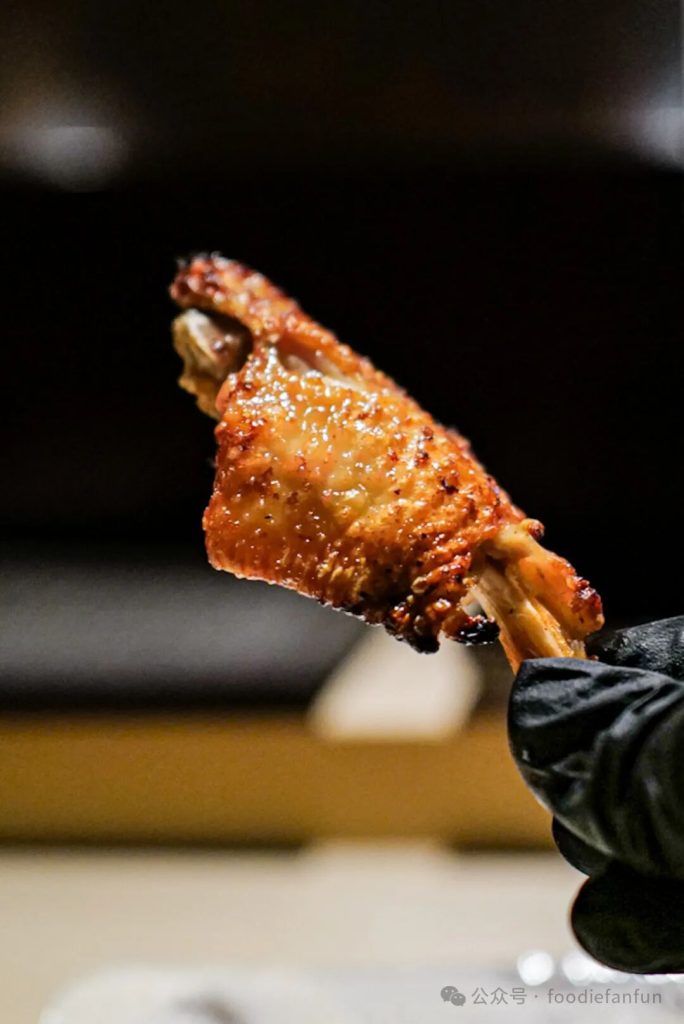
Though the sakana dishes were a bit uneven, Shinohara’s salt-grilled yakitori consistently delivered. The edges of the wing were lightly charred, the fat under the skin had rendered into a juicy richness, and the meat was cooked just right.
This was genuinely the dream chicken wing.
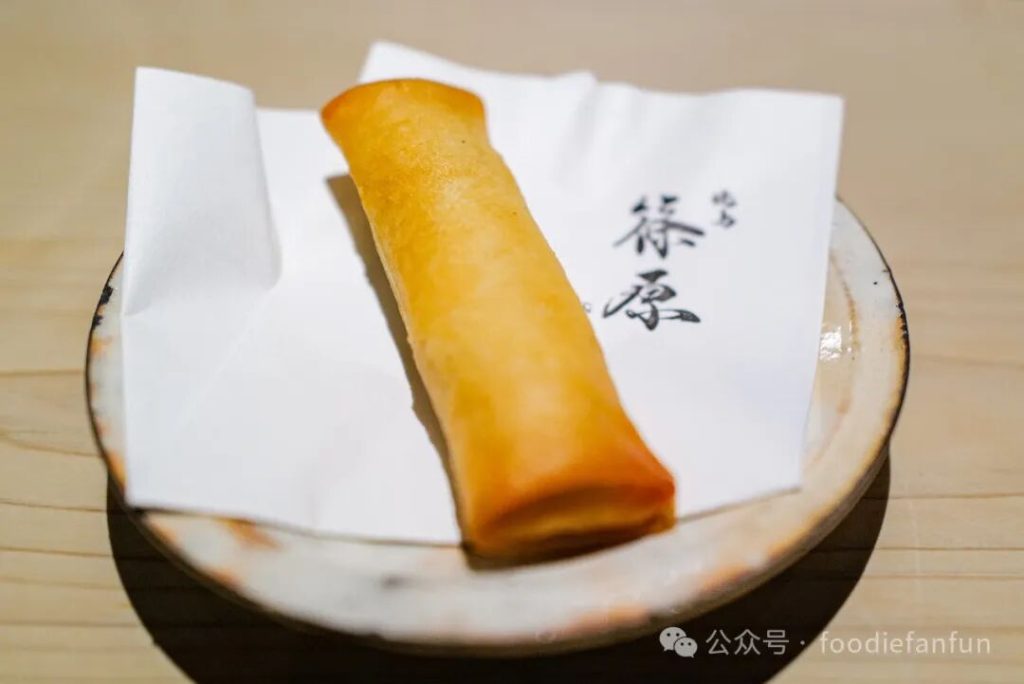
Spring roll
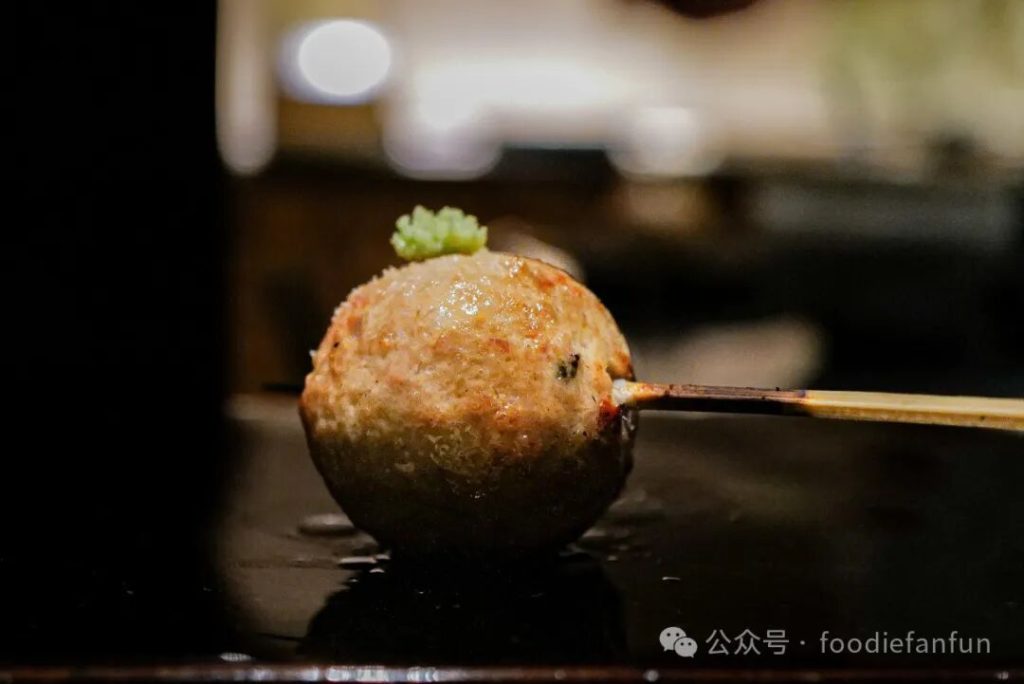
Tsukune (chicken meatball skewer)
The spring roll was a real letdown — after frying, it turned stiff, as if made with frozen wonton wrappers.
The chicken meatball, on the other hand, was a pleasant surprise — its round shape sitting cutely on the plate. Biting into the center, the meat was still faintly pink.
A touch of salt perfectly balanced the charcoal and the fat — genuinely satisfying.
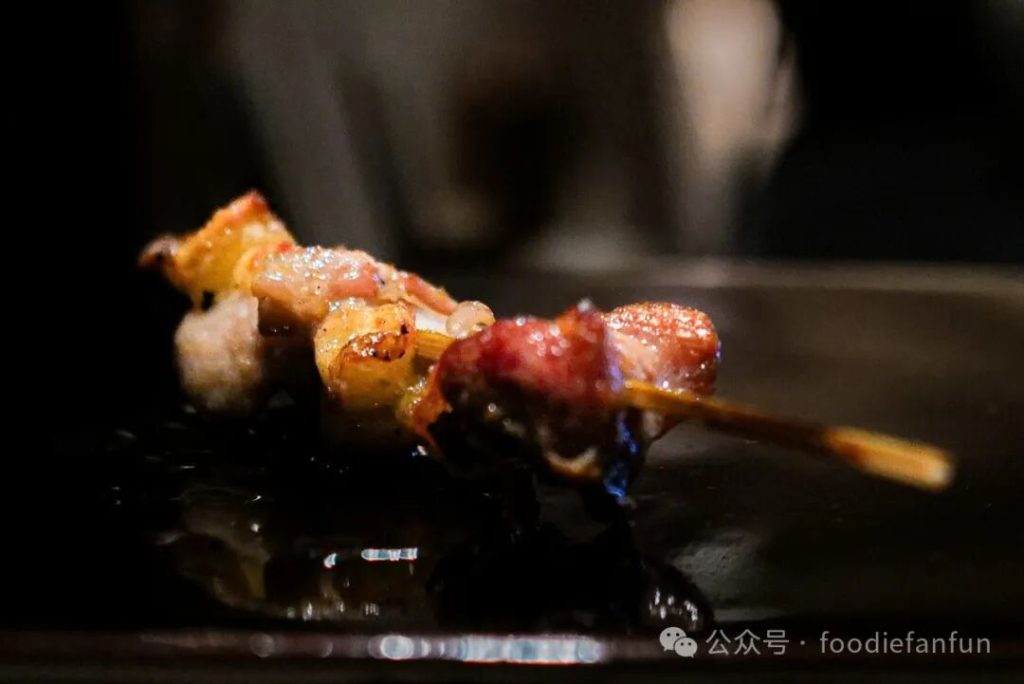
Chicken cartilage
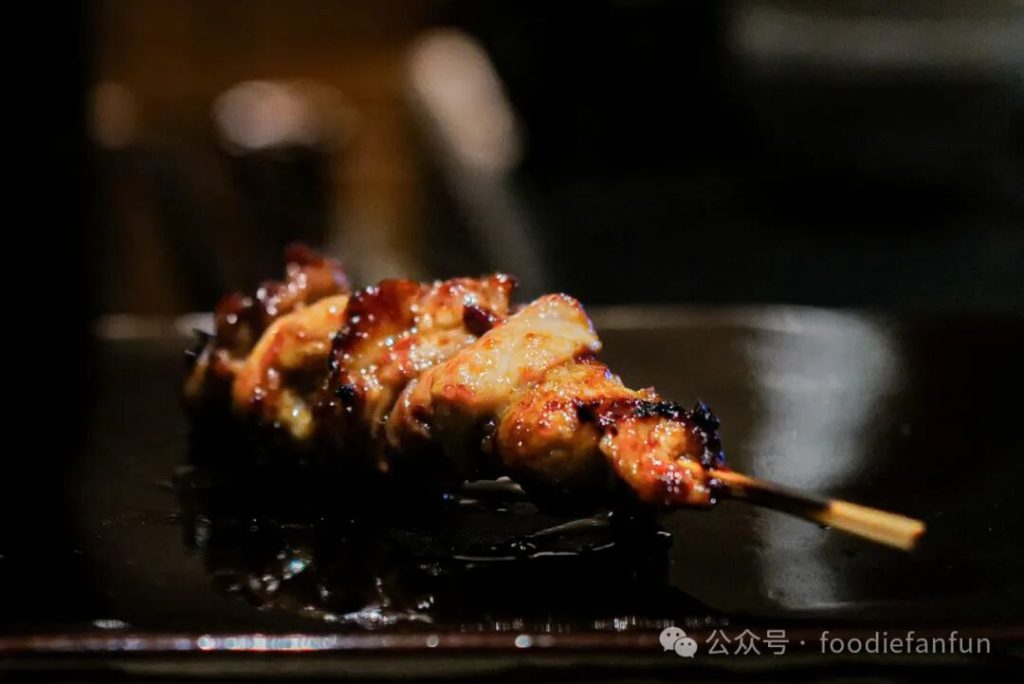
Esophagus
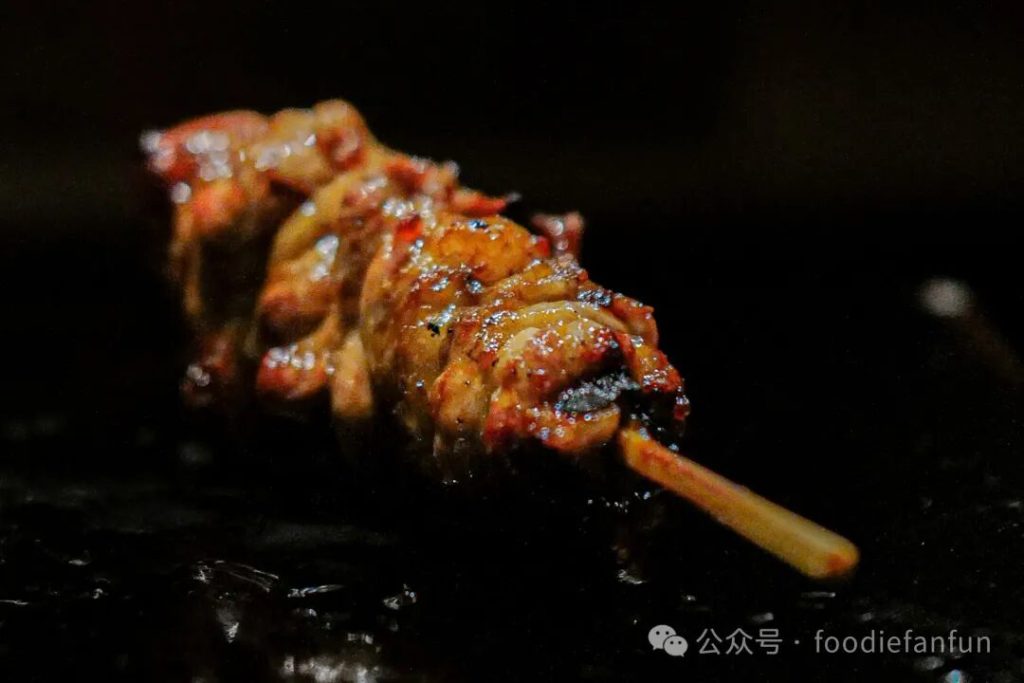
Neck meat
Since it’s not often we make it to this restaurant, we added three more cuts of yakitori — the esophagus had a wonderfully crisp texture.
While we were still working through the yakitori, the sous chef came out carrying a large clay pot, flashing his signature smile as he showed off tonight’s rice pot to the guests.
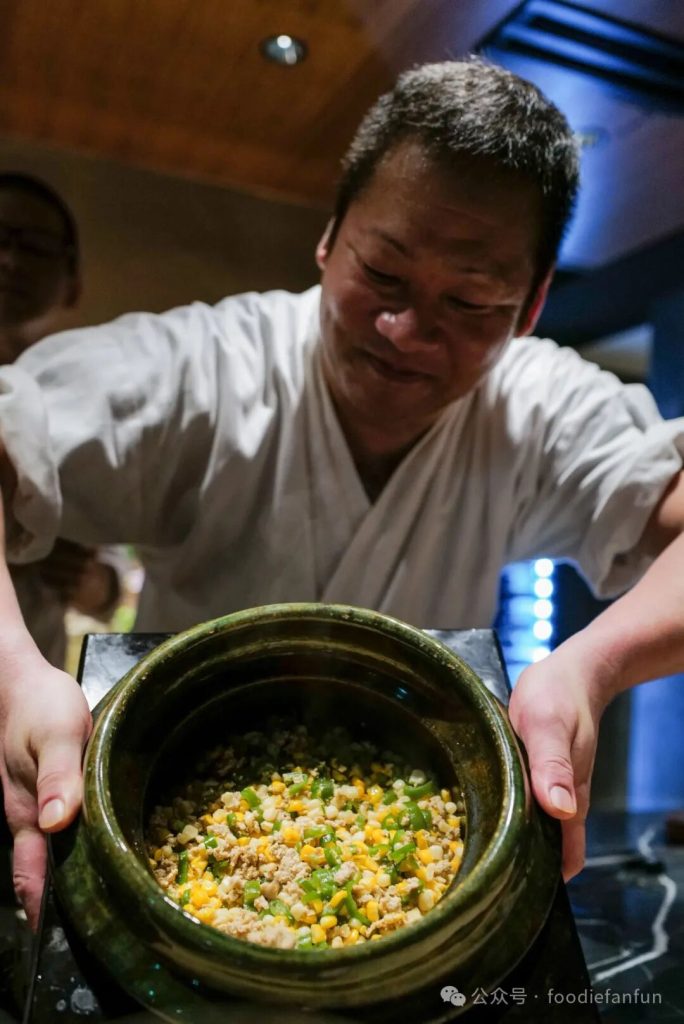
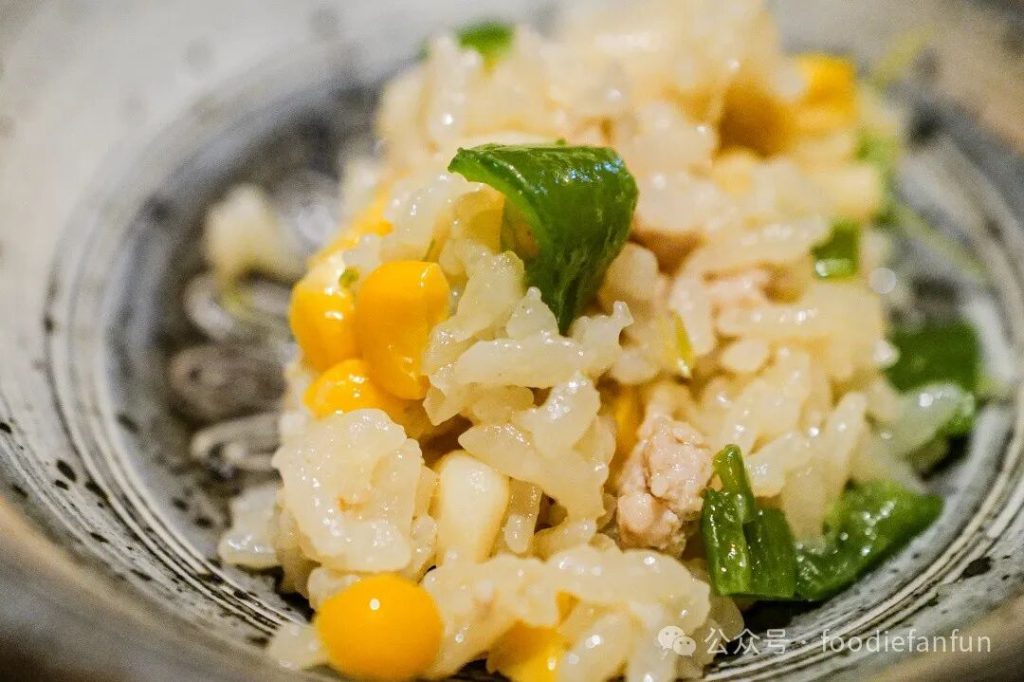
Rice pot (kamameshi)
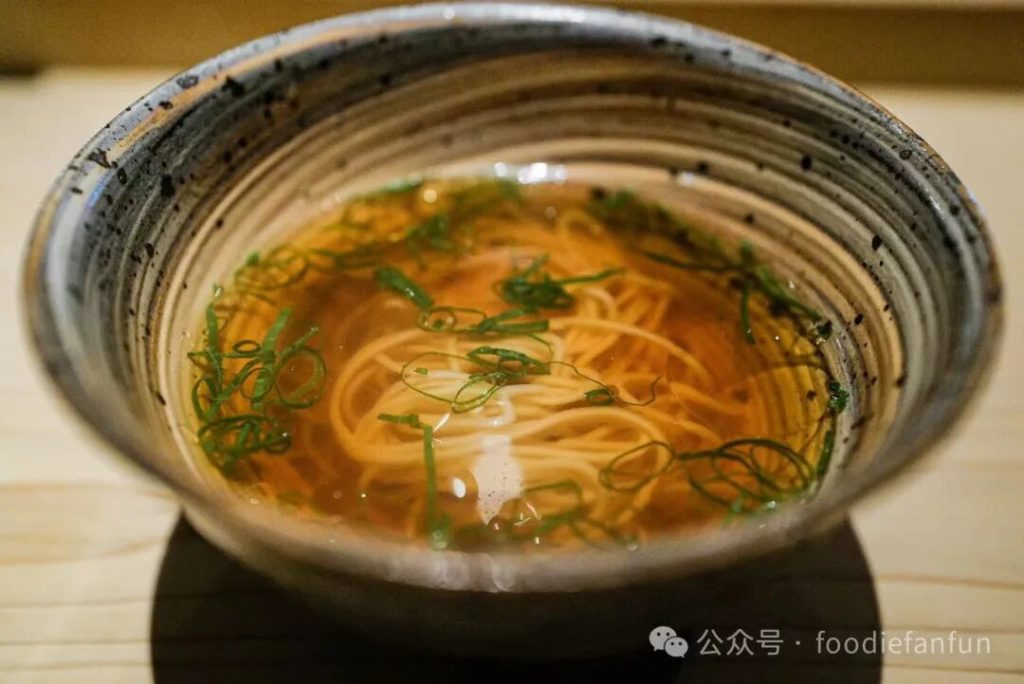
Chicken broth noodles
Two staple courses followed — the rice pot combined chicken with in-season shishito peppers and butter-scented corn. Generous ingredients, but the flavor wasn’t especially compelling.
The chicken broth noodles, on the other hand, echoed the wonton soup from the start of the meal, with a thin layer of oil visible on top making it noticeably more fragrant. The noodles were cooked slightly underdone, and finishing the bowl left just the right amount of satisfaction.
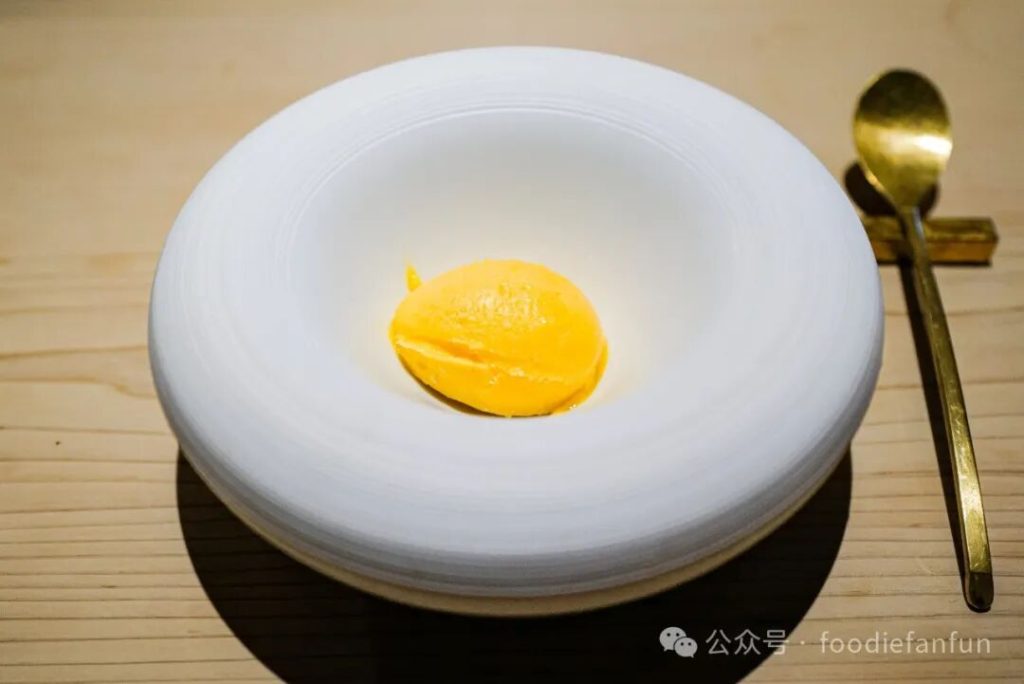
Taken as a whole, the meal flowed smoothly.
You could see the chef’s skill and care in every dish, and the timing on the yakitori was consistently satisfying. Most of the counter seats seemed to be regulars, and the 7-bottle pairing was genuinely not skimped on — real value for money.
It’s still fairly easy to book right now — I’ll be thinking about coming back.

Yakitori Shinohara
〒106-0031 Nishi-Azabu Shino Building 1F, 1-4-40 Nishi-Azabu, Minato-ku, Tokyo
17:30–20:00 / 20:30–23:00
www.yakitori-shinohara.com
Omakase ¥16,000
Pairing ¥16,000
Leave a Reply