Restaurants in Spain aren’t quite as hard to book as in Japan, but most of the itinerary still needs to be locked in two months ahead. Txispa, though, got planted in our heads in a genuinely romantic way — just two days before departure, by a lovely couple we’d only just met, who’d recently come back from Spain.
By then online bookings were already closed, so we sent the restaurant a message just to see. Getting a table here felt more like a mix of nerve and luck.
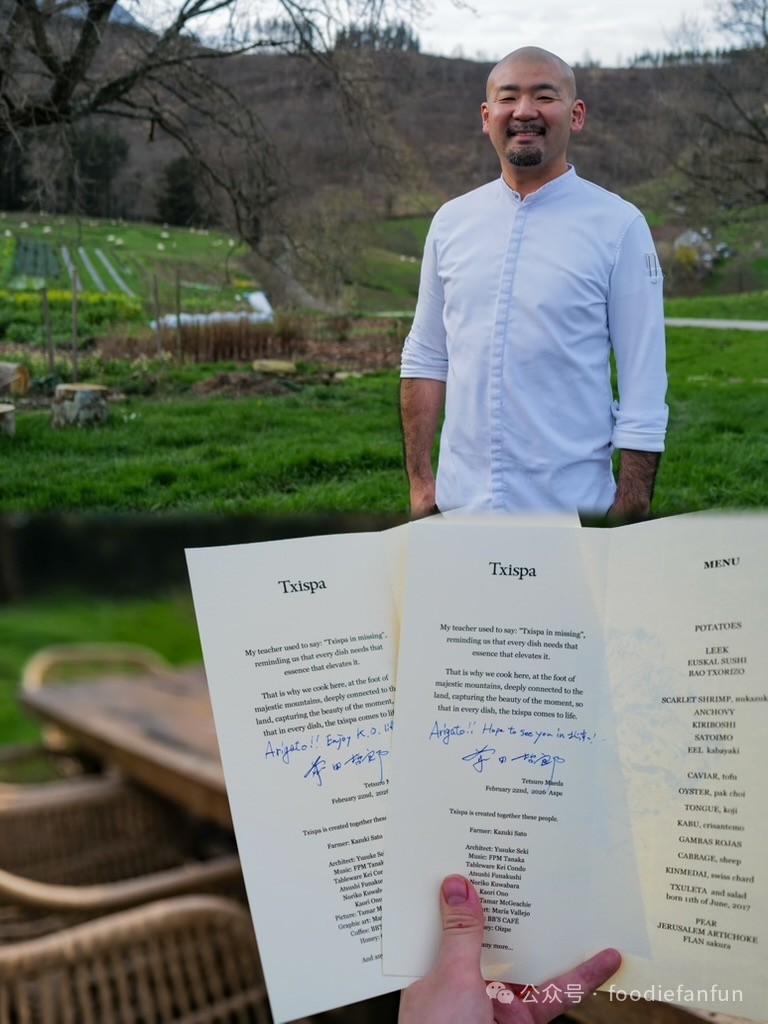
Txispa’s chef, Maeda Tetsuro, is a Tokyo native raised in Kanazawa. He spent 10 years as sous chef at what is now the world’s No. 2 restaurant, Asador Etxebarri.
He went independent in 2023, opening his own place on a hillside just a few hundred meters from his mentor’s restaurant, and earned a Michelin star within just six months. Now ranked No. 85 on the World’s 50 Best Restaurants list — a rising star drawing serious attention in the Basque Country in recent years.
Finishing the meal left us excited and genuinely moved.
From the cooking itself, you can clearly feel three forces layered together: a Japanese upbringing and palate structure; technique and cooking control honed through years in professional kitchens; and an understanding and respect for the rustic ingredients of these Basque mountains.
These three threads converge into a cooking style that’s genuinely unique and instantly recognizable.
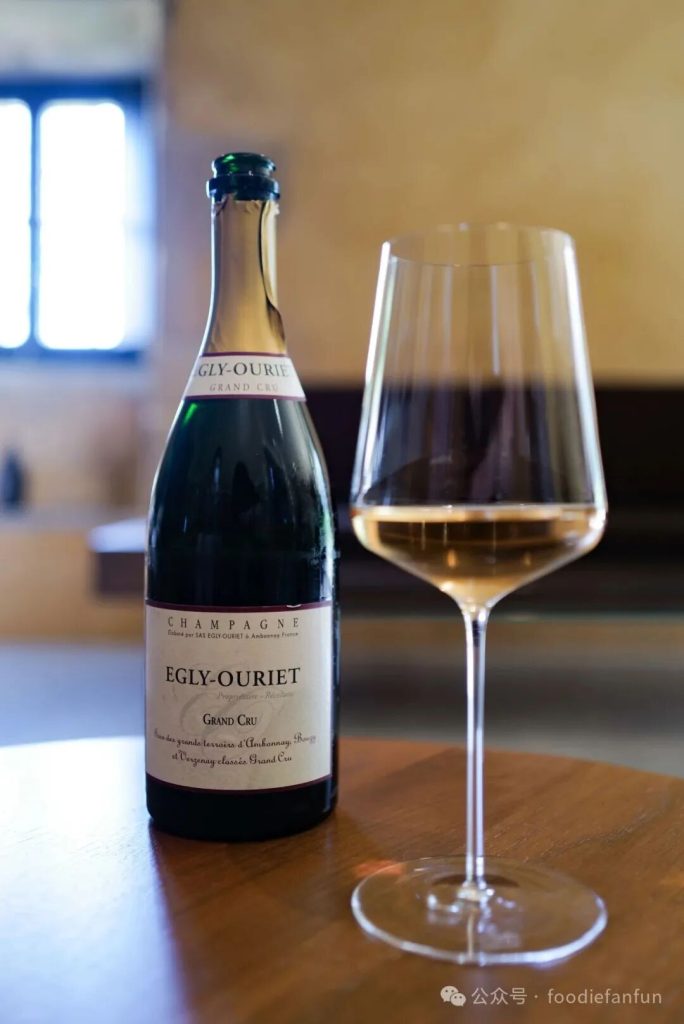
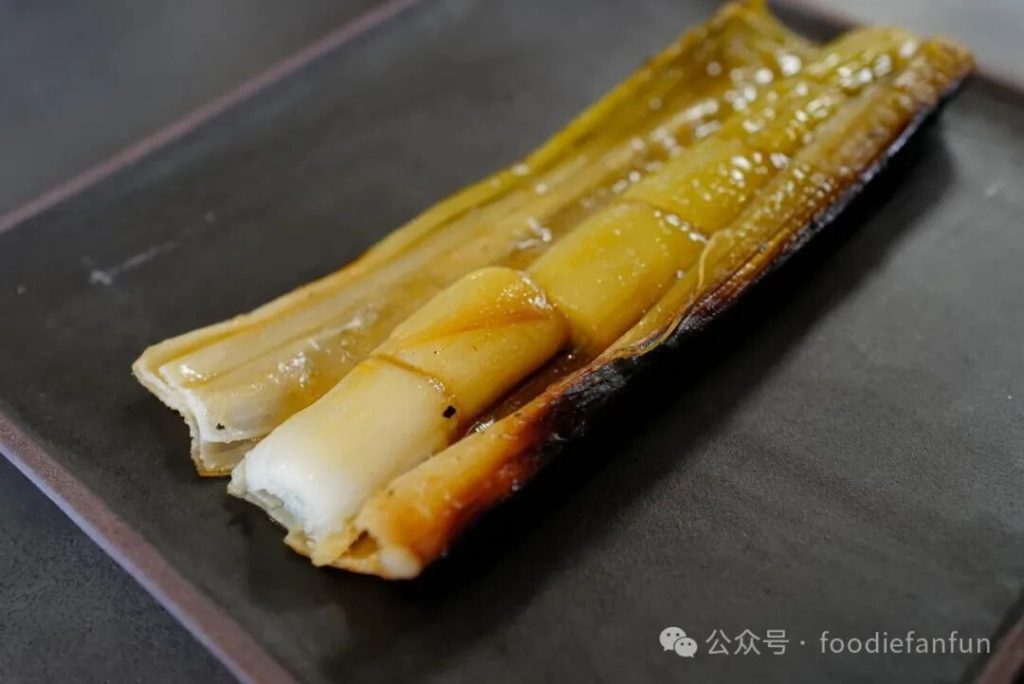
Leek
The hospitality side of things kept moving us too. The joy in the chef’s voice as he talked through his own ideas about cooking was a kind of sharing that came straight from the heart. The rigor in every dish held the anticipation of the meal firmly in place, while also showing his own plain, unvarnished way of living out in the countryside.
Qualities that are usually hard to hold together at once — warmth, restraint, rustic simplicity — were all packed into the same space by him in a way that looked almost effortless. So beyond just being delicious, the whole meal carried an extra layer of memorable, lived-in humanity: a distinctive personal character, vivid, capable, and warm all at once.
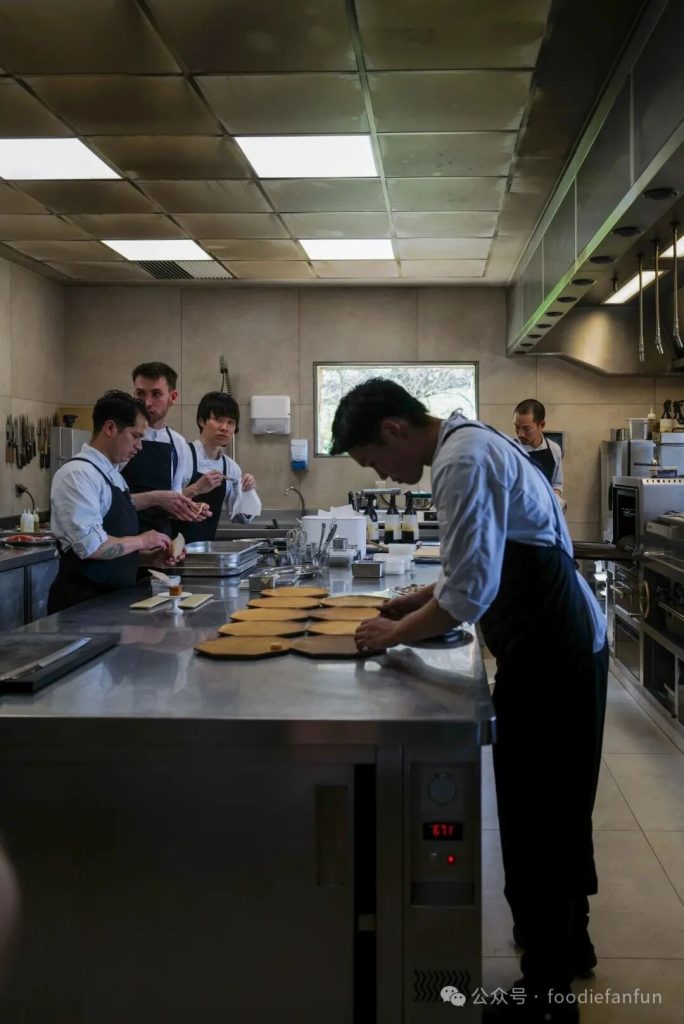
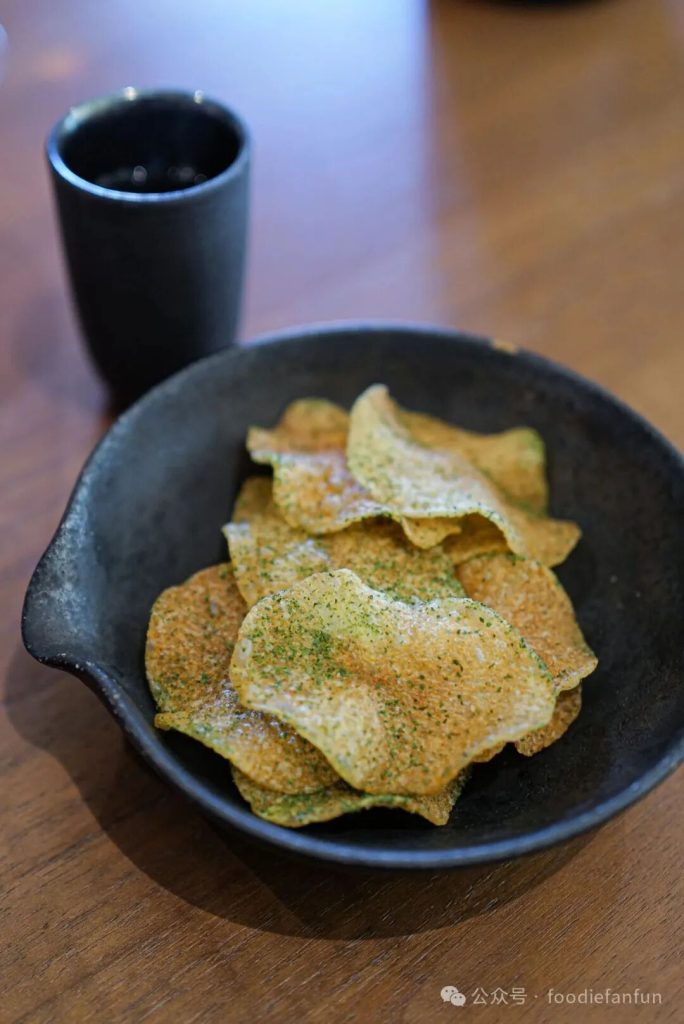
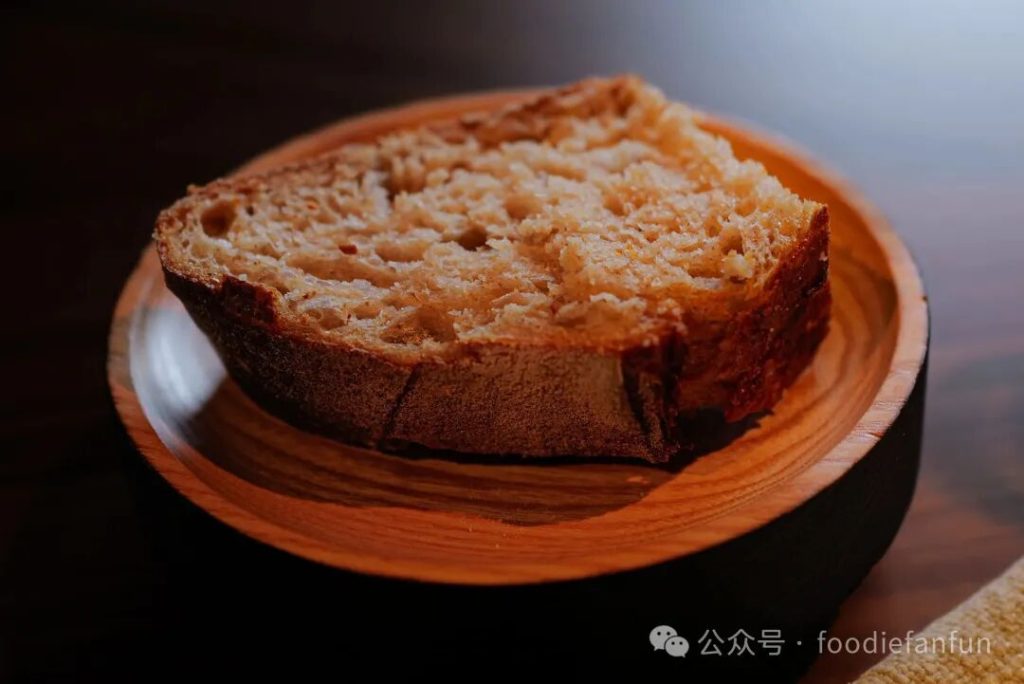
The meal opened with easygoing chips and a warm roasted potato soup — as relaxed as coming home. Everyone tidied up a bit before being led into the kitchen.
Guests gathered around two counters, and Maeda came over and naturally blended into the crowd, asking everyone where they were from and sharing his cooking and kitchen with us.
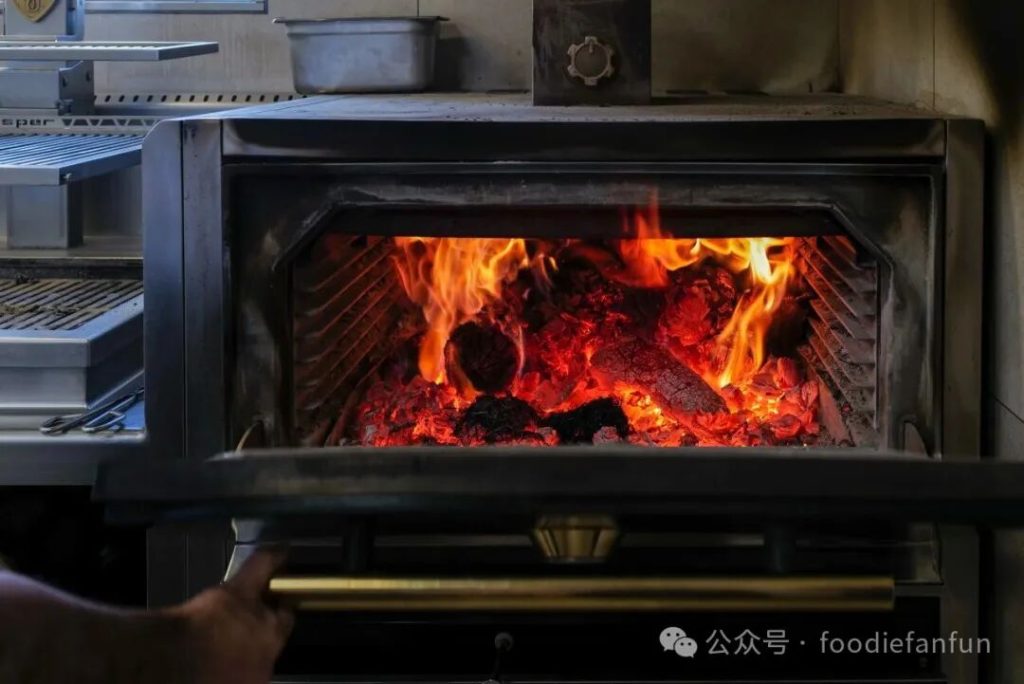
“This is actually a very simple kitchen — we’ve just got a high-heat grill, a rig that lets you adjust the distance from the flame, a meat slicer since all our meat comes from farms, and an ice cream machine — that one was a bit pricey.”
“I always think about what I’d do if I were someone arriving in the Basque Country four hundred years ago. All our seasonings are homemade — like the yuzu shoyu just now on the leek. But there’s no soybean in the Basque Country, so I have to ferment different proteins depending on the season to make our own soy sauce.”
Surprisingly, none of it came across as showing off — whether talking about the equipment or his own condiments, it all sounded like a farmer describing his hoe and his vegetables.
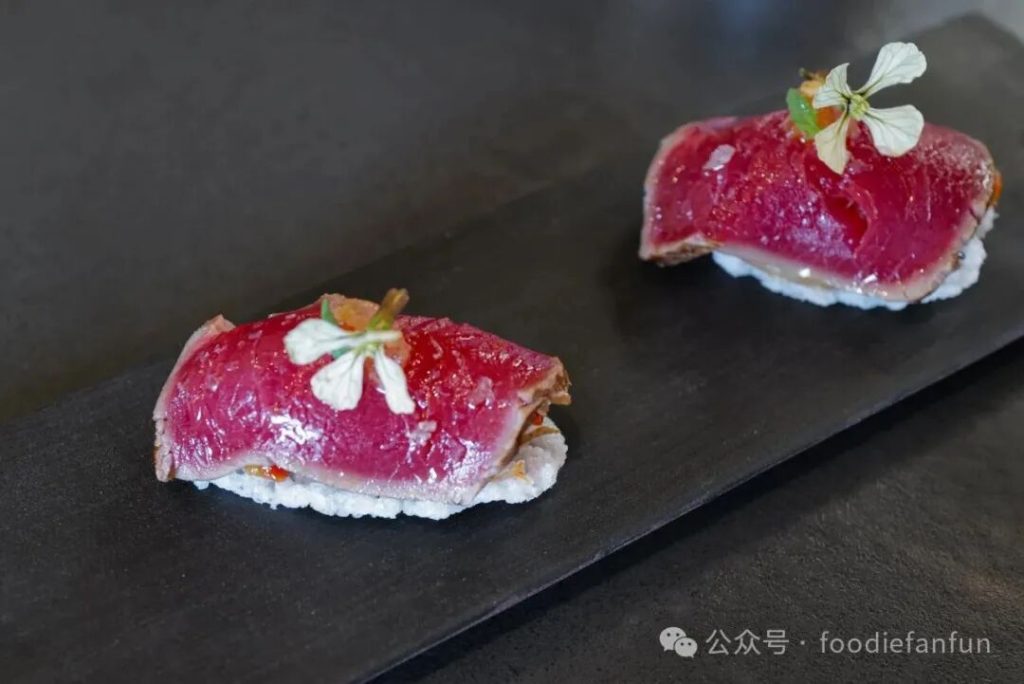
Euskal sushi
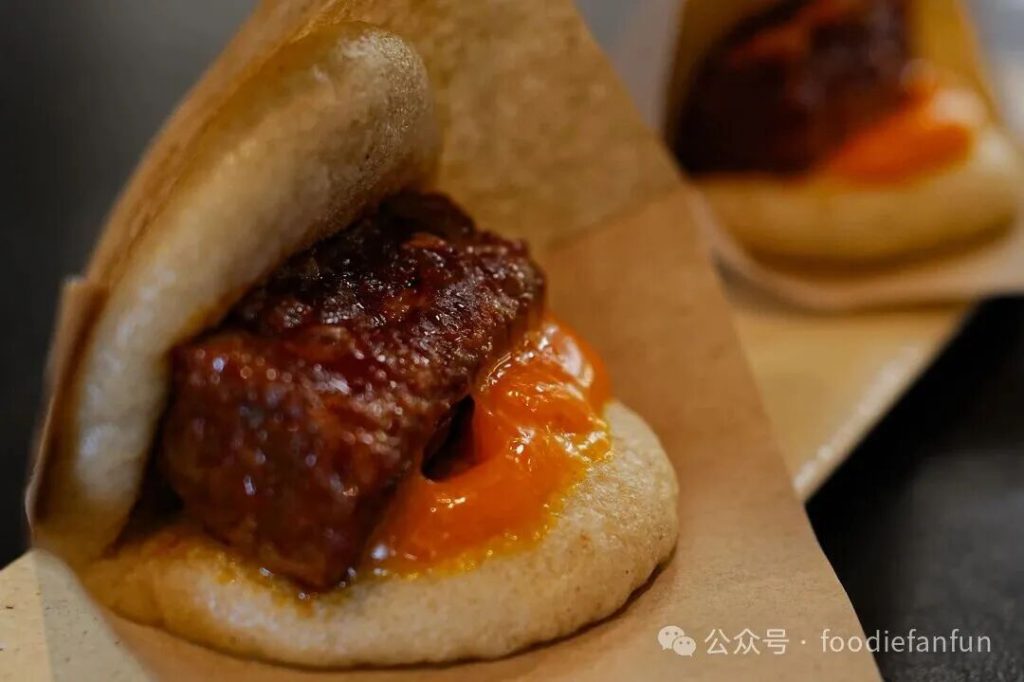
Bao txorizo
The kitchen’s dishes carried some clever little touches too. There was a “Basque-style” sushi, a rice cracker paired with tuna tataki, plus bell pepper and a bit of acidity — a genuine pintxo shaped exactly like sushi.
The txorizo bao showed off even more of a cross-cultural blend — a hot spring egg, a soft steamed bao, and their own house-made Basque pork chorizo bringing softness and spicy richness, direct and delicious.
“Pork does get sold in supermarkets in summer too, but winter is really the main slaughtering season, and the meat’s more flavorful then. So I only make this dish for guests in winter.”
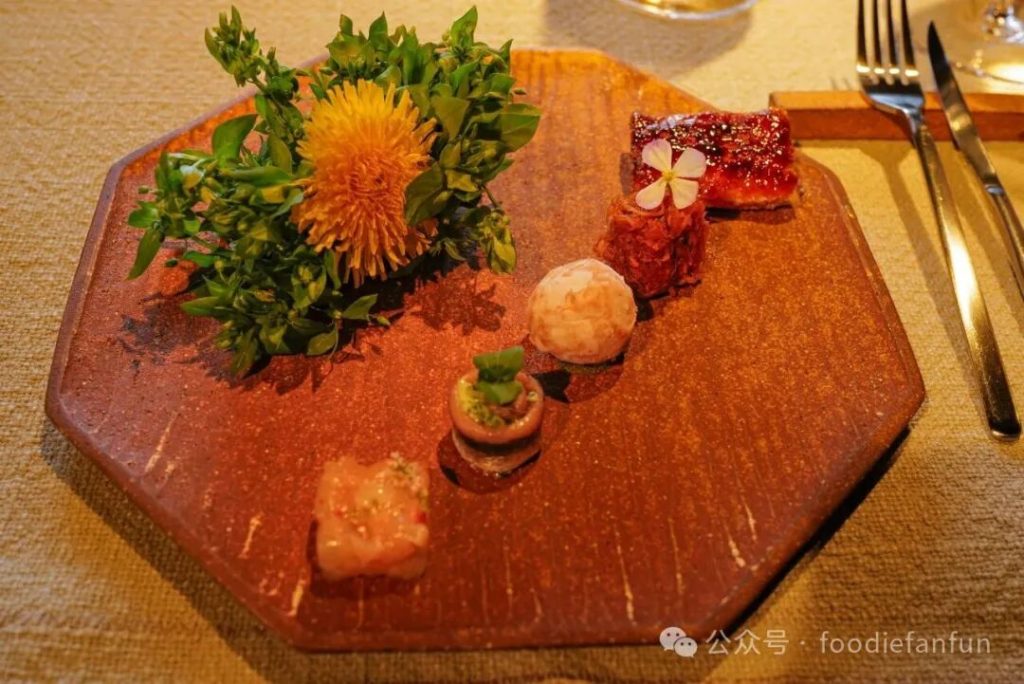
Scarlet shrimp | Anchovy | Kiriboshi | Satoimo | Eel kabayaki
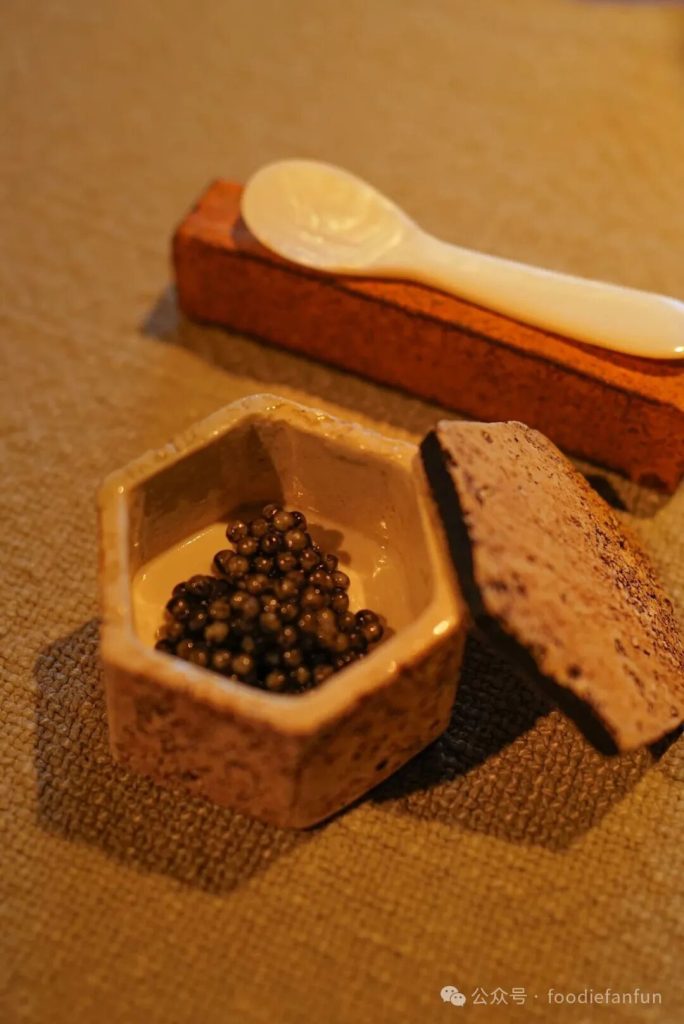
Caviar, Tofu
Rice-bran-cured small white shrimp, their own home-cured anchovy, fried taro with yuzu pepper, house-made dried radish, and eel kabayaki.
Fresh ingredients alternated with seafood and plants that had been treated over time. Various self-fermented seasonings supported them from the side, each flavor character clearly distinguishable. One bite and you could immediately identify each seasoning’s personality, yet none of them overpowered the main ingredient — each one-to-one pairing was judged just right.
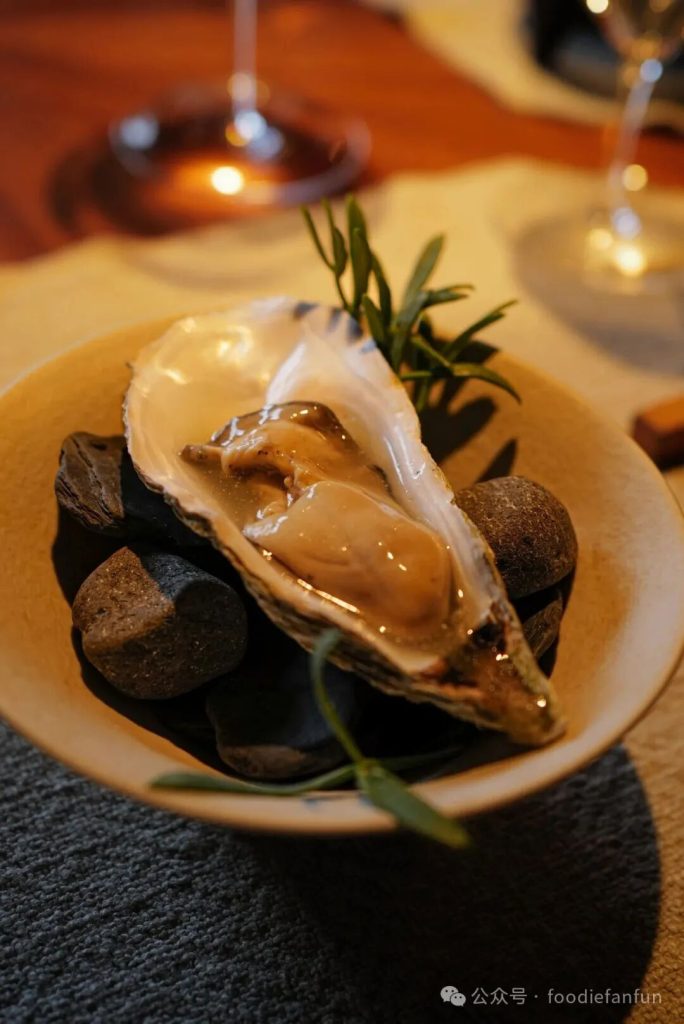
Oyster, Pak choi
Oyster paired with bok choy — a magical combination.
A fresh, plump large oyster, and a broth made from fermented bok choy. Both carried a slight metallic edge, yet paired together they matched surprisingly well. The sea’s coolness and the plant’s fermented aroma caught each other perfectly — both flavors highly distinct, yet neither stole the show from the other. Genuinely interesting.
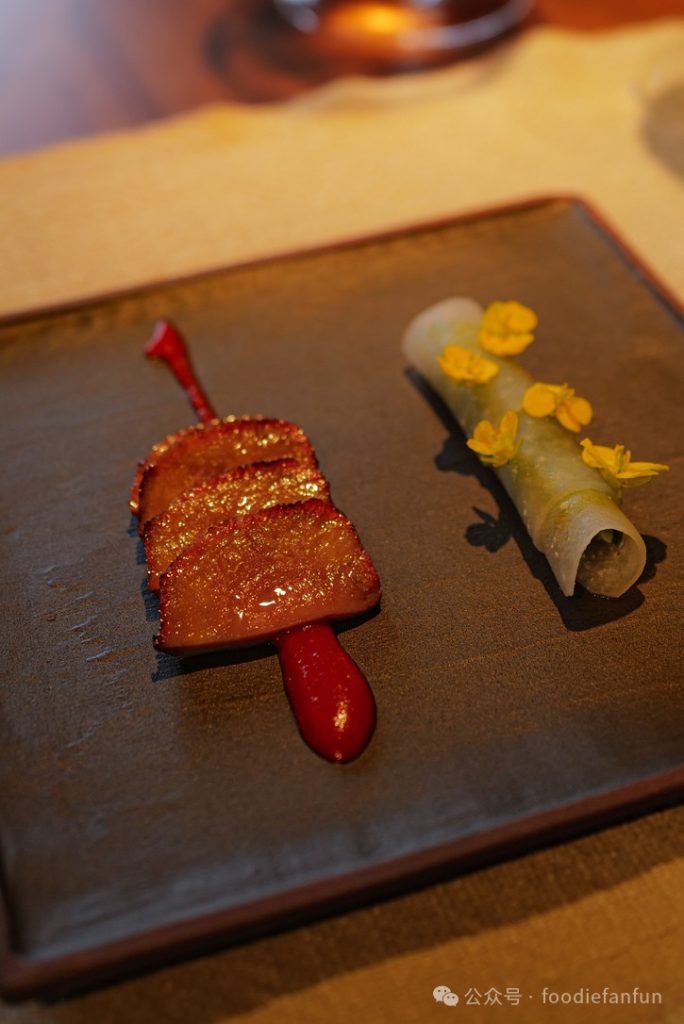
Tongue, koji
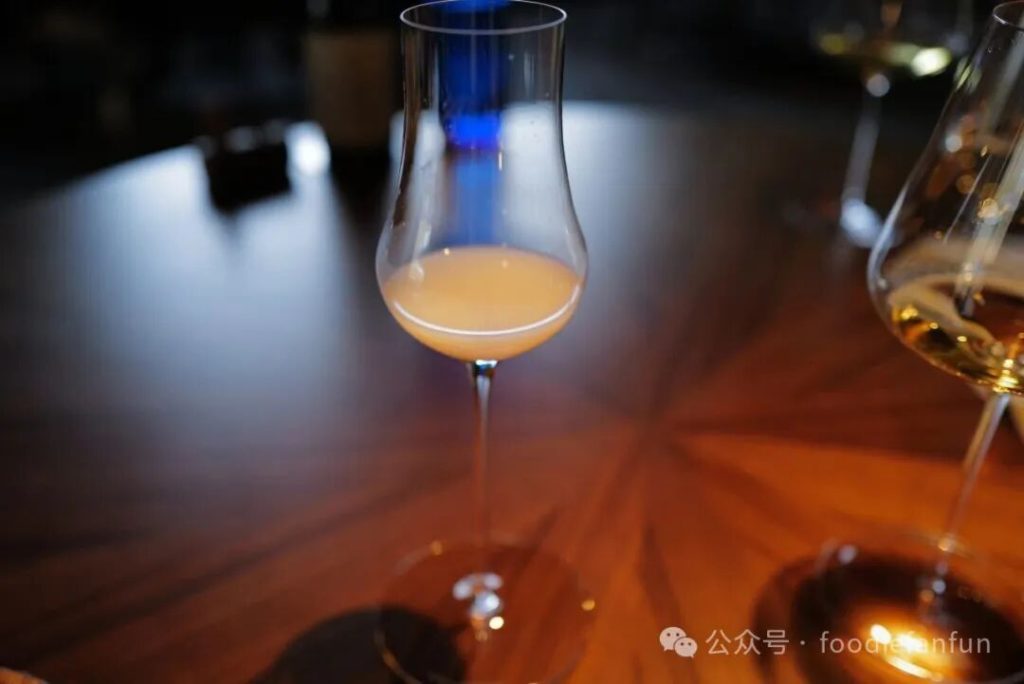
Beef tongue aged five days with rice koji, paired with koji-fermented kanzuri and koji-cured daikon. “We’ve been trying to make our own sake — but honestly, what we’ve brewed so far works better as cooking sake.”
On entry, the texture grabs you first — the aged tongue didn’t go the soft-and-melting route, instead coming across genuinely crisp, with a clear springiness on the bite. Then layers of fatty aroma and umami build on top of that, intertwining in a way that genuinely brings to mind beef tallow melting over hot rice. Dip it in a bit of sauce before the next bite, and the flavor gains an extra layer of soft spiciness and light acidity, pulling the meaty aroma from before into something even more complete — genuinely a case of 1+1 > 2.
I’ve certainly had plenty of beef tongue before, but a preparation that delivers both this kind of texture and lets the flavor unfold layer by layer through the chew, all while still holding onto its own true flavor amid the richness — that genuinely deserves a new memory point.
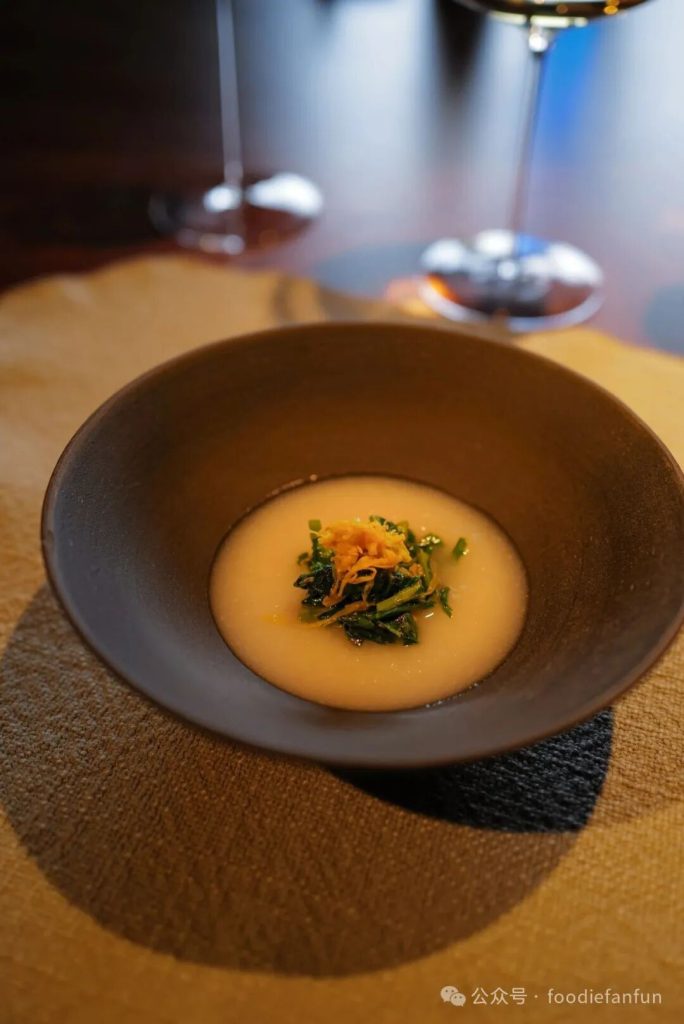
Kabu, Crisantemo
An hour before the meal, the plants were pulled straight from the ground and sent to the restaurant, just 50 meters away.
So the chrysanthemum in the bowl really did hit you head-on with the aroma of field vegetables! The turnip purée underneath had been roasted over fire, its texture soft on entry, carrying a melted charcoal aroma. Delicate and refreshing to eat, a genuinely complete expression.
An upgraded version of a millet-and-greens porridge (bushi).
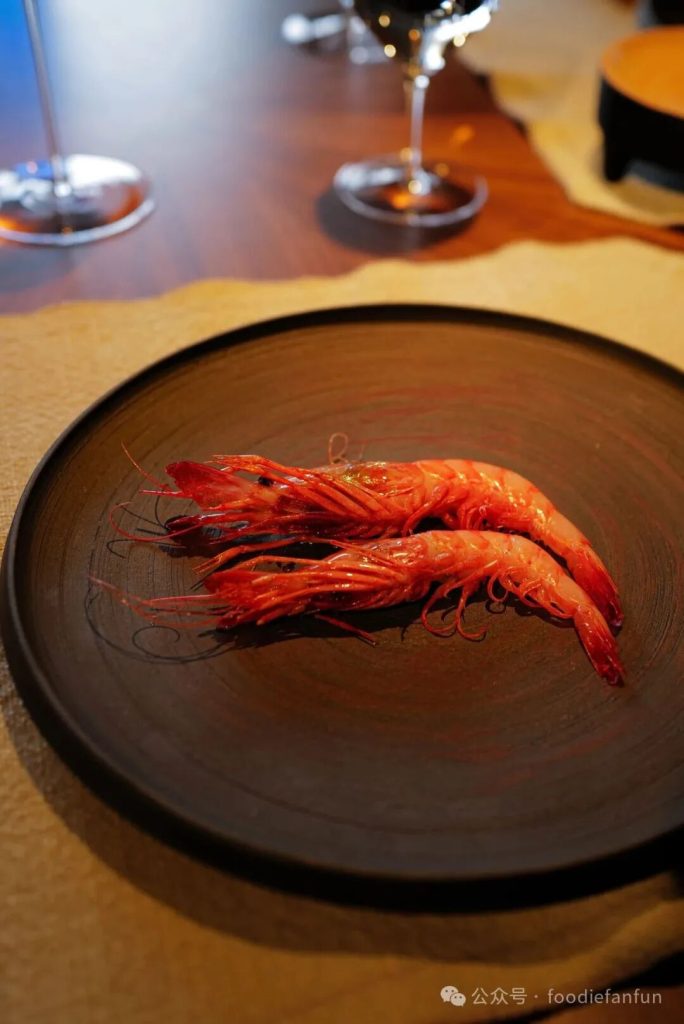
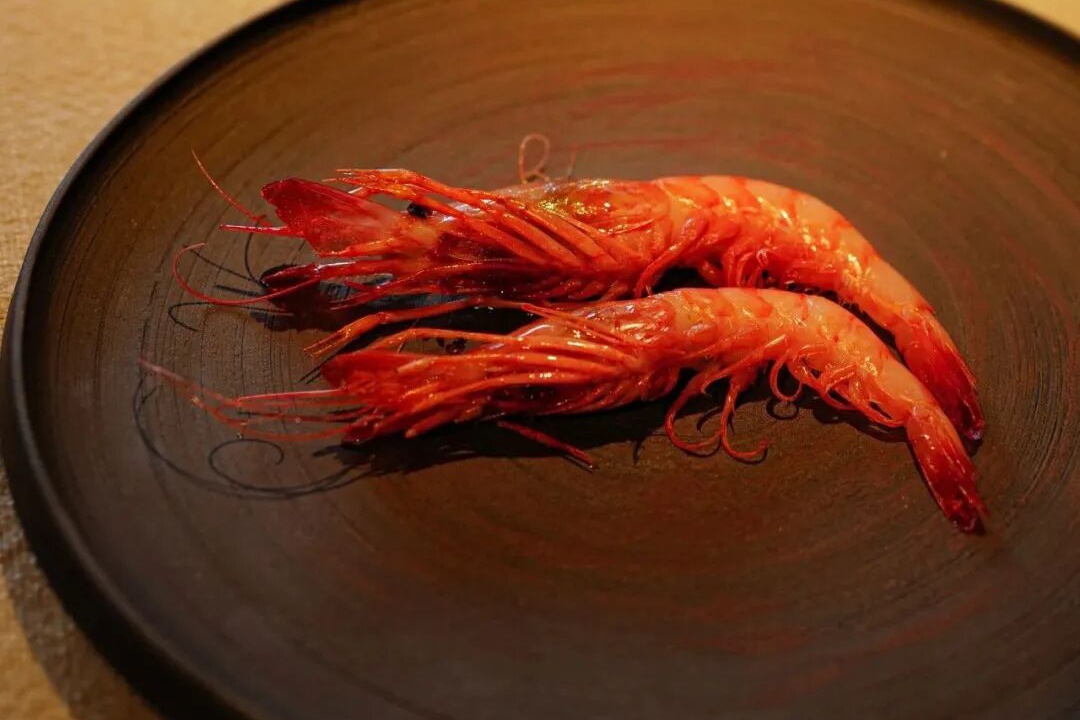
🦐 Gambas Rojas
“We wanted the shrimp head cooked a bit more, so we always grill the shrimp head-down.”
The head about 70% done, the body about 30%. The shrimp “brain” was rich yet clean, drinkable straight as a soup. The shrimp meat, peeled out, still carried a touch of translucence, tasting sweet. The most incredible part was the shrimp “leg” fat — plump enough that you could actually suck it right out.
Genuinely a combination of the best ingredients with the best cooking method, seasoned about as minimally as possible.
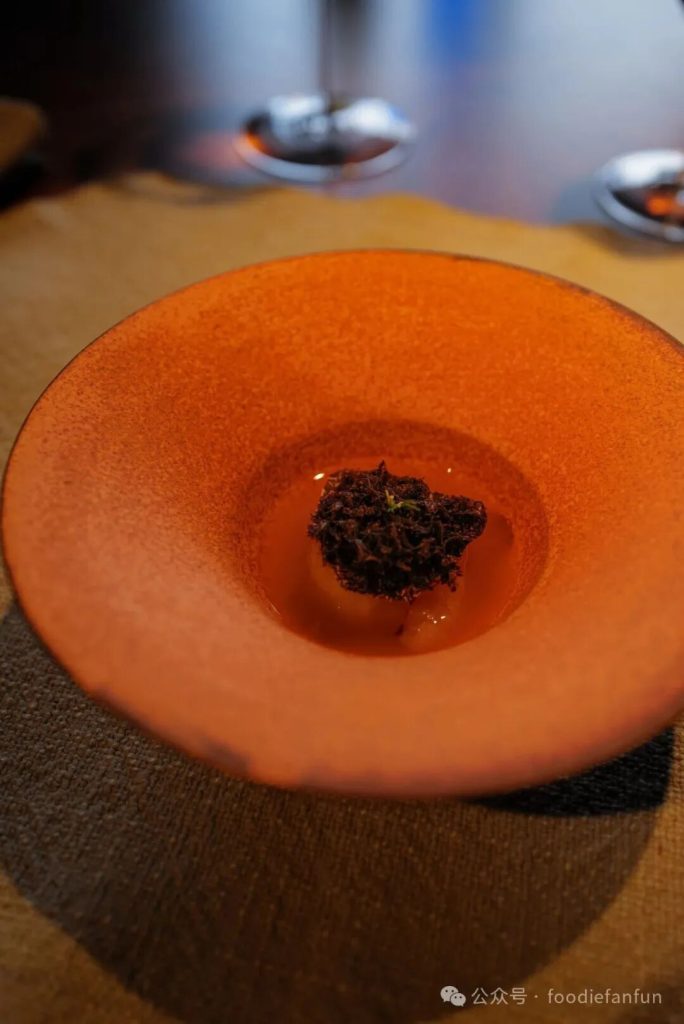
Cabbage, sheep
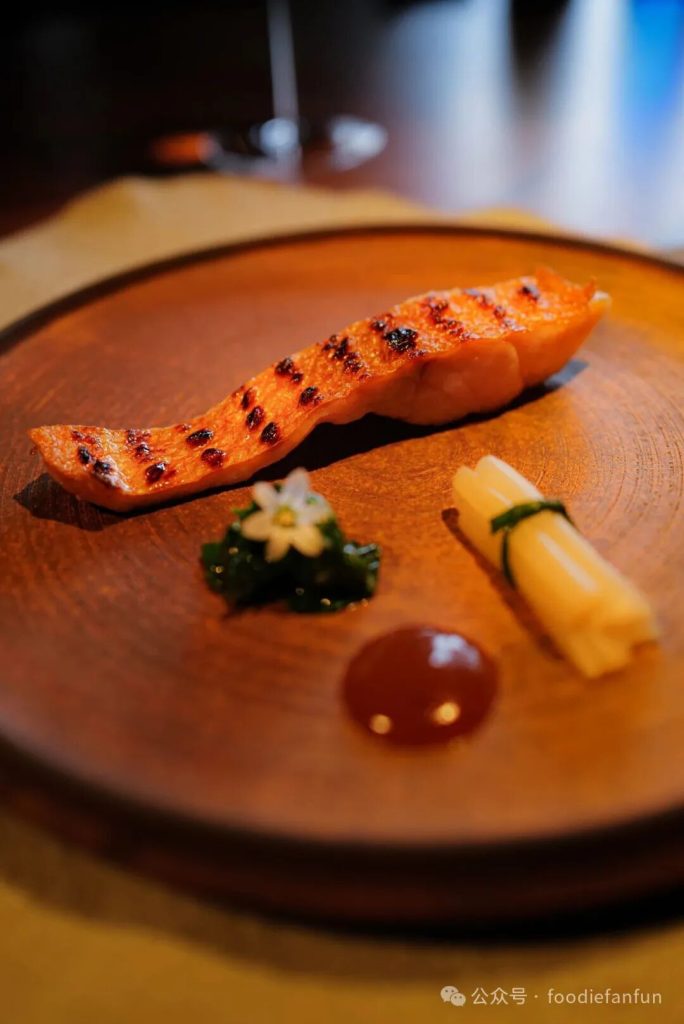
Kinmedai, swiss chard
Sheep eat cabbage, so they made a cabbage soup with sheep’s-milk cheese, then added a bit of black truffle to balance the whole flavor out. The cabbage’s sweetness came through richly set against it.
Four-day-aged splendid alfonsino, its skin coming across crisp, the thin layer of belly meat reading delicate and sweet, the back a bit firmer in texture. The shifting textures made for an interesting eat, while the high sweetness from the ingredient itself stayed present the whole way through.
The Japanese-style seasoning genuinely ran through the whole meal, yet never once felt out of place amid this deeply “native”-feeling style of cooking.
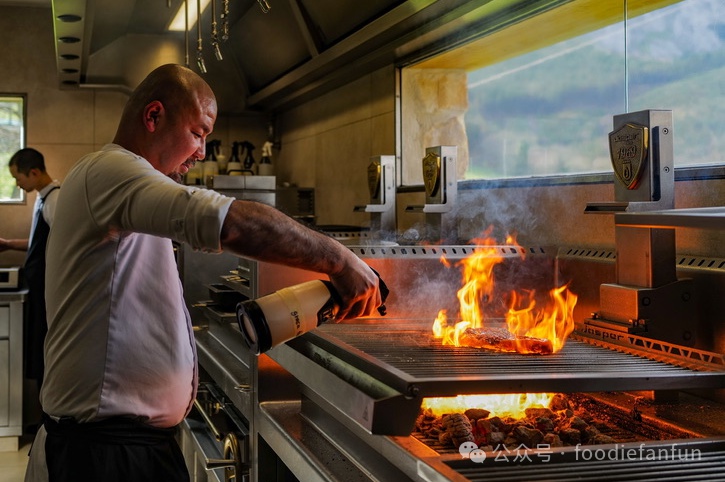
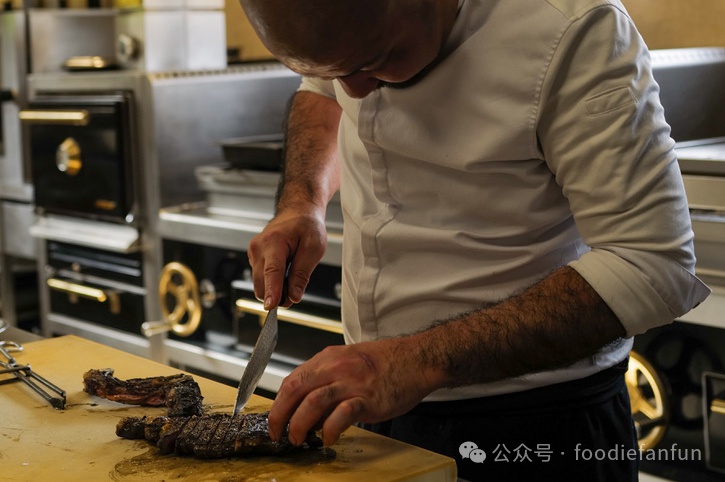
For the actual main course, guests started getting invited to the kitchen table by table. Having already worked through a whole run of his dishes, it was time to watch with our own eyes once more how Maeda handles “fat and flame.”
Those few minutes felt like a real counter-side performance. Standing in front of a custom grill running at a frighteningly high temperature, he grilled and controlled the fire at the same time, his hands moving fast but with nothing wasted. The originally flat, thick chuletón slowly formed a crust and color right there in the fire, eventually turning into one whole, nearly charred-black exterior.
For those few minutes, almost everyone’s eyes naturally landed on him, all together experiencing the process of “cooking” itself.
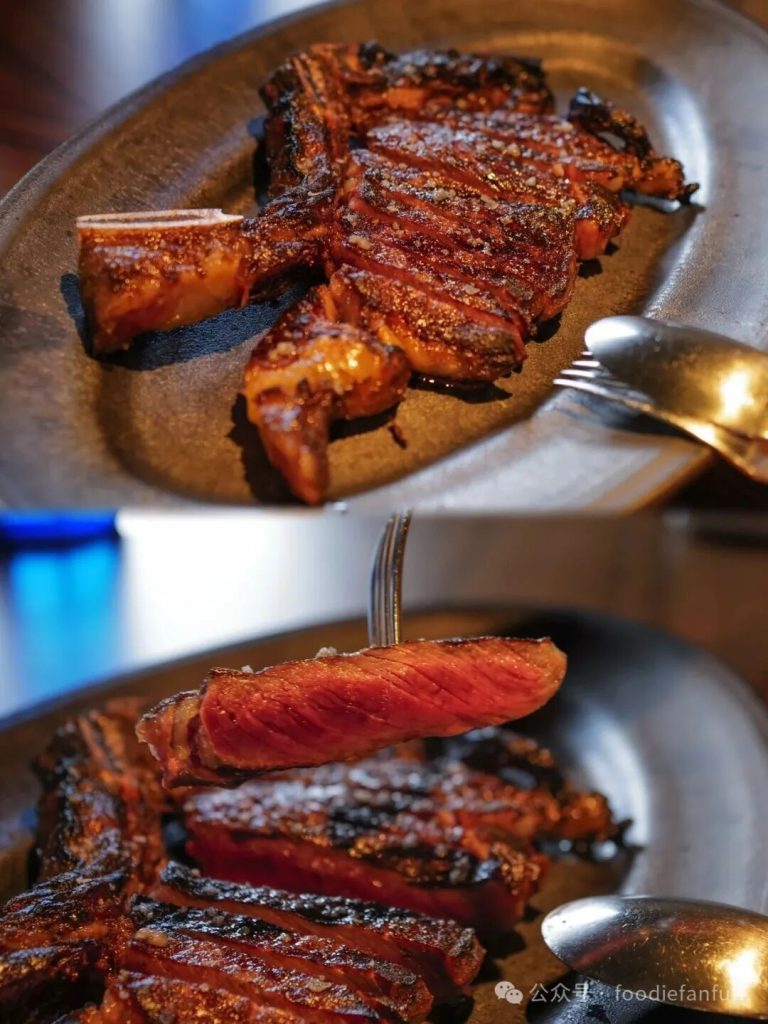
Txuleta, born 11th of June, 2017
The exterior, grilled directly over intense heat, carried a very clear and pleasant charcoal aroma — a crisp, charred shell you could feel the instant you bit in. The texture transitioned almost seamlessly from crisp char to extreme tenderness; the heat was intense, yet the meat itself wasn’t rough in the least — instead it was direct, clean, and genuinely delicious.
The meaty aroma was straightforward, no beating around the bush — the sinew, fat, and meat flavor were all there, yet balanced against each other. But what I loved most was that unapologetic sweetness, a rare kind of natural sweetness coaxed out of the meat by the fire.
It genuinely pushed a very primal expression of steak to its extreme: the power of the charcoal, the meat’s own aroma, sweetness, and tenderness, all magnified.
The heat was applied boldly, yet the whole thing stayed steady throughout — genuinely deeply satisfying.
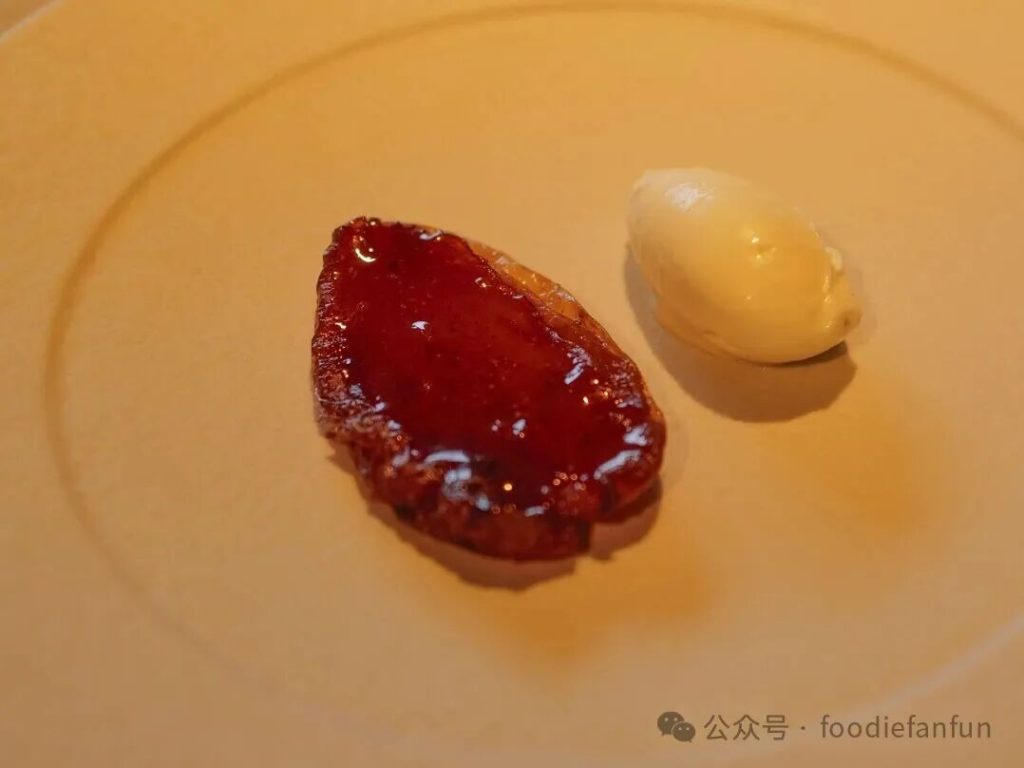
Pear
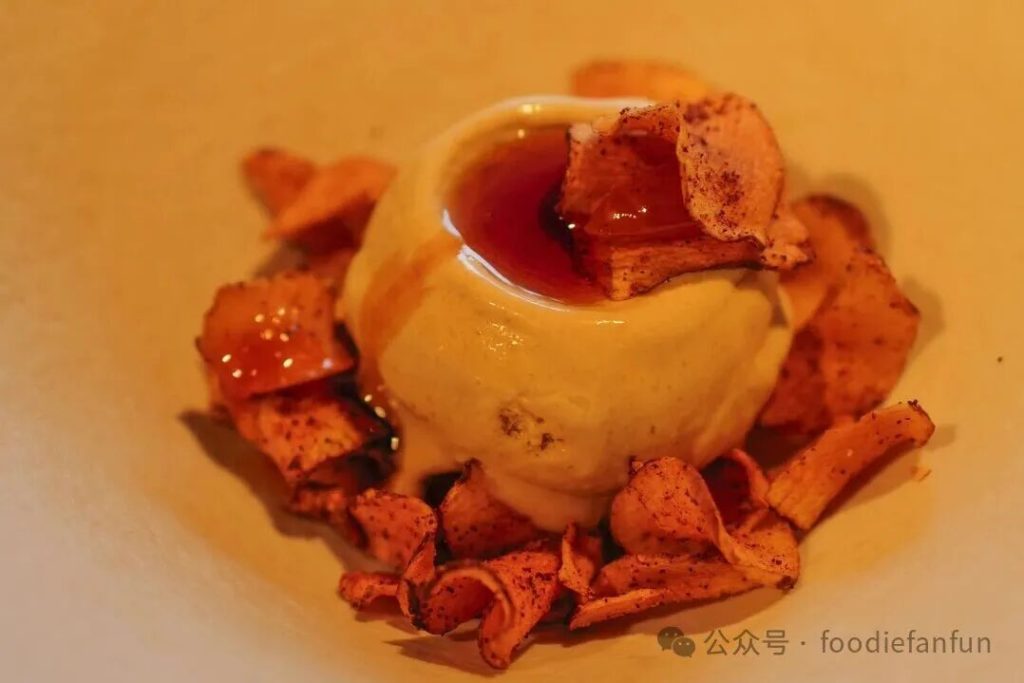
Jerusalem artichoke
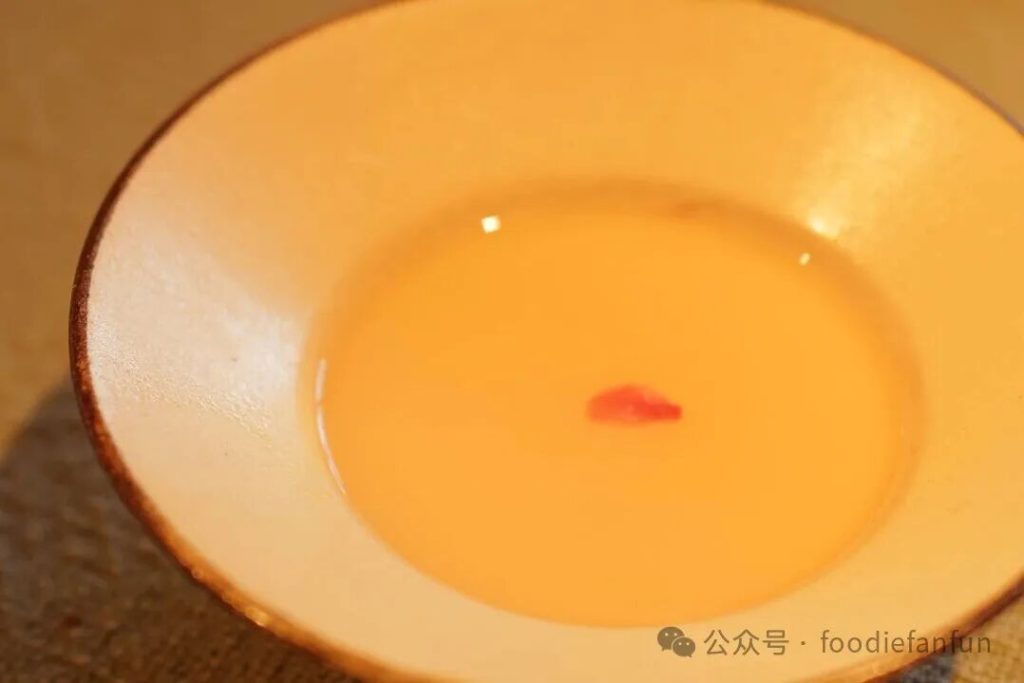
Flan sakura
The dessert course held its own too — dried pear with cream, dried apple with Jerusalem artichoke ice cream. Whether in the delicate softness of texture or the flavors different plants condensed into at different states, he applied it all beautifully.
“Never thought that a hundred years ago, someone actually planted two cherry blossom trees right here.”
The whole meal closed with a cherry-blossom flan that looked like chawanmushi — silky, soft, quiet almost to the point of having no edge at all, yet it caught you firmly all the same.
Ending a meal with blossoms from a tree in this valley carried a very natural kind of gratitude.
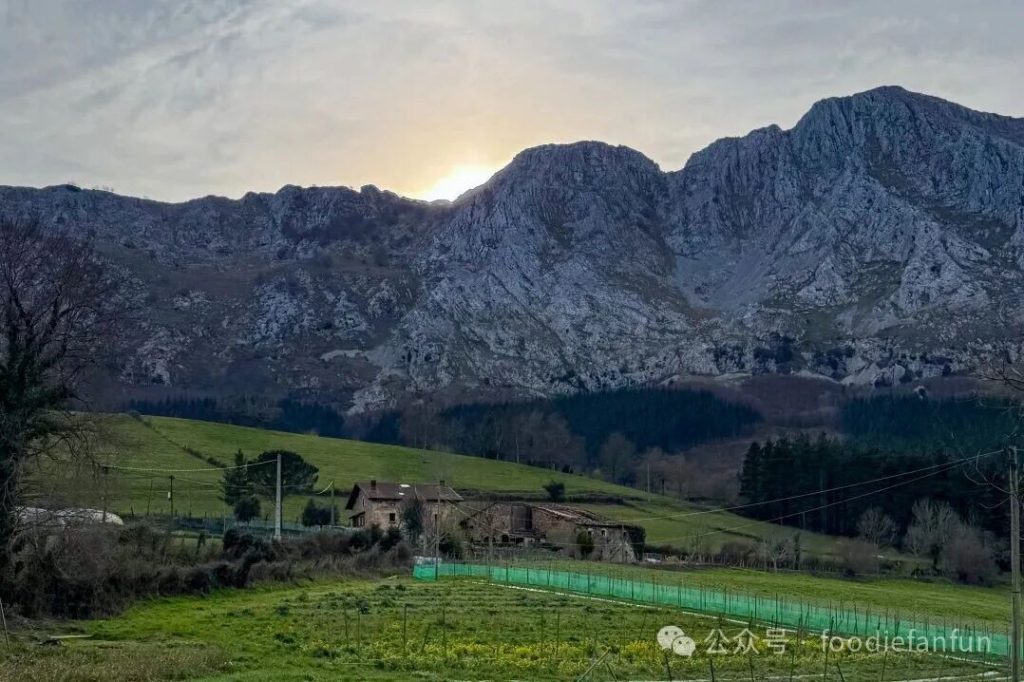
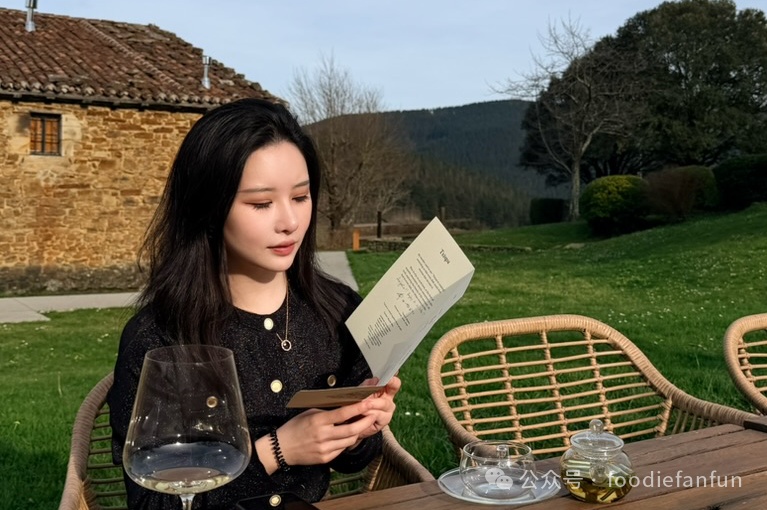
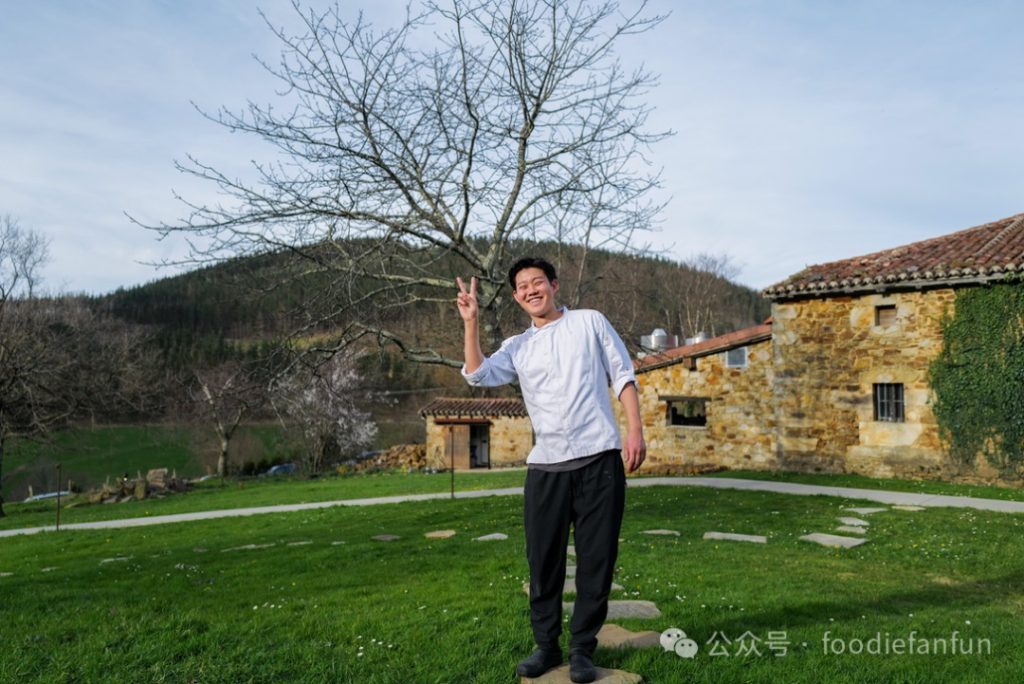
The gardener who came to say hi
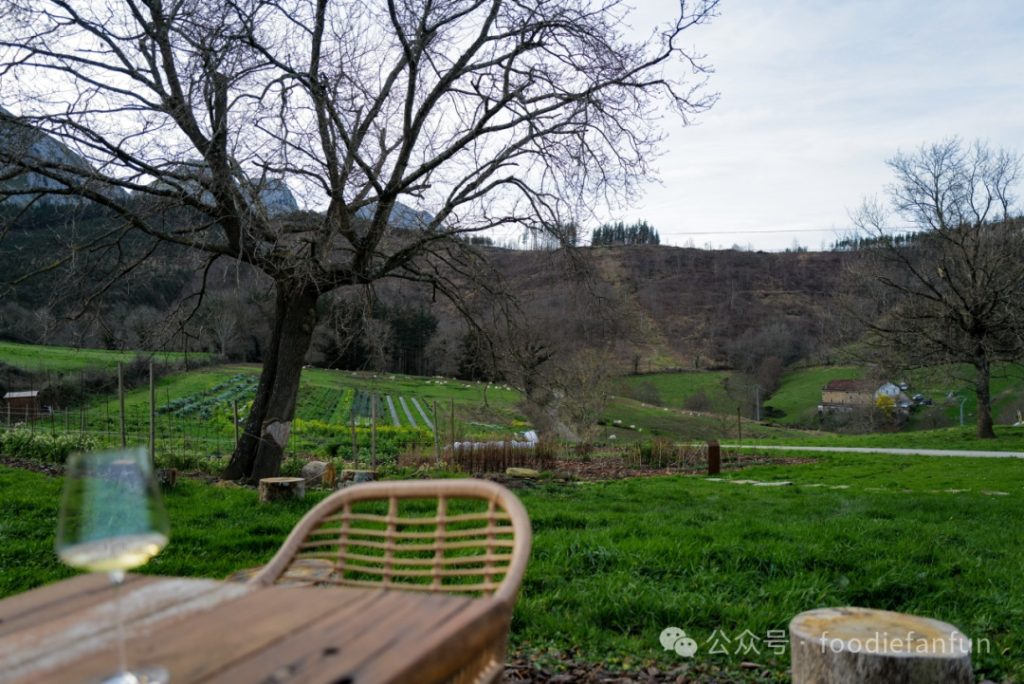
Right at the very end, while waiting to settle the bill and for the taxi, we were led out to a little outdoor garden to sit in the sun.
Maeda, done with his work, came out too, and casually shared his own vegetable garden with us. Part of it held vegetables common to the Basque Country, another part leaned more Japanese in character. What made this scene beautiful was, of course, the sunlight, the air, the countryside ease of it all — but more importantly, it pulled the aromas and sense of season running through the whole meal back to a very specific “origin” — turns out they really did grow right here.
And on the menu finally handed to us, there was even the birth date of the very cow we’d just eaten. It was precisely this small detail that made it clear — that this animal, and every ingredient that appeared in this meal, though they all ultimately became “food,” had each been treated with real seriousness, handled with genuine respect.
Possibly the most “rural” meal of this whole Basque trip, and also the one that hit my own taste most directly. There’s something genuinely moving about Maeda’s plain, earnest presence. It’s not just that the food is good — his own personal expressiveness is strong too, and it’s tied directly to the food’s own expression.
Respecting the ingredients, restrained in seasoning, while still having enough sensory display and expressive will — from that angle, is this not, in its own way, a cross-cultural kaiseki?
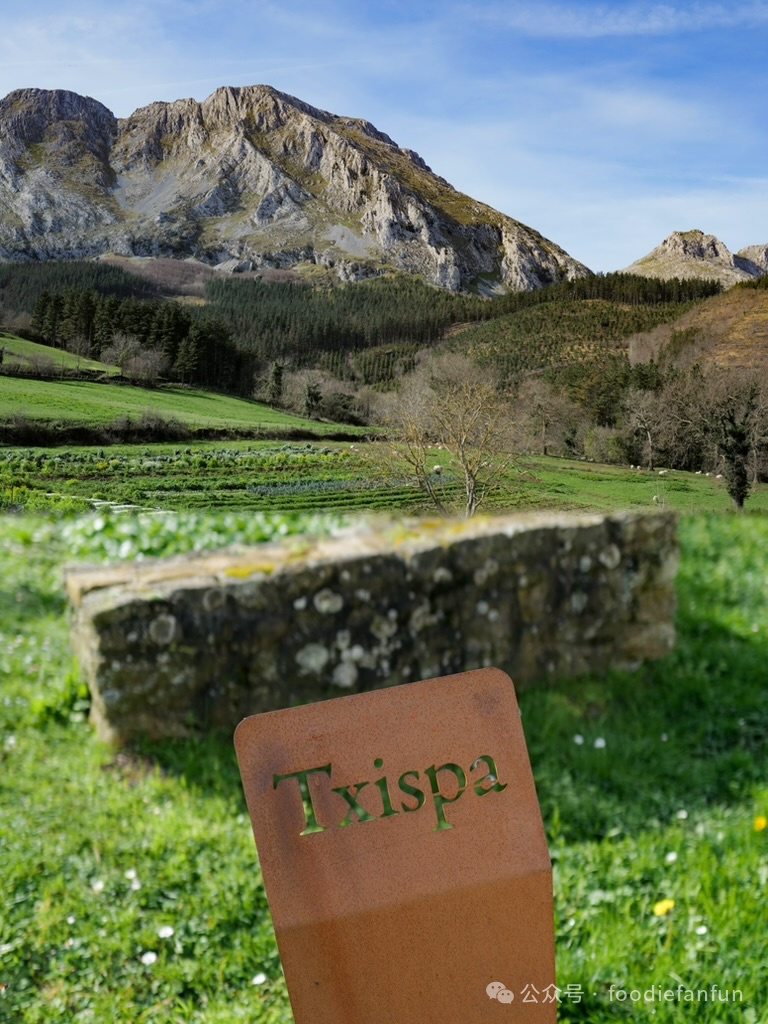
Txispa
San Juan Auzoa, 45, 48291 Apatamonasterio, Bizkaia
Wednesday – Sunday 1PM
Friday+Saturday Yakitori
HOMEChef’s Menu €295++
Leave a Reply