I’m Cher. I started this space to trace the way cities speak through food and drink—and to share my reflections on sake, culture, and the stories behind the table.
I’m originally from Beijing. I completed my undergraduate studies at Purdue, earned my first master’s degree at NYU, and I’m now beginning a new chapter at Keio University. I believe every city has its own cultural rhythm, and the dining table is one of the most expressive and intimate ways to understand a place.
I love visiting fine dining restaurants for their craft and imagination, but I’m just as interested in the stories behind small, humble spots—the devotion, the choices, and the people who make them special. Through words and photographs, I hope to share these experiences with you.
I’m also an SSI-certified International Kikisake-shi, Shochu Kikisake-shi, and a sake instructor, and I continue to contribute in my own way to promoting sake culture.
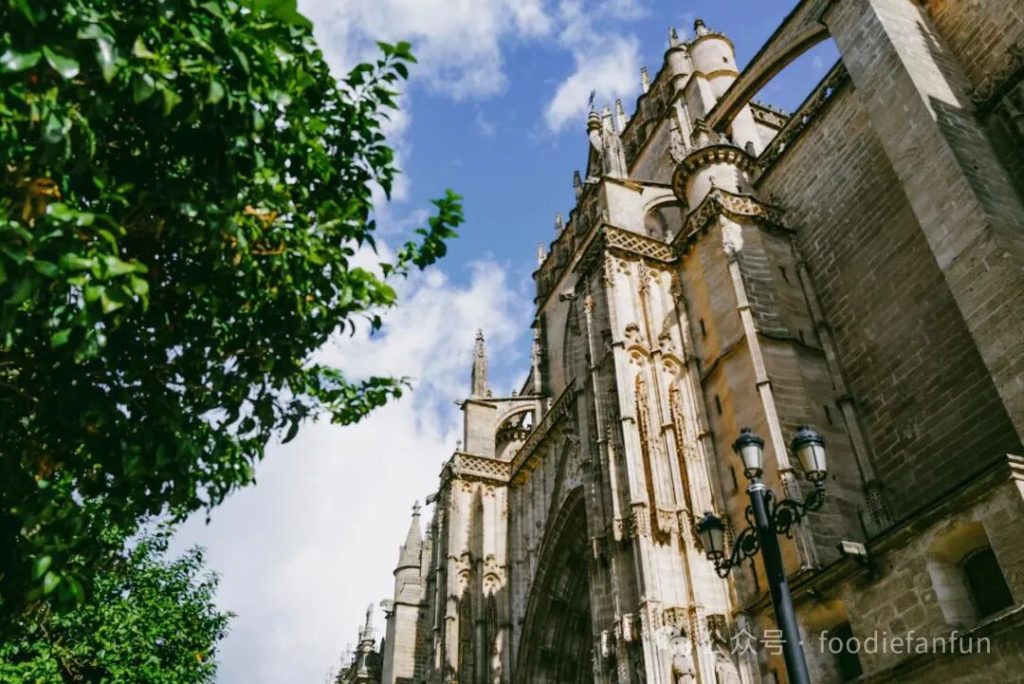
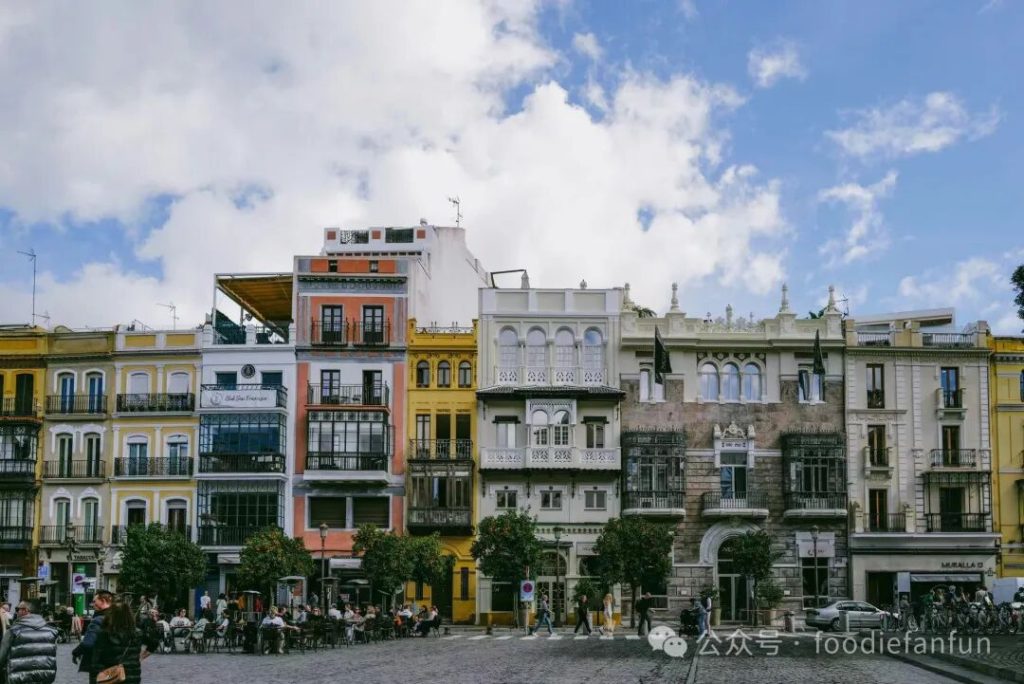
Seville is, in many ways, a city carrying the full weight of Spanish history — part of that in its architecture, part of it in its food.
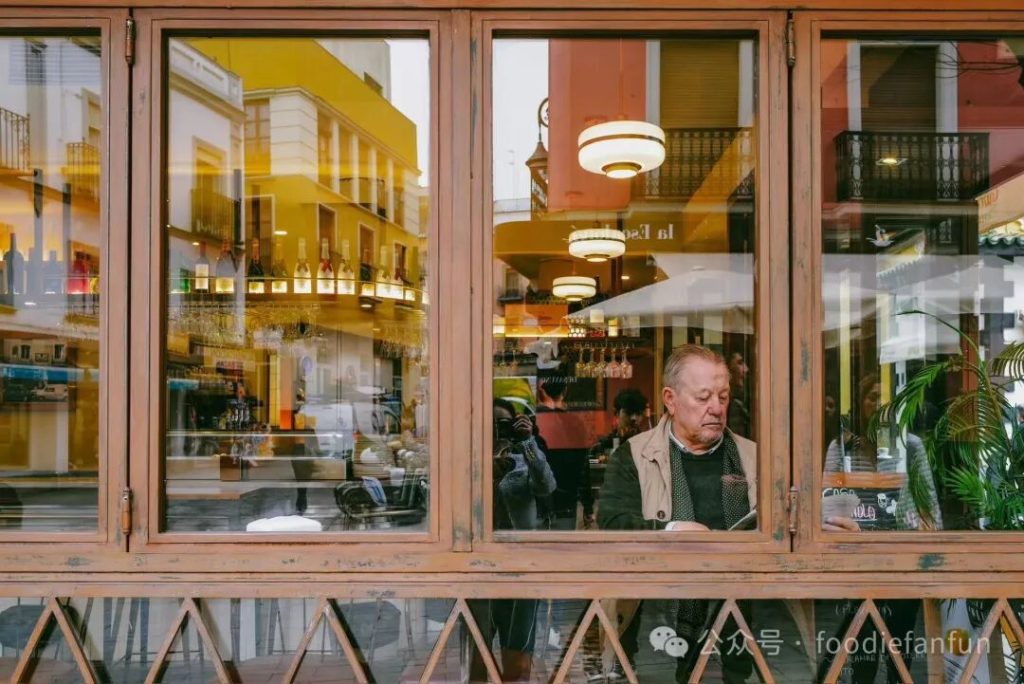
Eating in Seville can be a wonderfully unplanned affair — bars serving tapas line every street and alley, and whenever you’re tired from walking, you just sit down for a bite and a drink.
Among our stops in Seville was one restaurant a friend had insisted, repeatedly, that we book well in advance.
It’s a local seafood-focused restaurant that plays with the life cycle of its ingredients and Mediterranean charcoal grilling. The website shows little more than a few beautiful photos of fish and lobster — no real information, no sample menu. What you eat depends entirely on what’s fresh that day.
It wasn’t until I scrolled to the footer of the website that I realized it’s actually a Michelin one-star — genuinely understated, no fanfare at all.
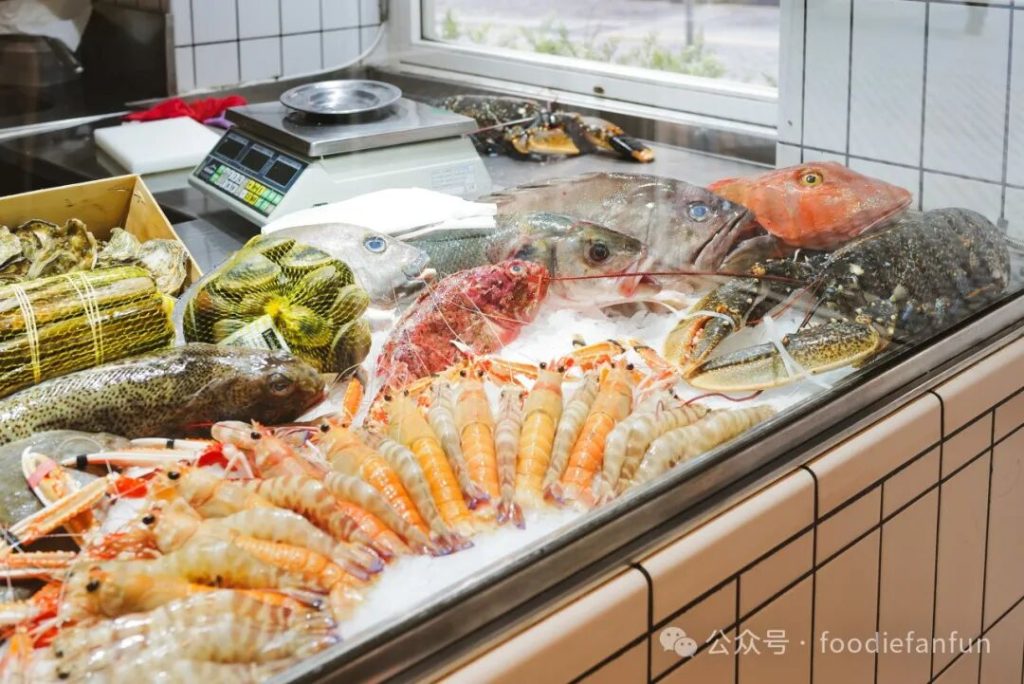
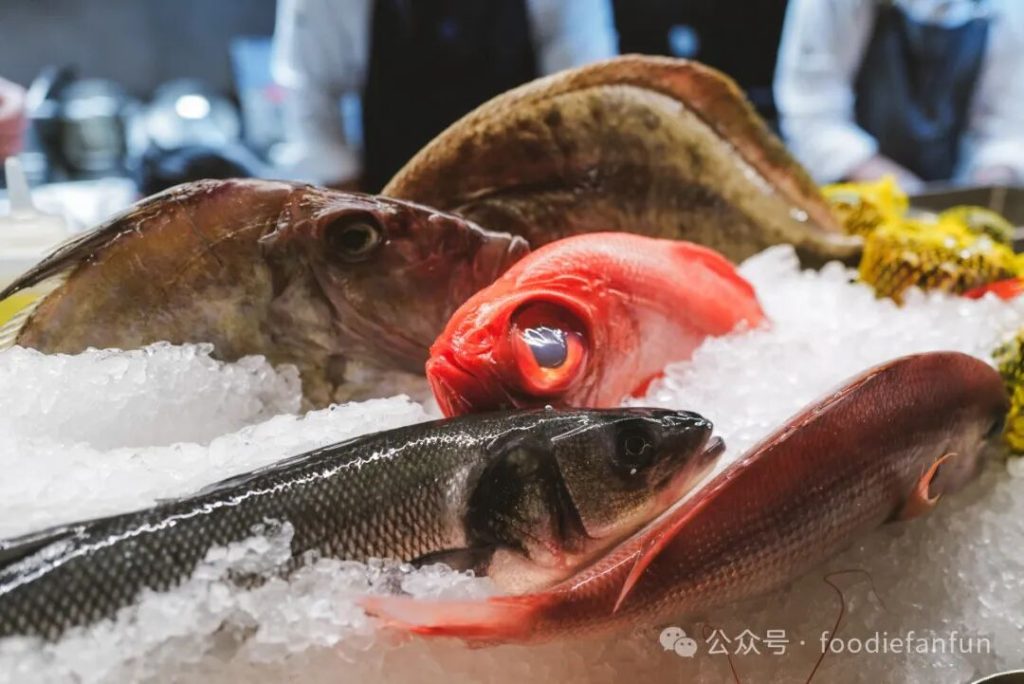
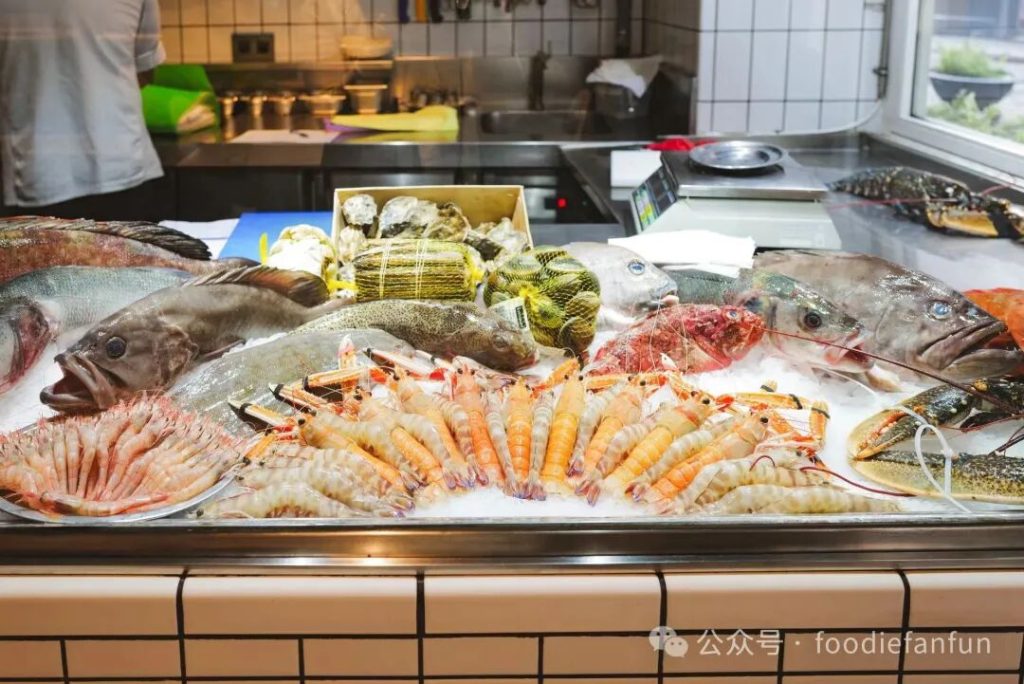
The restaurant is tucked into Seville’s old town, and the moment you walk in, you’re greeted by an enormous ice case.
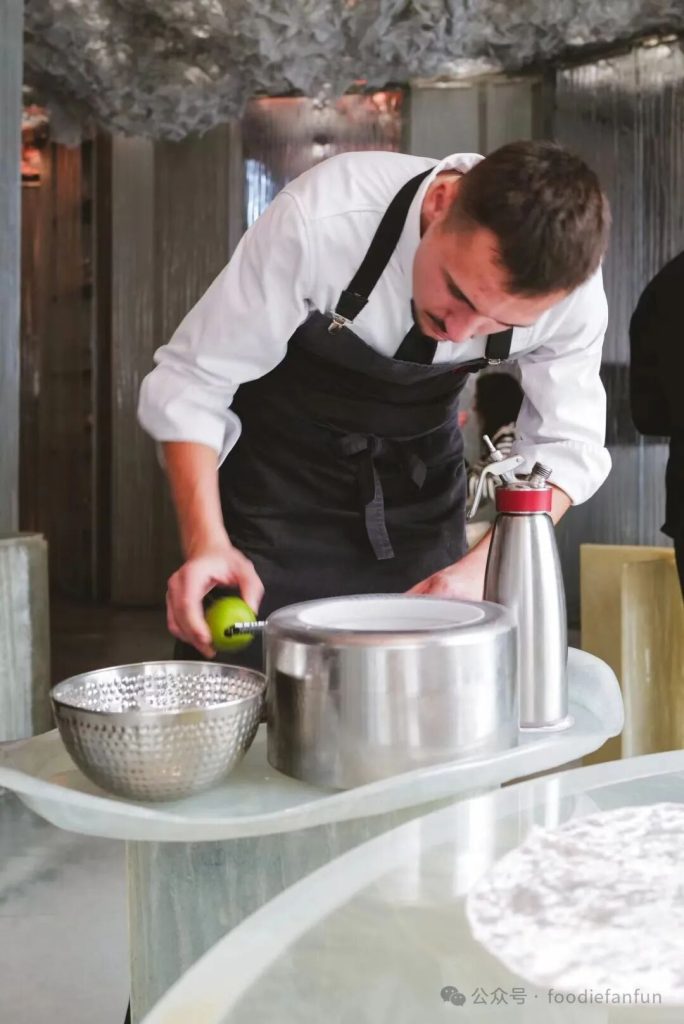
Live blue lobsters still waving their claws, fish and shrimp gleaming with color, and staff in chef’s whites quietly working through whatever’s just been pulled out — it’s like they lifted the seafood counter straight out of the Mercado de la Encarnación and dropped it into the restaurant.
There are two set menus, Tasting Menu and Omakase, and you have to choose at the time of booking. The prices are close enough that we picked the Omakase on a whim.
What we’d actually be eating was entirely left to fate.
* * * * *
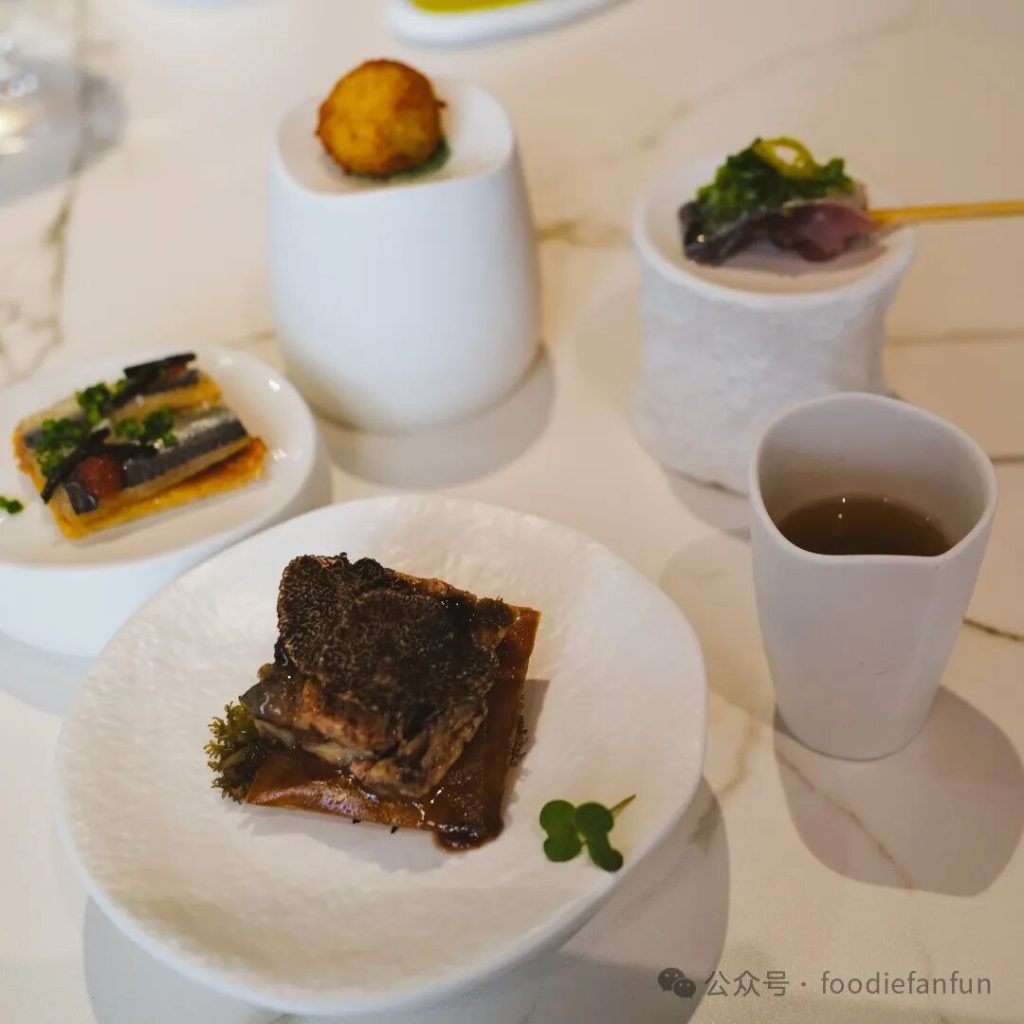
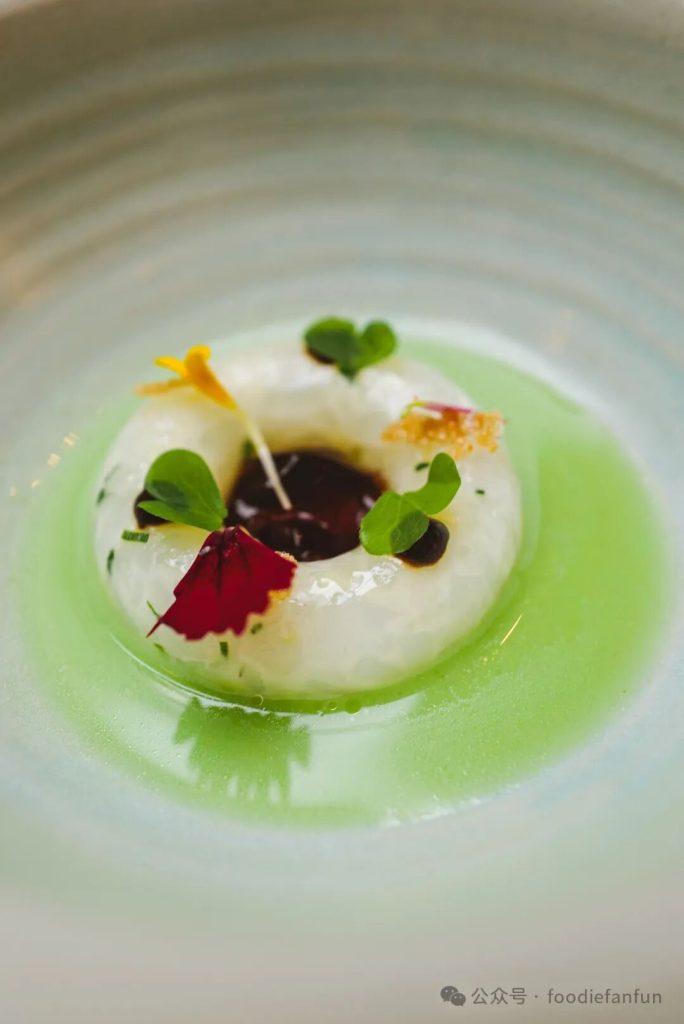
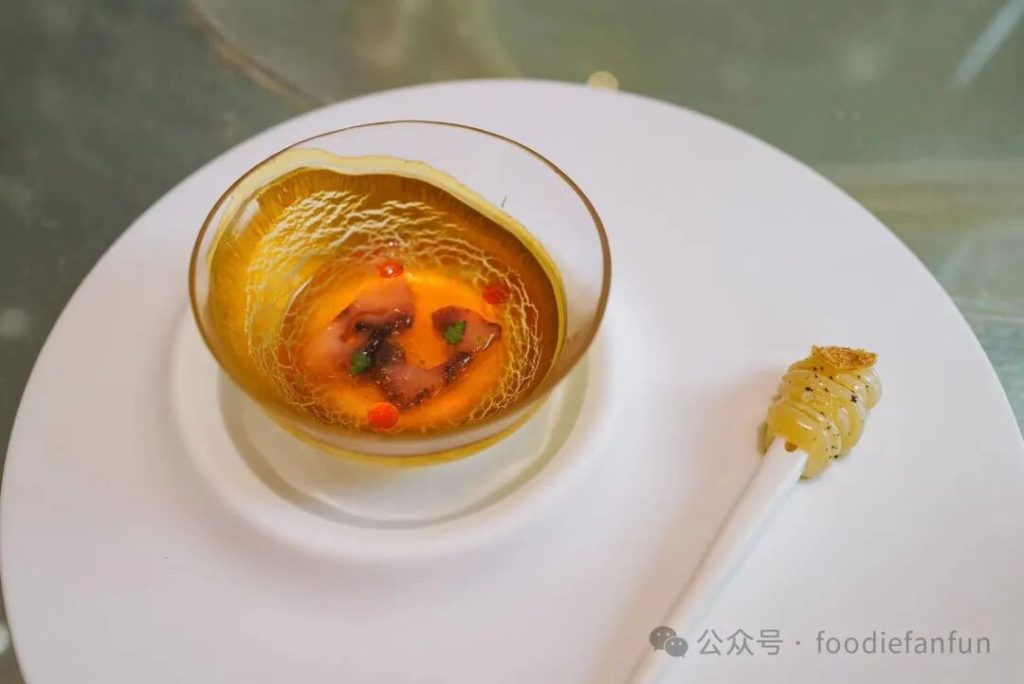
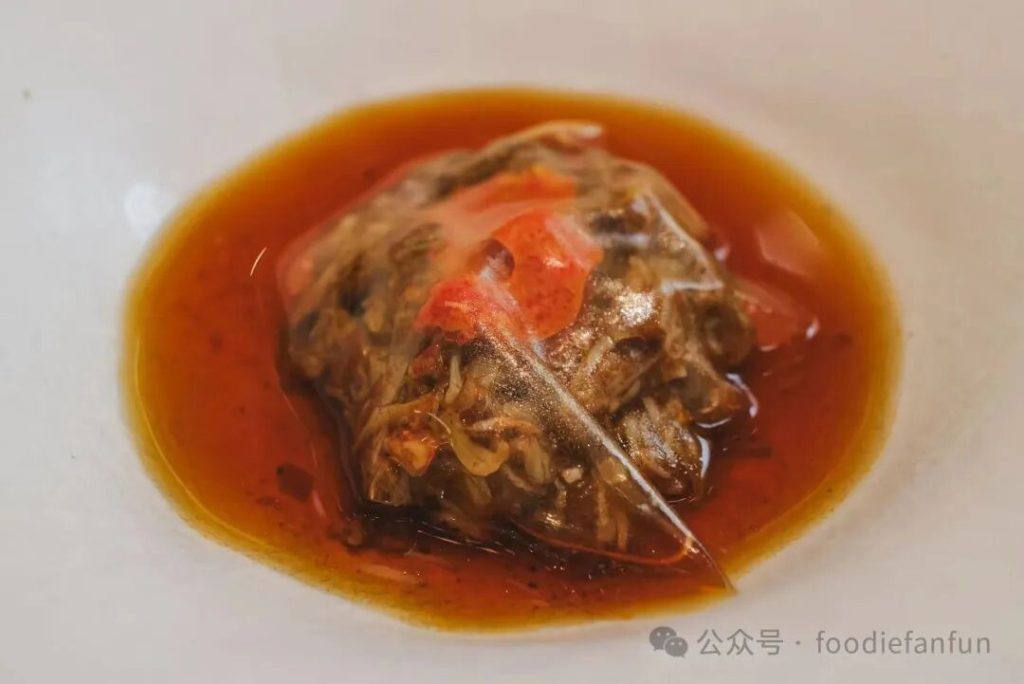
Dry Tomato Soup / Mackerel / Little Tunny
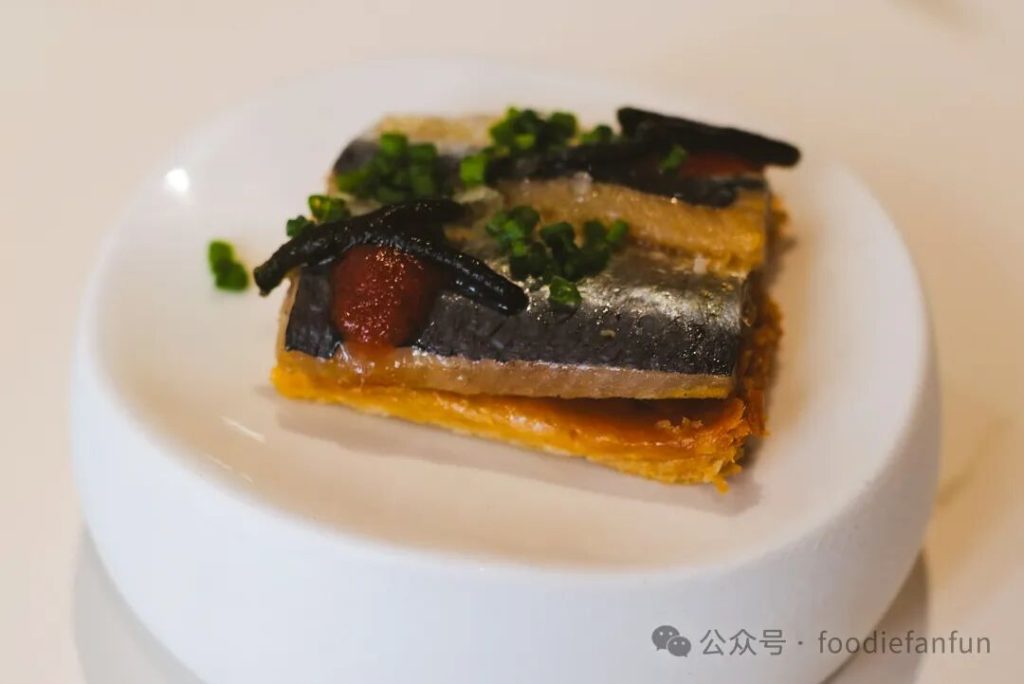
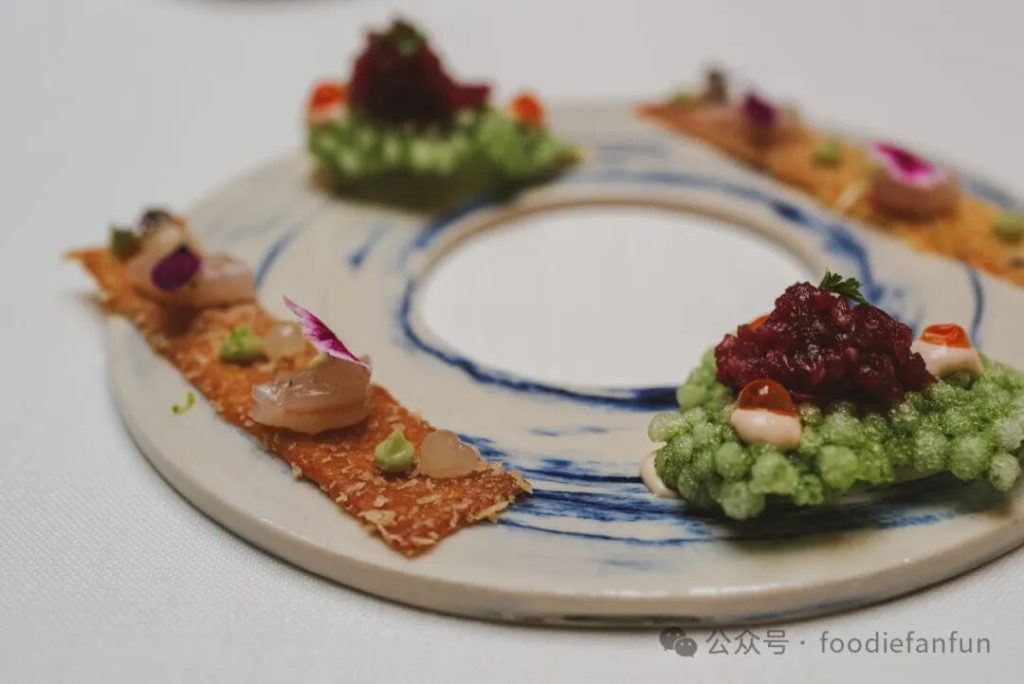
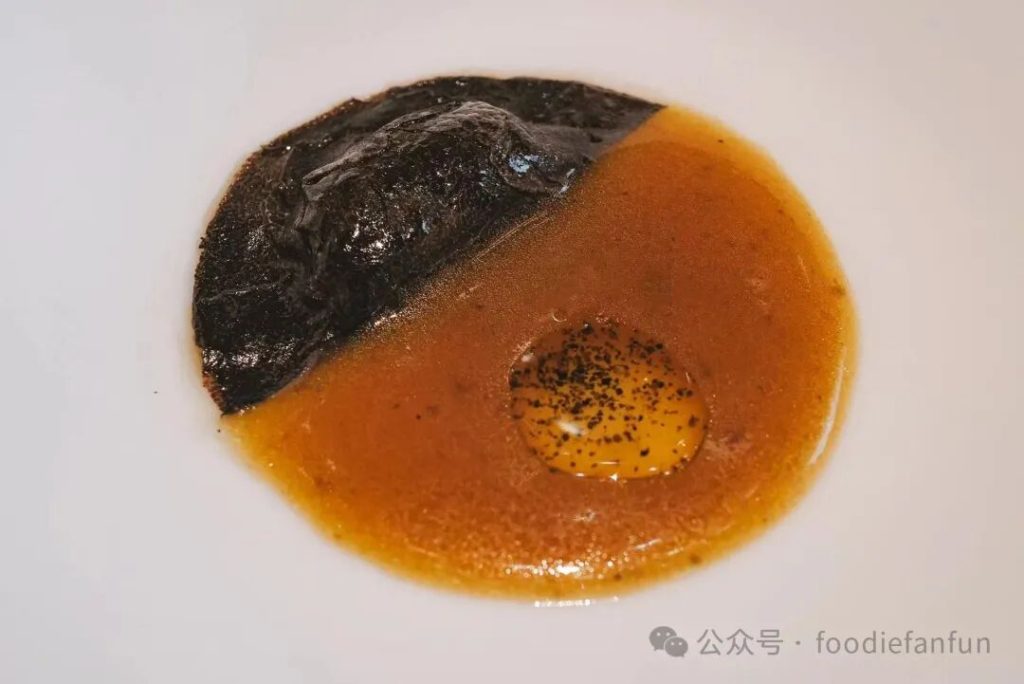
Marinated Sardine / Grouper Terrine
Spanish gazpacho is a traditional dish of Andalucía, the province Seville belongs to.
This version keeps tomato as the backbone, but swaps it for a sun-dried version and reworks the format into a clear broth, with a faint touch of smoke folded in.
It opens the meal with something sour, salty, and savory — a genuinely appetite-sharpening start.
According to the restaurant, the four courses that follow are all fish-forward starters, though each is presented in a wildly different way.
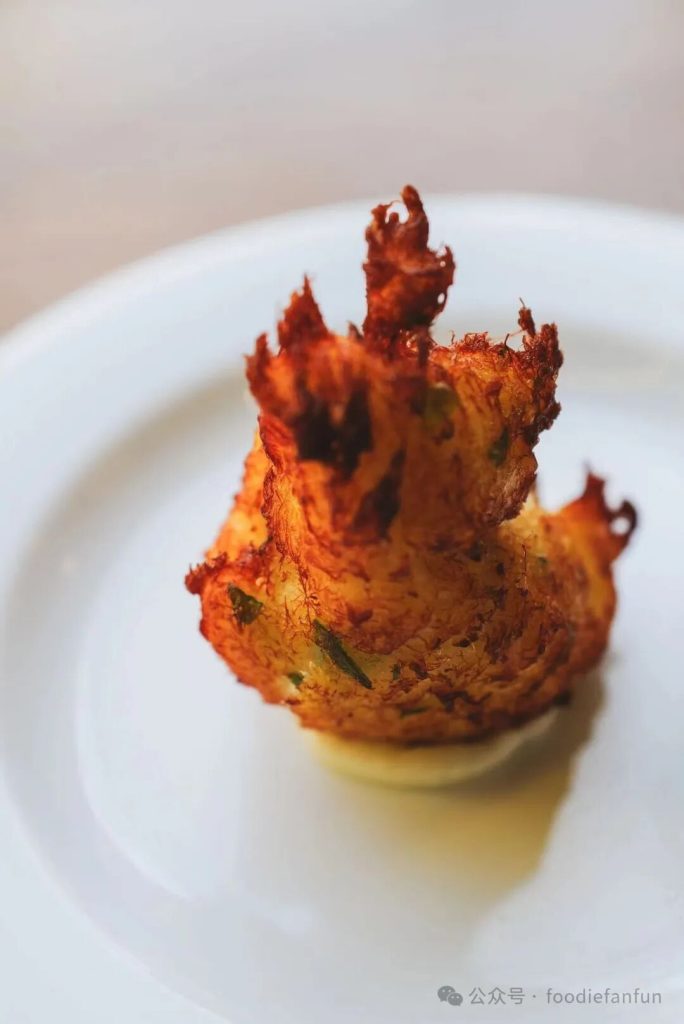
The mackerel is cured in fruit, its tender flesh meeting a sweet-and-sour edge that feels clean and refreshing. The little tunny comes shaped like a croquette, its shell fried crisp — one bite is intensely fragrant, and a touch of pickled-chili sauce brings it right back to life.
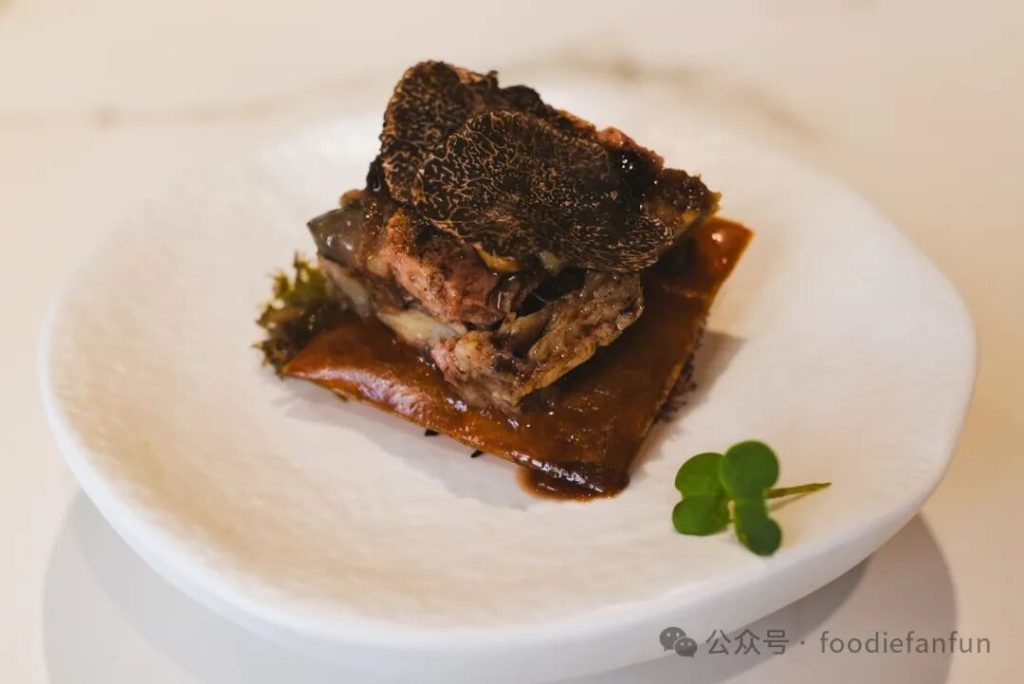
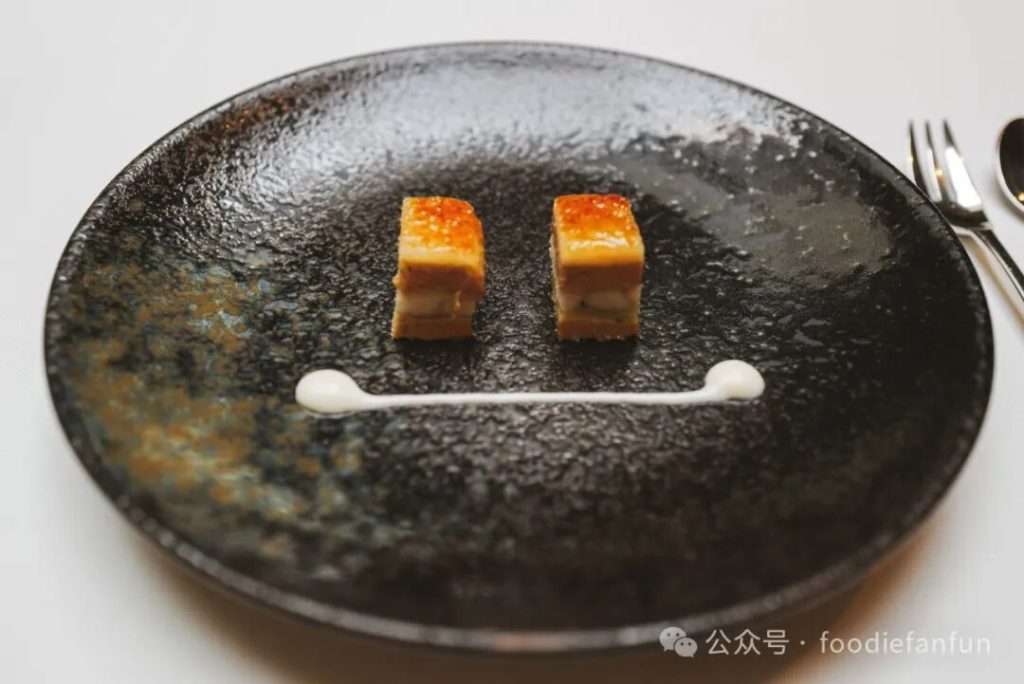
Next, a small sardine paired with seaweed and jam, savory with a hint of sweetness. Last, Andalucían grouper worked into a purée and paired with black truffle — heady in aroma and remarkably refined.
The opening courses all lean into Andalucía’s regional character in how they’re handled, while still holding onto what makes each fish itself. None of them was a knockout, soul-stirring bite, but every one was clearly thought through, and undeniably delicious.
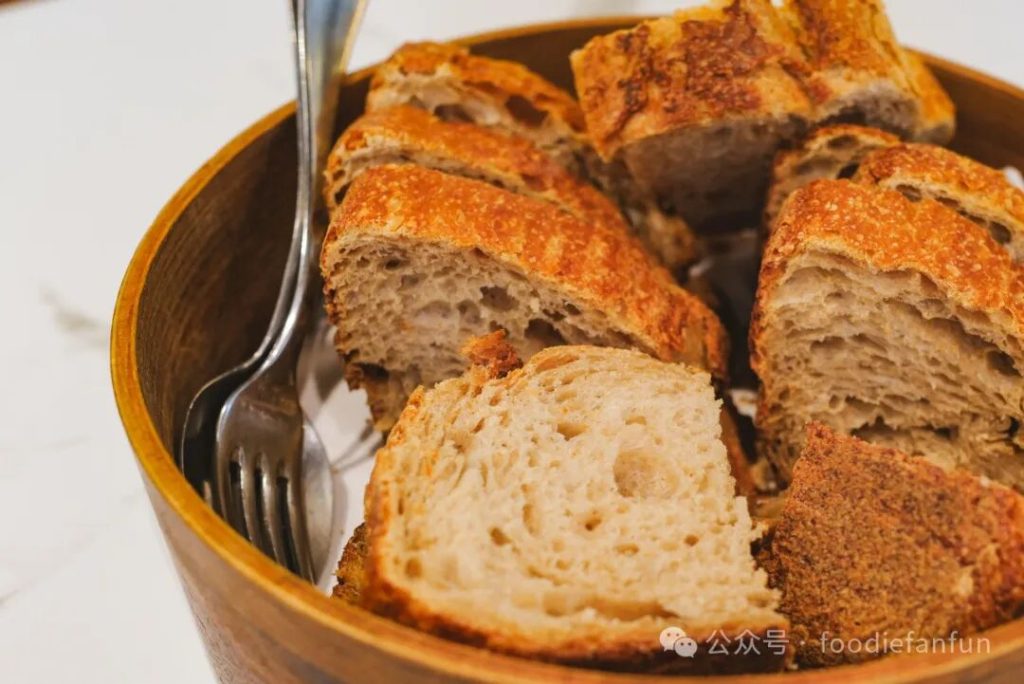
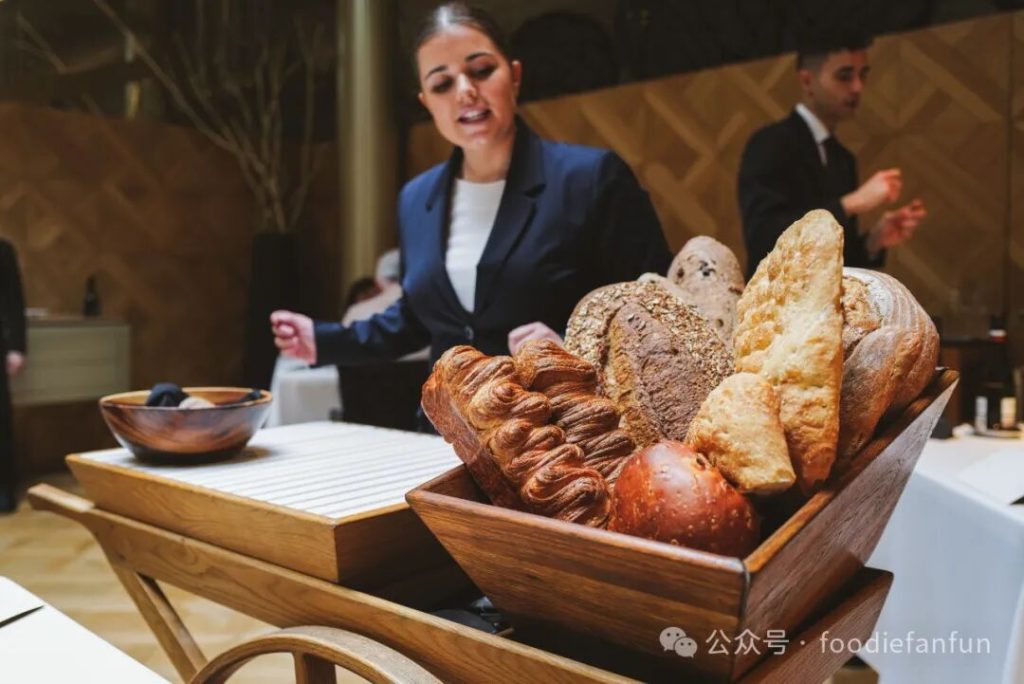
Sourdough Bread
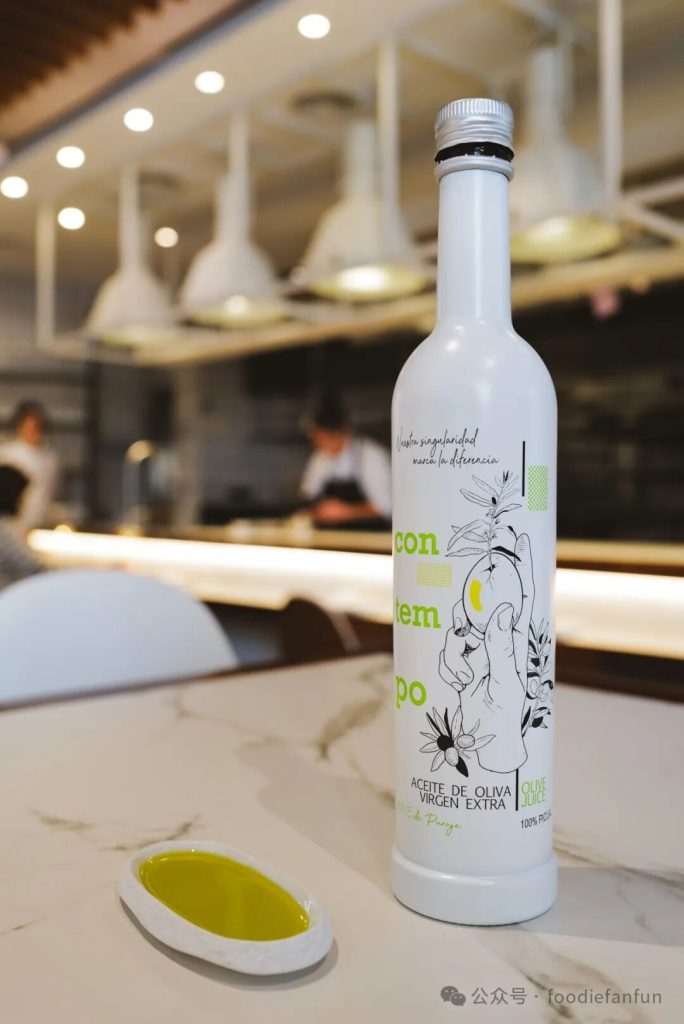
Contempo – Aceite de Oliva Virgen Extra
The olive oil served with the bread is also from Andalucía — apparently some producers even follow biodynamic methods, harvesting only on the night of a full moon.
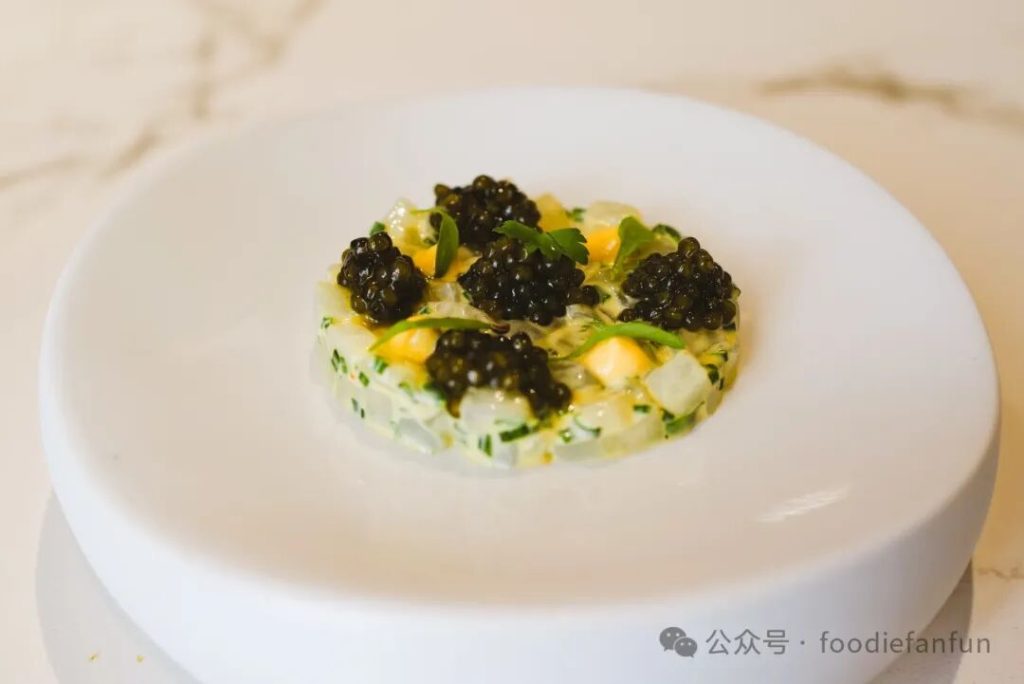
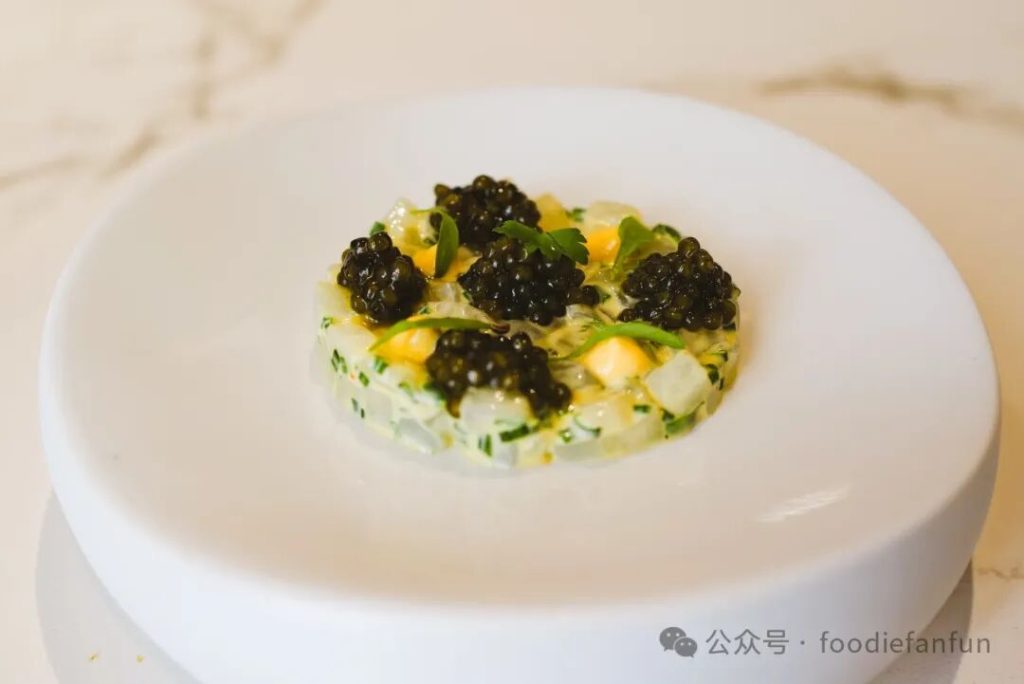
Squid Tartar with Beluga Caviar
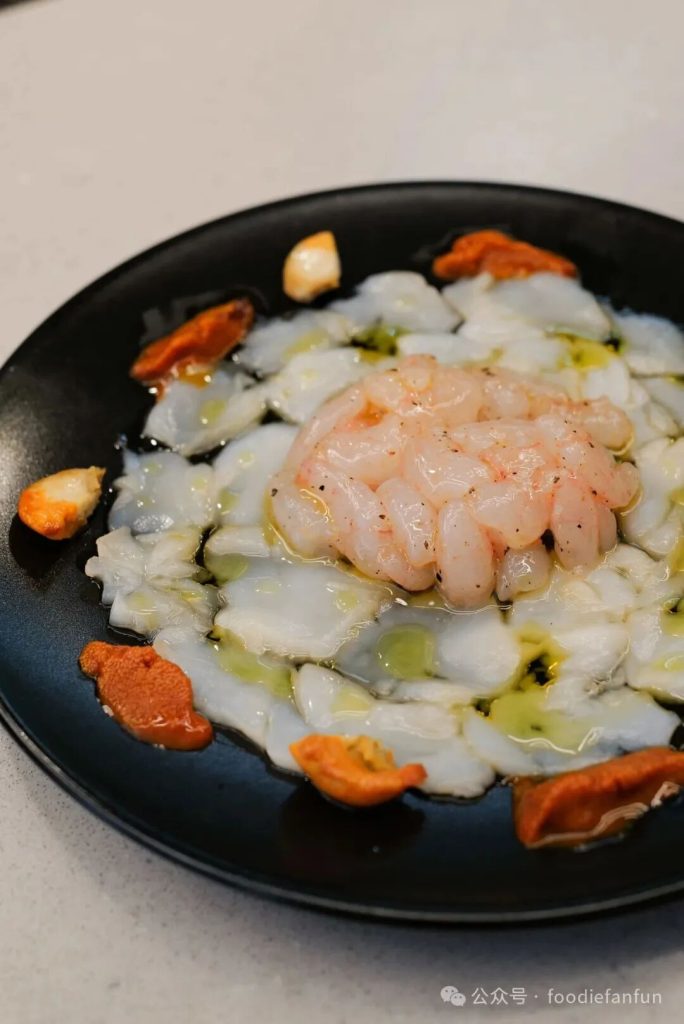
The meal proper opens with a tartare of fresh baby squid. Eaten raw, baby squid has a texture all its own — chewy yet springy, with a faint sweetness lingering at the back of the tongue that makes each bite a little addictive. Paired with caviar, it becomes a full-on umami bomb.
I genuinely didn’t expect a small, pale, glutinous baby squid to be made this delicious.
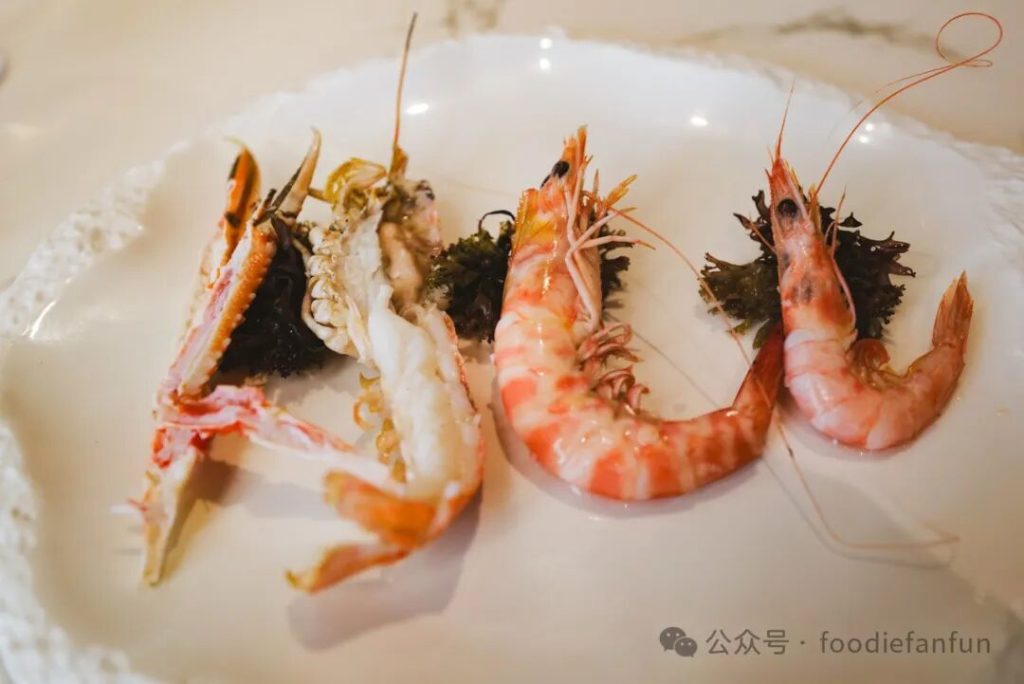
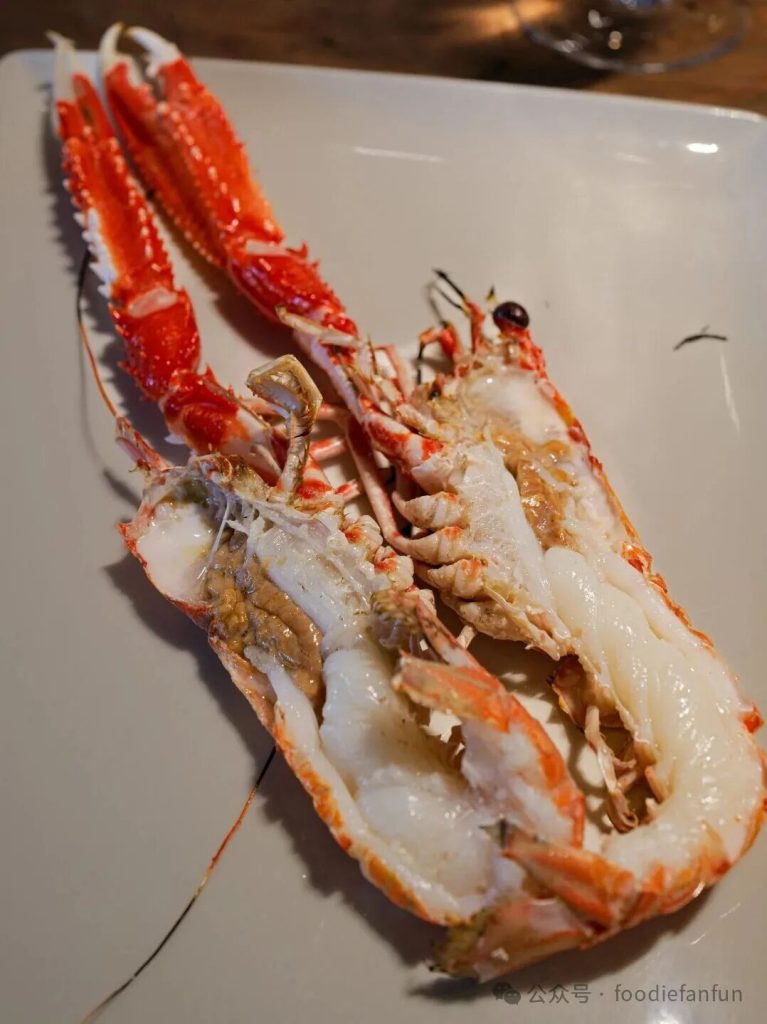
Grilled Langoustine, Tiger Prawn and White Shrimp
White shrimp and tiger prawn poached, langoustine grilled over charcoal. It looks like the simplest treatment possible, but timing is exactly what’s hardest to get right.
Here, it lands precisely — not a second more or less — almost perfectly revealing, to someone who grew up landlocked, the subtle differences in sweetness, texture, and character across all three shrimp.
A benchmark comparative tasting of shrimp, essentially.
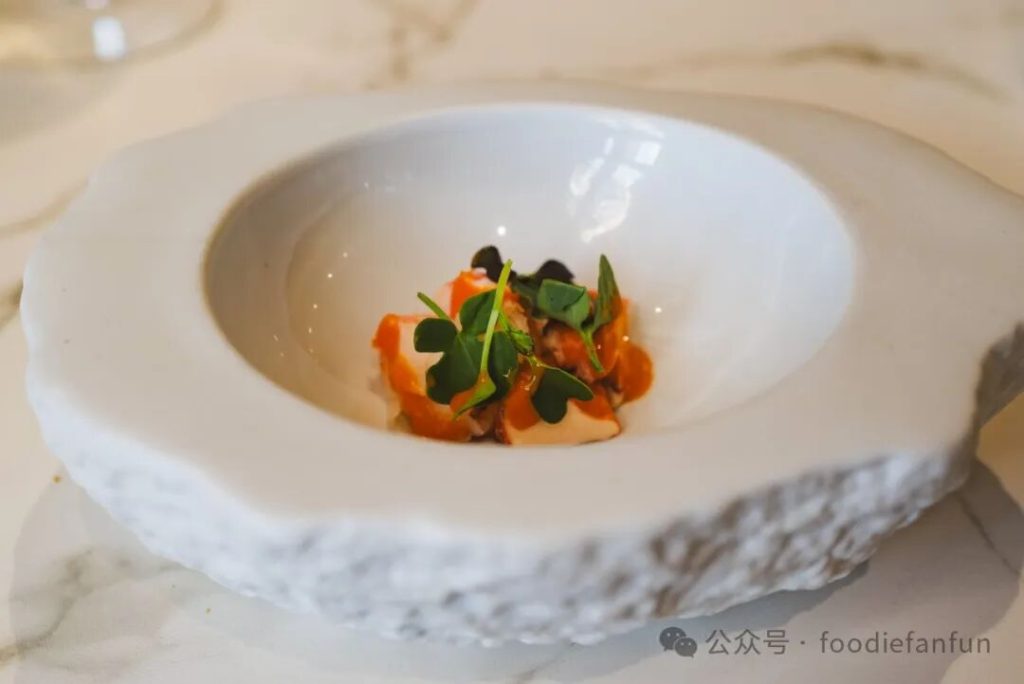
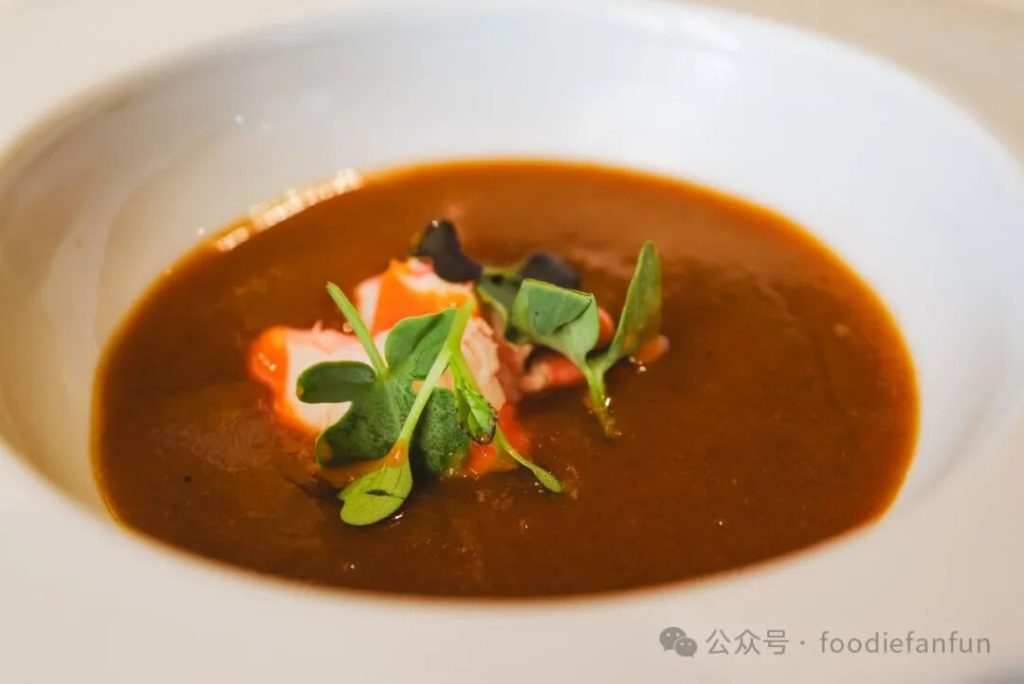
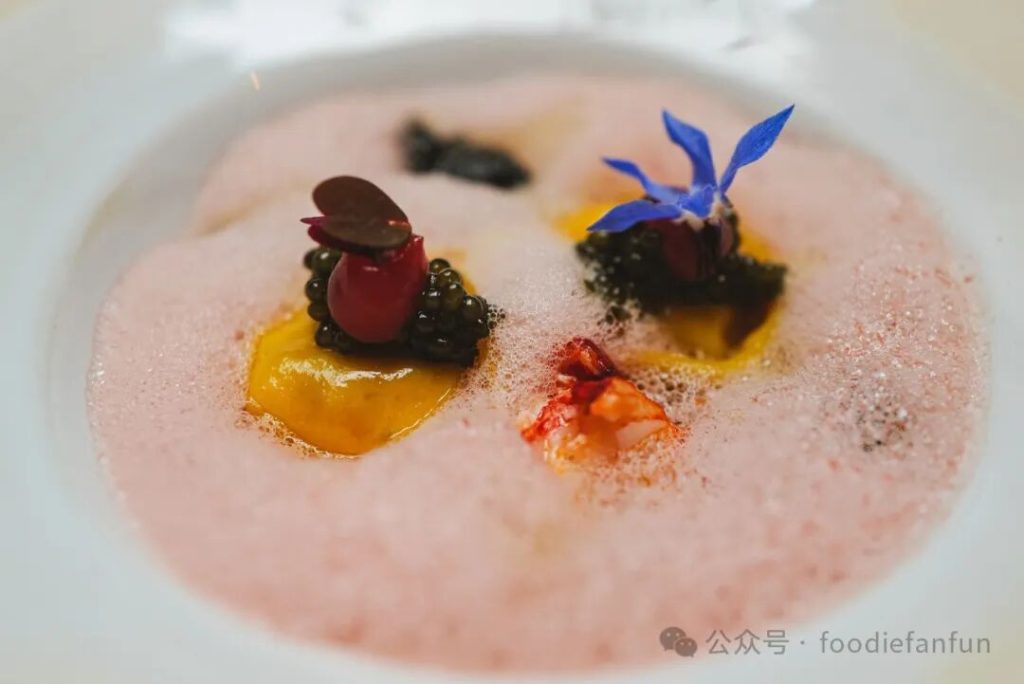
Blue Lobster’s Soup
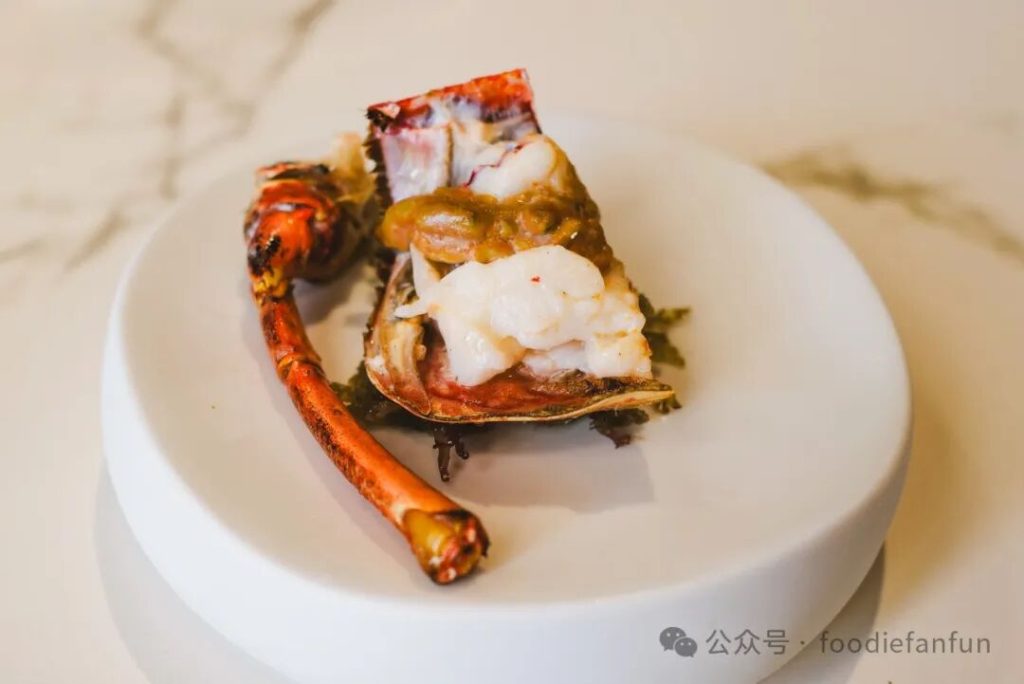
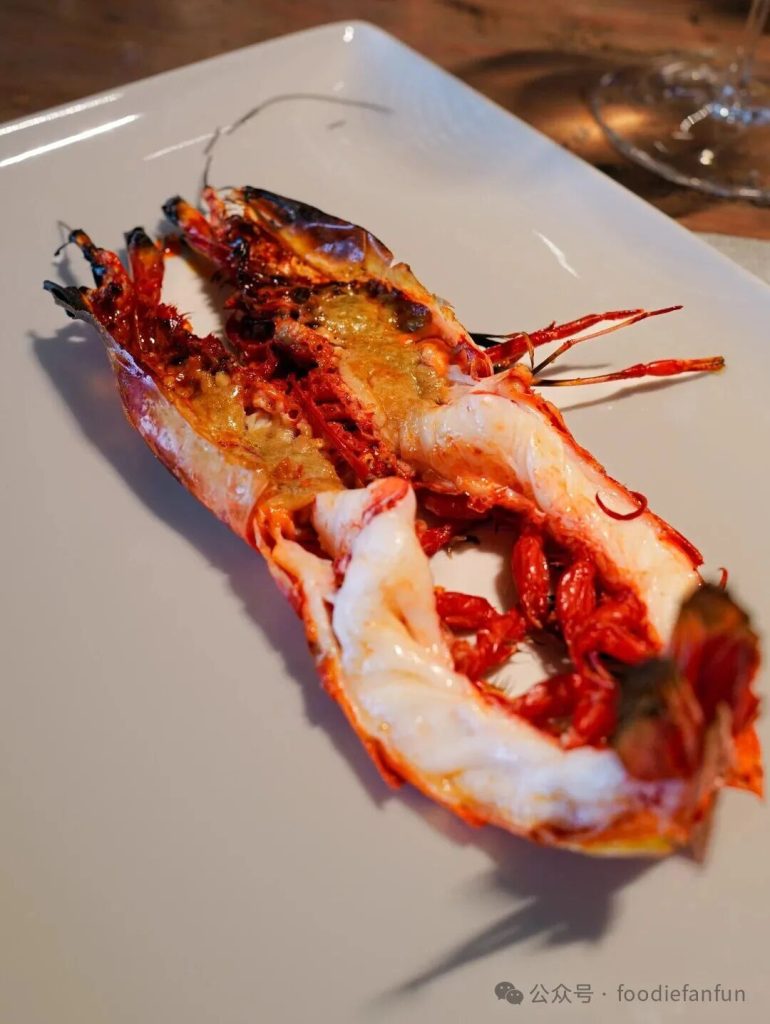
Grilled Blue Lobster’s Head
That lively blue lobster from the entrance became two dishes. The lobster soup ran a touch too salty and heavy, but the lobster meat hidden inside was cooked just right — silky and tender.
The head was grilled over charcoal, and it gave me my first-ever full bite of lobster brain. The moment it cracked open, the freshness and tenderness hit straight to the top of my skull.
Incredible.
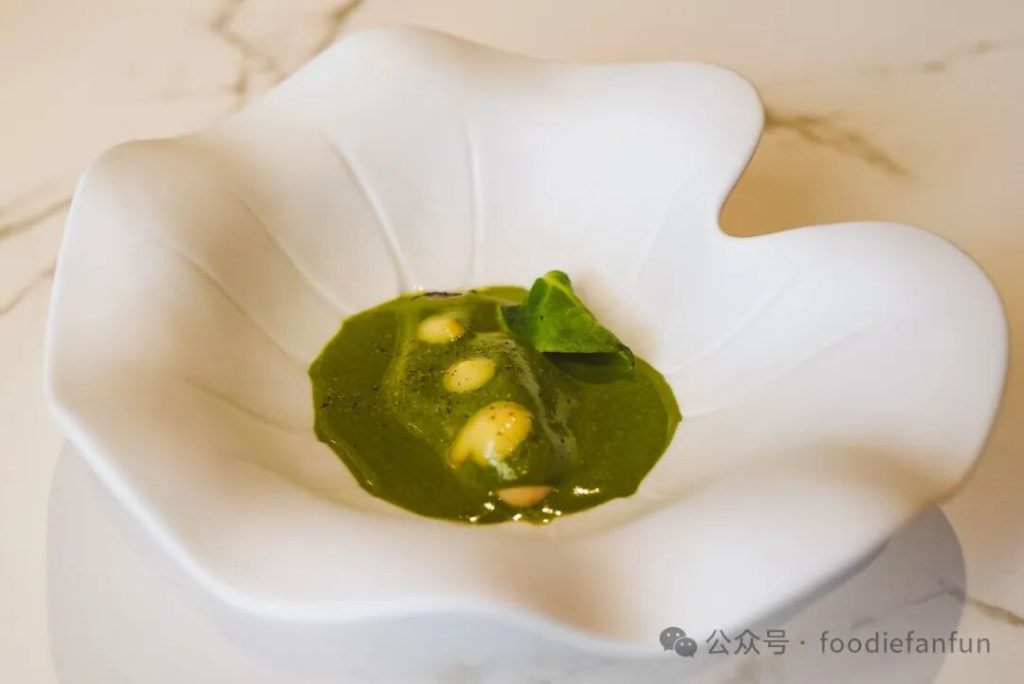
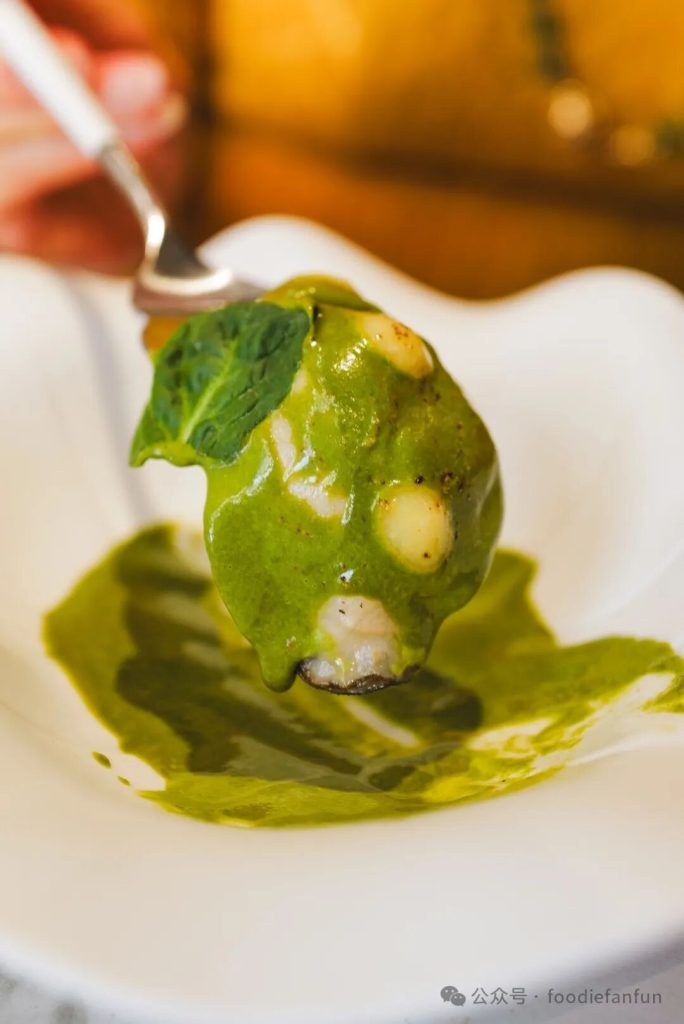
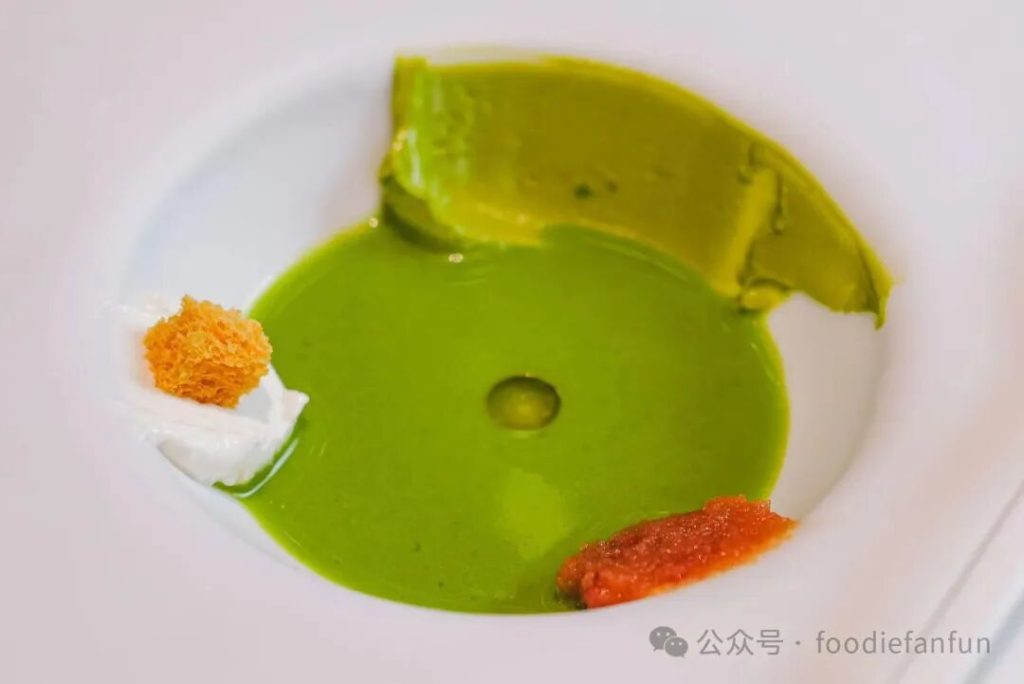
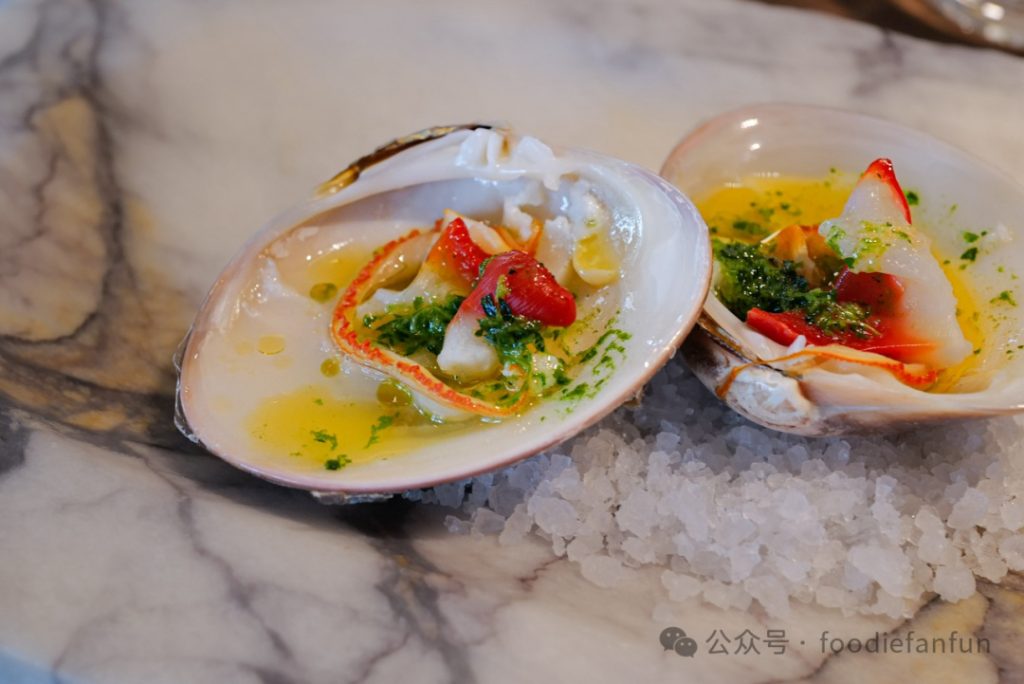
Grilled Oyster with Spanish
What arrived was a dish in tender green — turned out to be a grilled oyster in spinach sauce. The oyster itself was plump and satisfying, and the spinach, though light in flavor, left the palate genuinely clean afterward.
This oversized oyster was both delicious and genuinely interesting.
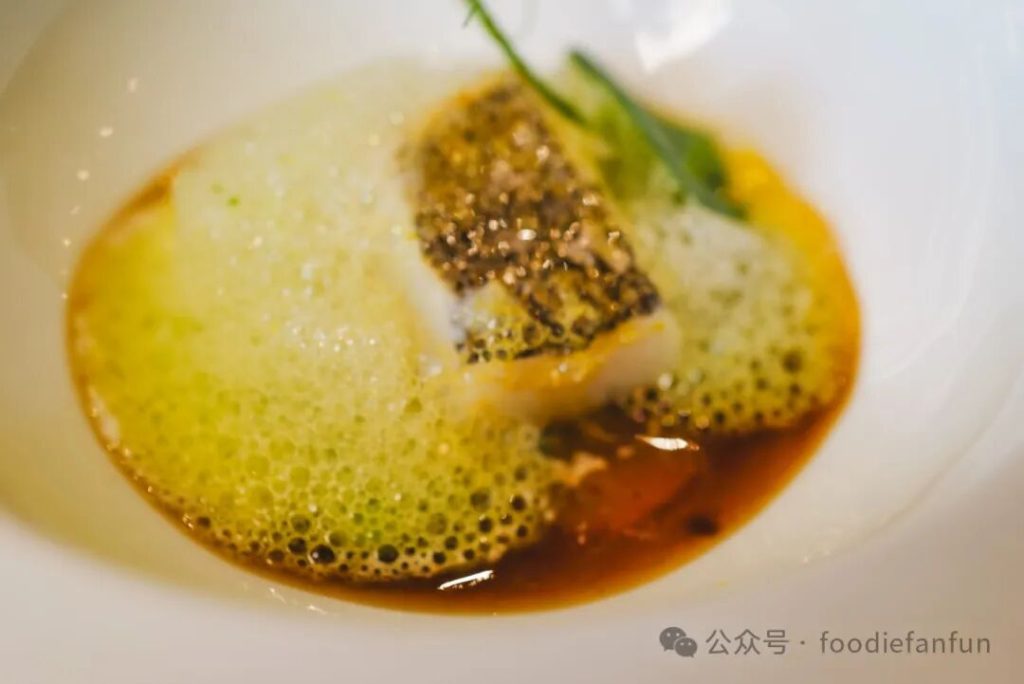
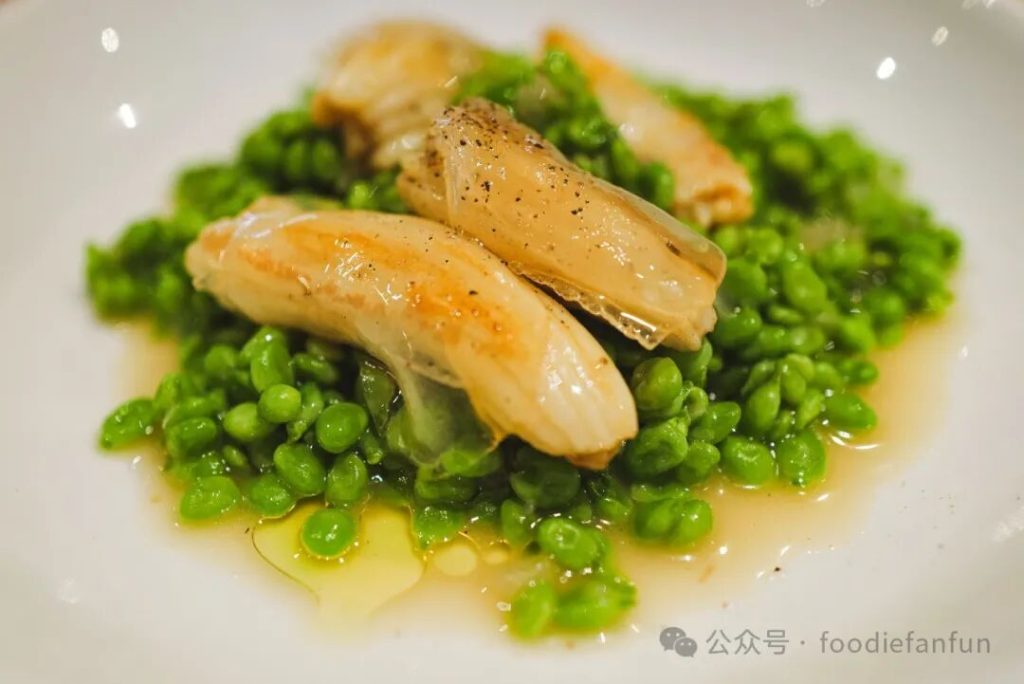
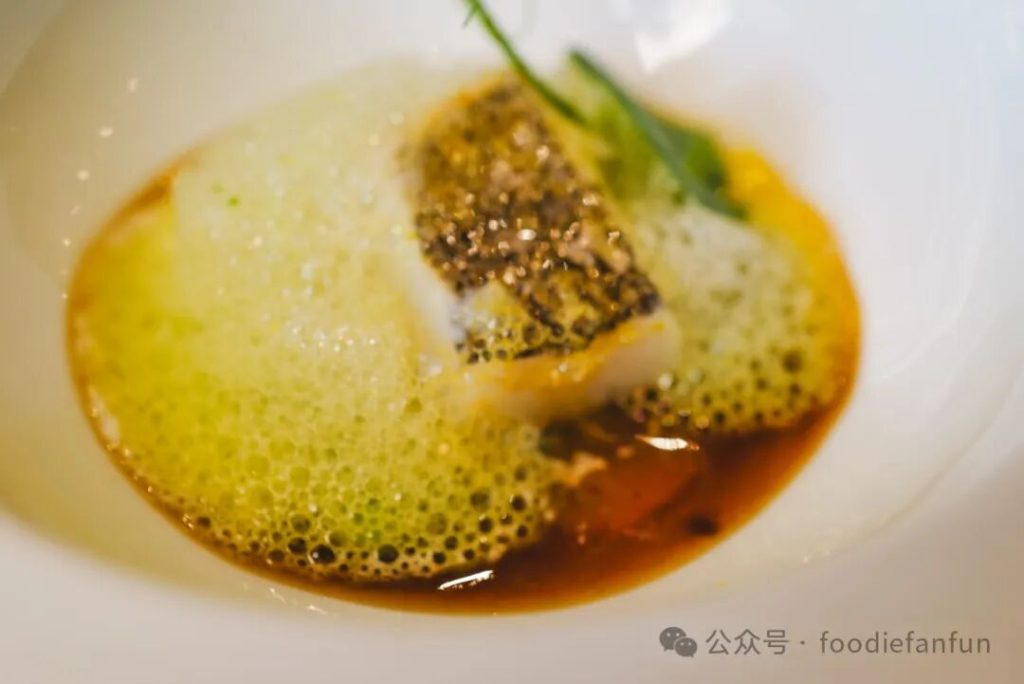
Hake, Pea and Onion
After a full circuit of ocean creatures, the mains finally circled back to fish.
Hake is a member of the cod family, but more tender than cod, with a fuller flavor and a faint lingering sweetness. Cooked exactly right, this small piece left me wanting more.
This restaurant genuinely brings out every strength and characteristic of the ingredient itself.
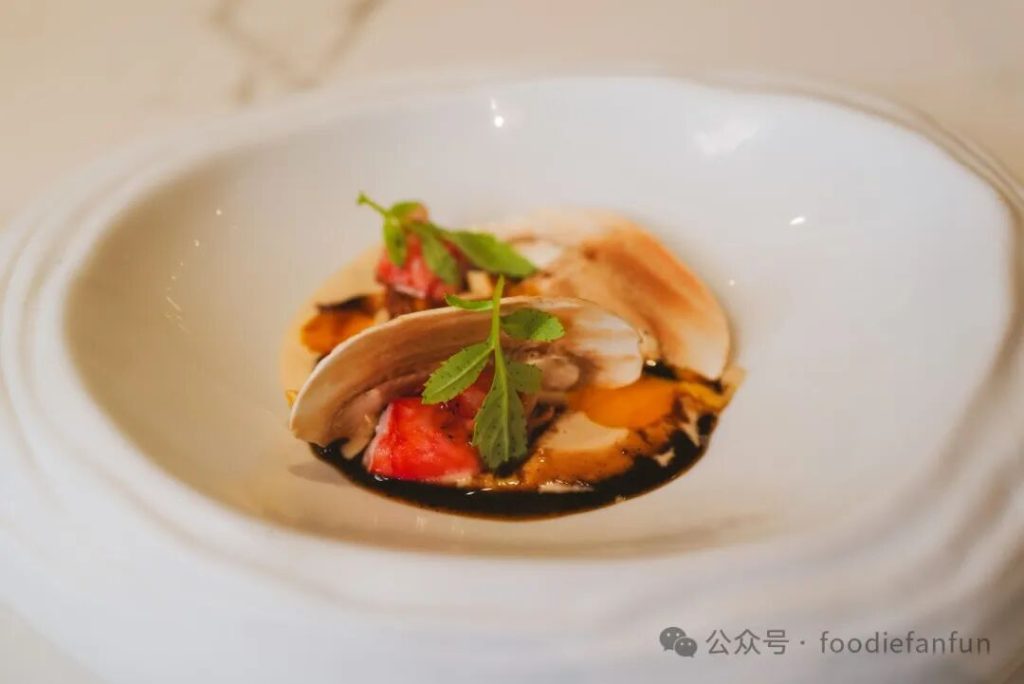
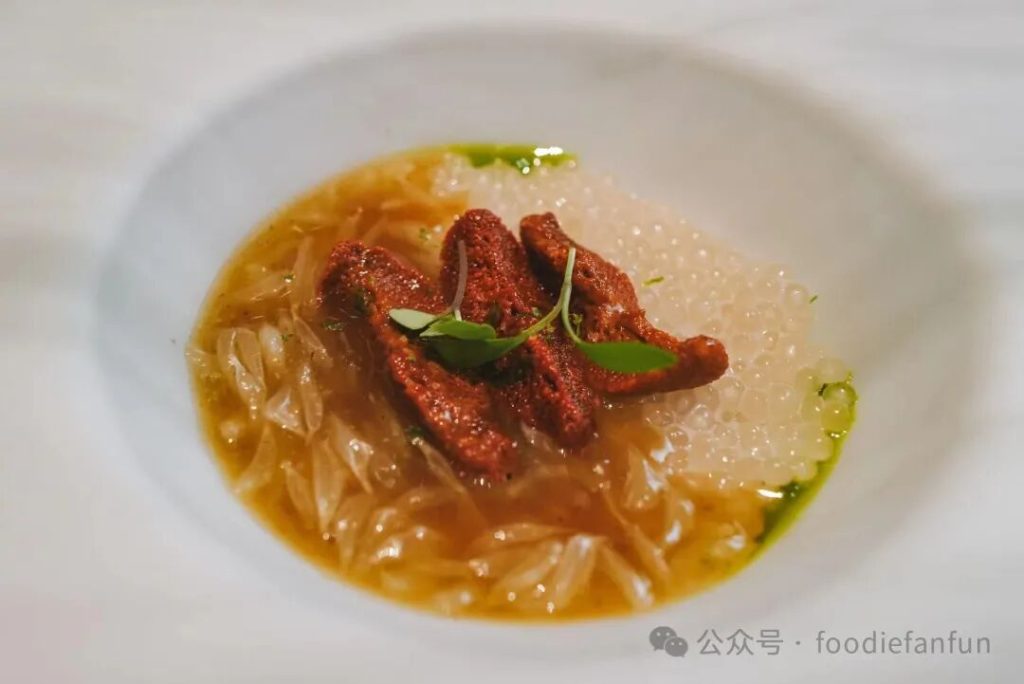
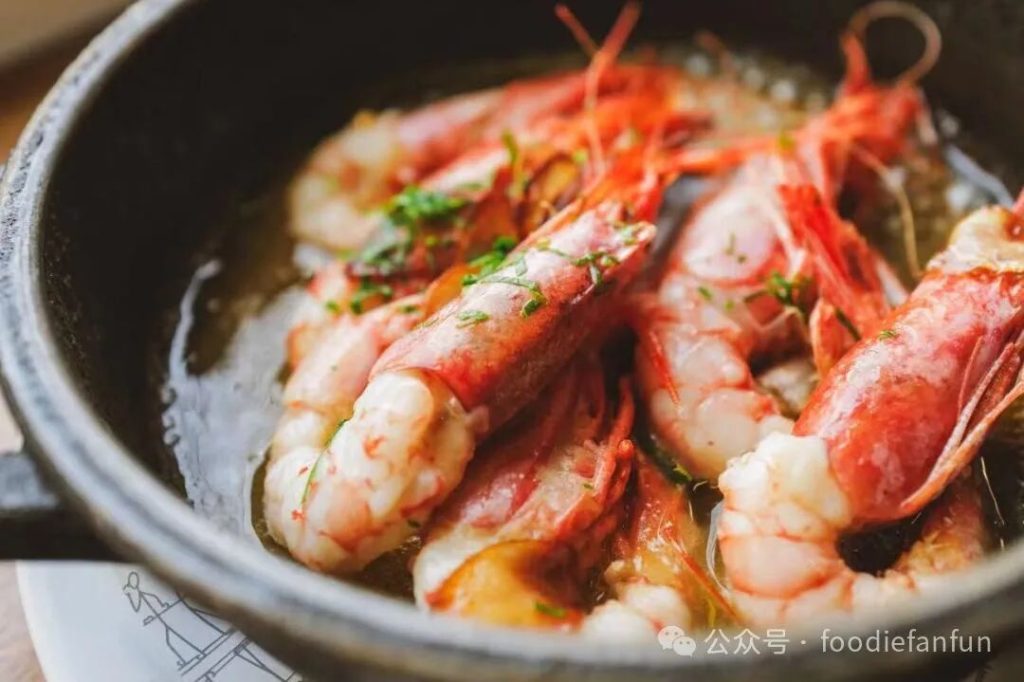
Scarlet Prawn, Chantarelle, Hazelnut and Orange
The scarlet prawn from Palamós is arguably the most famous in the world — but pairing it with orange and hazelnut is a combination I never would have imagined.
It completely breaks convention: sweet, salty, savory, tender, bright, and structured, all coming together without a single note feeling out of place.
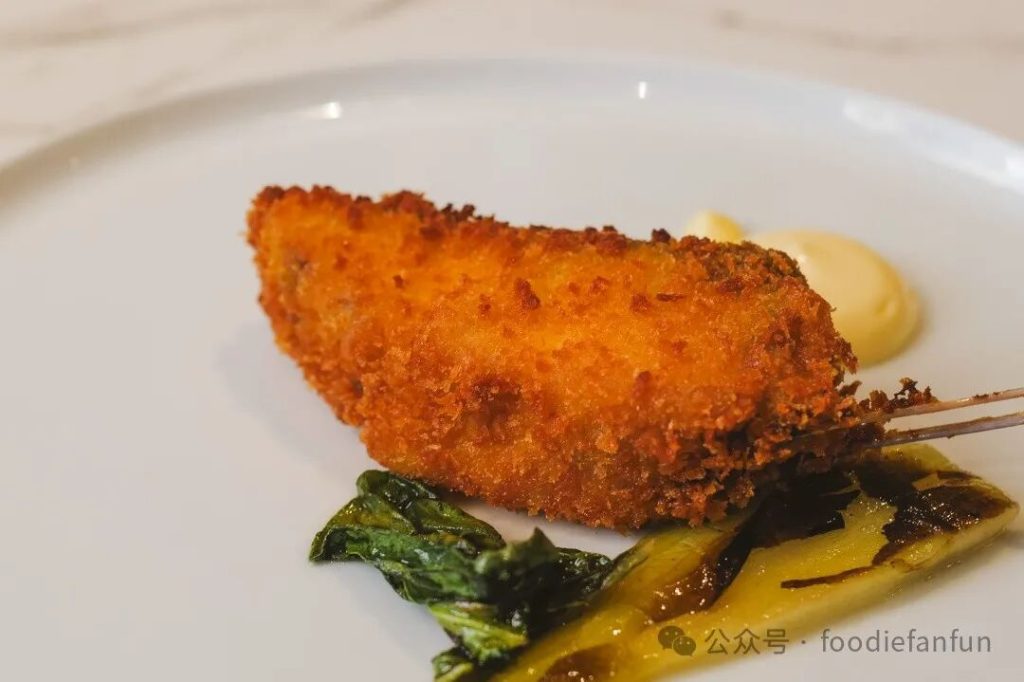
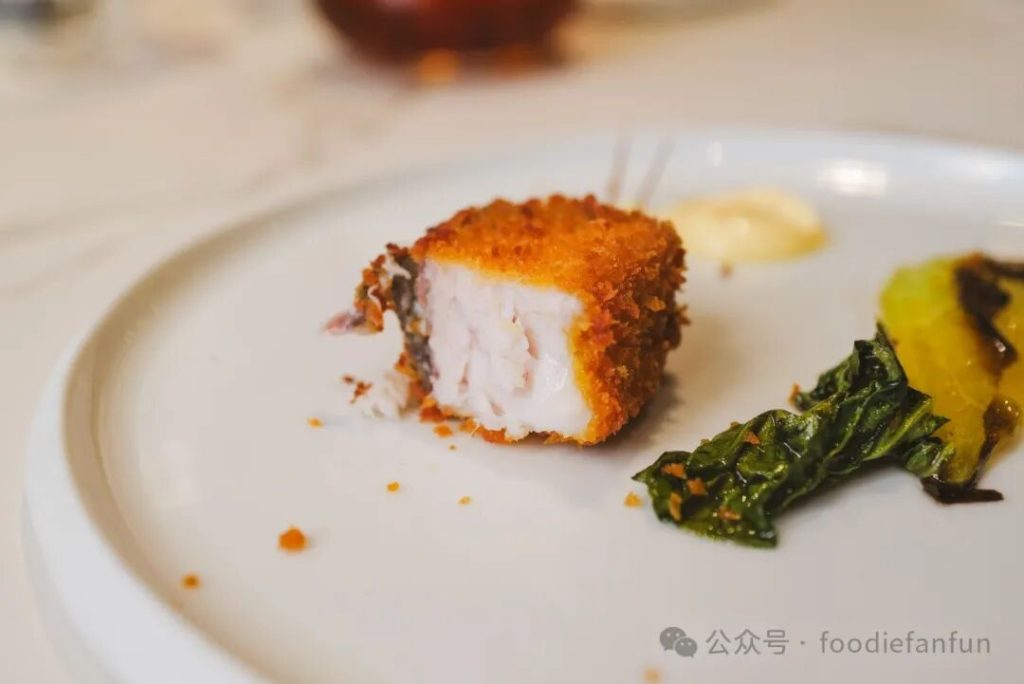
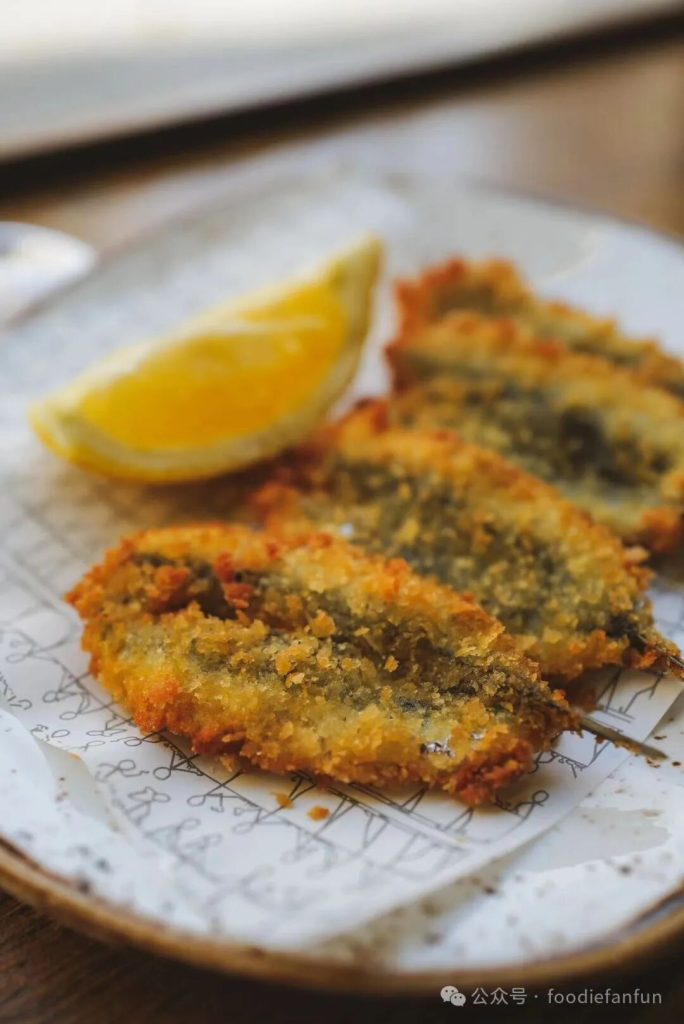
Fried Scamp Grouper
Out came a golden fried fish, fragrant before it even reached the table.
I couldn’t find a Chinese name for scamp grouper, but among groupers it’s practically royalty. It looks plain — a dull grey nothing to look at — but the flesh is fine-grained and tender.
Fried this way, the fish’s natural juices are sealed in, made all the more fragrant and soft by the crisp shell around it.
Genuinely a fried fish you’ll keep thinking about long after.
The kind you’d happily ignore the calories for, and still want more of.
By comparison, the fried cobia I had two months ago at The Georg came off looking pretty sad. Never mind why a fish like that would show up on a €1,980 tasting menu — all I remember is dry, flavorless flesh and a crust with zero crunch.
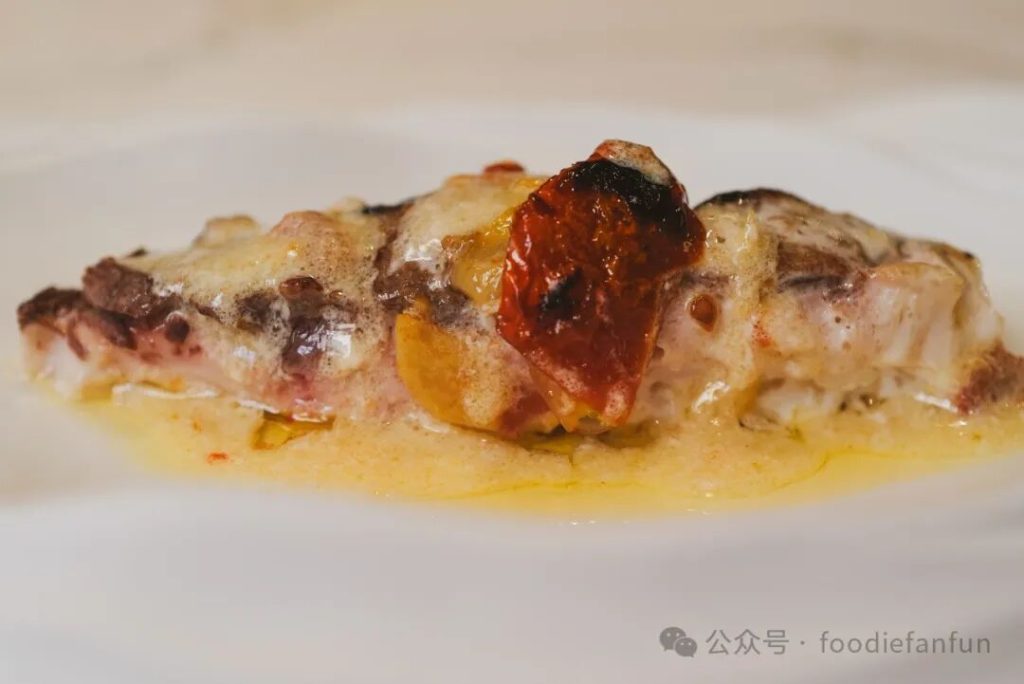
Grilled Andalussian Sea Bass
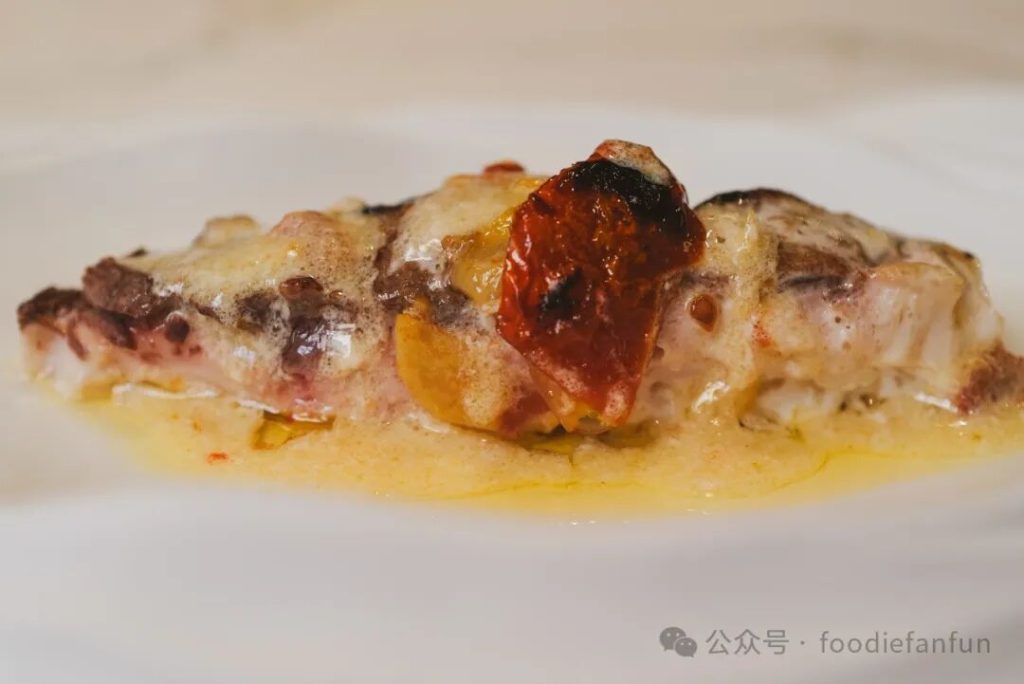
The final main course circled back home: Andalucían sea bass, seasoned in the most classic Mediterranean way, with olive oil, garlic, and tomato. Tender, full of flavor, and a clean finish.
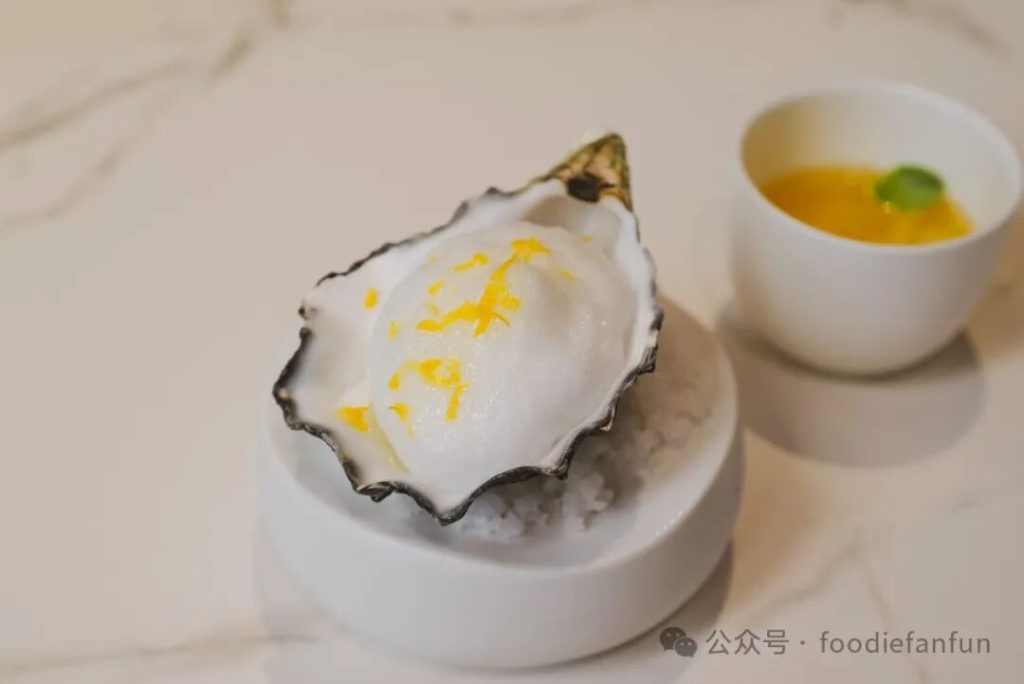
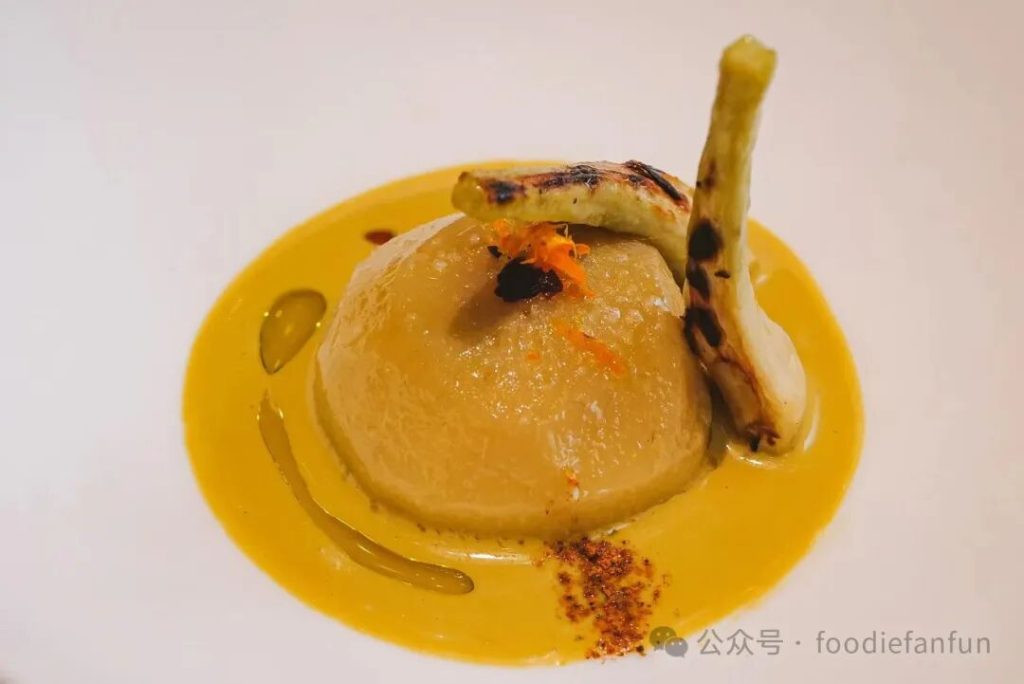
Oyster without Oyster
Pineapple, Vinegar and Basil
First time I’ve seen oyster used in a dessert.
Except this oyster has no actual flesh — just its shell and its sea flavor whipped into a foam, which turned out to be exactly the palate cleanser needed.
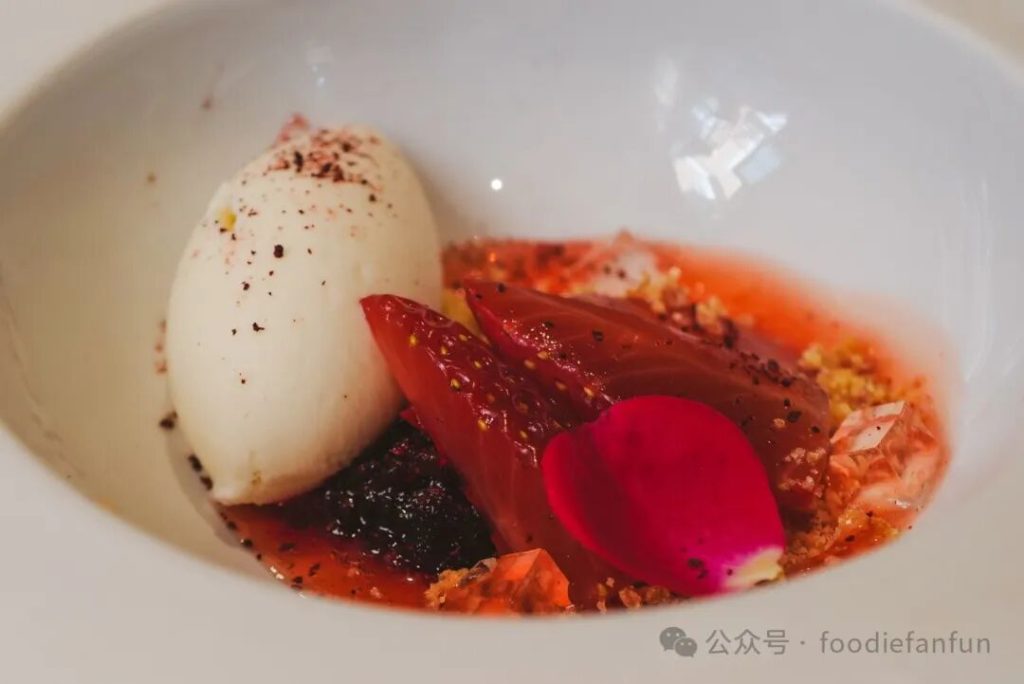
Strawberry, Almond and Beetroot
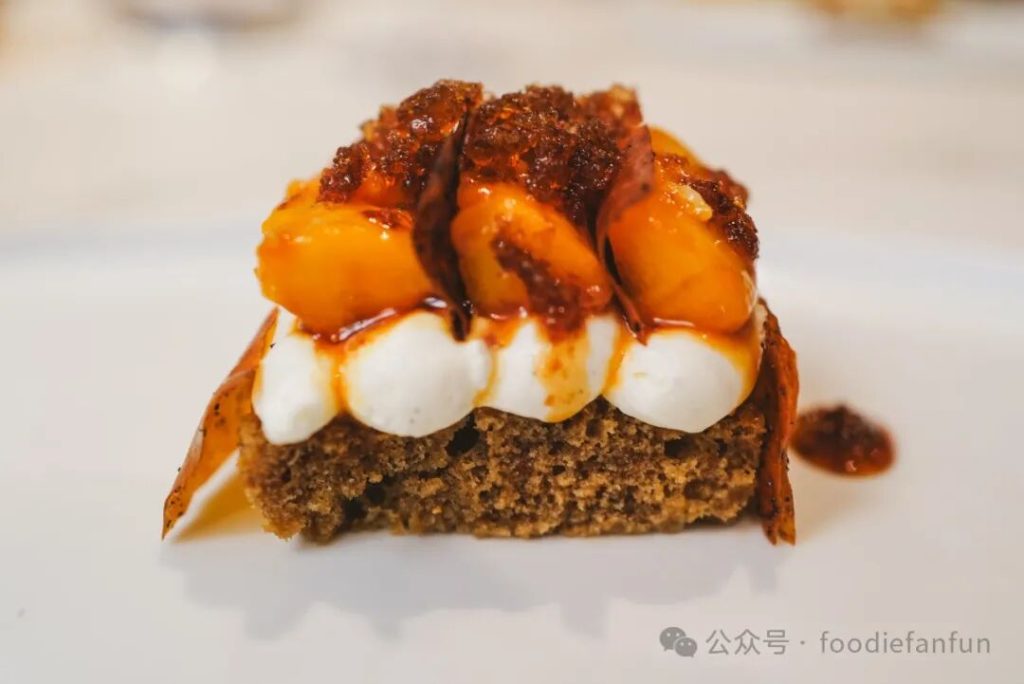
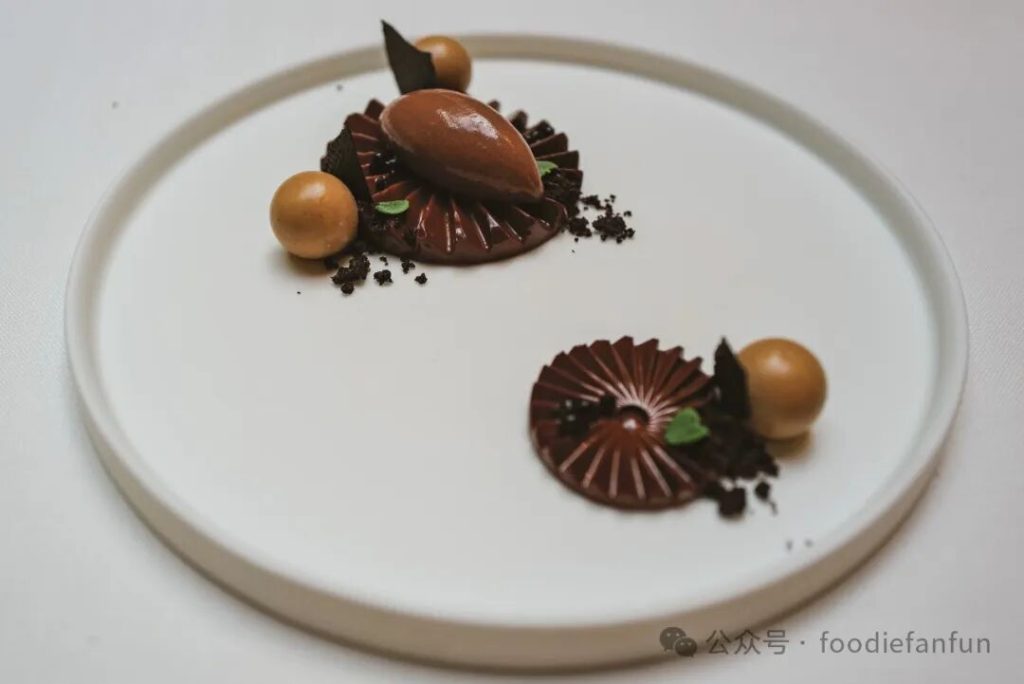
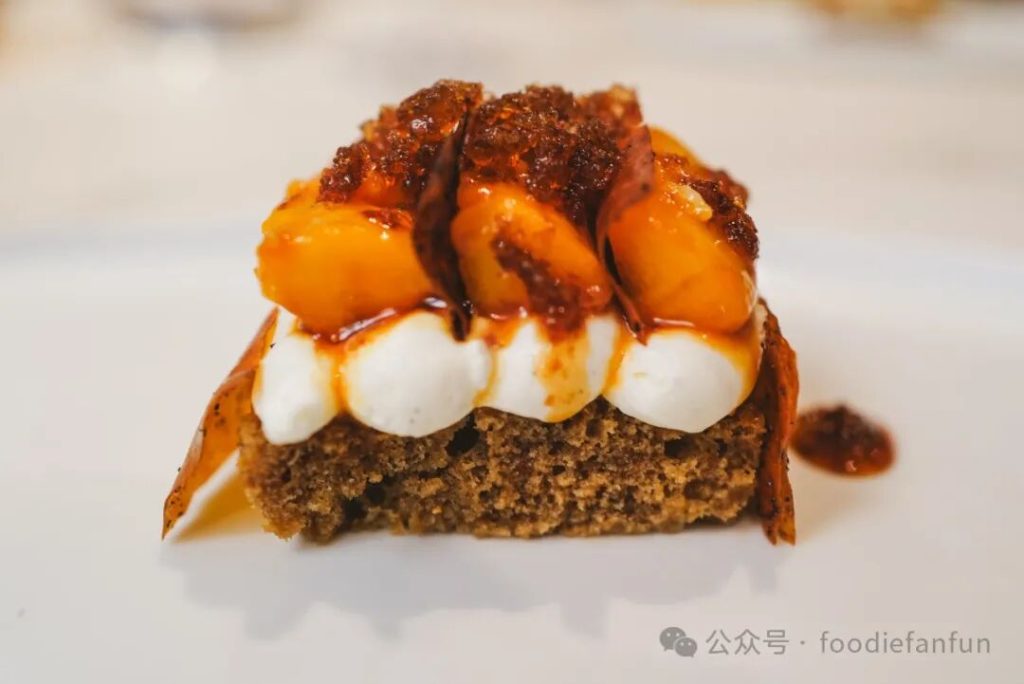
Coffee with Brandy, Vanilla and Banana
Only with the official desserts did the meal finally step away from seafood.
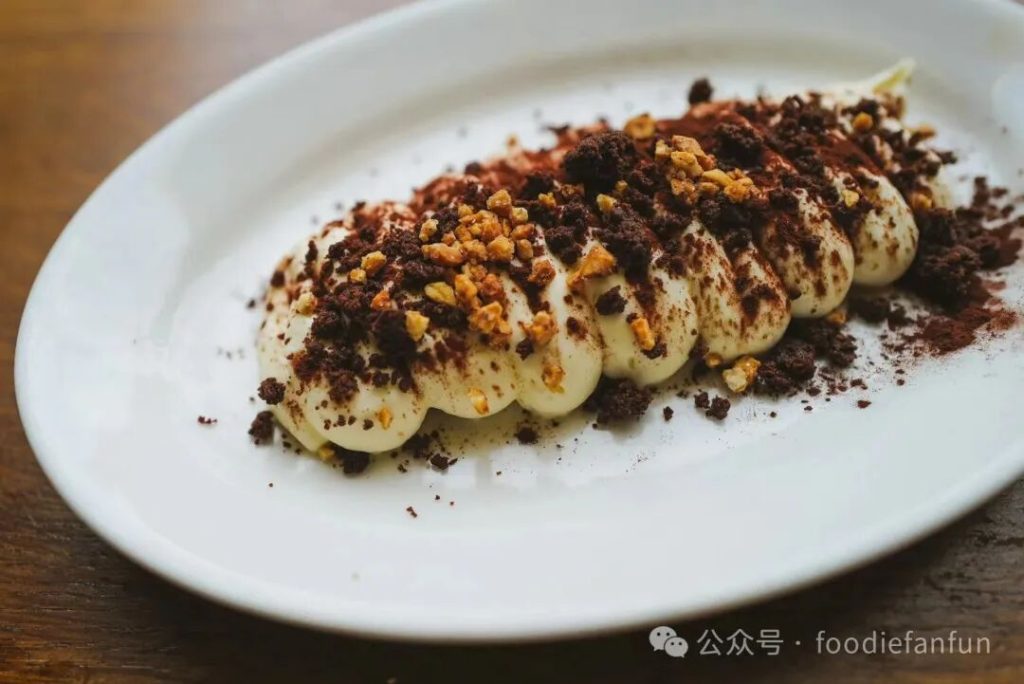
Macerated strawberries with almond ice cream ate light and refreshing. The tiramisu riff, on the other hand, was rich and dense, and the fruit folded into it somehow never felt out of place — if anything, it made the sweetness more interesting against the bitterness.
Two and a half hours at lunch, sitting by the window in warm sunlight, watching the kitchen work through its orderly rhythm.
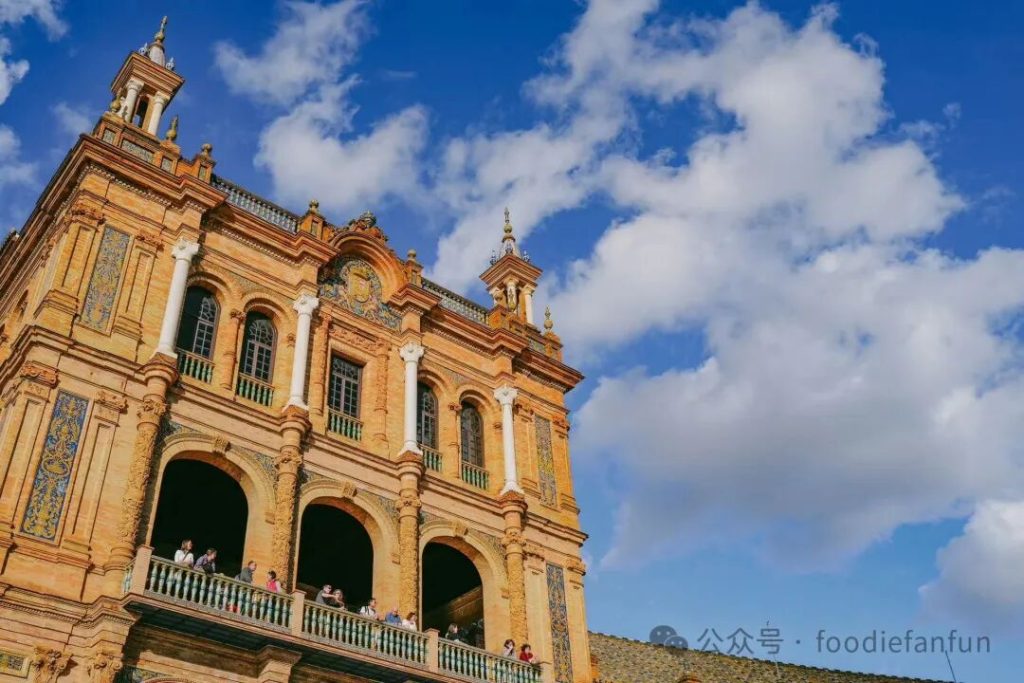
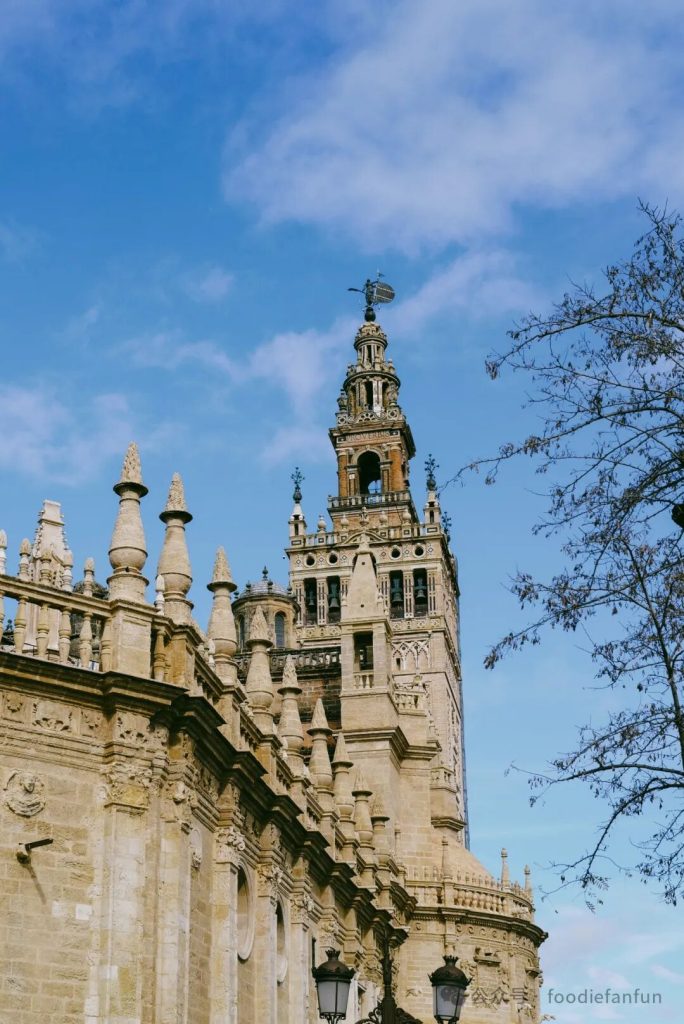
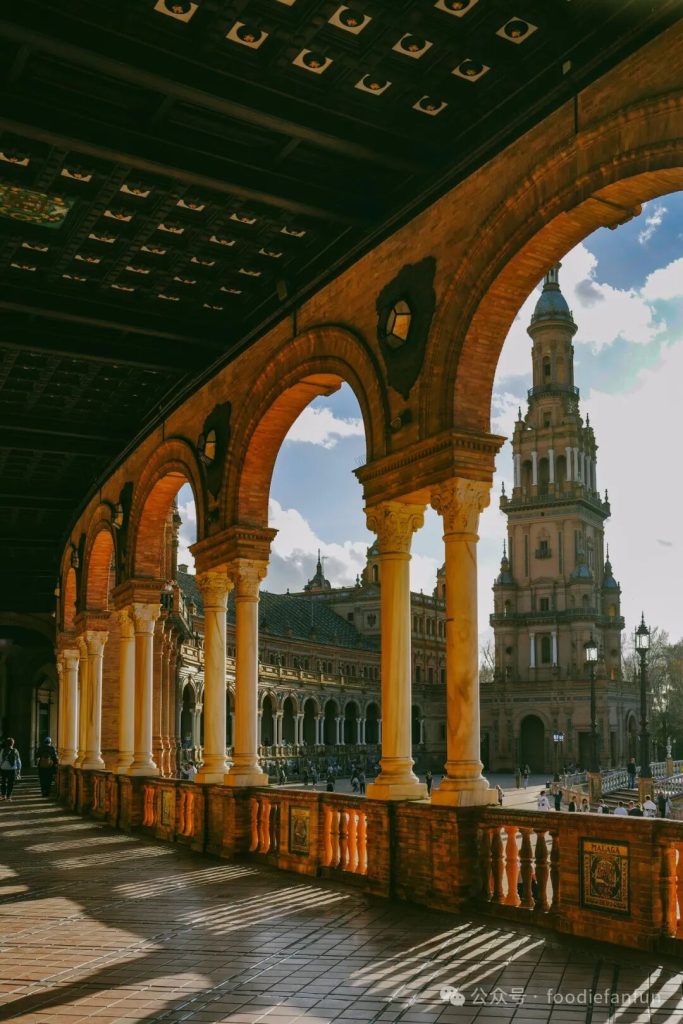
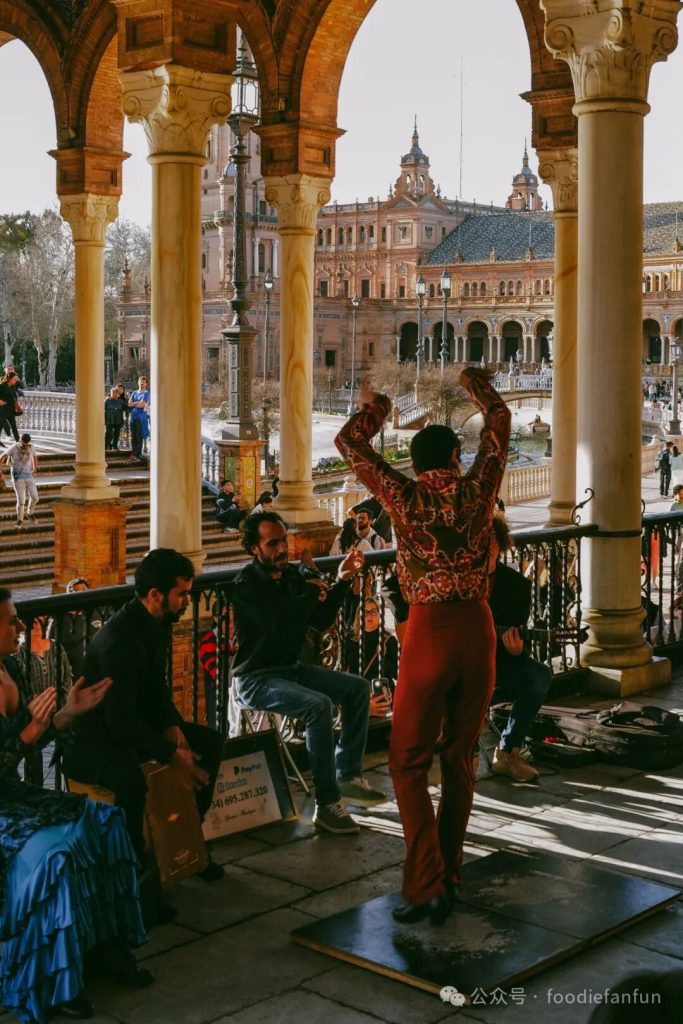
Fully satisfied, we walked past the cathedral and the royal palace to watch the flamenco dancers at Plaza de España.
About 5,000 words in total — worth bookmarking before you read on.
Of all the countries we’ve visited post-pandemic, Spain is probably the best value for the money.
Whether it’s eating, drinking, or just wandering the streets, this country — rich in history and produce — delivers a real sense of happiness at every turn of the trip.
Today’s roundup shares some of the restaurants and hotels from Sevilla and Barcelona.
The piece is split into five sections; the full list is at the very end.
HOTEL
A few comfortable places to stay
Three hotels get a clean, confident recommendation here.
In Barcelona: the Majestic Hotel and Spa Barcelona GL, and Hotel El Palace Barcelona. The former sits right on Passeig de Gràcia with a more classic, aristocratic feel — book a corner room with a small balcony and you’ll get a gorgeous view over the passing crowds below. The latter is quieter, with more modern facilities and layout; you’ll occasionally catch a luxury brand event happening there, and the restaurant downstairs is itself a Michelin restaurant. It’s about a 10-minute walk from Passeig de Gràcia.
Both offer solid value and plenty of comfort for food lovers, but be careful when booking the Majestic not to confuse it with their serviced apartments.
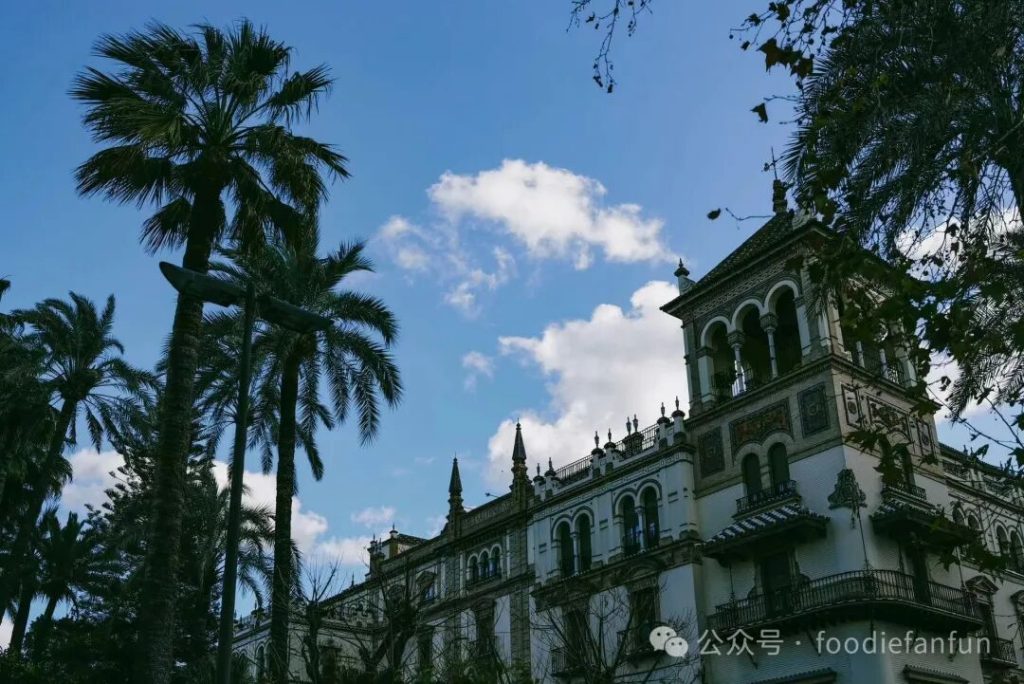
Sevilla’s undisputed number one has to be Hotel Alonso XIII. It’s practically a landmark of southern Spain — commissioned by King Alfonso XIII and opened for his beloved daughter’s wedding. Every detail of the building’s exterior and decor reflects the height of the era’s art and culture, while the hardware and facilities meet modern travelers’ needs, and its location sits right at the edge of Sevilla’s most relaxed old town district. In short, an irreplaceable hotel unique to this beautiful city.
Fine Dining
Spaniards who take cooking seriously
We started booking restaurants two months out, and a friend who’s long lived in Spain talked us down: “Book fewer Michelin places — the street-corner spots have plenty of great food too.”
So for this nearly ten-day trip we only booked three Fine Dining restaurants: Lasarte and Enigma in Barcelona, and Canabota in Sevilla — plus one that sits somewhere between Fine Dining and Tapas, often called Barcelona’s best seafood restaurant, Estimar.
Lasarte
Barcelona Spain
When people think of three-Michelin-star Barcelona, Disfrutar is usually the first name that comes to mind — but Lasarte is just as unmissable.
Lasarte sits on La Rambla, Barcelona’s most famous luxury-brand strip — its credentials speak for themselves. Chef Martín Berasategui was born in Spain’s northern Basque Country, earned his first Michelin star at 25, and is now, at nearly sixty, the chef with the fourth-highest total star count in the world.
From the comfort of the setting to the smoothness of the service, every detail here shows exactly what a three-Michelin-star restaurant should be. There’s a natural ease to the Spanish temperament, and service that’s both disciplined and warm is always the most appealing kind. The dishes, meanwhile, carry an elegance layered with that distinctly Spanish streak of purity.
The menu changes with the seasons — you can never really go wrong with the Tasting Menu. Full write-up here → This Barcelona three-star is about a lot more than just great food!
Estimar
Barcelona Spain
No Spain trip is complete without seafood — when we asked Teacher Guan to recommend a seafood restaurant, Estimar was the first answer.
Compared to your typical seafood restaurant, Estimar takes a more refined approach, with bold use of ingredients. As a first-time visitor from a landlocked region, this meal delivered plenty of new discoveries and experiences.
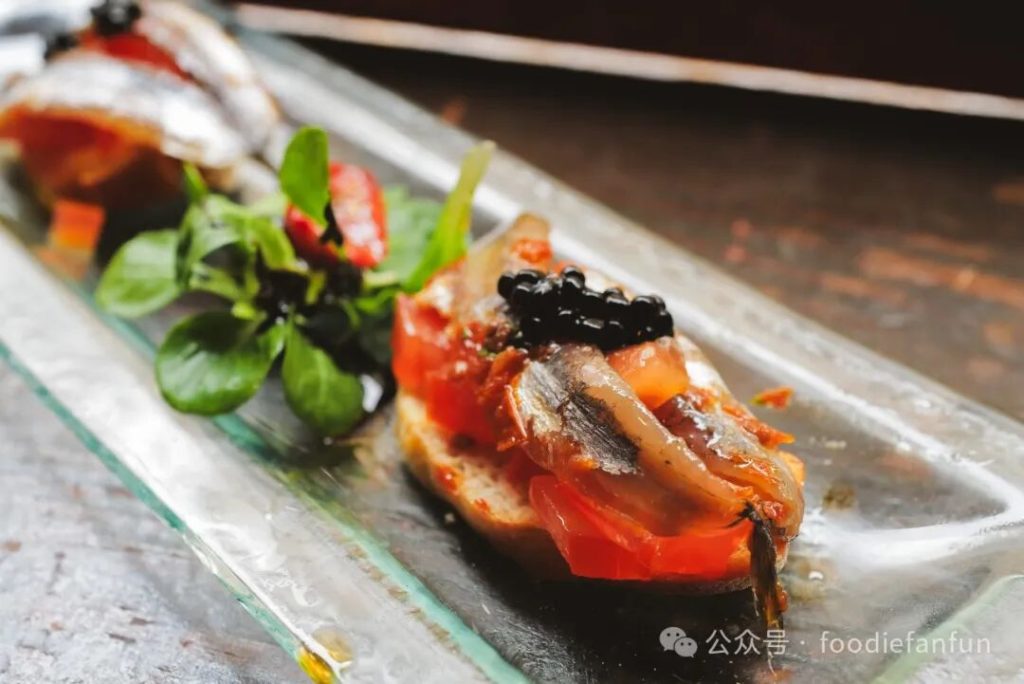
The Cantabrian anchovy, for instance, is said to be the best anchovy in the world, prized for its intense umami. It arrived shockingly large — the biggest anchovy I’d ever had. Spaniards really do go overboard with salt, though — paired with tomato bread, the searing saltiness was just barely manageable.
Langoustine carpaccio is Estimar’s tribute dish to El Bulli — the langoustine’s chewy sweetness and freshness were captured perfectly, unexpectedly thick, silky, and delicate all at once, a pure joy in every bite. Paired with a crisp bread base for structure — genuinely stunning.
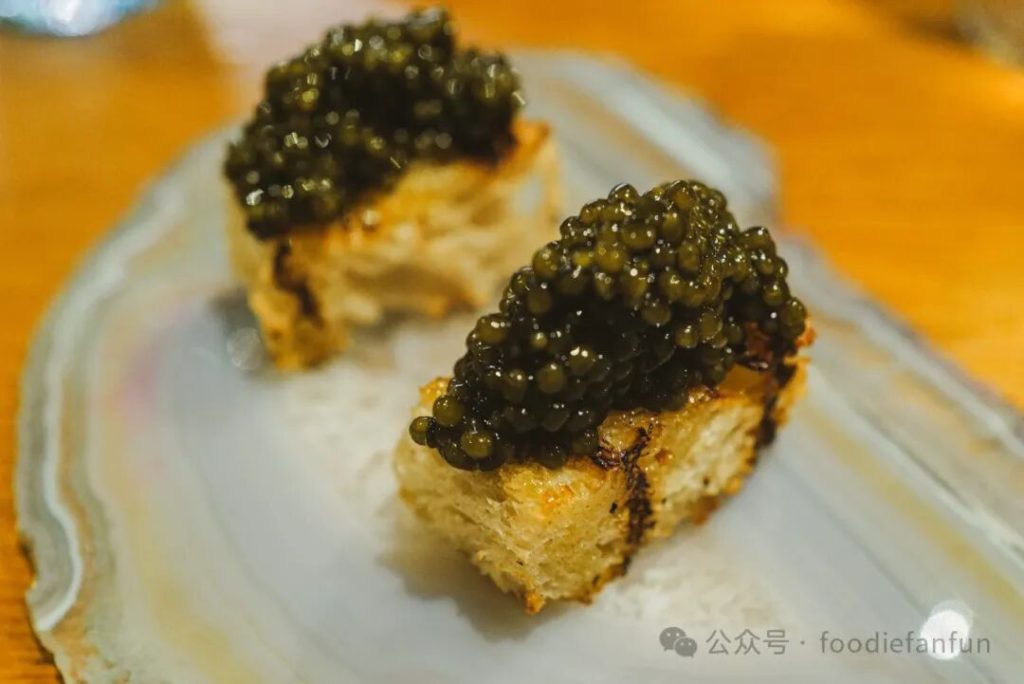
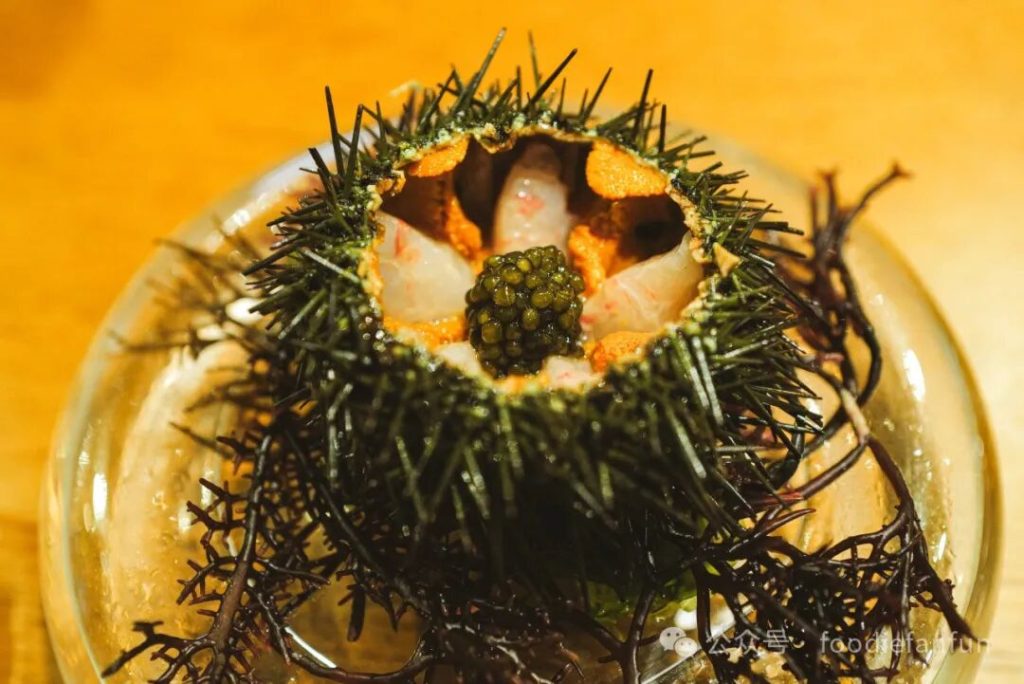
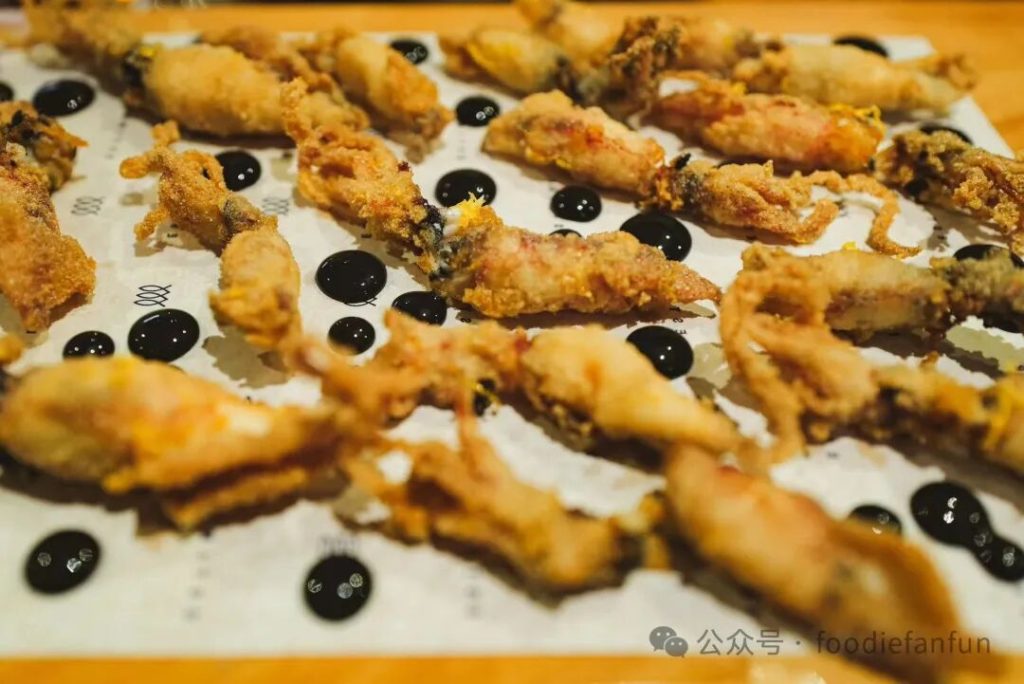
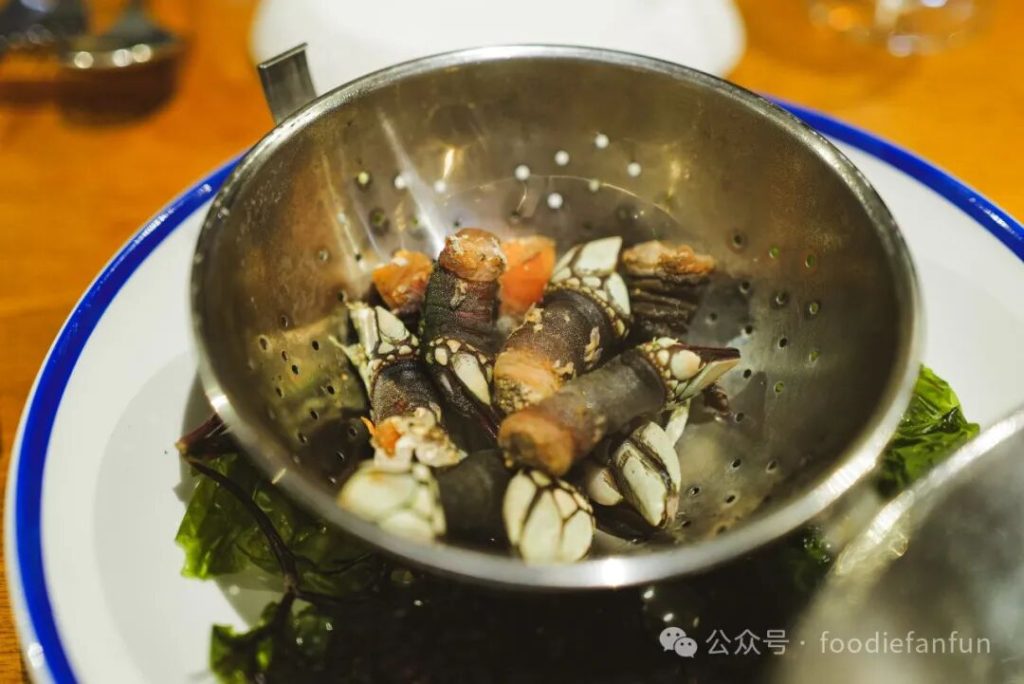
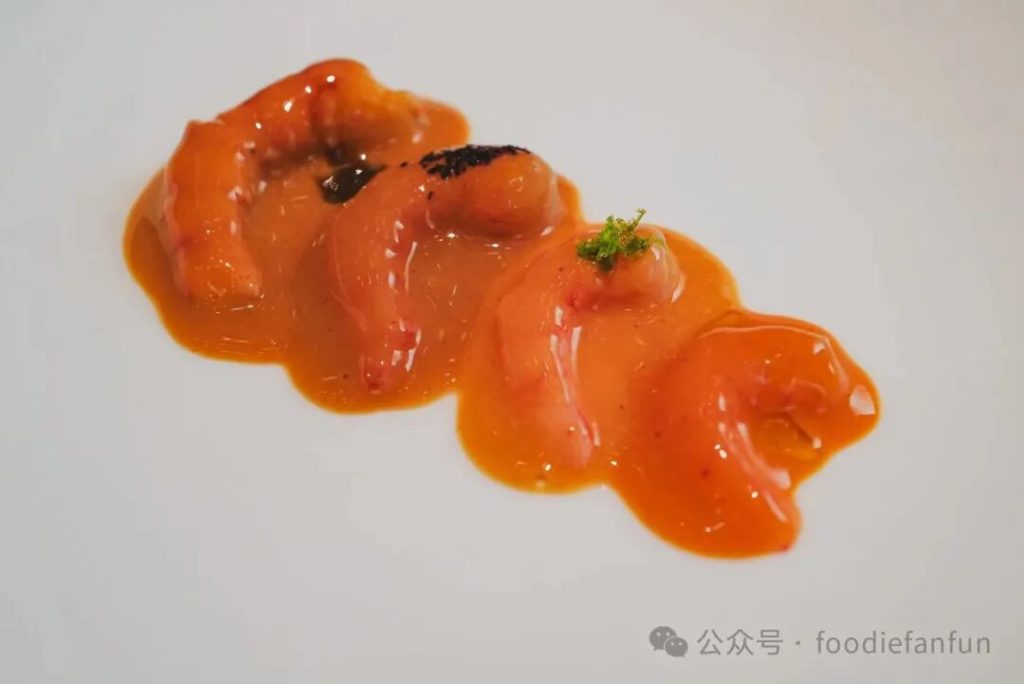
There was also fried baby squid, steamed gooseneck barnacles, sea cucumber tendon, sea urchin paired with red shrimp, and the most unpretentious caviar toast. Every dish looked simple, but the freshness of the ingredients and the overall balance were excellent — this is fishing-village cuisine at its most elevated.
Go if you get the chance — reservations open two weeks out!
Enigma
Barcelona Spain
We also booked another one-Michelin-star in Barcelona, the famous Enigma.
Enigma’s chef is Albert Adrià — his older brother is Ferran Adrià, the five-time head of the world’s number-one restaurant El Bulli and often called the father of molecular gastronomy. The restaurant’s design concept alone took three years to develop, and they only seat 24 guests per service.
With expectations set that high, how could you not look forward to it?
And yet, the whole meal left us… genuinely puzzled.
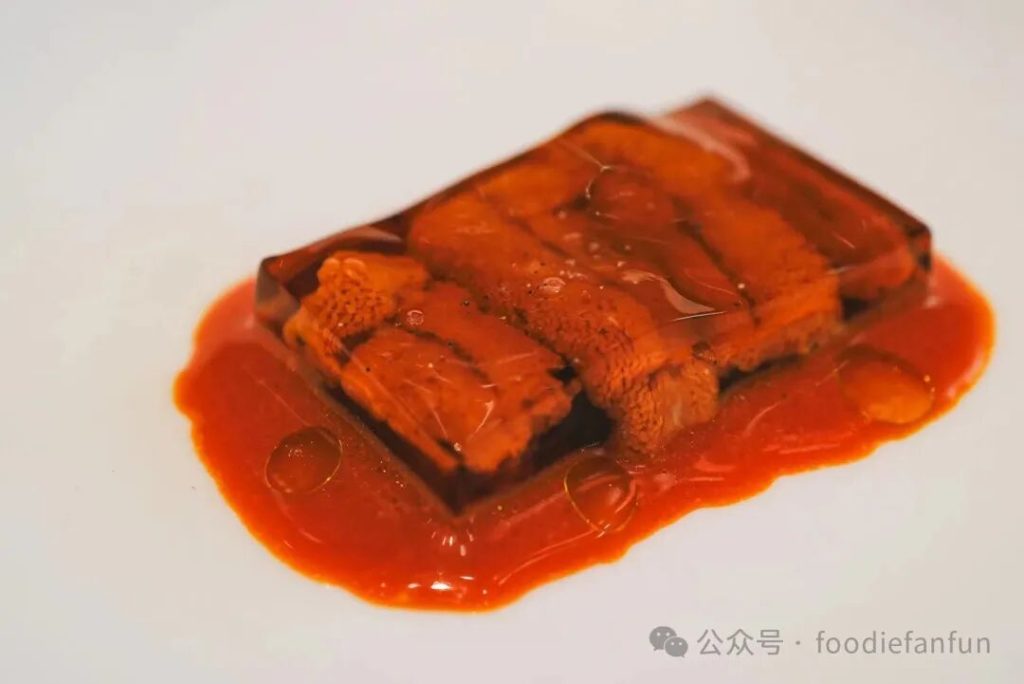
Not to mention the frequent service mishaps throughout the meal — dropped plates, a spoon that fell into a guest’s bowl, and a 45-minute gap between two courses at one point. The signature seasonal dish, a pigeon gelée wrapped around sea urchin, hit with a wave of fishiness straight to the head. The main courses ran entirely on rabbit, paired separately with crab and foie gras. Honestly, it was the first time in my life I’d tasted a rabbit dish with the gamey flavor preserved quite so thoroughly. (Enough said.)
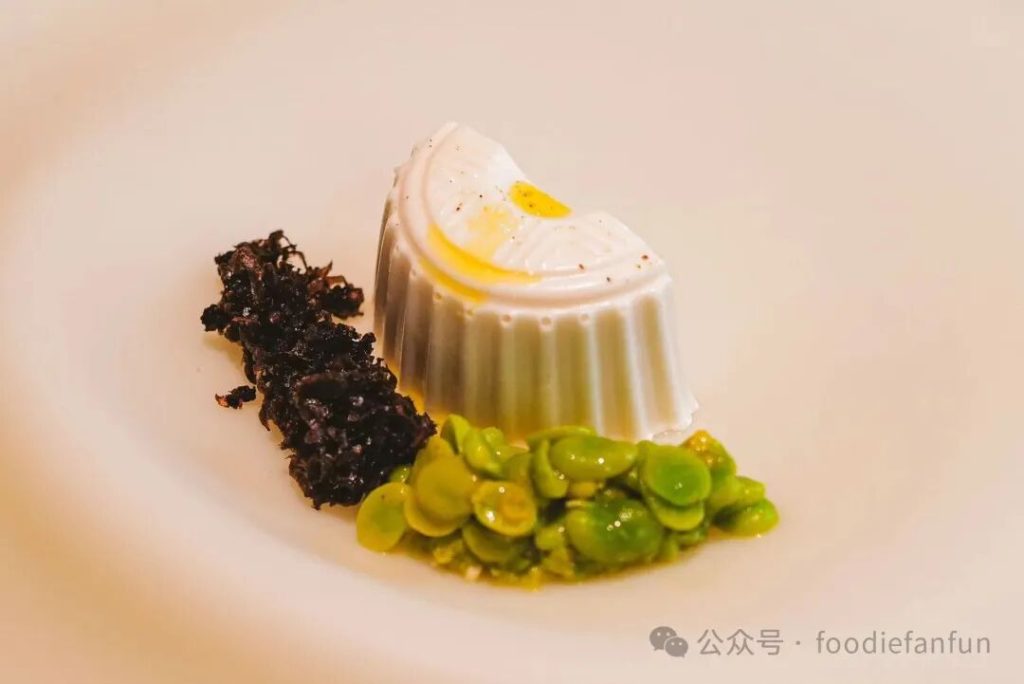
The one genuinely commendable dish of the entire meal was a ricotta made from a blend of soy milk and almond milk — delicate texture, a gentle fragrance that was thoroughly seductive, showing off the beauty of reassembled worlds.
Life needs a variety of experiences to really make you appreciate truly great food, I suppose.
That said, having gone through it once, I’d recommend spending that time and money on something else instead.
Canabota
Sevilla Spain
A seafood-focused restaurant in Sevilla that loves to play with the life cycles of seafood and Mediterranean-style charcoal grilling. The website only shows a few pretty photos of fish and giant lobster, without much other information — no sample menu either. What you eat depends entirely on the day’s ingredients.
The restaurant keeps a low profile — the only sign of Michelin recognition is a small logo in the website footer. You can generally book a table about a week out. There are two set menus, a Tasting Menu and an Omakase, with not much difference in price or content.
Sevilla isn’t coastal, but the moment you walk into this little spot, you’re hit with a full seafood-restaurant atmosphere — a huge cooler with live blue lobsters still waving their claws, fish and shrimp all vividly fresh-colored, like they lifted the seafood counter straight out of the Encarnación market and dropped it in here.
The whole meal really showcased the natural flavor of each type of seafood — even a small fried fish dish stood out. Full write-up here → An unassuming little spot that turns seafood into something divine.
TAPAS
Every bite is good.
Tapas might be the single most representative dish of Spanish food culture.
Order slowly, eat slowly, sip a drink unhurriedly. It’s a leisurely pace of life that’s genuinely enviable.
Most of the recommended tapas spots in Barcelona need reservations or come with a line, but Sevilla is different — this old town is exactly the kind of place where you can stop for a drink whenever your feet get tired. So I just pinned every tapas bar I was curious about on Google Maps and ate my way through, wherever I happened to end up.
Paco Meralgo
Barcelona Spain
A seafood-and-tapas spot a chef friend put me onto — very popular, so book about 10 days ahead. We made it our first stop after landing in Spain.
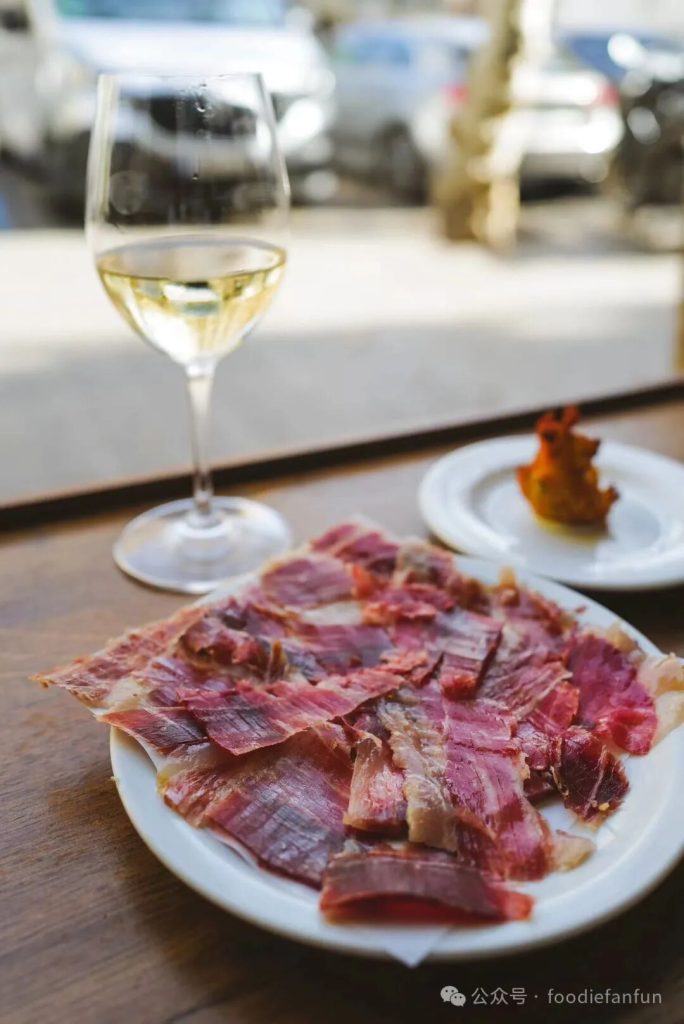
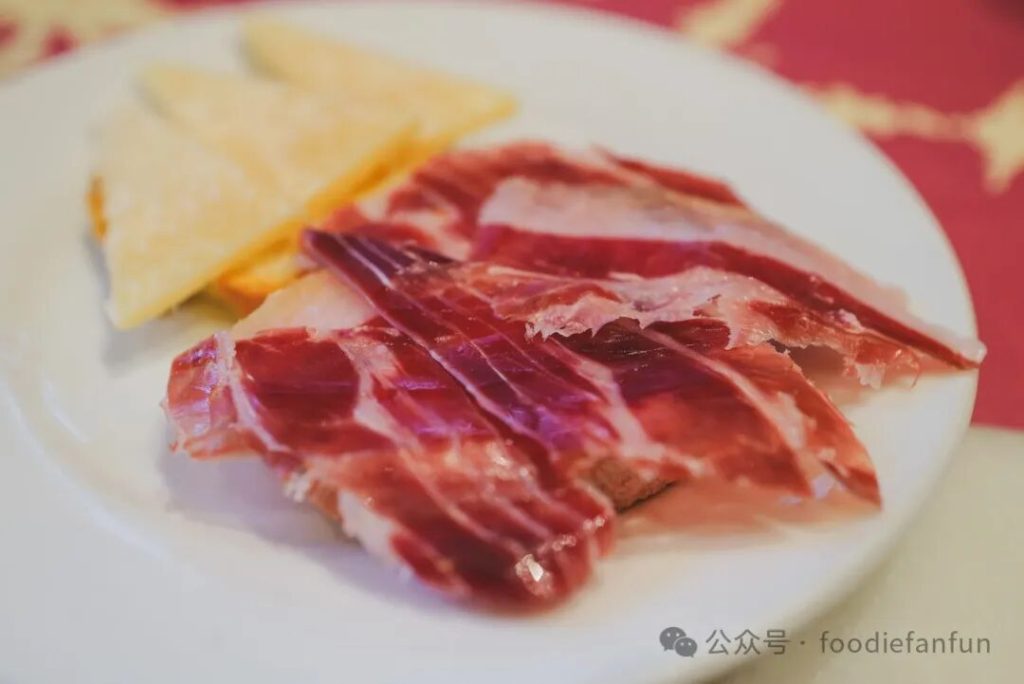
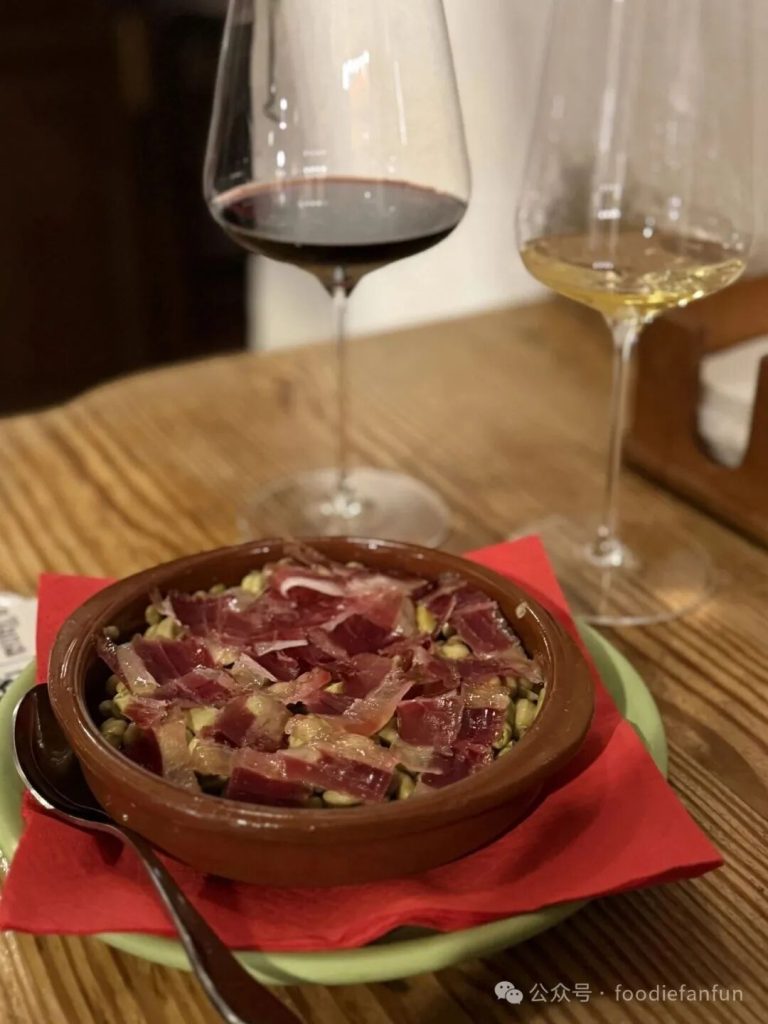
While waiting on the food, we started with a plate of freshly sliced ham — good quality, with a nice, satisfying thickness.
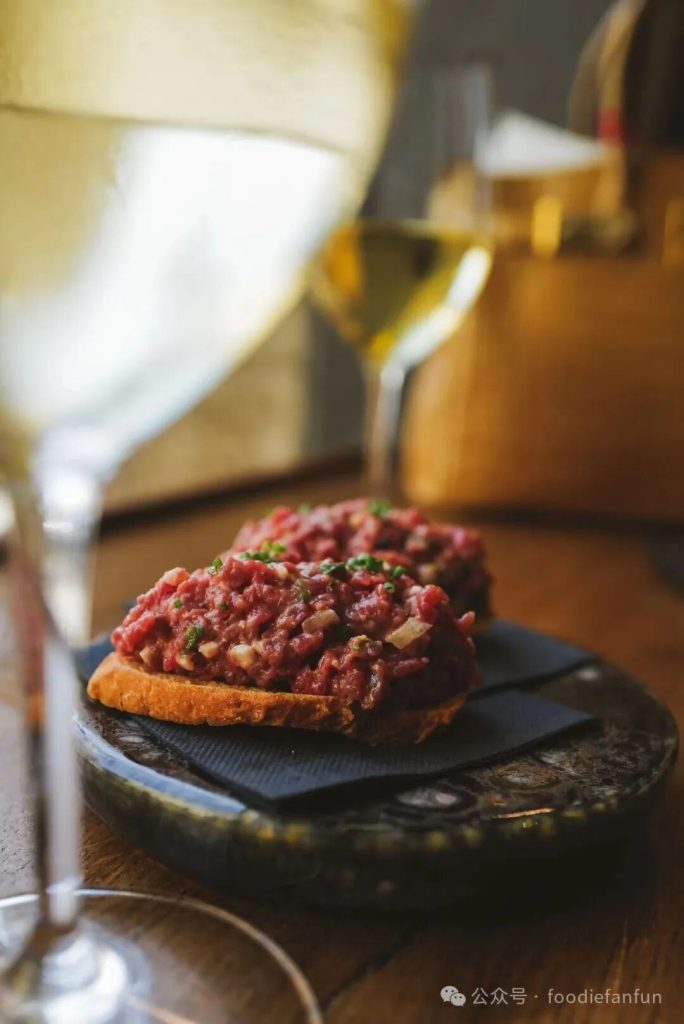
The must-order beef tartare came piled on a thin slice of bread — tender meat, really good flavor.
On a local’s recommendation, we tried the buñuelos — a frying technique that originated in Puerto Rico, lighter than the fried foods you typically get in Spanish cuisine. This version was filled with fried cod: the crust was wonderfully crisp, and inside, alongside the milky richness, the fish had a surprisingly fluffy, shredded texture — a great, unexpected pairing with drinks.
There’s a rotating daily seafood selection, and we got lucky with big squid on the day. Grilled just to doneness, still springy when cut, paired with caramelized onion — sweet and savory in just the right balance.
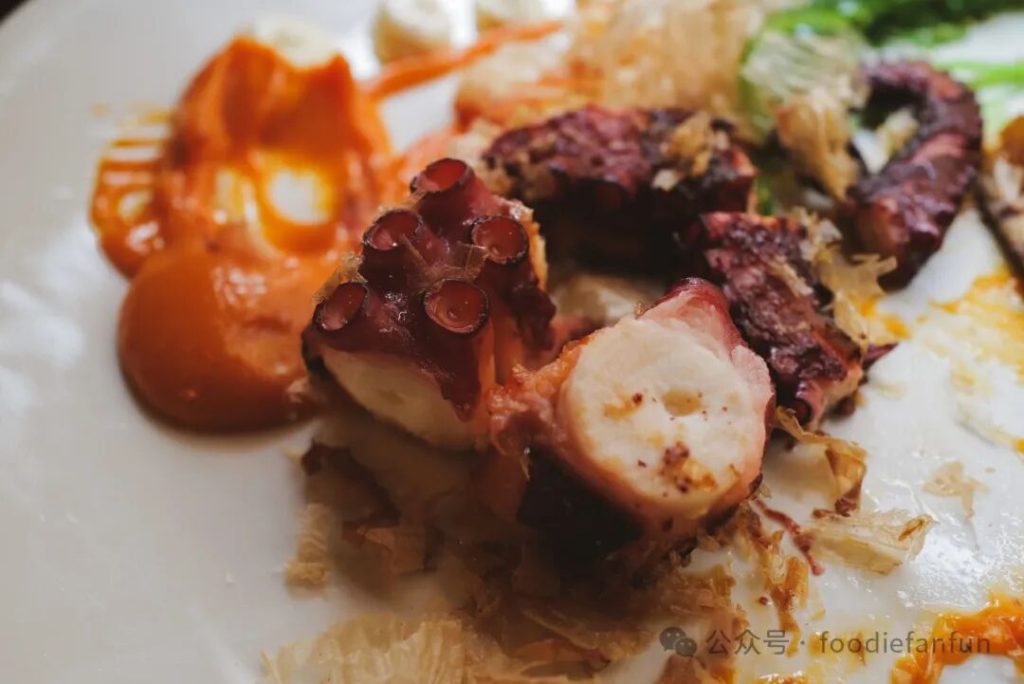
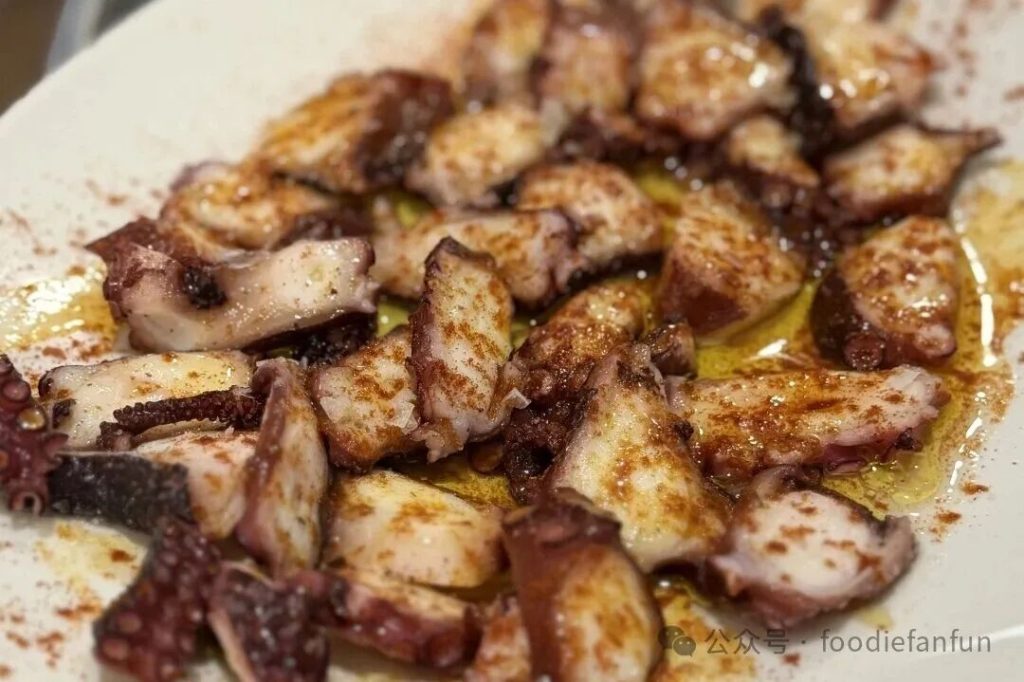
The octopus leg here beat what I’ve had elsewhere in Spain — slightly springy texture, topped with air-dried pork jowl for fragrance, plus a seemingly casual dusting of smoked paprika. This combination looks effortless but is genuinely brilliant — impossible not to be won over.
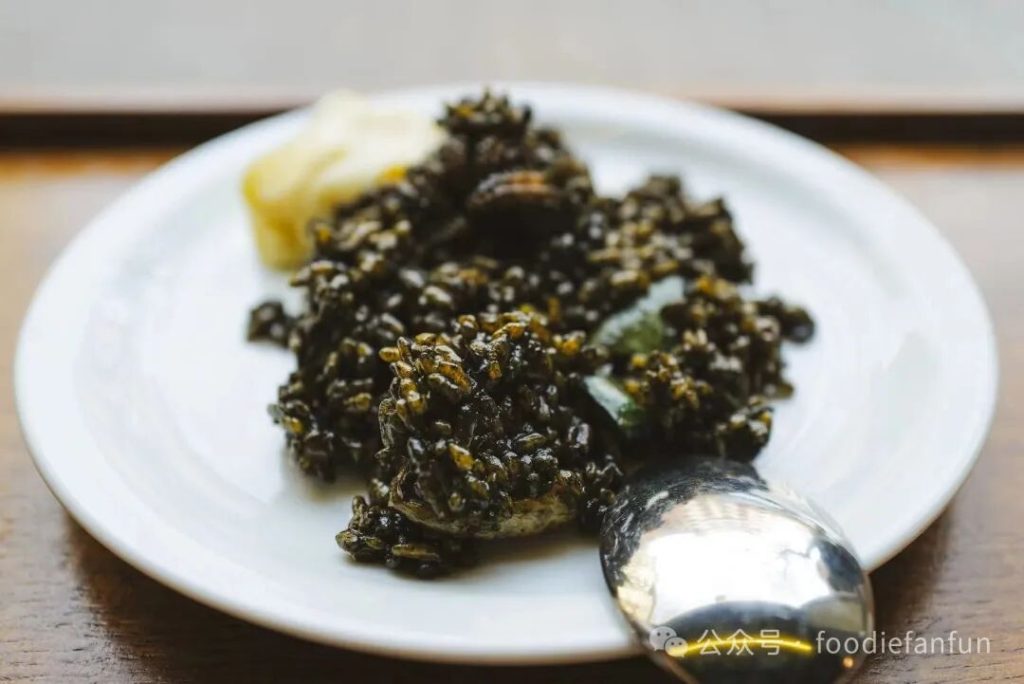
Whether you get a good seafood rice here really depends on the chef’s mood — we happened to get the cuttlefish-ink rice, and Spain’s punishing saltiness couldn’t hide the sheer joy of rice grains packed full of seafood. A bit of green pepper hidden inside was the perfect finishing touch.
Overall, every dish was solid — the effortless spirit unique to tapas culture hides genuinely delightful cooking. Definitely coming back to work through the rest of the menu next time.
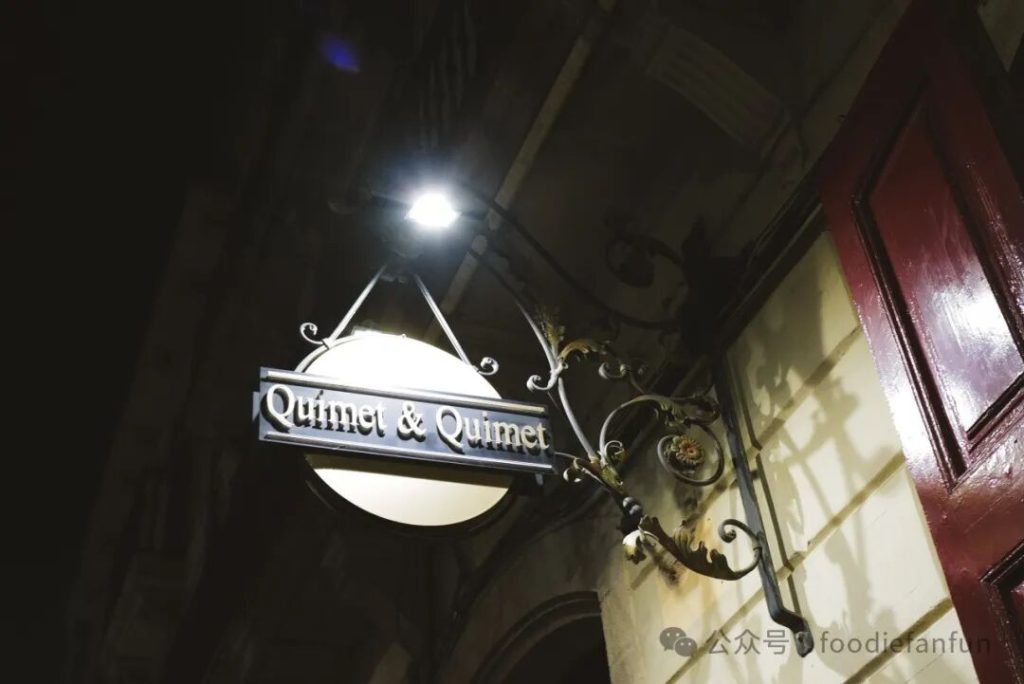
Quimet Quimet
Barcelona Spain
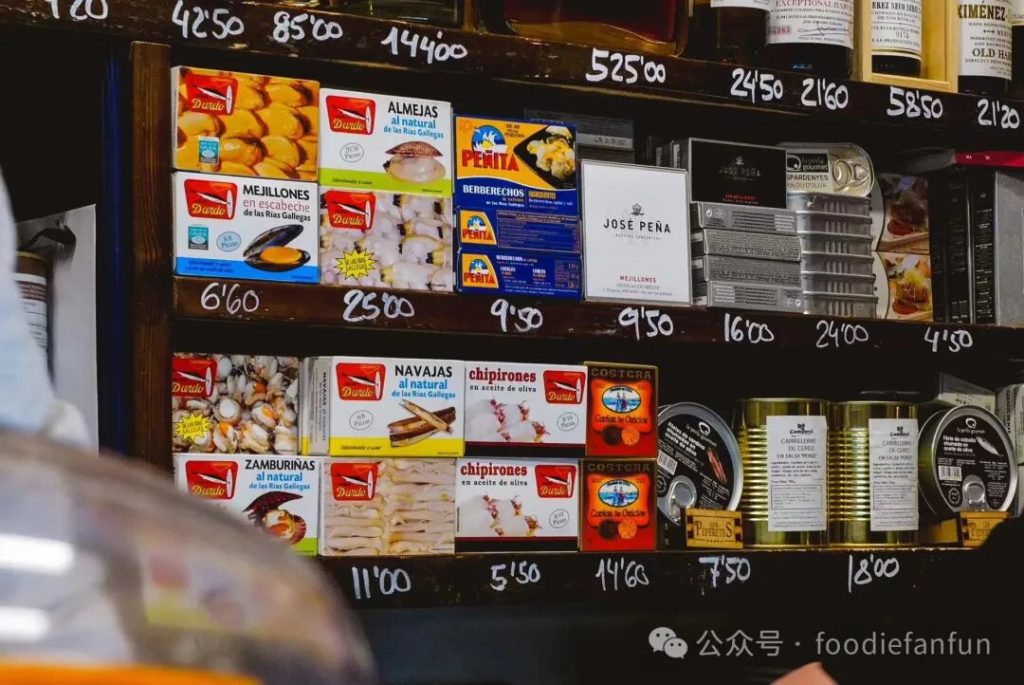
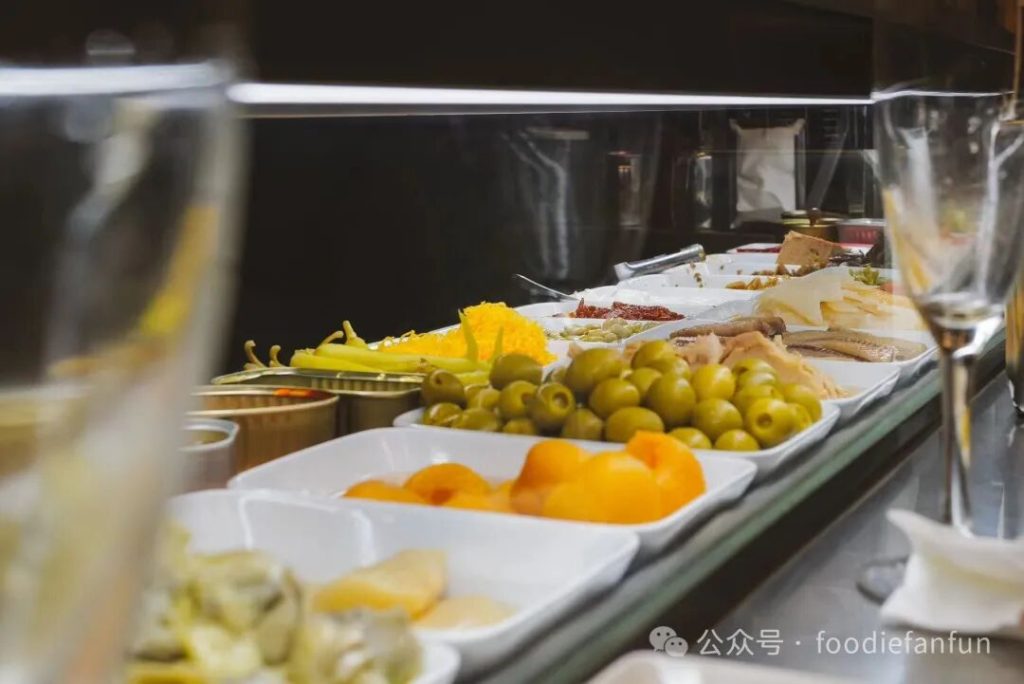
This is absolutely a place worth revisiting again and again — a tiny shop that earned a spot in the Michelin guide with tapas built from tinned seafood.
There was already a line at the door by 6:20, but tables turn over fast since dining is capped at one hour and there aren’t even chairs — everyone eats standing up. Even with ten tables, we only waited half an hour.
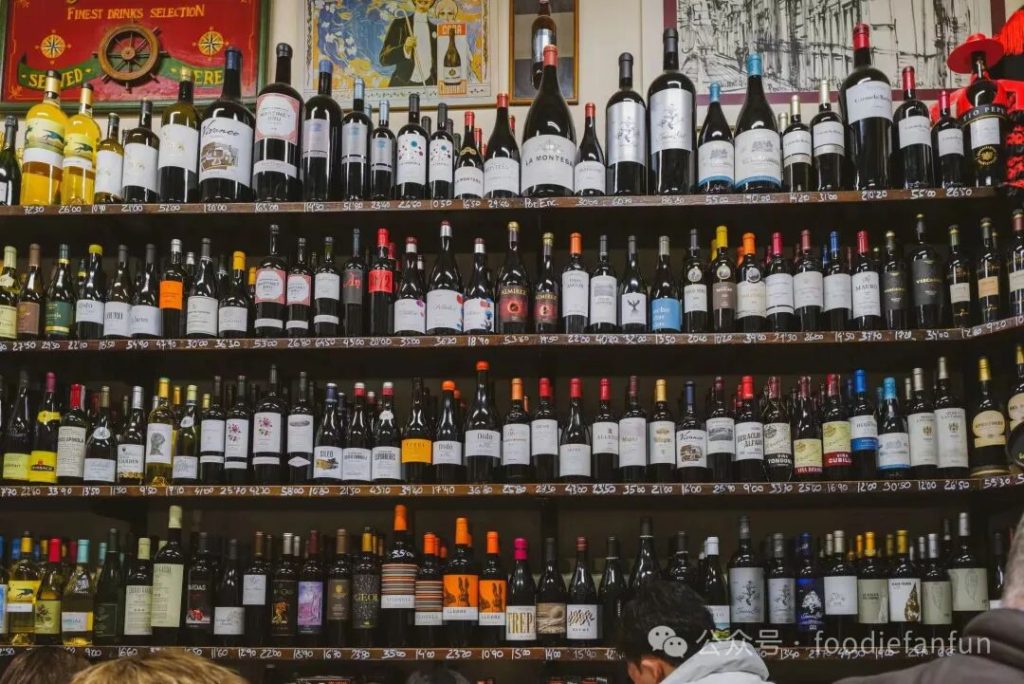
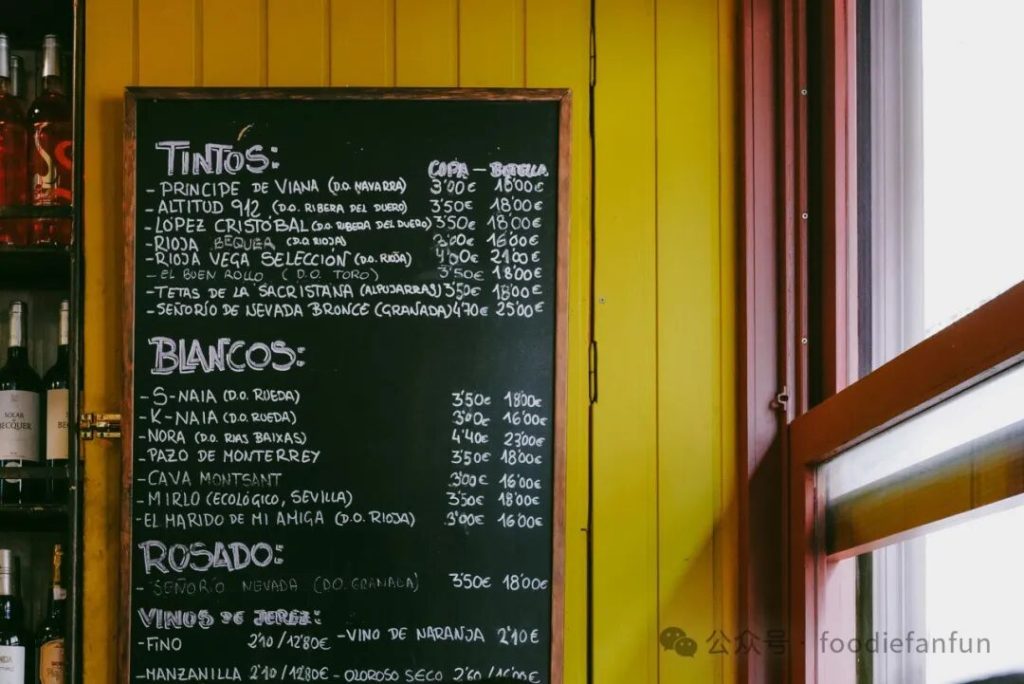
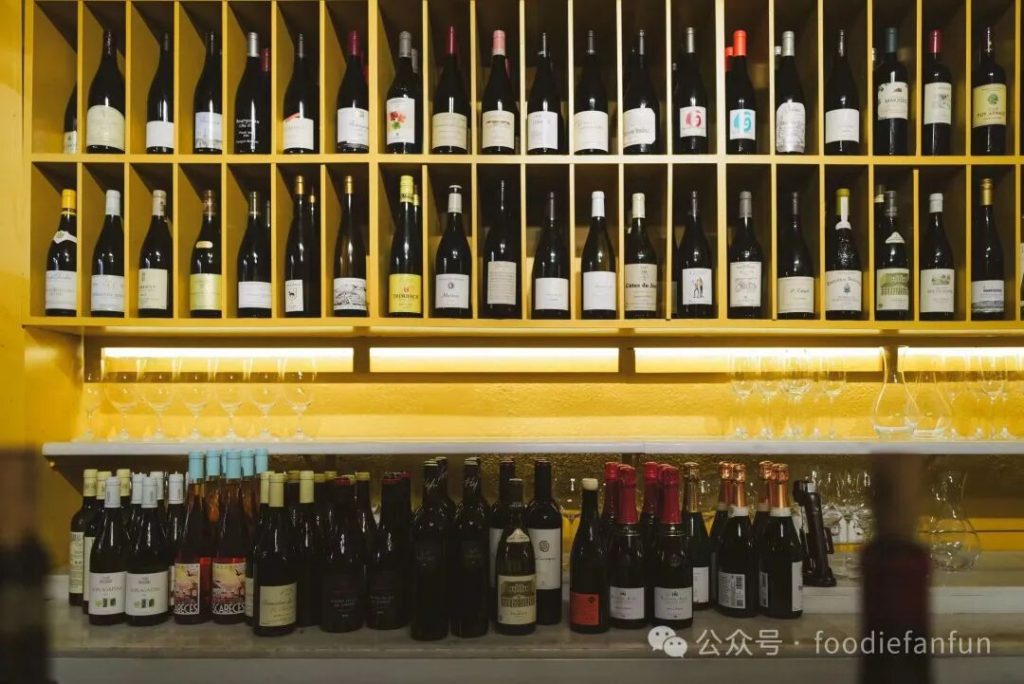
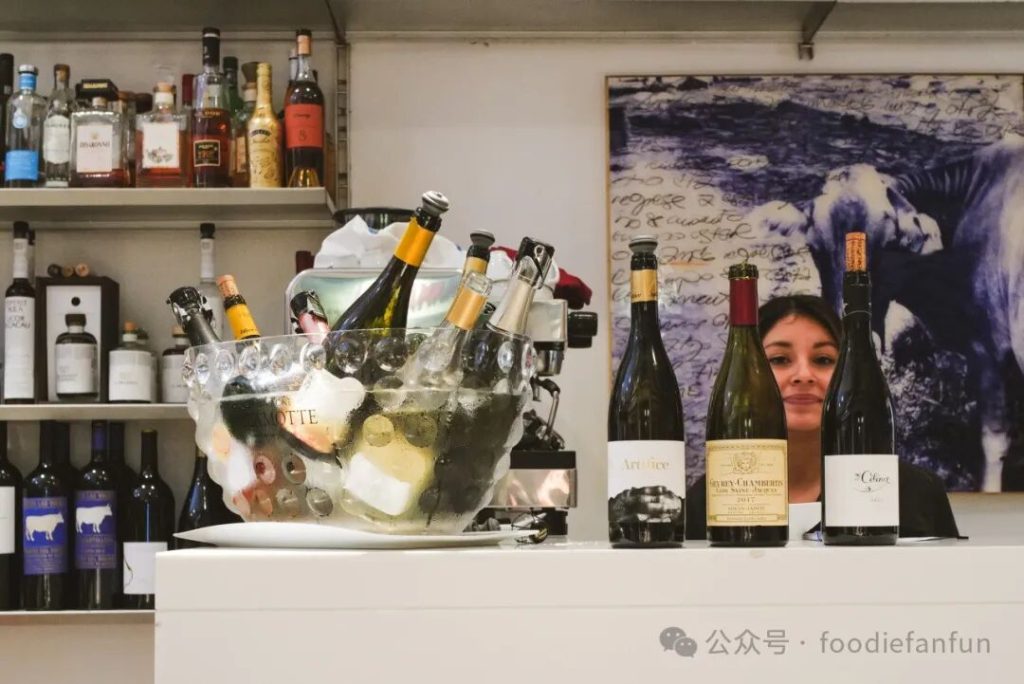
Worth noting up front: the wine here is very reasonably priced, with a wide range of choices. Sparkling, red, white, spirits, sweet wine, fortified wine — nearly all available by the glass. Full bottles are displayed on the wall, priced the same as retail, with just a €5 corkage fee to drink in.
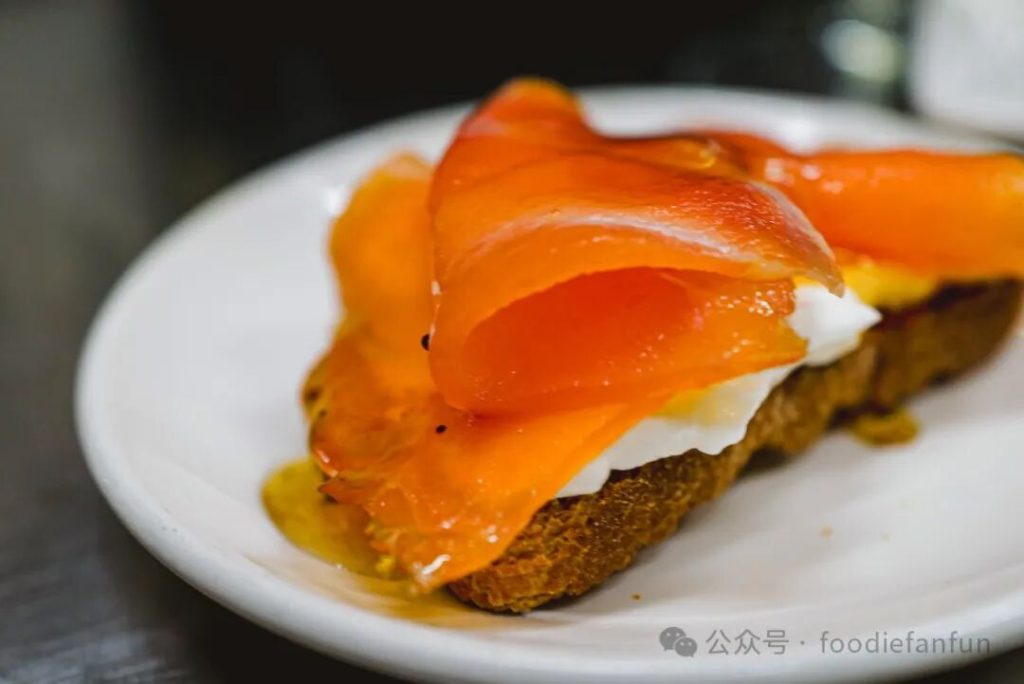
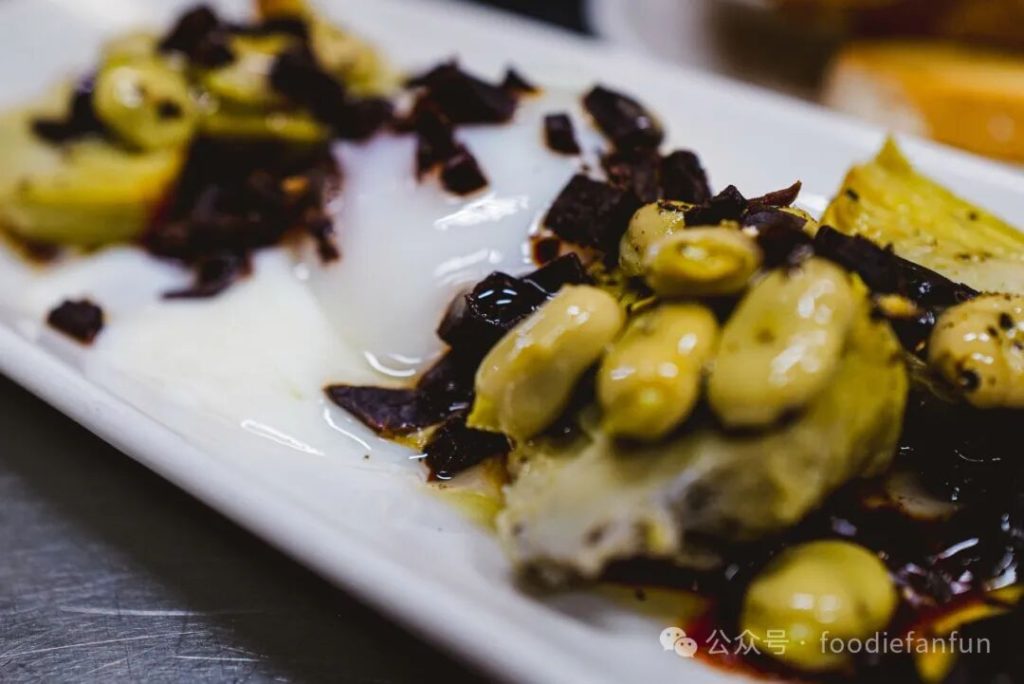
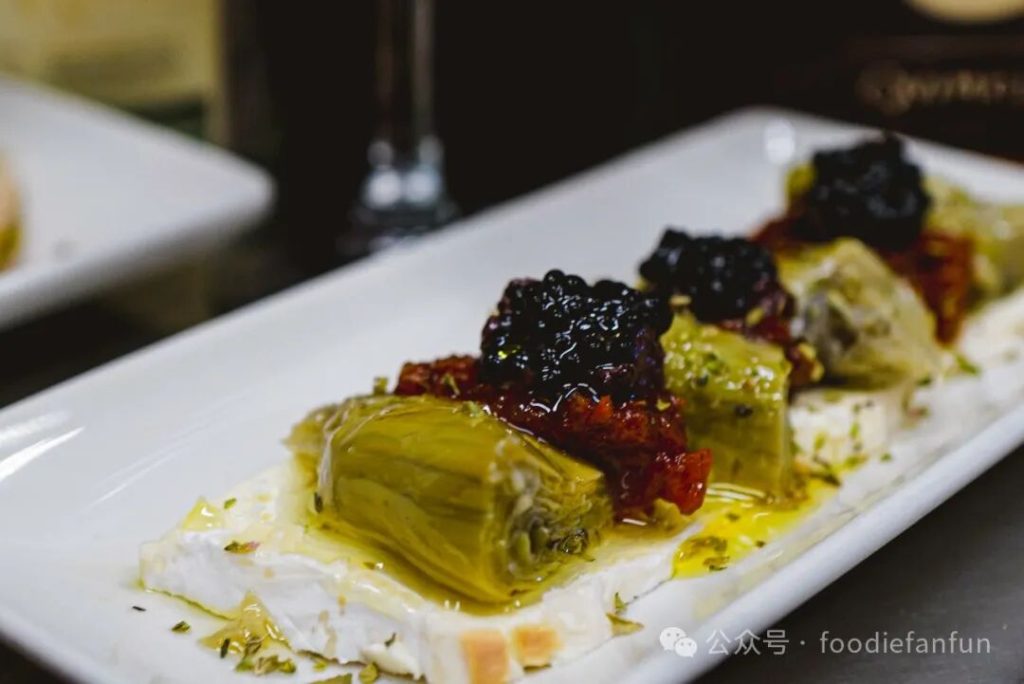
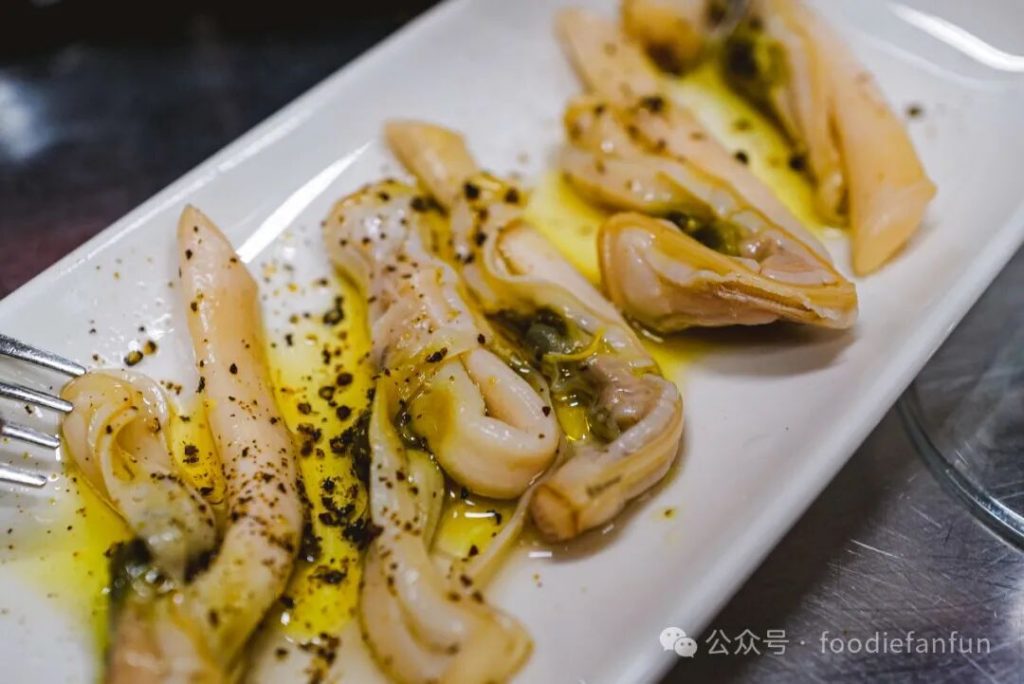
Salmón, yogurt y miel trufada sits on a crisp bread base — a simple stack of yogurt, honey, and salmon that’s just brilliant. Huevos rotos comes highly recommended: the poached egg is the star, but it indirectly pushes the artichoke to its full potential, wonderfully soft. Alcachofas queso y caviar is actually built around tinned artichoke as the true star, on a base of slightly sweet tomato sauce and fresh cheese — genuinely interesting the closer you look at it. Chipirones, cebolla y alcachofas is also great, with tinned razor clams delivering a sharp sweet-and-salty flavor.
This is a tiny place absolutely worth the line — it shatters the assumption that tinned food has to feel cheap, using clever combinations to create a joy of drinking-and-eating that exceeds all expectations.
La bartola
Sevilla Spain
Before heading to Sevilla, I asked a friend for restaurant advice, and the answer was: just do tapas. A tapa with a drink, then move on to the next place for another dish, and repeat.
Having a drink in Sevilla is as everyday as a Beijinger having a glass of suanmeitang, and tapas here feel more like the late-night drinking snacks you’d find in Chaoshan.
The value for money here is far better than in Barcelona. Every dish at this little place comes in a small or full portion — take my advice, the small portion is already plenty.
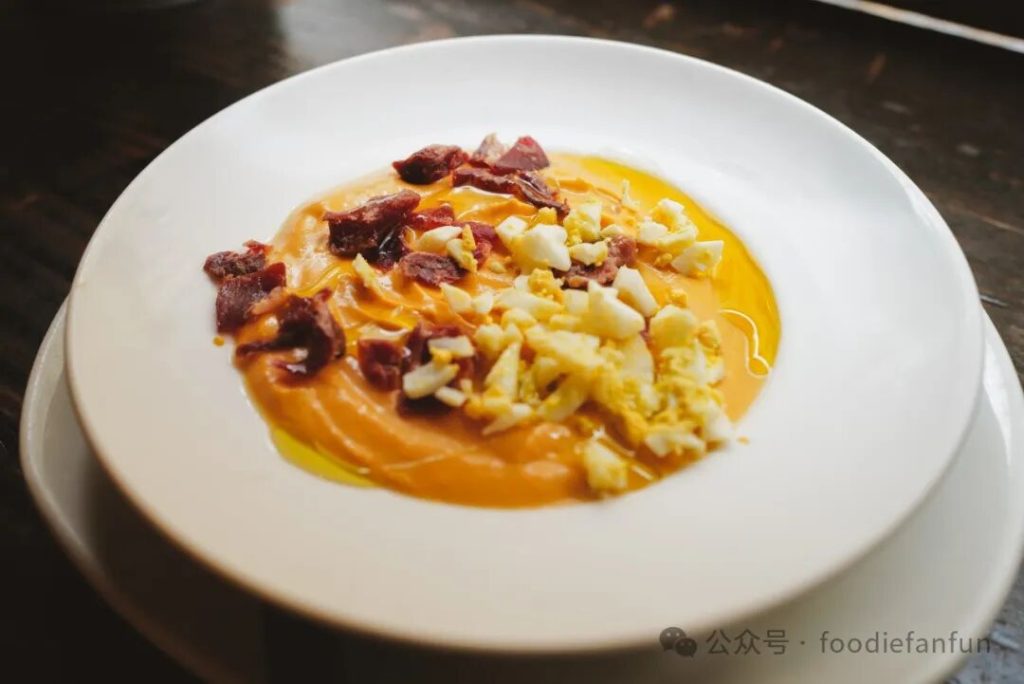
The standout was the chilled tomato soup, topped with chopped egg and bacon — the first sip can be a bit of an acid shock, but you won’t be able to stop after that. The octopus leg was also excellent, with just the right chew and a lovely charred flavor. And the potatoes and asparagus that came with the steak — Spain’s produce really is something else, I have to say.
This is a spot that captures Sevilla’s easygoing, relaxed spirit — well worth a visit.
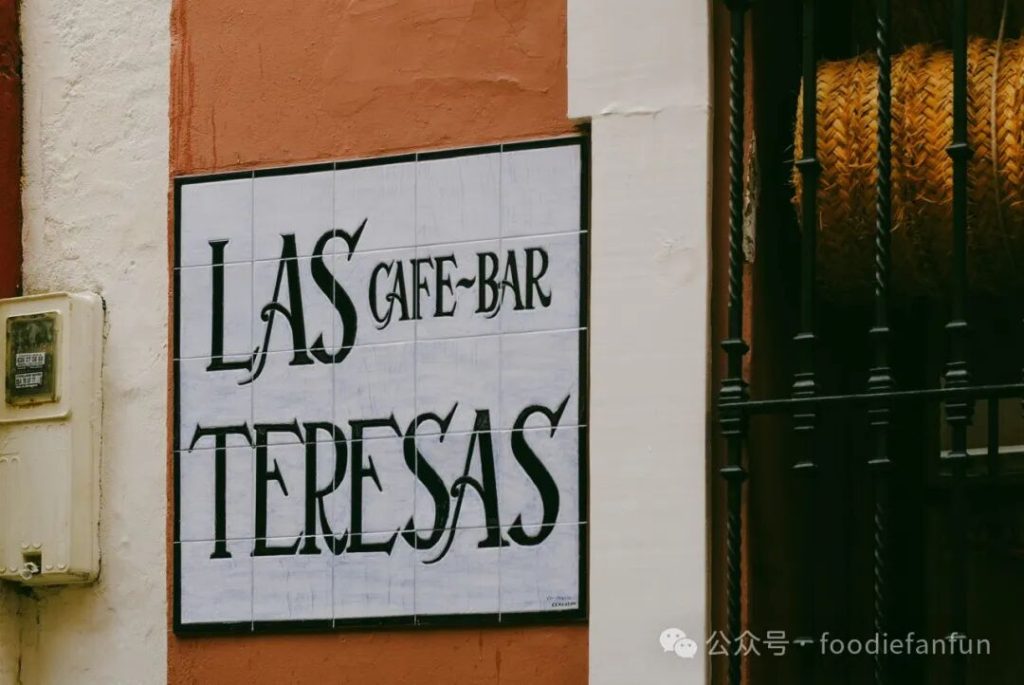
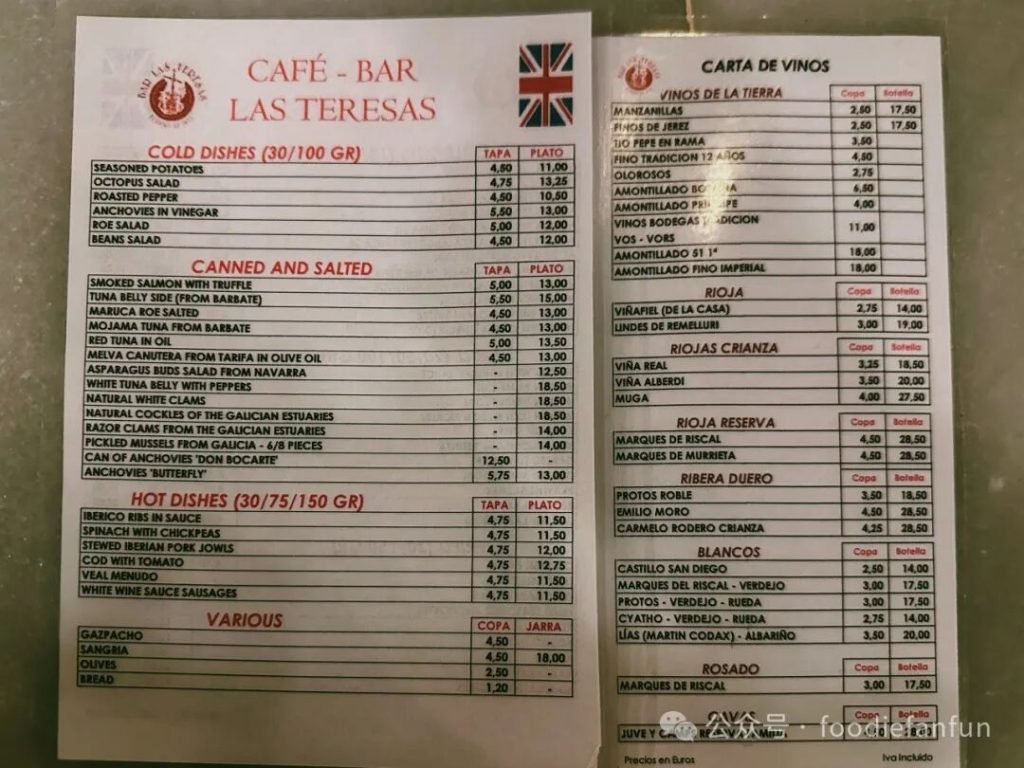
La Teresas
Sevilla Spain
Sevilla is a sun-drenched city, but the days we were there happened to bring rain. Maybe it’s in Sevilla’s nature to make you want to while away the hours here regardless. When you can’t wander outside, might as well go drink and daydream instead!
La Teresas came recommended by a local friend too. This 150-year-old spot occupies three storefronts on a street corner, and it was still packed even at 3 in the afternoon.
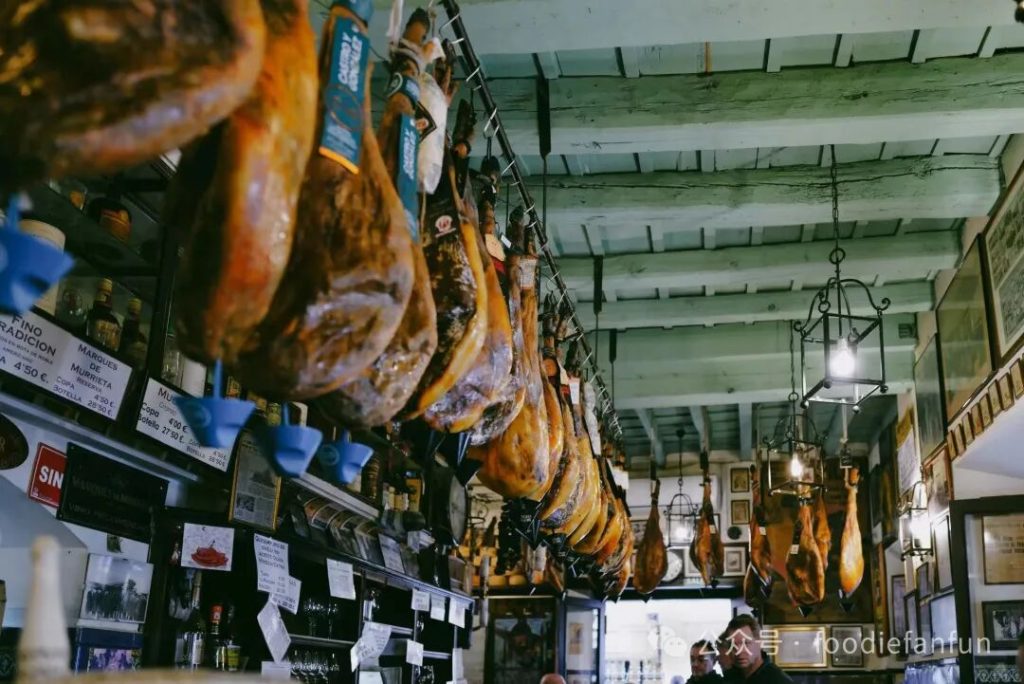
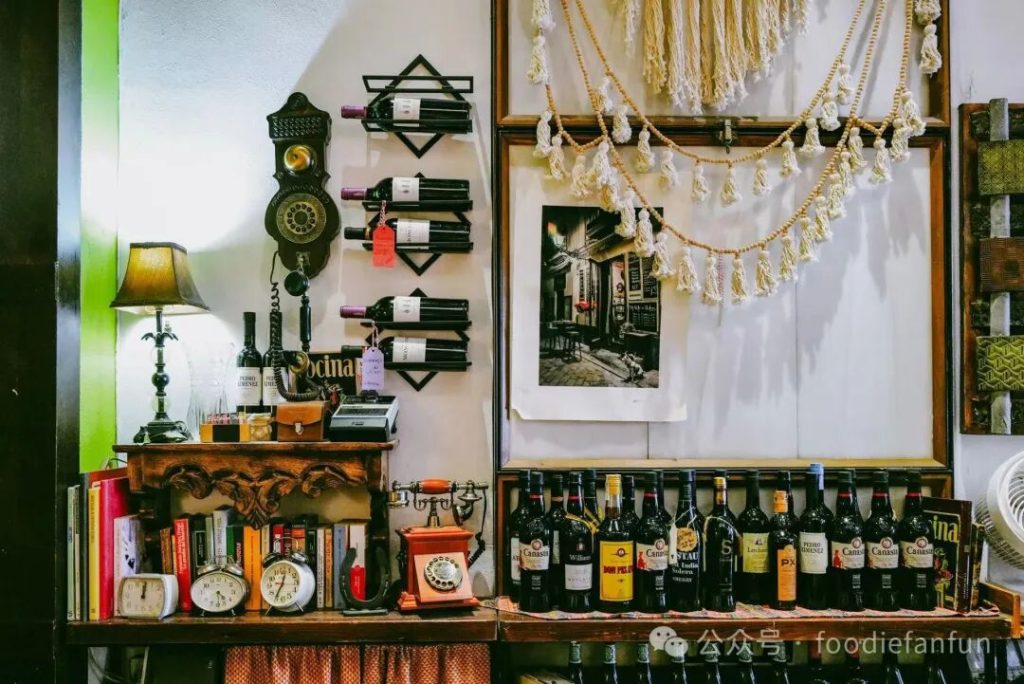
This is the kind of little place that makes you happy just looking at the facade — small outdoor tables and heaters, packed with people drinking and chatting. Inside, the walls are covered in old paintings, and the ceiling is hung with ham legs — from green-label to 5J, they practically function as the restaurant’s own decor.
A drink in the afternoon, a tapa on the side. Daydreaming, watching the rain through the glass — this place is almost too comfortable.
El Librero
Tapas Y
Quesos
Sevilla Spain
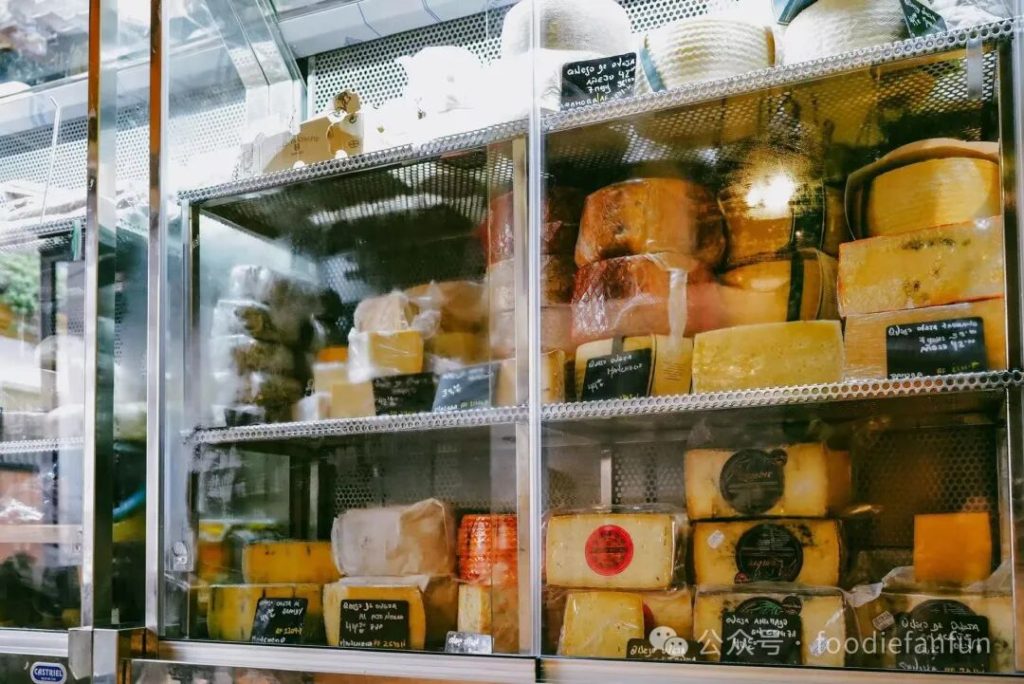
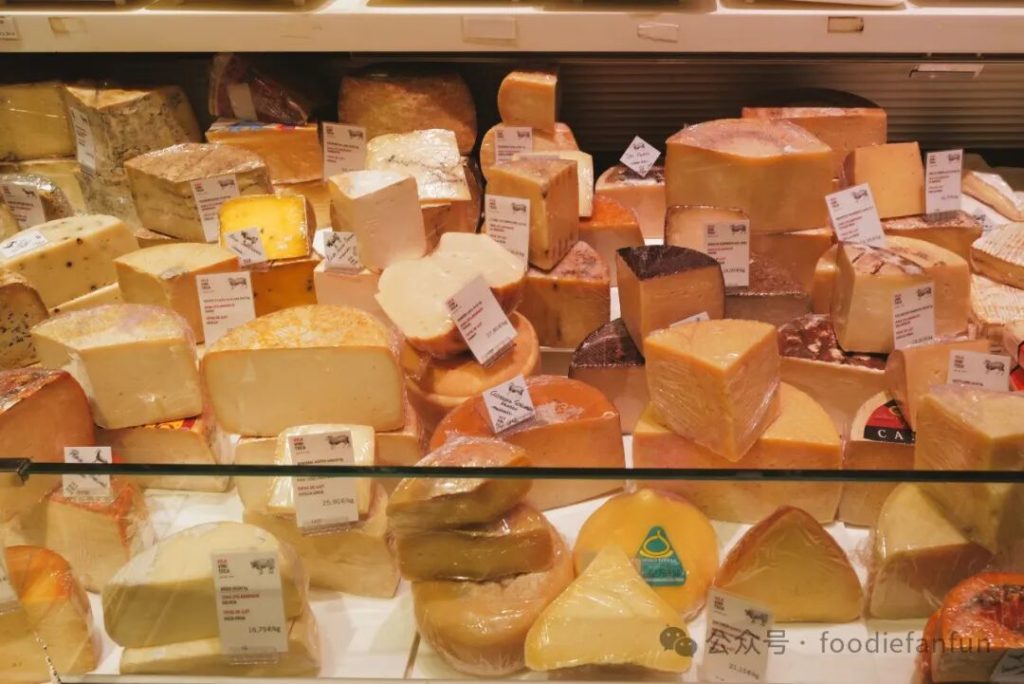
El Librero sits right next door to La Teresas, one of the rare restaurants in Sevilla’s old town that opens at nine, specializing in tapas and seafood rice. The doorway curtain is small, but the moment you step in you’re greeted by a massive cheese cabinet — and the aroma hits you right away.
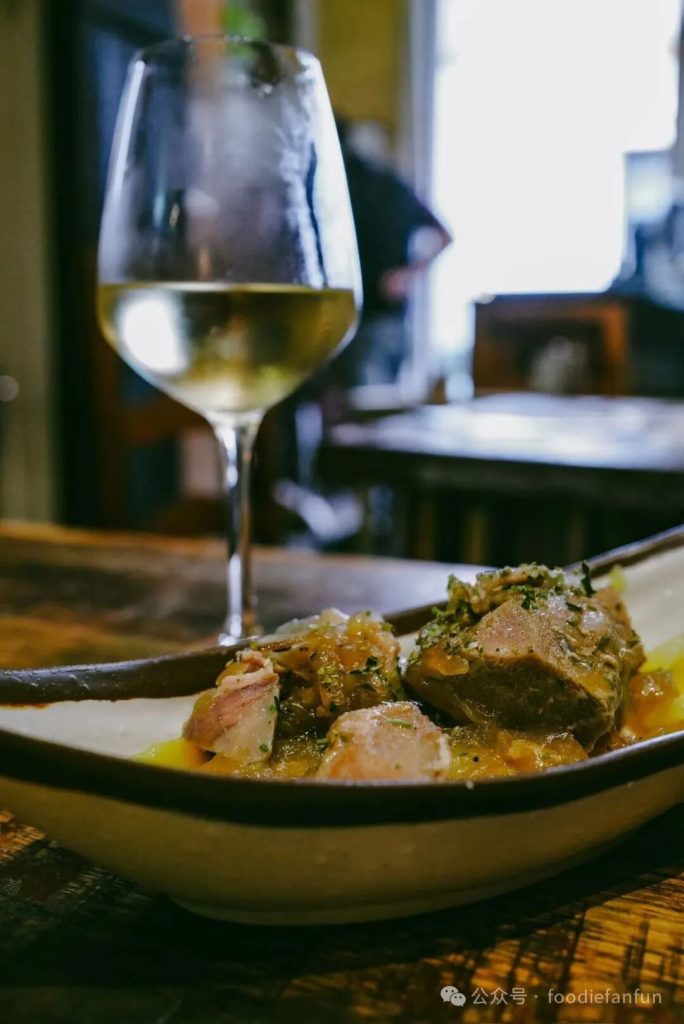
We simply ordered one tapa — Atún encebollados, only four euros — plus a glass of house white.
The oil-cured tuna arrives just barely cooked through, falling apart at the lightest touch. It has a bit of that shredded-fish texture while staying moist, not dry at all, genuinely fragrant — paired with caramelized onion and local potatoes. This tiny plate might not win any beauty contests, but it hits every note: sweet, salty, savory, soft, tender. Can’t help but say it again — Spanish potatoes really are delicious.
This place makes the perfect pit stop on your map while wandering the streets of Sevilla.
WINE BAR
A few good places to drink
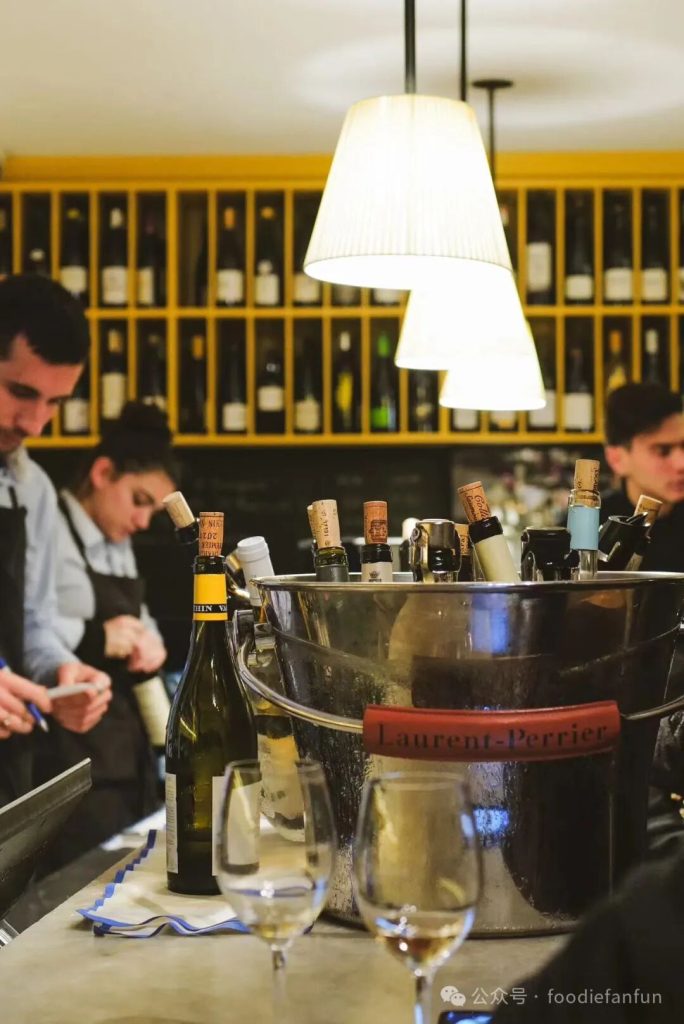
The wine paired with tapas tends to be everyday table wine — if you want something more interesting, you need to seek out a proper Wine Bar. We asked friends for recommendations before the trip and found a few spots pouring genuinely good glasses.
La Vinya
del Senyor
Barcelona Spain
A Wine Bar we stumbled onto by accident, right by Barcelona’s cathedral — never expected to find such a hidden gem right in the middle of the tourist area.
The by-the-glass list is huge, spanning a wide range of prices and styles — genuinely great value paired with a bold selection.
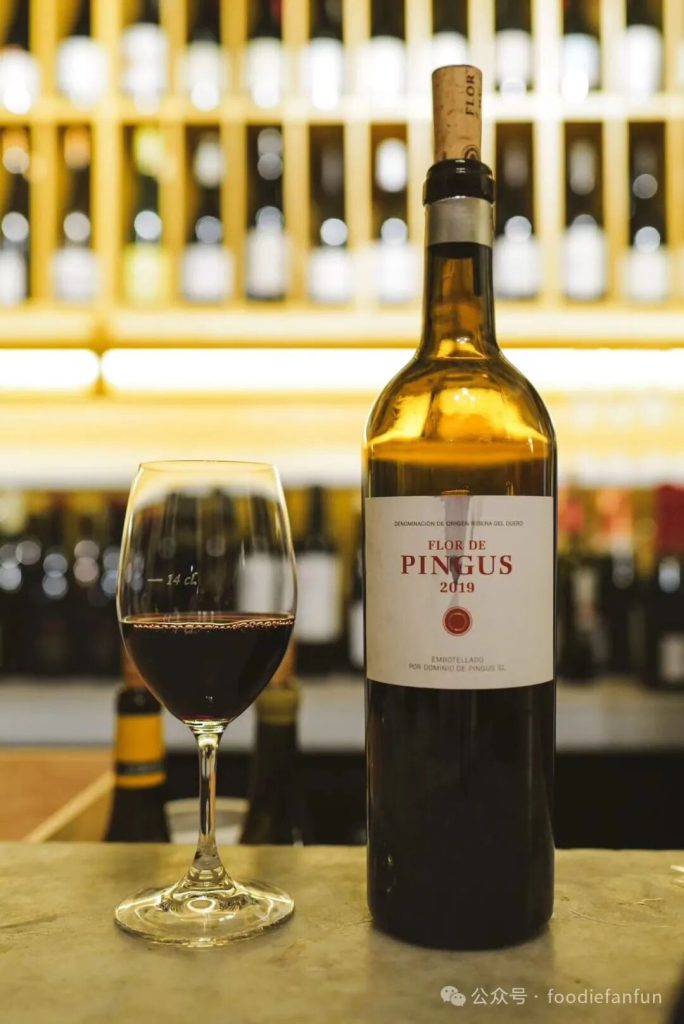
There were a few wines that were hard to resist. Take ALEMANY I CORRIO Sot Lefriece 2021 — stunning freshness, delicate texture, great balance. There was also a 2019 Pingus by the glass, exploding with floral and fruit aromas. They also had a lovely rosé, intoxicatingly aromatic, plus one very clean natural wine.
Honestly, every wine on the list has its own charm (if Beijing had a wine bar like this, I’d go every single day).
Vila Vinetica
Barcelona Spain
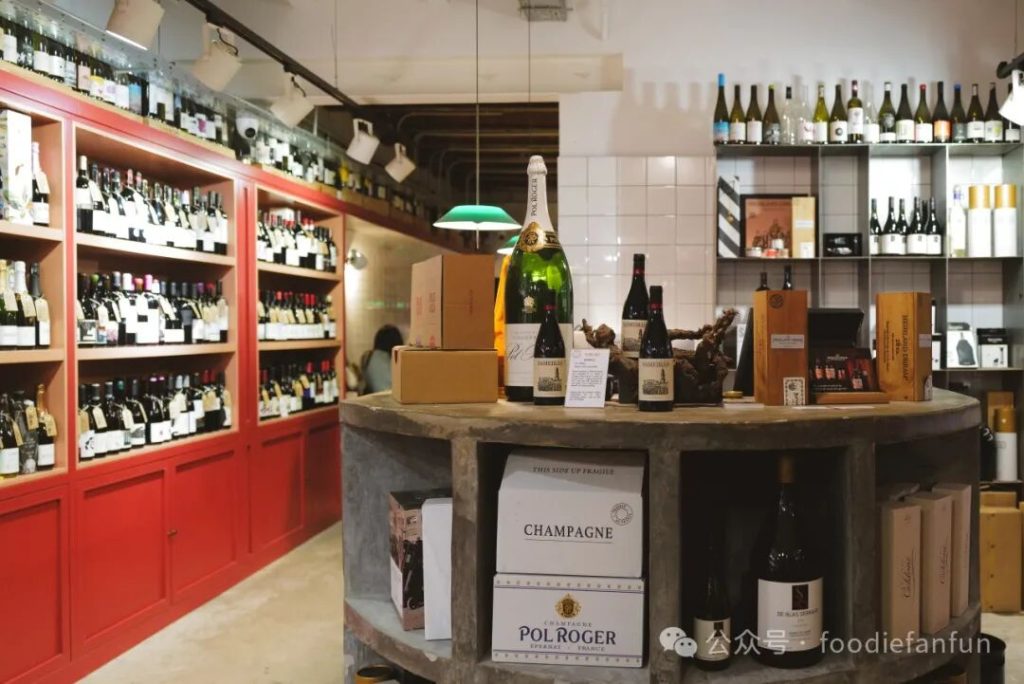
A shop that’s part wine store, part bar, part classroom — basically anything-works-with-wine.
There are two branches in Barcelona in total; the one in the old town has more of a proper drinking atmosphere.
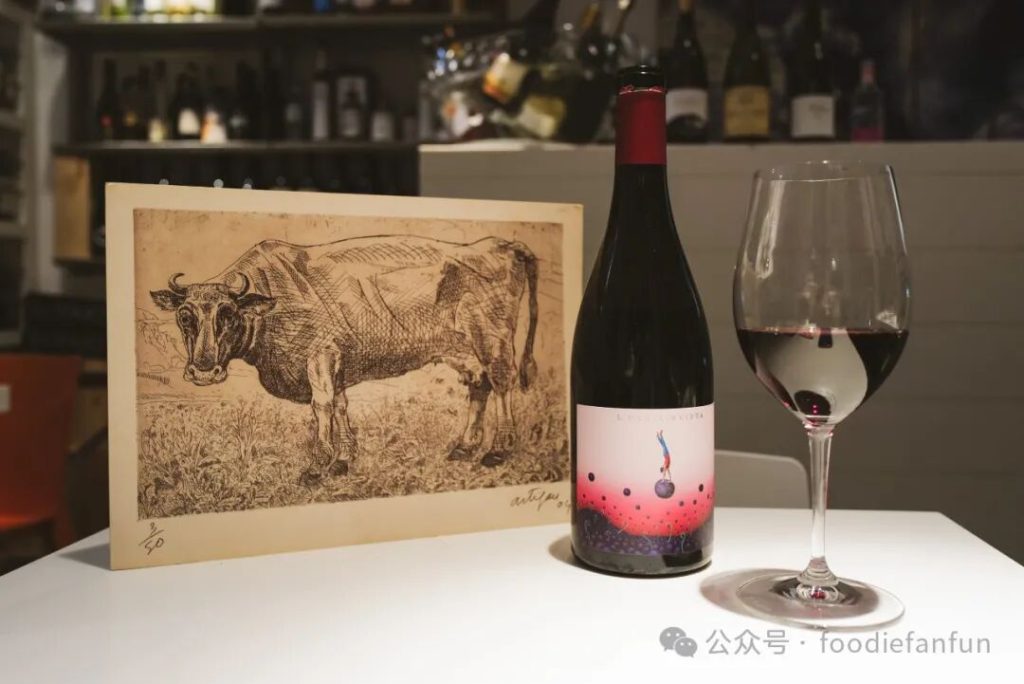
Honestly, sitting down to eat here isn’t great value, but drinking is genuinely interesting — a good second stop after dinner. The wine selection is constantly, randomly rotating — over the course of two glasses, the by-the-glass lineup at the bar had already changed twice.
The wines they pour are bold and fun, a textbook combination of serious wine merchant and casual bar — recommended for wine lovers to explore early on in a trip.
Vinus & Brindis
Barcelona Spain
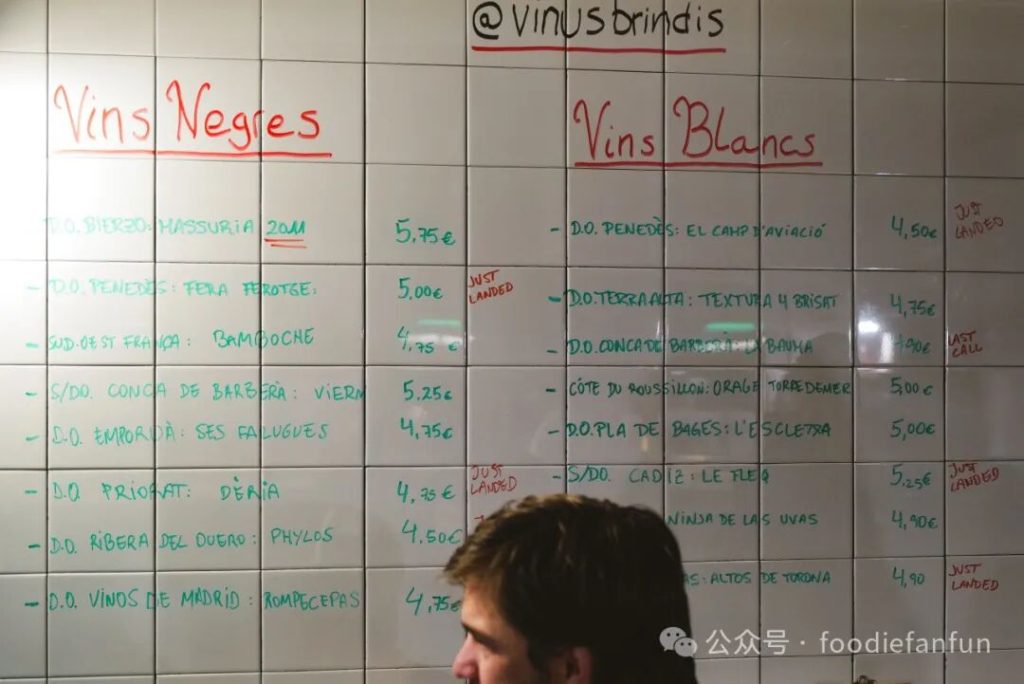
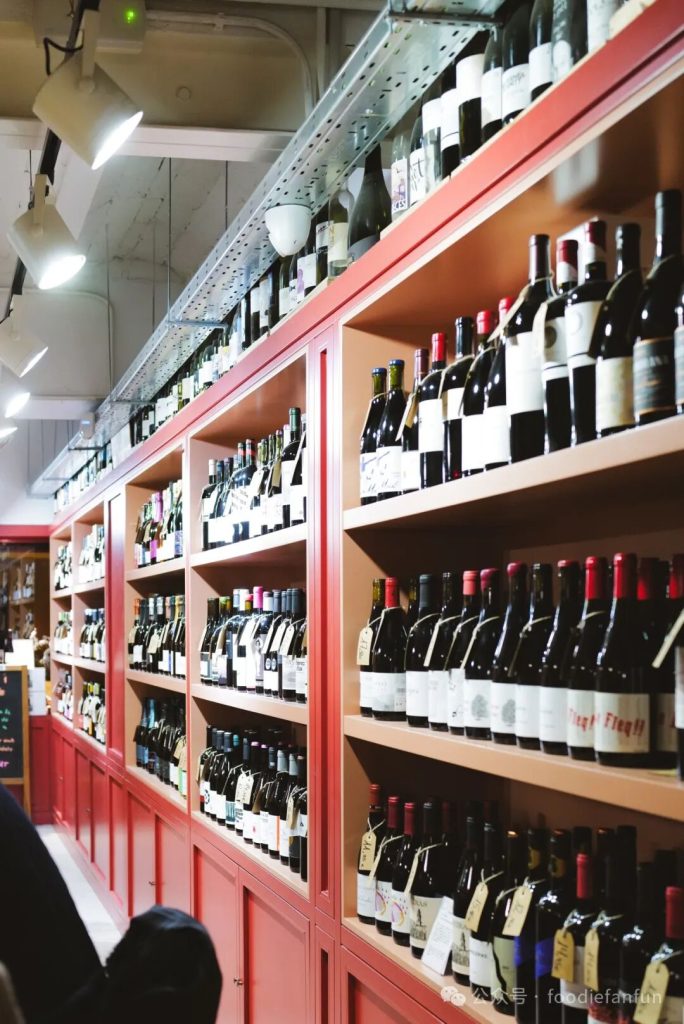
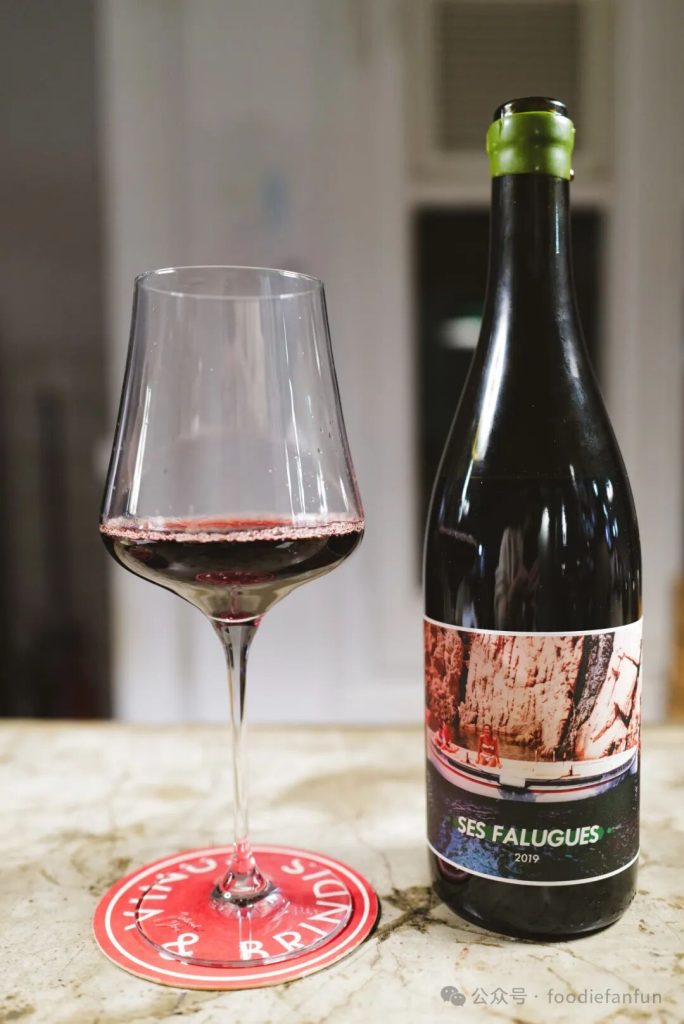
A small bar away from the city center. Recommended by a local sommelier friend, it’s built around a wine shop plus a handful of natural wines by the glass.
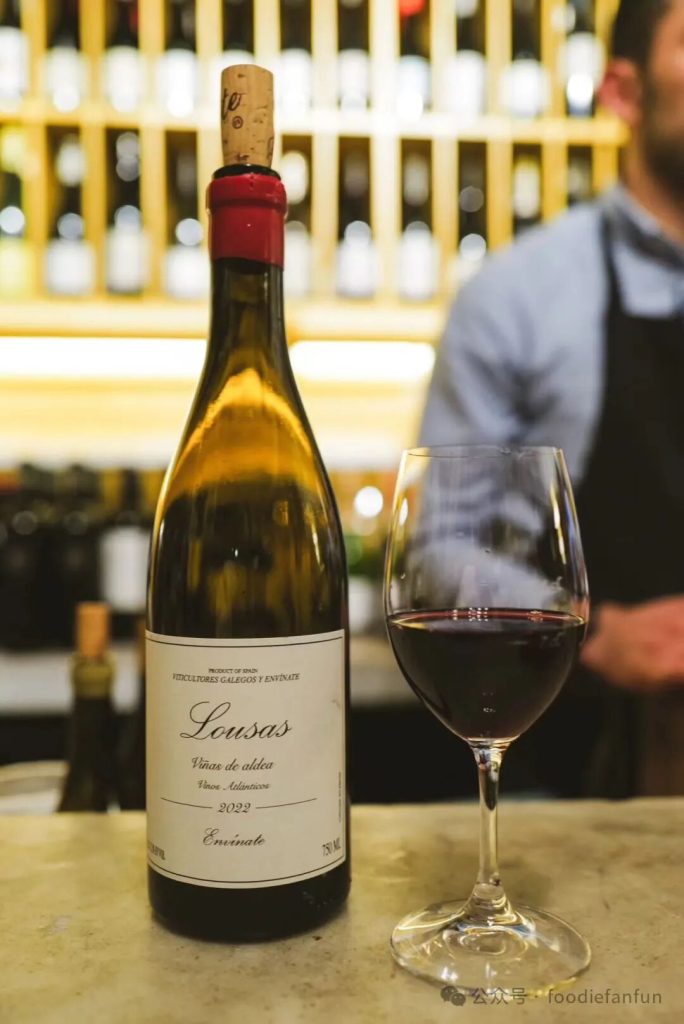
The owner is clearly a serious wine lover himself, and the bottles you discover here tend to have more personality across the board. There was a white Garnacha made by a 21-year-old winemaker, a very internationally-styled Mencía, and some wines the owner makes himself — not every style will be to everyone’s taste, but the quality across the board was solid, and each bottle had real character.
Natural wine fans should bookmark this one.
MARKET
Mercat de Saint Antoni
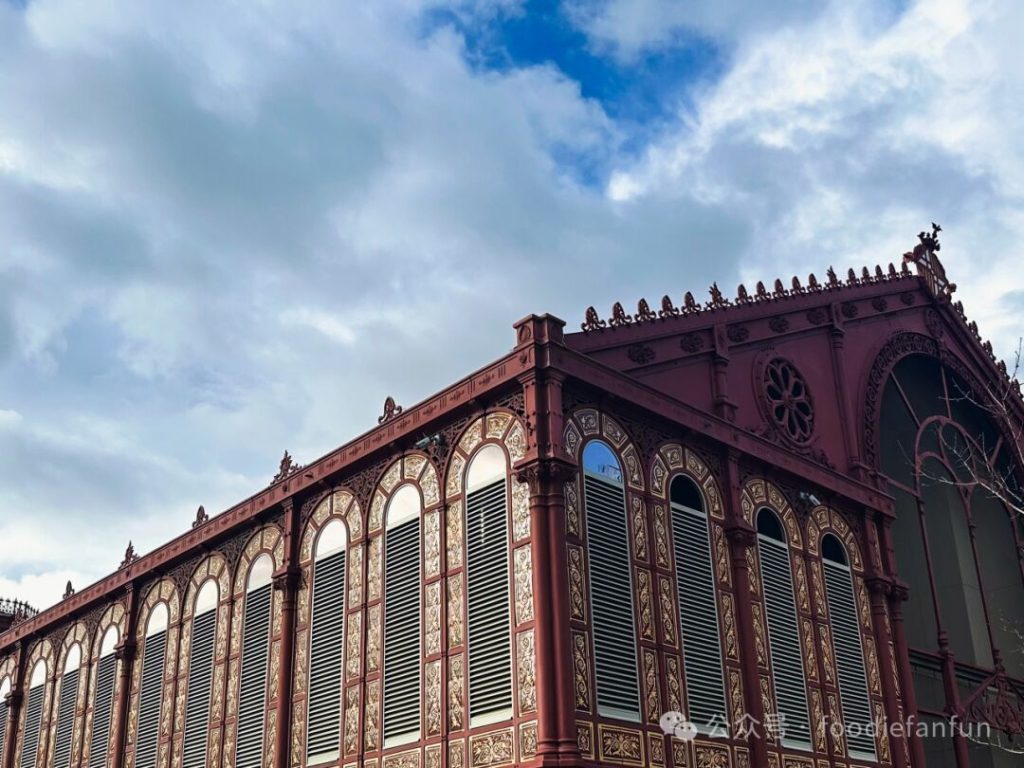
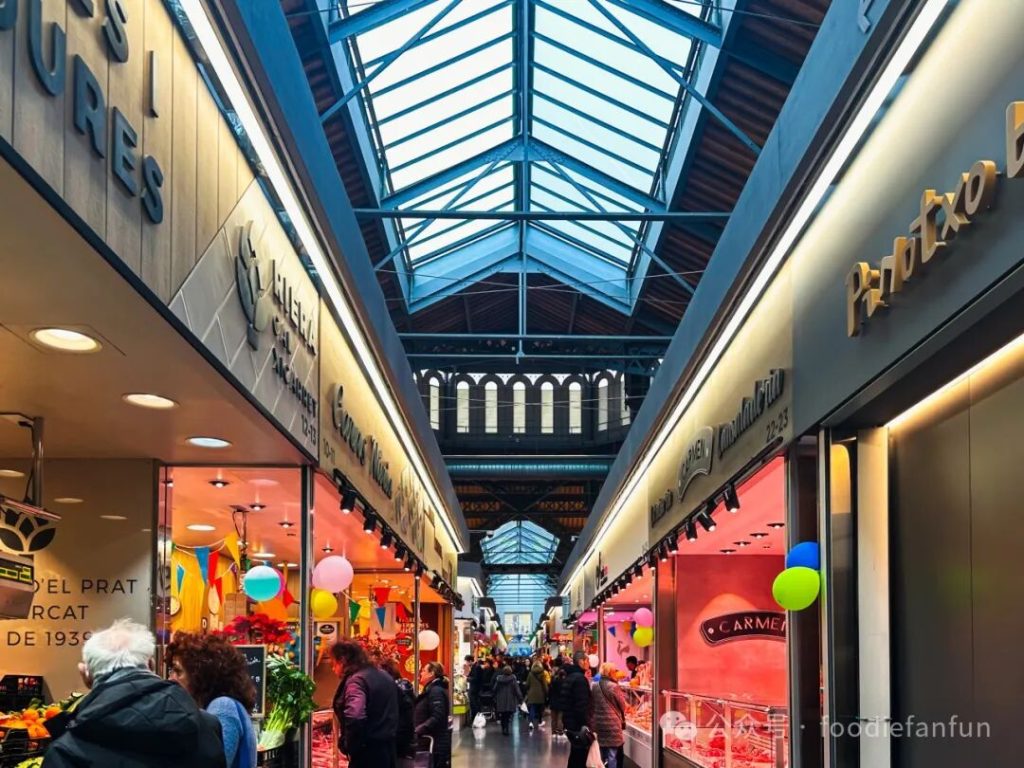
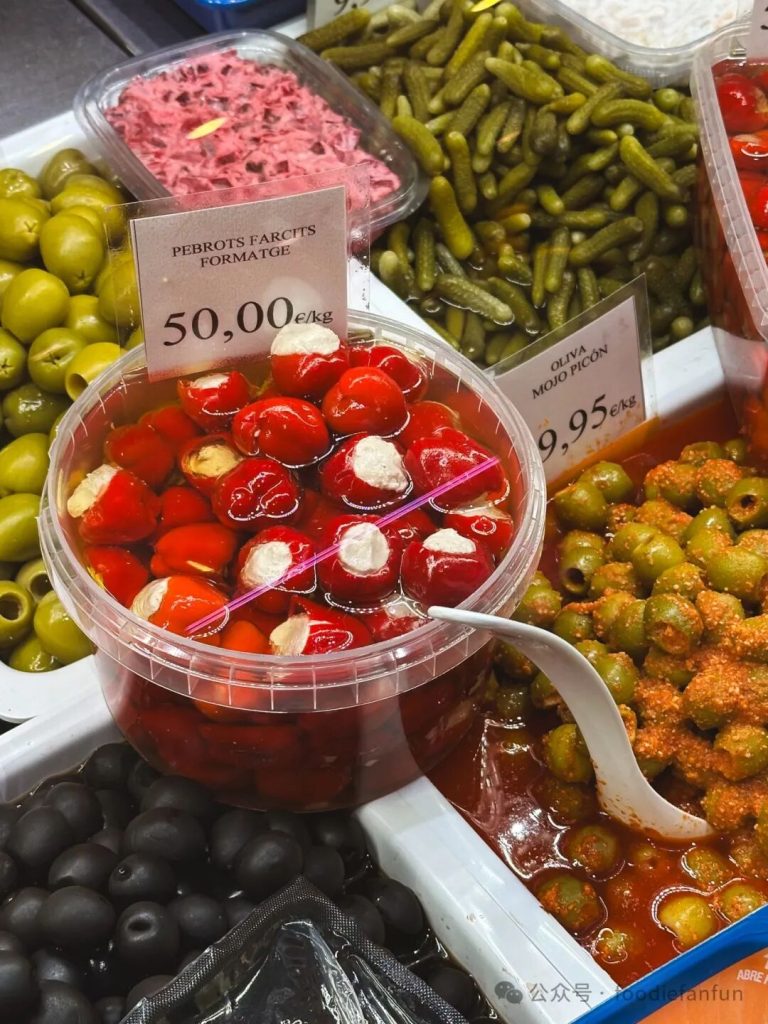
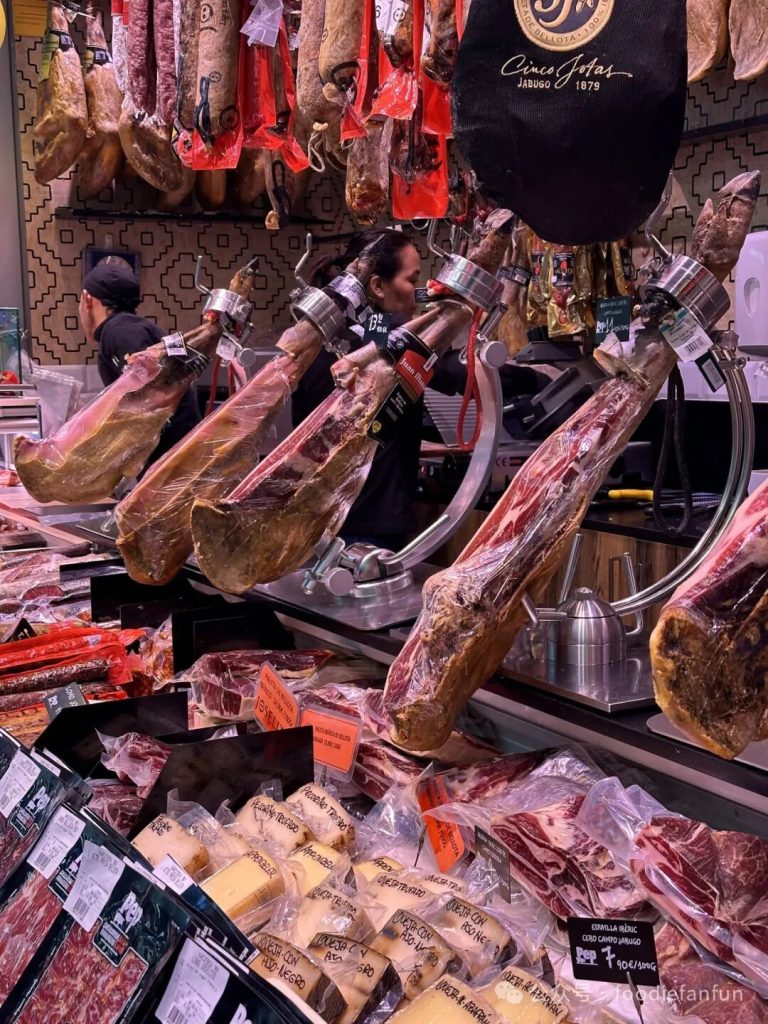
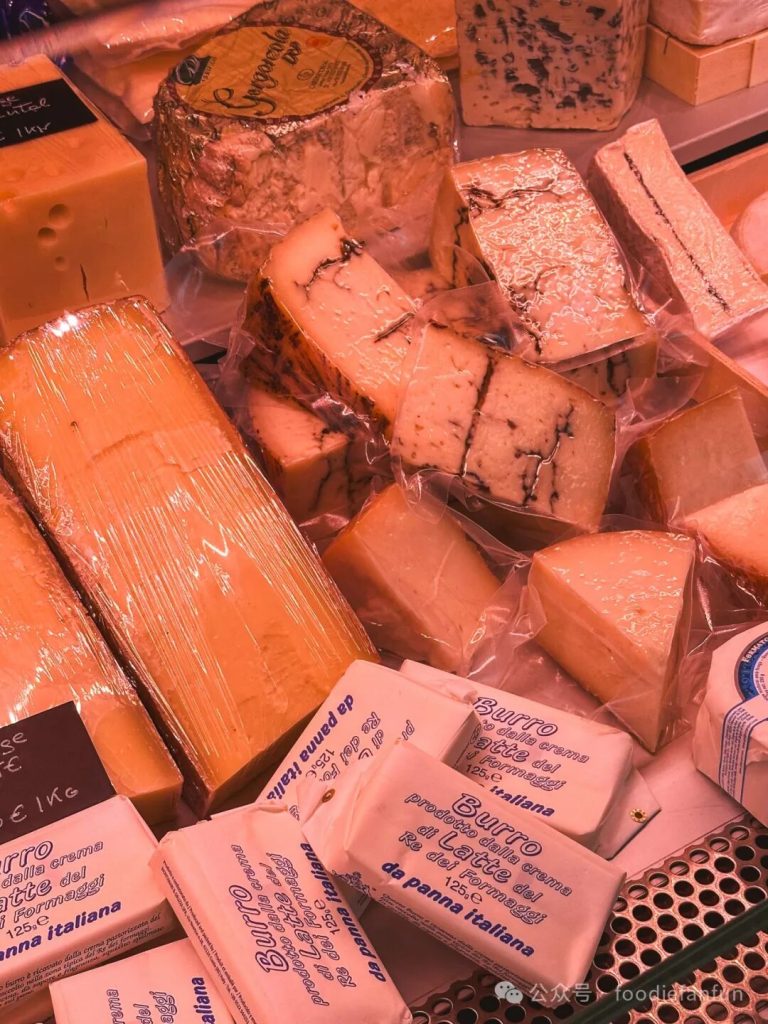
It seems every traveler these days has discovered the little secret that a market visit is a must abroad — Boqueria is already overrun with tourists at this point, so a local friend recommended Saint Antoni instead. It’s a market rebuilt inside an old building — classic on the outside, but brand-new and spotless once you step in.
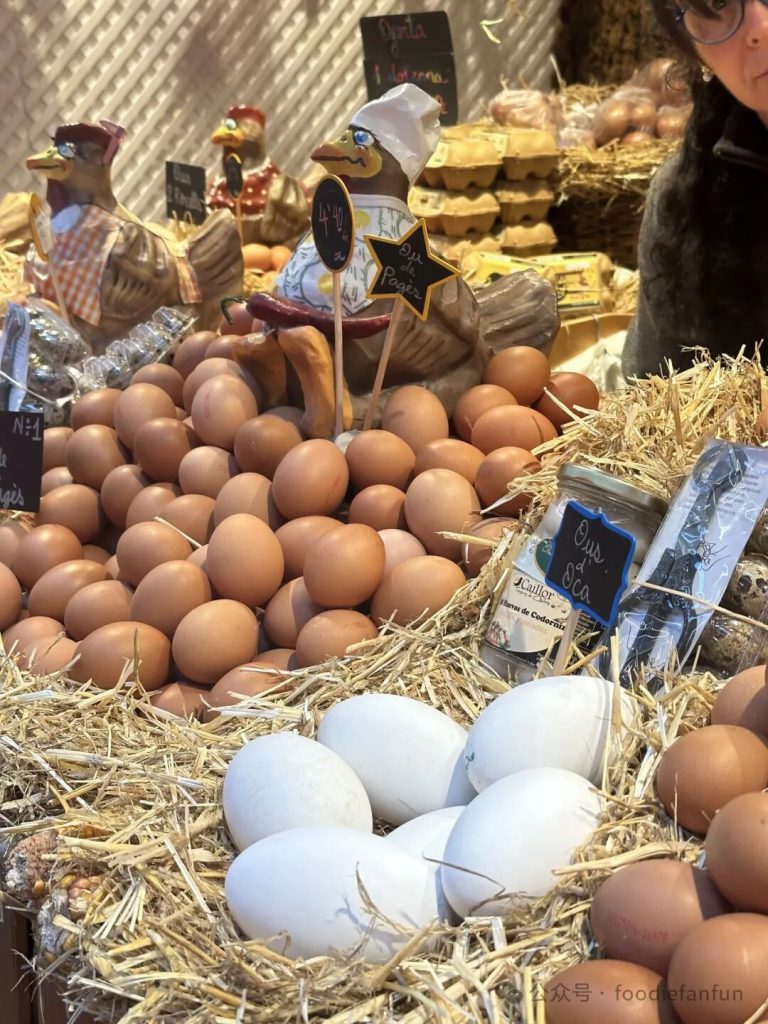
The market itself isn’t huge — ham, olives, fresh meat, seafood, fruit, deli goods — basically everything on a Spanish dinner table can be found here, with more of an everyday-local feel. There aren’t as many places to eat here as at Boqueria, just a few simple cafés for a sandwich.
Overall, wandering through this clean, bright market to get a feel for the daily rhythm of Spanish life is genuinely worthwhile.
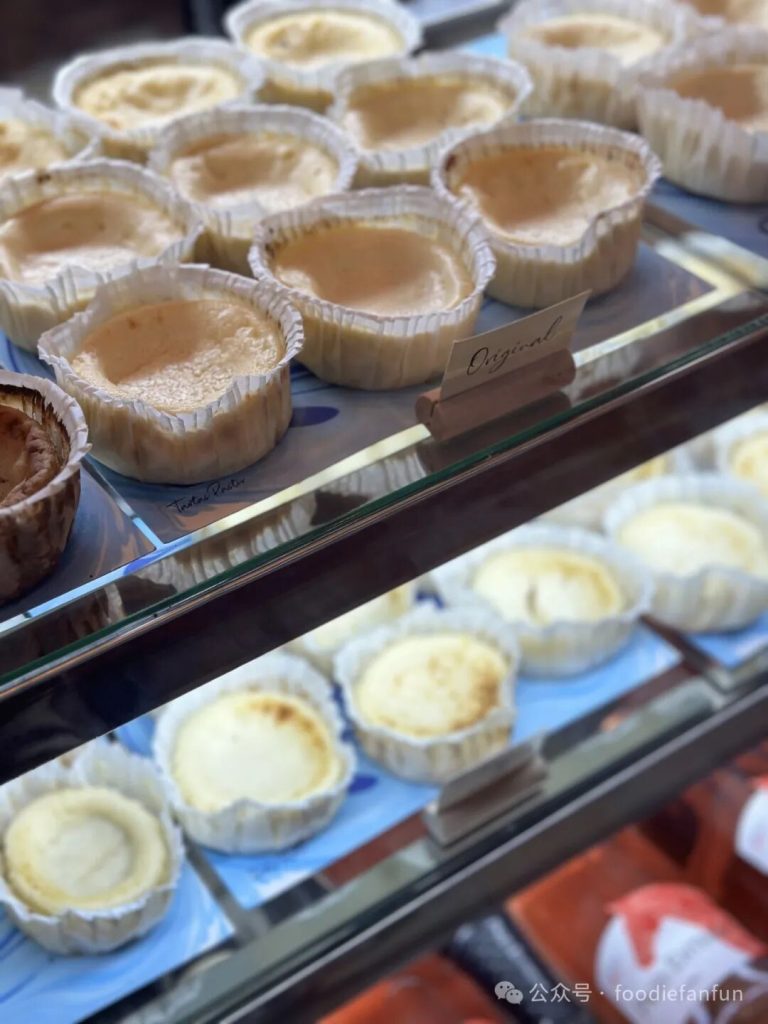
BTW, there’s a great Basque cake shop near Saint Antoni called Tartas Pastor — an easy stroll after the market. It’s an unassuming little Basque-cake specialist, with cakes from 4 to 6 inches and dozens of flavors — even the plain cheese one comes in several variations.
Their signature is rich, deeply milky flavor with a subtle, well-hidden acidity — a 4-inch cake to take out is just the right amount.
Traveling through southern Spain basically means stringing small towns together. After Seville, we picked Málaga and Granada as destinations, since public transport there is relatively convenient.
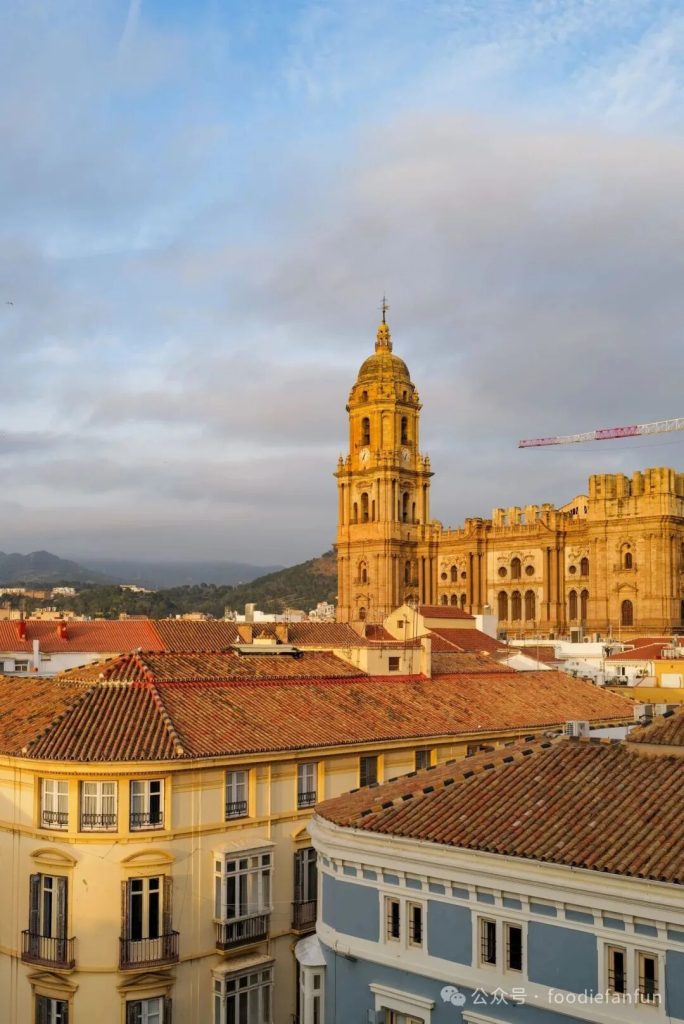
Beyond wandering clean little alleys with plenty of regional character, stopping by Picasso’s birthplace, or feeling that layered sense of history between the Islamic palaces and city walls, there’s one more thing hard to ignore along the southern coast: the seafood looks far too tempting.
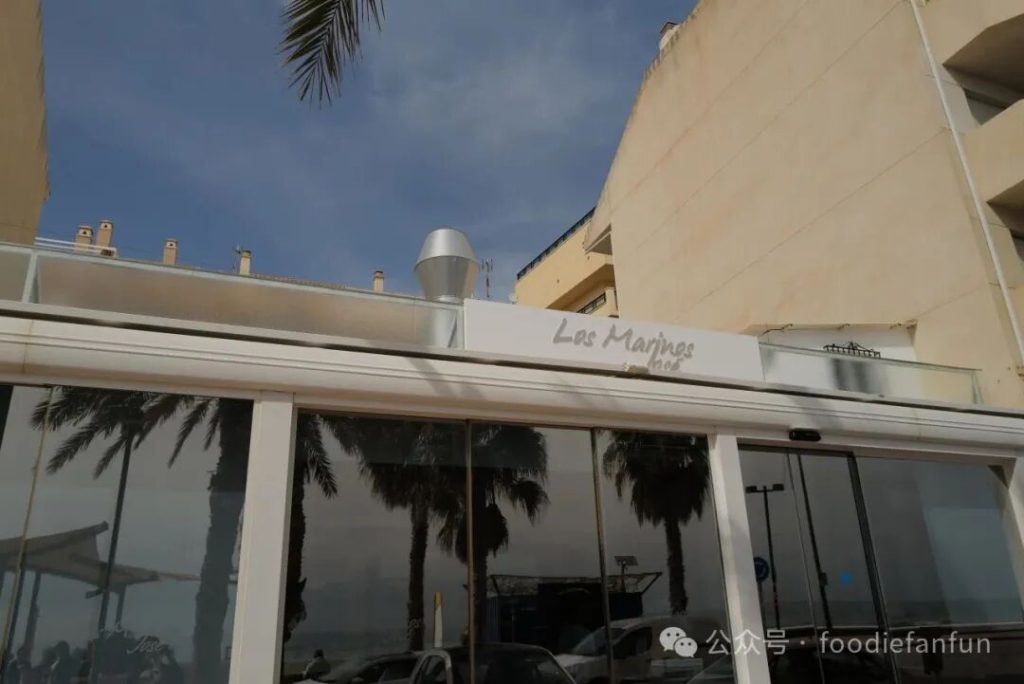
Marisquería Los Marinos Jose was the one that gave us a total surprise.
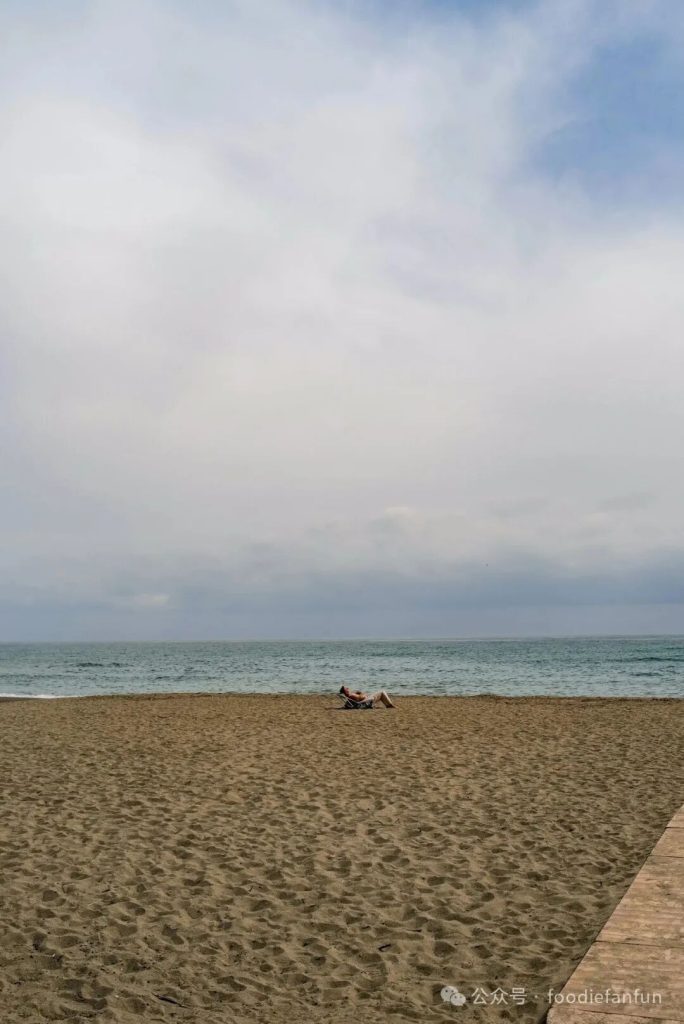
The restaurant is in Fuengirola, a very typical and well-known seaside town. We’d wandered Málaga’s beautiful old town in the morning, and arrived here right around lunchtime, the beach and sea offering a different kind of ease.
The restaurant’s location is practically “hugging the sea” — right on the seafront promenade, with Carvajal Beach right outside the door.
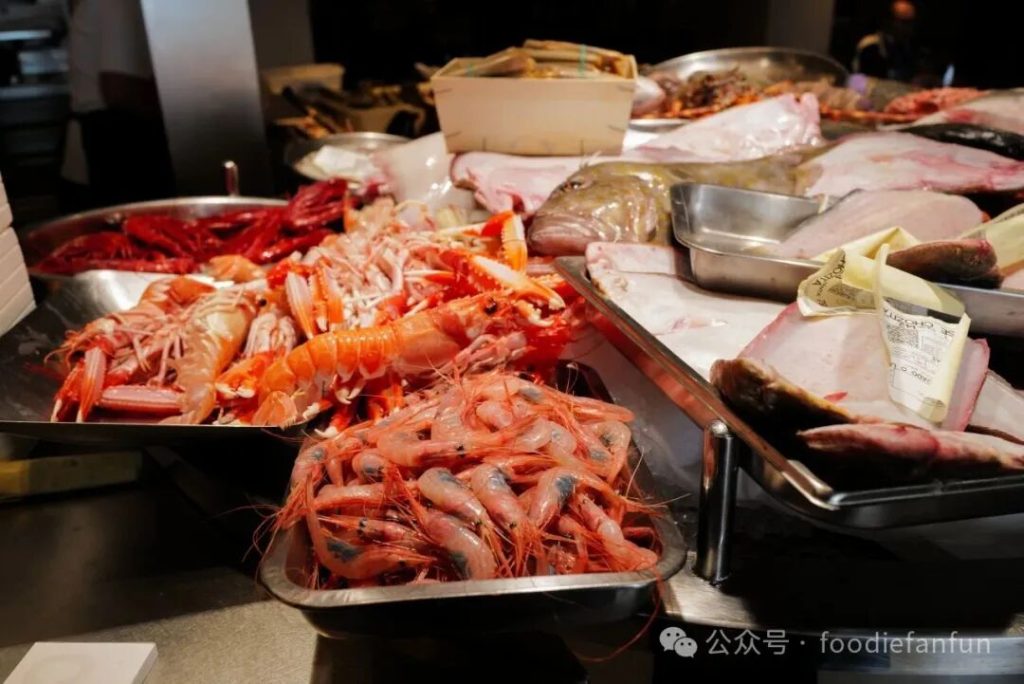
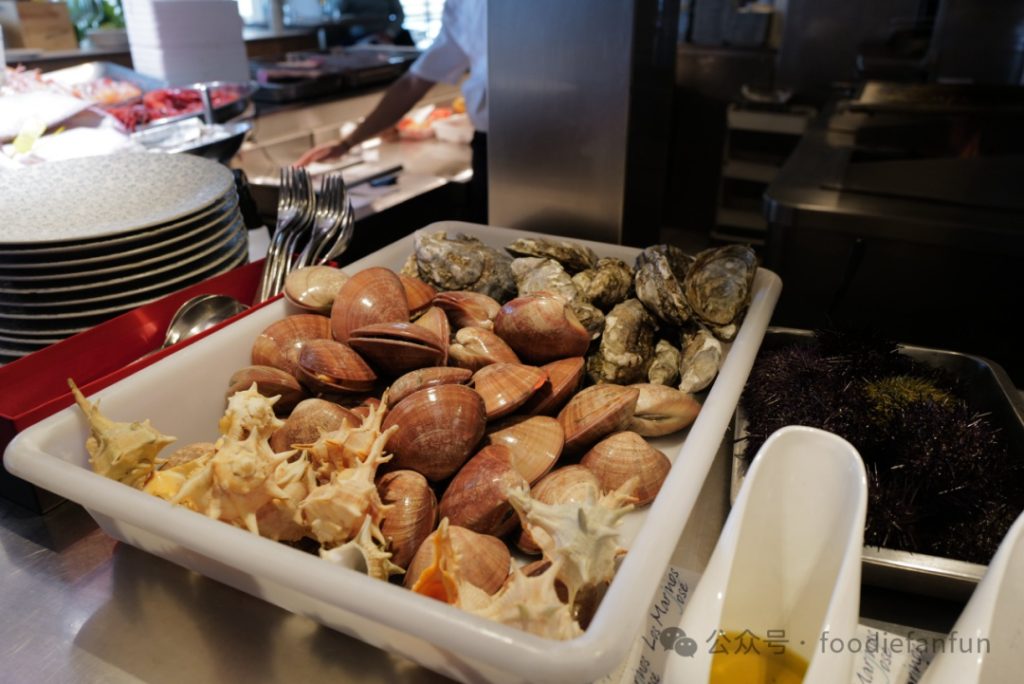
The reason we zeroed in on this place was simple too — the ingredients just looked fresh. A seafood display packed to the brim, small seafood pieces gleaming with translucent shine — even the offhand photos in the Google Maps reviews were tempting enough on their own.
As for the restaurant’s background, it grew out of that classic, simple Spanish family-restaurant framework — the family had its own fishing boat, going out to sea every day, and eventually opened a restaurant too. Keeping the source in their own hands, ingredients going straight from the sea to the kitchen, the same way for 30 years running.
The seasoning aims for extreme simplicity, often not even needing a sauce. Whatever can be eaten raw gets its freshness lifted out with just olive oil and salt. Whatever needs heat is handed over to the griddle, the frying pan, or charcoal.
Simple, but with real confidence behind it.
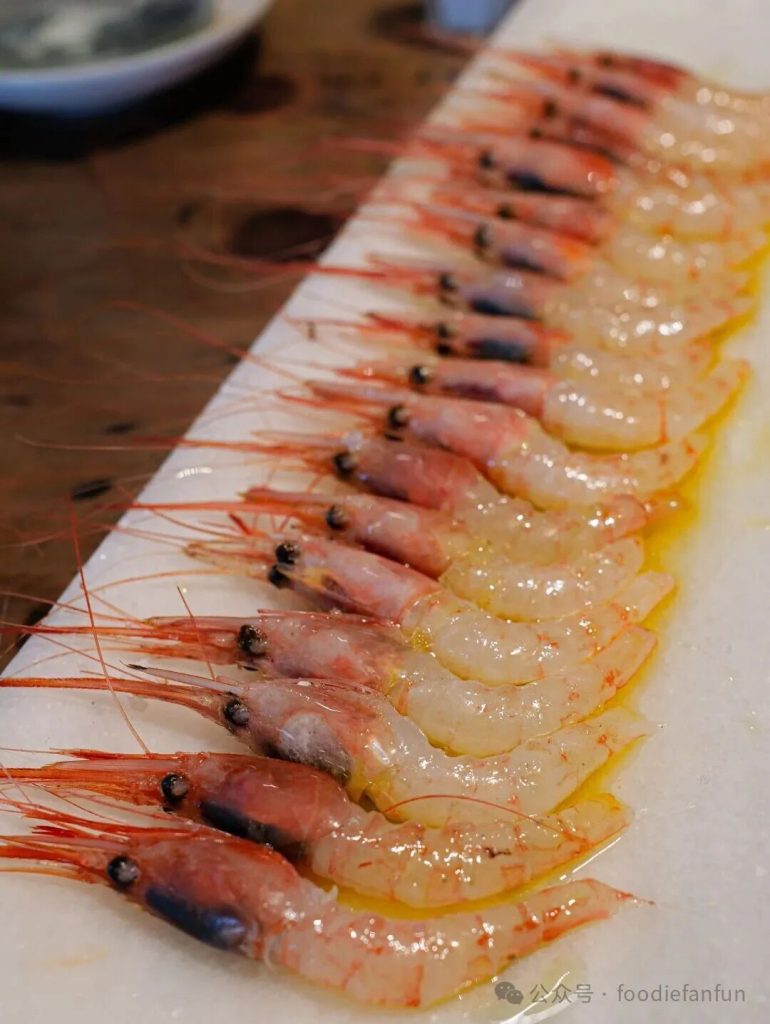
You order directly at the seafood counter, seeing what’s fresh that day, with the cooking method recommended by the restaurant. “The sweet shrimp are best eaten raw, the langoustine and red carabineros can just be lightly grilled.”
Small sweet shrimp sitting in rows, steeped in olive oil, eaten purely with eyes closed — a clean sweetness, the meat firm. That slight stickiness slowly spreads through the mouth, yet isn’t the least bit heavy — if anything, it gets more luminous the more you chew.
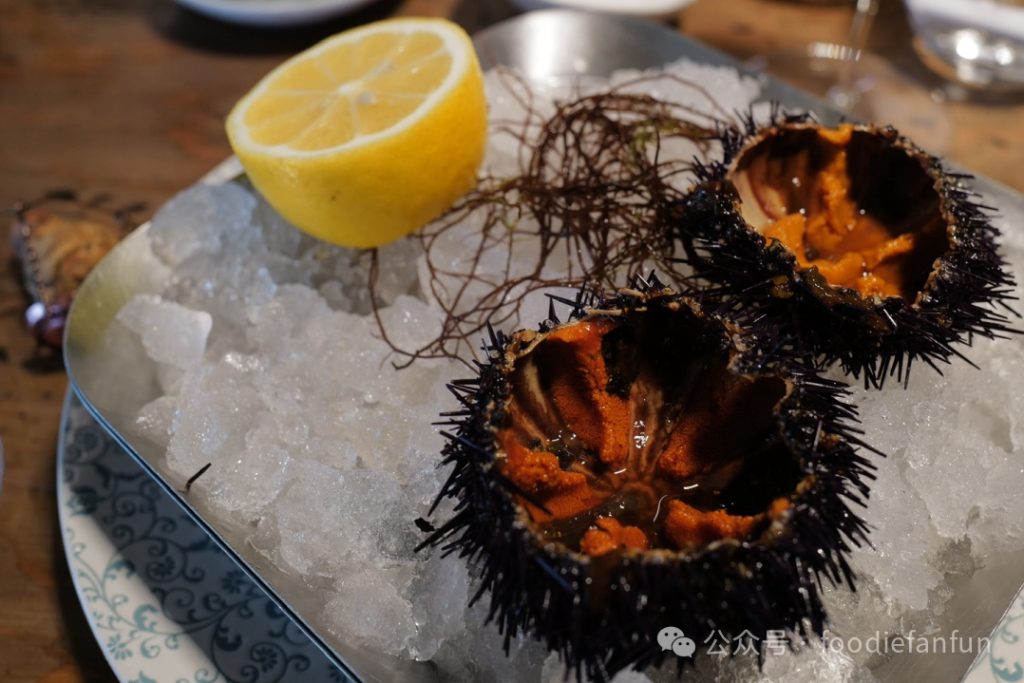
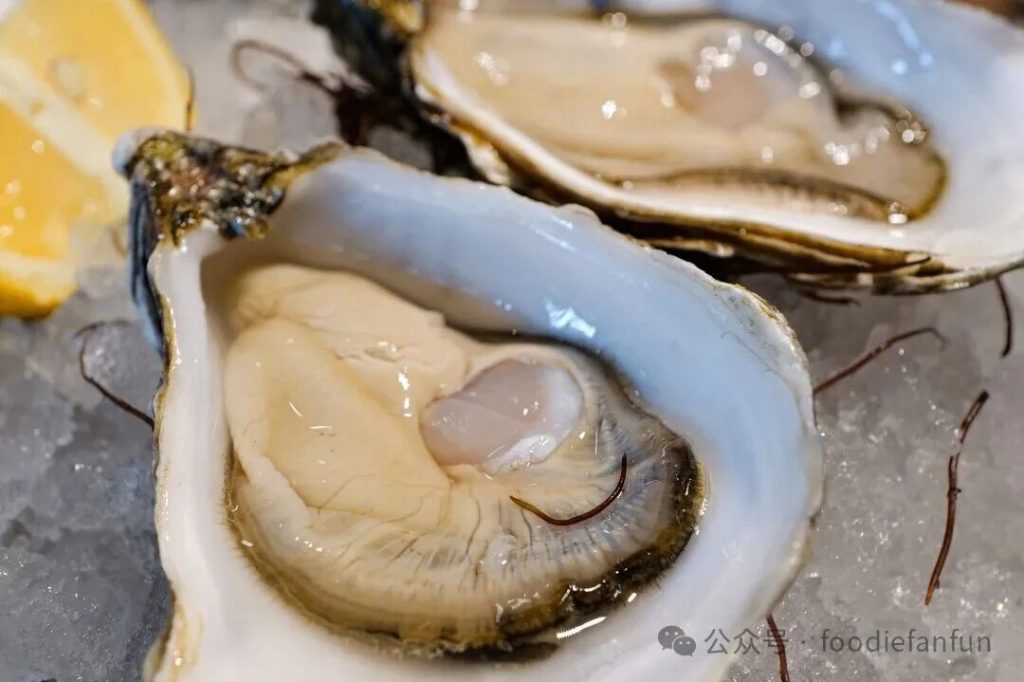
The other two were even purer, needing almost nothing but lemon. The sea urchin’s grains weren’t large, but the flavor was concentrated. The oysters were plump at just the right point, the sweetness lingering the instant you bit in, a full mineral quality alongside it, with almost no off-flavor at all.
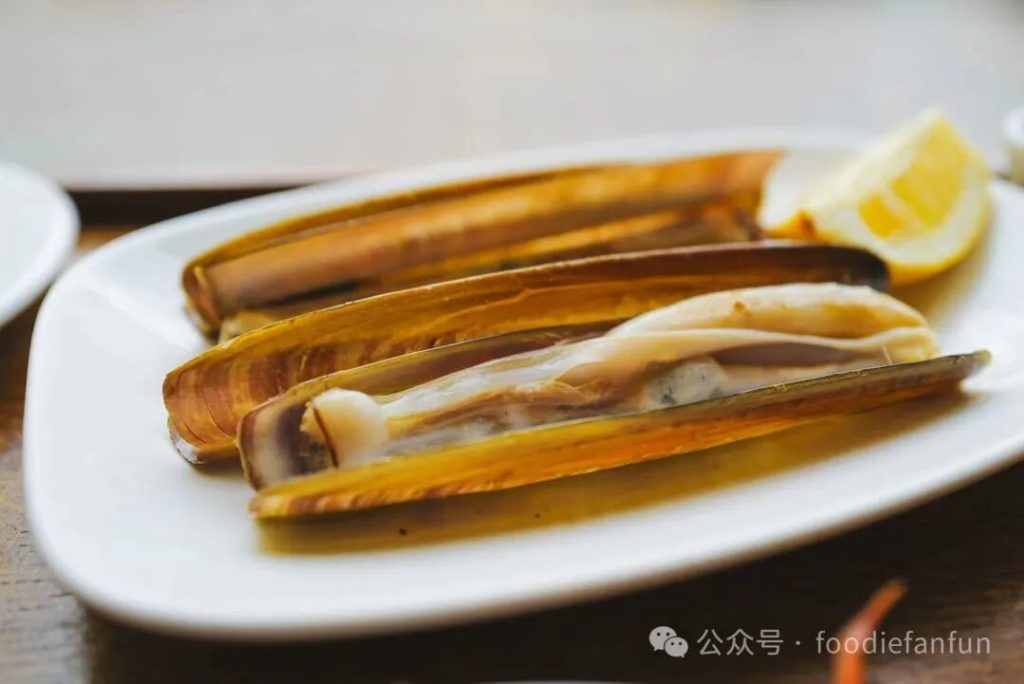
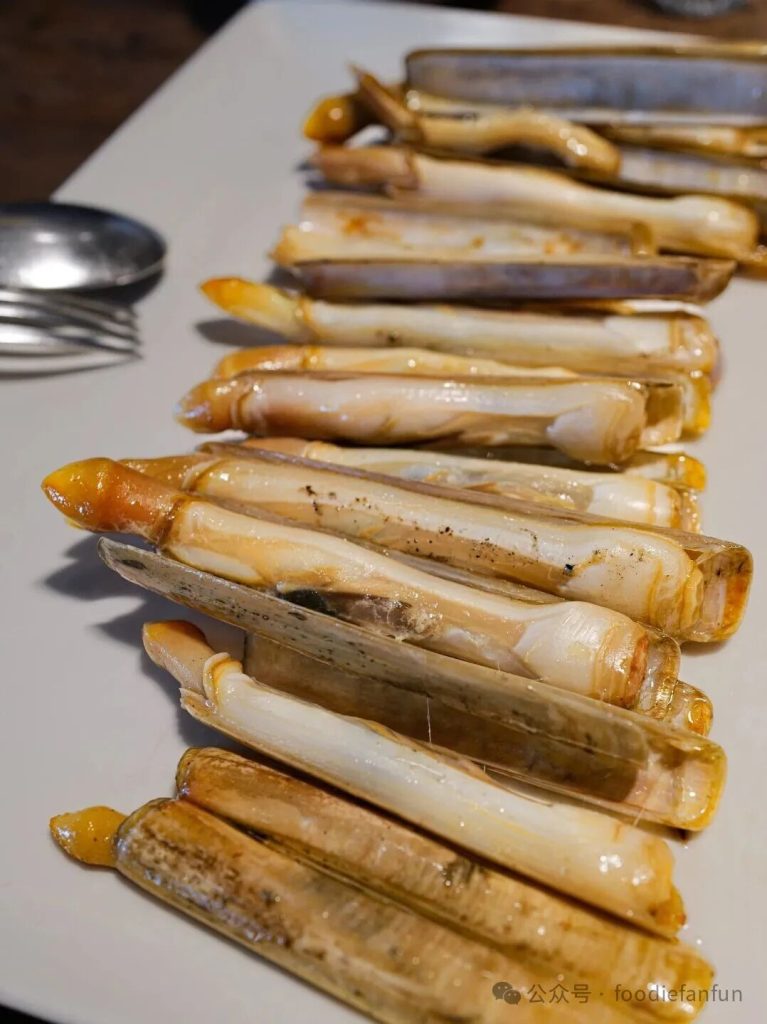
Massive, super-plump razor clams were piled generously across the whole plate, chasing no visual flourish at all — just pure aroma.
Give it a light tug, and a big, plump piece slides right out. Crisp, tender, and fresh to eat, with the part closest to the pan carrying a faint golden char, the fat making the meat taste even sweeter.
The large clams, after precise handling, aimed for refinement — a sweet flavor melting through the mouth.
The langoustine arrived at the table with a strong charcoal aroma, carrying the clean sea flavor forced out of the shell by the high heat.
Eating the head first, the sweetness was highly concentrated, almost a flowing texture. The meat still had a bit of translucence, glossy like a pearl, extremely tender on entry, the sweetness direct. Cracking open the claw was, surprisingly, even juicier — the meat fresher, the sweetness still completely unhidden.
The overall sea flavor was clean and concentrated, the char from cooking wrapped politely and with real restraint around the outside, never once masking the ingredient’s own flavor.
The other portion of red carabineros — the moment it hit the table, the first thing you noticed was a clear sweetness. The shell’s aroma mixed with the sea flavor, start to finish a display of highly concentrated shrimp flavor.
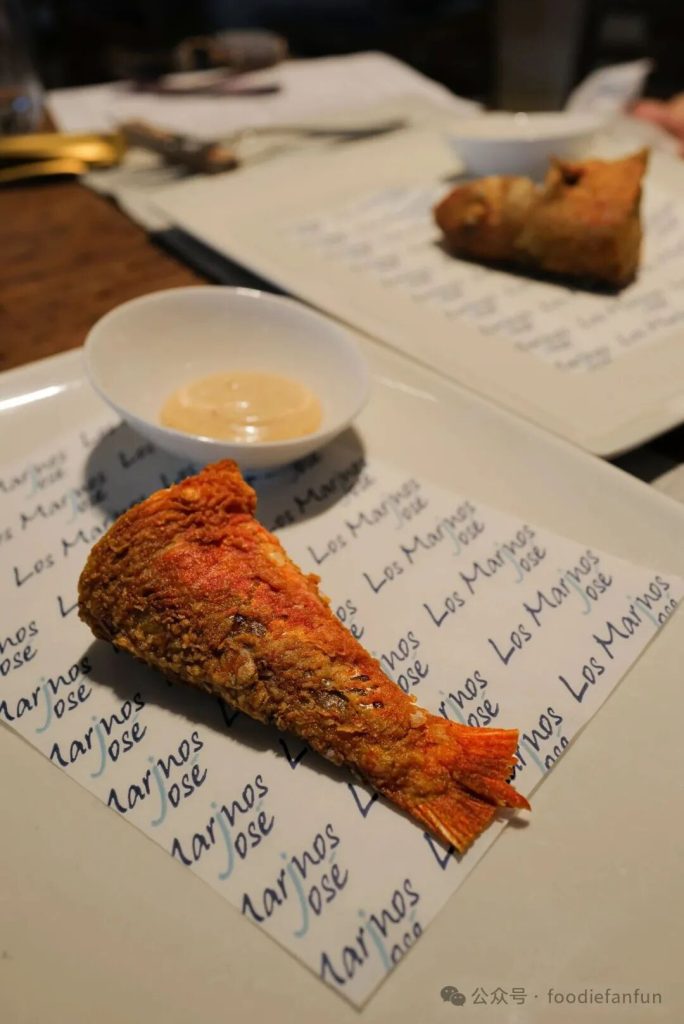
For the fish course, we picked red mullet from the display case, and were surprised the restaurant simply fried this kind of “small fish” outright.
The fish head was fried to extreme crispness, delivering a crackling sound on the first bite, with a touch of gelatinous stickiness around the bones, the aroma full. The fish body’s flesh was clearly sweet, solid chunks of fresh meat, more flavorful the more you chewed. By the tail section, the thin flesh clung to the crispy skin, coming across even crisper and more fragrant.
A bit shocking, honestly — taking something stereotyped as “fast food” fried fare and giving it detail and layers, frying a small fish into something practically fine dining, with its own sense of choreography.
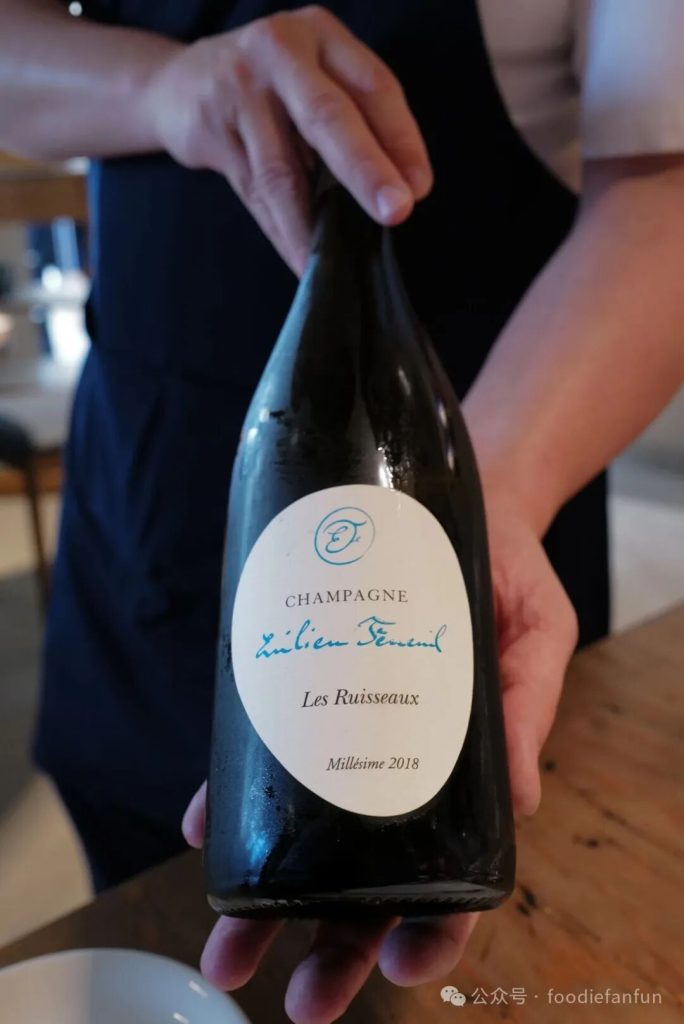
Oh, and don’t forget — the restaurant’s champagne list is genuinely something. You have to order a bottle here.
Two hours’ drive from Málaga is Granada, home to the Alhambra — another town with history, character, and seafood too.
Lunch was set at bar FM, considered one of the top technically-driven seafood taverns in this town. Overall it was good, but compared to Marisquería Los Marinos Jose, it honestly felt a little unfair to the comparison.
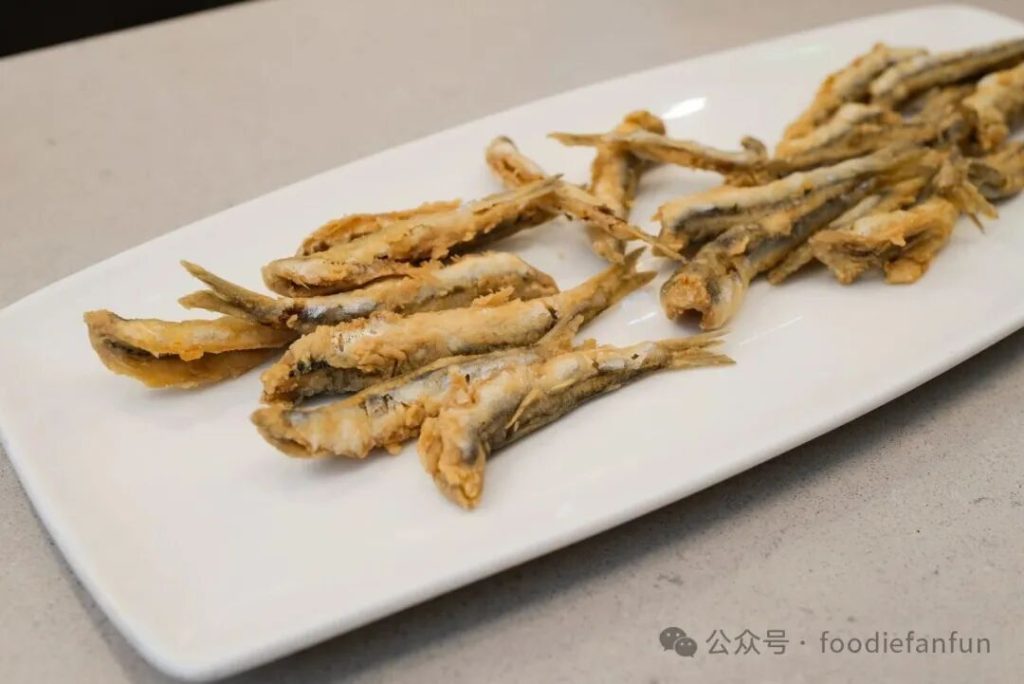
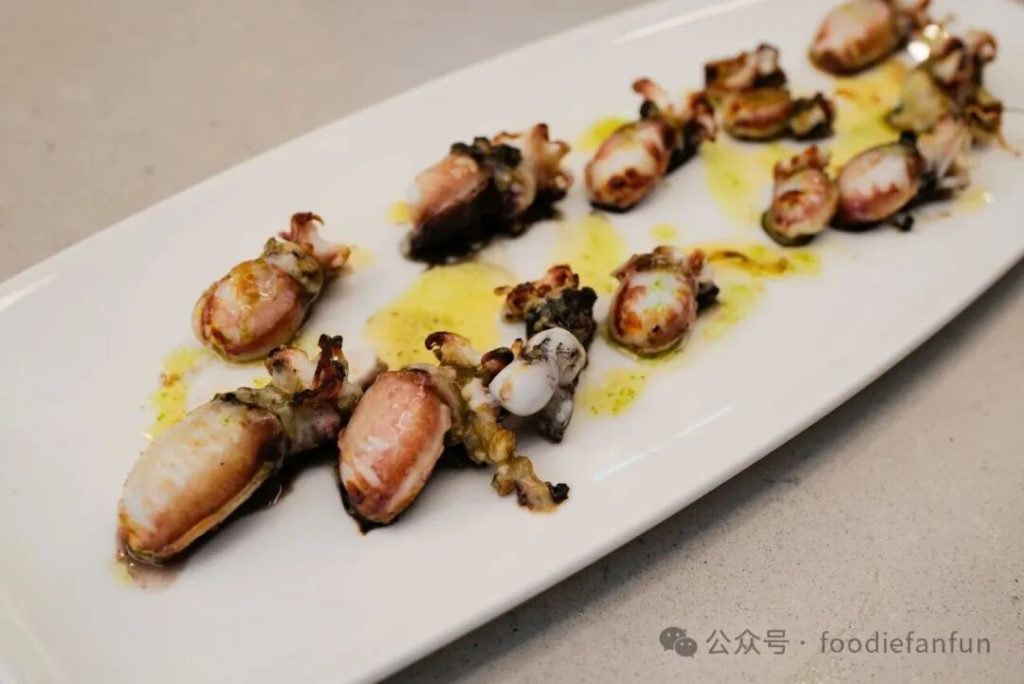
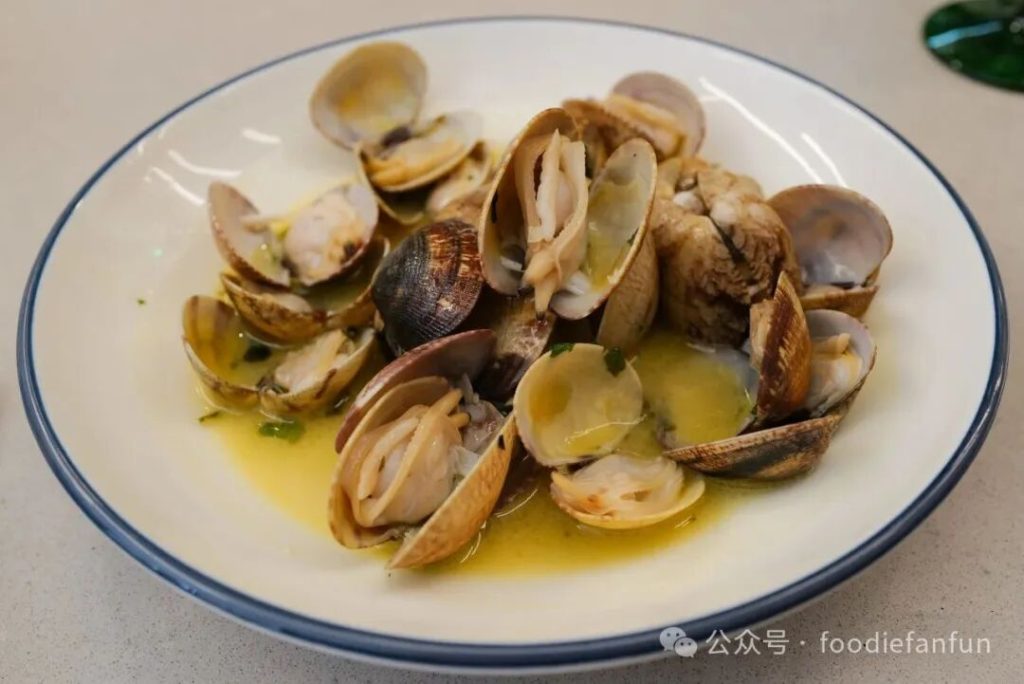
In Granada, a city with no coastline, bar FM’s ingredients are widely recognized. It’s better at the small seafood side of things — fry up some fresh anchovies, baby cuttlefish, and clams, and be sure to use bread to soak up every drop of that broth. As for tapas, the city has too many places already, so it’s worth leaving a little room for further exploring.
Also, the restaurant’s quisquillas (small shrimp) are famous — but you absolutely have to book ahead, or you’ll show up to nothing.
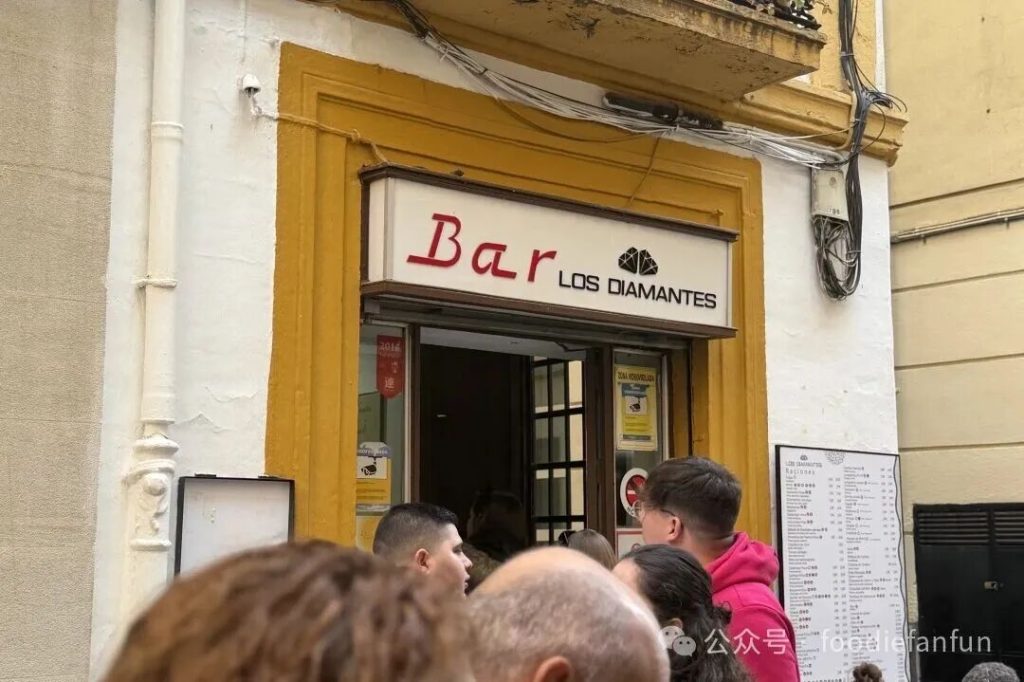
In the same city, Bar Las Diamantes is a completely different kind of expression. That kind of popularity feels like the roadside cold-noodle-pancake stall outside school gates after class — a bit rough around the edges, yet impossible to resist for its buzz.
A small shop that pulls its shutter up right on time, and by 1:02 already had 40 people crammed in. There were even families here with several kids, the little ones sitting at the table drinking cola while the adults gathered around ordering beer. Surprisingly, facing “outsiders” earnestly trying to understand the local culture, everyone showed warmth and openness, helping us order, passing dishes, calling things out.
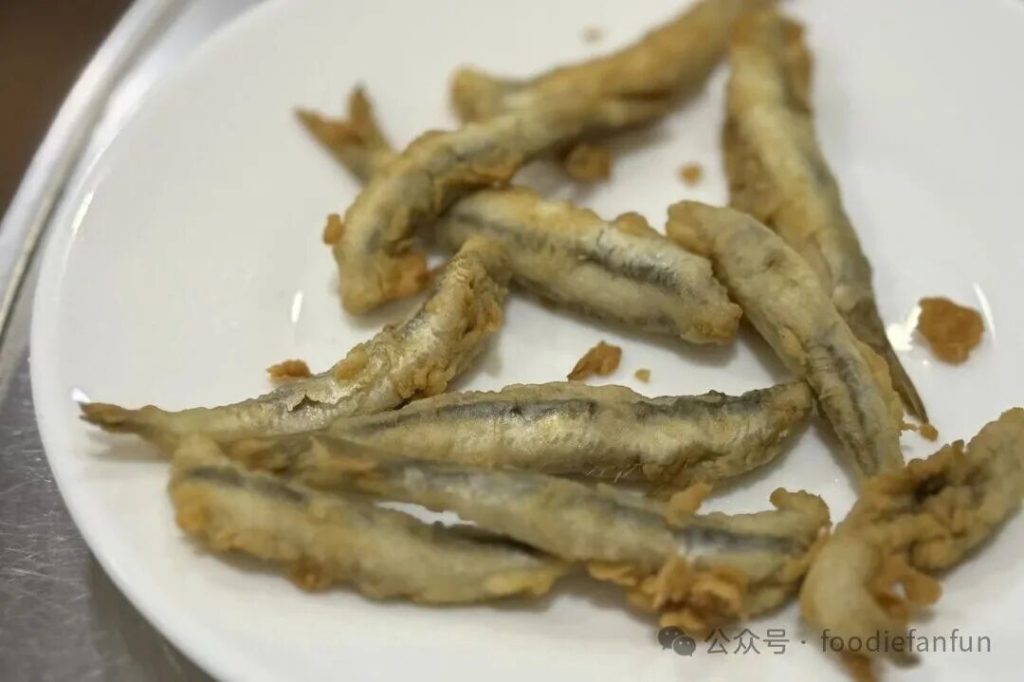
Granada’s custom is: order a drink, get free tapas. But when a whole plate of freshly fried anchovies came out, it still hit us — “this whole pile is a free gift with a €3 glass of white wine…?” Fragrant, crisp, rich — not one bit behind the plate we’d ordered at bar FM.
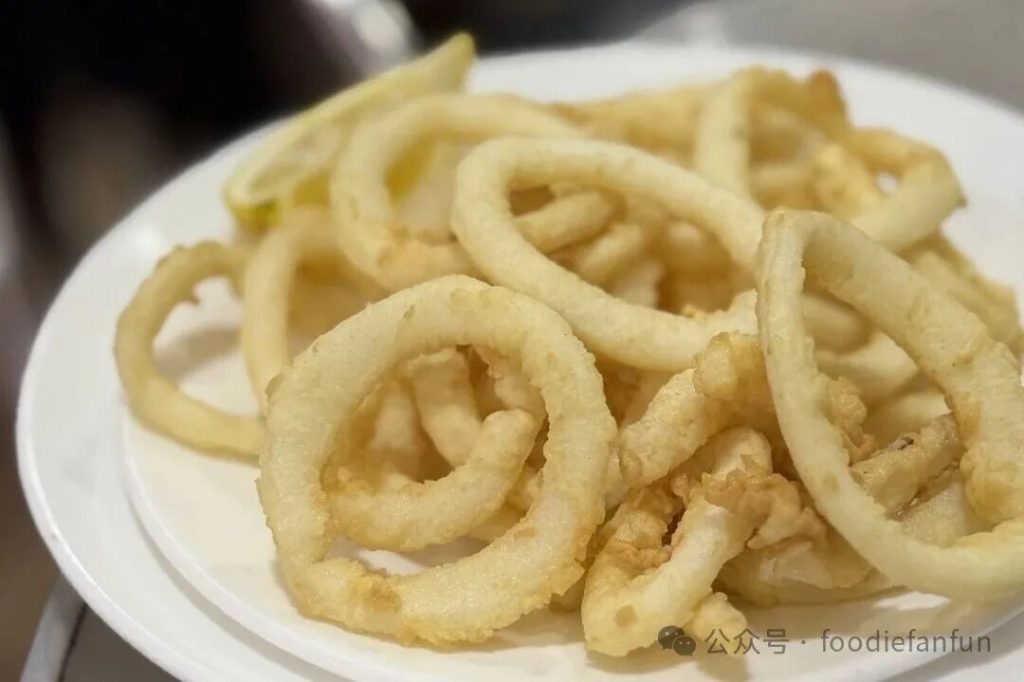
But the real star was the fried calamari rings — genuinely super tender, an extremely thin batter coating the outside, the meat plump yet crisp-tender at the same time — this was, honestly, the best fried calamari of my life 🦑.
Fried food is sinful, sure. But sometimes you think — if every single fried small fish or fried squid you eat in life could have this exact texture, putting in a bit more effort on the treadmill would be worth it.
Of course, beyond the fried items, we’d suggest ordering everything else in moderation — under the crowded, line-up-required conditions, it does feel a bit thrown-together.
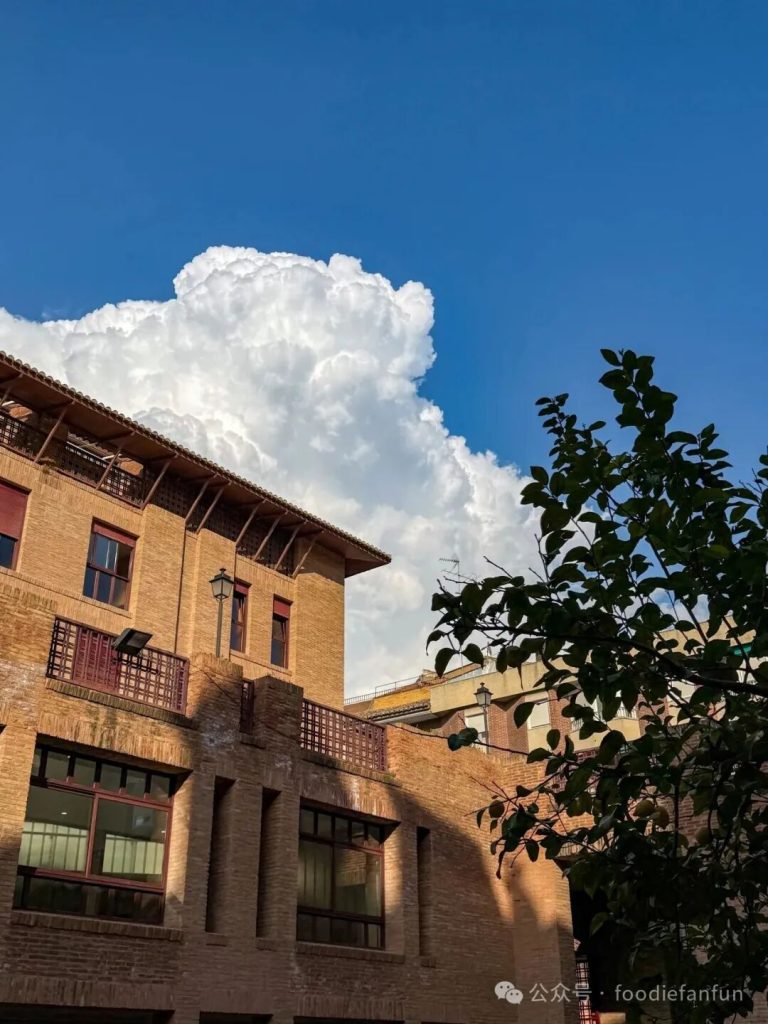
As for Granada — save the daytime for history and the beautiful big clouds, and dinner is when the crowds really come alive.
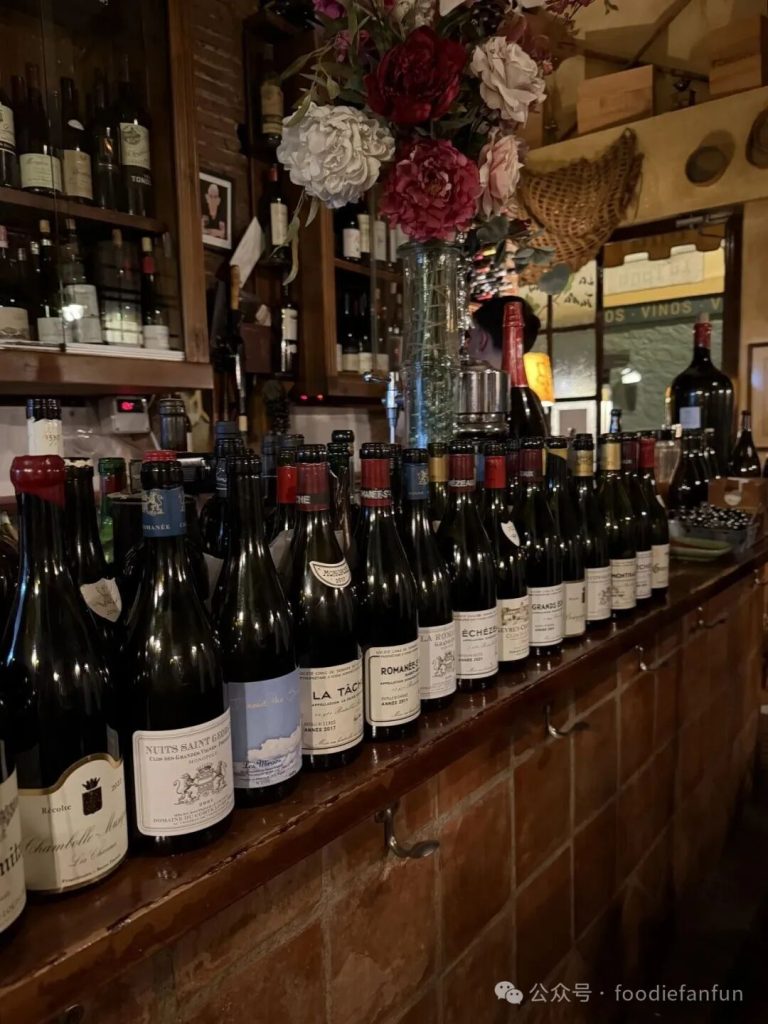
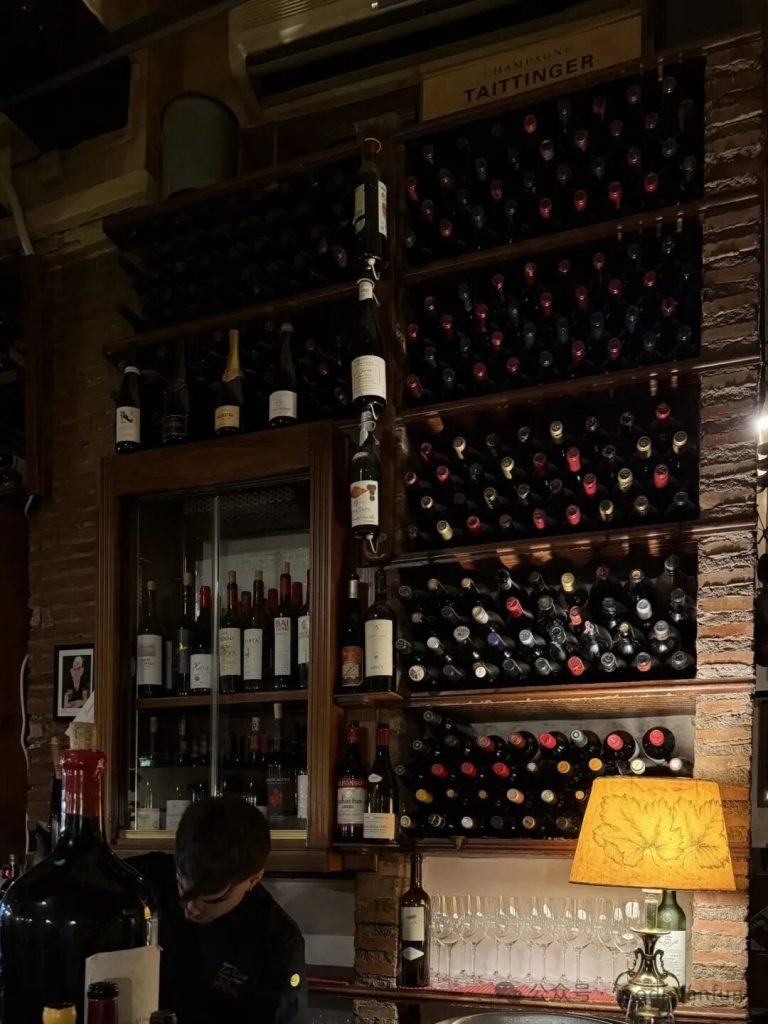
La Tana was an unexpected find, a genuine treasure. Over 100 by-the-glass options, nearly 2,000 bottles in the cellar, named Spain’s best bar in 2020 — this genuinely exceeded what you’d expect from a tourist-city experience.
The by-the-glass list is full of century-spanning selections, and the big wine list on the iPad has some genuinely mouth-watering bottles for sale. Come here with a drinking buddy, for sure.
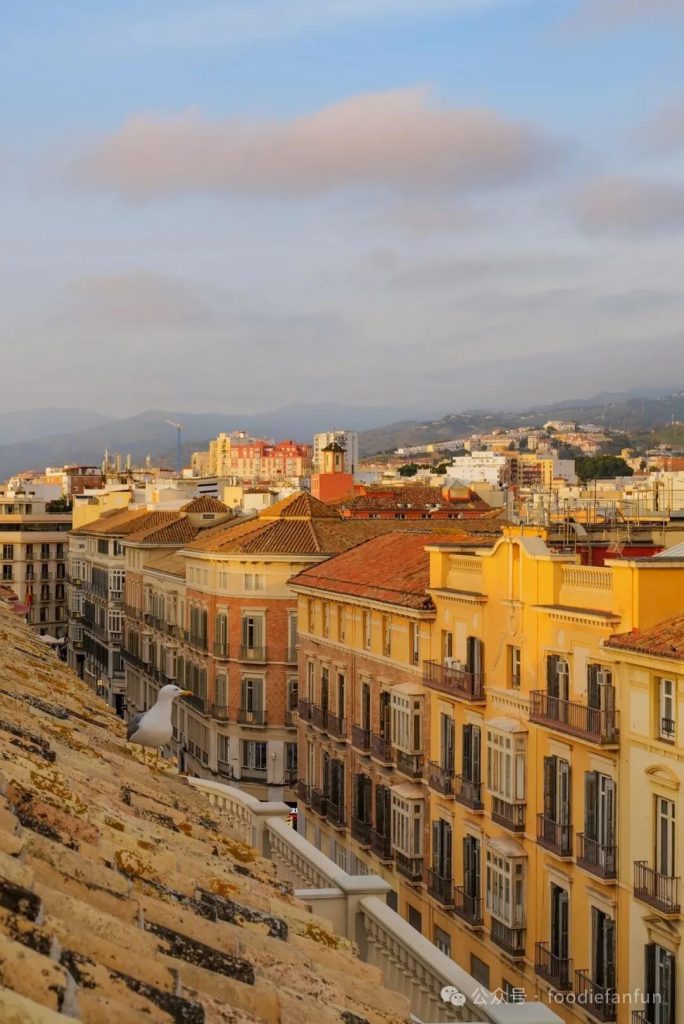
Next time, we’ll absolutely have to come back south to see the handsome pigeons and gulls again!