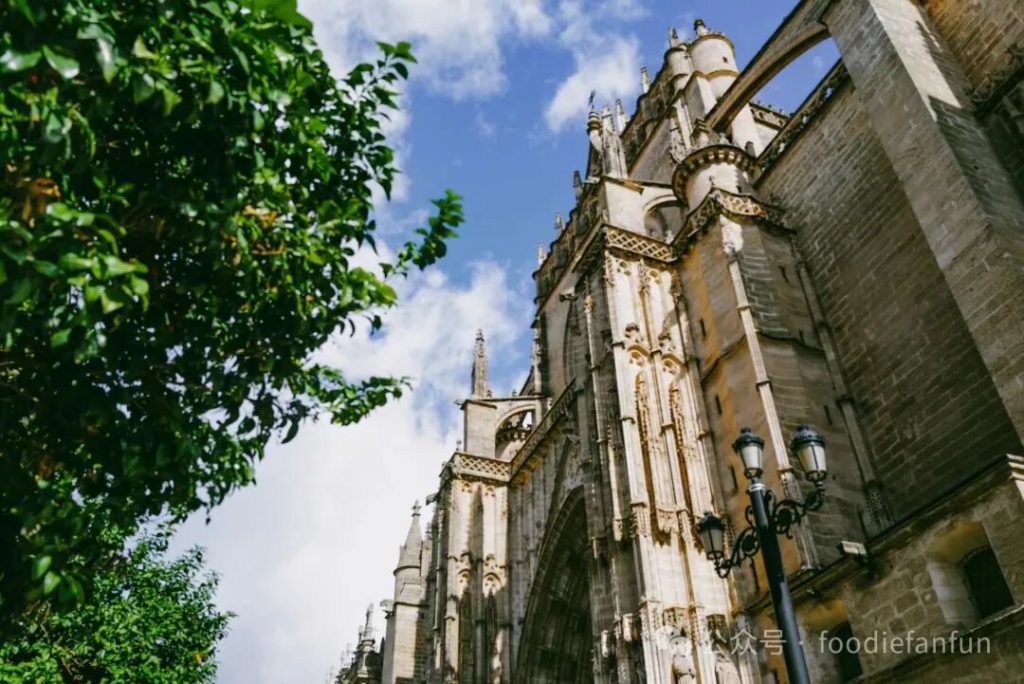
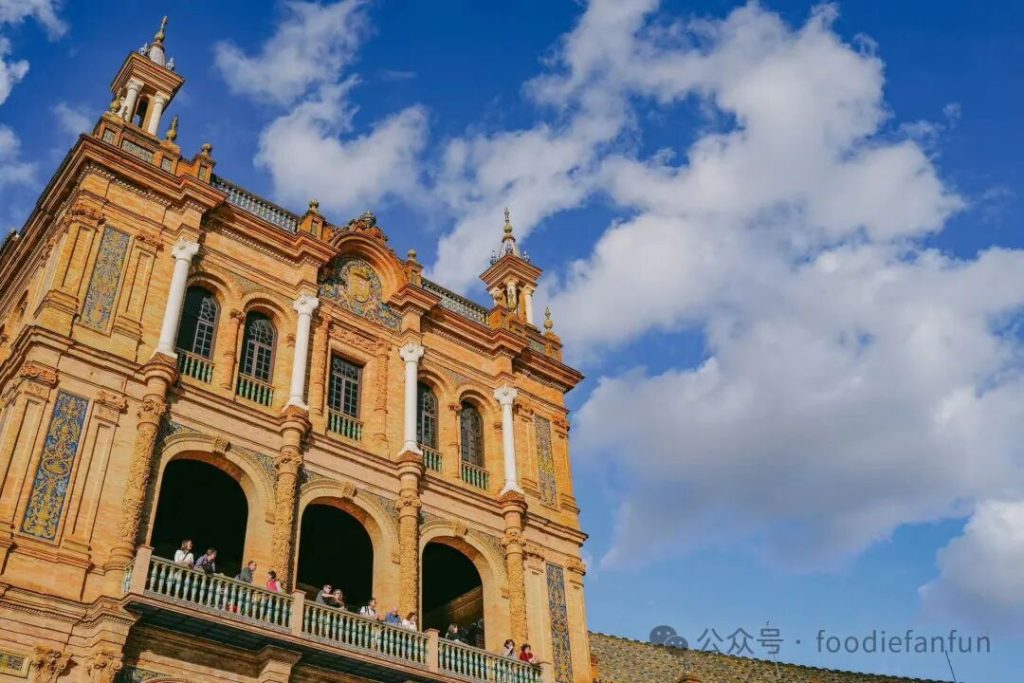
Seville is, in many ways, a city carrying the full weight of Spanish history — part of that in its architecture, part of it in its food.
Eating in Seville can be a wonderfully unplanned affair — bars serving tapas line every street and alley, and whenever you’re tired from walking, you just sit down for a bite and a drink.
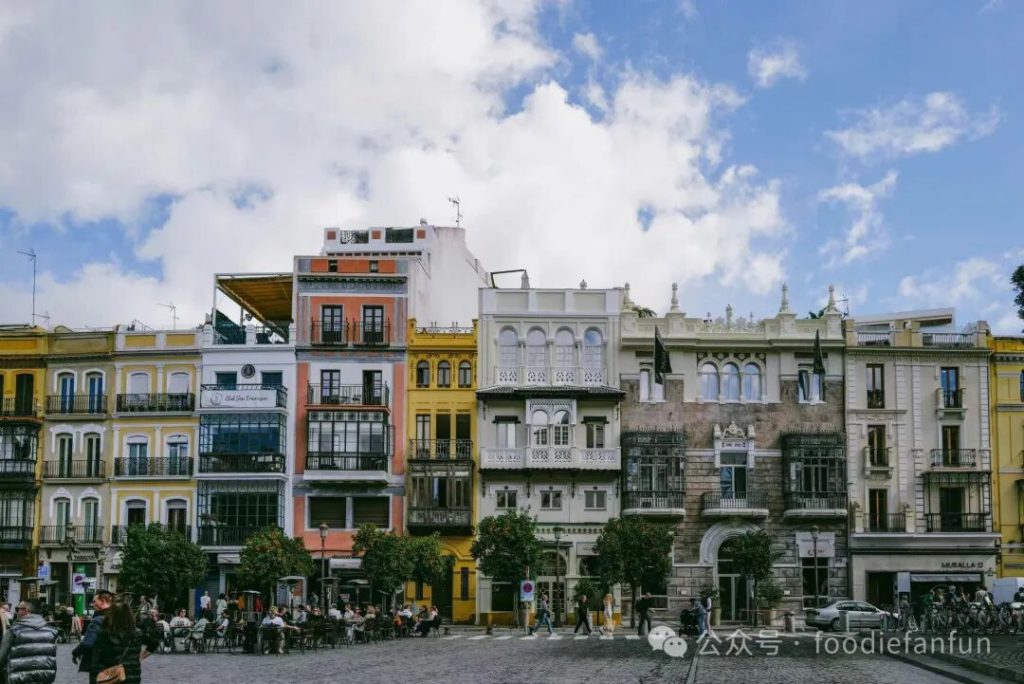
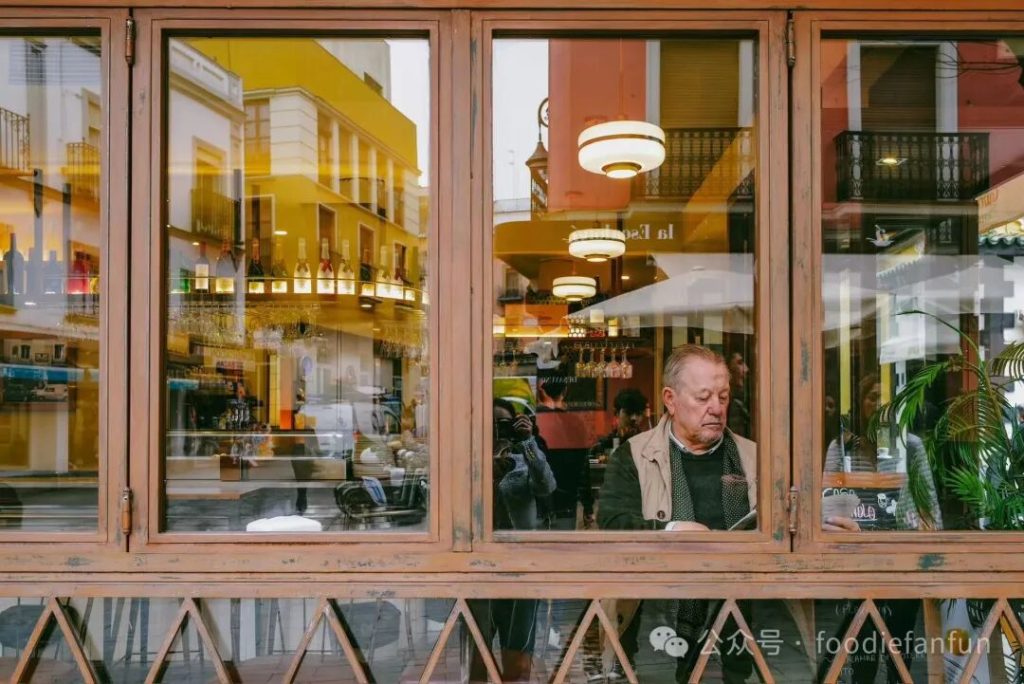
Among our stops in Seville was one restaurant a friend had insisted, repeatedly, that we book well in advance.
It’s a local seafood-focused restaurant that plays with the life cycle of its ingredients and Mediterranean charcoal grilling. The website shows little more than a few beautiful photos of fish and lobster — no real information, no sample menu. What you eat depends entirely on what’s fresh that day.
It wasn’t until I scrolled to the footer of the website that I realized it’s actually a Michelin one-star — genuinely understated, no fanfare at all.
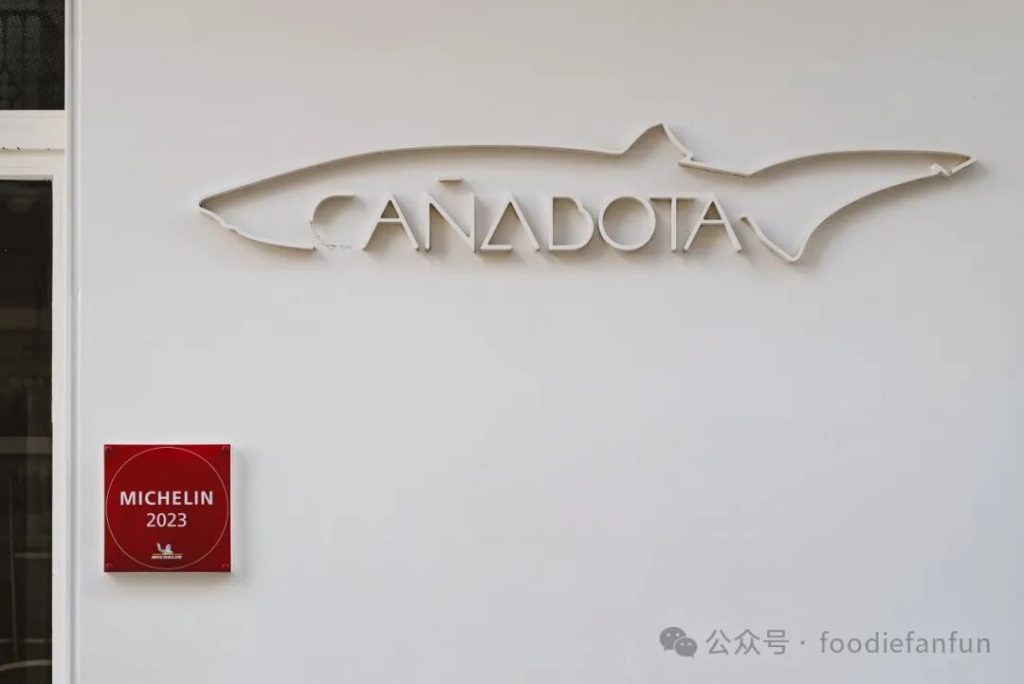
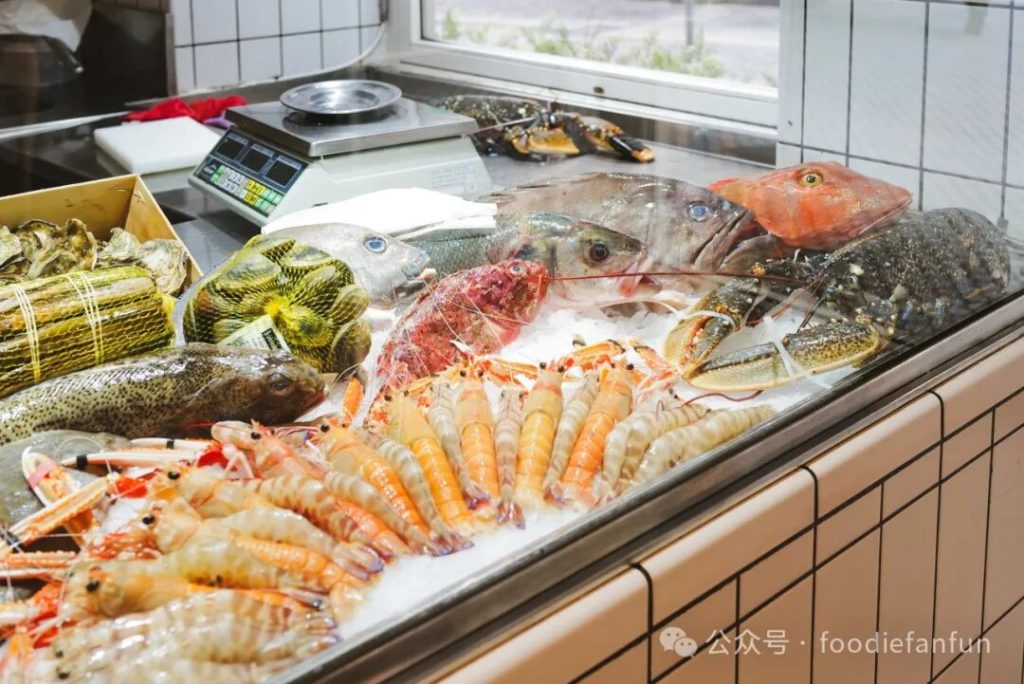
The restaurant is tucked into Seville’s old town, and the moment you walk in, you’re greeted by an enormous ice case.
Live blue lobsters still waving their claws, fish and shrimp gleaming with color, and staff in chef’s whites quietly working through whatever’s just been pulled out — it’s like they lifted the seafood counter straight out of the Mercado de la Encarnación and dropped it into the restaurant.
There are two set menus, Tasting Menu and Omakase, and you have to choose at the time of booking. The prices are close enough that we picked the Omakase on a whim.
What we’d actually be eating was entirely left to fate.
* * * * *
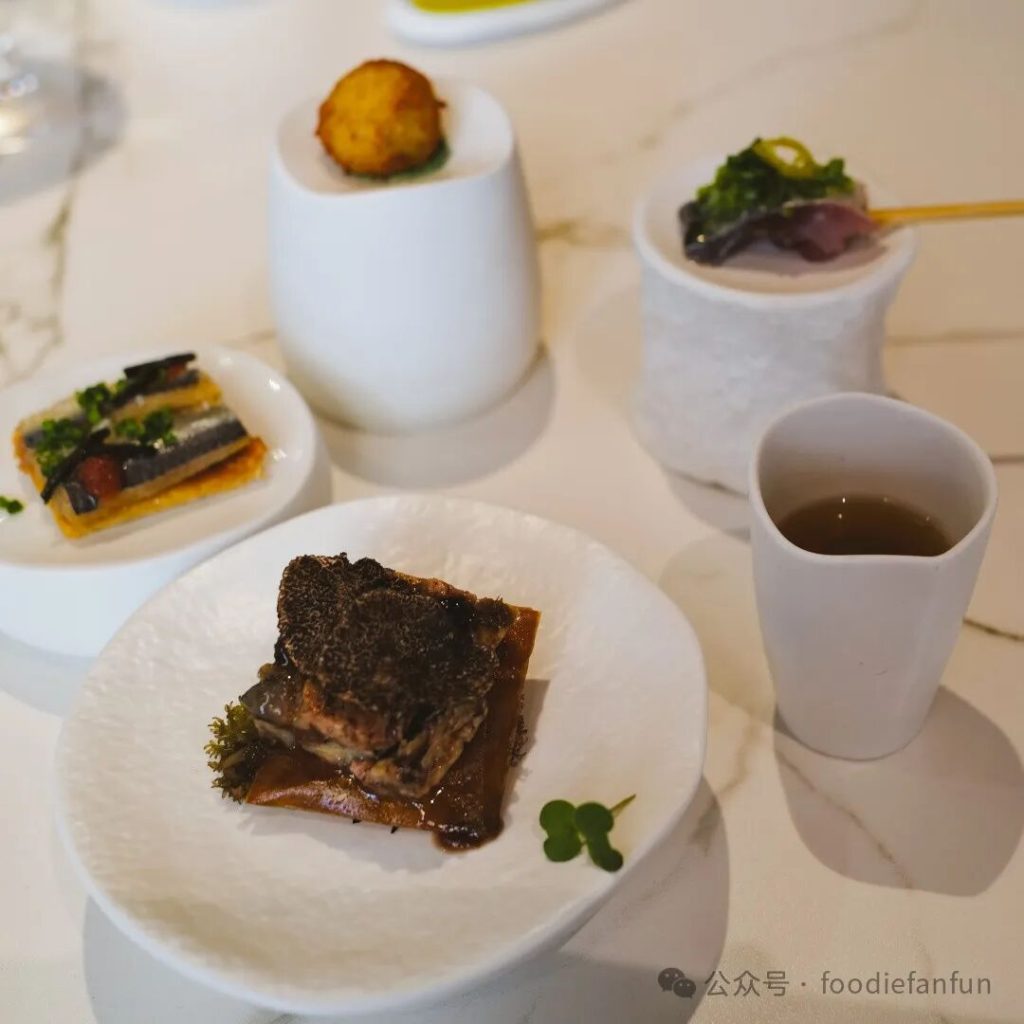
Dry Tomato Soup / Mackerel / Little Tunny
Marinated Sardine / Grouper Terrine
Spanish gazpacho is a traditional dish of Andalucía, the province Seville belongs to.
This version keeps tomato as the backbone, but swaps it for a sun-dried version and reworks the format into a clear broth, with a faint touch of smoke folded in.
It opens the meal with something sour, salty, and savory — a genuinely appetite-sharpening start.
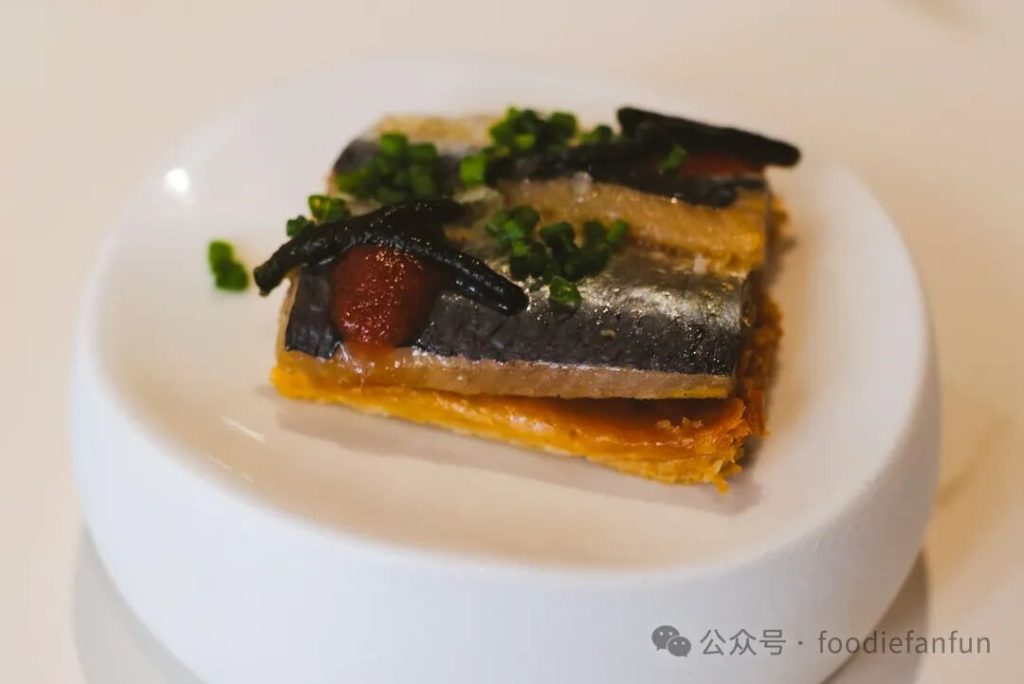
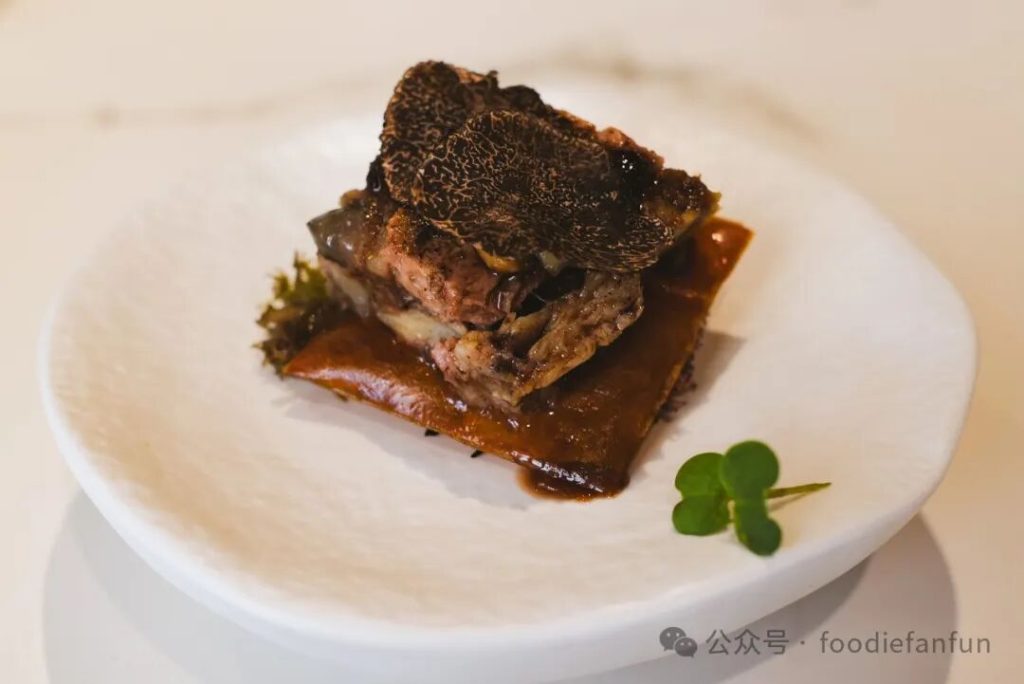
According to the restaurant, the four courses that follow are all fish-forward starters, though each is presented in a wildly different way.
The mackerel is cured in fruit, its tender flesh meeting a sweet-and-sour edge that feels clean and refreshing. The little tunny comes shaped like a croquette, its shell fried crisp — one bite is intensely fragrant, and a touch of pickled-chili sauce brings it right back to life.
Next, a small sardine paired with seaweed and jam, savory with a hint of sweetness. Last, Andalucían grouper worked into a purée and paired with black truffle — heady in aroma and remarkably refined.
The opening courses all lean into Andalucía’s regional character in how they’re handled, while still holding onto what makes each fish itself. None of them was a knockout, soul-stirring bite, but every one was clearly thought through, and undeniably delicious.
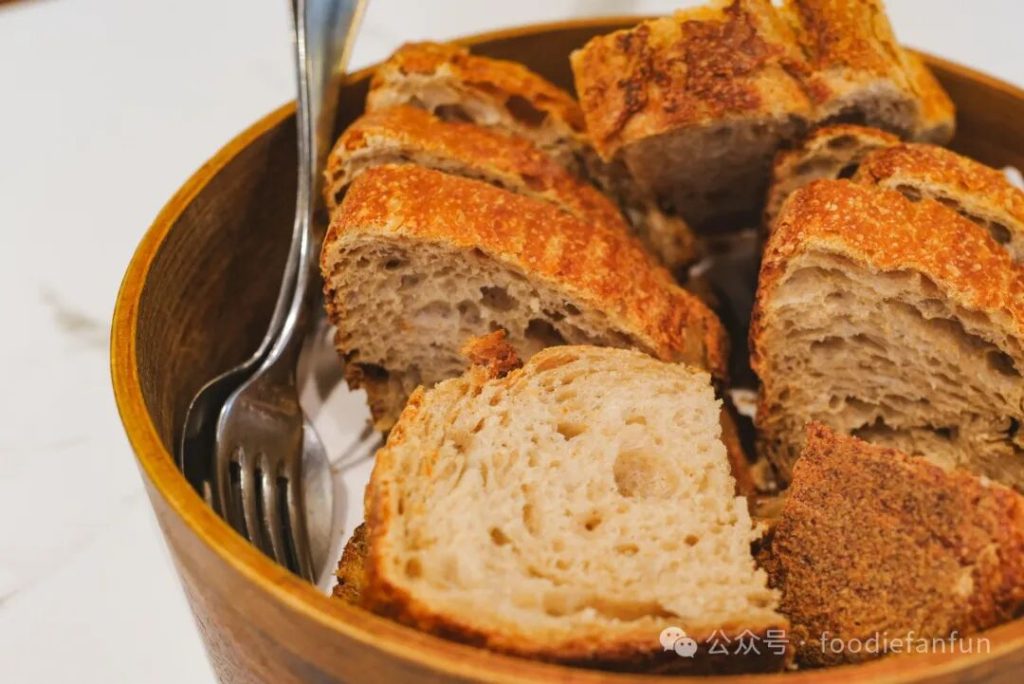
Sourdough Bread
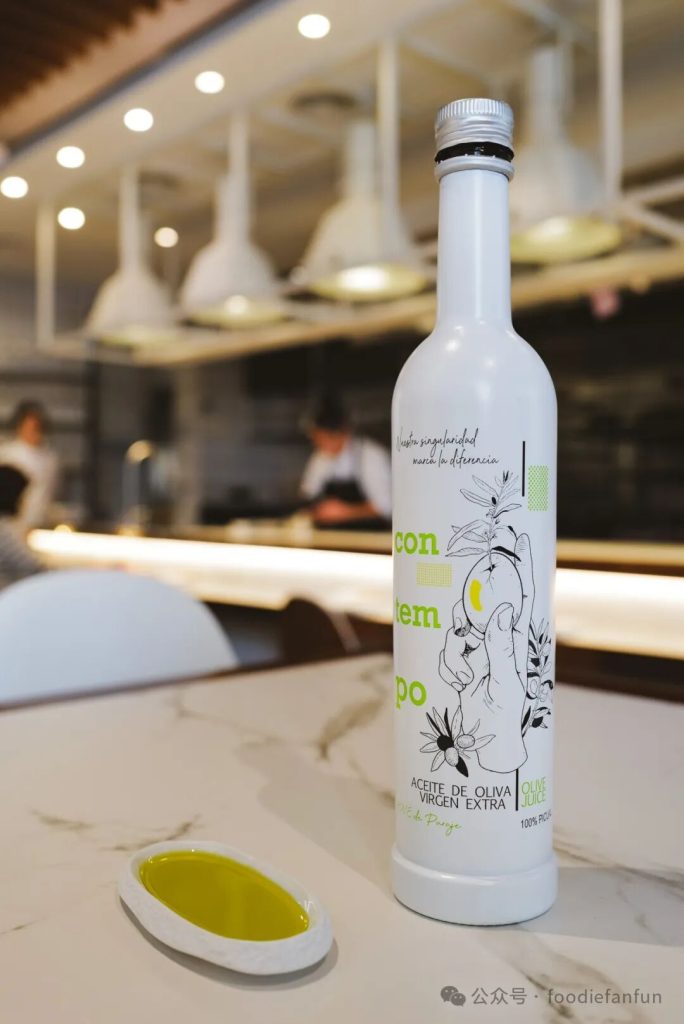
Contempo – Aceite de Oliva Virgen Extra
The olive oil served with the bread is also from Andalucía — apparently some producers even follow biodynamic methods, harvesting only on the night of a full moon.
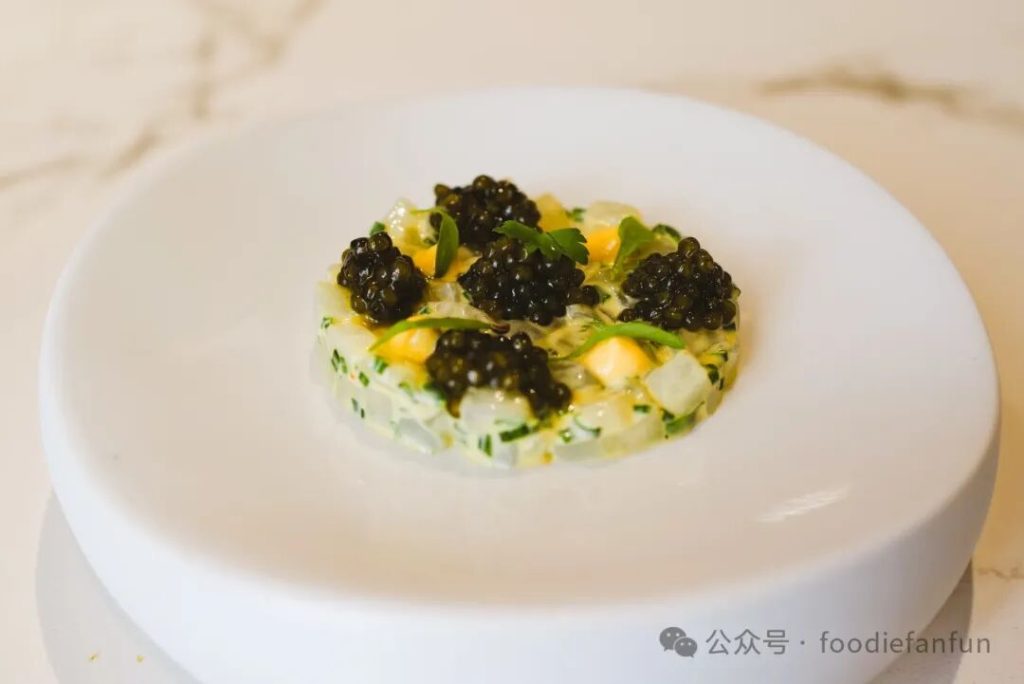
Squid Tartar with Beluga Caviar
The meal proper opens with a tartare of fresh baby squid. Eaten raw, baby squid has a texture all its own — chewy yet springy, with a faint sweetness lingering at the back of the tongue that makes each bite a little addictive. Paired with caviar, it becomes a full-on umami bomb.
I genuinely didn’t expect a small, pale, glutinous baby squid to be made this delicious.
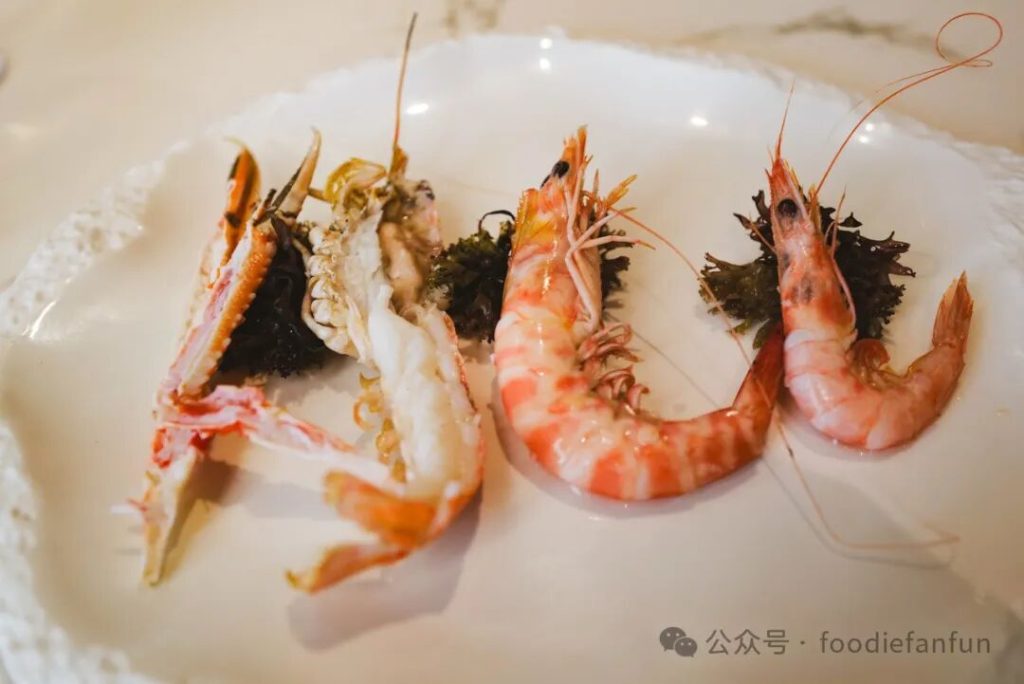
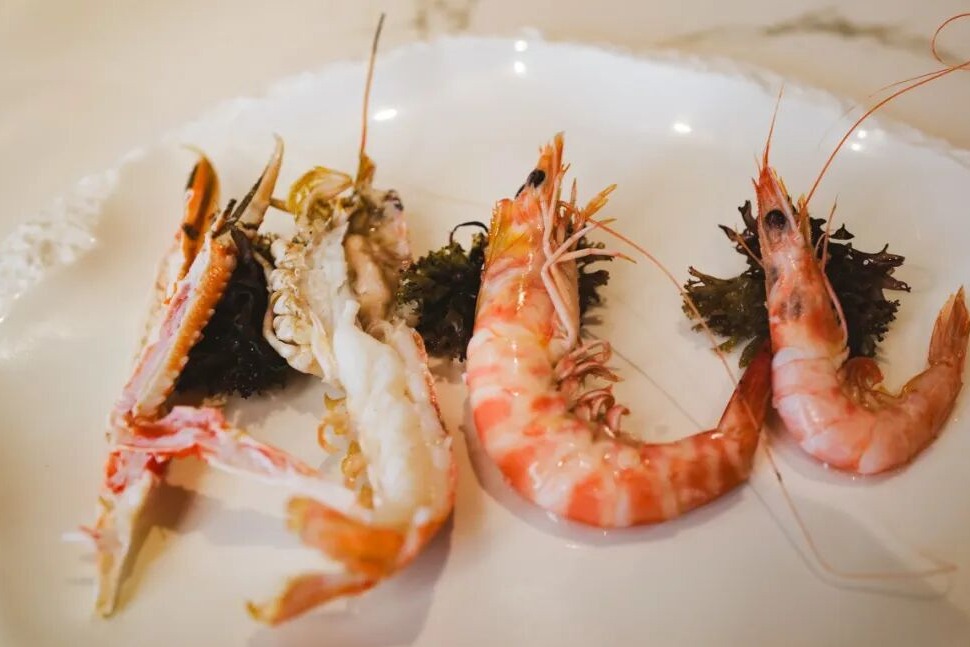
Grilled Langoustine, Tiger Prawn and White Shrimp
White shrimp and tiger prawn poached, langoustine grilled over charcoal. It looks like the simplest treatment possible, but timing is exactly what’s hardest to get right.
Here, it lands precisely — not a second more or less — almost perfectly revealing, to someone who grew up landlocked, the subtle differences in sweetness, texture, and character across all three shrimp.
A benchmark comparative tasting of shrimp, essentially.
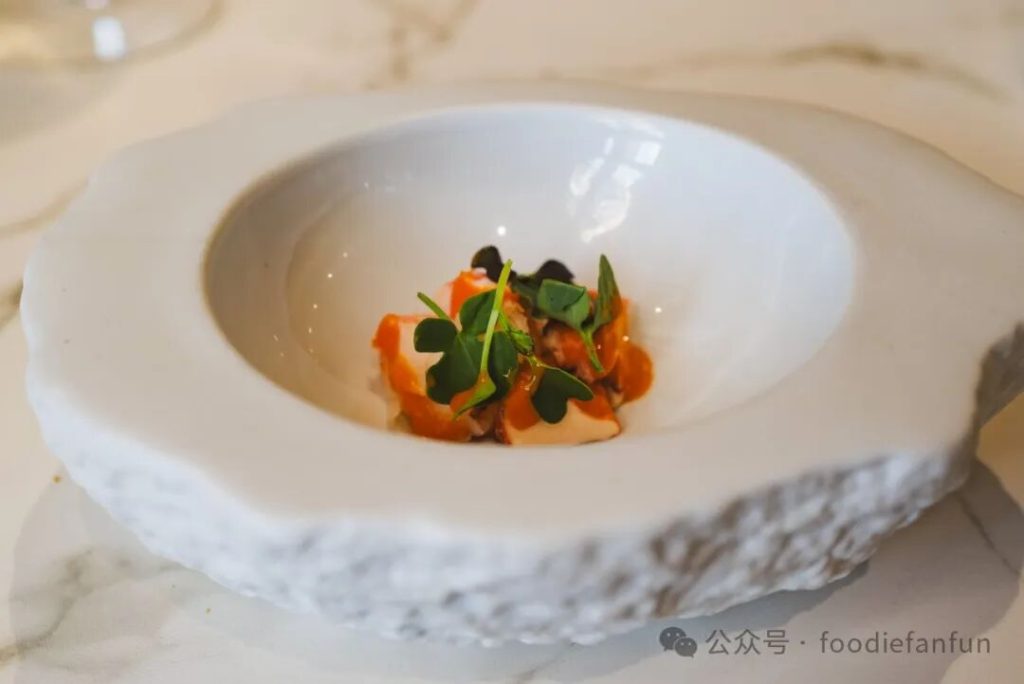
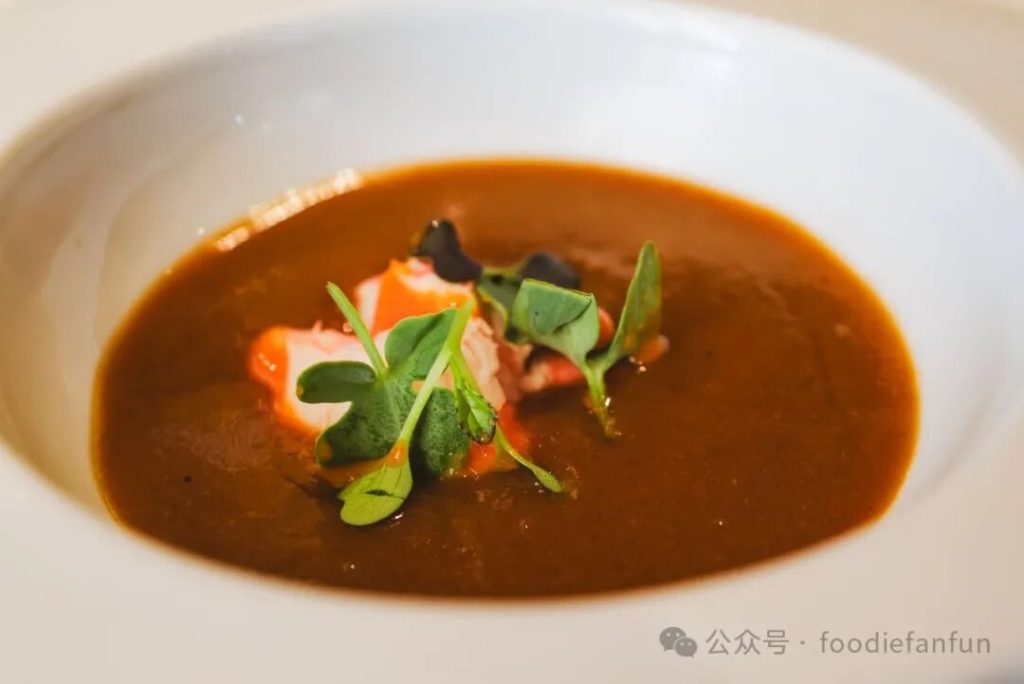
Blue Lobster’s Soup
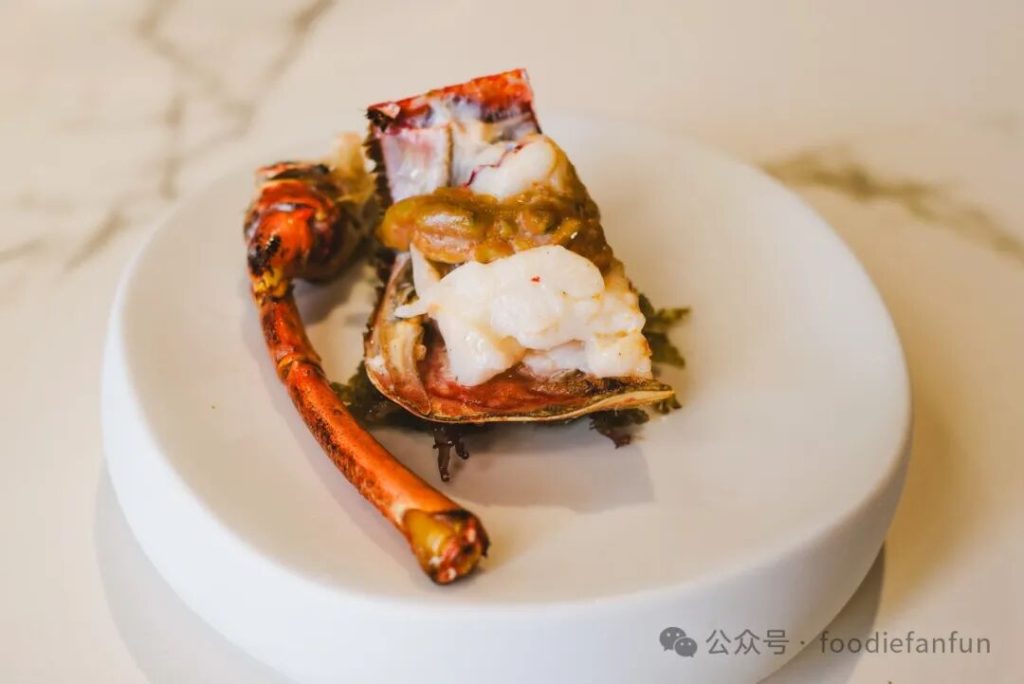
Grilled Blue Lobster’s Head
That lively blue lobster from the entrance became two dishes. The lobster soup ran a touch too salty and heavy, but the lobster meat hidden inside was cooked just right — silky and tender.
The head was grilled over charcoal, and it gave me my first-ever full bite of lobster brain. The moment it cracked open, the freshness and tenderness hit straight to the top of my skull.
Incredible.
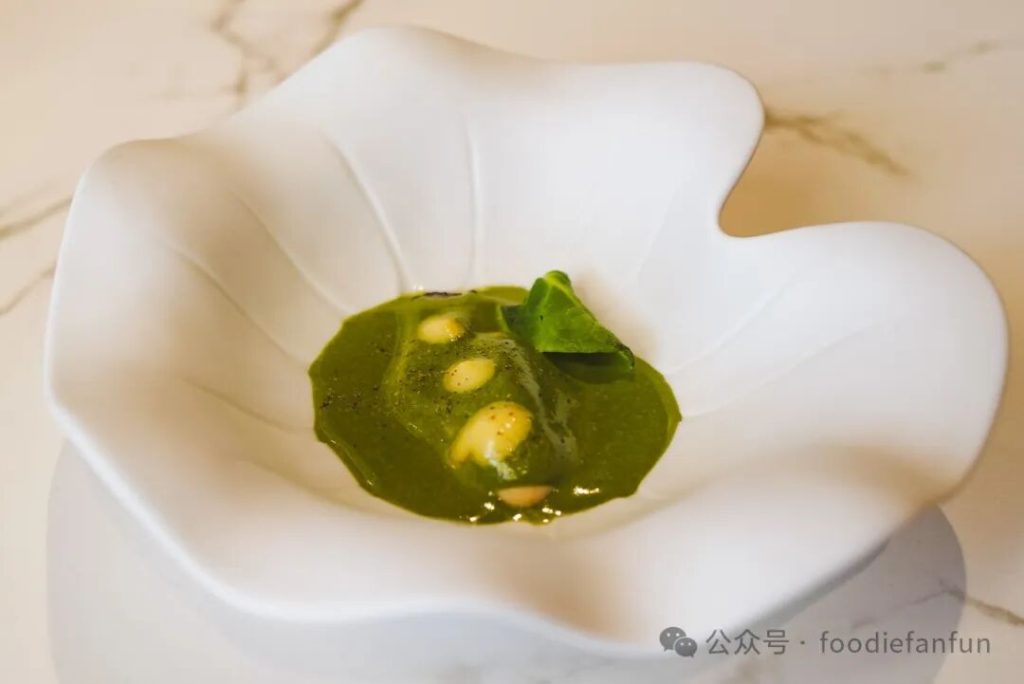
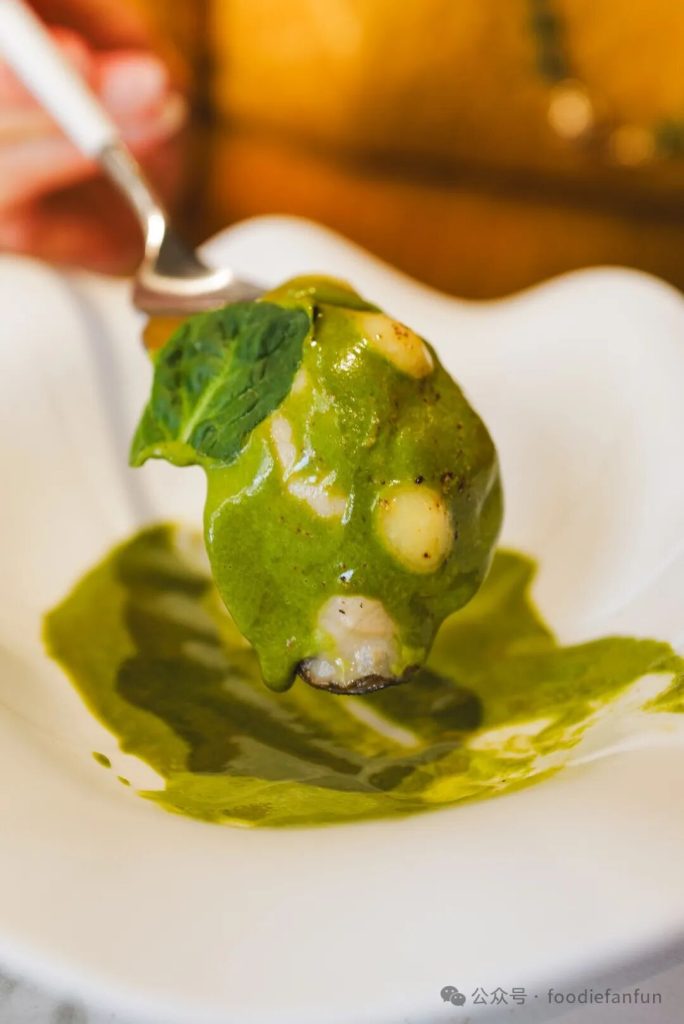
Grilled Oyster with Spanish
What arrived was a dish in tender green — turned out to be a grilled oyster in spinach sauce. The oyster itself was plump and satisfying, and the spinach, though light in flavor, left the palate genuinely clean afterward.
This oversized oyster was both delicious and genuinely interesting.
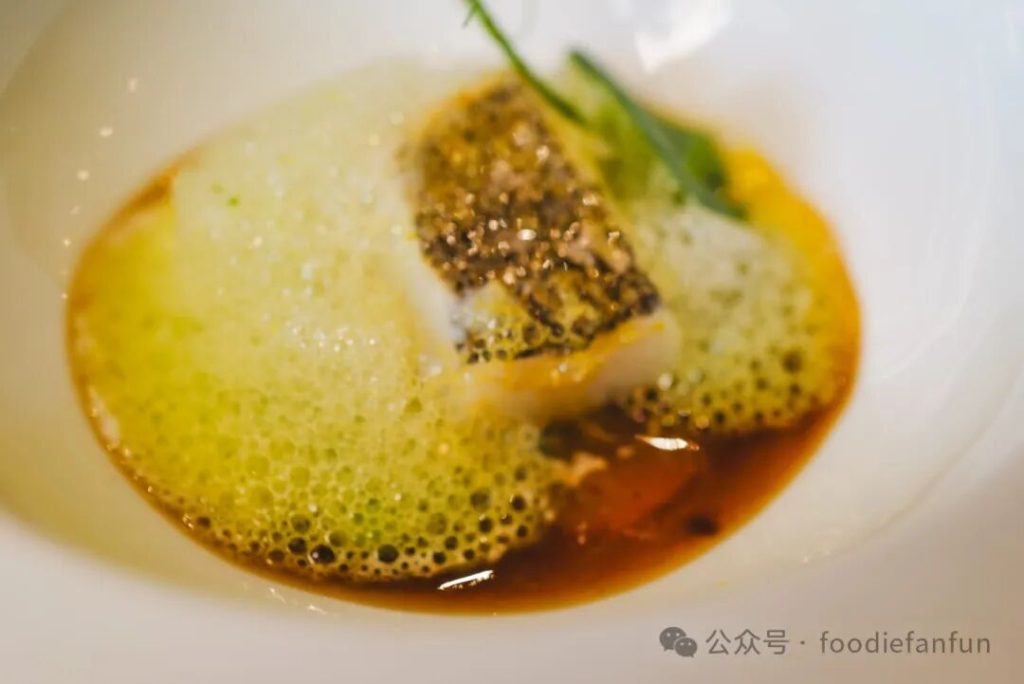
Hake, Pea and Onion
After a full circuit of ocean creatures, the mains finally circled back to fish.
Hake is a member of the cod family, but more tender than cod, with a fuller flavor and a faint lingering sweetness. Cooked exactly right, this small piece left me wanting more.
This restaurant genuinely brings out every strength and characteristic of the ingredient itself.
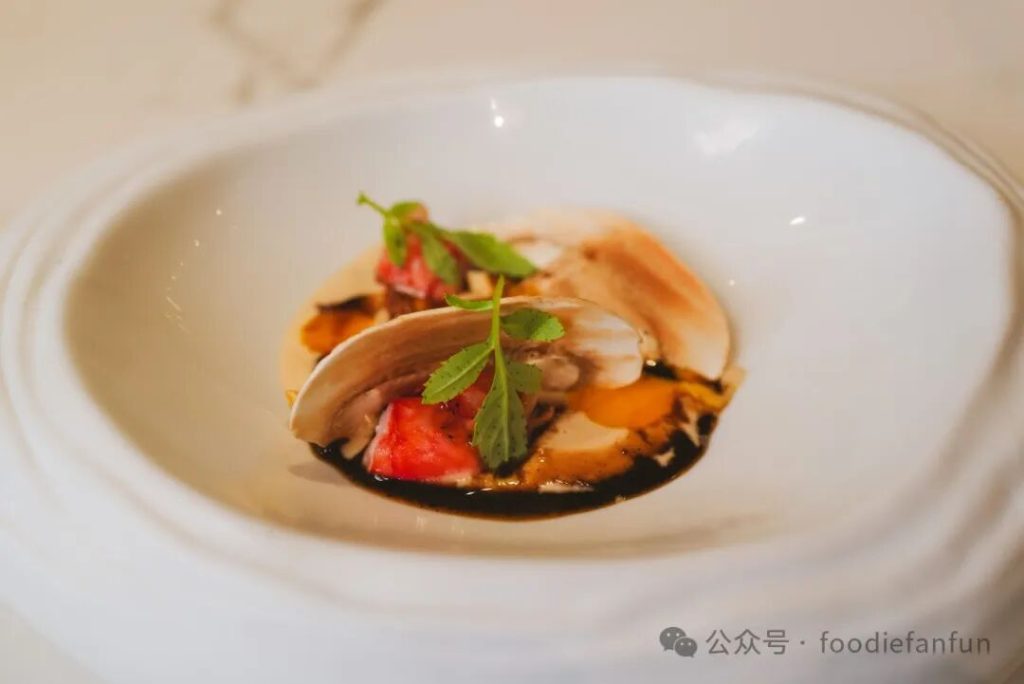
Scarlet Prawn, Chantarelle, Hazelnut and Orange
The scarlet prawn from Palamós is arguably the most famous in the world — but pairing it with orange and hazelnut is a combination I never would have imagined.
It completely breaks convention: sweet, salty, savory, tender, bright, and structured, all coming together without a single note feeling out of place.
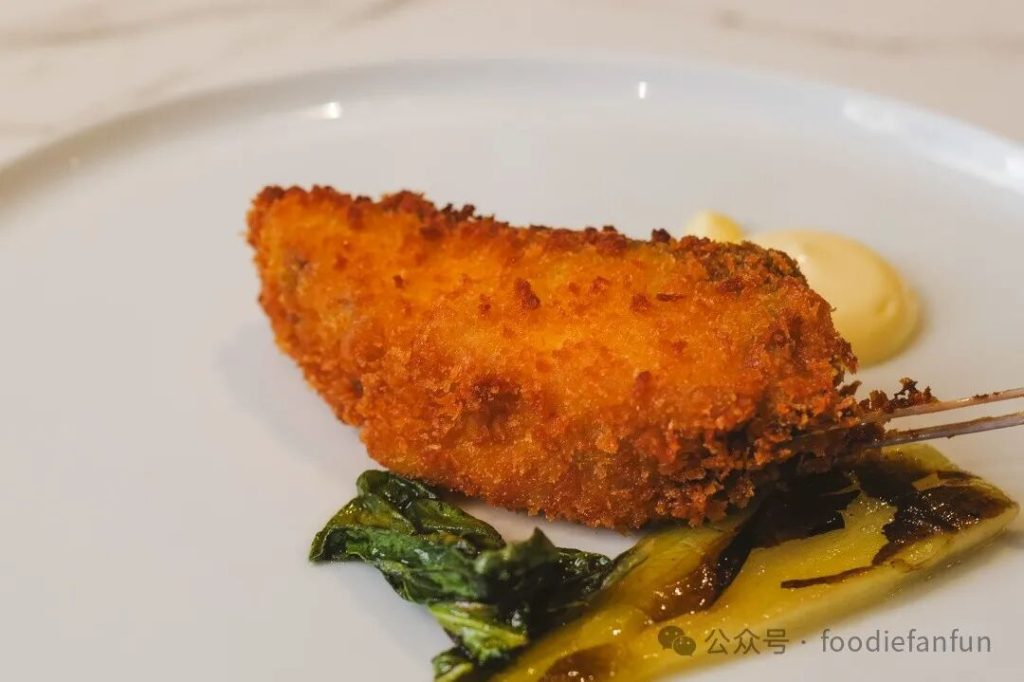
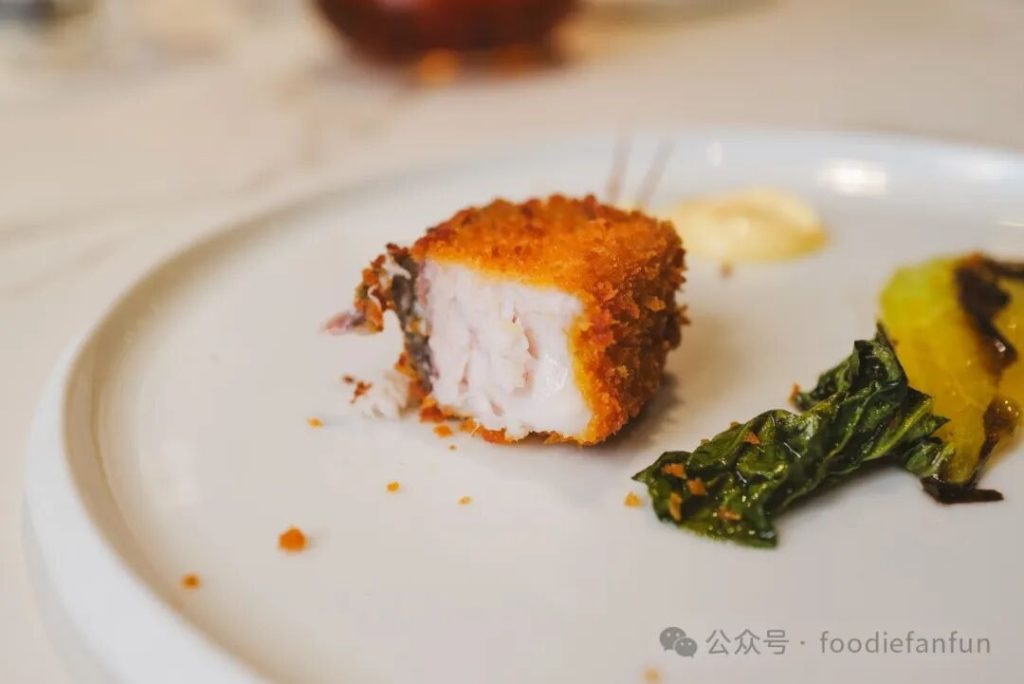
Fried Scamp Grouper
Out came a golden fried fish, fragrant before it even reached the table.
I couldn’t find a Chinese name for scamp grouper, but among groupers it’s practically royalty. It looks plain — a dull grey nothing to look at — but the flesh is fine-grained and tender.
Fried this way, the fish’s natural juices are sealed in, made all the more fragrant and soft by the crisp shell around it.
Genuinely a fried fish you’ll keep thinking about long after.
The kind you’d happily ignore the calories for, and still want more of.
By comparison, the fried cobia I had two months ago at The Georg came off looking pretty sad. Never mind why a fish like that would show up on a €1,980 tasting menu — all I remember is dry, flavorless flesh and a crust with zero crunch.
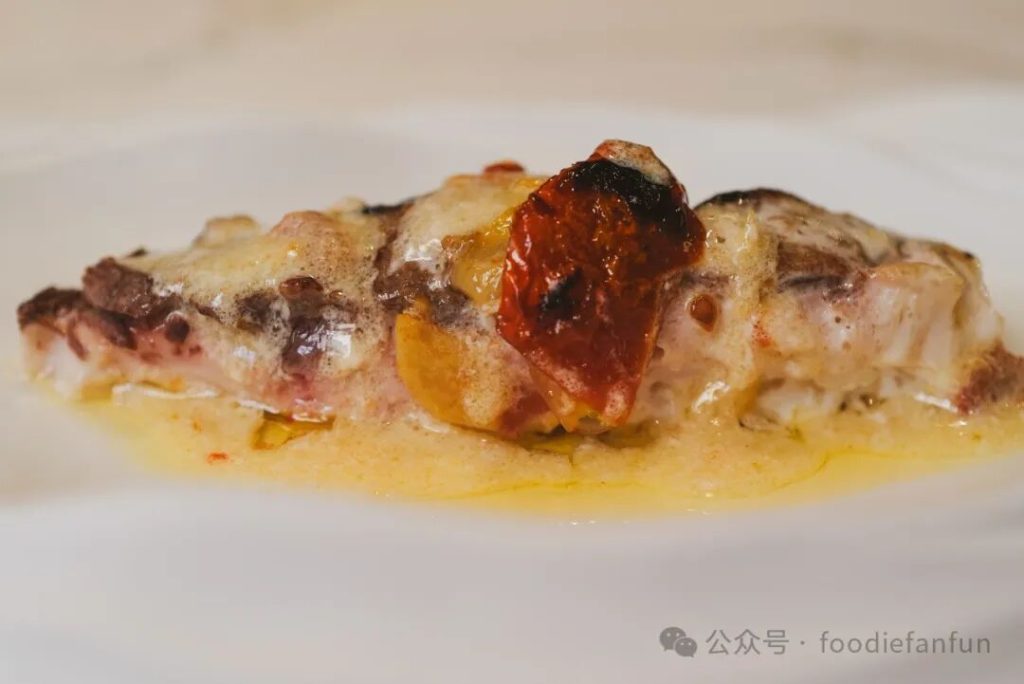
Grilled Andalussian Sea Bass
The final main course circled back home: Andalucían sea bass, seasoned in the most classic Mediterranean way, with olive oil, garlic, and tomato. Tender, full of flavor, and a clean finish.
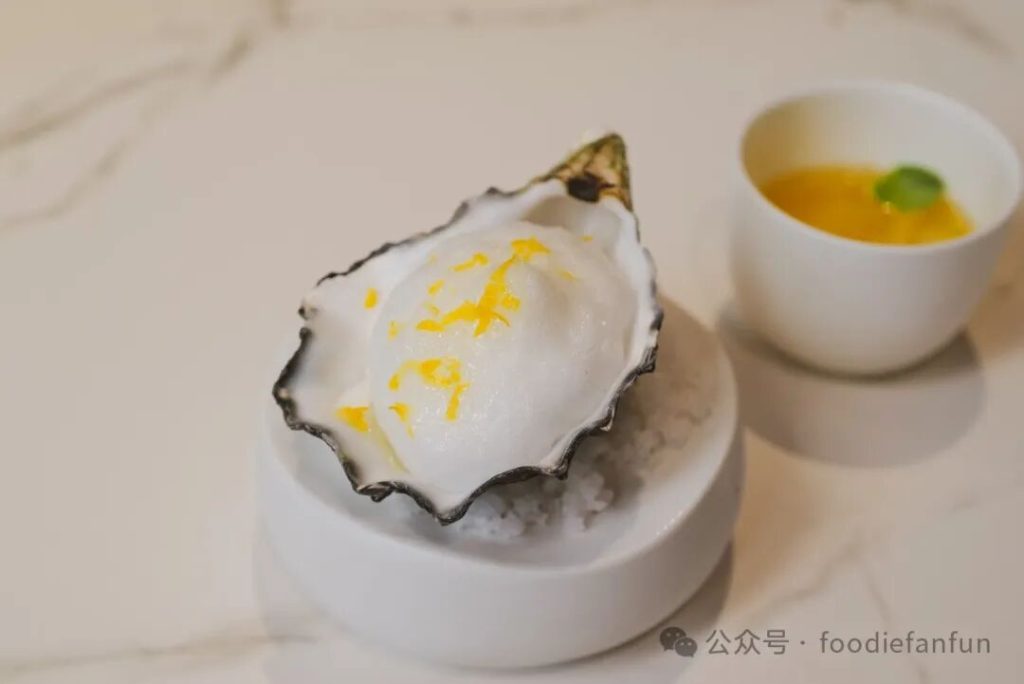
Oyster without Oyster
Pineapple, Vinegar and Basil
First time I’ve seen oyster used in a dessert.
Except this oyster has no actual flesh — just its shell and its sea flavor whipped into a foam, which turned out to be exactly the palate cleanser needed.
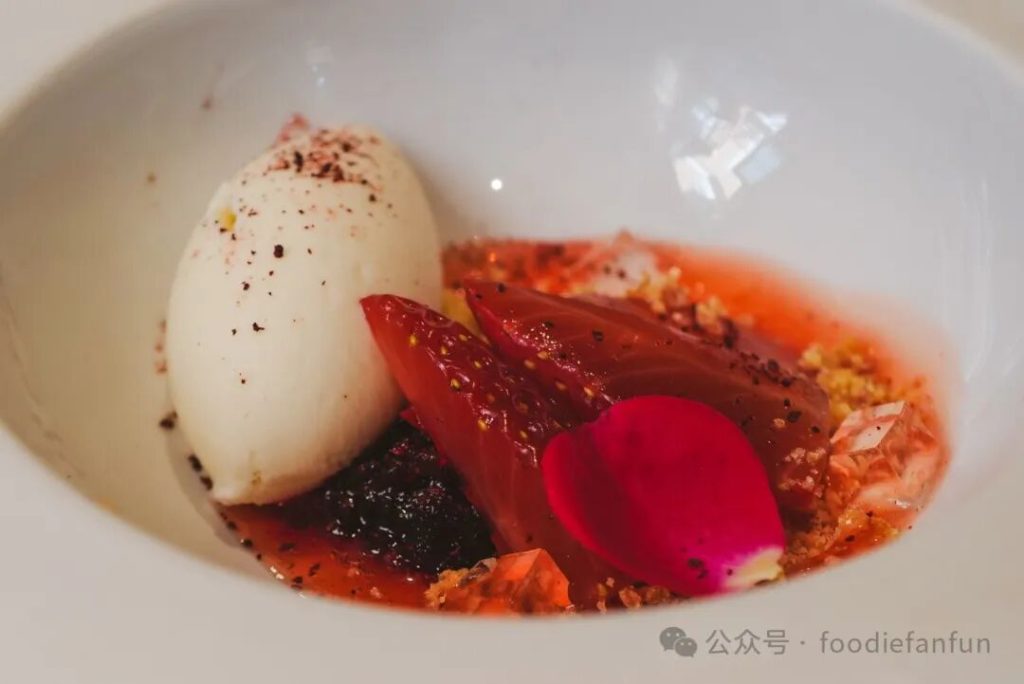
Strawberry, Almond and Beetroot
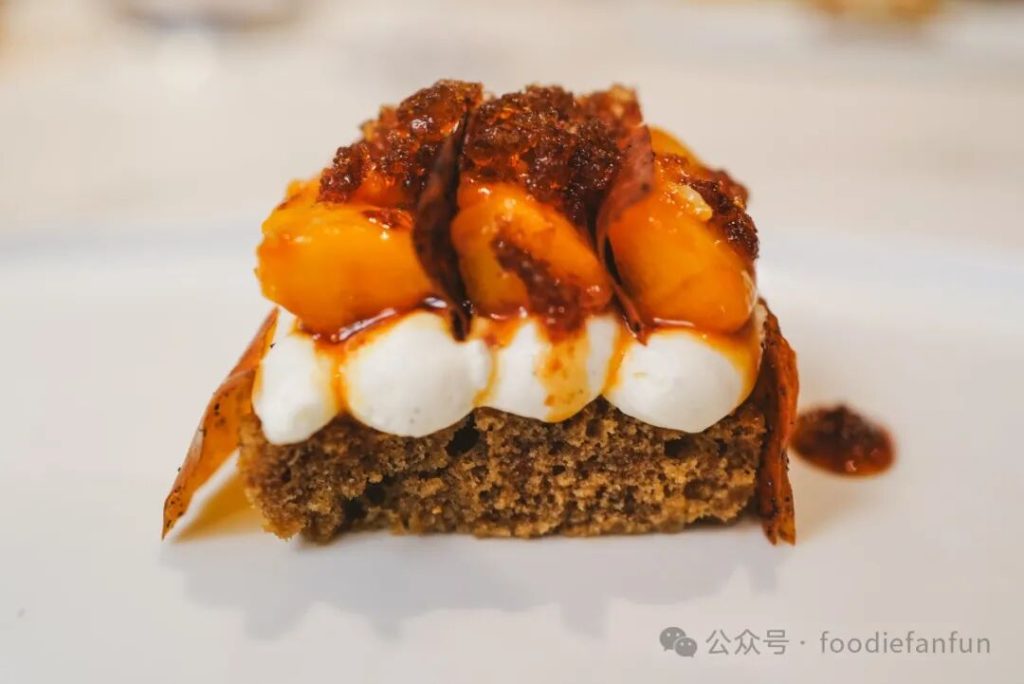
Coffee with Brandy, Vanilla and Banana
Only with the official desserts did the meal finally step away from seafood.
Macerated strawberries with almond ice cream ate light and refreshing. The tiramisu riff, on the other hand, was rich and dense, and the fruit folded into it somehow never felt out of place — if anything, it made the sweetness more interesting against the bitterness.
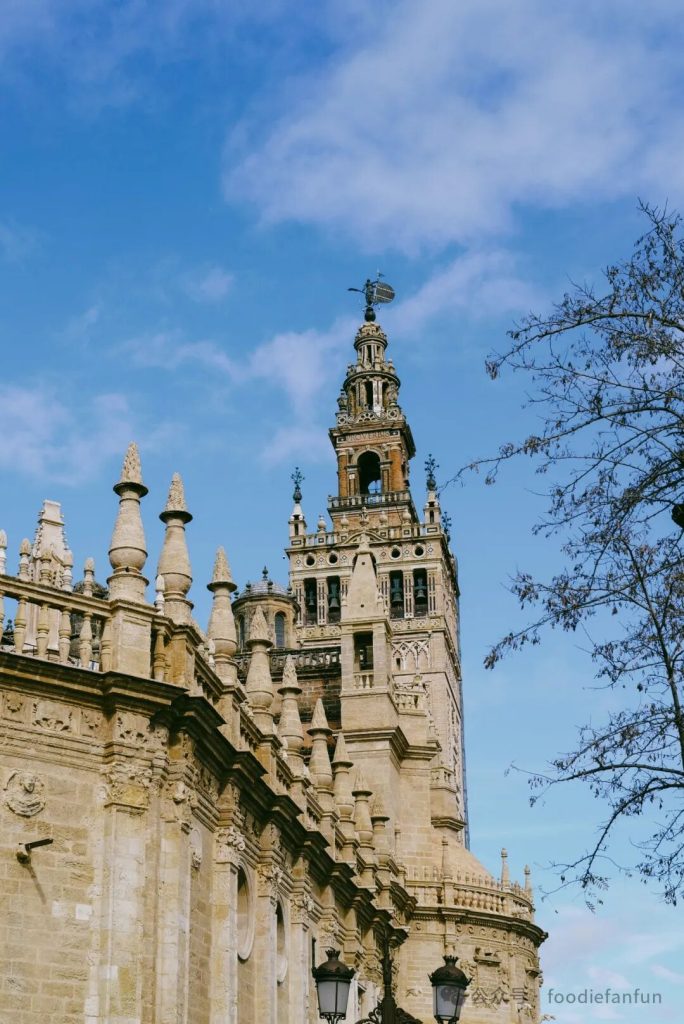
Two and a half hours at lunch, sitting by the window in warm sunlight, watching the kitchen work through its orderly rhythm.
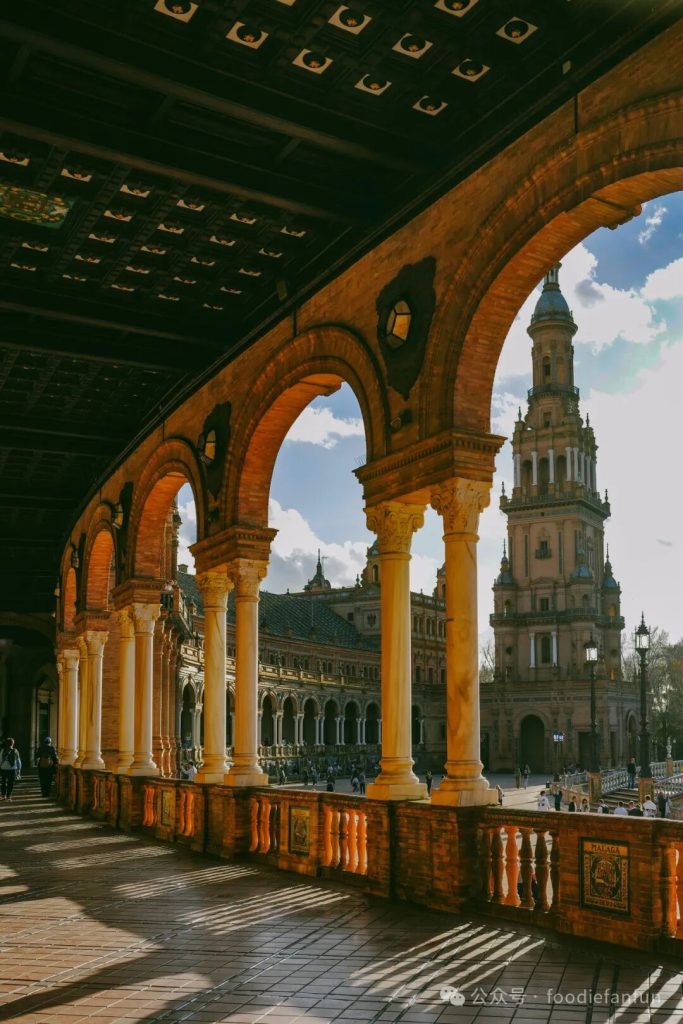
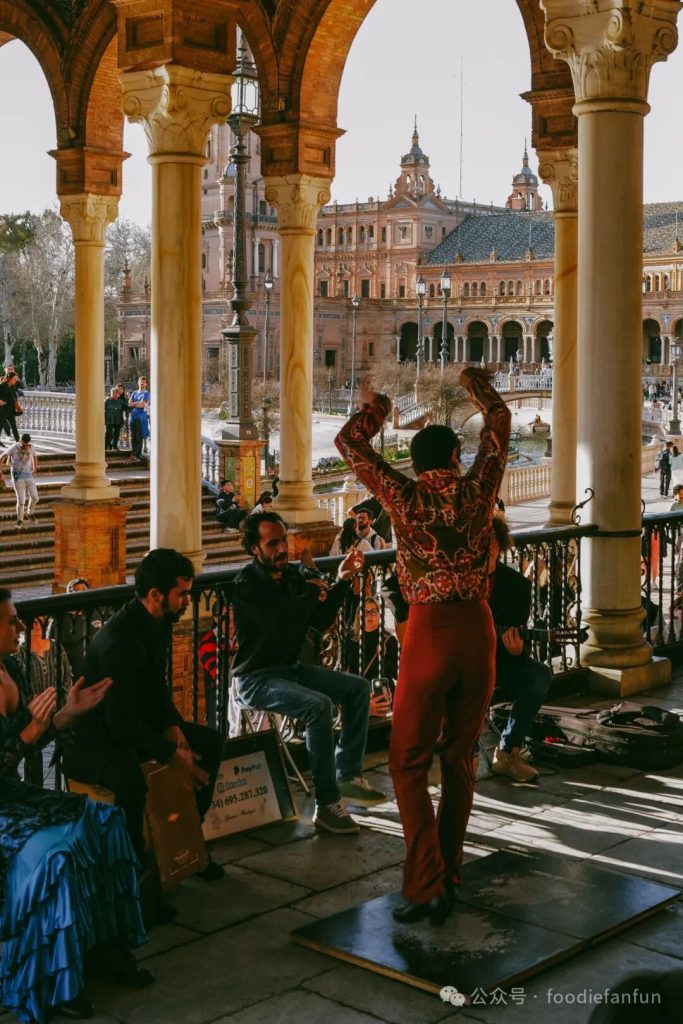
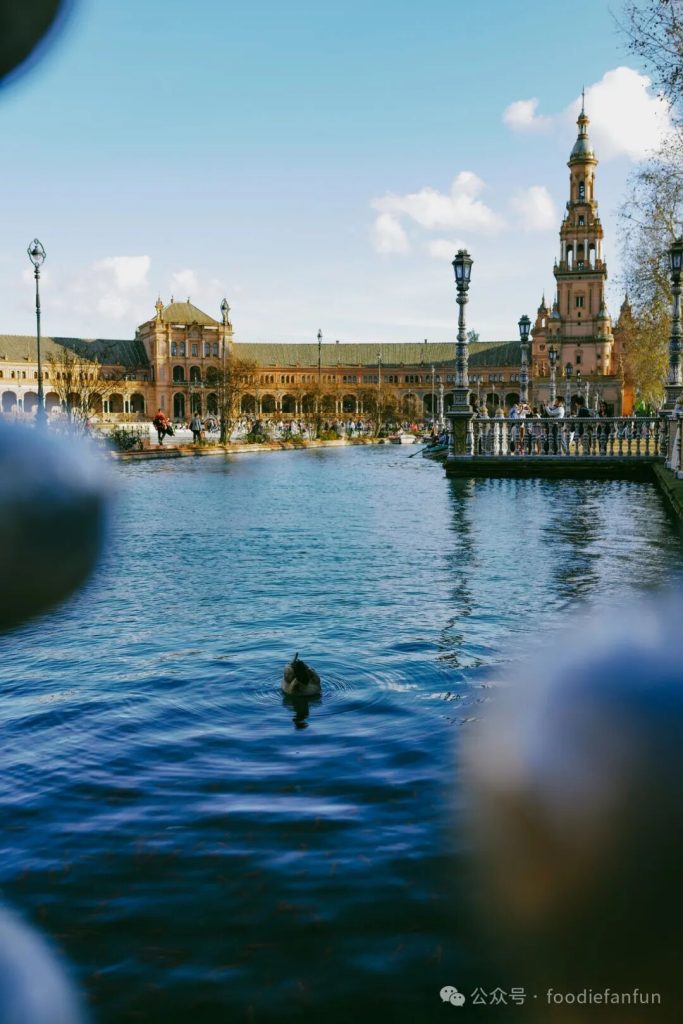
Fully satisfied, we walked past the cathedral and the royal palace to watch the flamenco dancers at Plaza de España.
Seville really is a wonderful place.
Cañabota
Monday – Friday
13:00 – 15:30
20:00 – 23:45
HomeTasting Menu €110++
Omakase €130++
Leave a Reply