Starting February 9th, Singapore and mainland China have officially gone visa-free with each other.
At just a six-hour flight away, Singapore is a great pick for a short getaway.
Singapore Airlines is famous for its service too — take a red-eye flight, get some sleep, and you land straight into the tropics.
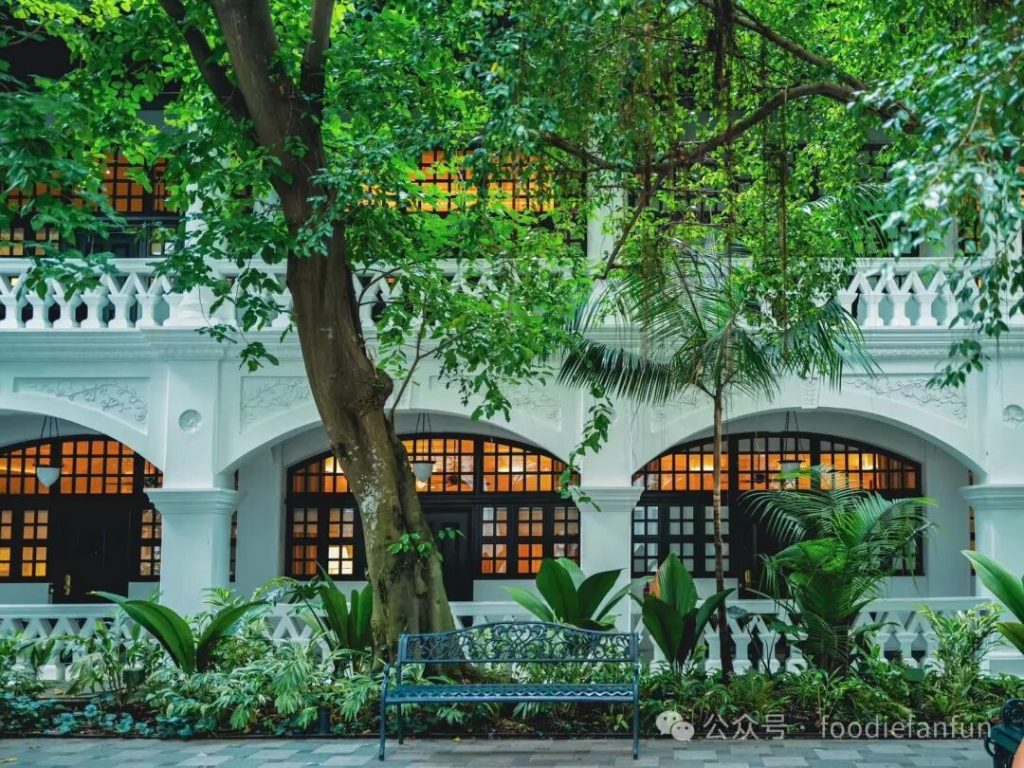
So this post is a roundup of practical Singapore travel and restaurant tips.
01
Travel Essentials
1) Entry: Now that visa-free entry is open, all you need is your passport — no visa required. But you do need to fill out the SG Arrival Card online within 3 days (72 hours) before arrival. It’s worth printing out, since you’ll need it when checking in domestically. Link below:
https://eservices.ica.gov.sg/sgarrivalcard/
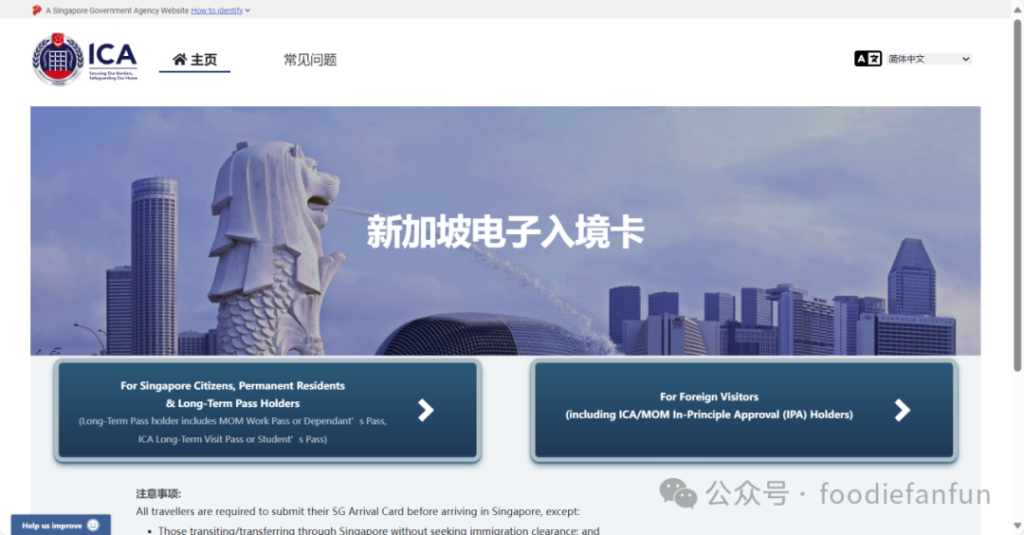
Or you can fill it out on your phone through the MyICA Mobile app.
2) SIM Card: ① You can buy a 3-7 day Singapore SIM card on Taobao domestically for under 100 RMB — plenty for a short trip. ② After security at the capital airport, there’s portable WiFi rental (20-35 RMB/day) — you can also reserve one in advance by searching 【环球漫游WiFi】 on WeChat. ③ If you forget entirely, 7-Eleven in Singapore sells SIM cards for around S$15 (roughly 80 RMB), but keep in mind you’ll be relying on nearby WiFi or roaming right after landing.
3) Taxi: Download the Grab app — it handles both rides and food delivery. Payment is extremely convenient and can link directly to Alipay. Just remember to set your payment method in advance, or the system will default to cash.

02
Where to Eat
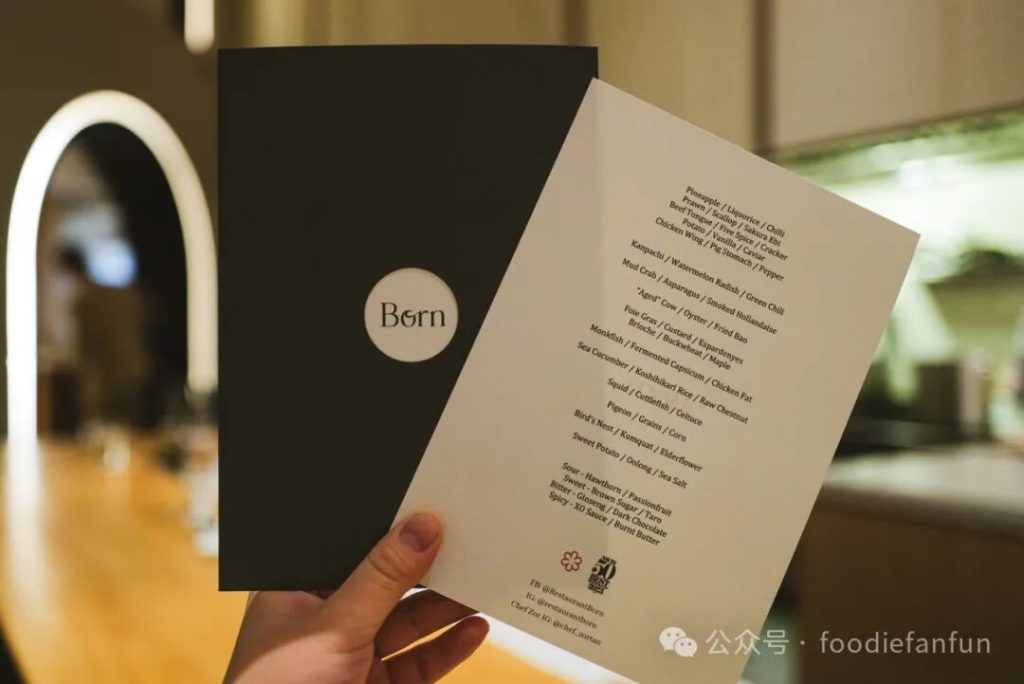
Restaurant Born
https://restaurantborn.com/
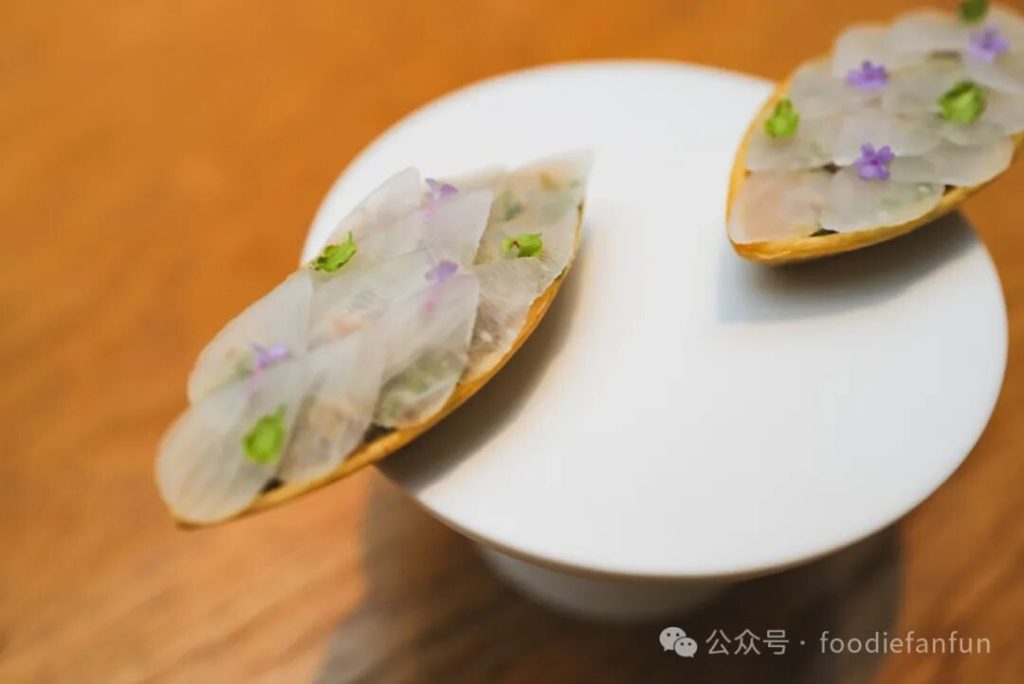
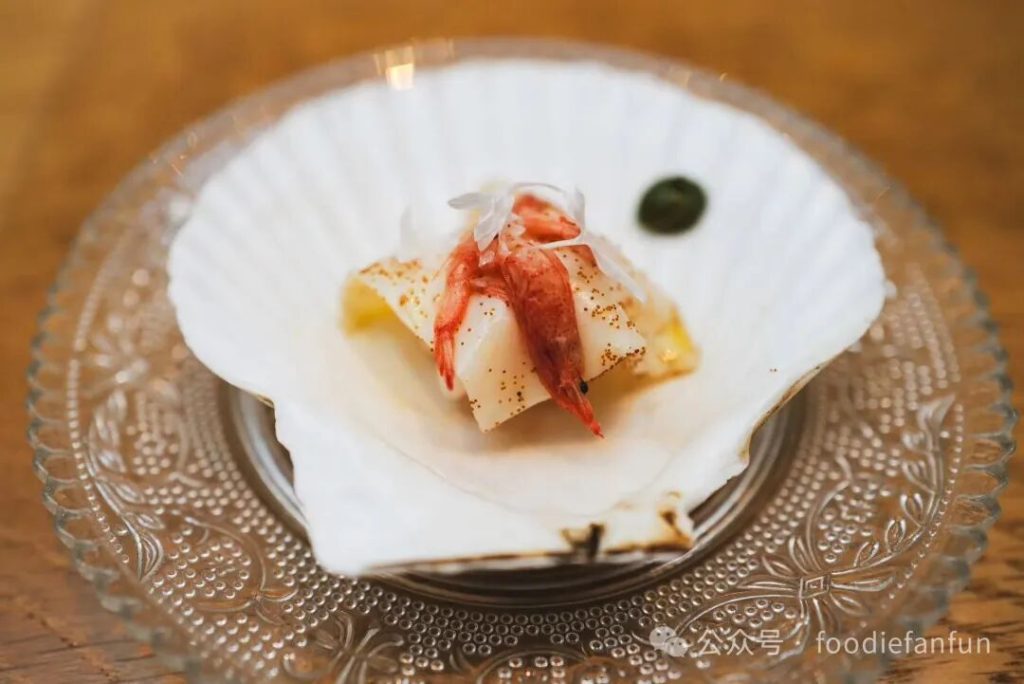
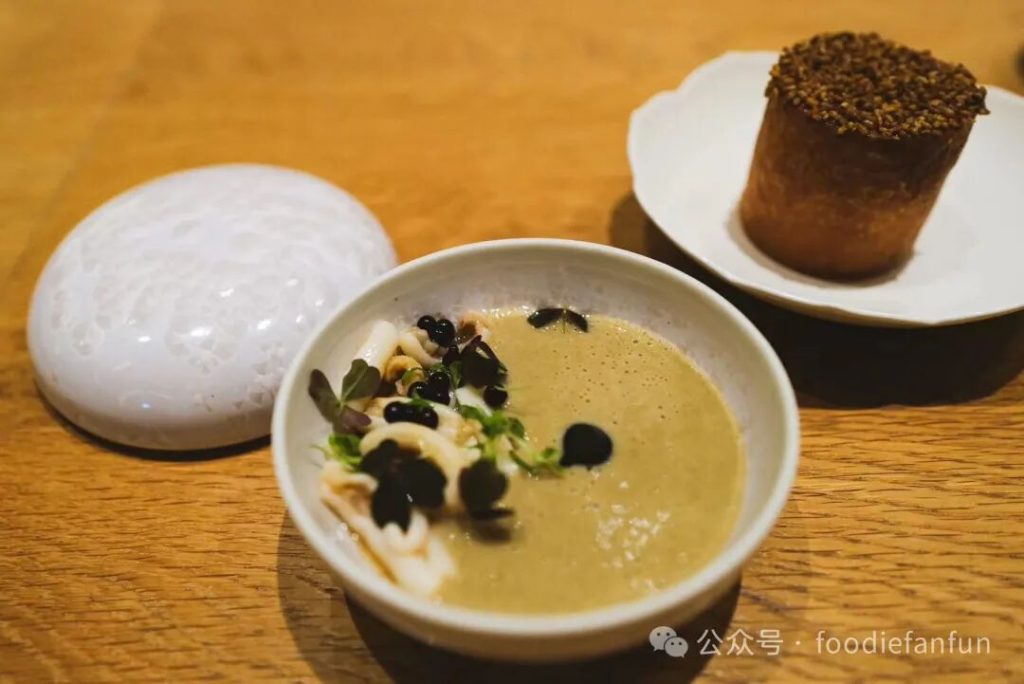
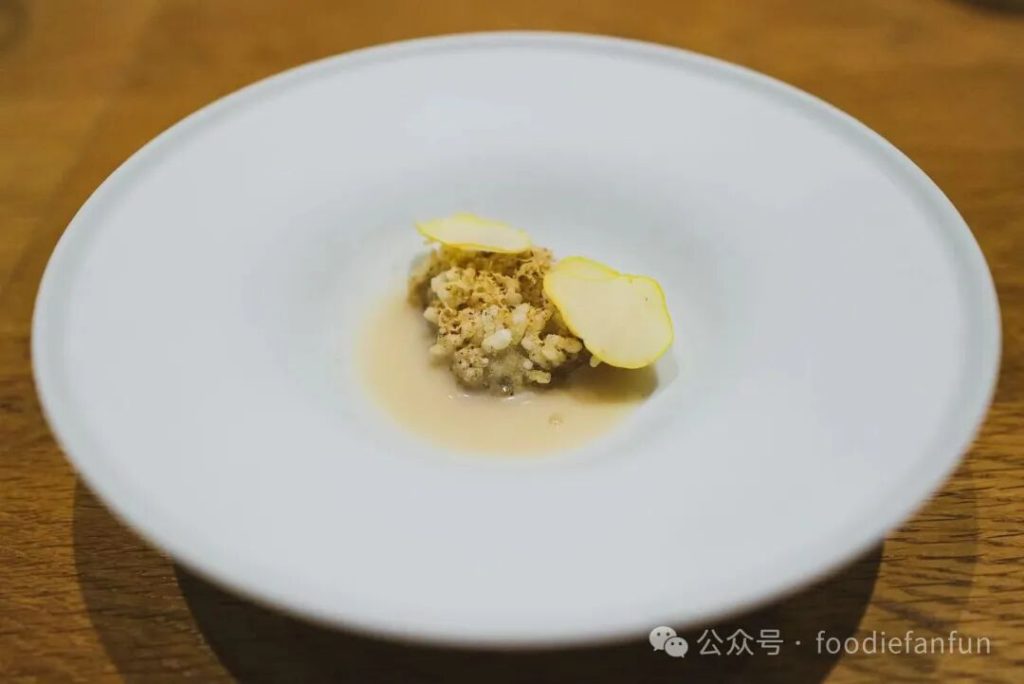
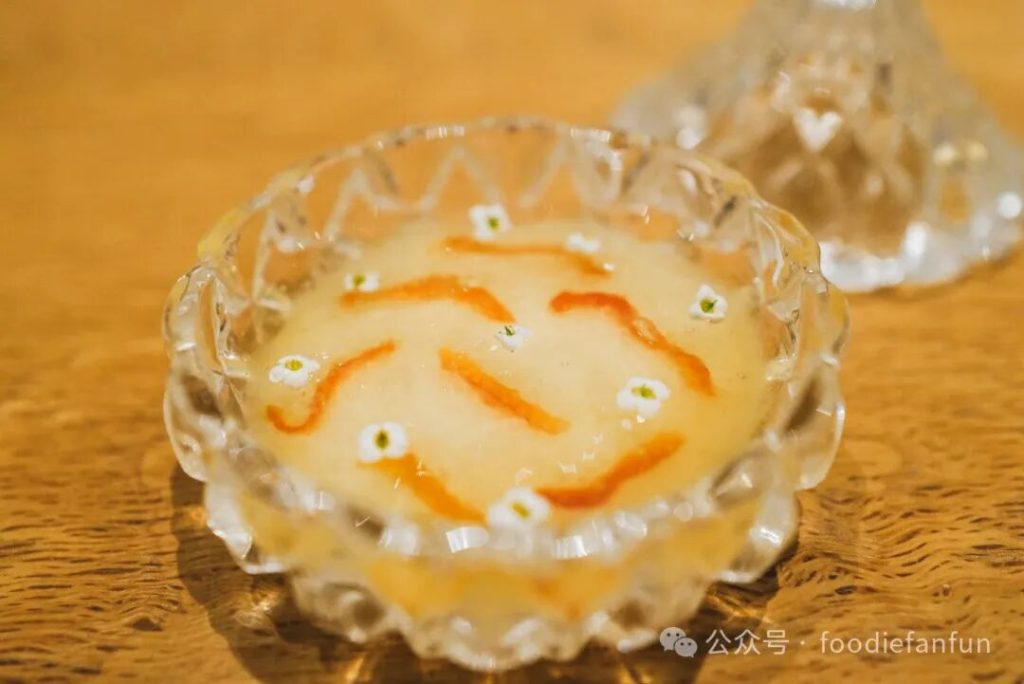
In under a year of opening, Restaurant Born made the World’s 50 Best list and earned a Michelin star. Chef Zor Tan, a Malaysian-born Chinese chef, spent twelve years working under André Chiang, and has served as head chef at Raw in Taiwan and Sichuan Moon in Macau.
The menu traces Zor’s own life — the places he’s lived and worked. The whole meal feels like an immersive piece of theater: every bite carries a piece of the story he wants to tell.
Wagyu fried buns, steamed egg with foie gras, monkfish in chopped chili, crispy rice with sea cucumber — the whole meal runs through a dense thread of Chinese ingredients and culinary logic. The flavors carry that traditional-yet-refined character you find in high-end Chinese restaurants, especially in the seasoning, which draws deftly on classic Cantonese and Sichuan technique, occasionally recombining elements in genuinely surprising ways.
I wrote a full write-up on Restaurant Born before.
Seroja
https://seroja.sg/
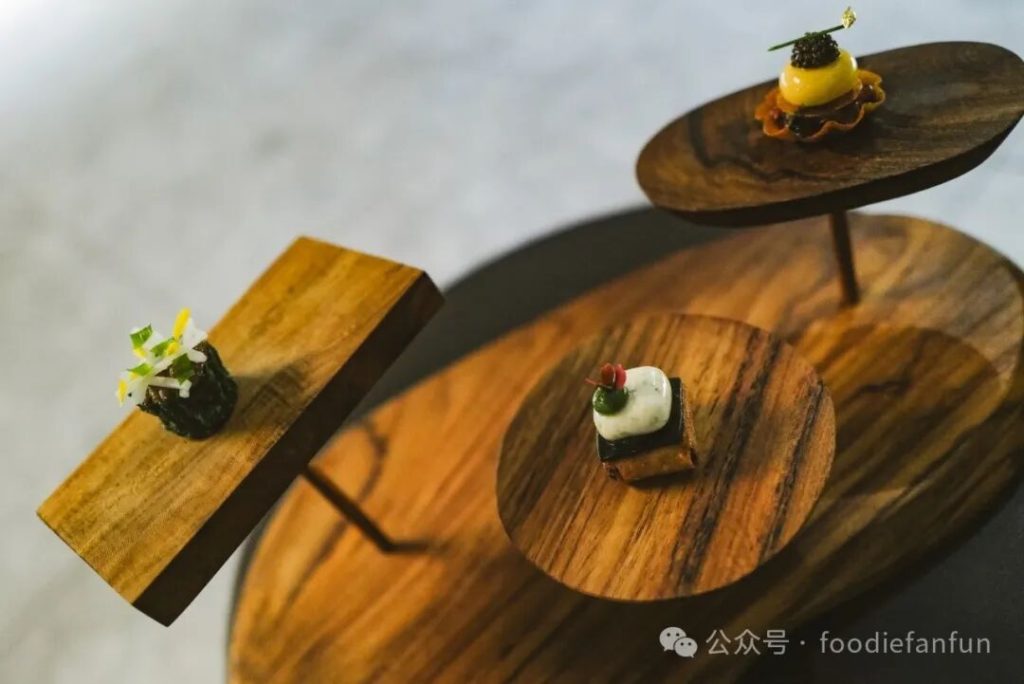
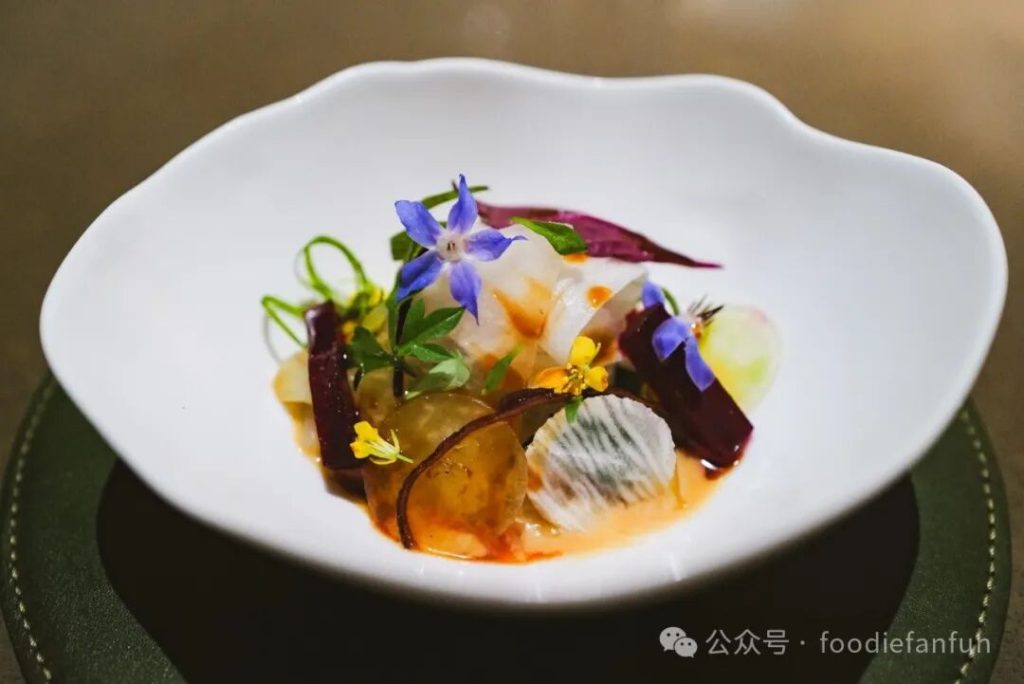
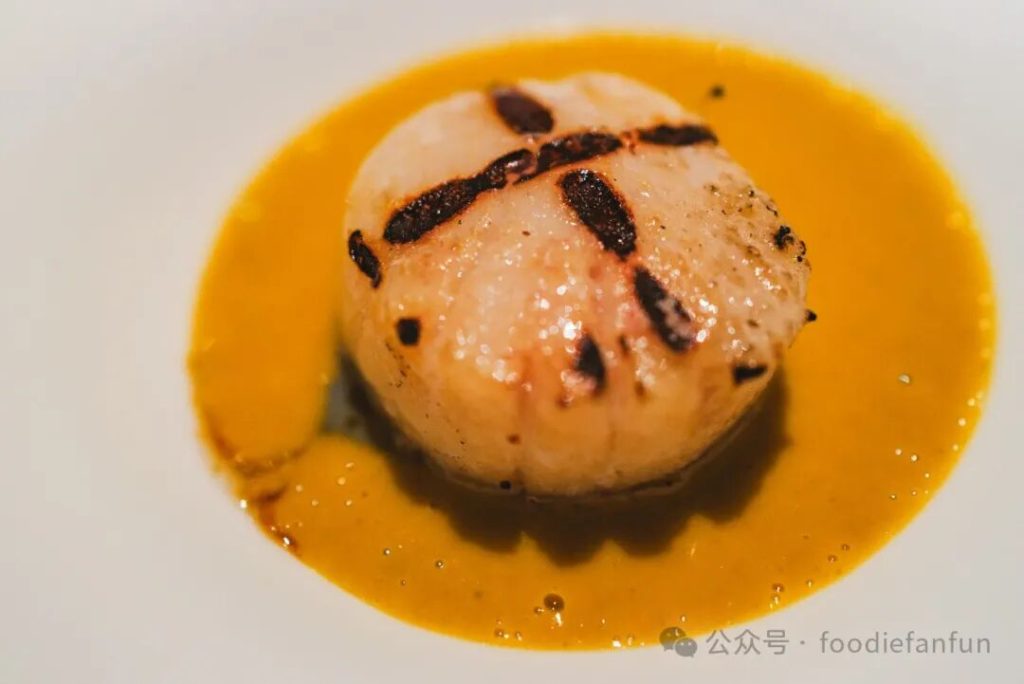
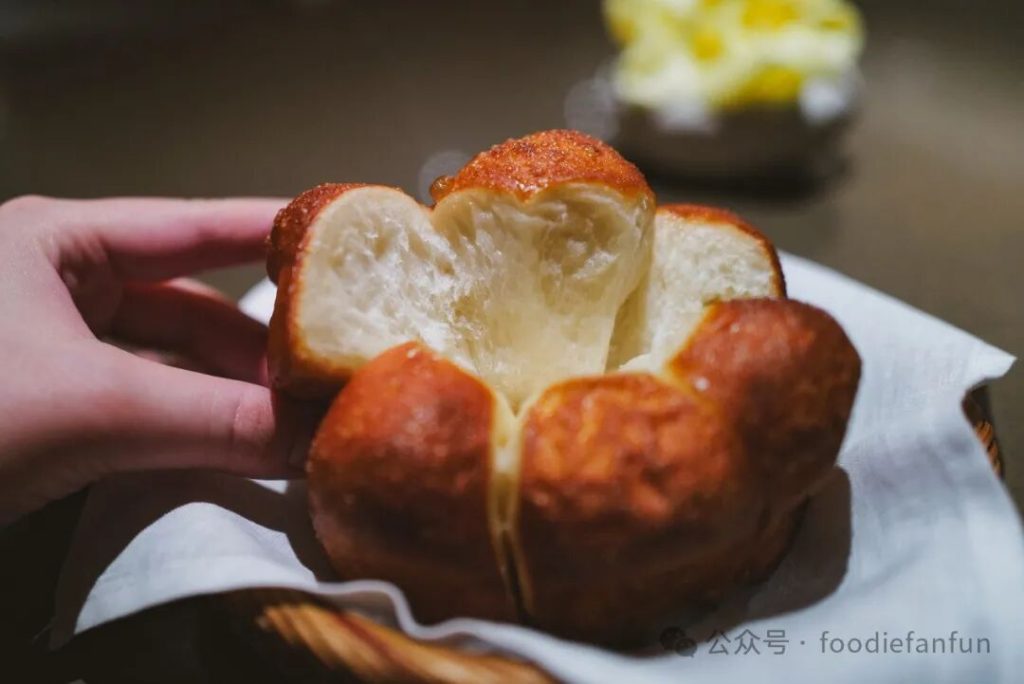
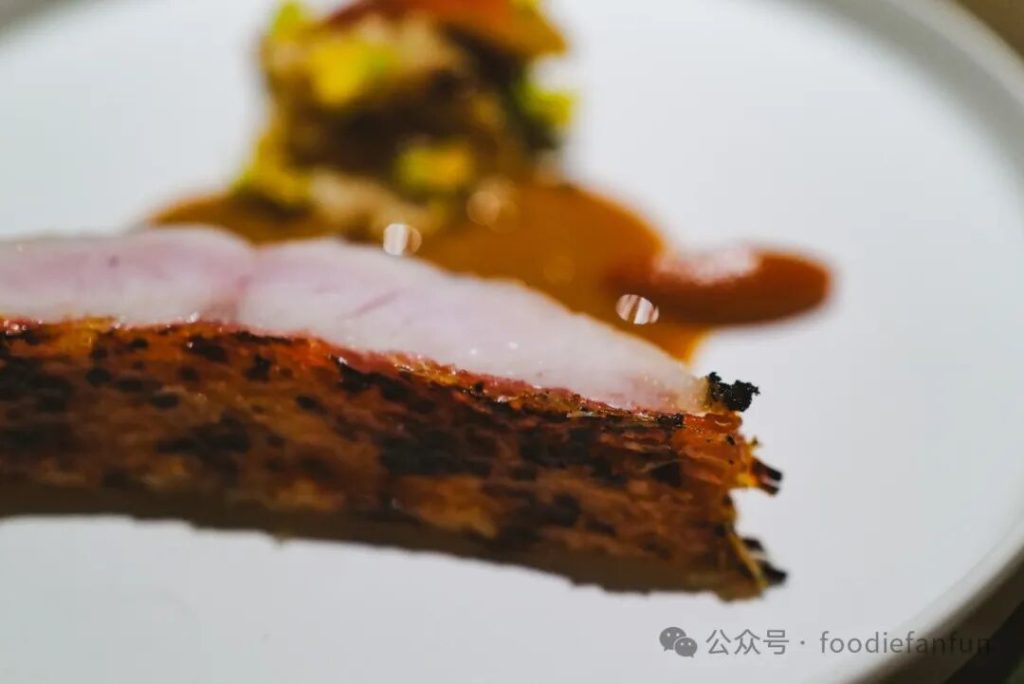
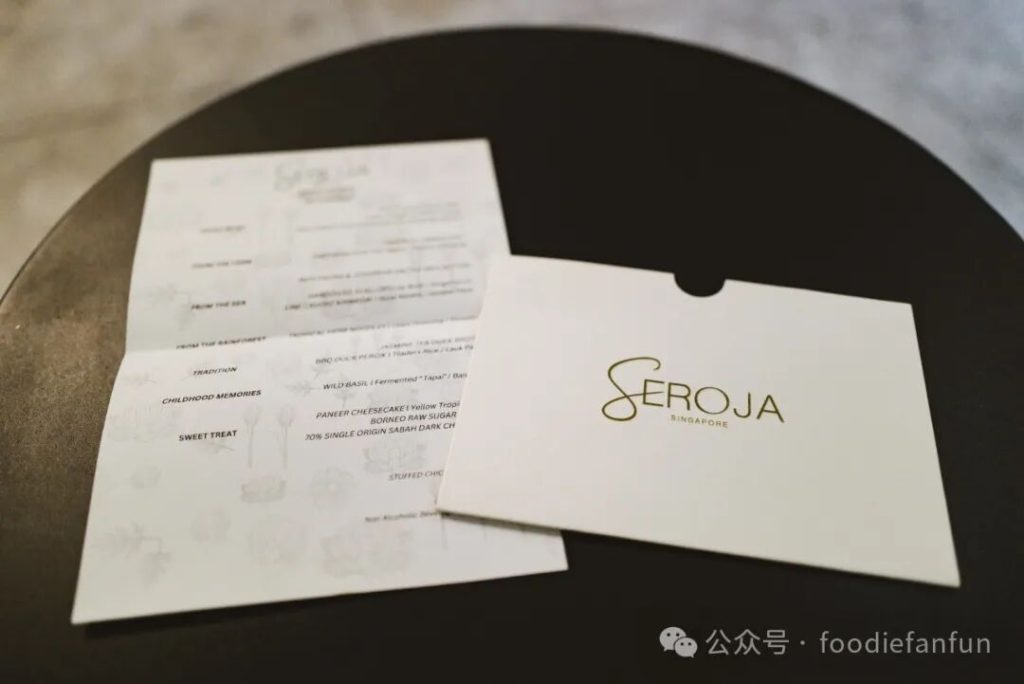
Singapore had two hotly anticipated new restaurants last year — Restaurant Born was one, and Seroja was the other.
Chef Kevin Wong is also Malaysian, and the restaurant’s name points straight back to Jalan Seroja, the street where he grew up — seroja meaning lotus, a shared symbol across the many ethnic communities of the Malay Archipelago.
The whole meal plays out like a journey through Malaysia, following Chef Kevin and his team into the life he knew growing up there. It’s presented with real warmth and generosity, drawing on a huge range of Malaysian ingredients, cooking habits, and seasoning styles. Even the opening salad, which lays out dozens of Malaysian ingredients side by side, gives you a sense of just how diverse this land’s produce really is.
The wine pairing is genuinely worth trying — bold and inventive without losing its sense of principle. A Riesling from Iwate paired with local scallop, sherry with Malaysian mud crab, and even the obscure grape Timorasso paired with herb noodle. Matching the dish is table stakes here; what stands out is that each pairing still carries a personality of its own, delivering one surprise after another in a different direction each time.
Full write-up here → Seroja
Candlenut
https://www.comodempsey.sg/restaurant/candlenut
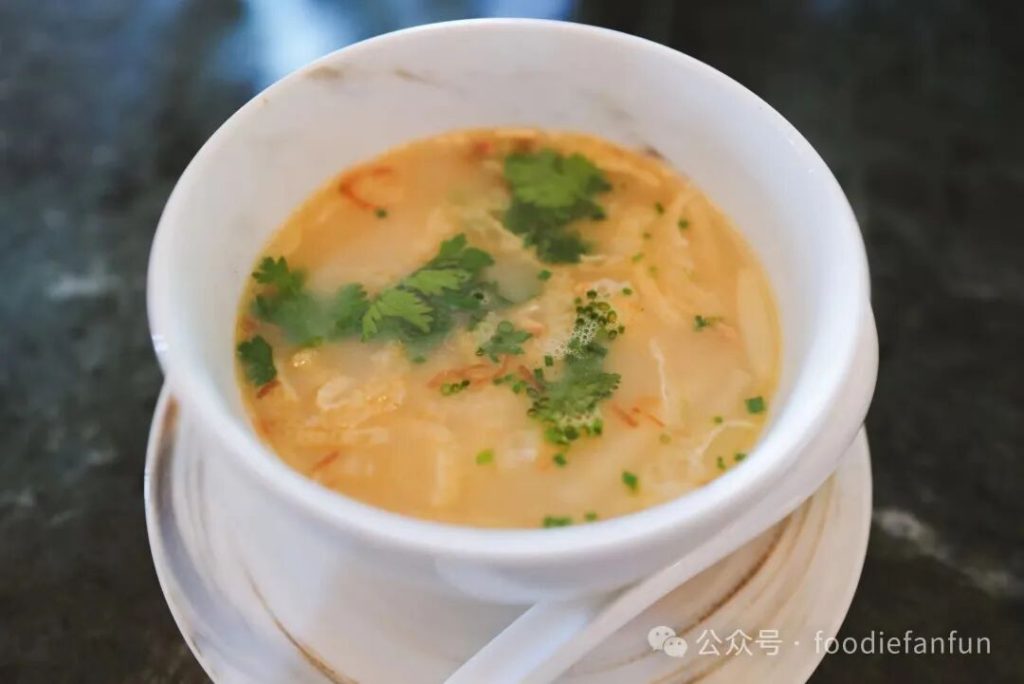
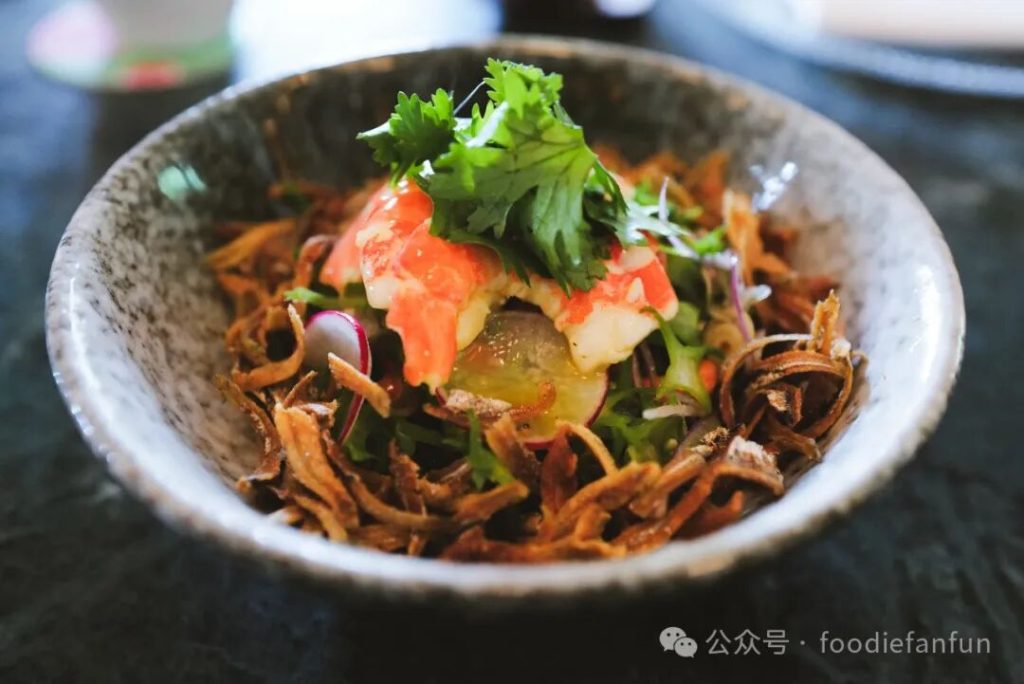
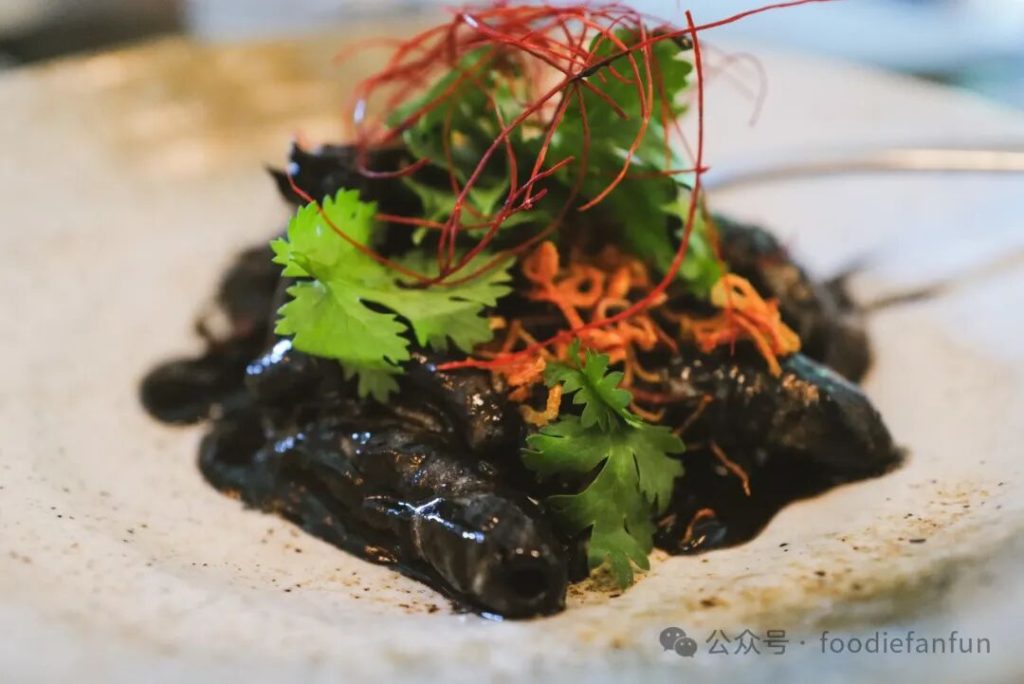
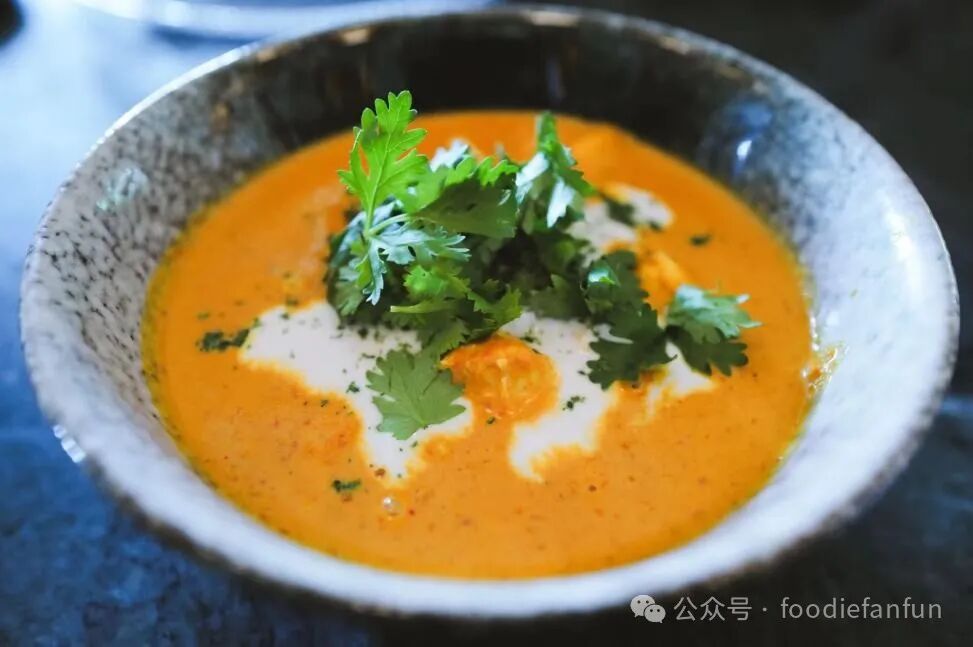
Candlenut has been around far longer than the first two. Since Michelin arrived in Singapore in 2016, it’s held onto its title as the only Michelin-starred Peranakan restaurant in the world, year after year.
The restaurant sits in a small compound some distance from the core downtown area, decorated as plainly as a resort. Going at 1pm, there weren’t many guests left — outside busy periods, you can just walk in.
The menu is homestyle: chicken soup, salad, charcoal grill, stir-fries, and curry. Pricing is affordable and friendly, with absolutely none of the usual Michelin attitude.
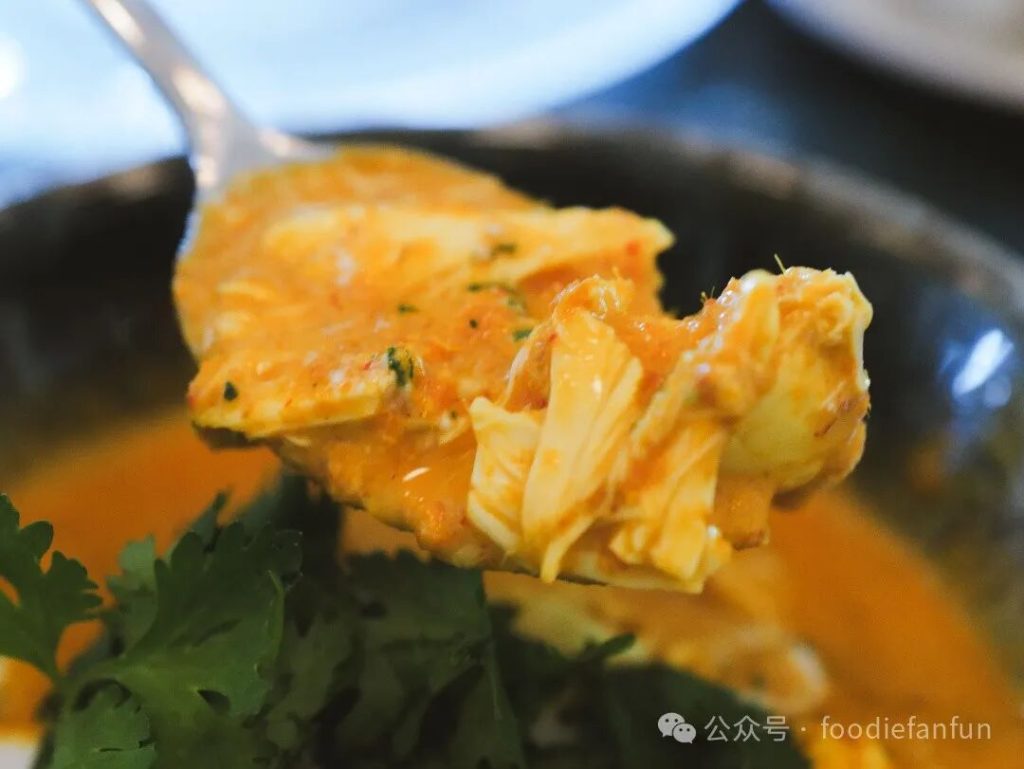
The dishes all arrive at once, piled onto big plates with zero concern for plating — but the flavors are anything but careless. The chicken soup, simmered for four hours, is the kind of thing that goes straight through an Asian stomach in one sip. The winged bean salad is fresh and crisp, with more cashews than vegetables. The squid stir-fried in its own ink is handled better than most Chinese chefs manage, the little squid pieces bouncy and bursting with juice. Then there’s the crab curry — real fresh crab picked into a mildly spicy yellow curry that’s impossible to stop eating.
Forget Hainanese chicken rice — nothing hits the spot quite like Peranakan food.
Labyrinth
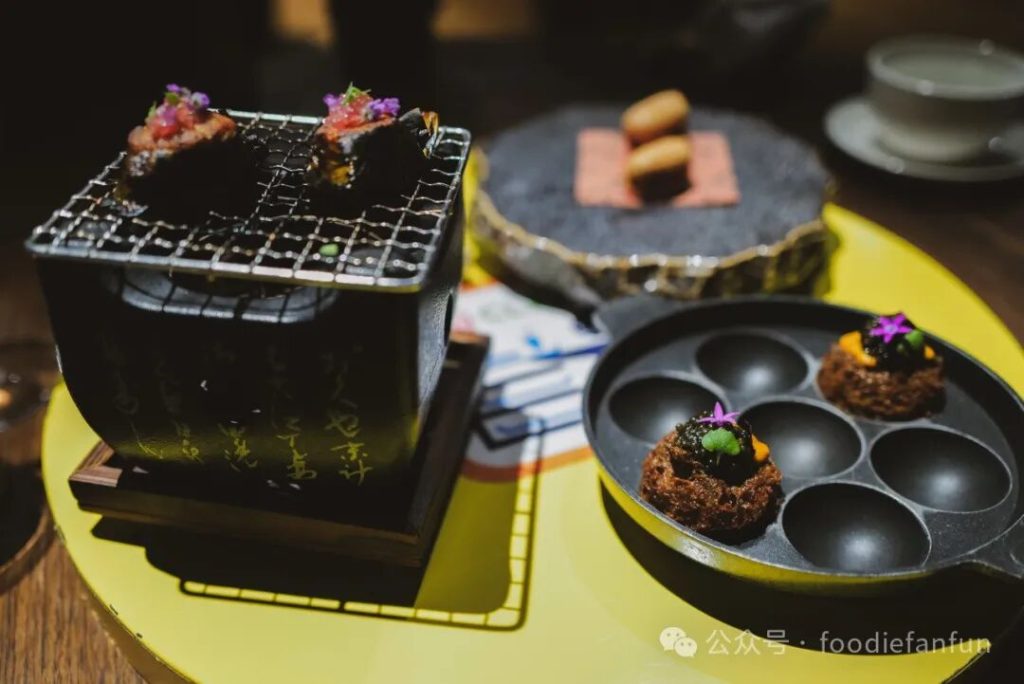
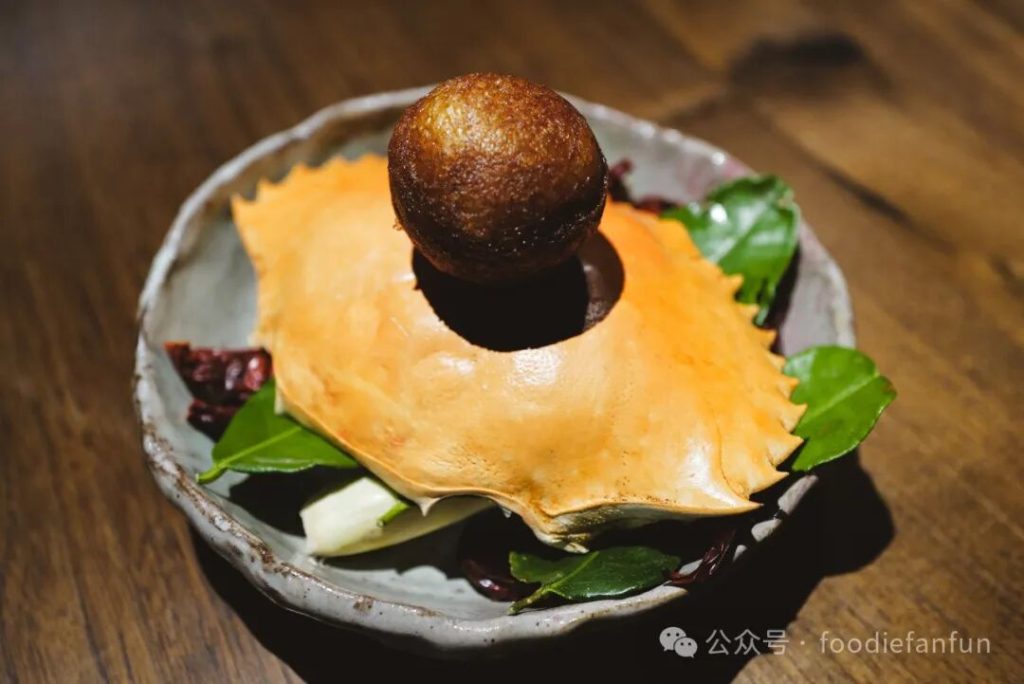
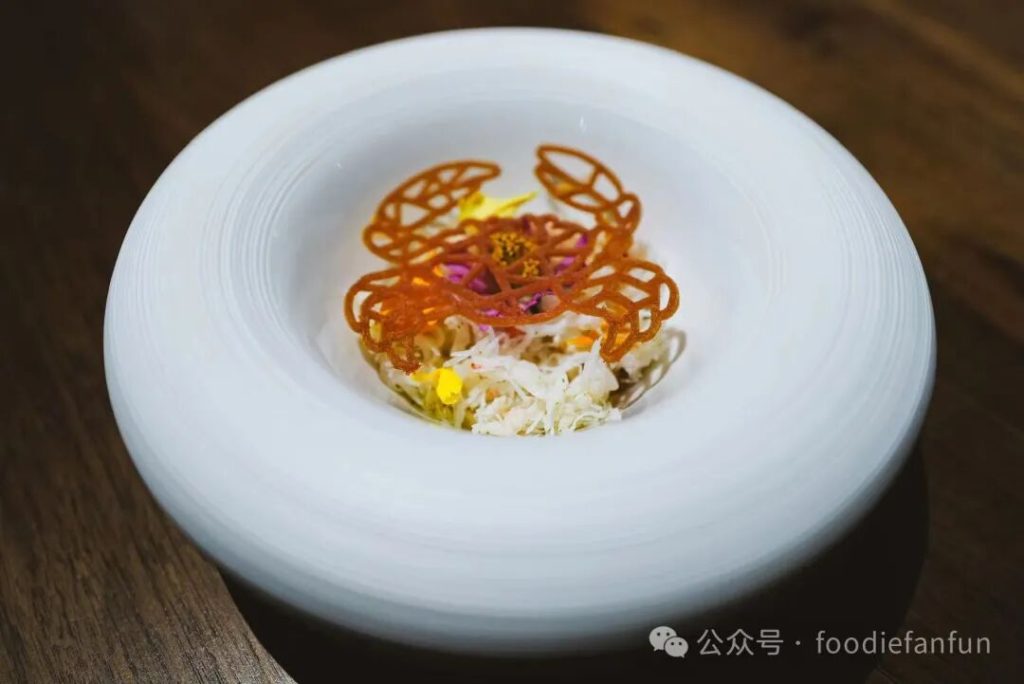
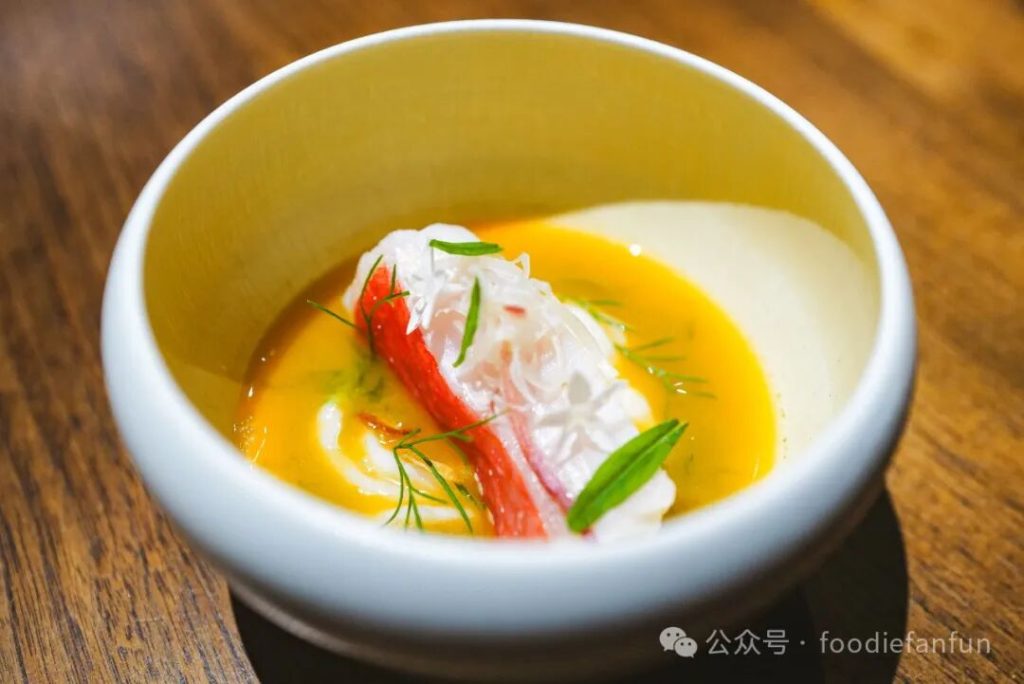
Last up, consider this one a heads-up.
Tucked on the second floor of an old shopping mall, I figured a restaurant carrying both a Michelin star and a World’s 50 Best ranking couldn’t go too wrong. Hearing the staff talk through the inspiration behind the whole menu and the chef’s backstory, I went in with real expectations.
But the entire experience felt like it had nothing to do with what actually landed on the table.
I ordered a glass of sake and it came out nearly room temperature. The welcome snack, inspired by Singapore’s night markets, was salty and utterly forgettable. The pork with rice cake was gluey and heavy in the mouth. By the time the hot dishes arrived, nearly all of them were already lukewarm at best.
The whole meal was all posture, no substance — honestly, it had been a long time since I sat through a meal wanting to leave halfway through.
For “creative Singaporean cuisine,” you’d genuinely be better off getting fried chicken at Jollibee.
03
Go for a Drink
Singapore’s bar scene is genuinely well-known. Last year’s World’s 50 Best Bars awards were held right here, with Jigger & Pony, Sago House, and Atlas all making the list — Singapore claimed 7 spots in the top 100, a seriously impressive showing for Asia.
Park 90
https://park90.com/sg/en/
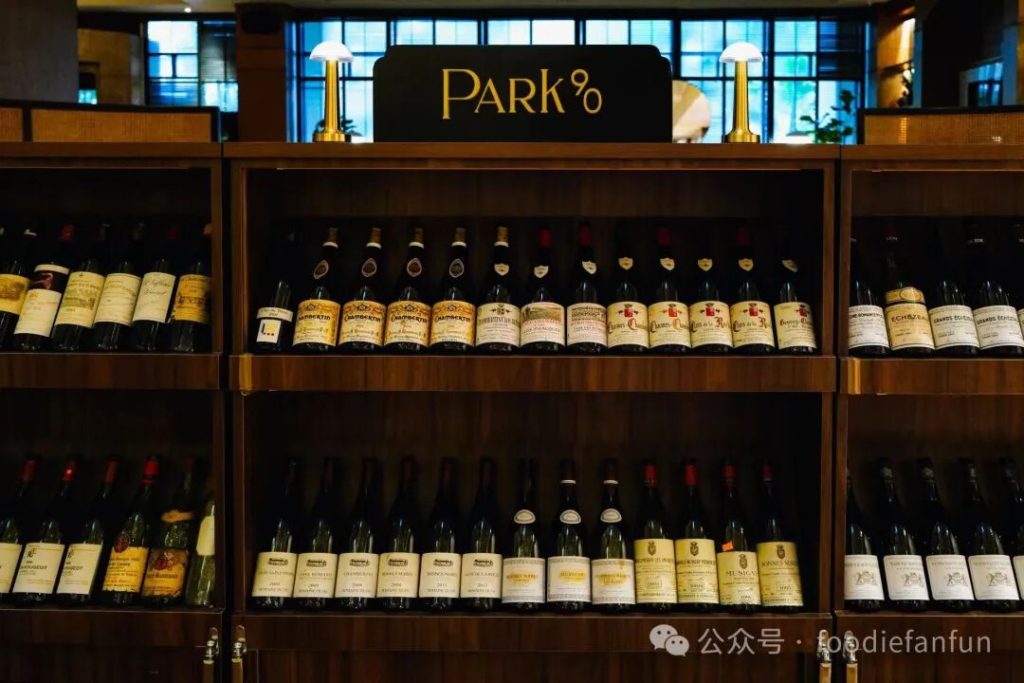
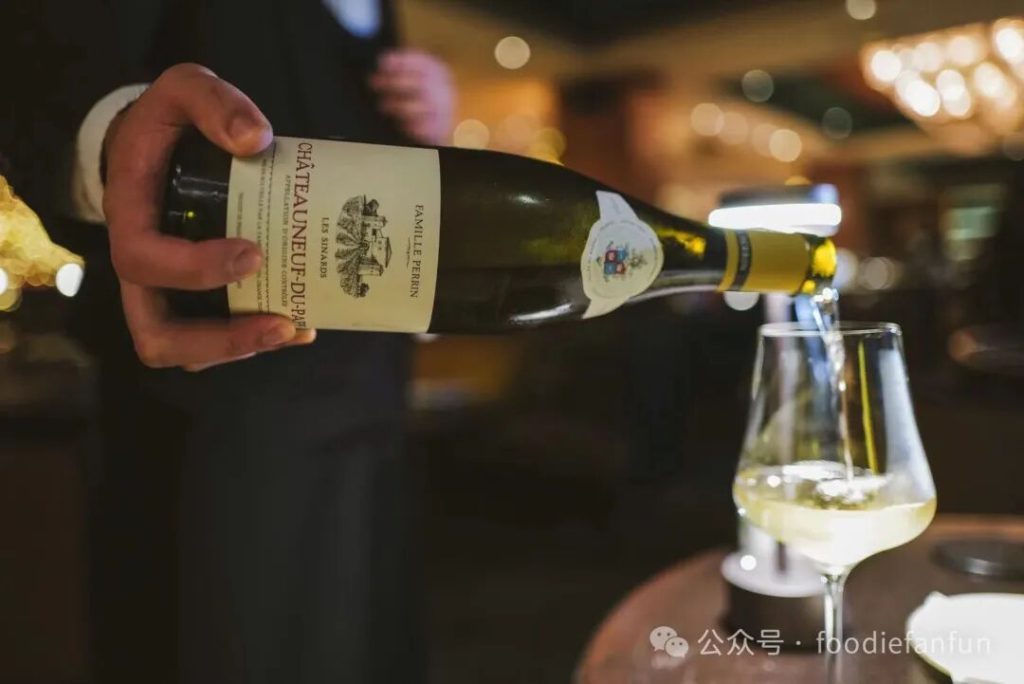
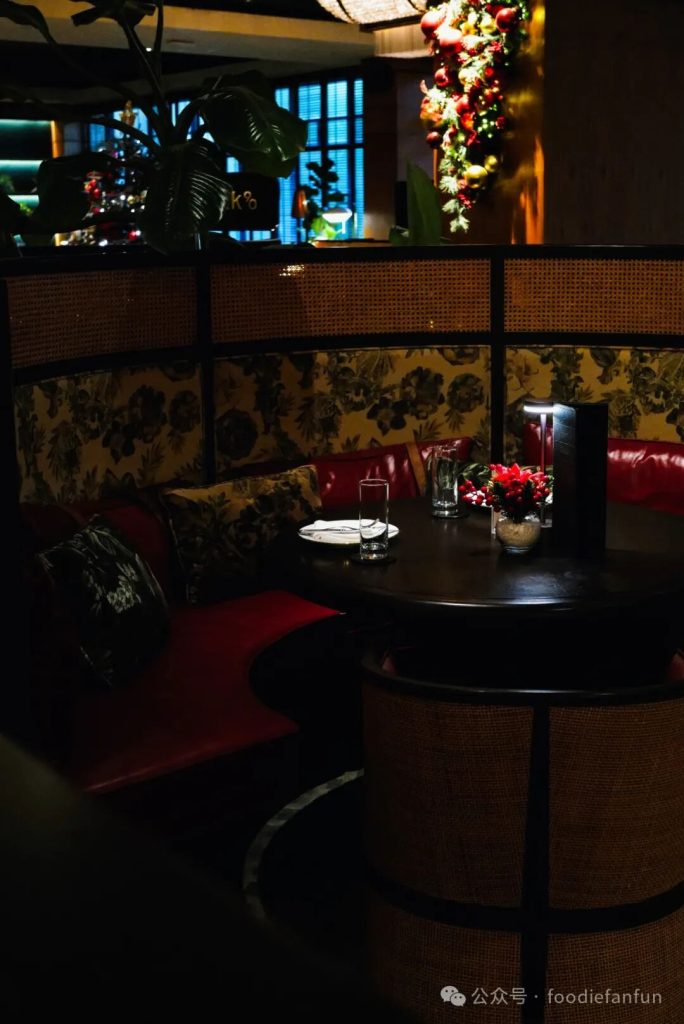
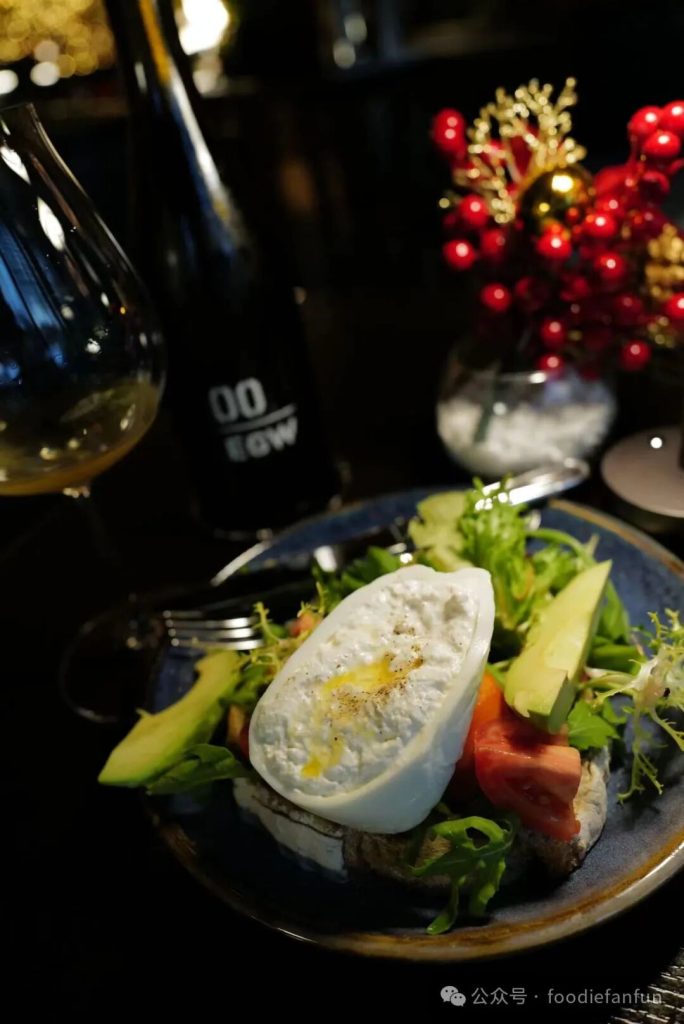
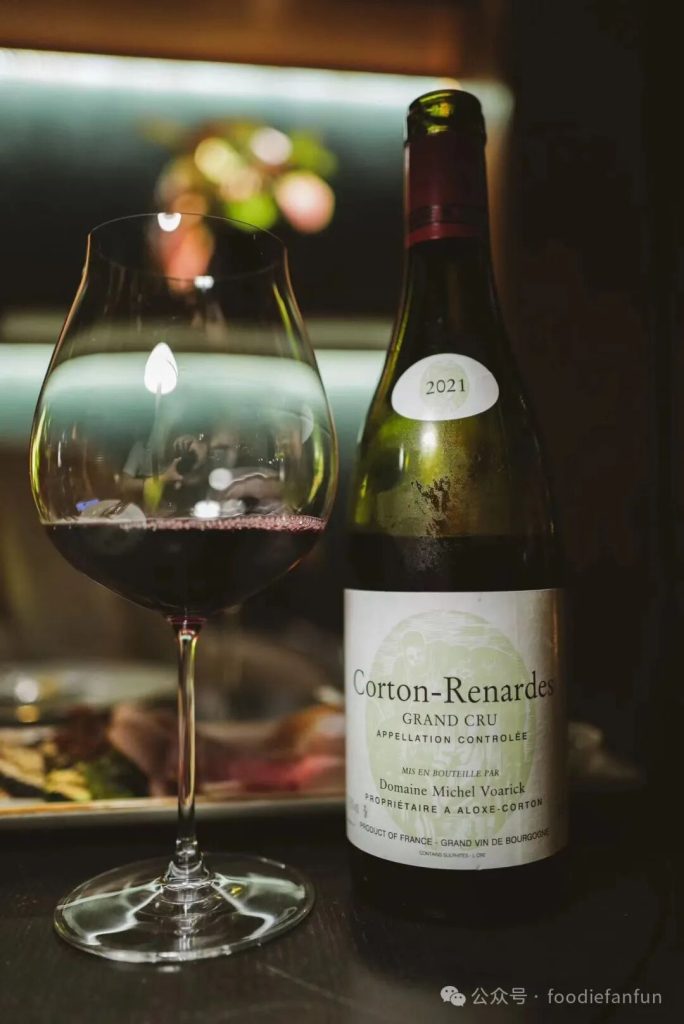
On the wine side, a sommelier friend back home recommended Park 90.
This wine bar, tucked inside the Regency, keeps a low profile from the outside — but pull up its website and its credentials speak for themselves.
Head sommelier Mason Ng came up through Les Amis, Singapore’s celebrated three-Michelin-star French restaurant, and passed his sommelier certification at 19. The whole 15-person team is professionally certified, and three of them have already passed the Advanced Sommelier exam — for reference, mainland China has only 18 in total. Between the service details and how they talk you through the wine, it’s professionalism and elegance taken about as far as it goes.
A 92-page wine list covers every classic region you could name, plus plenty of newer producers. Wine retail prices in Singapore run high because of tax, but Park 90’s pricing is genuinely reasonable — the markup against Wine Searcher averages stays within about 25%.
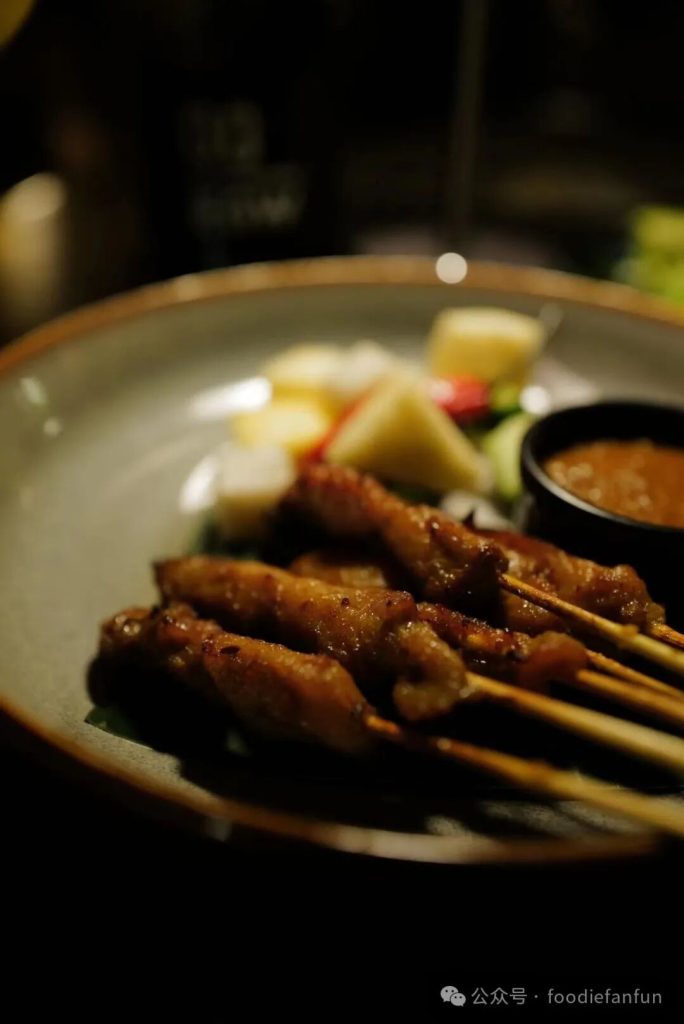
The food built for pairing leans Italian and Southeast Asian — simple, but exactly the kind of thing that goes down well with a glass of wine. A little food and a bottle for dinner is genuinely lovely, so much so that I went back twice during my short trip to Singapore.
Yeah — I’ll say it outright, this one’s a real recommendation.
04
A Few More
Tarte by Cheryl Koh
www.tarte.com.sg
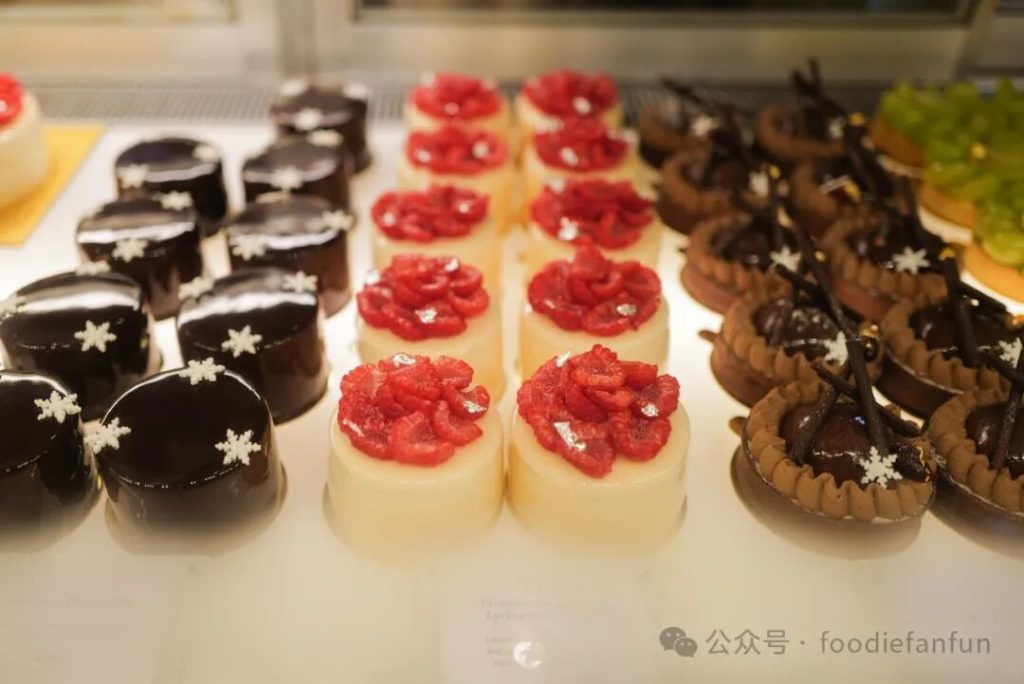
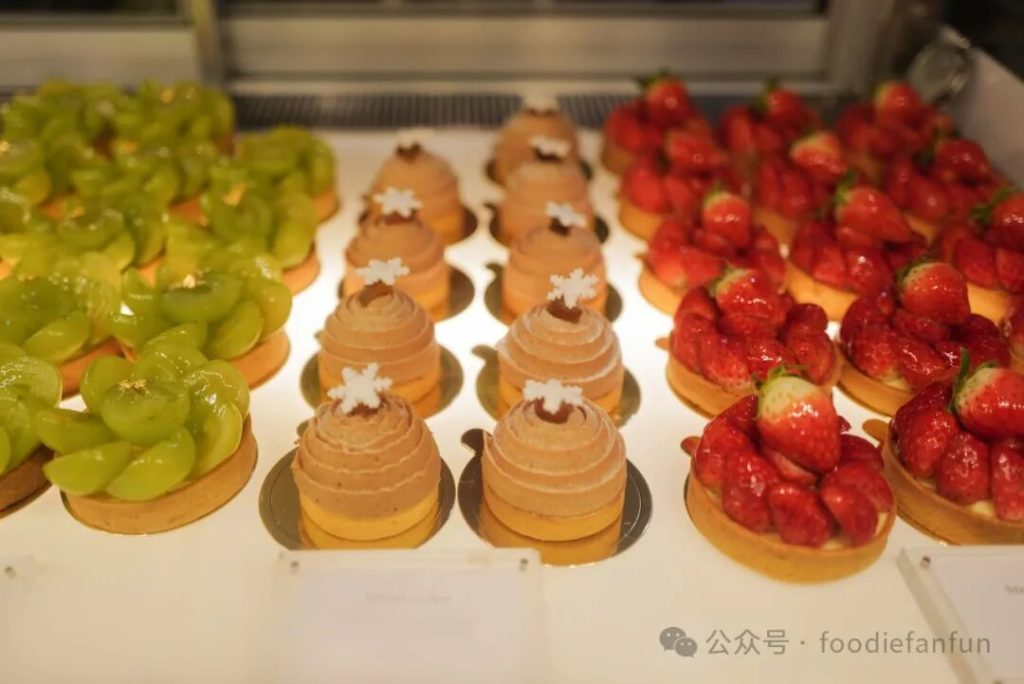
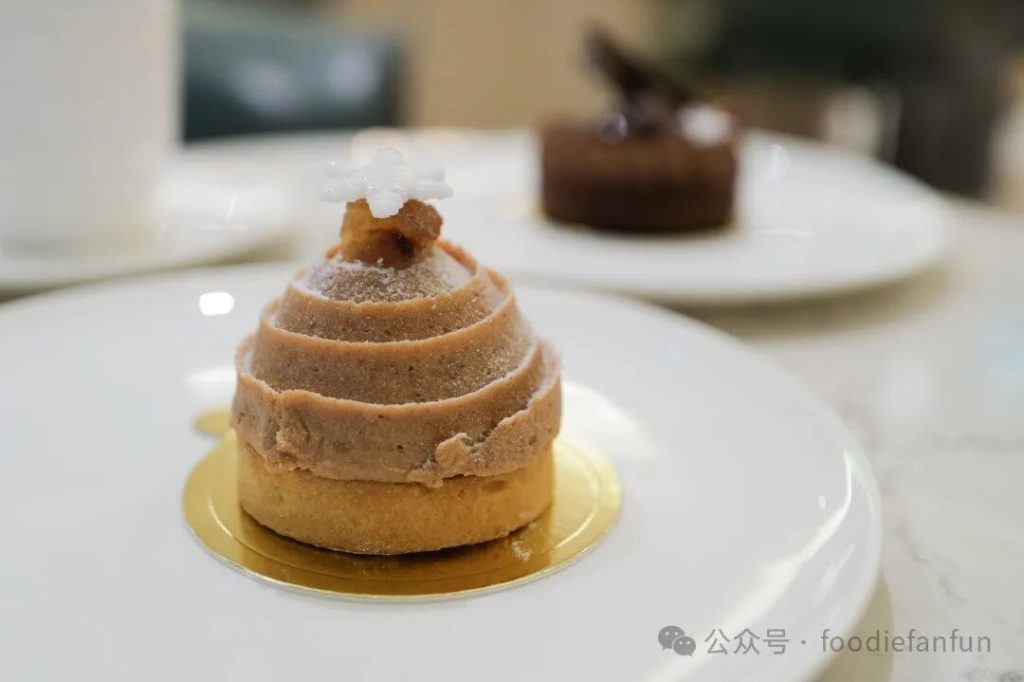
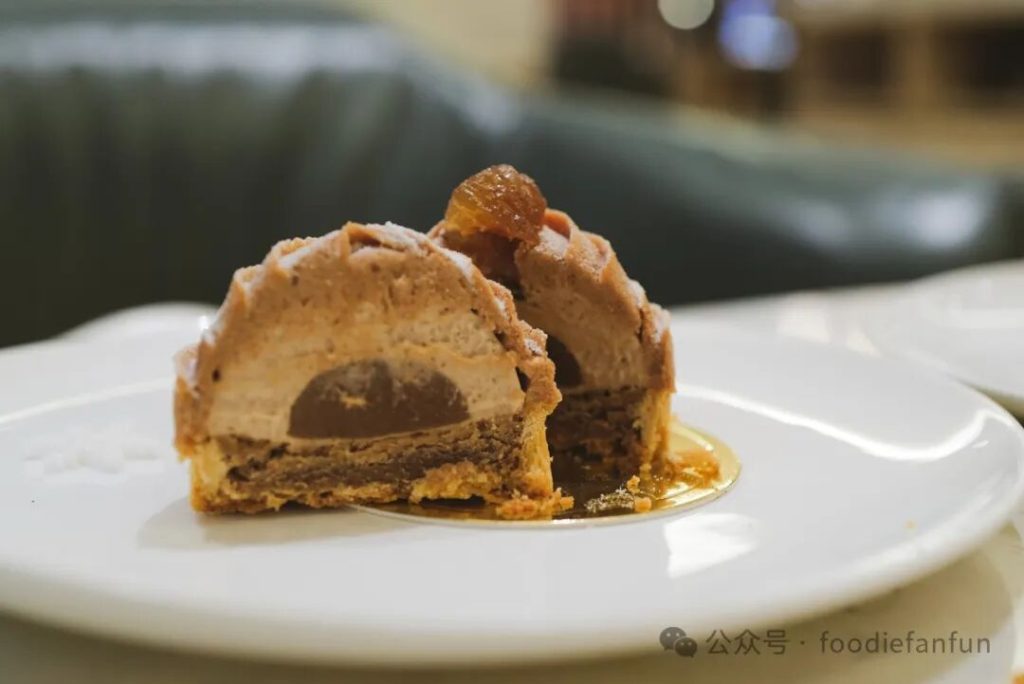
Booking Les Amis, Singapore’s storied three-Michelin-star institution, isn’t easy — but the pastry shop run by its former pastry chef is worth a try. It keeps a low profile, tucked into a mall above the restaurant.
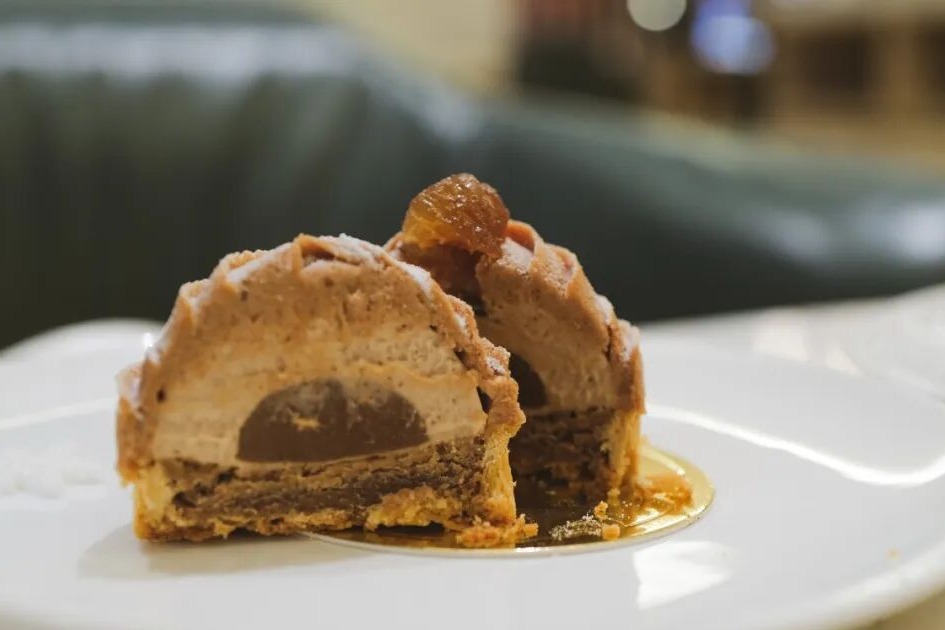
Thoroughly classic French pastry, clean in shape, with flavors that are pure and genuinely memorable. The winter standouts are the strawberry tart and the Mont Blanc. The strawberry’s freshness pairs perfectly with the cream, held up just right by a lightly crisp tart shell — classic and delicious. The Mont Blanc, often called the aristocrat of autumn-winter desserts, hides a touch of liquor beneath its fine chestnut cream.
Truly good pastry is the kind you can’t stop eating until it’s gone — satisfaction spilling right over, to the point where I packed two more to bring on the plane for family.
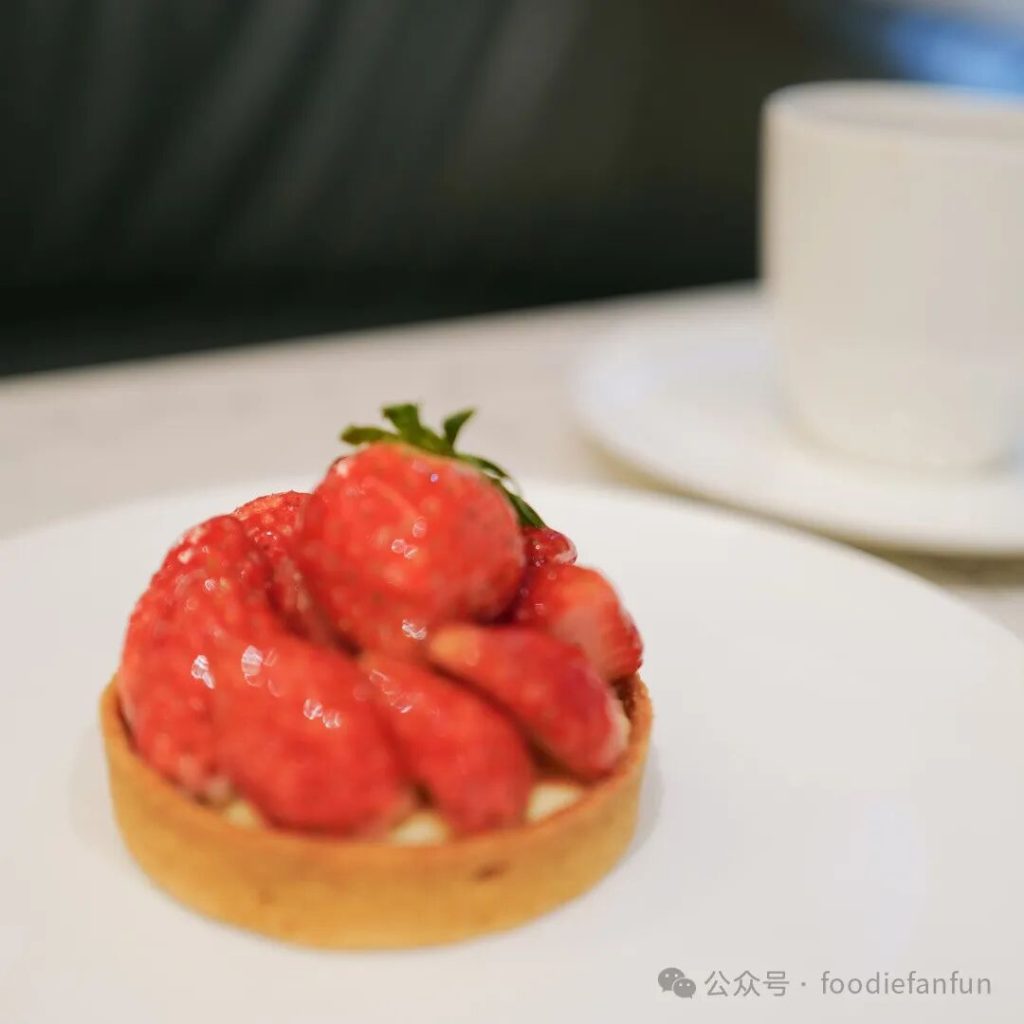
Got a little too happy and blurred the photo,
wishing everyone a good meal and a good time, wherever you end up.

Leave a Reply