• Restaurant Born | Reframing Chinese Food for the World

    Singapore has been the go-to short-trip destination for people around China, and its one-star restaurants have been getting hyped up like crazy this past year.

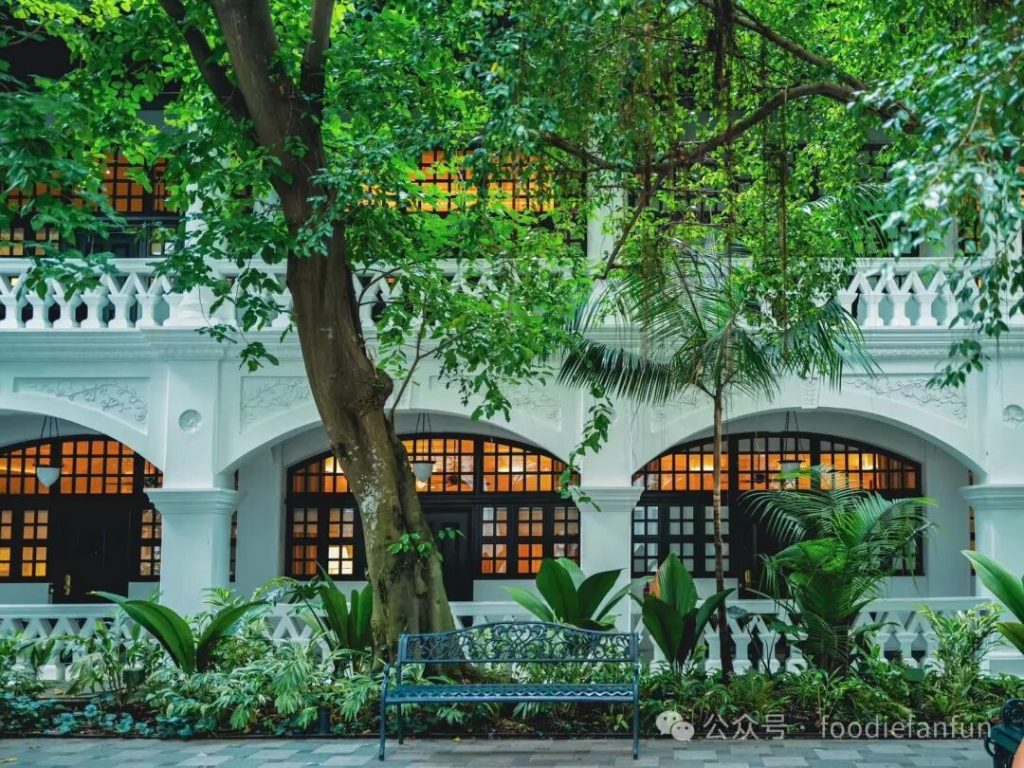
    Chef Zor Tan’s Restaurant Born, housed in a building once owned by Jackie Chan, made the World’s 50 Best list in under a year of opening. Zor was born in Malaysia to a Chinese family, and is André Chiang’s senior protégé, having trained under him for twelve years. He’s also served as head chef at Raw in Taiwan and Sichuan Moon in Macau.

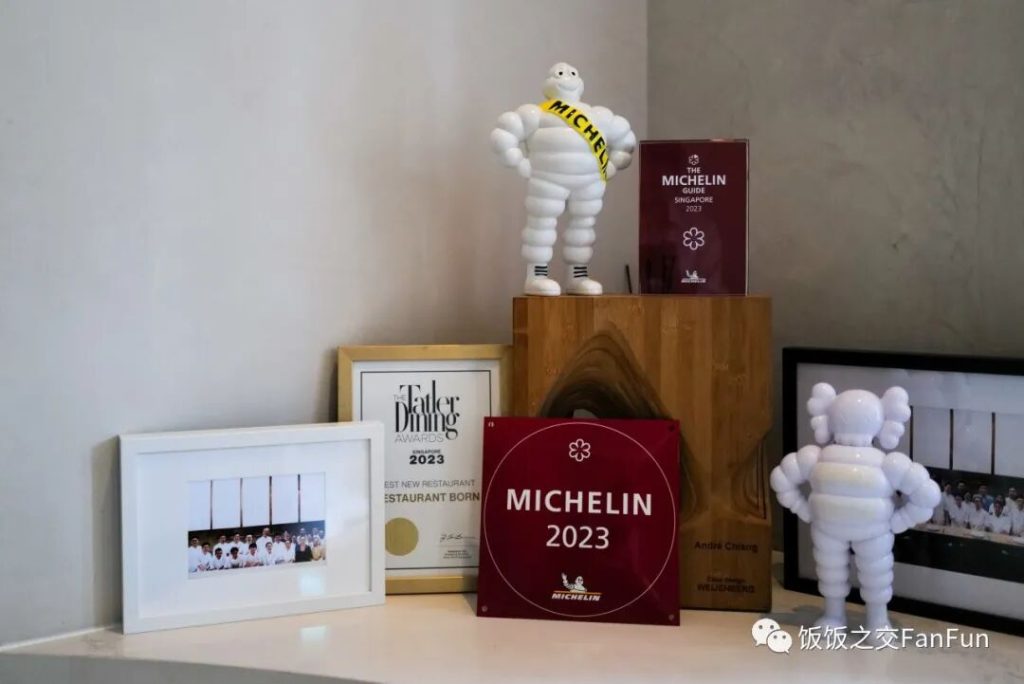
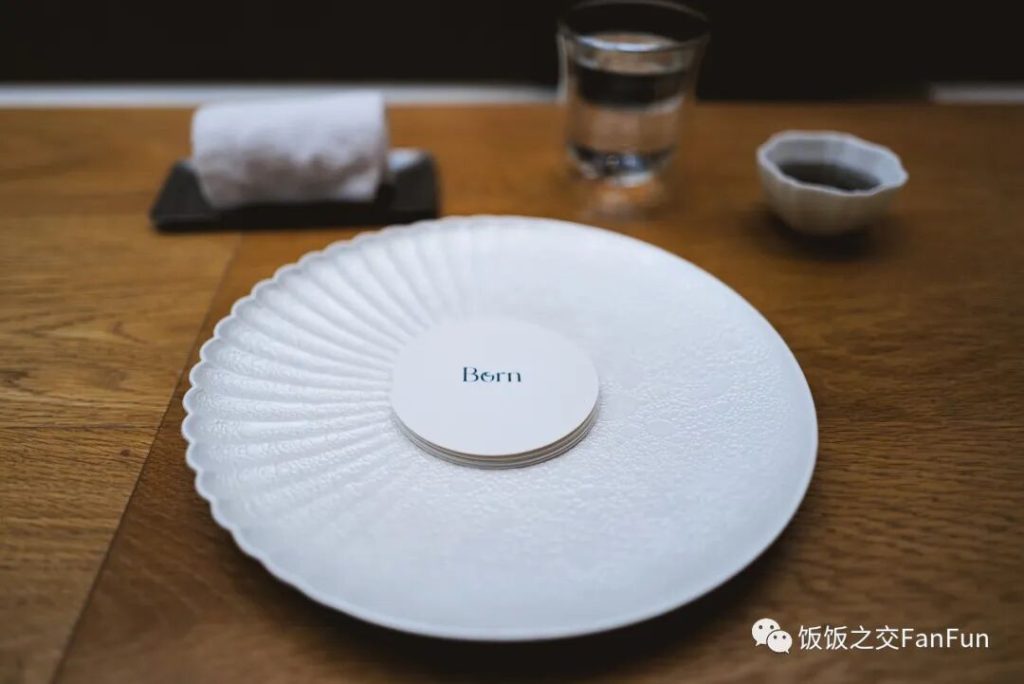
    When the pandemic hit, he decided to start a new chapter with a new restaurant. He named it Born, symbolizing a fresh start — it can also be read as Best of Right Now, a reminder that cherishing what you have right now is the best thing there is.
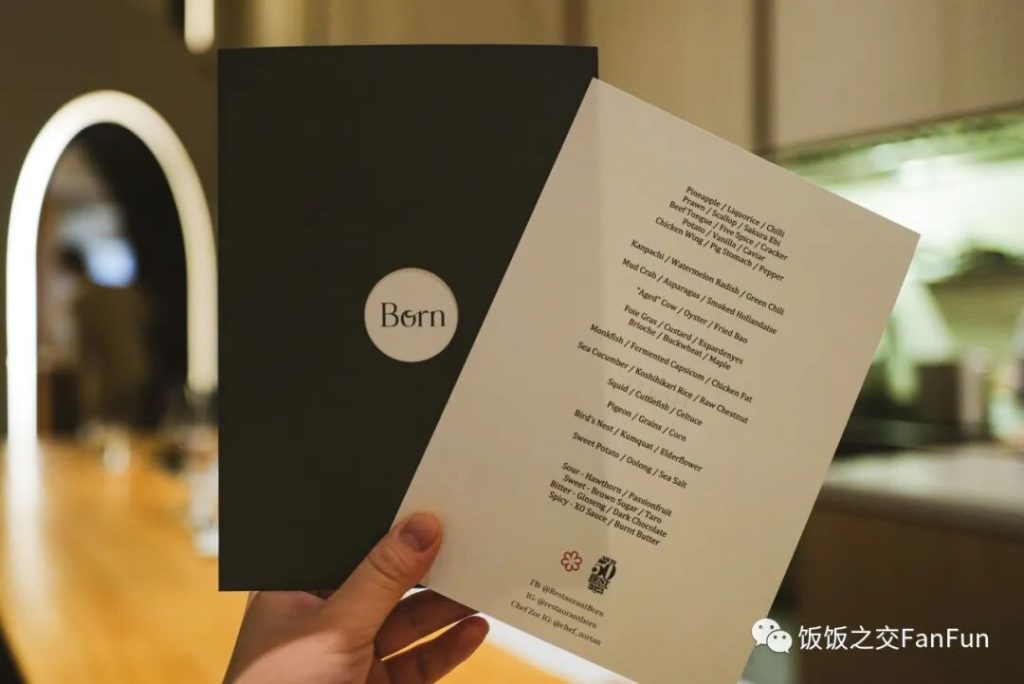
    The menu traces Zor’s own life — the places he’s lived and worked.

    The whole meal feels like an immersive piece of theater: every bite carries a piece of the story he wants to tell.

    You can see his solid French technique in the presentation, but the flavors show real command of Chinese cuisine too — especially the seasoning, which draws deftly on classic Cantonese and Sichuan technique, occasionally recombining elements in genuinely surprising ways.
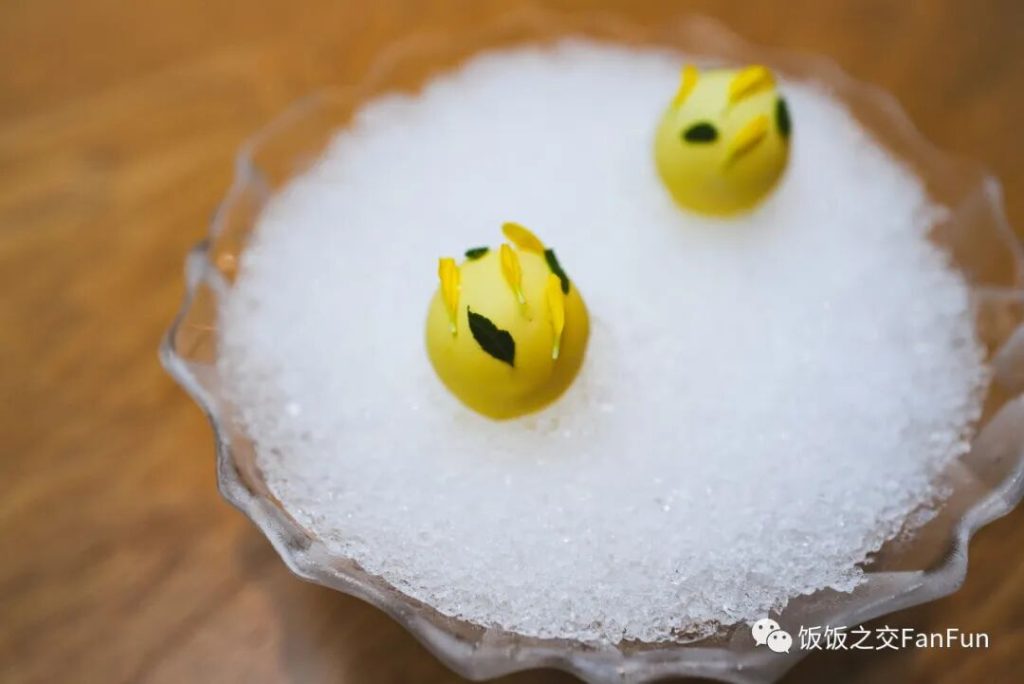
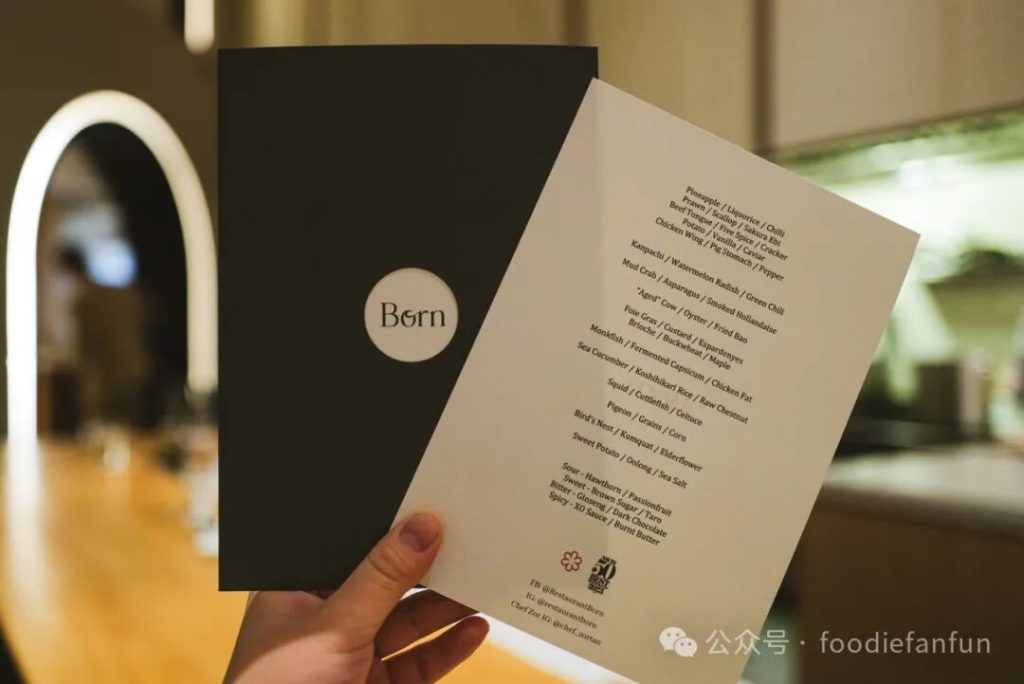
    Pineapple / Liquorice / Chilli

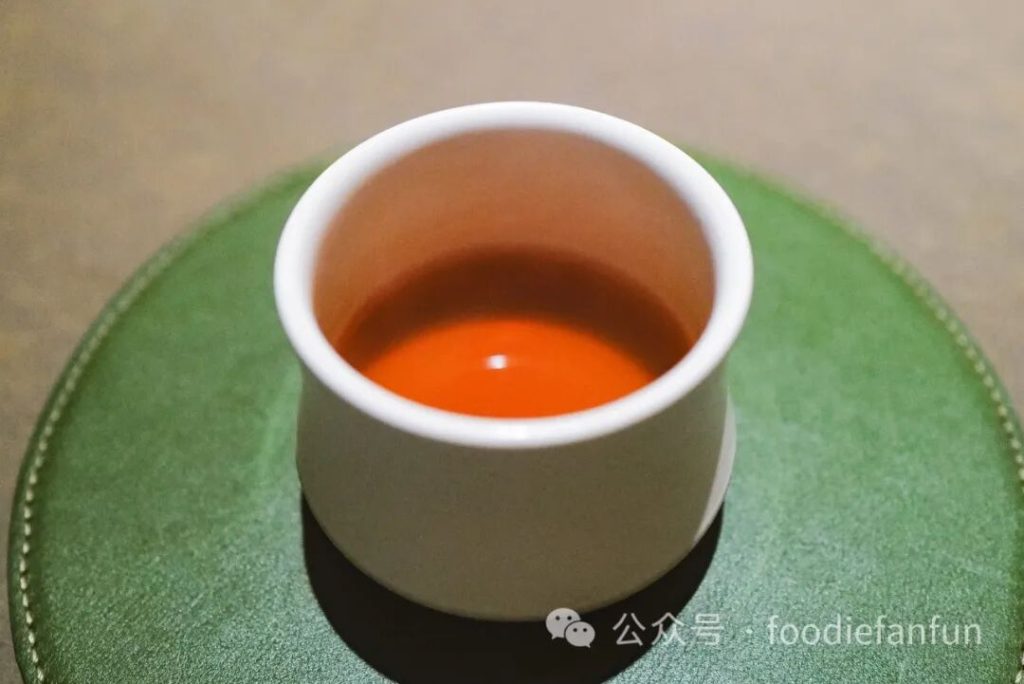
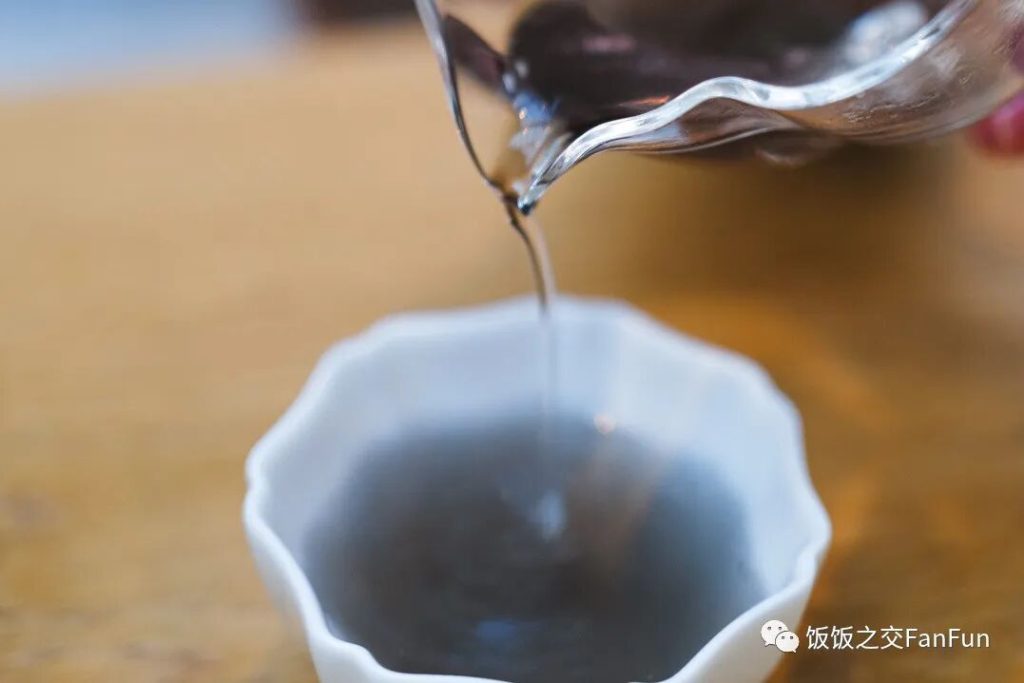
    Before the meal proper begins, the restaurant serves a cold-brewed tea — black wolfberry, oolong, and rose, clean with a bitter edge that finishes fresh.

    Next, a tiny appetizer: cocoa butter wrapped around Malaysian pineapple juice, a genuinely tropical, high-acid opening note.

    — Dinner is about to begin.

    Born’s wine list isn’t long, but the selection spans a wide geographic range. Everyone says Singapore taxes make wine expensive, but the restaurant’s markup here is genuinely fair.

    This time, thinking about how it would pair through the whole meal, I went with the Wine Pairing.
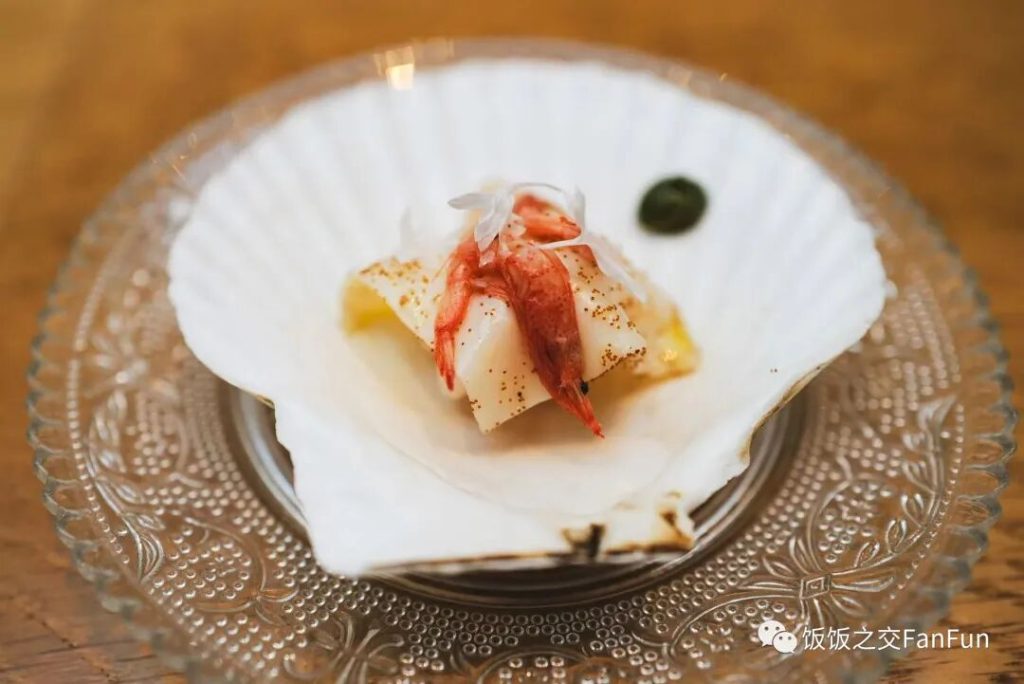
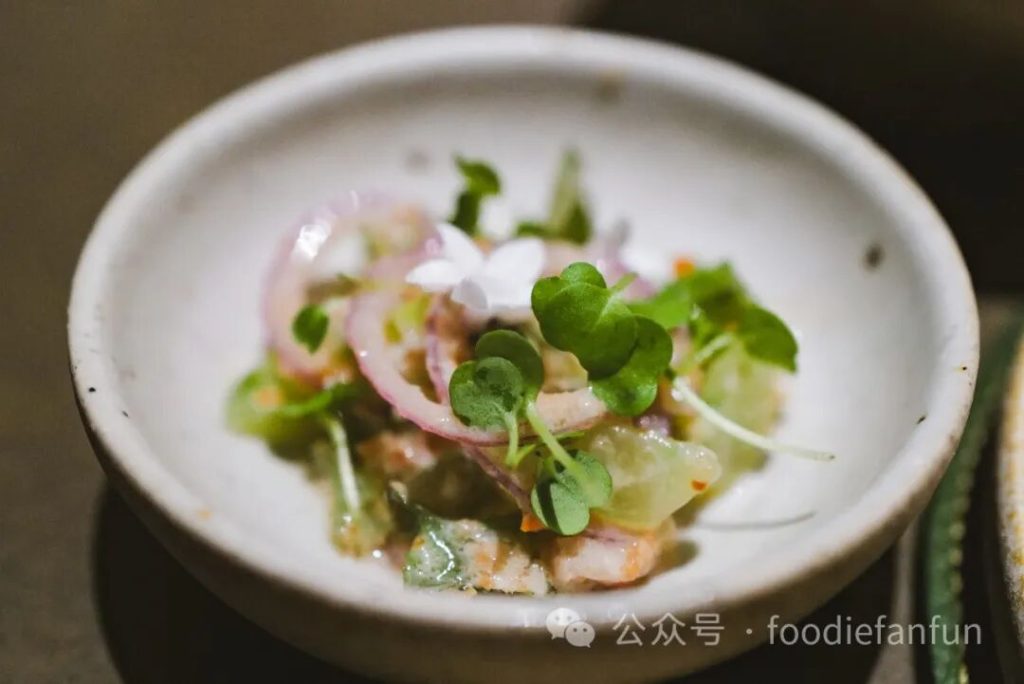
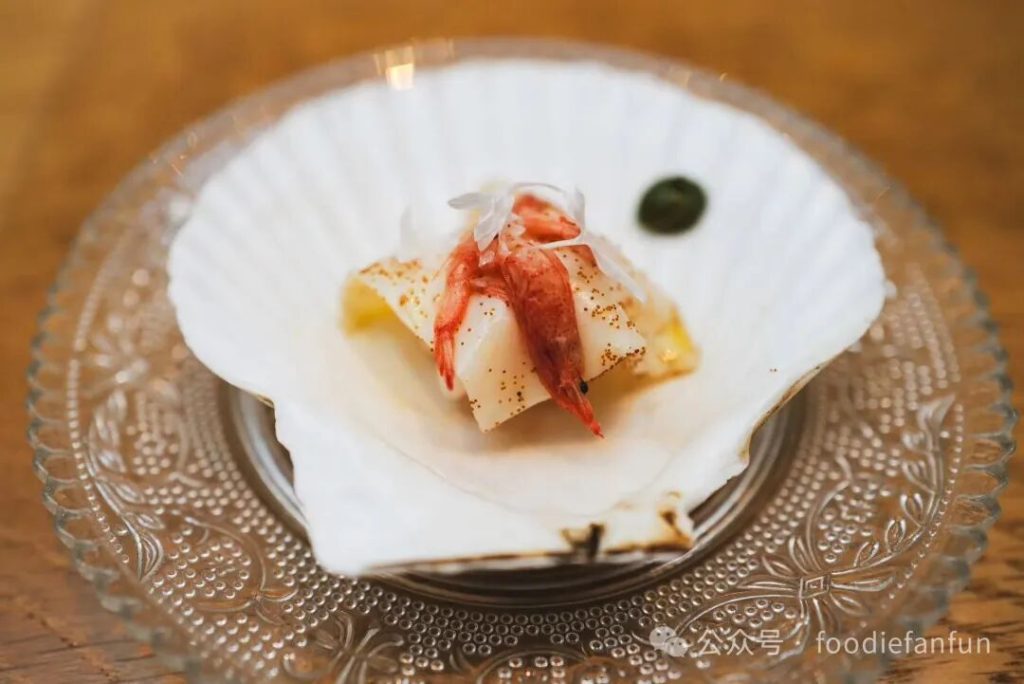
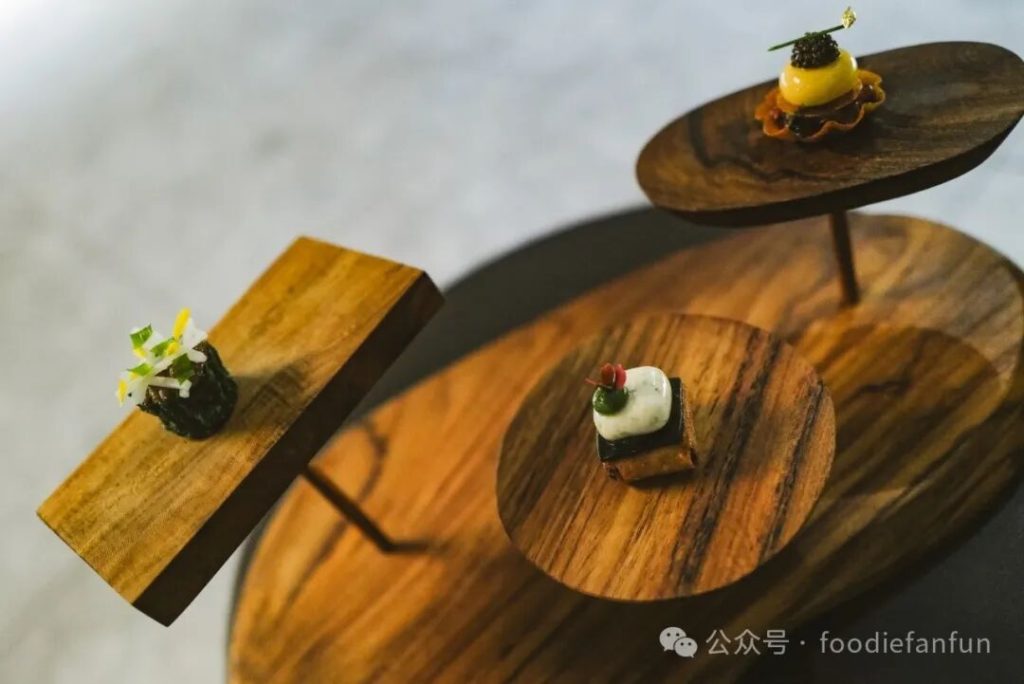
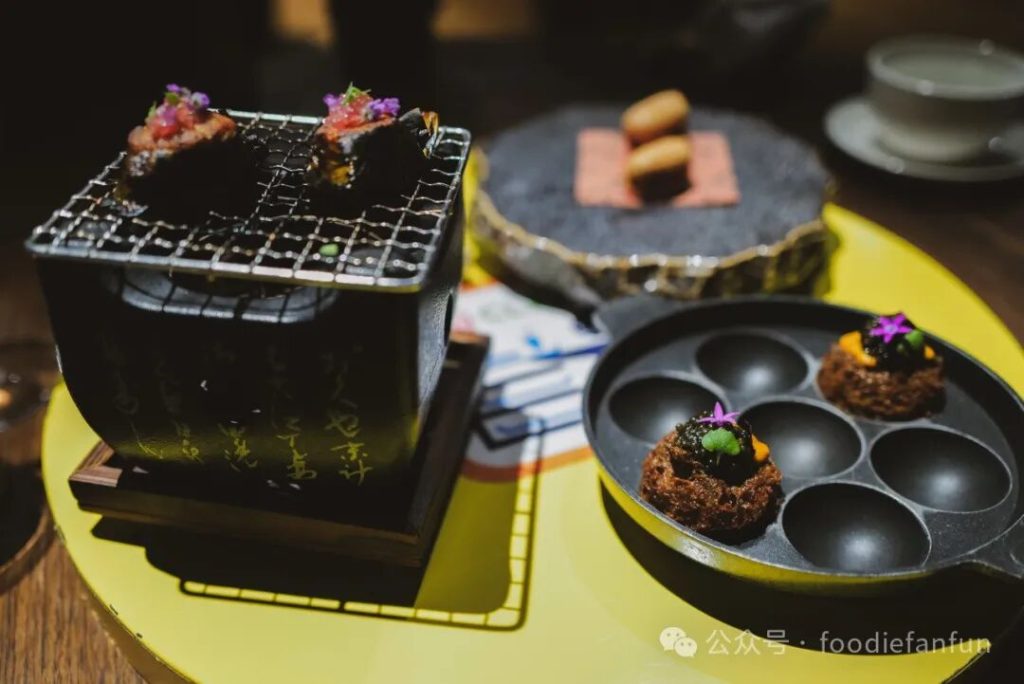
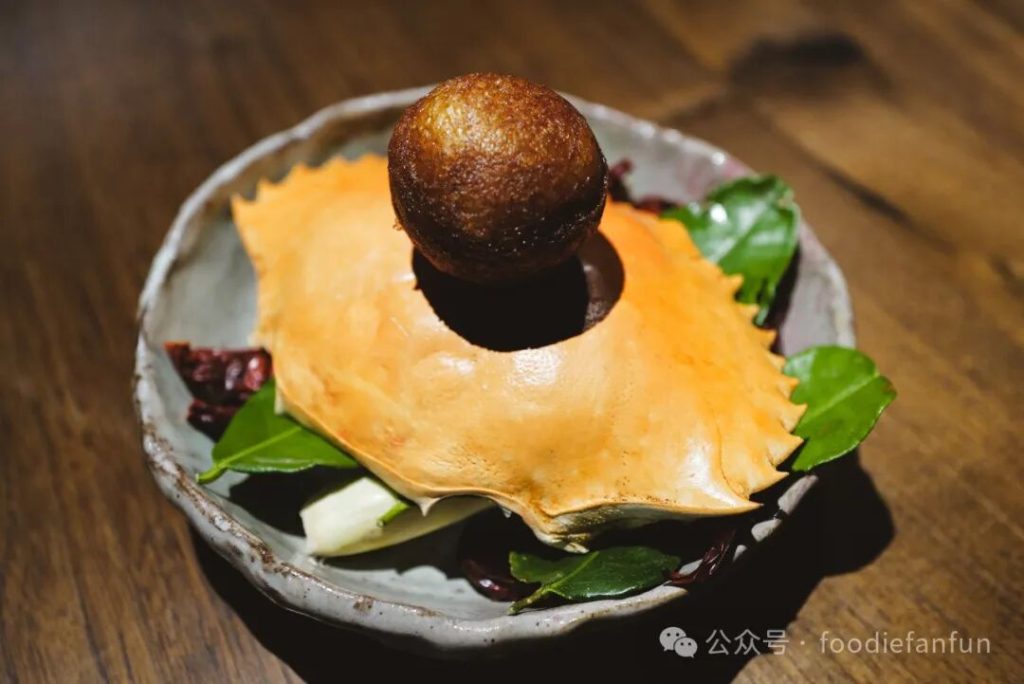
    Prawn / Scallop / Sakura Ebi
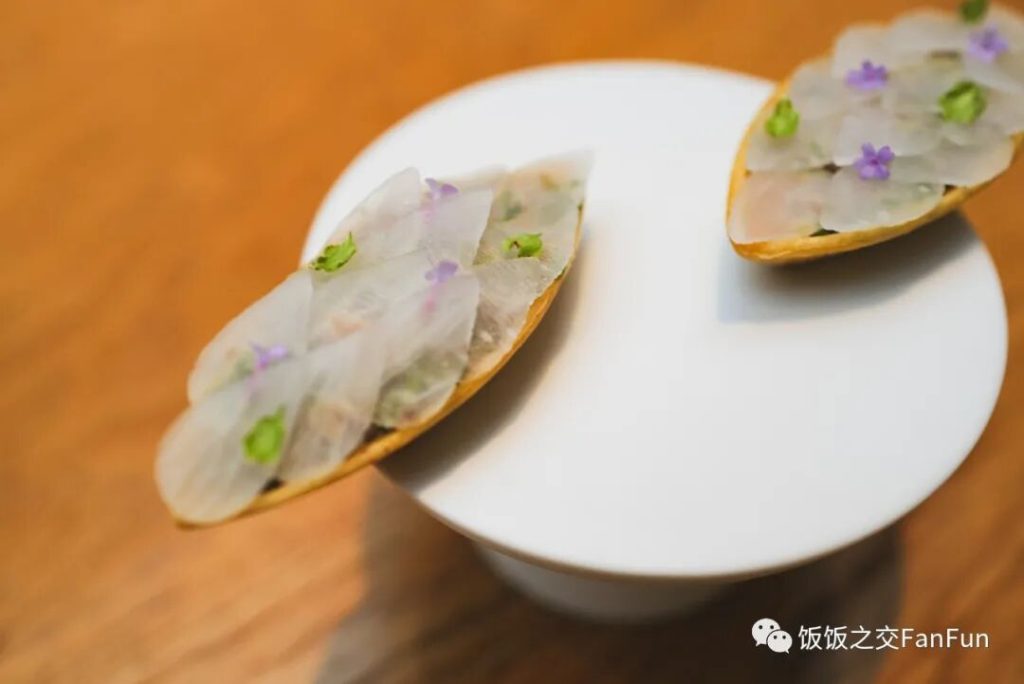
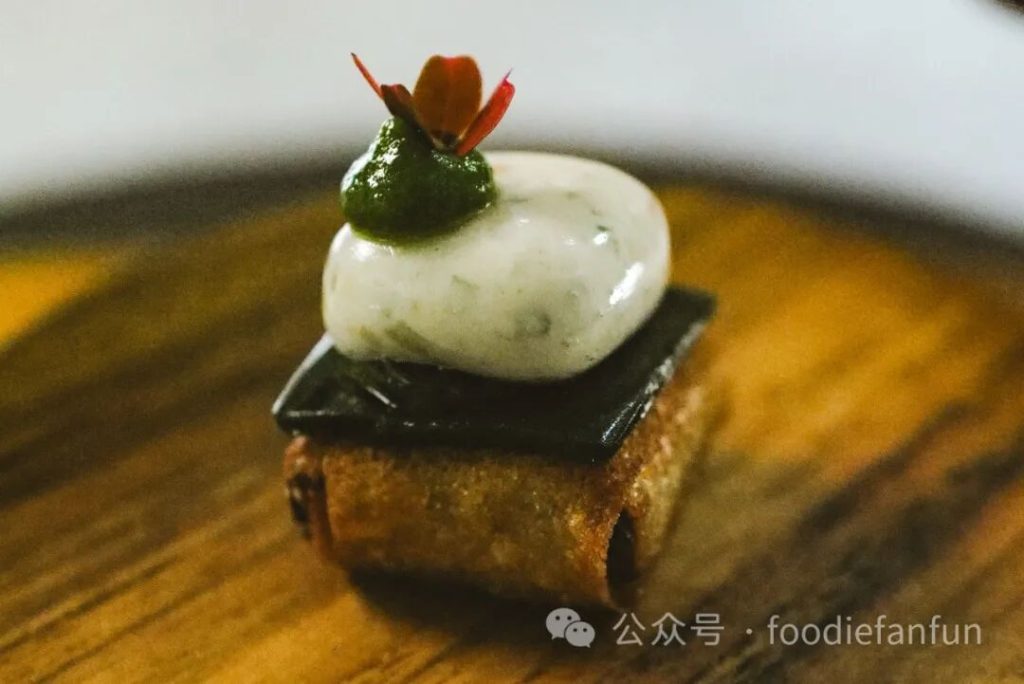
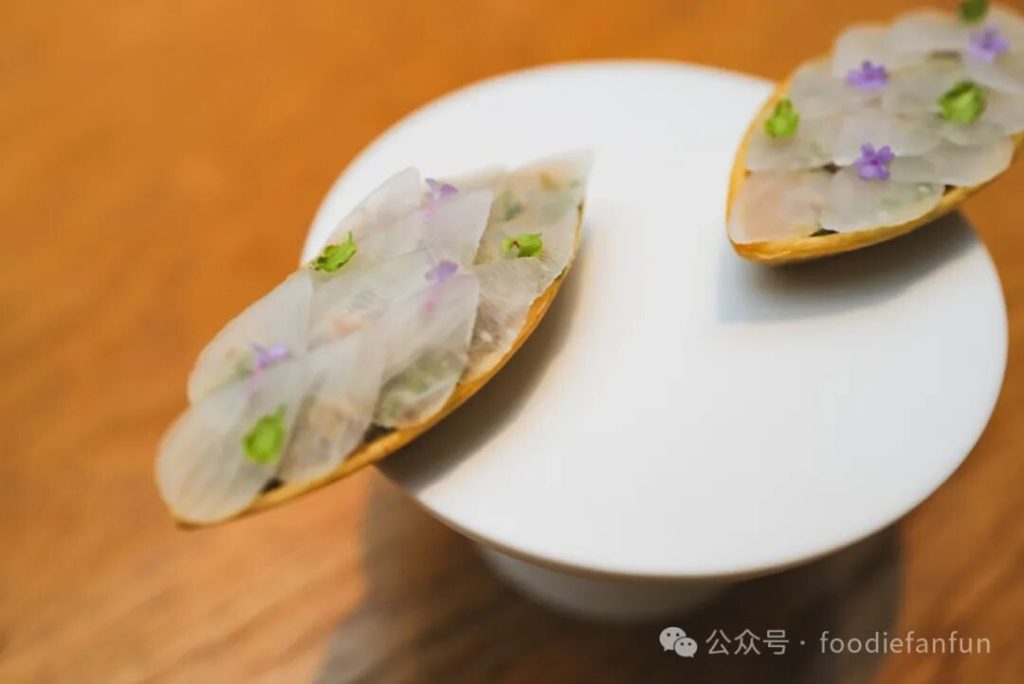
    Beef Tongue / Five Spice / Cracker
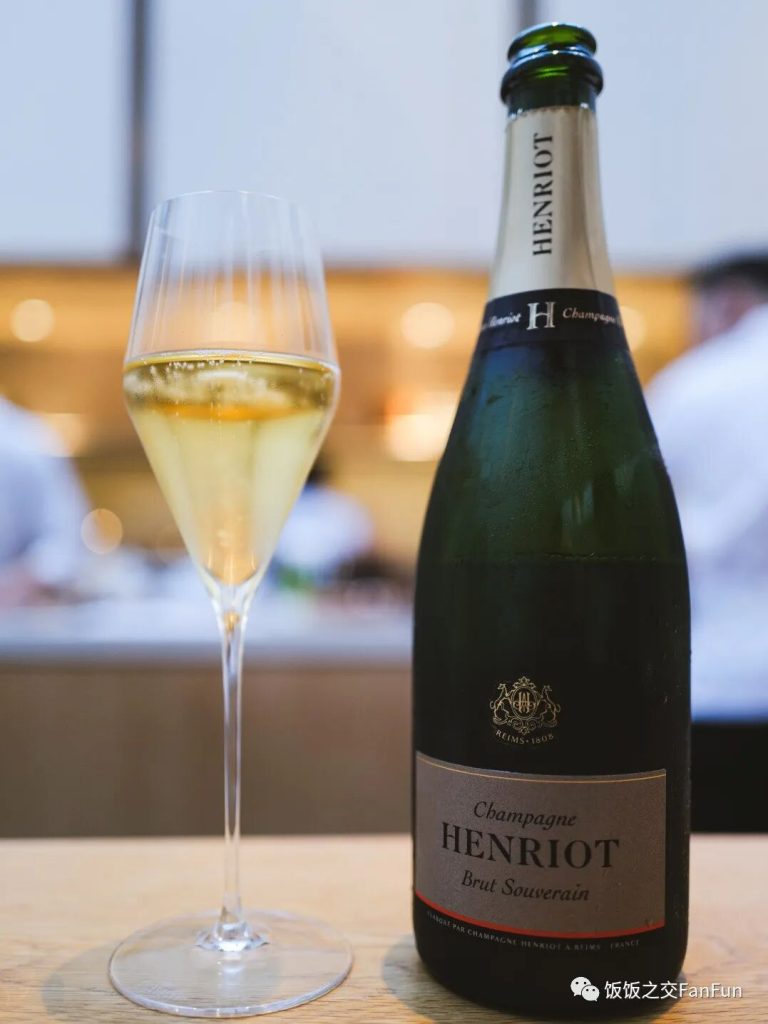
    NV Henriot, Brut ‘Souverain’ | Champagne, France

    Churdonnuy, Pinot Noir, Pinot Meunier

    A beautiful large shell arrives, formally opening the meal with a taste of the seaside.

    Unexpectedly, this isn’t a straightforward cold dish — a base of shrimp meatball brings some soft warmth. Paired with scallop and sakura shrimp, it layers in different textures and levels of freshness, the whole thing gentle and rounded.

    The little tart served alongside has a completely different character. It looks delicate, but the moment you bite in, beef tongue aroma rushes out — the first bite of meat delivers a jolt of pure happiness straight to the head.

    The champagne paired here — with its salty, mineral edge and bright acidity — catches the beef tongue tart’s intensity perfectly. It leaves behind some bright white-fruit aromas that linger.
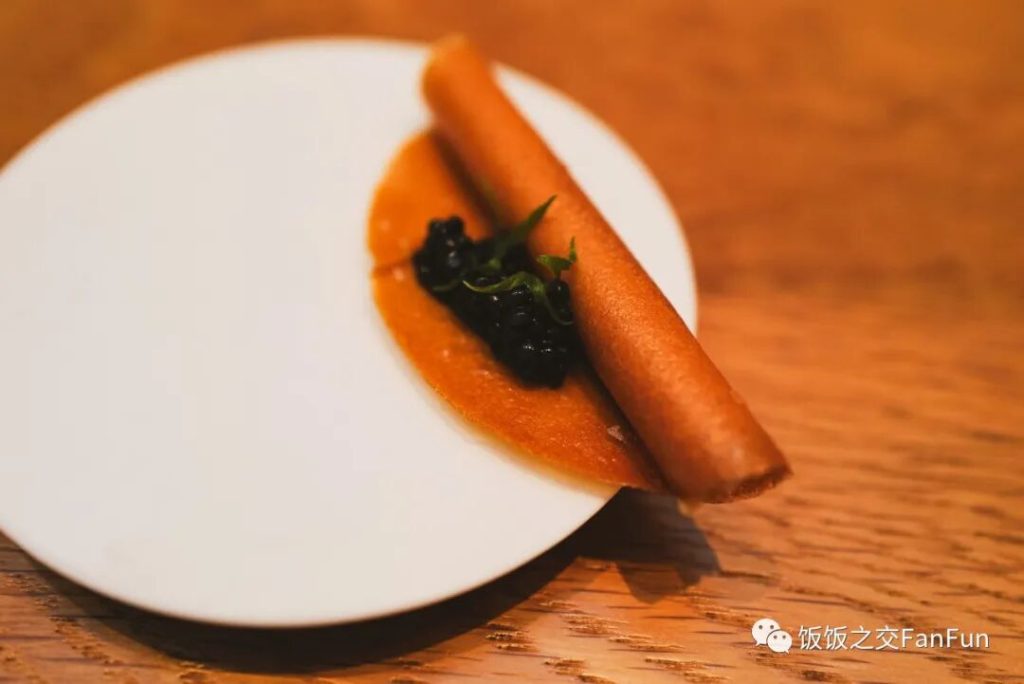
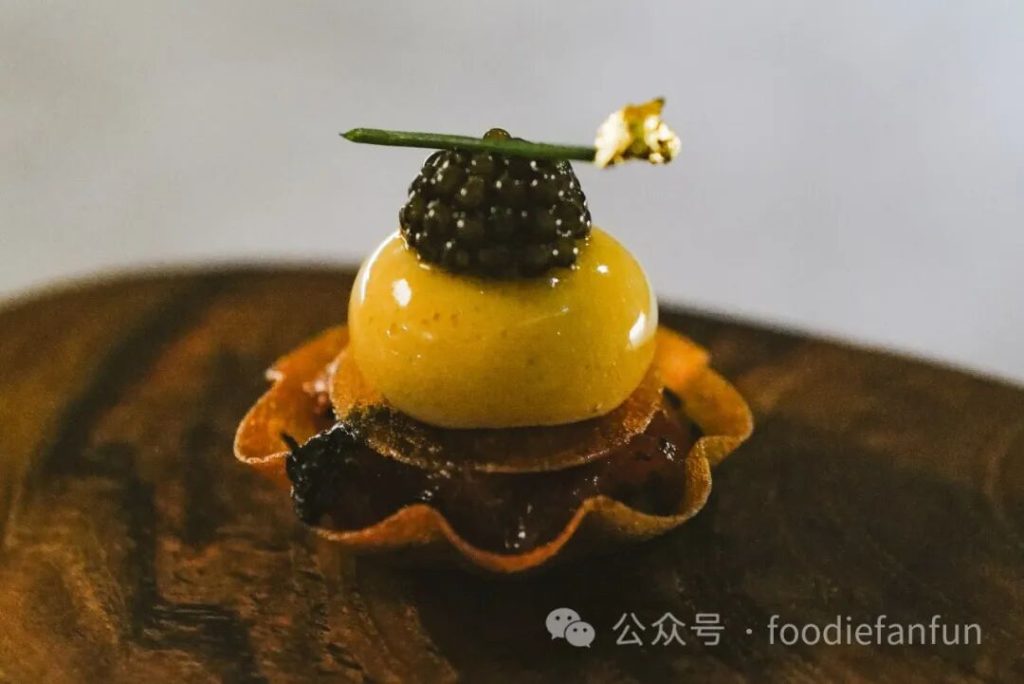
    Potato / Vanilla / Caviar
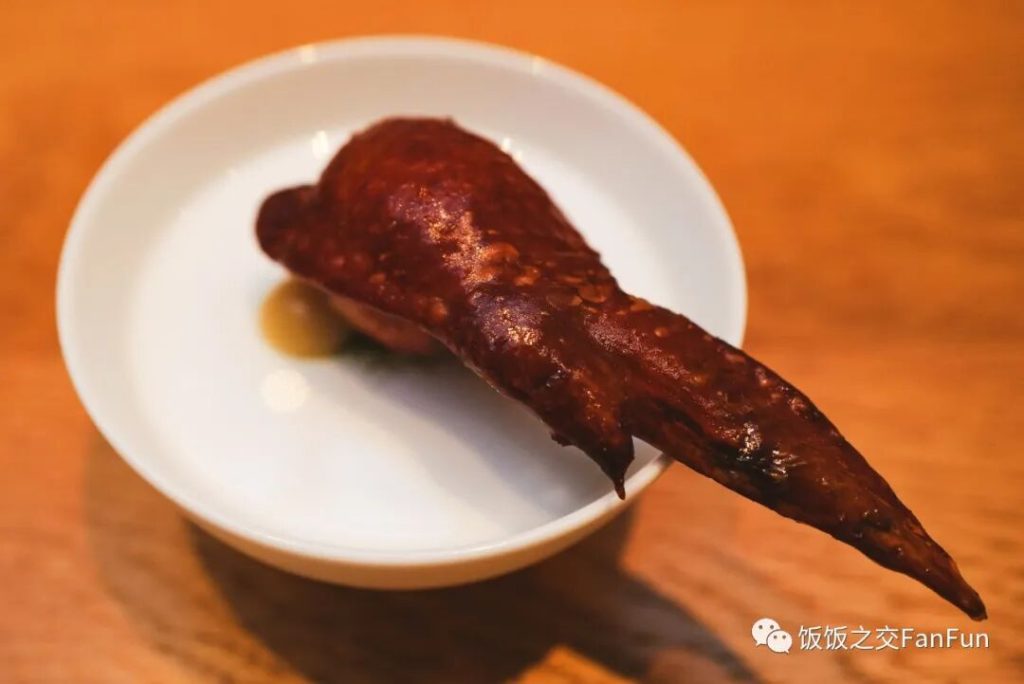
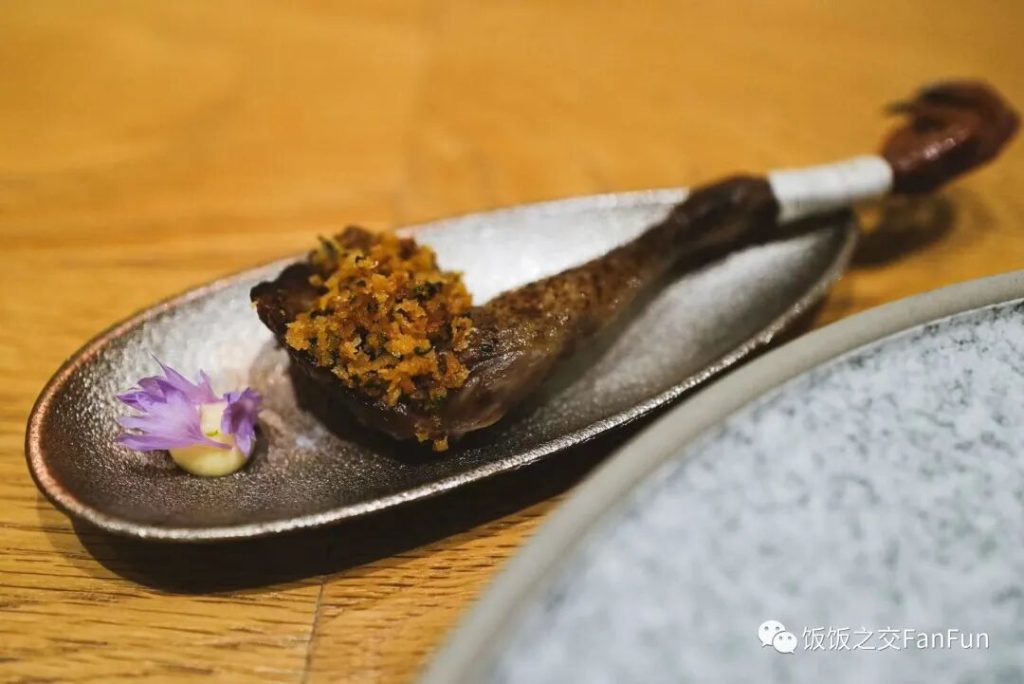
    Chicken Wing / Pig Stomach / Pepper

    Two dishes come right after each other: a crepe, and chicken wing.

    The cream in the center of the crepe is a touch too sweet, and it ends up burying the caviar’s brine.

    The chicken wing is actually modeled after pig-stomach chicken soup — the pig stomach is stuffed inside the wing and deep-fried, then paired with a pepper sauce. It’s a little scalding on the first bite, but the aroma and richness deliver full satisfaction. The stomach, cleaned thoroughly, gives it a springy, tender texture.

    It’s built on the structure of pig-stomach chicken, but the presentation and flavor are transformed — overall it reads as more clever than it does satisfying to eat.
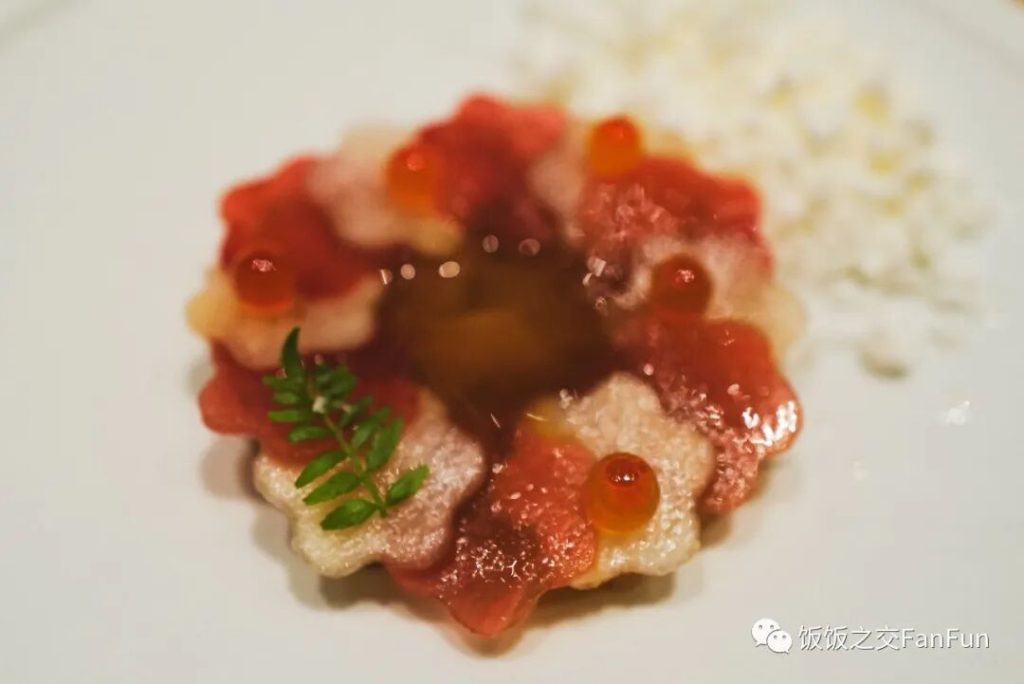
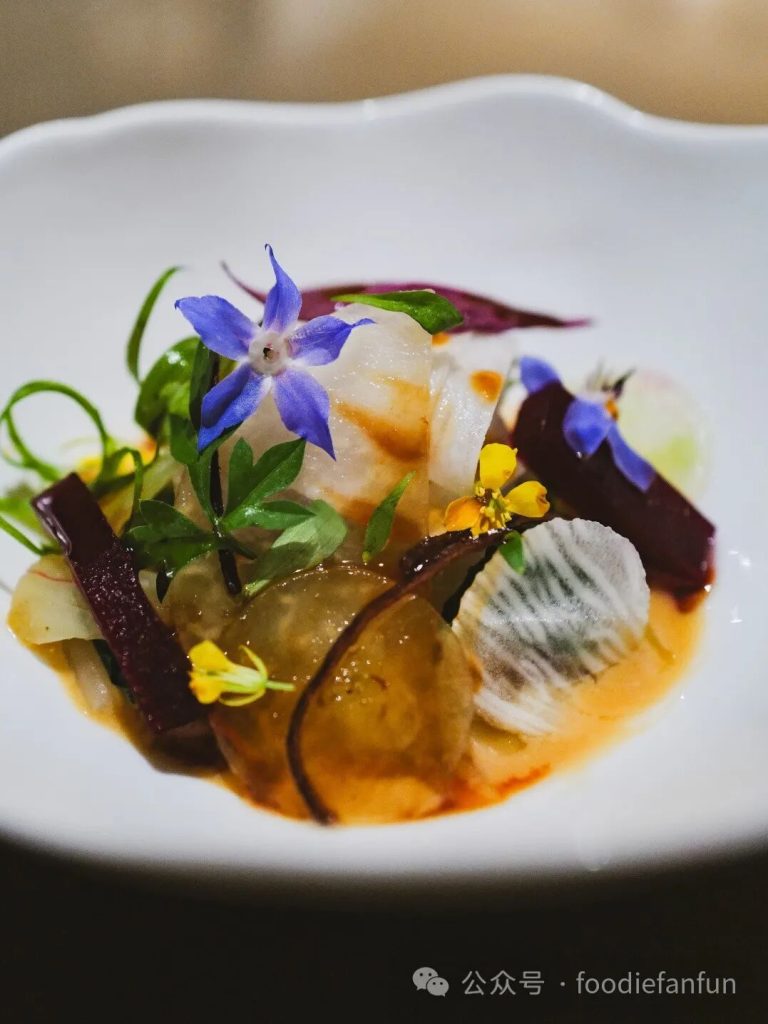
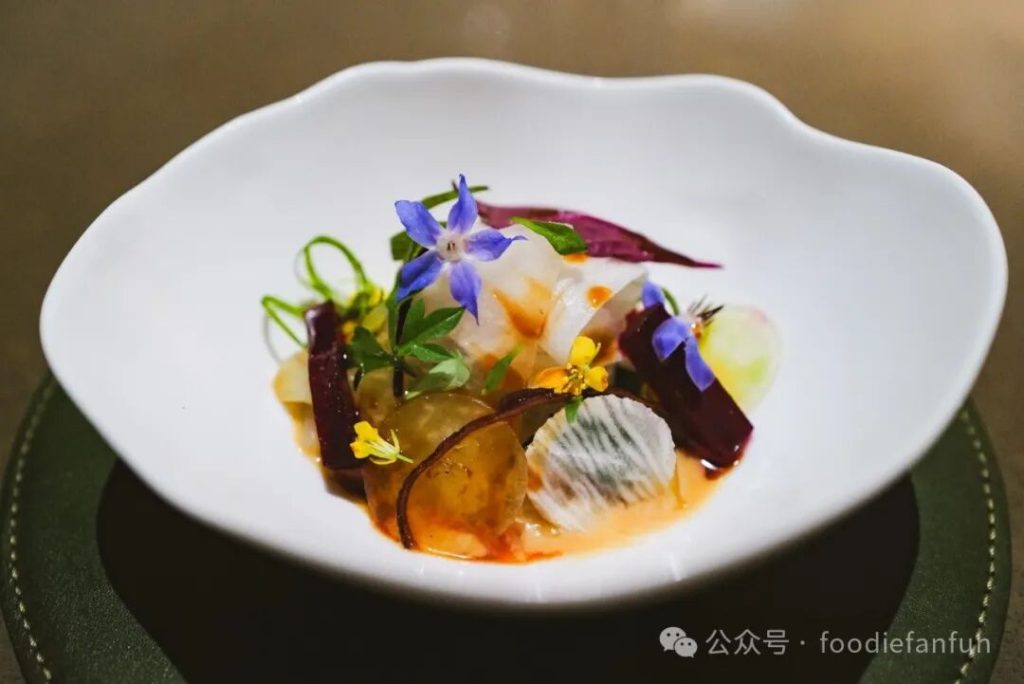
    Kanpachi / Watermelon Radish / Green Chili
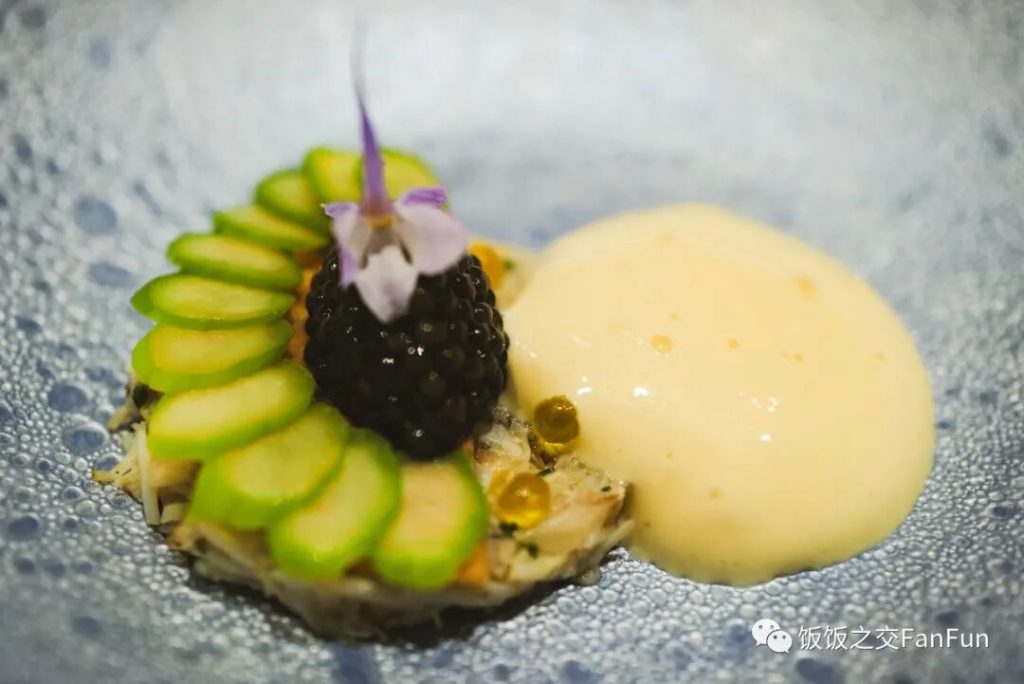
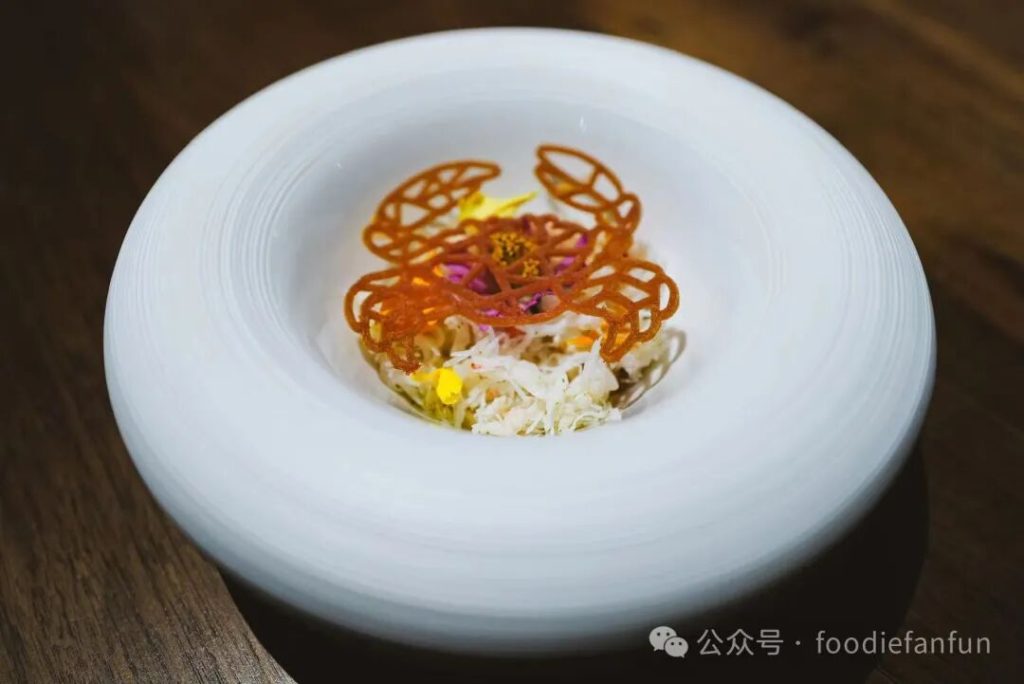
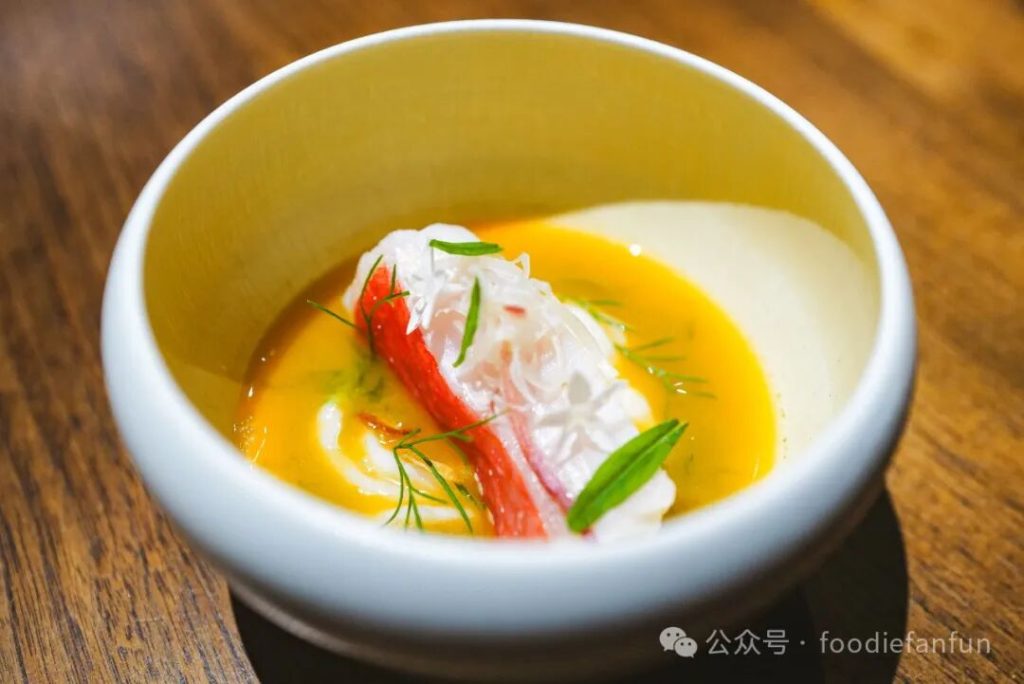
    Mud Crab / Asparagus / Smoked Hollandaise
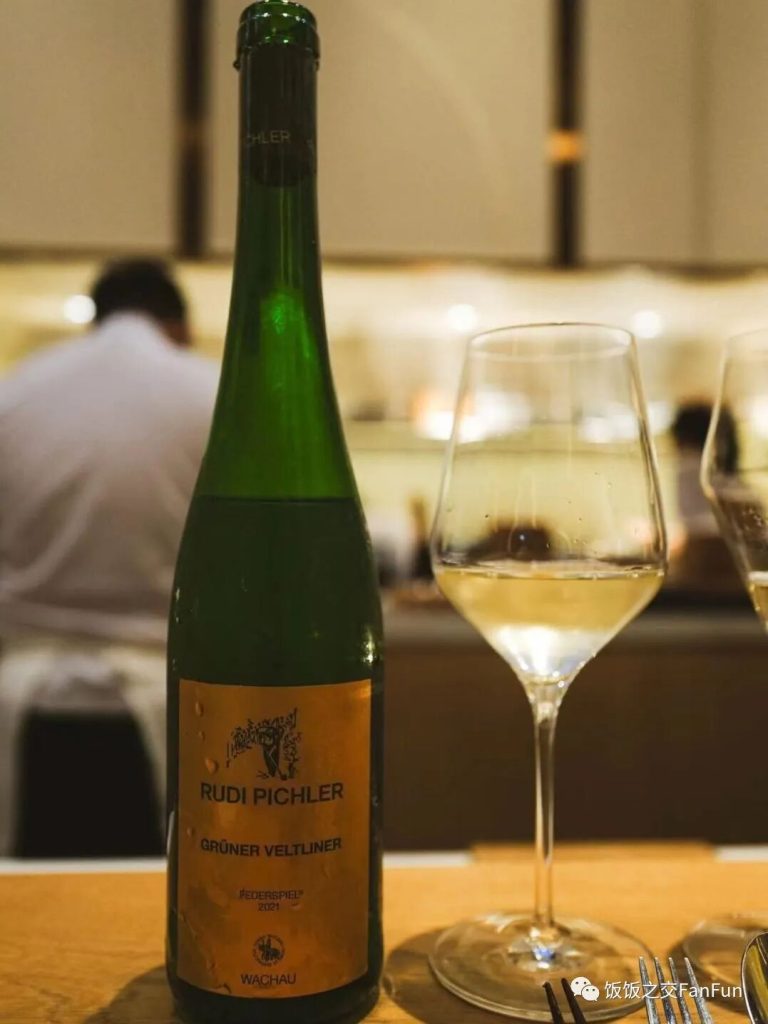
    2021 Rudi Pichler, Federspiel | Wachau, Austria

    Kanpachi — amberjack sashimi — counts as a top-tier winter ingredient in Japanese cuisine. The flesh is naturally firm with well-distributed fat; here, cured with vinegar and bonito, it turns softer, with an extra layer of complexity in the umami.

    Built on Japanese ingredients and seasoning but plated with real Western flair, it opens up richer layers of flavor on the palate.

    Right after comes a crab dish, paired with caviar and smoked hollandaise. Once stirred together, the smoky aroma running through the crab meat and the caviar’s brine land a genuinely great one-two punch — soft in texture but explosive in flavor.

    Two seafood courses in a row, both full of surprises — the meal was clearly hitting its stride.

    Paired with an Austrian wine from Wachau: nicely balanced acidity, with ripe pear, juicy green apple, and subtle spice and tobacco notes — a particularly good fit with seafood.
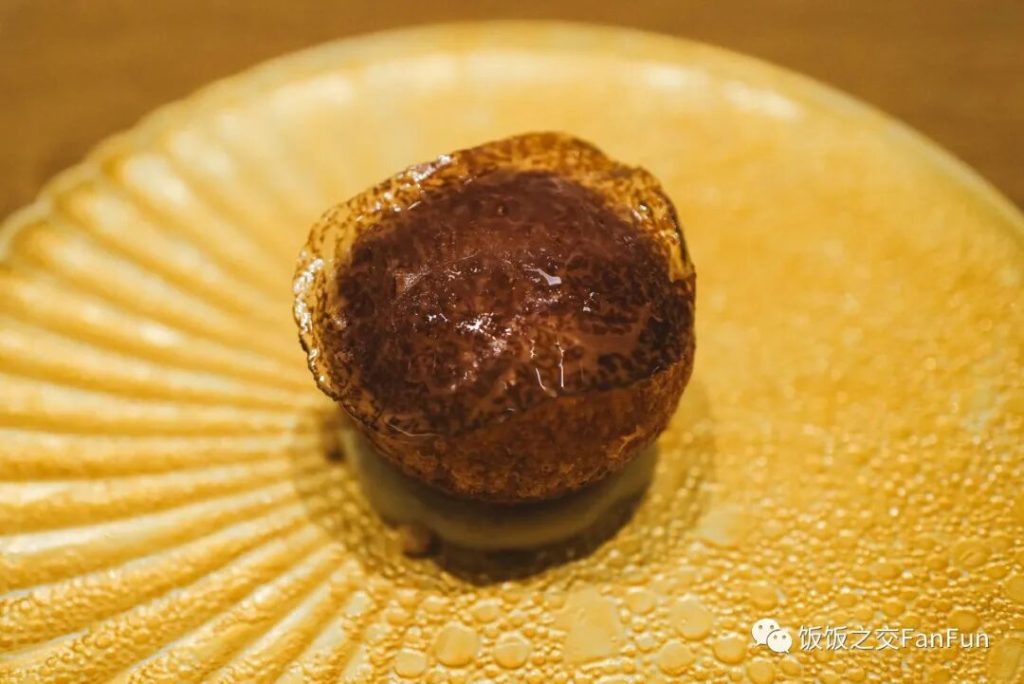
    “Aged” Cow / Oyster / Fried Bao
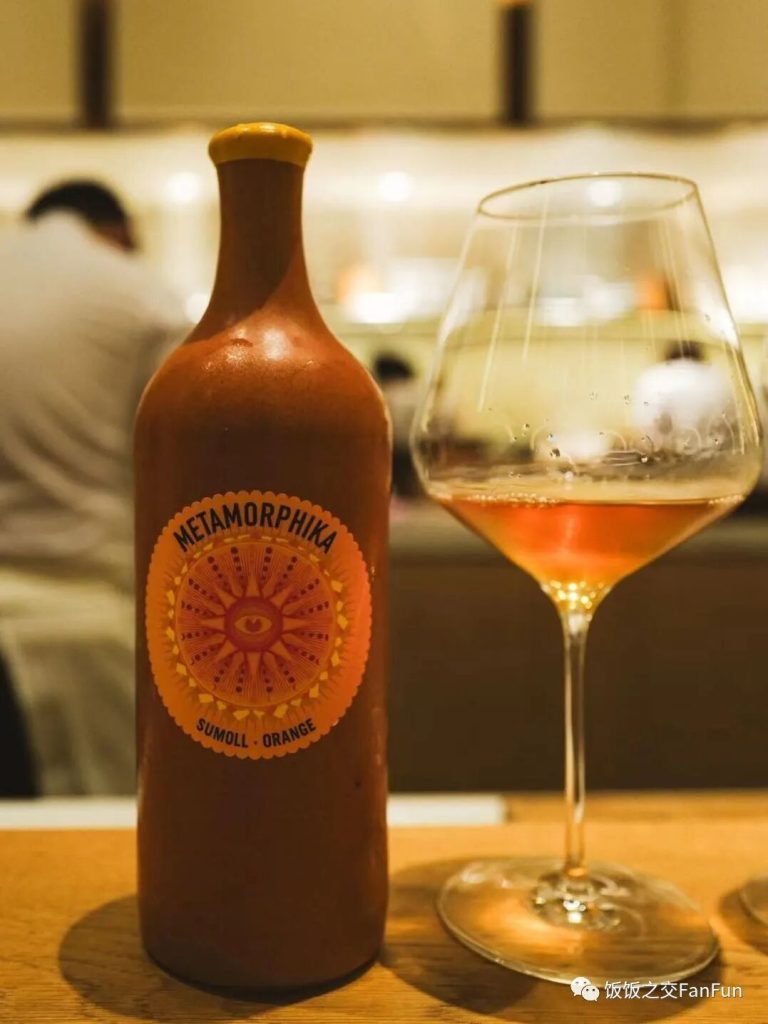
    2020 Costador, Metamorphika ‘Brisat’ | Catalunya, Spain

    Fried bao, spicy wagyu tartare, air-dried beef flank, oyster sauce.

    Put together, it’s an explosion of satisfaction — the bao’s shell fried crisp, the inside soft and pillowy, wrapped around large chunks of richly marbled wagyu with a strong aroma. The milky oyster sauce lands as another hit, its bright, fresh-oyster brightness adding a further layer of complexity, while a trace of numbing chili lingering at the finish reins it all in — a deluxe version of a pan-fried bao.

    The orange wine paired here has enough body to stand up to the dish, while its acidity and smoky character sweep away any leftover richness in the mouth.
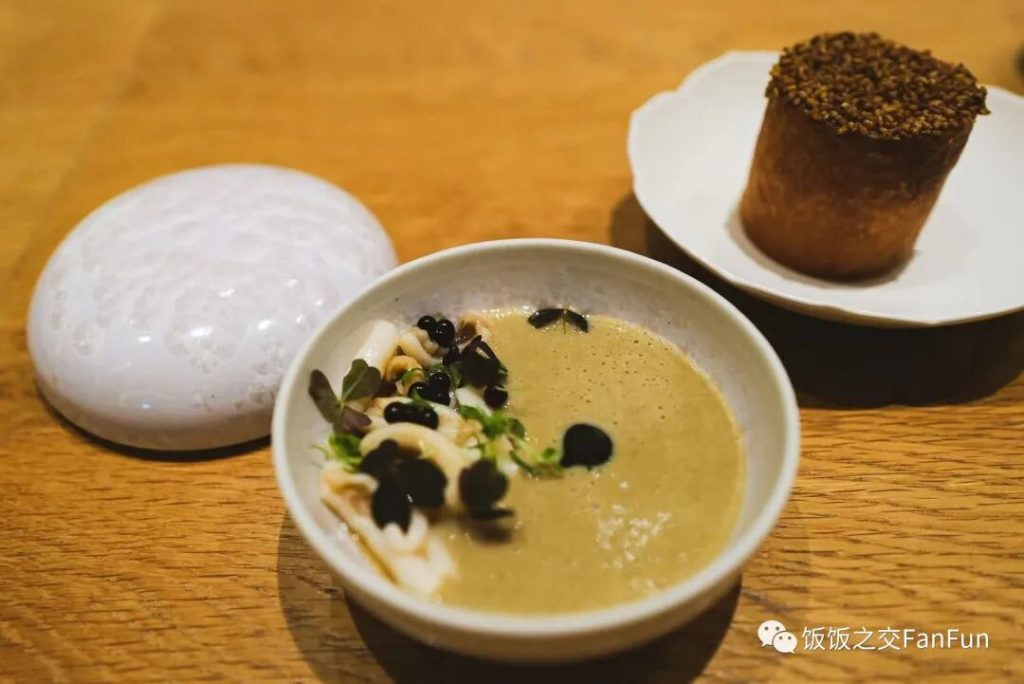
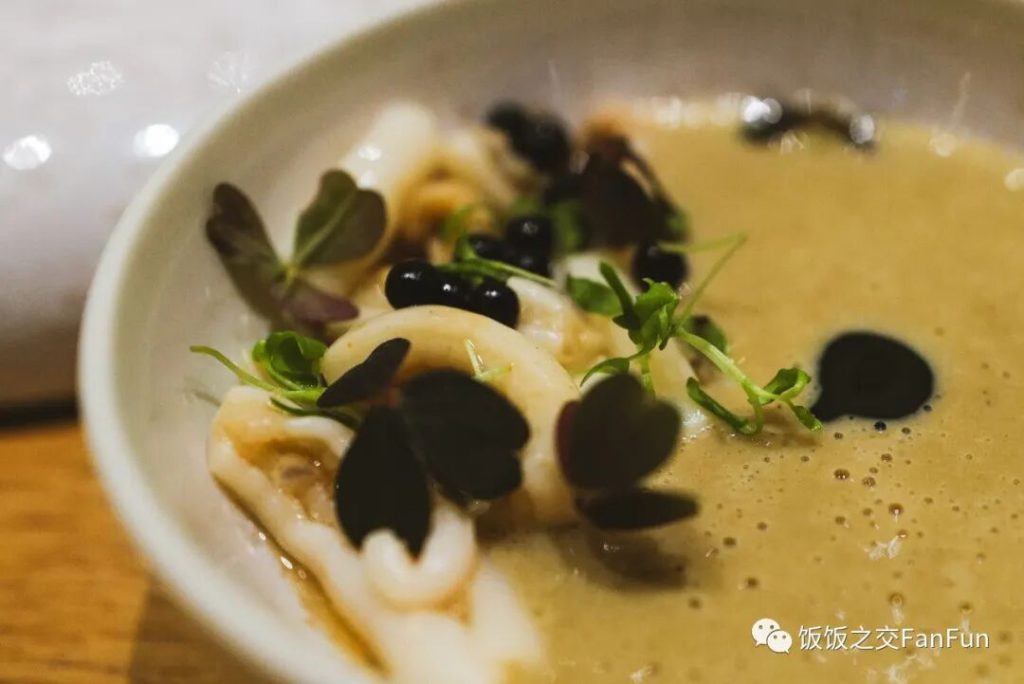
    Foie Gras / Custard / Espardenyes

    Brioche / Buckwheat / Maple

    Foie gras’s richness is always hard to resist, paired here with a maple brioche.

    The steamed egg base feels almost like the heart of an egg tart, faintly milky, delicate and light, lifted with a touch of yam that keeps it smooth while adding a clean sweetness. The osmanthus clam alongside breaks out with its own freshness and crunch. It lights up the whole dish.

    Another dish that satisfies in one bite, but this time the chef presents it with a gentler touch — dish after dish here leaves a real impression.
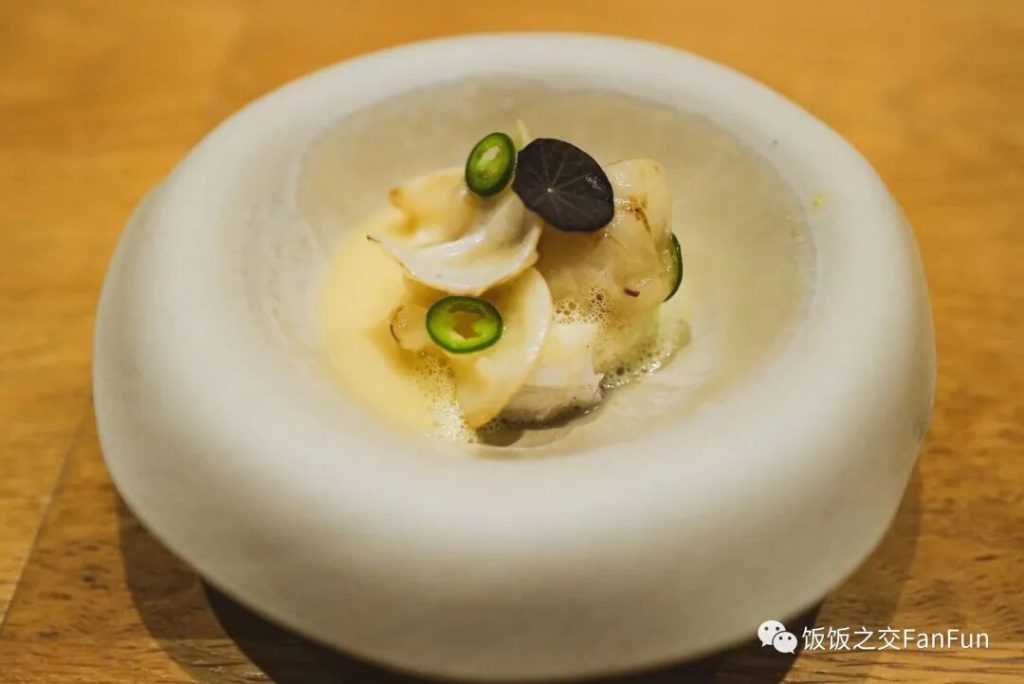
    Monkfish / Fermented Capsicum / Chicken Fat
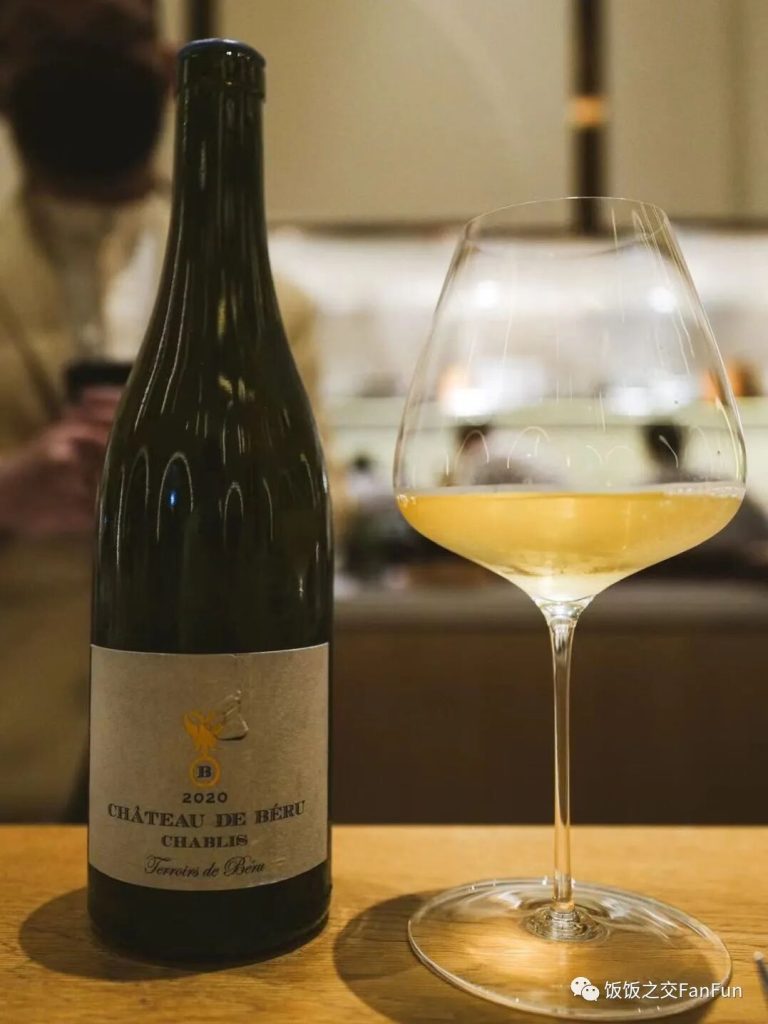
    2020 Chateau De Béru, Terroirs De Béru | Chablis, France

    Talking about this dish, Zor naturally brought up his time at Sichuan Moon — this one is drawn straight from the Sichuan classic, chopped-chili fish head.

    Here he uses a firm-fleshed monkfish, set on a base of chicken stock, seasoned with fermented Hainan bell peppers. On top sits a generous layer of white cloud ear mushroom from Yunnan.

    First time I’d ever seen such a dense concentration of Chinese ingredients and culinary thinking at a fine-dining table abroad. And the flavor fully captured that traditional-yet-refined character you find in high-end Chinese restaurants.

    Proud, and genuinely moved.

    Paired here with a Chablis Chardonnay, beautiful in both acidity and minerality — its solid freshness caught the lingering flavor of the chicken stock and fish perfectly.
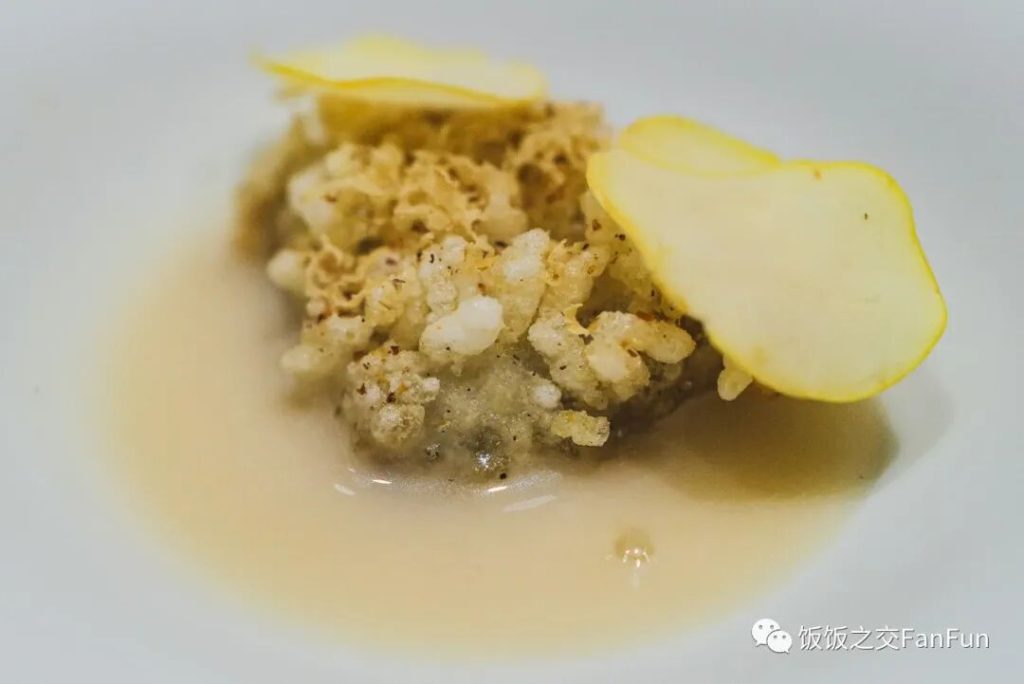
    Sea Cucumber / Koshihikari Rice / Raw Chestnut
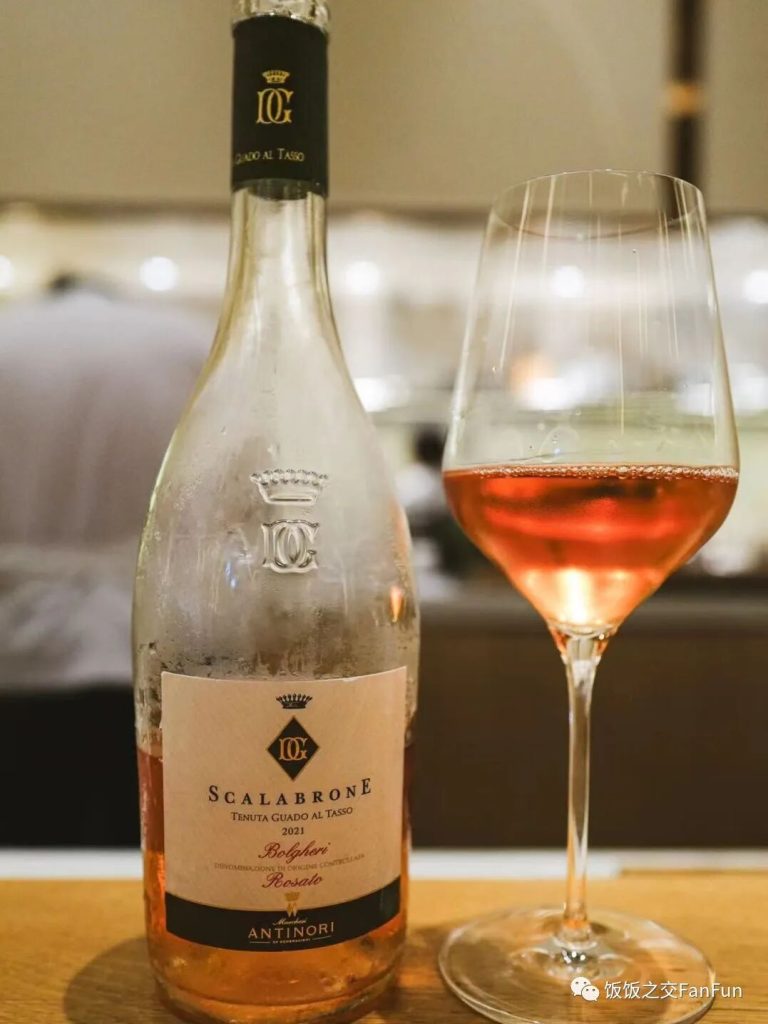
    2021 Antinori, Tenuta Guado al Tasso ‘Scalabrone’ | Bolgheri, Tuscany, Italy

    Picking up from the chef’s time in Macau, the next dish draws its inspiration from the crispy sea cucumber he made back at Sichuan Moon.

    Except here the sea cucumber is slow-braised instead, and the crispness comes from Koshihikari rice. The seasoning leans on a pork-trotter sauce — the texture is all sea cucumber’s springy chew, but the flavor carries the rich unctuousness of pork trotter. Genuinely interesting.

    The rosé paired with it is an excellent match — its acidity cleanses the palate, and the floral aroma lingers, adding a touch of gentleness to the whole dish.

    Dish after dish here carries traces of Cantonese and Sichuan cuisine, and you can feel Zor’s deep, bone-level understanding and love for traditional Chinese food and ingredients.
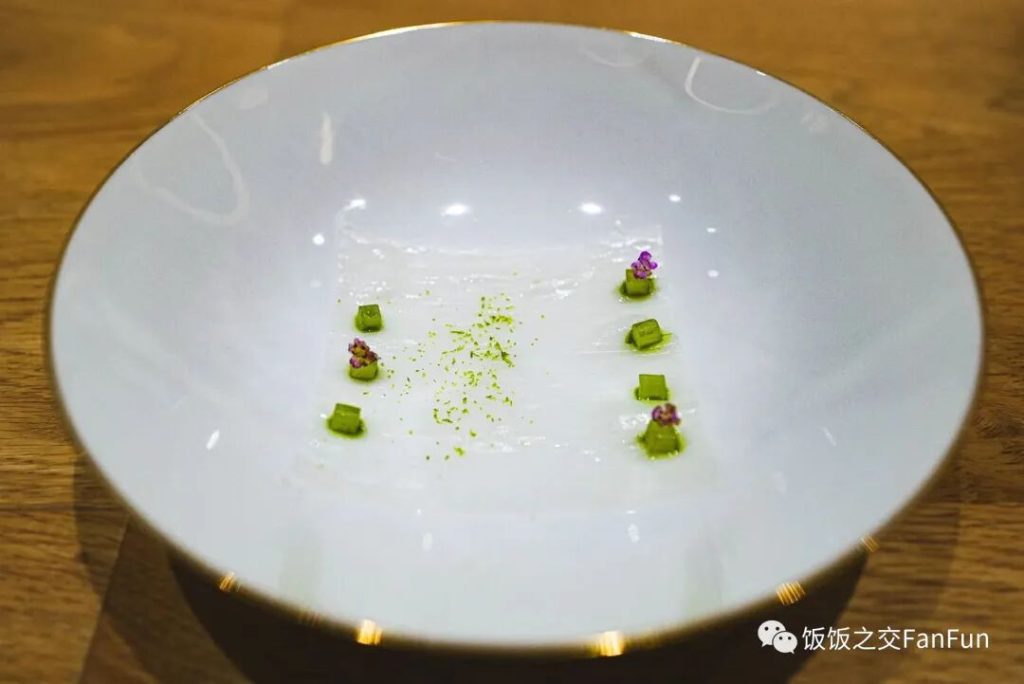
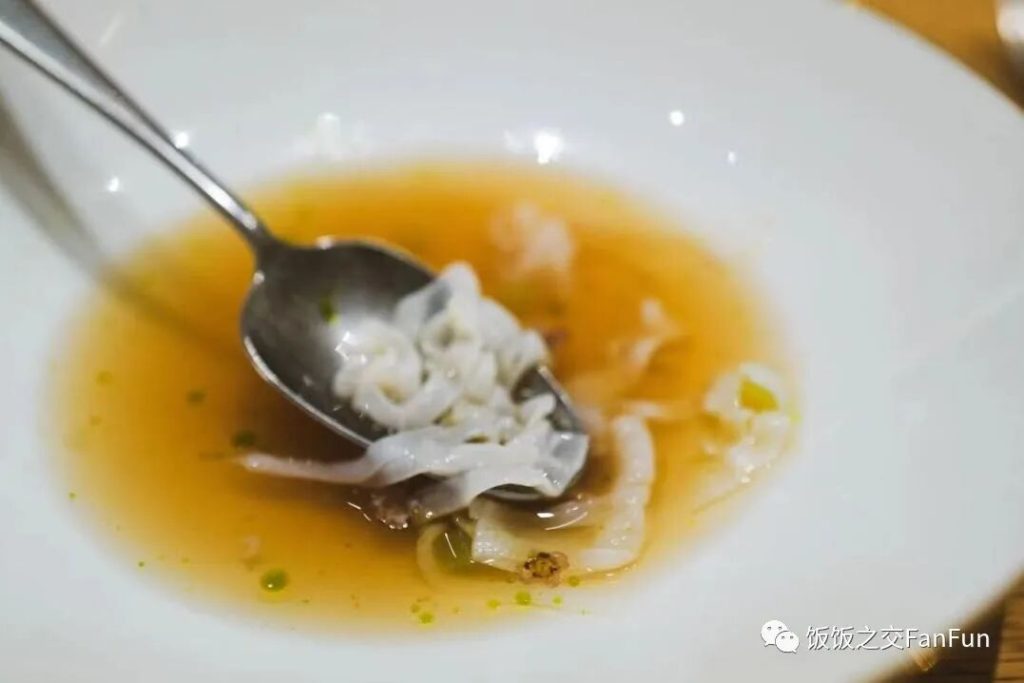
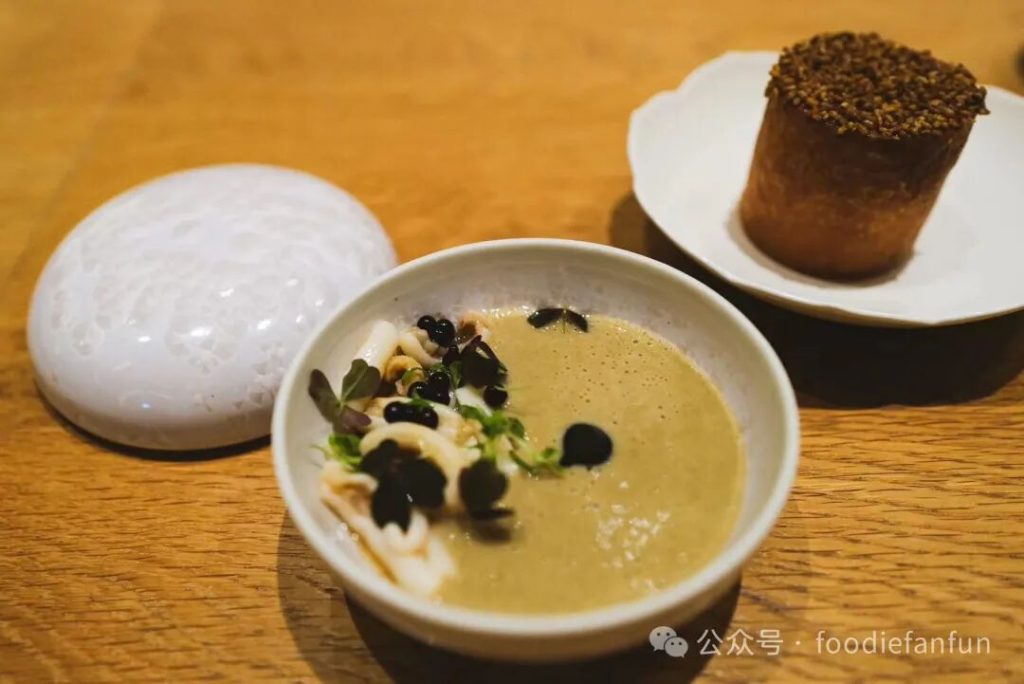
    Squid / Cuttlefish / Celtuce

    Right before the mains, the chef serves a palate-cleansing soup.

    Thin slices of squid, blanched in octopus stock, rolled into the shape of a beautiful white flower petal.

    Clear and clean, with just a touch of freshness that bridges into the rest of the menu.
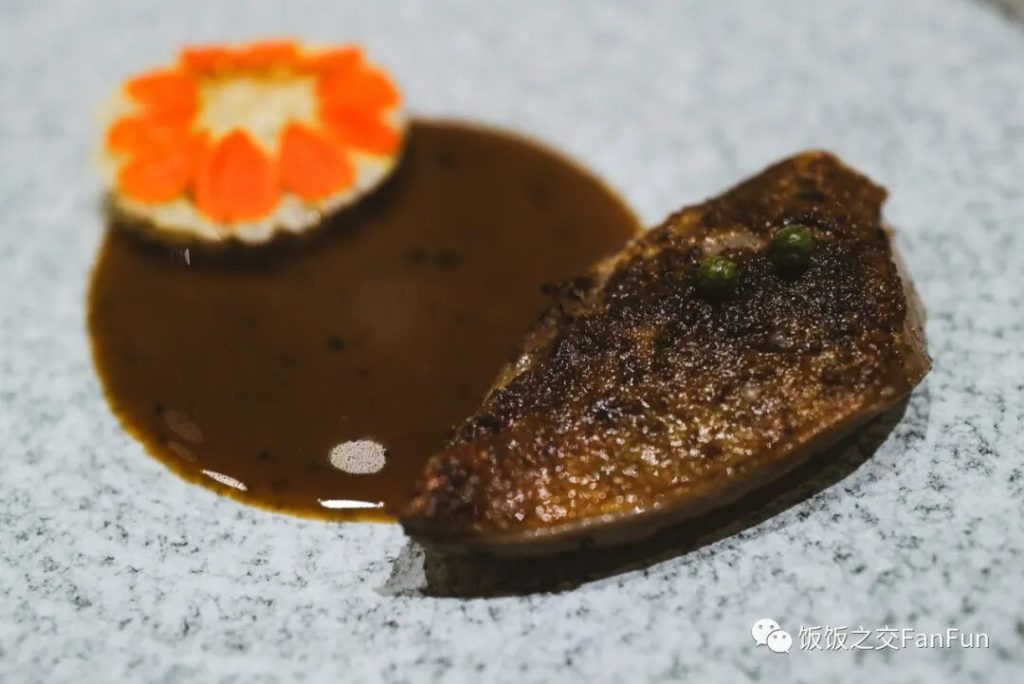
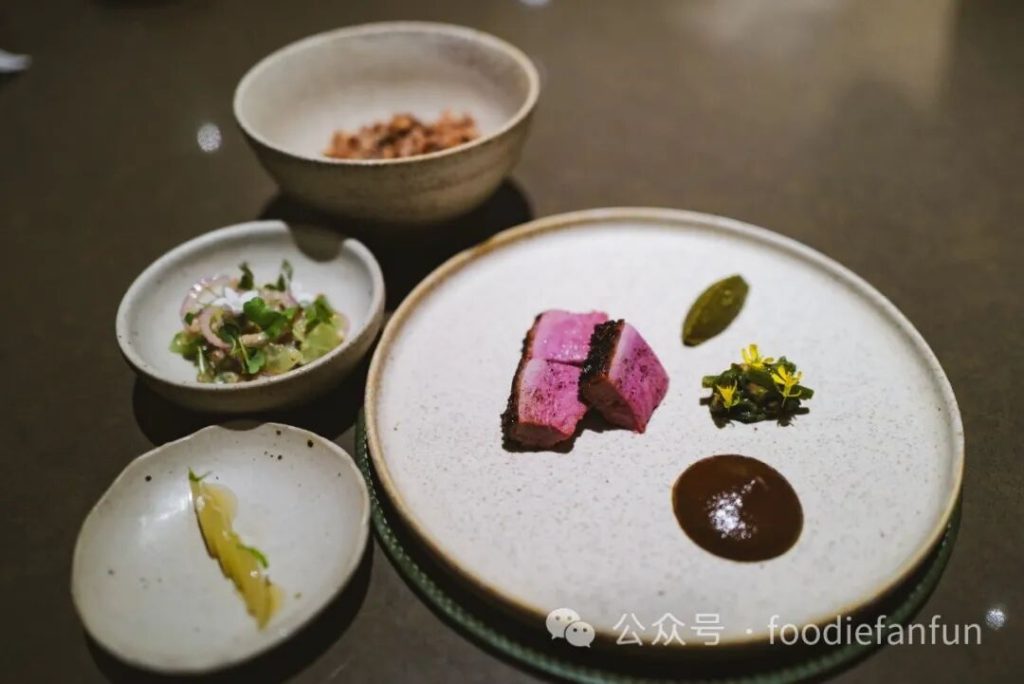
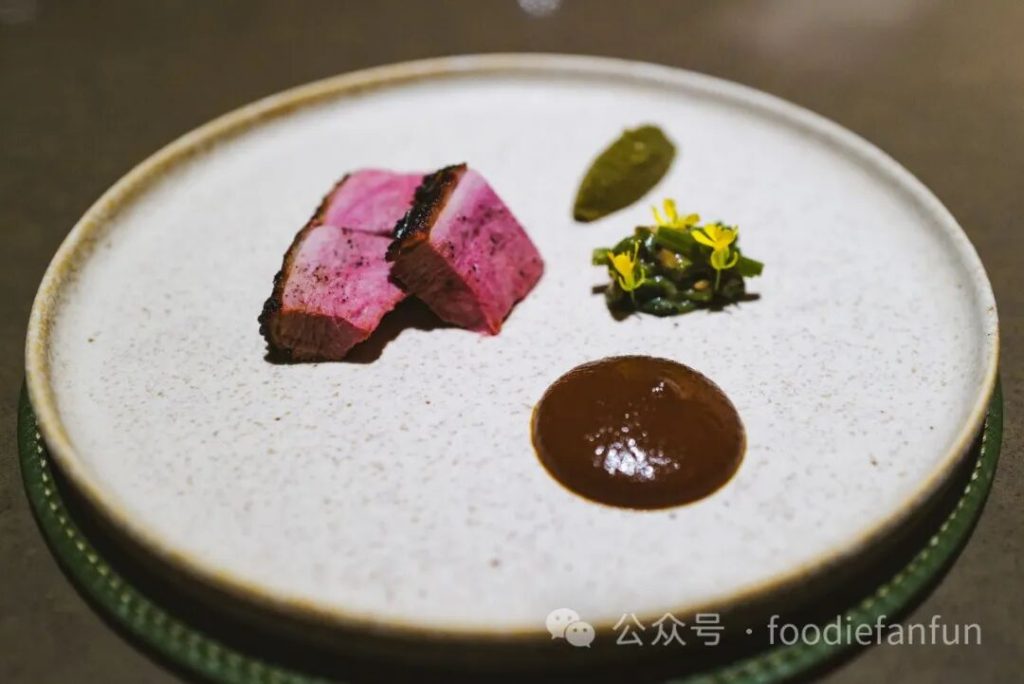
    Pigeon / Grains / Corn
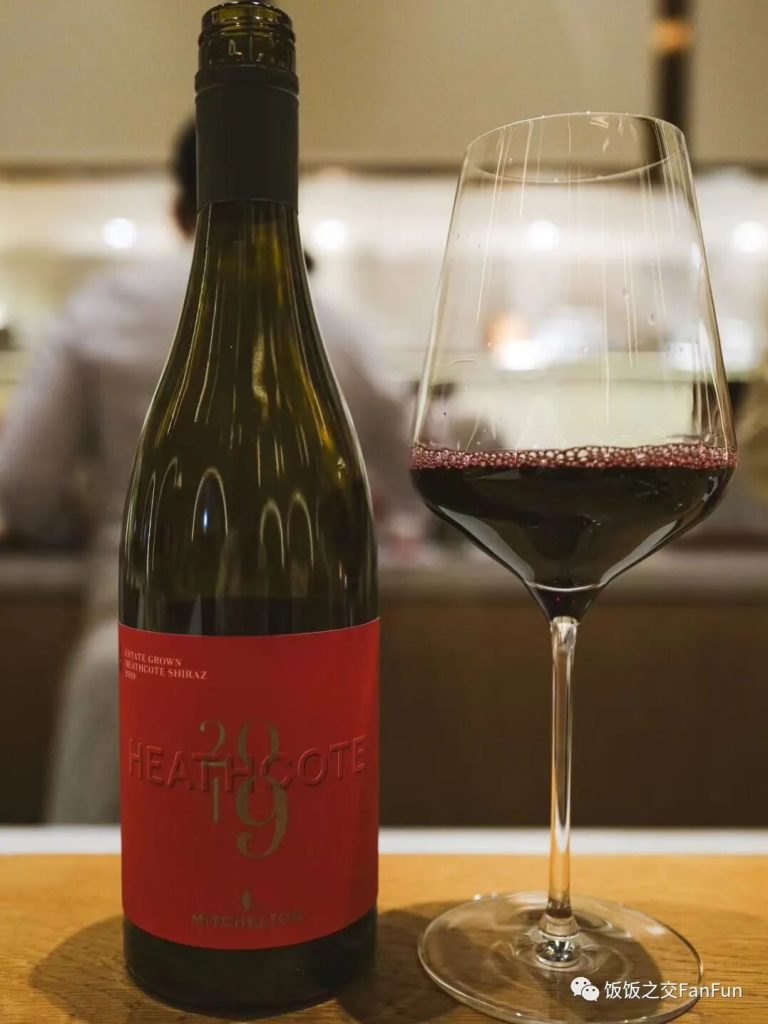
    2019 Mitchelton Estate Grown, Heathcote | Victoria, Australia

    Corn, job’s tears, aged pigeon.

    Zor said this represents the cycle of life — the pigeon eats corn, we eat the pigeon. Genuinely true.

    The pigeon skin is aged for seven days to dry it out, giving it a texture with a bit of chew. The aged breast meat, meanwhile, turns firmer, with plenty of gamey character.

    Paired with an Australian Syrah, whose fruit and spice character make it a safe, solid match for the aged pigeon.
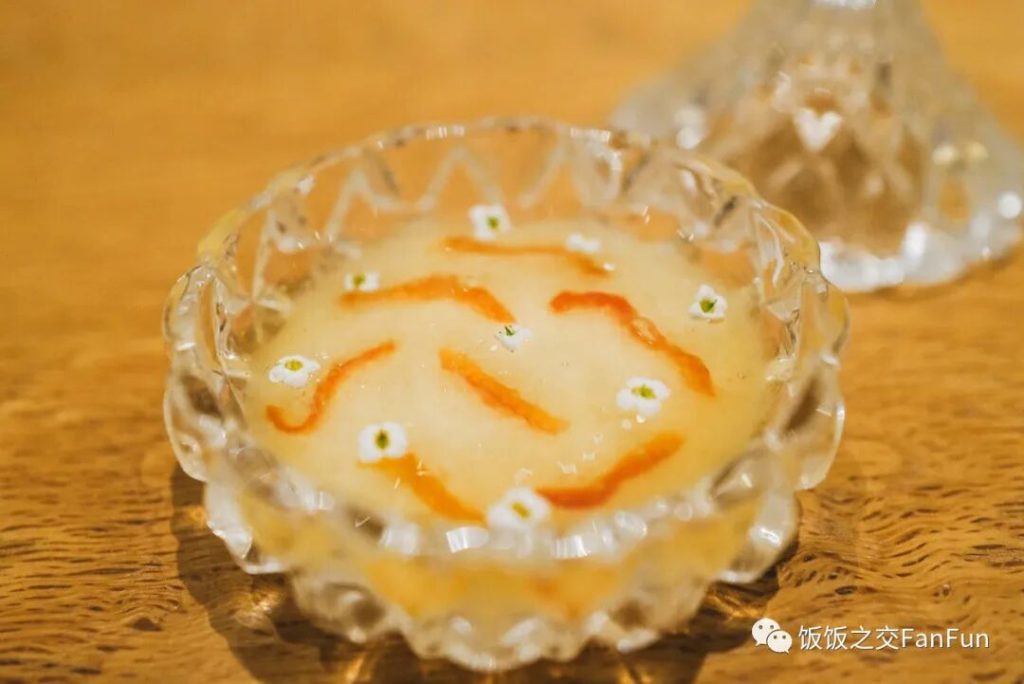
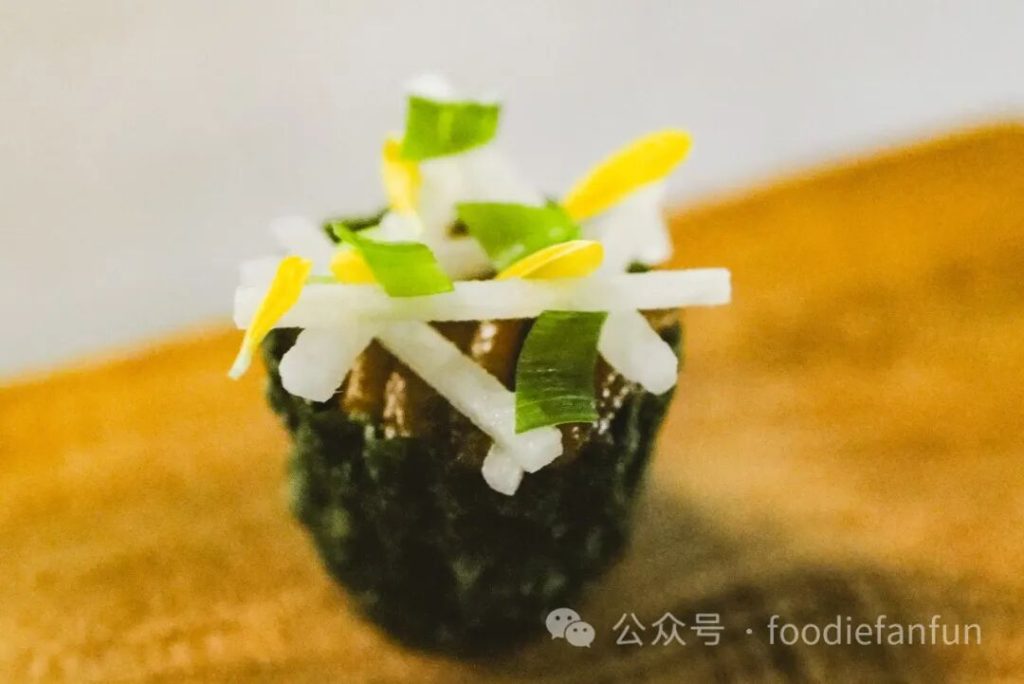
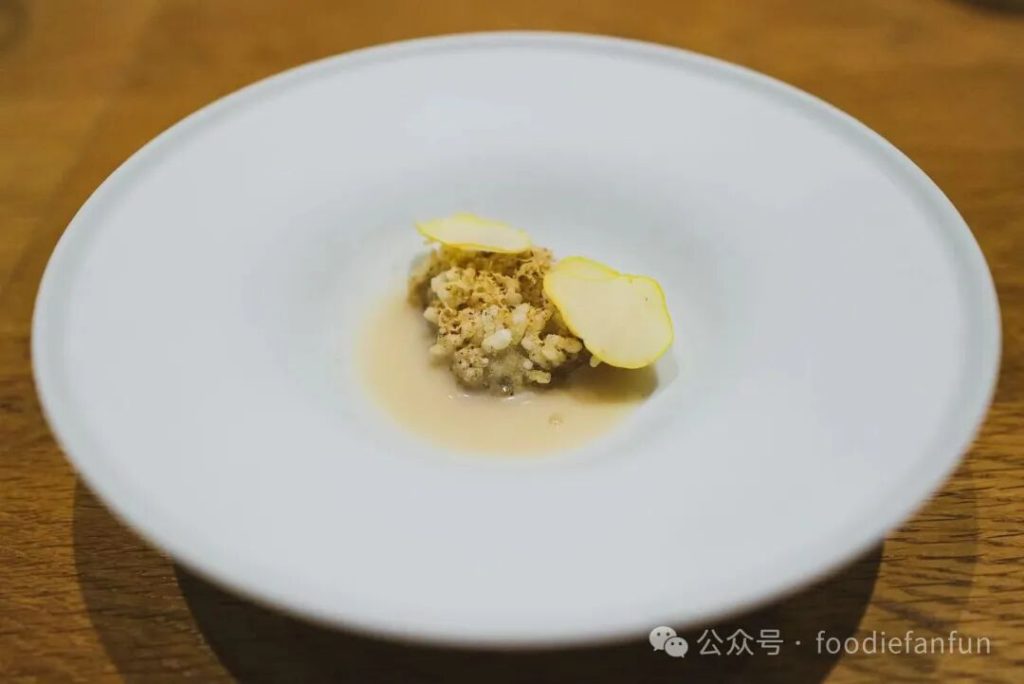
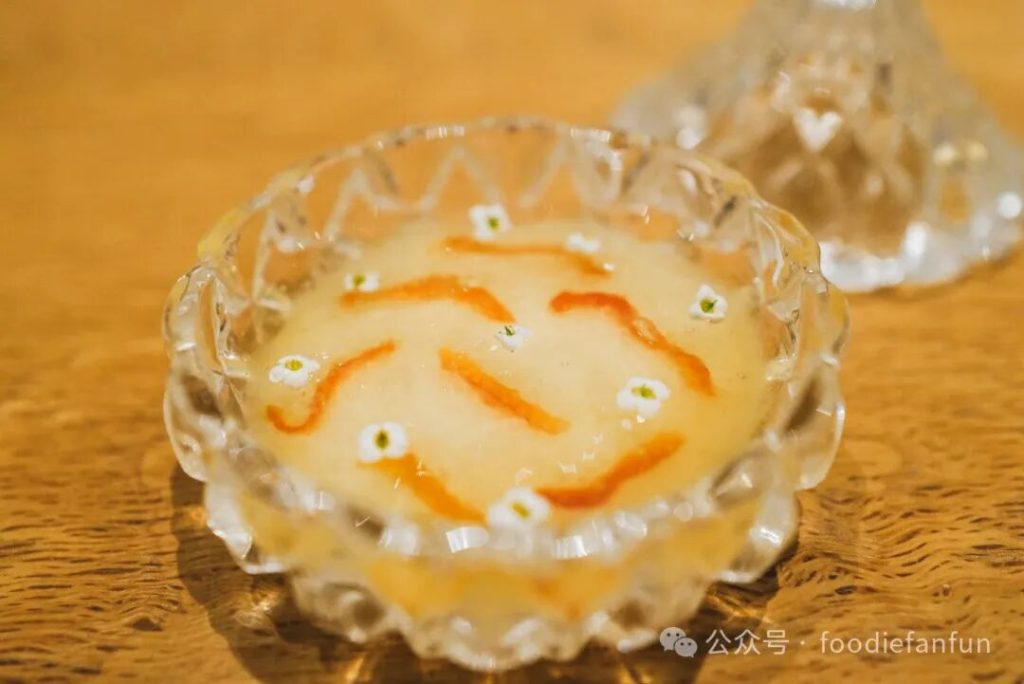
    Bird’s Nest / Kumquat / Elderflower

    The pre-dessert is genuinely charming — it brought to mind a little fish pond.

    A bird’s-nest base, with thin strips of cured kumquat scattered across it like fish darting through water.

    The elderflower and citrus-peel aroma is light, both palate-cleansing and calming.
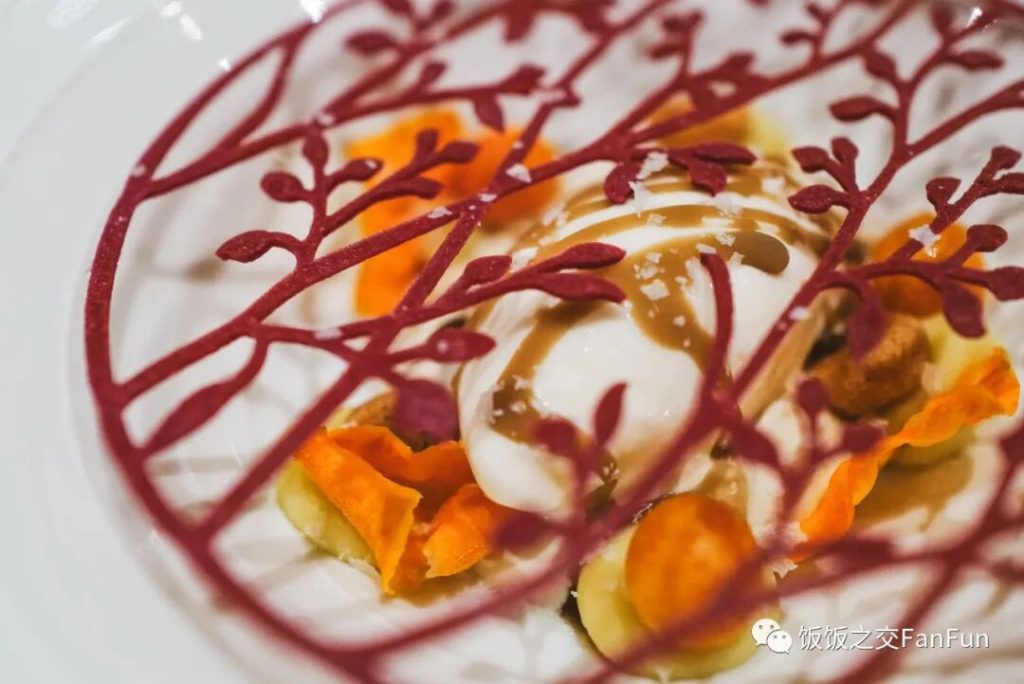
    Sweet Potato / Oolong / Sea Salt
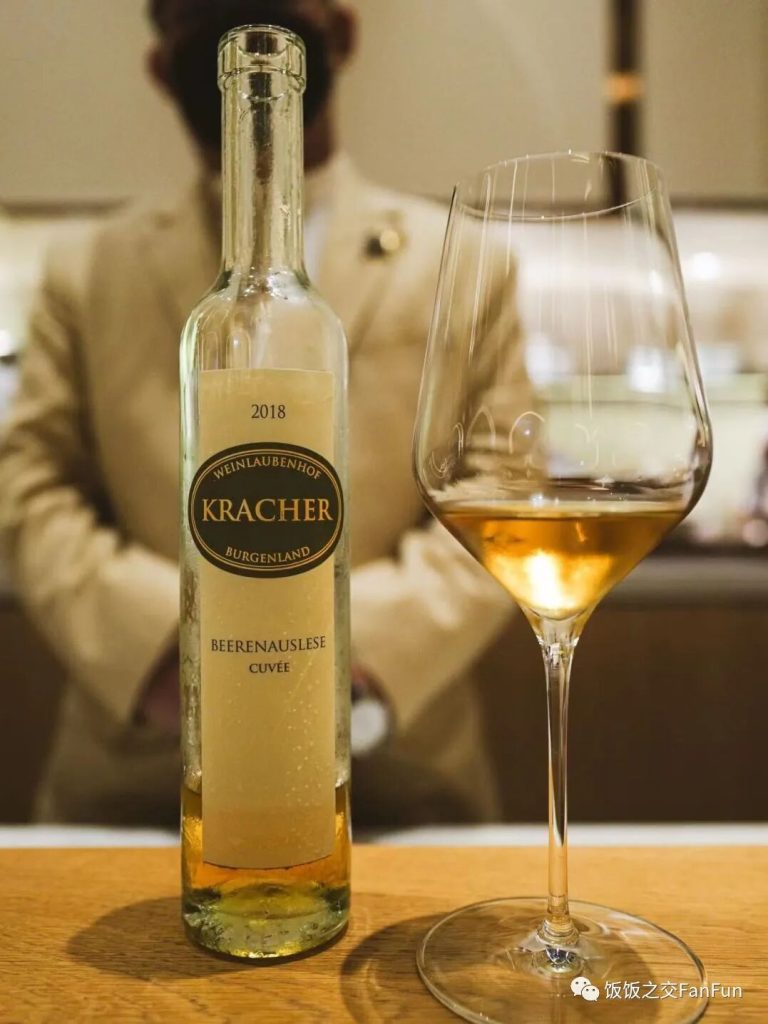
    2018 Kracher, Beerenauslese Cuvée | Burgenland, Austria

    Purple sweet potato crisp, pumpkin mochi, sweet potato purée, oolong — genuinely homestyle in feel.

    Layers of crisp, chewy, and delicate textures collide, brightened by a slightly savory sea-salt ice cream. Meanwhile, the various root vegetables sing in harmony while each still holding its own character.

    This is genuinely the kind of dessert you finish and still want more of — familiar, humble elements stacked together, somehow turning into something this interesting.

    The wine pairing sticks to the same idea, with a touch of delicate salinity bridging it all together.
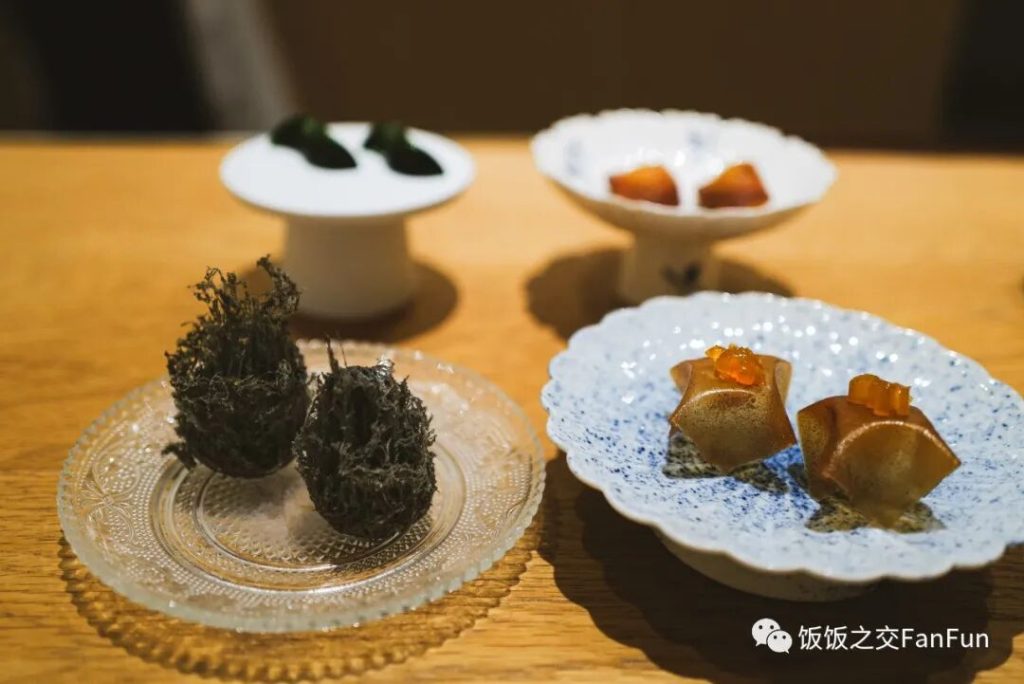
    Sour – Hawthorn / Passionfruit

    Sweet – Brown Sugar / Taro

    Bitter – Ginseng / Dark Chocolate

    Spicy – XO Sauce / Burnt Butter

    The final course is Petit Four — four tiny bites, each keyed to sour, sweet, bitter, and spicy, a taste of life’s full range.

    Zor says a person can only truly appreciate sweetness after tasting bitterness. Eat the faintly bitter chocolate first, then work your way around before biting into the crisp taro dumpling, to feel that final delicate sweetness.
    The logic running through the whole menu is clear — you can see the restaurant’s caliber in it, and you can find exactly the flavor Zor wants to express.

    Though the menu tells the chef’s own story, the dishes never lean too hard on sentimental value — small stories are woven in as accents, folded into the food itself, left for guests to discover on their own.

    Everyone’s palate differs, and I can’t say I loved every single dish. But the experience across the whole menu flows smoothly and stays true to its core. The wine pairing, while staying safely reliable, still managed a few genuinely surprising pairings.

    I hope life can work the same way — that after tasting the bitterness, we can hold onto the sweetness.

    Cherish your family, and what’s right in front of you.

    Best Of Right Now.

    Restaurant Born

    Tuesday – Saturday

    6:00 PM -11:00 PM

    www.restaurantborn.com

    Chef’s Menu $368++

    Wine pairing $198++

    Non-alcohol pairing $118++

    Our goal

    is to help you find the most interesting part of life.

  • Seroja | Turns Out Malaysian Food Can Taste Like This

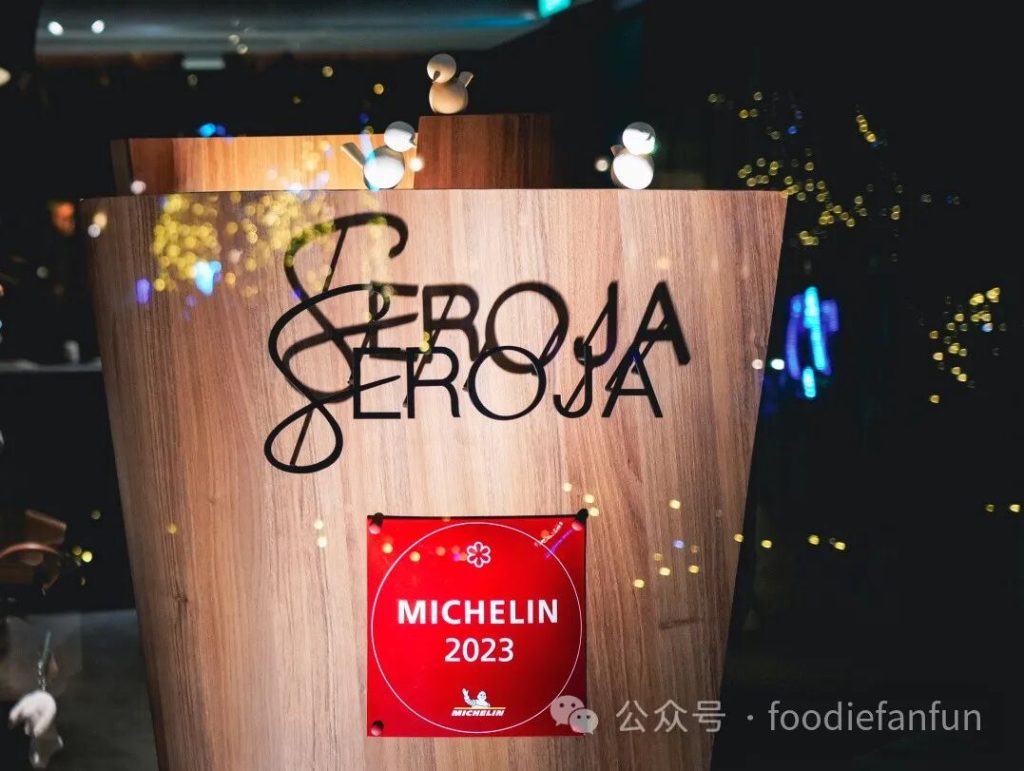
    Seroja turned out to be an unexpected bonus of this Singapore trip.

    We checked off a few names in Singapore — Park 90, the wine bar with a genuinely top-tier sommelier team; Restaurant Born, a fusion fine-dining spot that reframes Chinese food for the world; Tarte by Cheryl Koh, run by a Michelin-three-star-trained pastry chef — all thoroughly impressive.
    Then Labyrinth turned into a real letdown.

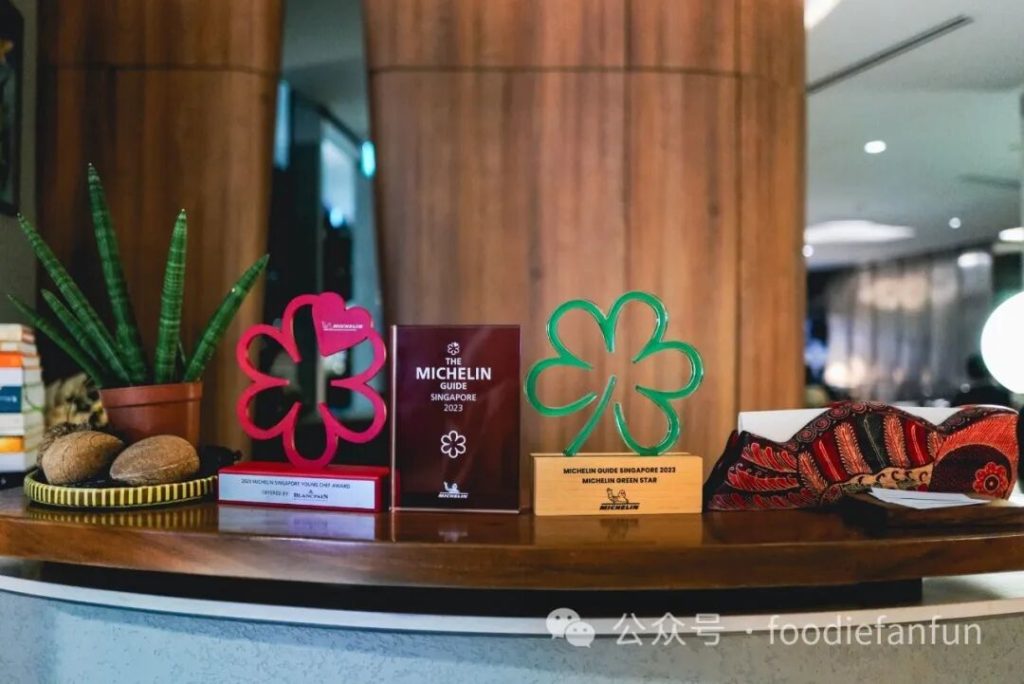
    Not willing to end the trip on that note, I had a friend pull off a last-minute booking at this legendary rising star — also a Michelin Green Star restaurant.

    Seroja means lotus in Malay, a shared symbol across the many ethnic communities of the Malay Archipelago, and also a nod to Jalan Seroja, the street where chef Kevin Wong grew up.

    * * * * *

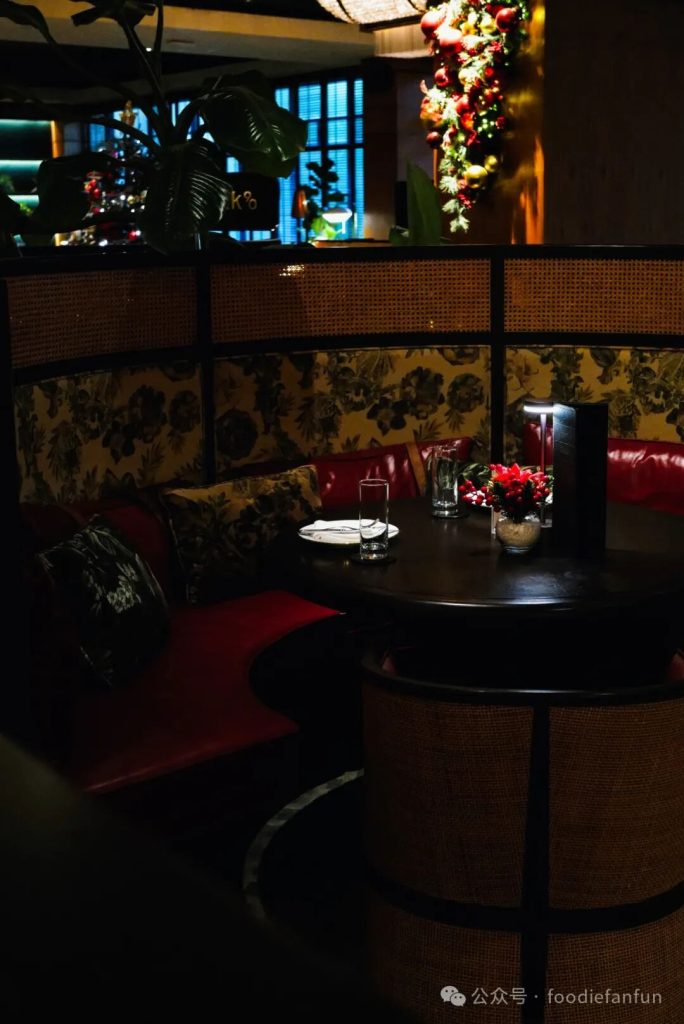
    The space itself is still classic fine dining, but the details lean heavily into Malay elements, from the palm leaves decorating the entrance to a roofline shaped after the Malay Archipelago. The suited staff carry just the right amount of poise, while still holding onto that warm Malay hospitality.

    Tobby | Coconut

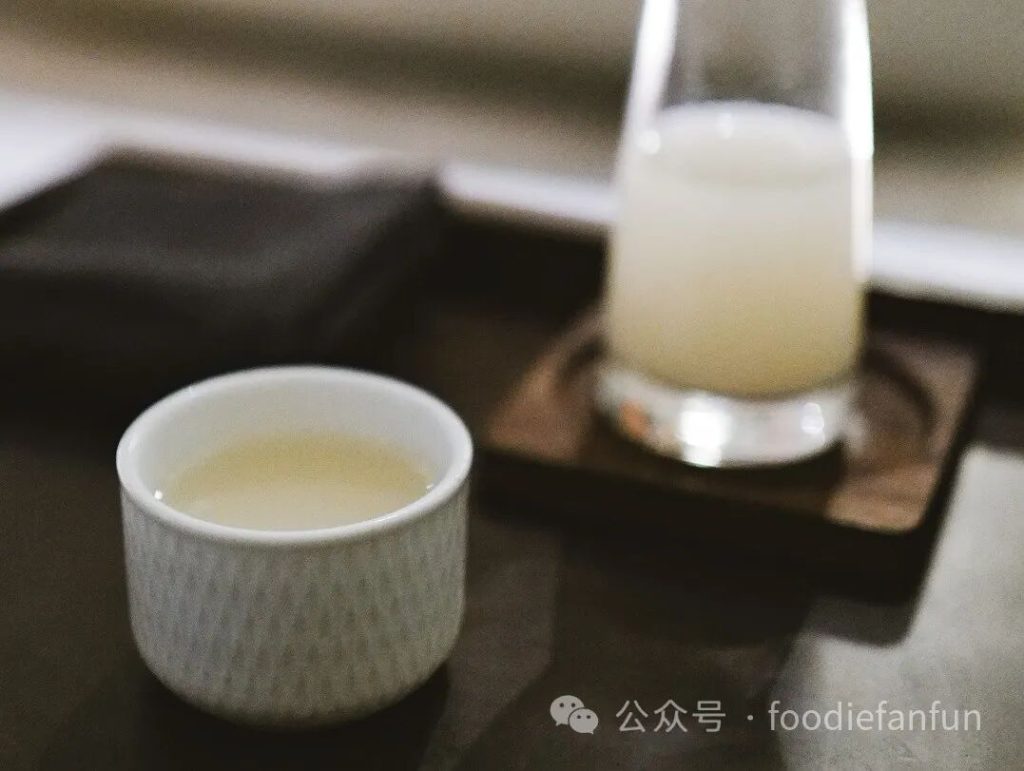
    We were seated with a glass of the restaurant’s own fermented Tobby.

    Countries with abundant rice make rice wine; countries with abundant coconuts, naturally, make coconut sparkling wine. Tobby is a coconut sparkling drink that every Malaysian household knows how to brew.

    This is a non-alcoholic version, lightly sparkling, full of fresh coconut aroma — clean and appetite-sharpening.

    * * * * *

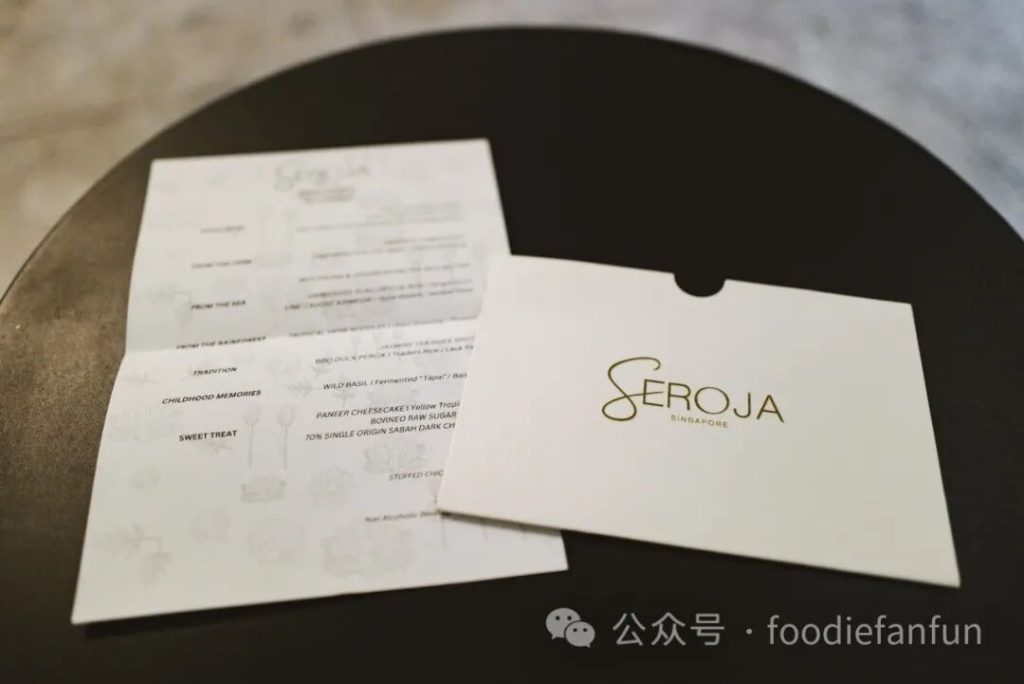
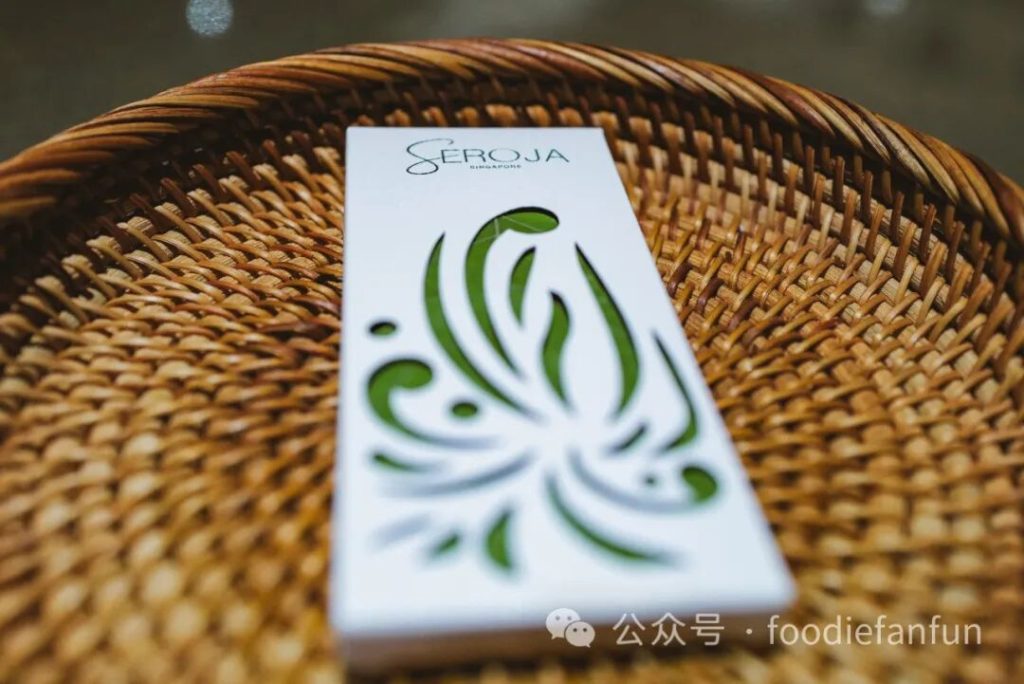
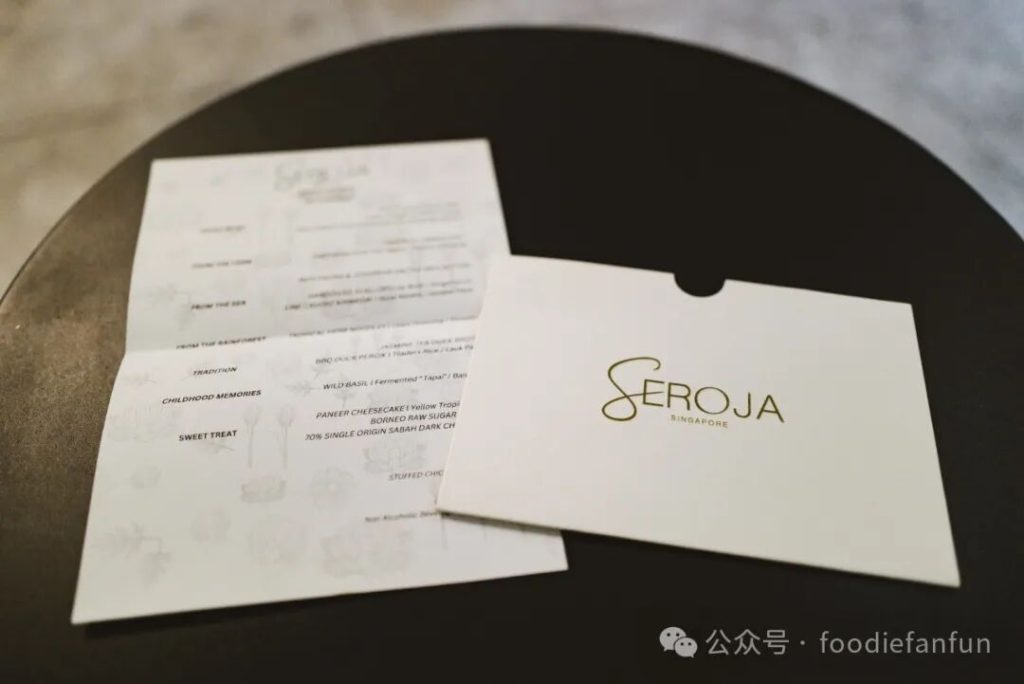
    One side of the menu lists that night’s dishes; flip it over and there’s a QR code showing their partners — everything from cacao, sugar, and spice, to space design, floristry, and music, a long list with names in bold. This is Seroja’s way of thanking its ‘friends,’ and the gesture reads as genuinely warm and personal.

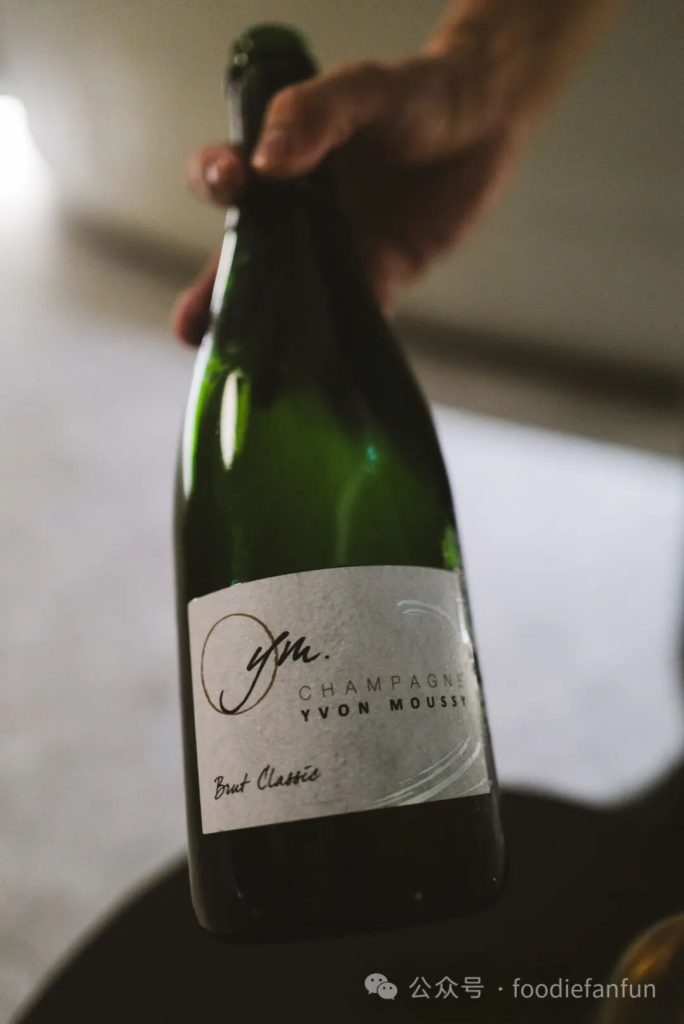
    Yvon Moussy Brut Classic NV

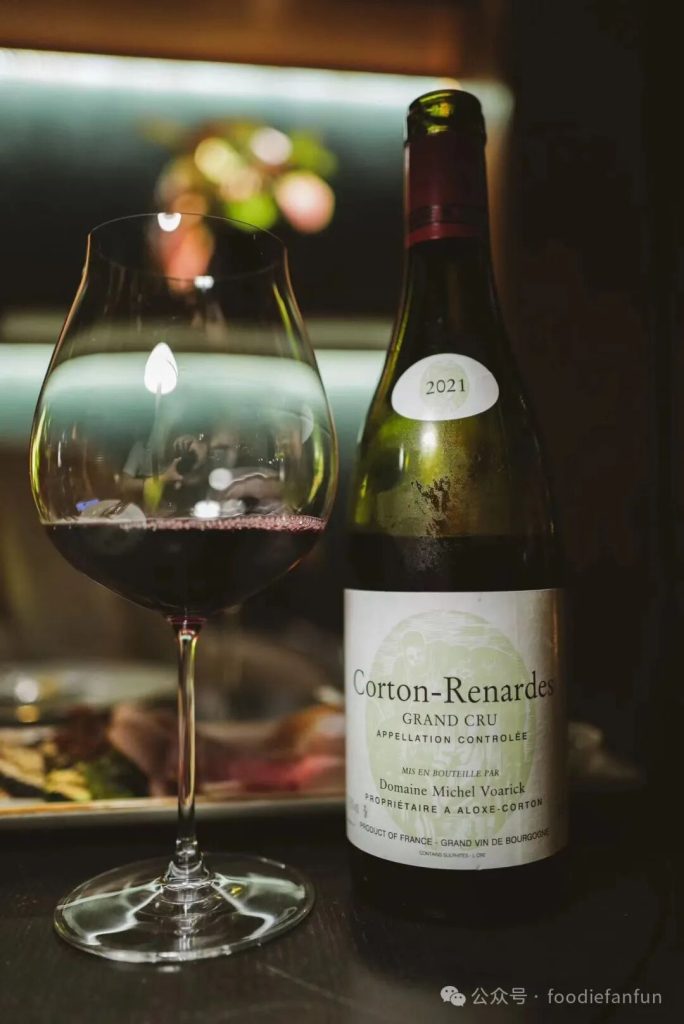
    I’d done my homework before arriving — Seroja’s wine list is known for boutique growers from small, lesser-known producers, spanning a wide geographic range. The wine pairing is genuinely excellent too.

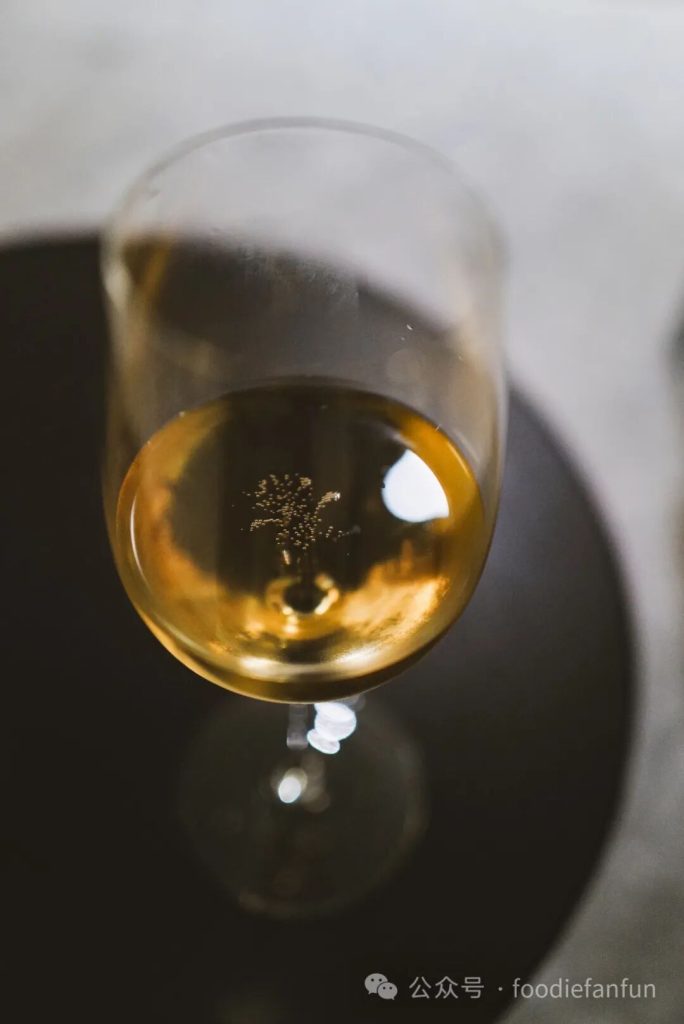
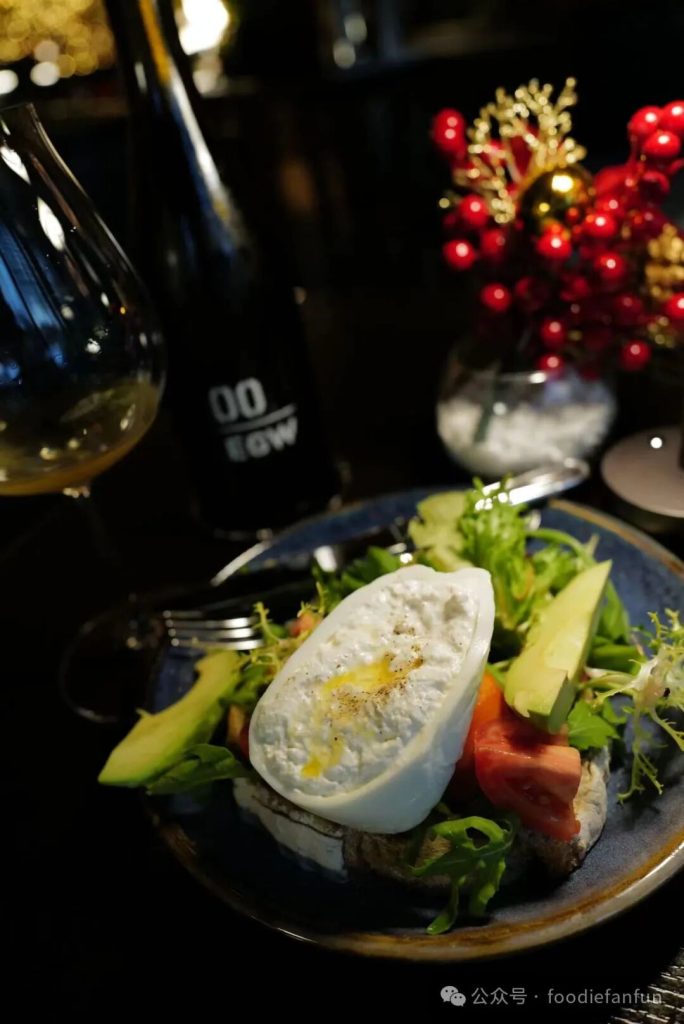
    The pairing officially starts with the second course, the salad, so at the very start I asked the sommelier to recommend a grower’s wine instead. Beautiful bubbles, a strong sense of minerality, layered stone-fruit aromas and bright acidity — the whole wine felt structured and full of energy. A great way to open.

    * * * * *

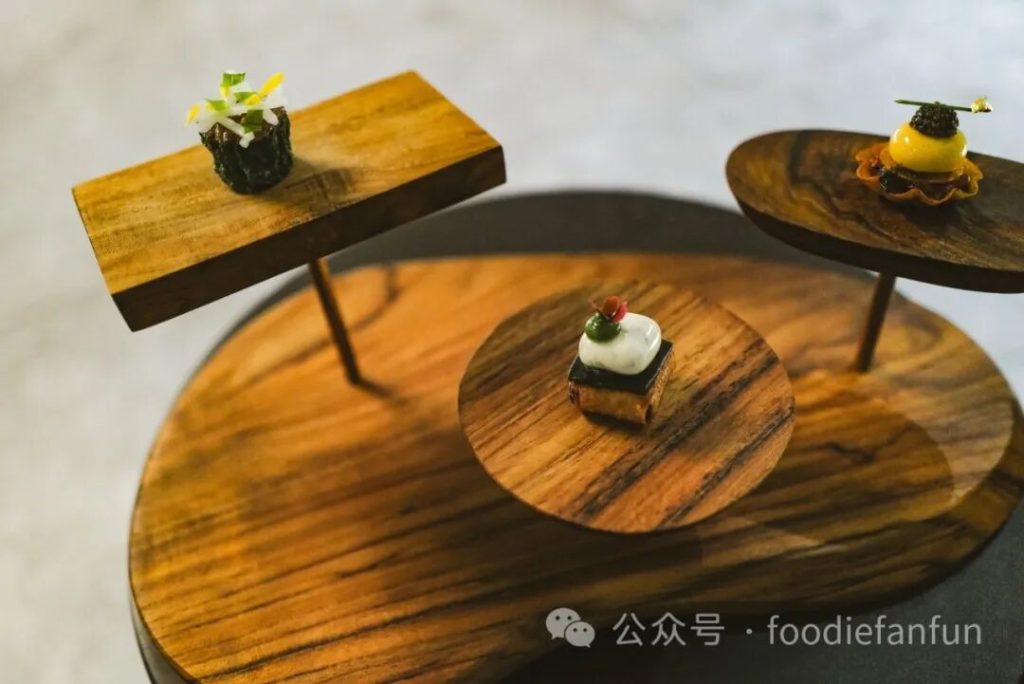
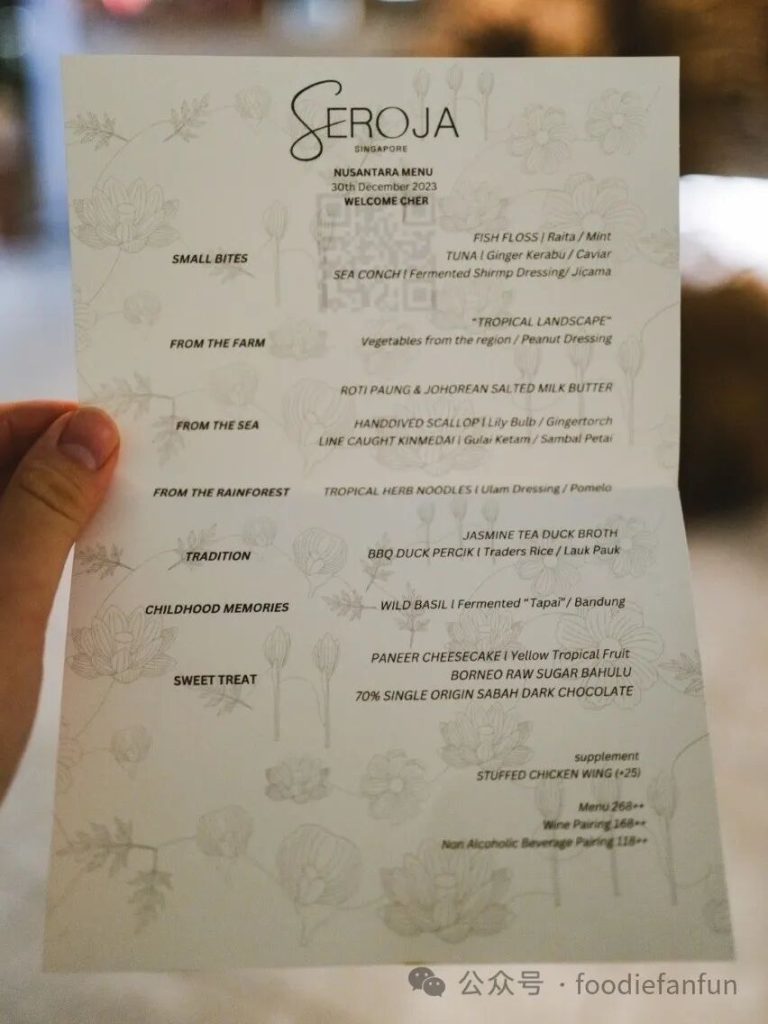
    SPICED FISH FLOSS / Raita / Mint

    TUNA / Kerabu / Caviar

    SEA CONCH / Fermented Shrimp Dressing / Onion Jam

    The surprises started right from the opening trio of snacks.

    First up: fish floss with an Indian-style yogurt-and-vegetable sauce — crisp shell, soft inside, with a distinct Southeast Asian character.

    Next: tuna belly and toro paired with ginger-spiked kerabu and caviar, rich and soft with a faint Japanese undertone.

    Last: a little tower of sea conch, firm in texture, seasoned with fermented shrimp paste and onion — it brought to mind a classic Malay-table salad.

    Three creatures from the sea, each sharing the same freshness but heading off in completely different directions in texture and seasoning — a real showcase of how diverse Malay cuisine can be.

    * * * * *

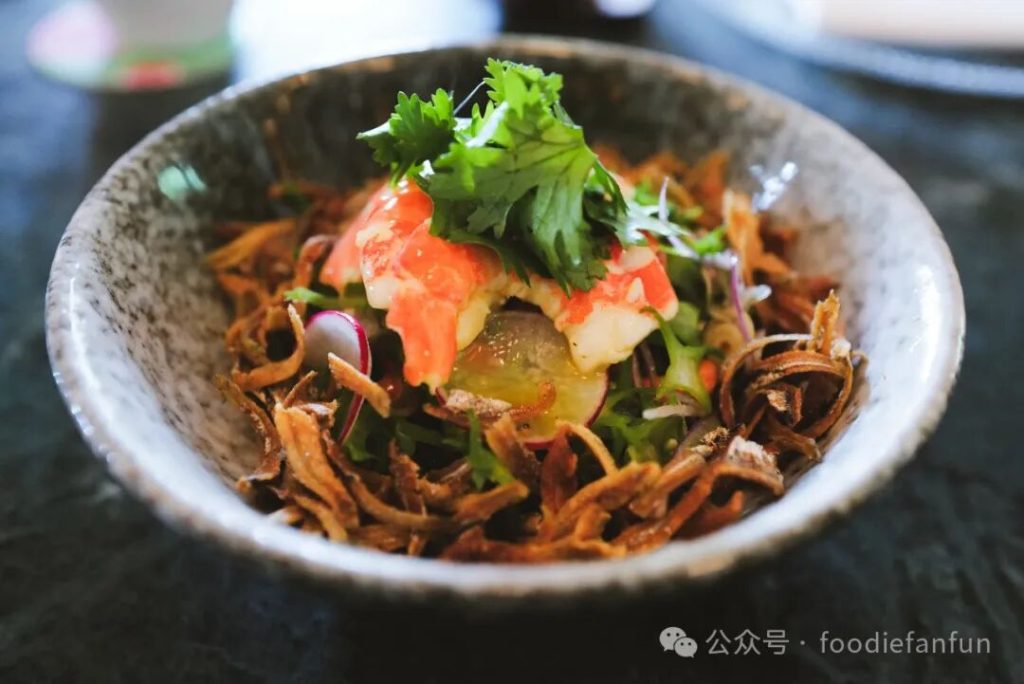
    “TROPICAL LANDSCAPE”

    I genuinely never guessed this was a salad.

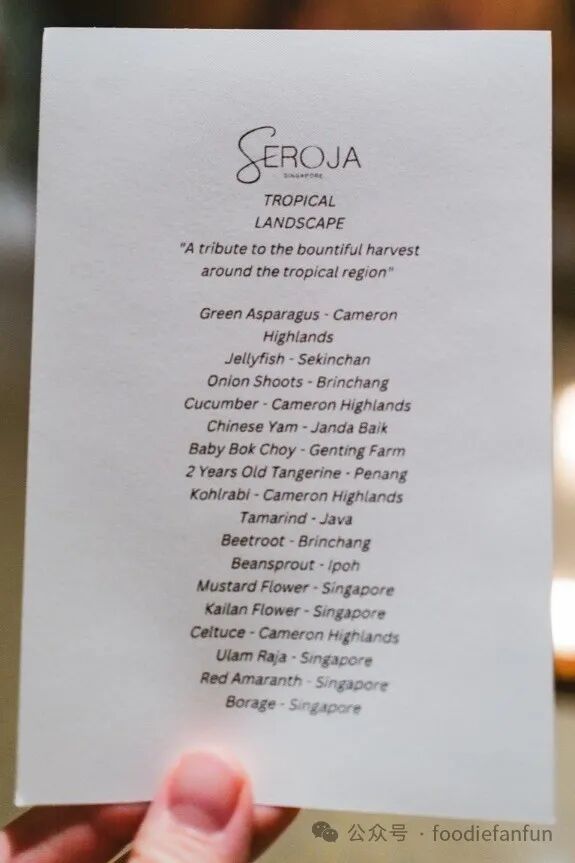
    Over a dozen ingredients pulled from the tropics, all listed out by the restaurant: asparagus from Cameron, jellyfish from Sekinchan, yam from Janda Baik… finished with a sauce made from Java tamarind.

    Just reading through the place names and ingredients alone felt like a fascinating little journey through geography.

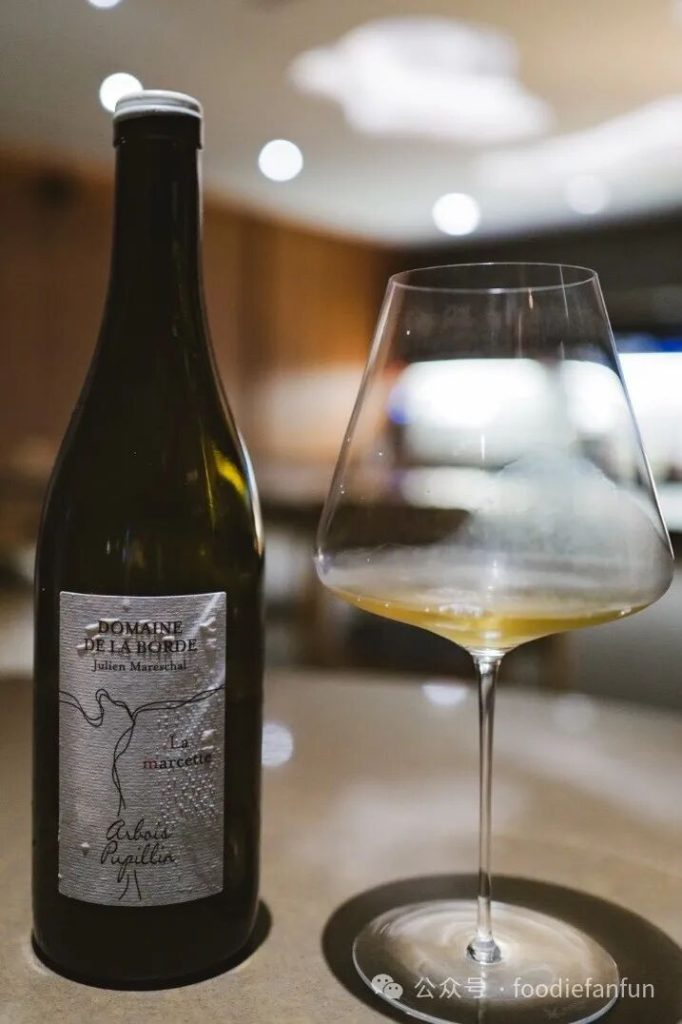
    Domaine de la Borde – La Marcette

    The pairing here, surprisingly, was a Chardonnay from the Jura — a tiny 5-hectare estate in Pupillin, sitting at 300 meters, on red marl-limestone, aged 12 months on lees under an anaerobic process.

    On its own it’s a genuine surprise: stone-fruit aromas mixed with a sea-breeze note, bright acidity, a touch of cream, quickly overtaken by an intense minerality that fills the palate, finishing with a clear salinity and a long finish.

    A wine this structured and savory paired with a bright, layered salad — an absolutely perfect match.

    * * * * *

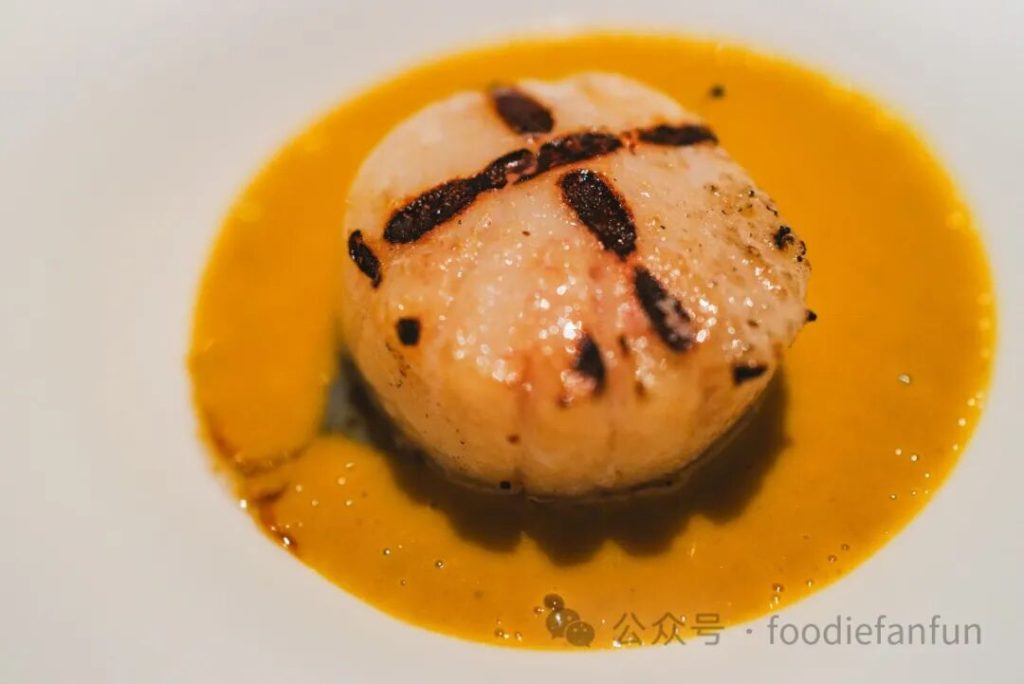
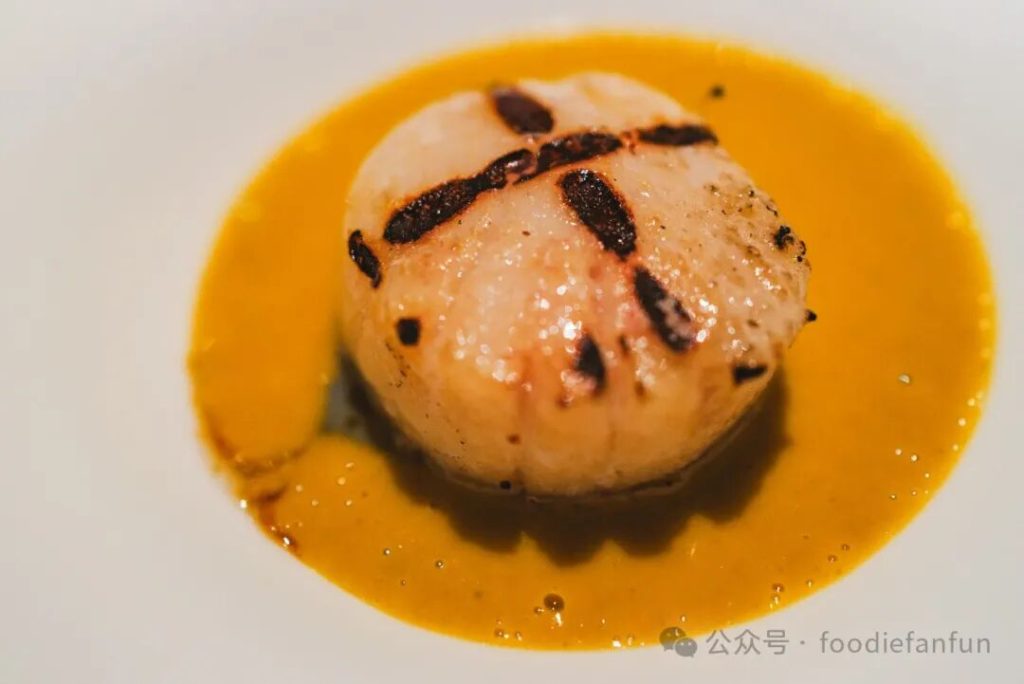
    HAND DIVED SCALLOP / Lilybulb / Gingertorch

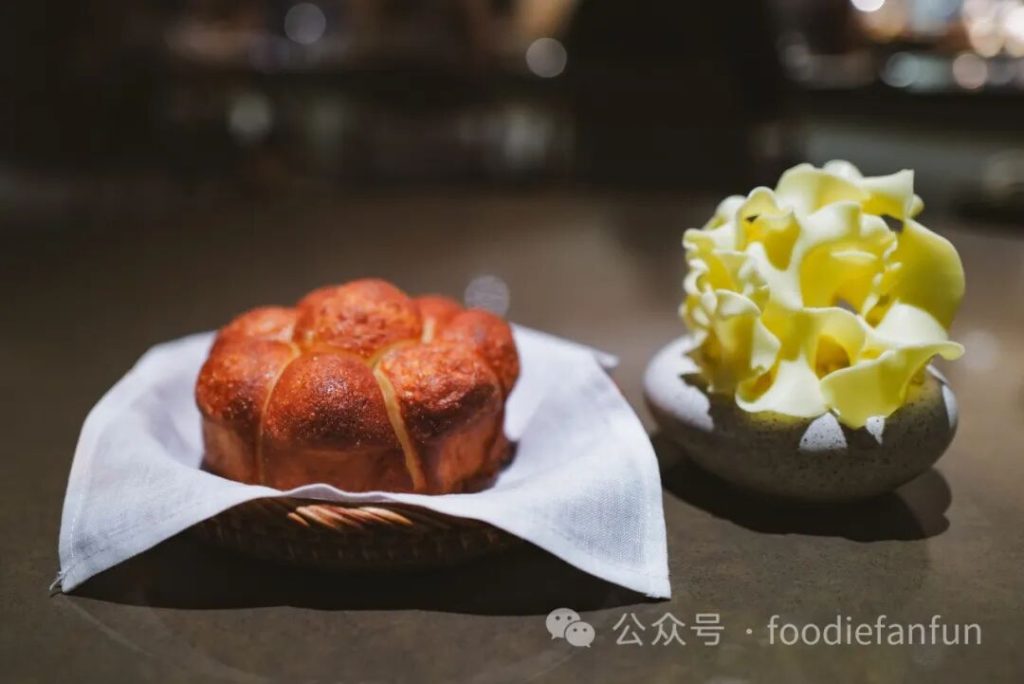
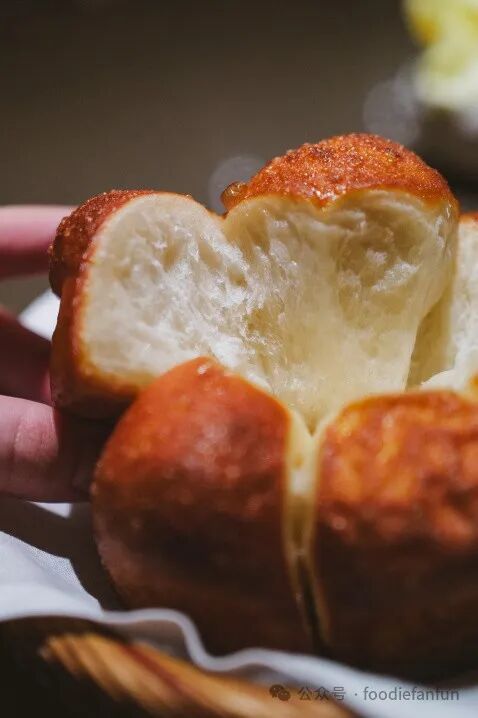
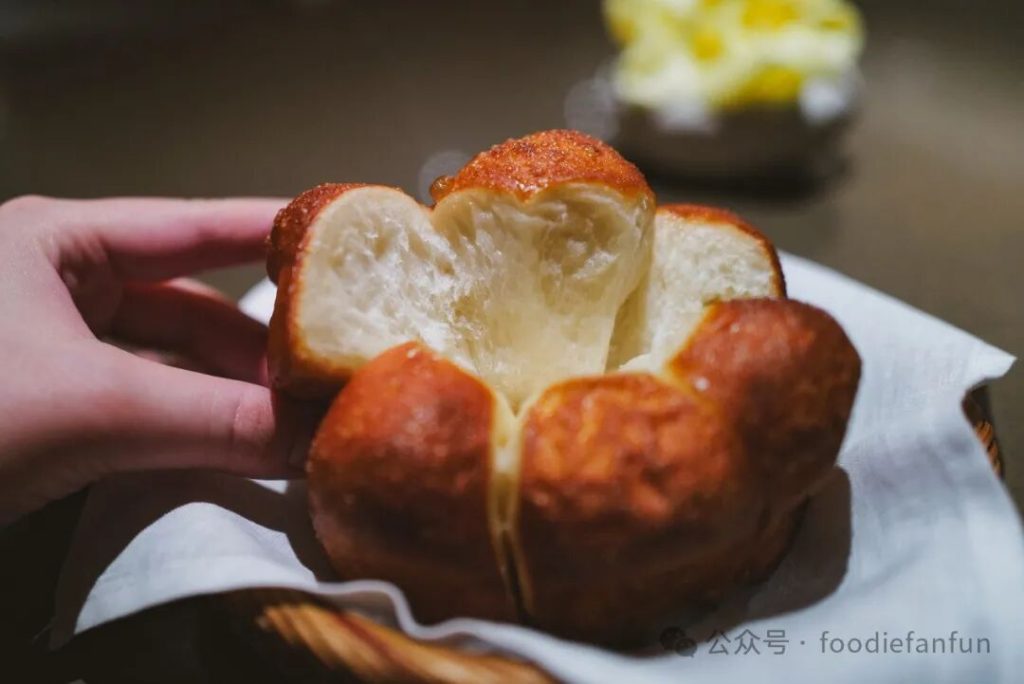
    ROTI PAUNG

    The large scallop comes from Iwate, Japan — fragrant, tender, with a translucent milky-white center.

    But what’s really worth mentioning is the torch ginger sauce served alongside — a highly ornamental tropical plant whose flavor resembles ginger, made into a sauce that’s fresh yet carries a familiar, warm spiciness.

    Dipped in roti, it’s rich, grounded, balanced, and genuinely memorable.

    It tasted familiar somehow, yet this was the first time I’d ever dipped bread into a ginger sauce — and I still wiped the plate clean!

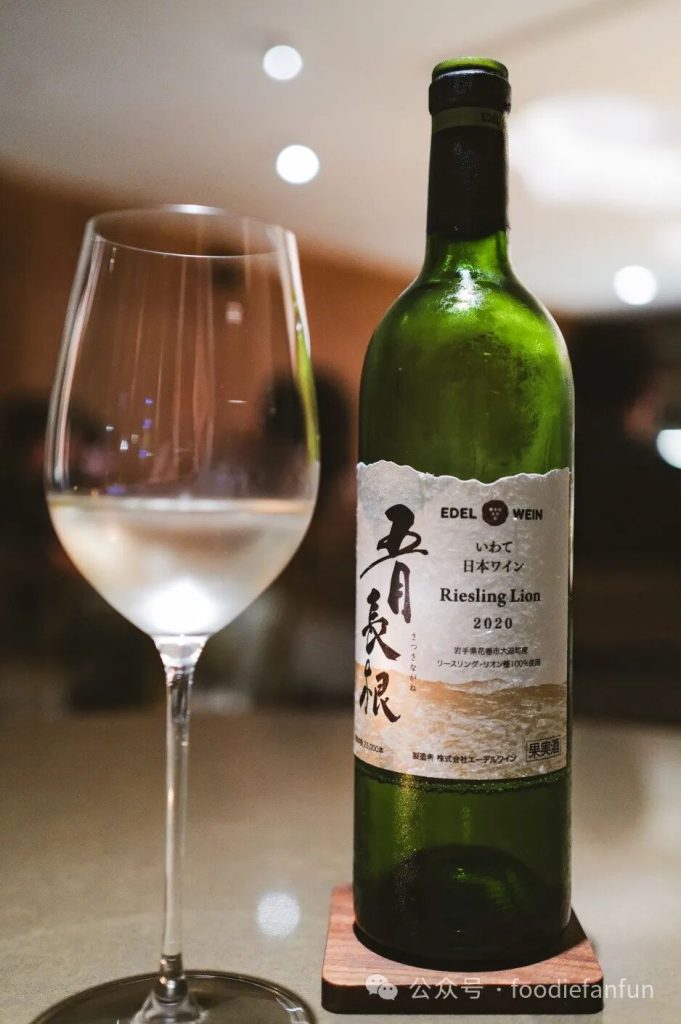
    EDEL WINE SATSUKINAGANE RIESLING LION

    The pairing here was clever — another wine from Iwate, but this time not sake, a Japanese-produced Riesling.

    Green apple and grapefruit brought plenty of fresh, bright fruit character, with well-balanced acidity. It paired beautifully with the scallop, and also bridged nicely with the ginger’s spice and the butter in the roti.

    * * * * *

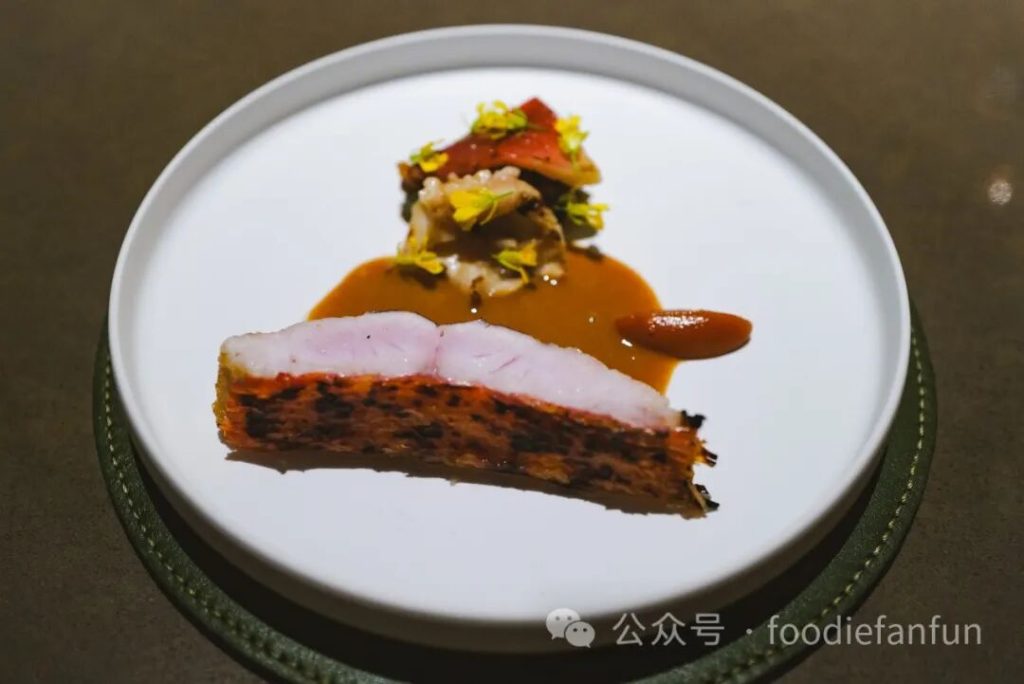
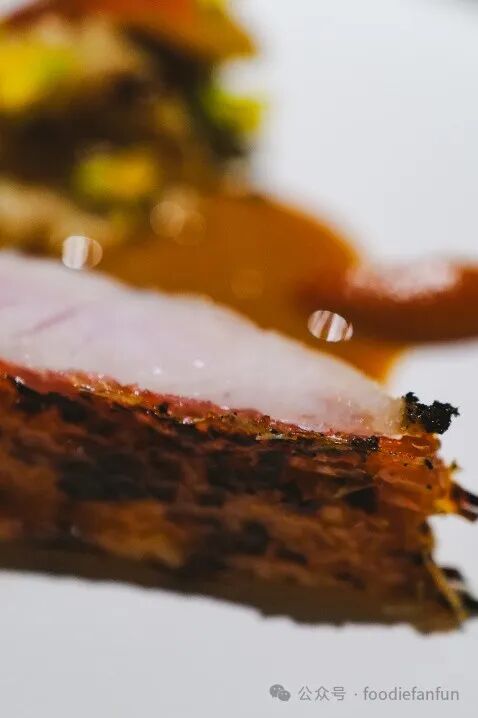
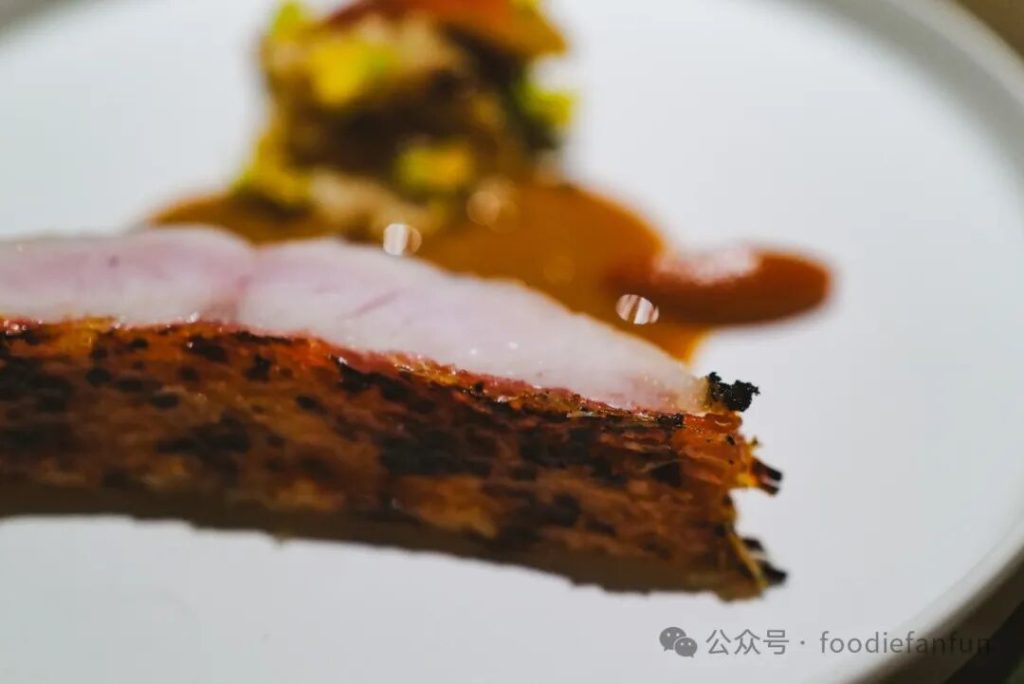
    Golden-eye snapper is well known in Japanese cuisine as a tropical sea fish, but Singapore, Malaysia, and Thailand are actually where the species originally comes from.

    Living up to its reputation as the “King of Grilled Fish,” Seroja treats it here with a char-grilling method — a touch of smoke running through the crisp skin and tender flesh, layering freshness with softness in a genuinely appealing way.

    It’s paired with sambal, the spicy shrimp paste every Malaysian household keeps on hand — a genuinely inspired and fitting match for the fish.

    I have to say, sitting at Kevin’s table feels like a running exploration of Malaysia — every dish turns up some new discovery from Malay culture.

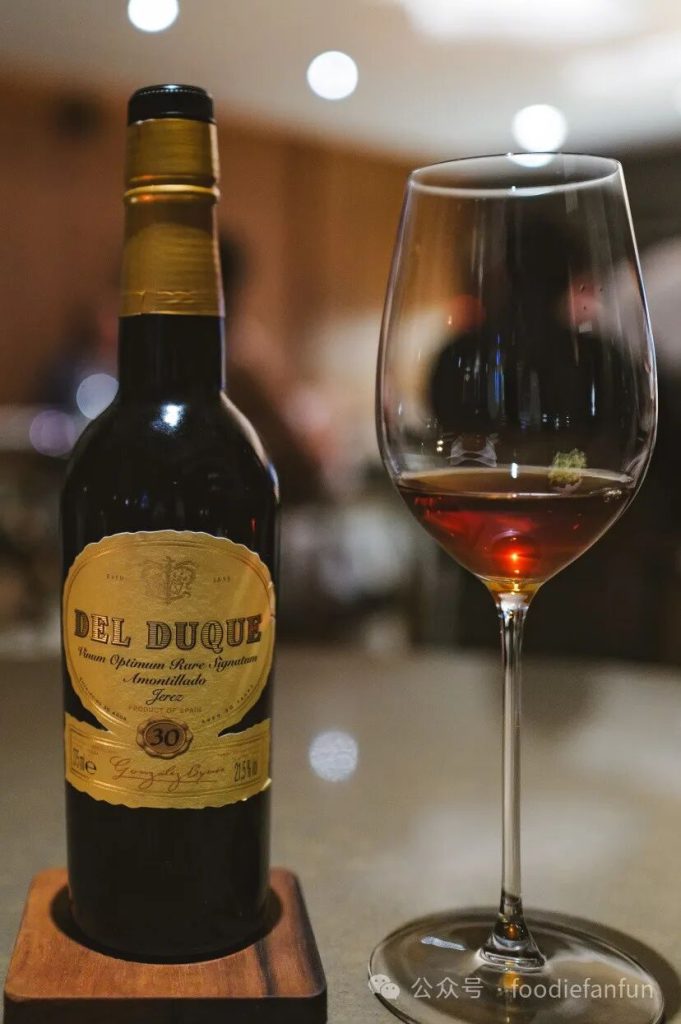
    Completely unexpected: the pairing here was a 30-year Amontillado Sherry.

    Rich dark fruit, dried apricot, cinnamon, mineral, and nutty aromas — landing perfectly on the smokiness from the fish skin, while the wine’s own savory character stretched out the whole dish’s presence.

    The aftertaste got pulled out and amplified — a genuinely stunning pairing.

    * * * * *

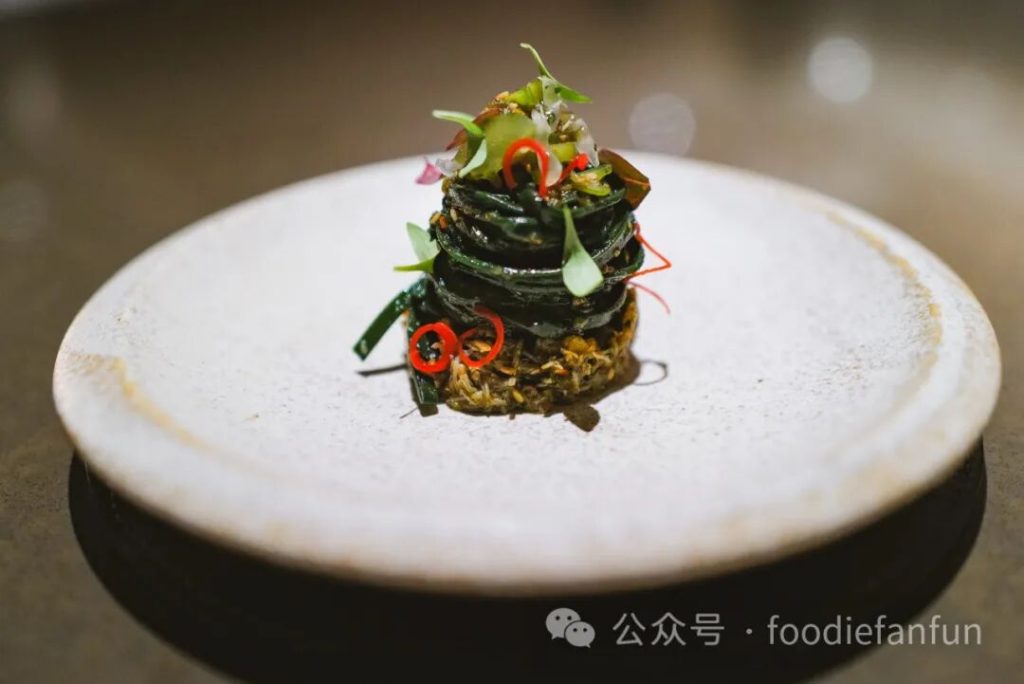
    This is the restaurant’s famous cold noodle dish, and it truly lives up to its reputation.

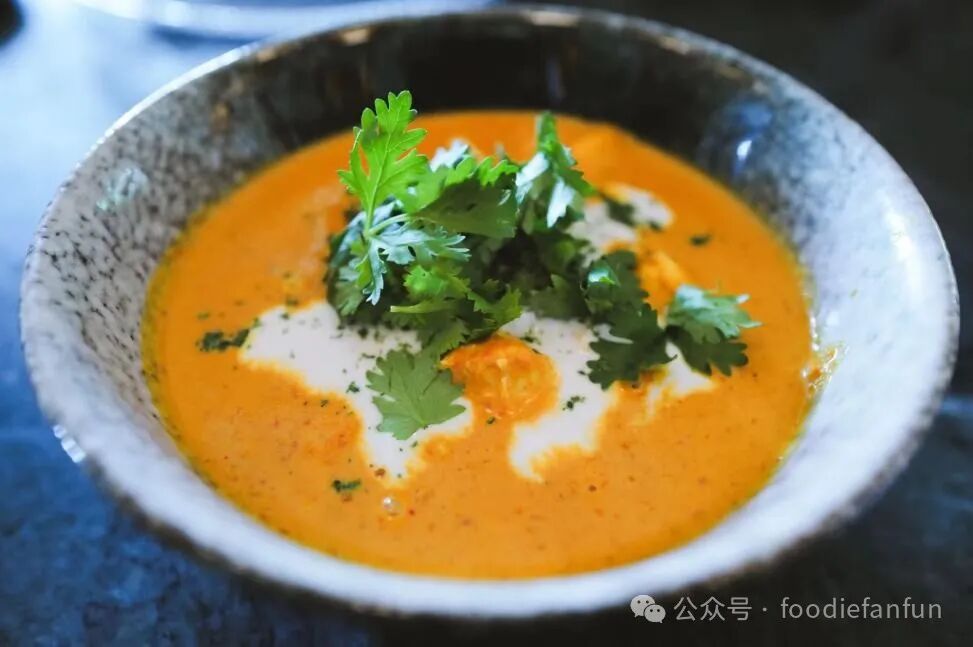
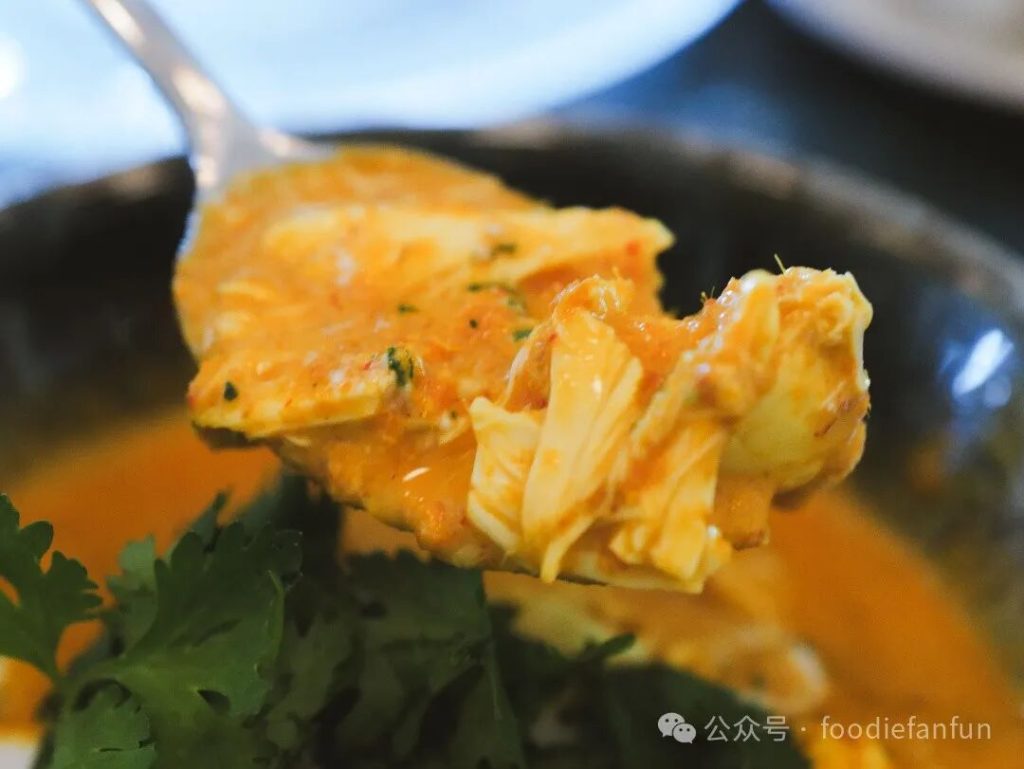
    Complex tropical herbal aromas balance perfectly against the noodles’ body, carrying both chew and a cooling quality. Crab meat holds up the dish’s freshness and its gentler side. Touches of sweetness and crunchy heat make the whole bowl feel even richer.

    It’s a cold crab noodle that looks deceptively simple but genuinely hits home.

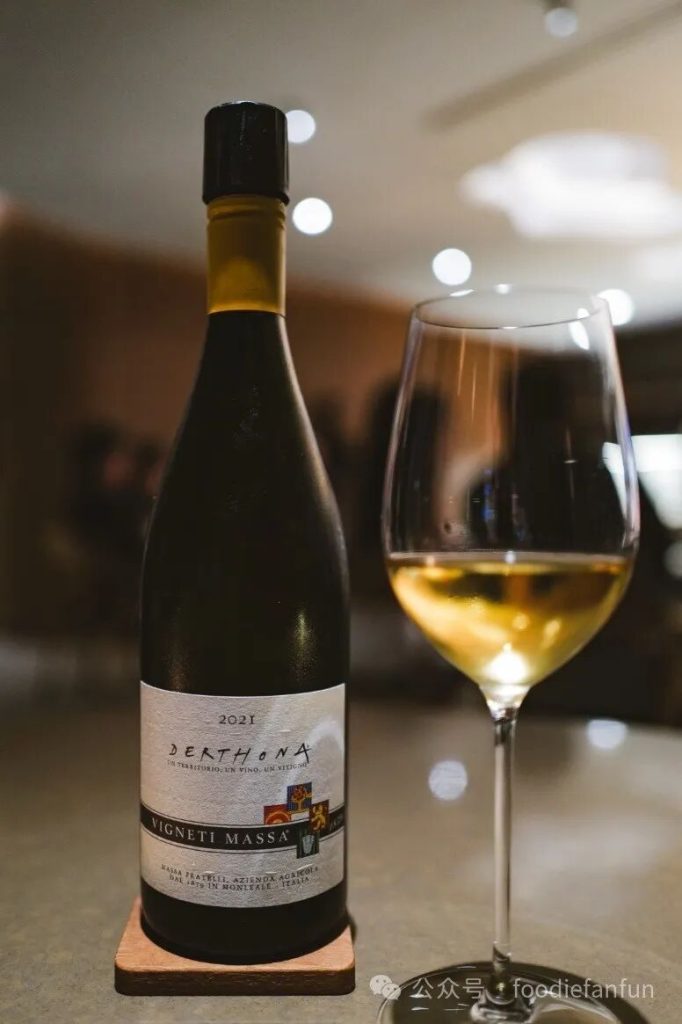
    Vigneti Massa Timorasso ‘Derthona’ 2021

    I never expected the wine pairing to introduce me to a variety not even covered in the WSET Level 3 textbook — Timorasso, a rare grape grown in small quantities in Piedmont, known for producing highly aromatic wines that age well.

    This particular bottle was still quite young — abundant stone-fruit and floral notes, genuinely pleasant, with a very high concentration on the palate.

    By 70% through the meal, I was already convinced the wine pairing here was doing 1+1>2.

    It’s not chasing the same predictable, direct flavor match every time — it keeps switching up its pairing style and logic, and isn’t afraid to break convention. Genuinely impressive.

    * * * * *

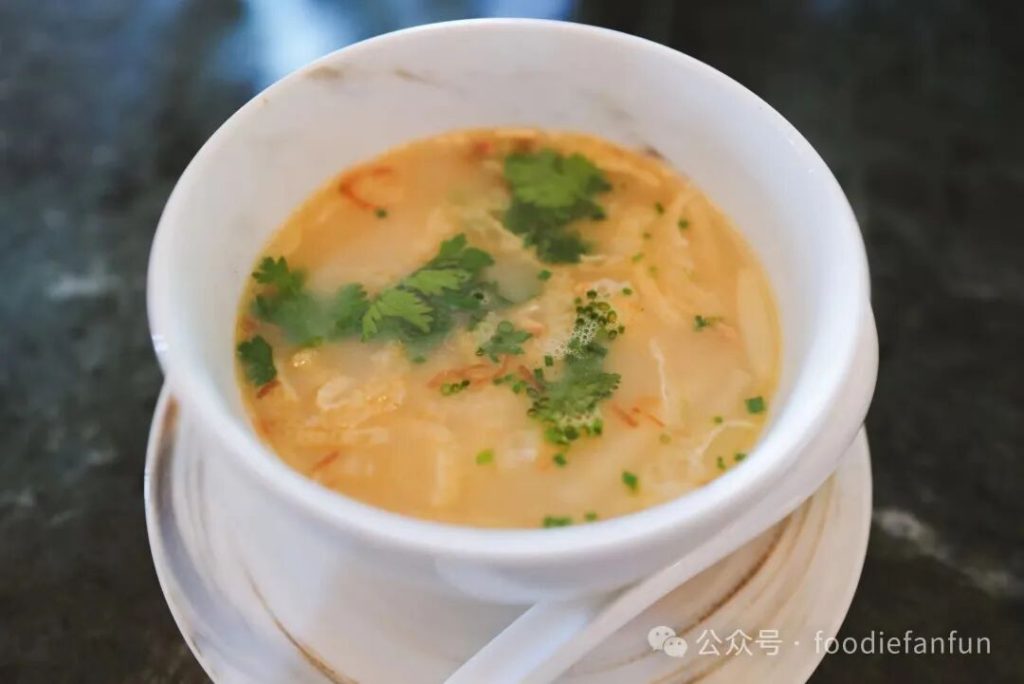
    JASMINE TEA DUCK BROTH

    Before the main course, a clear broth to reset the palate.

    Rich duck broth meets the light fragrance of jasmine — soft and warm. And of course, there’s no skipping the Southeast Asian touch: kaffir lime leaf adds a distinctive, arresting fragrance.

    * * * * *

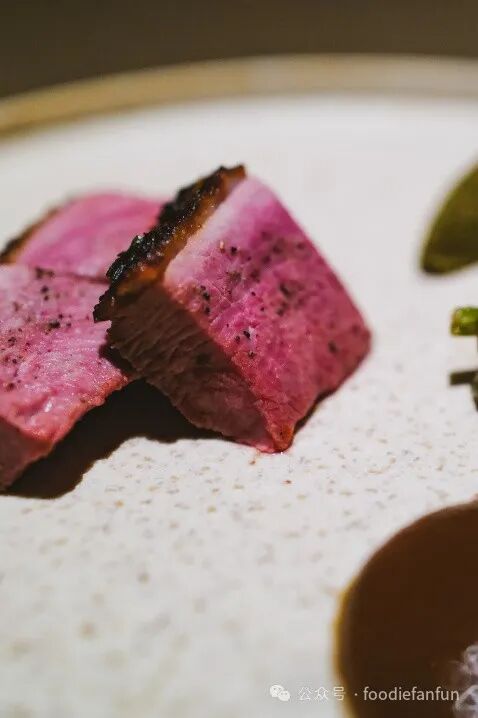
    After the duck broth comes the main course: duck breast.

    Alongside it arrives lauk pauk — a whole spread of side dishes showcasing the sheer range of Malay flavor profiles. This lineup alone could be its own tasting menu.

    A fresh fern side dish, a shrimp-paste salad, gourd pickles, a coconut-based sauce… nearly every bite is something surprising. There’s freshness, a touch of sweetness, crunch, and a burning kind of heat too.

    There’s also rice made from grains grown in the mountains of Sarawak — the top layer crisped up sweet and fragrant, the bottom full-bodied and chewy. I couldn’t help but finish the whole bowl.

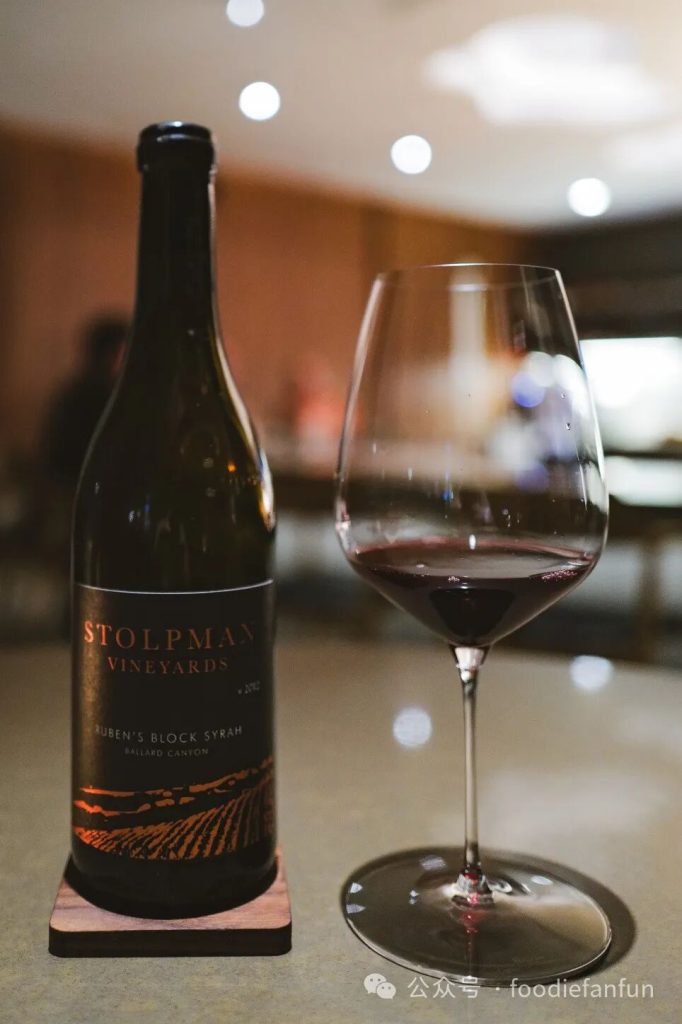
    Ruben’s Block Syrah 2017

    A Syrah from Ballard Canyon, from a vineyard block perched right on a cliff above Ballard Creek. Violet, anise, mint leaf, and blackcurrant aromas, with a full body that moved gracefully between the duck and the sharply distinct side dishes — one wine handling a whole spread of different flavor profiles.

    * * * * *

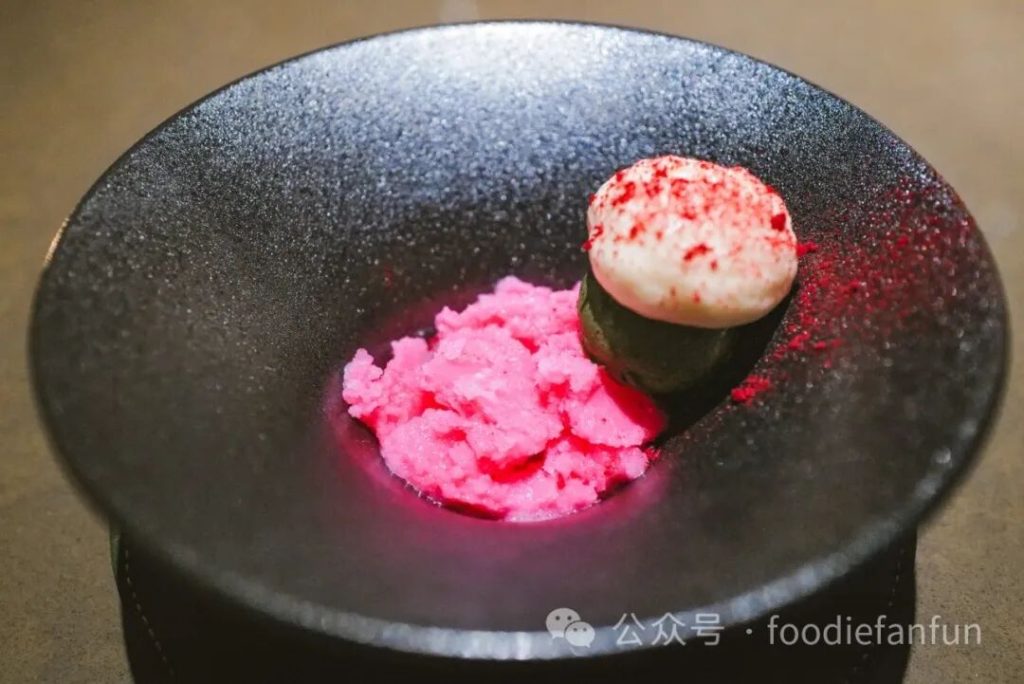
    By the pre-dessert, the chef brought back a memory from his childhood.

    A sorbet made from tropical herbs truly let every layer of tropical botanical aroma bloom. The accompanying fermented rice wine and kueh come together in a way where each layer is interesting on its own, but the mix is beautifully balanced — rich yet palate-cleansing.

    * * * * *

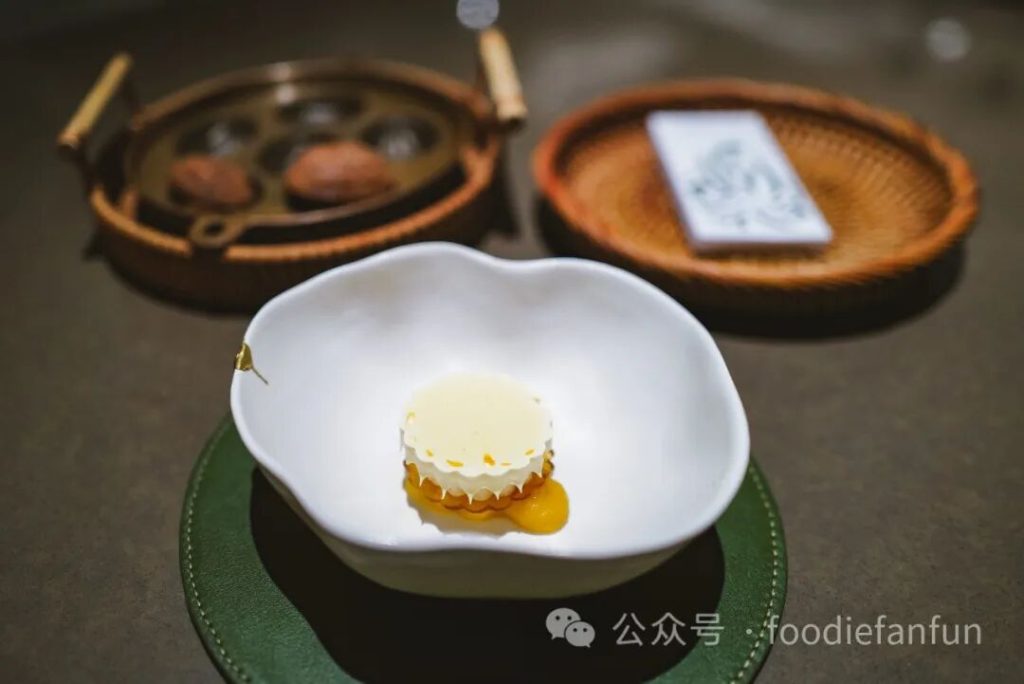
    BORNEO RAW SUGAR BAHULU

    The dessert arrives, and just from the colors alone you can feel the tropics.

    Mango, pandan, passionfruit — crack open the meringue on top and it’s like stepping straight into tropical fruit paradise.

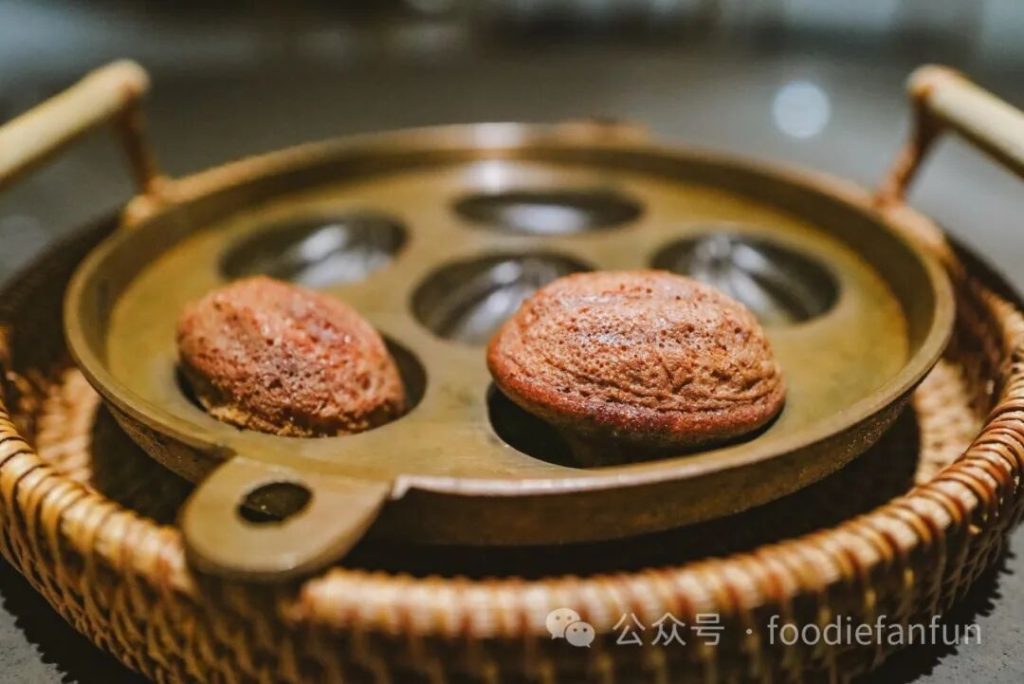
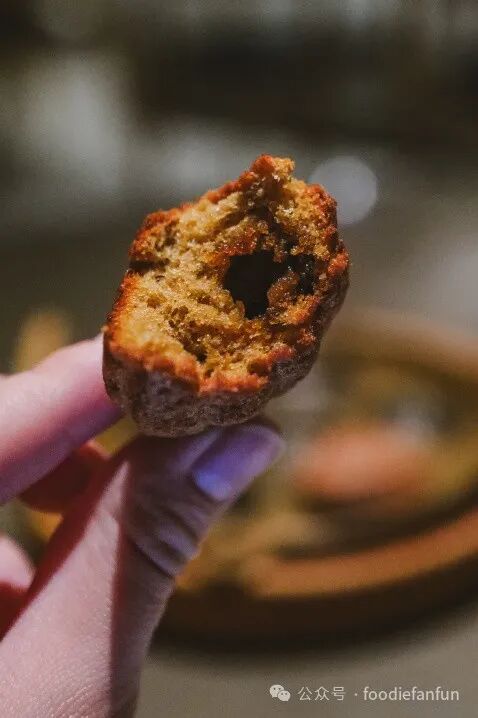
    Served alongside is the traditional Kueh Bahulu, a classic Malaysian egg cake. Still warm, soft and delicate, it brings a genuinely gentle kind of happiness.

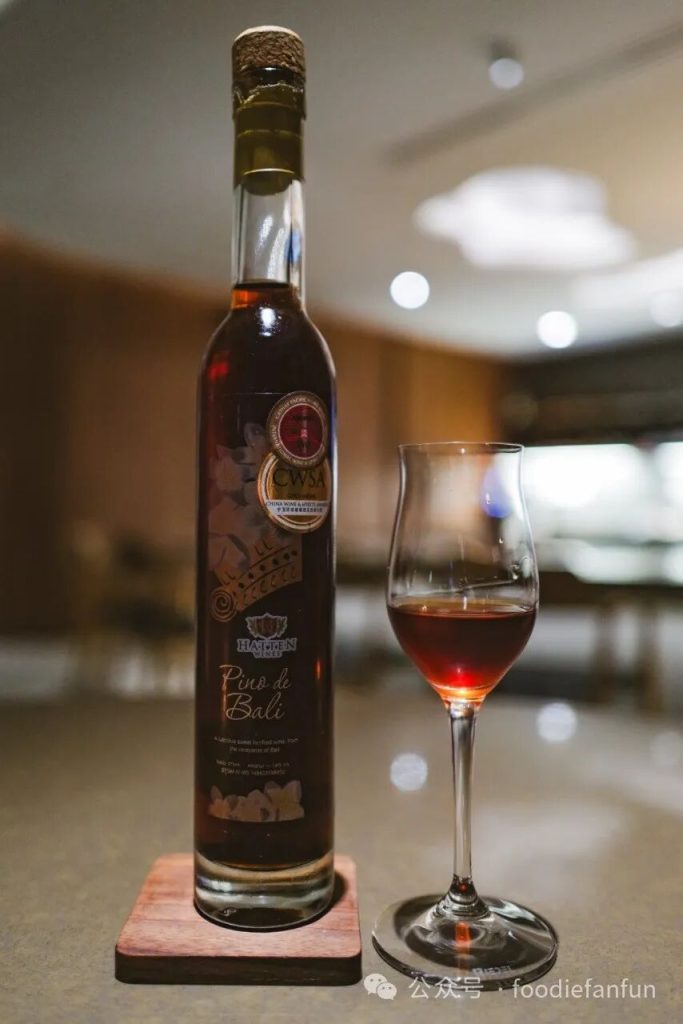
    The final pairing comes from Indonesia.

    (Congratulations, I’ve just unlocked a new country.)

    The production method is unusual too — it references how Pineau des Charentes is made in France: the grape juice is fortified before fermentation, then aged over five years in French oak using a solera system.

    Dried fruit, almond, honey, and toffee notes — a genuinely perfect match with the bahulu.

    The parting gift is dark chocolate from Chermor. Genuinely remarkable — this single meal unlocked so much of Malaysia’s plants, cuisine, and cities.

    * * * * *

    Looking back on this menu, I can’t help but admire Seroja’s team and its chef.

    Plenty of restaurants lean on sentiment. Plenty of restaurants tell stories.

    But being able to translate a story through food — to present Malaysian food through the plating language of French cuisine, and let a foreign diner grasp its deliciousness simply and directly — that’s genuinely rare and genuinely impressive.

    Chef Kevin and his team clearly have a lot of stories, and they’ve dug up plenty of fascinating Malaysian ingredients to showcase. But they never settle into their own memories, never force anyone to sit through a story — instead, they let guests explore for themselves, through the physical experience in front of them.

    Even in reflection, it kept my curiosity fully engaged — writing this piece, I looked up at least 35 different culinary and botanical terms.

    The wine pairing was also bold and inventive without losing its sense of principle. Matching the dish is table stakes here; what stands out is that each pairing still carries a personality of its own, delivering one surprise after another in a different direction each time.

    This is, without question, a destination restaurant in my heart — and reason enough on its own to go back to Singapore, just for Seroja’s menu.

    Seroja

    Fridays and Saturdays 12pm to 2:30pm

    Tuesday – Saturday

    6:00 PM -11:00 PM

    Seroja.sg

    Chef’s Menu $218++ / $268++

    Wine pairing $118++ / $168++

    Non-alcohol pairing $88++ / $118++

  • Bookmark This | Singapore Just Went Visa-Free — Here’s Your Travel Cheat Sheet

    Starting February 9th, Singapore and mainland China have officially gone visa-free with each other.

    At just a six-hour flight away, Singapore is a great pick for a short getaway.

    Singapore Airlines is famous for its service too — take a red-eye flight, get some sleep, and you land straight into the tropics.

    So this post is a roundup of practical Singapore travel and restaurant tips.

    01

    Travel Essentials

    1) Entry: Now that visa-free entry is open, all you need is your passport — no visa required. But you do need to fill out the SG Arrival Card online within 3 days (72 hours) before arrival. It’s worth printing out, since you’ll need it when checking in domestically. Link below:

    https://eservices.ica.gov.sg/sgarrivalcard/

    Or you can fill it out on your phone through the MyICA Mobile app.

    2) SIM Card: ① You can buy a 3-7 day Singapore SIM card on Taobao domestically for under 100 RMB — plenty for a short trip. ② After security at the capital airport, there’s portable WiFi rental (20-35 RMB/day) — you can also reserve one in advance by searching 【环球漫游WiFi】 on WeChat. ③ If you forget entirely, 7-Eleven in Singapore sells SIM cards for around S$15 (roughly 80 RMB), but keep in mind you’ll be relying on nearby WiFi or roaming right after landing.

    3) Taxi: Download the Grab app — it handles both rides and food delivery. Payment is extremely convenient and can link directly to Alipay. Just remember to set your payment method in advance, or the system will default to cash.

    02

    Where to Eat

    Restaurant Born

    https://restaurantborn.com/

    In under a year of opening, Restaurant Born made the World’s 50 Best list and earned a Michelin star. Chef Zor Tan, a Malaysian-born Chinese chef, spent twelve years working under André Chiang, and has served as head chef at Raw in Taiwan and Sichuan Moon in Macau.

    The menu traces Zor’s own life — the places he’s lived and worked. The whole meal feels like an immersive piece of theater: every bite carries a piece of the story he wants to tell.

    Wagyu fried buns, steamed egg with foie gras, monkfish in chopped chili, crispy rice with sea cucumber — the whole meal runs through a dense thread of Chinese ingredients and culinary logic. The flavors carry that traditional-yet-refined character you find in high-end Chinese restaurants, especially in the seasoning, which draws deftly on classic Cantonese and Sichuan technique, occasionally recombining elements in genuinely surprising ways.

    I wrote a full write-up on Restaurant Born before.

    Seroja

    https://seroja.sg/

    Singapore had two hotly anticipated new restaurants last year — Restaurant Born was one, and Seroja was the other.

    Chef Kevin Wong is also Malaysian, and the restaurant’s name points straight back to Jalan Seroja, the street where he grew up — seroja meaning lotus, a shared symbol across the many ethnic communities of the Malay Archipelago.

    The whole meal plays out like a journey through Malaysia, following Chef Kevin and his team into the life he knew growing up there. It’s presented with real warmth and generosity, drawing on a huge range of Malaysian ingredients, cooking habits, and seasoning styles. Even the opening salad, which lays out dozens of Malaysian ingredients side by side, gives you a sense of just how diverse this land’s produce really is.

    The wine pairing is genuinely worth trying — bold and inventive without losing its sense of principle. A Riesling from Iwate paired with local scallop, sherry with Malaysian mud crab, and even the obscure grape Timorasso paired with herb noodle. Matching the dish is table stakes here; what stands out is that each pairing still carries a personality of its own, delivering one surprise after another in a different direction each time.

    Full write-up here → Seroja

    Candlenut

    https://www.comodempsey.sg/restaurant/candlenut

    Candlenut has been around far longer than the first two. Since Michelin arrived in Singapore in 2016, it’s held onto its title as the only Michelin-starred Peranakan restaurant in the world, year after year.

    The restaurant sits in a small compound some distance from the core downtown area, decorated as plainly as a resort. Going at 1pm, there weren’t many guests left — outside busy periods, you can just walk in.

    The menu is homestyle: chicken soup, salad, charcoal grill, stir-fries, and curry. Pricing is affordable and friendly, with absolutely none of the usual Michelin attitude.

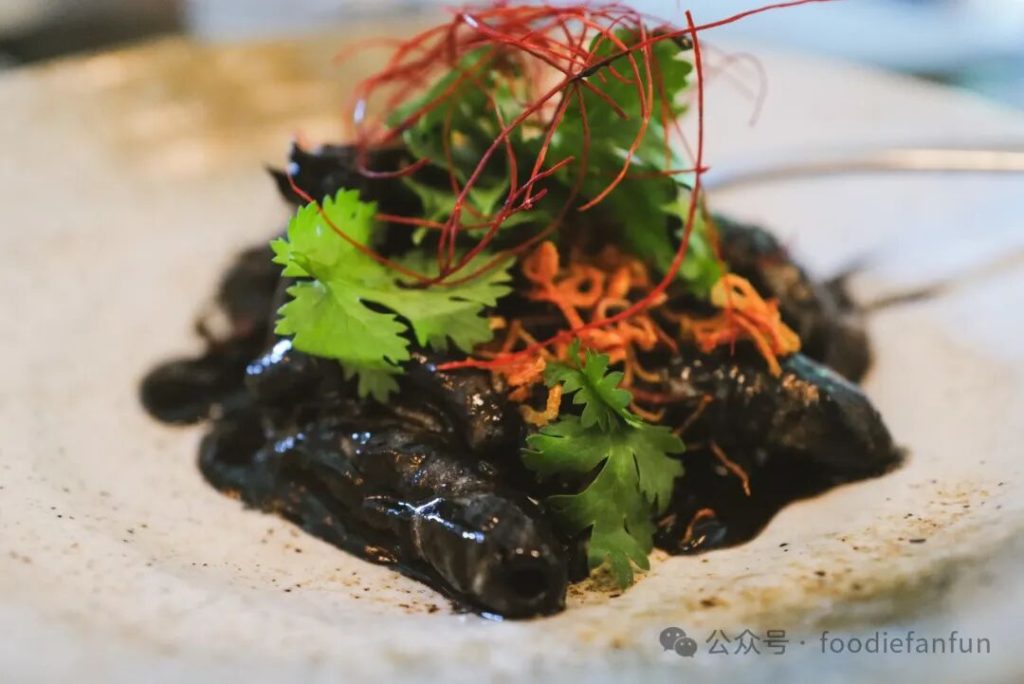
    The dishes all arrive at once, piled onto big plates with zero concern for plating — but the flavors are anything but careless. The chicken soup, simmered for four hours, is the kind of thing that goes straight through an Asian stomach in one sip. The winged bean salad is fresh and crisp, with more cashews than vegetables. The squid stir-fried in its own ink is handled better than most Chinese chefs manage, the little squid pieces bouncy and bursting with juice. Then there’s the crab curry — real fresh crab picked into a mildly spicy yellow curry that’s impossible to stop eating.

    Forget Hainanese chicken rice — nothing hits the spot quite like Peranakan food.

    Labyrinth

    Last up, consider this one a heads-up.

    Tucked on the second floor of an old shopping mall, I figured a restaurant carrying both a Michelin star and a World’s 50 Best ranking couldn’t go too wrong. Hearing the staff talk through the inspiration behind the whole menu and the chef’s backstory, I went in with real expectations.

    But the entire experience felt like it had nothing to do with what actually landed on the table.

    I ordered a glass of sake and it came out nearly room temperature. The welcome snack, inspired by Singapore’s night markets, was salty and utterly forgettable. The pork with rice cake was gluey and heavy in the mouth. By the time the hot dishes arrived, nearly all of them were already lukewarm at best.

    The whole meal was all posture, no substance — honestly, it had been a long time since I sat through a meal wanting to leave halfway through.

    For “creative Singaporean cuisine,” you’d genuinely be better off getting fried chicken at Jollibee.

    03

    Go for a Drink

    Singapore’s bar scene is genuinely well-known. Last year’s World’s 50 Best Bars awards were held right here, with Jigger & Pony, Sago House, and Atlas all making the list — Singapore claimed 7 spots in the top 100, a seriously impressive showing for Asia.

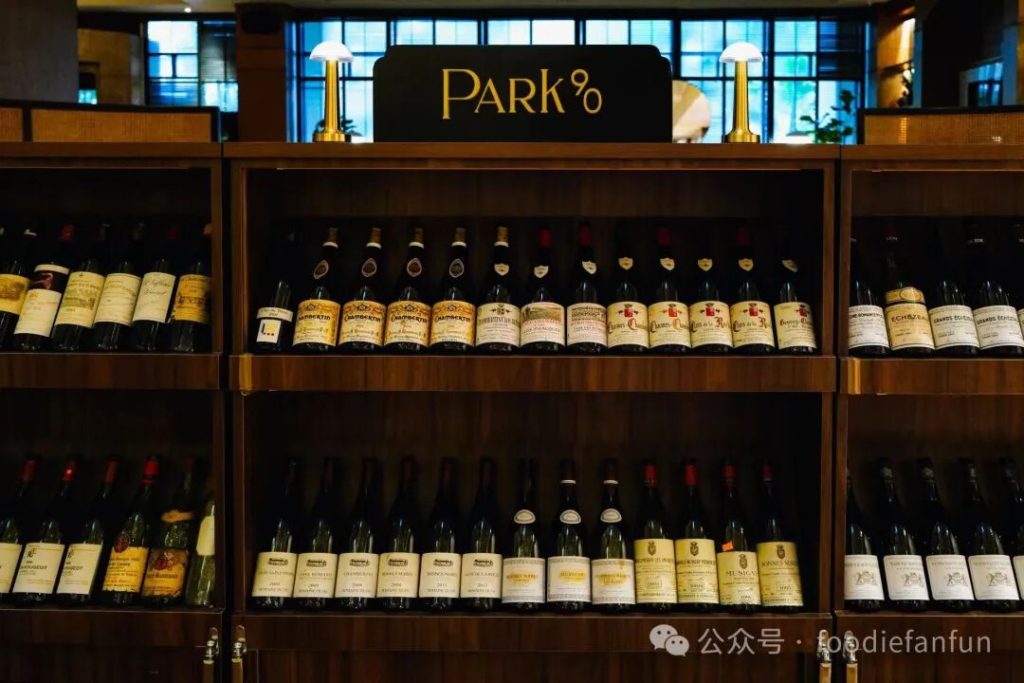
    Park 90

    https://park90.com/sg/en/

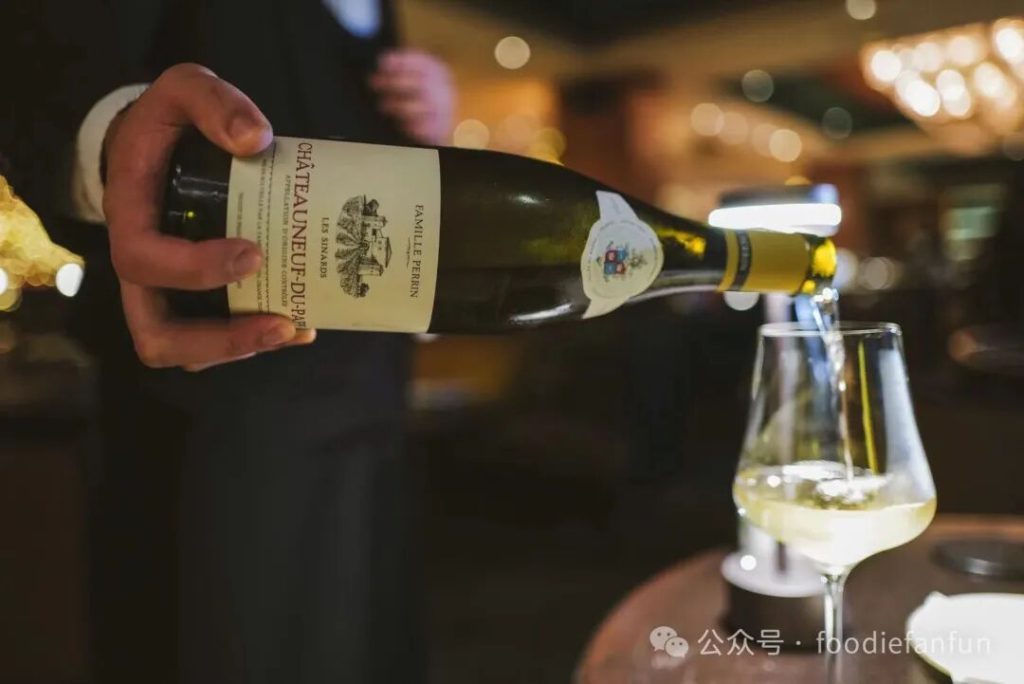
    On the wine side, a sommelier friend back home recommended Park 90.

    This wine bar, tucked inside the Regency, keeps a low profile from the outside — but pull up its website and its credentials speak for themselves.

    Head sommelier Mason Ng came up through Les Amis, Singapore’s celebrated three-Michelin-star French restaurant, and passed his sommelier certification at 19. The whole 15-person team is professionally certified, and three of them have already passed the Advanced Sommelier exam — for reference, mainland China has only 18 in total. Between the service details and how they talk you through the wine, it’s professionalism and elegance taken about as far as it goes.

    A 92-page wine list covers every classic region you could name, plus plenty of newer producers. Wine retail prices in Singapore run high because of tax, but Park 90’s pricing is genuinely reasonable — the markup against Wine Searcher averages stays within about 25%.

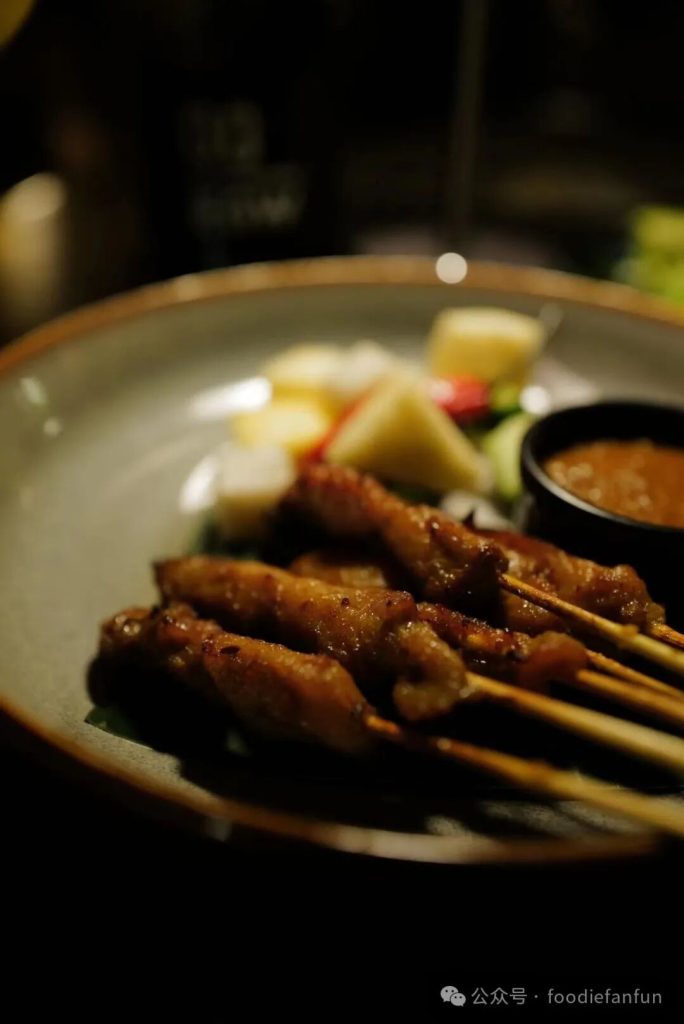
    The food built for pairing leans Italian and Southeast Asian — simple, but exactly the kind of thing that goes down well with a glass of wine. A little food and a bottle for dinner is genuinely lovely, so much so that I went back twice during my short trip to Singapore.

    Yeah — I’ll say it outright, this one’s a real recommendation.

    04

    A Few More

    Tarte by Cheryl Koh

    www.tarte.com.sg

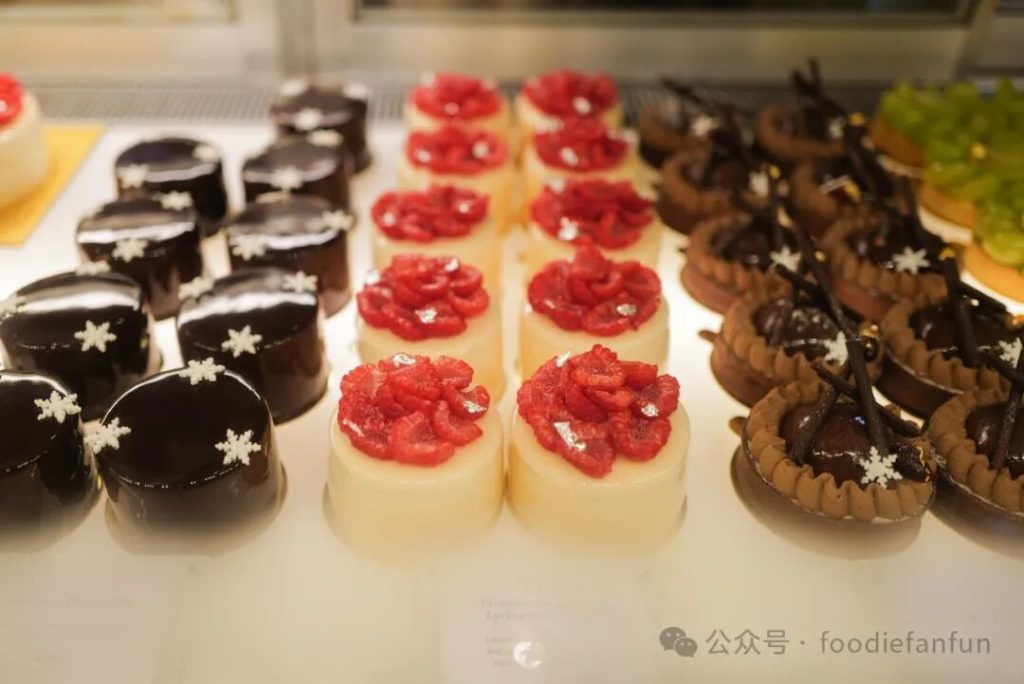
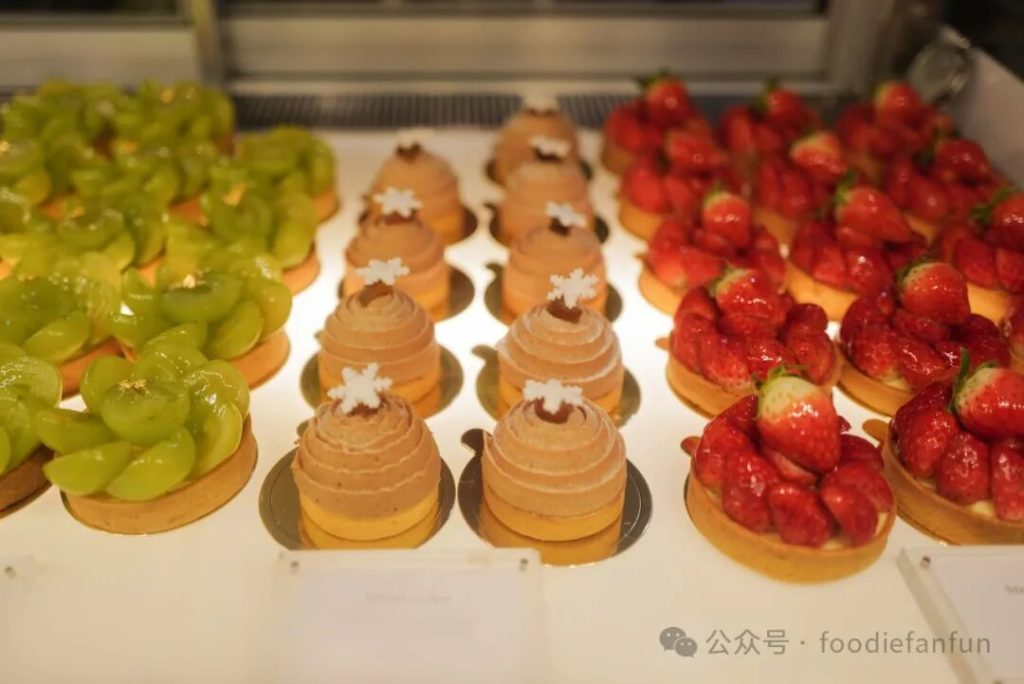
    Booking Les Amis, Singapore’s storied three-Michelin-star institution, isn’t easy — but the pastry shop run by its former pastry chef is worth a try. It keeps a low profile, tucked into a mall above the restaurant.

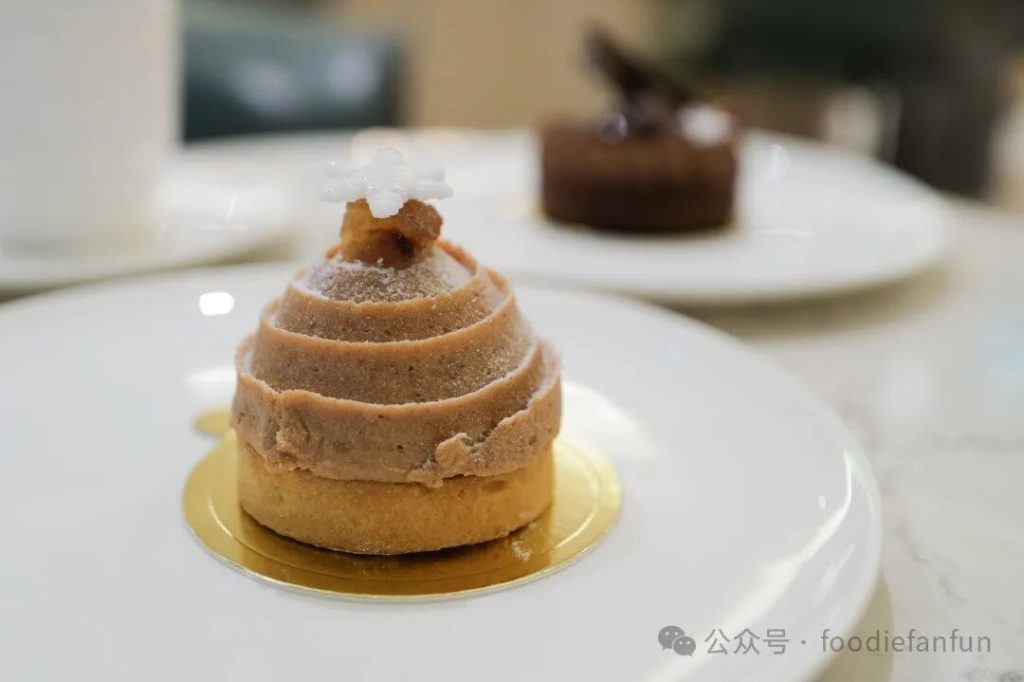
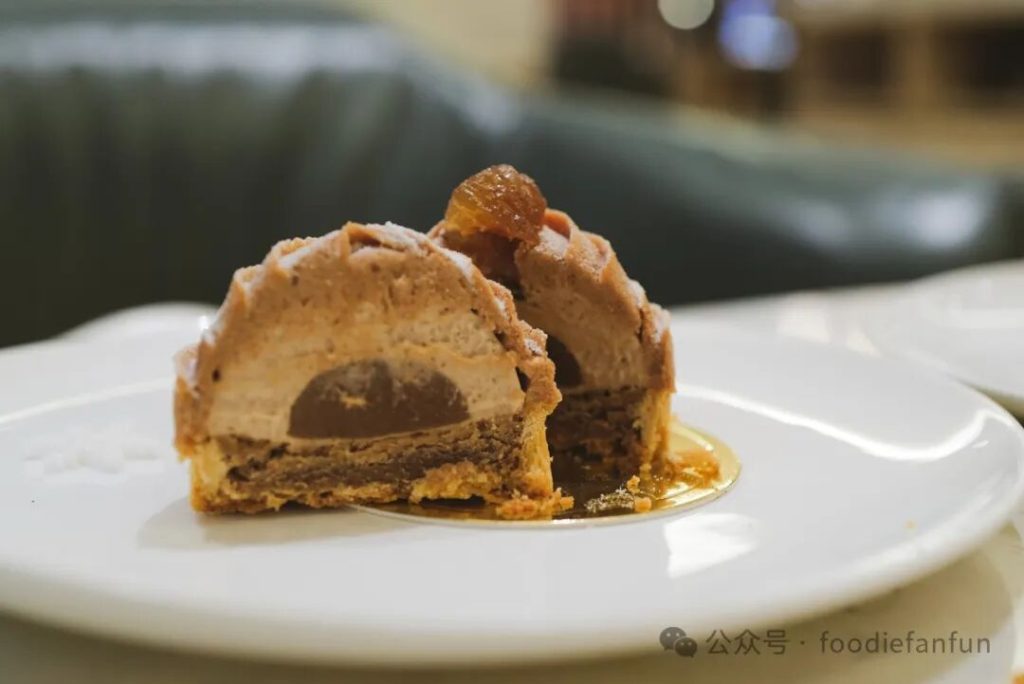
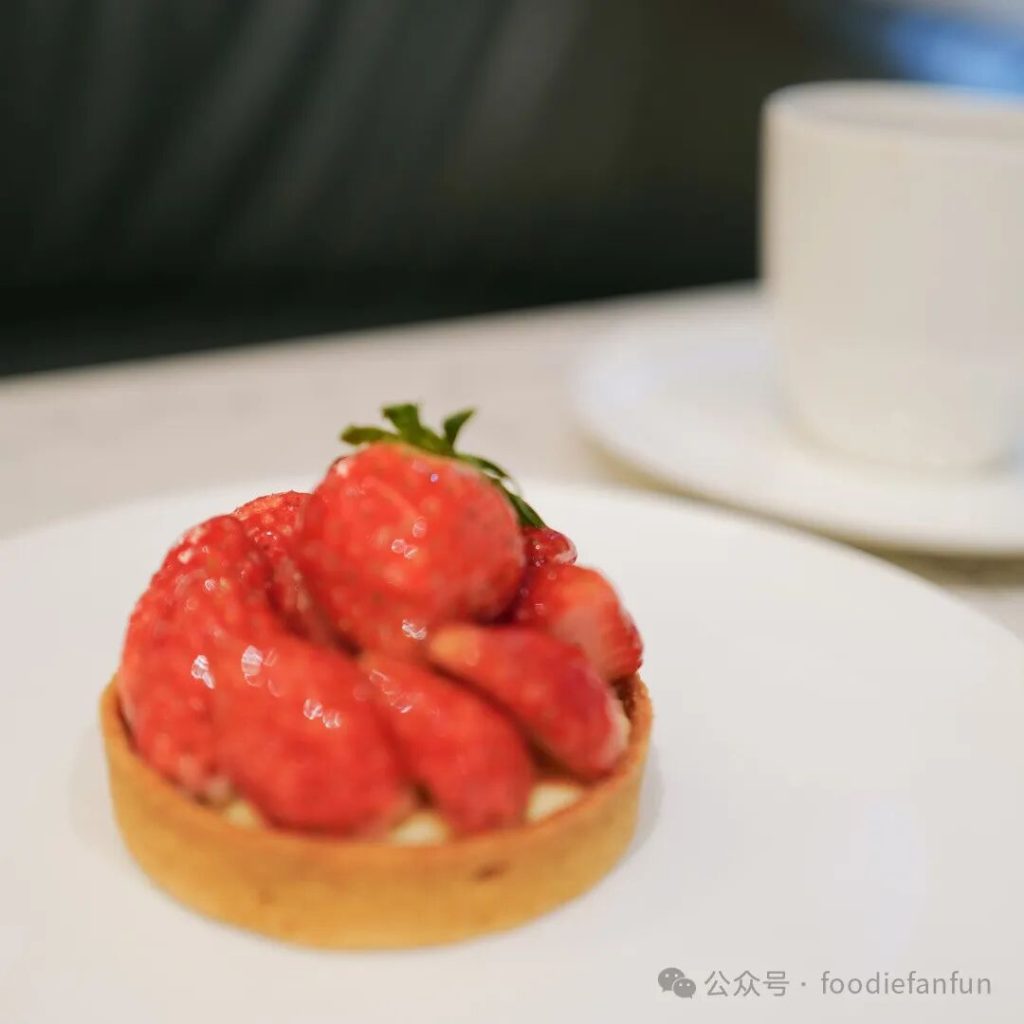
    Thoroughly classic French pastry, clean in shape, with flavors that are pure and genuinely memorable. The winter standouts are the strawberry tart and the Mont Blanc. The strawberry’s freshness pairs perfectly with the cream, held up just right by a lightly crisp tart shell — classic and delicious. The Mont Blanc, often called the aristocrat of autumn-winter desserts, hides a touch of liquor beneath its fine chestnut cream.

    Truly good pastry is the kind you can’t stop eating until it’s gone — satisfaction spilling right over, to the point where I packed two more to bring on the plane for family.

    Got a little too happy and blurred the photo,

    wishing everyone a good meal and a good time, wherever you end up.