On a trip through Japan’s Hokuriku, whether in Toyama or Kanazawa, sushi is an essential part of the experience.
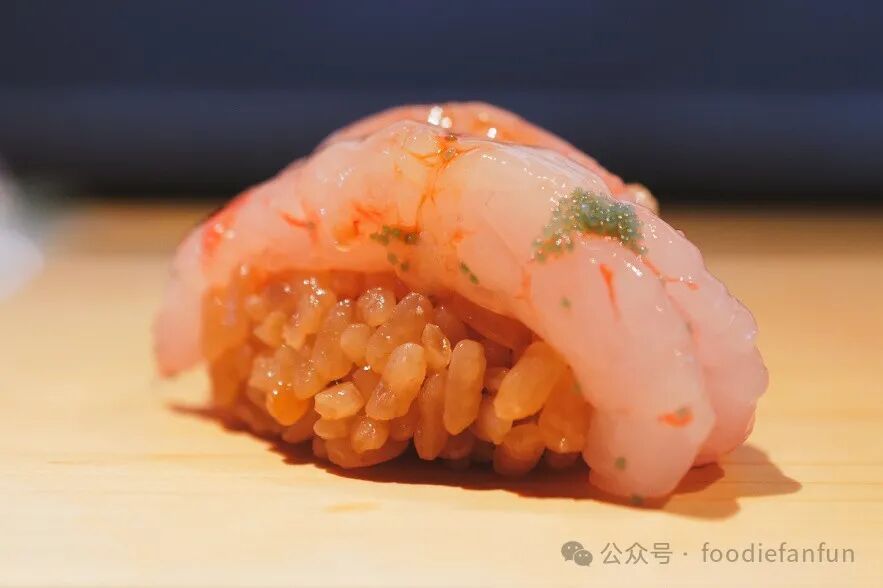
We’d previously visited a rising-star sushi spot in Kanazawa, Sushi Ikuta, ranked #2 in Kanazawa, benefiting from its proximity to the source — most of its ingredients are locally sourced. There’s also Hokuriku’s largest seafood market, Ōmichō Market, where a 600-meter arcade holds nearly 200 small stalls, about half of them dealing in seafood.
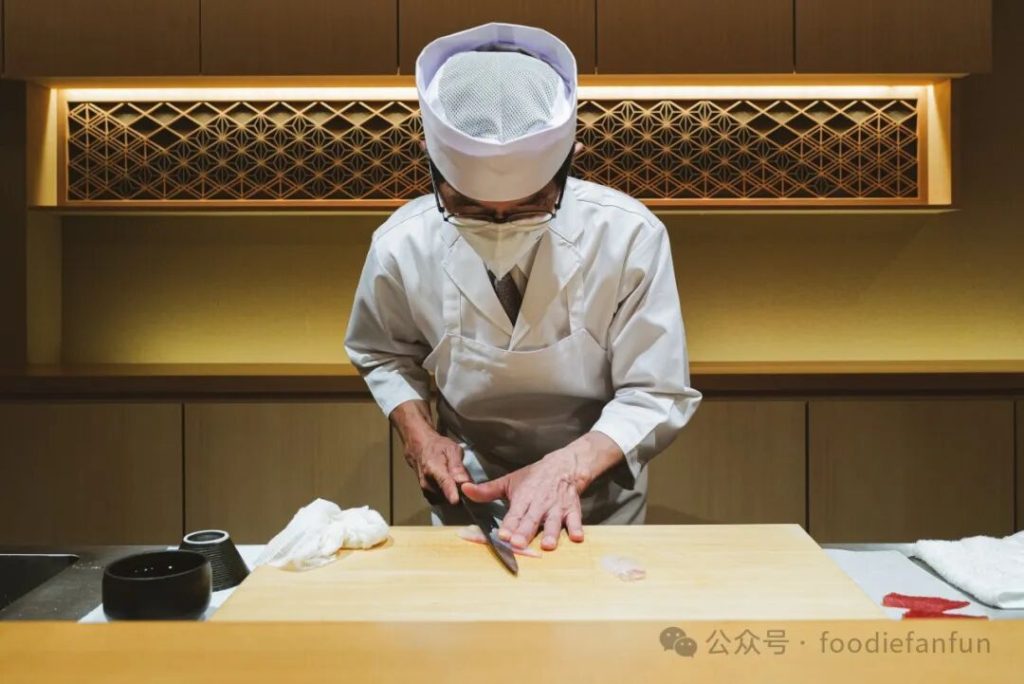
As for Toyama sushi, SOTO had been on our radar for a long time. Chef Sotohiro Kosugi, now 63, comes from a sushi family, with 32 years of overseas experience in New York and Houston before ‘re-launching’ back in his hometown. Having earned Michelin two stars in both New York and Toyama, he came with a halo of respect and high expectations.
The other restaurant tells a completely opposite story — 立ち喰い鮨 人人 (Tachigui-zushi Jinjin), priced at just a fifth of SOTO (about 200 RMB for 10 pieces of nigiri), a standing ‘fast food’ sushi bar. Head chef Izumi Kimura was once an architect before switching careers midway to become a sushi chef, running Hokuriku’s #1-ranked sushi restaurant on Tabelog, Sushi Shibito. But last year, he boldly closed it down to open this accessible sushi spot instead — a 30-minute meal, open until midnight.
SOTO
Tabelog 3.82
🍣22,000 + 🍶4,000
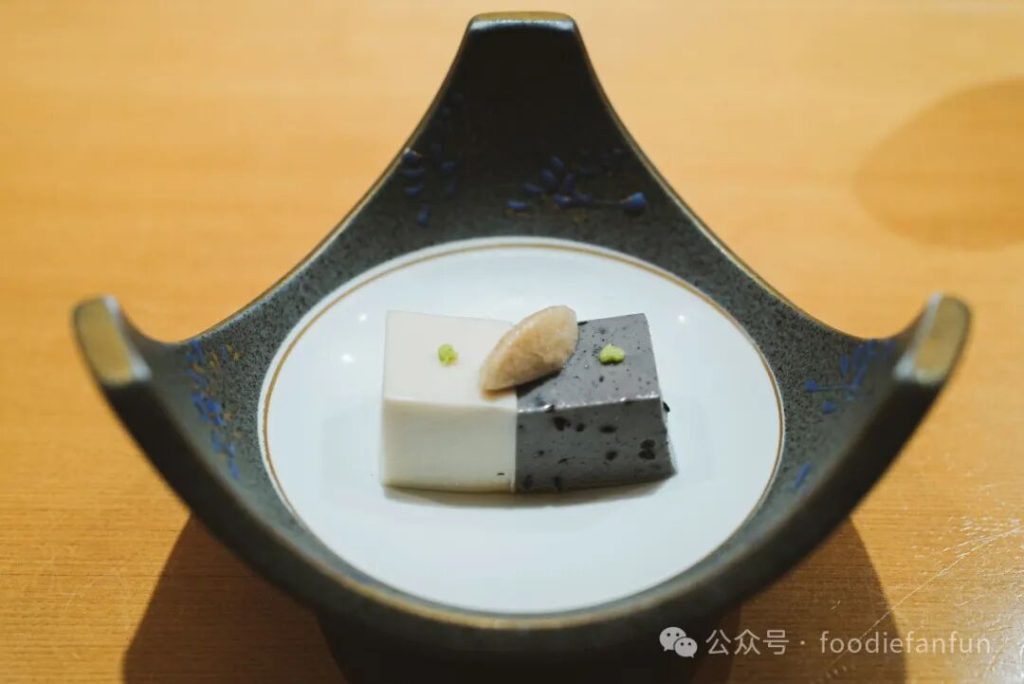
Sesame tofu
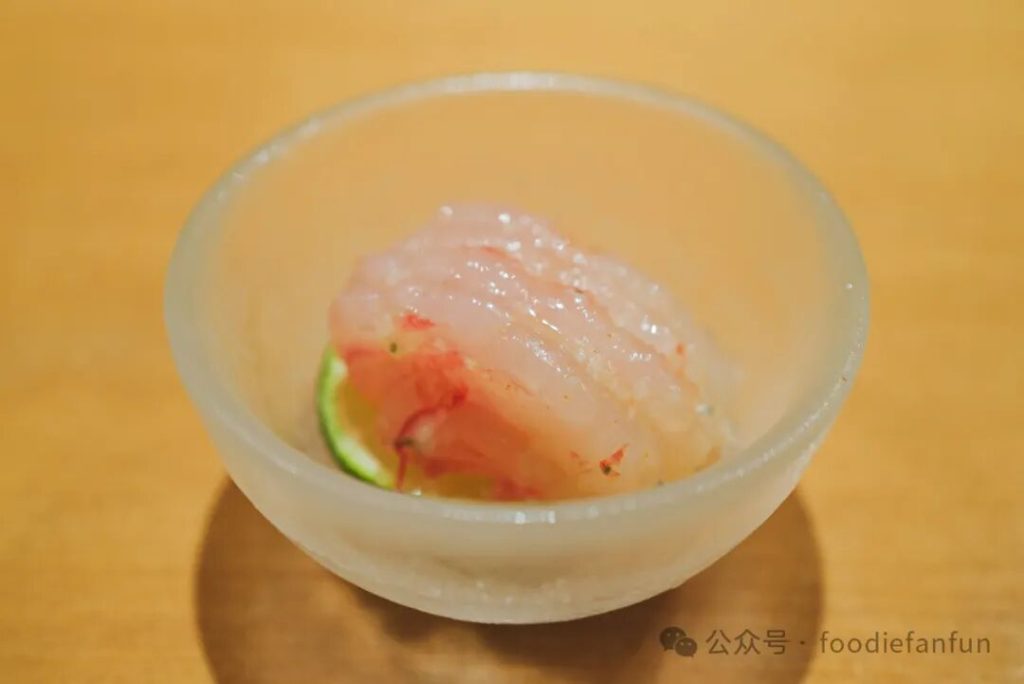
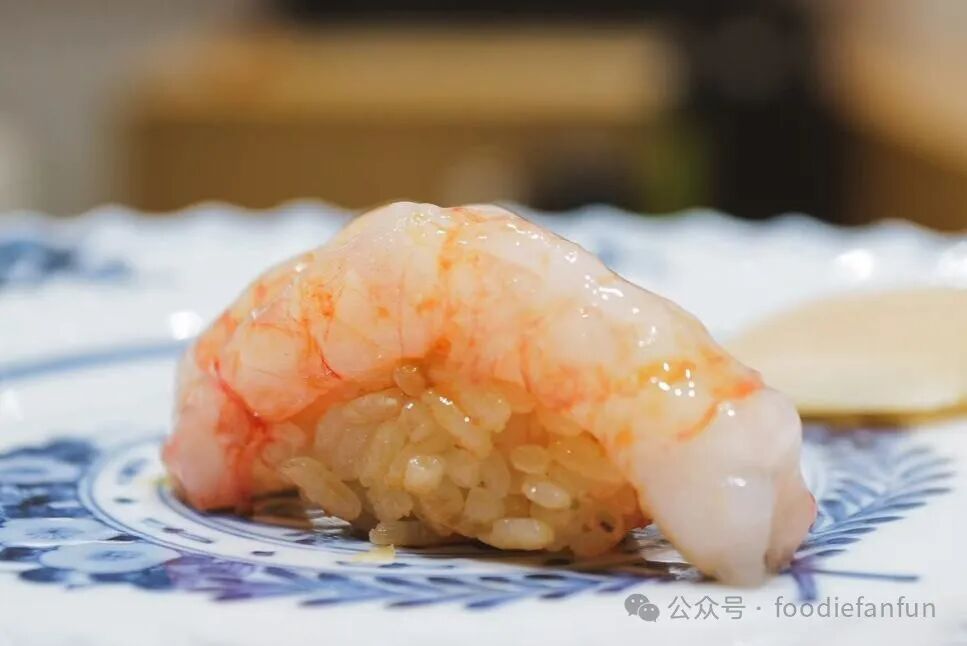
Sweet shrimp
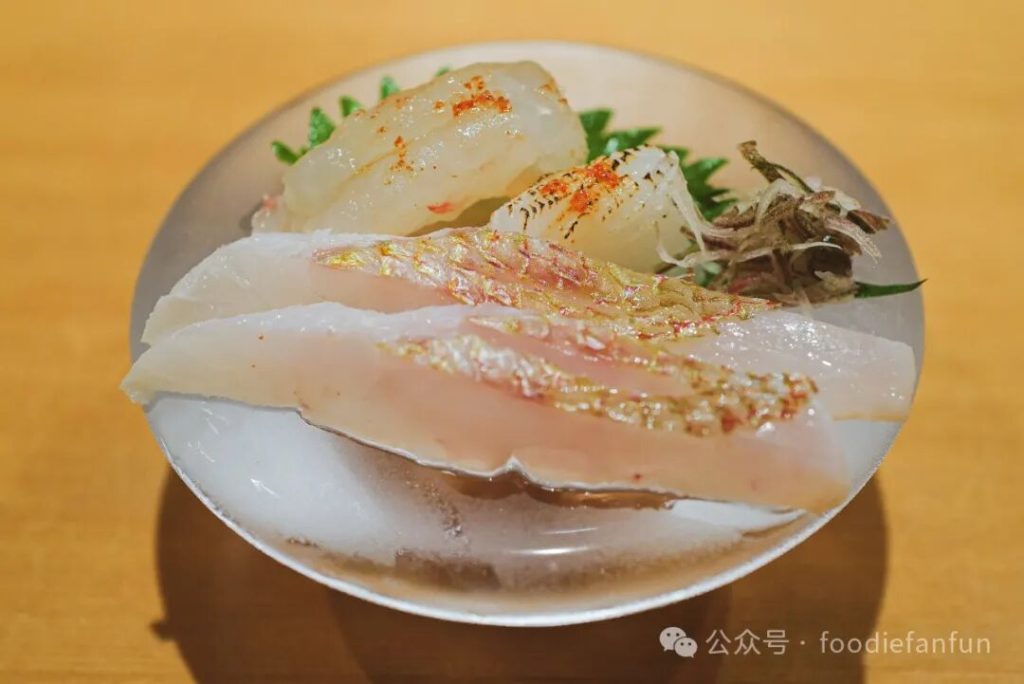
Ceviche | red sea bream, squid, botan shrimp
SOTO’s dinner reservation times are quite flexible, without a strict first/second seating — you can book anywhere from 4:30pm to 8:30pm. We booked the 8:30pm slot, and when we arrived there was still a table that hadn’t left yet, so Kosugi worked on our sakana dishes in between preparing sushi for the other table.
That night’s dinner was 12 sakana dishes + 10 pieces of sushi, with an optional 10-item drink pairing for an extra ¥4,000. For a high-end Japanese restaurant, the value on food and drink together was exceptionally high.
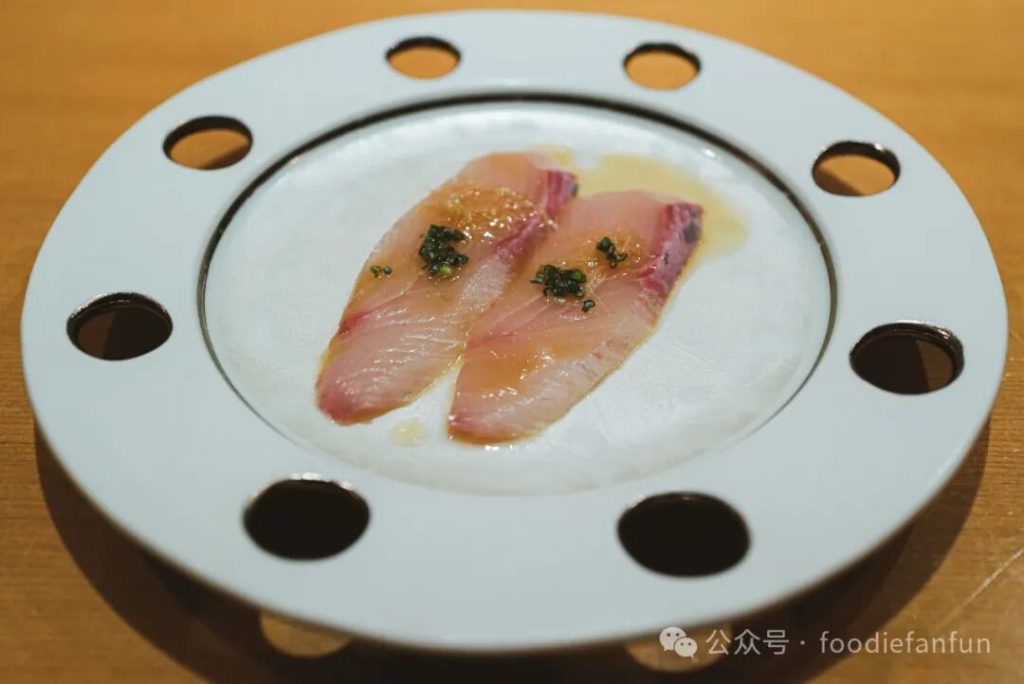
Yellowtail amberjack
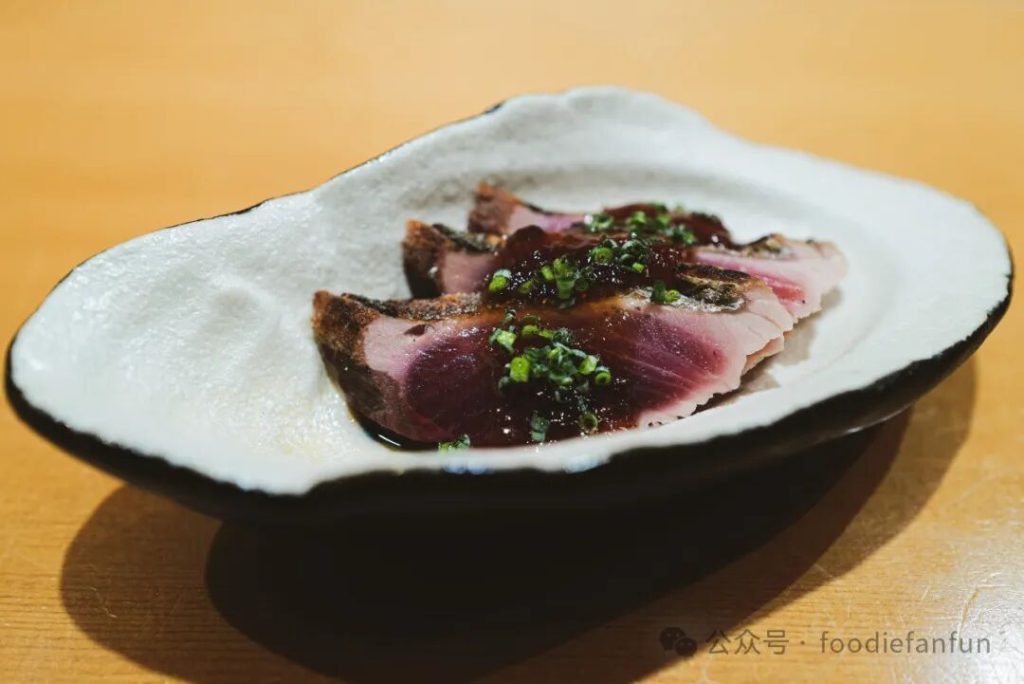
Bonito
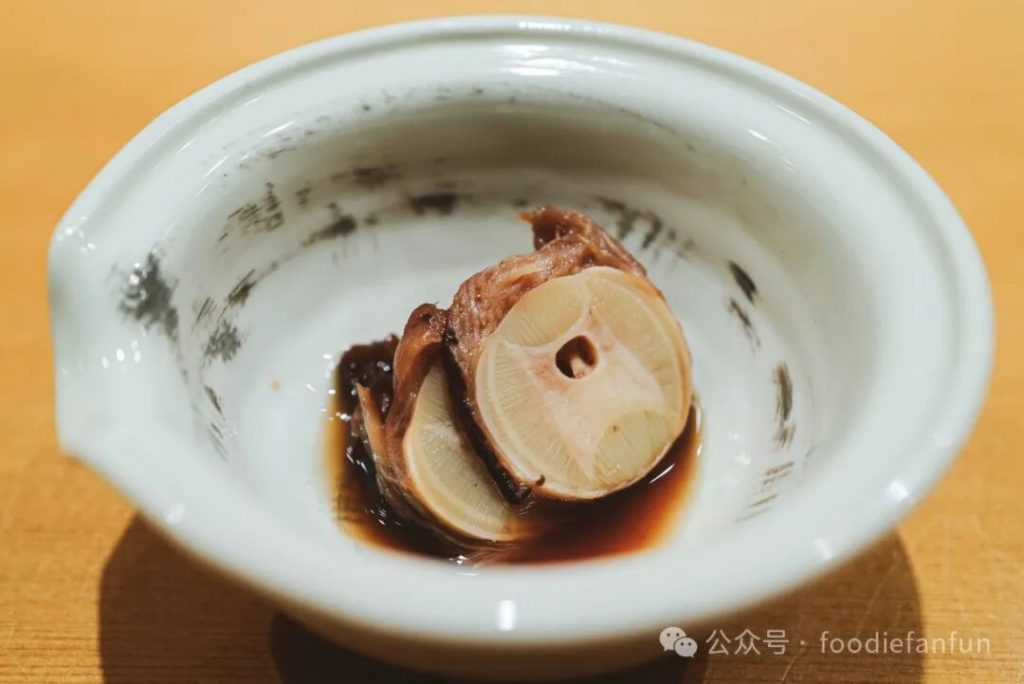
Octopus leg
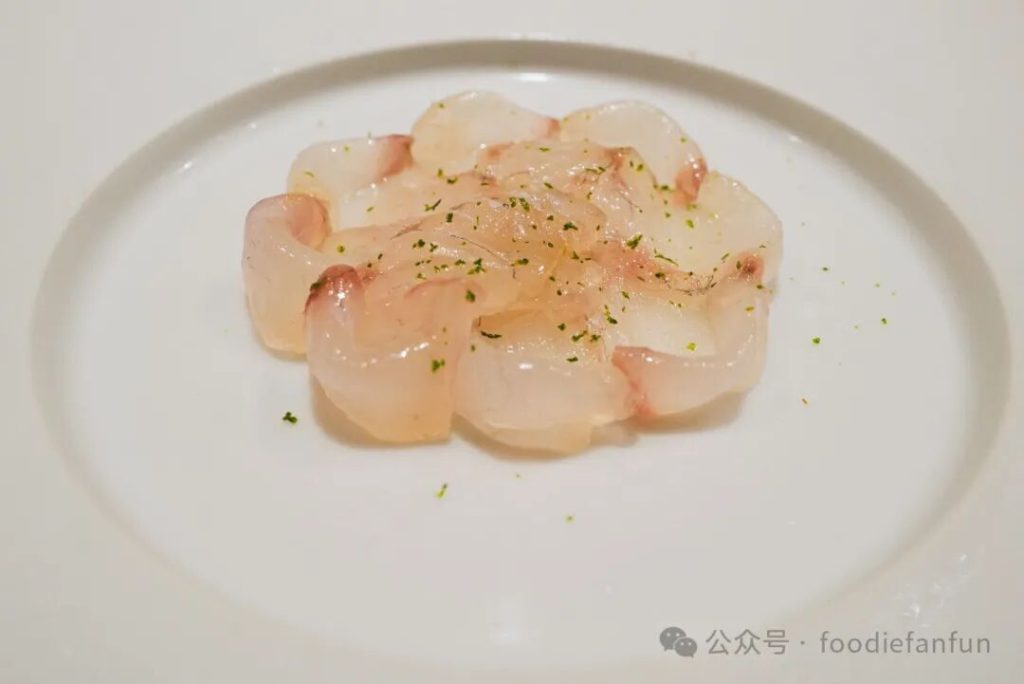
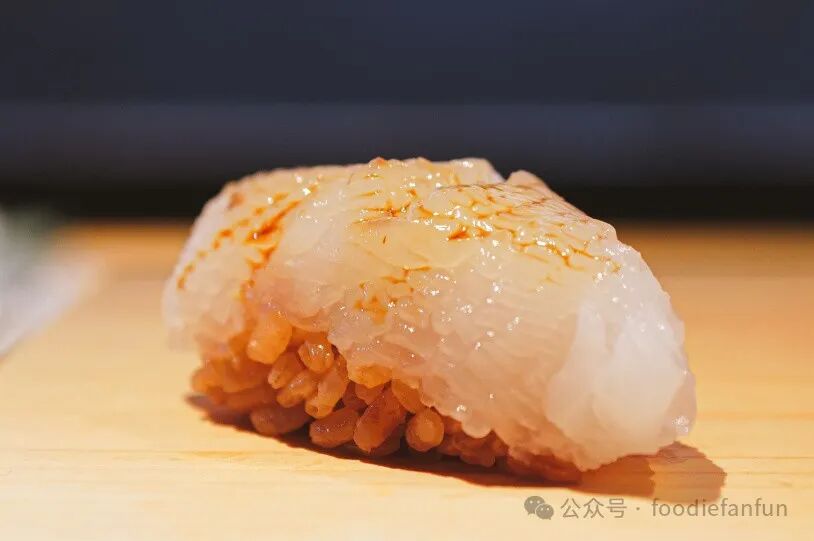
Flounder
In the first half of the sakana course, sweet shrimp was paired with shio koji and olive oil, and the sashimi platter focused on local Toyama seafood, presented ceviche-style — yellowtail amberjack with truffle oil, octopus leg with red beans. You could clearly tell Kosugi’s sakana dishes weren’t traditionalist, blending seafood preparation and pairing styles from different countries’ cuisines.
The creativity was there, but the overall seasoning was noticeably heavy, with salt dominating — the freshness and sweetness of the fish and shrimp got buried under it. The temperature control of the dishes also left something to be desired; several dishes in a row arrived ice-cold, instantly dampening the joy of the meal.
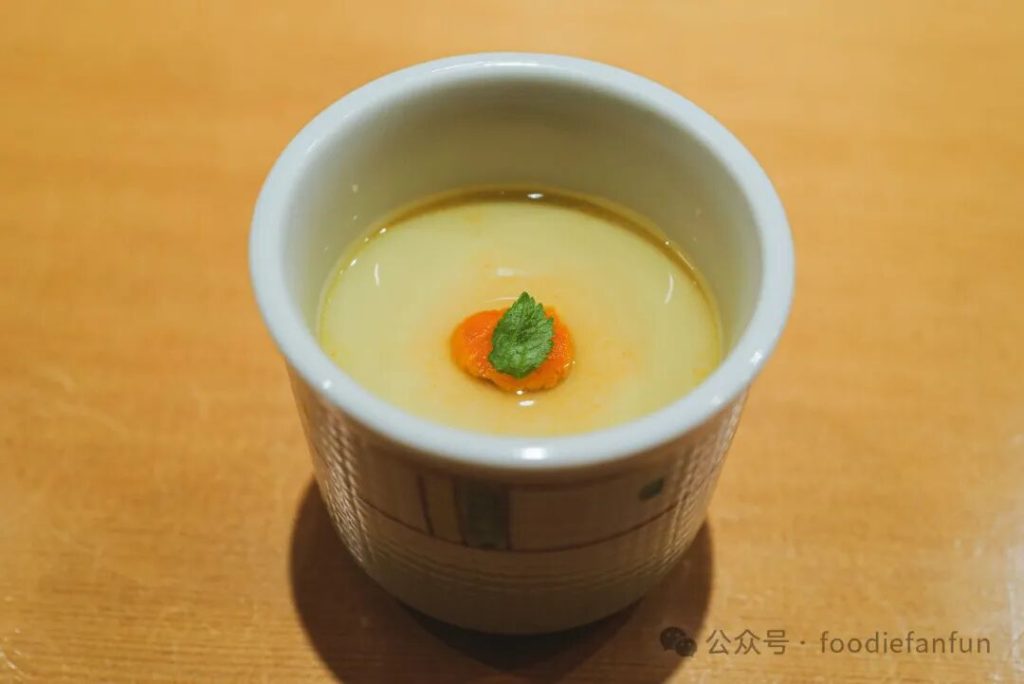
Chawanmushi | Toyama shrimp + sweet shrimp roe
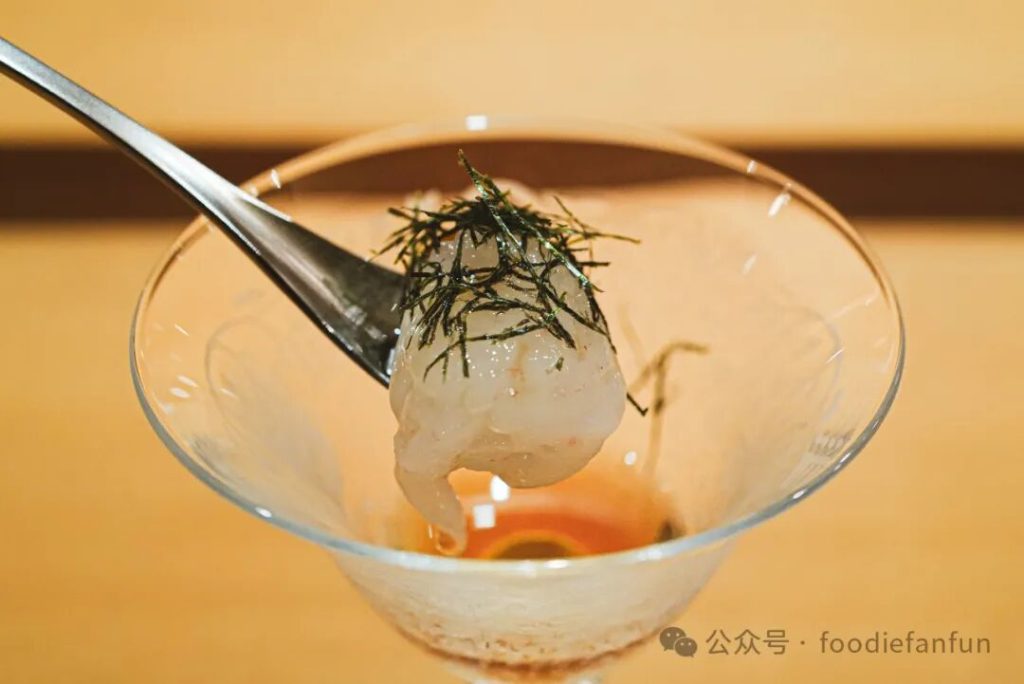
White shrimp, sea urchin, seaweed
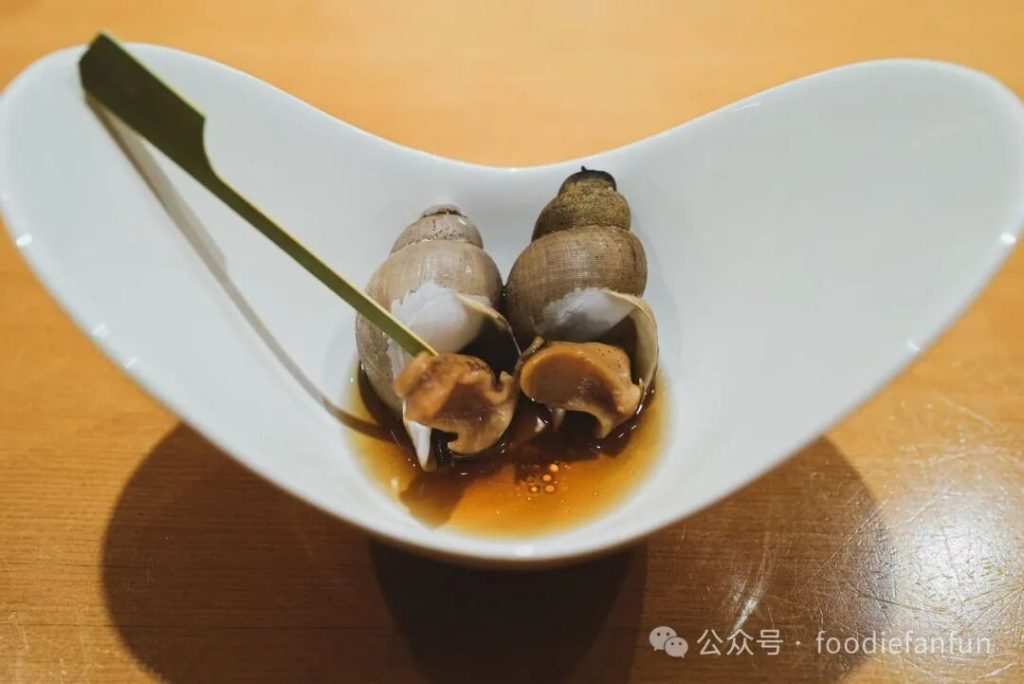
Sea snail
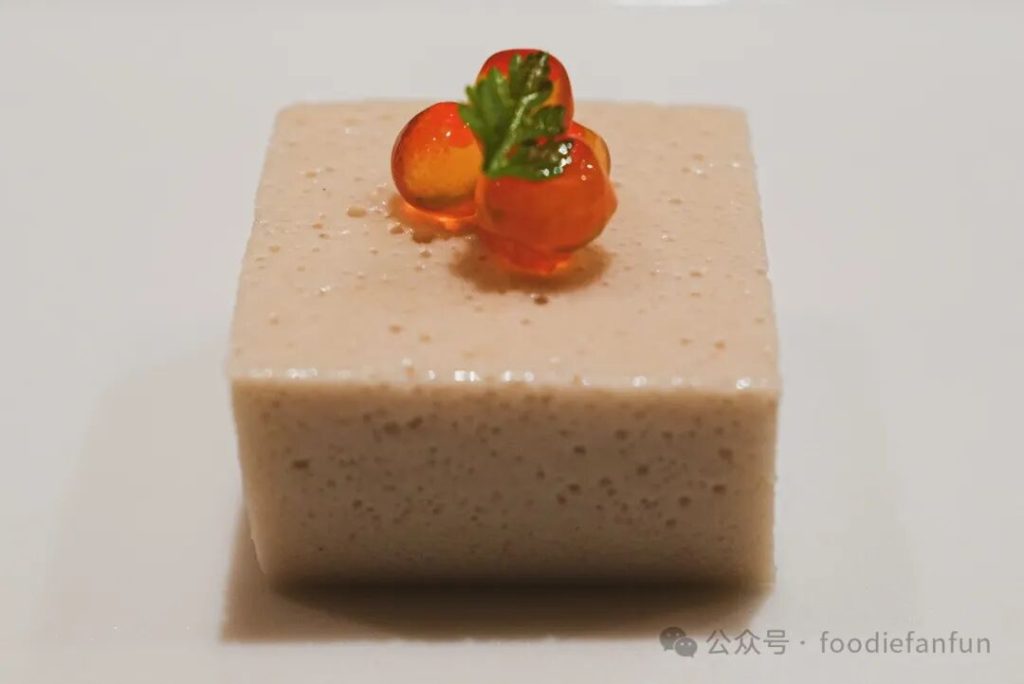
Yellowtail and mackerel mousse
The second half of the sakana course gradually moved into hot dishes. The chawanmushi looked unassuming, but the bright freshness of the shrimp roe was genuinely eye-opening. The pairing of white shrimp and sea urchin delivered a real punch of natural sweetness.
But the sake-simmered sea snail that followed was a real letdown, with zero spring to its texture. The yellowtail-and-mackerel mousse had its saltiness overwhelming the sweetness, tipping badly out of balance. And the grilled dish proved its own shortcomings with a thick layer of oil pooled at the bottom of the plate.
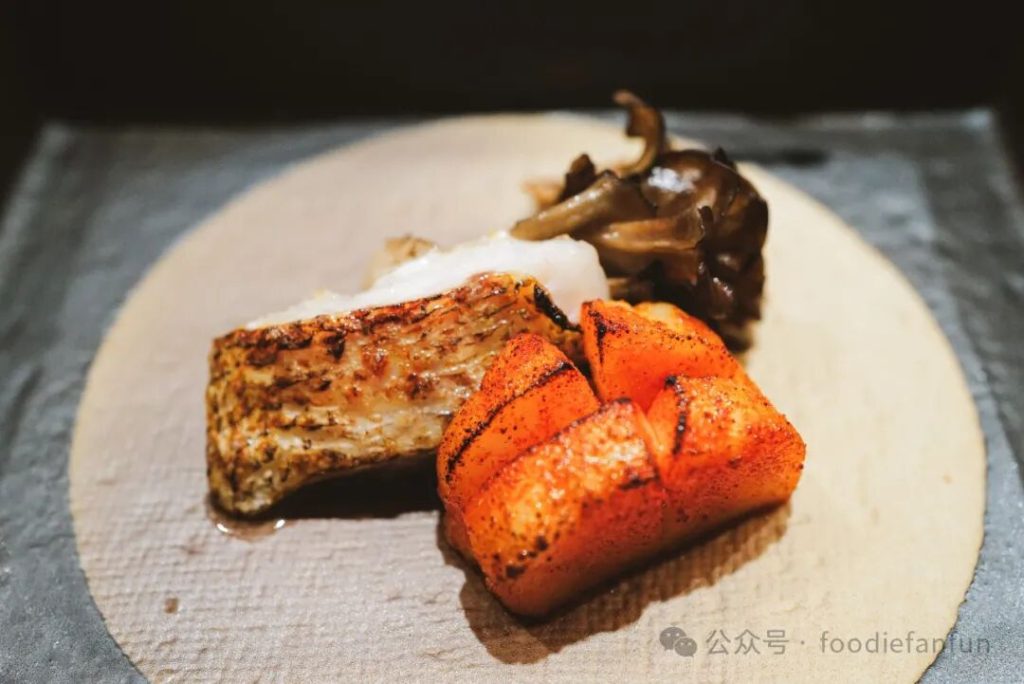
Rosy seabass, scallop, maitake mushroom
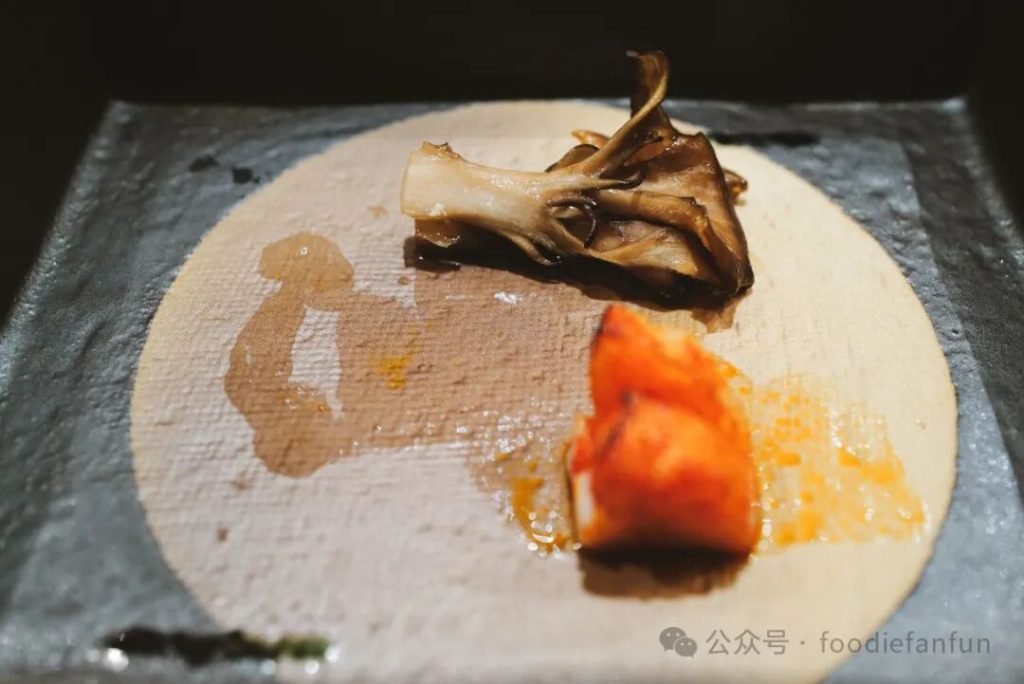
And their own oils
As for the drink pairing, there were plenty of options, but they didn’t really lean into showcasing local character, and no real match with the food could be found either. The best way to describe it is: they simply poured us a glass of something.
If there’s one thing to point to as a positive, it’s that the value was decent.
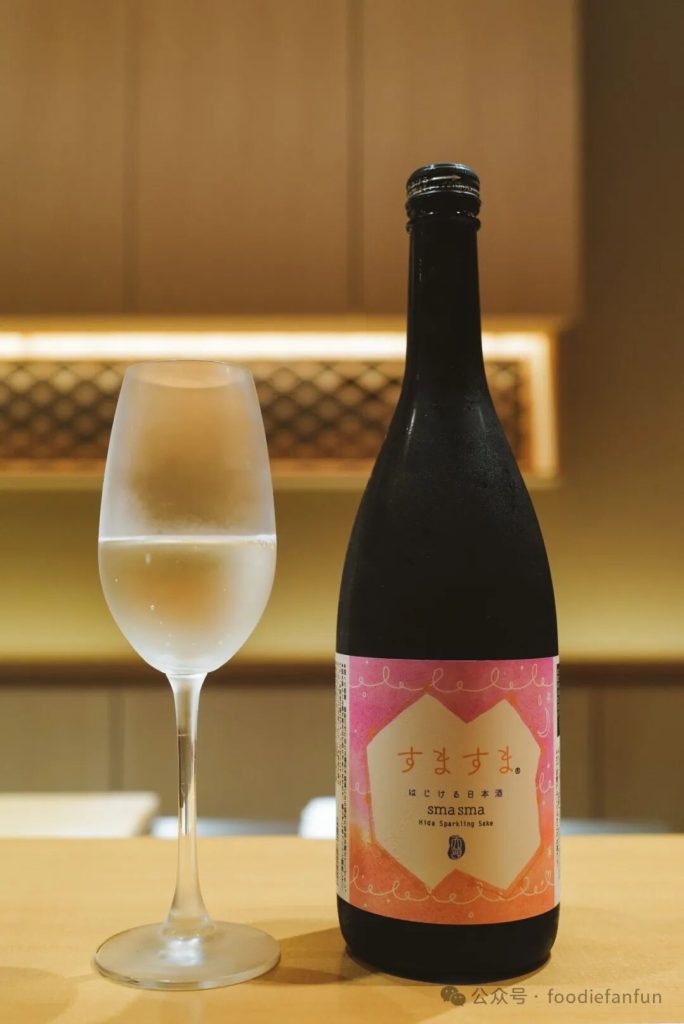
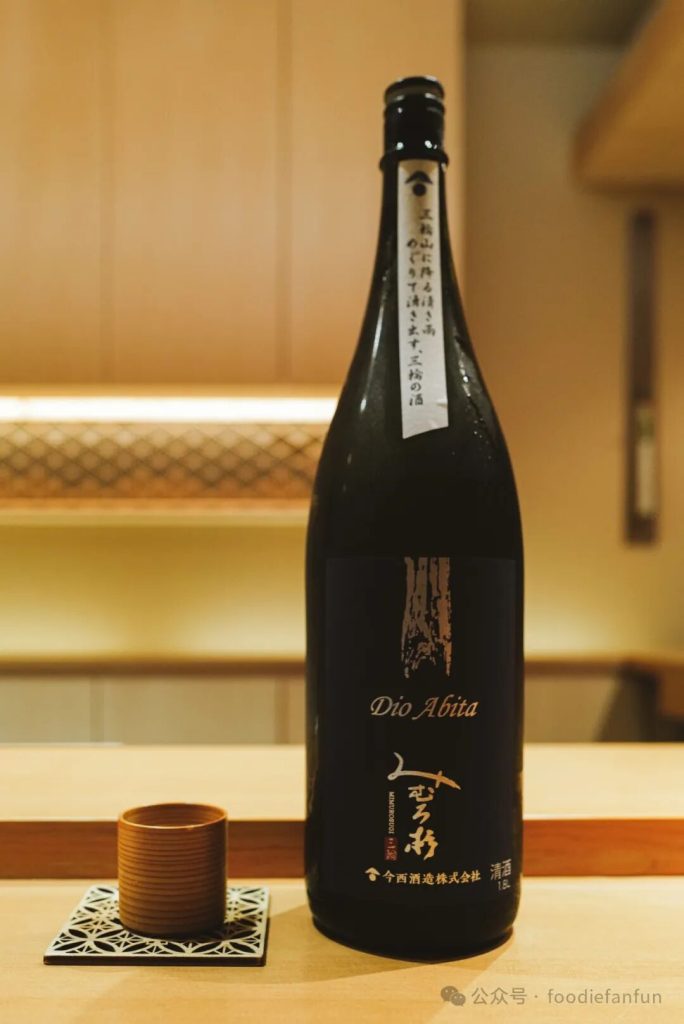
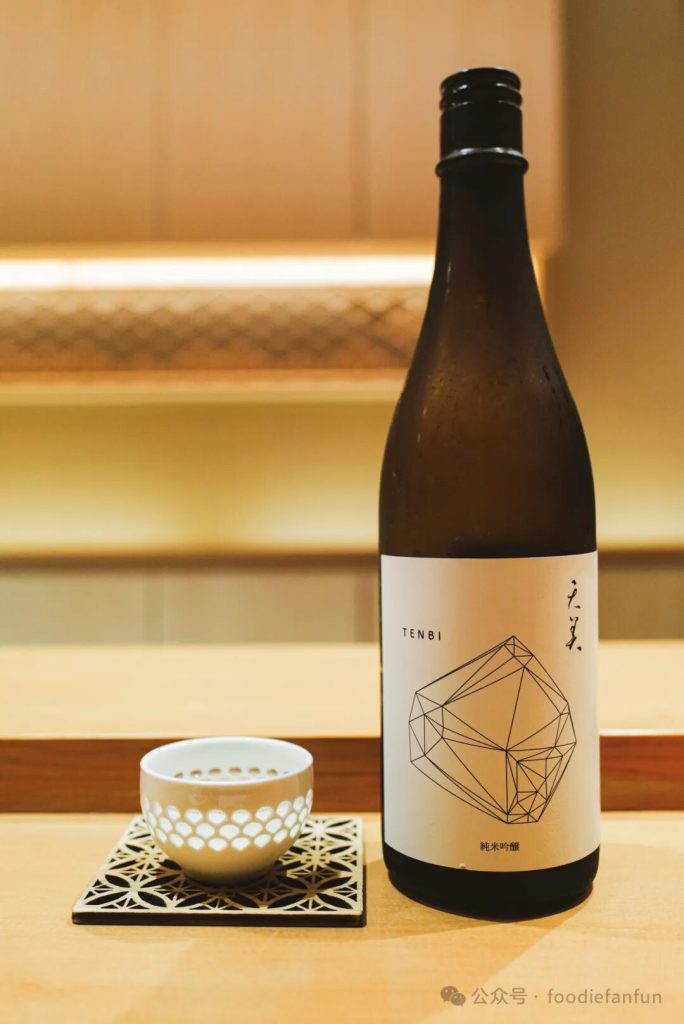
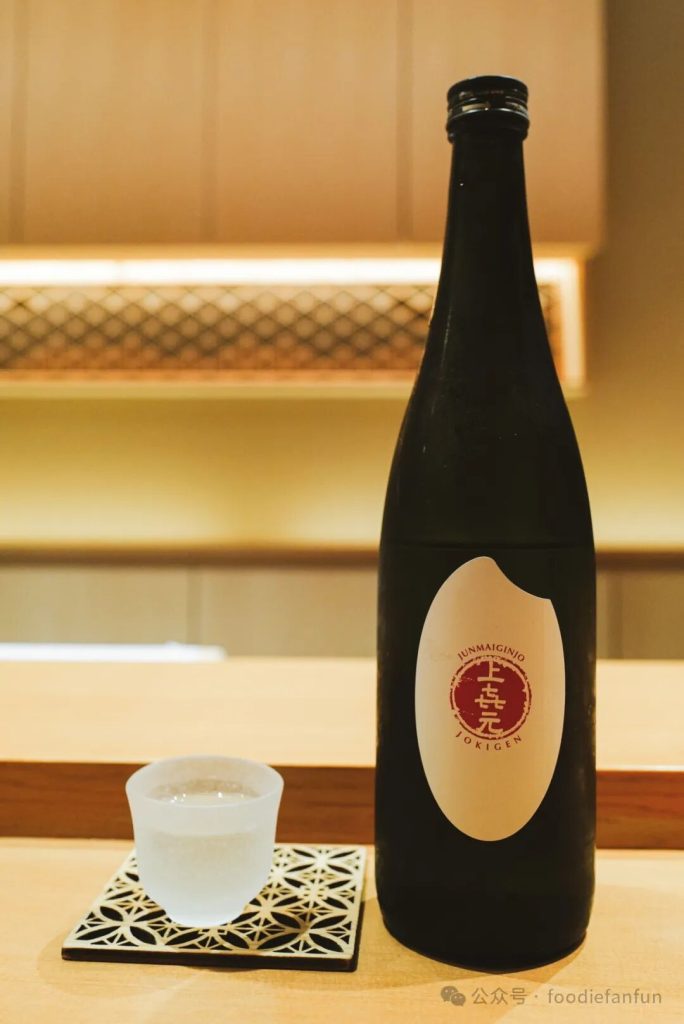
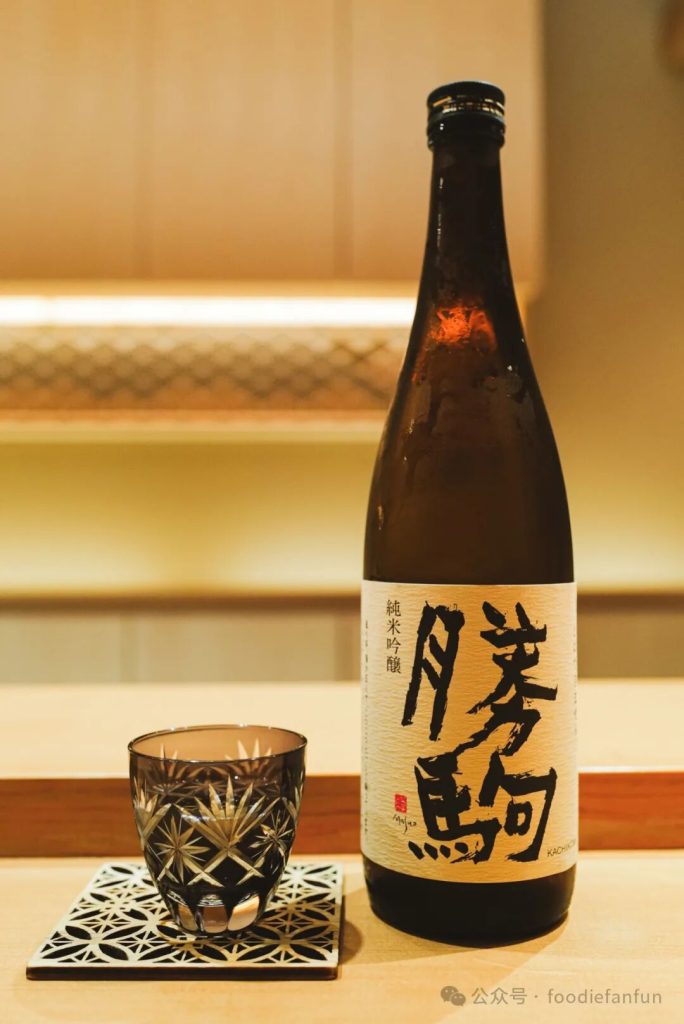
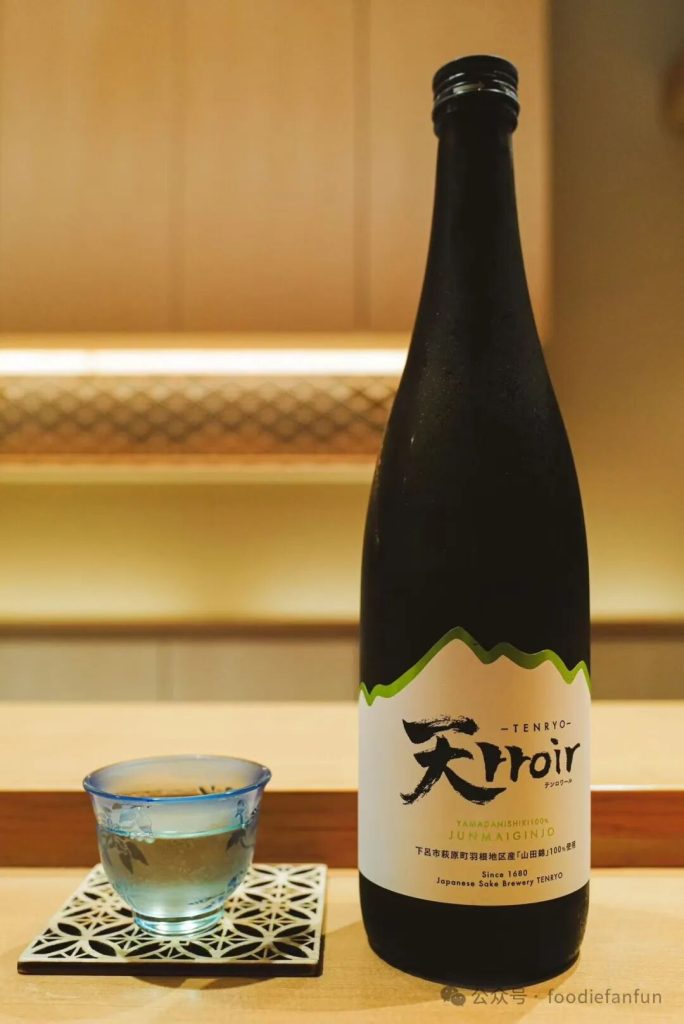
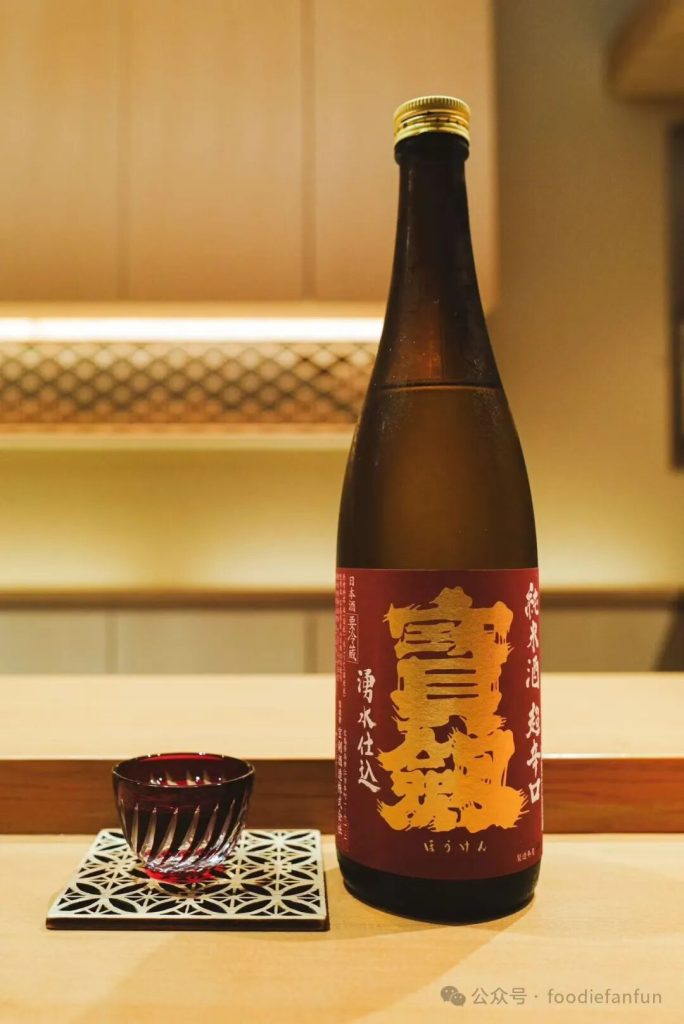
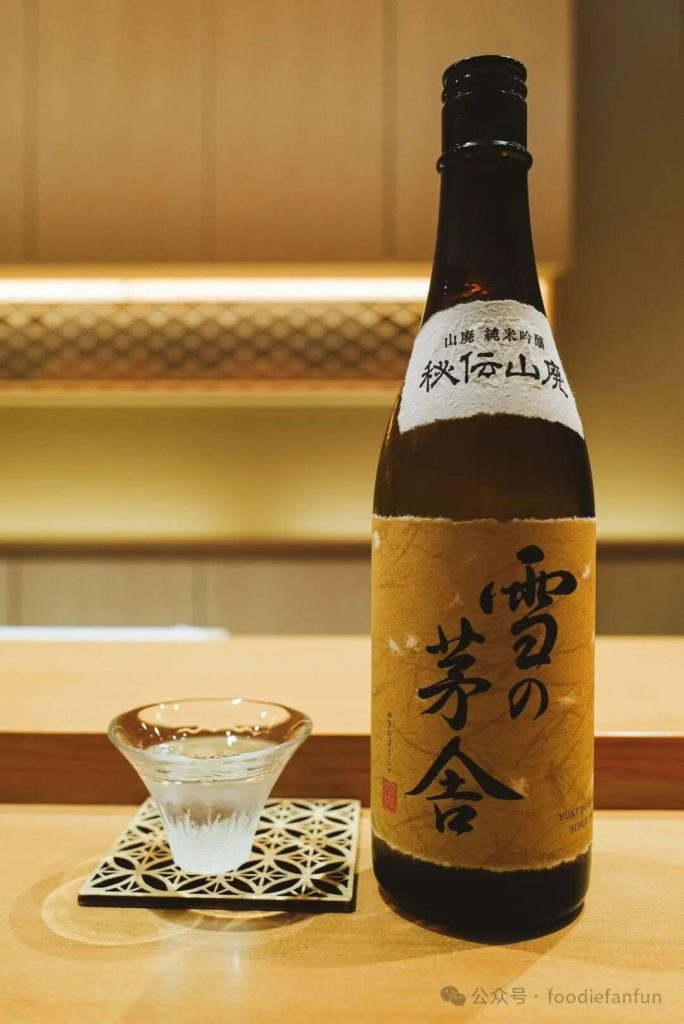
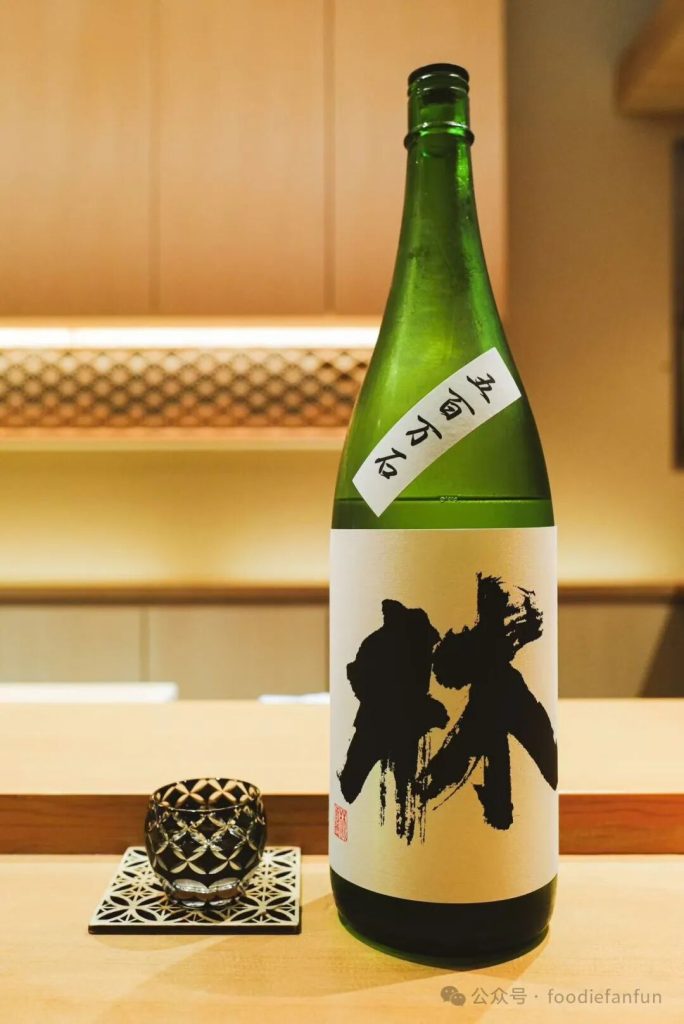
That night’s pairing included Sonorin and Katsukoma, both local sakes
By the time we got to the sushi course, it was already past 10pm, and ours was the only table left in the restaurant. Kosugi didn’t rush to close up — he still handled the ingredients carefully, keeping a steady pace as he shaped one piece of nigiri after another.
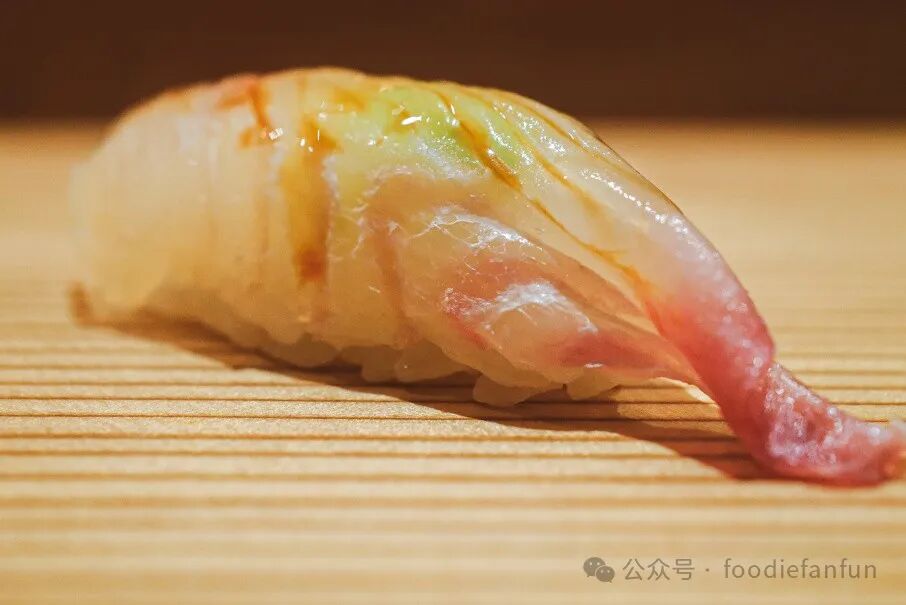
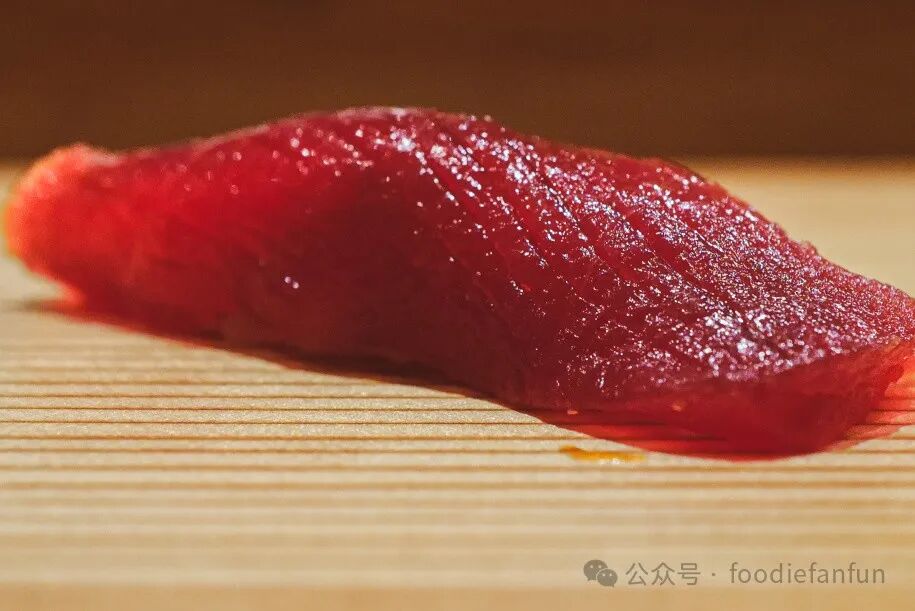
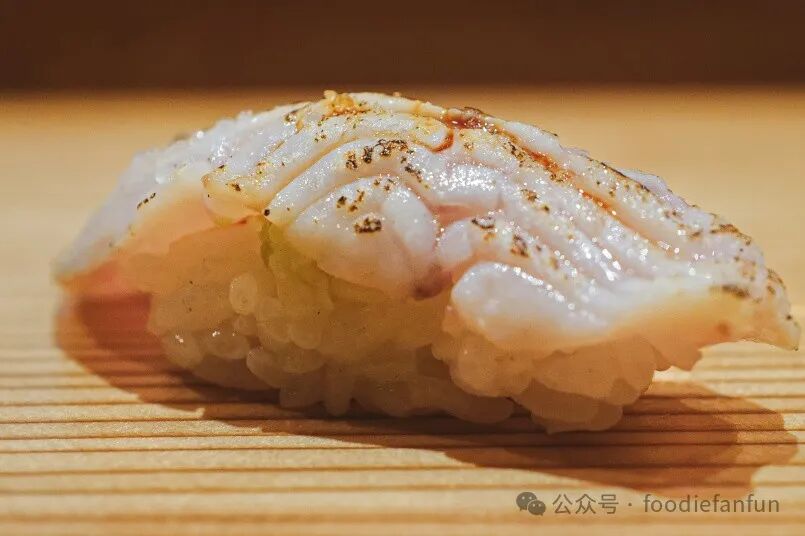
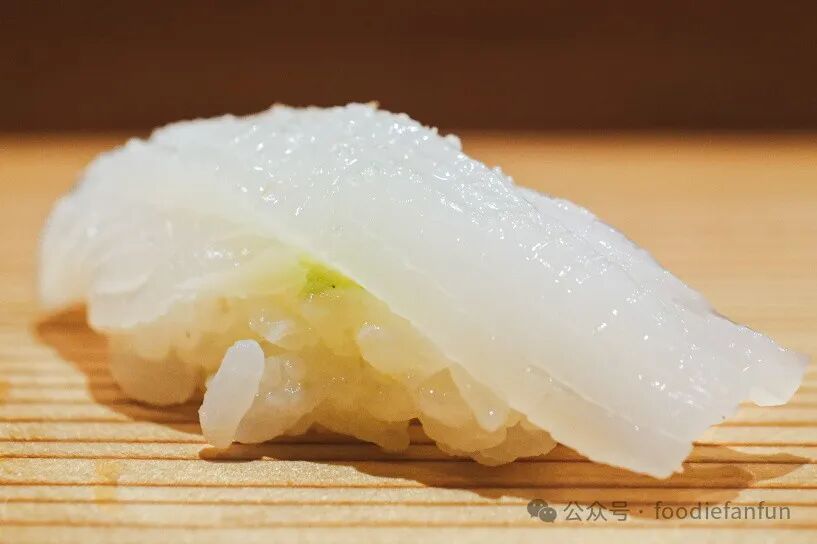
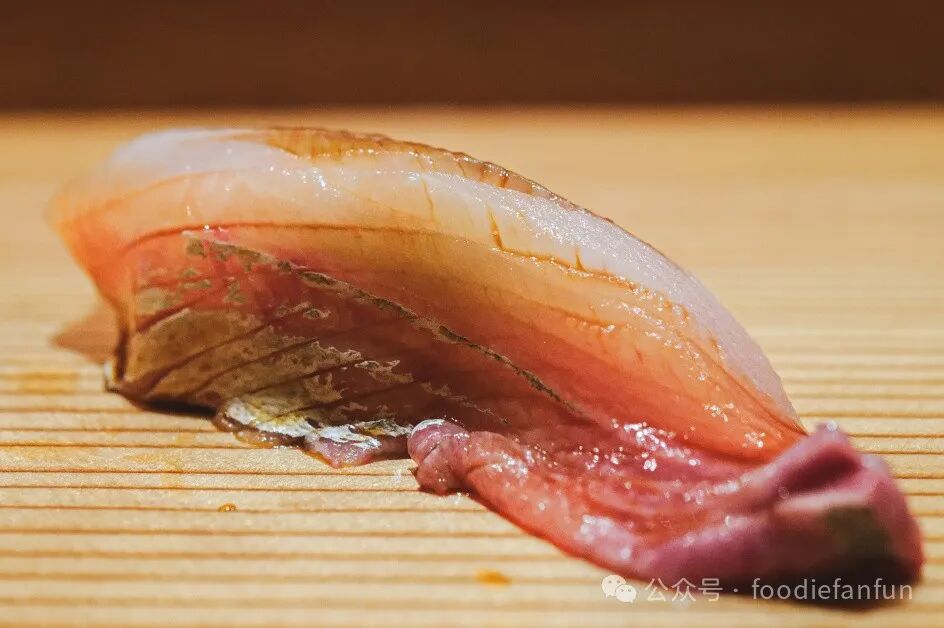
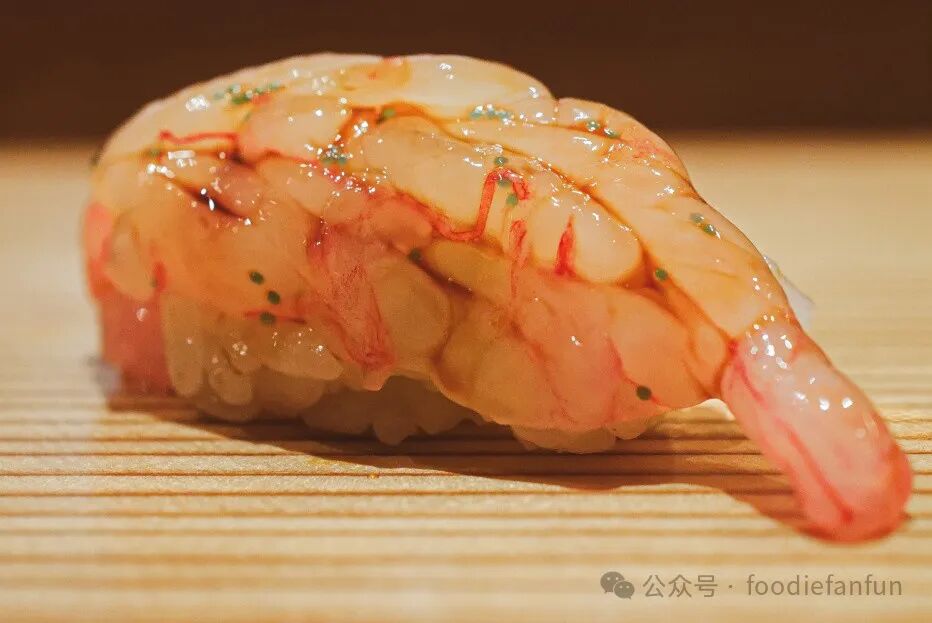
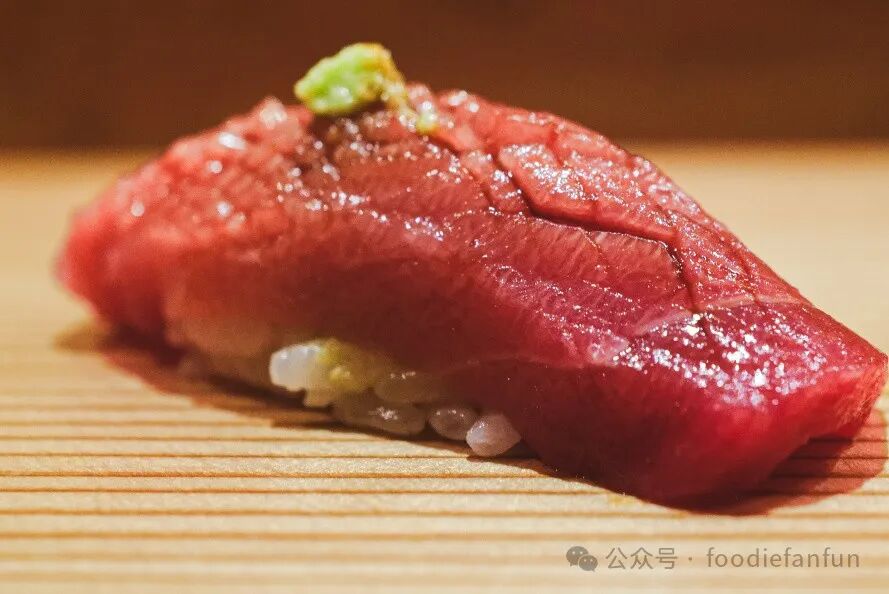
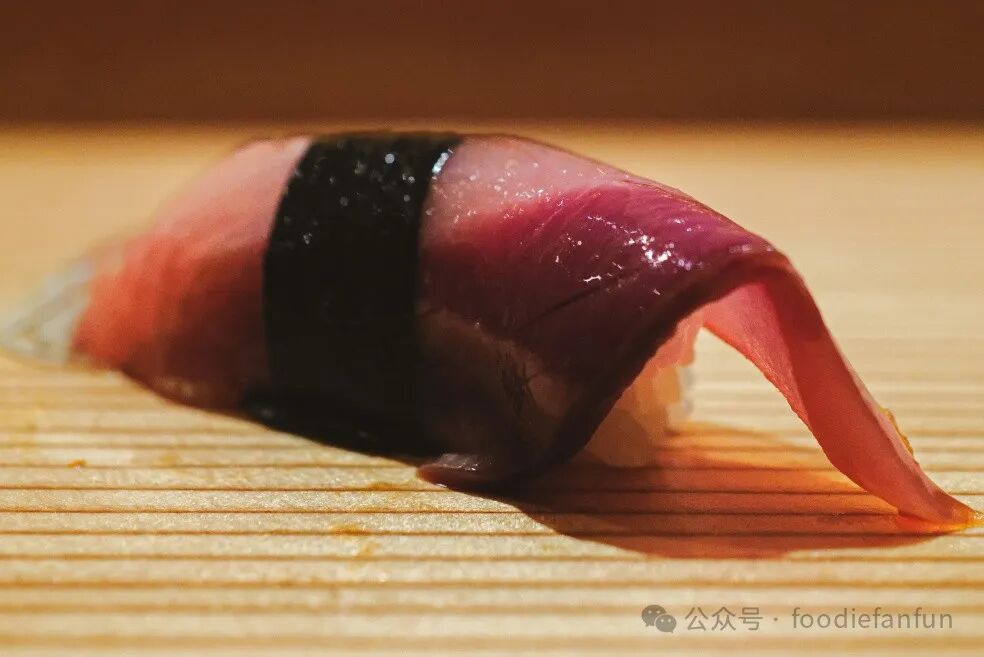
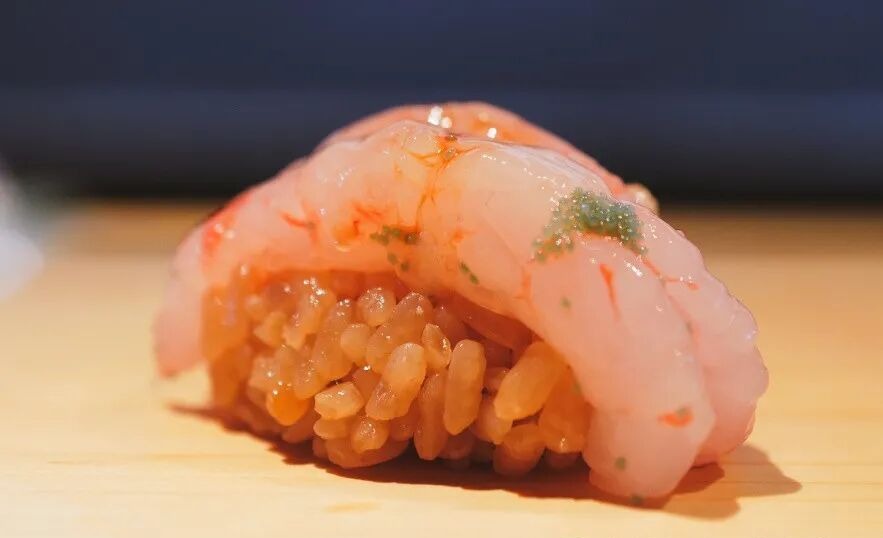
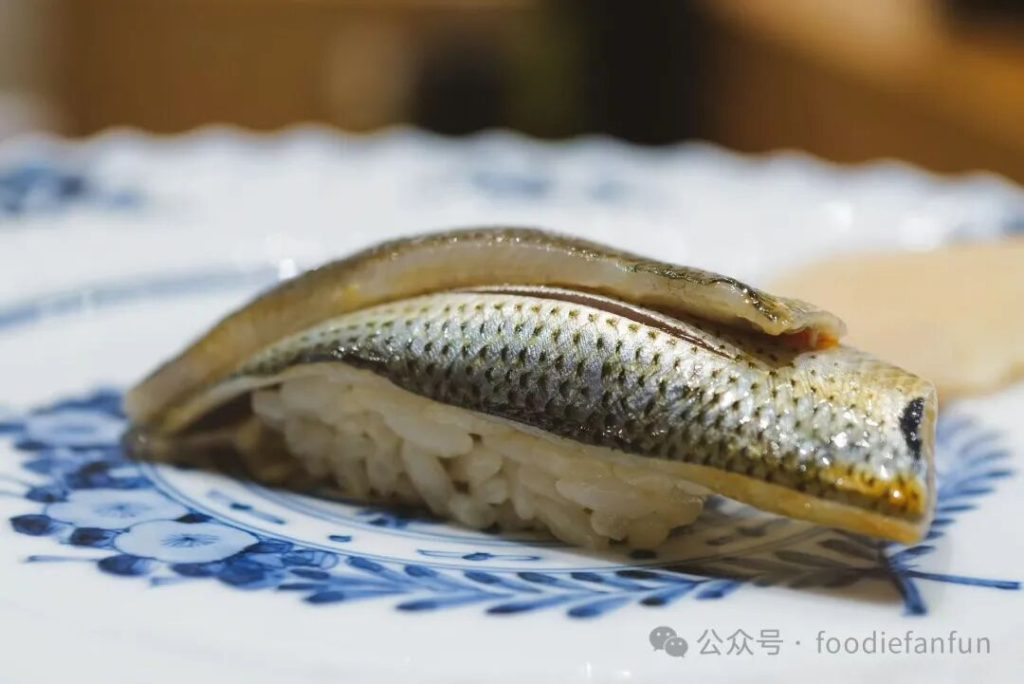
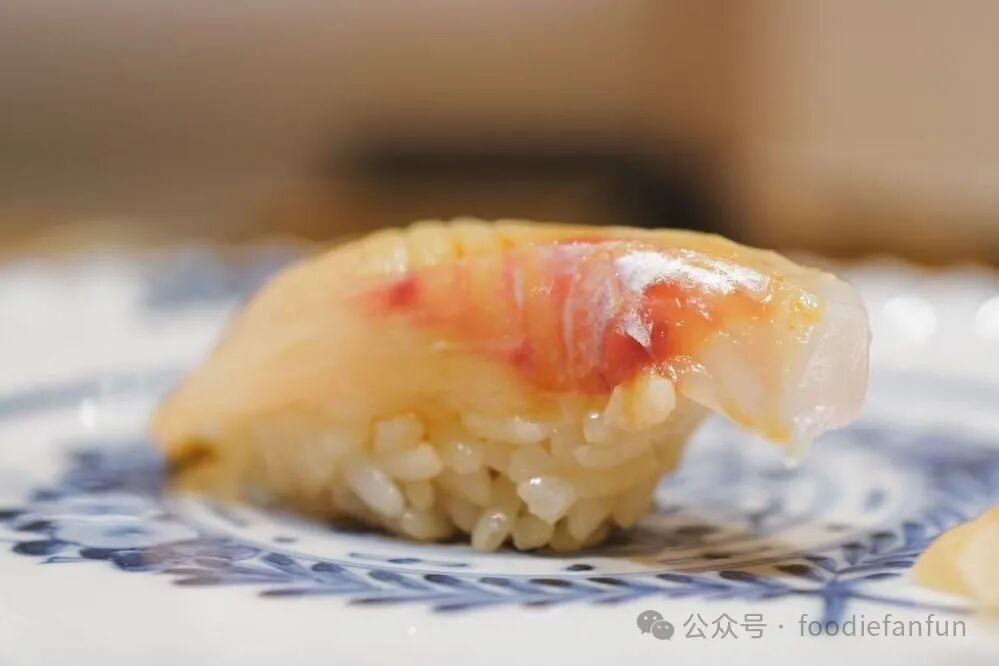
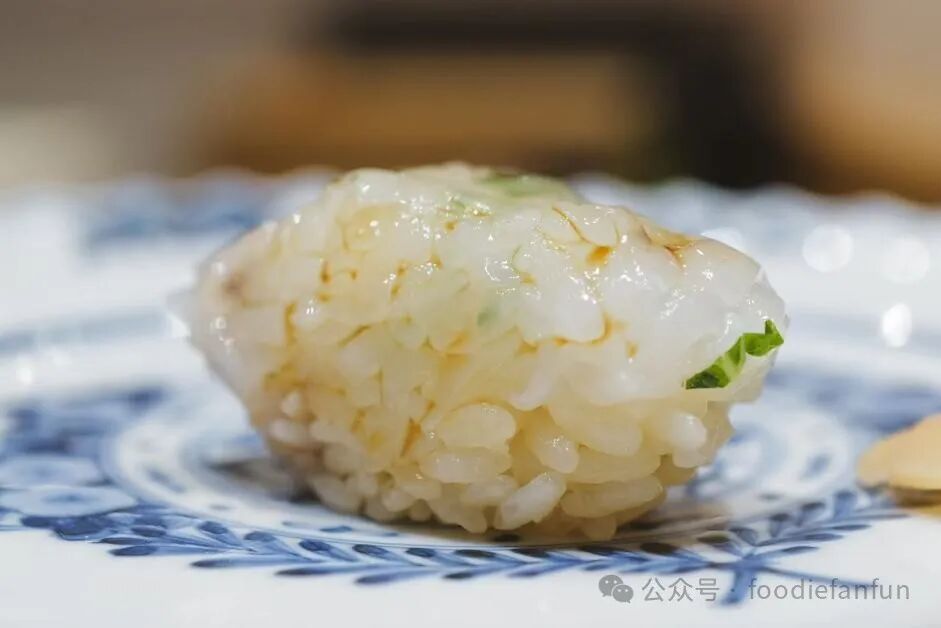
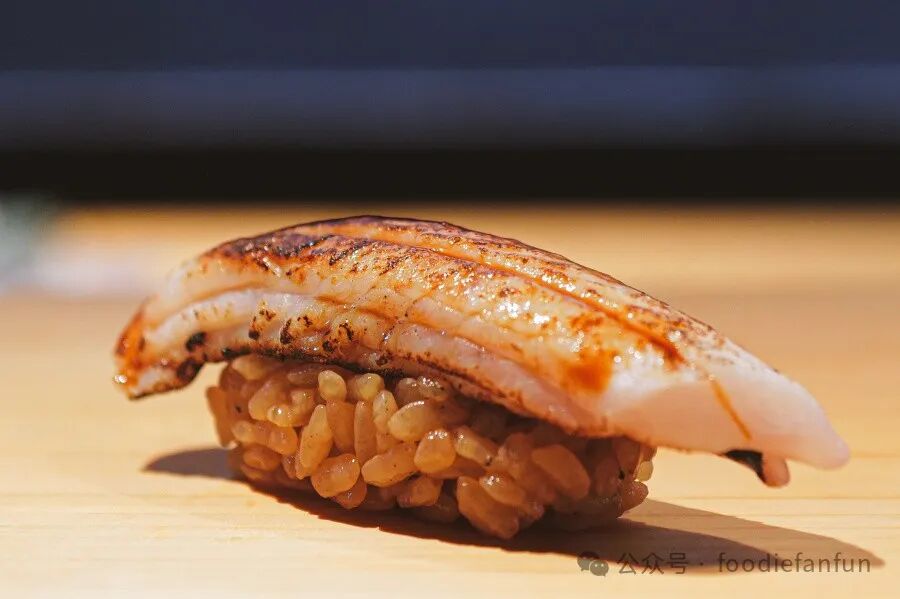
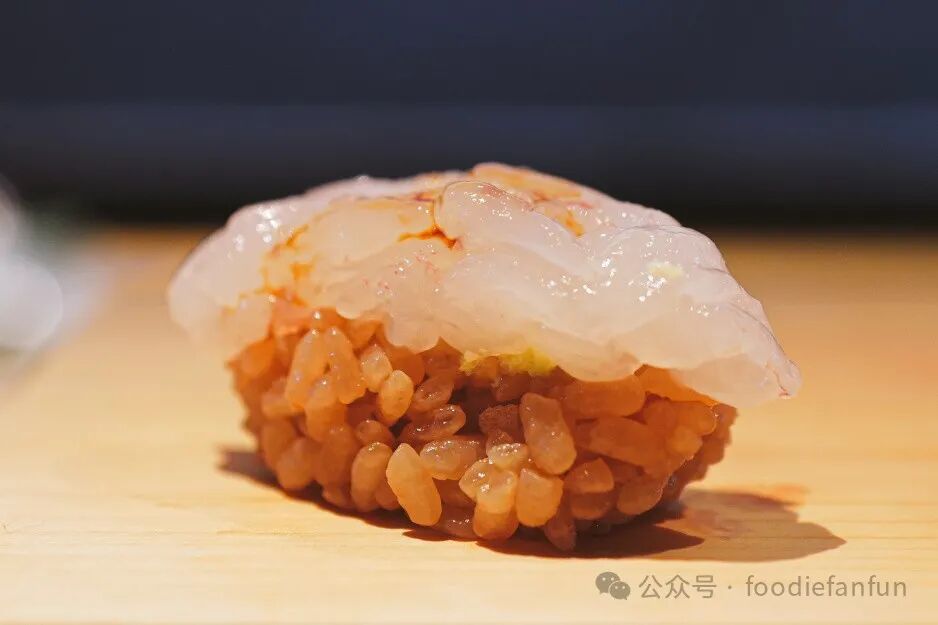
The menu lists a dozen or so ingredients prepared that day, and Kosugi selects from among them based on how the evening is going. Flounder, tuna, horse mackerel, yellowtail, sweet shrimp — all appetizingly bright and aromatic.
The rice was sweetened, and while it didn’t look as pretty as the shari at Tokyo sushi restaurants, it had a distinct personal style when eaten. The freshness of the ingredients and the overall balance pulled the dinner experience back — this was, in the end, a genuinely serious sushi chef.
立ち喰い鮨 人人 (Tachigui-zushi Jinjin)
Tabelog 3.75
🍣3,800 / 5,400 / 8,000 / 15,000
(Editor’s note: According to Toyama City’s official tourism website, 立ち喰い鮨 人人 permanently closed at the end of June 2025. The following is kept as a travel record.)
“I want sushi for lunch.” “Want to try the #4-ranked standing sushi bar in Toyama?” “Let’s go!”
The reservation for Jinjin was a spur-of-the-moment decision made that very morning. There was still a seat available — a stroke of luck you wouldn’t dare expect while traveling in Japan. We later found out this restaurant only takes about 30 minutes per meal, turns tables fast, and is genuinely easy to book.
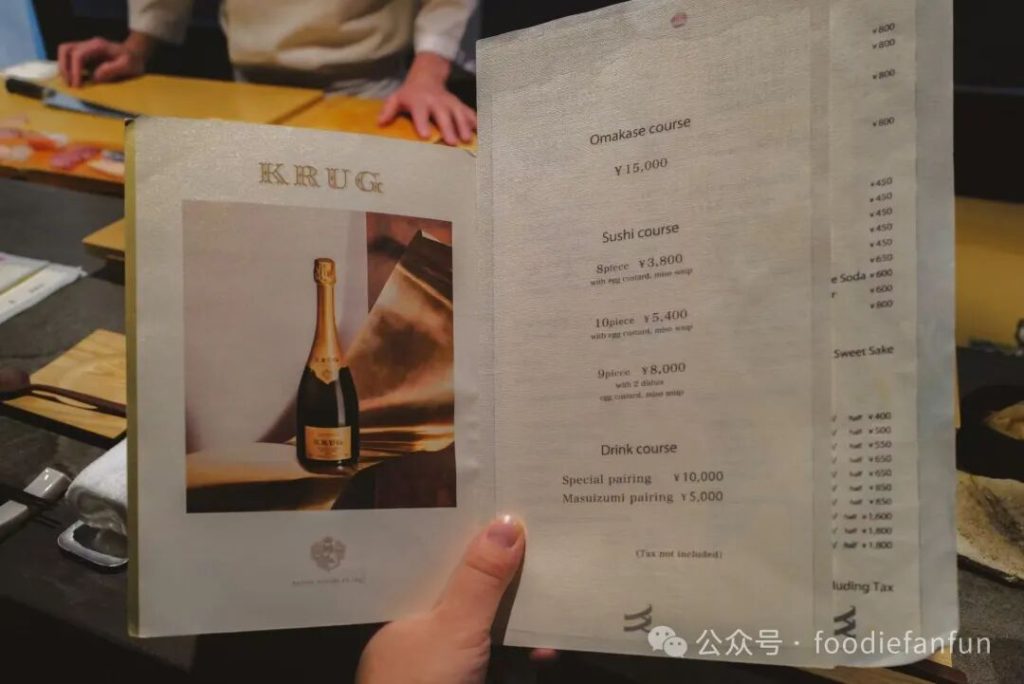
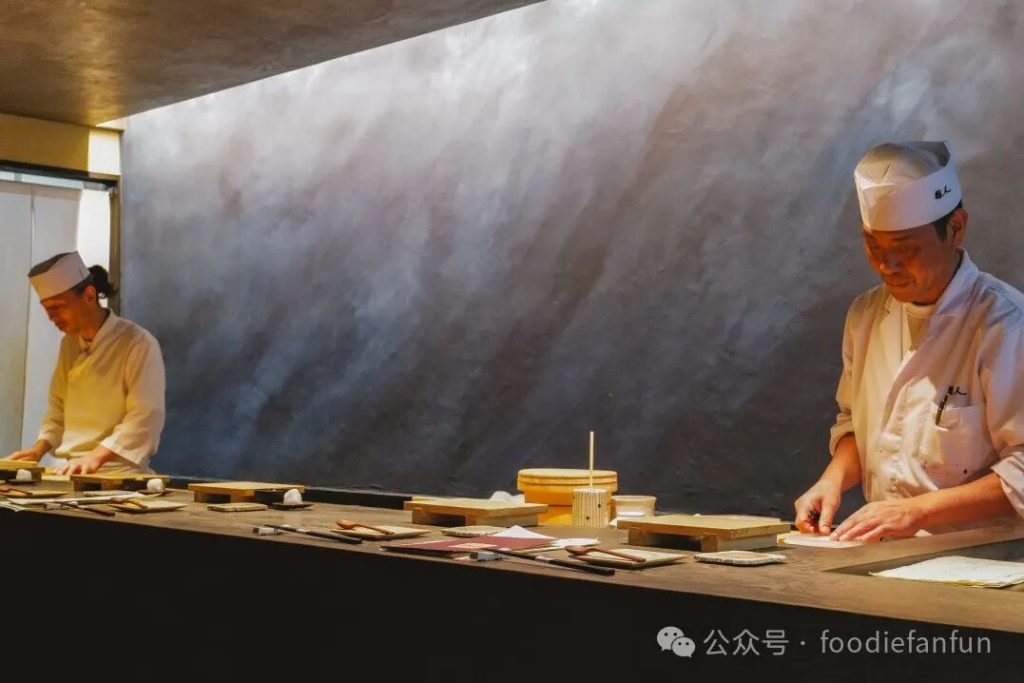
The set menus come in ¥3,800 and ¥5,400 tiers (8 or 10 pieces of nigiri), plus an ¥8,000 mini-Omakase (2 sakana dishes + 9 pieces of sushi), and a full ¥15,000 course.
The price range is wide, but even the top-tier course isn’t too pricey — anywhere from under 200 RMB to a max of around 750 gets you a complete sushi experience. You could call it ‘omakase that regular people can actually afford.’
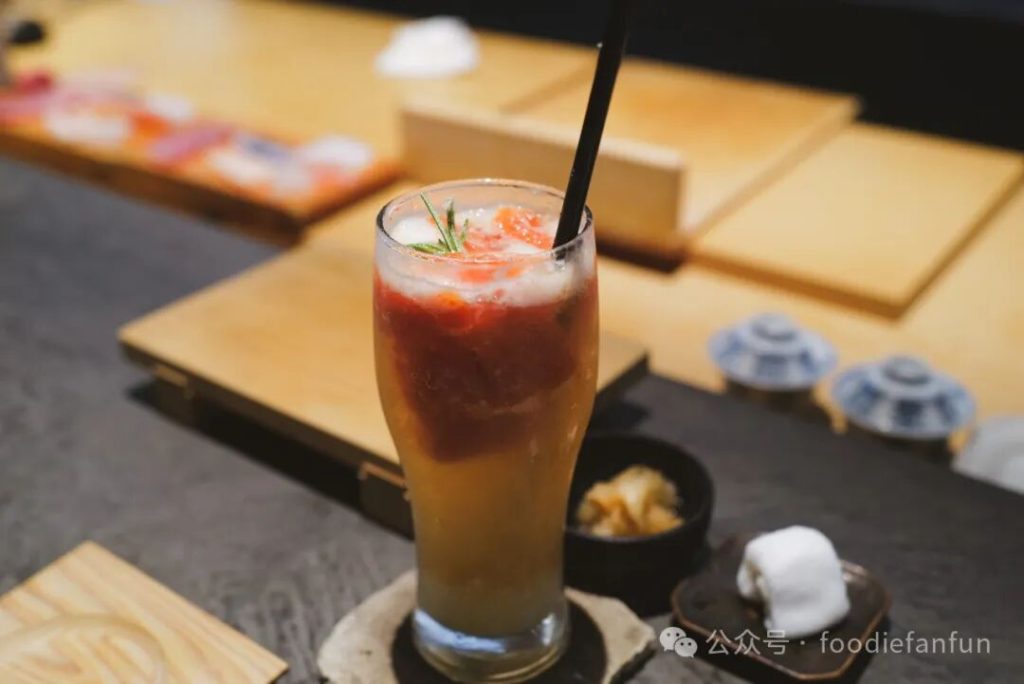
The tomato lemon sour is freshly shaved from ice right at the counter — a nice touch
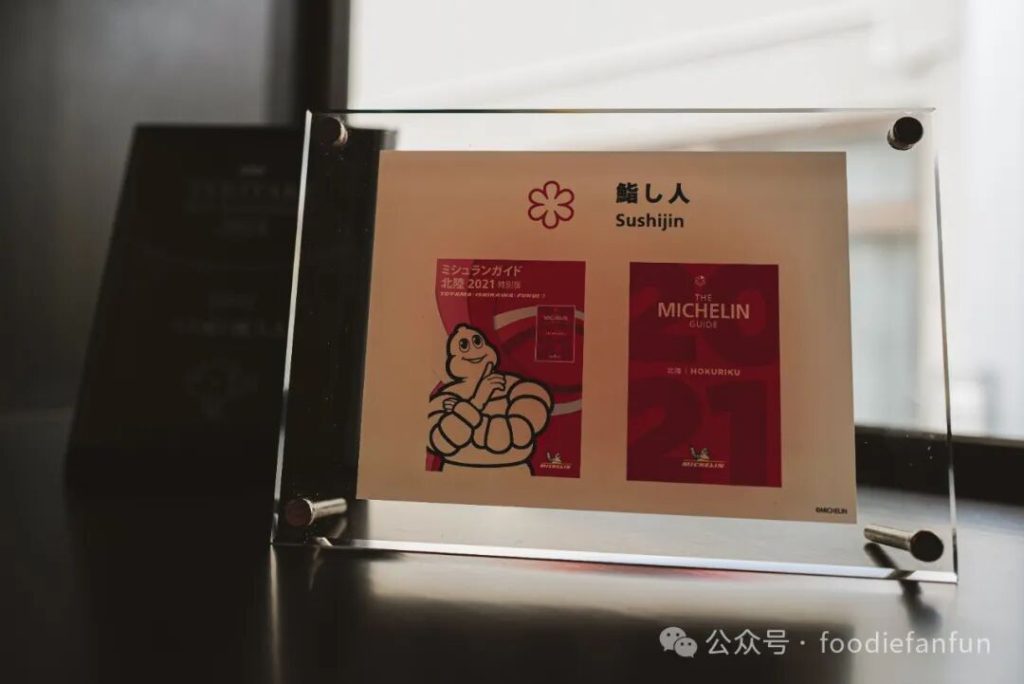
Don’t let the accessible pricing fool you — this restaurant’s chops speak for themselves. Head chef Izumi Kimura’s previous restaurant, Sushi Shibito, was Hokuriku’s #1-ranked sushi restaurant on Tabelog (score 4.20), and also held one star in the previous edition of the Toyama Michelin Guide (Toyama’s Michelin Guide is published once every 5 years).
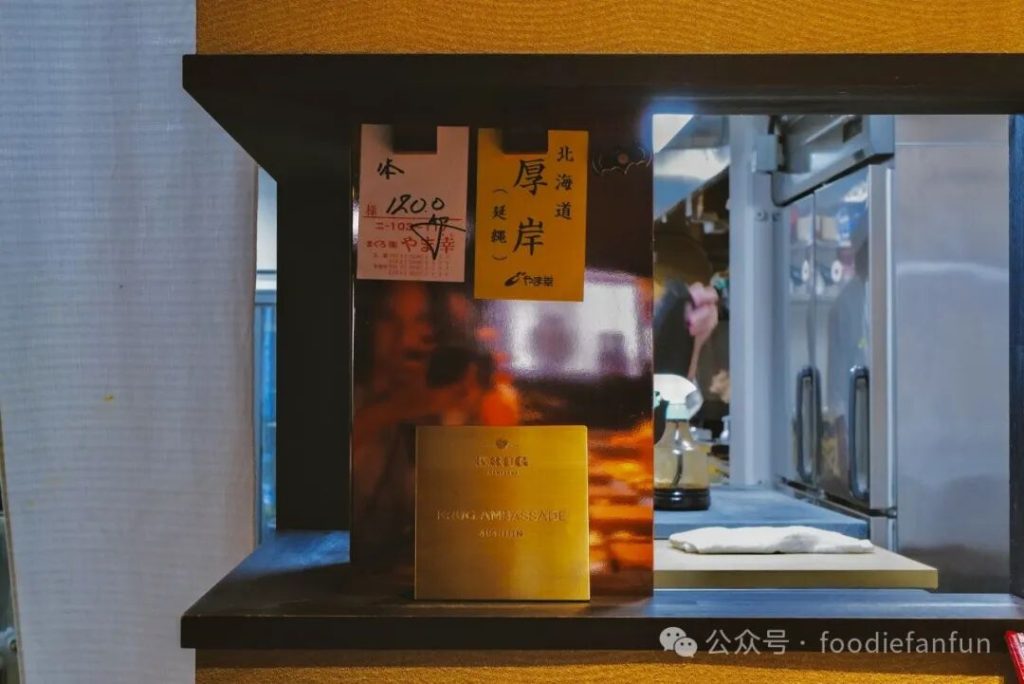
It’s also been recognized by a top champagne brand — there’s a shiny KRUG AMBASSADE placard displayed in the restaurant.
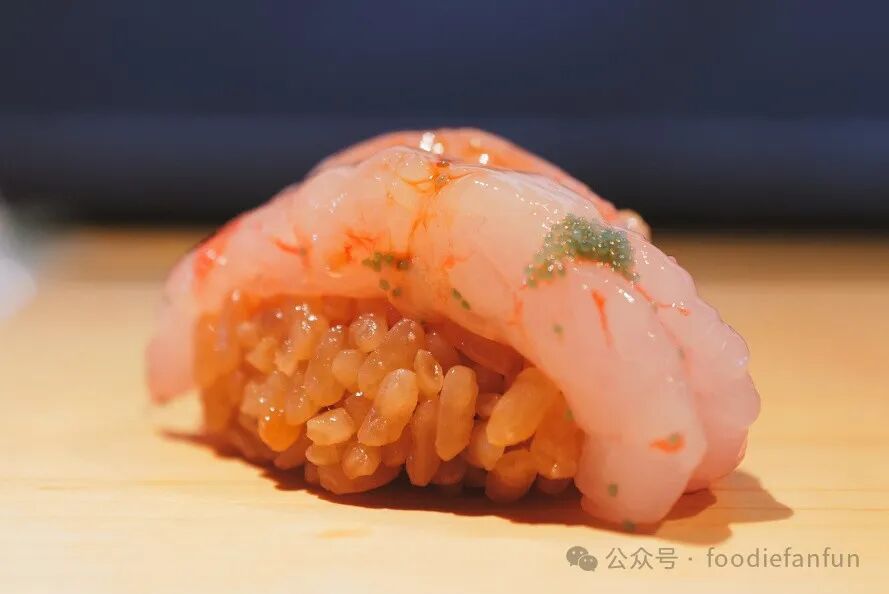
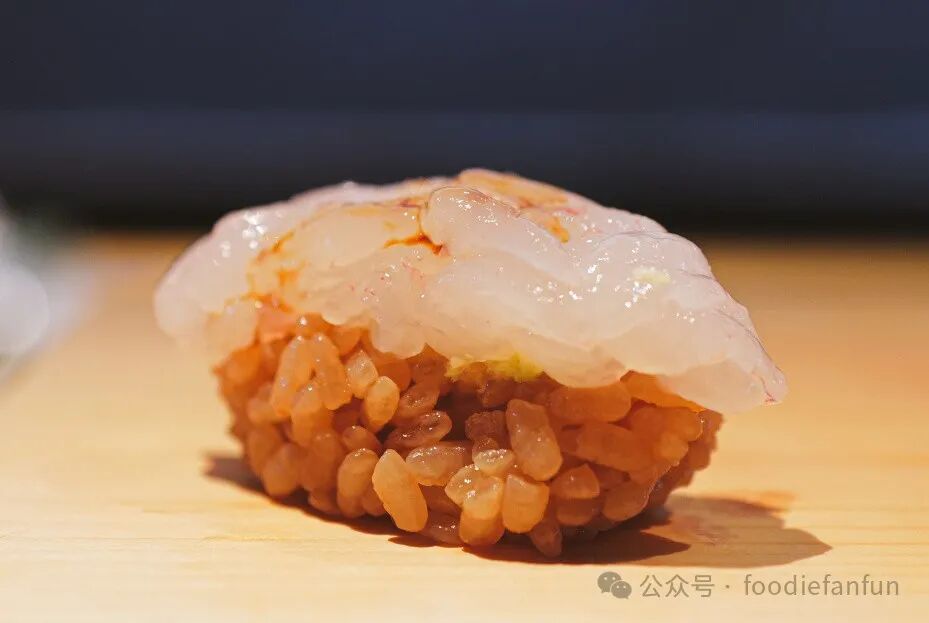
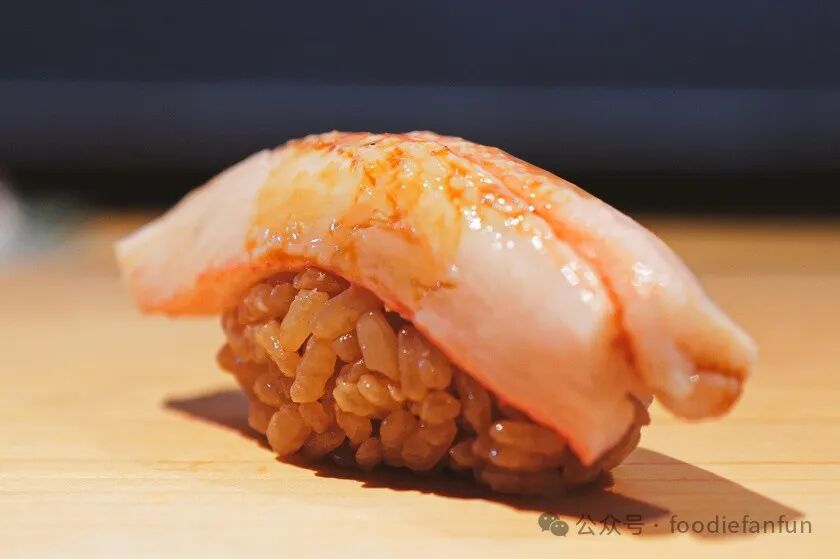
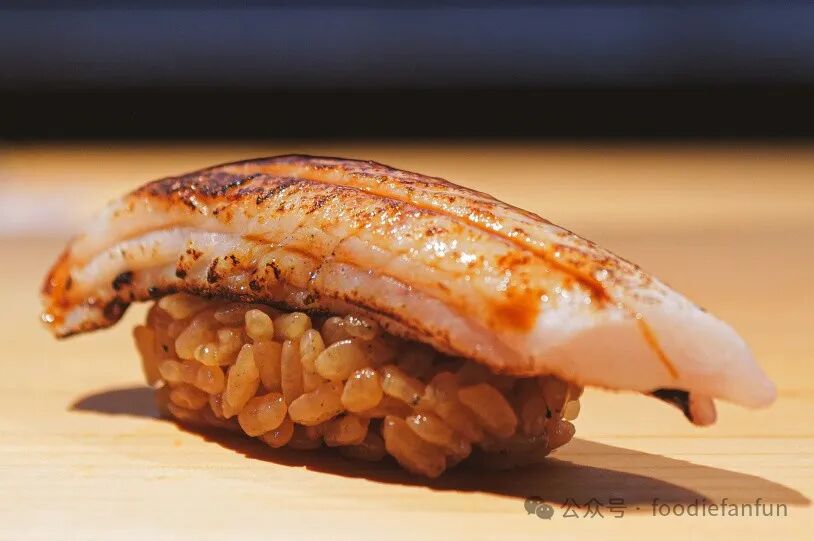
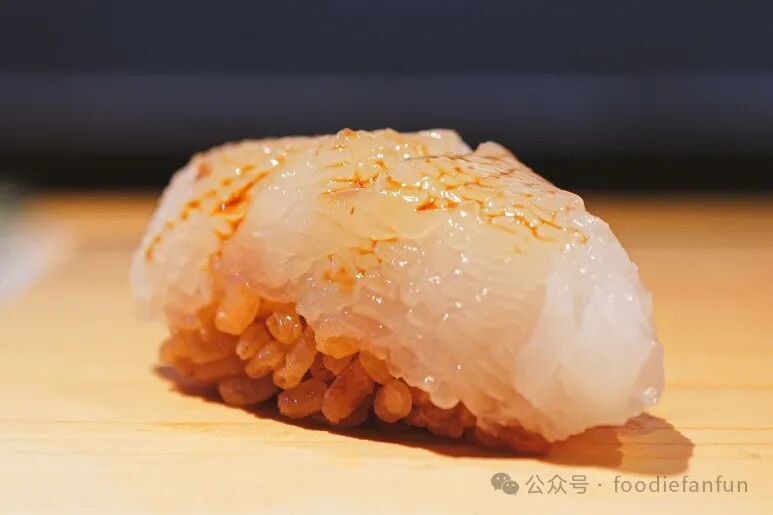
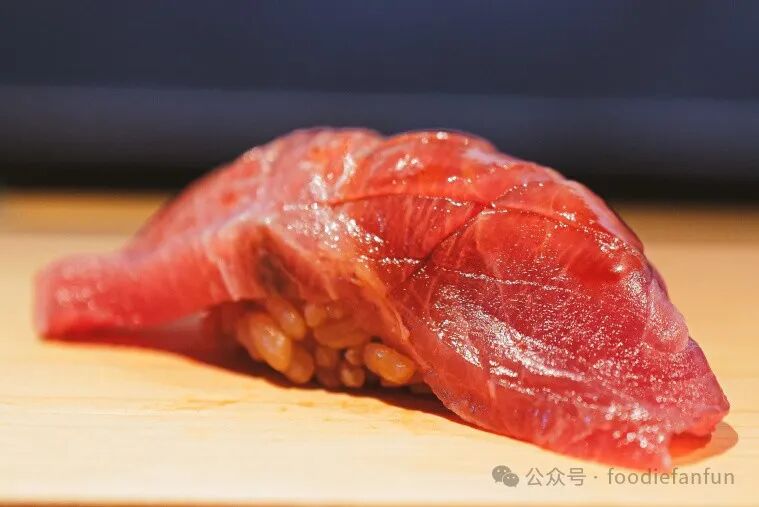
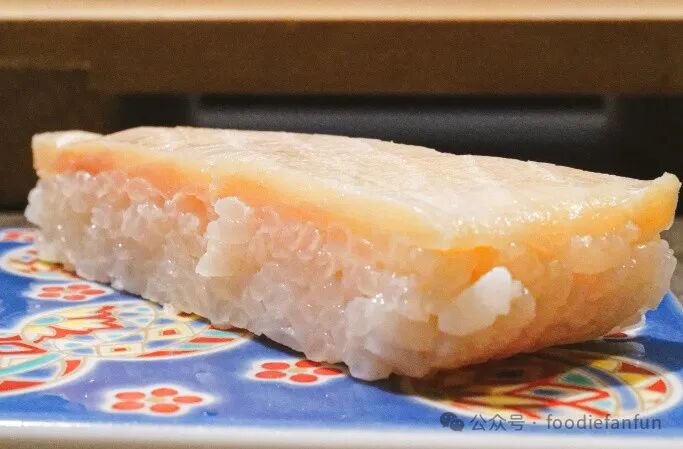
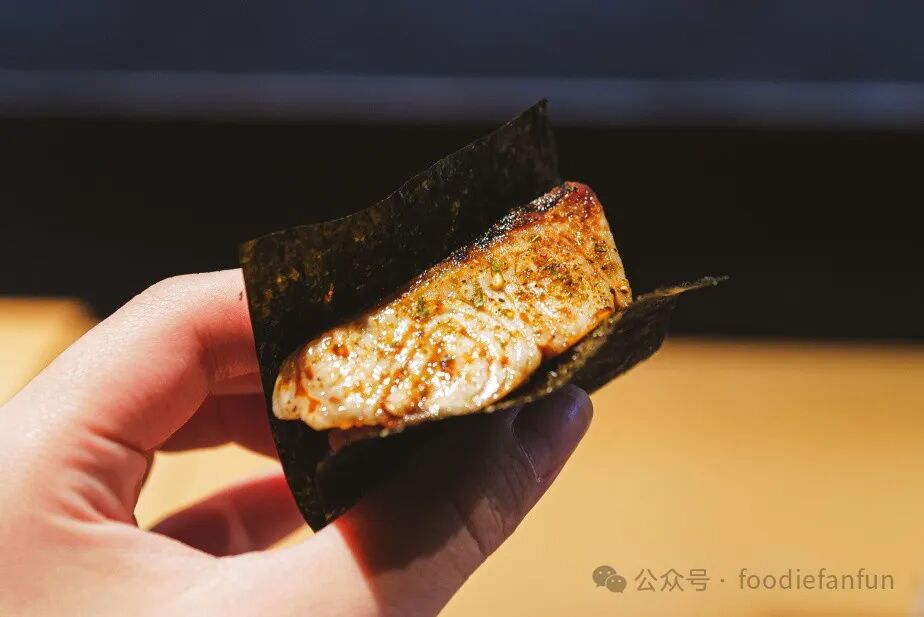
Over the whole meal, the fish quality is naturally a step down from top-tier sushi restaurants, but the satisfaction factor absolutely exceeds what you’d expect at this price point.
You could call it a sushi experience built on a purely commercial mindset — the rice is gentle, the pacing well-judged, and a handful of small creative touches keep the excitement of the meal running high throughout. A thirty-minute lunch, priced under 200 RMB, delivering a hit of dopamine through sheer speed and value.
*****
Looking back on these two restaurants, they show two completely different attitudes toward sushi. SOTO takes the mindset of a traditional craftsman, offering a more refined dining experience, while Sushi Jinjin makes no secret of its fast-turnover, late-night business model, delivering satisfaction with precision and efficiency.
Personally, given how the sakana course performed that night — the temperature and seasoning imbalance, and the poor match of the sake pairing — I’ve clearly decided SOTO won’t get a return visit from me.
Sushi Jinjin, on the other hand, is the kind of place I’ll keep thinking about — if there were a spot like this in Beijing, I’d genuinely want to go every day for lunch. Next time I’m in Toyama, I’ll definitely swing by again on a whim — not as a fine-dining experience, but for that pure, unfiltered satisfaction that only comes from a place rooted in rice and fish.
Leave a Reply