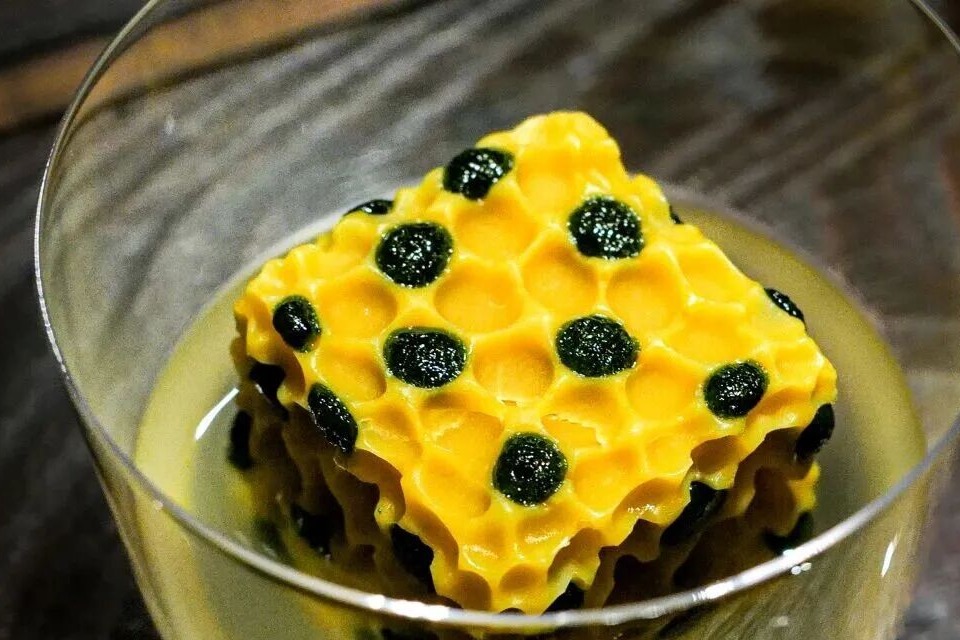
Before actually visiting, people always seem to place an odd amount of trust in restaurants that show up on rankings and lists.
So when I discovered that Central — once No. 1 on the World’s 50 Best, now “graduated” into Best of the Best and no longer part of the main ranking — actually had a location in Tokyo, I couldn’t help but get eager to try it. Even though this list is one I’ve been burned by before: service, atmosphere, food, each with its own way of disappointing. But people always forget the pain once the scar heals.
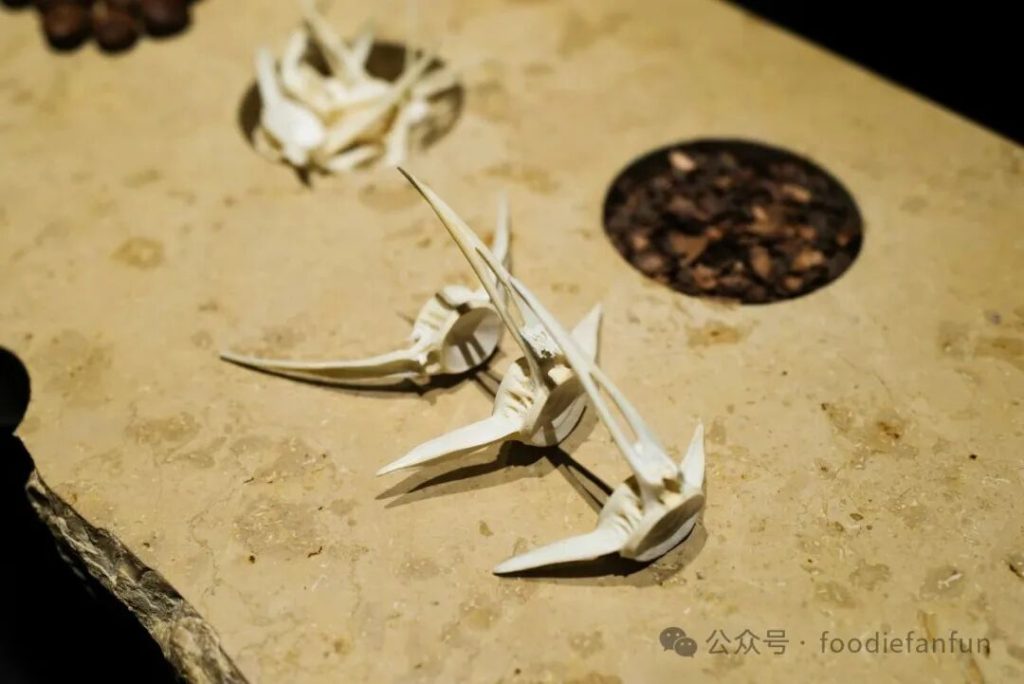
Let me put the conclusion up front: MAZ is interesting and worth trying, and I’d strongly recommend going for the pairing.
It reads more like an overseas laboratory for Central and Mater: built on the idea of “Afuera hay más” (there’s more outside), transplanting Peru’s vertical ecology and field system into Tokyo’s tense, dense, minute-by-minute rhythm.
You can see it’s kept the recognizability of its tableware and produce, and insists every dish carries a “narrative thread,” while still leaving diners plenty of room to participate — centered on experience, temporarily building a space at the table that speaks to Central, Lima, Peru, even all of South America.
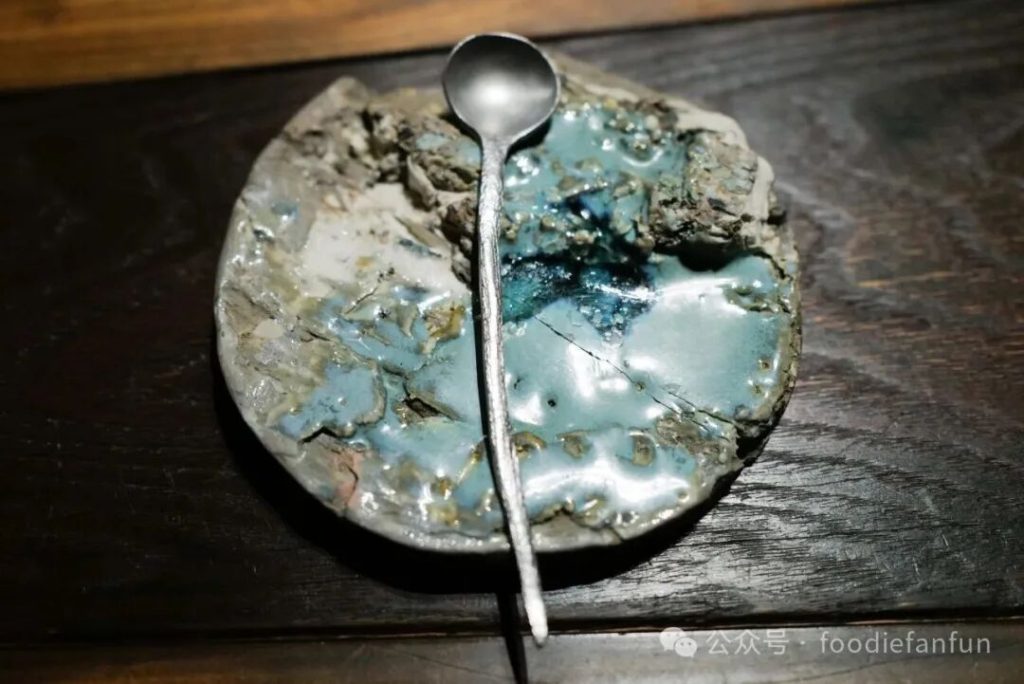
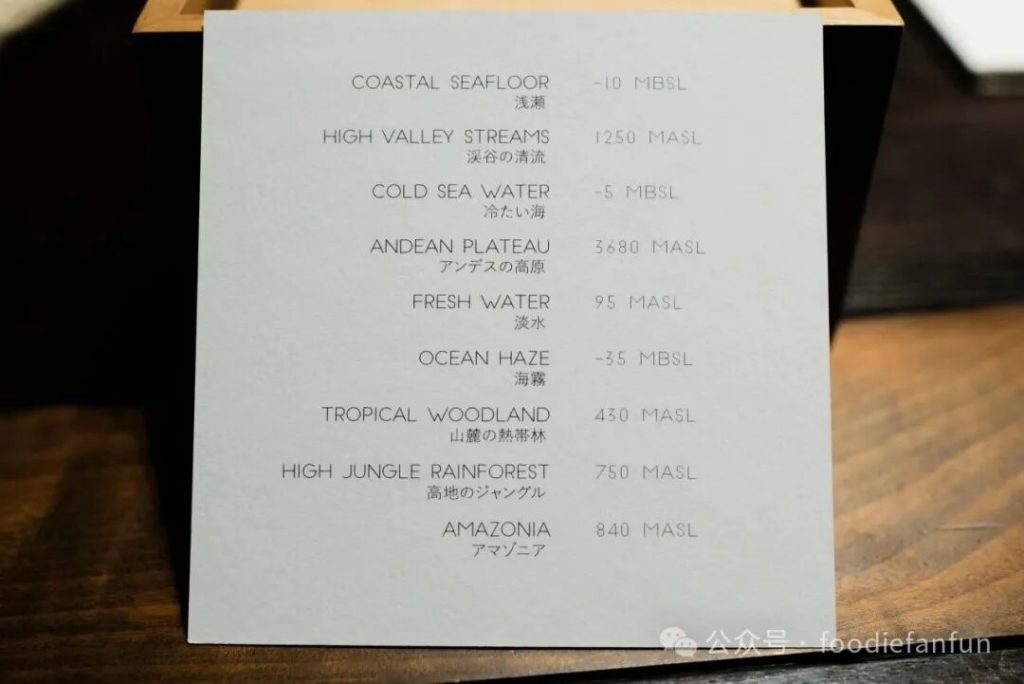
The keyword running through the menu’s narrative is: vertical ecology. Altitude slices the land into different climate and produce zones, and the menu lets you see Peru’s different elevations, terroirs and cultures juxtaposed and contrasted all at once.
But if you’ve already been to South America — please, don’t hold it to Central or Mil’s standard. MAZ is really still standing on a Tokyo table, telling guests Peru’s story; there’s always a sense of a table that’s been “relocated.” The cultural original is preserved, while some ingredients have been swapped out due to logistics and transport conditions.
Put simply, it’s a bit like Shake Shack opening in China — the menu stays the same, but the ingredients always end up getting swapped.
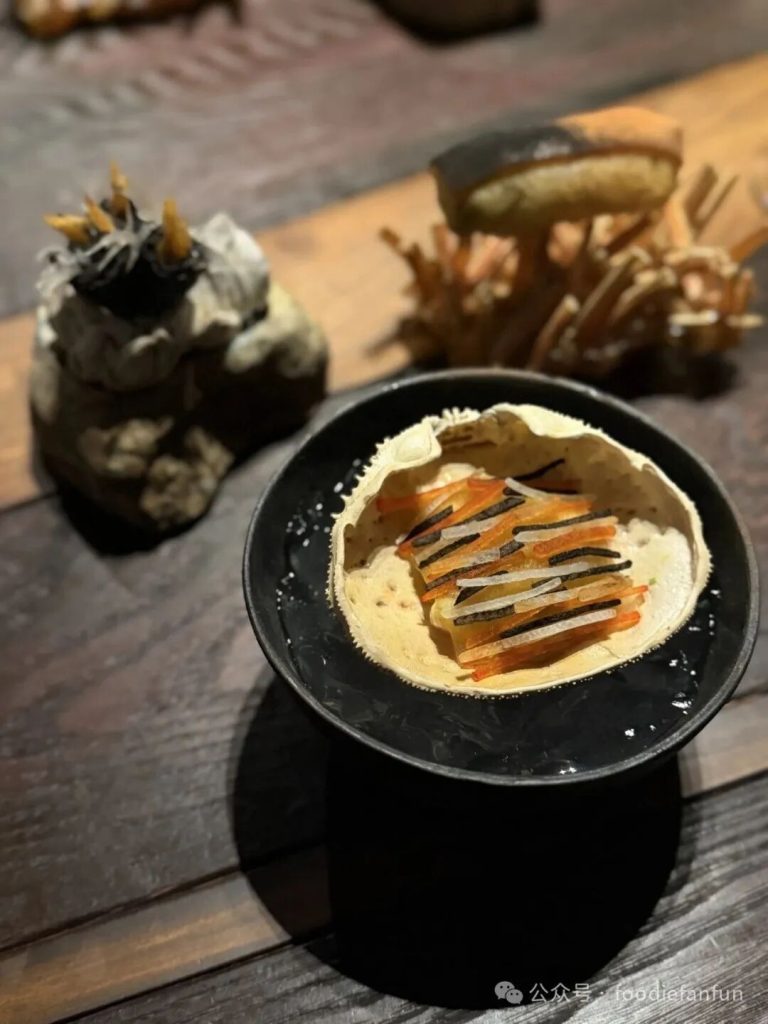
The opening is actually quite “Japanese.” The winter menu uses the three crabs most popular on Tokyo fine-dining tables right now — snow crab, hairy crab, and kobako crab — in a welcome-snack combination.
The snow crab is shaped like a spring roll, but softer on the palate than expected. The wrapper has a slight chew, gently holding the crab meat inside. On top sits a jelly-like layer, clean and savory.
Hairy crab and white shrimp are wrapped together inside a black cuttlefish tart. Visually mysterious, but it eats with clear, crisp, decisive freshness — and mid-chew, a sudden burst of something like the damp green plant-life of a shoreline pulls your mind from “seafood” toward “ecology.”
The kobako crab, meanwhile, comes with three kinds of radish — first a beautiful acidity, clean and fresh, a faint onion sharpness layered with the crab meat’s softness, and yet the aftertaste is deeply savory.
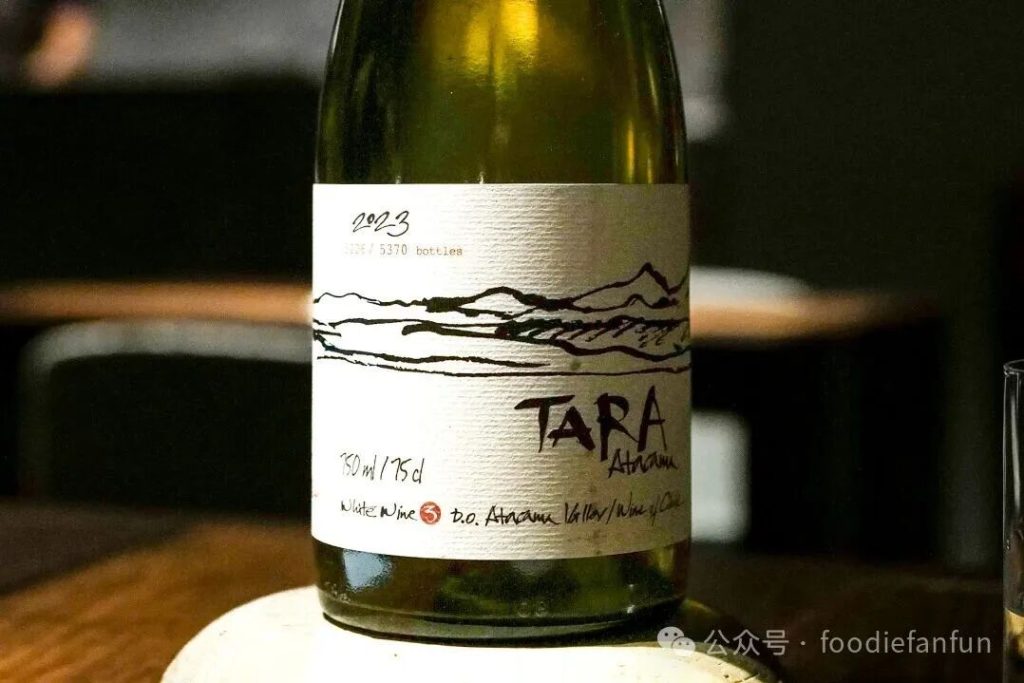
The Sauvignon Blanc poured alongside at that point was beautifully matched too, quietly stretching and straightening out the freshness, keeping all three crab courses clear and bright from start to finish.
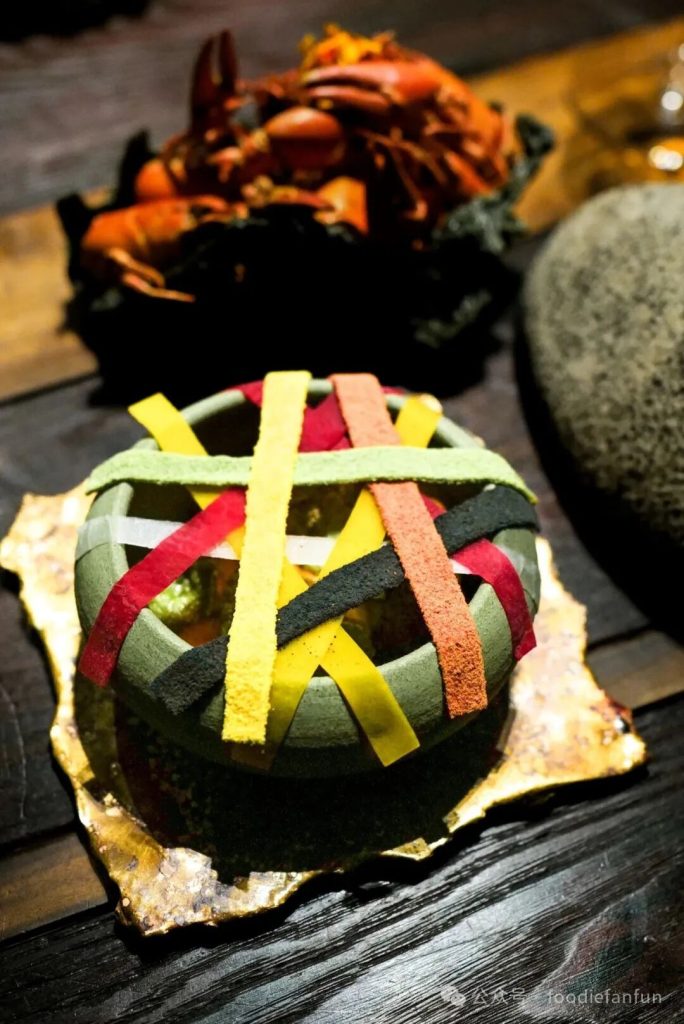
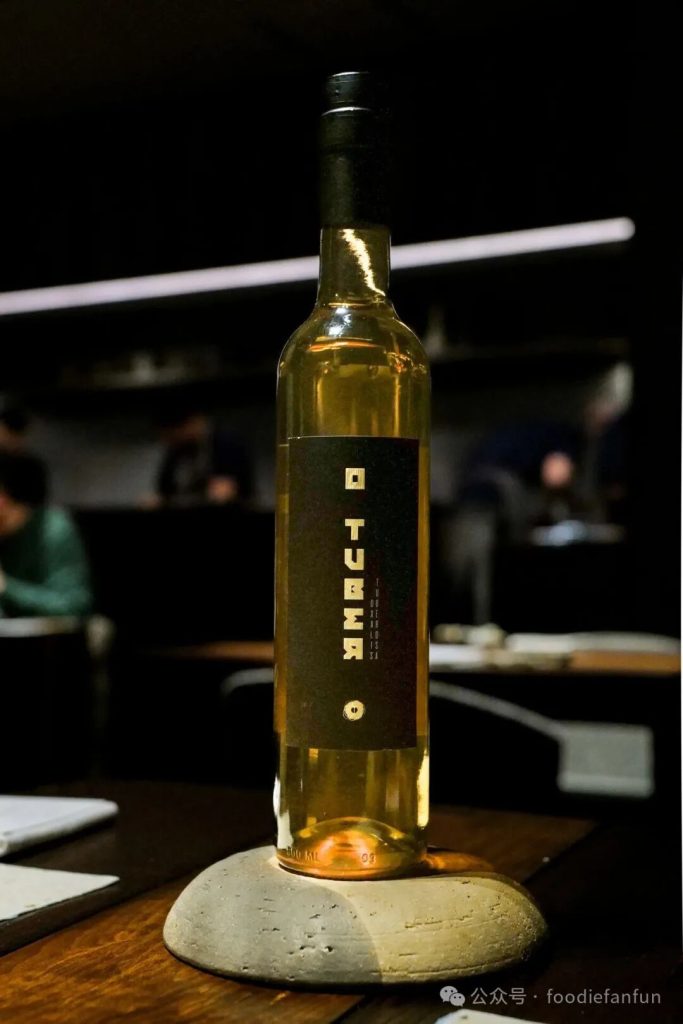
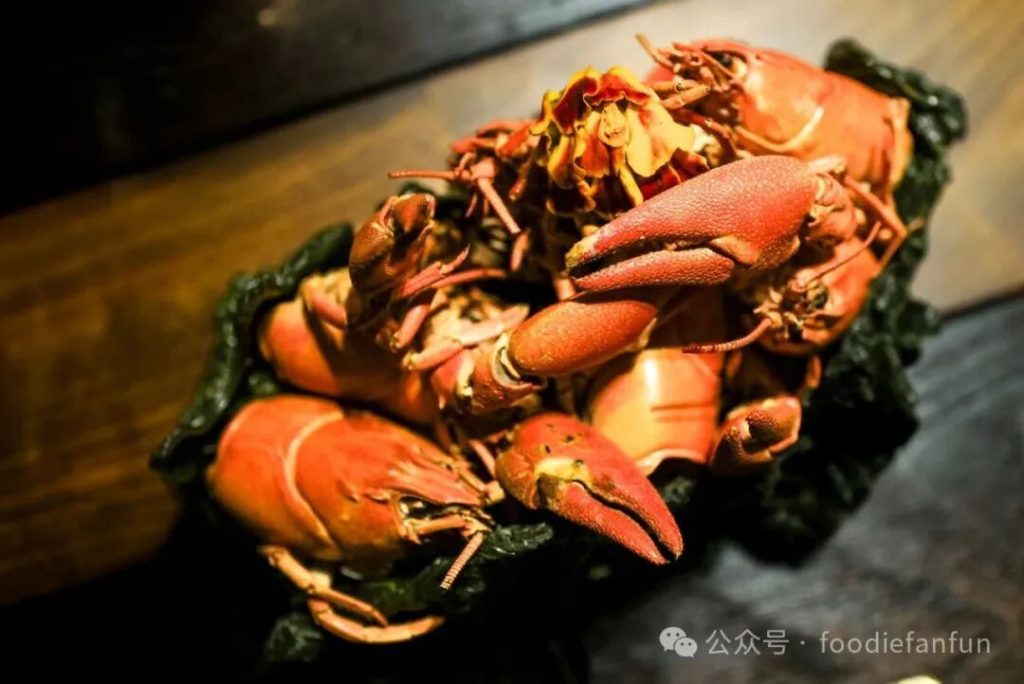
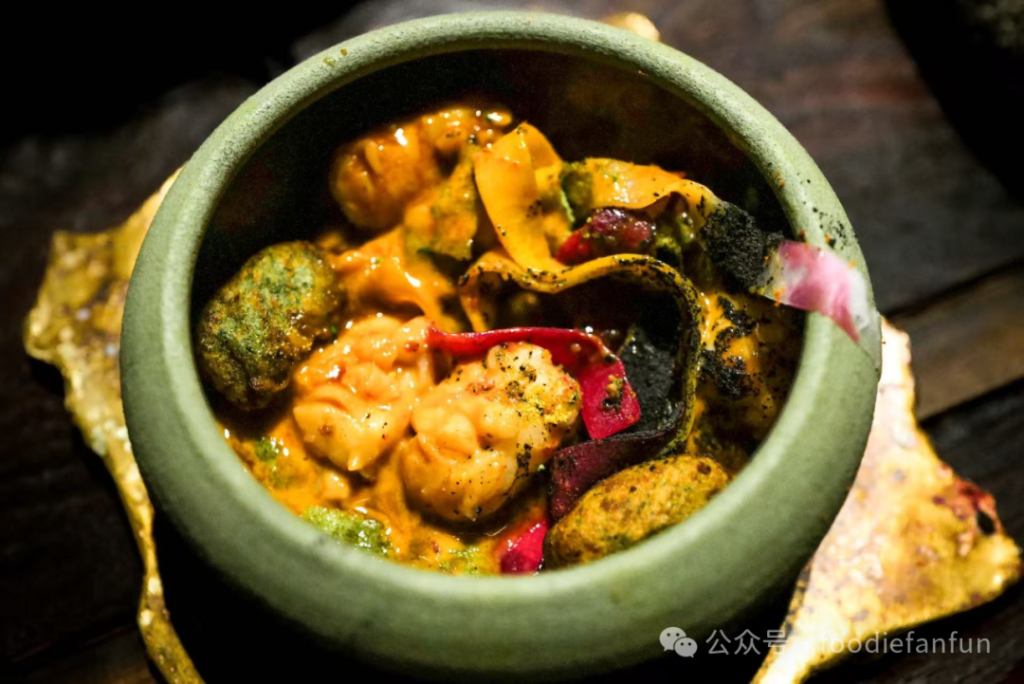
The second course jumps the coordinates straight to the “high valley streams” at 1,250 masl. The lead role shifts to seasonal vegetables and small river catch.
You pull the cutlery out of a slipper-shaped stone vessel, stir the vegetable strips into the shrimp broth, with a “lobster mountain” set alongside — the overall visual is refined.
The moment it arrives you can smell the rich shellfish aroma, the shrimp-roe broth thick enough, carrying a savory viscosity that clings to every bite. And unexpectedly, a chewy little potato ball turns up hiding inside the crayfish balls.
On the other side, the real star of “lobster mountain” turns out to be the tiny crab perched on top with a flower on it — here it becomes a fragrant, crisp little palate cleanser. The floral scent flashes by, then the small crab’s oceanic flavor closes it out gently, drawing a beautiful contrast between “rich” and “light” within the dish.
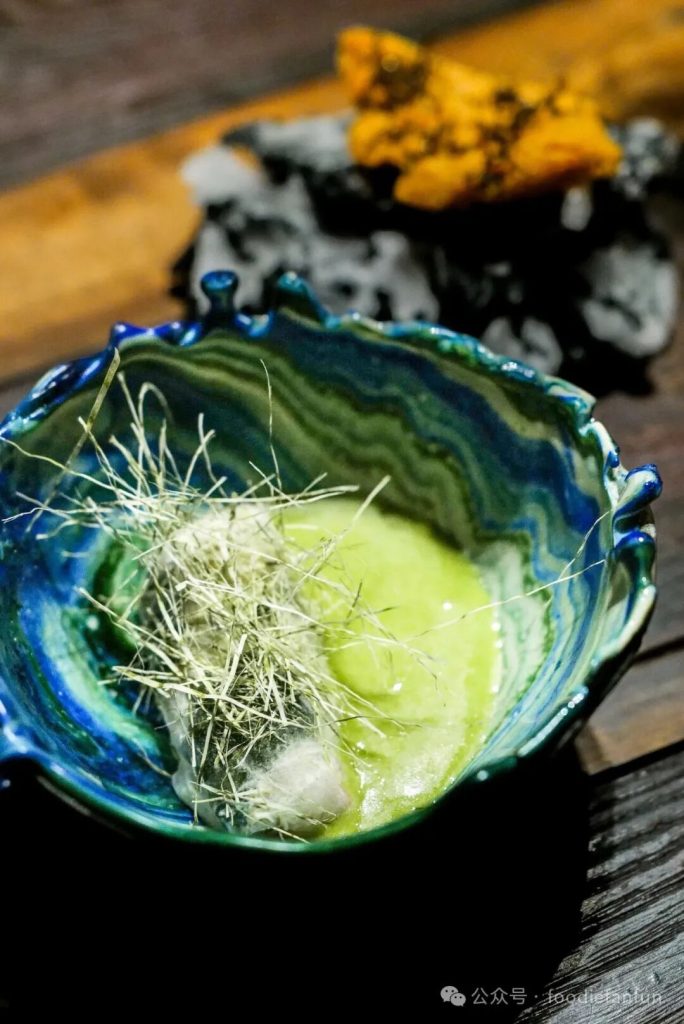
Hokkaido scallop ceviche. The sauce clearly reproduces the fruity freshness and acidity so representative of this iconic Peruvian dish.
But it tasted a bit too “primitive” — just a very standard, very ordinary ceviche flavor. Aside from the plating making it look more complex, more like a piece that “needs explaining,” it felt a little like turning something simply delicious into something unnecessarily complicated.
The scallop-roe crisp on the side was more endearing, though — fresh, crunchy, growing more fragrant the more you chew, the kind of supporting player that doesn’t steal the scene but quietly earns extra points.
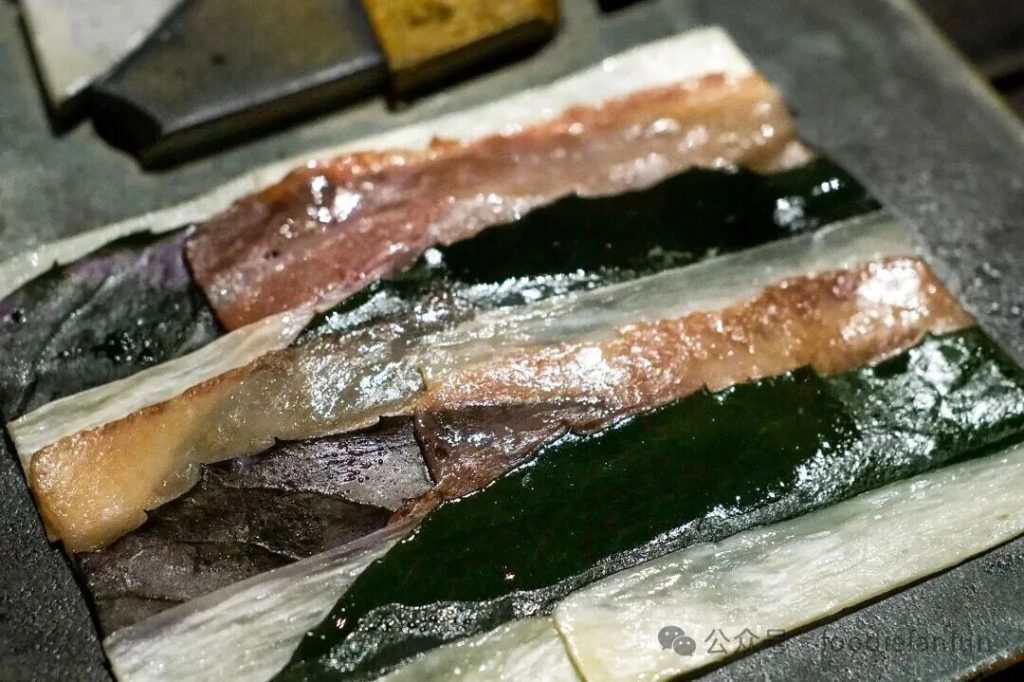
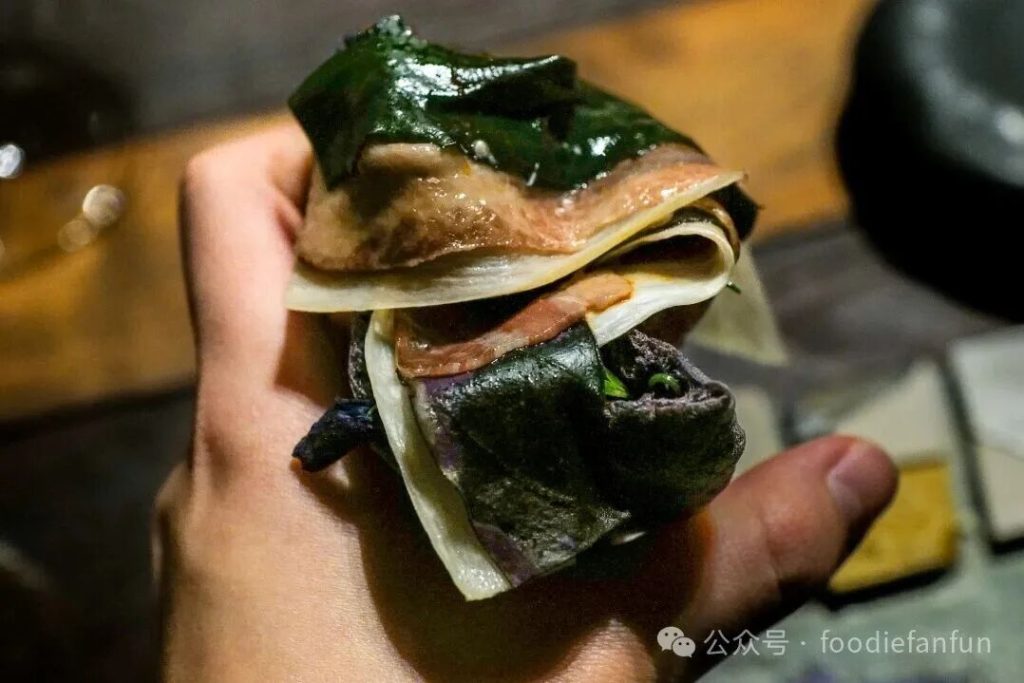
Wagyu, purple cabbage, bamboo shoot, pocket bread, cheese.
Never expected this would turn out to be a dish that stacks “funky on top of funky”; even less expected that this funk would actually get you hooked — delicious, likeable, and even now, thinking back on it, I still crave it a little.
The plate carries an oily, fermented funk, while the pocket bread is stuffed with long-aged cheese, hitting you with a more direct, more animal funk head-on. The two funks layer together, and yet it’s exactly right, giving the whole dish more depth.
The flatbread is really just a vehicle for everything else, but its thickness, softness, and slight chew are so well controlled that it can bear the weight of both funky aromas in the mouth without ever stealing their spotlight.
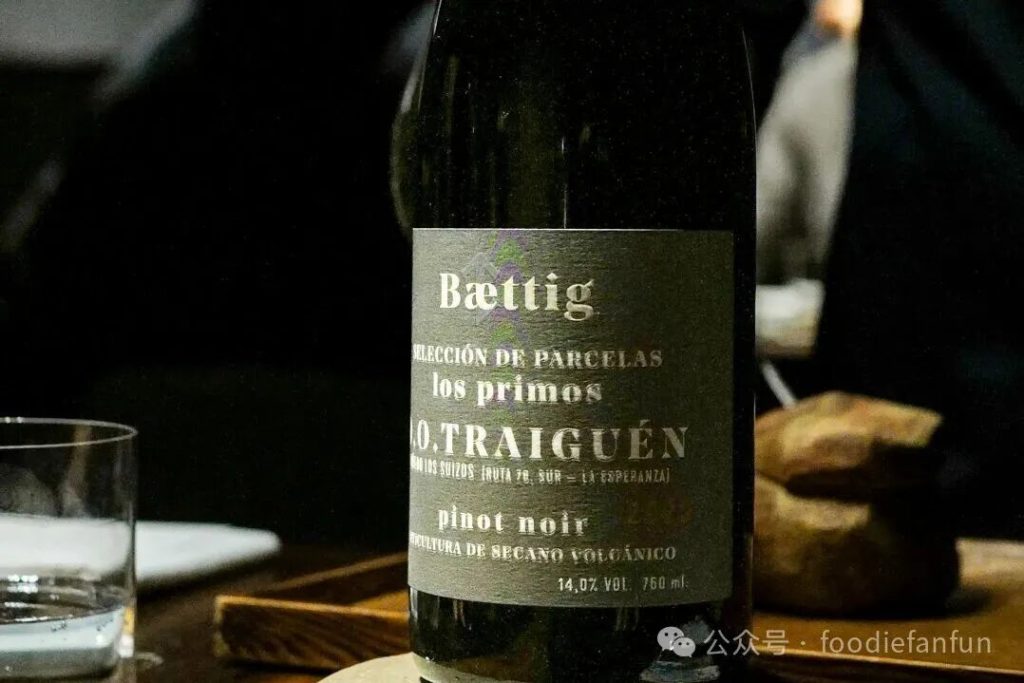
The wine pairing was clever too — a Pinot Noir from southern Chile with a firm structure, clear acidity and a leaning-dry frame. Here it actually reins in the funky aroma in the mouth cleanly, as if slicing through the fat of the fermentation and the cheese.
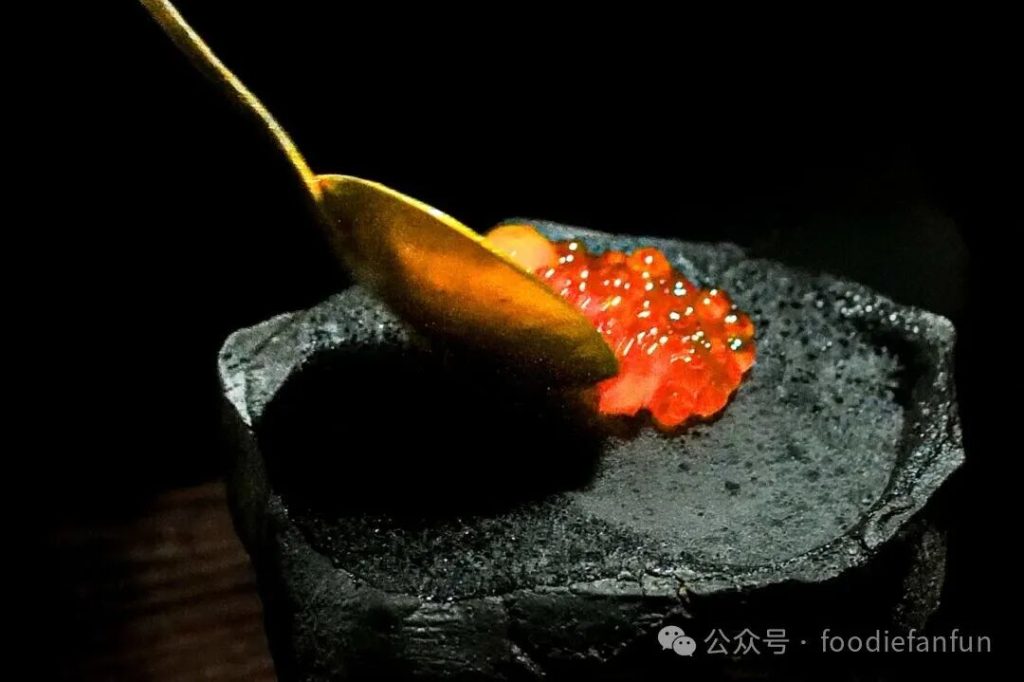
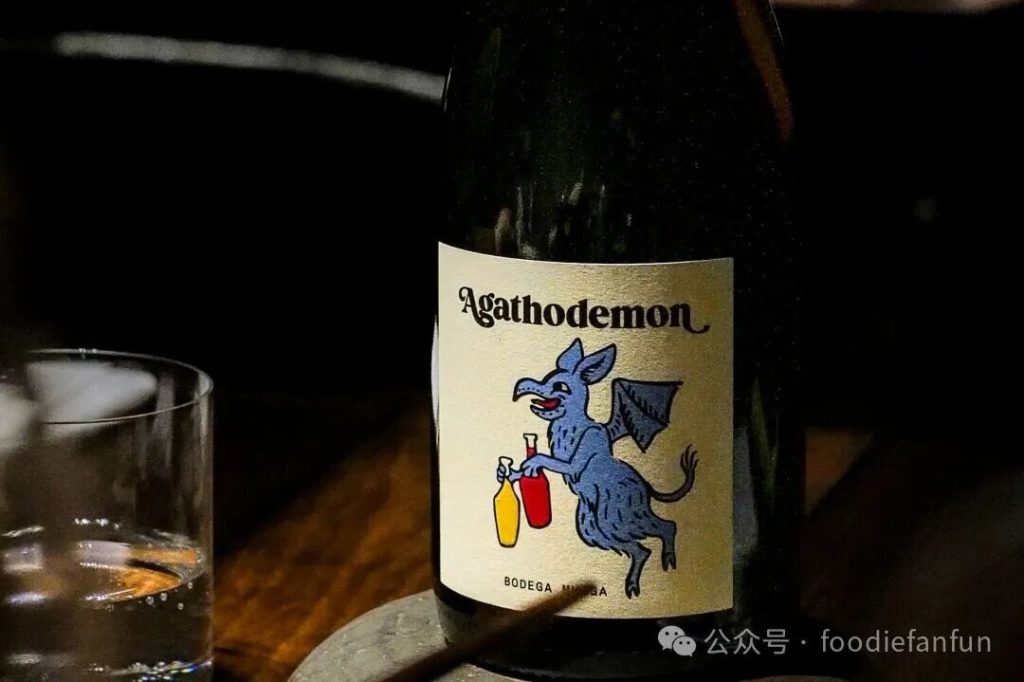
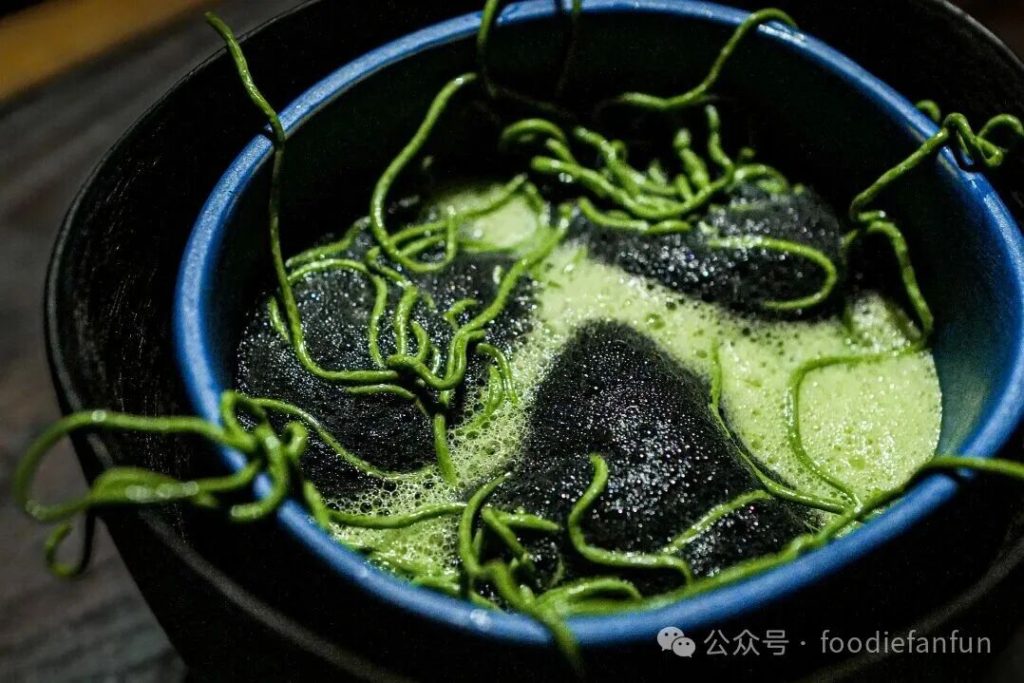
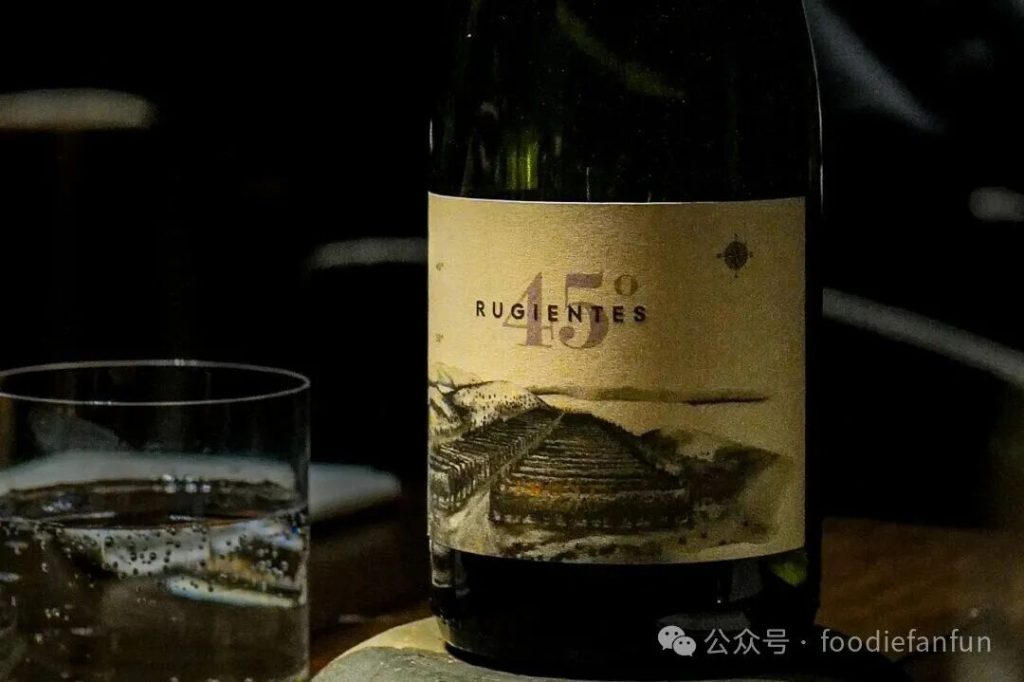
Salmon roe paired with matsutake — in theory, two “freshness bombs” colliding head-on, which should have been thrilling. But this bowl, honestly, was just too salty.
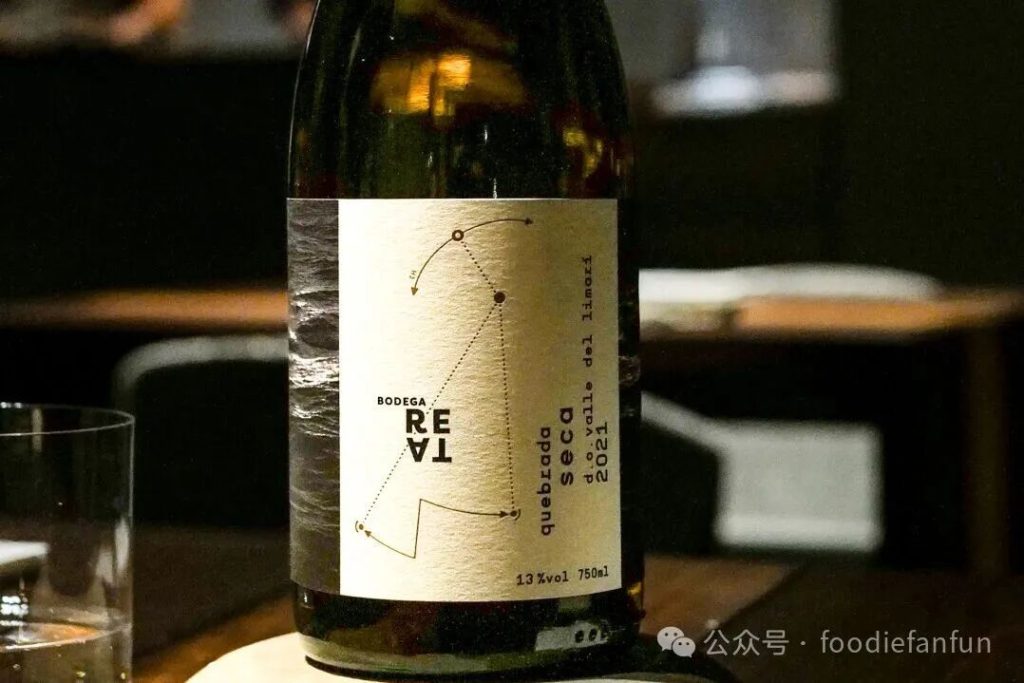
But the pairing was still interesting. What came out was a wine from Peru’s own Pisco Valley, not sold anywhere else in Japan. The wine itself leans very dry, with heavy nutty aromas. But paired with this dish, it actually got rounded out in the mouth, and even that faint, barely noticeable sweetness got drawn out.
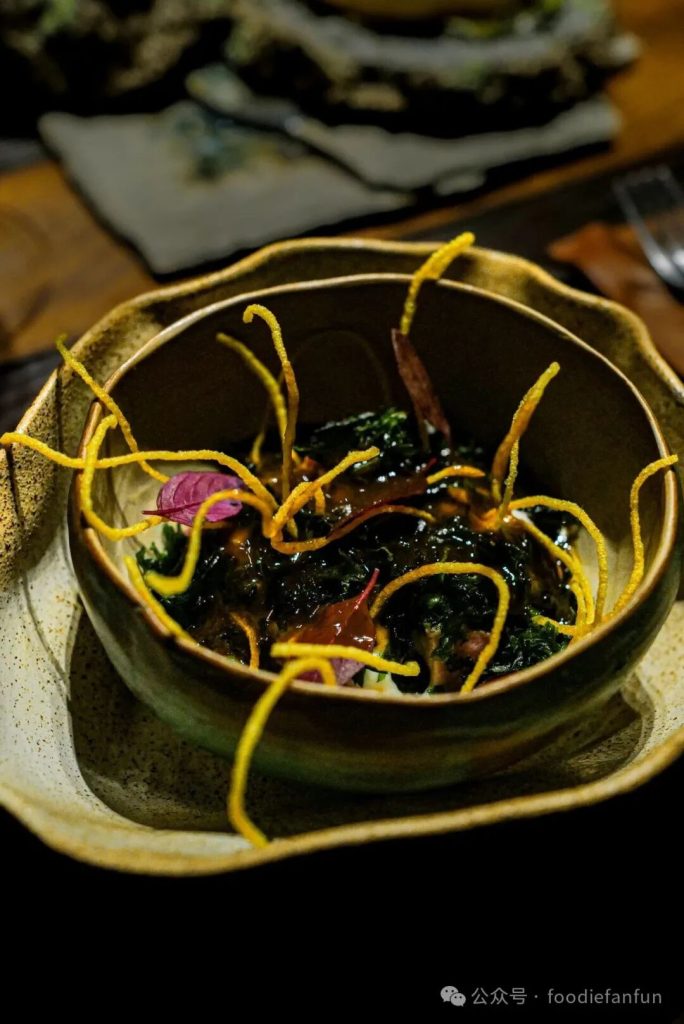
The black-green course that followed turned out completely different from how it looked — octopus leg and charcoal-grilled shirako — and it, too, lacked anything memorable.
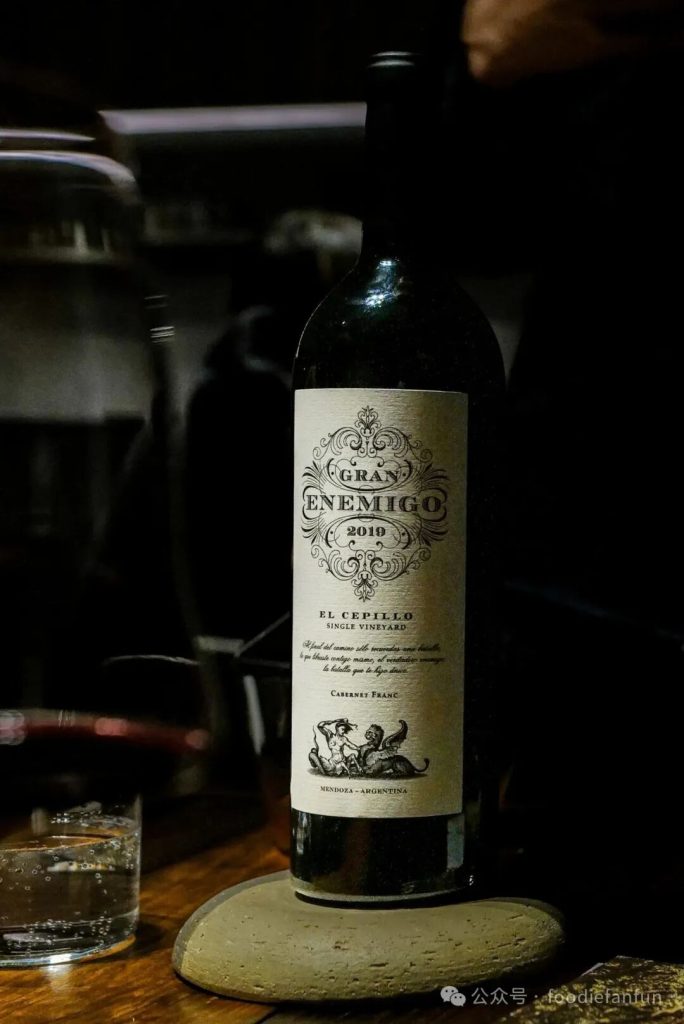
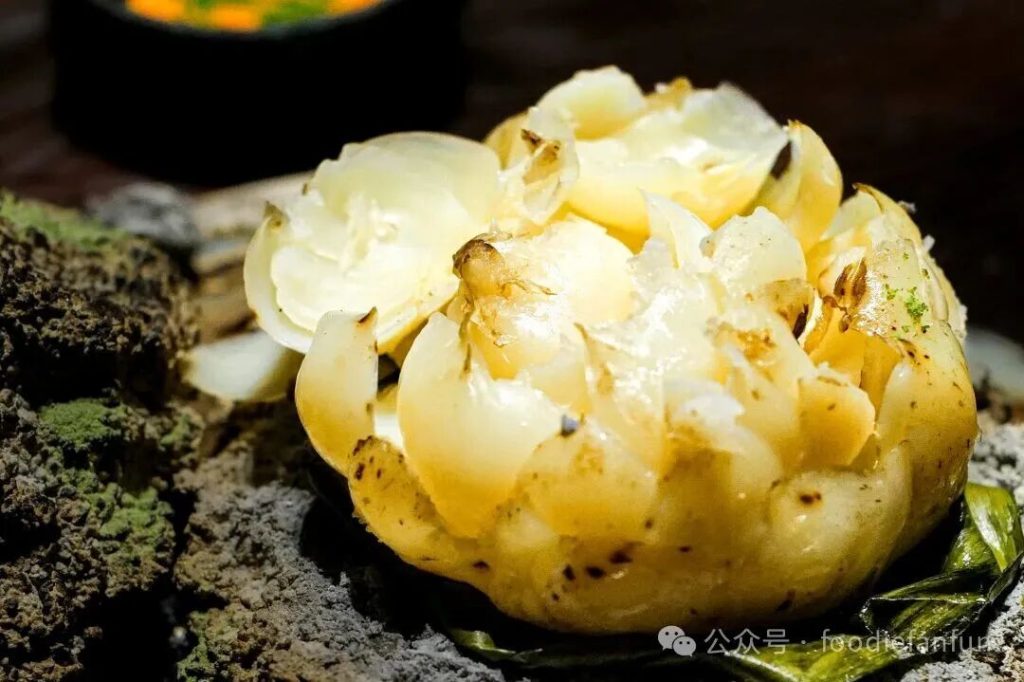
A whole lily bulb arrives at the table, and the chef peels it apart petal by petal right in front of the guest. It was matured in snow for two months first, then cooked using a traditional Peruvian potato-roasting method.
The lily itself is soft to the point of nearly melting, its sweetness extremely clean and restrained — you like it more with every bite, as if winter’s cold and a plant’s sugars had been compressed together into a single mouthful. Alongside is a chili sauce with a hint of mint, yet with a trace of smoke at the tail end, lifting the clean sweetness into a deeper layer.
It was good enough to almost make you forget the actual main course: platinum pork. It follows the same “soft” path, the meat’s aroma rich and deep, the fibers so fine they look combed apart.
The pairing, as always, was a top-tier performance. An Argentine wine from Uco Valley, decanted to just the right point when it arrived. Rich in herbs and spice, with soft tannins and a faint sweetness, it clung perfectly to both the lily’s clean sweetness and the sauce’s smoky mint note.
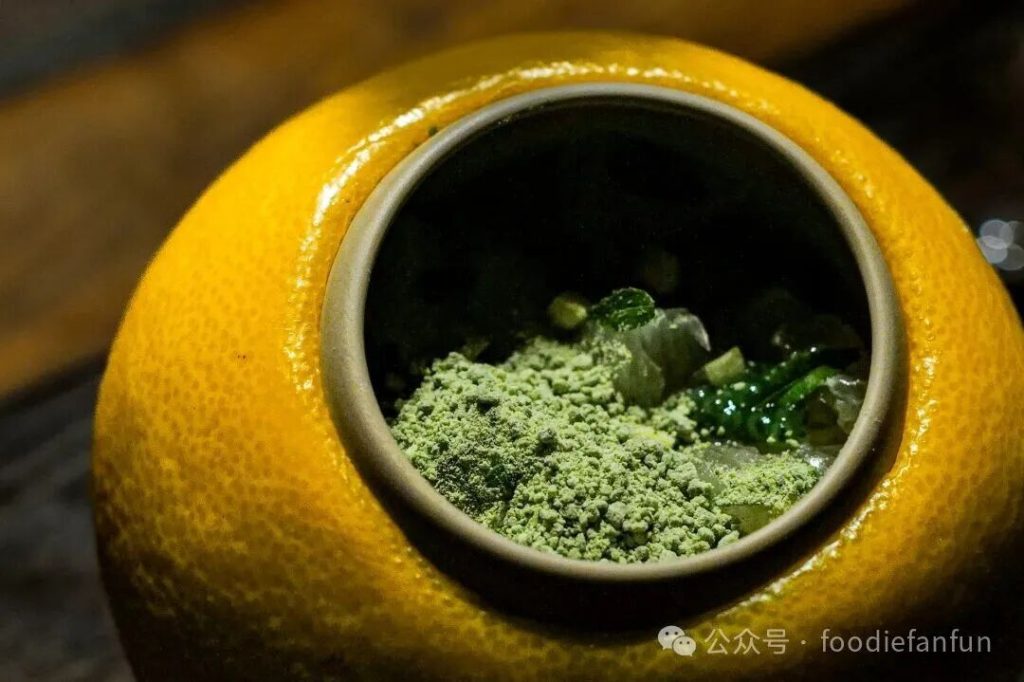
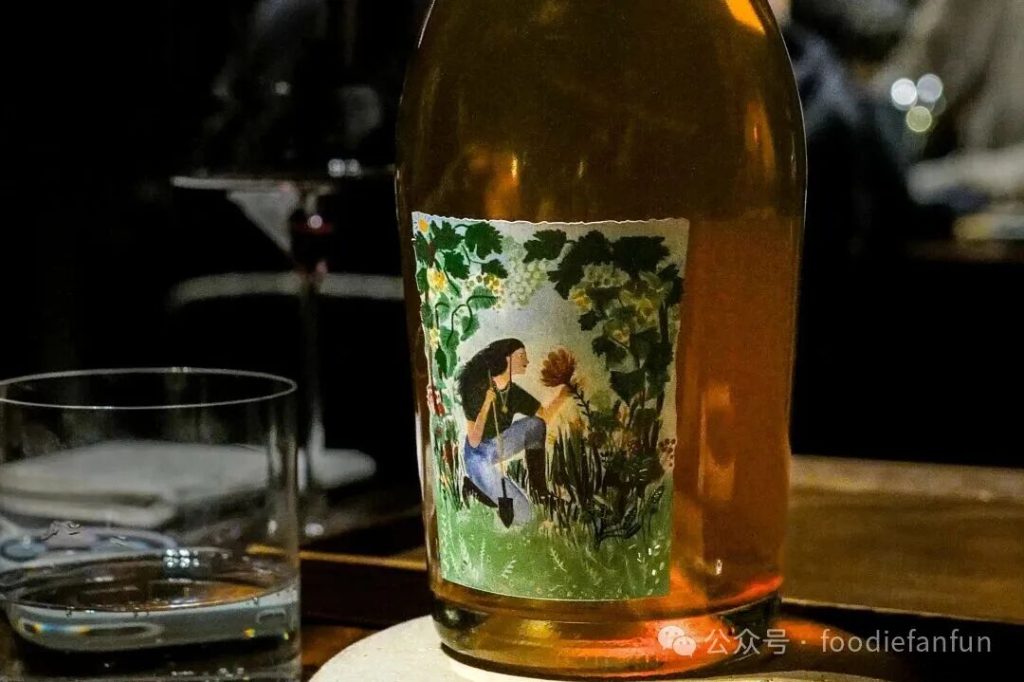
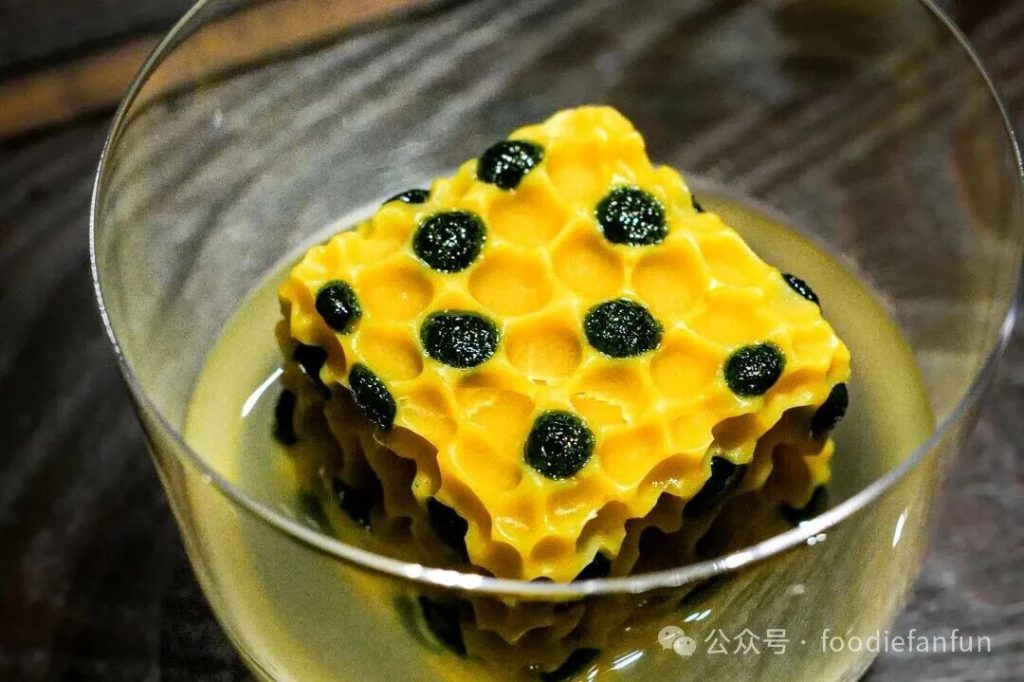
from the non-alcoholic pairing
A whole yuzu arrives at the table just like that: the peel kept in its complete shape, a small bowl wedged into a cut in it. A pre-dessert growing right inside the fruit.
First on the palate is yuzu’s signature acidity and faint bitterness, then the elusive sweetness beneath. Sansho pepper powder makes a wonderful companion, bringing a bright, fresh aroma and a tingling numbness.
Worth adding here: the restaurant’s non-alcoholic pairing is beautifully done too, both in visual appeal and in the tableside smoking experience — clearly thought through with real care. For guests who can’t drink, the “tableside beverage” experience is fully rounded out too.
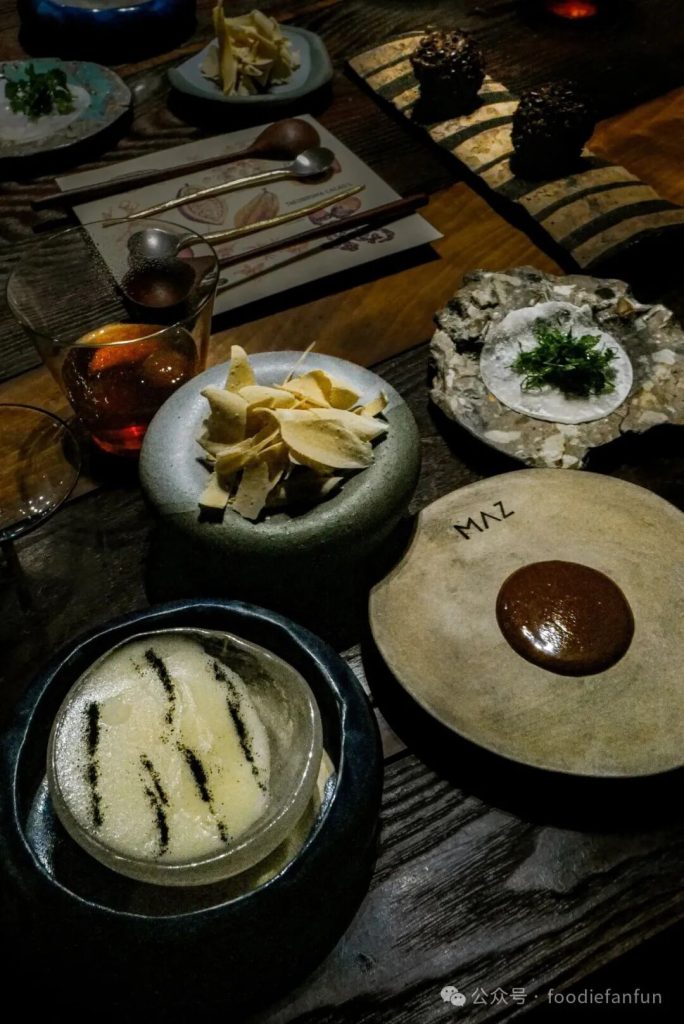
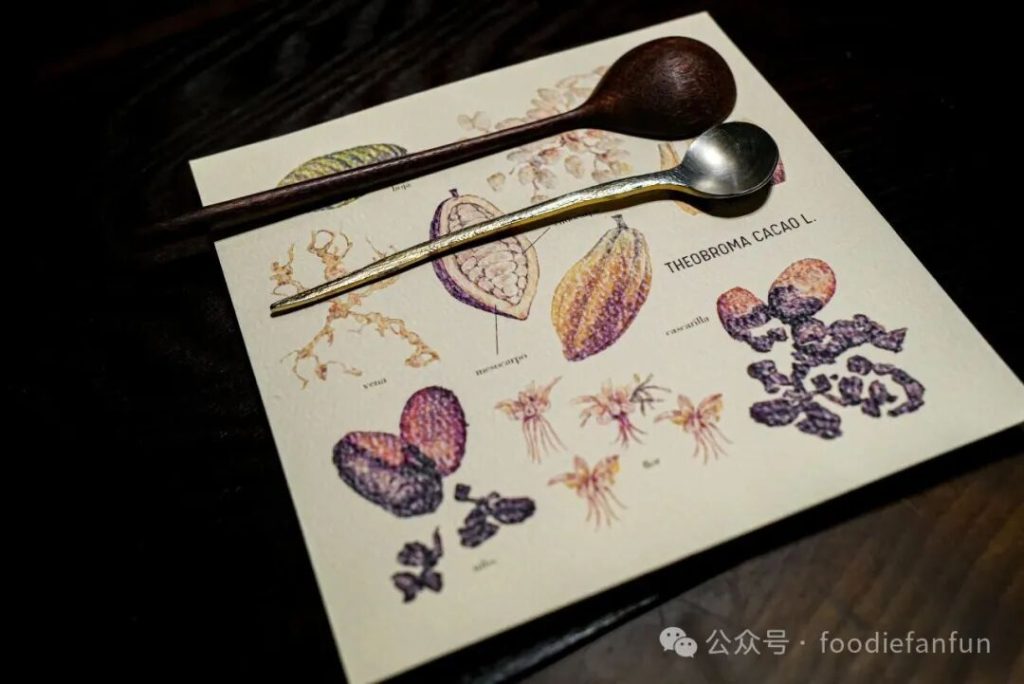
The meal closes with the main dessert landing on one of Peru’s most important products — cacao.
Four different kinds of cacao are used all at once, broken out into five small desserts. Eating them stacked together is, honestly, a bit much — but the concept is genuinely interesting.
Because growing cacao is hard work, yet often only the beans get used while everything else is discarded, the restaurant chose to bring the cacao’s pulp, juice, and even the husk into this dessert course. The sweetness, meanwhile, is expressed by borrowing juice from yacón.
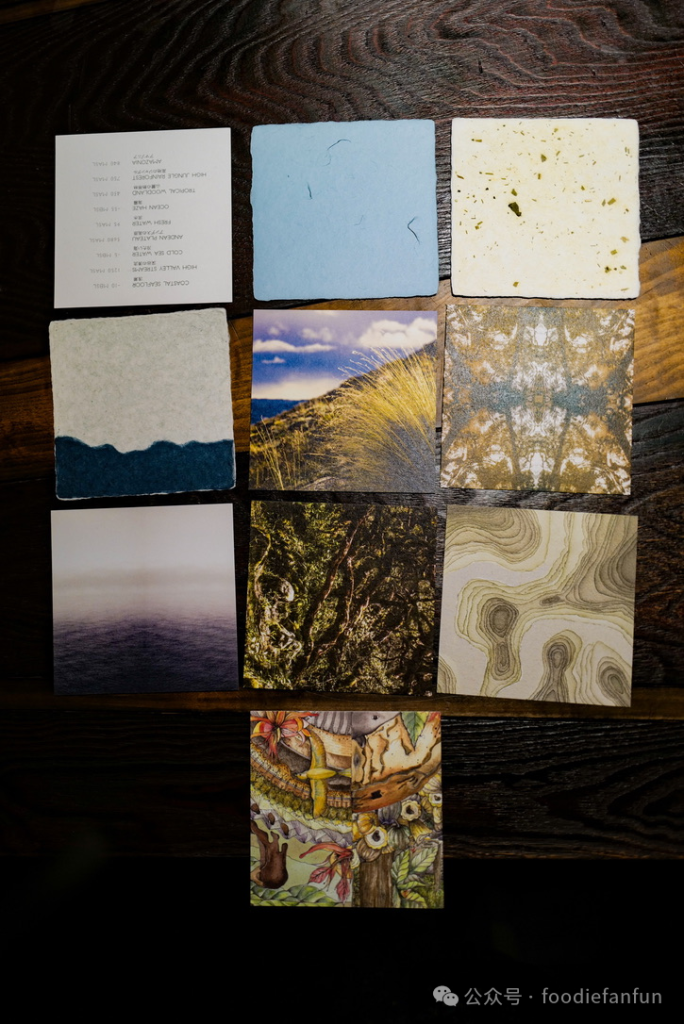
By the end of the meal, I walked out with an armful of cards.
Thinking back, there weren’t many pure taste memories from this meal, but the experience of MAZ still felt special within Tokyo. The way things were presented, the choices in the pairing, the understanding of local culture, ecology, produce and aesthetics that seeped through — all of it stays memorable, all of it distinctly its own.
It’s fundamentally an overseas offshoot of Central, so it’s hard to really compare it to the on-the-ground experience and ingredients you’d get in Peru itself.
How to put it — if you visit, definitely get the pairing.
And — arrive ten minutes before your reservation time; the restaurant’s location is hard to find on the map.
MAZ
www.maztokyo.jp
5:00 PM -11:00 PM close on Tuesday
Vertical gaze 30,800円 (Veg friendly)
Wine pairing 13,750円
Leave a Reply