What does it feel like when a city still surprises you on your fifth visit?
That’s Niigata for me. At a five-seat restaurant, I somehow ended up at an all-you-can-eat tasting of a dozen-plus cured hams.
My curiosity got fully harvested, and the satisfaction was next-level.
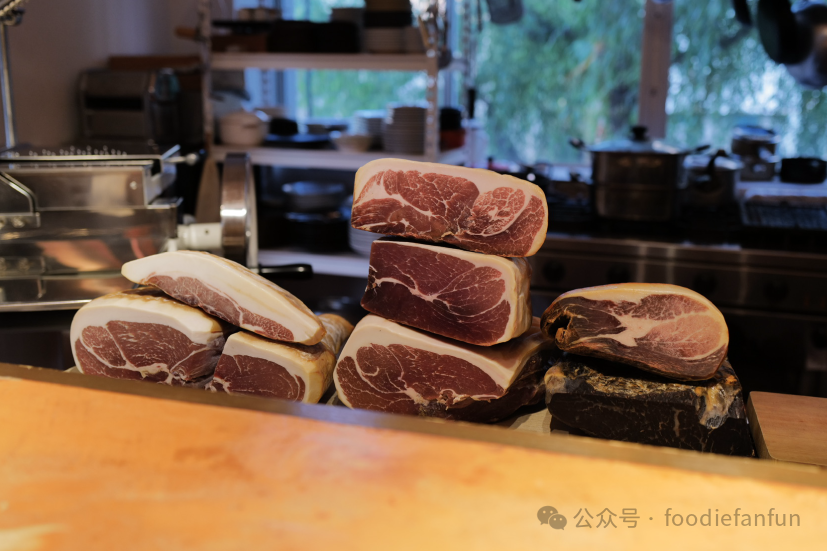
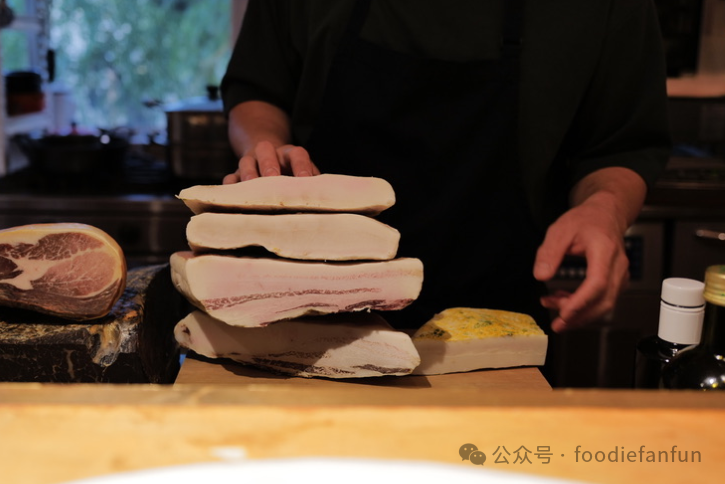
The knife comes down, and the fat wakes up first. That kind of fat, carrying complex aromas, is nearly impossible to refuse. In a city built on harbors and sake, it rewrote what “cured ham” means to me.
Amaranthus really has its own kind of formidable. It puts ham unapologetically at the center of the menu, boldly playing with fat, cuts, curing time, and slicing technique, slowly teaching guests to find the flavor they truly love. And dish by dish, it keeps combining ham with other ingredients so the result is greater than the sum of its parts.
The restaurant alternates, per dates posted on Instagram, between à la carte days and course days. On our first visit, our stubbornly ambitious group went straight for the full course.
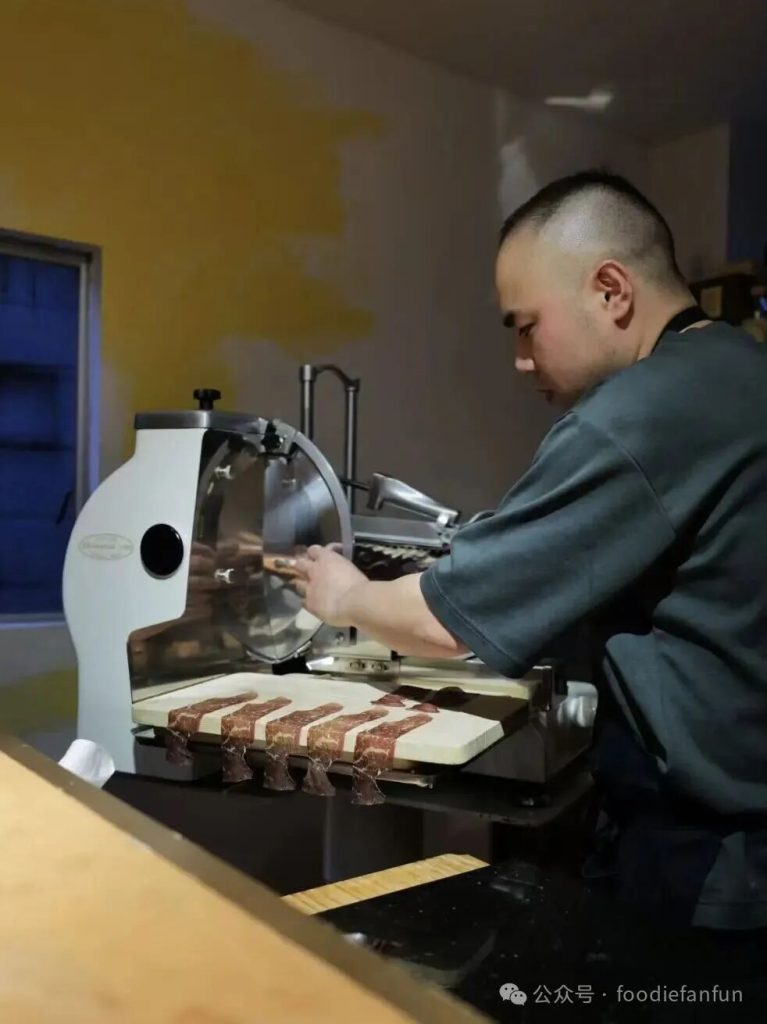
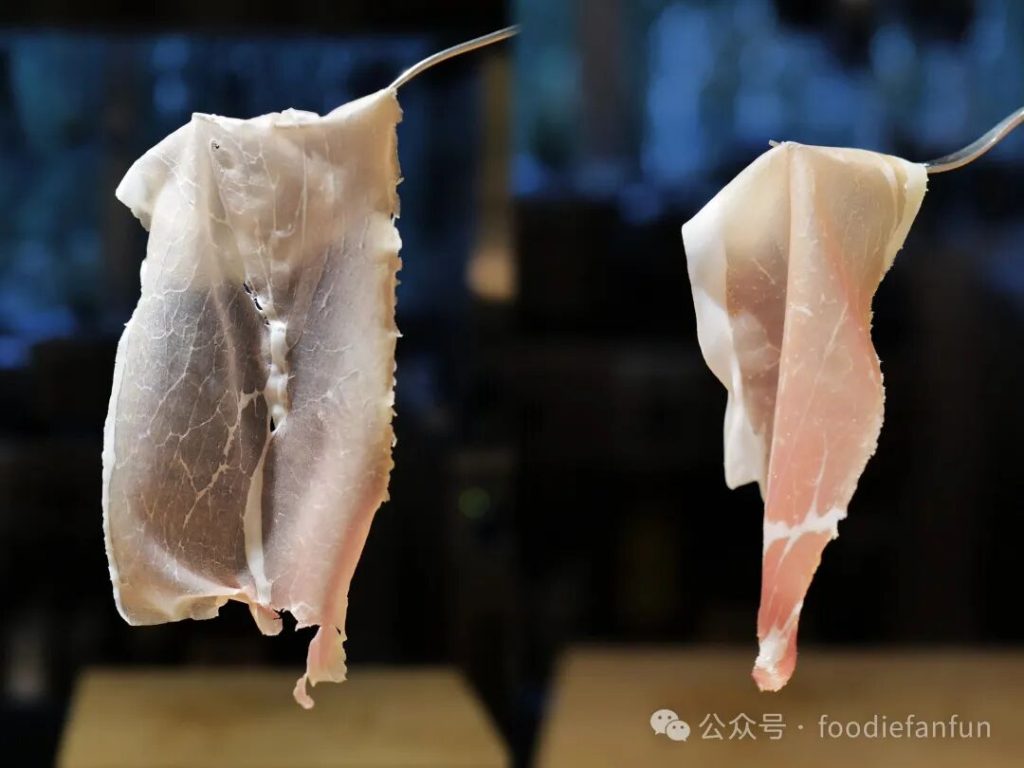
The menu is short. But before it officially began, chef Amano set up a comparison tasting of more than ten hams. Differences in cut, temperature, thickness, and pairing — practically a mini masterclass, breaking down where ham’s aroma and flavor come from and how they combine, laid bare in front of us.
The restaurant mainly uses local Niigata pork aged two years, alongside versions flavor-cured with miso, sansho pepper, and yuzu, Hokkaido pork back fat, pancetta, and cured bull meat. Most impressively, nearly all of it is made and cured by the chef himself, aging anywhere from six months to three years, with huge variation.
In short, this whole tasting is really a presentation of the chef’s own personal understanding.
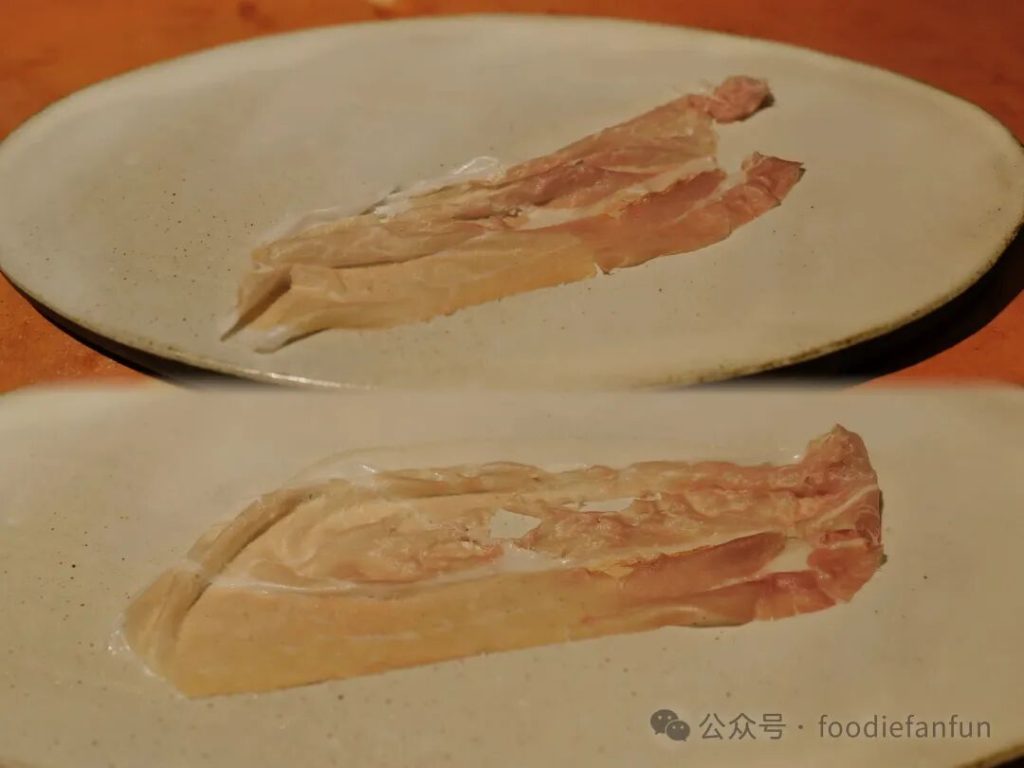
Two slices of hind leg per person, served two minutes apart so you can feel the temperature change.
“You really have to pick it up and eat it with your hands!”
The first bite has to be aromatic. The scent of meat and fat is direct, almost fierce. And meat sliced this thin has enough time, even in that short window, to be slowly “changed” by air and warmth. The bite after two minutes is noticeably more fragrant, saltier, and more tender.
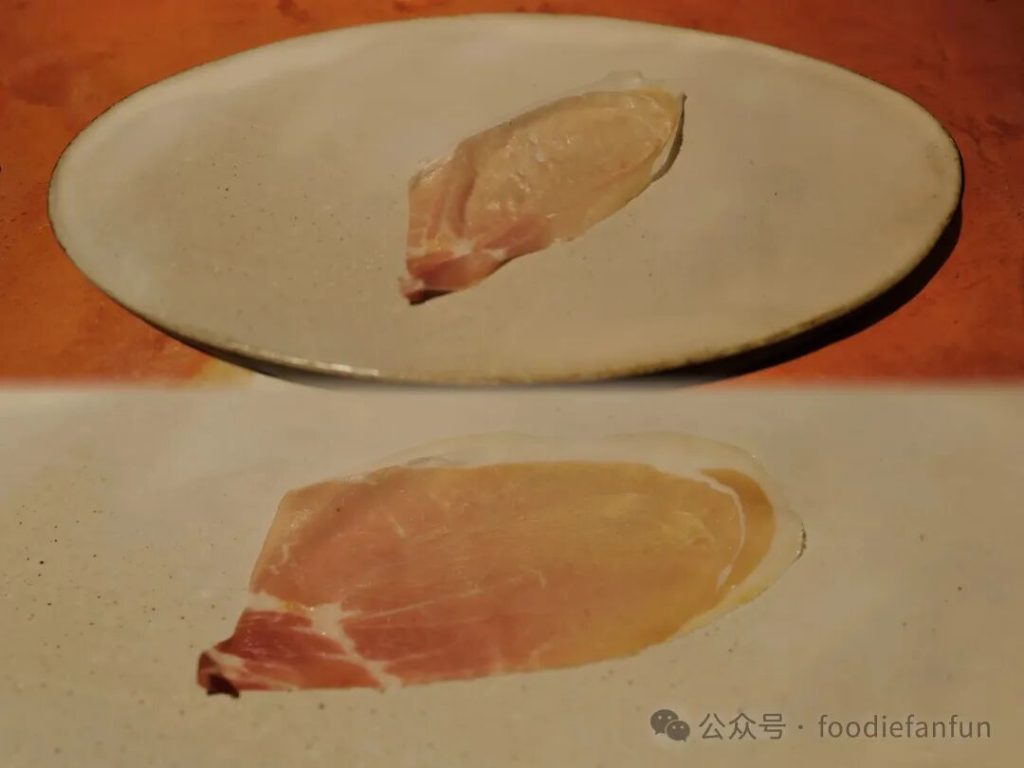
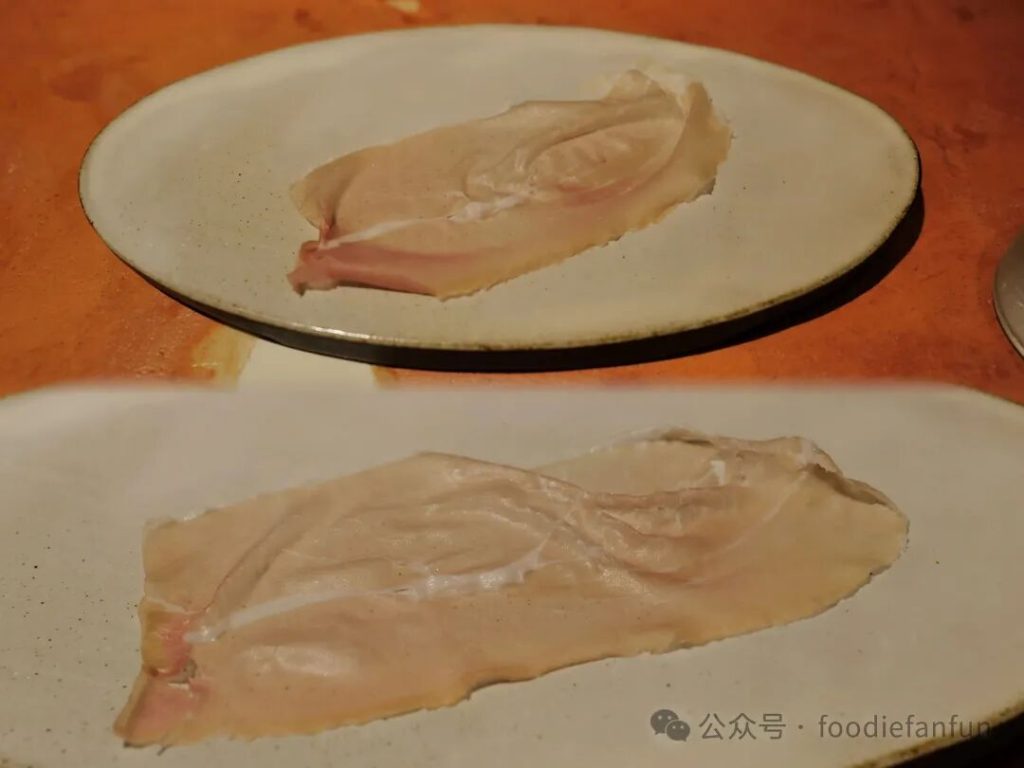
Second up was the front section still attached to muscle, with the fatty part more restrained. Thin and thick cuts were used to release the difference in texture.
The thin slice had a soft, gentle aroma with more stretch to it, as if it unfurled slowly against the roof of the mouth. The thick one brought out more fiber, making the presence of the meat itself more obvious with each chew. There was a touch of soft minerality, and a rush of umami. Same cut, completely different expression.
Then came the rear section, with beautiful fat just as expected. Beyond the fatty aroma there was a lovely hint of dairy sweetness, and a very long finish. Both direct and elegant.
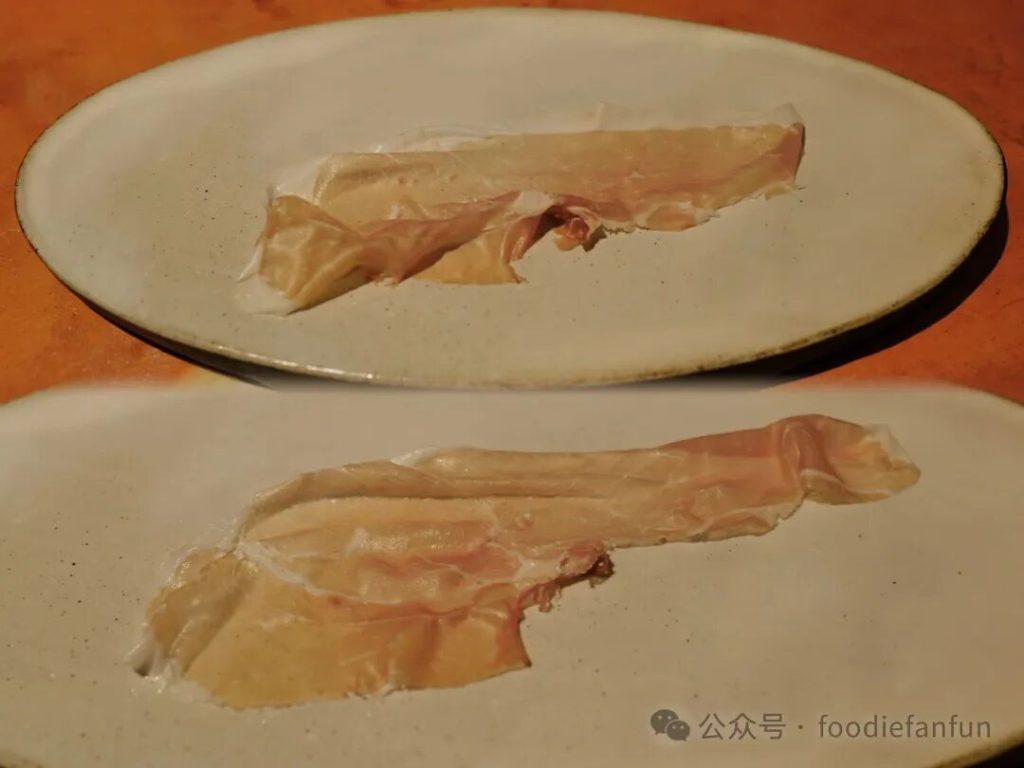
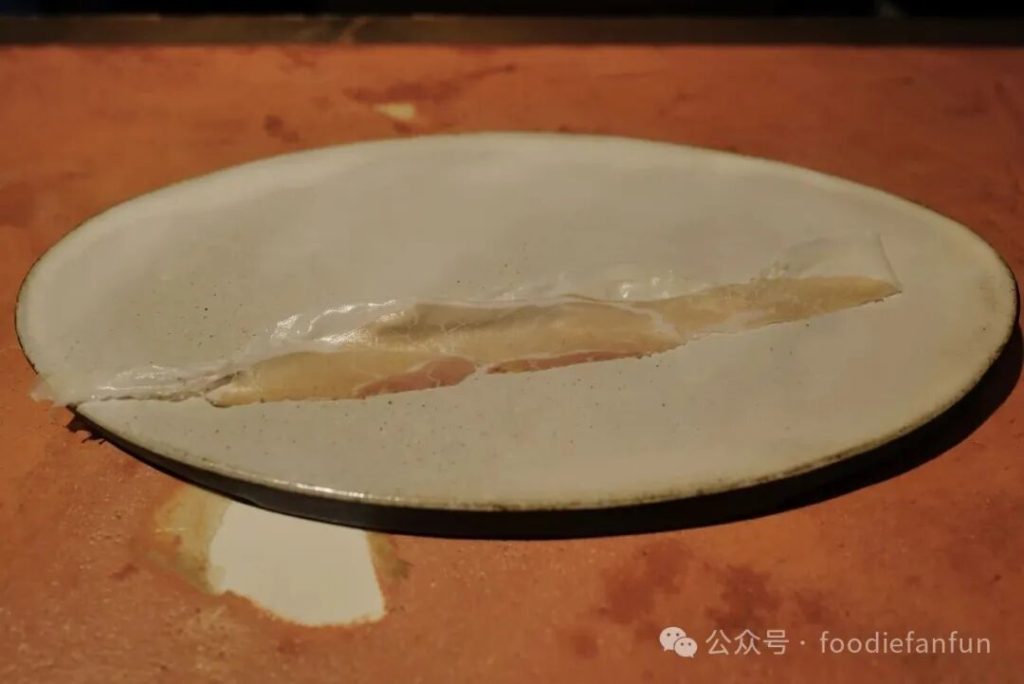
For the flavor-cured portion, we started by comparing the sake-lees version. It uses summer muscle pork, a bit less fatty, but because the muscle retains more water in summer, it was first dehydrated with salt.
The first thing that jumps out is salt, followed by a nuttiness that’s clearer than expected, with a thread of mold-like funk making the whole flavor more three-dimensional. Once it warms up, the presence of the meat itself and its saltiness become even more pronounced.
The rice-bran-cured piece was fascinating too. There was a lot of umami depth, almost surprisingly so. But by the end, a lot of nutty aroma slowly emerged in the mouth, shifting the whole flavor onto a different track.
After nine straight pieces of ham, the real fight was just getting started.
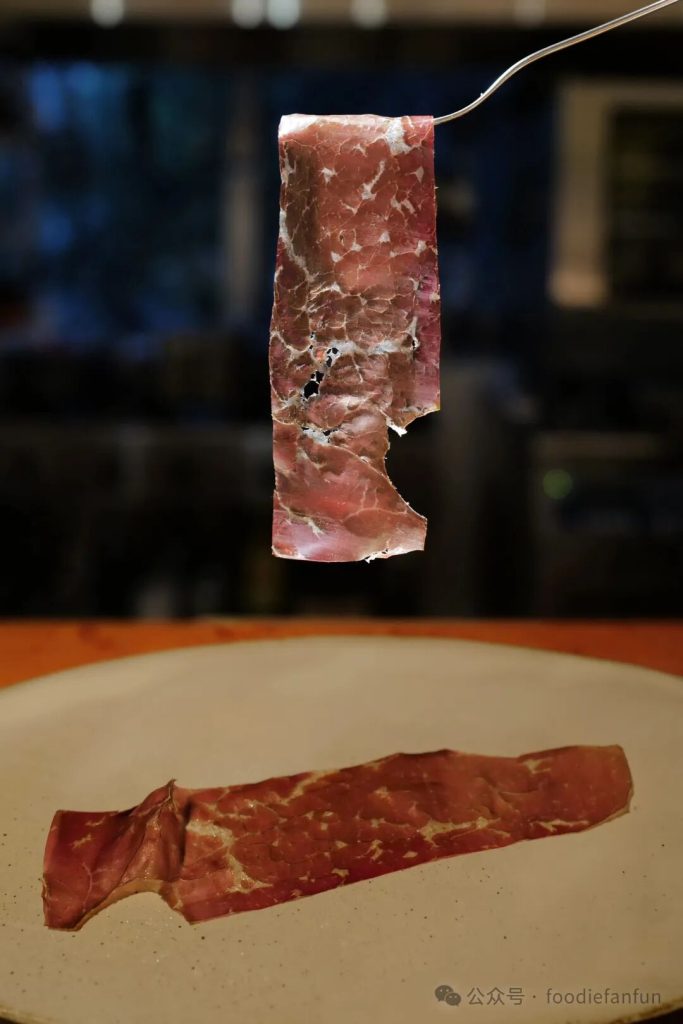
Next up was bull meat aged two and a half years. Since there’s no skin, the outer layer — the part most prone to drying out — had to be trimmed off first. It comes from a grass-fed bull, and this year there’s only been the one. The beefiness hits hard, practically announcing its identity in a single bite. Mixed in was a fine hint of spice, even a faint whisper of cinnamon.
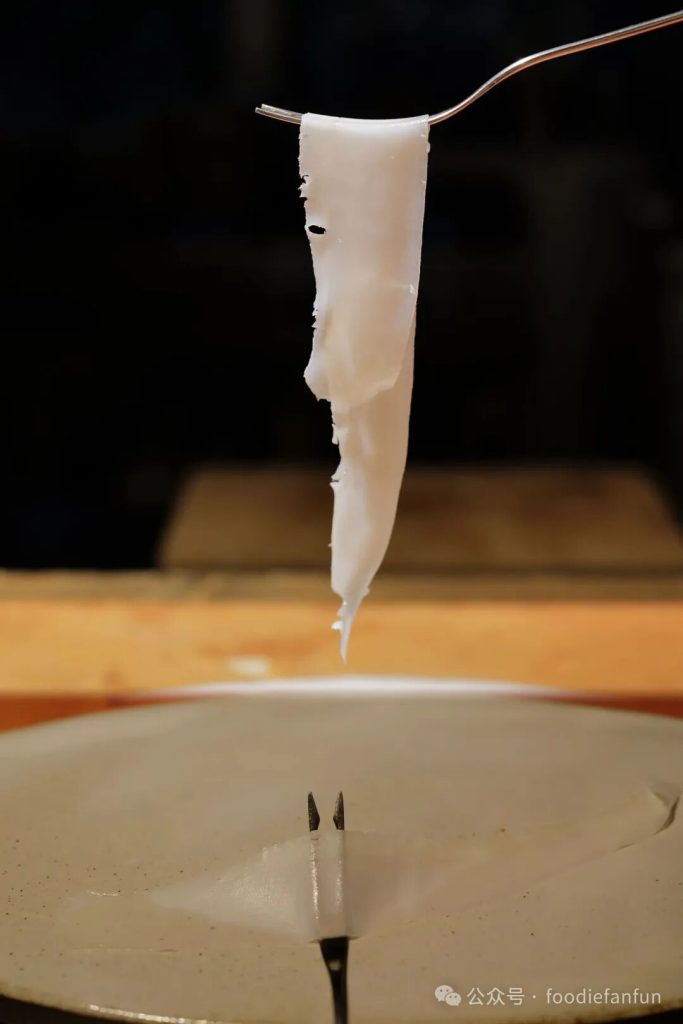
Then back to pork. A piece of pure fat, from Hokkaido pork back, rice-bran cured. Fat as clean as snow — genuinely impressive.
Further along came the 1+1>2 stage.
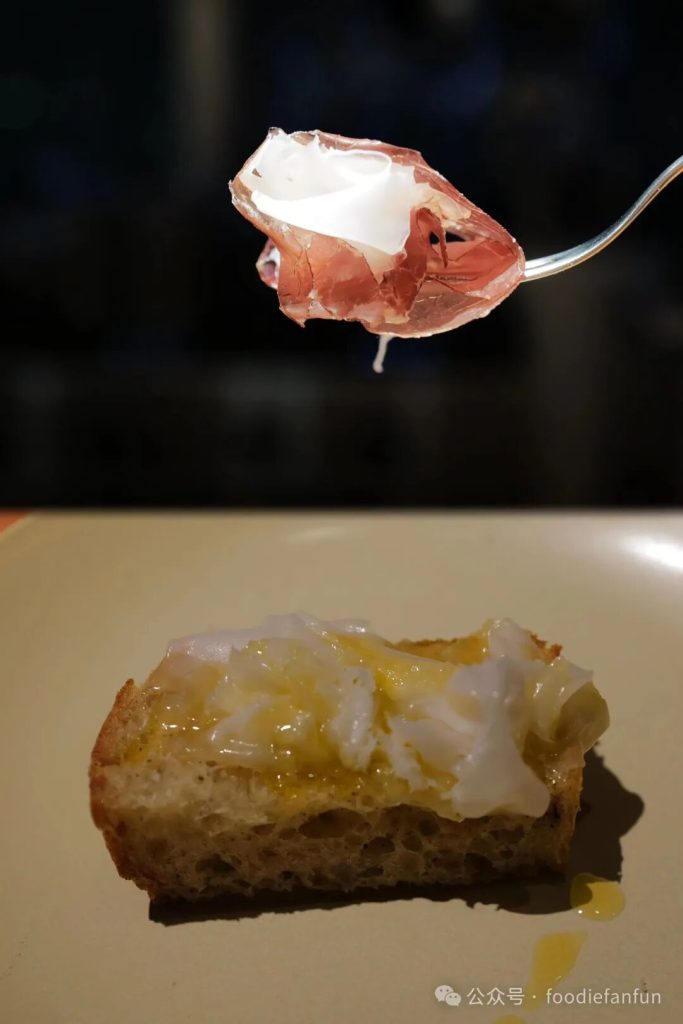
First, two pieces rolled together. The fat wrapped in the middle gave an almost-melting sensation on entry, followed by the presence of the lean meat standing back up — a sharp contrast, yet living together in harmony.
Then back once more to that pure fat, this time paired with olive oil, bread, and salt. A delicate, almost frictionless melting sensation instantly won everyone over. The olive oil and bread offered a little support, so the fat wasn’t just “melting away” but had somewhere to land. What lingered in the mouth afterward were notes of nuts and something botanical.
After going back and forth through a few rounds of these fat bombs, it was genuinely flamboyant, bold, and truly delicious.
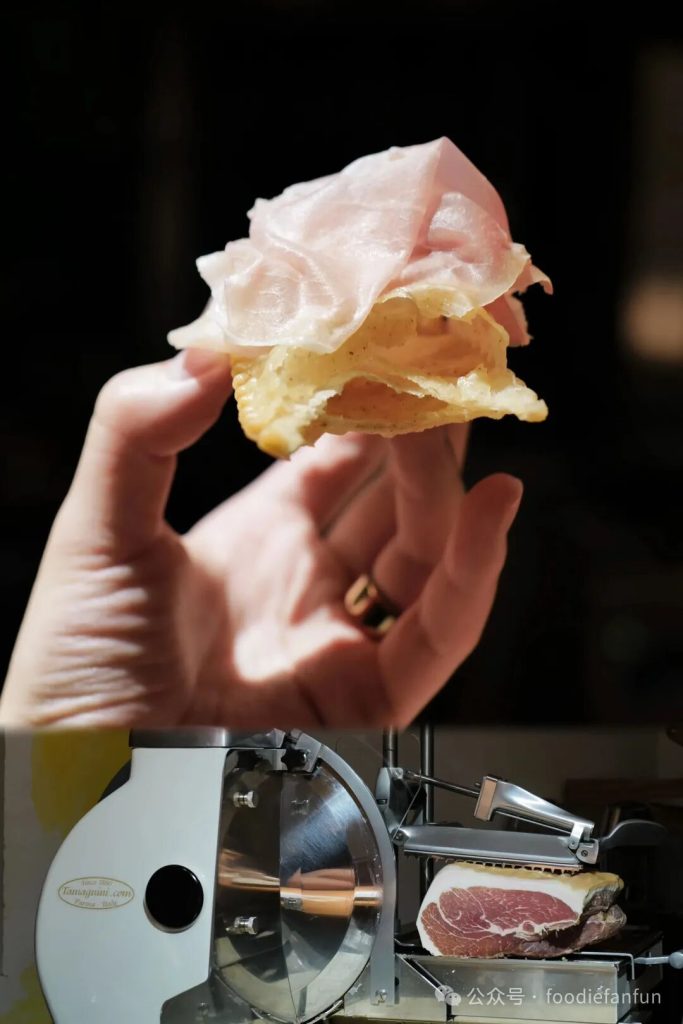
Oh, and — anyone who eats a lot of ham probably knows most people’s ham slicers are black. He had his custom-made in white.
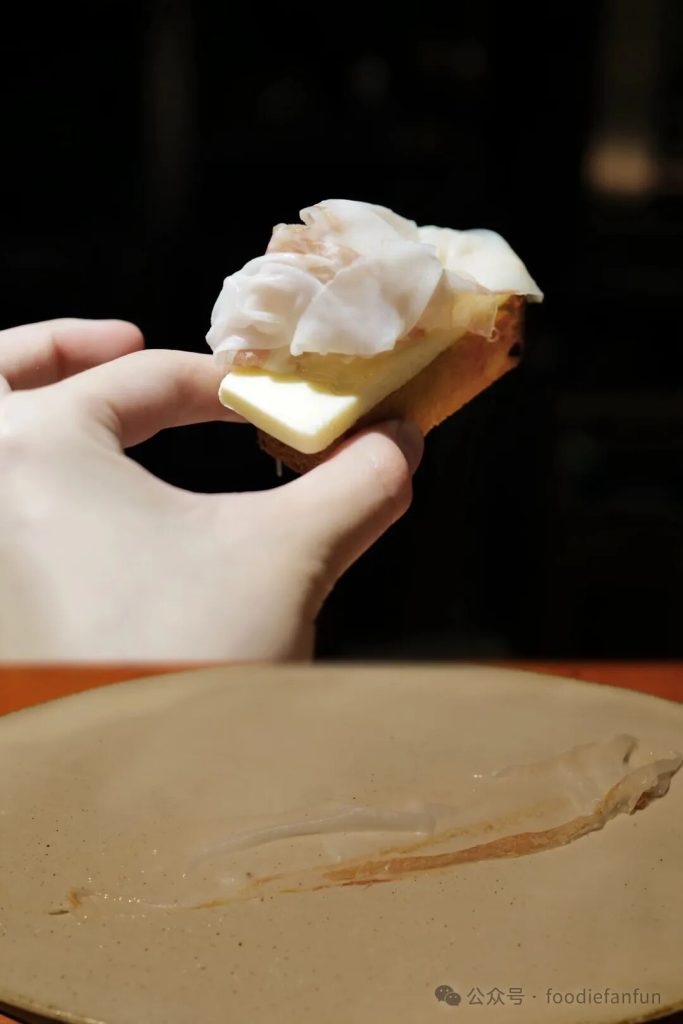
Hokkaido pork sake-lees-cured pancetta. You can clearly taste the sweetness of rice imparted onto the meat. The stickiness the fat leaves on the plate feels like it could peel the plate itself right up. Genuinely sweet, and genuinely thick. But eventually a layer emerges like glassy nori, brightening the memory left in your mouth.
Then came the one — the bomb of the entire meal that hit me hardest.
💣 Brioche + olive oil + a whole unmelted block of butter + pancetta + honey.
From hot, to cold, to soft — every layer connects tightly, and yet somehow none of it feels heavy. First the crispness and airiness of the bread and its fine texture, then the aroma of fat, and deeper still, the honey emerges, followed right after by the vegetal presence of olive oil stepping in to bring order.
It was truly incredible. Sinful, and impossible to refuse.
Ridiculously delicious. Basically an information asymmetry play using texture and aroma alone…
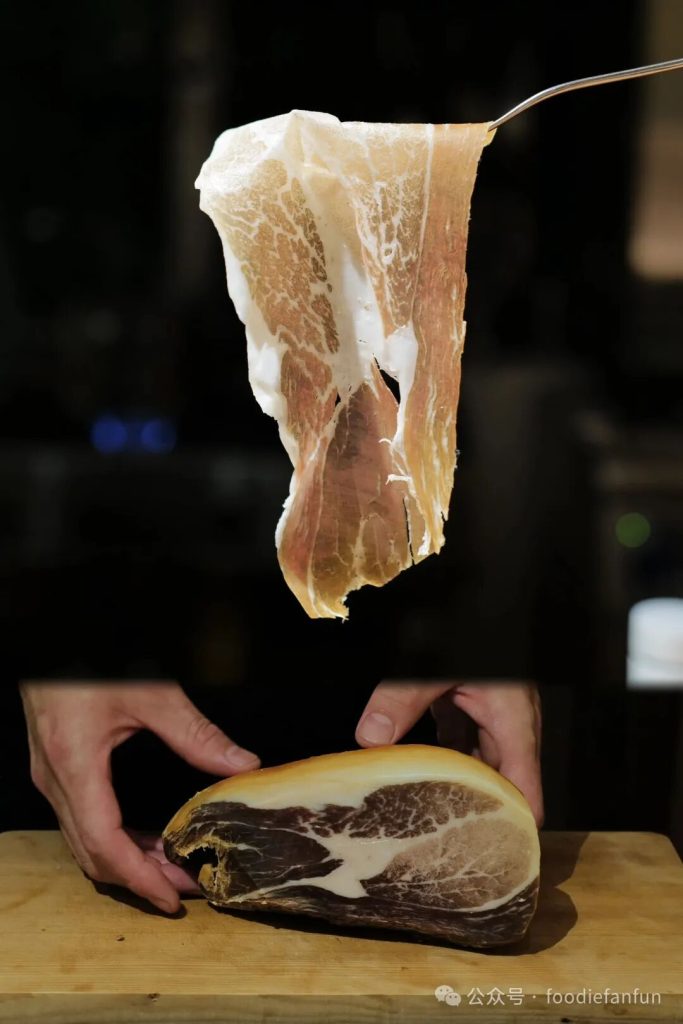
By this point, the whole “tasting” finally reached its close (the overture before the official menu even began?).
A slice of 15-year-aged old-pig ham. The flavor is already intense — eat it in one bite and it reads as salty, so the chef suggested taking it slowly, savoring it bit by bit.
Truly fragrant, full of dairy notes and rich cream, with plenty of wildness too, and a clear sense of maturity. It practically painted an “adult” flavor portrait of an entire pig.
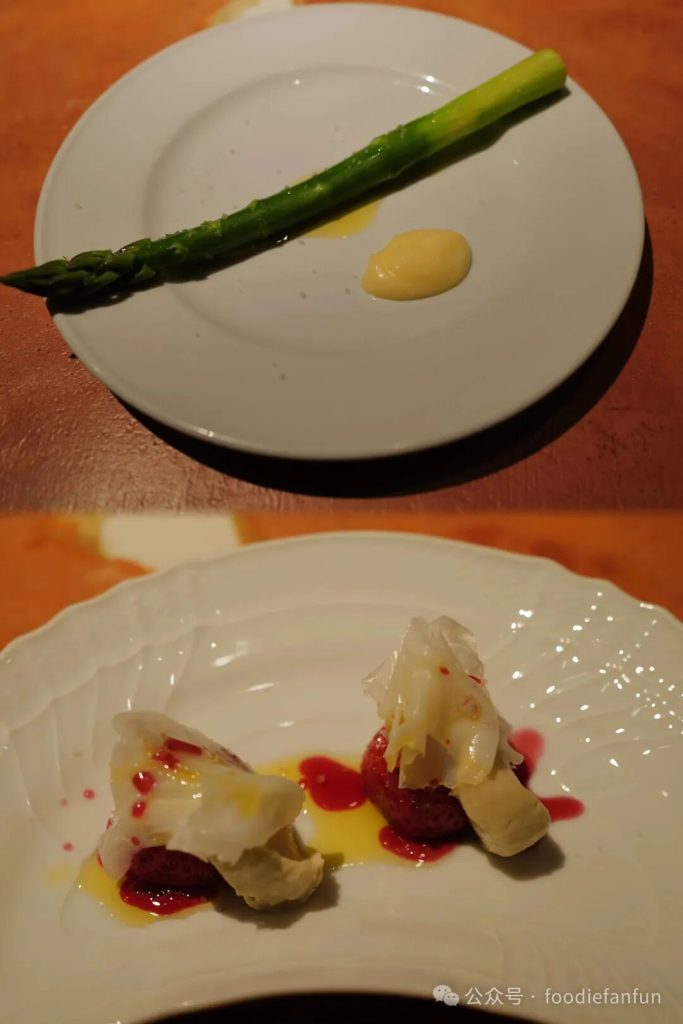
As the full menu began, things suddenly turned refreshing.
First, fresh, seasonal asparagus from neighboring Shibata. Just olive oil and coarse salt, crisp and full of moisture, as if the cleanest side of this stalk had been steamed straight out. The lemon mayo alongside it was lovely too, brightening the freshness once again.
Then a magical combination appeared. House-made lard — actually pork fat cured in yuzu and sansho — paired with Echigo-hime strawberries from Shironezu, plus a touch of olive oil and beetroot.
The texture was nothing like I imagined; the middle piece even had a slightly sticky, mochi-like softness, topped with a clean, delicious saltiness.
The one shortfall: by early summer, these strawberries were already a touch past season, and the fruit aroma was noticeably lacking, feeling a bit thin compared to the complexity shown earlier.
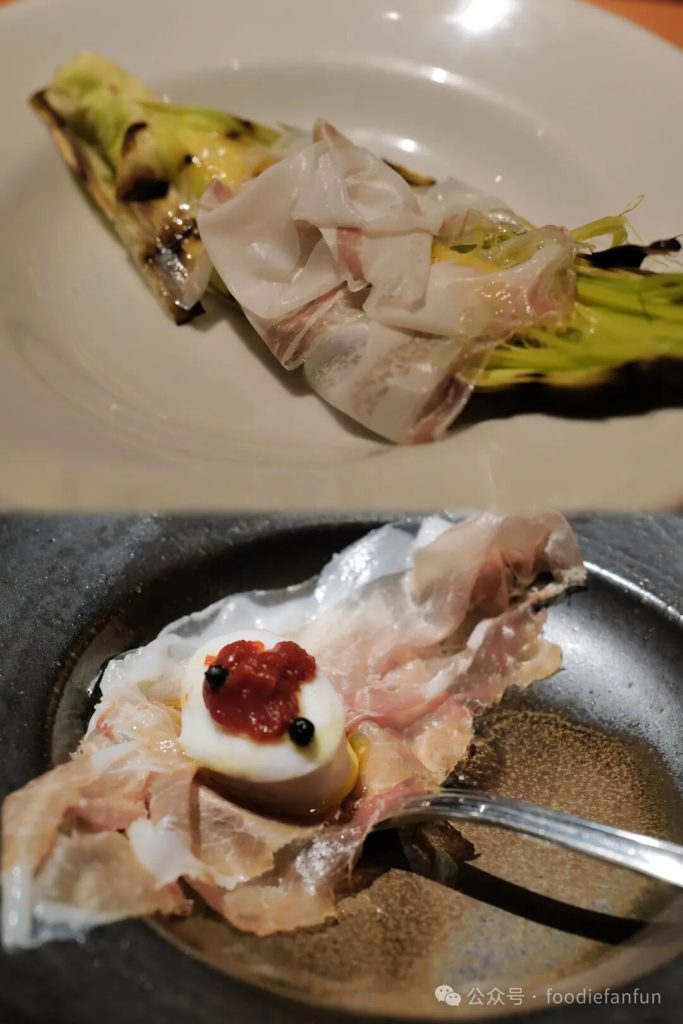
House-made pancetta with small corn from Echizenhama — the trick is that the corn’s heat is what “melts” the fat open. The fat, which would otherwise feel a bit heavy, gets lifted by the corn’s sweetness and moisture, while the pancetta’s saltiness in turn makes the corn taste even sweeter, with that crisp, fresh bite.
— The whole dish felt genuinely warm, and also simple and direct.
Of course, at Amaranthus, the classic Japanese-Italian mashup of youtiao (fried dough) with cured meat wasn’t skipped either. This one used the sake-lees summer pork mentioned earlier — plenty crisp and salty, just with a slightly wide temperature gap. Eating it almost gave a sense of “cold pork knuckle over hot rice.”
But the pufferfish milt roll with ham felt a bit out of season. Summer milt is inherently light, and can’t really carry too complex a pairing. The tomato tucked inside was lovely — color, acidity, aroma all on point — but the overall bite still landed as… bitter. Genuinely bitter.
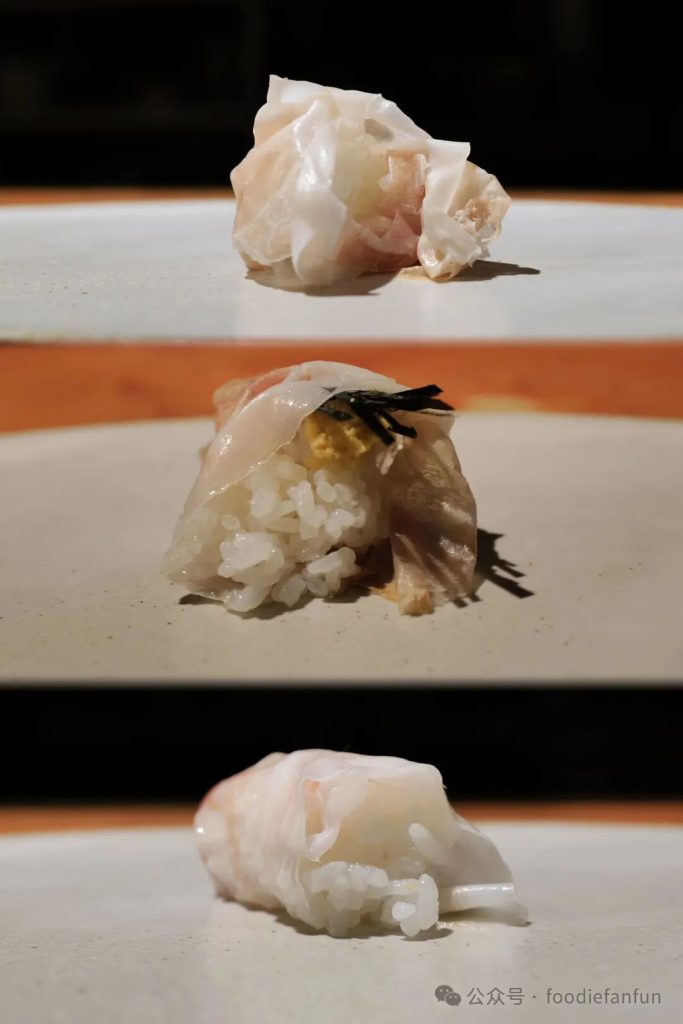
You always see rice combined a dozen ways at Japanese kaiseki restaurants, but I didn’t expect to see it at a ham restaurant too. Miso-ham rice roll, miso-ham rice roll with nori and ginger, pancetta rice roll.
Lard-mixed rice, sushi, smoked-meat donburi.
Bite after bite… each really did have its own personality.
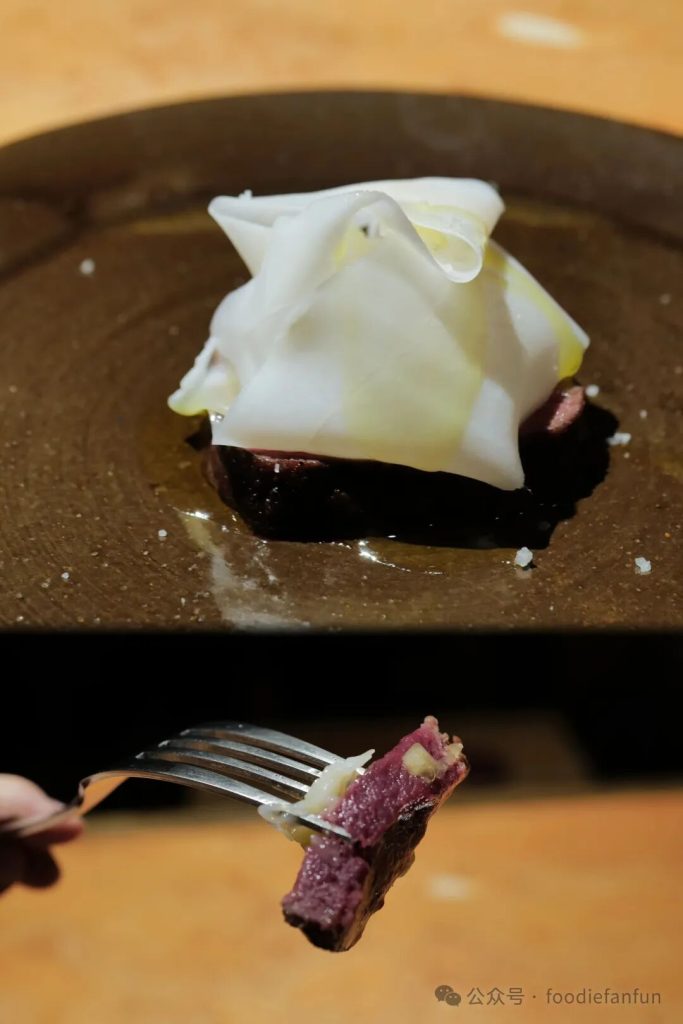
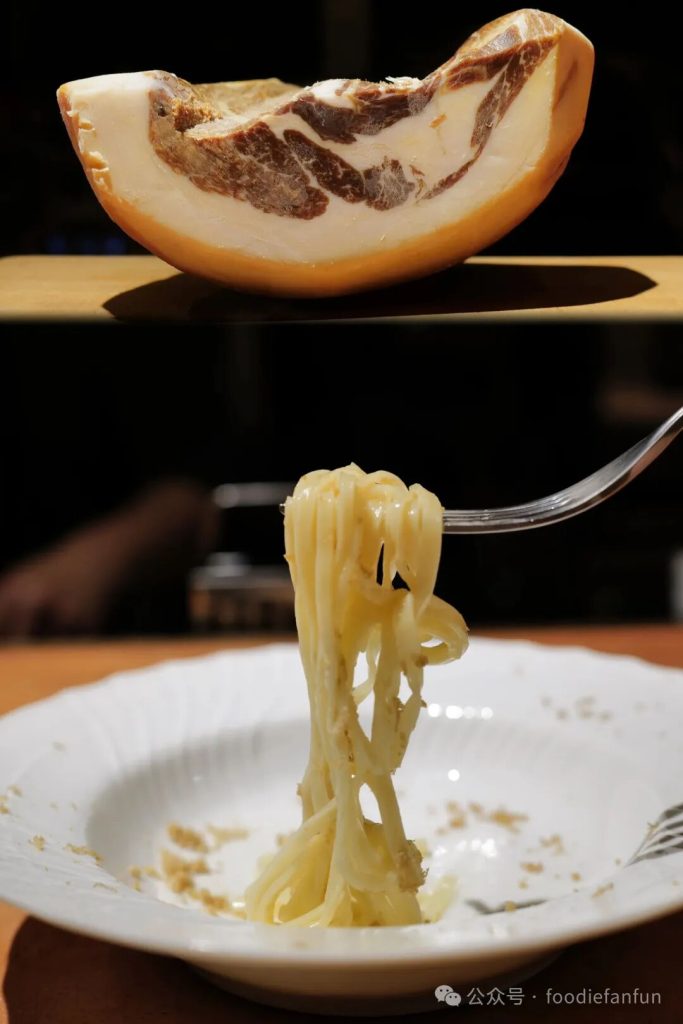
The main was medium-rare venison, cool and clean in feel, forming a complement with the fat alongside it. It worked, but was a combination that was hard to leave a lasting impression.
But unexpectedly, beyond the printed menu, the chef had one more surprise up his sleeve: pasta.
It used freshly grated lean meat from beautifully aged ham on the inner side, seasoned right into the dish. The noodles and savory aroma felt almost fused together. The dairy note was especially good, and with a bit of bite still in the noodles themselves, the whole experience in the mouth suddenly perked up.
A small dish, but it still managed to dazzle.
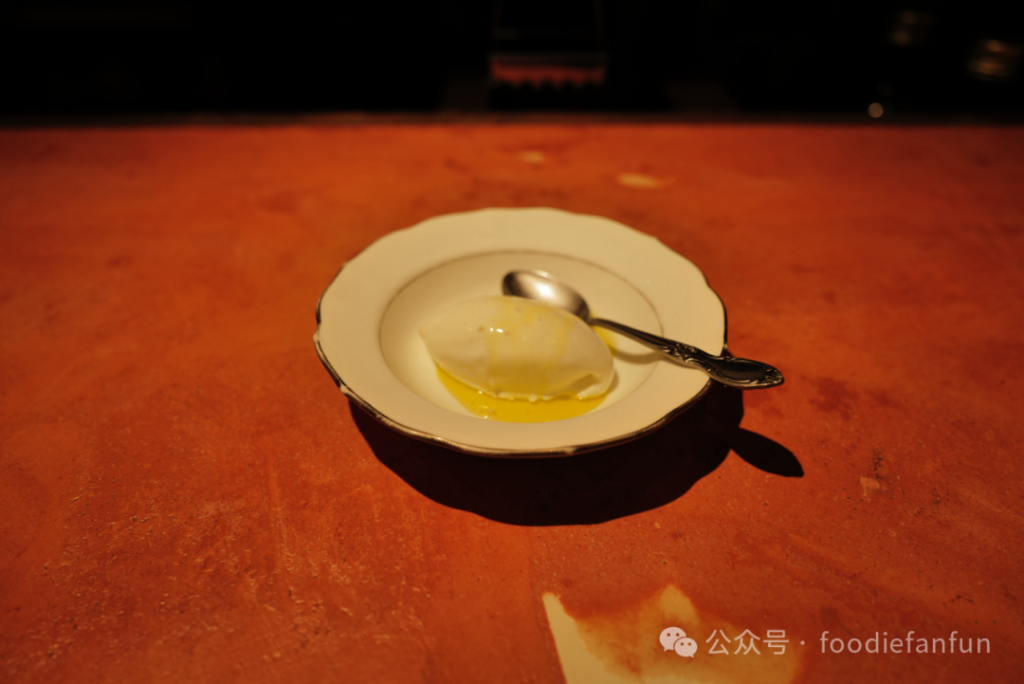
Finally, closing with a condensed-milk ice cream. Full of aroma, with olive oil drizzled on top and distinctly grained salt, once more underlining the whole meal’s theme of fat, salinity, and aroma.
This restaurant really is one where the kitchen is almost austerely simple, and precisely because of that, the chef’s personal vision comes through with unusual clarity. The ham tasting section had clear, deliberate swings in flavor with a strong internal logic connecting each piece. The main menu section, meanwhile, cleverly folded itself into the familiar path of Japanese-Italian cuisine.
Compared with Tokyo’s equally themed, notoriously hard-to-book restaurant (yes, I’m talking about you, nacol), this one arguably wins by a landslide.
The one shortfall is probably that the chef’s expression is almost too intense — by the second half of the full menu, most guests will likely feel a bit overloaded. Fat, aroma, and richness keep stacking up, and by the end it can feel like a bit much.
Looking forward to trying à la carte next time!
— If the joy could just be dialed back to exactly the right amount, this place would probably stay on my mind even longer.
Amaranthus
332-61 Yorii-cho, Chuo-ku, Niigata City, Niigata Prefecture
*Please check Instagram for exact operating format and open dates.
AVG Price ¥20,000 – 30,000 (JPY)
Leave a Reply