• Osaka | La Cime, Where the Vegetables Outshine the Meat

    Osaka restaurants — yakitori and sushi bookings fill up a month out. For sushi we went back to Hoshiyama, watching the Okawa River at dusk while eating Masayoshi Hoshiyama’s Edomae-style nigiri, a chef whose steady, poised execution you can trust with your eyes closed every time.

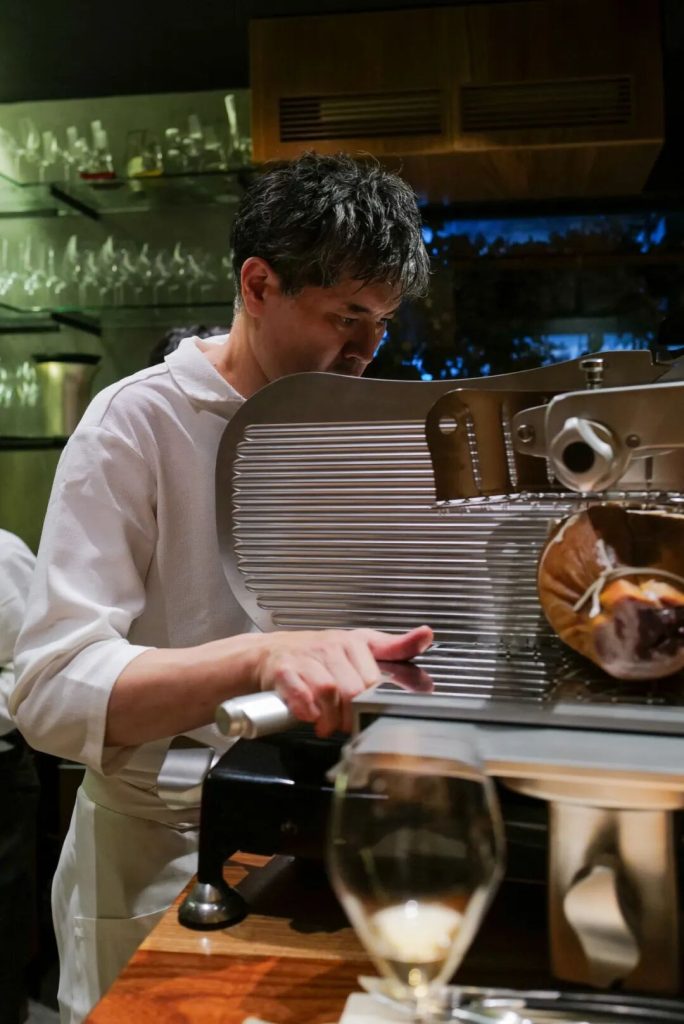
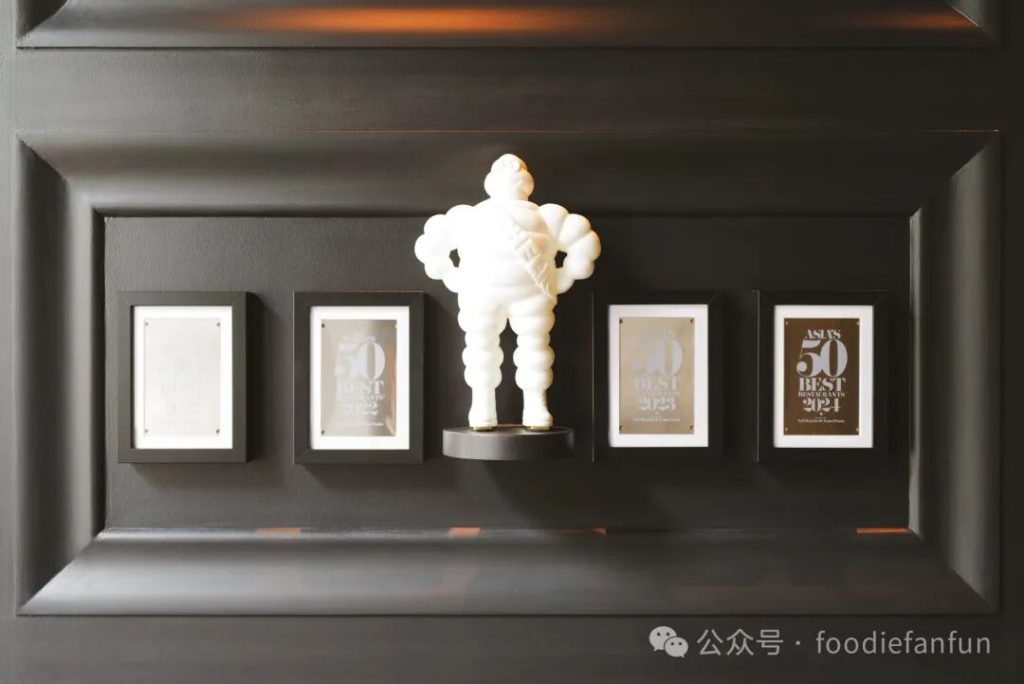
    For the other meal we finally settled on the only restaurant in Osaka to make Asia’s 50 Best — a two-Michelin-star French restaurant, La Cime.

    La Cime means “summit” or “peak” in French — the restaurant hopes to balance the peaks of “guest,” “cuisine,” and “space” into a perfect triangle, so the final presentation can reach its best possible state.

    When booking, I came across the phrase “稽古照今 – Keikoshoukon,” a line from Japan’s oldest chronicle: “contemplate the ancient to find guidance for the present.”

    Bondindog

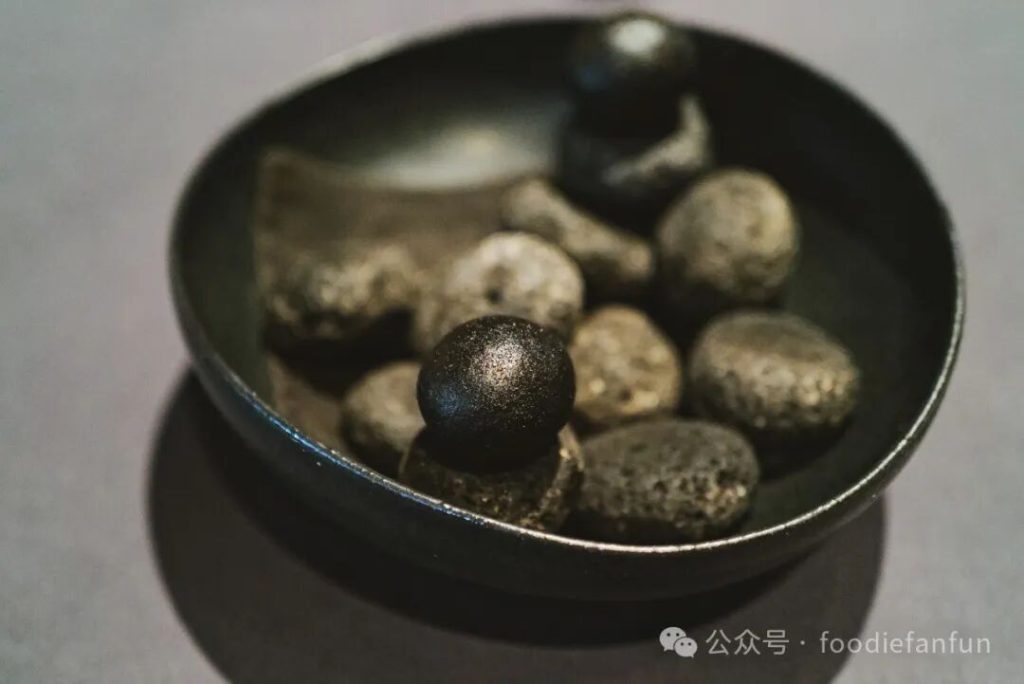
    It opened with a small, jet-black dough that looked cute — the server tried hard to explain it in English, but in the end we just ate it straight.

    The texture was soft, but the aroma was far stronger than expected — a classic Japanese scallion-and-garlic-oil punch straight to the top of your head.

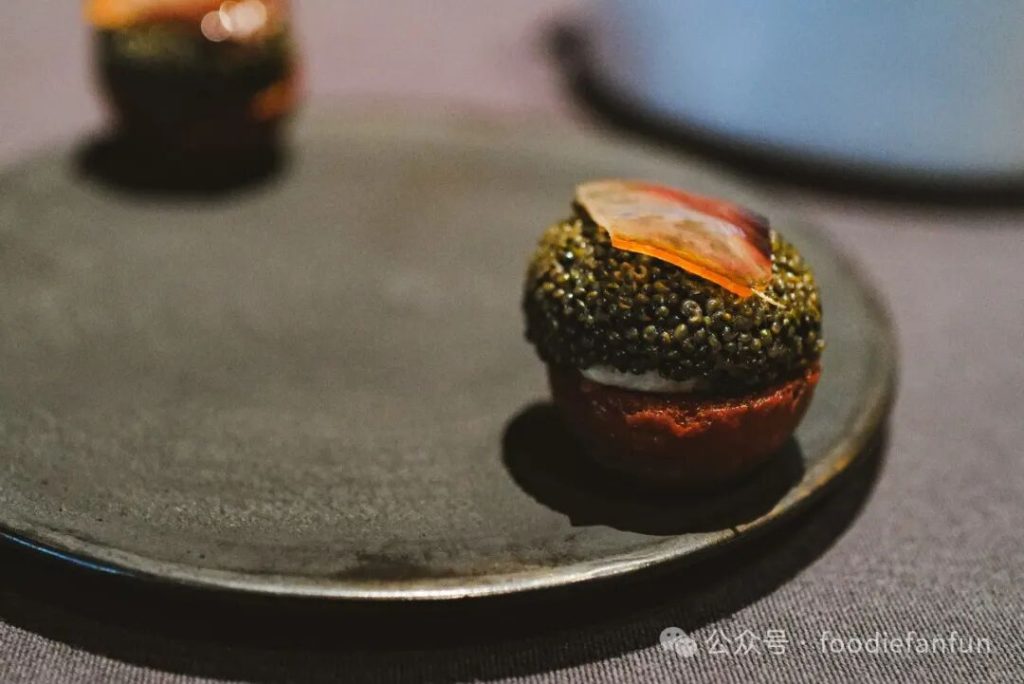
    Yellowtail / Rice Bran / Tonburi

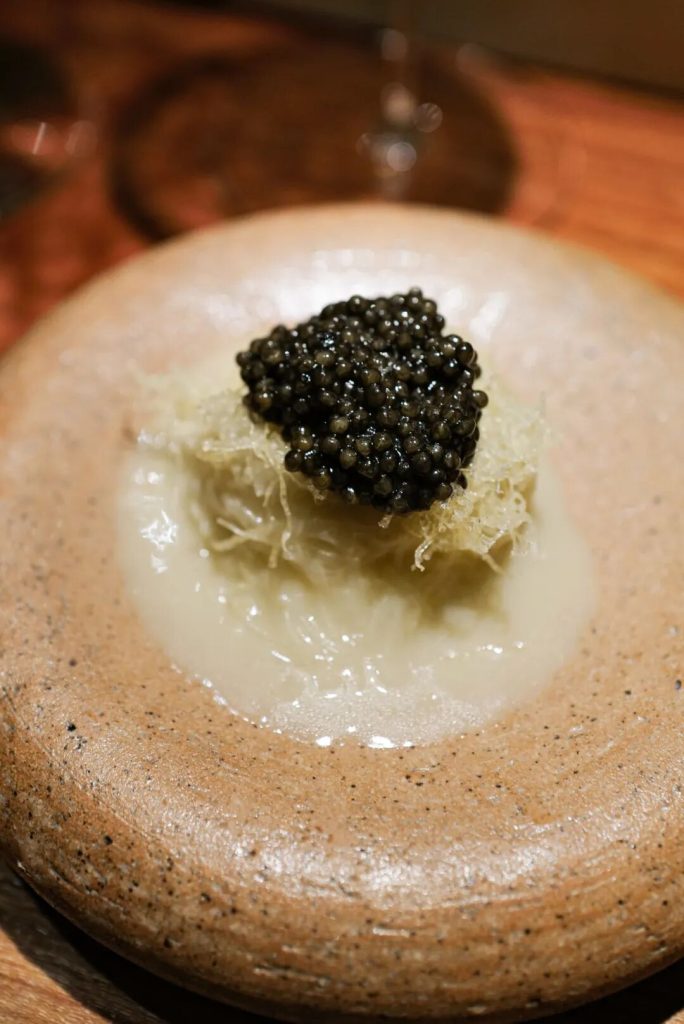
    Three amuse-bouche bites: air-dried yellowtail, with those glossy black beads — not the fine-dining go-to caviar you’d expect for an opener, but tonburi (kochia seeds), whose crunch is genuinely interesting, resting on a brioche base with its own bite. A little bomb of umami and texture right out of the gate.

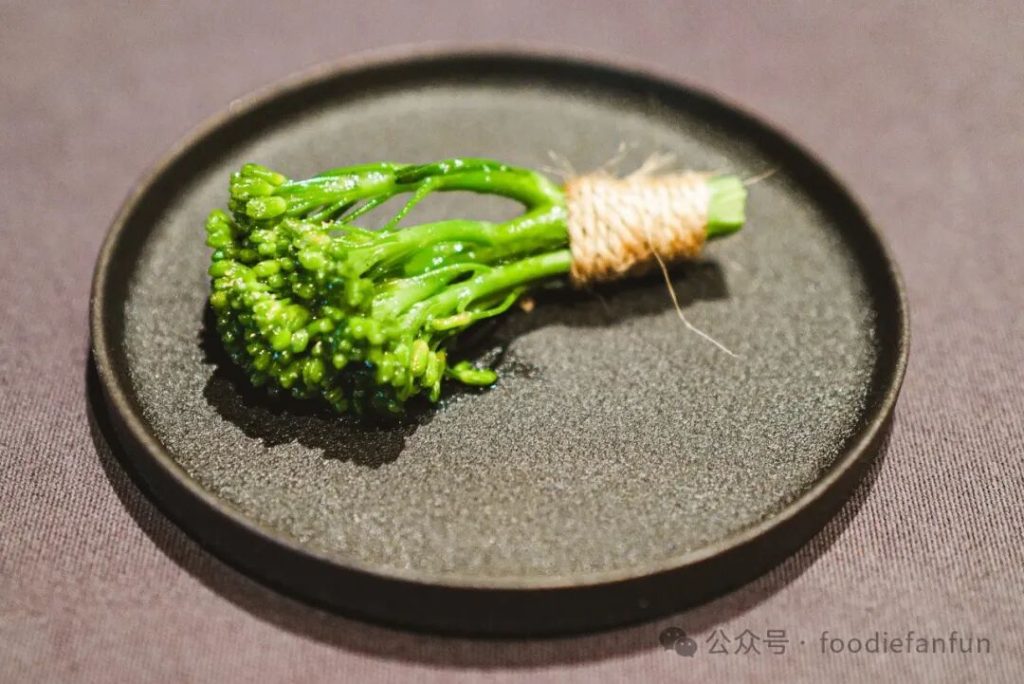
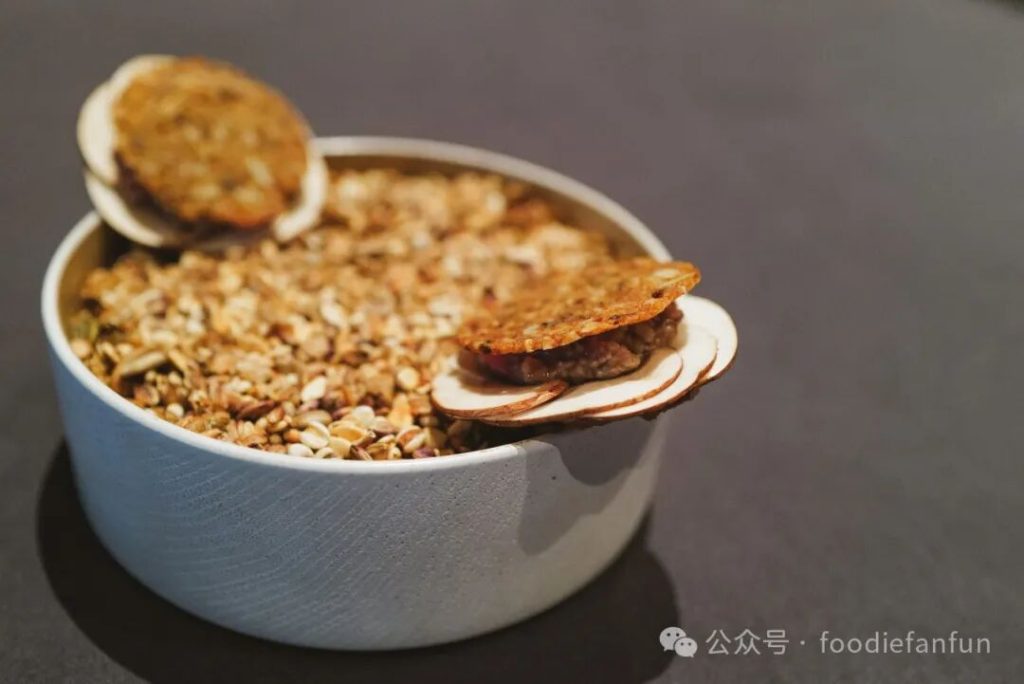
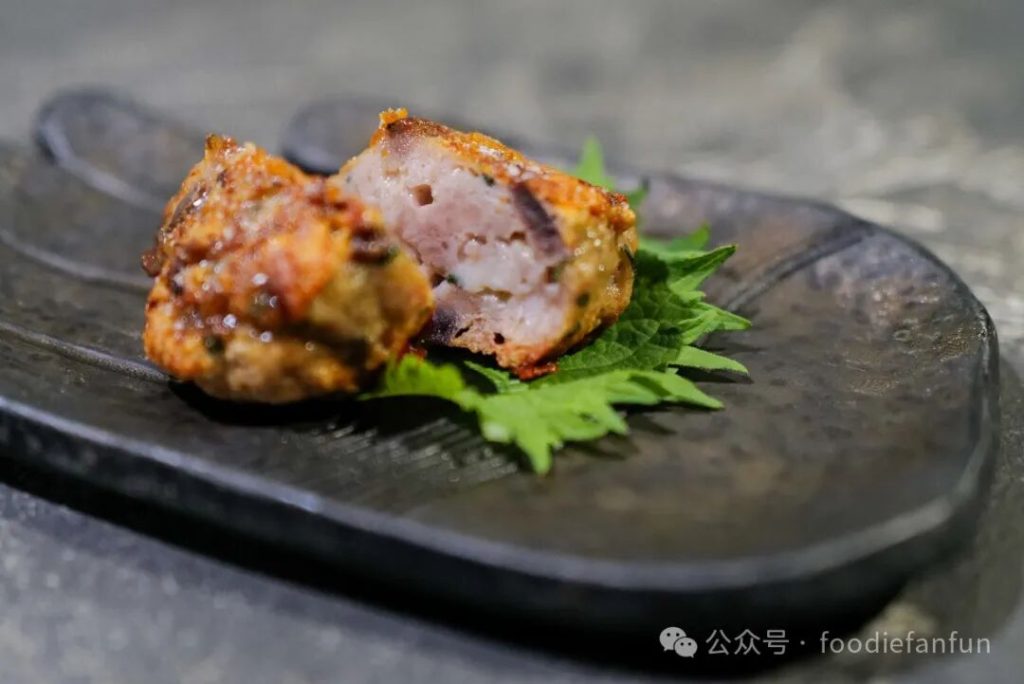
    Broccolini — the offspring of gai lan and broccoli — cleansed the palate, followed by a king trumpet mushroom sandwich. A sudden leap from the sea to the prairie, another dimension of umami impact. Beneath the juicy crunch of fresh mushroom, a bit of horse meat hides in the middle with a fibrous chew — an extra point for gaminess.

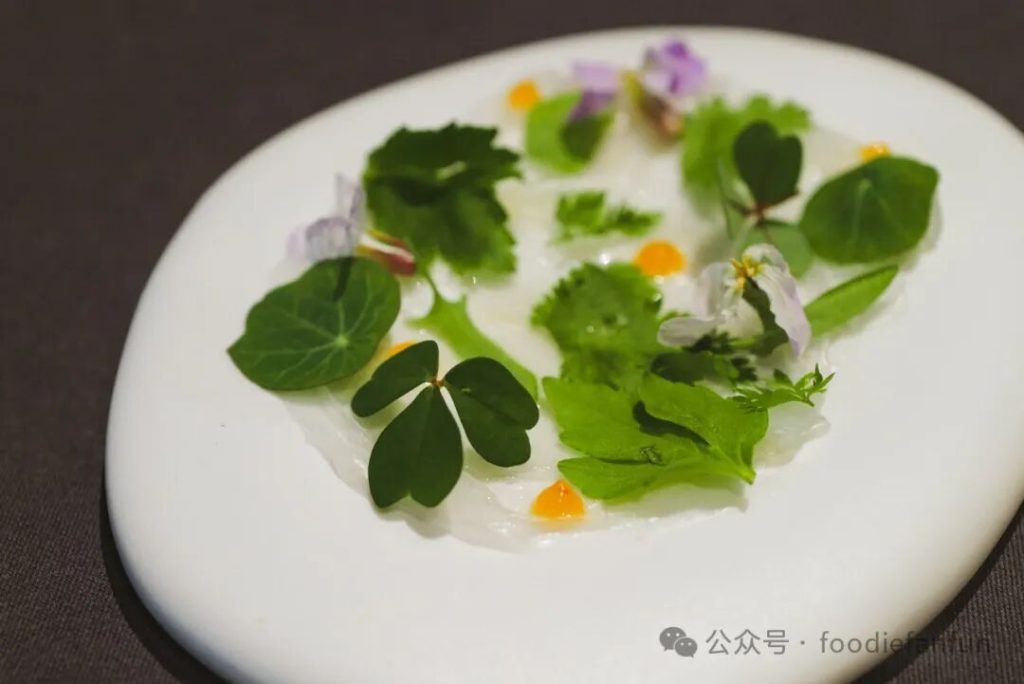
    Squid / Kumquat / Herbs

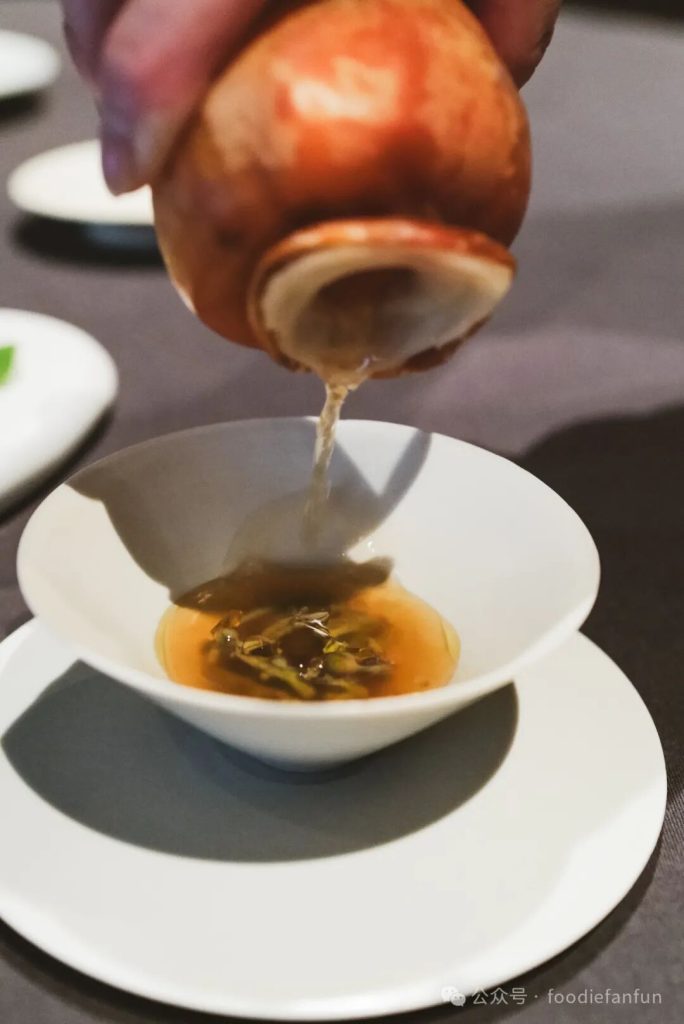
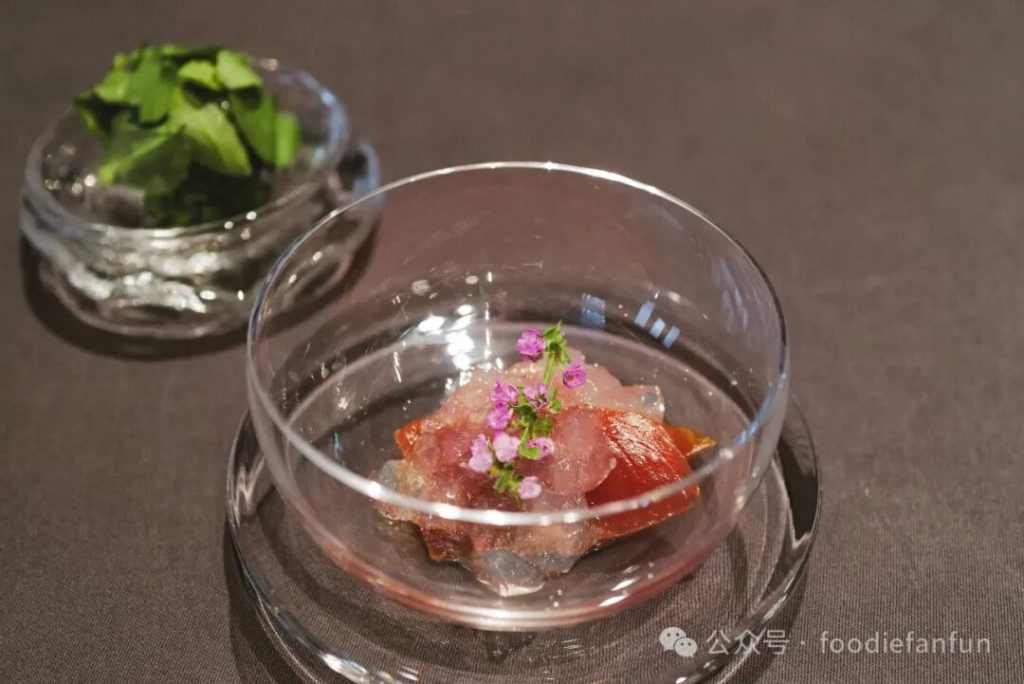
    Thin-sliced squid sashimi paired with herbs on the side, all about freshness. But the more interesting part was the soup next to it.

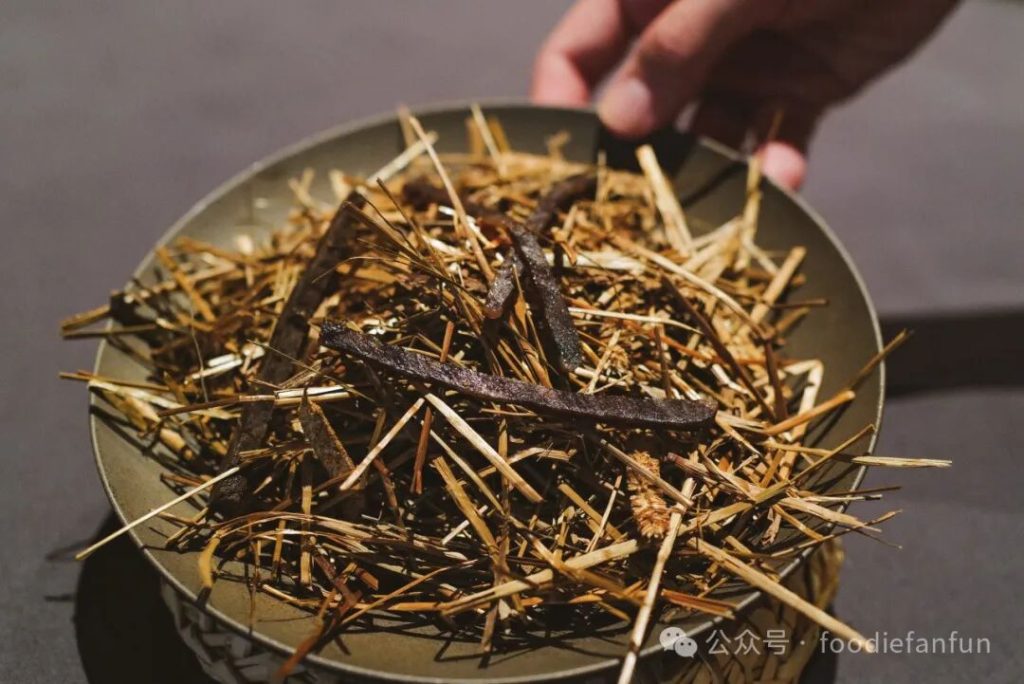
    It looked familiar — then I realized it was a squid tokkuri, the kind used for warming sake in winter. The unexpected smokiness and dried-seafood savor gave the soft junsai (water shield) real dimension.

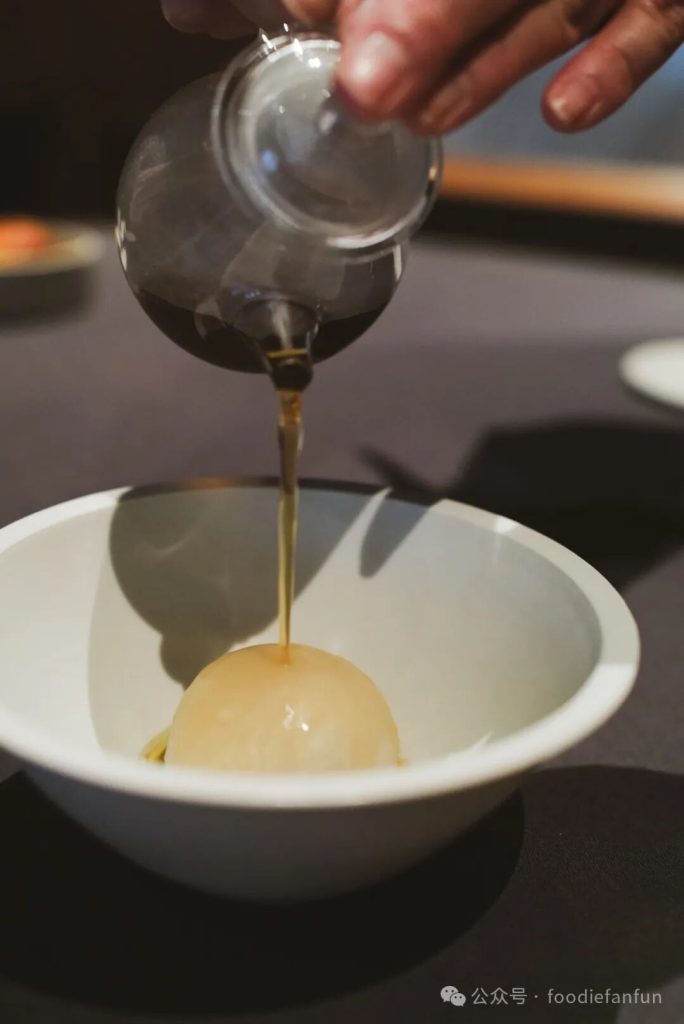
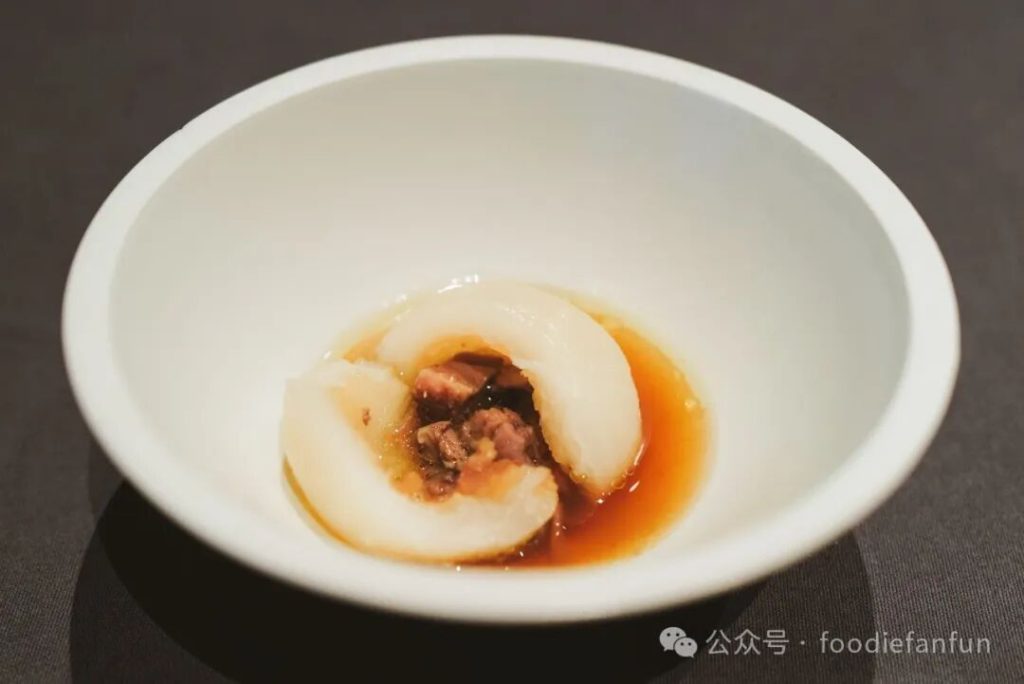
    Onion / Wagyu / Hop

    I assumed the theme of this dish would be beef — turns out the real star was onion.

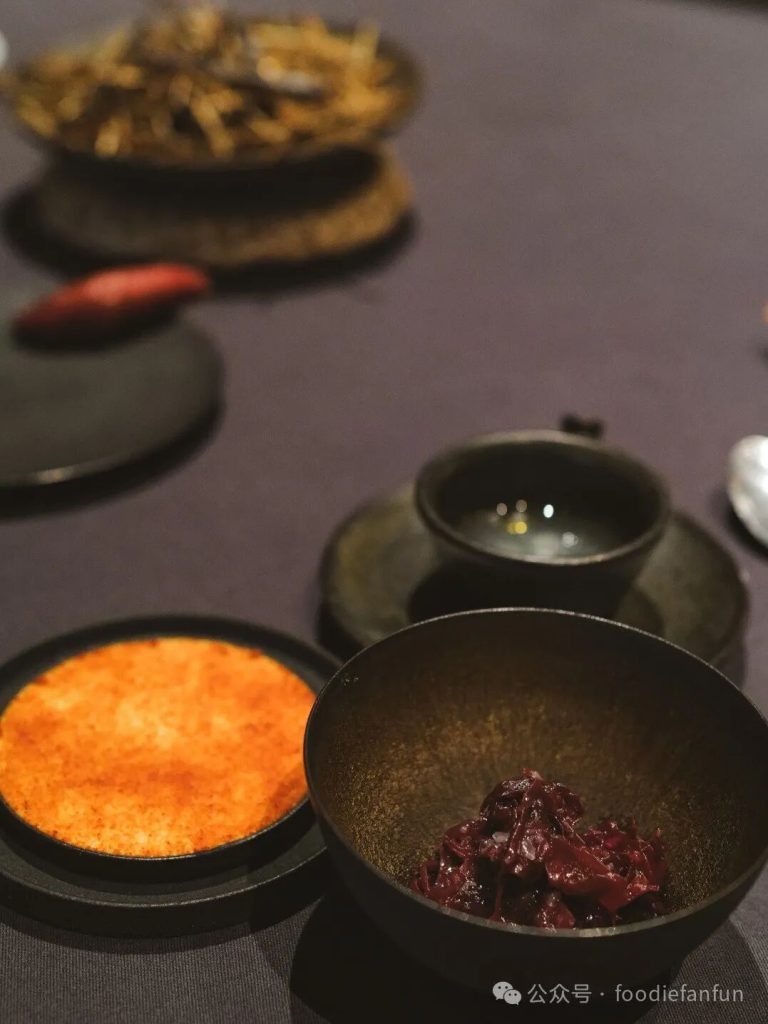
    Nori paired with mini onions delivered a mouthful of pure vegetal sweetness, lovely and clean. The onion cream, sliced open with a spoon, had a silky texture that felt almost indulgent, with bright, fresh lemon acidity — also good paired with the Onion Bread wrapped around dried beef.

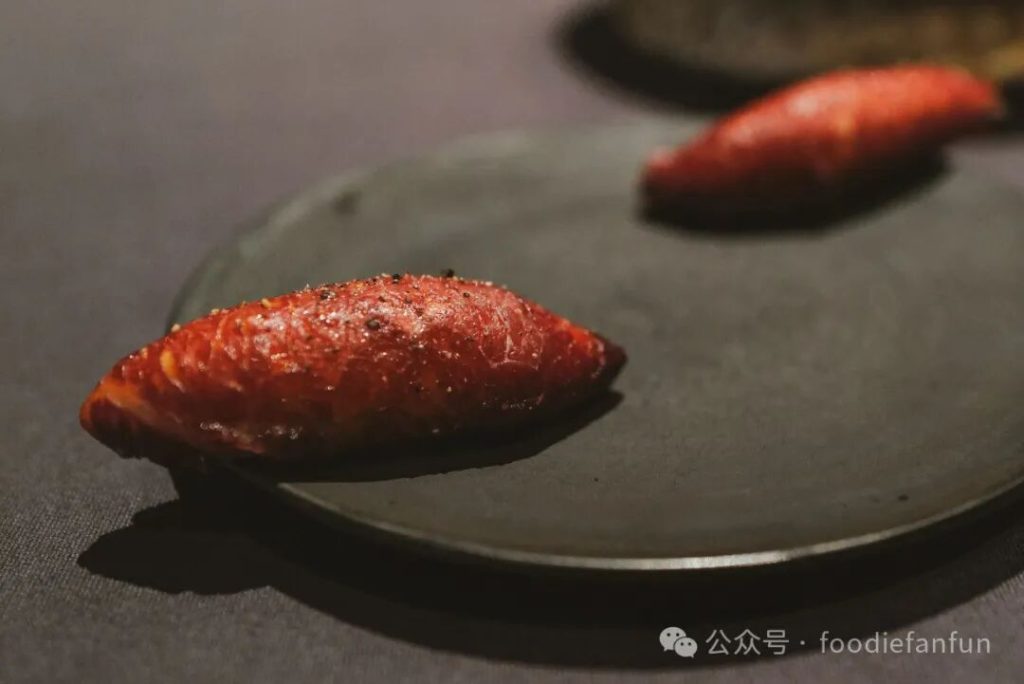
    A soup made from onion and hops cleansed the palate midway. Finally, on the last bite, beef took center stage — dried beef delivering an explosive richness of fat while staying somehow tender.

    By this dish, you could already feel the restaurant’s imagination and skill in expressing the freshness and flavor of vegetables.

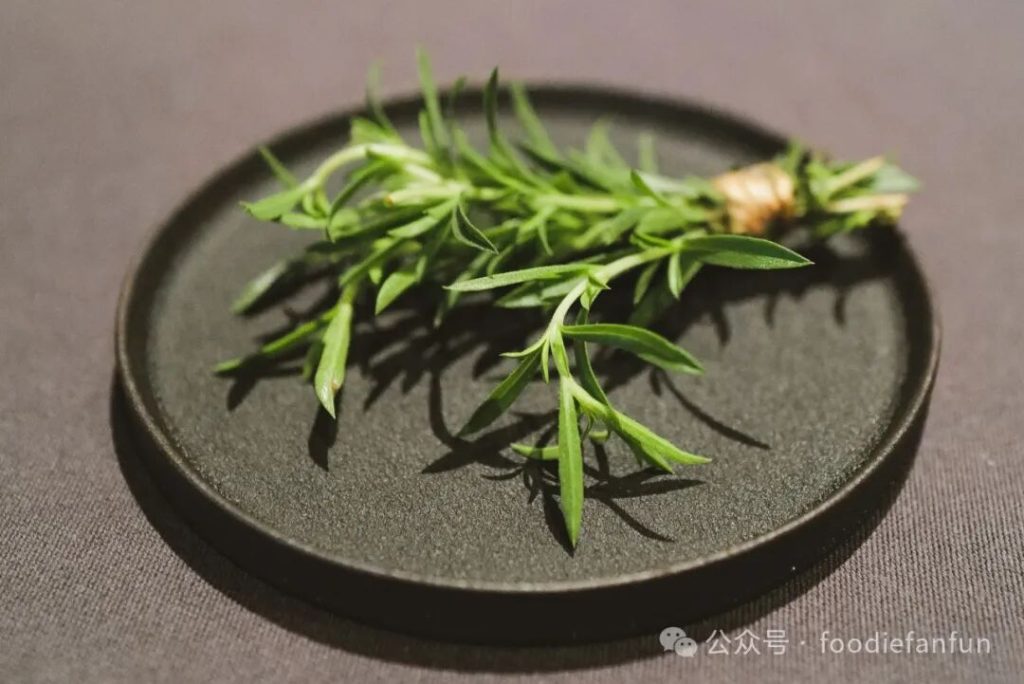
    Watercress / Bonito / Rice

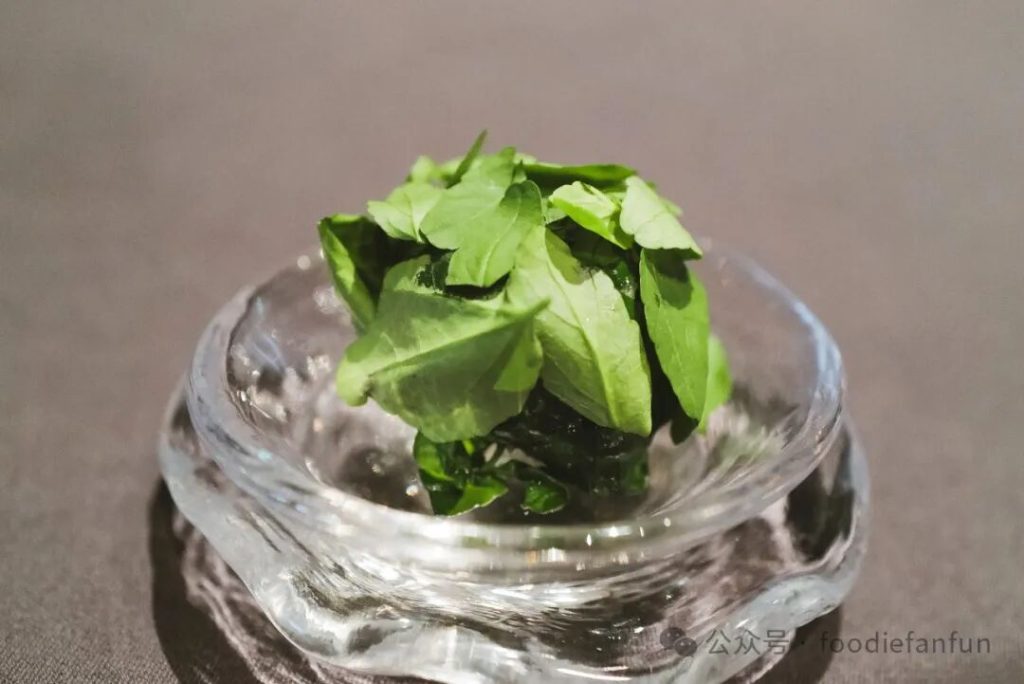
    Looking at the menu, I assumed this would be a fish-and-rice pairing, an extension of sushi — turns out the bonito was served on its own, paired with shiso flowers, presented as a sake pairing dish.

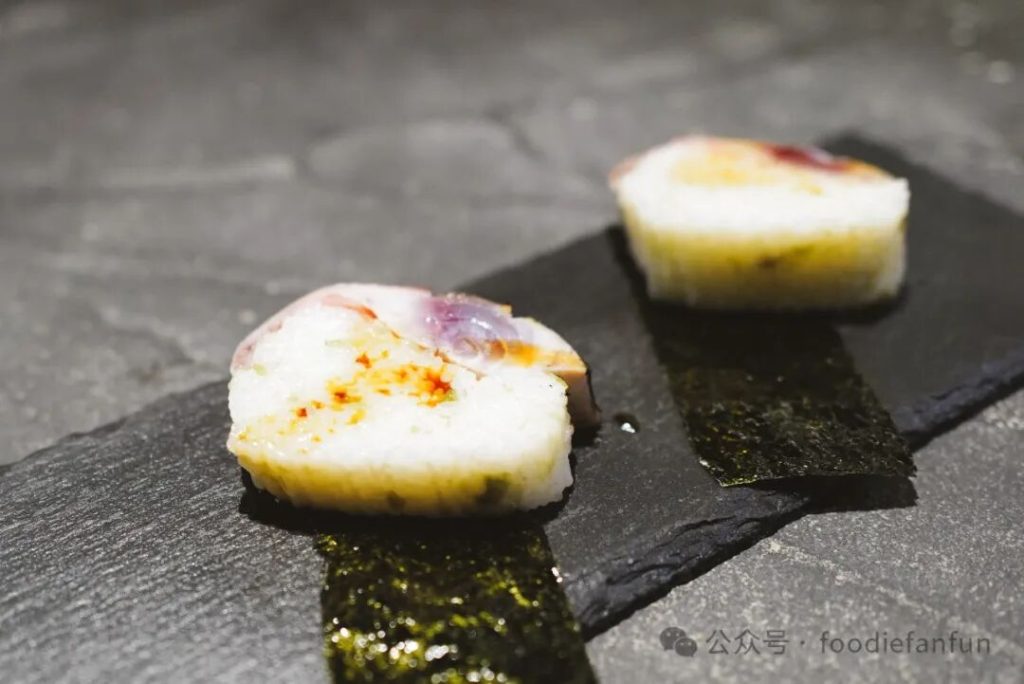
    The pea shoots and rice, though, were shaped into a rice ball — genuinely stunning, the freshness of the vegetable and the umami of the rice setting each other off.

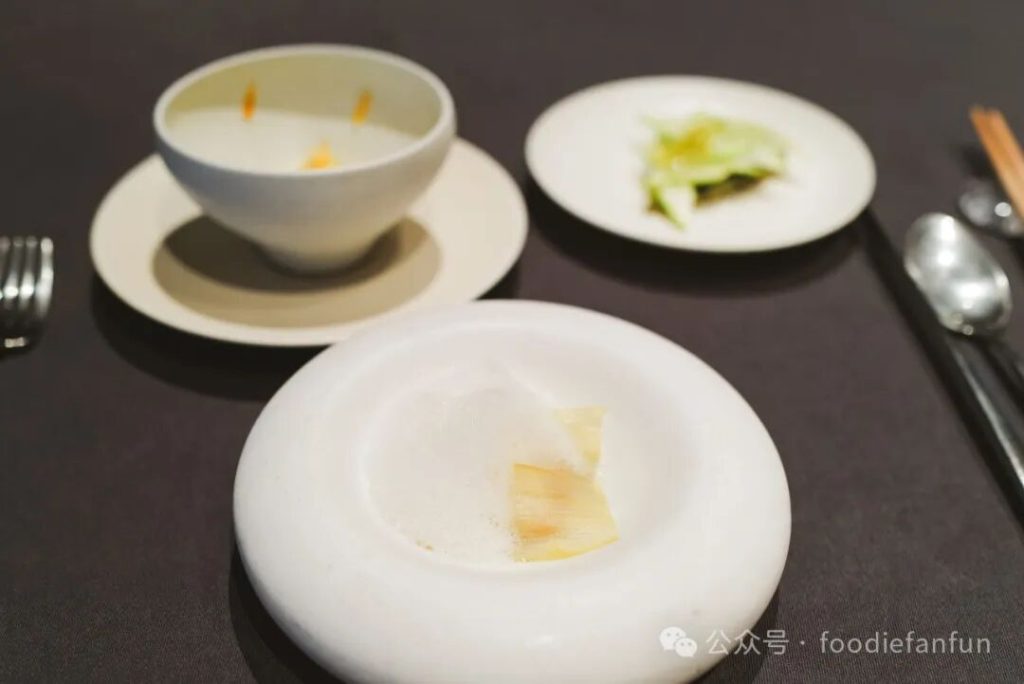
    Bamboo Shoot / Oyster / Coconut

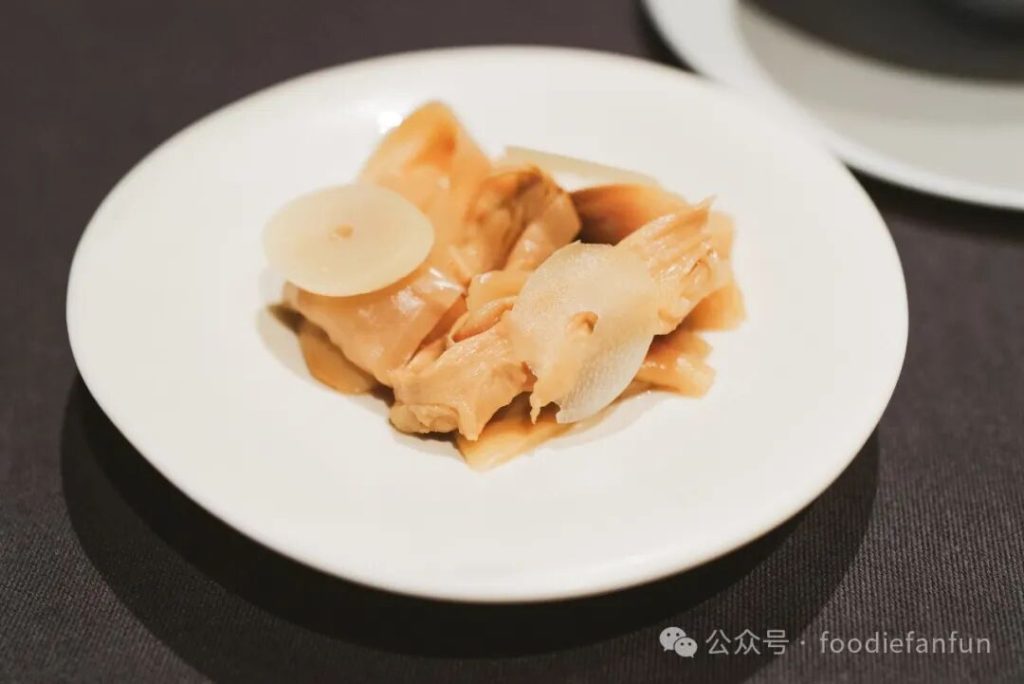
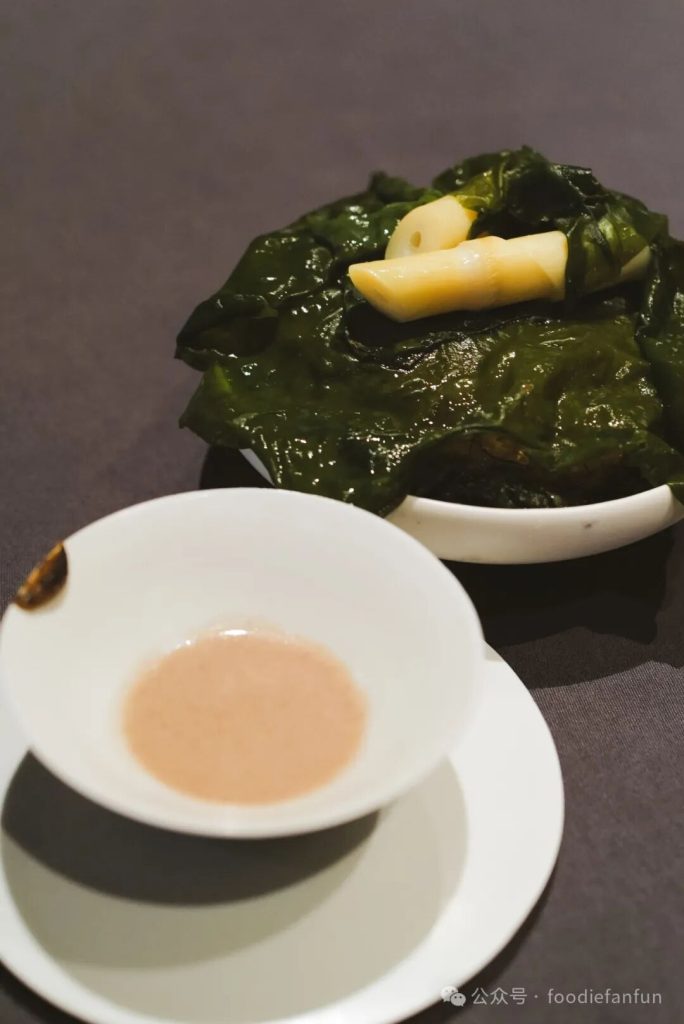
    Once again breaking convention — bamboo shoot as the main element, dipped in an oyster-and-coconut-milk sauce, with a hint of Thai flavor. That said, the bamboo shoot’s crunch and freshness here were noticeably weaker compared to what you’d get back home.

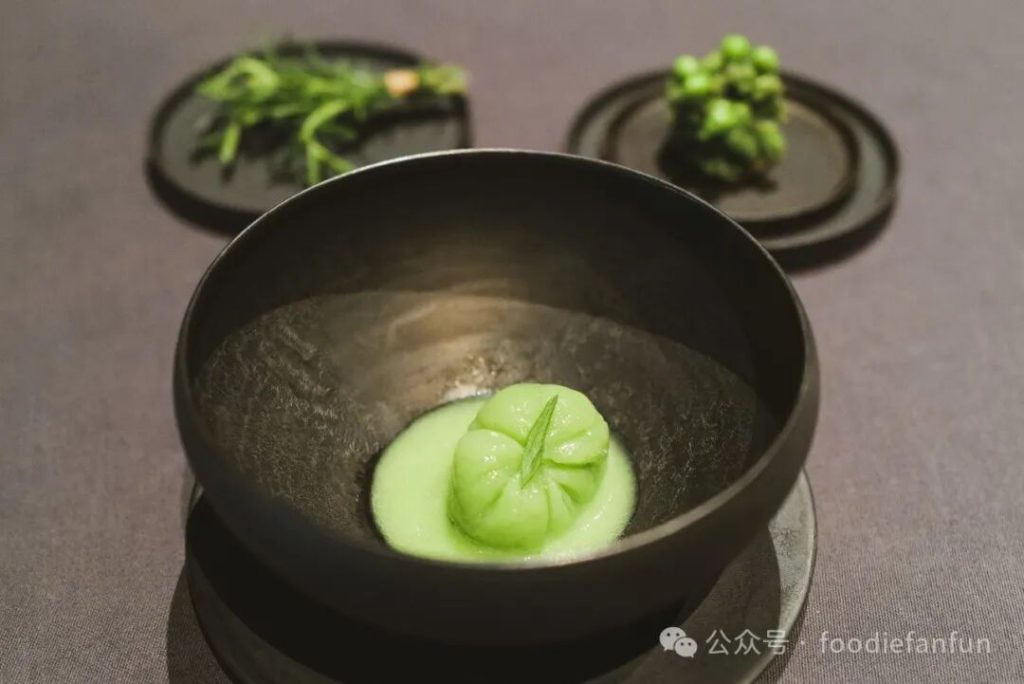
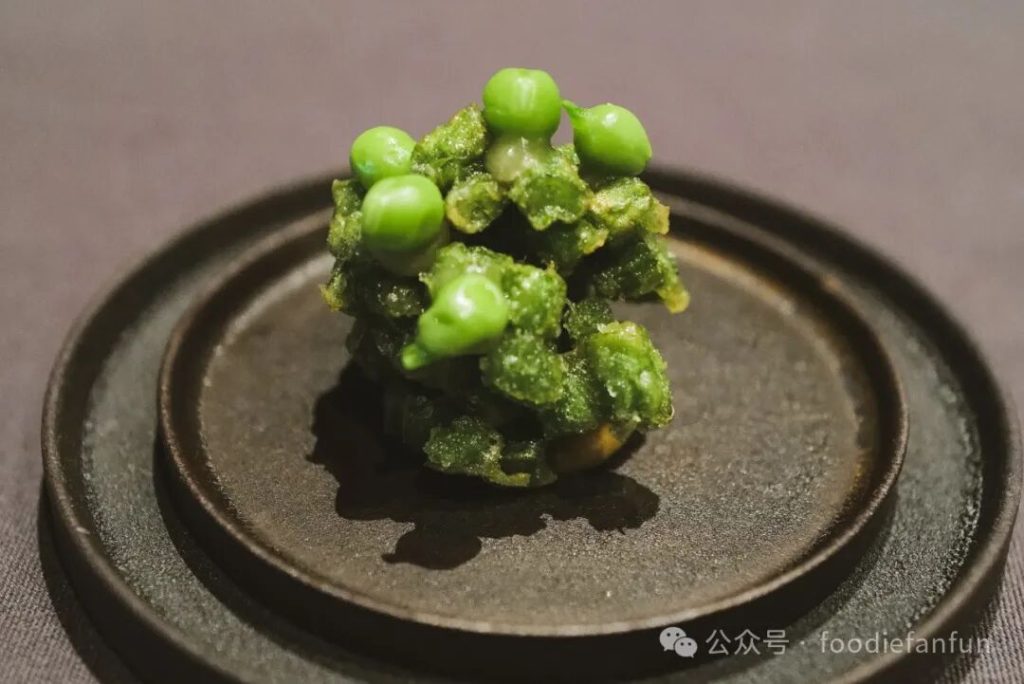
    Green Peas / Fava Beans / Japanese Butterbur

    Rare to see an entirely vegetable-based course at a fine-dining table — fava bean tofu had an intensely savory-salty flavor, with a delicate, moist texture that felt like it barely brushed across the palate.

    Fried Japanese butterbur (fuki) was both fragrant and crisp, with a hint of sweet baby peas — genuinely memorable.

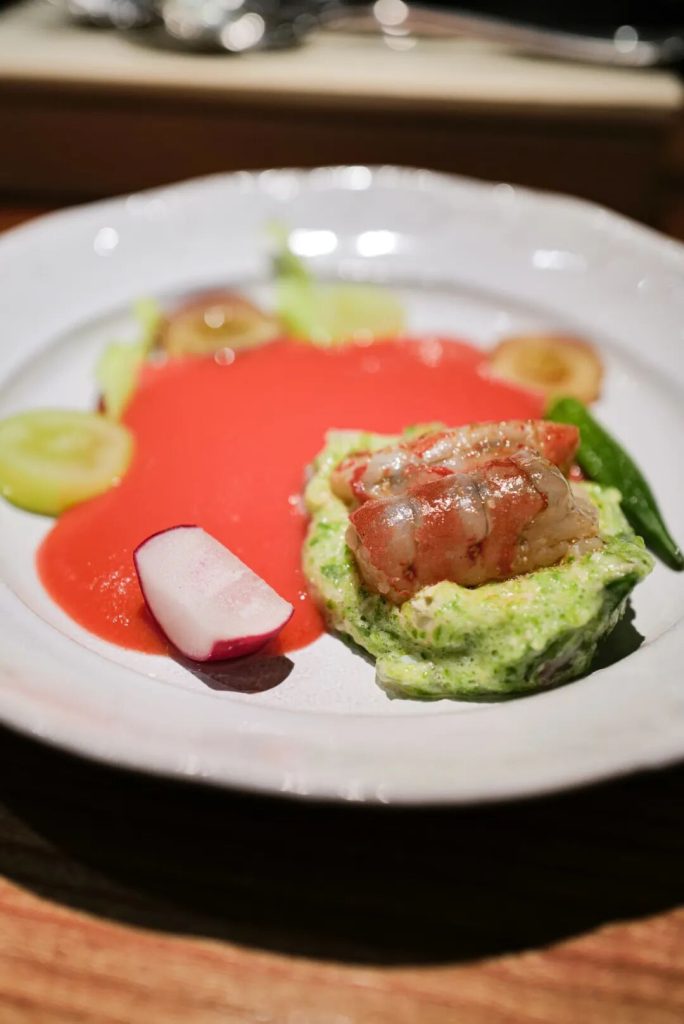
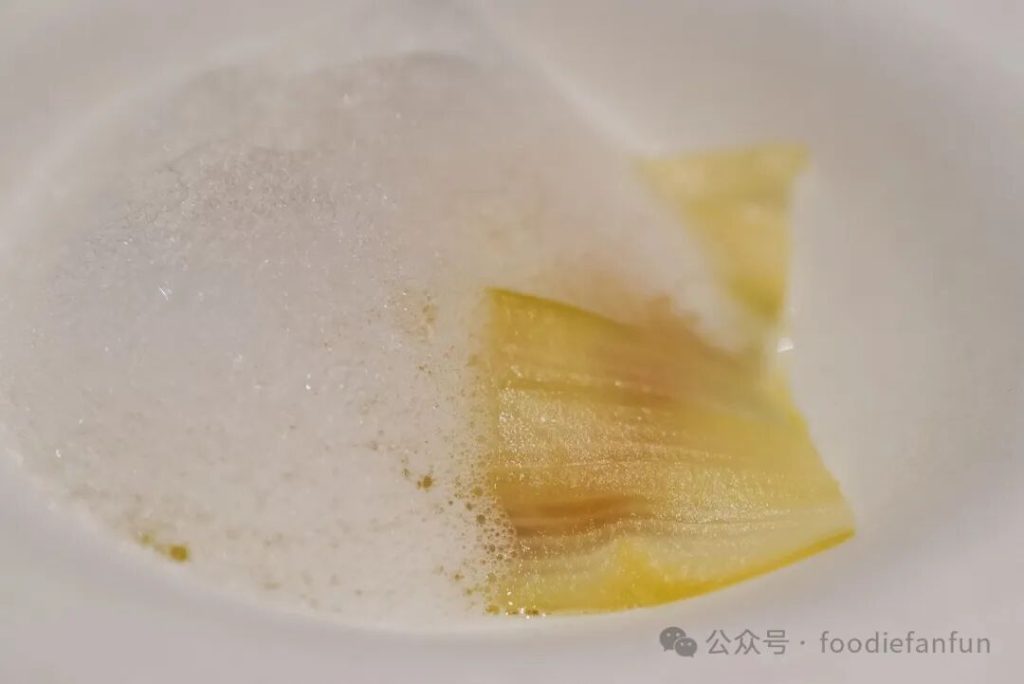
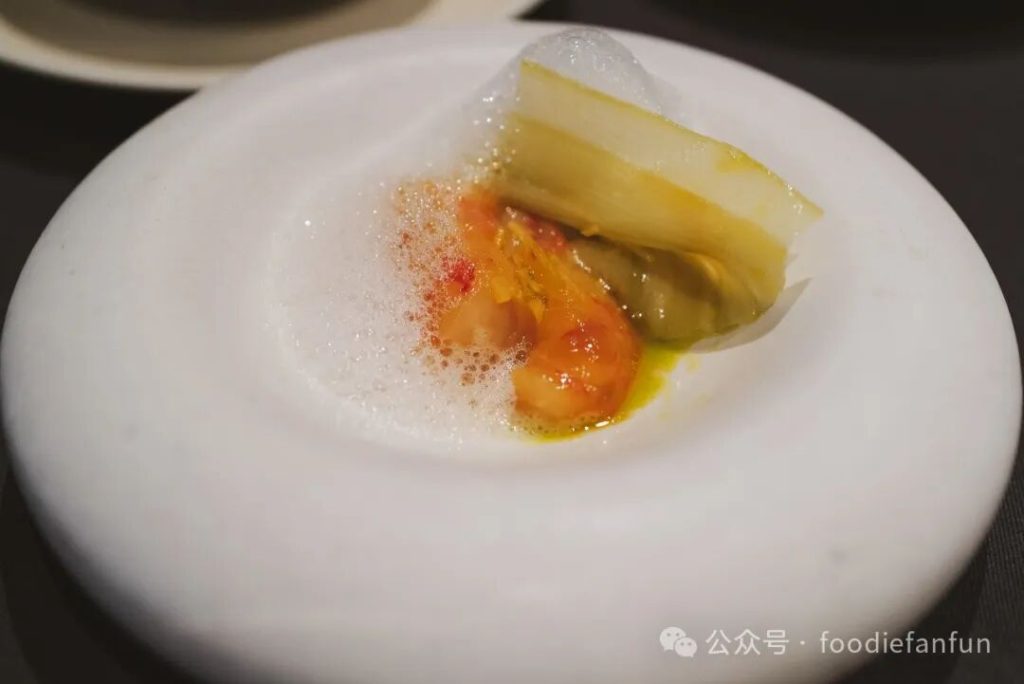
    Asparagus / Spot Prawn / Pomelo

    The sticky-sweet spot prawn and the crisp sweetness of asparagus, with a broth carrying strong herbal notes that still lifted the freshness of both ingredients beautifully — the whole dish came off as joyful and elegant.

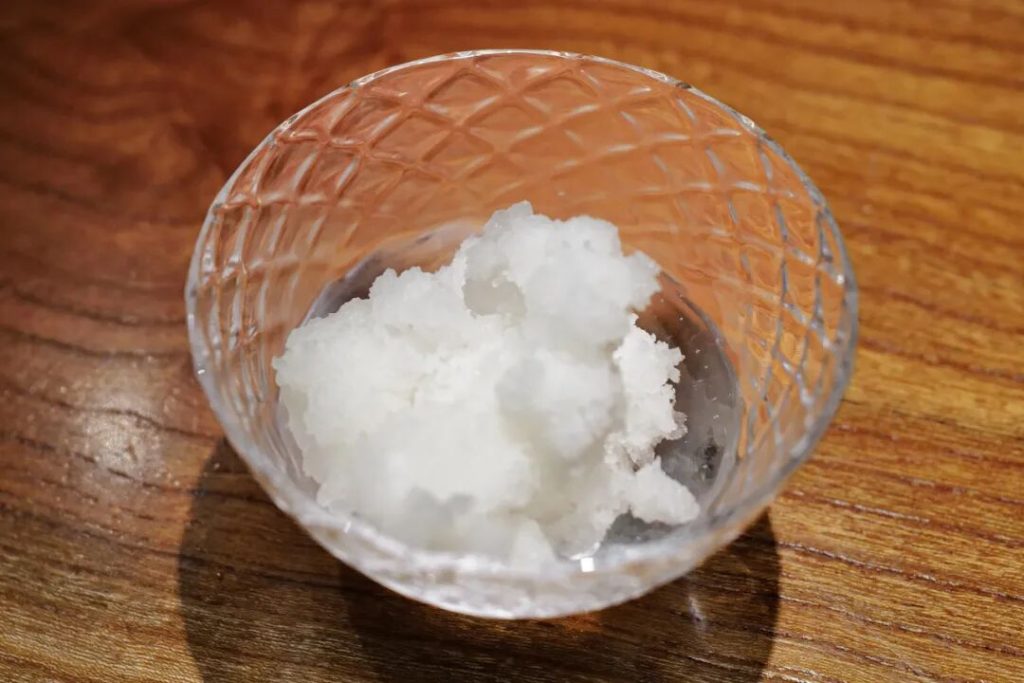
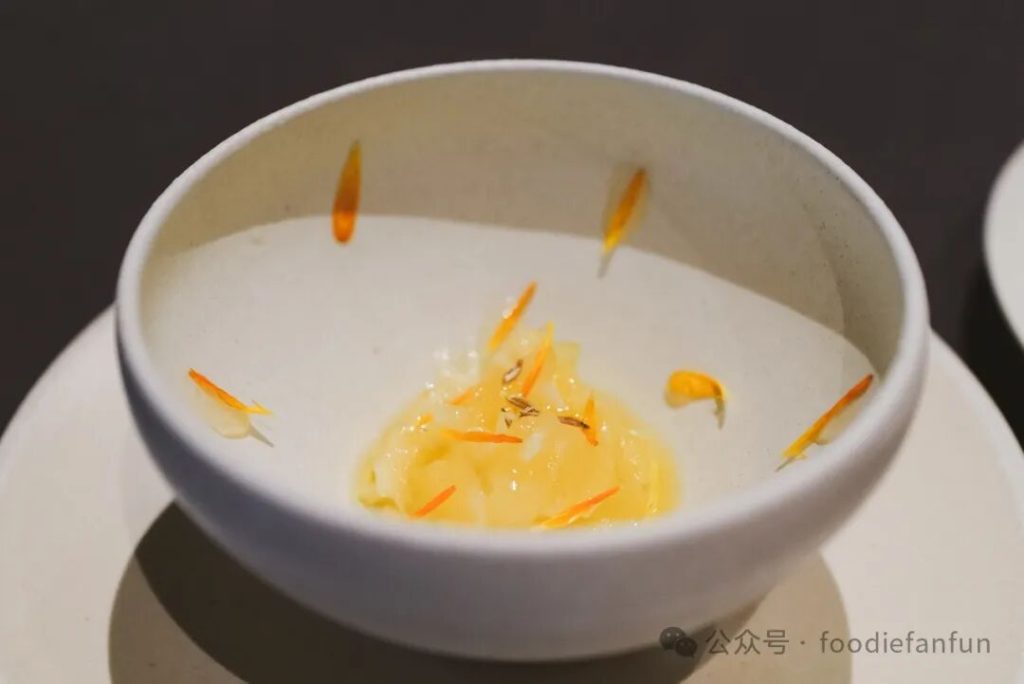
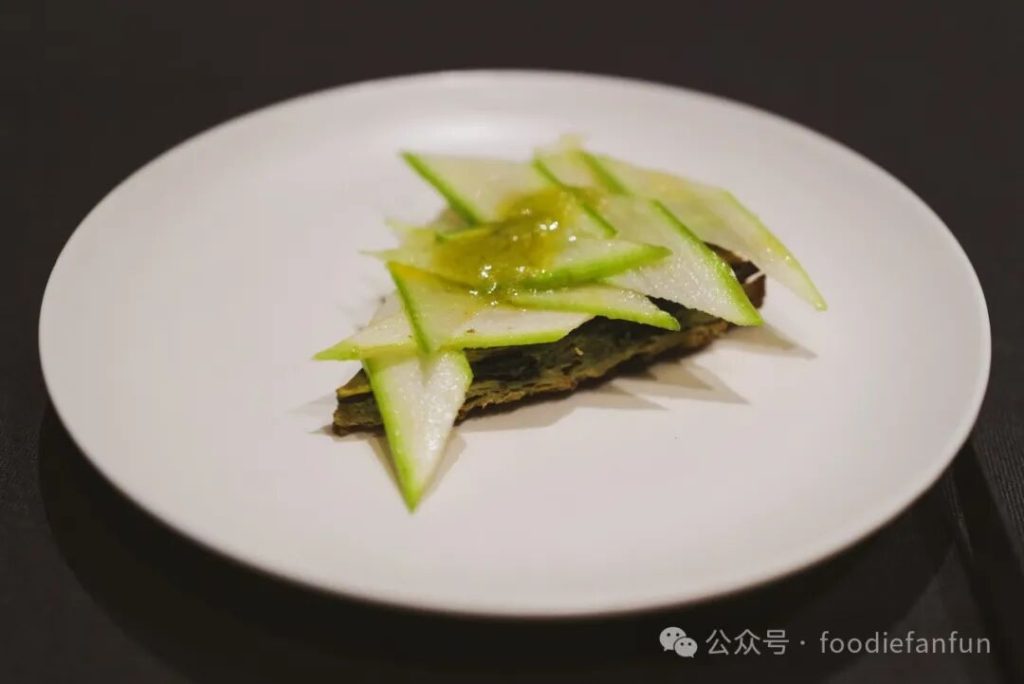
    A citrus fruit cleansed the palate, then the second half brought a fresh asparagus tartare — crisp juiciness as the first impression, with a crust base that grew more fragrant the more you chewed.

    Across the two preparations, asparagus’s flavor was shown off wonderfully. Probably one of the most memorable dishes of the day.

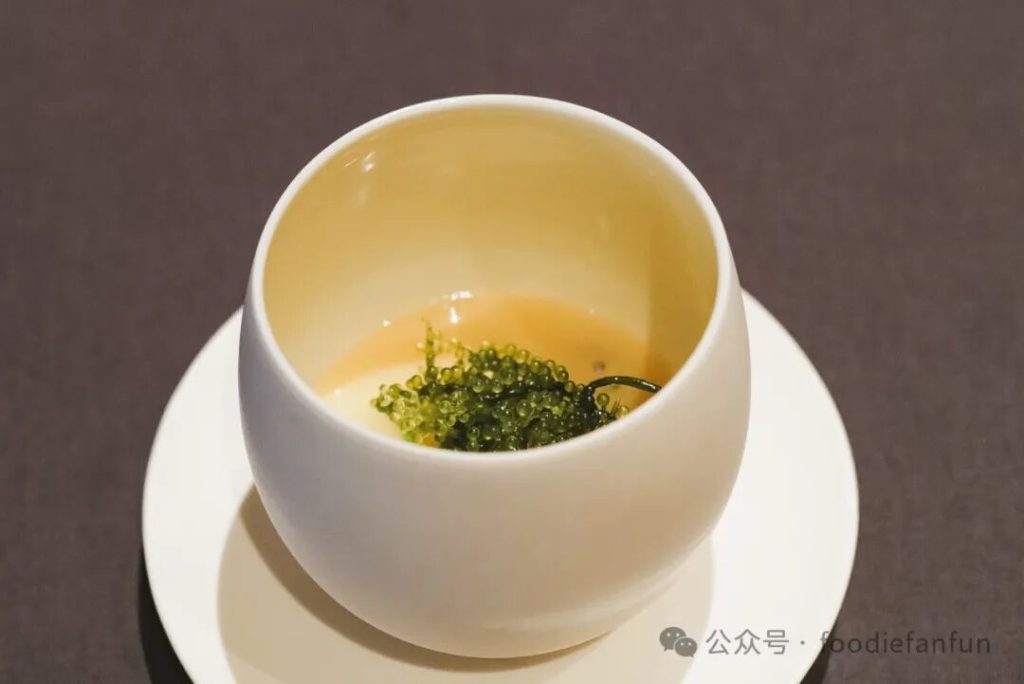
    Scallop / Sake Lees / Sea Grapes

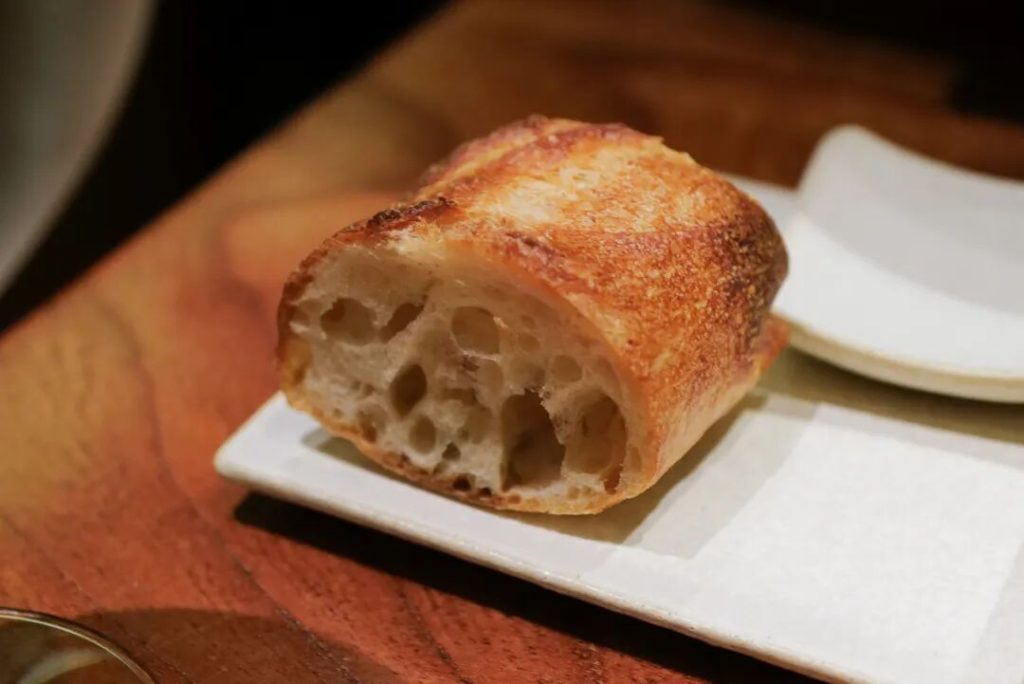
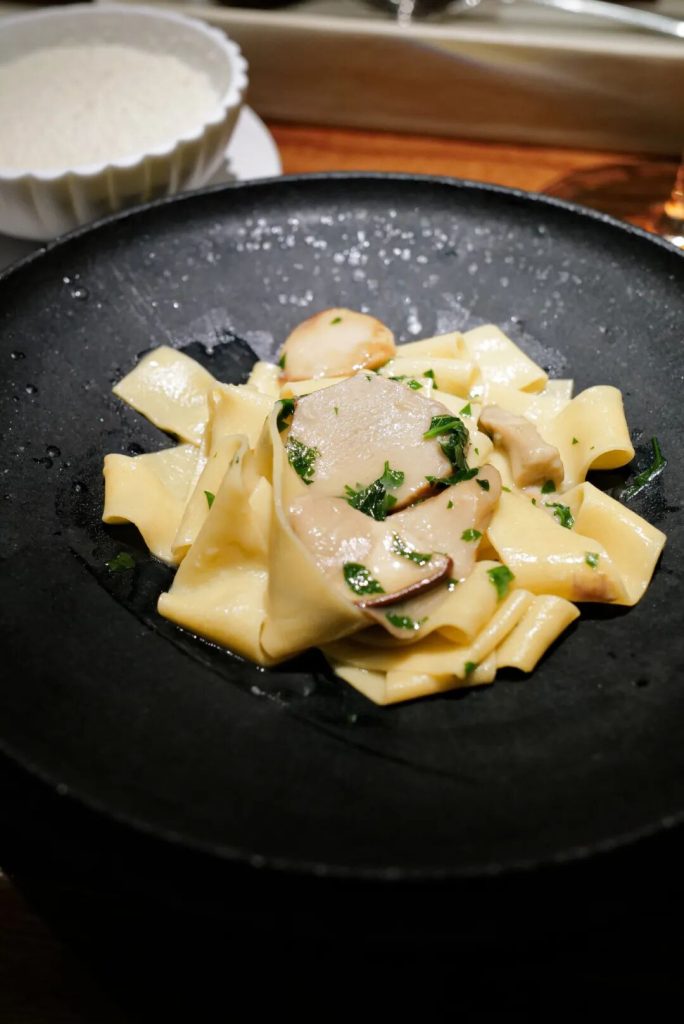
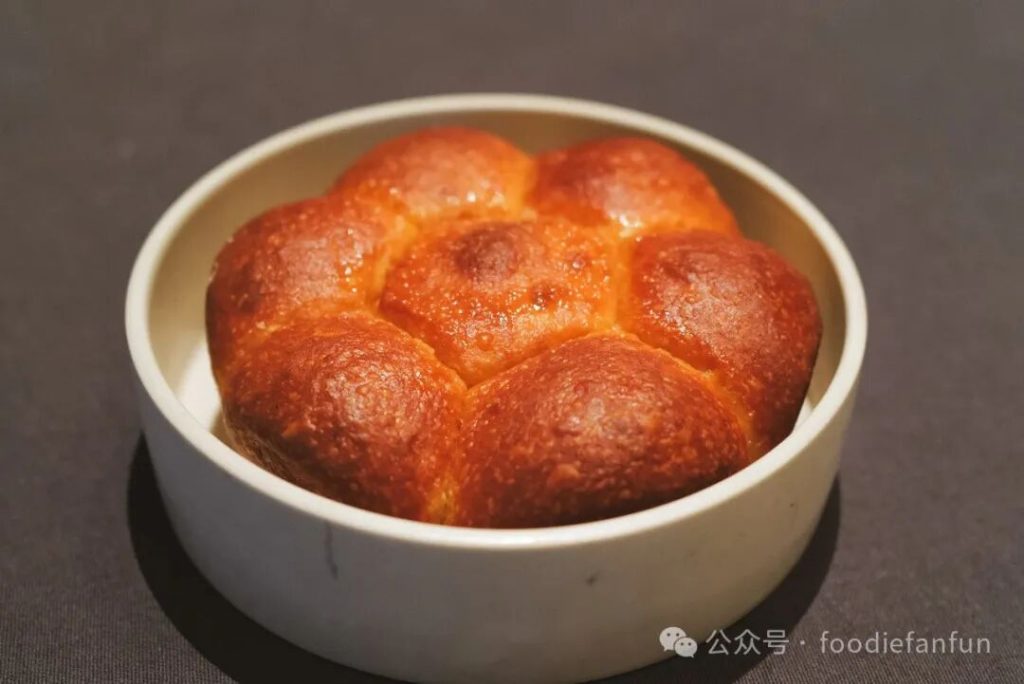
    The second time this year I’ve had a dish pairing scallop with bread — and once again, a stunning combination.

    This dish continued the chef’s signature style: the scallop itself never actually appears, only used to flavor the gnocchi, paired with a broth made from sake lees. Dipping bread into the broth balanced the freshness with the butteriness of the brioche — close to perfect.

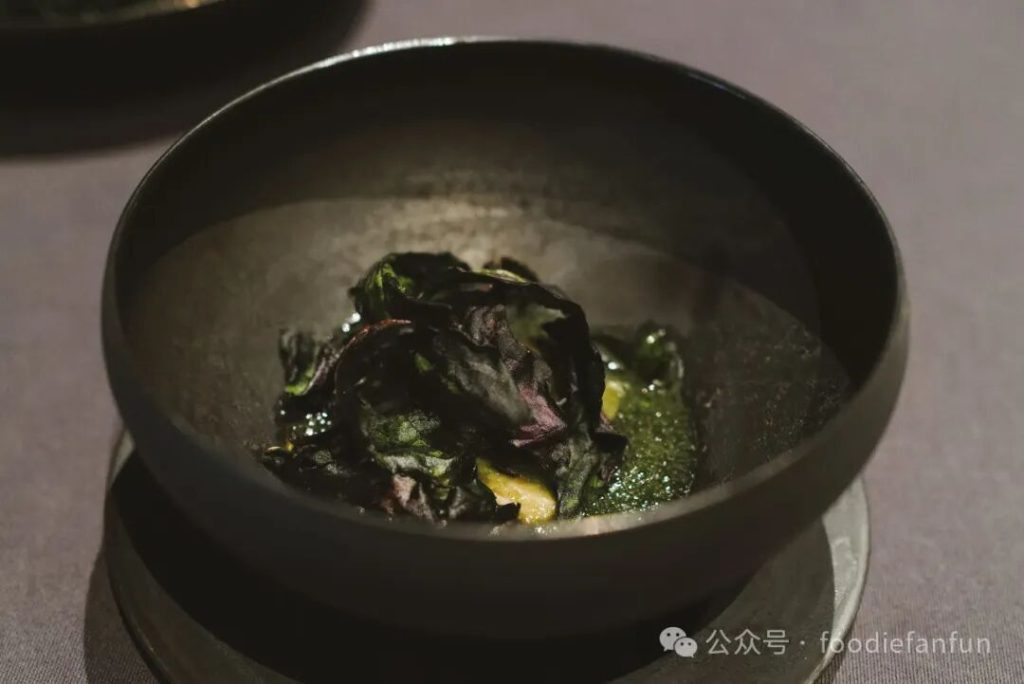
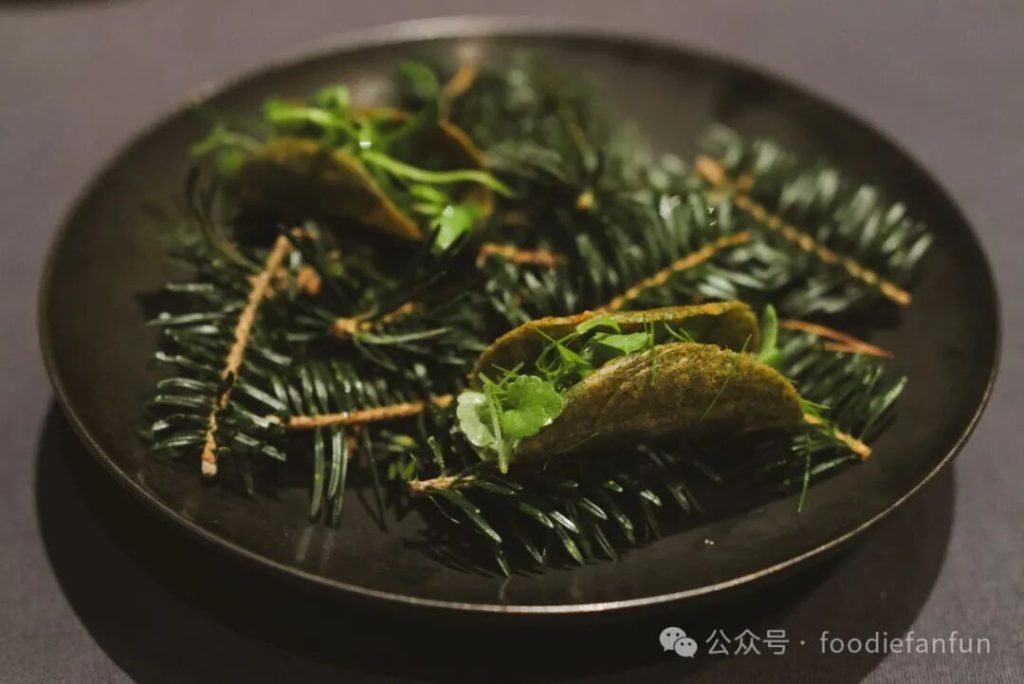
    Red Bream / Okinawan Spinach / Japanese Fir

    Finally the main course — red bream paired with fried, air-dried spinach. Honestly, the fish itself can only be described as dry and tough — enough to make you wish the main element had been switched to the spinach instead; maybe the chef would have shone brighter there.

    The chip served alongside, though, showed off the chef’s real level — nori made into a cracker, showered with cilantro, accented with passion fruit. One word: fragrant!

    It echoed the earlier asparagus tart in a way, while still expressing a distinct character of its own.

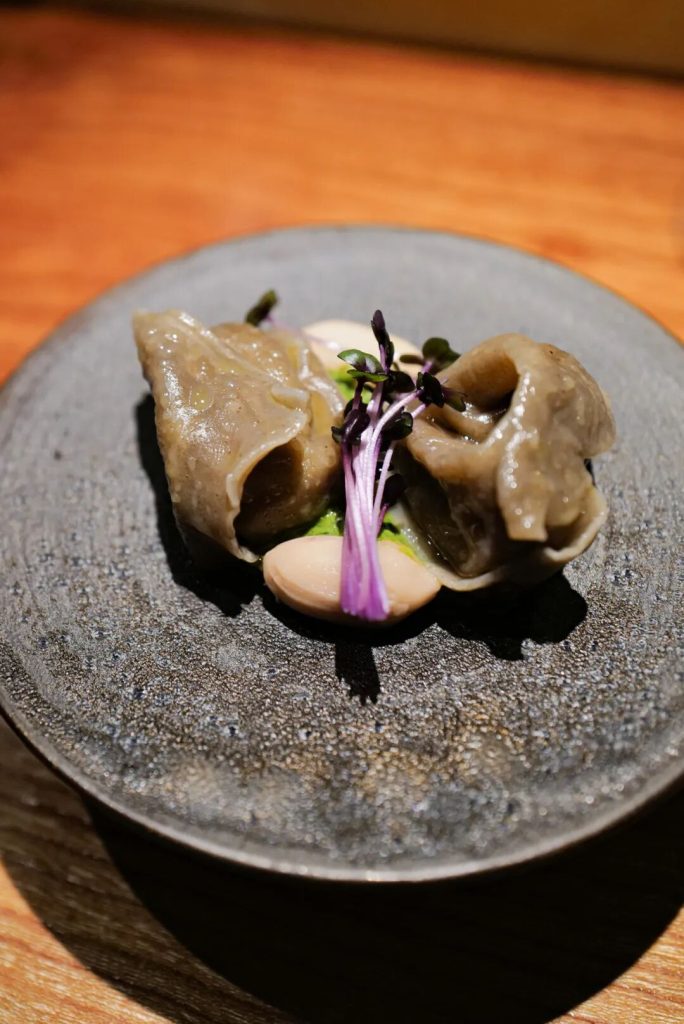
    Turnip / Duck / Green Onion

    Dried daikon and duck soup, with duck-filled dumplings. Clean, well-plated — but honestly, neither the aroma nor the flavor left much of an impression.

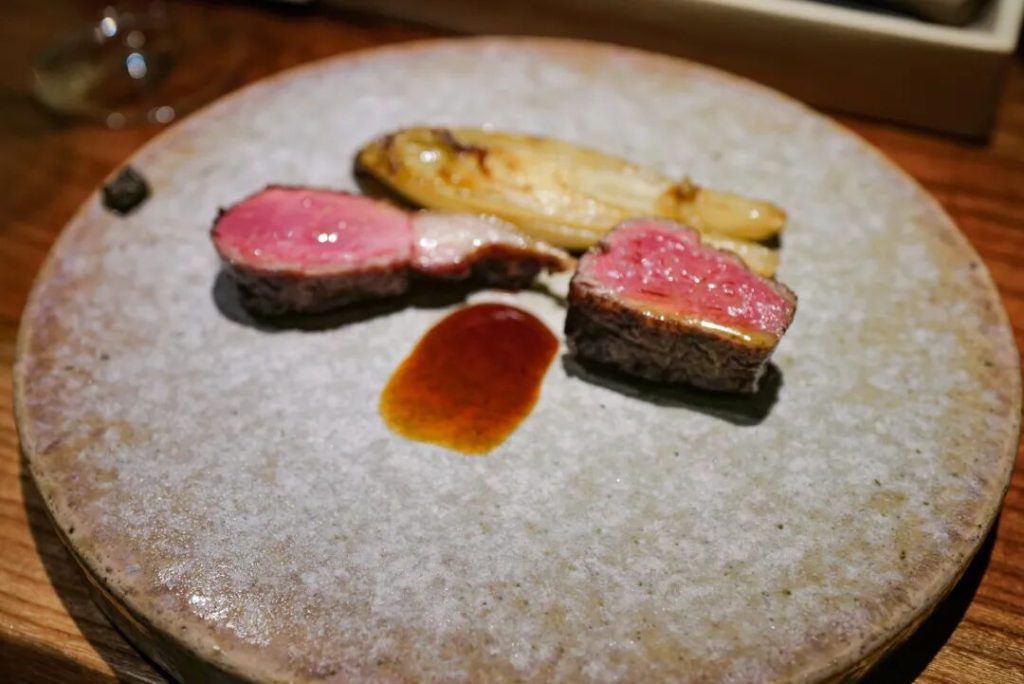
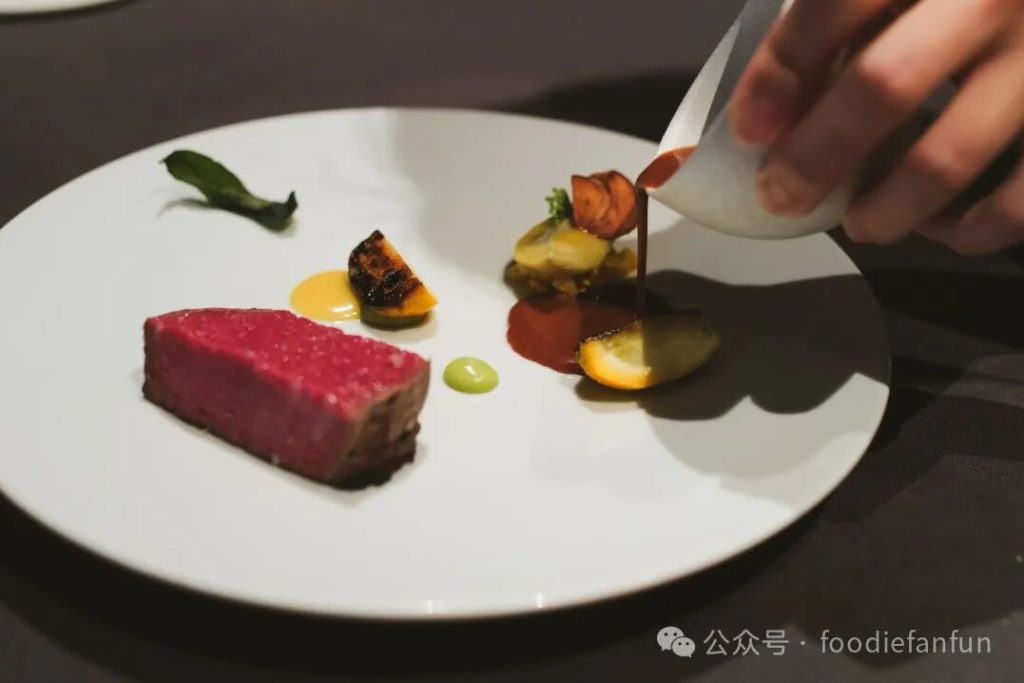
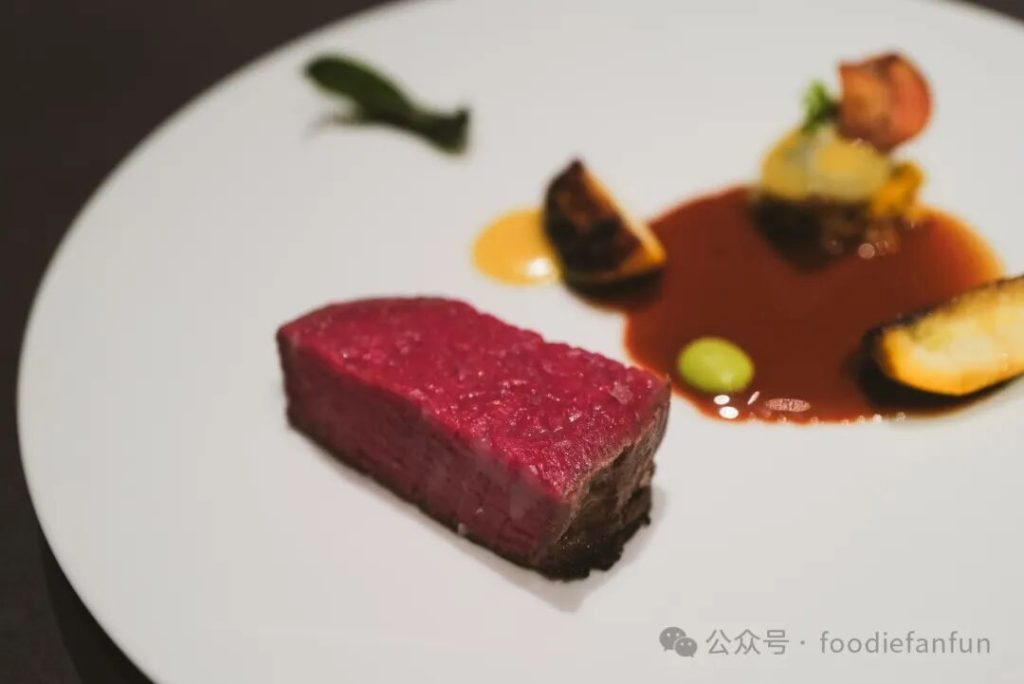
    Kumamoto Beef / Artichoke / Zucchini

    By this point I’d more or less given up on the chef’s meat dishes.

    Then came a course of Kumamoto wild-raised beef, and I exchanged a look with my mom: well — let’s just eat it.

    Unexpectedly won over by the beef’s delicate, fine-grained texture, with the sauce drawing out a milky richness from the meat’s flavor. It really took just one bite to go from zero expectations to genuinely impressed.

    Miki (Rice) / Sweet Potato / Crucian Carp

    Strawberry / Vanilla / Nigella

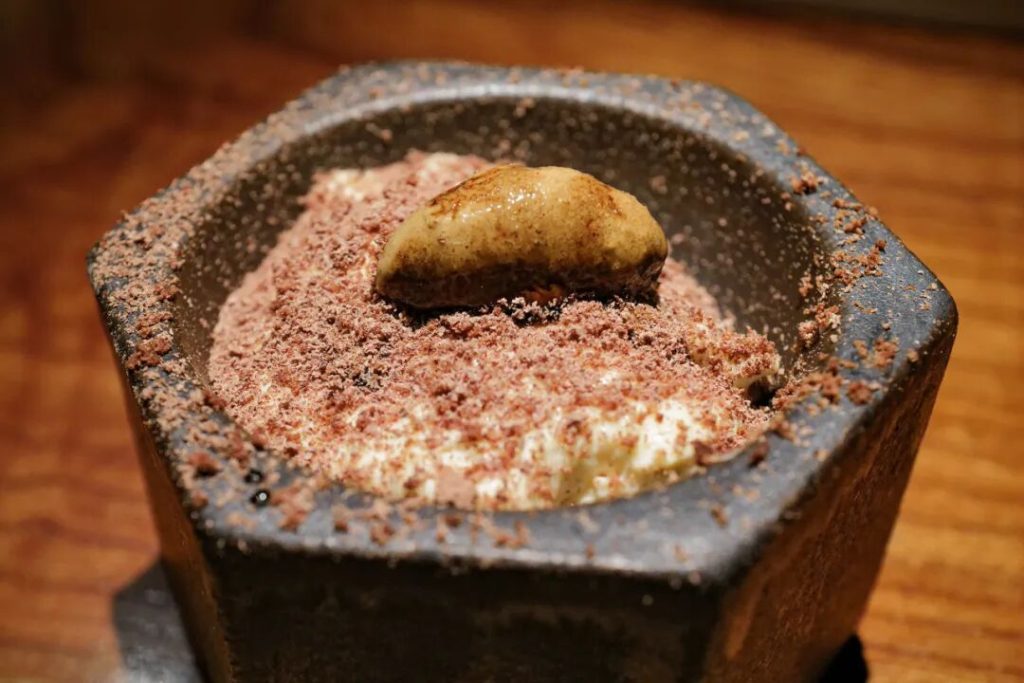
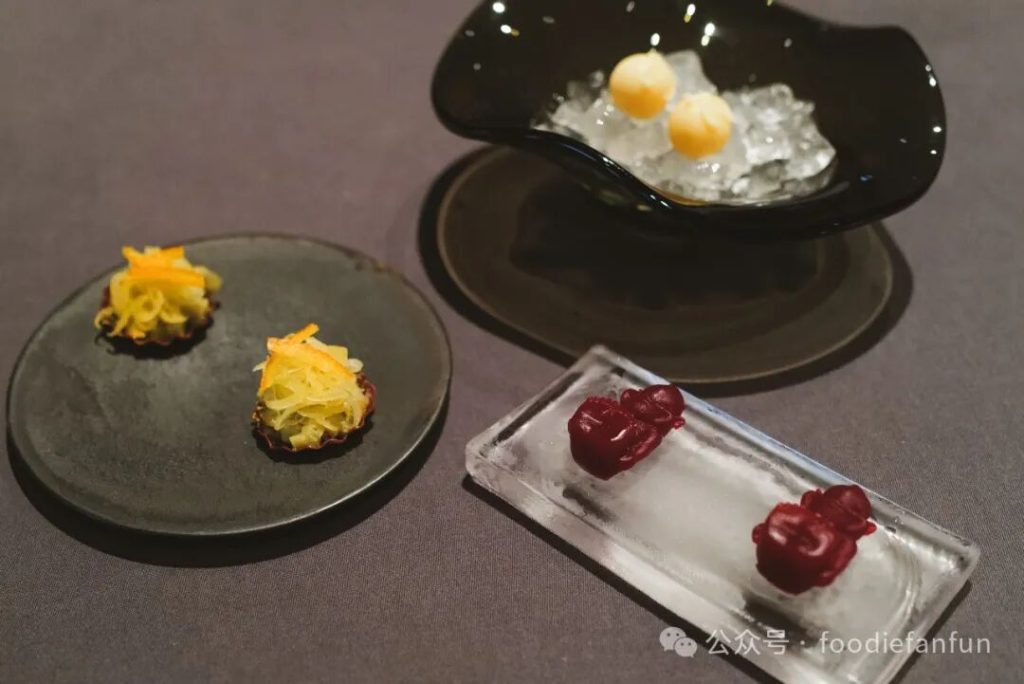
    The dessert course broke from convention — instead of one dish after another, everything arrived at once, all in one go.

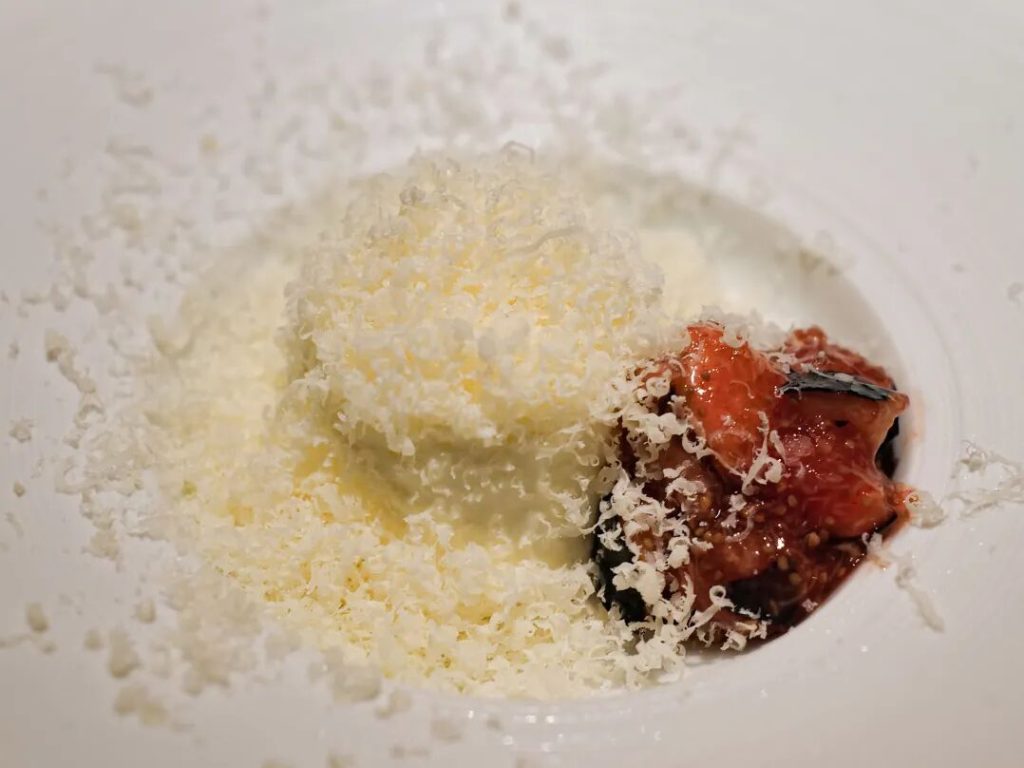
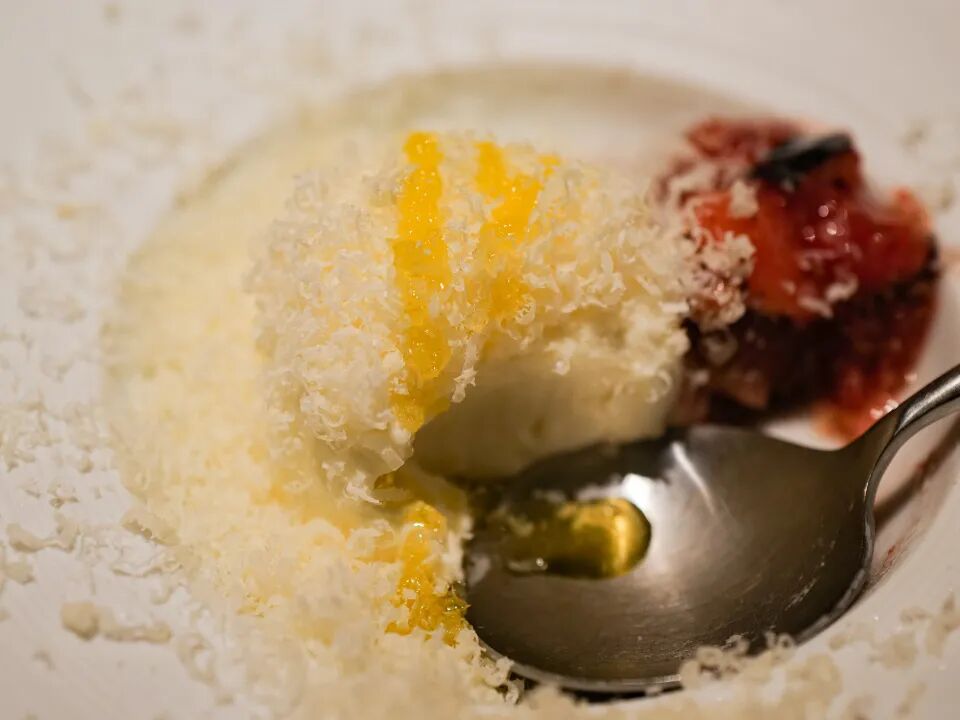
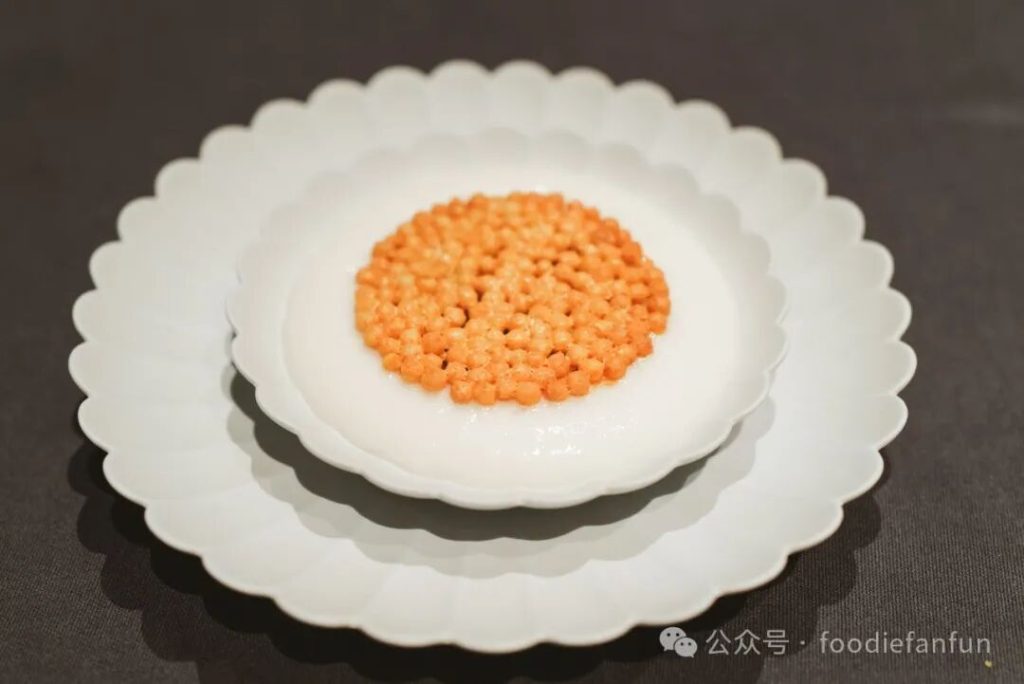
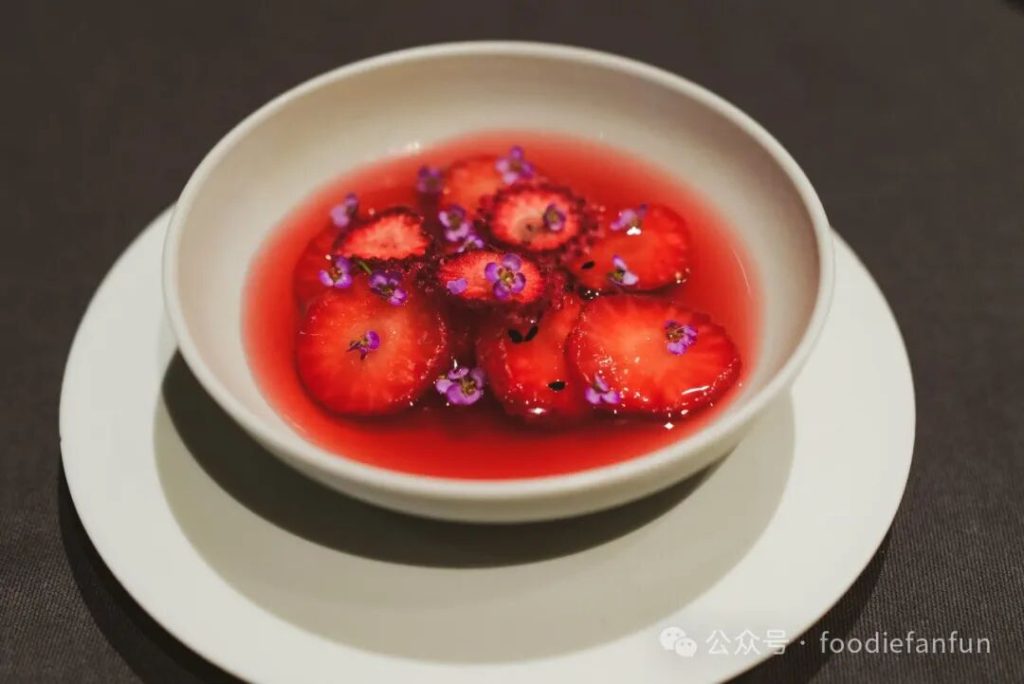
    The sweet potato left no impression, but the strawberry, which looked cloyingly sweet, turned out refreshing instead. Fresh strawberry, fermented strawberry, and a thick strawberry sauce — the whole dessert wove together different layers of acidity and sweetness, while a bright strawberry freshness ran through it all the way to the end.

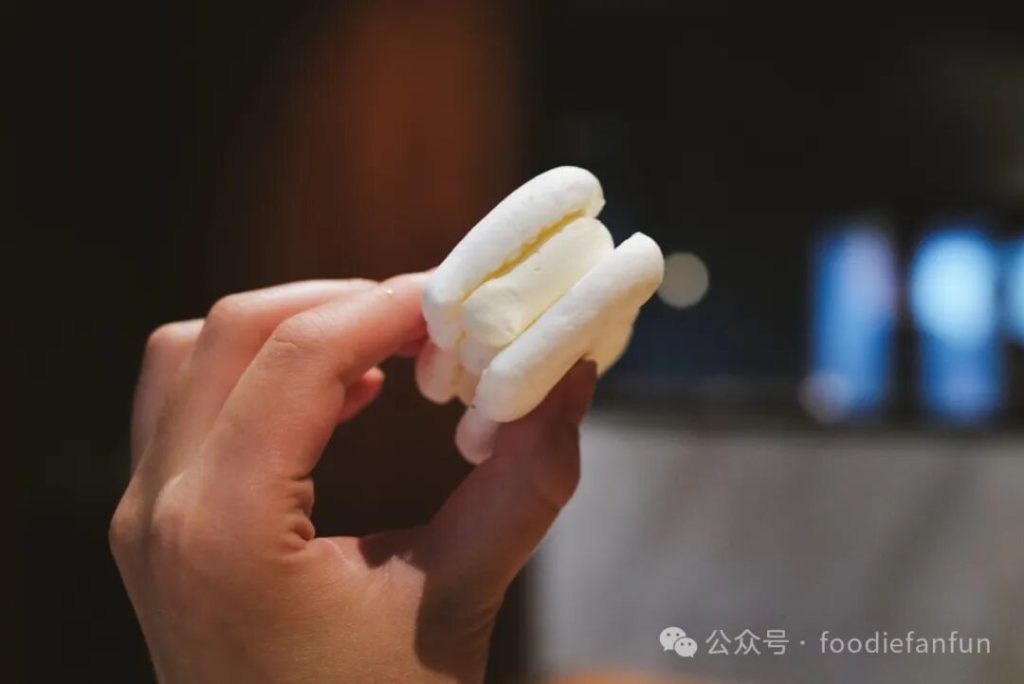
    Marshmallow sandwiched around vanilla ice cream, given a bath in strawberry juice — the translucent, glassy quality was genuinely unforgettable.

    The overall meal exceeded expectations. It’s lost the great pre-pandemic lunch value, but exploring a French kitchen’s approach to highlighting the character of Japanese produce is a rare experience. You could clearly feel the chef having far more fun and imagination with vegetables than with meat — a restaurant worth revisiting once the menu changes.

    Oh, and — turn left out the door and walk to the corner, and be sure to check out the restaurant’s bakery. Based on the whole meal, their baking is not going to disappoint.

    La Cime

    Kawaramachi Usami Building 1F, 3-2-15 Kawaramachi, Chuo-ku, Osaka

    Monday – Saturday

    12:00 PM – 3:00 PM

    6:00 PM – 10:00 PM

    www.la-cime.com

    Chef’s Menu ¥35,200

  • Osaka | Where to Find Good Drinks — A Sake & Wine Guide

    One essential ritual of a Japan trip is buying sake and hitting up sake bars. This piece covers nine spots in Osaka — standing sake bars, izakaya, sake retailers, plus a couple of wine shops and a wine bar.

    Hopefully this guide takes the guesswork out of drinking and buying in Osaka.

    Where to Drink

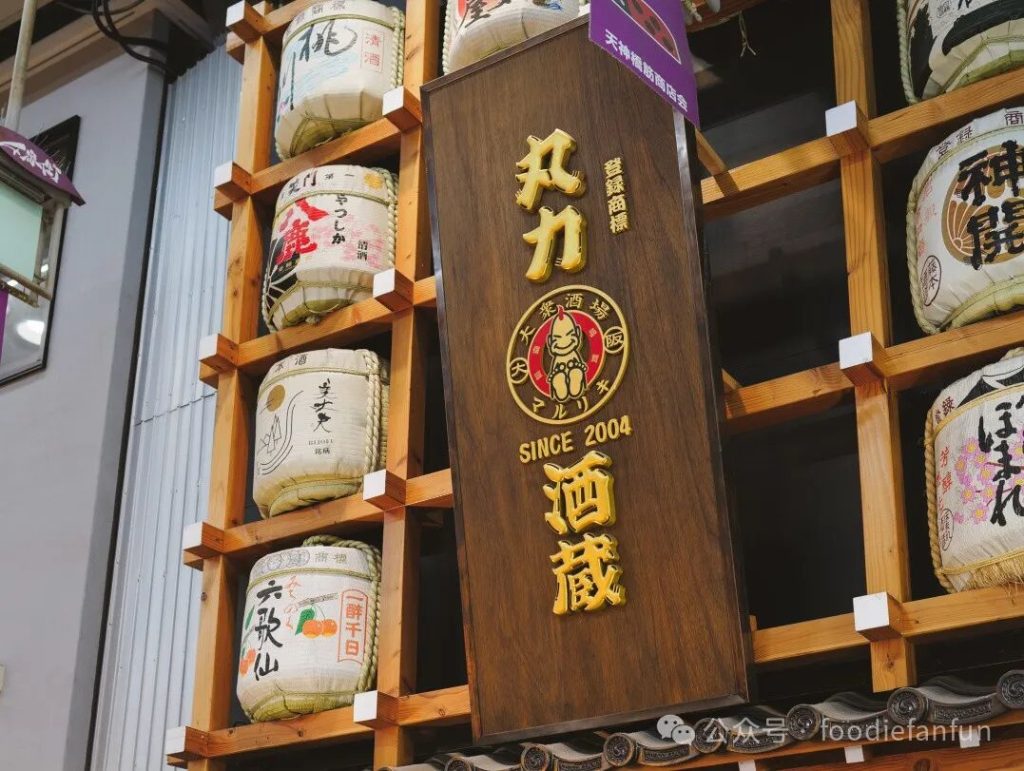
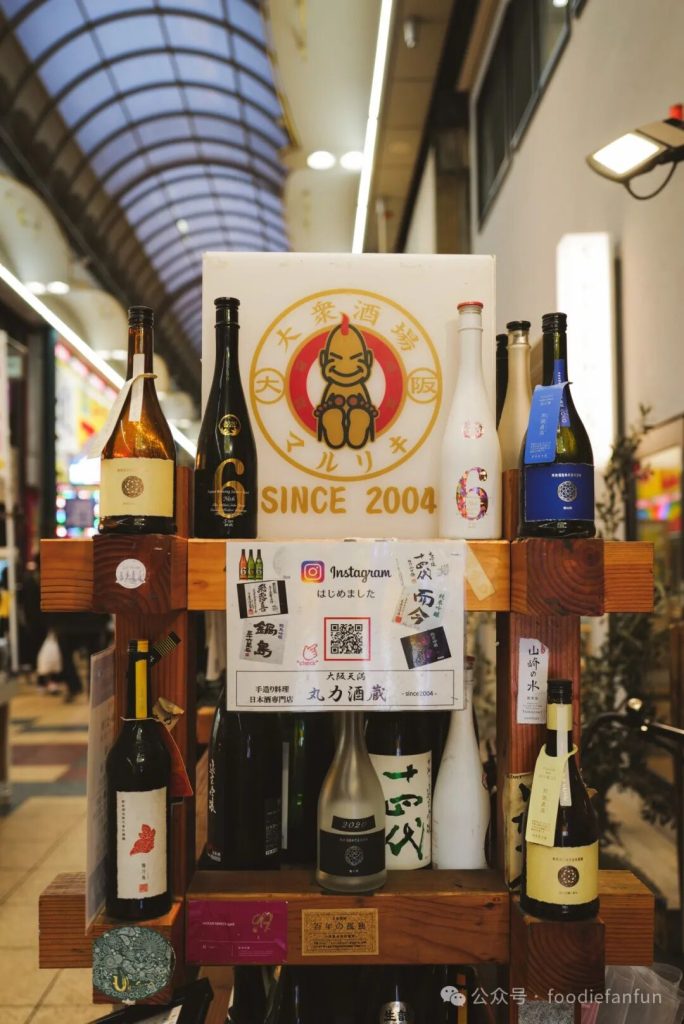
    Taishu Sakaba Maruriki

    Ponshu Tagram The Bar

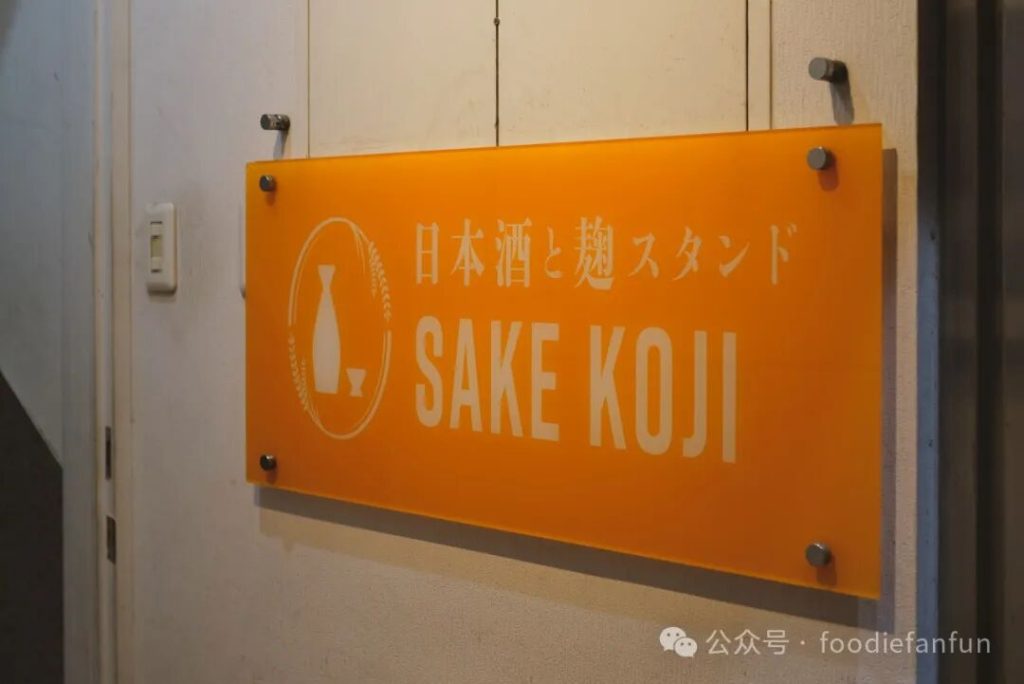
    Nihonshu to Kouji Stand Sake Koji

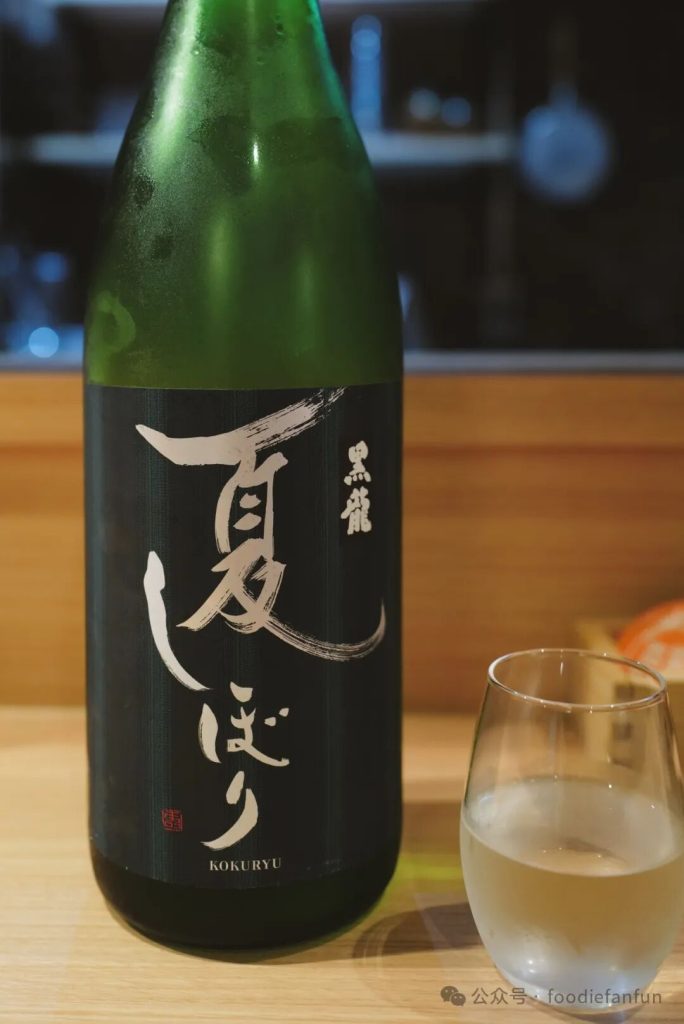
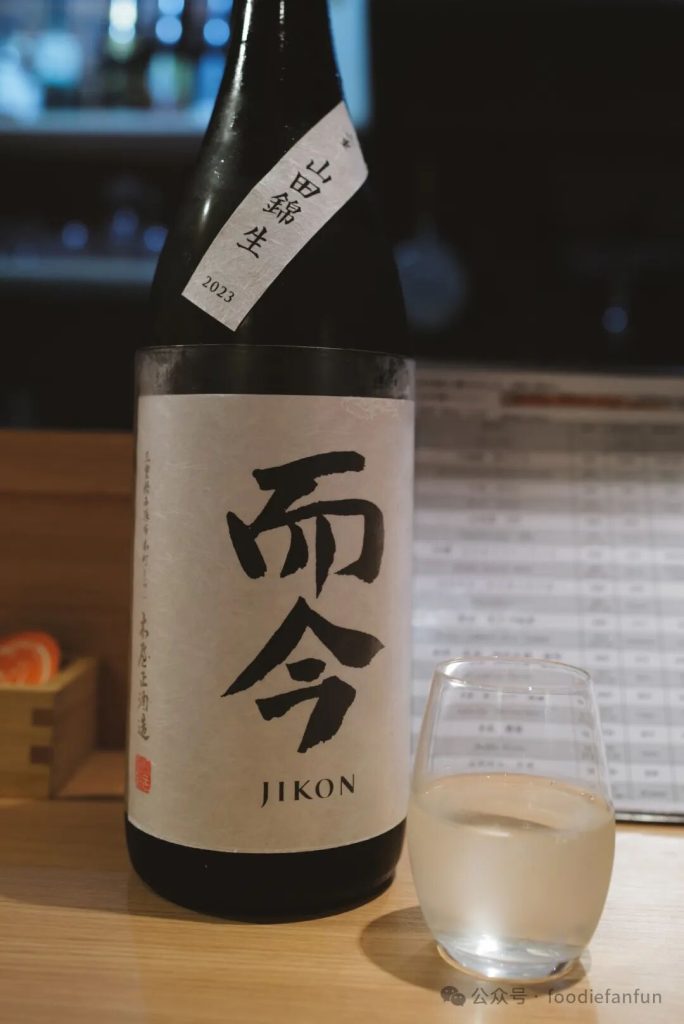
    Asano Sake Shop

    Shinpaku Shinsaibashi SHINPAKU

    Where to Buy

    Yamanaka Sake Shop

    Shimada Shoten

    Where to Find 🍷

    Takamura Wine & Coffee Roasters

    NOAM Wine Bar

    Taishu Sakaba Maruriki

    4-5-6 Tenjinbashi, Kita-ku, Osaka 530-0041

    Phone / Instagram reservation | Walk-in friendly

    A casual izakaya built around seasonal live-fish dishes, and the largest izakaya chain in Osaka by number of locations — first thing to note is you want the flagship branch at Tenjinbashisuji 4-chome.

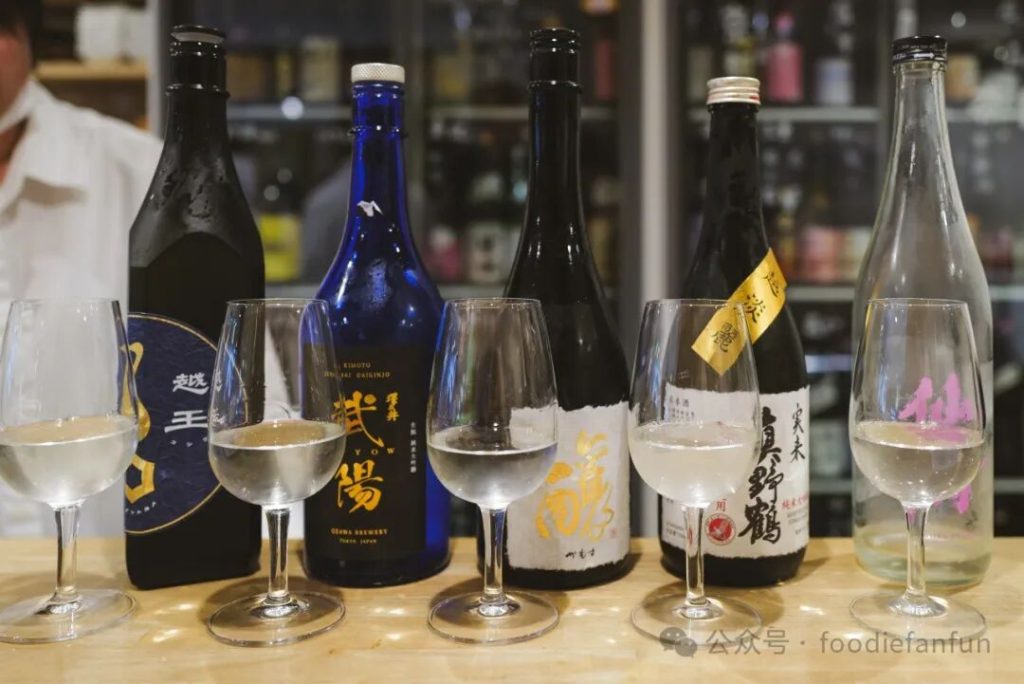
    The shop typically has over 100 sake by the glass, from standards to rarities, including some fun flights — a sweetness-quadrant comparison, and head-to-heads between top-tier labels like Aramasa, Imayotsukasa, and Juyondai. If you’re feeling adventurous, there are rare boutique regional sake to try too.

    Reservations are easy and it’s open every day of the week, with plenty of comparison flights hard to find back home, plus solid food to go with the drinking. Sake lovers in Osaka should save a meal for this one.

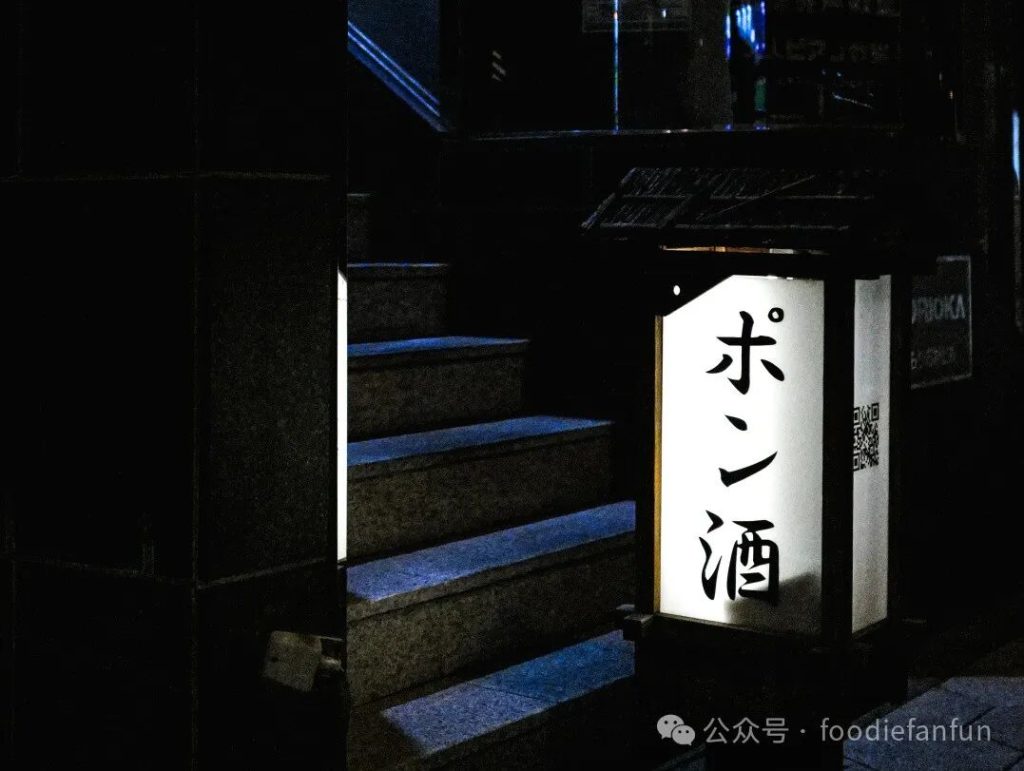
    Ponshu Tagram The Bar

    Todocho Moriyama Building 1F, 1-3-13 Andocho, Chuo-ku, Osaka 542-0061

    Phone / Instagram reservation | Walk-in friendly after 10pm

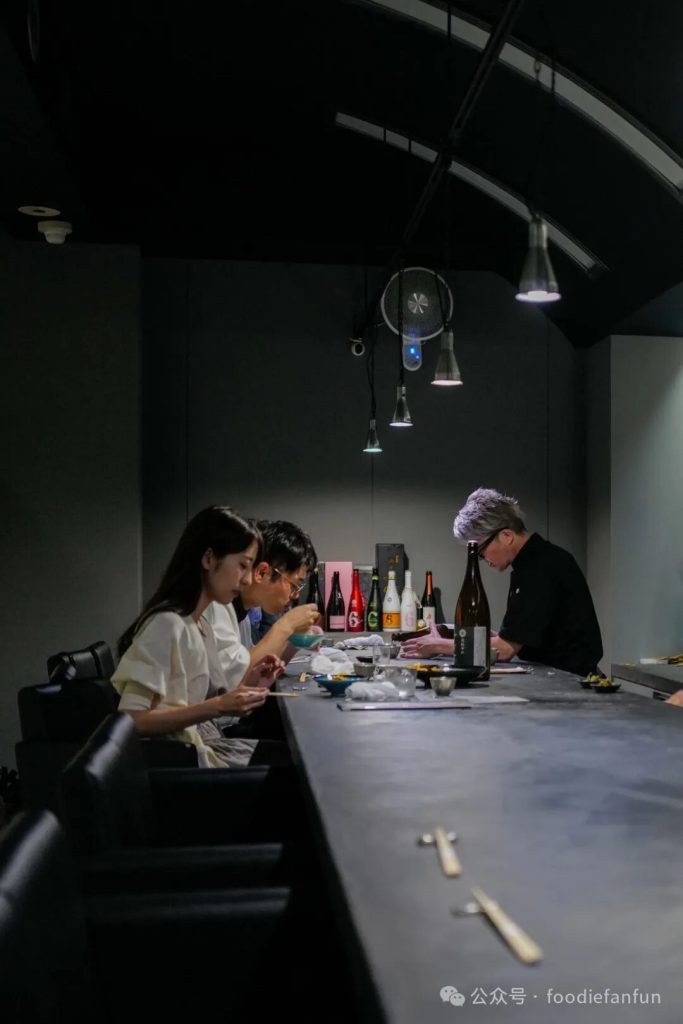
    In no-nonsense Osaka, a friend’s recommendation led us to a sake bar with real personality and an easygoing vibe. The owner is a very extroverted French-Japanese, and while Google Maps makes the per-person price look a bit high at first glance, there’s food factored into that too.

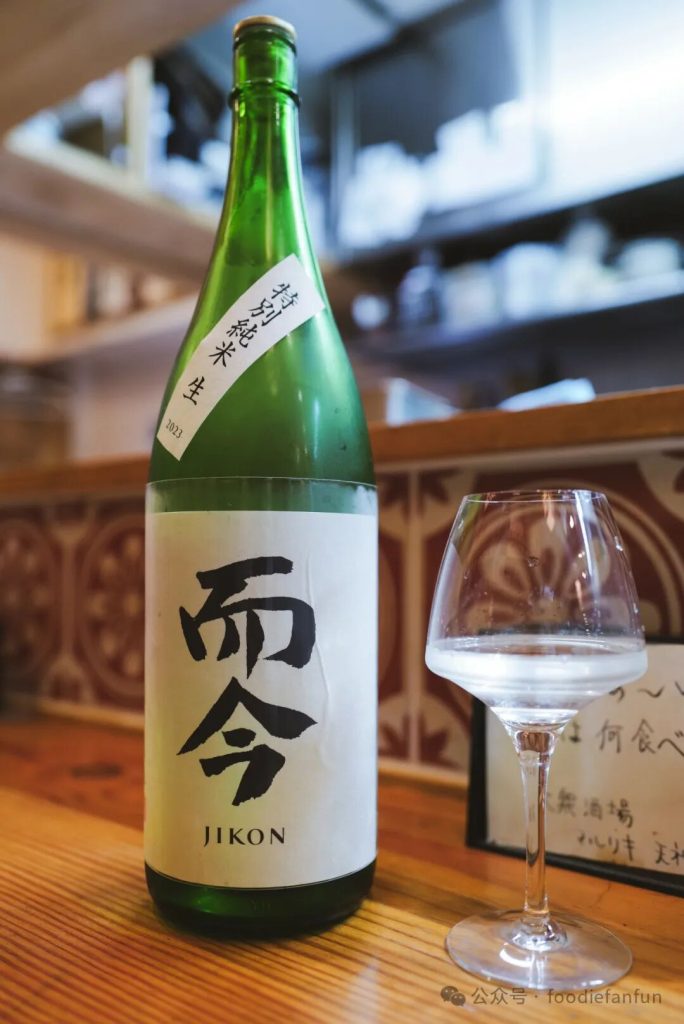
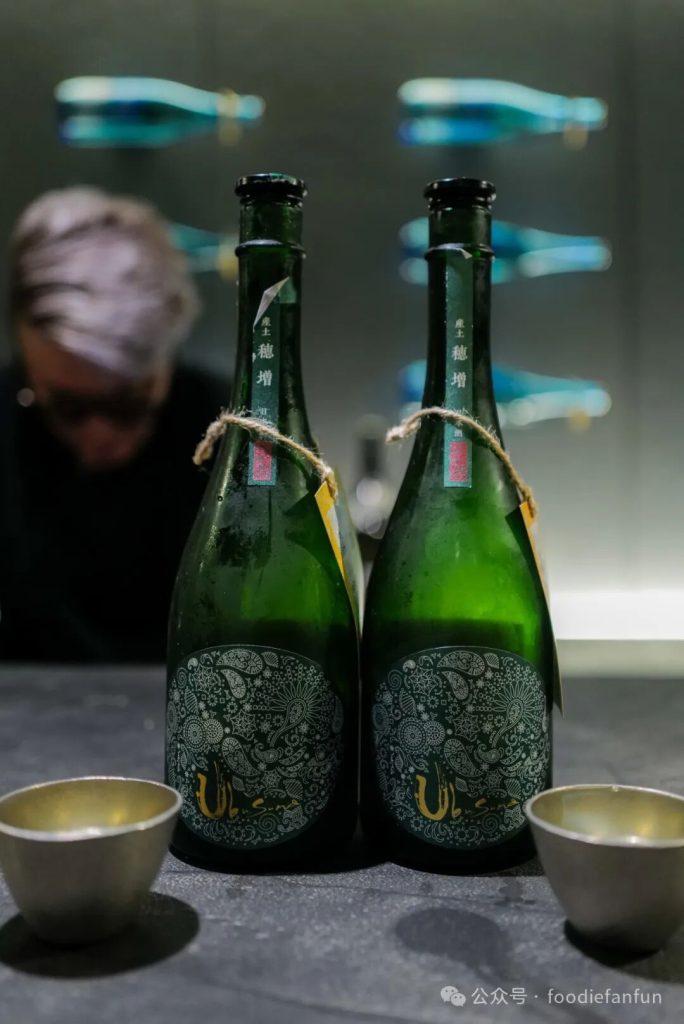
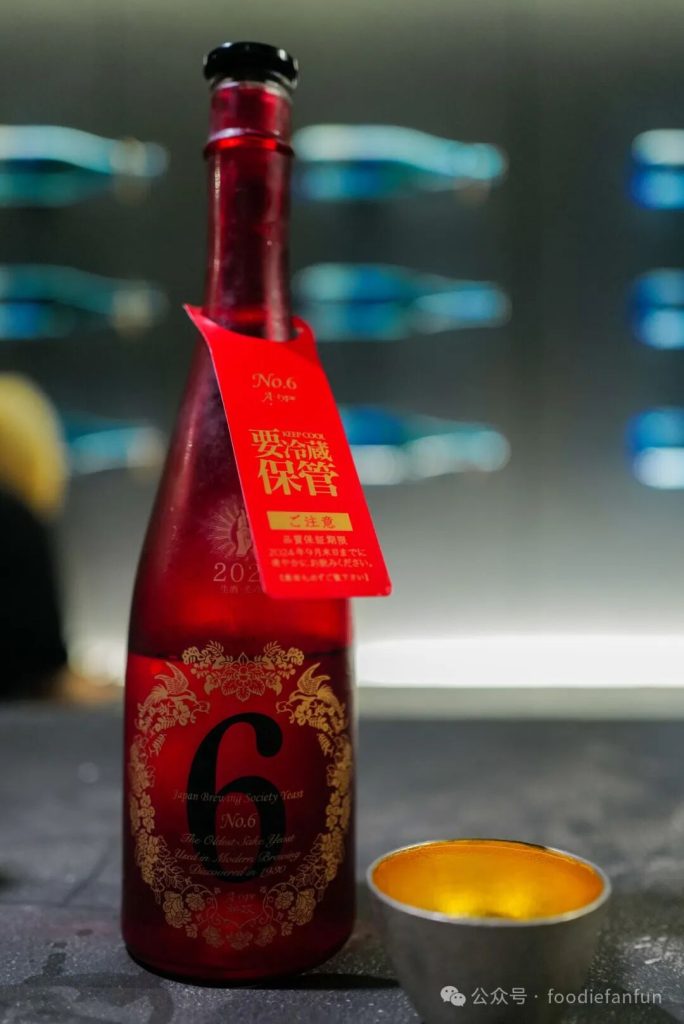
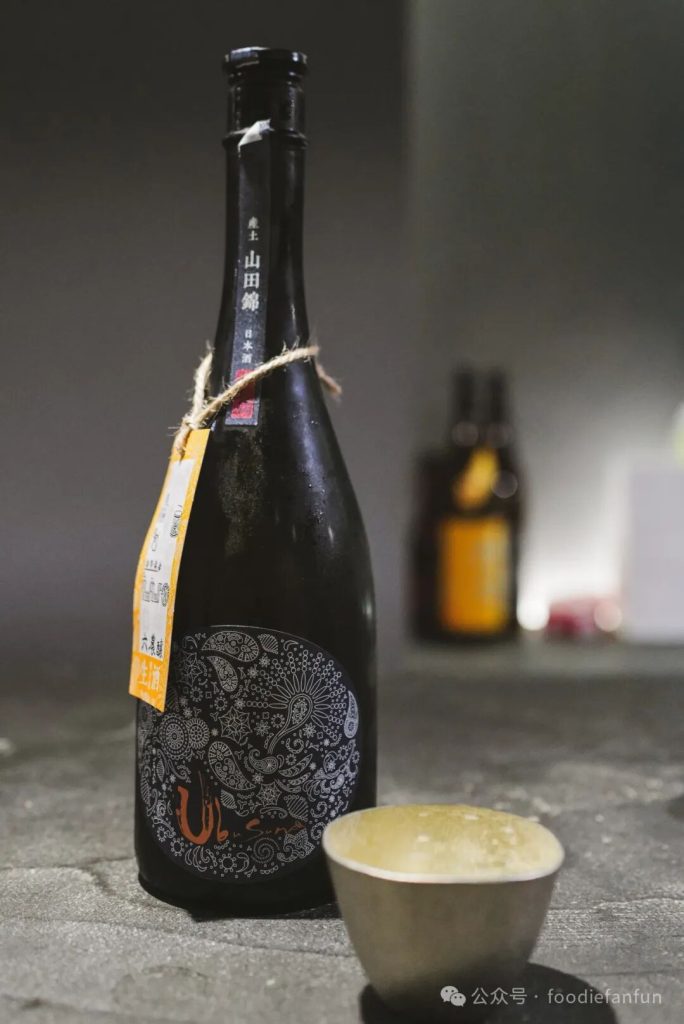
    The regular selection leans toward newer, more exploratory picks, with some rarities poured by the glass. For example, the shop had Aramasa Type A by the glass the second day it was released this year. There’s also Ubuduchi, made in tiny quantities — the shop had bottles No. 4, 5, and 6 open side by side for comparison, all in pristine, fresh condition.

    Worth following the shop’s Instagram directly (ponshutagram_bar) — there’s a constant stream of new-arrival updates.

    The seating is designed for pairs, which makes it very comfortable and safe-feeling for women dining solo.

    On the food side, there are quite a few à la carte options and also a ¥5,500 food-and-drink pairing set. Having tried a few dishes, the takeaway is: even though you can watch the mixed-heritage uncle working hard at the stove, it’s still best to come with a full stomach.

    Nihonshu to Kouji Stand Sake Koji

    Masuzakiya Kawaramachi Building 2F, 4-5-4 Kawaramachi, Chuo-ku, Osaka 541-0048

    Phone reservation | Walk-in friendly

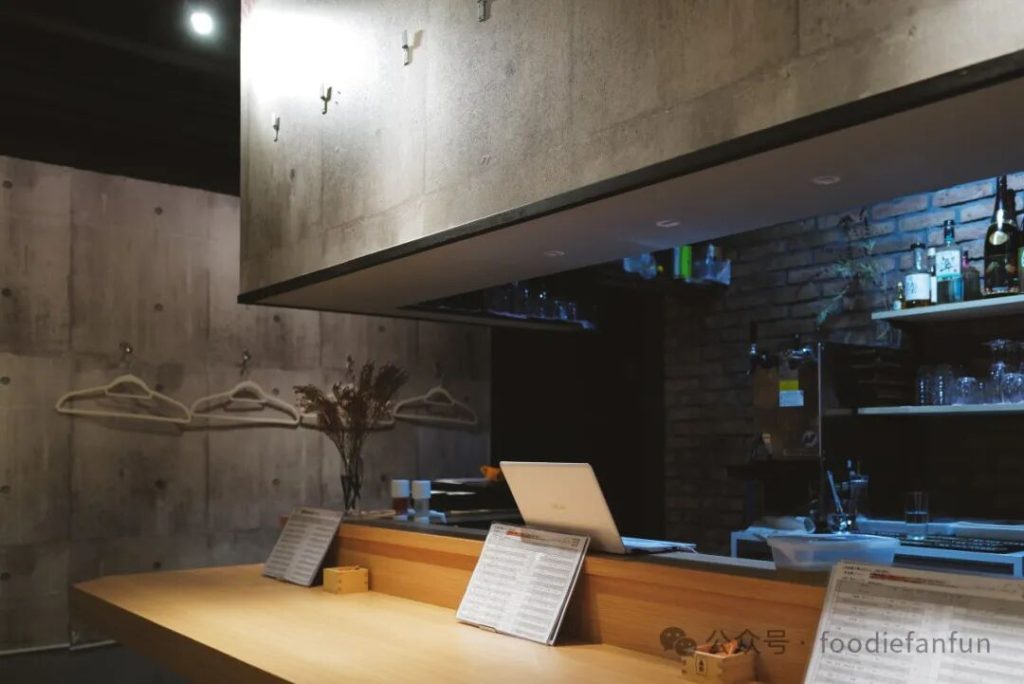
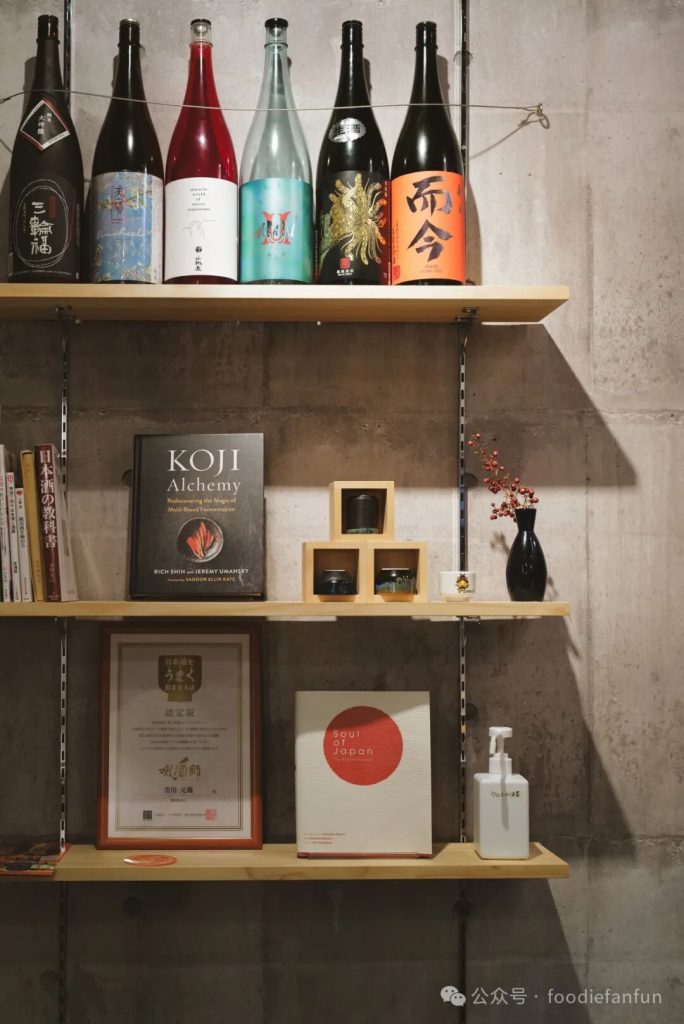
    A small standing-bar shop — the moment you walk in you spot the owner’s kikizake-shi (certified sake sommelier) credentials on display. Not too many customers on a weekend night.

    A glance at the books and menu on the shelves tells you the owner is someone genuinely into the scholarly side of sake. The selection leans traditional, and while the number of glasses on offer isn’t huge, it covers enough flavor quadrants, with thorough data to help newcomers quickly find the sake style they prefer.

    Small in footprint but fully equipped — the food menu isn’t long, but it’s more than enough to satisfy what you need in your mouth while drinking, plus a few koji-based bar snacks that feel like the owner’s own creations.

    Absolutely a great entry-level spot for sake beginners and friends looking for a casual drink and a taste of sake’s charm.

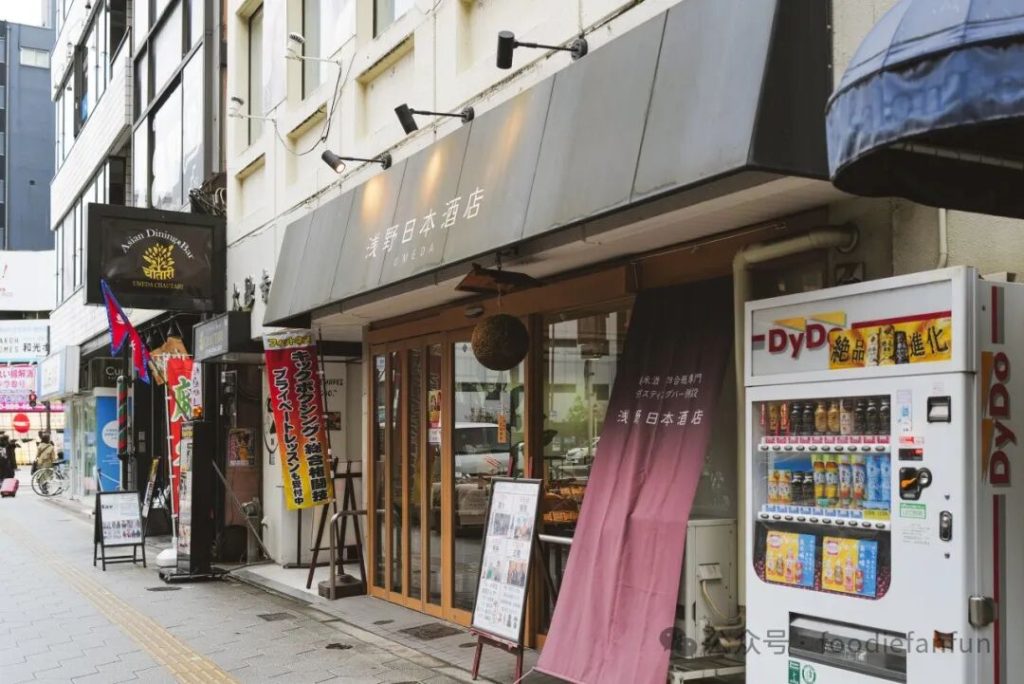
    Asano Sake Shop

    Taiyuji Building 1F, 2-17 Taiyujicho, Kita-ku, Osaka 530-0051

    Sake retailer | Walk-in friendly

    There aren’t many sake shops open on Sundays, and this one is within walking distance of Umeda. The shop’s whole philosophy is junmai purism, no 1.8L bottles for sale, try-before-you-buy, daytime-drinking friendly, and relaxation-focused — at first glance, it feels like its own little garden carved out of bustling Greater Umeda.

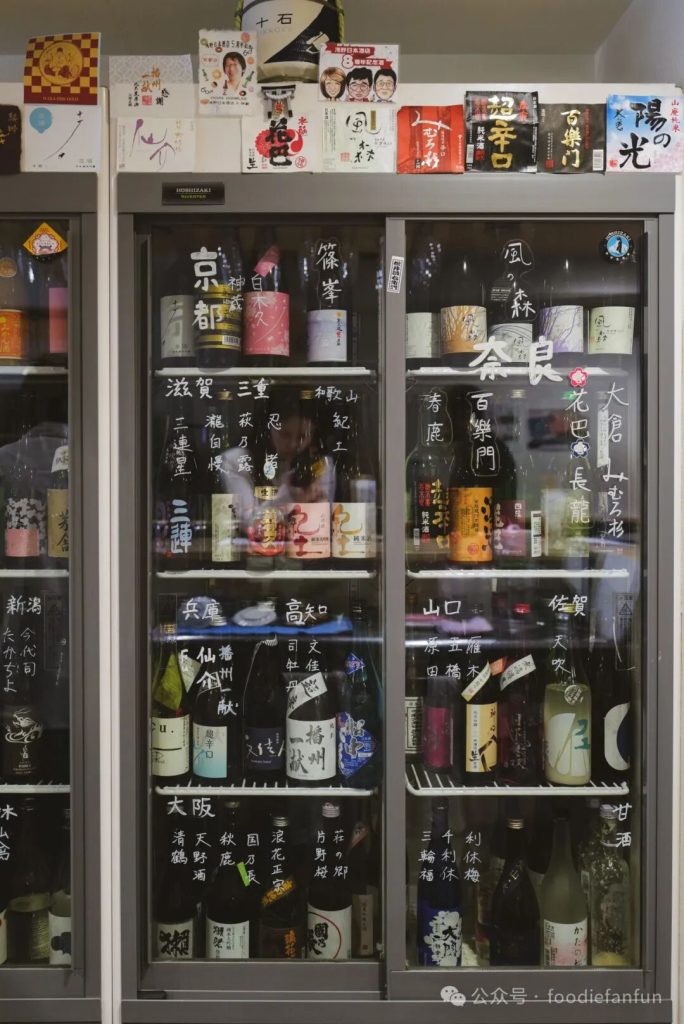
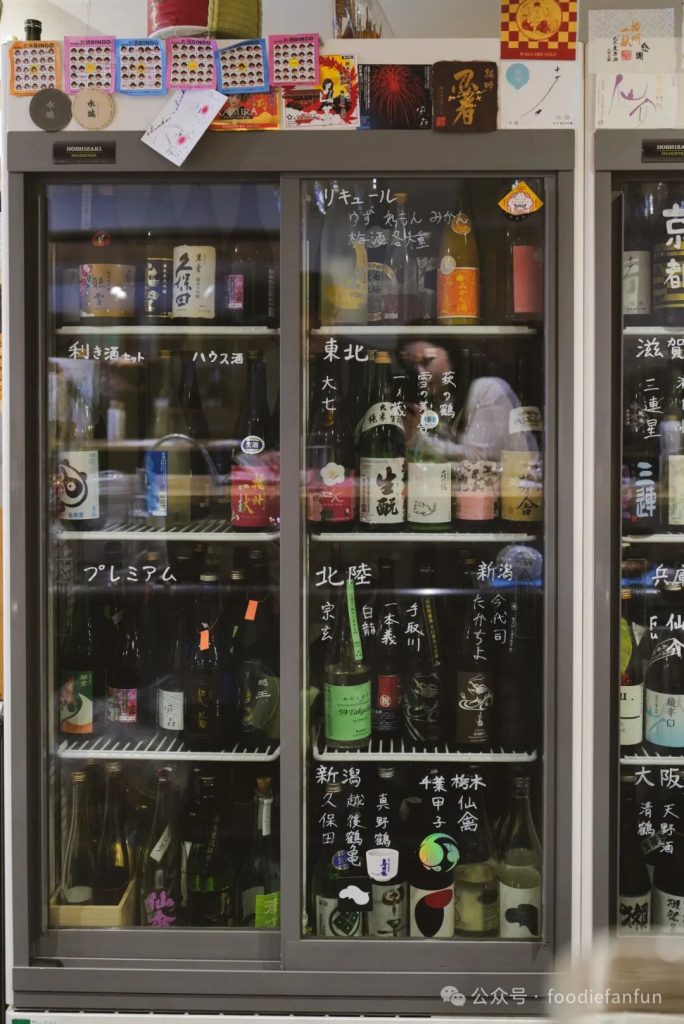
    The shop isn’t big, but two fridges packed full of by-the-glass bottles cover a wide range, from classic labels to top-tier picks. Bottles are finely organized by region and product grade, showing a clear, deliberate selection logic.

    A transit-friendly shop that’s also great for beginners to figure out their own sake flavor preferences.

    All-you-can-drink & Premium Sake

    Shinpaku Shinsaibashi

    1-2-19 Higashi-Shinsaibashi, Chuo-ku, Osaka 542-0083

    Phone / website reservation | Walk-in friendly (because it’s empty)

    When we bookmarked this shop there were two locations — Tosabori and Shinsaibashi. Never expected the former to be fully booked one day while the latter had only two tables.

    The interior is quite bare-bones, no food is served, but takeout is available, or there’s a convenience store right next door.

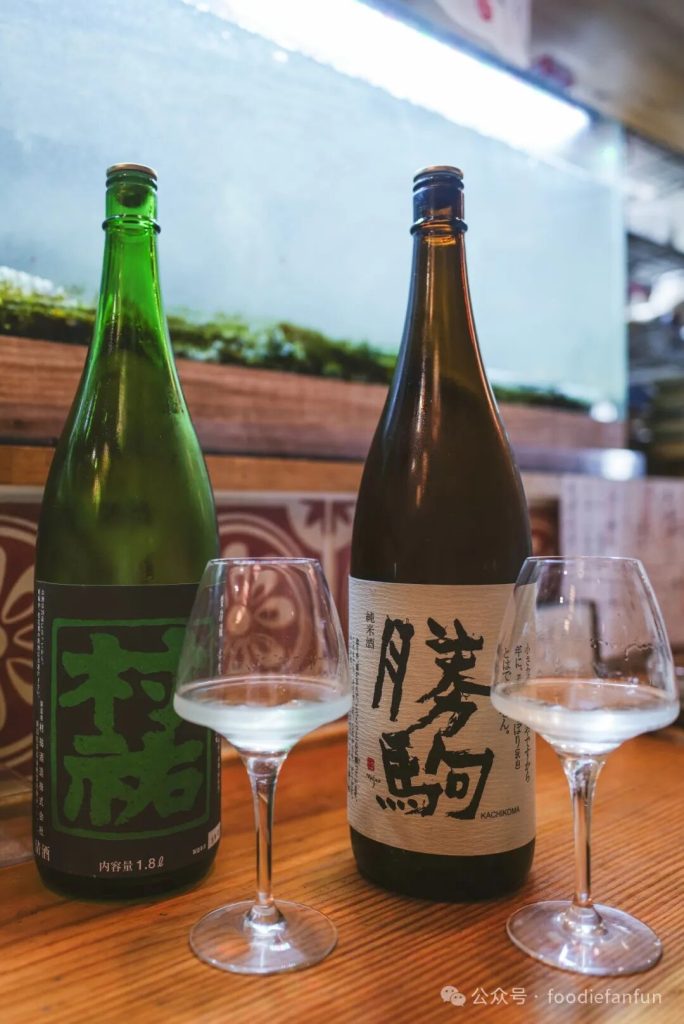
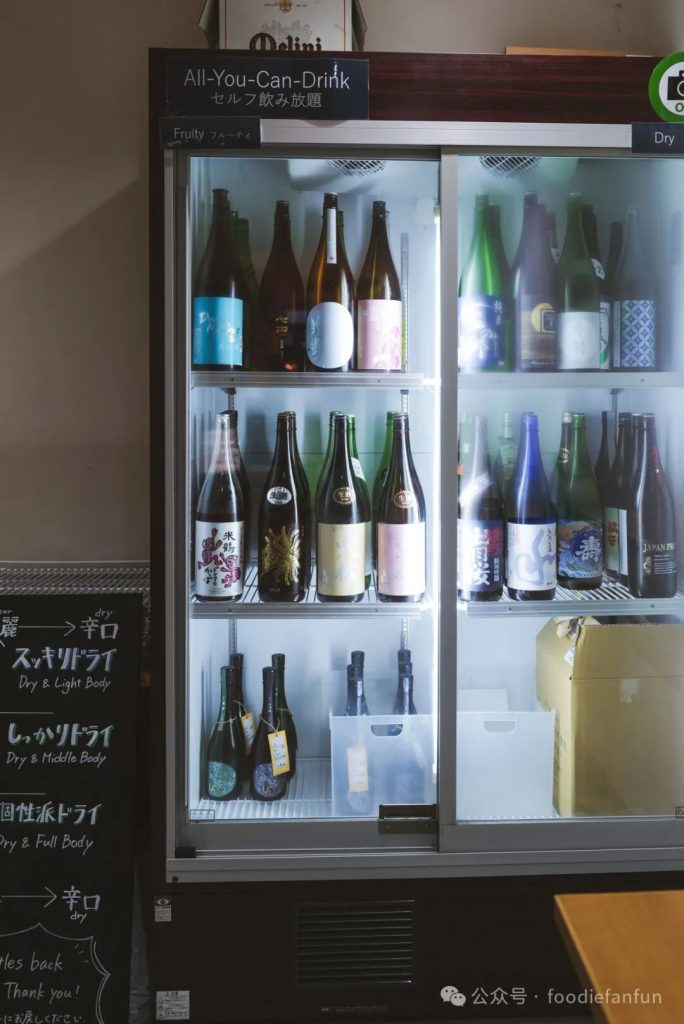
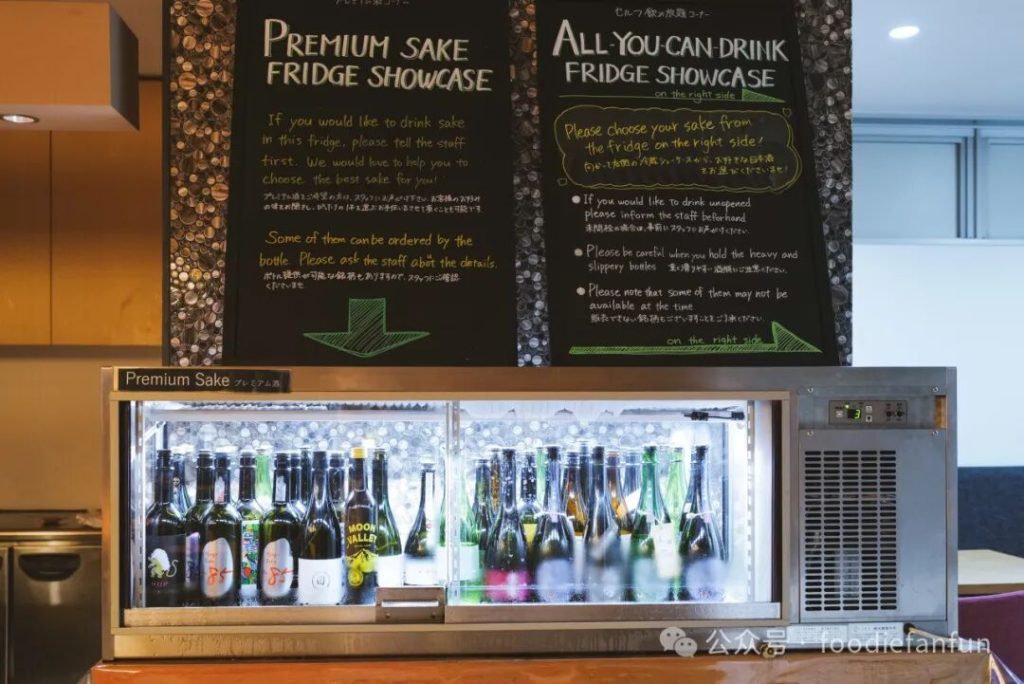
    The sake falls into two categories: a 30-minute timed all-you-can-drink selection of 1.8L bottles ranging from dry to fruity, all built for big, indulgent drinking; and a display case of by-the-glass bottles, some limited editions, though the value for money doesn’t compare well against other shops.

    Good for a group of friends here for all-you-can-drink fun, but sake lovers looking to drink seriously should head to the Tosabori location instead.

    Yamanaka Sake Shop

    1-10-19 Shikitsunishi, Naniwa-ku, Osaka 556-0015

    Sake retailer | Walk-in friendly

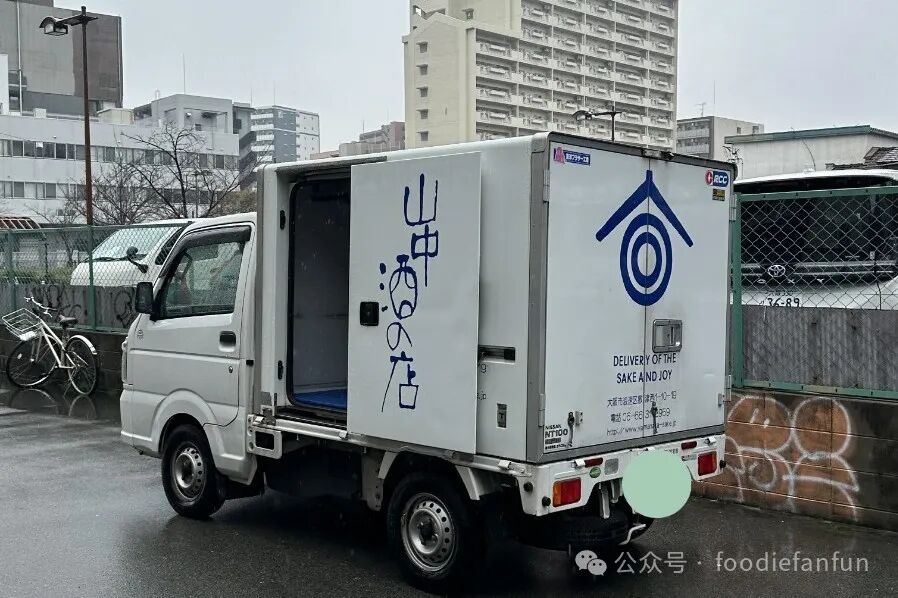
    Probably the biggest sake retailer in Osaka — open for fifty years, with over a thousand labels in stock.

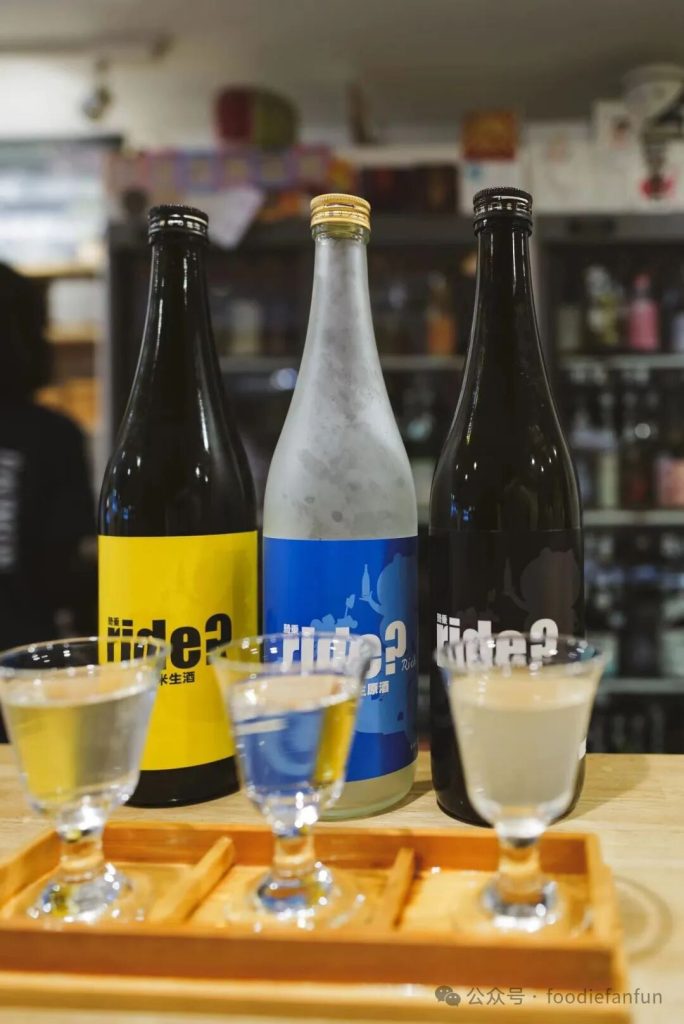
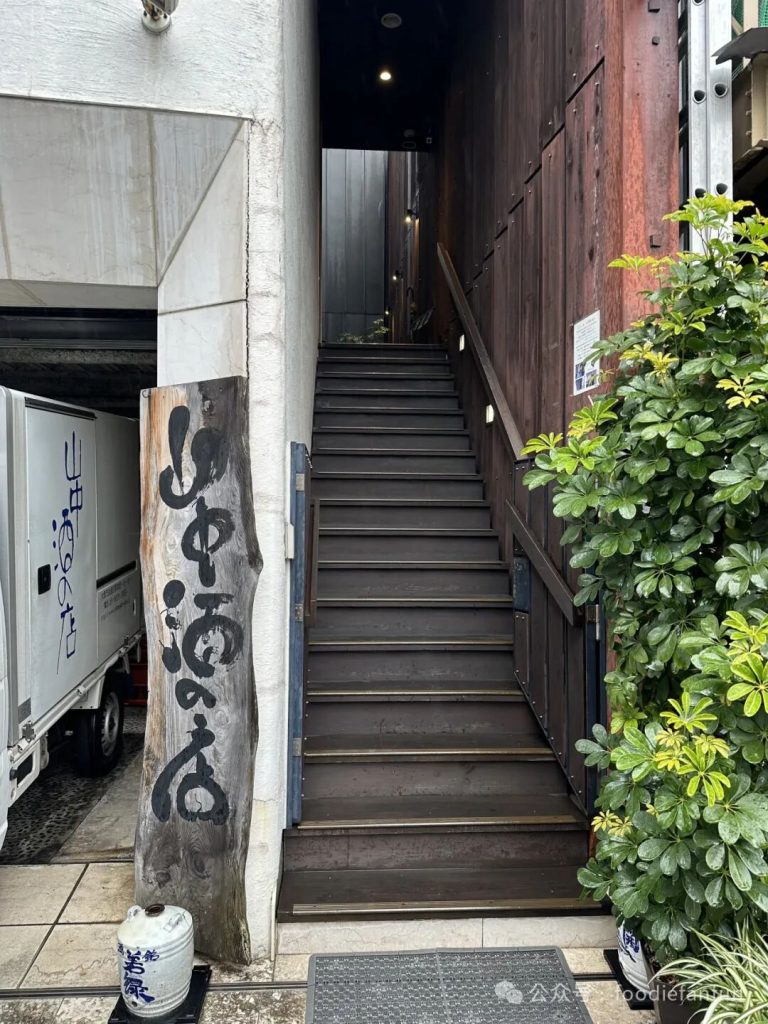
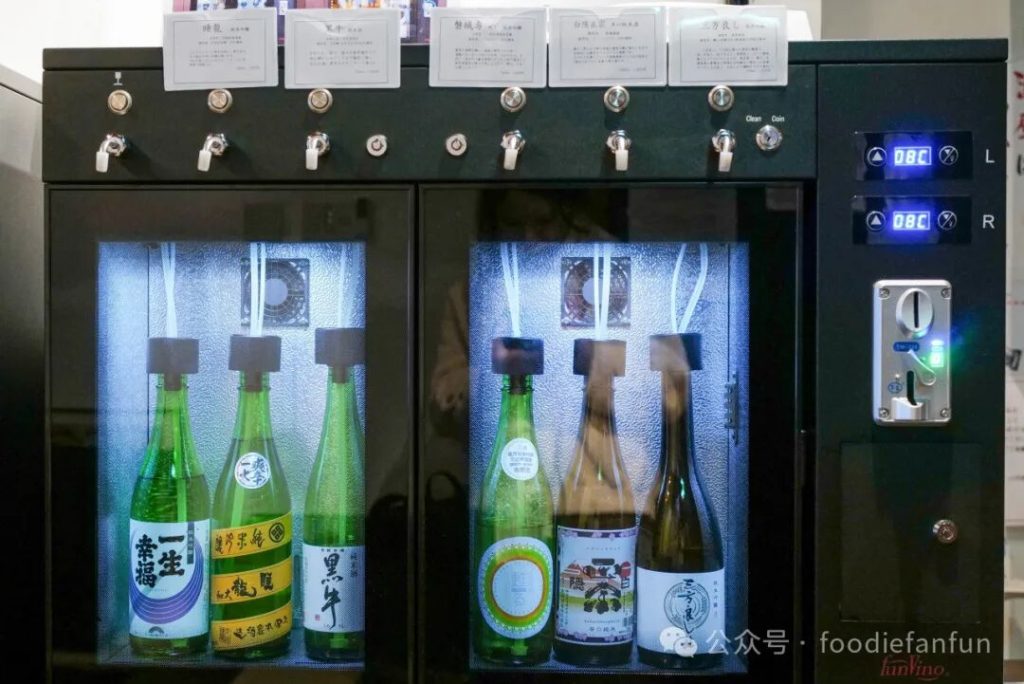
    The ground floor of the small white building is a garage and storage area; climb to the second floor for the reception hall, where you can buy coin-operated glasses from a selection of 50-plus labels. Priced reasonably for a taste, at ¥110 per glass.

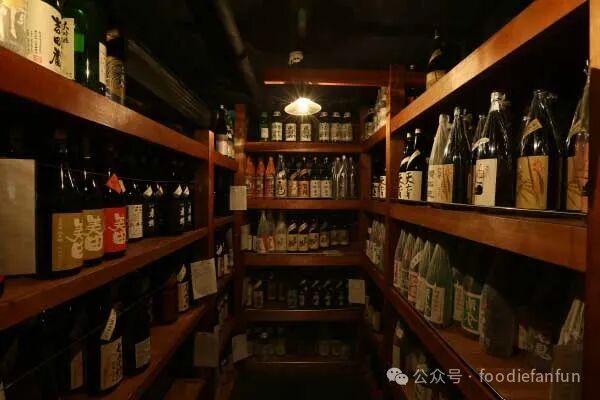
    The third floor is the main event — the cellar is split into three blocks, storing pasteurized sake, daiginjo, and namazake at different temperatures. Grab a down jacket at the staircase before heading up in summer — the namazake storage room is kept at sub-zero temperatures year-round.

    An unmissable stop for buying sake in Osaka!

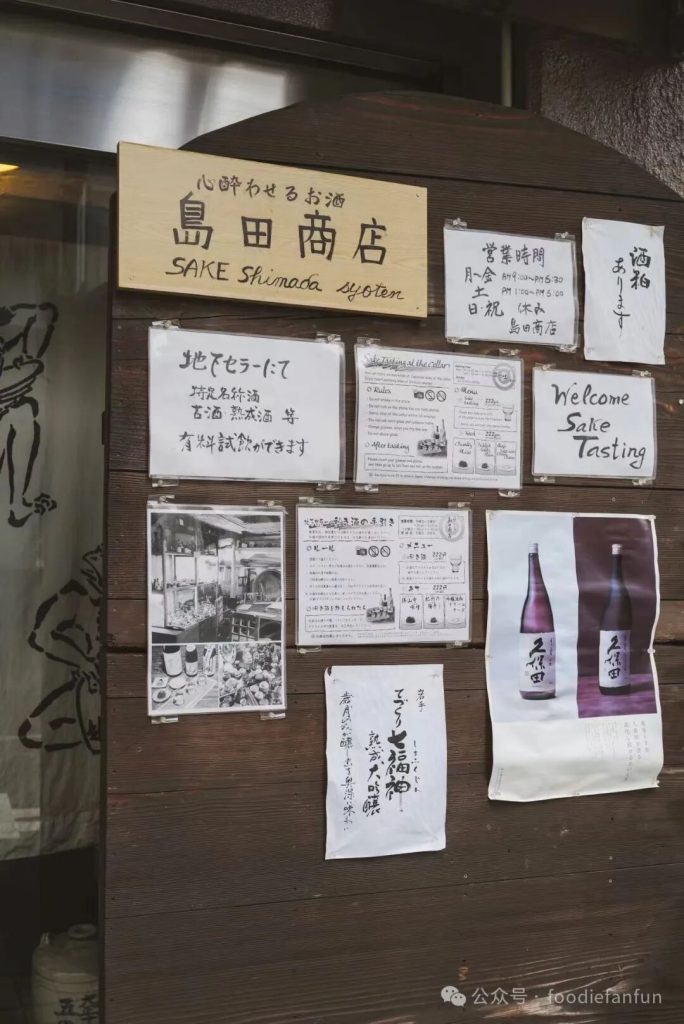
    Shimada Shoten

    3-5-1 Tateuriho, Nishi-ku, Osaka 550-0001

    Sake retailer | Walk-in friendly

    This is the legendary “old man’s sake shop” of Osaka lore, founded in Showa 29 (1954) and now with a 70-year history, run by a father-and-son pair. The shop focuses on named-category sake — ginjo, junmai, and honjozo — though in recent years they’ve also started carrying a small amount of wine and whisky.

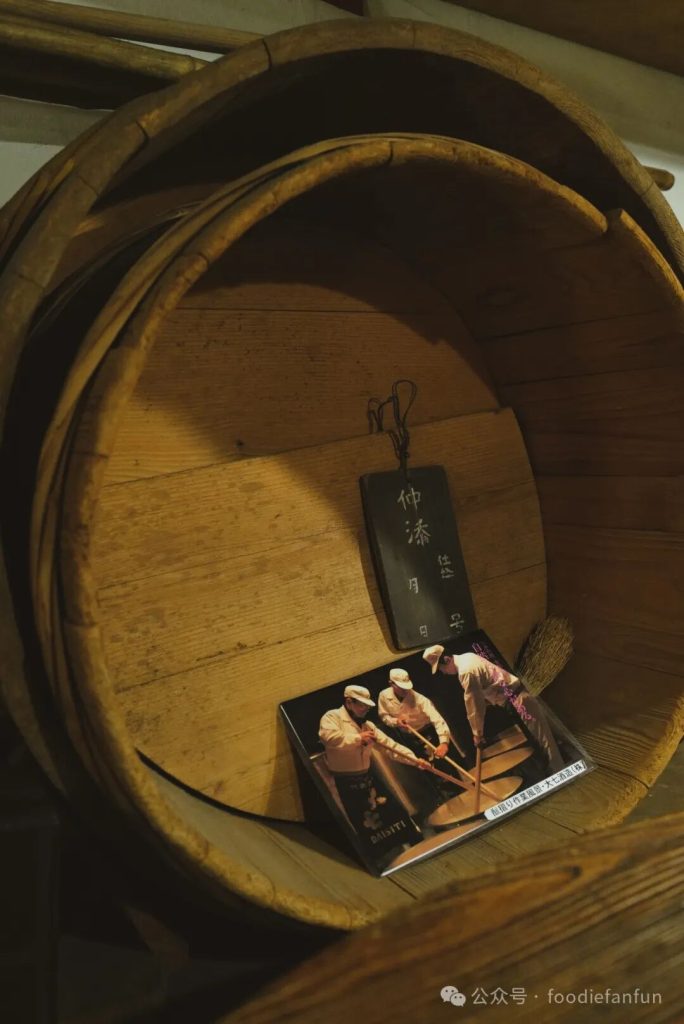
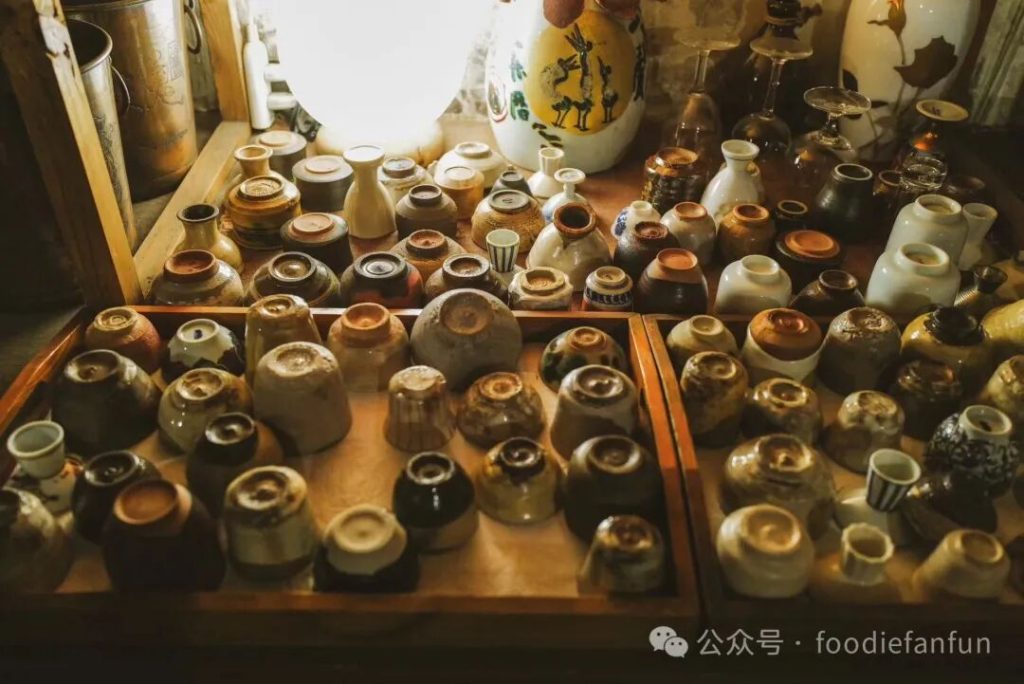
    Once inside, the grandfather warmly leads you down to the basement tasting room, where you’ll find plenty of sake-brewing tools and explanations on display. Both father and son speak good English, and they’ll recommend a ¥220-per-glass tasting, guiding you through comparisons using tasting cups and a katakuchi pouring vessel.

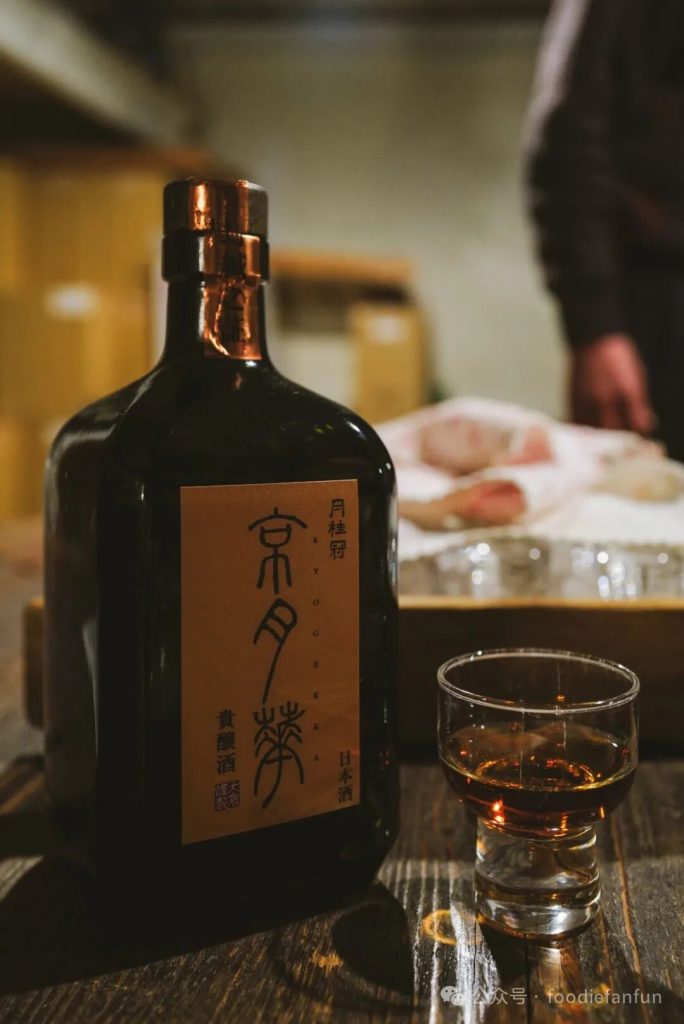
    Compared to Yamanaka, Asada’s selection leans more toward aged and matured sake — the shop has a 30-year-aged Gekkeikan that delivers genuinely surprising depth and tension.

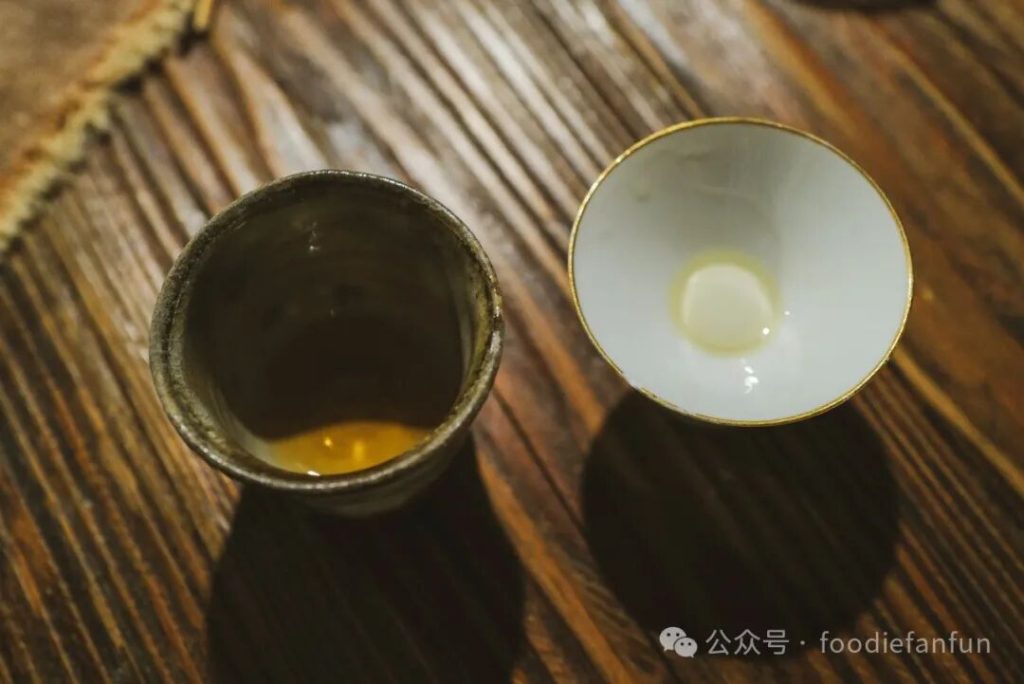
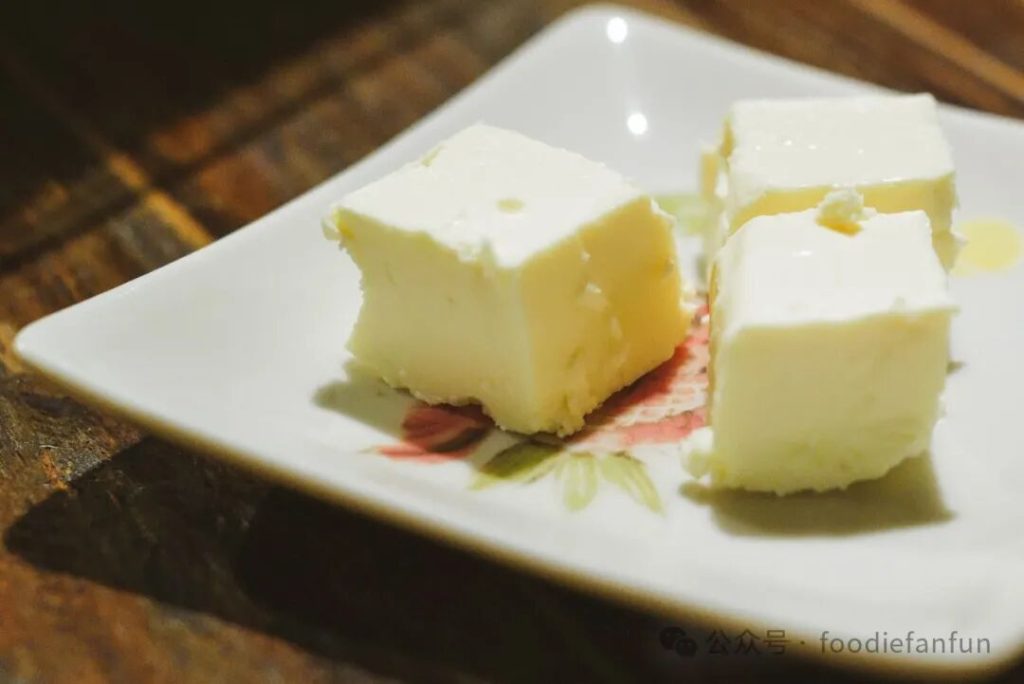
    If you’re into “old man sake,” this is a must-visit. Don’t forget to pick up a piece of koji cheese.

    Takamura Wine & Coffee Roasters

    2-2-18 Edobori, Nishi-ku, Osaka 550-0002

    Wine retailer | Walk-in friendly

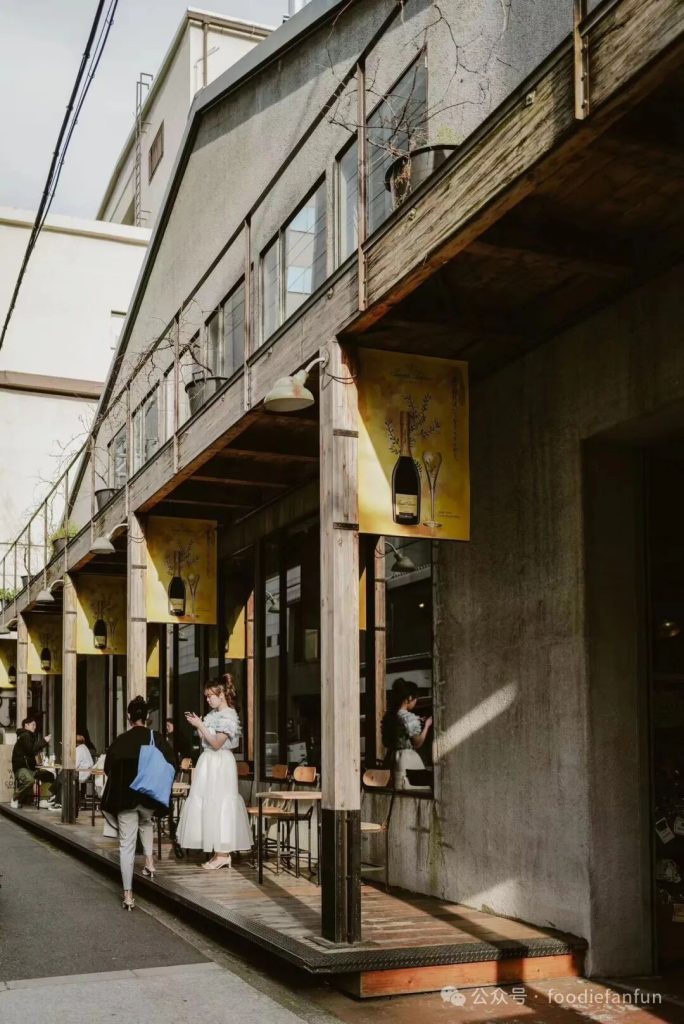
    A genuinely surprising boutique wine-plus-coffee shop, and a must-visit space for drink lovers in Osaka.

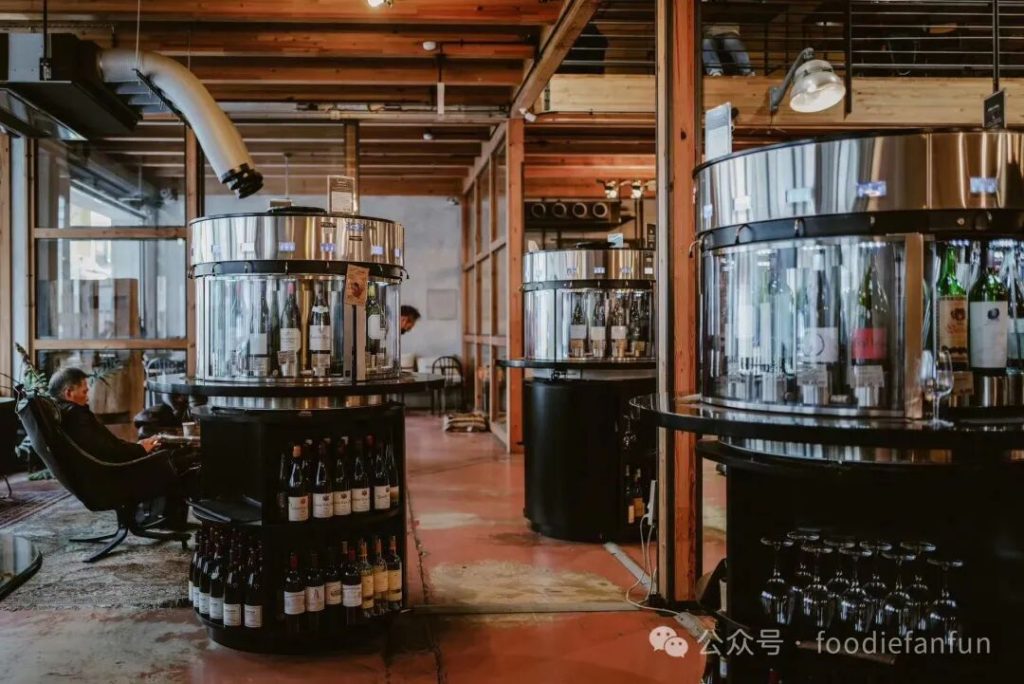
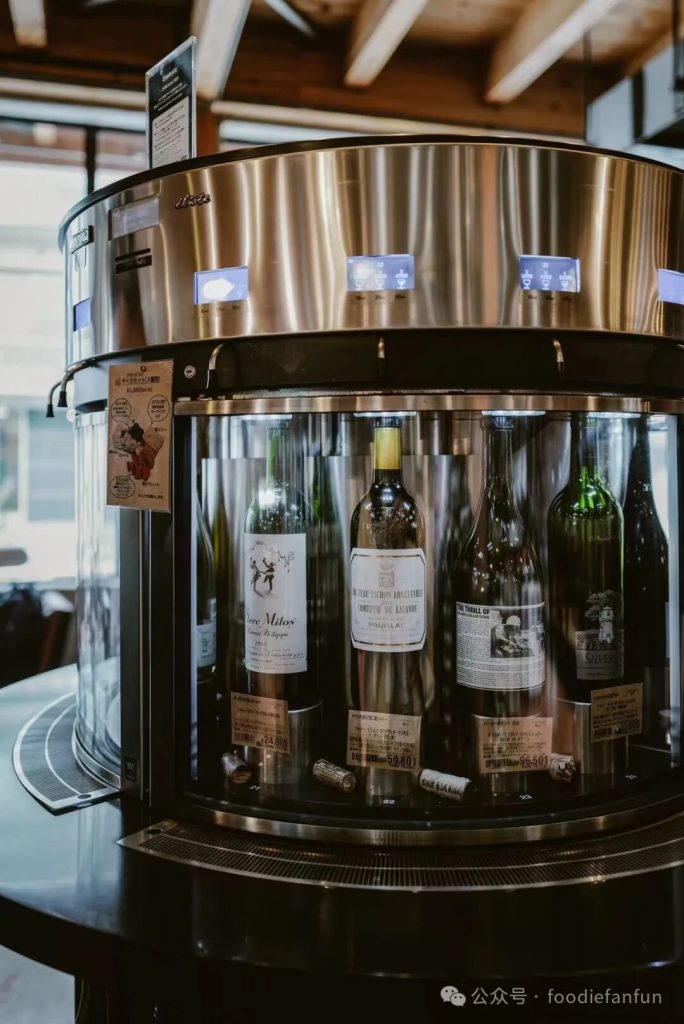
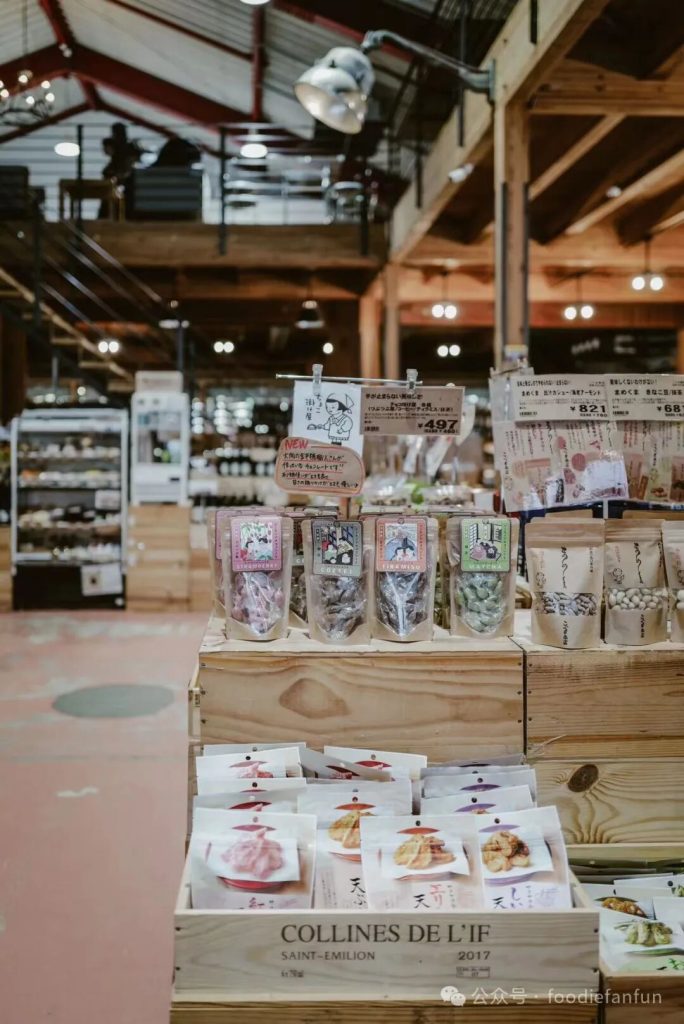
    Inside the 200-square-meter industrial-style warehouse, you’re greeted by several large wine-dispensing machines right at the entrance — everything from everyday drinkers to grand cru estates and even old vintages, poured by the glass in 25-50ml pours, self-served with a card tap. Prices range from a few hundred yen to over ten thousand, plenty to satisfy your curiosity. (That said, we don’t recommend splurging on the really top-tier bottles here — the value isn’t great and the condition is only average.)

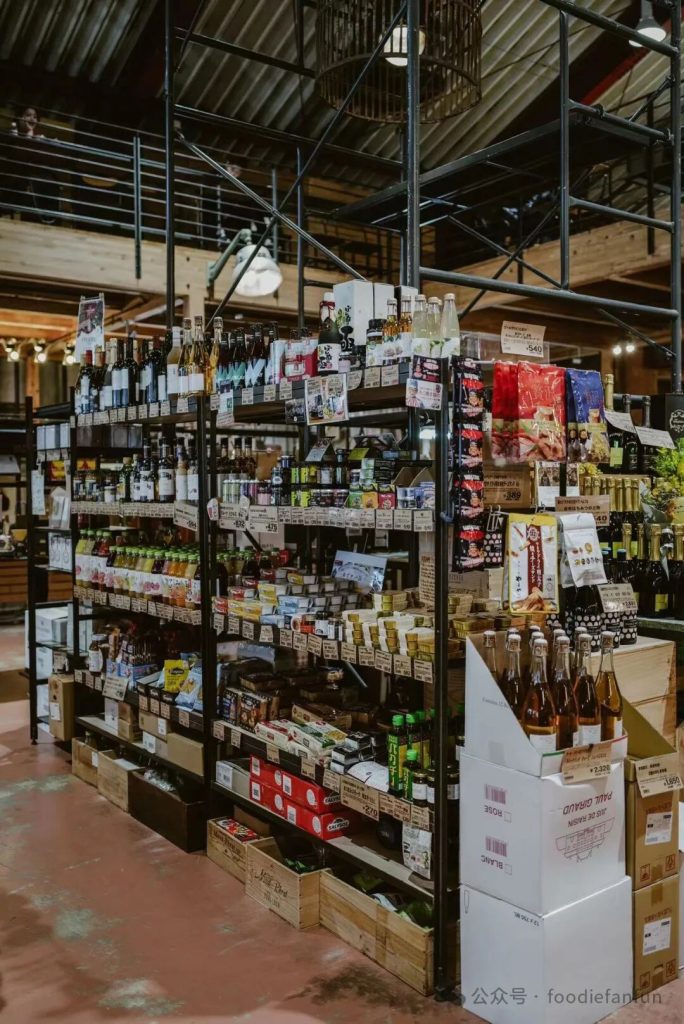
    Cross past the wine-accessories section and you’ll find the temperature-controlled cabinets at the back, stocked with over 3,500 wine labels to shop from — dig carefully and you can find some older vintages.
    On the other side of the space is a large-scale coffee roaster, and the pour-overs include plenty of award-winning beans — solid bean quality, and meticulous roasting.

    Overall, well worth a visit — just make sure to set aside extra time and cash!

    Wine Bar NOAM

    1-17-27 Higashi-Shinsaibashi, Chuo-ku, Osaka 542-0083

    Nippo New Columbus Building 2F

    Wine Bar | Website / phone reservation | Walk-in friendly

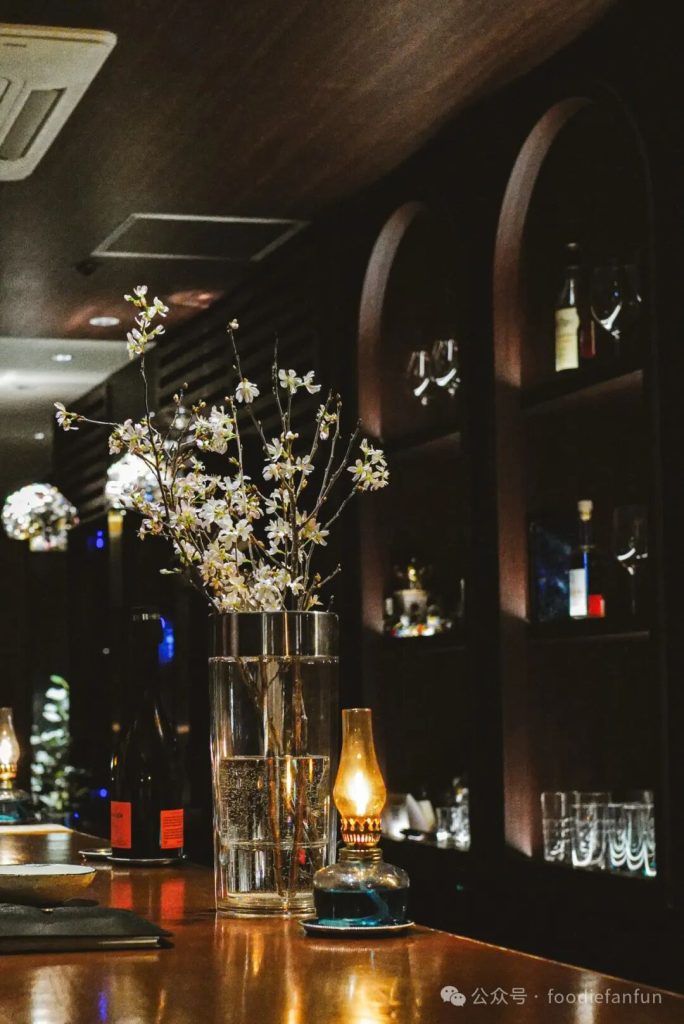
    A wine bar recommended by serious domestic wine lovers, tucked away in Shinsaibashi with a really lovely atmosphere.

    Bottle prices are reasonable for a wine bar, but what’s really appealing is the by-the-glass selection.

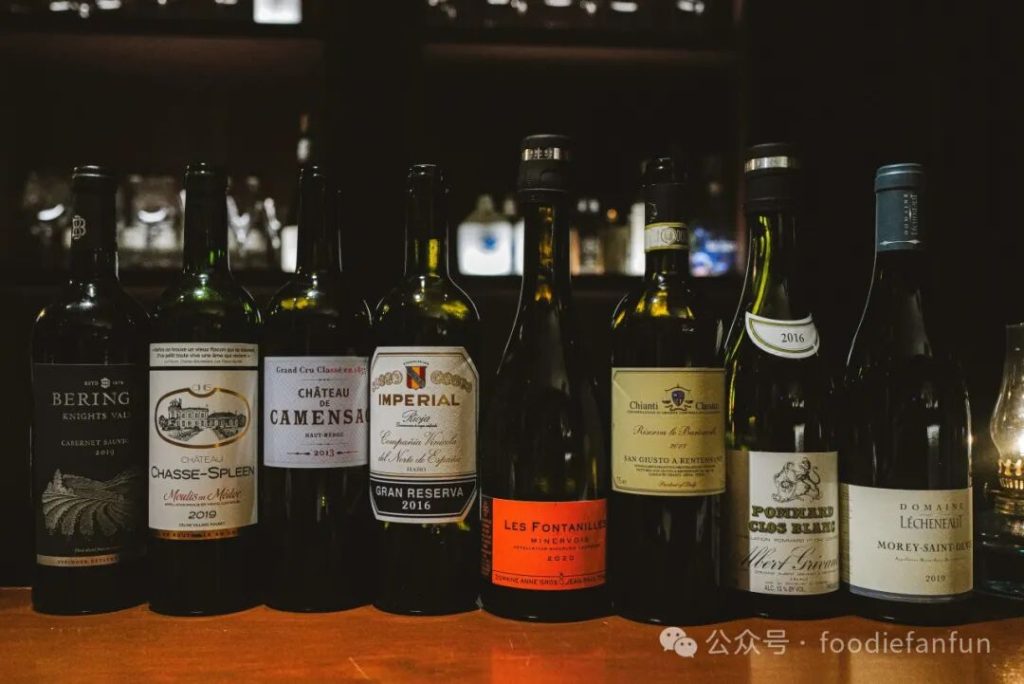
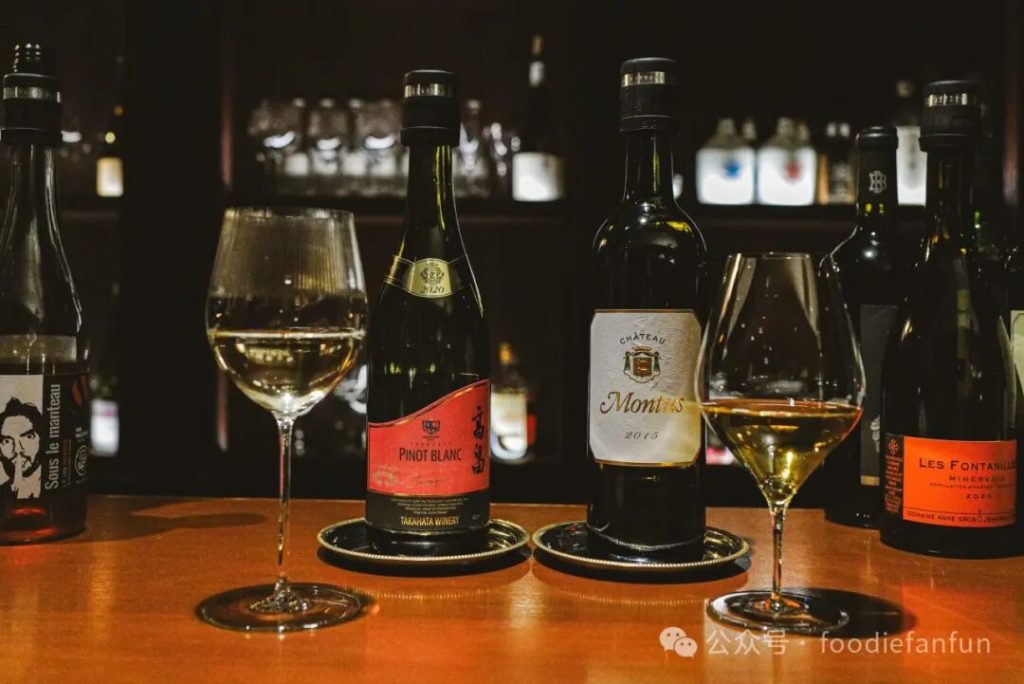
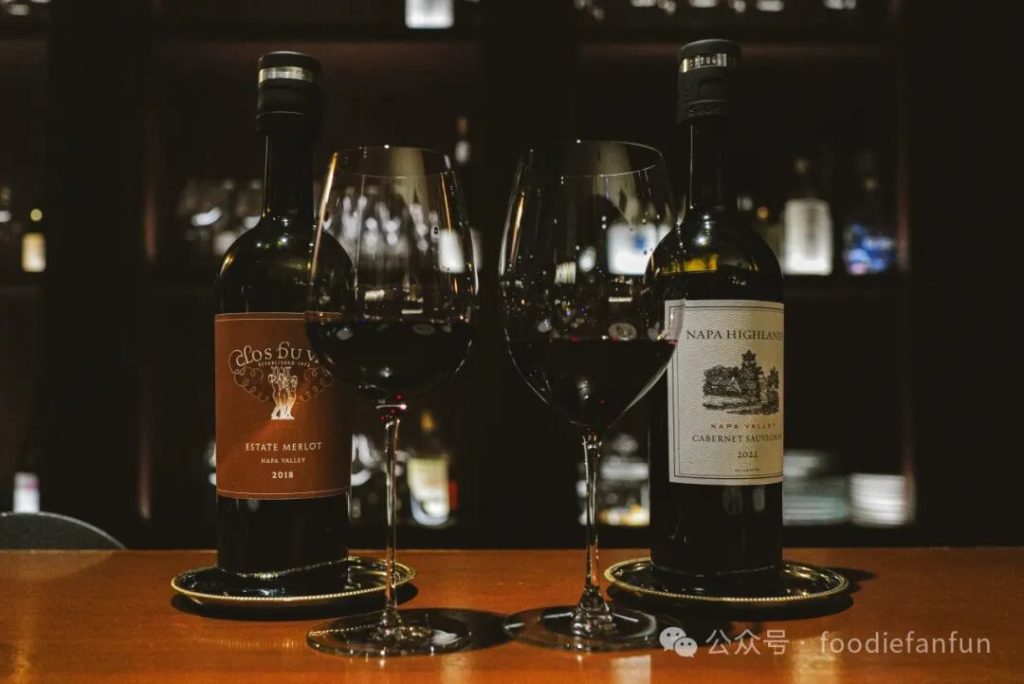
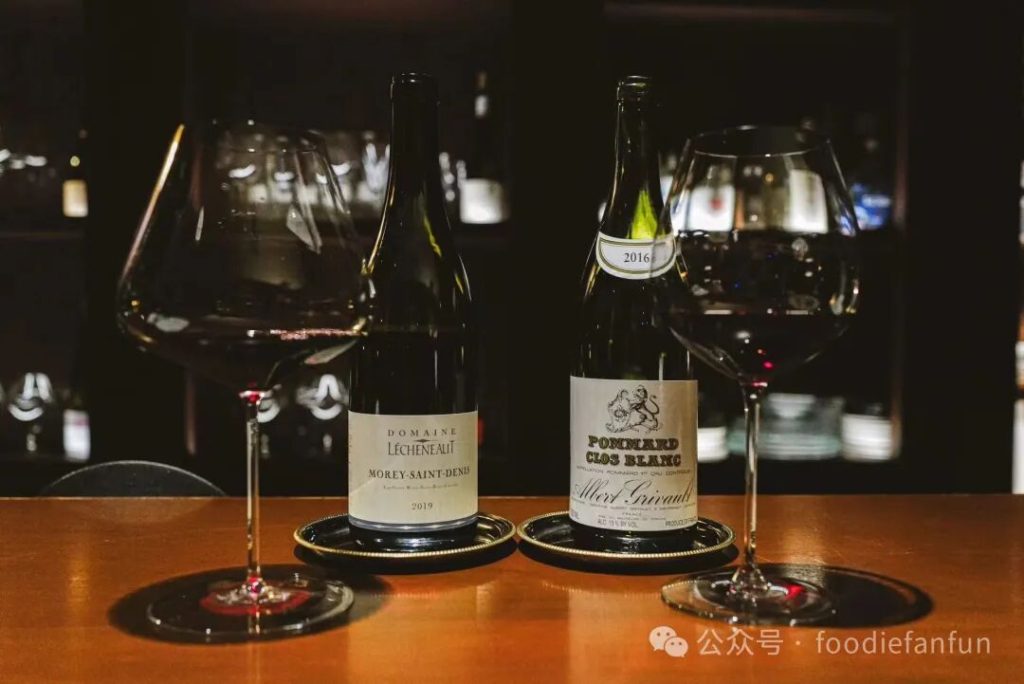
    The by-the-glass list runs 8 reds and 8 whites, with no fixed lineup — once a bottle sells out, a new one goes on, rarely repeating. You could say the by-the-glass list rotates in real time; over a two-hour sit, if it’s busy, you could see close to 30 different wines on offer, averaging around ¥2,000 a glass.
    The range spans a good breadth of vintages and regions, and with some luck you’ll stumble on a great-value surprise producer or a standout vintage.

    The shop also carries some solid Japanese whisky and gin, worth trying if your tolerance allows.

    Wine lovers passing through Osaka could make this a post-dinner stop.