🍁
I’d always wanted to experience autumn in Kyoto.
To stand on the Kiyomizu-dera stage and look down at a valley of red; to see the sea of scarlet leaves spread beneath Tōfuku-ji’s Tsūtenbashi; to watch the mountains of Arashiyama turn into a single plane of fiery maples; and to walk past the giant ginkgo at Hongan-ji, its branches heavy with gold like lanterns or coins.
Autumn in Kyoto really is “a view with every step.”
When you look at the southern part of the Kyoto map, Fushimi is often introduced in travel guides as “the place with the photogenic ⛩️ thousand torii,” a spot to grab pictures and move on.
But in reality, it’s a place that deserves a slower, more careful walk.
It has a rare “water-town” feeling for Kyoto, is a historically rich residential area, and is also one of the most important sake-brewing districts around the city.
Eating, drinking, wandering—and that quiet, deep sense of history—all naturally blend together here.
To me, Fushimi is a place where it’s worth digging into products, history, and culture all at once. It holds on tightly to Kyoto’s “stubbornness”—even as the city becomes more and more touristic, this area protects its own sense of pride and backbone.
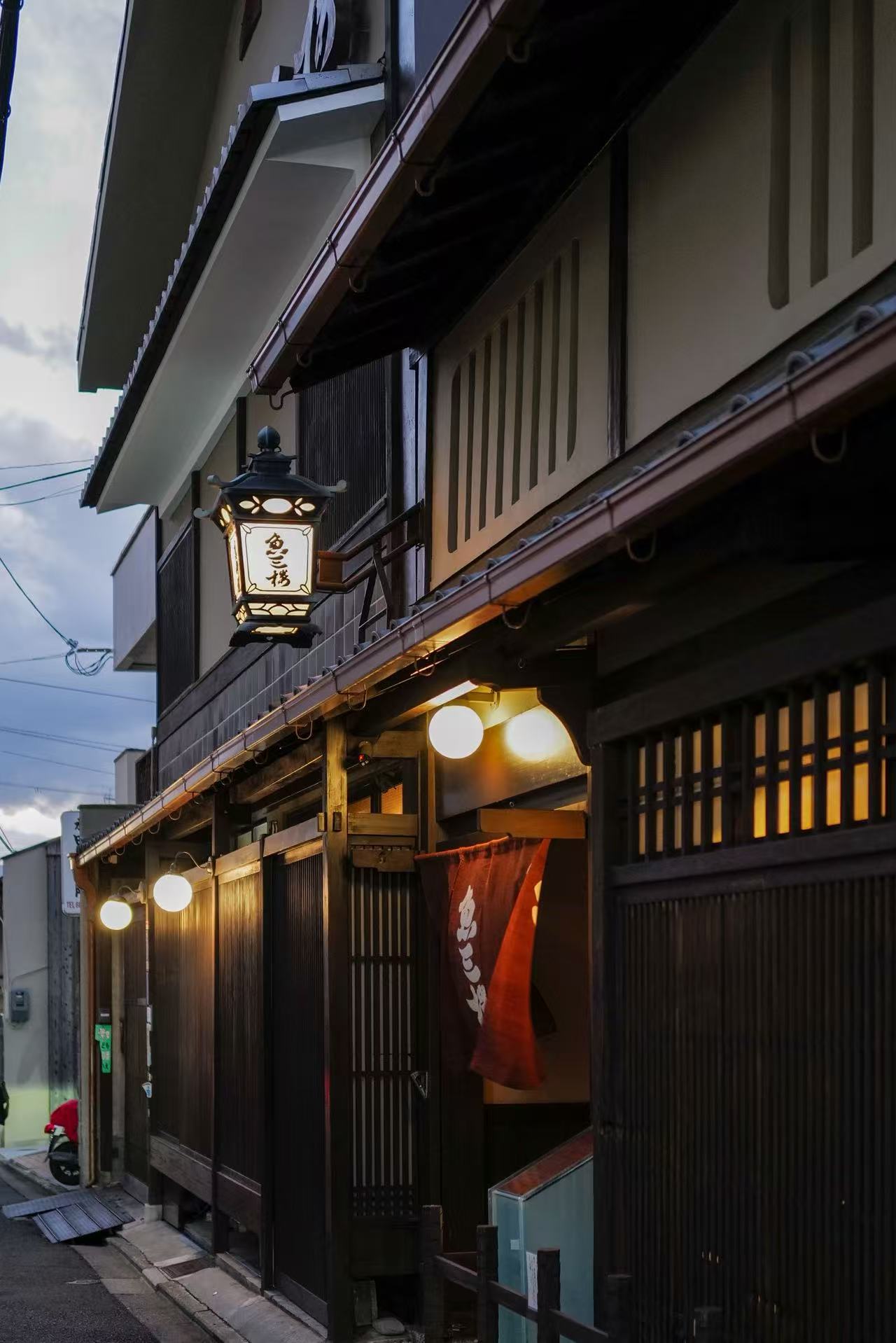
Around Fushimi, you’ll notice old buildings marked by bullet holes and burn scars. This was once the power center on Kyoto’s southern flank, and a key water-transport hub linking Kyoto with Osaka. And because of its rich underground water, it also became the long-term foundation for a thriving local sake industry.
Only places with both deep history and strong resources can consistently produce great sake.
The fun thing is, Fushimi may be small, but it is home to 21 breweries. So it’s not just about water, sake, and history—it’s also a place that’s genuinely good to eat, drink, and play in.
A full day in Fushimi feels just right.
✦ ············· • ············· ✦ ············· • ············· ✦ ············· • ············· ✦
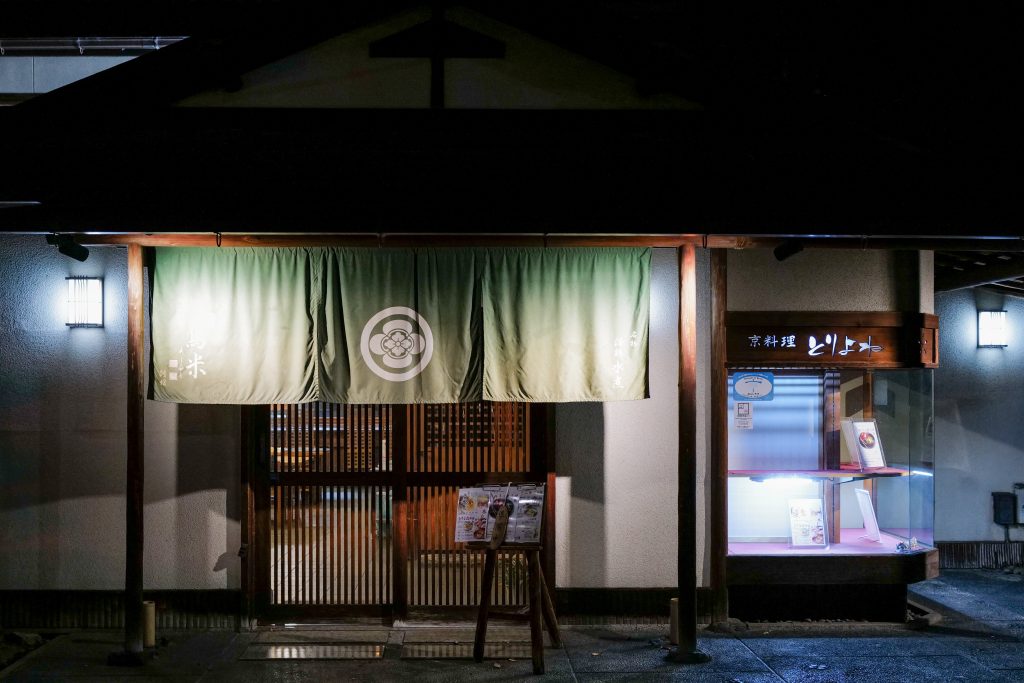
🥢 Uosaburo(魚三楼)
☀️ 🌙 |💰 JPY 6,000++
🧑🍳 A true Kyoto ryōtei with history and Fushimi character
📍 187 Kyōmachi 3-chōme, Fushimi-ku, Kyoto
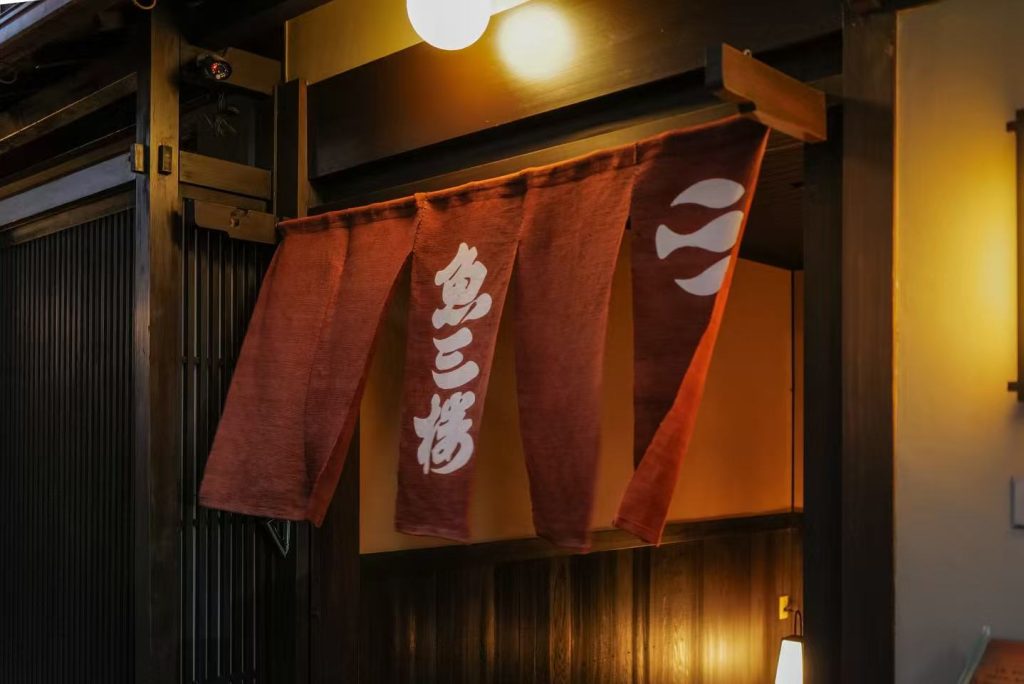
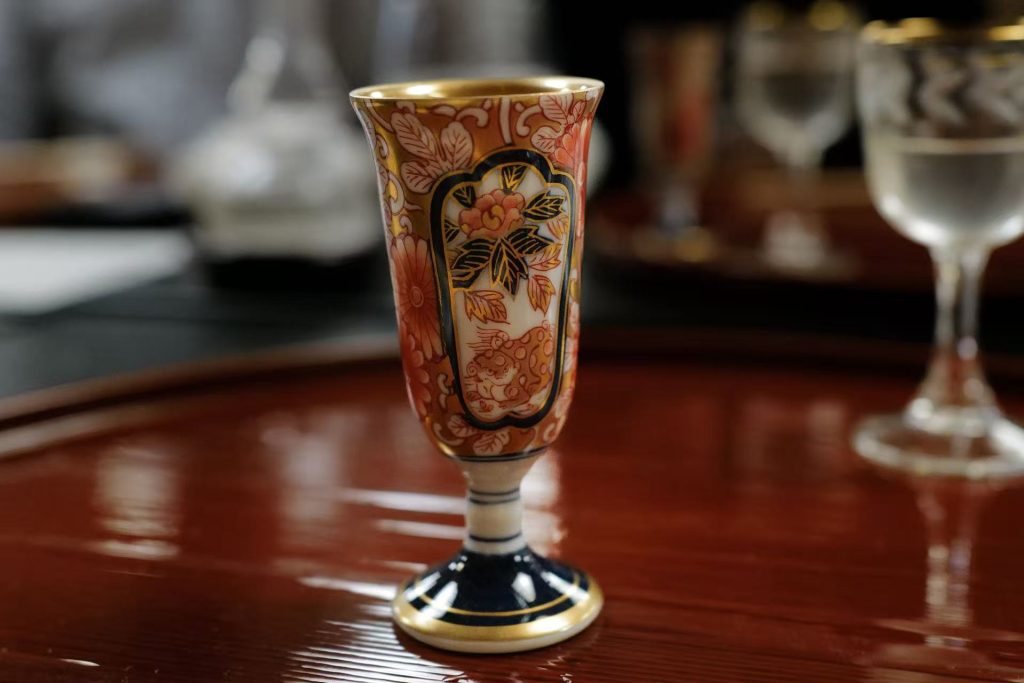
If you’re following the “standard” Kyoto plan and visiting the thousand torii in the morning, Uosaburo, located on Fushimi’s main street, is the perfect lunch spot. If you’d rather sleep in, there are also direct routes from central Kyoto that drop you almost at the restaurant’s doorstep—an ideal starting point for a day in Fushimi.
With over 260 years of history, Uosaburo has an irreplaceable geographical advantage.
And the best part: it’s a large ryōtei with plenty of seating—easy to book.
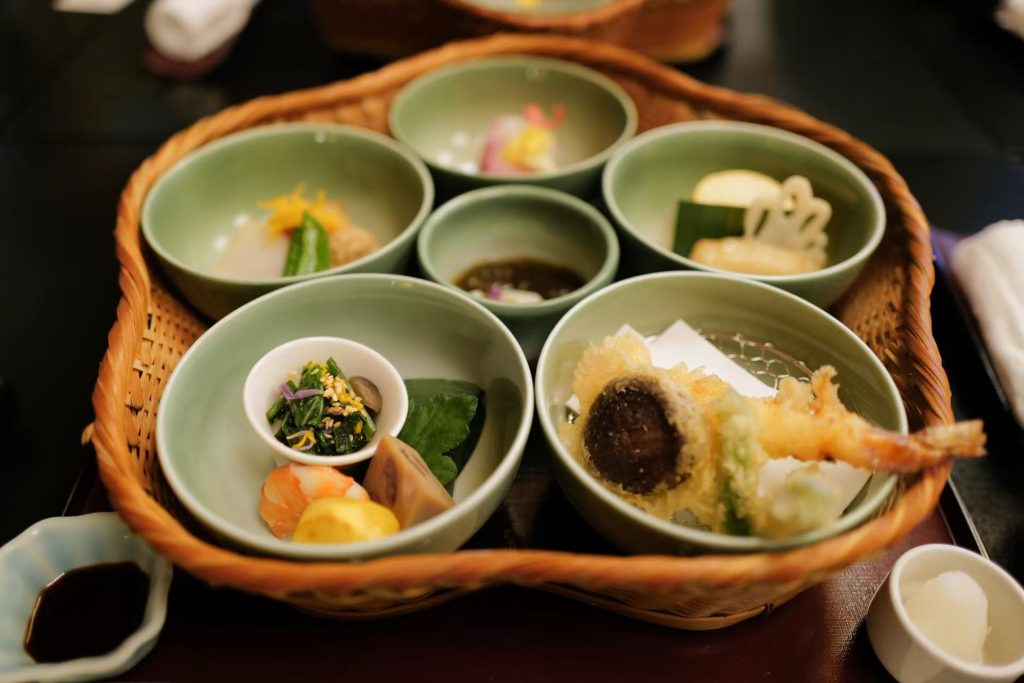
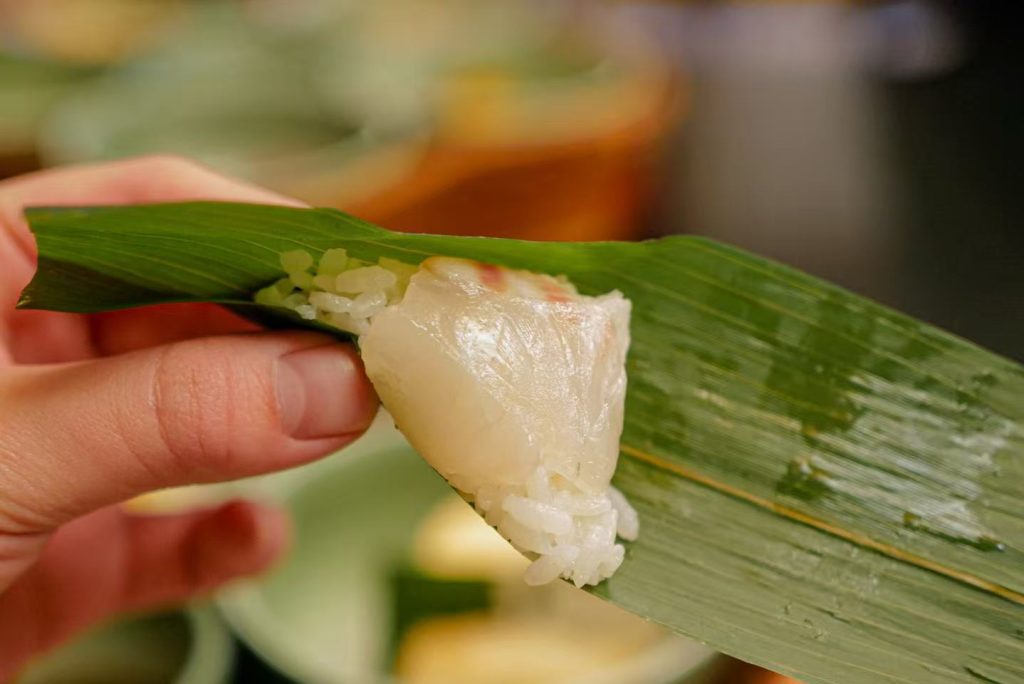
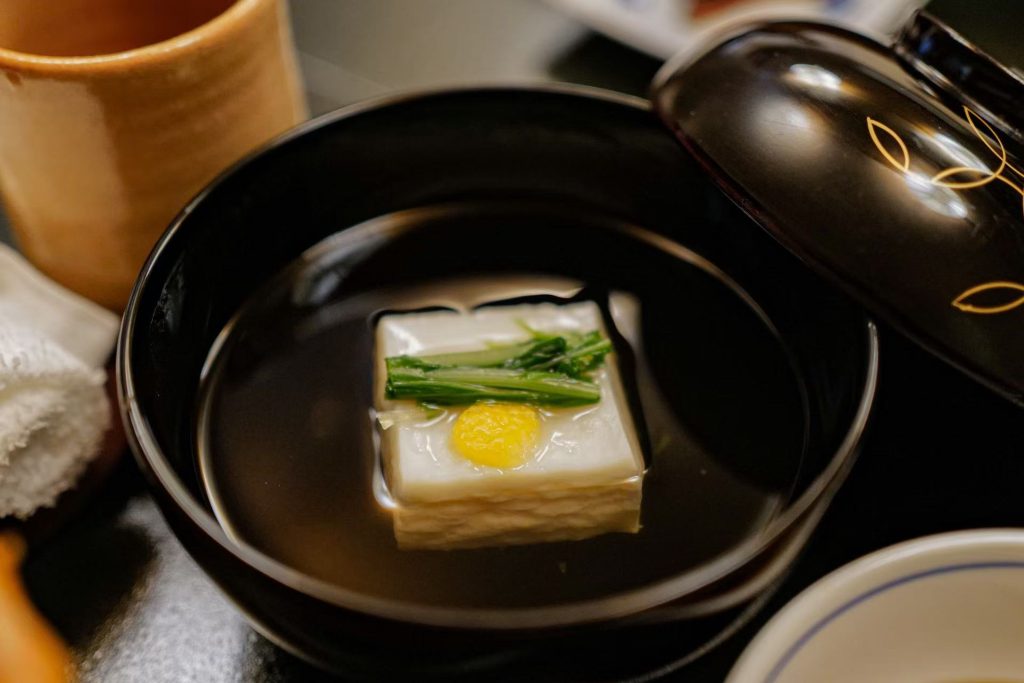
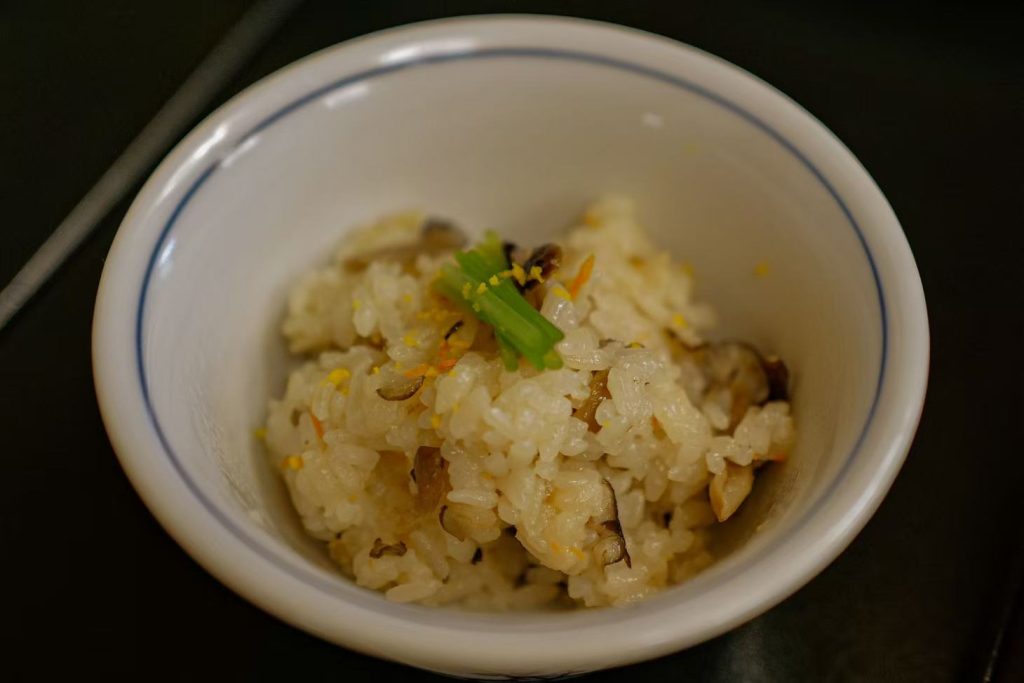
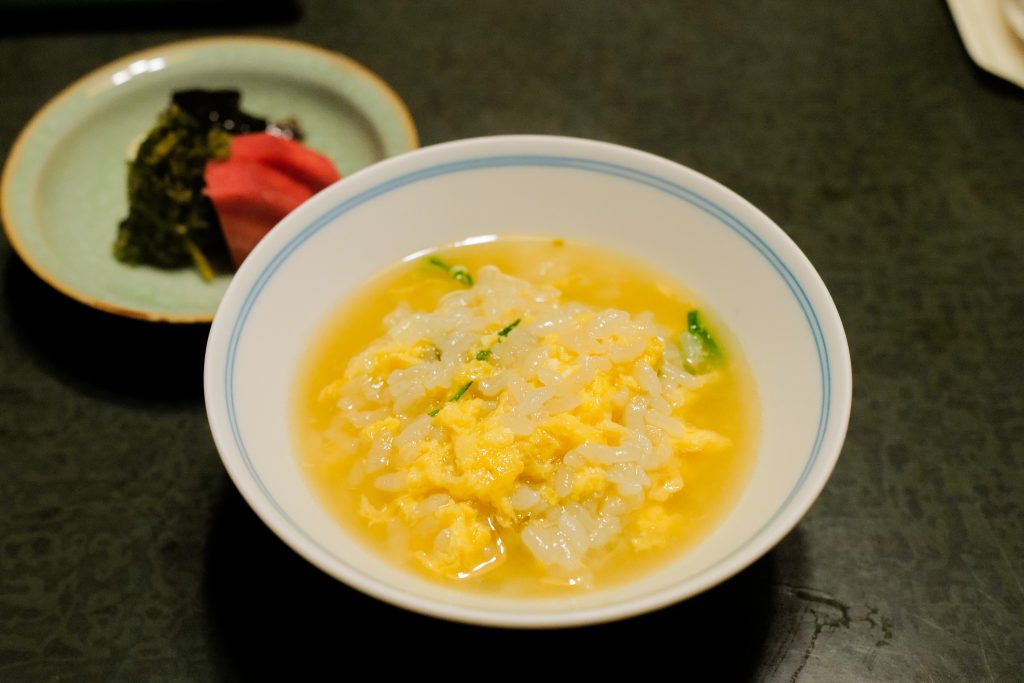
I really love their lunch. It has the elegance, restraint, and satisfaction of Kyoto cuisine—offering the full experience and aesthetic of Kyo-ryori, without losing the finer details and essence of traditional cooking. It hits that sweet spot of being beautiful, thoughtful, and quietly filling.
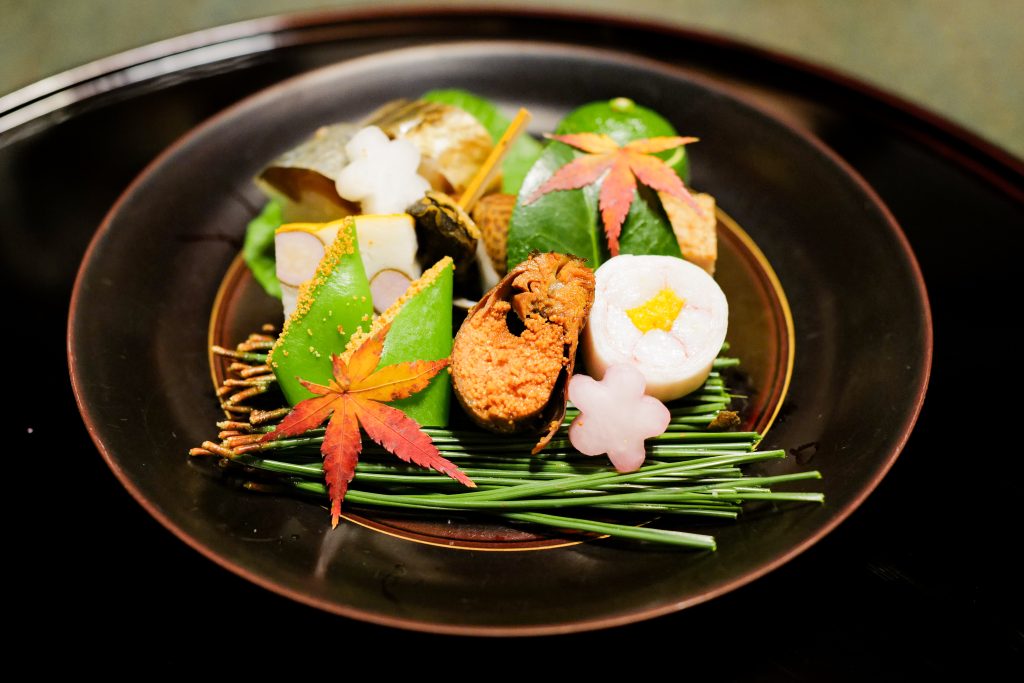
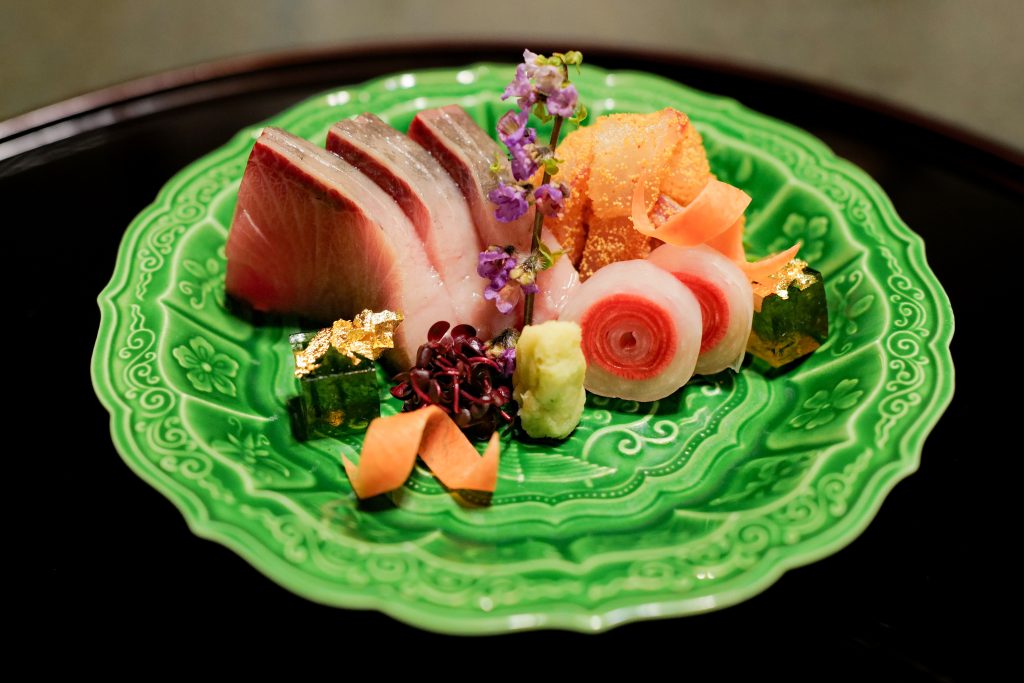
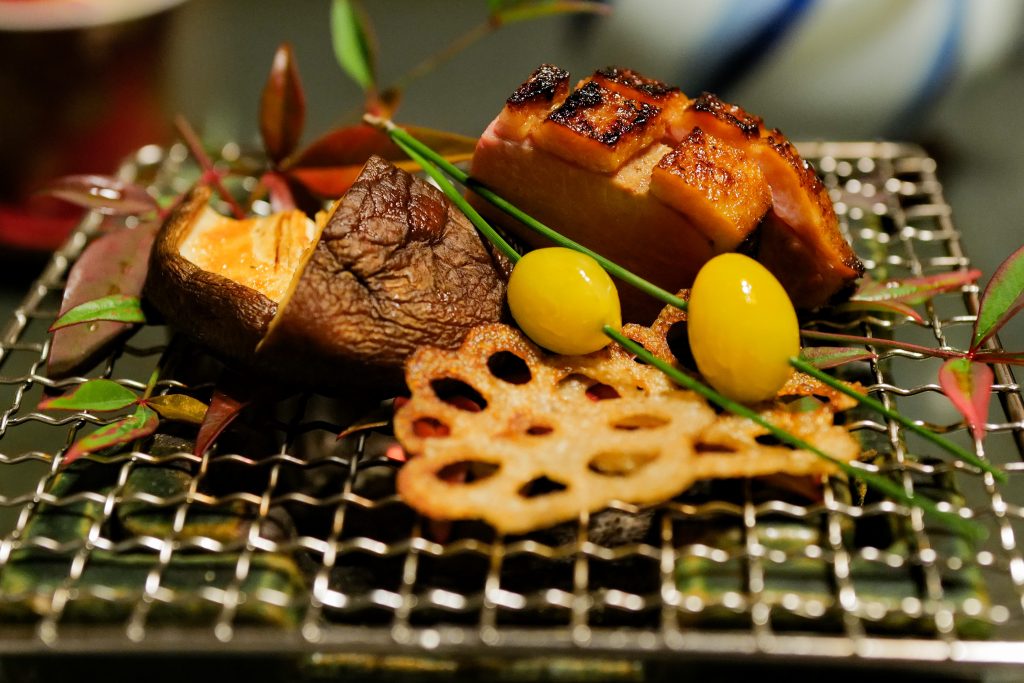
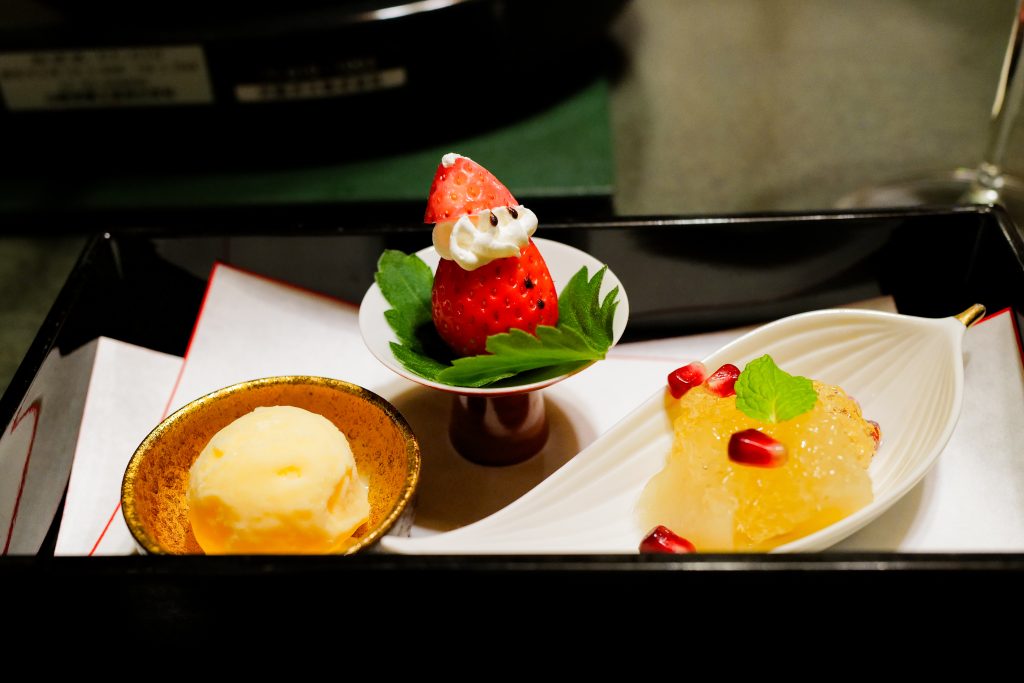
The lunch set is called “Hanakago Gozen” (flower-basket set). Many of the courses you’d normally see in a full kaiseki meal are miniaturized and presented together in one woven “flower basket”: appetizers, dressed dishes, sashimi, simmered items, grilled fish, fried items—each one compressed into its essence.
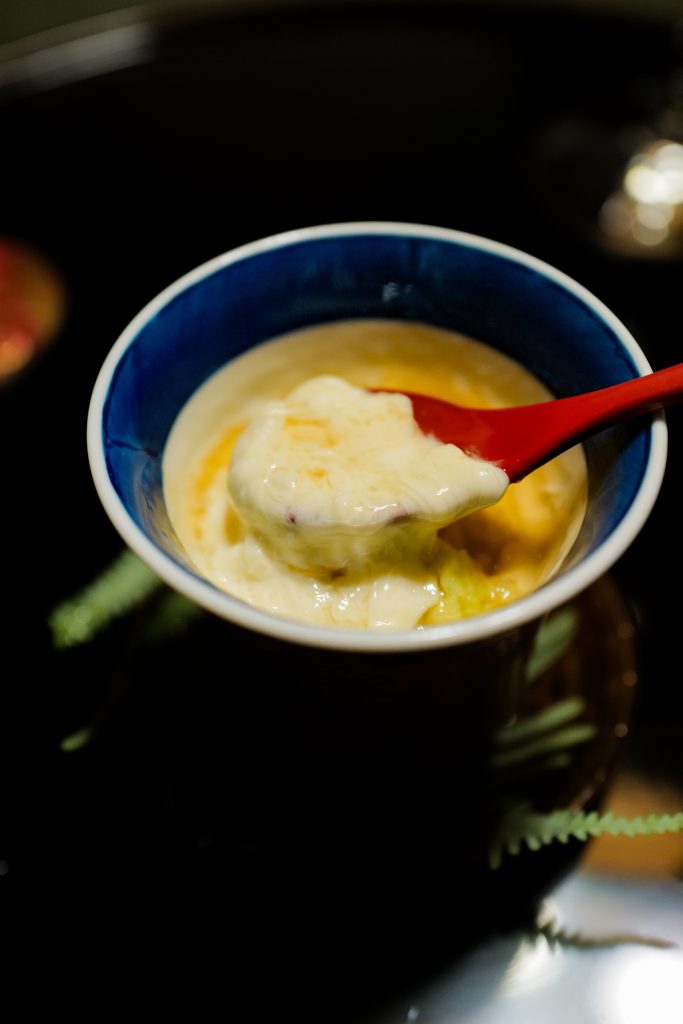
It’s both traditional and intricate, with a clear sense of seasonality. In the appetizers, for example, there might be white fish and barely-cooked chestnut wrapped in sasa leaves; in the soup, sesame tofu with just the right amount of looseness and tension; and at the end, a modest-looking Japanese-style pudding that quietly reveals the kitchen’s skill.
Every dish carries a small surprise, a small moment of satisfaction—and all of it lands gently and precisely where it should.
It’s not as long or formal as a full dinner kaiseki, but it absolutely delivers the full ryōtei feeling.
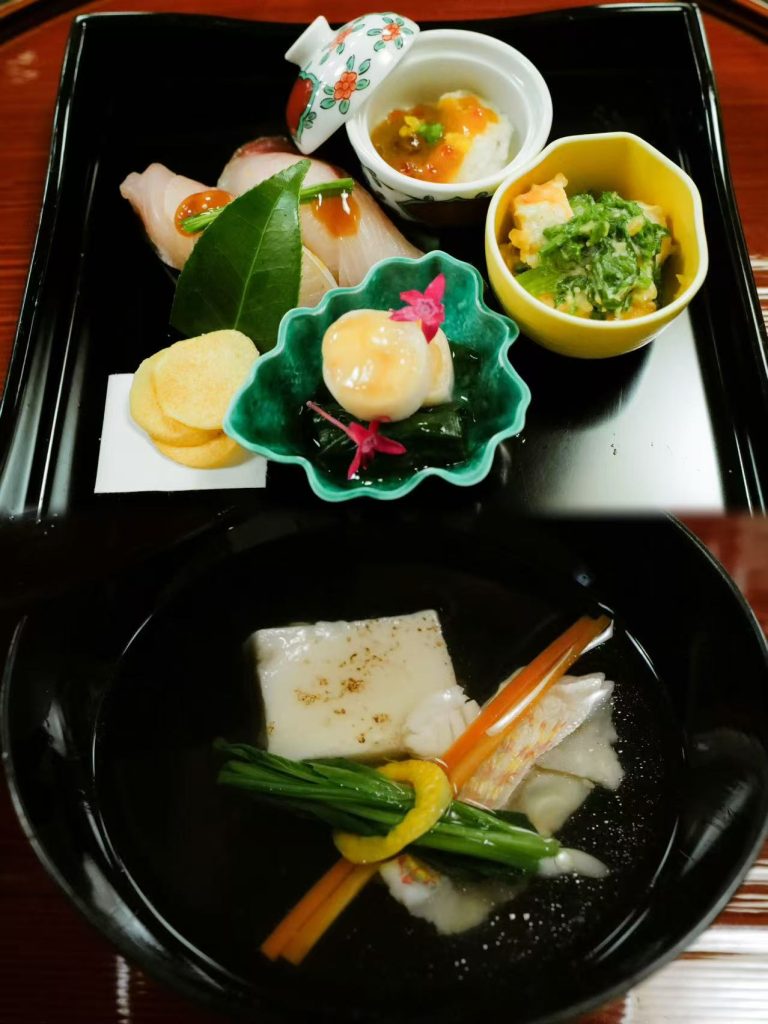
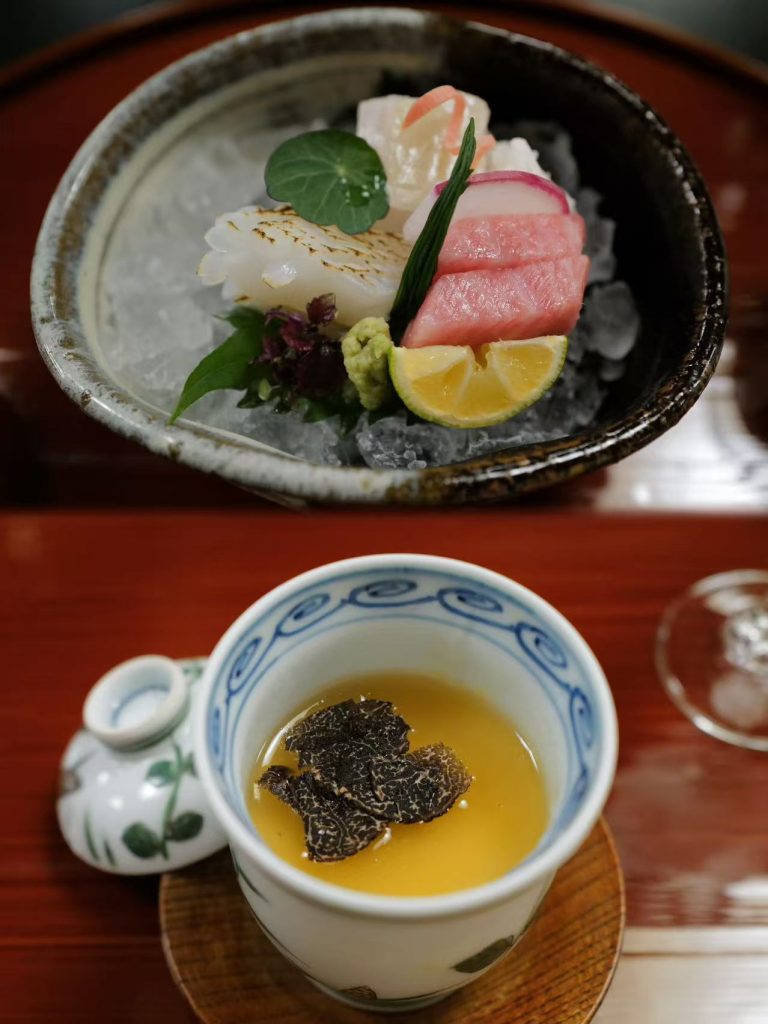
Of course, Uosaburo also offers a proper Kyo-ryori kaiseki at dinner.
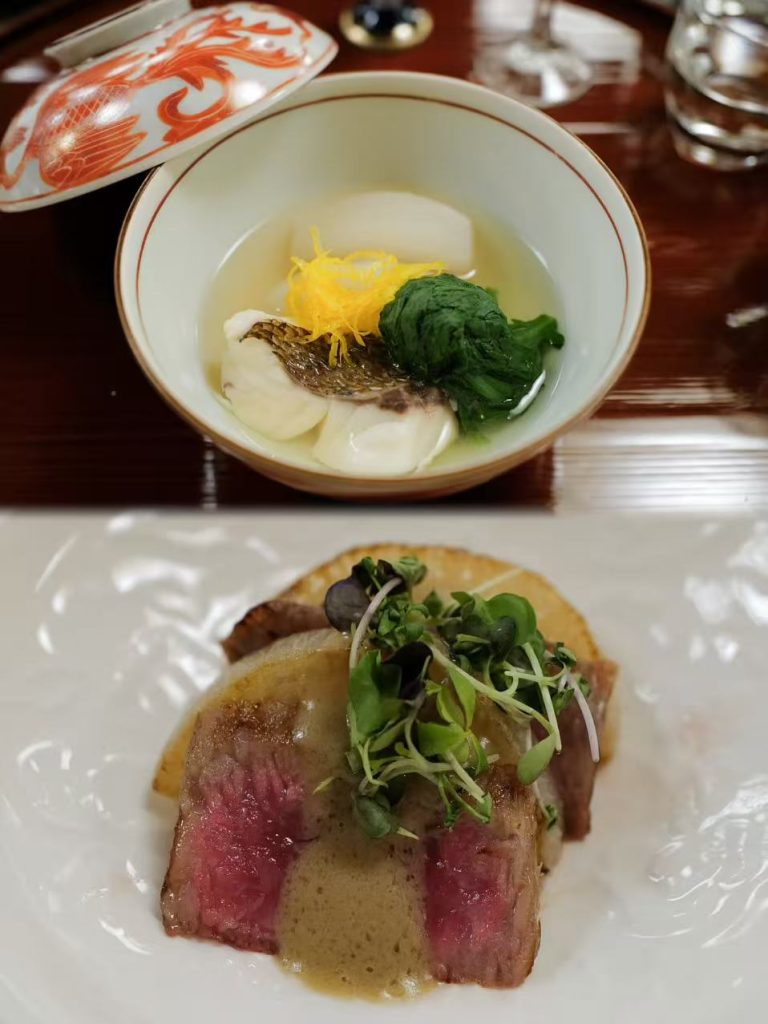
In true Kyoto ryōtei fashion, they start from what matters most: beauty. From cutting to plating, the whole kaiseki feels like watching a work of art come together. At the same time, the menu emphasizes seasonal ingredients and the way Fushimi’s medium-hard “Fushimizu” water brings out umami in the dishes.
The foundation is solid, and the restaurant is committed to tradition.
Every dish is straightforwardly, reliably delicious.
After a long day of travel, this is the kind of place where you sit down, exhale, and let yourself simply enjoy the food.
✦ ············· • ············· ✦ ············· • ············· ✦ ············· • ············· ✦
🍶 山本本家
Main brands: Shinsei (神聖), Matsu no Midori (松の翠)
Founded: 1677 (Enpō 5)
After lunch, a short walk from Uosaburo in the opposite direction from the shopping street takes you into Fushimi’s sake brewery district.
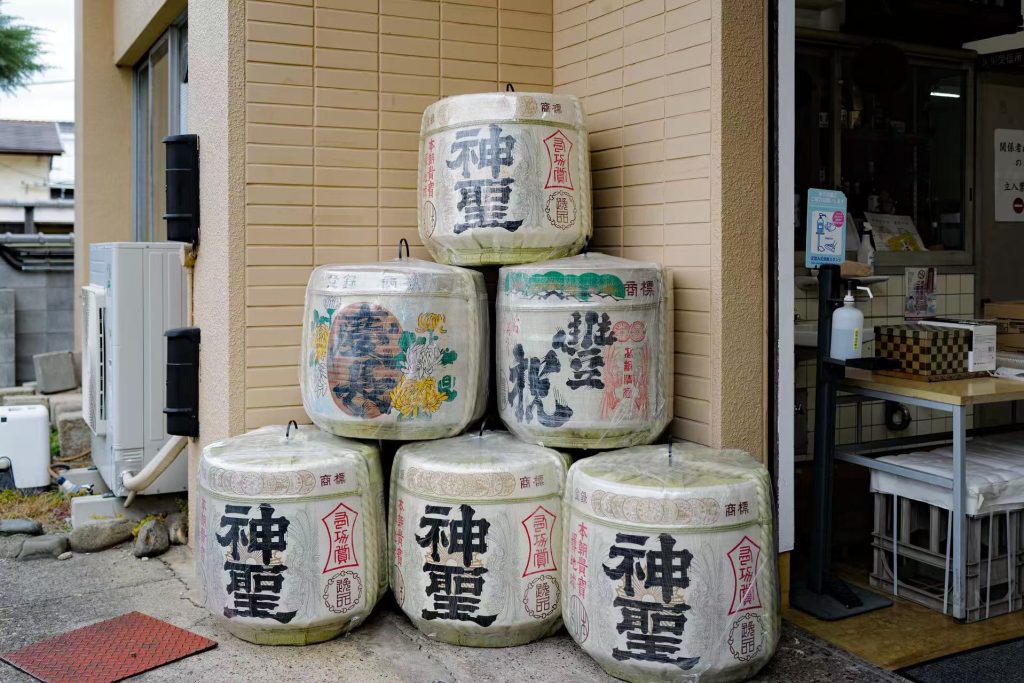
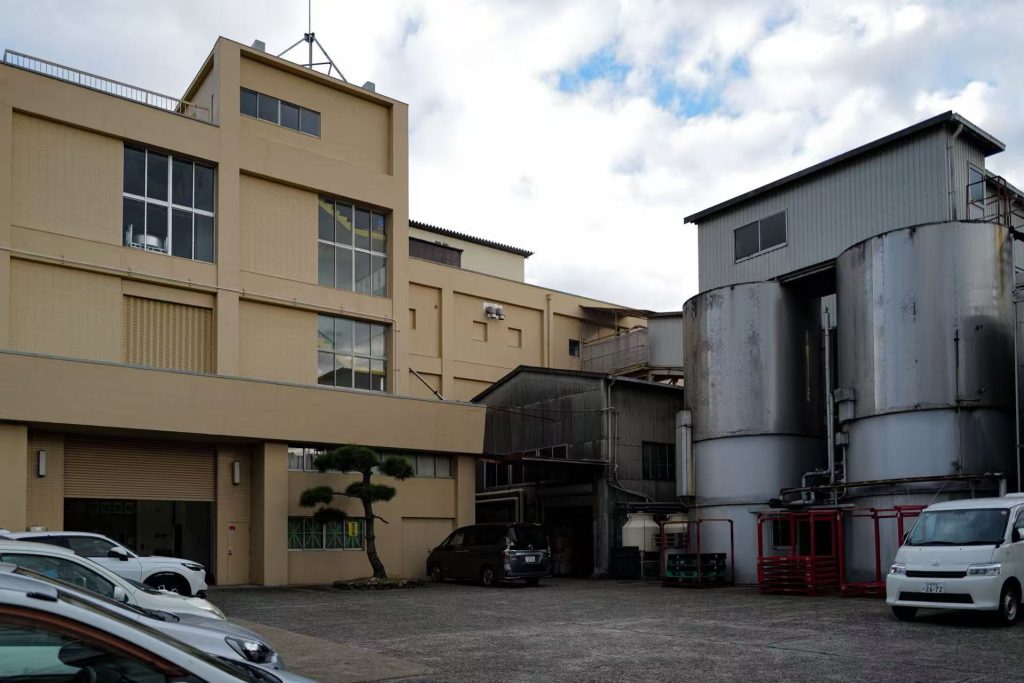
The giant metal tanks outside? Those are actually oversized fermentation tanks.
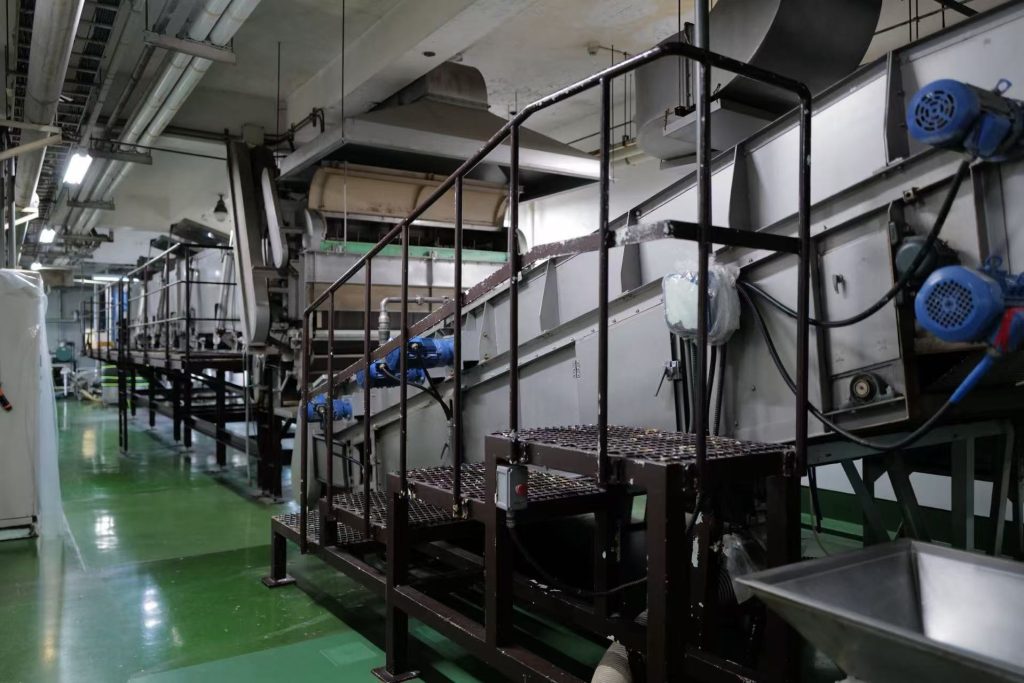
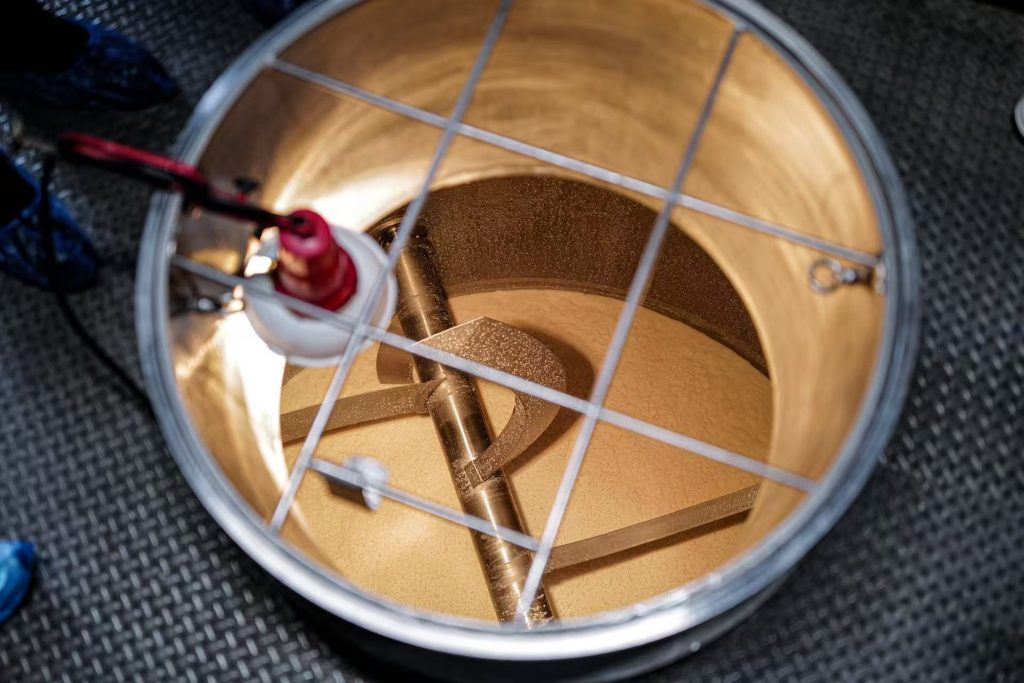
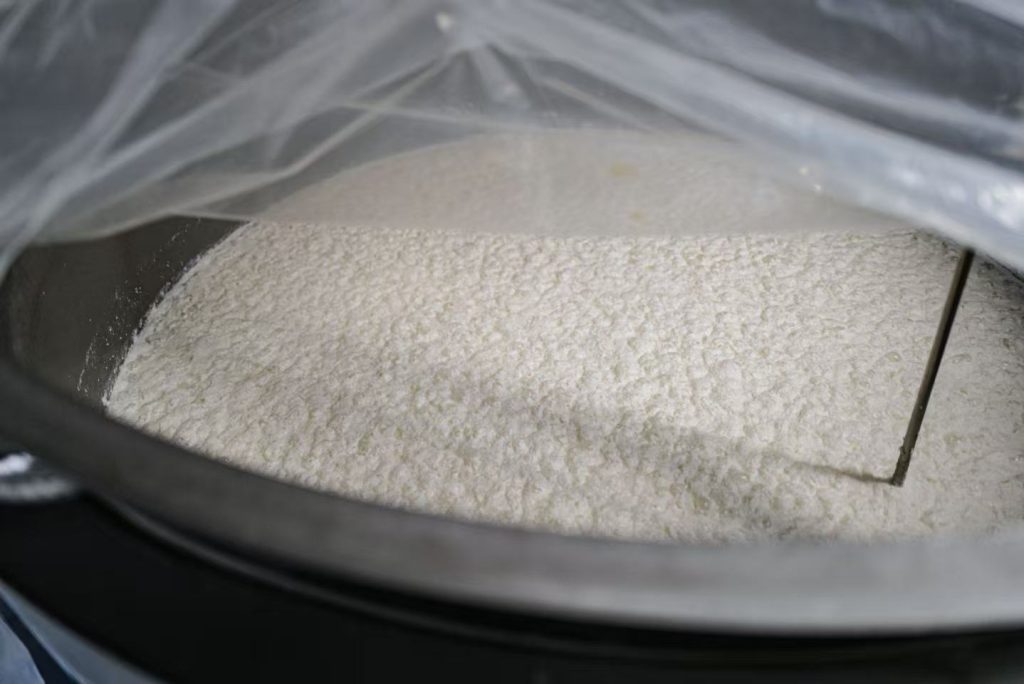
As many people know, Hyōgo Prefecture produces the largest volume of sake in Japan; Fushimi in Kyoto ranks second. Go back 600 years to the Muromachi period, and Kyoto and its surrounding region were home to more than 350 breweries.
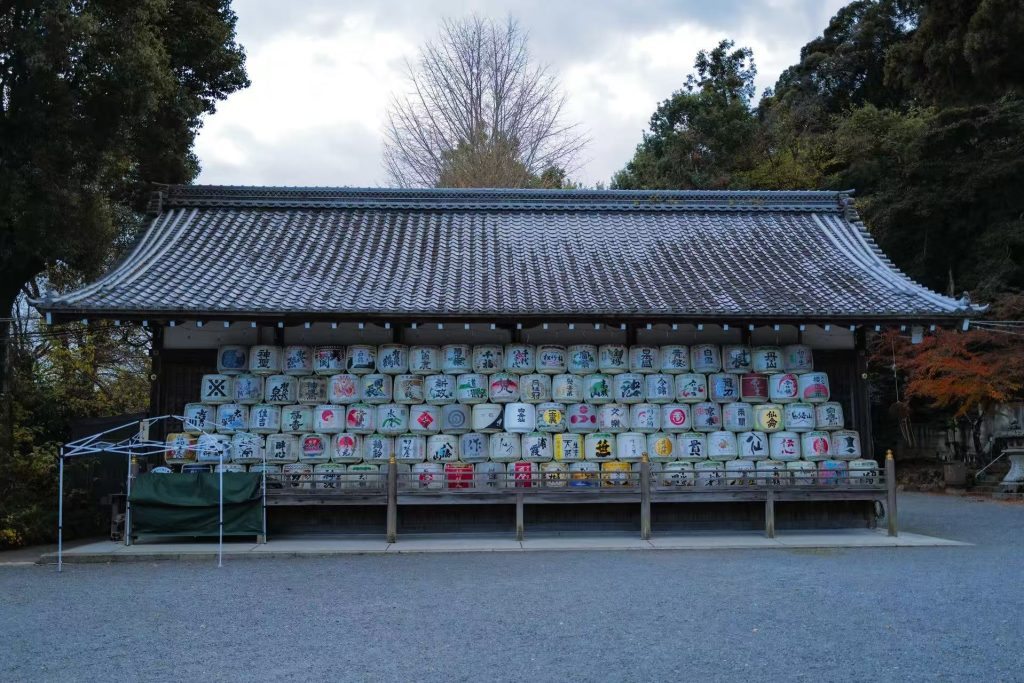
The most important shrine for Japanese brewers, Matsuo Taisha, is also here in Kyoto.
Fushimi has many breweries and high production volumes, and several of them now use brewery tours and museums to share the appeal of sake with more people.
Yamamoto Honke is a large-scale producer, so on their tour you can finally see, in real life, the things that usually only appear in textbooks: huge machines for rice polishing, steaming, and kōji-making; temperature-controlled rooms; and massive metal tanks filled with turning paddles and actively fermenting sake. The role of modern technology in sake brewing is displayed in a very direct way. When you step back and look at the entire building—from logistics and transport to each production step—you realize the whole structure was designed for one purpose: brewing.
The impression a big brewery gives you is, unsurprisingly, overwhelming.
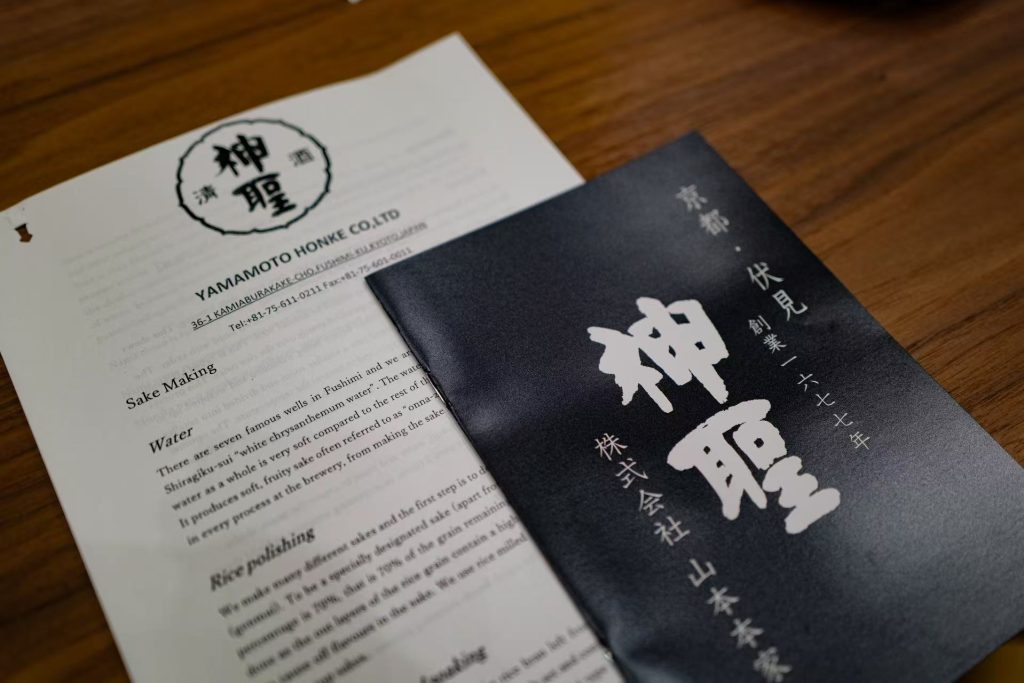
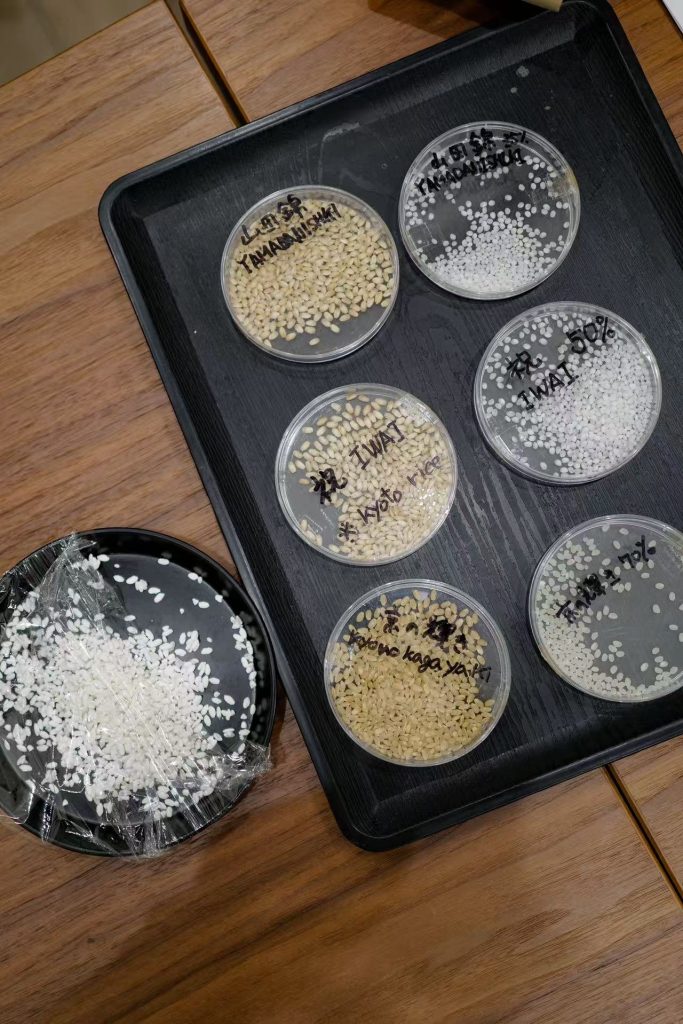
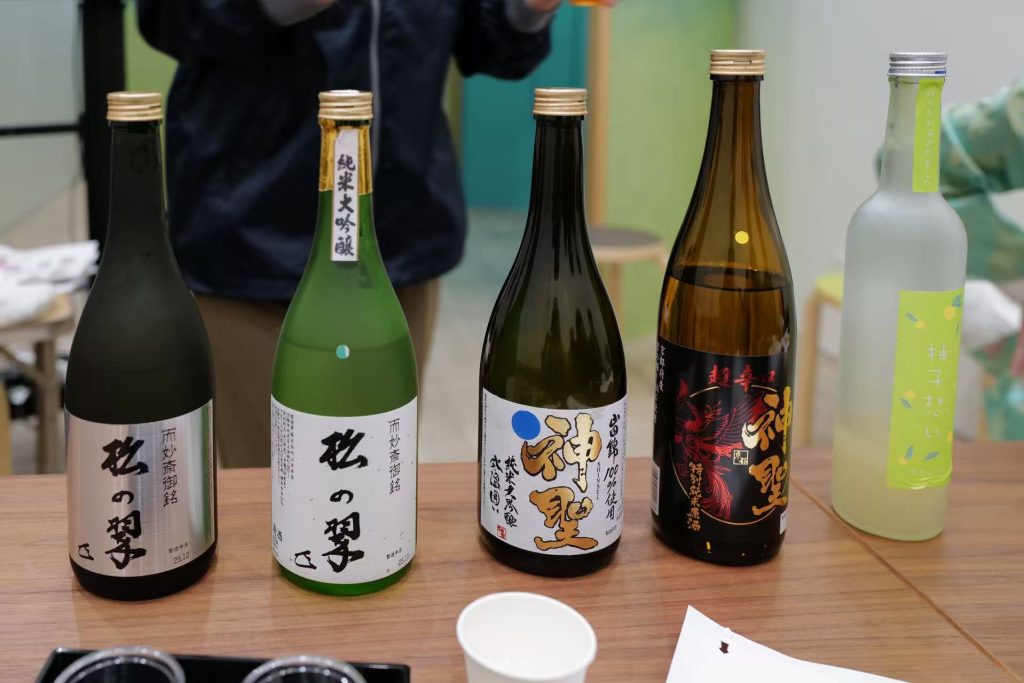
For visitors, the brewery is divided into four main areas: the production building, a tasting and exhibition space, a retail area, and the well-known yakitori-and-sake restaurant “Torisei”, which Yamamoto Honke operates (and which now has seven locations across Kansai).
Recently they’ve also started offering English tours, with full English materials and staff who can communicate in English during tastings. It instantly brings people much closer to the sake they’re drinking.
Both Shinsei and Matsu no Midori belong to Yamamoto Honke, and the sake is a textbook example of Fushimi’s classic “onna-zake” style—soft and “feminine.”
Brewed with Fushimi’s Shiragiku water, which is low in iron and moderate in minerals, the sake tastes round and smooth. It pairs beautifully with the nearby Kyoto cuisine—the same kind of gentle, elegant character you find at the table. These really are ideal food sakes.
They’re also experimenting with new styles that stand out, like a yuzu liqueur tailored to younger drinkers—its acidity, sweetness, and just-right bitterness are all clean and balanced.
✦ ············· • ············· ✦ ············· • ············· ✦ ············· • ············· ✦
🍶 Gekkeikan(Geikkeikan)
Sake Museum | Founded: 1637
Gekkeikan is basically the Coca-Cola of the sake world.
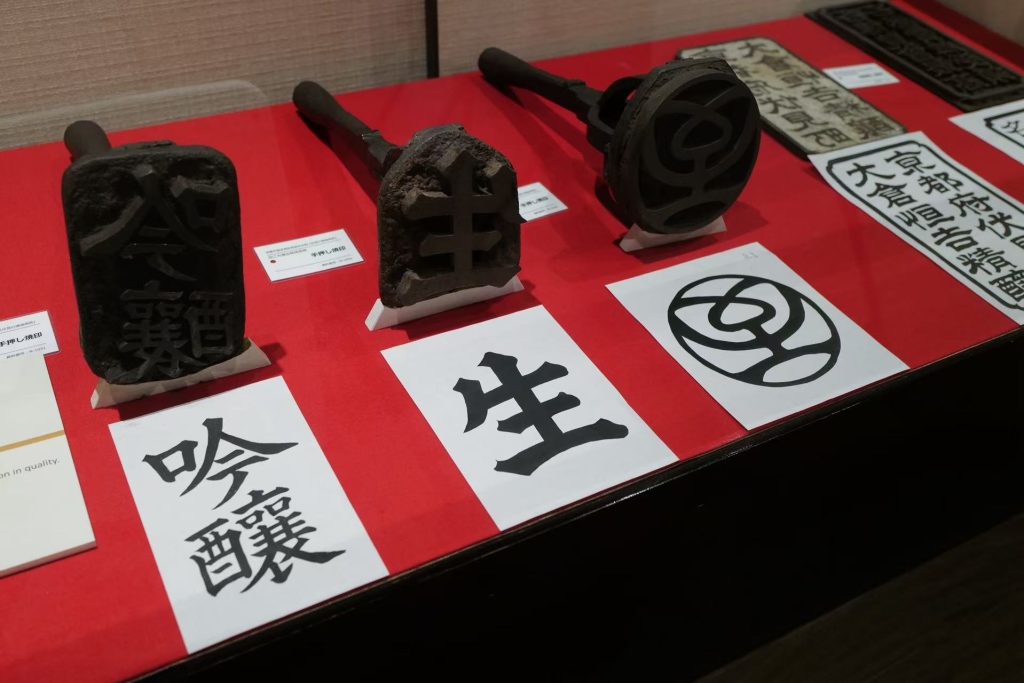
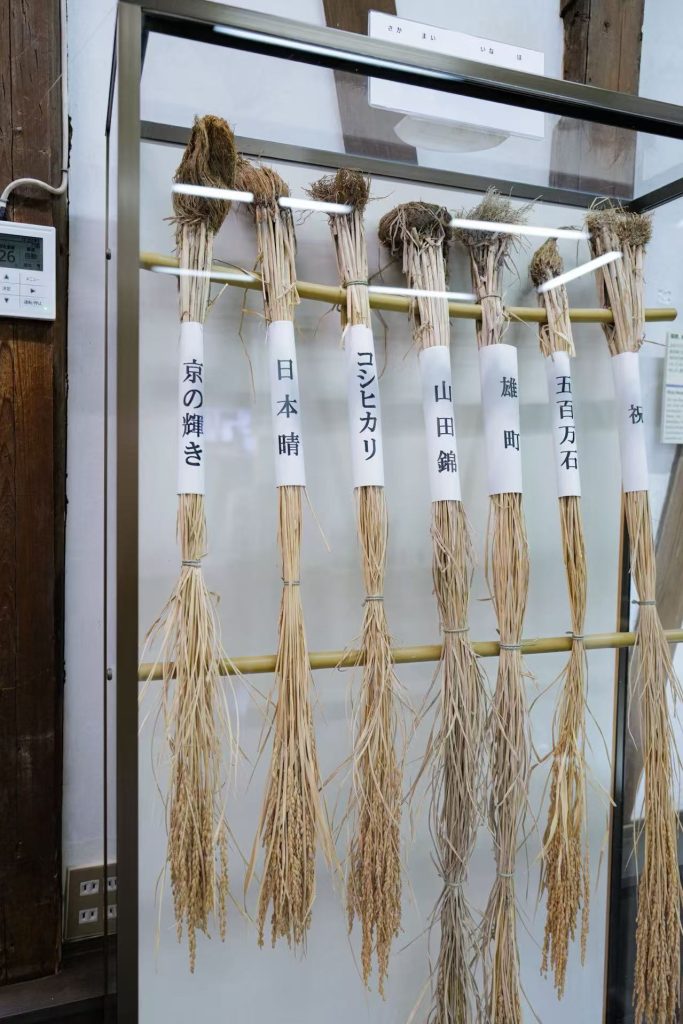
As a brewery, it operates its own museum, the Ōkura Sake Museum. The building itself is a former brewery from 1909, converted and opened as a museum in 1982.
The museum only has one floor, but the density of information is high. Inside are more than 6,000 historical items, and the museum has been designated by the city of Kyoto as an Intangible Folk Cultural Property. The exhibits cover old brewing tools, the brewery’s development, and early-era equipment, giving even total beginners a clear, intuitive understanding of how sake used to be made, step by step.
There’s also an entire wall of sake-related documents: books on brewing techniques, experimental records, and more.
There’s a very “Fushimi” detail in the grounds as well: outside, they’ve kept a well where visitors can sample Fushimizu (brewing water). It’s a straightforward reminder that the true protagonist of sake, at its root, is water.
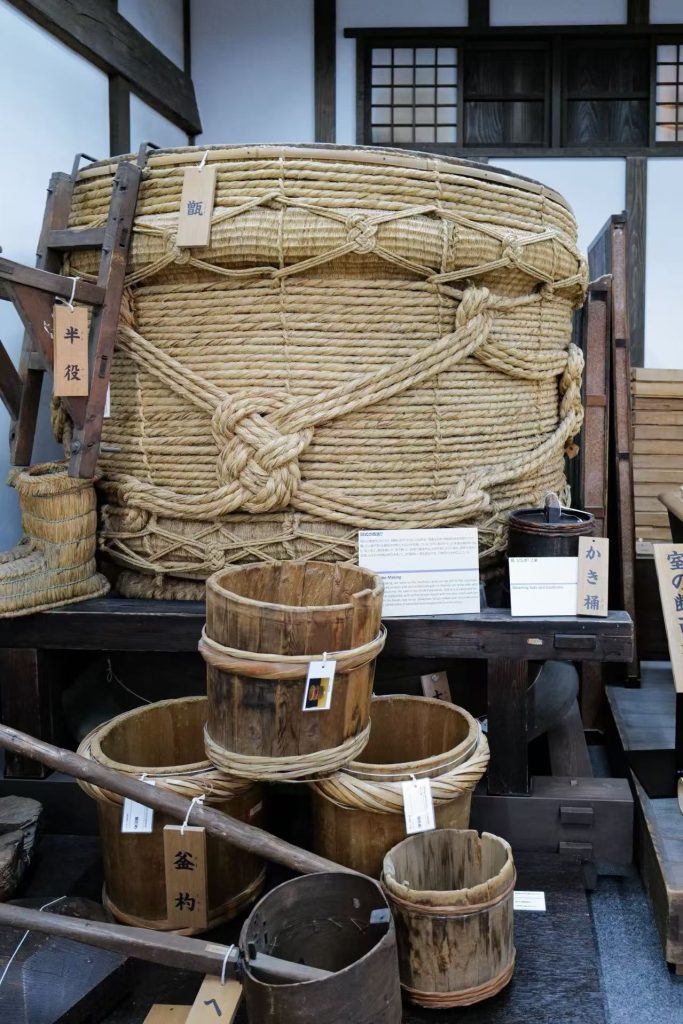
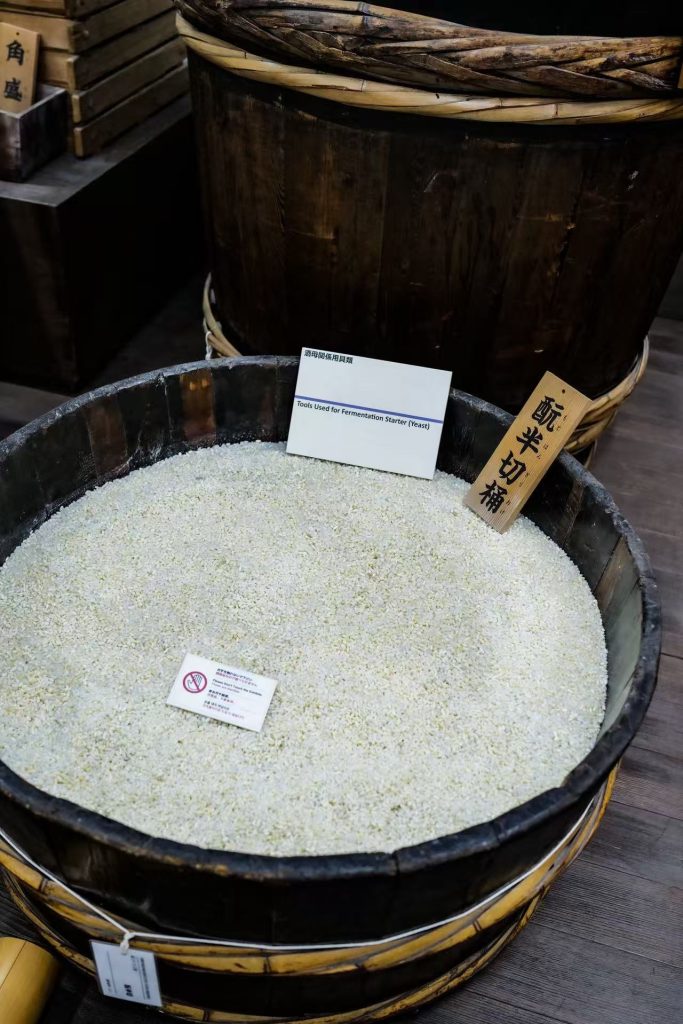
✦ ············· • ············· ✦ ············· • ············· ✦ ············· • ············· ✦
🍶 Fushimi Yume Hyakushu(伏見夢百衆)
A collective shop featuring 80 labels from 16 Fushimi breweries
The best stop for souvenirs
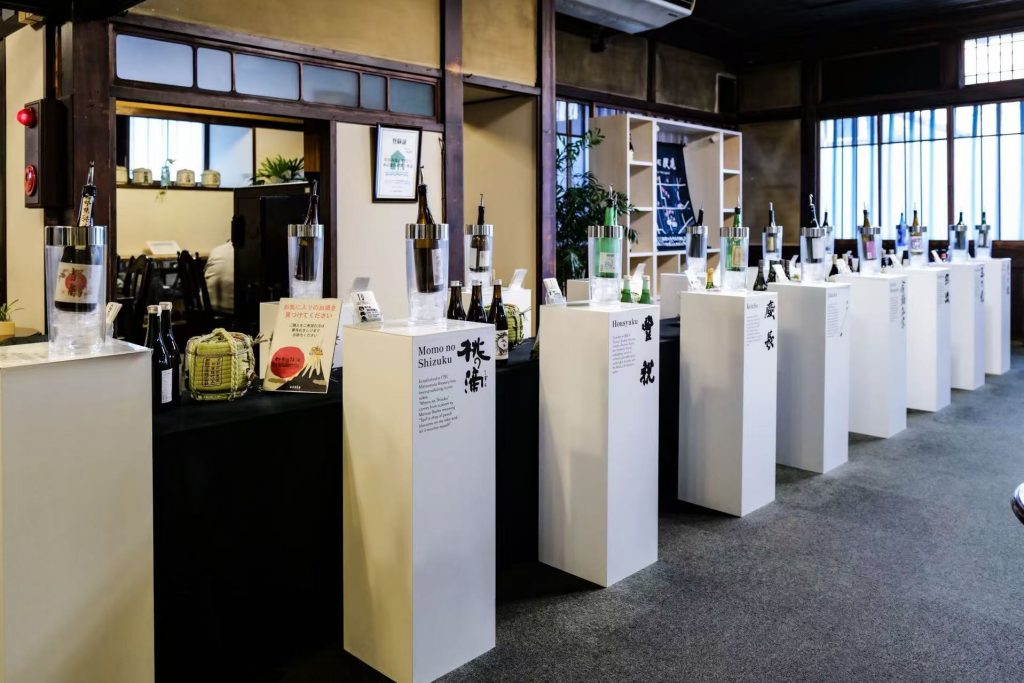
Fushimi Yume Hyakushu feels like the “final station” of Fushimi sake—less about any single brewery’s story, more about presenting the entire area’s production in one place.
This cozy space, half café and half shop, has a very fun sake-tasting game: they give you one mystery sake, and if you can identify it correctly from nearly 20 options at the tasting counter, you “win.”
All the bottles come from the Fushimi area, but the selection clearly has thought behind it—each one highlights different aspects of style and technique. Even more fun, the lineup changes every day, and even within the same time slot, each table might be given a different set of blind-tasting sakes.
After you’re done tasting, the souvenir area outside is genuinely practical. It brings together small goods and sake-related items from breweries all over Fushimi, so you can essentially get everything in one go.
For me, this place is like the “Disney Store” of Fushimi sake—somewhere you can casually drop by every time you’re in the neighborhood. After visiting a few different breweries, coming to Yume Hyakushu lets you step back and look at “Fushimi sake” as a whole, then pick out some omiyage for friends before heading happily back into the city.
Kyoto really is a city that’s hard to overstate—
the more you walk it, the more impossible it feels to describe in full.