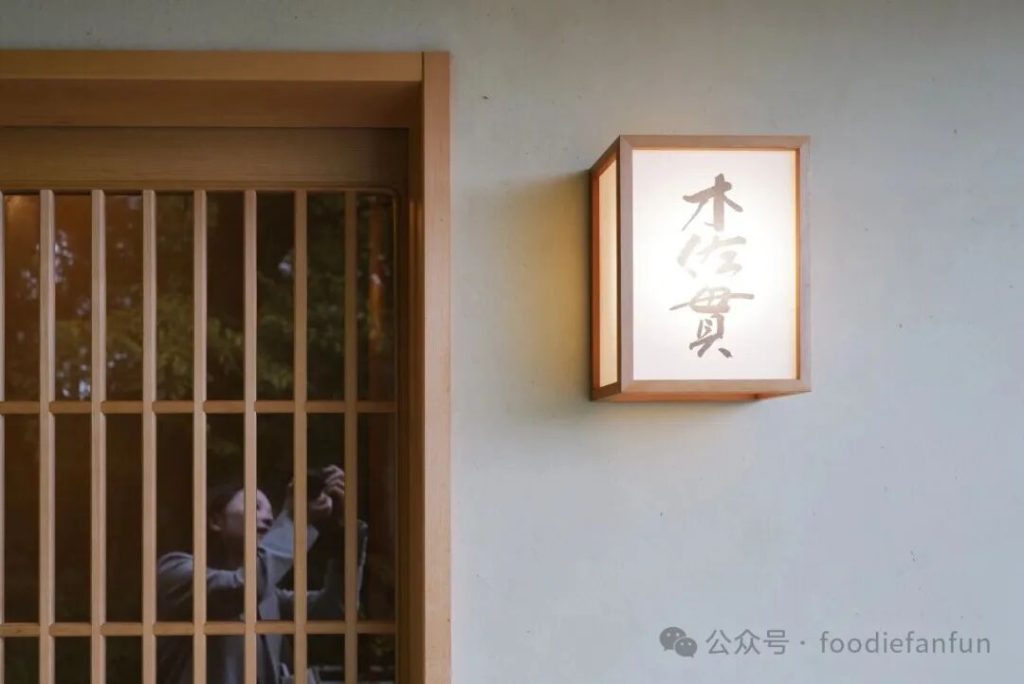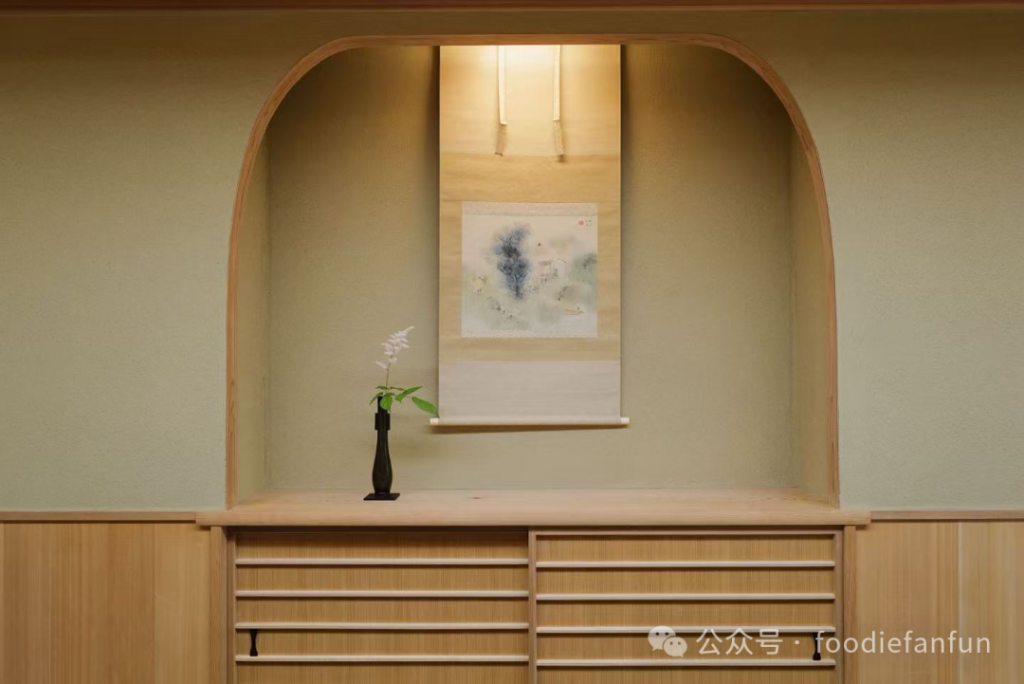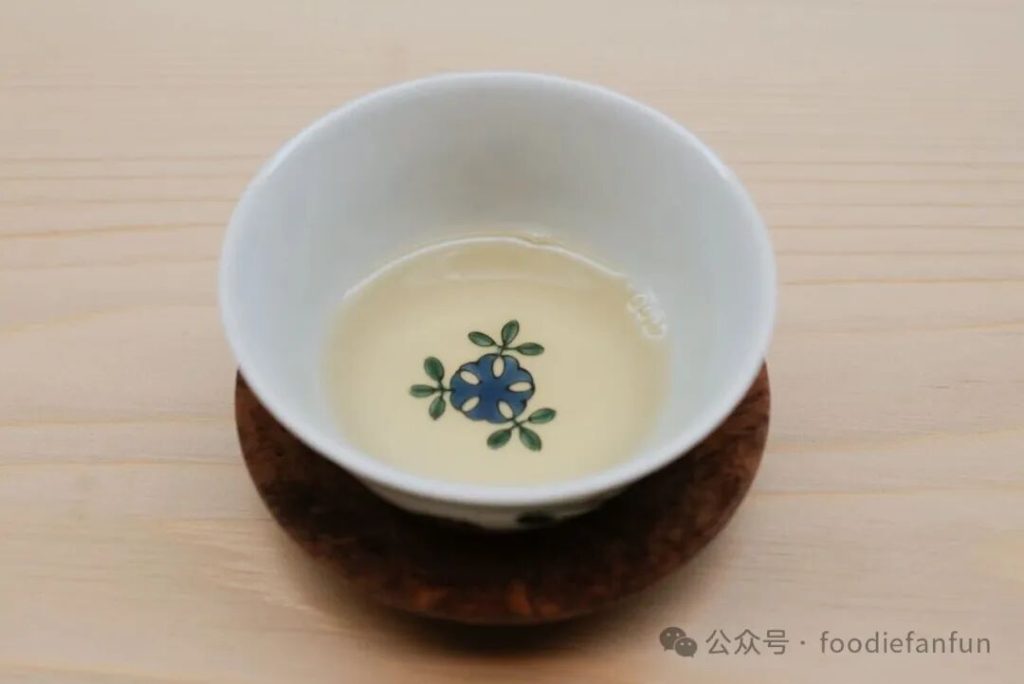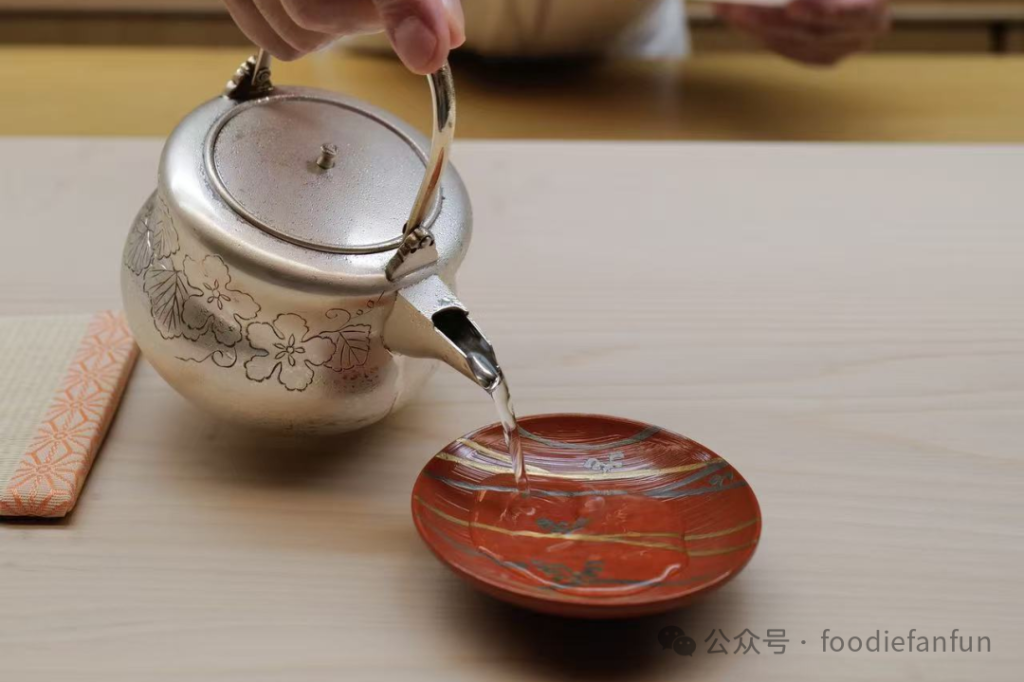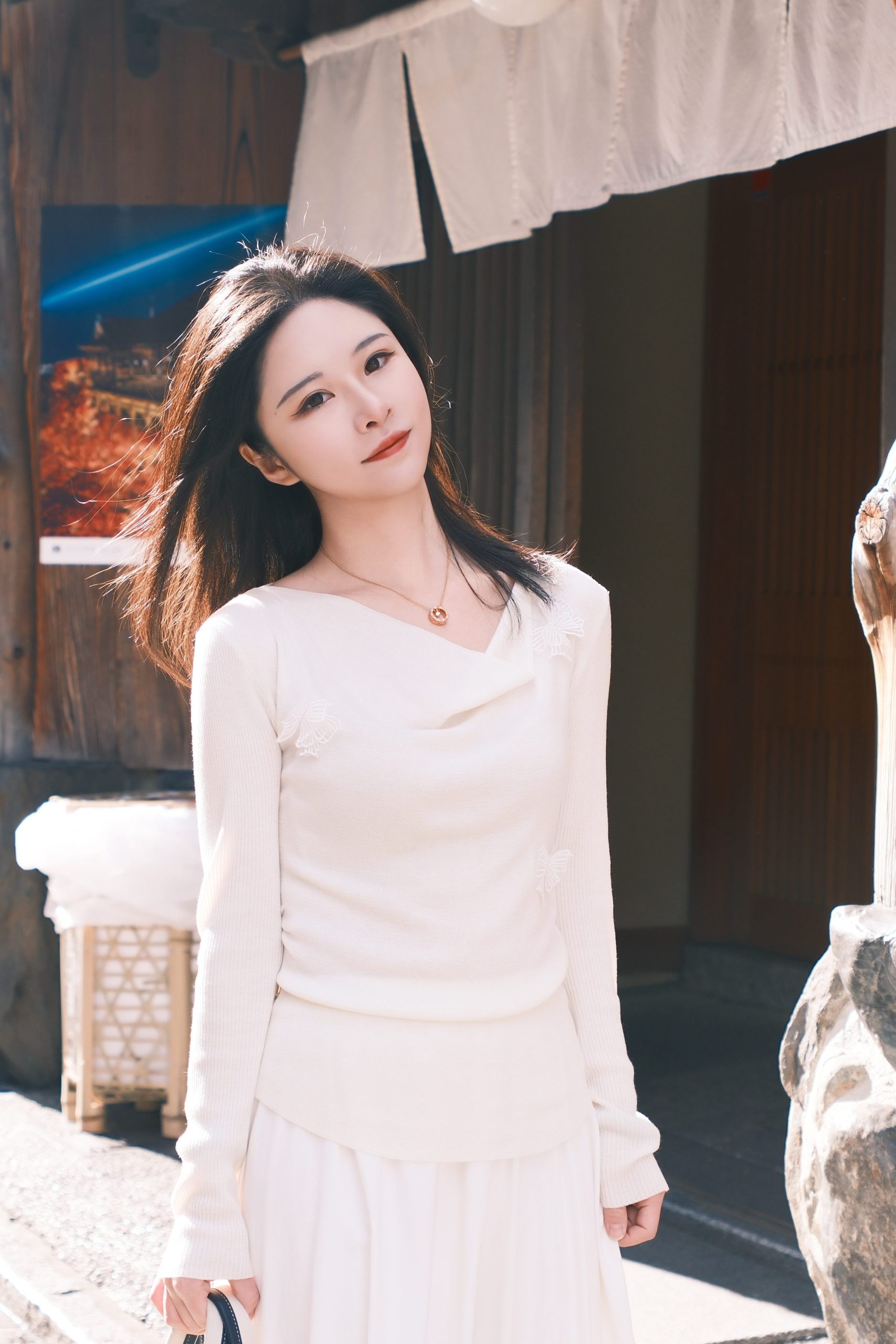
Visited Kisanuki in May, then challenged myself to another day-trip visit in mid-August.
It’s genuinely proven itself a ‘destination restaurant’ worth visiting every single season.
How to even put it into words.
Kisanuki gives off a feeling a bit like a Kyoto garden. In spring you’re drawn in by the flowers; go back in summer and sunlight falls across the moss and the water’s surface, tree shadows swaying. By autumn, you’ll find yourself held in place by a courtyard full of red maple leaves and gold scattered across the ground.
The same courtyard, shifting through the four seasons, each with its own distinct bearing.
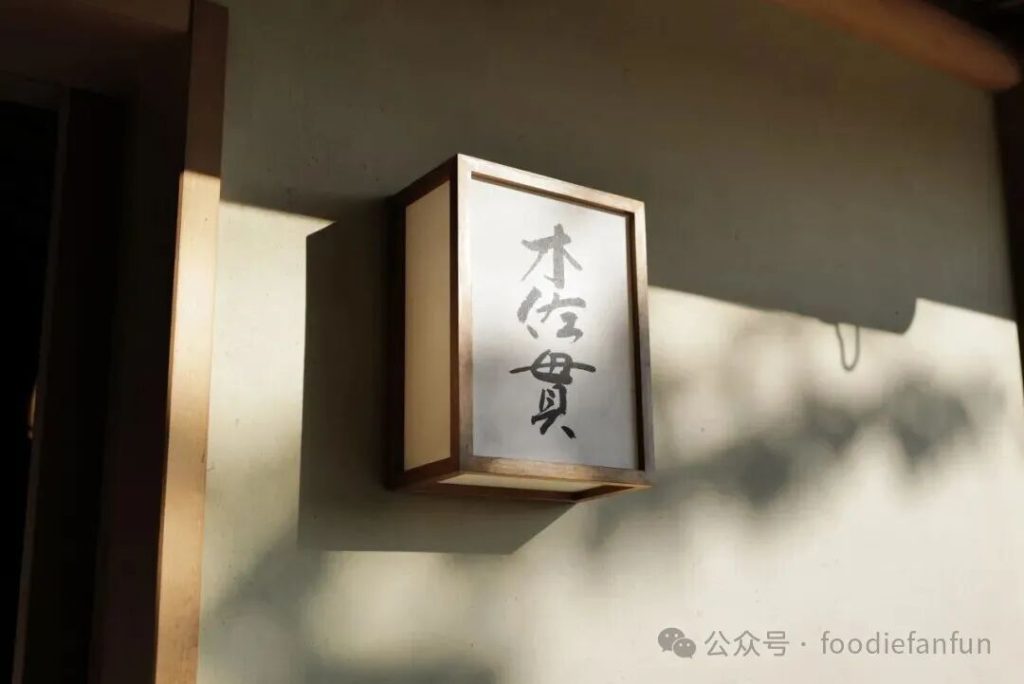
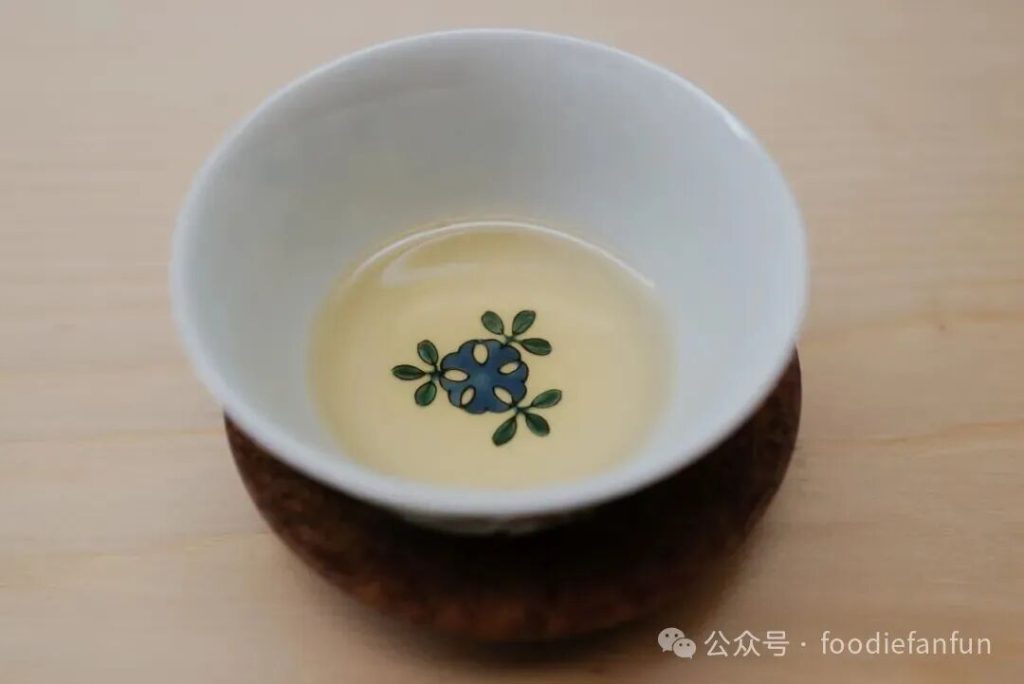
Chef Kosei Kisanuki is from Miyazaki, and trained at Ishikawa in Kagurazaka and Tsurukō in Kanazawa before serving as head chef at Katatori. In April 2025, he opened his own eponymous restaurant in Kanazawa, and when he went independent, Takuya Katatori also supported him with the space and the team. The Miyazaki pheasant and golden sesame on this menu both come from his hometown.
This summer’s version of the menu is especially lovable for the way it puts broth, seasonal vegetables, and leaner fish together. The freshness runs incredibly high. By the end of the meal, despite having gone through four rounds of rice, there’s still a spring-water kind of sweetness lingering in the mouth — a happy feeling of floating on a cloud as a minor deity.
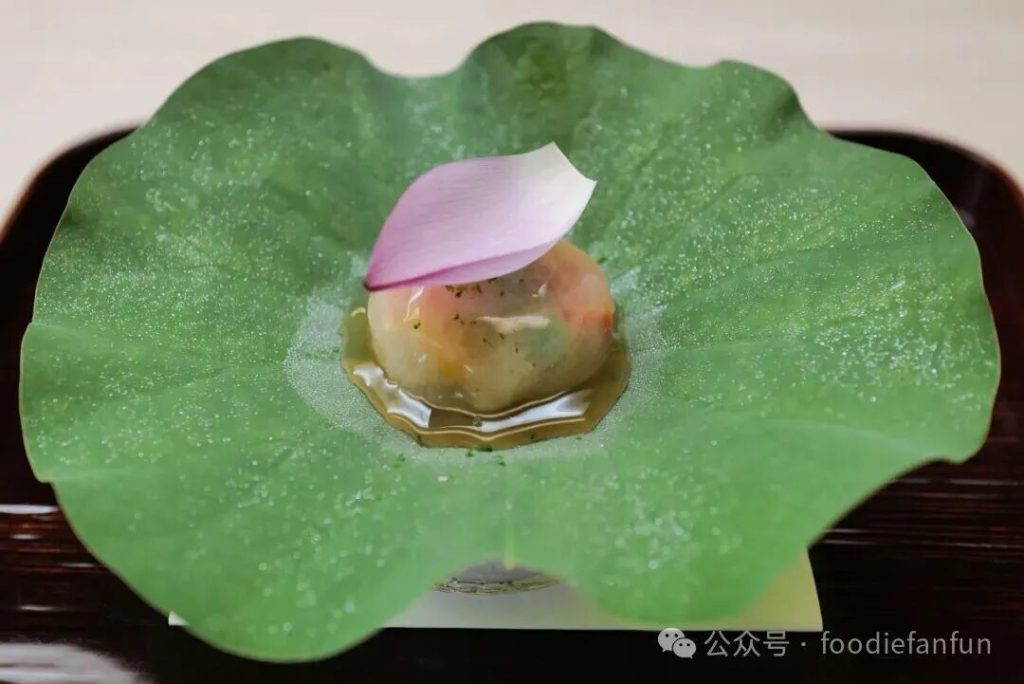
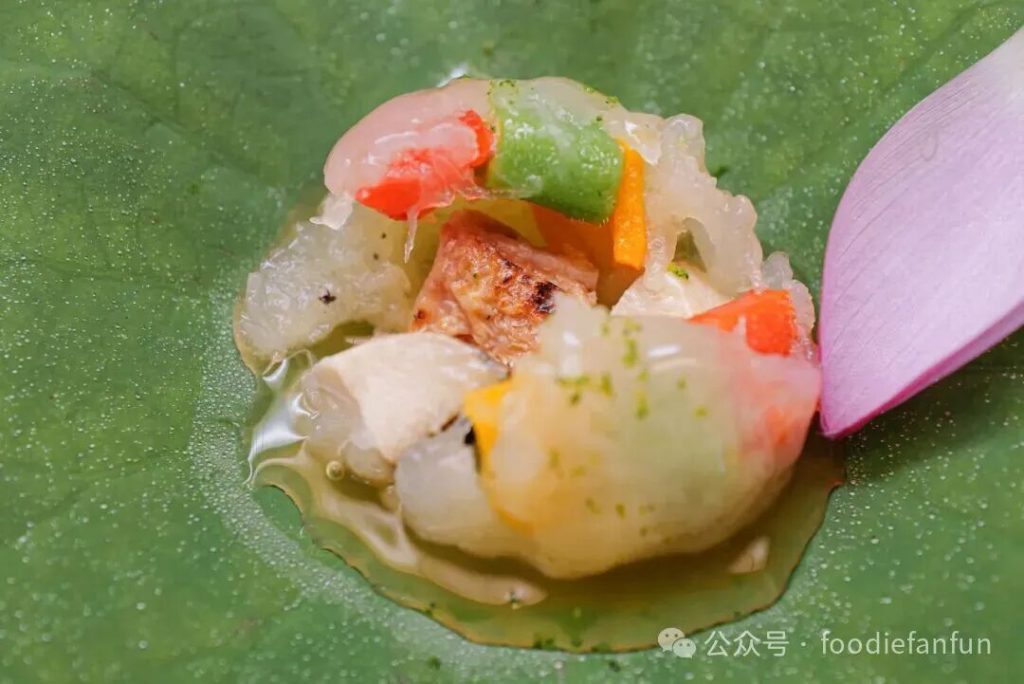
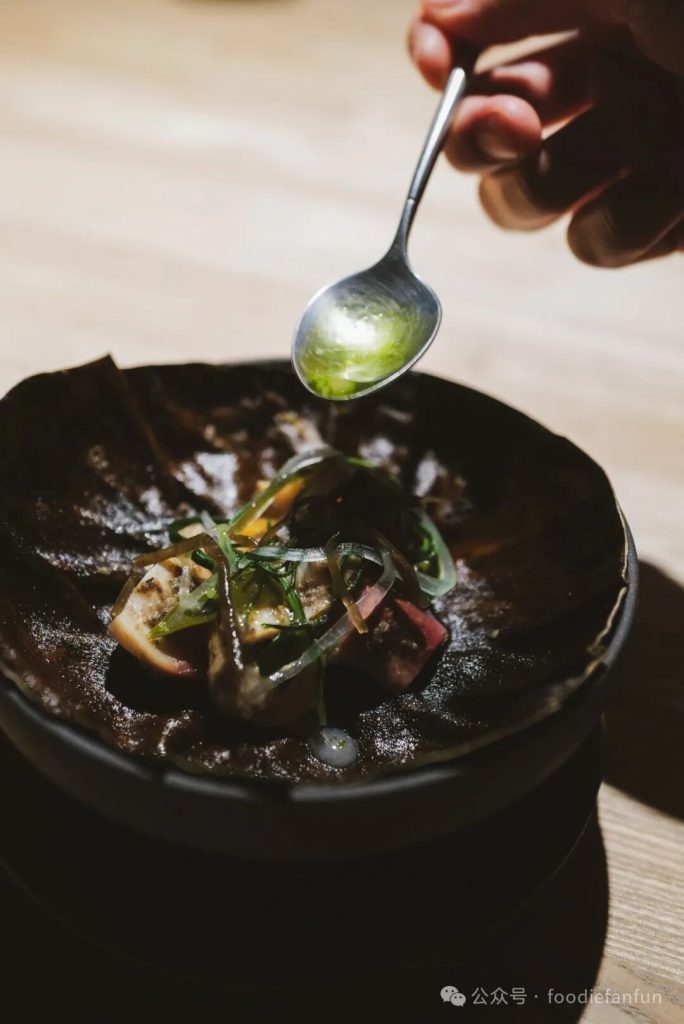
A lotus leaf as a bowl opens the first scene of the summer menu.
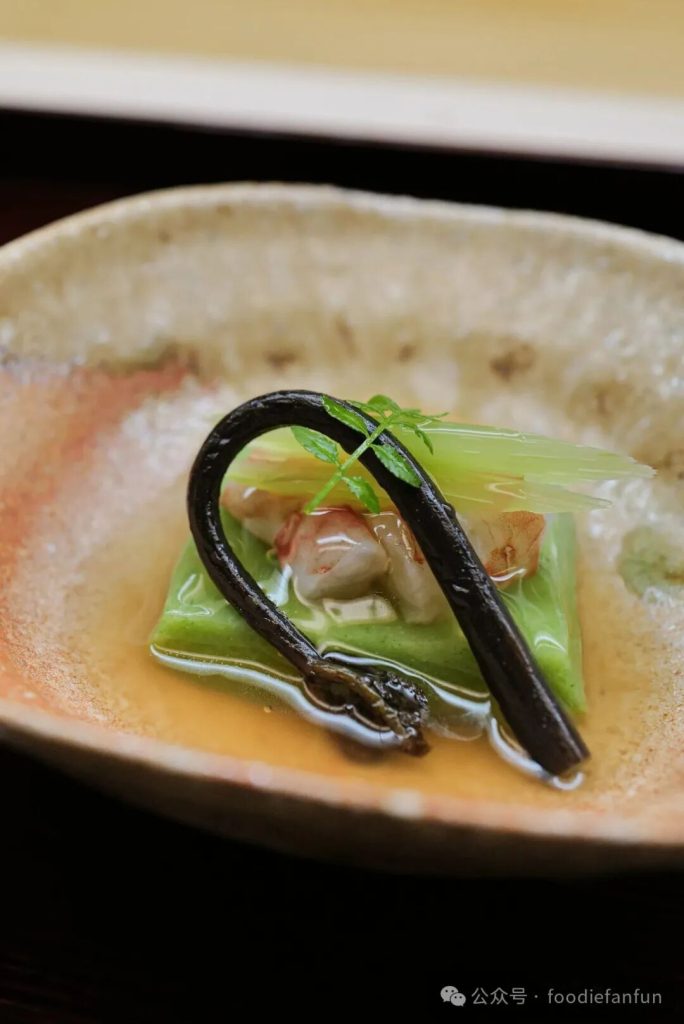
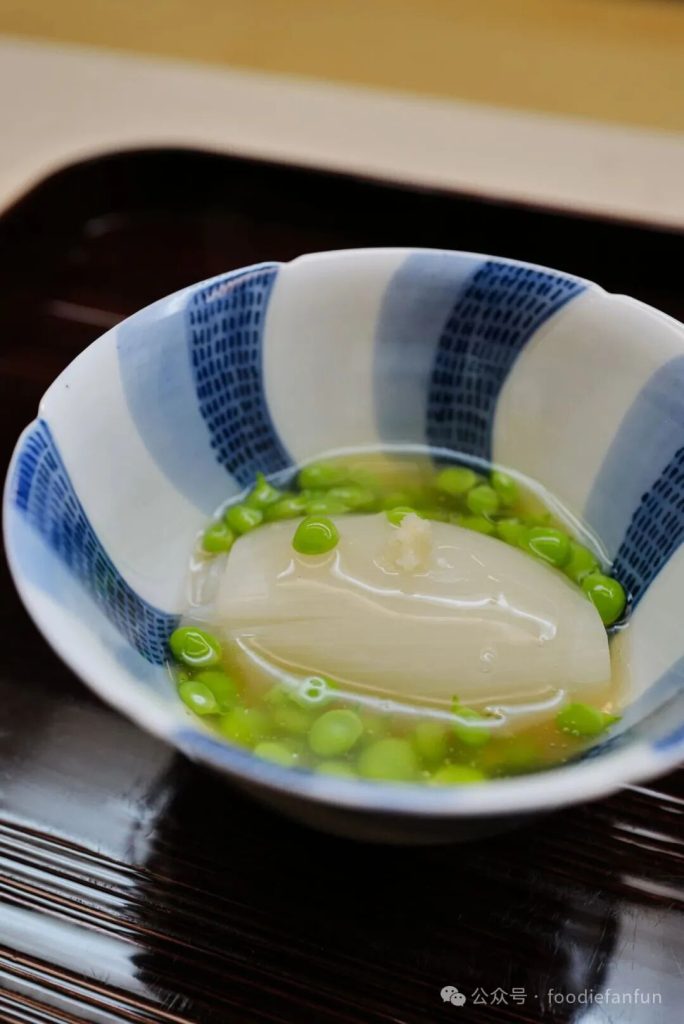
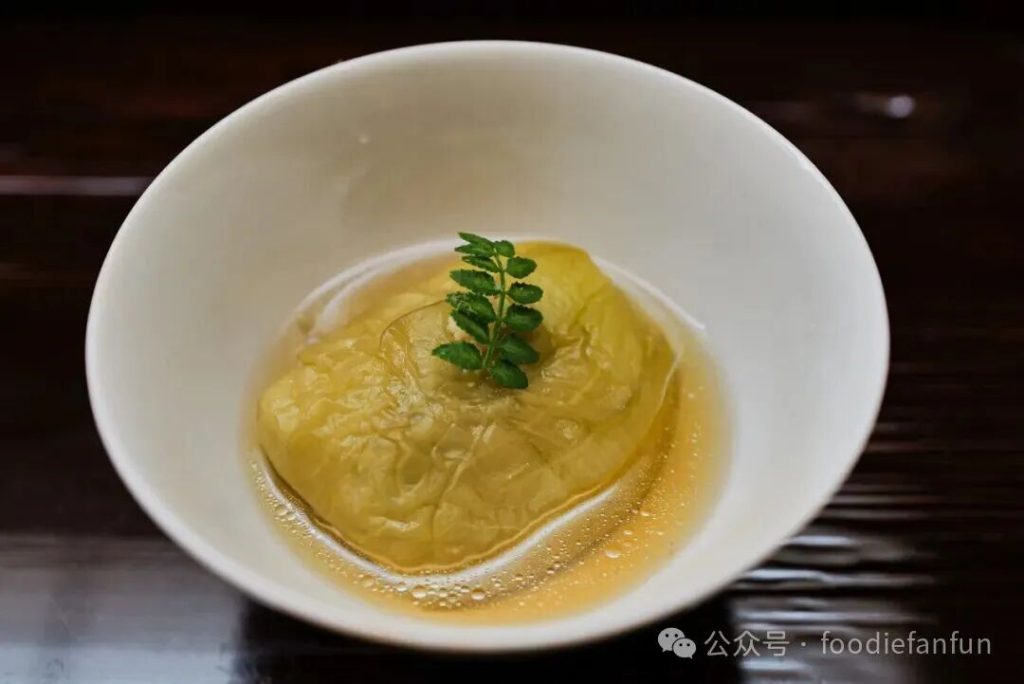
Radish wrapped around broth-simmered winter melon, hiding abalone, okra, and bell pepper inside. The broth carries a slight viscosity, the abalone crisp, the okra crisp too, yet each with its own distinct character. The bell pepper, lightly charred, releases a bit of fragrance as you chew.
It looks like a mild, understated single course — but cut it open, and inside it’s a lively little crowd.
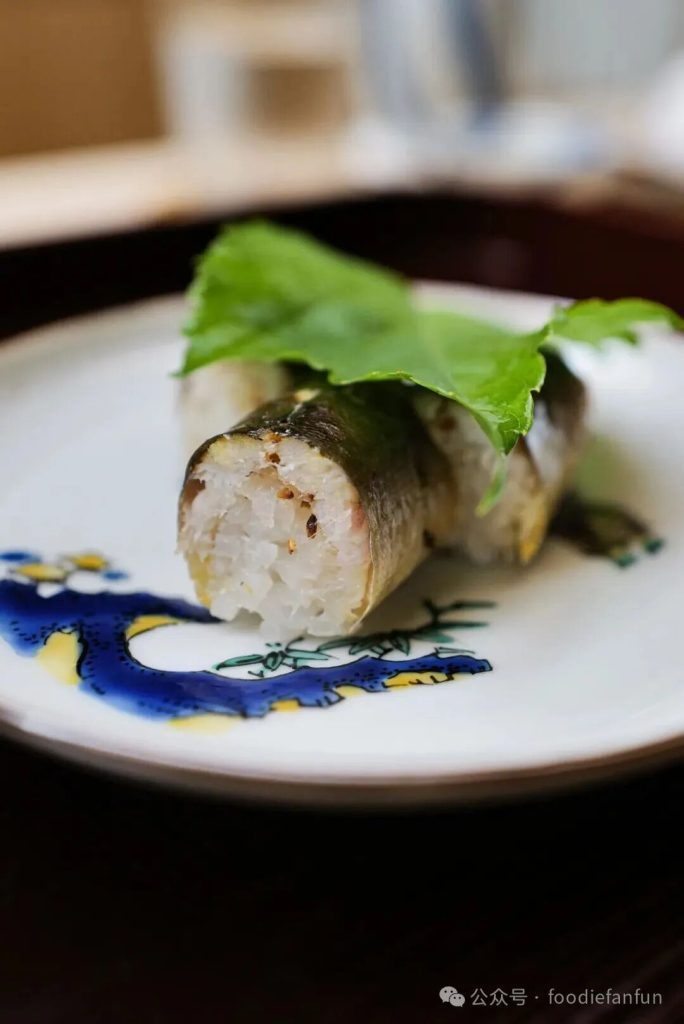
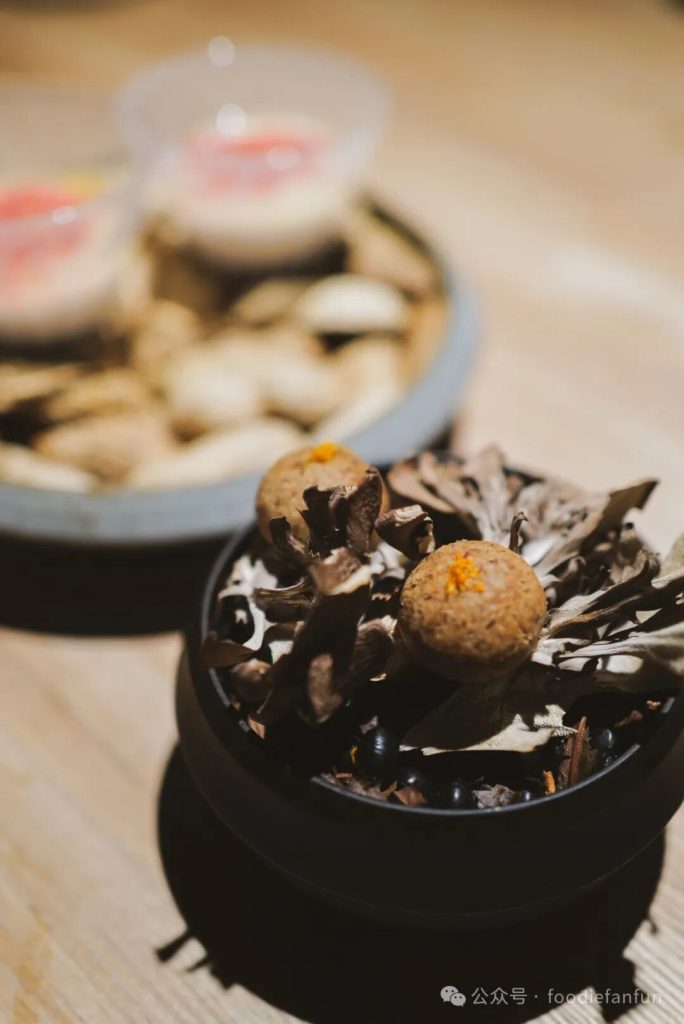
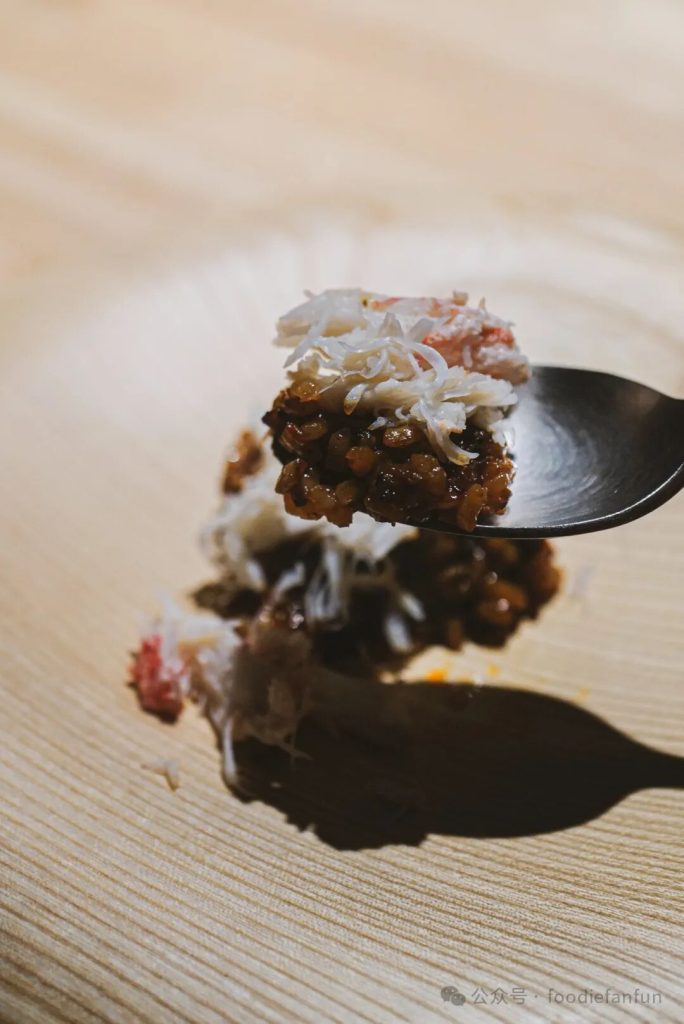
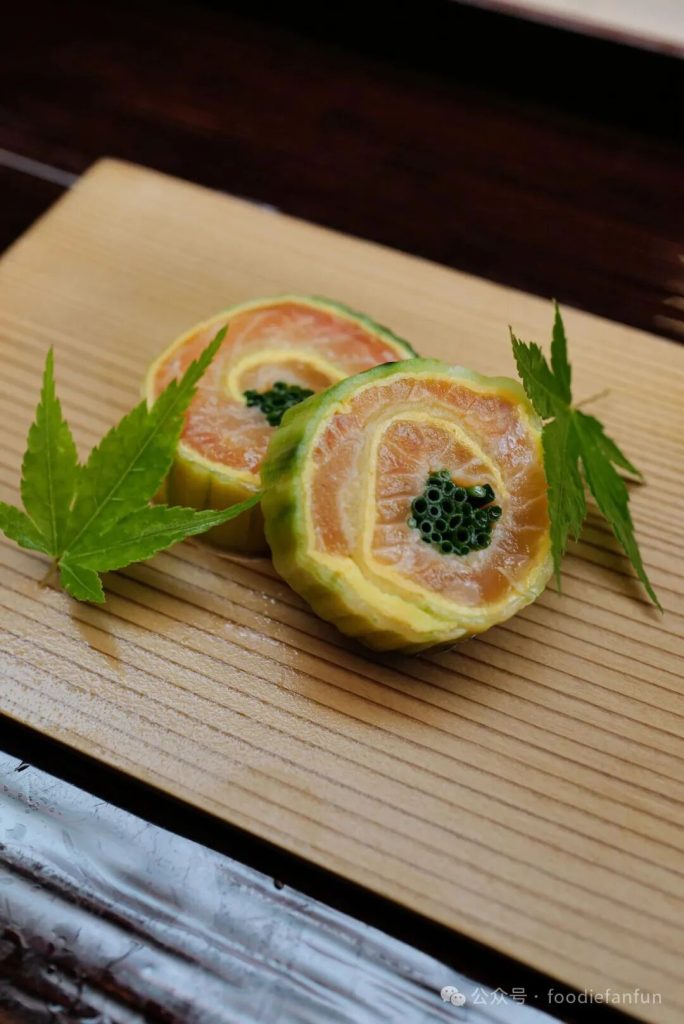
The ayu sushi is the kind of delicious that hits straight in the chest.
The aroma of fish and rice almost merges together in the warm steam released in your mouth, yet on the tip of your tongue you can still tell the two textures apart. Soft, full, with the ayu’s clean bitterness — a distinct, clean flavor.
The more you chew, the more fragrant it gets. Eating three in one go, and still left wanting more.
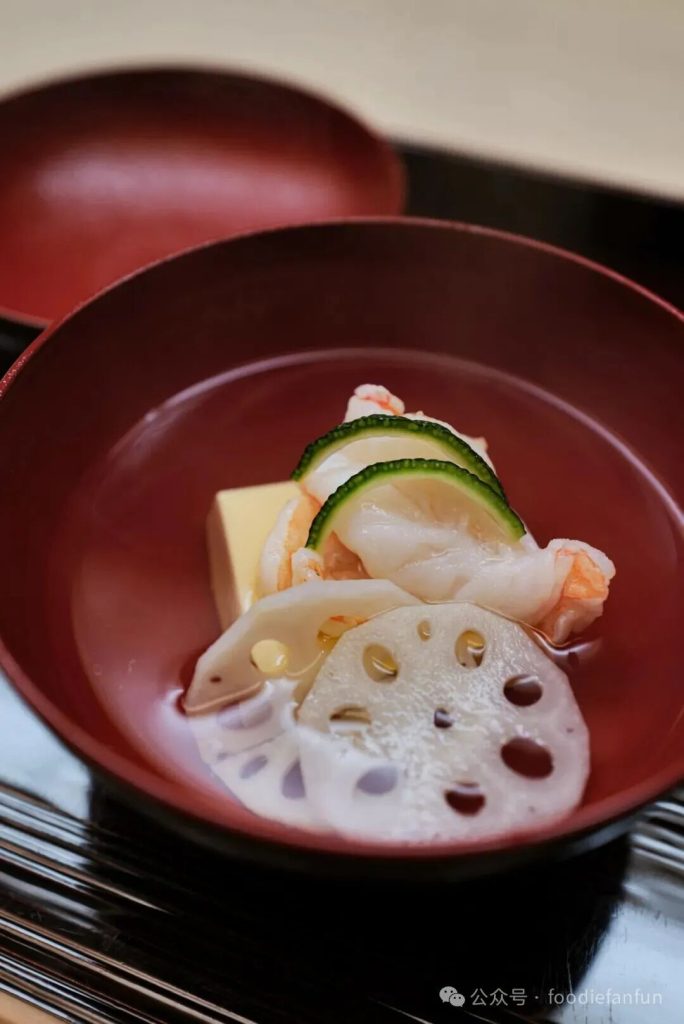
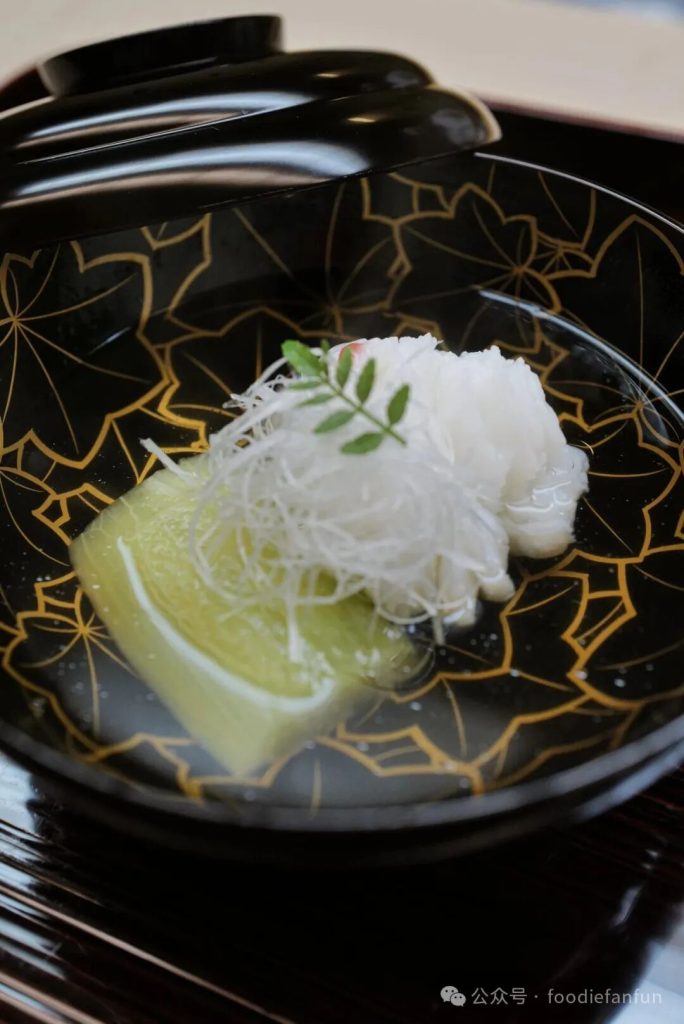
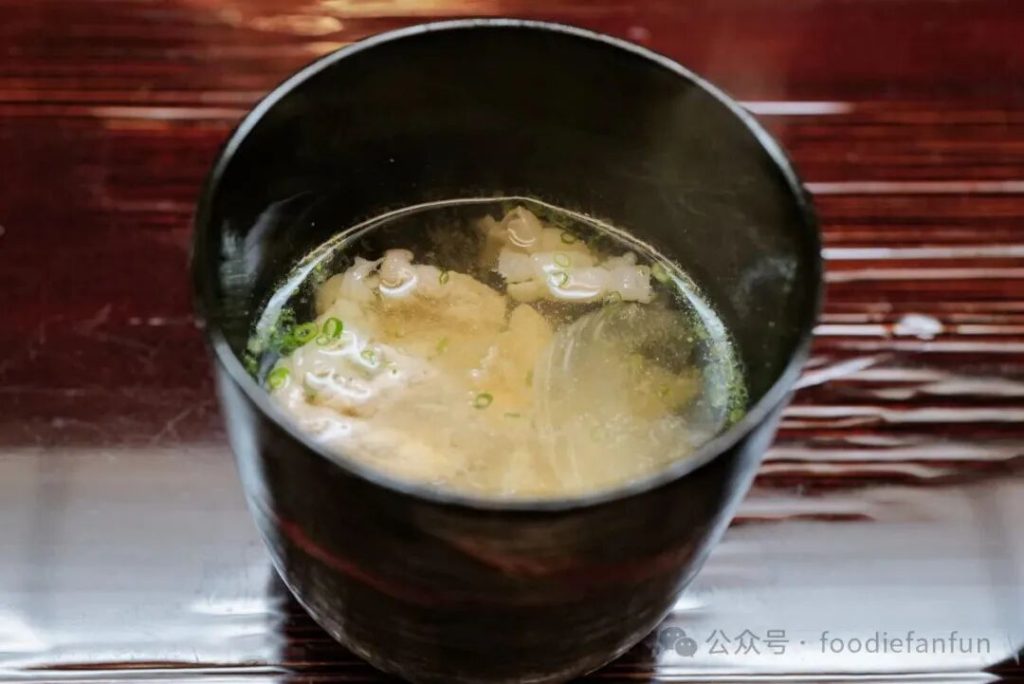
The Ishizaki shrimp in the soup course just slides into your mouth! Smooth going in, yet crisp when you bite down, both sweetness and savor faint and gentle — extremely comfortable.
The egg tofu beside it is even softer, the egg fragrance rushing in along with the broth, the aroma overwhelming, and silky to an almost excessive degree.
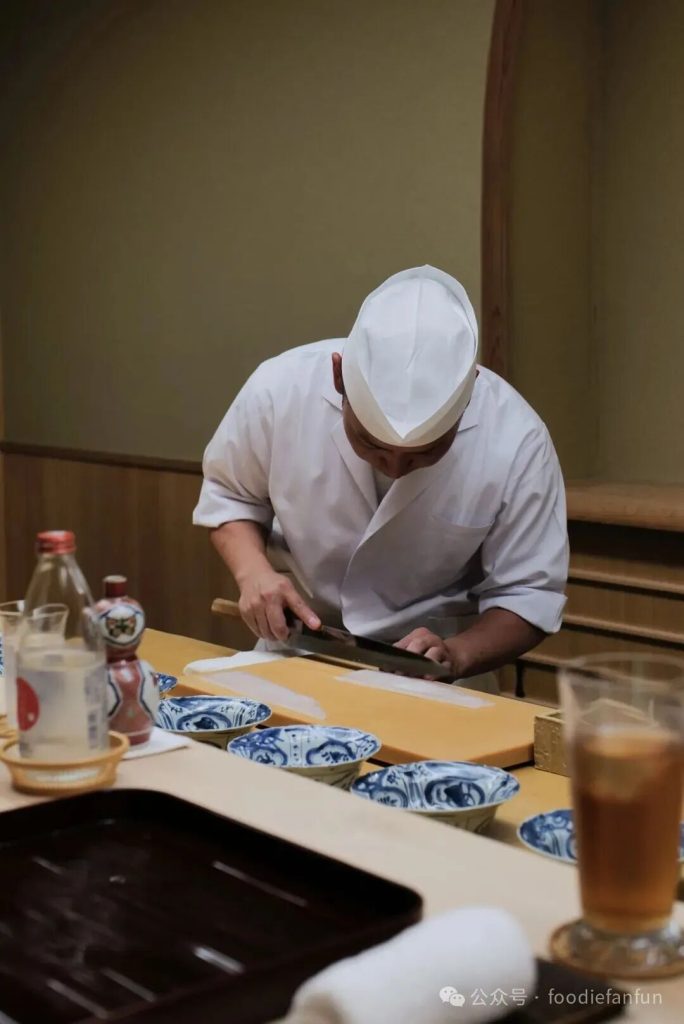
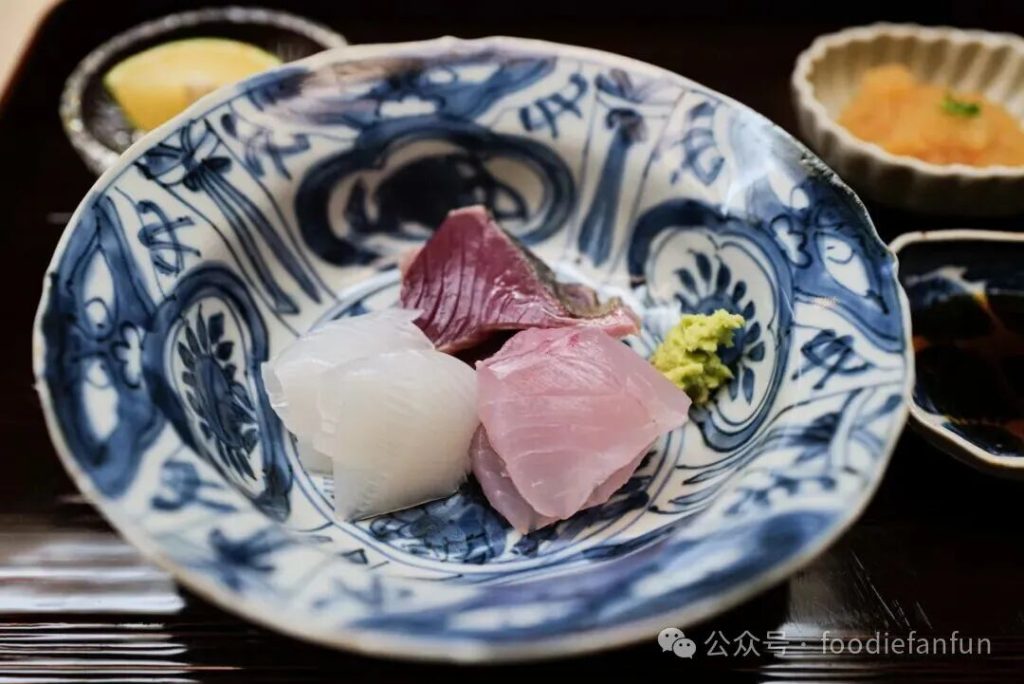
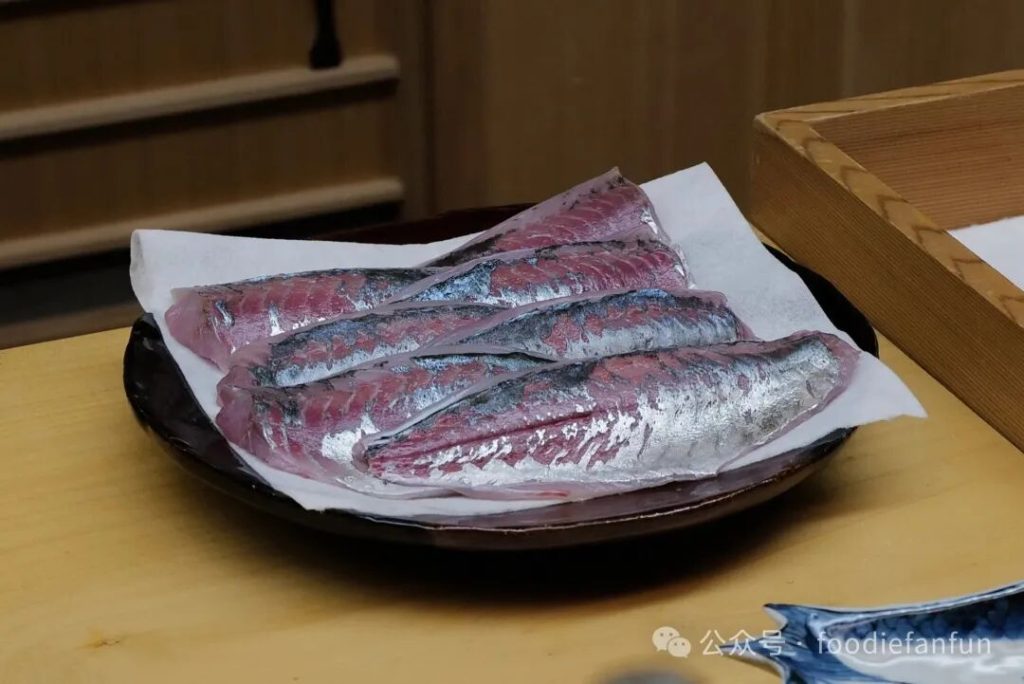
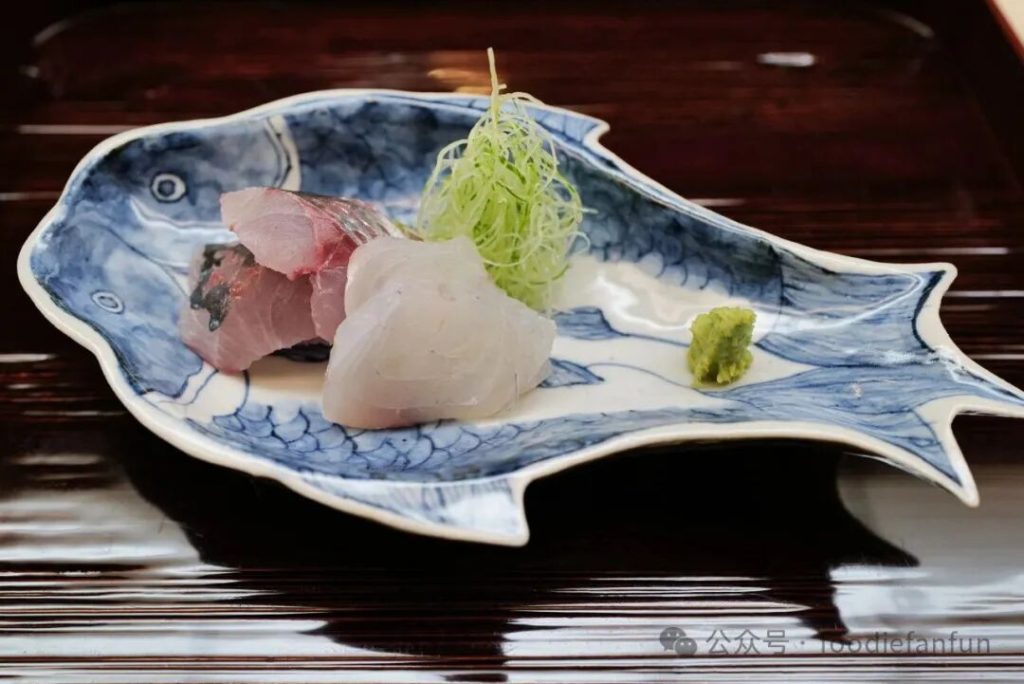
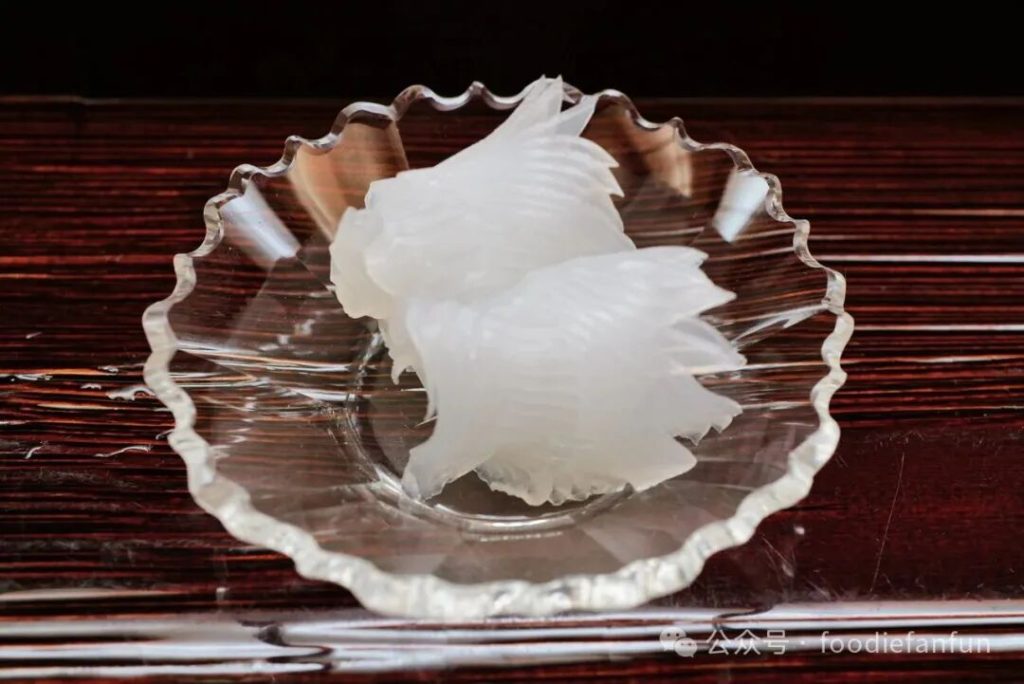
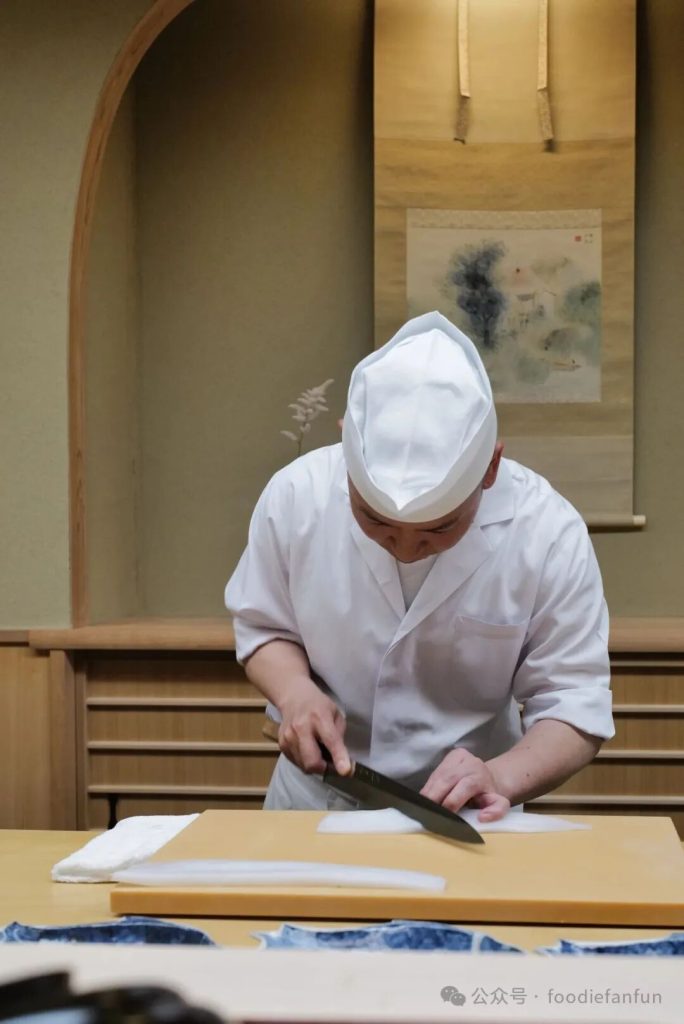
Sashimi is the only step Kisanuki handles himself at the counter. During the few minutes he spent on the squid, every eye in the room was pulled to his blade. The knife skated across the fish’s surface at speed, the whole process quiet, continuous, and so smoothly precise it felt like a performance.
The squid carries a pure, clean sweetness, with a supportive structure in the mouth yet needing little chewing. The bonito’s smoke is restrained, and the crisp, springy bite as you chew doesn’t hide its freshness at all. The ara (fish collar) carries an excellent white-fish aroma.
When Kanazawa’s fish meets the right hands, it really is this delicious.
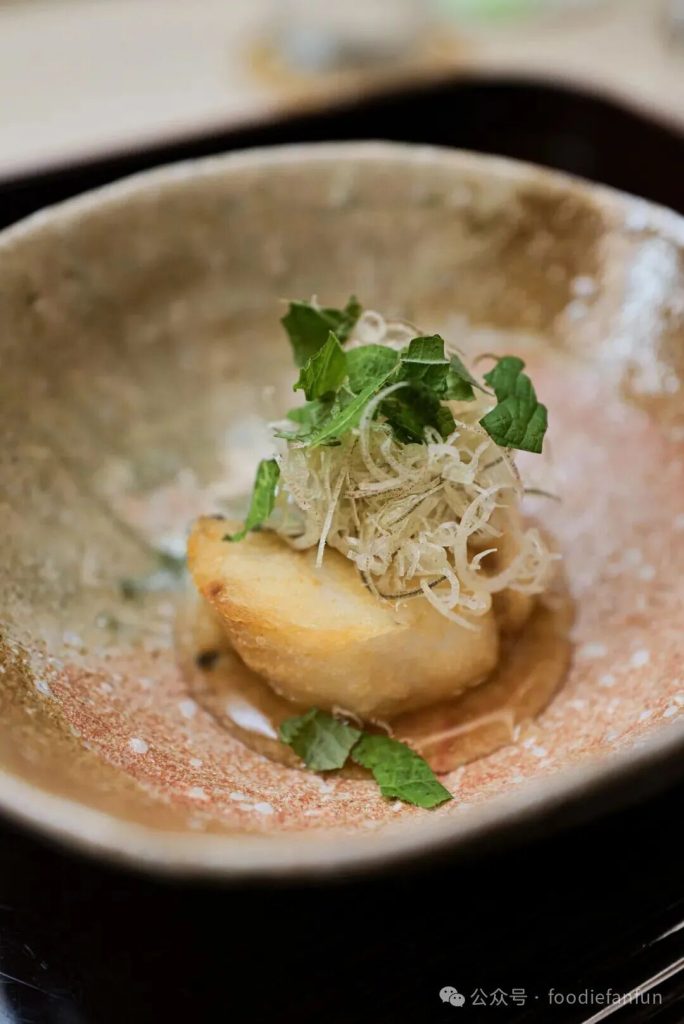
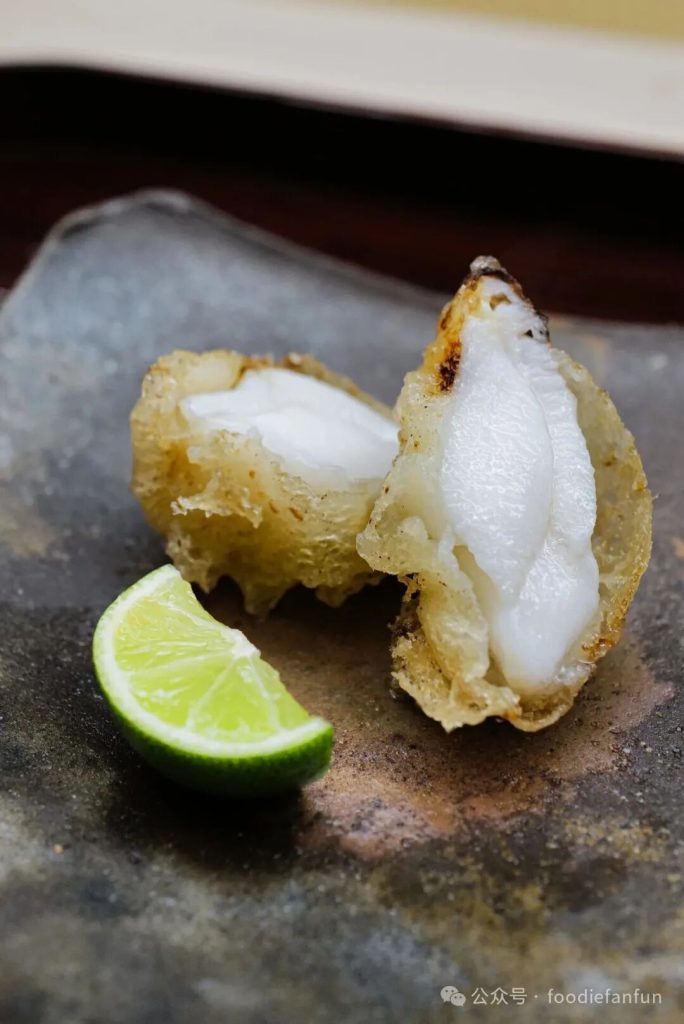
Fried tilefish with myoga and wild shiso leaf — traditional in appearance, but the aroma is genuinely elevated.
The golden crisp shell on the outside stands the fried fish’s aroma up straight, while inside it still carries that delicate freshness you’d get from steaming. The flesh is soft, and you can still make out its fine fibers as you eat.
One piece of fried fish, both fragrant and tender — a mature chef refuses to choose between the two. 🐟
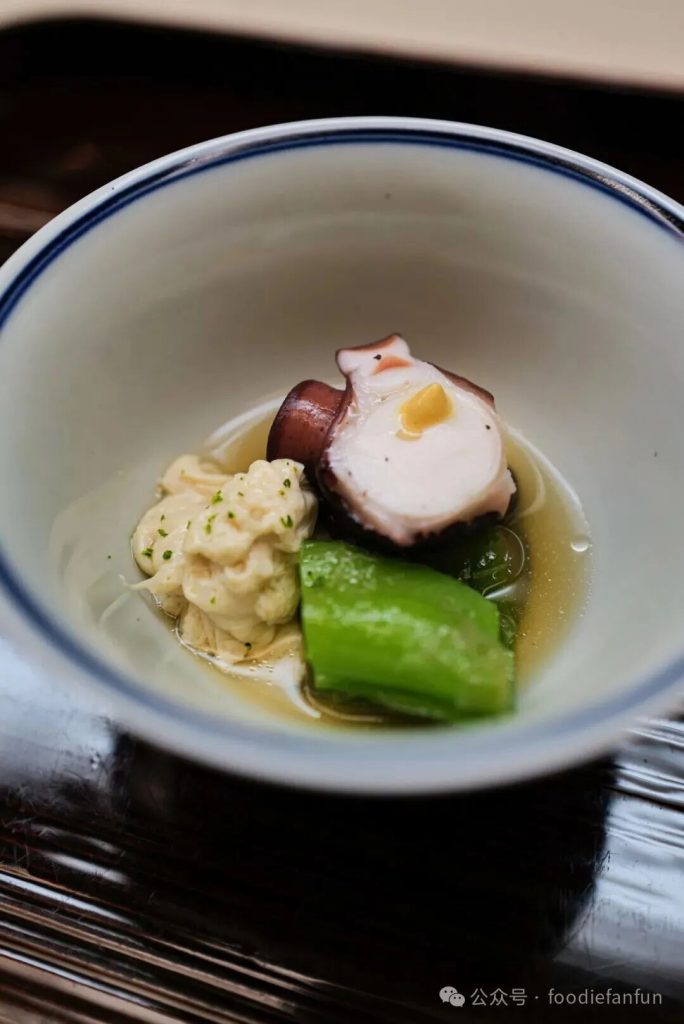
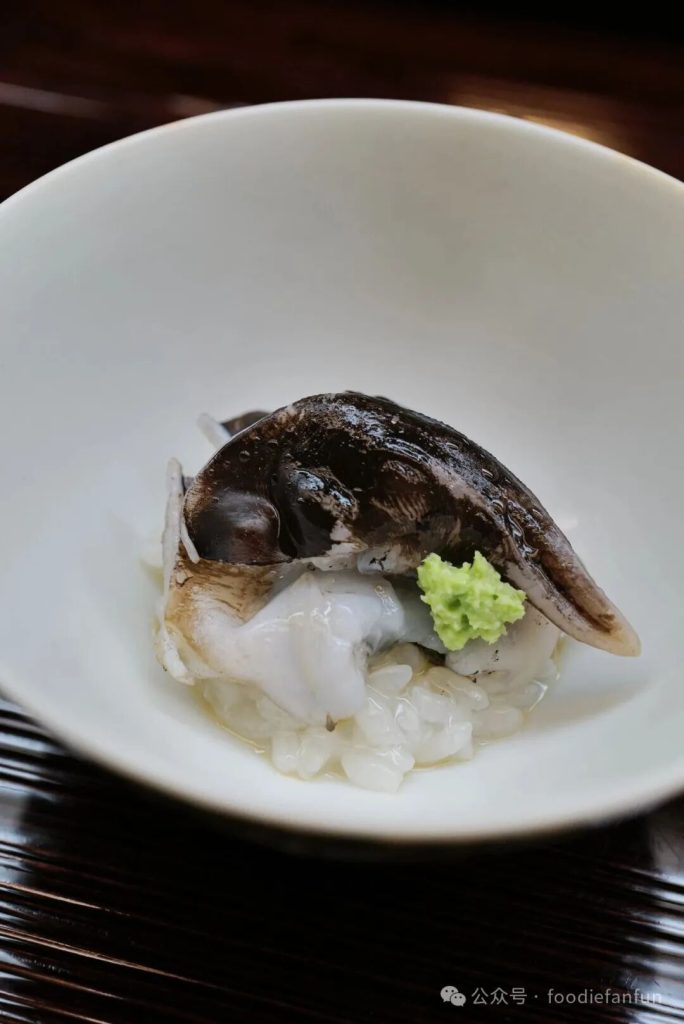
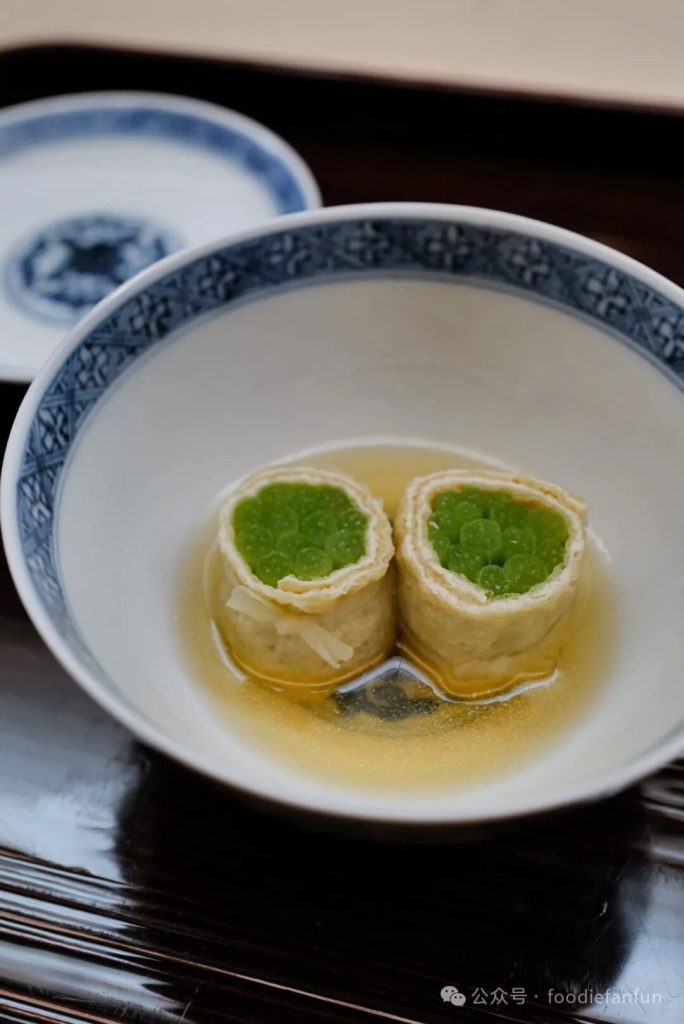
At first glance, it’s genuinely hard to imagine how good a bowl that looks like a simple drinking snack could be. Even less expected was that the thing you’d remember longest turned out to be that small, unassuming piece of yuba.
What hits you first is the fragrance of mangan-ji peppers. The octopus leg is tender, with a bit of spring left in it, and the savor slowly spreads out as you chew.
The yuba, meanwhile, acts like a clever little trickster — soaking up both the pepper’s clean fragrance and the octopus’s umami, while carrying its own soft texture, bean fragrance, and sweet aftertaste. Just a thin sheet, yet eating it somehow feels like something well-read and cultured.
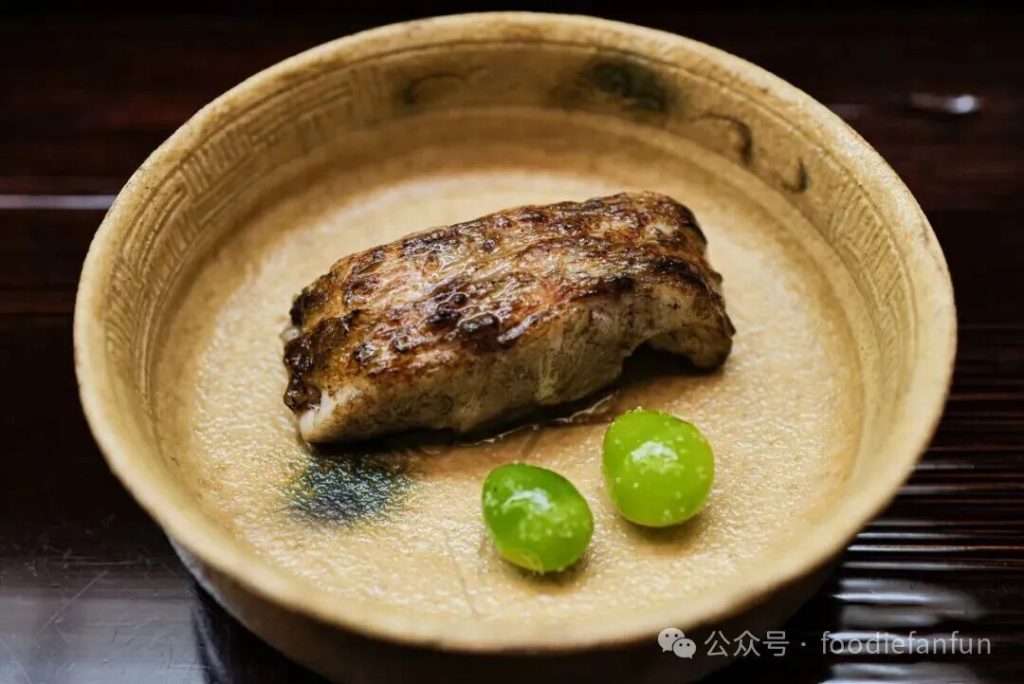
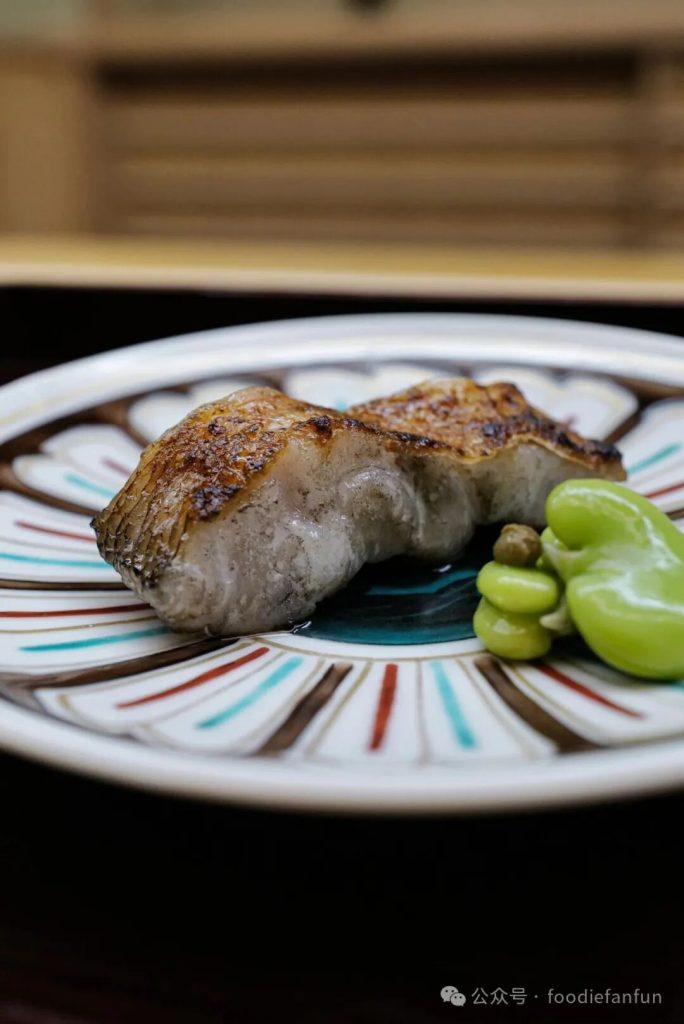
Summer’s nodoguro isn’t as fatty, with a fine thread of charcoal aroma wrapped around the outside, the flesh inside still sweet. Served alongside are ginkgo nuts grilled just to doneness, sweet and satisfying to eat.
The eggplant that no summer counter can do without arrived soaking in broth.
The eggplant flesh is delicate, and having soaked up plenty of broth, its own sweetness and fragrance are set off even fuller by the umami. Bite after bite, and by this point I’m genuinely running out of words.
It’s just that the eggplant is delicious, the broth is delicious, and eating them together into your mouth makes it even more delicious.
Heh heh 😈.
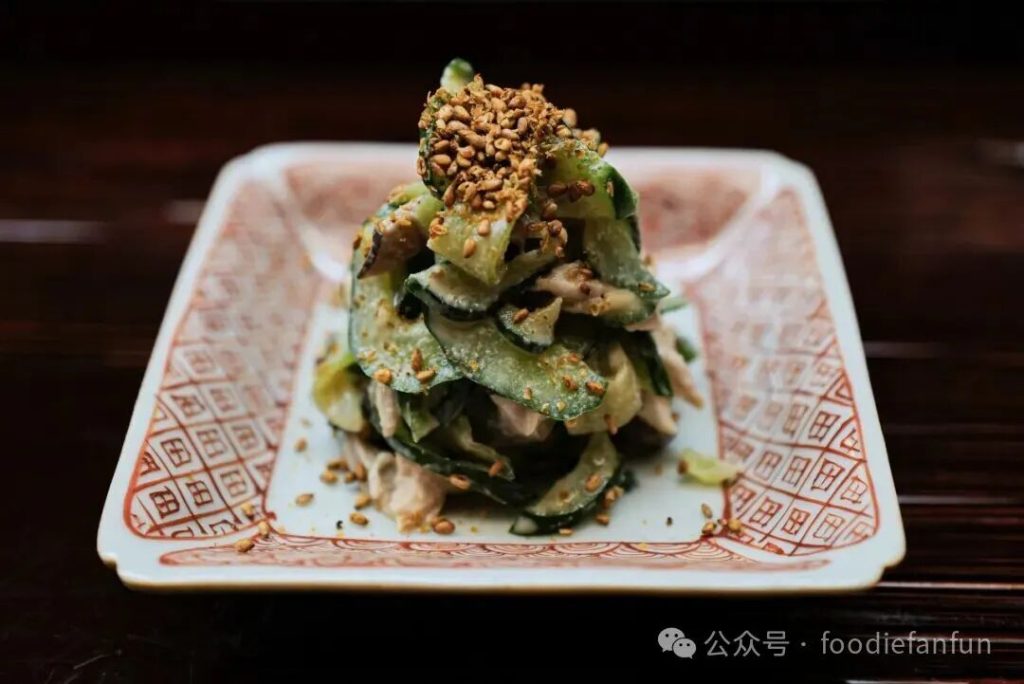
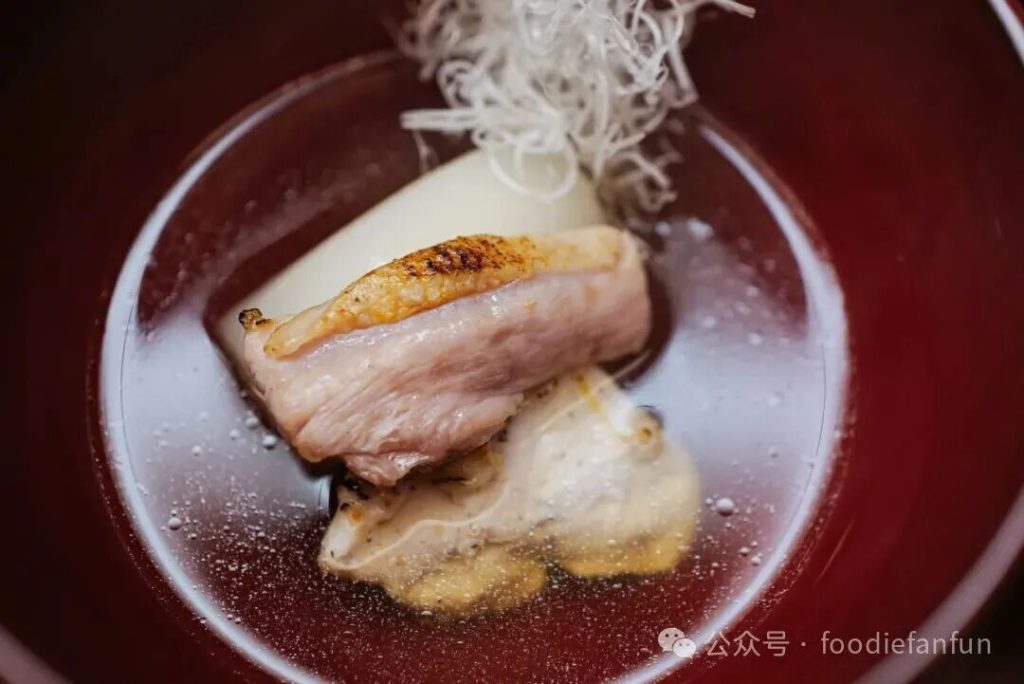
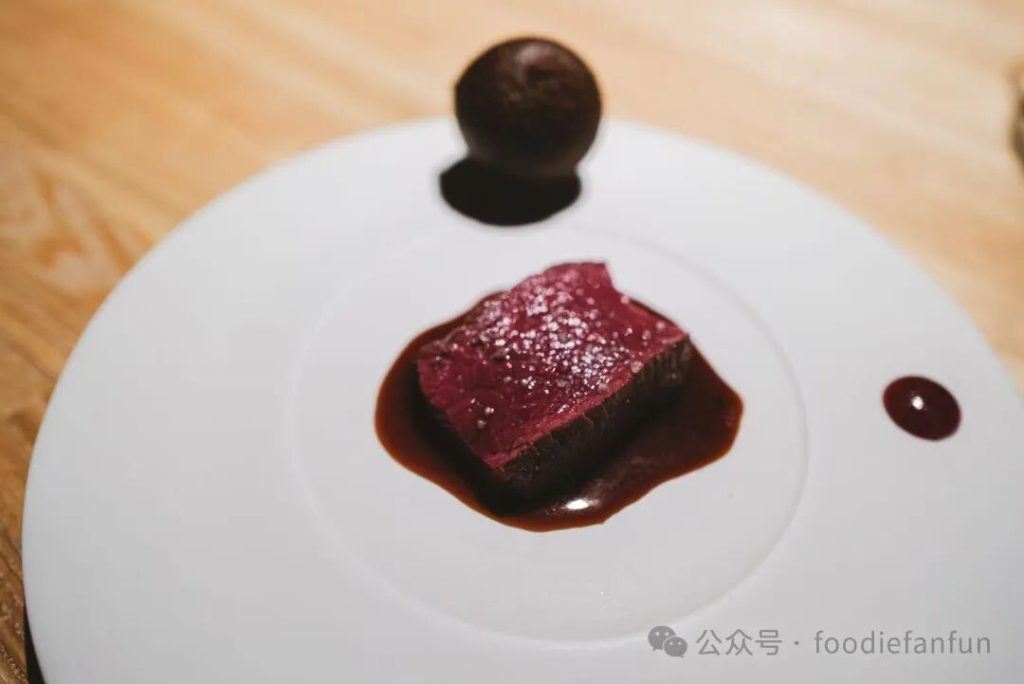
A hen pheasant from Kisanuki’s hometown — said to be usable by only two restaurants in all of Japan — prepared here in three different parts and two different ways.
Cucumber, mushroom simmered in amber syrup, and Miyazaki golden sesame, tossed with the pheasant tenderloin. The sesame brings fragrance and smoothness along with a touch of acidity, with the cucumber’s moisture and crunch woven throughout. The mushroom is sweet, and the meat has real flavor too — far more fragrant to eat than its humble resemblance to shredded chicken salad would suggest.
Next came the leg and breast, paired with pheasant broth.
The meat flavor is tight and concentrated, especially the leg, more fragrant the more you chew. The charcoal aroma winds through the bowl like fine threads, never heavy. The small radish cushioning it underneath is plump and juicy, and biting in releases the broth right there in your mouth.
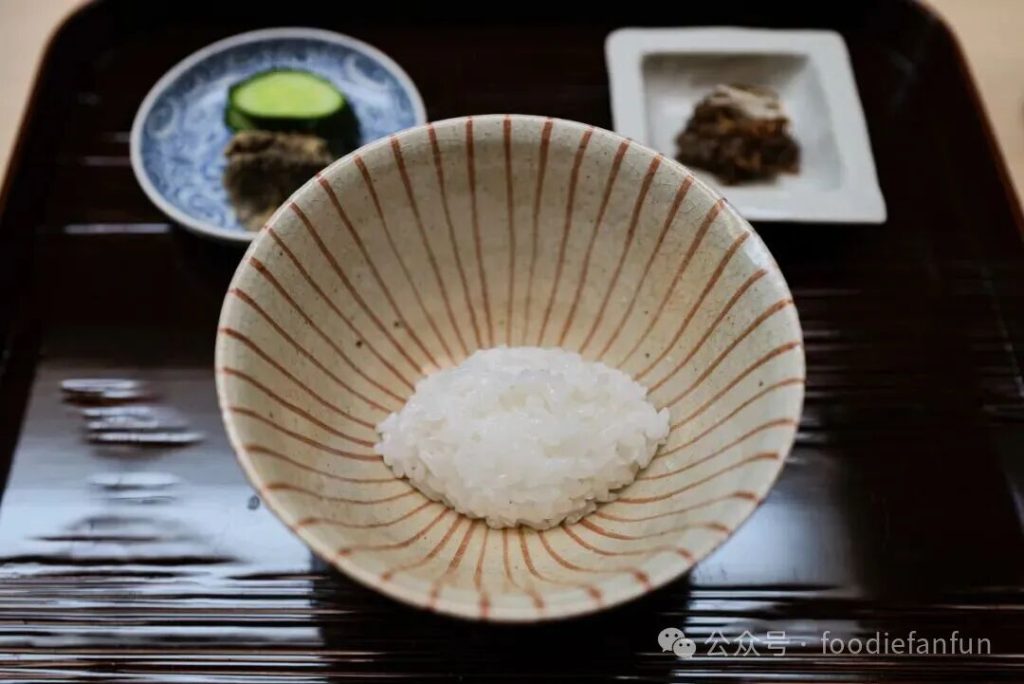
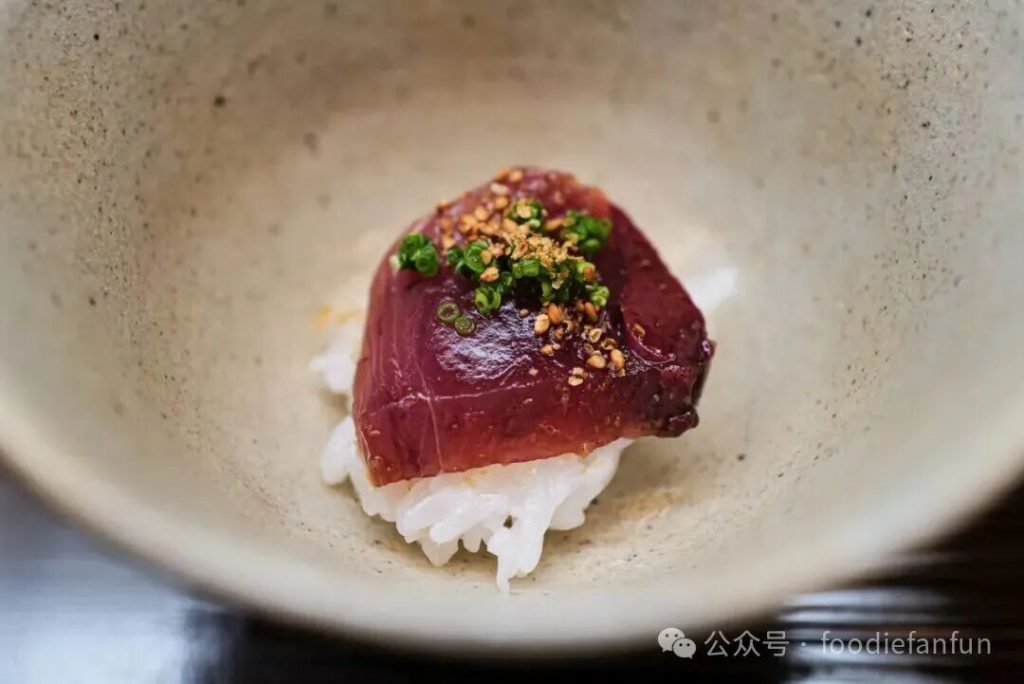
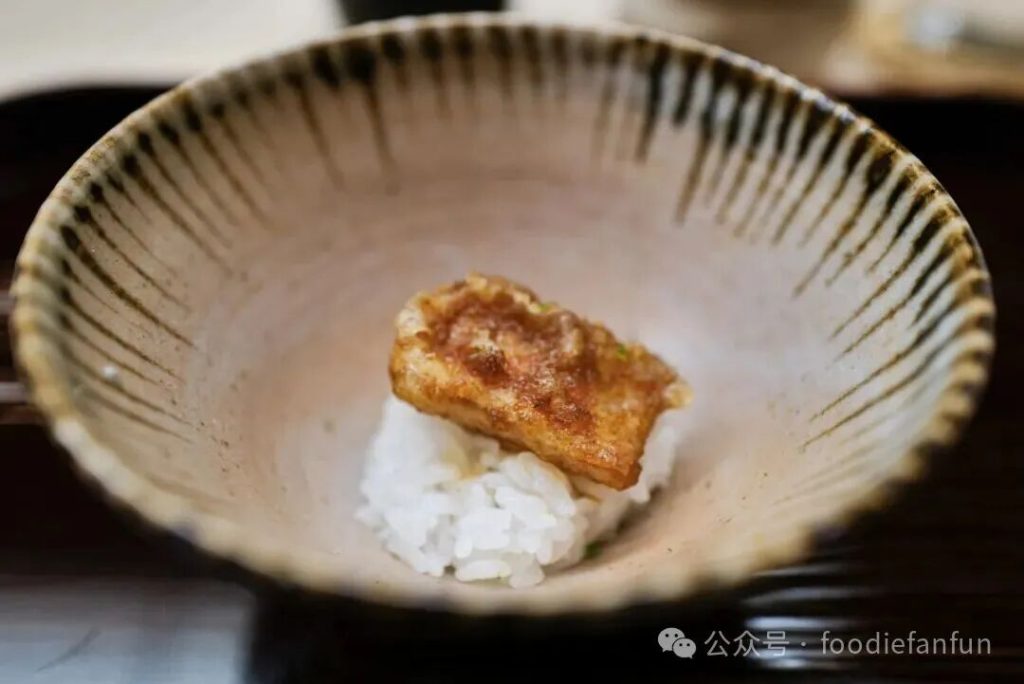
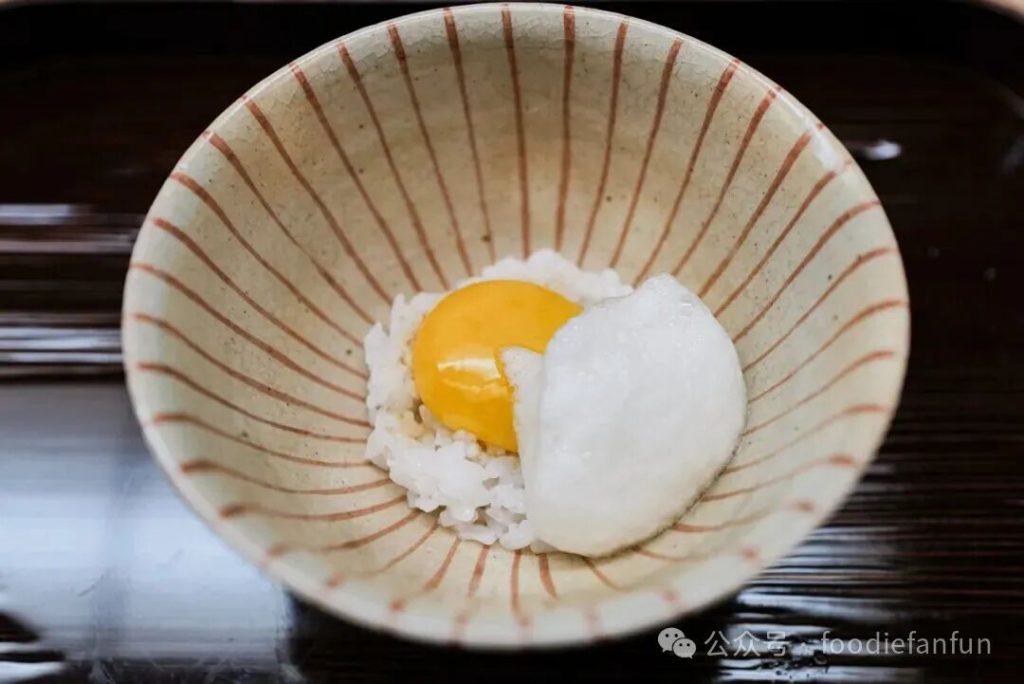
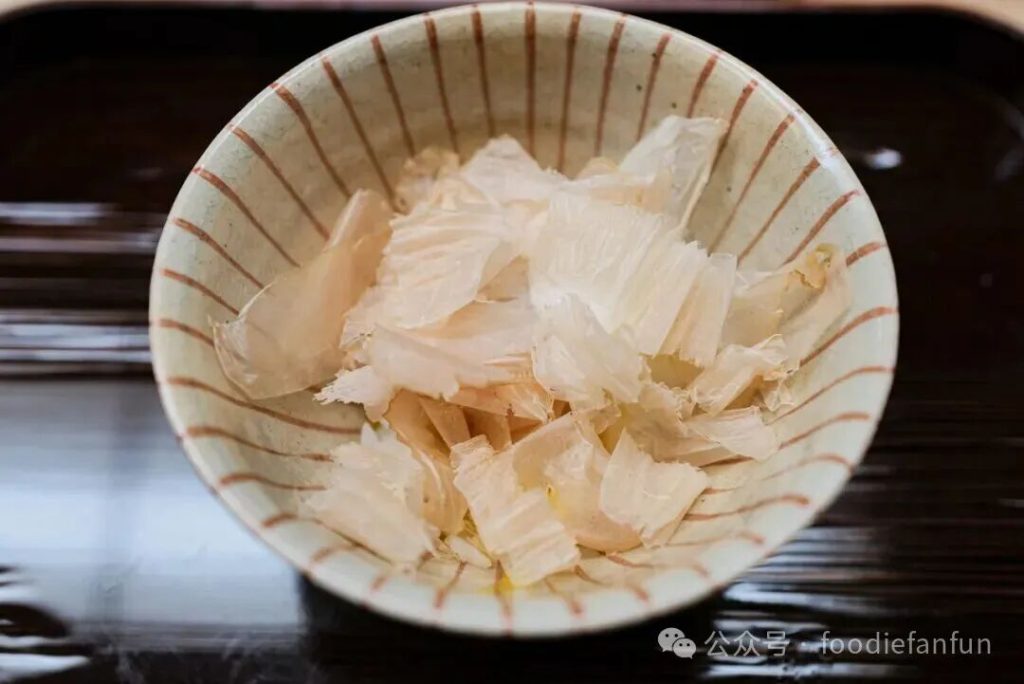
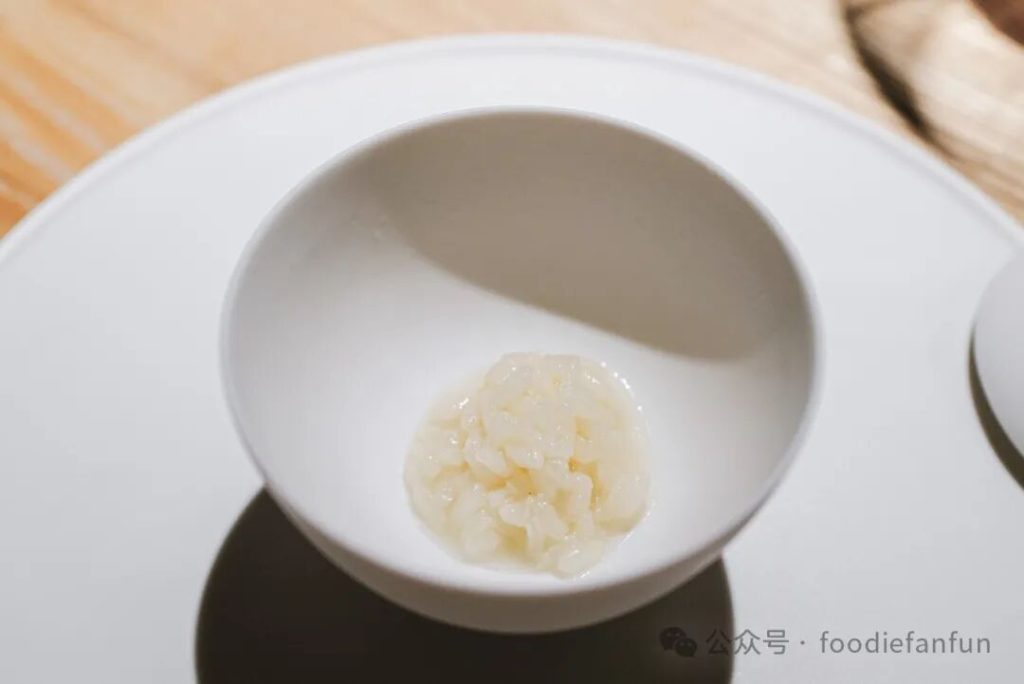
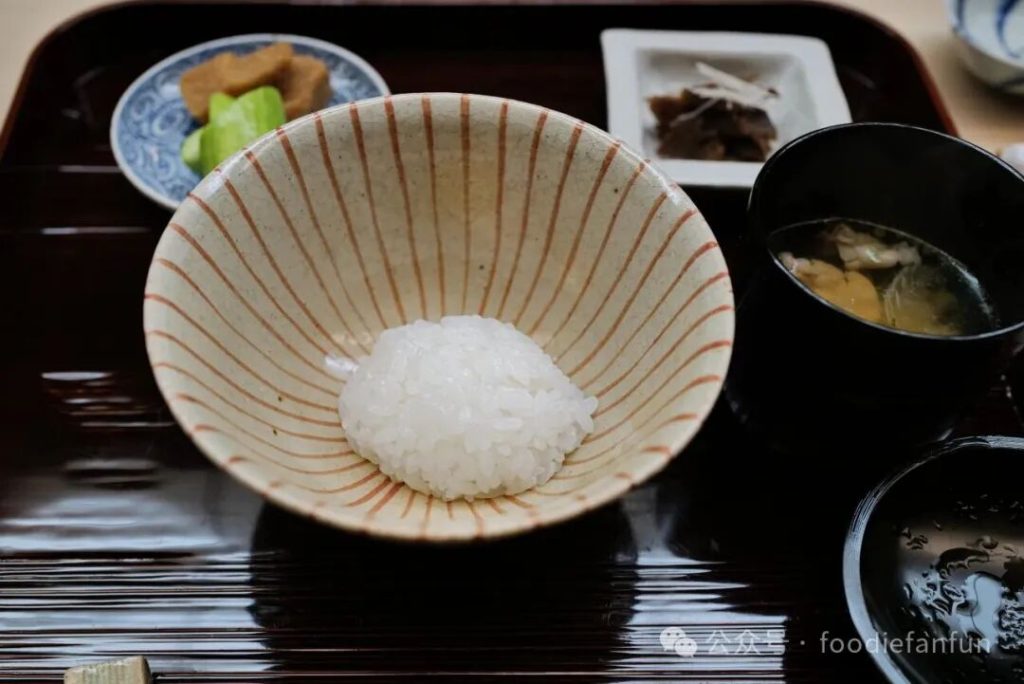
Finally, the serious business of ‘🍚 eating rice’ begins.
First, the resident regular: white rice with Himi beef simmered shigure-style. Pure, uncomplicated rice-eating joy — a bit of vegetable, a bite of rice carrying a faint richness, and plain white rice is just that good.
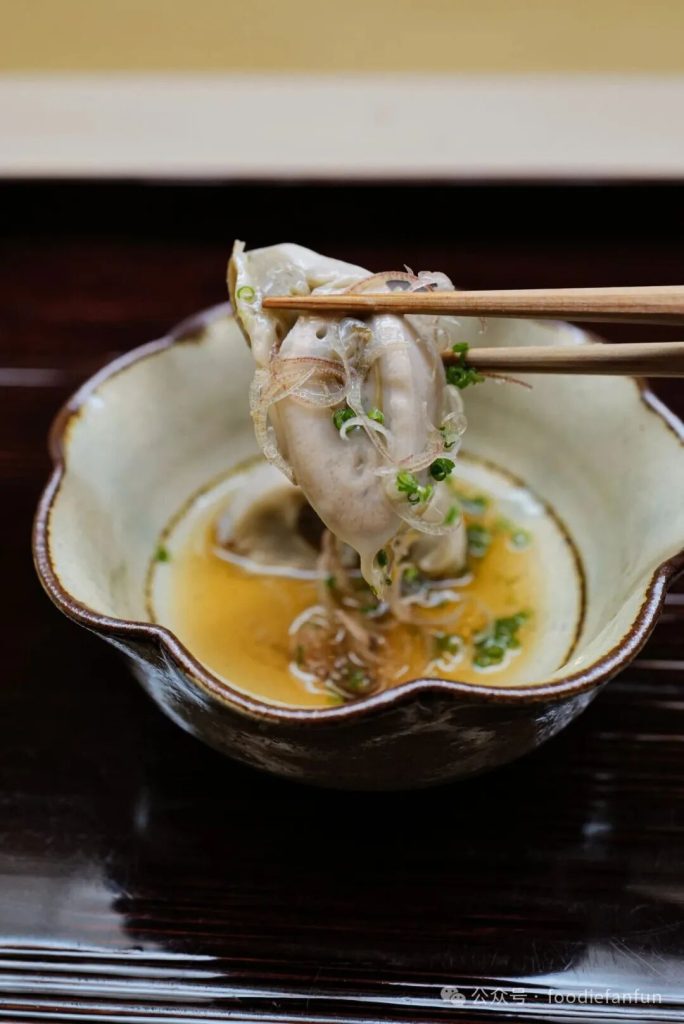
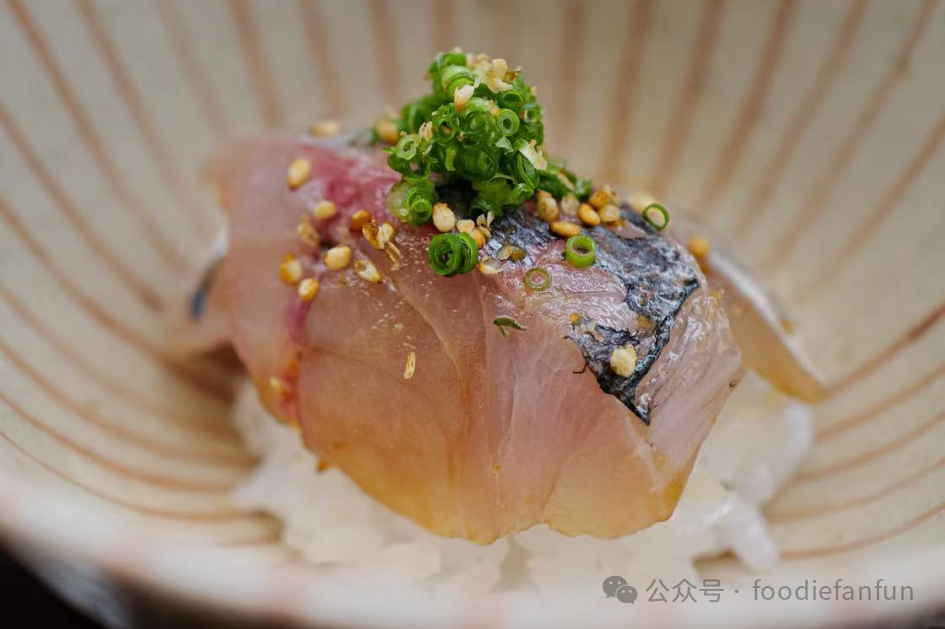
The second bowl pairs rice with the lightly seared bonito from the sashimi course earlier. The fish is soft enough, and the heat of the rice opens up the sesame fragrance — a completely different memory from the sashimi version.
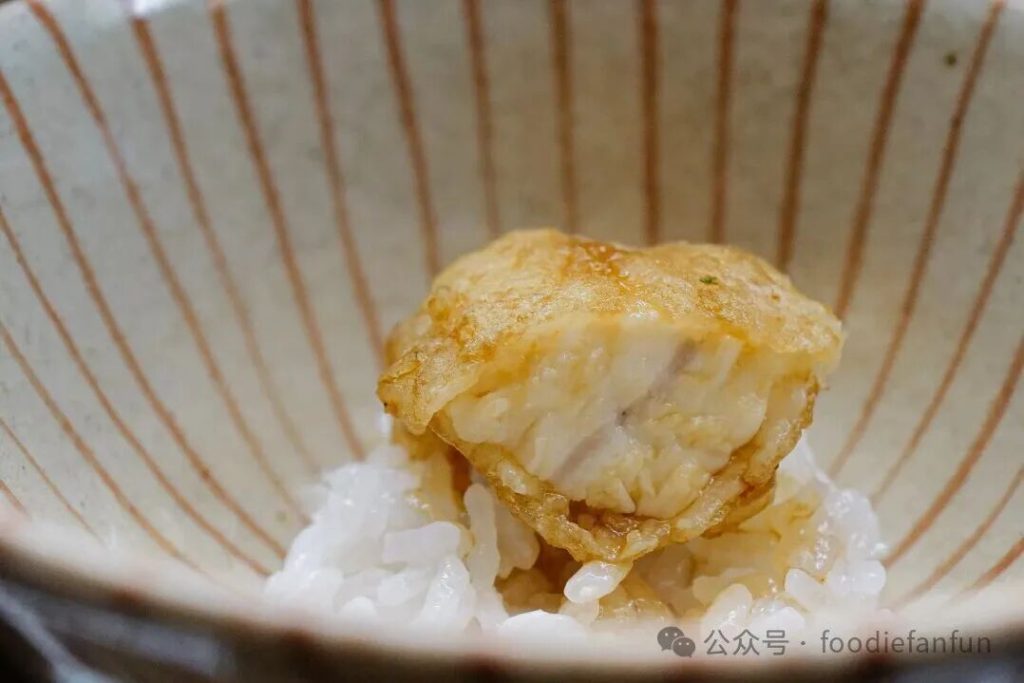
The third bowl, tilefish tempura rice bowl — compared to the earlier fried tilefish, this version shows a distinctly different moistness and softness, the fish carrying a faint richness that, wrapped together with the sauce around the rice, is simply impossible to resist.
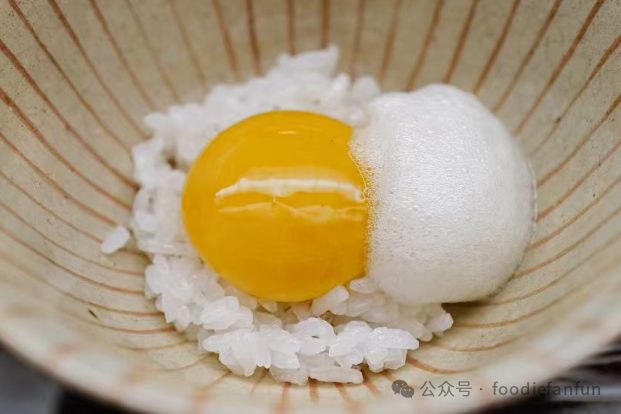
And of course, to finish, there has to be a raw-egg rice bowl. I love how the whipped egg white adds a last-moment airiness. Add bonito flakes, a faint salty savor, and the thick, fragrant egg yolk coating every grain of rice.
Four bowls of rice, four side dishes that each look like ‘oh, we just happened to have this ingredient today’ — and somehow this makes plain white rice taste this fragrant.
Kisanuki’s summer really is the kind where you finish with zero pressure on your appetite, yet your senses feel infinitely satisfied.
What I love most is that sense of flavor packed into something clean and fresh. The ayu’s bitterness, the pepper’s fragrance, the octopus’s umami, the eggplant’s sweetness, the pheasant’s meaty character — every aroma is deeply expressive, every flavor worth carving into memory.
Genuinely elevated, yet delicious in the most direct way.
A restaurant that can change its whole style with the seasons — who wouldn’t want to come back and see it again next season!
Kisanuki
Monday – Saturday, seating starts at 17:00
Chef’s Menu ¥36,300++