Gunma, just 50 minutes from Tokyo by shinkansen, is genuinely a perfect destination for a short trip.
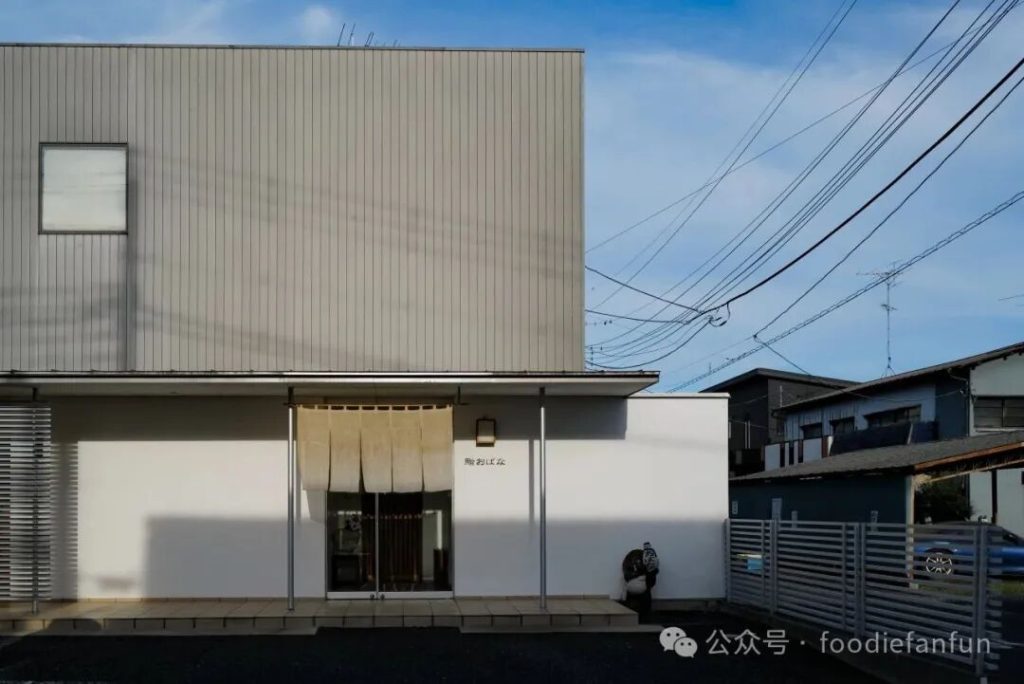
Went to the Gunma Safari Park and watched capybaras, red kangaroos, and giraffes wander freely around the grounds, and fed a variety of baby lions and tigers. In the evening, back around Takasaki Station, there’s a tempura restaurant with a Tabelog score of 4.28, ranked eighth nationwide in Japan.
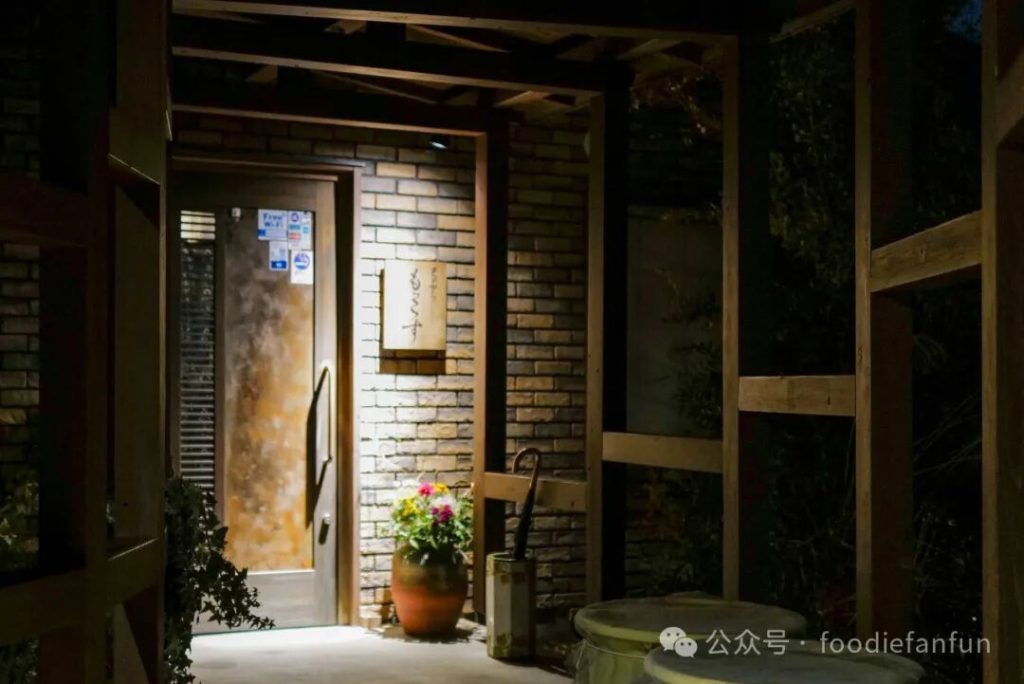
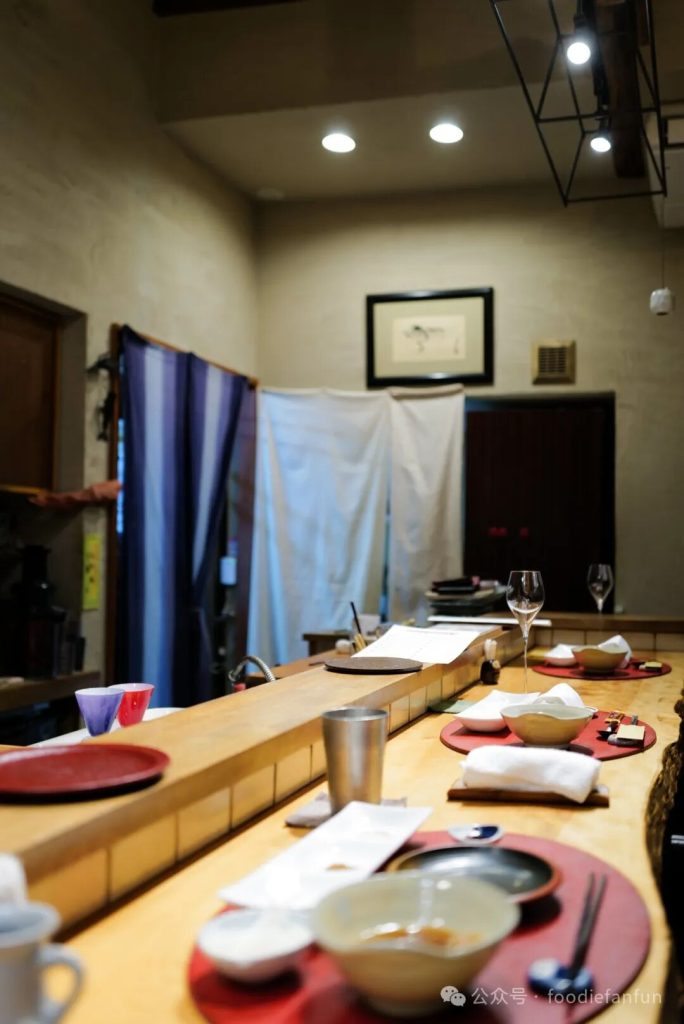
The restaurant’s name, “Mokkosu,” comes from a dialect word from the owner’s hometown of Kumamoto — it roughly means “a stubborn one,” someone who sticks to their own convictions.
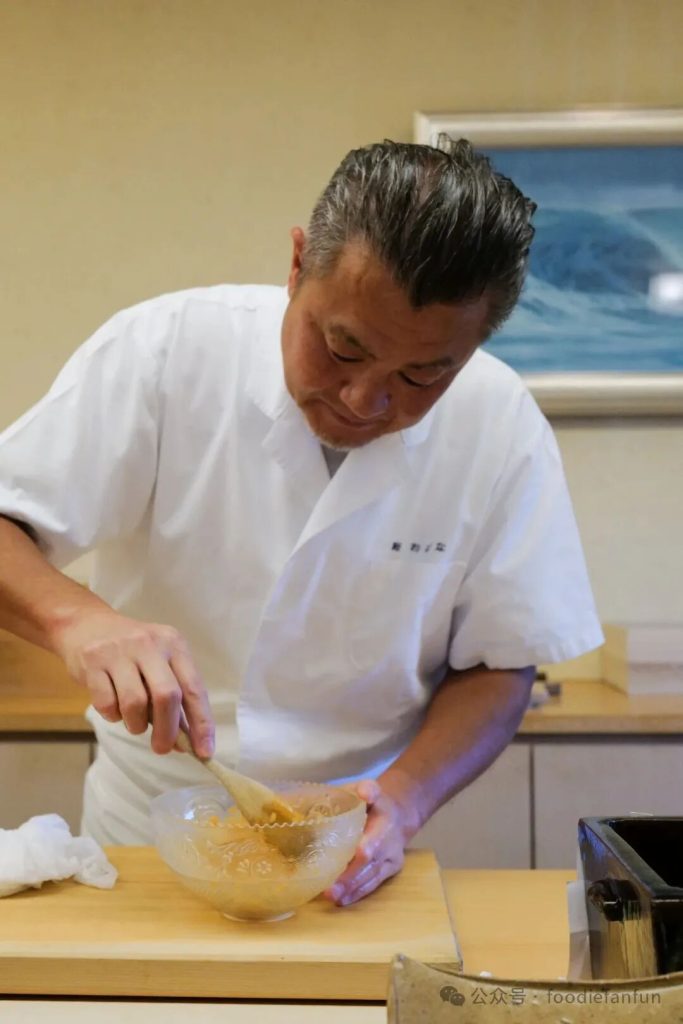
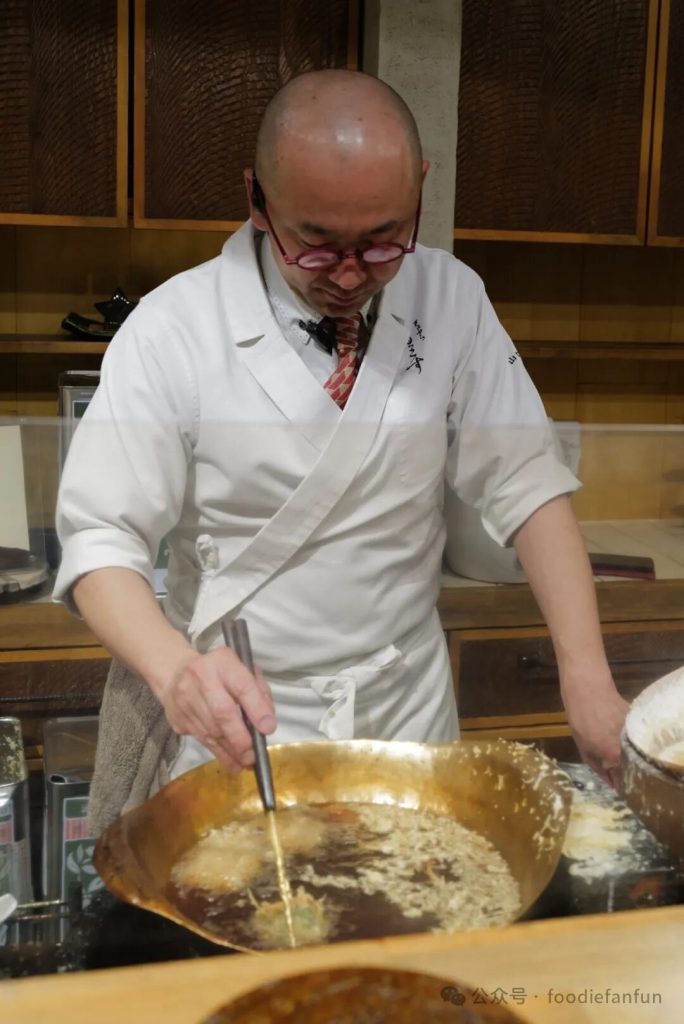
And chef Yamaguchi-san’s cooking genuinely has a style all its own.
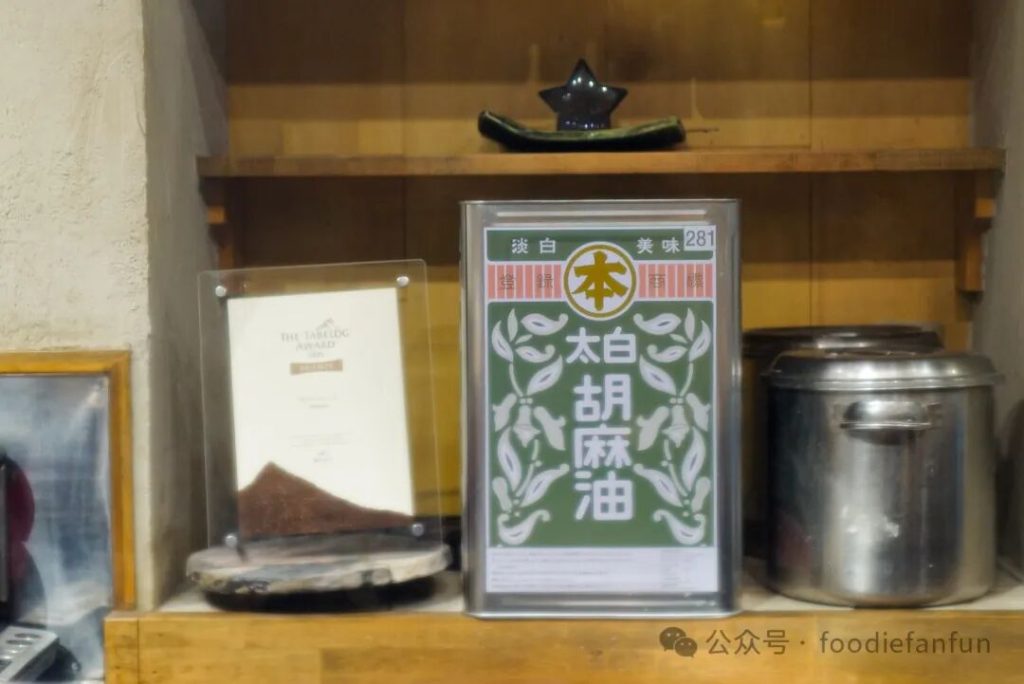
Yamaguchi-san trained in his early years at Tempura Shinjuku Tsunahachi, a century-old Tokyo institution, so his cooking is grounded in Edomae style — but he uses taihaku sesame oil for frying, keeps the batter thin, and makes every seasoning in-house. The finished dishes aim for something light, refined, and true to the ingredient’s own flavor.
The restaurant runs quietly and unhurriedly — seven counter seats plus a private room, and on most days it only opens for one dinner seating, generally bookable with two weeks’ notice. (Though sometimes, on a whim, they’ll open for lunch for a stretch — they post about it on the restaurant’s Instagram/Ameblo.)
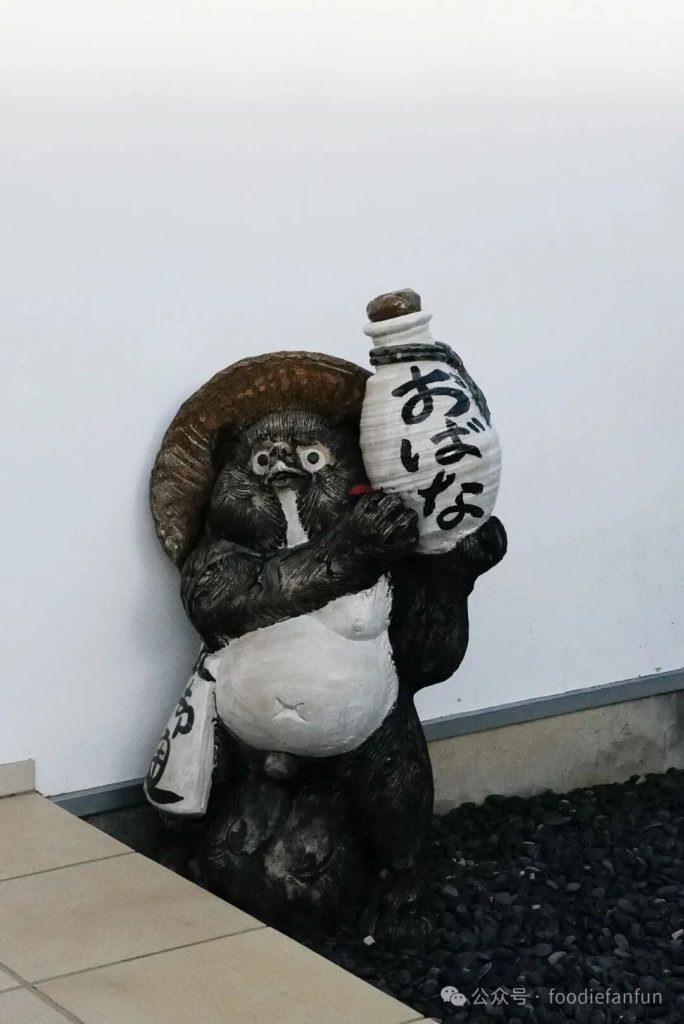
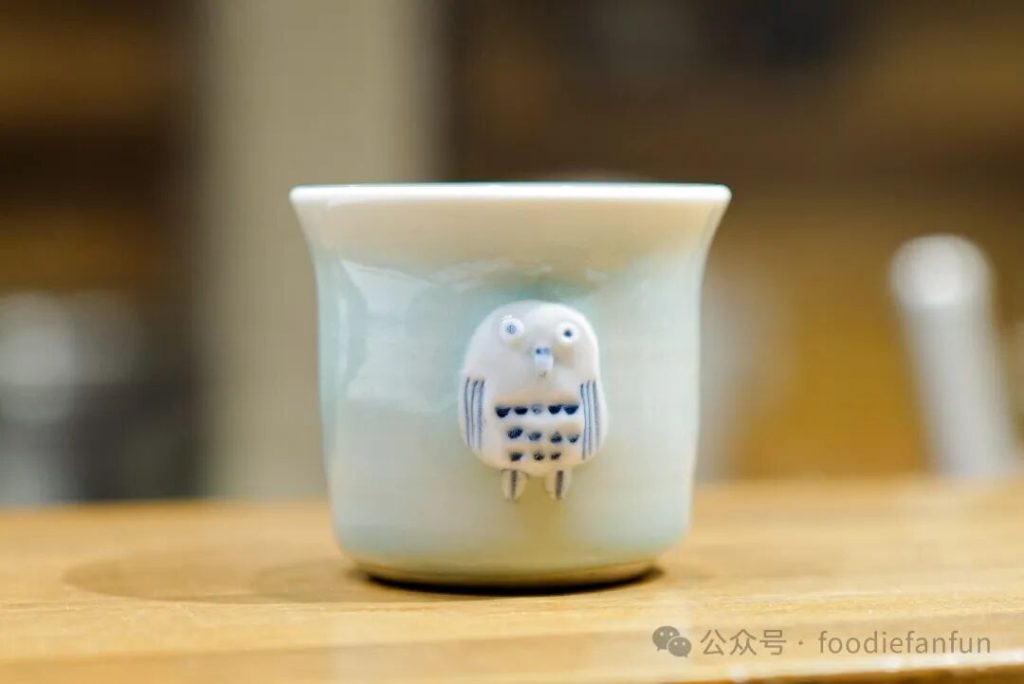
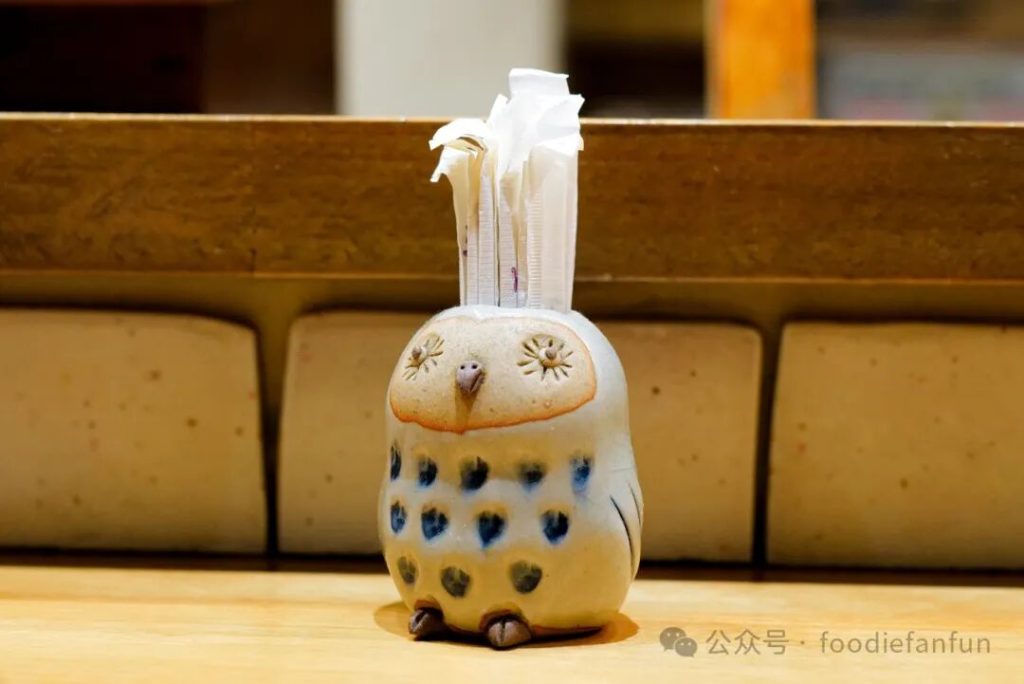
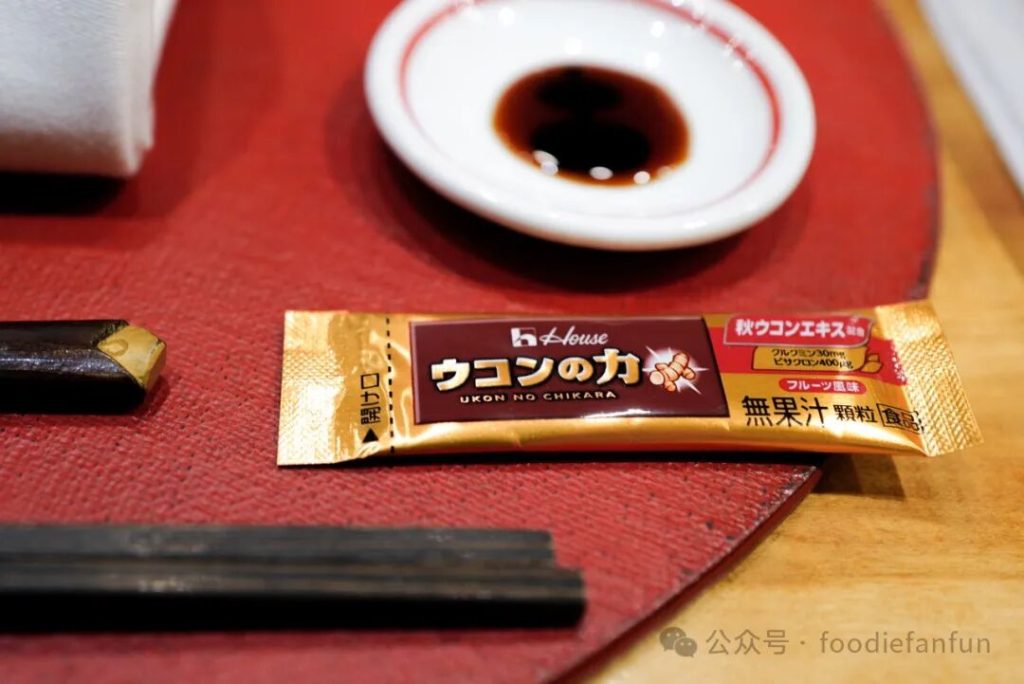
There are some fun little details — the restaurant has little owl figurines hidden all around, every guest’s spot at the counter has a bottle of “Ukon no Chikara” (a famous Japanese liver-support/hangover remedy) already set out, and behind Yamaguchi-san there’s a mountain of stacked taihaku sesame oil tins.
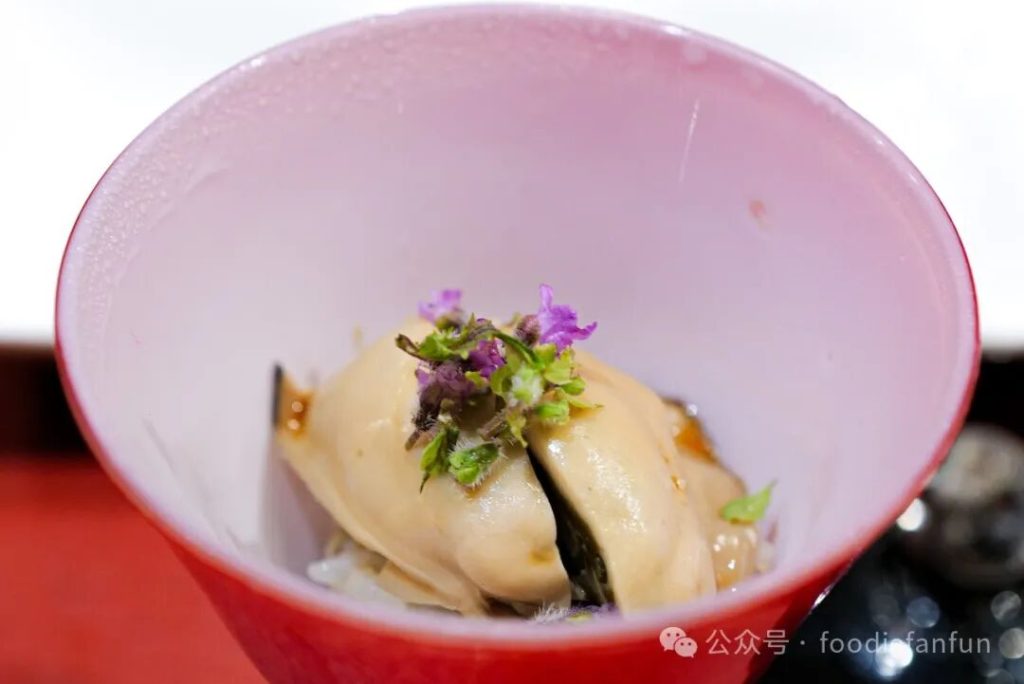
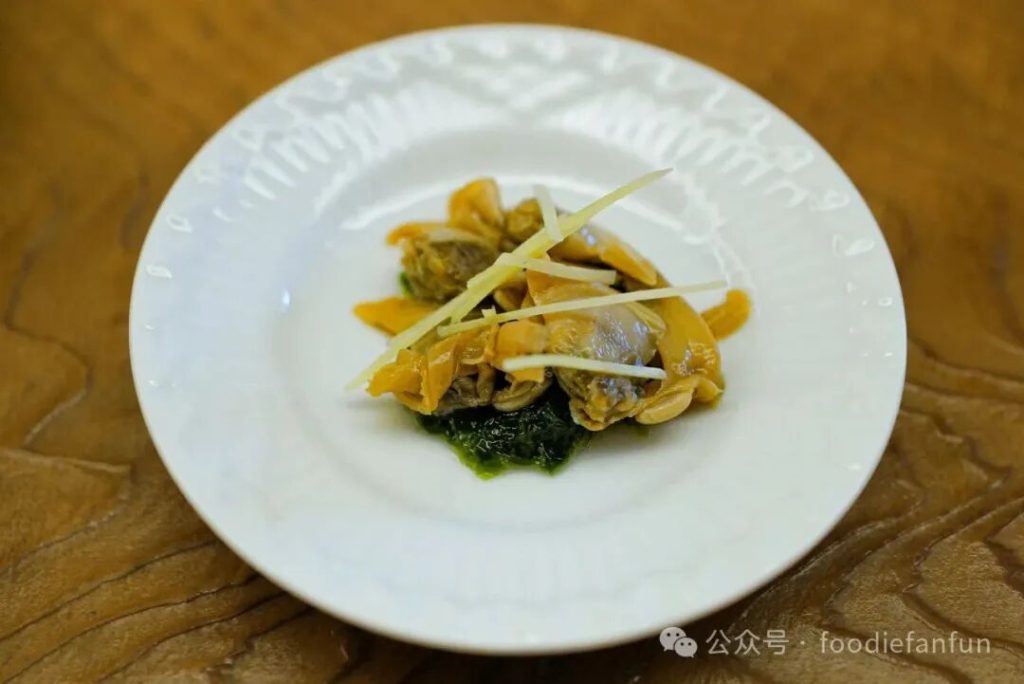
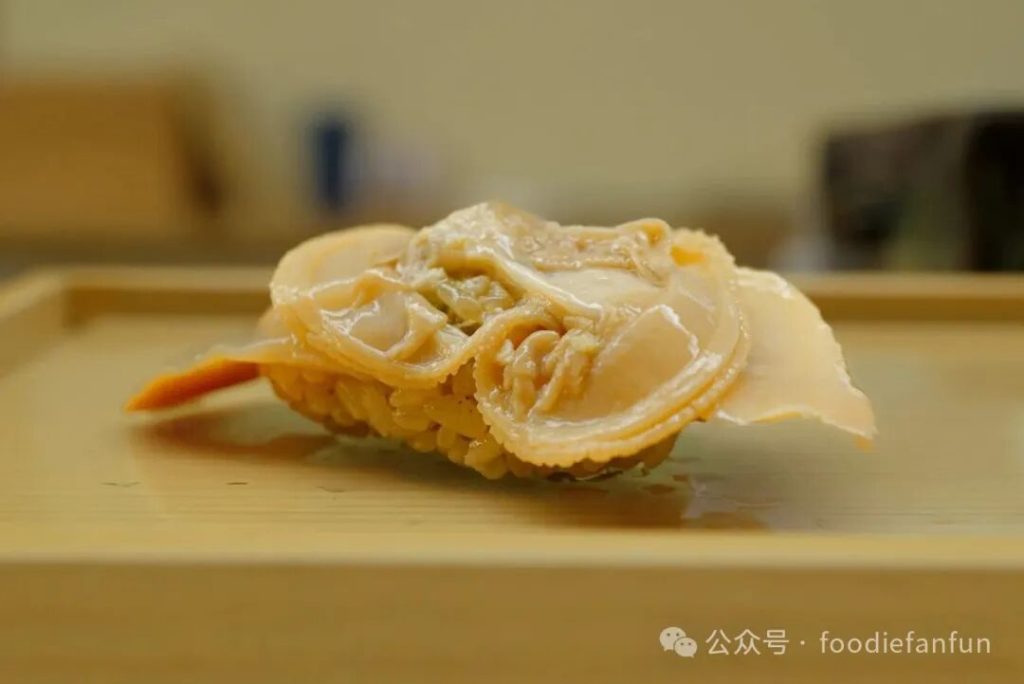
Steamed Oyster, Shari
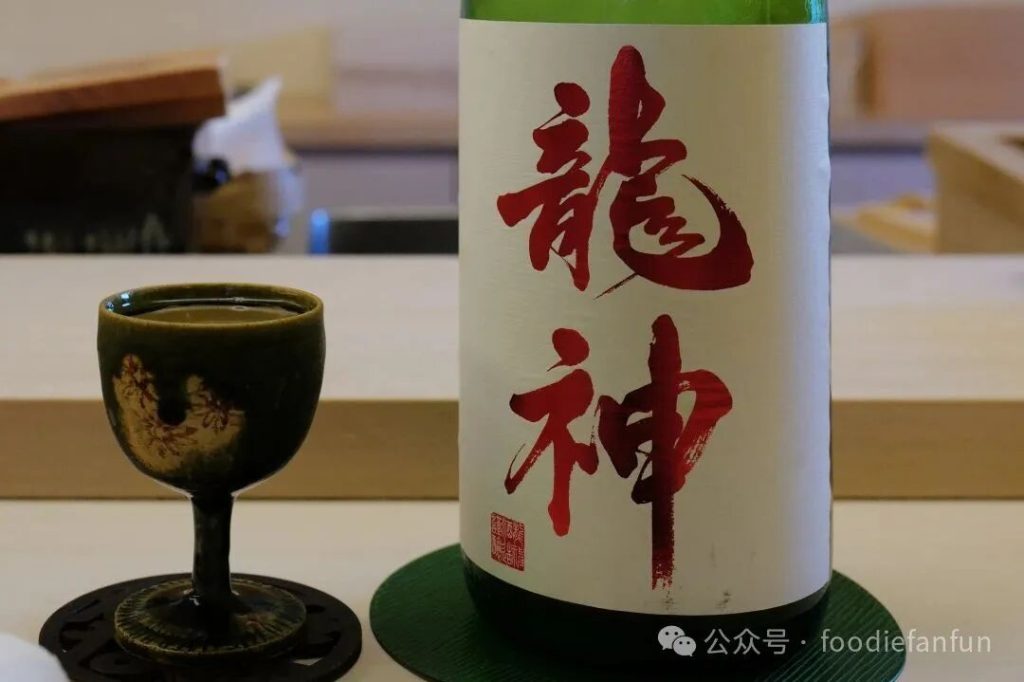
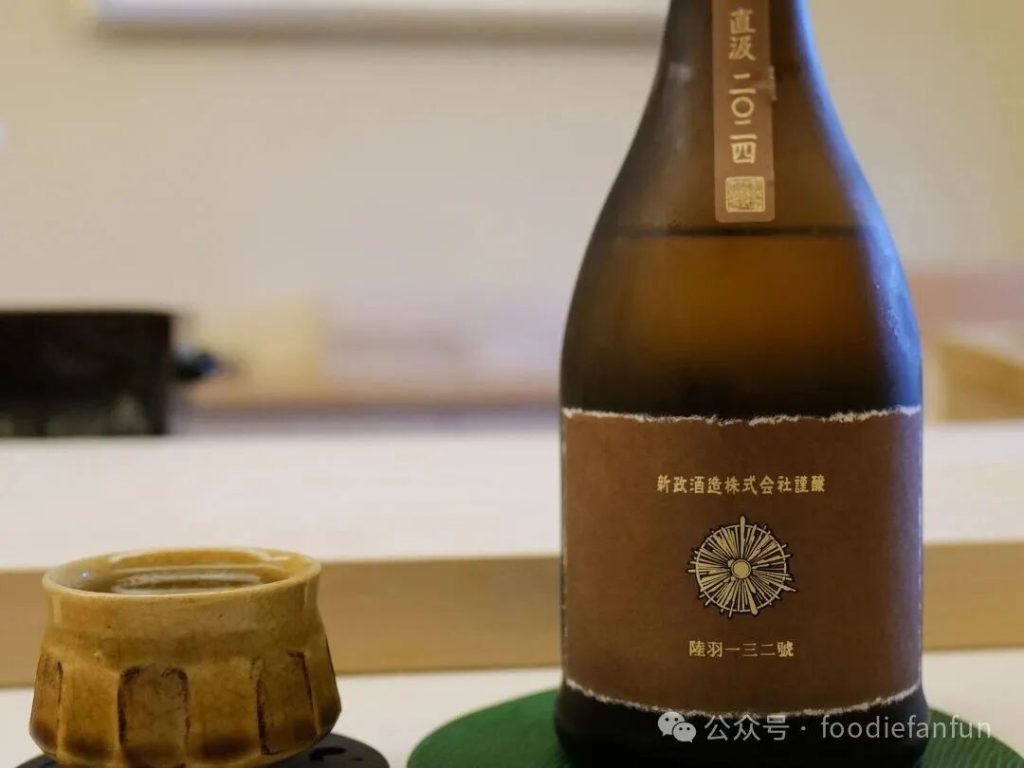
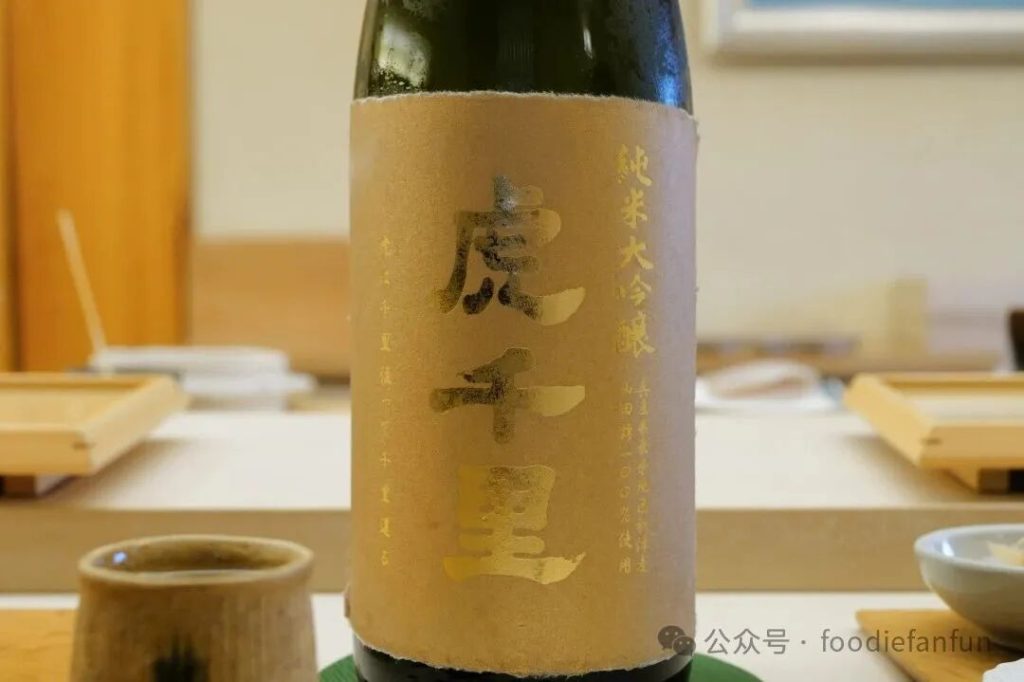
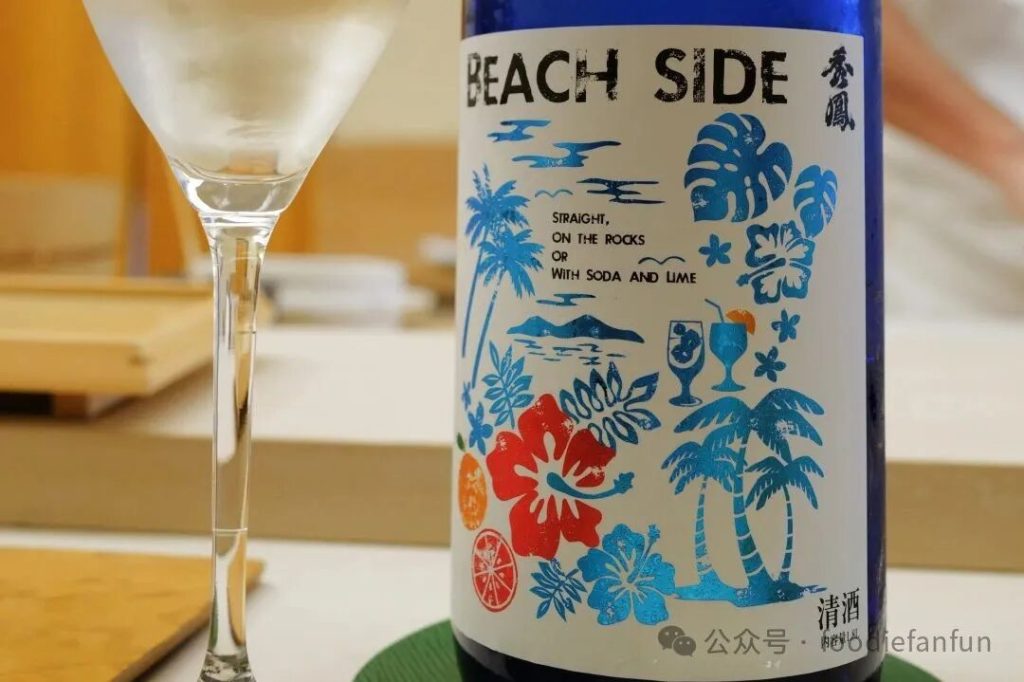
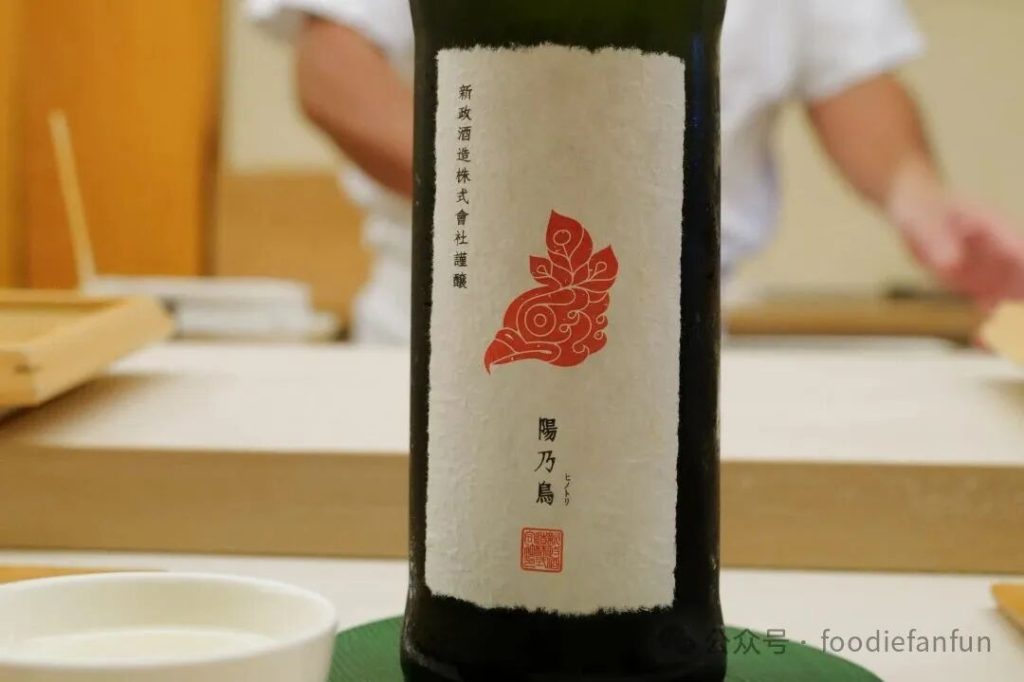
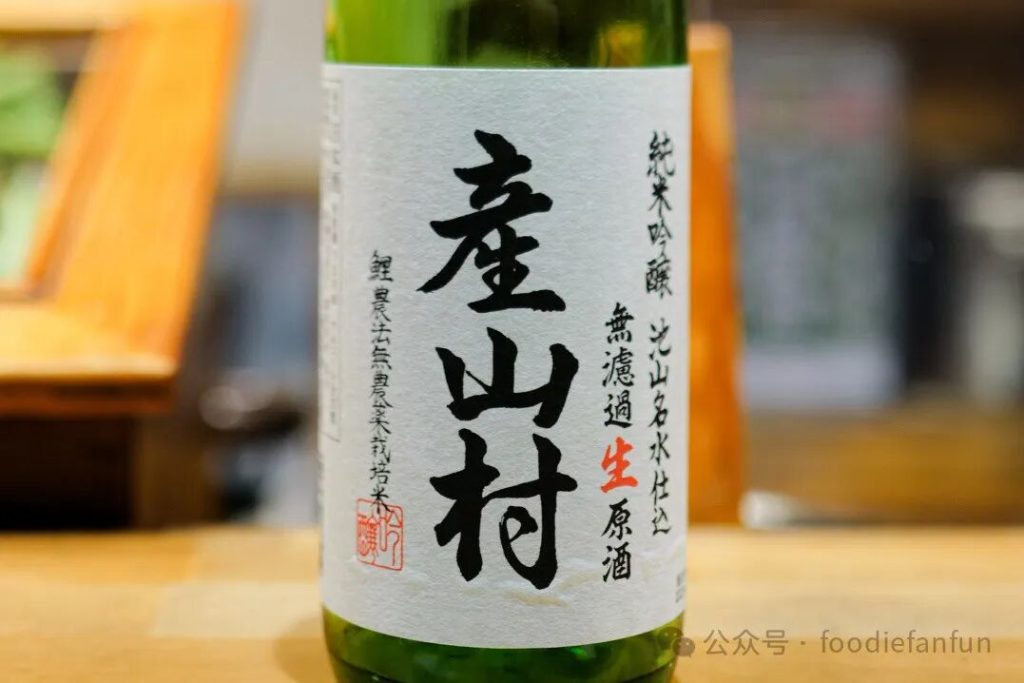
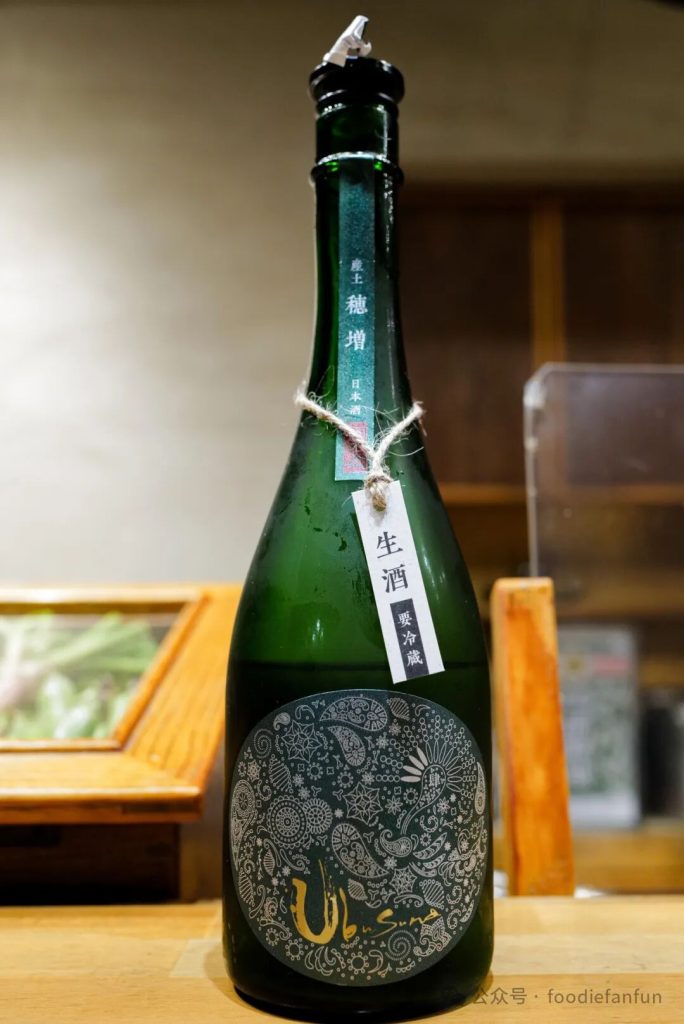
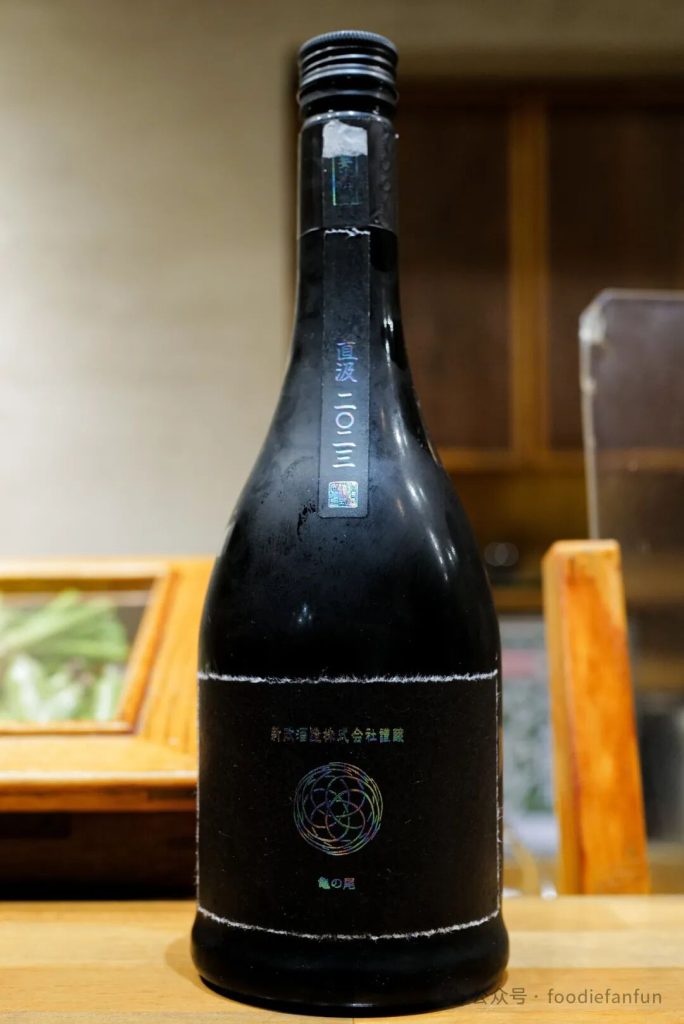
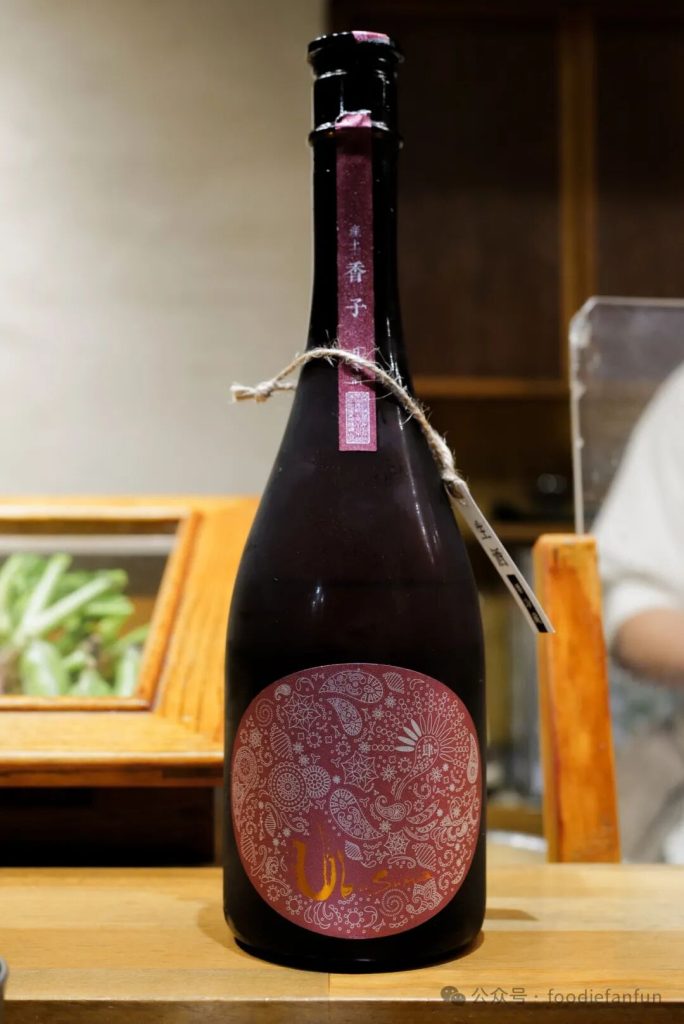
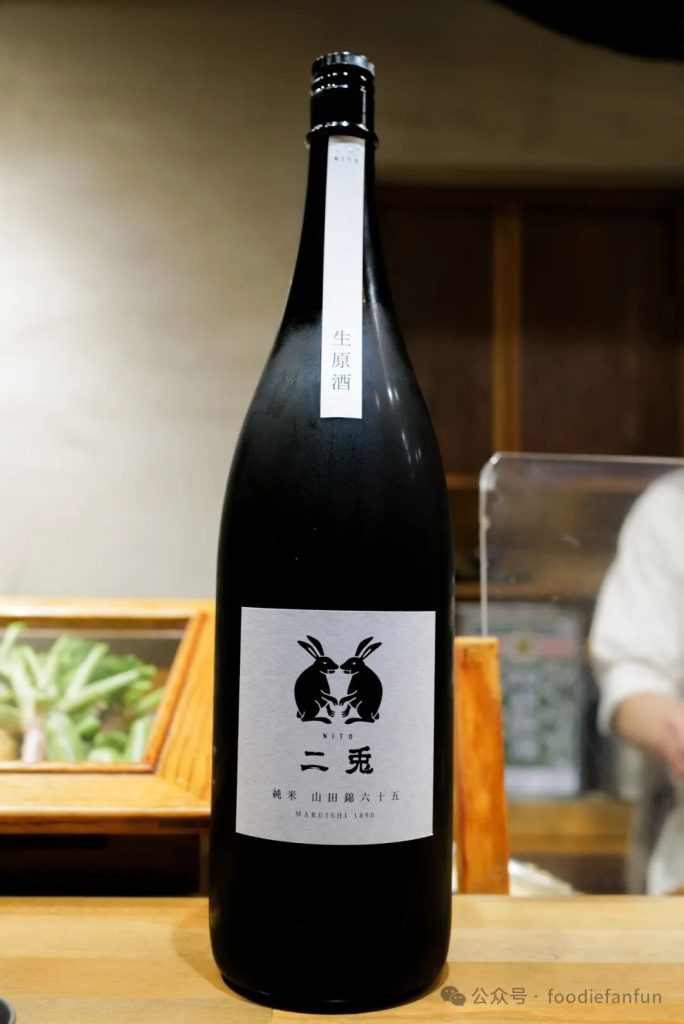
The restaurant has a solid sake selection; we opted for the restaurant’s own pairing, expecting to drink some local Gunma sake, but instead landed right in Kumamoto sake territory — turns out the chef’s hometown brews really are the best fit for his food.
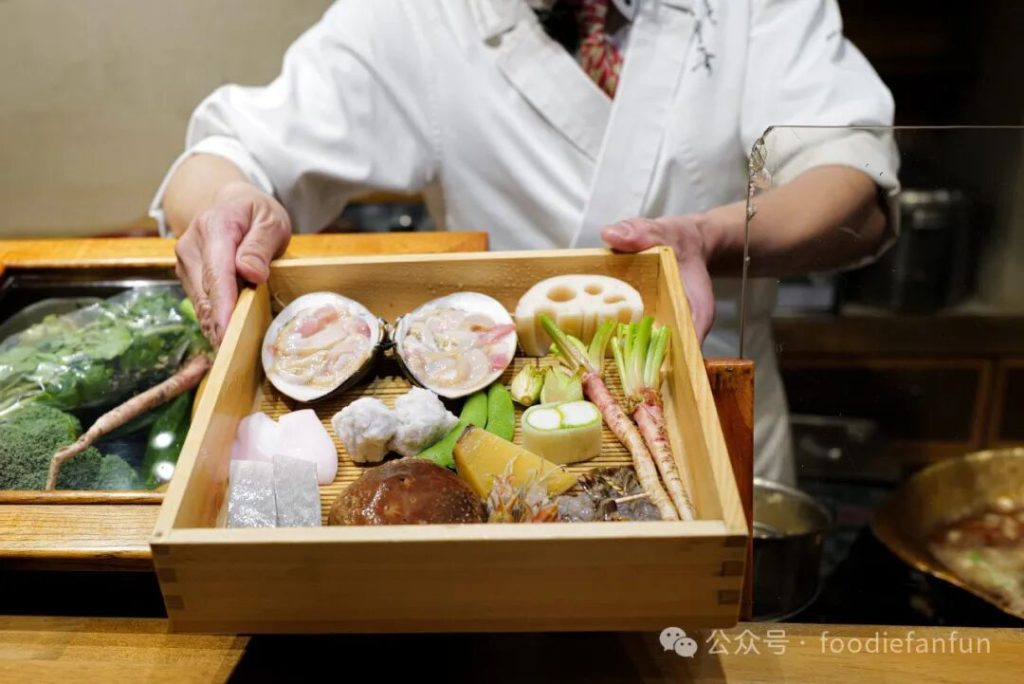
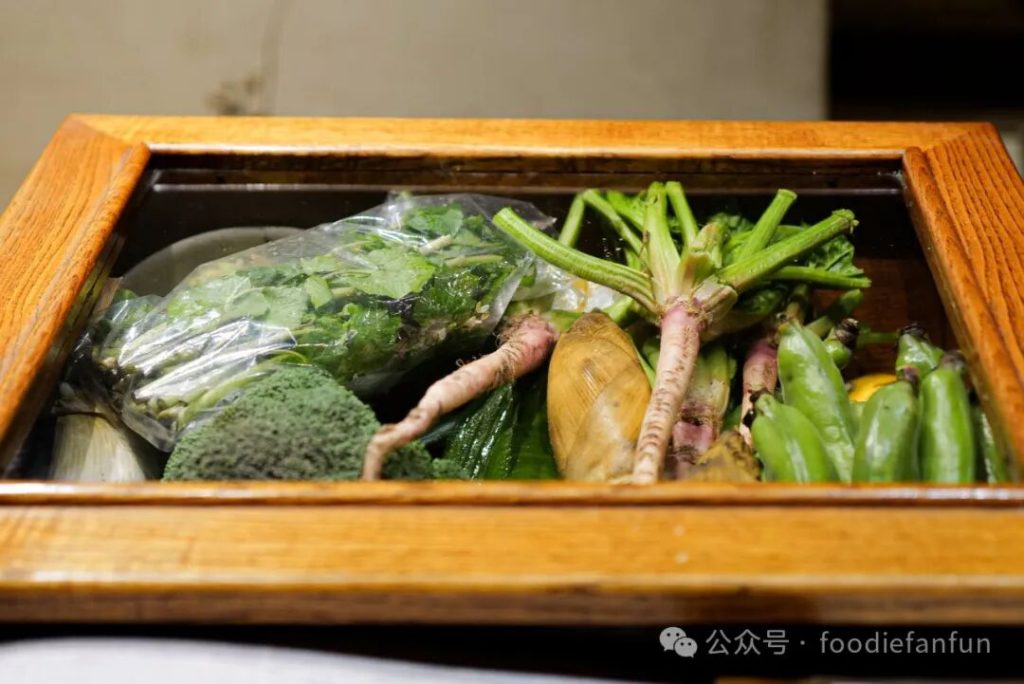
The whole meal’s ingredients were laid out for us in advance, but the meal actually opened with a “rice bowl” (wait, what).
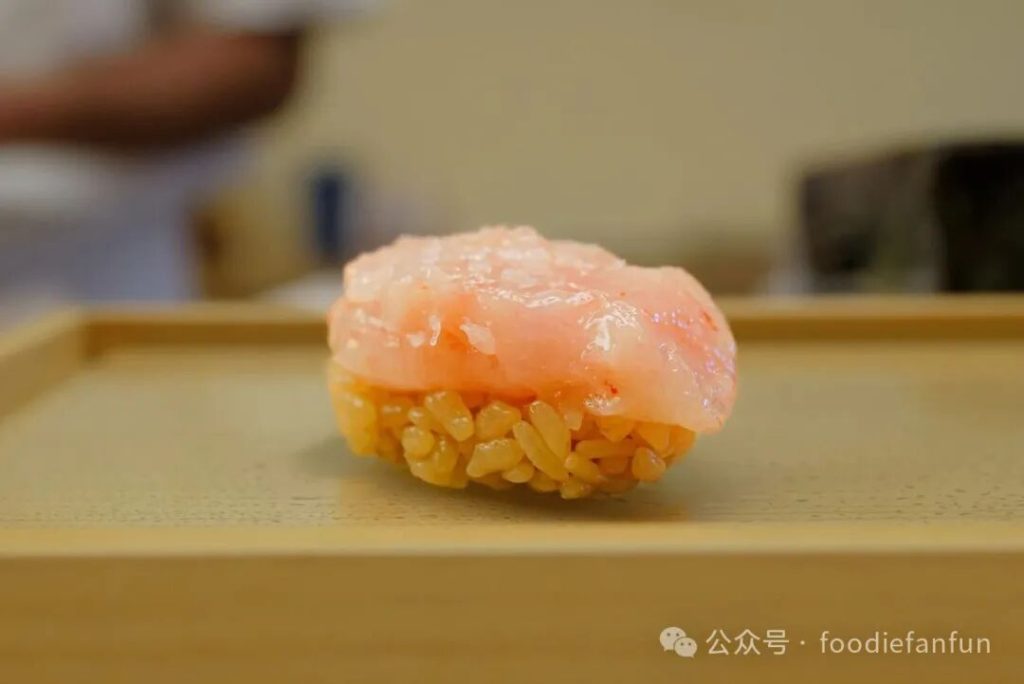
Steamed oyster with a bite of shari — the oyster wasn’t huge, but it ate plump and rich, its freshness locked in well. Paired with the rice, it felt like the appetite switched on instantly, and it also quietly set the stage for a few more rounds of drinks.
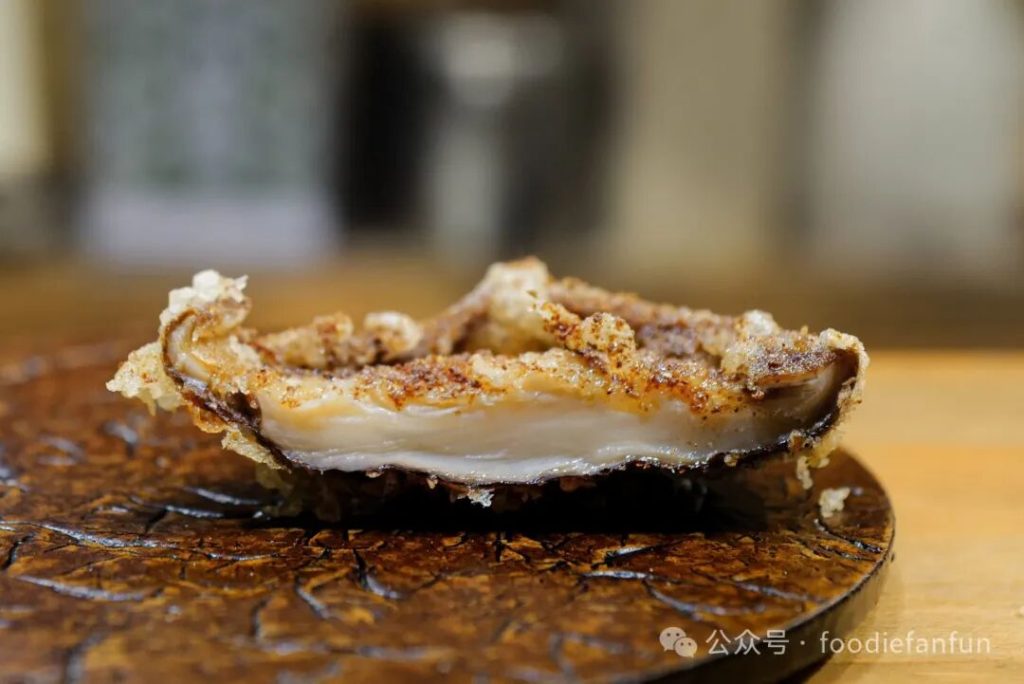
Shiitake Mushroom (Gunma)
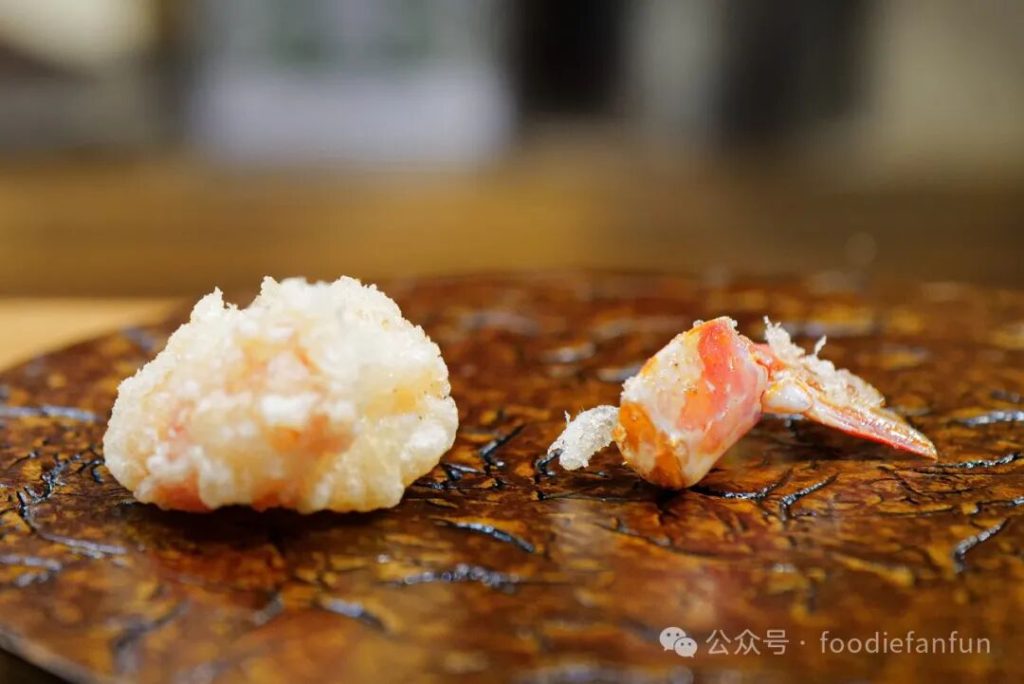
Shrimp (20% Cooked)
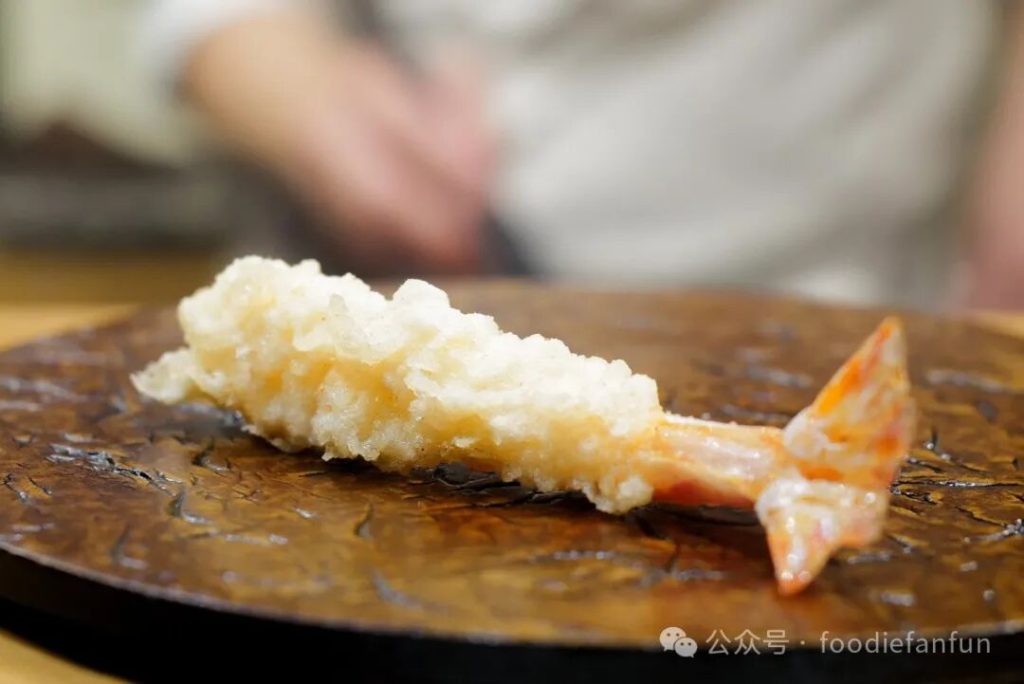
Shrimp (Fully Cooked)
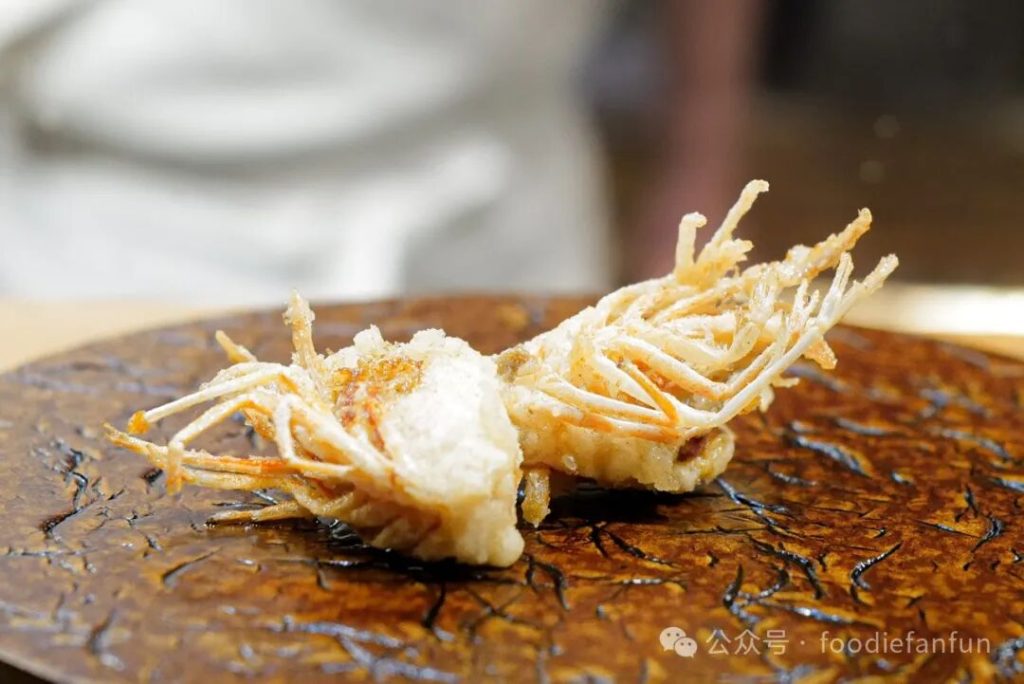
Shrimp Head
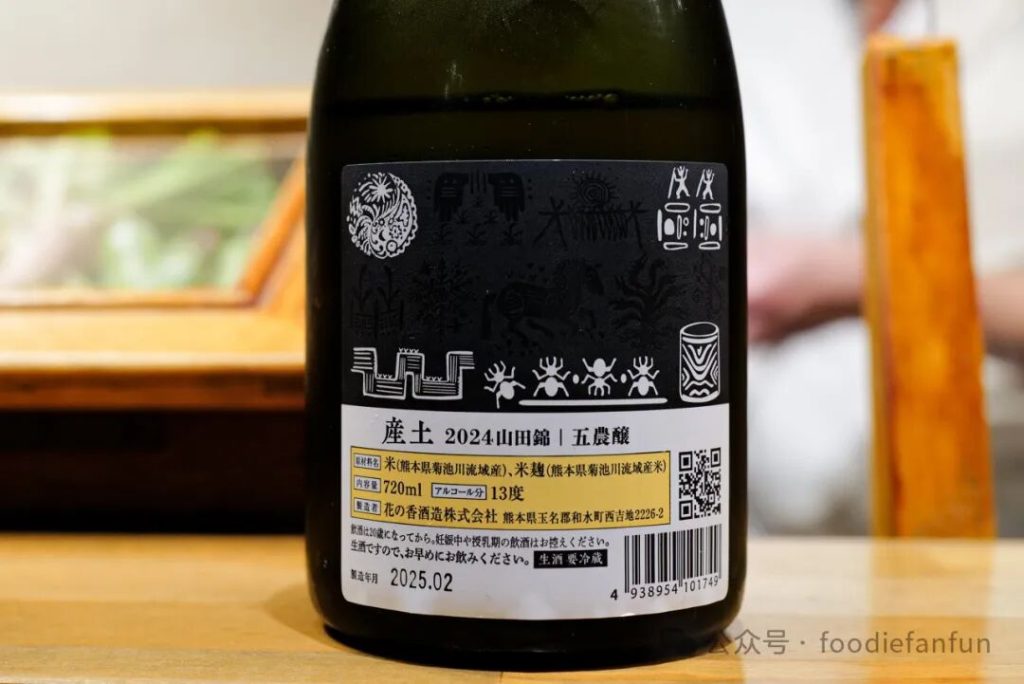
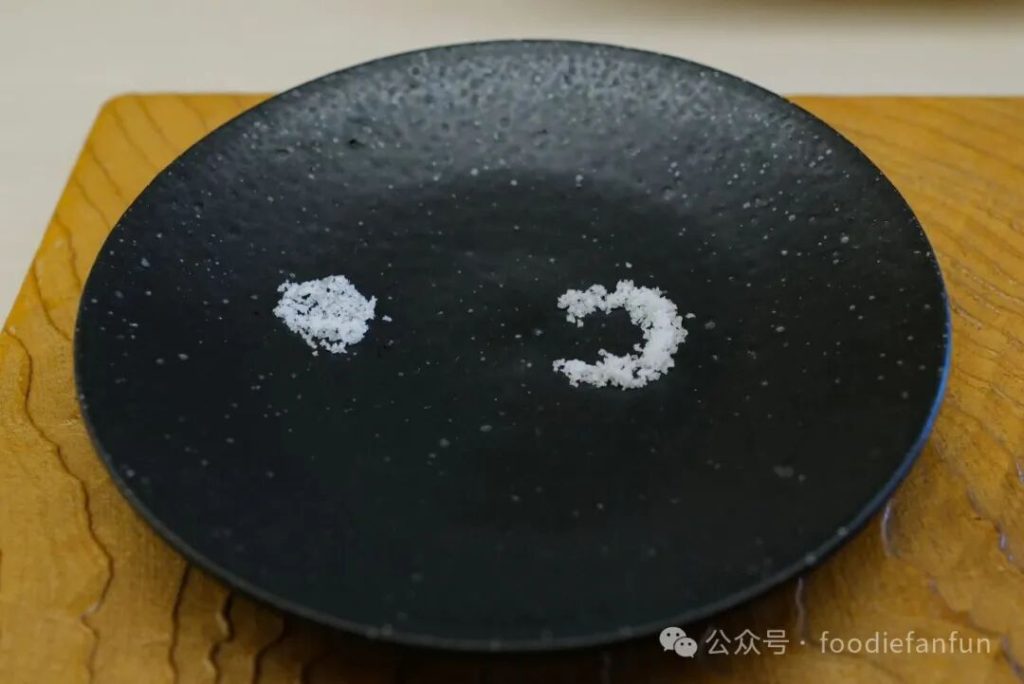
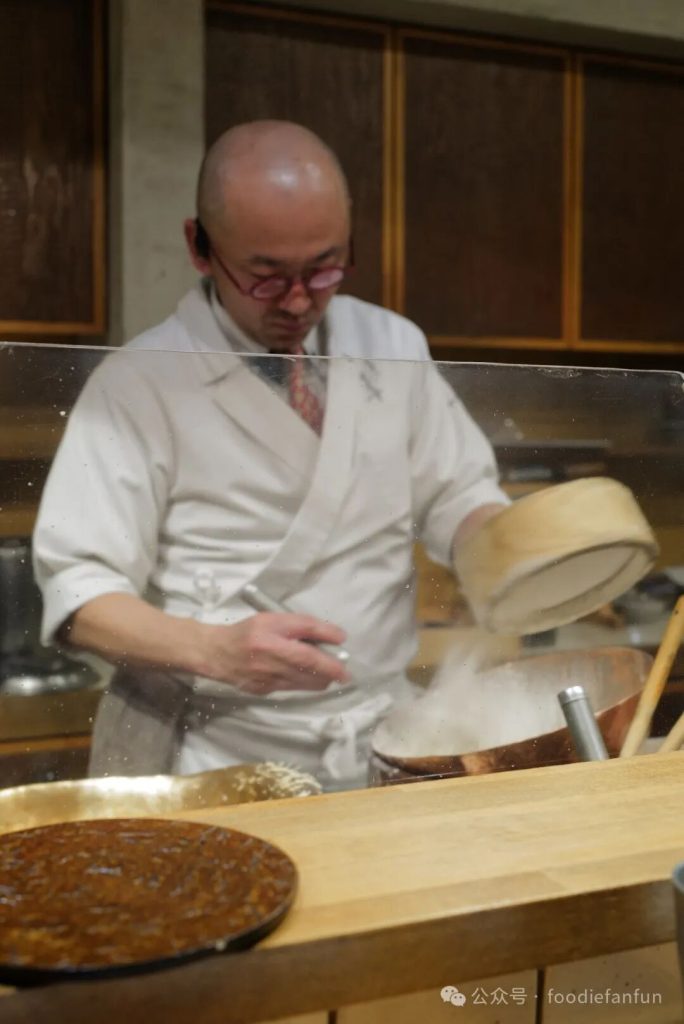
While tending to the tempura in the pot, Yamaguchi-san walked us through the three items on the seasoning plate: a base layer of sea salt from the Amakusa Islands in Kumamoto, plus a fruit-infused salt and a shiitake salt. Each dish, he noted, calls for a different pairing.
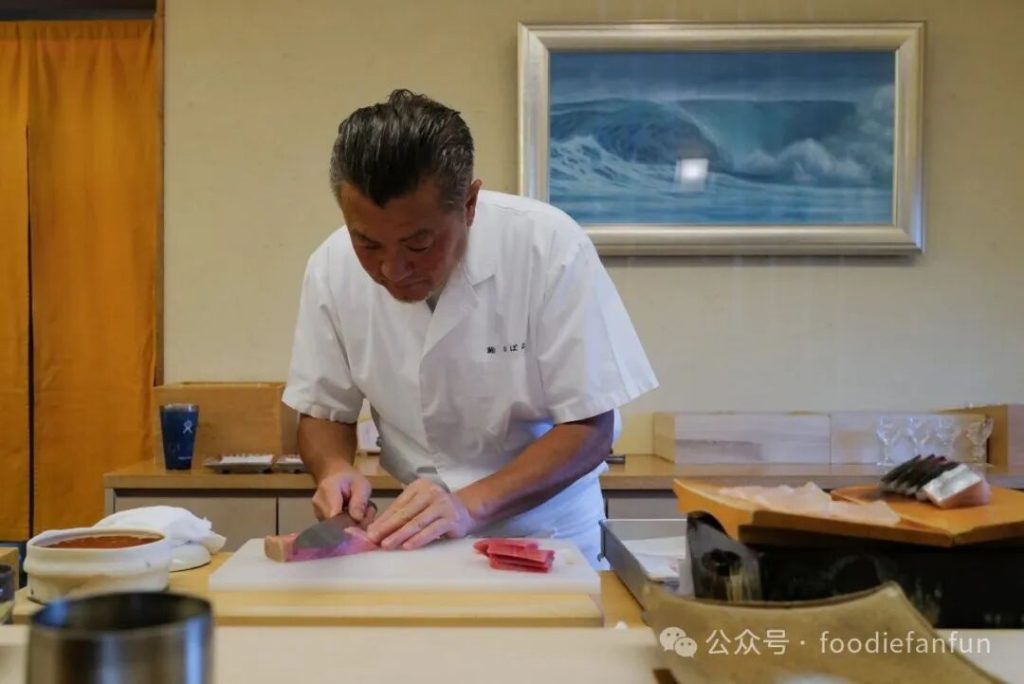
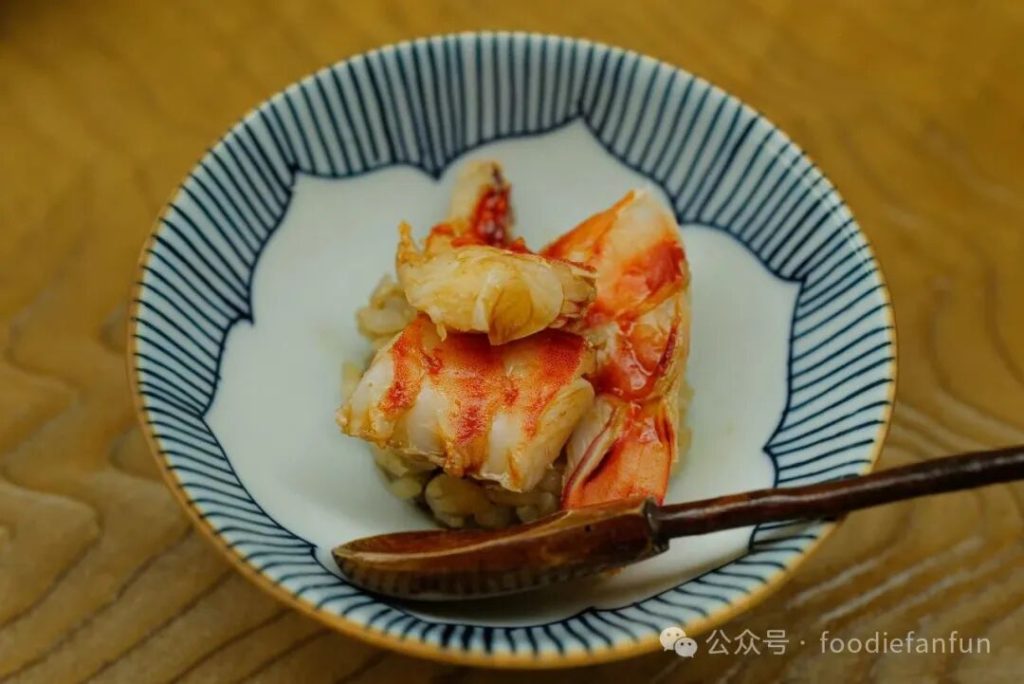
Live-caught shrimp tempura is a signature dish at Tempura Shinjuku Tsunahachi, where Yamaguchi-san once trained. Watching the proprietress (Yamaguchi’s wife) prep the shrimp at the counter with clean, efficient movements, then Yamaguchi coat it in batter and drop it into the oil in one quick motion — it was a well-oiled two-person assembly line.
The 20%-cooked shrimp paired with salt, its coating fried wafer-thin — one big bite, crisp and sweet, still juicy toward the center. The fully cooked one paired with shiitake powder, a firm bounce hitting right at the front teeth. And the shrimp head, of course, wasn’t wasted — served with tentsuyu dipping sauce and fruit salt, one rich, one delicate, two different ways of expressing the same sweet, umami-packed bomb.
The perfect ending for a shrimp’s life.
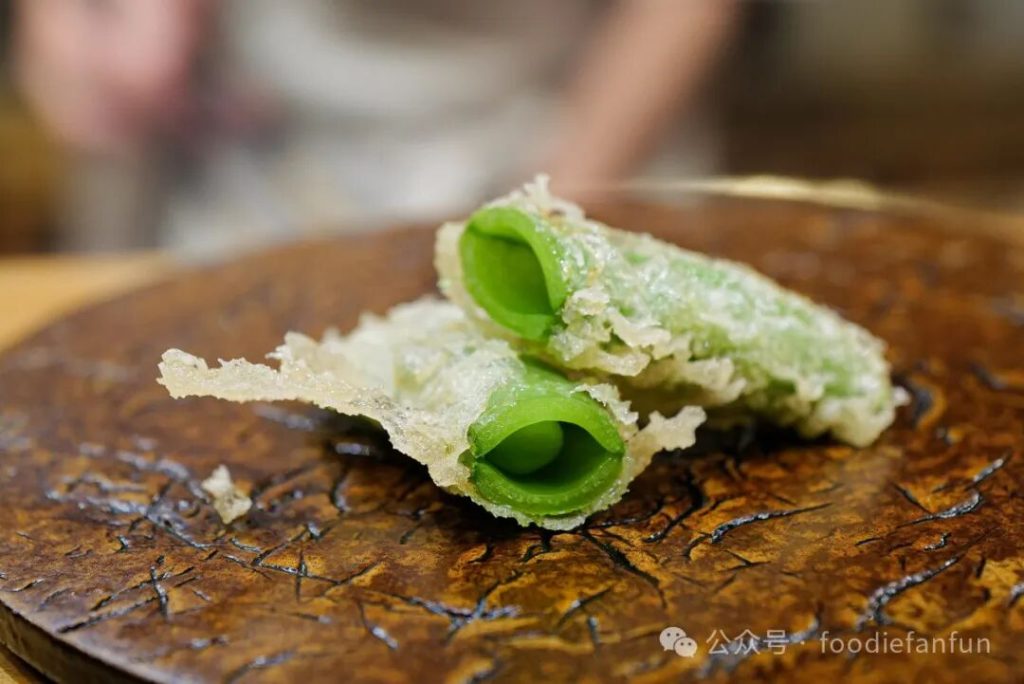
Snap Pea
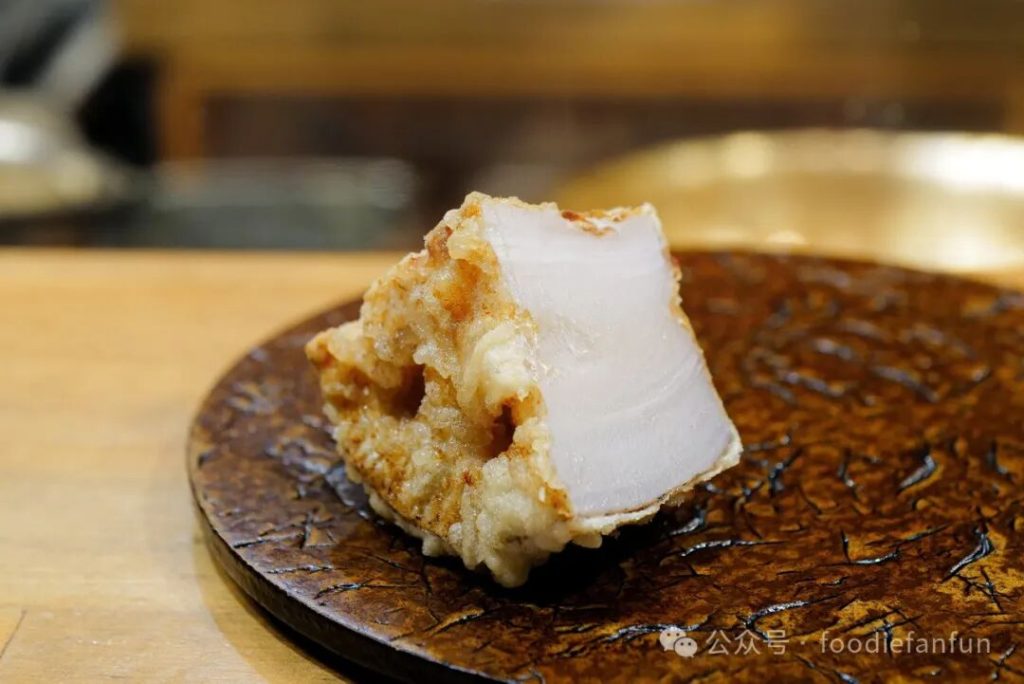
Lotus Root (Ibaraki)
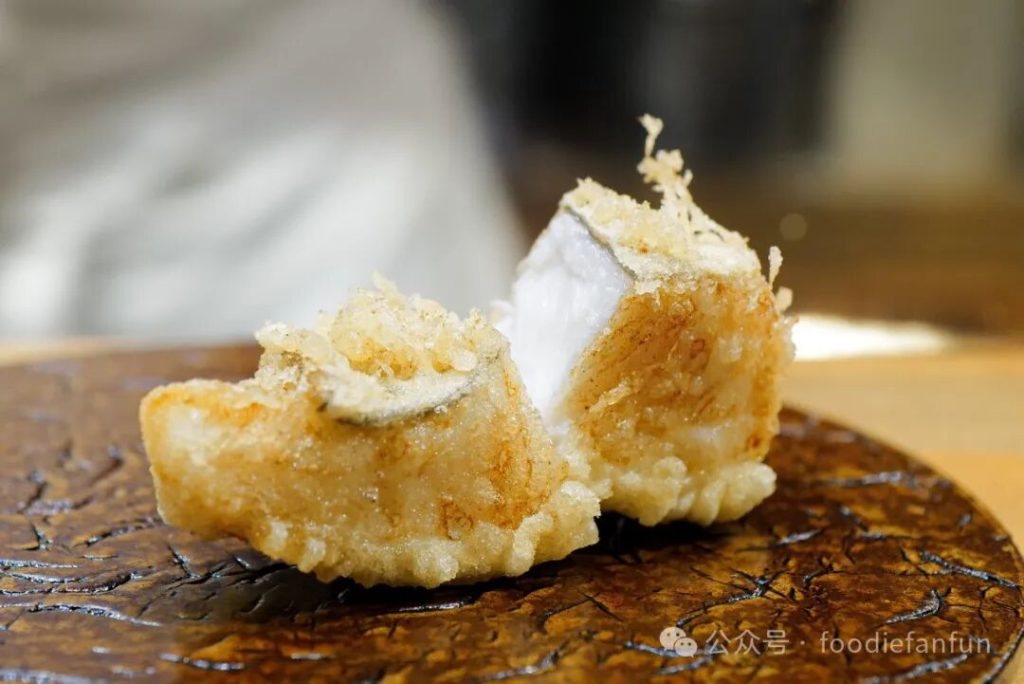
True Bonito
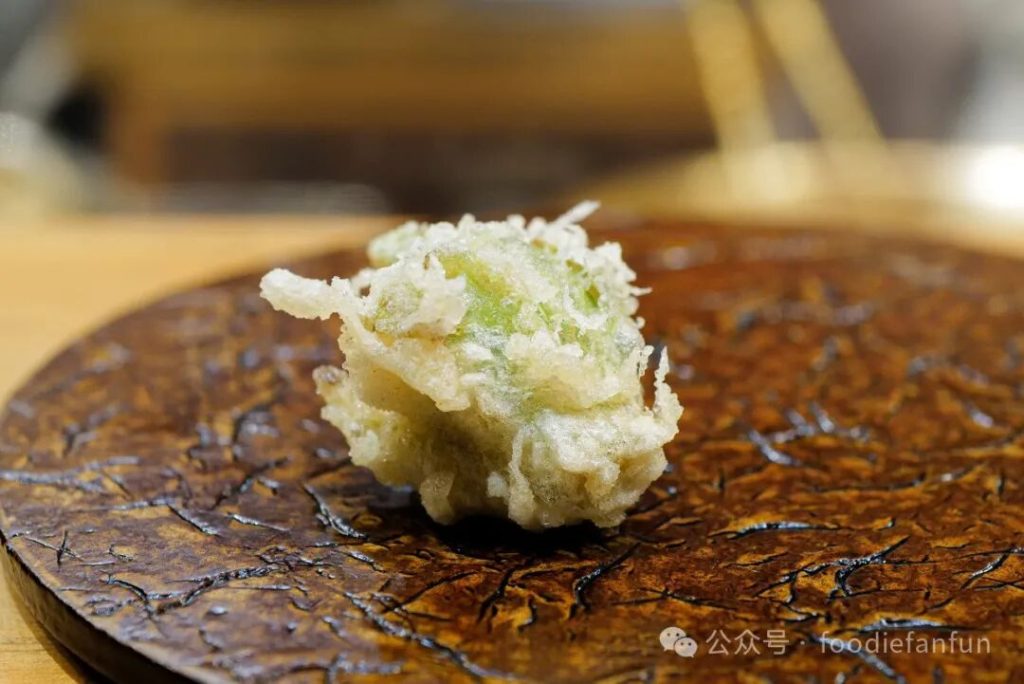
Taranome (Angelica Tree Bud)
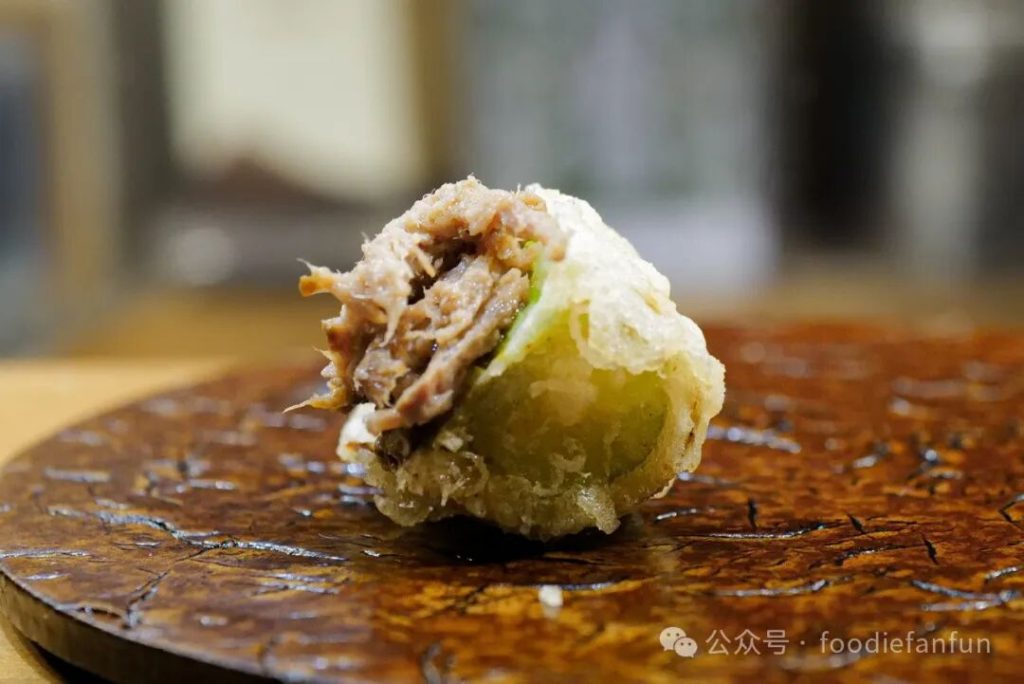
Scallion, Ground Pork
“The peas are from the Ishimura family — dip them in salt and tentsuyu. The lotus root came from Mr. Miyamoto in Ibaraki — dip that one in the fruit salt.”
Talking about the growers behind these vegetables, Yamaguchi-san spoke like he was catching up with old friends.
It really is a local restaurant — the vegetables are stunning. The lotus root managed to be crisp and starchy at once; sit with it a moment and there’s even a faint floral, white-blossom aroma.
After the bonito, a bit of wild vegetable slipped in as a palate cleanser. The next course made us laugh the moment it was explained.
Grilled scallion tempura with ground pork — turns out even across totally different culinary traditions, people land on the same pairing. The “countryside” scallion was unexpectedly soft, sweet, and tender, while the pork brought plenty of chew, getting more fragrant with every bite.
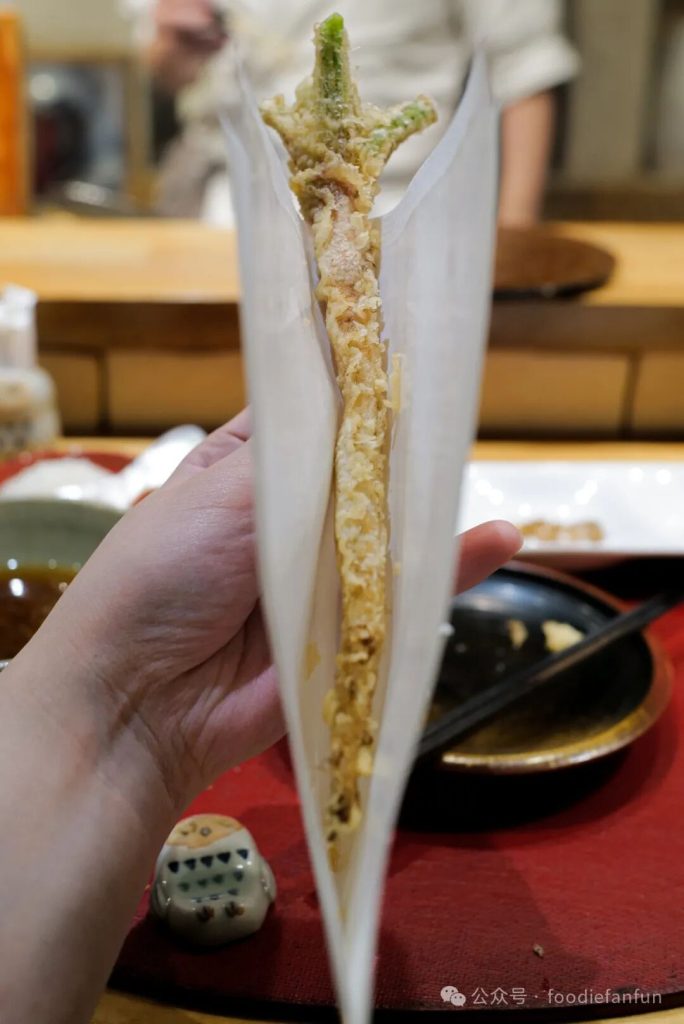
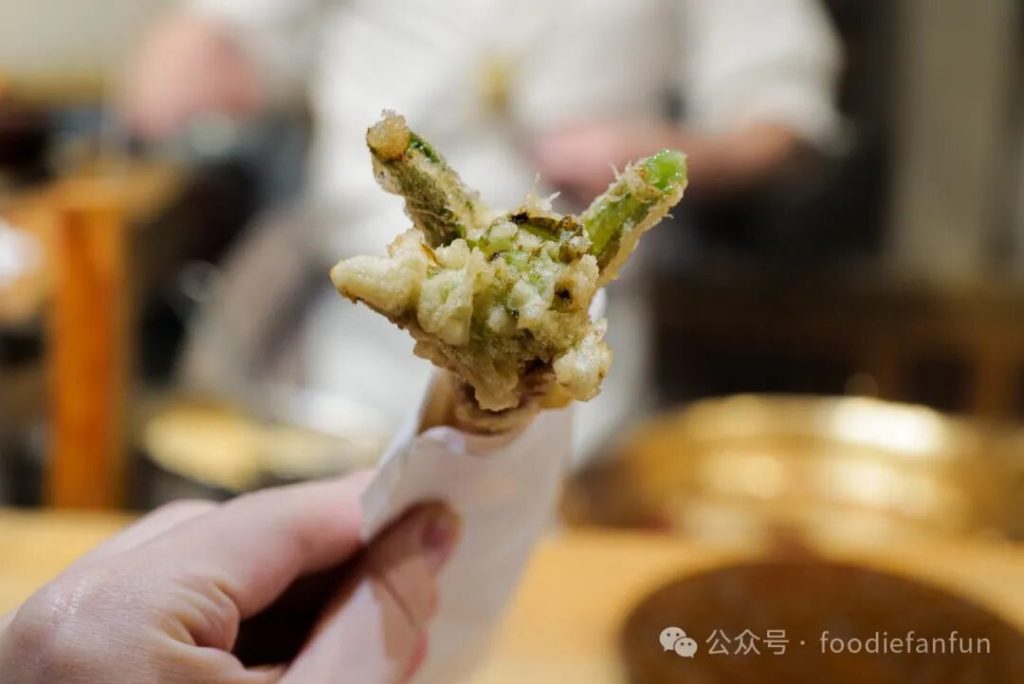
Spinach Root
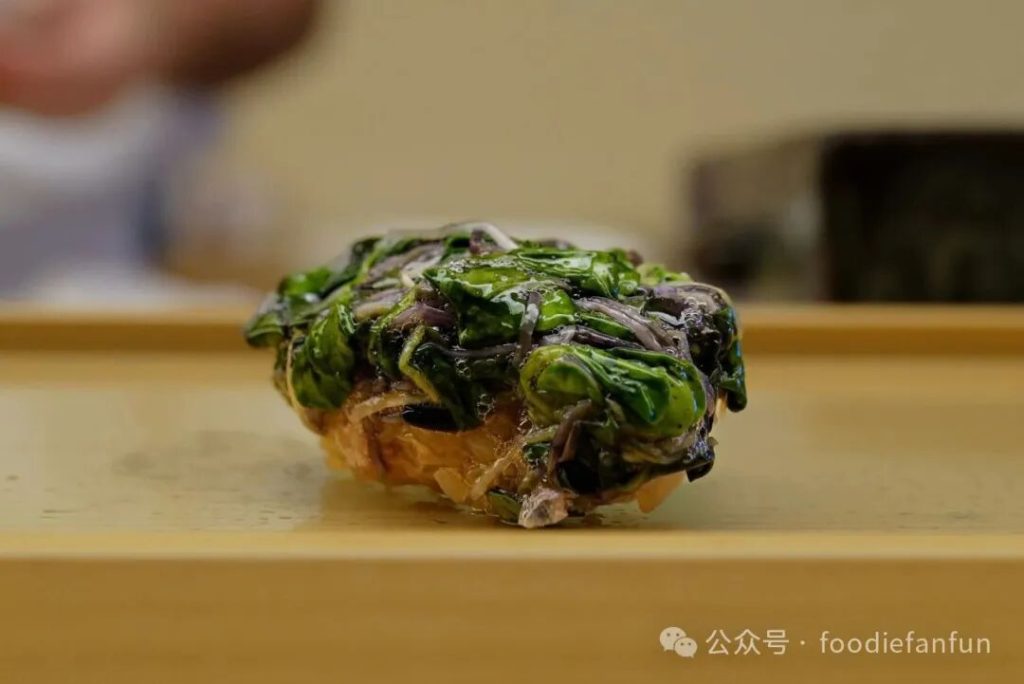
Watched Yamaguchi-san pull flour from the fridge and mix a fresh batch of batter, then set about frying what turned out to be an attention-grabbing vegetable.
A whole spinach root, dipped in salt or mushroom salt — from a clean, juicy sweetness up front to the lingering sweetness of the root itself, every bite carried real freshness.
Only from Yamaguchi-san’s explanation did we learn the restaurant currently uses “full moon salt,” a special method within the Amakusa salt tradition — the salt is harvested during the full moon, based on the belief that seawater’s mineral content peaks at that time.
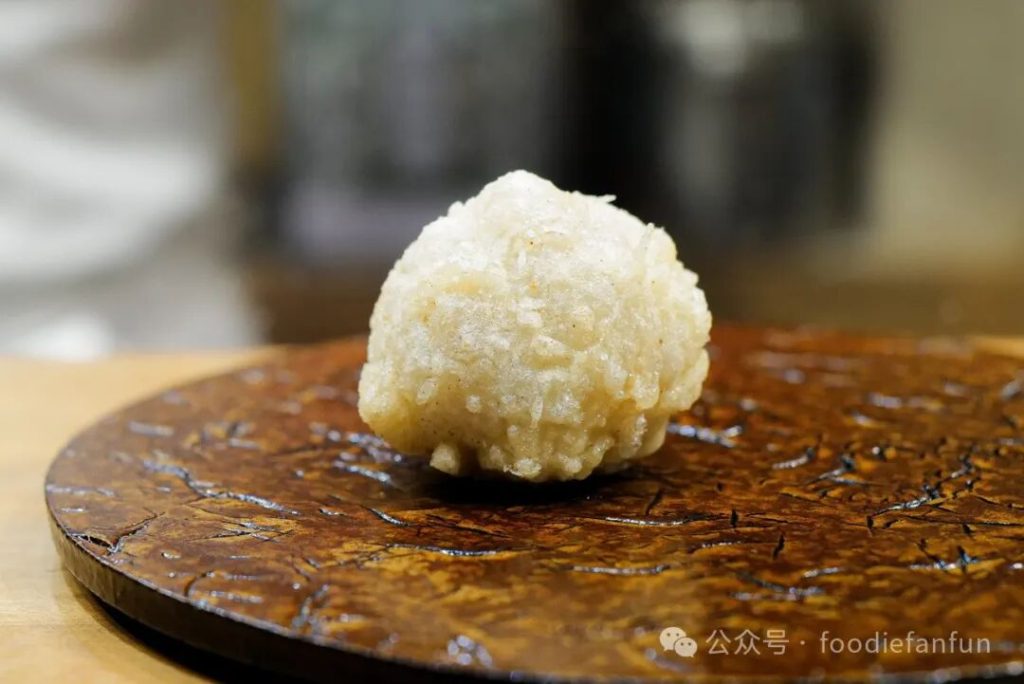
Taro (Gunma)
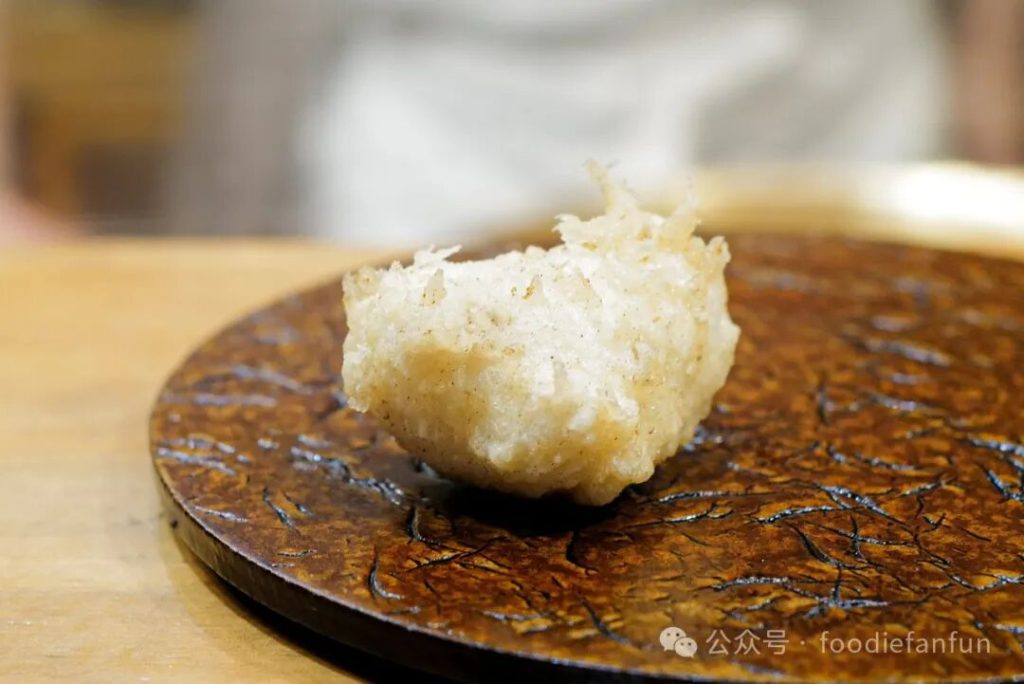
Tiger Pufferfish Milt
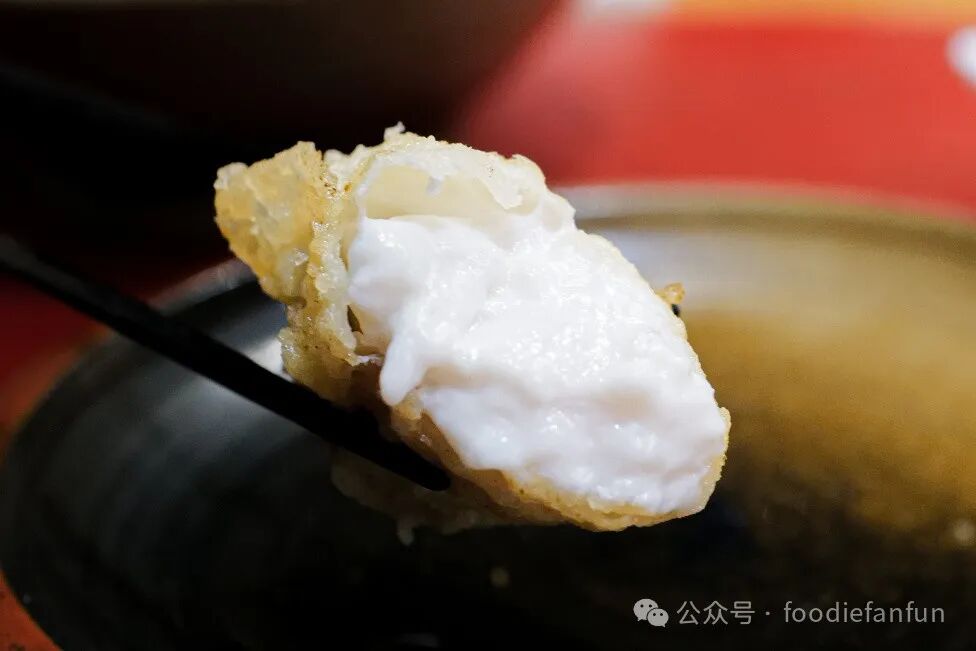
The taro was mashed into a purée before frying, which stripped away its usual sticky, glutinous texture. We were instructed to dredge it thoroughly through tentsuyu with grated daikon — a perfect combination of an upfront freshness with a soft, substantial bite, and a delicate taro fragrance lingering afterward.
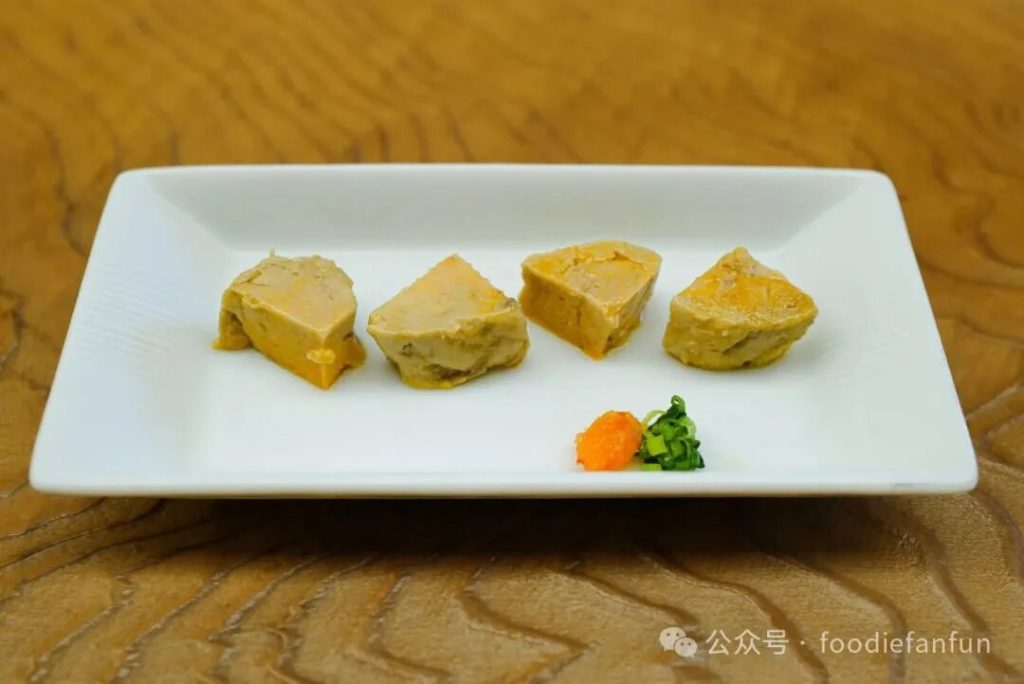
The tiger pufferfish milt that followed burst with juice the moment you bit in — a creamy, custard-like center, eaten while still piping hot.
Vegetables, live seafood, offal — the quality of the ingredients and the precision of the cooking never once slipped.
The local gods really are gods.
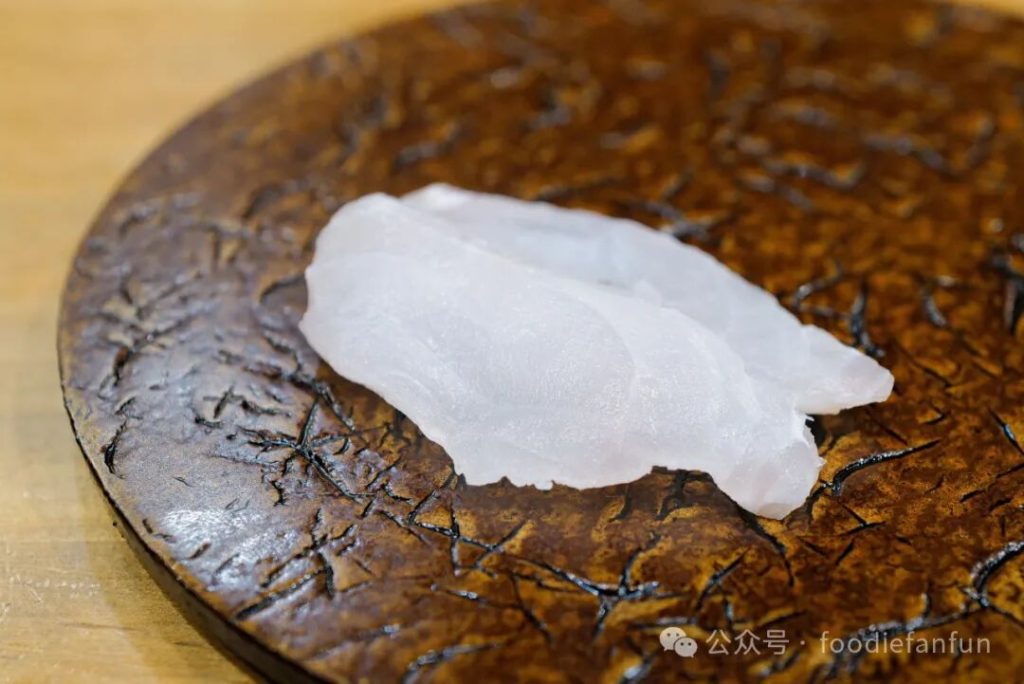
Fujimoto’s White Amadai (Ehime) / Kuromebaru (Black Rockfish)
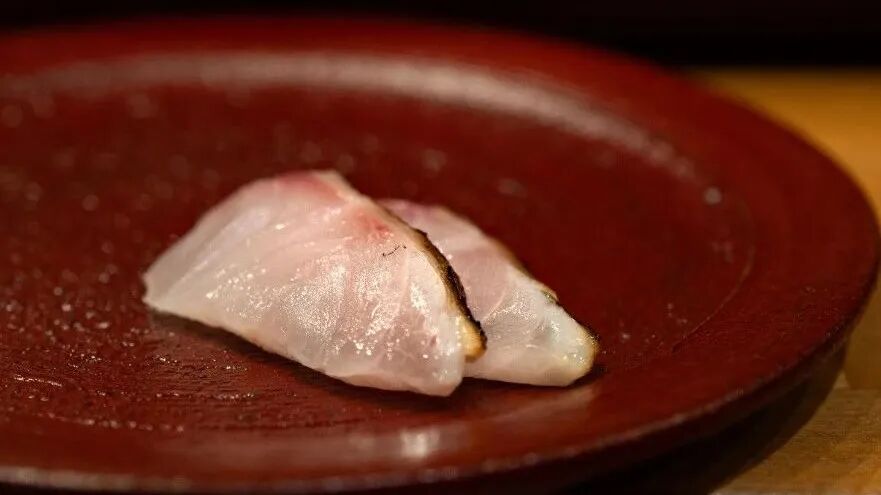
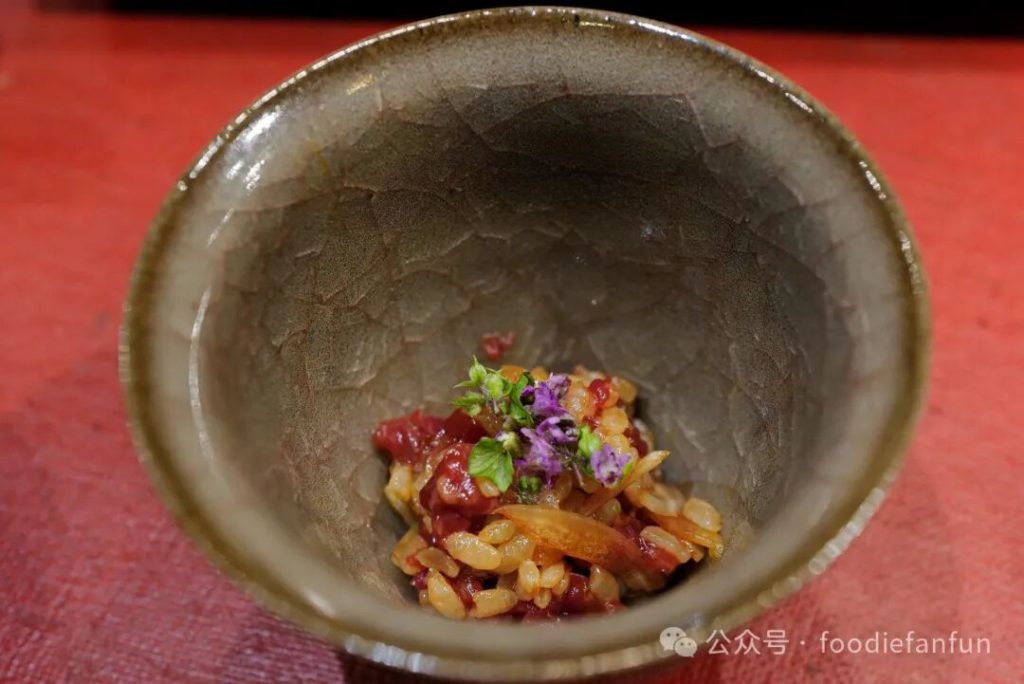
Horse Meat Rice Bowl
A break in the tempura course, and it’s time for Yamaguchi-san’s otsumami segment.
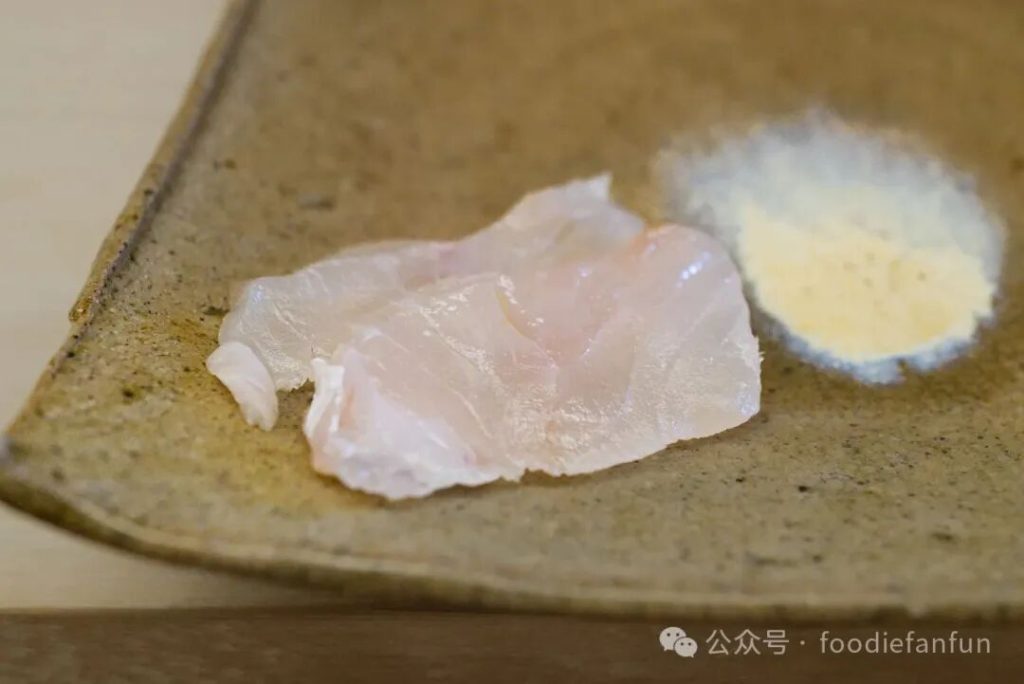
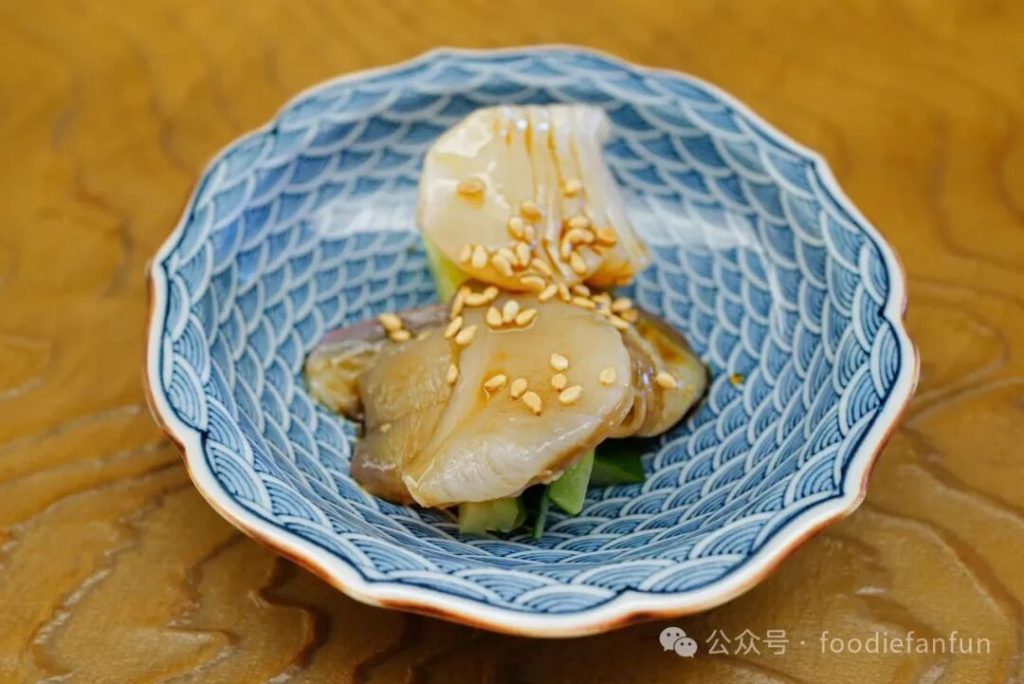
White amadai from Fujimoto Suisan has long been a favorite of high-end restaurants — quick-bled and low-temperature aged, the flesh is soft with a hint of crispness, its sweet umami tightly concentrated.
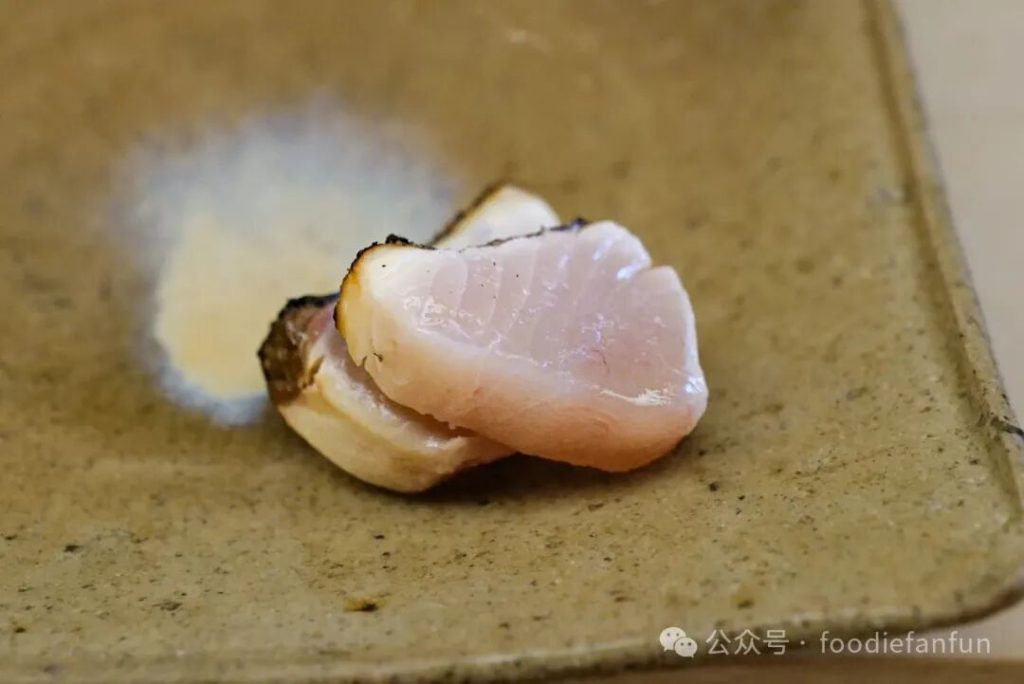
For the kuromebaru, we watched Yamaguchi-san sear the surface with a charcoal stick and torch — tender flesh, beautiful fat, and the charcoal aroma judged just right.
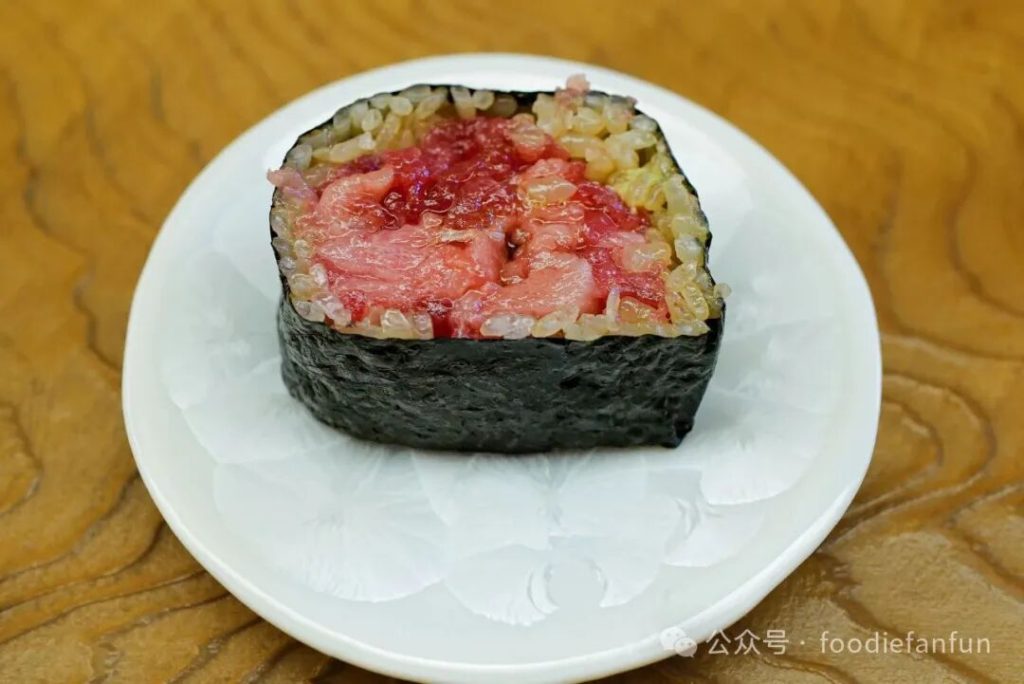
There was also a rice bowl with deep-red meat, firm and full of gamey character. Only after finishing it were we told it was horse meat, flown in from Kumamoto that very morning — specifically the cut near the horse’s armpit, from the shoulder-and-chest area.
Genuinely impressed that Yamaguchi-san’s otsumami were every bit as remarkable as his tempura.
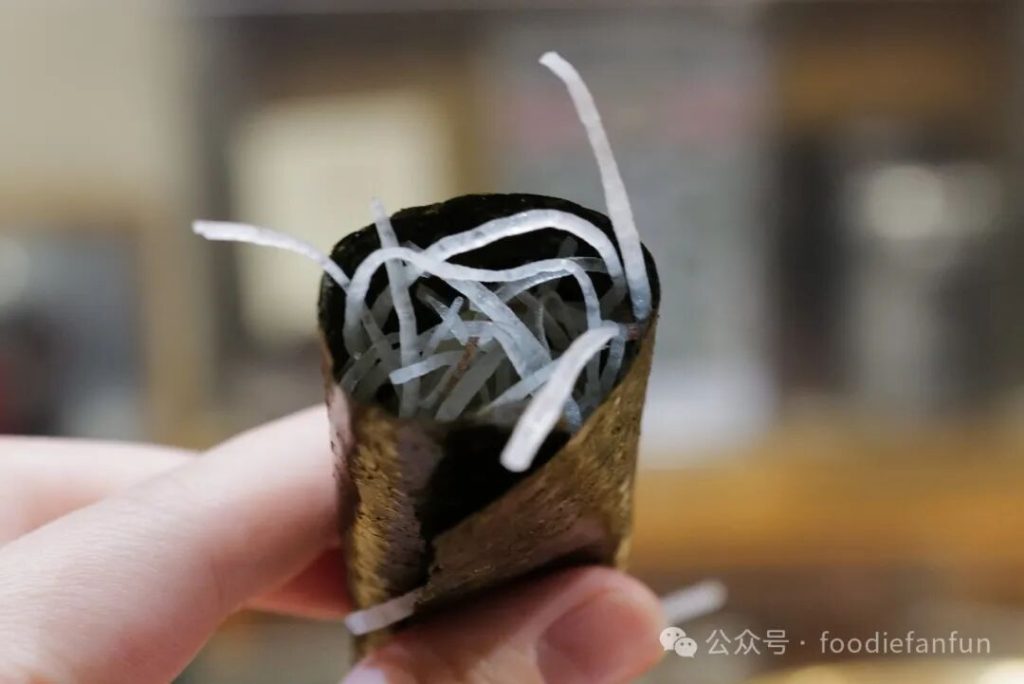
Daikon Nori Roll
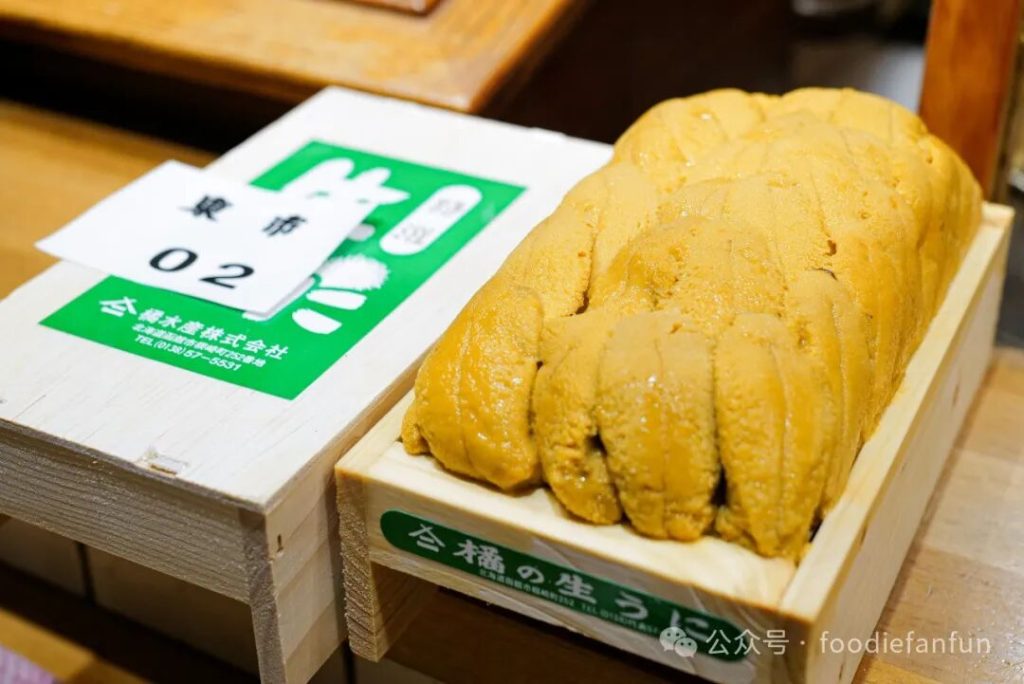
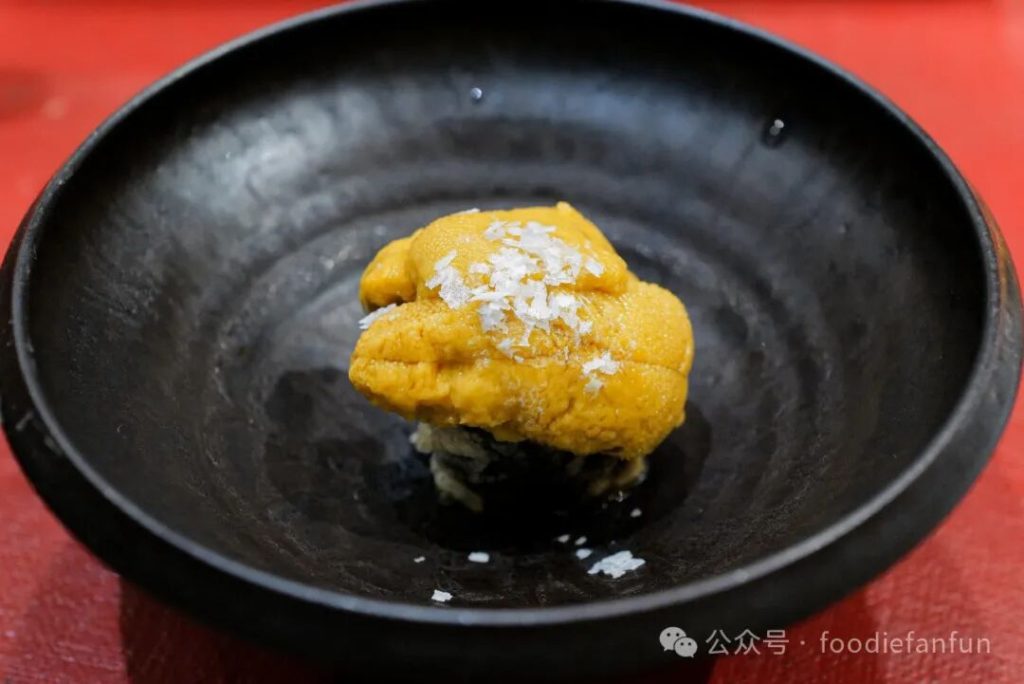
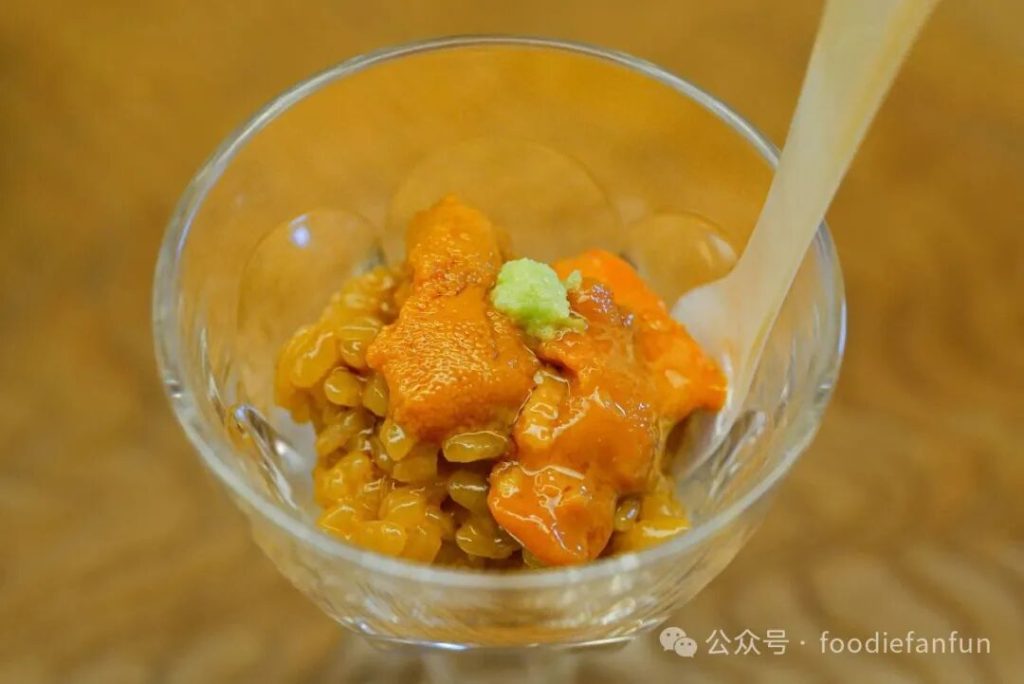
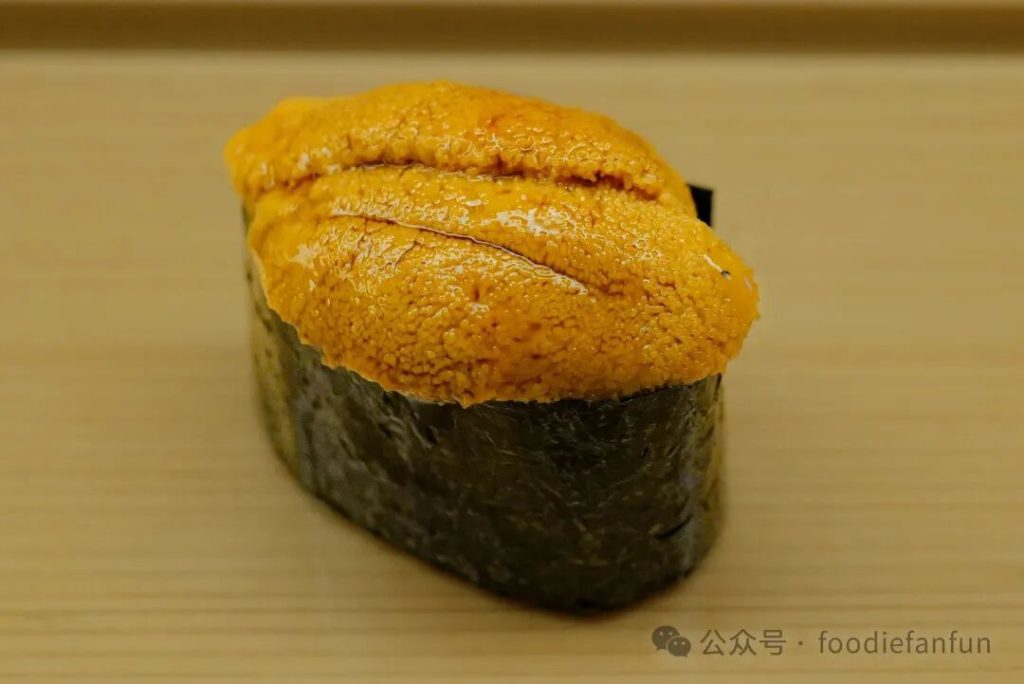
Sea Urchin Rice
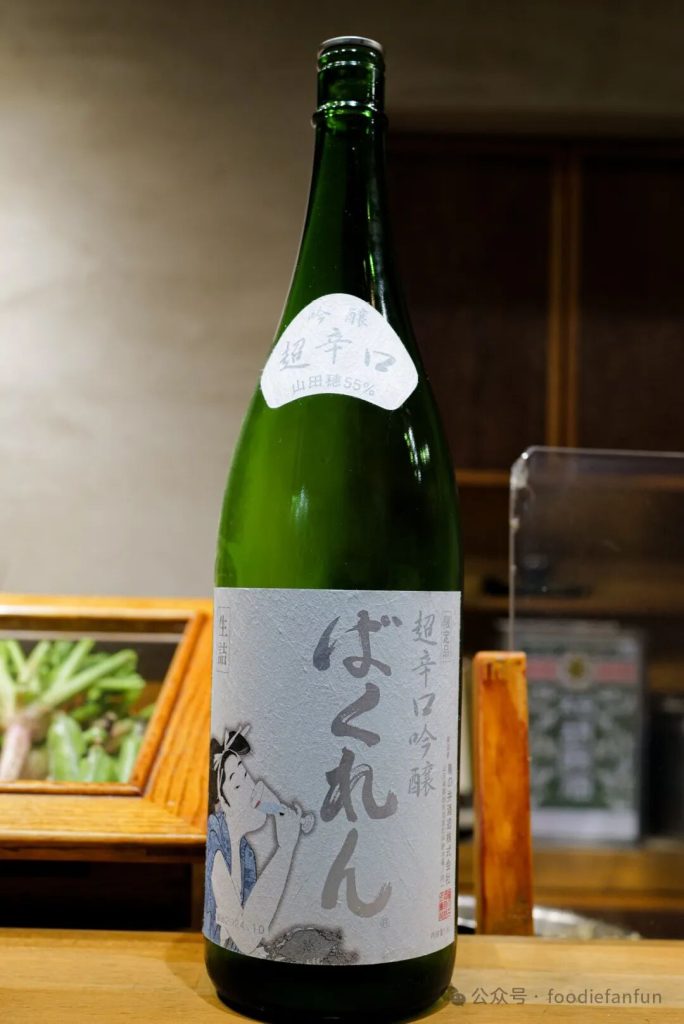
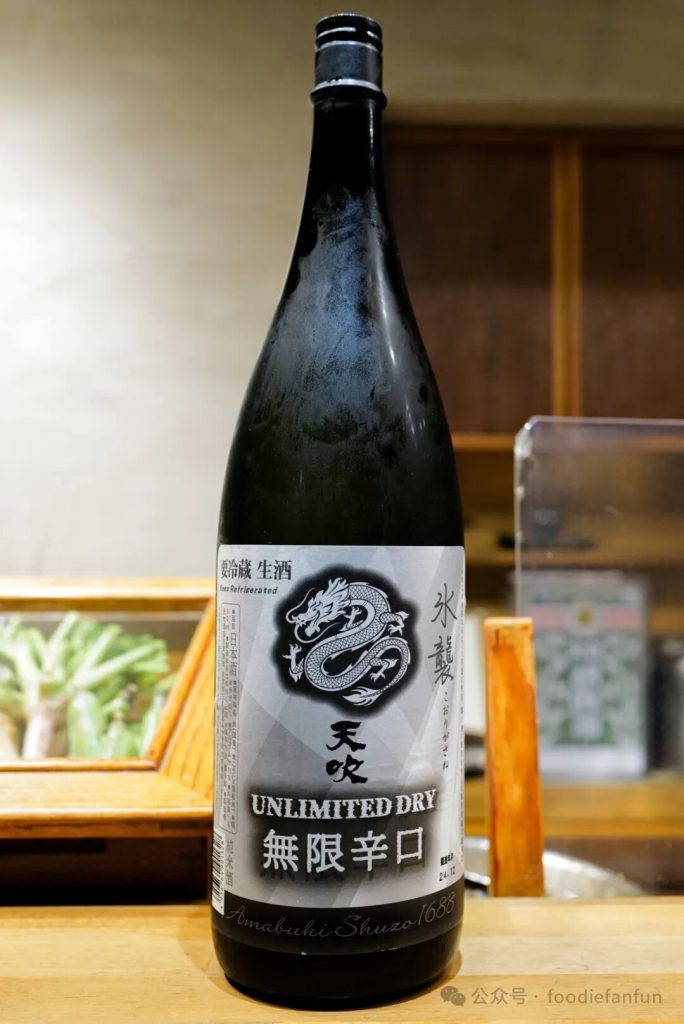
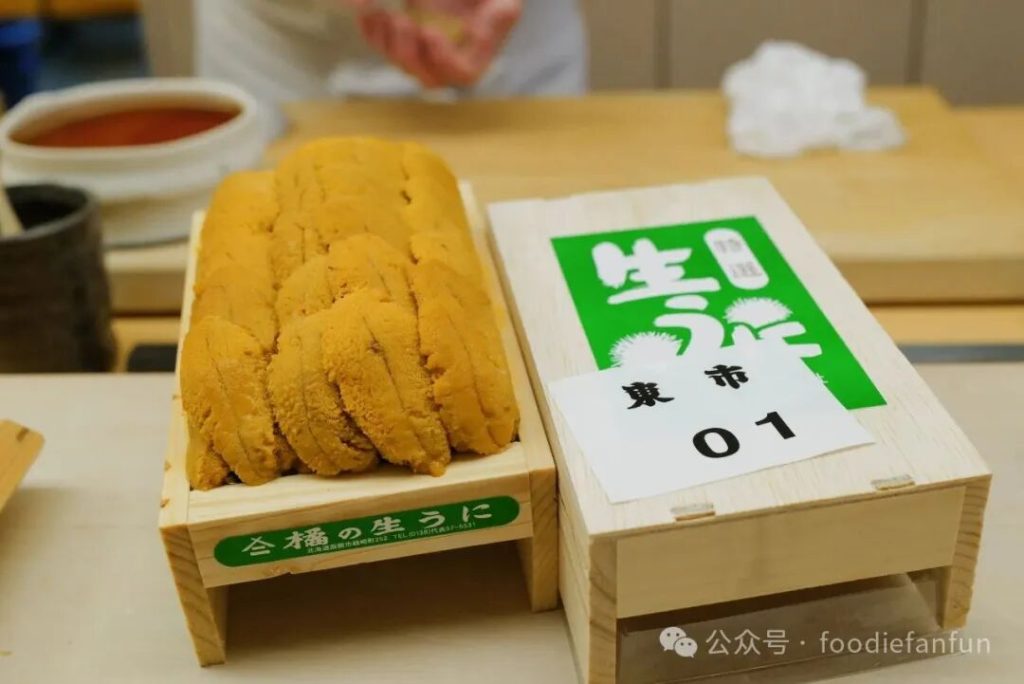
Julienned daikon rolled in kombu as a palate cleanser — not a trace of daikon’s grassy edge, just a clean, sweet, savory bite. Then came the sea urchin we’d been shown earlier — the Toichi uni was substantial, and it genuinely didn’t occur to us that we’d get sea urchin rice this good at a tempura restaurant. Total satisfaction.
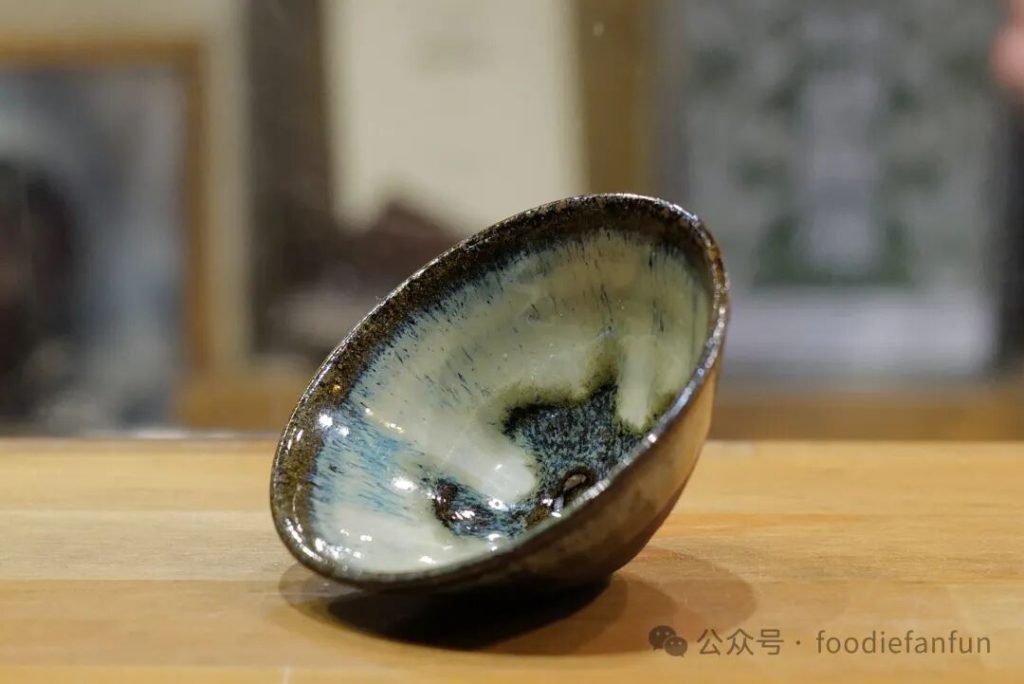
The sake went down fast — we’d basically worked our way through every one of the restaurant’s little owl cups, and ended up falling for one shaped like a roly-poly toy.
“If you use this cup, you’ve got to bottoms-up every single sip.”
A sneakily mischievous line, drifting over from the fryer.
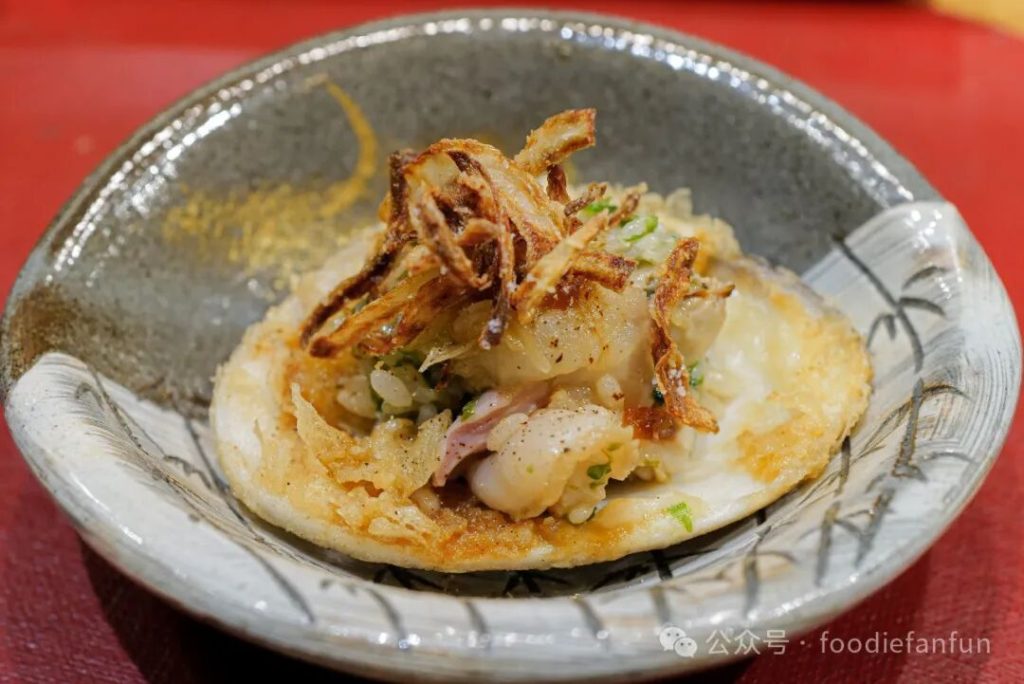
Clam
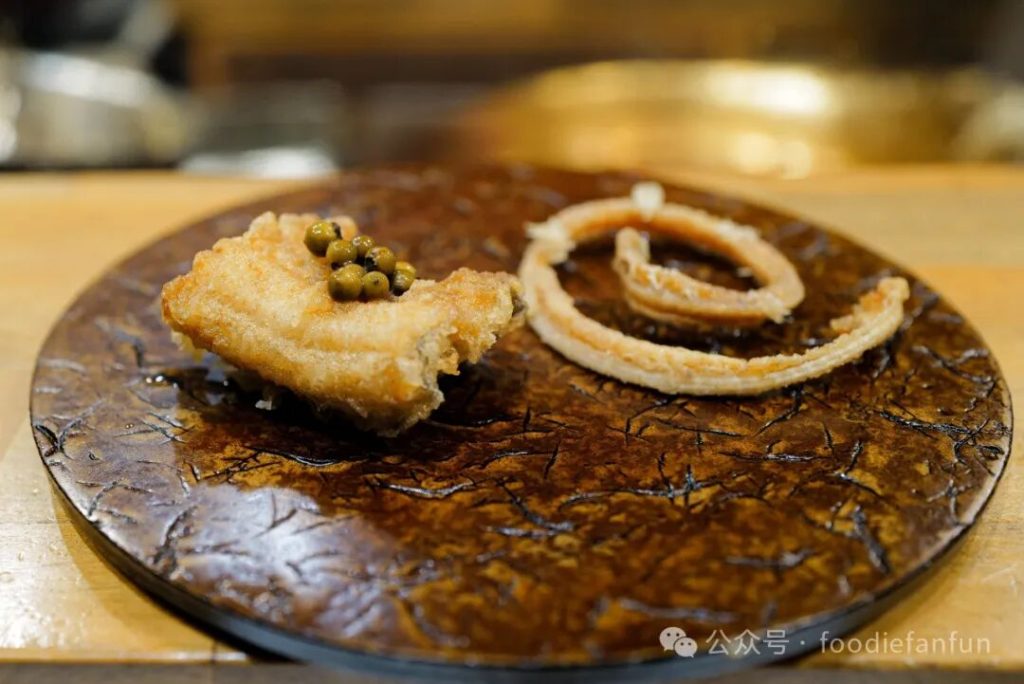
Eel
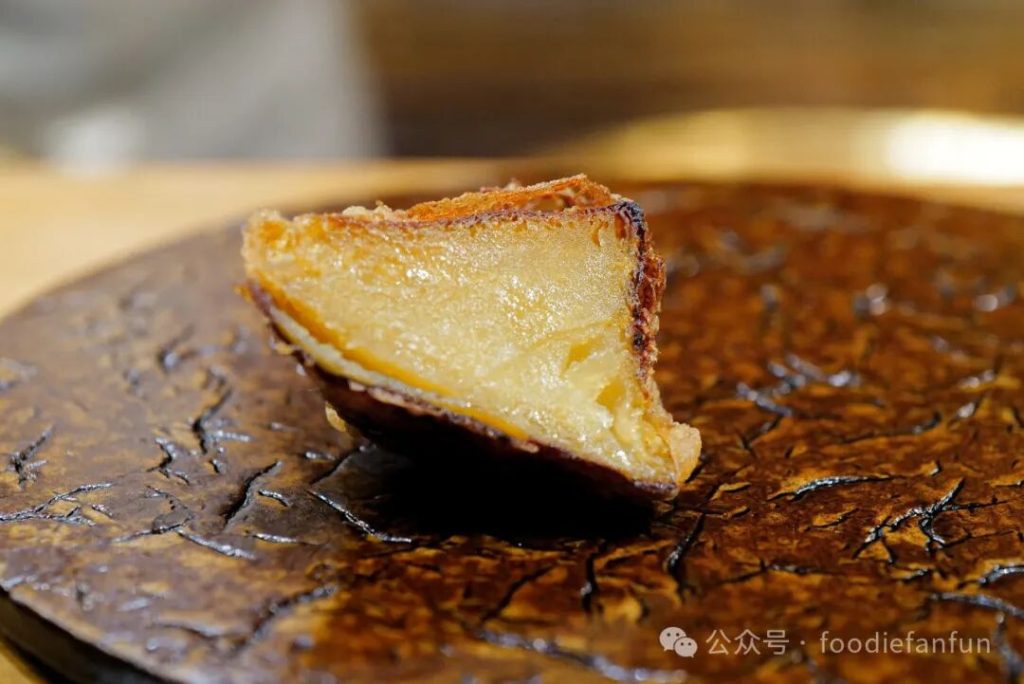
Ibaraki Sweet Potato
Served in its own shell, the clam came with a whole cast of rich accompaniments.
For the clam tempura, Yamaguchi-san paired it with aonori-flecked shari for a lift of umami, mixed in with sautéed onion, fried onion, steamed onion, and onion soy sauce. A bite of sweetness wrapped in beautiful freshness — genuinely delicate cooking that eats fragrant and rich.
The conger eel was also just prepped by the proprietress on the cutting board right beside us, using only the softest middle section for the tempura. The eel’s tender richness came through fully, and paired with vinegar-pickled pepper, the crisp crunch carried just the right hint of freshness.
The last piece, Ibaraki sweet potato, served almost like the tempura course’s dessert, closing things out with a refined, aged sweetness.
Horse Meat Curry
The vegetable case held ingredients available for extra orders — the guest next to us ordered every single one of them in one go. Quietly impressed by the Japanese middle-aged diner who could put away six otsumami, fifteen pieces of tempura, and N rounds of extras.
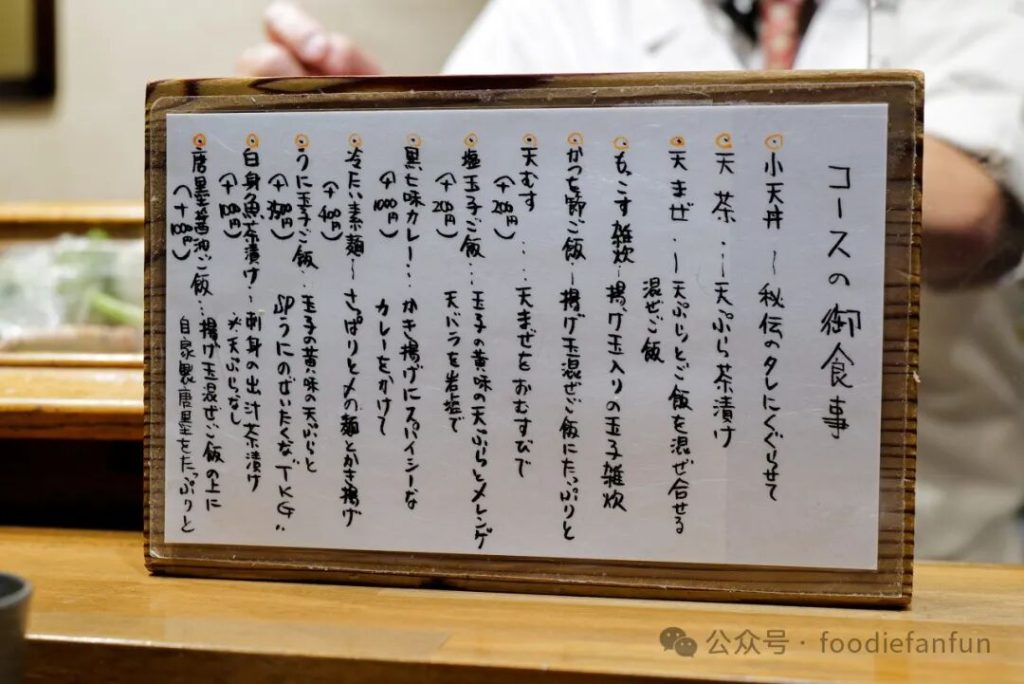
Yamaguchi-san brought out a little wooden board covered with rice-dish options — we didn’t expect such a wide range of choices, all either fragrant or good for settling the stomach after drinking.
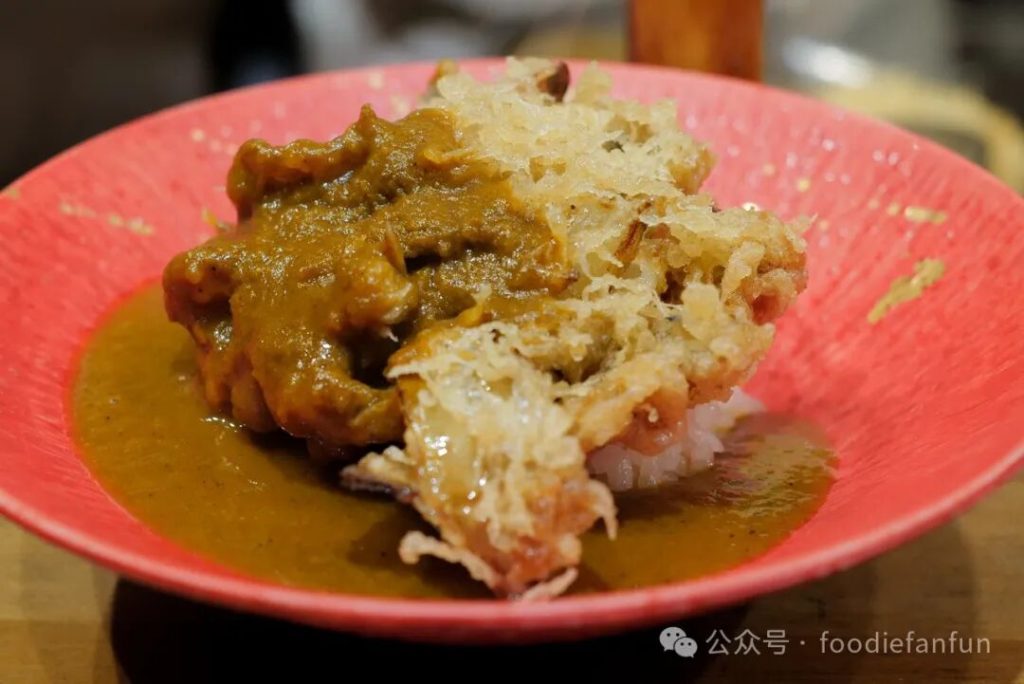
Curry, obviously — but we didn’t expect it to be horse meat curry. Intensely rich tomato and heavy spice went toe-to-toe with the gaminess, while on top, a huge piece of fried onion tempura made everything smell insanely good once stirred together. Way too full, but we still made a determined effort to scrape the plate clean.
This curry alone could probably carry its own restaurant.
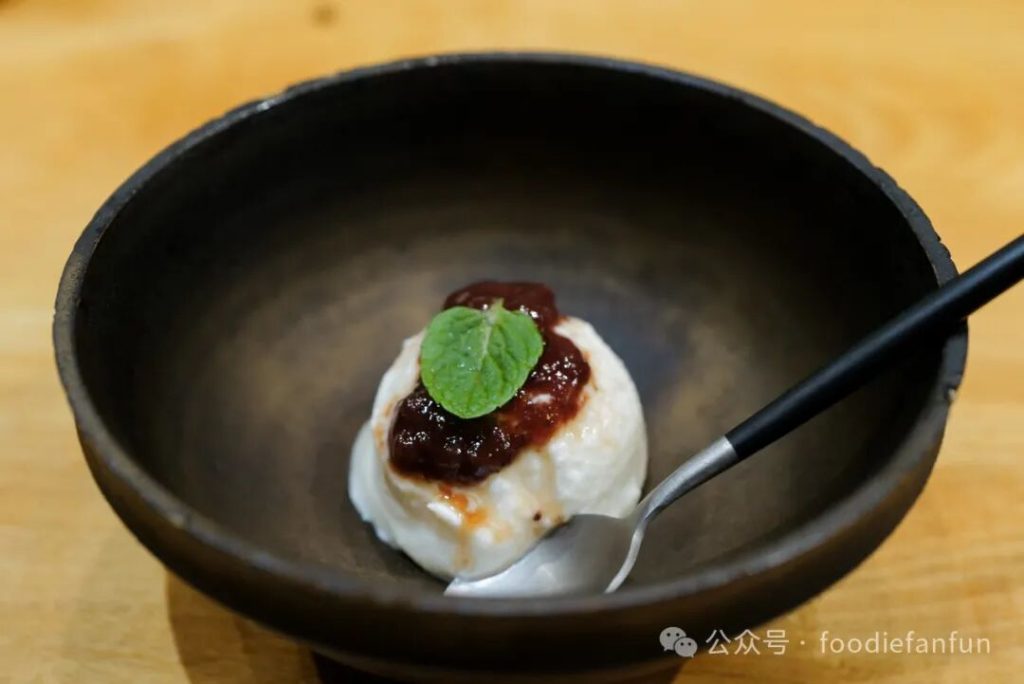
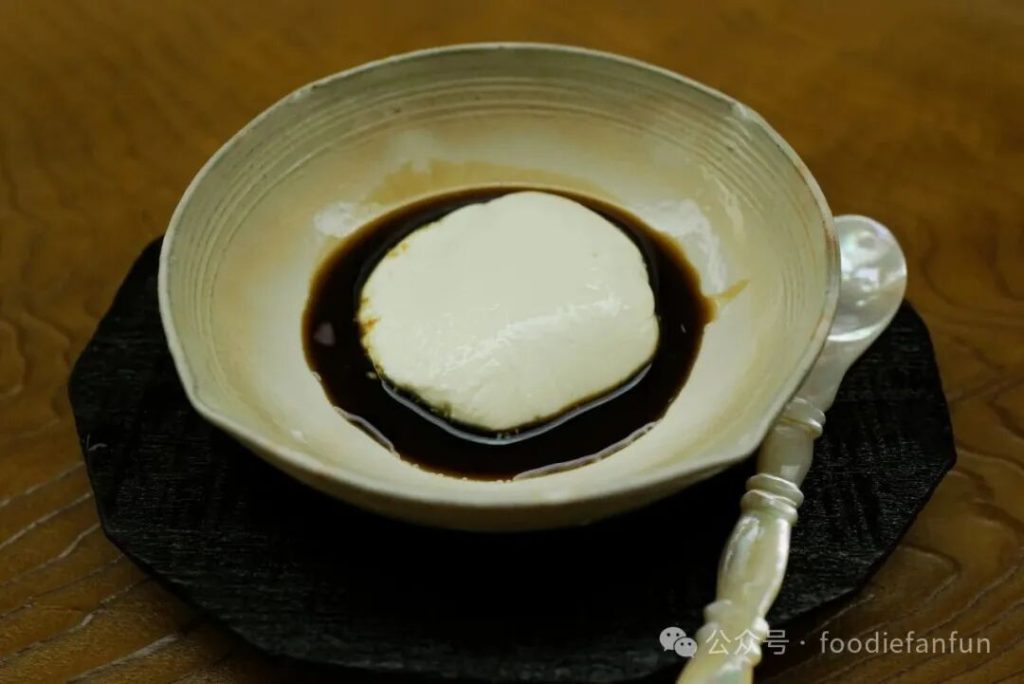
Strawberry Sauce Ice Cream
The whole meal left us completely full, with a sense of happiness that came from ingredients truly in season. Generous portions, bold flavors, fried food throughout — yet somehow there was no heaviness afterward, just a clean, sweet taste left in the mouth. Every vegetable seemed to splash its own personality into his frying oil.
It was also genuinely enjoyable watching the two of them work the counter together — every table moved at its own pace, but within this small space, everything ran in perfect, unhurried order.
As we left, Yamaguchi-san came out and directed the taxis, moonlighting as parking-lot staff.
Once again — the local gods really are gods.
Deeply curious what Tempura Mokkosu will look like next season.
Tempura Mokkosu
Thursday – Tuesday 17:30 – 22:30
https://www.tempuramokkosu.com/
Omakase ¥26,620++