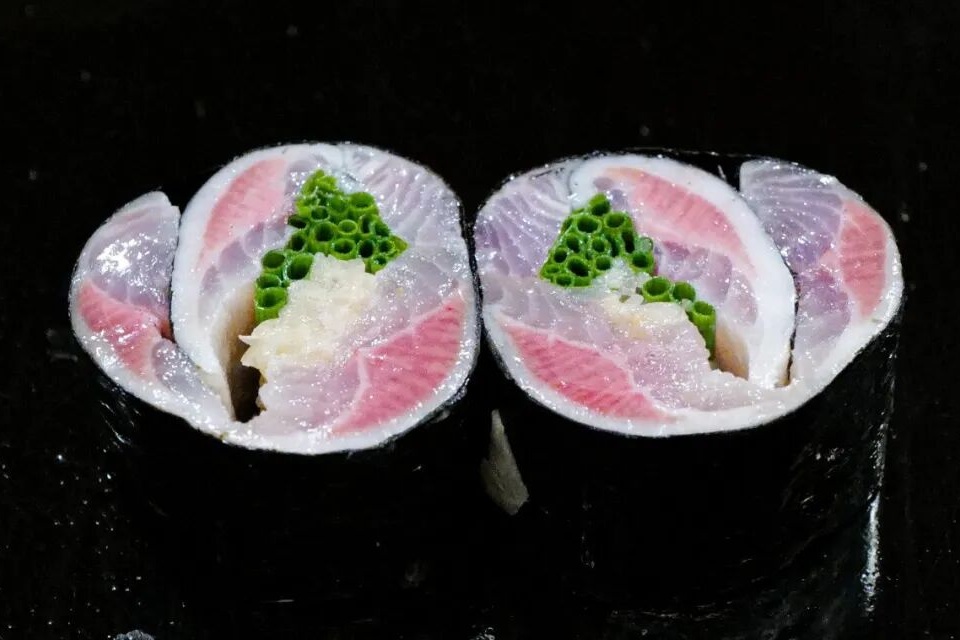
Finally, finally, finally, finally, finally — I got a booking at the sushi restaurant with the highest Tabelog score in all of Japan, nationally ranked #1, one of the hardest reservations in Tokyo and arguably the world: Nihonbashi Kakigaracho Sugita. Chef Takaaki Sugita is regarded as the finest Edomae sushi craftsman working in Japan today.
Over three consecutive days, I also visited his top disciple’s restaurant, Sushi Hashimoto, and Sushi Riku, opened by a later-generation disciple and an instant sensation, plus Sushi Yamato, which I’d already been to before. That completes the whole Sugita lineage of restaurants in Tokyo.
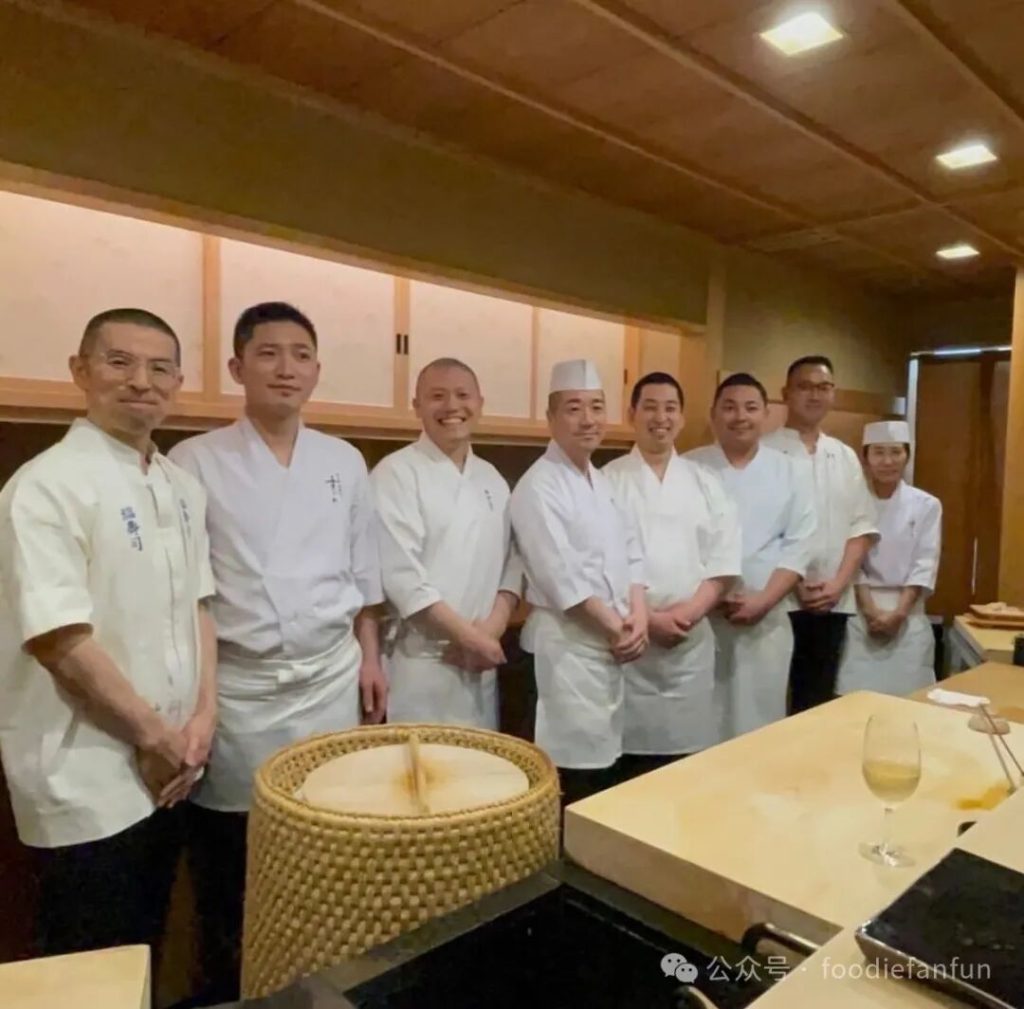
You can find this photo on Sugita-san’s social media accounts — his disciples and grand-disciples, all of whom have since gone independent and become the kind of chefs capable of running their own acclaimed restaurants.
From left to right: Eijiro Yamamoto (Fuku-zushi), Riku Toda (Sushi Riku), Hiroyuki Hashimoto (Sushi Hashimoto), Takaaki Sugita (Sugita), Yamato Yasui (Sushi Yamato), Kazuki Noguchi (Kotan), Yuki Sassa (Nihonryori Sassa).
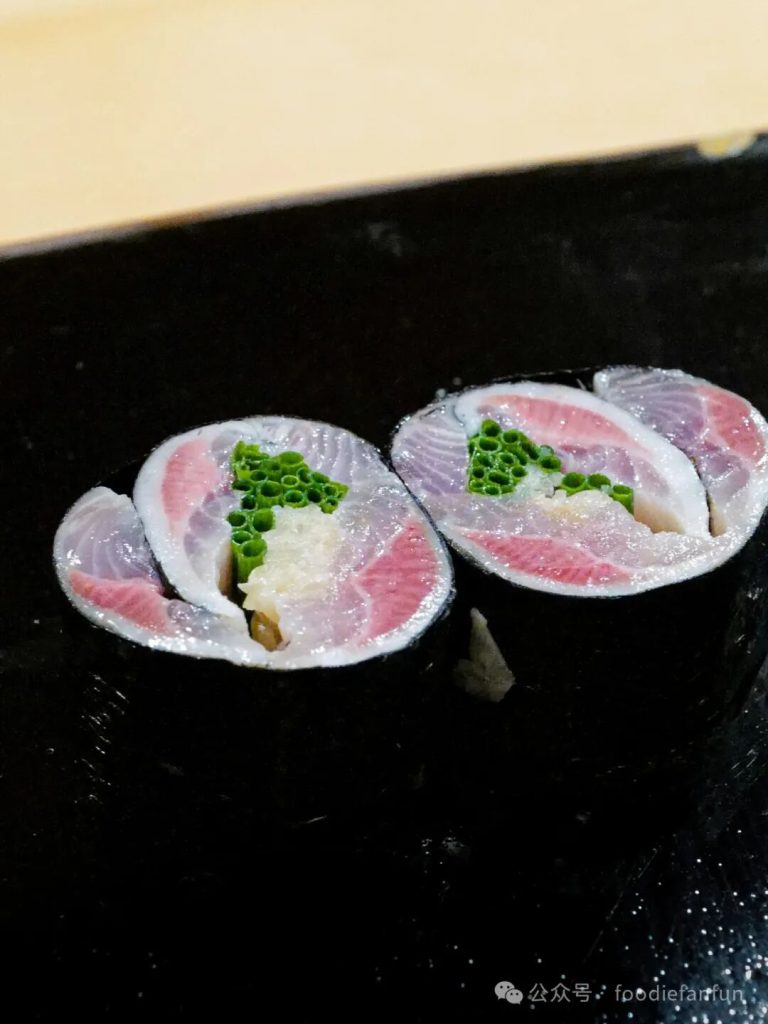
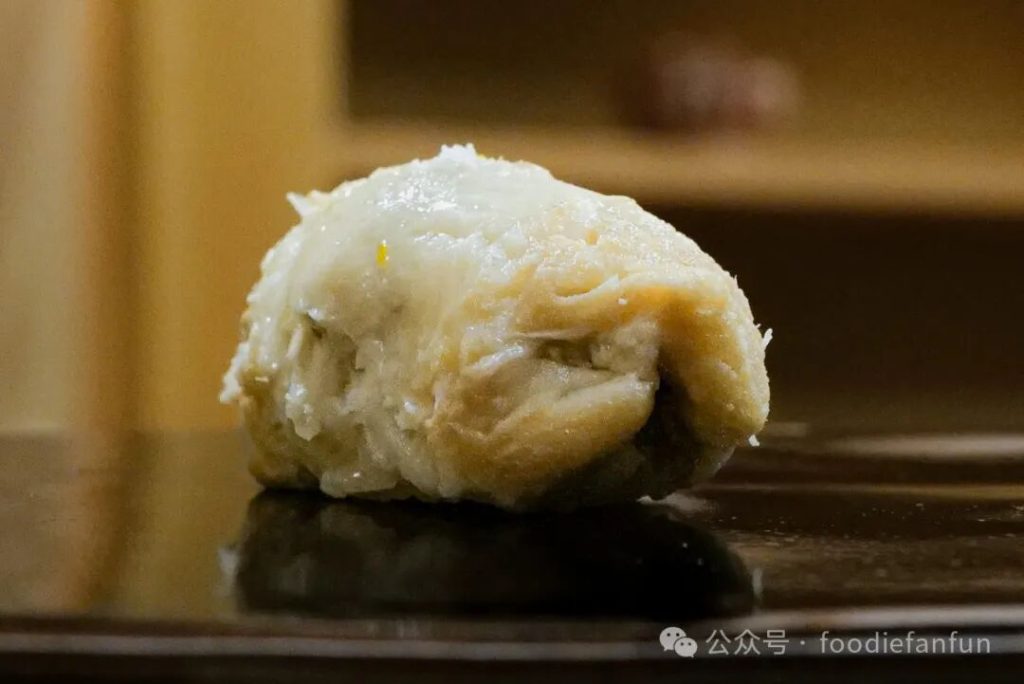
Iwashi-maki (Sardine Roll) | Nihonbashi Kakigaracho Sugita
The perfect embodiment of Edomae sushi, the application of aging technique, an absolute sense of flavor balance, and a level of counter hospitality that’s extremely comfortable to be around.
No need for more flattering words — this piece wants to share things in a more documentary way: comparing side by side, among these acclaimed restaurants under the Sugita lineage, which ones are worth booking months in advance, and which are worth paying up to 6,000 RMB in scalper fees for a seat.
✦ • ✦
Nihonbashi Kakigaracho Sugita
Tabelog Gold Award 🏅 1-33-6 Nihonbashi Kakigaracho, Chuo City, Tokyo ¥44,000++
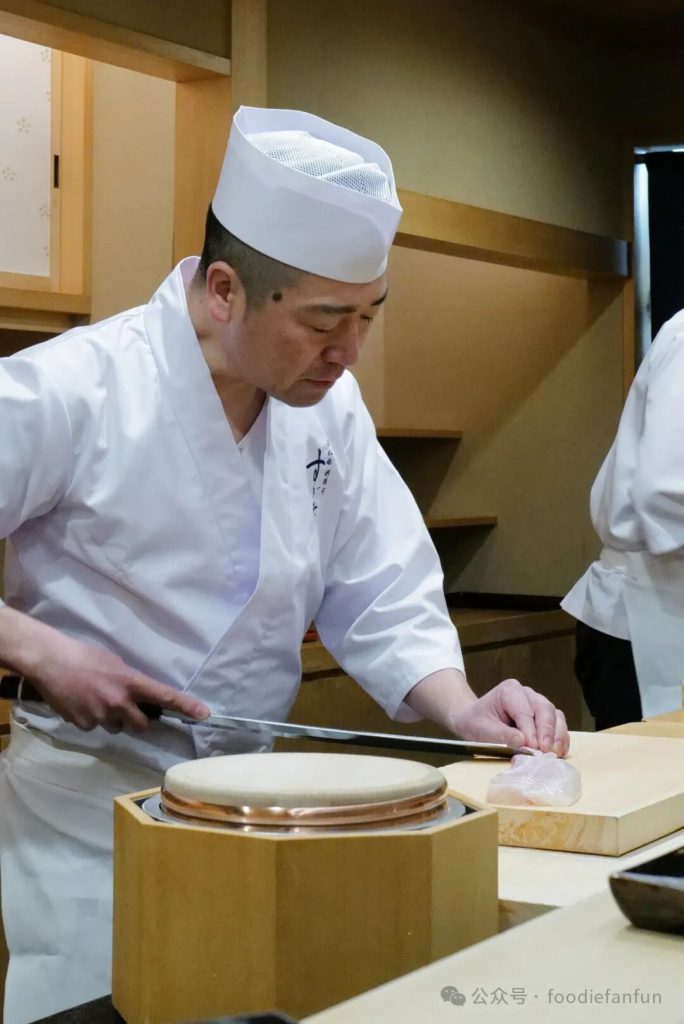
For the noon lunch seating, by 11:55 all eight counter guests were already waiting at the door. After sitting down and a brief exchange of greetings, the counter fell silent again — everyone sat up straight, a bit of tension in the air, as if holding their breath in earnest anticipation of the meal ahead.
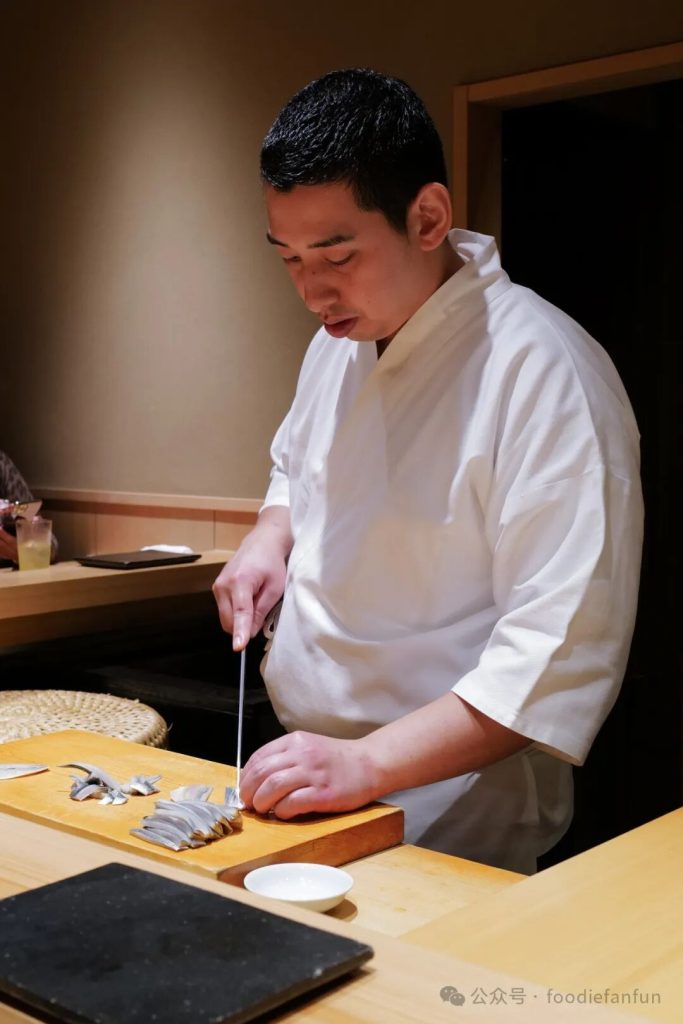
It was, of all people, Sugita-san himself — busy prepping sardines — who broke the silence.
“Everyone quietly staring at me while I debone this fish is kind of nerve-wracking (whispering)… everyone quietly staring at me debone this fish is REALLY nerve-wracking… (even quieter whisper)”
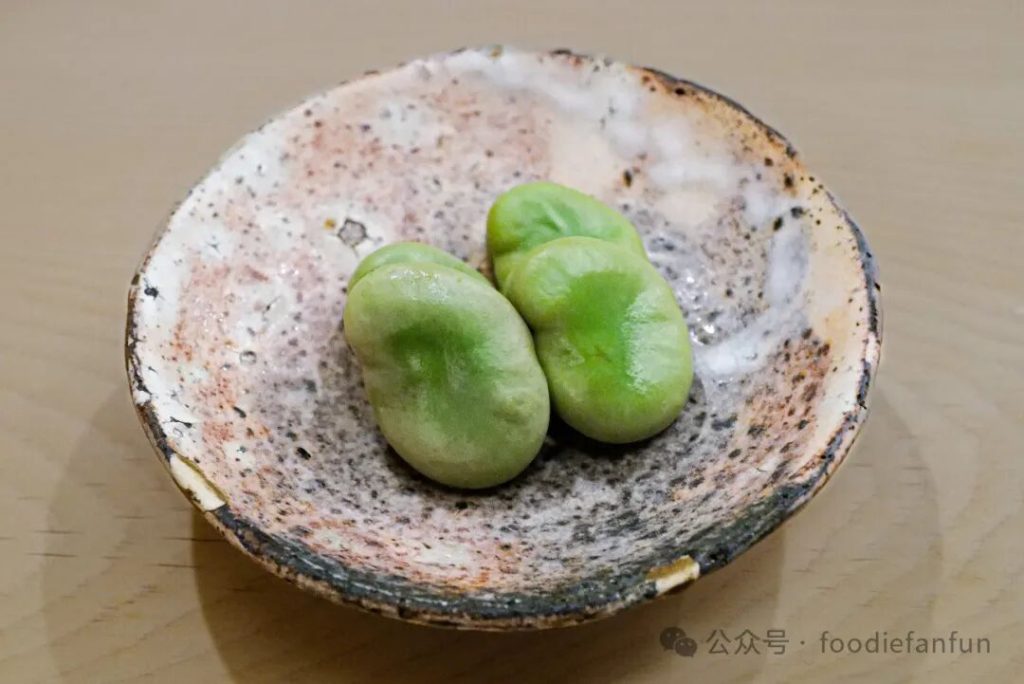
Fava Bean
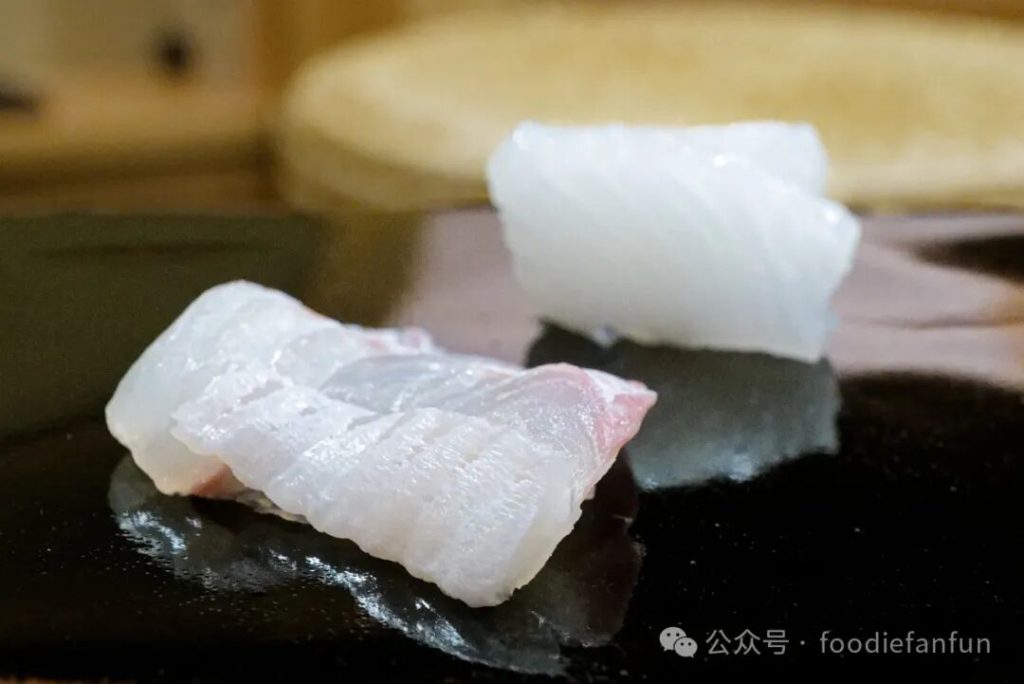
Squid, Flounder
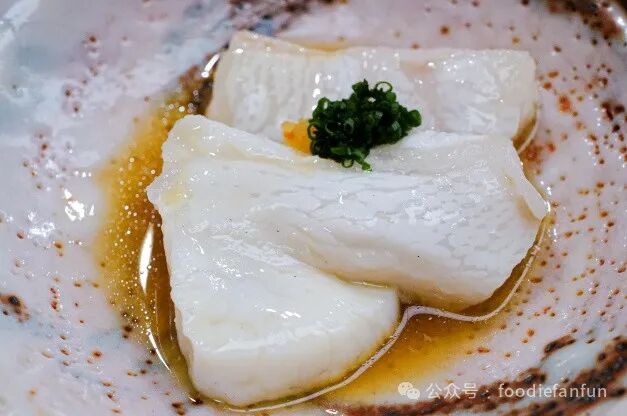
Kue (Longtooth Grouper), Chiba
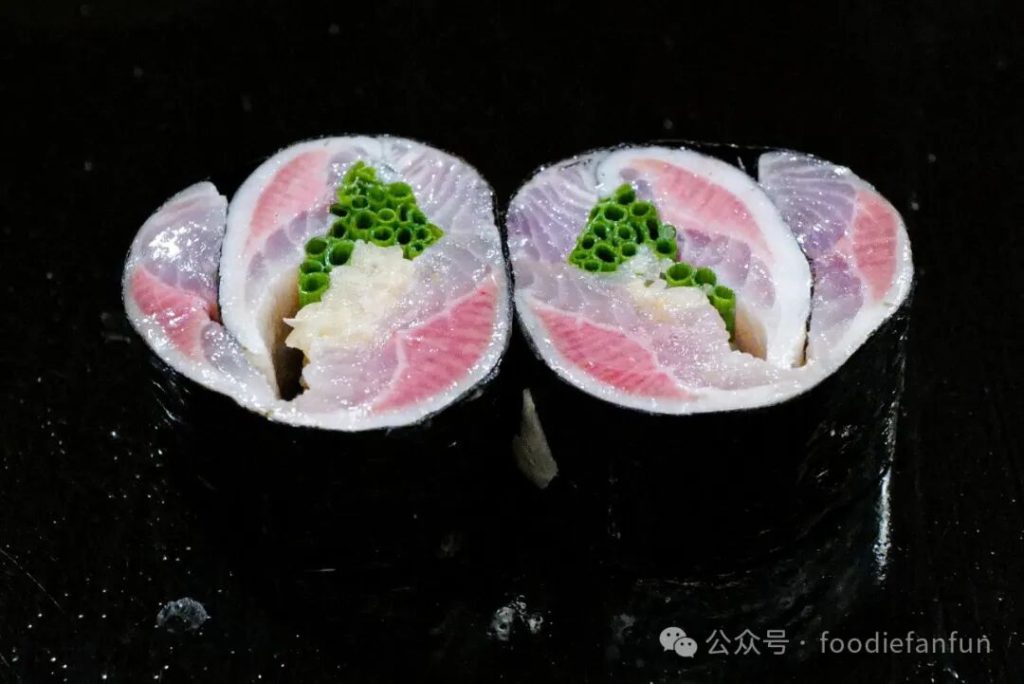
Iwashi-maki (Sardine Roll)
A light opener — the fava bean carried a faint fermented, natto-like note, its soft saltiness and umami seeping through gently. Sashimi came in squid and flounder, the latter showing full flavor as you chewed.
The kue smelled incredible the moment it hit the table — visibly translucent white, with fat distributed evenly throughout; the half-cooked texture pushed both the fat and the sweetness to the extreme.
Iwashi-maki has become popular at sushi restaurants back home, and Sugita is the very creator of the dish. Only after tasting the original did I realize it could balance both a knockout deliciousness and a long, drawn-out finish so precisely.
Same combination of sardine, scallion, ginger, and shiso — Sugita-san instructed, “use more wasabi, less soy sauce.” The fish was tender and fatty with a hint of crunch, the ginger’s sweetness and the herb’s green aroma rushing to the front, the umami spreading through the mouth in small waves before gathering back at the tip of the tongue into a long, concentrated finish.
I’ve had plenty of iwashi-maki, including his disciples’ versions, but this time my understanding was completely rewritten. Turns out the same recipe and the soul of the cooking really do live on two different planes.
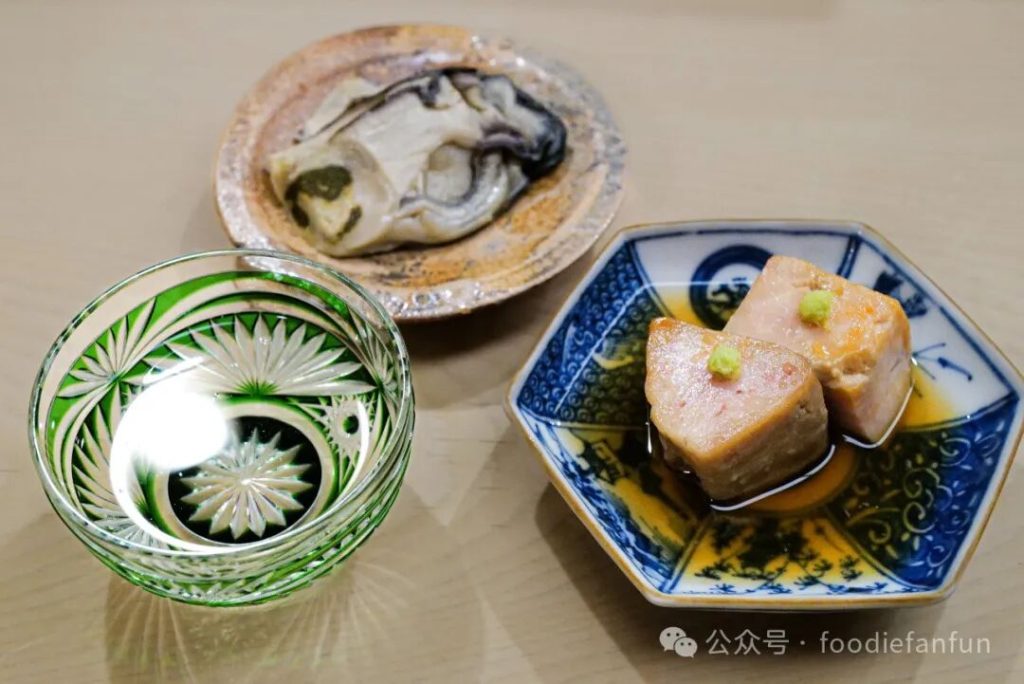
Monkfish Liver, Oyster
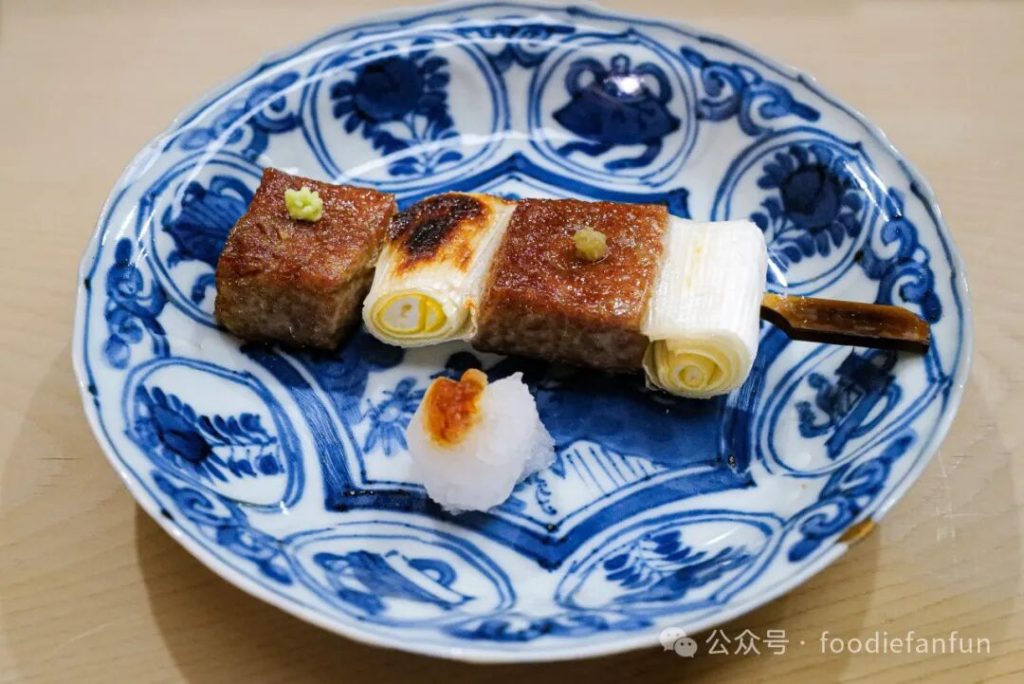
Grilled Tuna Skewer
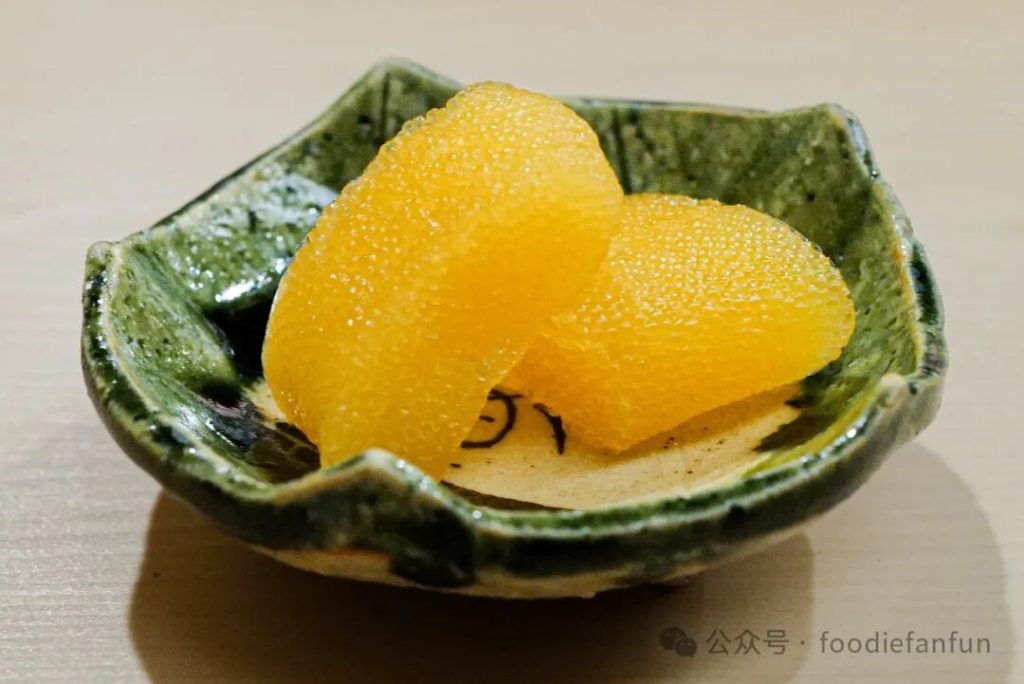
Add-On | Miso-Cured Herring Roe
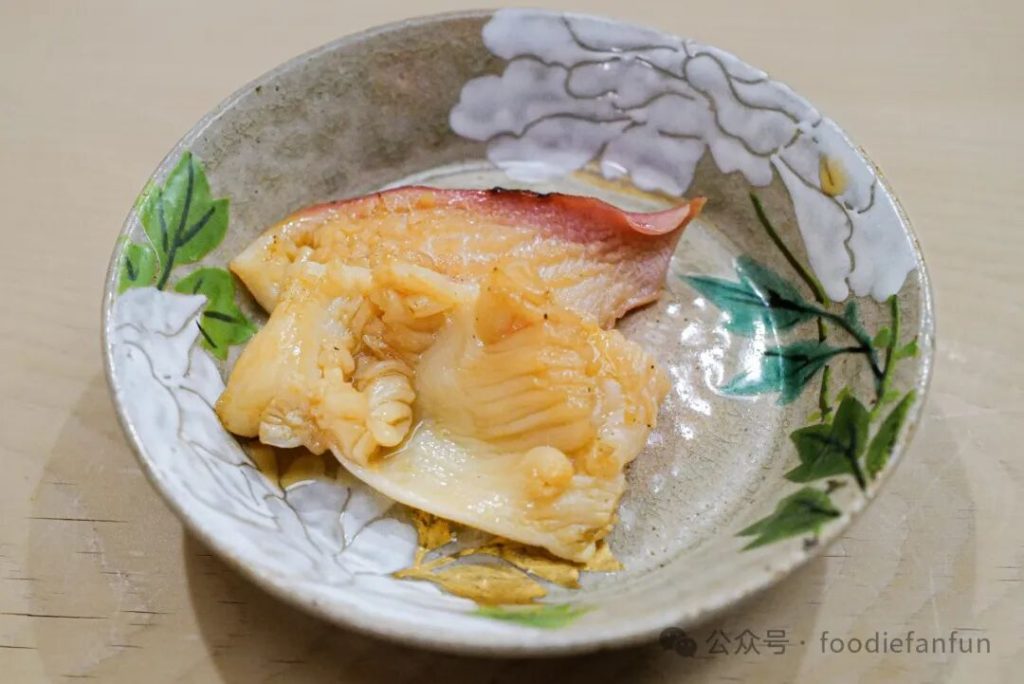
Add-On | Grilled Hokkigai with Ginger Soy Sauce
By the time the iwashi-maki was finished, we looked up and realized it was already past one. Add in the drinking snacks that followed, the tuna skewer, and the extras — the otsumami section alone took a full two hours.
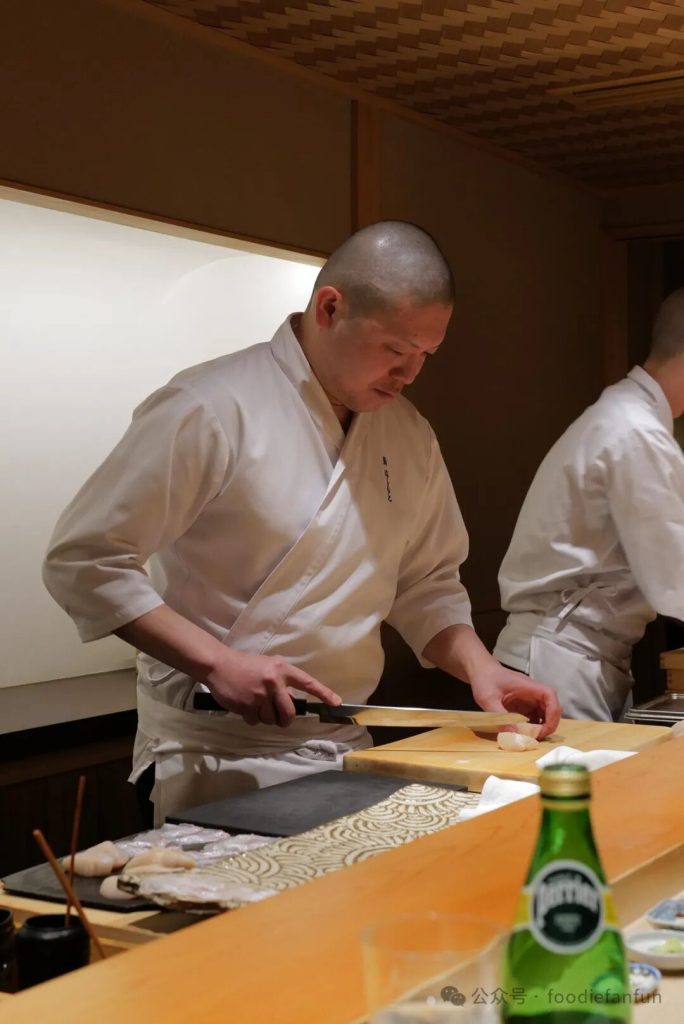
Watching Sugita-san unhurriedly prep the fish for what’s next — the movements were seamless and fluid, almost no pause for a moment, not a single wasted motion. The sense of mastery and ease made you wonder if this was a scene rehearsed in advance for a film.
The regular sitting in the center seat had already settled in, starting to share stories with Sugita-san of his own accord. Sugita-san chatted easily in return, occasionally teasing other guests at the counter and the disciples standing ramrod-straight behind him. Both the sense of boundaries and the humor were pitched just right.
After two highly memorable dishes, the meal settled into a calmer stretch. The small drinking plate was paired with a glass of Youno Tori, its sweetness complementing the marinade nicely. But the charcoal-grilled tuna skewer arrived at a middling temperature, its excessive fattiness and a flavor hard to distinguish from canned tuna leaving us a bit puzzled.
Sugita’s otsumami extras cover a wide range — you often see people add every single item, as if opening a whole new course. Those of us with a clear sense of our own appetite just went for the cured herring roe and hokkigai clam, crunchy and addictive with every bite.
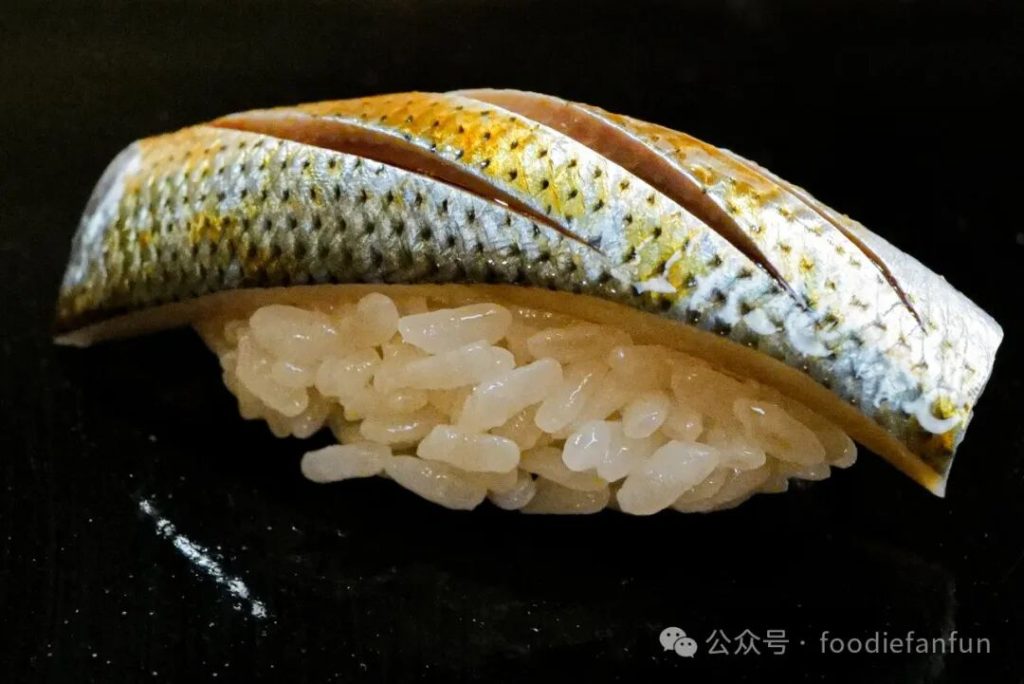
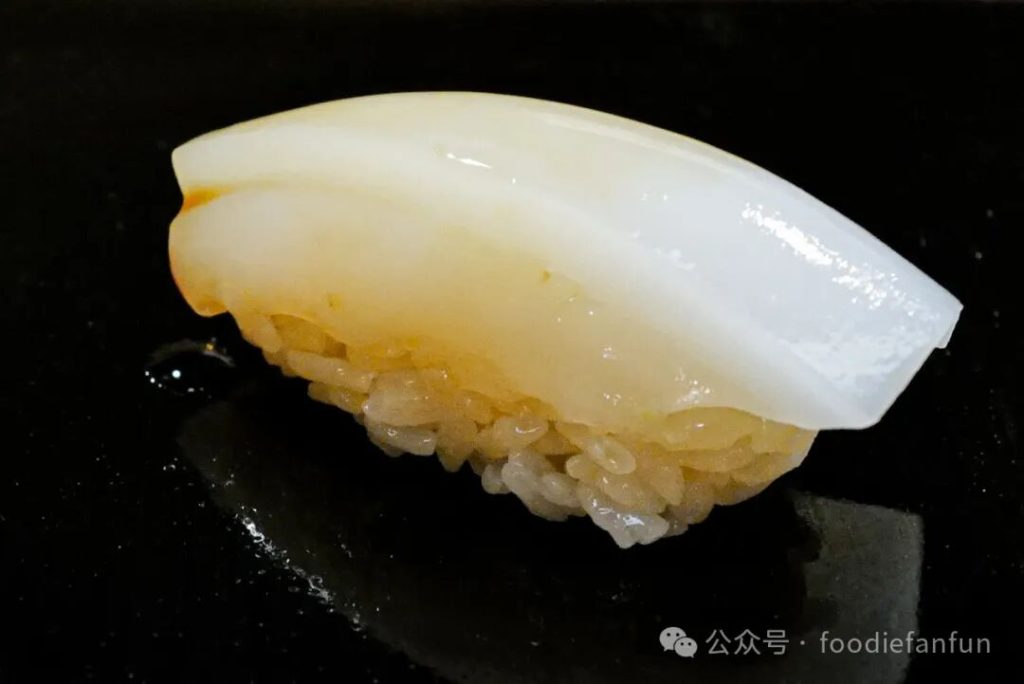
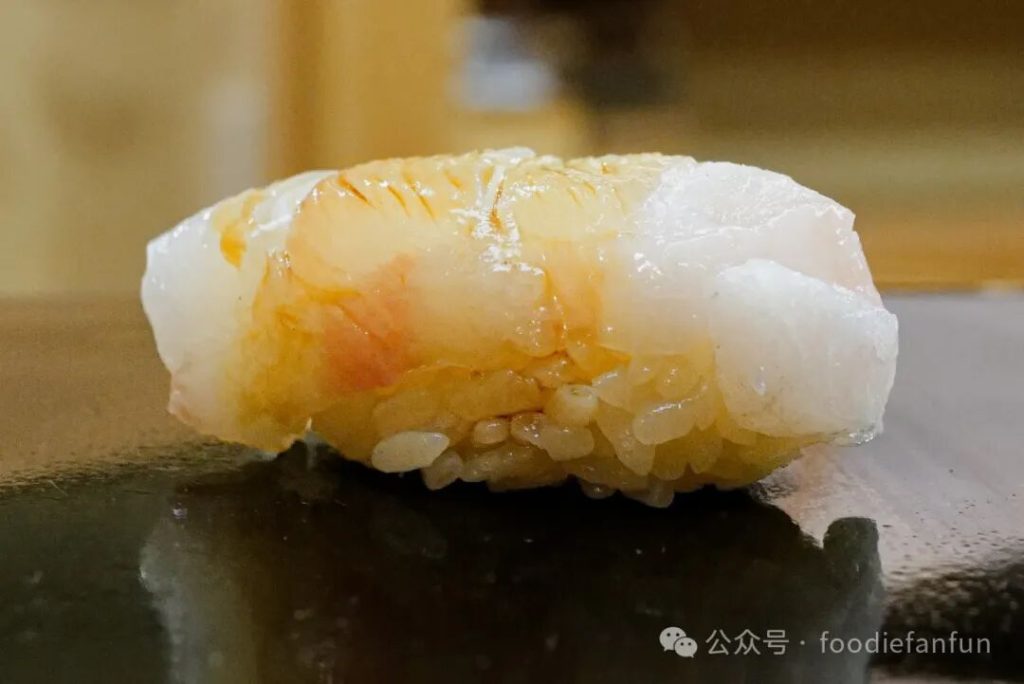
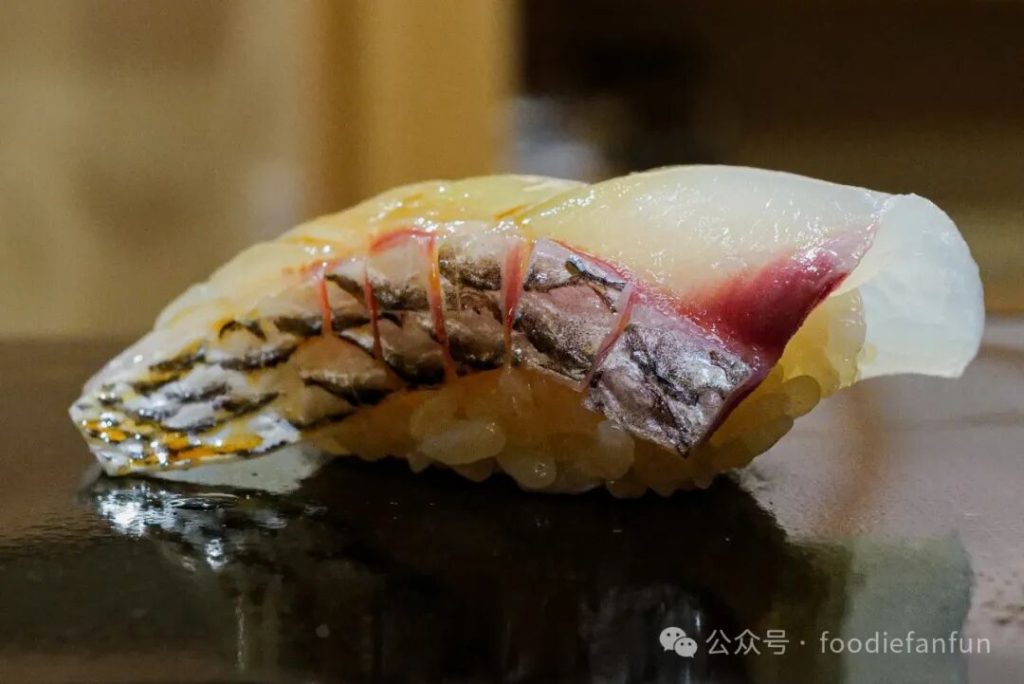
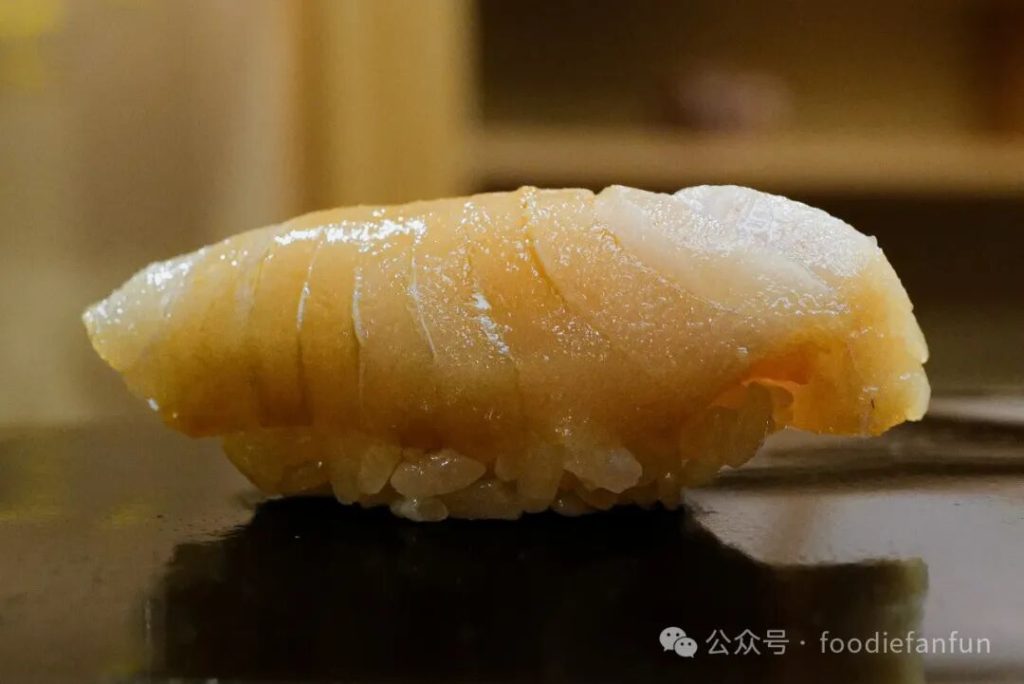
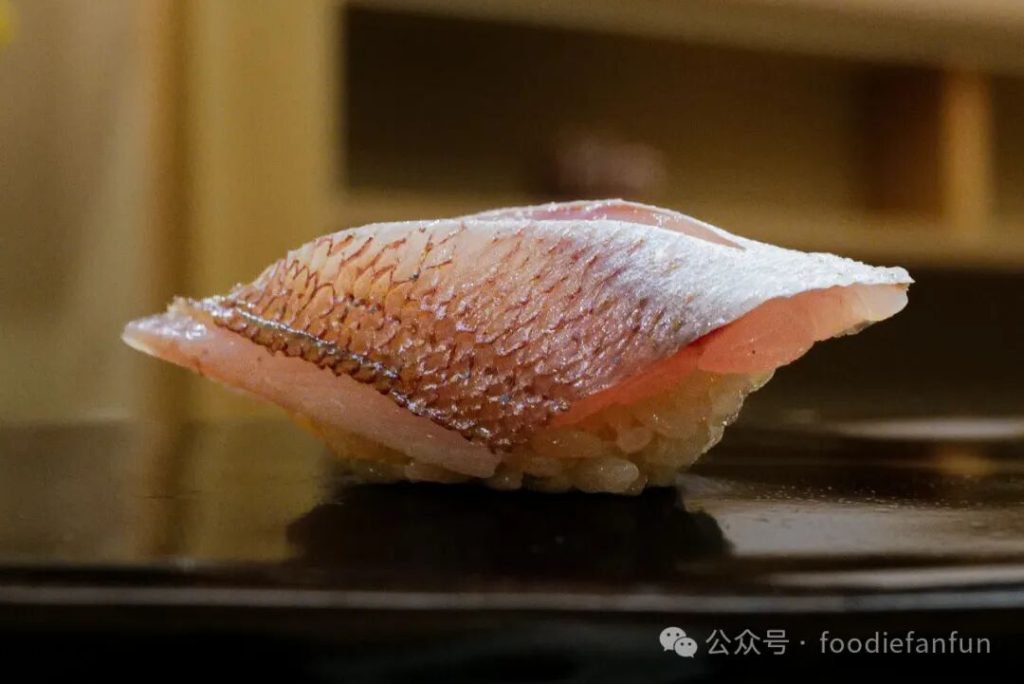
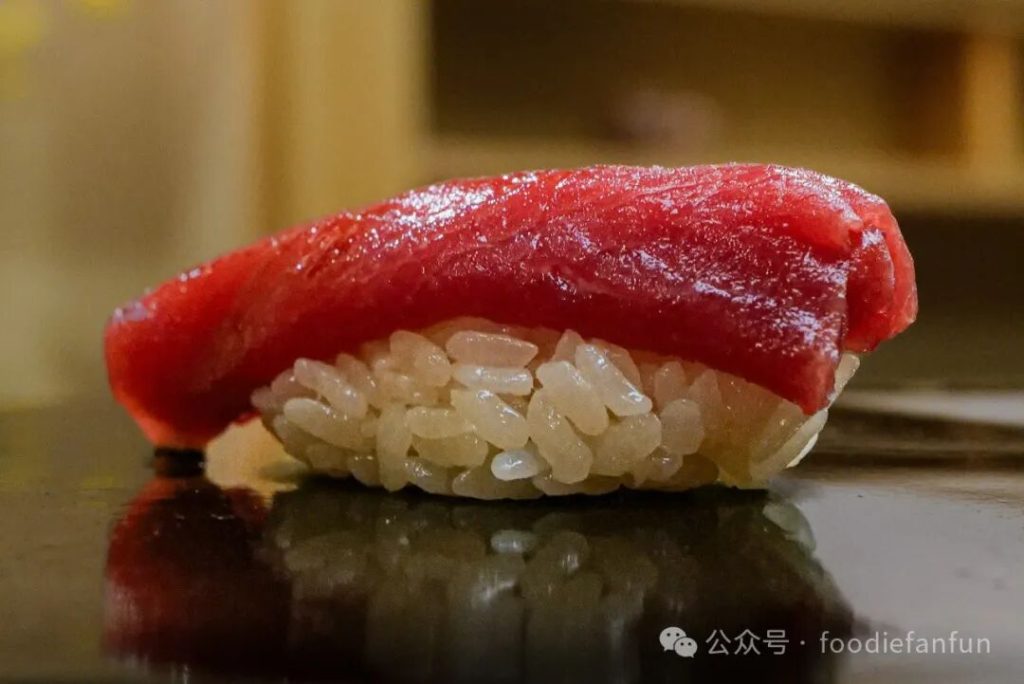
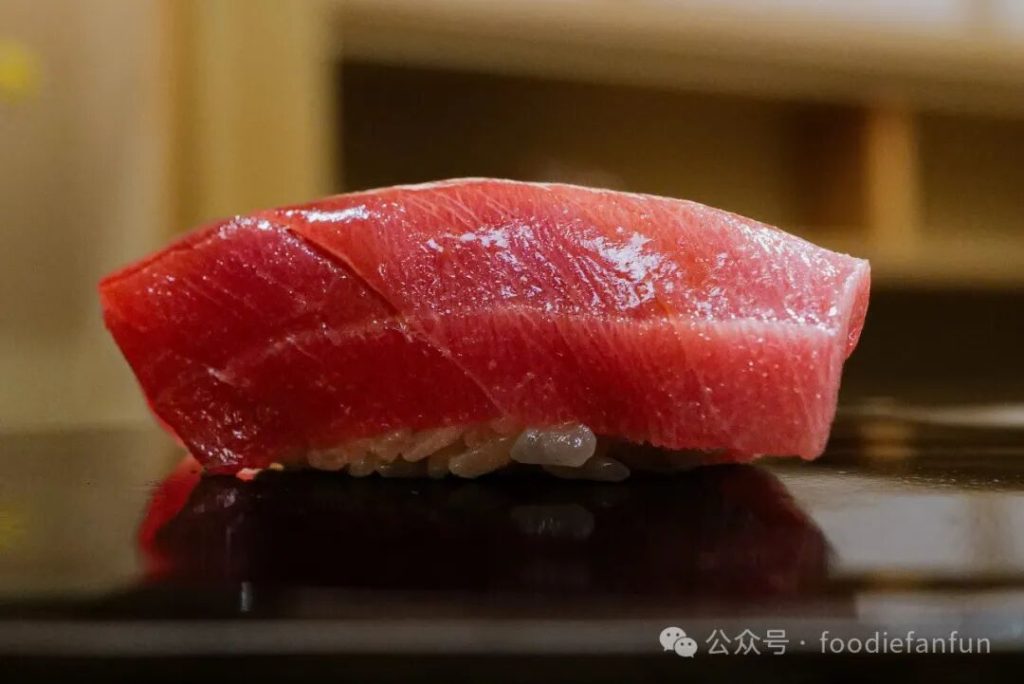
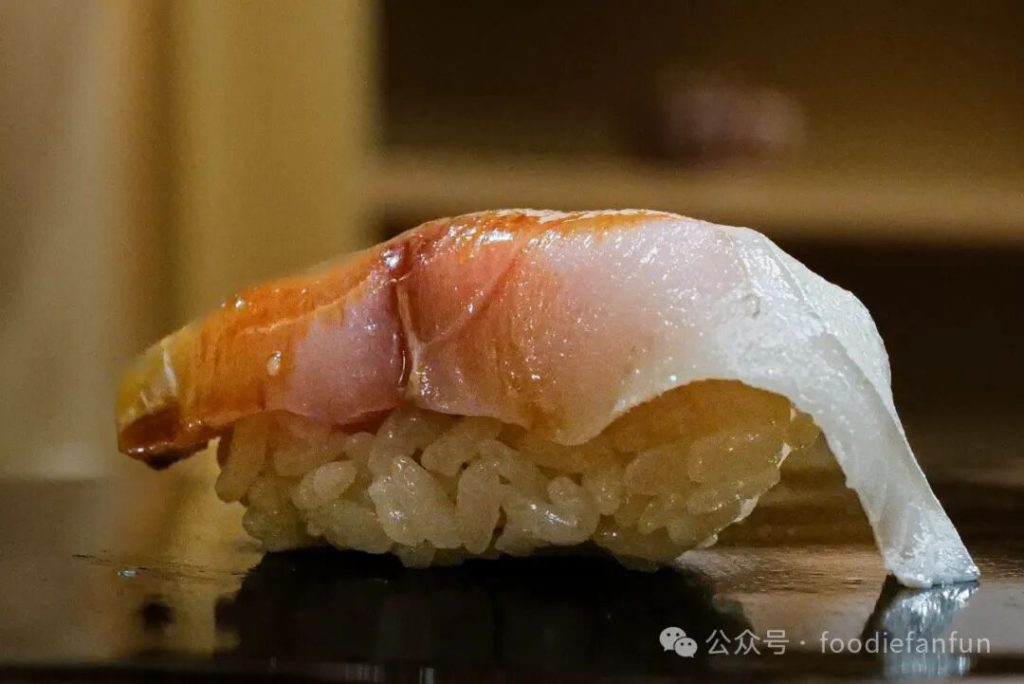
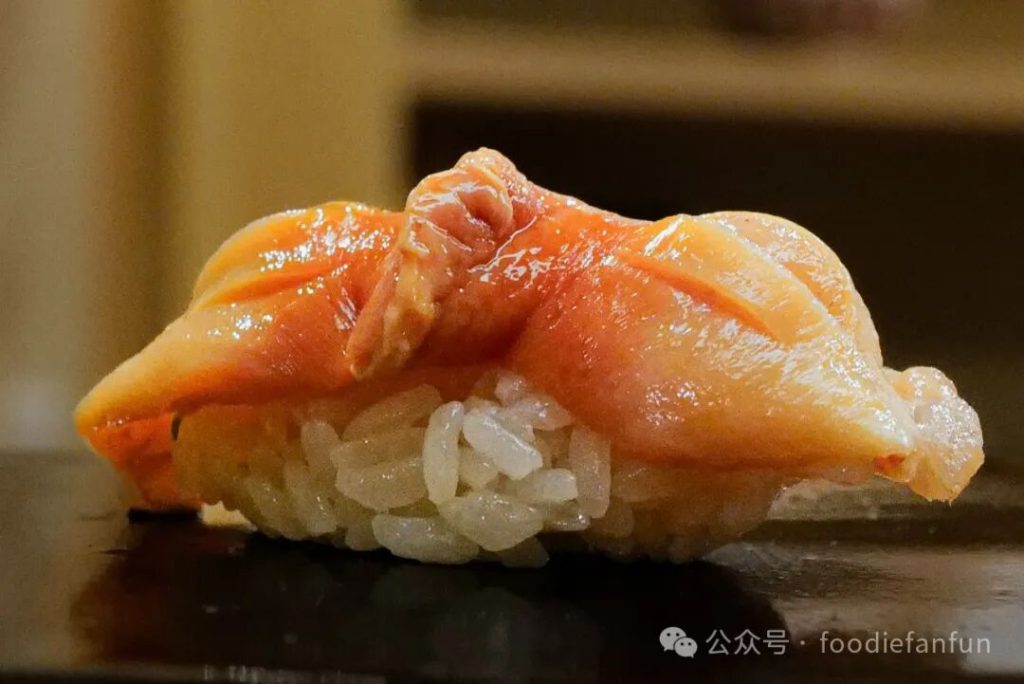
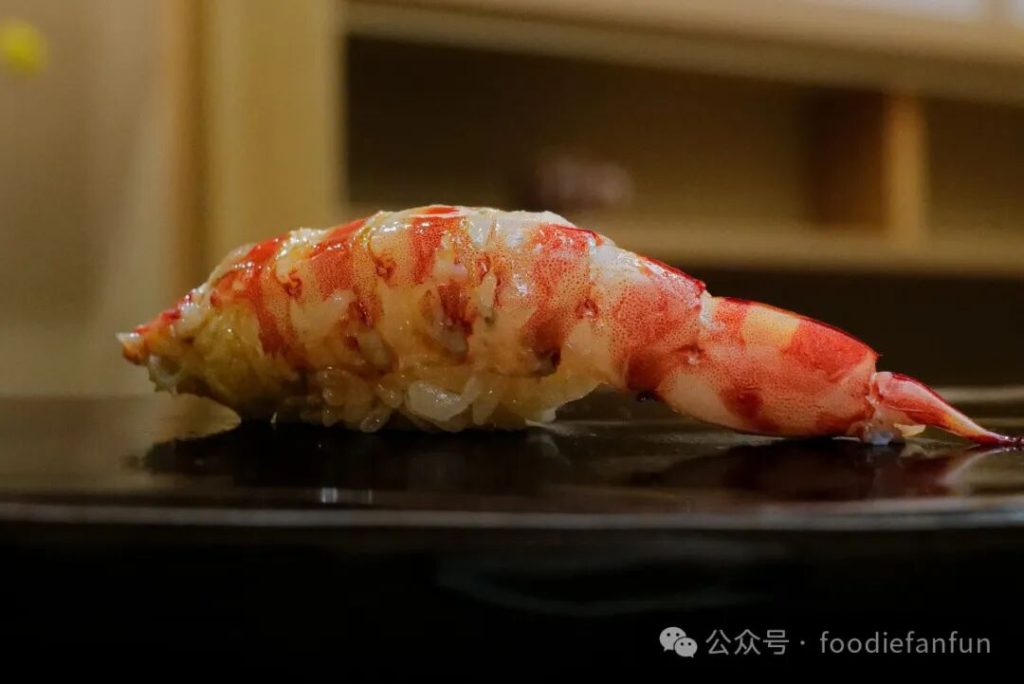
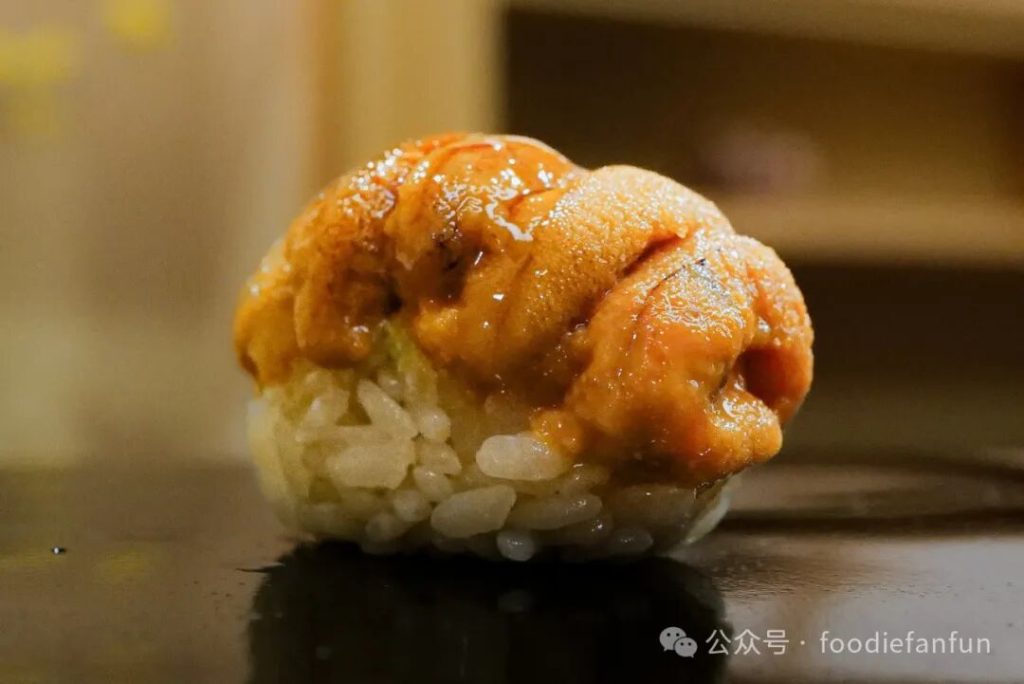
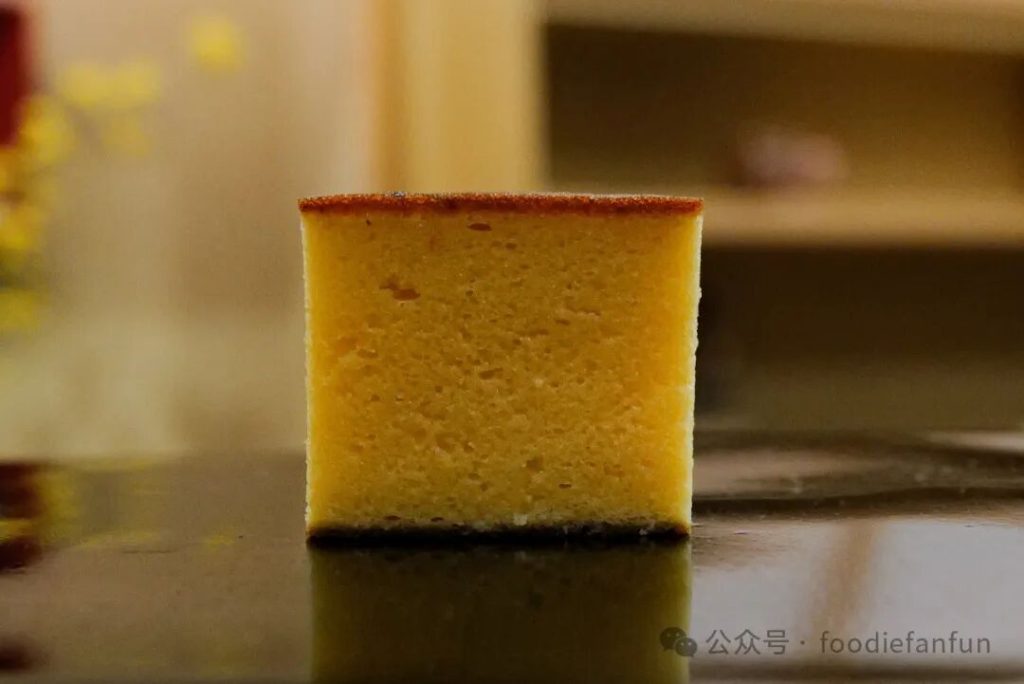
Kohada, Yariika (Spear Squid), Grouper, Sea Bream, Spanish Mackerel, Kasugo (Baby Sea Bream), Akami, Chutoro, Aoyagi (Round Clam), Ark Shell, Kuruma Shrimp, Bafun Sea Urchin, Anago, Tamagoyaki
Every restaurant in the Sugita lineage opens its sushi with kohada — heavily cured, bold in flavor, with the shari lending the whole piece a gentle softness, and a clear, elongated umami in the finish.
The four pieces of white fish that day arguably captured another high point of the whole meal — the softness typical of white fish, with clever variations in preparation setting each piece apart.
The grouper carried a full flavor, its firmer chew drawing out more fish flavor. The sea bream had ample fat, eating with an extra edge of brightness and a clearer sweetness in the finish. The mackerel, after aging, had an almost melting texture, along with a delicate yet expressive smokiness. And the kasugo came with lemon, its soft texture carrying plenty of fish flavor.
Then came the kuruma shrimp, bafun uni, and anago that followed — these familiar veteran players of the sushi world showed a uniquely composed yet lively character in Sugita-san’s hands, as if given new life.
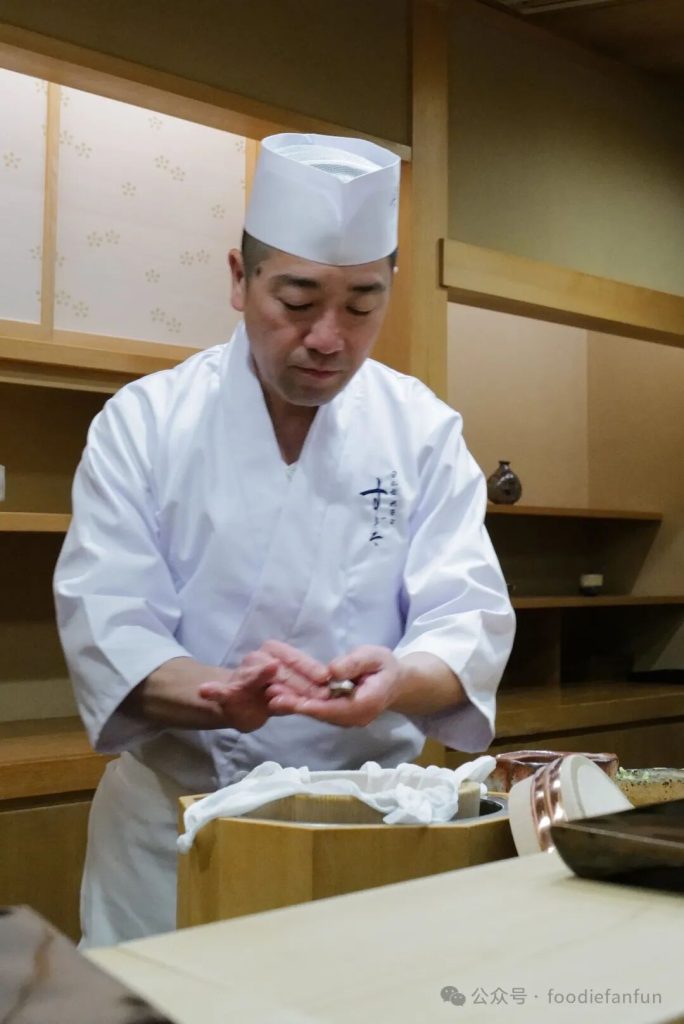
In how he expresses sushi, Sugita-san hides real power beneath elegance — pushing sushi’s sense of balance almost to its absolute limit, then closing each piece with a long, linear finish that leaves plenty of room for the imagination.
The meal ran a full four hours, and the experience at the counter was excellent throughout. Just watching Sugita-san shape sushi was enjoyable enough on its own — every motion elegant and fluid. Hmm, maybe carrying a bit of allure too.
There was plenty of humor in the conversation too — he’d casually needle every guest at the counter, always with just the right sense of restraint.
As we left, Sugita-san himself remarked that it had been a while since he’d done a four-hour lunch. From the guest’s perspective, it felt less like a meal and more like taking part in an immersive performance — visually, gastronomically, and emotionally engaged all at once, forming a truly one-of-a-kind sensory experience.
Japan’s number one — truly lived up to expectations.
✦ • ✦
Sushi Hashimoto
Tabelog Silver Award 🥈 grandir ginza east 1F, 1-8-2 Shintomi, Chuo City, Tokyo ¥36,300++
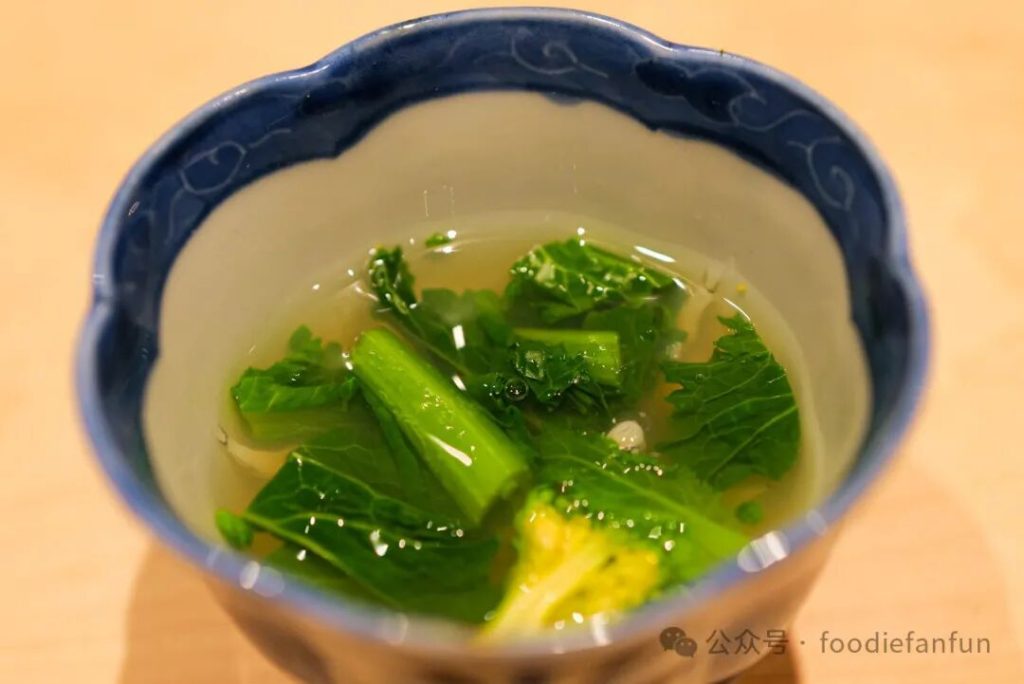
Hokkigai Broth, Rapeseed Blossom, Baby Ayu
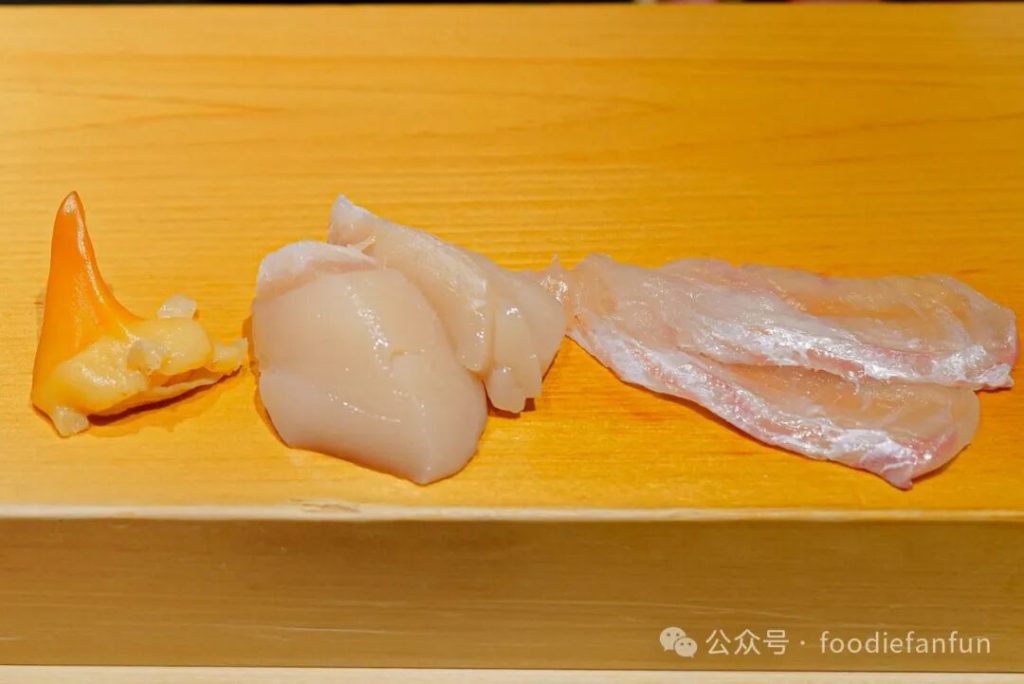
Aoyagi, Scallop, Flounder
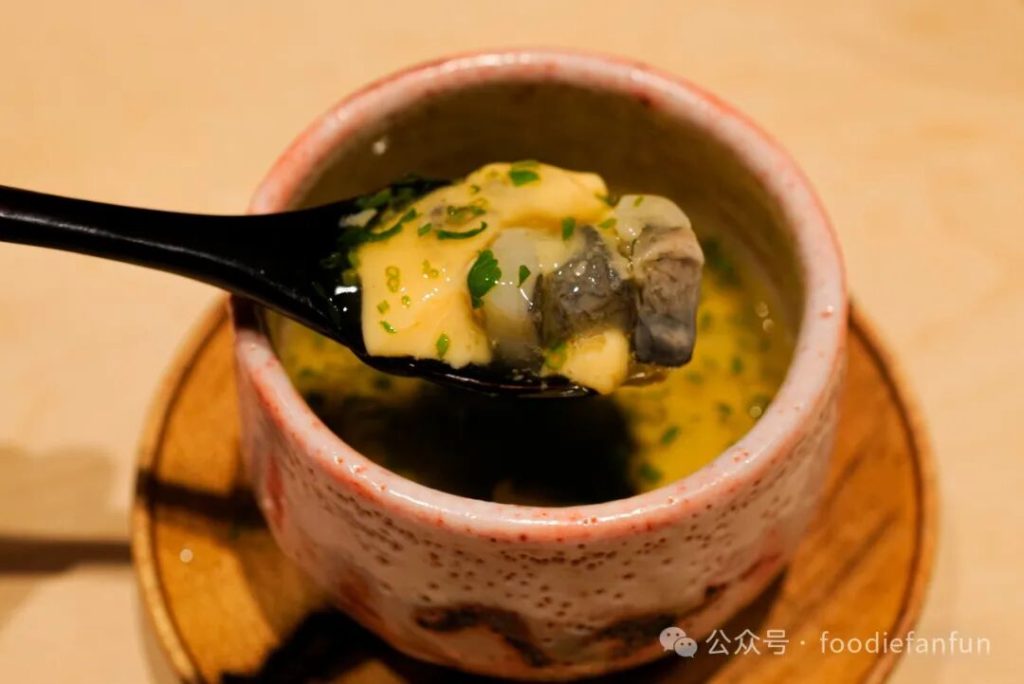
Softshell Turtle Chawanmushi, Mochi
The memory of Hashimoto can basically be summed up as: composed, restrained, complete, and generous in portion.
Hashimoto himself comes from a sushi family — after finishing high school, he apprenticed at Sugita for nine years, then went independent in 2014 to open Sushi Hashimoto, now in its 11th year. Kazuki Noguchi, the chef at Kotan seen in the group photo at the start, is also his disciple.
Compared to Sugita, whose counter is often filled with laughter, Hashimoto feels more like a gentle, quiet chef. He worked the fish seriously, shaping sushi with clean, brisk, fluid movements.
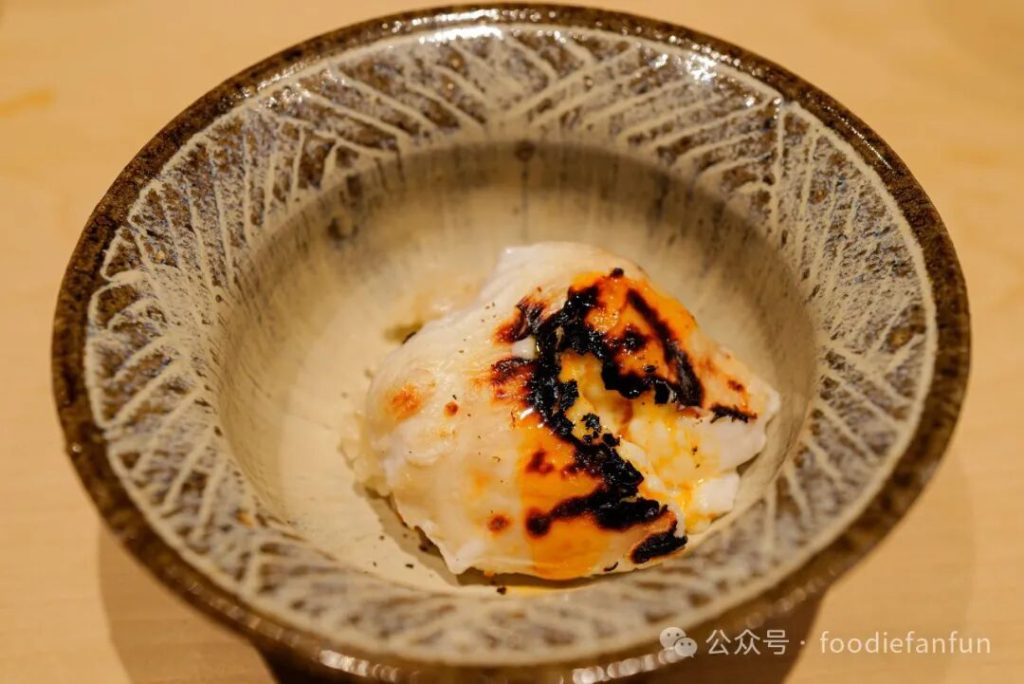
Tiger Pufferfish Milt, Shari, Egg Yolk Soy Sauce
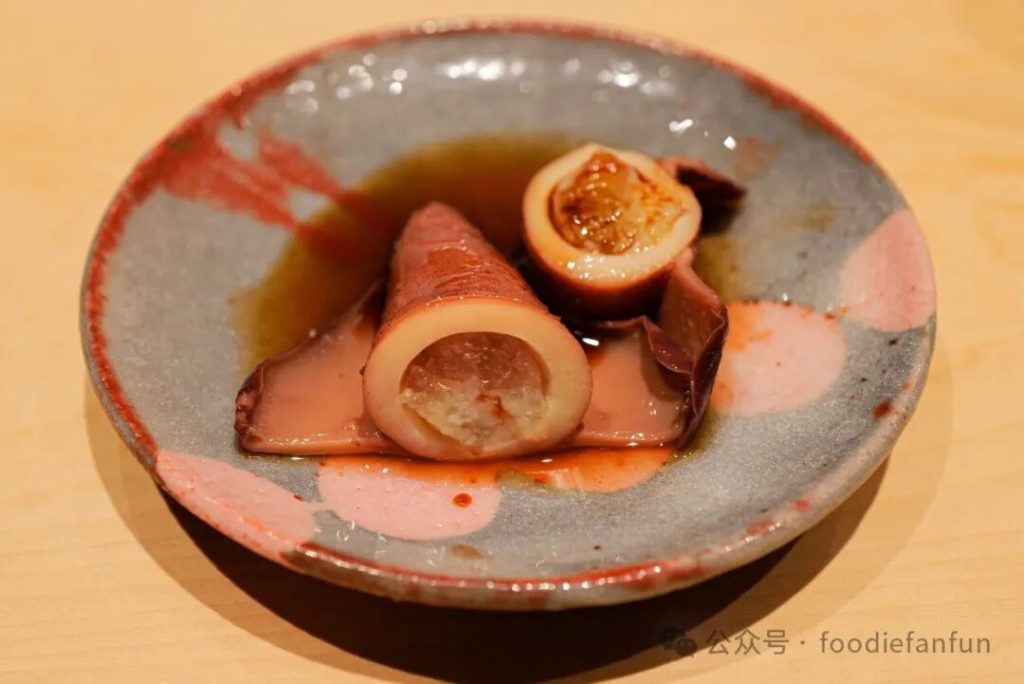
Roe-Bearing Squid
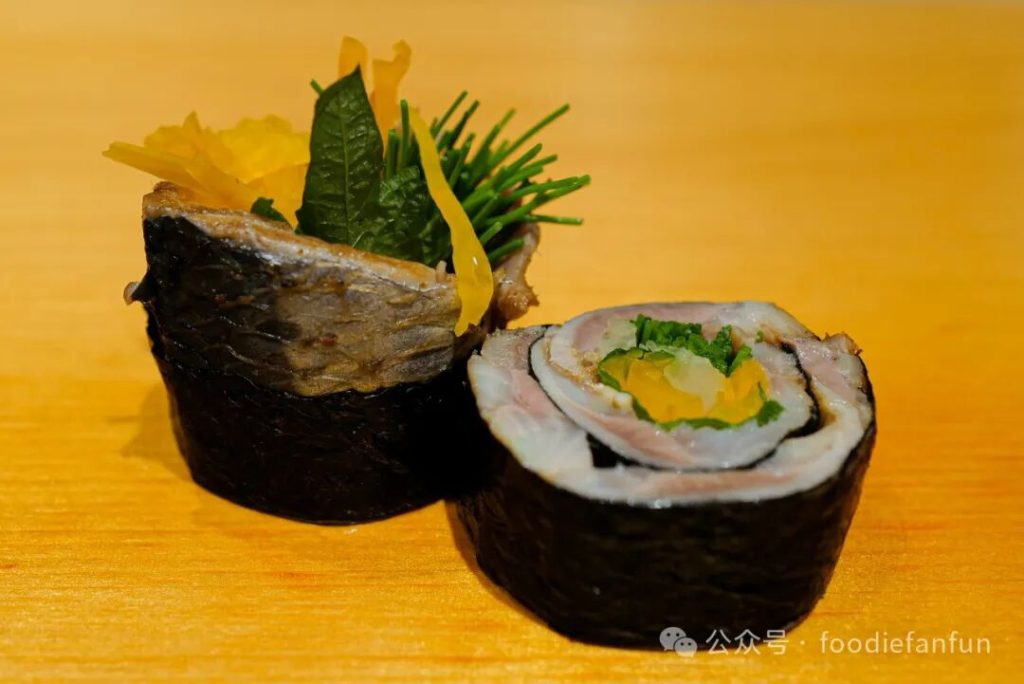
Iwashi-maki
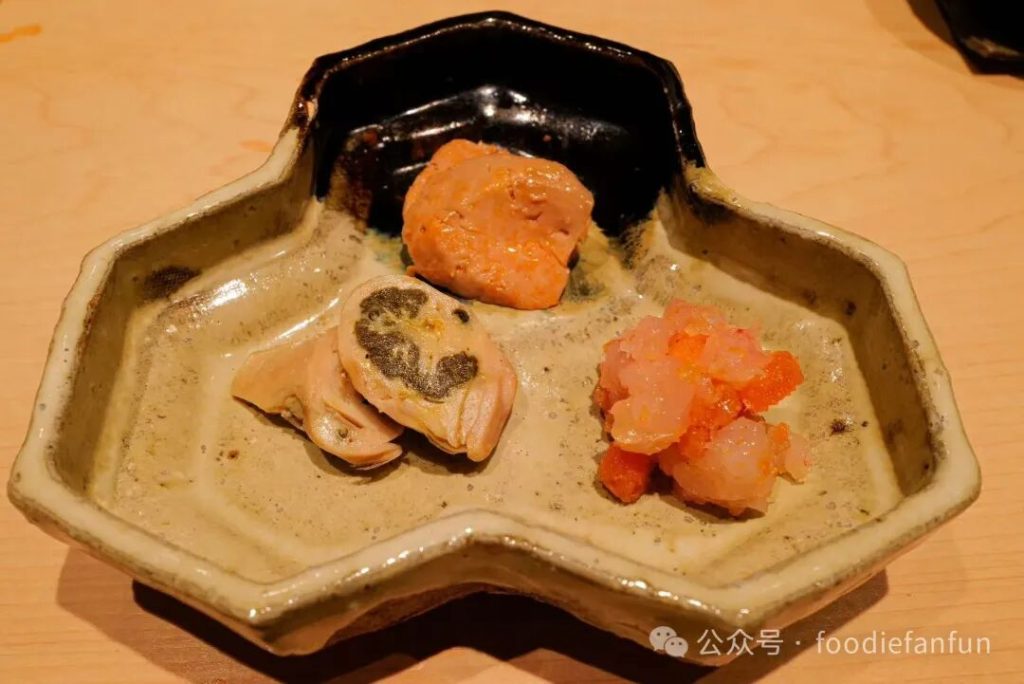
Monkfish, Oyster, Karasumi & Sweet Shrimp
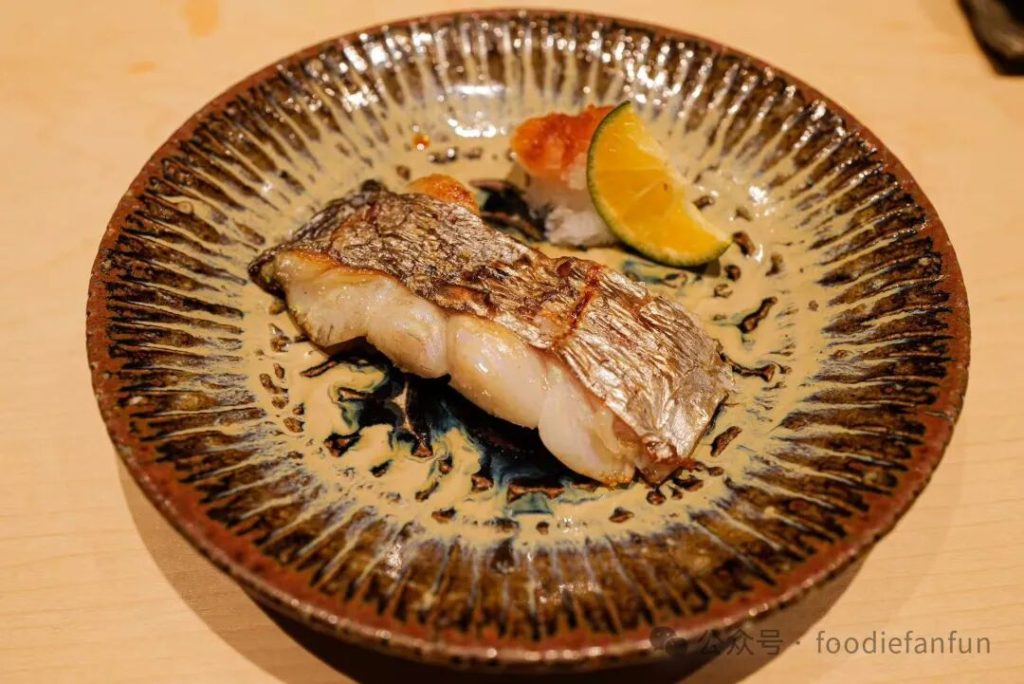
Salt-Grilled Cutlassfish
In terms of culinary expression, Hashimoto leans more toward a sense of “solidity” — solid in portion, solid in bringing out an ingredient’s true flavor. You could tell from the otsumami alone: even coming from the Sugita lineage, Hashimoto-san has his own approach to cooking.
The meal opened with hokkigai and rapeseed blossom broth, its clear sense of season standing out. Sashimi came with an oversized scallop, plus aoyagi and flounder, sweetness maxed out. The softshell turtle chawanmushi had small pieces of mochi folded in, adding structure to the dorodoro (thick, gelatinous) texture Japanese diners tend to seek out.
The tiger pufferfish milt and roe-bearing squid that followed marked the handoff between two seasonal ingredients as the seasons turned — the former carrying plenty of charcoal aroma, breaking down solidly into the shari; the latter simmered in 70-degree water to a half-cooked state, its soft roe better expressing the ingredient’s freshness.
For the drinking snacks, every choice leaned soft in texture — the sweetness of the miso oyster hid a solid minerality underneath, while the karasumi-and-sweet-shrimp pairing combined both ingredients’ sweetness and texture, leaving a lovely milky note in the mouth.
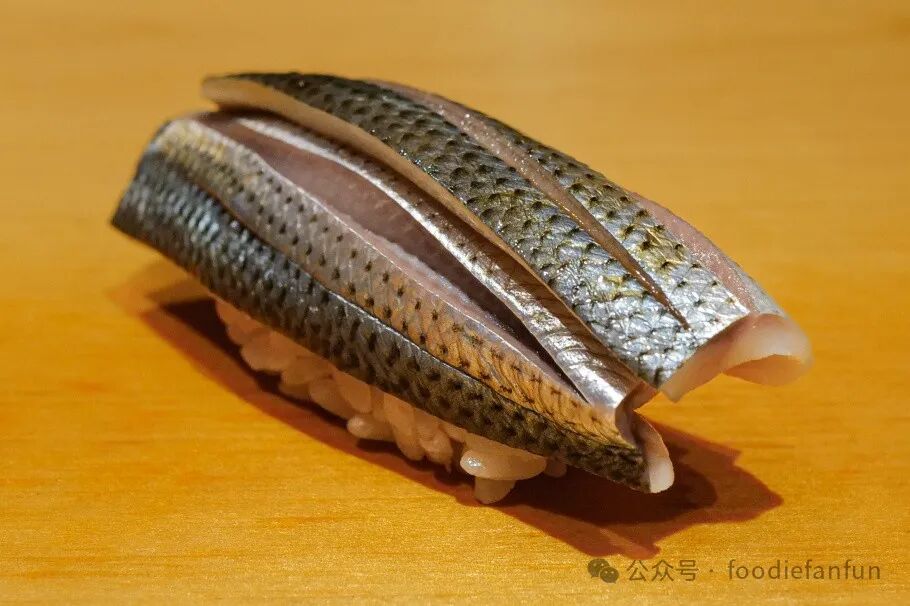
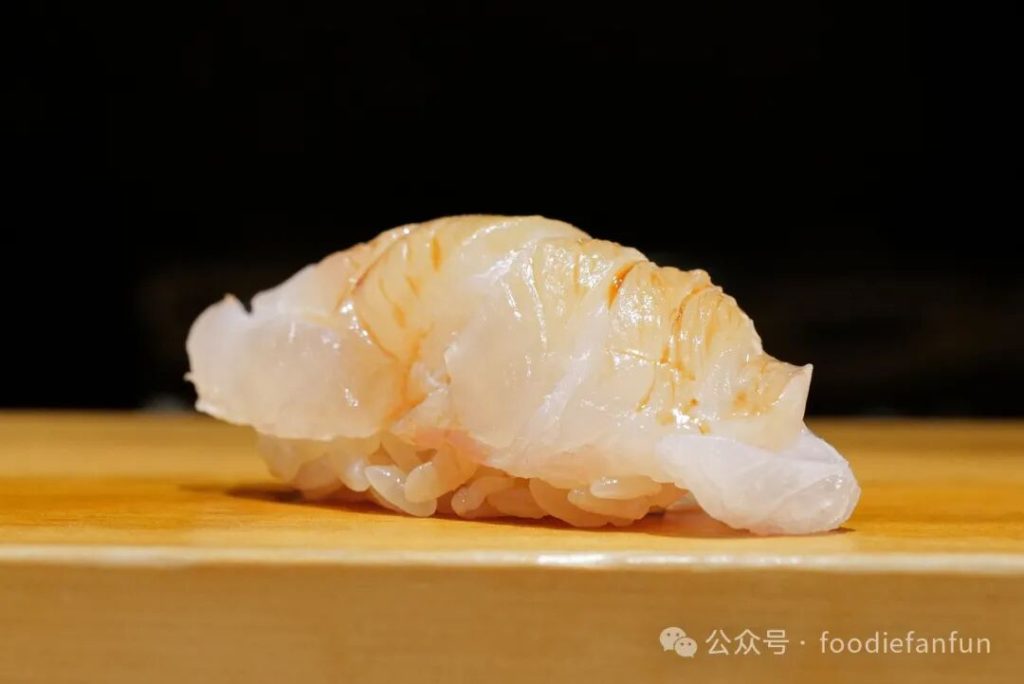
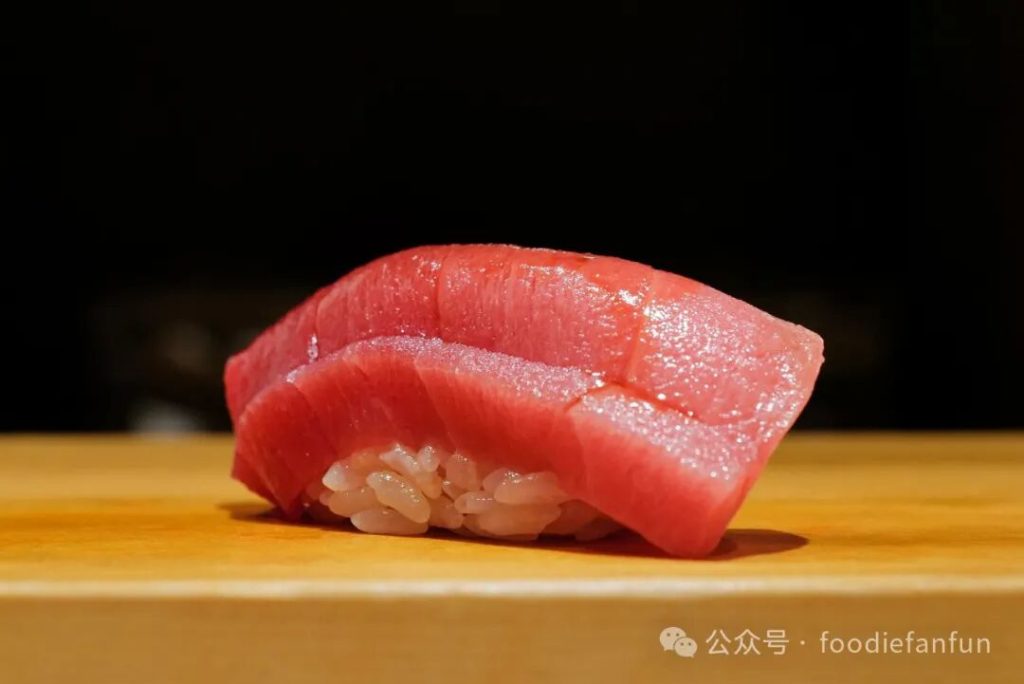
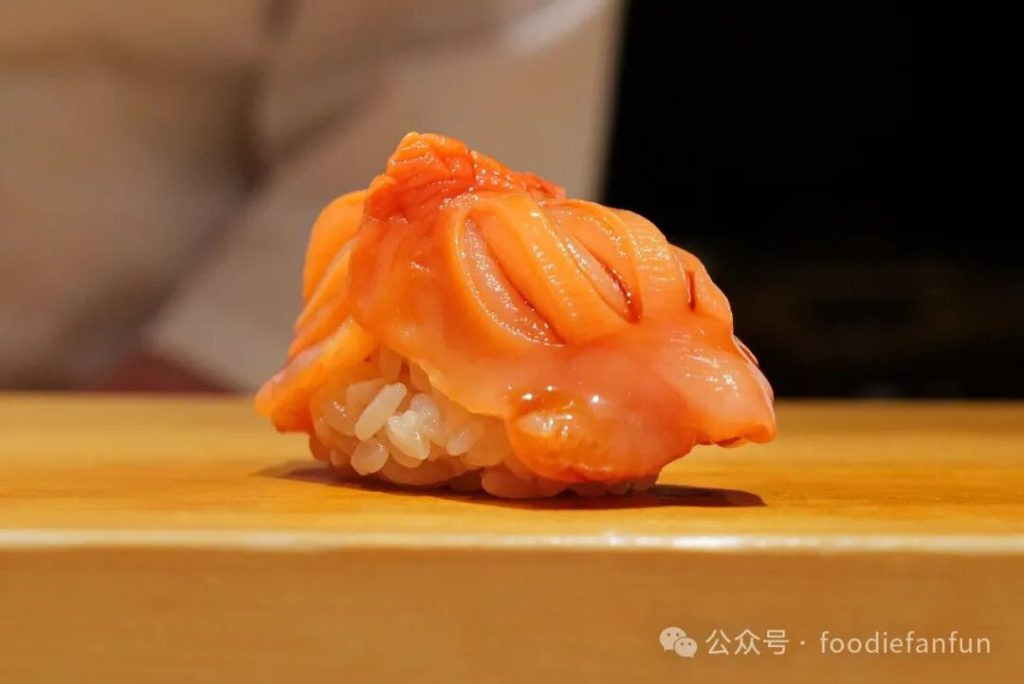
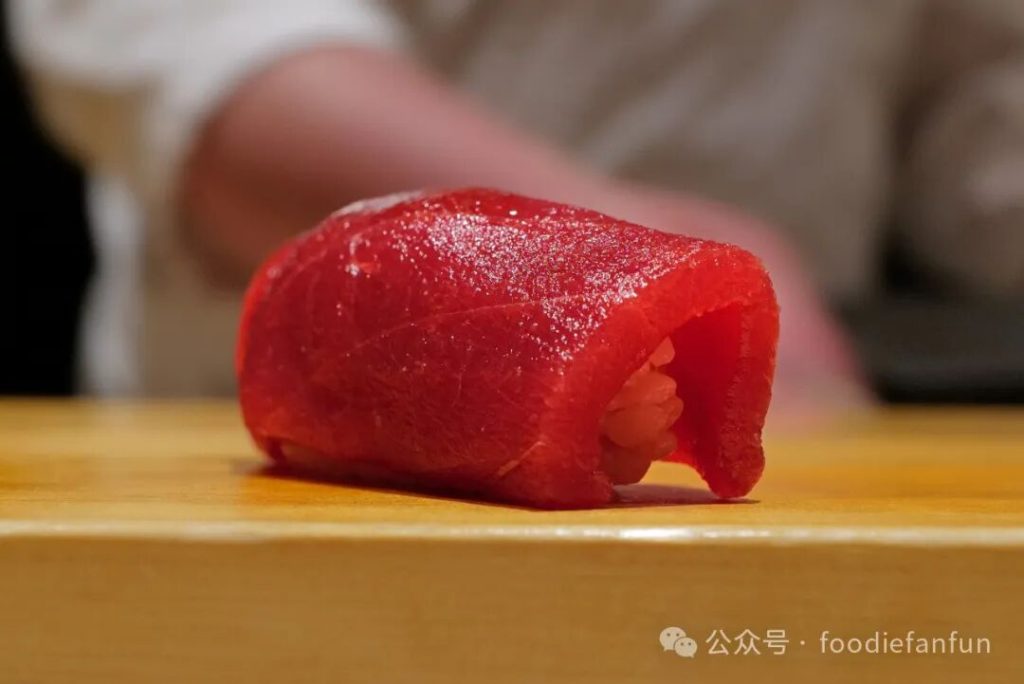
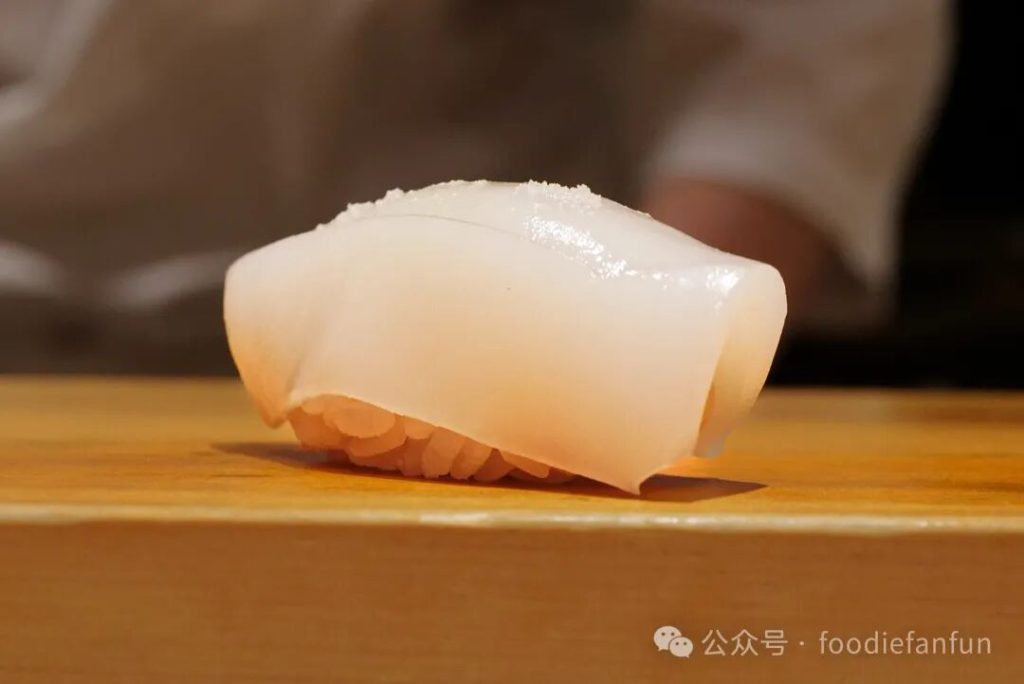
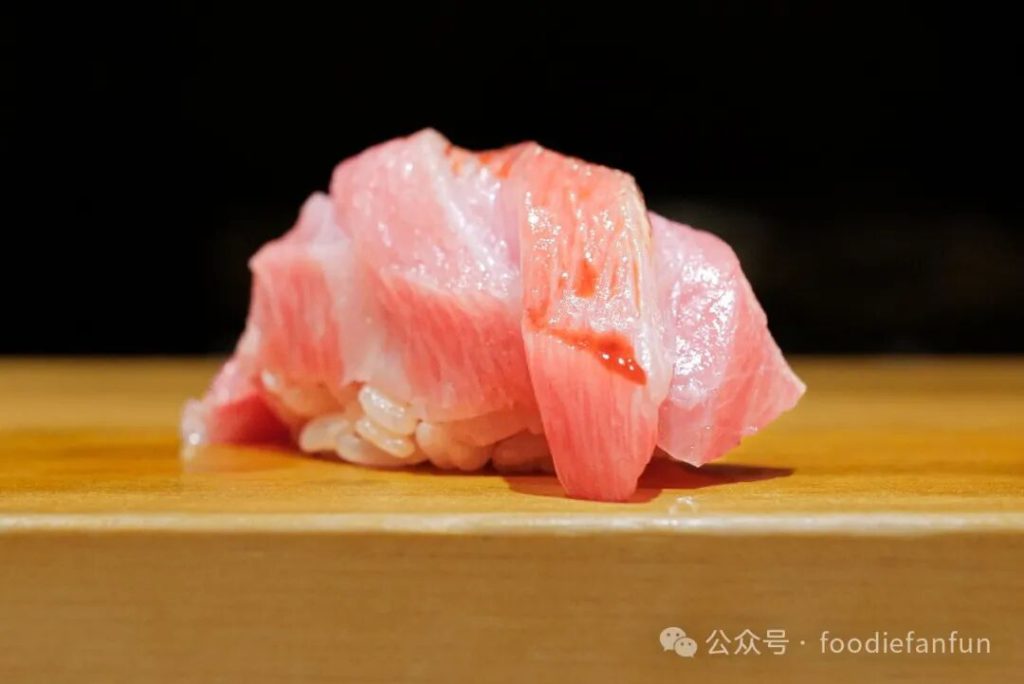
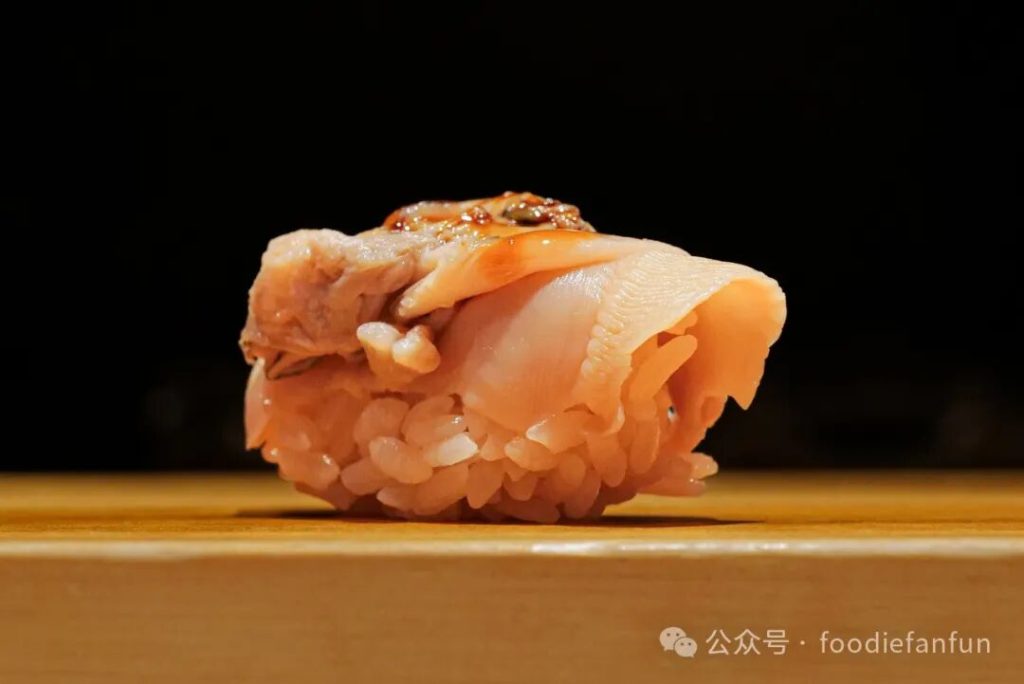
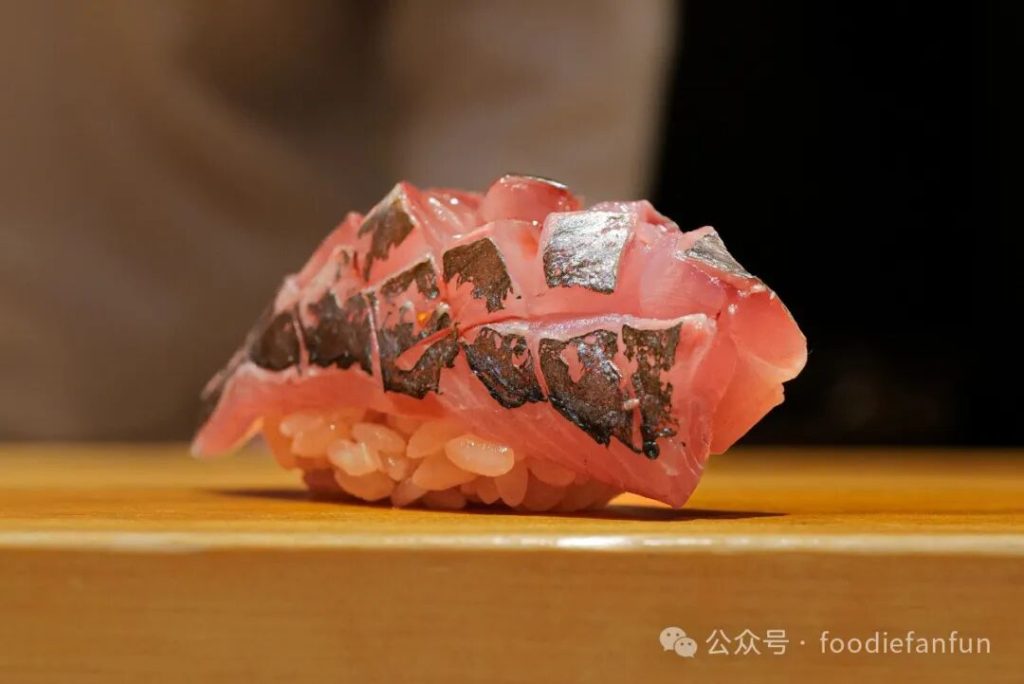
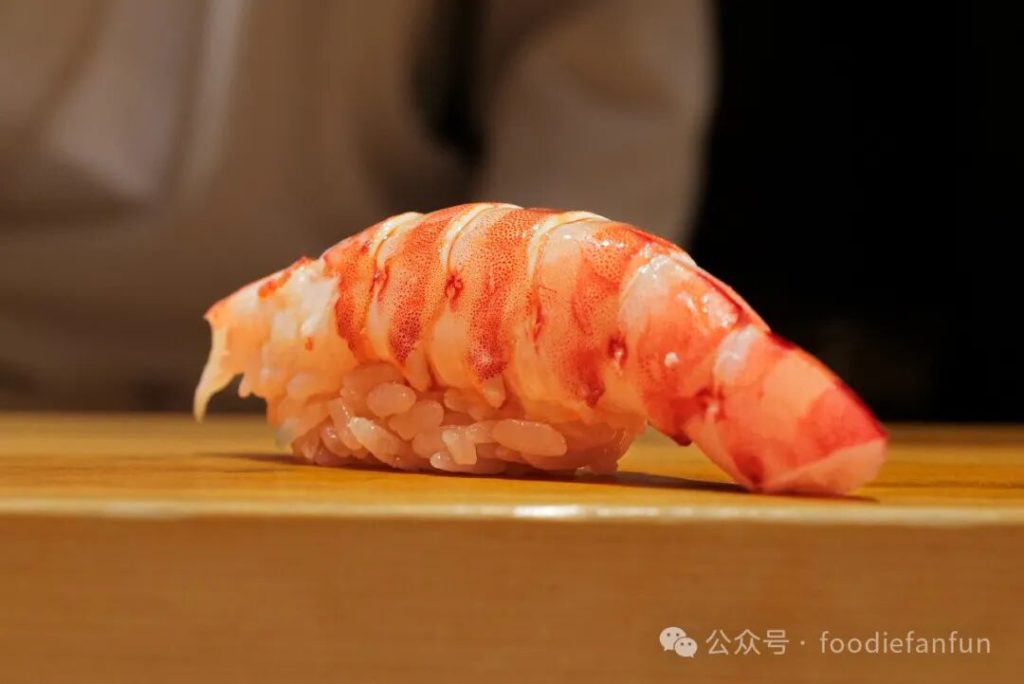
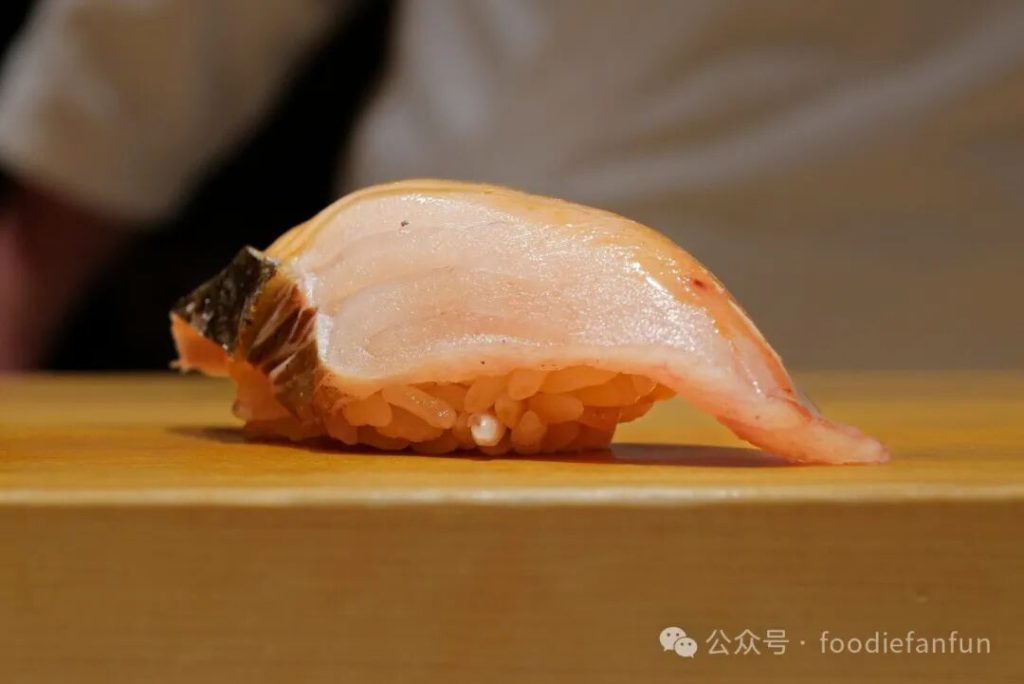
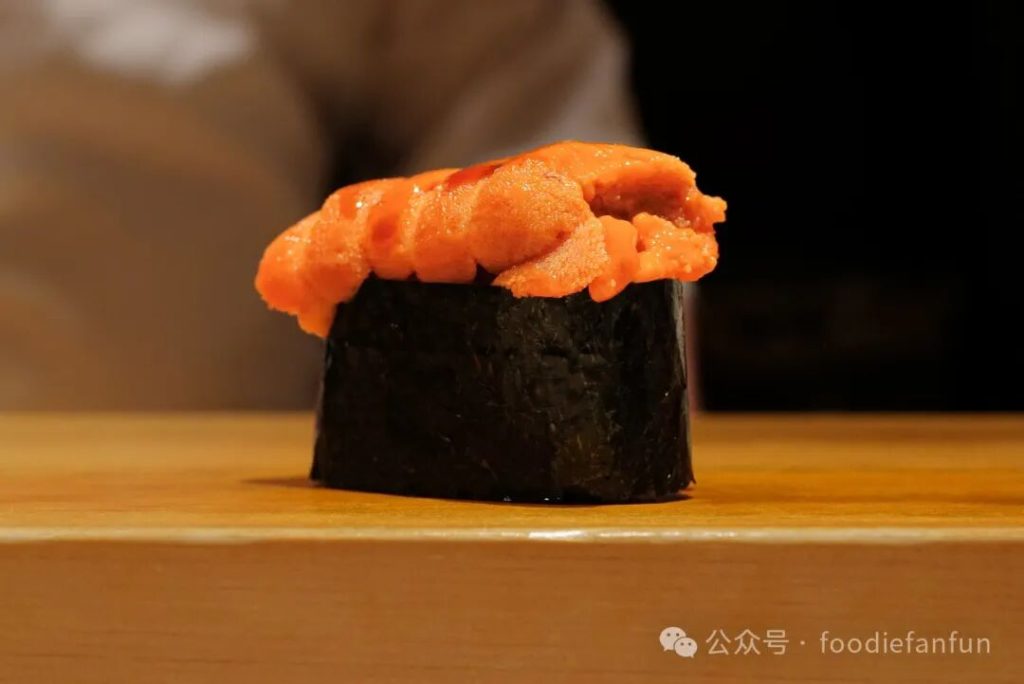
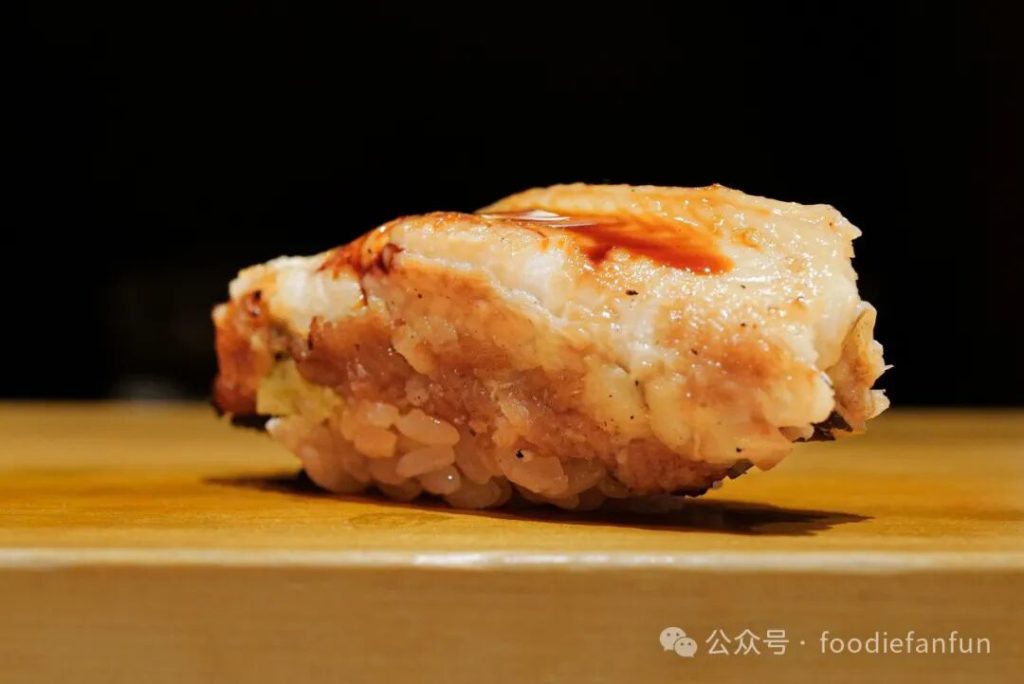
Kohada, Grouper, Chutoro, Ark Shell, Akami, Janabara (Belly Sinew), Yariika, Simmered Clam, Small Shima-aji, Kuruma Shrimp, Spanish Mackerel, Bafun Sea Urchin, Conger Eel, Tamago
Whether it was the sardine roll or the kohada, the two dishes we’d expected to be standout performers — one from the otsumami, one from the sushi — both fell a bit short at Hashimoto that day, slightly out of balance. The kohada was said to have shrimp floss underneath, but it was completely buried by the fish and shari.
But the white fish, tuna, and shellfish all had bright spots, perfectly rescuing our dropped expectations. The grouper’s chewiness drew out more fish flavor, while the mackerel, aged just like his master’s, filled the mouth with softness and smokiness. The tuna went chutoro-akami-otoro, showing off multiple facets of a single fish — softness, high acidity, sinew, and flavor. There was also a surprisingly herbal ark shell, and simmered clam pushing the sweet umami all the way up.
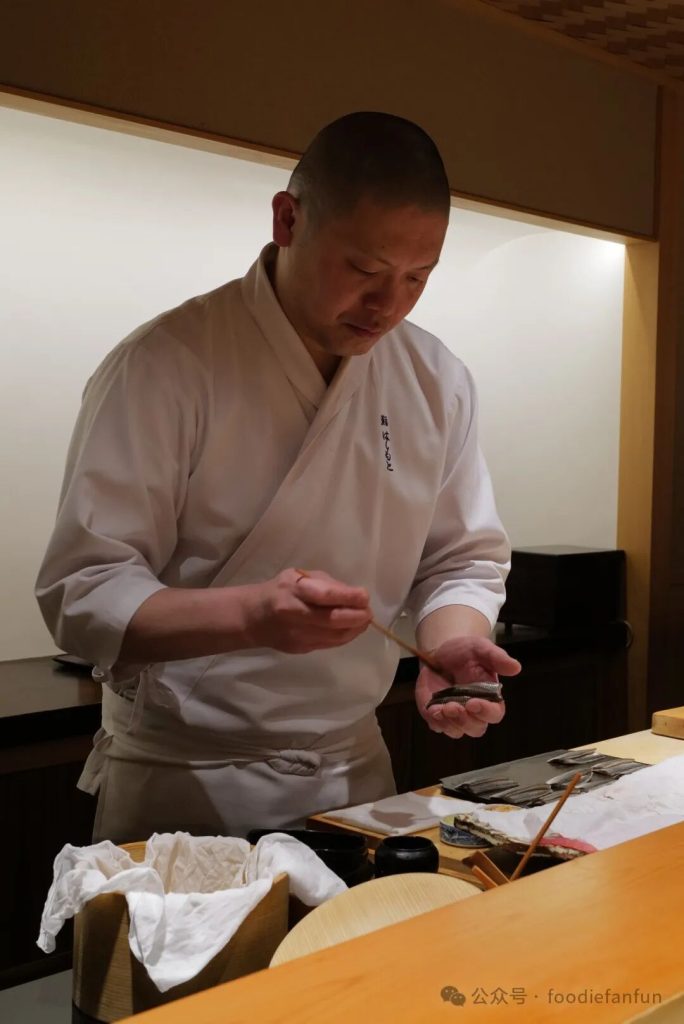
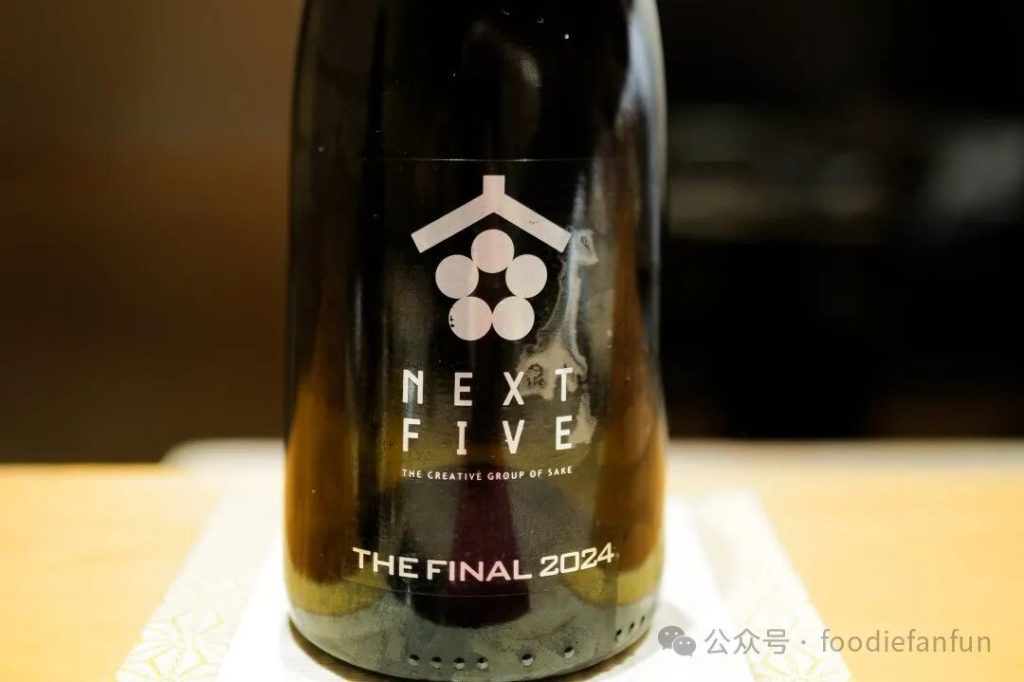
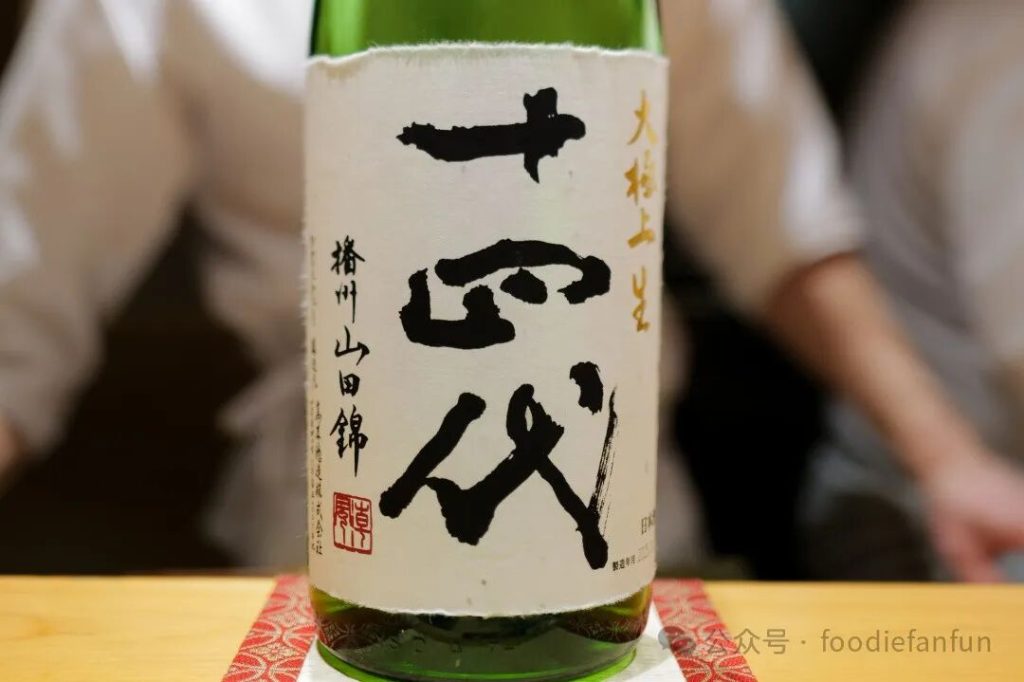
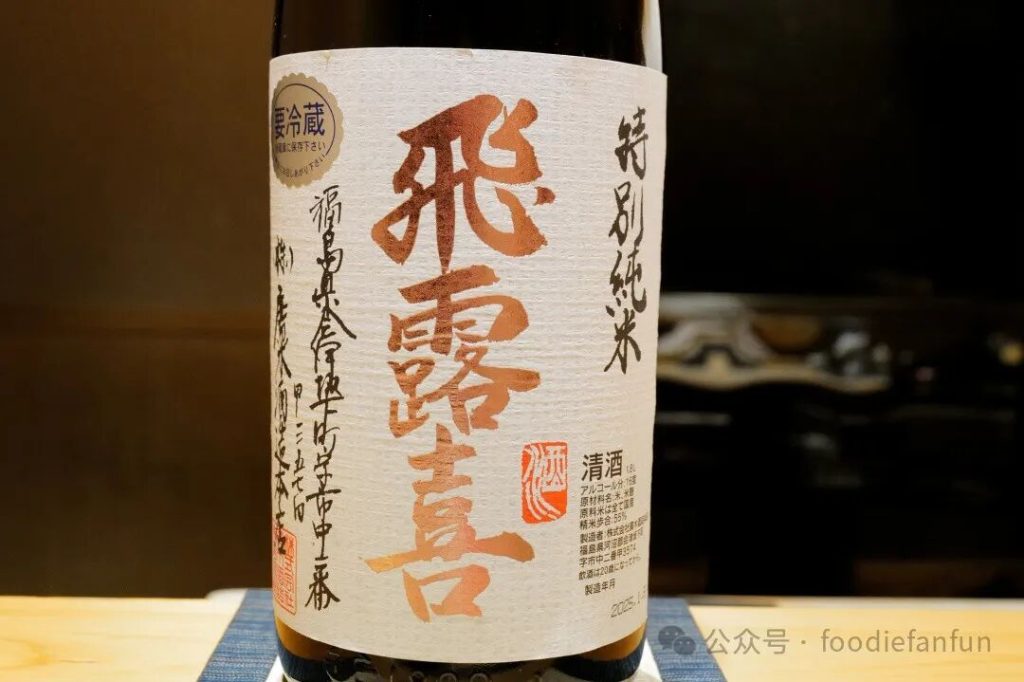
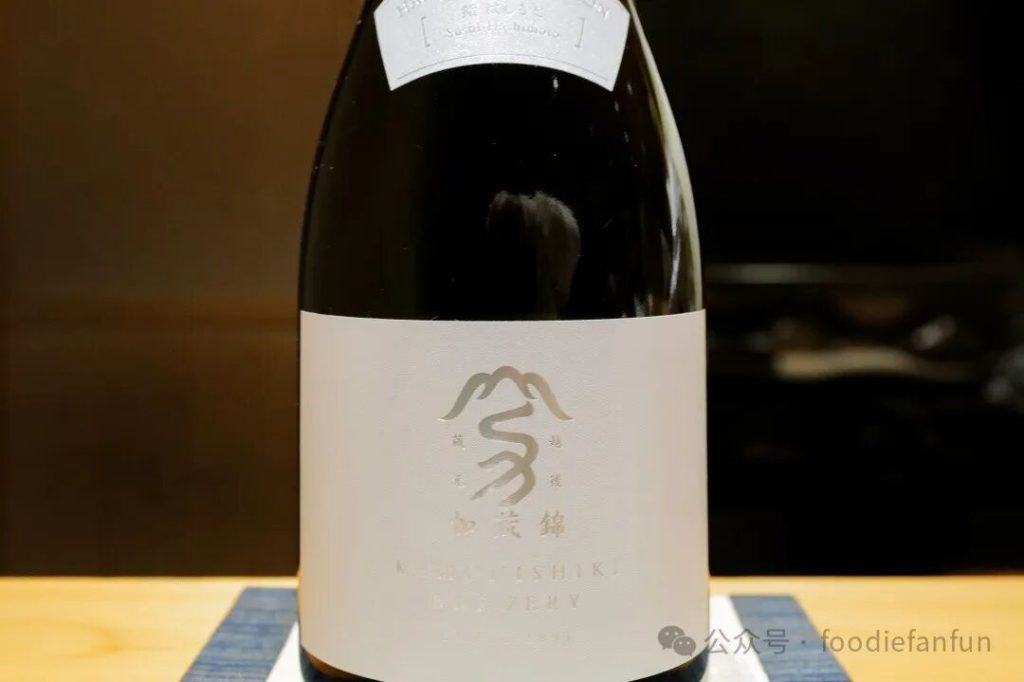
Overall, Hashimoto’s sushi stays firmly within a classic Edomae style. The shari doesn’t have Sugita’s clarity, but it clearly knows its role as a supporting player. Each piece has a more clearly defined character, yet none of it is showy — there’s a beauty in knowing when to hold back.
The chef doesn’t say much, but he’s clean and efficient in his work (and has a kind face), and with more hands on deck at the counter, the pace moves quickly — so over the course of the meal, eating while watching the flow felt genuinely comfortable.
Hashimoto’s sake selection is noticeably wider than Sugita’s, so evenings — especially the more relaxed second seating — tend to feel more comfortable.
✦ • ✦
Sushi Riku
1F ARISTO Hiroo Bldg, 5-13-6 Hiroo, Shibuya City, Tokyo ¥32,000++
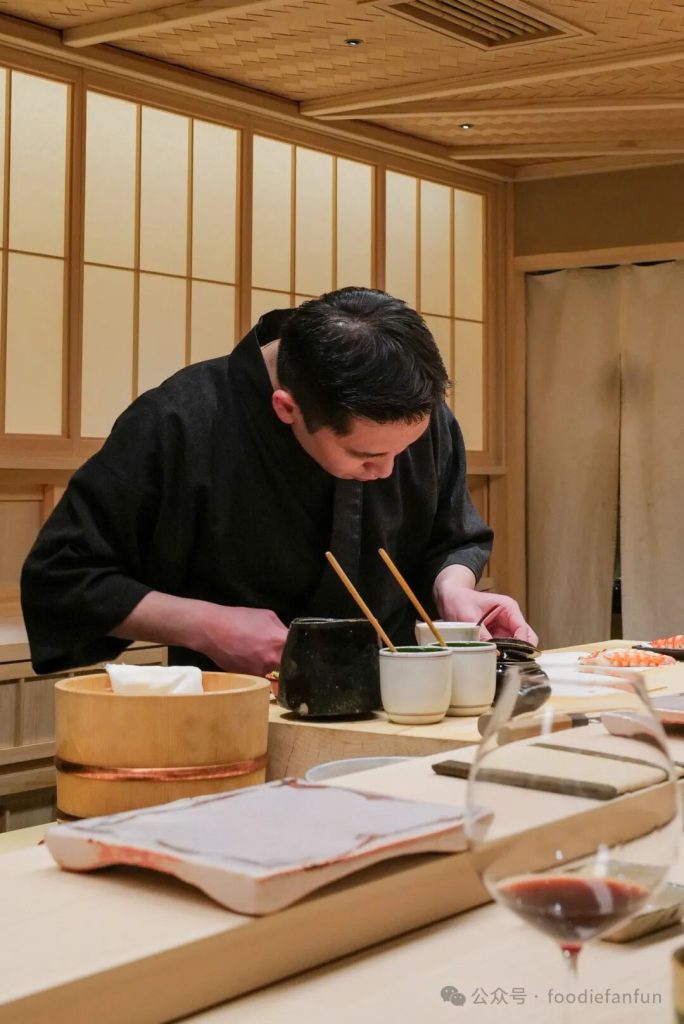
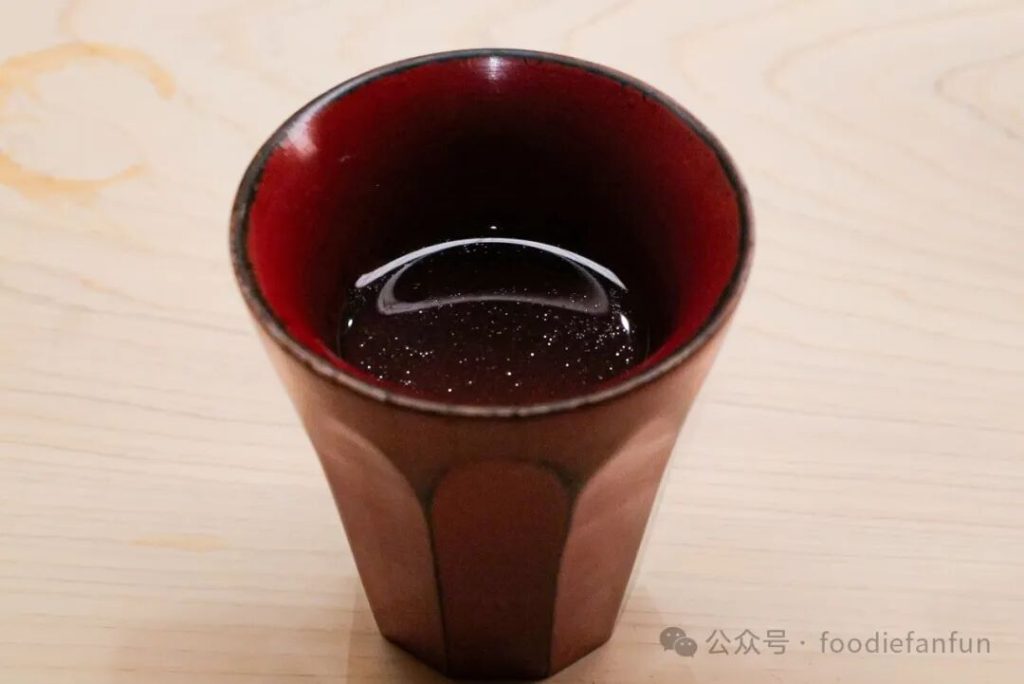
Kohada Dashi
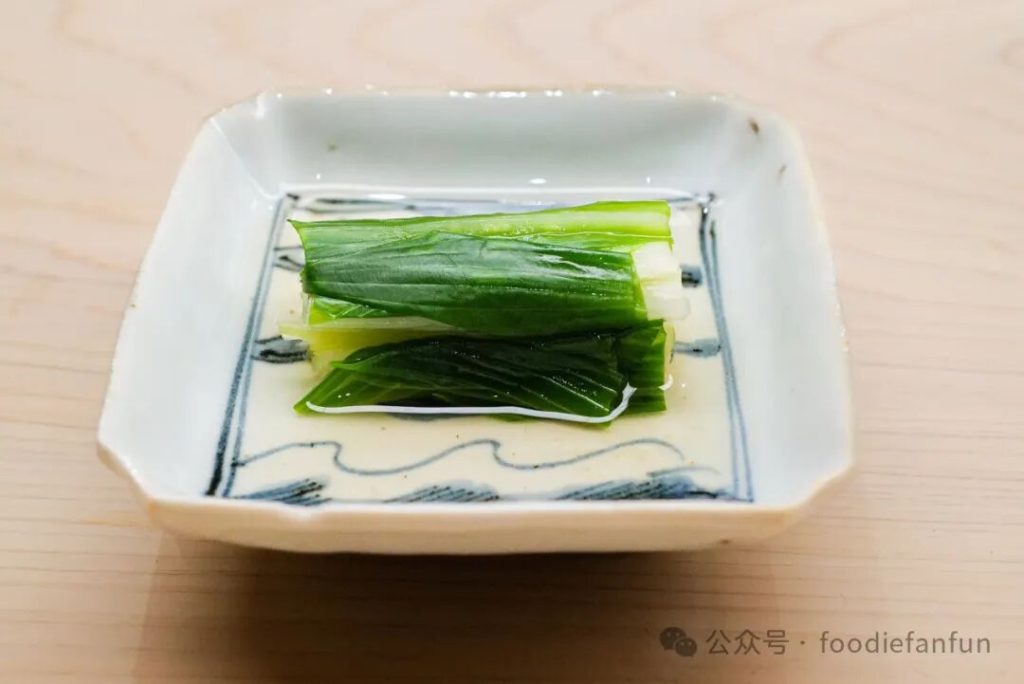
Perilla & Hosta Sprout
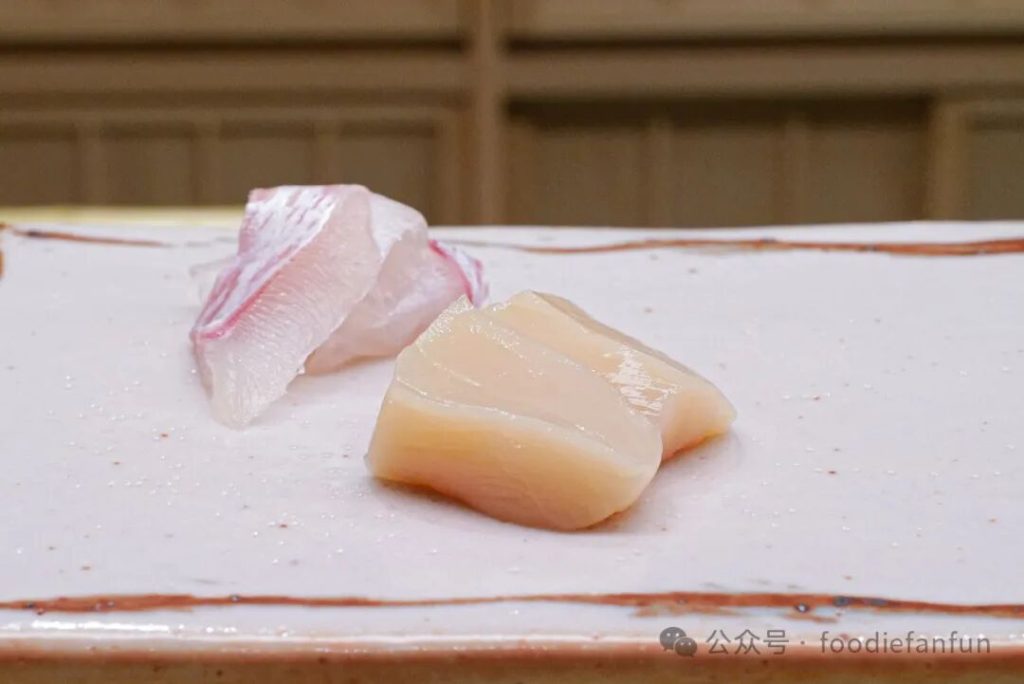
Amadai, Scallop
Sushi Riku opened last year, and probably because of Chinese capital behind it, it’s practically exploded in popularity on Xiaohongshu.
Riku Toda trained under Sugita-san for six years, then went to Thailand to open his own restaurant, Sushi Ichizu, which Opinionated About Dining rated Asia’s best Japanese restaurant, carrying the title of “best sushi in Asia outside Japan.” That résumé genuinely amplified expectations for this meal.
Unlike the buttoned-up look of his fellow disciples, Riku wears a “rebellious” black shirt, his service team dressed sharply in black suits, and the counter atmosphere feels more relaxed — a Donald Duck cup tucked away in the corner was quite the scene-stealer.
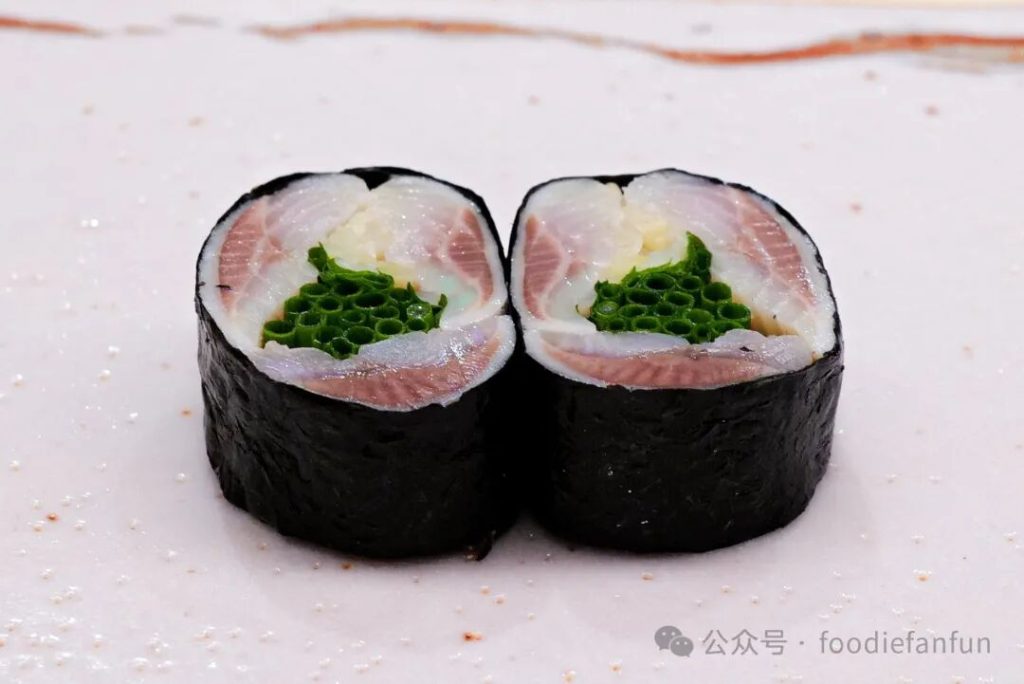
Iwashi-maki
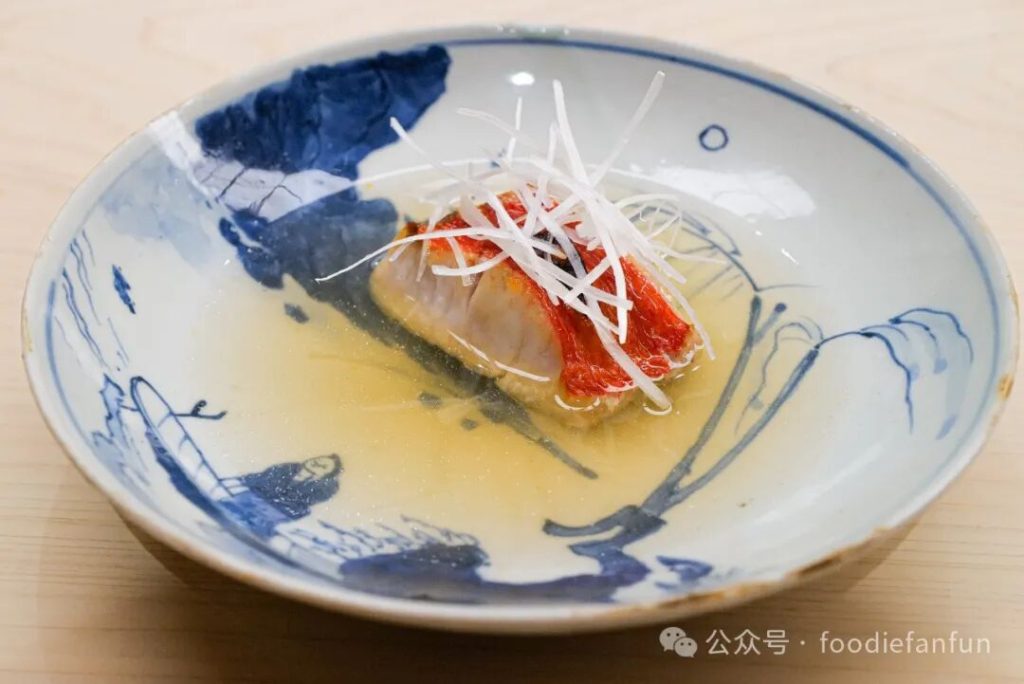
Poached Kinmedai (Golden Eye Snapper)
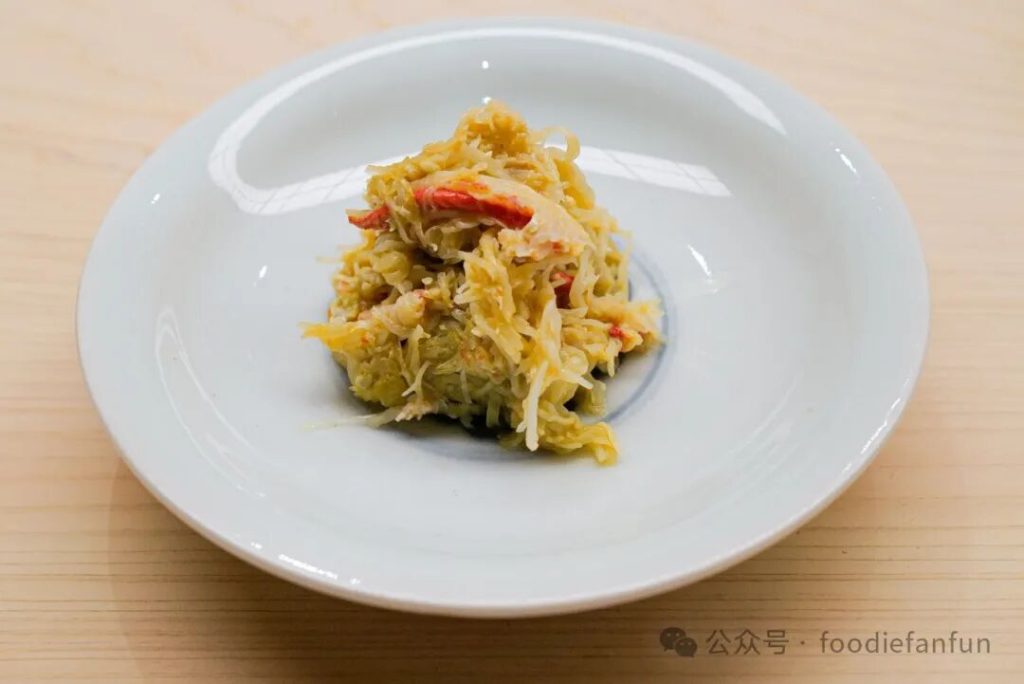
Snow Crab
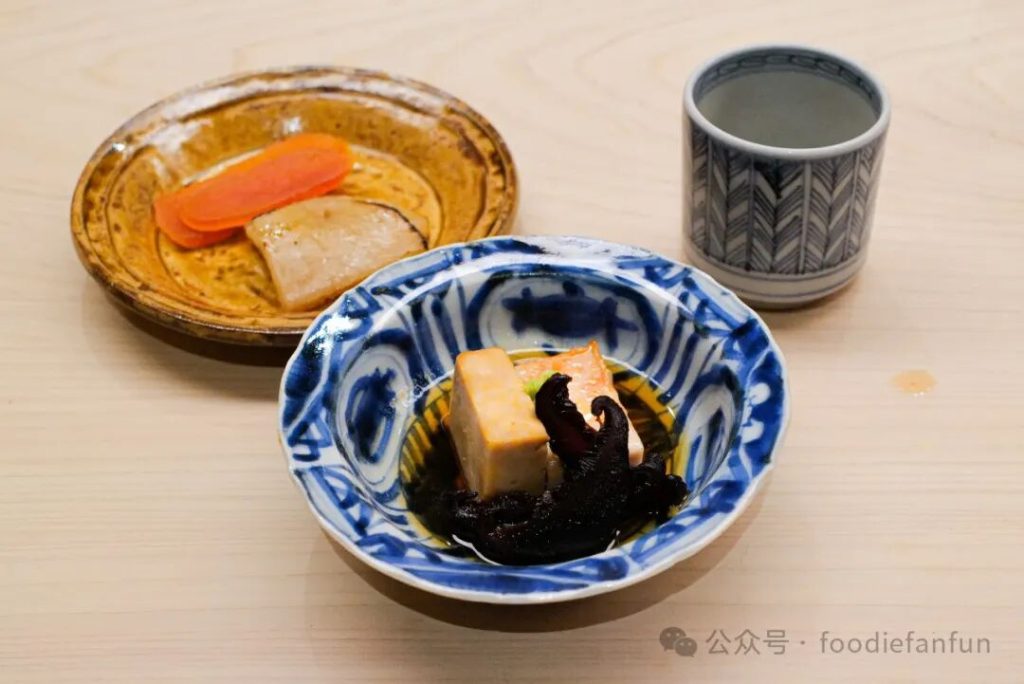
Monkfish Liver, Scallop, Karasumi
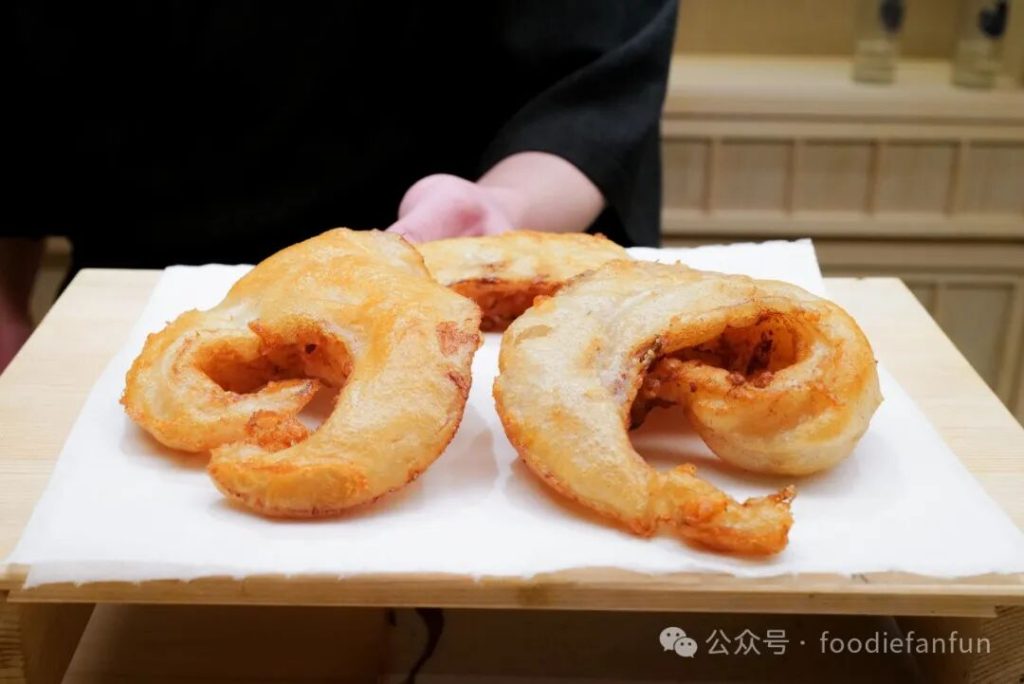
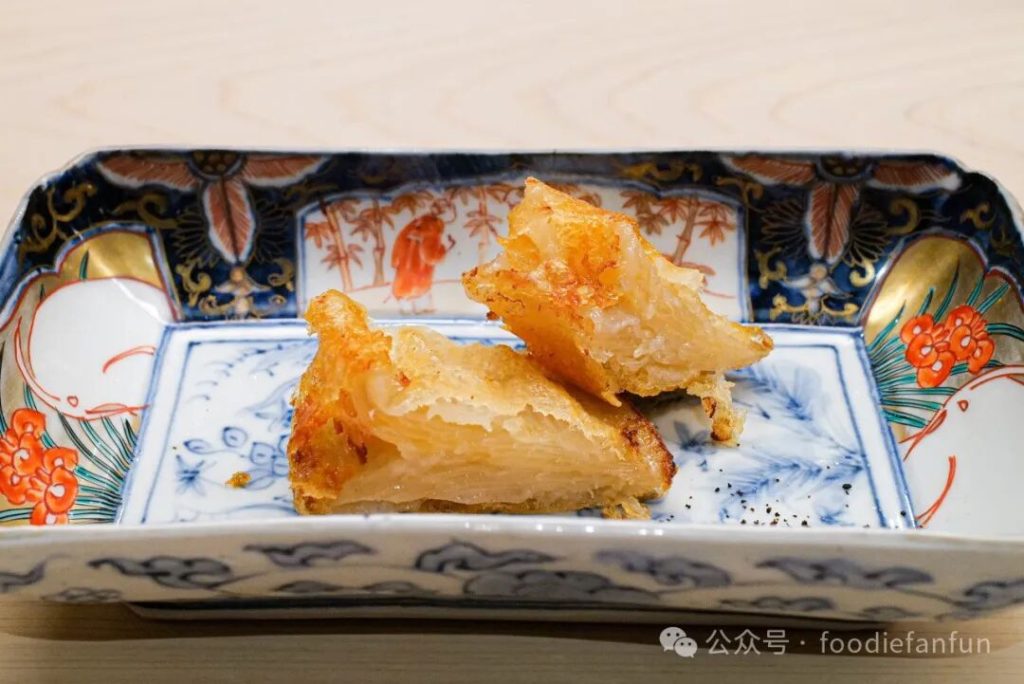
Crispy Fried Shark Fin
You could tell from the otsumami alone that Riku’s approach leans noticeably more toward fusion cooking, breaking from tradition in both technique and ingredients. That included some genuinely effective innovation, and also a few baffling missteps.
The signature crispy fried shark fin had a sort of terrifyingly brash aesthetic, but there’s no denying the crisp snap and springy chew, wrapped in that crackly crust, tasted incredibly fragrant.
But the poached kinmedai — the last time I ran into this strange preparation was at DV. A perfectly good fish, one that would be fat and fragrant with just a simple grilling — why soak it in broth until it turns into a lump of tough meat?
For the more traditional otsumami, the ingredients weren’t cheap, but the results after cooking were sharply polarized. The sashimi scallop was small but concentrated in sweetness. The shiso aroma in the iwashi-maki was lovely, exceptionally fresh. The snow crab, on the other hand, went completely off track — tough meat with large bits of shell. The karasumi and moon scallop, too, were entirely unmemorable.
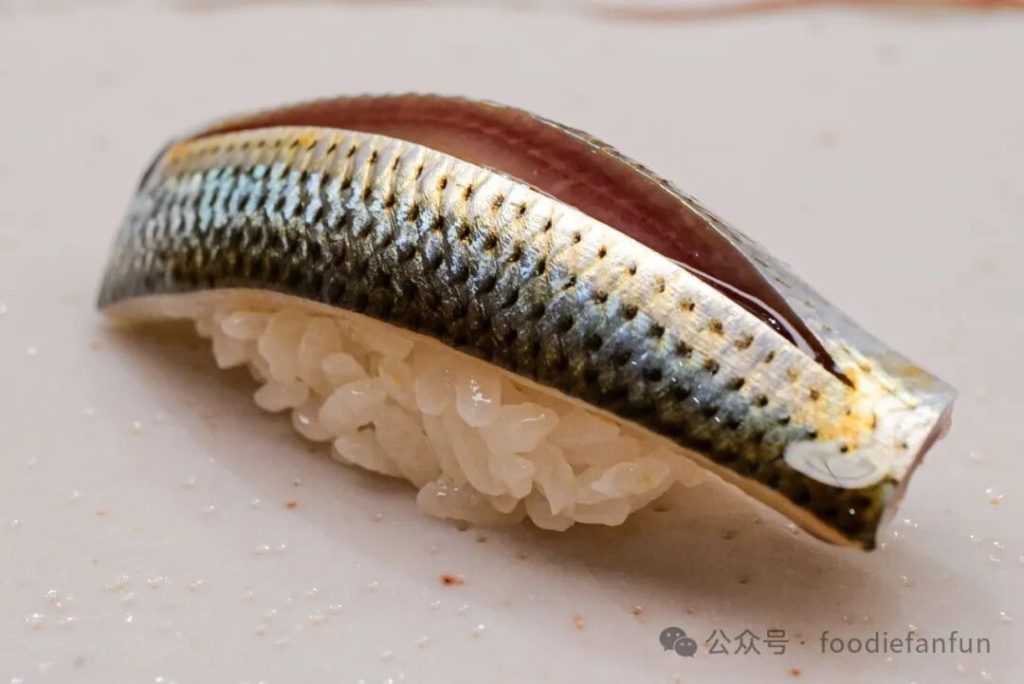
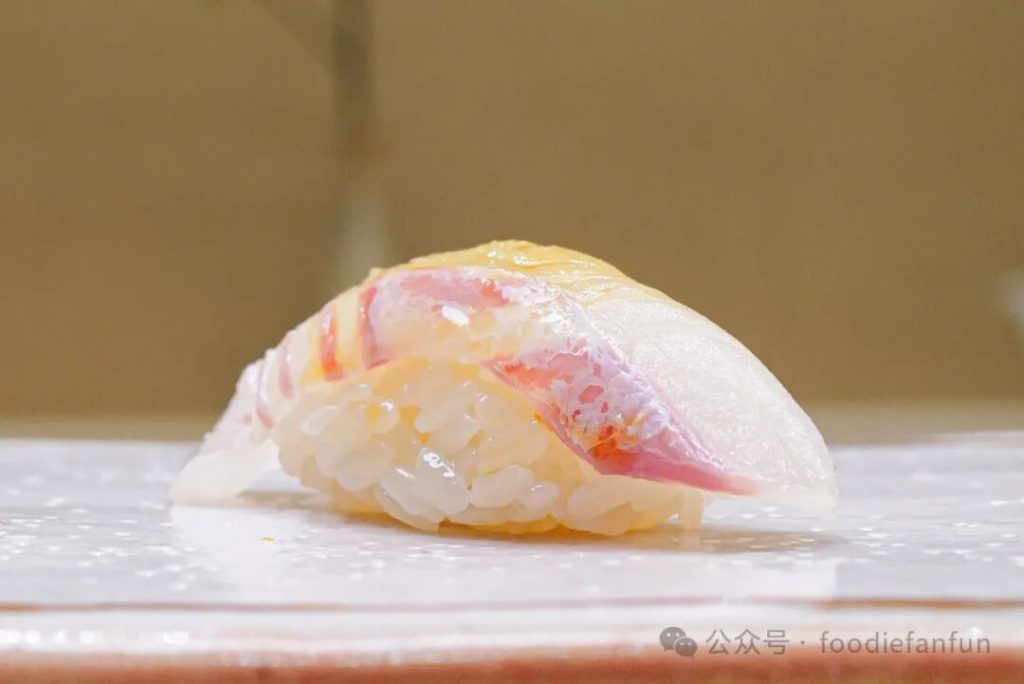
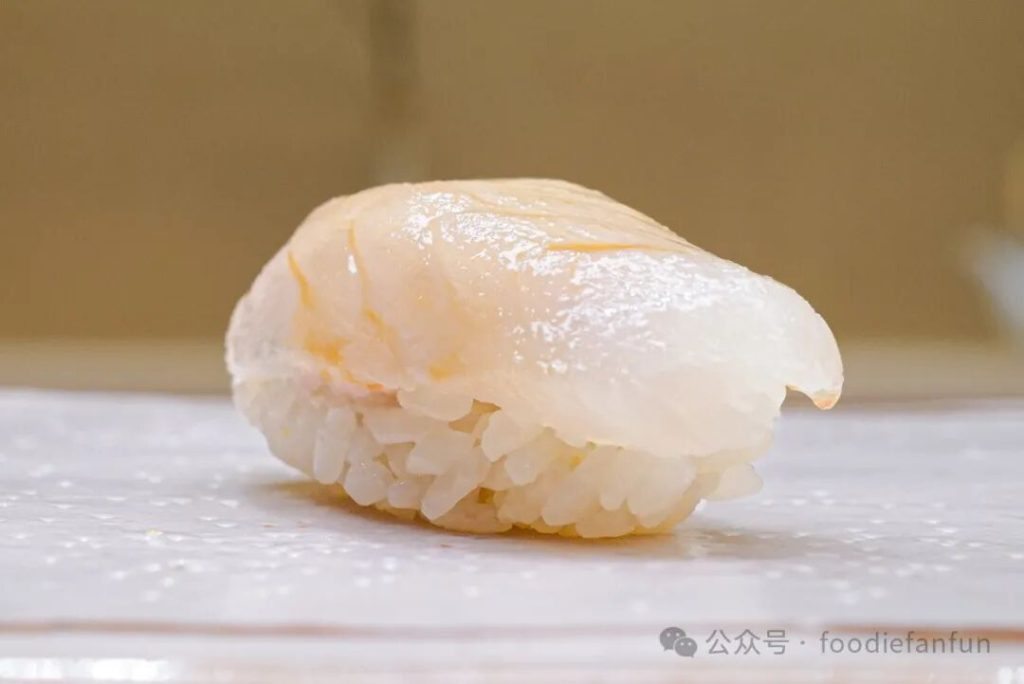
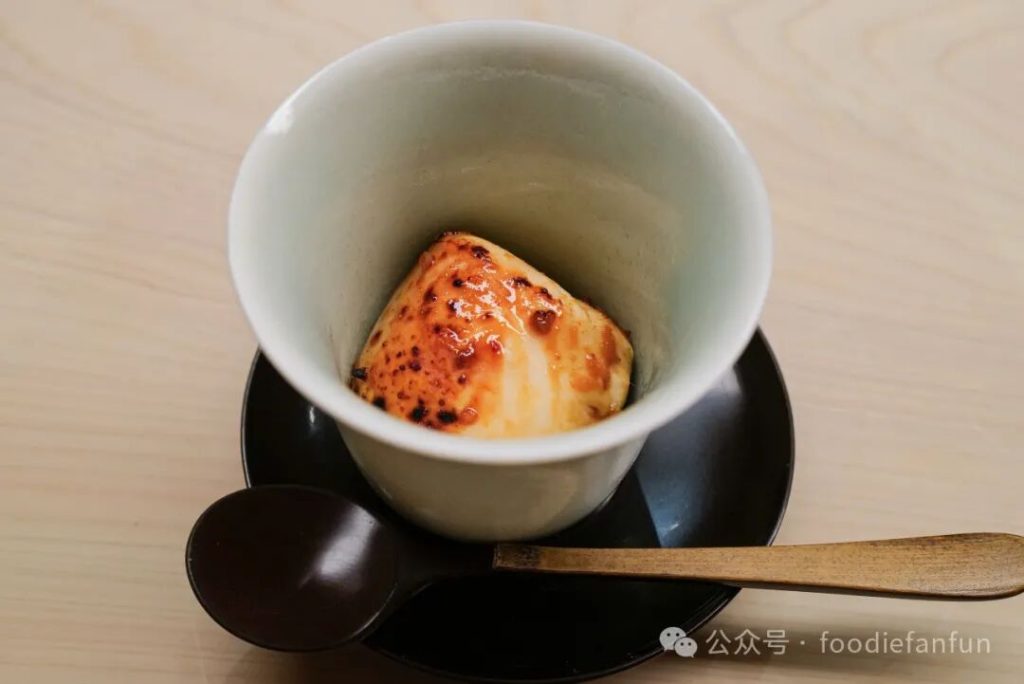
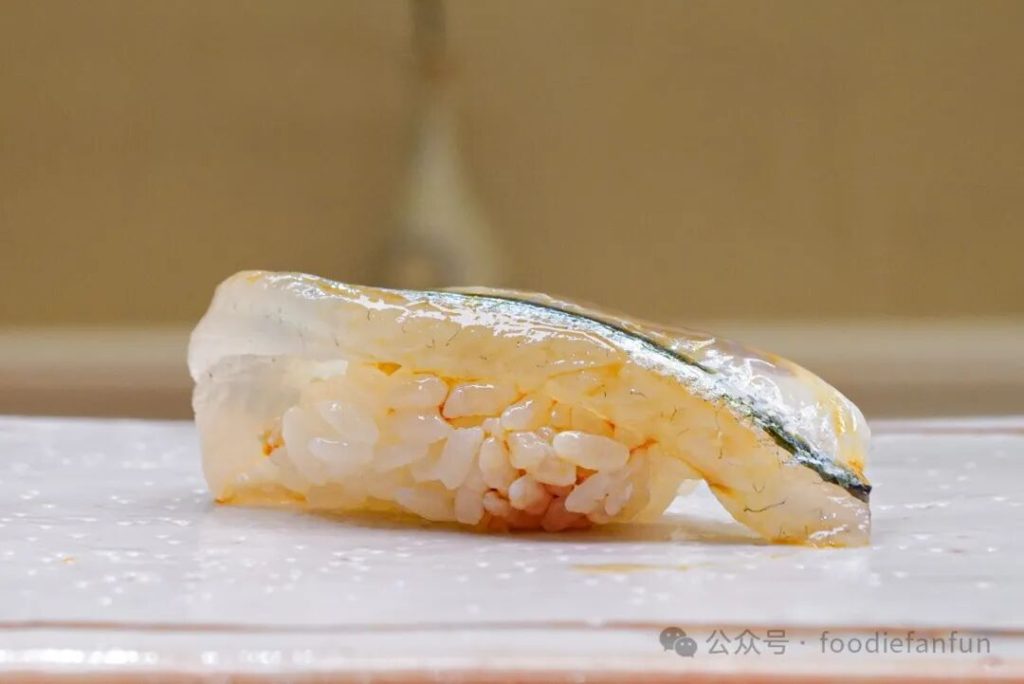
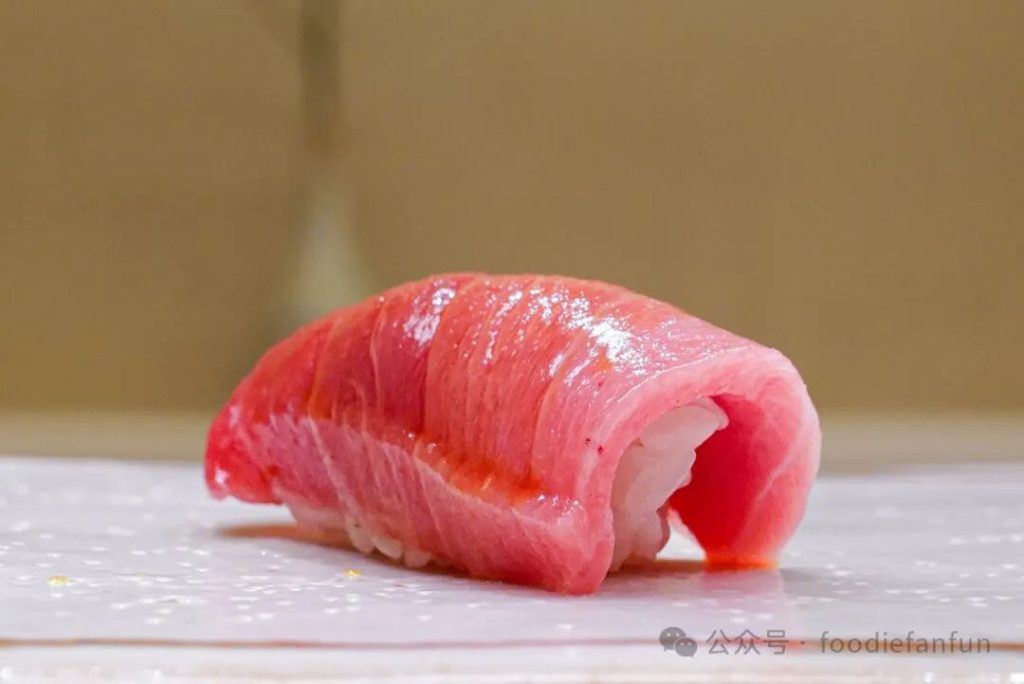
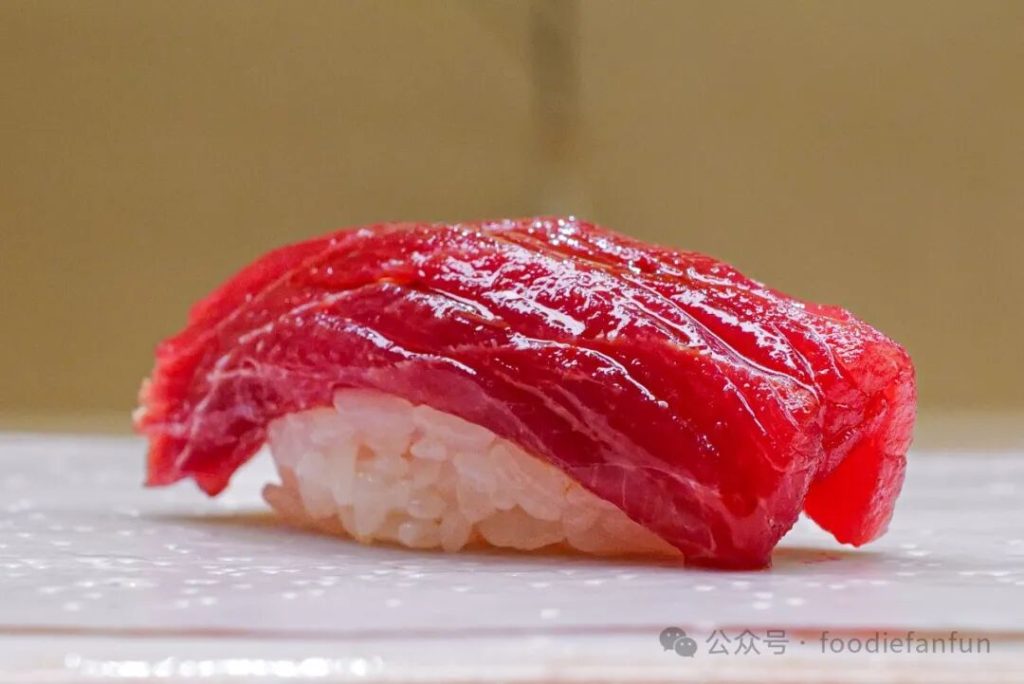
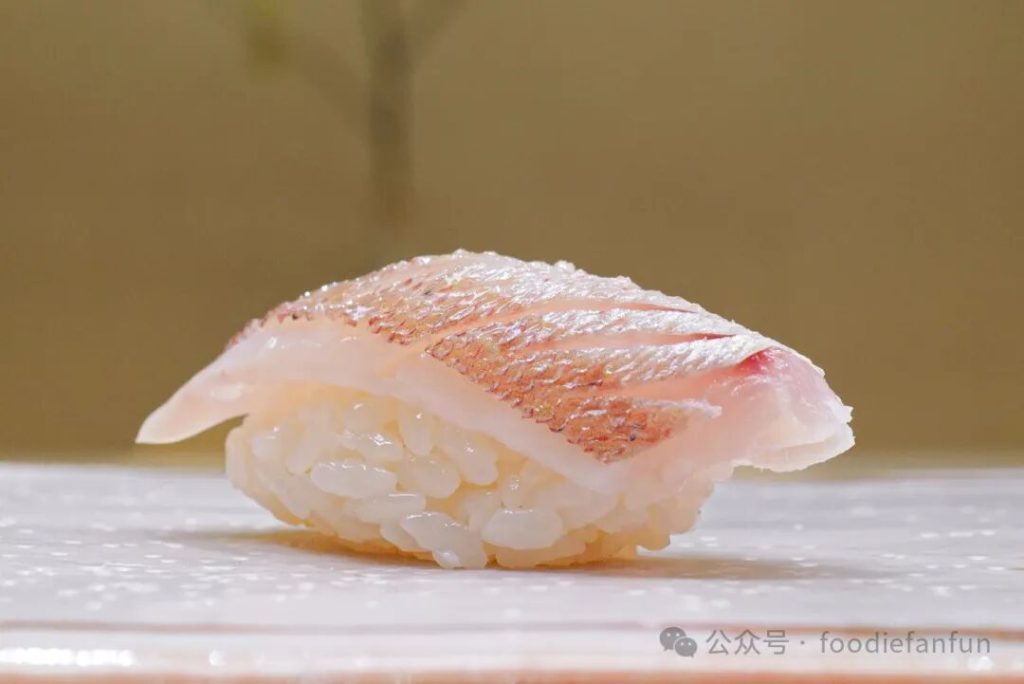
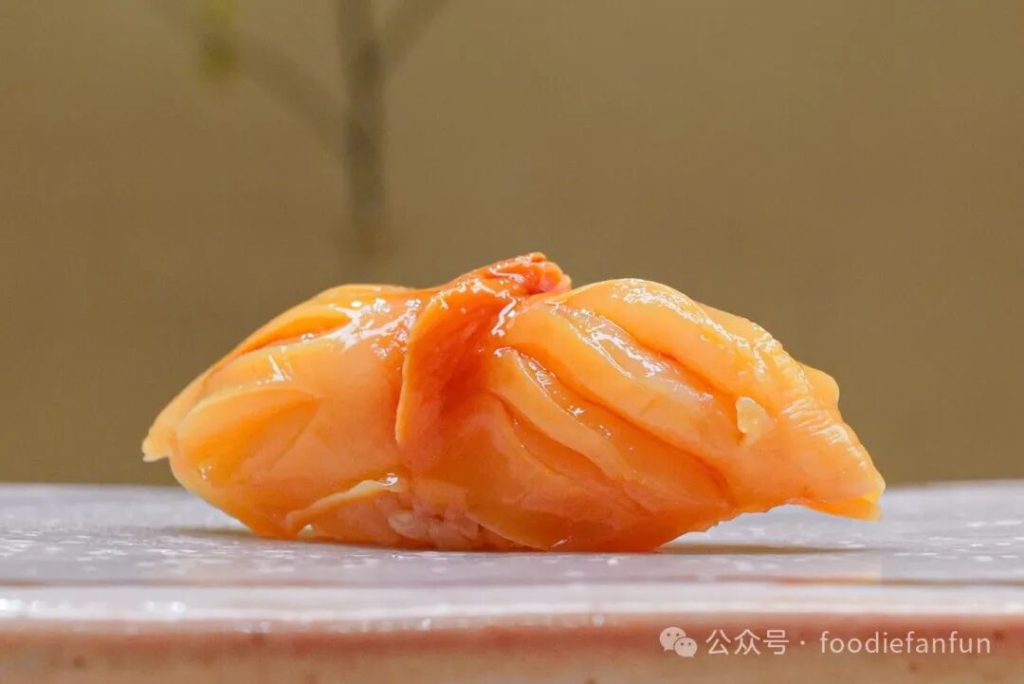
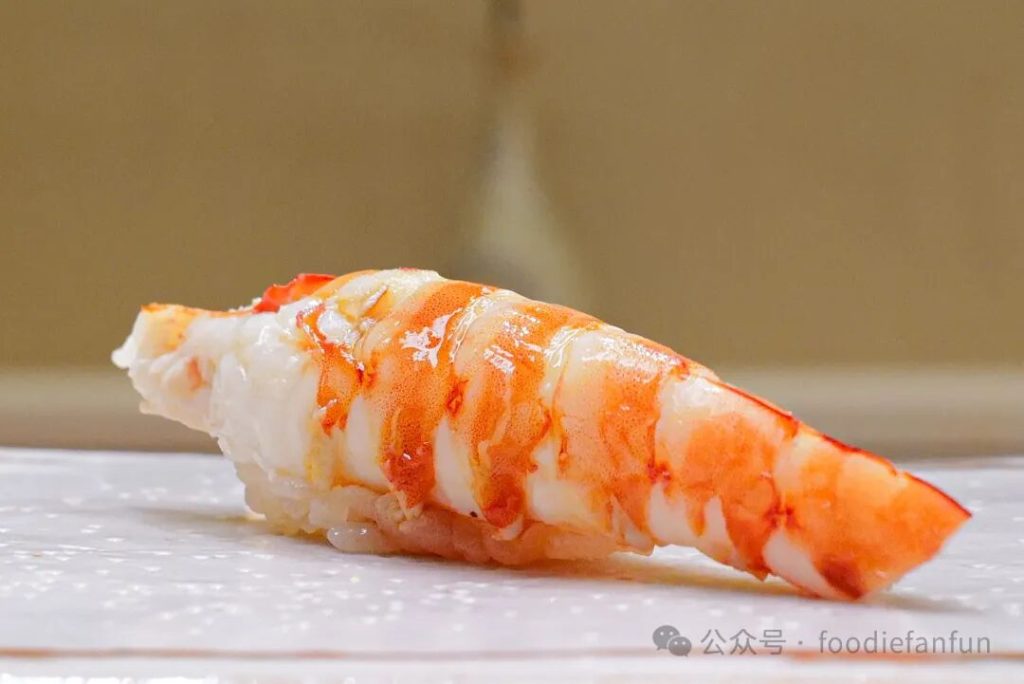
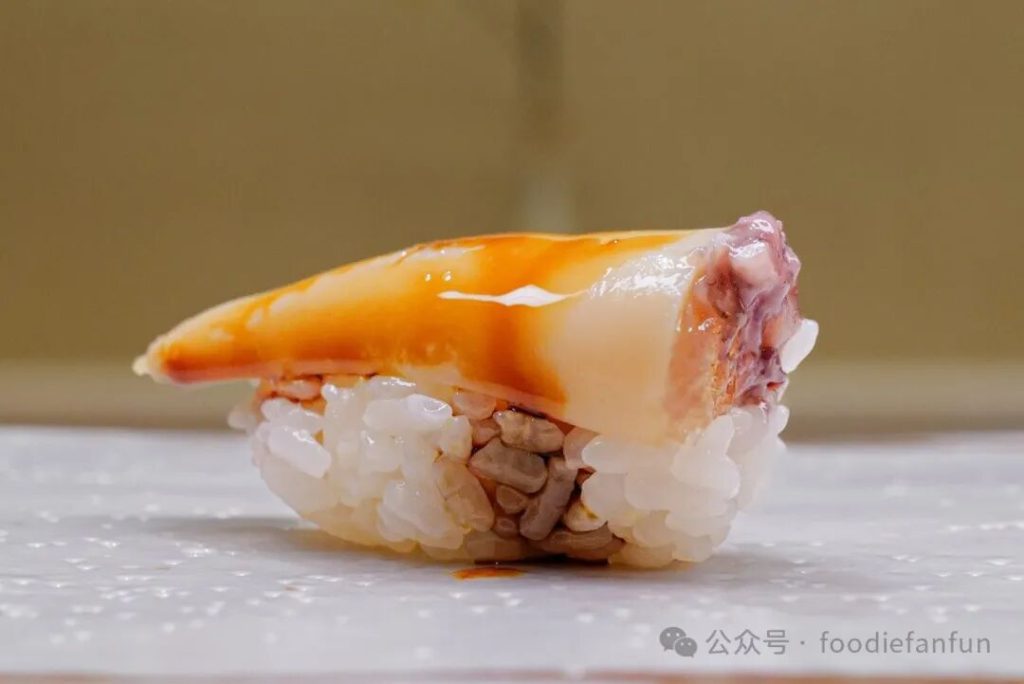
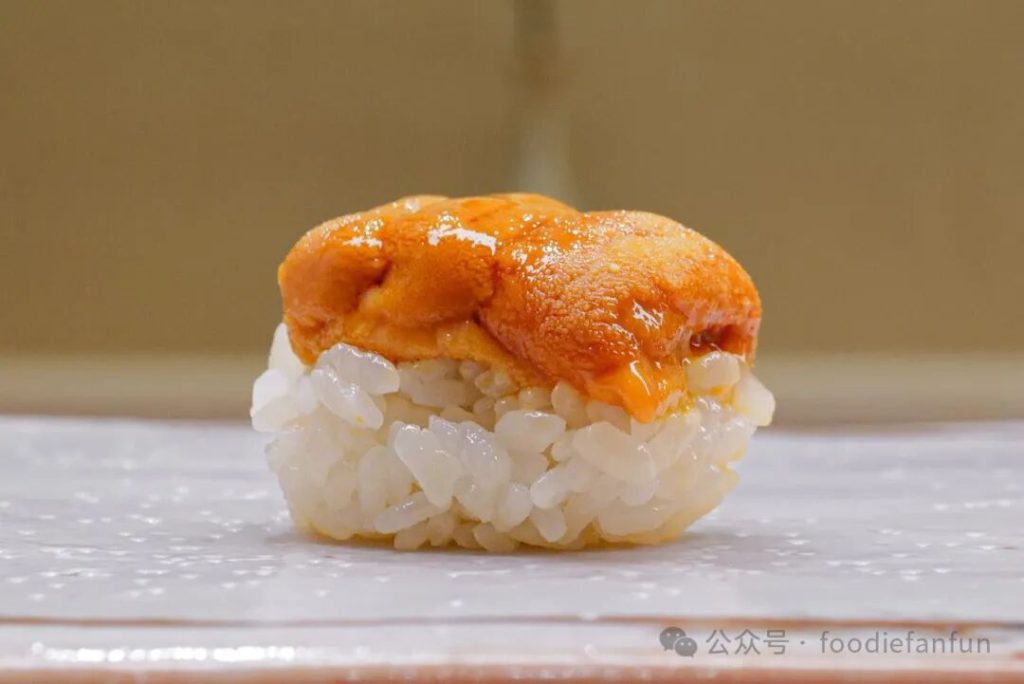
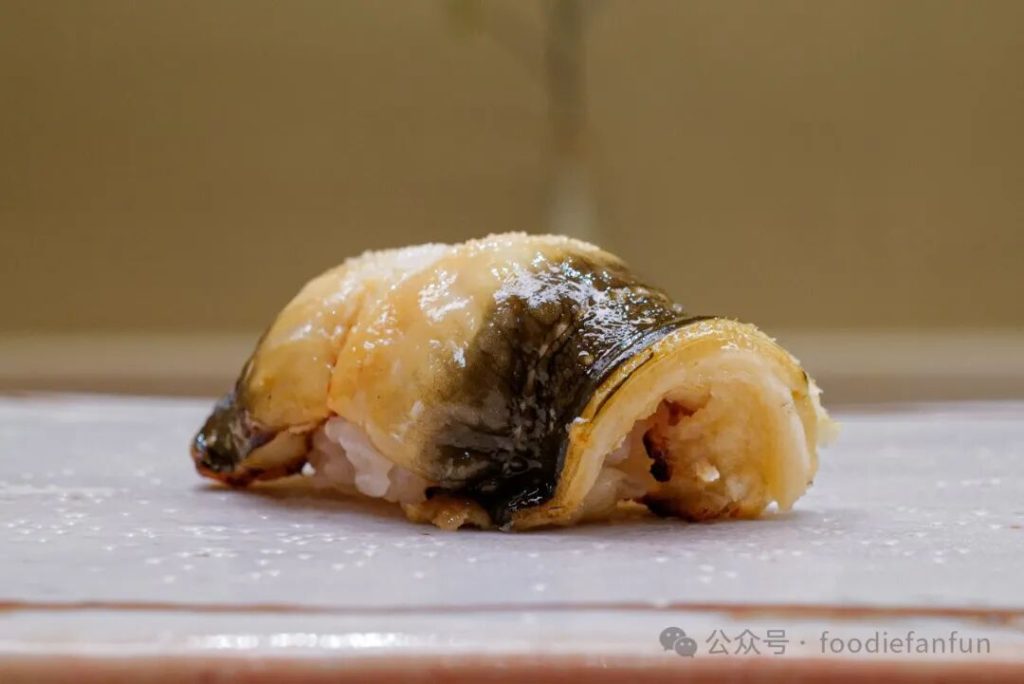
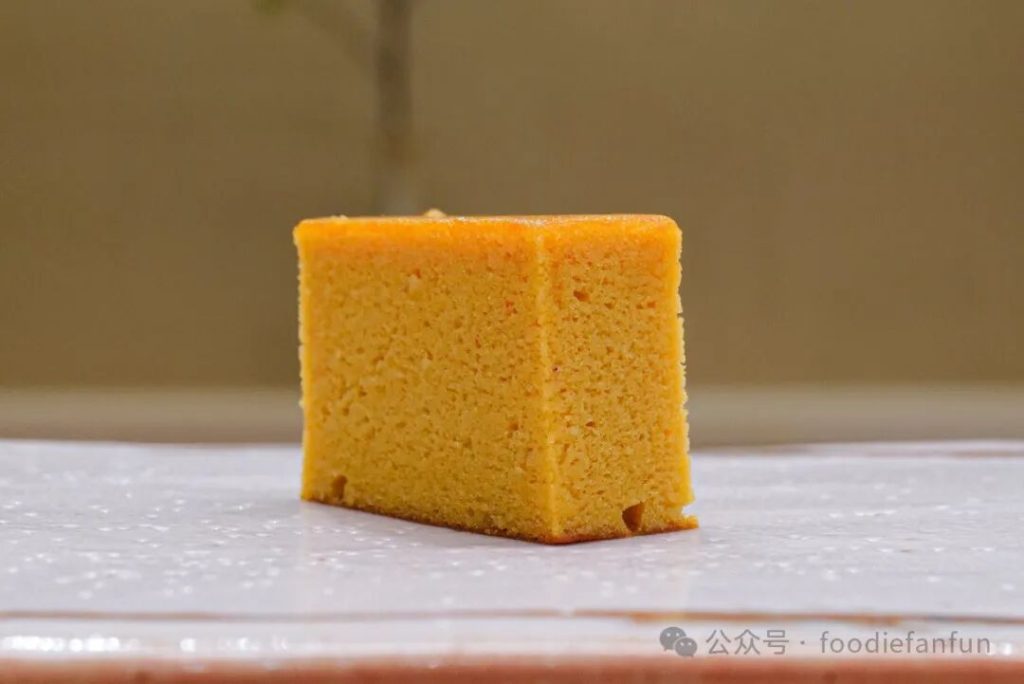
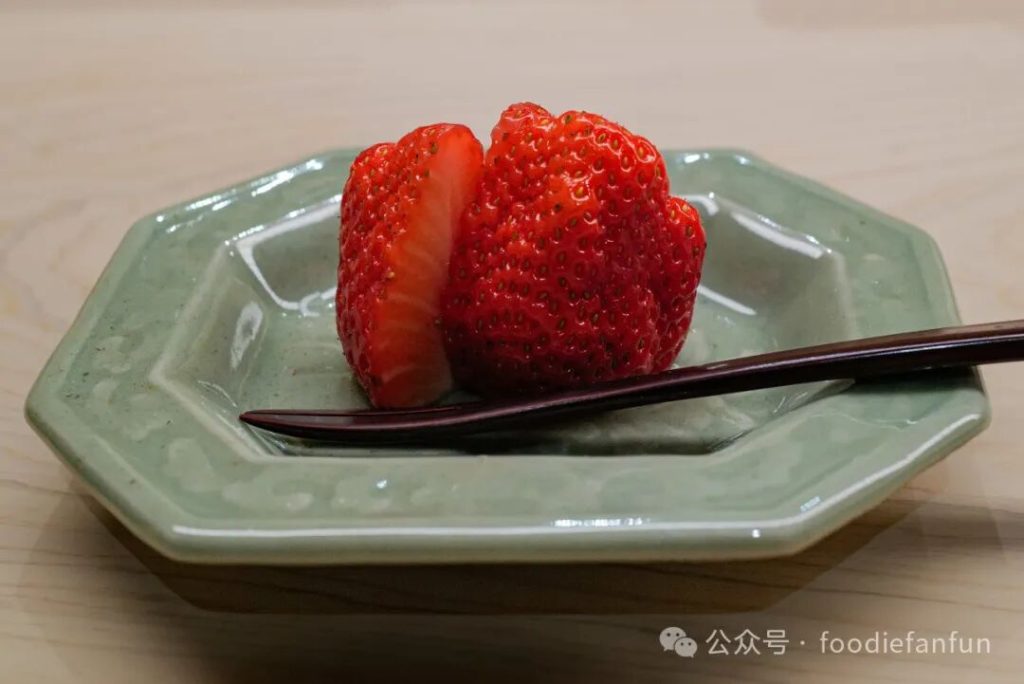
Kohada, Flounder, Kawahagi (Filefish), Tiger Pufferfish Milt, Chutoro, Akami, Needlefish, Kasugo, Ark Shell, Kuruma Shrimp, Roe-Bearing Squid, Sea Urchin, Conger Eel, Tamago, Strawberry
The sushi section left an impression more through the flavor of the fish itself.
The kohada that traditionally opens Sugita-lineage meals had a short curing time, just crisp enough, giving a clean, brisk impression. The needlefish had beautiful fat content, and the kasugo carved out a highlight with its extreme tenderness.
As luck would have it, a fresh tuna had just come in that day, and Riku chose chutoro and akami — the fish’s flavor and just-right fattiness were genuinely satisfying. Flounder, kawahagi, tiger pufferfish milt, kuruma shrimp, and sea urchin all performed well too — one or two pieces in between might have fallen a bit short, but it didn’t hurt the overall meal.
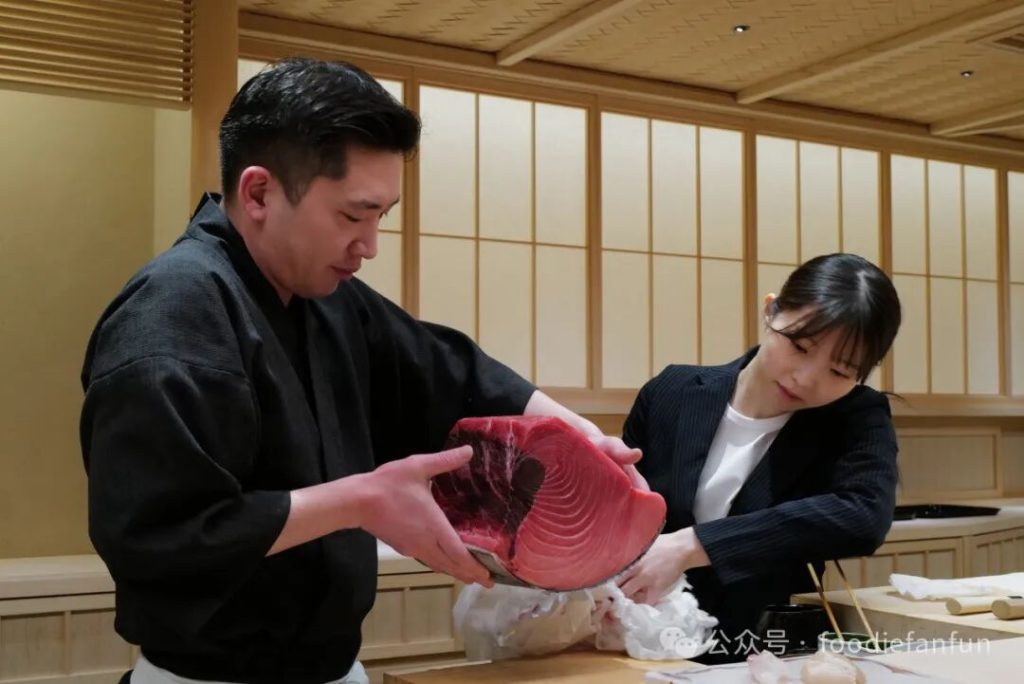
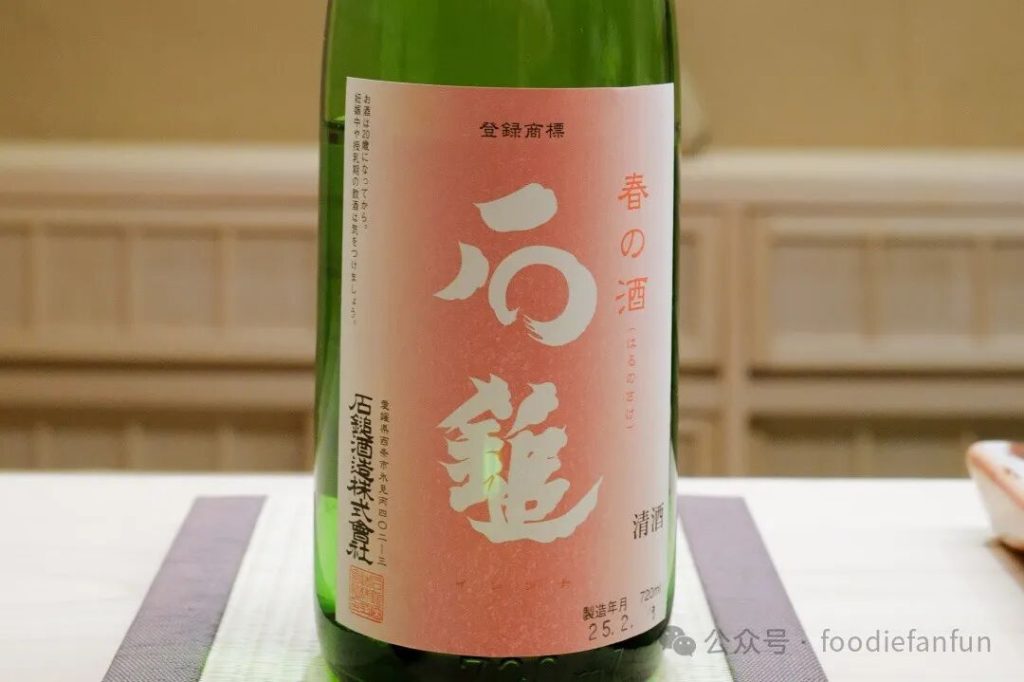
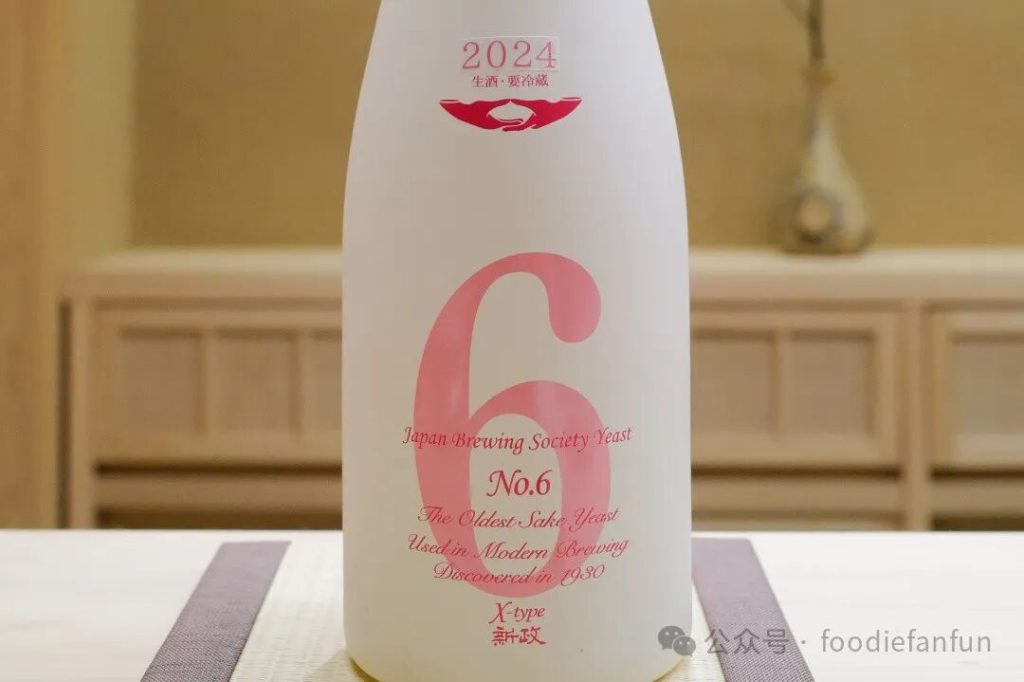
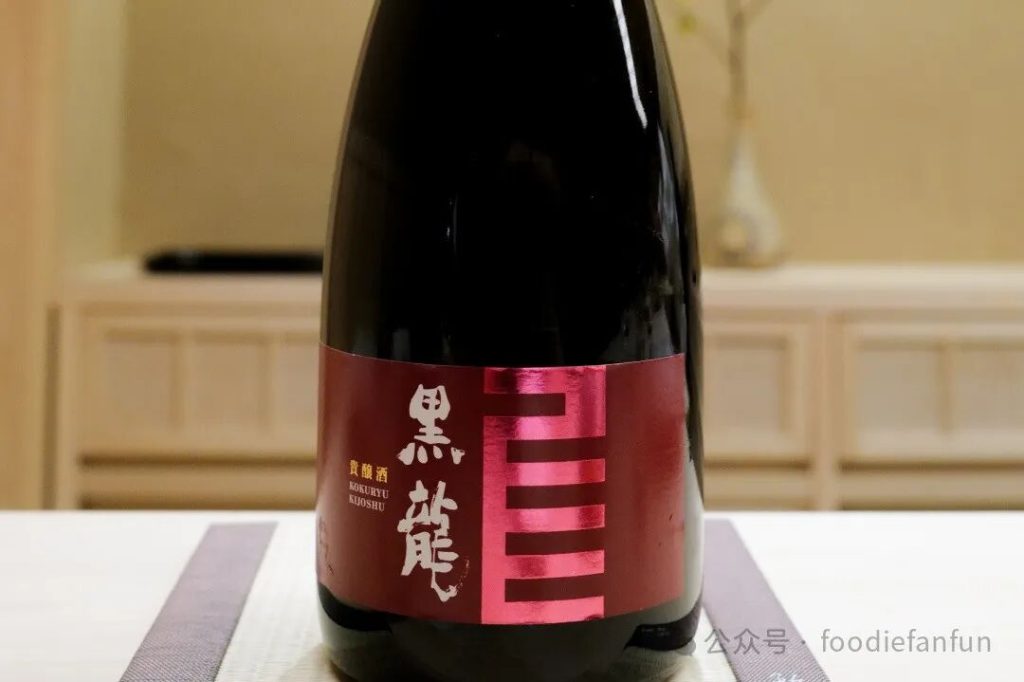
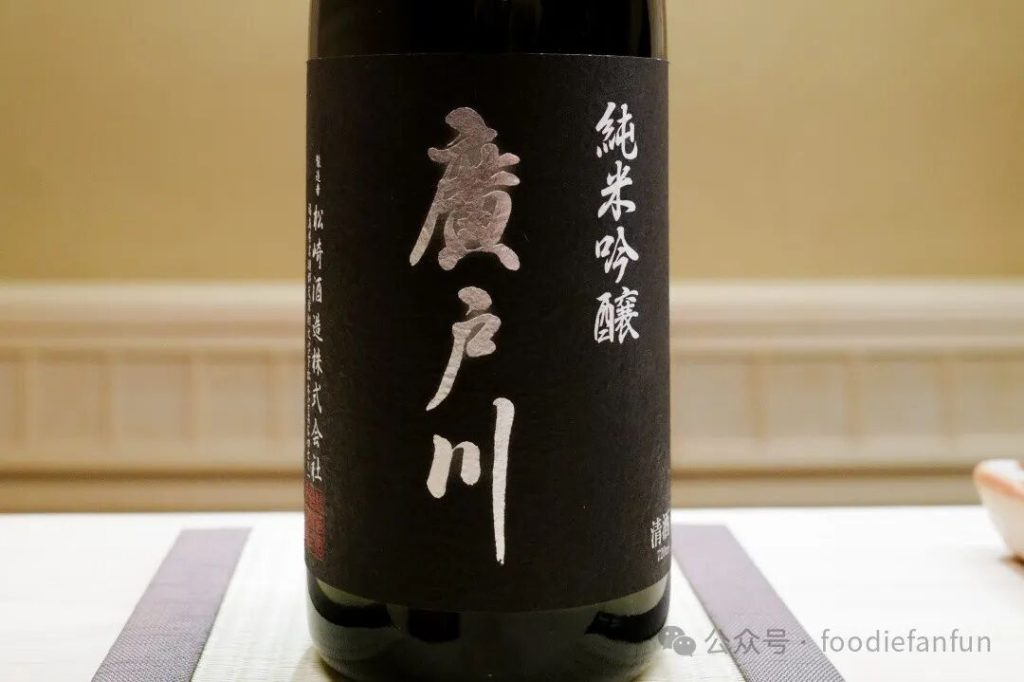
Overall, the performance matched the price expectations. The counter atmosphere was relaxed, the style leaning modern and international, with clever use of plant-based aromatics.
Unlike his master’s elegance or Hashimoto’s restraint, Riku’s is a more direct expression of ingredient and texture — put simply, down-to-earth and bold in flavor.
As for the counter service, the suits felt a bit like surface-level polish. Aside from the sommelier who comes in two days a week for training, the rest of the service staff were, frankly, a bit of a mess. The young guy training in the kitchen, in from NOMA, was notable — and also managed to fumble the otsumami.
In the end, aside from the kohada and iwashi-maki, this place doesn’t really have much to do with Sugita anymore.
✦ • ✦
Sushi Yamato
Tabelog Bronze Award 🥉 1F Daigo Ginza West Tsukiji Bldg, 3-7-2 Tsukiji, Chuo City, Tokyo ¥24,200++
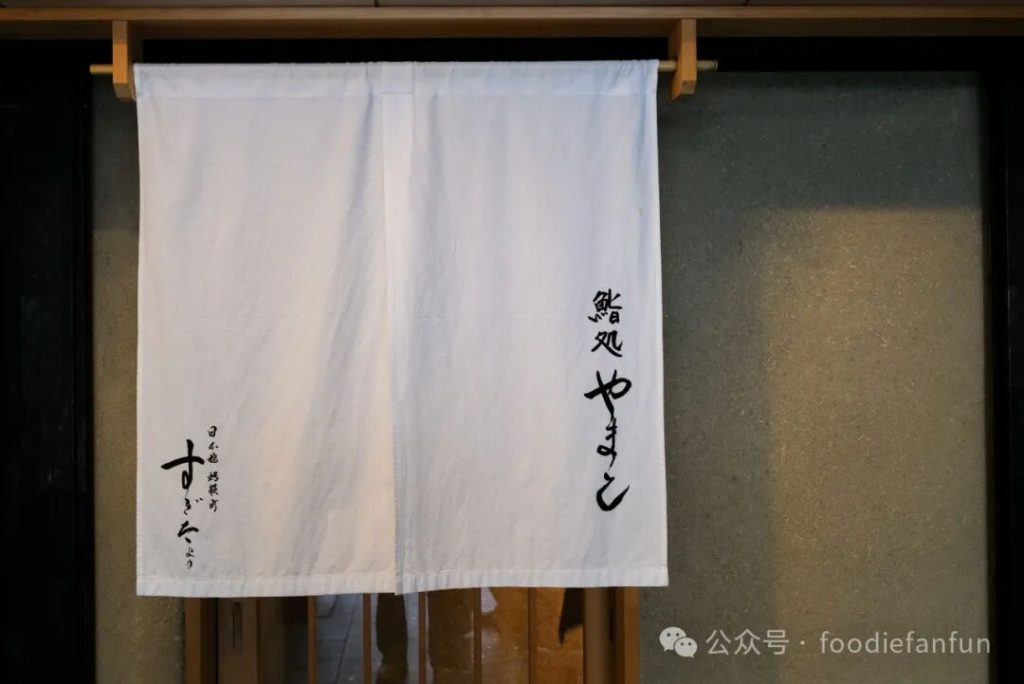
The last restaurant, Yamato, was actually visited half a year earlier. Price-wise, it’s also the most accessible of the three.
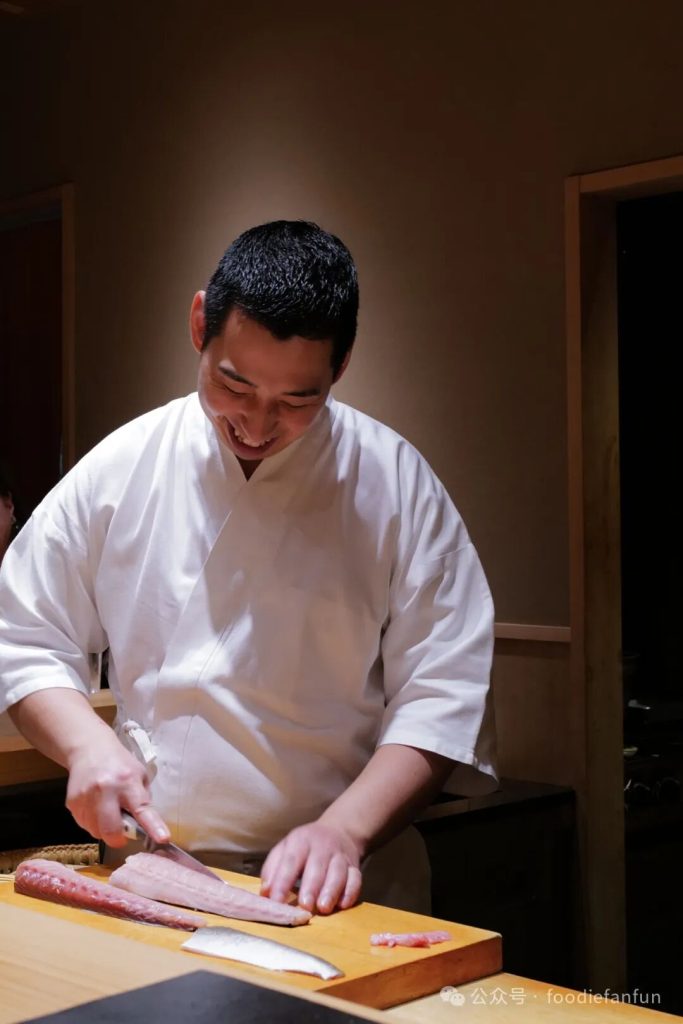
Yamato also comes from a sushi family, but unlike Sugita-san’s other disciples, he first trained at Ginza Kojyu before joining Sugita’s kitchen. Going by the timeline, he likely took over from Hashimoto-san as Sugita’s sous chef, and worked alongside Riku for around two years.
Worth noting: on Yamato’s noren curtain, you can see a mark tracing back to Nihonbashi Kakigaracho Sugita.
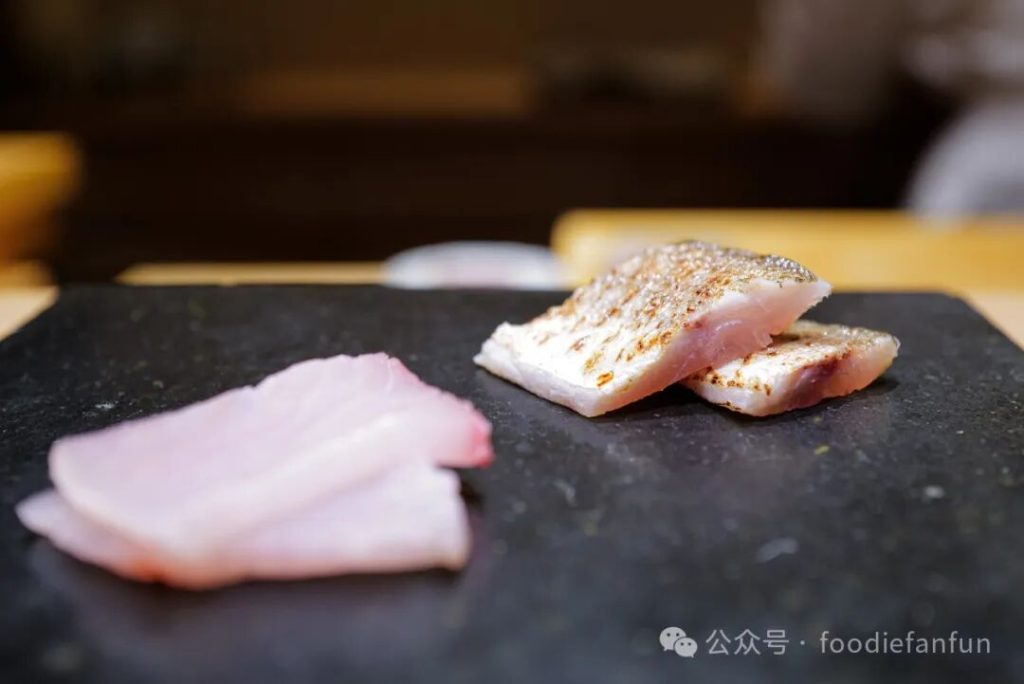
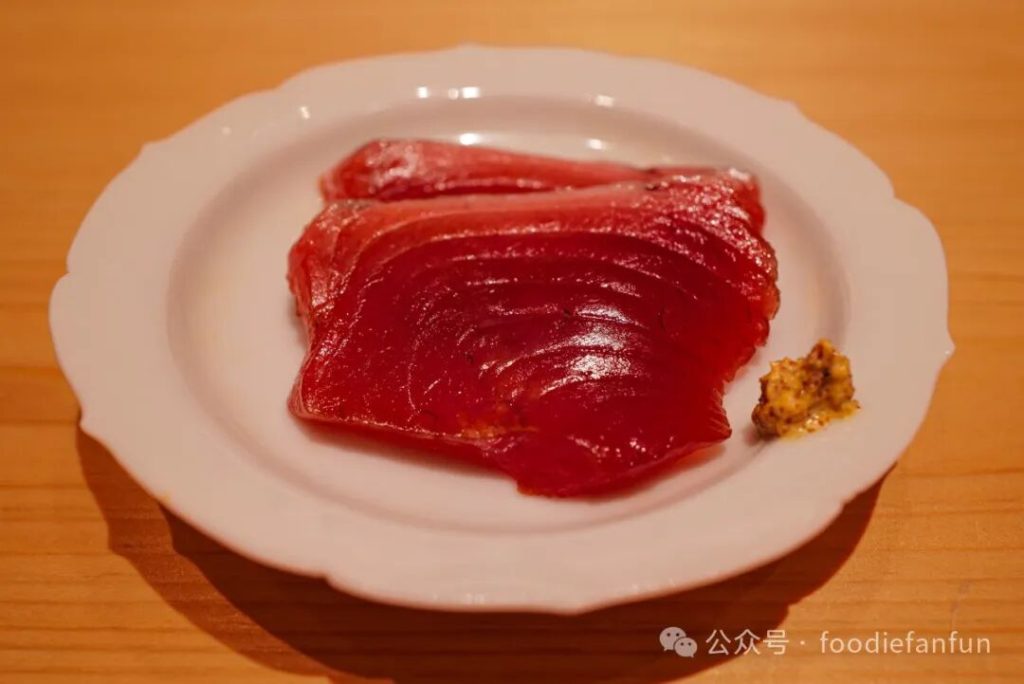
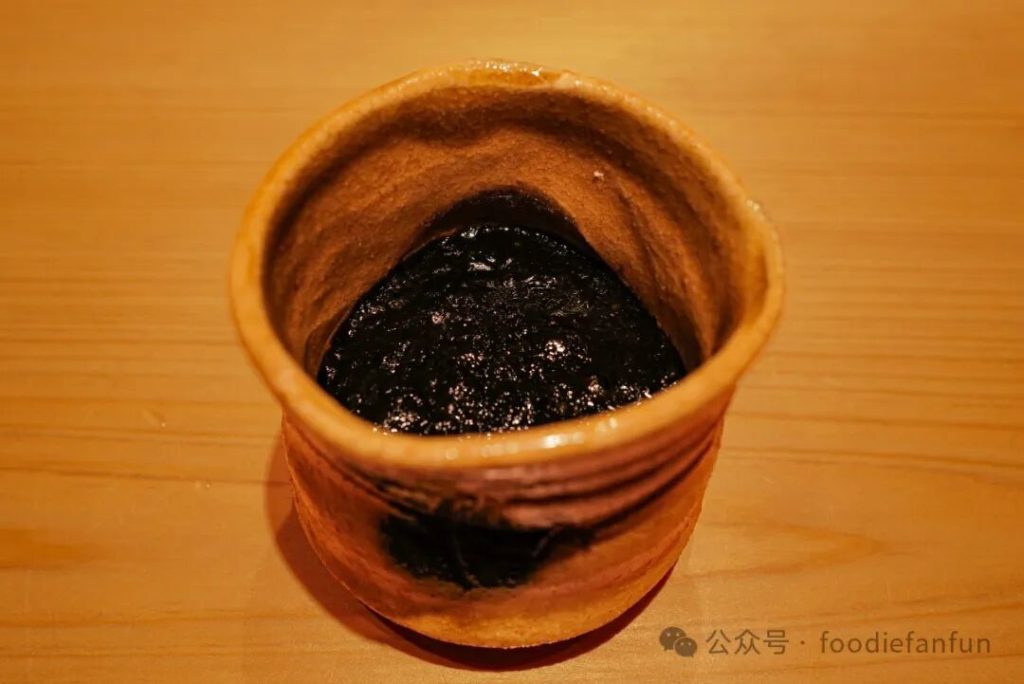
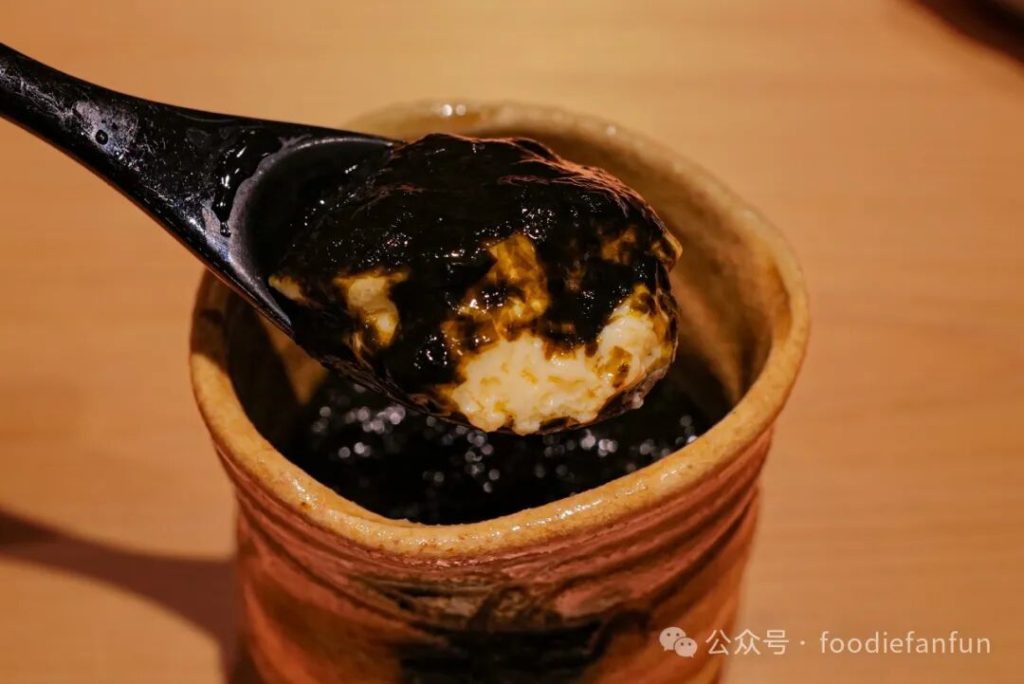
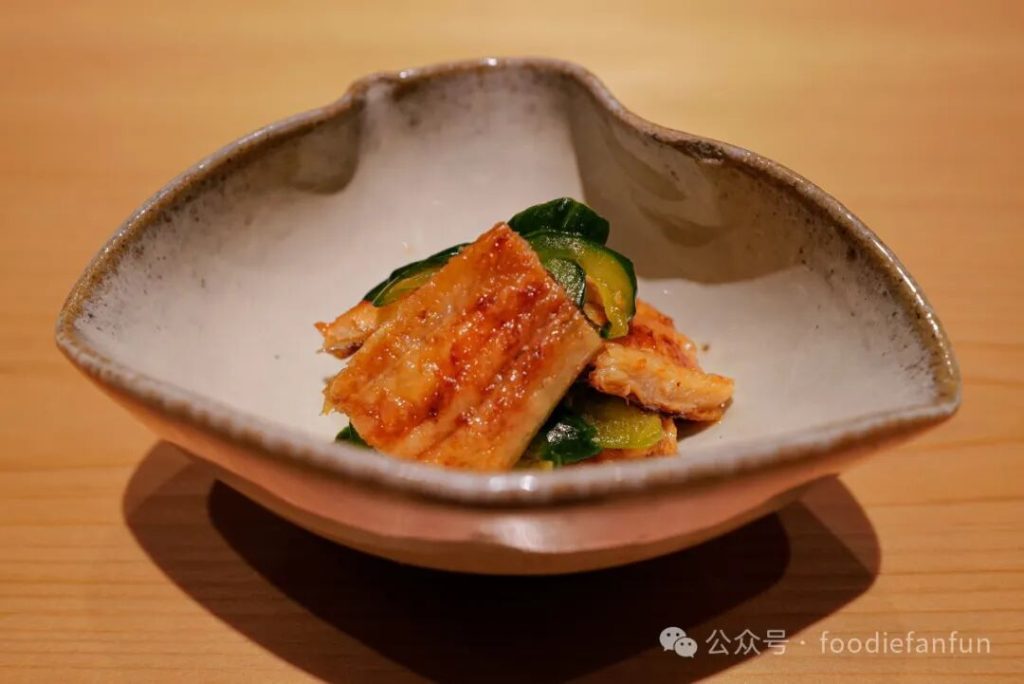
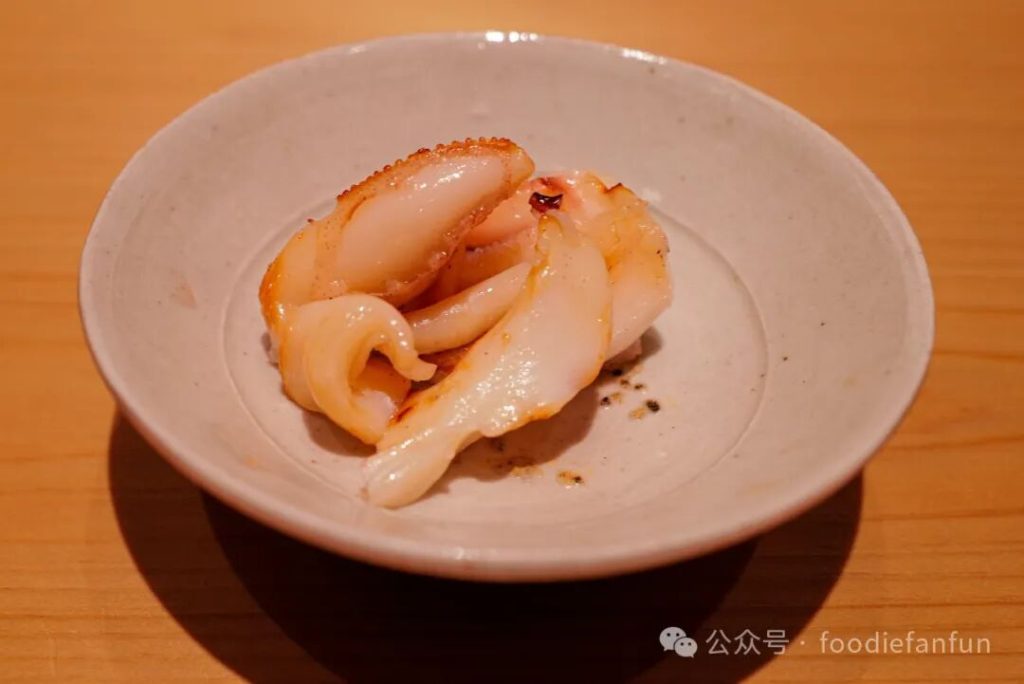
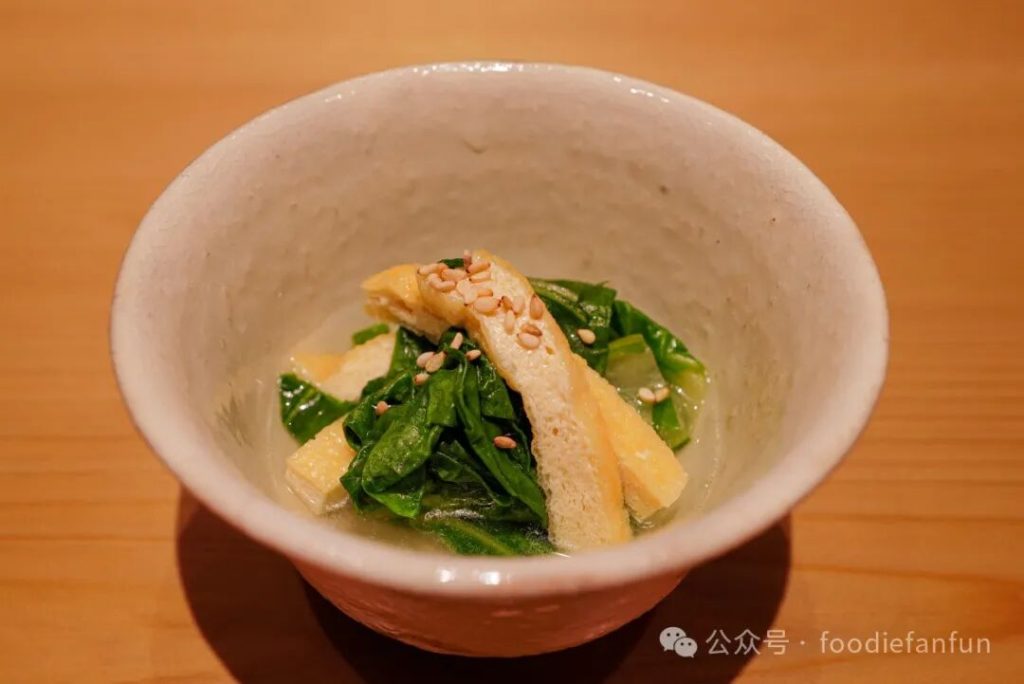
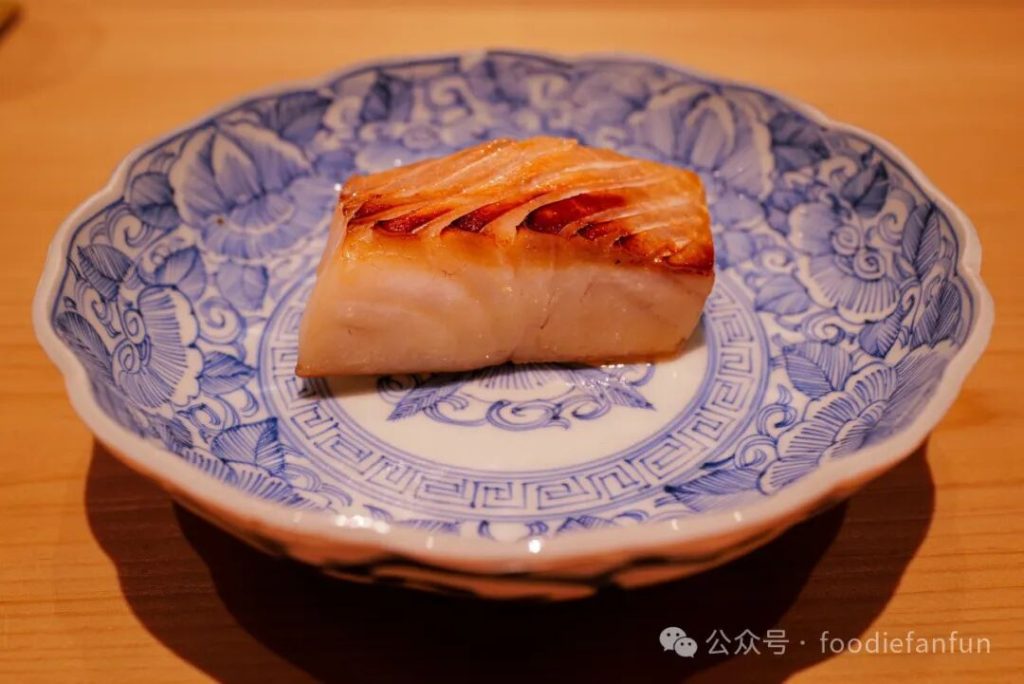
Barracuda, Kanpachi, Bonito, Nori Chawanmushi, Anago & Cucumber, Sake-Simmered Yariika, Kyo-yaki, Seared Bonito (no photo)
Yamato’s otsumami carries more of a personal touch.
The nori chawanmushi brought together sweetness, umami, and softness all as one.
Anago with cucumber was an incredibly memorable drinking snack — the anago grilled completely crisp and fragrant, the cucumber bringing a refreshing acidity, with a touch of dried fish adding extra depth.
Not quite a knockout of deliciousness, but the kind of small dishes that stick in your memory as “incredibly fragrant.”
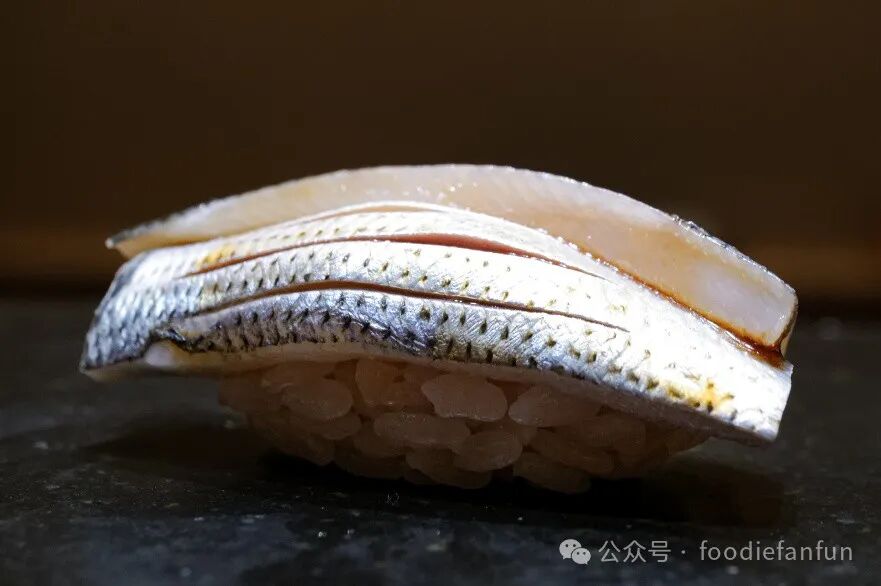
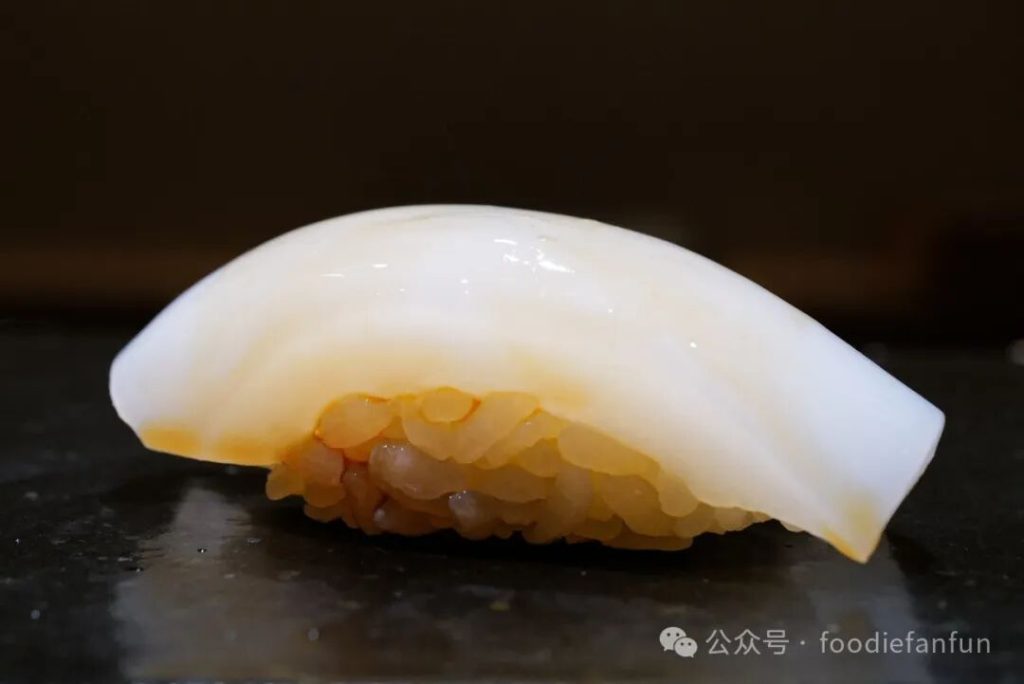
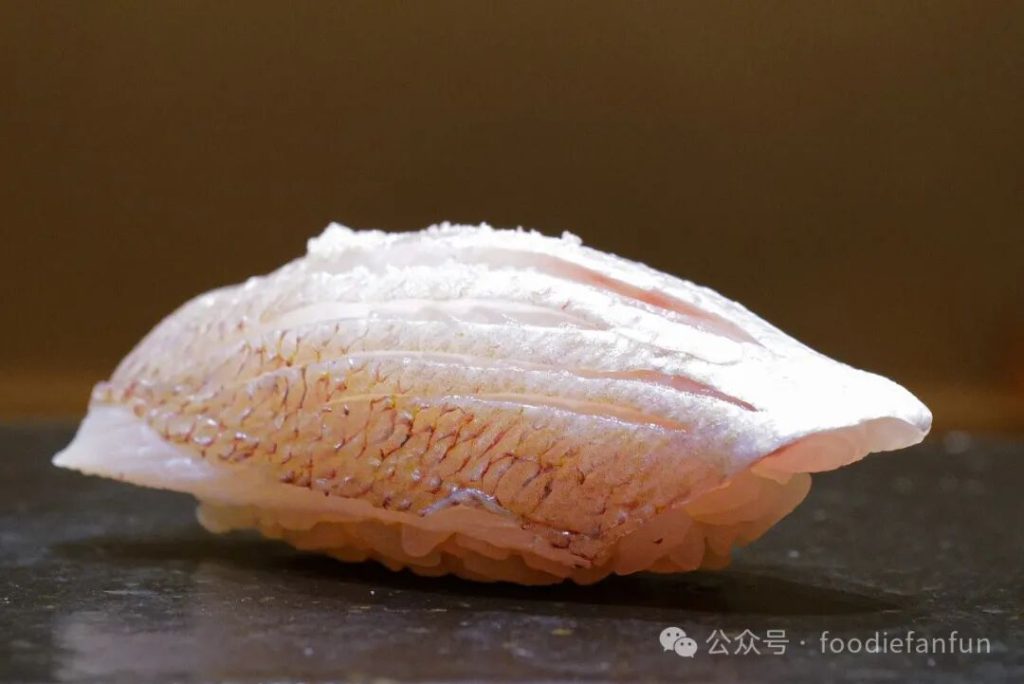
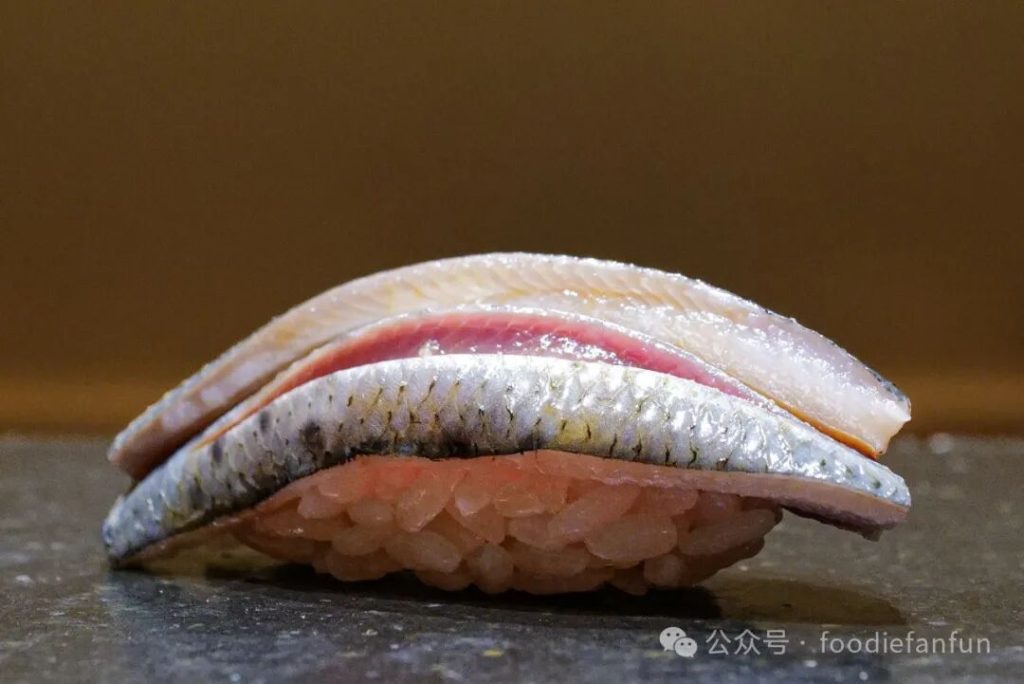
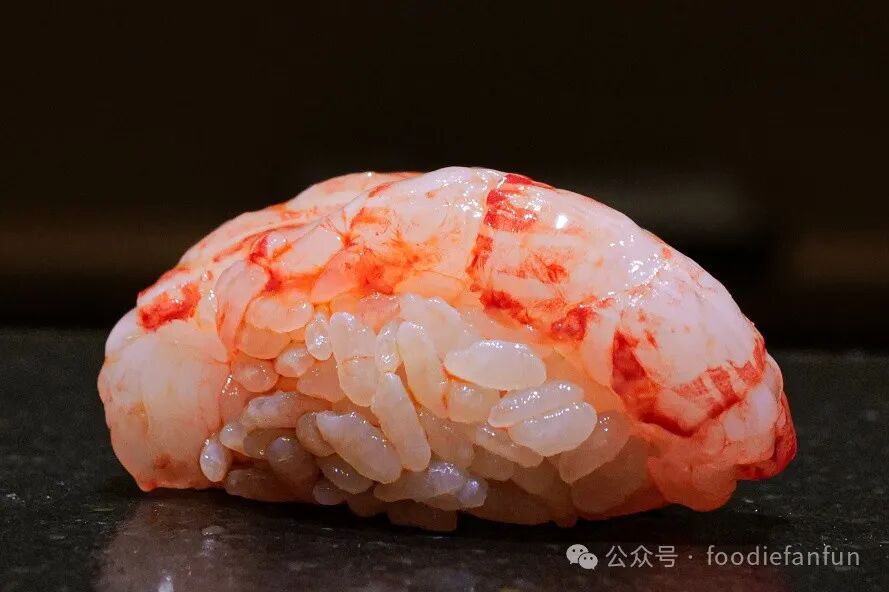
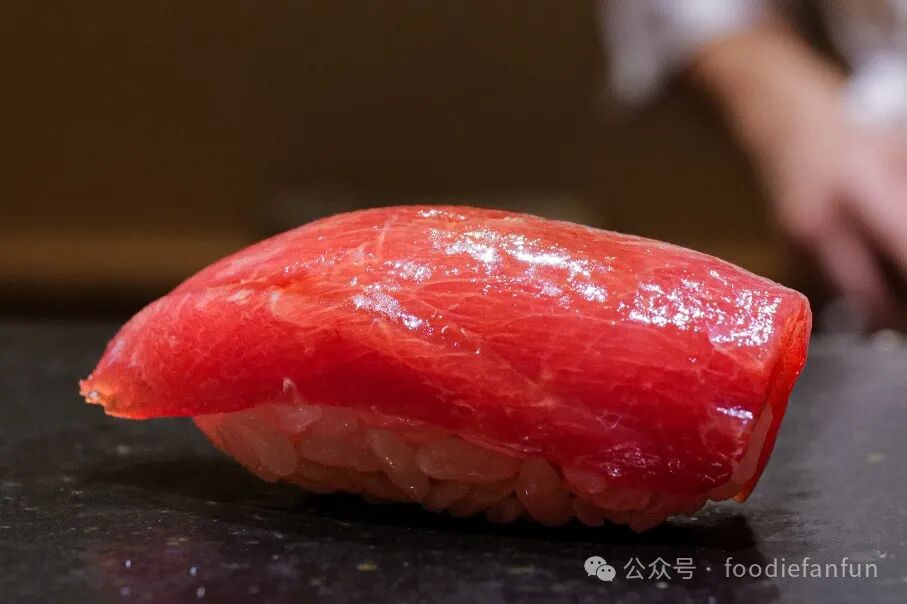
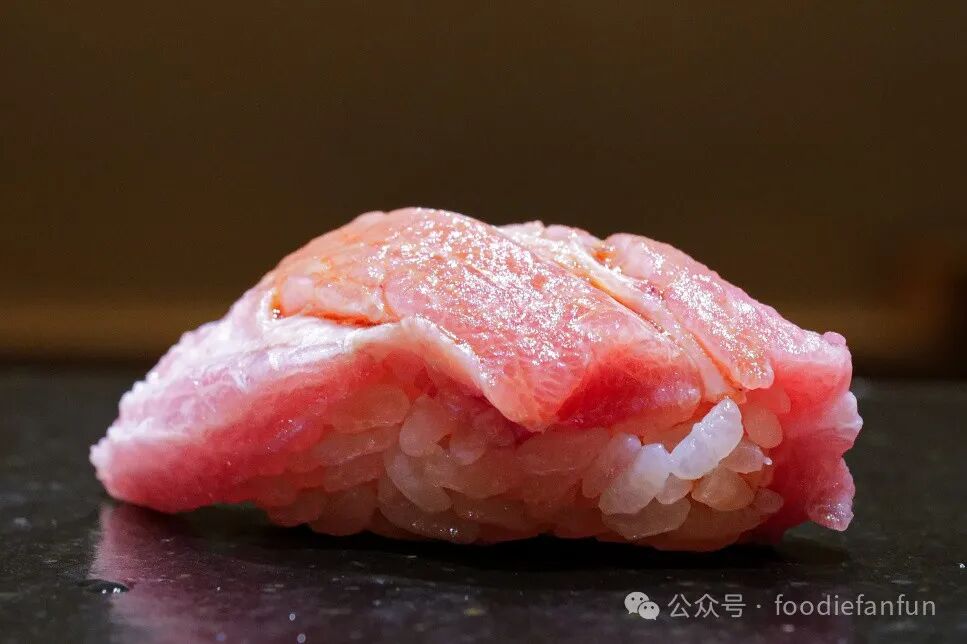
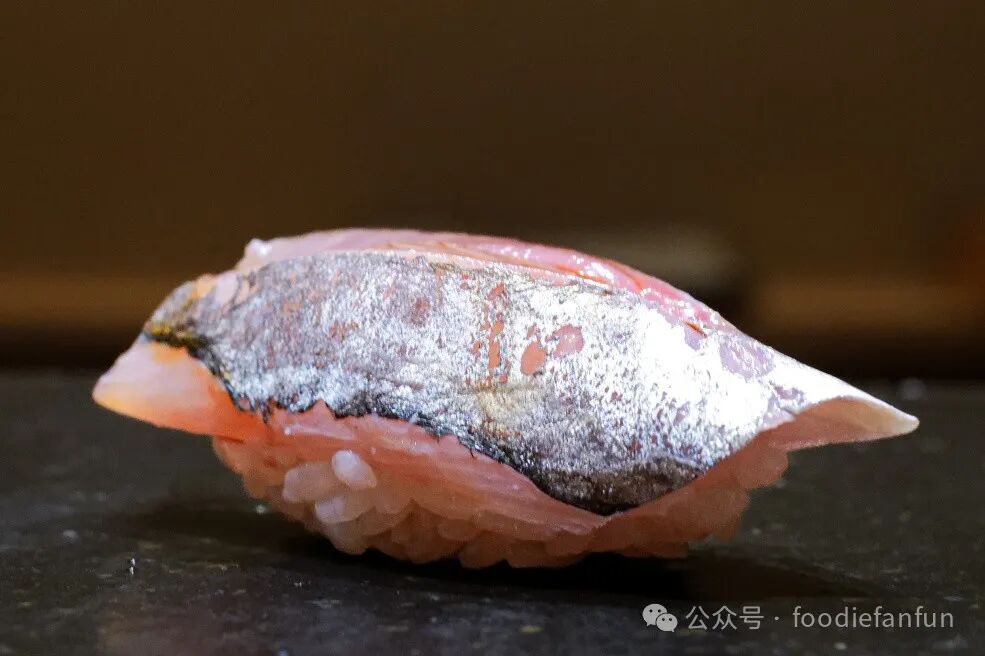
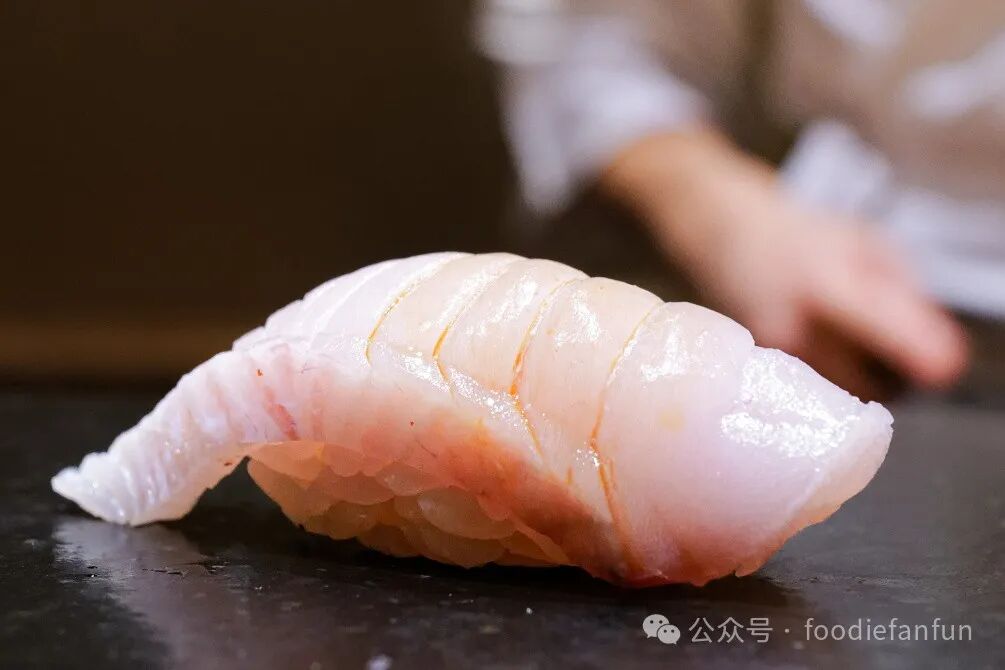
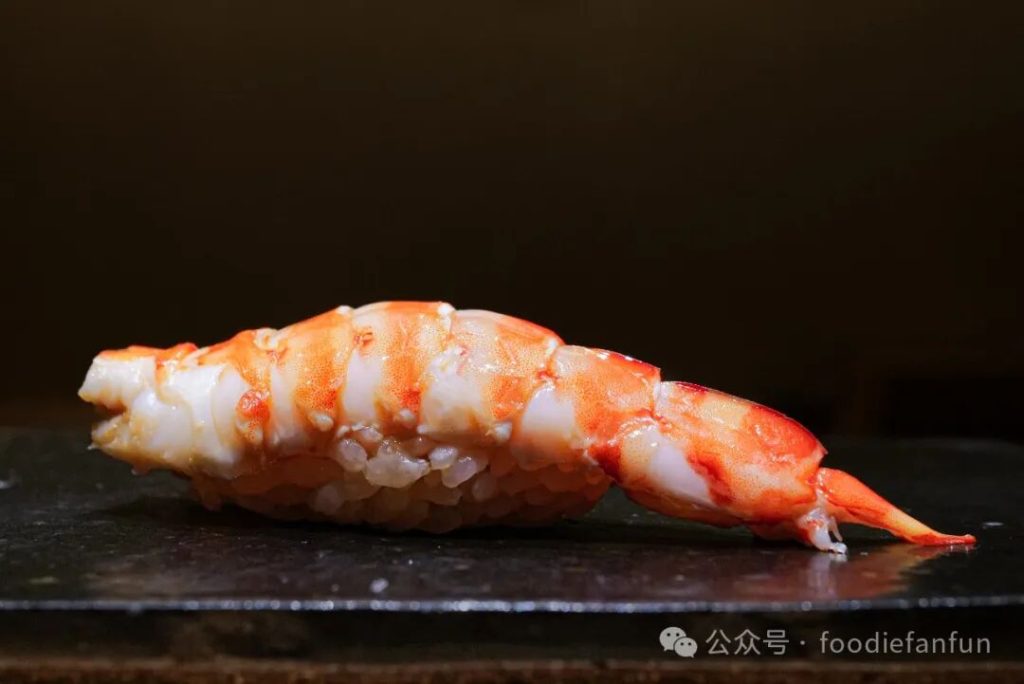
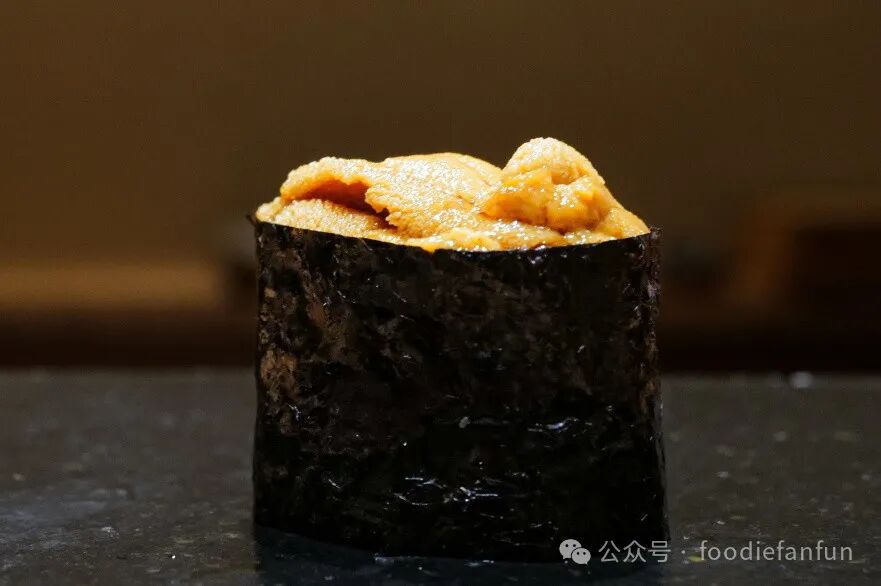
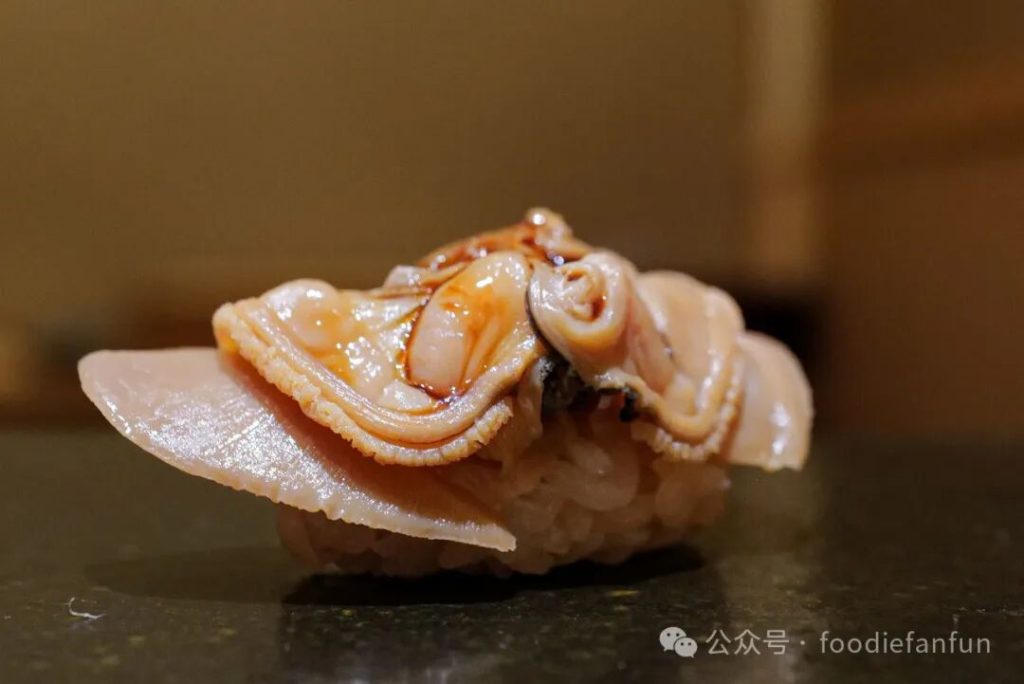
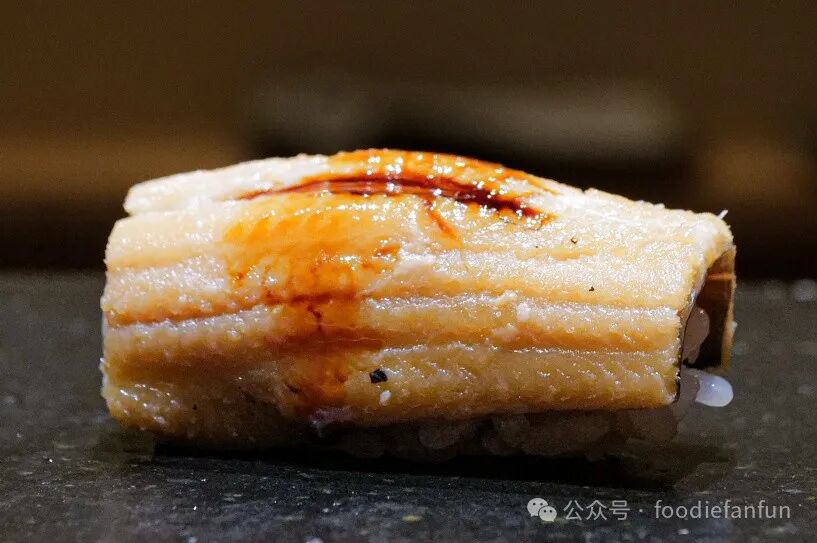
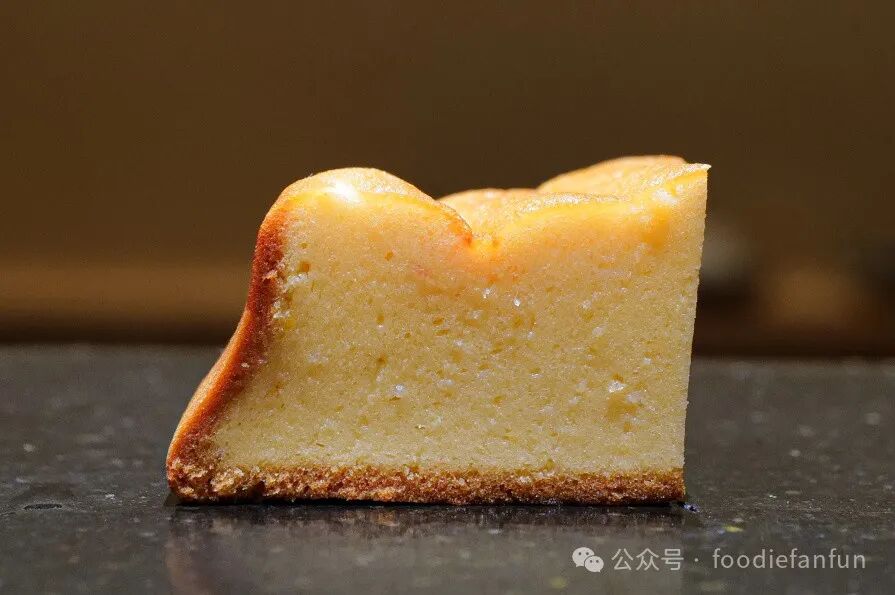
Kohada, Yariika, Bonito, Small Sardine, Shima Shrimp, Akami, Otoro, Small Shima-aji, Spanish Mackerel, Kuruma Shrimp, Sea Urchin, Geoduck (Add-On), Anago, Tamago
Though we didn’t get iwashi-maki that day, the sushi still opened with the lineage’s signature kohada, and the small sardine nigiri performed beautifully — a slice of ginger adding a touch of sweetness to the sour-salty-umami mix.
Yamato’s sushi might not carry that innate spotlight-grabbing glamour, but overall fish quality never dropped off just because of the price difference. The shari was bold and grainy, its integration with some of the fish slightly weaker.
The counter that day was relaxed — Yamato-san doesn’t go out of his way to chat with guests, but he’ll always toss out a stray remark here and there, and the two-hour lunch was paced just right.
But I’ve also heard of people who caught him on an off day, hurried through the whole meal in an hour like being chased with a whip, and rushed to pay.
This is probably the best value among the Sugita lineage restaurants in Tokyo. If fate allows, I’d visit again — and hope Yamato-san is in a good mood that day.
The cooking at a counter is shaped by the shared atmosphere of everyone present that day, so a single hands-on experience at a sushi restaurant may not fully represent the level of the place. This account is also only built on my current understanding of sushi — which is why this piece chose a more “blow-by-blow” style of recording to share with you all. Maybe a year from now, revisiting these same restaurants would leave a completely different impression.
Thanks to a family member who managed to book Sugita and both disciples’ restaurants together, arranged across three consecutive days packed with memorable moments — personally, I think this comparison was well worth documenting.
That said, three days in a row was genuinely a bit of an occupational hazard. Gonna take a breather — but still ready for round two.
Leave a Reply