After enough of the city grind on weekdays, holidays always have you looking for somewhere quiet to unwind. Ideally somewhere with fewer crowds, good scenery, clean air, a bit of old-town charm, and good food and drink.
Takayama is a real hidden gem of a choice — great to stay in, great to eat in, great to photograph.
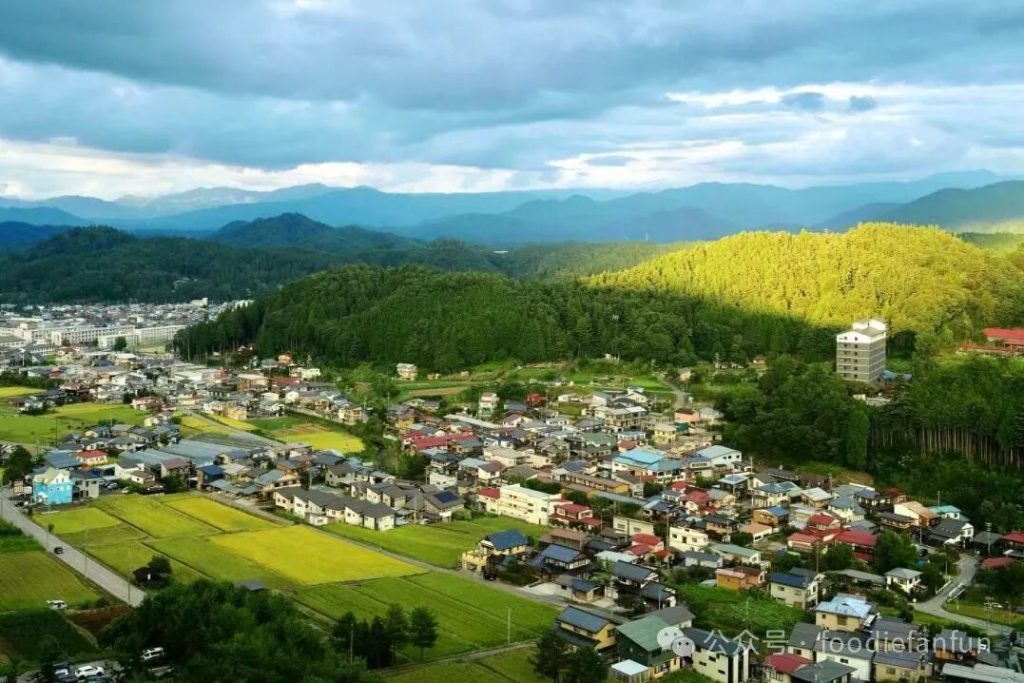
This is Japan’s largest city by land area, yet its resident population is under 100,000 — genuinely vast land, genuinely sparse population.
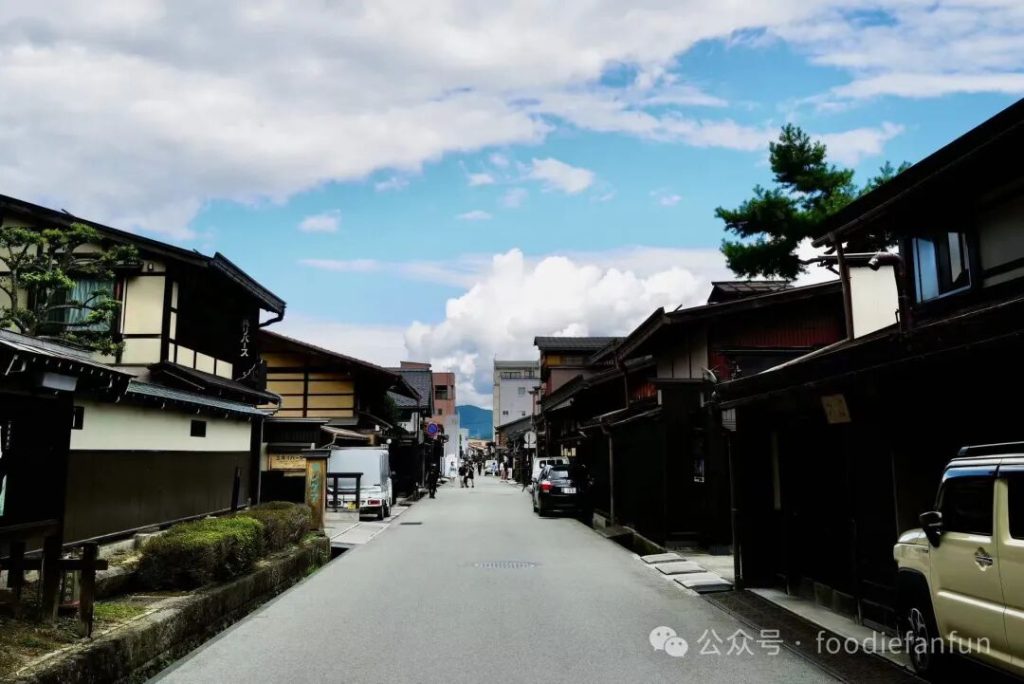
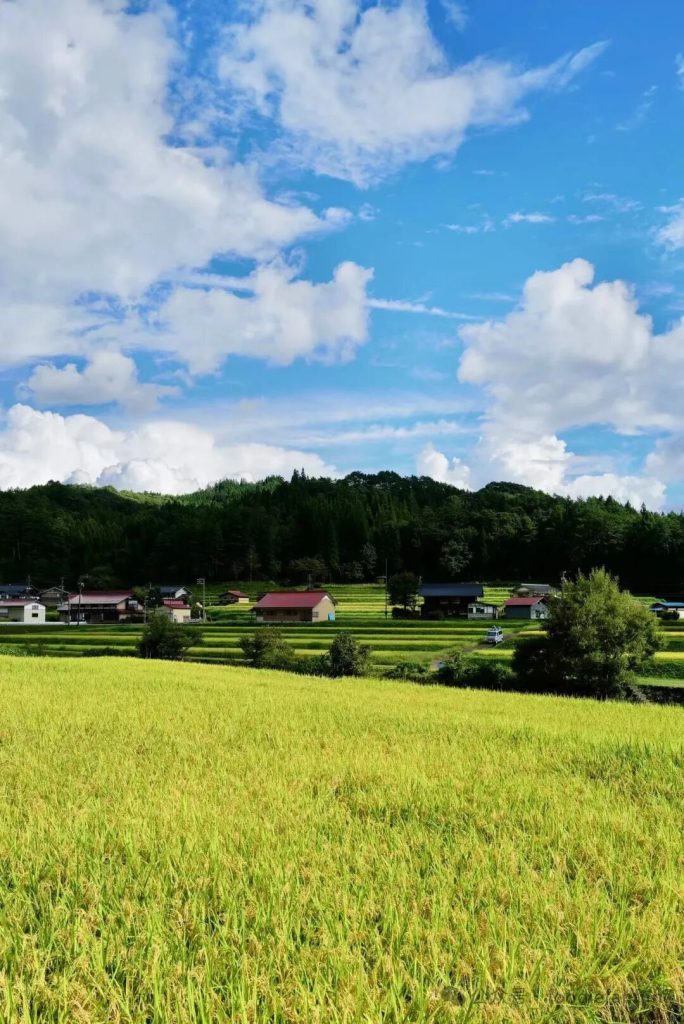
No high-rises here, just mountains and beautiful wooden architecture, all carrying the look of the 16th-century Edo period. The local hot springs are also well known — soaking in a mountaintop onsen hotel, looking out at a view striped gold and green, ‘healing’ is really the only word for it.
As for the food, it’s beyond question — in 2019 Michelin released a special edition guide covering three prefectures in western Japan’s Tokai region, and Gifu Prefecture, home to Takayama, was included. The area also has over 40 sake breweries.
The food of Takayama
Hida beef, soba noodles, local sake
Takayama is the birthplace of central Japan’s most famous wagyu breed, Hida beef. If you’re driving, the moment you cross into Gifu Prefecture, you’ll start seeing Hida beef signage and photos on restaurant after restaurant. Even the rice balls sold at roadside farms get Hida beef mixed in.
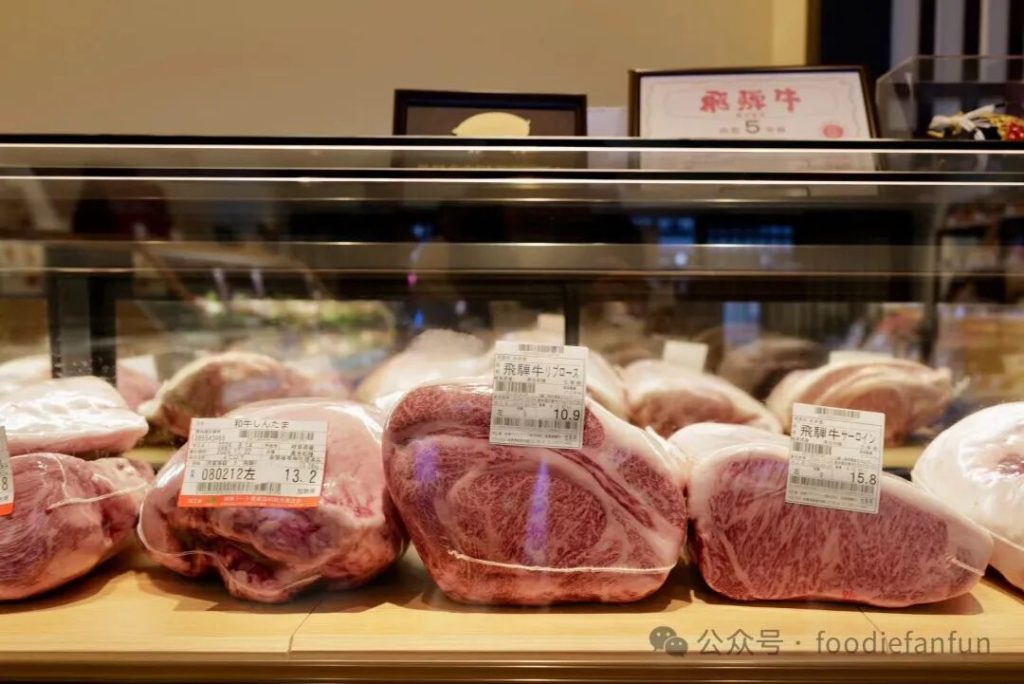
Many shops display whole sides of Hida beef
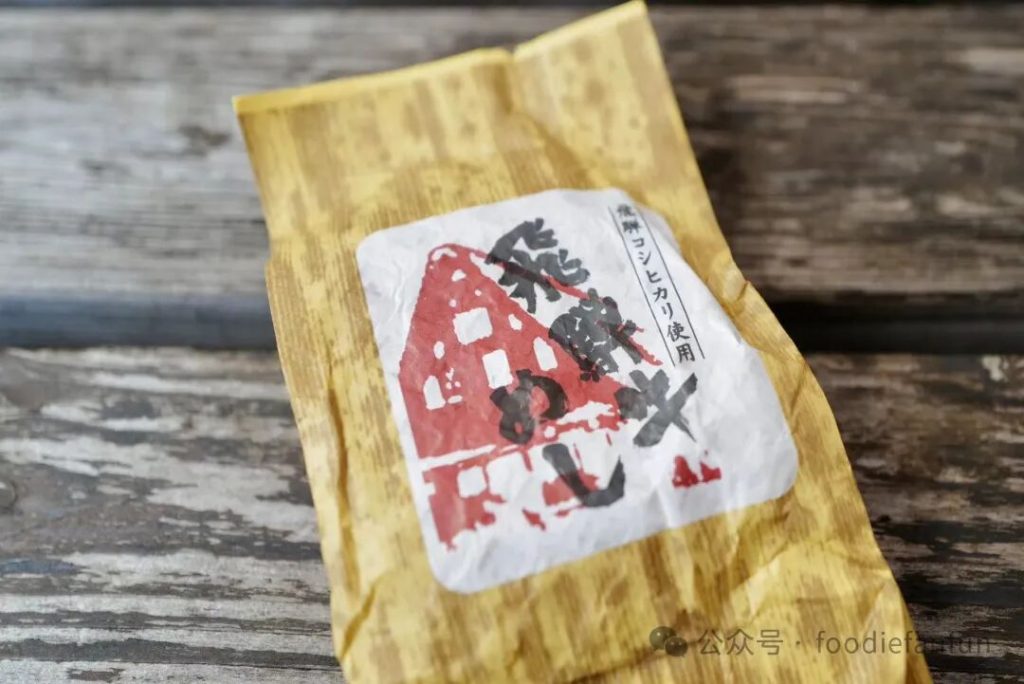
Hida beef rice balls sold at the market
‘Hida beef’ specifically refers to black-haired Wagyu cattle fattened for at least 14 months within Gifu Prefecture. Japan’s Meat Grading Association has a dedicated certification system just for Hida beef — only cattle that pass can carry the Hida beef label; anything that doesn’t meet the standard can only be called ‘Hida wagyu.’
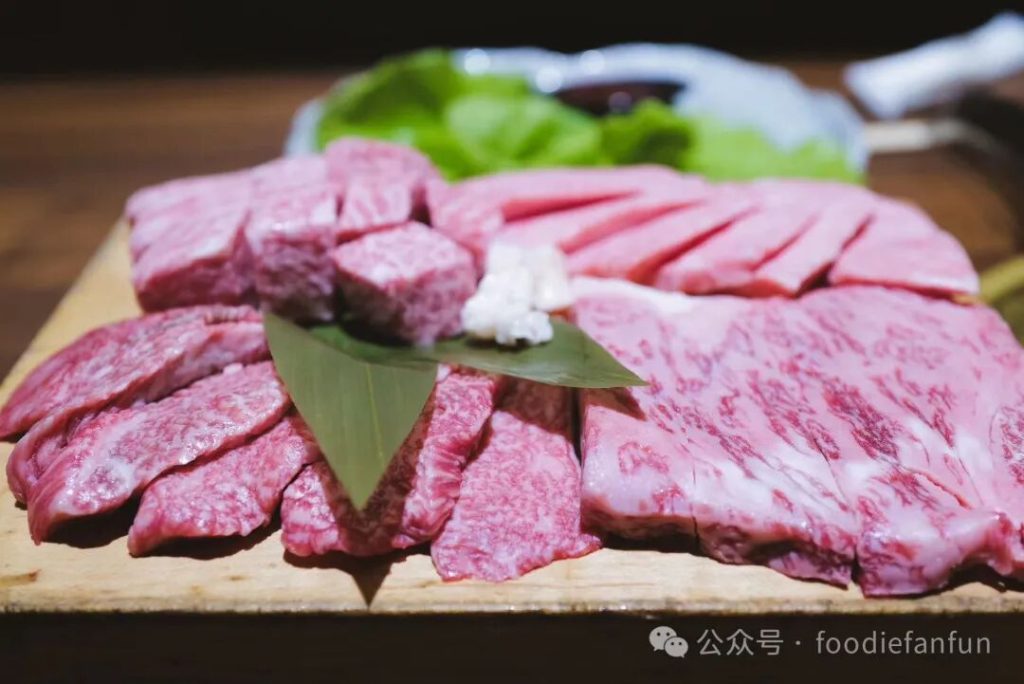
Its defining trait is evenly distributed fat and beautiful marbling. It works grilled or as sukiyaki, but the most tempting way to have it is as sashimi or hand-pressed nigiri, its snowflake-like fat melting the moment it touches your mouth.
Nestled between mountains and water, surrounded by farmland, the area’s local produce — vegetables, soba — is also well regarded.
Here are three standout picks across different categories, for your reference.
Grilled meat | Marumei Hida-Takayama
Budget: ¥5,000±
Address: 6-8 Tenman-machi, Takayama, Gifu Prefecture
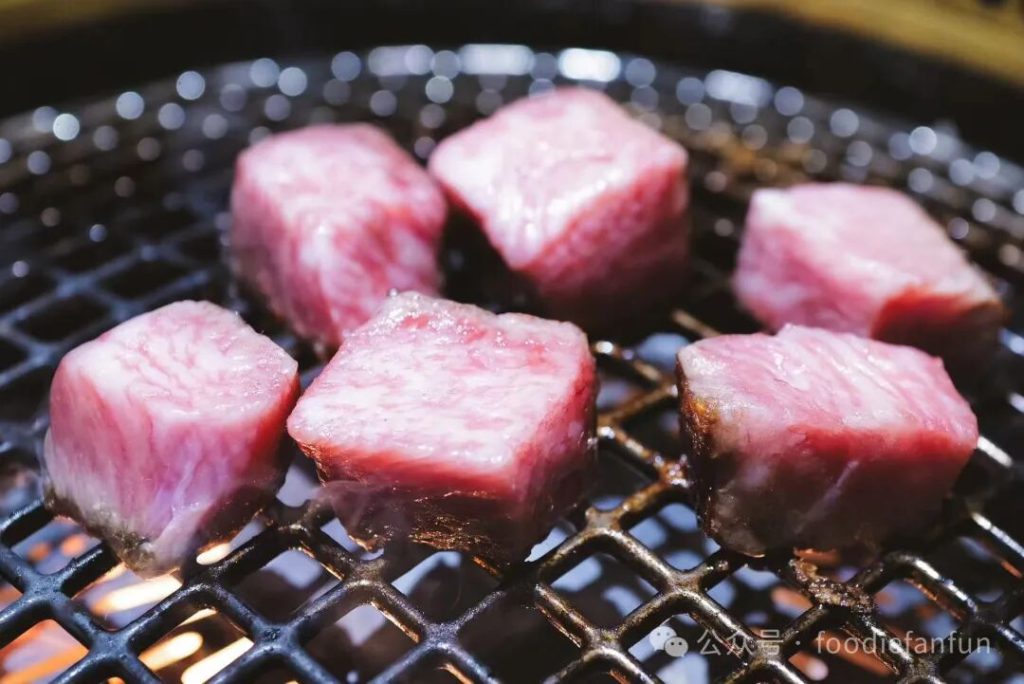
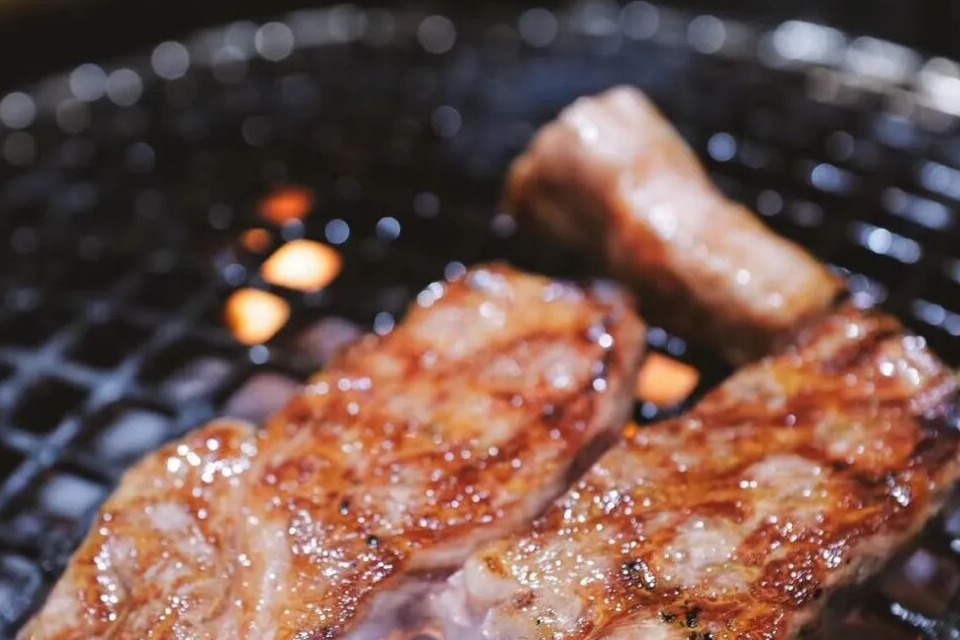
The most popular way to eat Hida beef is grilled — and it has to be over a mesh grill, so the fat hidden inside the meat can turn irresistibly fragrant through the Maillard reaction. Takayama’s streets are full of grilled-meat restaurants flaunting the words ‘Hida beef,’ and Marumei is about as safe a bet as they come.
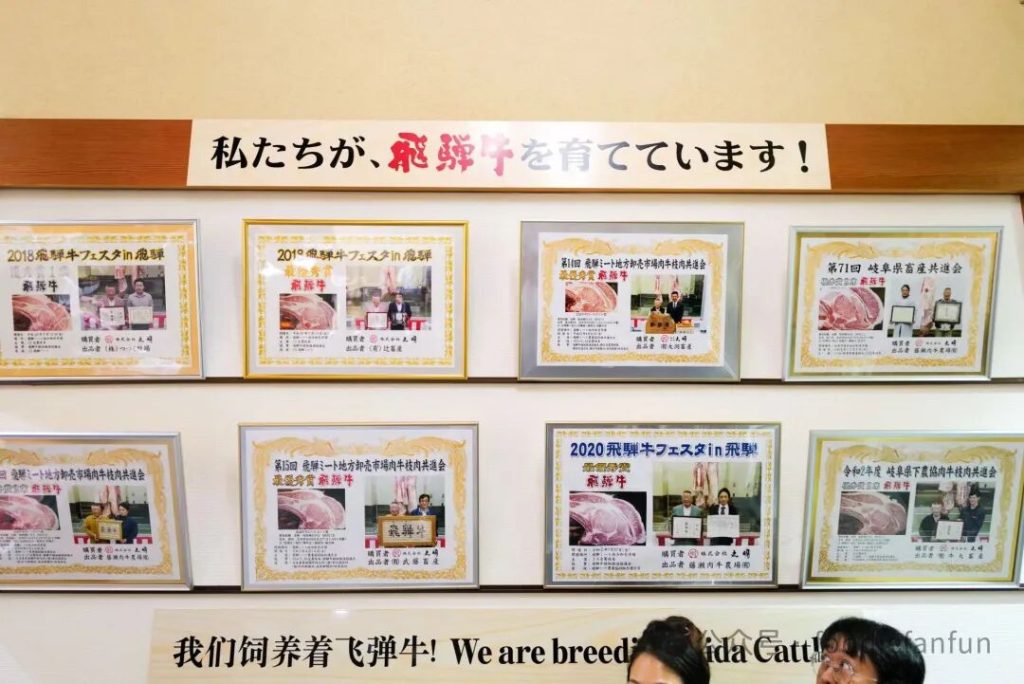
The restaurant itself is a Hida beef producer, with nine directly-run locations, producing over 2,400 head of Hida beef annually, nearly 70% of which is the top-grade ‘Hida Beef Grade 5.’ You can also see a wall covered in awards inside, including the Hida Beef Festa Grand Prize in both 2018 and 2020.
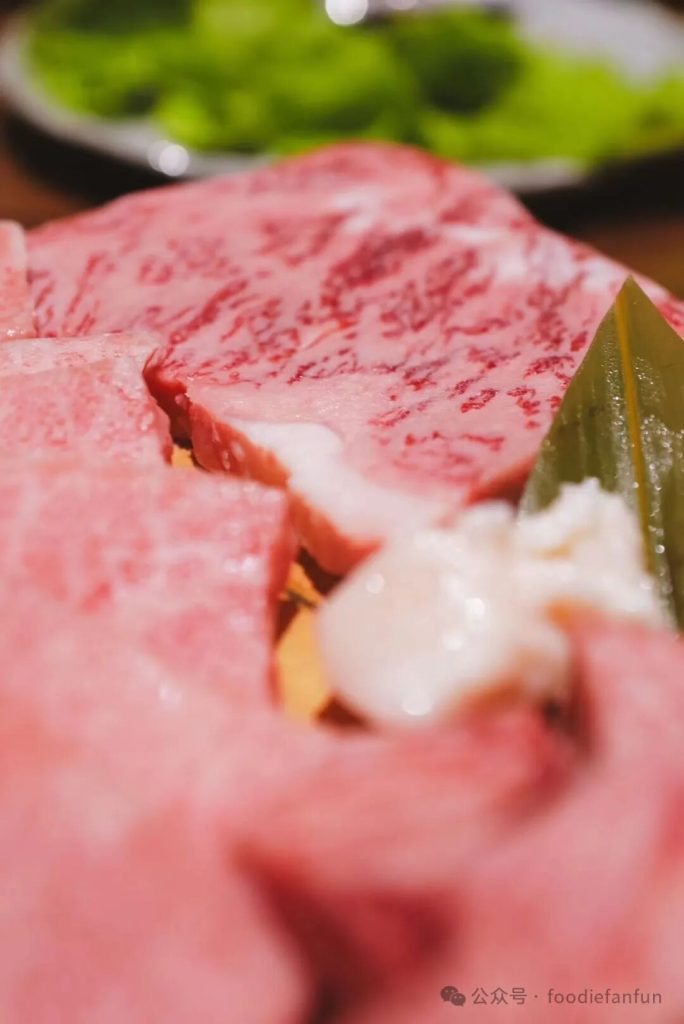
For ordering, the grilled meat platter is the obvious choice — nearly every cut of Hida beef has fat marbled through the muscle, and the fat content varies by cut, affecting both texture and flavor. You can even tell the difference from the marbling pattern in the raw meat — for the short rib, for example, the bright white marbling nearly outweighs the red.
Personally, my favorite was the shoulder — the fat and meaty aroma balanced better there — plus the small cubes of beef grilled just to the point of being lightly cooked on the surface, bursting with fat the moment you bite in.
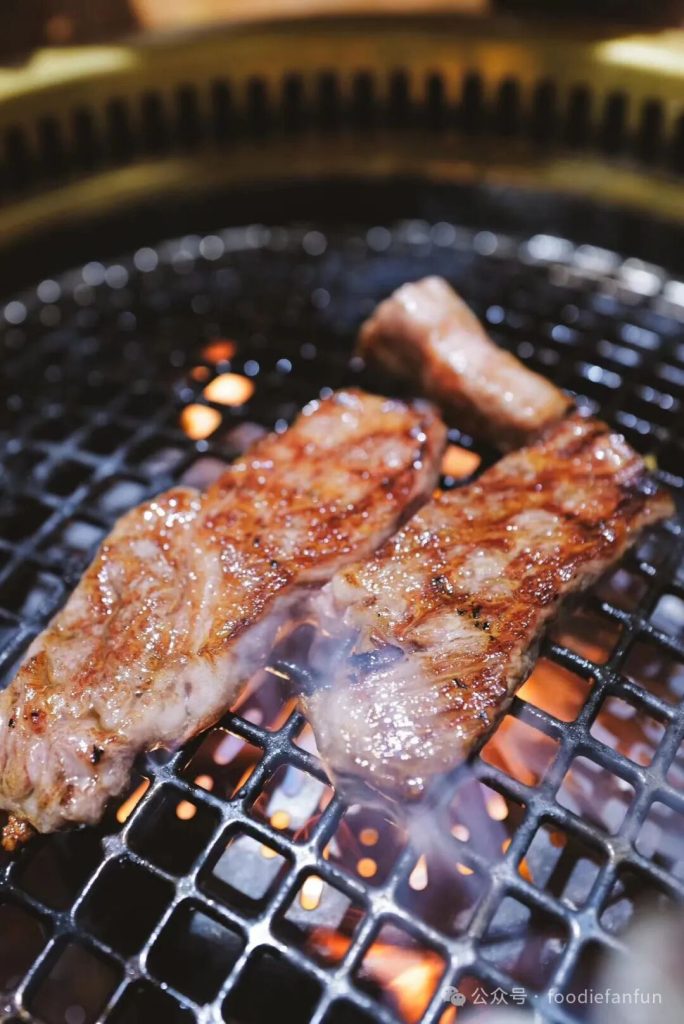
Two tips here:
TIP 1: If you’d rather skip the line, go before 5:30pm — the restaurant’s last order time is fairly early, and after 7pm they may not even let you queue.
TIP 2: If you’re not someone who eats wagyu every day, make sure to order the lettuce and pickles, or some sake.
Kaiseki | Hida Seasonal Cuisine Sakana
Budget: Hida Beef Full-Course Menu ¥16,800
Address: 1126-1 Echigo-cho, Takayama City
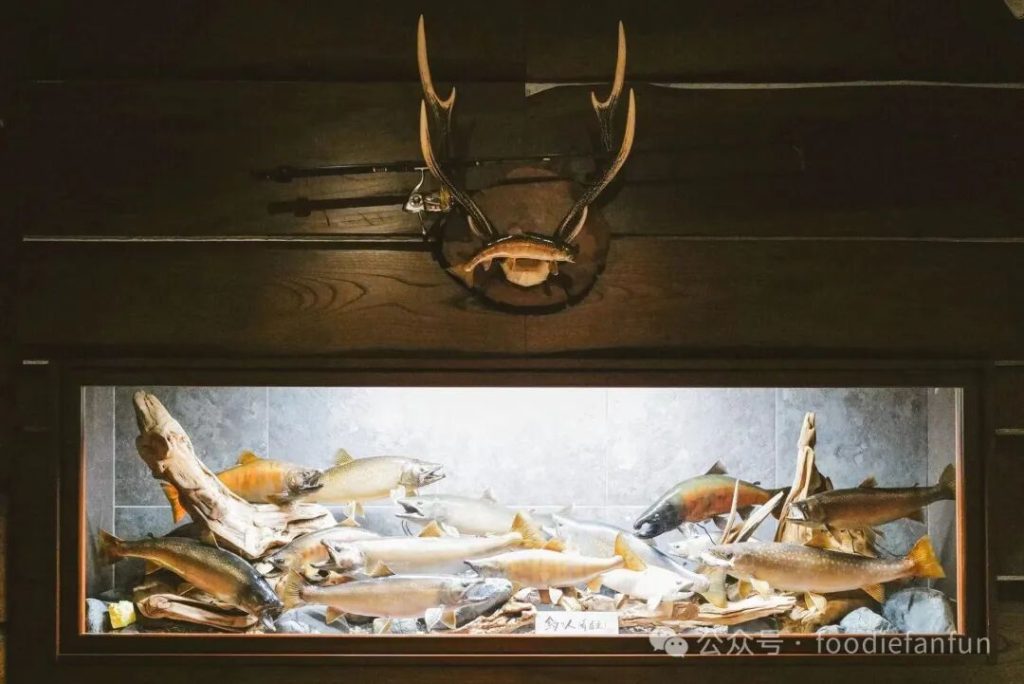
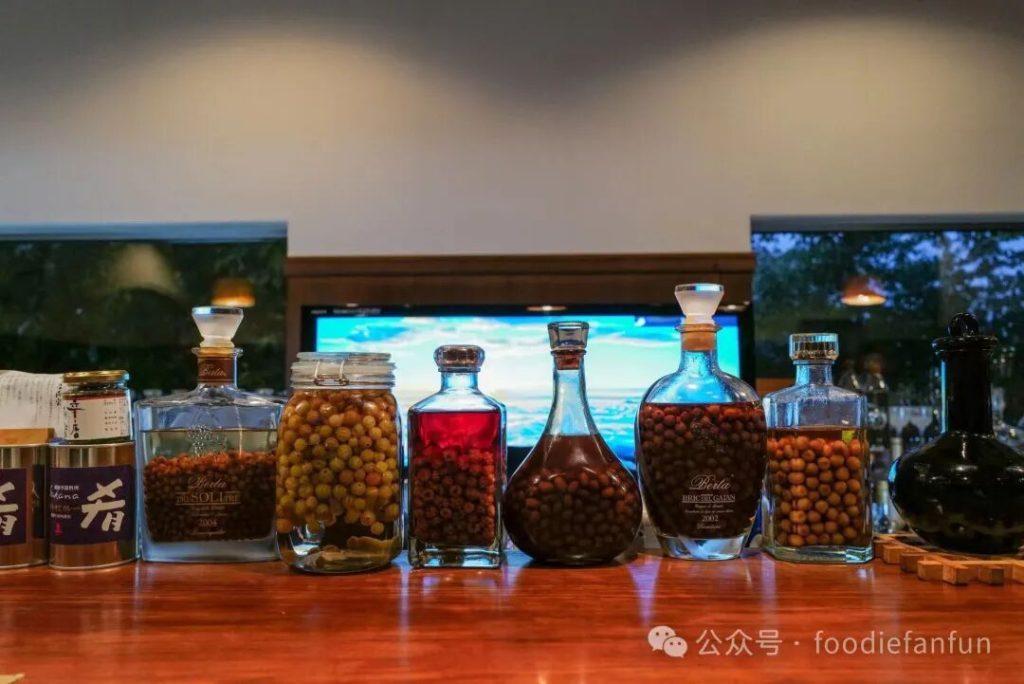
In the 2019 Michelin Guide, 22 restaurants made the list — two three-star restaurants and one two-star restaurant — and it included Sakana, tucked halfway up a hillside, a 10-minute walk from Takayama Station.
The restaurant specializes in the local cuisine of Hida-Takayama, eating with the seasons — wild mountain vegetables in spring, river fish in summer, mushrooms in autumn, and game to the east.
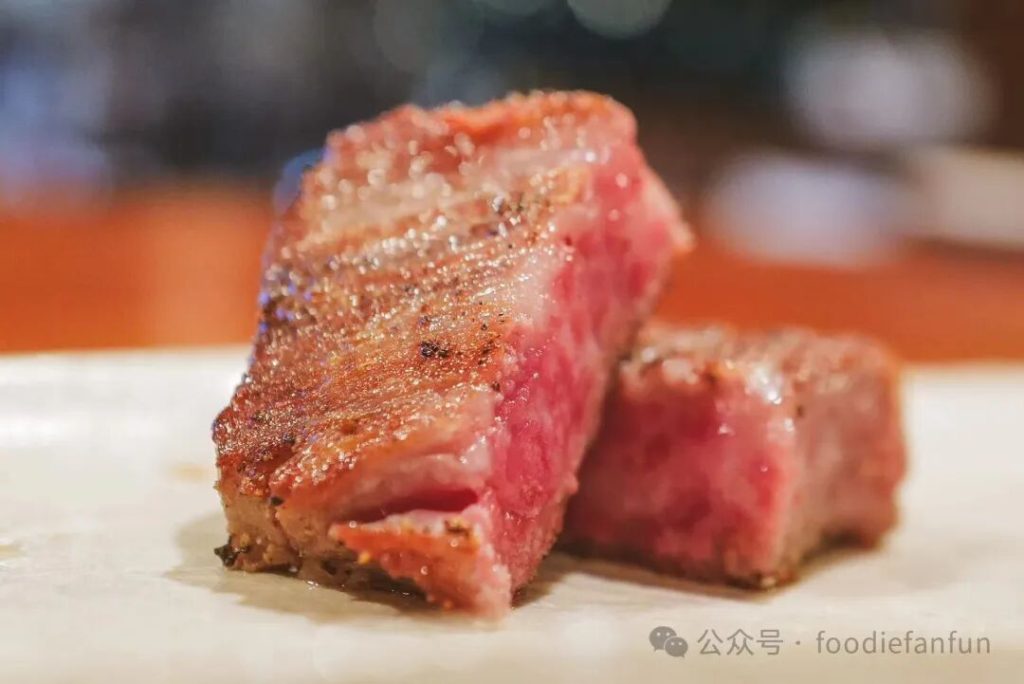
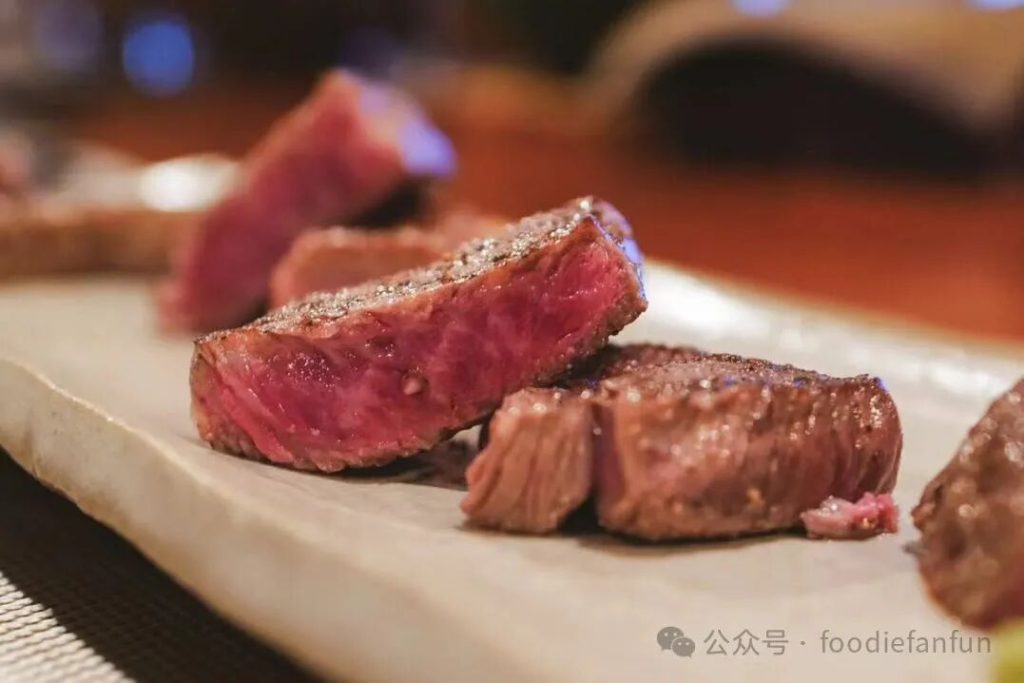
The beef course is made up of two parts — raw preparations and grilled dishes — and the portion size is fairly large, with real presence on the table.
We’d recommend going with the seasonal kaiseki course instead, to really experience the charm of Takayama’s local ingredients — even a single zucchini can be a genuine surprise here.
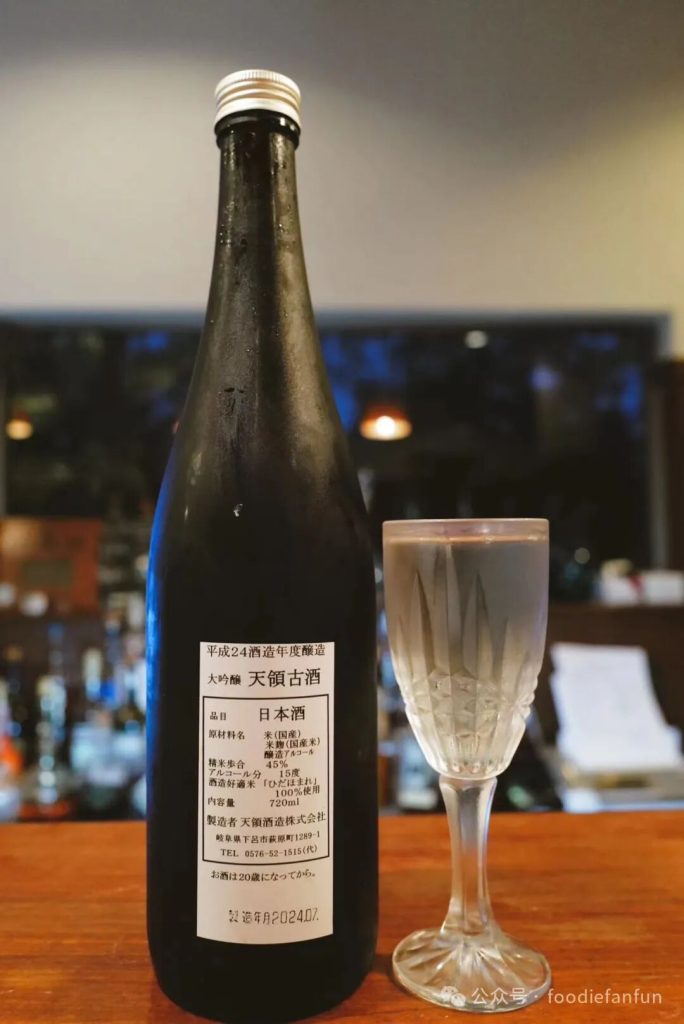
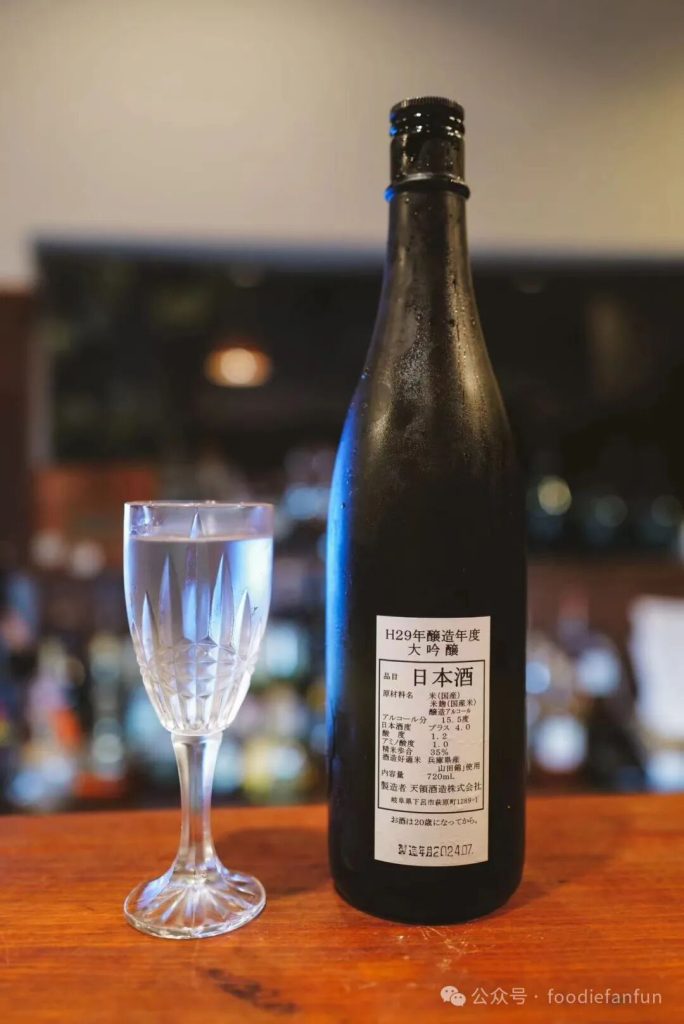
Sakana’s sake is also worth trying — the owner himself is a certified sake sommelier. Some of the bottles are custom-ordered directly with local Takayama breweries, aged at low temperature for two years, pairing unexpectedly well with the local beef and other ingredients.
A perfect embodiment of sake as a ‘meal-pairing drink’ — take a sip of the local sake, and suddenly you feel like you can eat another bite of meat.
Soba | Miyabi-an
Budget: ¥2,000±
Address: 65-4 Kaminizacho, Takayama, Gifu Prefecture
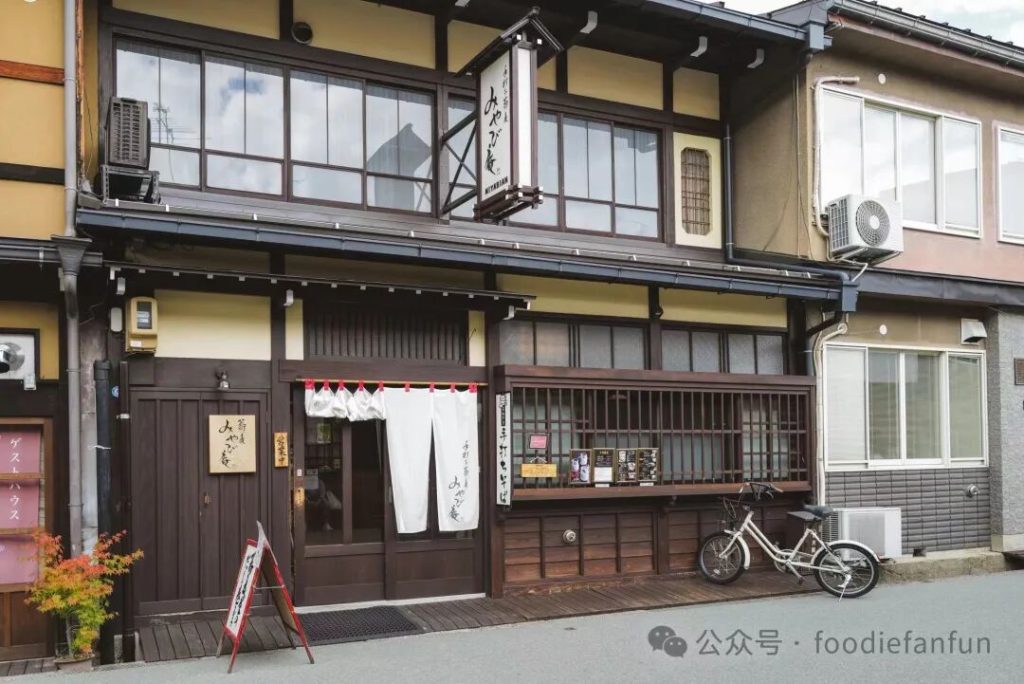
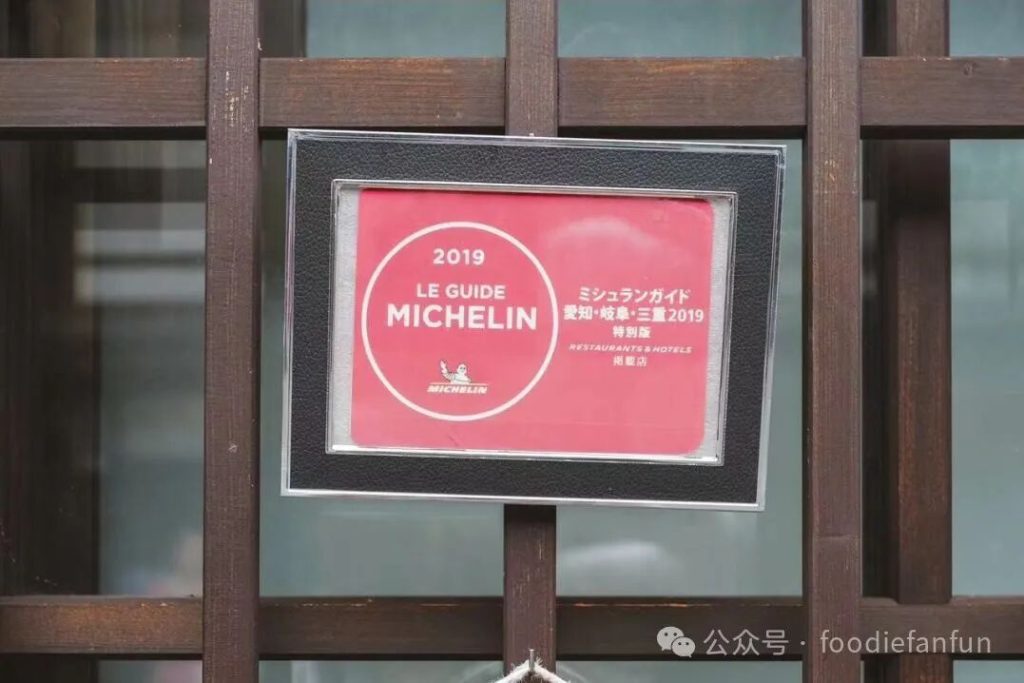
A real hidden gem of a soba shop in Takayama’s old town. The location is unassuming, but ten minutes after opening, the ‘fully booked, please wait’ sign is already up.
We heard the chef once studied in Italy, but ultimately couldn’t resist the pull of his hometown’s soba, and decided to come back to run a soba shop of his own, seriously and properly.
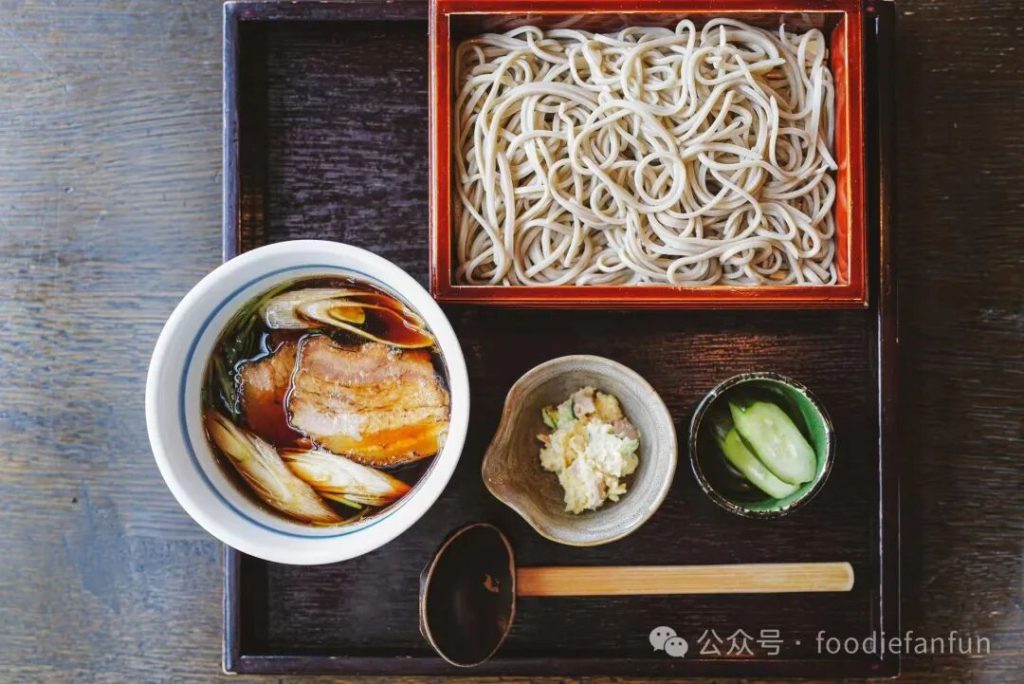
The shop offers two types of noodles — jyuwari is 100% buckwheat with a stronger aroma, while nihachi-wari uses 80% buckwheat for better springiness.
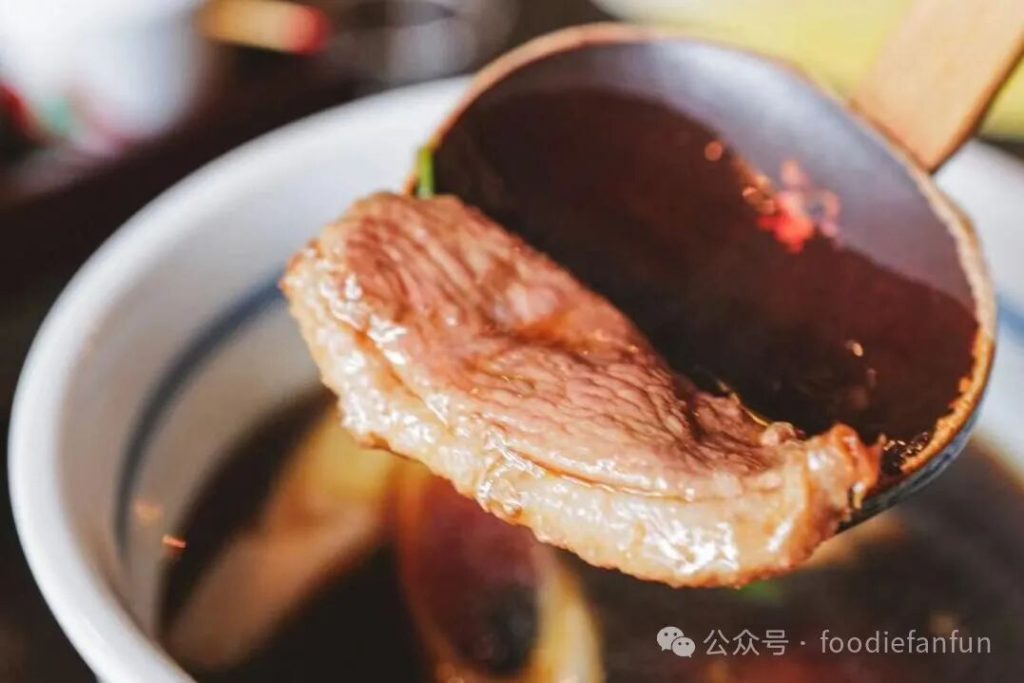
The broths are varied, both traditional and rustic in character — Hida beef, duck, house-charcoal-grilled pork, spicy daikon — entirely up to your own taste.
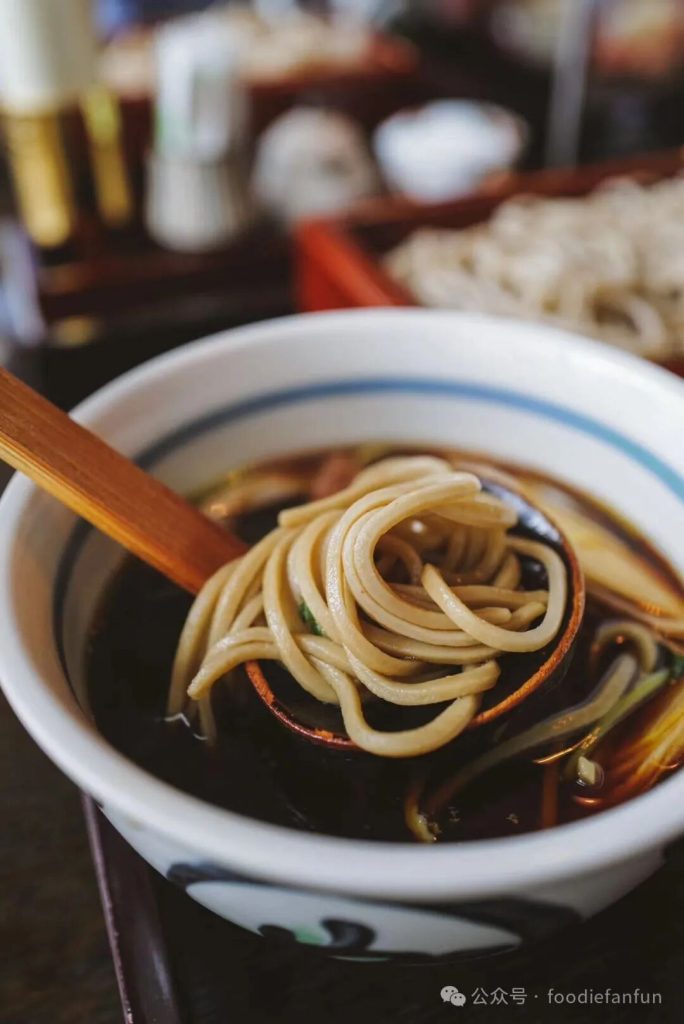
The noodles, boiled to still have a bit of firmness, are dipped once more into the hot broth, soaking up just the right amount of softness from the sauce.
The broth’s flavor amplifies the noodles, and the two set each other off beautifully — genuinely a pleasure to eat.
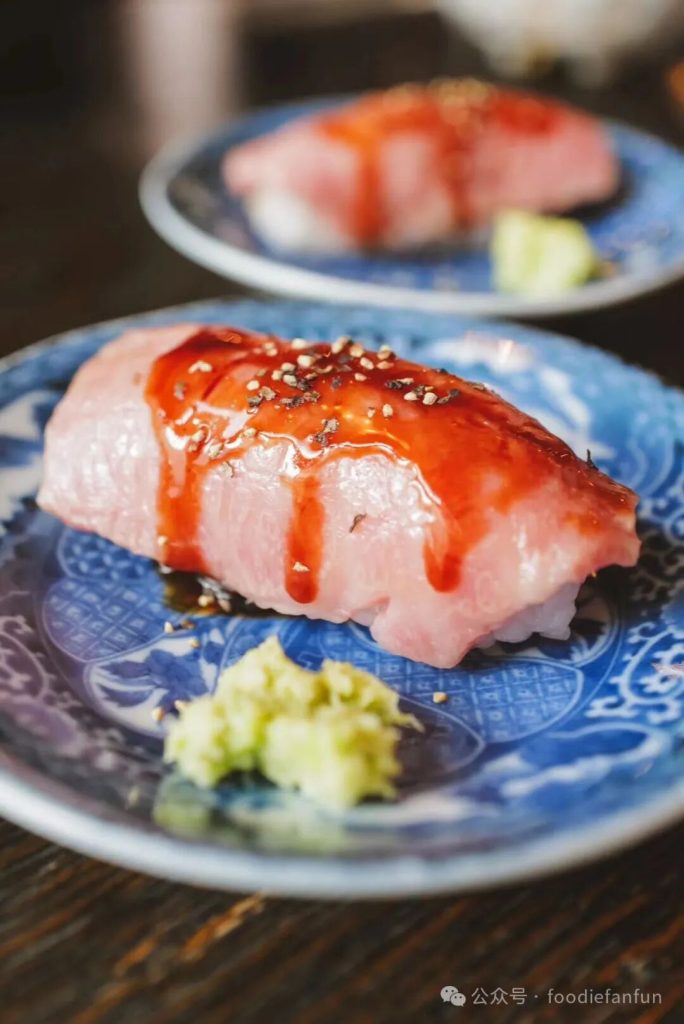
Worth adding here: many roadside shops in Hida sell Hida beef nigiri, and the lines are often long. Luckily, this shop has it too, and the meat is fresh — no need to queue elsewhere.
Also, on the page before the soba menu, there are quite a few small side dishes, all done really well — tofu and eggplant are both must-try ingredients in Japanese regional cooking.
What to do in Takayama
Morning market, old town, mountains and water, hot springs
Takayama has a natural sense of place, backed by history stretching back to the Azuchi-Momoyama period. The surrounding area has quite a few well-known spots too, including the Hida town that served as the filming location for the anime film ‘Your Name,’ and Shirakawa-go, a UNESCO World Heritage site.
Here’s a simple breakdown of Takayama’s sightseeing scene, split into in-town and surrounding areas.
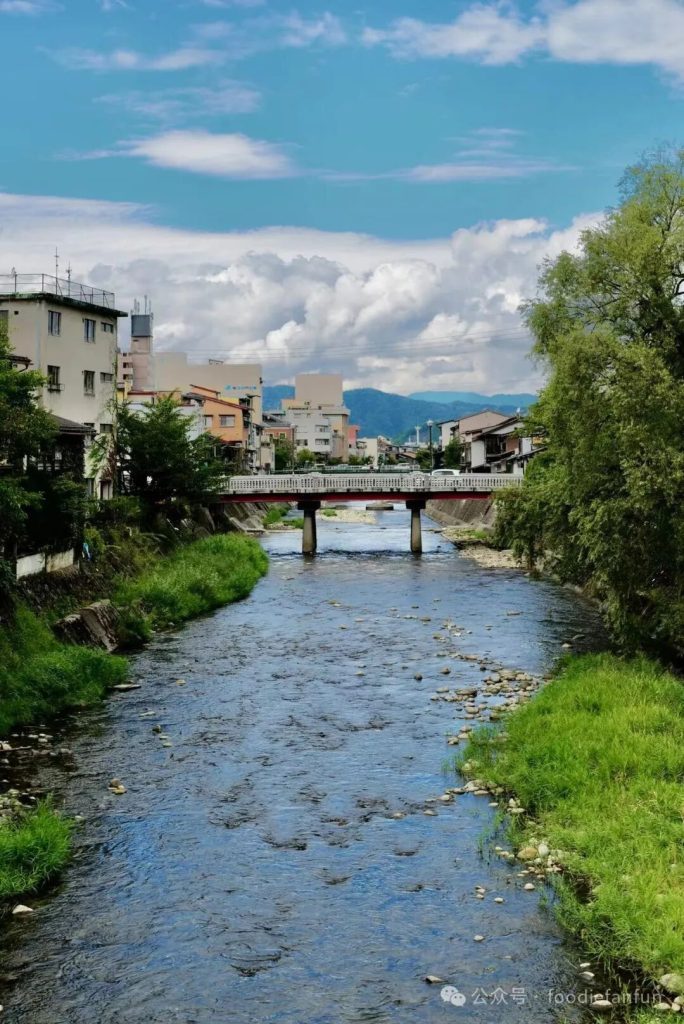
In town | Miyagawa Morning Market
Miyagawa Morning Market is a Takayama staple, dating back to the Edo period, with a history now spanning over two hundred years — one of Japan’s three oldest morning markets.
Open year-round, it’s mostly used by local farmers to sell vegetables, fruit, and homemade goods.
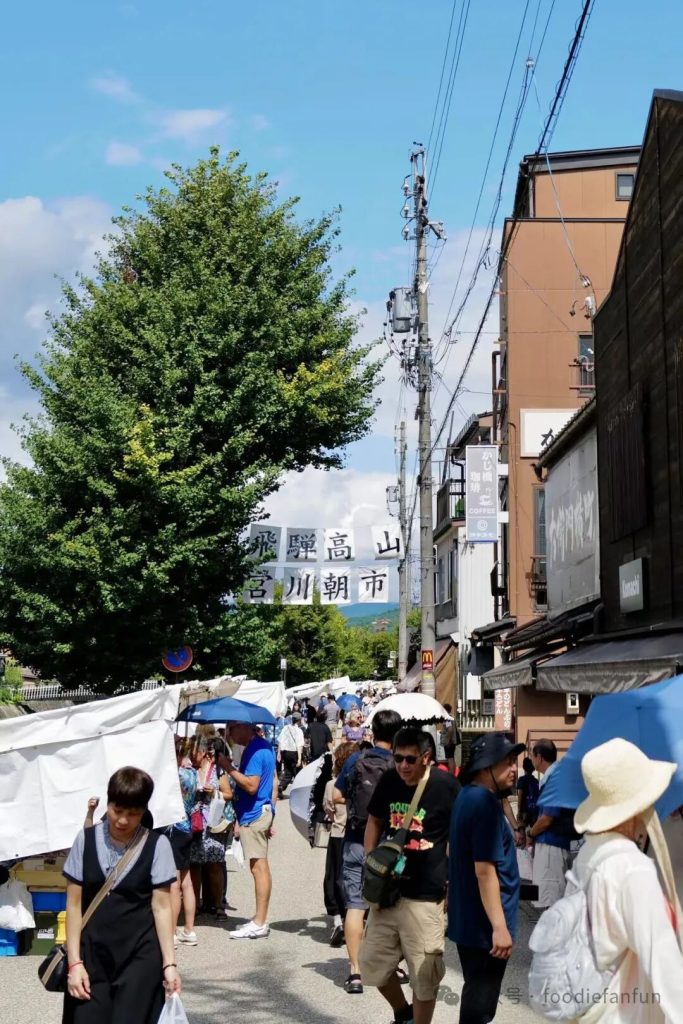
The market sits right along the Miyagawa riverside; it’s not a long street, and the stalls are packed tightly together, yet it never feels loud — men, women, young and old, every vendor wears a plain, genuine smile, fully focused on their own stall.
You’ll spot miso, gohei mochi, pudding, Hida beef sushi, coffee, pickles, flowers… make sure to pick up some seasonal fruit here — it might not look like much, but one bite and you won’t say a word.
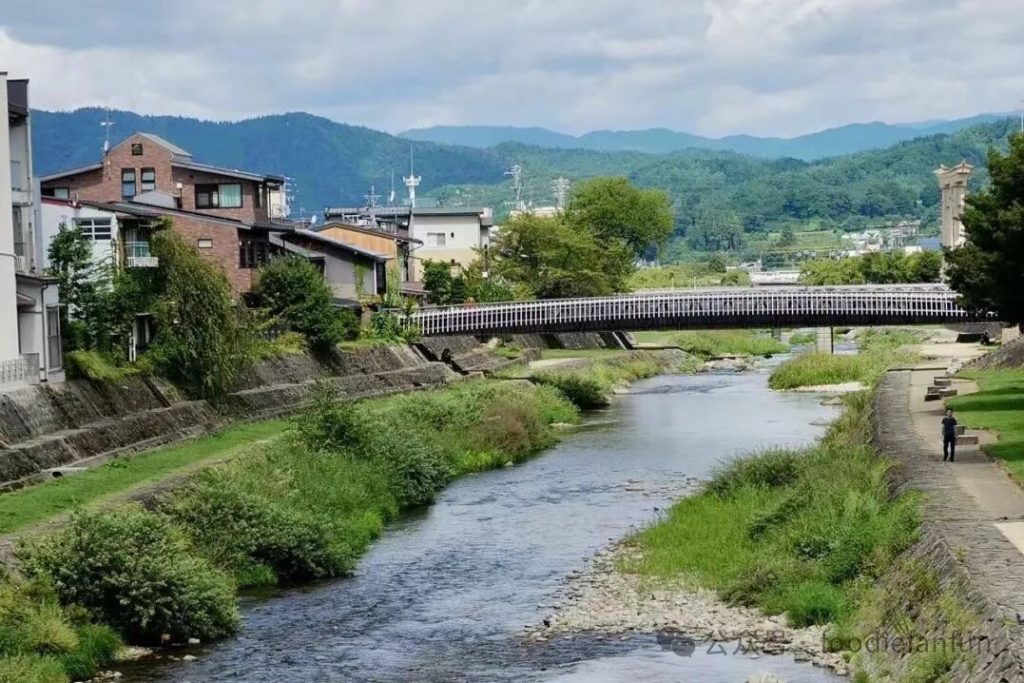

After browsing the market, standing on the Miyagawa Bridge to watch the stream, the koi, and the ducks is a genuine dose of natural healing.
In town | Sanmachi Old Town, Takayama Jinya
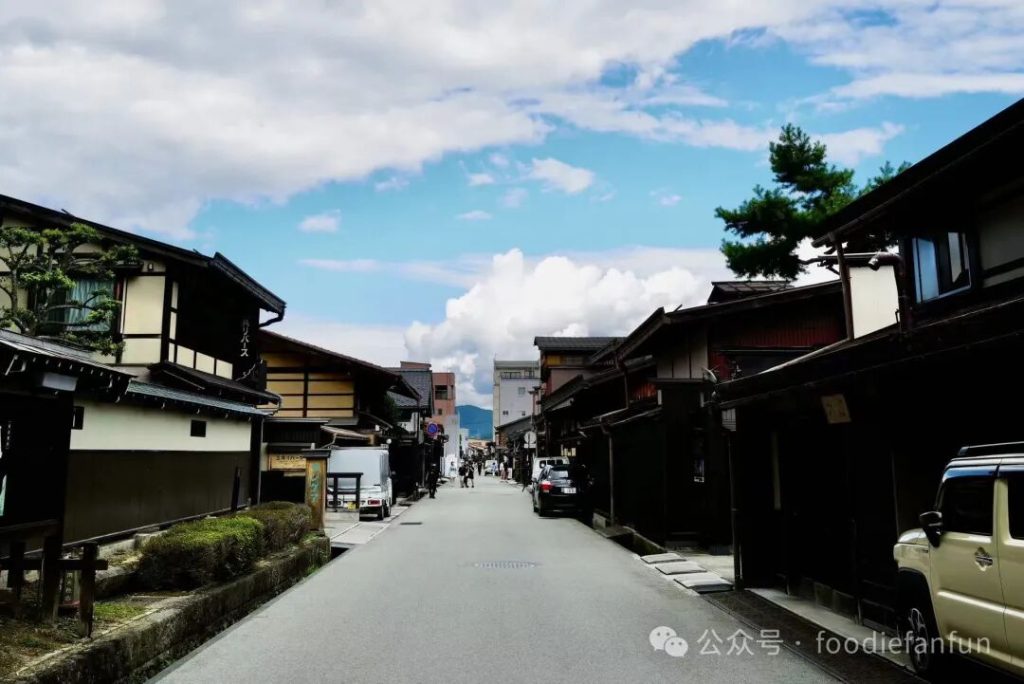
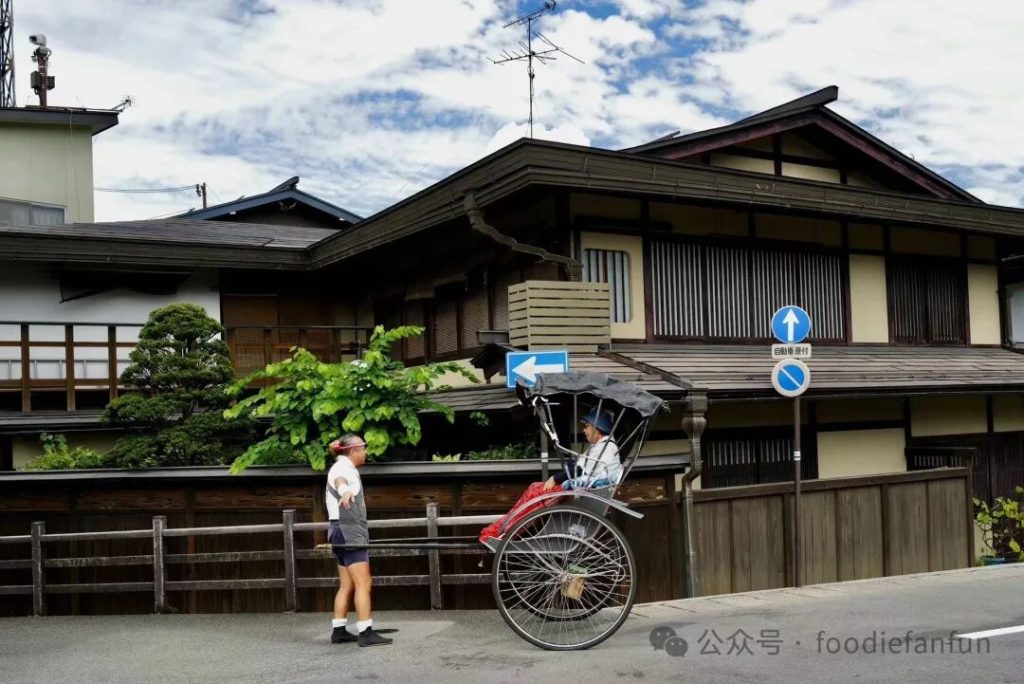
On the east bank of the Miyagawa river, the same side as the morning market, is the Sanmachi Old Town, preserved since the Edo period and designated a national ‘Important Preservation District for Groups of Traditional Buildings.’
Strolling through the small streets, the wooden buildings stand in neat rows, unified in style yet each with its own character behind its own doorway — every solid wooden beam bears the marks of time.
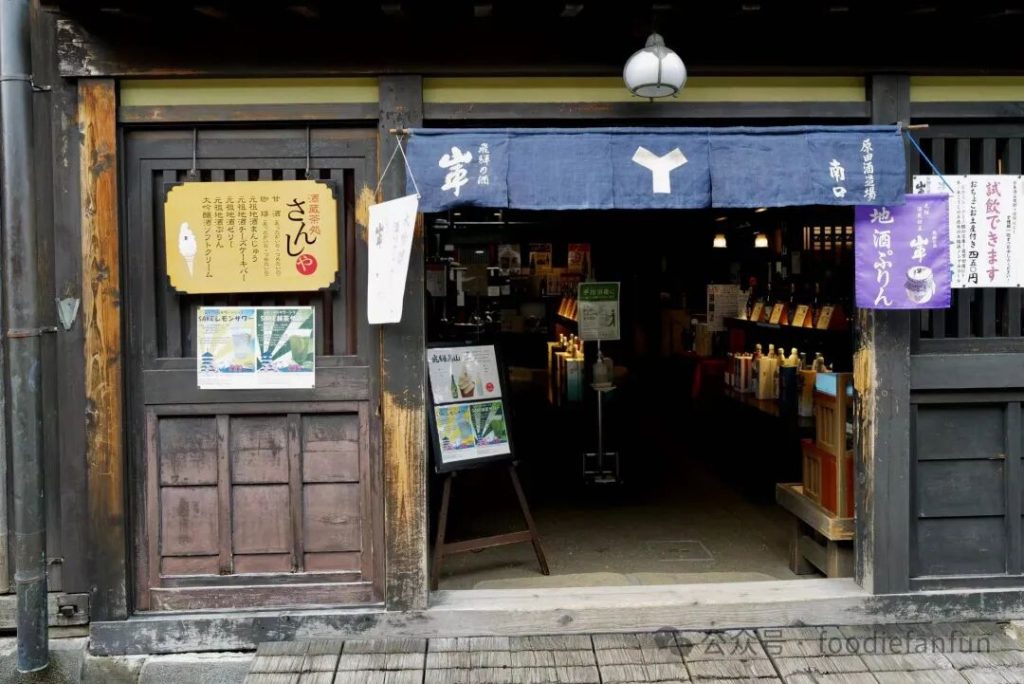
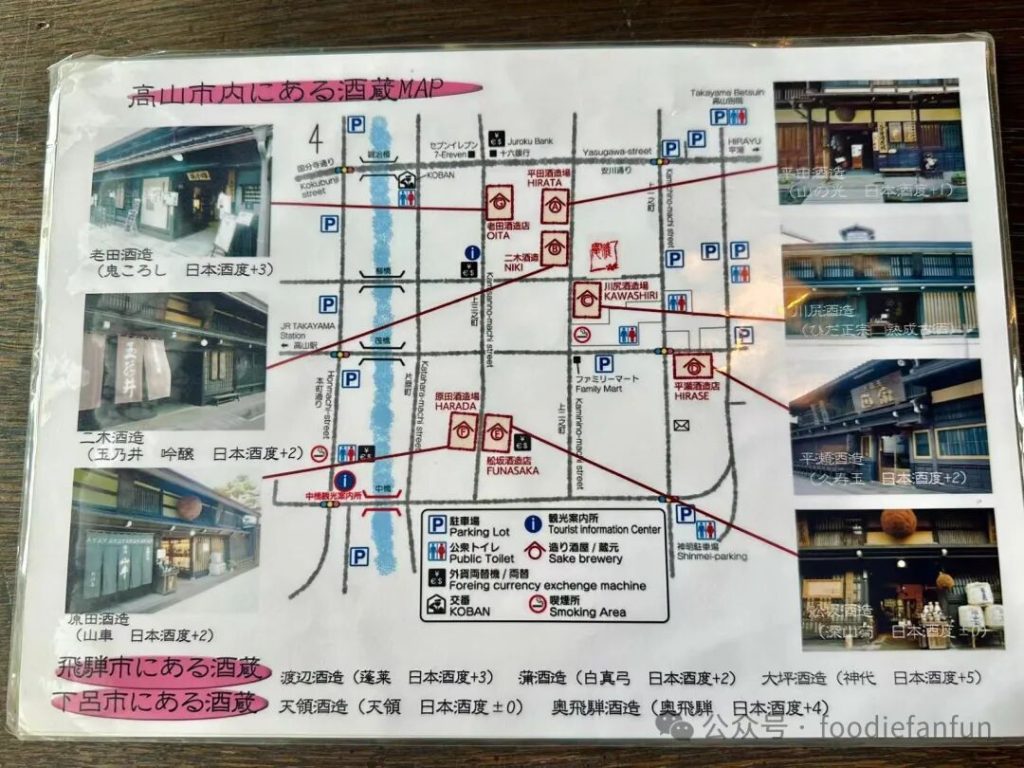
↑ A genuinely useful map of the sake breweries along the old town street ↑
This street is home to quite a few sake shops — seven in total along the old town — all offering tastings and brewery-exclusive bottles. If time allows, it’s worth walking to each one.
Every brewery has a distinct style, yet they all share that high-alcohol, crisp intensity characteristic of local sake — a genuinely perfect match for Hida beef.
Continuing down the old town street, you’ll also find Takayama Jinya — think of it, simply, as an ancient government office. You can still spot the triple-hollyhock crest on the curtains, the family emblem of the Tokugawa clan. Taking a quiet moment to look around here is an unexpectedly elegant, refined experience.
Nearby | Hida town
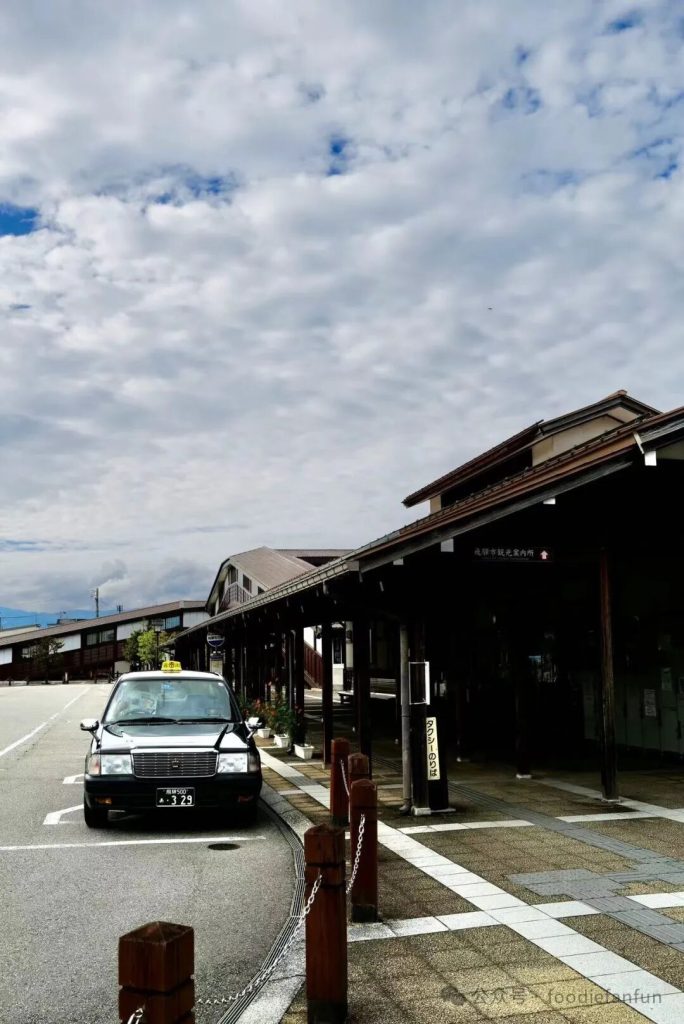
Compared to Takayama’s old town, Hida town is a relatively off-the-beaten-path spot.
But this beautiful, quiet little town is actually the filming location for the anime film ‘Your Name,’ which exploded in popularity nearly a decade ago.
Walking from the station to Kokubunji Temple, you won’t run into too many people, but you might unexpectedly find yourself in front of a thousand-year-old ginkgo tree, and even the koi in the water are noticeably larger than what you’d usually see.
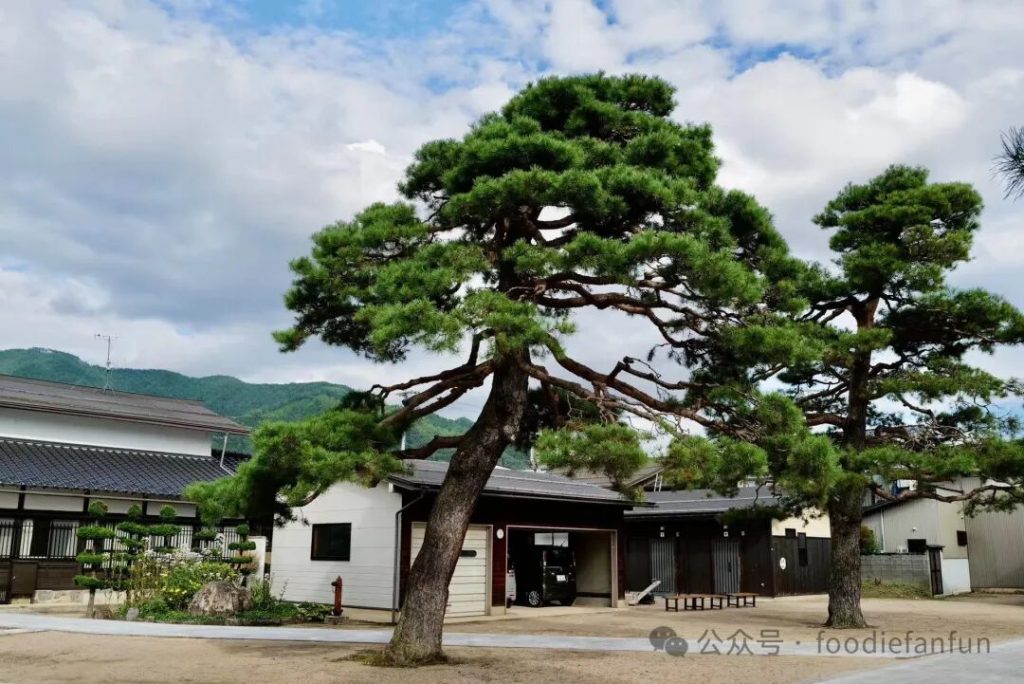
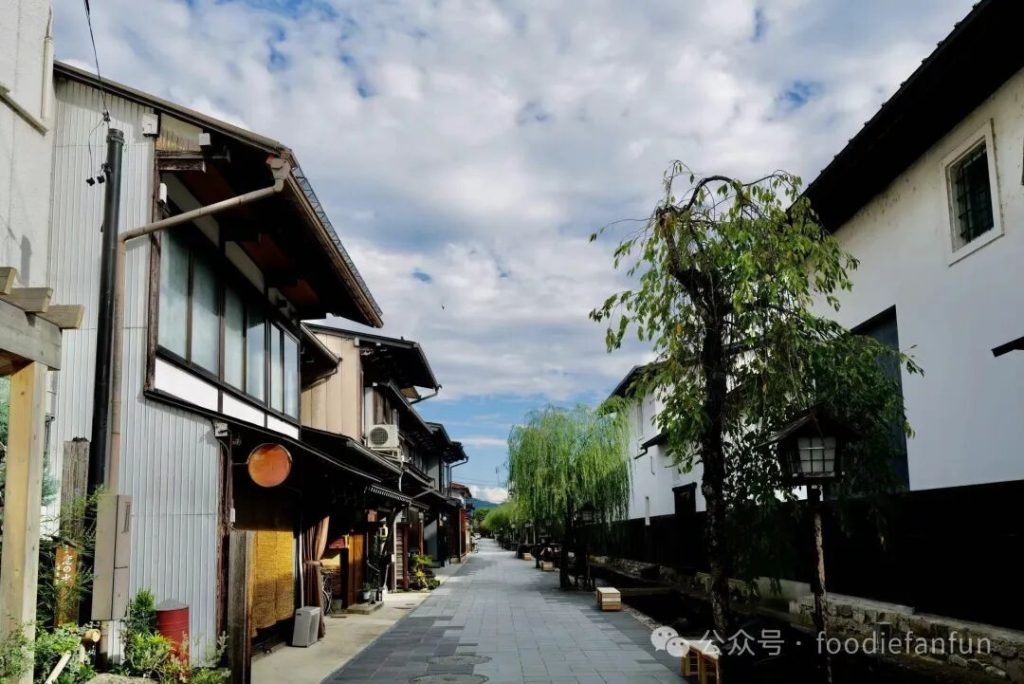
You could say that compared to Takayama’s old town, Hida town feels more like the other side of Takayama — you’ll see schoolkids walking home in a line after class, empty train stations, and taxis waiting between fares.
It’s a everyday, quiet, slightly old-fashioned little town, the kind of scenery that heals you from the inside out.
Nearby | Shirakawa-go
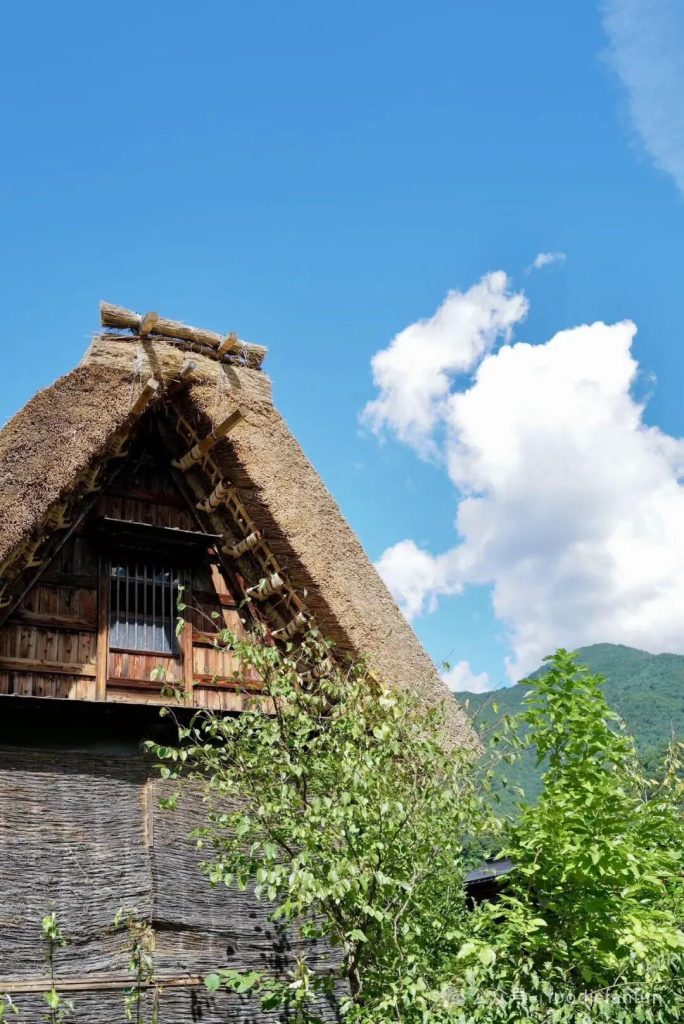
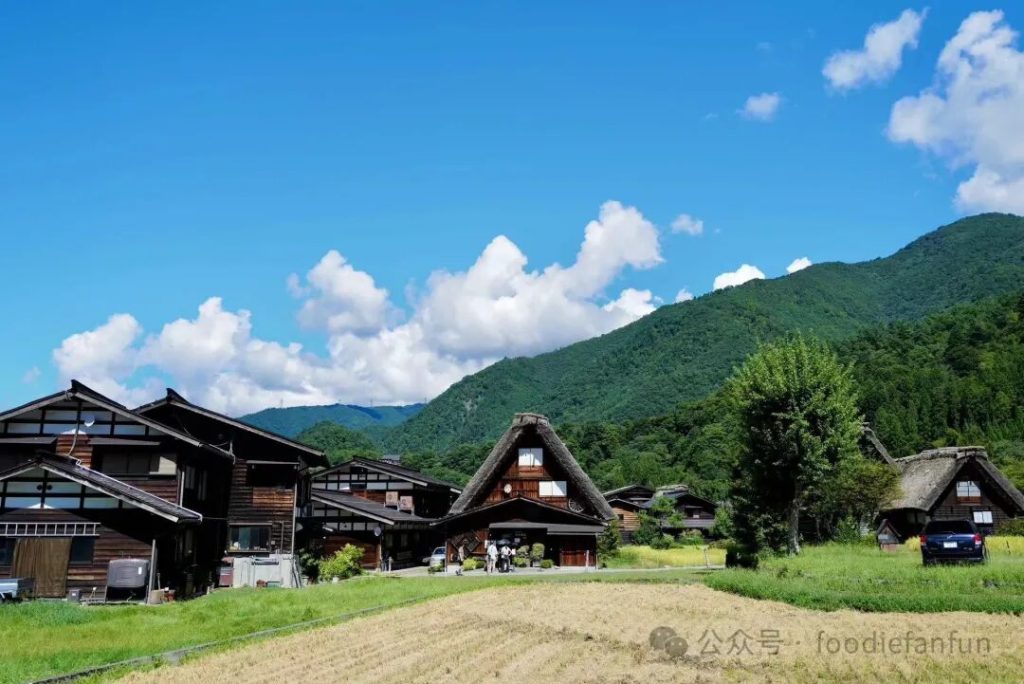
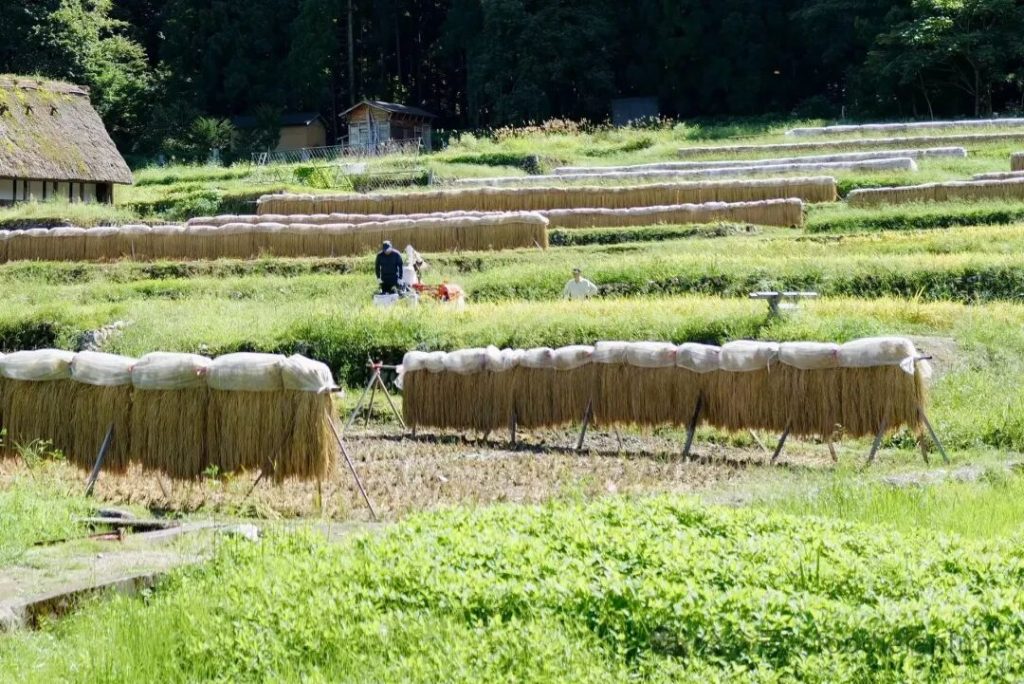
You can even spot straw drying by the roadside, meant for roof thatching
Shirakawa-go’s gassho-zukuri village is a must-visit stop on any Hokuriku trip, reachable by bus from Kanazawa, Toyama, or Takayama.
In 1995, at UNESCO’s 19th World Heritage Committee session, Shirakawa-go was designated a World Heritage Site, preserving Japan’s traditional building techniques and village culture.
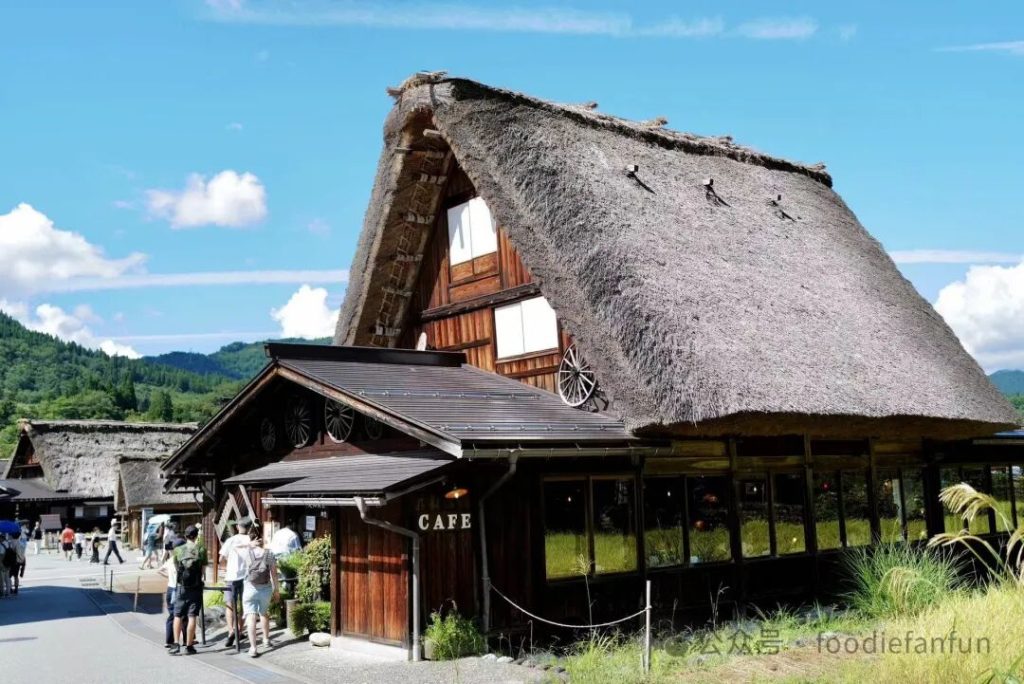
<Bunka Kissa Kyoshu> 107 Ogimachi, Shirakawa Village, Ono District, Gifu Prefecture
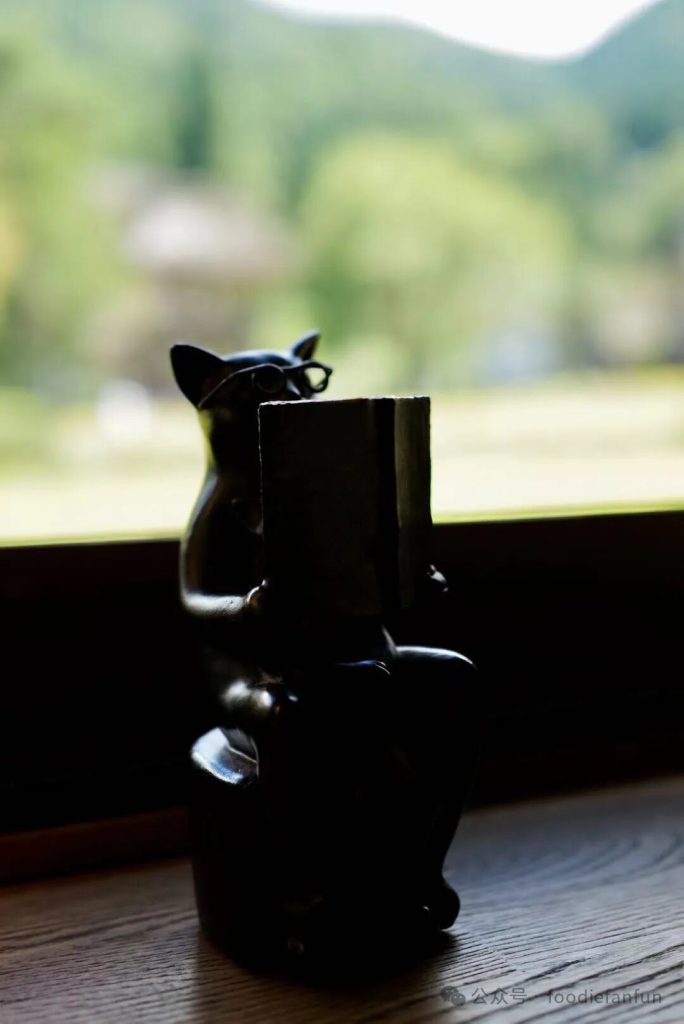
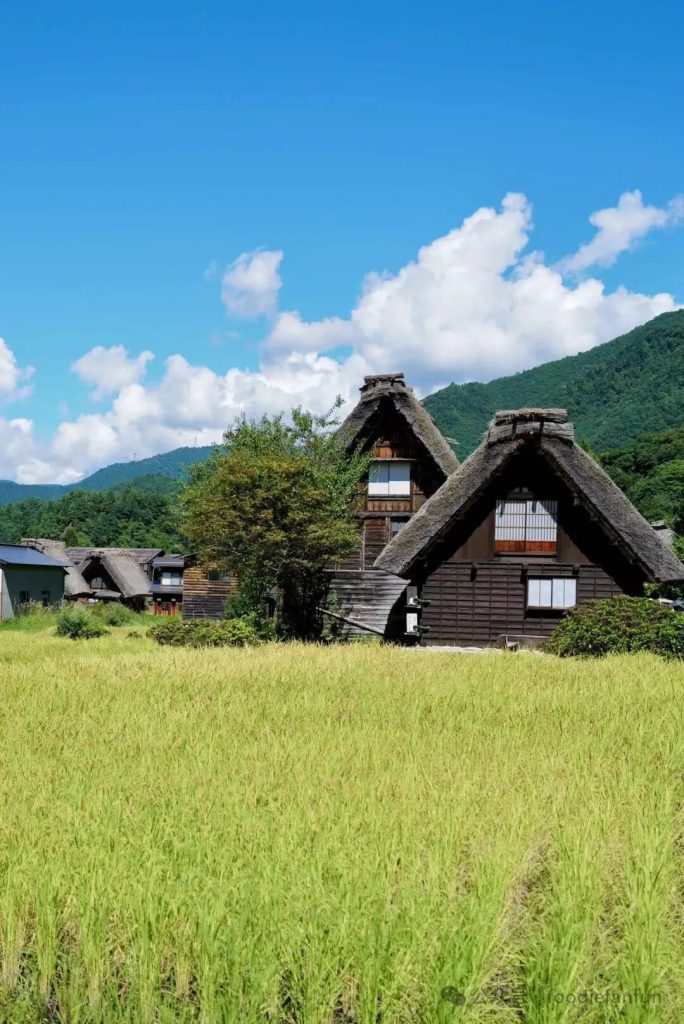
Too many people have already written about the history and cultural background of Shirakawa-go’s gassho-zukuri houses. As for souvenirs, we wouldn’t recommend buying them in Shirakawa-go either — there’s no real difference from Takayama.
But we would recommend setting aside time for one cup of coffee, spent at the small café <Bunka Kissa Kyoshu> — the view from the window feels like stepping into another world entirely.
Nearby | Gero Onsen
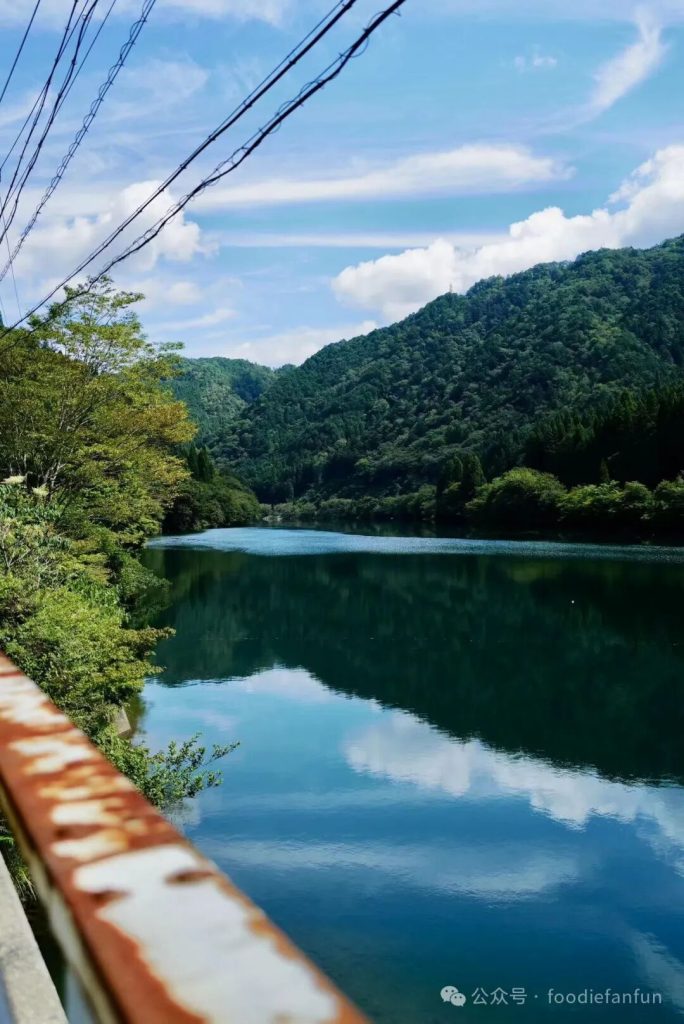
For hot spring lovers, Gero is an unmissable stop along the Takayama route.
Gero Onsen, along with Arima Onsen and Kusatsu Onsen, is known as one of Japan’s three great hot spring towns, with a history spanning over a thousand years. It’s also a necessary stop when driving from Takayama to Nagoya.
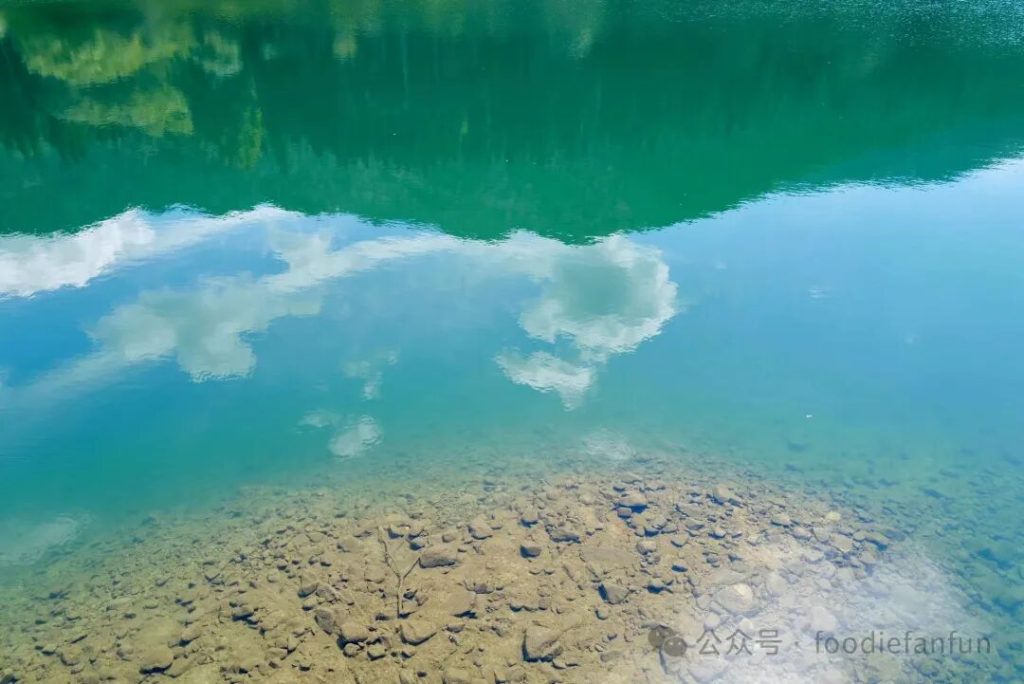
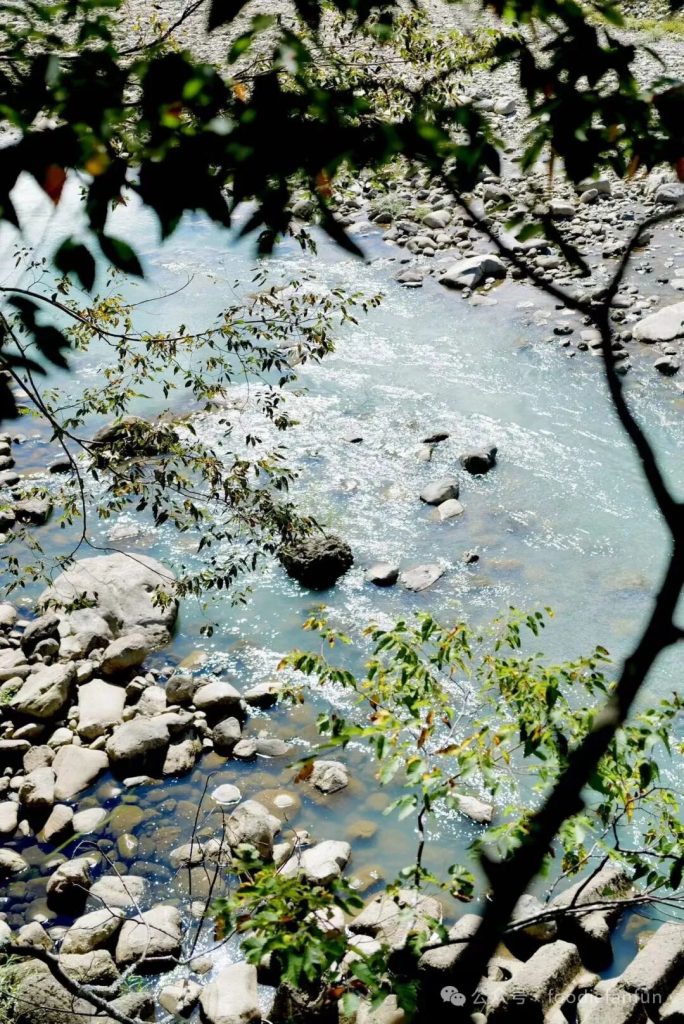
Genuinely, clearly, crystal clear all the way to the bottom
This town feels more like a long, narrow strip, with a clear, jade-green stream running straight through it. We’d recommend a low-key soba shop, <Ōfukuya>, right at the southern edge of Gero.
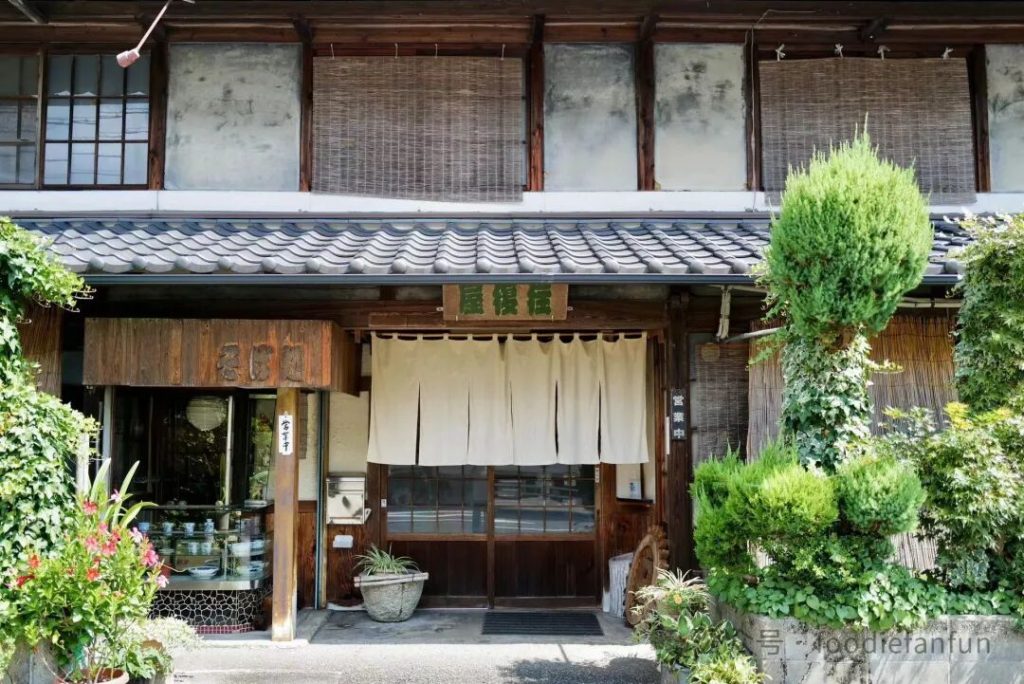
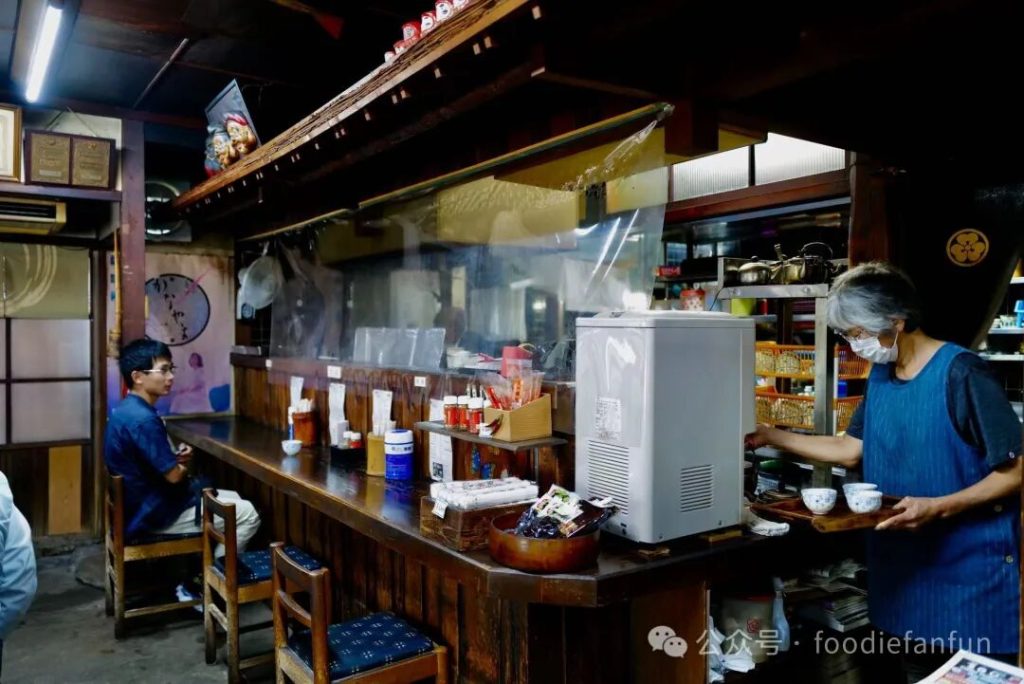
The shop specializes in handmade soba, with 19 varieties in total.
Everything tastes remarkably clean, with carefully chosen ingredients. The noodles are clearly house-made, cut into thin strands, cooked soft, with a gentle but full buckwheat aroma.
It’s the kind of flavor you find yourself craving deep down after too much pre-made food back in the city.
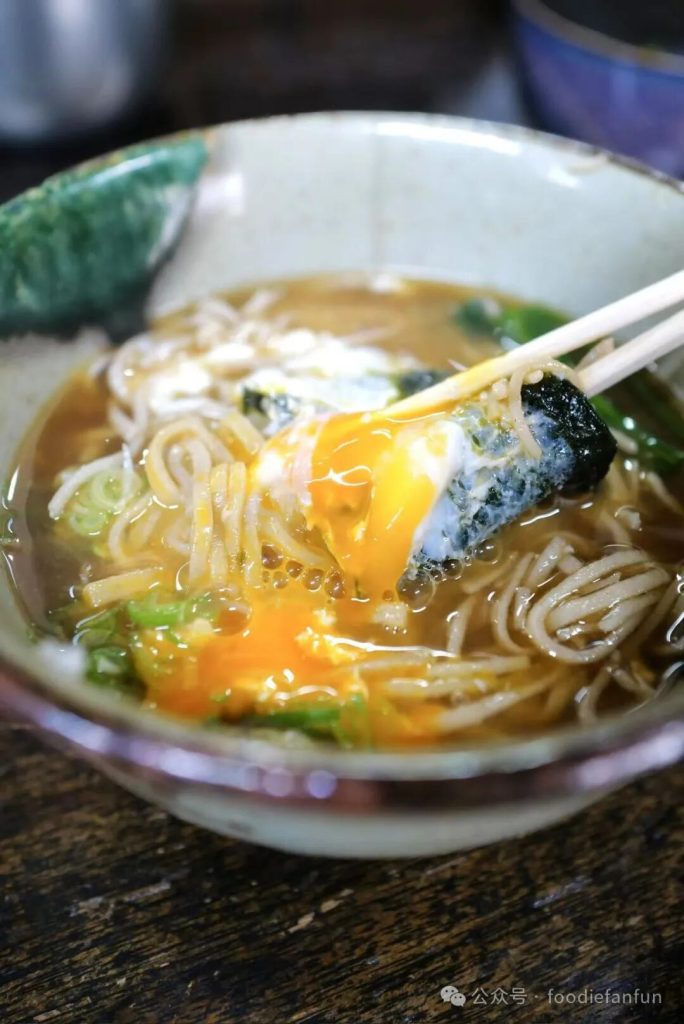
Tsukimi soba (moon-viewing soba)
Takayama really is a city that’s both delicious and fun to explore.
What makes it precious is that it hasn’t yet been overrun by that ‘touristy’ feeling — it still holds onto its own history, and the plain, focused character of its countryside.
Two more tips here, hopefully useful for fellow travelers: TIP 1: Bring cash. While many shops in Tokyo and Osaka already take WeChat Pay and Alipay everywhere, a relatively niche travel destination like Takayama still calls for having enough cash on hand.
TIP 2: For getting around, if you can manage it, we’d recommend renting a car for 1-2 days or hiring a driver — and taking the national highway rather than the expressway. Getting from Takayama to Hida town, Shirakawa-go, and Gero is easiest by car, and the natural scenery along the way is genuinely worth taking in slowly. There are plenty of farms along the route too, with excellent milk, vegetables, and fruit.
So here’s an early wish for everyone — happy National Day.
Hope you can put this beautiful little city on your itinerary soon.

Leave a Reply