For our Toyama trip, we specifically set aside a day for a Kanazawa day trip — to visit the king of Spanish cuisine in Hokuriku, Respiración.
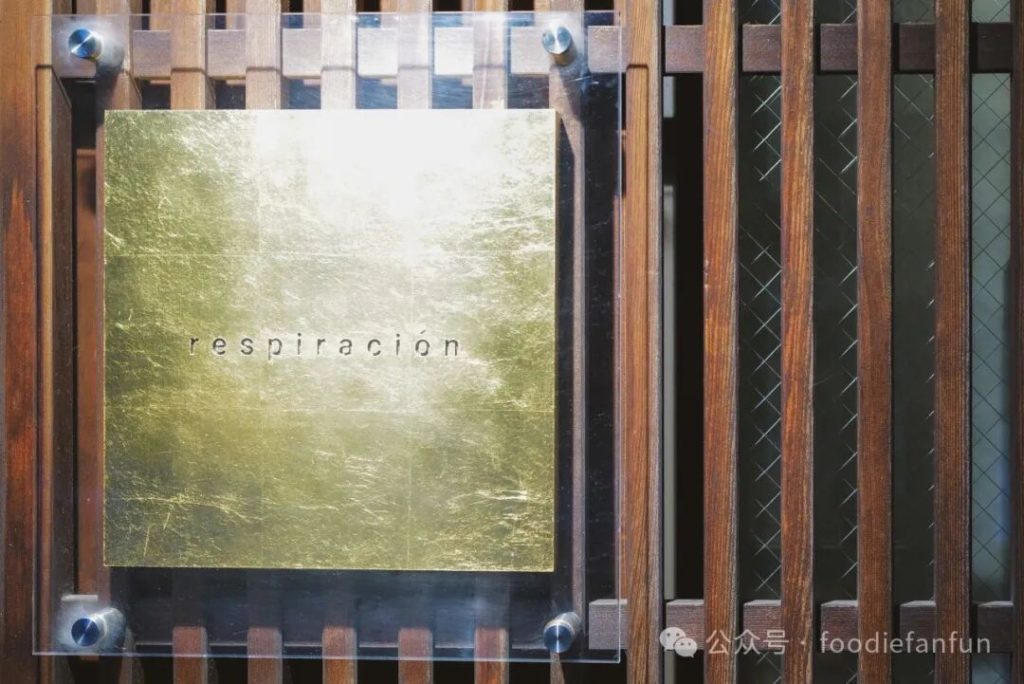
The restaurant sits in a townhouse near Ōmichō Market, Kanazawa’s core food market — a traditional Japanese row house that survived WWII, now over 150 years old.
All three chefs are from Ishikawa Prefecture, friends since kindergarten. They each went out into the world to refine their craft before eventually returning home to open this restaurant together. Kids who grew up together, teaming up to build a business — kind of a cool story.
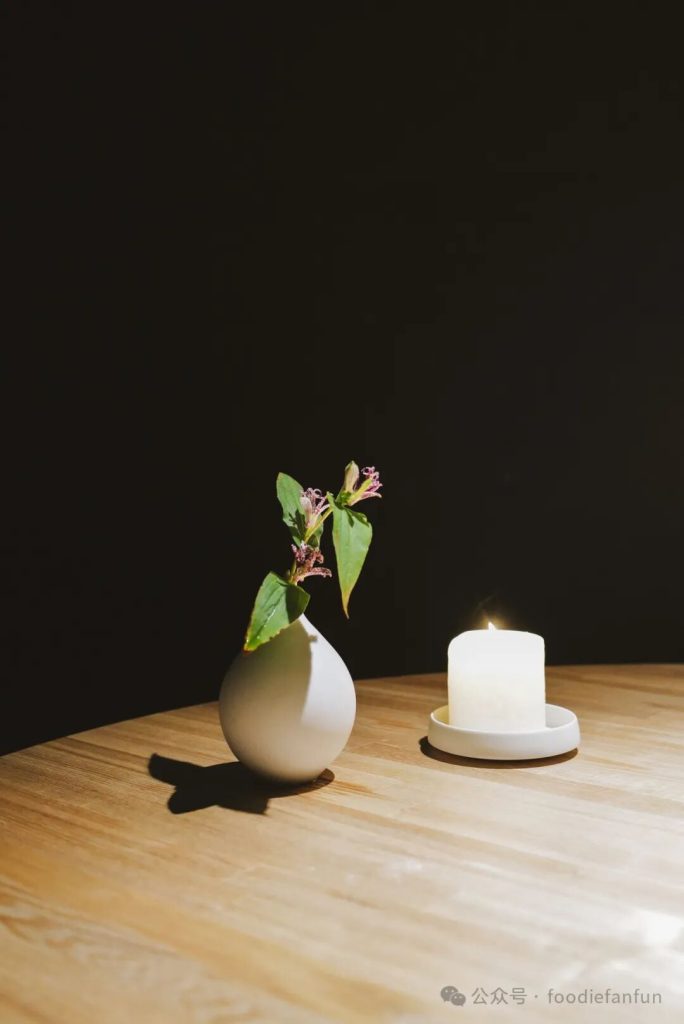
Respiración means “breathing” in Spanish.
The restaurant aims to showcase Ishikawa’s ingredients through modern Spanish cooking techniques, creating an experience — a space to enjoy, and a style of Spanish cuisine that belongs uniquely to Kanazawa.
It’s a bit like imagining three kids from Xiamen roaming the world and then coming home to open an Italian restaurant built entirely around Fujian ingredients.
Impact shrimp | Sweet shrimp
The opening sweet shrimp has been a signature dish since the restaurant opened — the shrimp head made into a gel, the shell turned into a tart shell, the flesh lightly cured with shio koji.
The pleasure of that freshness hits straight to the brain — that bright tension unique to crustaceans. Sweet and slightly chewy, it reassembles a Hokuriku specialty in a new form. It demands enough freshness from the ingredient itself — a piece of molecular gastronomy that’s strictly local to Kanazawa.
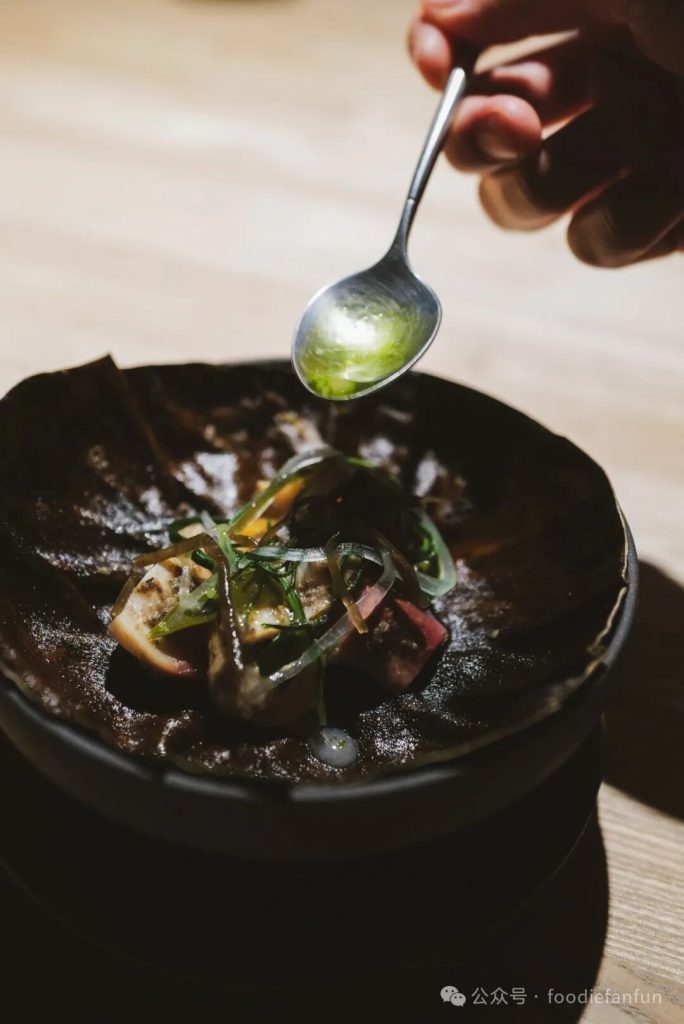
Mar | Hokki clam
A large surf clam grilled over charcoal, paired with local vegetables like Kanazawa cucumber, seaweed, and apple — a local take on ceviche, essentially.
Plenty of herbal aroma, crunch, and acidity, tied together with a coating of butter.
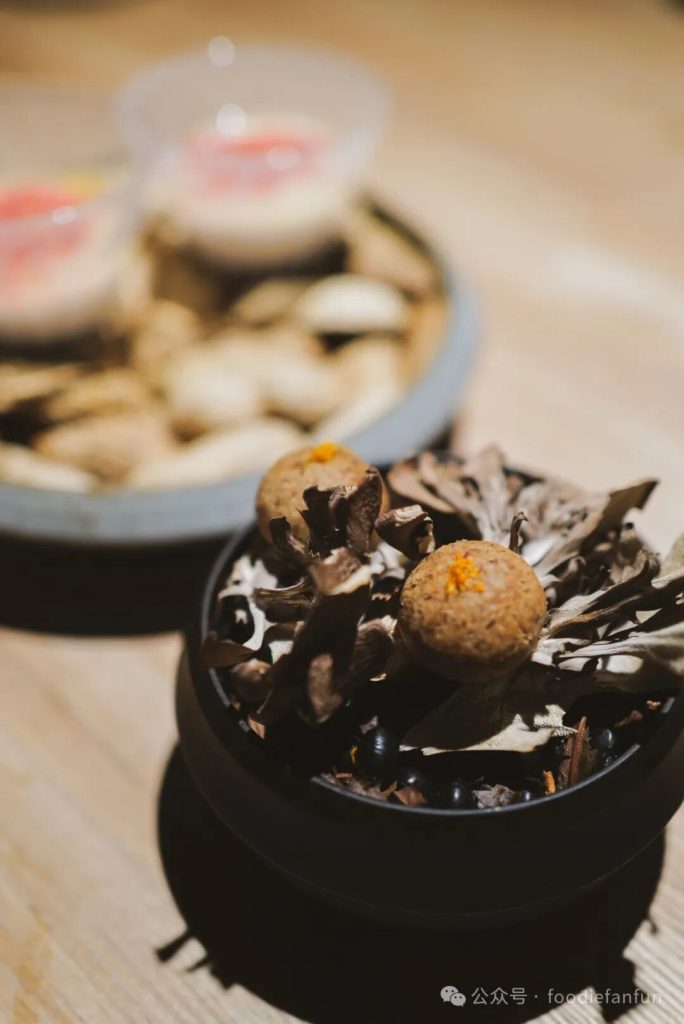
Setas | Maitake mushroom
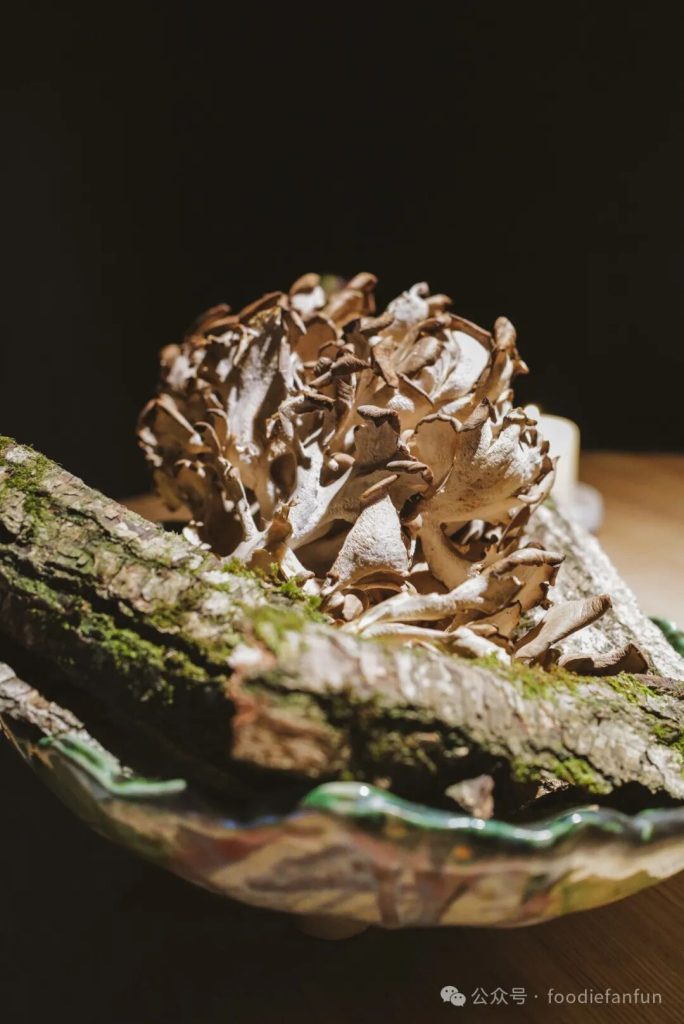
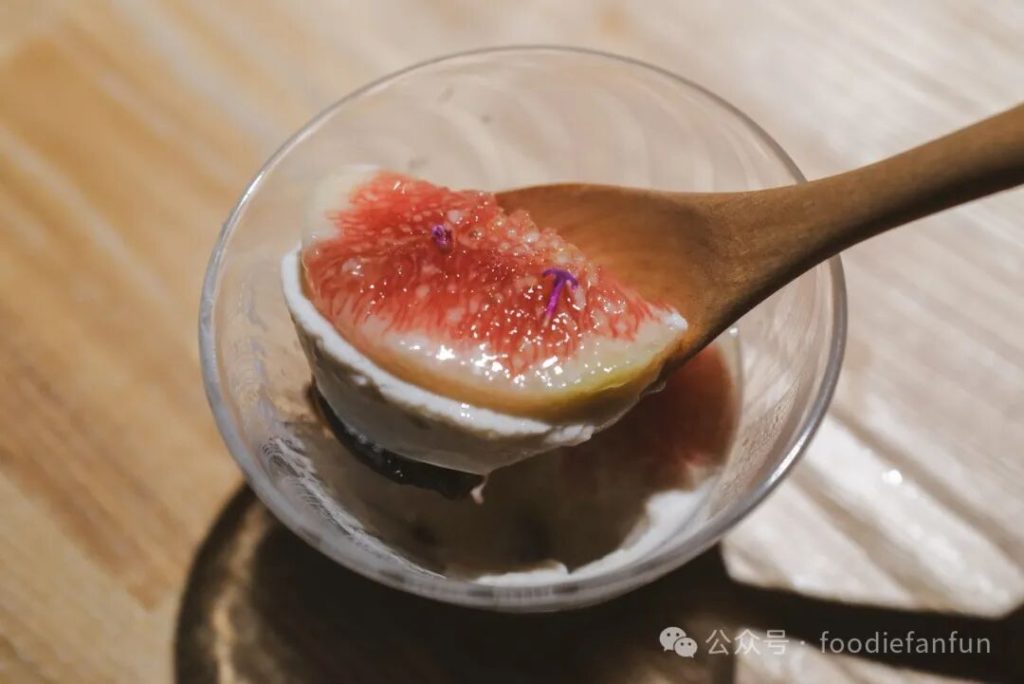
Hokuriku’s maitake mushrooms were exactly in season, so the restaurant simply brought out a giant whole maitake to the table. The maitake itself was made into a cookie and a pudding.
Beneath the fig sat a peanut mousse and maitake soup — a heavy, enveloping bomb of umami that opens up layer by layer. A touch of peanut kombucha runs through it, its bright acidity adding another memorable note.
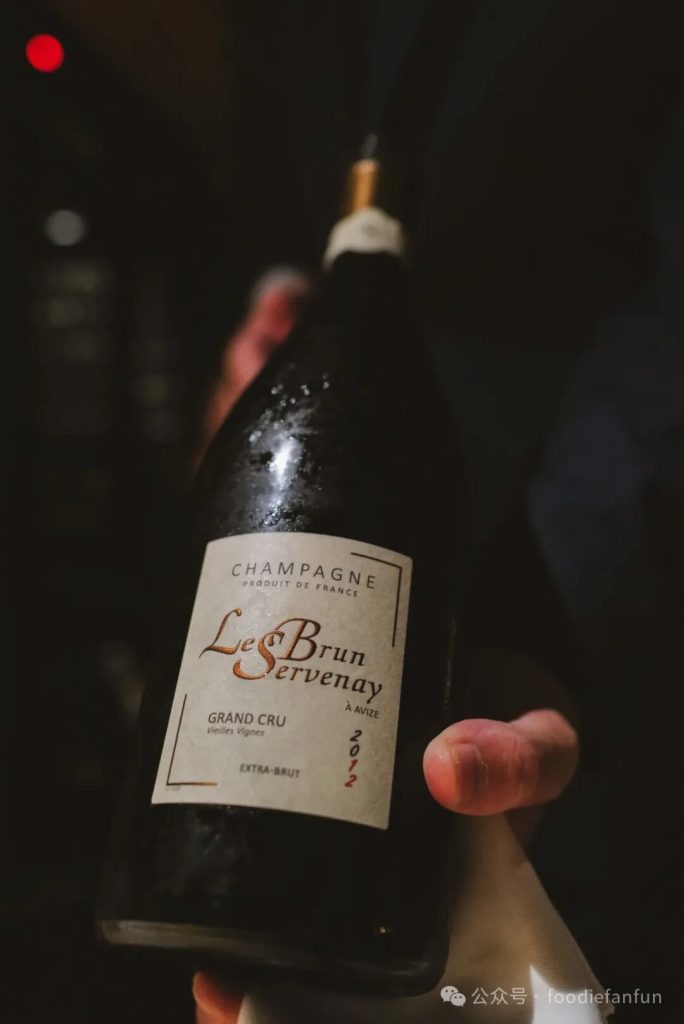
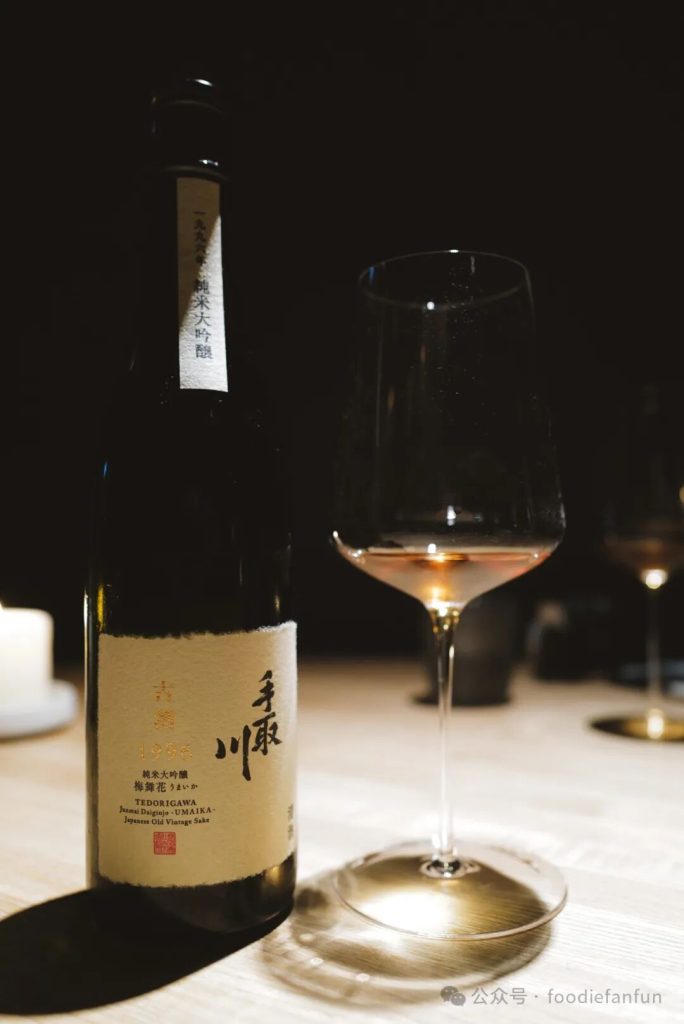
The wine pairing here was a 1996 vintage aged Tedorigawa sake — gorgeous, bold, and unexpectedly well-balanced in freshness.
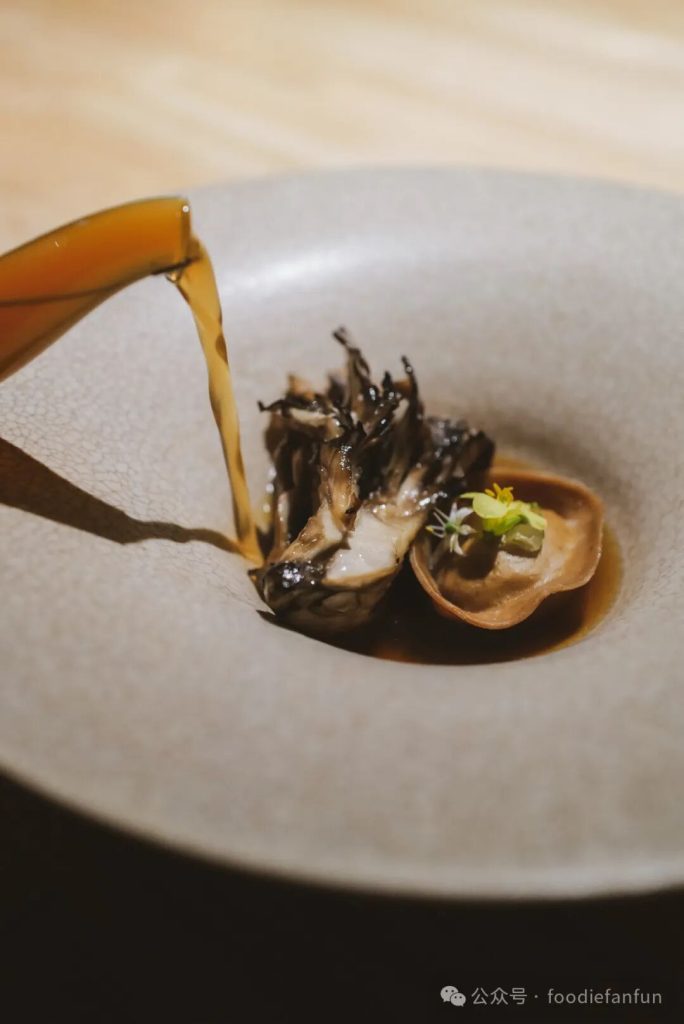
A few years ago the restaurant joined a sustainability program, and you can genuinely see that philosophy reflected in some of the dishes.
For example, they use leftover bread each day as feed to cultivate their own house-made miso, which seasons part of this dish’s ravioli. The venison you’ll have later also uses a stock made from bones.
Calamar | Red squid / yellow tomato
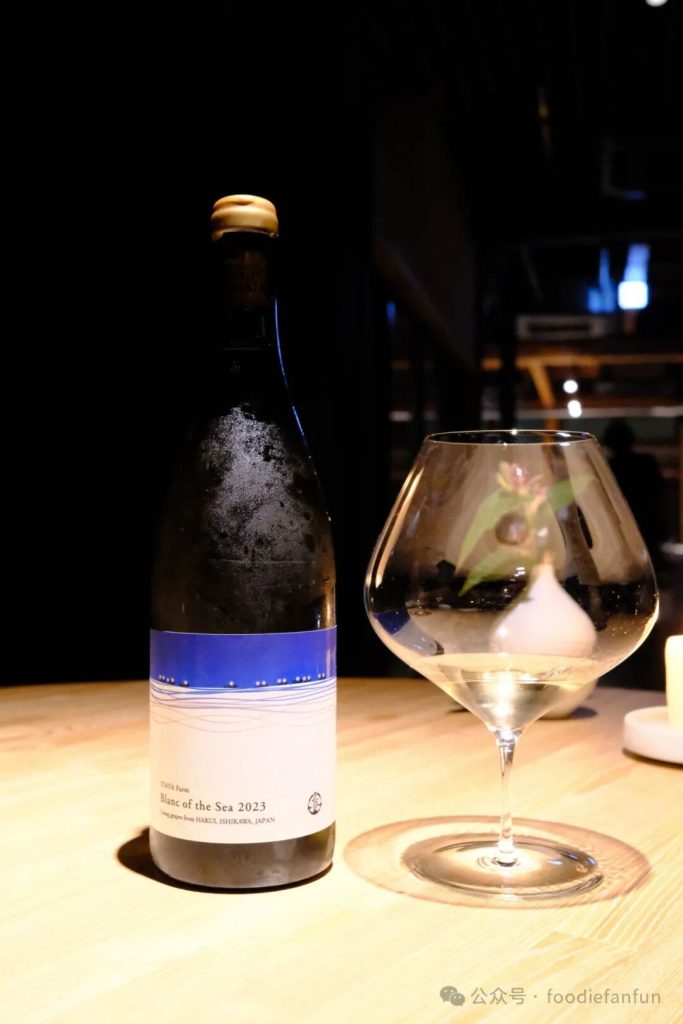
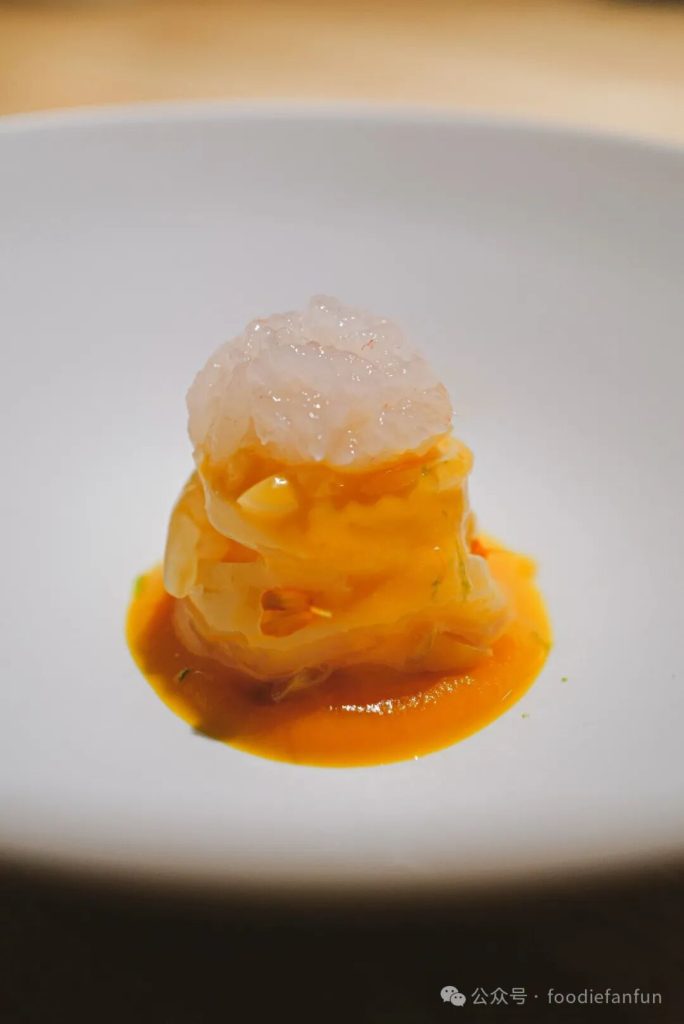
Red squid from Kanazawa port, using only the middle section, aged for three days to concentrate both texture and sweetness. White shrimp sits on top, adding a fresh, chewy lift.
A yellow tomato sauce made from mountain-foraged tomatoes was genuinely a bit bitter. The sweetness of the wine pairing ended up amplifying the dried squid’s fishiness instead of masking it.
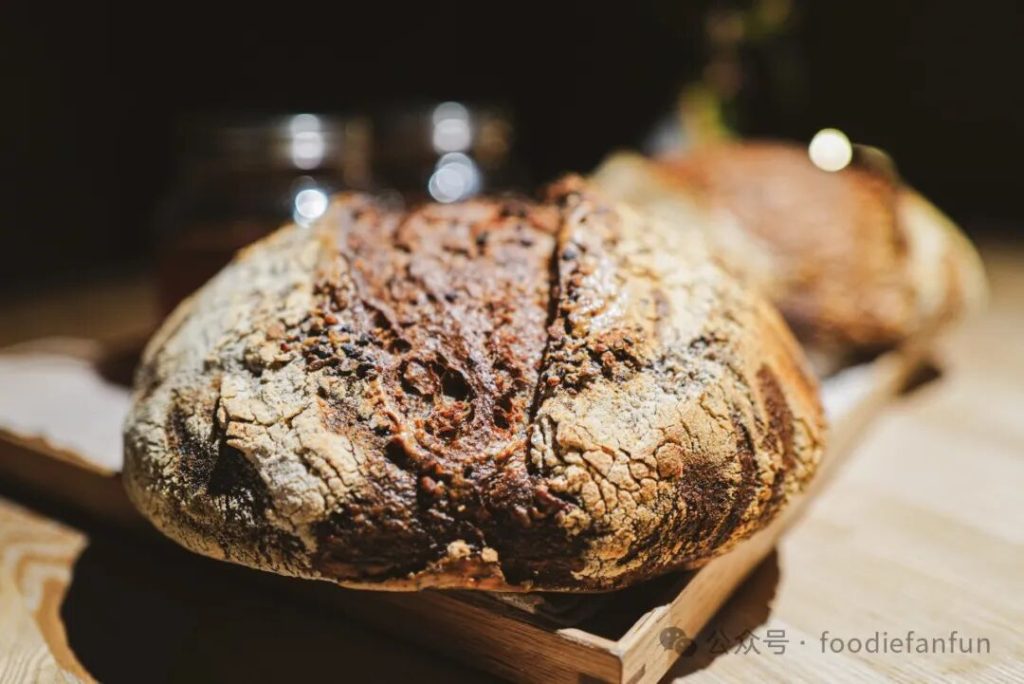
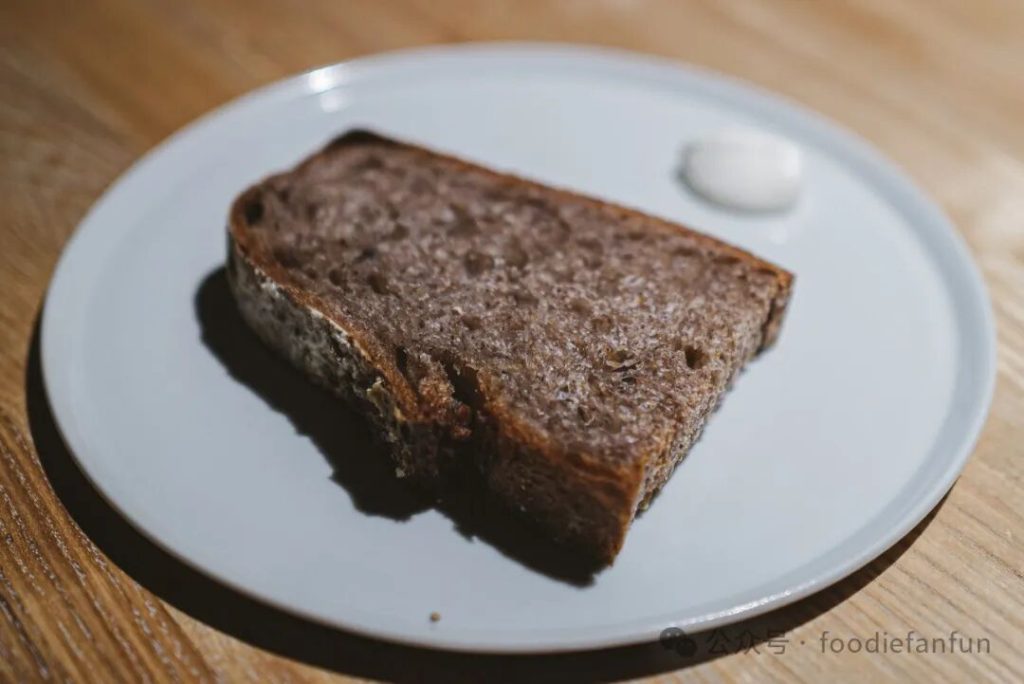
In between courses, the restaurant’s own house-baked bread arrived — a plain loaf made with a 15-grain mixed yeast, beautifully bubbled and complex yet balanced to chew.
No butter was offered for dipping — instead, a white sauce made from goat milk and cloudy sake, where the milkiness and umami kept each other in check.
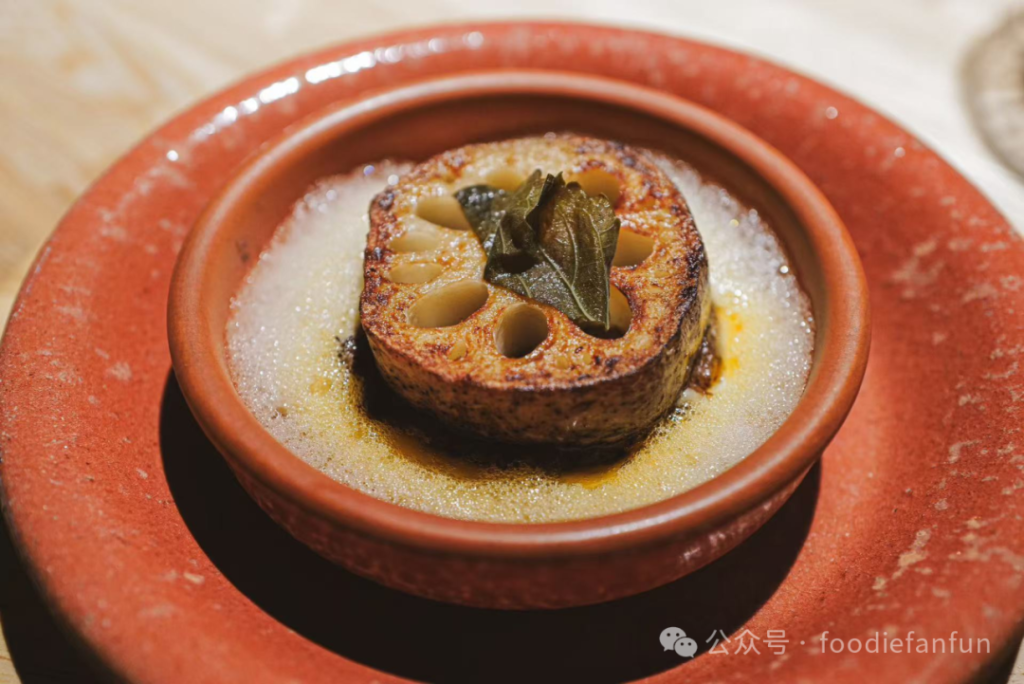
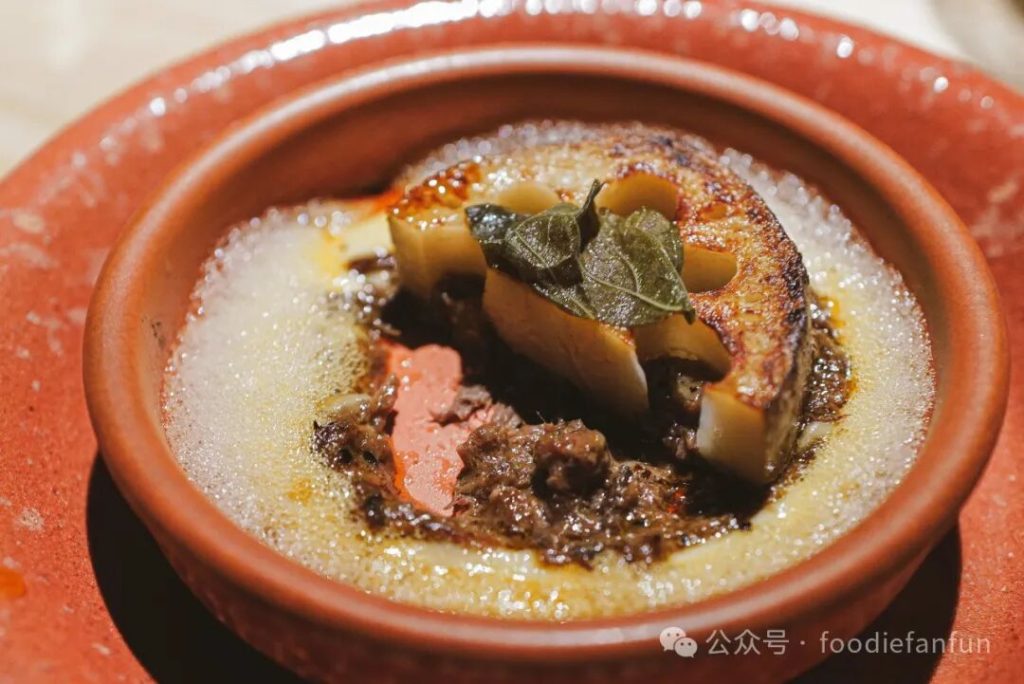
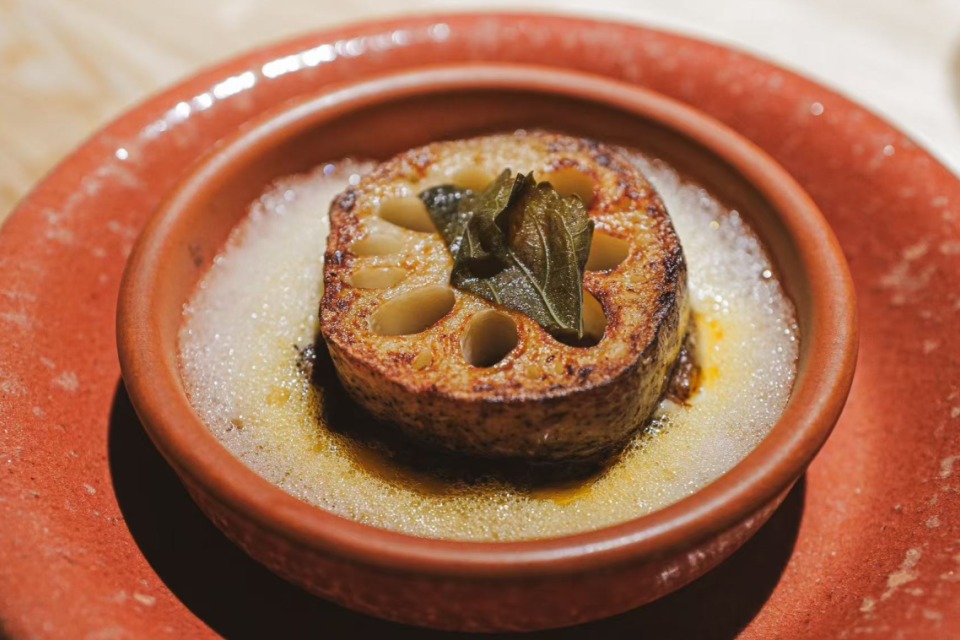
Oso | Kaga renkon (lotus root) / bear
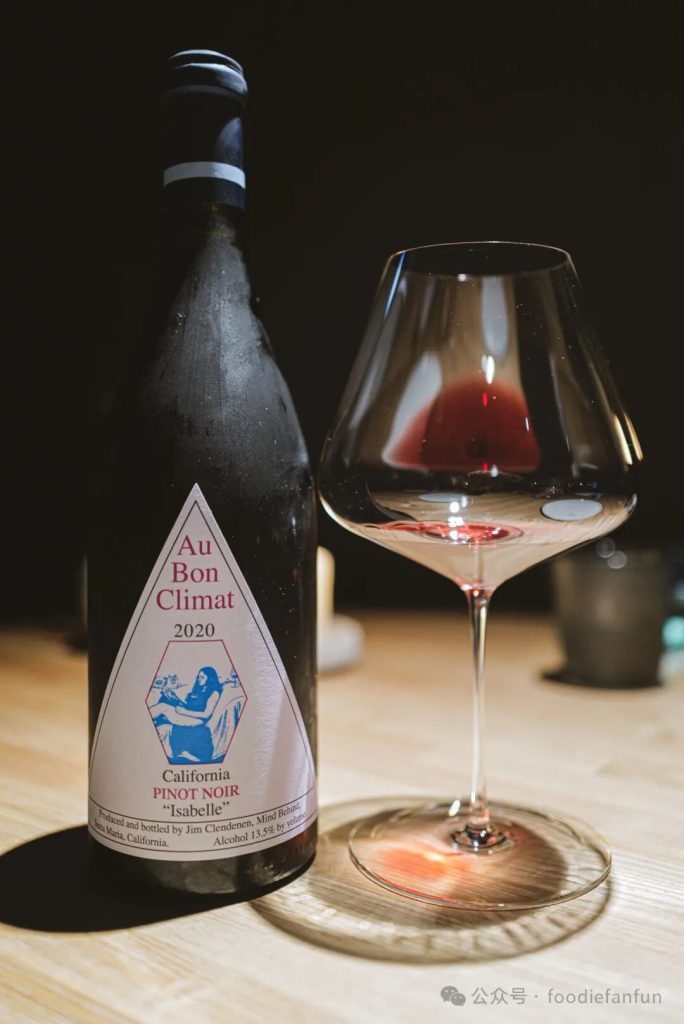
Bear caught in Mt. Hakusan made into a ragù, paired with seasonal lotus root and charcoal-grilled eggplant purée until soft.
The explosively powerful meaty aroma was caught and softened by cream, the whole dish tender yet full of tension. A faint smokiness and vegetal note ran through the middle. It hit like a punch, followed by wave after wave of more flavor, with a lingering, concentrated finish.
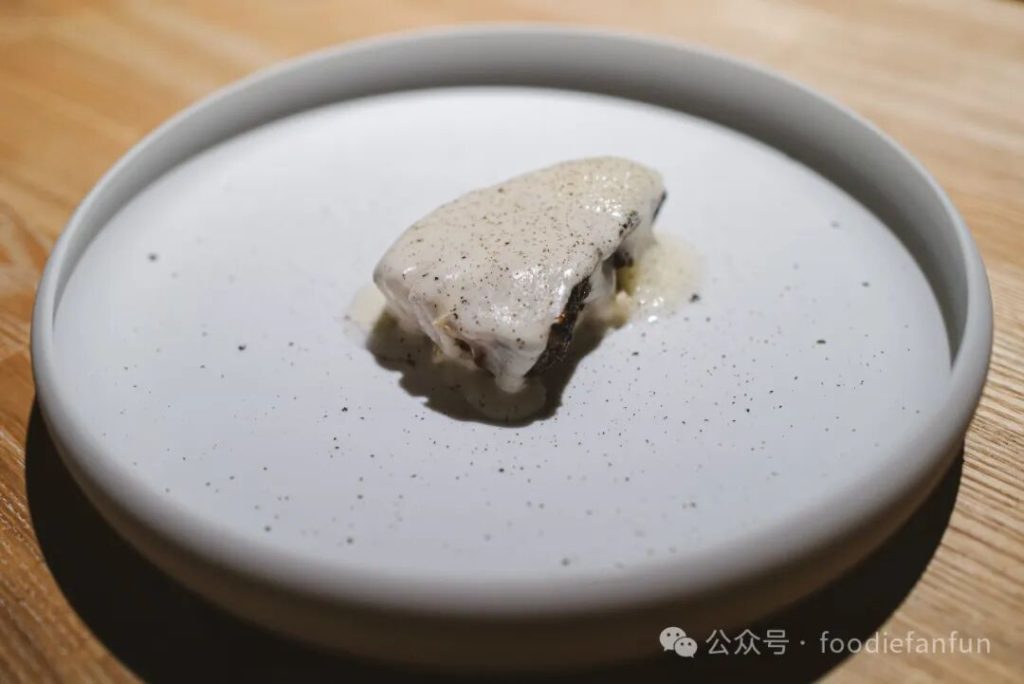
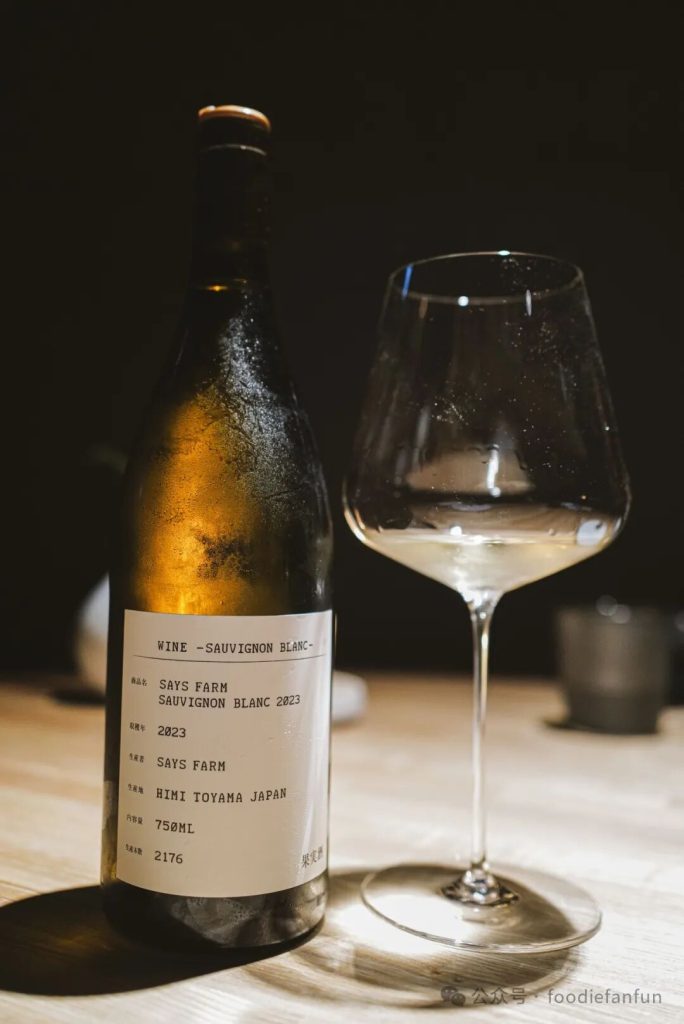
Pescado | Tilefish
Fukui tilefish, paired with a northern Spanish Peli Peli sauce (essentially a chili sauce, though it wasn’t spicy at all here). The white sauce on top used fish bone stock and cauliflower, plus some fresh yuzu and charred yuzu peel.
Thoroughly, completely fishy. A total wipeout.
It was paired with a SAYS FARM Sauvignon Blanc, which actually worked well — I’ll let you imagine why.
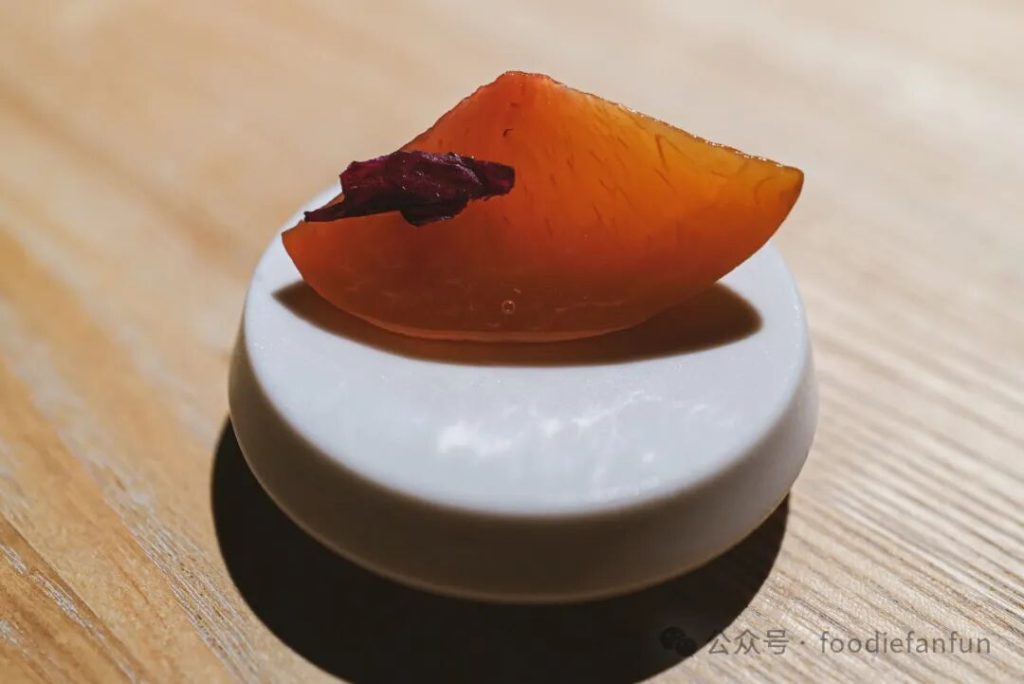
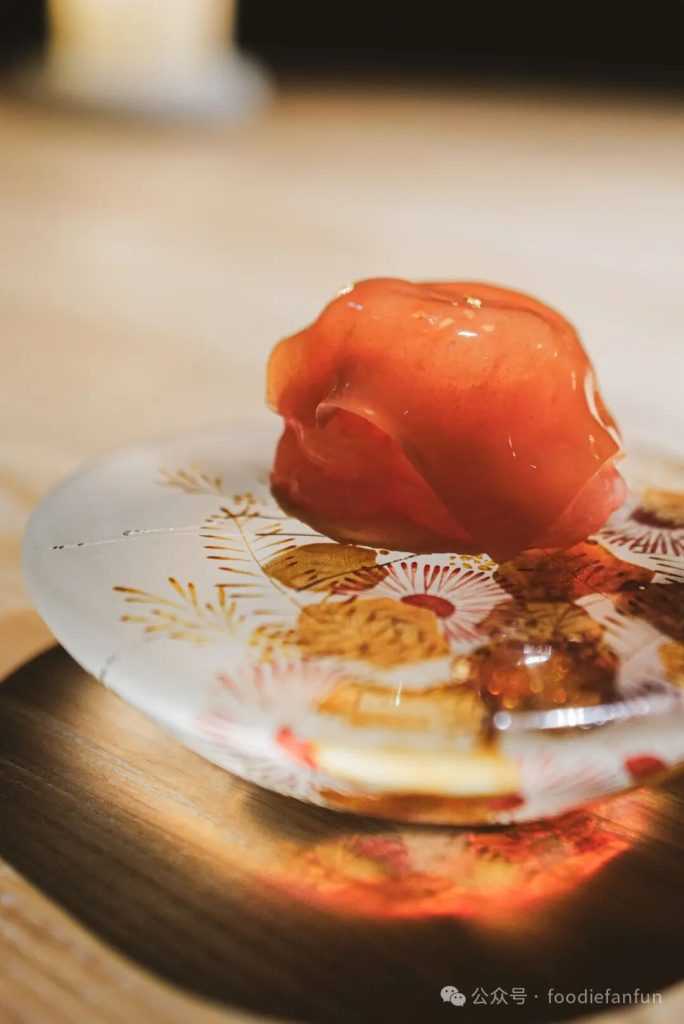
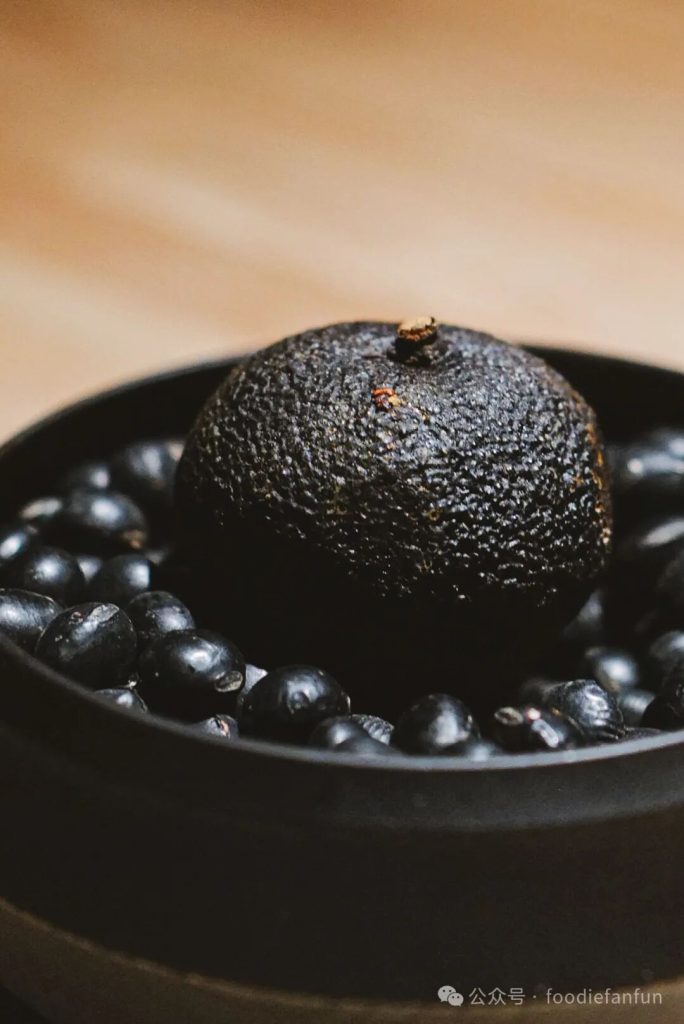
Plum, rose vinegar
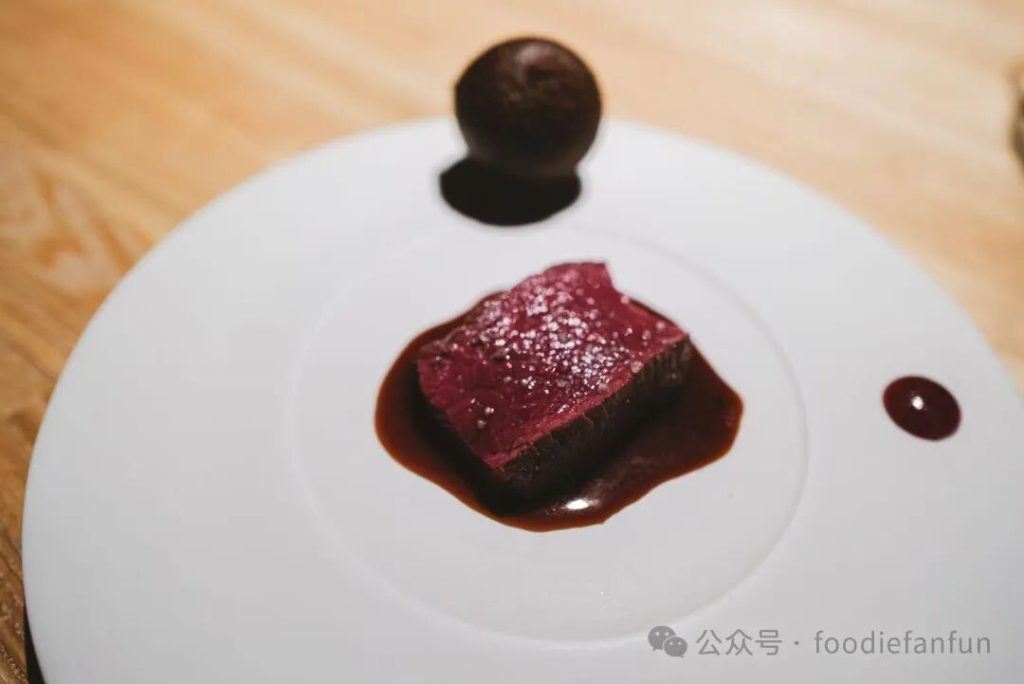
Carne | Venison
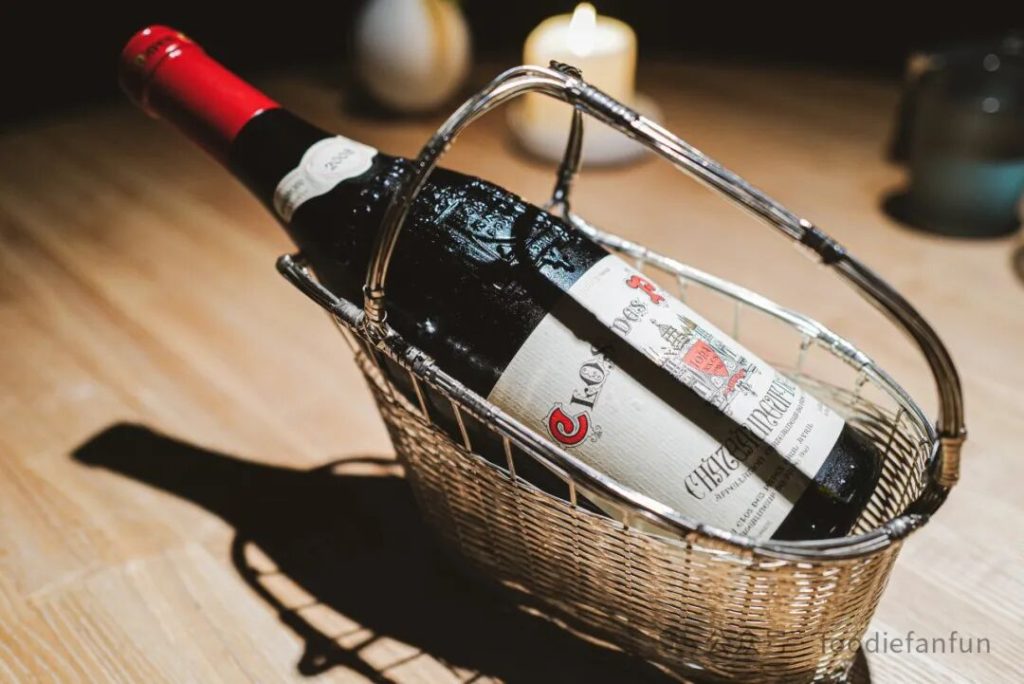
Hokkaido young venison, taken from the back, paired with a sauce made from vegetable scraps left over from the rest of the menu. The offal, meanwhile, was mixed with spices and fried into a venison ball.
There was nothing technically wrong with it, but it played things so safe that it lost any real memorability. The vegetable sauce, for instance, had nothing particularly striking about its seasoning — it felt more like the chef fulfilling the restaurant’s wish for “sustainability” than anything else.
The sense of ceremony far outweighed the actual result.
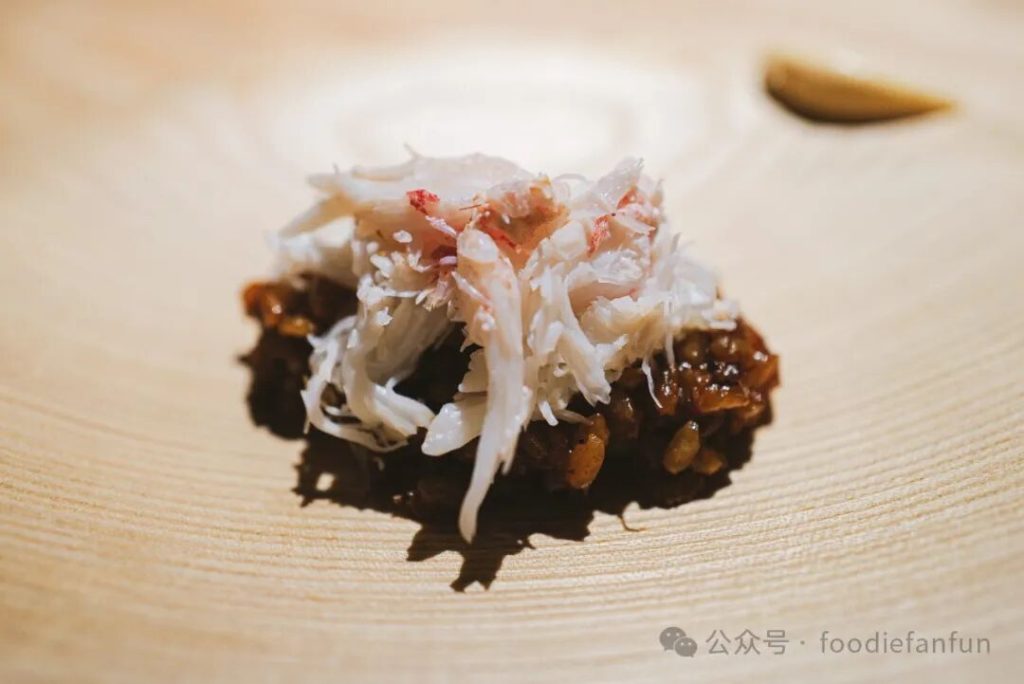
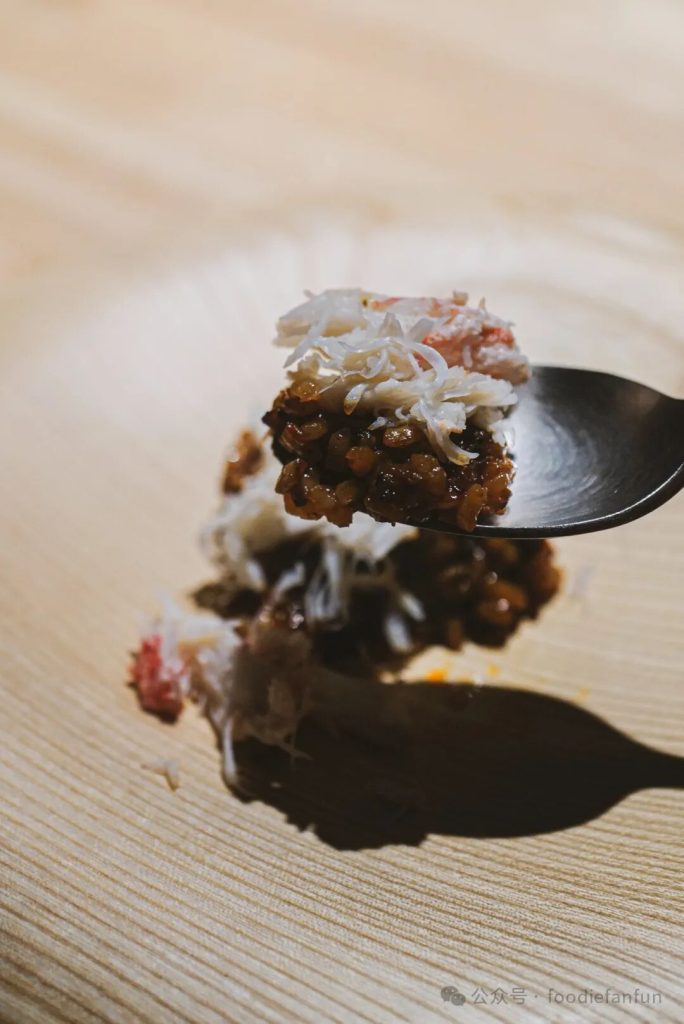
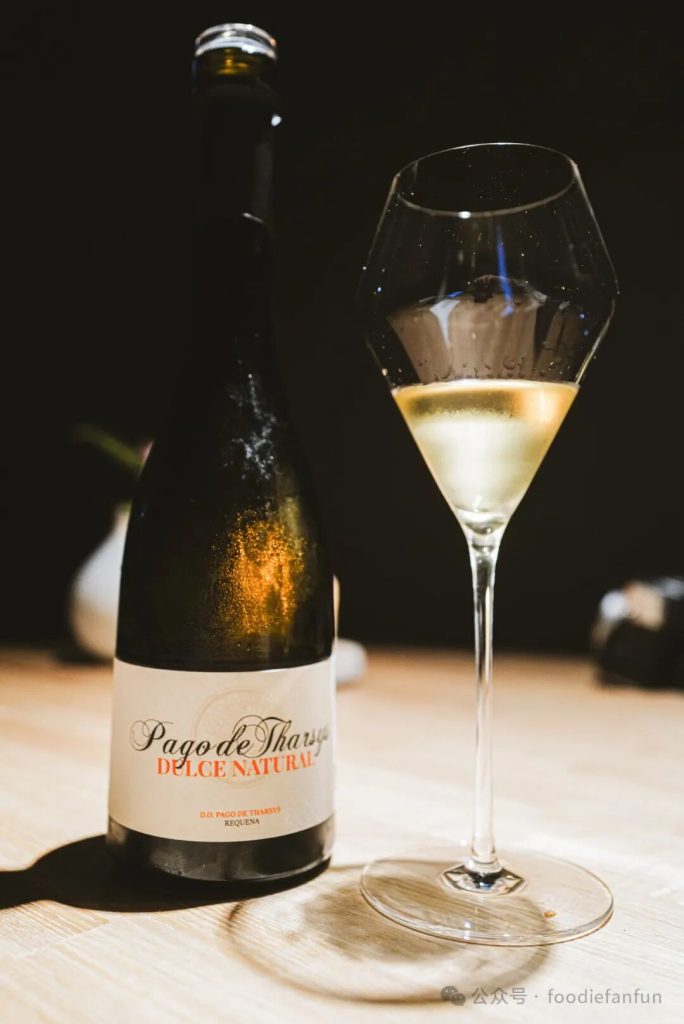
Paella | Snow crab
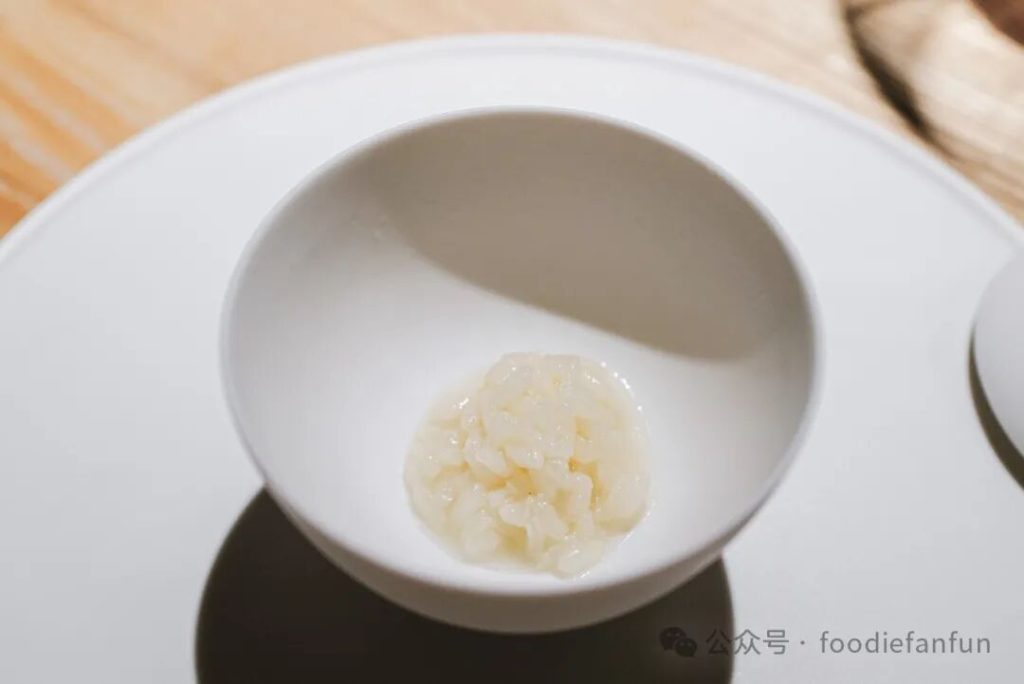
Softshell turtle risotto
Respiración’s menu always includes a seafood rice dish year-round, changing with the season.
By October it was snow crab — but this is already an inherently heavily-seasoned dish, and Respiración’s version leaned weak on umami and heavy on sauce, honestly not all that delicious.
The hidden-menu softshell turtle risotto, on the other hand, was savory and soft, genuinely comforting —
— yes, compared to a proper risotto, it’s really more like a bowl of softshell turtle congee.
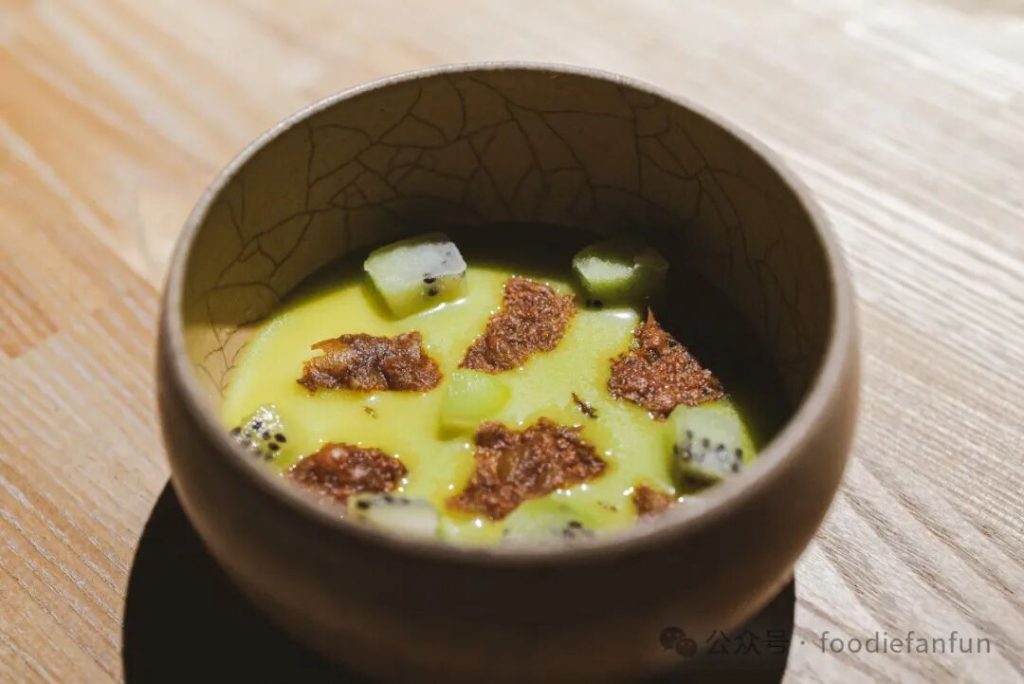
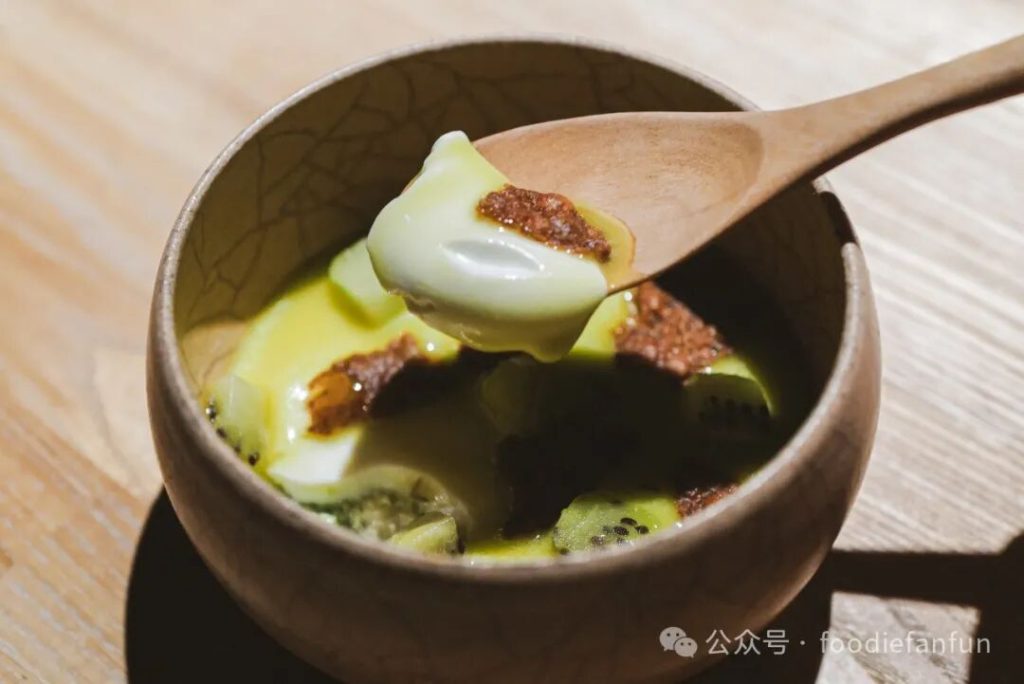
Cedro | Noto cedar
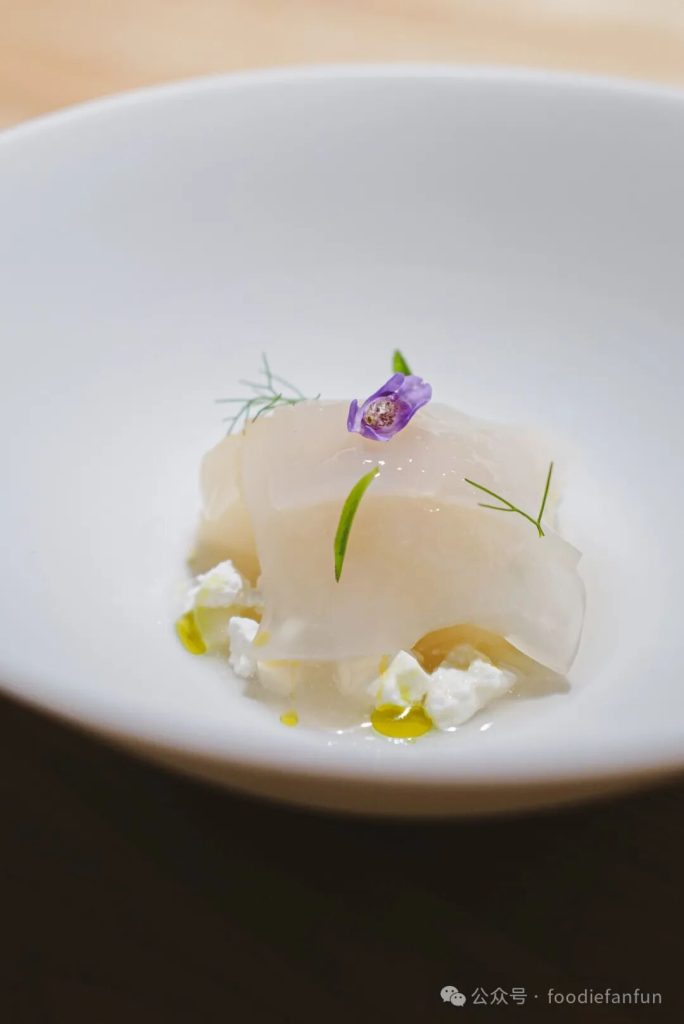
Pera | Pear / hōrenkuzu
Dessert was a pleasant surprise — the two components didn’t seem to have a main and a supporting role. One was rich and full-bodied, the other fresh and sweet; from a single ingredient, pear, four different textures were pulled out.
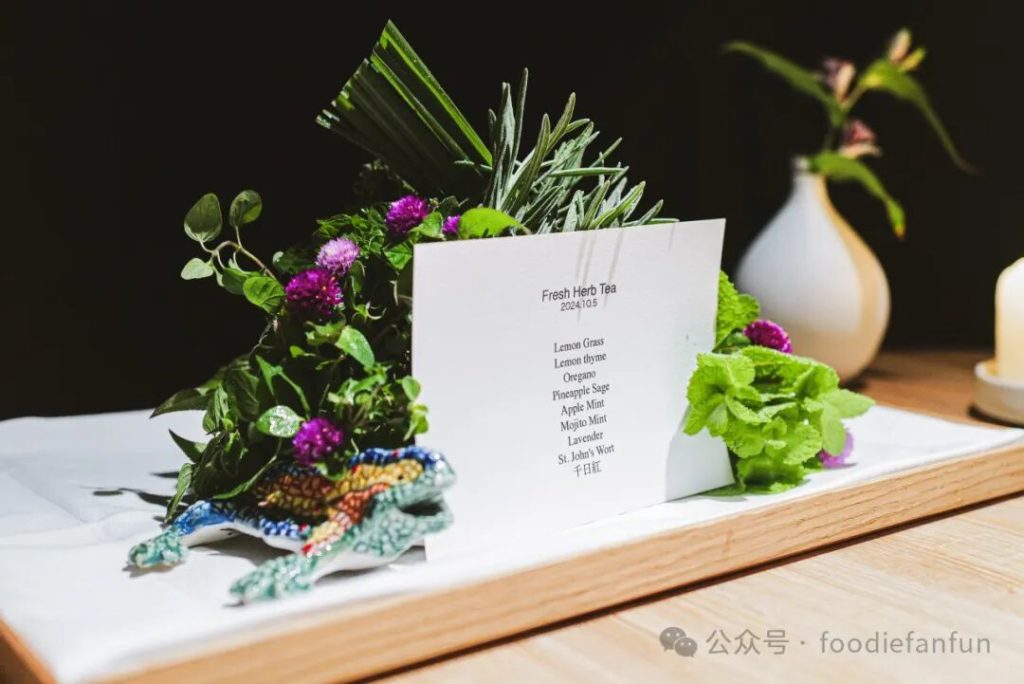
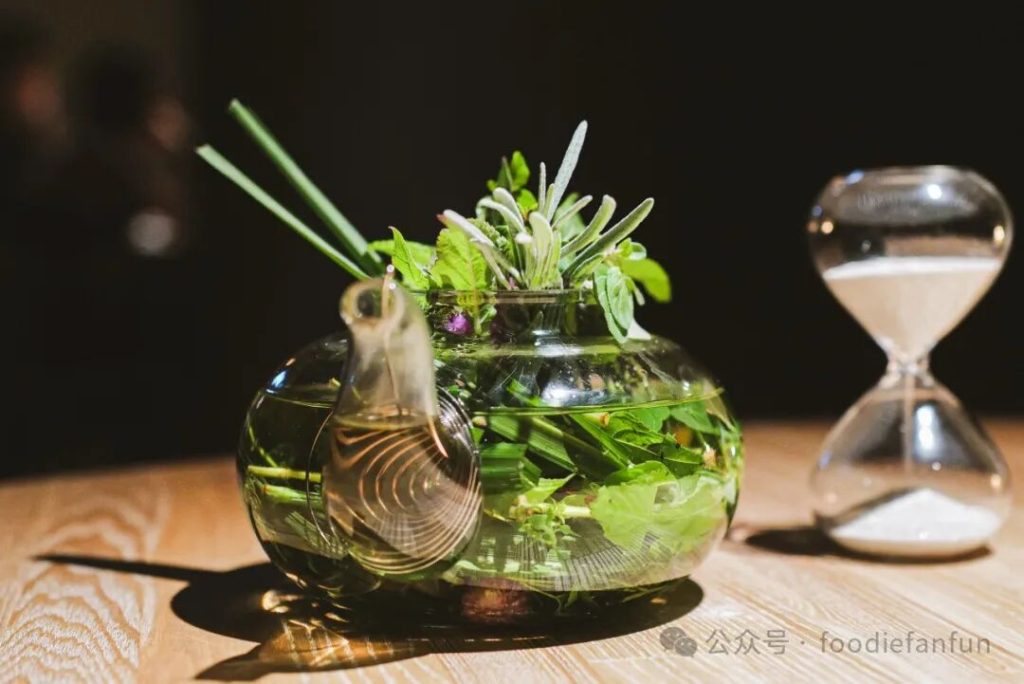
Add a final cup of herbal tea, and you get a genuinely memorable freshness, a real palate reset. The restaurant put in some thoughtful touches to send guests off feeling settled.
Looking back carefully on the meal at Respiración, it genuinely draws on a lot of modern Spanish cooking techniques, but because the ingredients are rooted in Kanazawa and Ishikawa Prefecture, the overall flavor profile gives a completely different experience from Spanish cuisine itself.
As for the “Spanish” part, it mostly comes through in the bold reimagining and combination of fresh ingredients, along with the application of sustainability principles.
The localization concept came through fully — if there’s one thing to nitpick, it’s that the seasoning was restrained to the point of being a bit too conservative.
The service’s sense of distance and pacing, the sommelier’s relaxed delivery paired with a high degree of matching precision, are worth remembering — along with tiny details like providing dedicated chopsticks for left-handed guests (distinguished by the direction of the logo), which genuinely add points for rigor and professionalism.
Looking forward to a return visit in a few years~
Respiración
67 Hakuroumachi, Kanazawa, Ishikawa Prefecture
Lunch / Dinner
¥20,000 – ¥29,999
https://respiracion.jp/
Closed 6 days a month
Leave a Reply