Compared to the hassle of booking and high prices in big cities, Japan’s countryside has a lot more to offer people who love to eat.
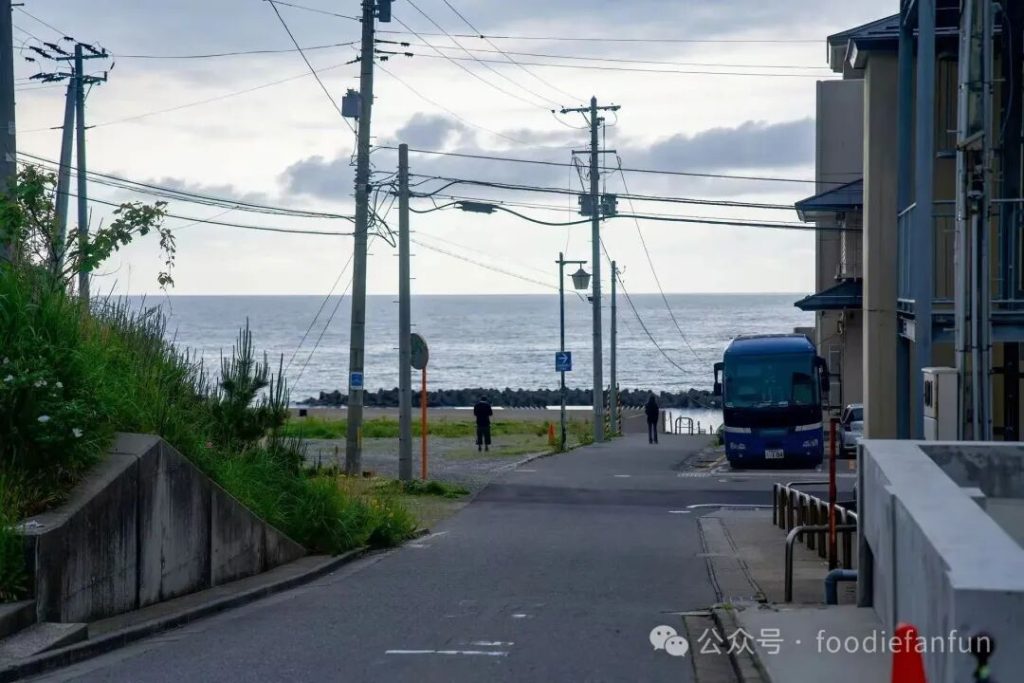
The first stop on the Niigata trip was an “expedition” to Murakami (really just a 30-minute train ride). This old castle town, which grew up as the northernmost jokamachi of the former Echigo Province, has historic ruins and samurai residences, the famous Senami Onsen, and a 150-year-old restaurant: Kappo Shintaku.
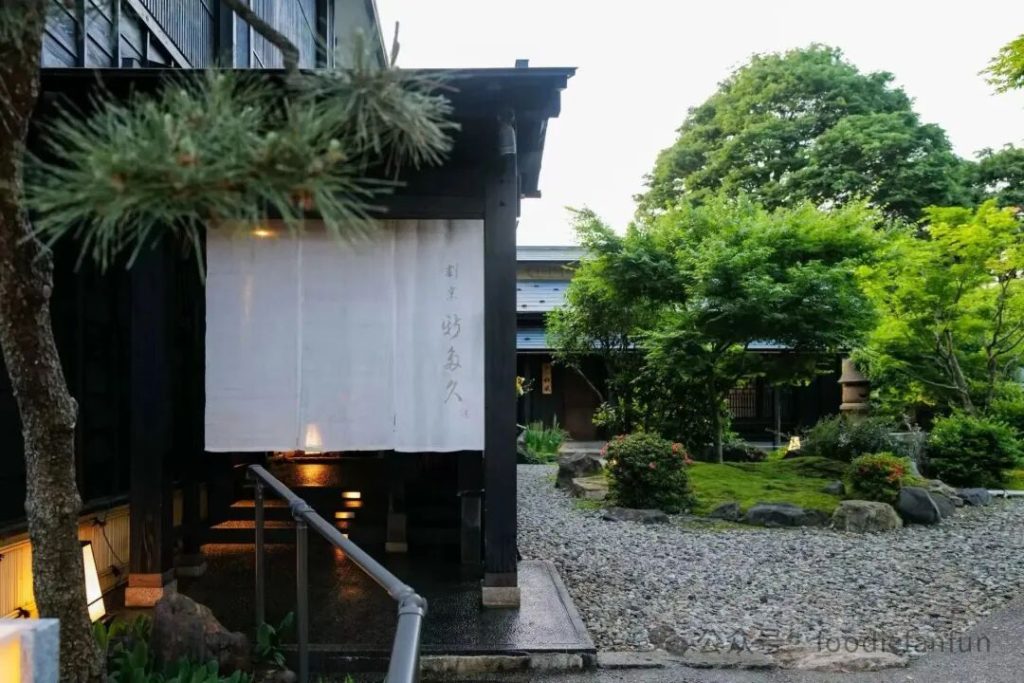
The restaurant opened in 1867 and was rebuilt after a fire in 2006; today’s façade combines a modern feel with the beauty of a traditional garden.
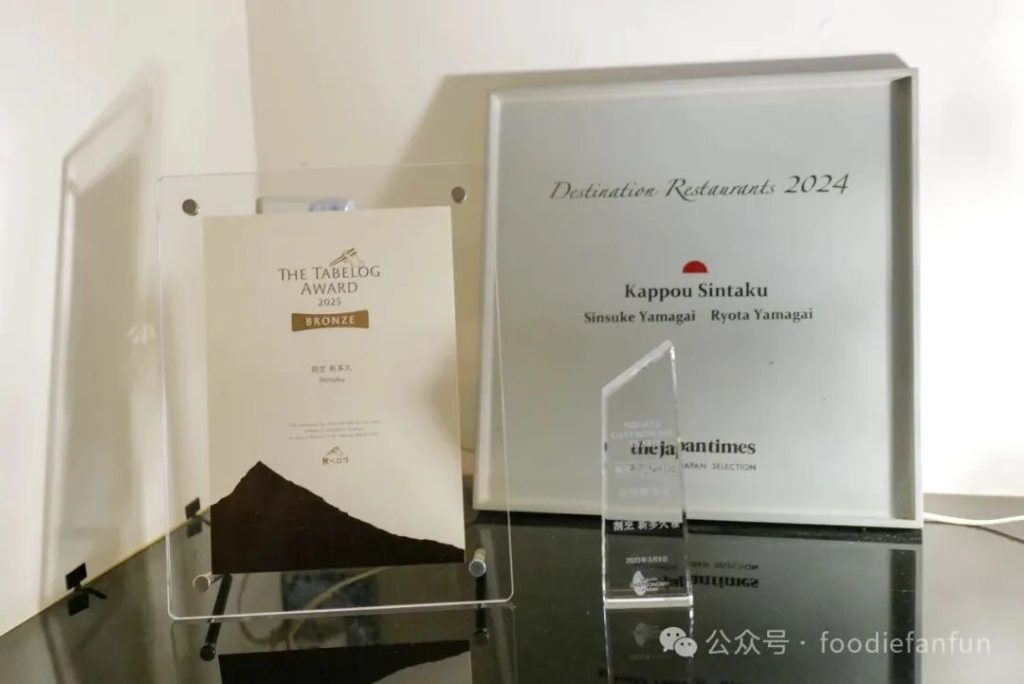
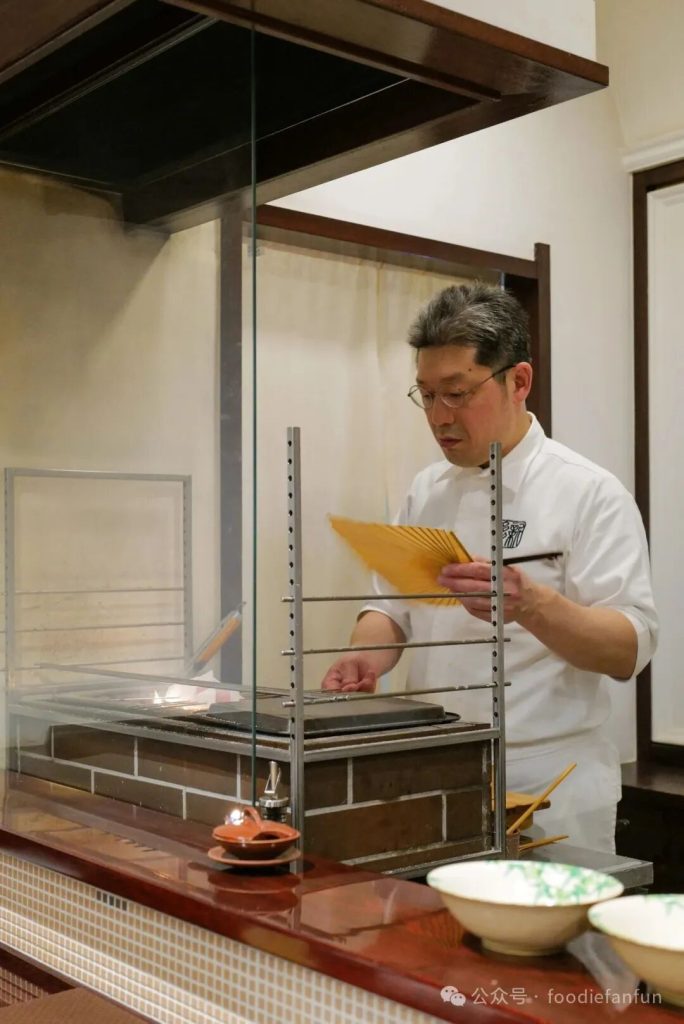
It’s now run by the fifth-generation brothers, Shinsuke Yamagai and Ryota Yamagai. The older brother handles the cooking at the counter, while the younger brother works in the back kitchen on seasoning and simmering.
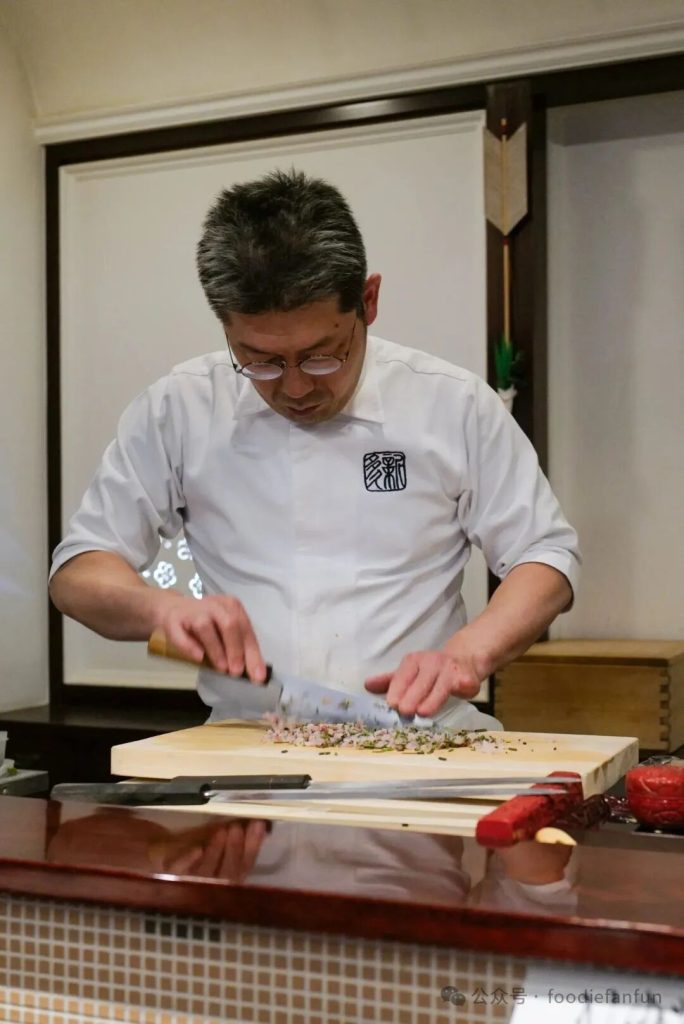
Over 90% of the restaurant’s ingredients come from right here in Murakami. Nestled between mountains and sea, this city is basically a treasure trove of ingredients — seafood, vegetables, sake, rice, and seasonings are all outstanding, and the local beef and Iwafune rice rank among the very best in all of Japan.
The two brothers are also deeply committed to promoting local culture: “Since guests have traveled all this way to Murakami, we want them to really feel the appeal of Murakami’s ingredients.”
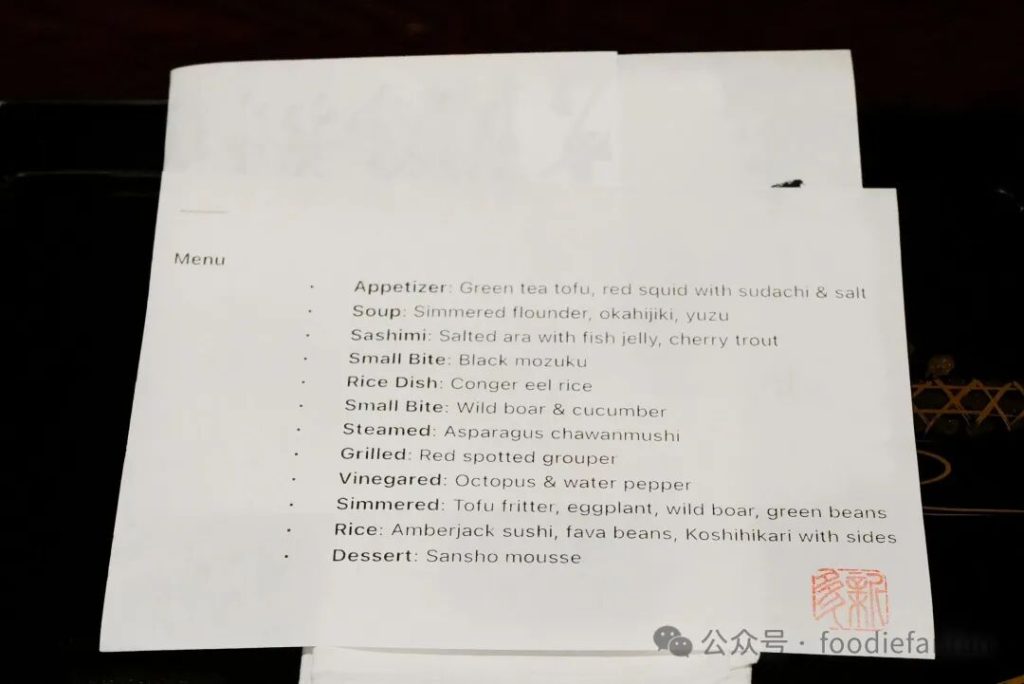
On the day we visited, there were six seats at the counter, and we happened to have the whole place to ourselves. Even the priciest set course was only 22,000 yen, and the restaurant thoughtfully prepared an English menu for us (though about 20% of it didn’t quite match up) — the hospitality was genuinely warm and attentive.
Matcha Tofu
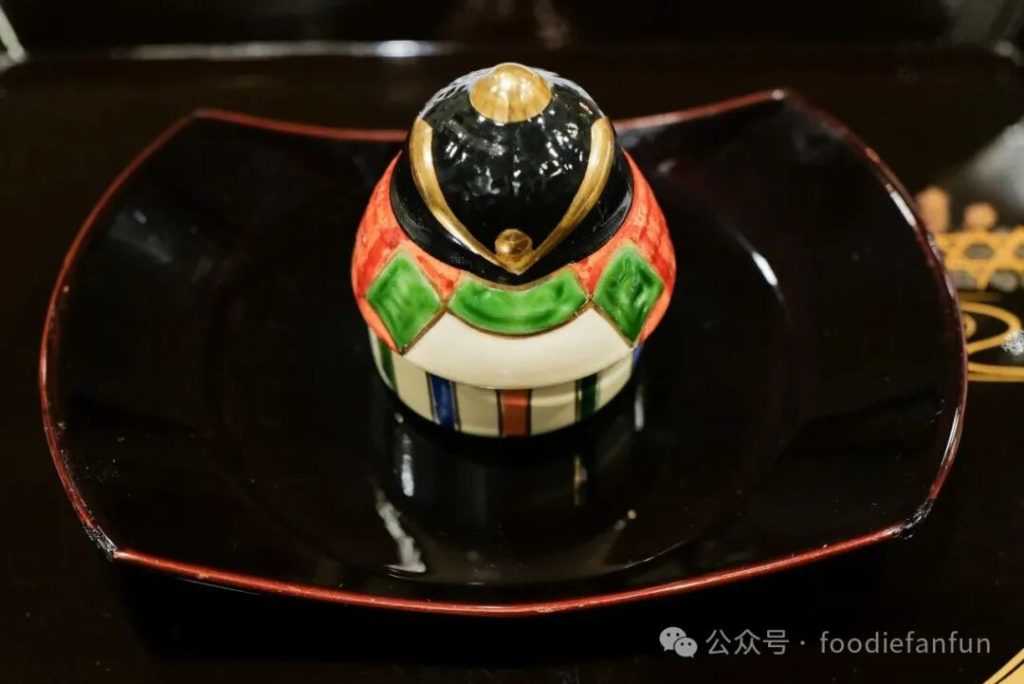
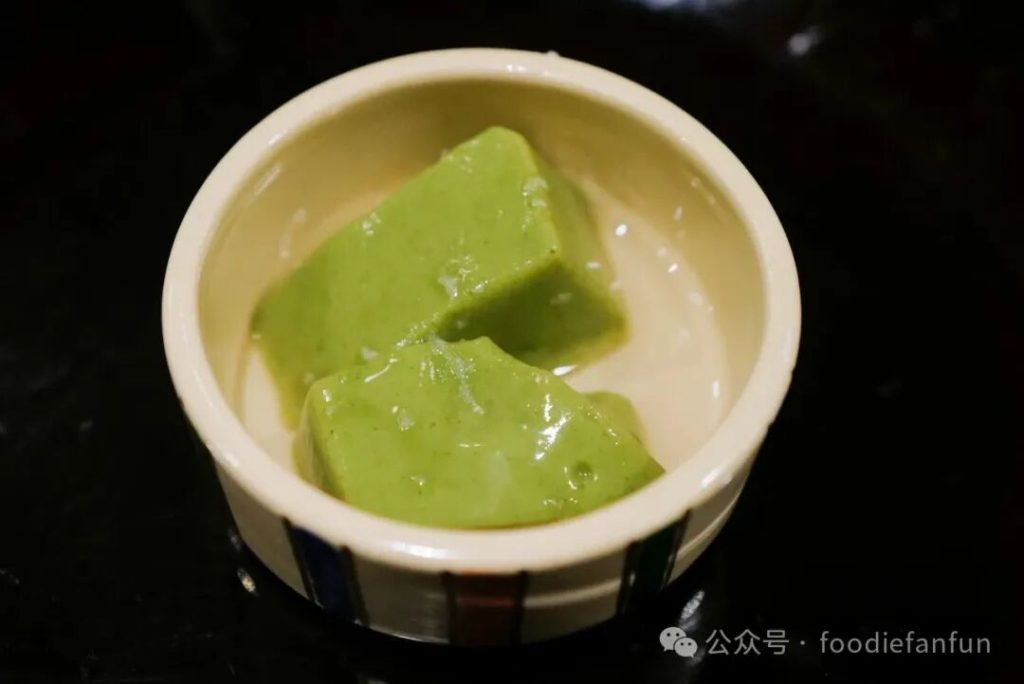
It happened to be the season for new tea, and the very first course was matcha tofu, served in a small samurai-style bowl.
The texture was surprisingly like pounded mochi — sticky, soft, elastic, and refined. A gentle tea flavor unfolded slowly in the mouth, a faint saltiness drawing out umami, with just a touch of elegant bitterness settling into the aftertaste.
P.S. Murakami is the northernmost region in Japan for commercial tea production, earning it the title “Hokugen no Chadokoro” (the northernmost tea-producing area). If you make the trip out here, it’s worth stopping by a local tea shop too.
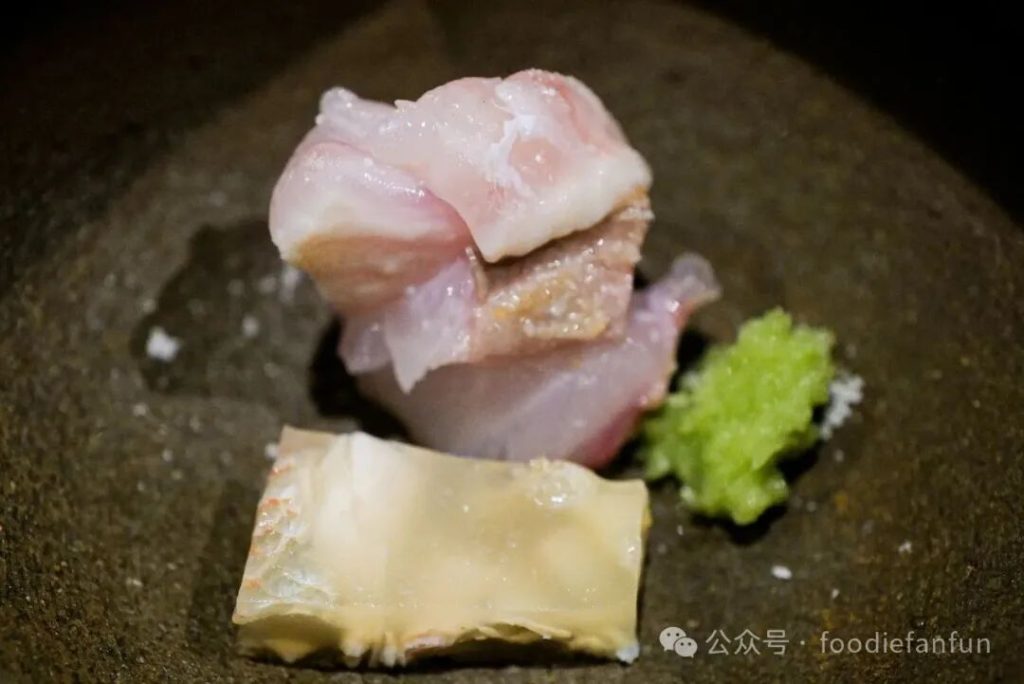
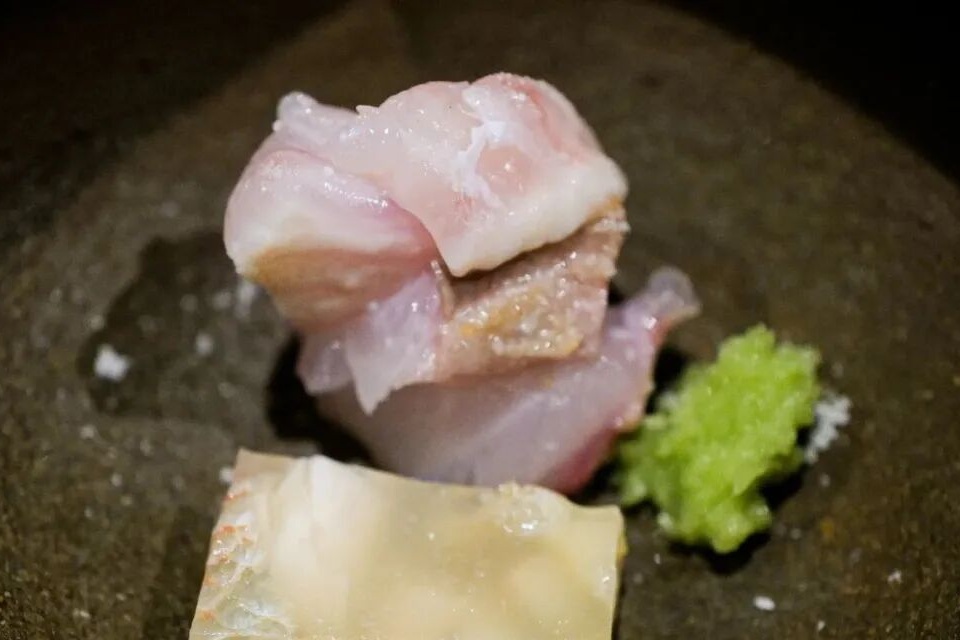
Flounder, Fish Jelly
Unlike the typical sashimi presentation seen at Japanese ryotei, Shintaku’s flounder came in two parts. Eat the fish jelly first, then quickly follow with a bite of sashimi while the umami still lingers on the tongue. The former showed off a highly concentrated umami, while the latter — lightly worked and briefly seared — revealed the crisp, springy texture of the flesh itself.
As older brother Shinsuke Yamagai put it, rather than saying “this sashimi is delicious,” it’s more accurate to say “this fish is delicious” — the ingredient is presented as a whole.
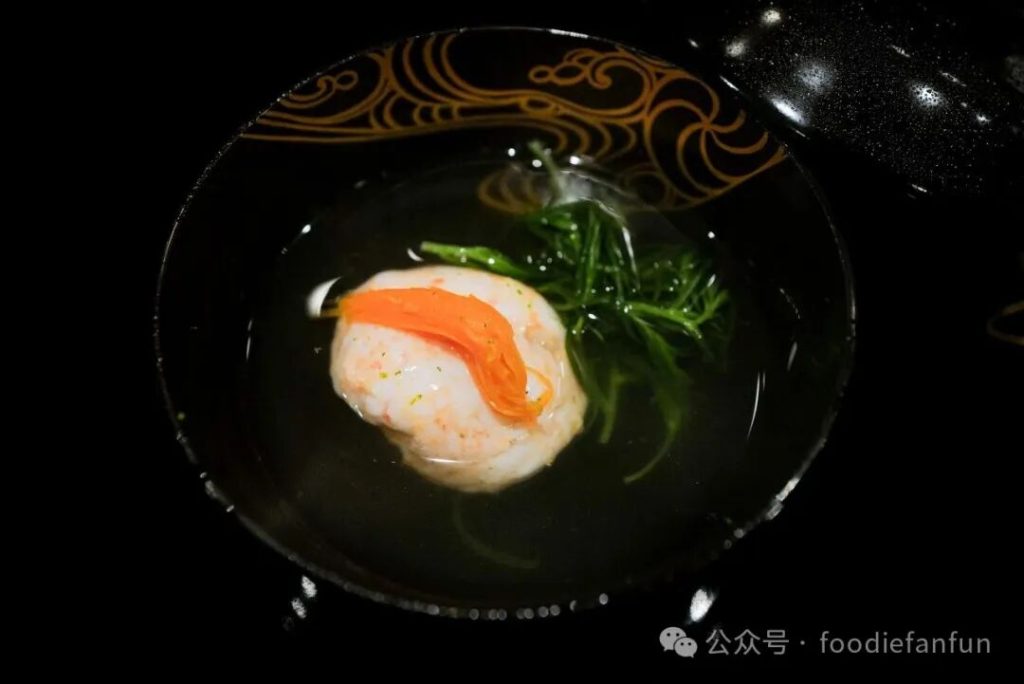
Botan Shrimp, Hijiki, Yuzu
The moment it landed on the table, we were told not to look at it too long — just eat it, quick.
The shrimp shinjo looked plain on the outside, but it was wrapped around a whole botan shrimp, nearly raw. The cooked shrimp paste was rich and fragrant, while the raw shrimp was sweet, crisp, and tender — the two textures mixed together for a flavor that was rich yet gentle to eat, fragrant and silky, the kind that keeps you thinking about it.
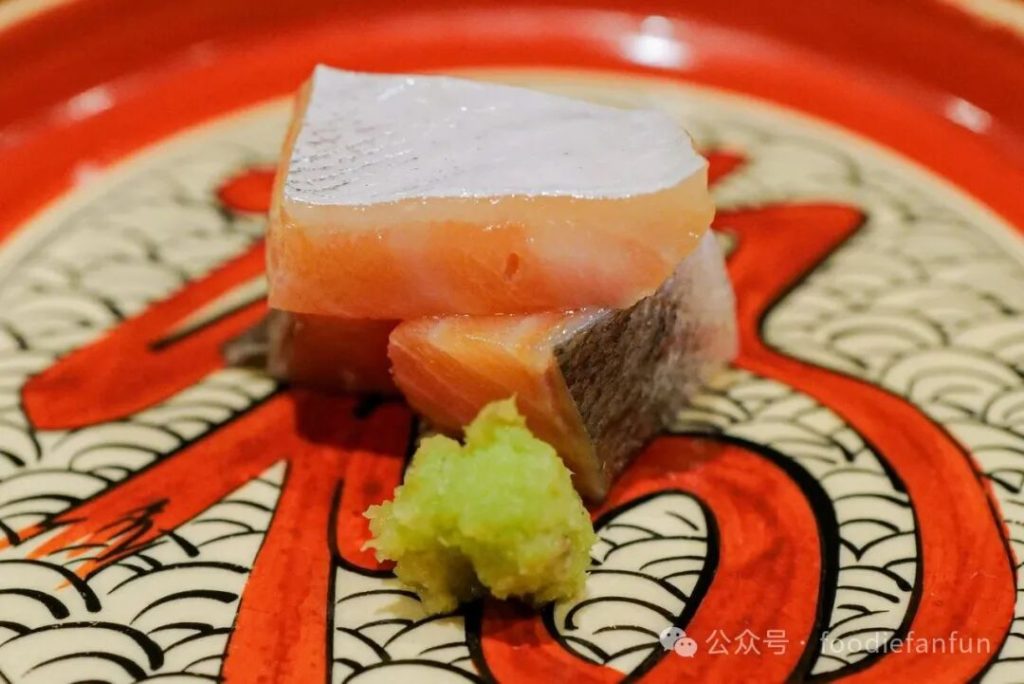
Sakura Trout
Sakura trout was right in season — the Miomote River area of Murakami is especially famous for it (if you’re curious, you can see an exhibit about it at the aquarium in Niigata).
The grilling process was interesting too — the fish was first wrapped in foil, its skin briefly scalded with kombu dashi, then quickly passed over charcoal to bring back the skin’s springiness and tension.
The skin was thin but rich in collagen, chewy and springy on the bite — forming just the right contrast, taut against loose, with the rich, oily flesh underneath.
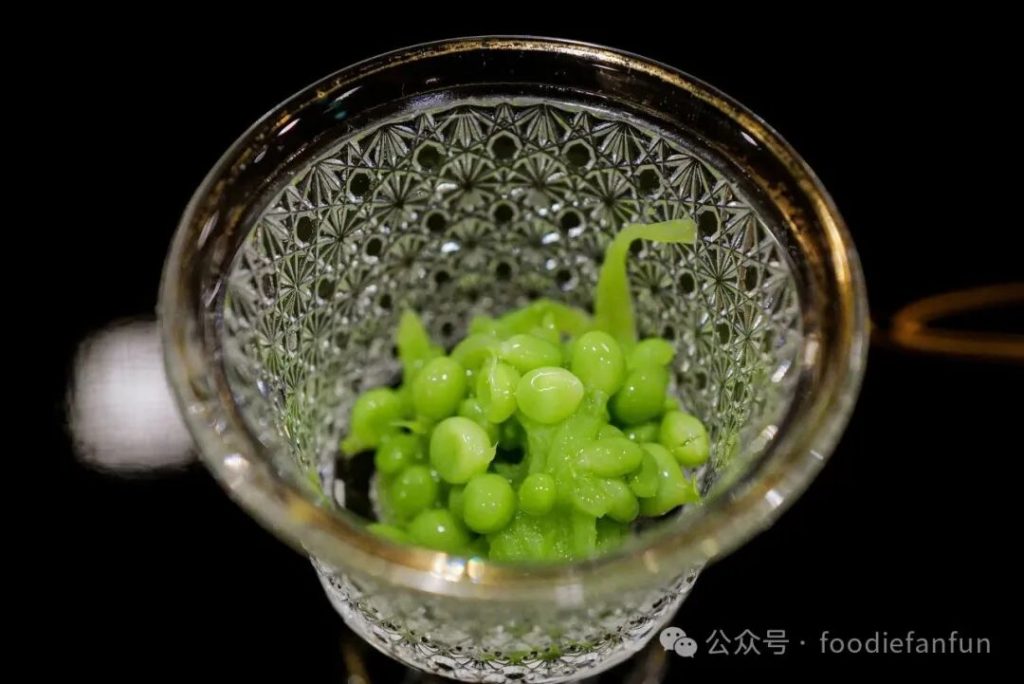
Beans, Green Bamboo Shoot
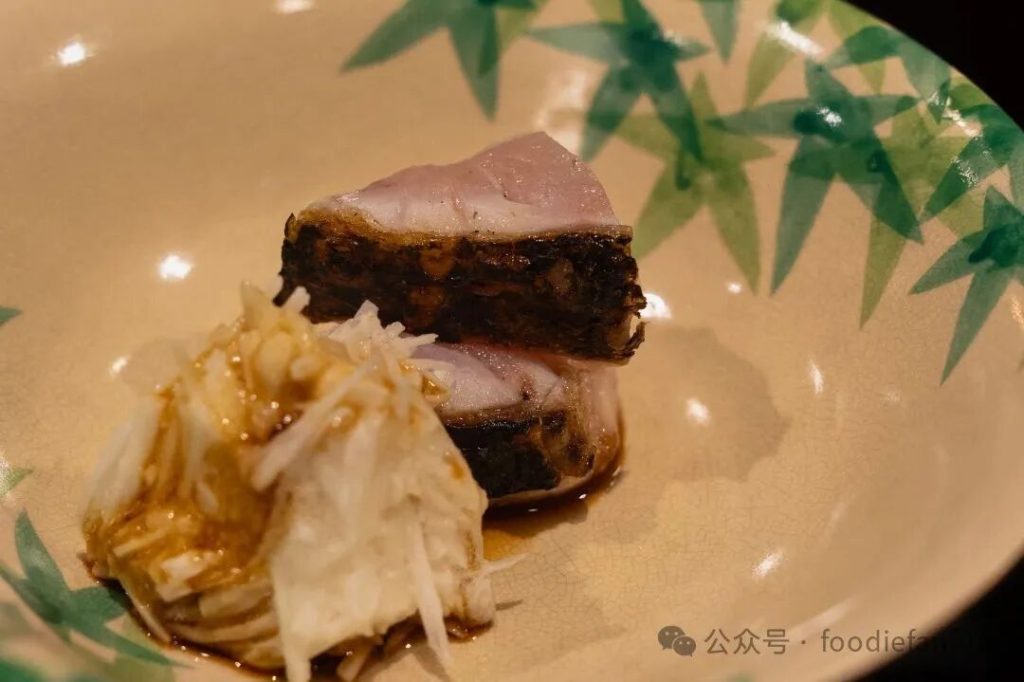
Nodoguro, Grated Yam
Local sweet beans, prepared in different forms, served as a palate cleanser — their sweetness bringing out the vegetal aroma.
The nodoguro (blackthroat seaperch) won us over with its tantalizingly charred, almost-black skin, seared over high heat to contrast beautifully with the delicate pink flesh underneath. But the real surprise on the plate was the yam — none of that oxidized tang, just a crisp, fresh bite. The produce in this small town always manages to steal the show.
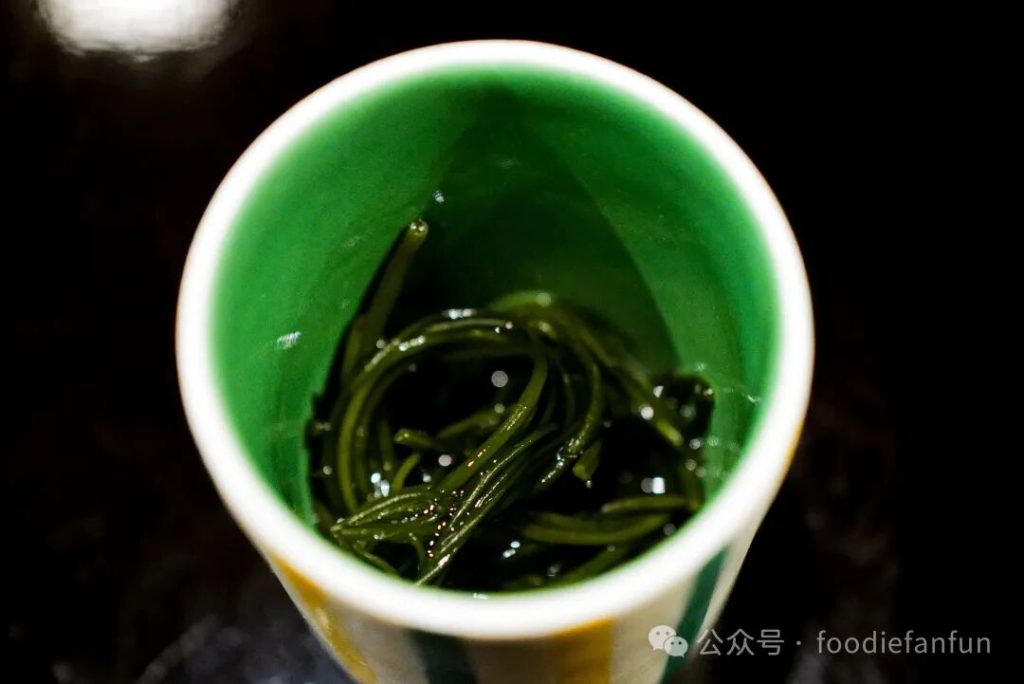
Seaweed
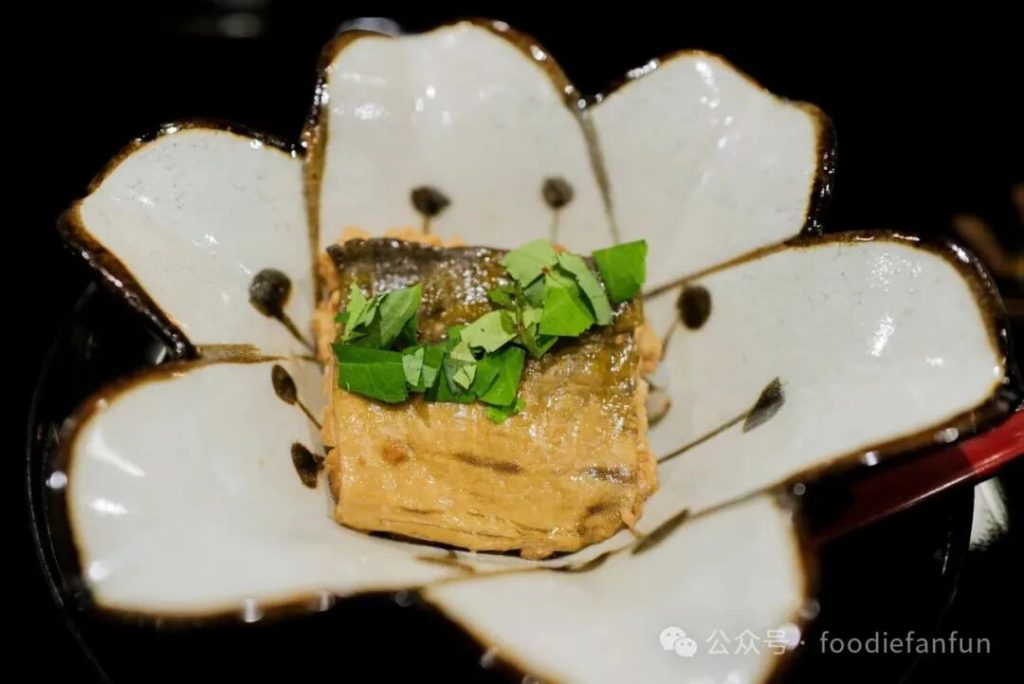
Conger Eel Rice
Photos can’t really convey the true size of the conger eel — Shinsuke-san gestured across the counter to show it was about a meter long, one of the most representative ingredients of this season in Murakami.
The eel’s skin was thin and never greasy, the flesh rich and full. Paired with a well-aged sake the restaurant served alongside, the eel’s originally bold flavor was folded into a warm, mellow umami.
Wild Boar, Cucumber
Asparagus Chawanmushi
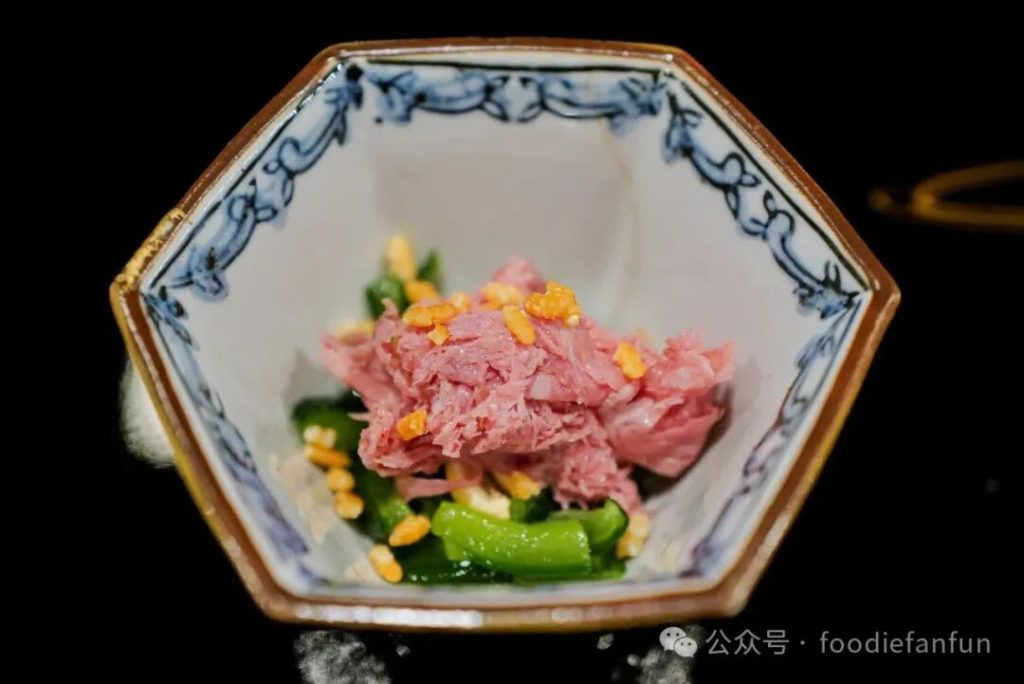
Younger brother Ryota earned his hunting license a few years back, so the menu occasionally features seasonal game. This time it was wild boar hunted just the day before, served with small cucumbers and kaki no tane (rice crackers). It was a bit lacking in flavor, but novel enough — a small meat-based palate cleanser of sorts.
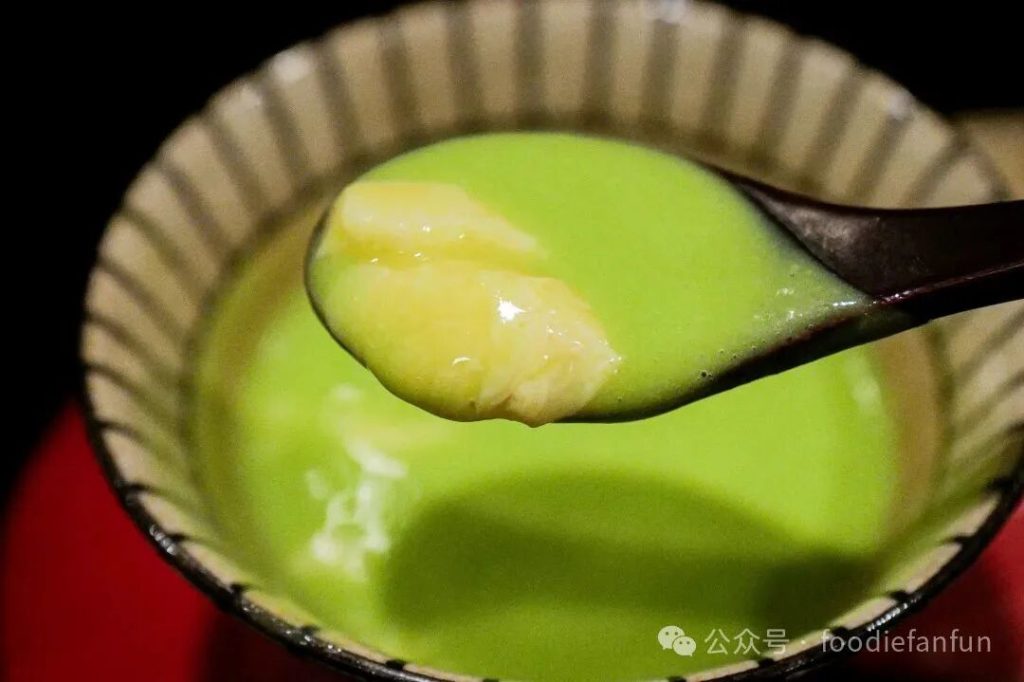
What came next, surprisingly, was a bowl of green — asparagus purée chawanmushi. It felt like it borrowed techniques from a Western-style velouté, silky and fine with no fibrous bits, brimming with asparagus’s fresh vegetal aroma — smooth, with a hint of spring.
Grilled Red-Spotted Grouper
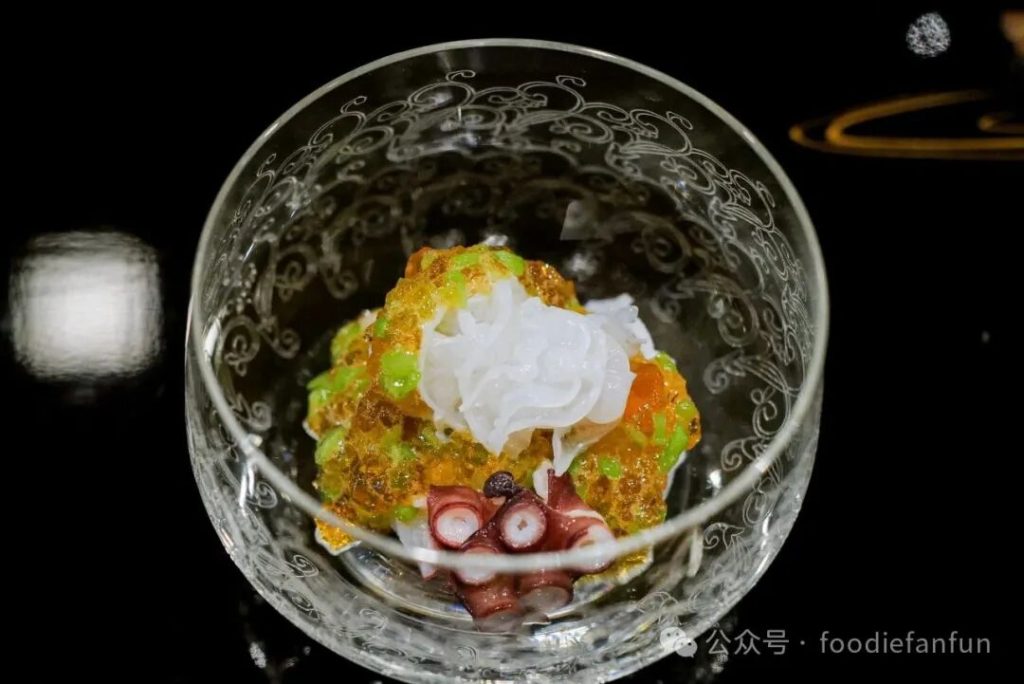
Octopus with Peppercorn Water
The red and white in the bowl actually both came from the same octopus, clearly showing the textural difference between its various parts, and demonstrating the strength of live octopus caught right near Murakami.
The white part was the body, sliced into thin strips, a bit chewy with a hint of crispness; the red part was the tentacles, juicier with a more pronounced crunch. A small bowl, gone too soon.
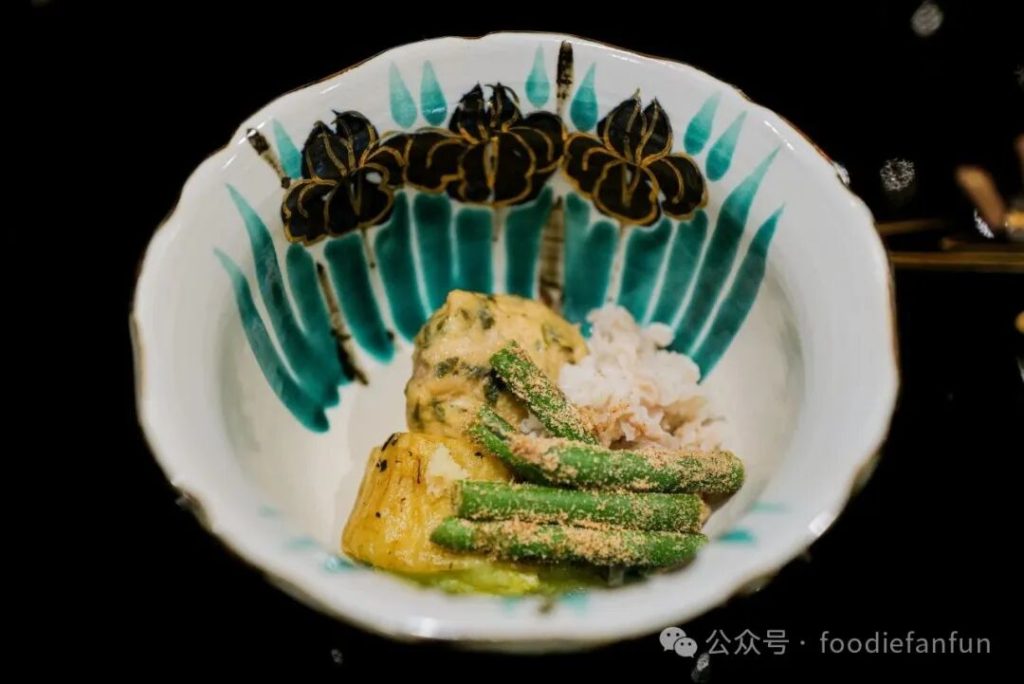
Wild Vegetable & Tofu Cake, Eggplant, Wild Boar, Green Beans
Beyond showcasing the strength of Murakami’s seafood, Shintaku puts just as much care into its vegetable dishes.
The little cake made of wild mountain vegetables and tofu, reminiscent of Murakami’s own “fennel cake,” brought out the aroma of wild greens to the fullest — the more you ate, the more addictive it got. The grilled eggplant was soft and well-seasoned, carrying a deep charcoal aroma. The green beans were crisp and sweet, refreshing, each bite bursting with freshness.
The only slight disappointment was the wild boar on the side, which had a fairly strong gamey smell — the sole misstep of the entire meal.
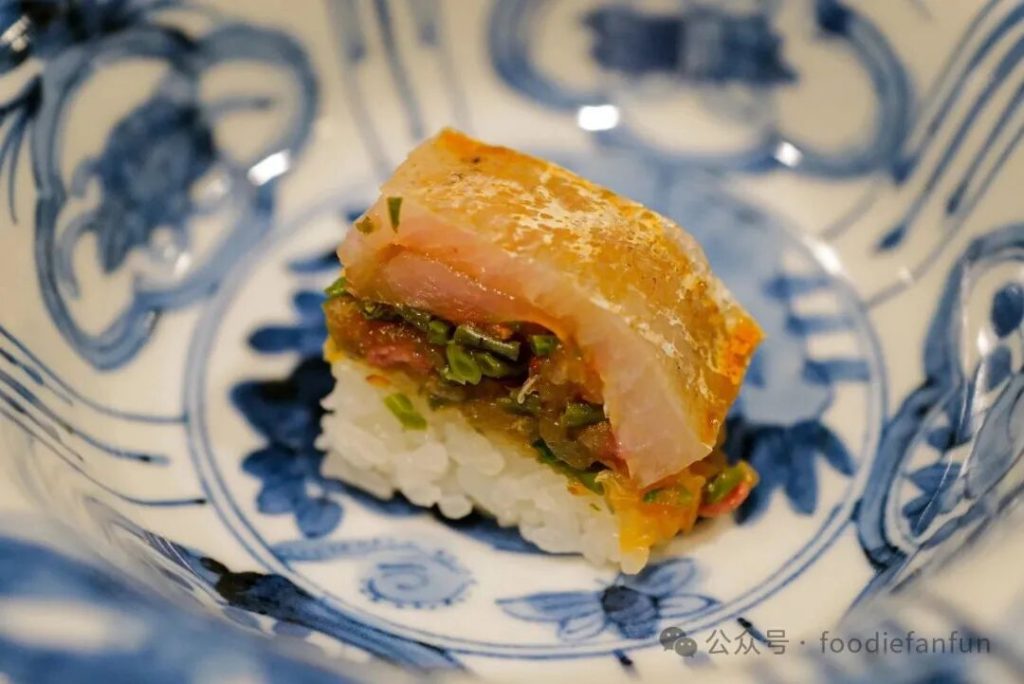
Kanpachi Sushi
The first half of the rice course was a piece of pressed kanpachi sushi. It combined the pressed-sushi form typical of the Hokuriku region with the fermented flavor of Murakami’s own izushi (fermented rice sushi) — you could see the formal borrowing, and taste something distinctly Murakami.
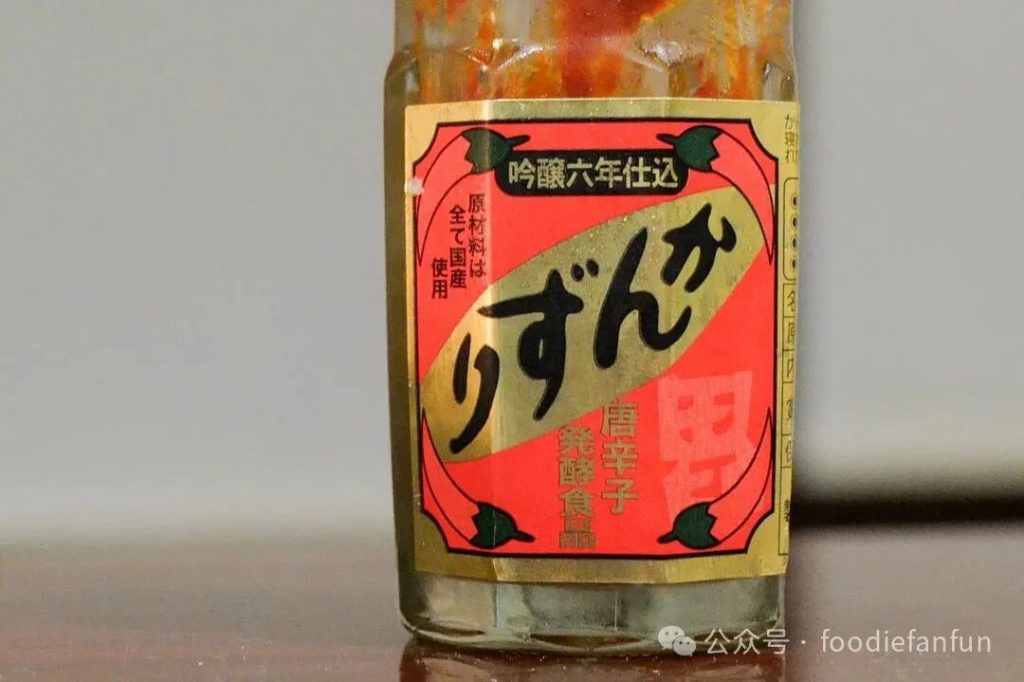
Shintaku swapped the dried, air-cured salmon typically used in izushi for fresh kanpachi. The acidity and faint spiciness from fermentation blended perfectly with the fish’s richness, with clear, distinct layers. Every bite tasted a little different, continually pulling out our curiosity as visiting diners.
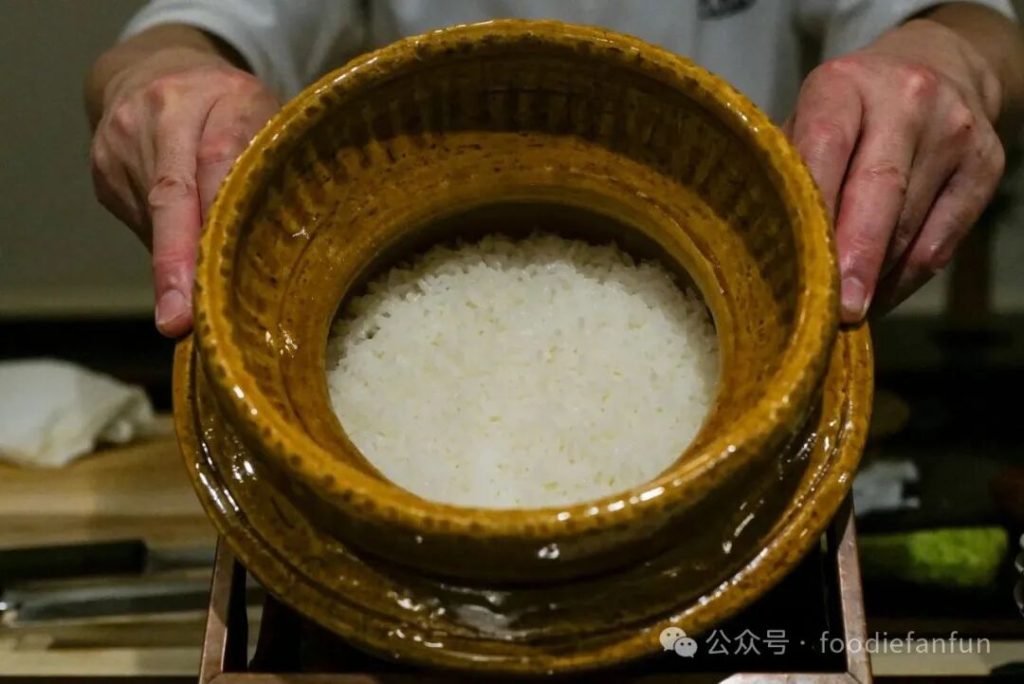
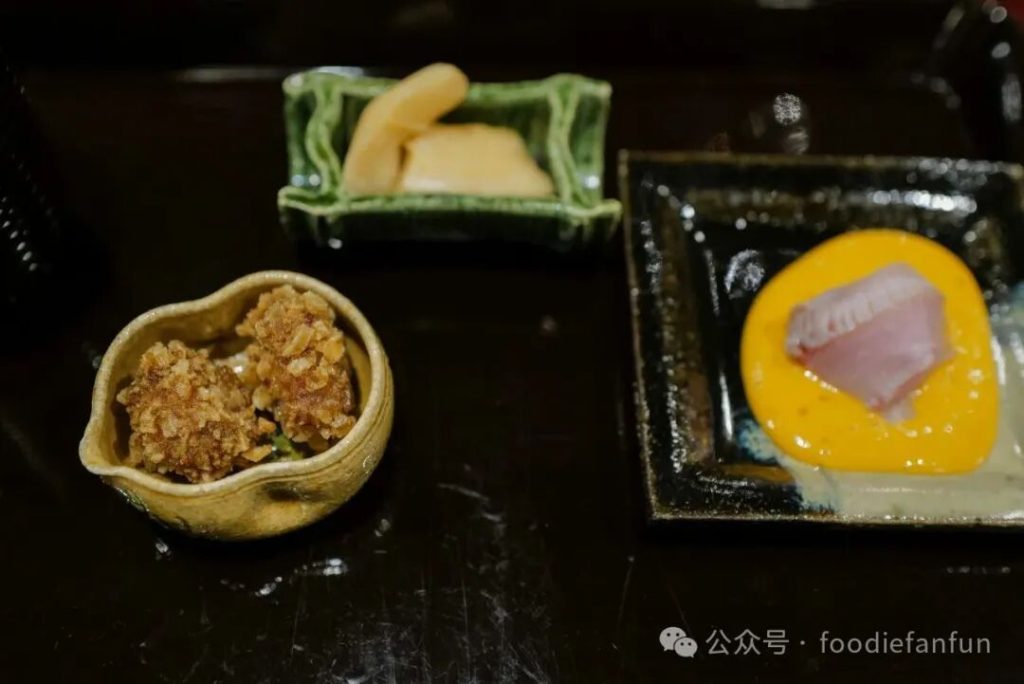
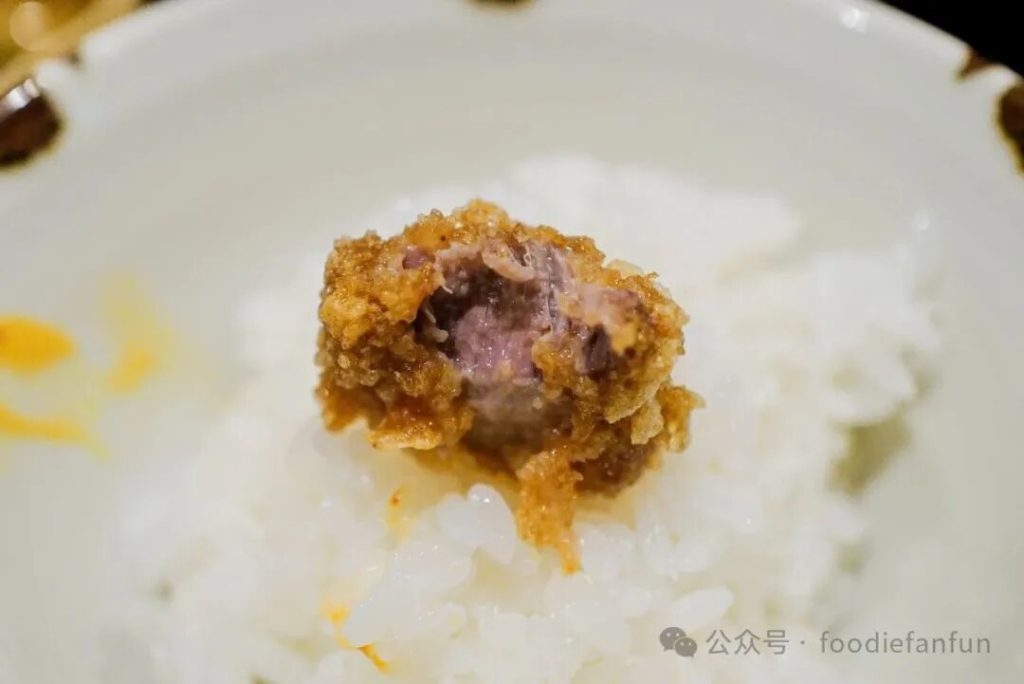
The other rice dish was, of course, Shintaku’s famous plain white rice. Niigata’s Uonuma rice, steamed in an old ceramic hagama pot using local Murakami spring water. The aroma was hard to describe — plump grains, soft and sweet, with a clarity like fresh spring water.
The side dishes were interesting too — the mildly spicy house-made mayo paired with striped knifejaw, and the wild boar croquette, both went perfectly with rice, so much so that one of my companions had four bowls.
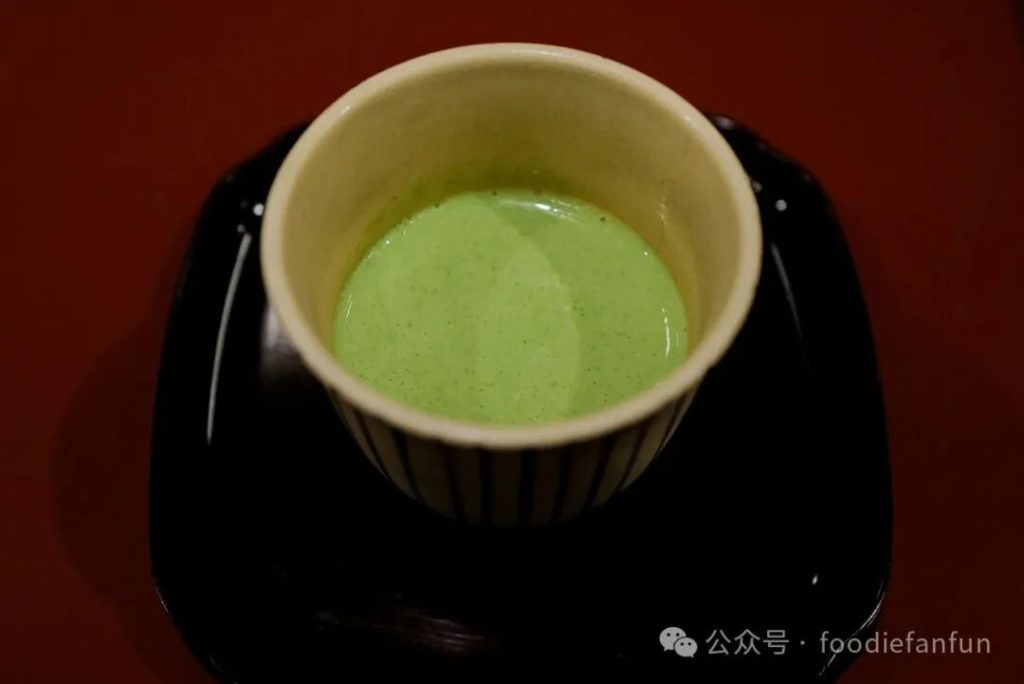
Sansho Mousse
Another surprising bowl of green appeared — this time, sansho pepper mousse.
It sounds like a questionable dish on paper, but the restrained numbing sensation was genuinely appealing, and the sweetness came through straightforwardly. Plain-looking, but nothing ordinary about the taste.
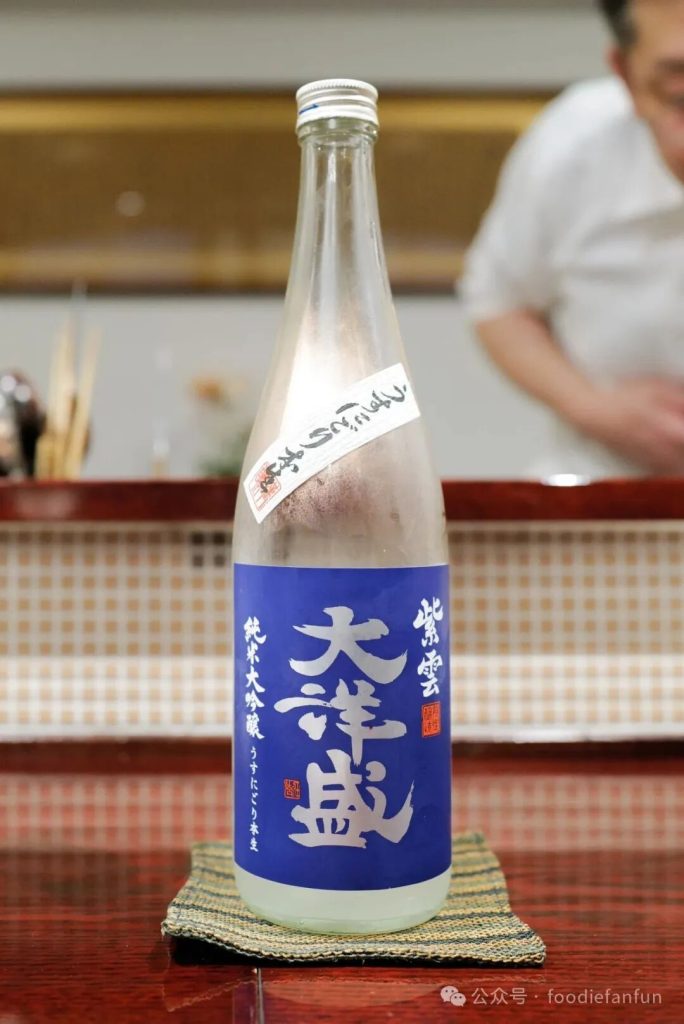
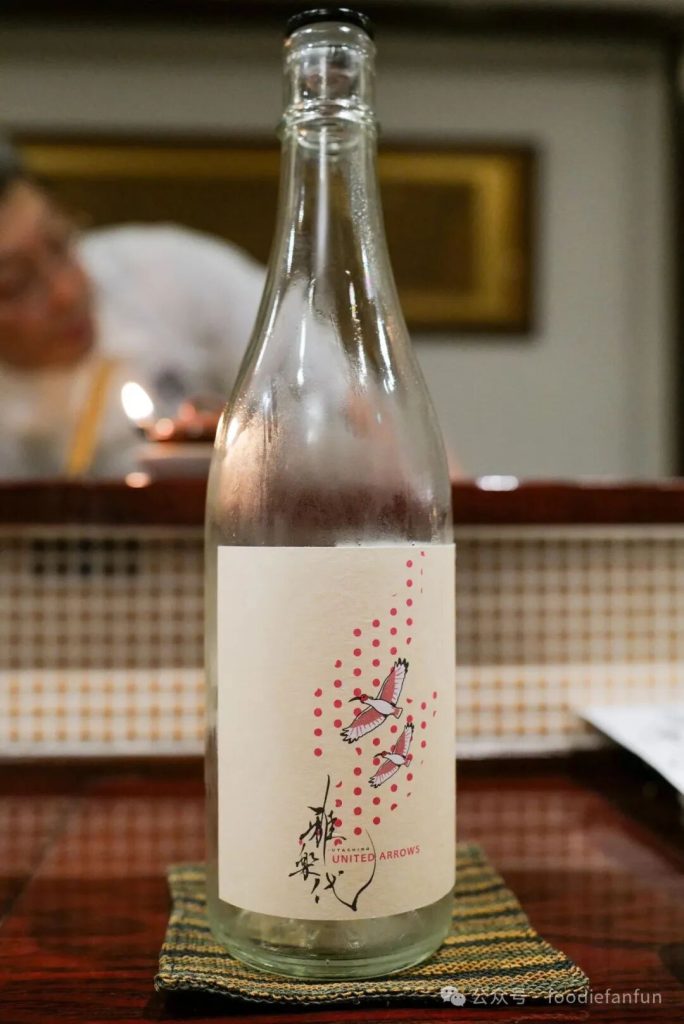
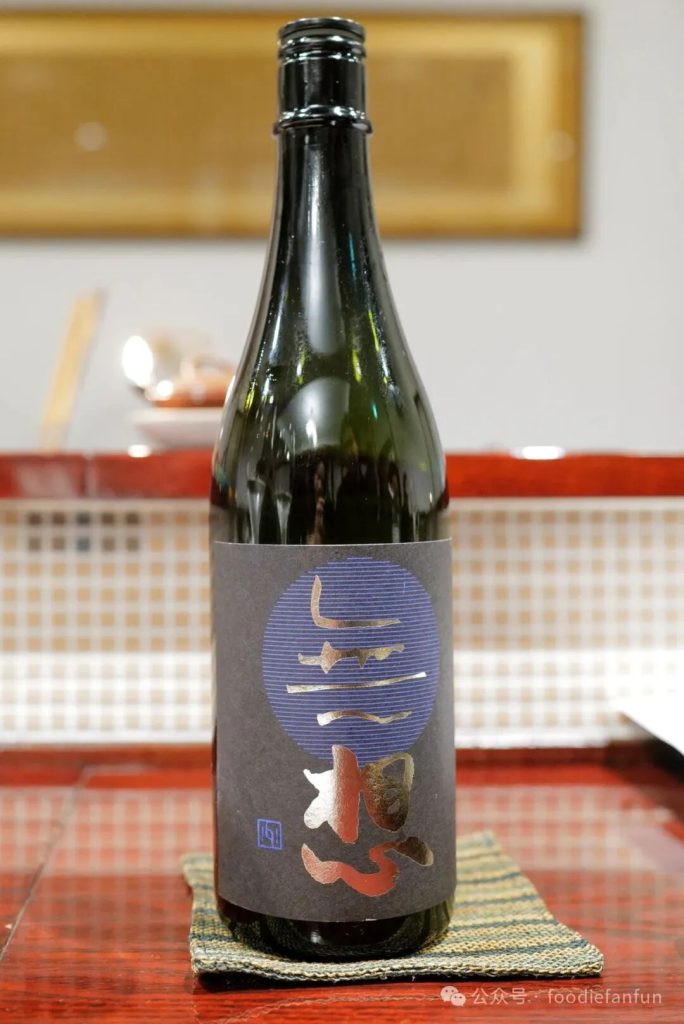
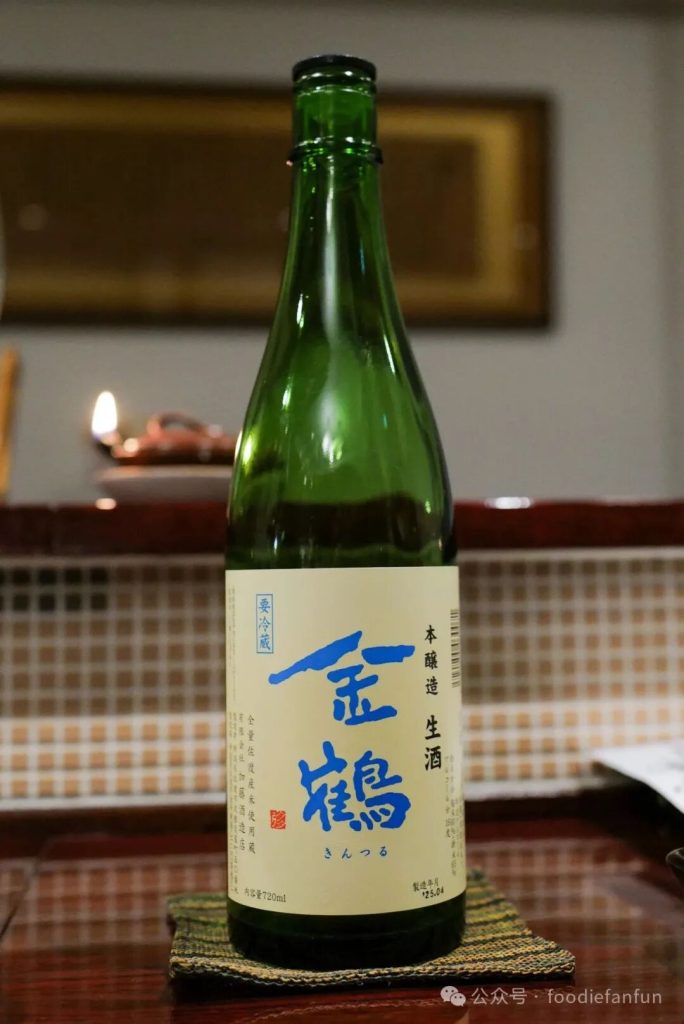
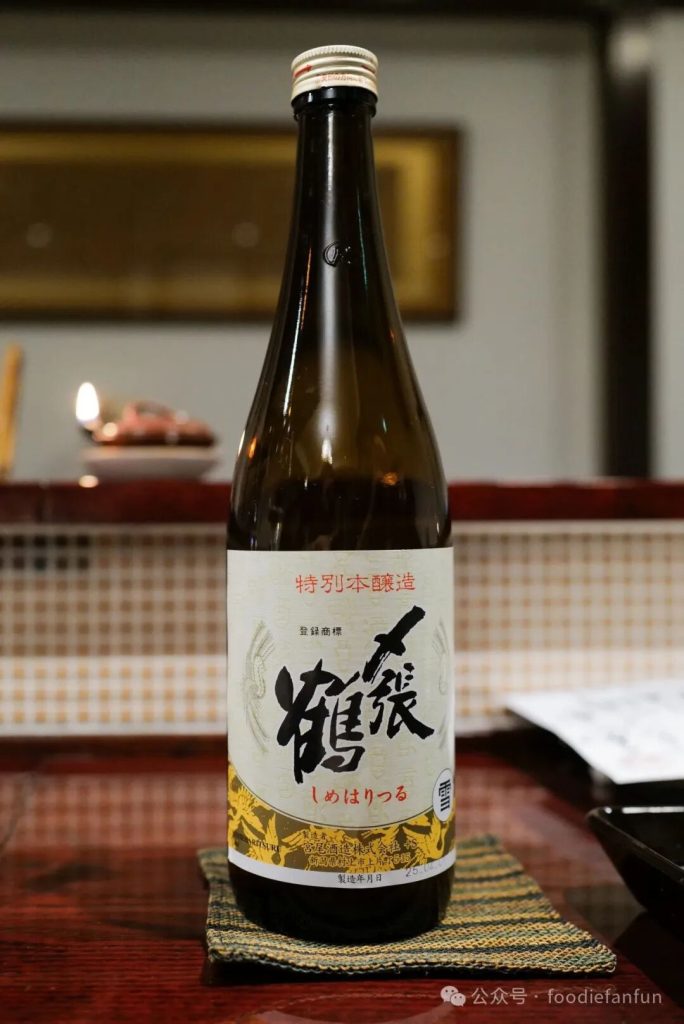
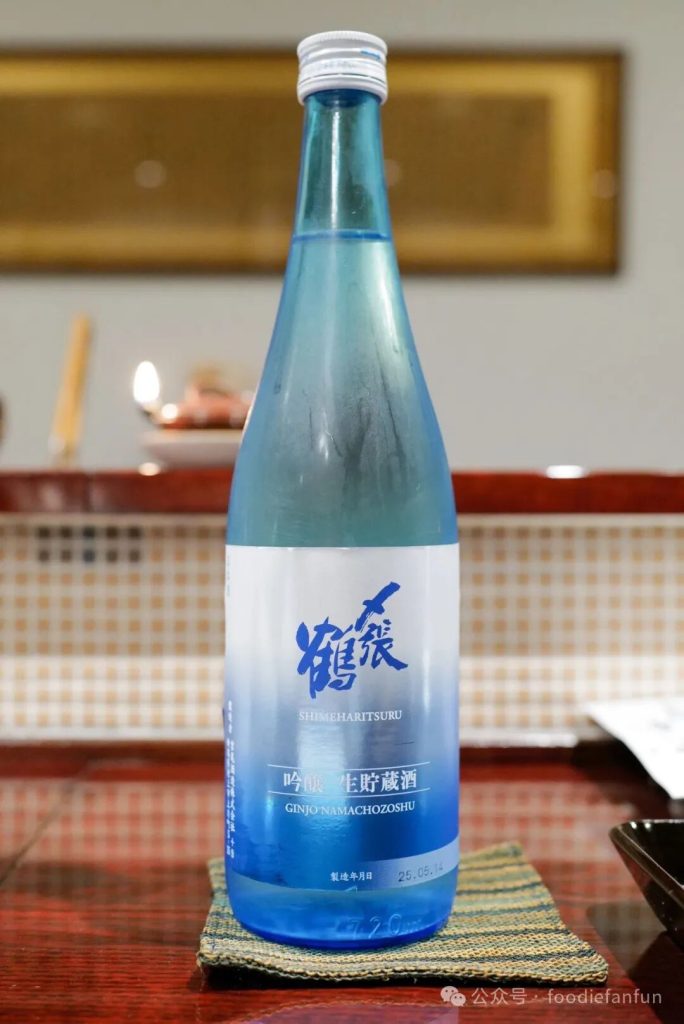
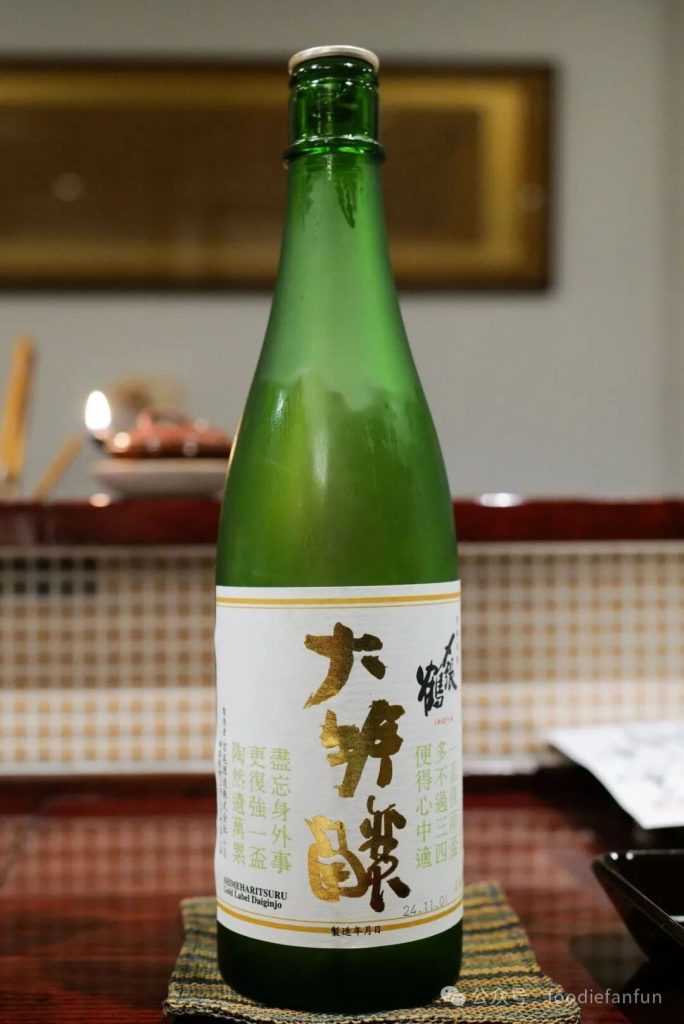
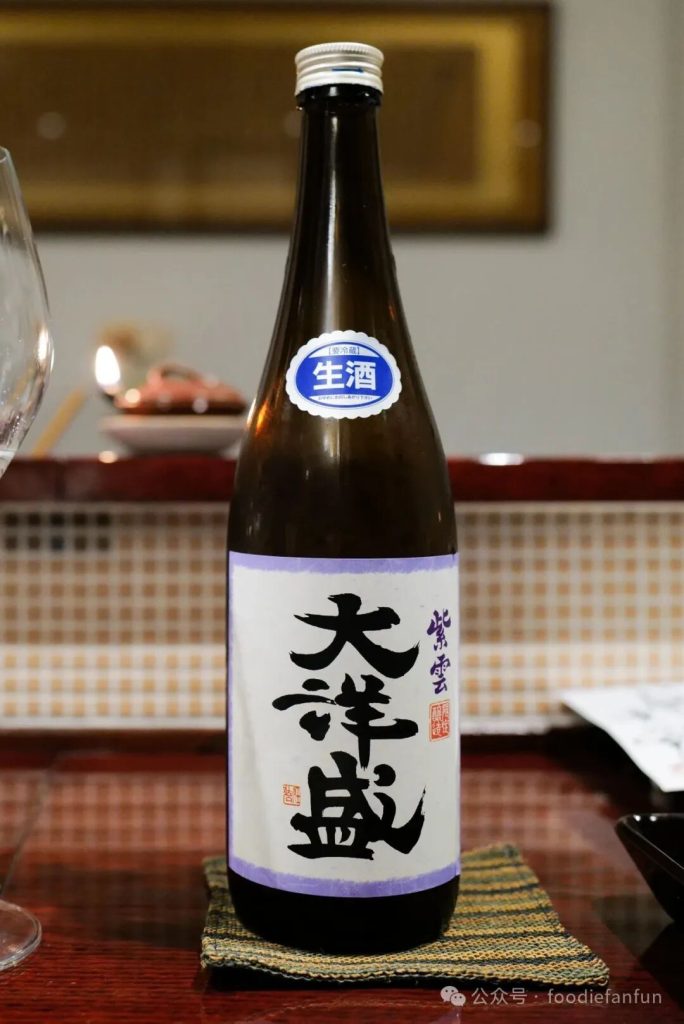
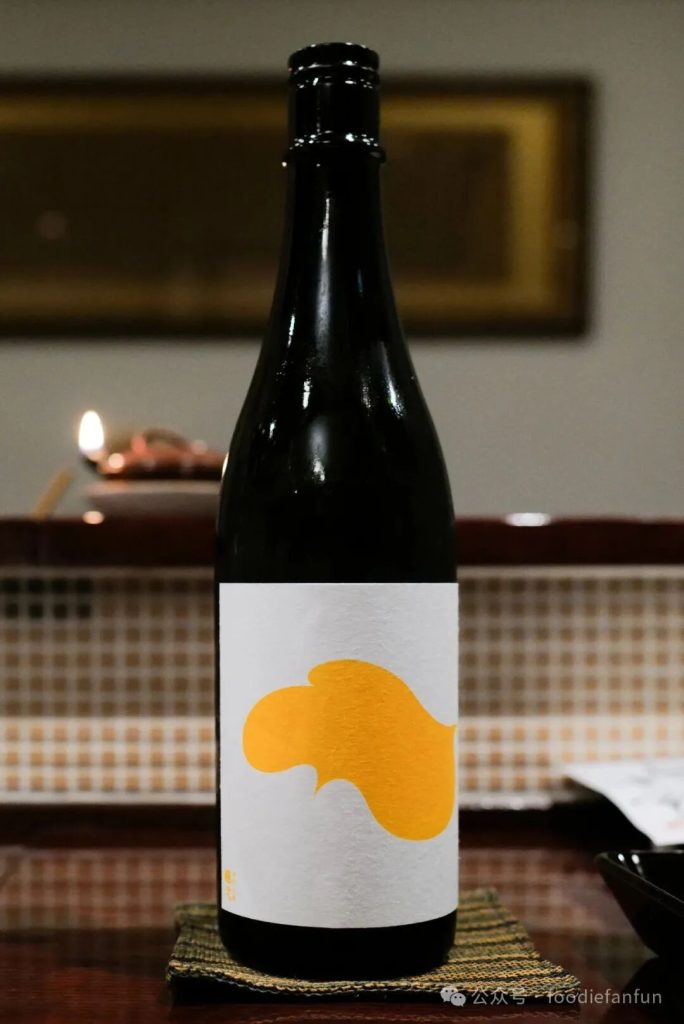
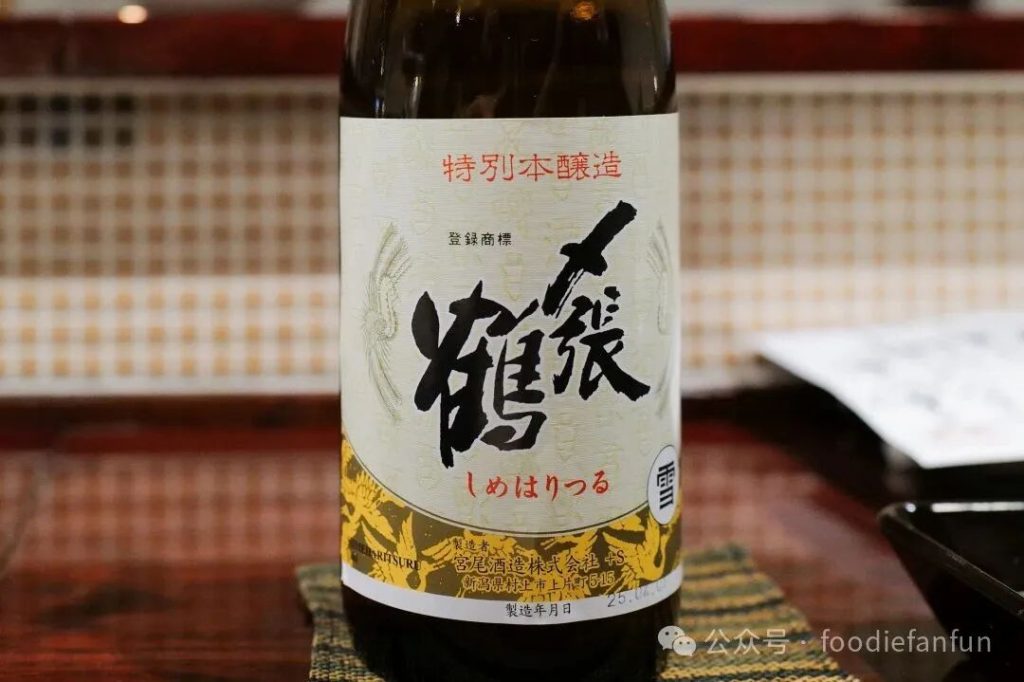
The pairing was all local sake like Taiyozakari and Shimeharitsuru, but the match with the food was excellent — a real embodiment of the Japanese idea that each region’s ingredients pair best with that same region’s sake.
There was an interesting little detail in the service, too — most restaurants show a single bottle to all the guests at the counter, but Shintaku had extra bottles on hand, one for roughly every two guests, so everyone could easily check the label.
It’s always the thoughtful little details that leave the deepest impression.
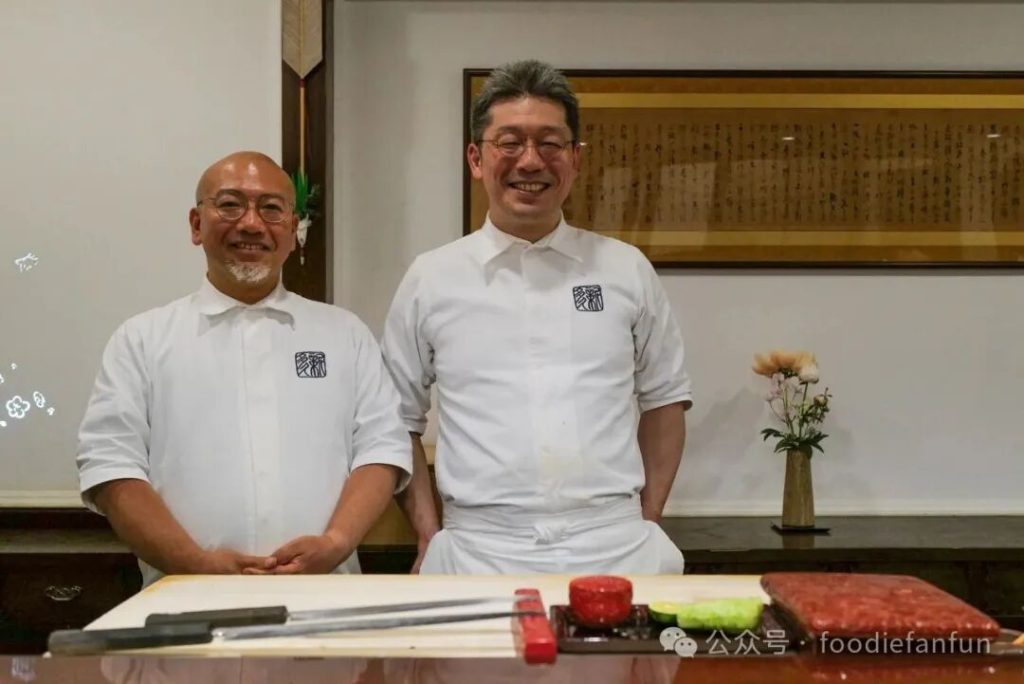
Across the whole meal, almost every dish could be described as thoughtful and memorable — and it’s the kind of flavor that would be nearly impossible to replicate outside of Murakami.
The menu at Shintaku doesn’t follow the fixed rules of a traditional ryotei for cooking fish or vegetables — instead, the brothers focus more on drawing out each ingredient’s potential, then considering the flow and balance of the whole meal as one.
As older brother Shinsuke Yamagai said in an interview, when facing excellent ingredients, it’s better to draw out the flavor already there through technique than to pile on more seasoning.
Kappo Shintaku
3-38 Komachi, Murakami, Niigata
Thursday – Tuesday
11:30-14:30 17:00-21:30
https://murakami-sintaku.com/menu.html
Tasting Menu 11,000 / 16,500 / 22,000 JPY
Whether it’s the brothers’ precise command of kappo cooking or the richness of Murakami’s local produce, the food and experience at Shintaku are the kind you want to remember and write down. It’s genuinely a restaurant worth a three-hour expedition from Tokyo.
Looking forward to the next season!
Leave a Reply