Back in Niigata — Japan’s finest region for fish — and you can’t skip either half of its sushi “twin peaks.”
After visiting Kyodai Sushi, I also managed to book the lunch counter at Sushi Tokiwa. The little inventor was at it again.
Squid pounded into mochi, sushi made with charcoal-grilled lotus root, shabu-style akami, angelica-cured chutoro, tomato shari paired with kobako crab, kue cured in aged citrus vinegar, winter yellowtail turned into a mille-feuille… truly, anything can become nigiri here.
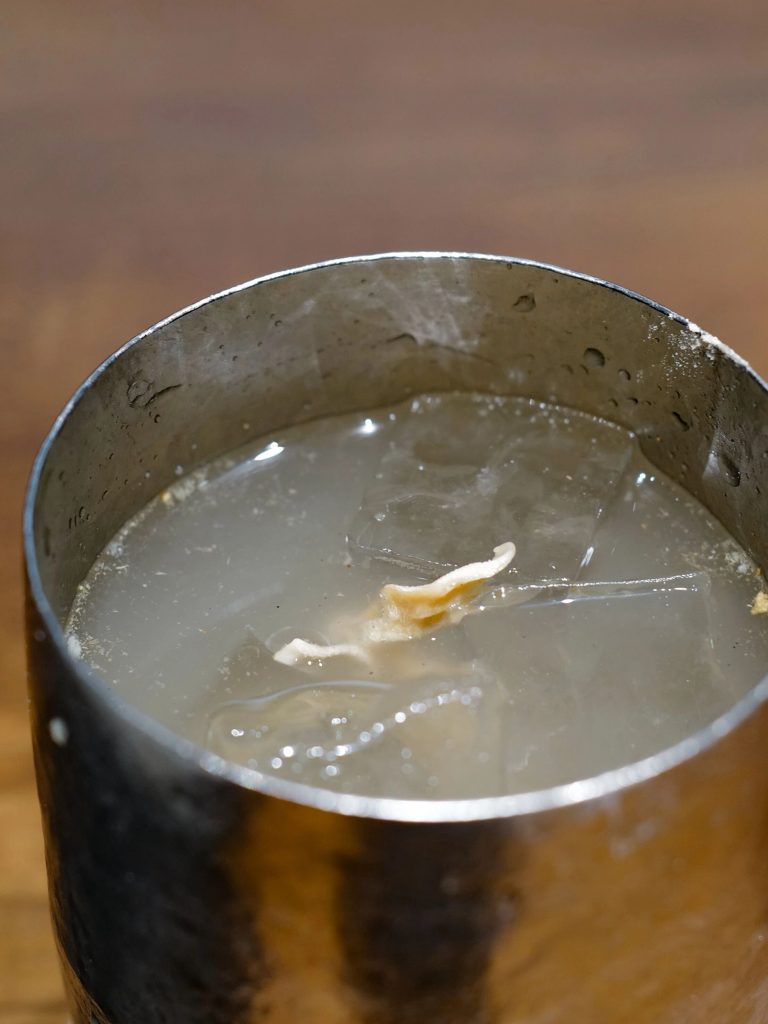
Seaweed clam soup with pearl barley
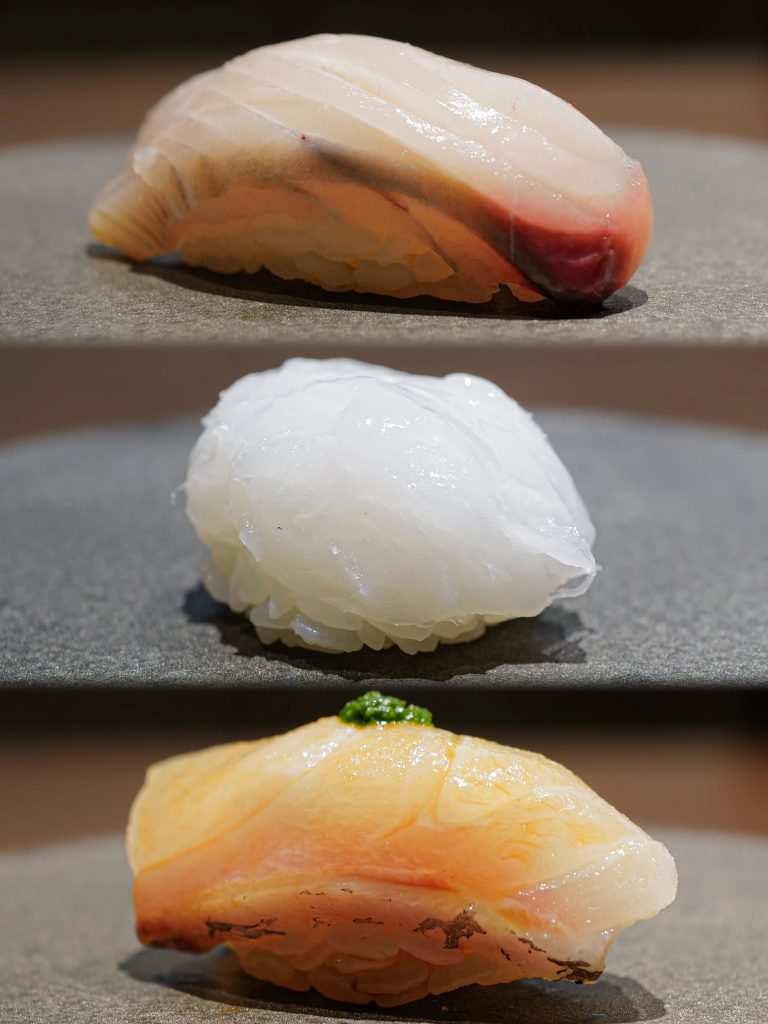
Winter Spanish mackerel loin, Sado ⭐️
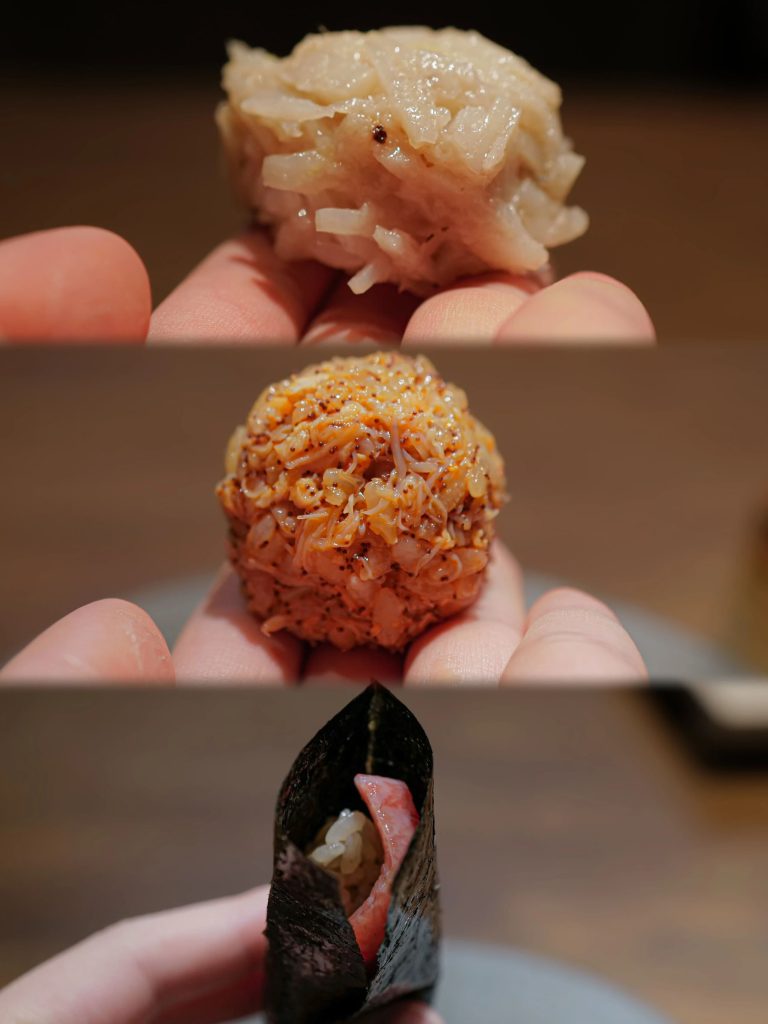
Squid ⭐️⭐️
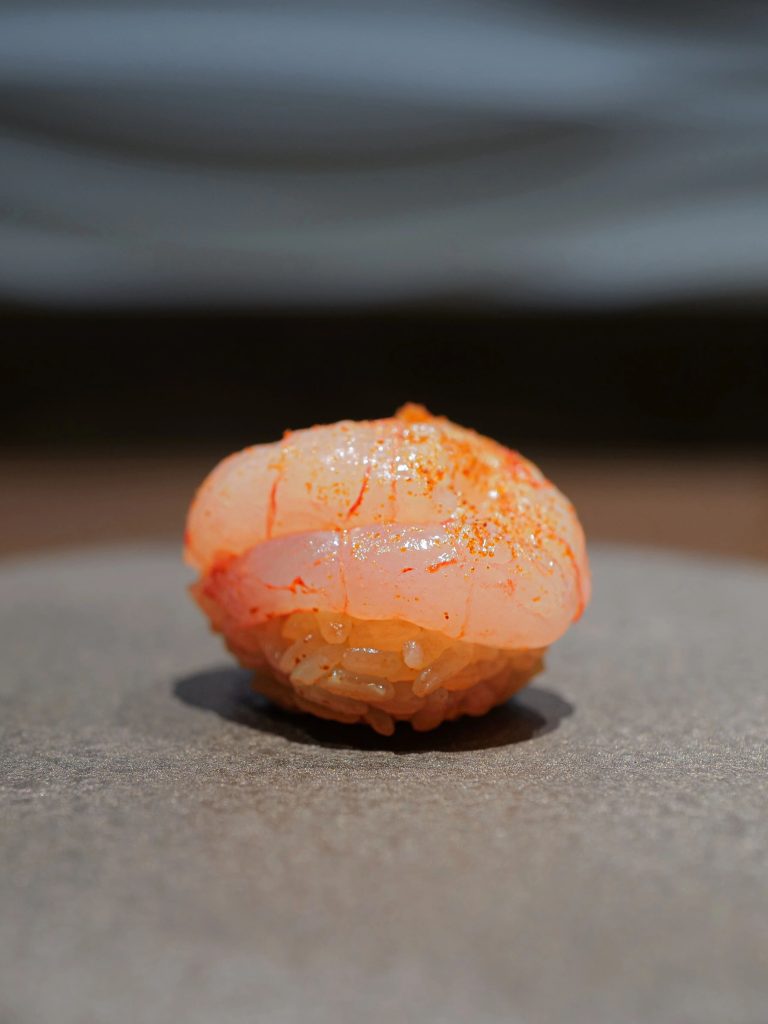
Sado nanban shrimp ⭐️⭐️
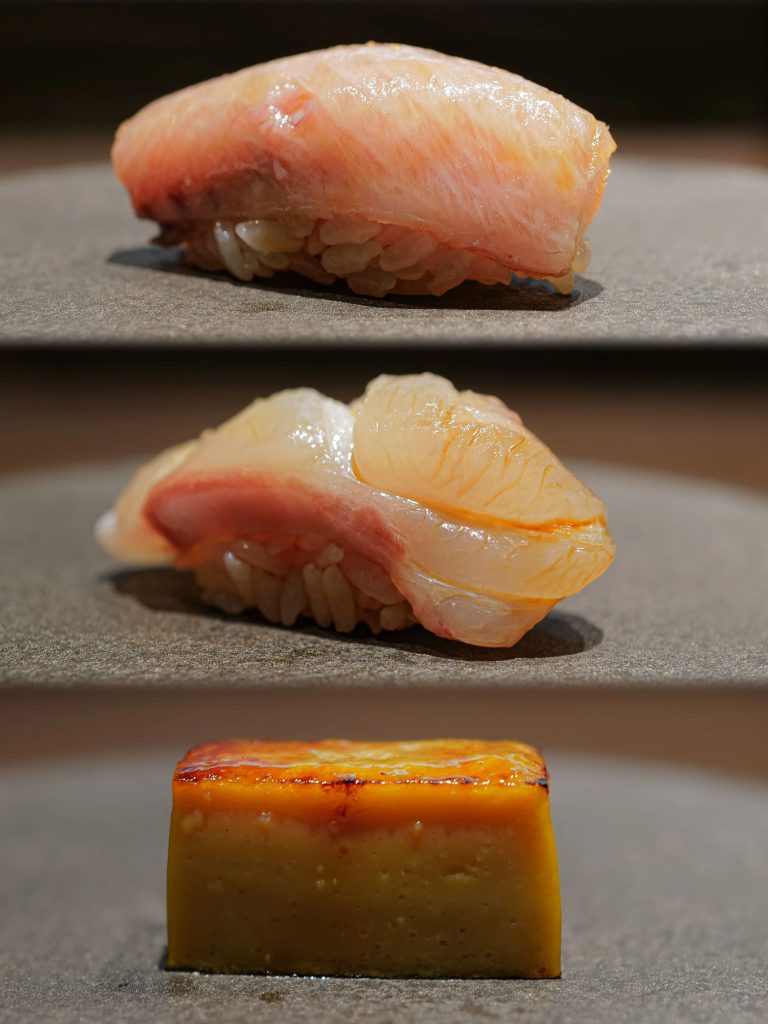
Sado medai ⭐️
Winter yellowtail mille-feuille, Awashima ⭐️
Lotus root ⭐️⭐️⭐️
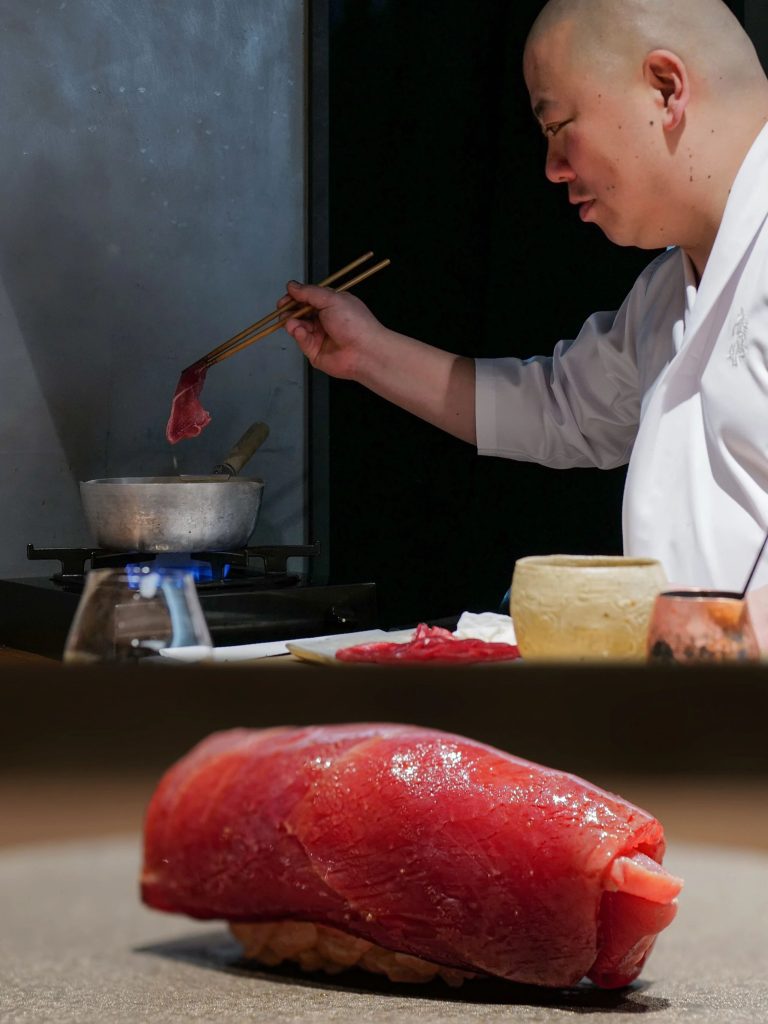
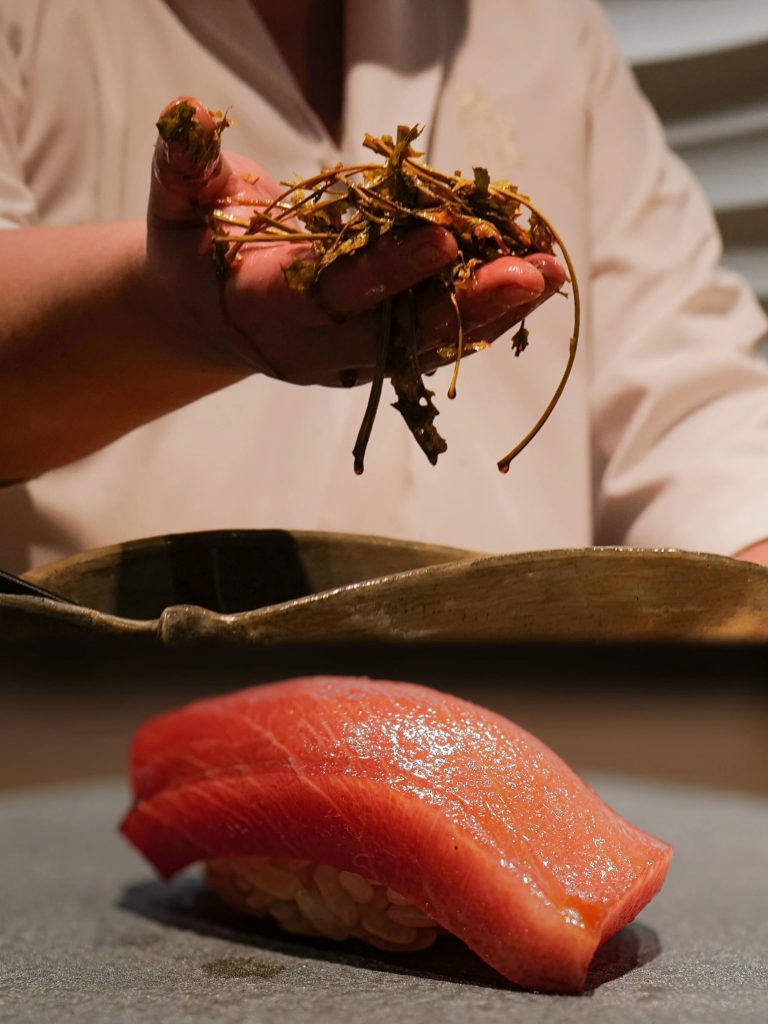
Shabu-style akami ⭐️
Angelica-cured chutoro ⭐️
Otoro ⭐️
Kue (grouper) ⭐️⭐️
Kobako crab ball, tomato shari ⭐️
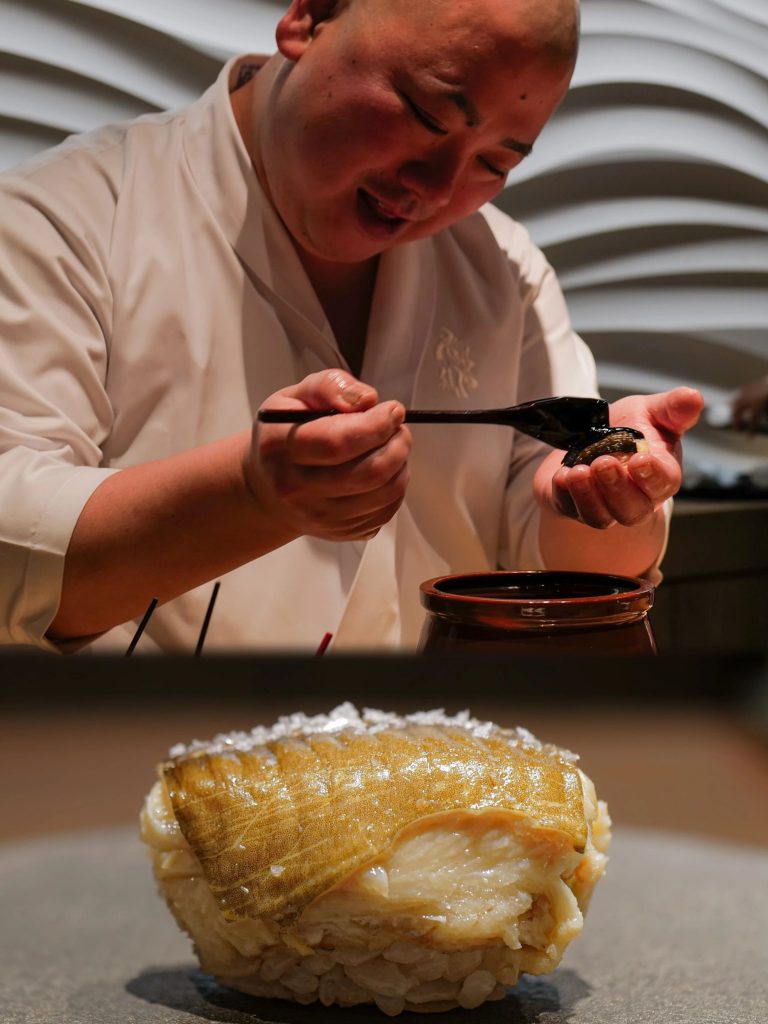
Anago, salt ⭐️
Tamago ⭐️
Vegetable-broth egg soup
🐟+🌾+🧠=🍣
If there’s one word for Tokiwa, it’s singular. Nearly every piece of nigiri carries its own small idea.
More importantly, these ideas are built on real craft and real taste — whether it’s the knife work on the ingredients or the precision of the seasoning.
This is someone with both vision and the skill to back it up.
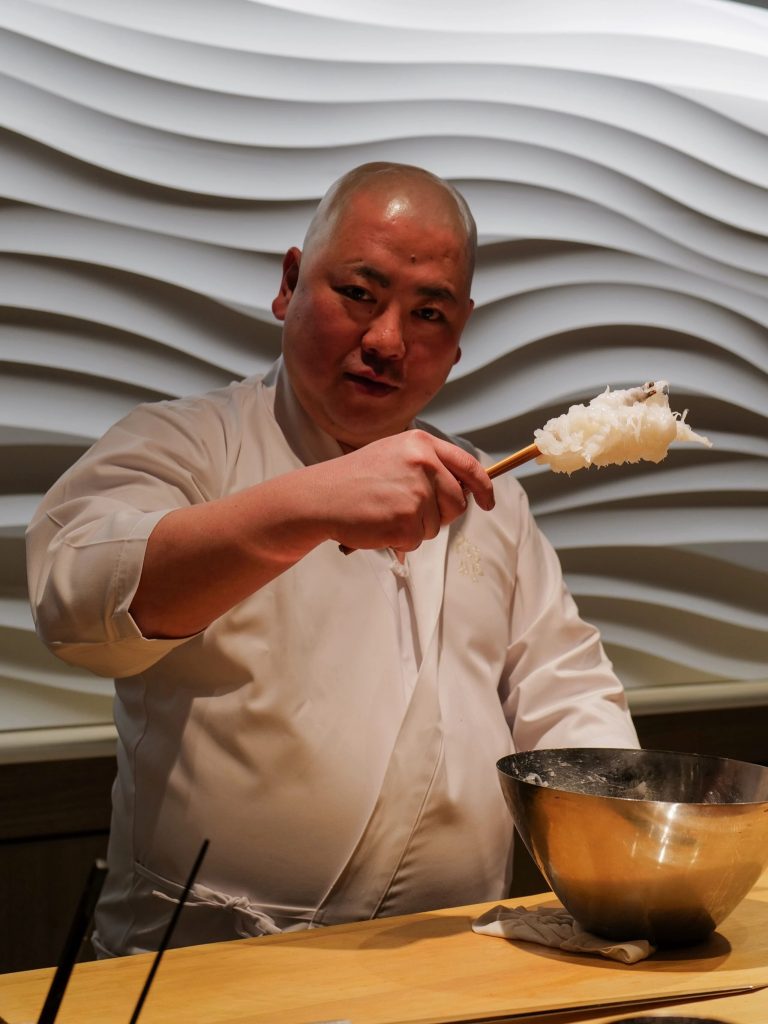
Kobayashi-san is a big guy, but his movements behind the counter are impossibly light. Take the squid: with one hand on the knife, a single stroke along the cutting board, and the squid comes away sliced paper-thin, almost translucent. Cut into fine threads and then worked hard until it “sets,” the fibers completely broken down.
The result in the mouth is divine — silky, faintly sweet, spreading slowly across the tongue. A small piece of squid, in Kobayashi-san’s hands, wasn’t just riding on the charm of local ingredients — the boost this technique adds shouldn’t be underestimated either.
At Tokiwa’s counter, sushi isn’t confined to just fish and rice. Generous use of citrus and herbal aromas opens up new dimensions, with cooking technique used to shape each ingredient’s texture. “Sushi” here might be better understood as a dining experience built from ingredients layered onto rice.
“When I went to Chaoshan, I had the local beef hot pot, and after coming back I added some shabu-style touches to the food.”
But the akami shabu is more deliberate than it sounds — just a couple of quick dips in two directions, barely colored, before it’s pressed into nigiri.
“The soy sauce for the chutoro has angelica in it too — also something I picked up traveling in China.”
“I’ll be coming to China a lot this year — mid-year there’s a collaboration event with a restaurant in Hangzhou.”
So a good silver-tier restaurant is one that lets guests watch it grow, visit after visit — and keeps building anticipation for the next one.
🍣Sushi Tokiwa
💰¥25,300++
Leave a Reply