When you’ve had your fill of yakitori, sushi, and kaiseki, Tokyo’s Italian scene is always there to freshen things up — and there’s always more of it left to explore.
Within the world of Western cuisine, Tokyo’s French restaurants can feel like prime real estate — small portions, big prices, the sense of a hippo’s wide-open mouth swallowing your wallet whole. Italian restaurants, by comparison, feel far more diverse and approachable.
This piece rounds up a handful of Italian restaurants in Tokyo that are genuinely delicious, offer solid value, and are still realistically bookable.
From neighborhood trattorias serving the local community, to a wildly popular ham-and-pasta specialist already booking into 2028, to a two-star Italian fine-dining spot — run by just one couple — that’s considered the pinnacle of Italian cuisine in Tokyo.
So consider this an invitation to share in the happiness of a pasta-obsessed brain, loose in Tokyo. 🎉
✦
•
✦
🍝 Prisma
👨🍳 A husband-and-wife-run Italian restaurant, low-key and warm, yet widely acclaimed
⌛️ Reservation difficulty: ⭐️⭐️⭐️
💰 Average per person: ¥40,000+
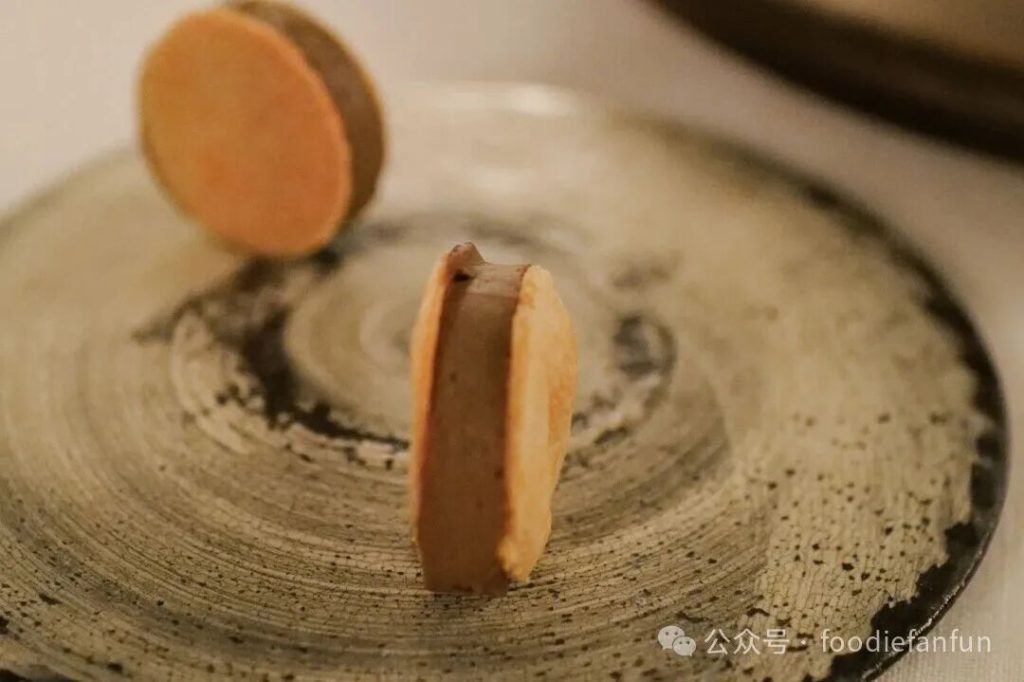
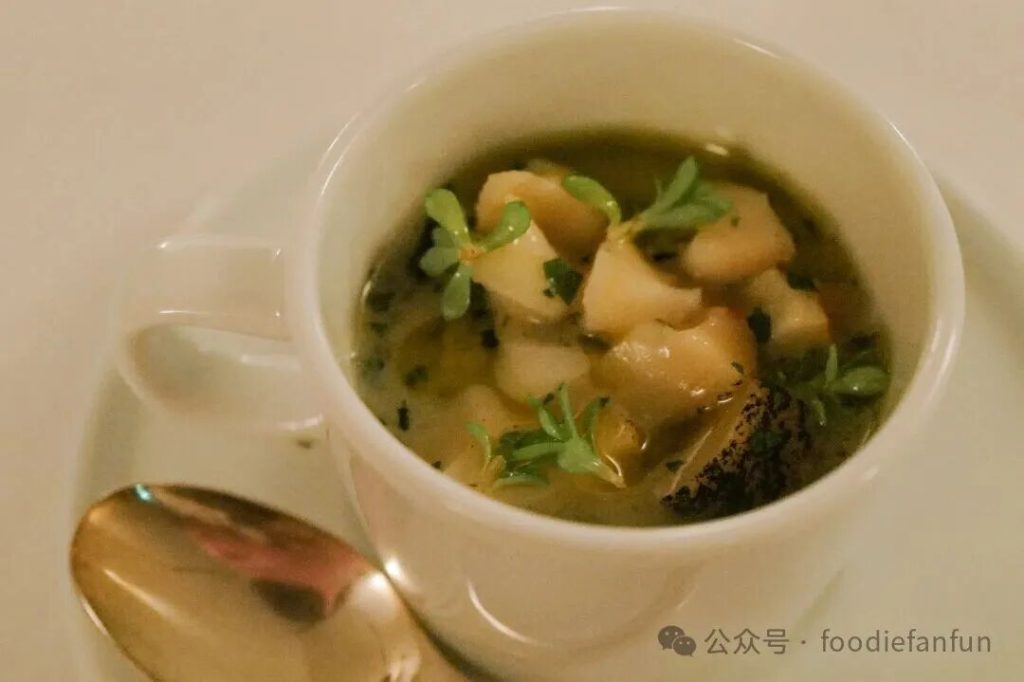
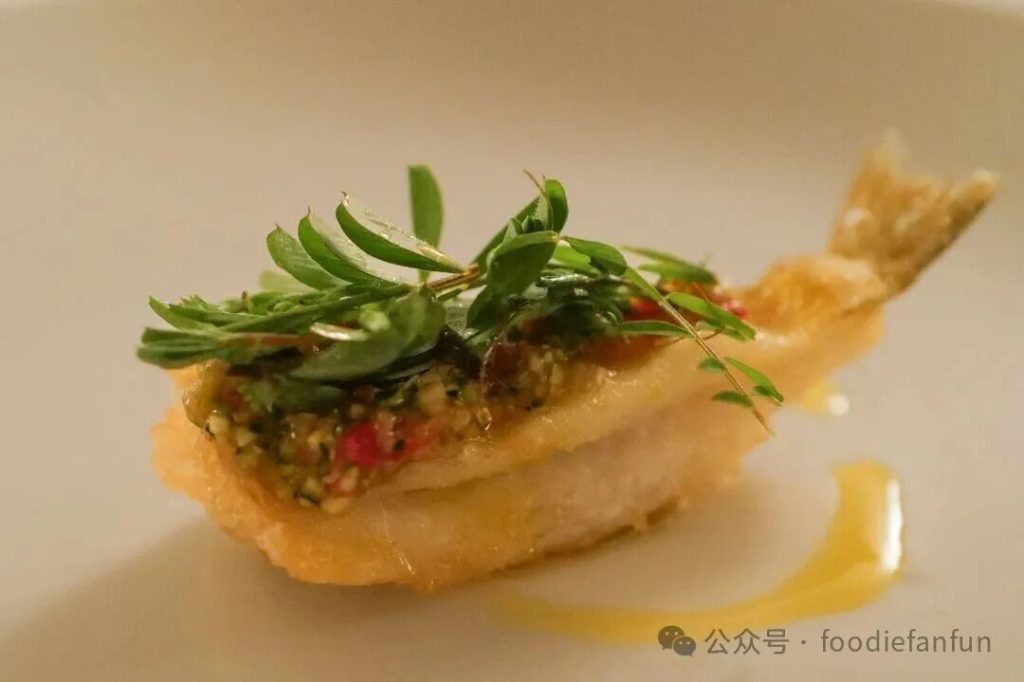
As Tokyo’s only two-Michelin-star Italian restaurant, Prisma has long stood as the benchmark.
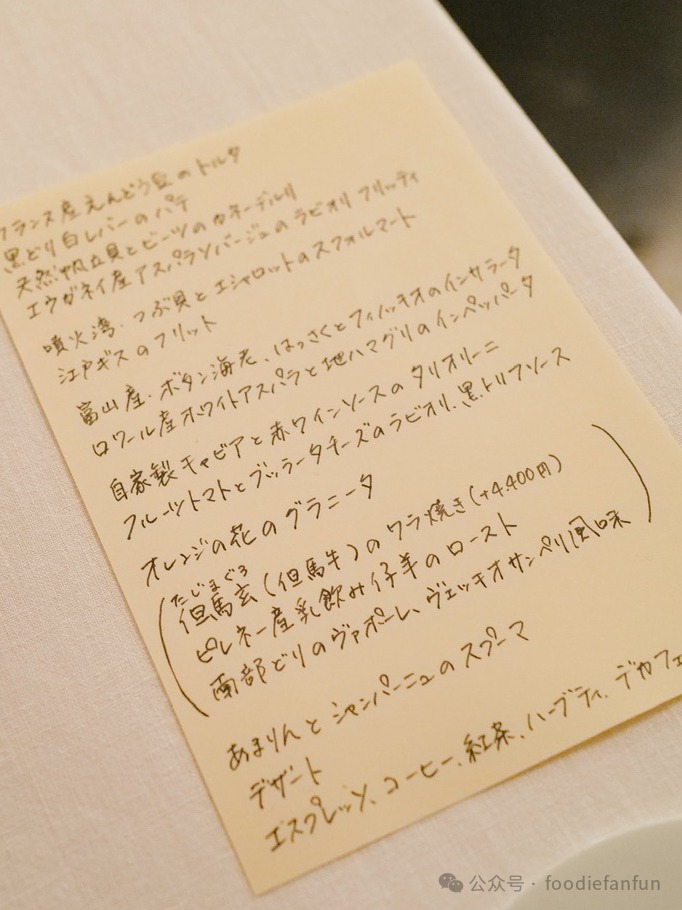
Run by a husband and wife, the whole space revolves around the chef. In the clean, bright room, the kitchen takes up nearly a third of the floor, and the menu — entirely handwritten — changes with the seasons at a fast clip.
Chef Saito Satoshi is originally from Hokkaido. After training in Italy in his younger years, he returned to Tokyo to study at a French restaurant.
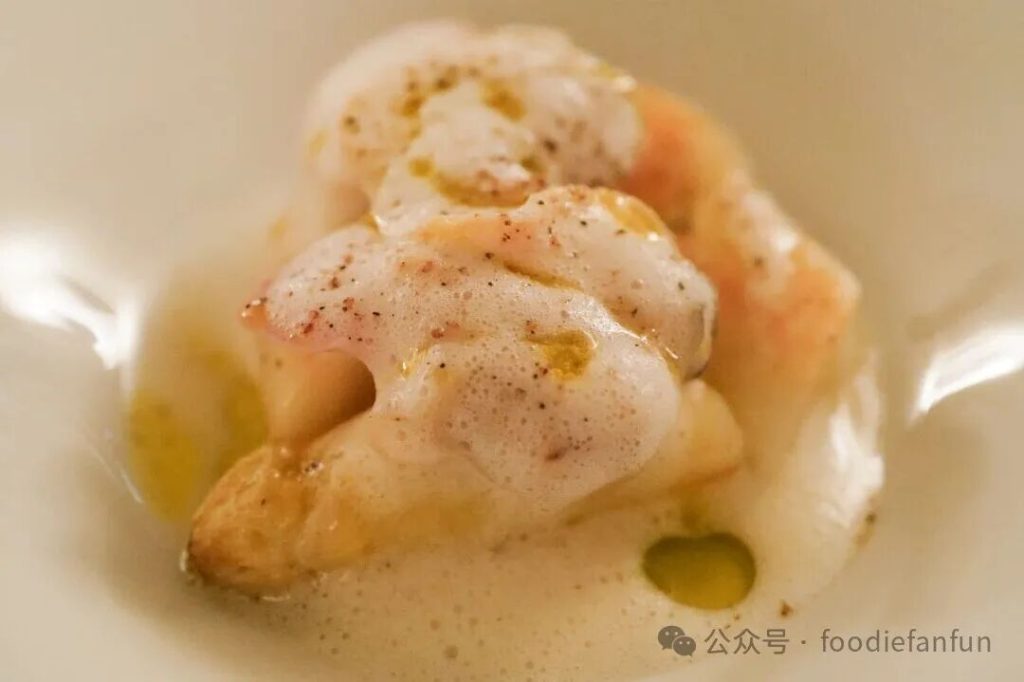
His cooking has a clear personal style — soft yet complex, with a certain restraint running through it. Japanese, Italian, and French influences merge beautifully; what looks like a simple combination often unfolds into unexpected layers of flavor. The range of ingredients is broad too — French white asparagus, Toyama white shrimp, Tajima beef, and whelks from Funka Bay can all appear on the same seasonal menu, giving it real breadth while still holding onto a strong sense of season.
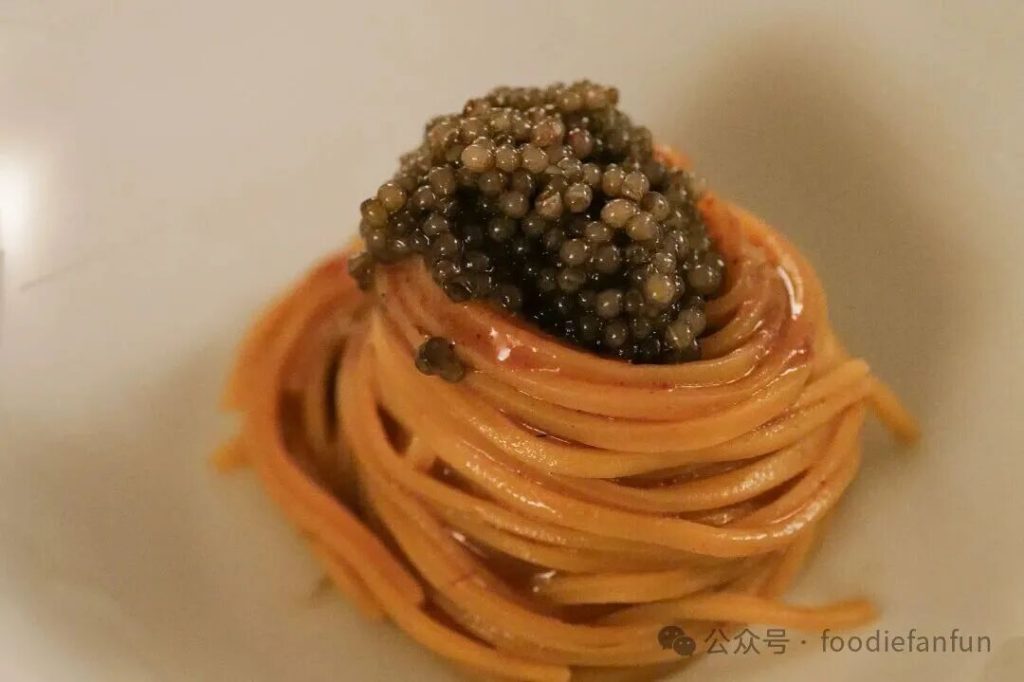
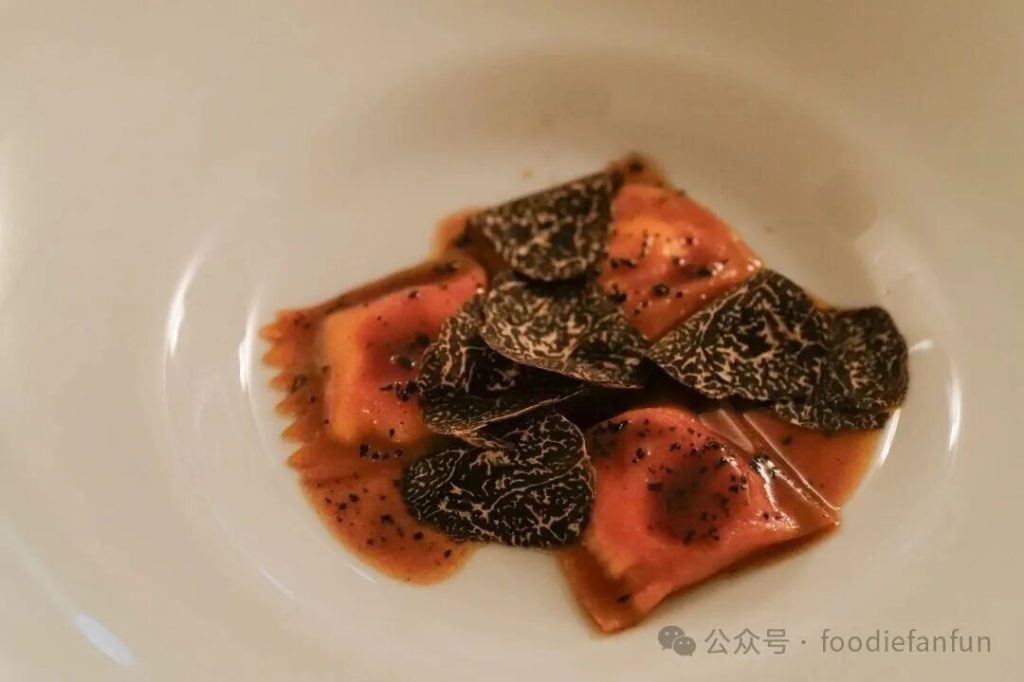
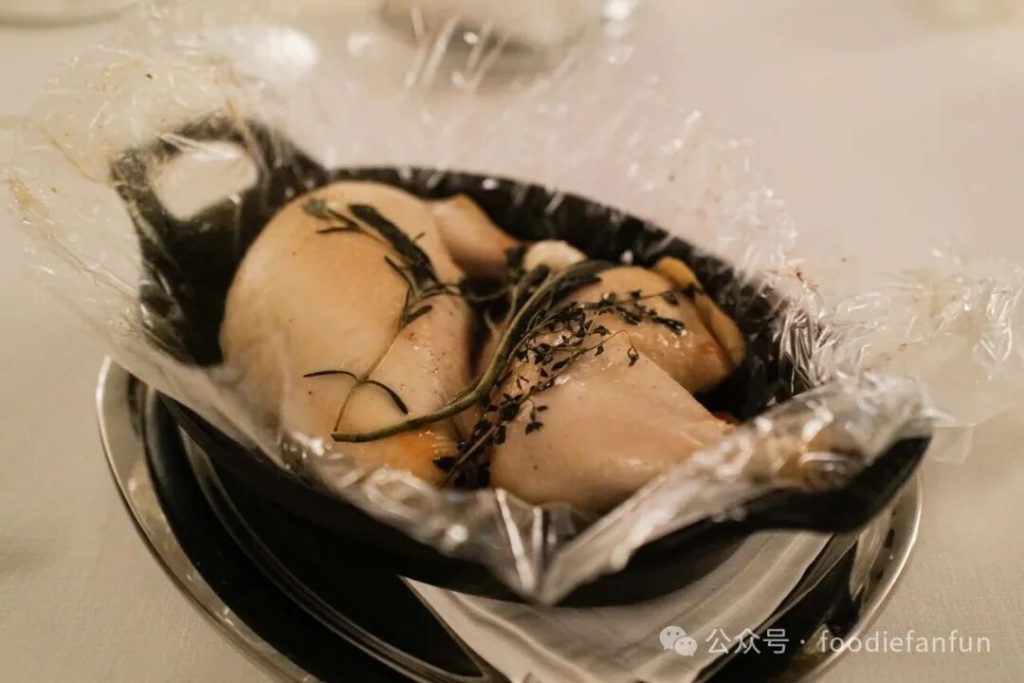
Take the wild scallop dumpling with beetroot folded in — soft and delicate, its sweetness surfacing bit by bit. Beneath the Funka Bay whelk sits a savory egg custard, its tight, crisp texture playing sharply against the custard’s softness. And the fried conger eel, paired unexpectedly with a chili-relish-style sauce, feels playful and unbound by convention.
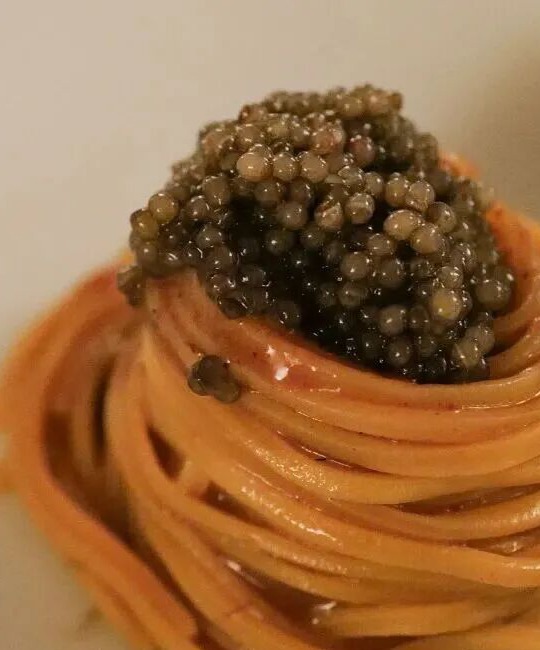
We were lucky enough to try the signature dish — tagliolini with caviar and a red wine sauce. It looks like a simple plate, but the noodles hold a slight bite, and the savory coating clinging to them is judged just right. The black truffle agnolotti, once bitten into, turns out to hide a sweet-tart combination of fruit tomato and burrata, with a sauce whose aroma is beautifully composed too.
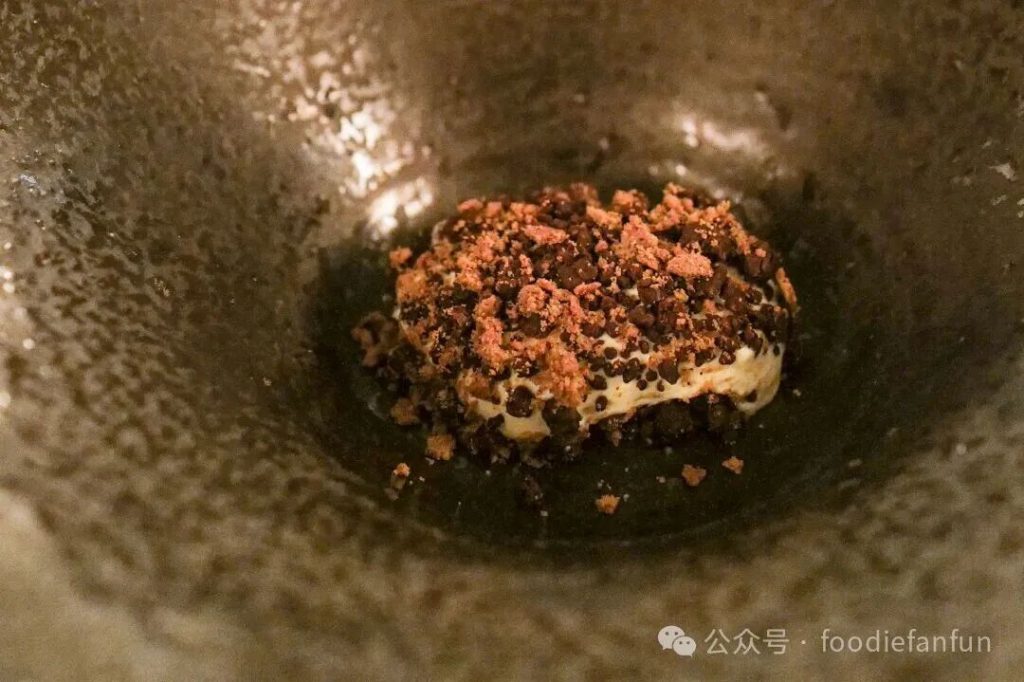
The dessert stands out too — a deconstructed, reassembled tiramisu that uses brownie to express the cake layer, its delicate texture and concentrated aroma coming through exceptionally well.
It’s hard to believe all of this comes from a single chef working alone in the kitchen.
✦
•
✦
🇮🇹 Sanwa
👨🍳 An elevated Italian bistro
⌛️ Reservation difficulty: ⭐️⭐️⭐️
💰 Average per person: ¥30,000+
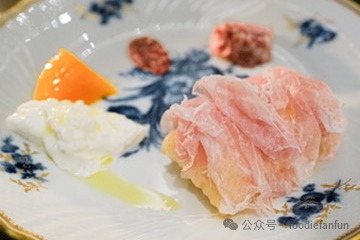
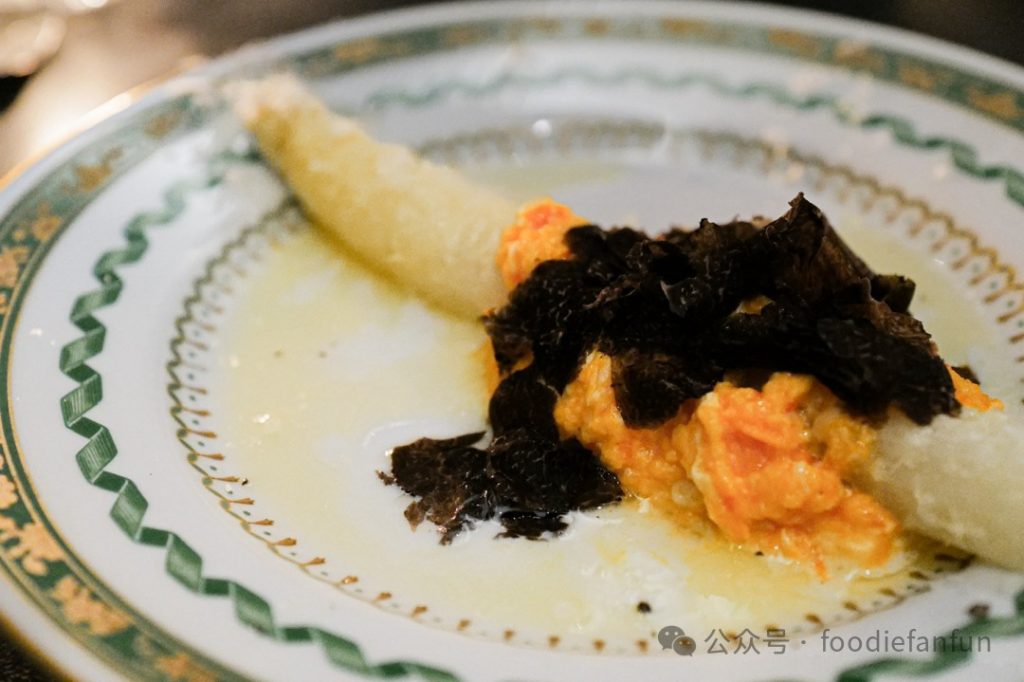
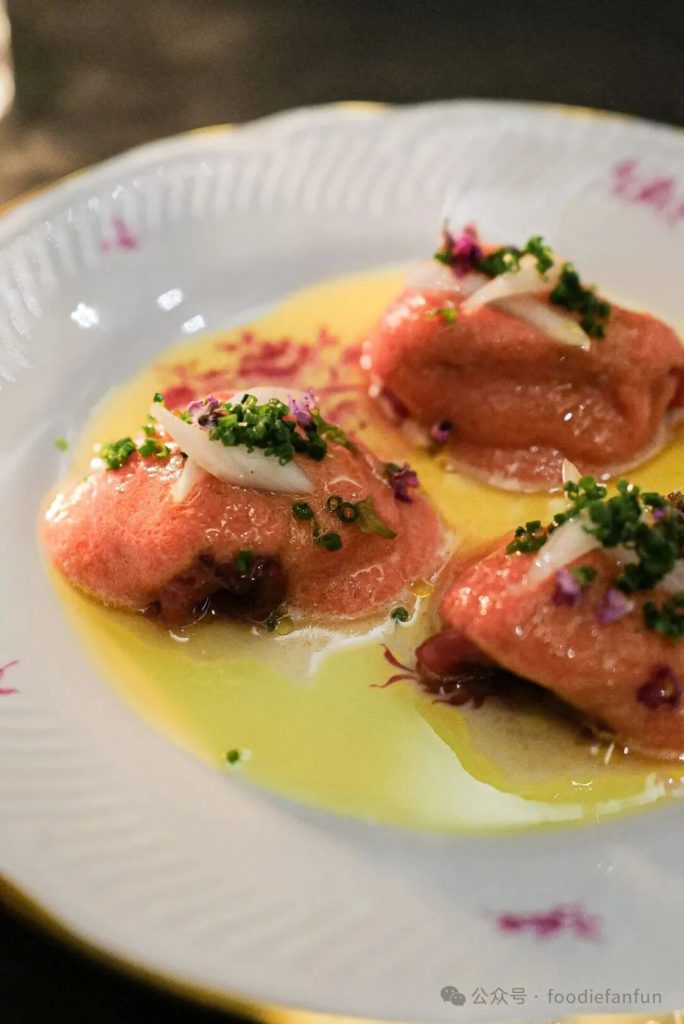
As a first-time guest, it took a hundred phone calls to land a reservation at Sanwa. Difficult, yes — but not impossible.
As a Tabelog-silver Italian restaurant, Sanwa positions itself more like a bistro compared to the others on this list. The ingredients are solid, the seasoning is bold — even aggressive — perfectly suited to drinking, and you’ll be a little puffy the next day.
Chef Watanabe Daisuke was born in Yamanashi, where his family already ran a yoshoku restaurant. He later trained in Italy twice and studied technique at Tokyo’s celebrated French restaurant Chez Inno. While serving as head chef at Nakameguro’s RODEO, he brought the restaurant into Tabelog’s bronze ranks (though it’s no longer what it once was), before going independent in 2021 to open the Sanwa we know today.
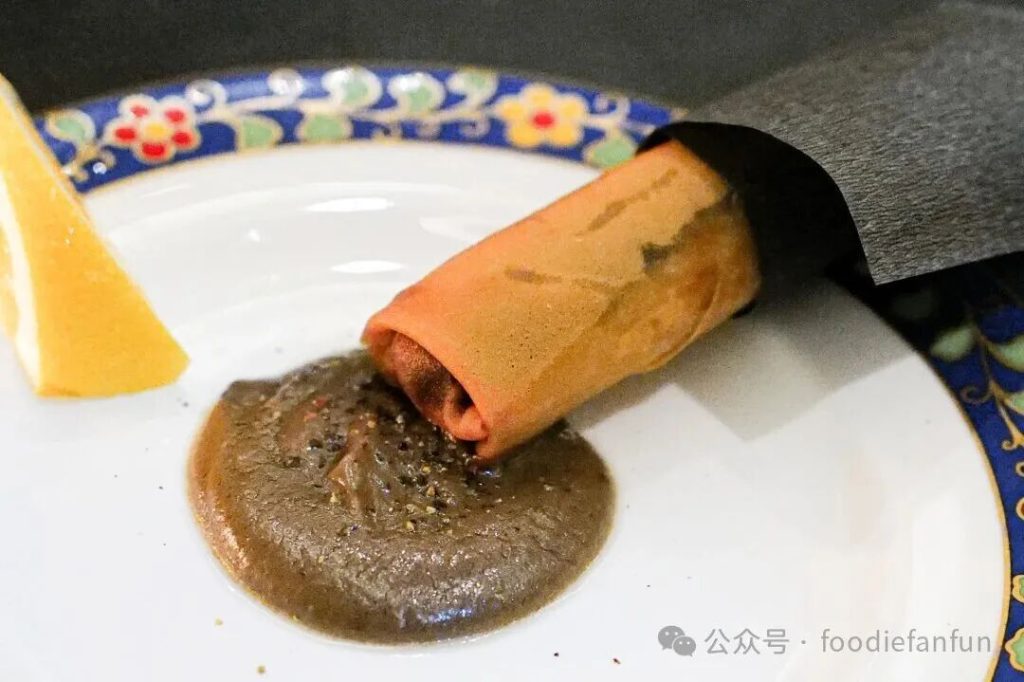
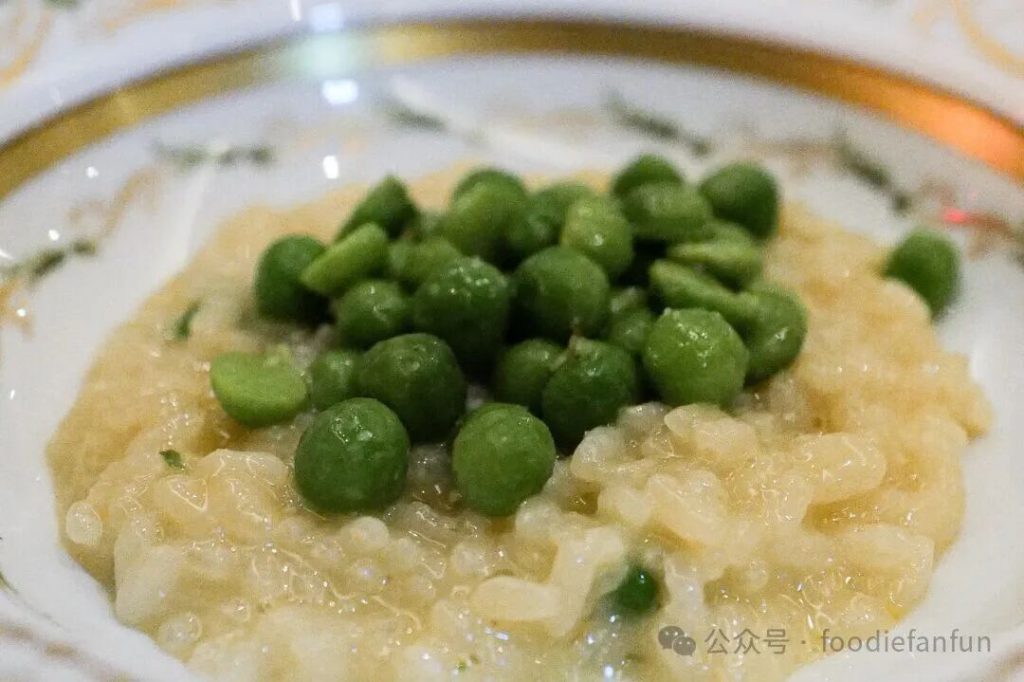
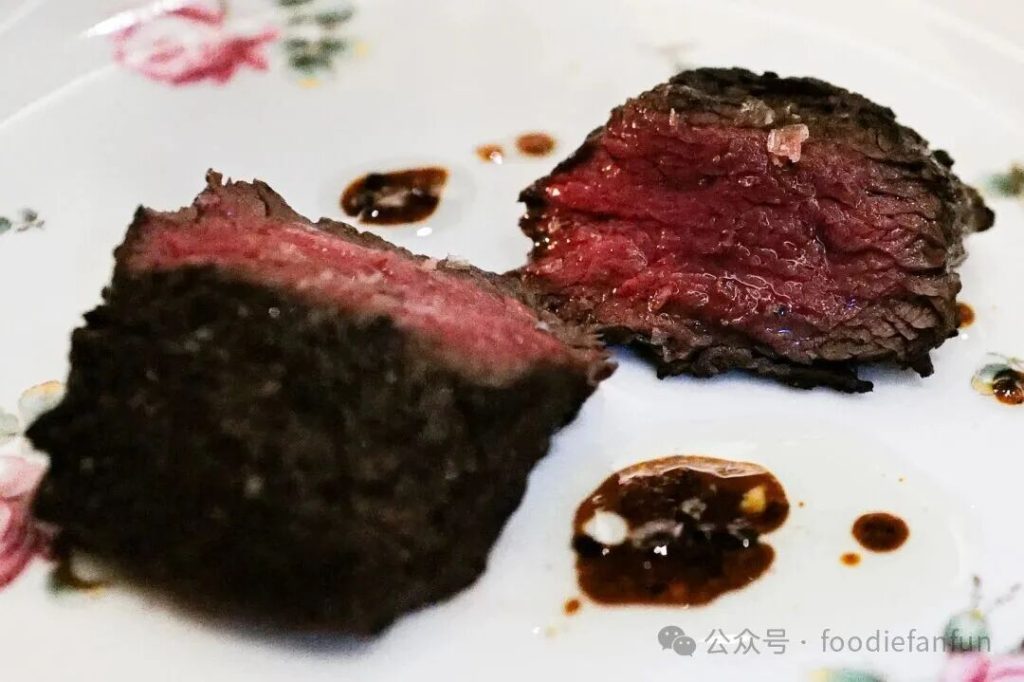
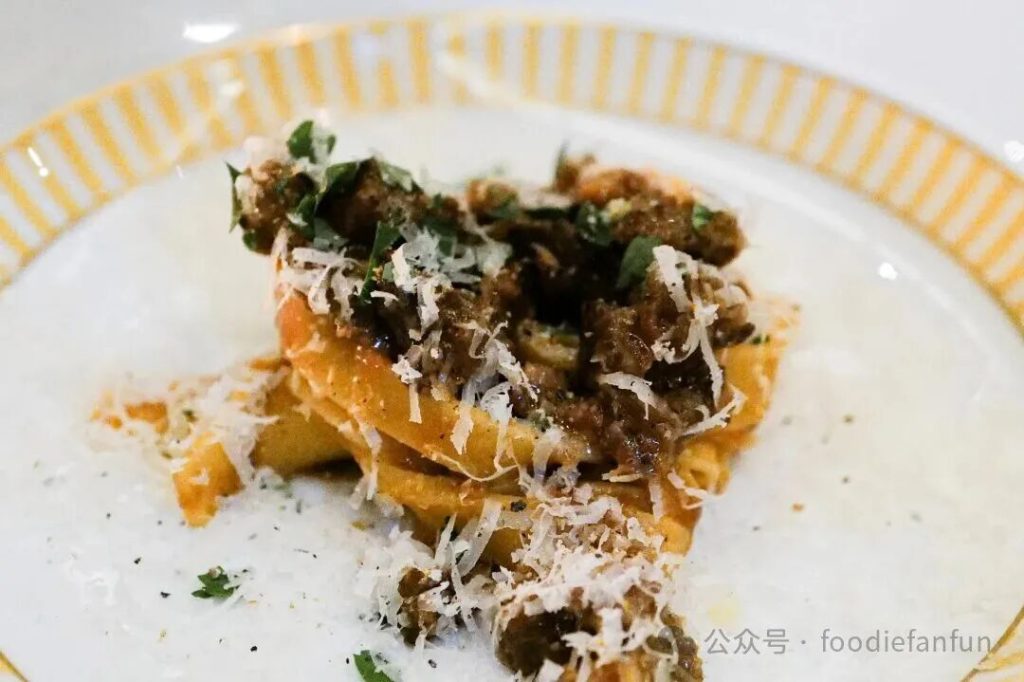
As for the food itself: the pasta, which many people praise, is a touch inconsistent — it’s actually the appetizers that shine brighter, and nearly every one of them pairs beautifully with a drink. Good ingredients presented in the most direct way possible: pure, delicious, generous in portion. Ask the staff to pair by-the-glass wines and the drinking experience gets a real boost.
It’s probably best approached with the expectations set for a refined Italian bistro. You know going in that you can settle in, eat good ingredients at your own pace, and drink a little without fuss. If what’s in front of you isn’t quite enough, there are plenty of options to add on — enough range to find something that suits your own taste. In the same neighborhood, it comes across as a notch more elegant than a trattoria like Trattoria Dal Birbante Giocondo.
Full write-up 👉 Sanwa | The pasta I had to make a hundred phone calls to eat
Oh, and a word of caution — the dessert can be a letdown.
✦
•
✦
🍝 Primo Passo
👨🍳 A rising star of Italian cuisine
⌛️ Reservation difficulty: ⭐️⭐️
💰 Average per person: ¥20,000+
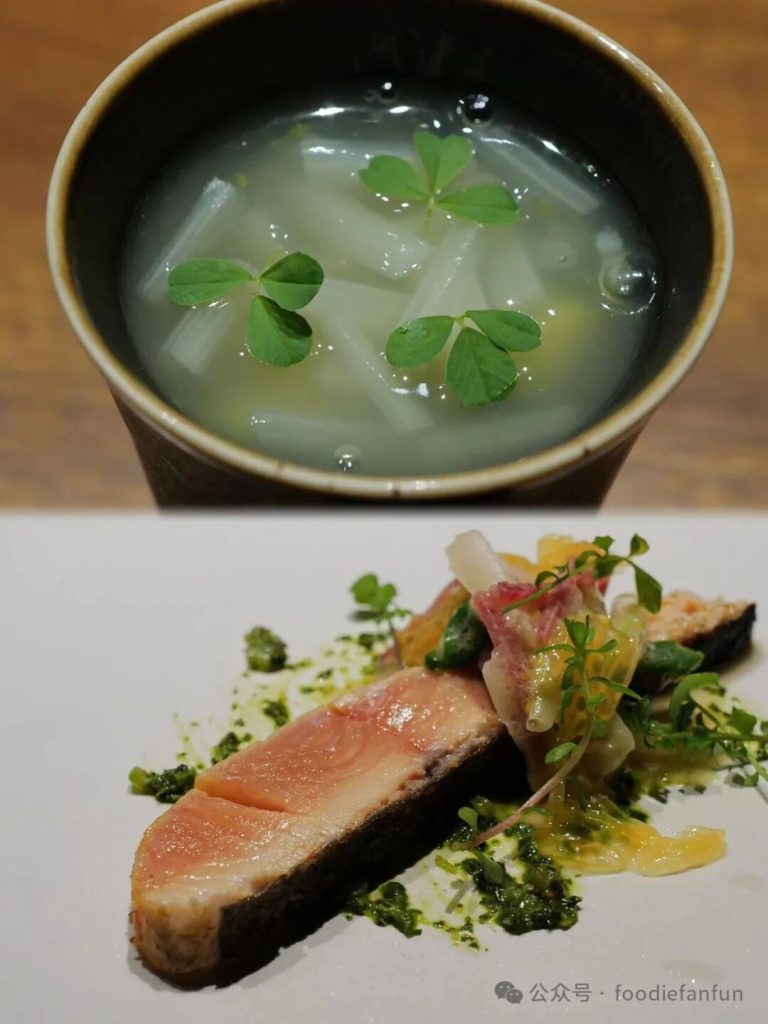
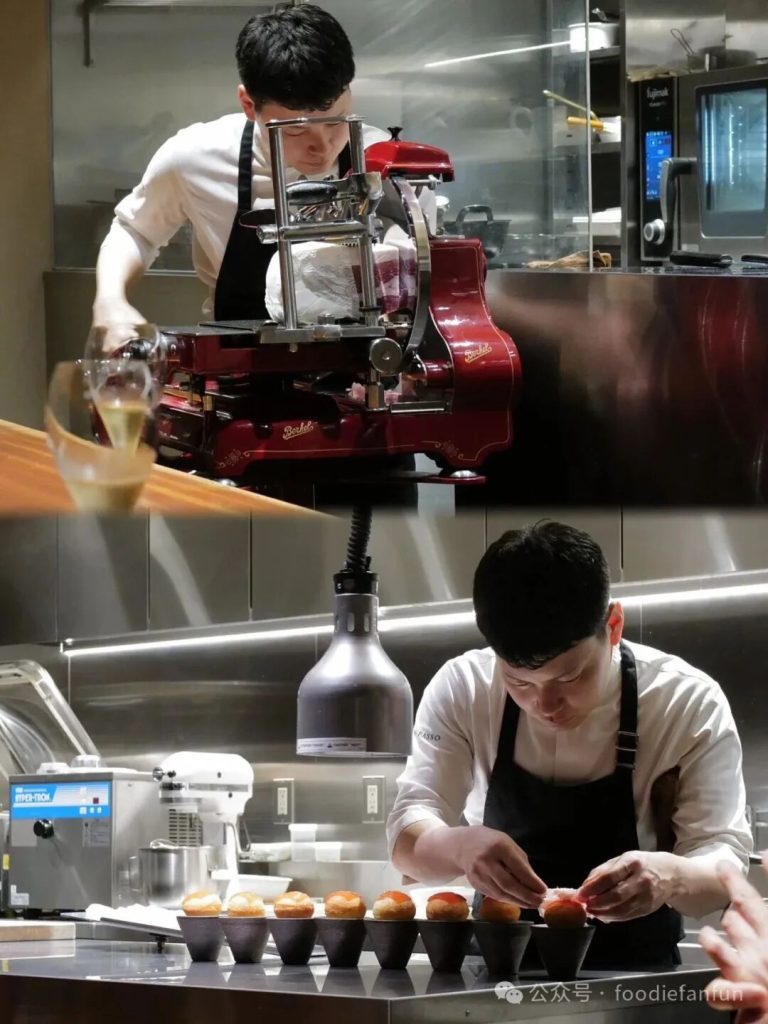
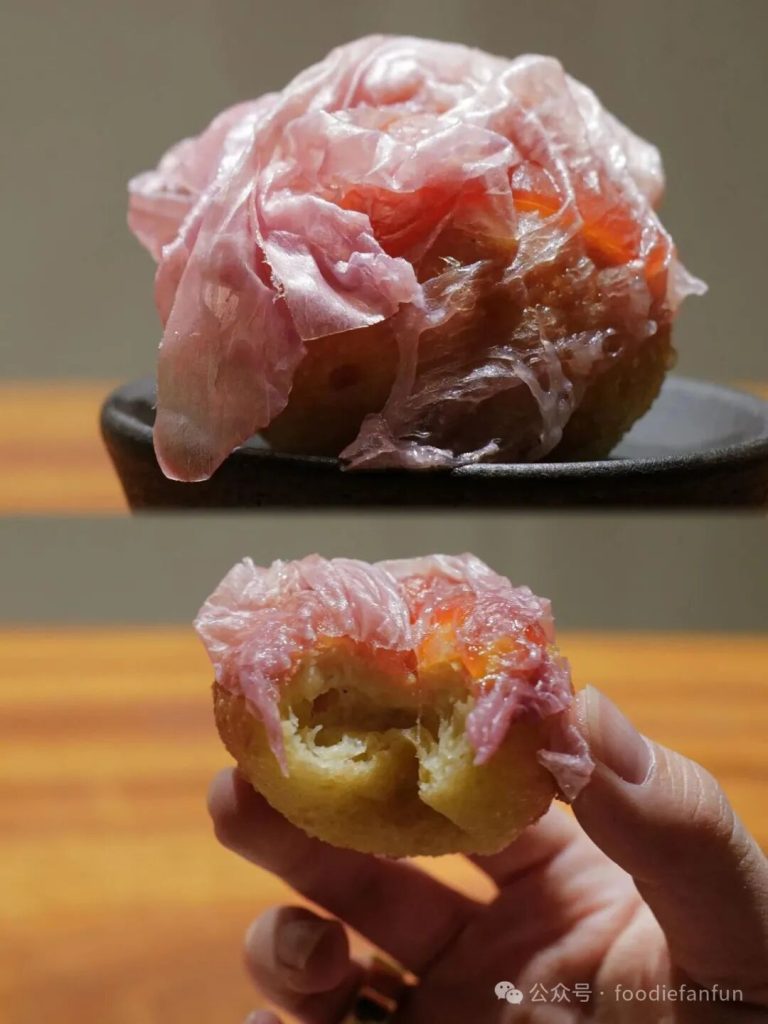
Primo Passo counts as one of the new names in Tokyo’s Italian scene — it earned a Michelin star in 2025 and a Tabelog bronze in 2026. That track record looks a little young for an Italian restaurant, but the flavors punch well above it.
Chef Fujioka Tomoyuki, born in the 1990s, comes from a family of sushi craftsmen in Kanazawa. He worked his way up to head of the pasta station at a three-star restaurant in southern Italy before returning home in 2023 to open his own place, where pasta remains a central focus. On a small counter, a 12-course menu somehow finds room for five different pastas.
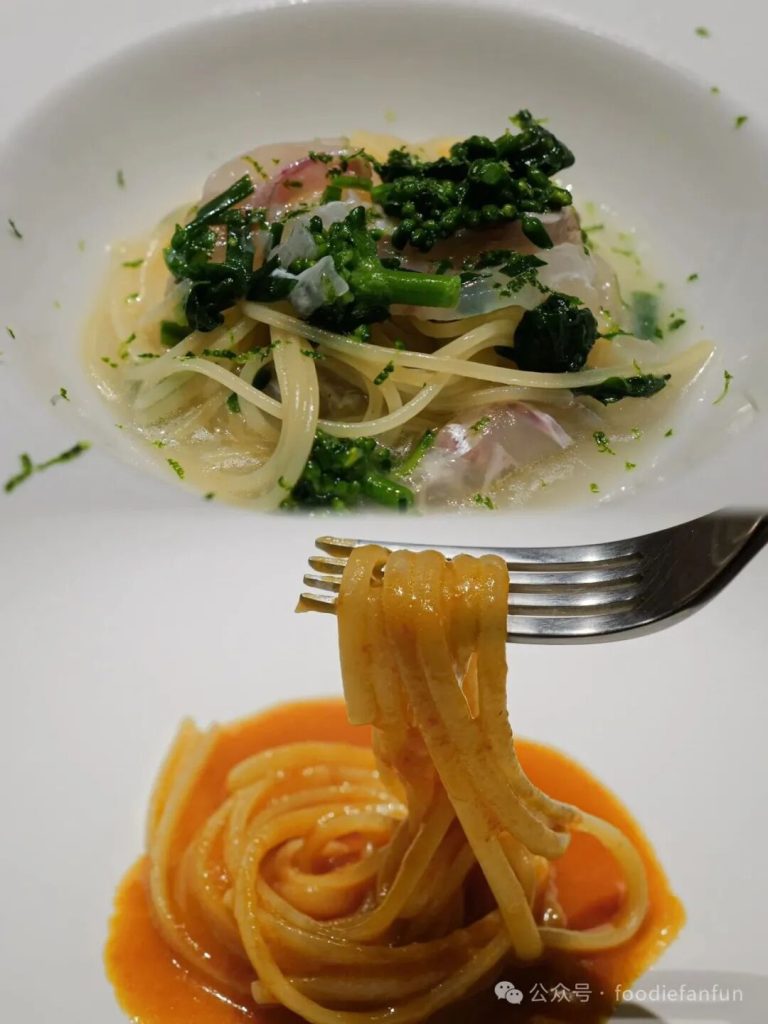
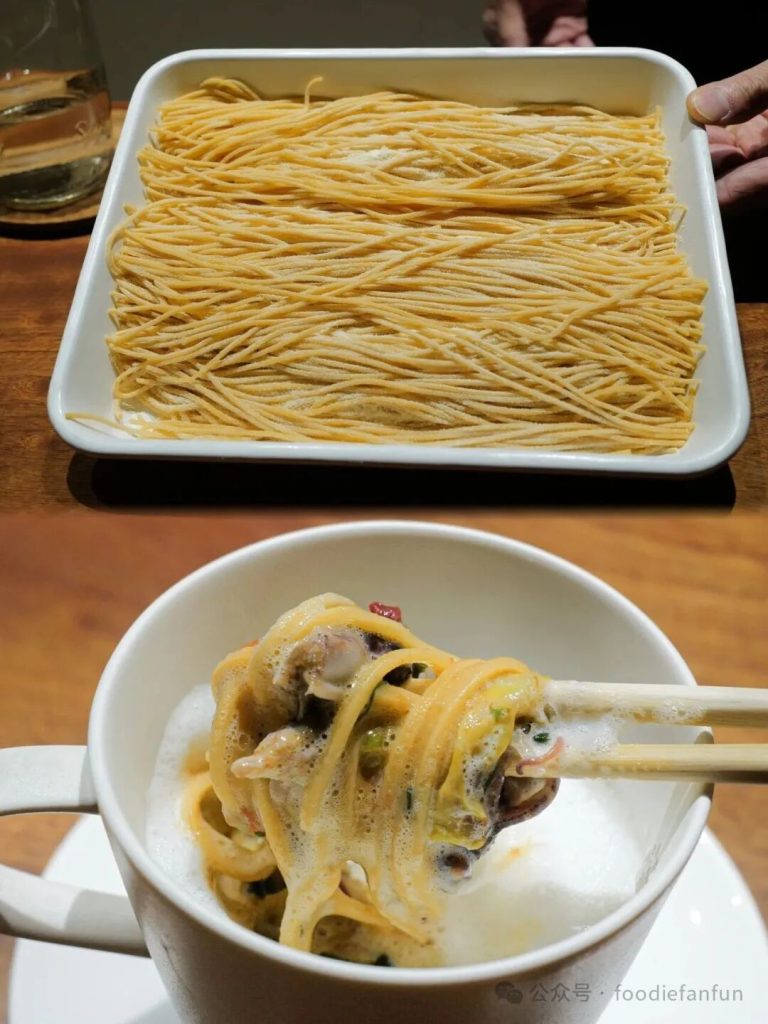
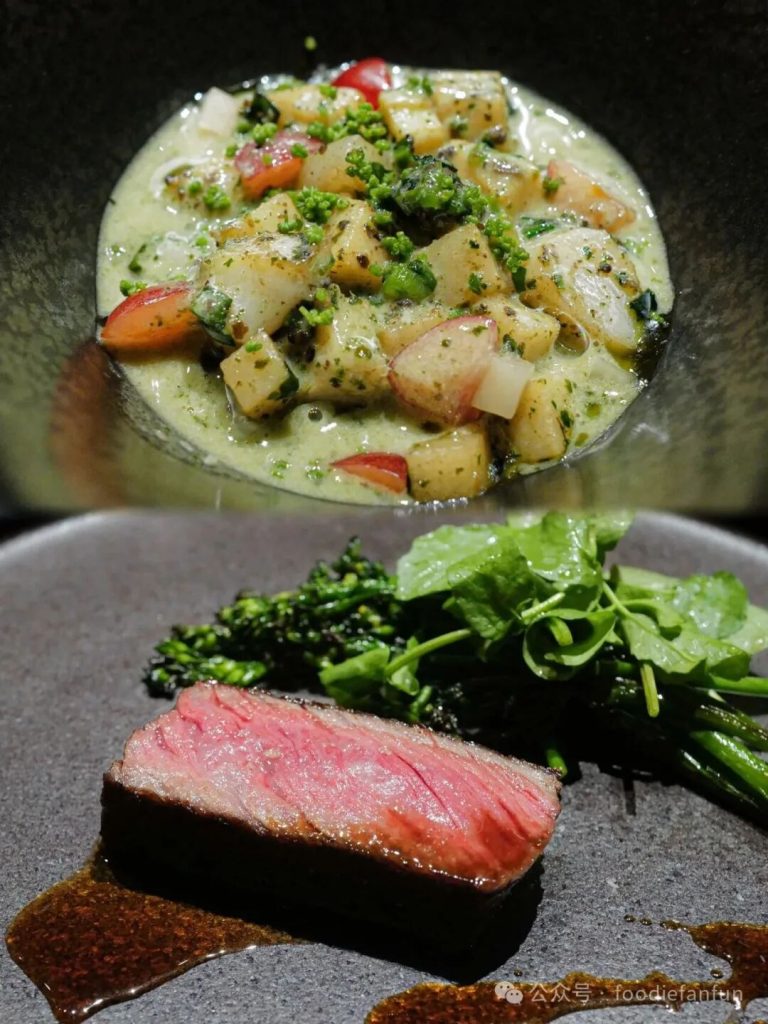
In his cooking there’s an exploration of pasta shapes and textural variety, alongside a seamless integration of Japanese ingredients — all without losing the interactive feel that belongs to counter dining.
Take the “cappuccino” on the menu — it turns out to be firefly squid pasta hidden inside a coffee cup. Fresh pasta gives it a springy bite, a foamy sauce clings the umami to every strand, and seasonal firefly squid tucked inside is rich and sweet, with spring vegetables occasionally breaking through for a hit of freshness and a touch of heat.
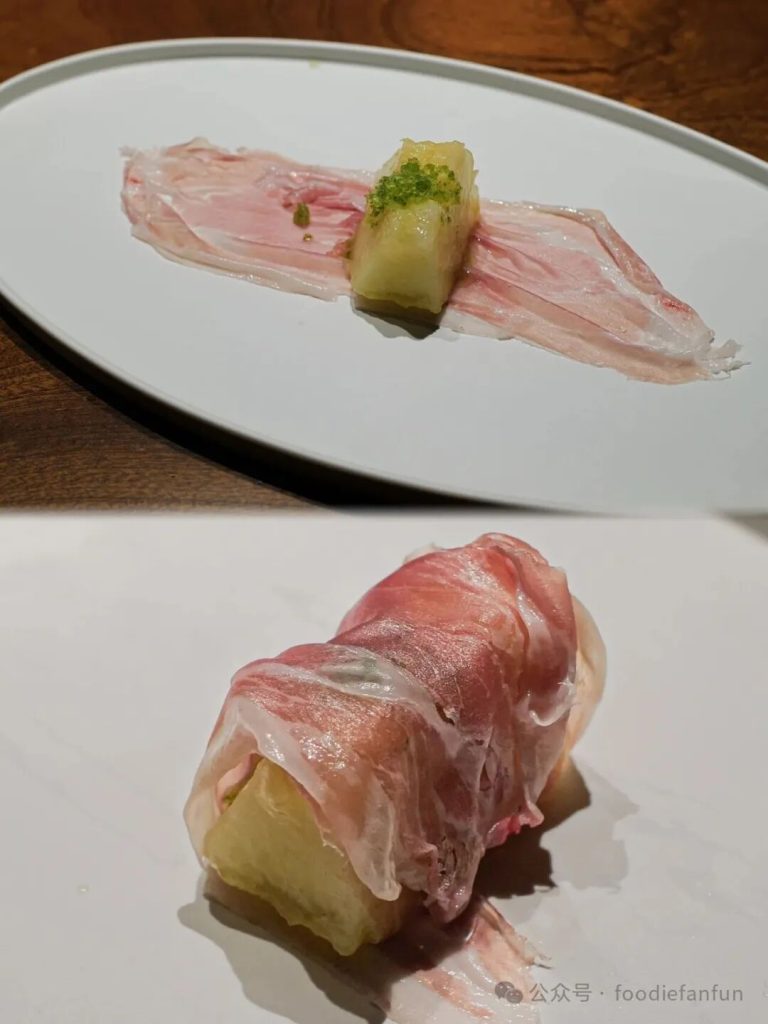
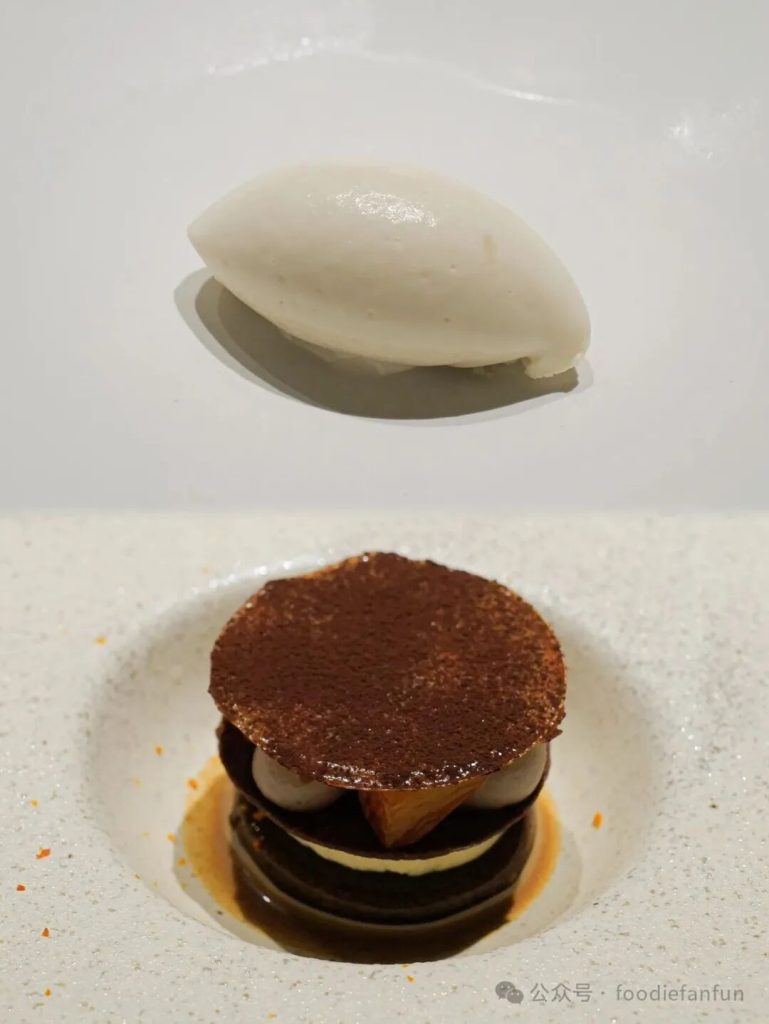
Then there’s fried pizza dough, a favorite across Japan’s Italian restaurants — Primo Passo’s version mixes in three kinds of cheese, delivering the full cheese-drunk happiness and layered flavor to the extreme. Even the classic melon-and-ham pairing carries thoughtful detail, with a touch of mint sorbet lifting the whole thing brilliantly.
It doesn’t chase after showy ingredients, but leaves plenty of memorable notes through flavor alone — the kind of place that has you looking forward to next season’s menu after just one visit.
✦
•
✦
🍝 Minariva
👨🍳 Megriva’s sister restaurant — easy to book and delicious
⌛️ Reservation difficulty: ⭐️
💰 Average per person: ¥30,000+
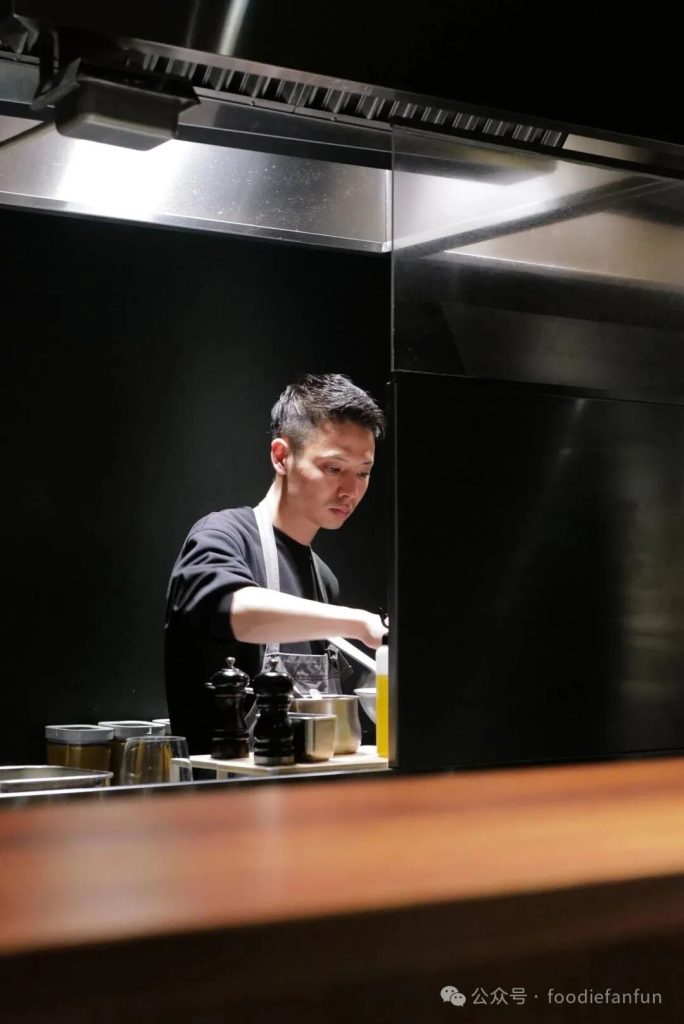
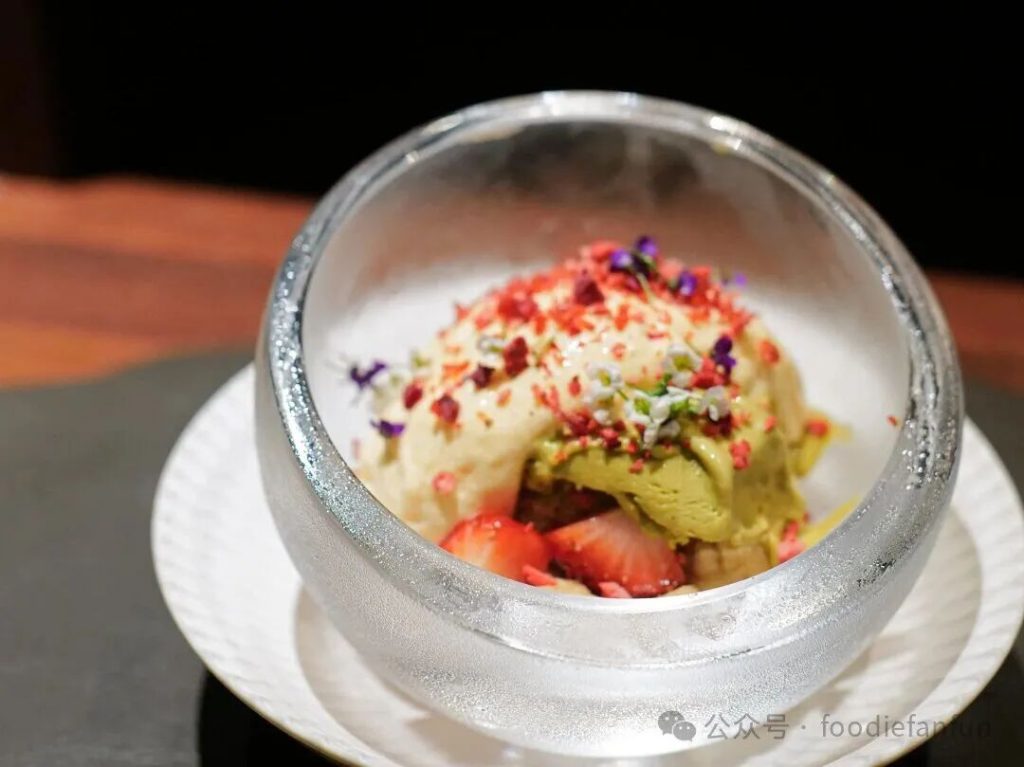
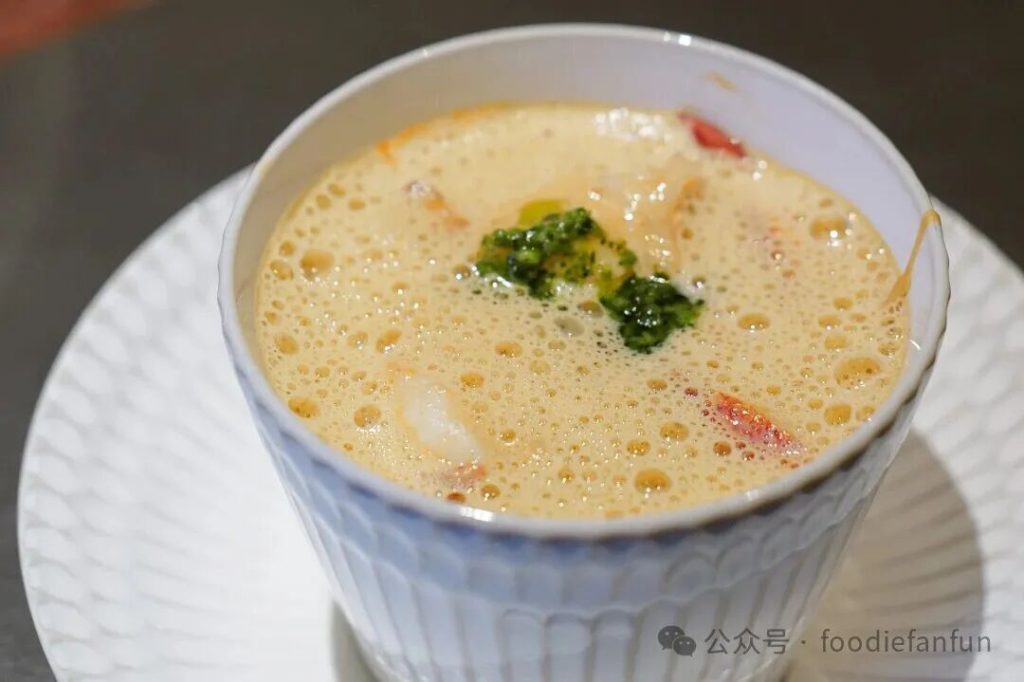
Minariva is the sister restaurant of Megriva, Nakameguro’s notoriously hard-to-book Tabelog-silver spot — but by comparison, it’s far friendlier to actually book.
Every Saturday they open up a wine-pairing set menu, and you can usually still book it just three to five days ahead. The ¥35,000 set is generous with both food and wine, and doesn’t skimp on Megriva’s signature dishes. It’s fair to call it a shortcut to eating at a Tokyo silver-rated restaurant without the struggle.
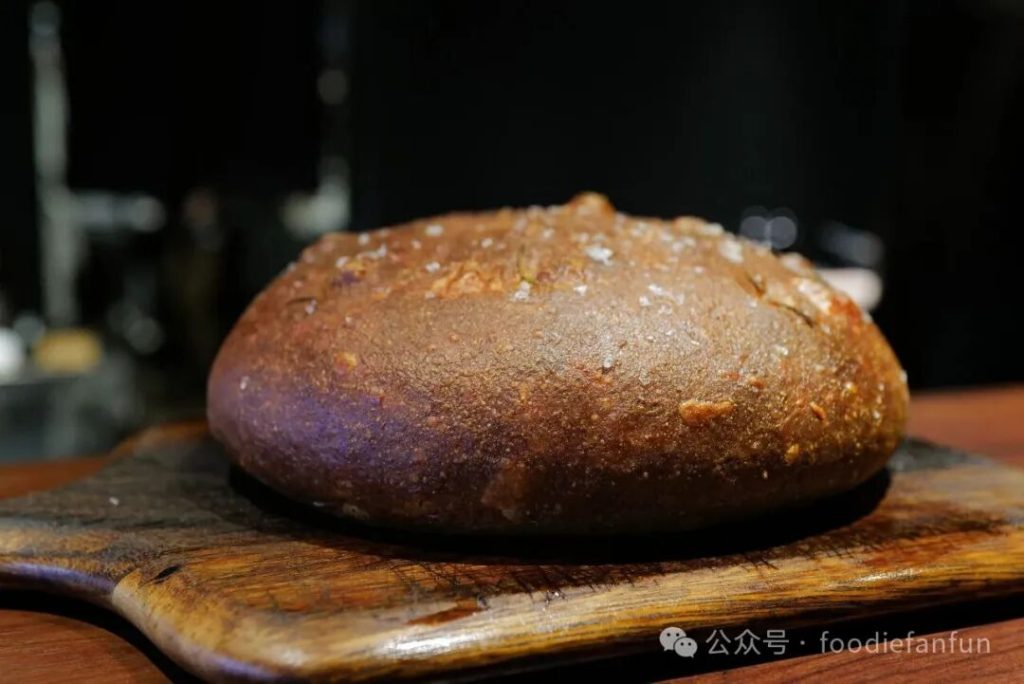
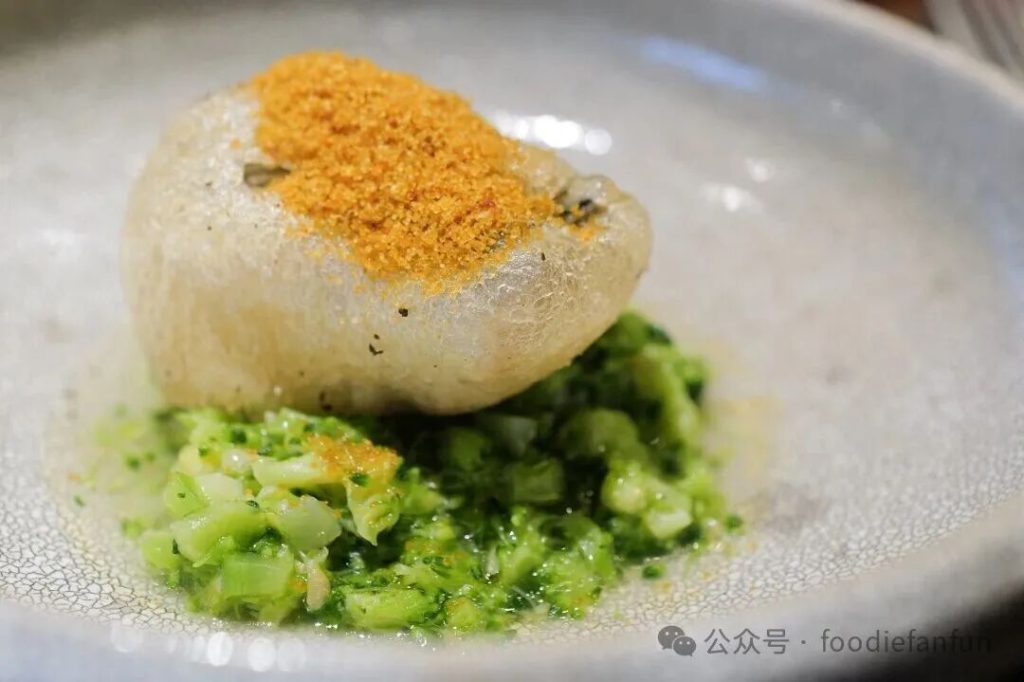
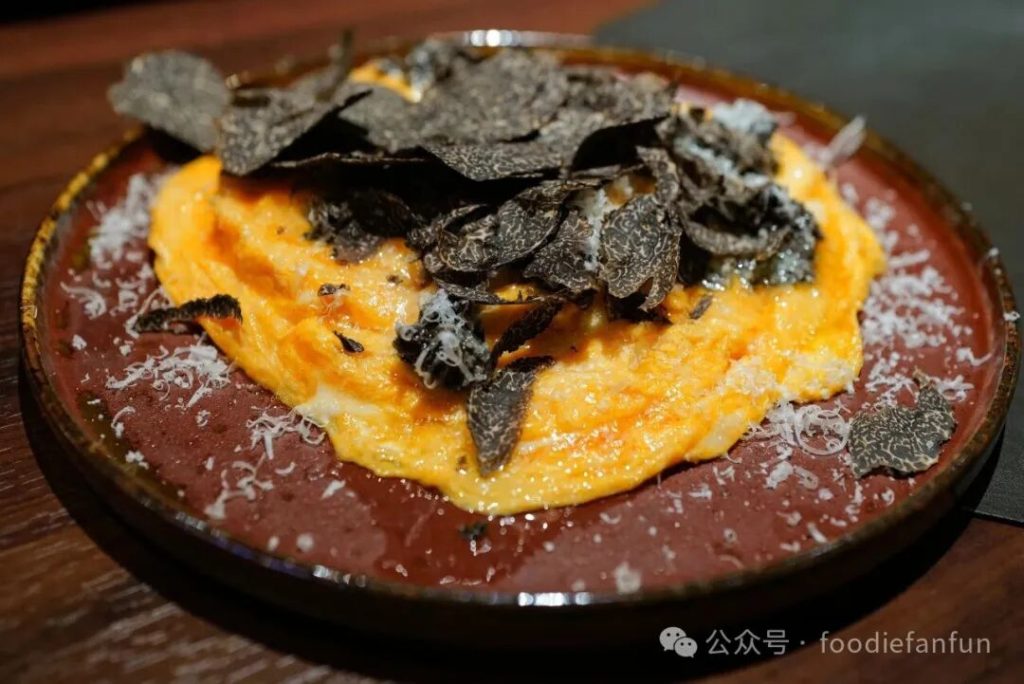
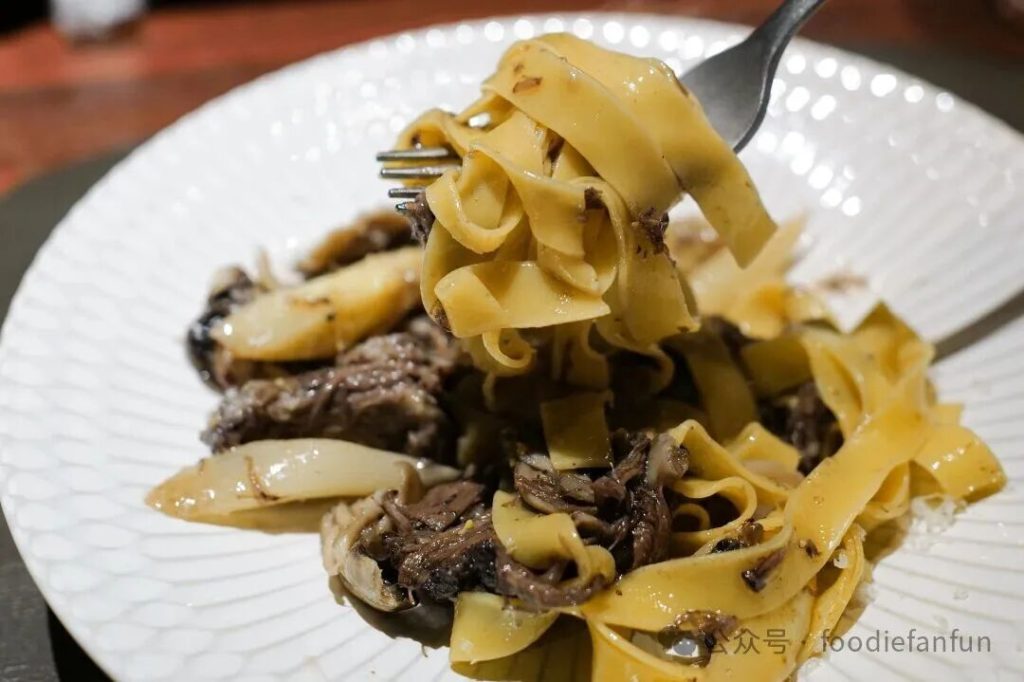
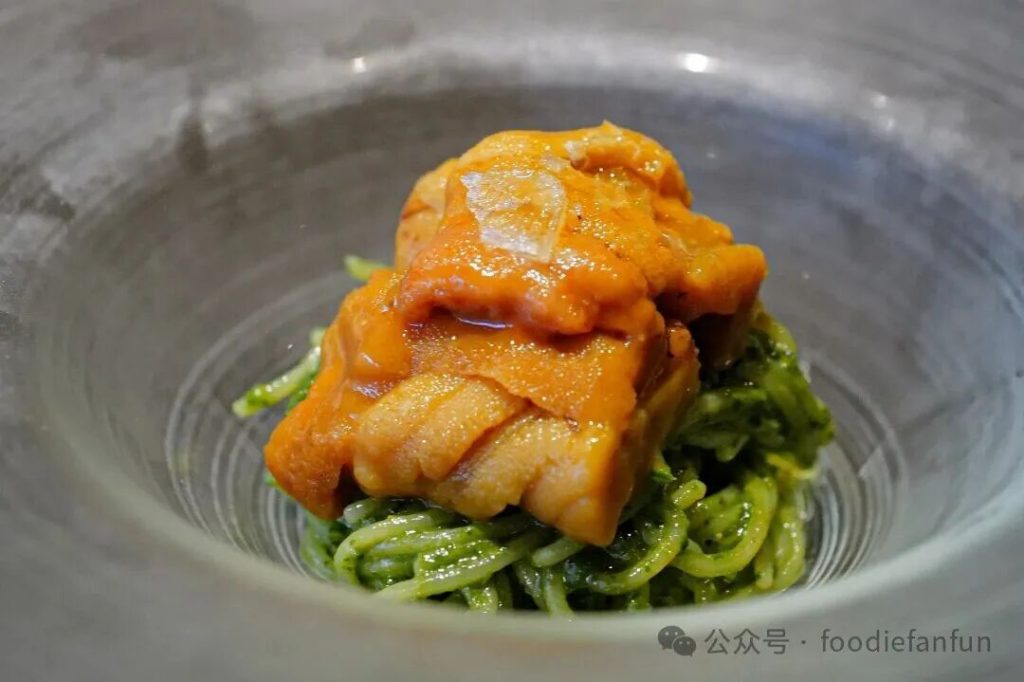
The cooking style is direct and delicious. In the transition between spring and summer, there’s a pesto sea urchin pasta with a wonderfully clear, cooling quality and plenty of nutty aroma coming through. The chawanmushi is made with lobster, its custard chosen for a rich texture — satisfying in a single bite. Spanish mackerel comes with cauliflower peperoncino, brightened further with karasumi, the kind of dish that has you wiping the plate clean with bread.
But the most memorable dish by far was the oxtail, white asparagus, and mushroom pasta. Pasta cooked al dente tangles together with oxtail braised until completely tender, and the aroma hits you on the first bite. The oxtail carries a good amount of fat, cleverly balanced against the pasta’s bite, while the white asparagus’s freshness, the mushroom’s savoriness, and the vegetable stock and spices come together for a dish that’s richly layered yet finishes gently.
I can hardly imagine how happy the à la carte menu must make you.
✦
•
✦
🐷 nacol
👨🍳 Booked out until 2028 — a happy home for ham lovers
⌛️ Reservation difficulty: ⭐️⭐️⭐️⭐️⭐️
💰 Average per person: ¥20,000+
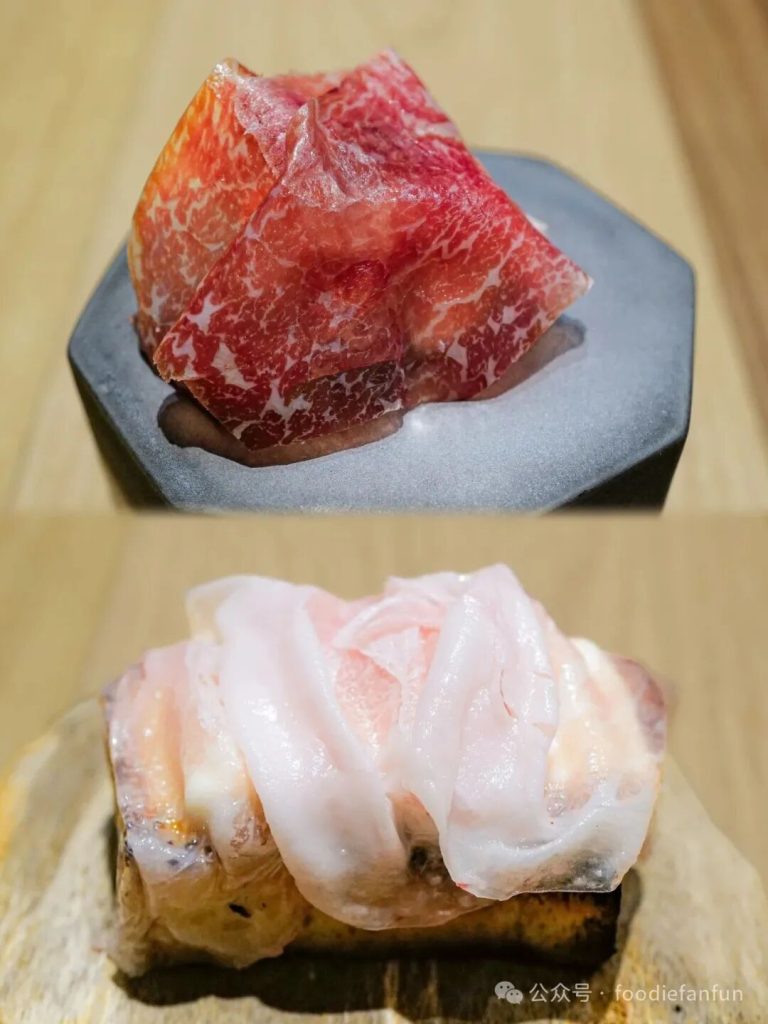
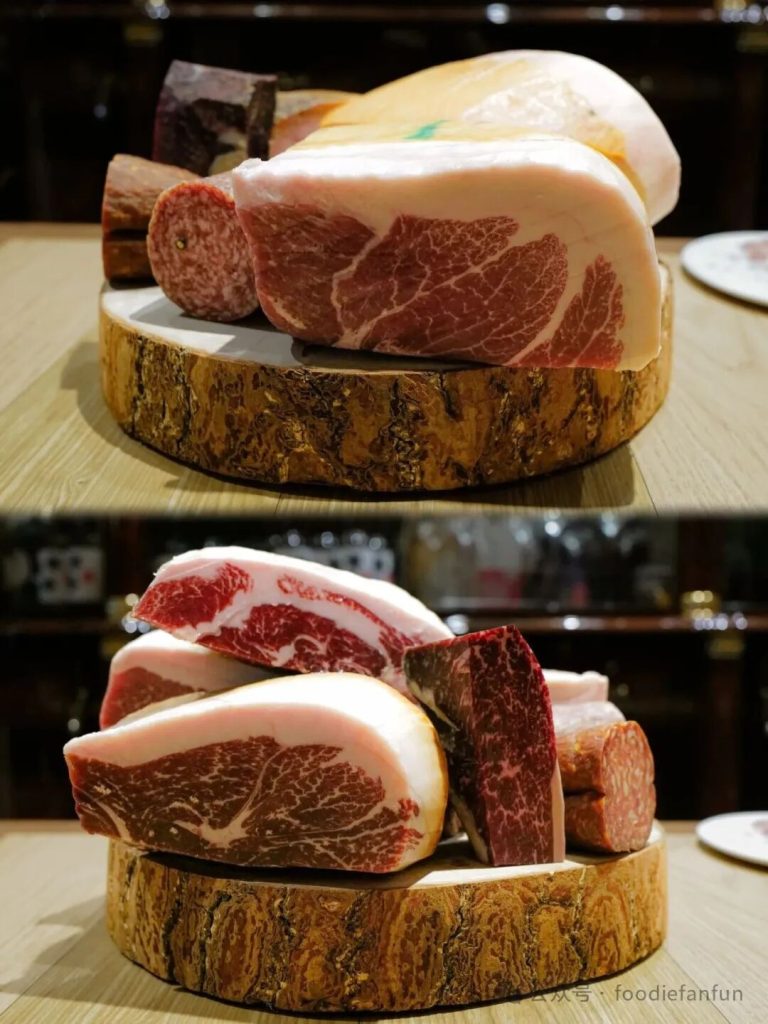
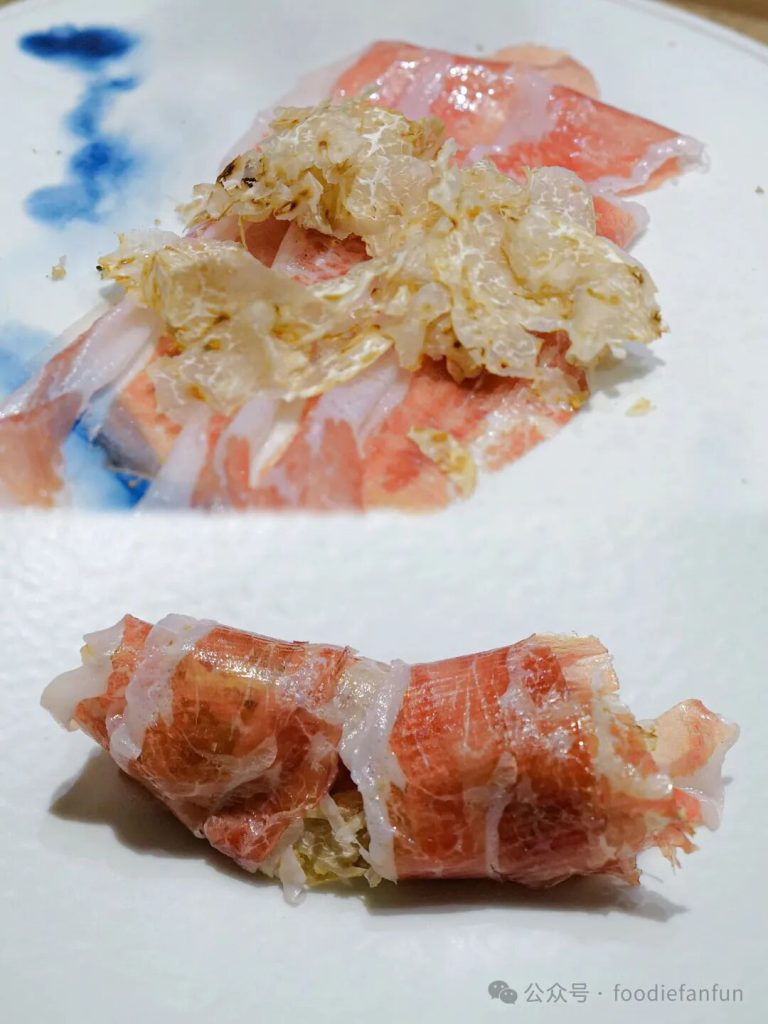
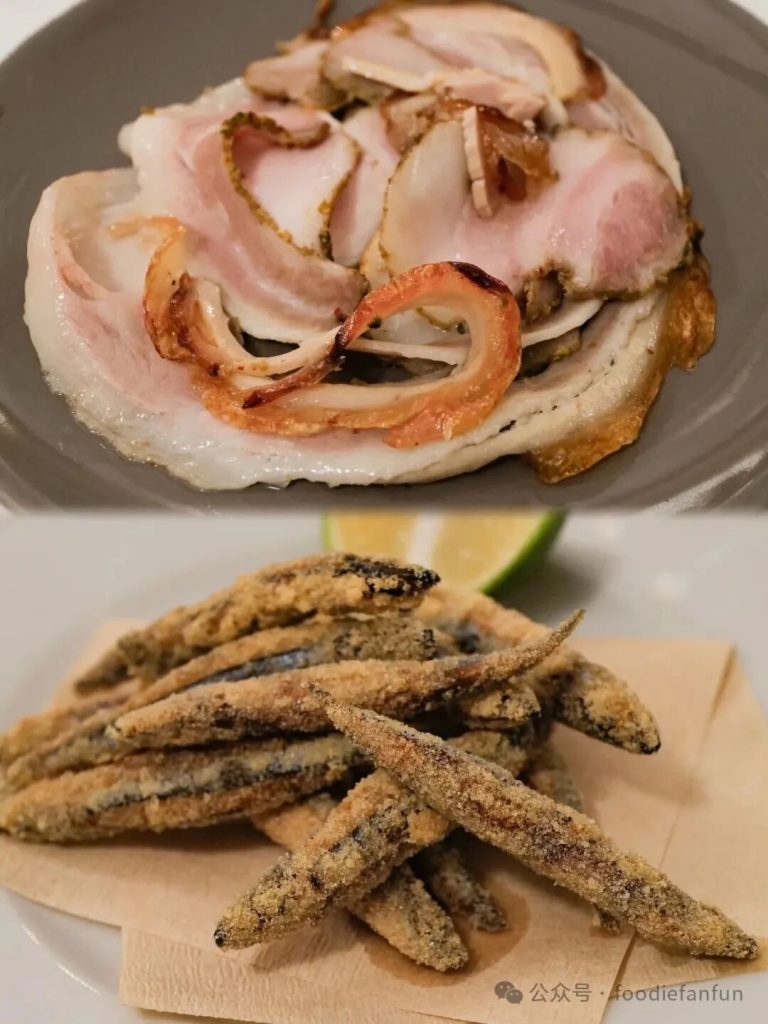
This counts as a genuinely hard-to-book restaurant in Tokyo, with a waitlist running close to 20 months. Unlike other high-end Tokyo dining spots, it doesn’t build its barrier to entry on luxury ingredients or a high price tag — the regular menu runs around ¥12,000, which doesn’t even reach what some small bistros in Beijing or Shanghai charge per head. The menu structure is clear: the chef treats the character of hams from different regions as “seasoning and structure,” pairing them with other ingredients — every combination is more than just delicious, each one lands with a clear sense of layering. That said, the everyday menu is fairly ordinary; it’s the holiday menu that genuinely surprises, offering memorable notes you won’t find anywhere else.
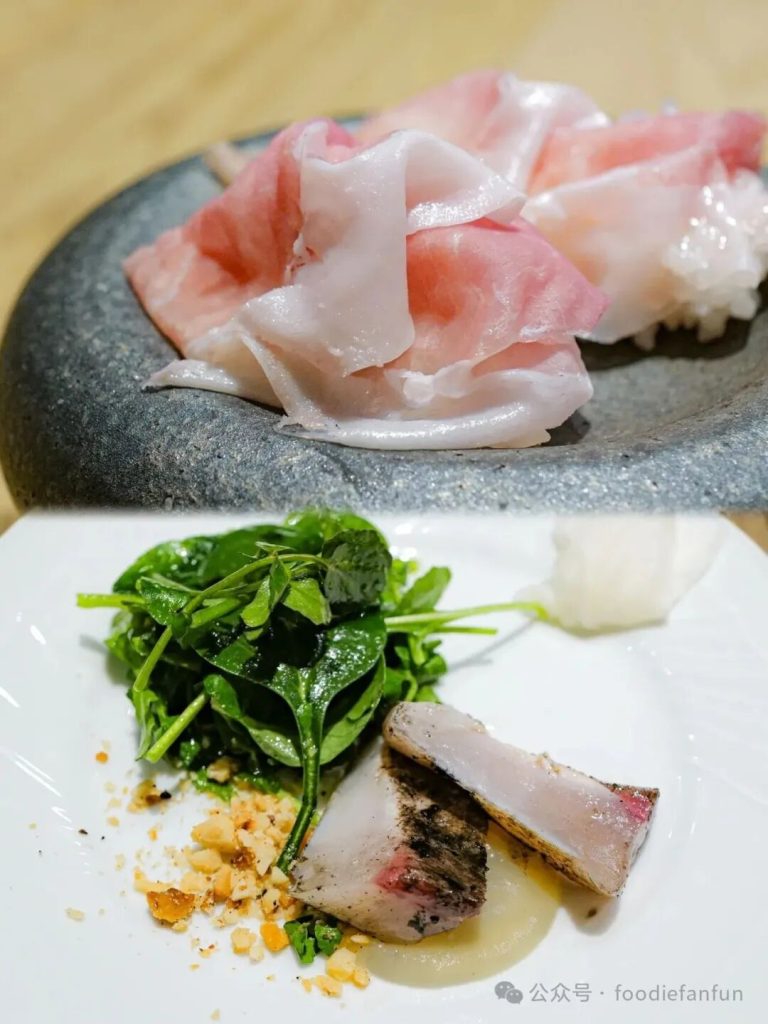
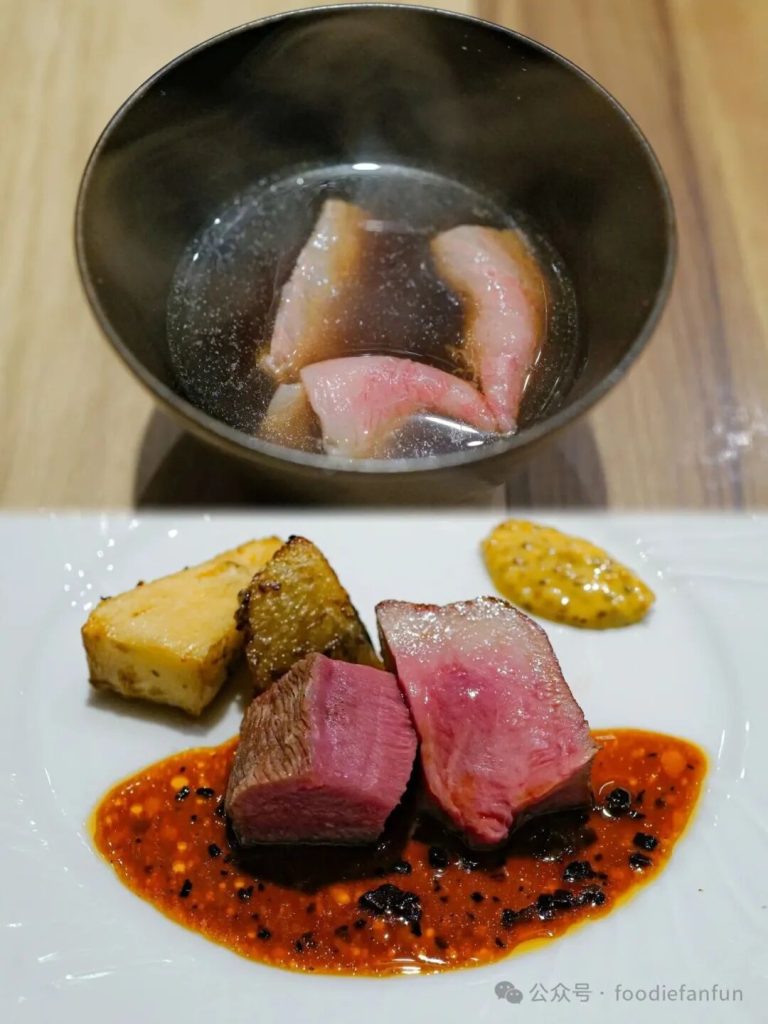
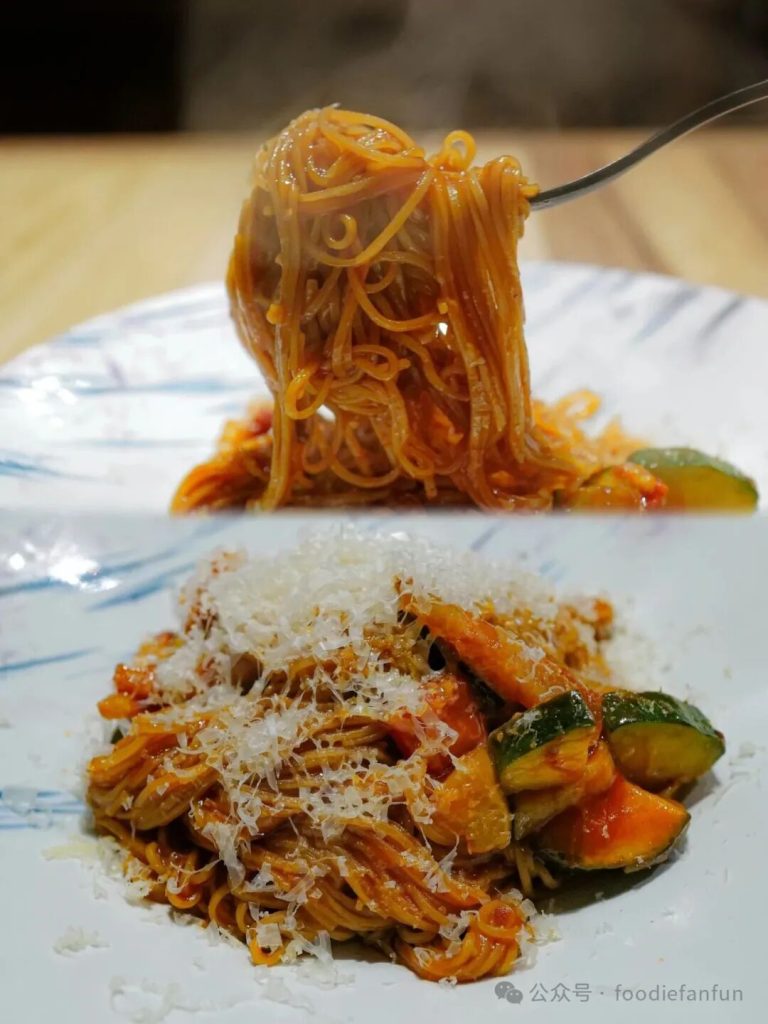
The Christmas menu really does put “ham” to clever use. Take the short-aged prosciutto with parmesan and fried squid — the squid itself is crisp yet chewy, with a crackly crust after frying and real textural presence. The ham sits on top, carrying deep meaty aroma with a touch of raw freshness. Parmesan cream lifts the saltiness and richness, while the sauce carries a slight funk that makes you want bite after bite. Or the Gunma Akagi pork done sushi-style as a fatty, sweet “pork-fat rice,” seasonal strawberries used as a cream to brighten a ham platter, and half-cooked Hida beef paired with clear ham broth — all of it the kind of delicious that stays with you afterward.
Here’s hoping the chef keeps up the quality on regular days too — otherwise it’s back to waiting for next Christmas. 🤷
✦
•
✦
Lastly, a few personal favorites — maybe not as well known, but reliably delicious Italian trattorias. Good picks to save for everyday dinner plans; you can usually book them same-day.
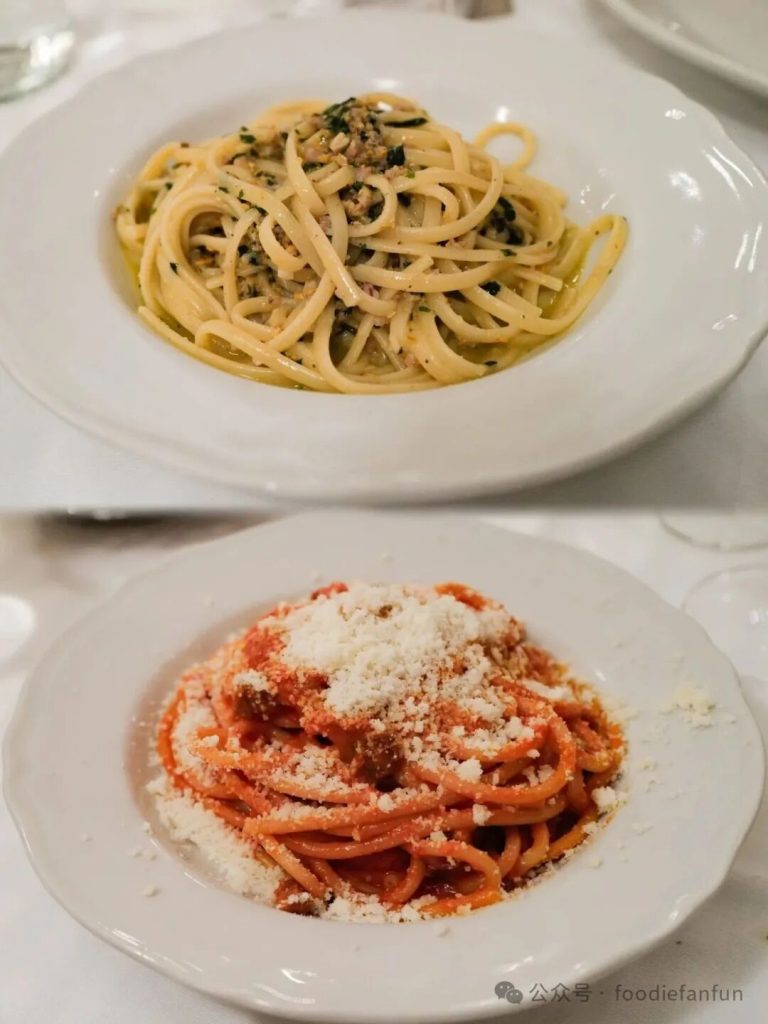
Trattoria Dal Birbante Giocondo
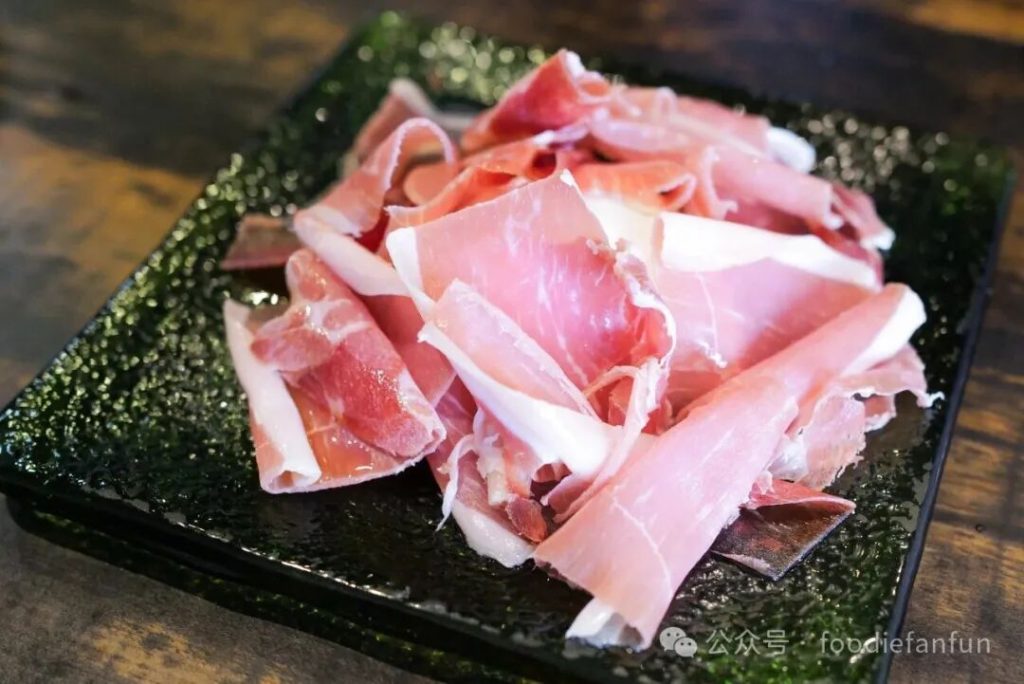
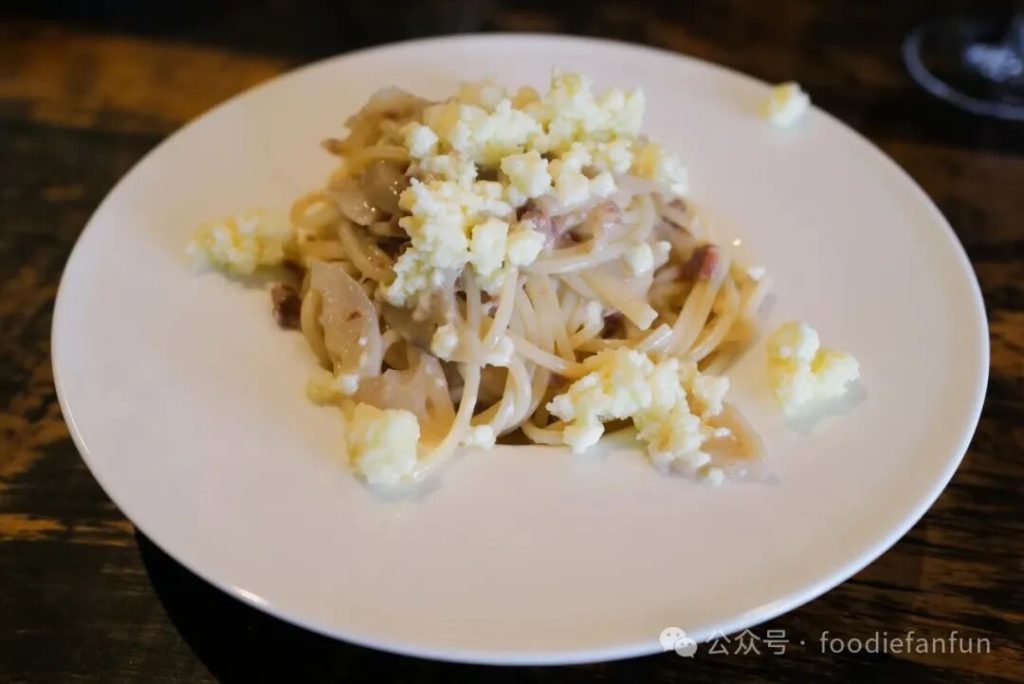
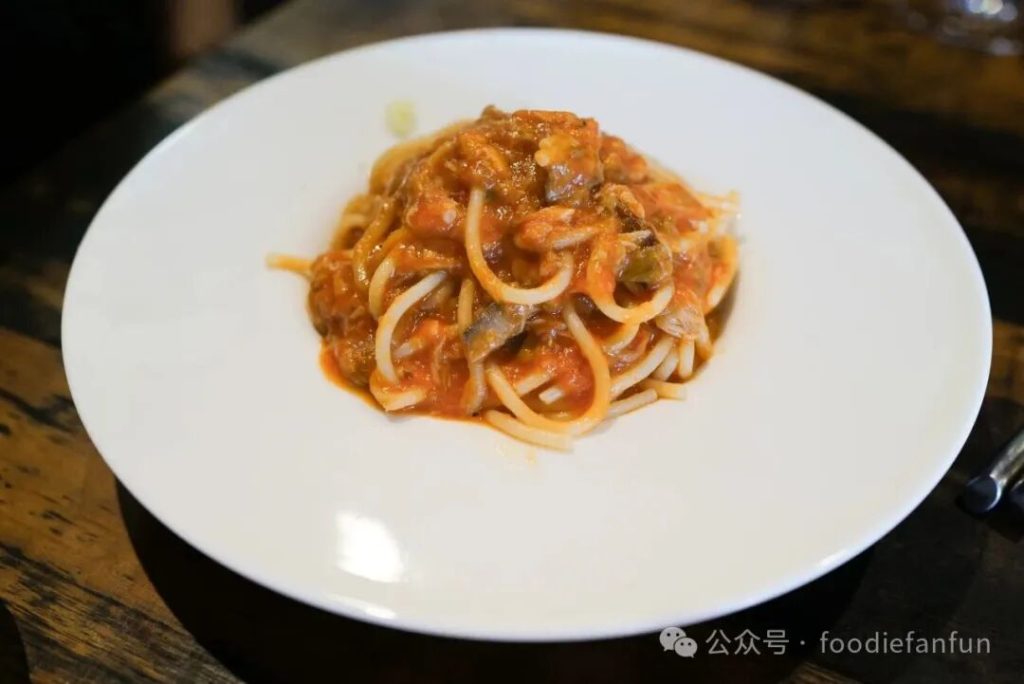
Radicare
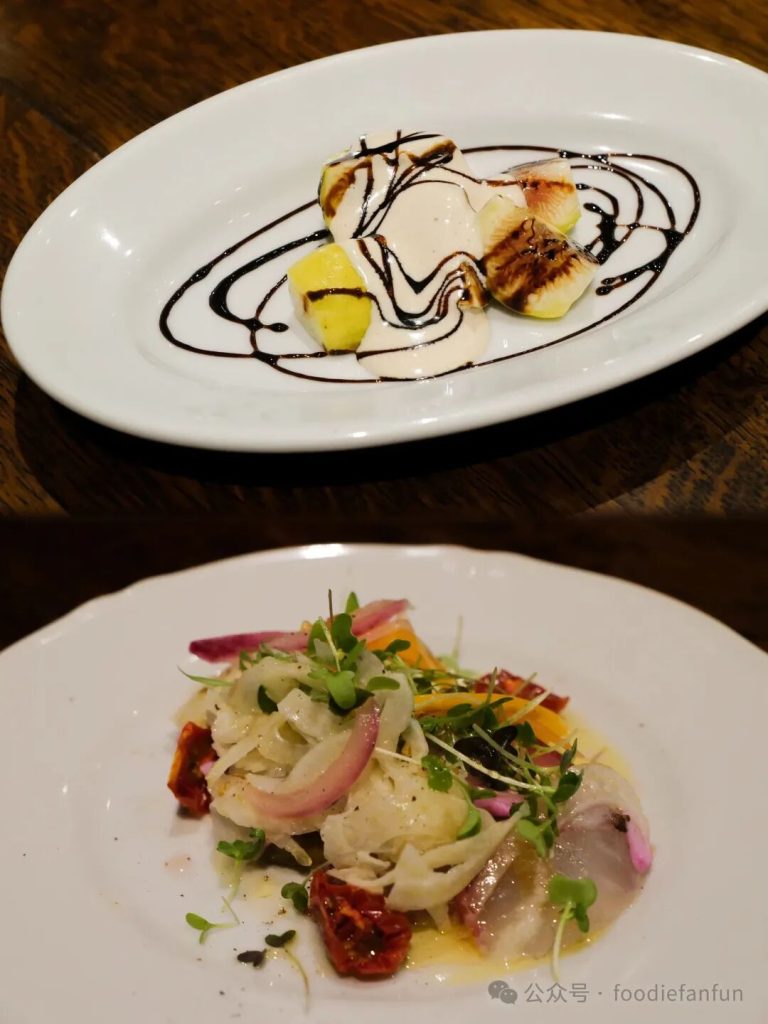
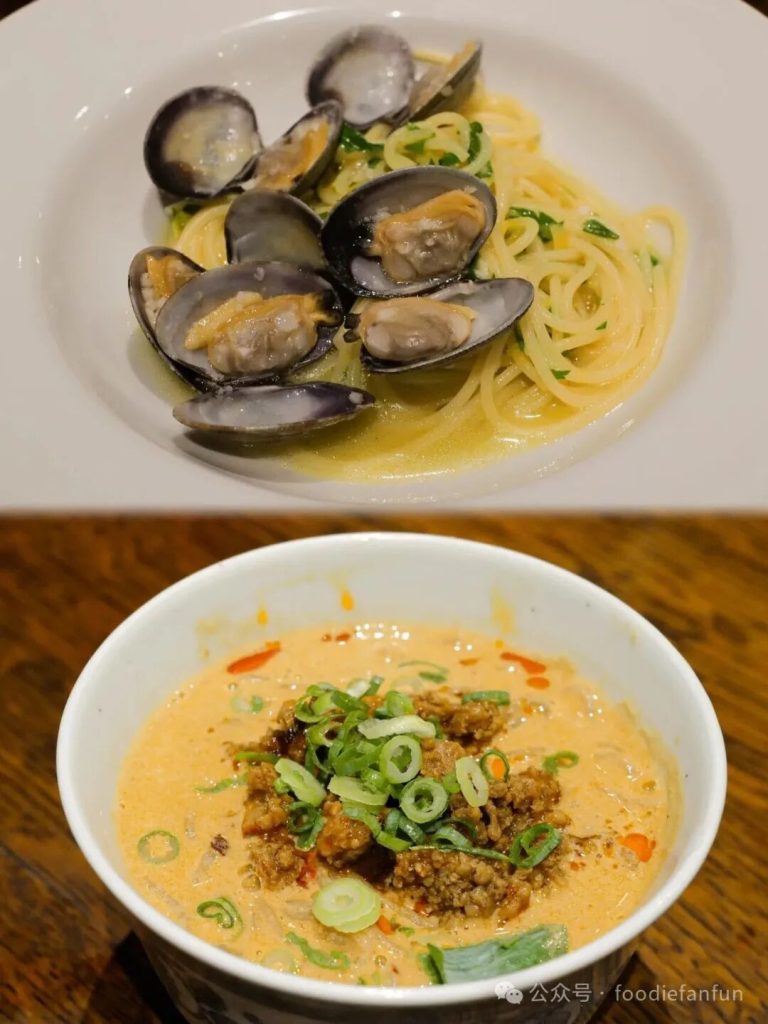
Vigo
Trattoria Dal Birbante Giocondo is homey and full of everyday warmth — the kind of place you’d happily visit weekly if it were downstairs from your apartment. The menu is generous, and the food comes out consistently good. The sommelier is a character too, remembering what you drank last time and steering you toward a different, surprising bottle each visit.
Radicare is a high-value neighborhood pasta spot, with lunch sets starting at just ¥1,500. The whole place has a family-restaurant feel, and the garlic frying away in the kitchen carries real everyday warmth. The chef looks wild while cooking, but the details — hand-sliced ham, fresh prawns — down to the balance of seasoning in the finished dishes, are all handled beautifully.
Vigo leans more toward an Italian wine-bar feel — the moment you walk in, there’s a relaxed sense of setting your fatigue down for a drink. The dishes are delicately styled, with plenty of Japanese ingredients woven into traditional Italian cooking, thoughtfully conceived.
And finally, one to avoid — 💣RODEO, the restaurant Sanwa’s chef used to run, known mainly for being salty. These days it’s become a pure hype spot, with the setting, service, ingredients, and food all falling short.
Leave a Reply