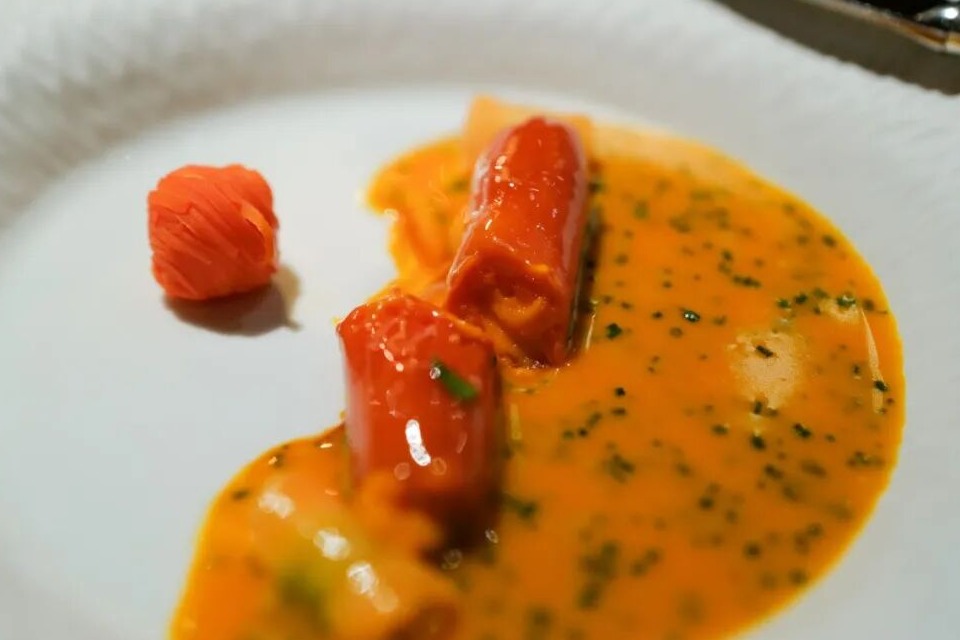
For our Paris itinerary, factoring in sightseeing and jet lag, we mostly picked lunch spots along the route. The two one-star restaurants, Quinsou and Le Sergent Recruteur, each had their own character, and the lunch sets offered excellent value.
But no matter what, one proper meal deserves to be taken seriously — among Paris’s ten three-star restaurants, we didn’t hesitate to choose Le Gabriel, which had just been awarded its third star in the 2025 guide and carries extremely high acclaim.
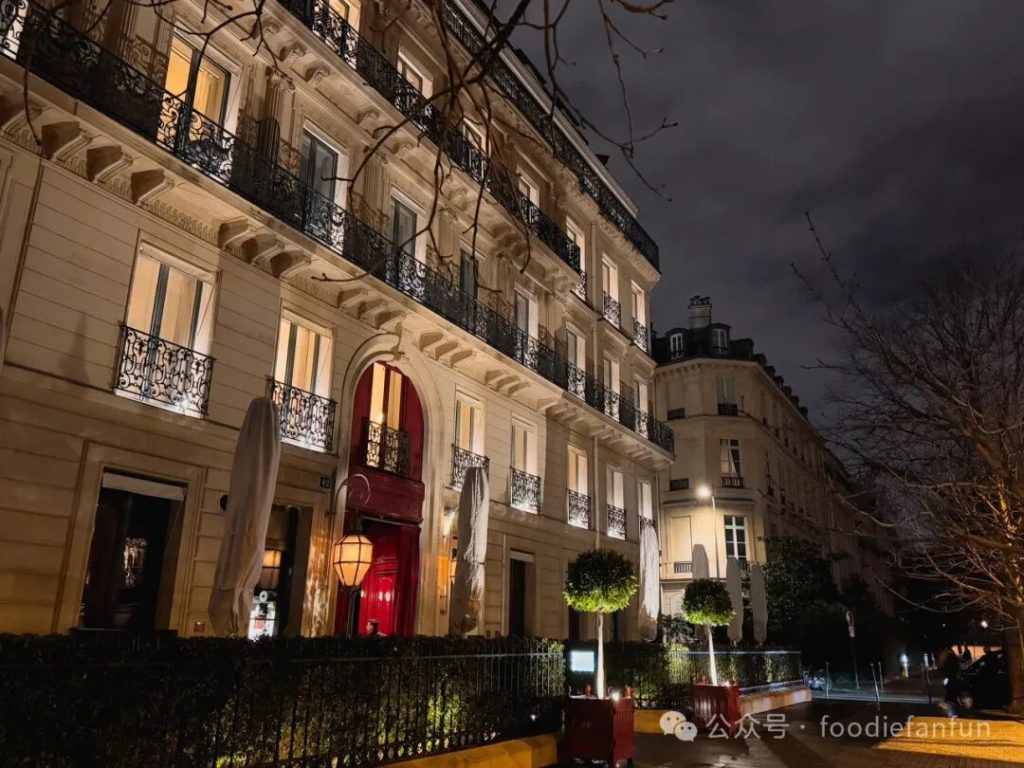
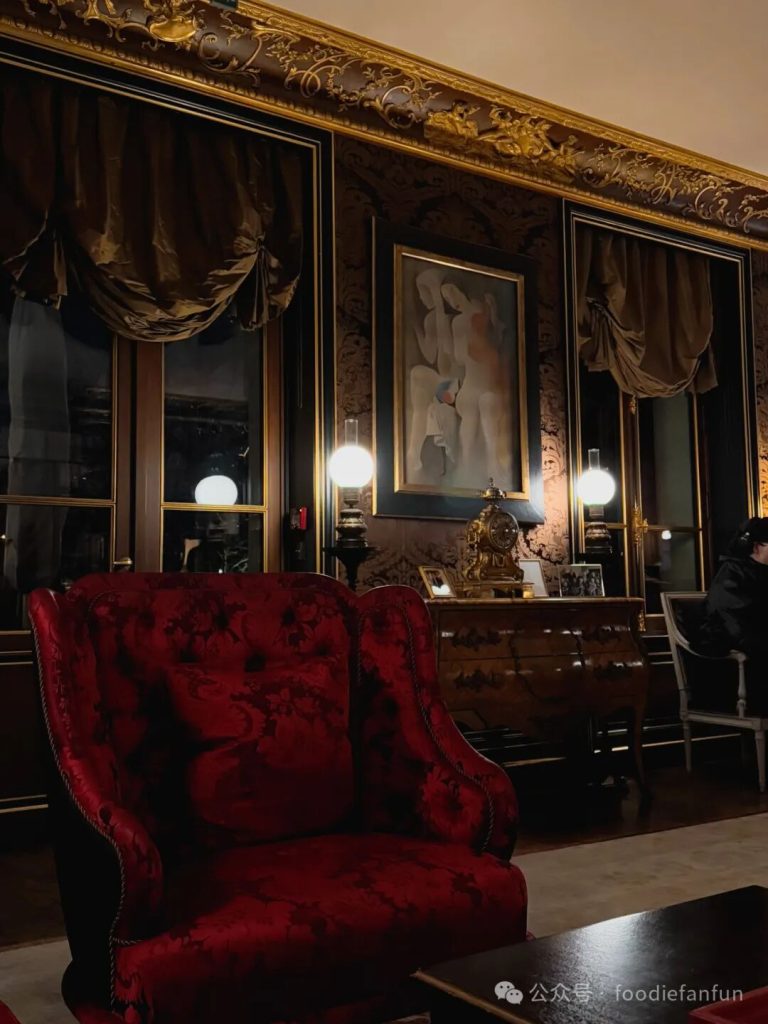
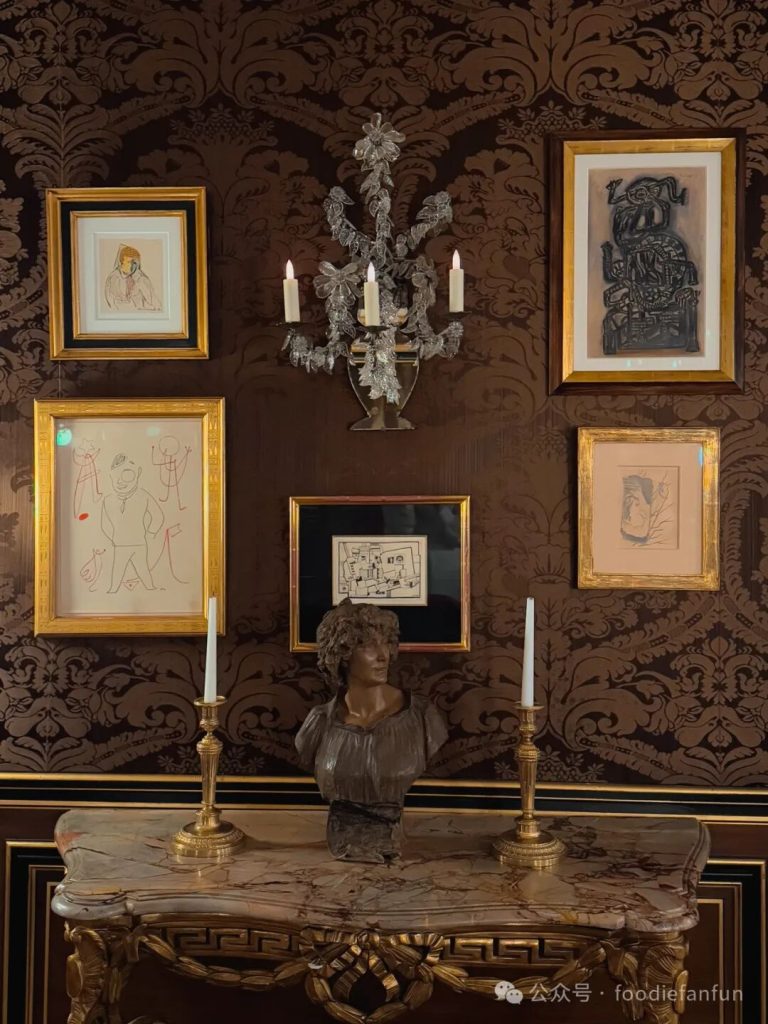
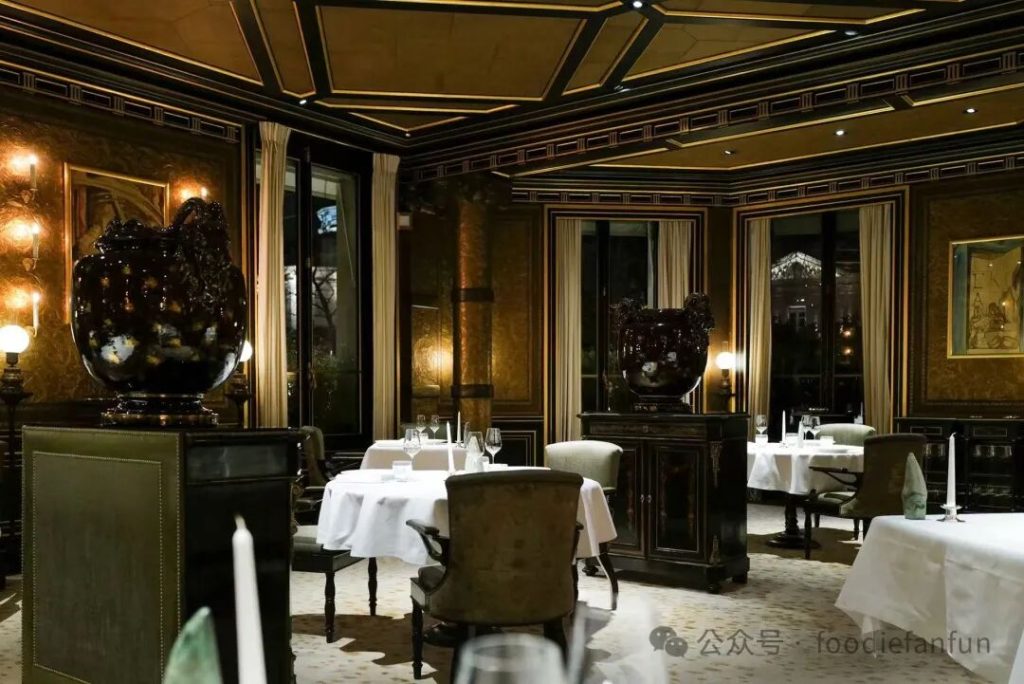
The restaurant sits on the ground floor of La Réserve Paris, a 19th-century Napoleon III–style mansion now owned by French billionaire Michel Reybier, known for its understated yet supreme French elegance.
The hotel’s interiors, designed by Jacques Garcia, blend classical French court elements with modern luxury. Waiting on the lobby sofas, you can already spot an 18th-century fireplace, gilded carved walls, velvet decor, and a beautiful grand crystal chandelier.
The restaurant’s head chef, Jérôme Banctel, is a Breton with an illustrious résumé — he trained under several world-renowned chefs before becoming Le Gabriel’s head chef a decade ago.
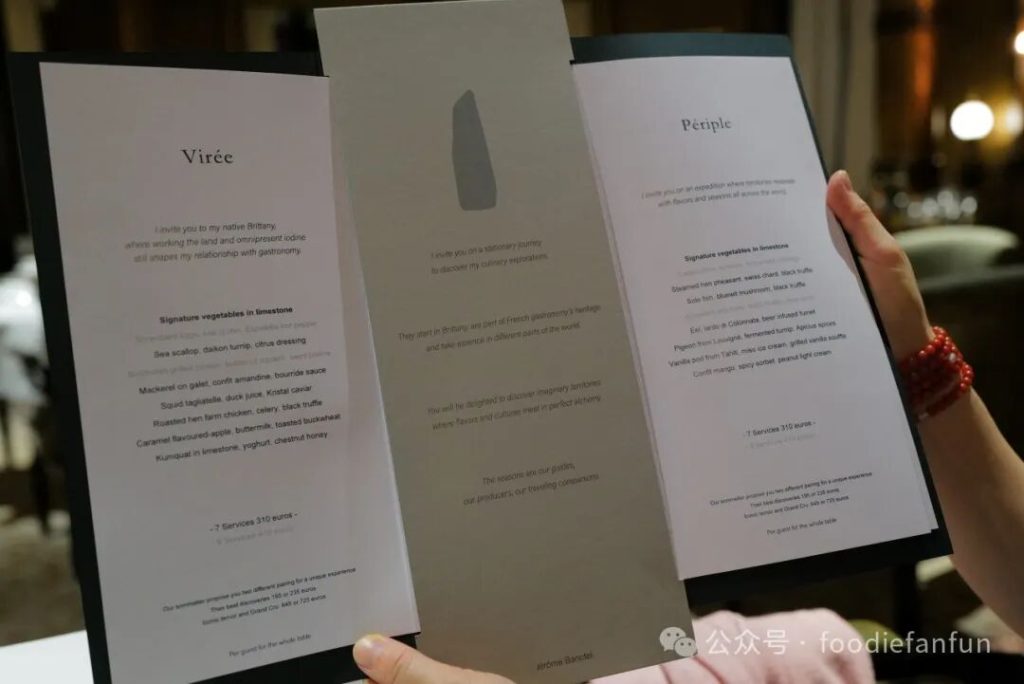
The restaurant offers two tasting menus, “Virée” and “Périple,” each served as 7 or 9 courses (€310/€410). The former is Jérôme Banctel’s tribute to his native Brittany. The latter is a global flavor journey weaving in Japanese, Turkish, Middle Eastern and other culinary elements, taking guests on a “long-distance trip” at Le Gabriel’s table.
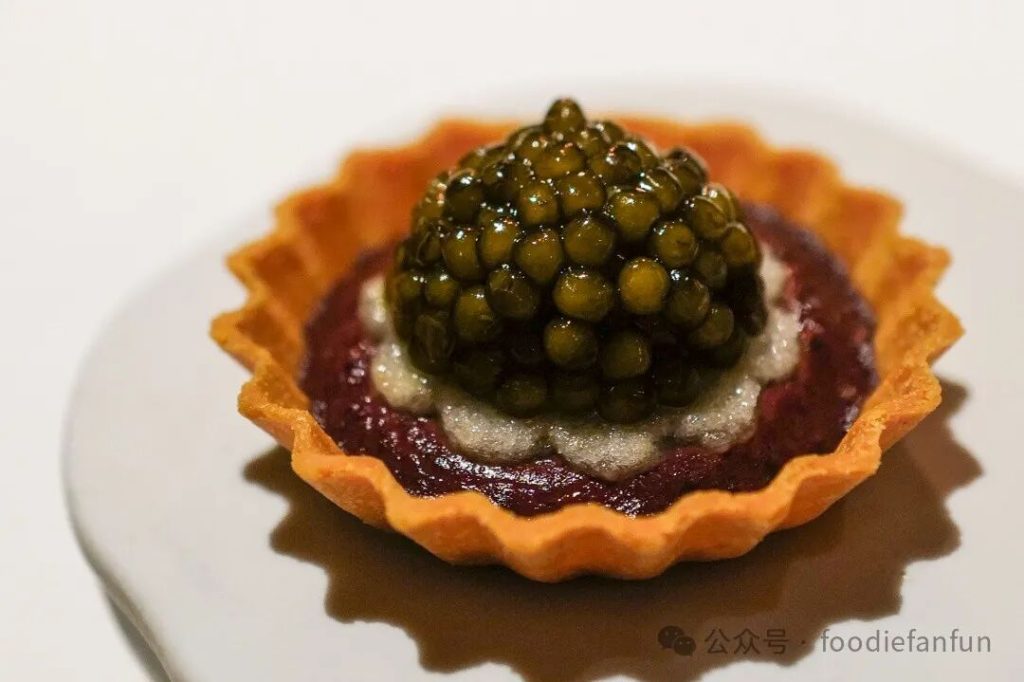
Apple | Cavier
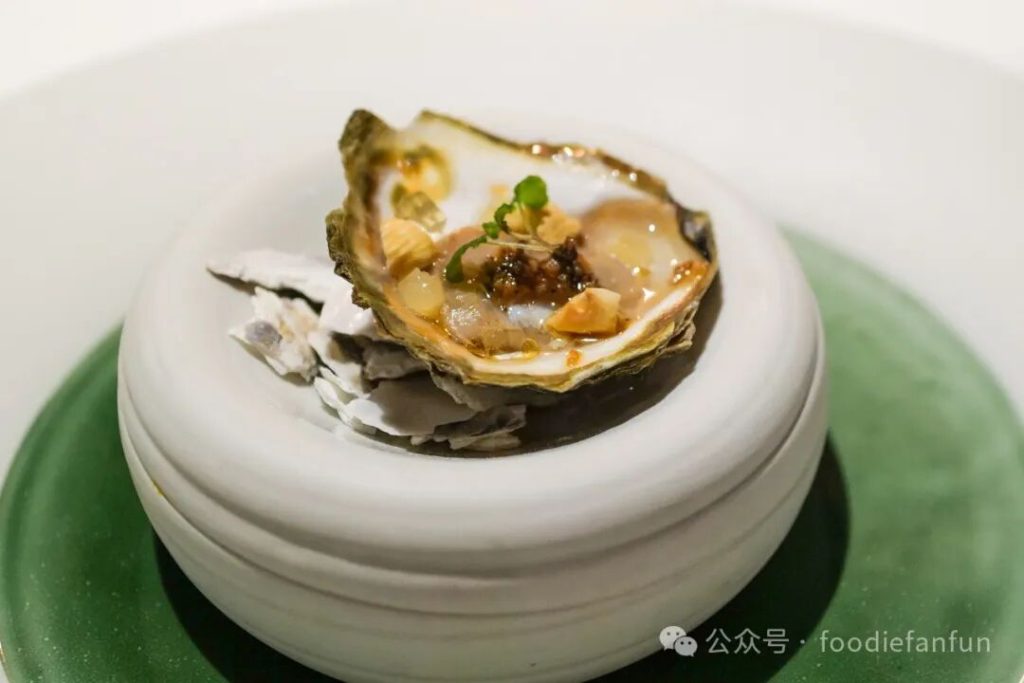
Oyster | Hazelnut
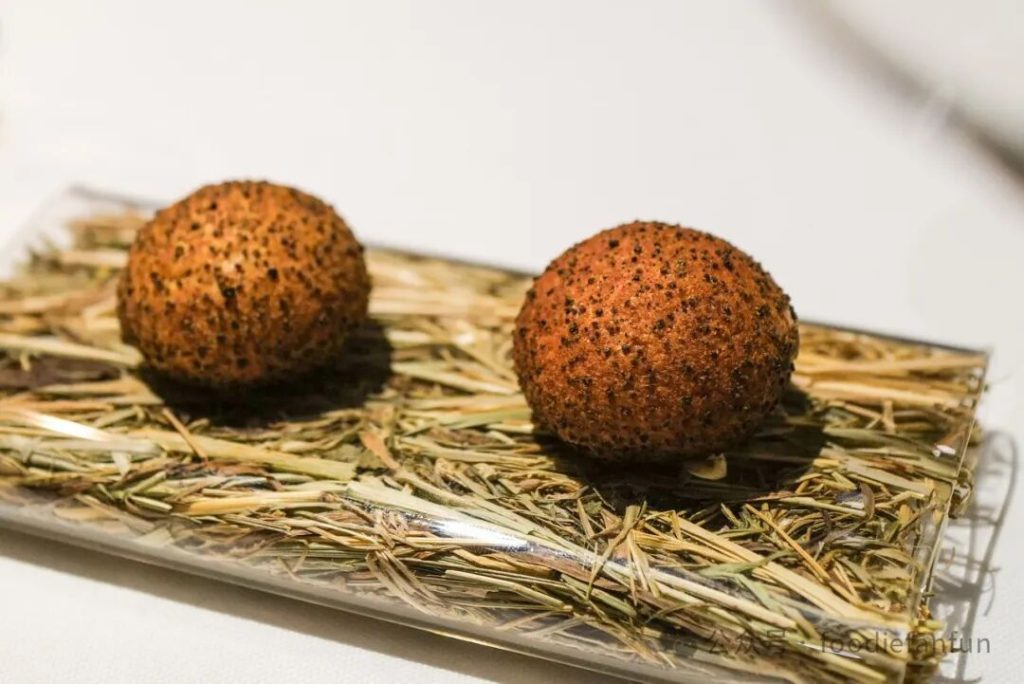
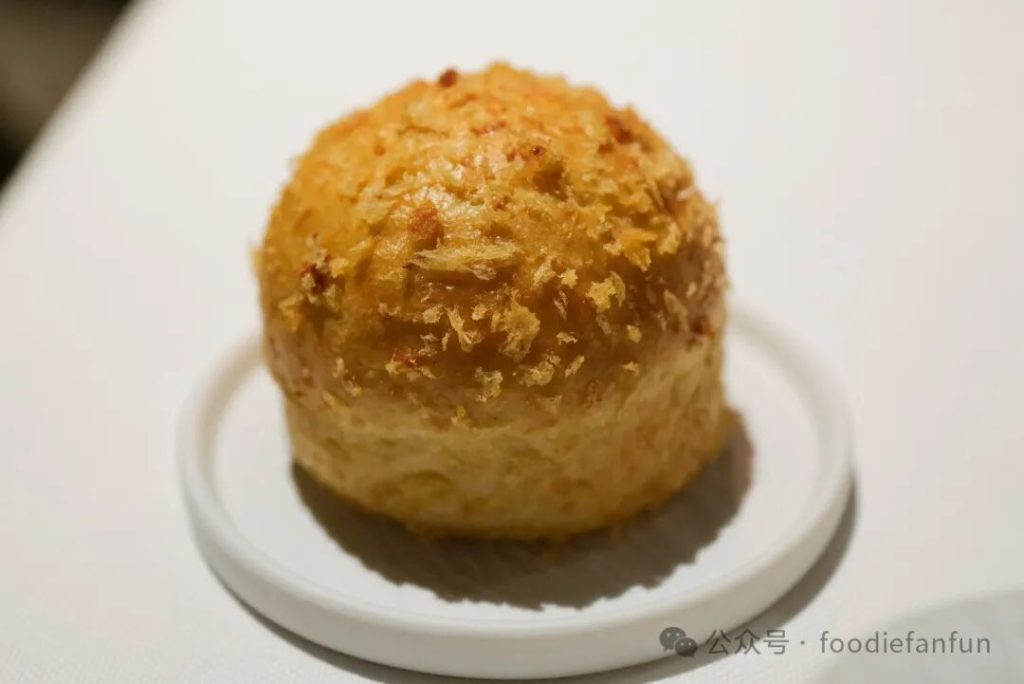
Black Truffle Puff
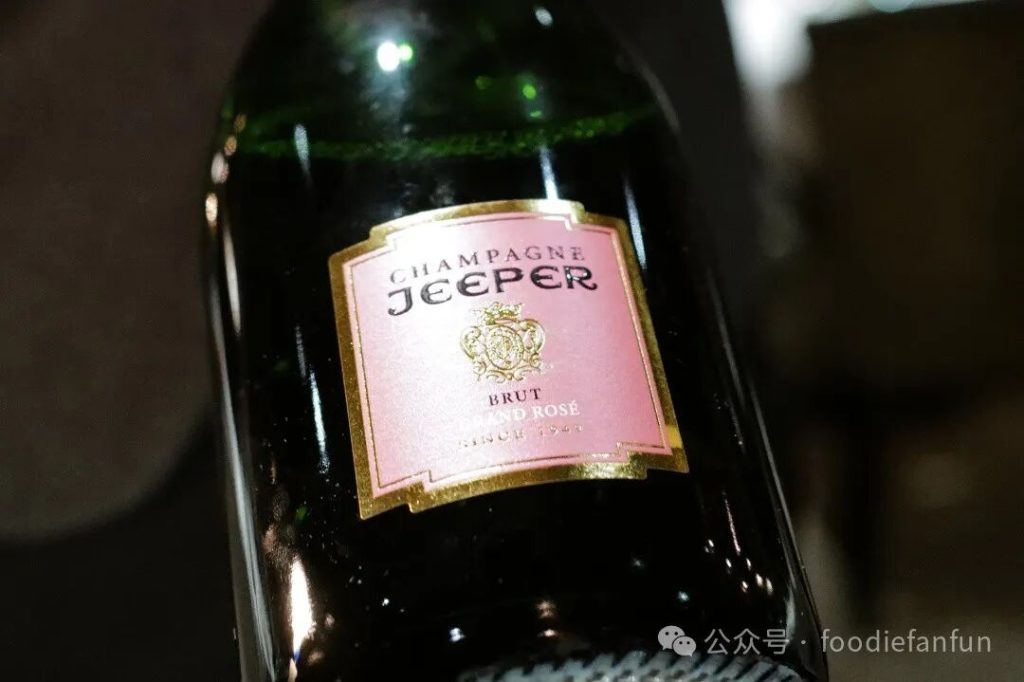
We chose the nine-course Virée with wine pairing, which adds an extra seafood course to both the starters and mains — reportedly chef Jérôme Banctel’s strongest suit.
The seafood-forward flavors were evident from the Amuse Bouche onward, opening up different dimensions of umami with oyster, caviar and black truffle.
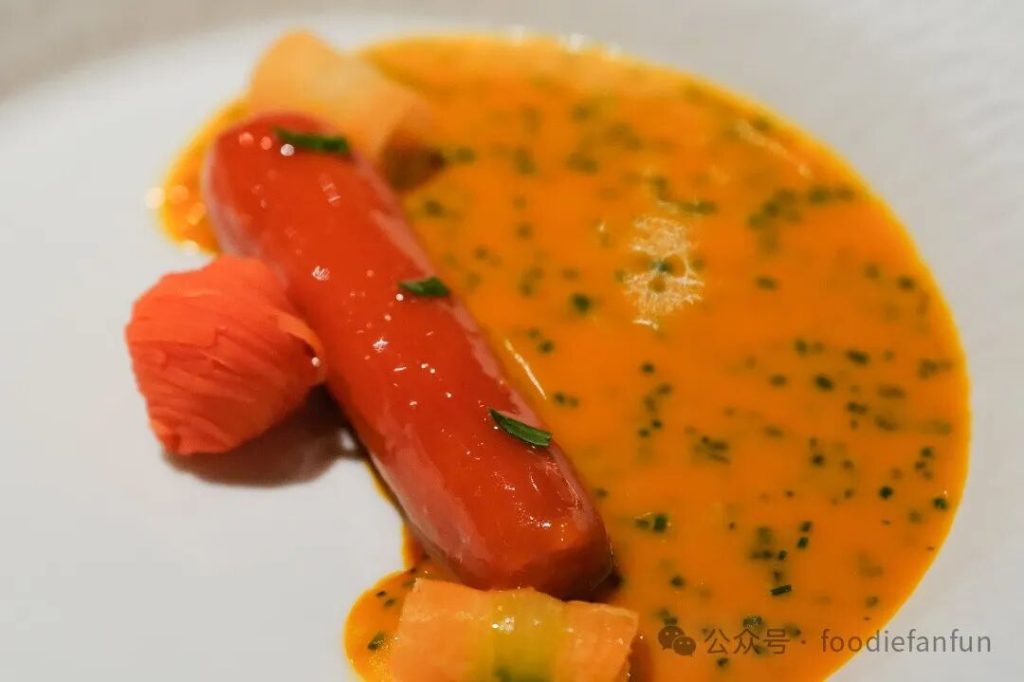
Sand Carrot | Fermented Ginger
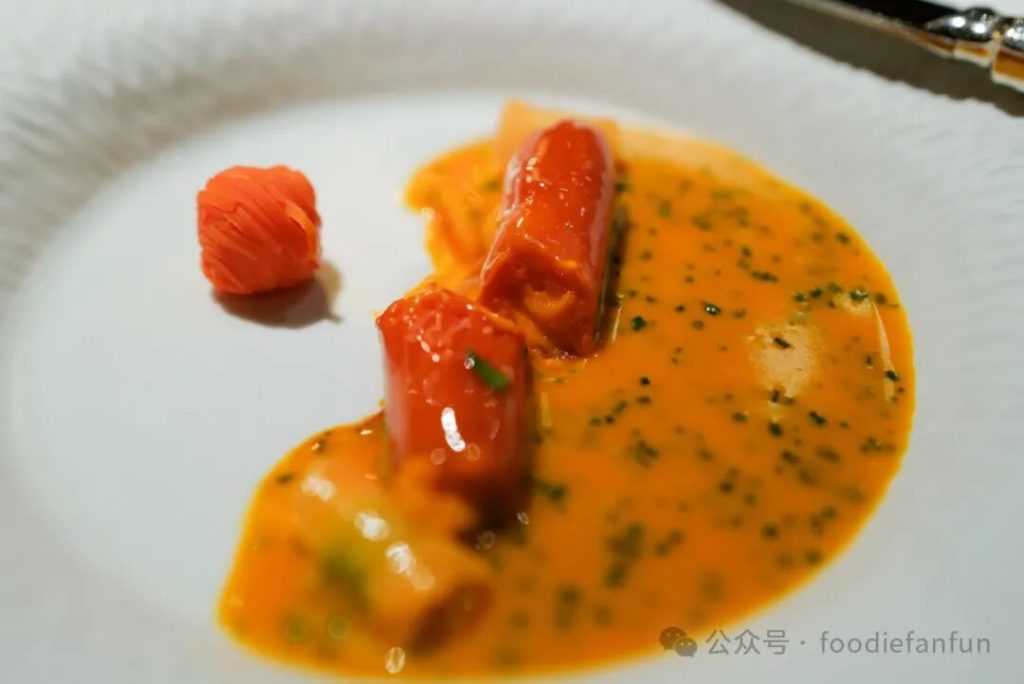
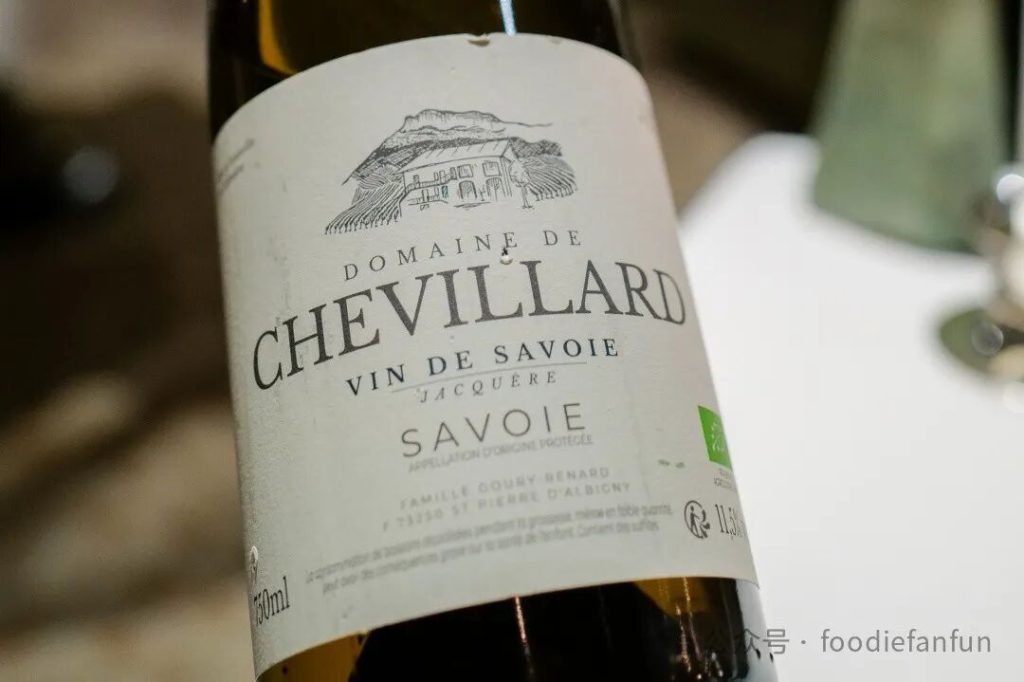
The meal proper opened with a memorable vegetable course.
The sand carrot was air-dried, then layered with carrot purée reshaped back into its original form, seasoned with fermented ginger. Sweet with a touch of spice, the texture was an unexpected layering of delicate and soft carrot textures, with a dollop of pickled turnip alongside to cleanse the palate.
It looks like a humble carrot, but one bite reveals a balance and harmony that holds nothing back.
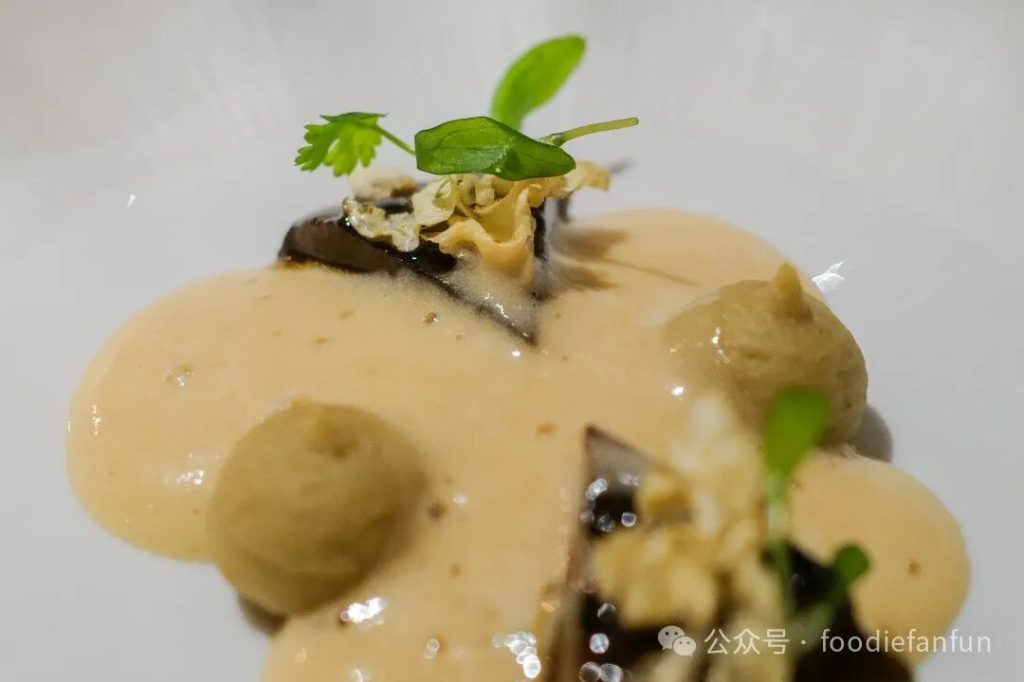
The chef has never worked in Japan, but back at Lucas Carton (roughly 20 years ago) he was already devoted to blending Japanese and French flavors, giving his dishes a more refined character.
The other vegetable course to open the meal was artichoke, pickled in Japanese white vinegar, its high acidity paired with a thick artichoke purée. The soft texture carried layered flavors, leaving a sweet aftertaste.
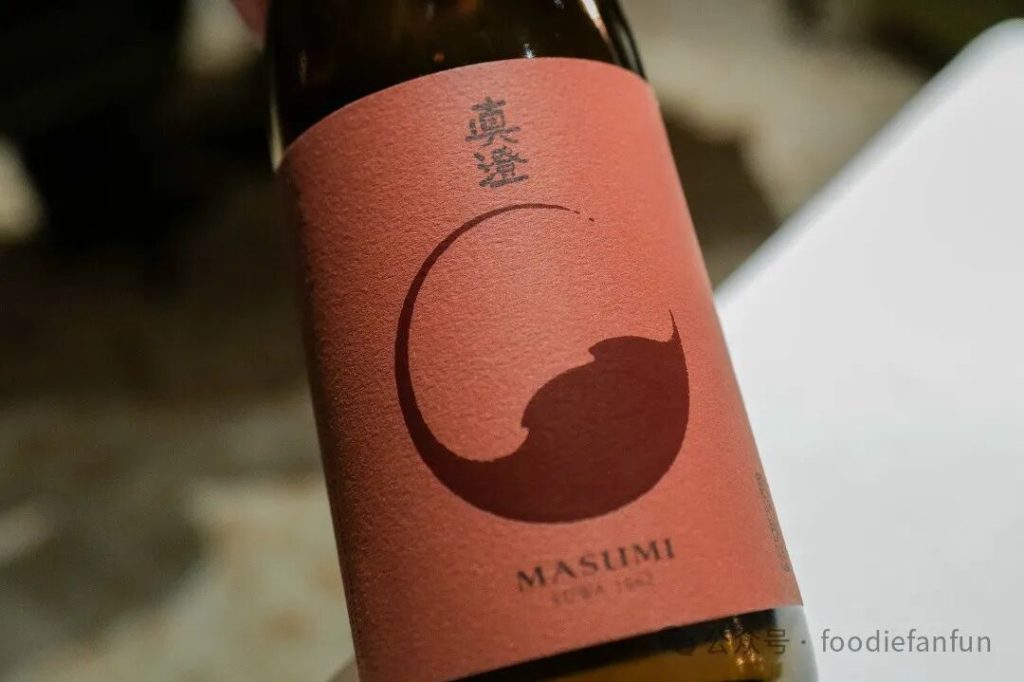
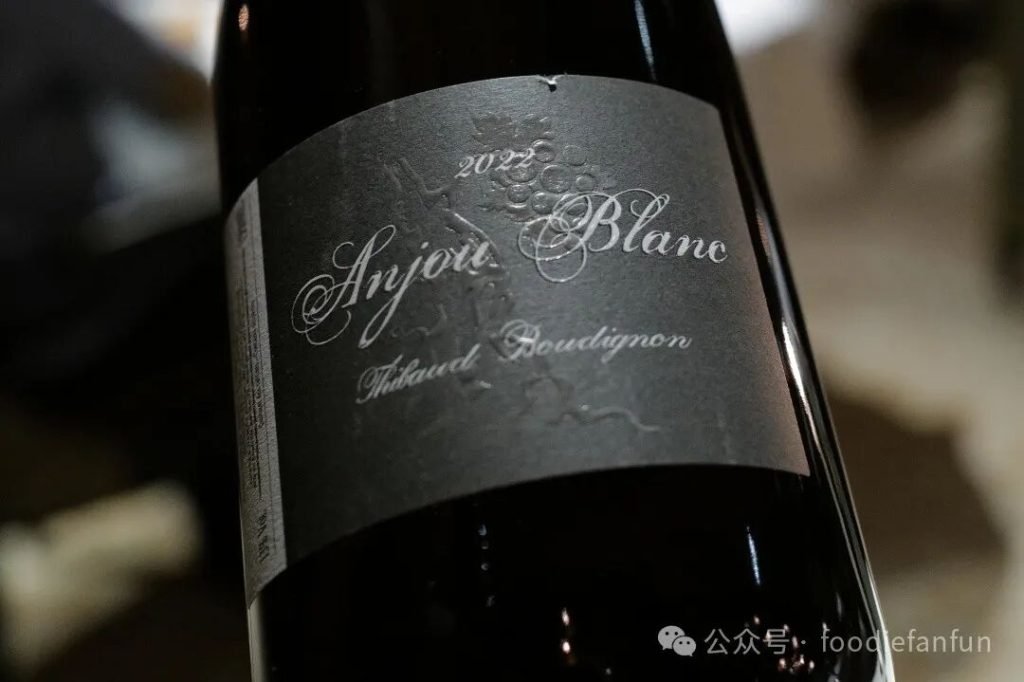
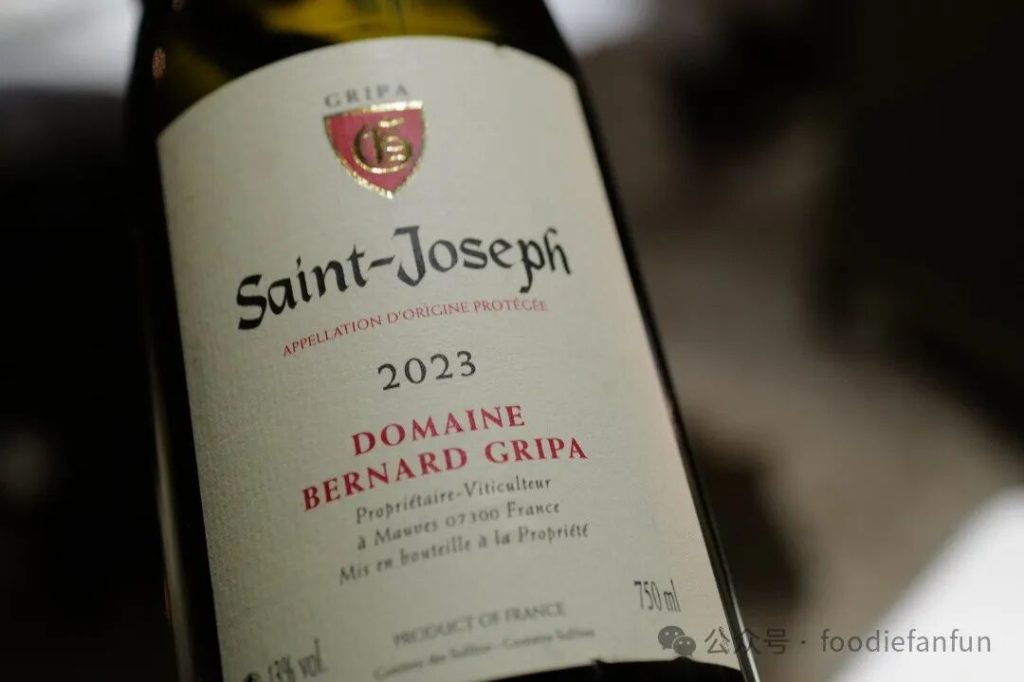
The pairing surprised us with sake — the familiar Masumi Junmai — which beautifully caught the vegetal quality of the artichoke.
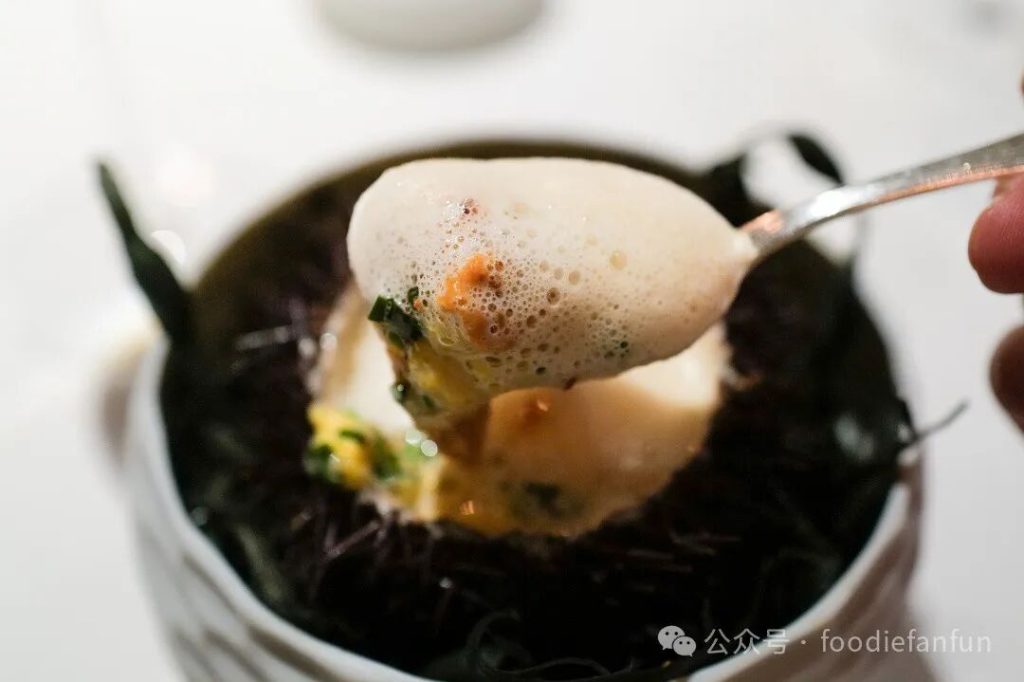
Scrambled eggs, sea urchin, Espelette hot pepper
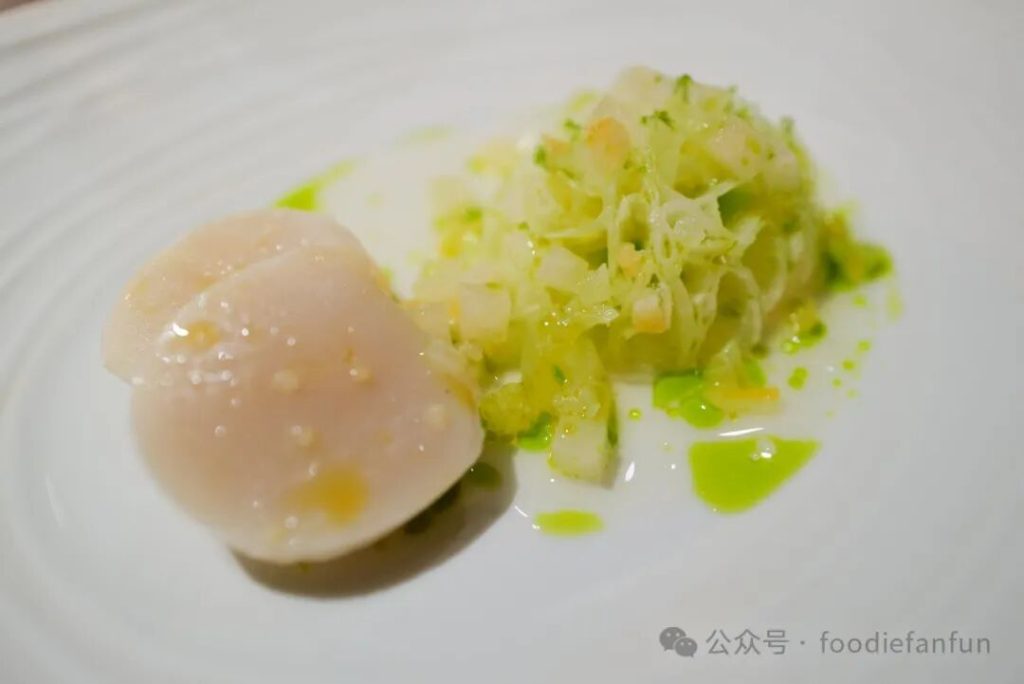
Sea scallop, daikon turnip, citrus dressing
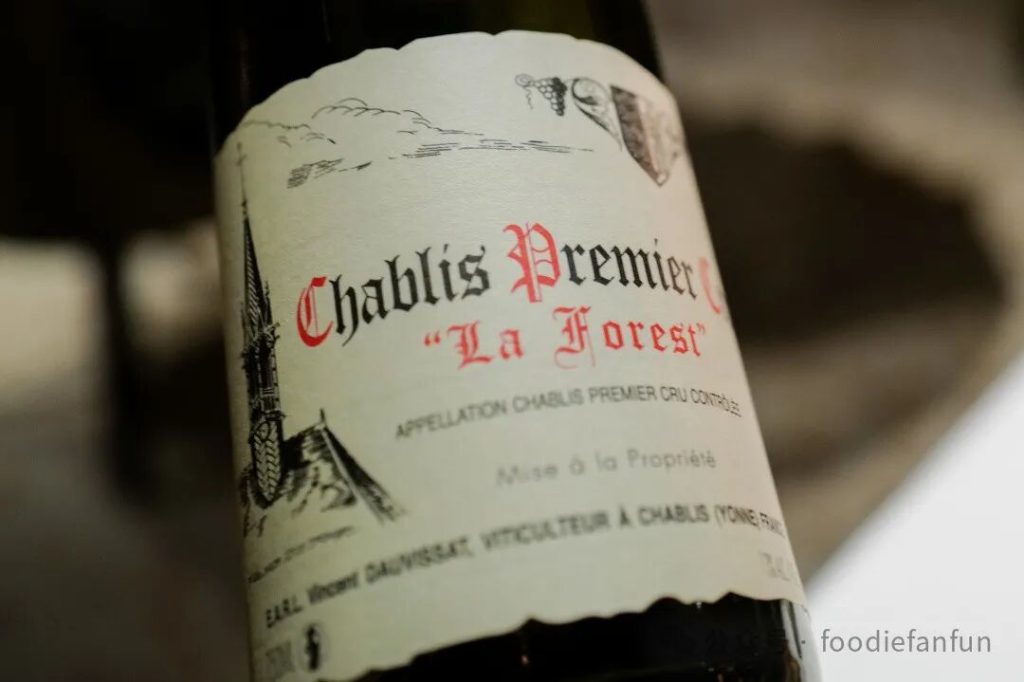
Sea urchin paired with scrambled eggs — the soft, plump eggs lifted the sea urchin’s umami and texture. Digging to the bottom revealed a few crisp, tangy elements that cut through the richness, rounding the whole dish out.
On the other side, the steamed scallop was pristine and translucent, almost unbelievably tender. The flesh still had a bit of bite, with plenty of sweet umami.
Right from the start, it made you marvel at how wonderful seafood can be.
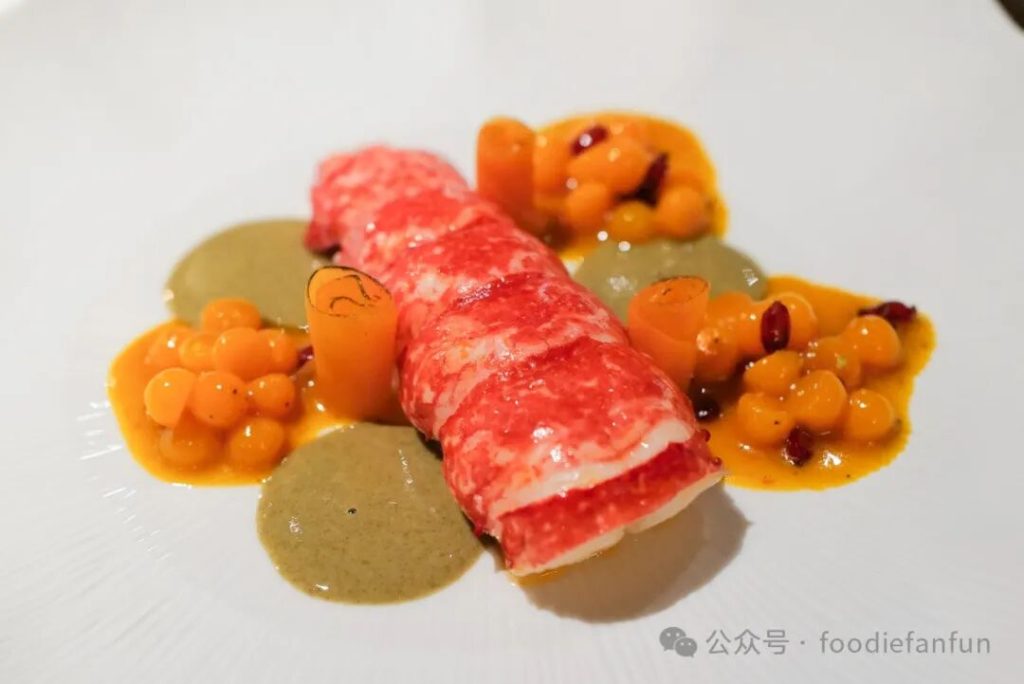
Binchotan grilled lobster, butternut squash, seed praline
Jérôme Banctel’s famously renowned lobster.
Poached in seawater, then finished on the grill, pushing both freshness and tenderness to the extreme. The charcoal-grilled flavor was restrained and precise, tightening the lobster’s surface. The accompanying baby squash brought a tart crunch, adding the last bit of freshness the dish needed.
How can lobster possibly taste this good!
Brittany lobster is widely used across Michelin restaurants around the world, but of course, someone who grew up in Brittany understands these creatures best.
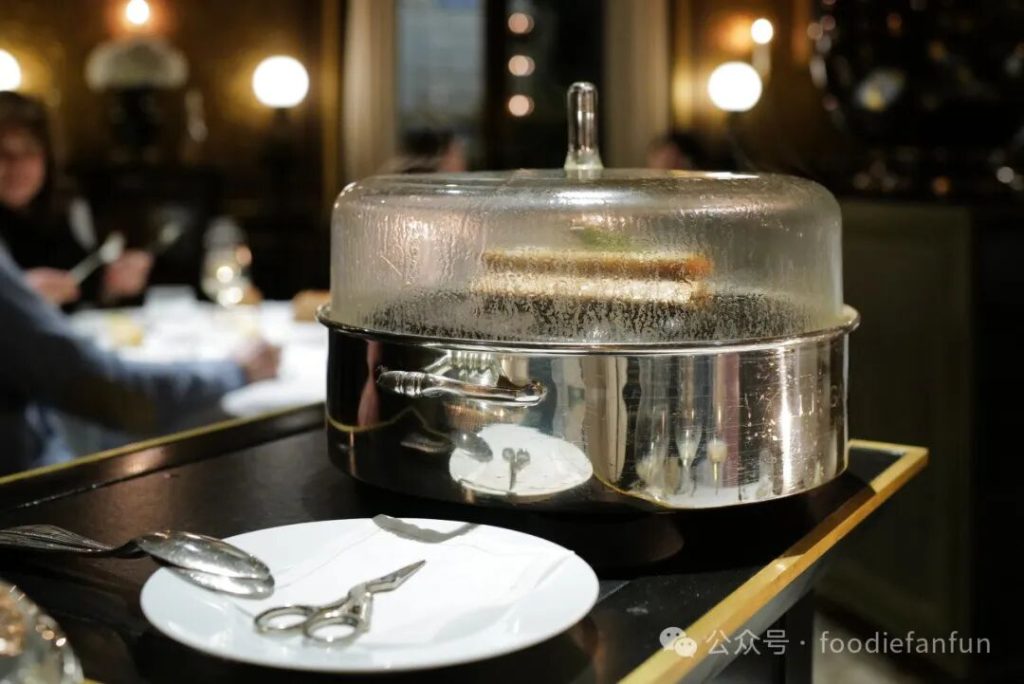
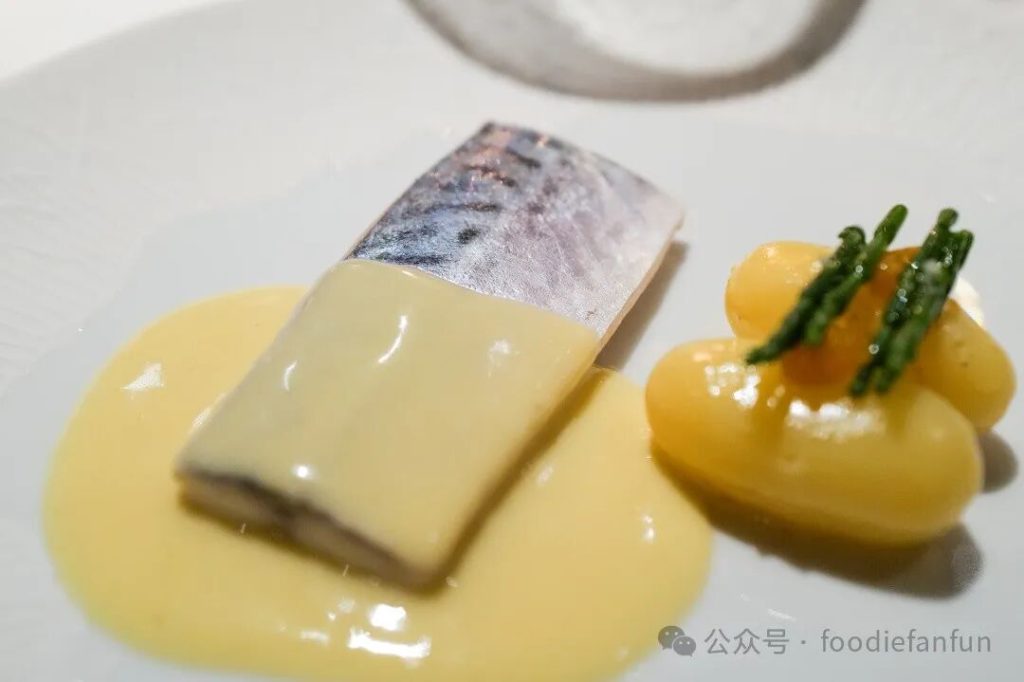
Mackerel on galet, confit amandine, bourride sauce
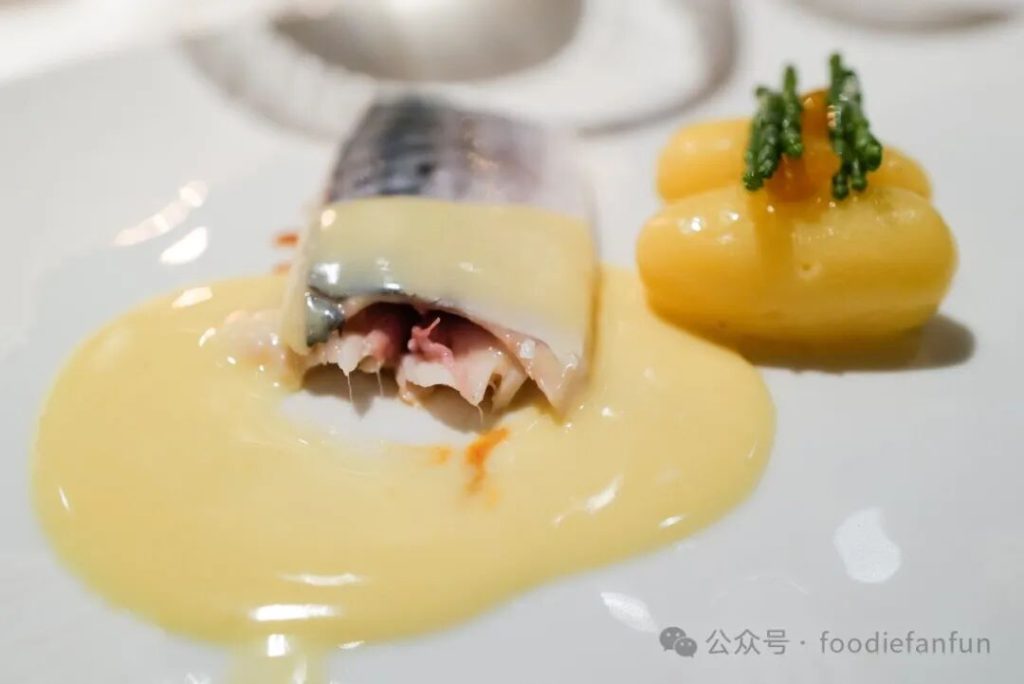
“If you can still see the fish, then there isn’t enough sauce.”
The skinned mackerel was steamed in a small glass pot, paired with a pale-yellow sauce made from sea urchin and shallot. The fish itself was lean but intensely oceanic, while the sauce was rich and high in acidity. Combined almost 1:1, the two created a world that was both maximally fresh and refreshingly clean.
The sauce softened the mackerel’s overly concentrated fishiness, while the fish itself carried and extended the sauce’s own flavor.
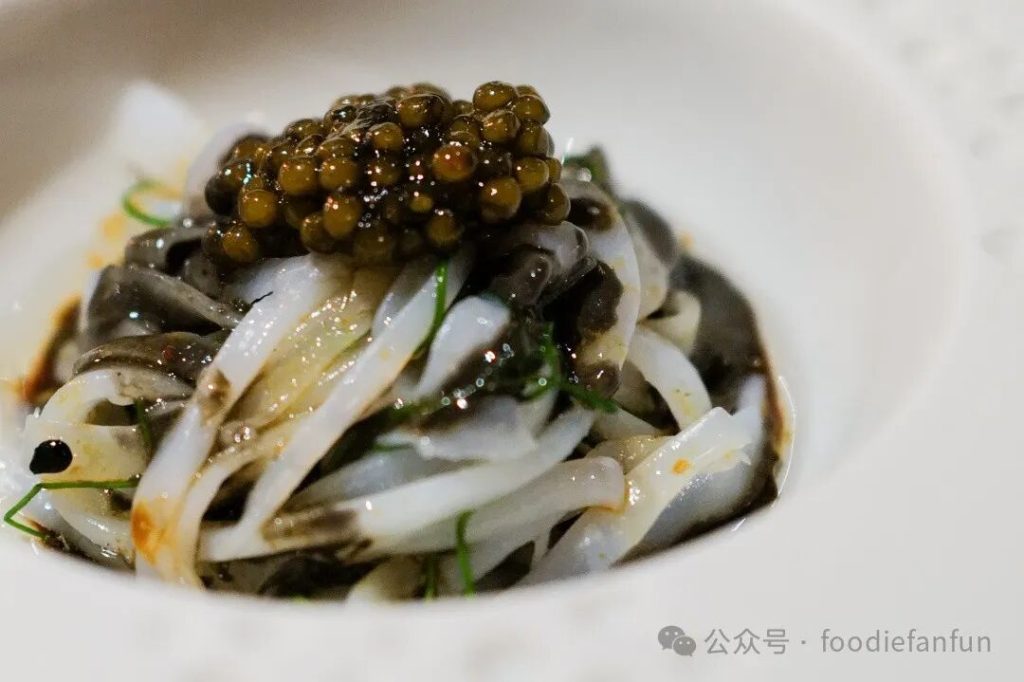
Squid tagliatelle, duck juice, Kristal caviar
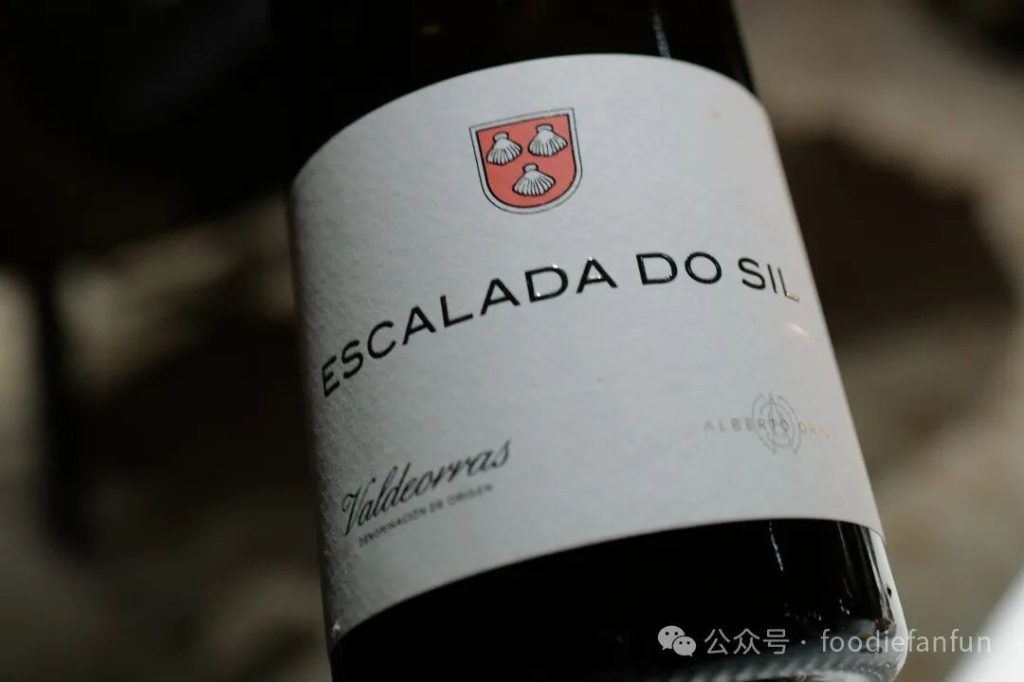
The final seafood course closed with caviar over white tagliatelle. (Ha.)
After the spiny sea urchin and the shellfish, one more mollusk course arrived. Beautiful white squid was cut into tagliatelle, thick with a satisfying chew. Duck, surprisingly, made the sauce — its aroma concentrated on the surface, with the finish carrying a touch more freshness.
Whoa, what a surprise — whoa, so good — whoa, I loved it.
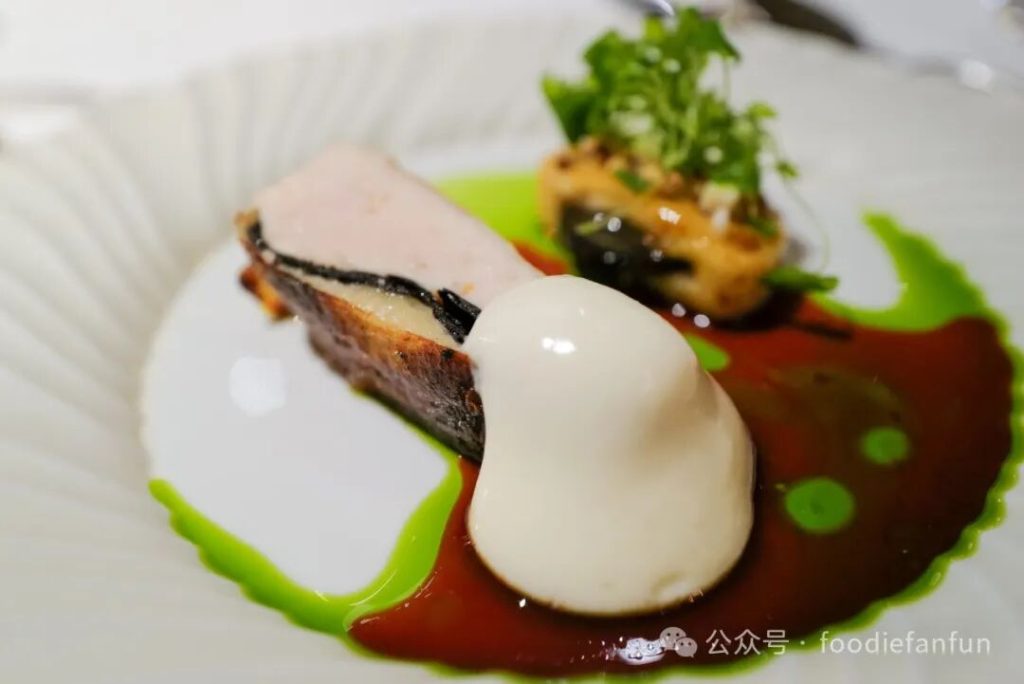
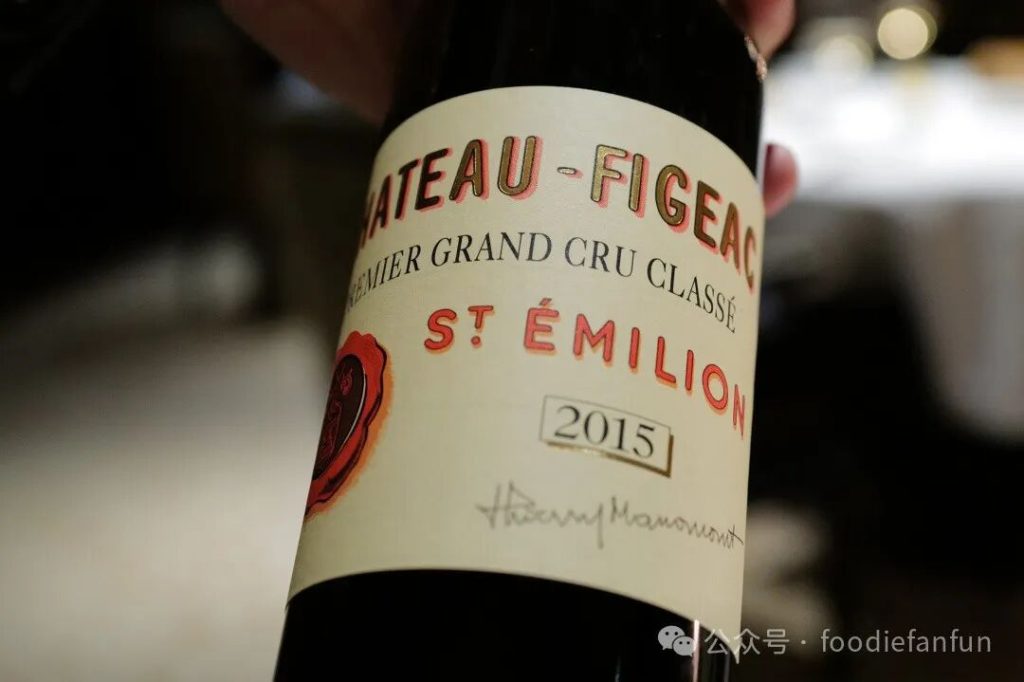
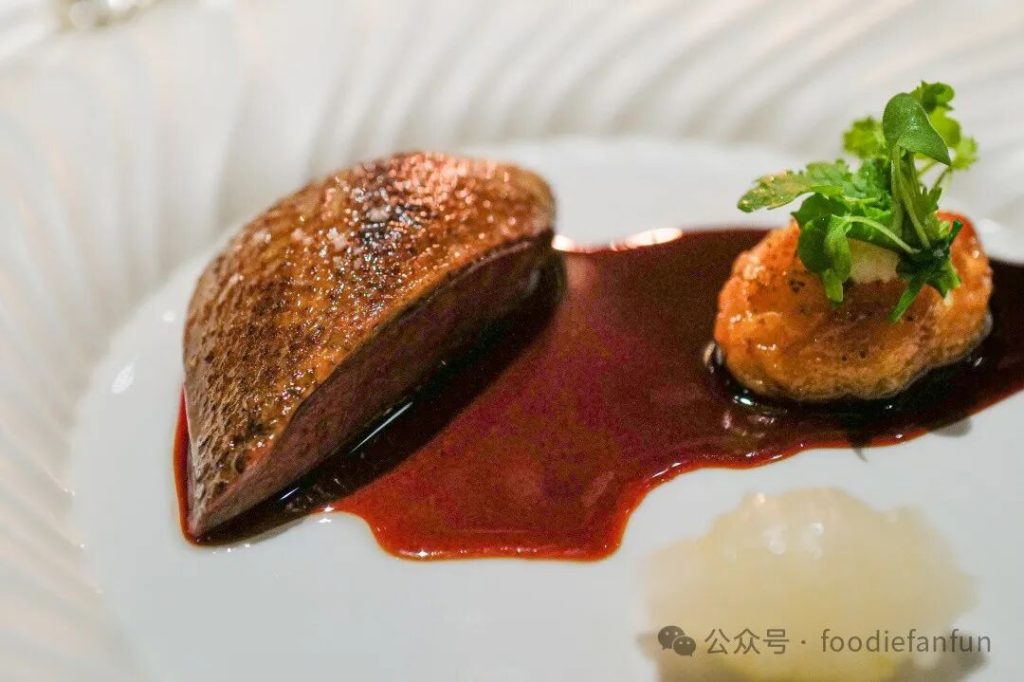
Pigeon from Louvigné, fermented turnip, Apicius spices
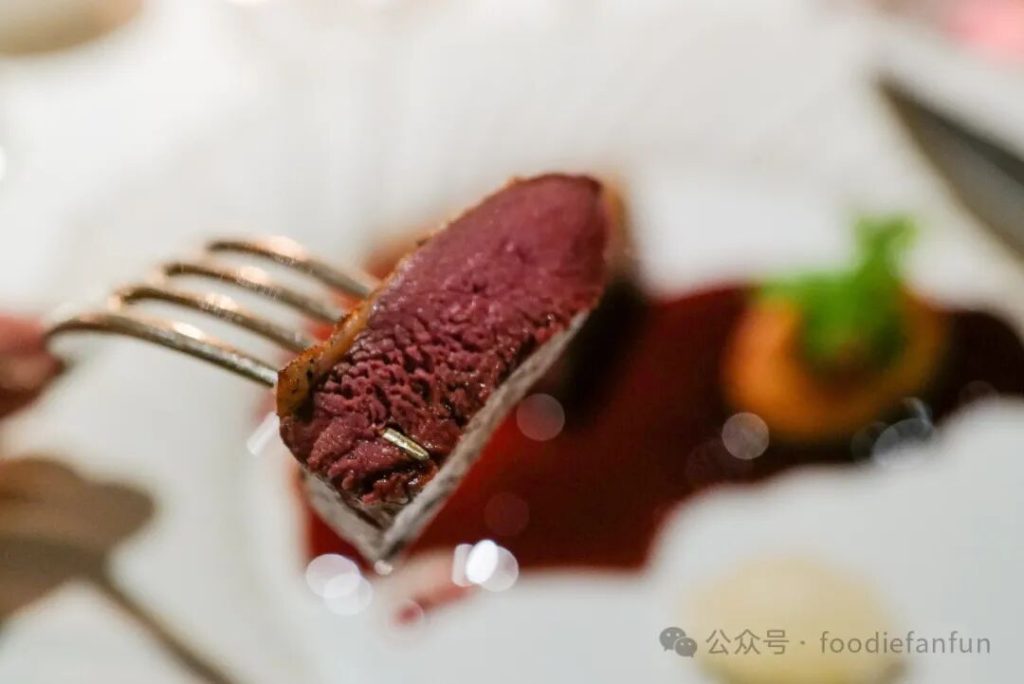
The chicken from the other menu was swapped for pigeon as the main.
Tender meat, crisp skin — a fine bird. The gamey notes in the deep pink flesh were well controlled, slowly releasing as you chewed.
The meat mains were also well composed and excellent.
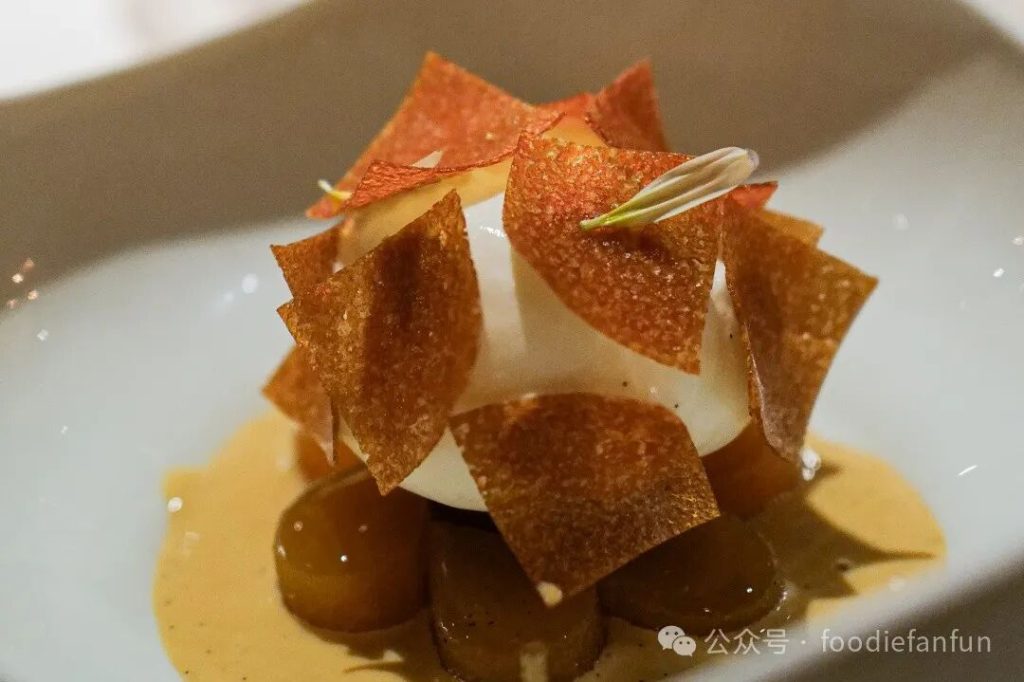
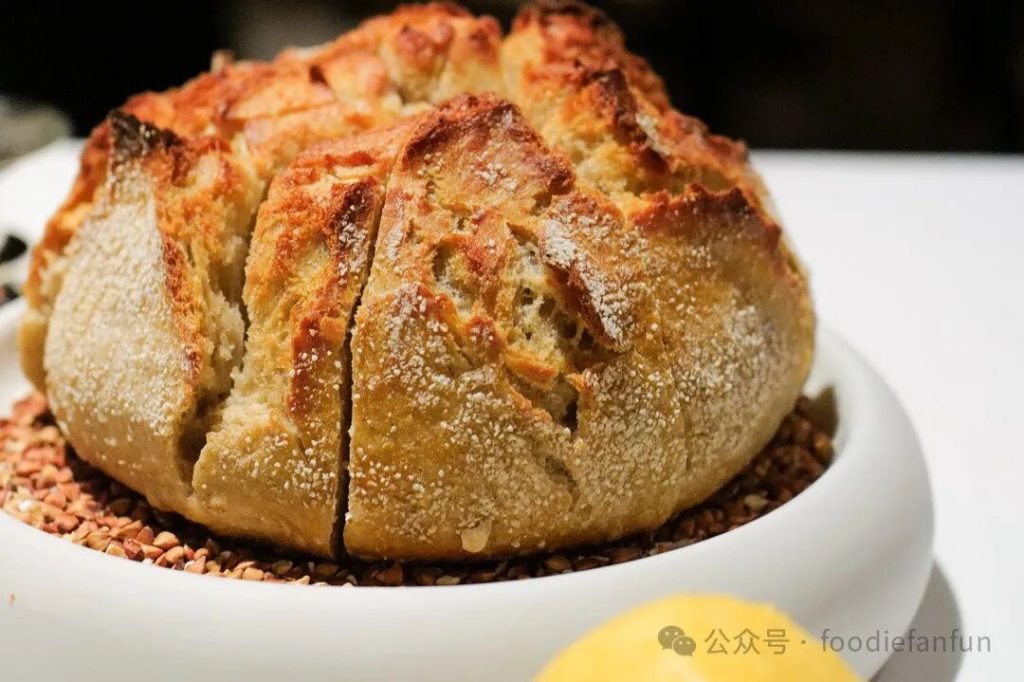
Caramel flavoured-apple, buttermilk,
toasted buckwheat rasines
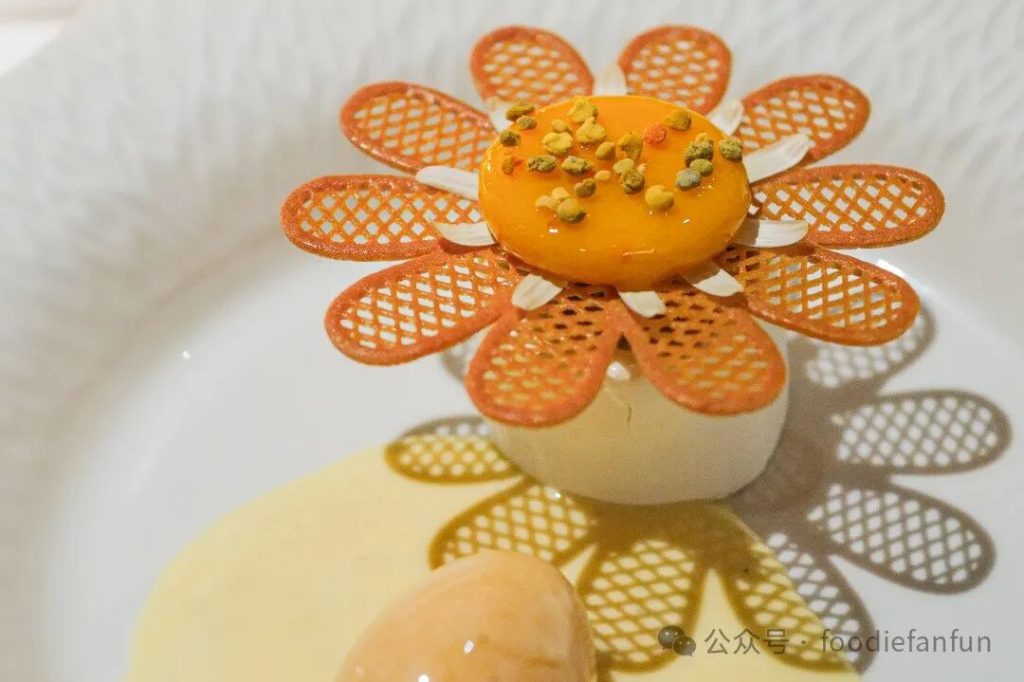
Kumquat in limestone, yoghurt, chestnut honey
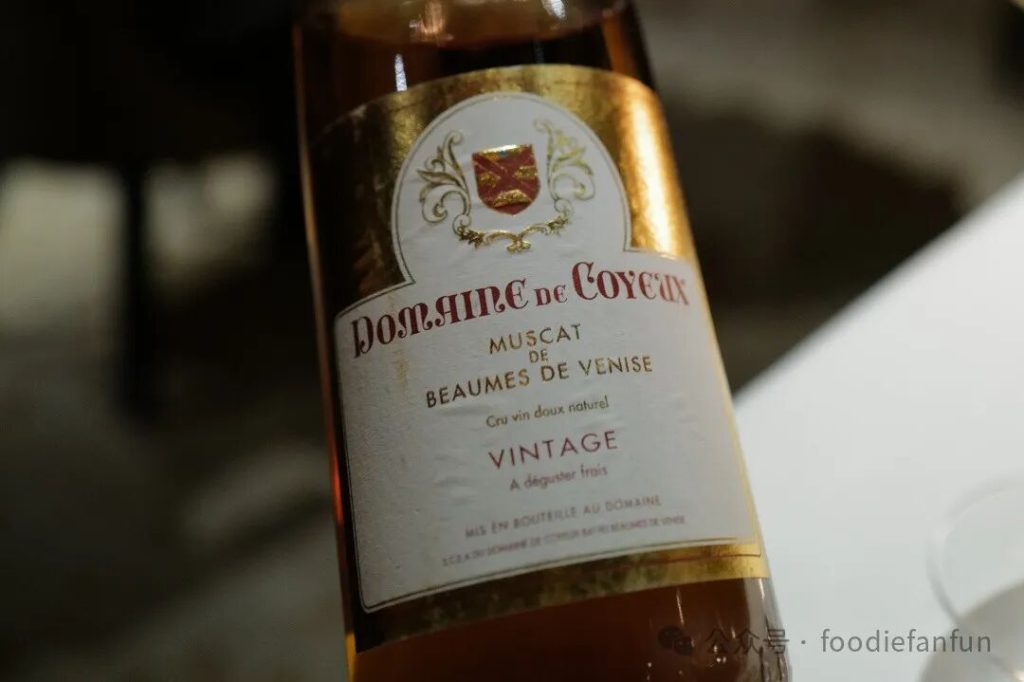
Whether it’s the food, the service, or the atmosphere, this was a thoroughly delightful meal — every bit deserving of the honors it has received.
Behind the sense of grandeur lies a lot of creativity and thought worth exploring.
There’s an expression of the ingredients themselves, the chef’s playful ideas, and technical flourishes in the cooking methods. The seafood and vegetable dishes were especially striking.
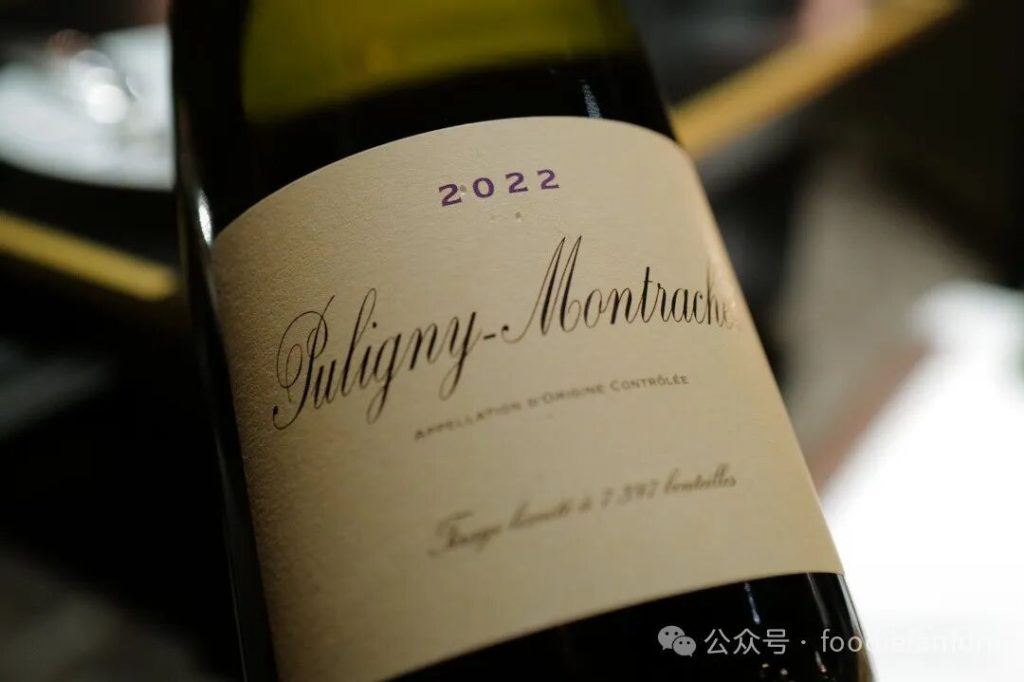
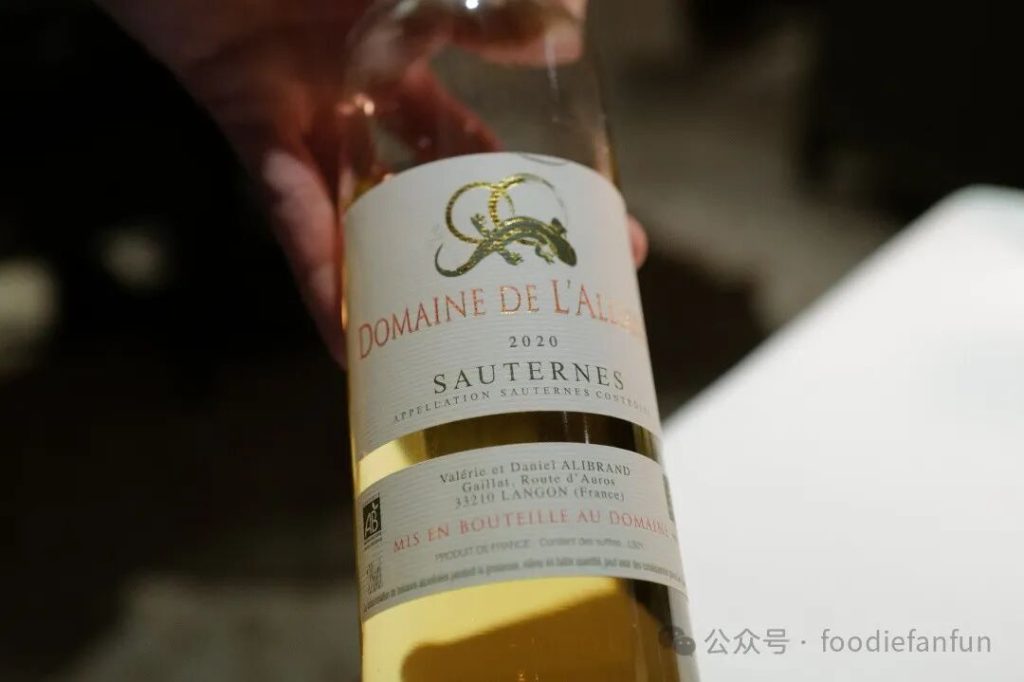
The wine pairing offered plenty of options — nothing went wrong, but nothing was particularly surprising either. If you can hold your liquor, picking a single bottle of white is also a solid choice.
Overall, the price is quite fair among Paris’s three-star restaurants — if you only have time for one three-star meal, this can be your first choice. We’d recommend the full 9-course menu; the portion isn’t much different, but you’ll get a lot more surprises.
Definitely a restaurant worth revisiting~
Le Gabriel
Monday–Friday
Lunch 12:30 / Dinner 19:30
www.lareserve-paris.com/en/restaurants-bars/restaurant-le-gabriel/
Virée Menu €310/410++
Périple Menu €310/410++
Leave a Reply