Everyone living abroad eventually develops a Chinese-food stomach.
Live in Tokyo long enough, and no matter how used you get to sushi, yakiniku, or sukiyaki, there’s always a craving for Chinese food that hits differently. Ideally a table of dishes fresh off the wok, red chilies scattered through, still steaming, with a bowl of rice on the side — numbing, spicy, fragrant, satisfying. 🤤
Ikebukuro and Ueno actually have no shortage of Chinese restaurants — but finding the genuinely good ones takes some digging.
This is a 🌶️ Tokyo survival guide for anyone homesick for Chinese food — covering restaurants in Ikebukuro, Ueno, and Azabudai. There’s Hunan cooking with house-cured bacon and rice-devouring heat, Sichuan-Chongqing stir-fry joints, and a hidden Sichuan gem tucked into a polished neighborhood.
Spice-loving students and anyone working in Tokyo — next time the craving hits, feel free to copy straight from this list.
With this guide, your Chinese food options are no longer just Haidilao 😈.
✦
•
✦
🌶️ Xiangju
🥢 Properly, satisfyingly spicy — even the cured bacon is house-made
🚉 Nearest station: Ikebukuro (Yamanote Line)
💰 Average: ¥3,000~
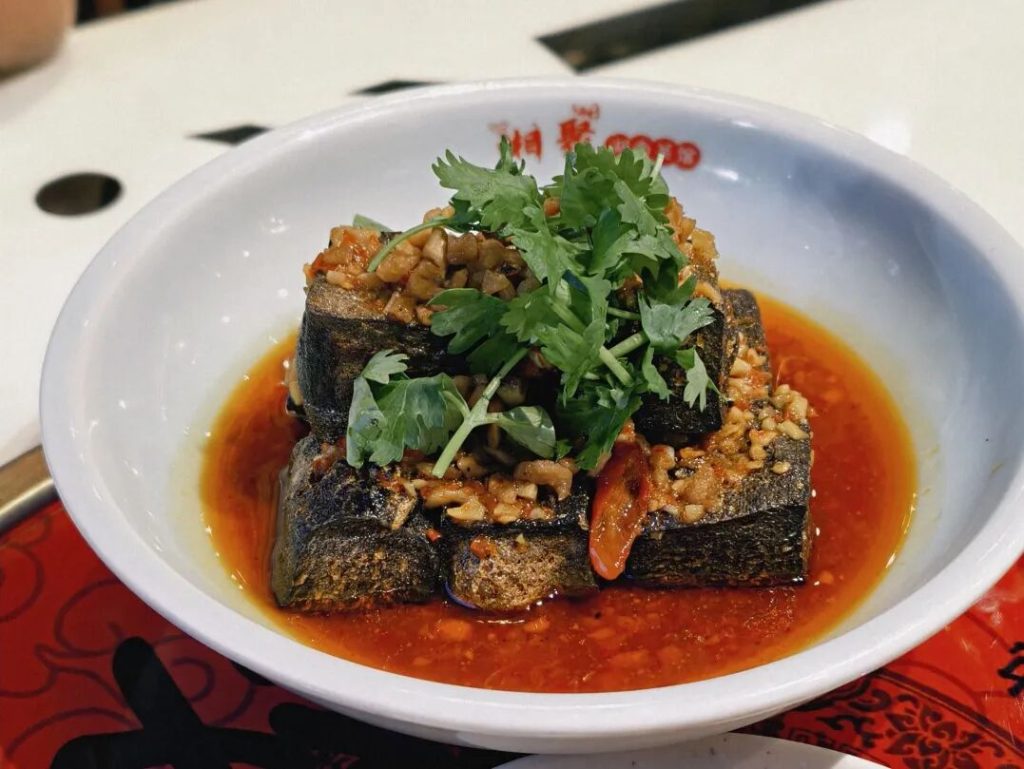
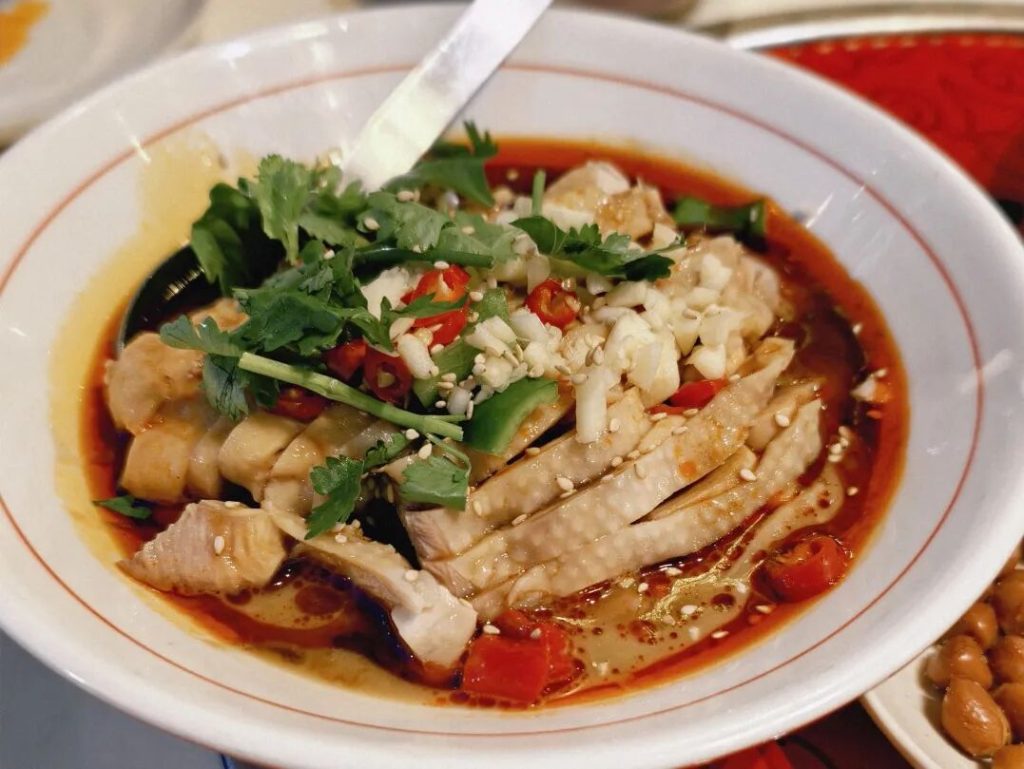
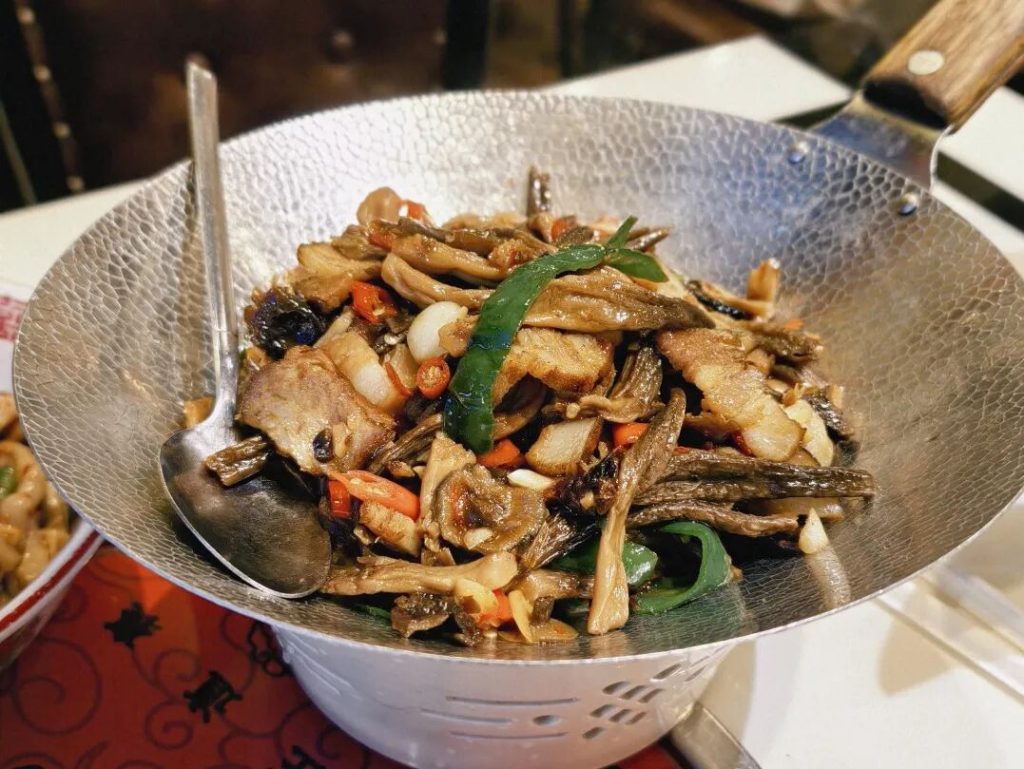
If I want a properly cathartic, genuinely spicy Hunan meal in Tokyo, Xiangju is my first choice. Of all the Sichuan-Hunan places I’ve tried here, it’s the one most generous with actual chili heat — not MSG.
Numbing, spicy, savory, fragrant — all present and correct, the kind of meal that has you sweating while your chopsticks refuse to stop. The prices are honest, the ingredients generous, and some dishes are so authentic they transport you straight back to a street-side joint in Hunan.
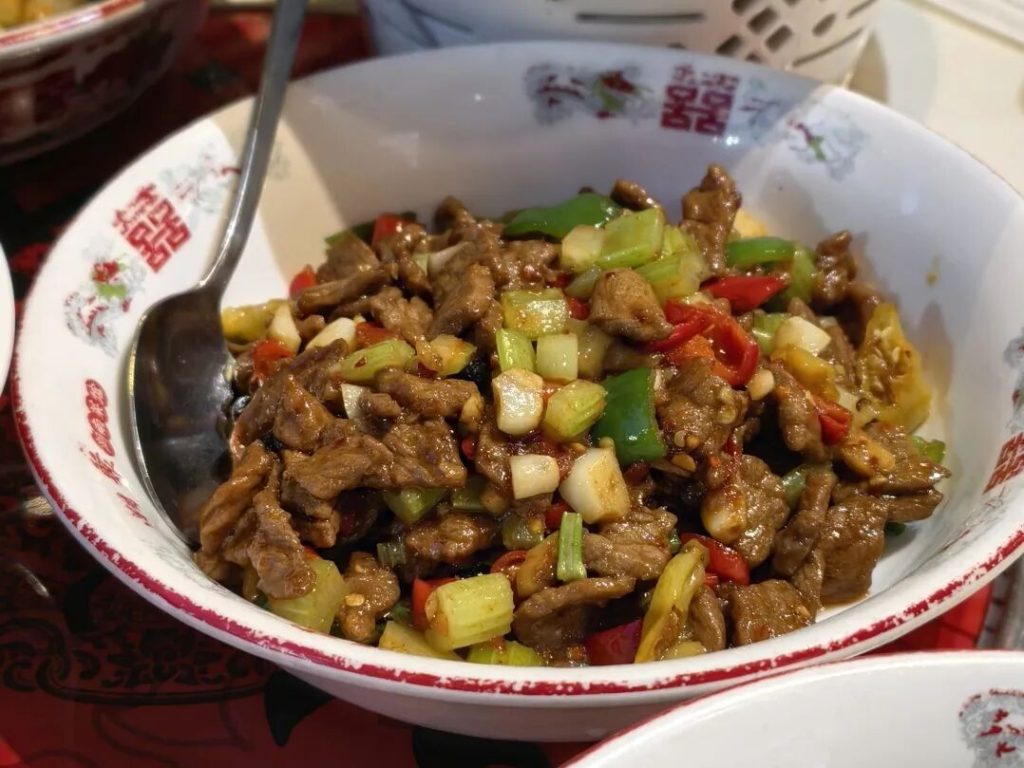
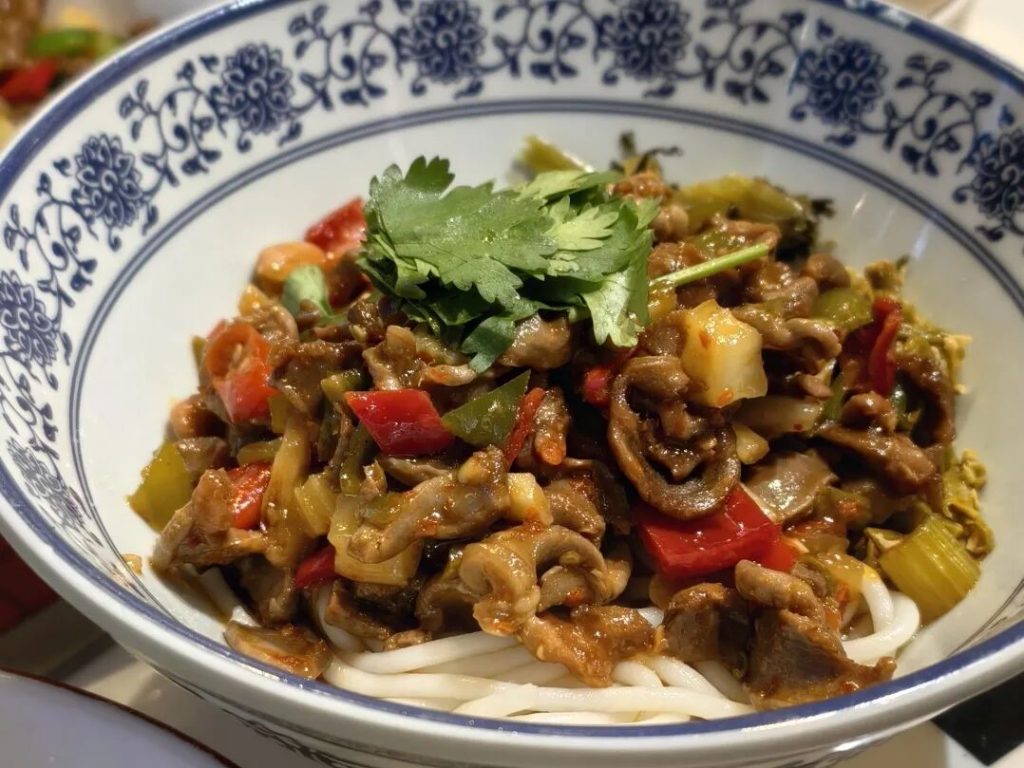
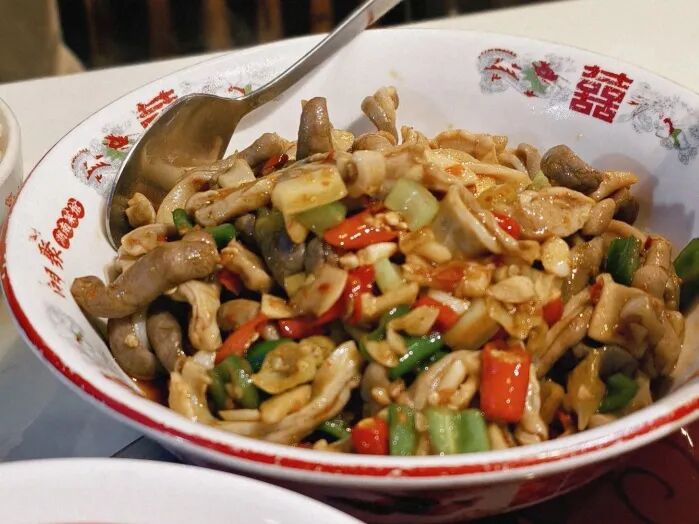
Don’t skip the stinky tofu. I didn’t expect to find such juicy stinky tofu in Tokyo — crisp on the outside, and biting in releases a rush of hot, soft interior and sauce. Both the fermented funk and the topping’s aroma come through strong; the fragrance hits before the spice does.
The mouth-watering chicken is good too — springy, tender meat, with garlic and cilantro piled on generously and no restraint. Coated in a spicy chili oil dressing, it only makes the chicken’s own texture stand out more.
The house-cured bacon is a must-order — my personal favorite is the dry-pot bacon with deer antler mushrooms. The bacon carries a strong smoky aroma, paired with mushrooms that stay slightly crisp; the more you chew, the better it gets.
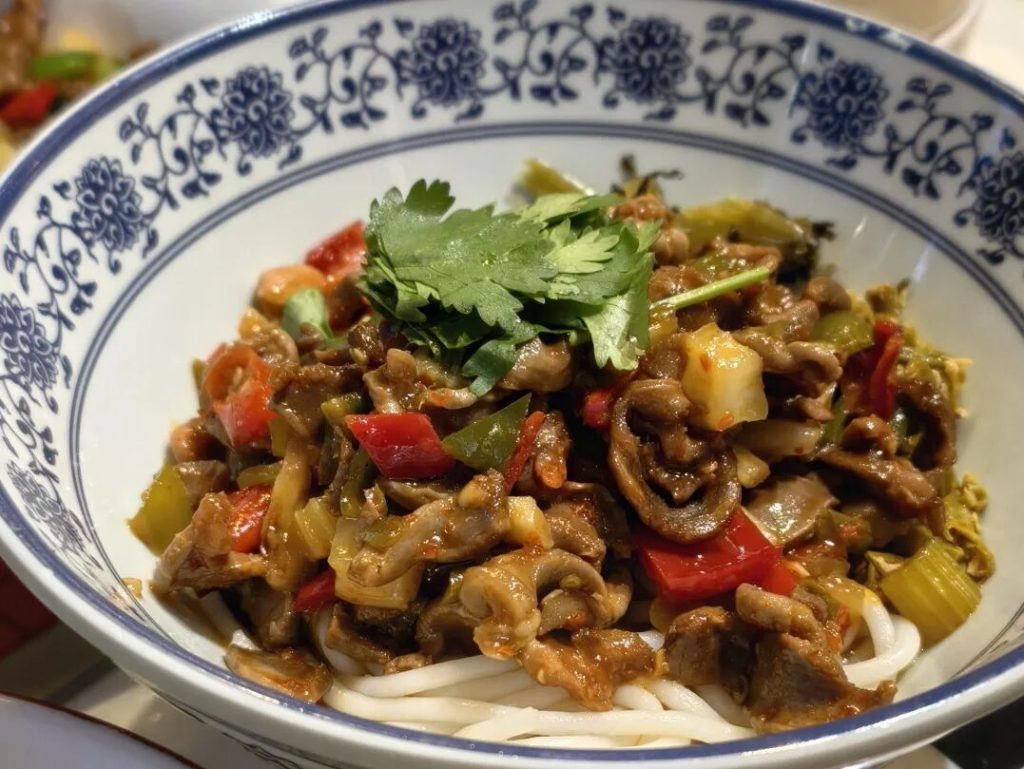
Then there’s the tangy stir-fried beef — tender meat, a sour-spicy flavor that opens the appetite, the kind of dish that has you calling for rice the moment it lands. If you’ve got a bigger appetite, try the chicken giblet rice noodles too — bright, sour-spicy, and carried by slippery noodles; slurp enough and the whole bowl disappears.
P.S. The space isn’t small, but it fills up easily at every seating — reservations recommended.
✦
•
✦
🌶️ Azabu Jusen
🥢 A hidden Sichuan gem in a pricey neighborhood — don’t hesitate to go medium-to-high spice
🚉 Nearest stations: Roppongi-itchome (Namboku Line), Kamiyacho (Hibiya Line)
💰 Average: ¥5,000~
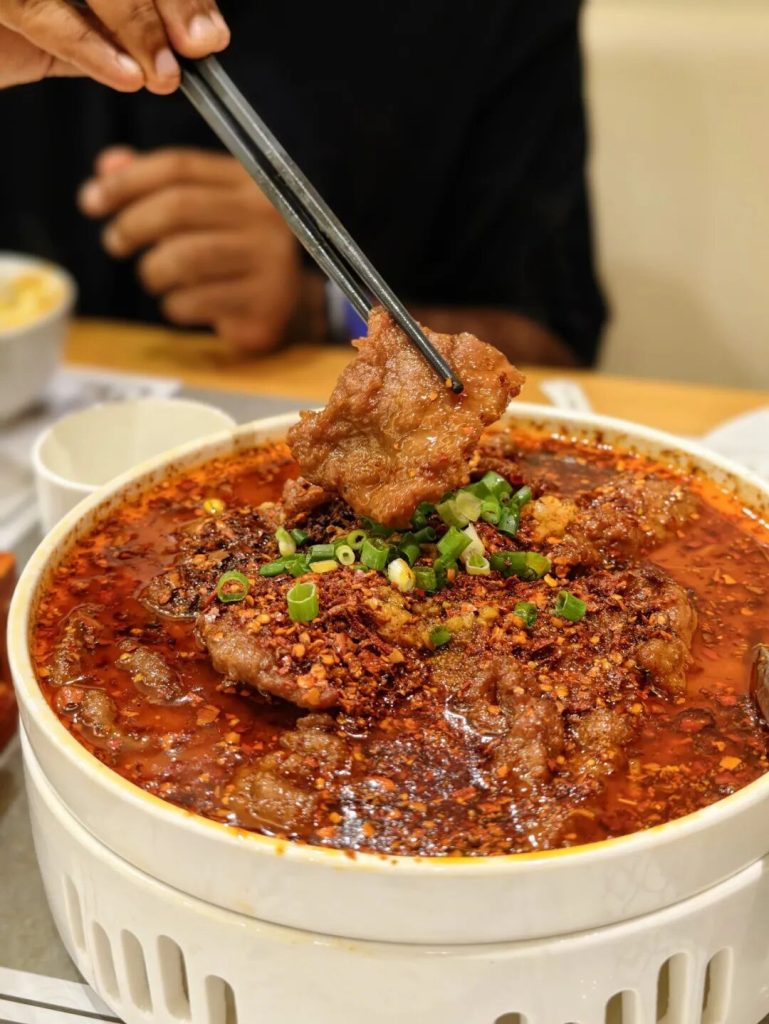
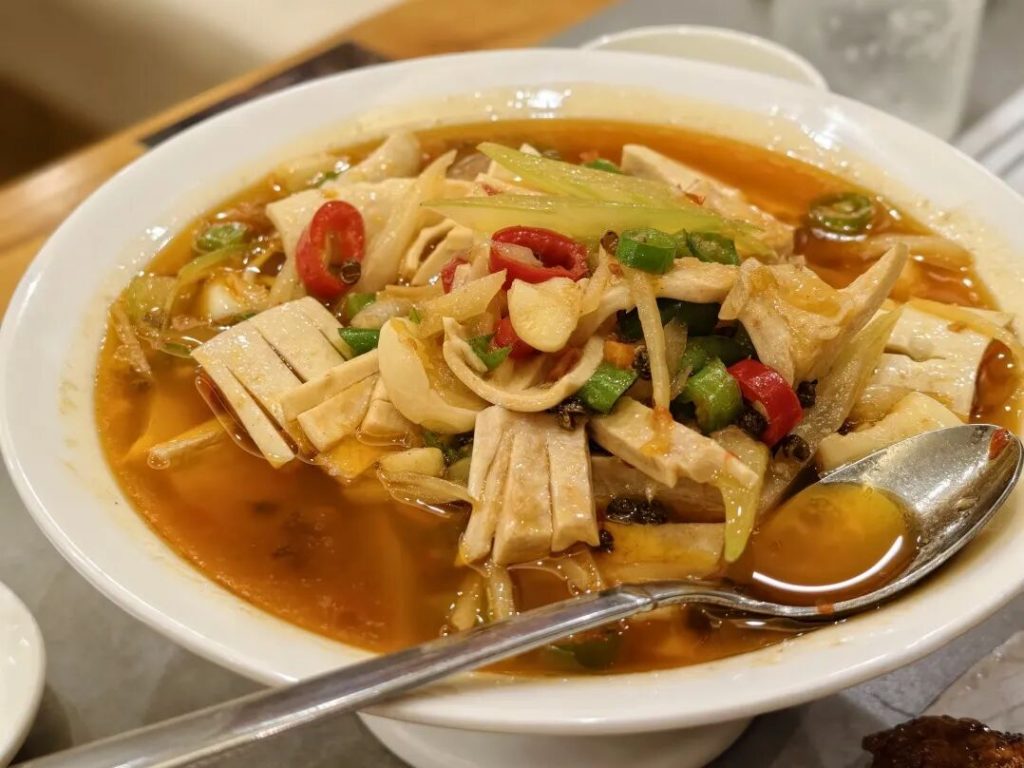
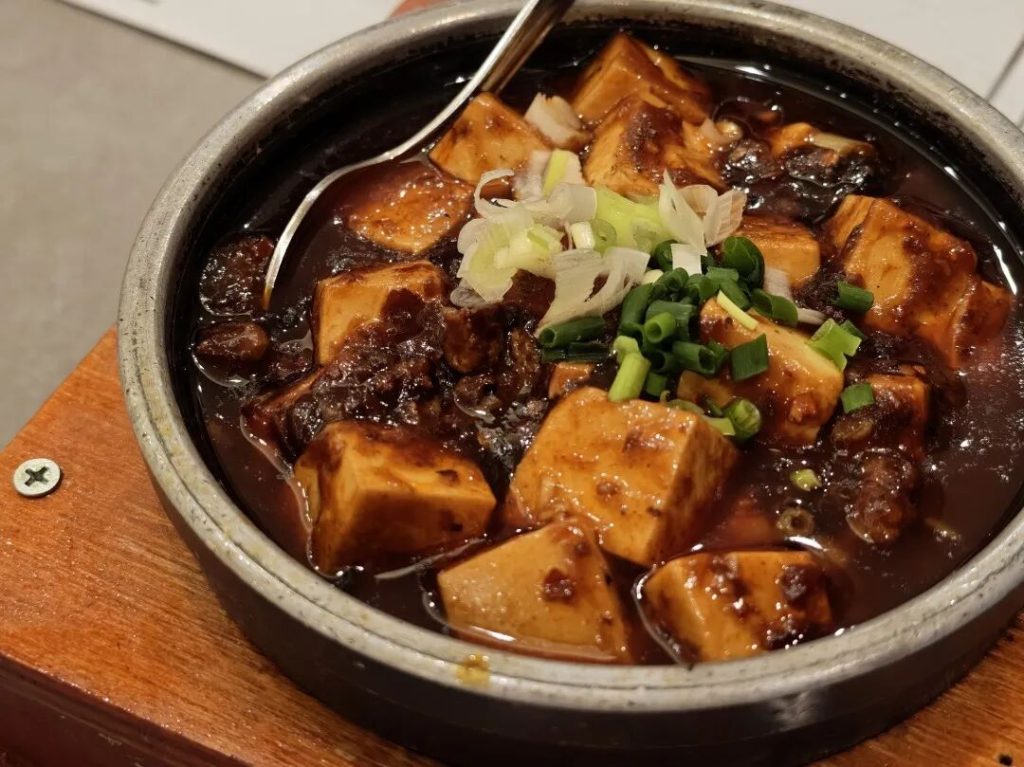
Azabu Jusen sits near Azabudai Hills, surrounded by Michelin restaurants, yet keeps both its flavor and prices approachable.
I first noticed this place through a delivery order. I’d asked for less oil and salt, and pushed my luck asking for extra crispy cartilage in the sweet-and-sour ribs. When it arrived, every single request had been honored — my goodwill doubled on the spot.
Eating in person later, I found the spice level adjustable. Given the location, “mild” is played conservatively mild. If you have any tolerance at all, just start at medium.
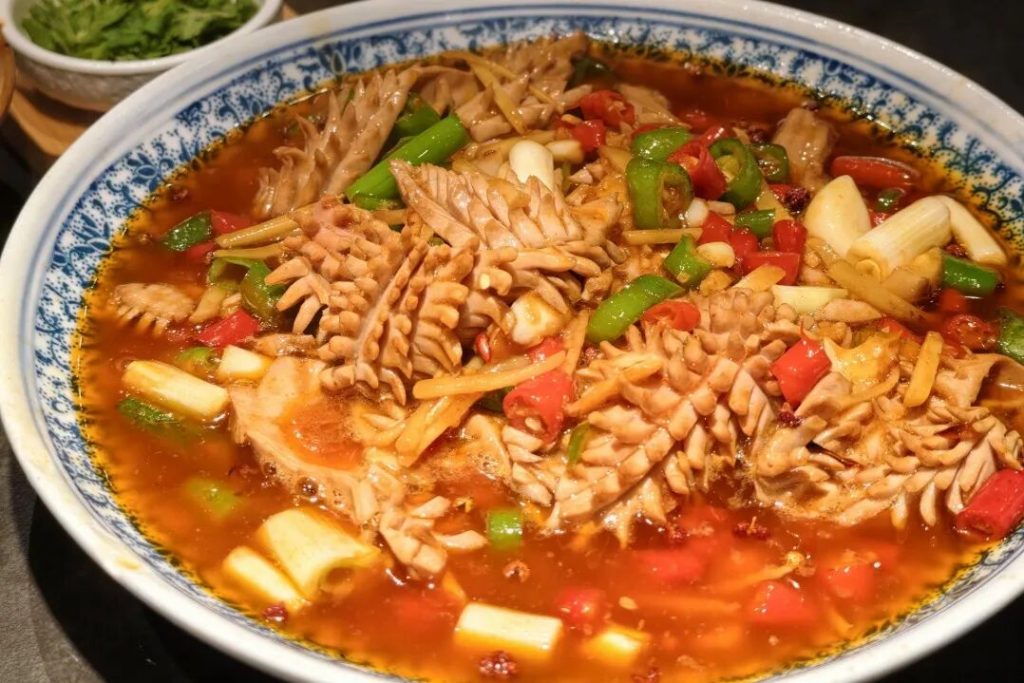
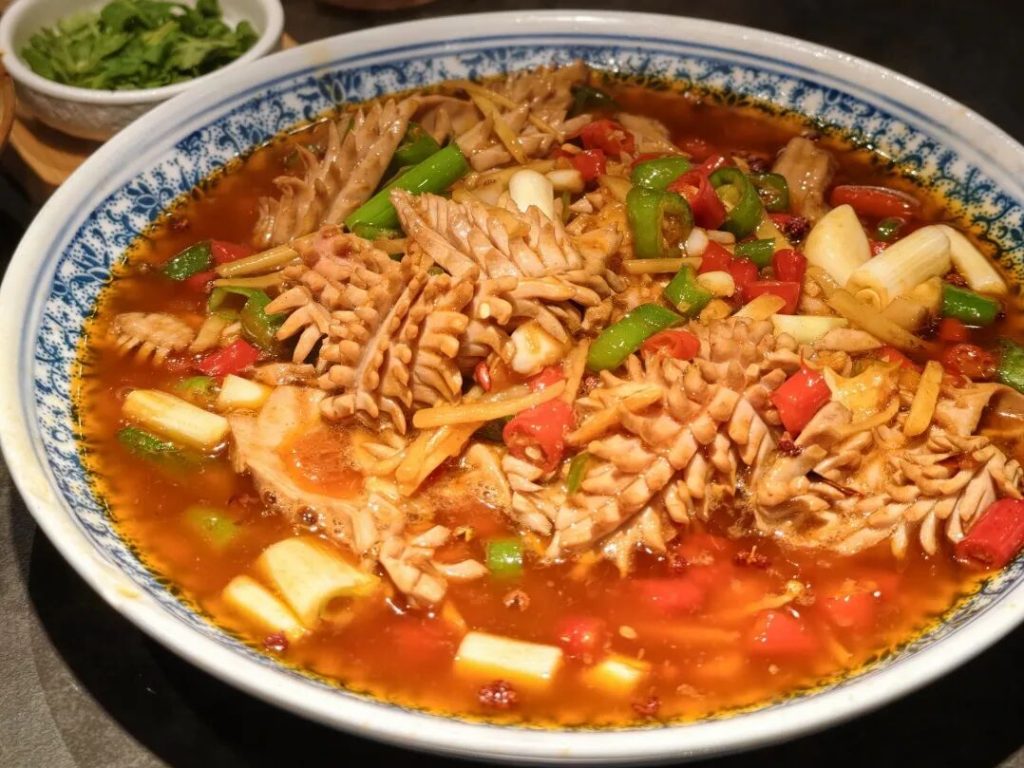
This shows especially in the young ginger beef aorta dish. The aorta is cleanly prepared, tender and crisp on the bite, with the young ginger’s aroma bright and refreshing. Crank up the spice and it’s genuinely thrilling to eat.
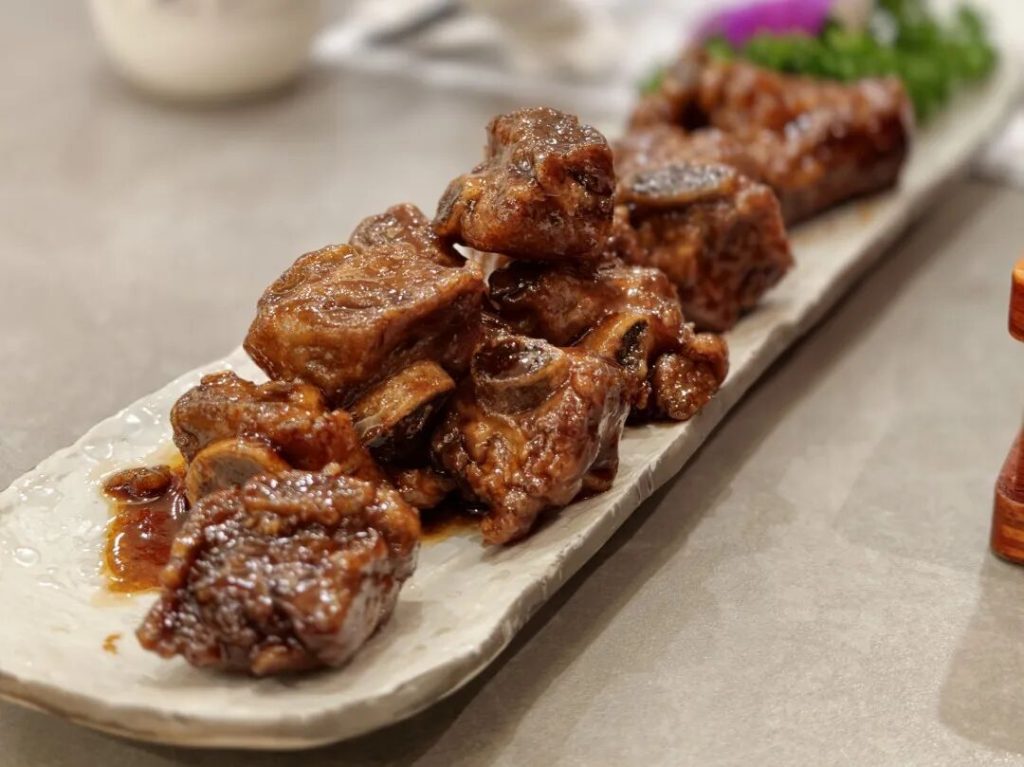
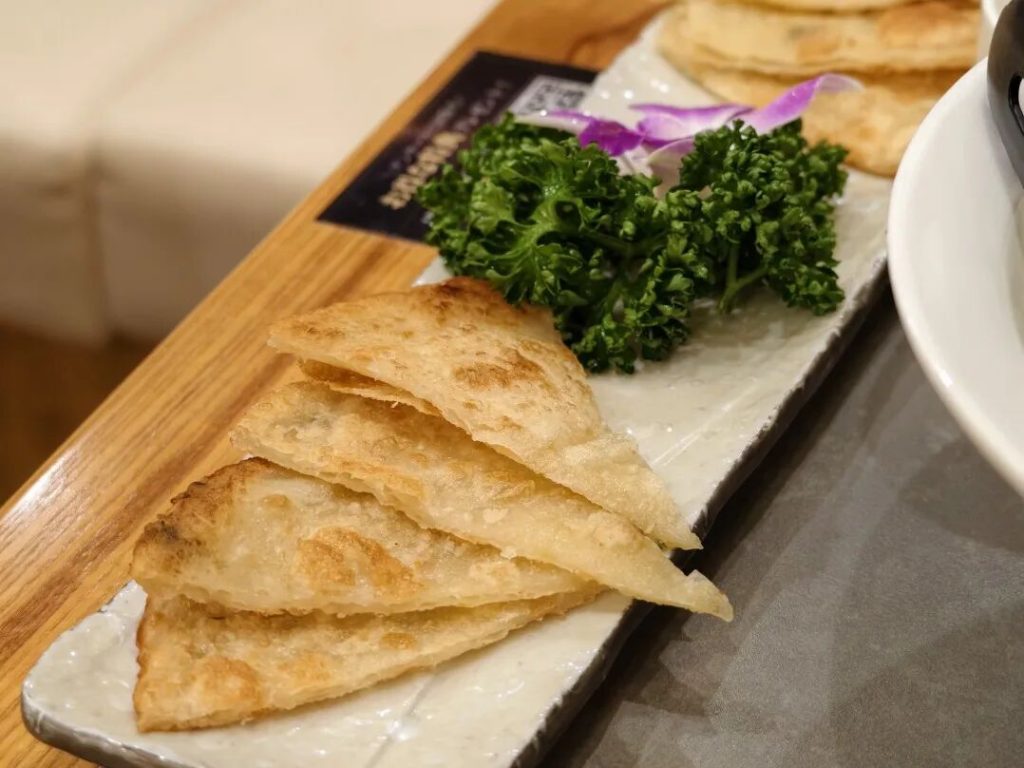
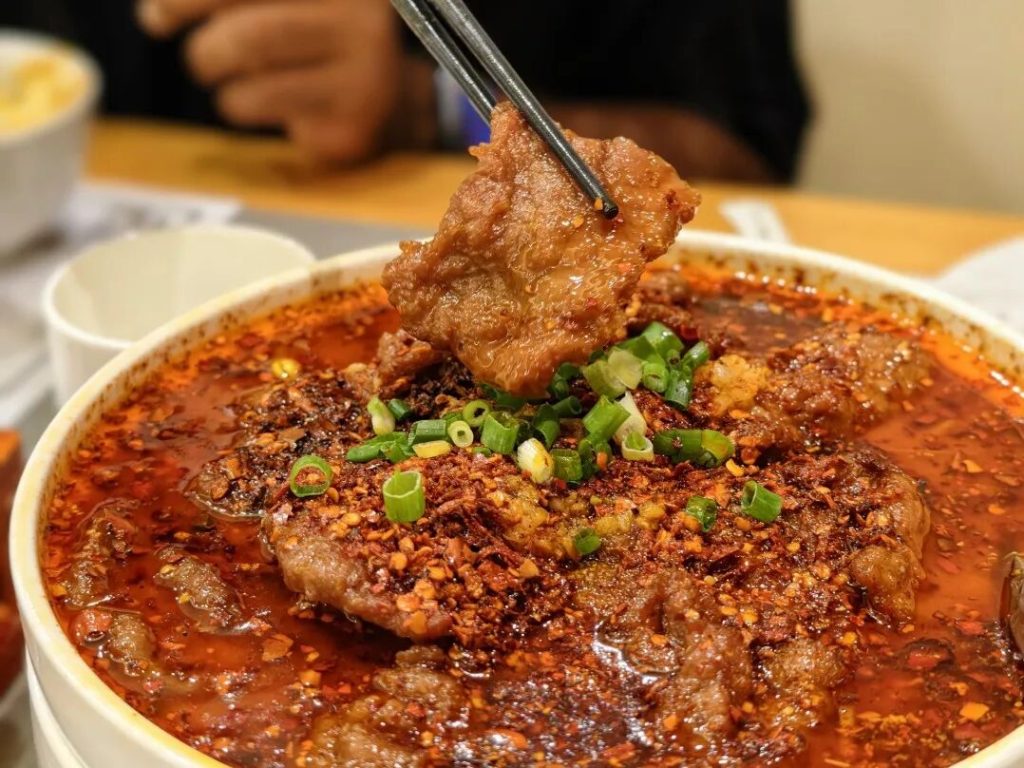
The boiled beef (shuizhu niurou) is tender without the mushiness of previously-frozen meat. Both the numbing and the spice deliver — visually and flavor-wise, it’s the heavyweight of the table.
Their mapo tofu is an absolute rice-destroyer. The tofu is soft and tender, the minced meat fragrant — ladled over a bowl of fragrant rice, it’s the simple kind of delicious that a Chinese stomach can’t say no to.
My personal must-order is the sweet-and-sour ribs. Just a thin, lightly caramelized shell on the outside, sweet in flavor — bite in and the rib itself is well-seasoned too. The meat near the bone is tender, with the occasional streak of fat, and overall it eats clean.
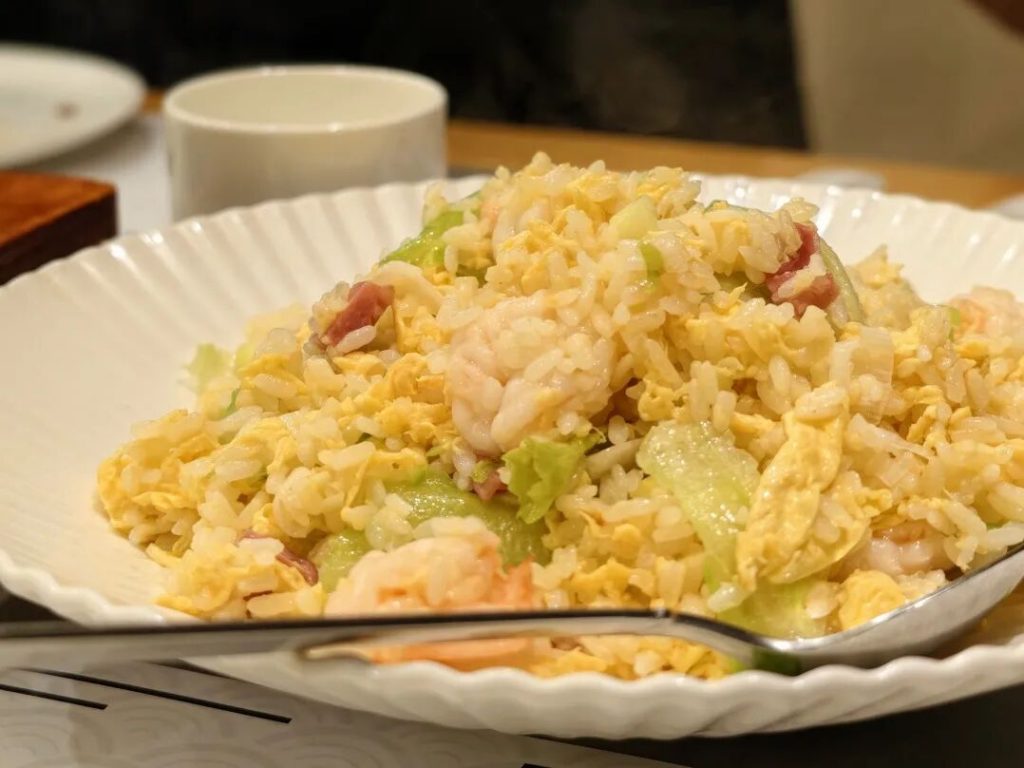
The staple dishes deserve a mention too. The fried rice arrives golden, each grain plump and slightly moist, with plenty of egg fragrance — good eaten alone or alongside other dishes. The scallion pancake is a bit of a sin: the crust is faintly puffy and springy, the kind of thing you keep reaching for even when already full. I’ve heard the buns and dumplings here are house-made too — worth trying if you’ve got the appetite.
Finding noodle-and-dough dishes this fresh while living abroad — it really means a lot 🥹🥹🥹
✦
•
✦
🌶️ Yu Xiao Yu
🥢 Boiled fish and pig’s trotter soup done exceptionally well
🚉 Nearest station: Ueno (Yamanote Line)
💰 Average: ¥4,000~
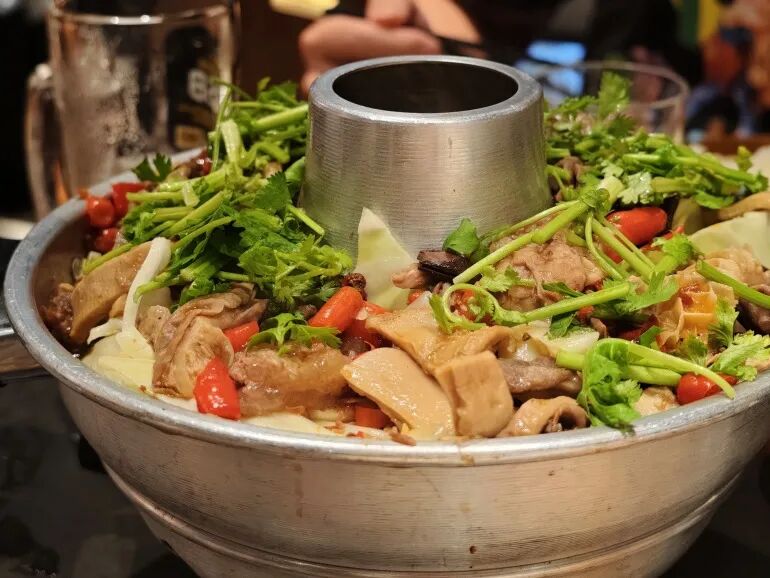
The Ueno/Okachimachi area has a dizzying number of Chinese restaurants. Yu Xiao Yu is the one I kept coming back to after rounds of trial and elimination — well-chosen ingredients, solidly cooked dishes, both the raw materials and the flavor holding up.
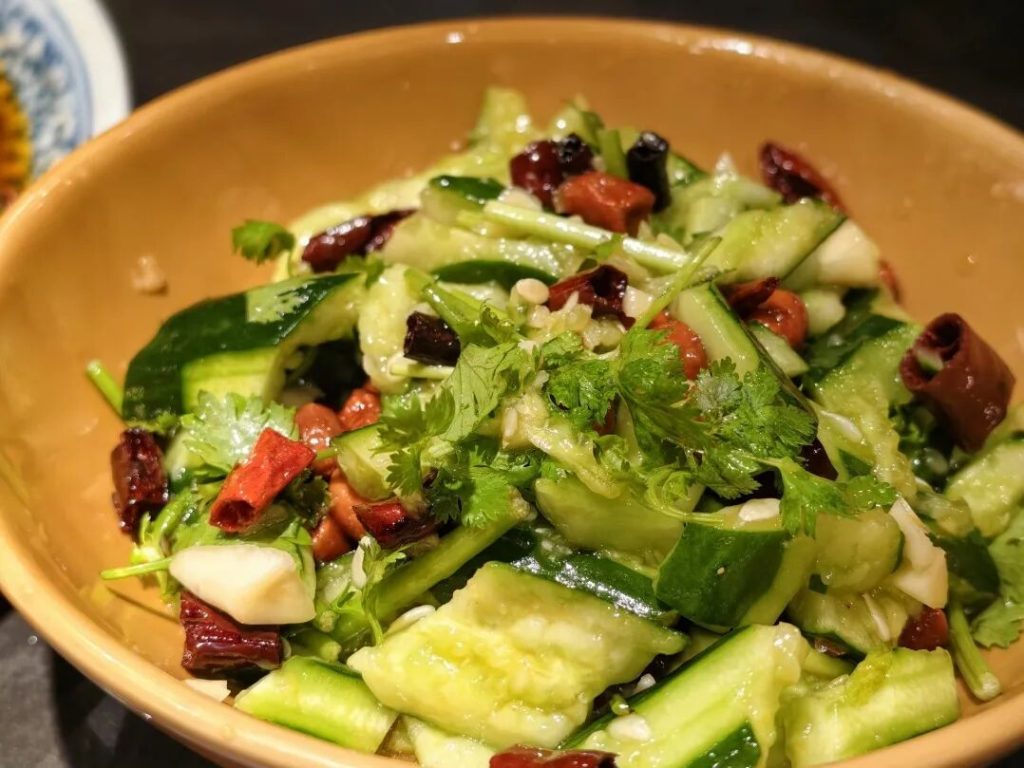
The smashed cucumber — a perfect drinking snack — is a must-order. This dish, so common back home, has a rough time in Tokyo: with low order volume, many places resort to frozen cucumber, limp and disappointing on the bite. Yu Xiao Yu’s version is small but mighty — the cucumber fresh and crisp, the chili fragrant, the cilantro doing its part. It’s a small, humbling moment for any homesick student — this is exactly the smashed cucumber I’d been missing.
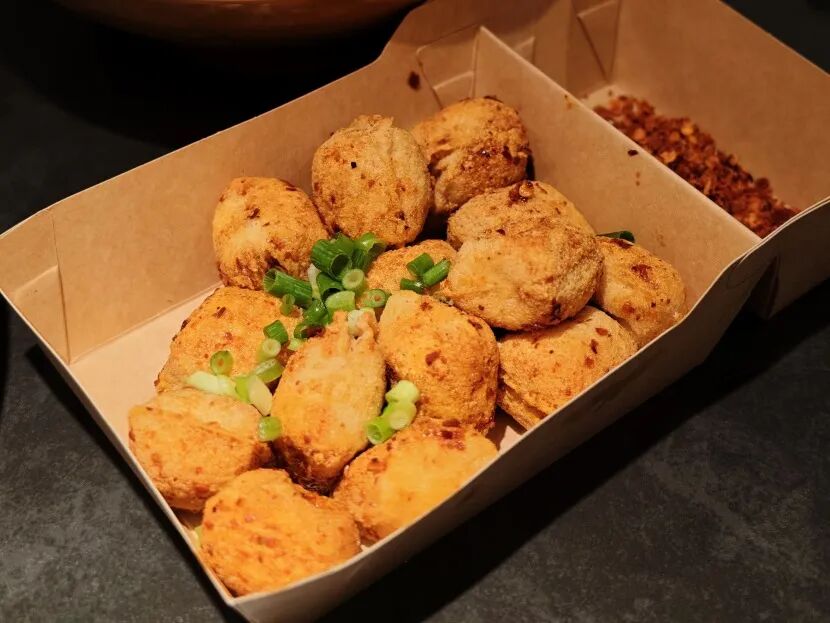
Among the small bites, the fried Shiping tofu also hits the right note — puffed up and golden, biting in reveals a soft, steaming interior, best eaten dipped in chili powder, one piece after another.
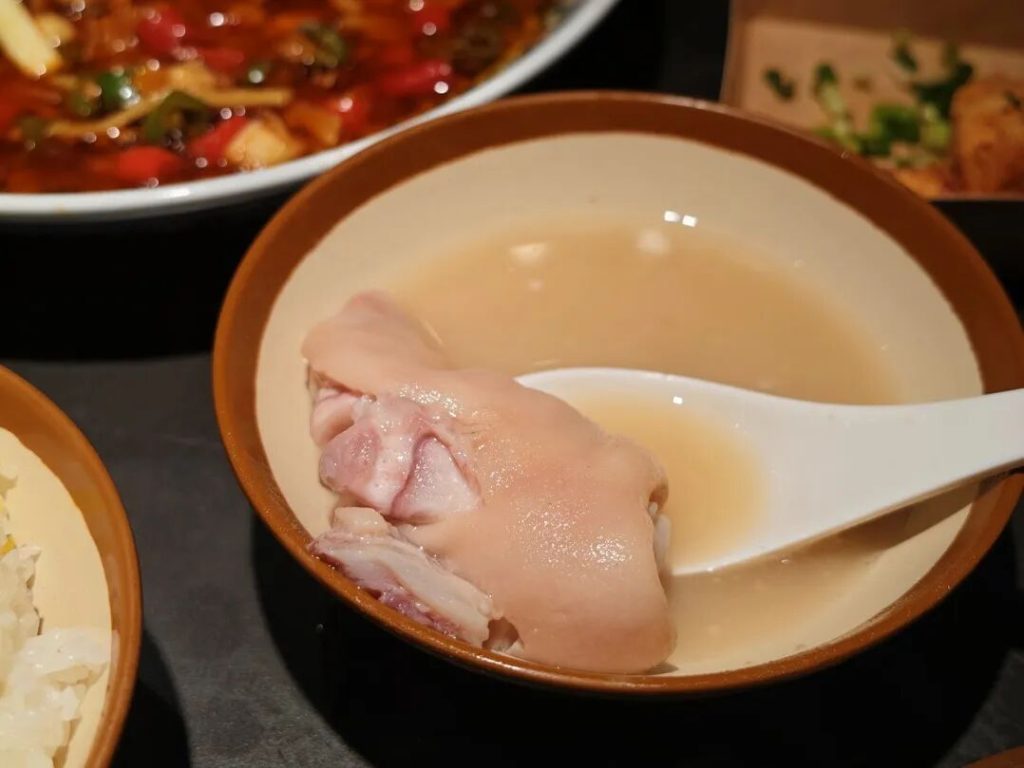
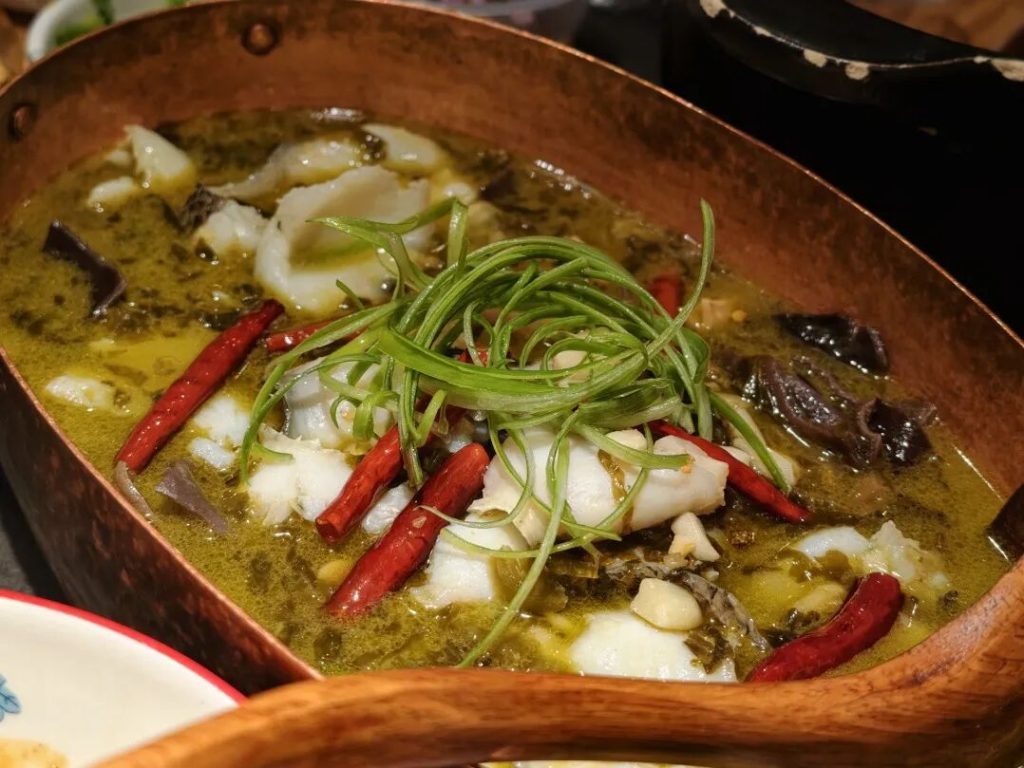
Setting the spicy dishes aside, my favorite thing on the whole menu is the pig’s trotter soup. The broth carries the aroma of medicinal herbs, soybeans give the base a solid depth, and the trotters are braised until soft and falling off the bone, thick with collagen. Both the soup and the meat are good — there’s an honest, homespun feeling of suddenly sitting in a Chengdu neighborhood joint.
A few rice-pairing dishes deserve a shoutout.
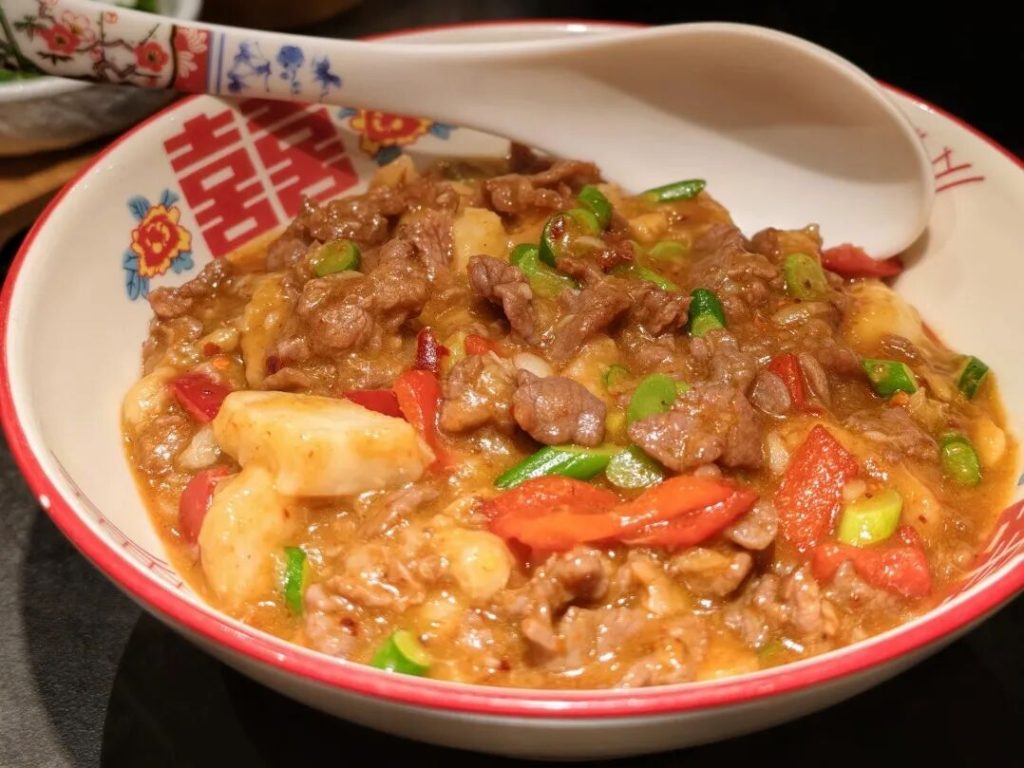
The taro and beef is genuinely excellent — the taro handles the soft, starchy texture, the sauce cooked down to a slight thickness, the beef still tender with bite, and a touch of garlic shoot aroma brightens the whole dish. Mix it into rice and, soft and fragrant, you’ll clear a whole bowl before you notice.
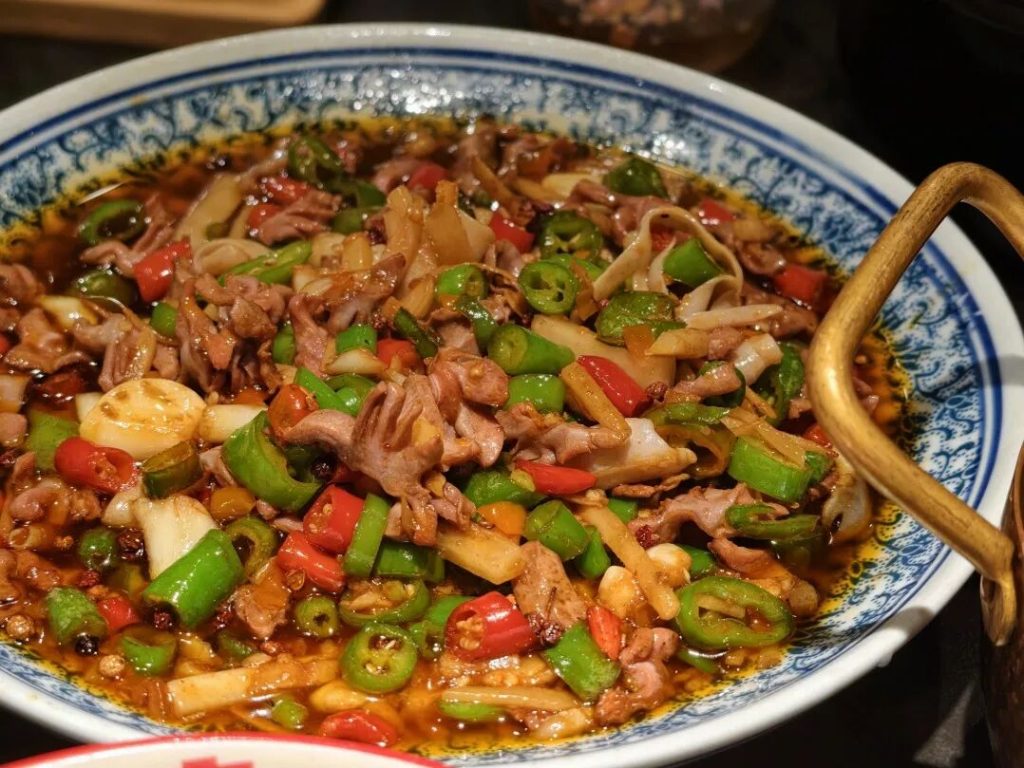
The stir-fried pork kidney also stands out — cooked tender, with the young ginger’s aroma coming through clearly.
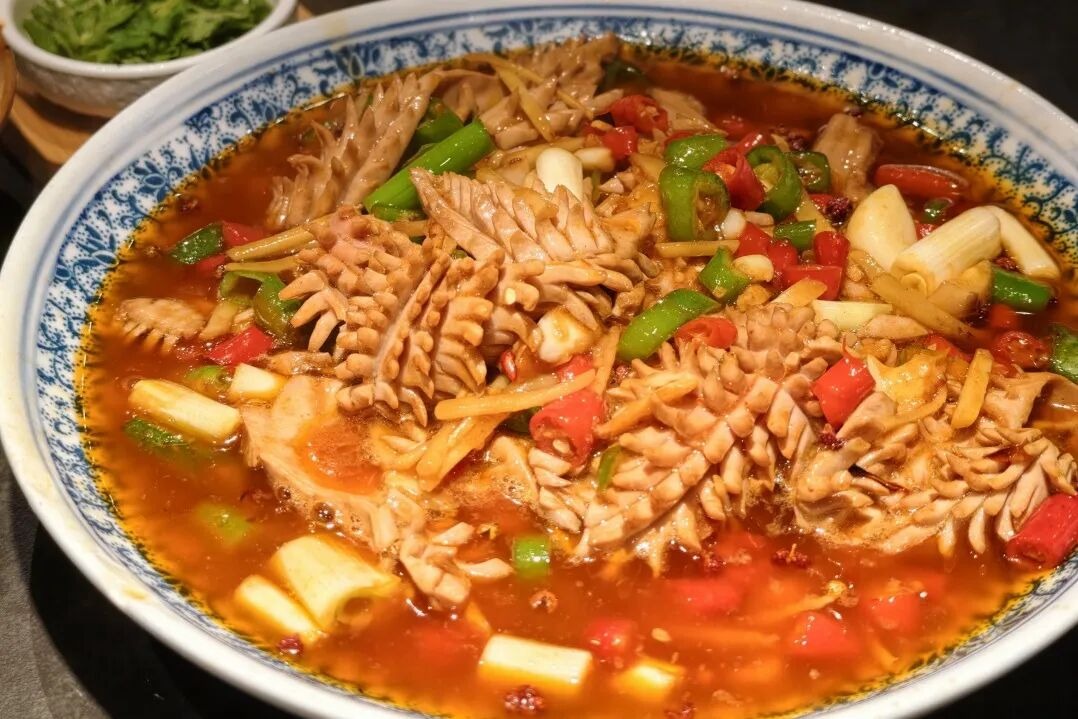
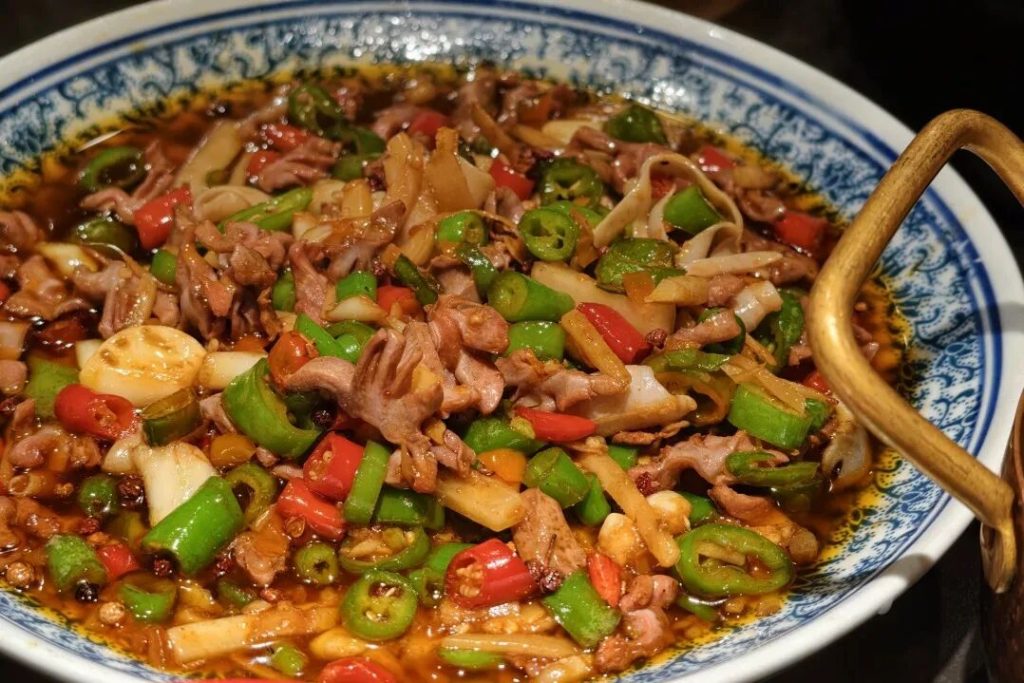
The sour-spicy chicken giblets win on crunch, though the seasoning could be pushed a bit further — the kitchen sometimes goes a touch too light-handed.
Leave a Reply