Mesebaba is a Tokyo Italian restaurant that’s been famous for being nearly impossible to book for ten years, averaging ¥70,000 per person — roughly 3,000 RMB.
But it also proved that a restaurant’s ‘difficulty to book’ + ‘price’ and ‘actual flavor’ really do need to be counted separately.
I found an emoji that perfectly describes this meal’s experience — 📉.
Obviously, a single visit can’t represent a restaurant’s full ability. Consider this post a reality check for everyone — whether you still want to go after reading is entirely up to you.
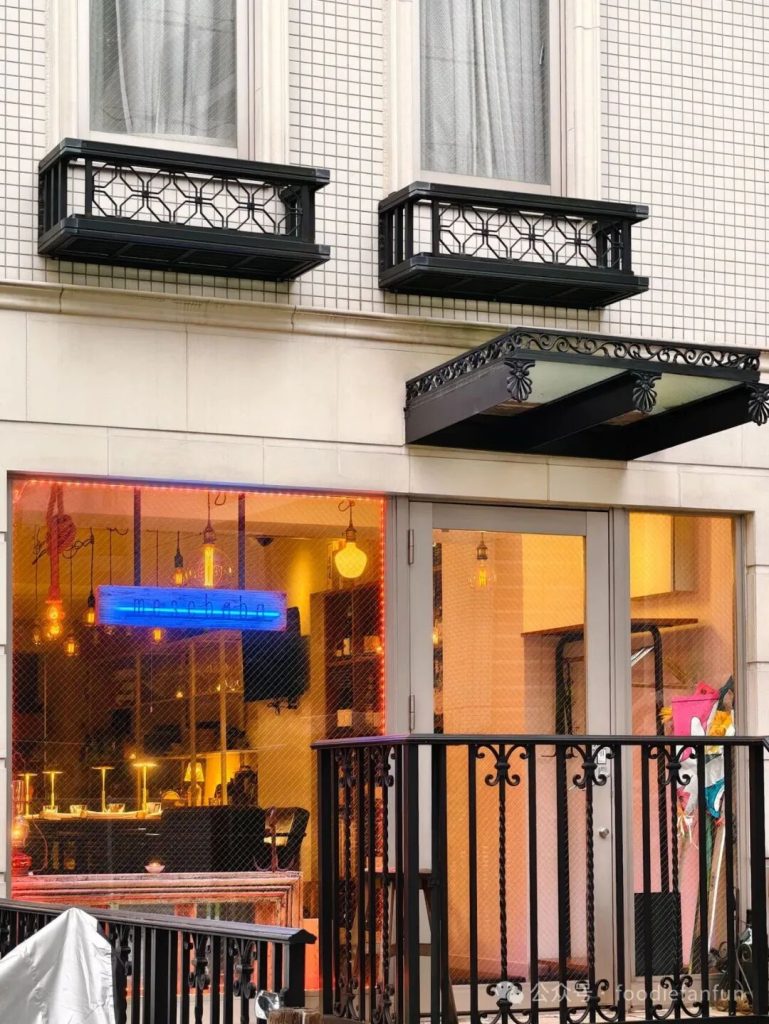
Chef Dai Takayama is from Miyagi. He worked at Vicoletto in Okusawa, Tokyo, then trained in Italy’s Friuli and Tuscany regions, opening mesebaba in Kameido in 2013, then relocating to Aoyama in 2023. During the Kameido years, it was already notorious among food lovers for being nearly impossible to book, with media even calling it a ‘dream Italian restaurant.’
Takayama had already outgrown the idea of only making Italian food. Back in 2022, he was planning to step outside that category and try his own ‘Takayama cuisine.’ The relocated space is run by just two people, aiming to make dining out feel closer to eating at home. He later won the 2024 OCEANS Award — a prize built around lifestyle and well-being.
Reading between the lines: the chef had had enough and wanted to open his own high-priced private dinner party.
The pedigree here is genuinely solid. And for the first half of the meal that night, it really was delicious — sturdy ingredients, handled simply and properly.
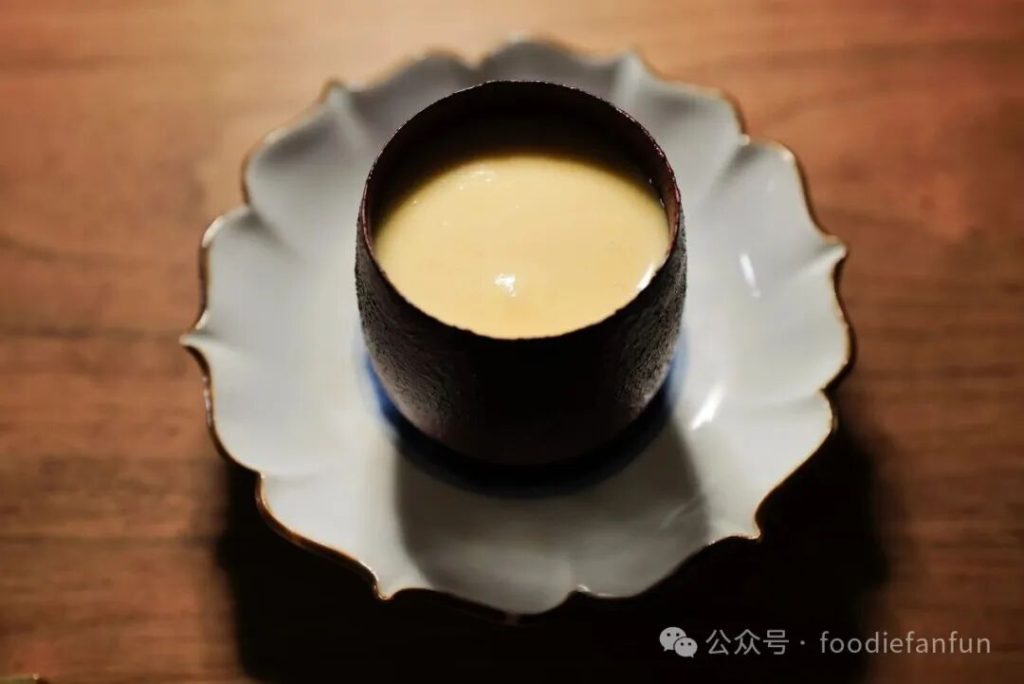
Things opened with an Aomori corn soup, made from this year’s final batch of Aomori corn.
Ice-cold, with a slight graininess on entry. A faint saltiness leads the charge, followed by umami and sweetness surging together — high in sweetness yet natural, with the corn’s own flavor genuinely beautiful.
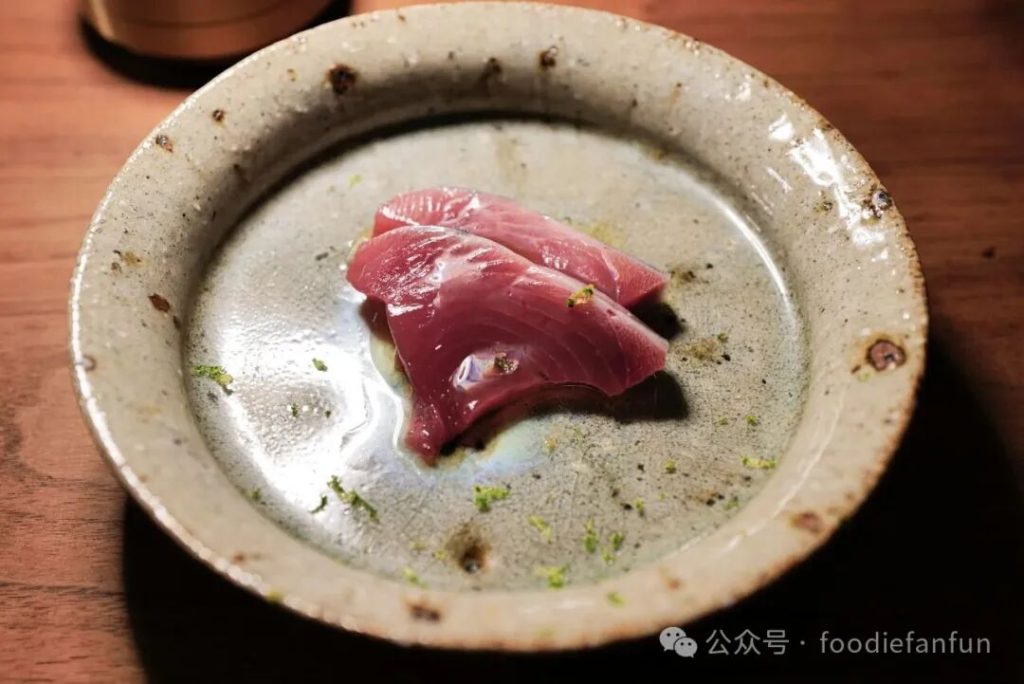
Next, bonito with olive oil. Barely any cooking process to speak of, but you could tell it was a good piece of fish — the flesh catching the light, the texture soft, the fat aroma full, with both sweetness and freshness coming through directly.
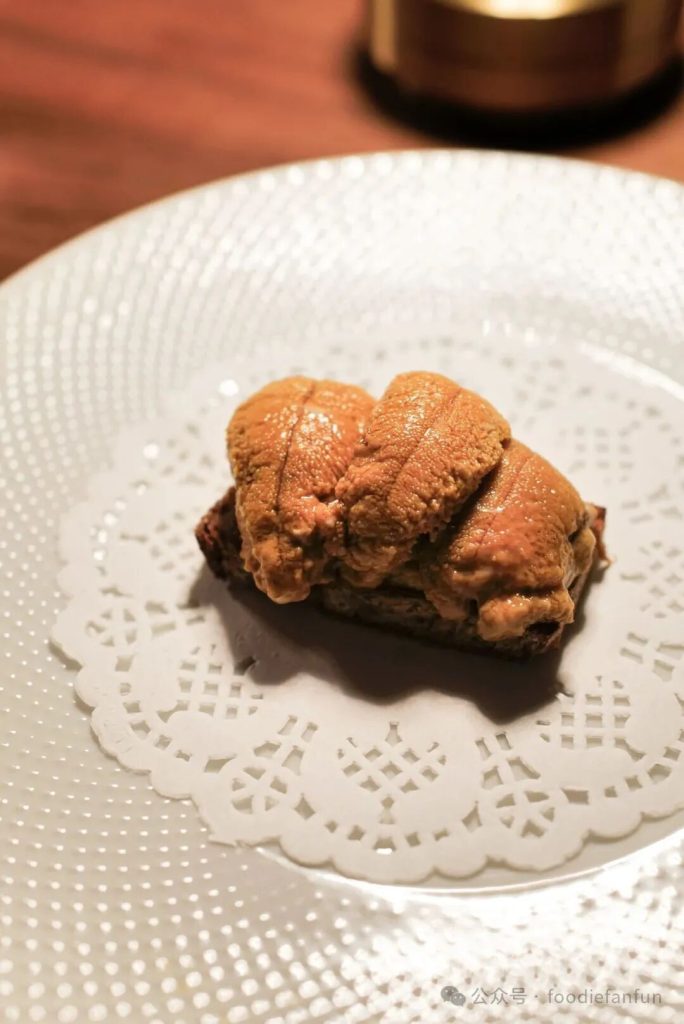
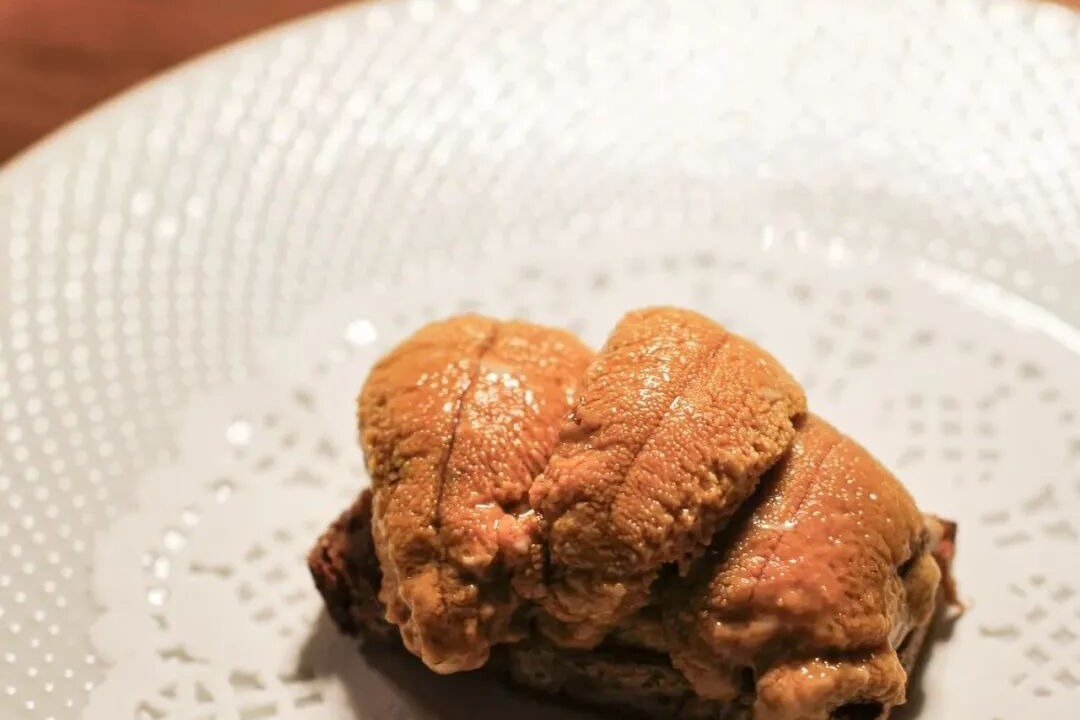
Large pieces of Hokkaido sea urchin on crisp bread — again, purely delicious. The urchin sweet, the olive oil fragrant, the bread underneath crisp to bite into. Who wouldn’t love this kind of crowd-pleaser.
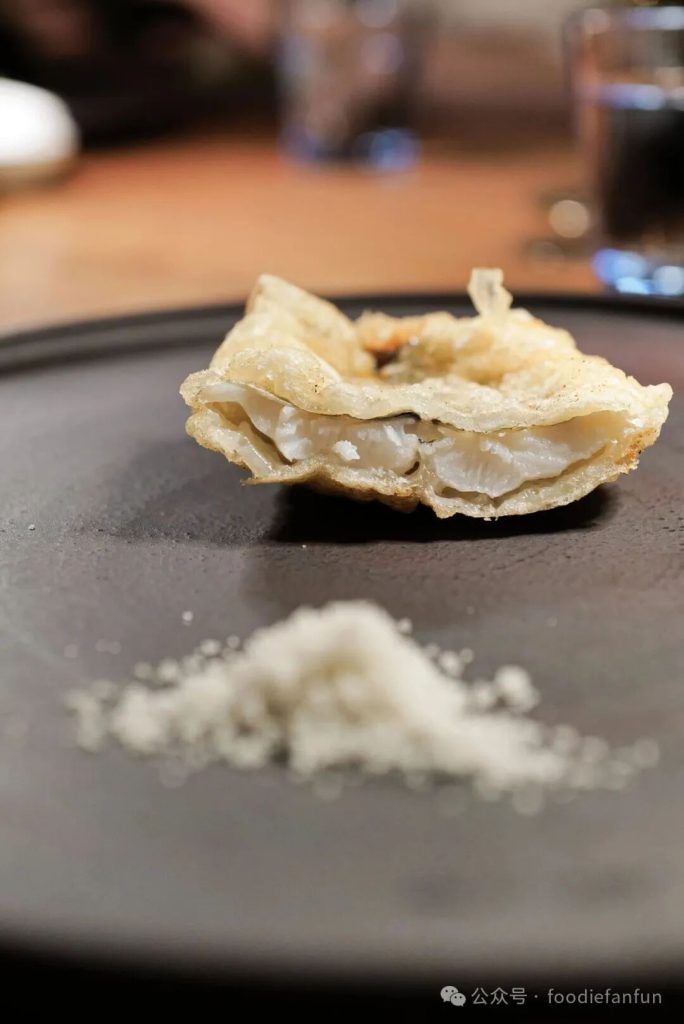
Fried conger eel arrived with an aroma that was genuinely tempting.
The shell was thicker than expected, needing a couple of chews before the fragrance followed. Inside, the fish’s own fat held up against that shell, and eating it carried the satisfaction of good fried food, with the thickness of the flesh and the crisp shell striking a real balance. The heat control and restraint here were genuinely well done.
Up to this point, it was delicious.
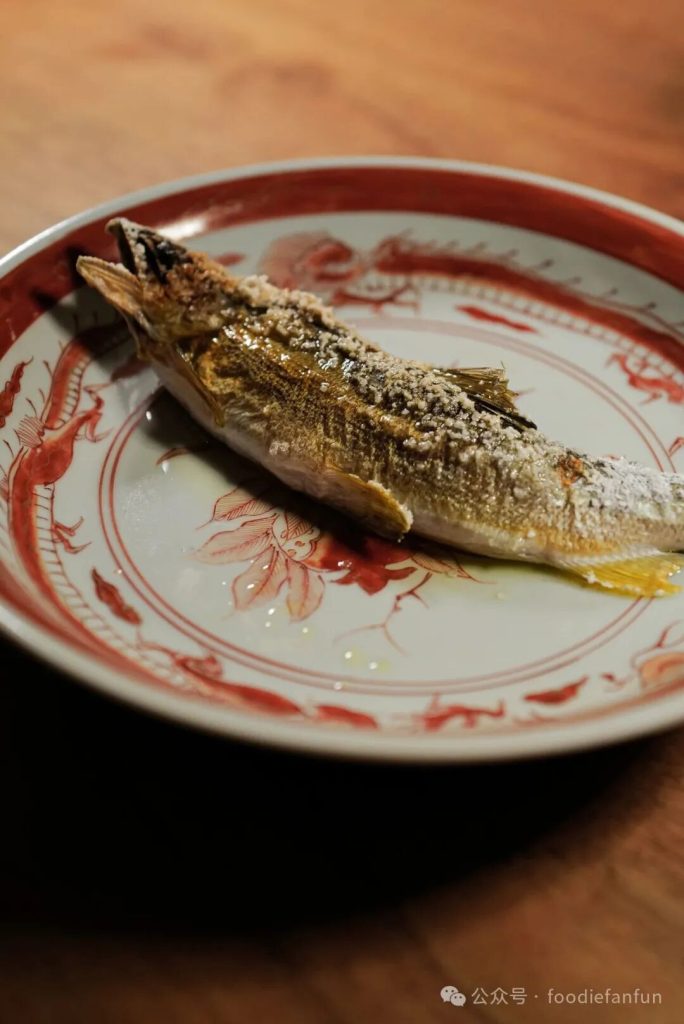
Next came roe-bearing ayu, and alongside a heavy hand of olive oil, the salt level climbed too.
The saltiness took over both the head and tail, with only the belly section still holding onto its own flavor. The olive oil fragrance was strong, and the fish’s own fat aroma wasn’t weak either. Crisp where it should be crisp, tender once you got inside, moving slowly from the ayu’s bitterness through to the richness of its fat.
At least it wasn’t a total wipeout — the belly was delicious.
At this point, another group of guests arrived at the restaurant, and from here, the whole meal’s quality started its 📉-style decline.
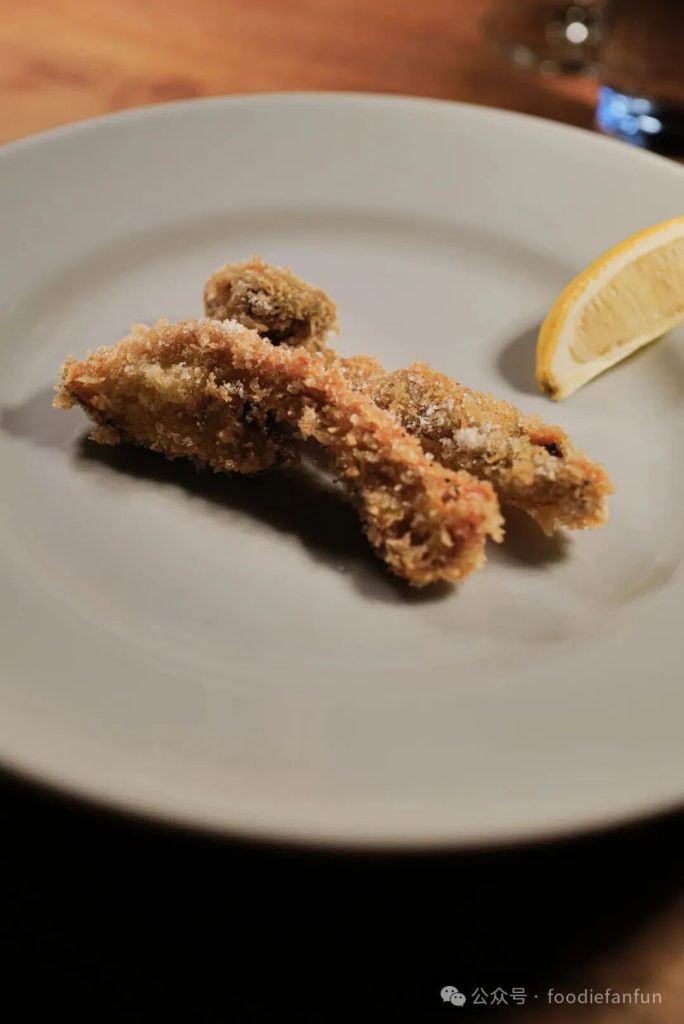
The matsutake from Kokura in Kyushu looked promising given its size. In practice, though, it tasted ordinary, even a little musty due to the fiber and freshness. On top of that, the outer layer was thick and the salt heavy — whatever matsutake should taste like was essentially gone.
The previous dish, the conger eel, was also fried, with heat control and seasoning both well balanced. By the time the matsutake arrived, half a piece in and your mouth was already coated in oil, interest completely gone.
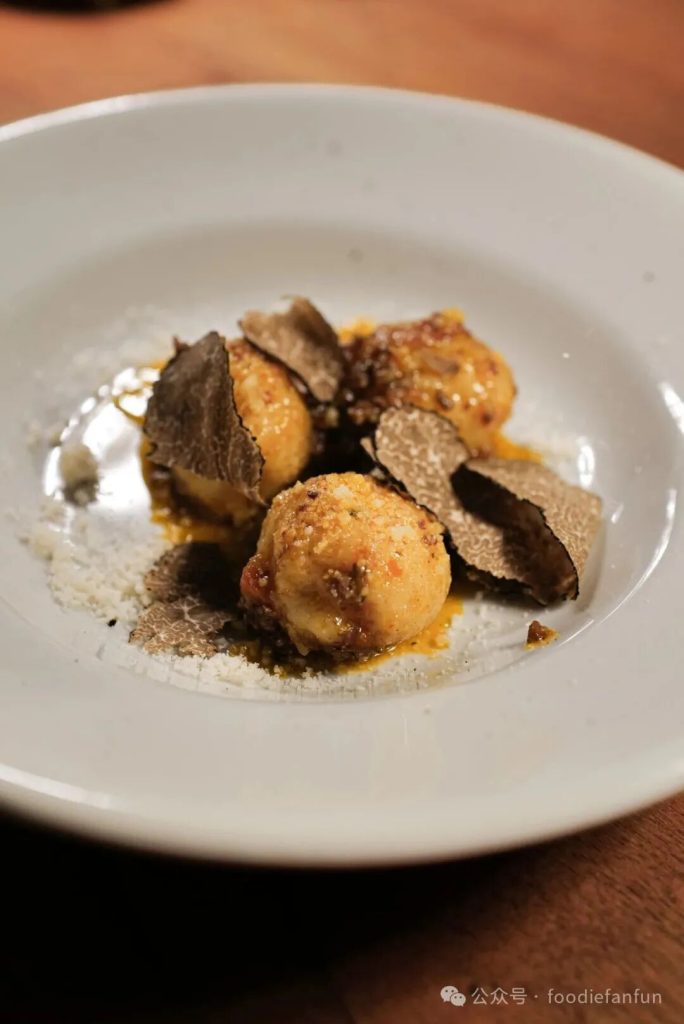
It was the gnocchi that pulled the whole meal’s falling curve back up just a little.
Akaushi beef with black-truffle potato dumplings — the dumplings weren’t small, yet extremely soft. Pillowy going down, never heavy either. What was genuinely interesting was the occasional whole peppercorn you’d bite into, a faint spiciness suddenly surfacing, lifting the aroma, cutting the richness, and adding points.
The gnocchi itself, taken alone, was genuinely impressive — but looking at the dish as a whole, the black truffle on top had essentially zero presence in terms of aroma, and with the peppercorns’ aggressive flavor on top of that, the truffle might as well not have been there at all.
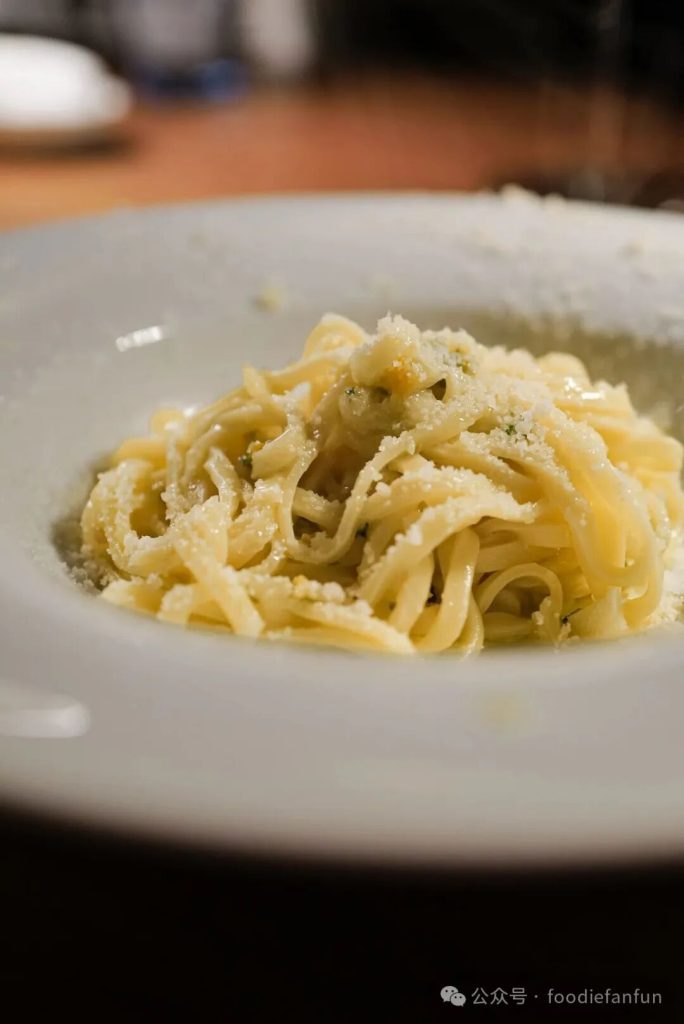
The lemon ricotta pasta collapsed pretty much completely.
The lemon’s acidity and the spice rushed up together, with a thick layer of cheese that failed to smooth the transition between them at all. And it was that particularly harsh kind of spice with zero aroma.
It tasted exactly like a convenience-store lemon-salt mixed noodle dish ⬇️.
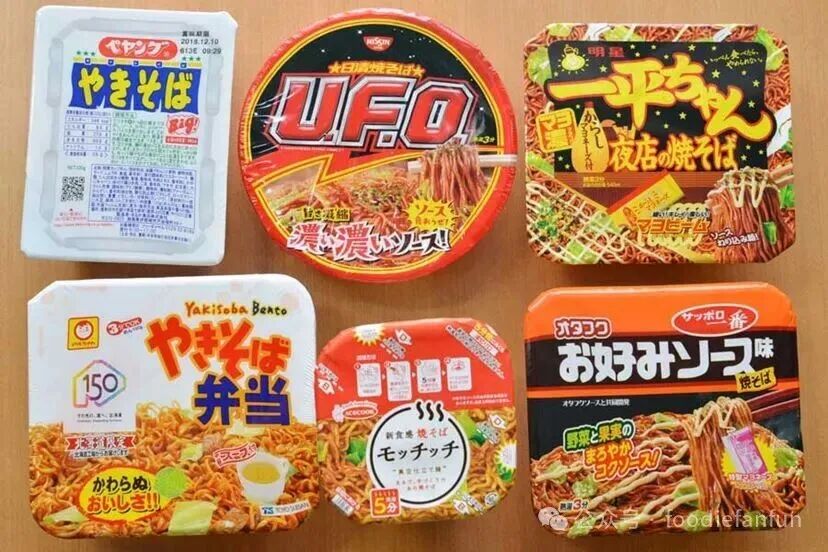
😁
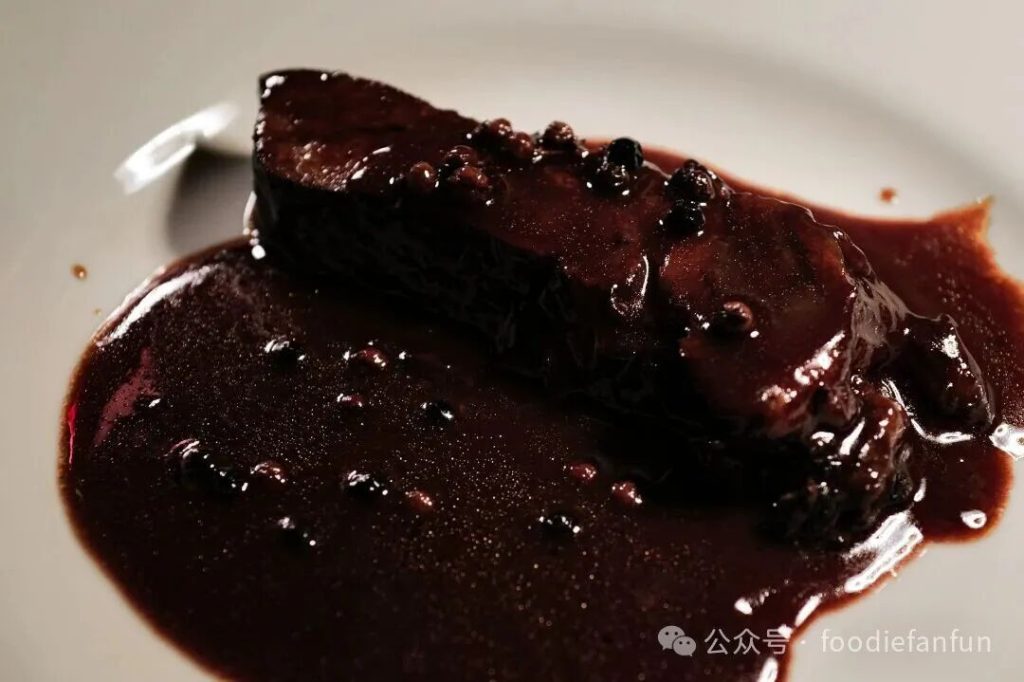
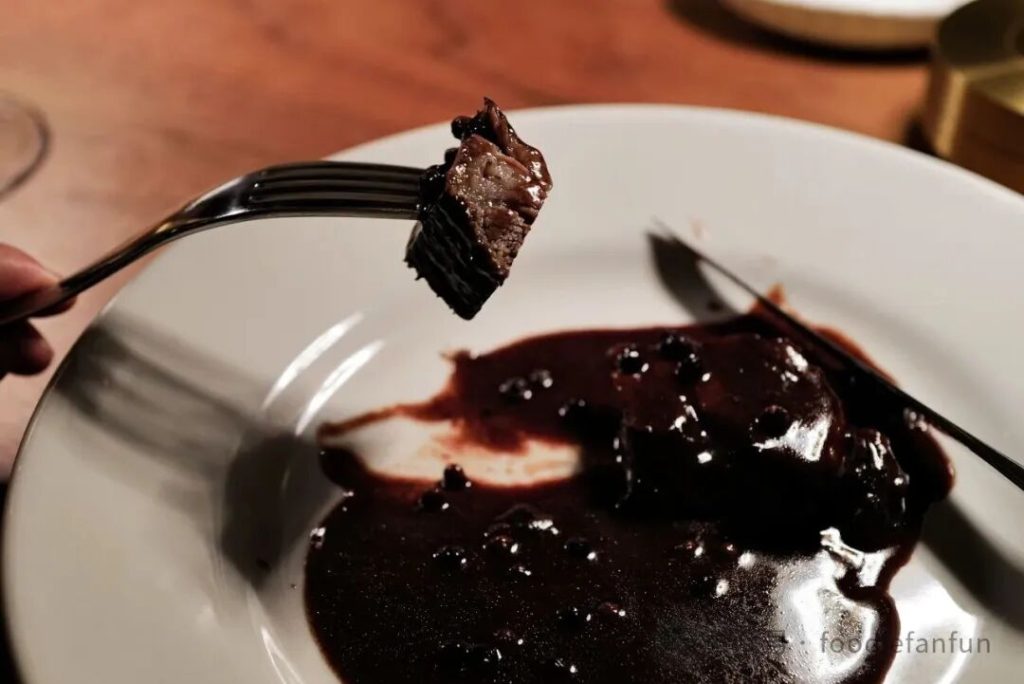
The main course, beef tongue with a red wine sauce, was genuinely deflating from start to finish.
The beef tongue was the fattier kind, the sauce thick, the salt level high too. The meat’s fat and the heavy sauce piled together until, by the end, all you could taste was richness and salt, with almost nothing else distinguishable.
There was even a bit of a Saizeriya-style fast-food feel to it, like a heavy-sauce rice bowl. You had to scrape off the thick layer of sauce with your fork, and wash it down with a glass of wine, just to force the bite down.
Whatever happiness that first half’s good ingredients and precise cooking had built up was completely overturned at this point.
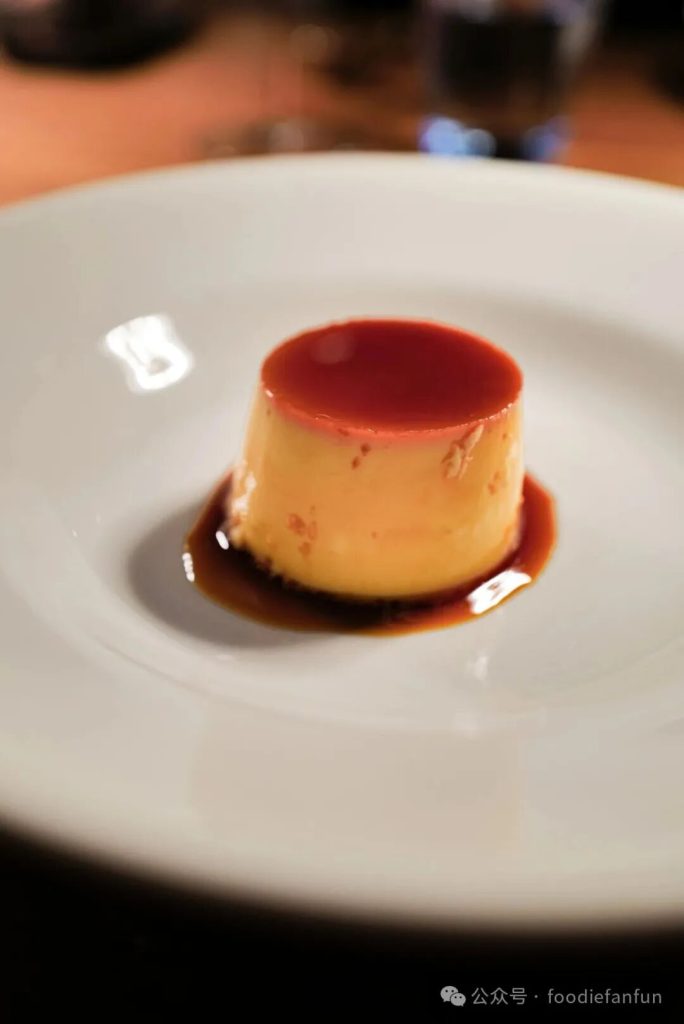
A pudding closed out the meal.
The puddings at our table varied noticeably in both caramel color and thickness. Of course, you can’t judge flavor by color alone, but having actually eaten it, it was just a very ordinary way to finish.
All I can say is, well, that’s that.
The first few courses really were: good ingredients, olive oil used well. The fish’s fat, the urchin’s sweetness, the corn’s — all of it genuinely made you happy to eat. And then the second half, aside from the gnocchi briefly pulling things back a little, ran into one problem after another: lacking aroma, over-seasoned, oversalted sauces. The gap between the first half and the second was genuinely quite large.
Being hard to book will of course build anticipation, but this meal’s disappointment isn’t entirely a matter of expectations being set too high.
Reflecting on it with a friend afterward, we wondered whether, as more guests arrived at the counter in the second half, the restaurant’s own operational capacity simply couldn’t keep up once things got busy. That’s purely our guess from that night as to what caused the quality control to come apart. But regardless, at this price point, whether the restaurant is busy or not shouldn’t be something the guest’s own experience has to pay for.
Tokyo has so many great Italian restaurants — better to save your appetite for food that genuinely makes you happy.
👉 nacol, Sanwa, the 🇮🇹 Italian collection, 🍕38th, the Cignale group, fileja — all of them beat this one.
mesebaba メゼババ
Omakase Menu 70,000+
Leave a Reply