Singapore has been the go-to short-trip destination for people around China, and its one-star restaurants have been getting hyped up like crazy this past year.
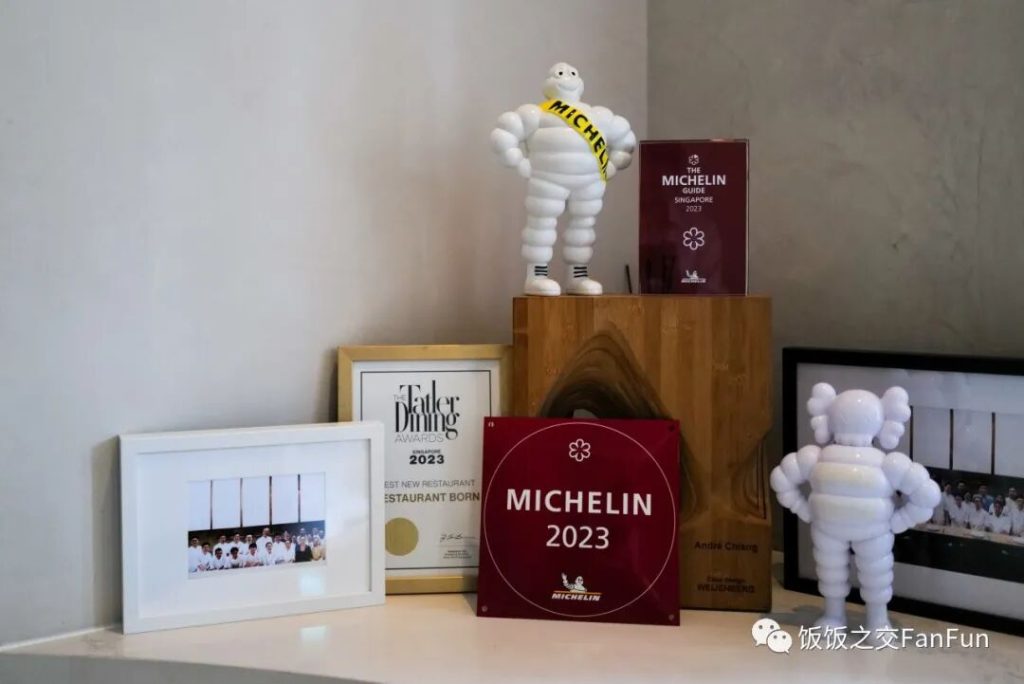
Chef Zor Tan’s Restaurant Born, housed in a building once owned by Jackie Chan, made the World’s 50 Best list in under a year of opening. Zor was born in Malaysia to a Chinese family, and is André Chiang’s senior protégé, having trained under him for twelve years. He’s also served as head chef at Raw in Taiwan and Sichuan Moon in Macau.

When the pandemic hit, he decided to start a new chapter with a new restaurant. He named it Born, symbolizing a fresh start — it can also be read as Best of Right Now, a reminder that cherishing what you have right now is the best thing there is.
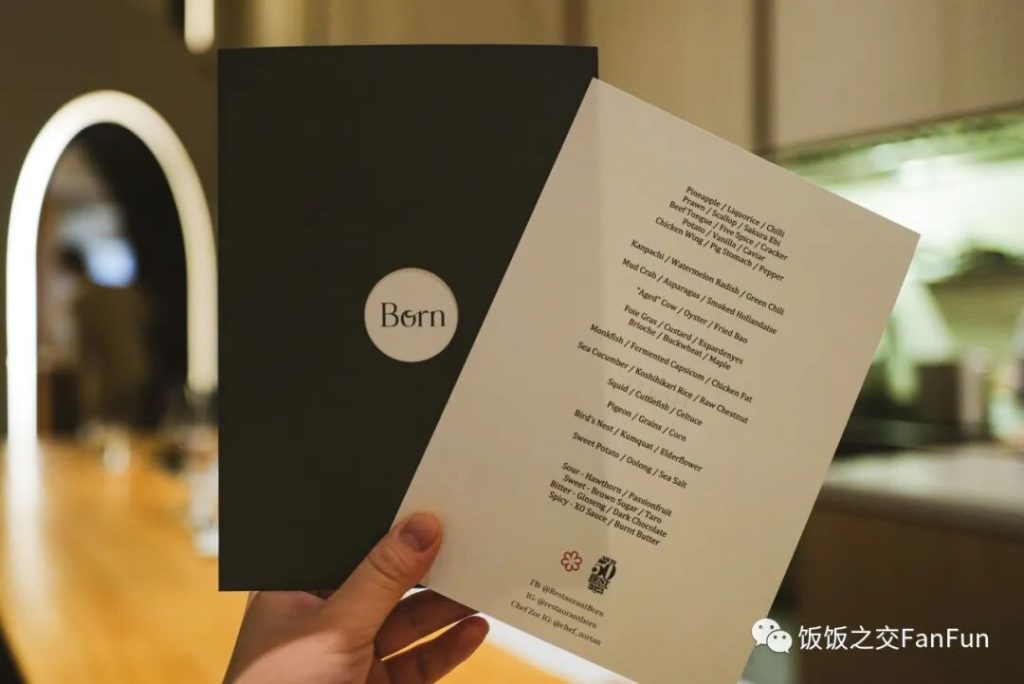
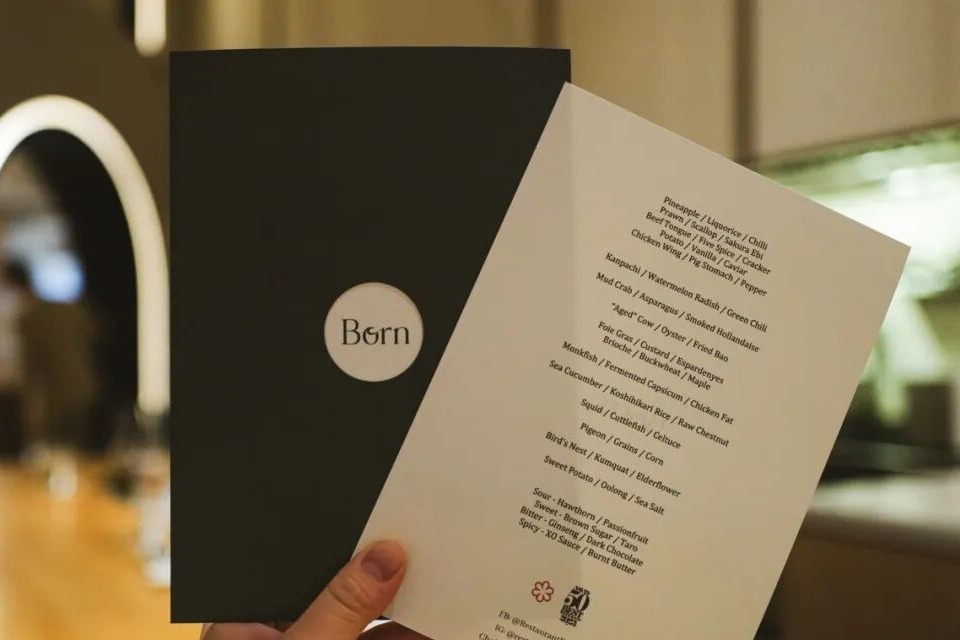
The menu traces Zor’s own life — the places he’s lived and worked.
The whole meal feels like an immersive piece of theater: every bite carries a piece of the story he wants to tell.
You can see his solid French technique in the presentation, but the flavors show real command of Chinese cuisine too — especially the seasoning, which draws deftly on classic Cantonese and Sichuan technique, occasionally recombining elements in genuinely surprising ways.
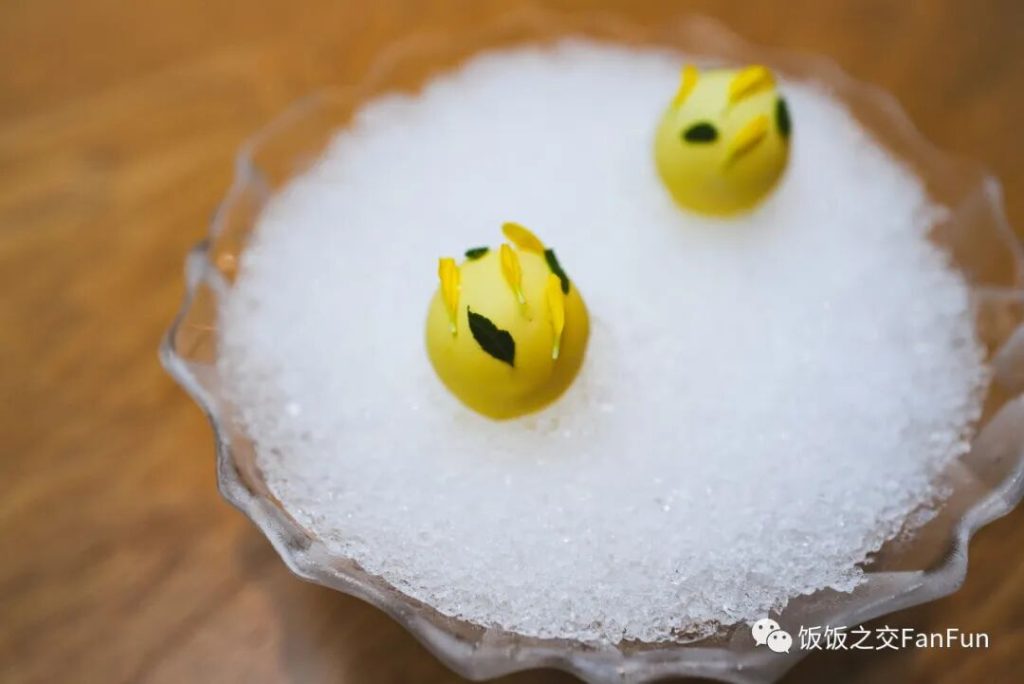
Pineapple / Liquorice / Chilli
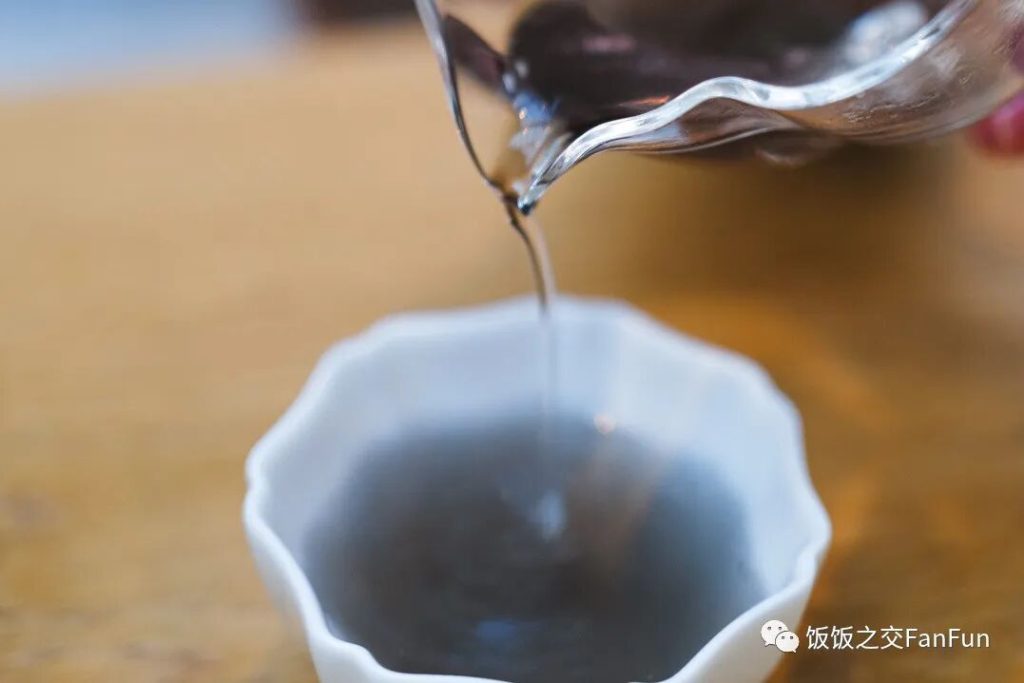
Before the meal proper begins, the restaurant serves a cold-brewed tea — black wolfberry, oolong, and rose, clean with a bitter edge that finishes fresh.
Next, a tiny appetizer: cocoa butter wrapped around Malaysian pineapple juice, a genuinely tropical, high-acid opening note.
— Dinner is about to begin.
Born’s wine list isn’t long, but the selection spans a wide geographic range. Everyone says Singapore taxes make wine expensive, but the restaurant’s markup here is genuinely fair.
This time, thinking about how it would pair through the whole meal, I went with the Wine Pairing.
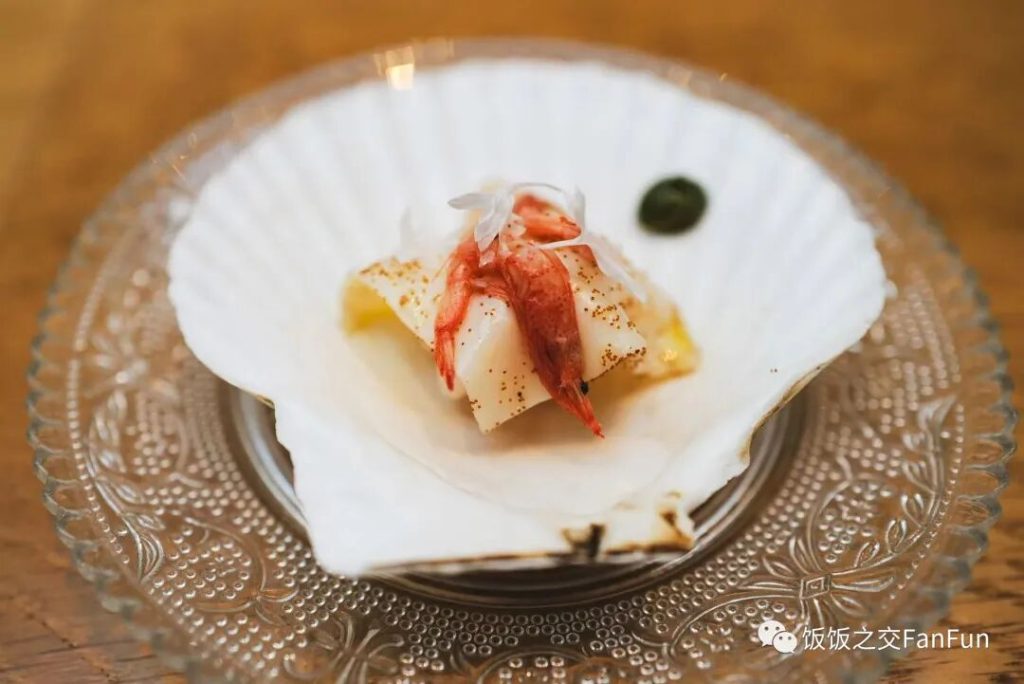
Prawn / Scallop / Sakura Ebi
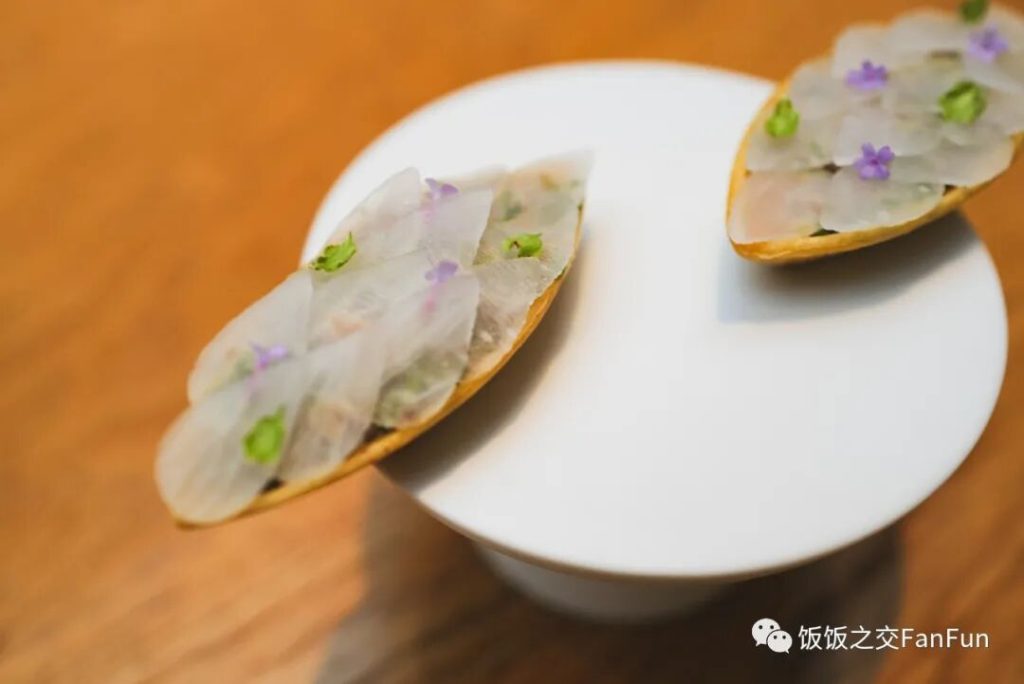
Beef Tongue / Five Spice / Cracker
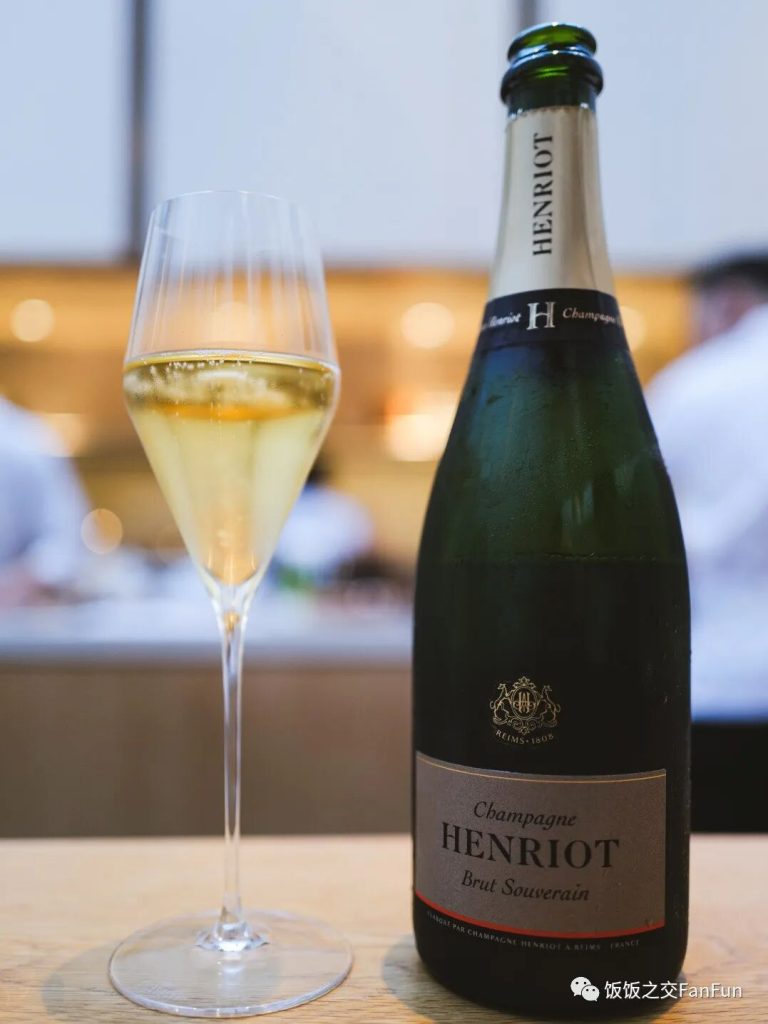
NV Henriot, Brut ‘Souverain’ | Champagne, France
Churdonnuy, Pinot Noir, Pinot Meunier
A beautiful large shell arrives, formally opening the meal with a taste of the seaside.
Unexpectedly, this isn’t a straightforward cold dish — a base of shrimp meatball brings some soft warmth. Paired with scallop and sakura shrimp, it layers in different textures and levels of freshness, the whole thing gentle and rounded.
The little tart served alongside has a completely different character. It looks delicate, but the moment you bite in, beef tongue aroma rushes out — the first bite of meat delivers a jolt of pure happiness straight to the head.
The champagne paired here — with its salty, mineral edge and bright acidity — catches the beef tongue tart’s intensity perfectly. It leaves behind some bright white-fruit aromas that linger.
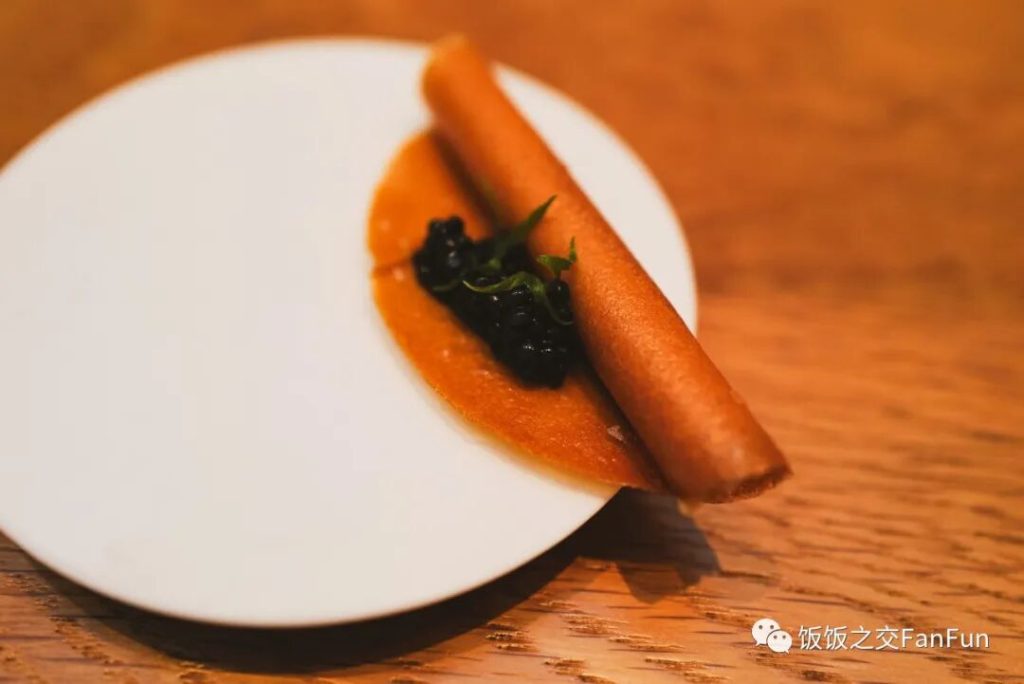
Potato / Vanilla / Caviar
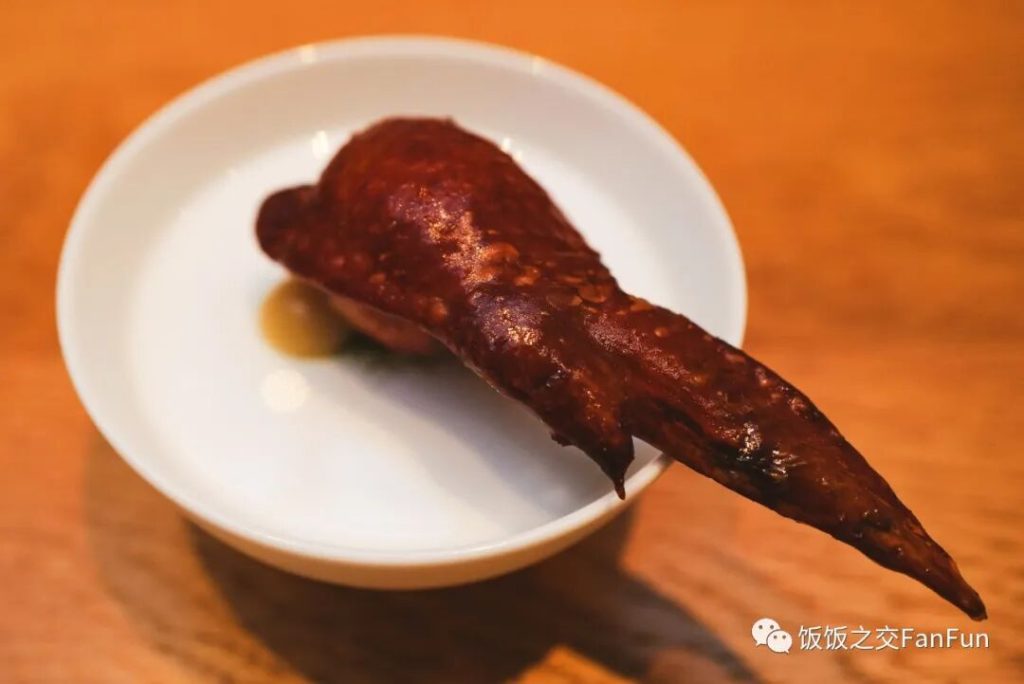
Chicken Wing / Pig Stomach / Pepper
Two dishes come right after each other: a crepe, and chicken wing.
The cream in the center of the crepe is a touch too sweet, and it ends up burying the caviar’s brine.
The chicken wing is actually modeled after pig-stomach chicken soup — the pig stomach is stuffed inside the wing and deep-fried, then paired with a pepper sauce. It’s a little scalding on the first bite, but the aroma and richness deliver full satisfaction. The stomach, cleaned thoroughly, gives it a springy, tender texture.
It’s built on the structure of pig-stomach chicken, but the presentation and flavor are transformed — overall it reads as more clever than it does satisfying to eat.
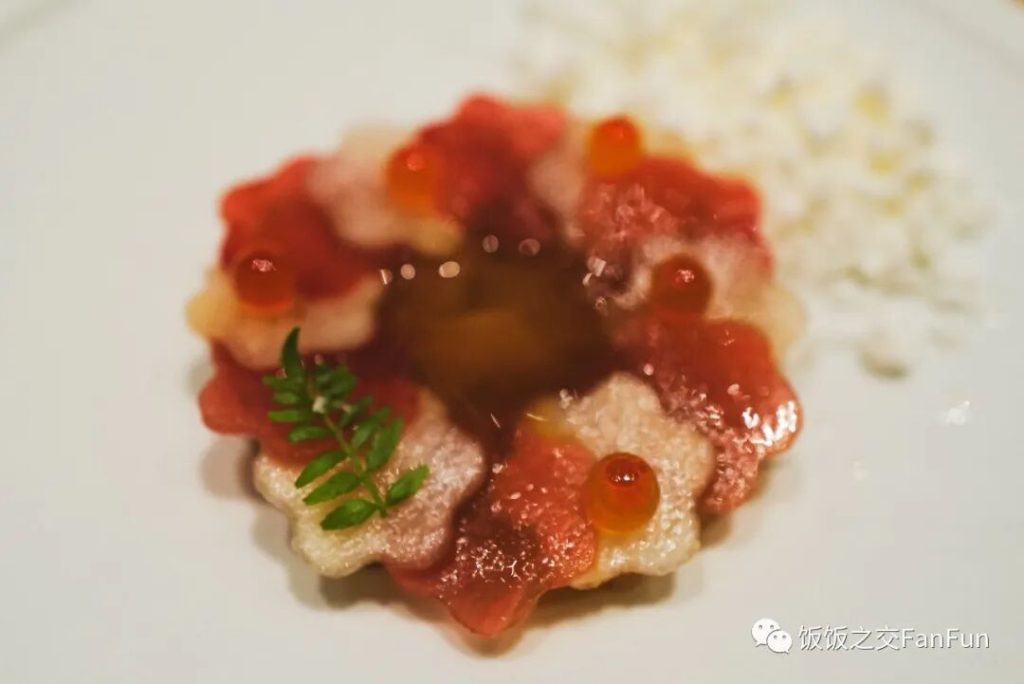
Kanpachi / Watermelon Radish / Green Chili
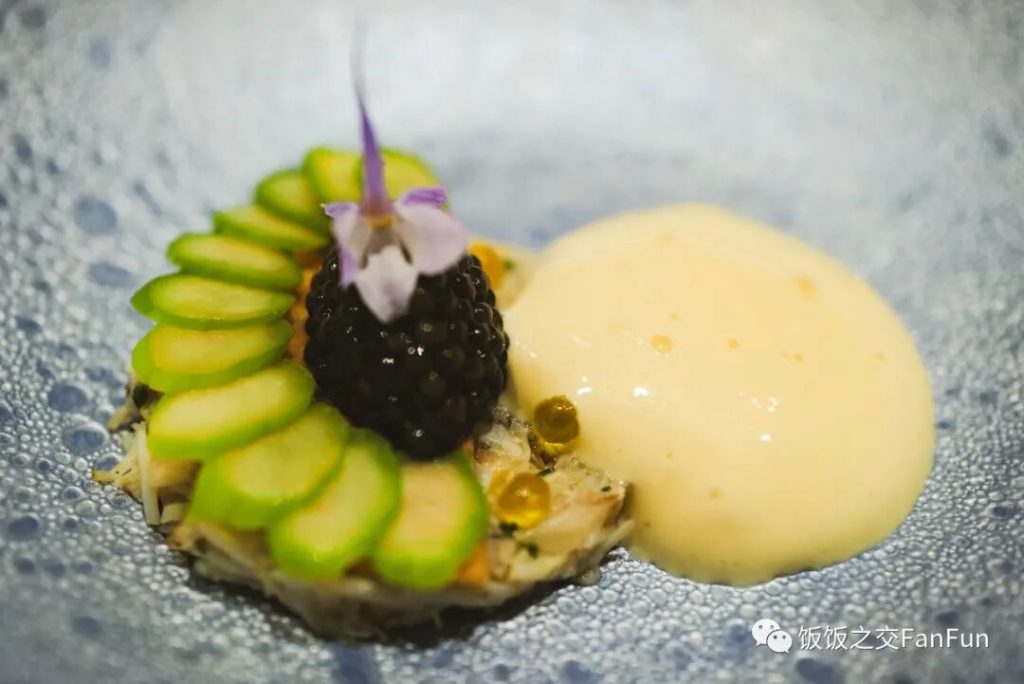
Mud Crab / Asparagus / Smoked Hollandaise
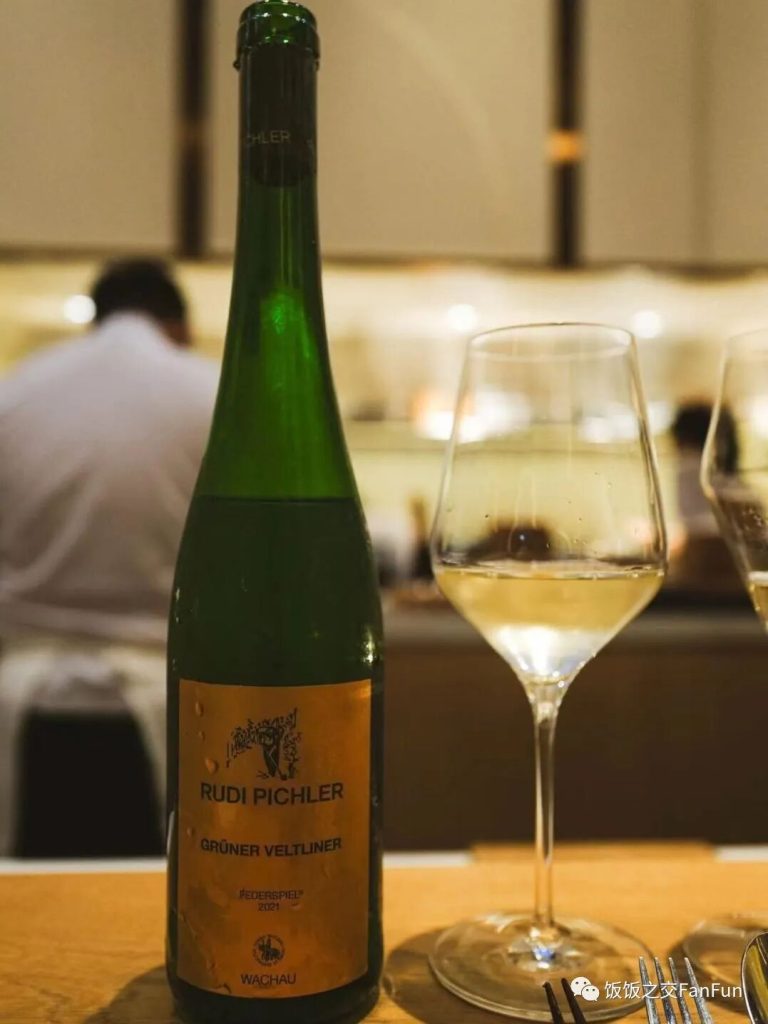
2021 Rudi Pichler, Federspiel | Wachau, Austria
Kanpachi — amberjack sashimi — counts as a top-tier winter ingredient in Japanese cuisine. The flesh is naturally firm with well-distributed fat; here, cured with vinegar and bonito, it turns softer, with an extra layer of complexity in the umami.
Built on Japanese ingredients and seasoning but plated with real Western flair, it opens up richer layers of flavor on the palate.
Right after comes a crab dish, paired with caviar and smoked hollandaise. Once stirred together, the smoky aroma running through the crab meat and the caviar’s brine land a genuinely great one-two punch — soft in texture but explosive in flavor.
Two seafood courses in a row, both full of surprises — the meal was clearly hitting its stride.
Paired with an Austrian wine from Wachau: nicely balanced acidity, with ripe pear, juicy green apple, and subtle spice and tobacco notes — a particularly good fit with seafood.
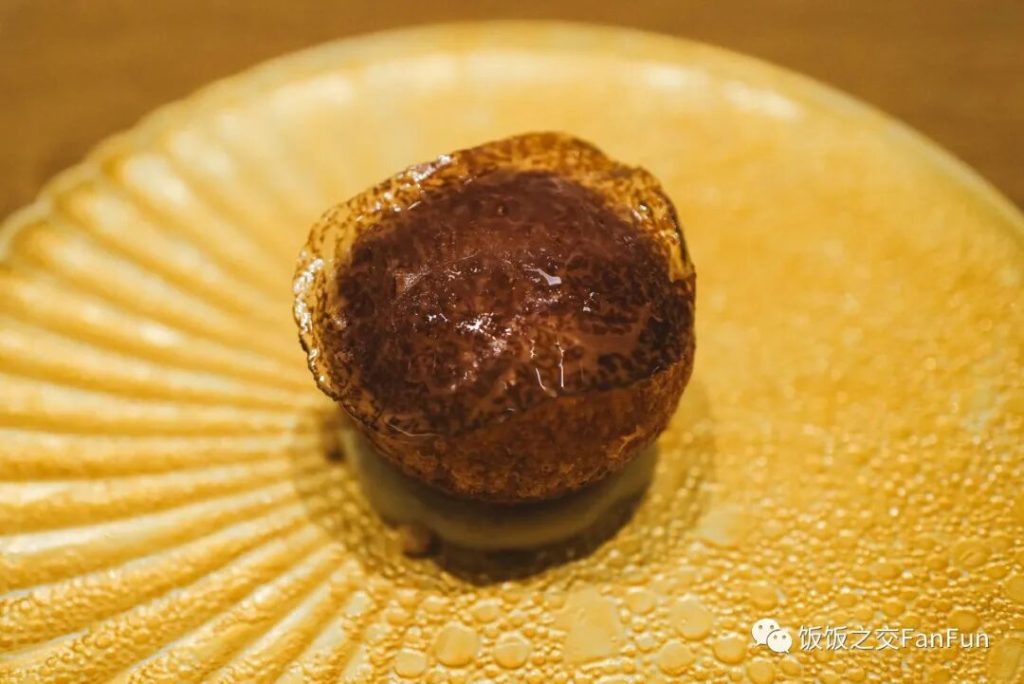
“Aged” Cow / Oyster / Fried Bao
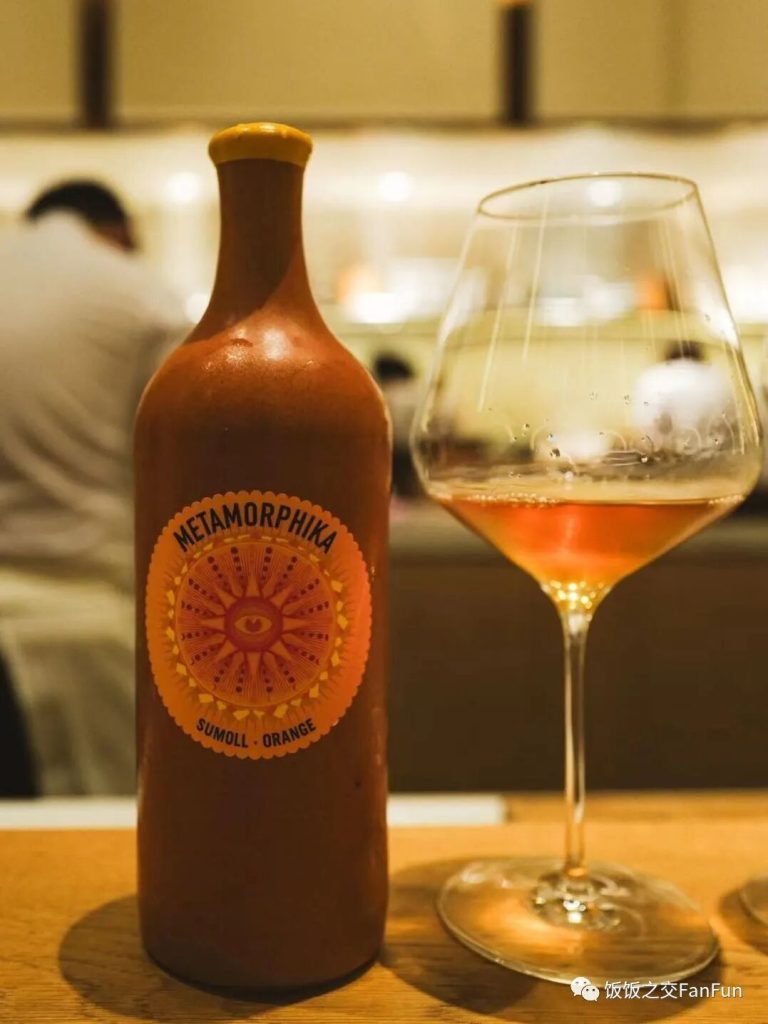
2020 Costador, Metamorphika ‘Brisat’ | Catalunya, Spain
Fried bao, spicy wagyu tartare, air-dried beef flank, oyster sauce.
Put together, it’s an explosion of satisfaction — the bao’s shell fried crisp, the inside soft and pillowy, wrapped around large chunks of richly marbled wagyu with a strong aroma. The milky oyster sauce lands as another hit, its bright, fresh-oyster brightness adding a further layer of complexity, while a trace of numbing chili lingering at the finish reins it all in — a deluxe version of a pan-fried bao.
The orange wine paired here has enough body to stand up to the dish, while its acidity and smoky character sweep away any leftover richness in the mouth.
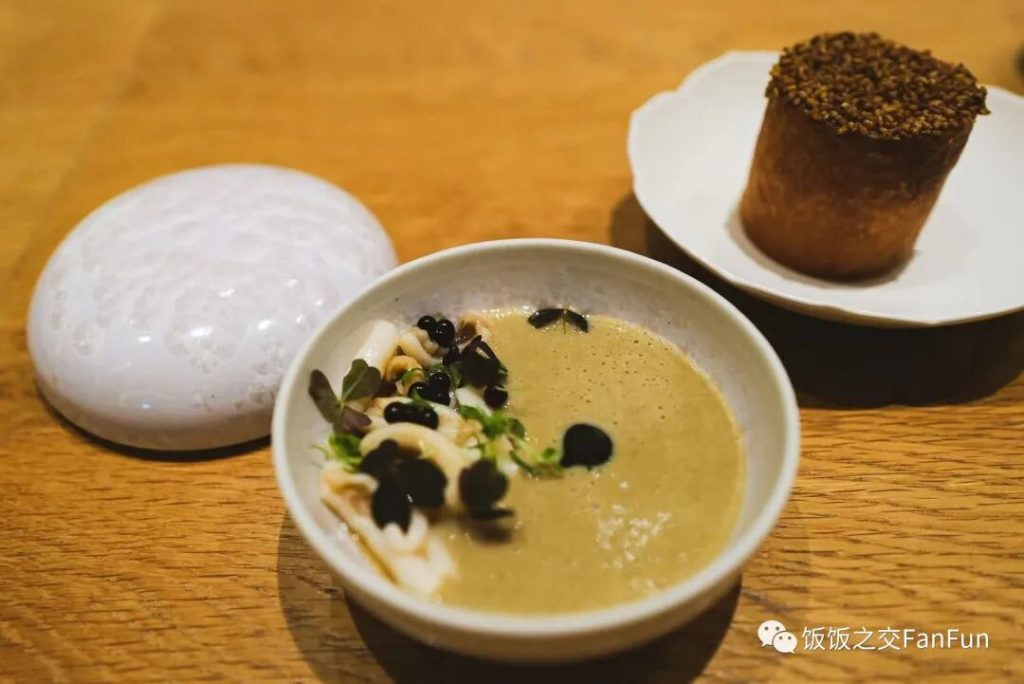
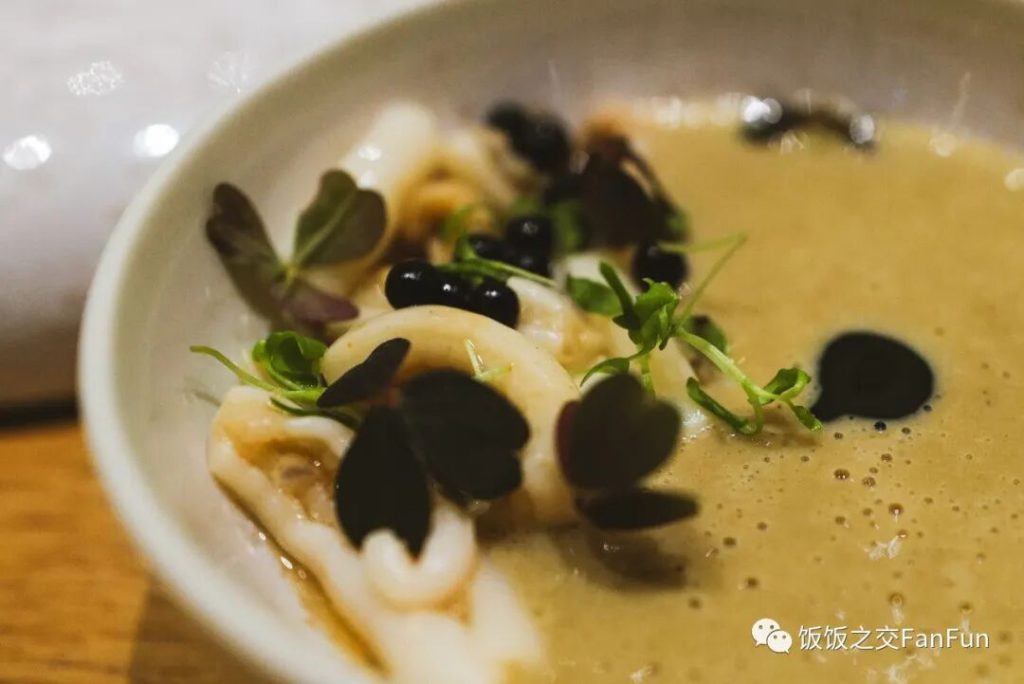
Foie Gras / Custard / Espardenyes
Brioche / Buckwheat / Maple
Foie gras’s richness is always hard to resist, paired here with a maple brioche.
The steamed egg base feels almost like the heart of an egg tart, faintly milky, delicate and light, lifted with a touch of yam that keeps it smooth while adding a clean sweetness. The osmanthus clam alongside breaks out with its own freshness and crunch. It lights up the whole dish.
Another dish that satisfies in one bite, but this time the chef presents it with a gentler touch — dish after dish here leaves a real impression.
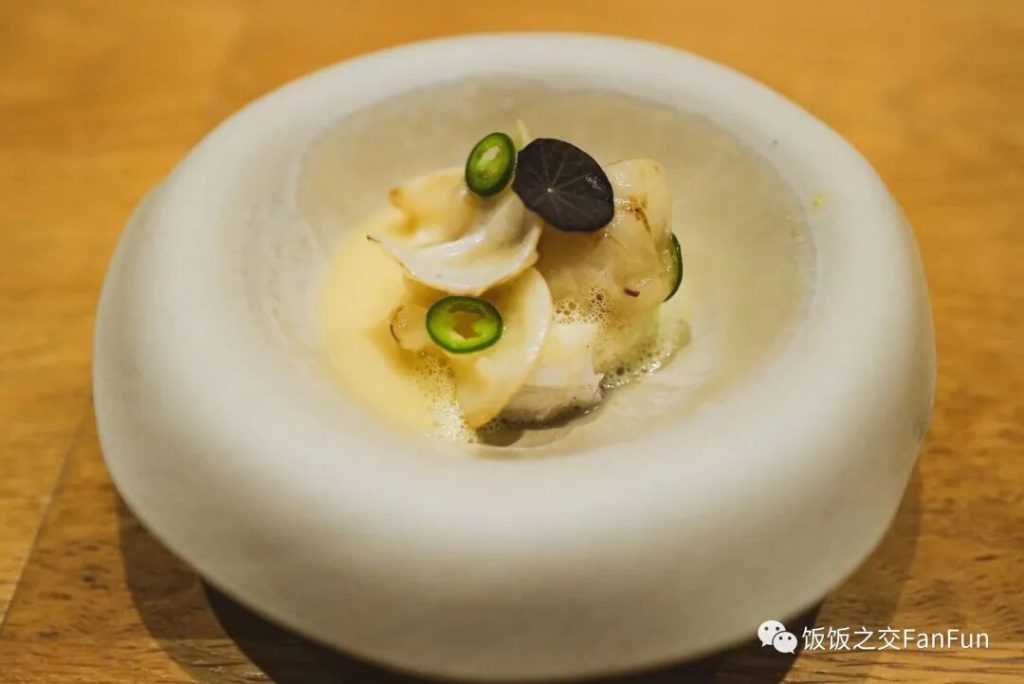
Monkfish / Fermented Capsicum / Chicken Fat
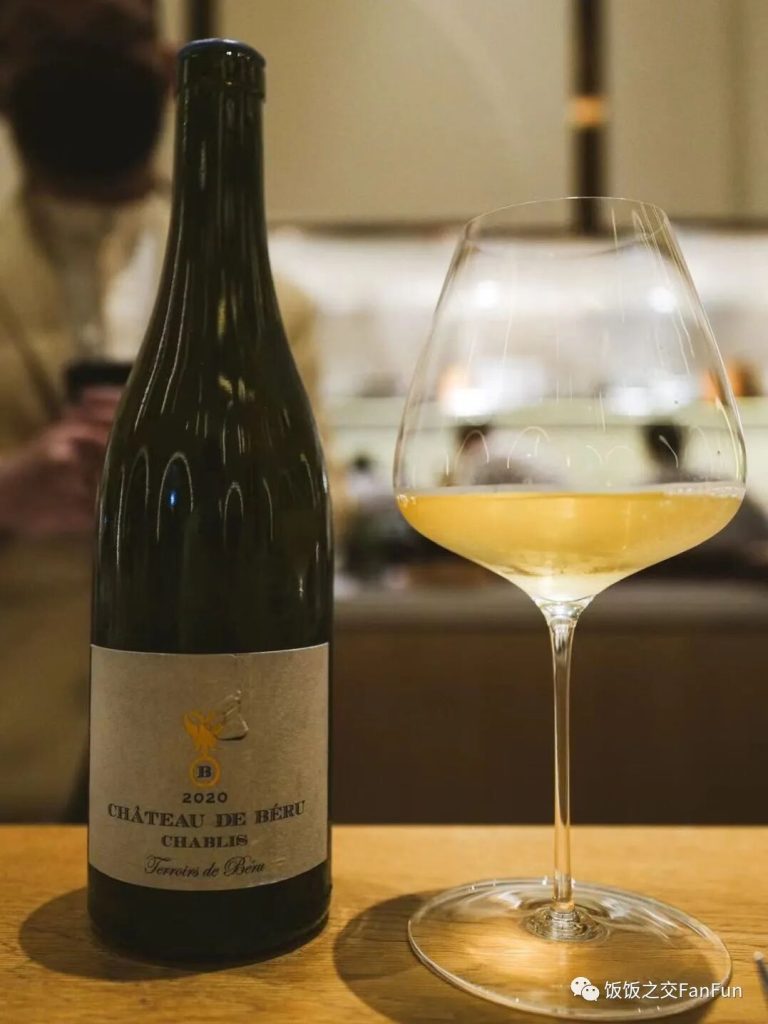
2020 Chateau De Béru, Terroirs De Béru | Chablis, France
Talking about this dish, Zor naturally brought up his time at Sichuan Moon — this one is drawn straight from the Sichuan classic, chopped-chili fish head.
Here he uses a firm-fleshed monkfish, set on a base of chicken stock, seasoned with fermented Hainan bell peppers. On top sits a generous layer of white cloud ear mushroom from Yunnan.
First time I’d ever seen such a dense concentration of Chinese ingredients and culinary thinking at a fine-dining table abroad. And the flavor fully captured that traditional-yet-refined character you find in high-end Chinese restaurants.
Proud, and genuinely moved.
Paired here with a Chablis Chardonnay, beautiful in both acidity and minerality — its solid freshness caught the lingering flavor of the chicken stock and fish perfectly.
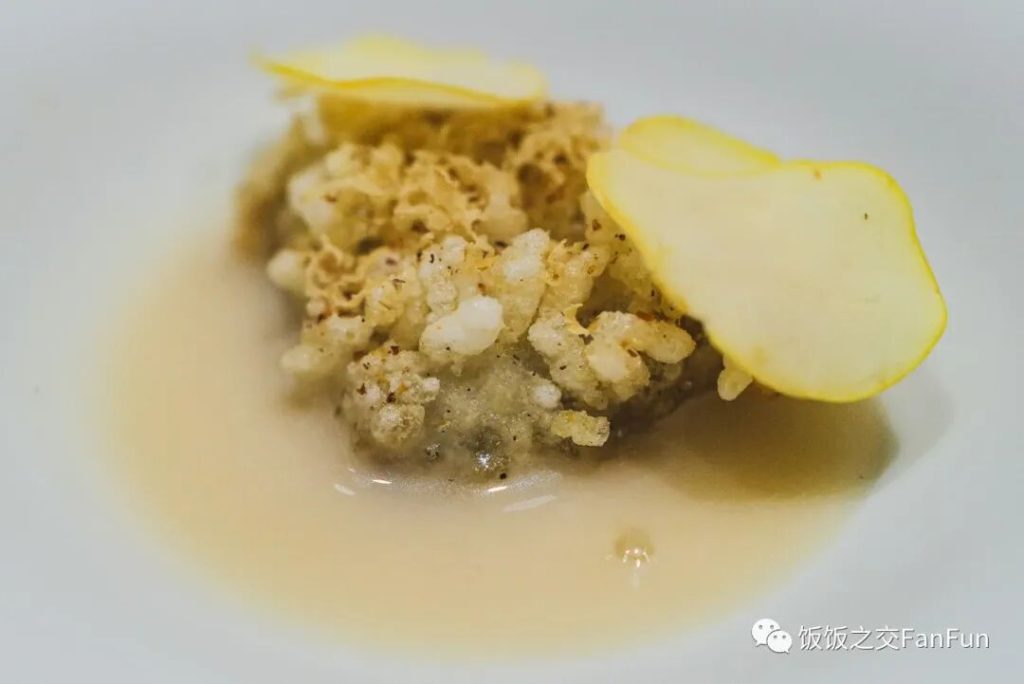
Sea Cucumber / Koshihikari Rice / Raw Chestnut
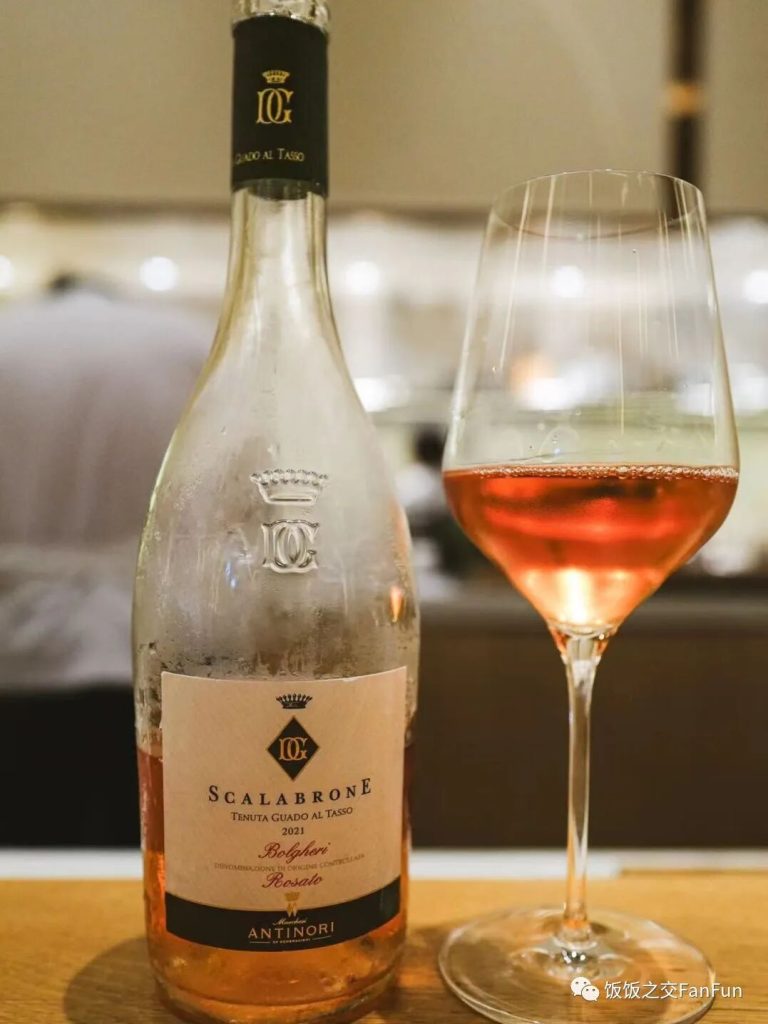
2021 Antinori, Tenuta Guado al Tasso ‘Scalabrone’ | Bolgheri, Tuscany, Italy
Picking up from the chef’s time in Macau, the next dish draws its inspiration from the crispy sea cucumber he made back at Sichuan Moon.
Except here the sea cucumber is slow-braised instead, and the crispness comes from Koshihikari rice. The seasoning leans on a pork-trotter sauce — the texture is all sea cucumber’s springy chew, but the flavor carries the rich unctuousness of pork trotter. Genuinely interesting.
The rosé paired with it is an excellent match — its acidity cleanses the palate, and the floral aroma lingers, adding a touch of gentleness to the whole dish.
Dish after dish here carries traces of Cantonese and Sichuan cuisine, and you can feel Zor’s deep, bone-level understanding and love for traditional Chinese food and ingredients.
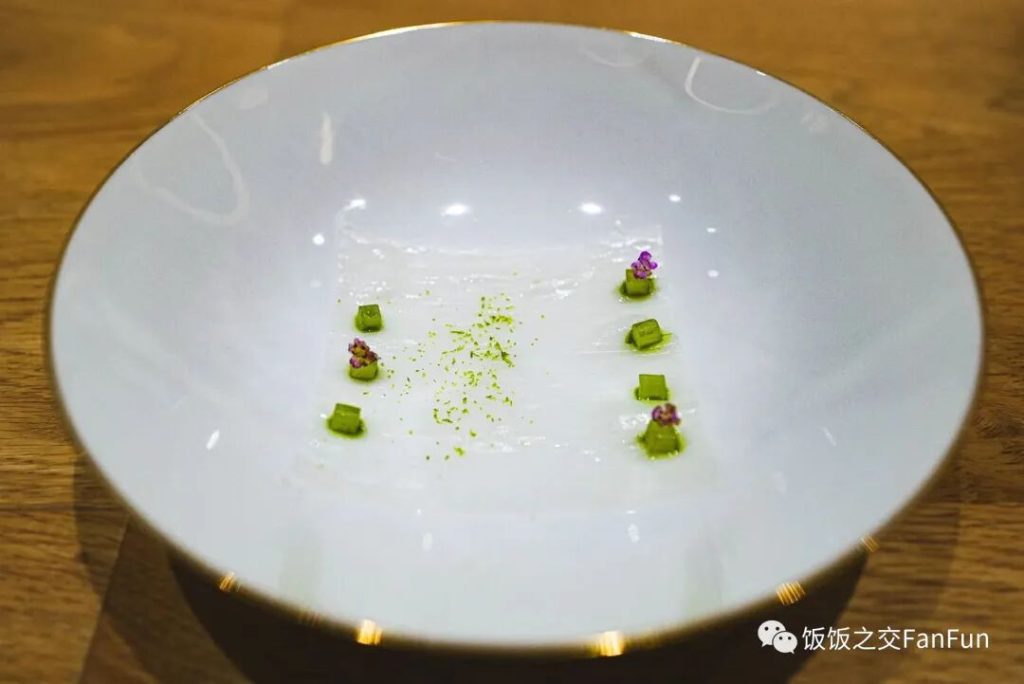
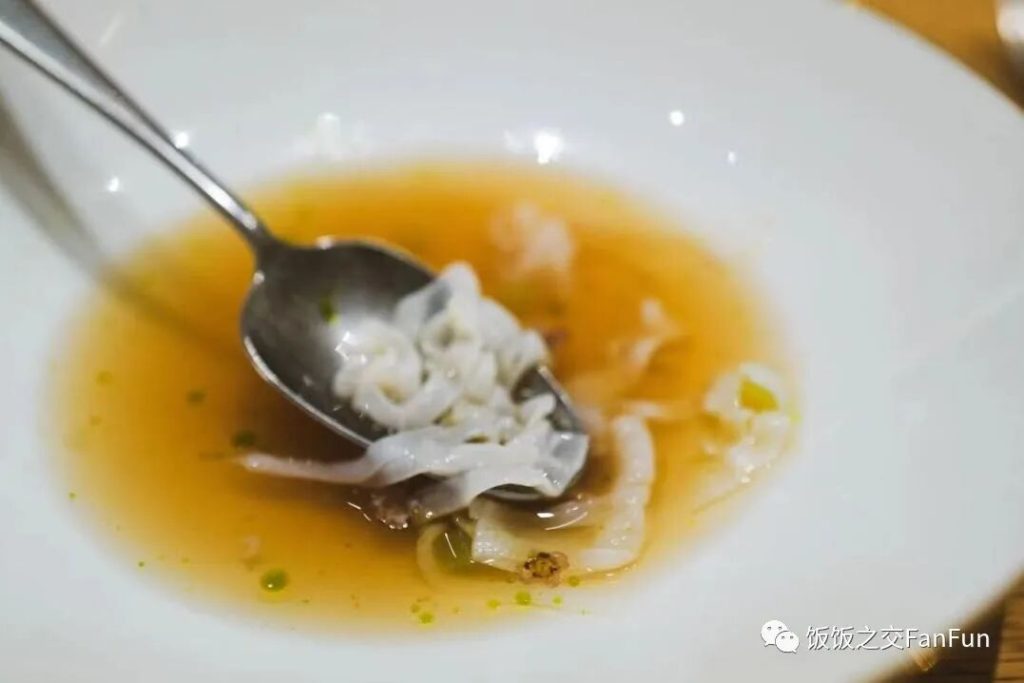
Squid / Cuttlefish / Celtuce
Right before the mains, the chef serves a palate-cleansing soup.
Thin slices of squid, blanched in octopus stock, rolled into the shape of a beautiful white flower petal.
Clear and clean, with just a touch of freshness that bridges into the rest of the menu.
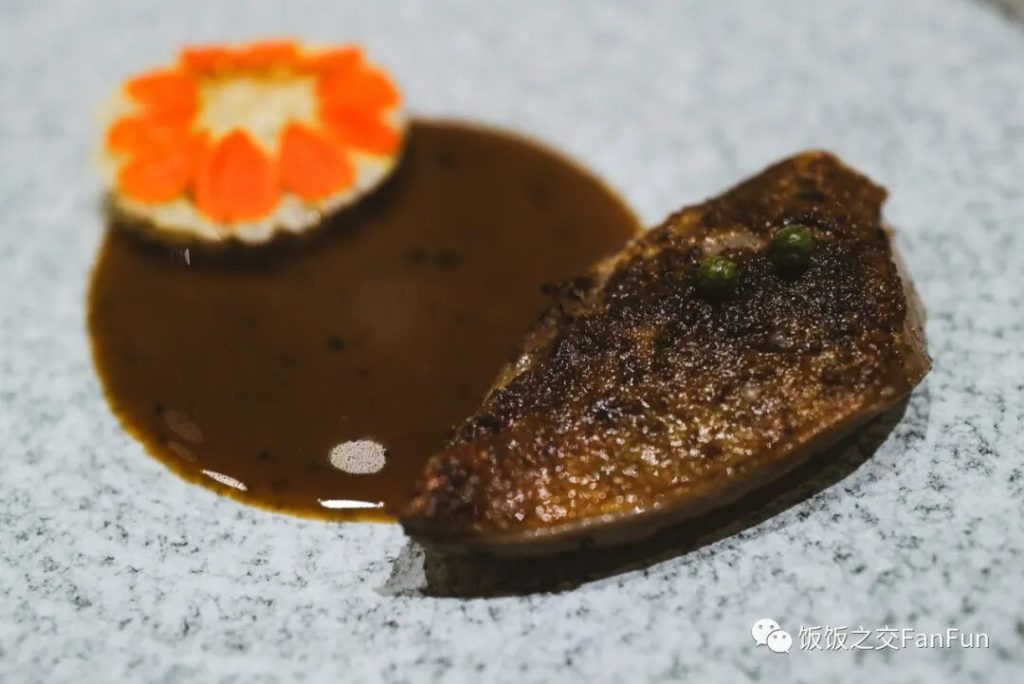
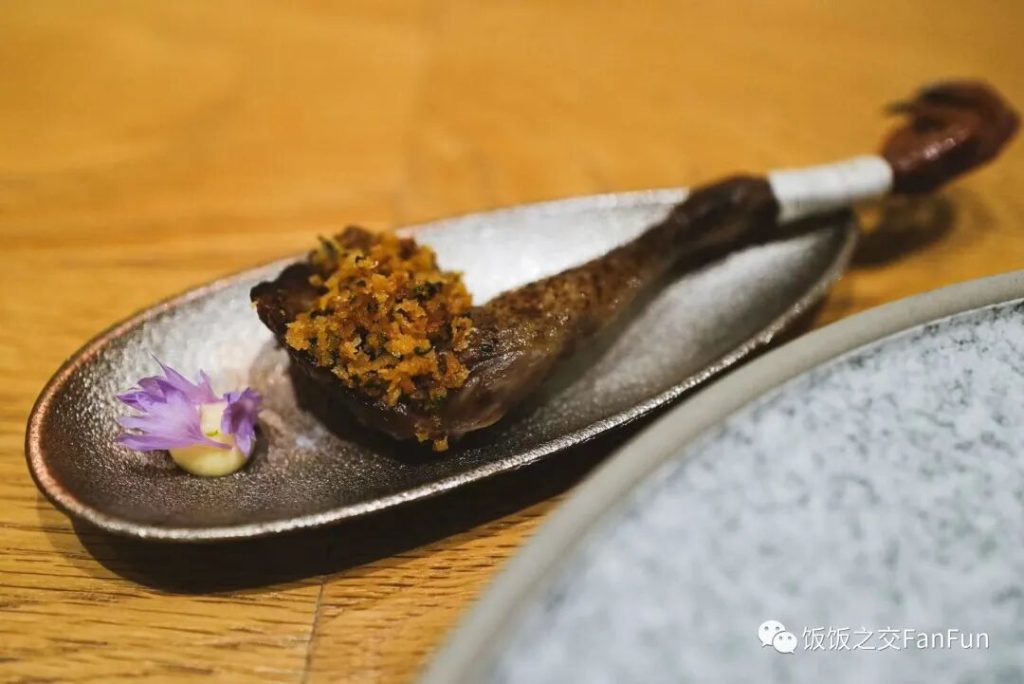
Pigeon / Grains / Corn
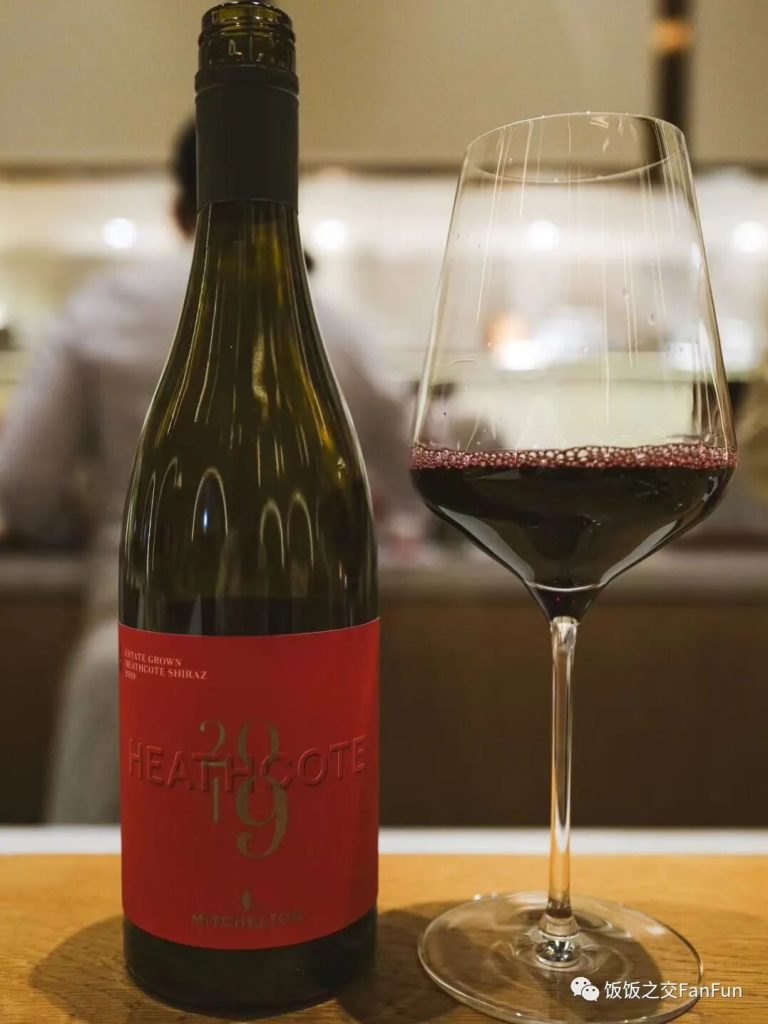
2019 Mitchelton Estate Grown, Heathcote | Victoria, Australia
Corn, job’s tears, aged pigeon.
Zor said this represents the cycle of life — the pigeon eats corn, we eat the pigeon. Genuinely true.
The pigeon skin is aged for seven days to dry it out, giving it a texture with a bit of chew. The aged breast meat, meanwhile, turns firmer, with plenty of gamey character.
Paired with an Australian Syrah, whose fruit and spice character make it a safe, solid match for the aged pigeon.
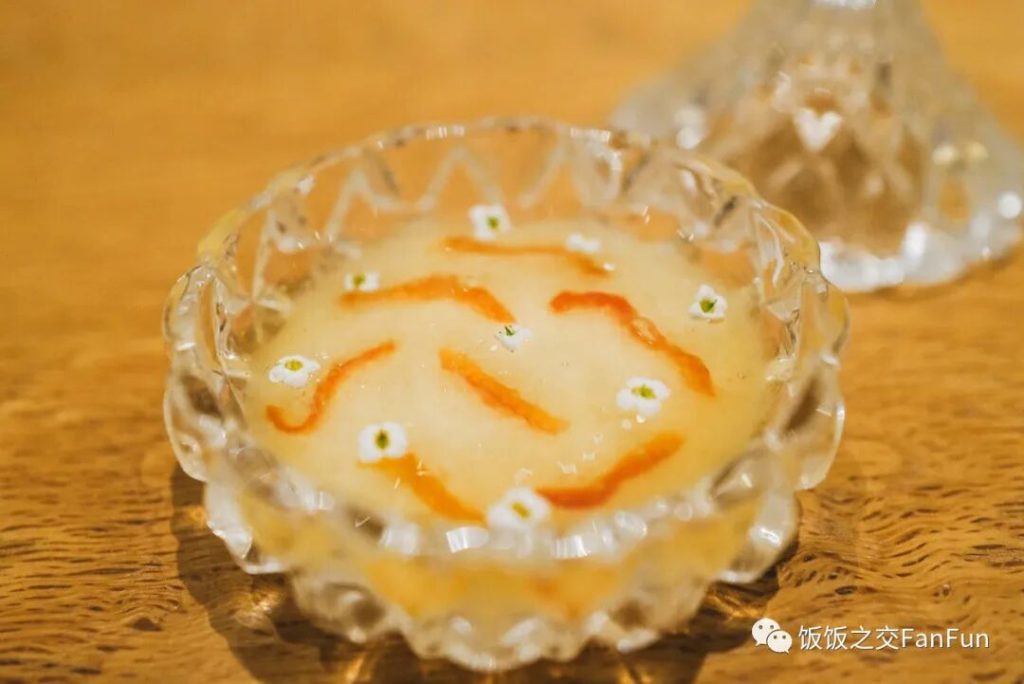
Bird’s Nest / Kumquat / Elderflower
The pre-dessert is genuinely charming — it brought to mind a little fish pond.
A bird’s-nest base, with thin strips of cured kumquat scattered across it like fish darting through water.
The elderflower and citrus-peel aroma is light, both palate-cleansing and calming.
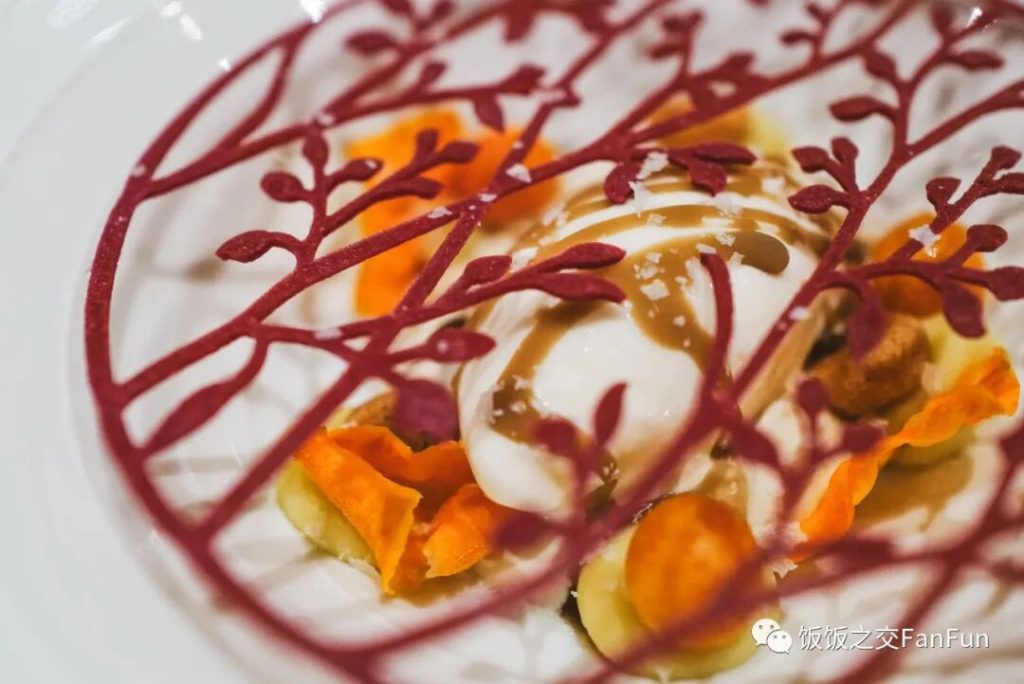
Sweet Potato / Oolong / Sea Salt
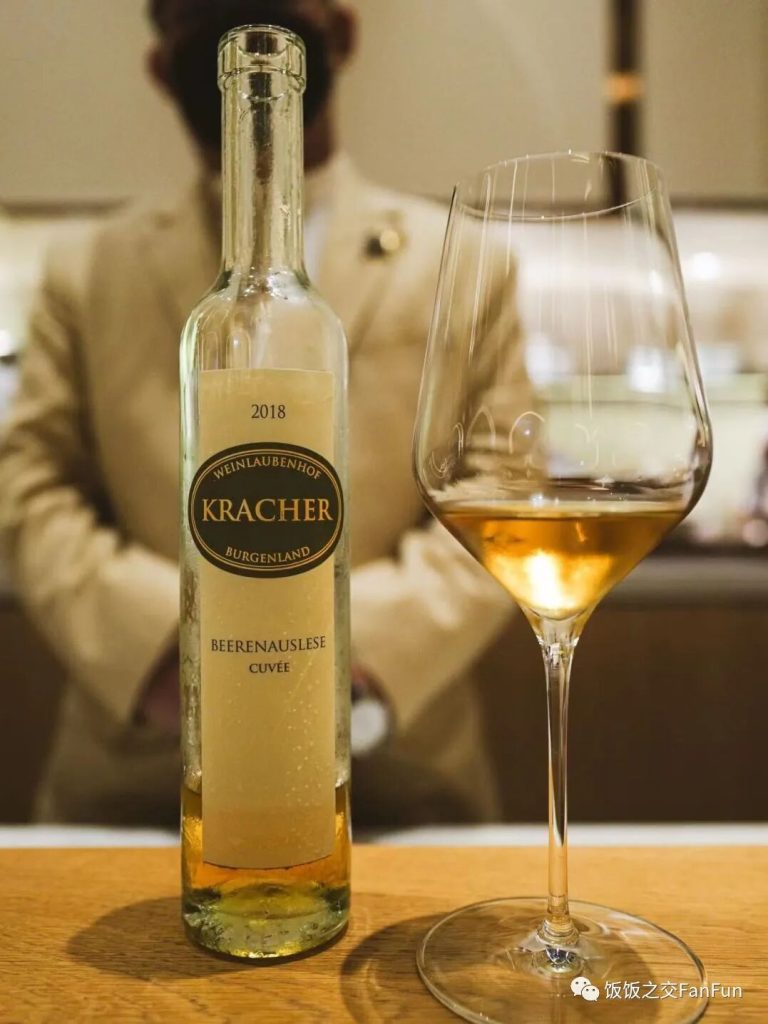
2018 Kracher, Beerenauslese Cuvée | Burgenland, Austria
Purple sweet potato crisp, pumpkin mochi, sweet potato purée, oolong — genuinely homestyle in feel.
Layers of crisp, chewy, and delicate textures collide, brightened by a slightly savory sea-salt ice cream. Meanwhile, the various root vegetables sing in harmony while each still holding its own character.
This is genuinely the kind of dessert you finish and still want more of — familiar, humble elements stacked together, somehow turning into something this interesting.
The wine pairing sticks to the same idea, with a touch of delicate salinity bridging it all together.
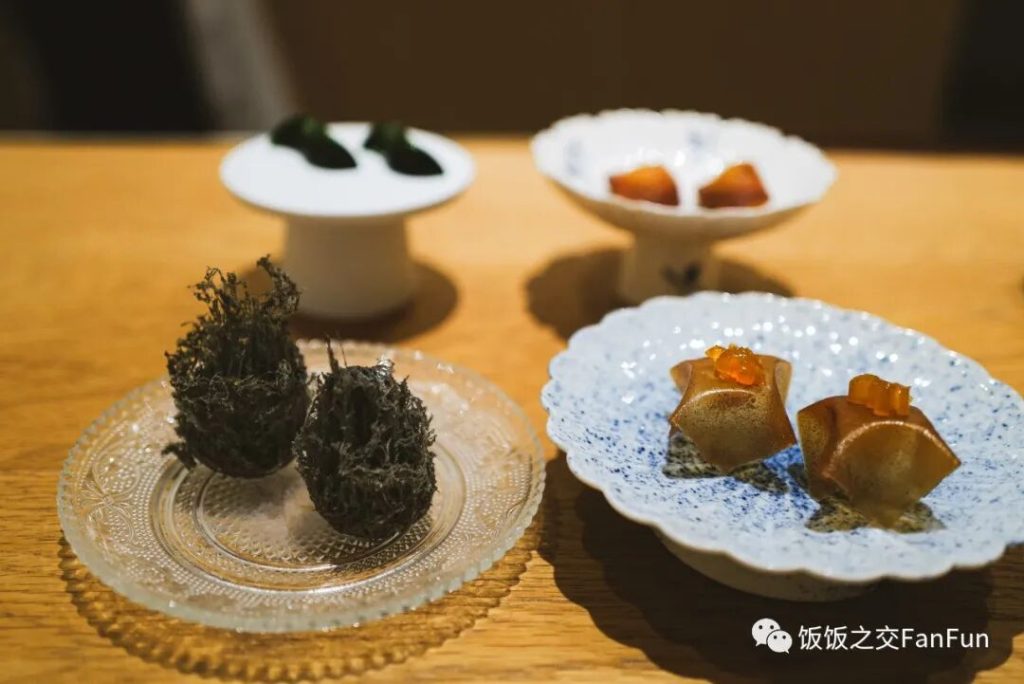
Sour – Hawthorn / Passionfruit
Sweet – Brown Sugar / Taro
Bitter – Ginseng / Dark Chocolate
Spicy – XO Sauce / Burnt Butter
The final course is Petit Four — four tiny bites, each keyed to sour, sweet, bitter, and spicy, a taste of life’s full range.
Zor says a person can only truly appreciate sweetness after tasting bitterness. Eat the faintly bitter chocolate first, then work your way around before biting into the crisp taro dumpling, to feel that final delicate sweetness.
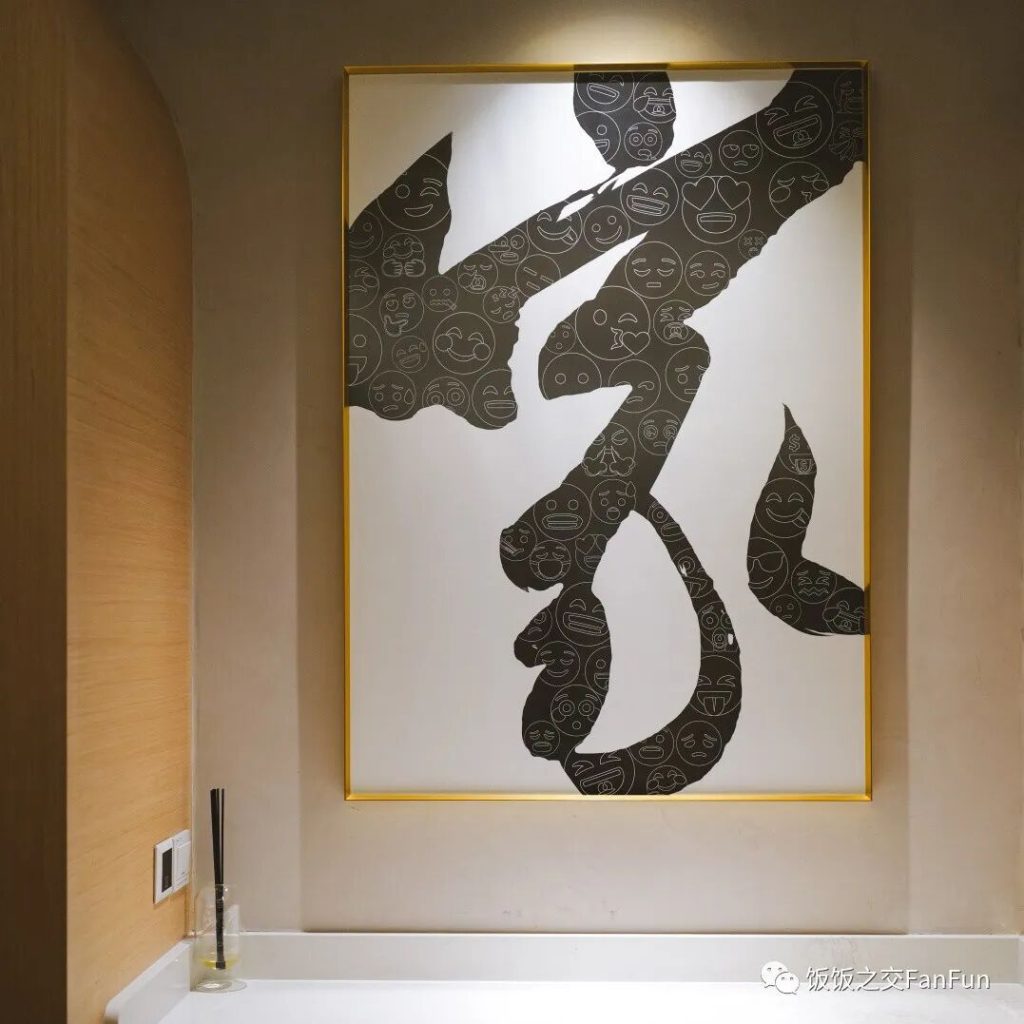
The logic running through the whole menu is clear — you can see the restaurant’s caliber in it, and you can find exactly the flavor Zor wants to express.
Though the menu tells the chef’s own story, the dishes never lean too hard on sentimental value — small stories are woven in as accents, folded into the food itself, left for guests to discover on their own.
Everyone’s palate differs, and I can’t say I loved every single dish. But the experience across the whole menu flows smoothly and stays true to its core. The wine pairing, while staying safely reliable, still managed a few genuinely surprising pairings.
I hope life can work the same way — that after tasting the bitterness, we can hold onto the sweetness.
Cherish your family, and what’s right in front of you.
Best Of Right Now.
Restaurant Born
Tuesday – Saturday
6:00 PM -11:00 PM
www.restaurantborn.com
Chef’s Menu $368++
Wine pairing $198++
Non-alcohol pairing $118++
Our goal
is to help you find the most interesting part of life.

Leave a Reply