Among restaurants in Tokyo, Nishi-Azabu’s Yamazaki is definitely on the wish list of anyone wanting to visit.
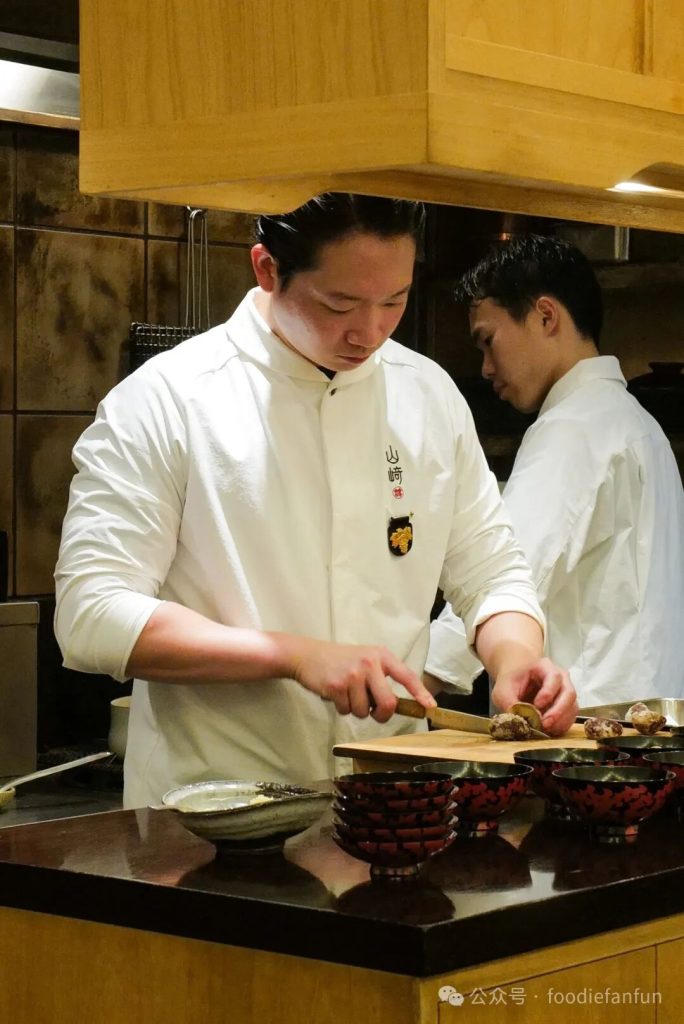
Chef Shiro Yamazaki opened his own restaurant at just 31 and won a Michelin star within three months of opening — he’s easily one of the most distinctive, eye-catching chefs among Tokyo’s current crop. He’s collaborated with a number of well-known restaurants, and this year’s four-hands dinner with Toudao in Shanghai was met with universal praise.
What makes Yamazaki impressive is how he fuses traditional cooking with a modern sensibility — keeping an ingredient’s essential character intact while layering in a new flavor or experience. Great ingredients plus purposeful innovation, on top of a relaxed hosting style and a counter that’s genuinely enjoyable to drink at — it’s hard not to openly like him.
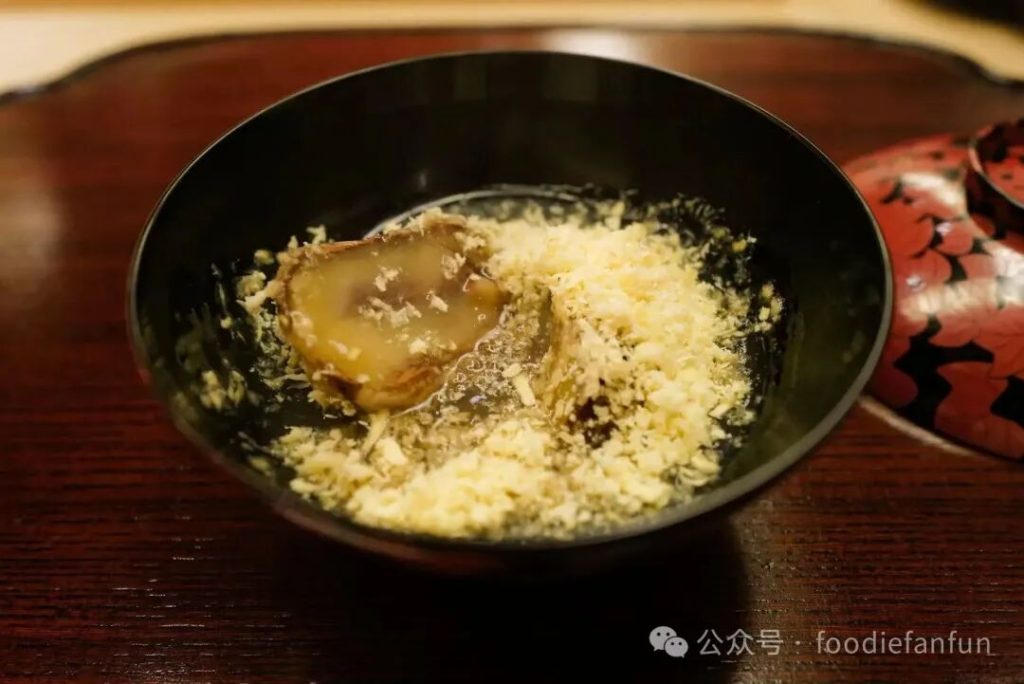
栗の渋皮煮の唐揚げ
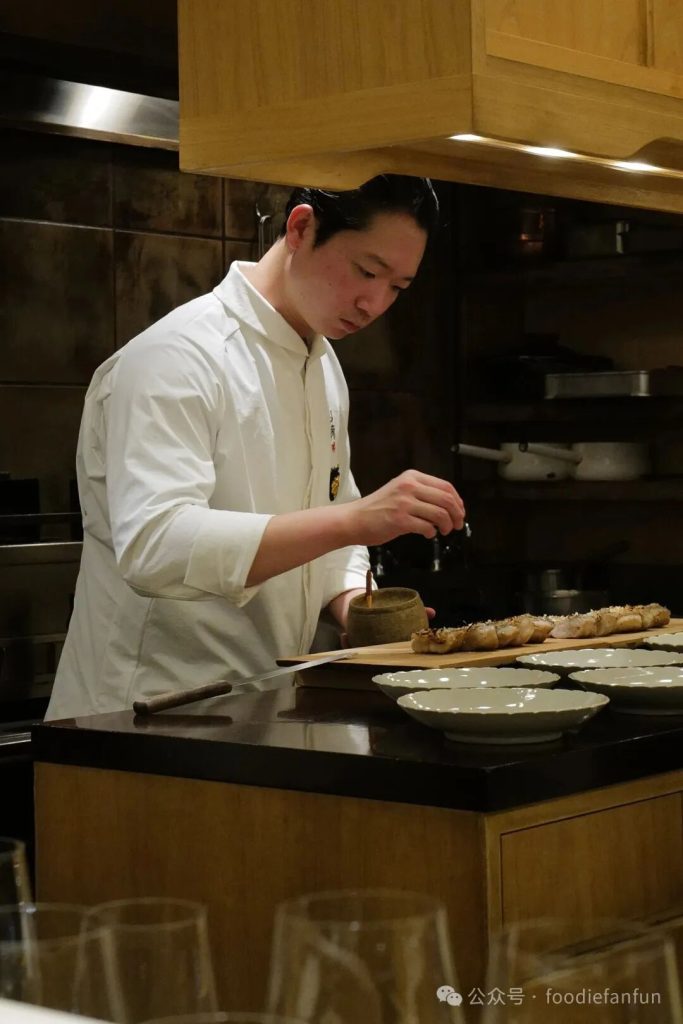
As soon as we sat down, we watched Yamazaki-san shaving bonito flakes. On the new menu that had just switched over for early autumn, a lightly thickened dashi was paired with fried shibukawa-ni — chestnuts simmered whole with their inner skin left on.
This is a well-known, classic autumn treat in Japan — chestnuts simmered in sugar with their brown inner skin left intact. But unlike the usual version, Yamazaki coats it in batter and deep-fries it once more, then finishes it with a scattering of crushed chestnut on top.
Lifting the lid released a fresh burst of chestnut aroma. The plump chestnut was sweet with a soft touch of bitterness, while the batter, soaked in the dashi, had drunk in all its savoriness, offering a textural contrast against the chestnut’s softness.
Fragrant and warming — a starter that wins you over instantly.
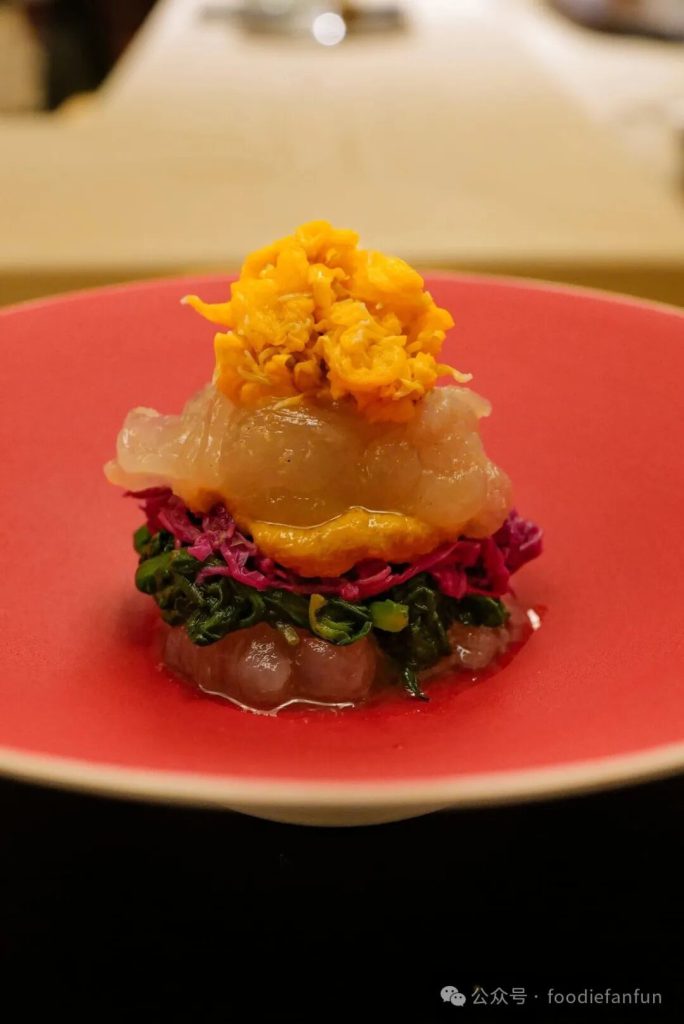
伊勢海老と菊の酢の物
Ise lobster is a menu mainstay, and on the autumn menu it’s paired with vinegar-pickled red chrysanthemum and chrysanthemum leaves.
The large lobster meat, cured in kombu, was firm and springy; the acidity amplified the lobster’s own sweetness, while a shrimp miso tucked between the flesh lifted the umami even further — a dish that’s straightforwardly satisfying yet full of detail.
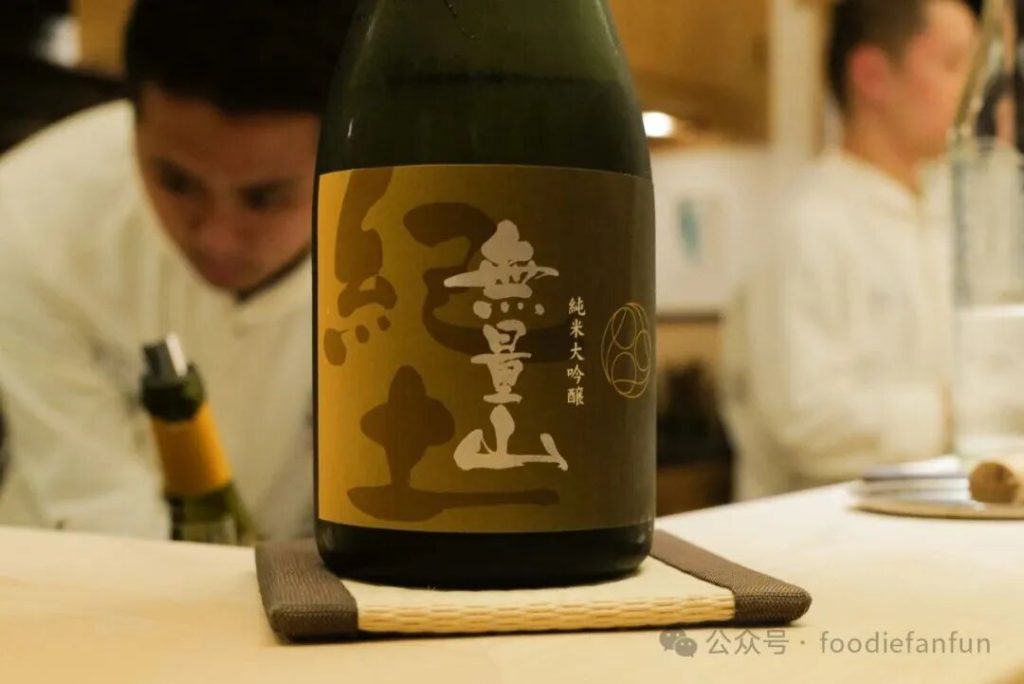
Yamazaki-san recommended Kido’s Muryozan, and its clean, transparent character complemented the dish perfectly.
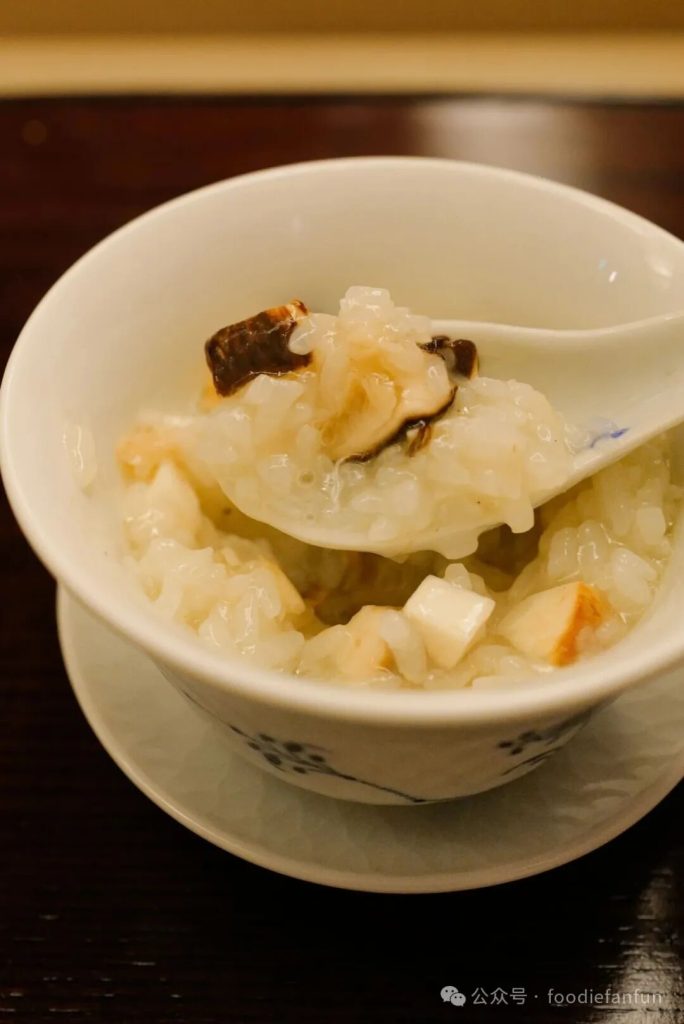
松茸のお粥
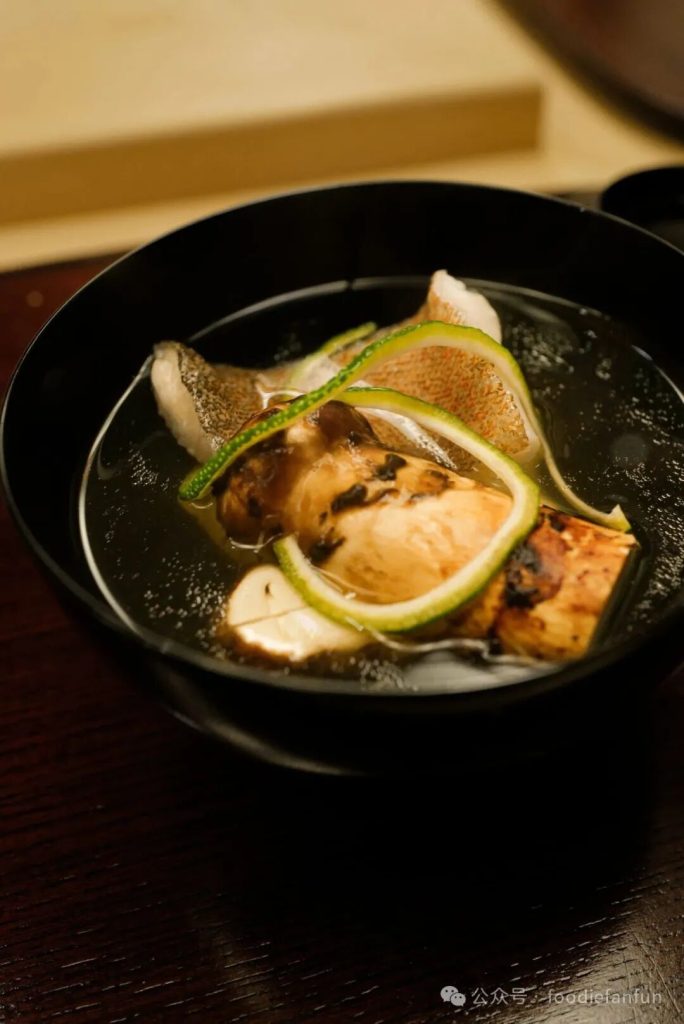
アコウと松茸のお椀
At the L-shaped counter, we watched Yamazaki-san carefully slice matsutake and an assortment of other mushrooms, then methodically stir-fry them in a small pot just behind the counter.
Matsutake was served two ways. First came a small bowl of zosui rice porridge to warm the stomach — fragrant, with the mushroom’s crunch and the plumpness of the rice grains both judged just right. Despite the generous handful of salt scattered in while stir-frying, letting salt carry the umami turned out to be a quietly convincing move.
The other preparation was a clear soup with grouper and sesame tofu. The large chunks of matsutake were genuinely satisfying to eat, with a crisp, crunchy bite. The sesame tofu, meanwhile, provided a sharp contrast with its heavy sesame aroma and soft texture.
The tableware shifted between lacquerware and porcelain, with the style of the dishes changing accordingly — small details that carried traditional aesthetics and etiquette.
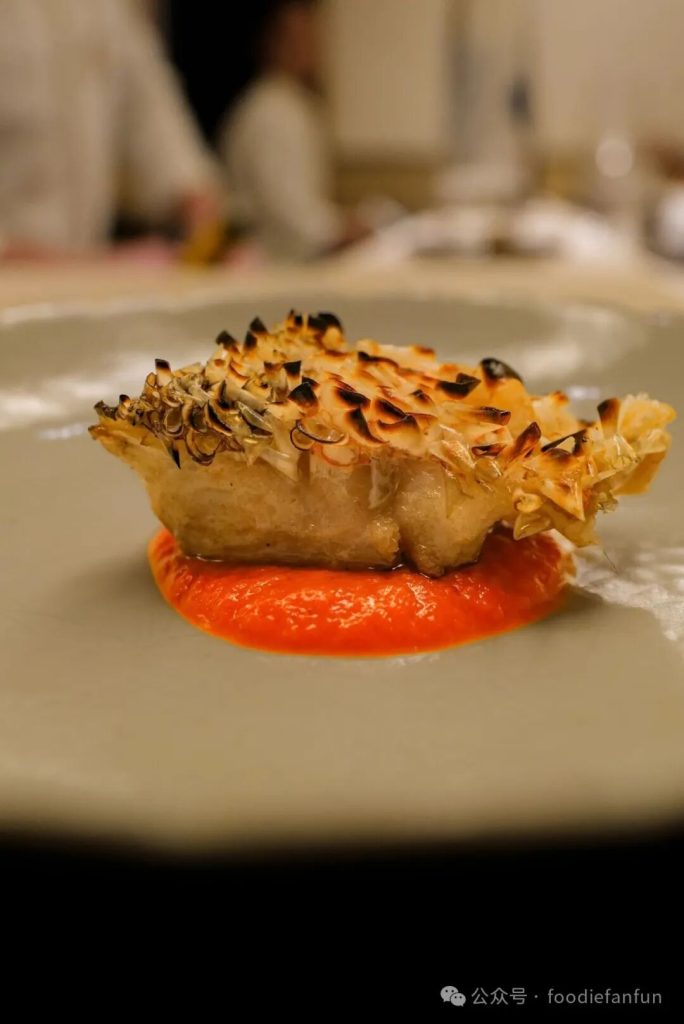
甘鯛の松笠焼き パレルモソース
It wasn’t the season when tilefish carries the most fat, but the matsukasa-yaki technique with a light smoke brought out just the right delicacy in the fish itself.
Underneath was his own Palermo sauce — bell pepper, tomato, olive oil — with a vegetal aroma that grabs your attention, pairing well with the fish’s subtle richness.
太刀魚の揚げ物
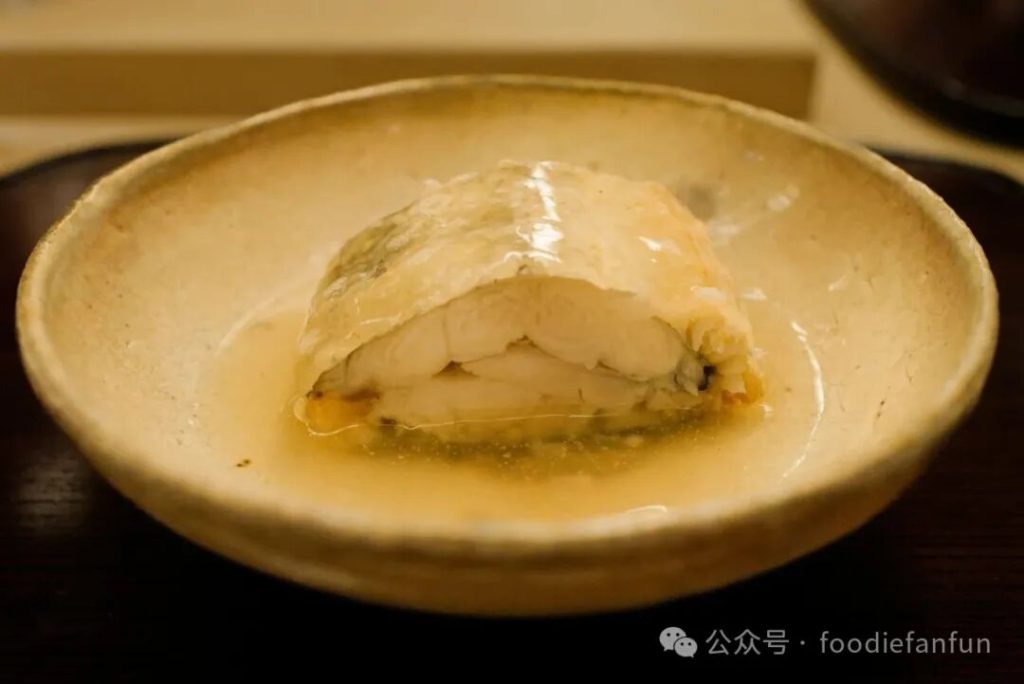
Tachiuo (cutlassfish/beltfish) is a favorite for fried dishes in autumn kaiseki, and at Yamazaki it came through with both an airy lightness and real aroma. Frying didn’t make it heavier — instead it gave the fish a brief brightness on the palate.
Coming just before the red meat course, it bridged into autumn with richness, while its light crispness kept the rhythm of the meal balanced.
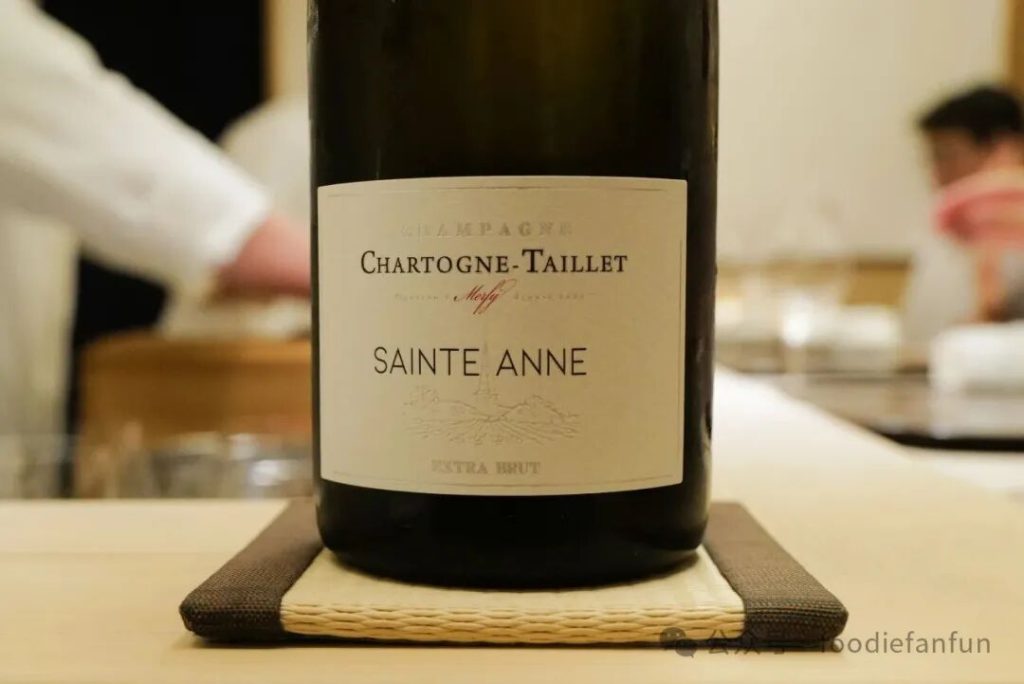
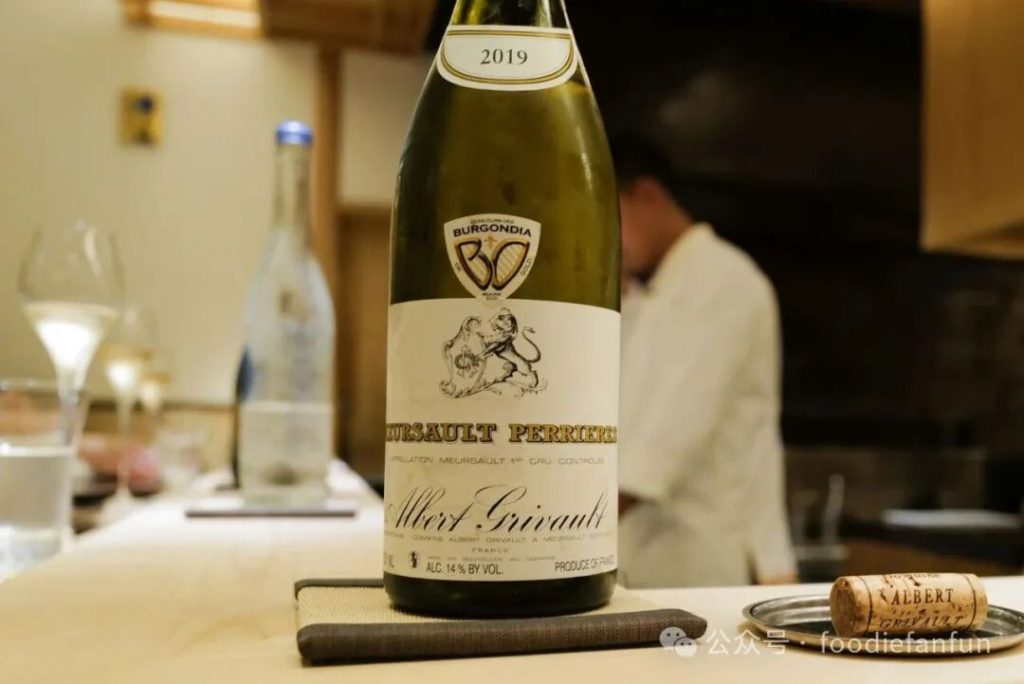
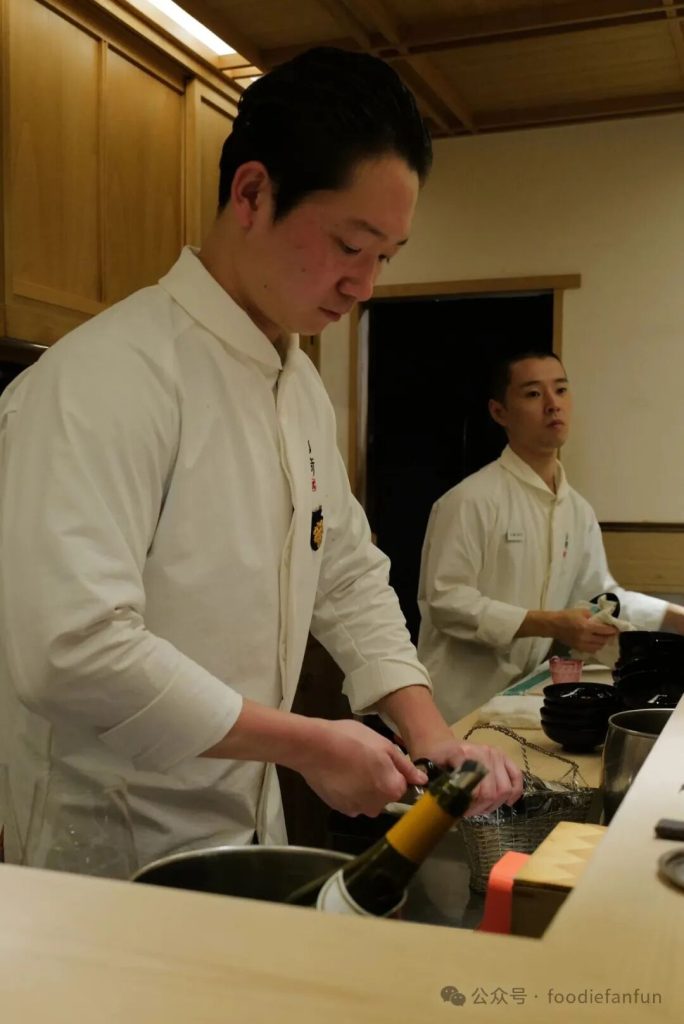
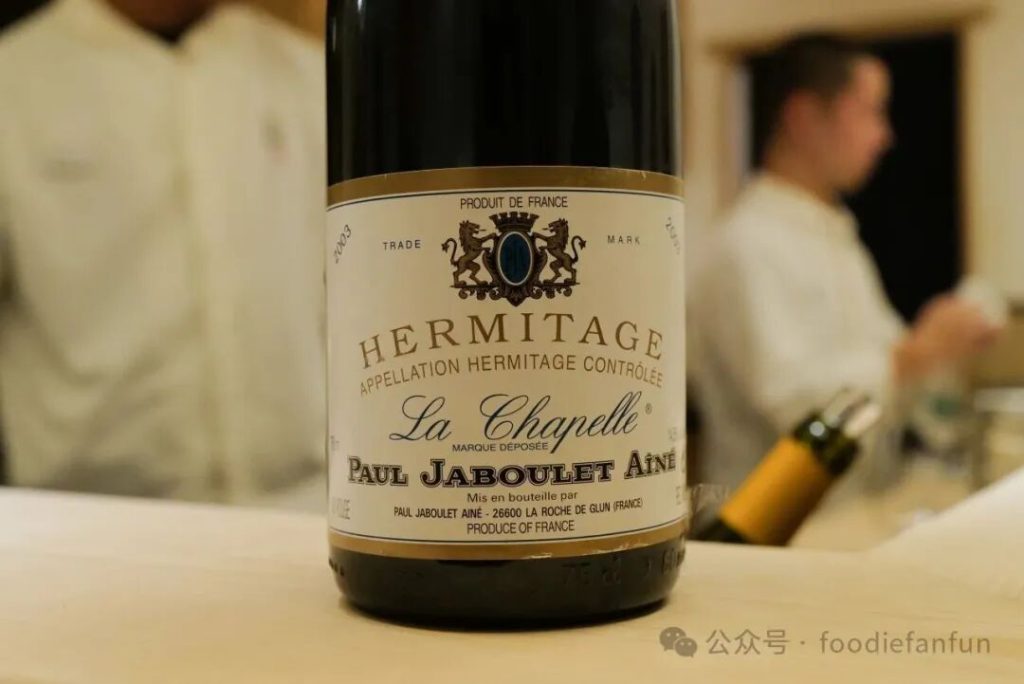
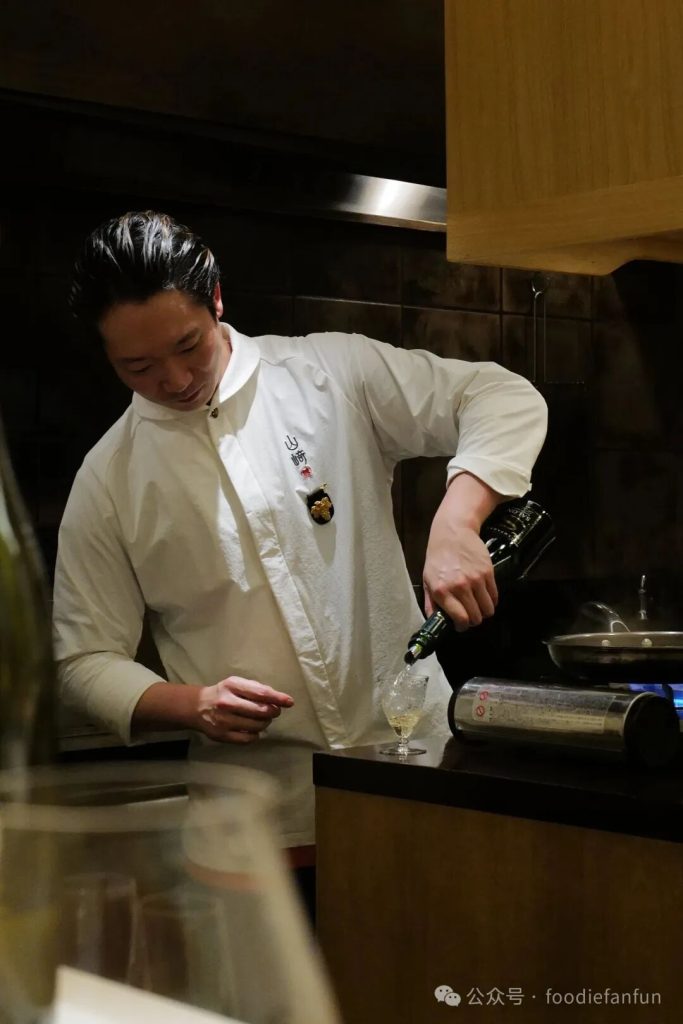
By this point the first bottle was running low, and on Yamazaki-san’s recommendation we picked the second wine of the evening — he opened it and checked its condition himself. He was essentially handling both the cooking and the wine service solo, yet managed it all without missing a beat.
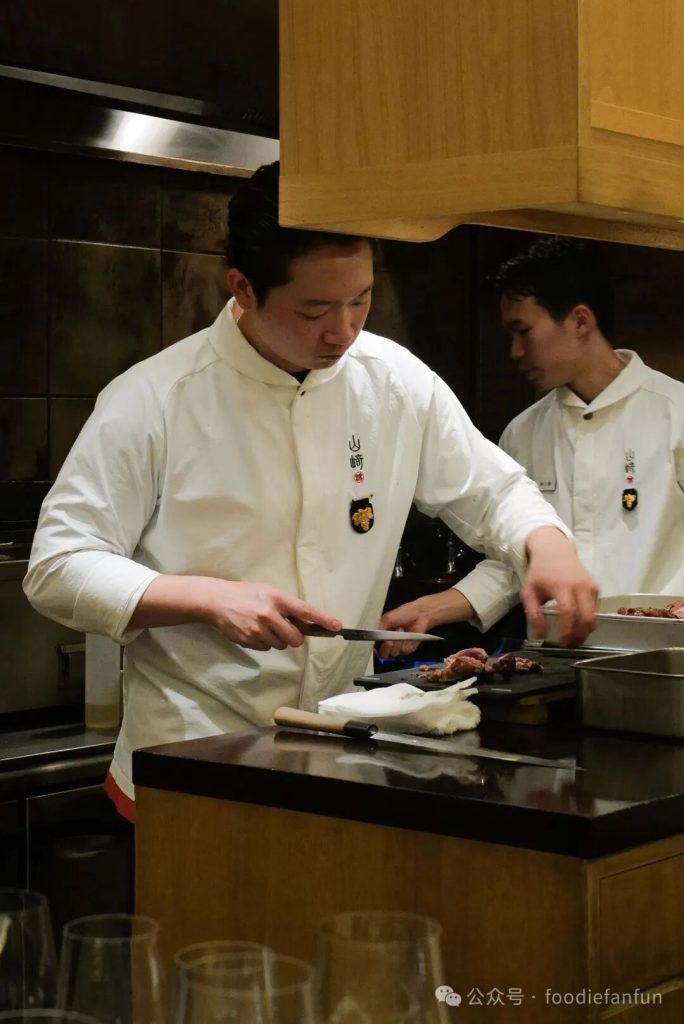
Noticing the small sommelier badge pinned to his chef’s uniform — a chef who truly knows his own wine list is a huge plus when you’re drinking at the counter.
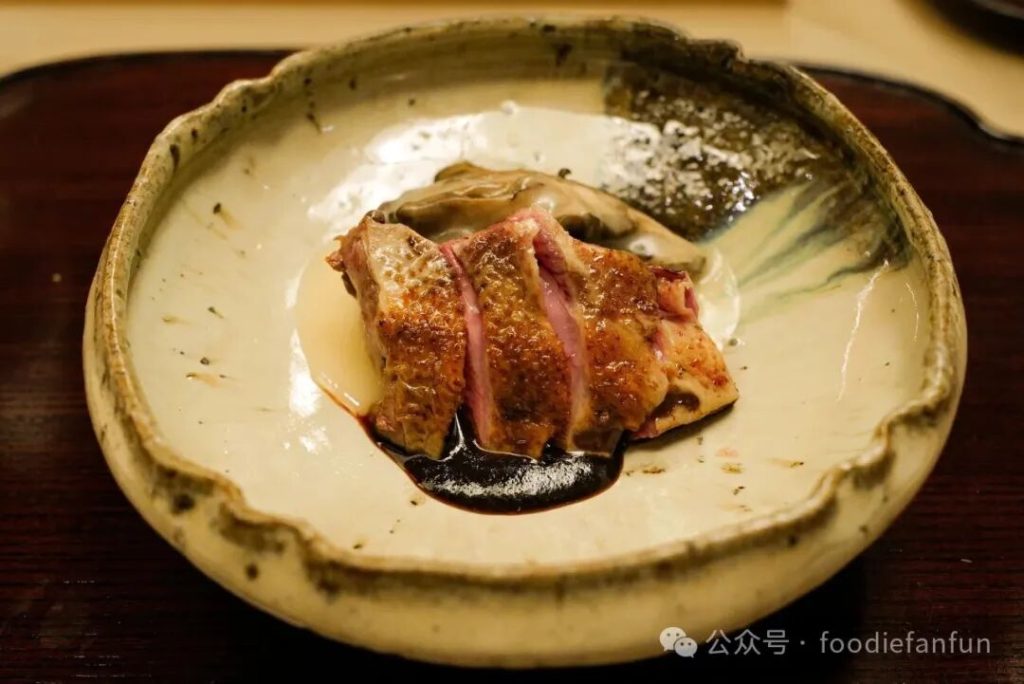
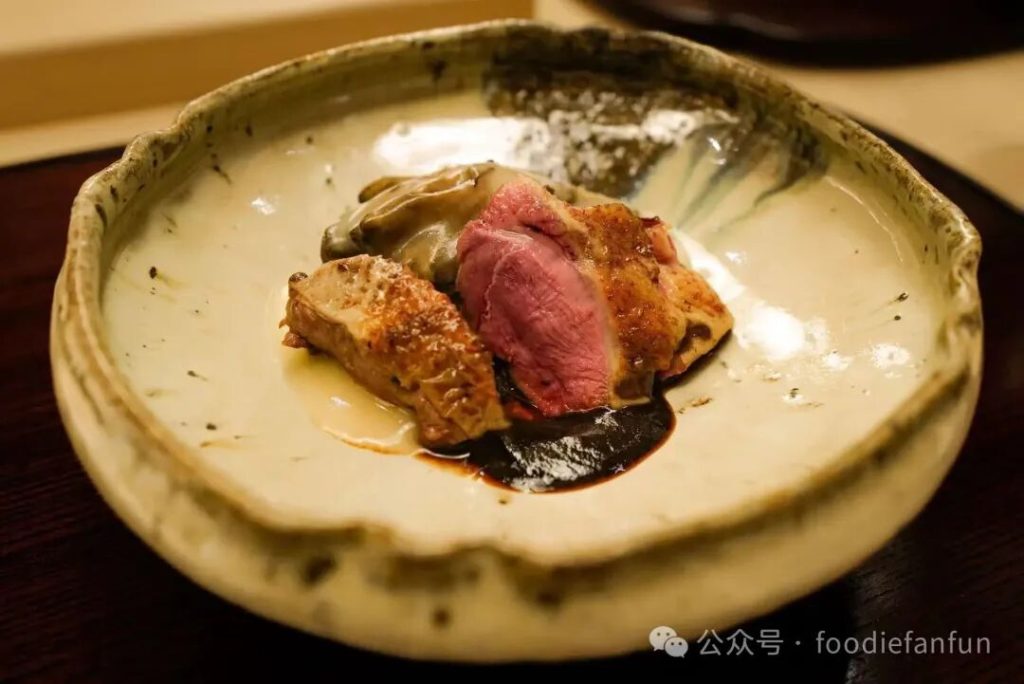
鳩の焼き物
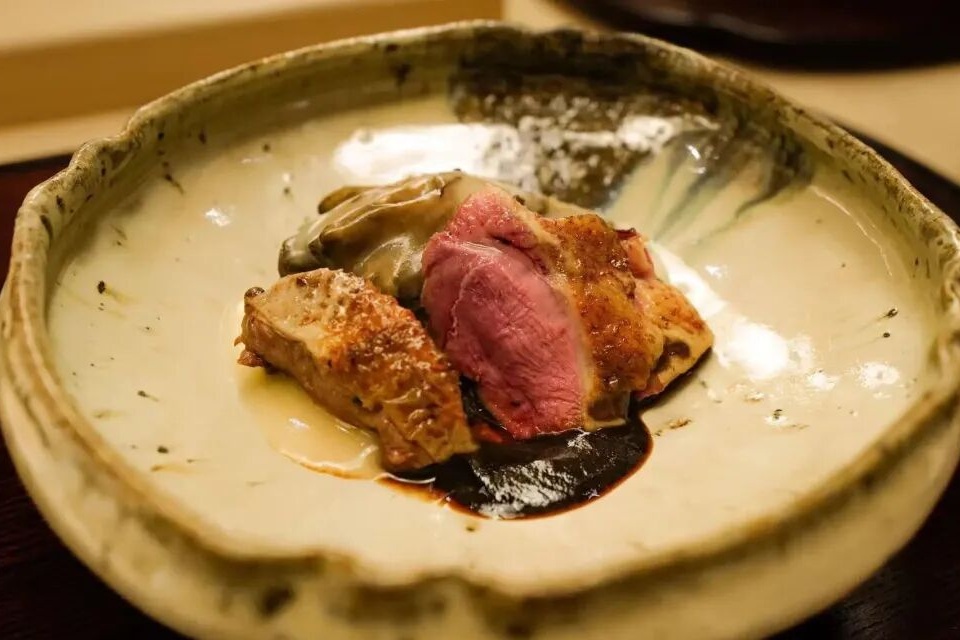
Watching from a distance as Yamazaki-san set the pigeon on the grill, anticipation kicked in right away. For him, pigeon is a dish he’d said he’d never serve a guest unless it met his own standard of satisfaction.
It didn’t disappoint. Cooked to a rare-medium doneness, it showed a soft pink blush. Against the charcoal aroma, the pigeon’s own scent was pushed right up to the edge between gamey and bloody.
The black roasted pigeon-bone sauce and the white simmered pigeon-bone stock were an interesting pairing, but both were applied to the meat with restraint, used more to underline the pigeon’s own texture and aroma than to dominate it.
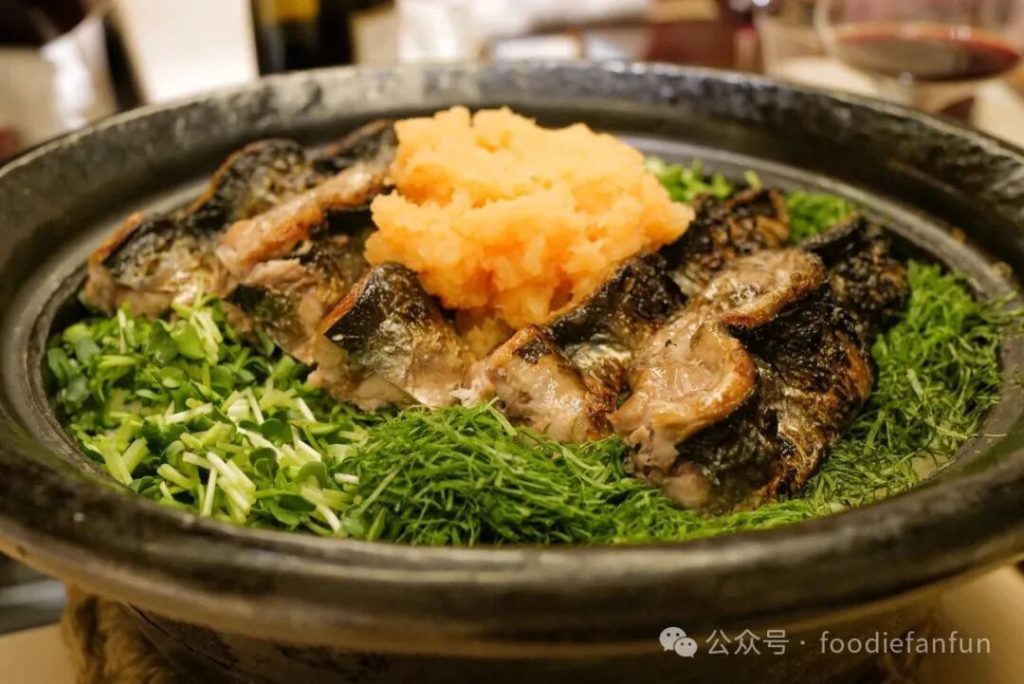
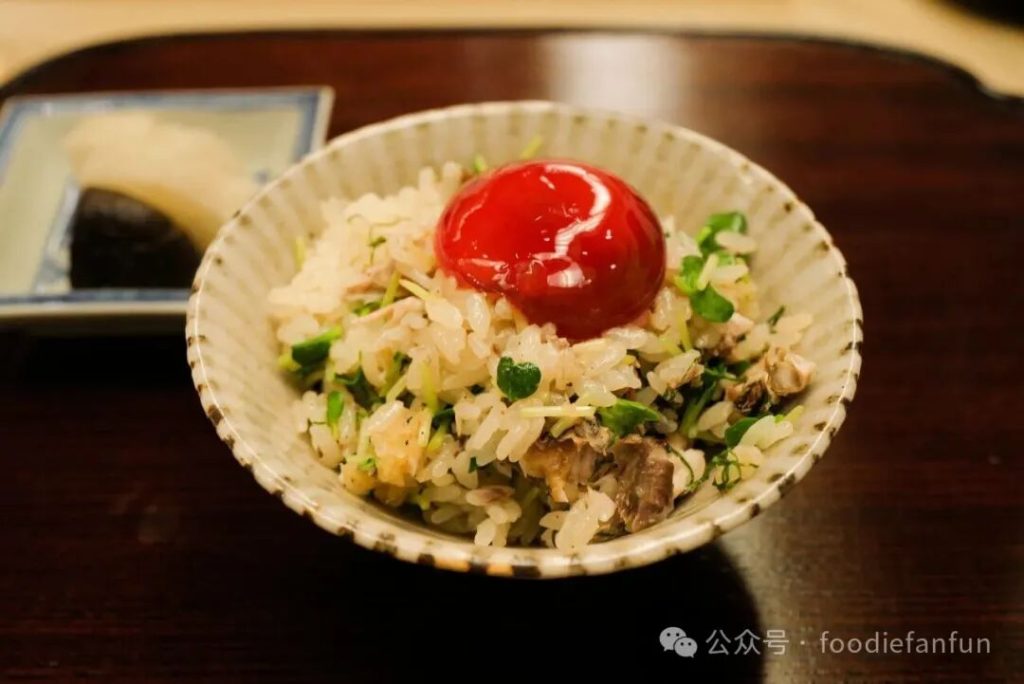
秋刀魚のご飯
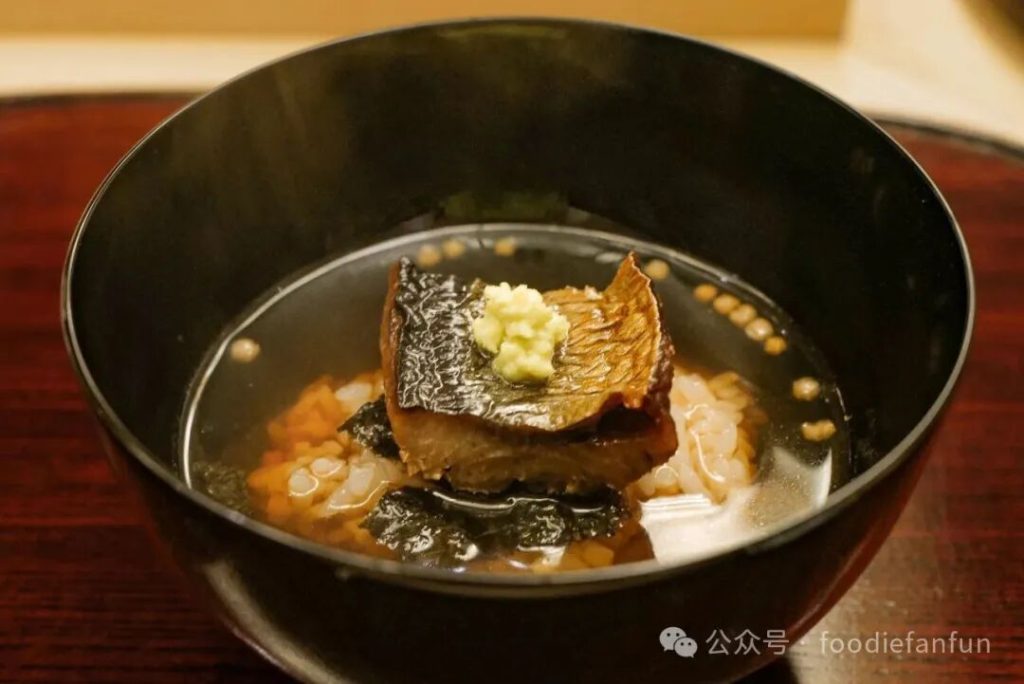
にしんのお茶漬け
Yamazaki-san’s menu doesn’t look like it has that many courses, but every portion is substantial. For the rice course, he even prepared two versions — kamameshi and ochazuke.
One was straightforward satisfaction — sanma (Pacific saury) grilled until its fat rendered dark and fragrant, set against the fresh green scent of herbs. The other was sweet-cured, air-dried herring, its settled aroma unfurling in the tea broth — after a few rounds of drinking, a comforting way to land the meal.
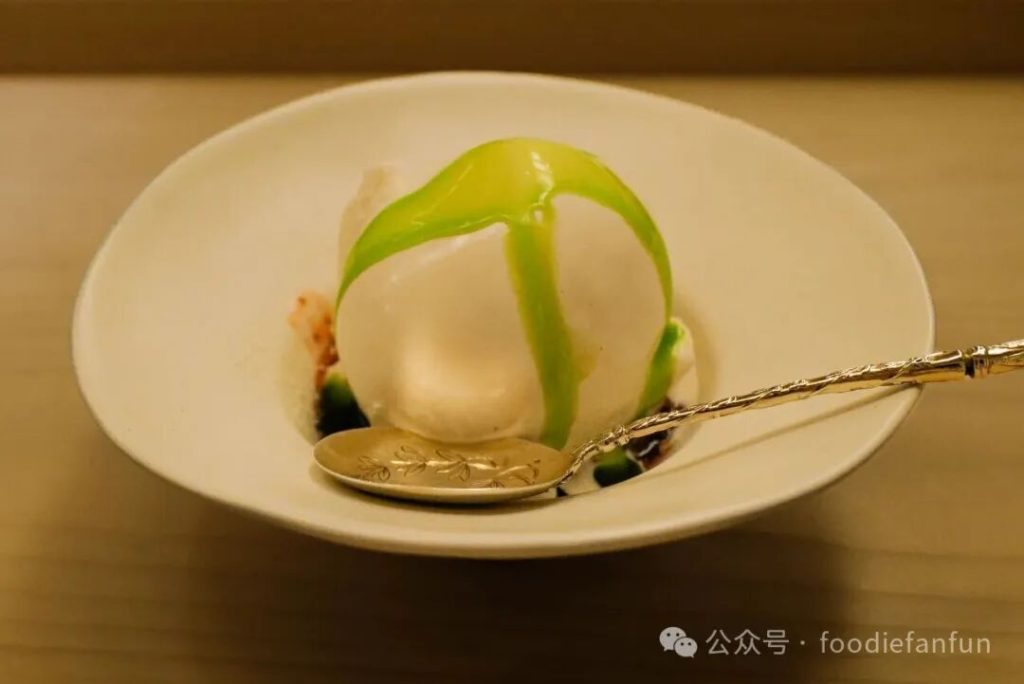
ジャスミンのアイスとクロイチジク
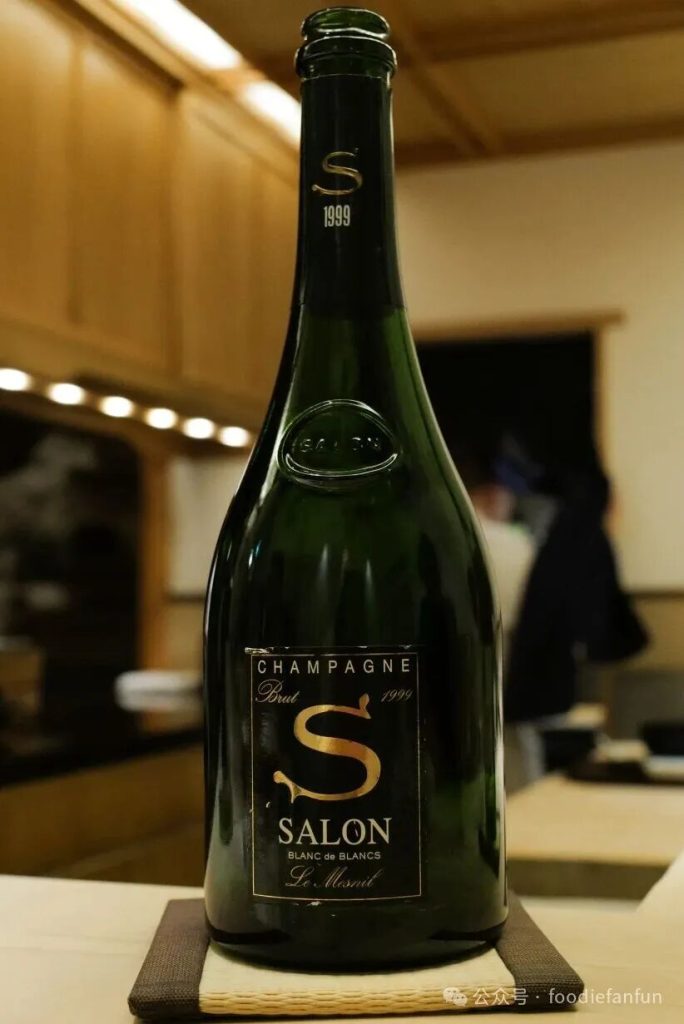
The final dessert was a knockout too — a ’99 Salon Champagne was used to make the sauce, and its aroma exploded across the entire counter.
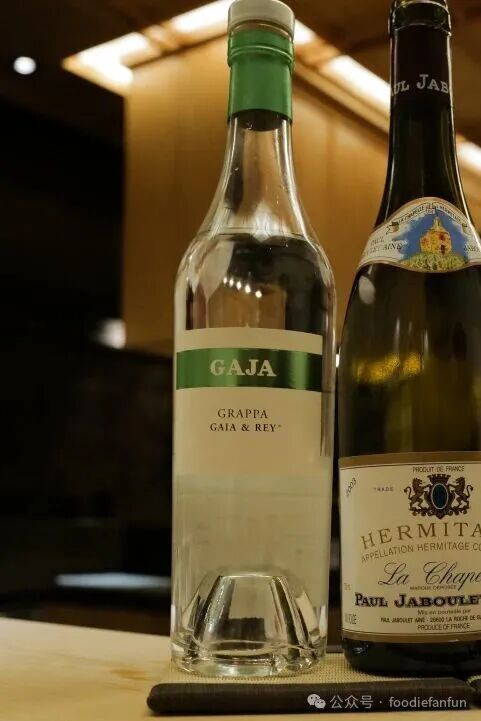
The Earl Grey ice cream itself held its own too — beyond the intensely silky texture and beautiful tea aroma, a layer of meringue hidden at the bottom of the bowl added a light touch of sweetness. And that’s not all — toward the end, a splash of Gaja’s grappa was poured over the ice cream, dialing back the perceived sweetness.
A dessert that looks almost recklessly generous with its ingredients, yet is expressed with delicacy and completeness.
Whether it’s the food or the atmosphere at the counter, Yamazaki hits exactly the aesthetic I love. In Yamazaki-san’s hands, every dish comes across as multidimensional, detailed, complete, and crisp.
You can see the traditional craftsmanship and aesthetic sense, and you can also see the extra dimensions that come from folding in modern, cross-cultural elements. Some techniques hit you with real visual and aromatic force, yet every small detail is still nailed once it lands on the plate.
I finally understood what people mean by the legendary phrase “Yamazaki’s food has real contour.”
Friends who like to drink will have a more relaxed experience booking the second, 8:30pm seating. The way Yamazaki handles every bottle without missing a beat is also a major part of what makes the counter experience so comfortable.
Yamazaki
Nishi-Azabu UOU Building 1F, 1-15-3 Nishi-Azabu, Minato City, Tokyo
Tuesday – Saturday
5:30 PM -11:00 PM
https://yamazaki0823.com/j/
Chef’s Menu JPY 44,000++
I love it — don’t miss out on a single season to come.
Leave a Reply