

With so many restaurants in Tokyo, Naoto.K may not be the single jewel at the very tip of the pyramid, but it’s definitely one of those places that feel special, stay on your mind, and make you want to go back again and again. And the best part: it’s actually bookable—you can often get a seat just a week in advance.
Dining at Naoto.K feels like watching a live show. It’s been a long time since I’ve sat at a counter and watched a chef personally sauté every sauce from start to finish. And the presence of a top-tier pastry chef pretty much holds up the “soul” of the restaurant as a French kitchen.
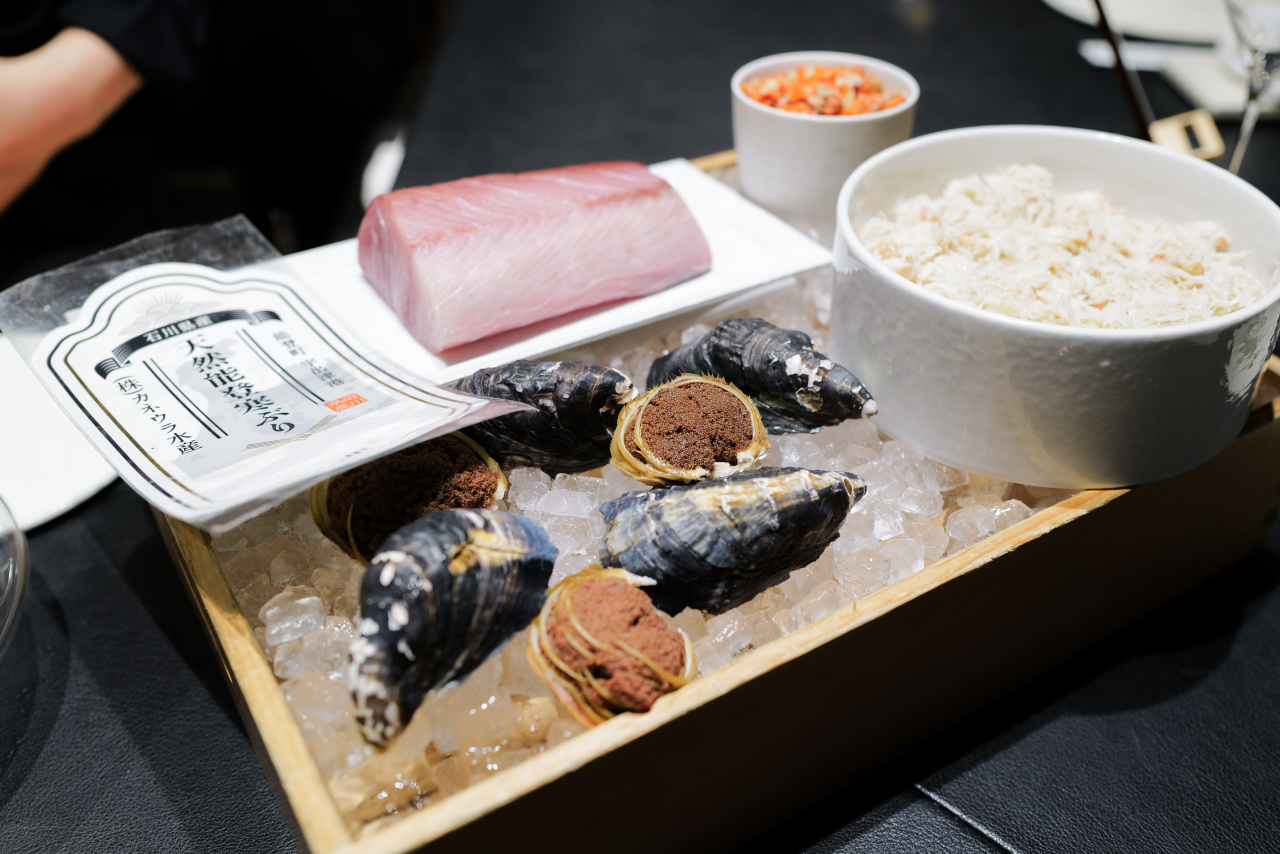
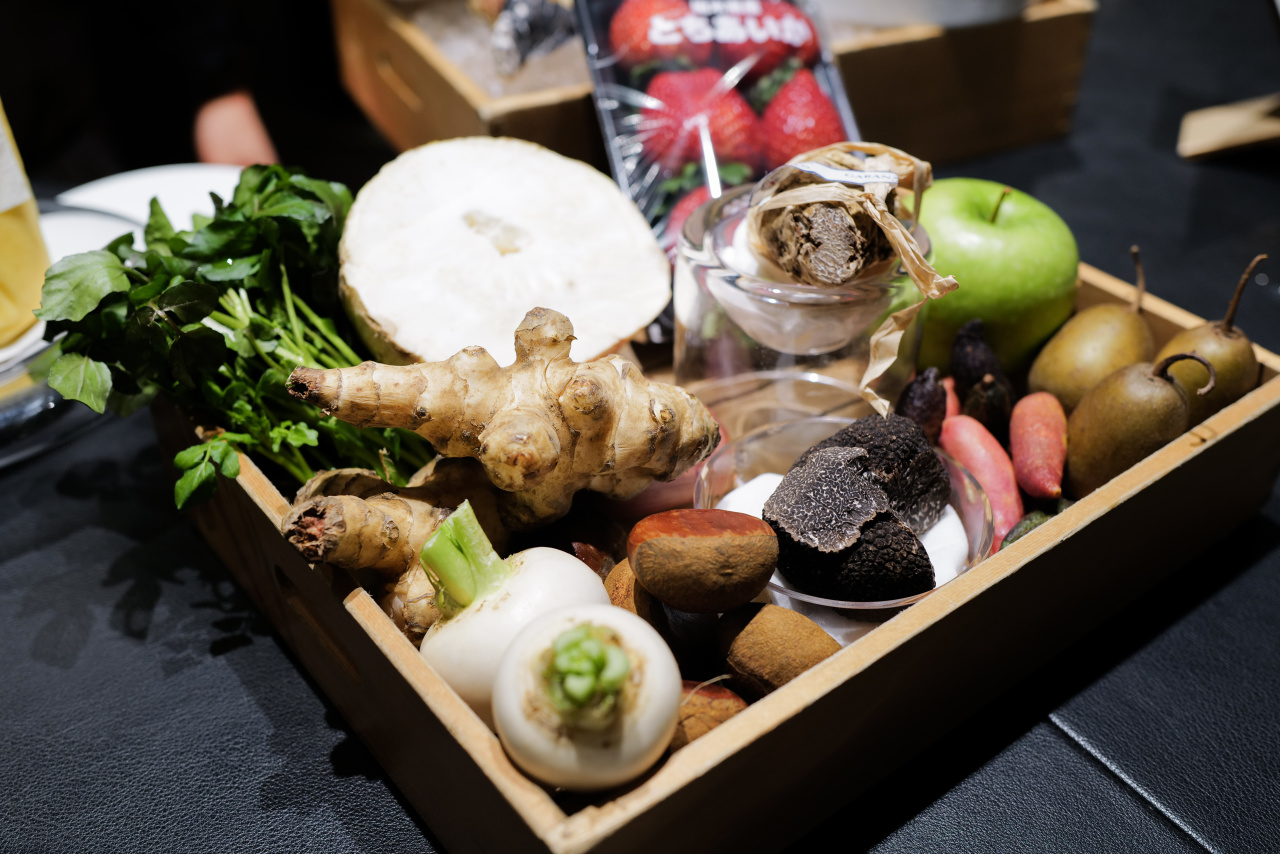
Unlike many chefs who come to Tokyo to chase their dreams, Chef Naoto Kishimoto is actually from Tokyo. He fell in love with French cuisine through TV dramas, then went to train in Paris, the Loire Valley, and Burgundy before returning to Tokyo to build his own path.
From Ostral in Ginza, to L’Embellir in Minami-Aoyama, to his current restaurant Naoto.K, this is already his third place as head chef. Rather than just a job, it feels more like the culmination of his 40-year career—a personal “greatest hits” in restaurant form.
Reading past interviews with Kishimoto-san, you can tell his brain works a bit differently. At L’Embellir in Minami-Aoyama, he realized his dream of running a grand maison—but gradually felt out of sync with the layers of formality and distance created by the space and service.
So in Kanda, the new restaurant was completely reimagined. Everything was stripped back to counter seats and an open kitchen, putting all the heat, smoke, and ingredient transformations right in front of the guests.
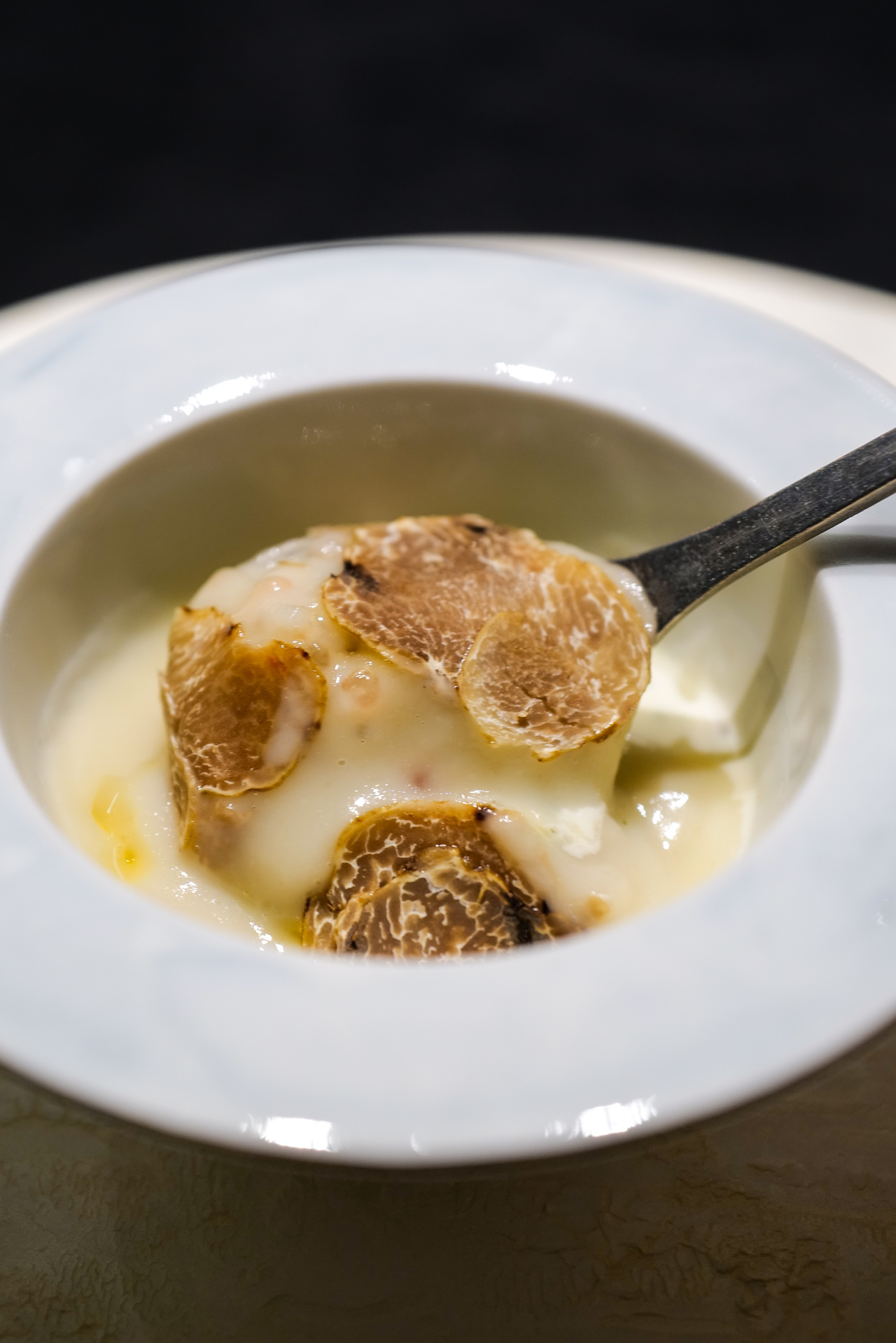
Naoto.K doesn’t open with a flashy, show-stopping beginning (though thankfully, as the meal proves, this is very much a slow-burn, rising curve).
The oyster with white truffle arrived first. The oyster was cooked to not even a third done—bright, tender, with a sharp freshness and acidity that really stood out. The truffle, however, despite being a seasonal luxury, showed mostly looks and almost no aroma.
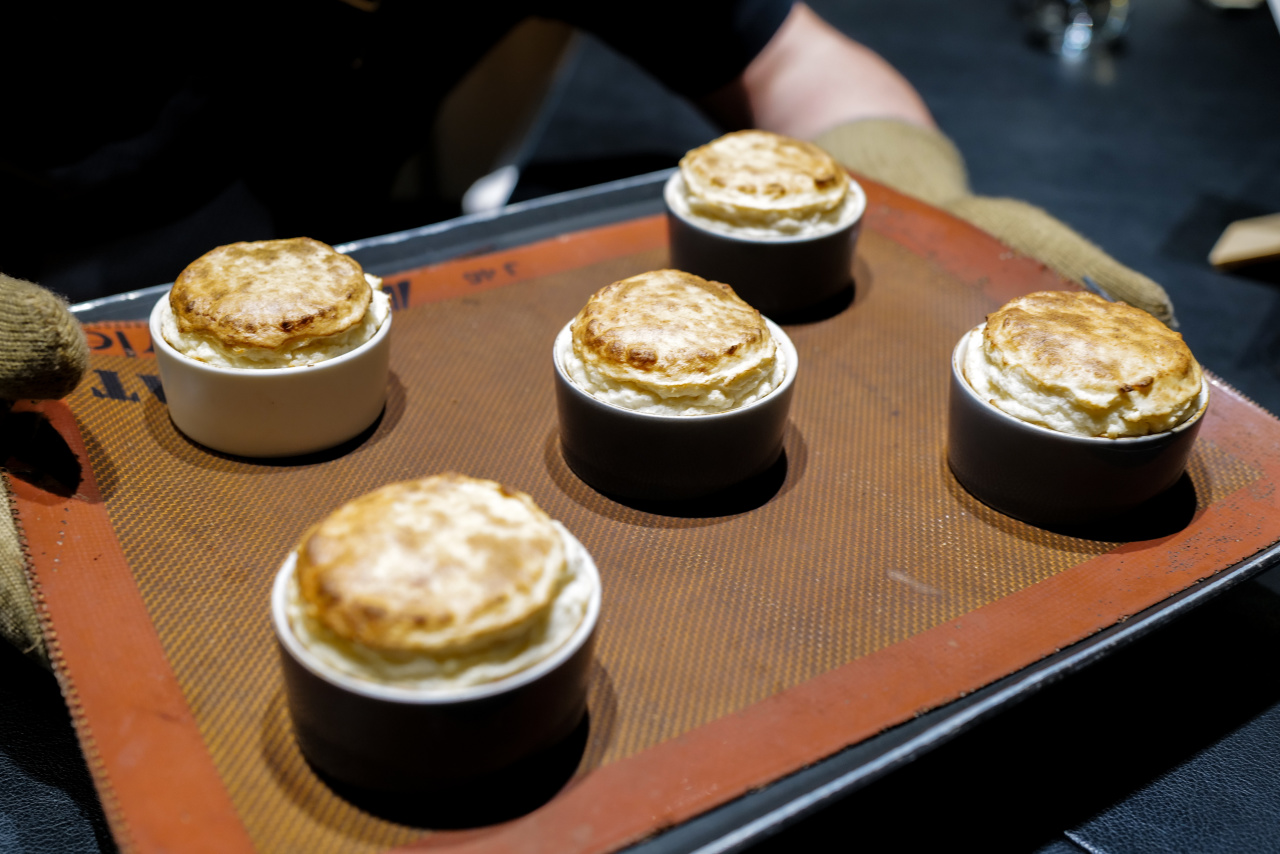
The lobster soufflé was baked to incredible volume and softness, carrying just the right amount of sweetness and umami. The potato beneath was crisp on the outside and fluffy inside, aromatic and comforting. The only misstep was the lobster itself, which was a bit too salty.
You could feel the quality of the ingredients and the skill—but it still felt like the kitchen hadn’t fully settled into its stride yet.
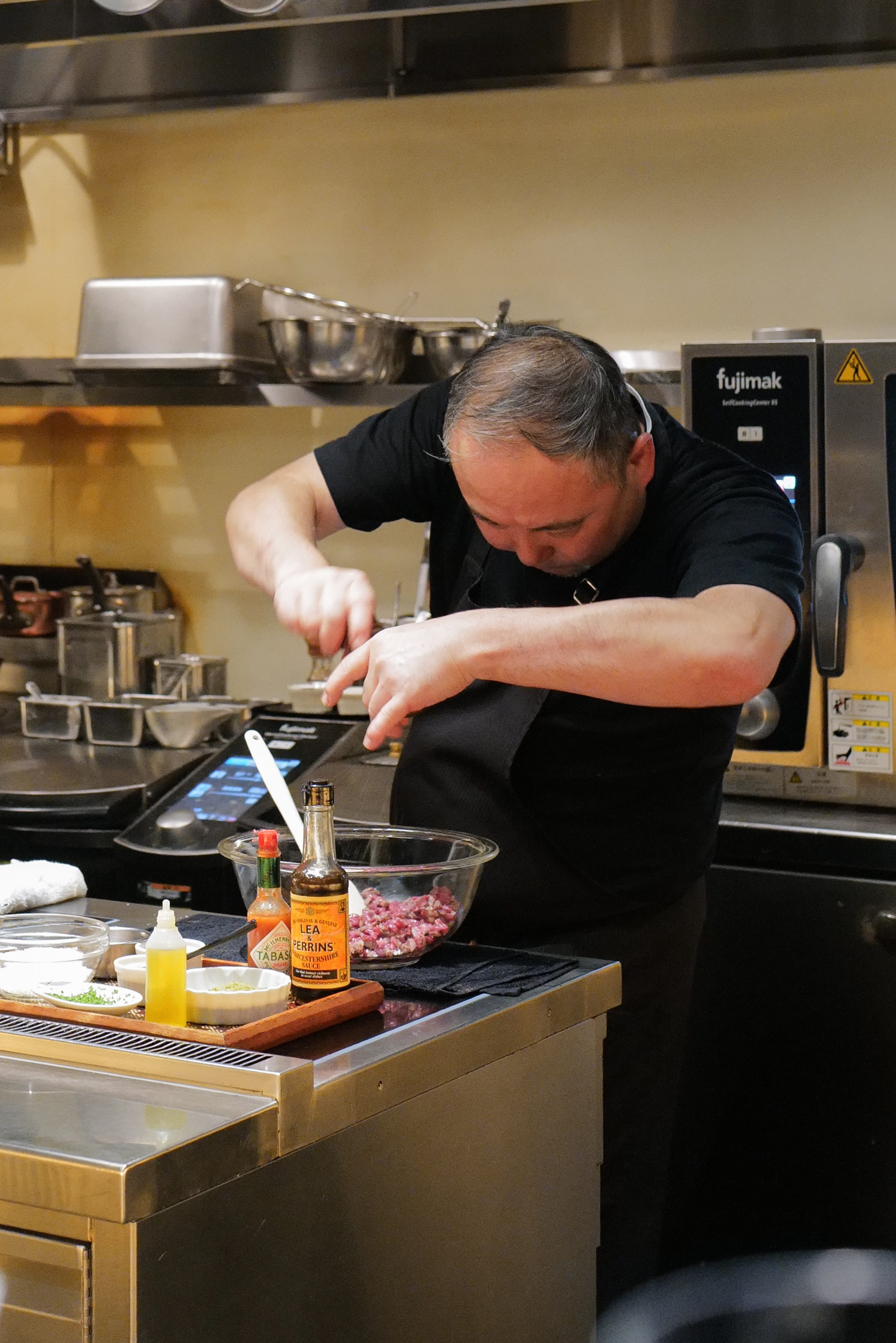
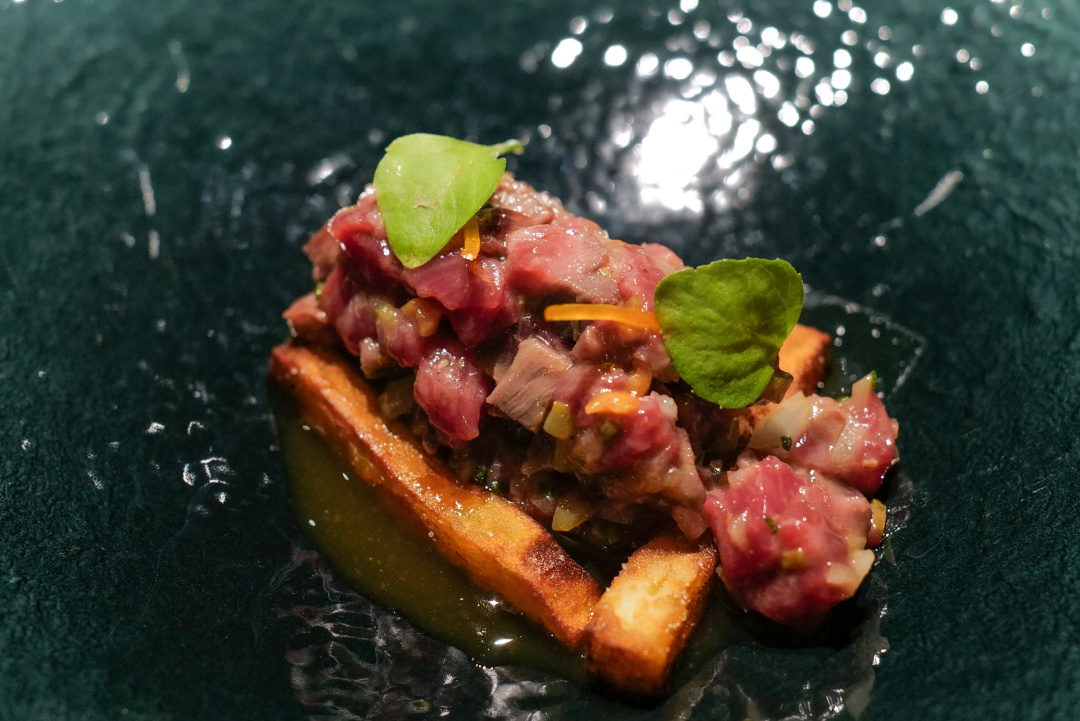
The wagyu came from Nakasei in Kyoto, Tajima beef aged for 45 days, lightly seared and then turned into a tartare—tender with a slight crunch.
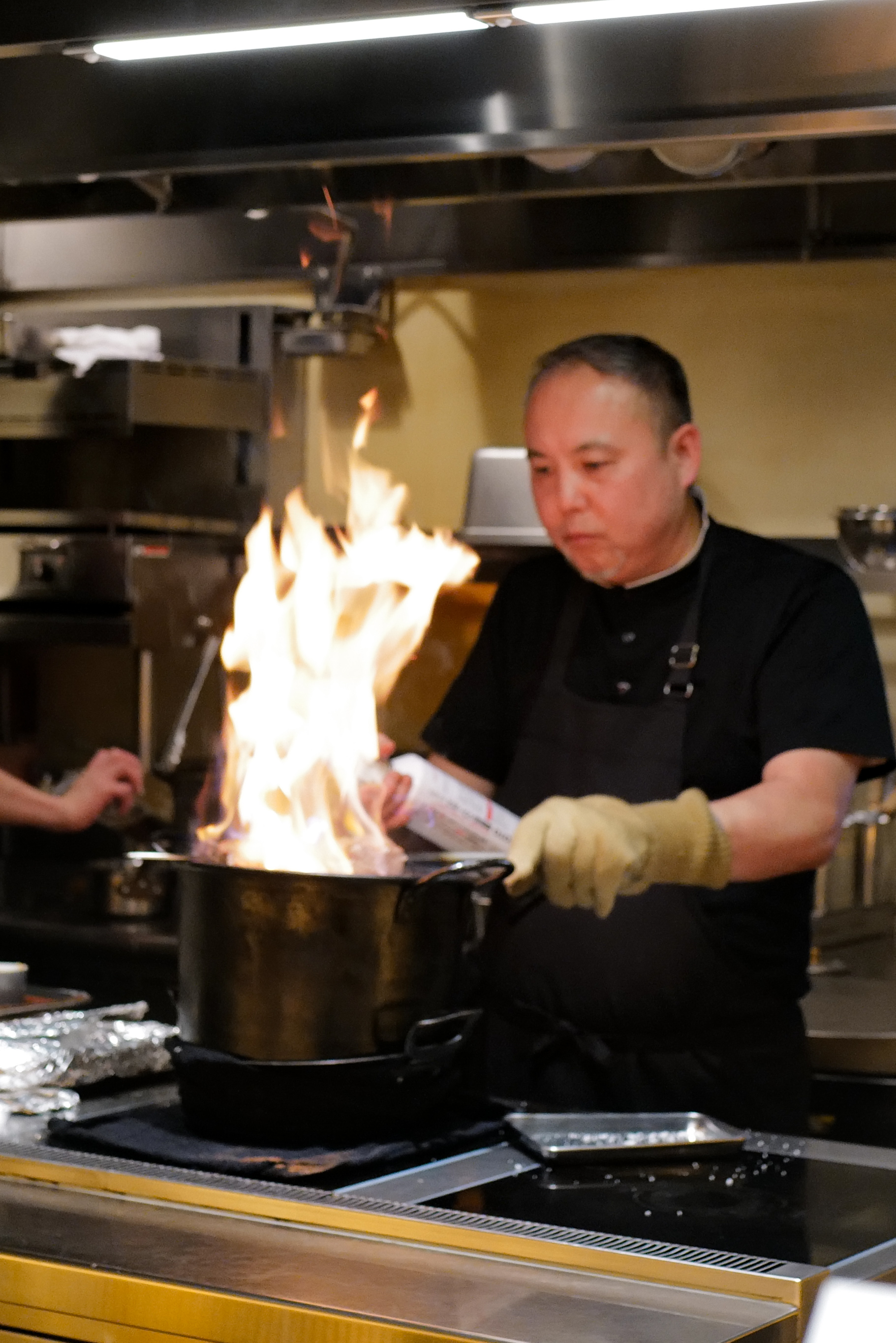
From the moment the beef hit the pan, every step was done directly by the chef: seasoning, adding each ingredient, mixing again and again. Even the fries on the side felt like they had a clear idea behind them.
Before this dish, I honestly couldn’t remember the last time I’d seen a head chef in a well-staffed kitchen keep this much of the work in his own hands.
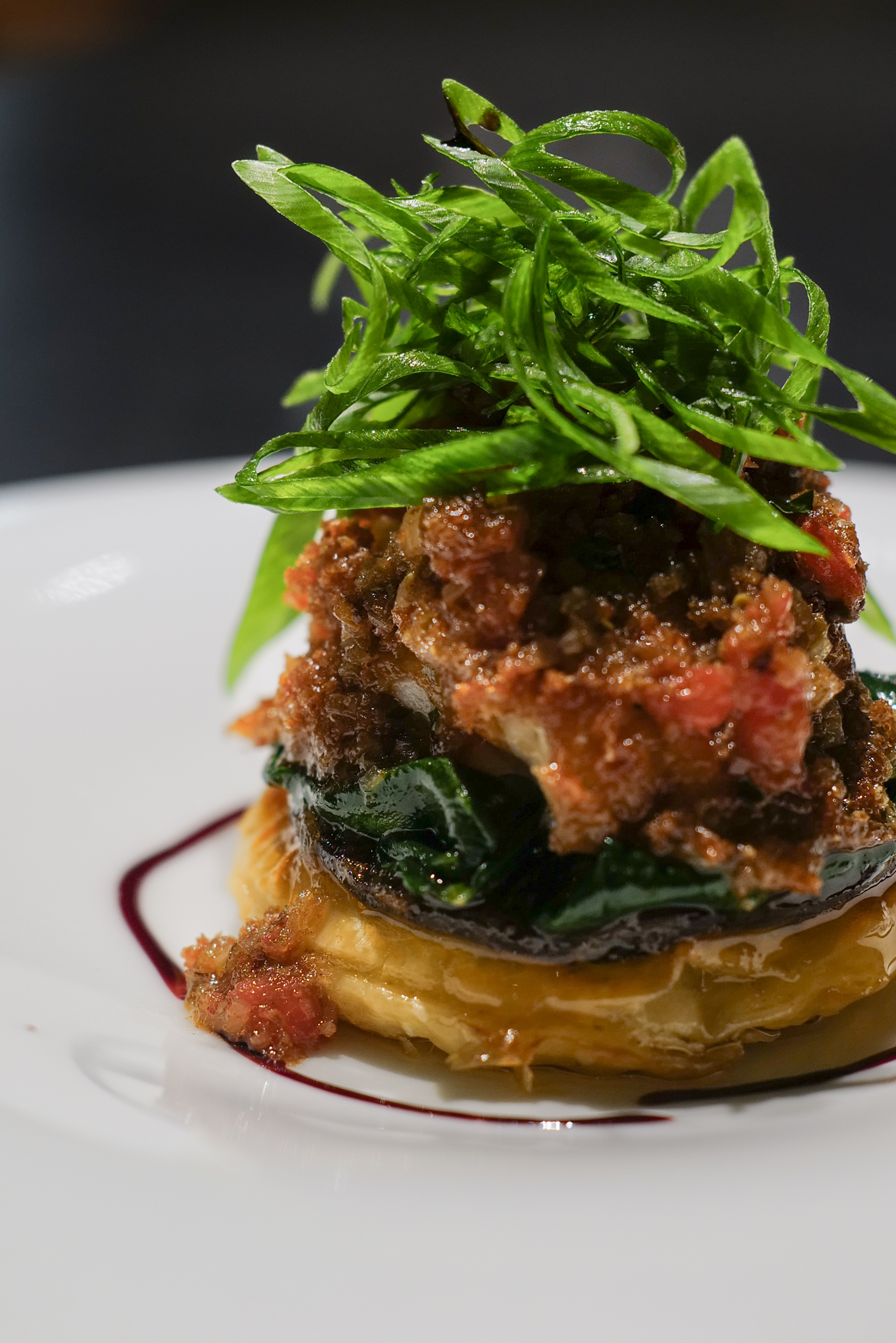
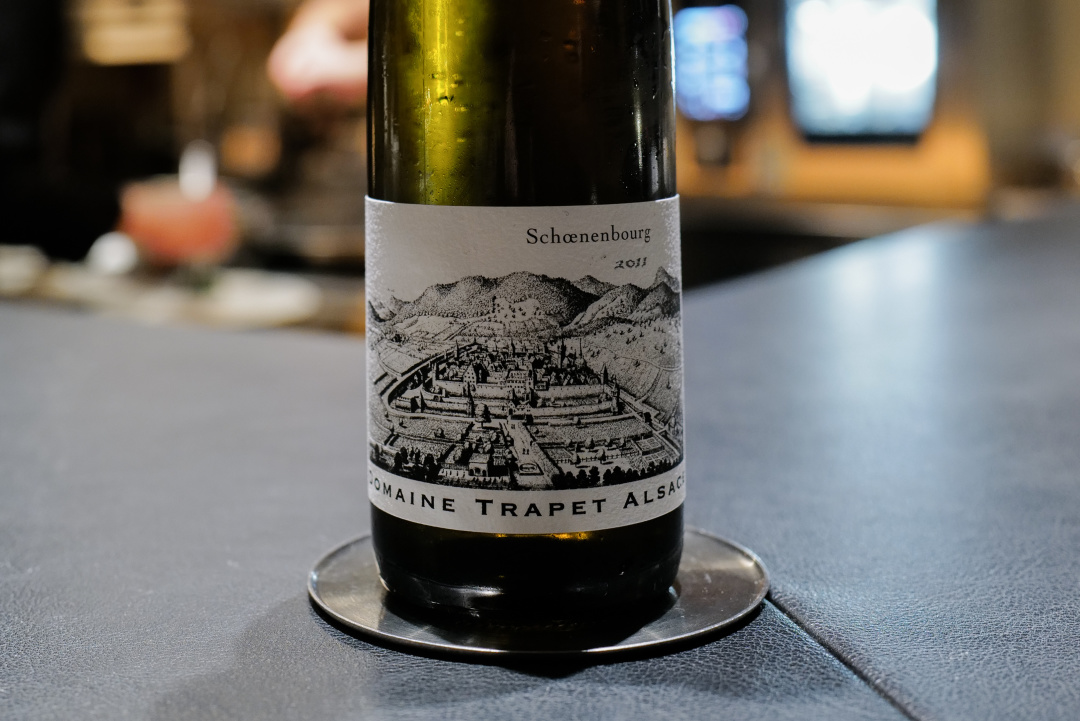
Winter is unmistakably shirako season, but this was my first time having shirako meunière.
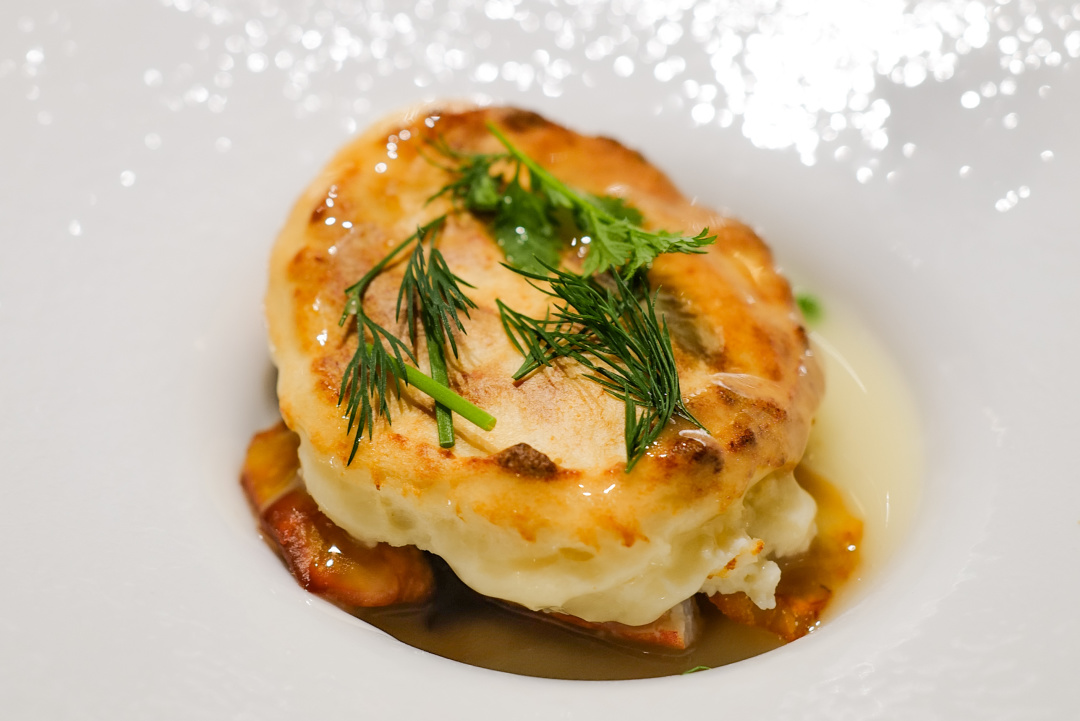
Large, snow-white lobes of shirako were pan-fried until golden. The acidity and fragrance from herbs and lemon balanced the richness perfectly. Cutting through the layered green onion and crisp tart shell was a bit messy, but the satisfaction on the palate made it easy to forget everything else.
Rich yet fresh, assertive acidity, beautiful balance.
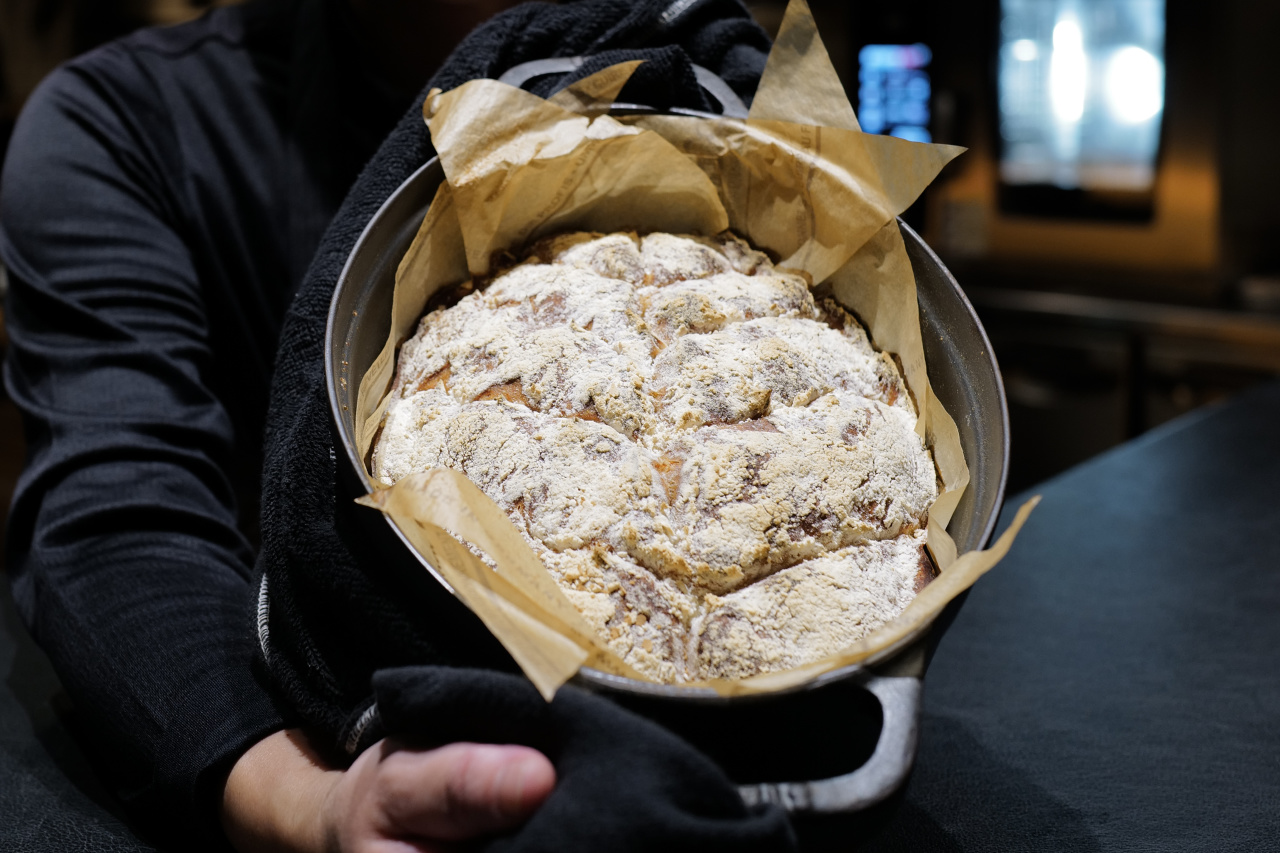
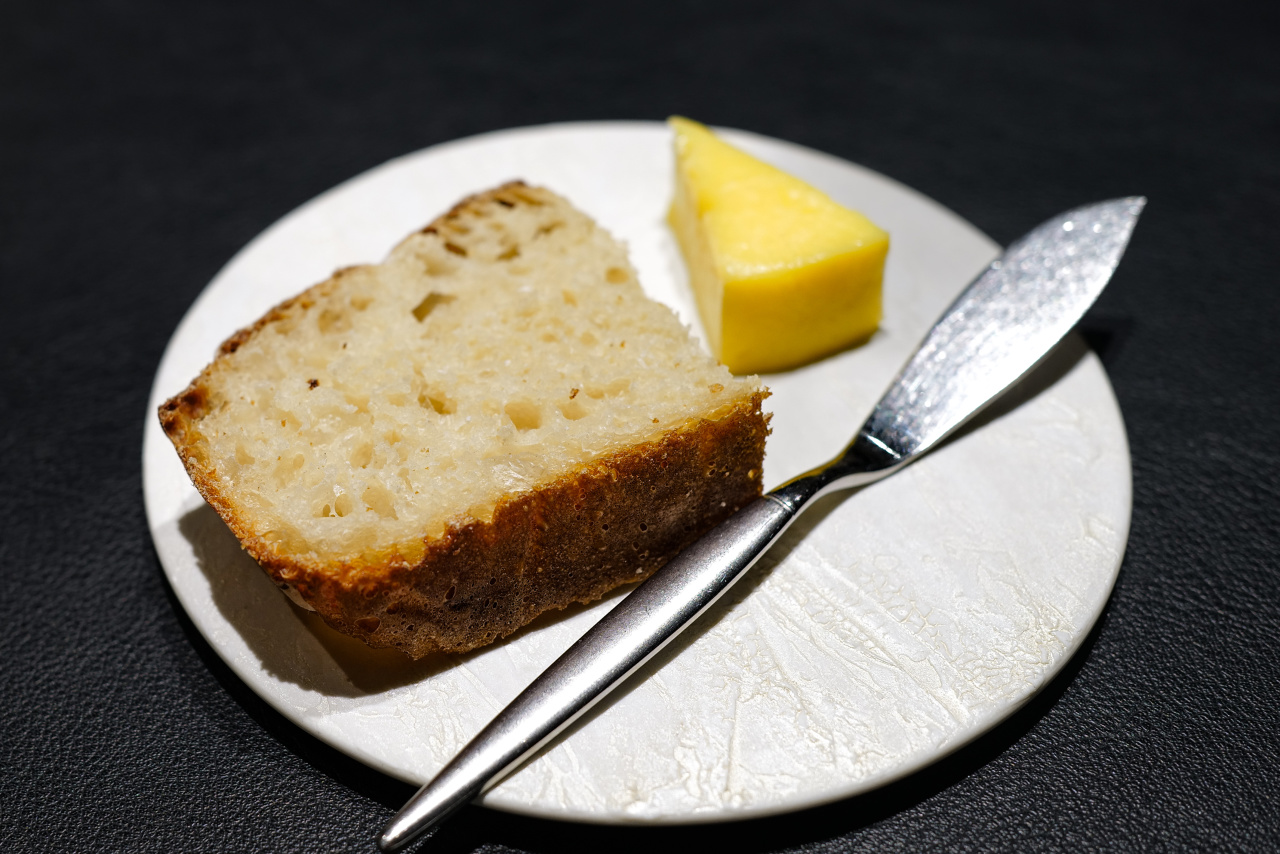
I’d already heard from several friends that Naoto.K has a seriously talented pastry chef, and sure enough, the bread course already made that clear.
Baked in a large cast-iron pot, the bread wasn’t trying to be a pure, aggressive sourdough like many restaurants aim for. Instead, some butter is worked into the dough, giving it a softer, more delicate texture that fits much better with Kishimoto-san’s high-satisfaction style of cooking.
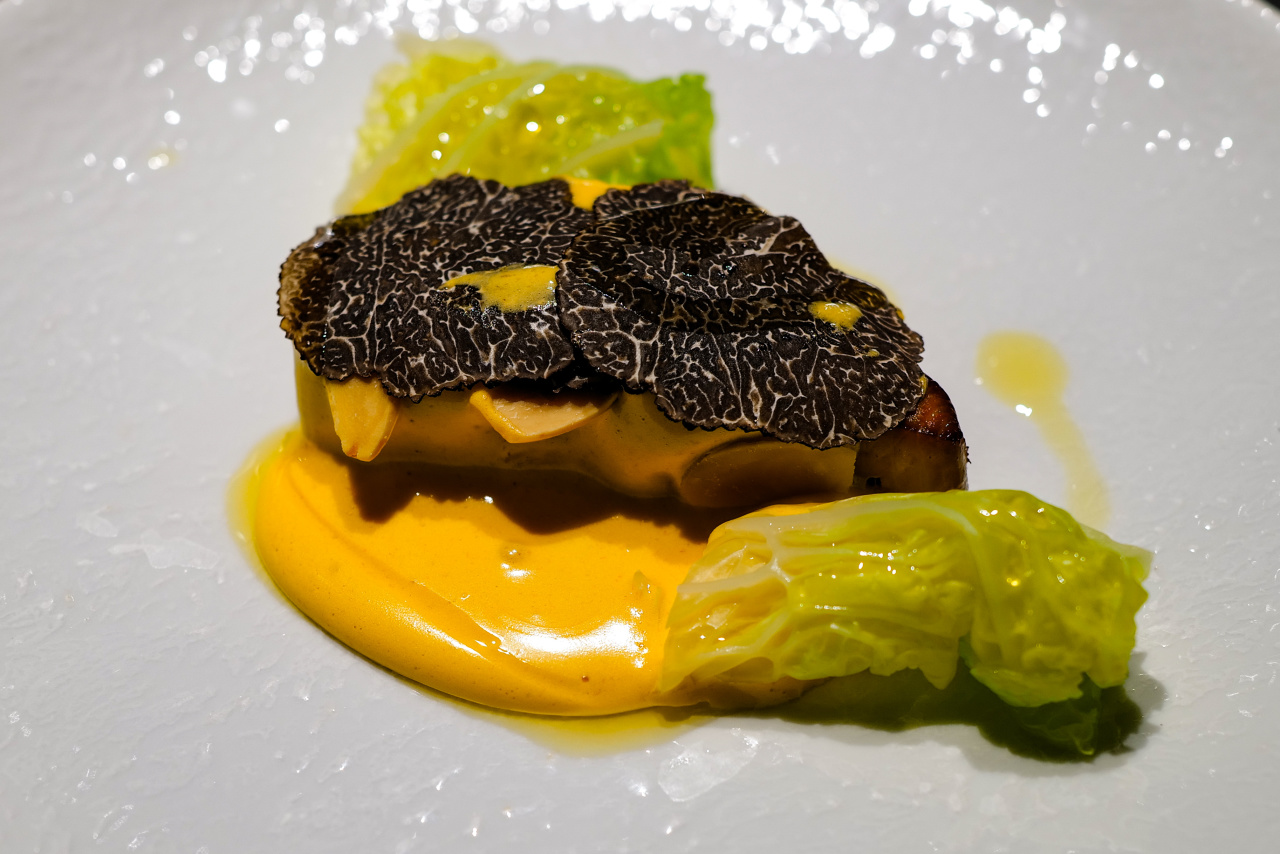
The buri that followed was a touch overcooked, and the black truffle on top again didn’t really show much character.
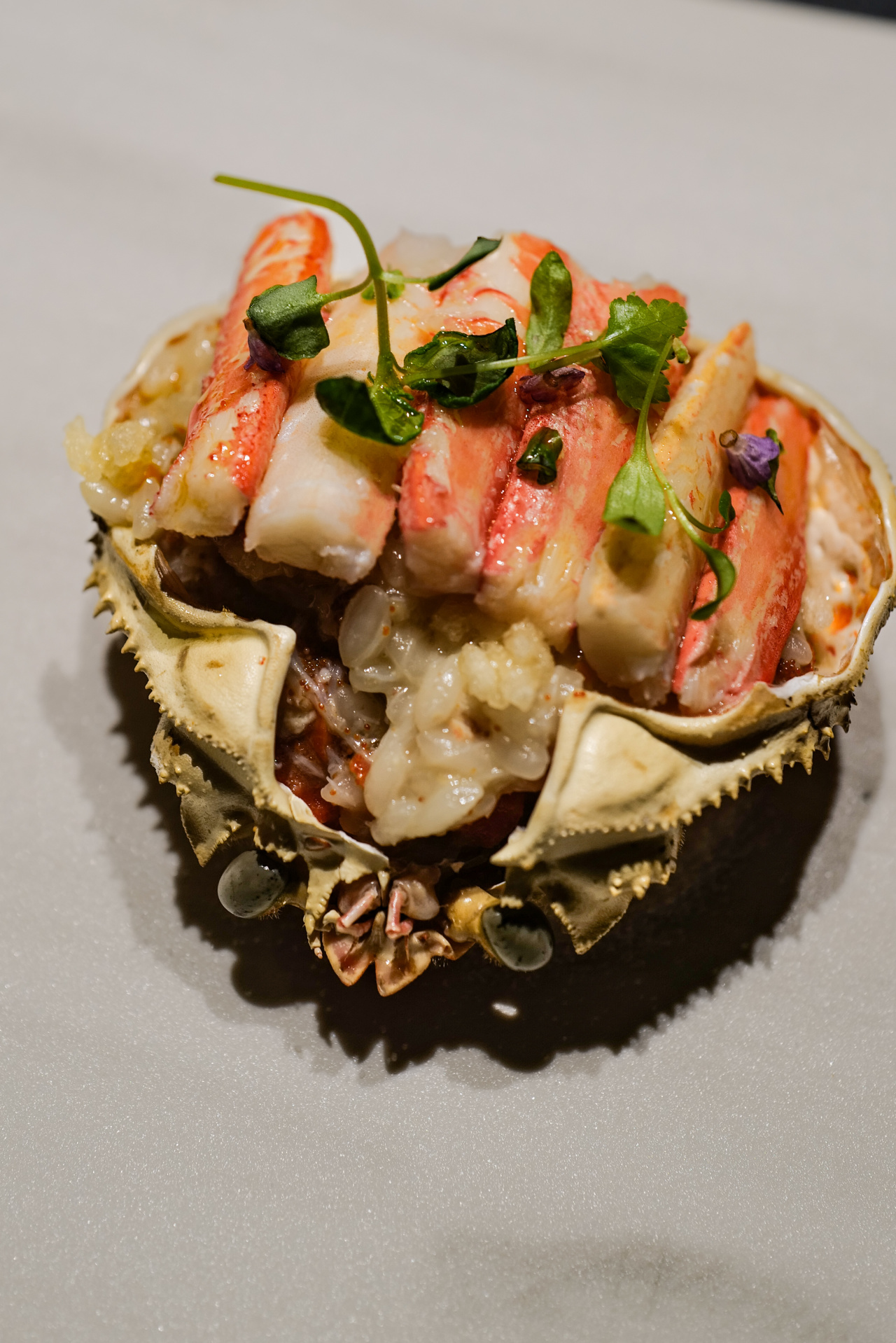
Kobako crab is one of those non-negotiable ingredients in a Japanese autumn–winter season. In more traditional settings, you usually see every part of the crab carefully picked and arranged so you can enjoy both meat and roe without lifting a finger.
Kishimoto-san, however, turned it into a kobako crab risotto. Every bite was packed with deep umami, dairy richness, and a lingering sweetness. Soft crab meat, crunchy roe, rice that was firm outside and tender within—it was a full-on happiness combo.
The only caveat: the seasoning leaned quite heavy.
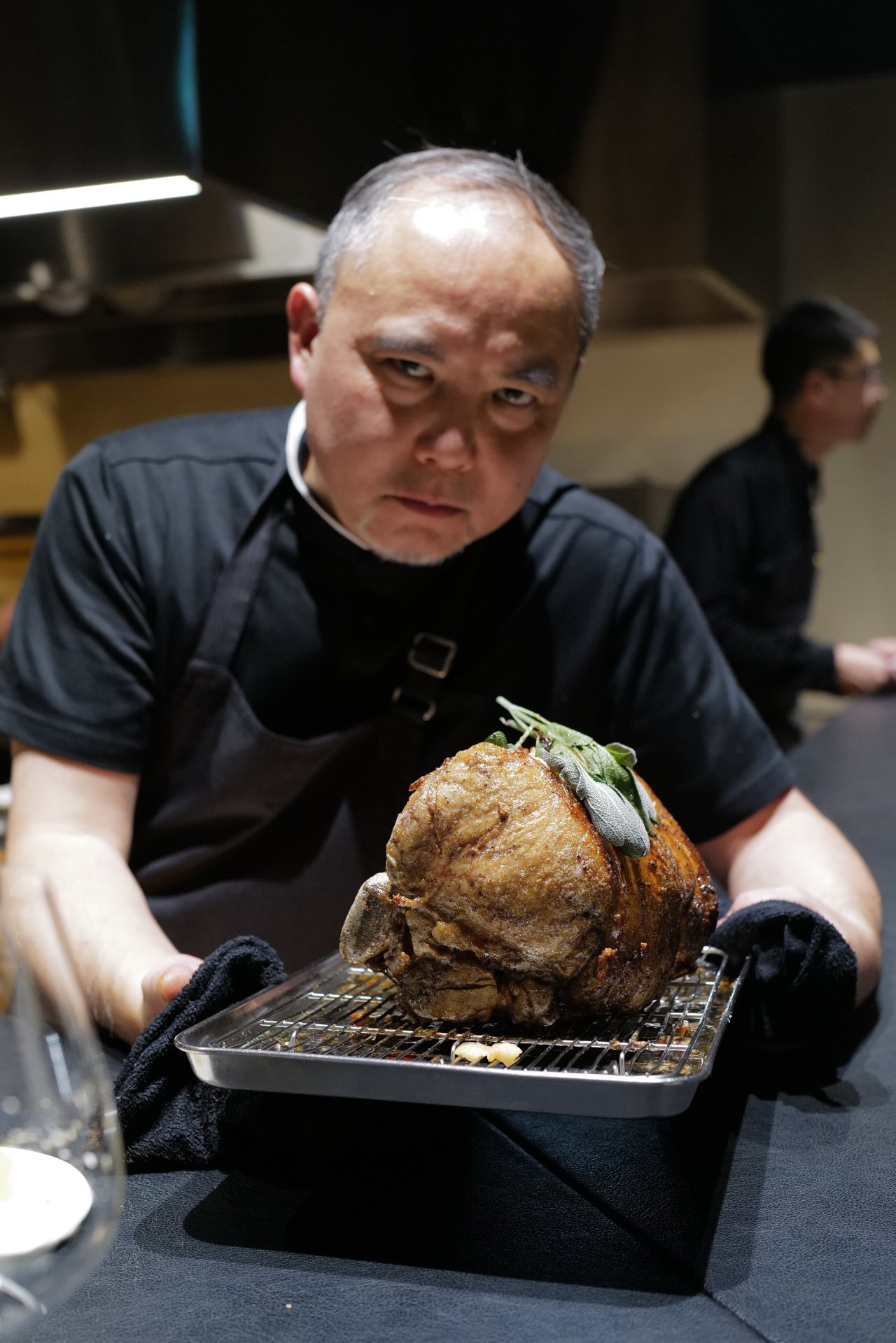
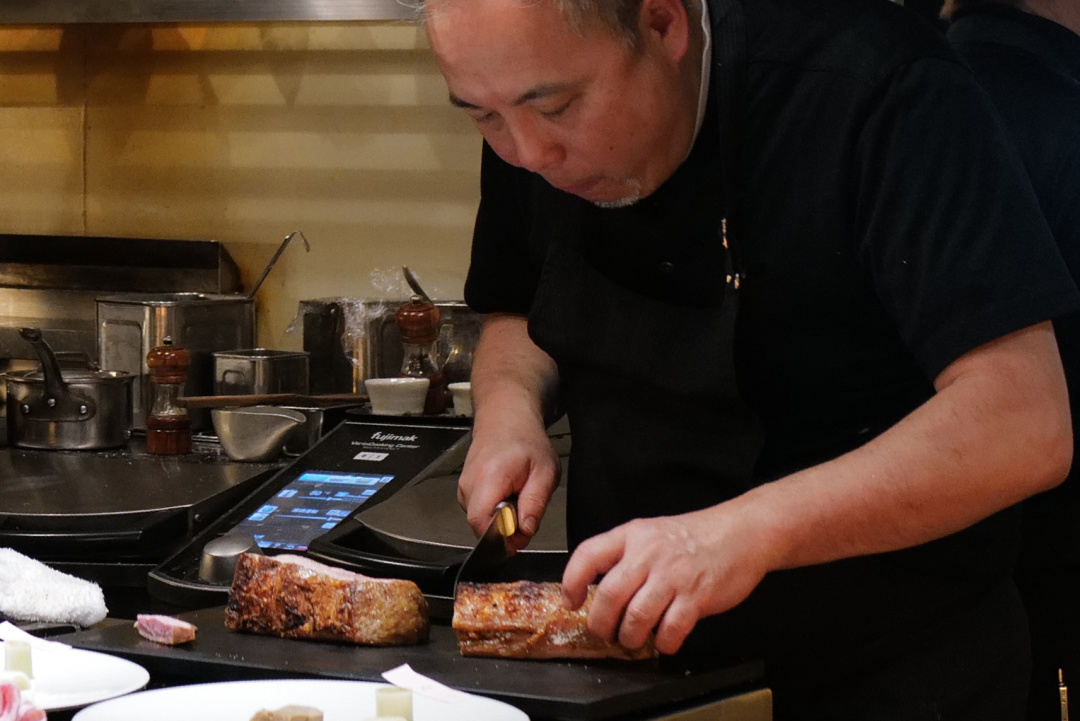
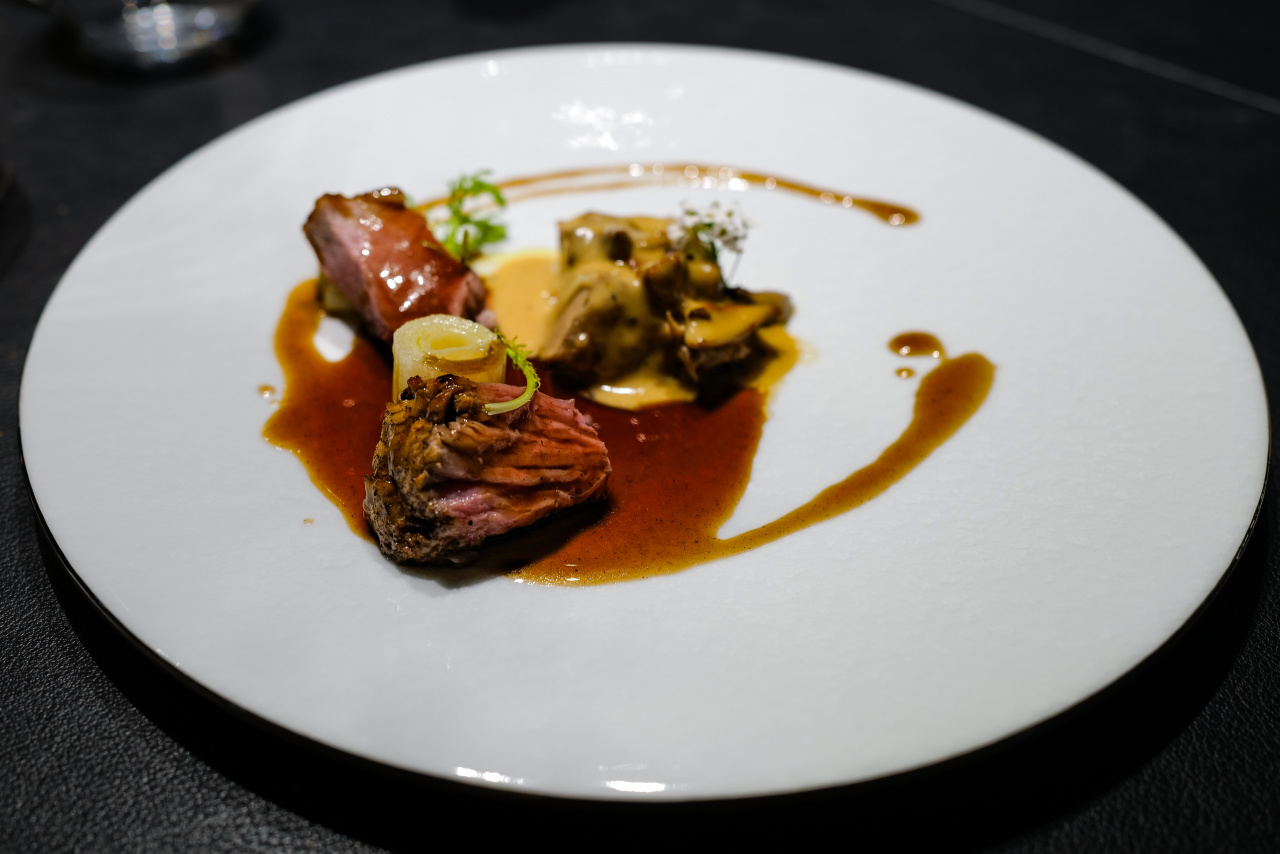
The true main course of this seasonal menu was a veal T-bone from Brittany. From the very beginning of service, it had been going in and out of the oven three times. Every step—from seasoning to carving—was done personally by Kishimoto-san. Even when he introduced the dish at the counter, his explanation came with animated gestures.
Super classic. Super tender.
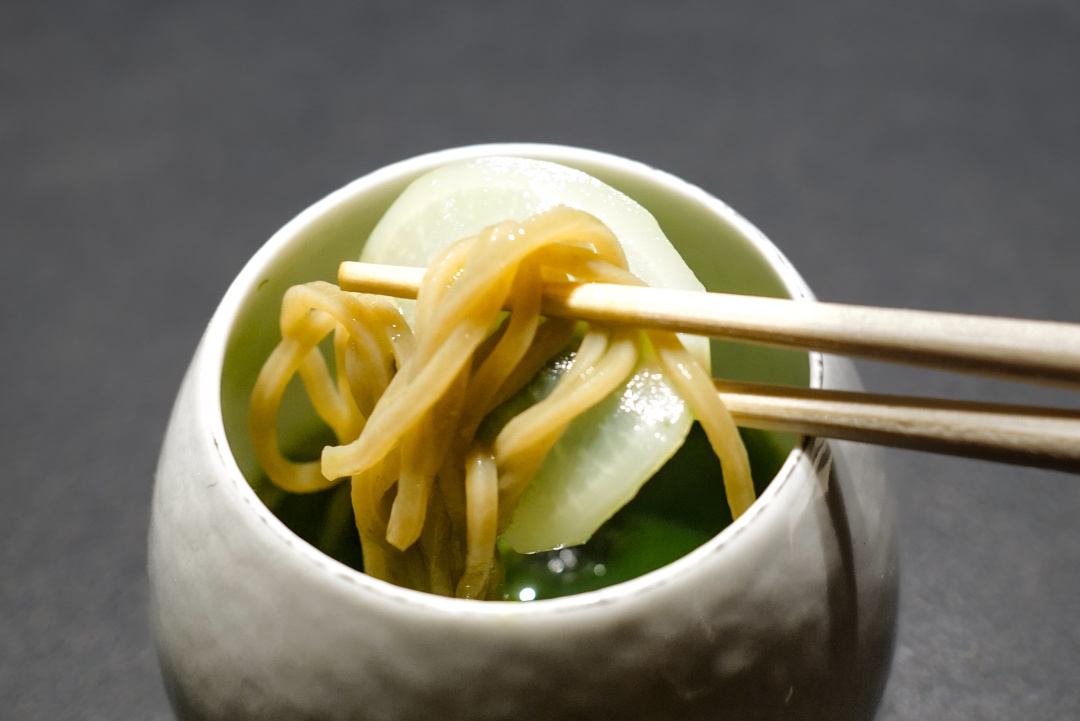
The extra course that followed was something I didn’t expect to see at Naoto.K: a very plant-forward burdock noodle dish. It wasn’t out of place, but it didn’t leave a particularly strong impression either.
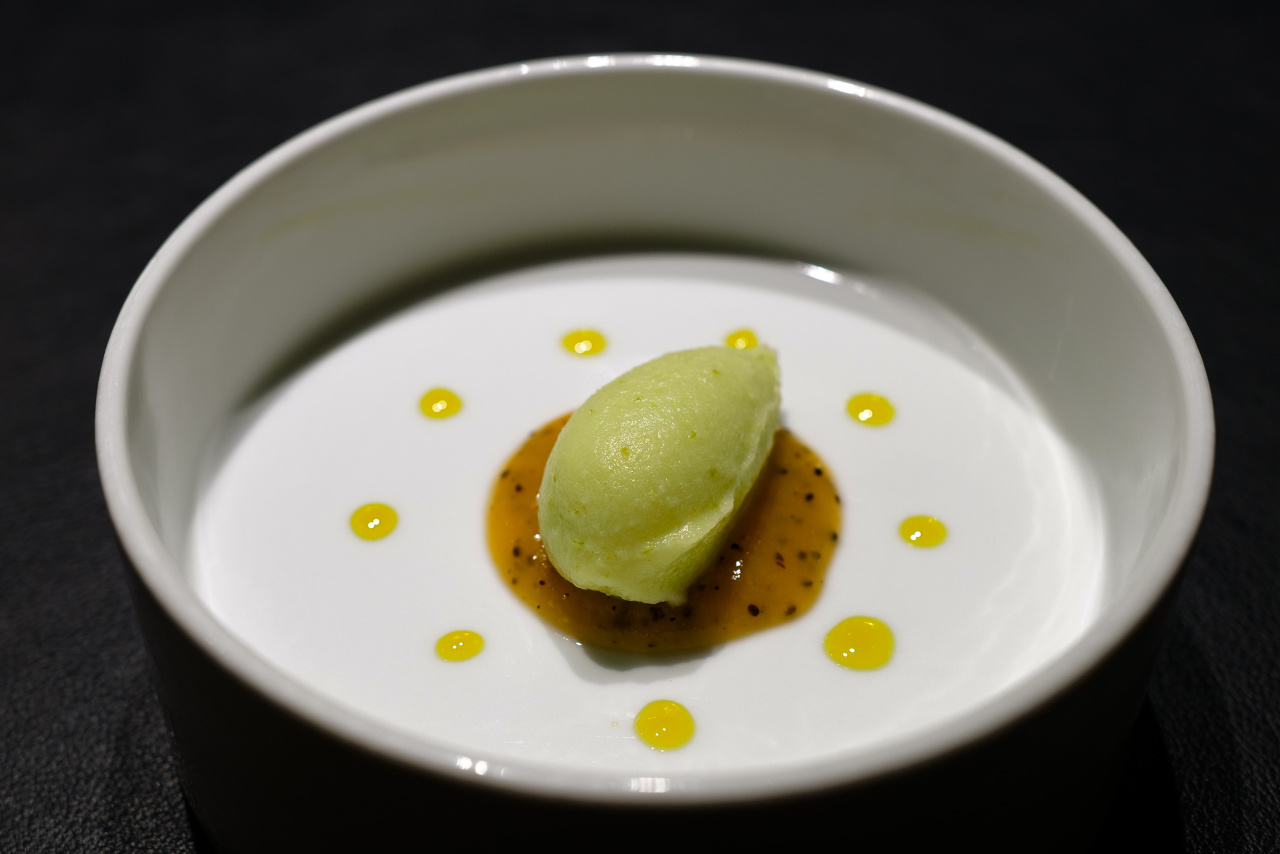
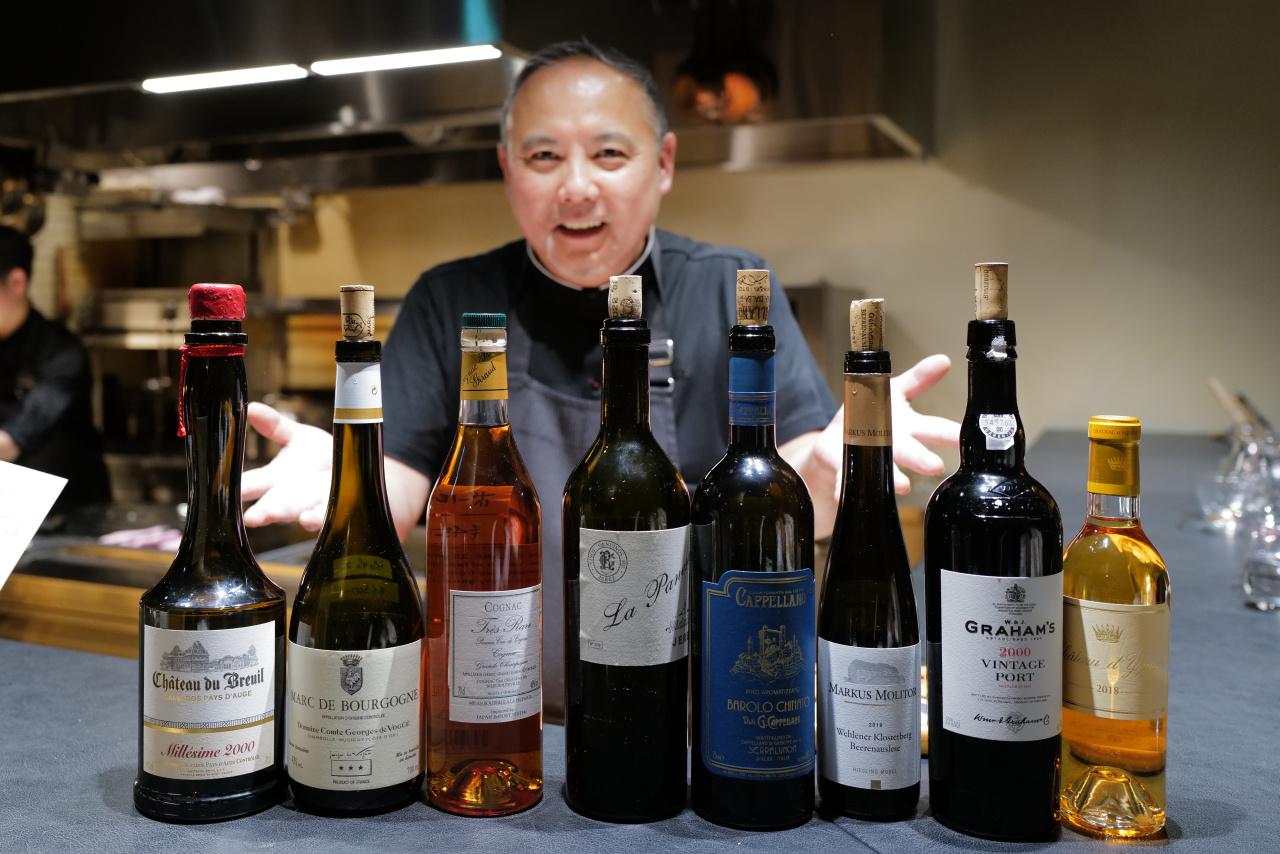
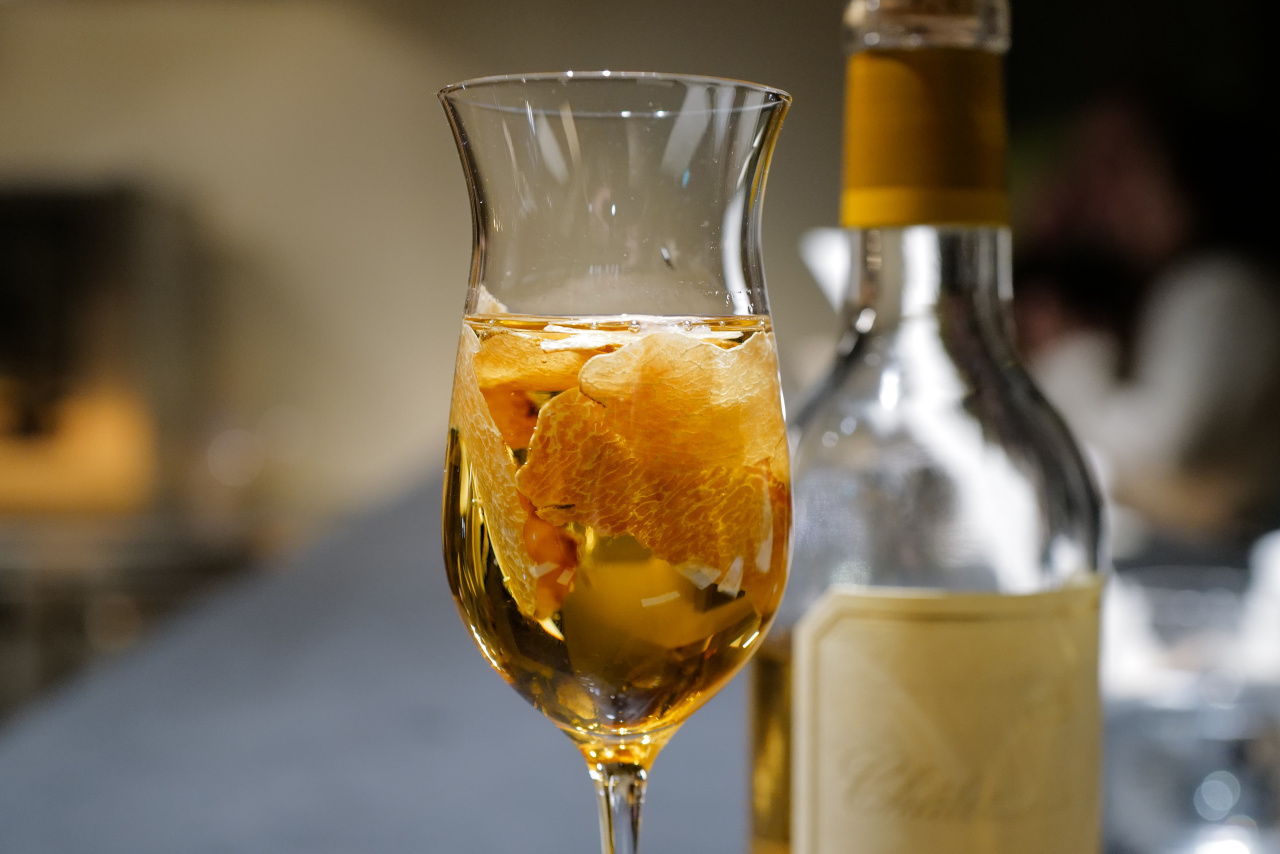
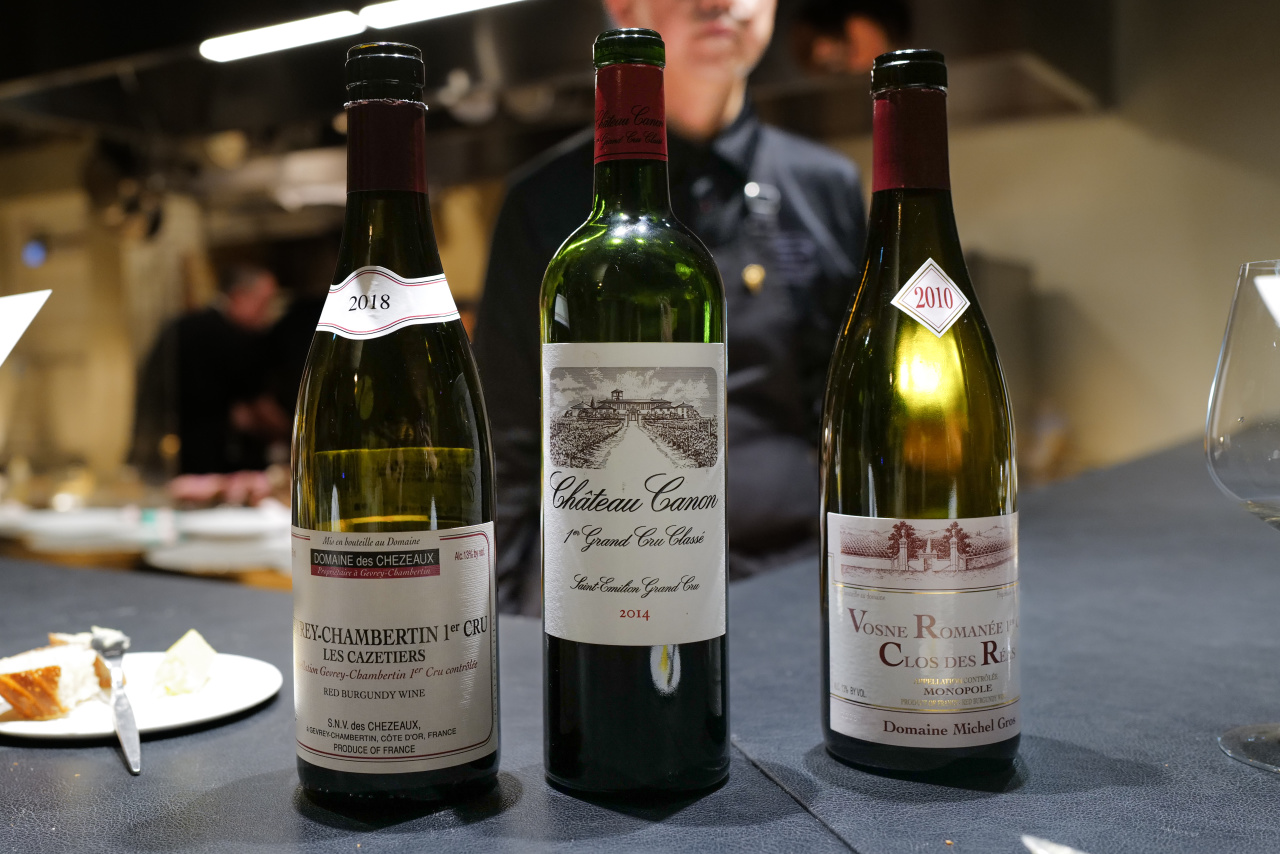
Dessert came with more than ten different pairing options, and this was when Kishimoto-san finally seemed to relax, going around the counter to introduce each one.
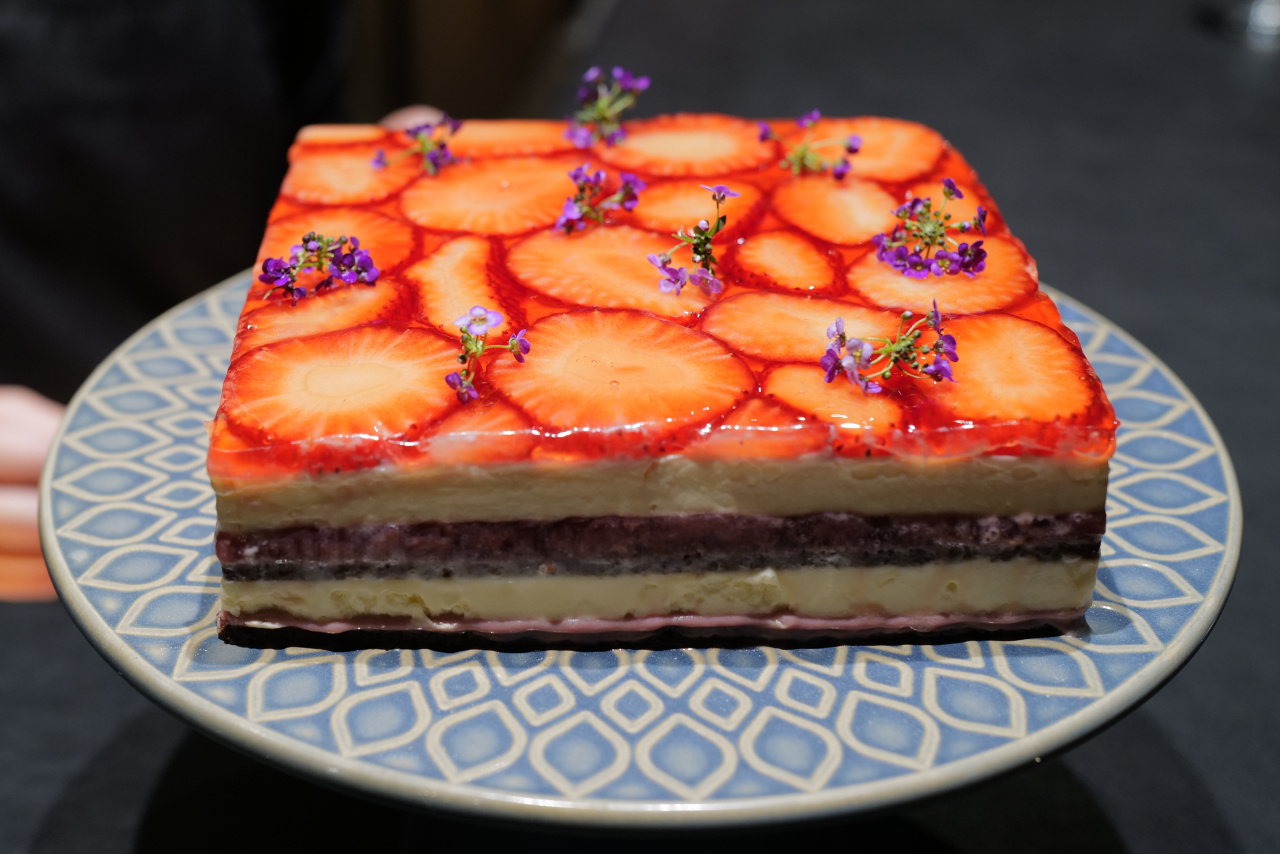
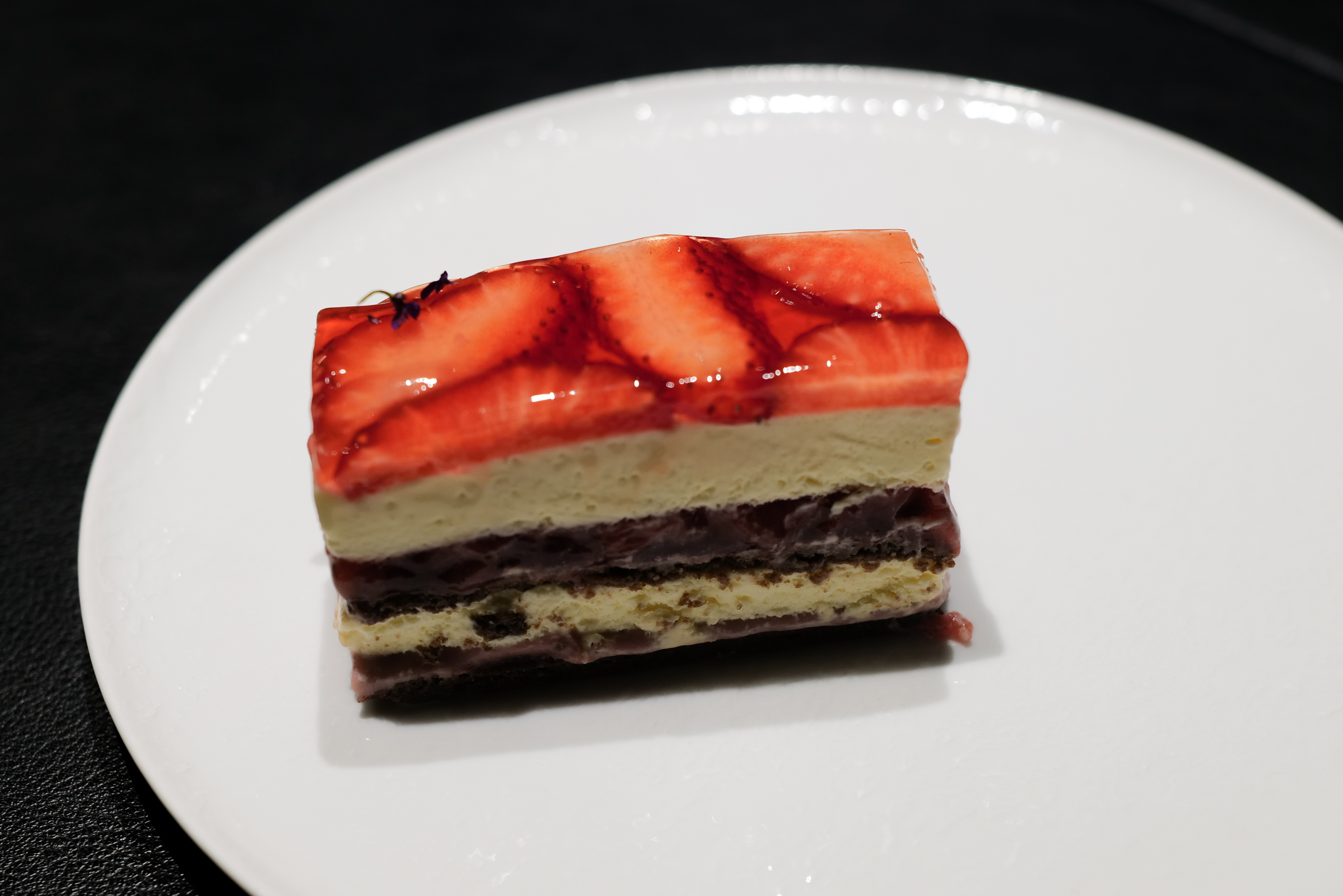
If using Château d’Yquem-style sweet wine to shave fresh white truffle was the surprise move in the dessert lineup, then the seemingly simple strawberry cake was what truly blew the night open.
The pink slice on top used award-winning strawberries from Iwasaki Farm in Sano, Tochigi—bright, sweet-tart, and somehow “cute” in personality, making the first impression especially light and charming. The mascarpone in the middle was close to ice cream temperature: silky, but not insubstantial—it brought a grounded richness and depth of dairy. The base was almost brownie-like: dense, high in cocoa, with a faint bitterness on the finish.
The satisfaction from that slice of strawberry cake felt “just right”—sweetness, acidity, creaminess, and bitterness all held in a perfectly balanced line.
Honestly? Absolutely brilliant.
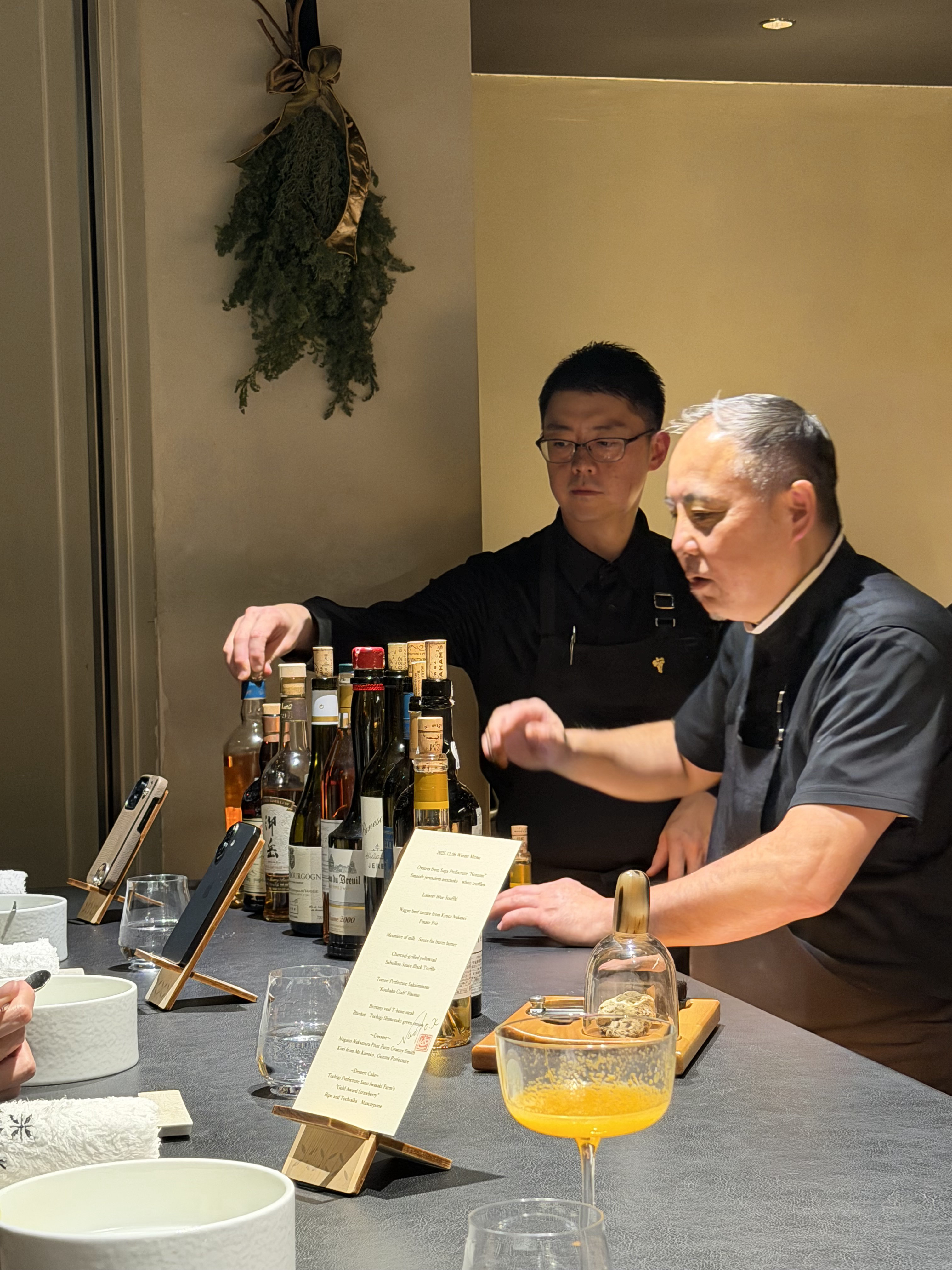
Looking back on the meal, I realized I was genuinely moved. It’s been a long time since I’ve seen a chef at a counter be this hands-on: making sauces, checking temperatures before sending plates, carving, sometimes even stepping in to mix drinks. In a big-city French restaurant, this kind of experience is still surprisingly rare.
Beyond his interaction with ingredients at the counter, there was also a strong sense of care in how he spoke with foreign guests. You felt looked after, in a very real way.
Compared to very modern French restaurants in Tokyo—like Sézanne—Naoto.K feels closer to “traditional × pure”, with a more immersive experience.
From the food side, the techniques are rooted in classic French cuisine, but the flavors and composition feel distinctly Japanese—layered in texture and taste, with a strong emphasis on the character of the ingredients themselves. The one thing that occasionally nudges the balance is the tendency toward heavier seasoning.
Another thing that’s impossible to ignore is the exceptional baking and pastry program. This part of the menu is led by Natsuko Takahashi, former head pastry chef at Pierre Gagnaire Tokyo. The desserts and cakes currently on the menu would stand out even among Tokyo’s top restaurants. Their cakes alone are reason enough to come back for the next seasonal menu.
Naoto.K
東京都千代田区神田錦町2-1-1
Irregular rest | 18:30 Cooking starts simultaneously
Chef’s Menu ¥38,500++
As I was leaving, Kishimoto-san handed me a business card—with a small note scribbled on it, marking the date of the next menu change.
So now I’m just counting down to seeing him again in two months.
Leave a Reply