I’m Cher. I started this space to trace the way cities speak through food and drink—and to share my reflections on sake, culture, and the stories behind the table.
I’m originally from Beijing. I completed my undergraduate studies at Purdue, earned my first master’s degree at NYU, and I’m now beginning a new chapter at Keio University. I believe every city has its own cultural rhythm, and the dining table is one of the most expressive and intimate ways to understand a place.
I love visiting fine dining restaurants for their craft and imagination, but I’m just as interested in the stories behind small, humble spots—the devotion, the choices, and the people who make them special. Through words and photographs, I hope to share these experiences with you.
I’m also an SSI-certified International Kikisake-shi, Shochu Kikisake-shi, and a sake instructor, and I continue to contribute in my own way to promoting sake culture.
The whole Kagoshima trip started because we managed to book a table at a place locals call a legend.
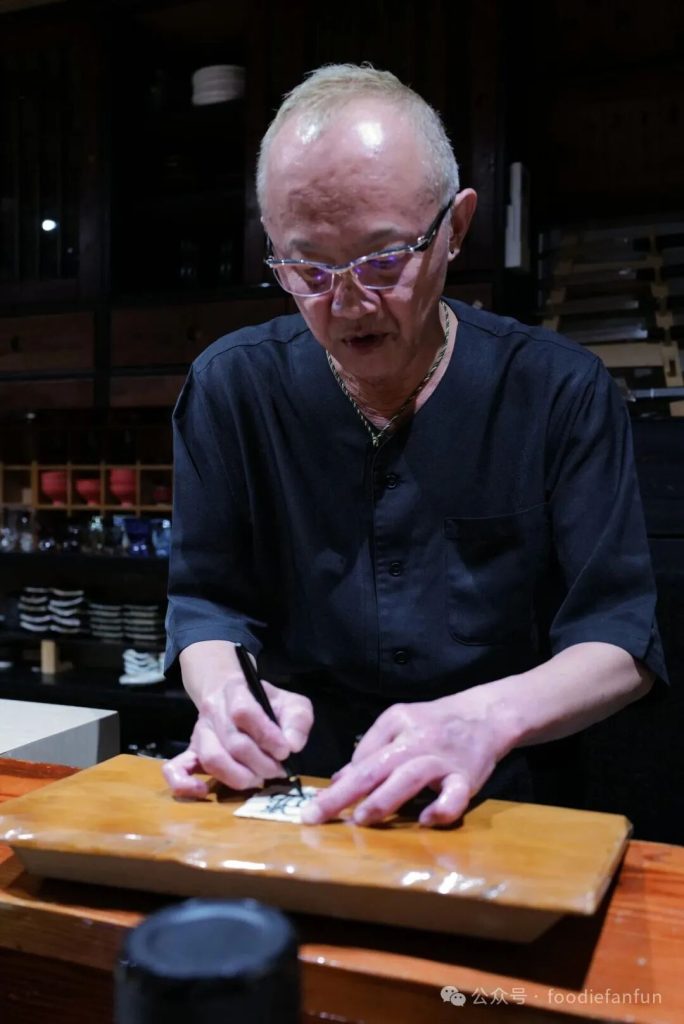
A restaurant that’s the number one Silver-award spot in the entire prefecture on Tabelog, a place that hangs every single award plaque in the bathroom, and a chef who expresses his understanding of fish and cooking at the counter without a shred of hesitation.
“That fish isn’t good, try this instead.” “Of course tiger prawn is only good piping hot — you don’t like it because everyone else serves it too cold.”
But by the end of the meal, you’re utterly convinced. Kagoshima’s local fish, and the care he puts into it, absolutely earn that kind of pride.
“Sushisho Nomura,” which opened in 1989, now has 37 years of history behind it.
It has always been a serious local powerhouse, and it’s also a member of the Tabelog Award’s 10-Year Club (restaurants that have won every single year since the award began) — the other seven sushi restaurants with that same honor sit at a “legendary” tier well known among sushi lovers, including Amamoto, Arai, Sugita, Saito, Sawada, Mitani, and Chikamatsu.
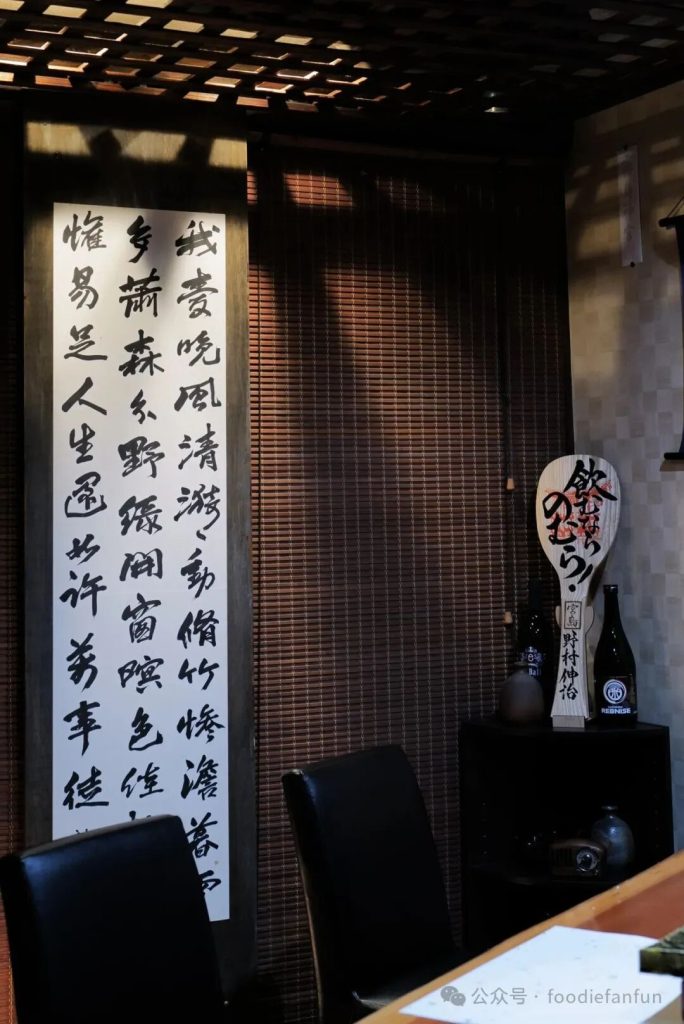
This is truly a restaurant with enough personality to be worth a dedicated trip. Drawing on deep knowledge of local producers and catches, it presents them at their best using a logic completely different from an ordinary sushi restaurant. When guests raise their glasses, they’re expected to shout the line “Nomu nara Nomura!” (“If you’re going to drink, drink at Nomura!”).
You could say chef Shinji Nomura is doing his own particular version of “Kagoshima-mae.”
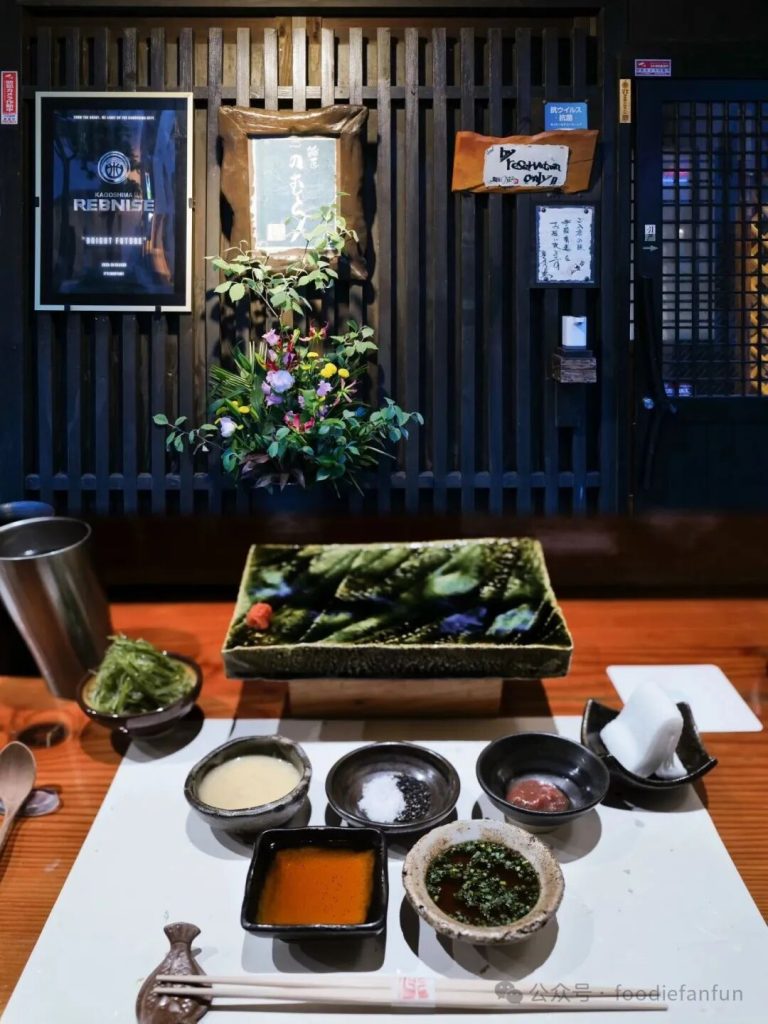
There’s already plenty of character from the very first drinking snack. The counter is lined with condiments — house-made white miso, house-made soy sauce, house-made ponzu, a plum sauce blended with mustard, and sea salt mixed with sesame. From there, every piece of sashimi that follows can be freely paired with whichever of these condiments the guest chooses.
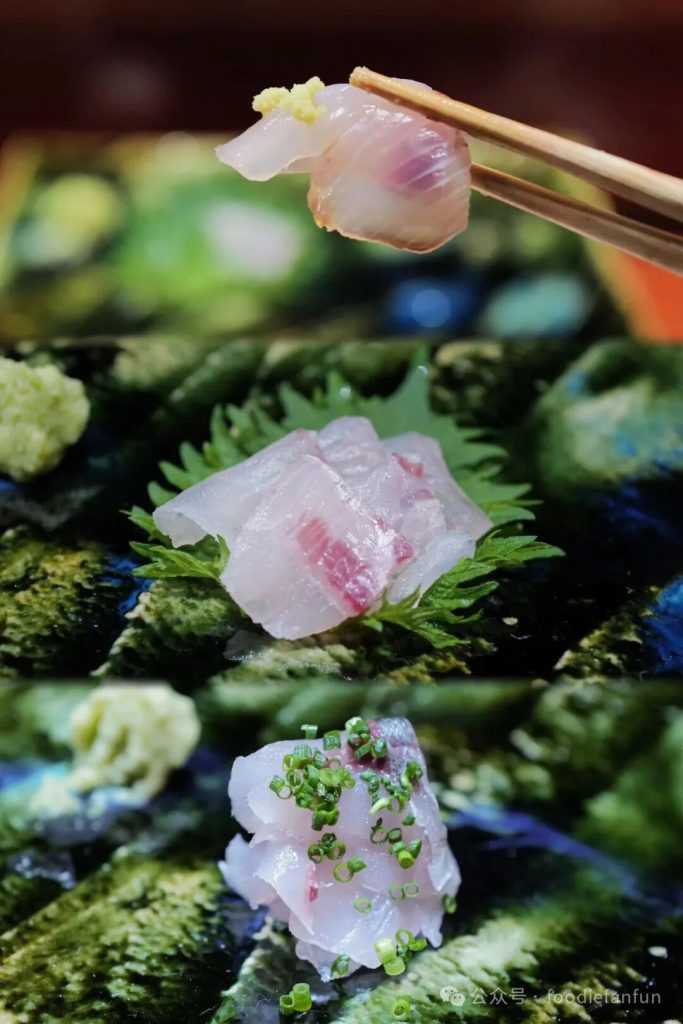
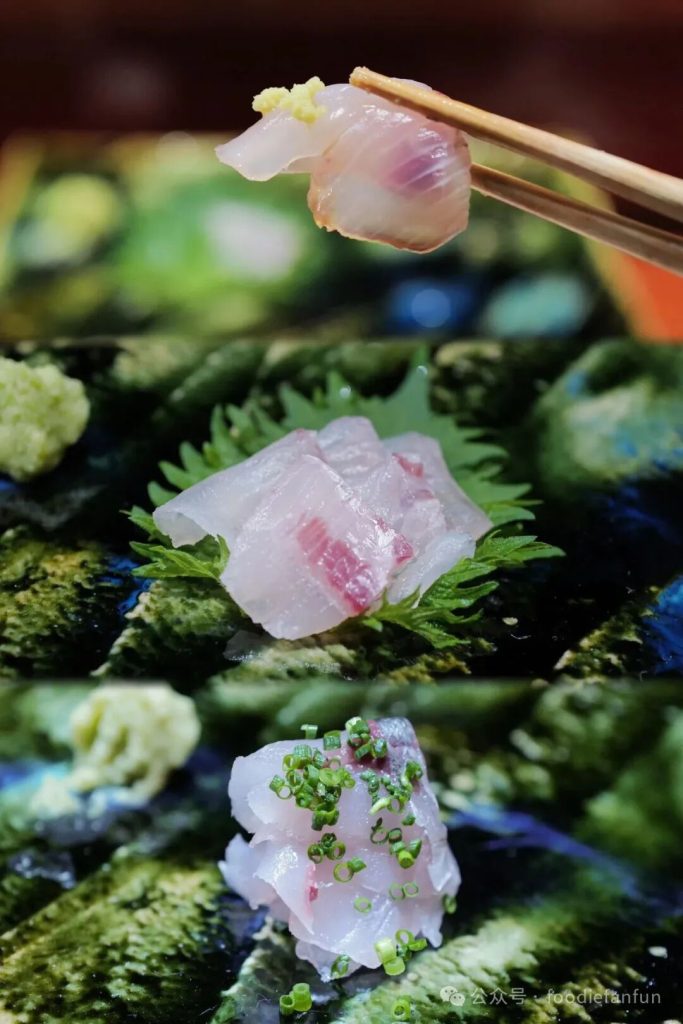
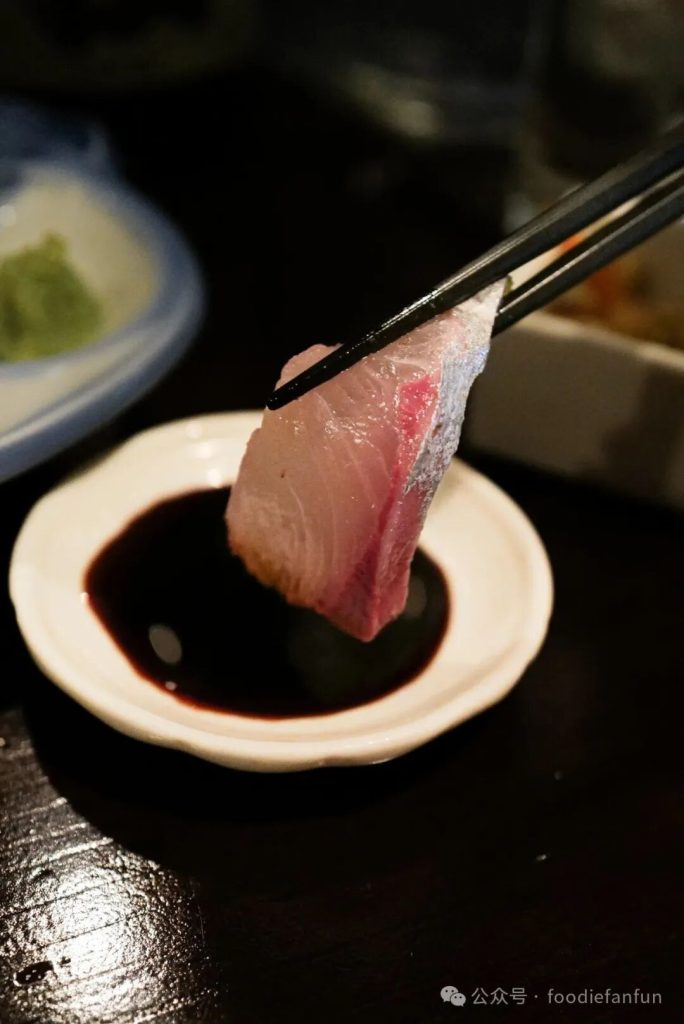
The sea bream, never having passed through the fish market, still arrives with a beautiful transparency. “Anything’s fine as long as it’s not miso — personally I like ponzu, but you should also try it with just salt.” The magical thing is that every sauce he offers isn’t there to layer flavor on top of flavor. Instead, each one opens up the fish’s freshness, sweetness, and fishiness from a different angle, refreshing your understanding of a single piece of fish combination by combination.
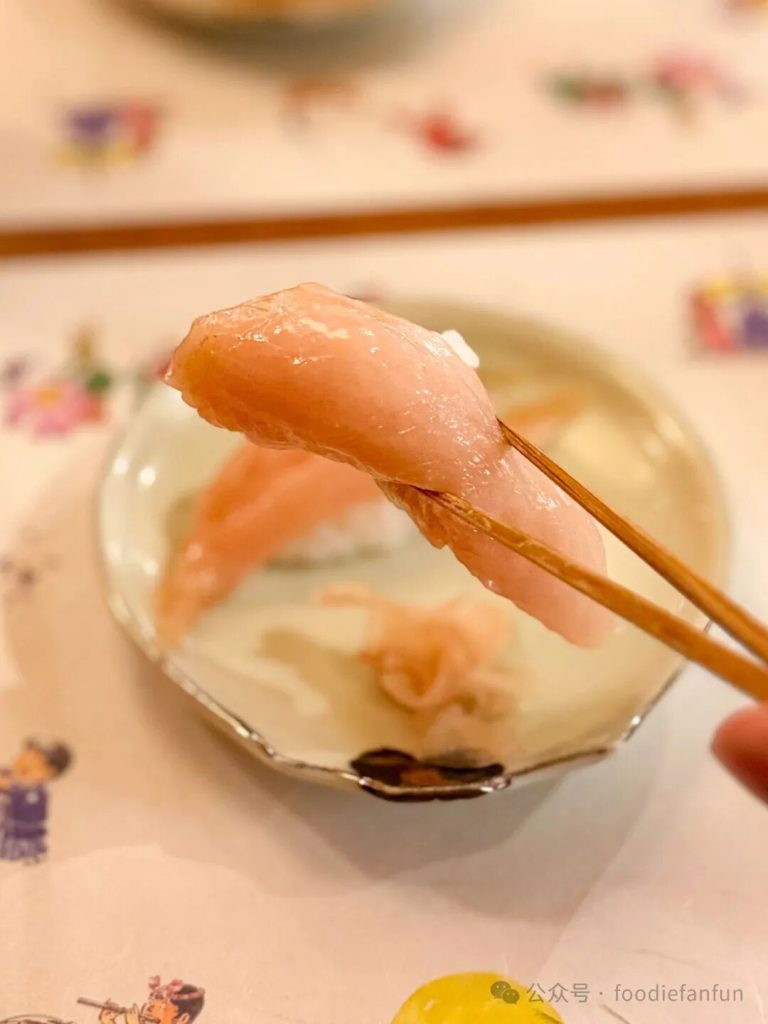
Sea bream paired with plum-mustard sauce suddenly gains dimension; octopus with salt slowly reveals an increasingly clean sweetness as you chew; small horse mackerel with miso lets a sharp acidity set off its savory richness and fat in perfect balance; local kanpachi, aged one day, turns crisp yet tender under the support of oily ponzu.
“This restaurant only serves natural food — I myself am natural!”
At Nomura’s counter, you get to taste some very special ingredients — some are specialties of southern Japan, others are common fish species whose flavor and form have taken on a distinctly local character simply because of where they live.
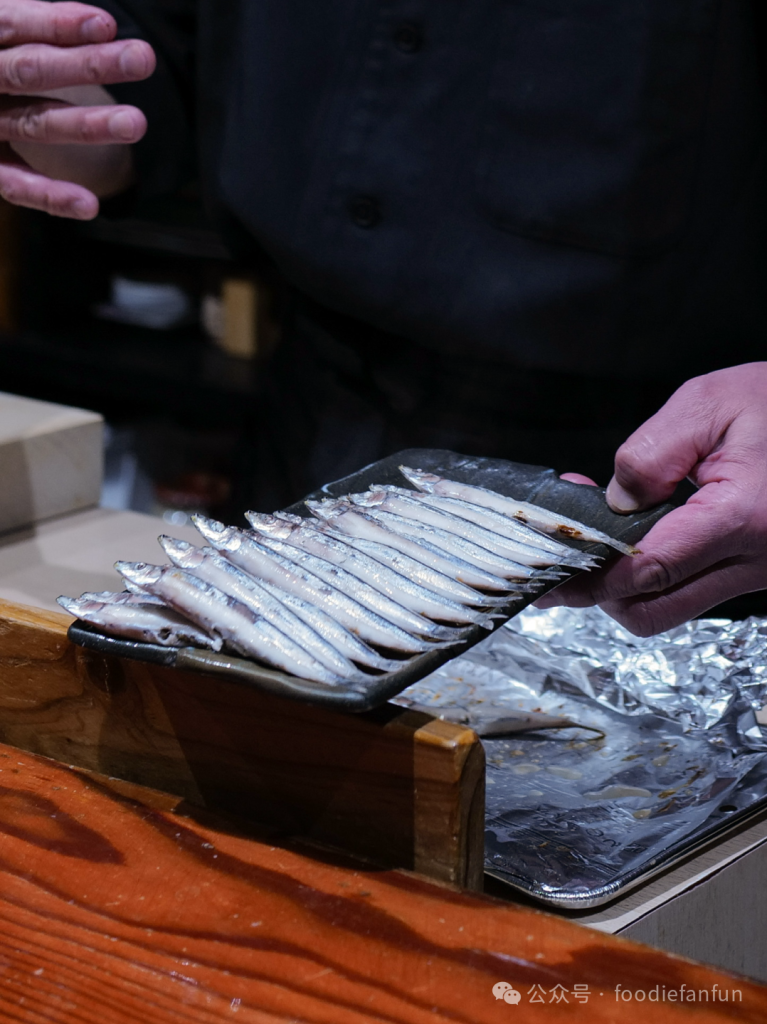
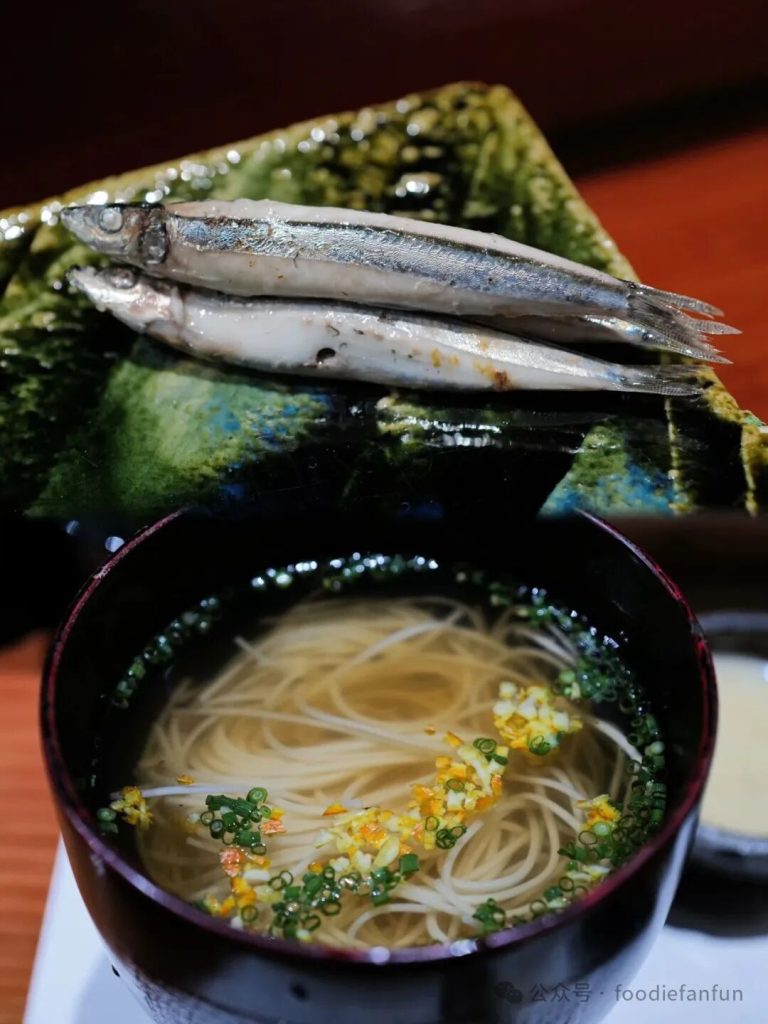
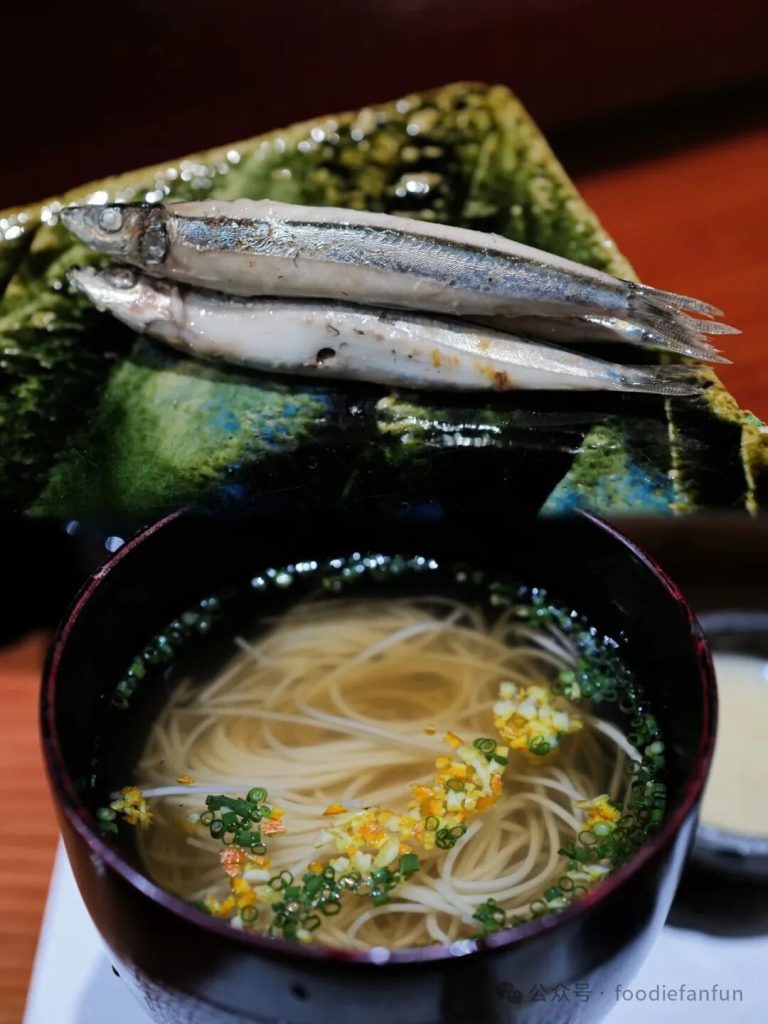
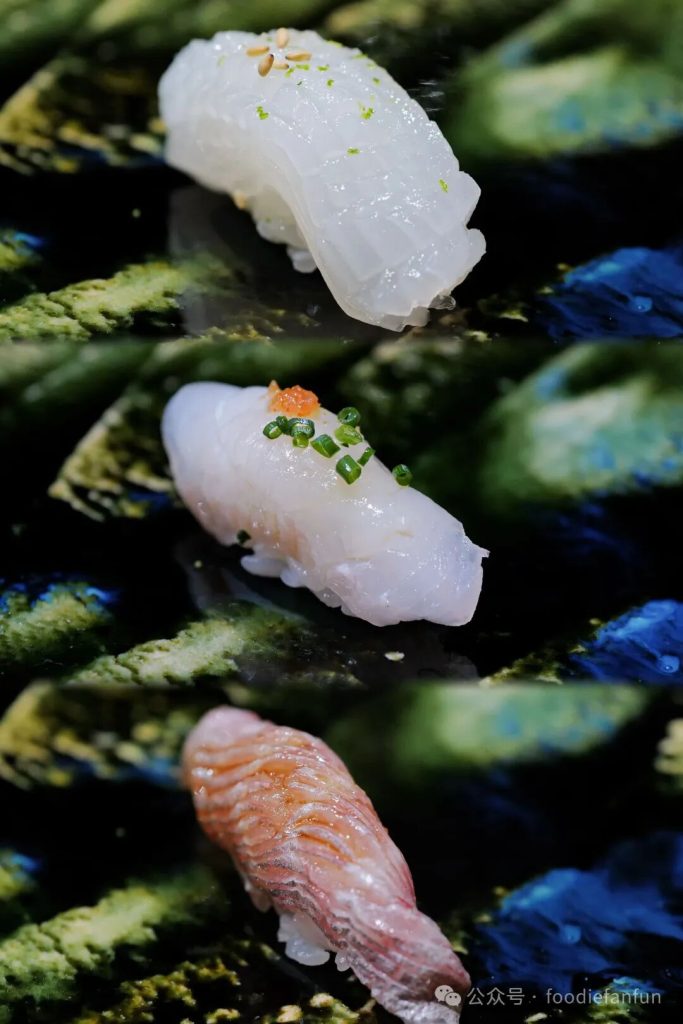
Kibinago, similar to a sardine, was right in season for roe. Grilled, both the fat behind the fins and the freshness were at their peak — soft, plump, and richly flavored, like a miniature version of hairtail, and the bones only made it more delicious the more you ate.
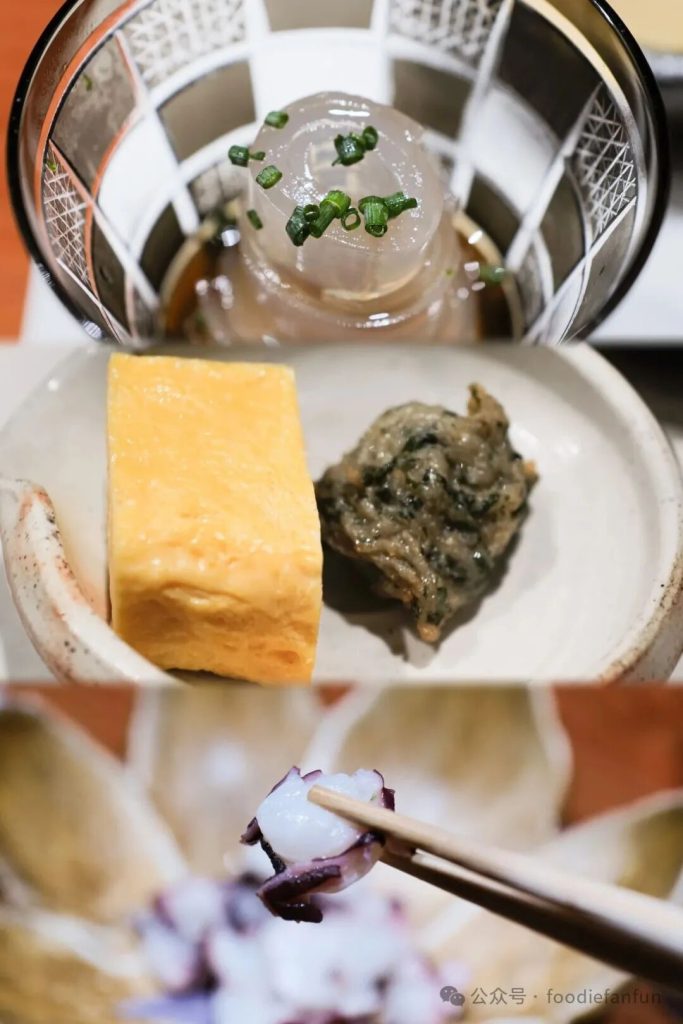
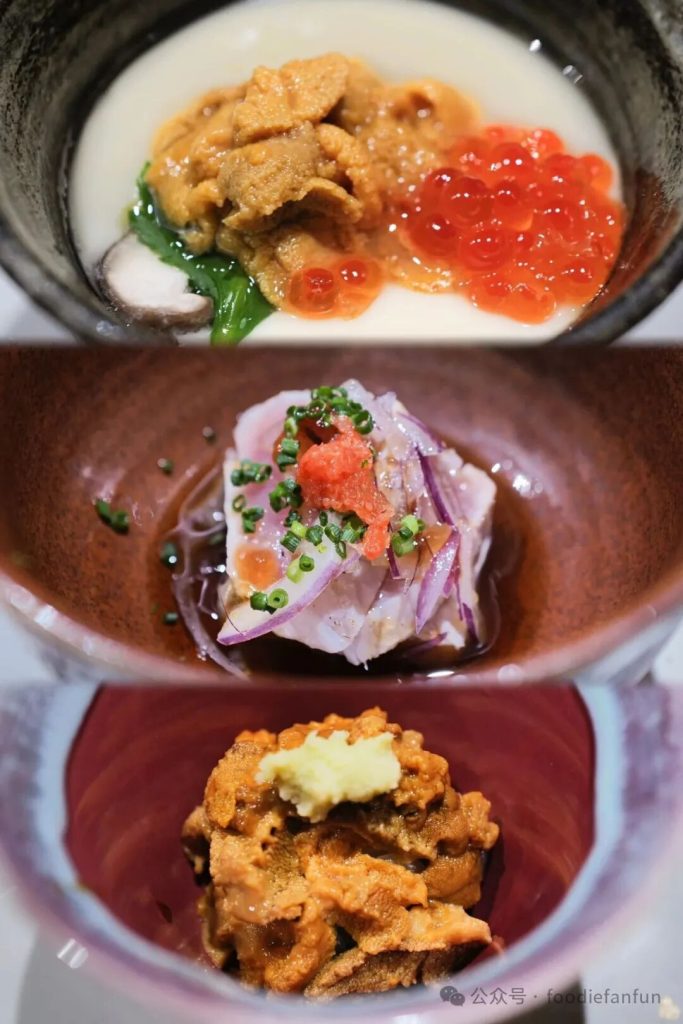
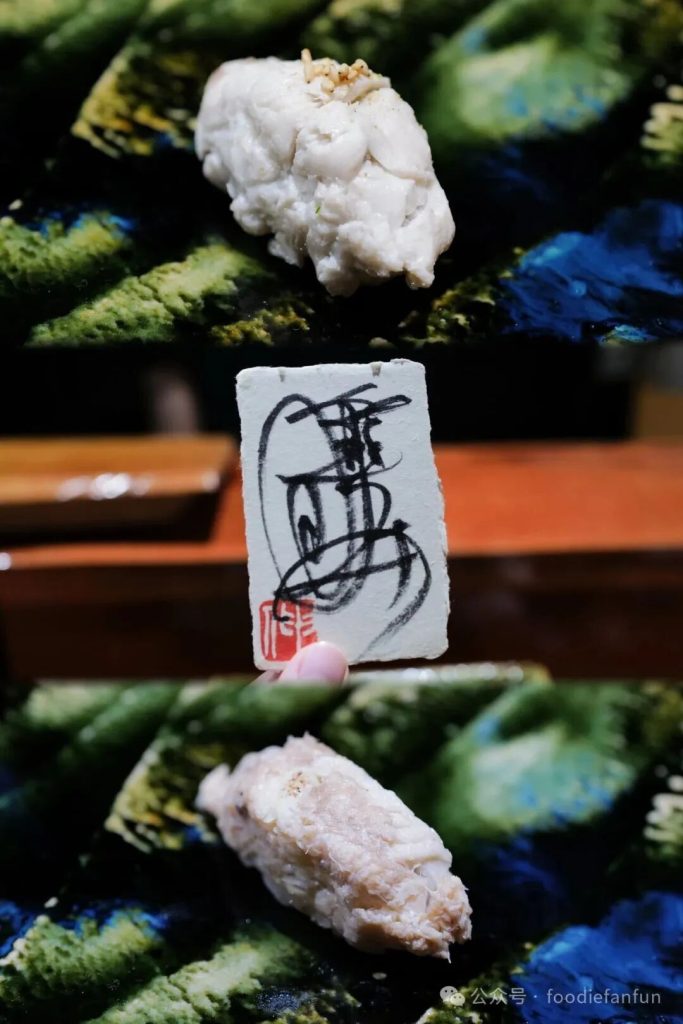
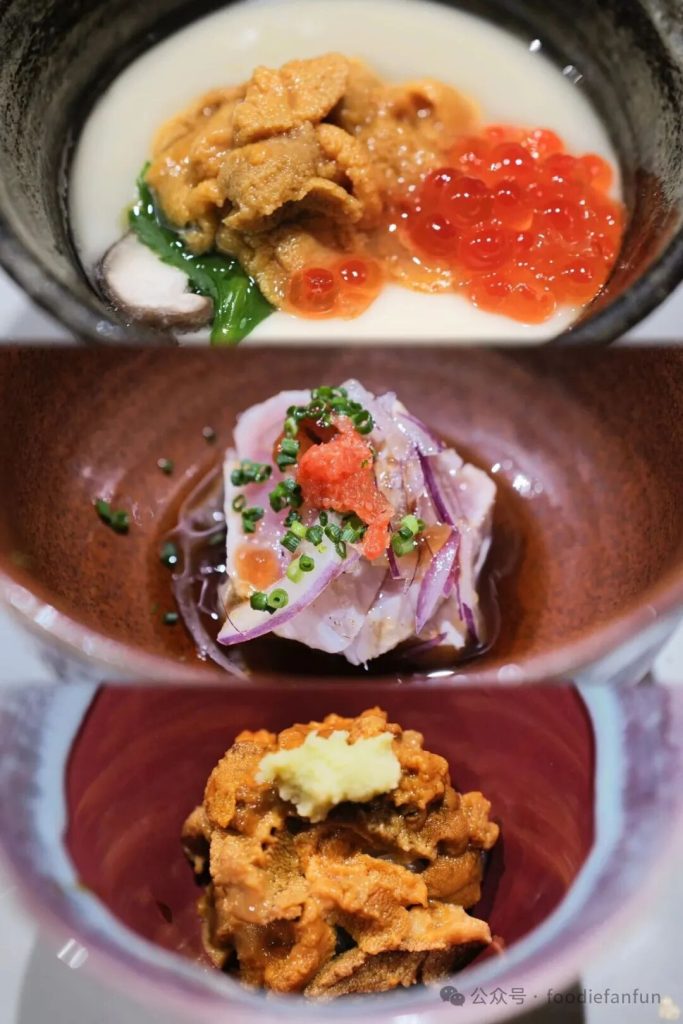
Local purple sea urchin has only a one-month window of peak flavor, served here with egg custard, mochi, and octopus leg. “Our uni isn’t set with alum, by the way.” The uni’s own flavor is rich and purely delicious — special enough on its own.
Sushi is really about building beauty in layers on top of fresh, local ingredients, through practiced knife work.
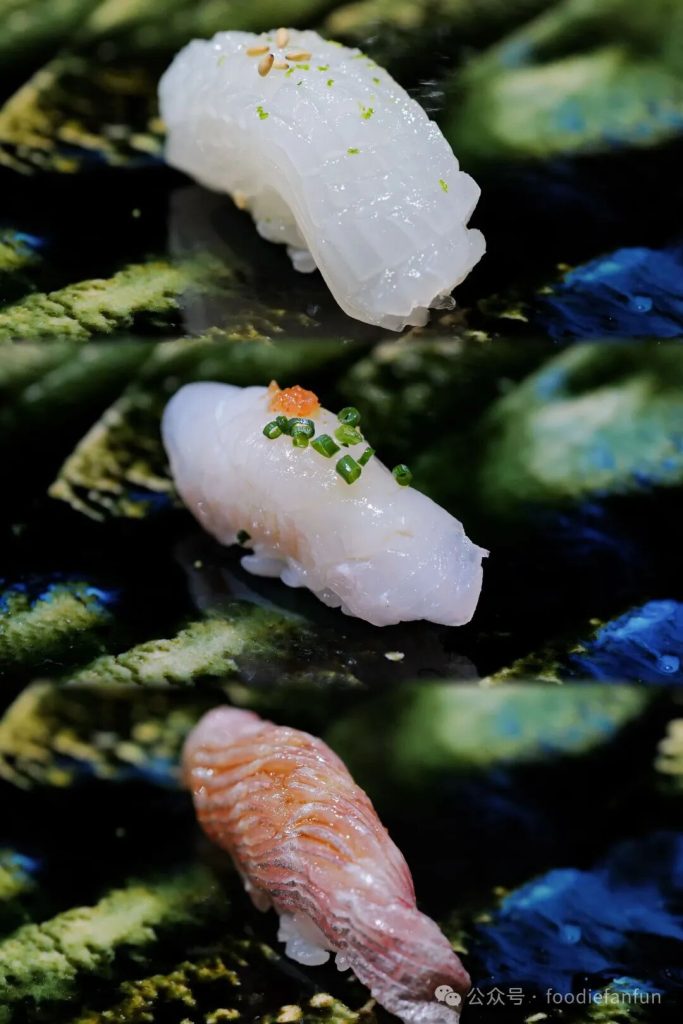
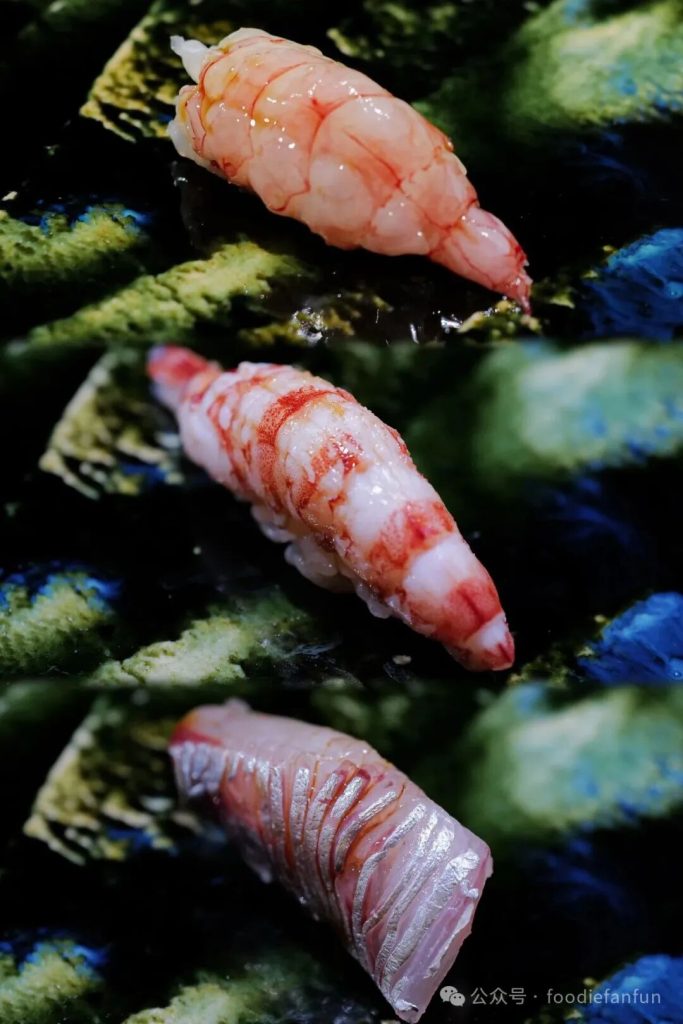
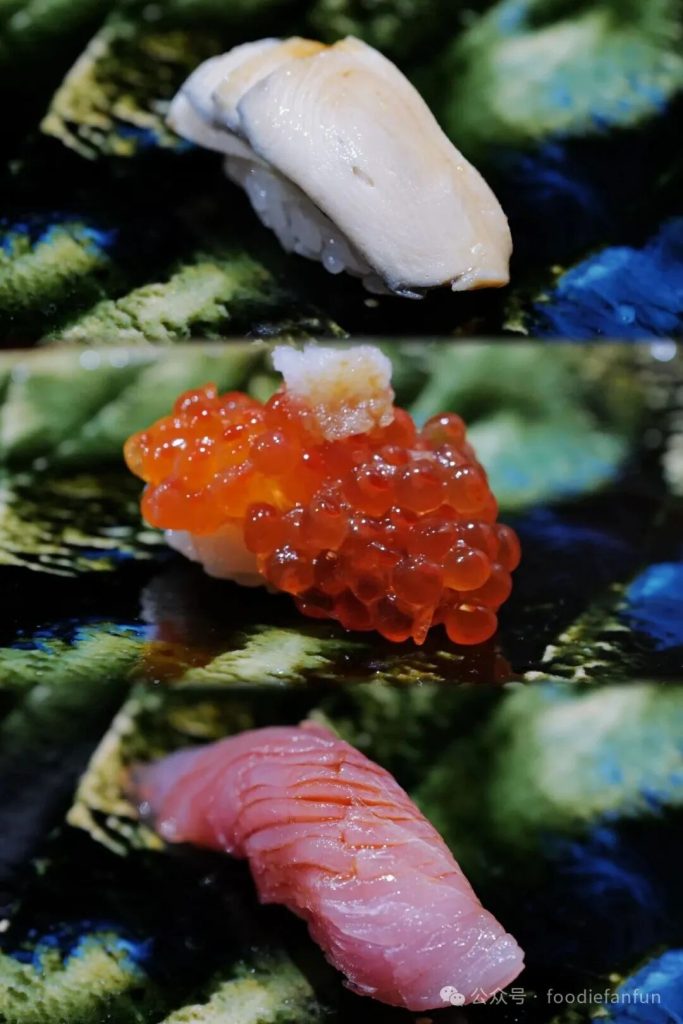
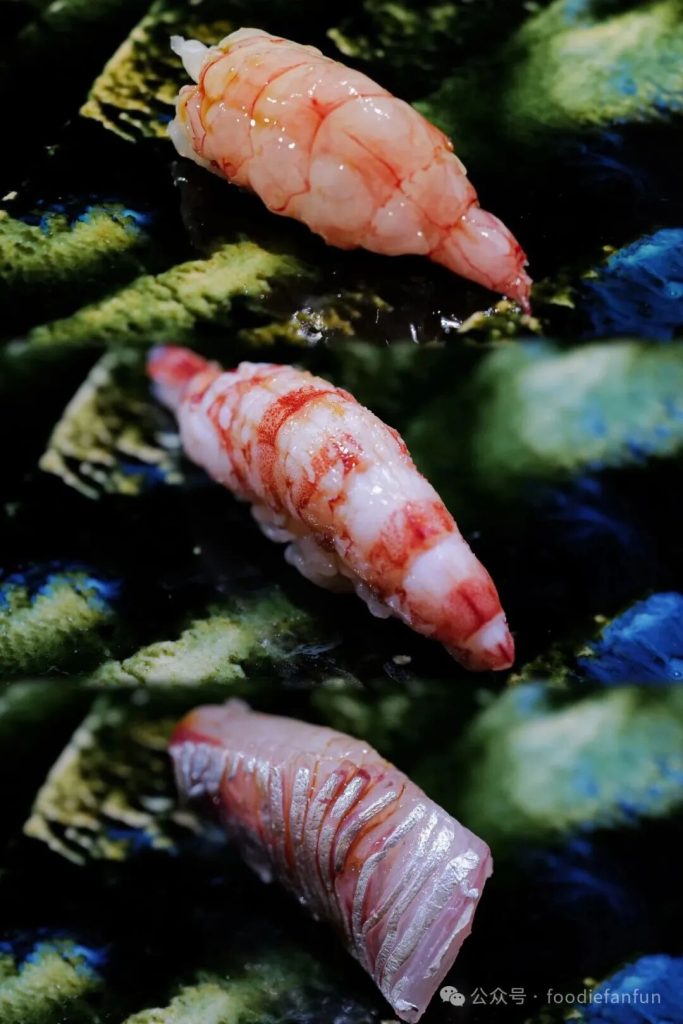
Local Kagoshima bigfin reef squid, softness with real impact. Local “tosei-han” (camouflage grouper), an extremely clean fish flavor. In-season isaki, made even sweeter and softer set against the rice. Namikudahige shrimp (giant mantis shrimp), only caught locally — crisp and snappy, with a concentrated, deep shrimpy sweetness. And there was tiger prawn served still steaming hot straight to the counter, wild shima-aji, and a two-meter-long local hairtail…
Every single piece had its own distinct memory point — eating through it felt like layer upon layer of happiness stacking up.
Looking at the whole meal, roughly 70% of the fish happened to be right in that short one-to-two-month best season. You can feel intensely how well he knows local ingredients at their “best catch, best condition.” I genuinely have no idea just how many kinds of fish, suited to every cooking method across all four seasons, exist inside Nomura’s head when it comes to Kagoshima.
Extremely careful, precisely chosen cooking, delivered through a wildly joyful counter atmosphere for the guest to experience — it’s a genuinely Kagoshima kind of experience, full of local color and character.
There are so many fun cities in Japan, and after visiting quite a few, 🦌 Kagoshima still stands out as something special.
My original expectation for the Kagoshima trip was simply to rest in a sun-soaked coastal city, get a taste of the local laid-back vibe, and eat some seafood specific to the southern coast.
It was only once I actually got here that I discovered shochu, kurobuta pork, kuroge beef, jidori chicken, and every kind of sweet potato imaginable. The whole city feels wrapped in the sheer sense of life radiating from an active volcano, in warm and direct human warmth, and in a lushness held tightly by nature.
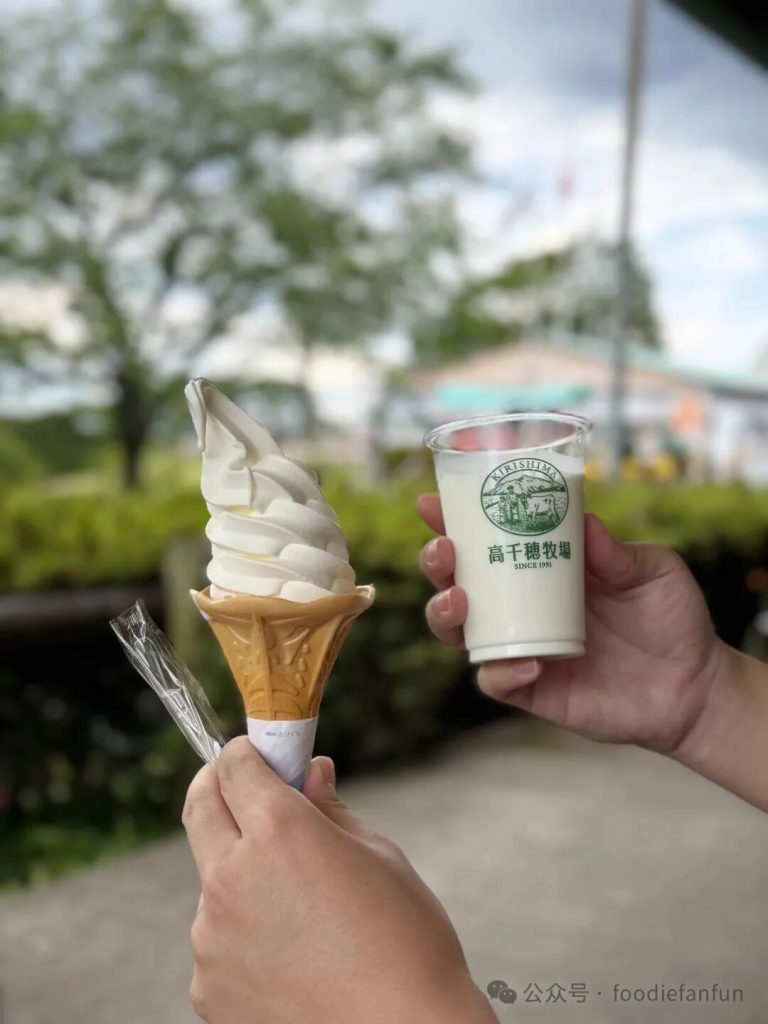
You can hop between four or five restaurants in one night along the Tenmonkan arcade, tasting different local dishes and drinking shochu out of all kinds of beautiful cups. Or you can ride the storybook train “Tamatebako” all the way south, exploring the southernmost reef coast through sea-view windows. Within train reach there are quite a few interesting small towns too, including the upgraded home of the well-known premium milk brand “Takachiho Ranch,” where you can experience the joy of interacting with animals amid beautiful mountain scenery.
It’s truly a beautiful, straightforward place, full of life and warmth — the kind of place you like more the longer you stay.
This piece covers eating and drinking around Kagoshima itself, plus travel guides for the surrounding towns. Sharing all of this seaside town’s unexpectedly delicious, drinkable, and beautiful sides with you.
🥢
What to Eat?
Kagoshima City
🍣 Sushisho Nomura
👨🍳 Kagoshima’s Best
🐟 A pure presentation of local seafood, backed by real personality
You have to eat the local fish when in Kagoshima. And conveniently, there’s a restaurant here that both features regional specialty ingredients and embodies the broader “Kagoshima personality.” It’s also a member of Tabelog’s 10-Year Club (restaurants that have won an award every single year since the awards began) — the other seven sushi restaurants sharing that honor are Amamoto, Arai, Sugita, Saito, Sawada, Mitani, and Chikamatsu.
This is truly a restaurant worth a dedicated trip. Drawing on deep knowledge of local producers and catches, it presents them at their best using a logic completely different from an ordinary sushi restaurant. When guests raise their glasses, they’re expected to shout the line “Nomu nara Nomura!” (“If you’re going to drink, drink at Nomura!”). You could say chef Shinji Nomura is doing his own particular version of “Kagoshima-mae.”
The sea bream, never having passed through the fish market, still arrives with a beautiful transparency. “Anything’s fine as long as it’s not miso — personally I like ponzu, but you should also try it with just salt.” The magical thing is that every sauce he offers isn’t there to layer flavor on top of flavor. Instead, each one opens up the fish’s freshness, sweetness, and fishiness from a different angle, refreshing your understanding of a single piece of fish combination by combination.
Sea bream paired with plum-mustard sauce suddenly gains dimension; octopus with salt slowly reveals an increasingly clean sweetness as you chew; small horse mackerel with miso lets a sharp acidity set off its savory richness and fat in perfect balance; local kanpachi, aged one day, turns crisp yet tender under the support of oily ponzu.
“This restaurant only serves natural food — I myself am natural!”
At Nomura’s counter, you get to taste some very special ingredients — some are specialties of southern Japan, others are common fish species whose flavor and form have taken on a distinctly local character simply because of where they live.
Full write-up here 👉 Sushisho Nomura | Full of Personality, and Utterly Convincingly Delicious
✦
•
✦
🐓 Toriso / Marumangansozo Yakitori
👨🍳 A simple, pure chicken restaurant / distinctly Kagoshima
🥢 Chicken sashimi / Satsuma jidori thigh grill
As a livestock powerhouse prefecture, Kagoshima’s chicken is genuinely famous. Breeds like Kaori Satsuma jidori and Kuro Satsuma jidori are highly representative local varieties — there’s even a dedicated “raw chicken hygiene standard” here.
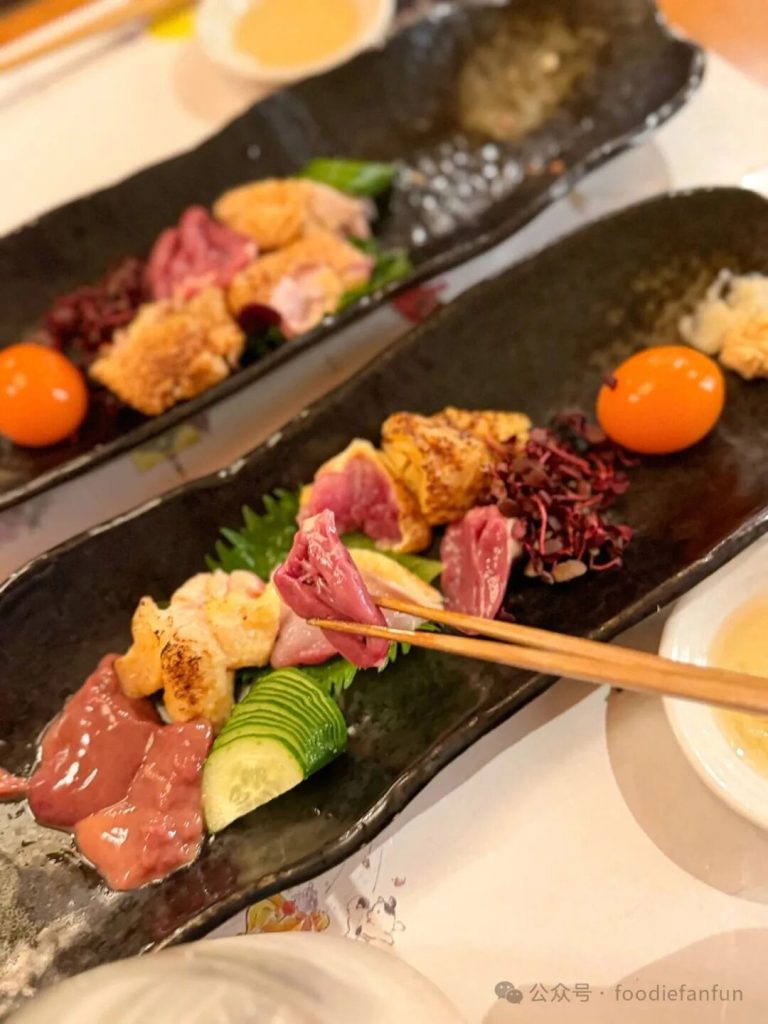
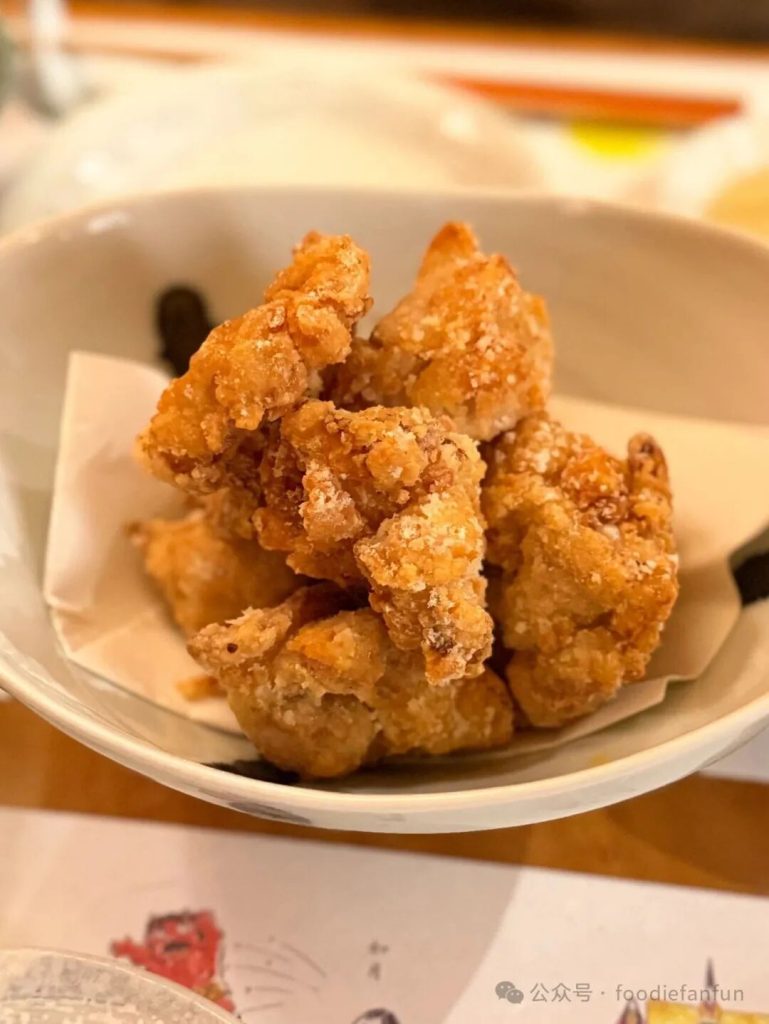
Toriso is a fairly pure chicken-focused izakaya. Chicken sashimi, fried chicken, grilled chicken, oyakodon — a short menu that still packs in every way of expressing the character of local chicken.
Kagoshima chicken generally has strong elasticity, bite, fat, and juiciness, so personally I’d recommend the sashimi and fried chicken, paired with a chuhai — pure happiness in one bite.
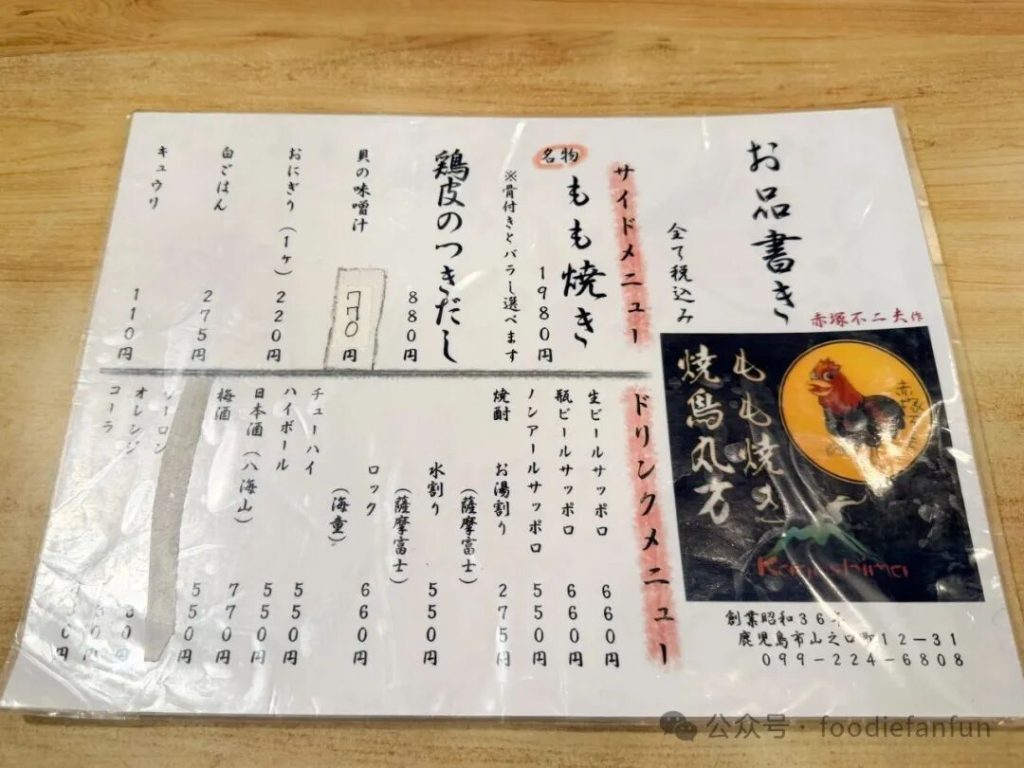
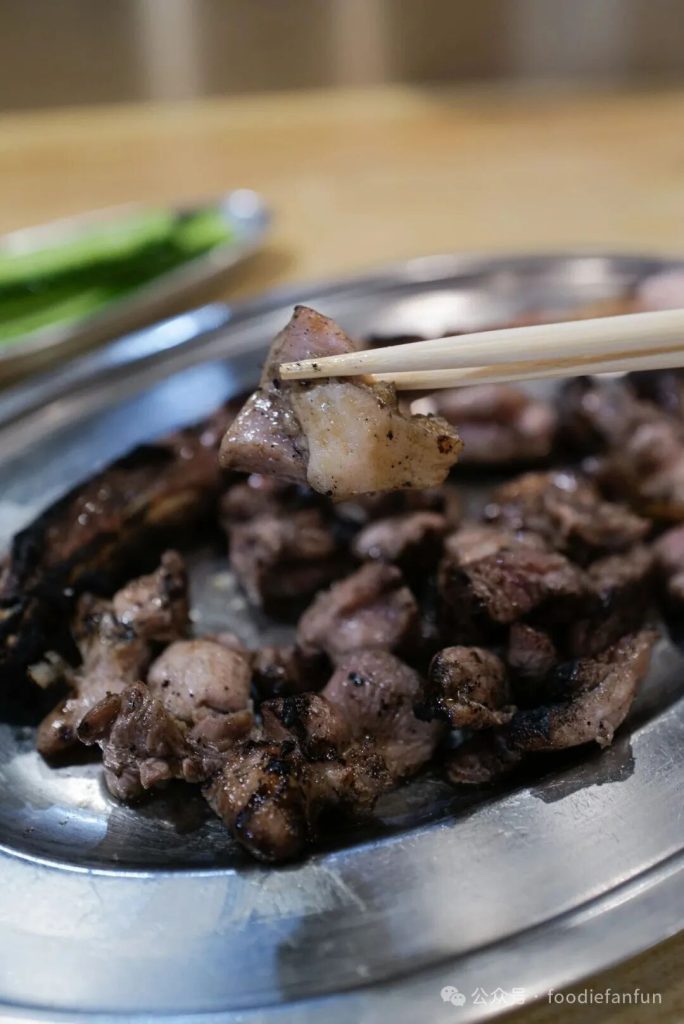
Marumangansozo Yakitori, a sixty-year-old establishment, is named after its Satsuma jidori momo-yaki. How to describe it — basically a giant grilled chicken thigh, or as locals put it, “the steak of the yakitori world.”
It’s known for Satsuma jidori and fierce charcoal heat. The chicken itself carries a rich sweetness and deep umami with real bite, the kind that gets more fragrant the more you chew. Combined with the exterior charred over intense charcoal, the smoky aroma comes through clearly in both sight and taste.
Beneath the near-black exterior, you find a clear chicken aroma and sweetness right after the char. Every so often you hit a fatty section, giving that crisp, head-rushing sense of indulgence, yet also an aroma that makes you want to devour the whole thing.
After finishing the meat, gnawing on the bone reveals an extra layer of tenderness. Paired with a bit of cucumber, it’s truly a distinctive grilled chicken.
✦
•
✦
🇮🇹 Wagae
👨🍳 A simple, pure chicken restaurant / distinctly Kagoshima
🥢 Chicken sashimi / Satsuma jidori thigh grill
I didn’t expect a restaurant ranking near the top of Akita’s lists to be a traditional, homestyle Italian spot. The moment I saw the photos while researching, I was hooked.
Digging a little deeper, I found this restaurant was once featured in “2024 Shokutsu ga Horeta Mise,” where the world’s number one foodie rated their Tortellini in Brodo as the most moving affordable dish of the year.
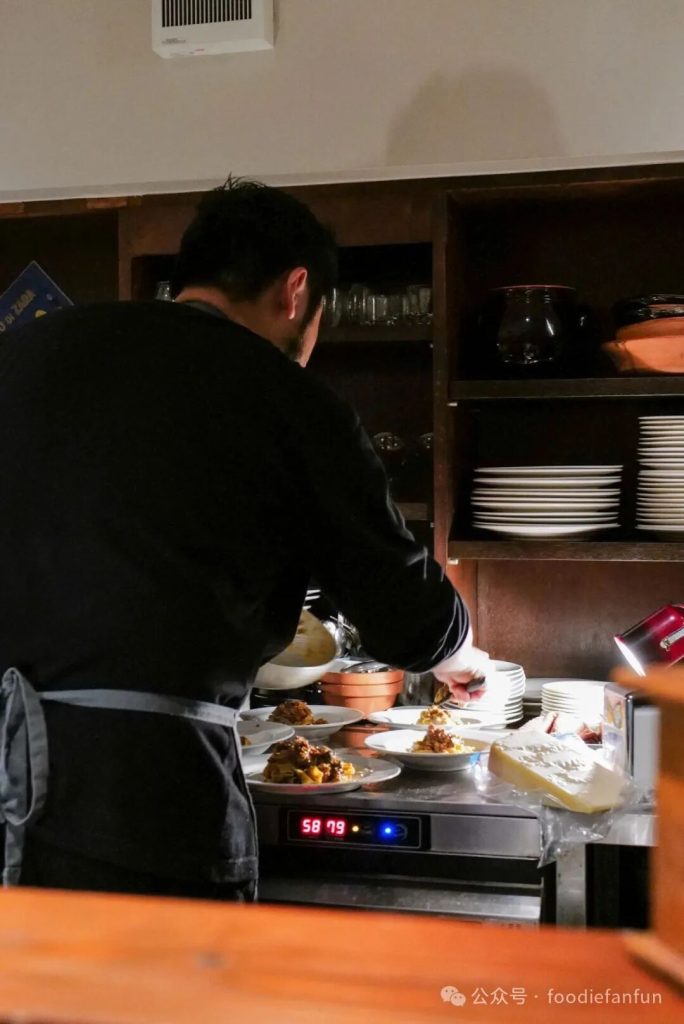
It really is a moving restaurant — traditional, straightforward, delicious…. and generously portioned. The chef, working the counter, radiates the kind of happiness that comes from cheerfully pushing a dream to its fullest.
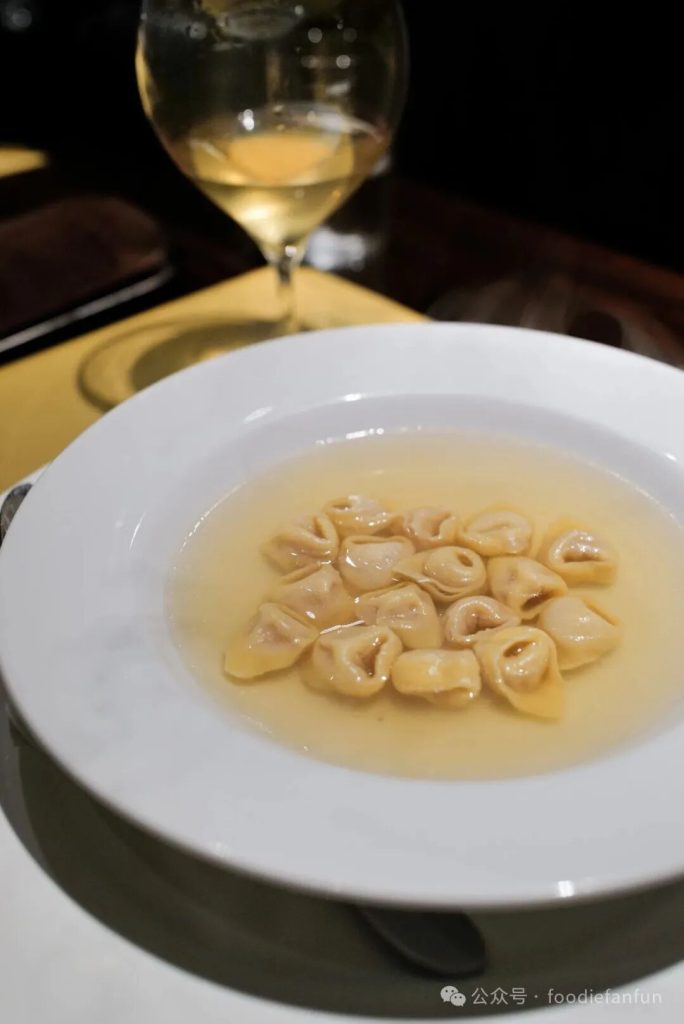
The house tortellini, sitting in a beautifully clean broth, each little dumpling standing proud and lovely. One bite in, beneath a slightly firm shell, the filling’s umami slowly unfolds. A touch of sansho pepper lifts it with freshness, but what comes through most is that gentle wildness you associate with the Bologna region.
Everything else on the menu could also be described simply as delicious.
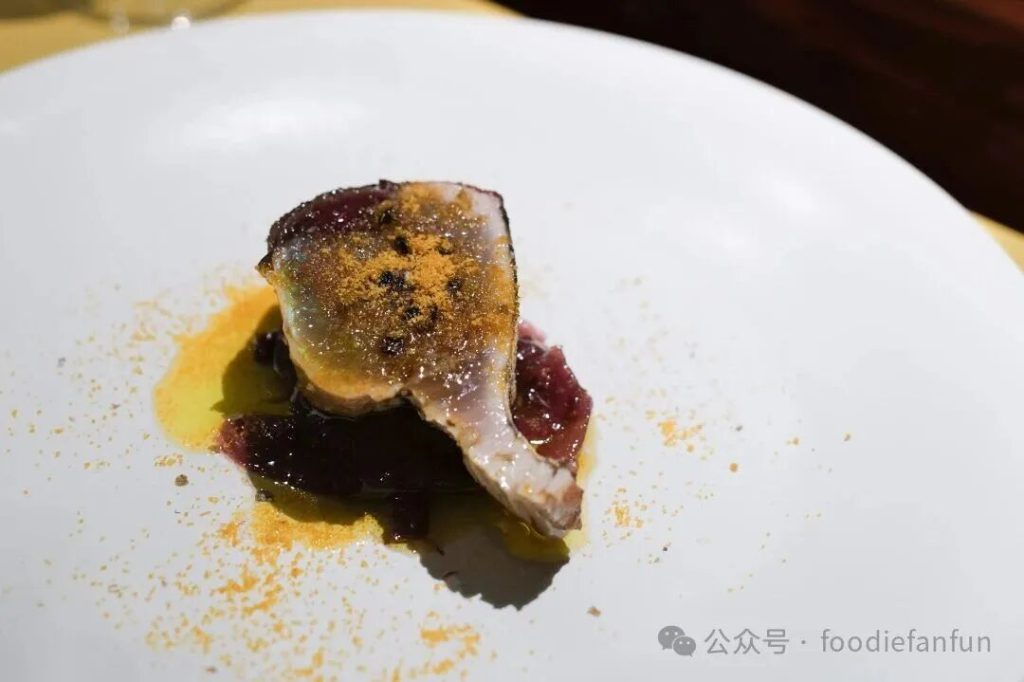
Lightly seared local bonito, great with a drink and full of meaty texture, the fish’s own aroma rich and full, lifted further by karasumi and grabbed by olive oil for a fresh finish — genuinely delicious, in generous bites.
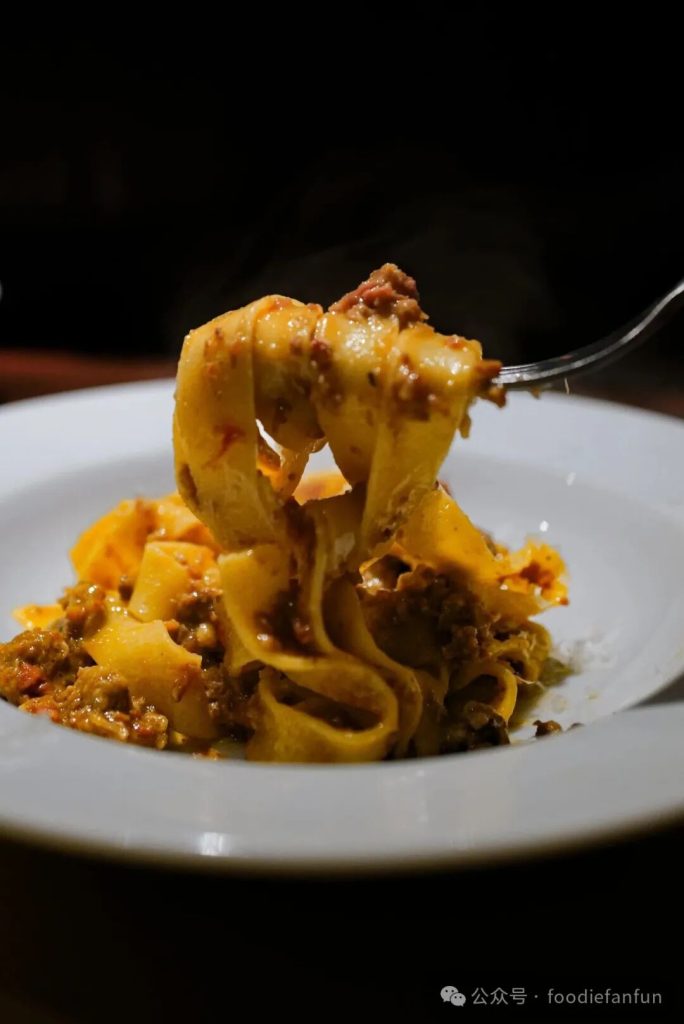
The meat sauce pasta has an intensely bold sauce, full of aroma and meatiness. The pasta itself has just the right bite. The two set each other off in perfect balance.
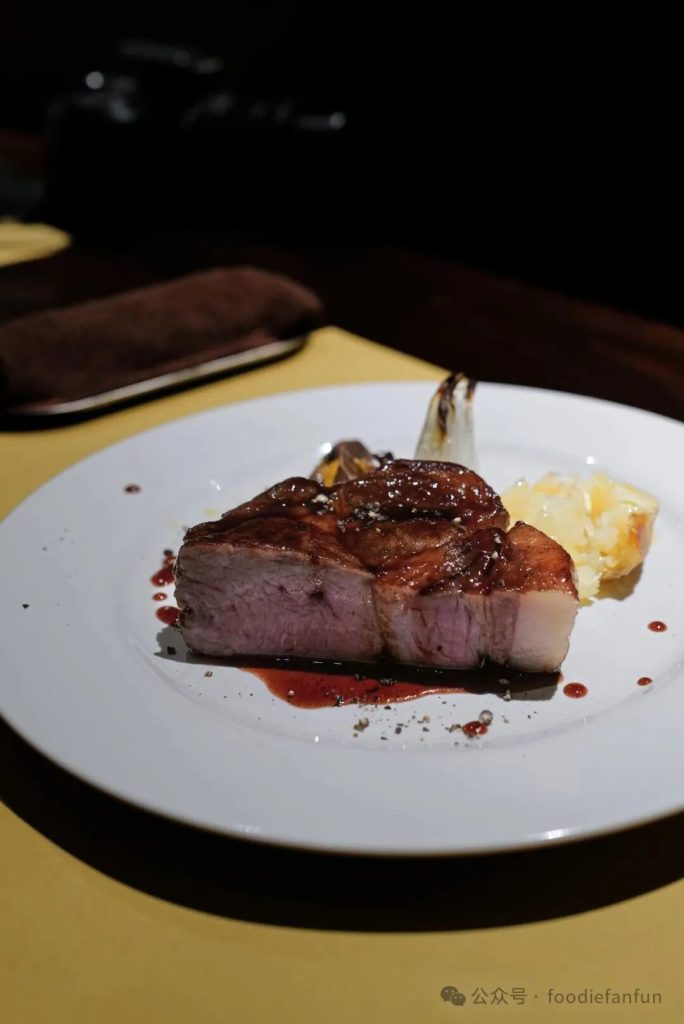
The grilled pork chop, though a large cut, comes through beautifully with enough spice and juiciness that you find yourself calling it filling while somehow finishing the whole piece without noticing.
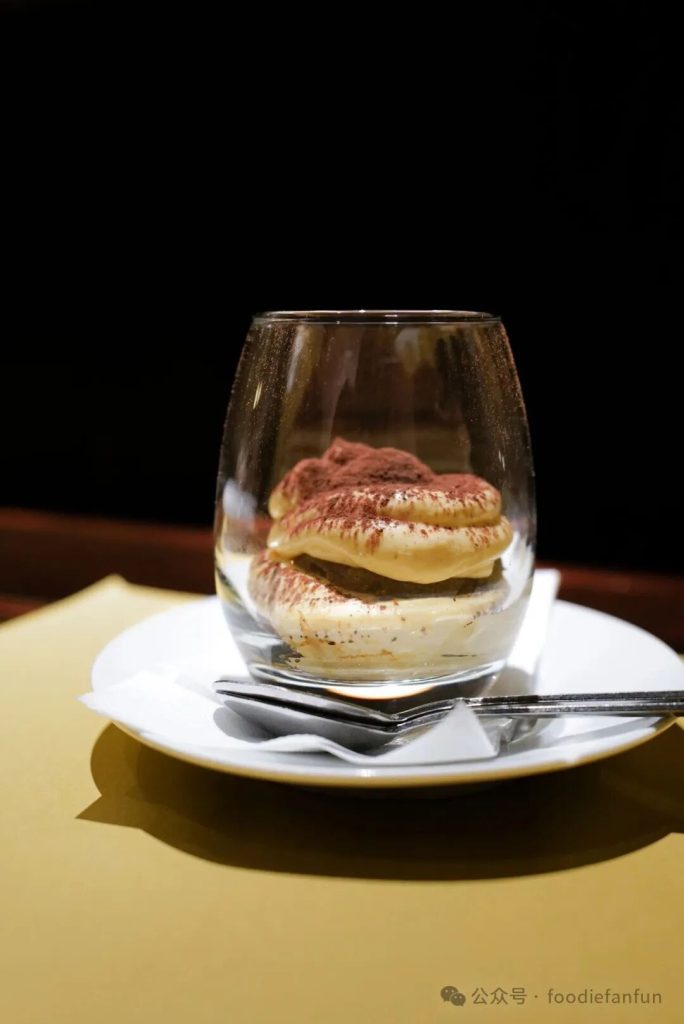
Even the closing tiramisu is full of memorable notes — pure, soft, richly fragrant, and delicately delicious.
Not a local dish by origin, but it truly represents Kagoshima people’s sincere embrace of cuisine from elsewhere.
🌊
What to Do?
Around Kagoshima
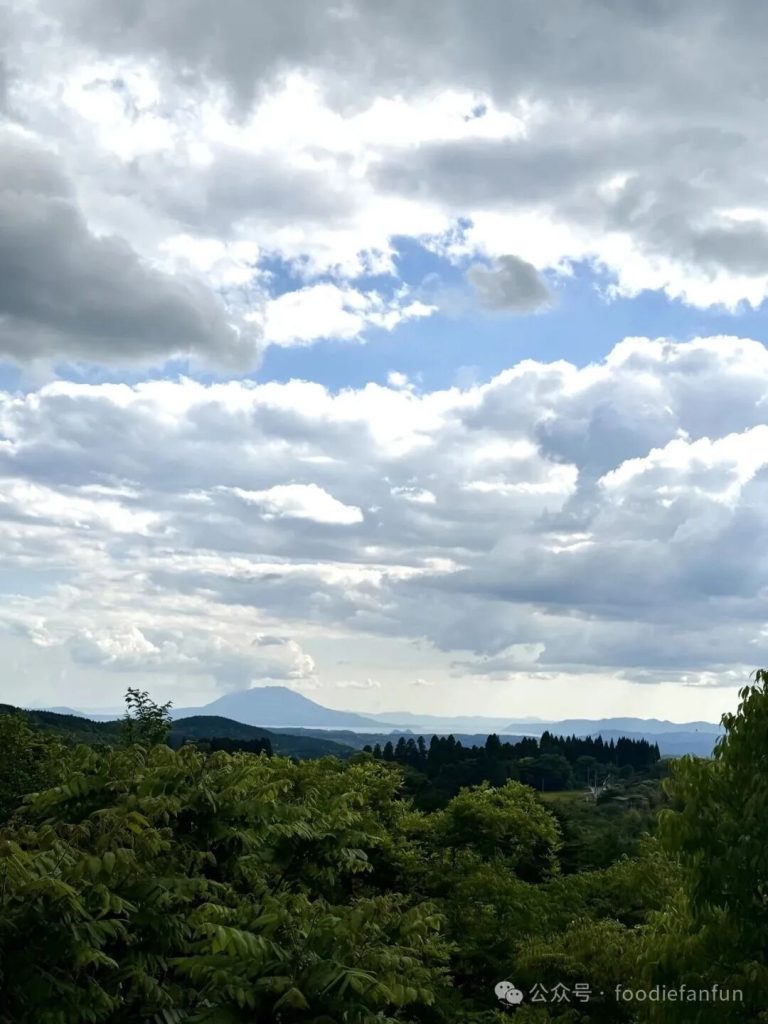
Kagoshima itself isn’t really a city that wins you over with a dense cluster of sights — it’s a fairly modern city, and the best view is probably from a hotel’s upper floors, where you can spot Sakurajima volcano in the distance.
But after some research, I was pleasantly surprised to find two very special small towns nearby. Each has history and culture, beautiful scenery, and distinctive memories — even the journey there is interesting.
One is suited to sea views and a sightseeing train, slowly unfolding the ease and openness of the southern coastline. The other leans more toward mountains, ranches, and countryside scenery, with air, views, and pacing that feel like stepping into paradise.
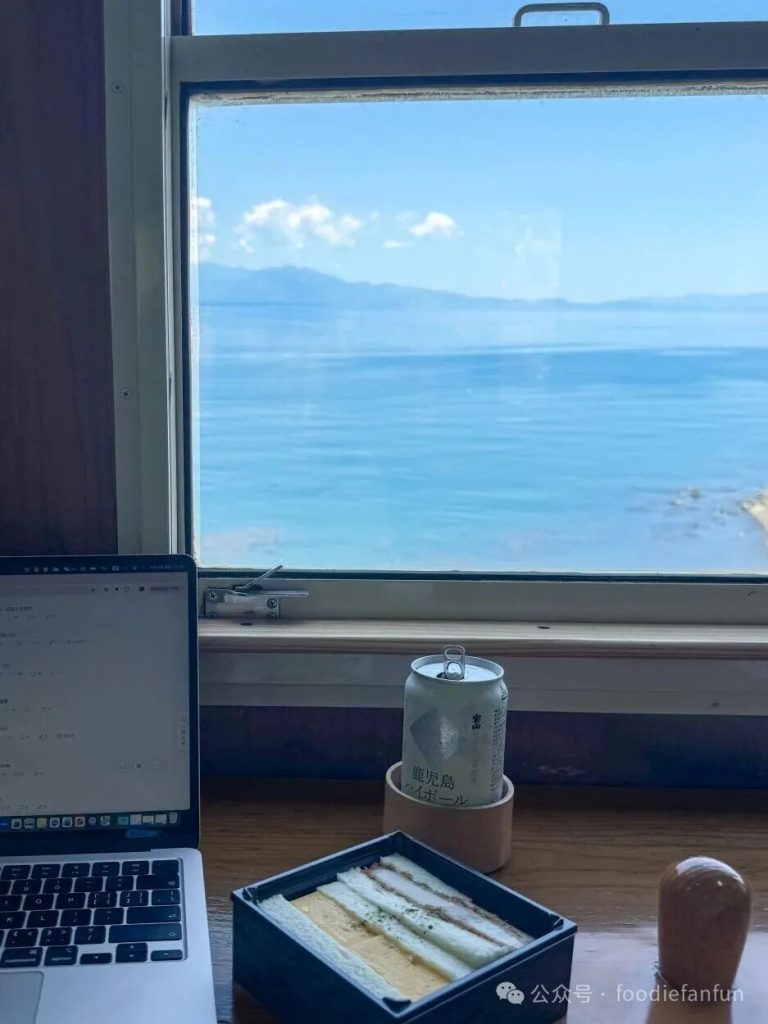
Even without packing a day trip full — just a lazy round trip, maybe bringing a laptop to do something you enjoy — you can already feel what makes Kagoshima genuinely charming.
✦
•
✦
⛰️ Kirishima
⭐️ Sake brewery / farm / shrine / feed 🐑 / make 🧀
💰 Every single spot — 🆓 free!
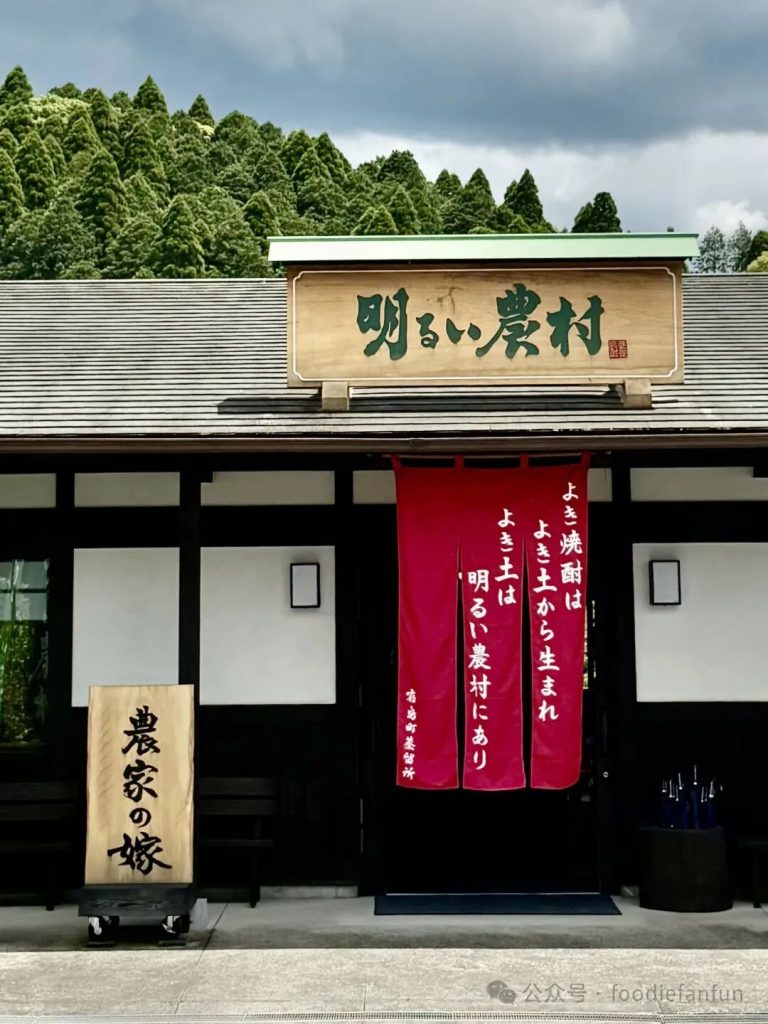
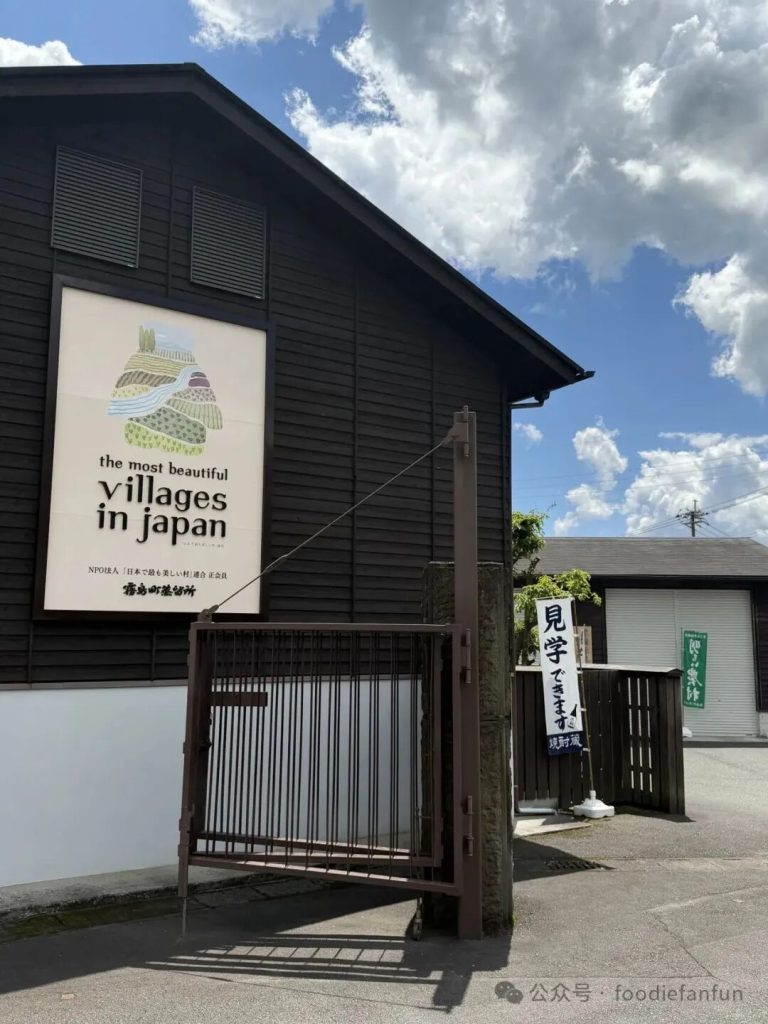
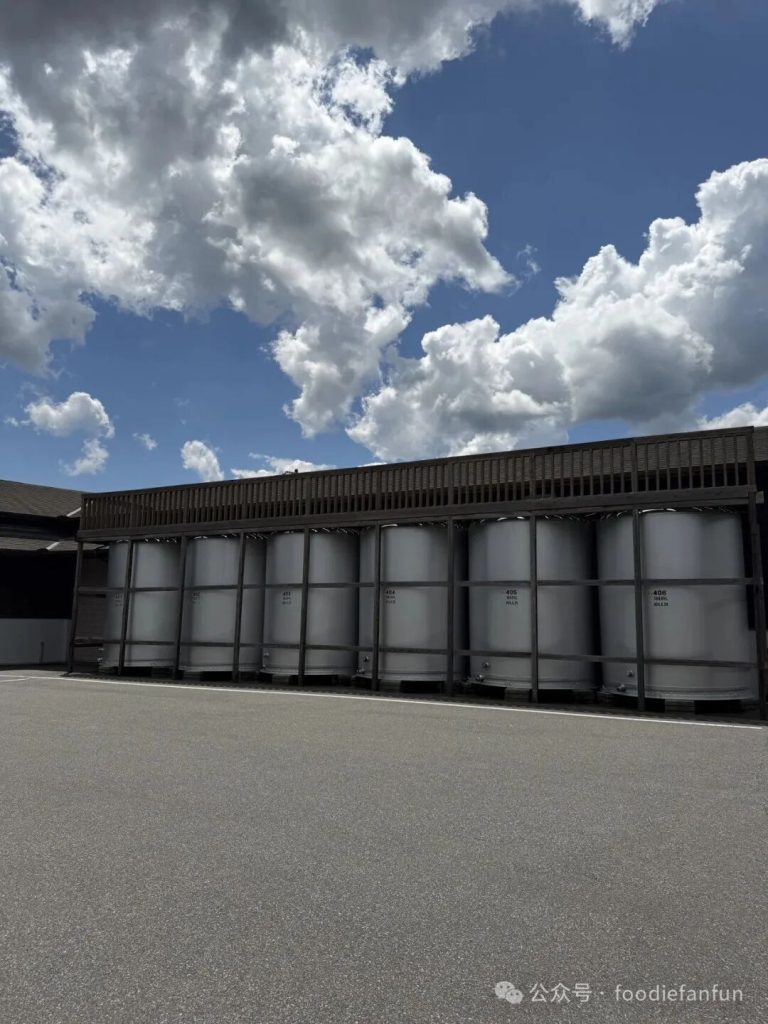
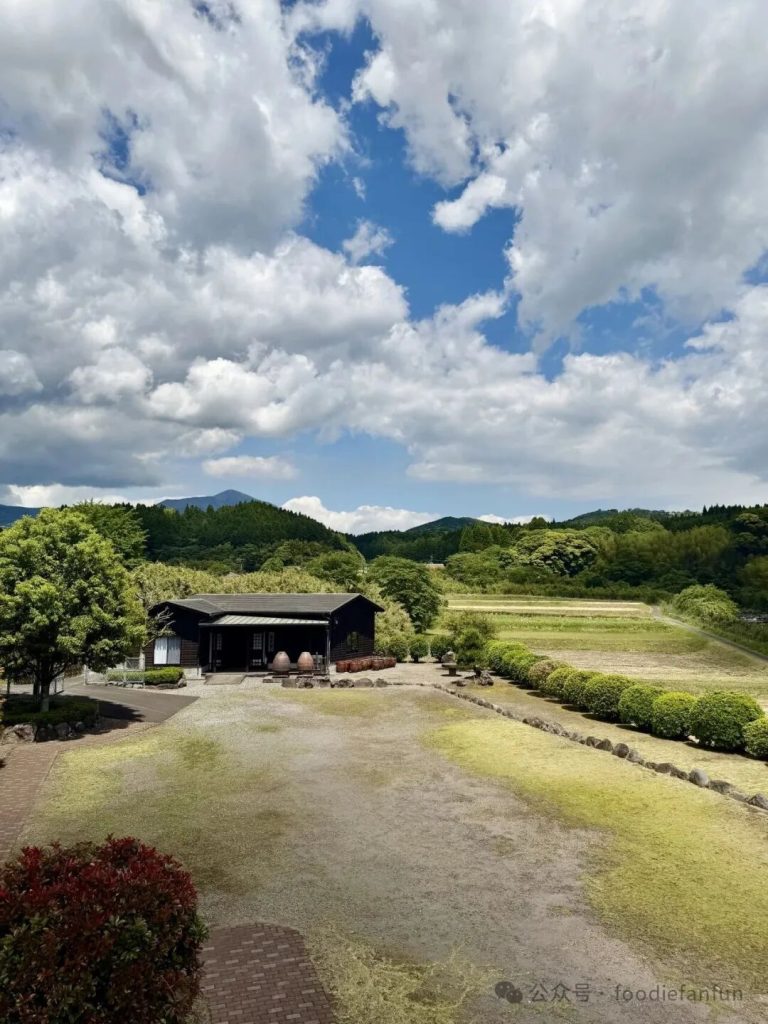
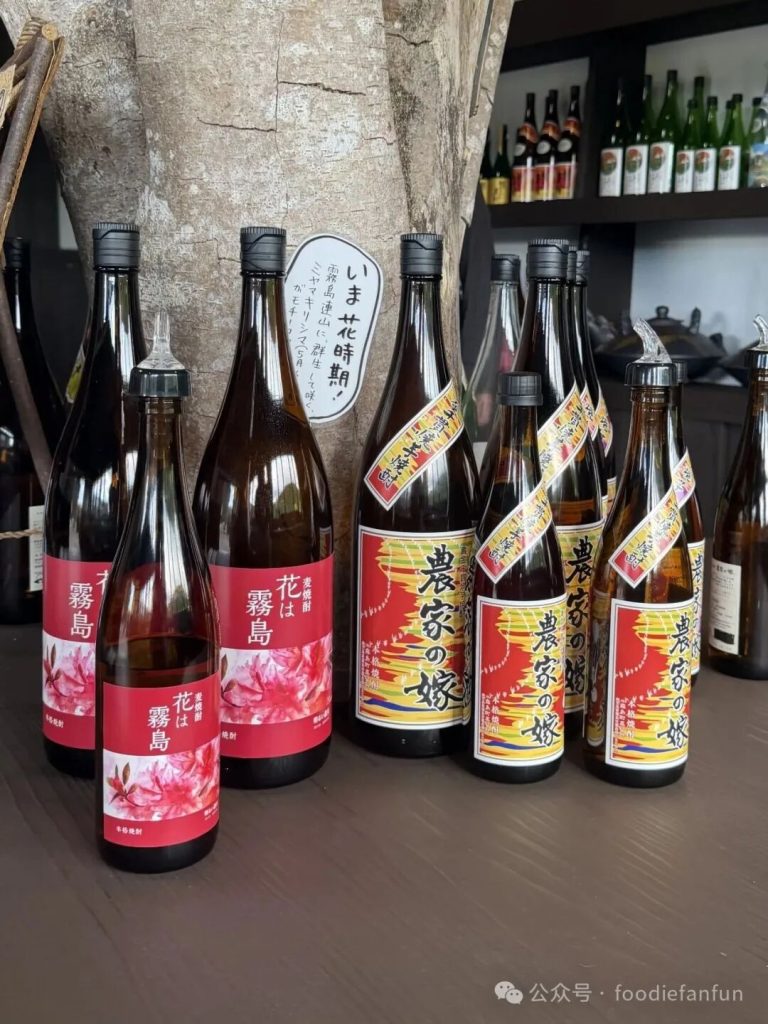
Unlike other Kirishima guides online, let me say this first! Whether or not you drink, please make sure to add “Akarui Nouson · Kirishima-cho Distillery” to your Kirishima Shrine itinerary — because it’s genuinely beautiful!
The Kirishima itinerary starts on the train.
The JR line running along the coast is thoroughly refreshing. Once you arrive, there are buses to take you further out into the countryside for sightseeing. (Taxis are relatively scarce in this small area, so timing things around the bus is actually more convenient.)
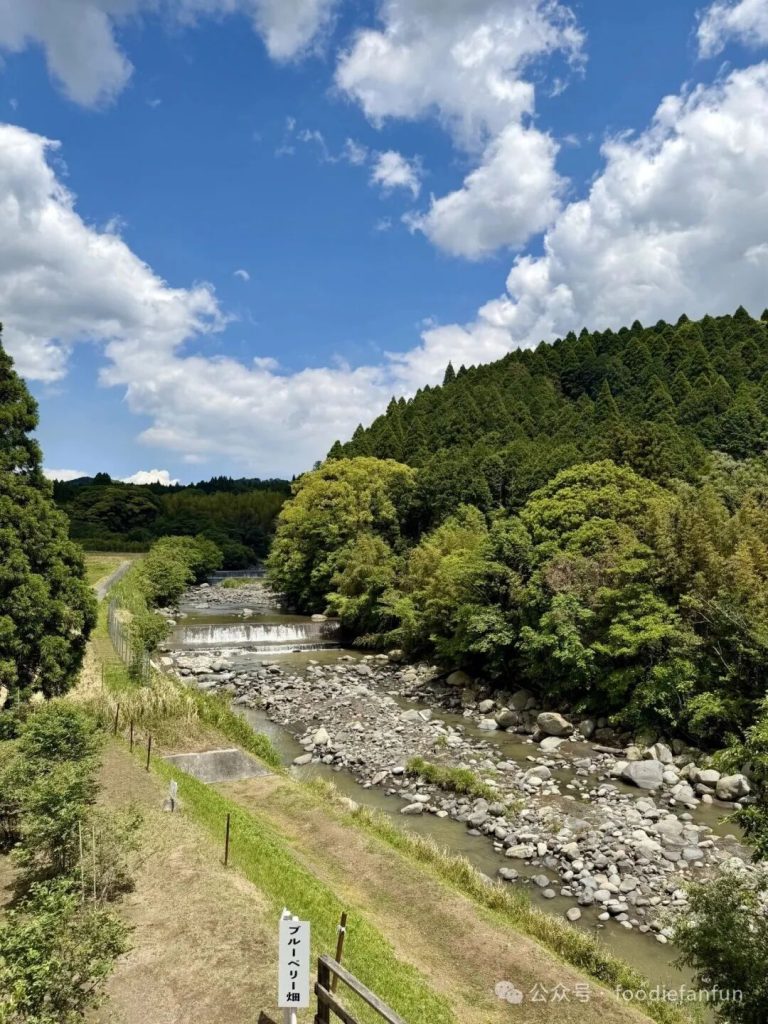
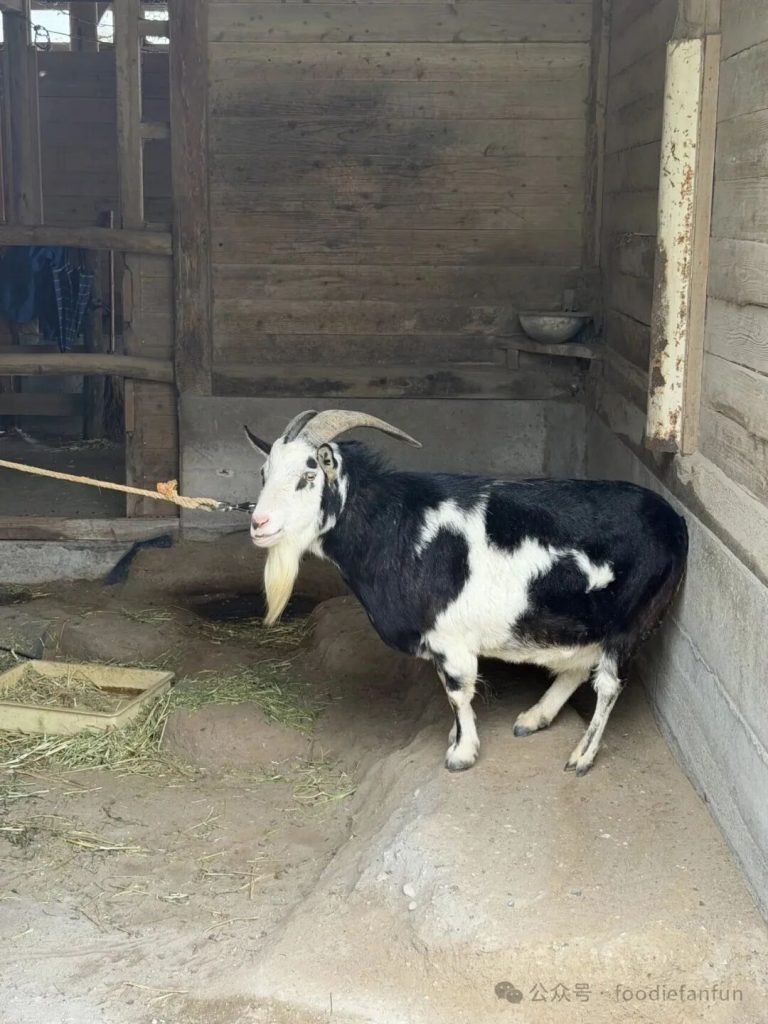
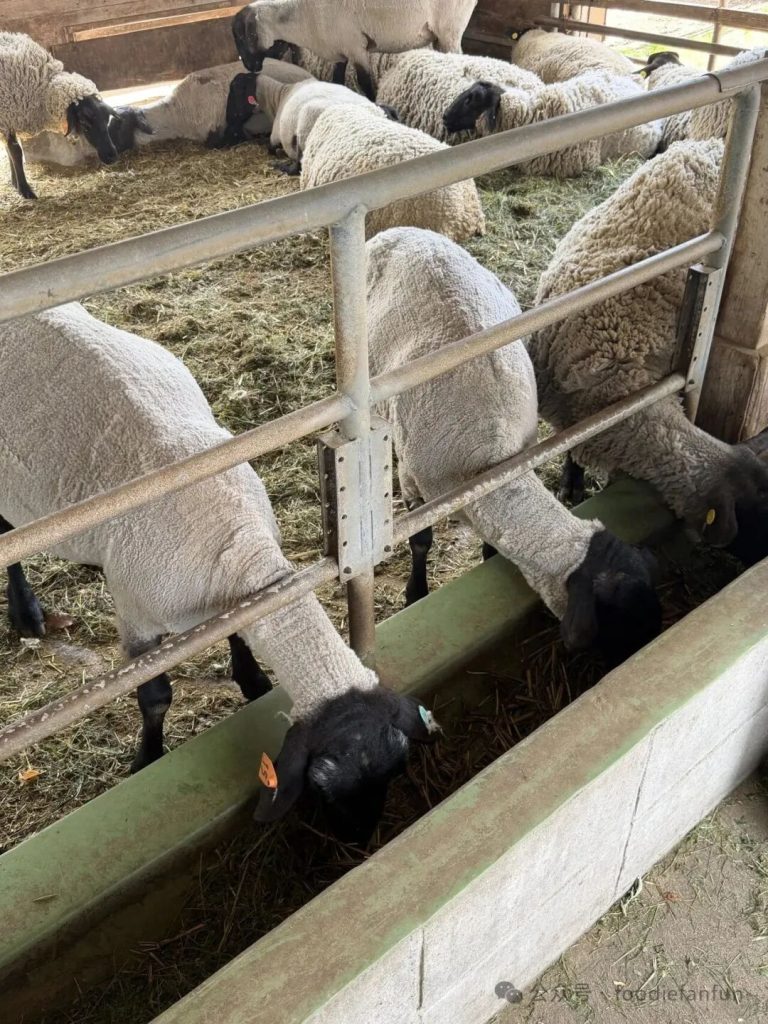
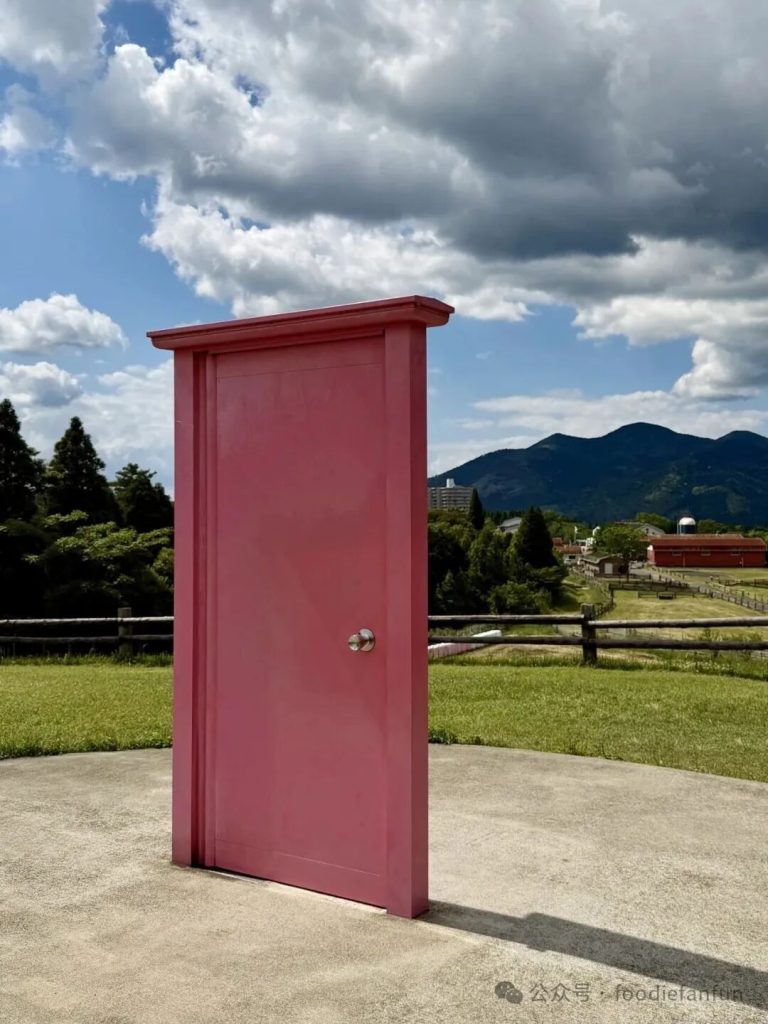
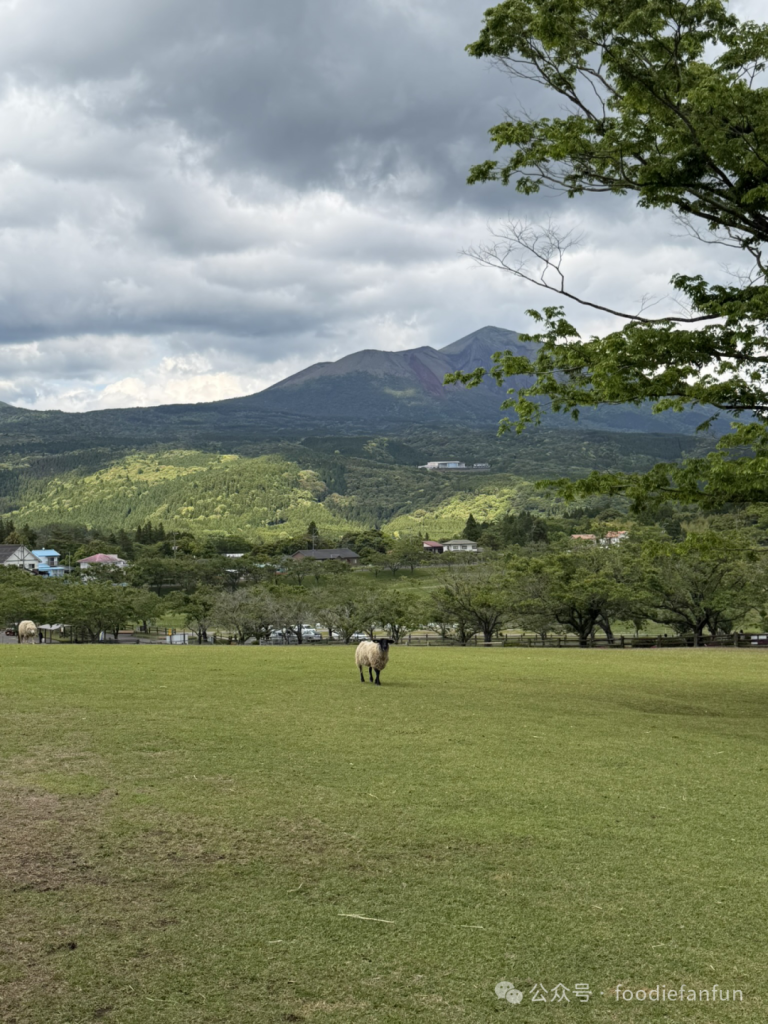
Here you’ll find the historically significant Kirishima Shrine, a beautiful and locally representative sake brewery, and also the production home of Takachiho Ranch — the well-known Japanese milk brand you can buy in supermarkets — where you can feed sheep, make butter, and even see Doraemon’s “Anywhere Door.” Sunshine, gorgeous natural scenery, cultural character, and small animals — basically perfect.
And it’s completely free the whole way through! The people of Kirishima are inviting you to come play for free!
⭐️ Here’s a reference itinerary you can use:
🚄 Kagoshima-Chuo → Kirishima-jingu Station, JR Kirishima, 11:50–12:40
——🚩 Unreserved seating, sit on side C/D for the view
🚌 Kirishima-jingu Station → Taguchi, 12:56–13:00
🍶 Akarui Nouson · Kirishima-cho Distillery
——A stunningly scenic brewery, free tour! About 30 minutes including drinking and playing around. Bookable on the brewery’s official website.
🚕 Akarui Nouson → Takachiho Ranch
——You’ll need to ask the brewery to help call a taxi for this leg, but the cost is manageable, around 2,000 yen
🐑 Takachiho Ranch
——This is the actual production origin of that great-tasting milk you can buy in Tokyo. You can watch it being made and drink fresh milk here. The scenery is gorgeous, and you can feed animals, watch cattle, and make butter. The ranch also serves meals, including a grill house for local beef and lamb. Make sure to walk all the way to the summit — there’s also Doraemon’s Anywhere Door.
🚌 Takachiho Ranch → Kirishima Shrine, 3:38–3:55
⛩️ Kirishima Shrine (climb up and you can also see Sakurajima 🌋 in the distance)
——or there’s a taxi stand in front of the shrine, drivers will be looking for fares
🚄 Kirishima-jingu Station → Kagoshima-Chuo Station, JR Kirishima, 5:42–6:31
——🚩 Sit on side A/B, and in the right season you’ll catch the sunset
The view from the top of Kirishima Shrine is deeply soothing
⚠️ Notes:
1️⃣ Bring plenty of coins and 1,000-yen bills — local buses require them.
2️⃣ Sake bought at the brewery can be shipped directly to your address.
3️⃣ All three of these spots are free (Kirishima locals, you’re all so generous).
4️⃣ Interactive activities like the ranch’s butter-making session run on a fixed schedule — please confirm the timing on the official website/Instagram beforehand.
5️⃣ Local transport mainly relies on buses (infrequent, only a few runs a day), and Google Maps doesn’t show local bus routes. You can reference my itinerary here, or check the official disclosure website for bus times that better suit your own schedule.
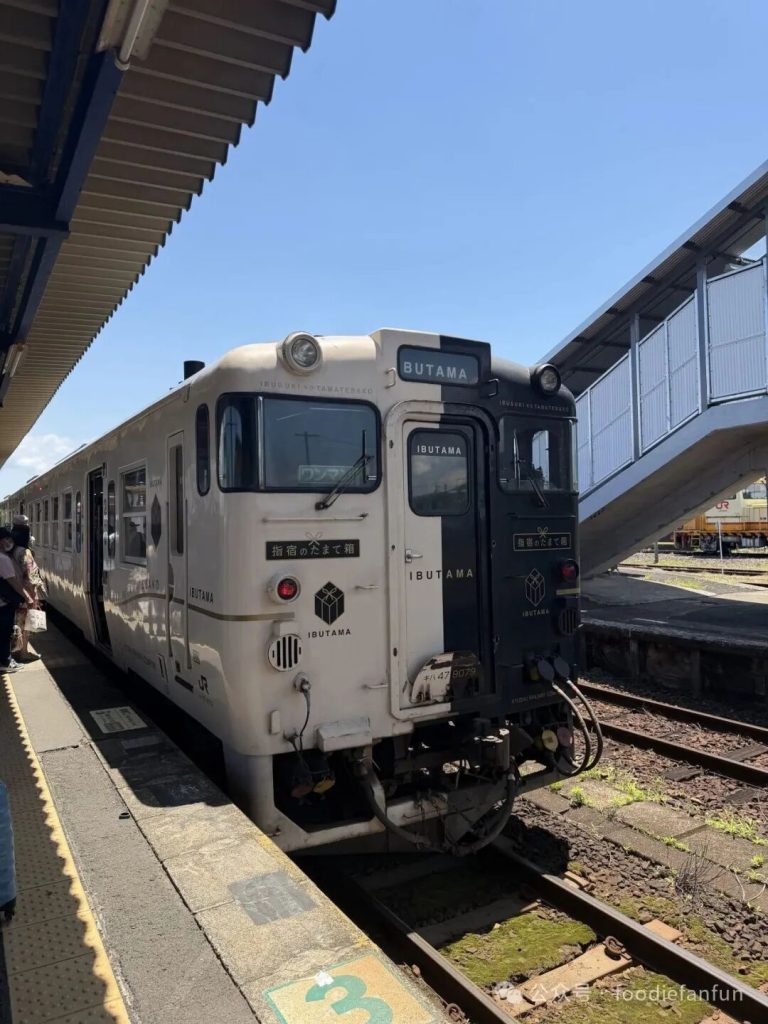
I first learned about Ibusuki because of the black-and-white train that faces the sea, “Tamatebako.” A train that stepped straight out of the folktale “Urashima Taro,” it represents a story about time and travel.
Tamatebako is worth riding once. Whether it’s the soothing feeling of facing the sea, or the warmth of the locals waving flags by the tracks as the train pulls in, it’s a wonderful memory. It’s like riding a clattering little train straight into a fairy-tale paradise.
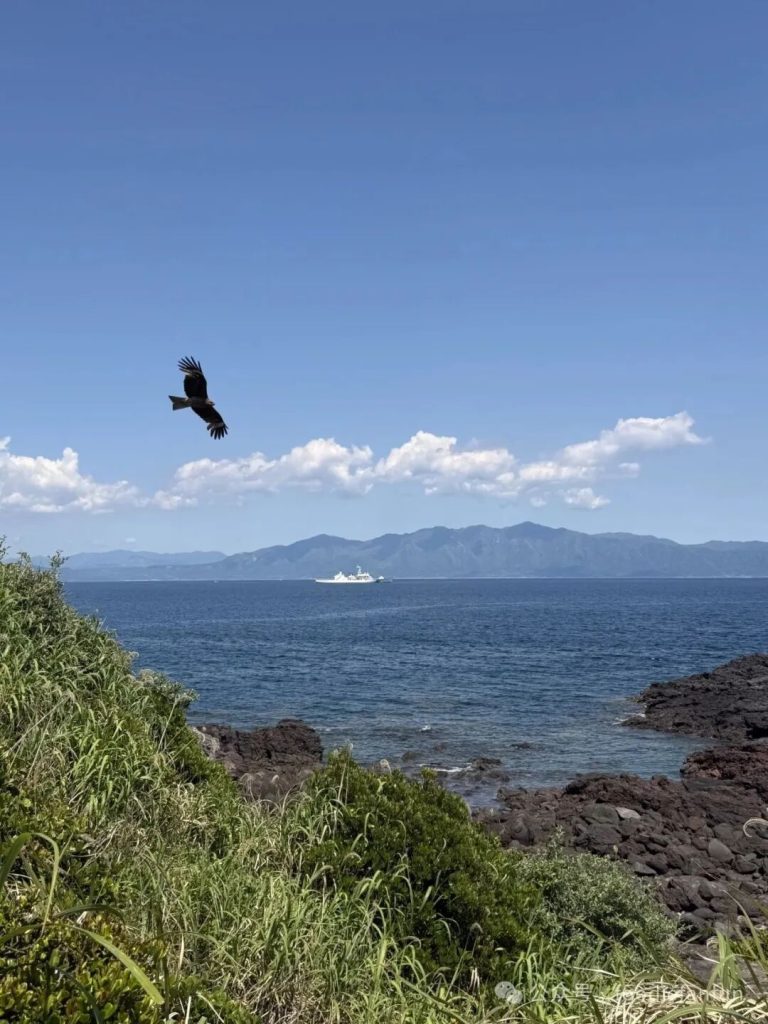
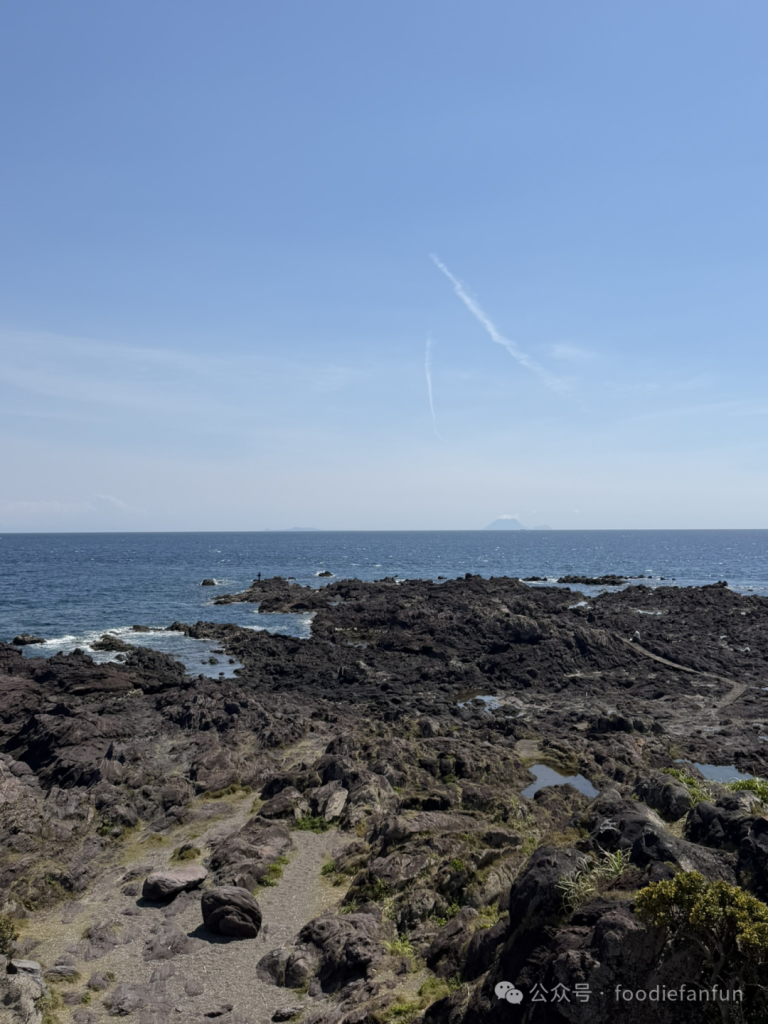
It’s also the southernmost tip of the Satsuma Peninsula — right at the point of the coast, you can see Mt. Kaimon across the water, known as “Satsuma Fuji.” With coastline, roads, a volcano, fields, and hot spring landscapes, just sitting quietly on a little bench by the road is already enough to be beautiful — a truly soothing journey.
⭐️ Here’s the full itinerary and tips~
(Ibusuki most recently updated its bus timetable in October 2025 — please check the latest version and adjust your itinerary accordingly. Local buses are still tightly tied to the Tamatebako’s arrival times.)
——Buy tickets ahead of time, ideally about three days in advance; seat A in car 2 lets you sit facing the sea. Bento and souvenirs are sold onboard, but it’s best to eat beforehand since the little train really rattles.
🚌 Ibusuki Station → Nagasakibana, 13:10–13:51
——750 yen, bring coins, new bills not accepted. Sit on the left side for a sea view the whole way.
🌊 Nagasakibana + Ryugu Shrine
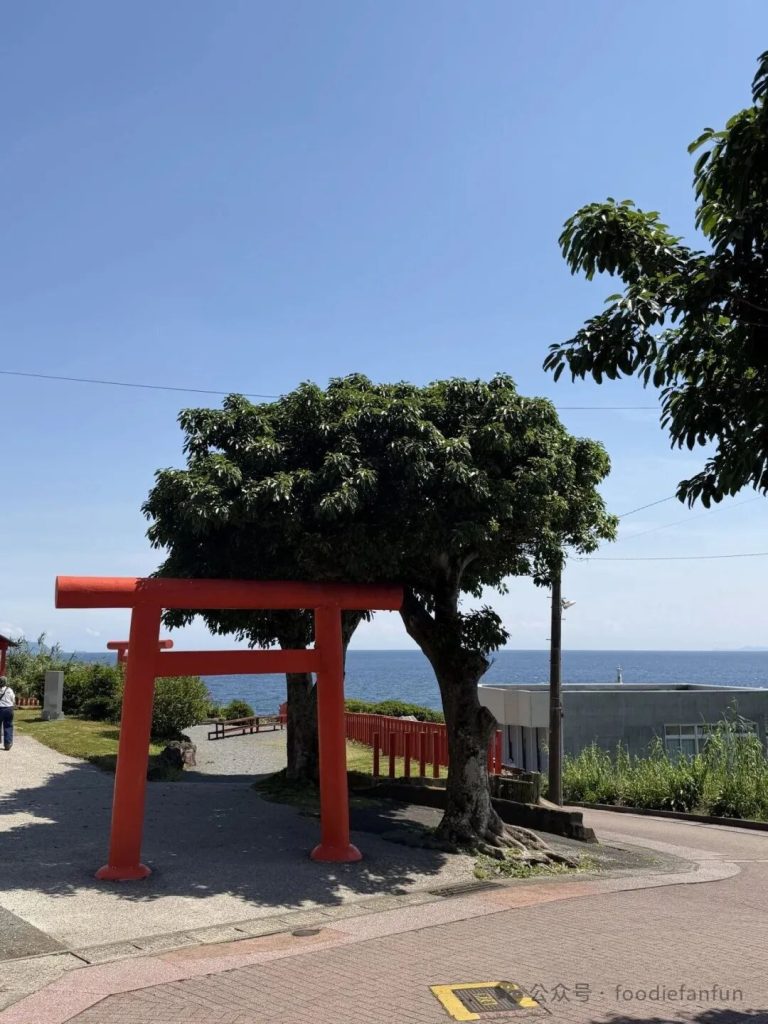
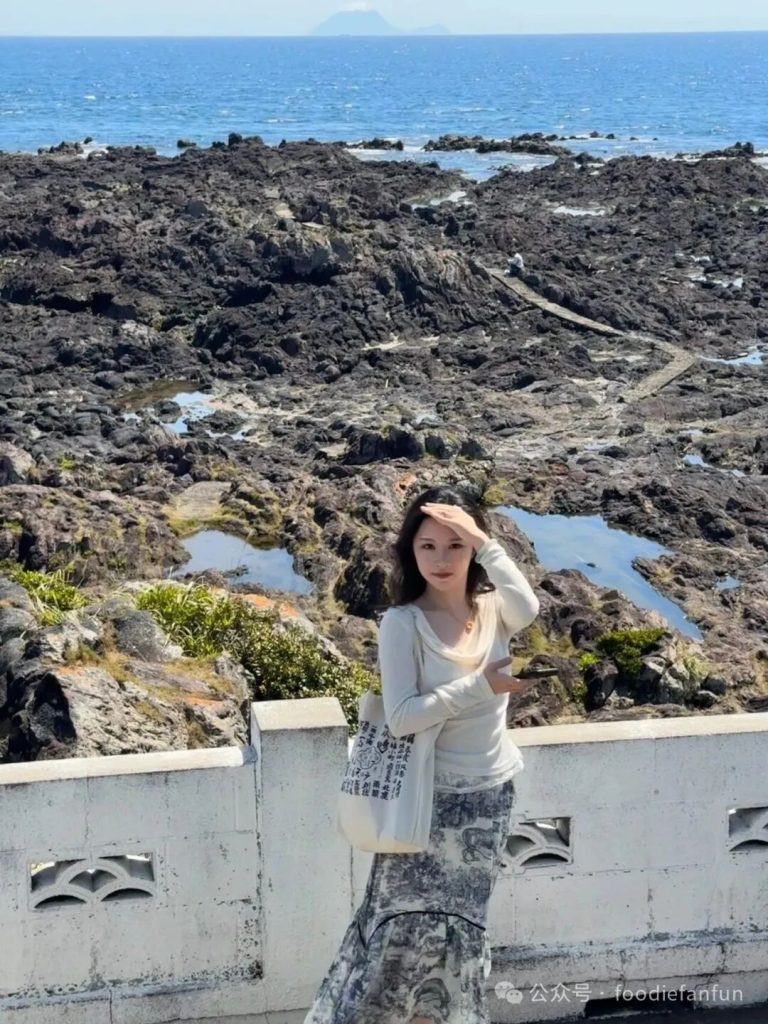
——The birthplace of the folktale, a beautiful stretch of coastline, but watch out for sun protection.
🚌 Nagasakibana → Ibusuki Station, 15:19–16:00
🚈 Ibusuki → Kagoshima-Chuo Station, 16:39–17:43
It’s genuinely a feast for the eyes!
🥂
Where to Go?
Drinking in Kagoshima
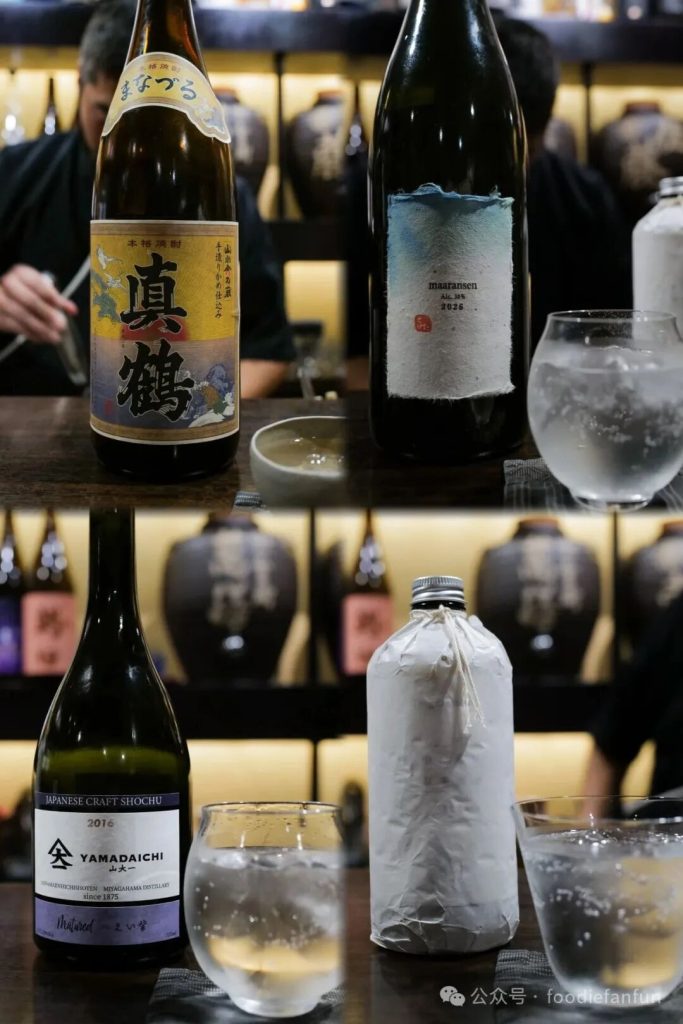
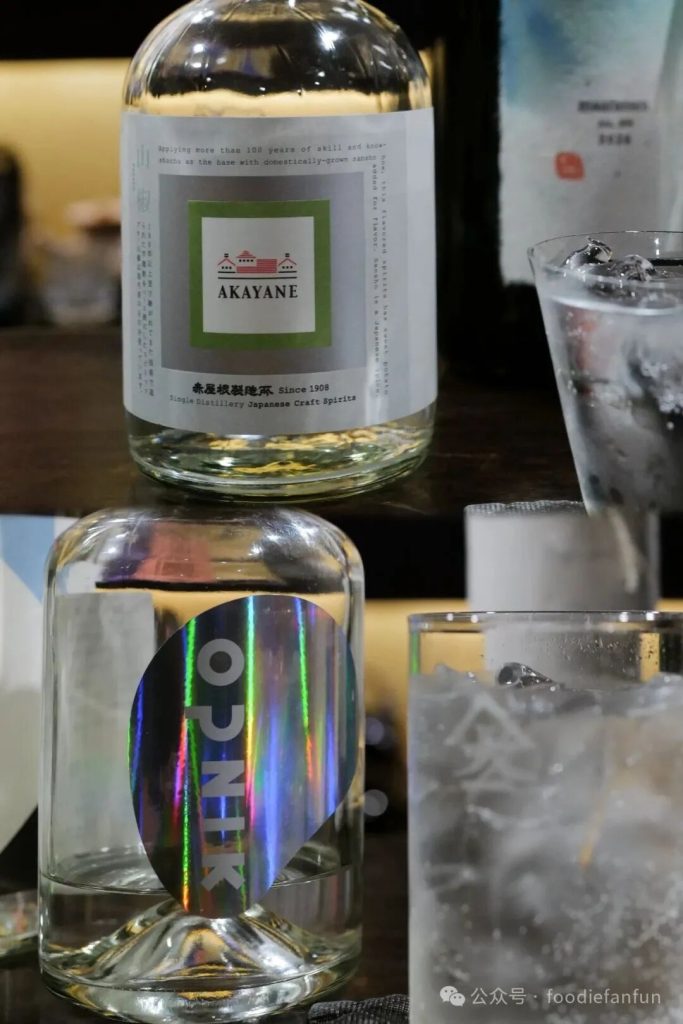
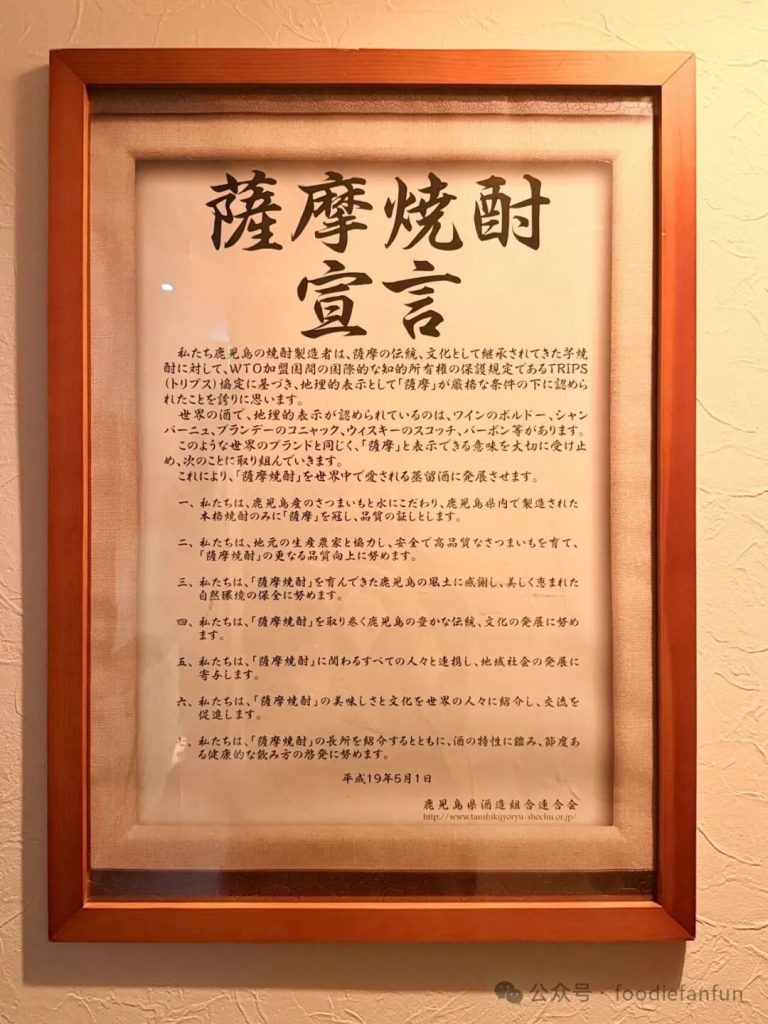
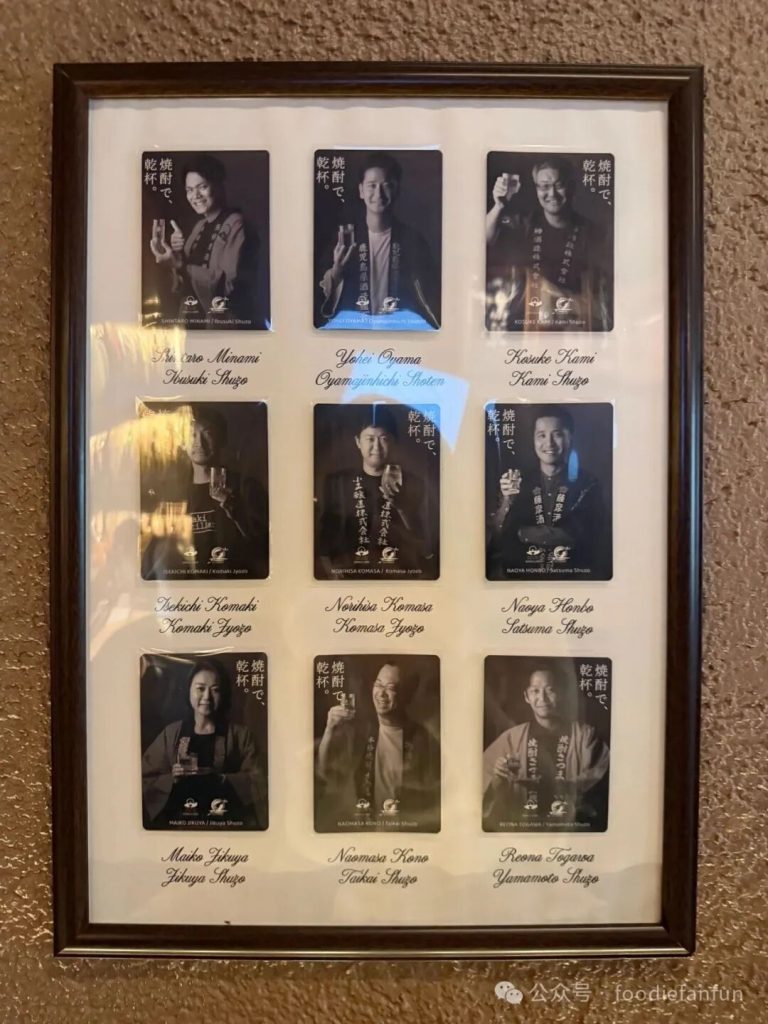
Once in Kagoshima, you absolutely have to drink shochu. As one of Japan’s most important shochu-producing regions, shochu here is practically a daily “beverage” woven into everyday life.
90% of the municipalities in the prefecture have their own local distillery. Unlike sake, Kagoshima shochu spans an unusually wide range of styles depending on the raw ingredient and technique used.
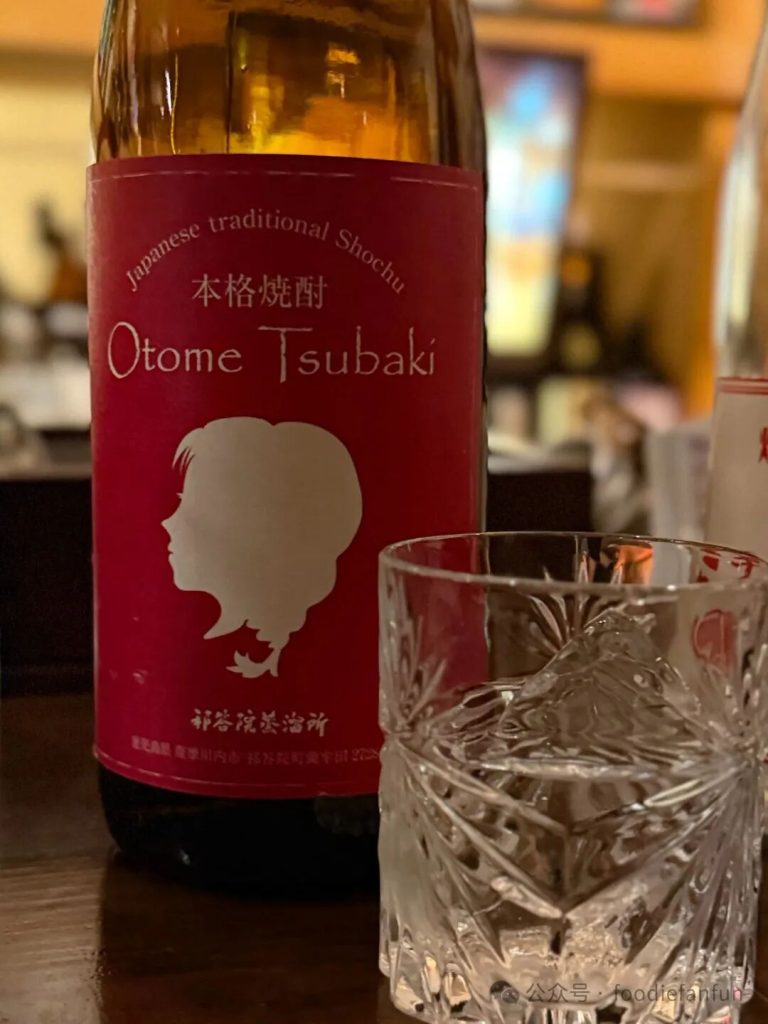
Sweet potato, barley, brown sugar — mixed with water, on the rocks, with soda — it’s only once you actually get to Kagoshima that you realize shochu here isn’t simply a local specialty, but a genuinely natural way of local life.
Thanks here to 🐮 Niu Laoshi for providing plenty of ideas and leads that helped me precisely track down the truly interesting spots on this trip.
✦
•
✦
🍸 BAR S.A.O
⭐️ I’d happily call this the temple of shochu — every single bottle gets its own special presentation here
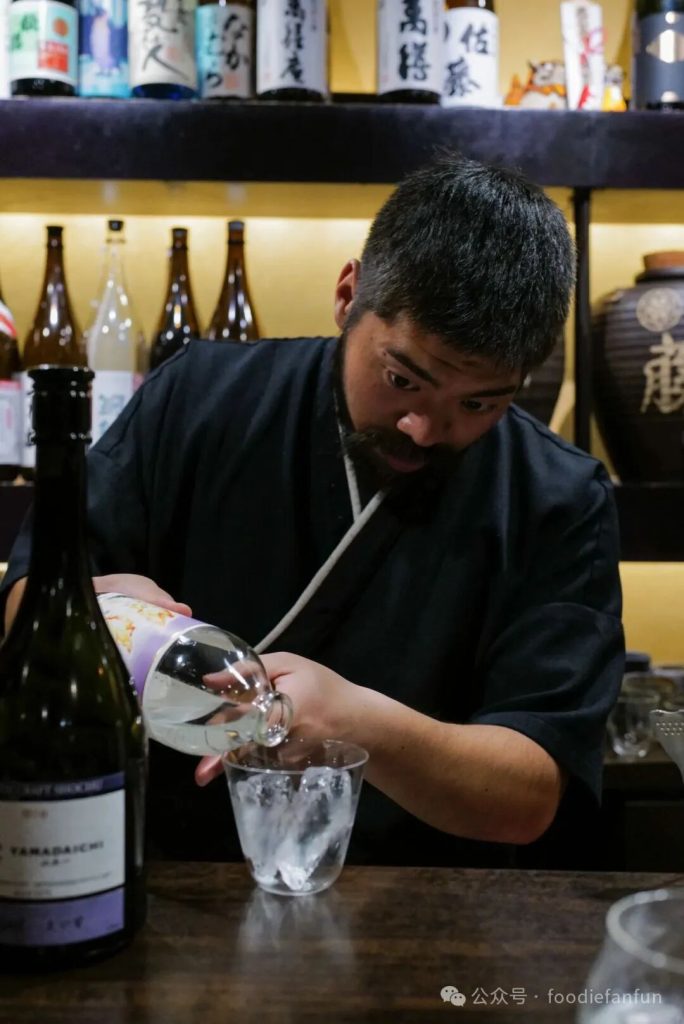
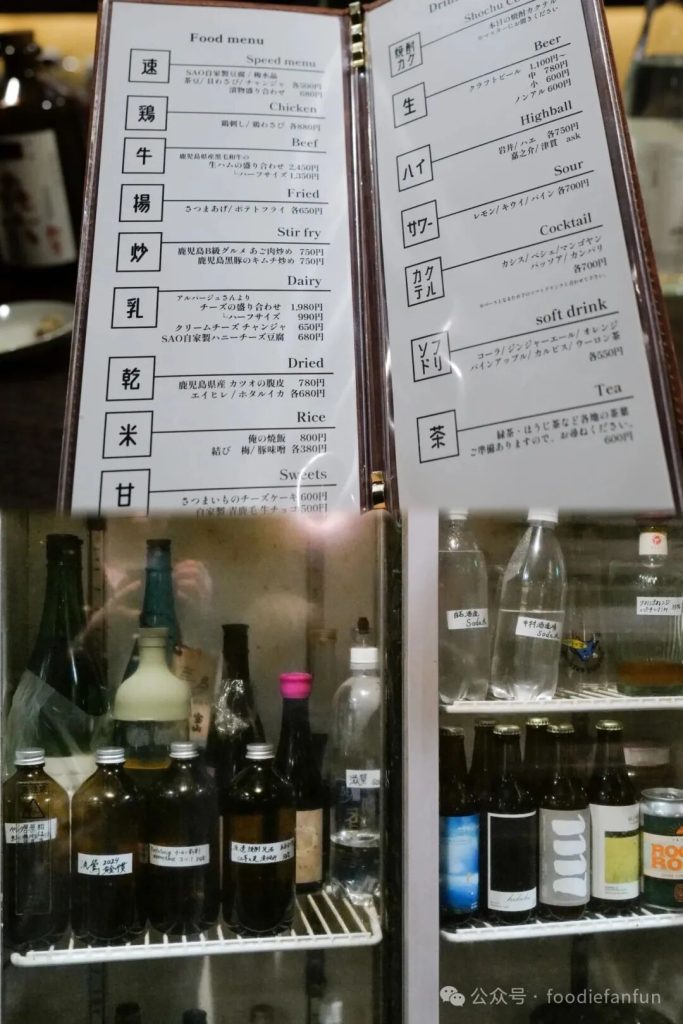
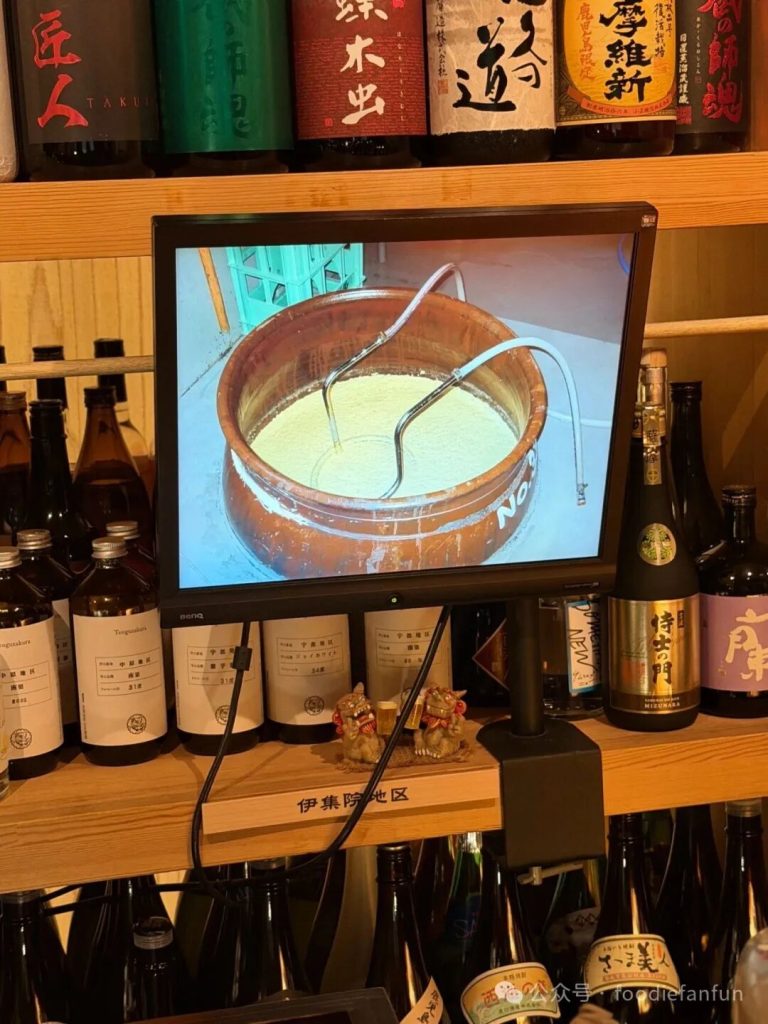
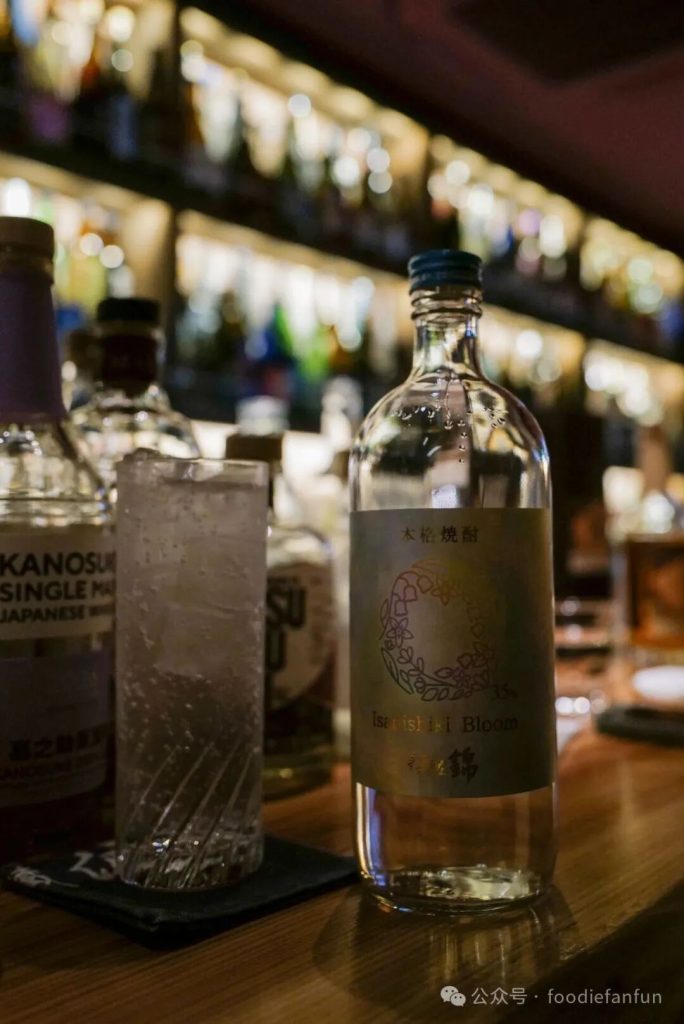
On the very first day of the Kagoshima trip, I stumbled straight into a temple of a bar that turns practically every shochu into its own “drink.” The plastic bottles lying at an angle in the fridge look casual, but every single one actually has its own specific job.
Compared with the hundreds of shochu bars in Kagoshima, S.A.O.’s real strength isn’t how much it has in stock, but how genuinely seriously it works to express each bottle’s character to the guest.
For instance, due to cost, pre-diluting (maewari) is extremely rare at most restaurants and bars in Japan. But S.A.O. treats maewari as a mandatory consideration for the right bottles. You could say everything this place prepares is aimed at letting guests experience shochu at its very best.
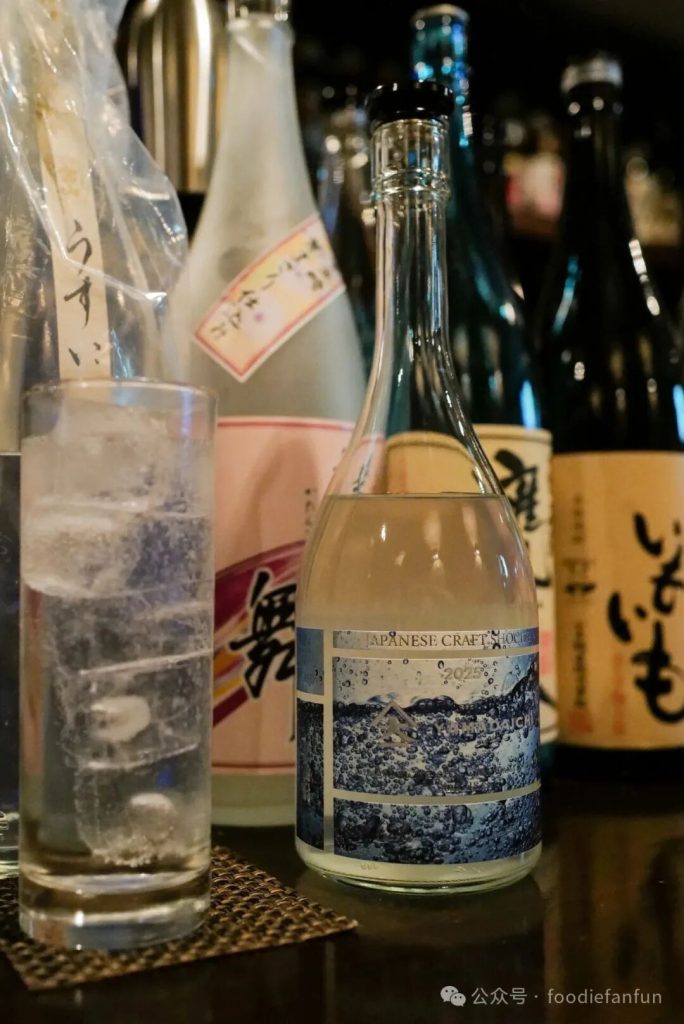
The range of bottles here is broad, and the ways of experiencing them vary widely too — there’s even a brown-sugar shochu “parent-and-child drink” (a riff on oyakodon). Ratio, temperature, and how it’s opened are all thought through in advance. At times you might feel that the shochu you’re drinking here is more like a freshly made dish — put through a logical, complete process precisely tailored to its personality, never just a simple pour of liquor and sparkling water.
For a common soda-mix, they’ll first get the overall structure exactly right, then finish with a few drops of shochu on top — like the light final flourish of a cocktail. These delicate details make the aroma and shape snap into focus at the very last moment, giving every bottle of shochu its true meaning.
A seemingly ordinary shochu bar with a low barrier to entry, yet executed with real dedication. You might not even notice yourself drinking ten-plus glasses, and you’ll feel a little reluctant to leave. This is a small bar genuinely living up to the “charm” of shochu.
✦
•
✦
🤵 Ishizue
👔 An “old fashioned,” old-school, and serious shochu bar
Also near Tenmonkan, in fact right across the street, Ishizue is a completely different kind of presence.
This feels much more like what a proper, old-school shochu bar should be. Suited bartenders, gentlemanly space and lighting, and an entire back wall lined with one-shō bottles.
Drinking shochu here, you clearly notice the staff aren’t just throwing so-called “famous bottles” at you to pick from — instead, they guide you based on your own preferences.
Every single staff member can pinpoint the style you’re looking for based on how you describe it, and explain clearly and in detail the brand, maker, and flavor differences of the available bottles, so before you know it you’ve fallen straight into the world of shochu.
Compared with S.A.O., which makes you marvel that “shochu can actually be like this” through cleverness and lightness, Ishizue feels more like it’s laying out Kagoshima shochu’s most traditional, most solid, and most complete side for its guests.
It’s a comfort that belongs to the old-school and the professional.
✦
•
✦
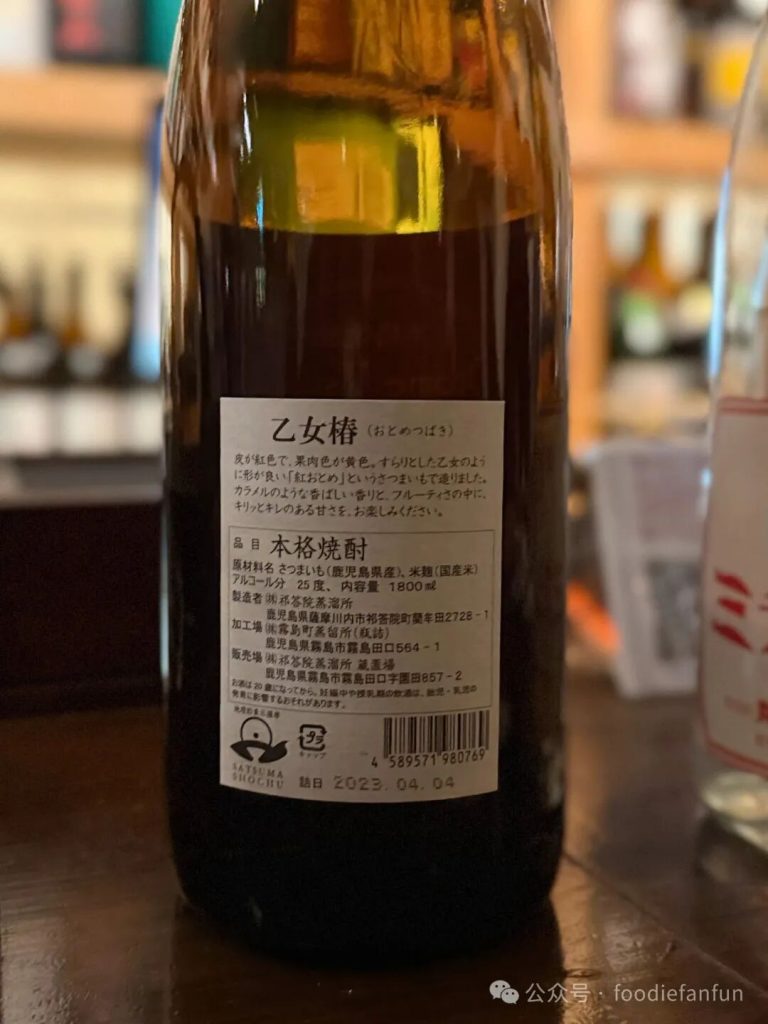
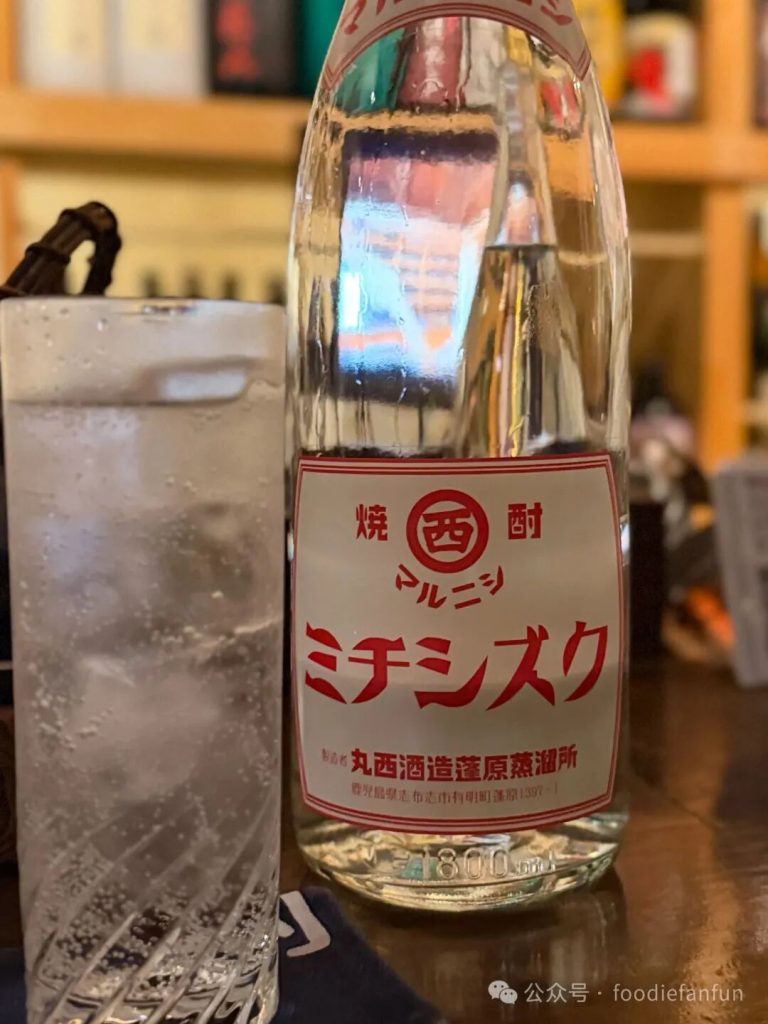
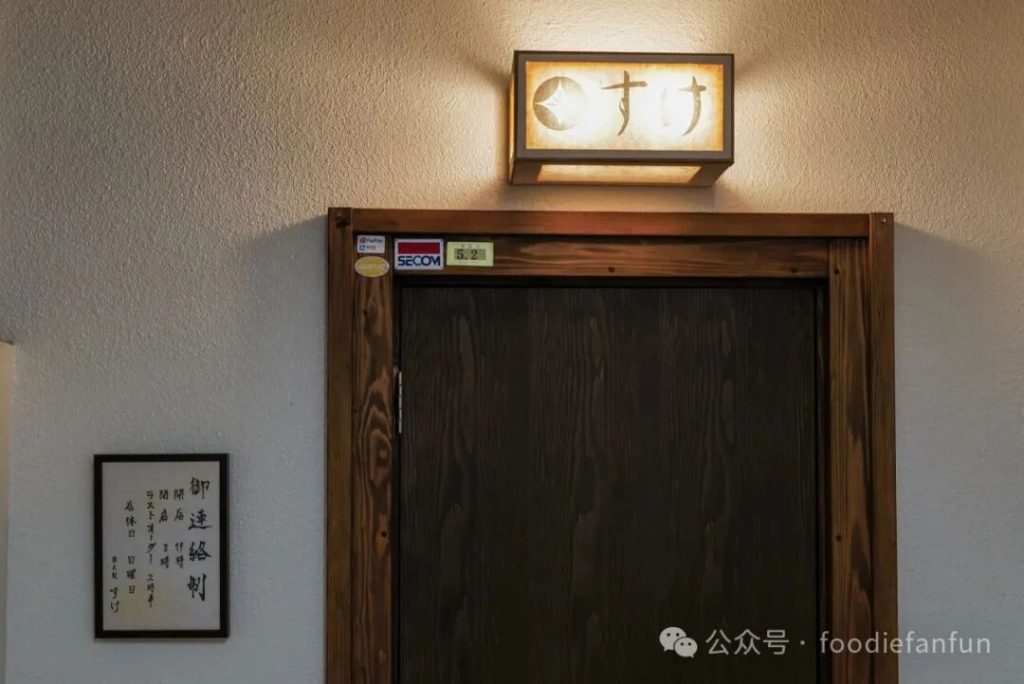
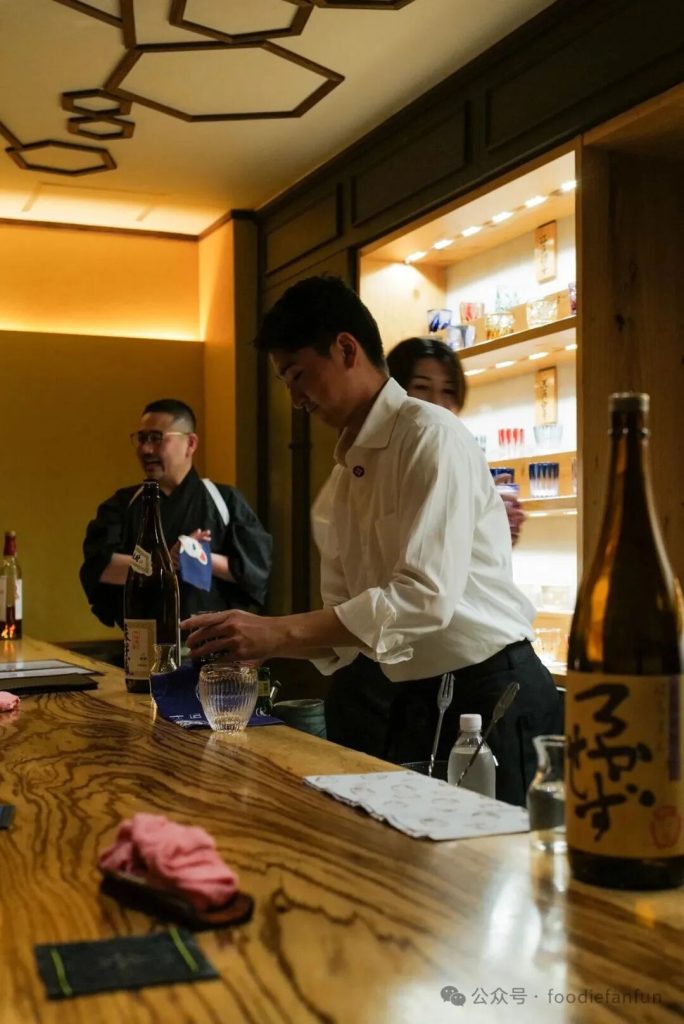
🎨 Kiriko to Shuki wo Tanoshimu Bar Suke
⭐️ A different kind of beauty, belonging to what the drink is served in
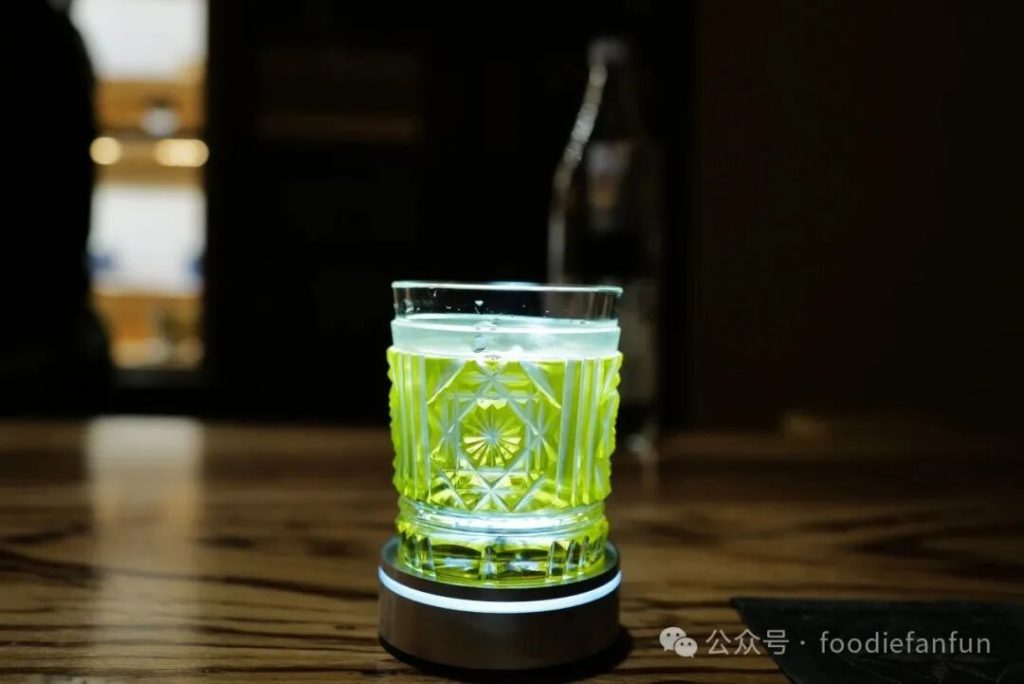
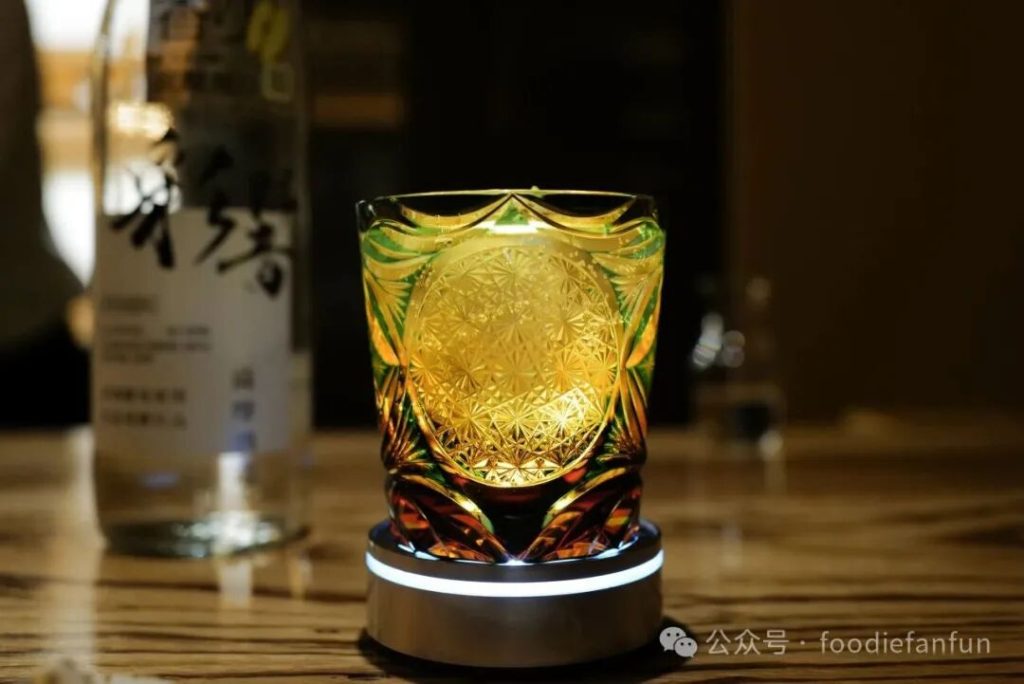
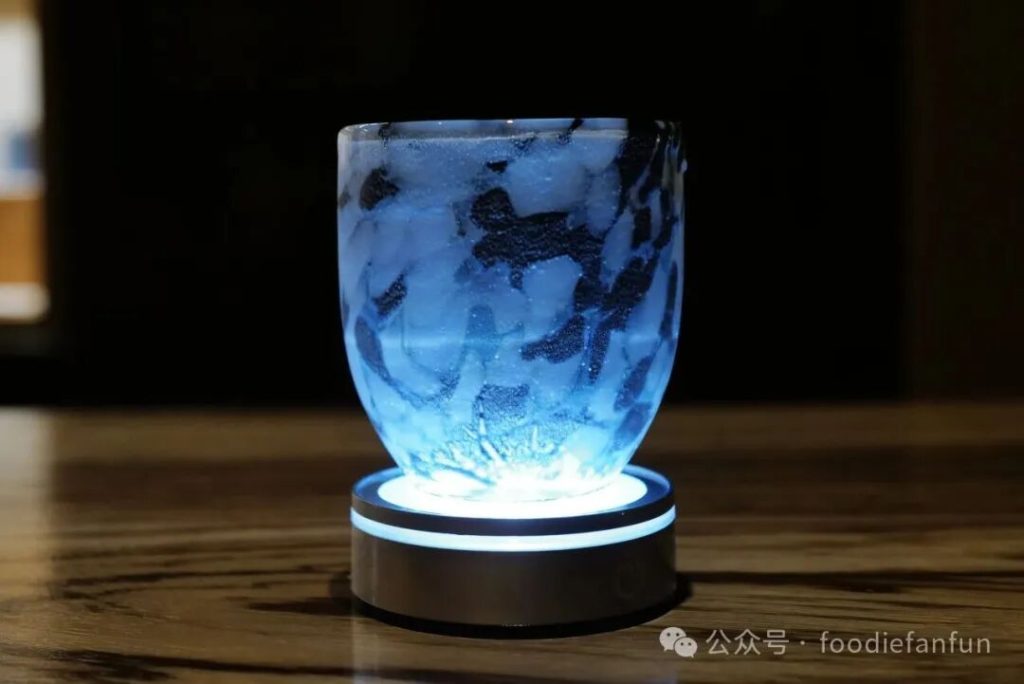
A truly unique spot — not just about “drinking shochu,” but about completing an exhibition of “the beauty of vessels” while you drink.
The entire wall behind the counter is packed with drinking vessels from craftspeople across Tokyo, Osaka, and all of Japan, alongside a whole range of local Kagoshima pieces.
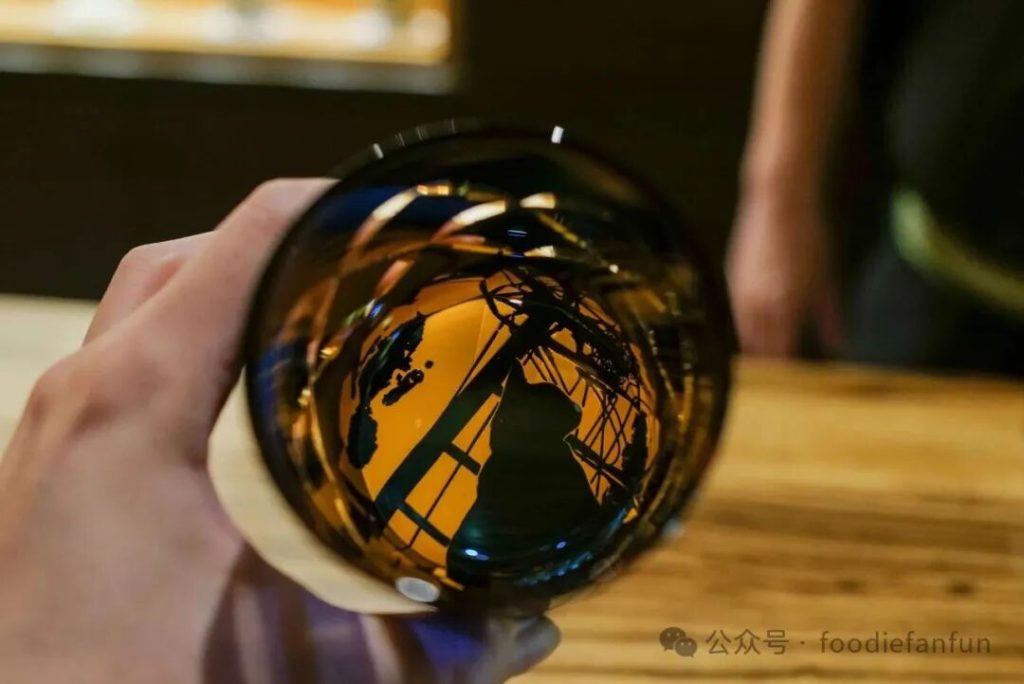
The drink menu is simple and precise, enough to satisfy a shochu beginner’s curiosity. But more important is the vessel you drink from — in a sense, the real protagonist of this space is the vessel itself.
In the hand, under the light, at every stage of the drink’s state, they’re revealed moment by moment — cup shape, cut-glass pattern, color, refracted light, each vessel showing off its own individual personality.
Of course, if you’re judging purely on the drinking itself, the selection of bottles here isn’t especially large — it’s not necessarily the kind of place suited to a serious side-by-side shochu comparison.
So rather than “how much you drank,” it’s better thought of as a small bar that uses the drink to bring out the vessel, and uses the vessel to make the whole act of drinking more beautiful.
✦
•
✦
🐓 Shochu Bar Shushuzo
🥢 A shochu bar that’s equally about food and drink
This is a shochu restaurant where you can eat a full meal, and there’s plenty to drink too.
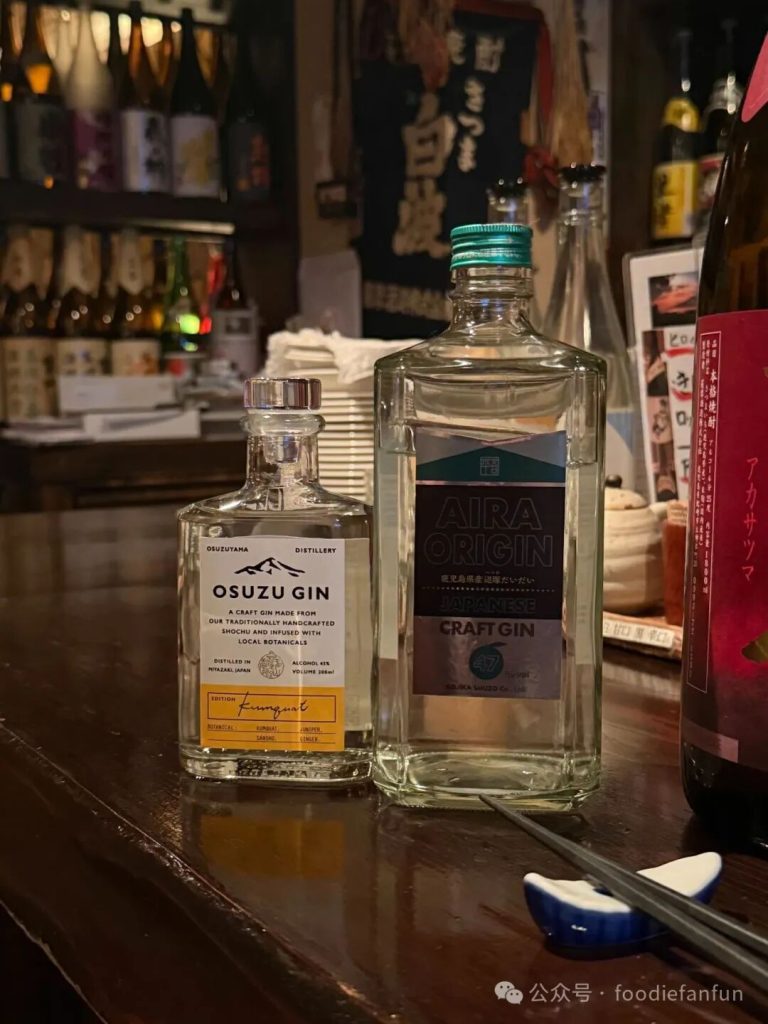
There are roughly 800 bottles here, covering almost every distillery in Kagoshima. It’s a place with a direct style of expression, where guests can sit down and eat and drink together. Locals come by often too, and the atmosphere is relaxed and easygoing.
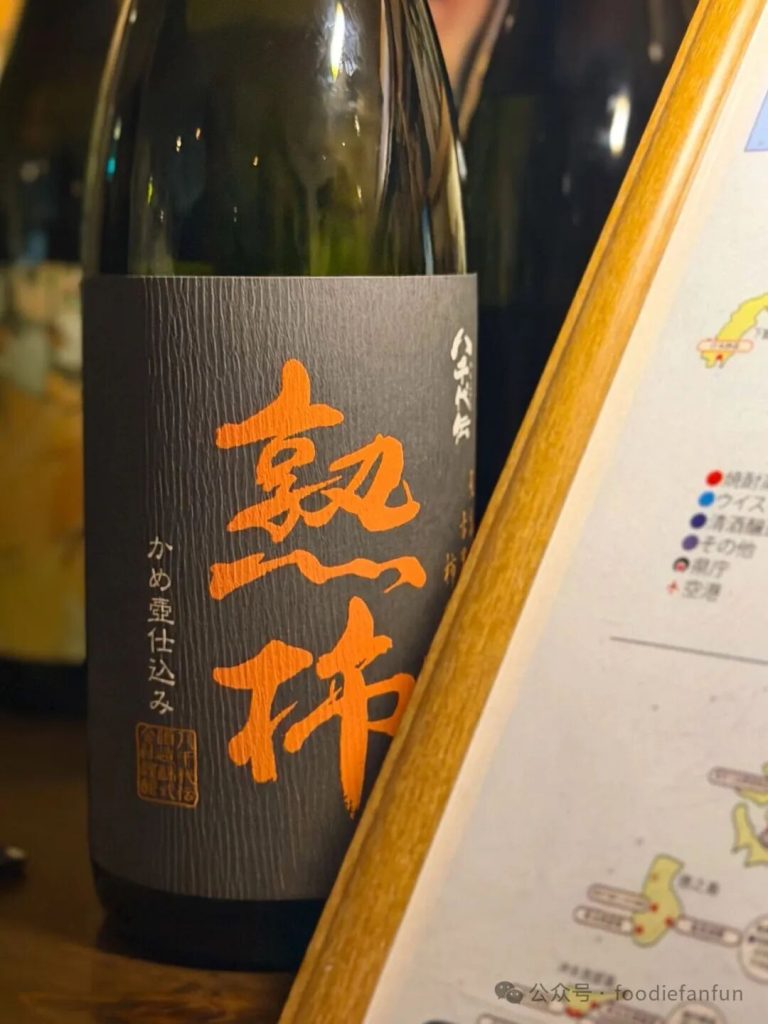
Helping you choose a bottle is one of this place’s memorable strengths. The bartenders can follow your own taste toward the right direction. Sweet potato, barley, brown sugar; traditional, new-wave, or leaning experimental — the place stocks plenty of each.
After drinking here, you might feel it’s not the most refined, but it still hides shochu’s sharper edge just as well. Fun, varied, and very attentive to guests’ preferences. More like a local Kagoshima canteen with an outsized shochu inventory — cheap, generous, and satisfying.
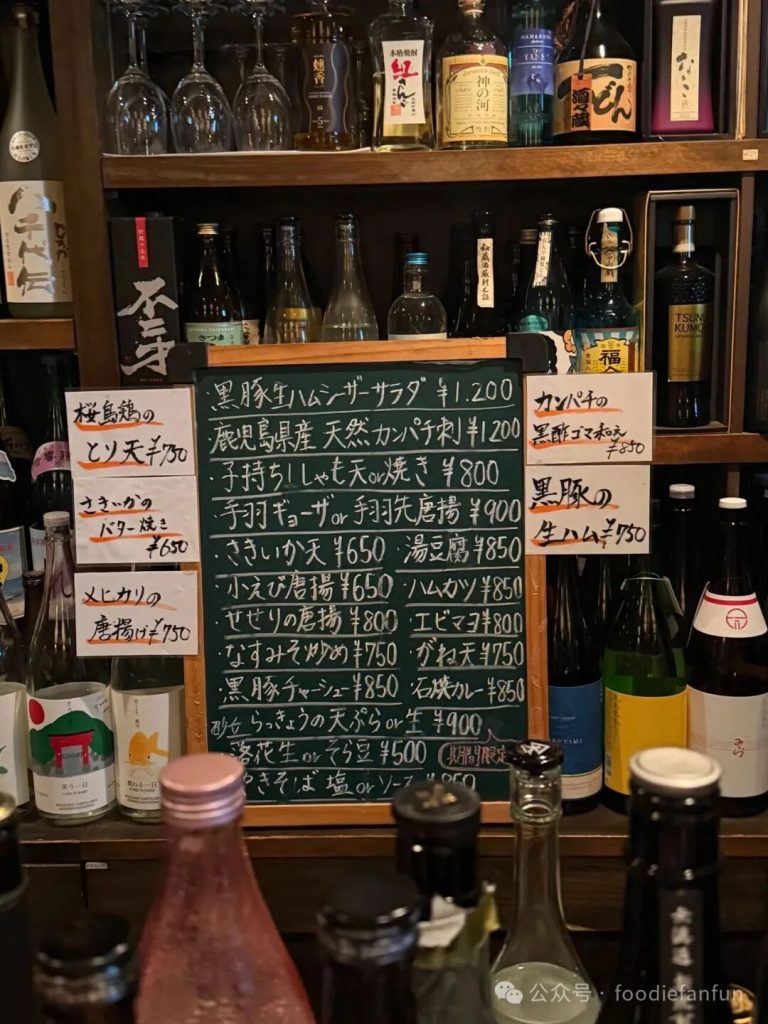
💡 Tip: order from the small blackboard rather than the printed menu — it’s better.
✦
•
✦
🎲 Kagoshima Shochu Bar Shika ROKU
6️⃣6️⃣6️⃣ Traditional, and richly varied
The last stop, and arguably the place that most genuinely weaves shochu into a Kagoshima local’s night out. How to put it — professional, with a pleasant buzz built in. The counter holds over 600 bottles in stock, and it lets you settle right into the atmosphere the moment you sit down.
It’s a genuinely relaxed place. Even someone drinking Kagoshima shochu seriously for the first time won’t feel that panicked, at-a-loss feeling facing a wall of bottles.
It’s an especially relaxing stop among Kagoshima’s bars.