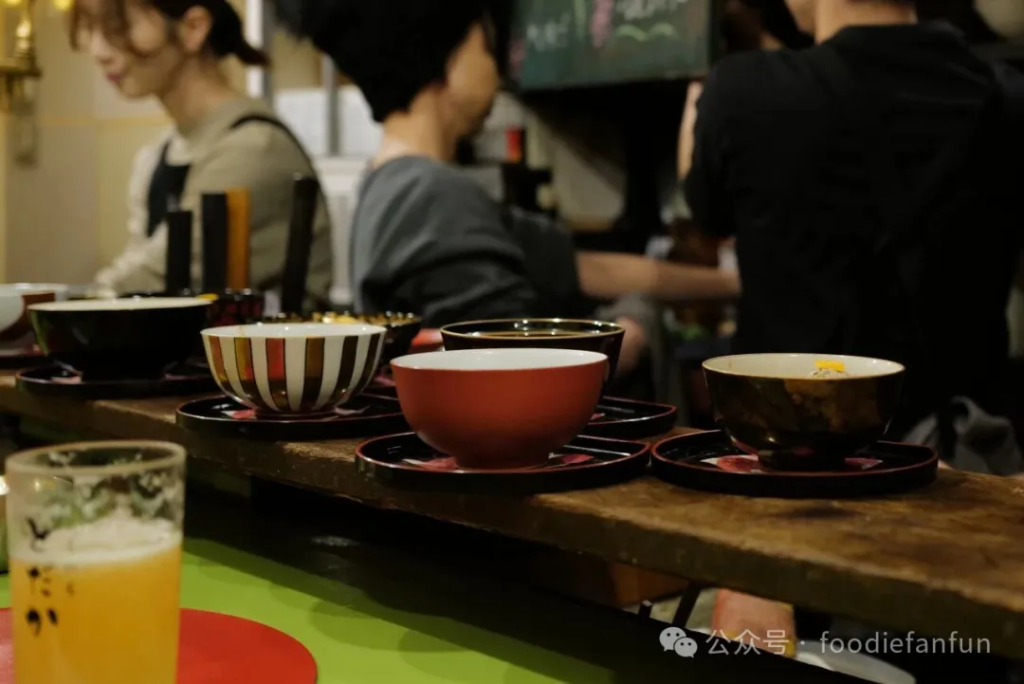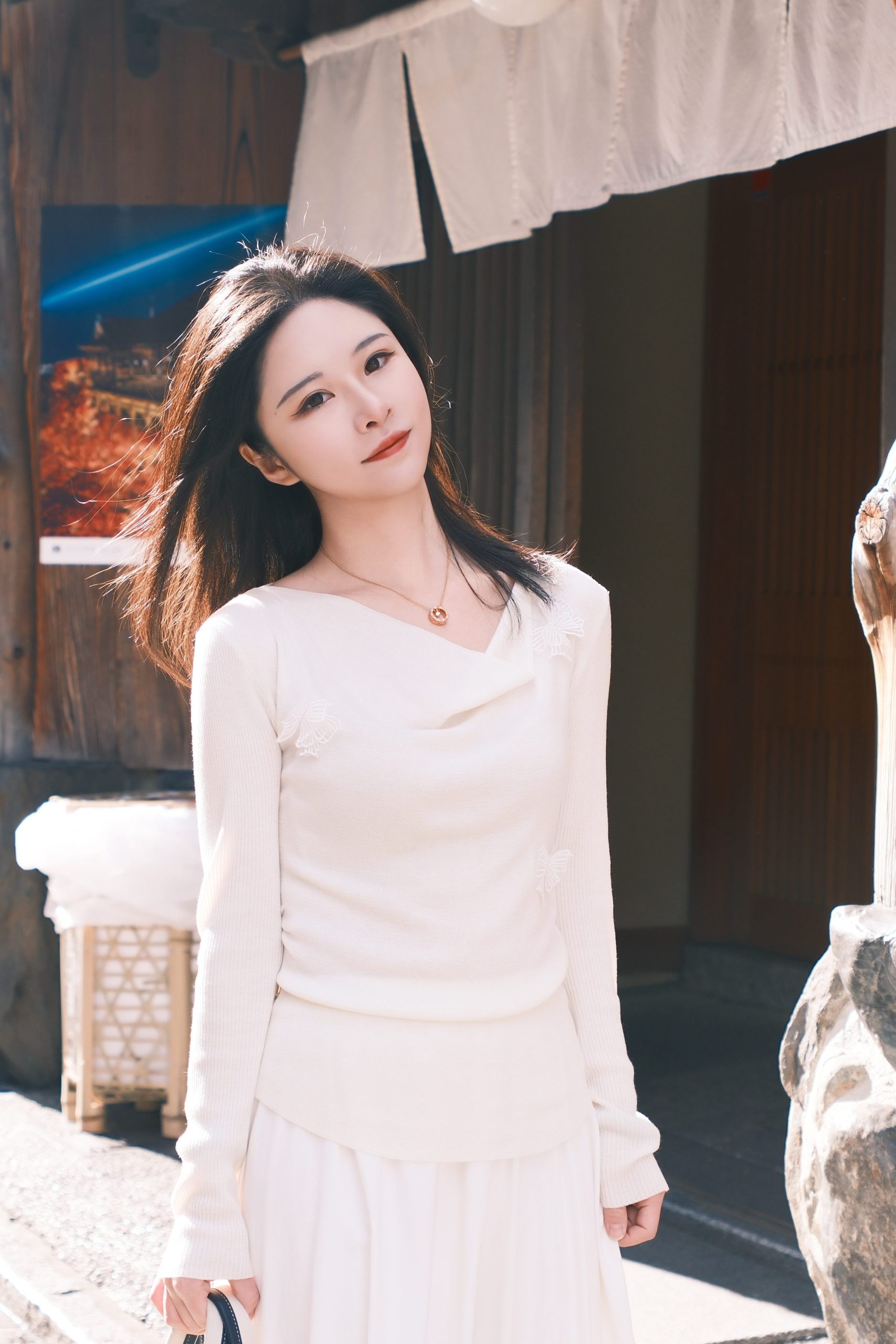
There’s arestaurant in the mountains of Niigata that I’d tried—and failed—to visit several times. Either the chef was out hunting, or he was away learning. This time, I finally made it… in the middle of a blizzard.
This laid-back, almost mysterious “countryside” restaurant is, in reality, a Tabelog Silver and two-Michelin-star spot. The chef has also been recognized internationally on The Best Chef Awards. It’s a bit like discovering a world-famous French restaurant hidden in a tiny village out in Beijing’s Pinggu district.
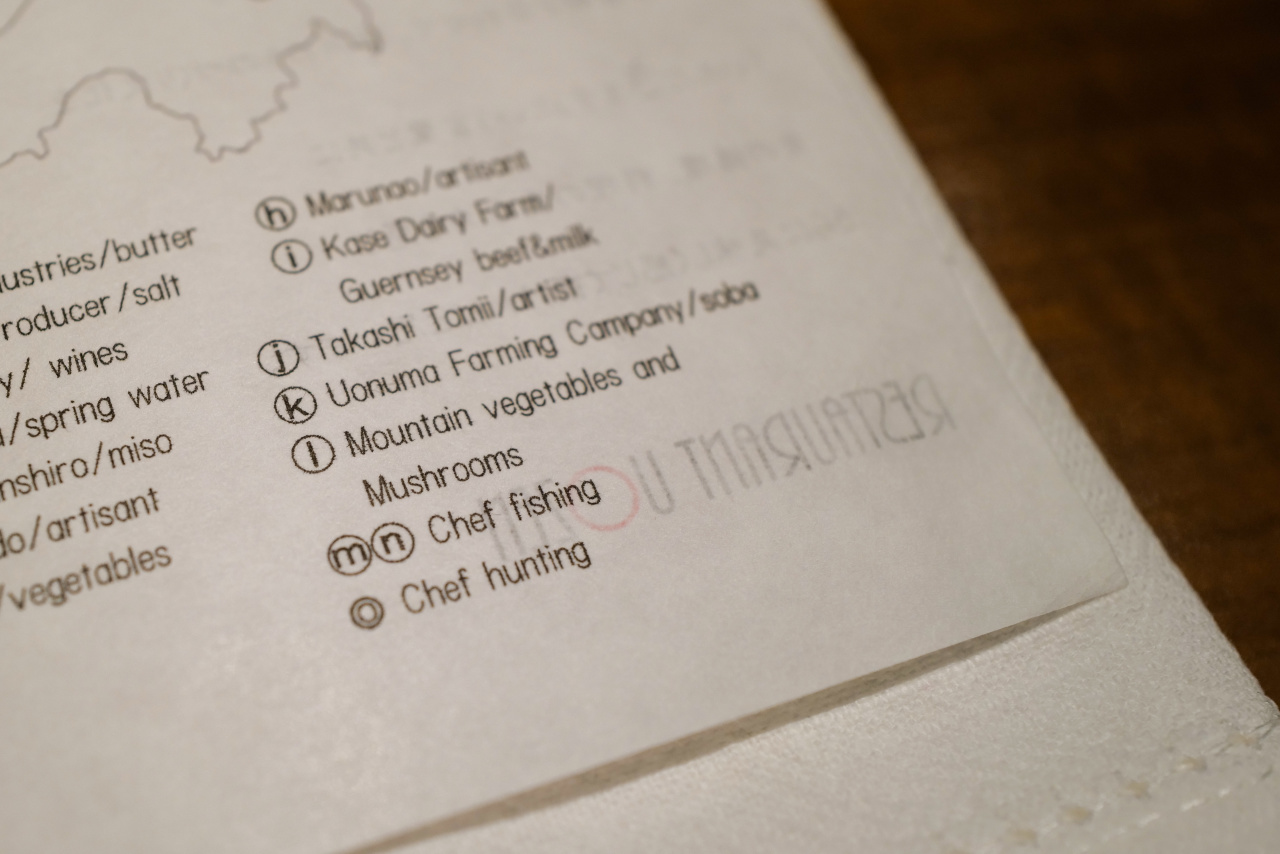
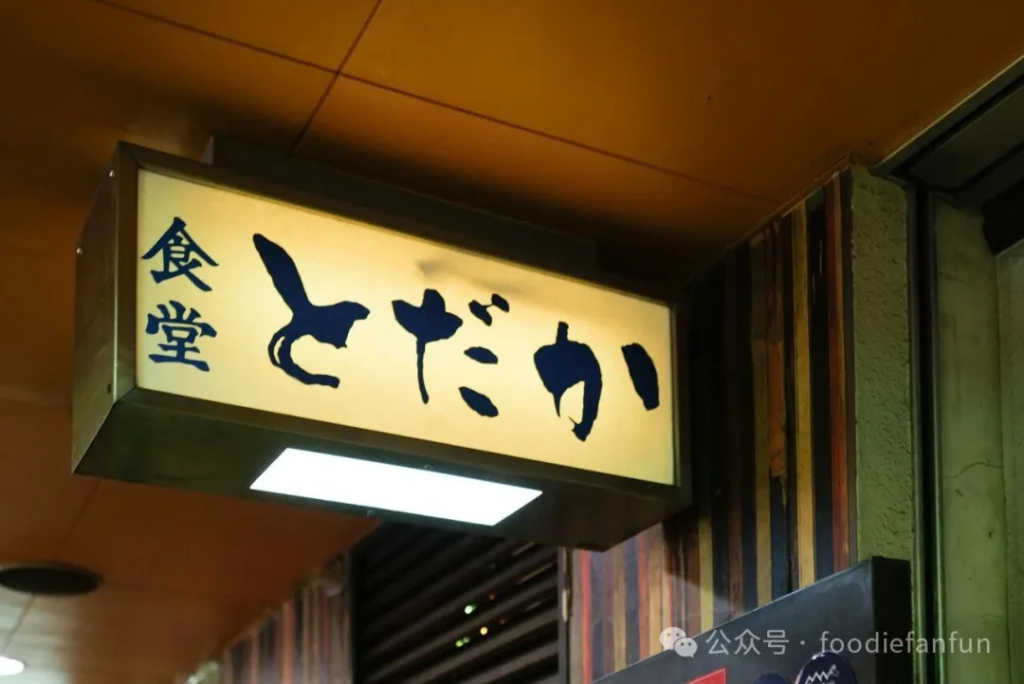
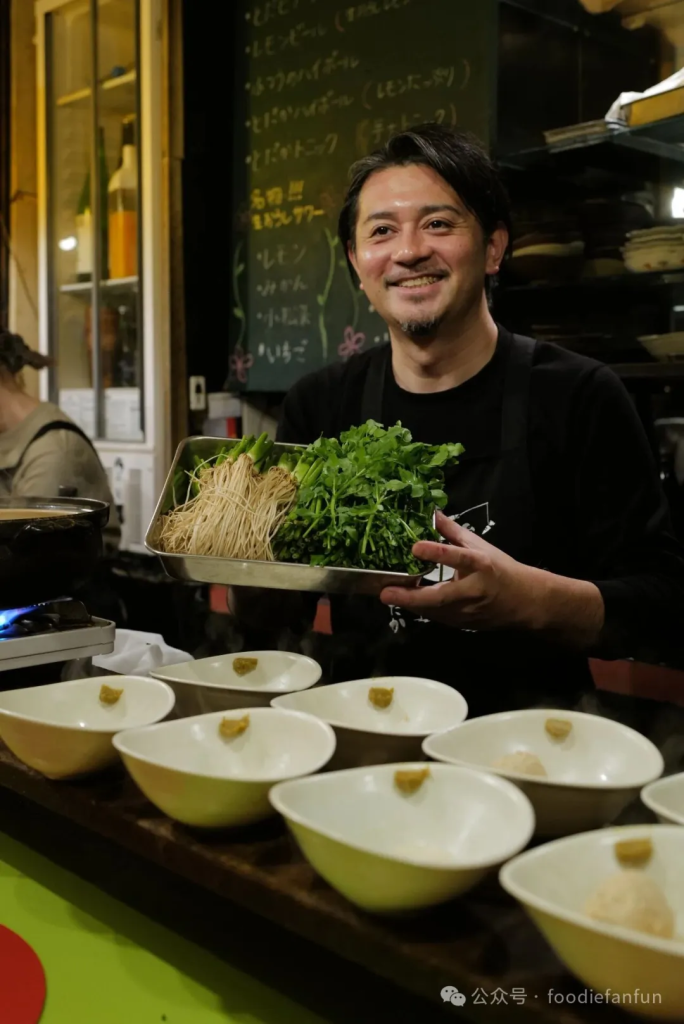
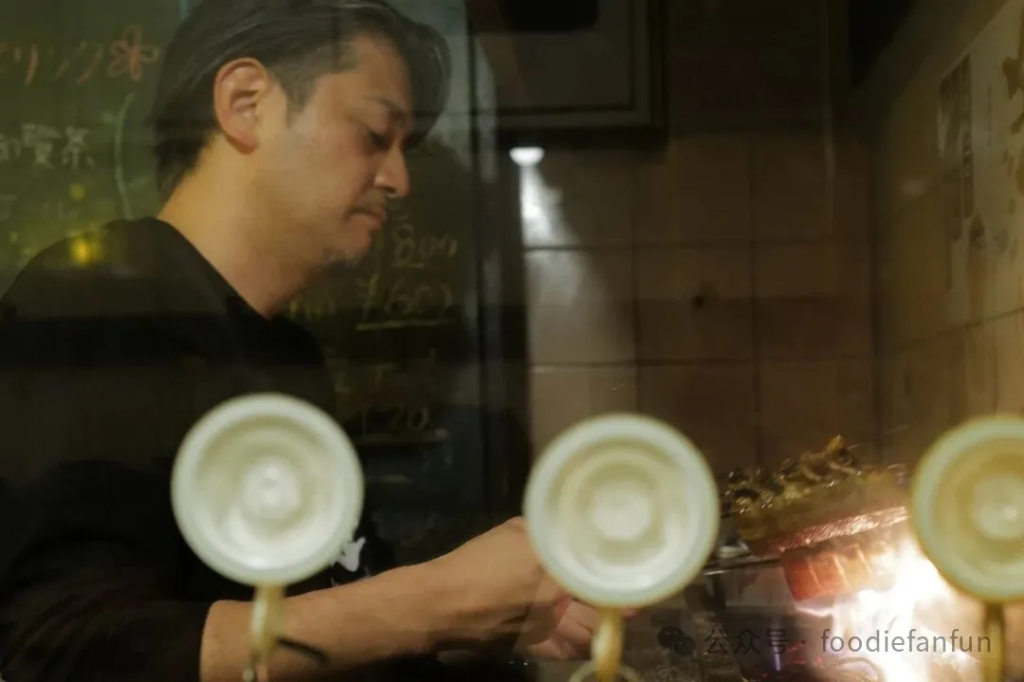
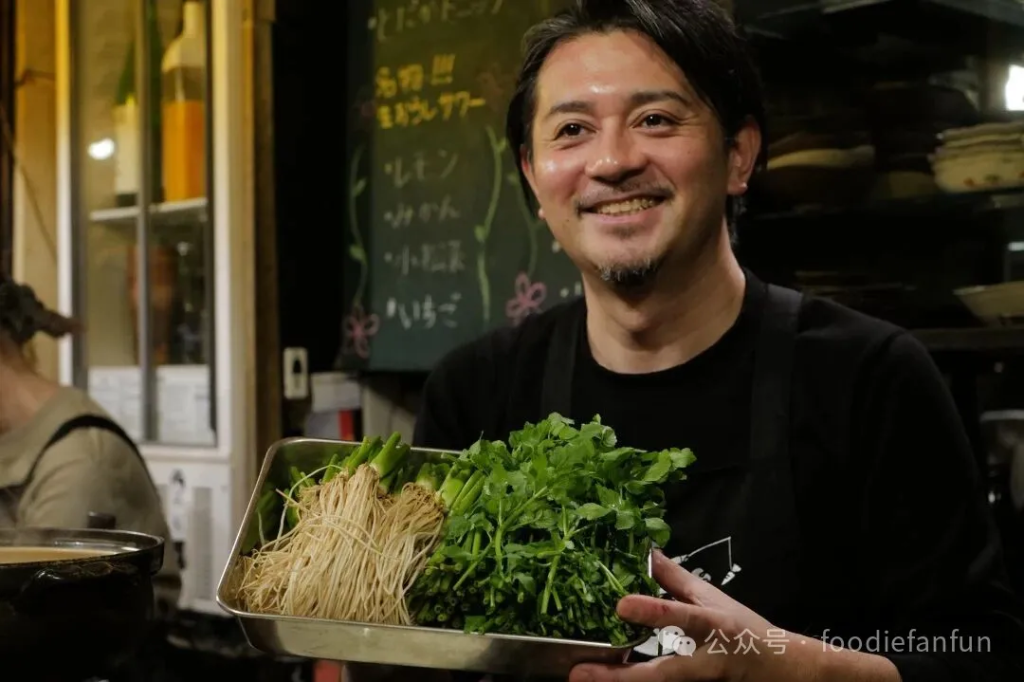
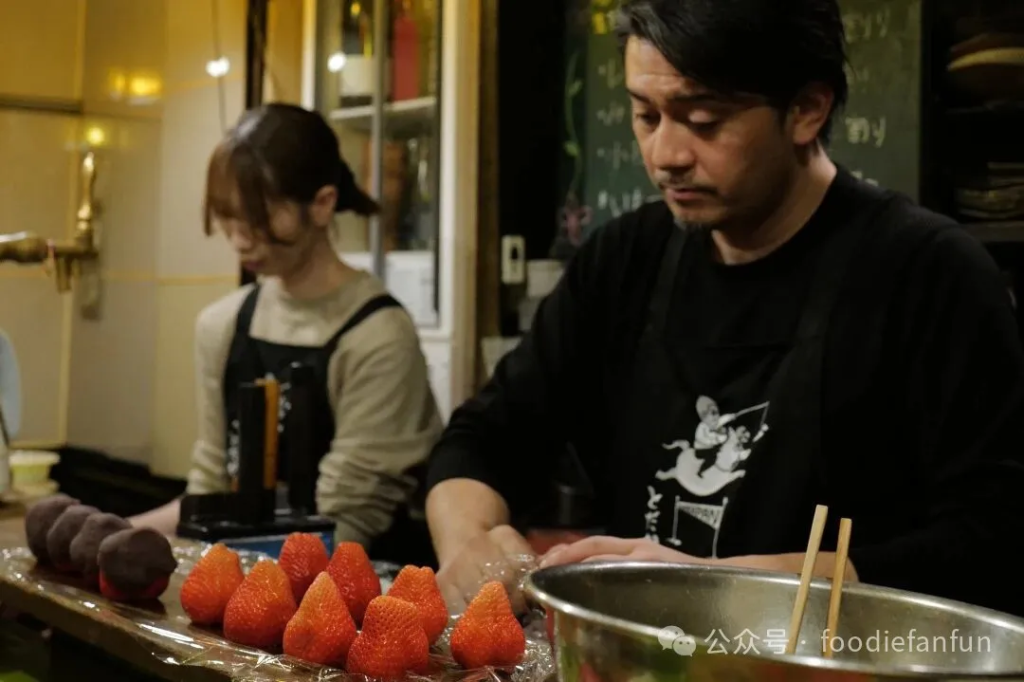
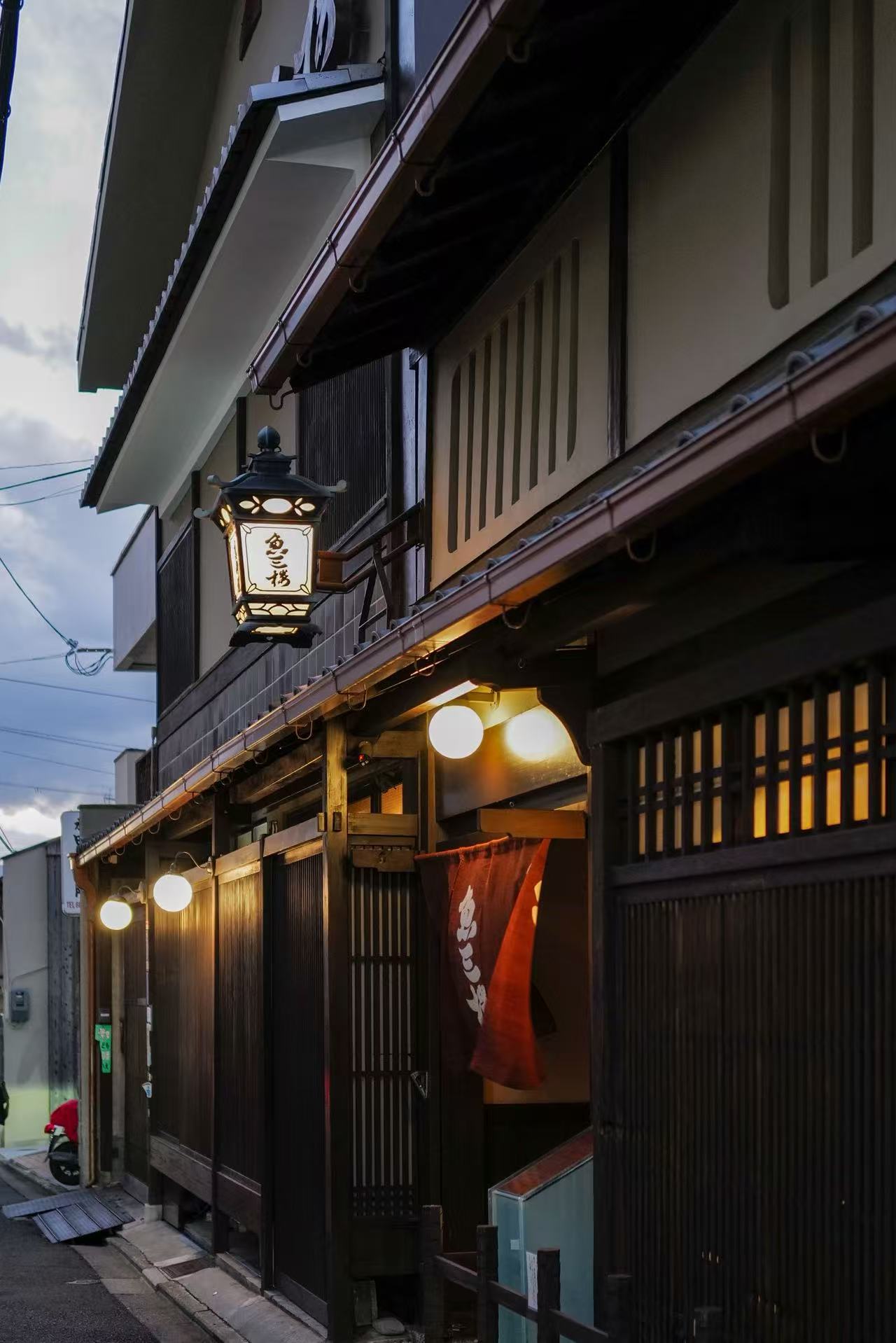
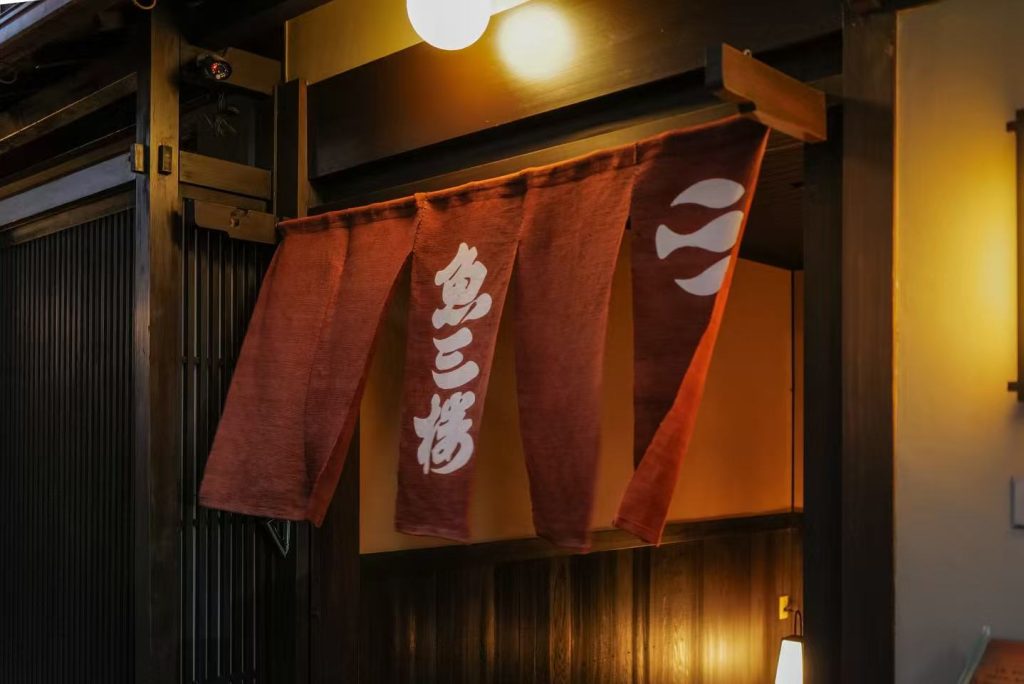
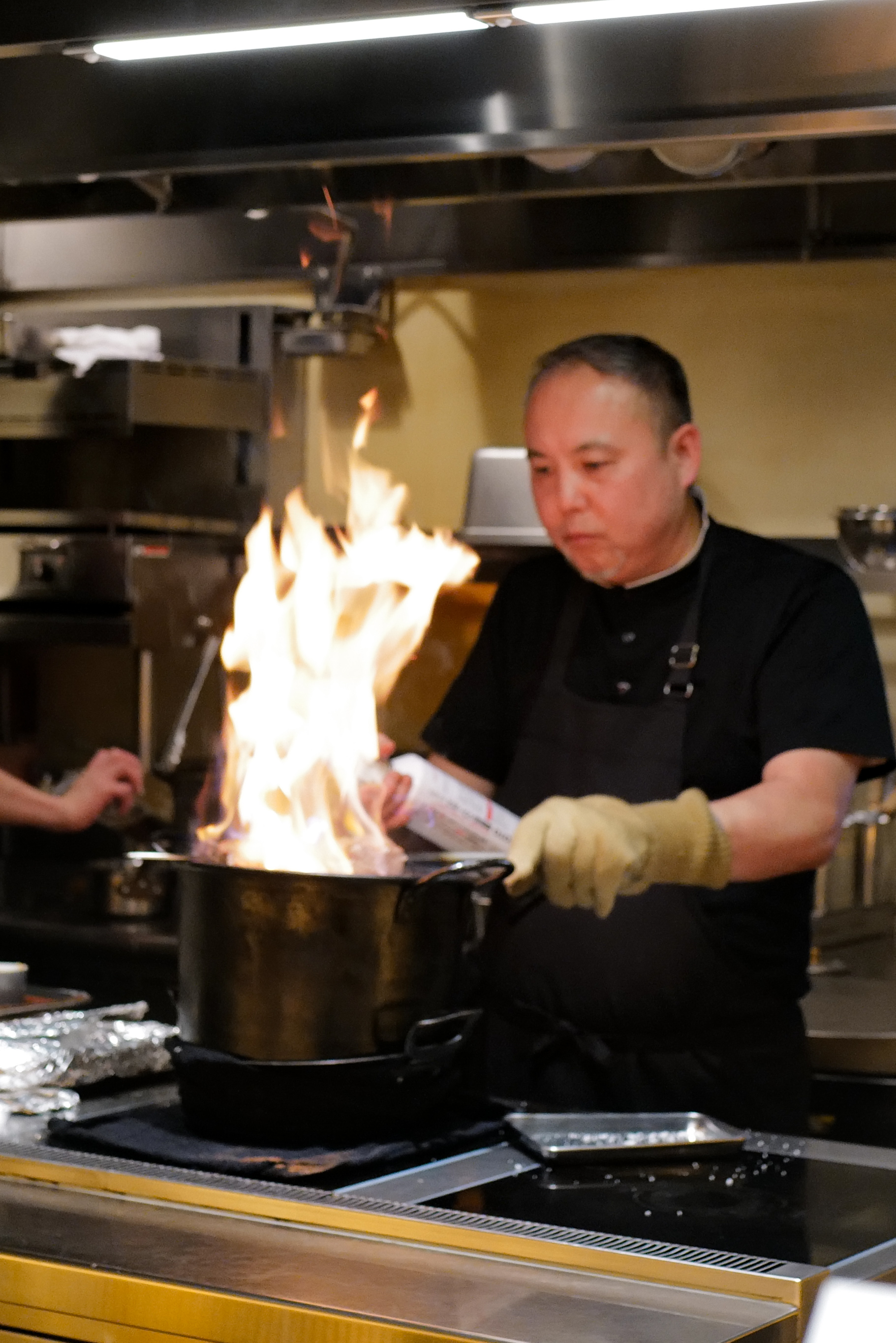
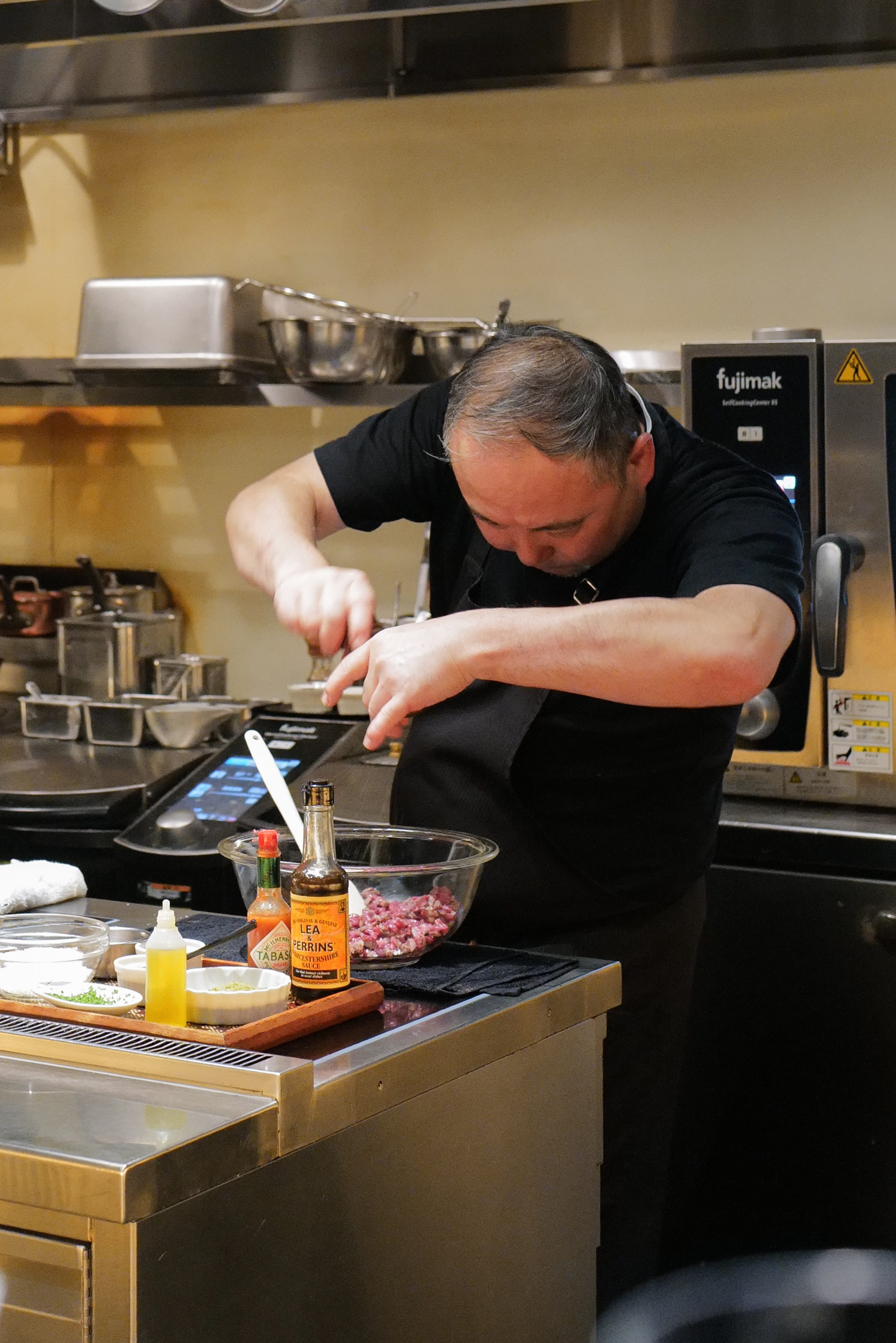
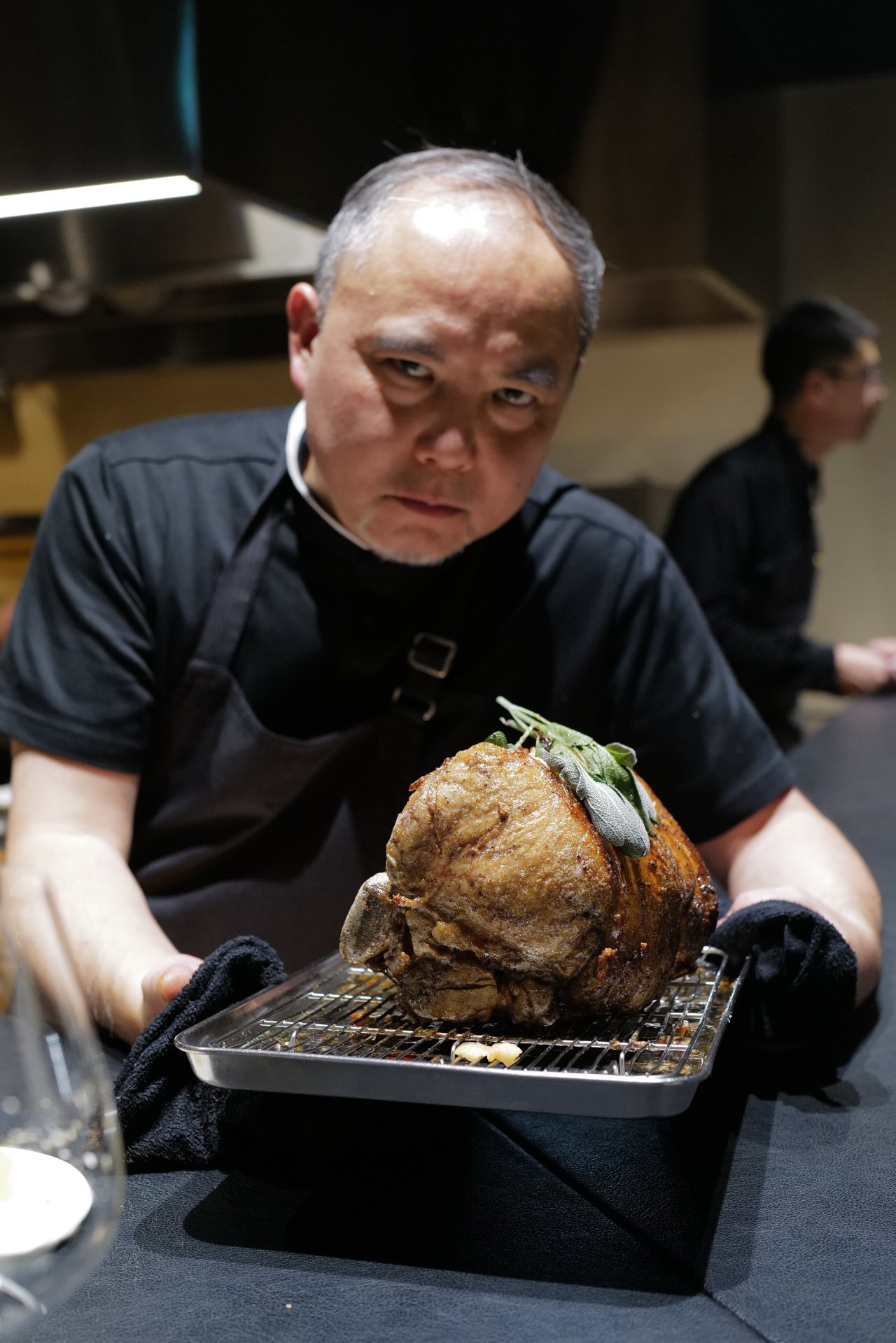
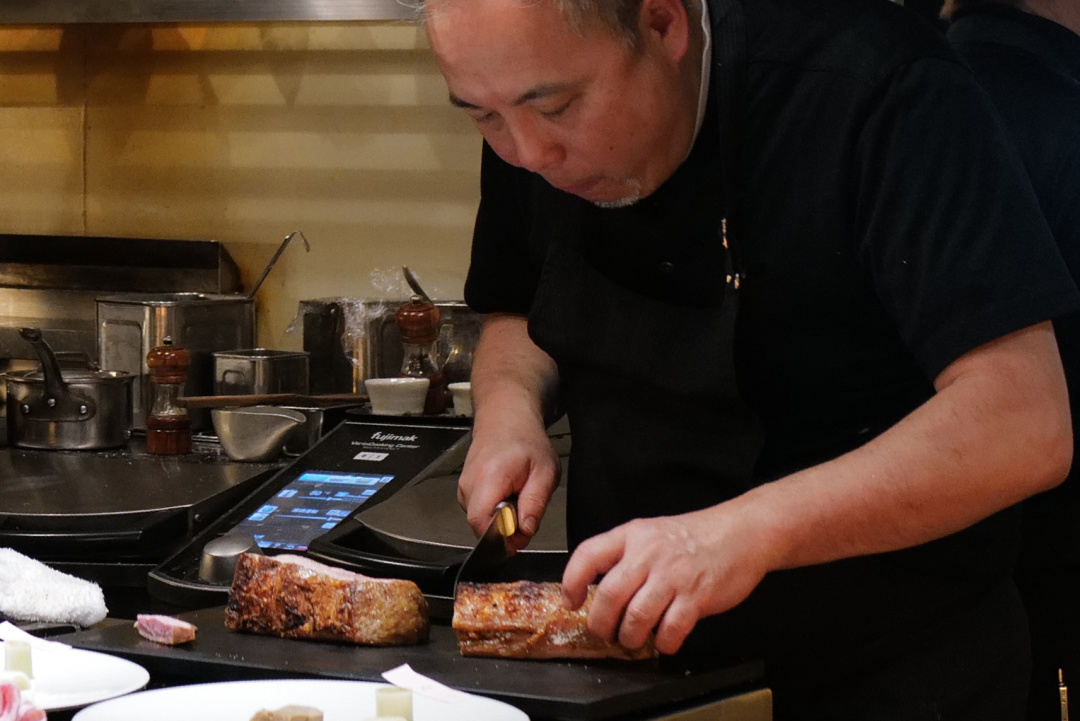
UUOZEN’s chef, Kazuhiro Inoue, is originally from Kagawa. He trained in Japanese–French cuisine and at izakaya, and in 2013 moved to his wife’s hometown of Sanjo, Niigata. There, he transformed her family’s former ryotei, “Uozen”, into what is now RESTAURANT UOZEN, while keeping the old signage and name.
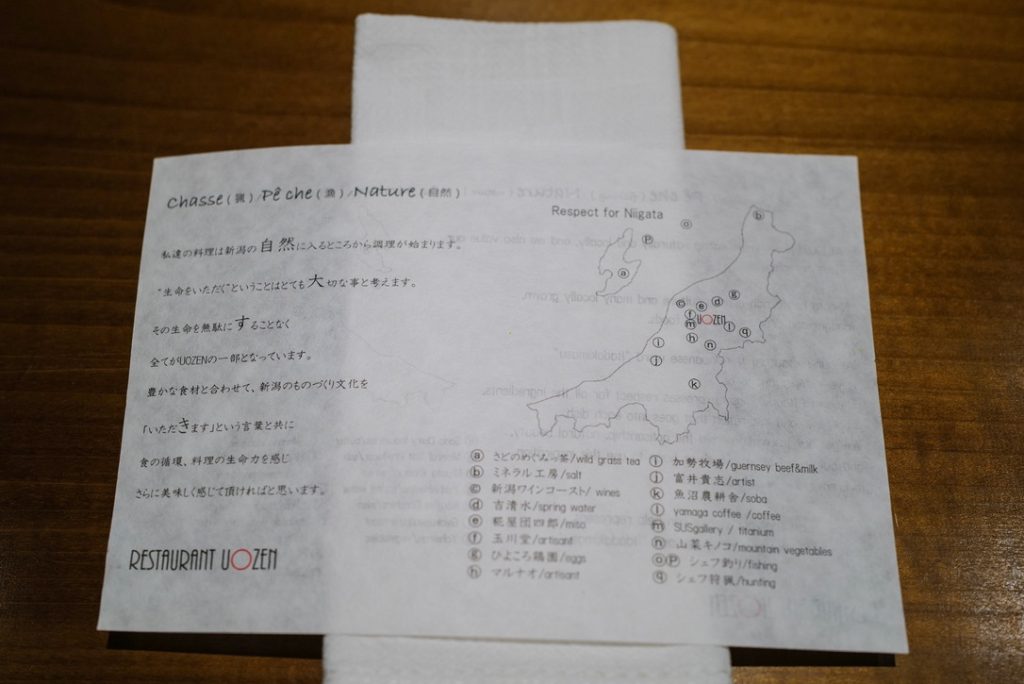
Their philosophy is written in three words:
Chasse / Pêche / Nature
The chef grows vegetables, fishes, hunts—treating these forays into nature as the starting point of his cooking. “Receiving life, and wasting as little as possible.” If you look closely at the Japanese menu, you’ll find a quietly hidden line: “自然大好き” – “We love nature.”
Cooking every ingredient from nature deliciously is his way of honoring that promise not to waste.
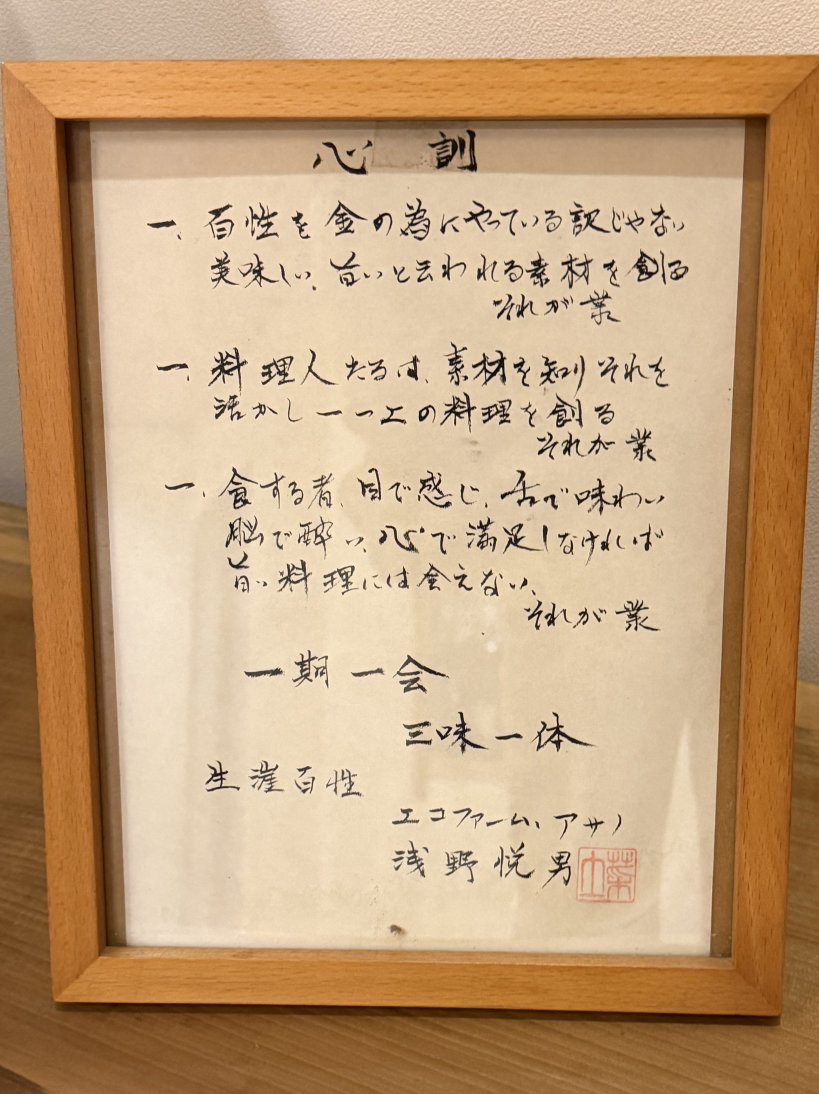
By the entrance, there’s a small framed motto that sums it up:
We don’t become “hyakushō” (old word for people who work with their hands and with nature) for the money.
Our role is to create ingredients people will call “delicious, truly fragrant.”As cooks, our duty is to understand ingredients, use them well, and turn them into dishes.
As guests, your role is to see, taste, let your mind sink into it and your heart be satisfied—otherwise you’ll never really meet what “delicious” is.
You can feel this conviction in Inoue’s cooking. Under his hands, every ingredient arrives in its best possible state—even something as simple as a head of Chinese cabbage.
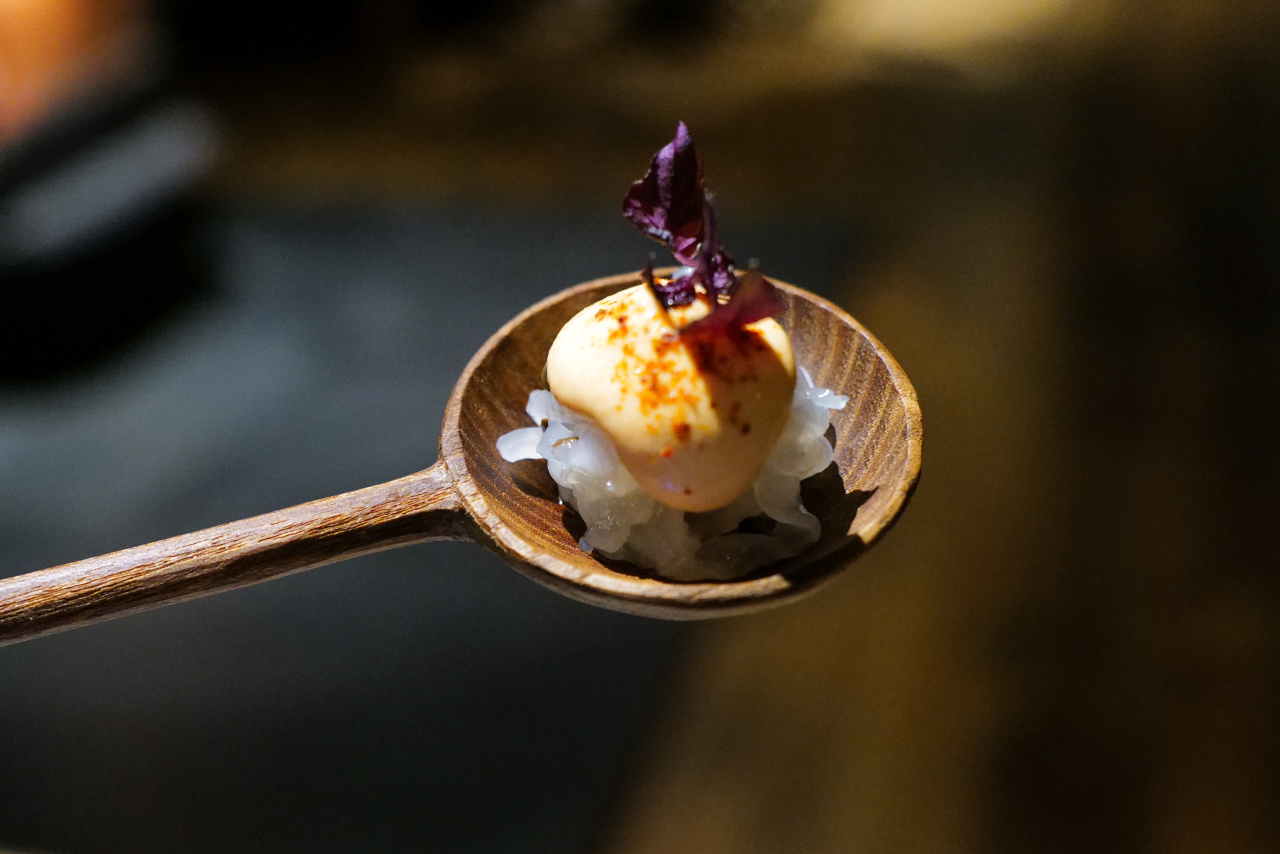
Swordtip squid with bell pepper sauce
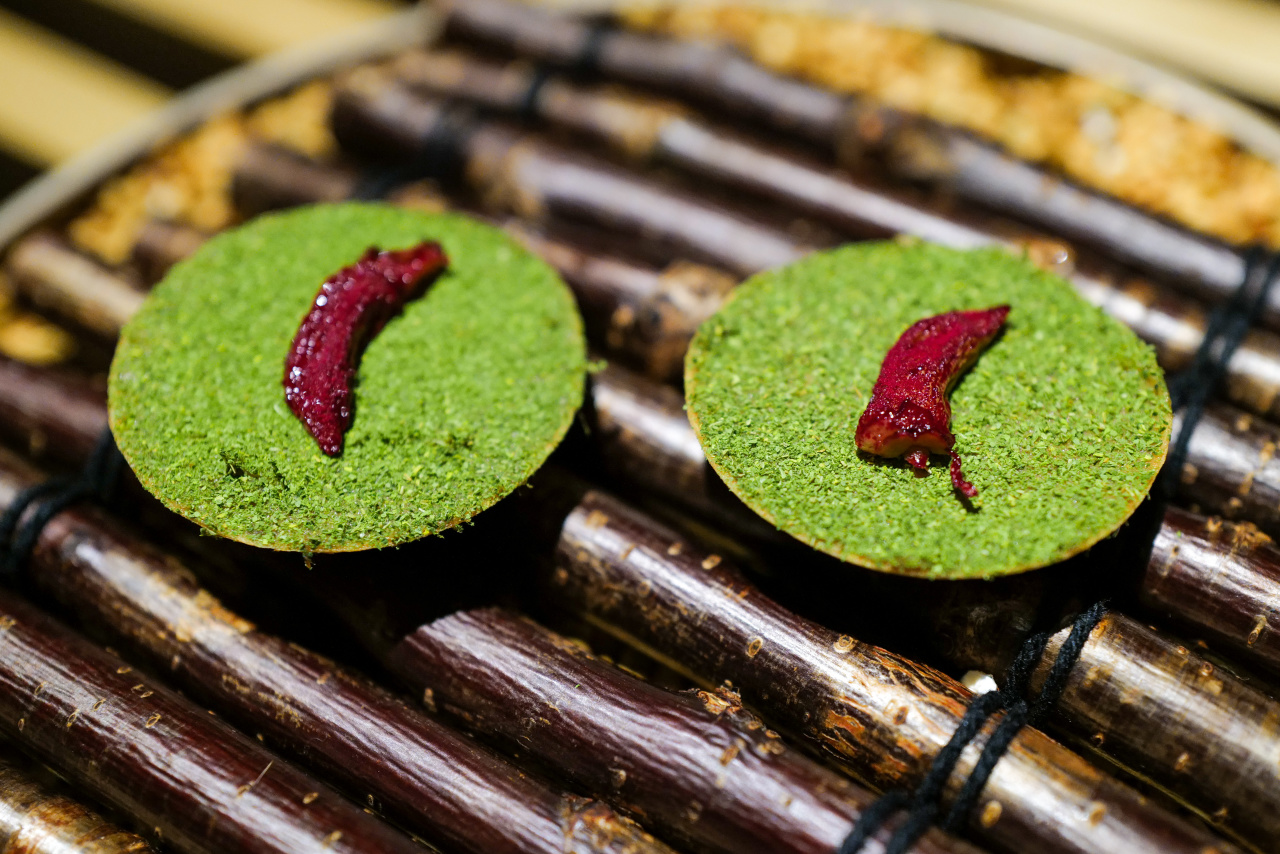
Wild boar rillettes with celery
The first few bites aren’t served at the table, but by the fireplace on a sofa. Outside, the snow is still falling heavily, making the room feel even warmer and more intimate—almost like visiting a friend’s home. The food that appears, though, is intense and high-saturation in flavor; the most comfortable setting used to snap your palate awake.
The swordtip squid comes with a bell pepper sauce. One round spoonful goes straight into your mouth: rich, nutty, almost creamy sauce hits first, then the squid—fresh enough to be both soft and pleasantly elastic. It’s a surprising “sea flavor with warmth and depth” kind of dish.
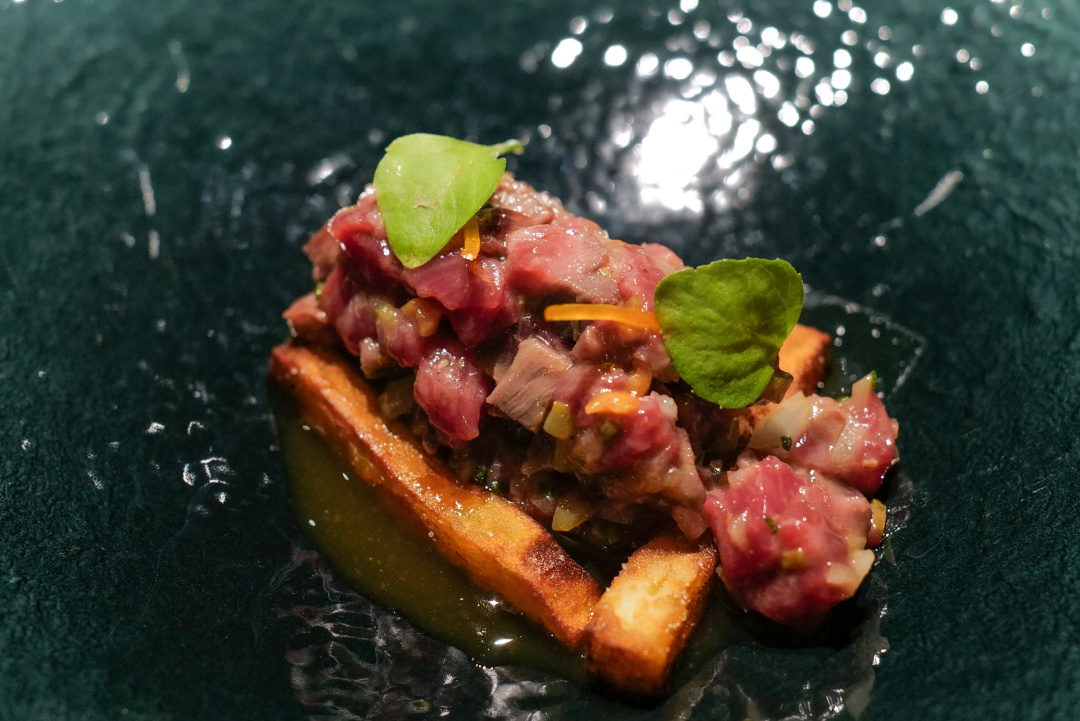
On the other side is a wild boar meat tartlet. Under its healthy green exterior is smoked wild boar, straightforward and powerful. A little acidic, crunchy pickled garnish cuts right through the richness.
One from the mountains, one from the sea—two opening bites with wildly different directions, both carrying a real sense of impact. They flip on that feeling of, “Okay, dinner has truly begun.”
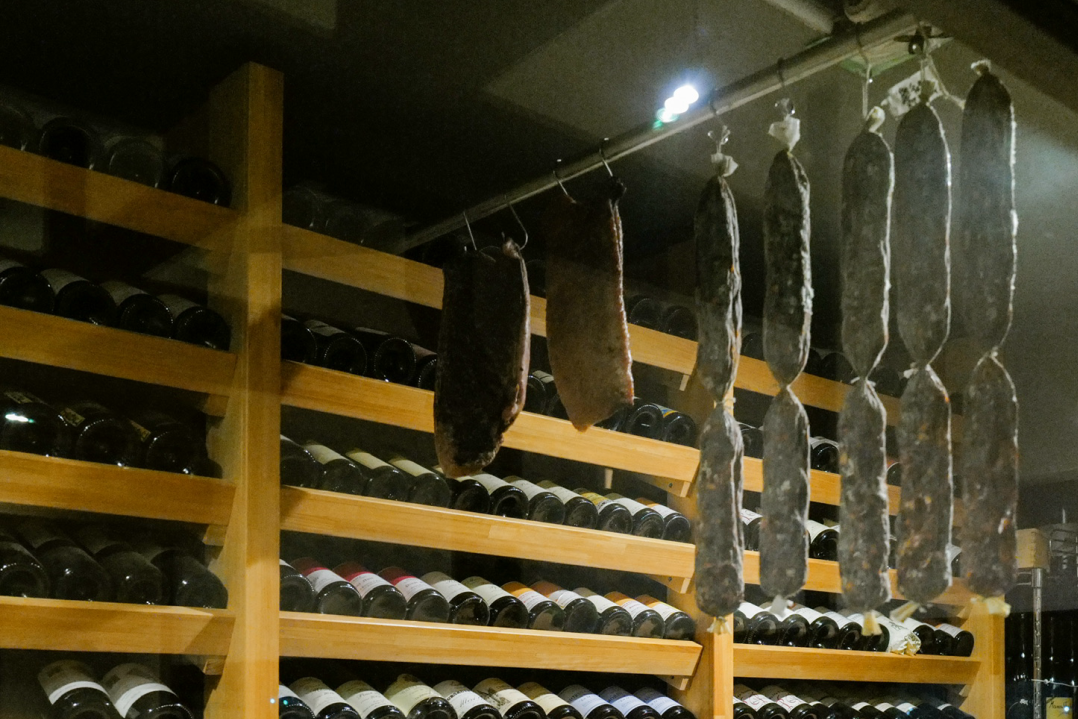
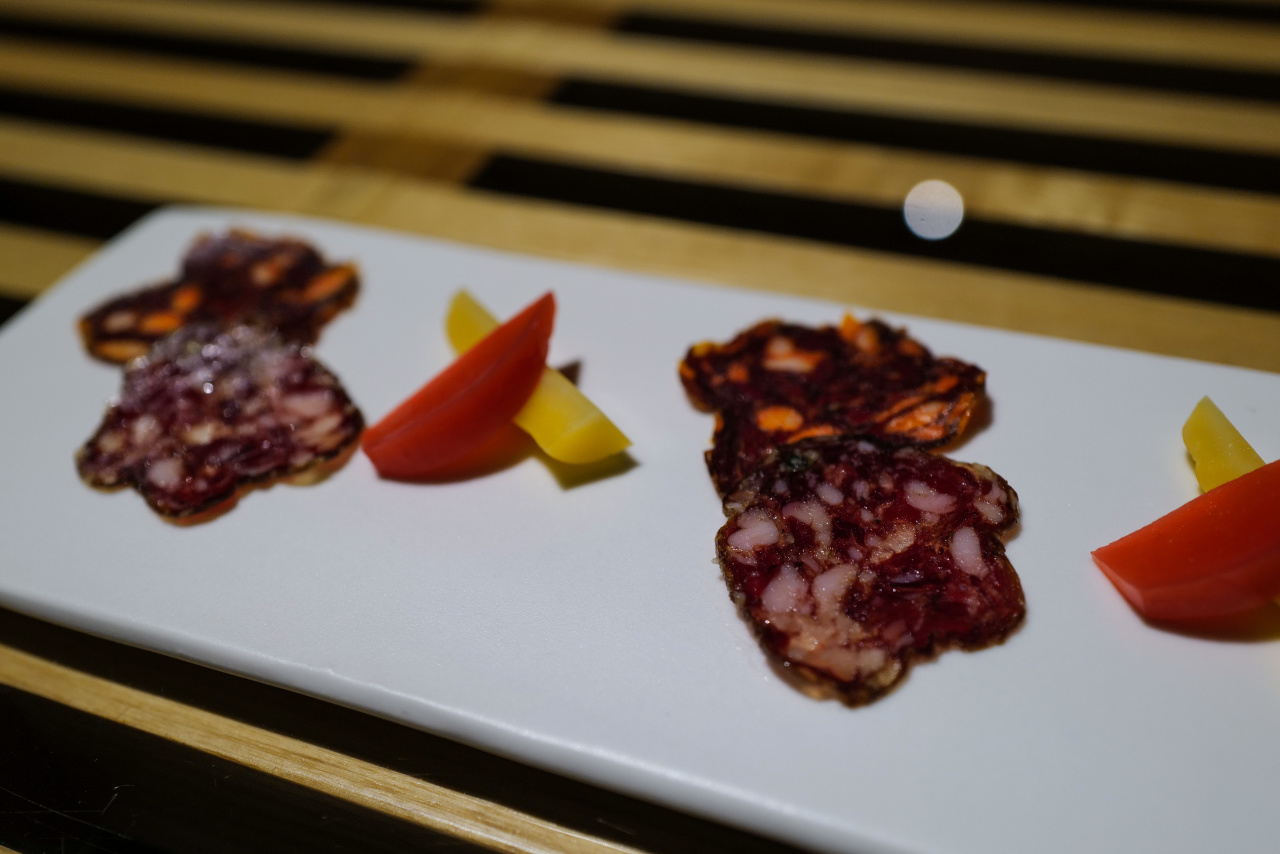
House-cured game salami
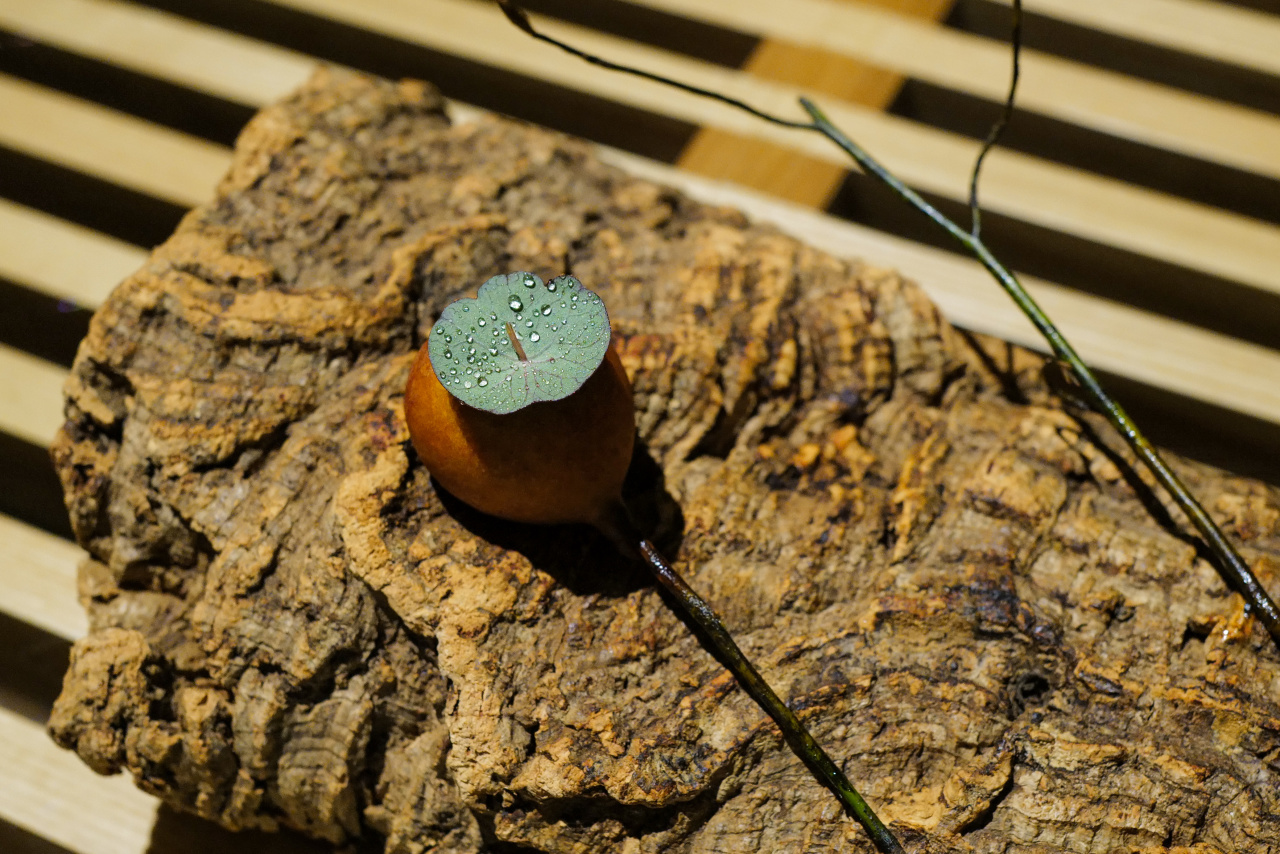
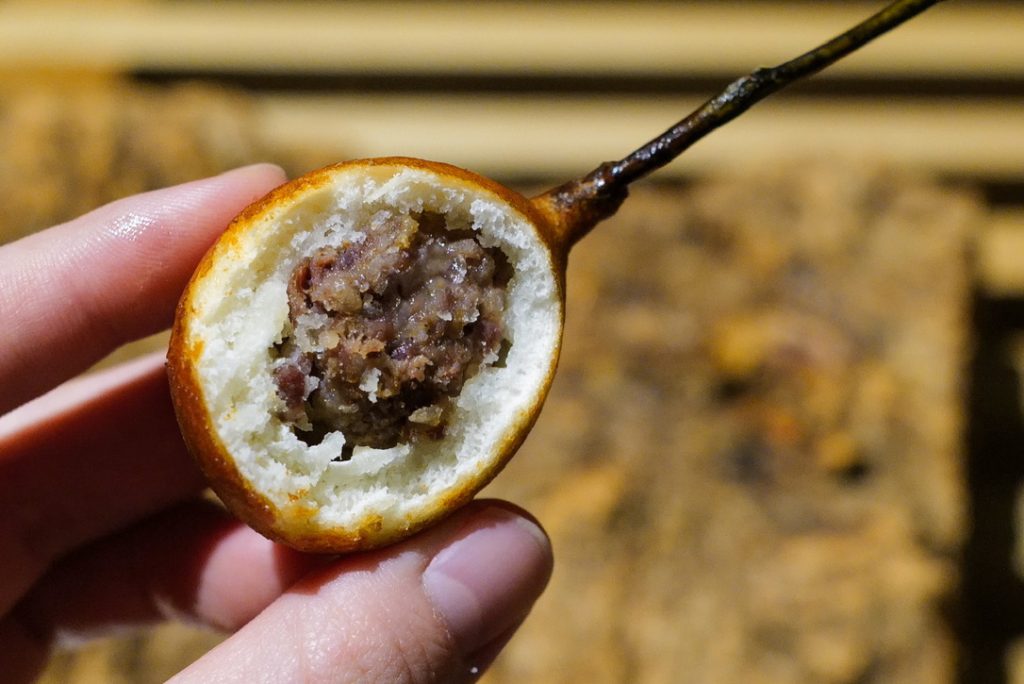
Wild-game hot dog
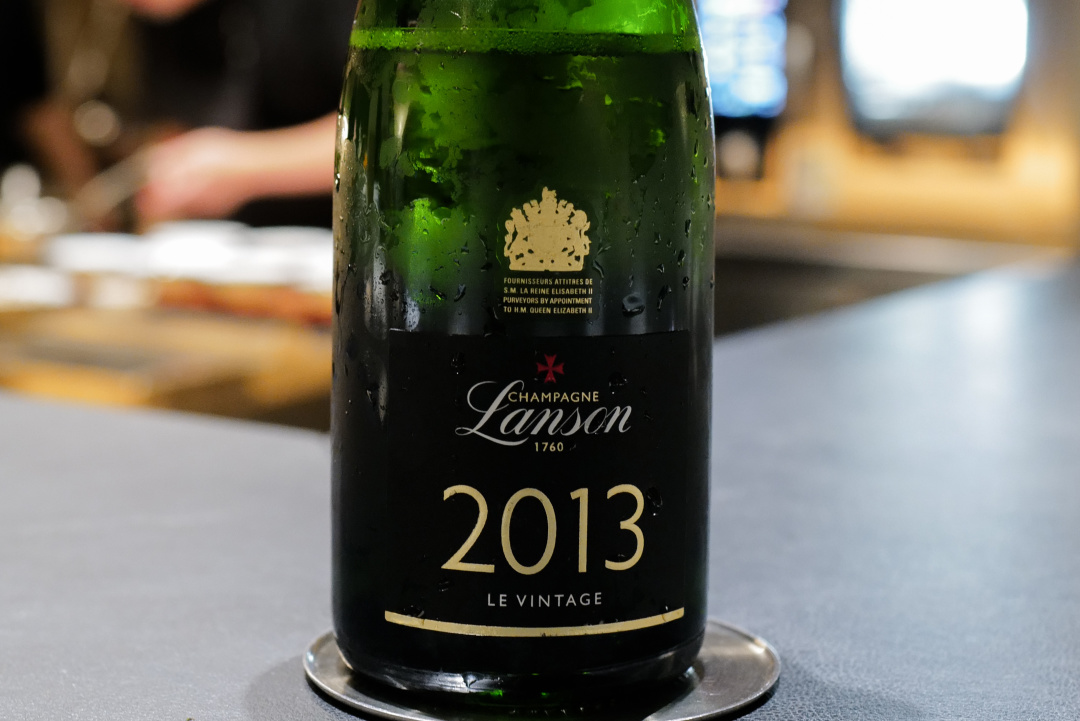
Hanging in a cellar lined with wines worth millions of yen are their house-made salami, in sanshō and lightly spicy versions—great with pre-dinner Champagne.
The last bite in the sofa area is a wild-game corn dog.
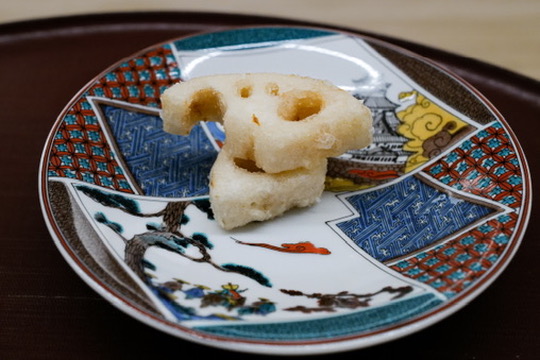
The frying is perfect: an ultra-crisp shell, and just inside it, a thin layer of soft, fluffy batter. The line between crisp and soft is drawn very cleanly.
The filling is curious—it somehow evokes Yunnan ham mooncakes: a touch of sweetness, fat, and meatiness, but more layered. You get fine shreds of meat, little bursts of crispier bits, and a hint of gamey aroma, with a faint numbing tingle at the end. The tiny leaves and “dew-drop” dressing on top add just enough salinity and freshness to brighten all that fried richness.
It’s one of those “this really shouldn’t be this good” moments.
Botan shrimp in bouillabaisse jelly
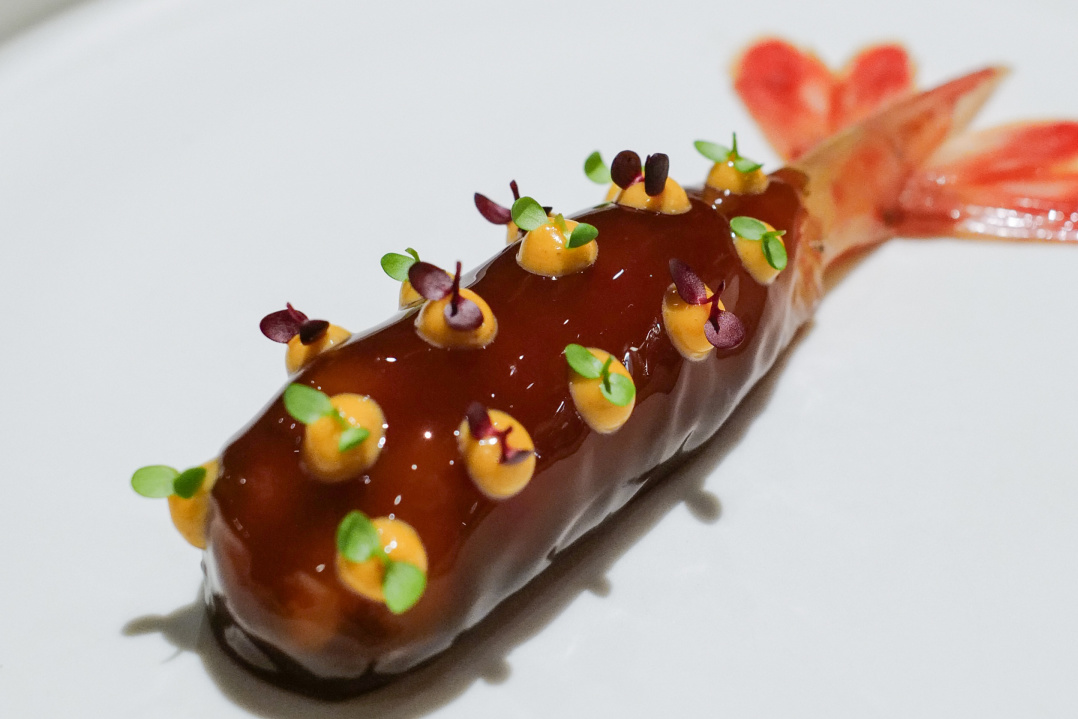
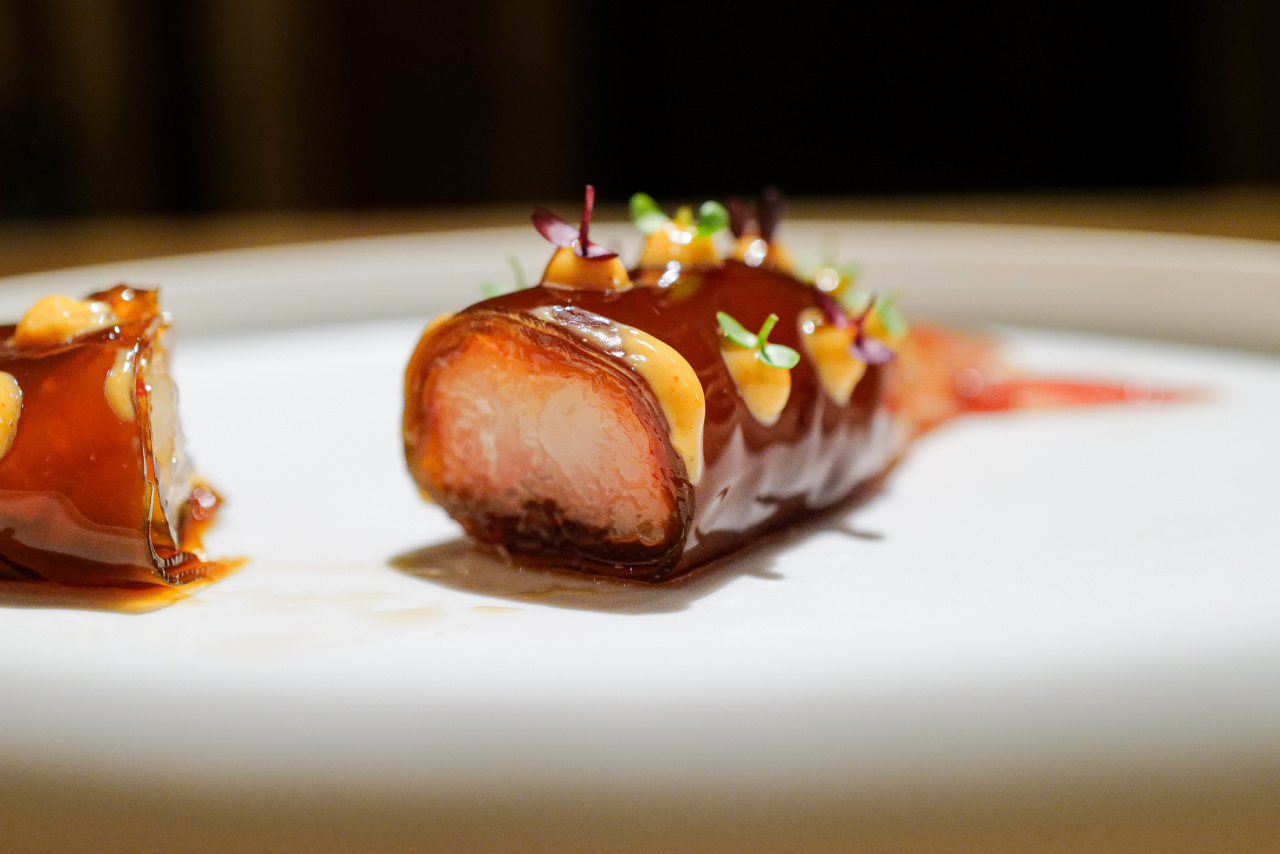
At the counter, the first “formal” plate appears: a stunning botan shrimp dish.
Niigata is a fishing region facing the Sea of Japan; beyond the famous Sado tuna, the general level of seafood is excellent. This is one of Niigata’s natural advantages over big cities.
The jelly encasing the shrimp is a consommé made from shrimp shells, sealing in all the umami. Inside, the botan shrimp is firm yet softly sticky, so fresh it feels like it bursts in your mouth.
On top is a tiny dab of rouille, the classic bouillabaisse accompaniment: an egg yolk emulsion with garlic, spice, and herbs, all in just the right abundance.
It feels like:
“A shrimp with a PhD.”
A dish of perfect time, place, and people. So rich and so good that you instinctively slow down to savor it, not wanting to eat the last bite too quickly.
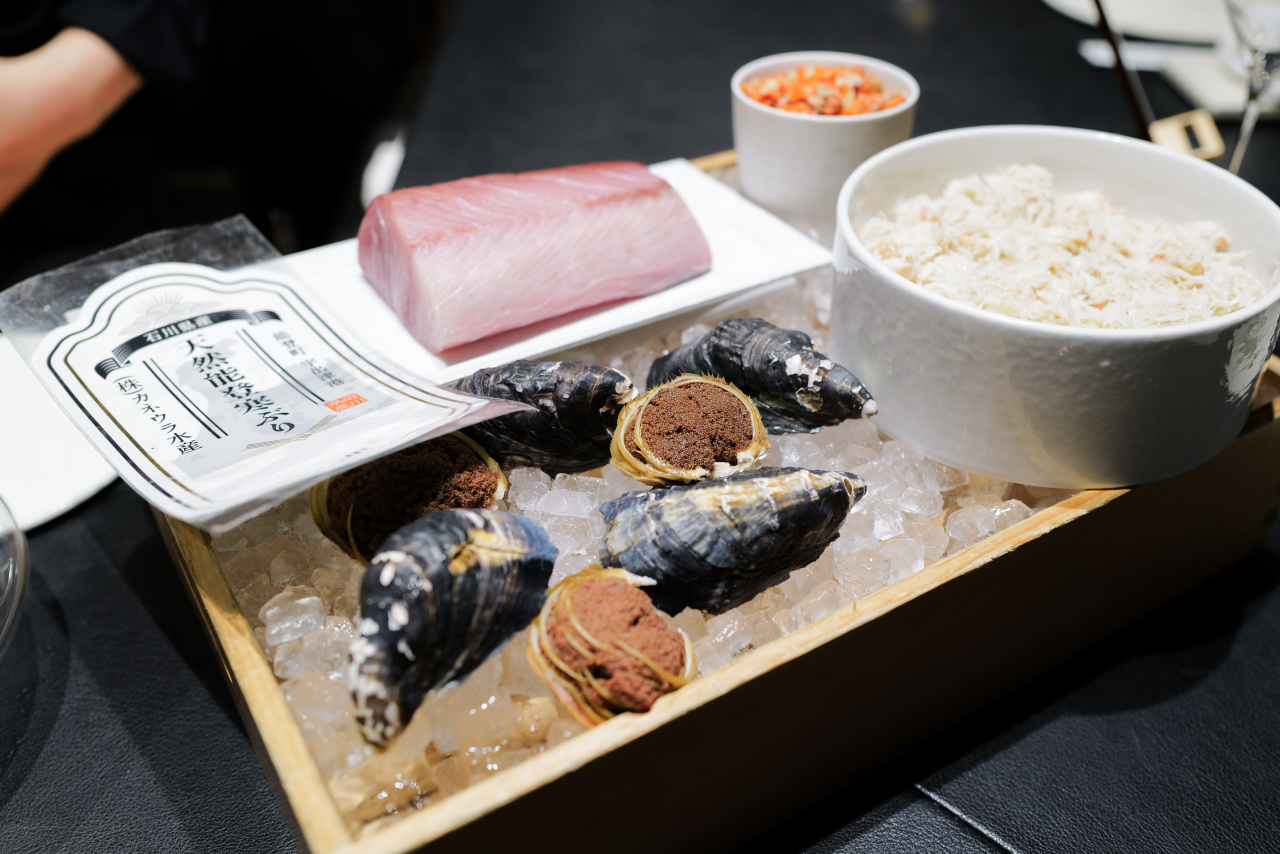
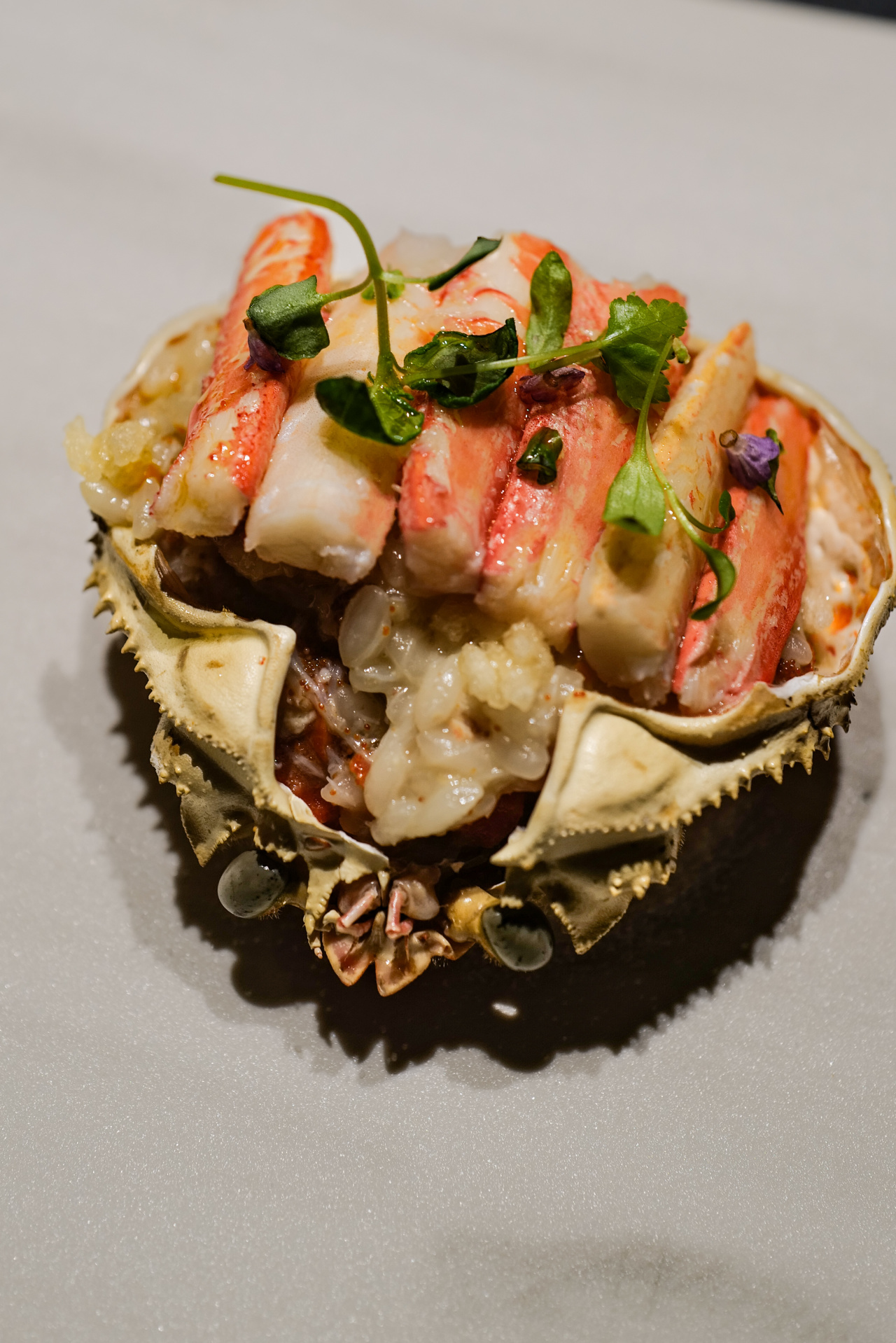
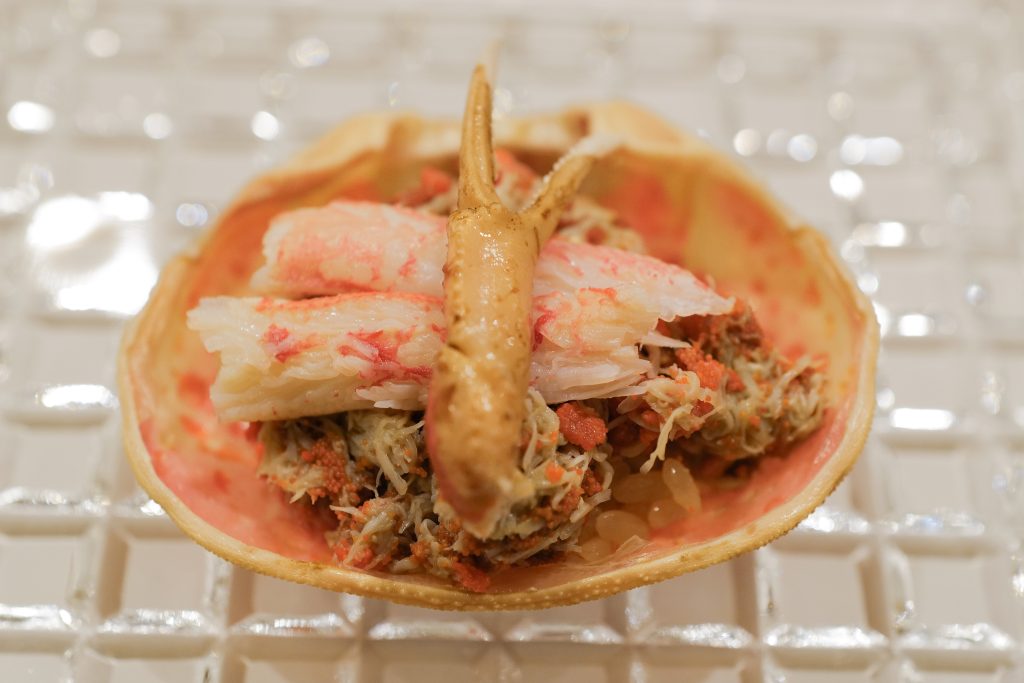
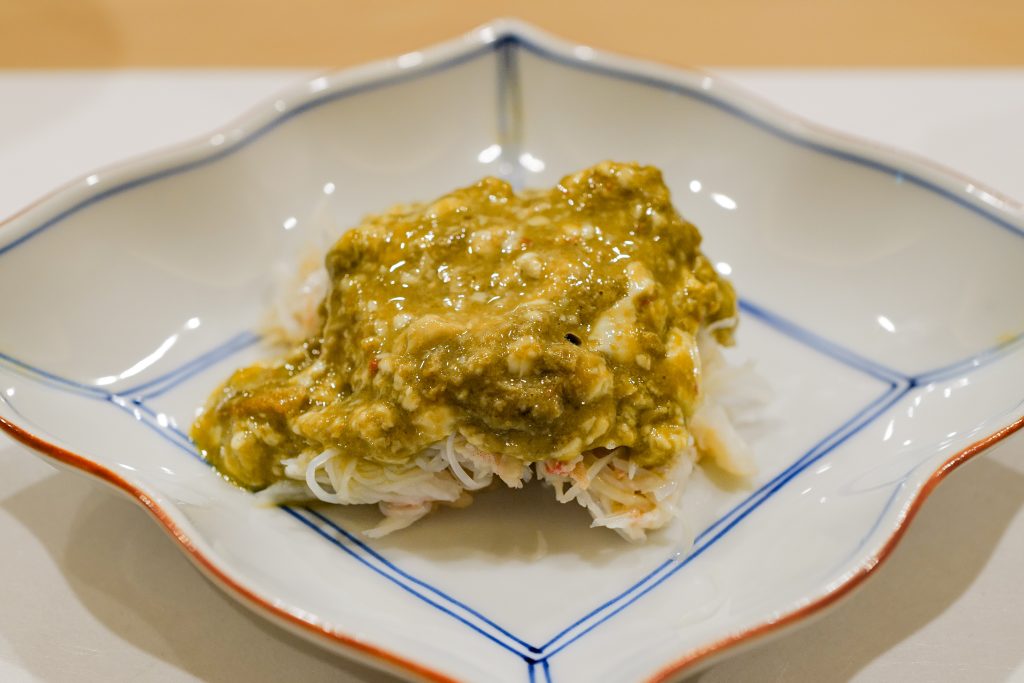
Kobako crab, ikura, and a Koshihikari crisp
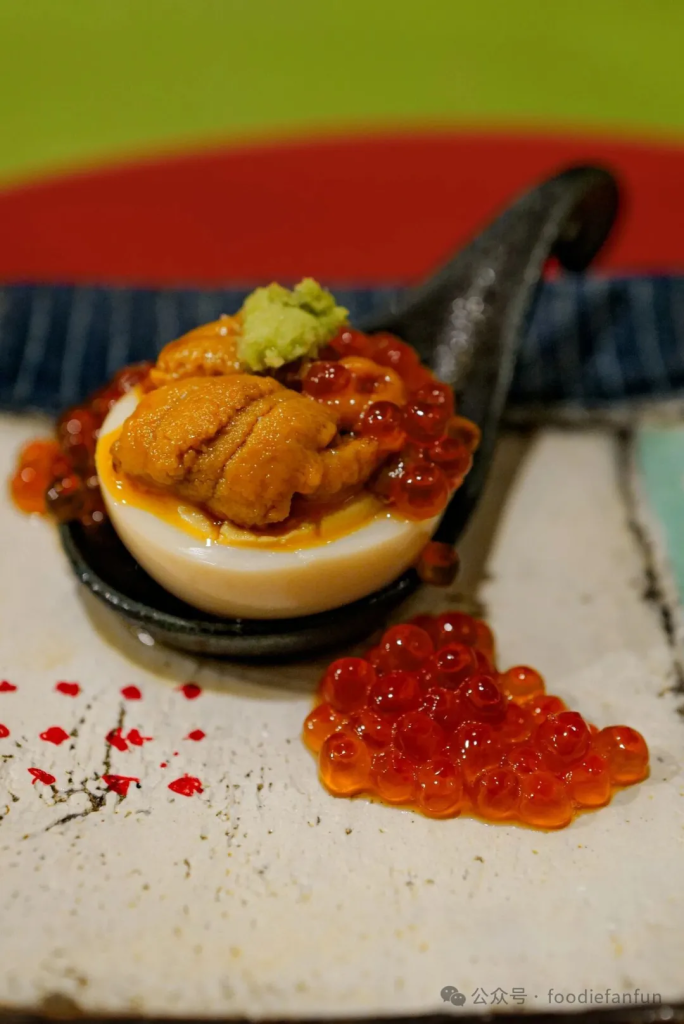
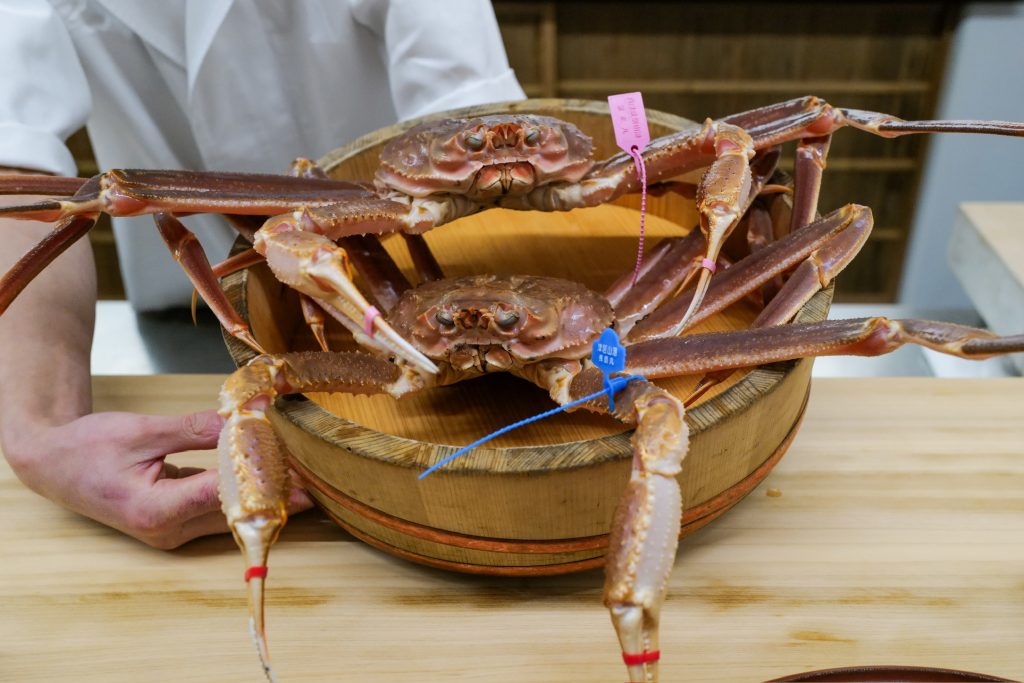
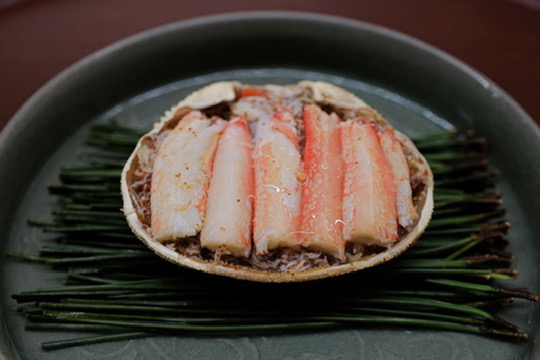
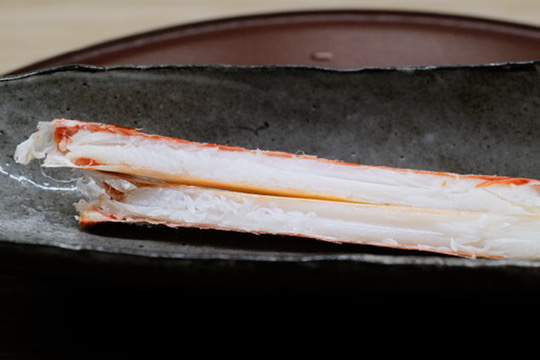
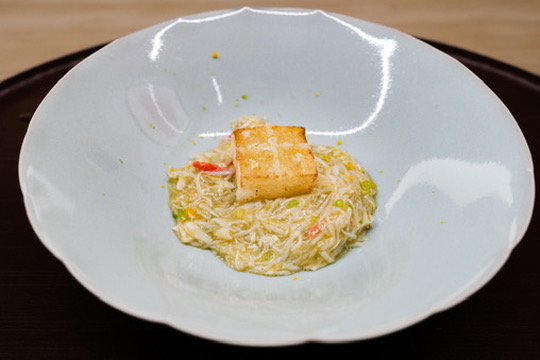
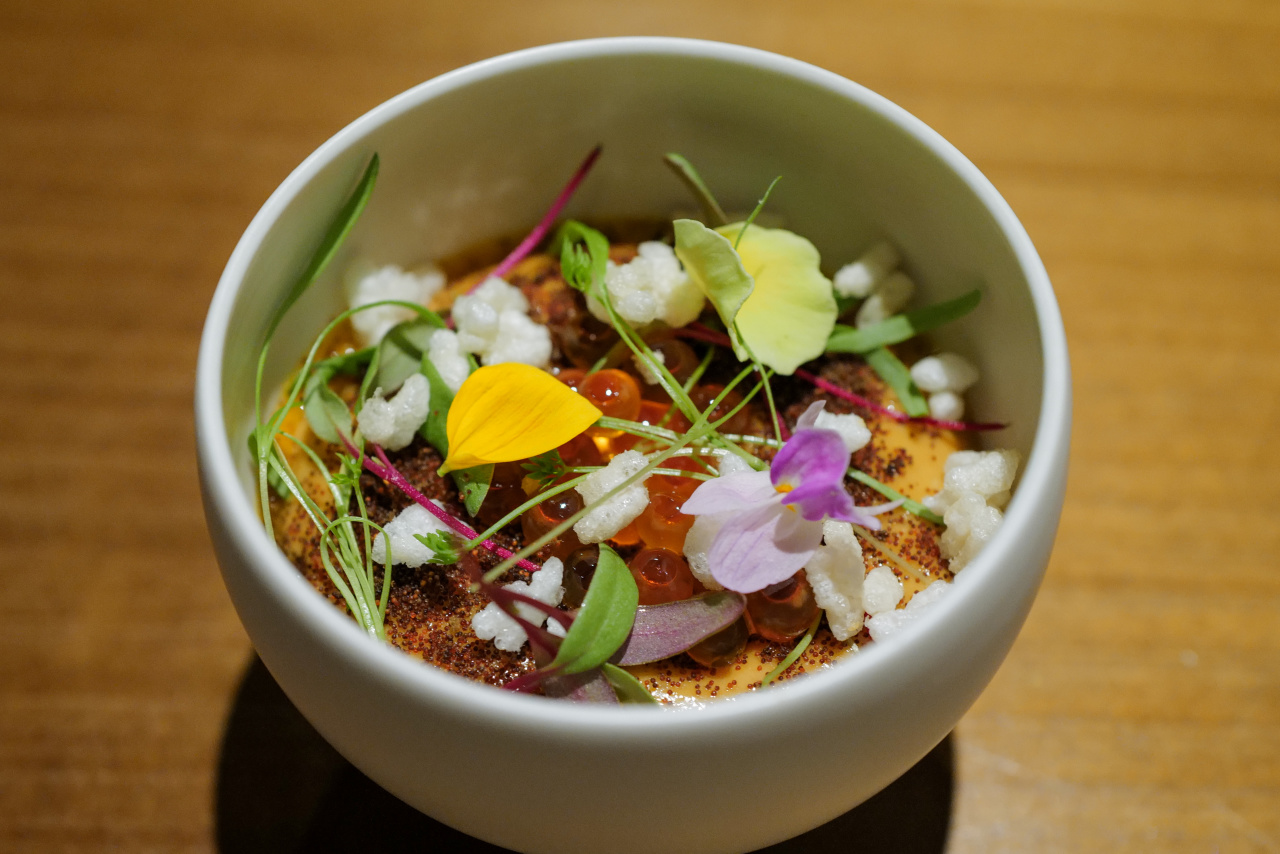
Kobako crab, a staple of winter fine dining in Japan, is given a very memorable treatment here—running at full speed down the “high-umami” lane.
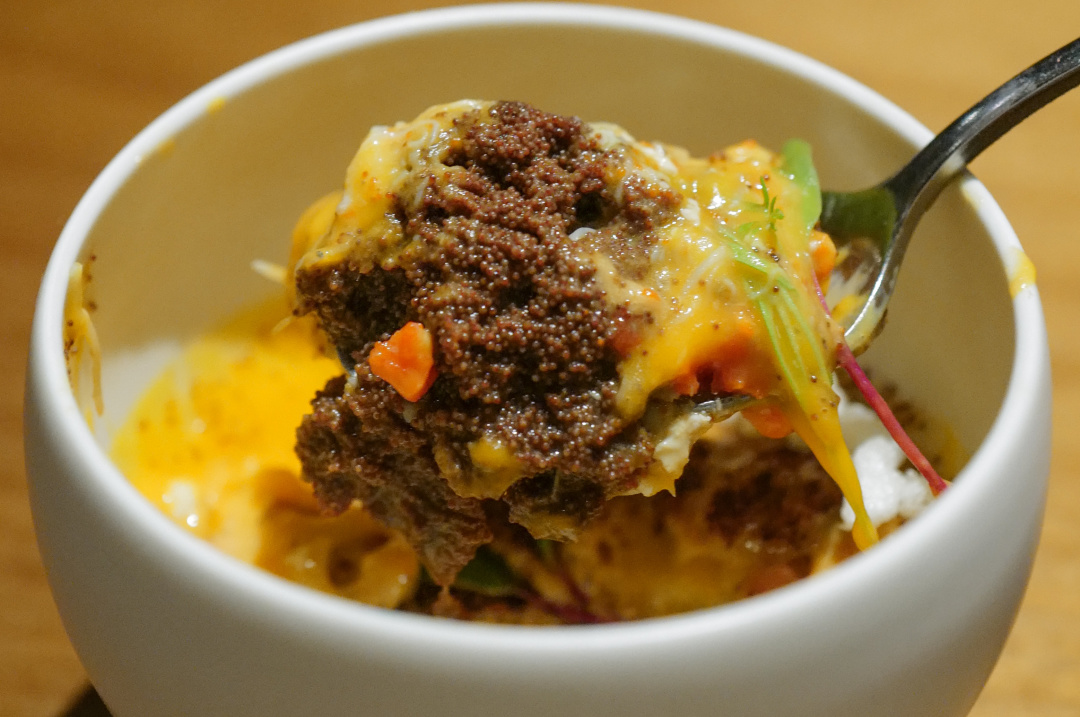
The bowl is packed with information: thick, fatty kani miso; herbal notes; popping roe; sweetness from sweet potato; and that shellfish aroma that seems to rise straight into your nose. The “umami” isn’t one-note—every bite has a different mix.
At the same time, the balance is spot on. Rich but not heavy. Deeply savory but never harsh. Sweetness and salinity both held precisely at the edge. It feels like a process of unlocking layer after layer, until you hit the bottom and dig up a final pocket of crab roe—a little treasure moment.
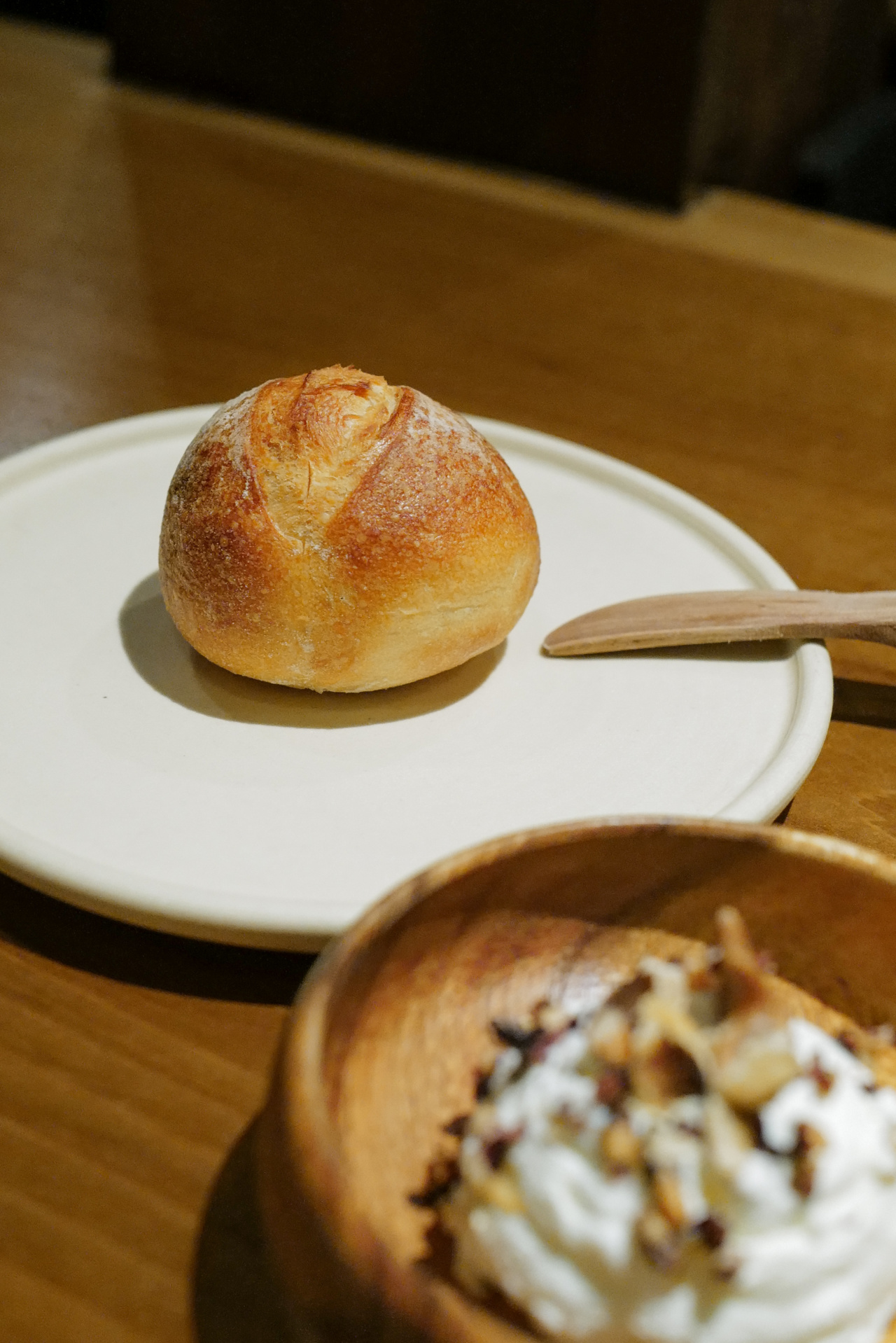
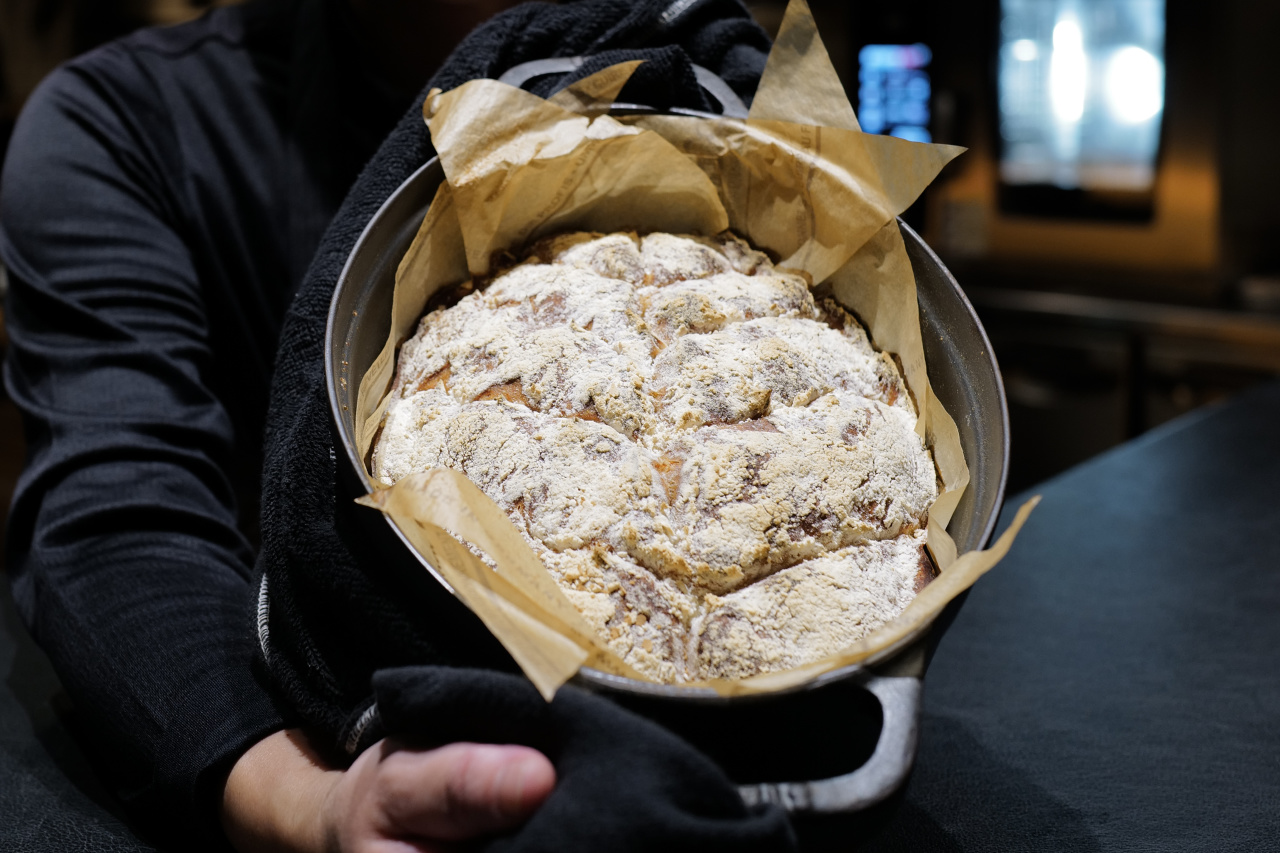
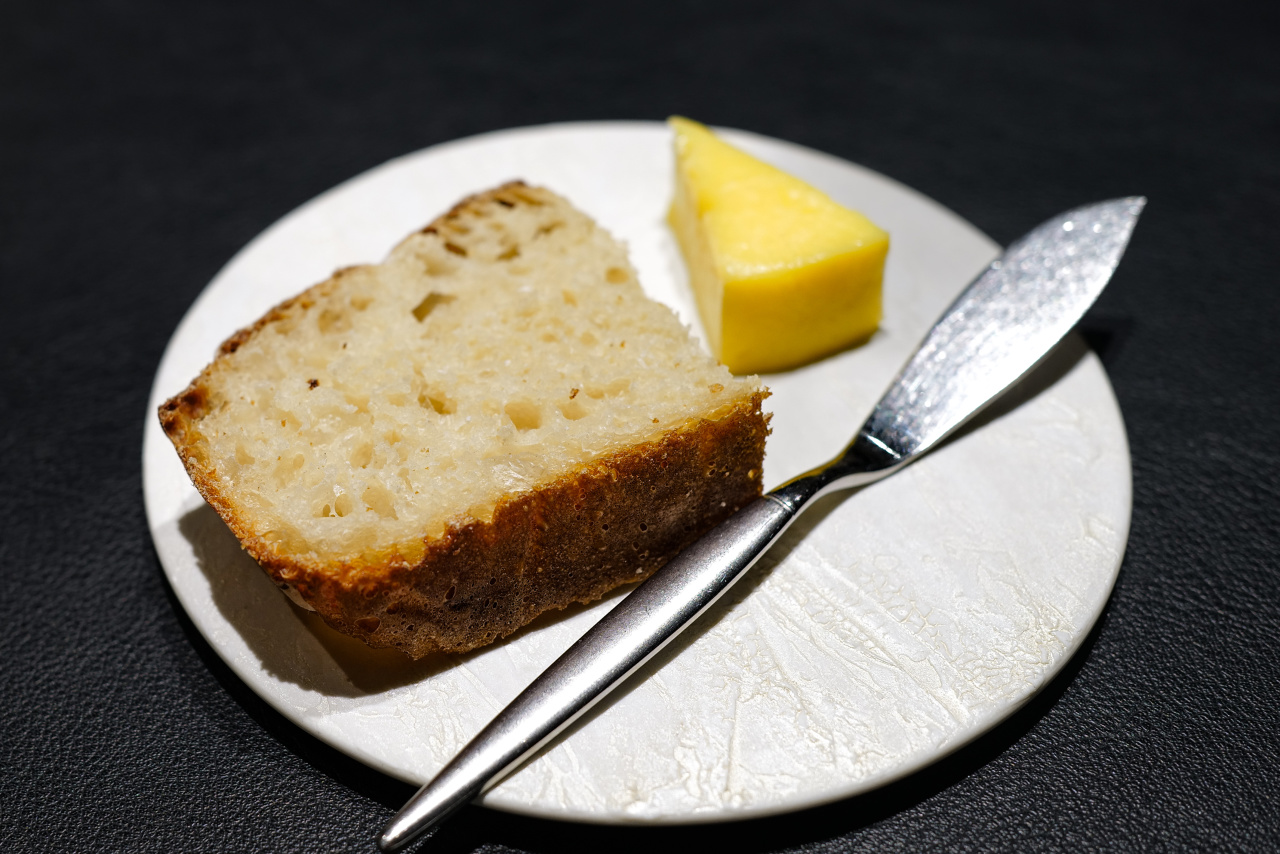
Small bread rolls arrive right then, and it’s impossible not to drag them across every last streak of sauce. The crust is firm, the inside extremely soft, with a slight alkaline note that matches the sauce beautifully.
“Would you like a second one?”
“But do save some room for what’s coming.”
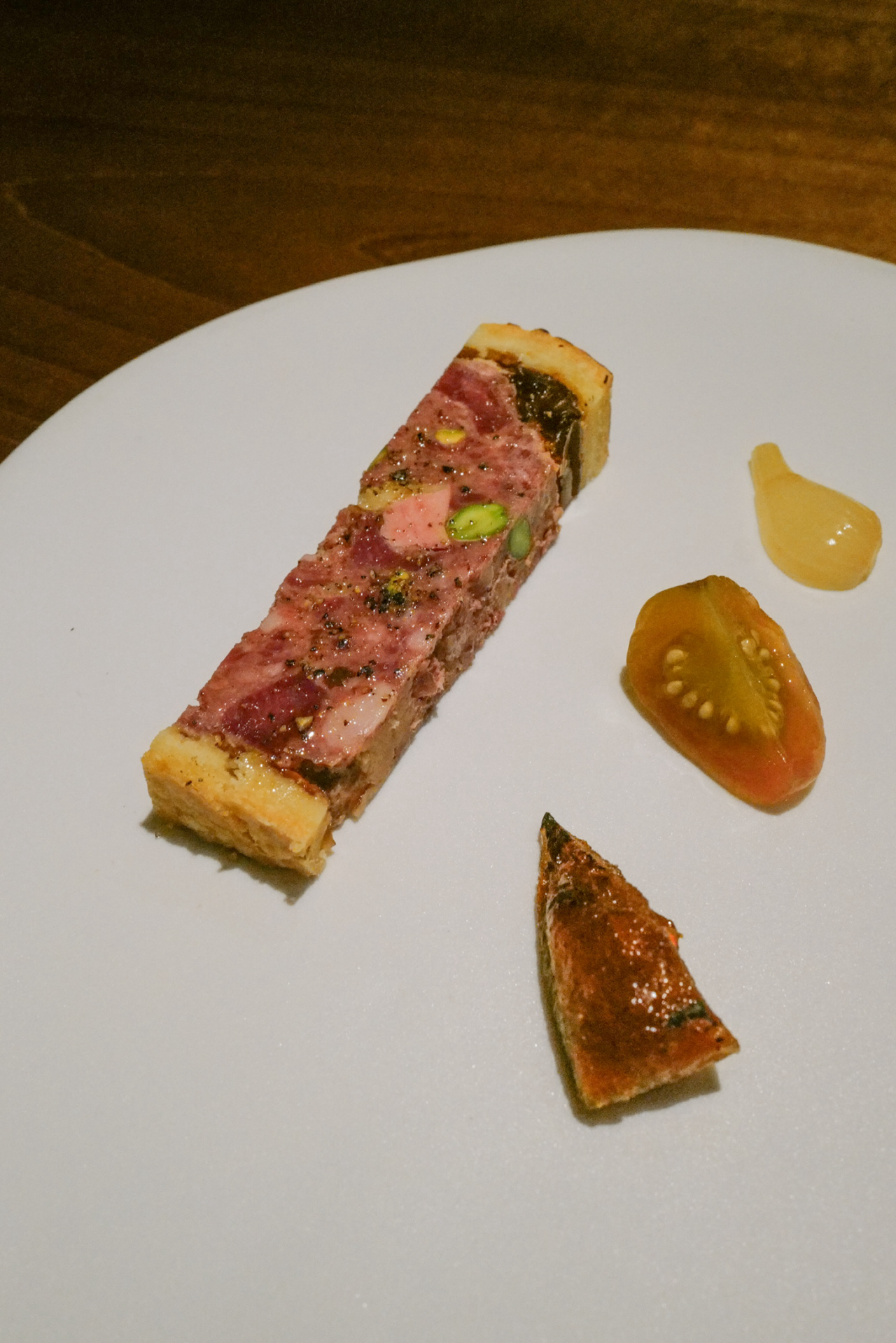
Game pâté
The game pâté en croûte feels like a pause before the heavier mains.
On this visit, venison took the lead—full of flavor, the kind of dish that makes you slow down and chew. It’s delicious and very wine-friendly.
The pickles on the side are fun: garlic, tomato, persimmon, corresponding to tangy saltiness, richness, and gentle sweetness. After each bite of pickles, the pâté seems to reveal something slightly new.
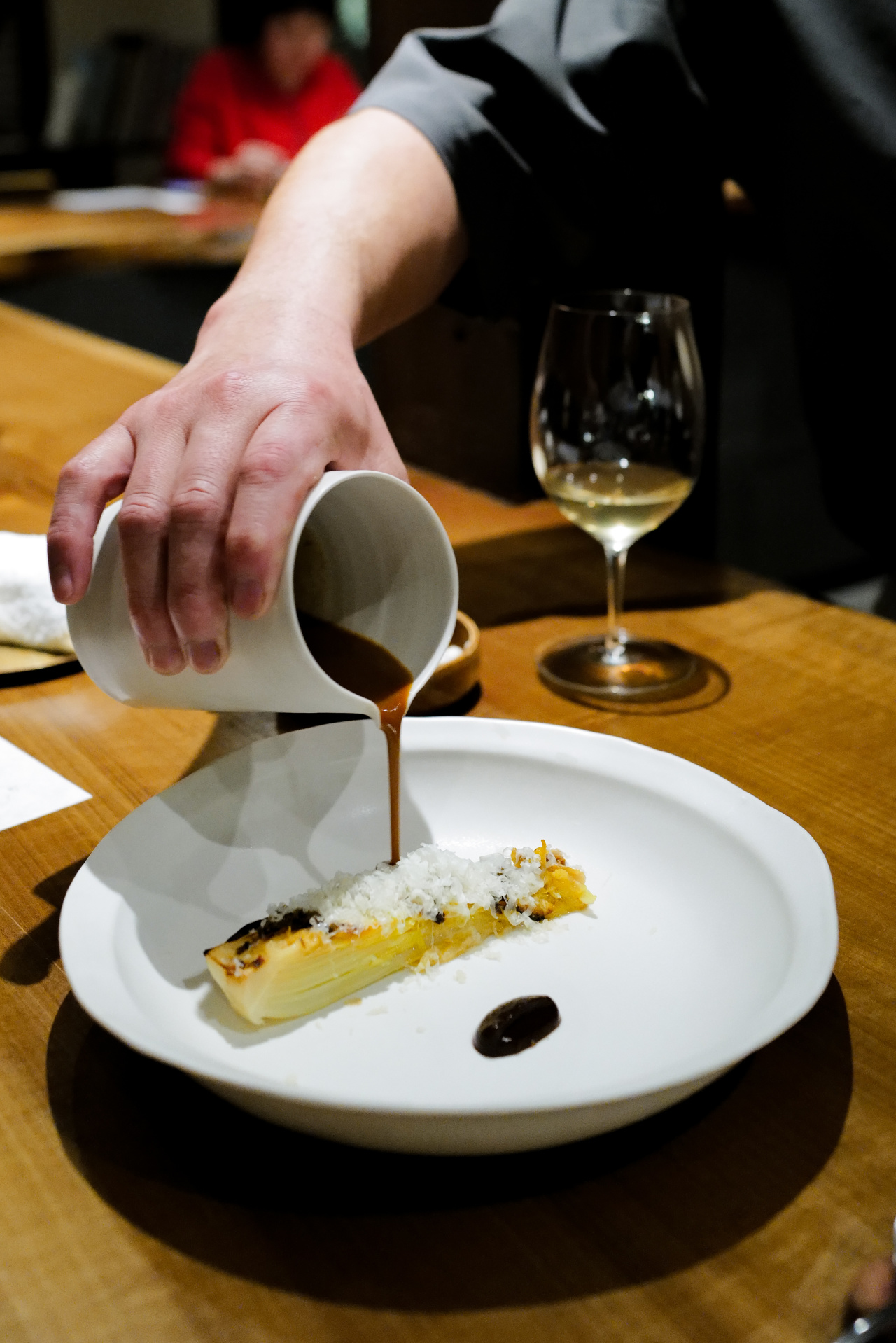
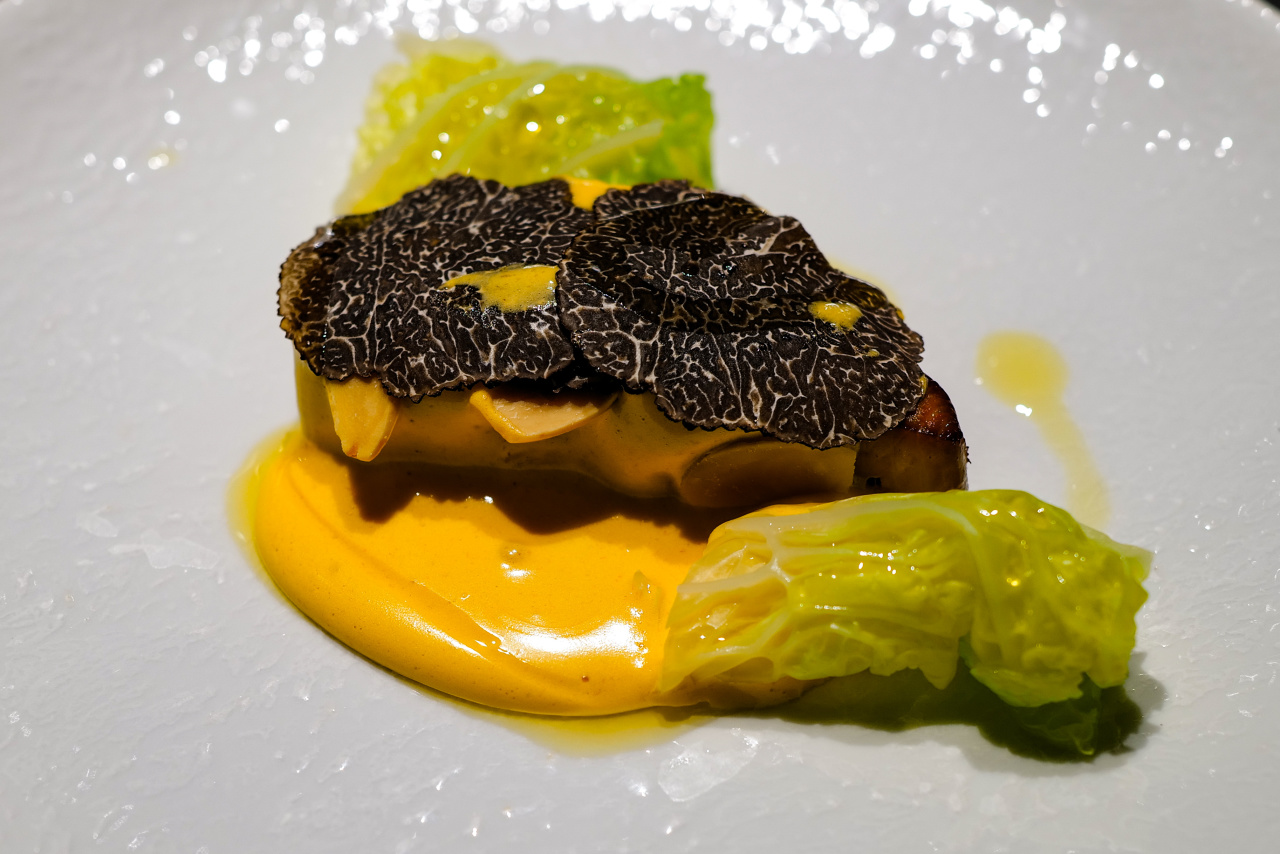
Cabbage, black garlic, Comté
A “life-changing cabbage”
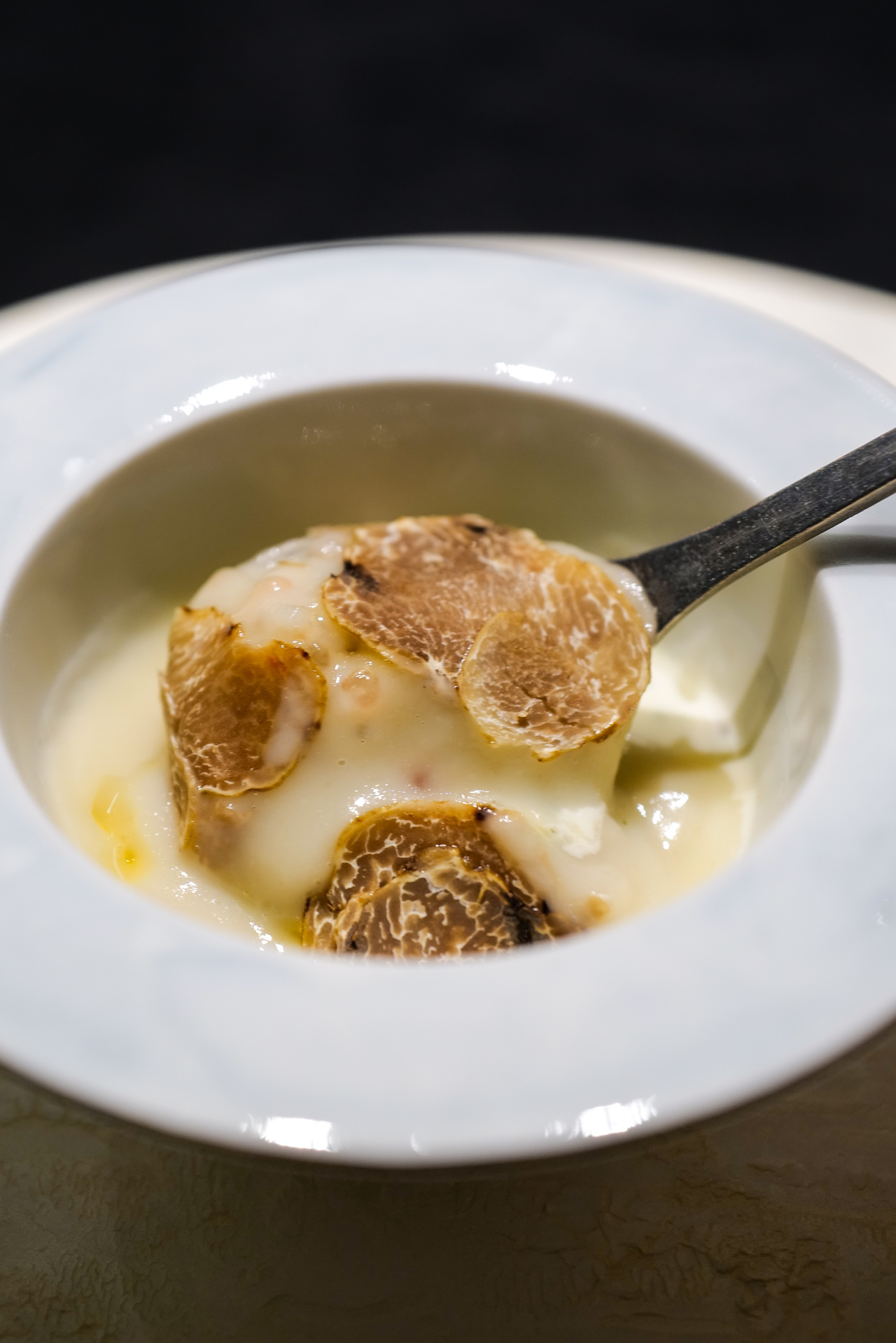
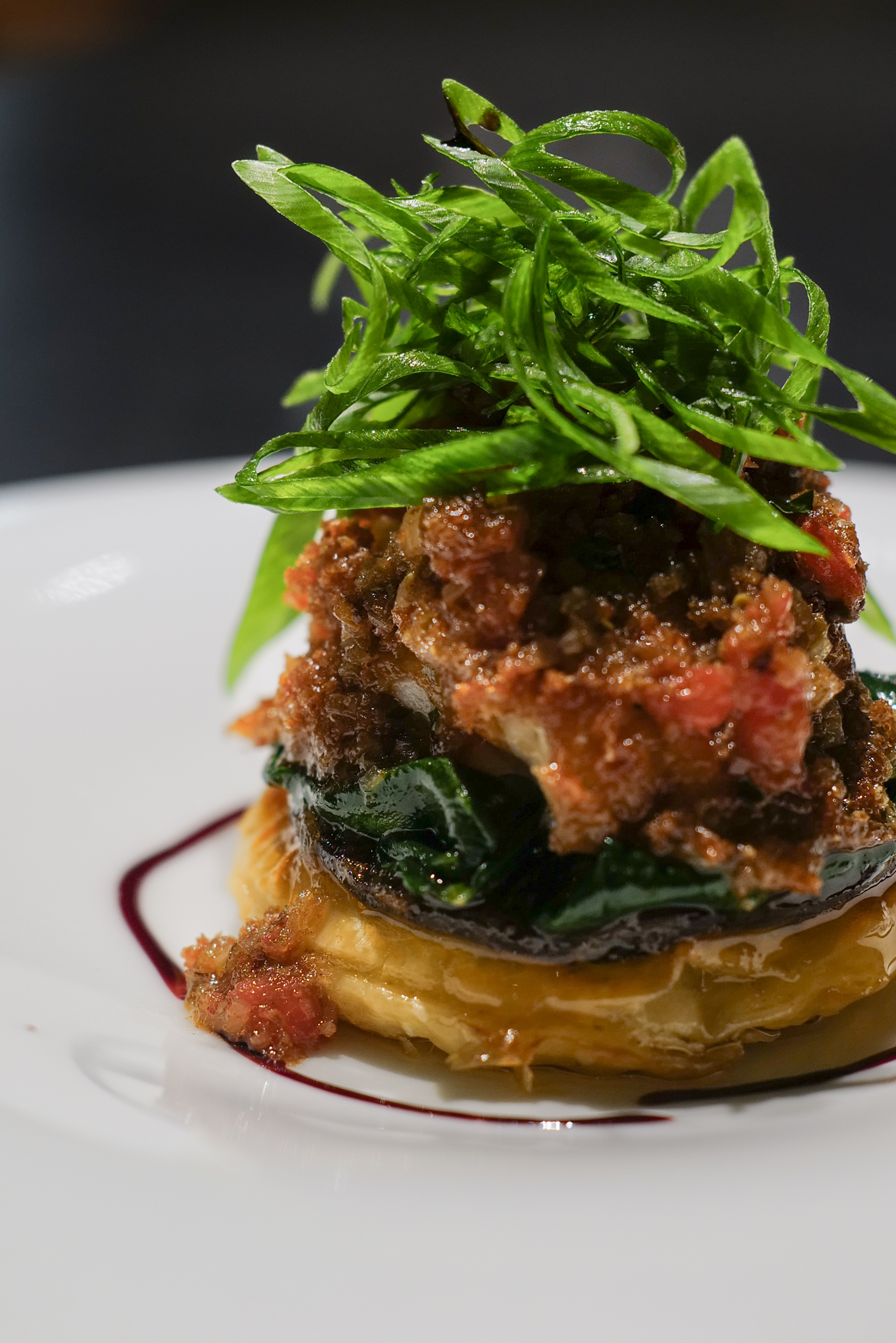
Between starters and mains comes something that looks humble but is one of UOZEN’s signature dishes: roast “snow-aged” cabbage.
The whole cabbage is stored under snow outdoors, concentrating its sweetness. It starts roasting in the oven as soon as guests arrive. The sauce is built with Jura vin jaune, plus house-made black garlic paste and paper-thin Comté.
One bite, and it blows far past anything you expect from “just a cabbage.” The vin jaune sauce presents the vegetable’s sweetness in its purest, clearest form. The black garlic adds a fermented depth. The Comté, set off by the sauce, splits into clean layers of dairy richness and nuttiness, opening up all those second- and third-level aromas that only time creates.
Everything is balanced: clean sweetness, nuttiness, fermentation, and creaminess all checking and completing each other.
Honestly? A life-changing cabbage.
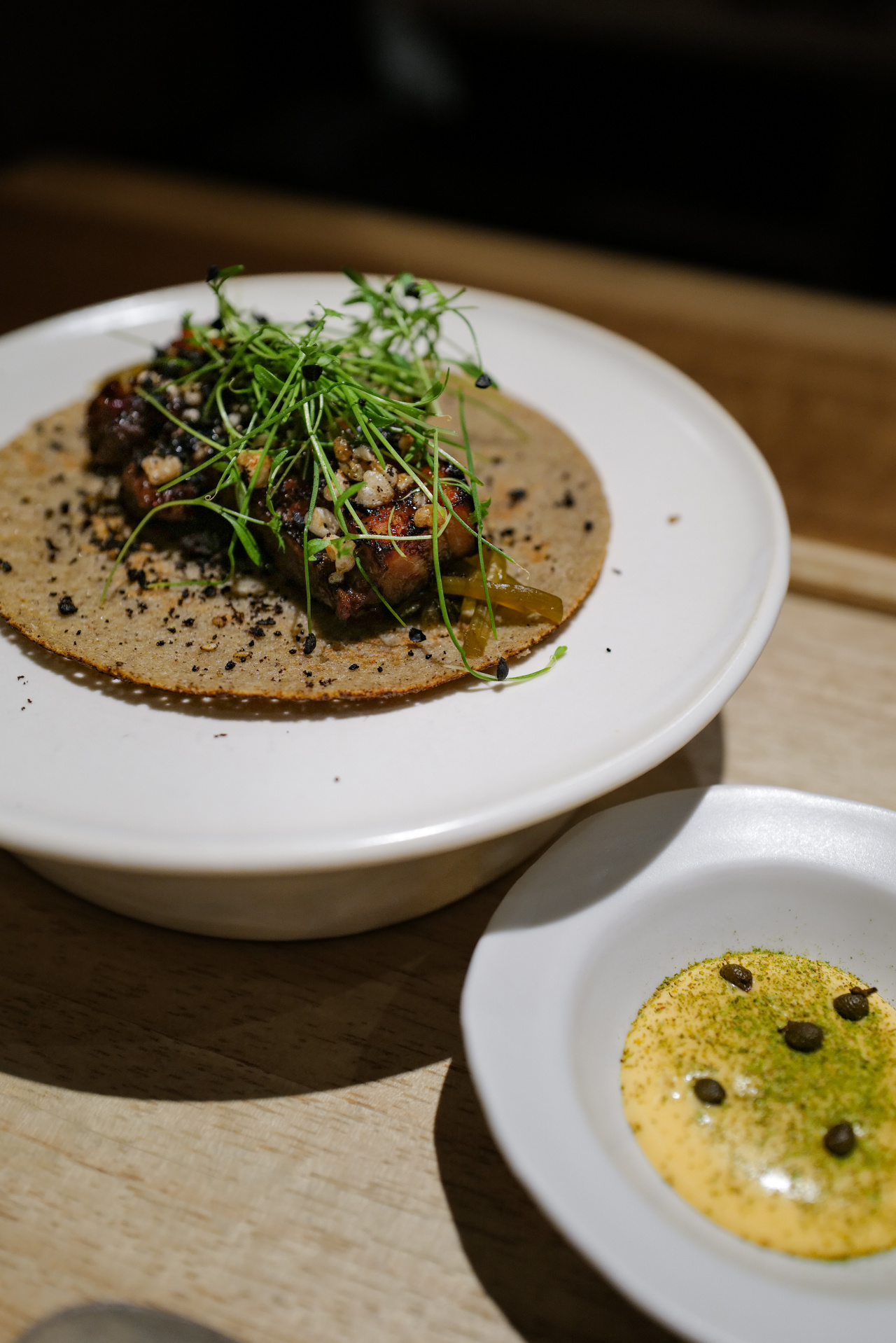
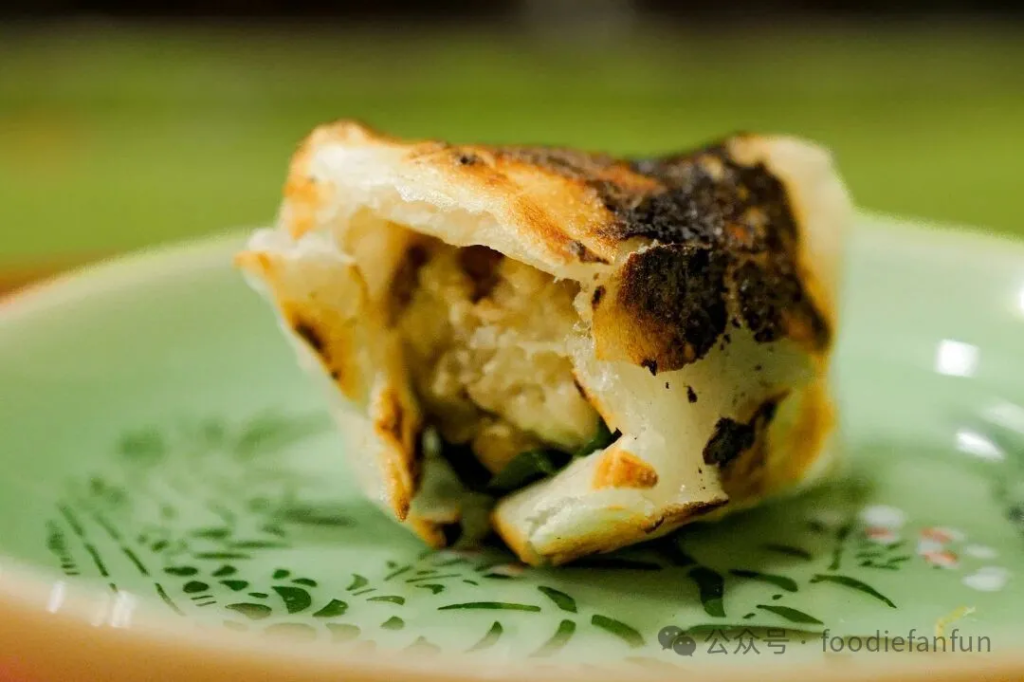
Wild boar and buckwheat tortilla
A few days before the meal, I saw Inoue post a fresh wild boar on Instagram. It felt like a quiet promise that something special might show up.
The boar did appear—but wrapped in a buckwheat tortilla.
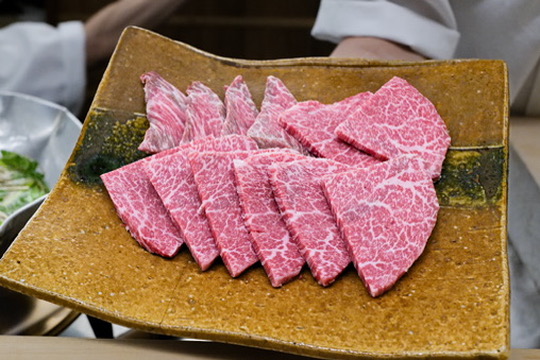
Wild boar is thick, primal, with a gentle sweetness in its fat. Buckwheat is dry, cool-grain aroma. The sanshō sabayon on the side is airy and light, organizing the spice and tingling into fine, detailed lines.
There’s fragrance, freshness, softness, fluffiness—it’s like transforming rough mountain flavors into something finely sifted. For a second, it even reminded me of Northeastern Chinese egg sauce rolled in flatbread.
It’s one of those, “Don’t overthink it. It’s just ridiculously good.” dishes.
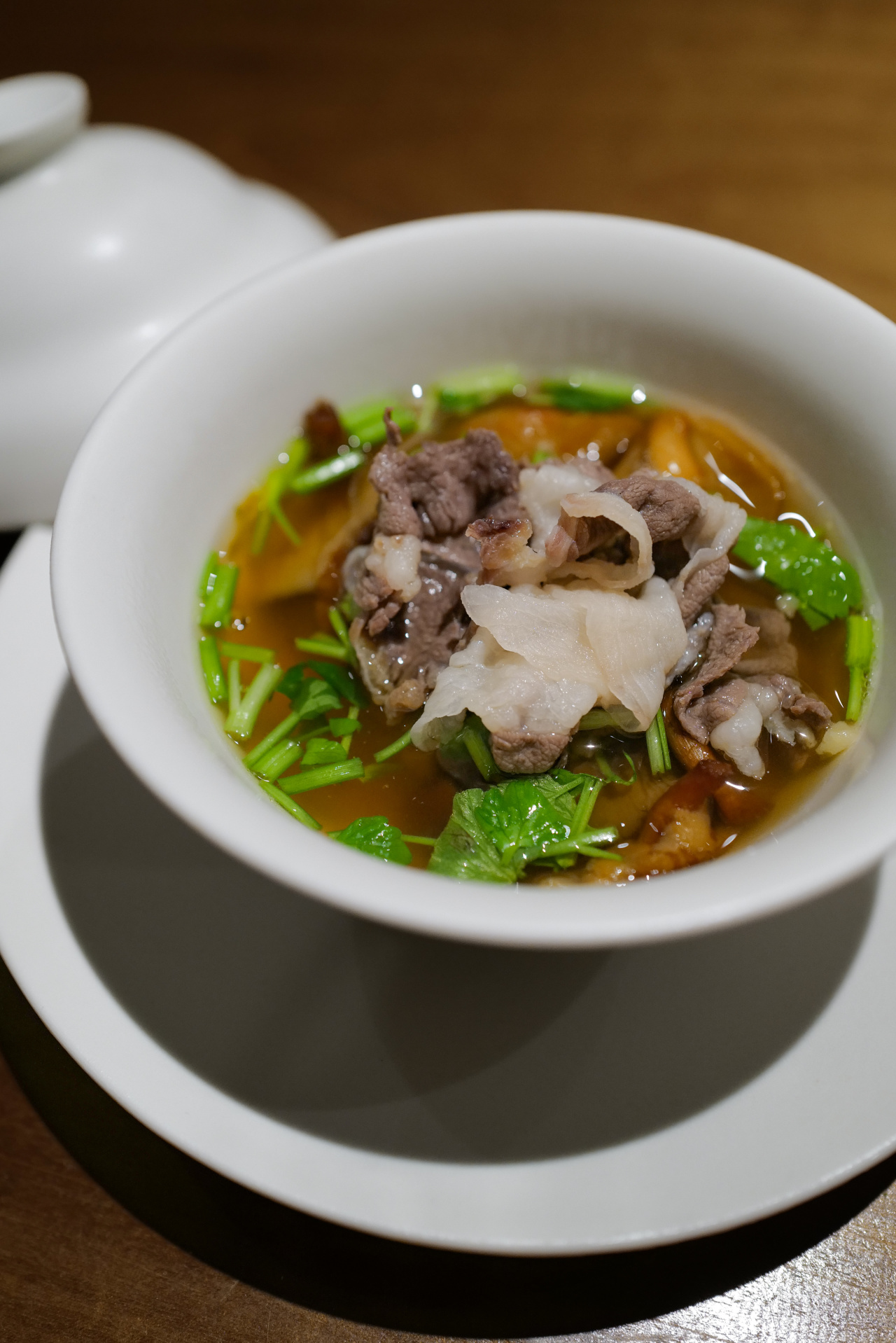
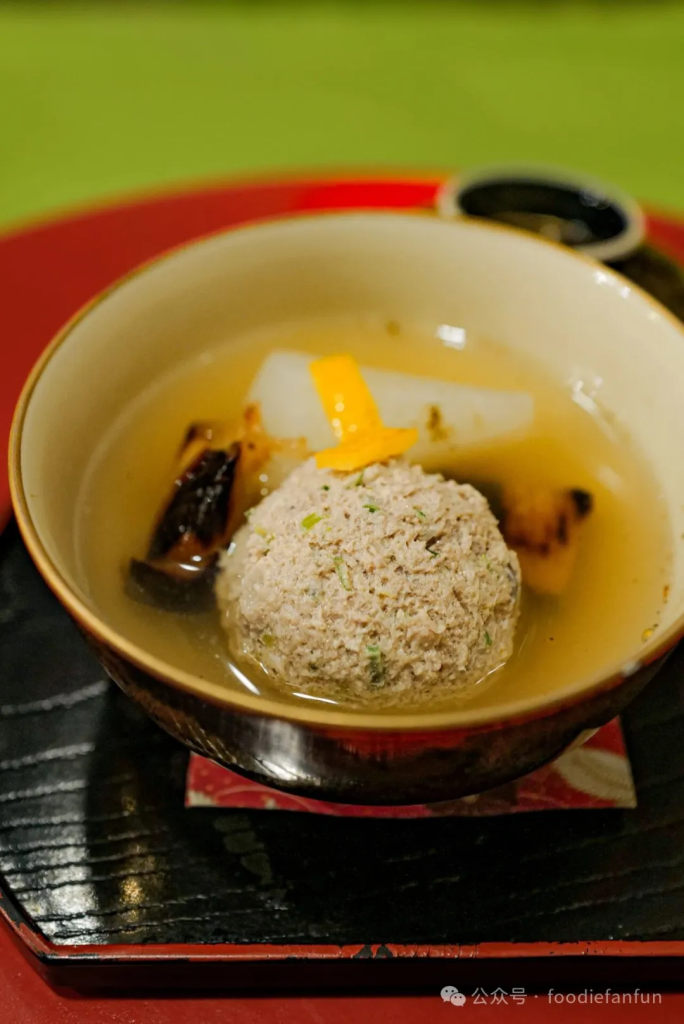
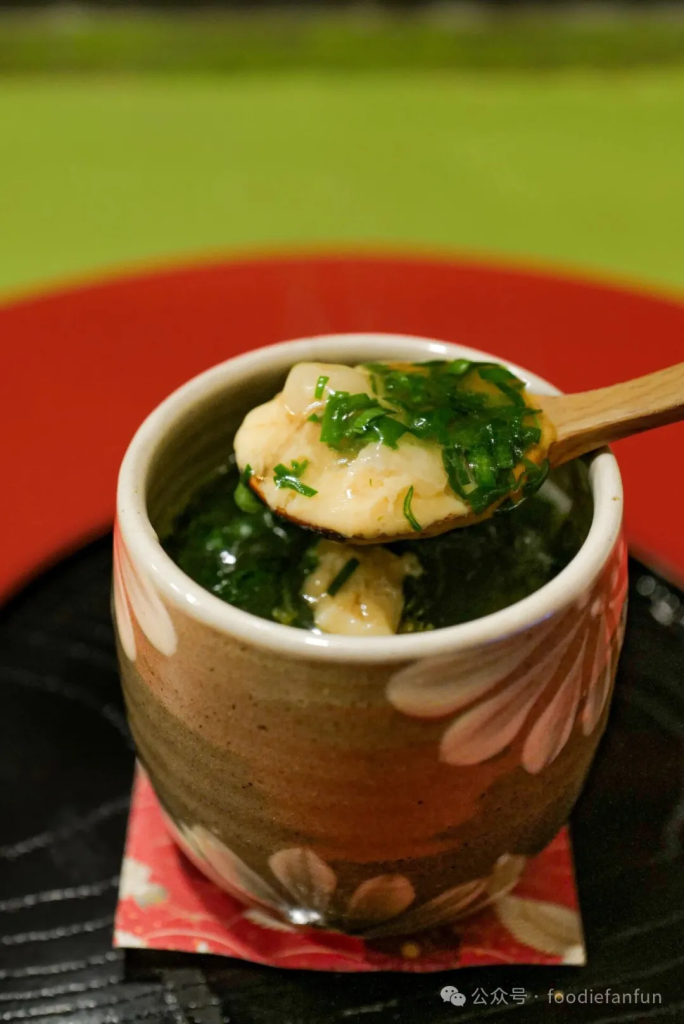
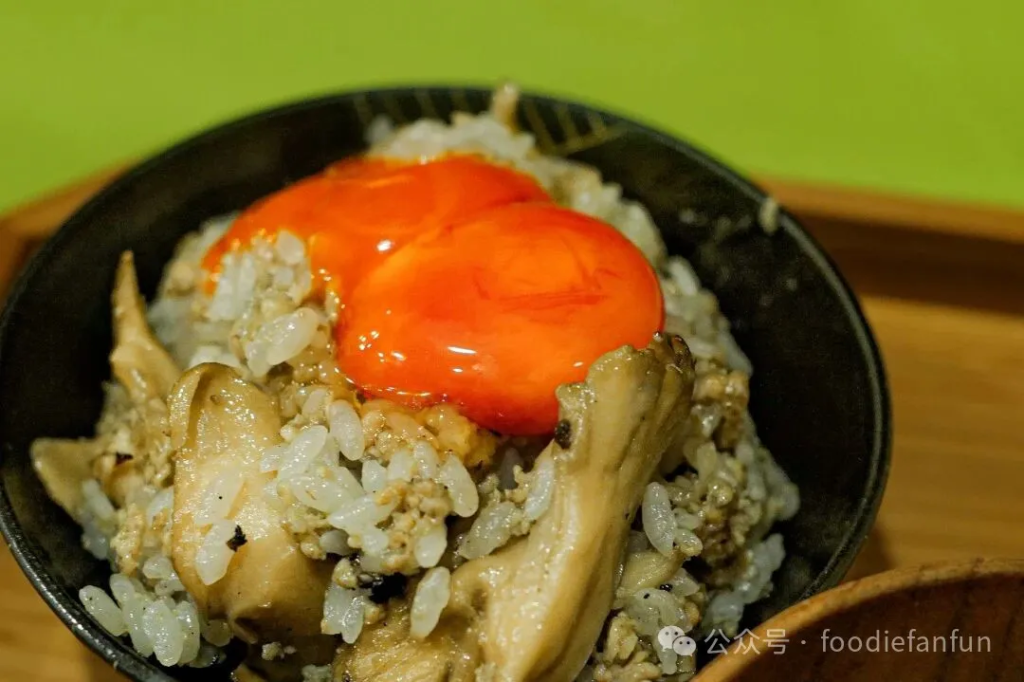
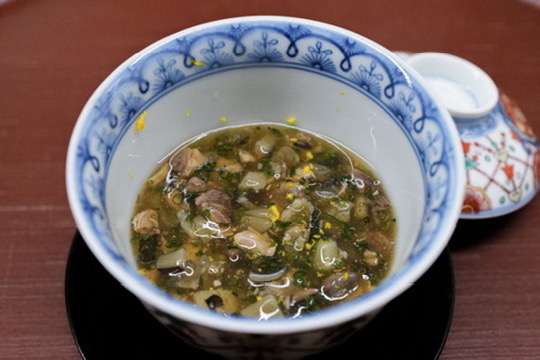
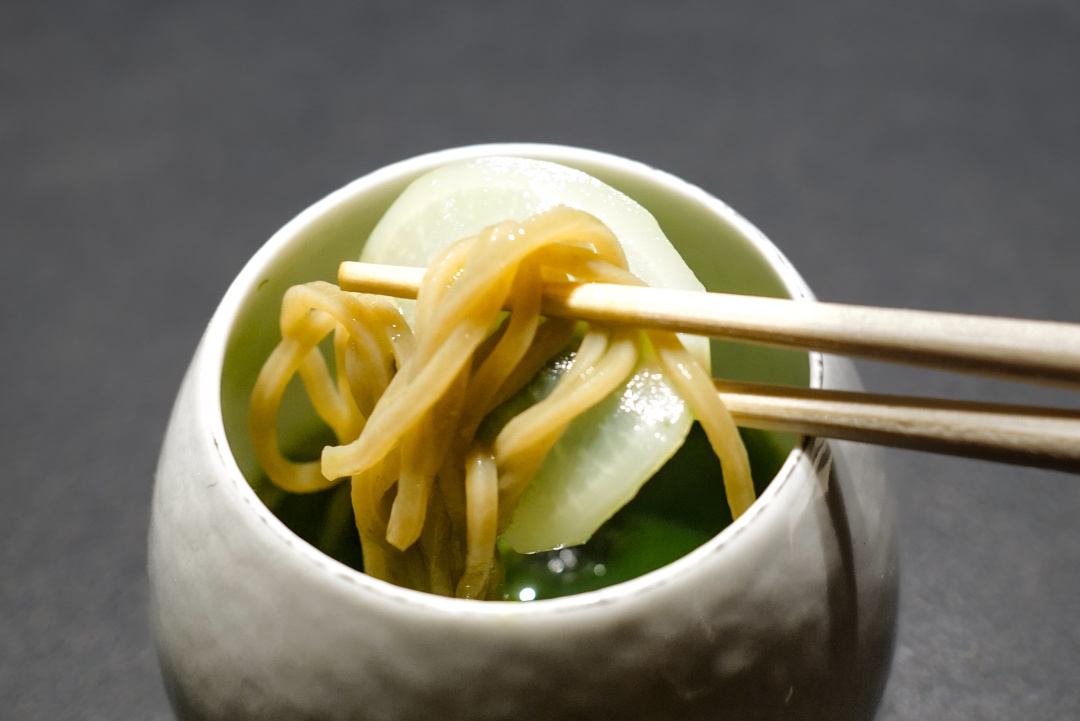
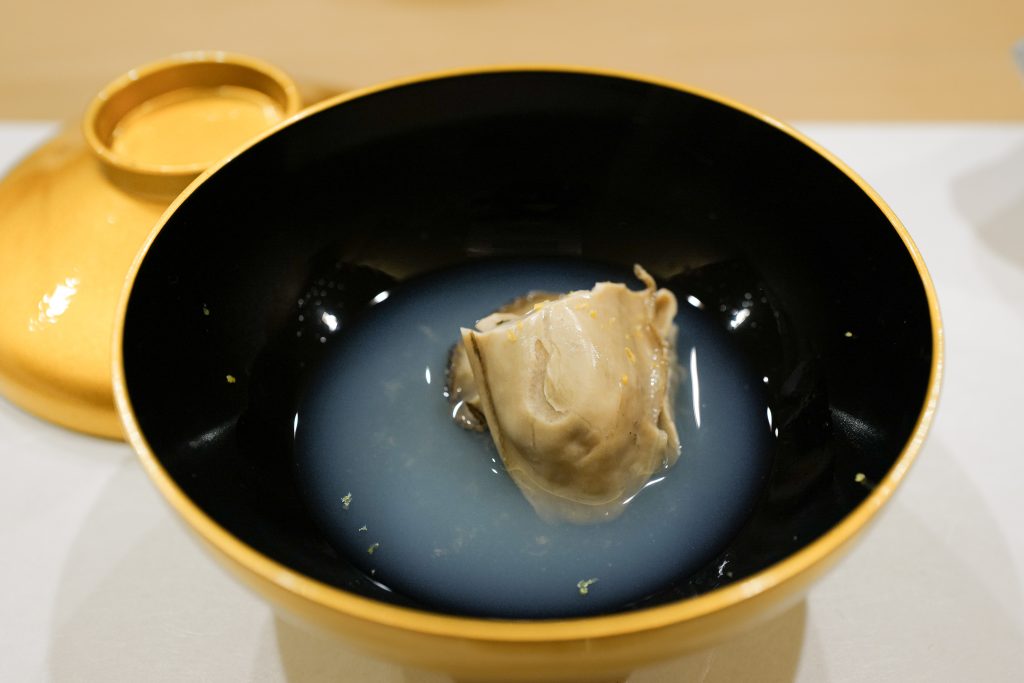
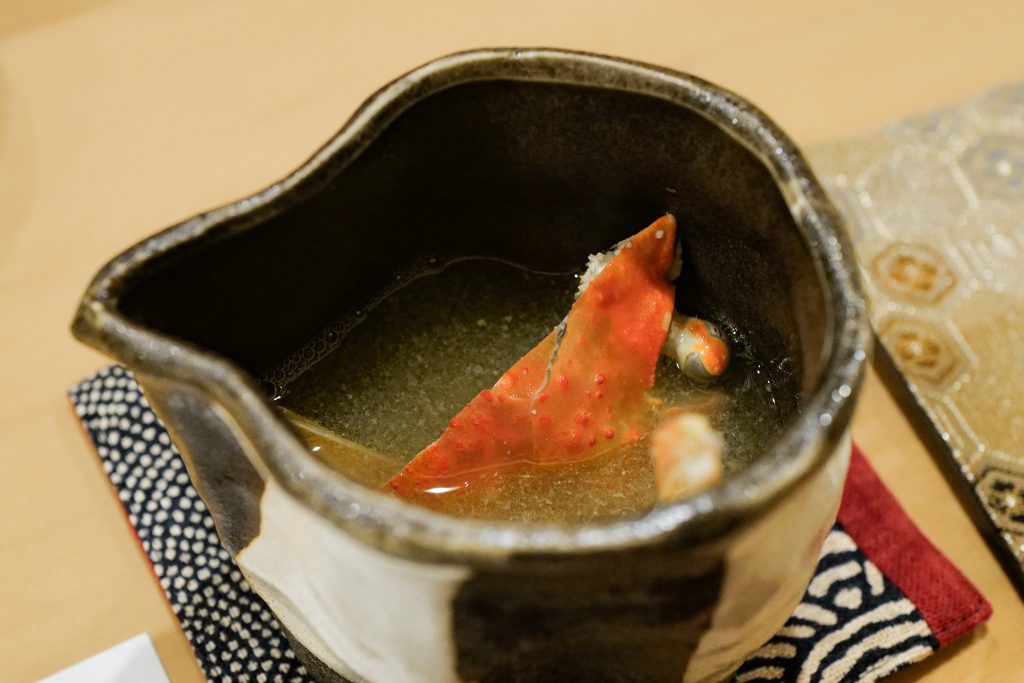
Wild mushrooms, Asian black bear, and turtle consommé
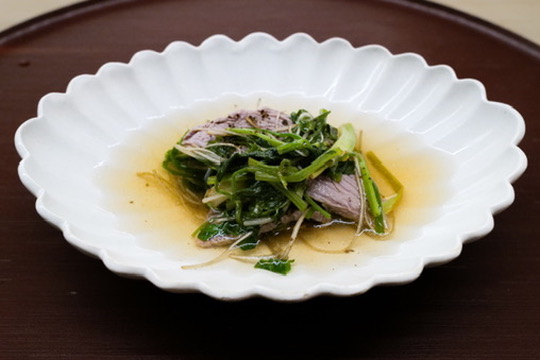
In a restaurant that works so much with game, bear is something you shouldn’t skip. But here, it’s presented with surprising clarity.
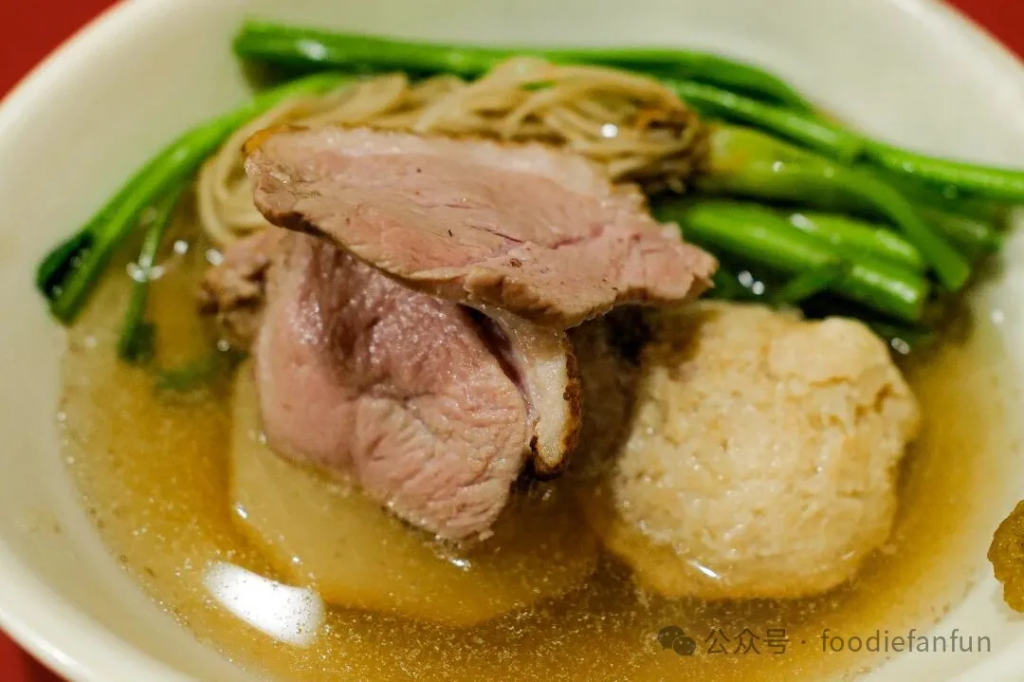
A clear fish turtle (甲鱼) broth holds nameko and oyster mushrooms, plus a touch of celery leaf for green brightness. Even just smelling it, the aroma feels layered.
On the palate, each component shines on its own. Nameko is juicy and sweet, with bounce and moisture. Moon bear carries balanced fat and game aroma. Hidden at the bottom are bits of turtle skin—soft and slightly sticky, tightening the umami even further.
Clarity, savoriness, fat, and fungal depth all appear in distinct layers, then gather back into one warm bowl.
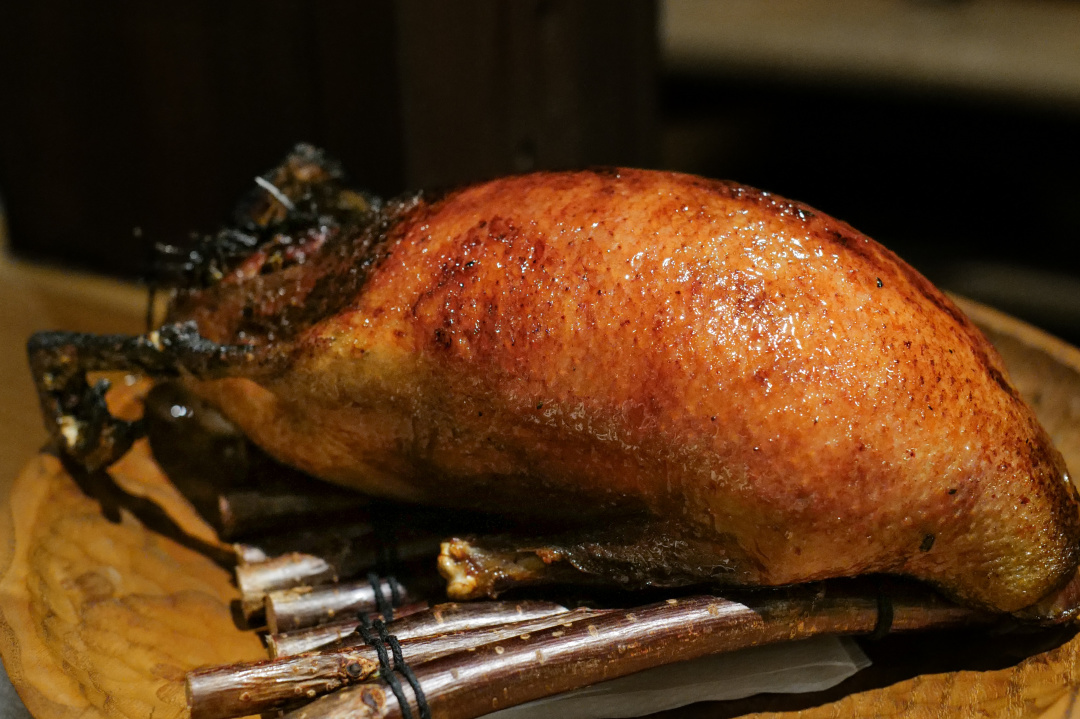
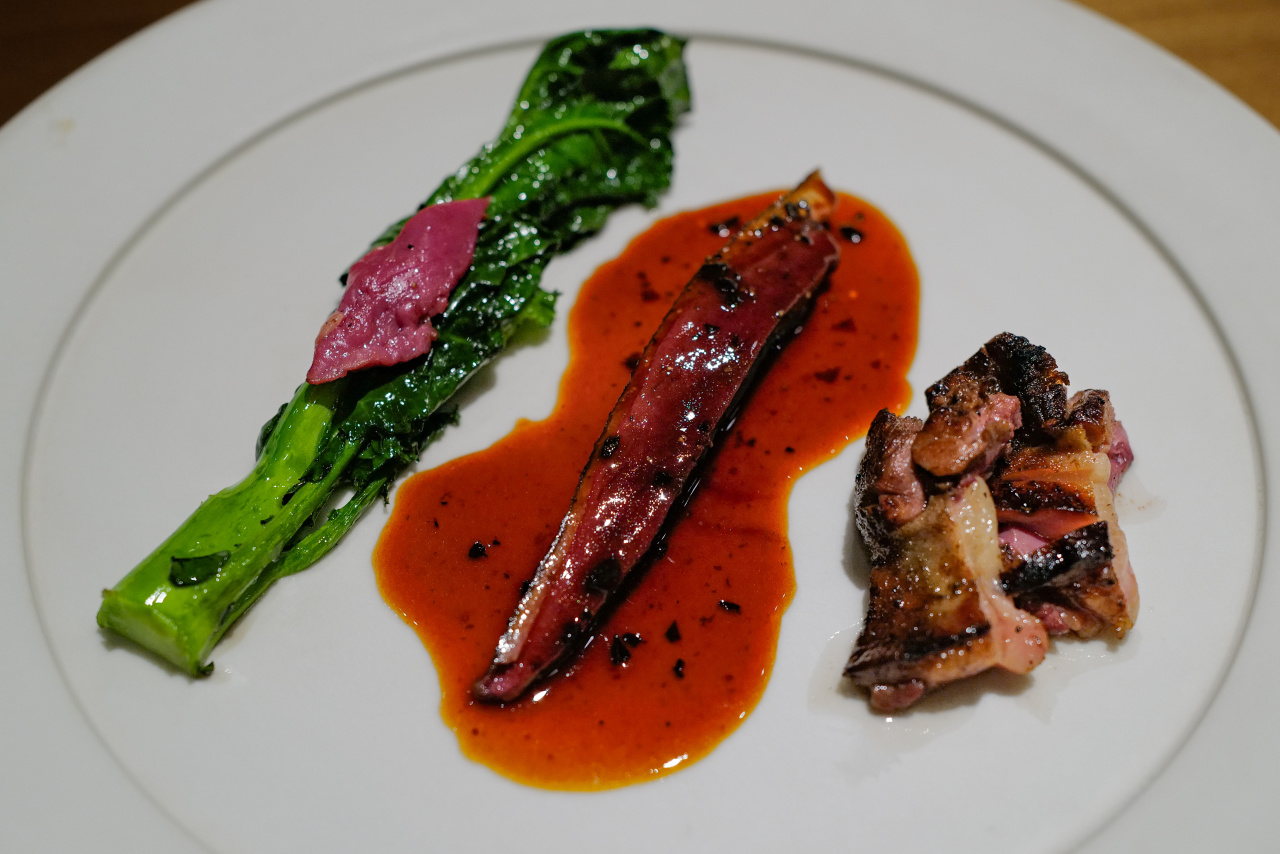
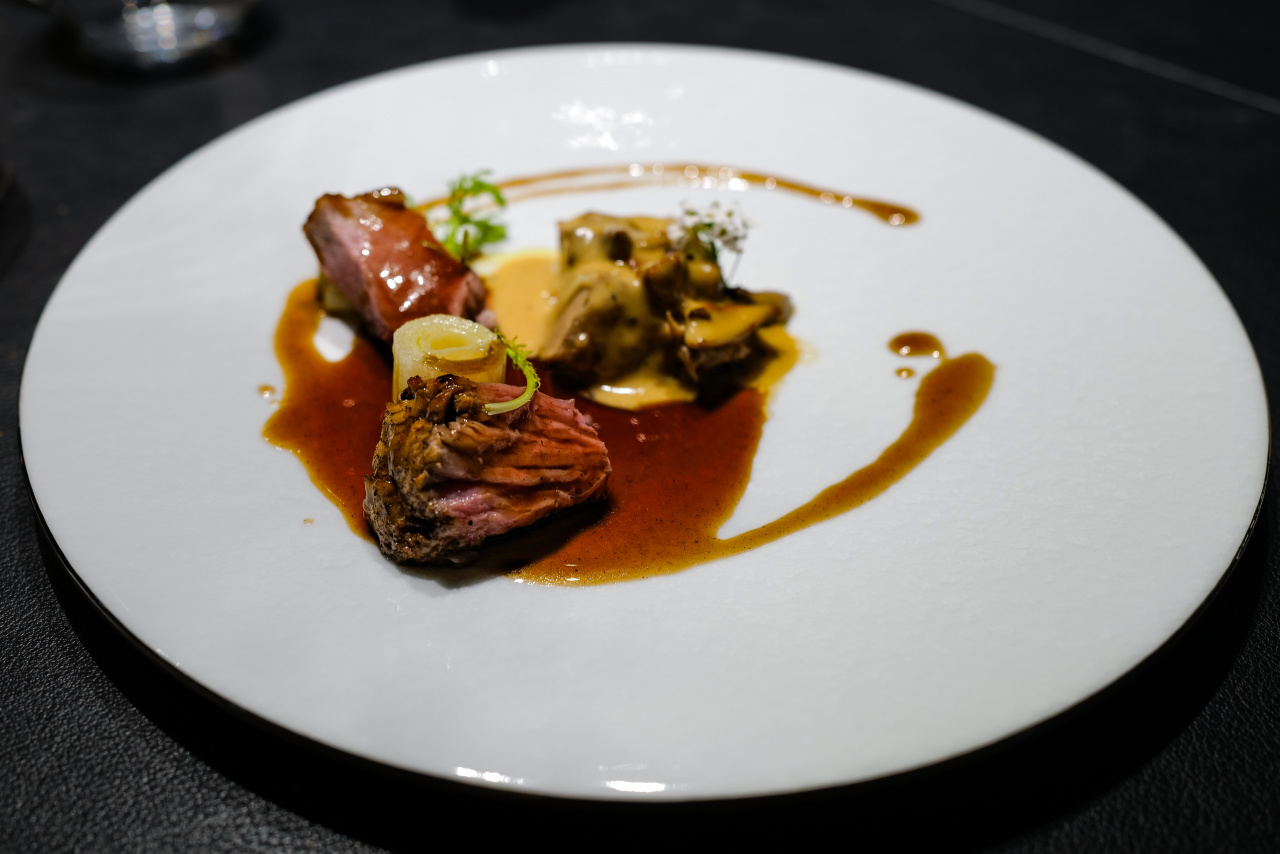
Niigata wild duck
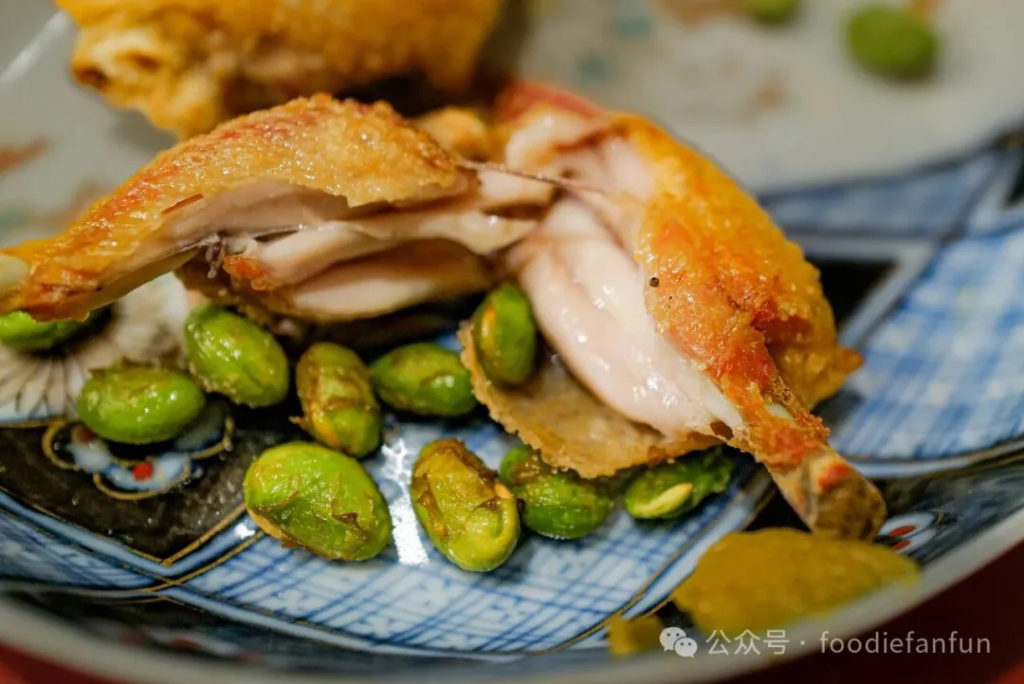
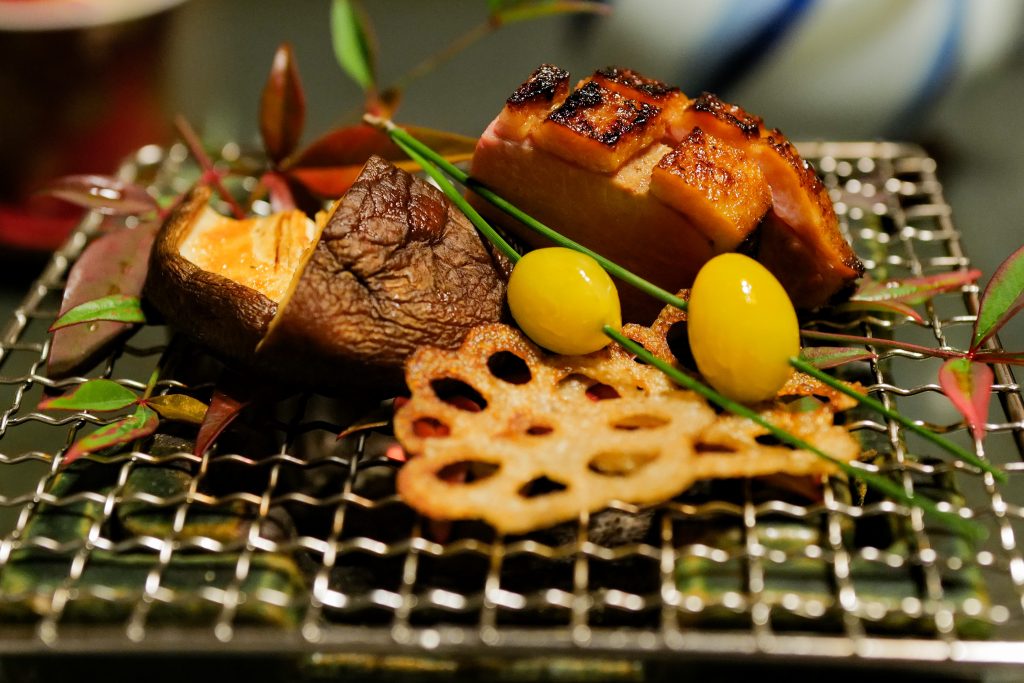
The last main is wild Niigata duck roasted with wild honey. Three cuts are presented on the plate: skin-on breast, leg, and tenderloin.
The seasoning is bold. The sauce has clear alcohol and acidity, the breast carries distinct liver notes, and the small tenderloin piece is beautifully soft.
It’s very correct and well-executed, but in a lineup of dishes that kept climbing in surprise and dimension, this ending felt a touch more conventional by comparison.
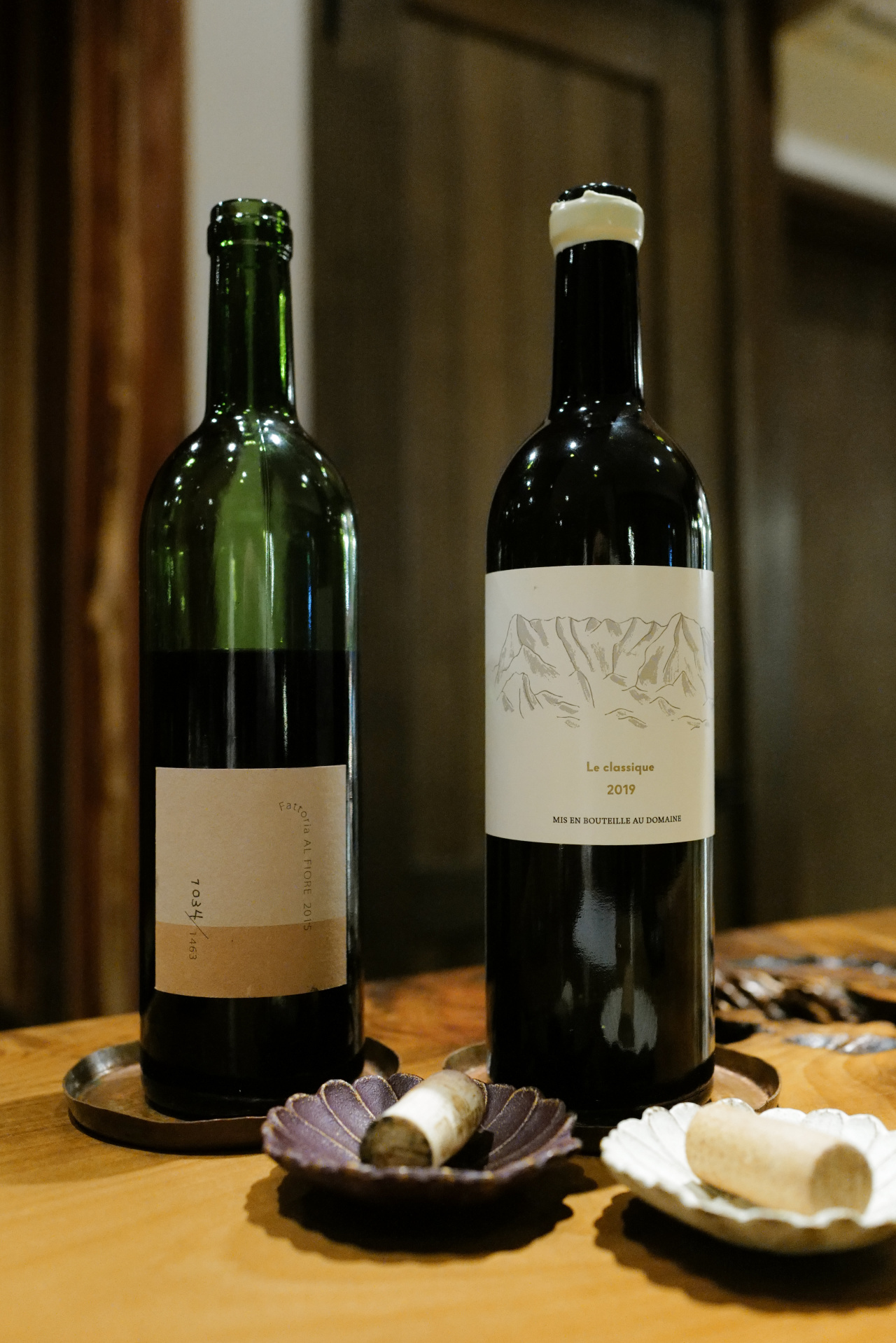
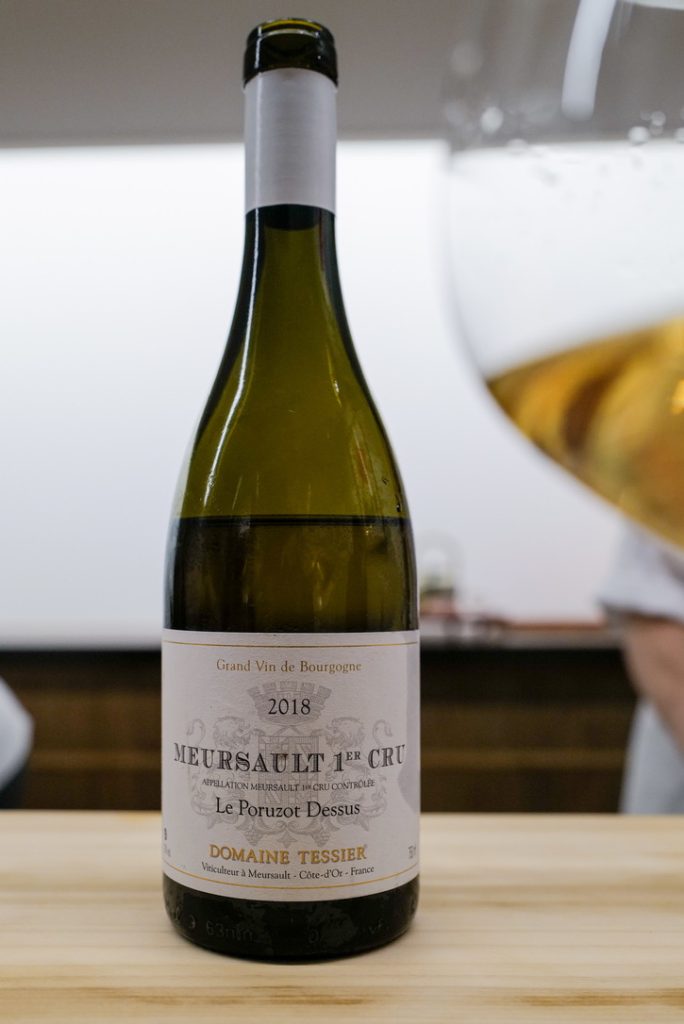
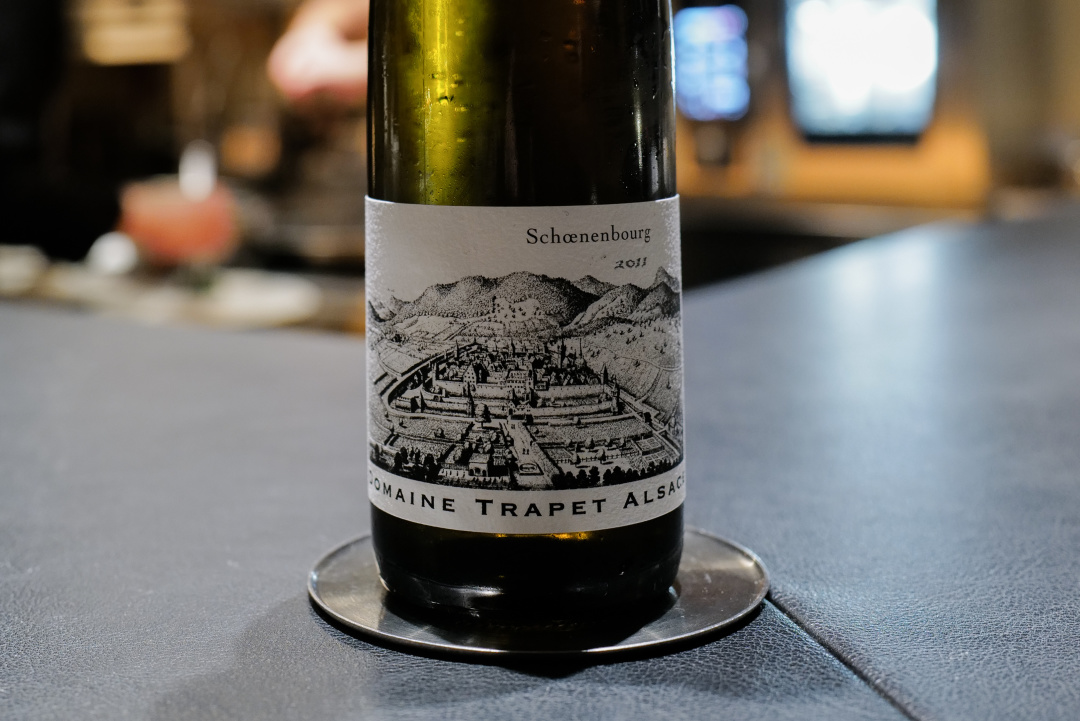
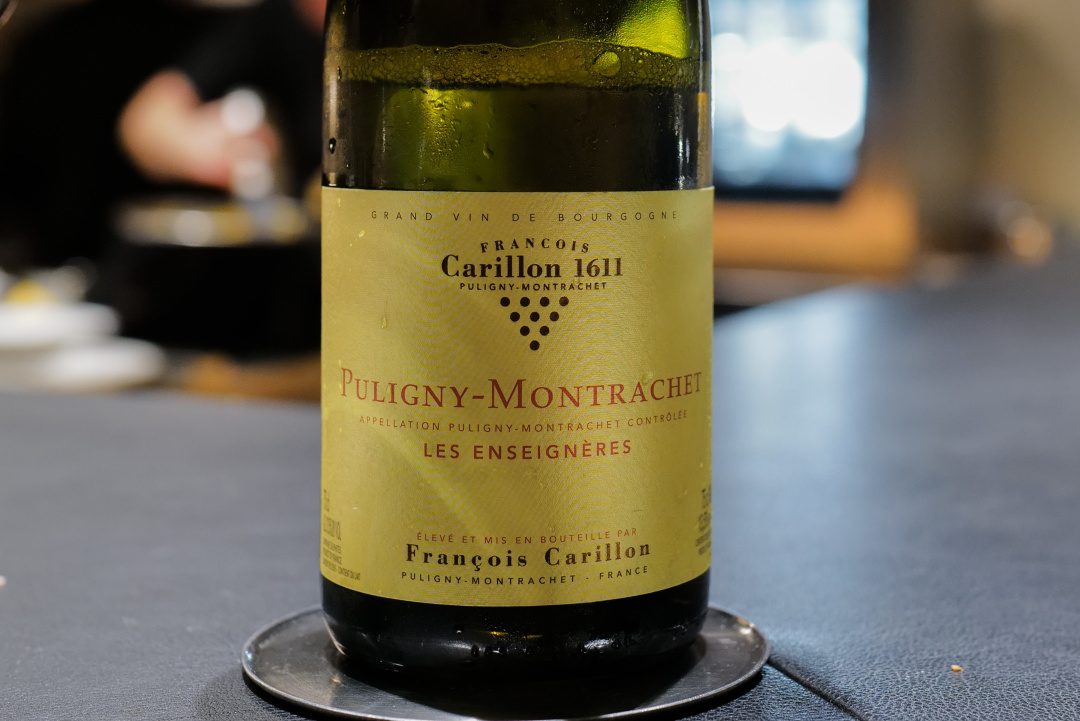
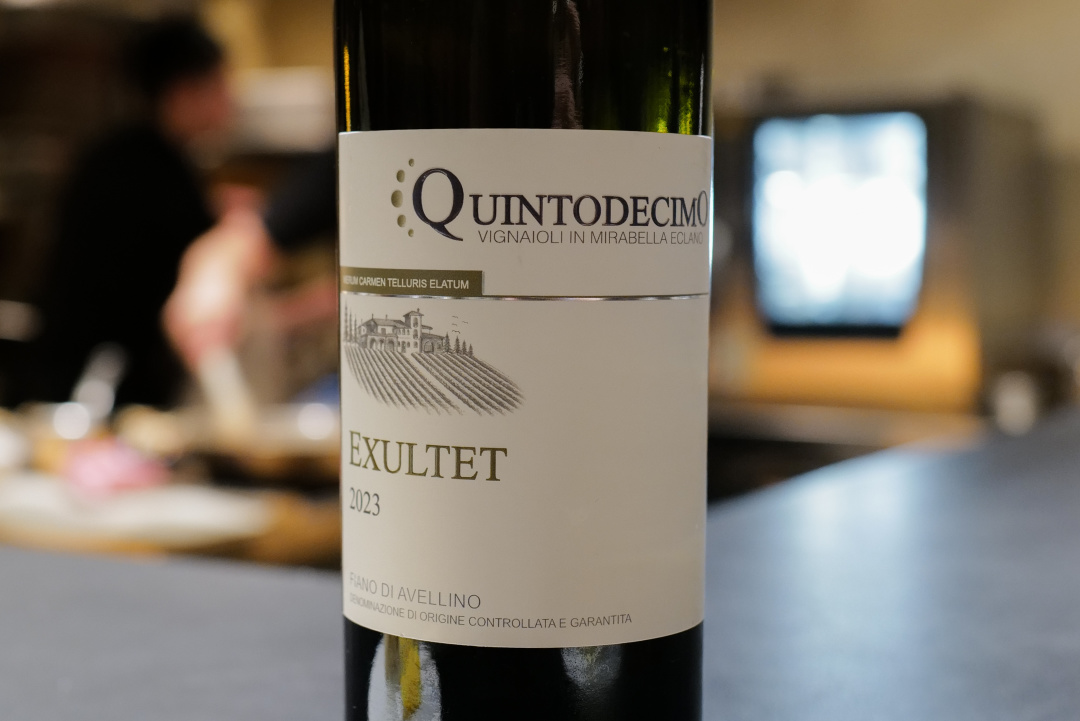
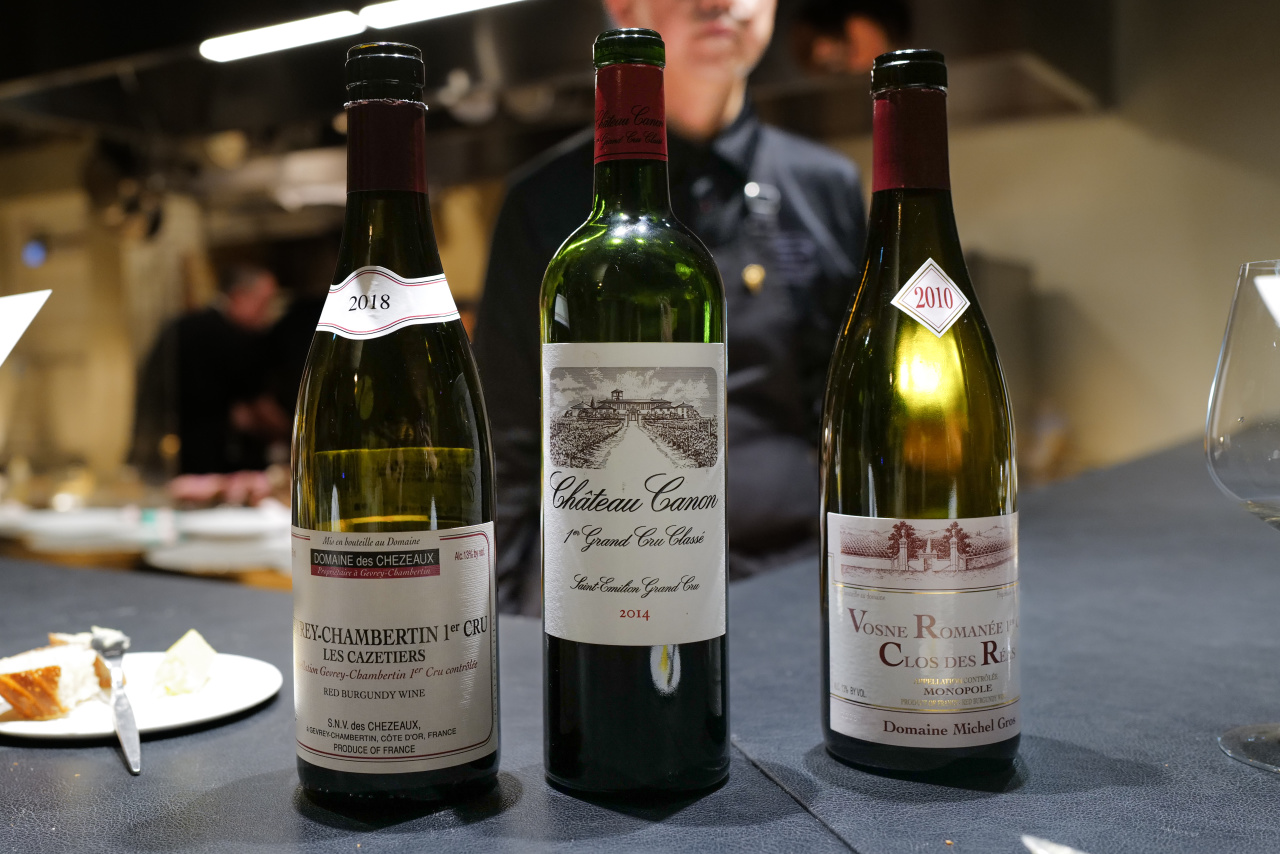
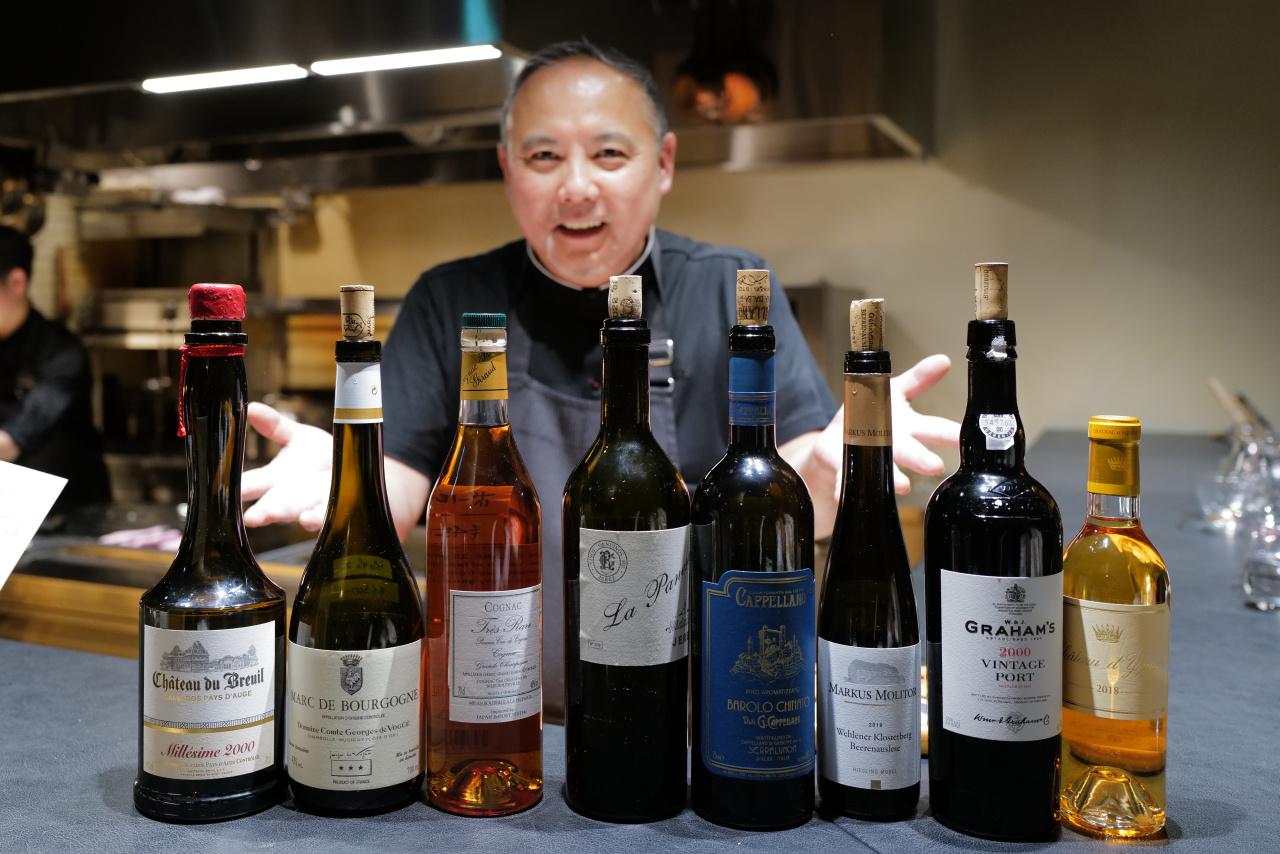
t’s worth saying a bit more about UOZEN’s wine selection.
The chef is a serious wine lover. For a restaurant that only seats six guests per service, having two full wine cellars is… quite something.
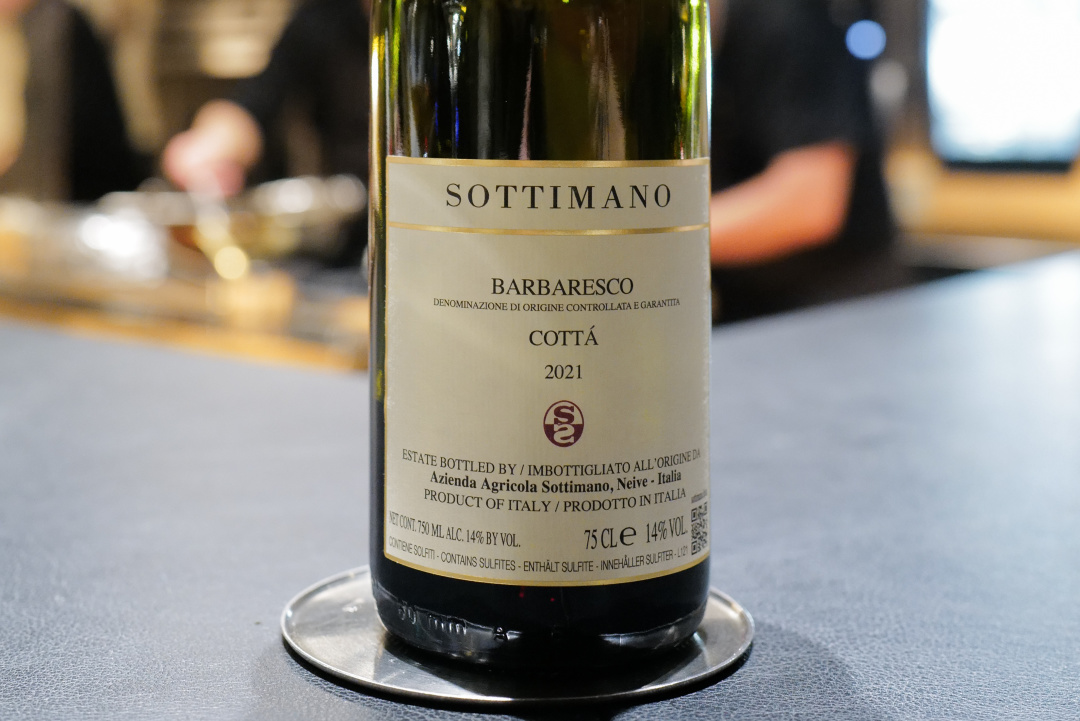
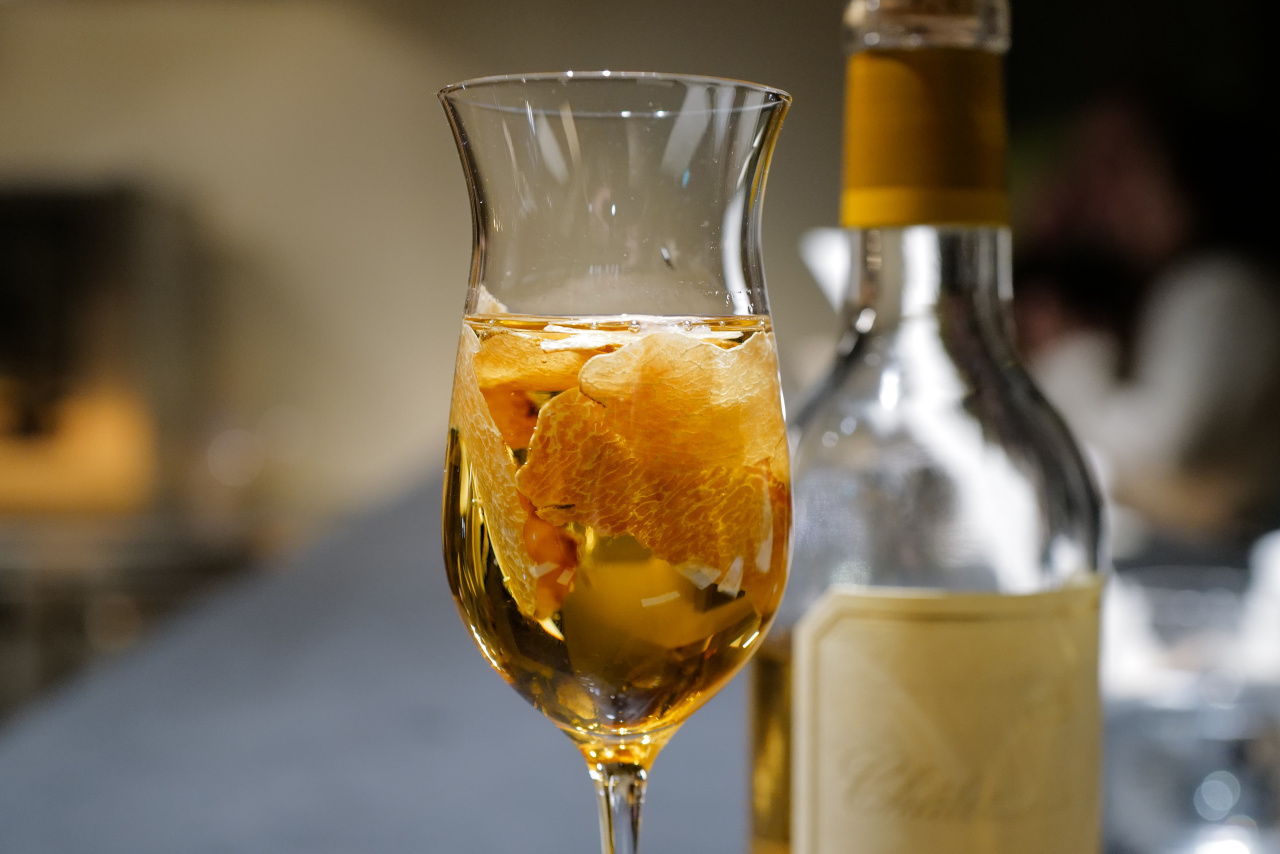
The pairing is good, of course, but personally I’d lean toward ordering by the bottle—there are some rare vintages and exciting finds hiding in there.
If you’re curious and open-minded, Japanese wine can be a fantastic option here. Many of the bottles you’ll see are hard to find anywhere else, and the food pairings are thoughtful and on point.
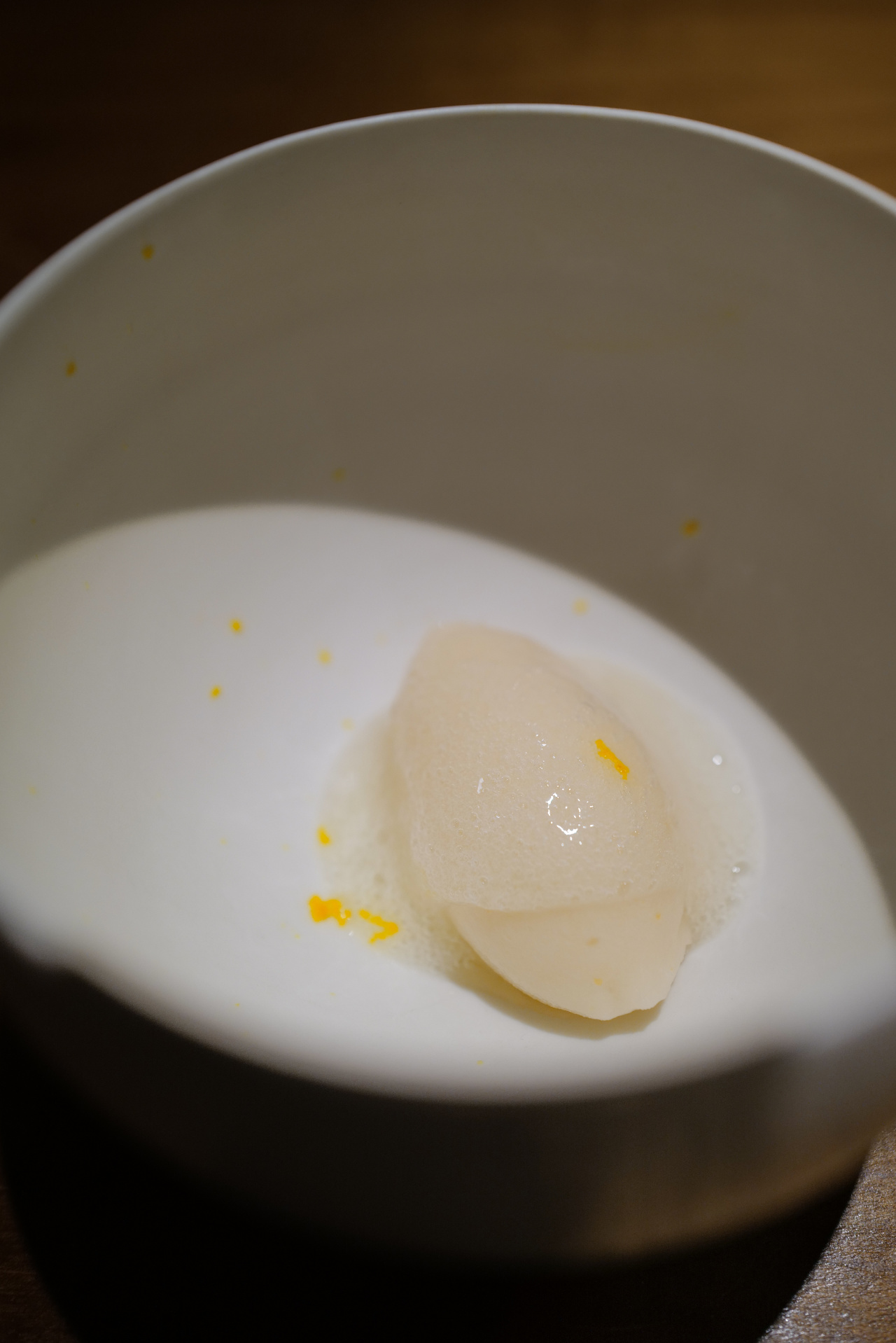
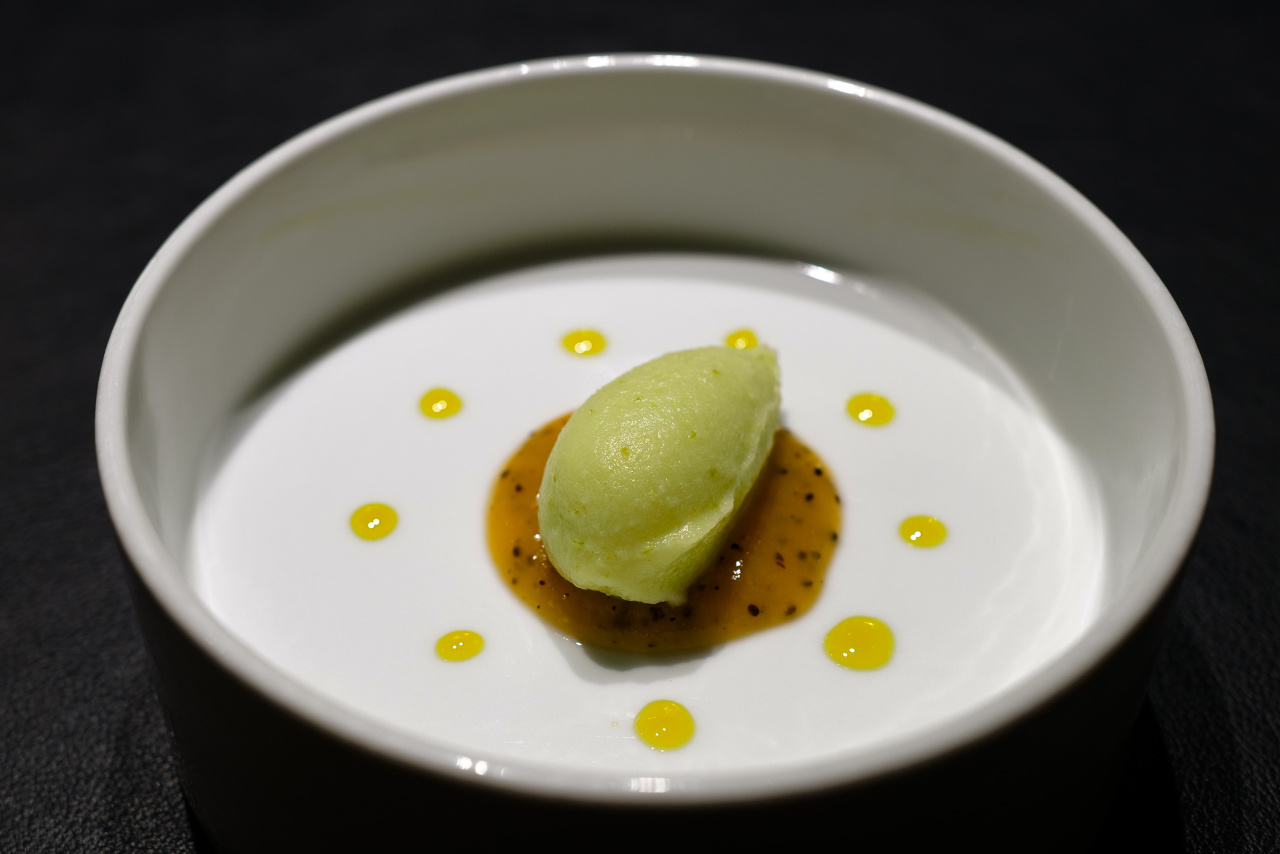
Pear sorbet
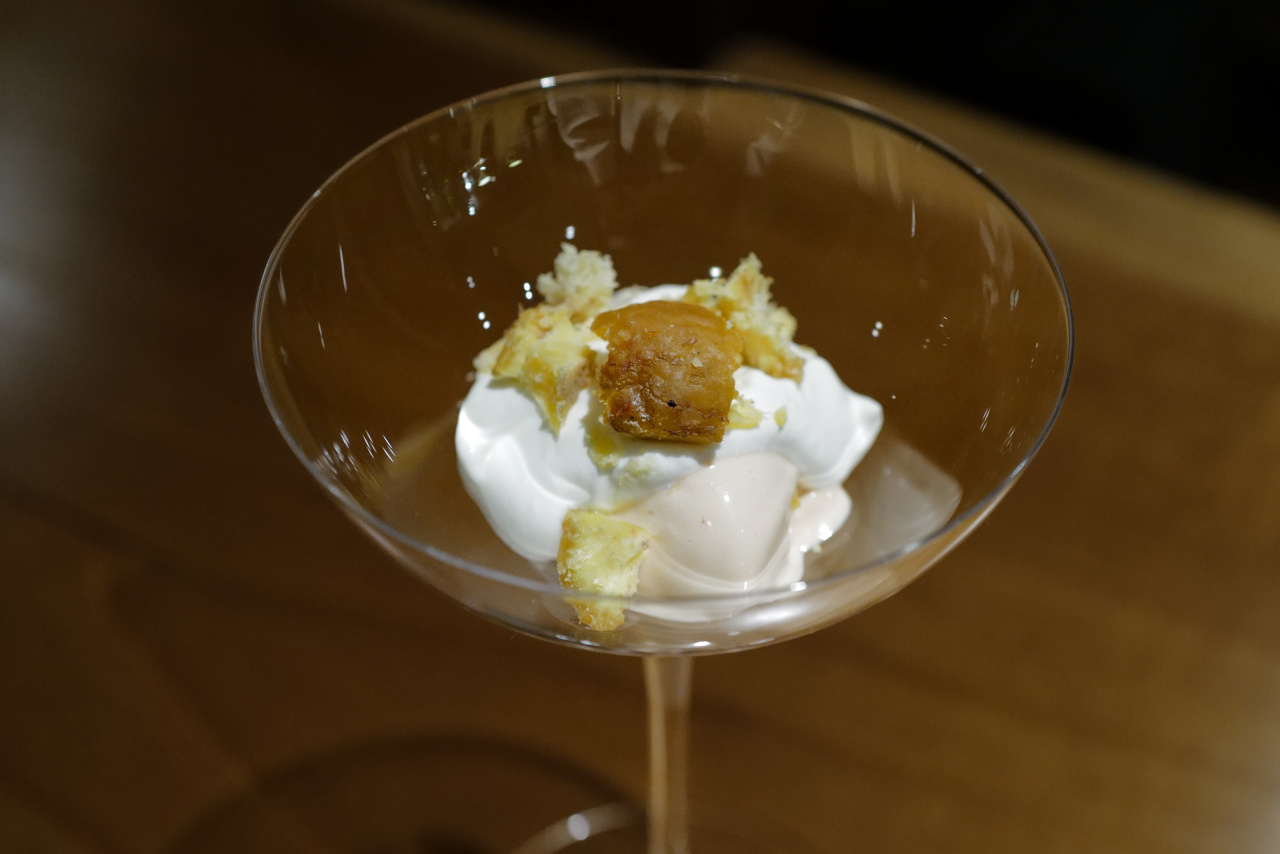
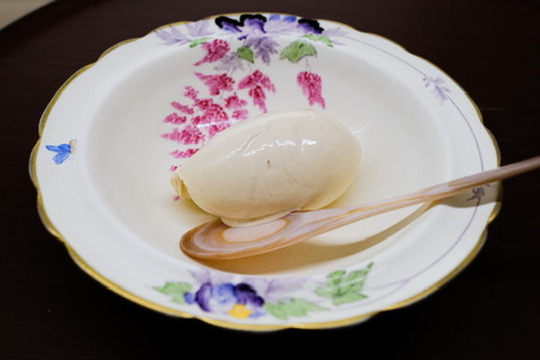
Chestnut ice cream
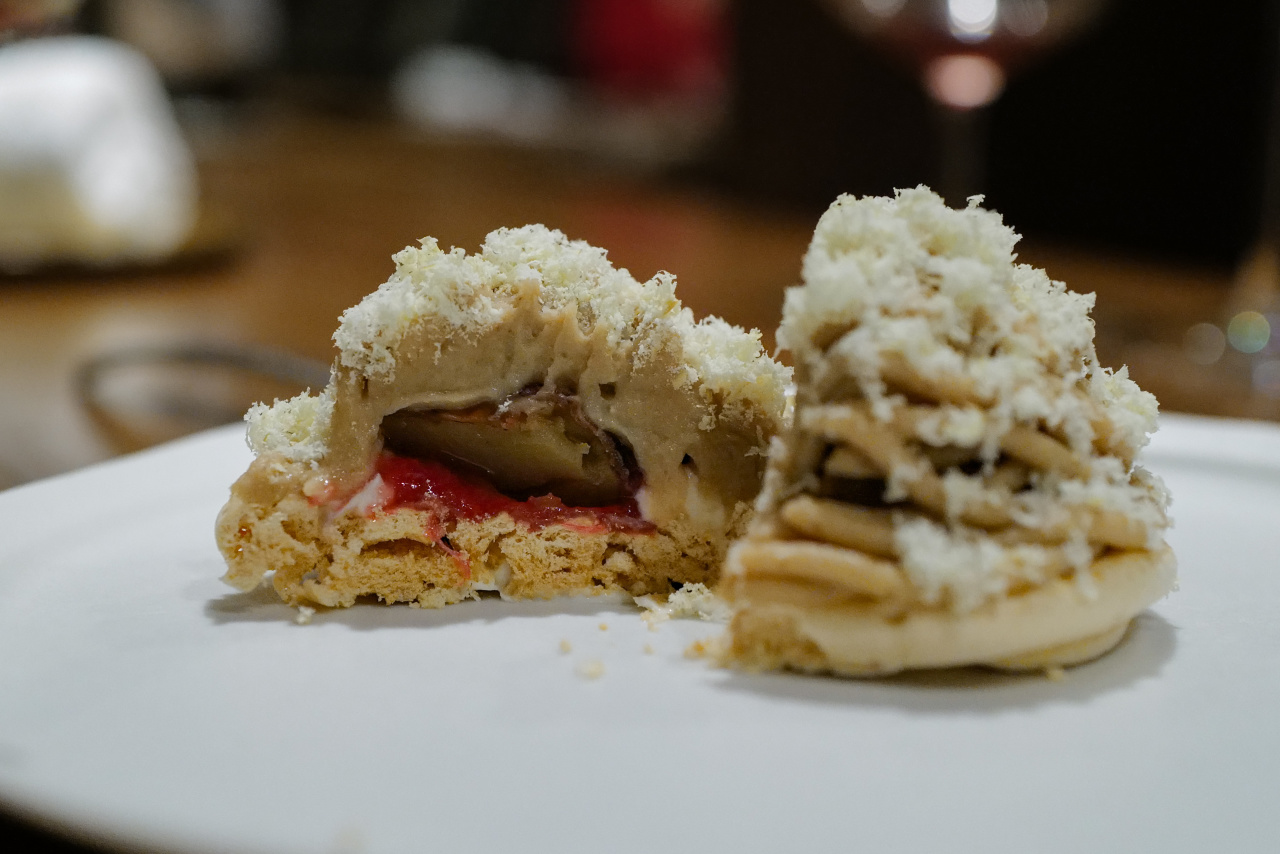
Aged chestnut Mont Blanc
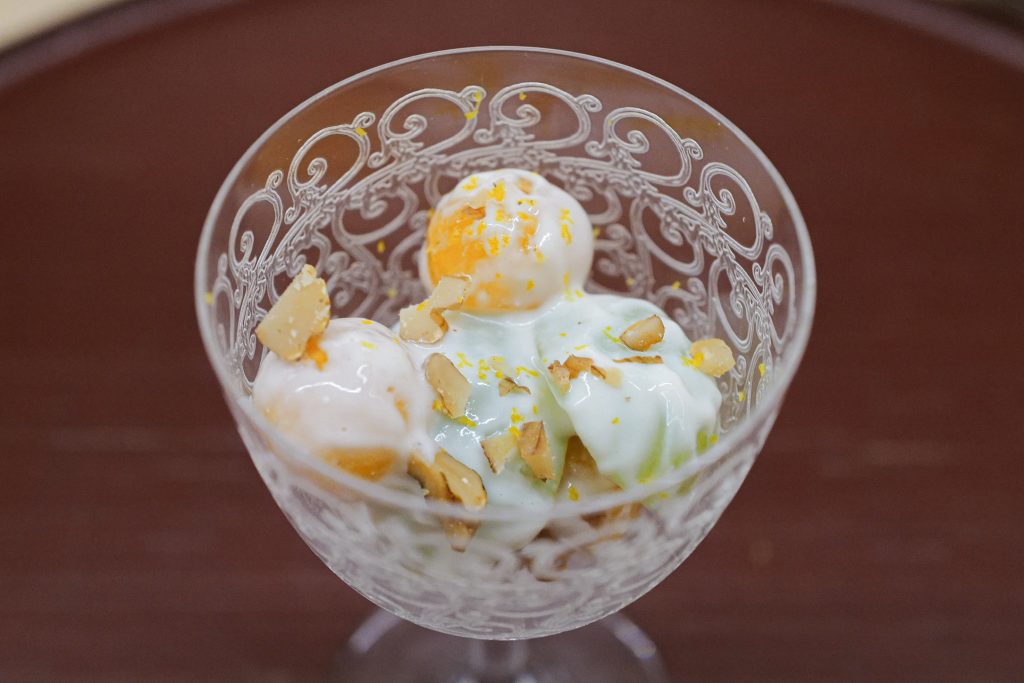
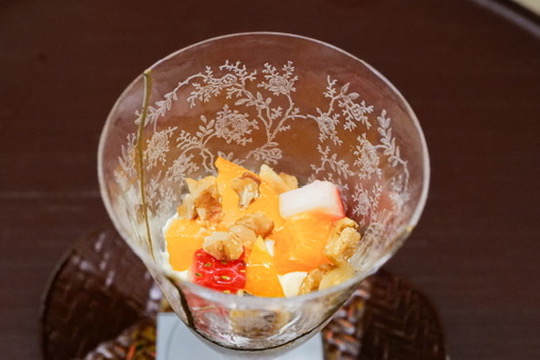
Niigata is in peak pear season; the train station is full of pear snacks and sweets. The pre-dessert is a Japanese pear sorbet dusted with little flecks of yuzu zest. The combination of pear and yuzu scrubs your palate clean to “blue sky” clarity—intense aroma, very clean finish.
The main dessert returns fully to winter: chestnut, two ways.
On one side, chestnut ice cream served at a surprisingly “near-room” temperature—soft enough to feel more like gently opening up the scent of dairy and chestnut than eating something frozen.
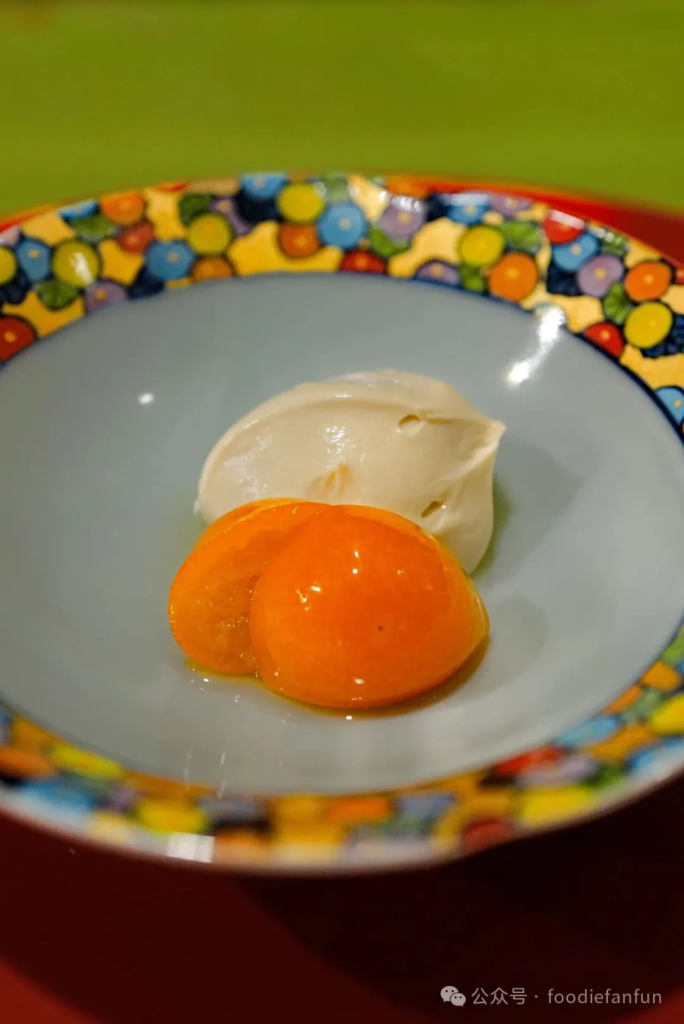
On the other side, a low-temperature aged chestnut Mont Blanc. The chestnut cream is light and soft, hiding a whole chestnut inside. The base is meringue, giving airy crispness, and the sweetness is carefully restrained. The most brilliant detail is the touch of rhubarb acidity, tightening and prolonging the chestnut’s sweetness.
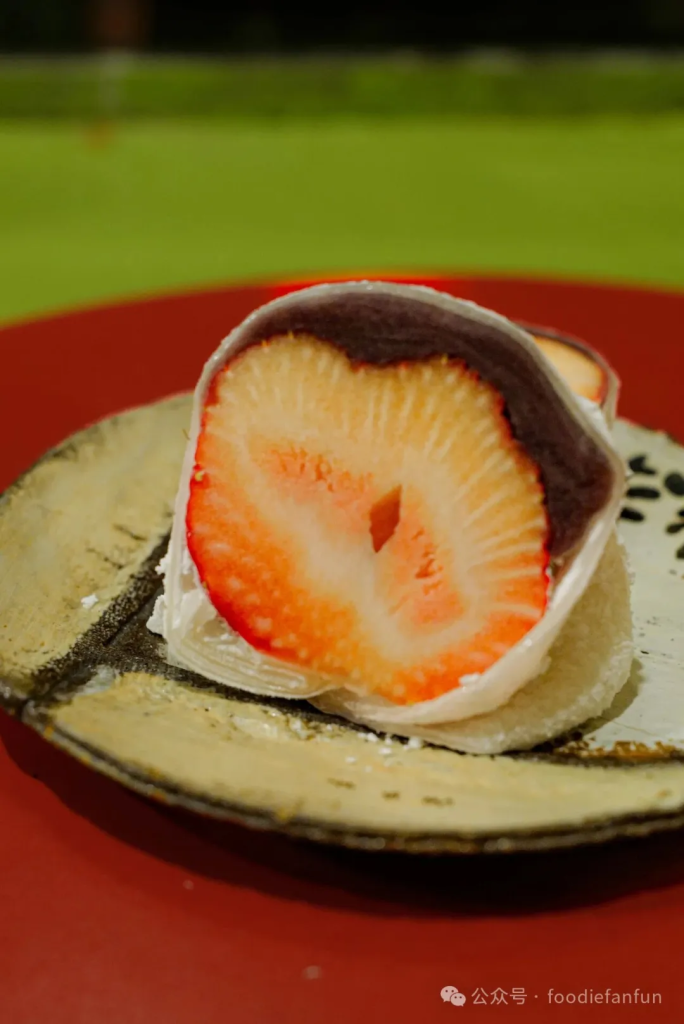
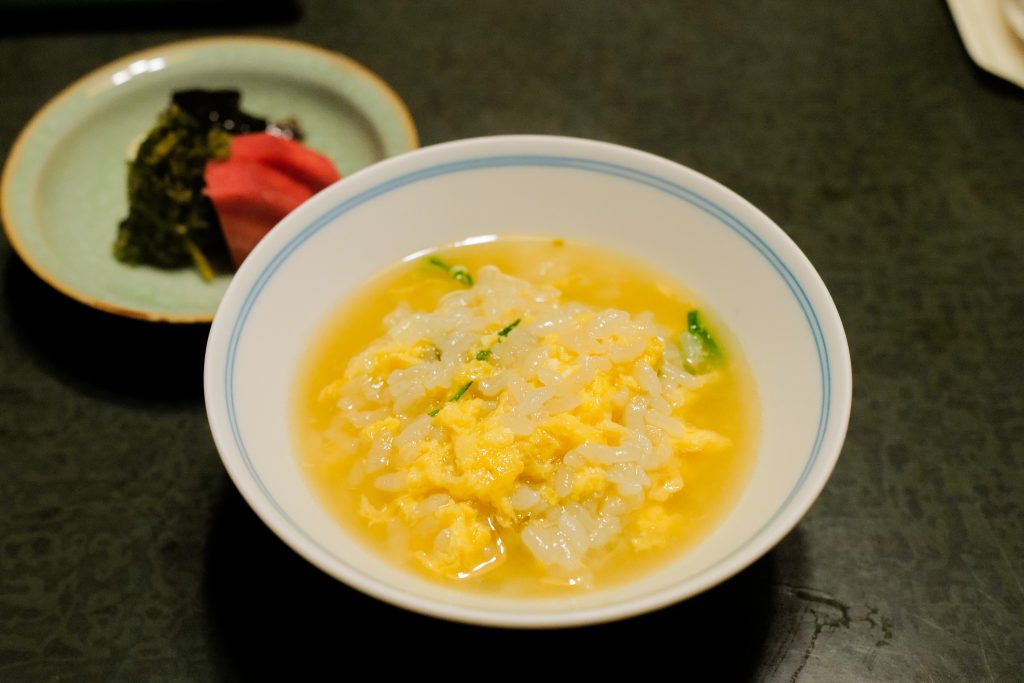
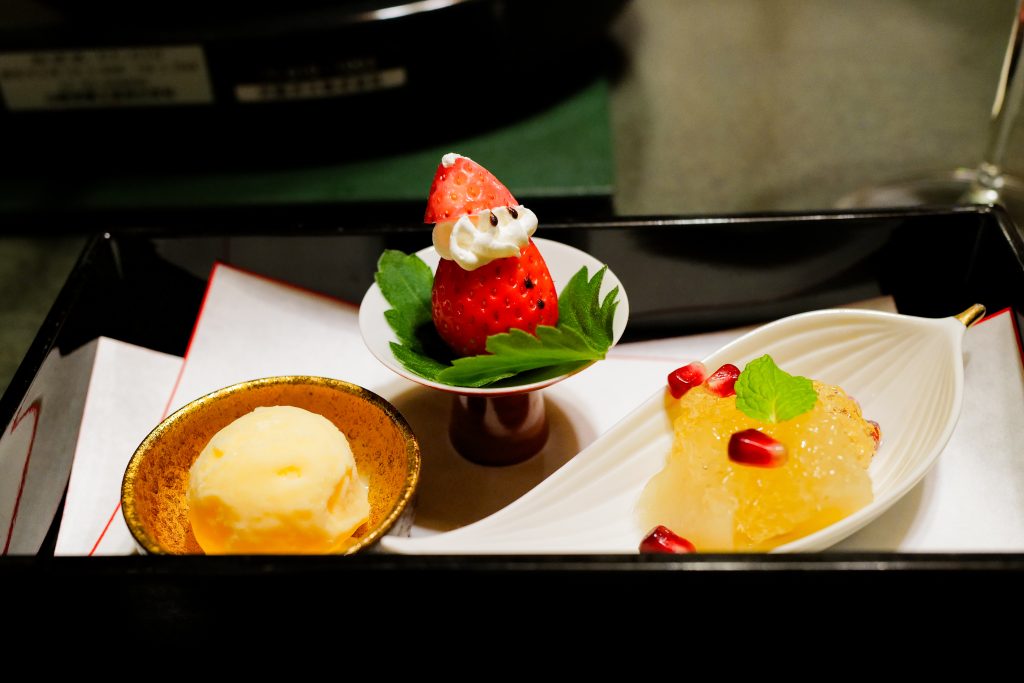
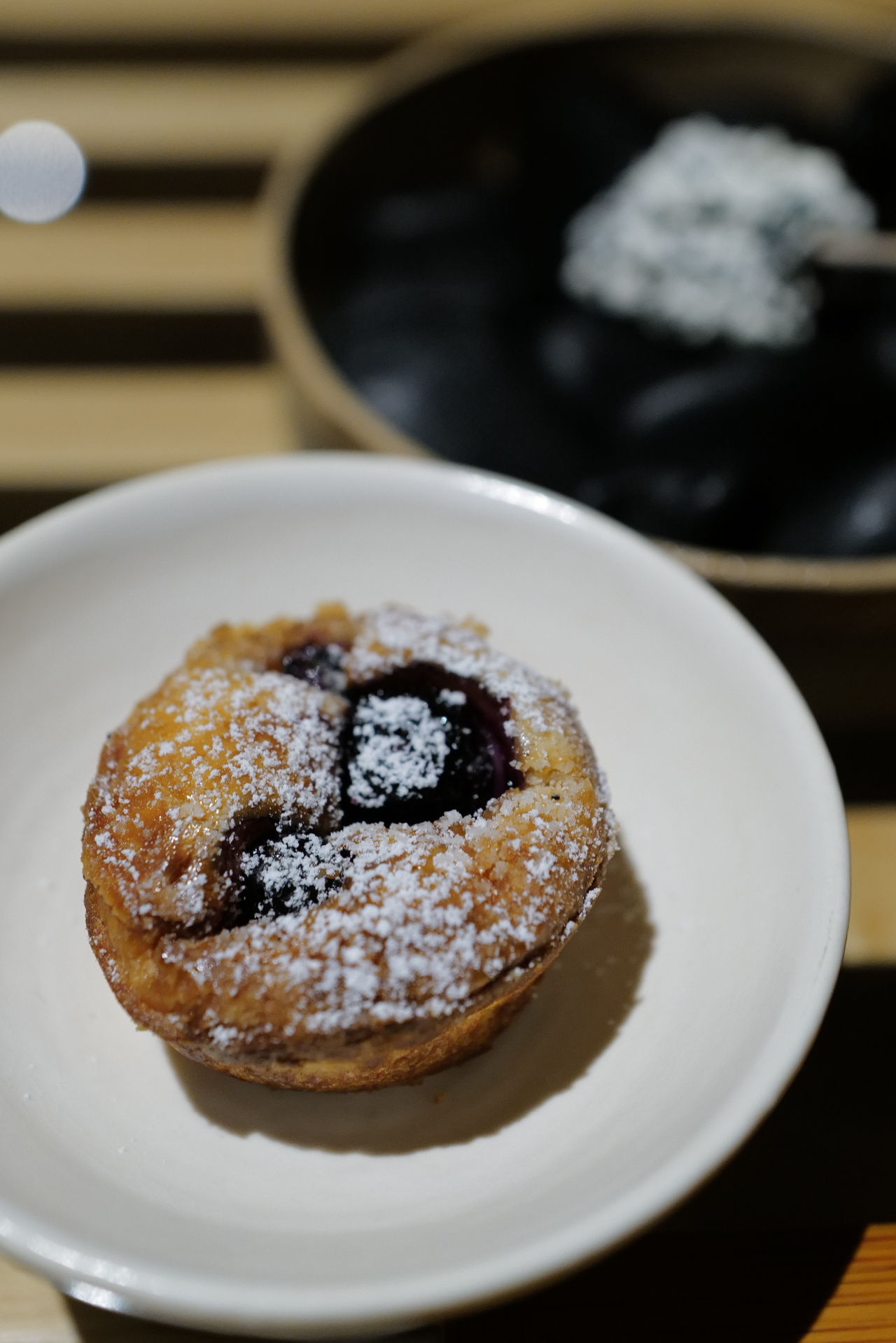
To close, there’s a soft-set blueberry tart and a white chocolate–yomogi warabi mochi.
A blizzard, a train, and a very worth-it detour
In the middle of Niigata’s heavy snow, this meal felt especially complete and special. In a gentle, cozy space, the flavors were vivid and high-saturation—like translating the harsh, snowy landscape into something you can feel on the plate.
Every dish took full advantage of Niigata’s local ingredients, wrote seasonality in bold, and still felt modern in structure and aesthetic.
A chef who’s seen the wider world has returned to the mountains to strip things back down.
His respect for nature is carried out through the simplest goal:
Make everything delicious. Don’t waste the lives behind the ingredients.
In terms of seasoning, his food isn’t “light” at all; the flavors often have real force. But what’s impressive is that every note comes from the ingredients themselves—plants, game, fermentation. Clean, natural, no one voice shouting over another. The richness never feels burdensome.
It’s a kind of extreme mountain balance: game can be deep, herbs can be bright, fermentation can be serious—but in the end, everything is pulled back to that shared line of “just right.”
The snow was so heavy that the buses stopped running. After dinner, I got back to the station a little after nine, just in time to catch an express train that had been delayed by an hour—37 minutes later I was back in the city.
For such a short trip into the mountains, it felt more than worth it.
Mountain ingredients change fast with the seasons; the menu will likely shift just as quickly.
I’m already rubbing my hands, waiting for the next chance to go back.
RESTAURANT UOZEN
新潟県三条市東大崎1-10-69-8
Chef’s Menu ¥19,360++