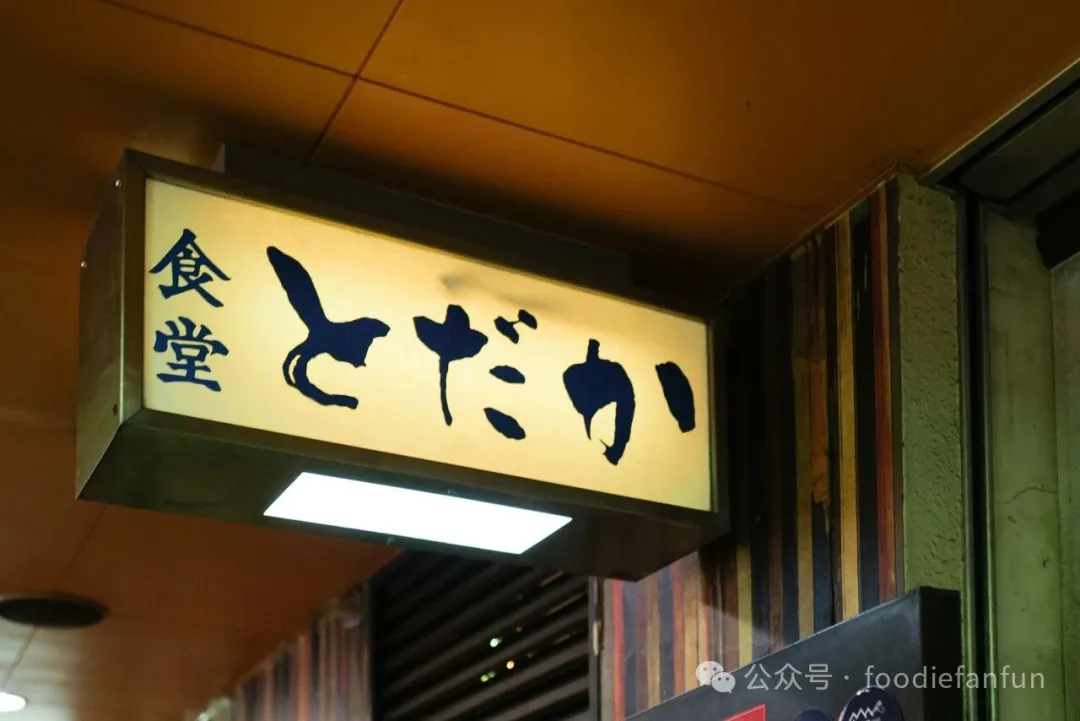
Tokyo has plenty of hard-to-book restaurants, but a place that’s fully booked out to 2030? Even in Tokyo—actually, even in all of Japan—that’s rare.
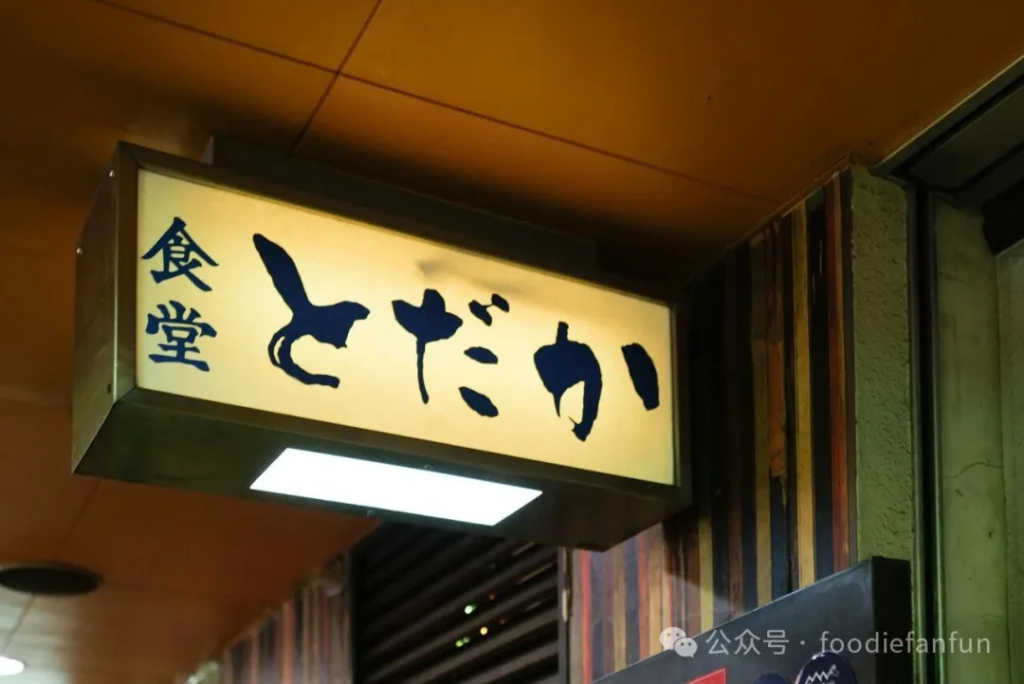
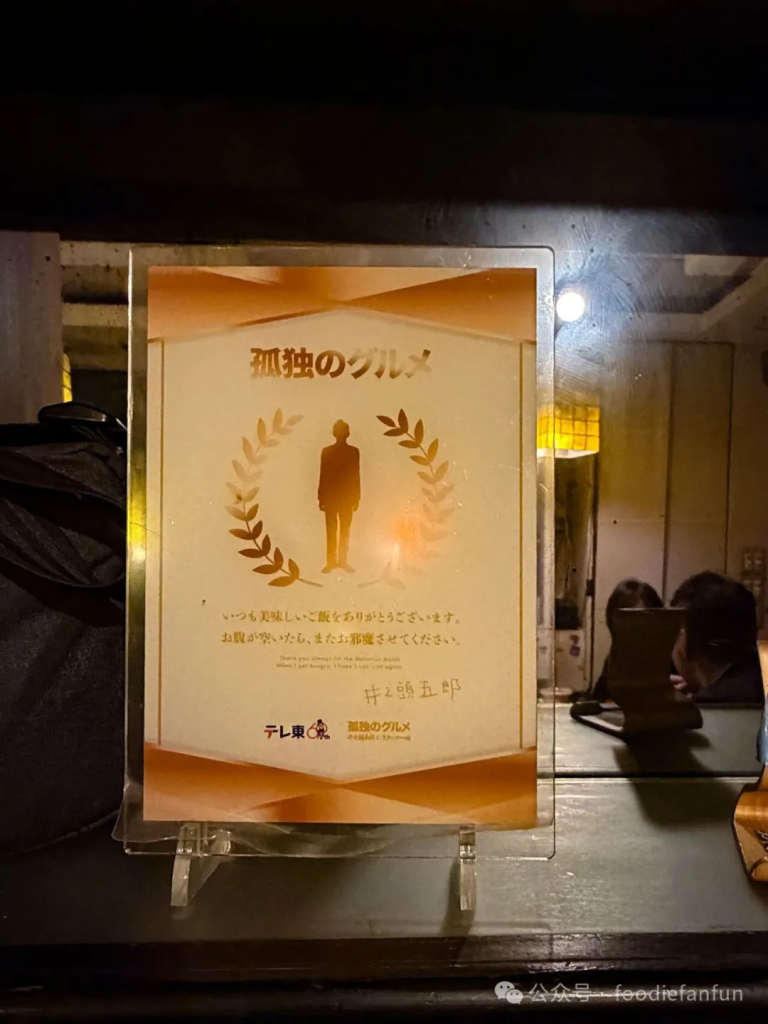
In Gotanda, there’s Shokudo Todaka (食堂とだか), the little izakaya that once appeared in Season 6 of Kodoku no Gurume. It’s exactly that kind of impossible-to-book, somehow magical place.
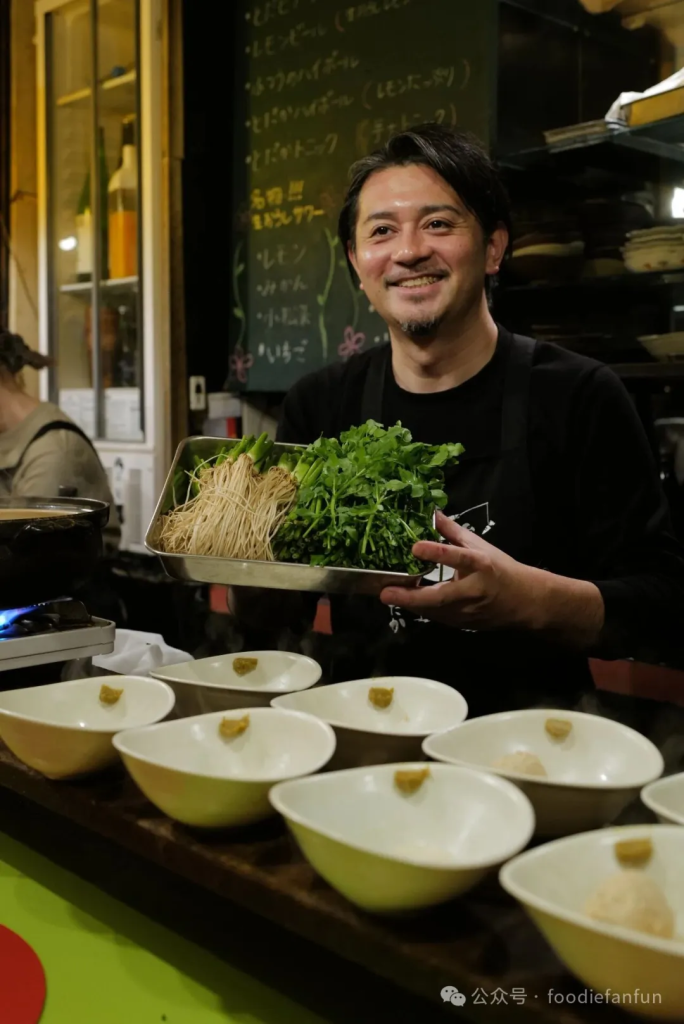
Chef Kohei Todaka is from Kagoshima. He was supposed to inherit the family business, but with his parents’ blessing, he went into the restaurant world that had captured his heart instead.
In 2015, at 31, he opened his first restaurant in a semi-basement in Gotanda, using 3.5 million yen of his savings (less than 200,000 RMB at the time).
The restaurant’s concept is simple and wild at the same time:
“Create combinations no one expected, using everyday ingredients.”
Sea Urchin Soft-Boiled Egg
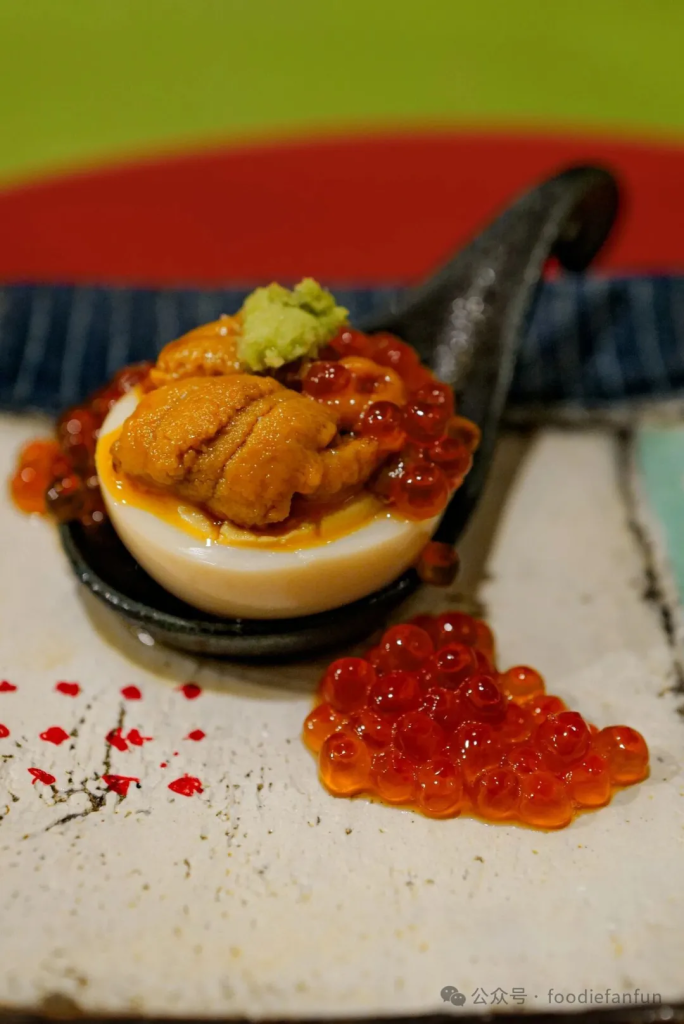
The meal kicks off with the dish that’s now basically the Tabelog cover star of Shokudo Todaka: sea urchin soft-boiled egg with ikura.
At first glance, it’s nothing but the most everyday Japanese ingredients: egg, salmon roe, uni.
“Eat it all in one bite, okay? If any ikura falls into the dish, you can mix it into the next course.”
It’s honestly hard not to fall for it. Familiar flavors, rearranged into something new.
Slightly bouncy egg white wraps around a thick, sticky, sweet yolk. The salmon roe pops one by one, lighting up the whole bite with briny umami. The sea urchin lies across the top like a soft, salty-sweet blanket—rich but not cloying. Happiness arrives fast, but the layers keep unfolding.
It feels like the chef is telling you very seriously, “Dinner starts now.”
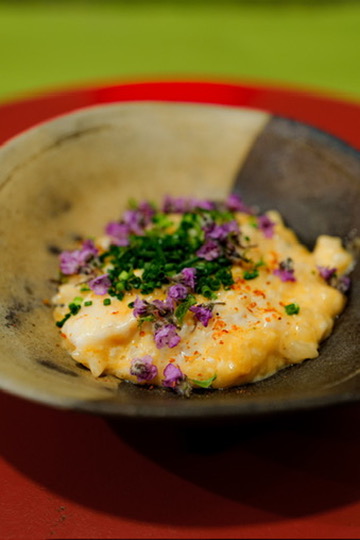
Shirako Rice Bowl
For somewhere that calls itself a “shokudo” (diner/canteen), this shirako rice bowl is anything but casual. Using tiger puffer shirako on rice is basically cheating.
The shirako melts the second it hits your tongue—rich, fine, creamy, with an almost milky salinity. Scallions and shiso stack aroma on top of aroma. Mix in the leftover ikura from the first dish, and the rice soaks up both sea and fat, while somehow staying lightly chewy. Right at the end, there’s a tiny, late-arriving prickle of heat.
Compared to the “one bite and it’s gone” sea urchin egg, this is a bowl you want to eat slowly, spoonful by spoonful. The more you chew, the more satisfying it gets.
Two opening dishes, back-to-back, both instant stunners.
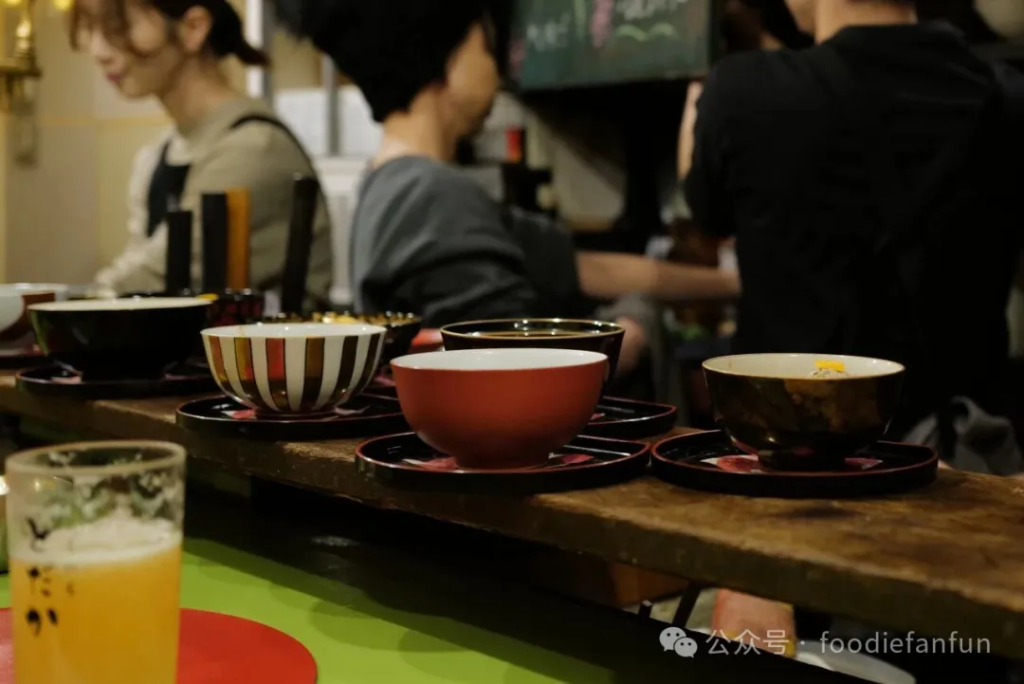
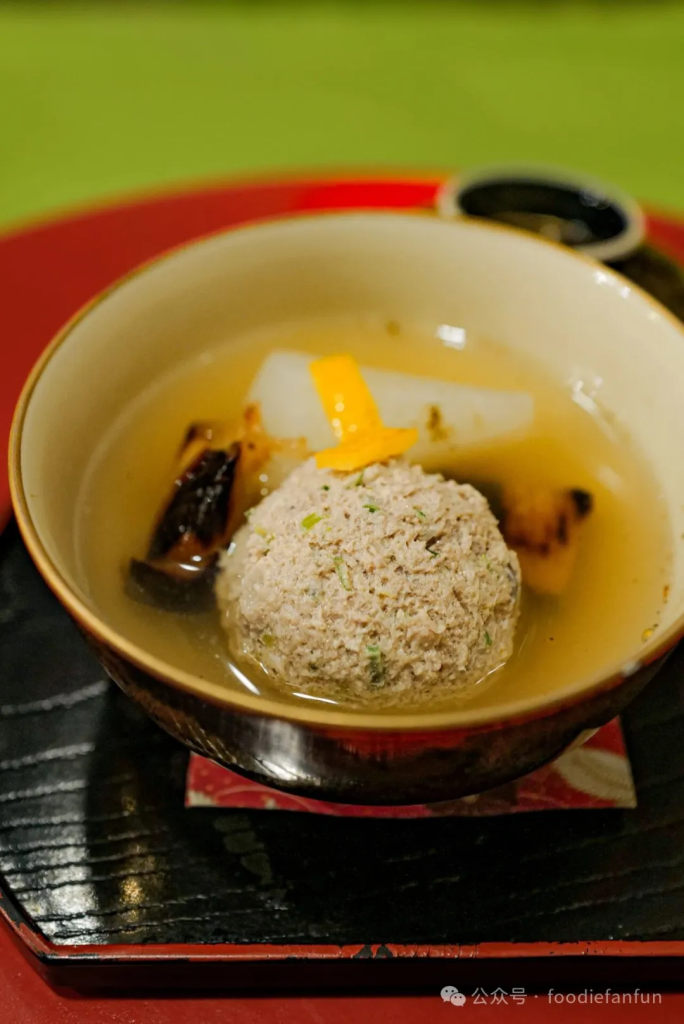
Grilled Leek, Tuna-Bone Broth, Chicken Meatballs
Charred, sweet leeks. A broth made from tuna bones. Chicken meatballs nestled among juicy leek pieces.
Clean, focused, warm, and full of flavor.
For such a tiny izakaya, the tableware is surprisingly thoughtful—there’s a quiet sense of counter-style beauty in the details.
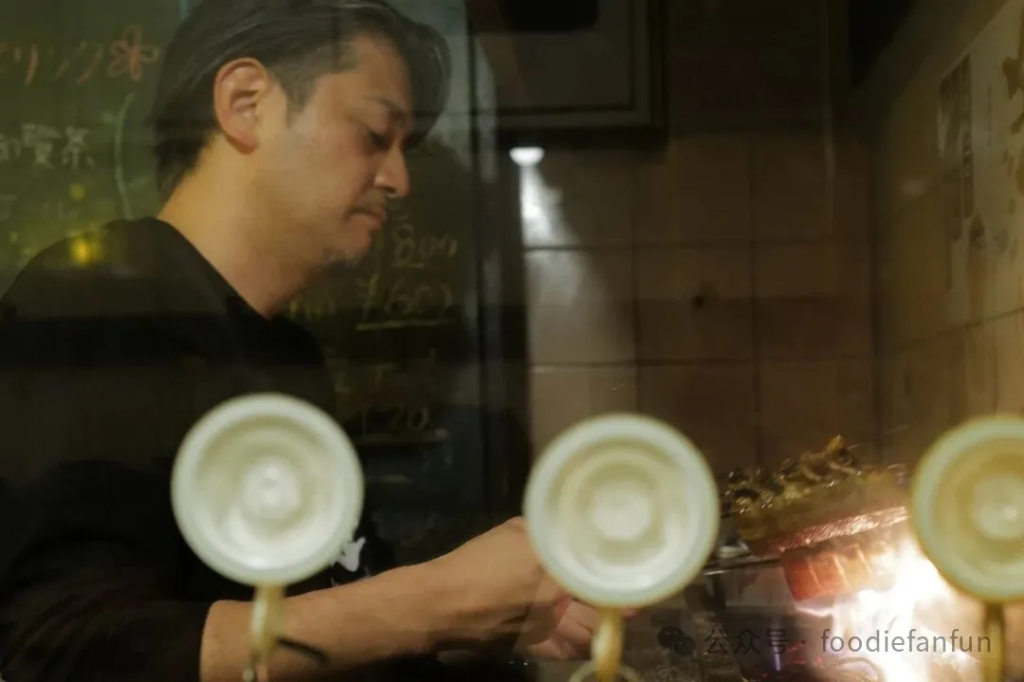
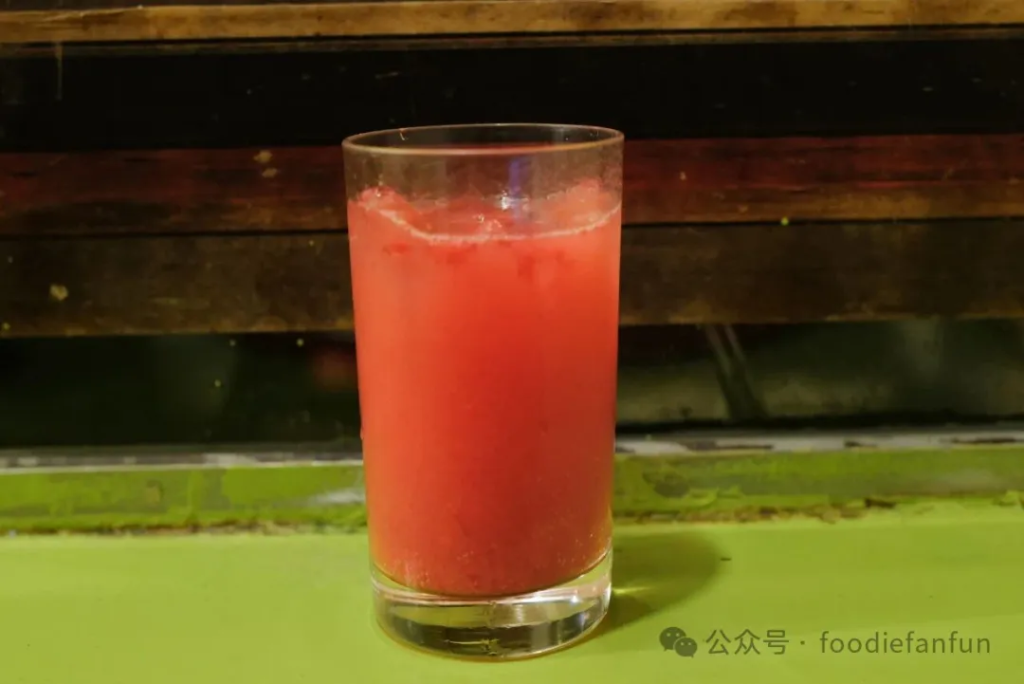
The drink program is just as carefully considered, maybe something baked into Todaka’s Kagoshima roots.
The menu leans heavily on bubbles. Draft beer has a whole lineup of options. Then come highballs, and all kinds of vodka-based mixes with fresh ginger. But the most eye-catching line is definitely the series of “nama-oroshi sour” drinks: house lemon sour, mikan sour, vegetable sour, and even fresh strawberry sour. 🍓
The strawberry version is bright and fresh, with gentle acidity and a clean finish. Pink and cute in the glass, but seriously good—and seriously drinkable.
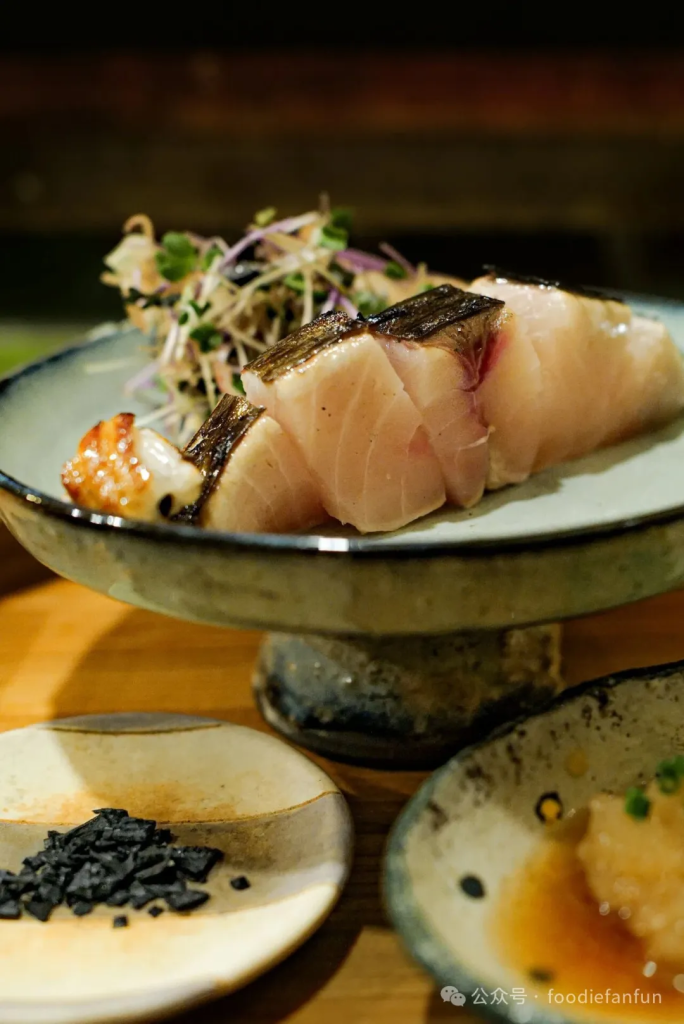
Straw-Seared Mackerel with Charcoal Salt and Daikon Oroshi Ponzu
The mackerel’s skin is charred pitch-black, like a thin layer of burnished shell. Underneath, the flesh is still half-translucent and blushing.
The smoke is intense and three-dimensional, pulled into line by the charcoal salt. The smokiness and salinity are both held in a neat frame. As you chew, a buttery richness slowly surfaces—this is the season when mackerel carries more fat, and the lightly seared doneness lifts both sweetness of the fat and delicacy of the flesh.
Layer after layer of flavor stacks upward. It’s beautiful.
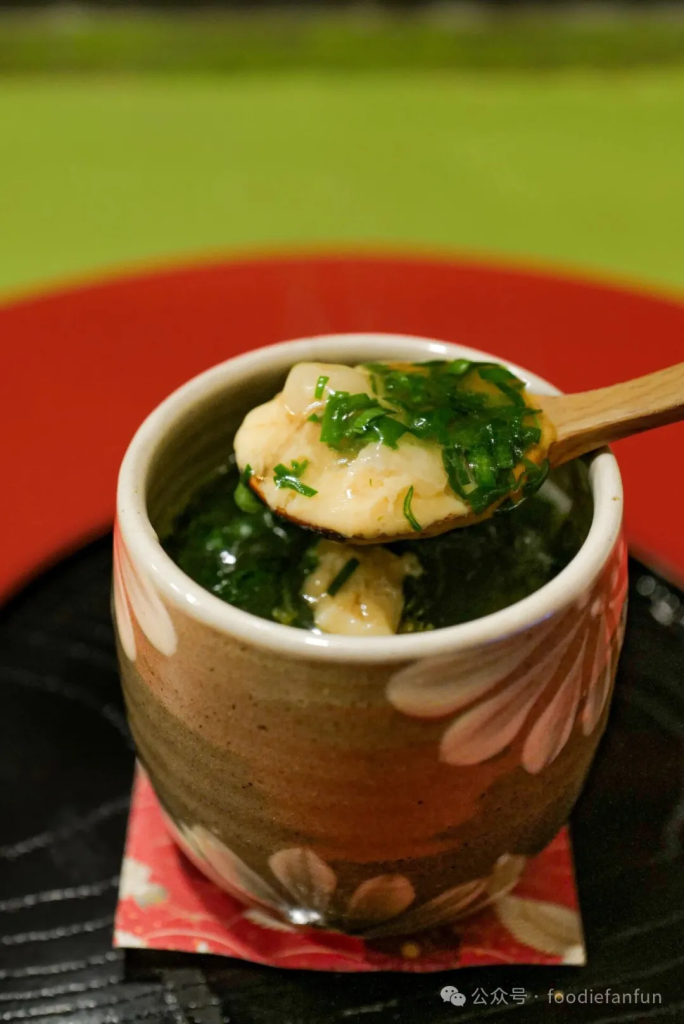
Offal Hotpot Chawanmushi
I’d read before that the dish that first led Todaka into the kitchen was a bowl of chawanmushi. What I absolutely did not expect was for him to put a motsu-nabe-style chawanmushi on the counter.
“Please eat this like an offal hotpot.”
And yes—it really does taste like one. Softly simmered garlic chives, rich offal carrying the aroma of fat; the flavors are direct and honest. The egg itself is soft and silky, wrapping the intensity of the offal and rounding its edges. Wood ear mushrooms bring a little crunch into the mix, so it’s not all just one smooth texture.
Spoon after spoon, you get this weird, wonderful illusion: it feels like you’ve slipped into some cozy Kyushu izakaya, sharing hot food and drinks with friends. A very grounded, very real sort of happiness.
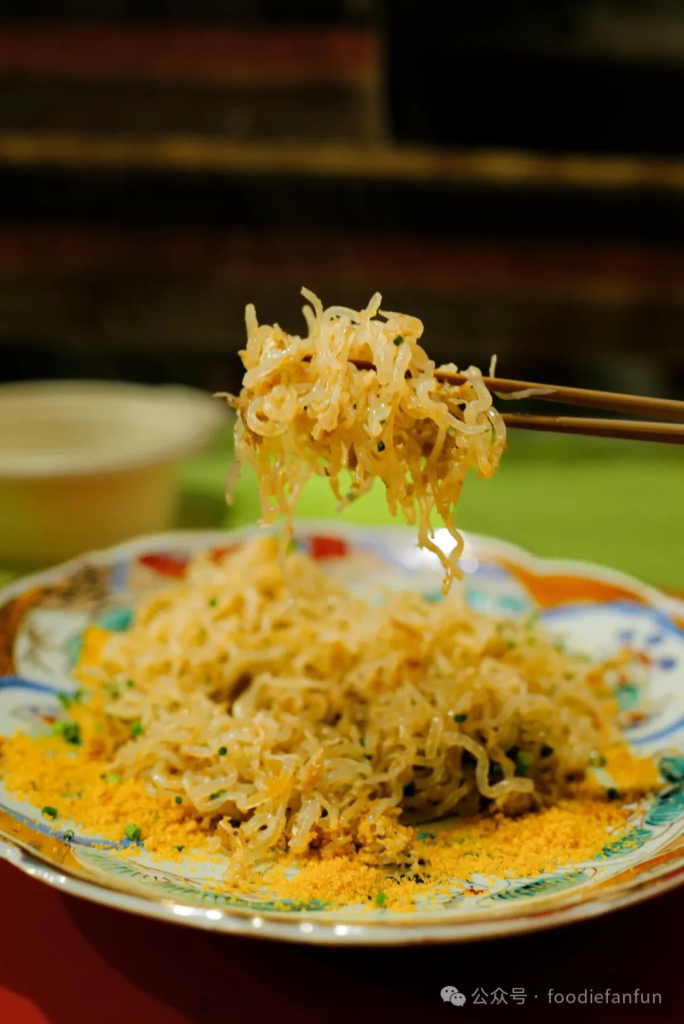
Spaghetti Bottarga al Peperoncino
Lift it with your chopsticks and—you can actually feel wok hei.
This bottarga “spaghetti” is one of Todaka’s signature East-meets-West creations. On paper it’s bottarga peperoncino, but in the pan it’s pure Chinese-style dryness and heat. He uses glass noodles instead of pasta; they cling to the bottarga’s intense ocean umami and salinity, staying slick but never heavy or tiring. It goes perfectly with drinks—and with rice.
Fragrant. Delicious.
Honestly, those two words are already enough.
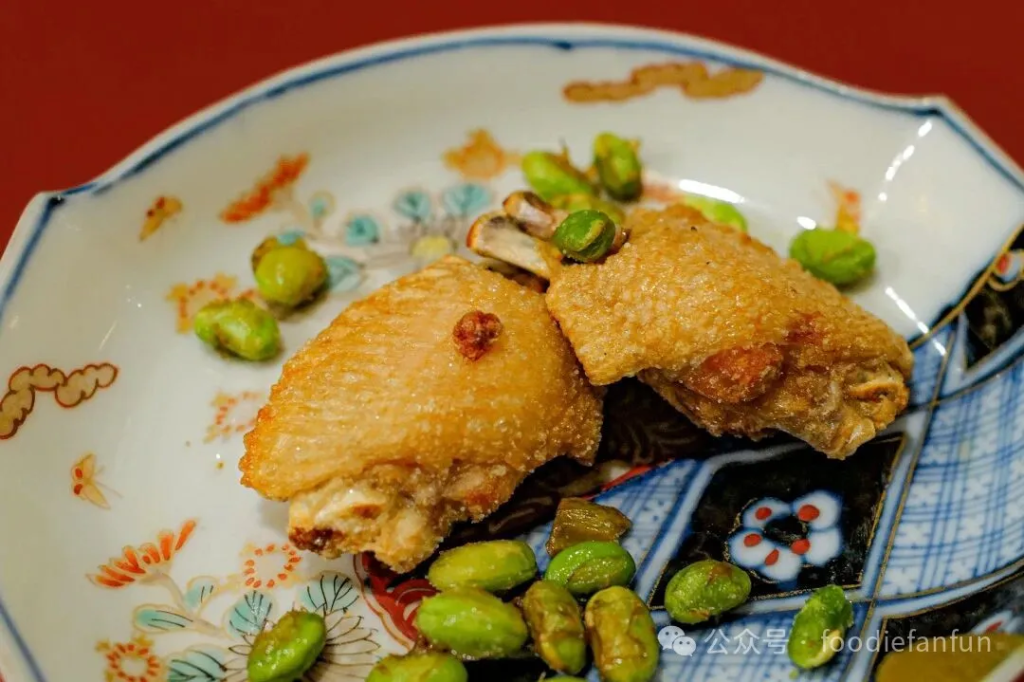
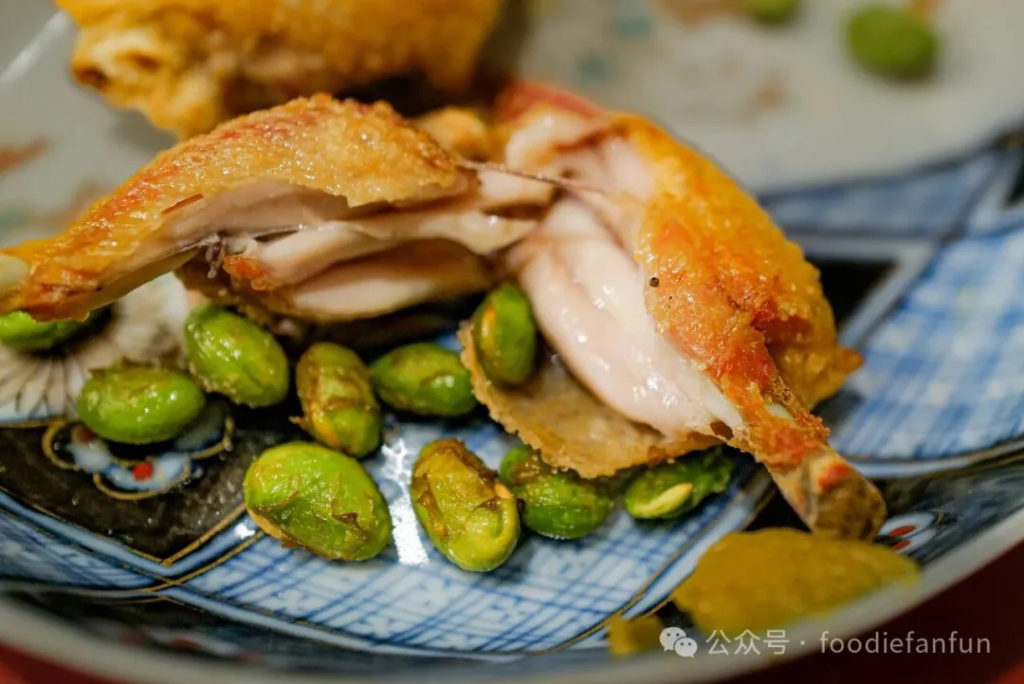
Then comes a plate of karaage so good it almost deserves its own show: the crust is light and crisp, the meat bouncy and juicy, the seasoning precise, the skin tender but not greasy. This is the kind of fried chicken that absolutely has to be eaten hot; the coating holds the aroma, the meat stays springy. It’s a classic izakaya dish, but with a distinct “chef’s touch.” Even the little edamame on the side are full of aroma.
Right then, the shop’s speakers start playing the FamilyMart entrance jingle:
6 4 1 4 |5 1′ — |1′ 5 6 5 |1′ 4 —
This is what I’d call a “fried-chicken culture reference”—pure local life. During FamilyMart’s brand refresh, their counter fried chicken was one of the big heroes.
So when that simple, bright, slightly silly melody kicks in at the exact moment you’re eating hot fried chicken, the association is instant: convenience store, after work, late night, fried chicken, good mood.
It’s almost Pavlovian.
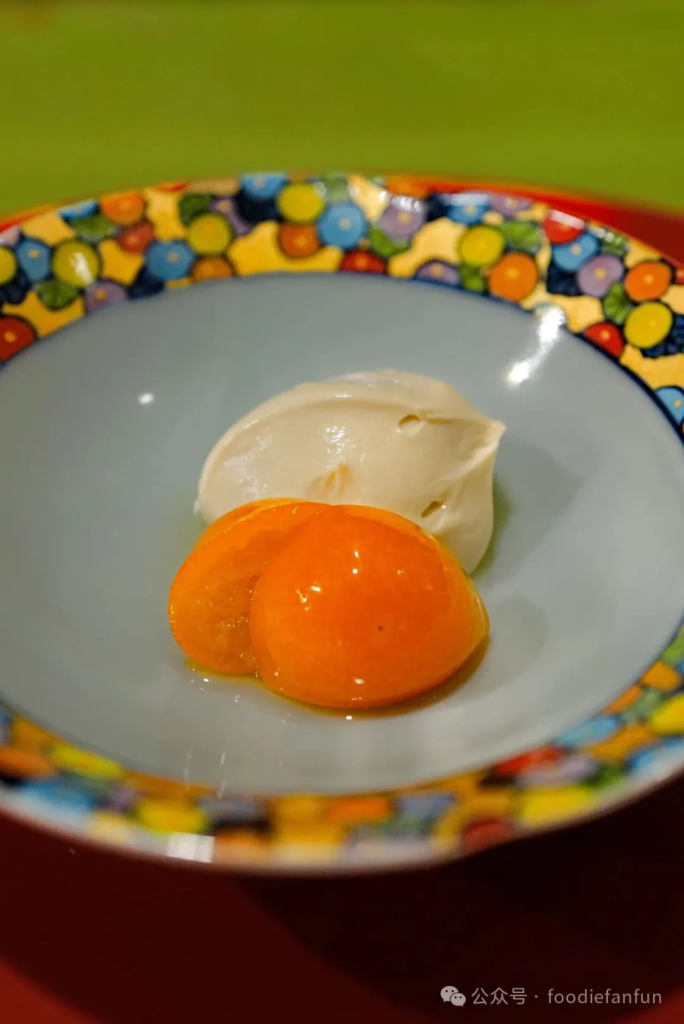
Shira-ae with Kumquat
This is “just” shira-ae, the classic tofu dressed salad—but here it’s made with an almost dairy-like smoothness. There’s a faint yogurt note, a dense, silky texture, and then the kumquat comes in with fresh acidity that lifts all the flavors. Soft, but not bland at all.
The pairing is brilliant: Fukunishiki low-alcohol junmai, with a sake meter value of -53. On the palate it’s lightly sweet-tart, with a little umami and gentle bitterness on the finish. Put together with the kumquat shira-ae and it feels like both ends lock perfectly into place.
This is not the type of sake I’d normally order on its own—but with this dish, it’s perfect.
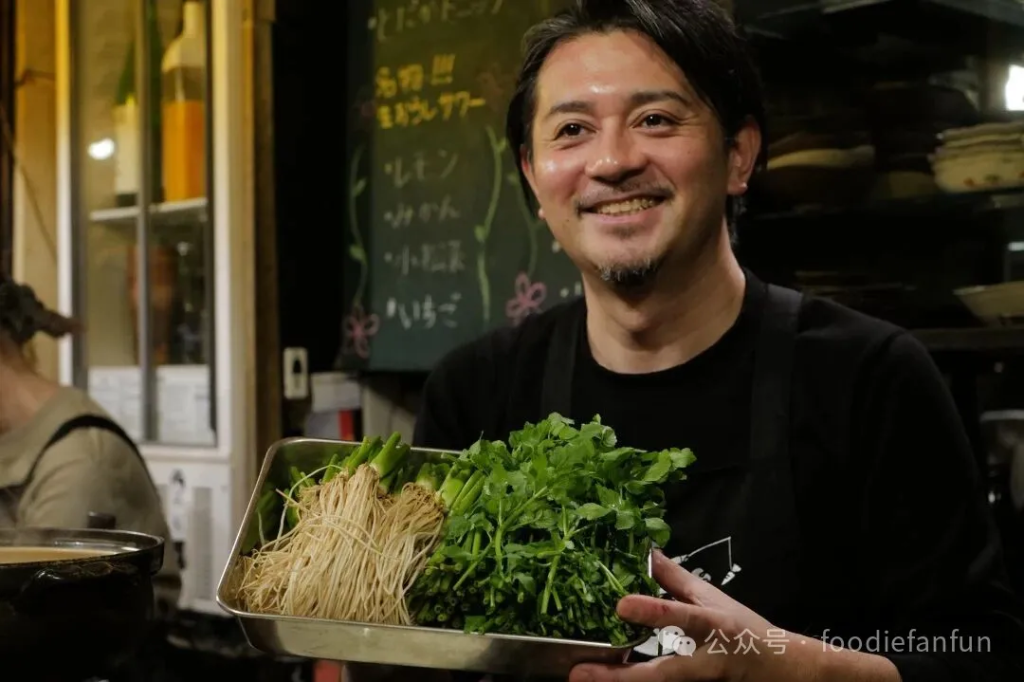
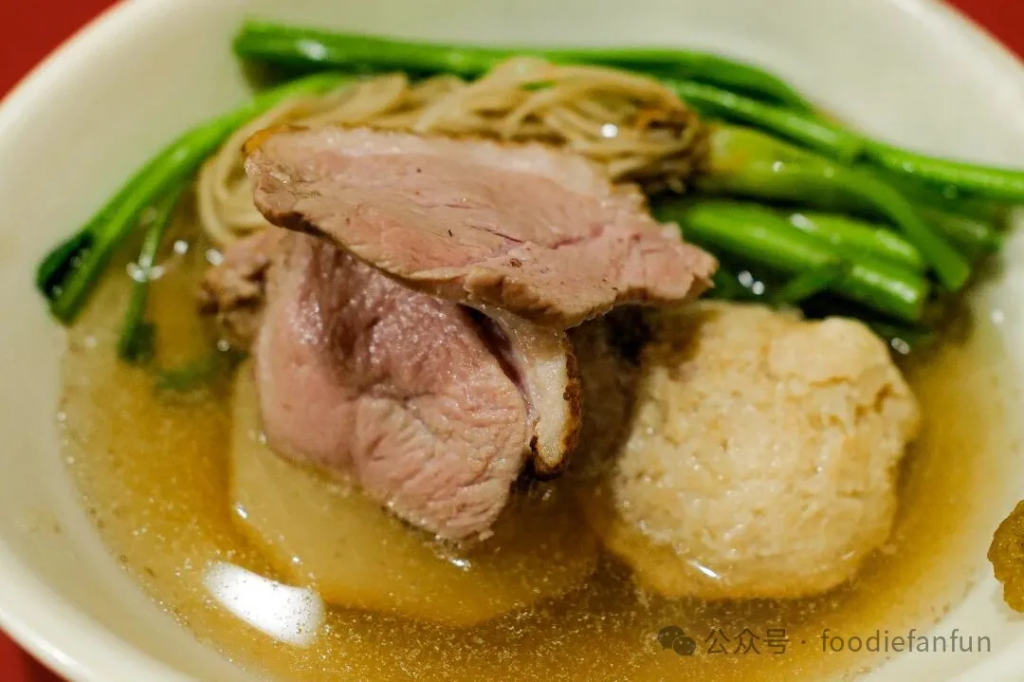
Duck and Celery Hotpot
Next drink: the shop’s signature imo-shōchū gin. It’s the first time I’ve tasted the “sweetness of sweet potato” expressed in such a restrained, transparent way in a gin—nothing sticky or cloying, just a clear, bright vegetal sweetness.
The hotpot that night is duck and celery. The duck is fatty yet slightly chewy, with flavor that deepens as you chew, and the aroma from the skin is very clear. The celery root is the unexpected star—fresh and aromatic, but with a gentle, almost starchy sweetness. The broth ties everything together, like a soft mattress you fall into after all the earlier action.
Lightness and richness run in parallel; both warmth and flavor are handled with real care.
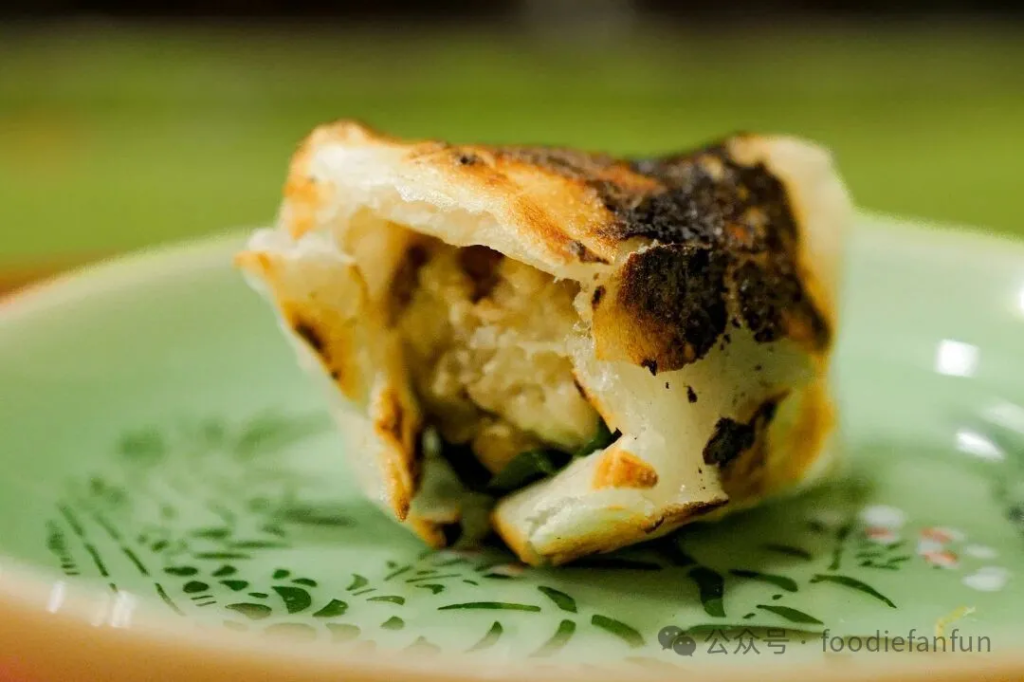
Sweet Natto Cheese Mochi
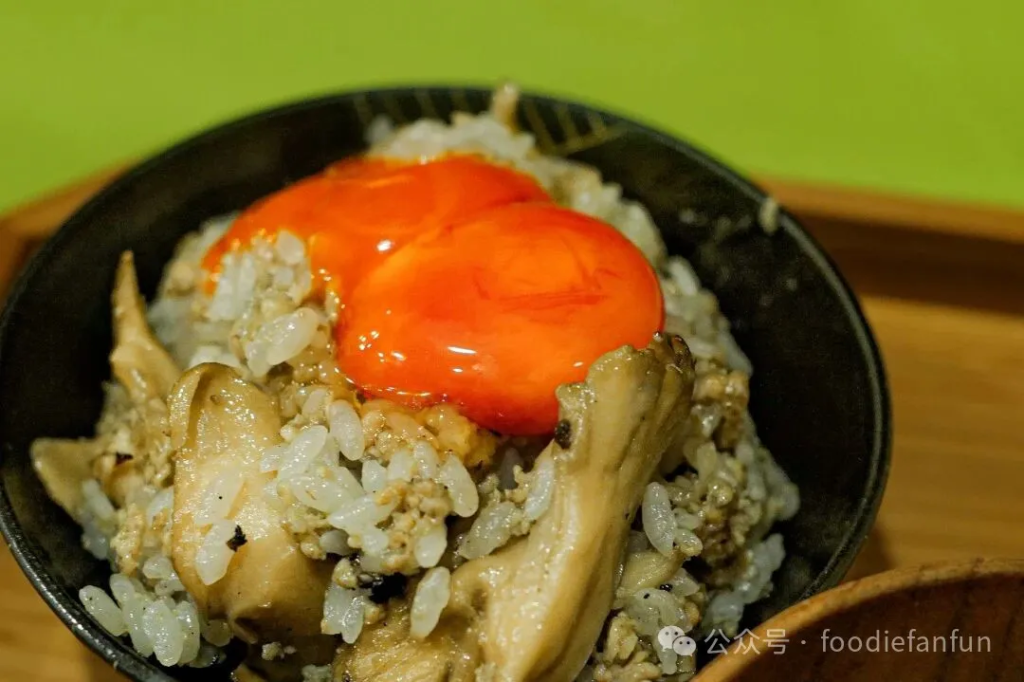
Maitake & Chicken Rice
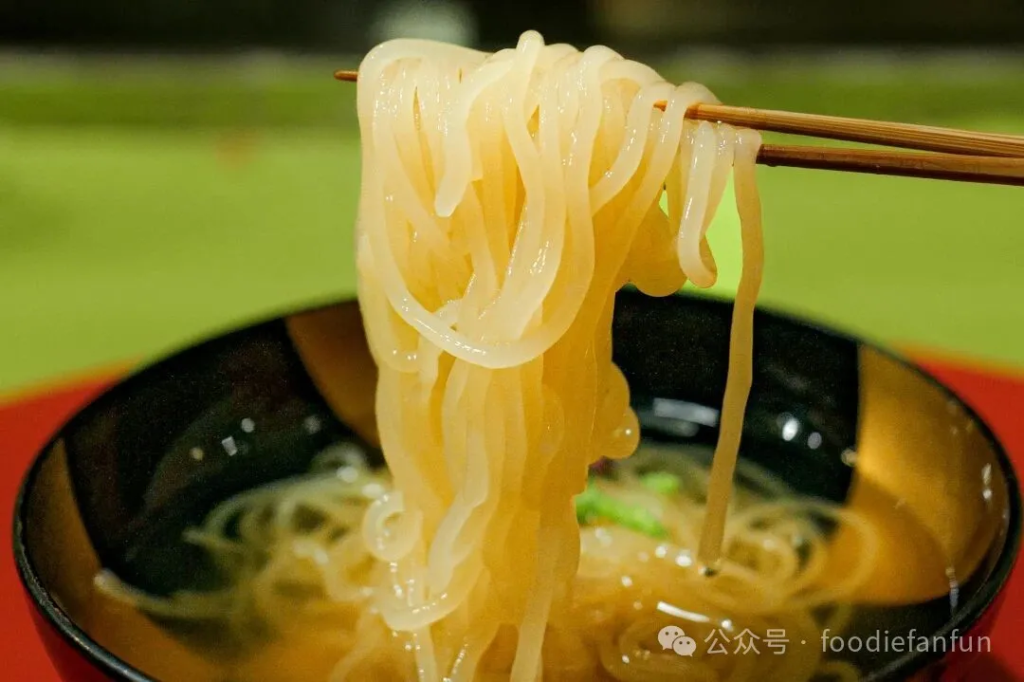
Cold Noodles
It’s hard to believe there are still three carb dishes at this point. Just then, “Makenaide” starts playing:
「負けないで ほらそこに ゴールは近づいてる」
Don’t give up, look— the finish line is just ahead.
For the first time, I felt motivated by pure deadpan humor.
Okay then. One more bite.
First up is sweet natto cheese mochi. Toasted rice cake with sweet natto tucked inside—two small bites, fragrant, crisp, soft, and genuinely delicious.
Then a maitake and minced chicken rice. It arrives with a wave of charcoal aroma, and once you mix in the egg yolk on top, everything becomes even smoother and richer. The maitake is fried crisp, the chicken carries obvious smoke and fire.
Finally, cold noodles in beef broth. Based on the chef’s judgment, everyone gets a different portion size—very “those who can eat more get more” energy. The noodles are firm and bouncy, the beef flavor clings in thin layers. It’s both delicious and perfectly refreshing to finish with.
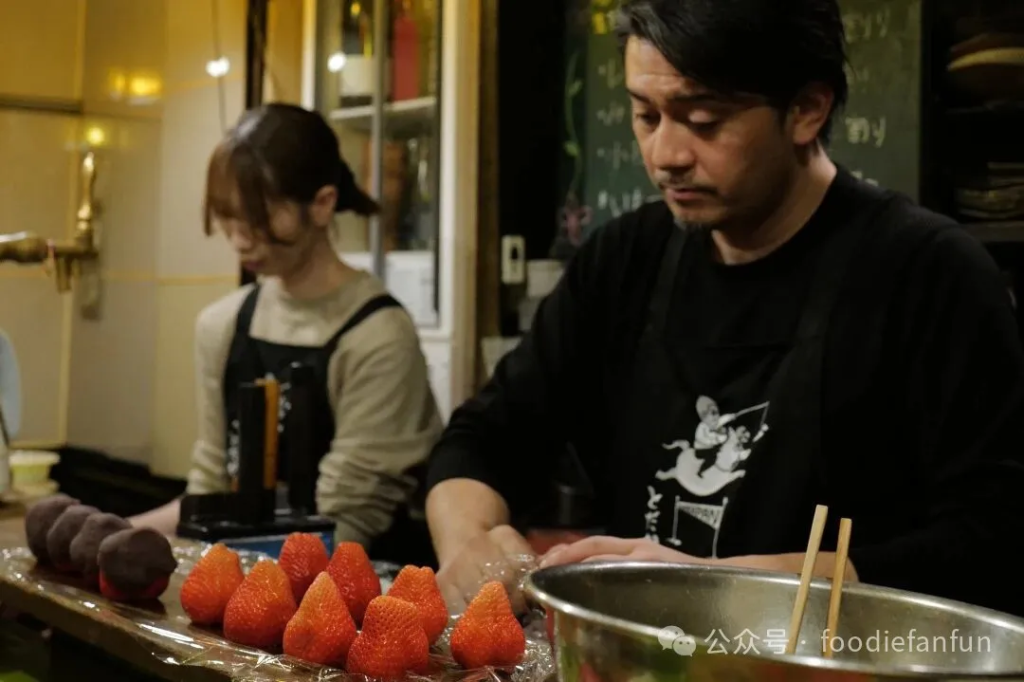
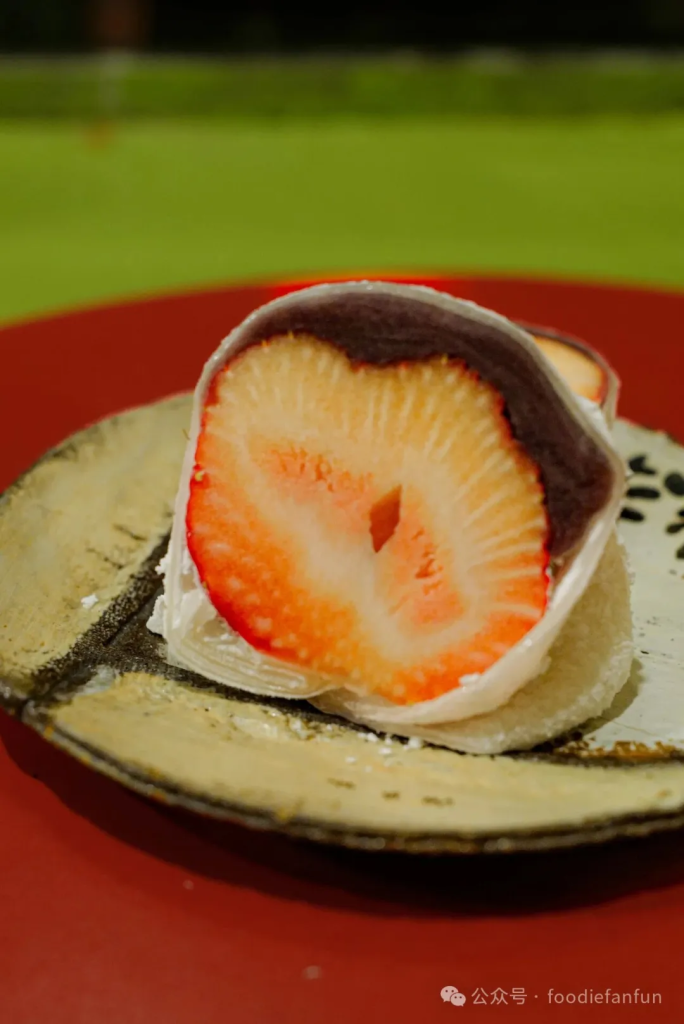
Strawberry Daifuku
Once everyone has cleared their plates, Todaka-san starts calmly wrapping the shop’s famous strawberry daifuku.
“Will you eat this now or take it to go? Do you need extra to bring home?”
We see the fist-sized daifuku and answer,
“Let’s split one here and pack the other with the takeaway.”
Winter really is the best season for strawberries. Juicy, fresh, a little sticky. One bite in and you get the bright, pure flavor of the fruit, followed by the sweetness of the bean paste and the soft, chewy mochi spreading through your mouth. People keep saying this year’s strawberries in Japan aren’t great, but this daifuku at Shokudo Todaka beats what you get at a lot of high-end restaurants.
The bill comes to ¥16,000 per person—including 14 dishes with almost nothing to criticize, plus all the drinks.
The value is honestly ridiculous.
This is a seriously interesting restaurant.
On paper it’s an izakaya, but it keeps the interaction of a counter restaurant and the aesthetic of plated dishes. The seats are close together, lively but not chaotic. The rhythm is relaxed, and you always feel included. Add in the background music and those perfectly timed, slightly evil jokes, and the mood of the whole evening is controlled with precision. Whatever stress you brought in from the day just… loosens.
The cooking is, of course, delicious. But its strength isn’t about rare ingredients or flashy technique. The ingredients and methods are actually very everyday and easy to imagine—what’s special is how every bit of heat, seasoning, and pairing feels exactly right. Things are not only fragrant; some dishes even carry real wok hei.
Todaka takes flavor profiles we all know and pushes them to a new level.
That’s his real power, and his charm.
The drinks are also a highlight. The highballs and sours may technically be pre-batched, but every glass is shockingly good. And whenever a dish really needs sake behind it, someone just casually asks, “Want a glass with this?” Eating and drinking become light and effortless. No heavy decisions, no getting knocked off rhythm by alcohol.
Gotanda really does produce monster shops.
With reservations already full through 2030, whether I’ll ever make it back is up to luck.
Shokudo Todaka(食堂とだか)
東京都品川区西五反田1-9-3 リバーライトビル B1FTuesday – Saturday
18:00 – 0:00Omakase Menu ¥16,000
I walked home slowly, already thinking about when I’d finally finish that strawberry daifuku sitting in my fridge. 🍓
Leave a Reply