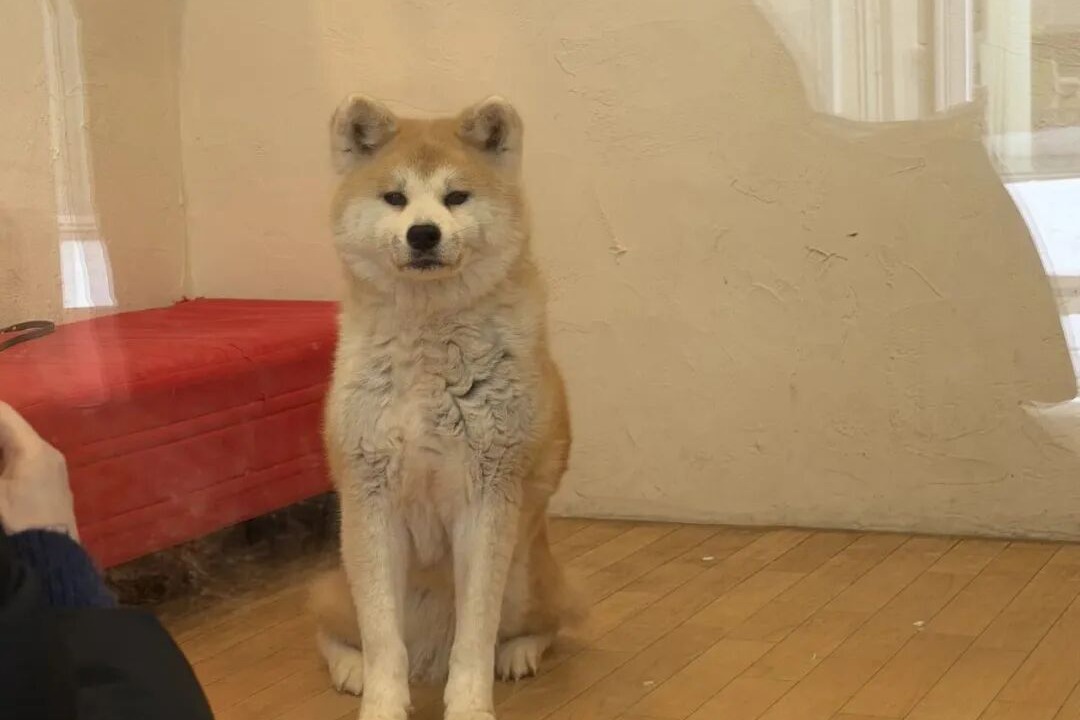
Akita really does feel like it walked straight out of a fairy tale.
There are izakayas glowing through the snowstorm, offal served sizzling on iron plates, hinai-jidori chicken bubbling in steaming pots, a round-faced sushi master in a quiet little town, and — in almost every restaurant — tables full of people in suits raising their glasses. Plus the upright, obedient, impossibly cute 🐶 Akita dogs. It’s a genuinely distinctive place, with a real sense of local pride.
The region’s self-proclaimed “three beauties” are fine sake, beautiful people, and great food. Once you’ve actually been to Akita, you realize these aren’t just slogans — they run straight through every table in town.
We visited in the middle of a blizzard, and that’s when it became clear: the “eating and drinking well” in this little snow country isn’t a single highlight — it’s a whole combo.
From a silver-tier sushi counter, to a hidden-gem yakitori spot and a smoky, lived-in offal grill; from izakayas where you can drink Shinsei and Juyondai for pocket change, to a Chinese-food-and-laughter kind of bar, all the way to a “third round” secret spot only locals know about. Days for snow, nights for drinking — the whole trip gets pushed forward by steam and aroma.
How to eat, how to drink, how to spend your time in Akita. Four restaurants, five izakayas, and a pile of other spots worth building your itinerary around — this is a ready-to-copy Akita guide.
✦ 🥢 ✦
🍣 Sushi Koma
👨🍳 A culinary alchemist turning Tohoku’s catch into a 🥈 silver-tier restaurant
🍣 120 Okeyacho, Yurihonjo, Akita
Sushi Koma was probably the furthest stop on the entire trip, and also the reason we decided to push into deep Tohoku in the middle of blizzard season in the first place.
Three consecutive years as a 🥈 Silver Tabelog restaurant — and lunch is somehow only ¥8,800.
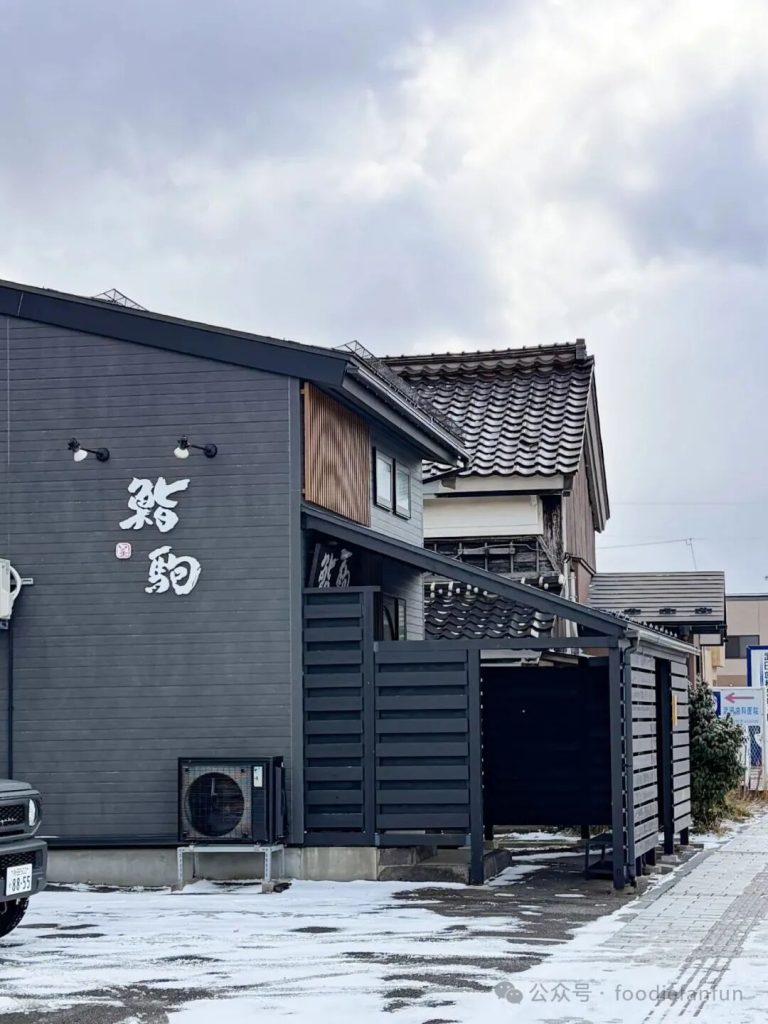
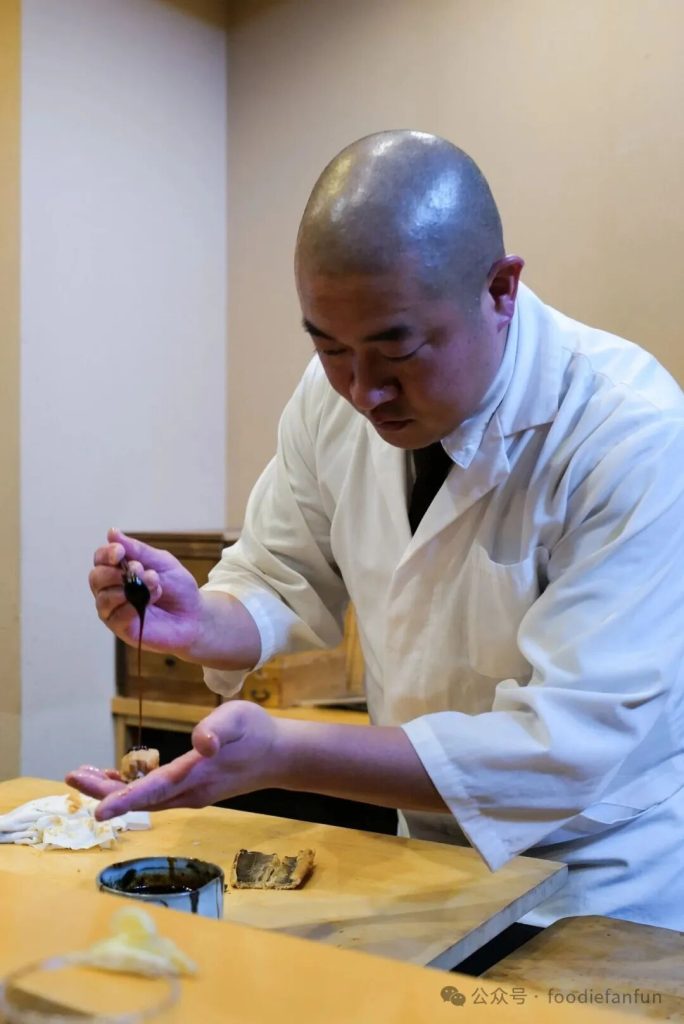
We rode the train along the coast through heavy snow to Ugo-Honjo Station, then walked another 20 minutes to the restaurant. It’s an unremarkable little Japanese town — and the chef, Ikoma Norimasa, trained in Ginza and New York before coming home with the wish to “bring more people to my hometown,” and opened this restaurant here.
Unlike restaurants in the big cities, Sushi Koma’s fish sourcing and storage are more primal — but the way it’s handled breaks every rule.
The chef gets a call before the fishing boats even dock and heads straight to the port to buy directly off the boats. He also makes regular trips to Minami-Sanriku in Miyagi Prefecture, sometimes even boarding the boats to help out. In winter he uses natural snow to store the fish, aging it at a stable, near-freezing-but-not-quite temperature.
It’s a seafood style that belongs entirely to Tohoku.
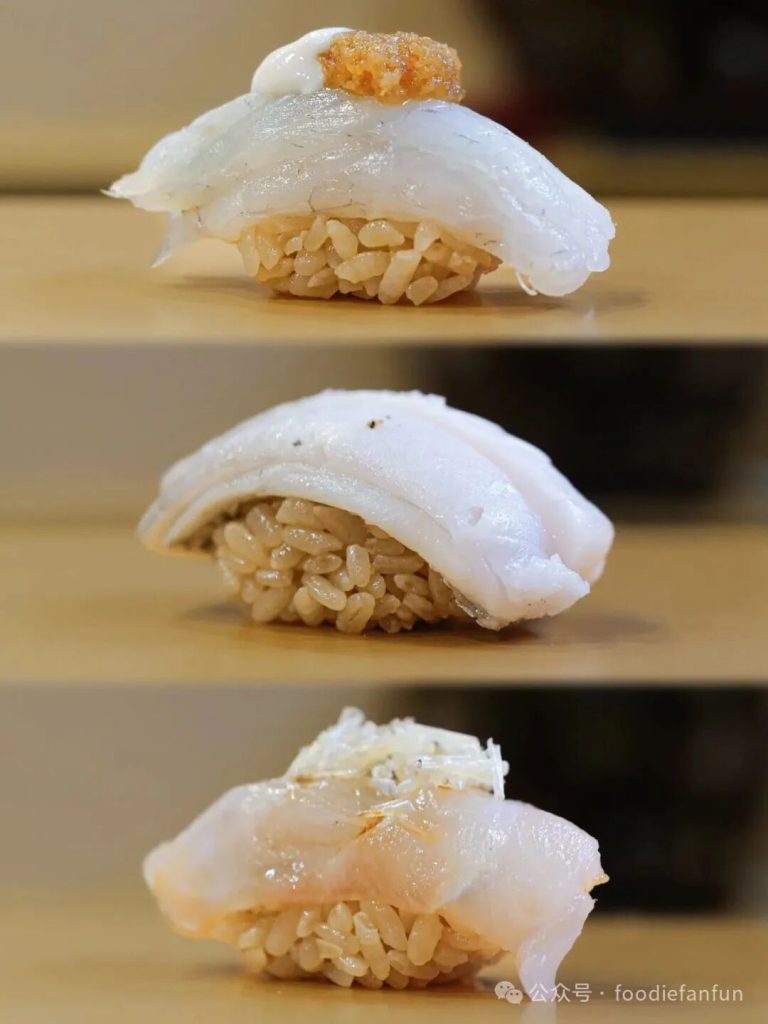
In terms of style, the chef carries forward traditional Edomae technique while refusing to be boxed in by it — his own originality comes through clearly, piece by piece.
Take the fugu paired with grated daikon and shirako sauce — full of chew, and the more you chew the more that cool, clean umami comes through the fibers. The daikon brightens the flavor, the shirako’s softness spreads the savoriness through the mouth, making the piece both firm and rich at once.
Cutlassfish, conger eel, and grouper mostly come lightly seared to a soft medium. The heat coaxes out the fat’s aroma while the center keeps either a soft or springy texture, seasoned further with dried plant powder and fresh scallion for a flavor that shifts in layers — more interesting with every bite.
The Spanish mackerel is straw-smoked. The flesh is naturally soft, and the smoke wraps around it gently, like fine thread rather than anything heavy-handed — but memorable all the same.
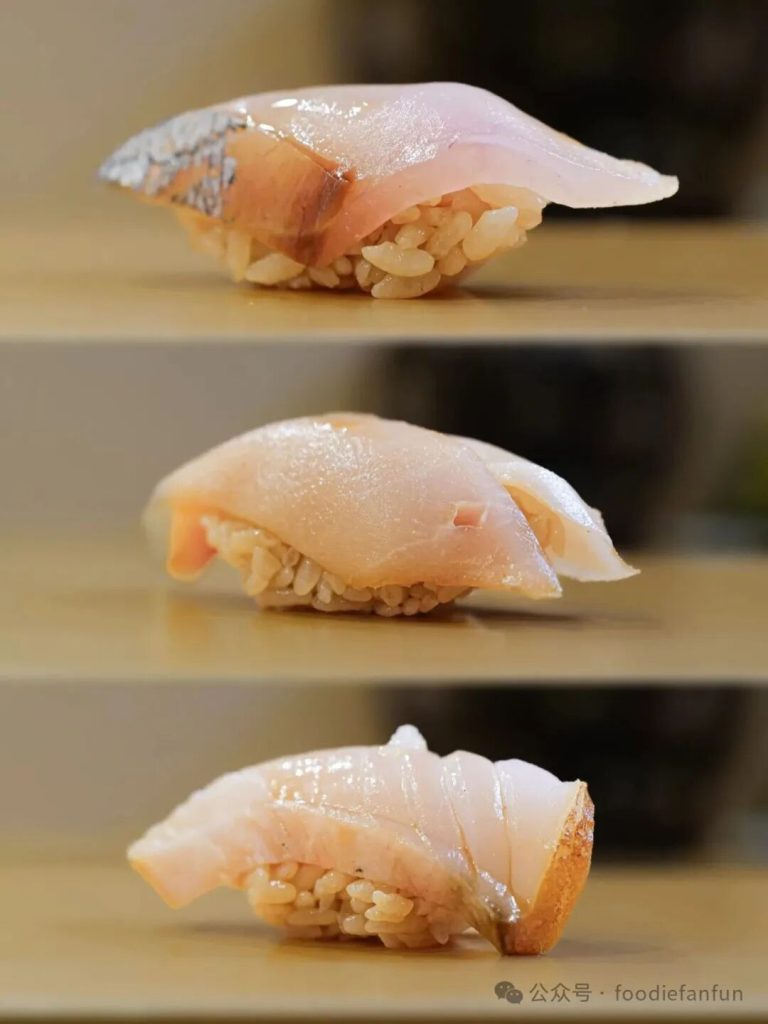
White tilefish is lightly dehydrated with salt first, then paired with fried fish scales and scallion. It hits the palate with a sticky richness, umami tightening and spreading across the tongue, before the crisp, fried scales lift it right back up. Soft and crisp running side by side, the umami pulled into something more three-dimensional.
Swordfish takes a different path entirely. Onion purée smooths the texture out, seahorse soy sauce brings a lovely acidity, and a distinctive seaweed aroma emerges in the finish. Clean and refreshing, but never thin.
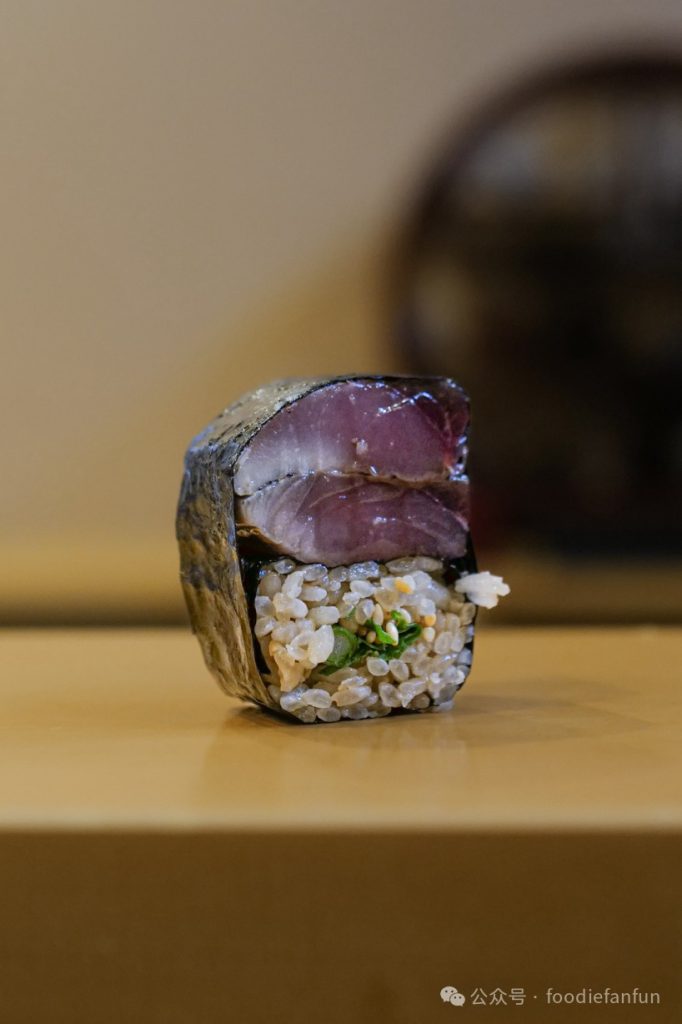
But if there’s one dish that stands above the rest, it’s the mackerel roll. If Sugita perfects silver-skinned fish for freshness and balance, Sushi Koma’s version feels more like a bomb built entirely around tenderness and aroma.
At the counter, two crisp, clean sizzles of the torch ignite the whole mood. Rice wrapped in sesame, scallion, and shiso is pressed into shape first, then two large pieces of mackerel are laid over the top in a wonderfully unusual form.
It’s striking to look at, but the impact on the palate is even more direct: tender flesh, deep fish aroma, and torched char that seeps all the way through — a dish you’re unlikely to forget after seeing it just once.
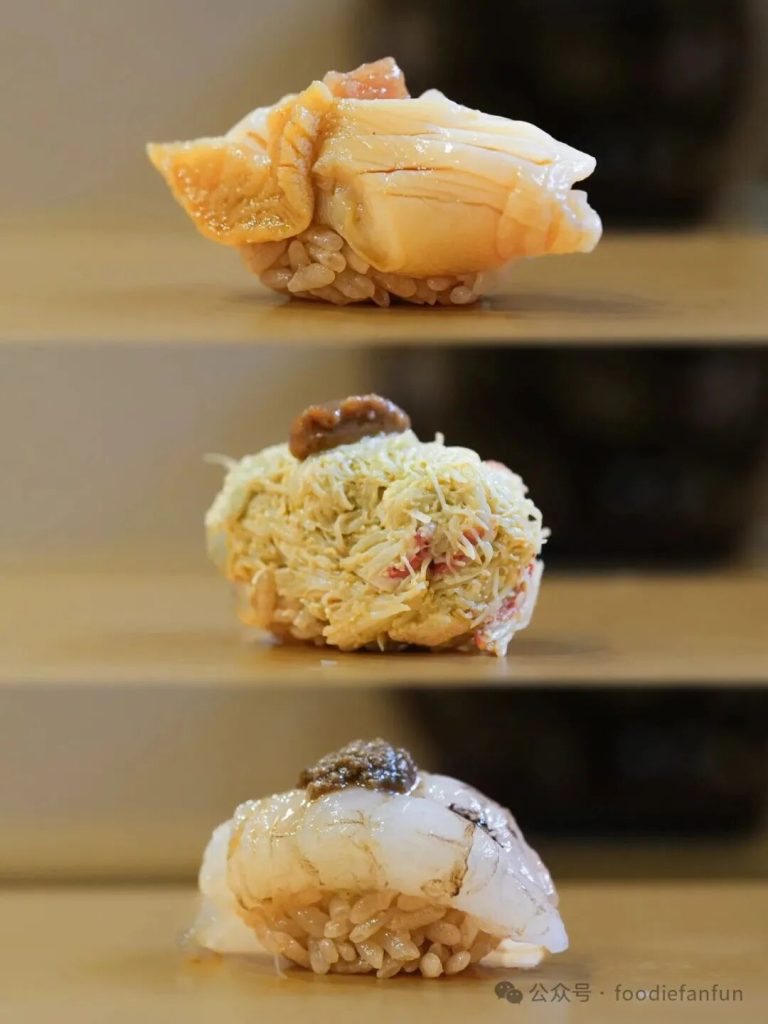
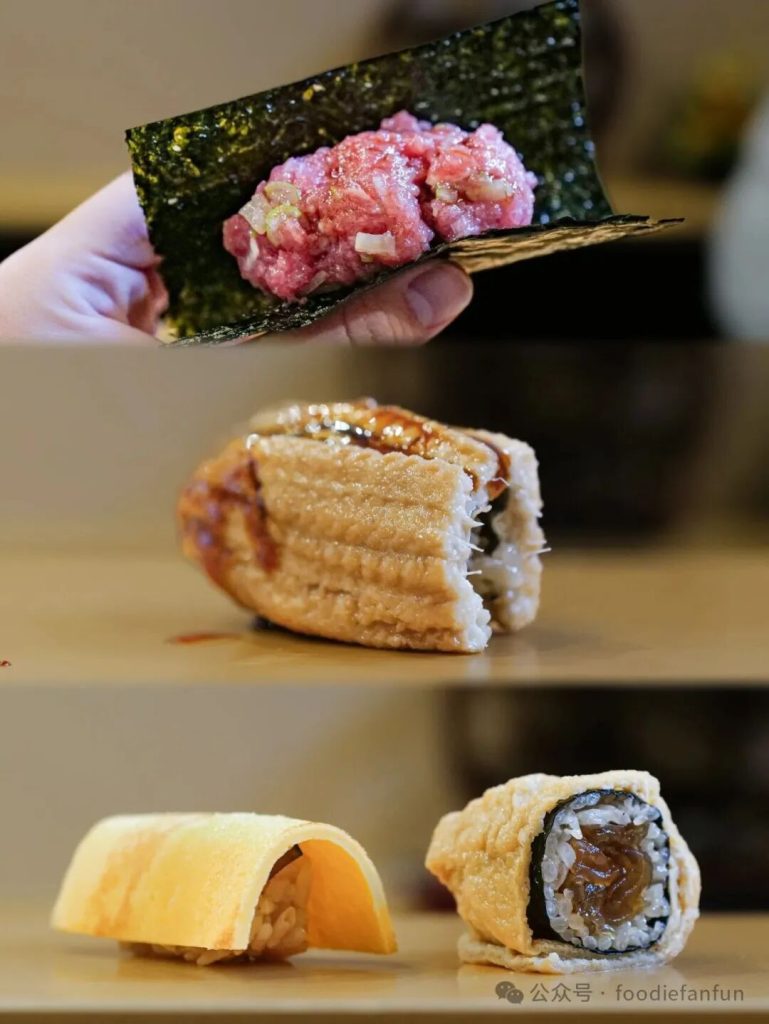
The highlights of the meal really do stack up, wave after wave. Even now, flipping through the photos, a lot of the flavors come rushing straight back to the tongue.
The house-made tofu that opened the meal, silky and sweet like cream pudding; the creamy grilled shirako; scallop so crisp it was almost unbelievable; the rich aroma of crab-shell sauce over red snow crab; the clean note conger eel picked up from being simmered in bamboo leaf; and, right at the end, the gentle sweetness of kanpyo finishing off a roll wrapped in sweet tofu skin.
When we asked about booking again, the chef pulled out a massive calendar and started scanning it line by line. Suddenly, unexpectedly endearing.
This is food that’s sincere, personal, and rooted in its place. Far away — but worth the wait.
✦ 🥢 ✦
🐓 Toriyoshi
👨🍳 Hinai-jidori, done right
🍣 4-11-5 Nakadori, Sakae Bldg 1F, Akita City
If you’re in Akita, hinai-jidori chicken absolutely has to be on the itinerary. As the region’s signature local breed, it shows up in restaurants across the country, and its bite, fat aroma, and umami are all instantly recognizable.
But compared to the chicken hot pot most travel guides push, having hinai-jidori as yakitori, locally, is honestly the more compelling call.
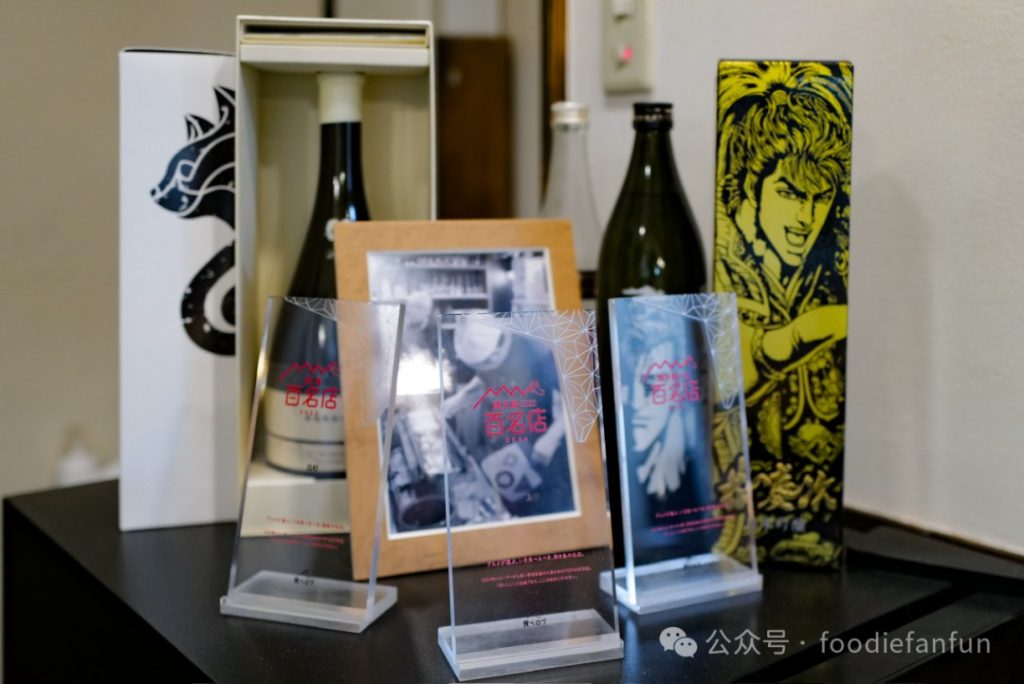
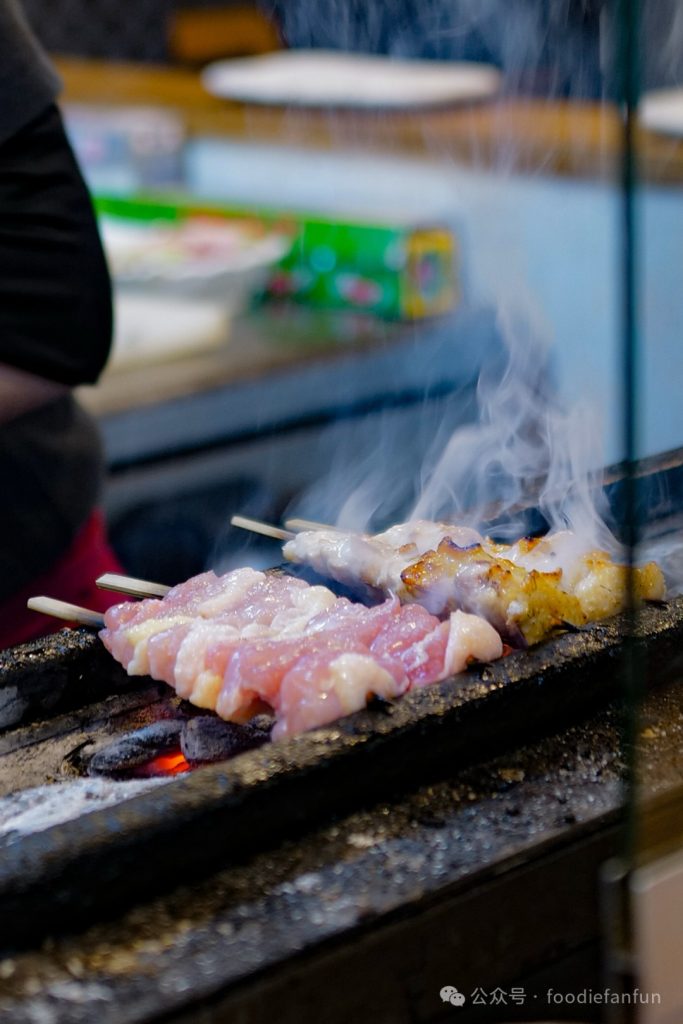
Toriyoshi’s chef trained first at “Soten” in Otsuka, then at “Toriei” in Yushima, before finally returning to Akita to open this place on his own.
Compared to another yakitori spot in Akita known for its huge Shinsei sake stock as a gimmick, this one carries more of a pure focus on making sure the guest simply eats well.
Simple, warm, and delicious — that’s the fullest description I can give it. We ordered the all-hinai-jidori course, which made the distinct character of each skewer even clearer. Somehow, from the same breed of chicken, they draw out completely different textures and aromatic layers, spelling out hinai-jidori’s character skewer by skewer, in unmistakable lines.
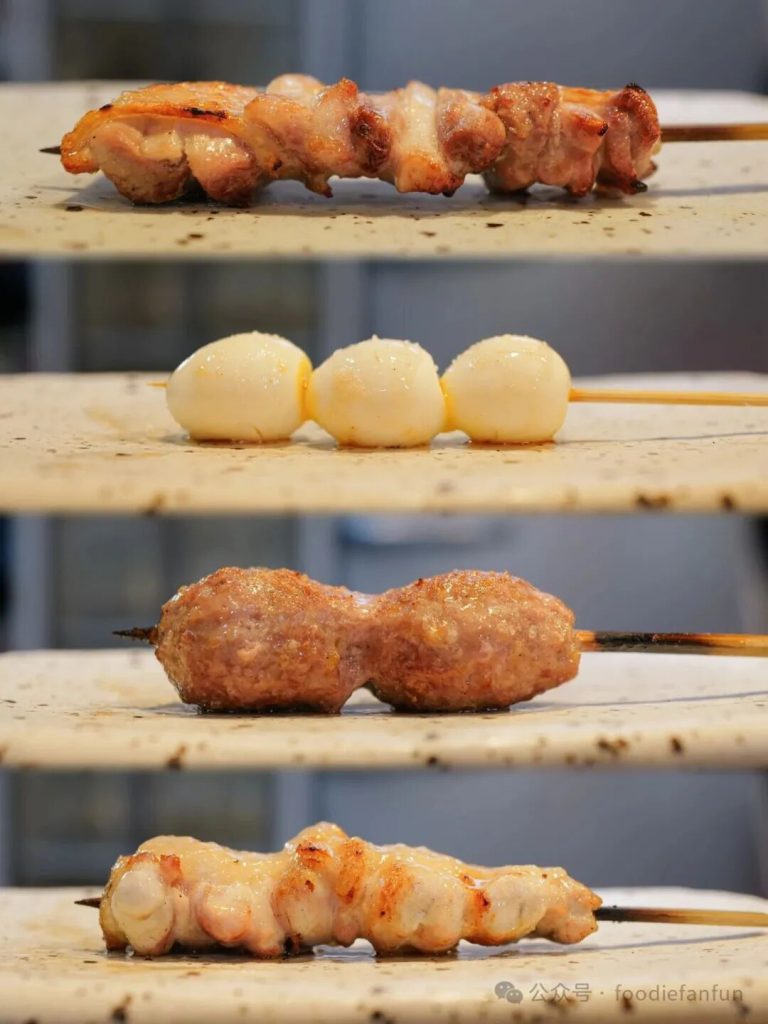
The tsukune uses an old hen from the hinai-jidori breed. It hits the mouth with a firm, powerful texture — the kind of “athlete’s” muscle feel. Toward the end of the chew, a faint sansho pepper note slowly emerges — not just heartiness, but real depth of flavor too.
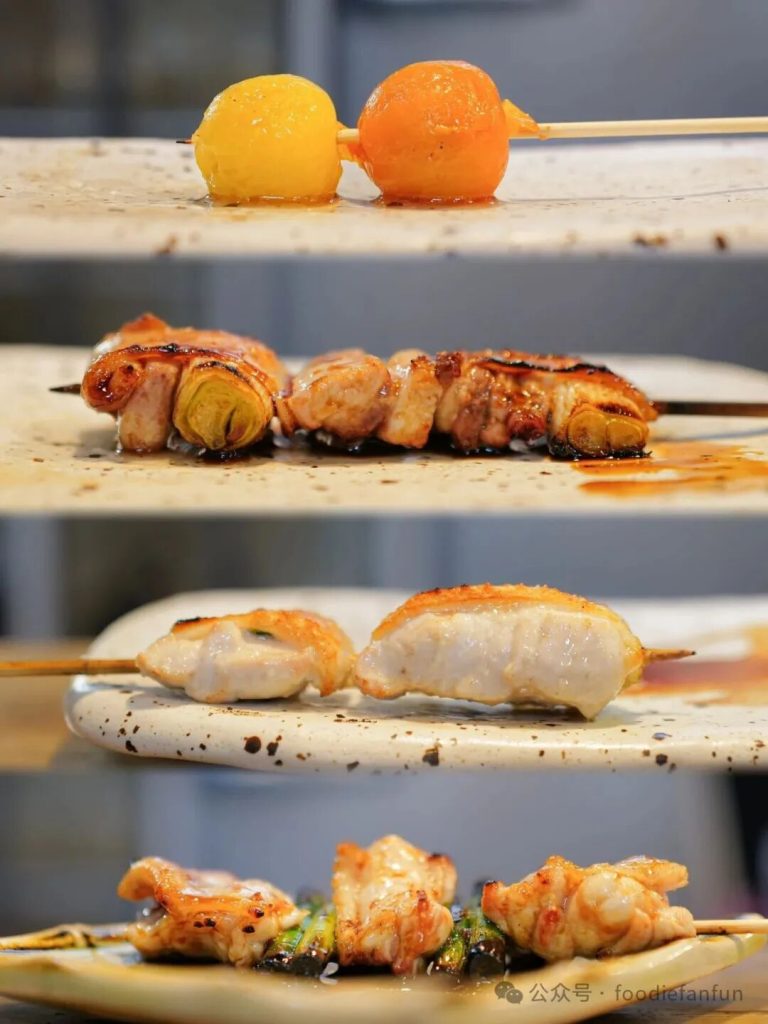
Chicken shoulder with onion sauce. The skin is grilled crisp, the fat set off beautifully sweet, and the onion’s clean sweetness pulls the whole thing bright.
Chicken thigh wrapped in scallion is a familiar combo, presented in a genuinely distinctive way — a thin sliver of chicken skin wraps around an entire length of scallion. Thin skin, tight meat, sweet scallion, plus an unmistakable smokiness — deeply satisfying in a single bite.
The breast is special too — a golden-brown skin with shiso tucked underneath, and the two pieces surprisingly came from different cuts, placed side by side for comparison. The meat stays just short of fully cooked, so you get shifting textures and layers — subtle in flavor, and genuinely interesting.
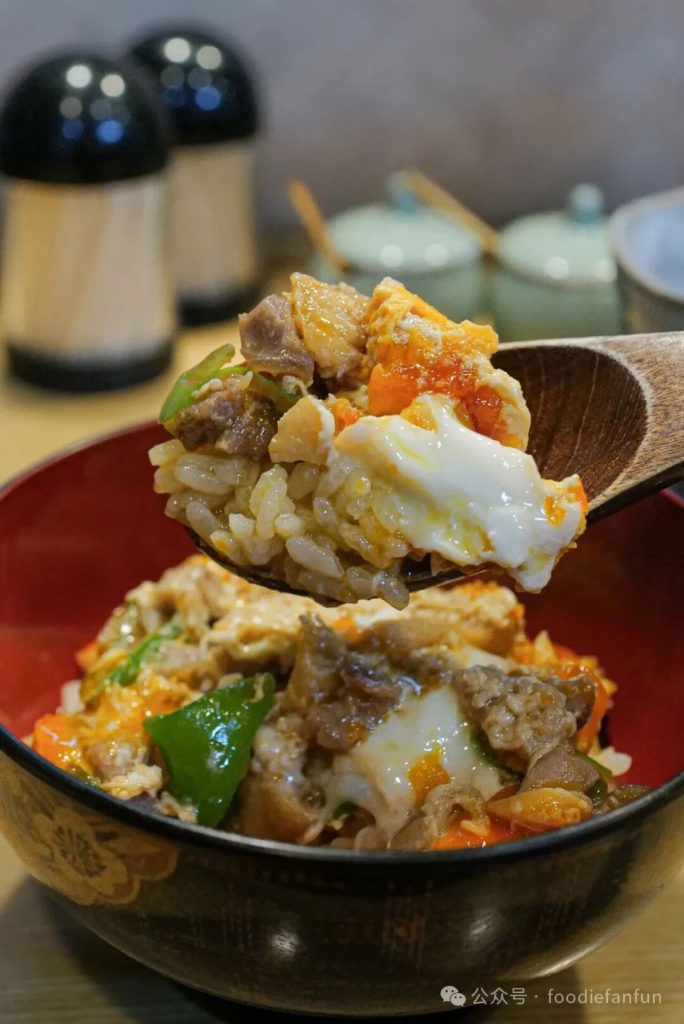
The closing oyakodon is equally memorable. Silky egg white, custardy yolk, firm chicken, and plump Akita rice all wrapped in egg — a bite that’s genuinely hard to resist.
This is a real hidden gem — delicious, warm, and just a little bit endearing. There are several course options, so you can pick based on your own appetite. The sake list is nearly all Akita-brewed too, and it’s hard to go wrong — the sake often sets off the dish’s fat beautifully, making everything taste even sweeter.
The table next to us bought the owner a drink.
“Let us buy you a drink — we’re stepping out for a smoke.” “Alright, I’ll get started then.” “We’ll be back before you finish.”
That kind of relaxed, easy exchange is probably exactly what runs in Akita people’s blood — a love of drinking, and of taking it easy.
✦ 🥢 ✦
🔥 Holumon Saru
🐷 Offal grilling this good, you only understand once it’s this fresh
🔥 6-12-13 Nakadori, Akita City
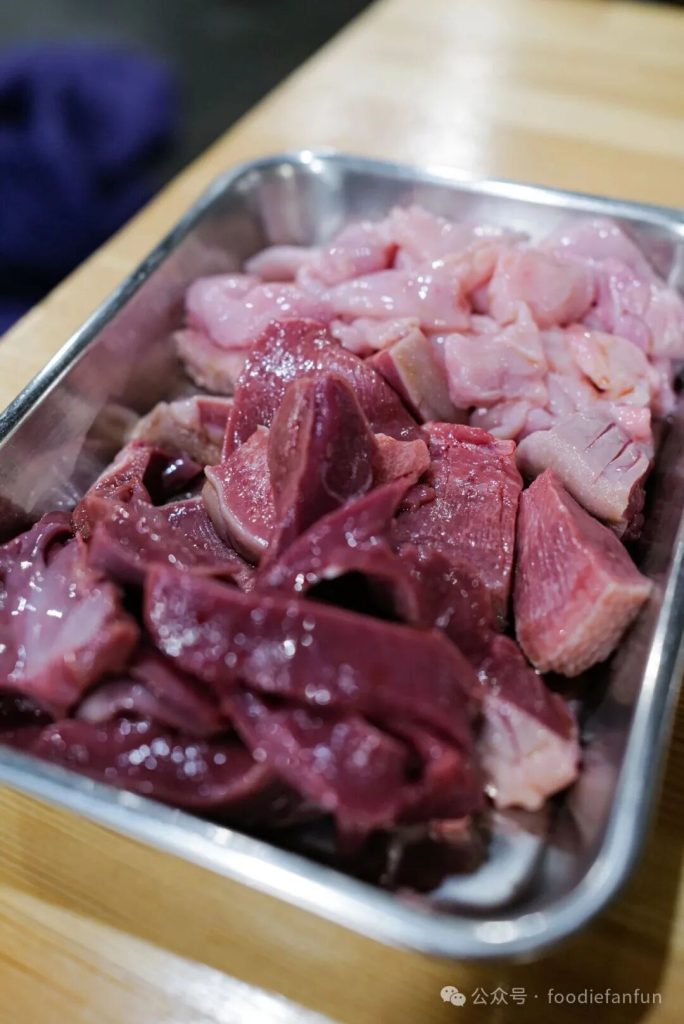
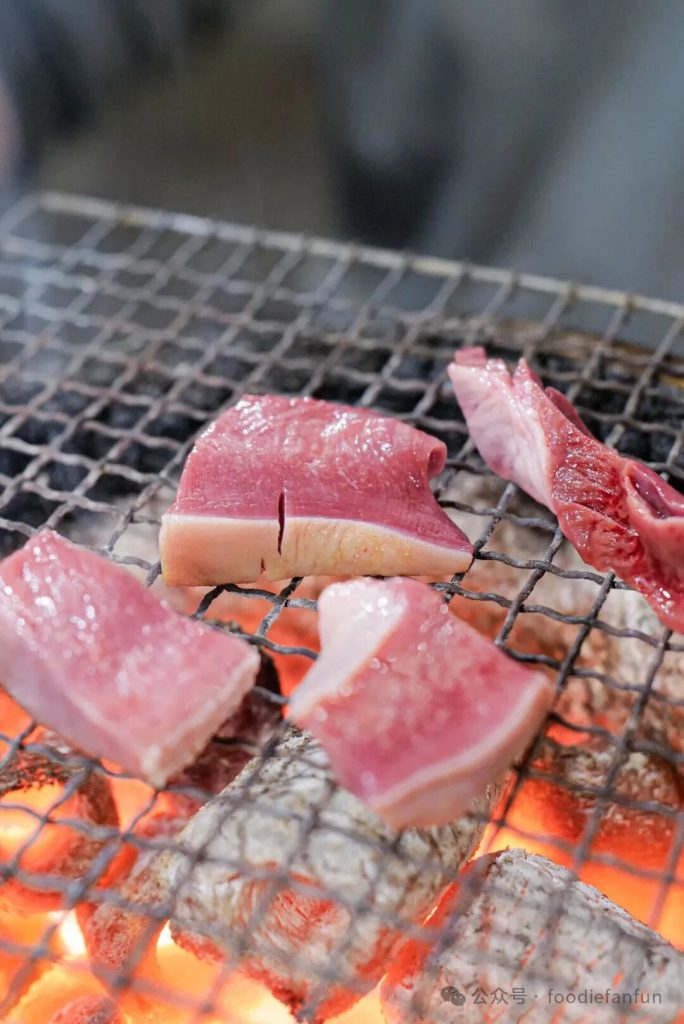
Sushi and yakitori both handled — grilled meat couldn’t be left out either. Much like traveling around smaller cities back home, ingredients in smaller towns tend to sit closer to the source, and that’s especially true for offal — the freshness is simply not the same league.
We booked a pork offal grill place in Akita. Pushing through the door on a blizzard night, warmth hits you immediately — glossy, pale-pink offal goes straight onto the charcoal, fat dripping steadily through the wire grate. The air fills with char. Add a bowl of Akita rice and a highball, and all that’s left is pure, straightforward happiness.
Genuinely satisfying.
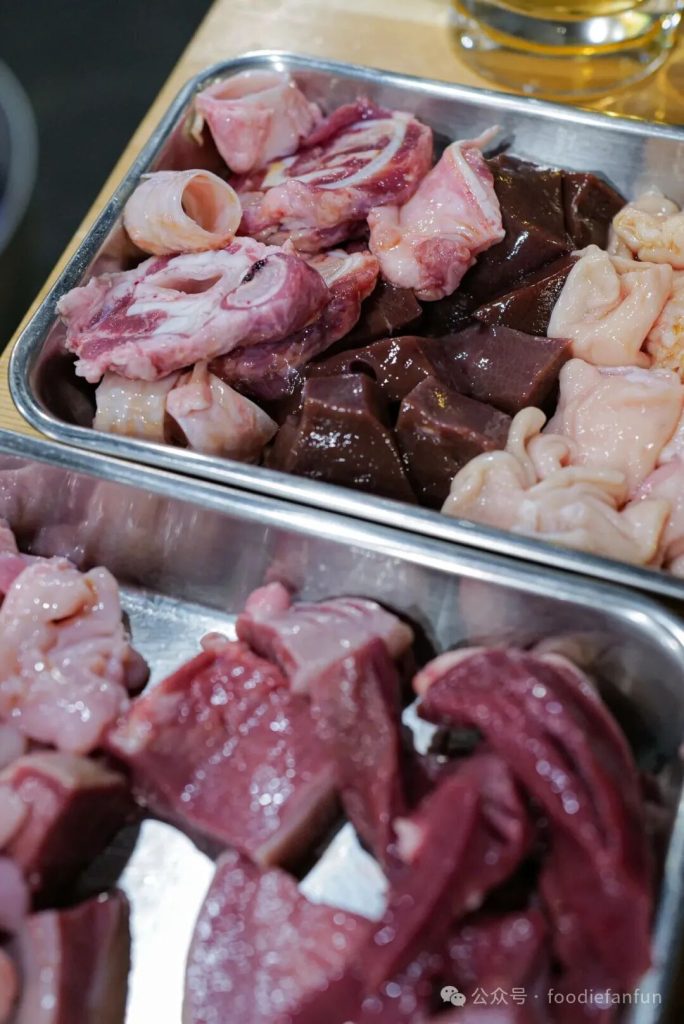
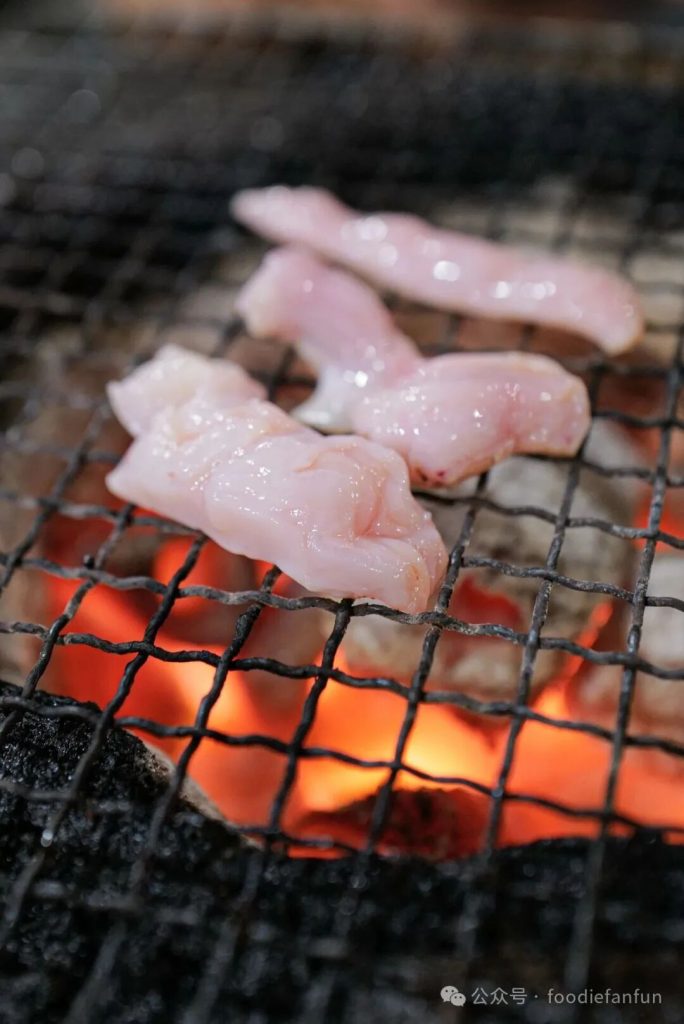
Since we were there, none of the house specialty cuts could be skipped — six parts, laid out across two iron plates and brought straight to the table. Heart, uterus, liver, large intestine, cartilage, and tongue.
The uterus goes onto the grate strip by strip, curling slowly in the sparks — clean and crisp on the bite, more fragrant with every chew. The heart has a bit more meatiness, adding springiness on top of the crunch. The large intestine takes the most patience, slowly grilled until the edges bubble — and the wait pays off completely: it turns out creamy, with a restrained, gentle sweetness in the fat.
The liver, grilled boldly to just medium, delivers sweetness and crispness beyond expectation, with zero gaminess.
Set against that, the usually crowd-favorite cartilage and tongue end up feeling almost understated. People really do have a soft spot for the “wild” cuts — with offal this fresh on the table, who’s still thinking about regular meat?
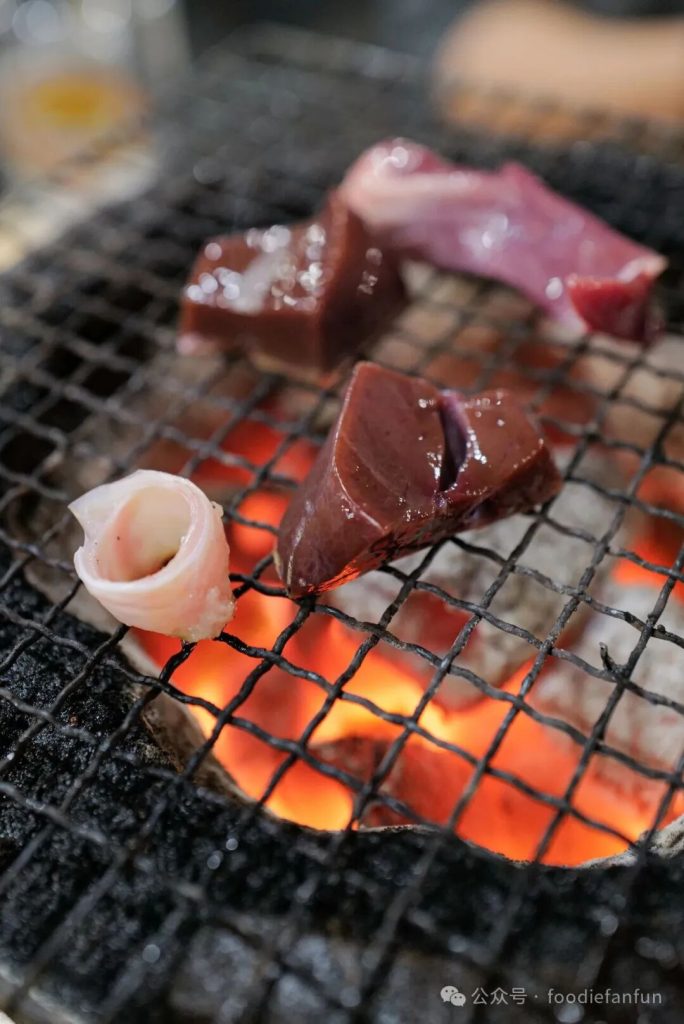
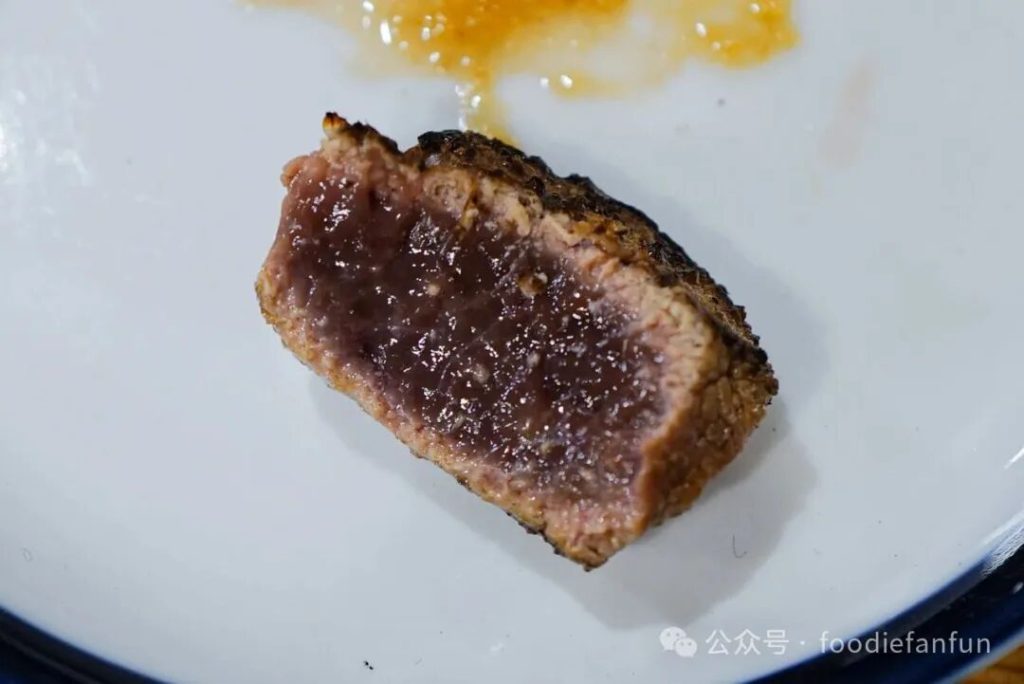
It’s hard to believe a meal this high in cholesterol left absolutely no heaviness behind. What stays with you is the heat rising off the charcoal, the kind of freshness in every cut that’s hard to find in a big city, and a texture that unfolds in layers — sweet, tender, crisp.
Wiping our mouths afterward, we headed off to the next drinking spot, still thinking about the exchange at ordering.
“Is this enough for us?” “Plenty, for a first round.”
Sure enough, Akita nights always make you want to linger at one more spot. Whatever’s left unfinished just gets saved for next time.
✦ 🥢 ✦
🍣 Sushi Ito
👨🍳 A whole other dimension of sushi — turns out it can be a whole other dimension of risotto, too
🇮🇹 1-2-13 Sanno, 21 Bldg #503, Akita City
It was a Sunday night in Akita, right in the middle of a blizzard, and most restaurants had already closed for the day. But somehow, one magical “Western restaurant” still had its lights on.
It’s a new place that only opened last year. The chef trained at several Italian and French restaurants in Tokyo before coming home and opening a small place carrying the name “sushi.” To me, it felt more like a fish-and-rice restaurant wearing sushi as its outer shell, expressing a very personal style underneath.
Everything — the cooking, the pairing — is handled by the chef alone.
“Our drinks aren’t expensive, feel free to have plenty.”
That kind of hospitality, so specific to Akita, is almost impossible to turn down. What’s more surprising is that the wine and sake list doesn’t stick to local bottles at all — instead it’s a curated selection of sake from across Japan, adding a loose, freewheeling sense of surprise to what was already a casual little dinner.
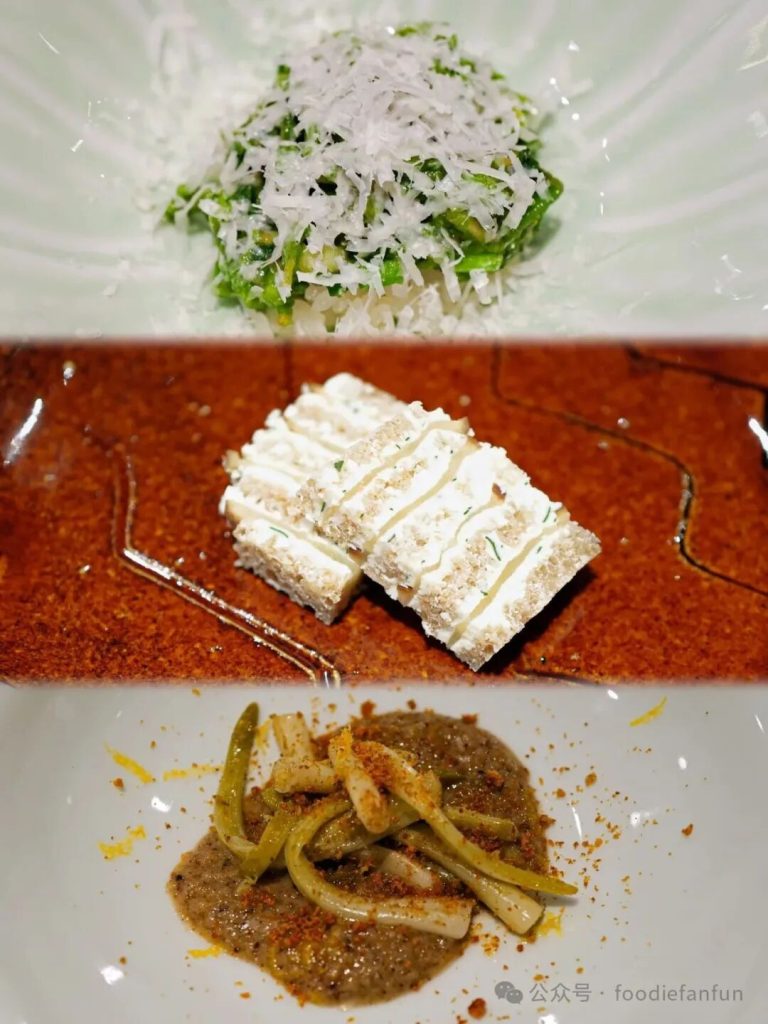
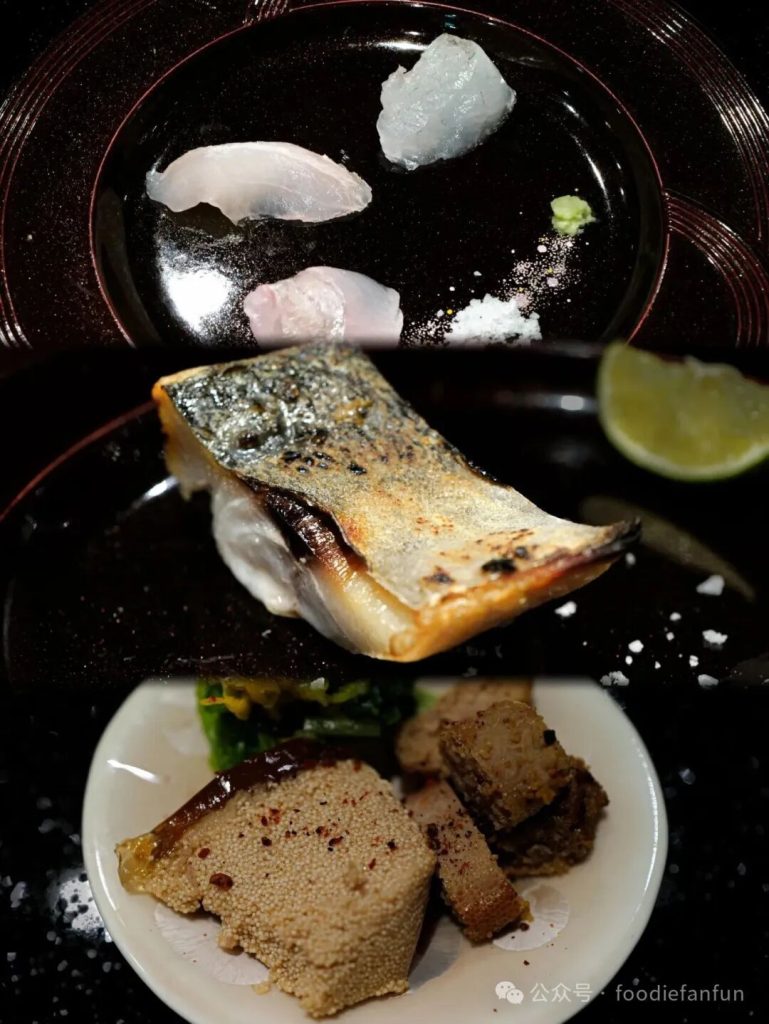
What actually makes the meal interesting is how clearly you can feel the chef’s small, subtle, but confident ideas running through the food.
Take the sautéed celery with vinegared rice and goat cheese — three things that look completely unrelated, yet come together into an entirely new logic of flavor. The first bite is strange, and then it becomes addictive.
The pickled daikon Akita people take such pride in is done here in thin layers — creamy softness alternating with crunch, a lovely acidity rising out of the smokiness — the kind of dish that quietly makes you pour another glass.
Smoked herring roe, karasumi, breadcrumbs, grilled lotus root — local ingredients reassembled with the structural logic of Western cooking, ultimately taking on a savory profile close to a fennel-filled dumpling: warm, dimensional, and thoroughly likeable.
It’s not showy cooking. It feels more like a patient, carefully measured experiment in combinations.
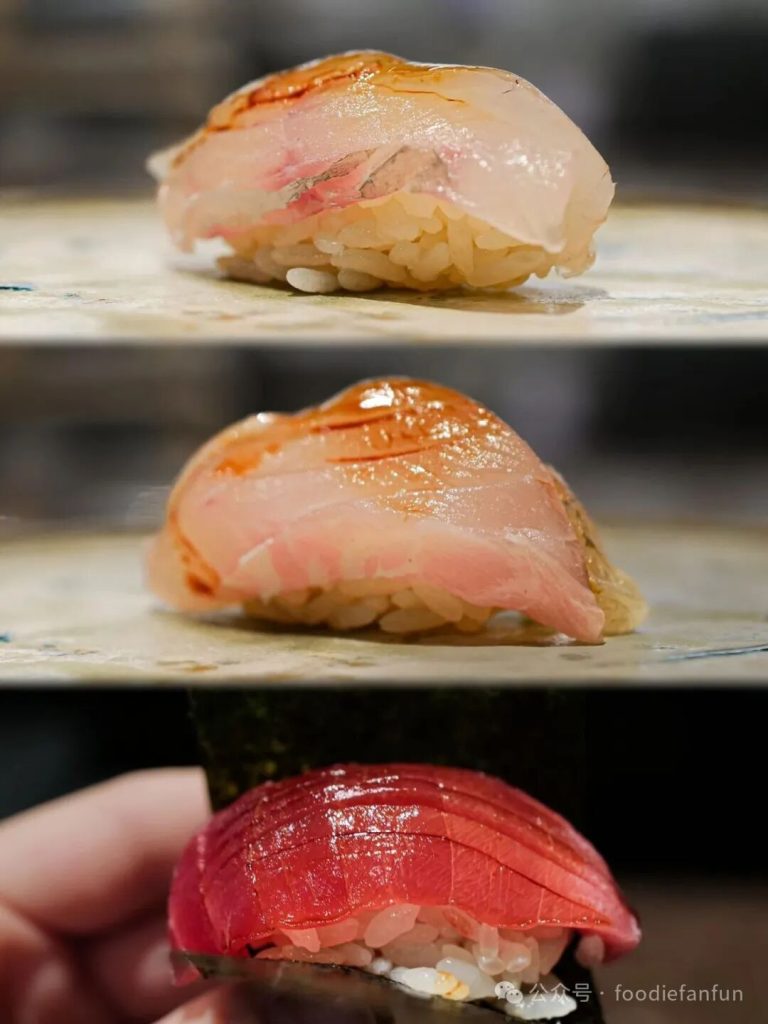
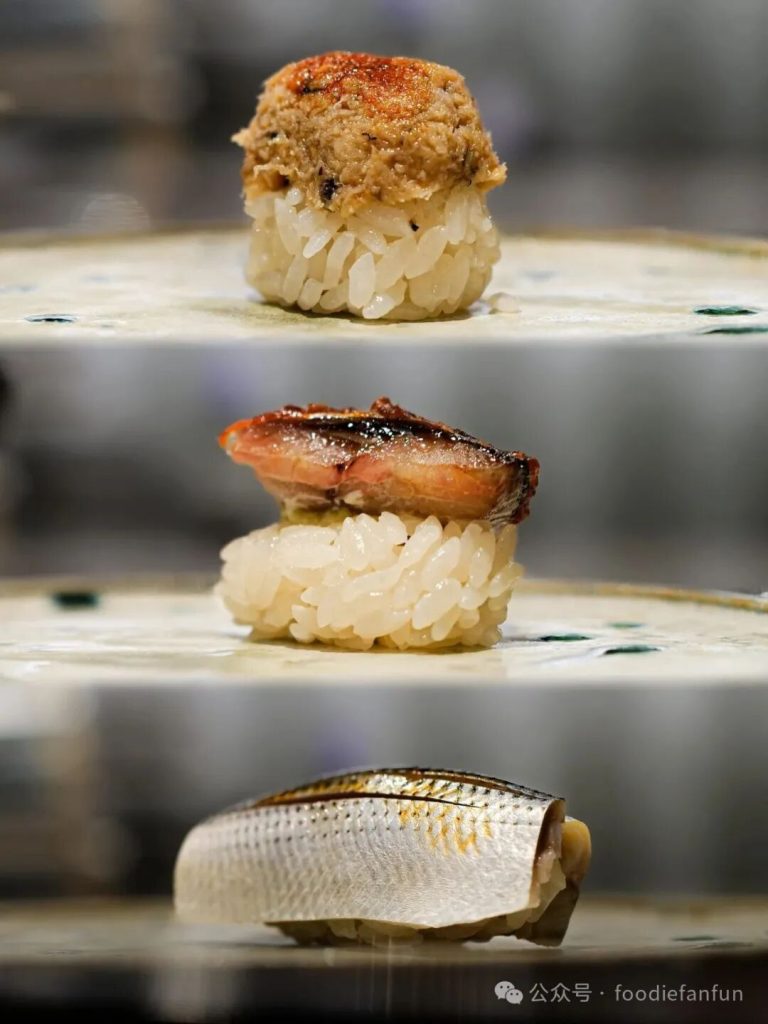
The cod roe jelly was probably one of the best bites of the night — a highly concentrated savoriness spreading through the mouth, followed by a light, spicy kick that jumps out gently — restrained, but deeply memorable. All that’s left afterward is one thought: I really want to buy a piece to take home as a drinking snack.
The sushi portion is packed with small ideas.
Herring cured in koji miso, eaten first on its own and then paired with the rice yourself — the kind of effortless bar food that’s genuinely delicious. The gizzard shad right after unexpectedly takes on the role of a palate cleanser.
Botan shrimp combined with crab into a single piece stacks two kinds of freshness right into view. And when cutlassfish’s rich fat is laid over the rice, it instantly brings to mind the dense yet silky texture of risotto.
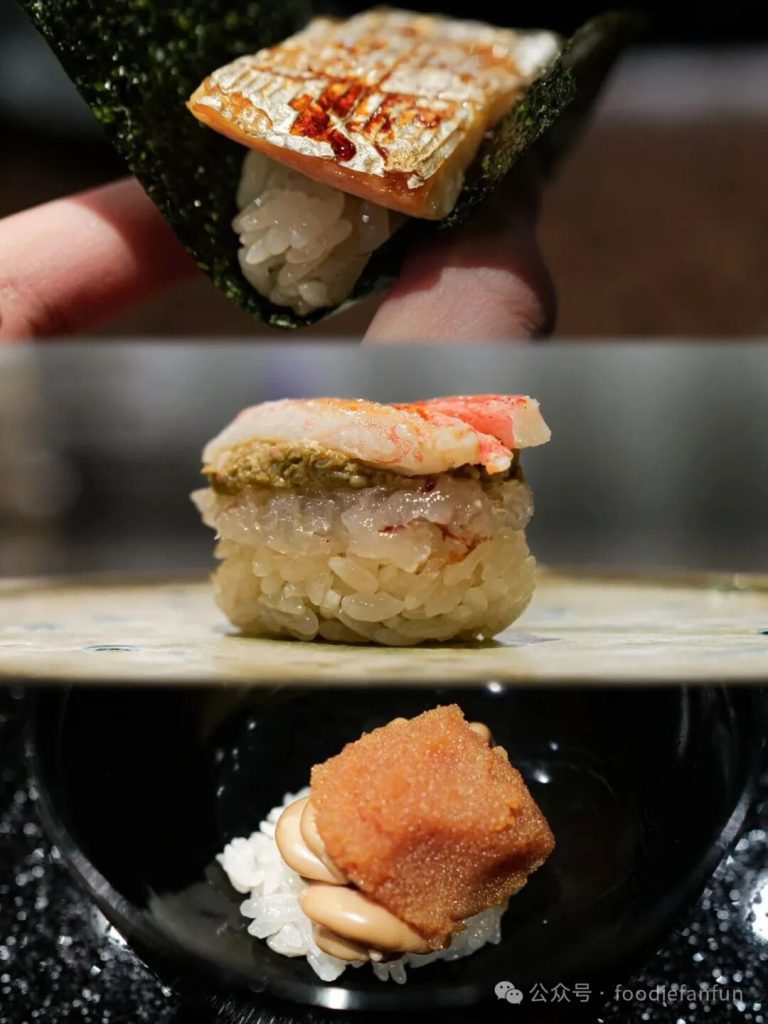
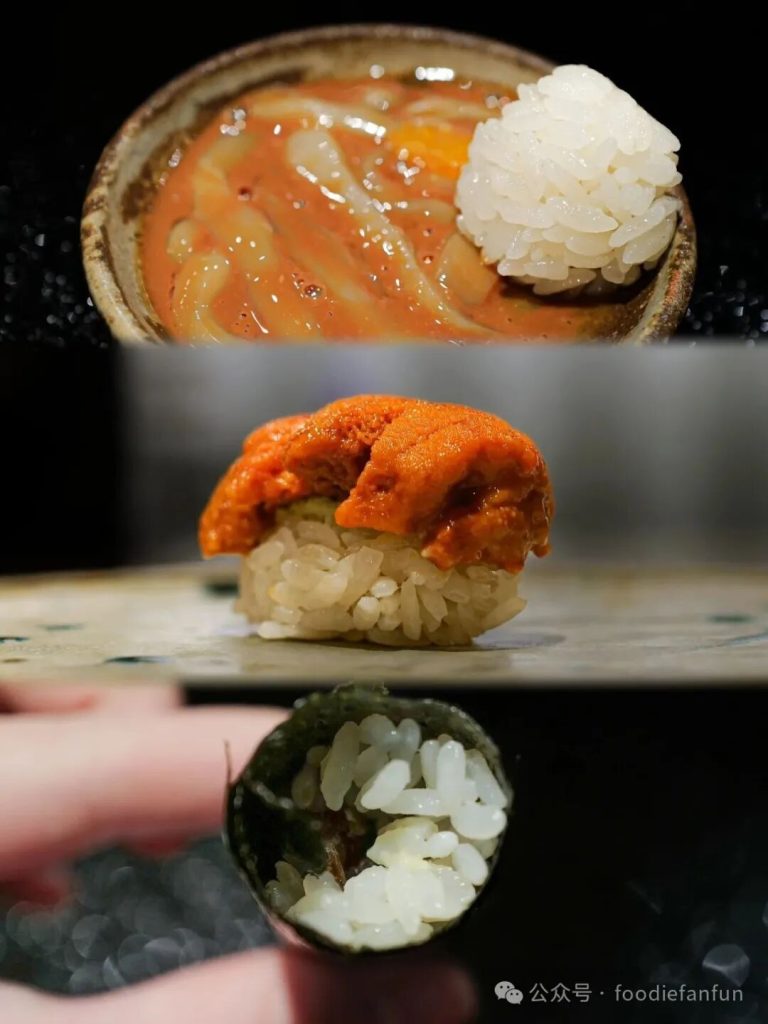
It’s a genuinely fun little restaurant. It wears the name and look of sushi, but is nothing like the traditional flavor or style you’d expect.
It doesn’t insist on “authenticity,” and it isn’t chasing any particular label — it simply expresses itself through fish and rice, on its own terms. Full of ideas, but never forced. Relaxed in pace, but never careless.
✦ 🏮 ✦
🏮 Eiraku Shokudo
🥢 Legendary-tier, even among izakayas across all of Japan
🍶 4-14-33 Nakadori, Akita City
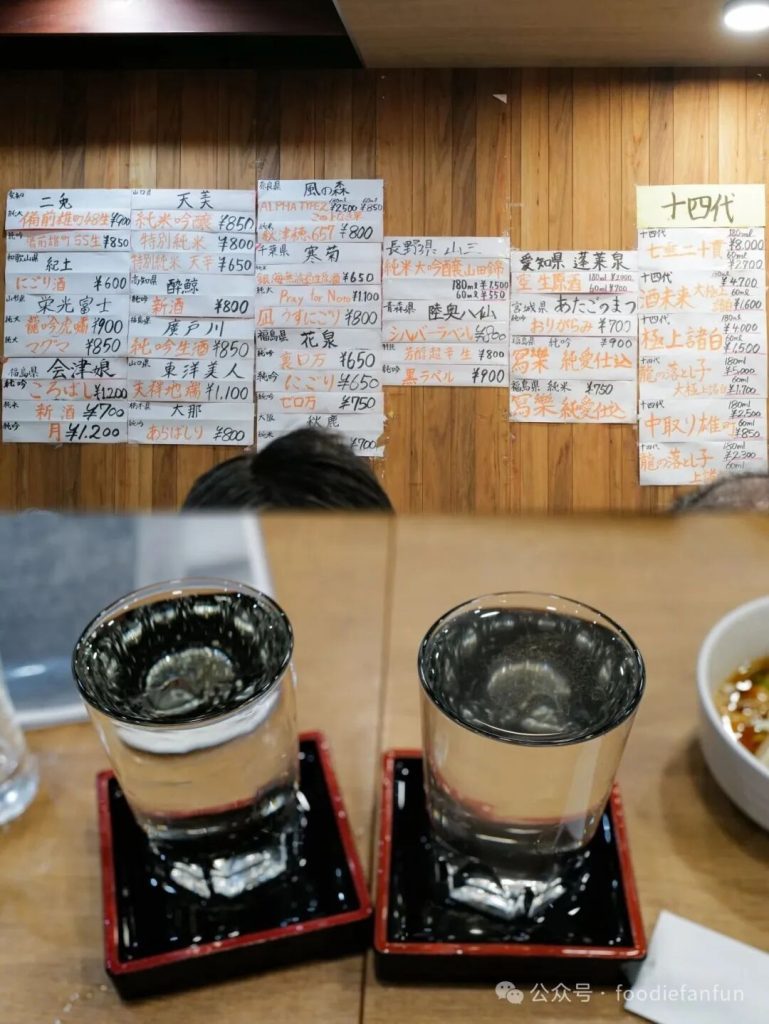
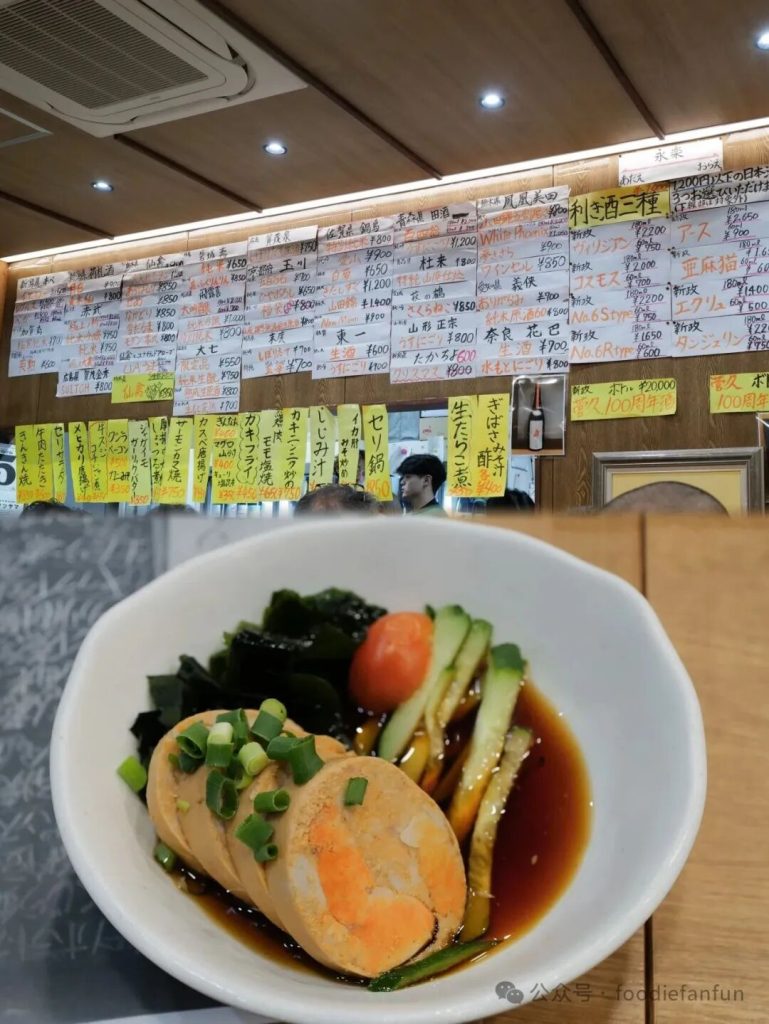
For every adult who comes to Akita, Eiraku Shokudo is a mandatory stop. Good food, cheap drinks — do you need any better reason than that?
The first round at Eiraku needs a reservation; the second round is straight-up queuing. Most of the crowd is locals fresh off work in suits, or people mildly buzzed from an earlier round, in for a couple of small plates and a drink.
The sake list is impossibly wide-ranging — sorted by region and plastered across all four walls. Shinsei No. 6 clearly priced at about 30 RMB a glass, Juyondai at 80. Plenty of people drinking highballs and beer too.
I’ve been to more than a few so-called “bargain” sake spots in Japan, but Eiraku Shokudo operates on a whole different level.
That’s probably the confidence that comes from an entire prefecture that loves to drink — a truly legendary shokudo.
✦ 🏮 ✦
🏮 Concador
🍶 A members-style sake bar — cracking open Akita’s coolest “mama’s” fridge
🥂 1-7-20 Sanno, Eiken Bldg 2F, Akita City
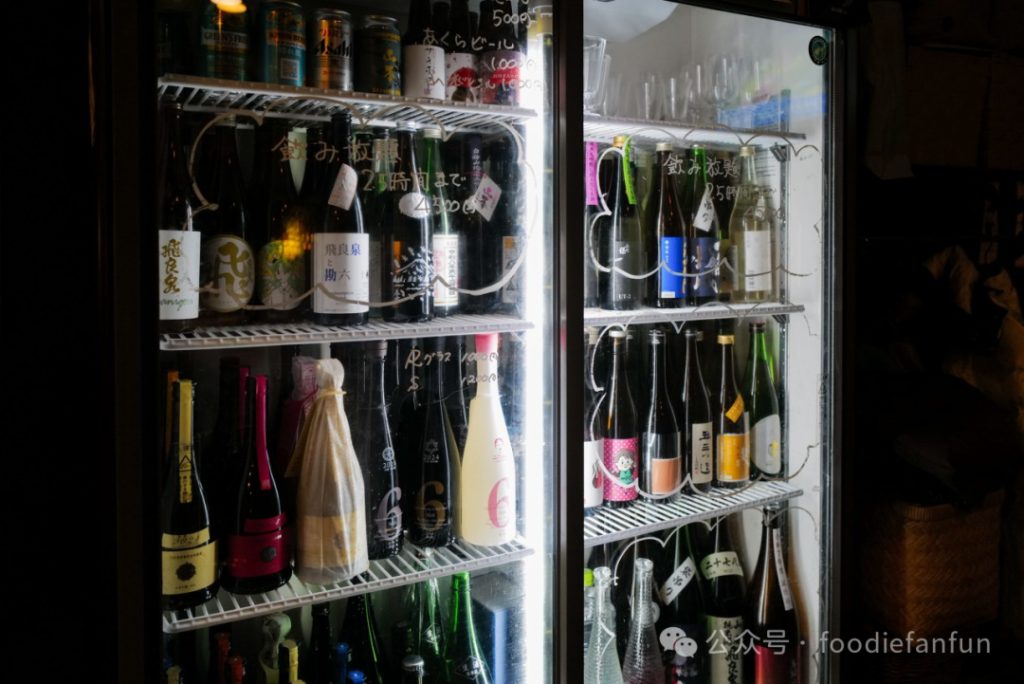
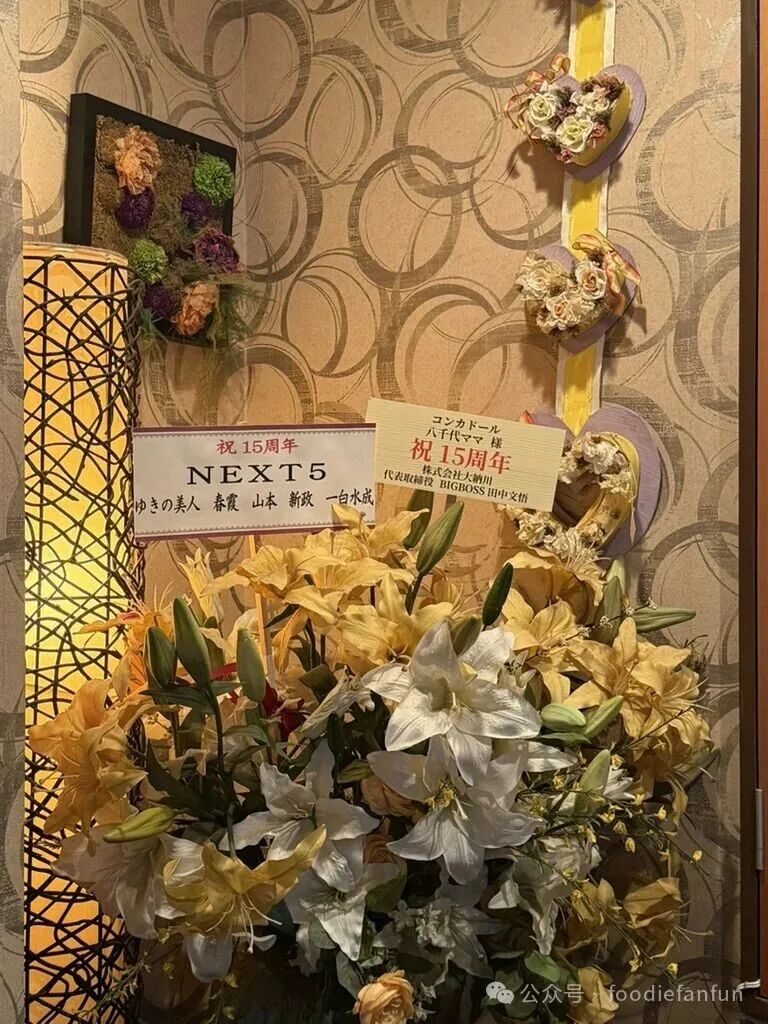
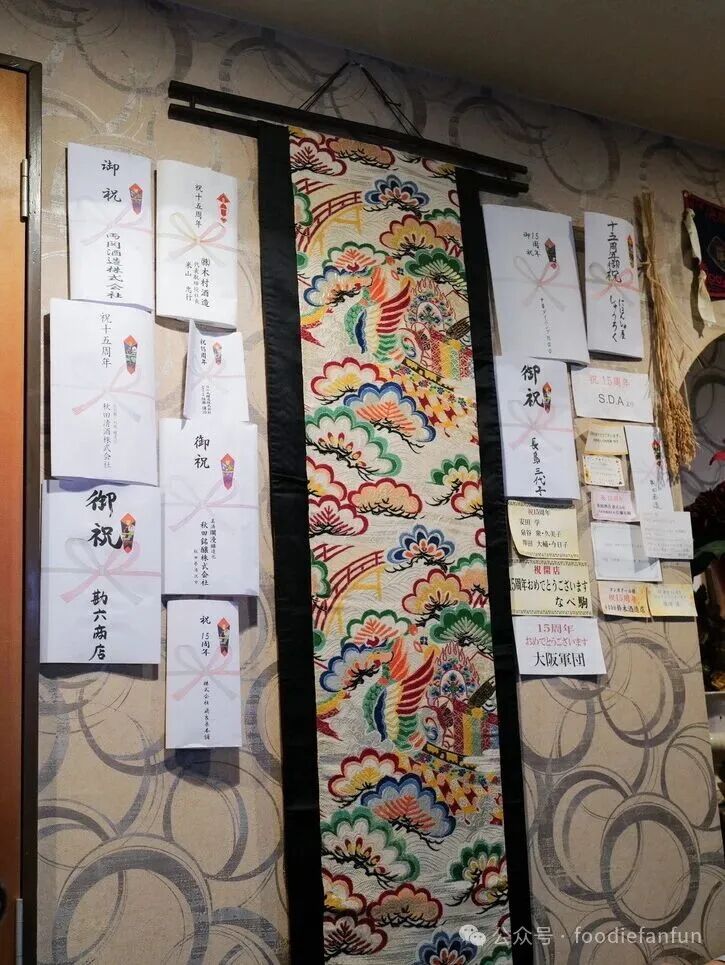
In Akita, you constantly get the illusion of drinking sake like water. What’s even more alarming is that it’s all genuinely good sake. “Mama’s” little bar is the perfect example.
A sign on the fridge, circled in a cute little cloud, reads: 2.5 hours all-you-can-drink, ¥4,500. In Tokyo, that price might not even cover mineral water at a fine-dining restaurant.
“Lots of Shinsei” is definitely one reason people are drawn to this little place, but what really keeps them there is the whole lineup of distinctive, sharply chosen bottles. Hiraizumi, Ippaku Suisei, Harugasumi… every character, from crisp to rich, can be found somewhere in “Mama’s” fridge.
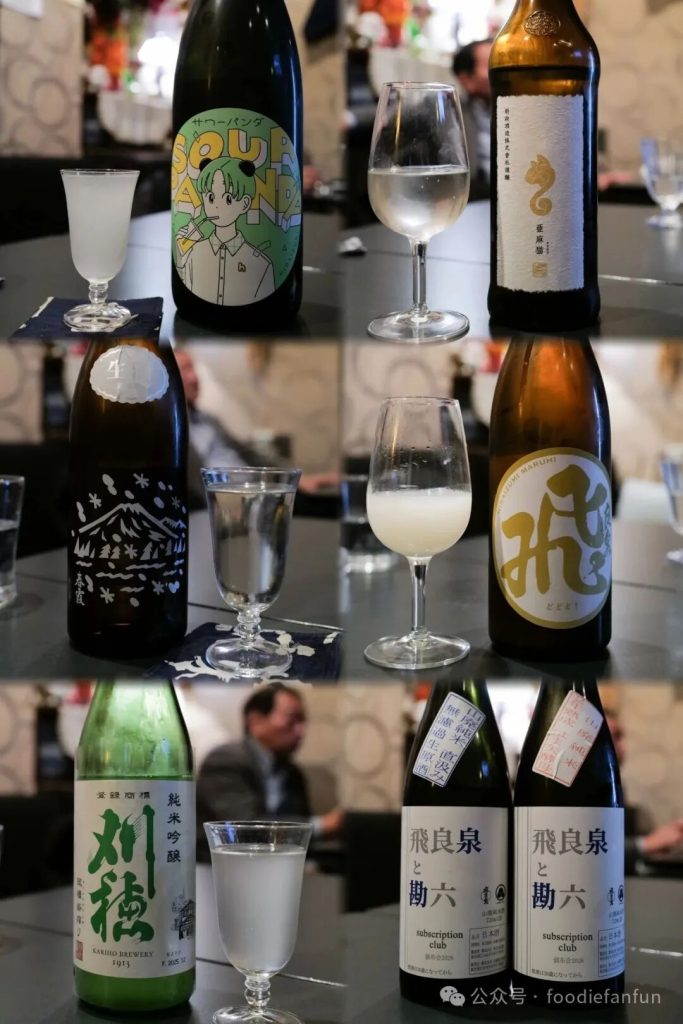
What draws in both Akita locals and visitors from across Japan — more than the sake itself, I think, is the atmosphere.
The space is intimate and relaxed, and “Mama’s” lively, outgoing personality plays off the quieter room in a subtle, charming contrast. The bar had just celebrated its 15th anniversary a couple days before our visit, and it’s still covered in congratulatory stickers from Akita’s major sake associations — a quiet kind of standing and credibility.
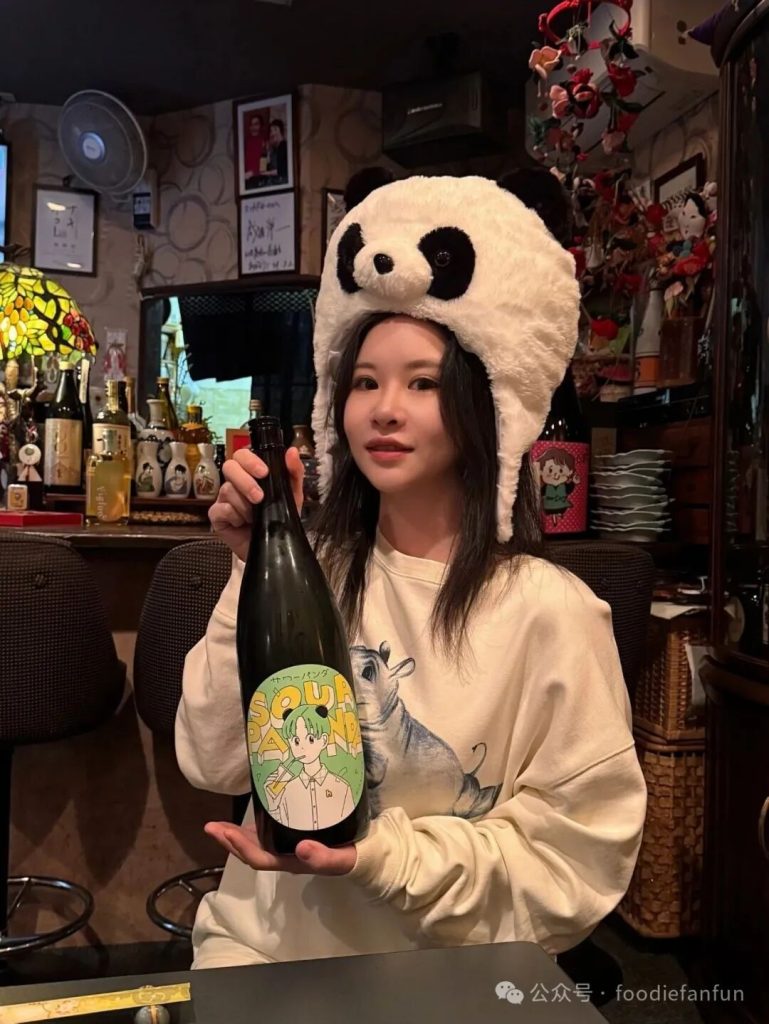
And if a guest orders a Sour Panda, “Mama” will laugh and pull out a fuzzy panda hat for a photo together. Cute, easygoing, and full of warmth.
Worth noting: even though this place is mainly about drinking, the small dishes are anything but an afterthought. The bar snacks are simple, but genuinely delicious — a great choice to kick off an Akita night.
✦ 🍺 ✦
🥢 Asiagura
🏮 A fifty-year-old Akita “beauty’s” legendary Chinese-food izakaya
🍣 6-19-7 Nakadori, Akita City
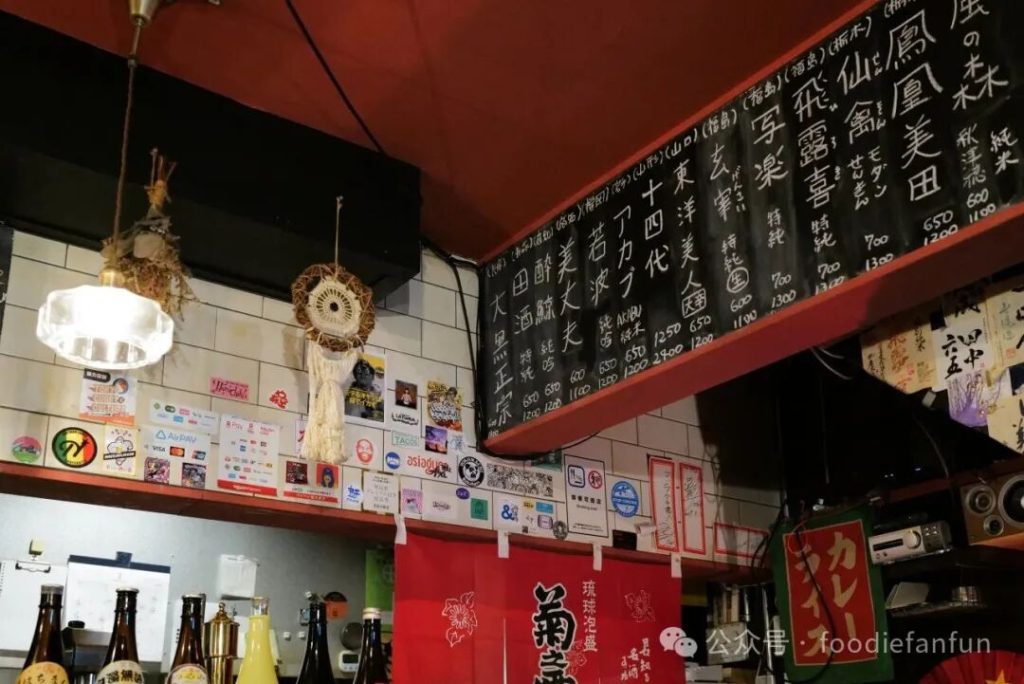
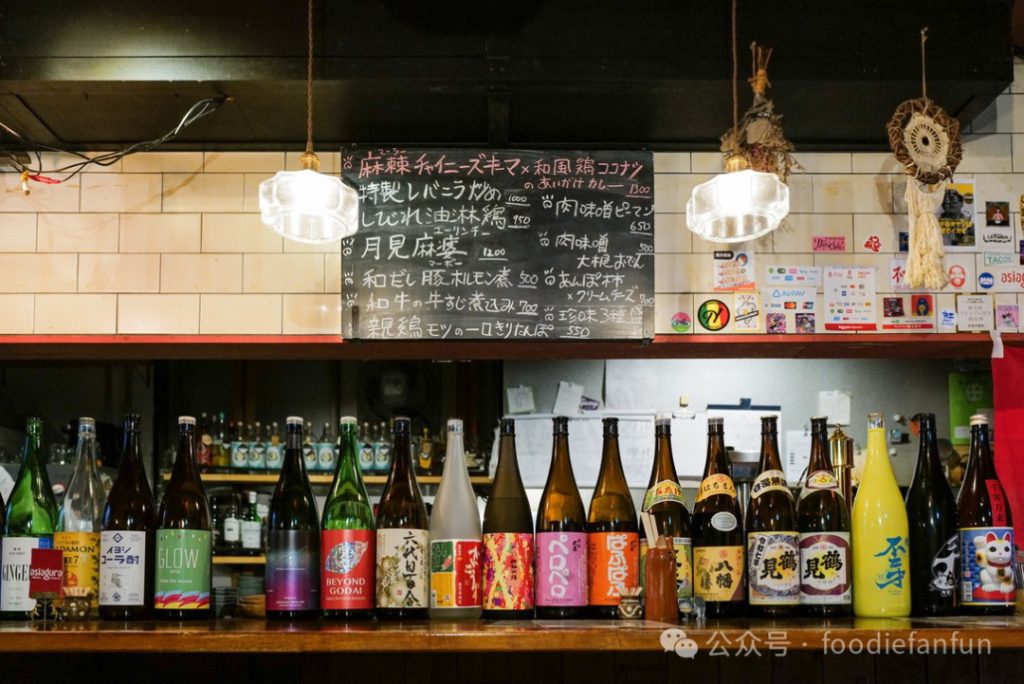
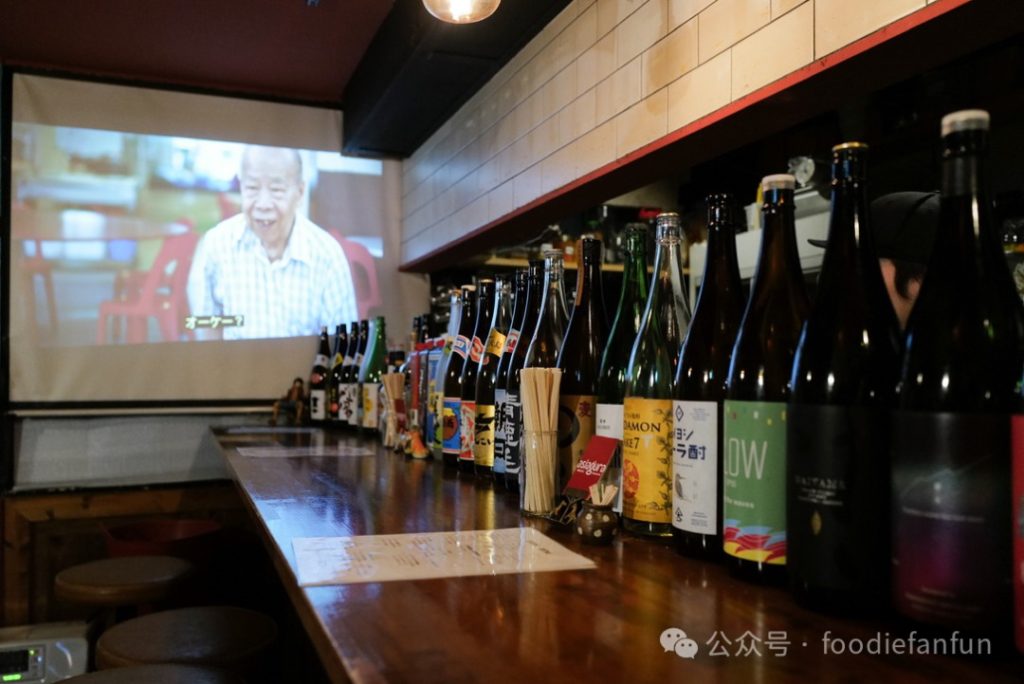
If there’s one true hidden gem uncovered in Akita, it has to be Asiagura. A pan-Asian mash-up of a bar, the kind of place where you can genuinely switch your brain off and drink completely at ease.
The lighting runs low, the exotic decor understated but full of mood. Old-feeling music plays in the background, an old film loops on the projector — even a young Kimura Takuya makes an appearance. Time itself seems to slow down.
A little blackboard under the stairs lists all kinds of local Akita sake, mixed in with nationally known names like Juyondai, Senkin, and Sharaku. Shochu, meanwhile, is simply lined up bottle by bottle in 1.8L jugs along the bar — a striking sight.
But the real star of the room is the four big characters on the blackboard overhead — “Moon-Viewing Mapo.” A 50-year-old, ex-soccer-player-handsome owner, paired with a chef who came up cooking Chinese food — what a combination.
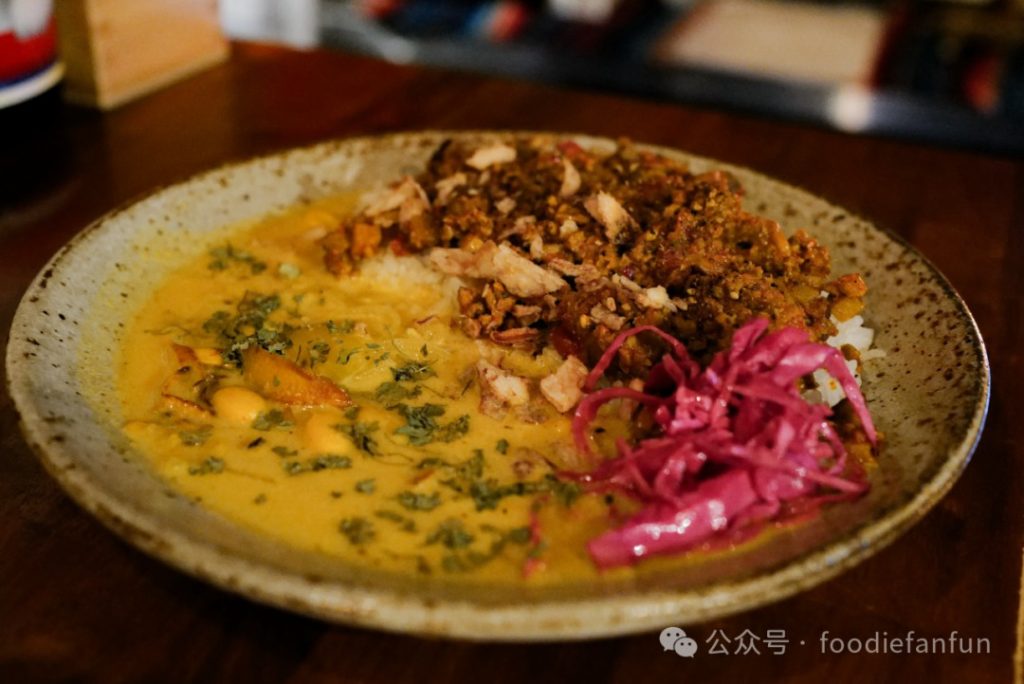
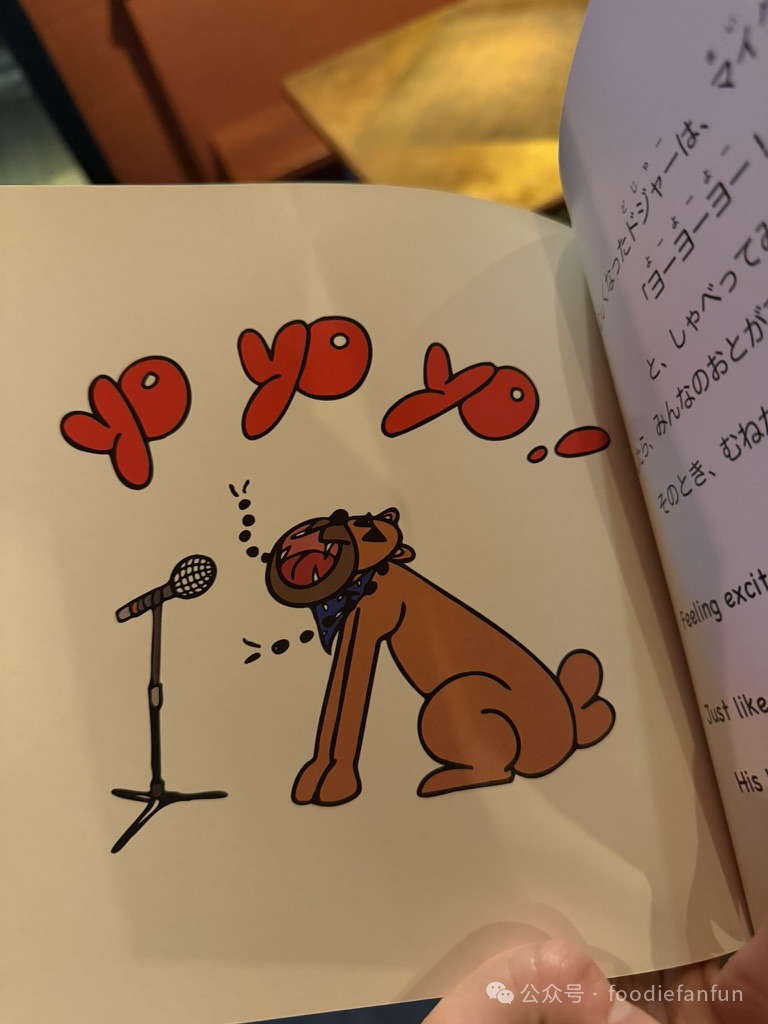
Nothing here really follows the rulebook. So, thoroughly relaxed by this point, we ended up making some choices of our own that broke from the plan.
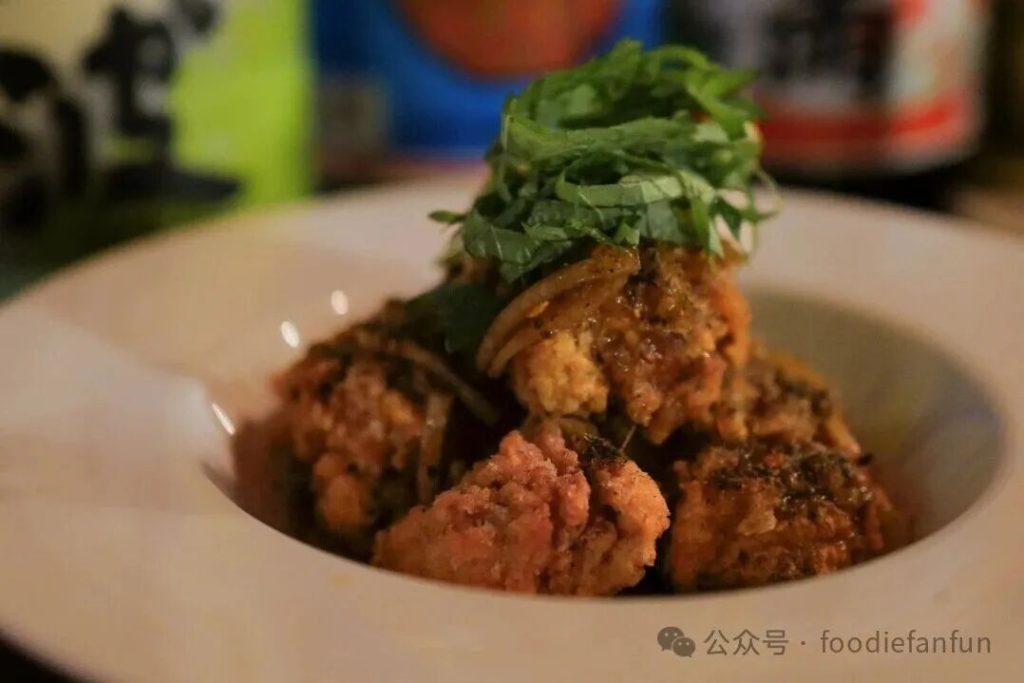
We skipped the signature mapo, lured instead by the aroma drifting over from the next table — ended up with youlinji fried chicken. Didn’t touch a drop of sake, got pulled in instead by a row of shochu we’d never seen, and worked our way through nearly the whole lineup over two nights.
The owner has his own drinking suggestions for every single bottle — sometimes soda-mixed, sometimes water-mixed, sometimes a glass on the rocks, one neat, and one water on the side, so you can compare for yourself. Just as confident about the food. “Our chive-and-pork-liver stir-fry doesn’t lose to that popular place on Tabelog, you know.”
This is the kind of relaxed little place you’ll keep thinking about long after you leave. Let your guard down, and cheers to being happy.
✦ 🍺 ✦
🍺 JAH
🍜 Drinking and post-drink ramen, solved under one roof
🍣 5-3-16 Omachi, 1BOX Bldg 2F, Akita City
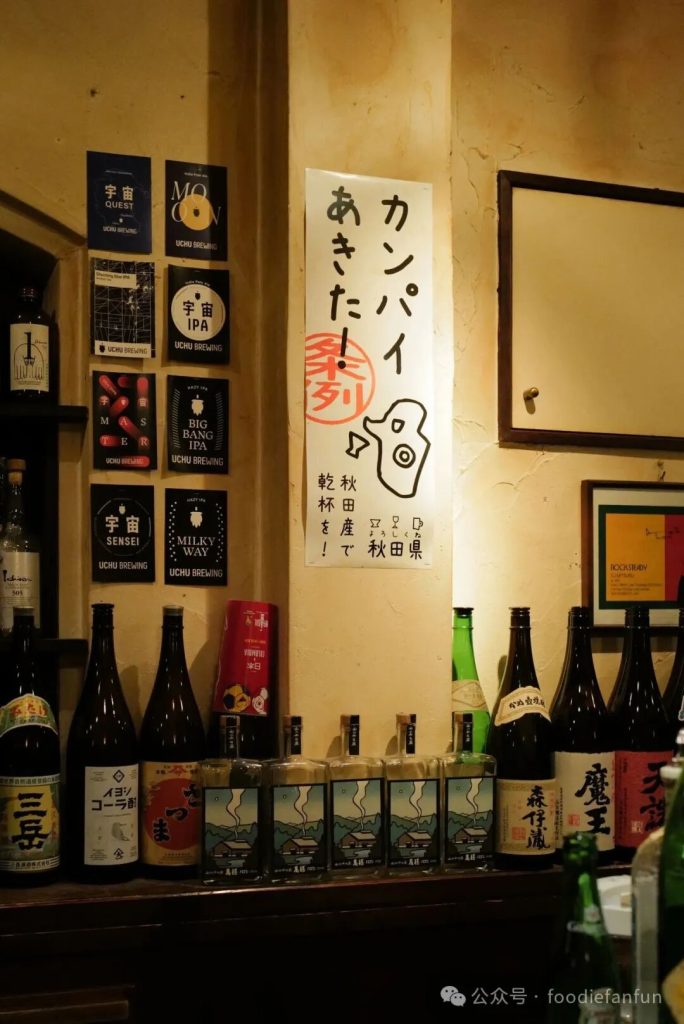
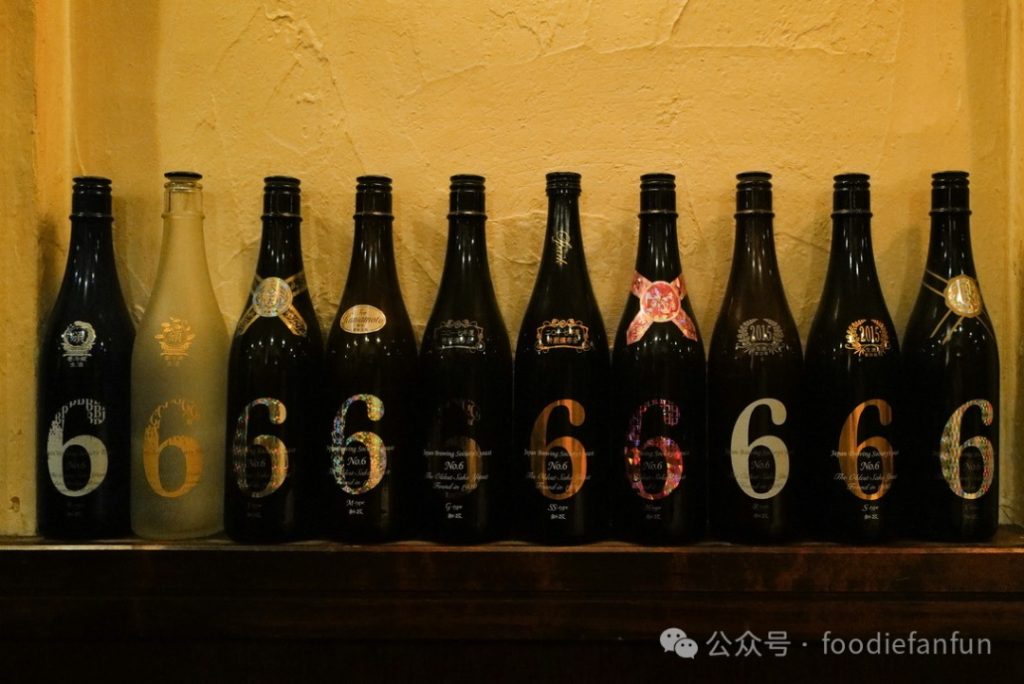
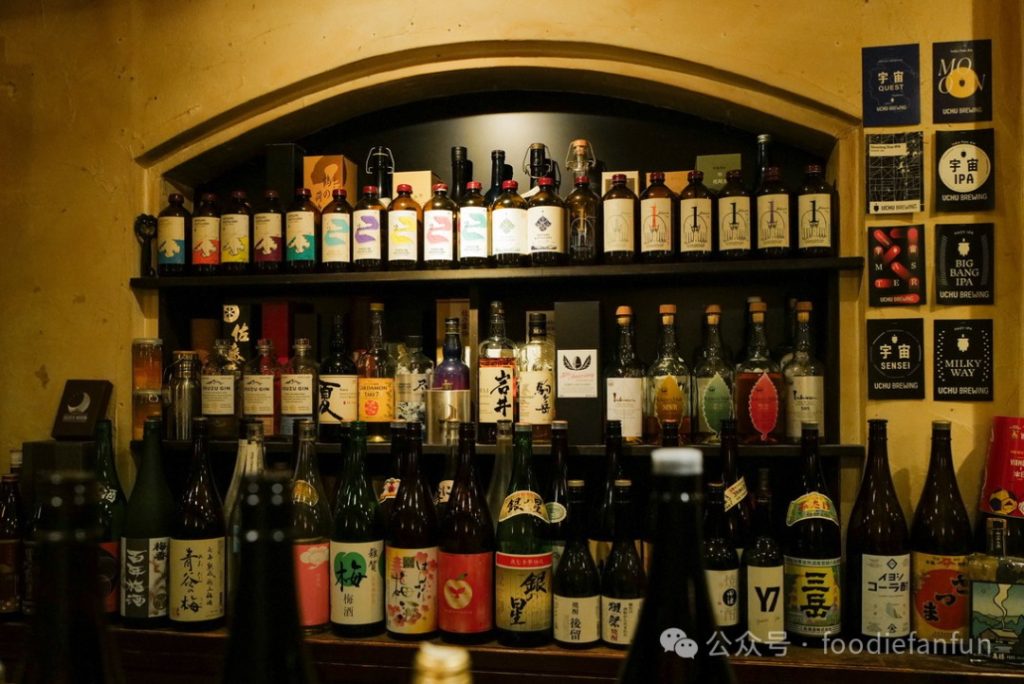
In Akita, having Shinsei on a restaurant’s menu feels about as natural as beer at a Qingdao restaurant. And as one of the most established fixtures of Akita’s nightlife, JAH’s drinks list runs even wider. Sake, spirits, cocktails, liqueurs, umeshu — turn one page and there’s another, an almost dizzying amount of choice.
The selection is broad, but still precise, and the entire staff is genuinely professional across the board. Chat with any bartender at the counter for a minute and they’ll happily talk you through a bottle’s background, style, and the best way to drink it. That familiarity with sake doesn’t feel rehearsed — it feels like something that’s simply seeped into daily life.
Beyond the drinks, JAH’s late-night ramen is famous too. It’s gotten to the point where saying “I want ramen after drinking” in Akita will almost always get you a recommendation for JAH.
Next time, I want to try it myself!
✦ • ✦
🍹 Sideback
👗 Akita’s own version of Shinjuku Ni-chome
🍣 4-2-4 Omachi 2F, Akita City
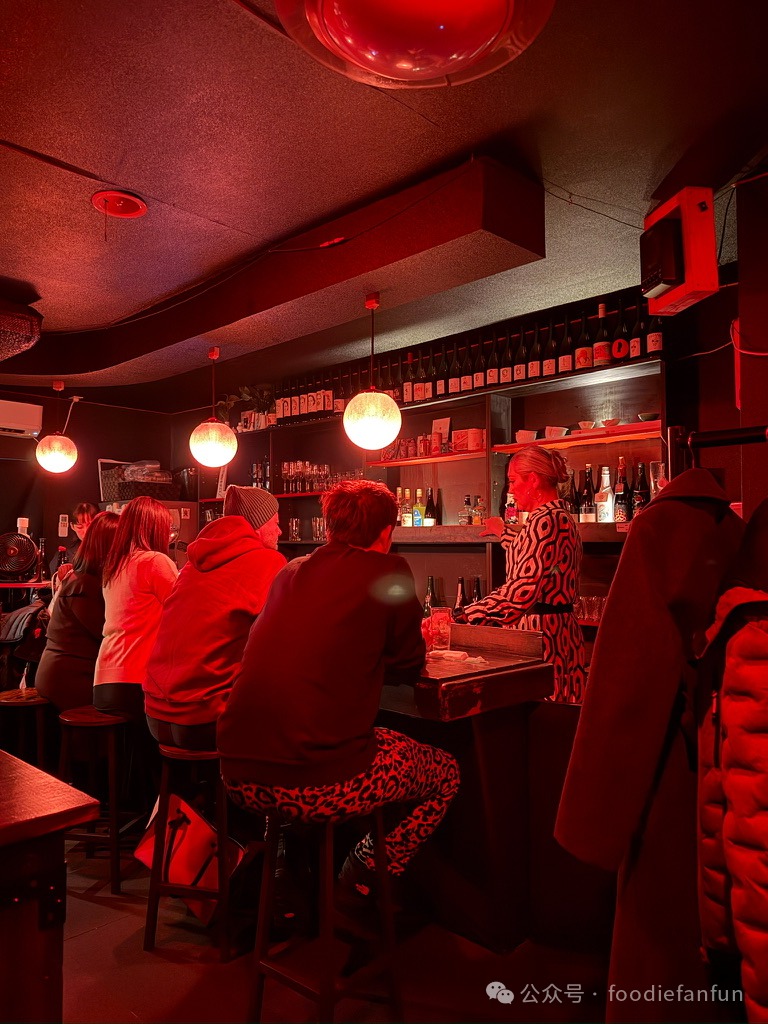
SIDEBACK is unmistakably a different world within Akita — and yet it’s also a place locals will earnestly recommend.
Bring up “where have you been” in Akita, and the moment you mention SIDEBACK, you’ll almost always get a knowing “Ohh, you went there” in response — a tone with a bit of surprise, and a bit of local recognition.
As it happened, SIDEBACK was our third stop that night, and we ran into everyone we’d seen at the very first bar earlier in the evening. People from China, Tokyo, Akita, and Hokkaido, crossing paths a second time on a snowy night, eventually all crammed around one table talking — and even made plans to meet again in September.
That’s probably the magic of drinking in Akita. The distance between people really does shrink, glass by glass.
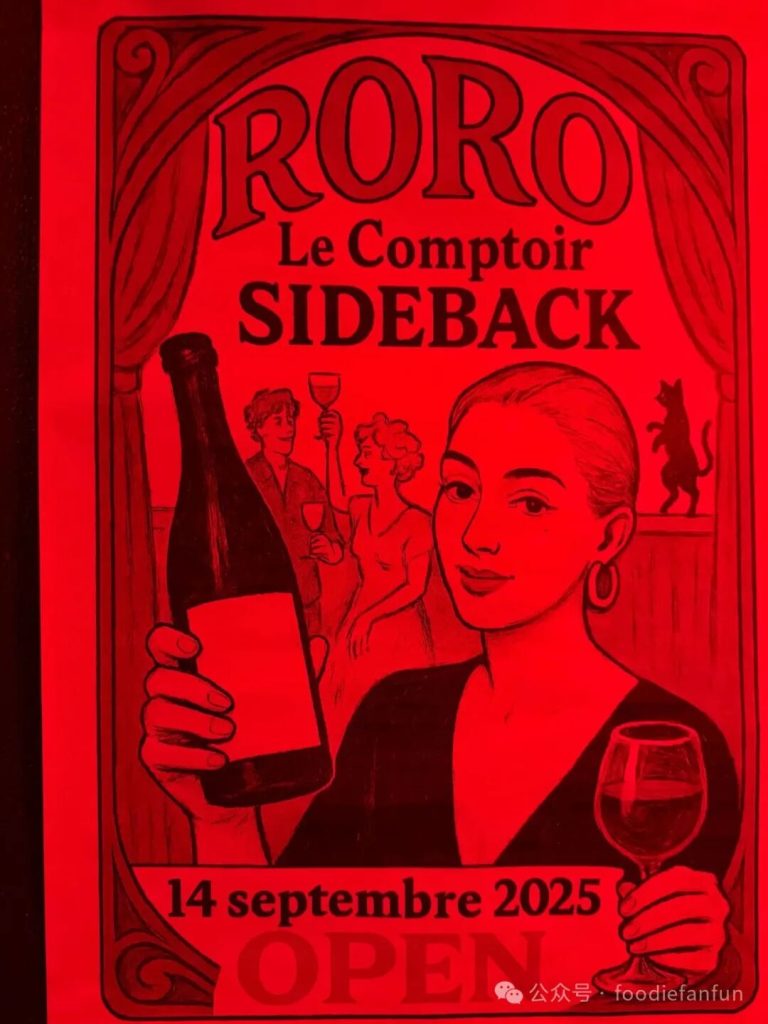
SIDEBACK is genuinely the kind of place you shouldn’t be afraid of — close your eyes, push the door open, and you’ll fall for it. Under the red light on the second floor, the male owner wears a striped skirt and red lipstick, carrying a touch of glamour alongside a warmth that puts you instantly at ease.
The bar is about to hit its anniversary, and he pointed out his prized bottle in the cabinet.
“This is a special nigori Shinsei made just for me — Unicorn.”
“10th anniversary is 2/13 — if you come… I’ll save you a taste.”
We’ll definitely be back.
✦ • ✦
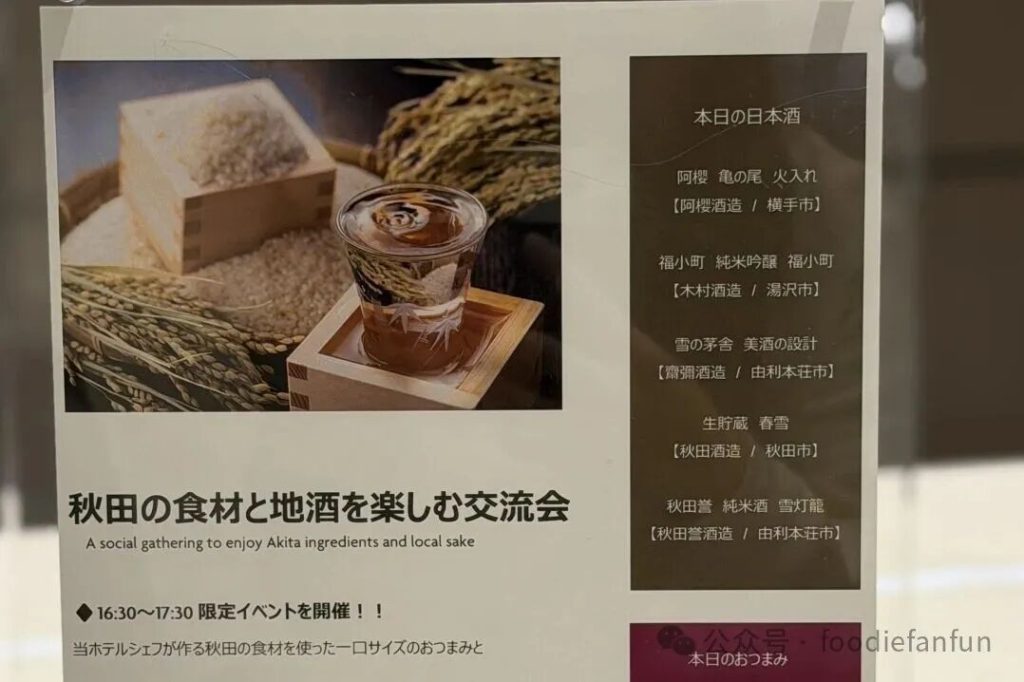
Food and drink covered — a quick word on how to spend the rest of your time in Akita. For hotels, we’d recommend near the station: plenty of options, easy to get around, and close to all the drinking spots. We stayed at the ANA hotel, and on Friday afternoons there’s even a small pop-up about Akita sake and food, with free tastings for guests to try.
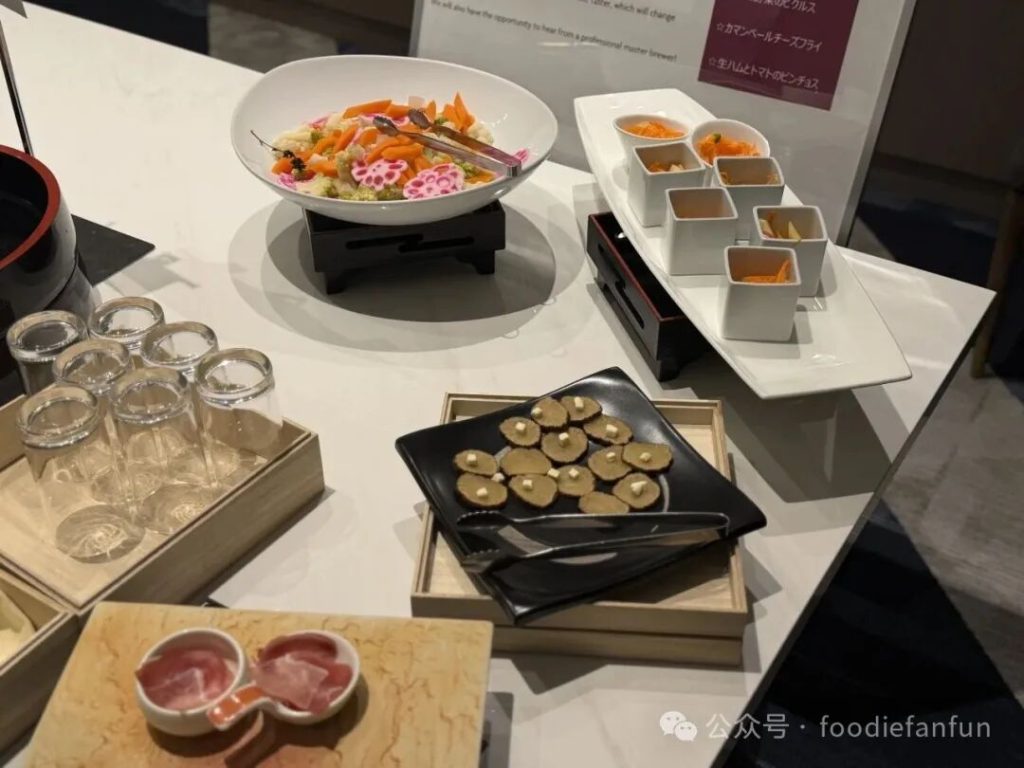
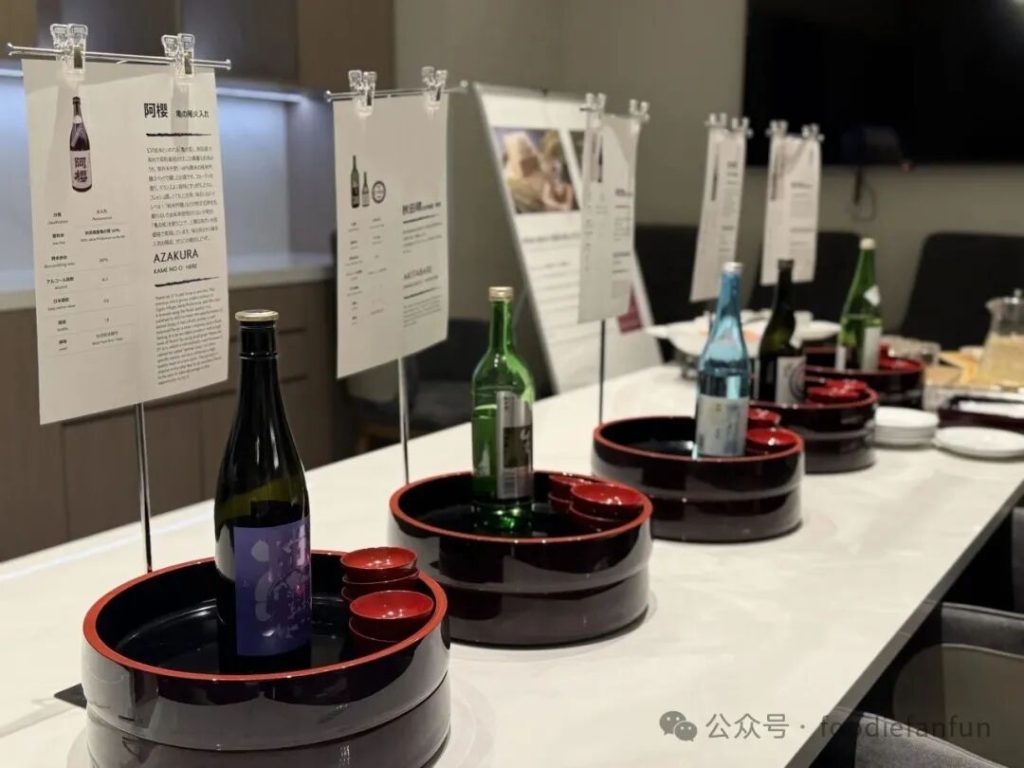
A sake brewery visit is a must in Akita. Shinsei Brewery isn’t open for tours, but you can pick up merchandise, and sake purchases are limited to two bottles per person. It’s an easy bus ride from Akita Station, and well worth the stroll around.
If you actually want to walk into a brewery, the local leader Takashimizu naturally steps up to the role. They offer in-depth tours, even with English explanations, open until 4pm on weekdays — just call ahead to book.
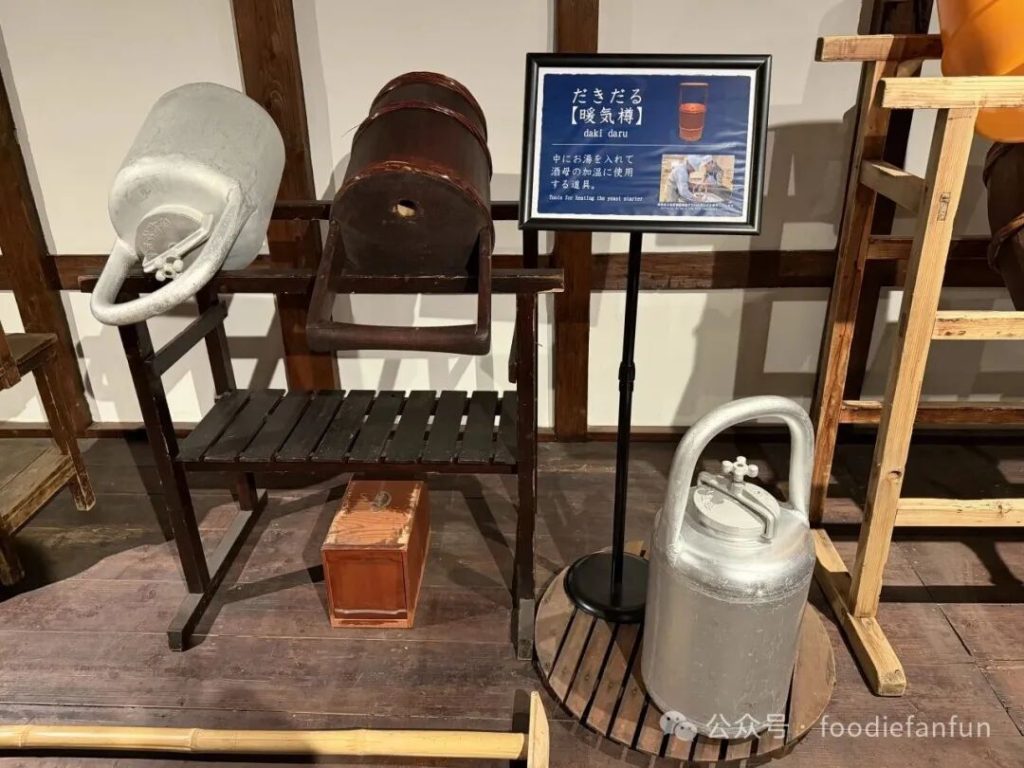
Among the old displays — wooden barrels, worn tools, yellowed ledgers and labels — the history of Akita sake slowly comes into focus.
“This tool here was made specifically for delivering sake to people heading out on excursions, back in the last century.” Well — a kingdom of fine sake, right down to the bone.
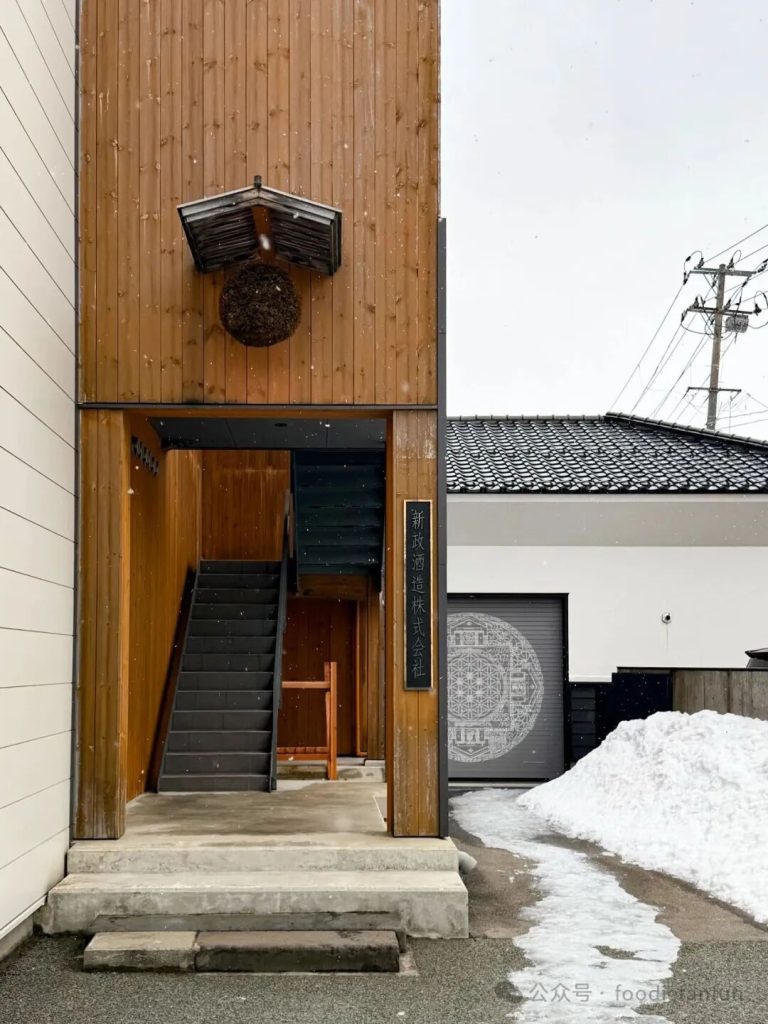
Shinsei Brewery
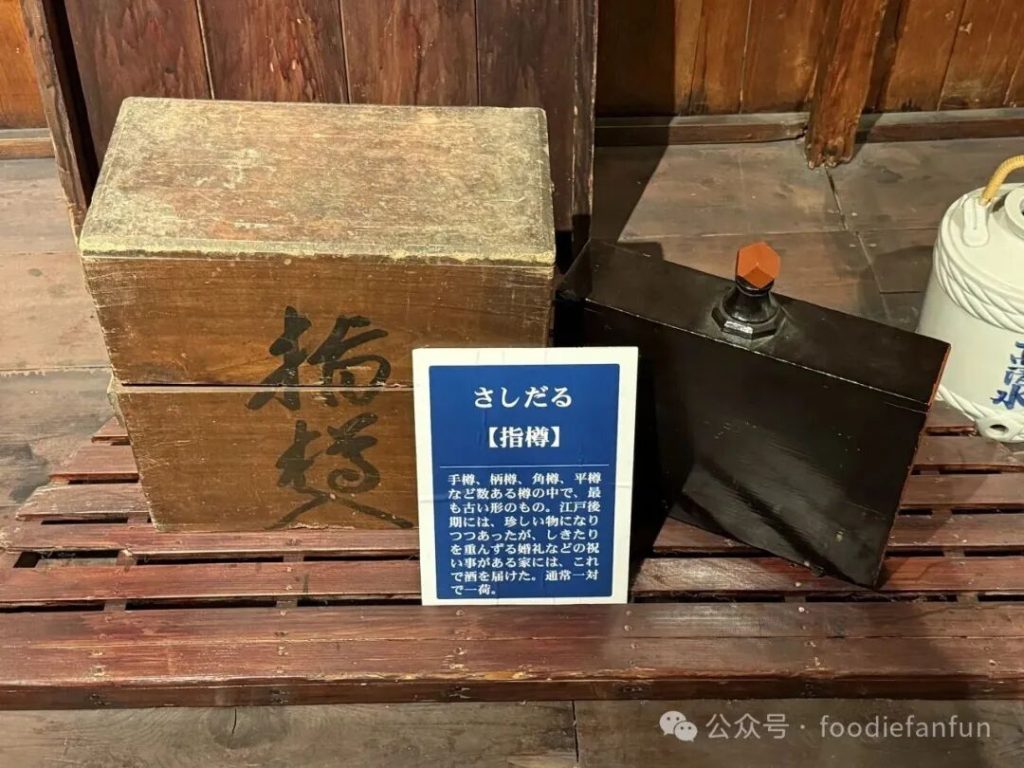
Takashimizu Brewery
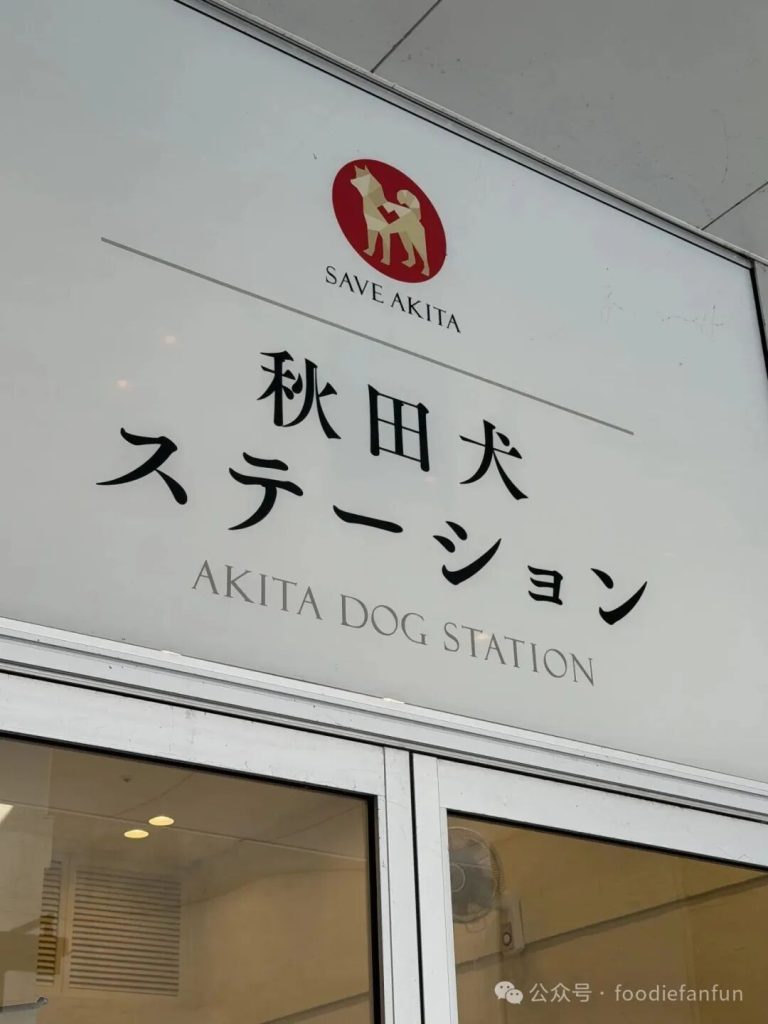
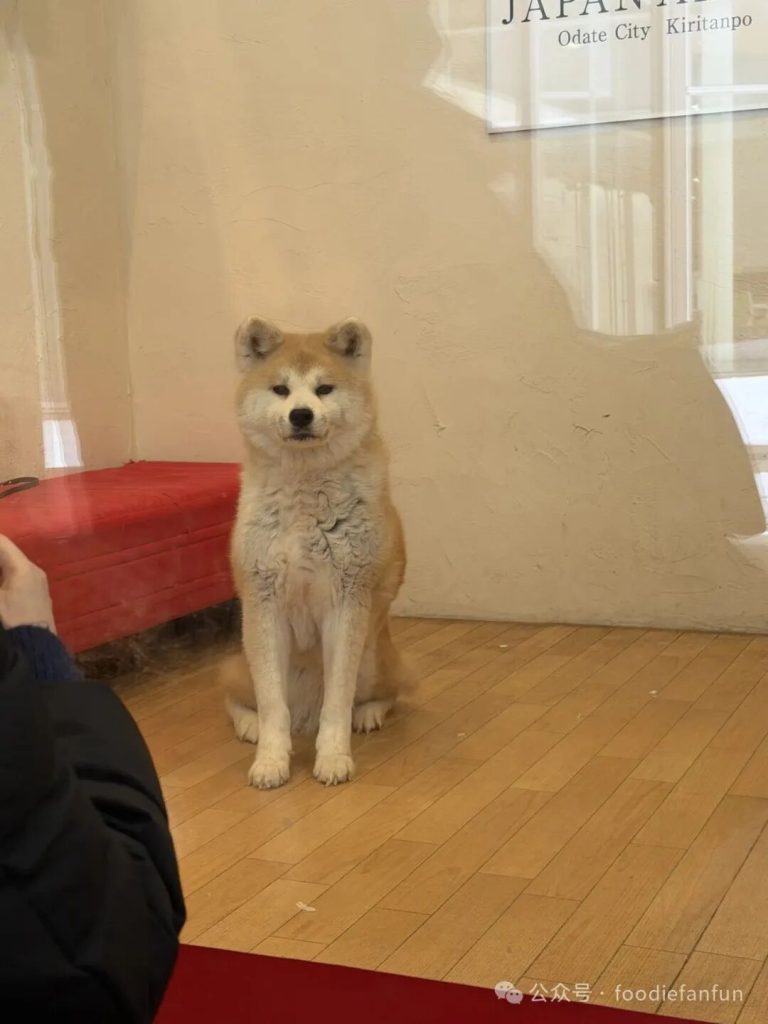
If your visit happens to land on a weekend, you should absolutely go see the Akita dogs. No need to travel out to the distant Akita Inu no Sato — right in the city, Akita Inu Station holds dog appearances every weekend before 3pm. Their round, deadpan little faces sit in the window, calm and well-behaved, radiating a gentle, harmless kind of presence. The mascot of snow country truly lives up to its reputation.
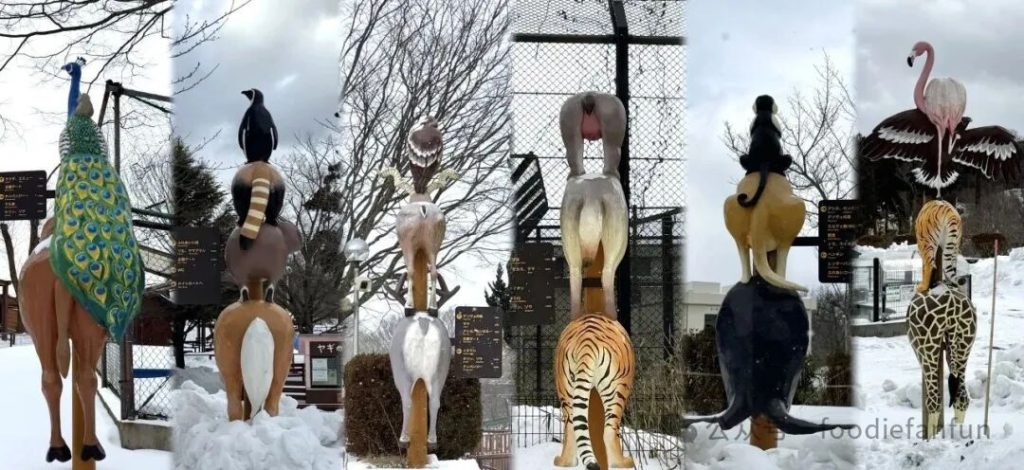
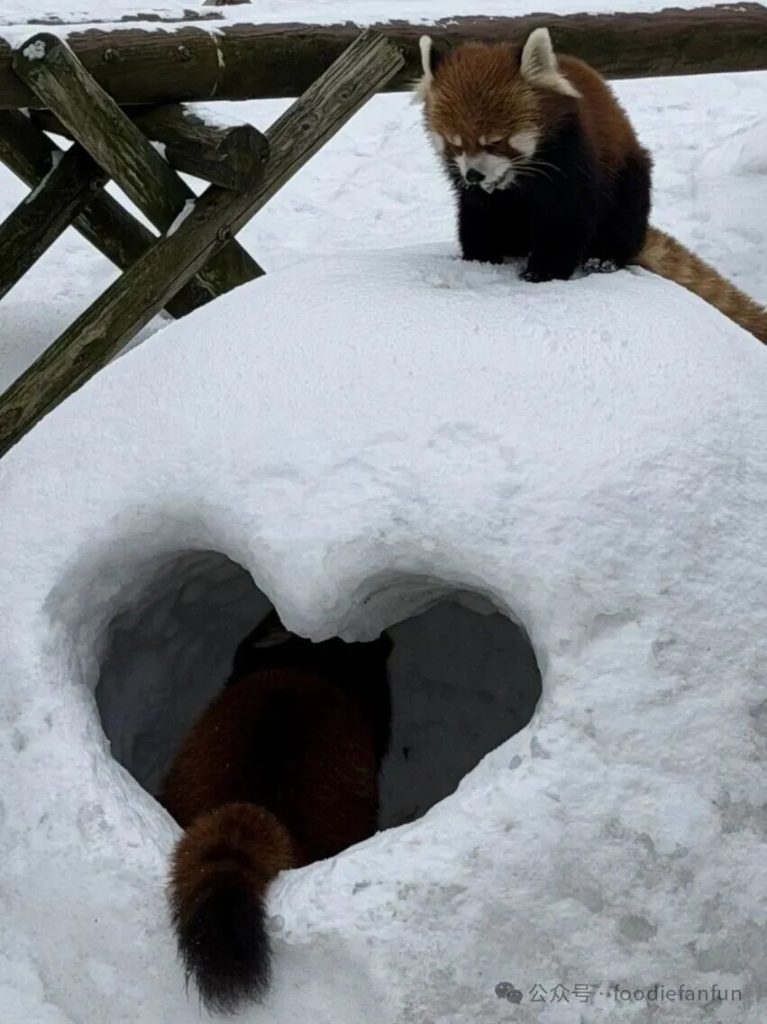
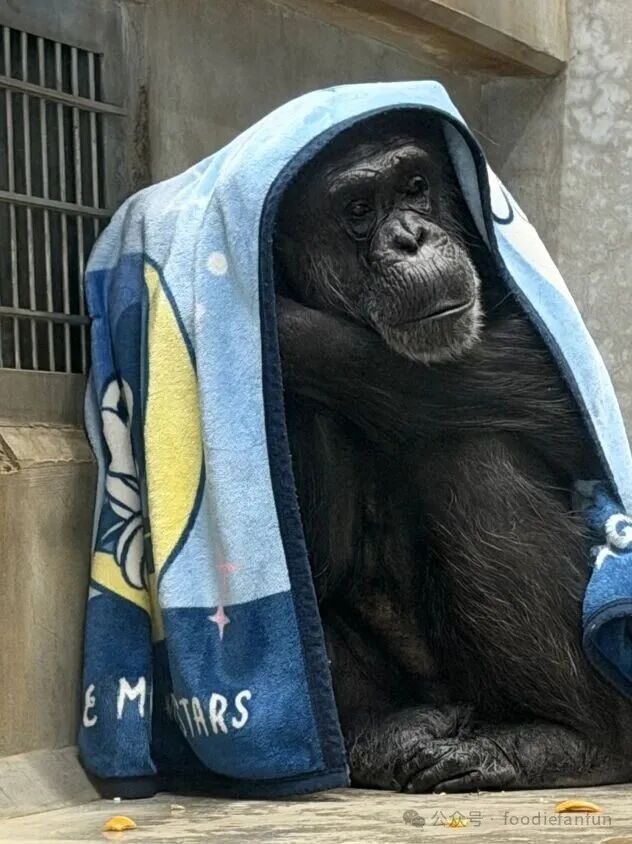
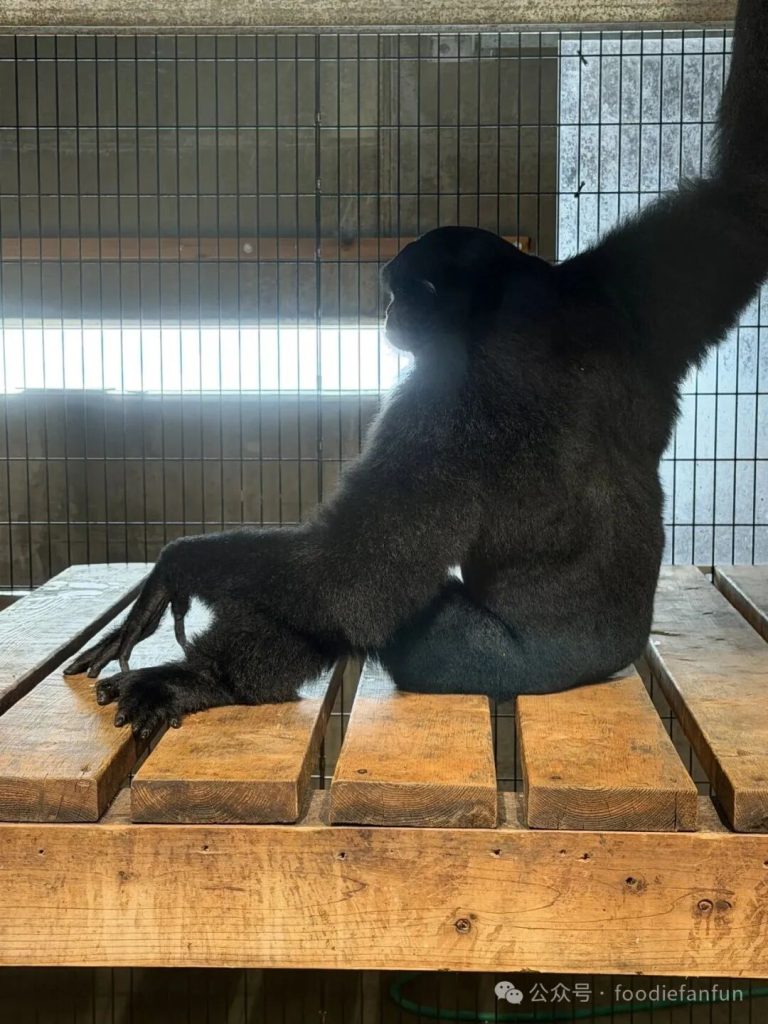
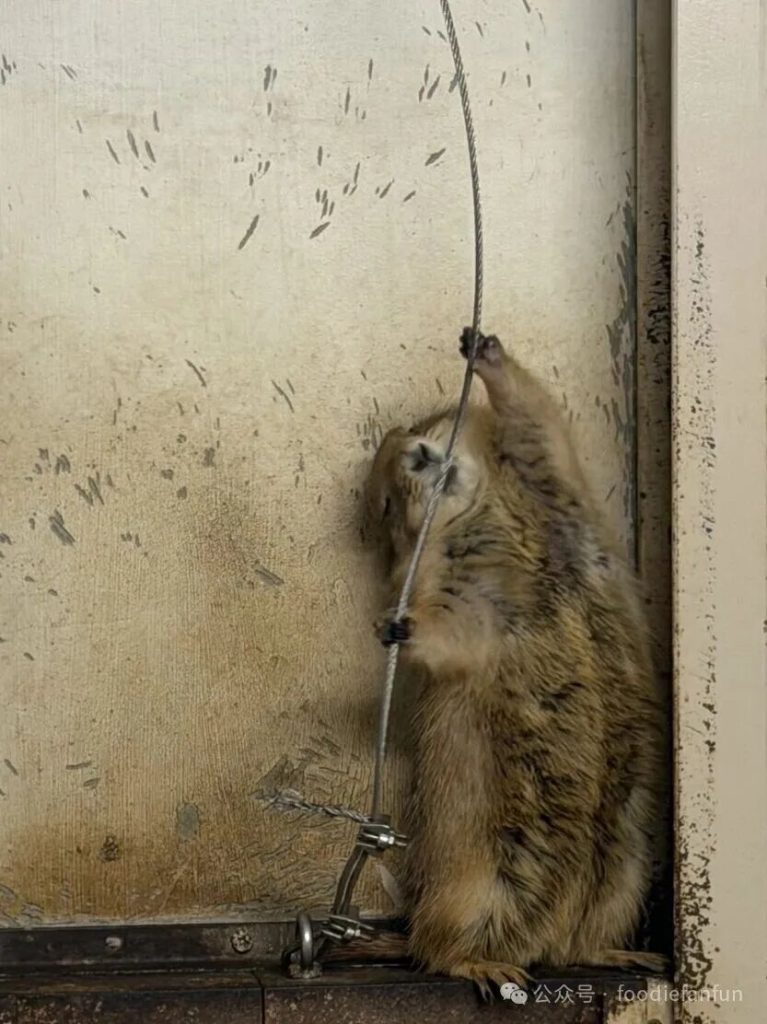
If you have the time, I’d personally recommend Omoriyama Zoo. Having visited plenty of zoos and aquariums across Japan, this one is easily the most distinctive in style. Every signpost is shaped like an animal’s rear end, a raccoon dog curls up in a heart-shaped snow den gnawing on an apple, a gorilla wraps itself in a Mickey Mouse blanket, and the resident star snow leopard perches somewhere high, gazing elegantly over everything below.
If you’re curious, take a look at the official website ahead of time — every single animal has its own individual “ID photo,” each with plenty of personality. Just another kind of cuteness, in a world painted entirely white.
Akita really is wonderful — snow in winter, cool escape in summer. We’ll be back.
Sushi Koma · Toriyoshi · Holumon Saru · Sushi Ito
Eiraku Shokudo · Concador · Asiagura · JAH · Sideback
Akita City / Yurihonjo, Akita Prefecture
Leave a Reply